


Xylotrechus antilope
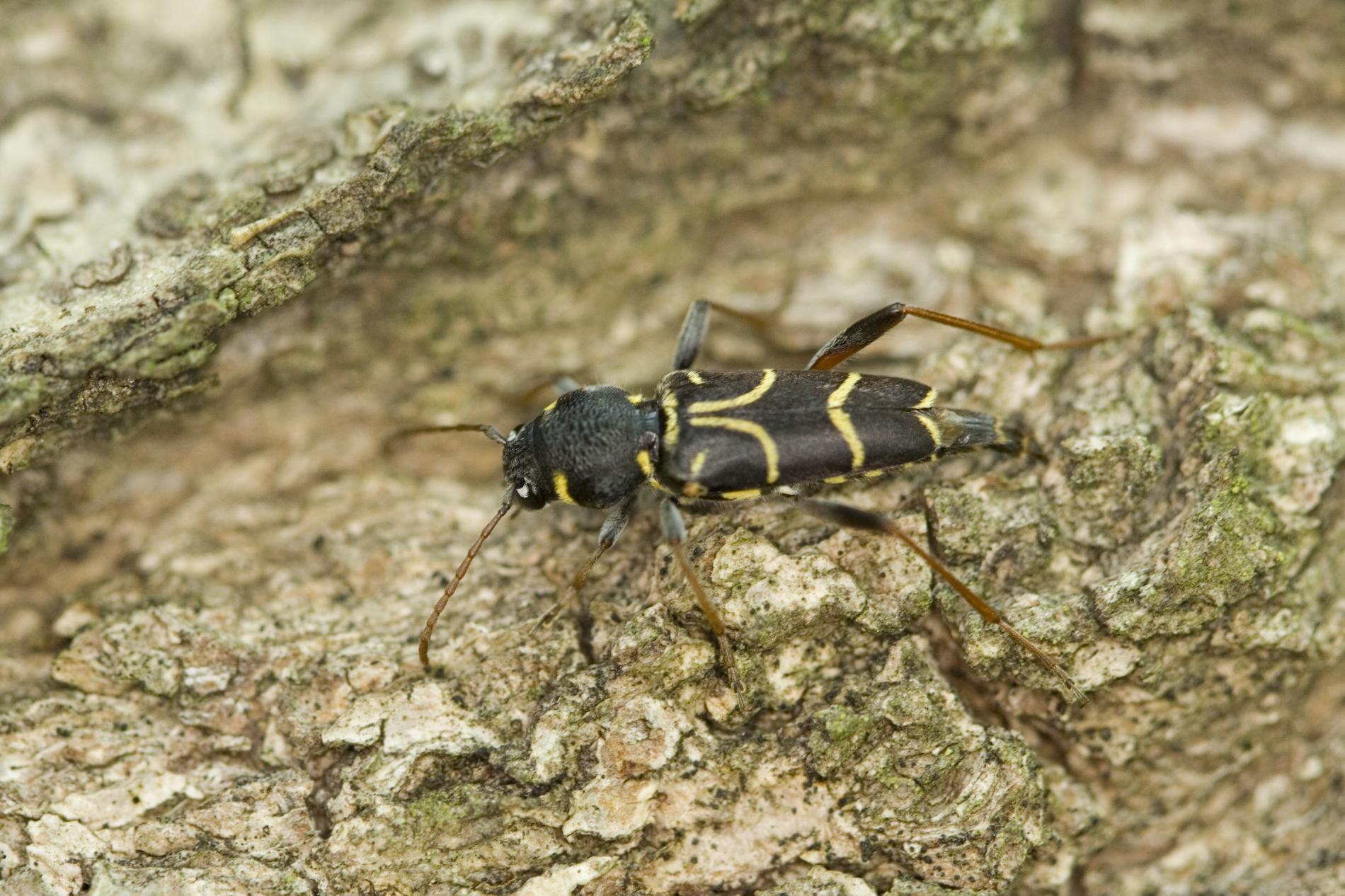
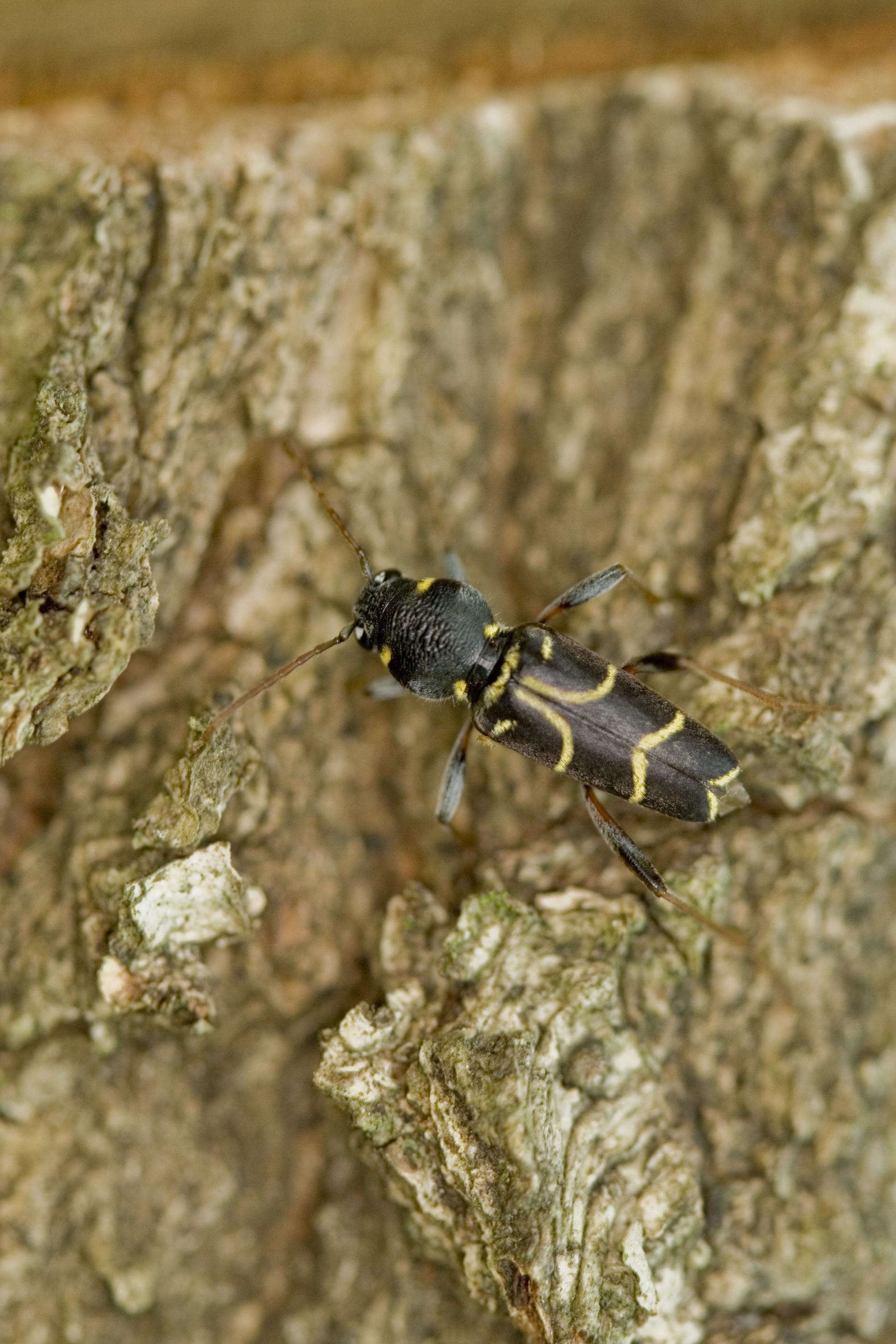
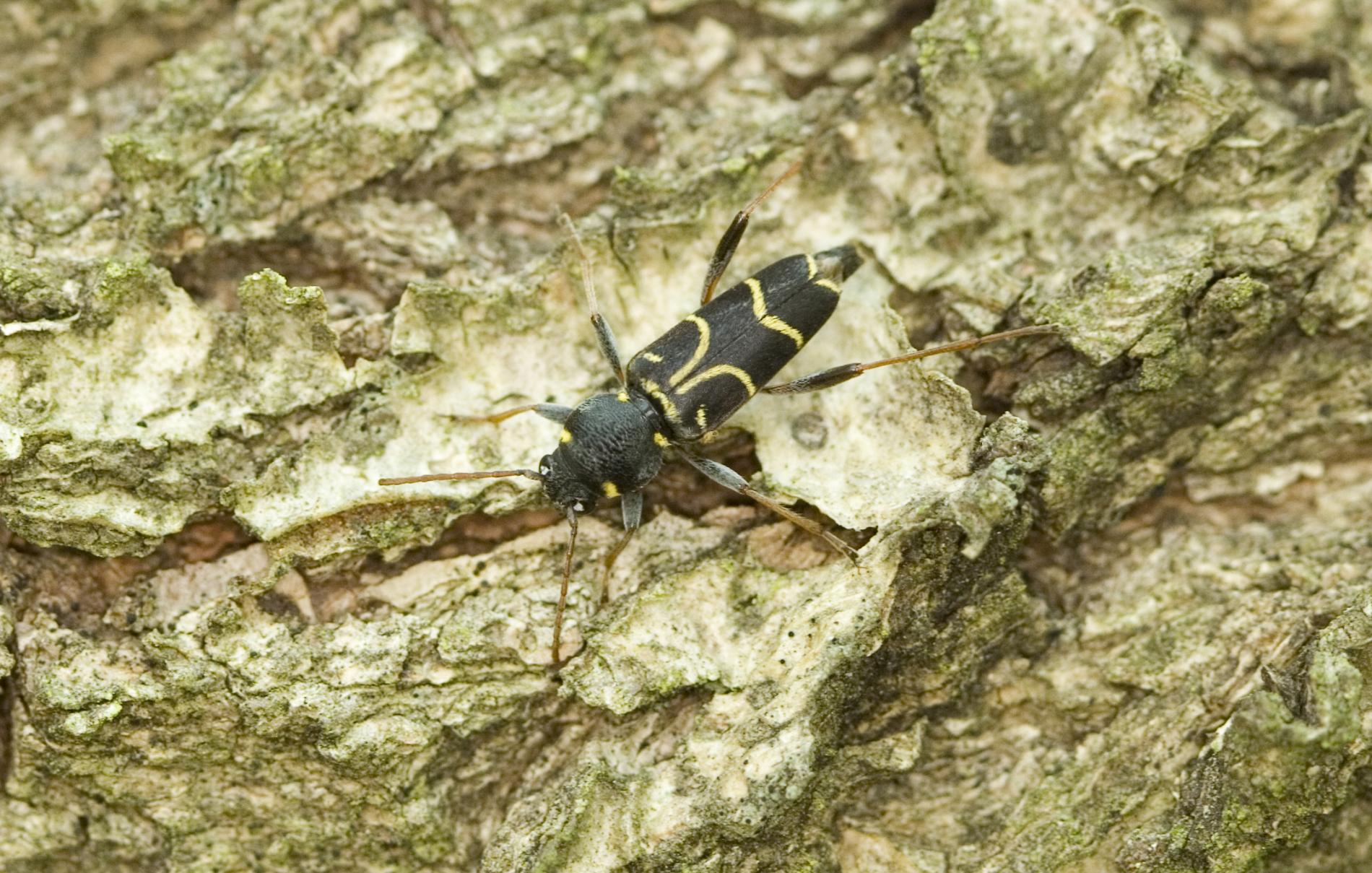
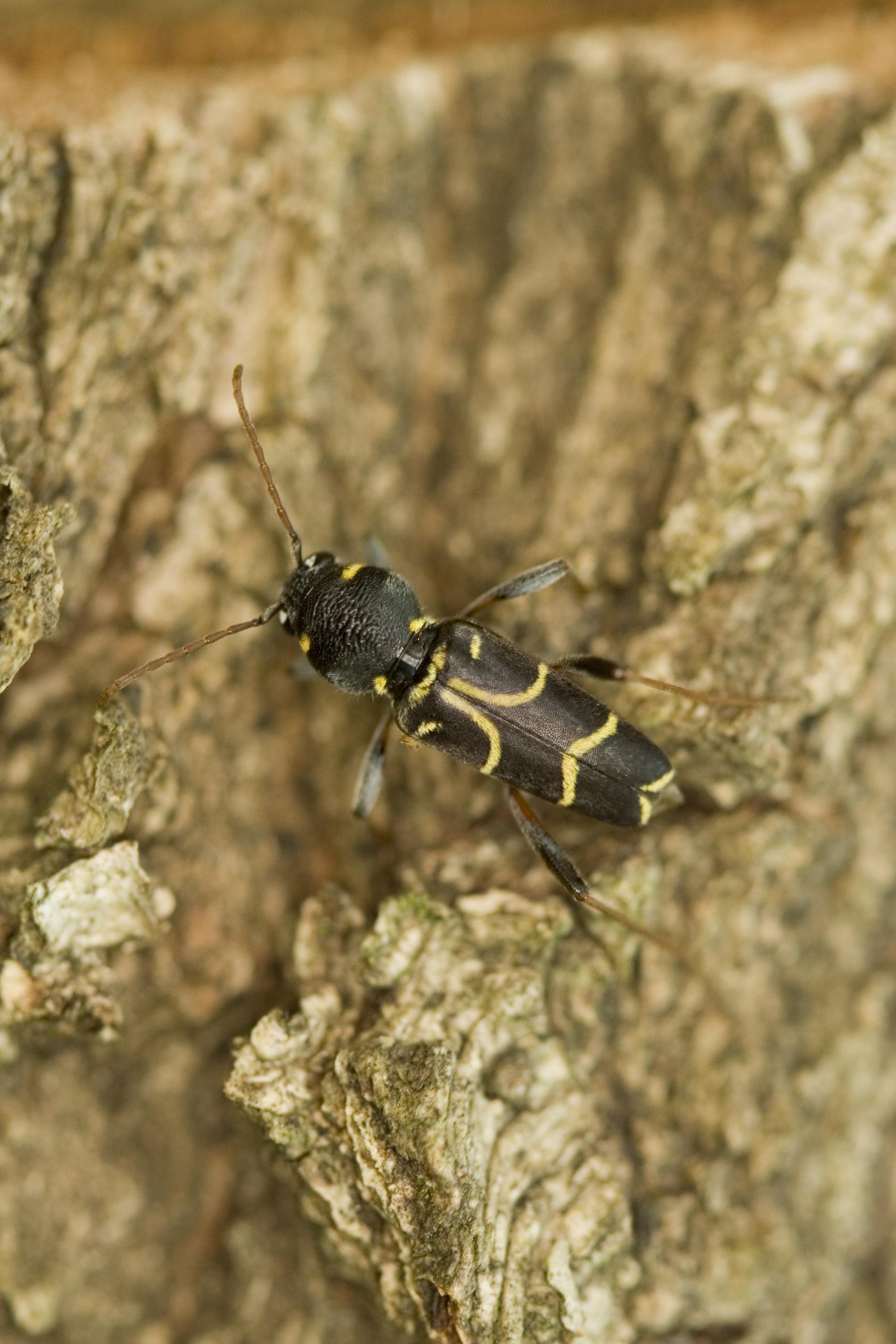
Long-horned beetle Xylotrechus antilope
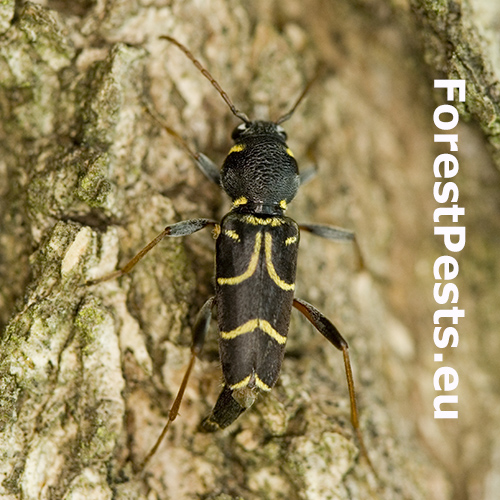
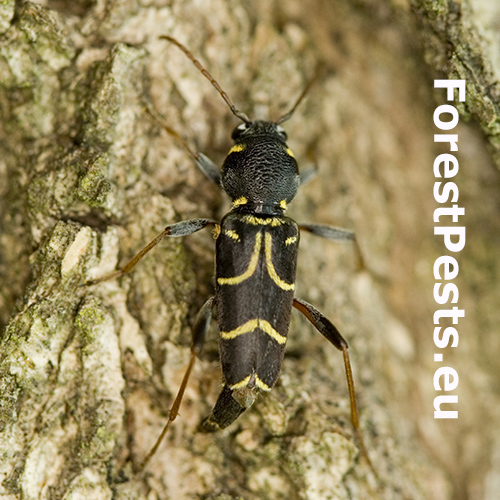
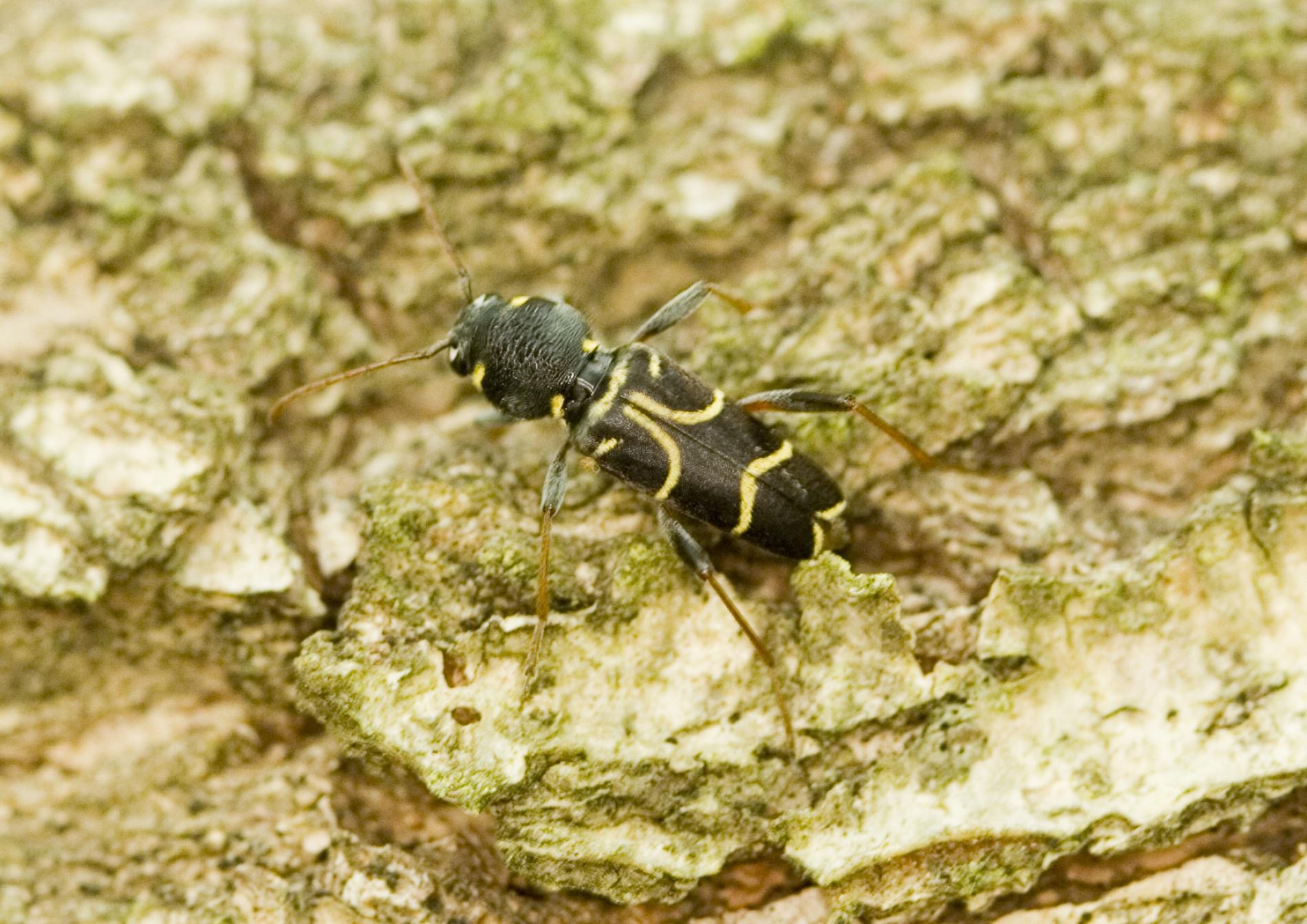
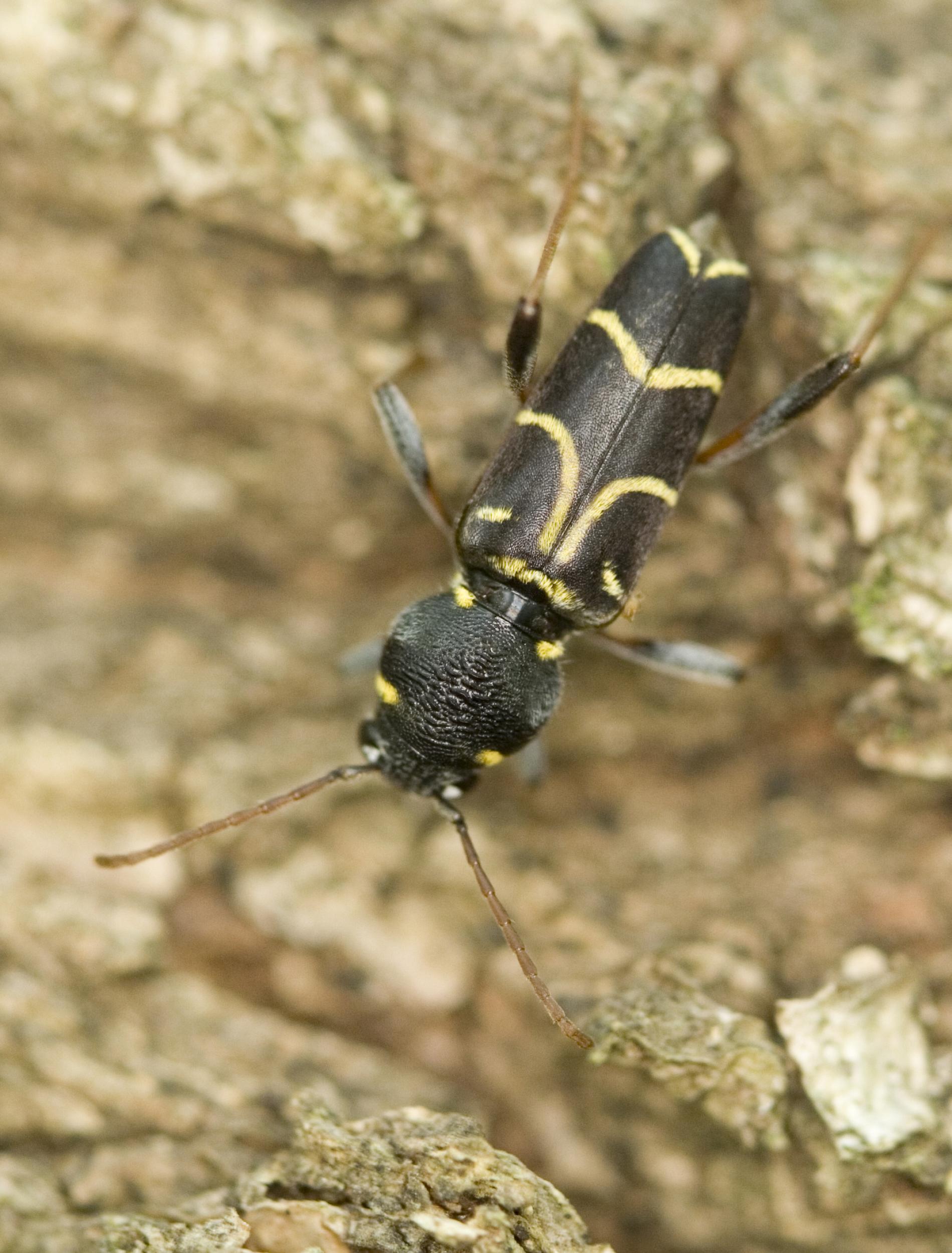
Long-horned beetle Xylotrechus antilope is a fascinating beetle species. It typically measures around 12 to 15 mm in length. This beetle stands out with its distinctive brown elytra adorned with narrow, yellow stripes. These adult beetles are active from May to August, and they can be commonly found on oak logs, fallen or felled trees, as well as dead or dying standing host trees. During the reproductive phase, females lay their eggs on the bark of oak trees. The eggs are carefully placed in small clusters on the tree's surface. Following this stage, the larvae hatch and begin their development under the tree's bark. The larval stage of the Xylotrechus antilope lasts for two years. Localy common species. Prefers oaks (Quercus spp.)
Galleries under the bark. Beetles on logs, fallen or felled trees, as well as dead or dying standing host trees.
Tree Species: Birch, Beech, Oak
Part of a plant- attacked: Tree trunk, Branch
Pest significance: Less harmful
Pest Category: Insects
Invasive Species: No
Present in EU: Yes
Pest group: Insect
Affected part of wood: Sapwood
Depth of damages: Bark, More than 5 cm depth, Under bark only, Up to 0,5 cm depth, Up to 2 cm depth, Up to 5 cm depth
The extent of damage: Whole trunk
Prevalence in Europe: Common
Damaged products: Firewood, Fresh timber logs (water still in the sapwood), Furniture, Wooden house constructions
Roundwood size: Diameter 50+, Diameter from 10 up to 50 cm, Diameter up to 10 cm
Wood discoloration: No
Exit holes: Round
Pest subcategory: Wood-boring insect


Similar pests

Rhagium sycophanta

Plagionotus arcuatus
