


Xylosandrus germanus
Black timber bark beetle
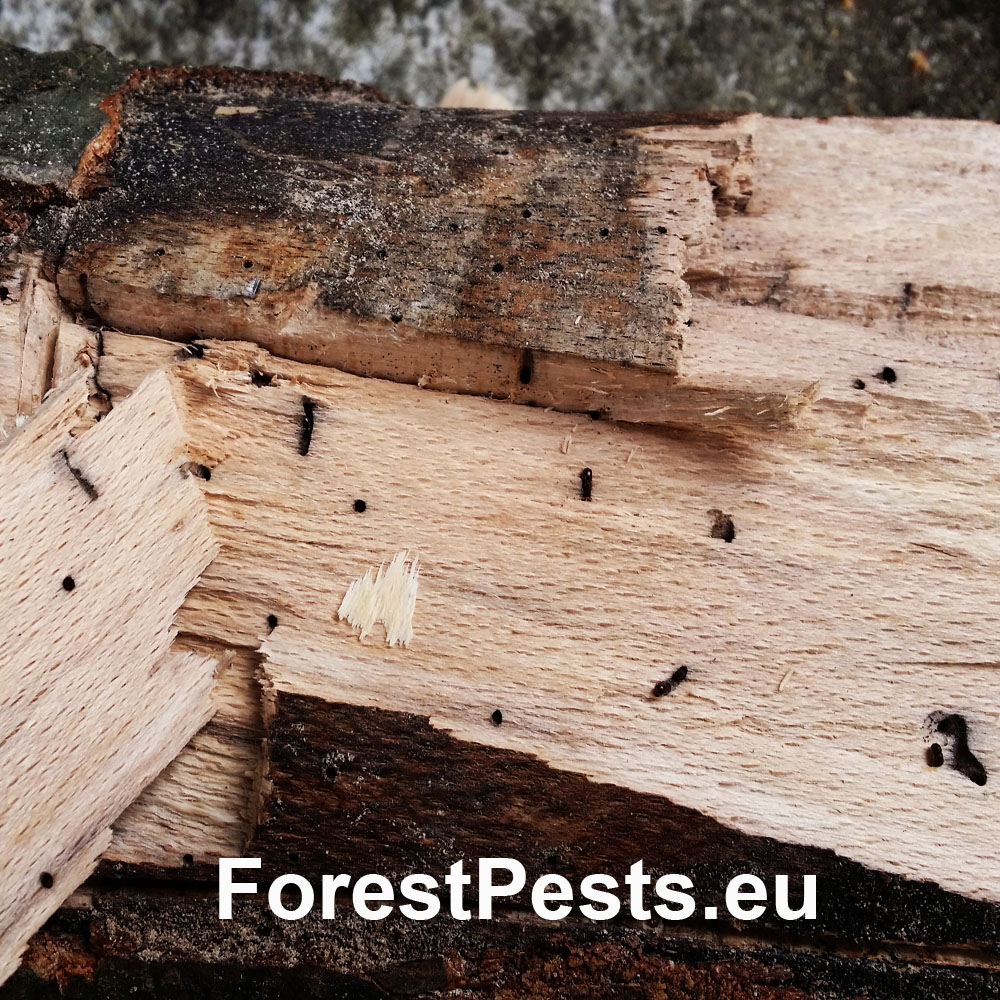
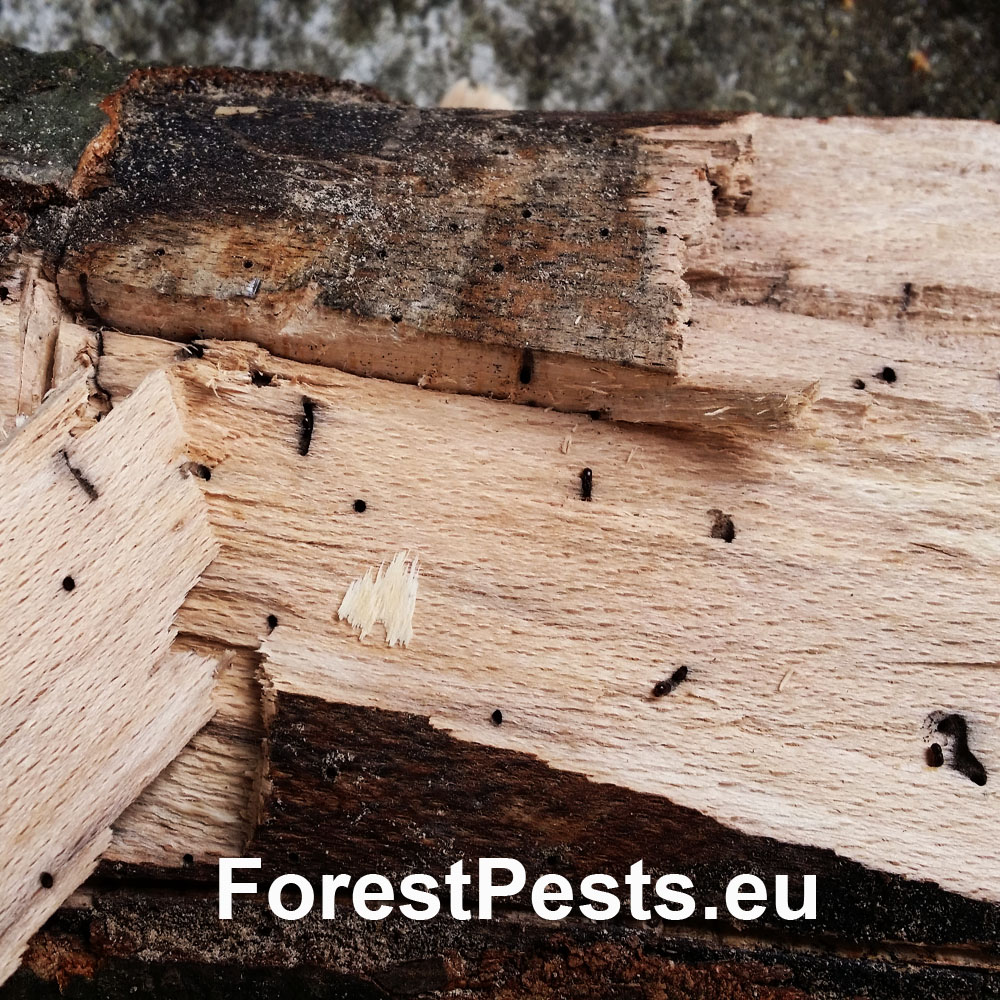
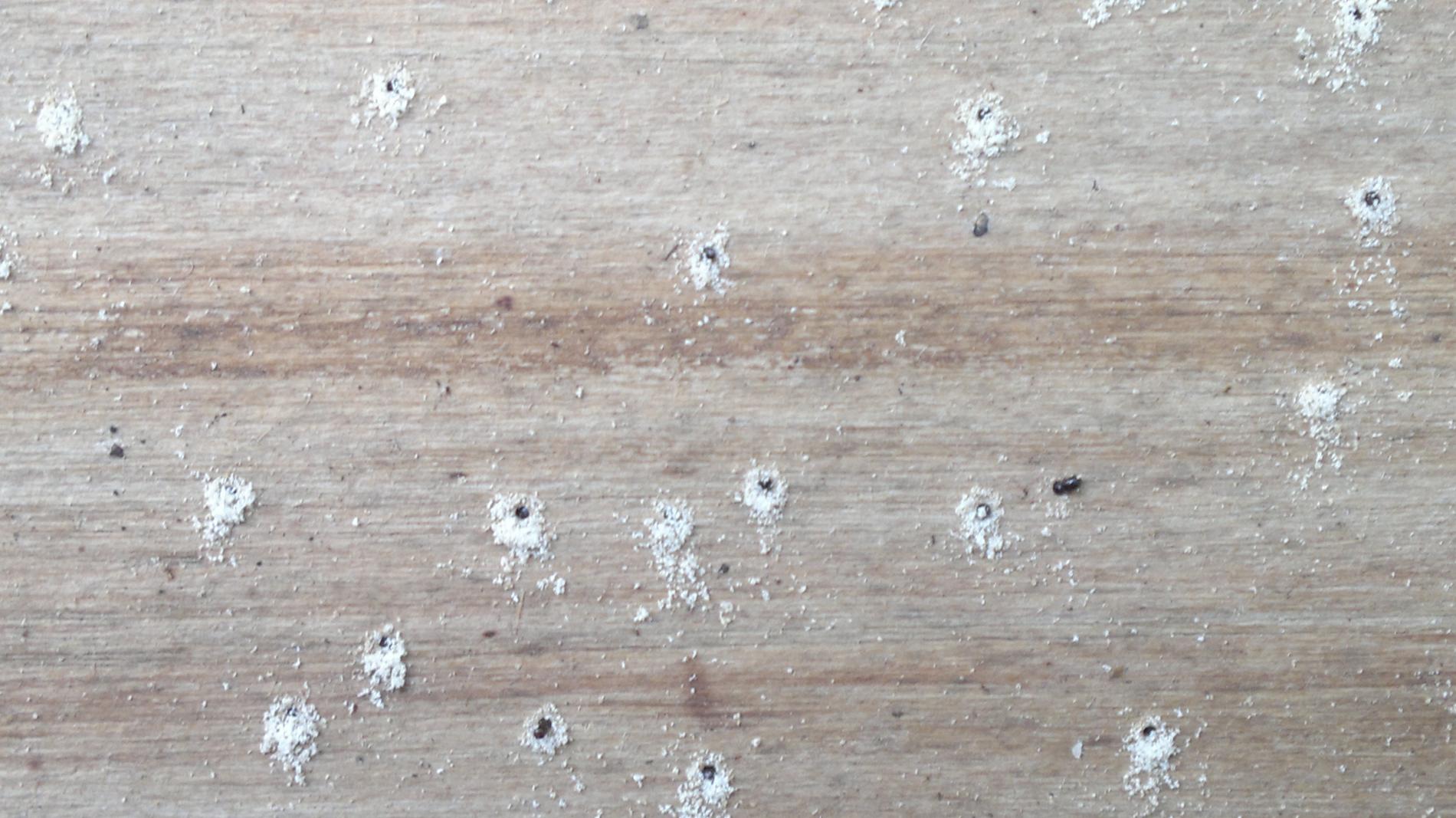
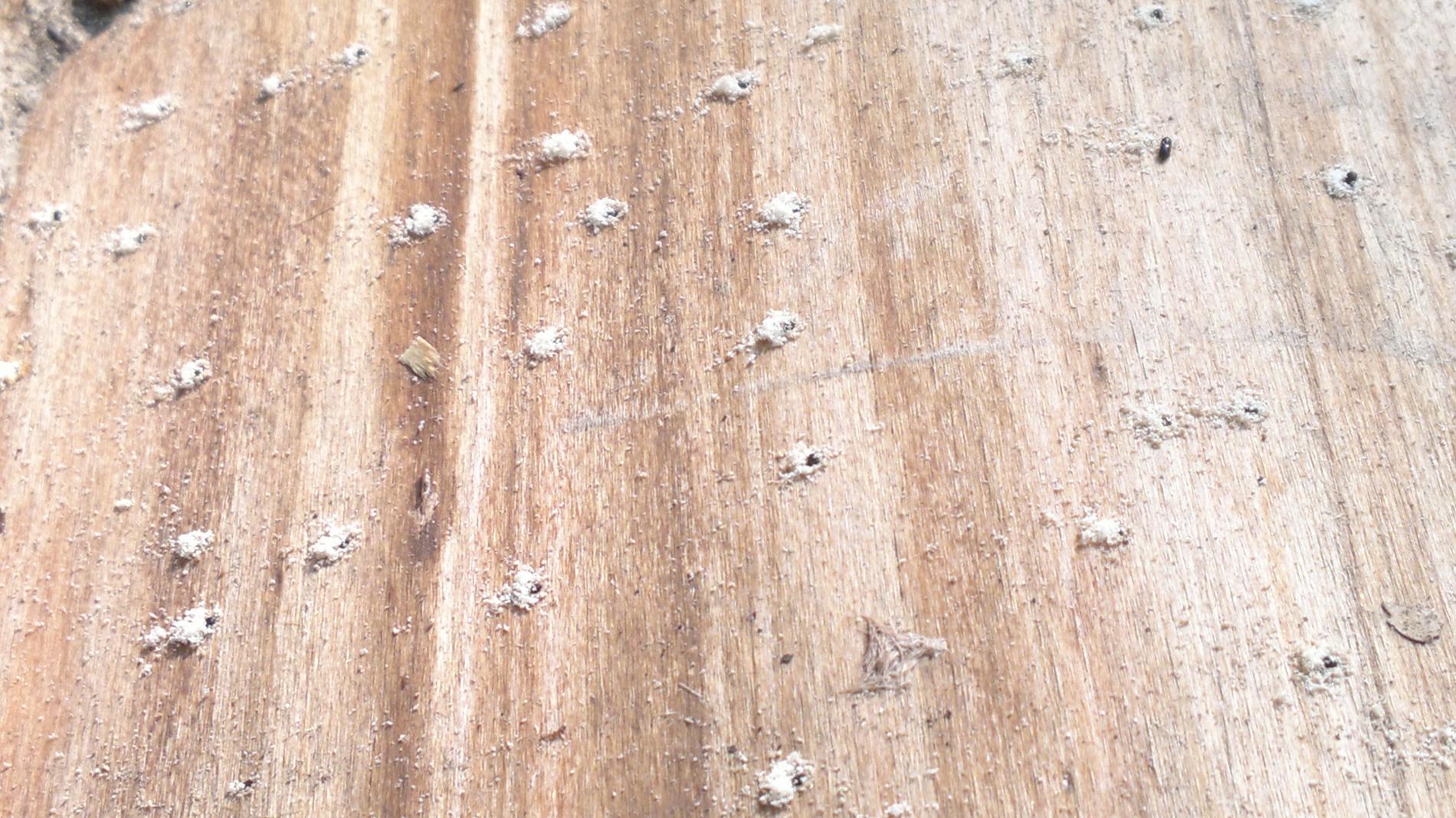
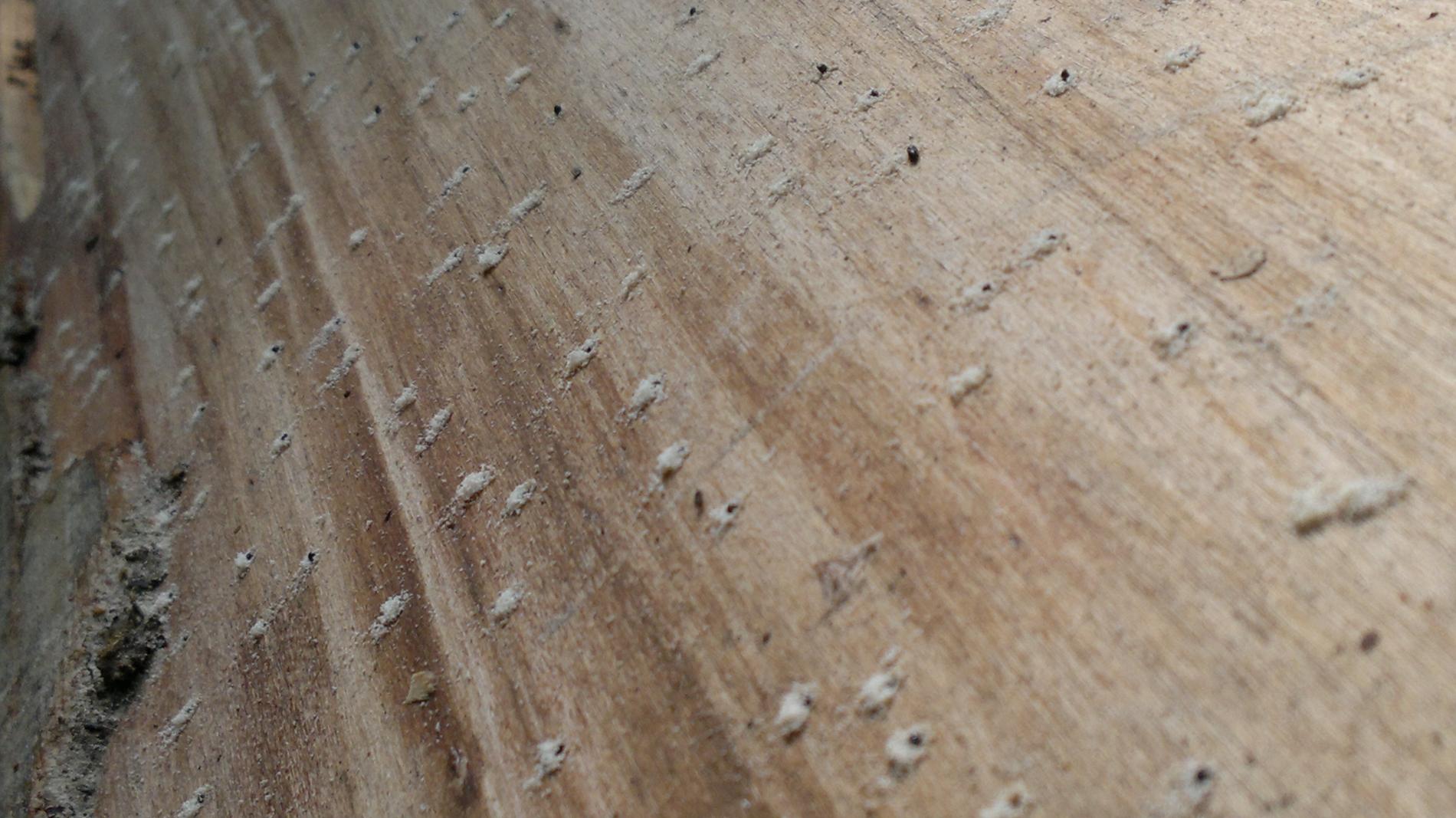
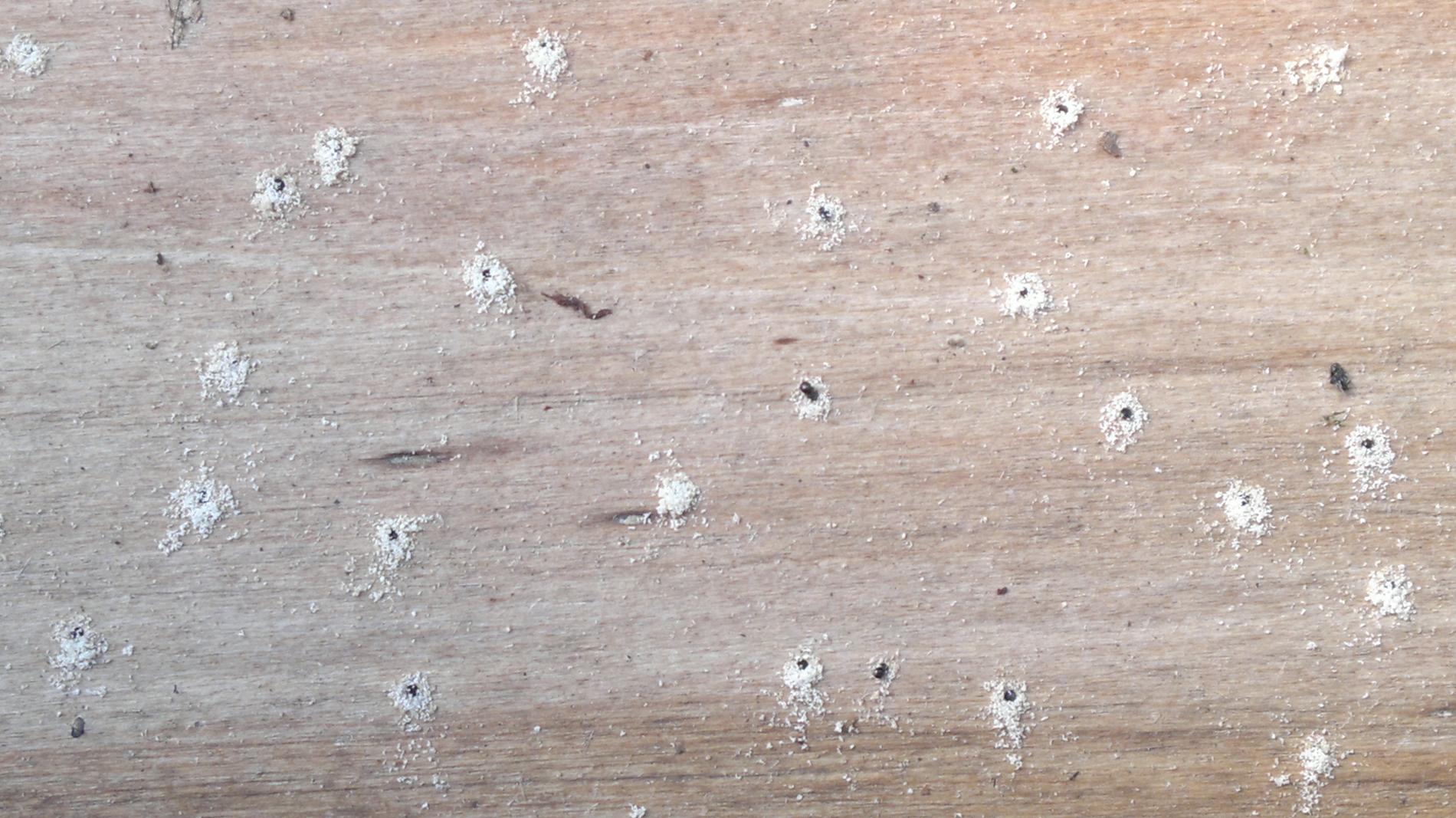
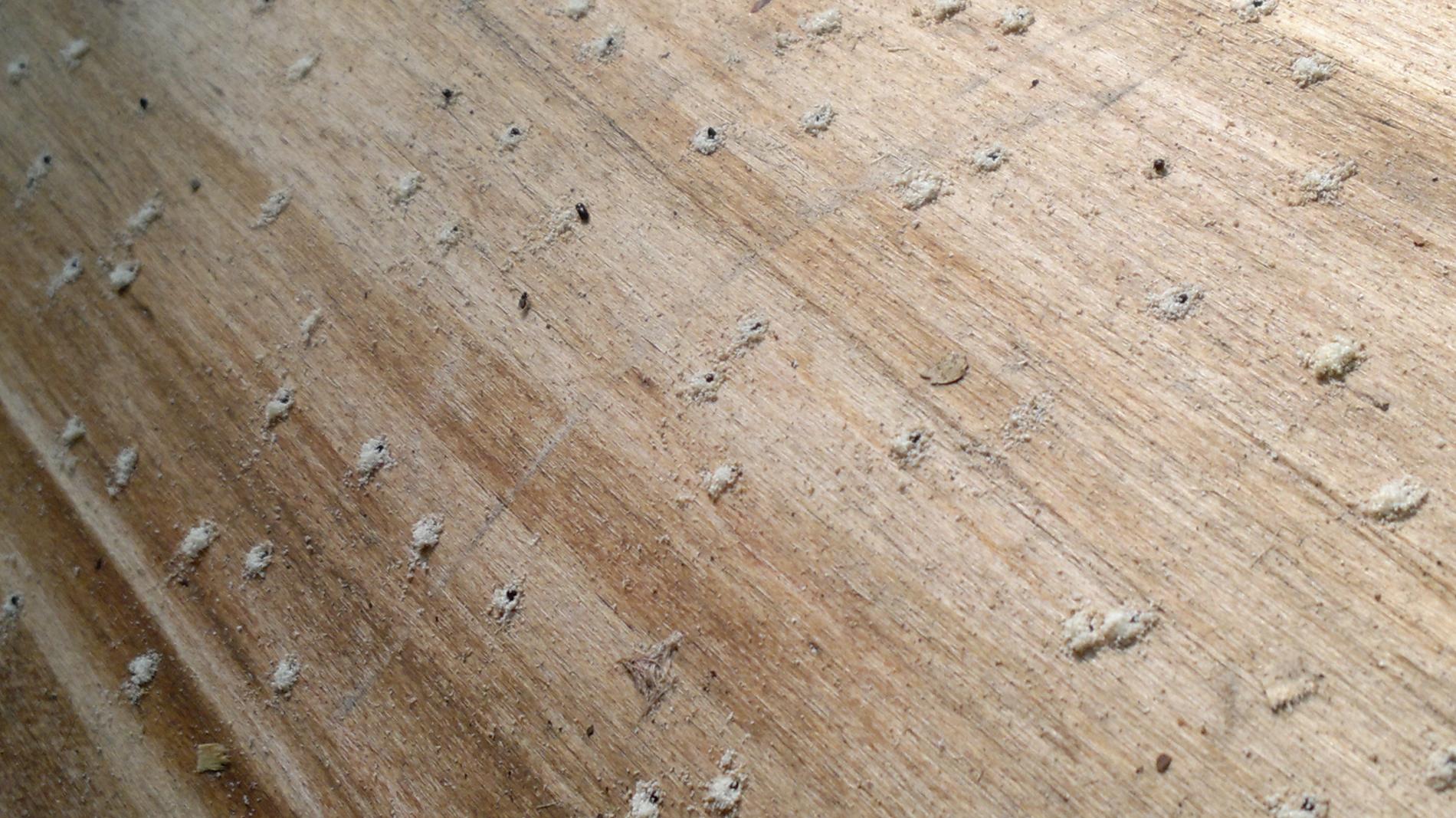
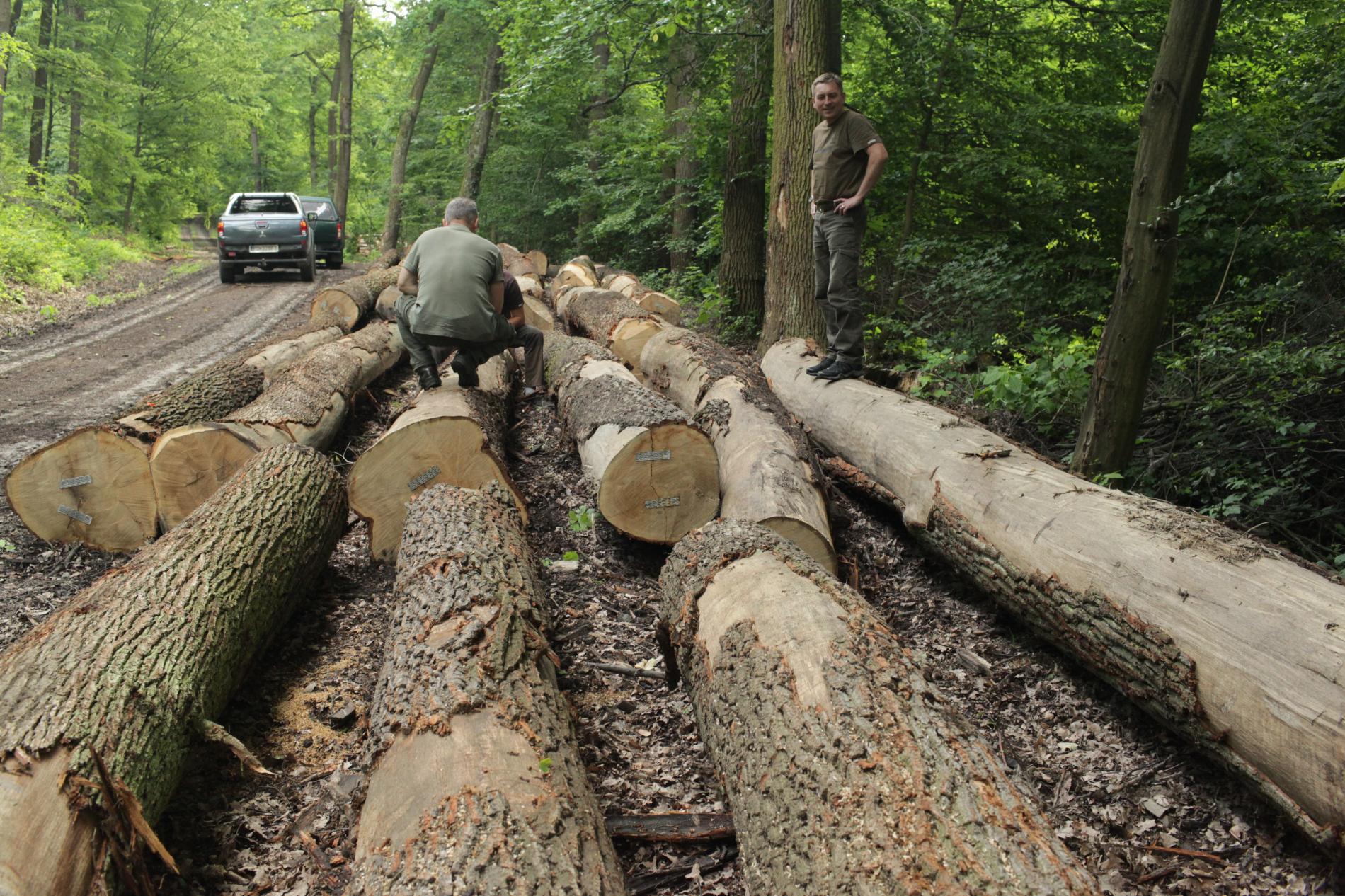
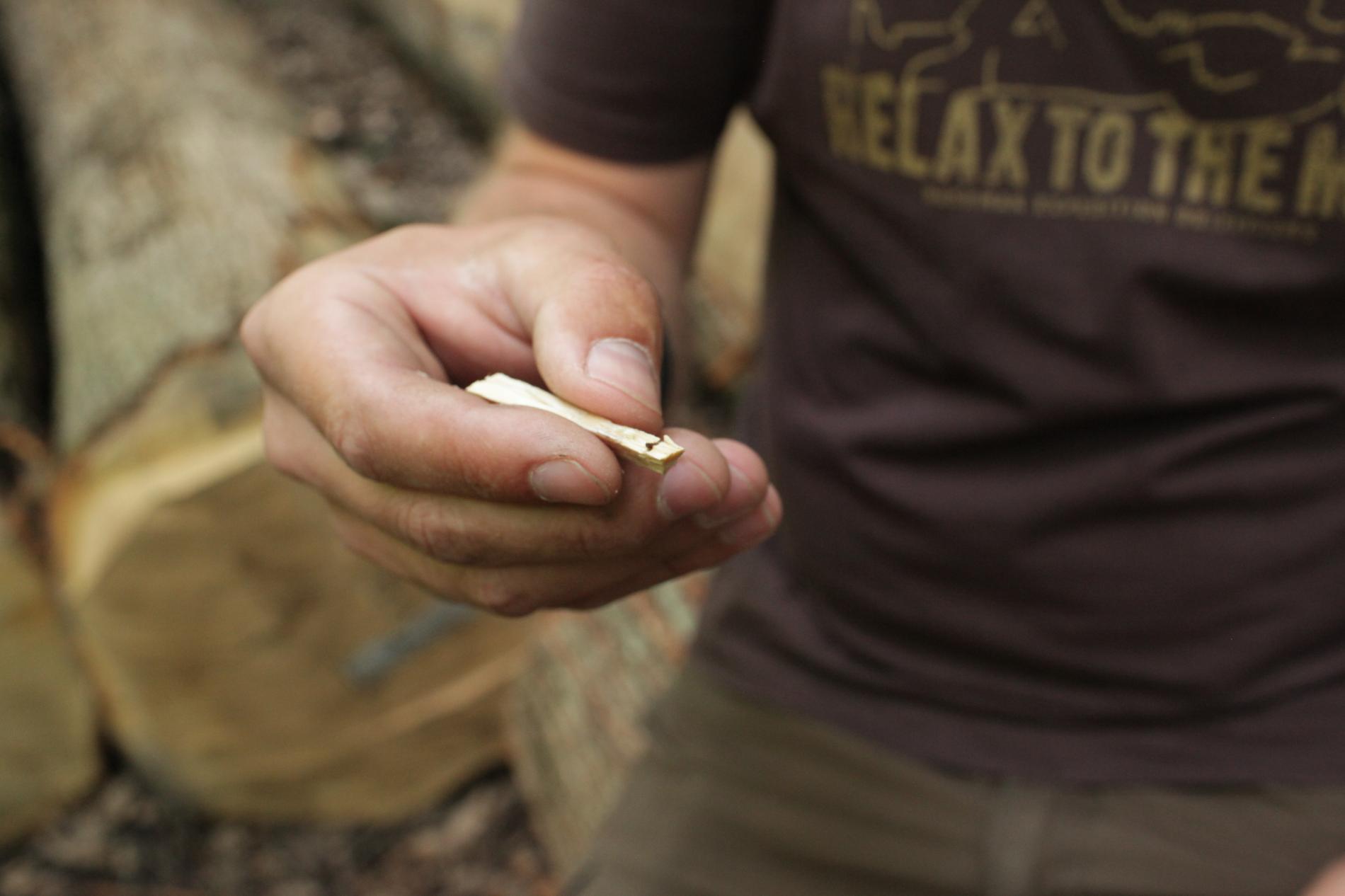
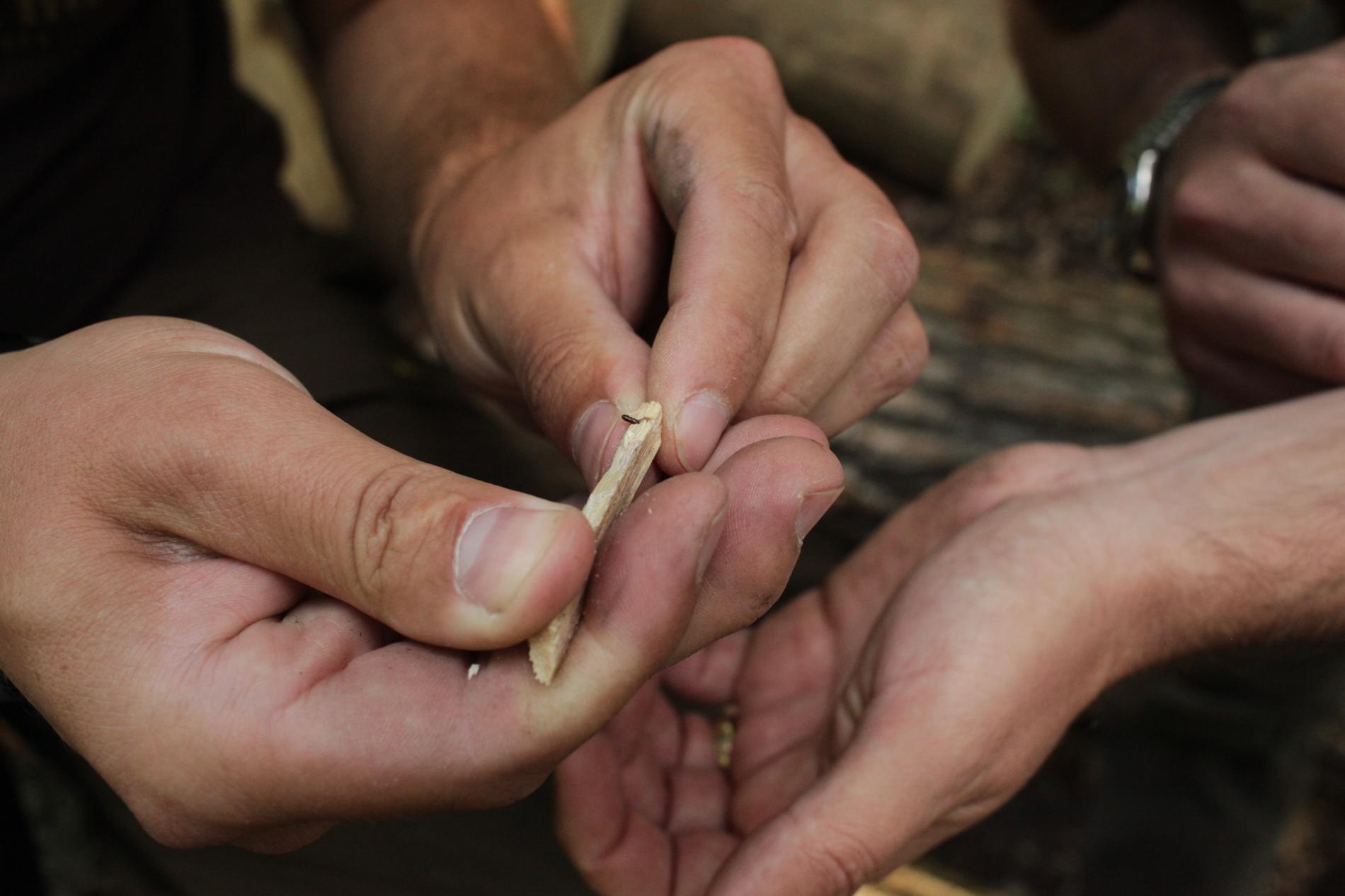
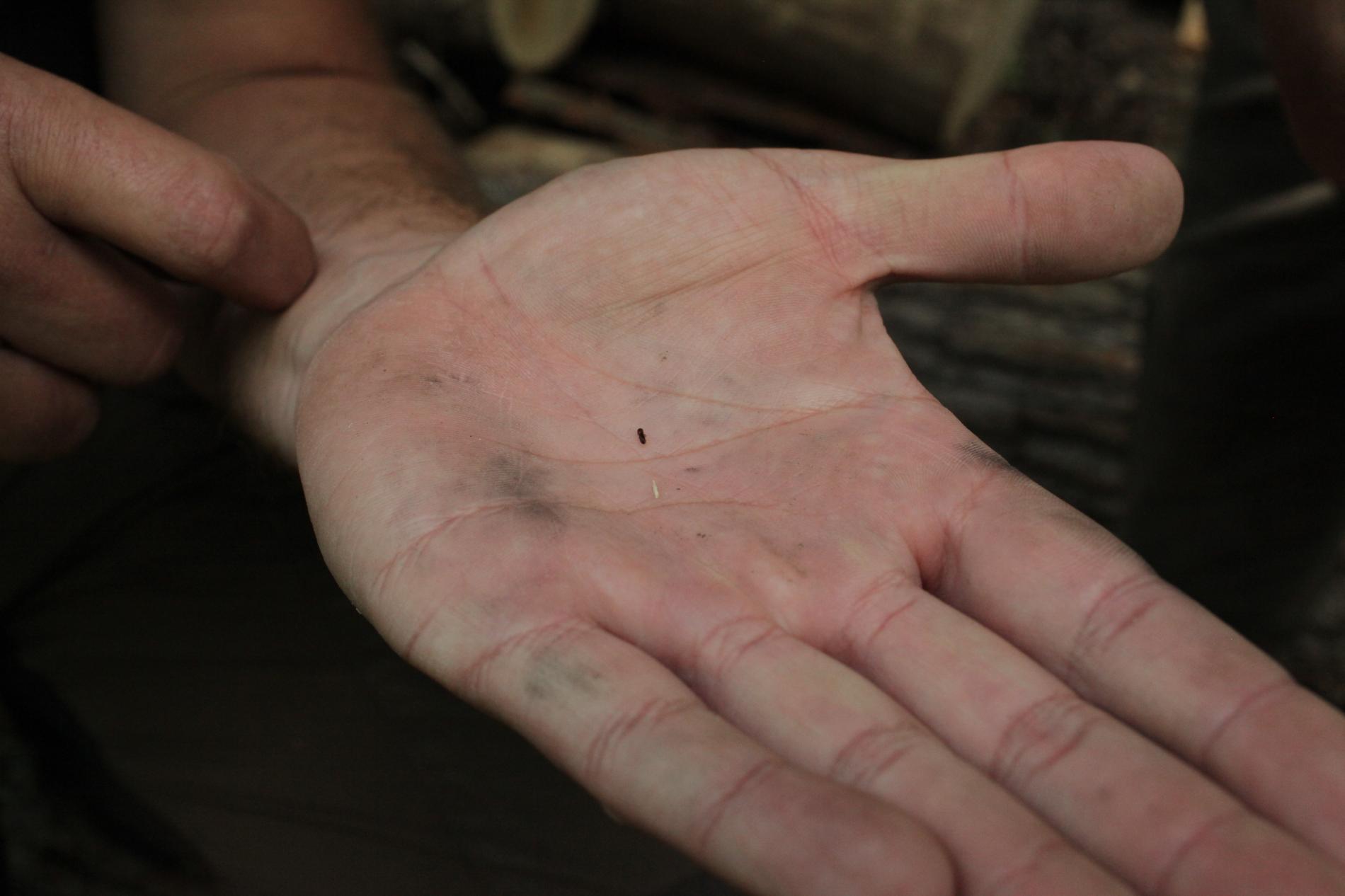
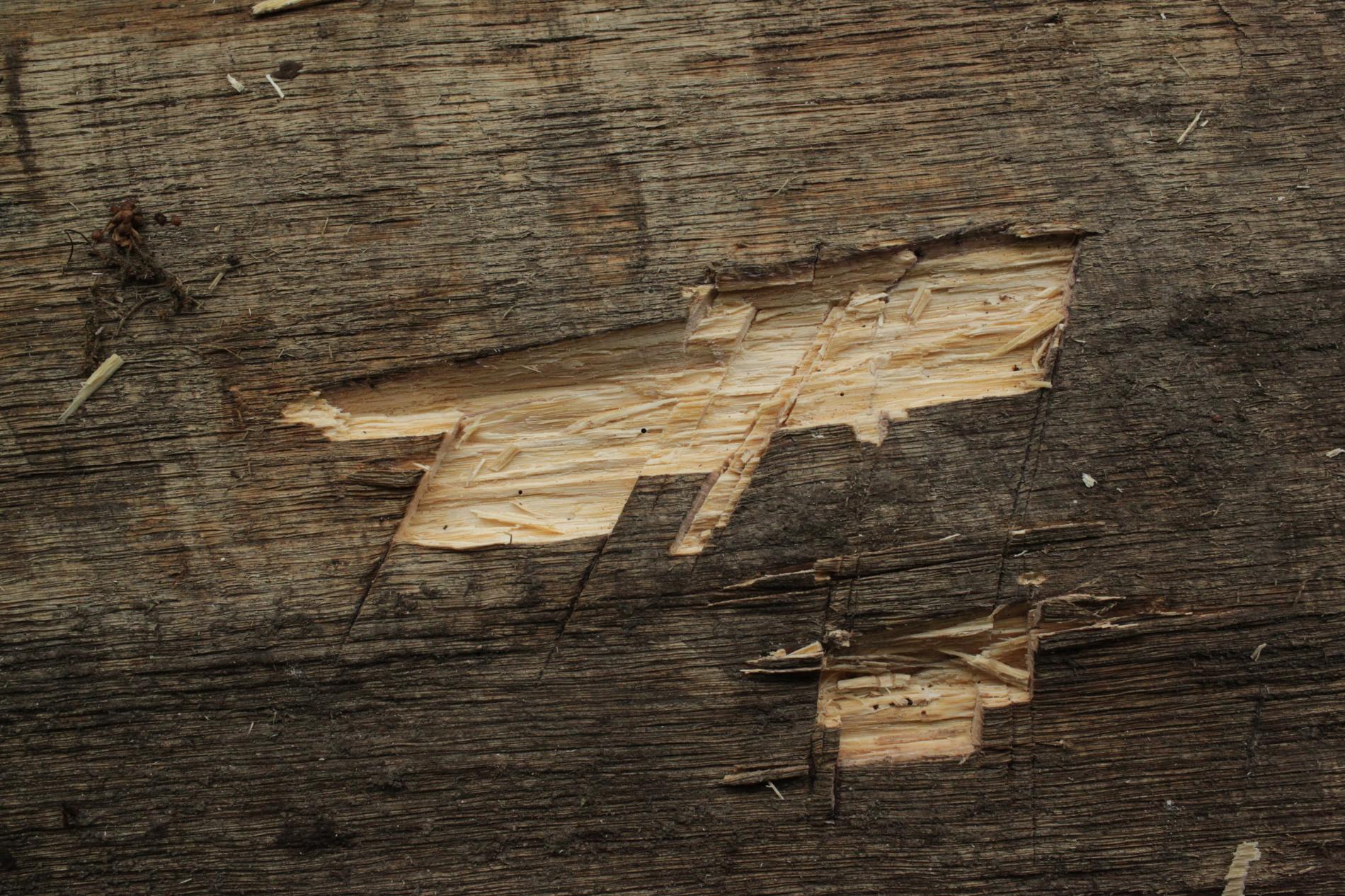
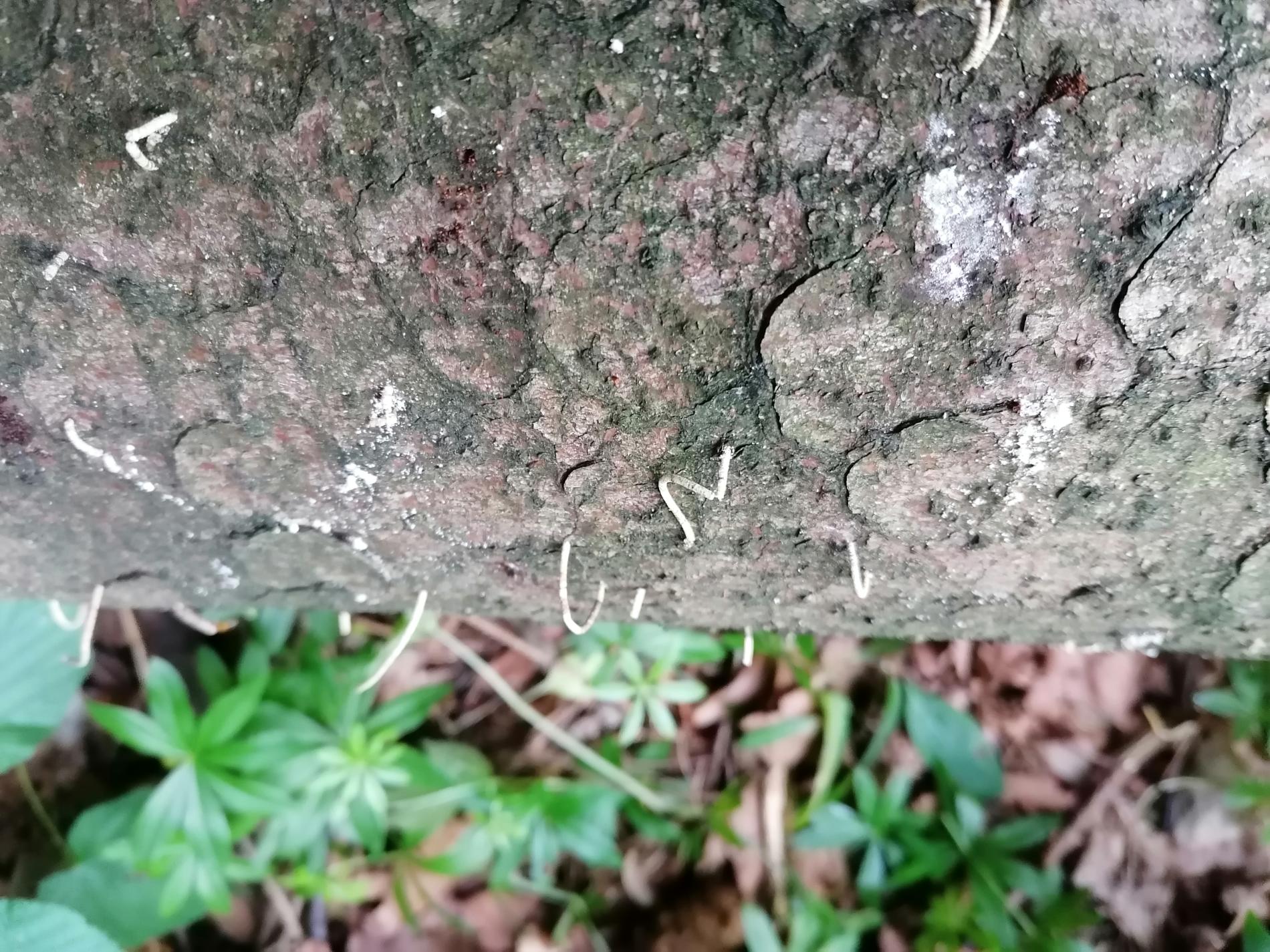
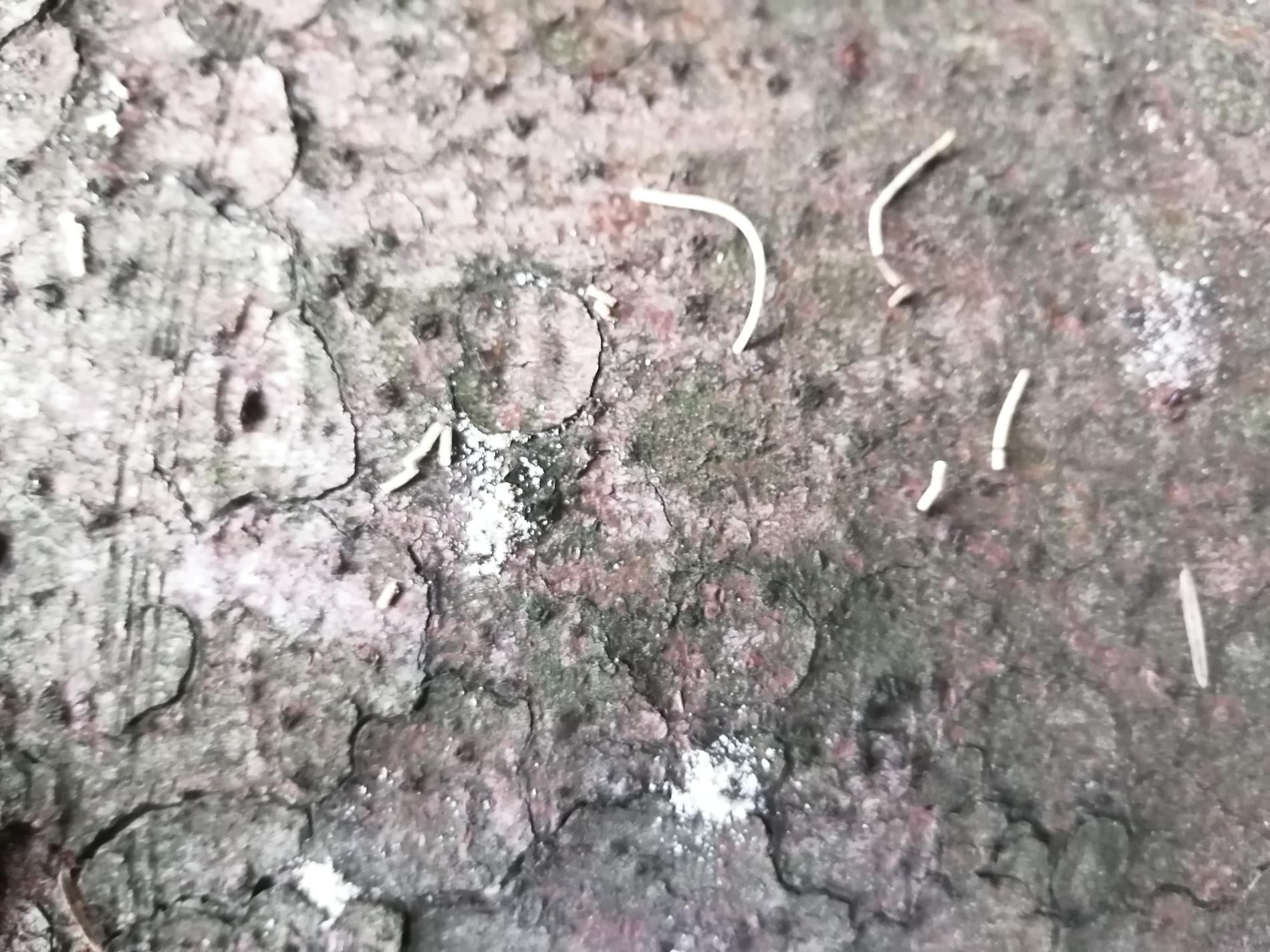
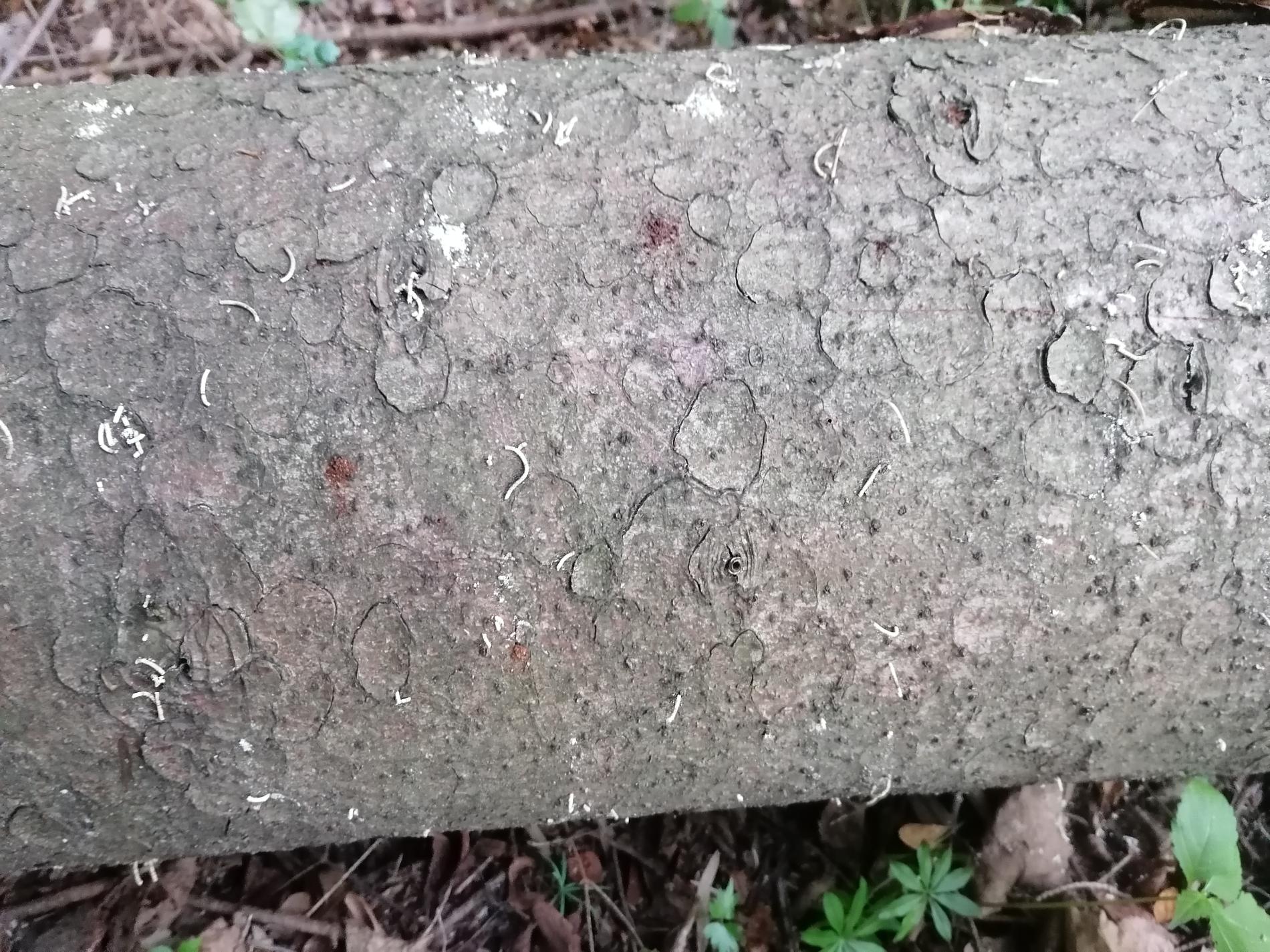
The tiny beetle (females 2-2.5 mm, males 1-1.8 mm) is native to east Asia and was first recorded in Central Europe in the 1950s. It is extremely polyphagous. The females excavate an irregularly shaped cavity reaching up to 20 mm in the wood. The offspring feed on the ambrosia fungi that are introduced by the female. The teneral females mate in the breeding system and stay in the cavity during wintertime before emerging in spring. It is a univoltine species. In Central Europe, X. germanus does not seem to attack living trees. The reduction in timber quality is minor because the cavities usually only go a few millimetres into the wood, but attacked trees often become infected by blue stain fungi. A characteristic sign of attack is the presence of boring dust extruding like a toothpick from an entrance hole during cavity excavation.
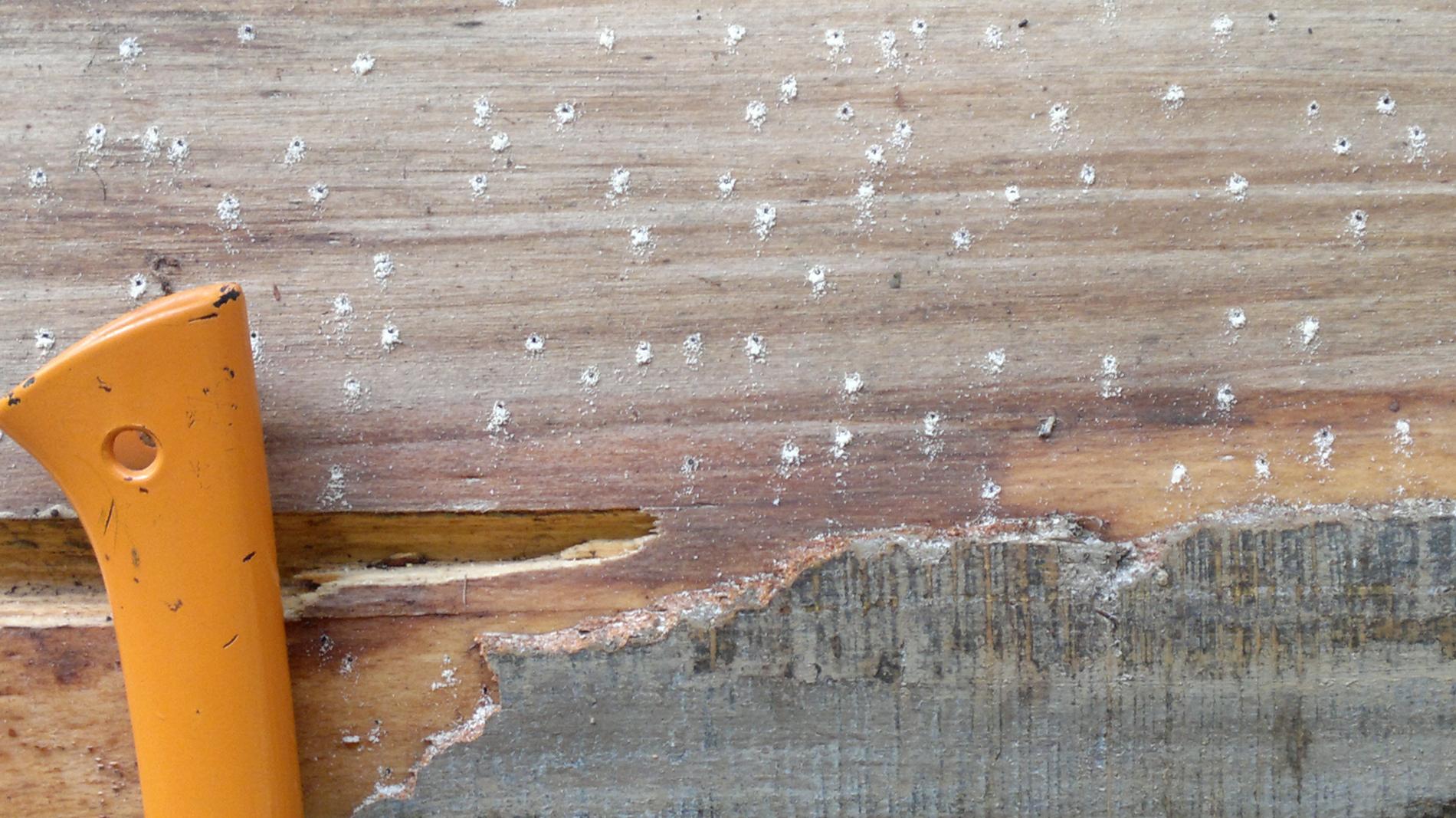
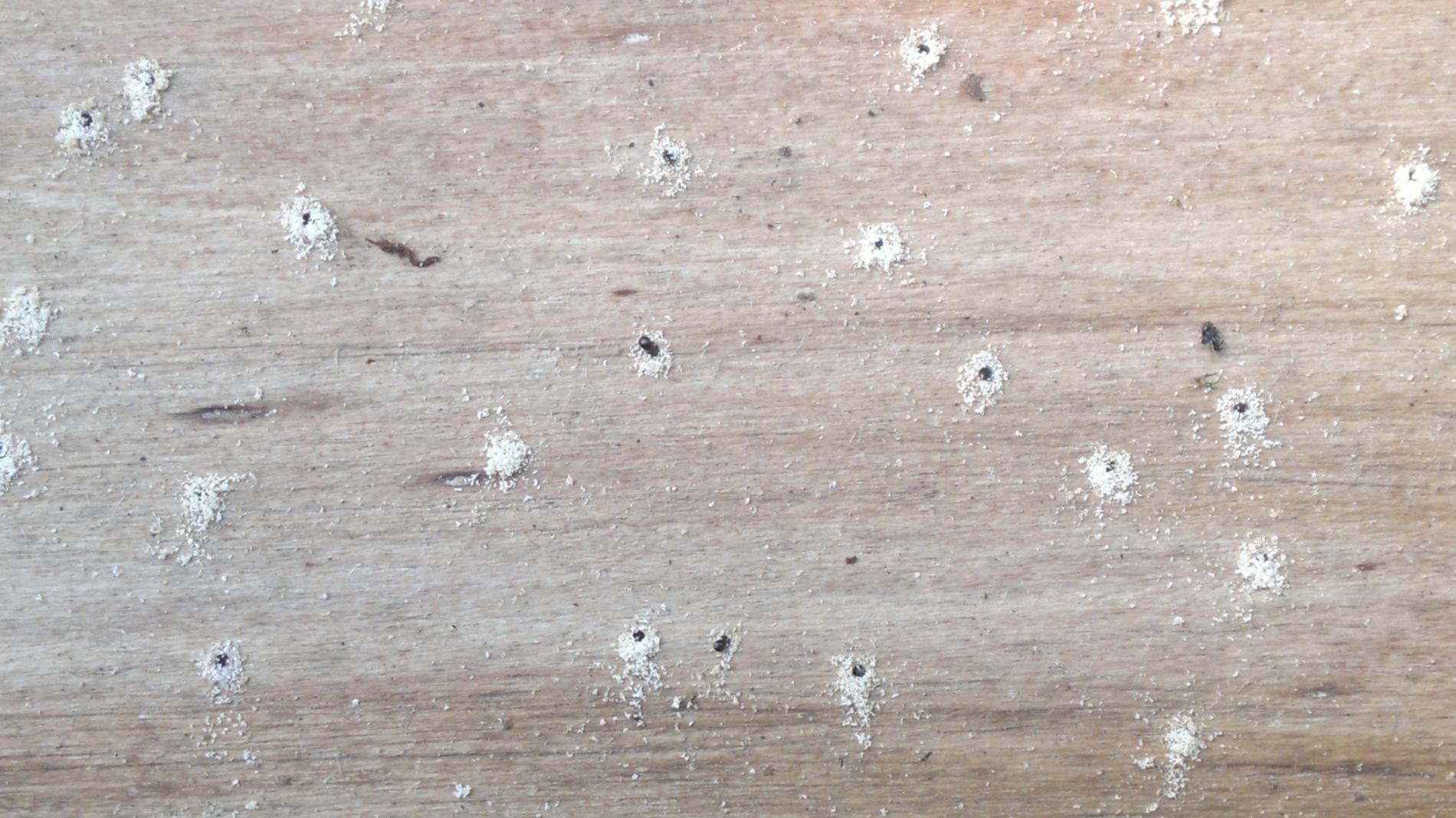
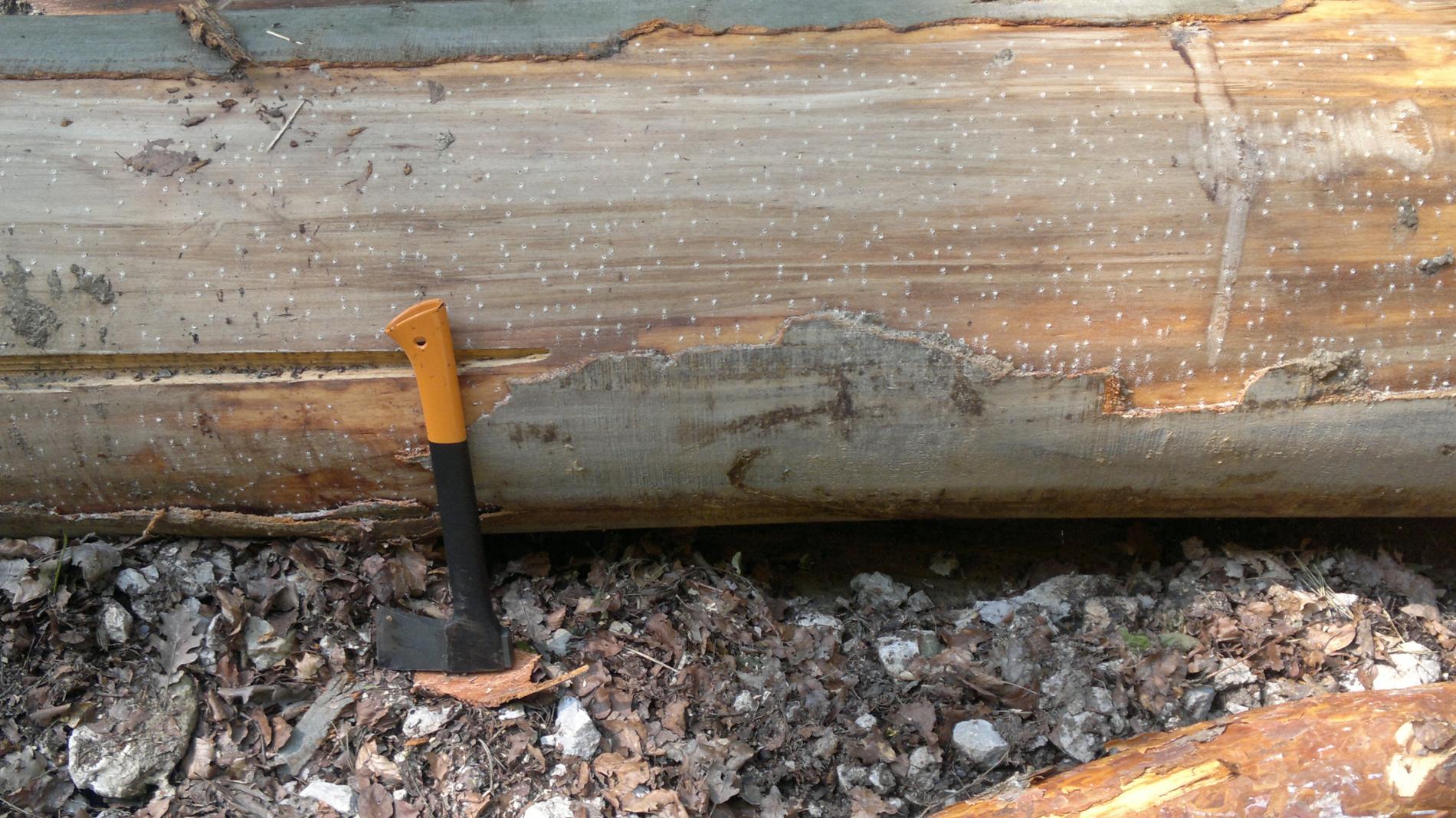
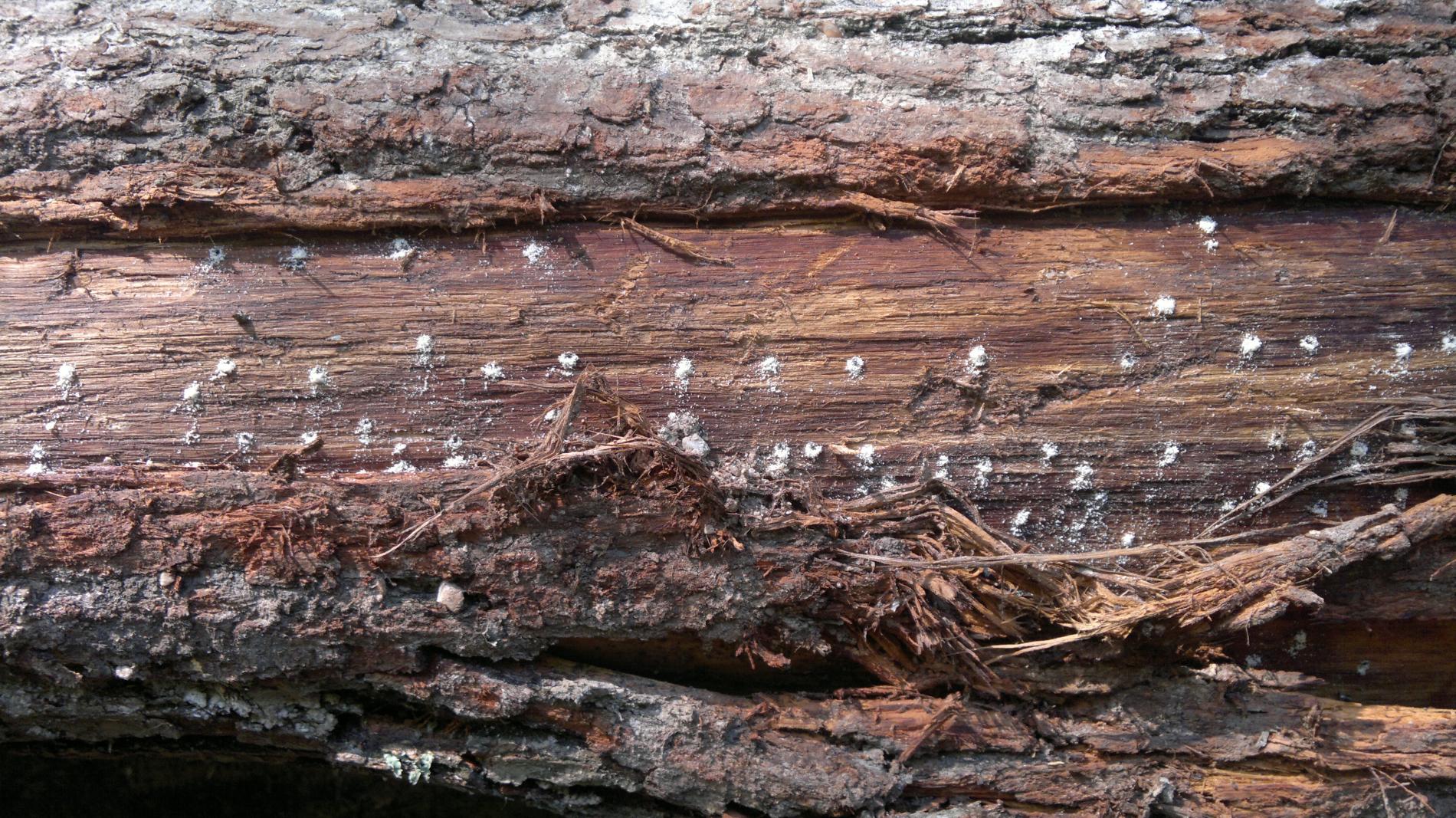
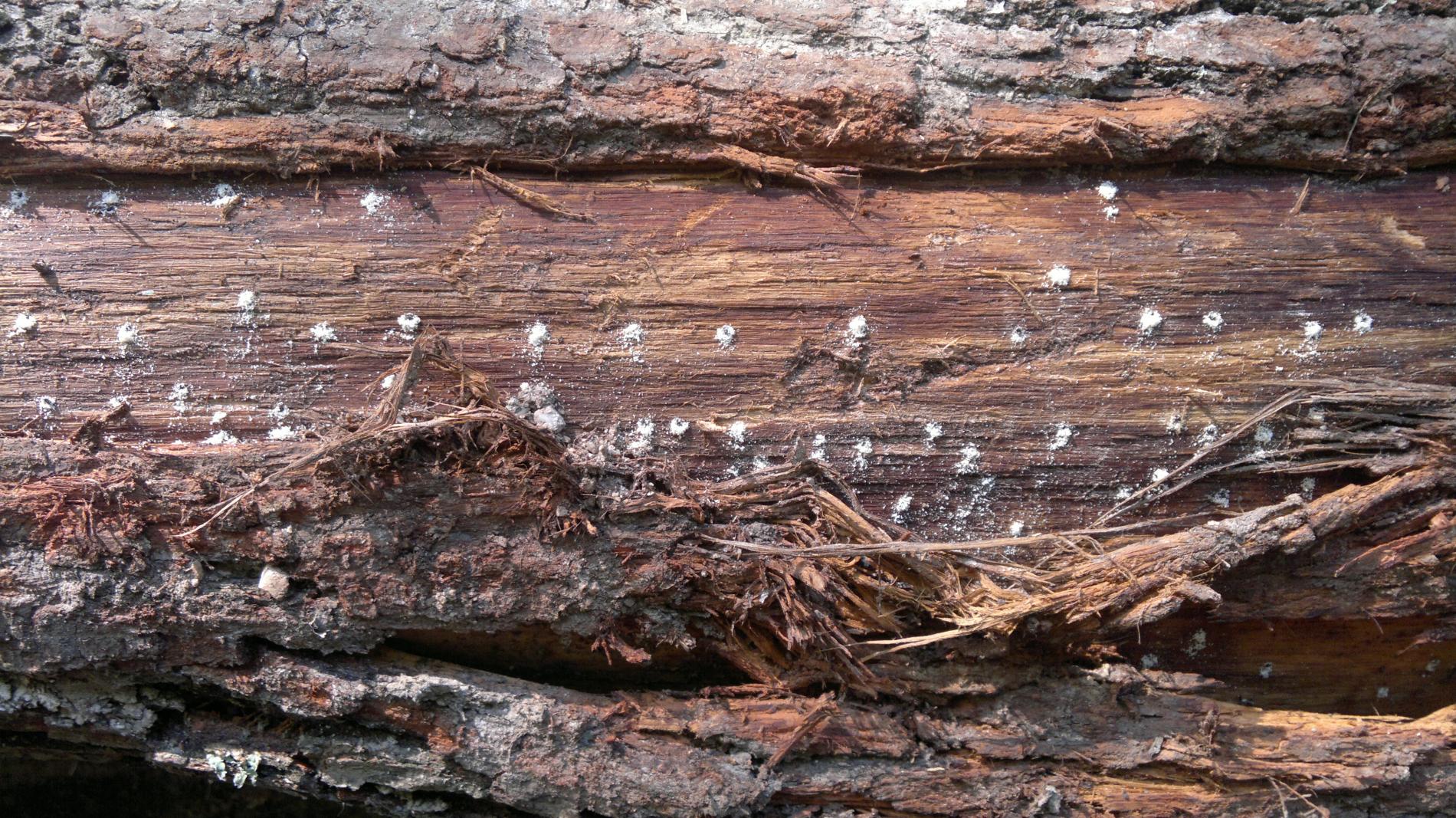
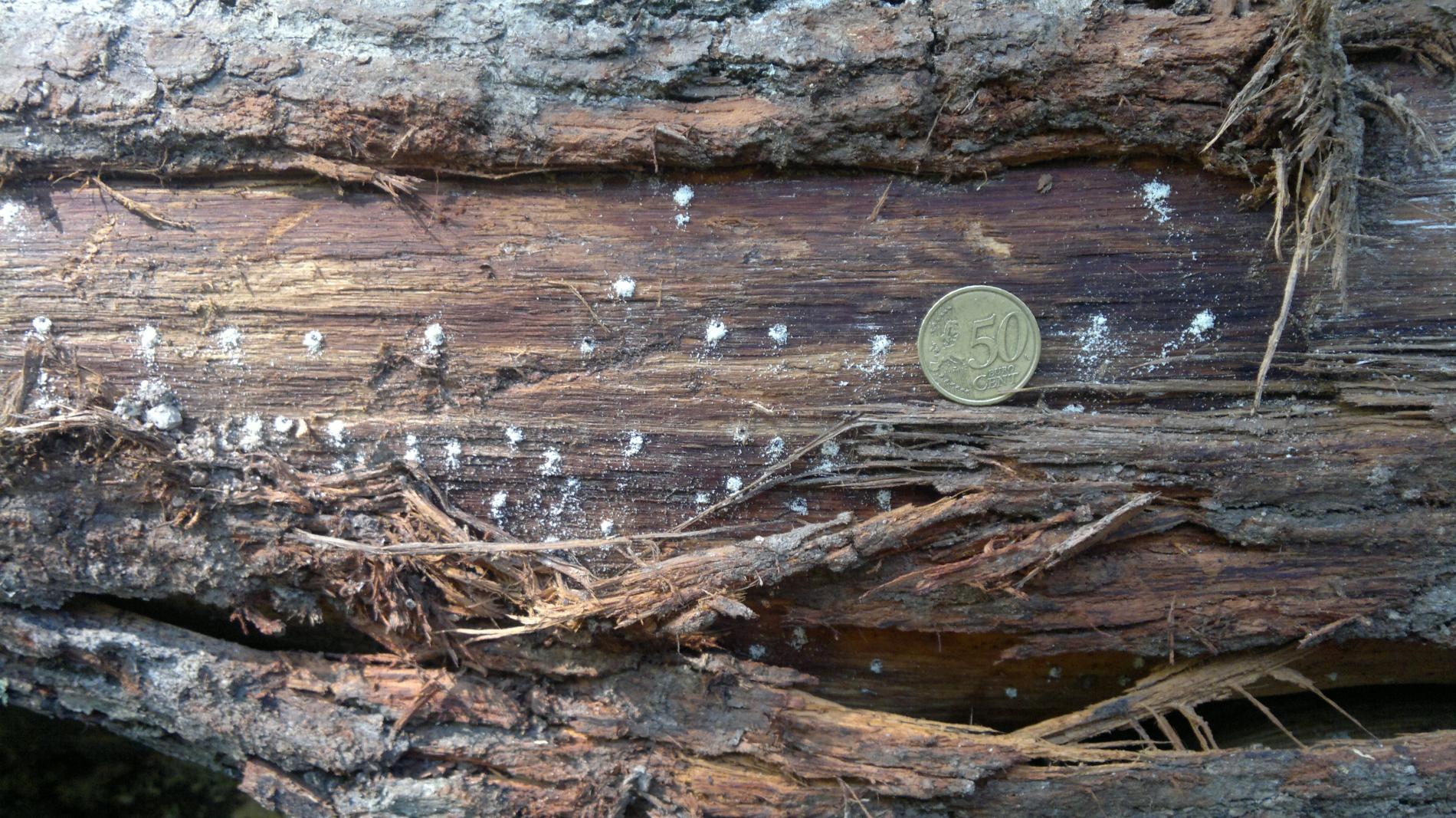
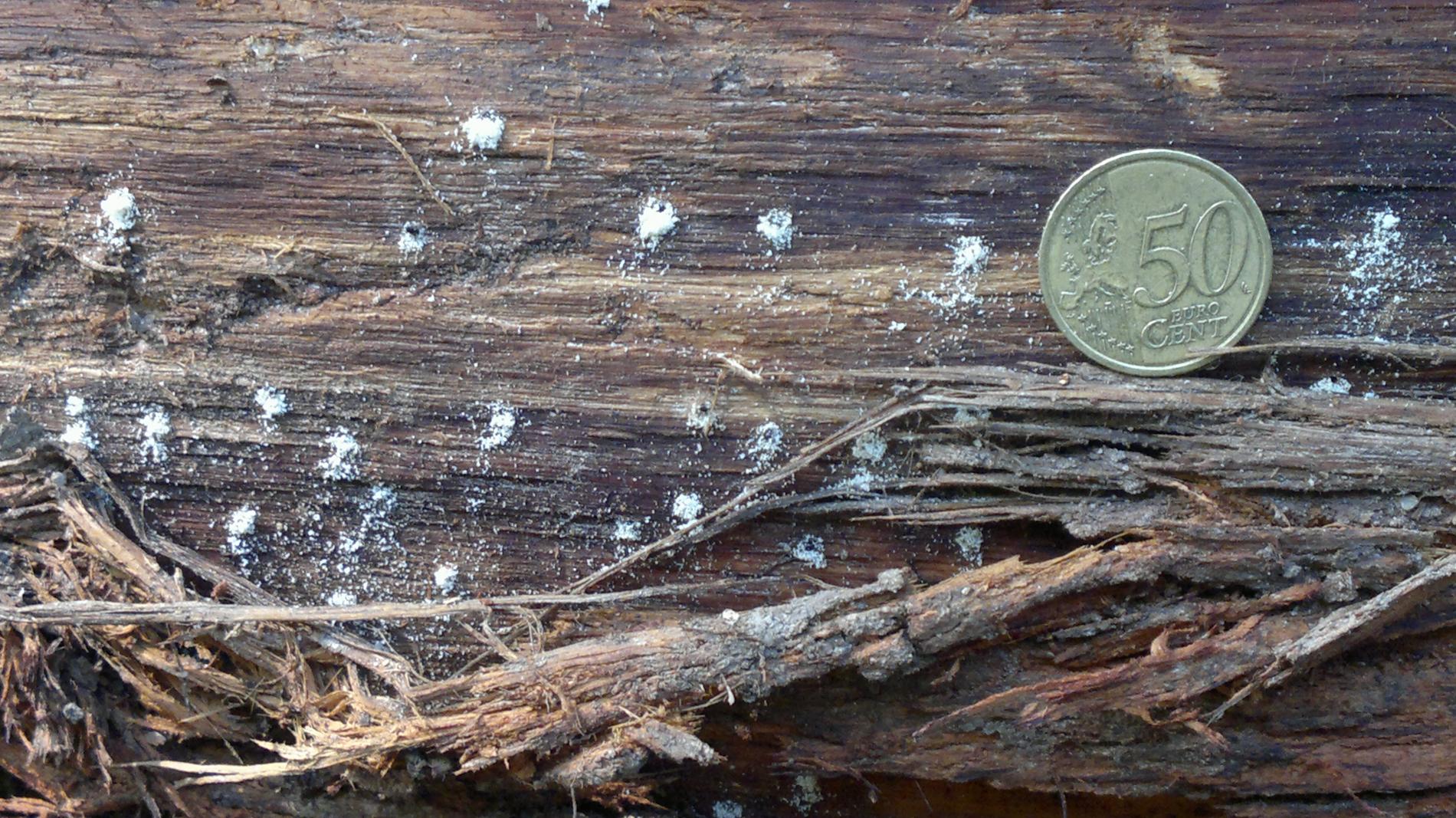
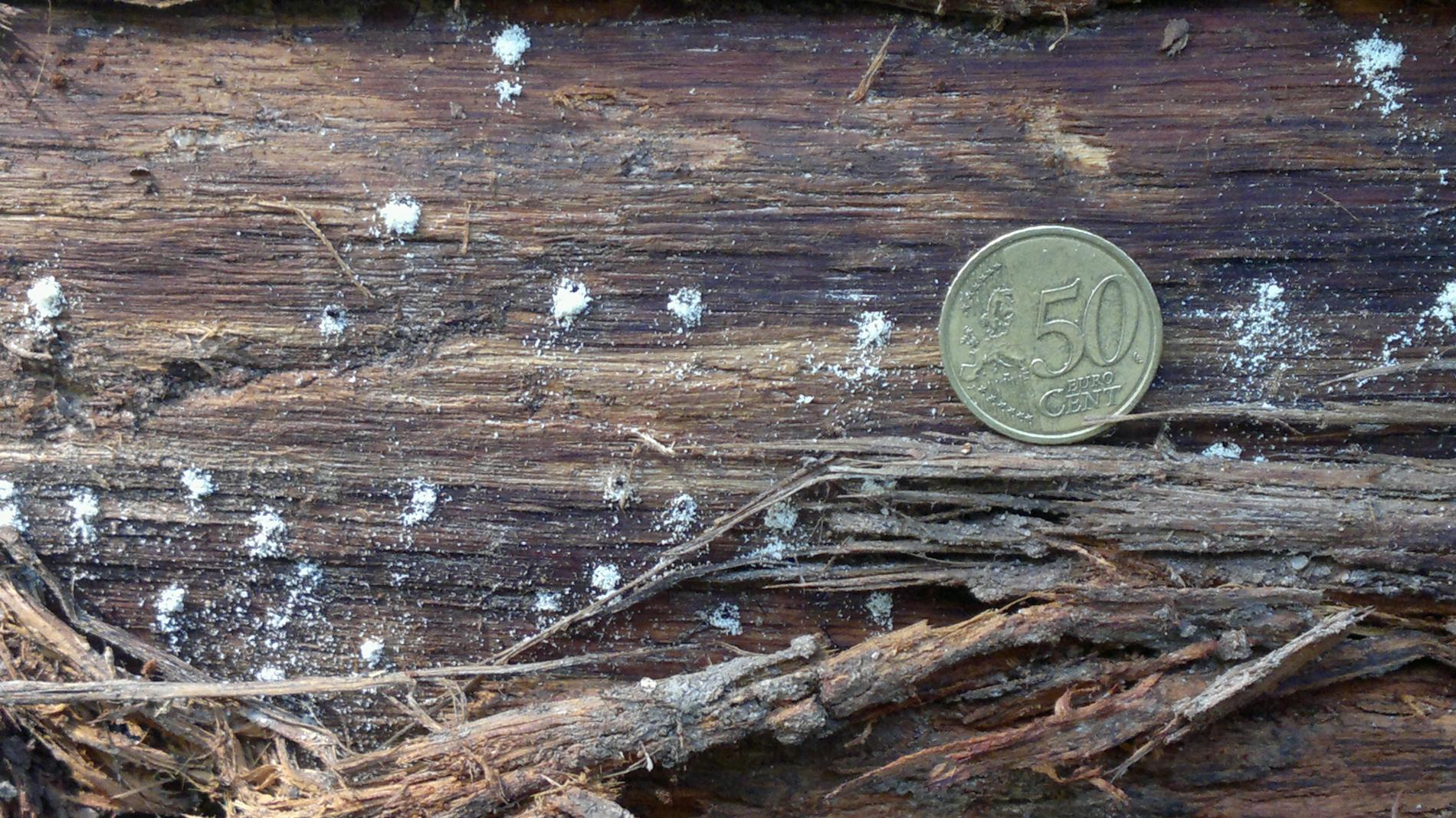
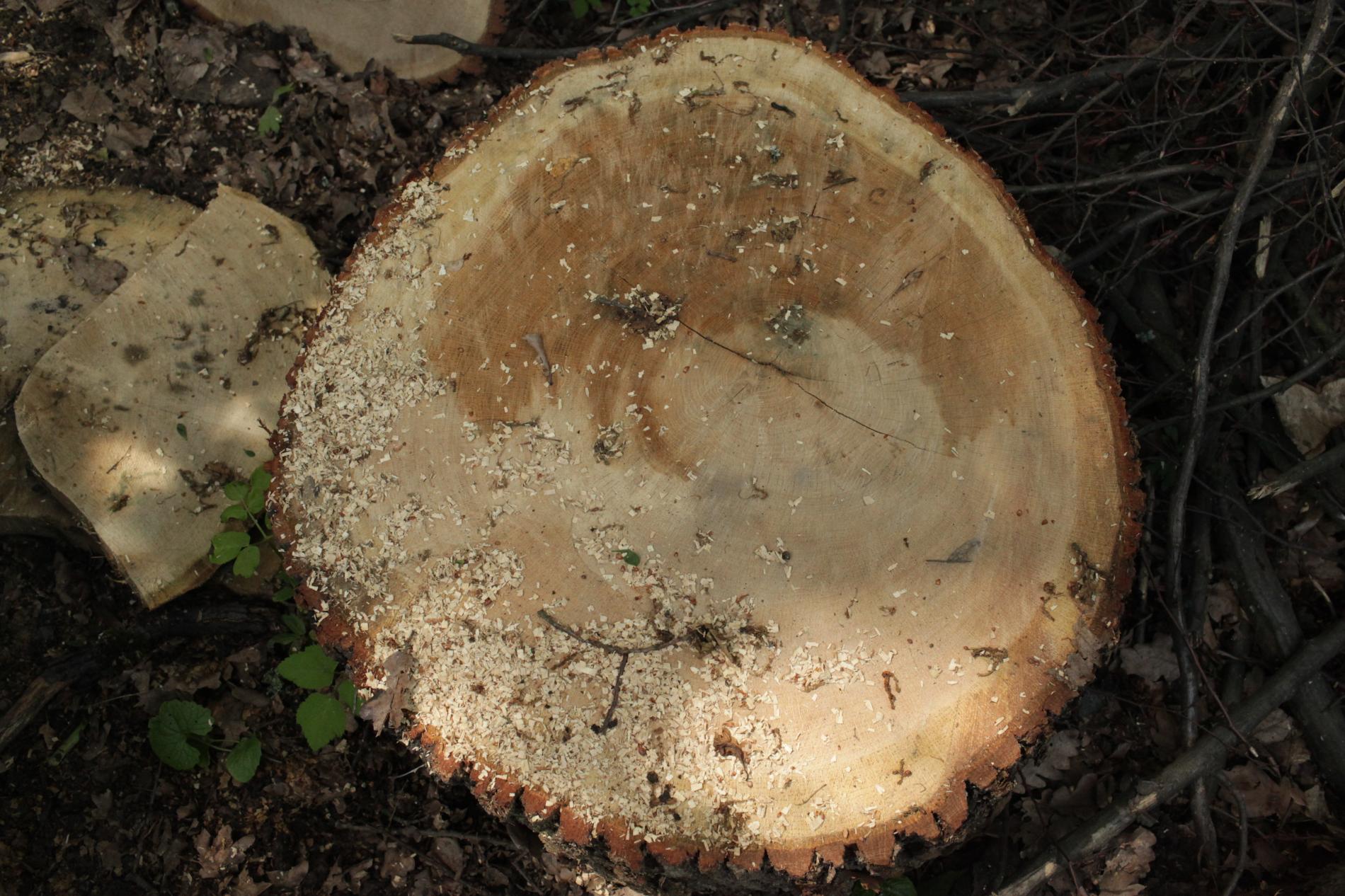
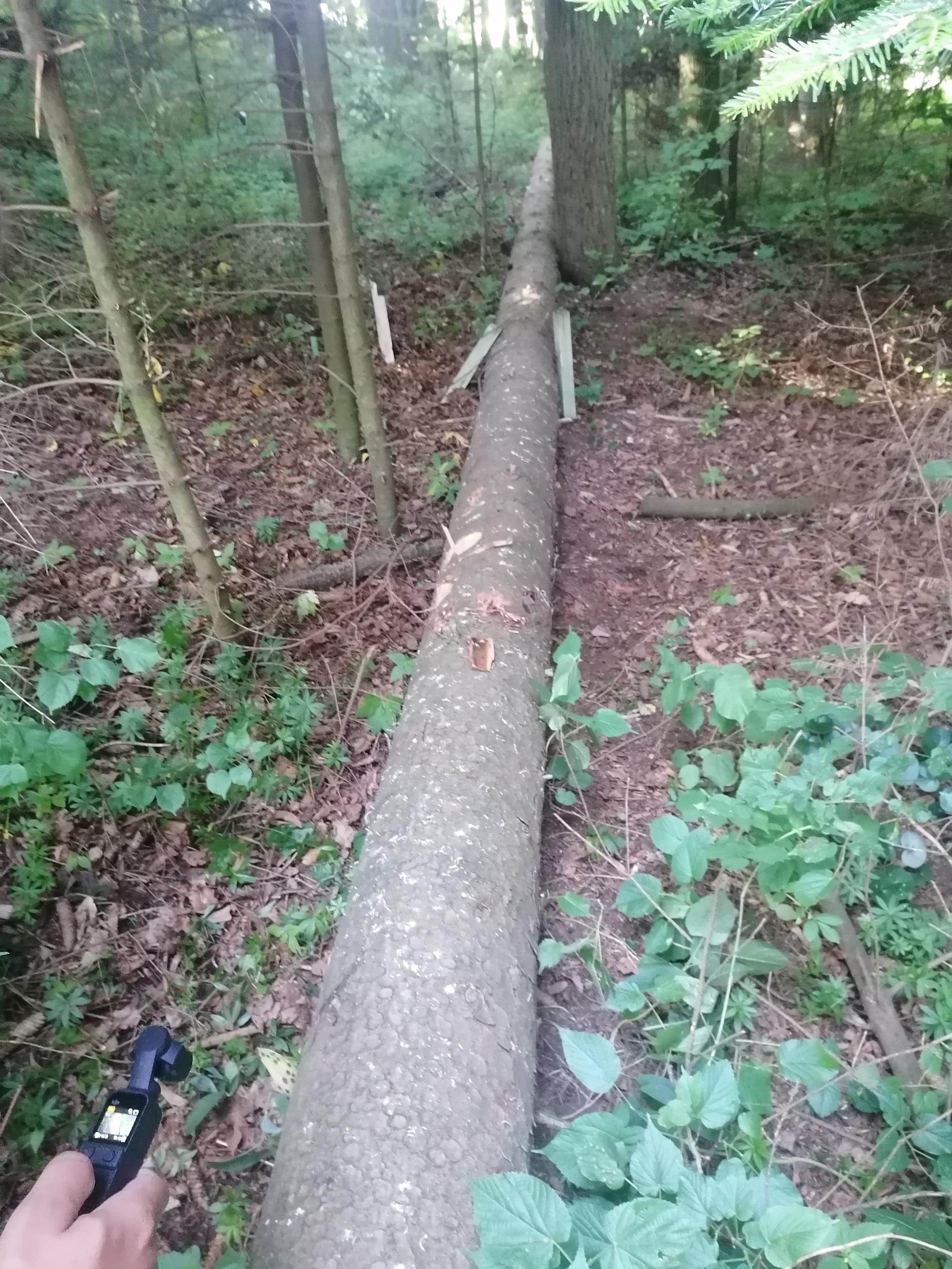
The presence of piles of white debris, later on a sawdust stacks - typical sign of ambrosia beetles - comes out of the excavation hole, with diameter of about 1 mm. the pest preffers stressed trees, dead stumps or harvested timber. Galleries can be seen from the branches to the thickest parts of the stem.
Tree Species: Beech, Oak
Part of a plant- attacked: Tree trunk, Branch
Pest significance: Harmful
Pest Category: Insects
Invasive Species: Yes
Present in EU: Yes
Pest group: Insect
Affected part of wood: Sapwood
Depth of damages: Bark, More than 5 cm depth, Under bark only, Up to 0,5 cm depth, Up to 2 cm depth, Up to 5 cm depth
The extent of damage: Whole trunk
Prevalence in Europe: Common
Damaged products: Firewood, Fresh timber logs (water still in the sapwood), Lumber, boards and prisms, Wooden house constructions
Roundwood size: Branches and twigs, Diameter 50+, Diameter from 10 up to 50 cm, Diameter up to 10 cm
Wood discoloration: Yes
Exit holes: Round
Pest subcategory: Wood-boring insect
Similar pests

Trypodendron domesticum

Hylecoetus dermestoides
