


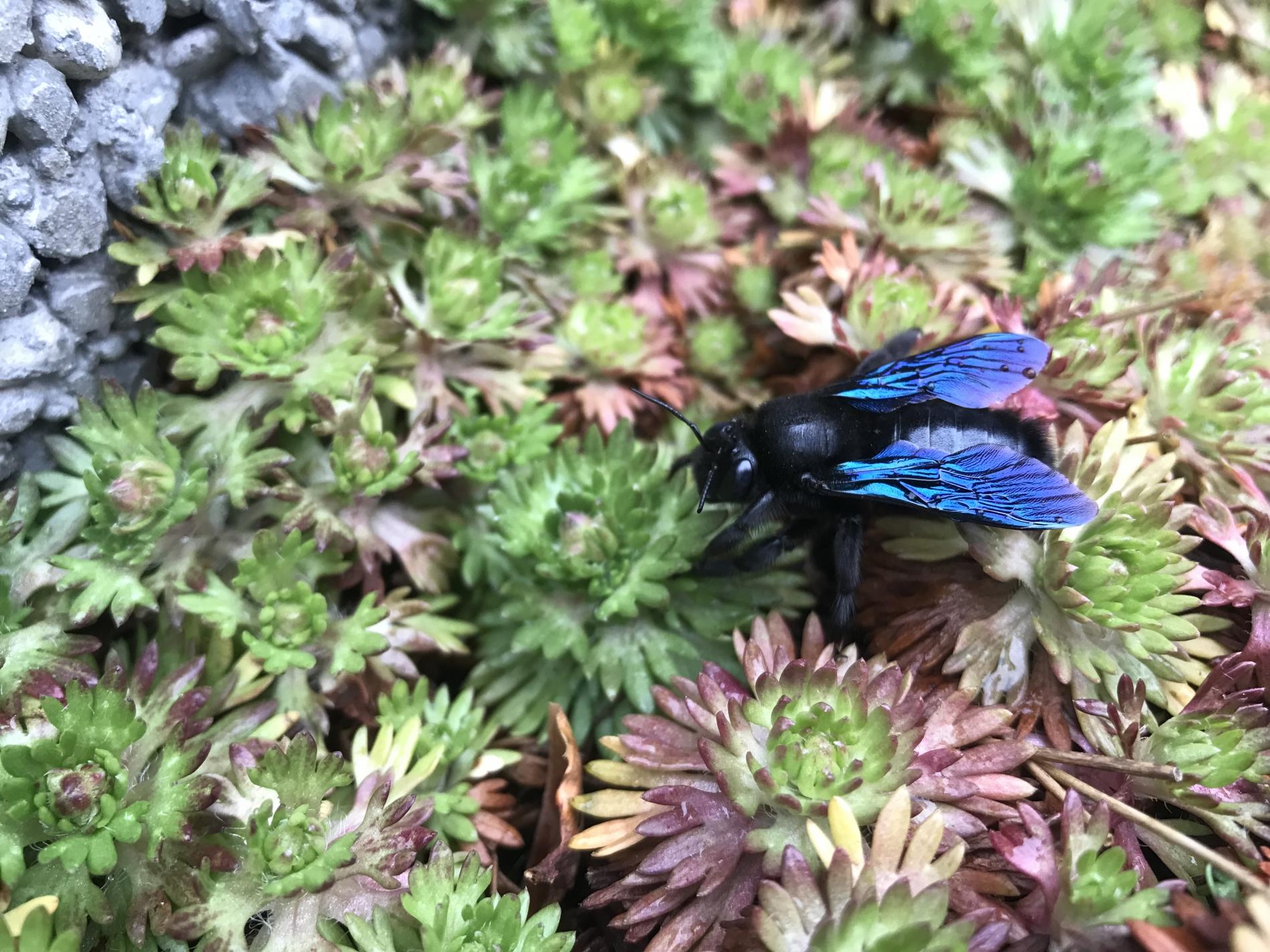
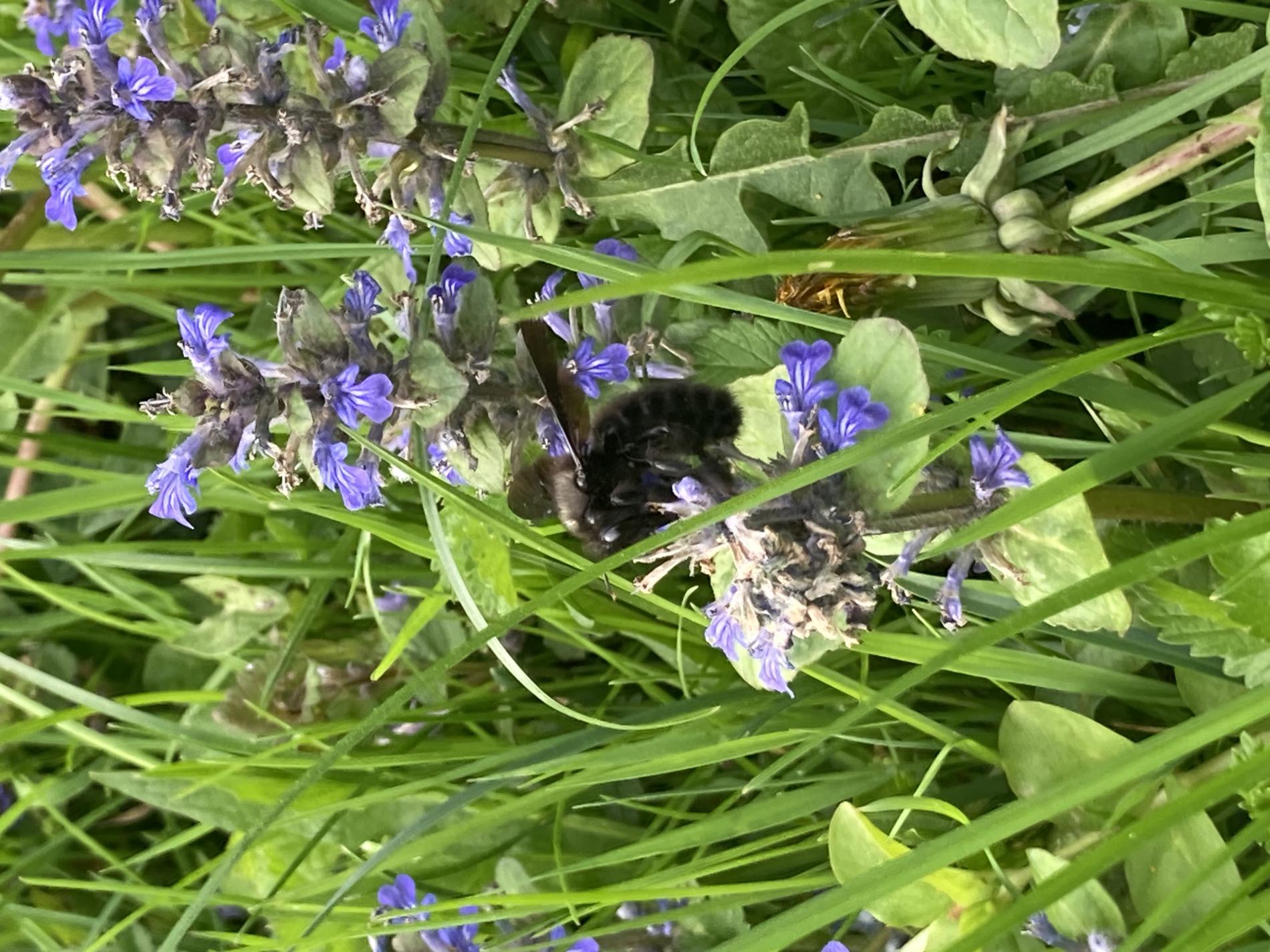
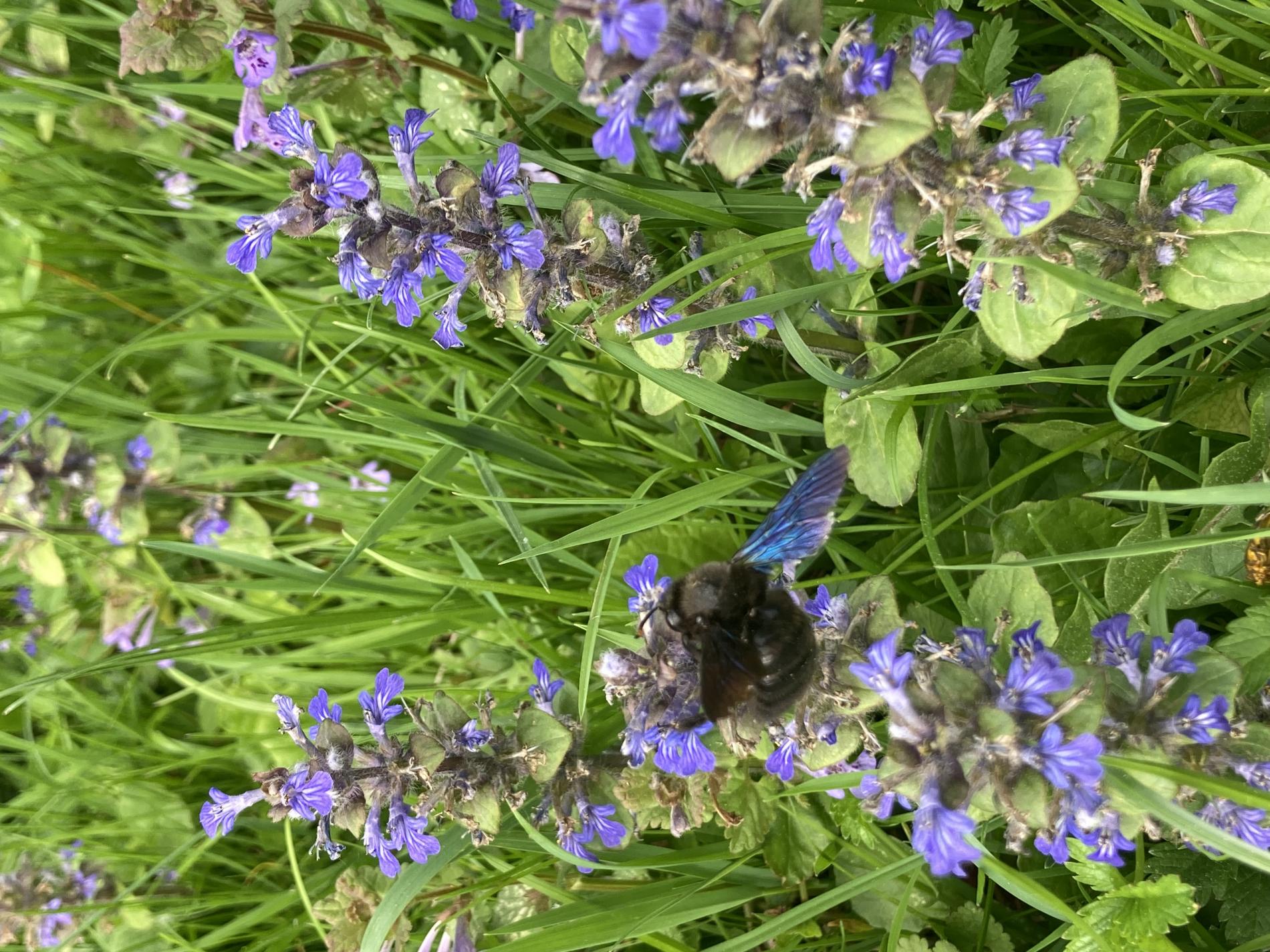
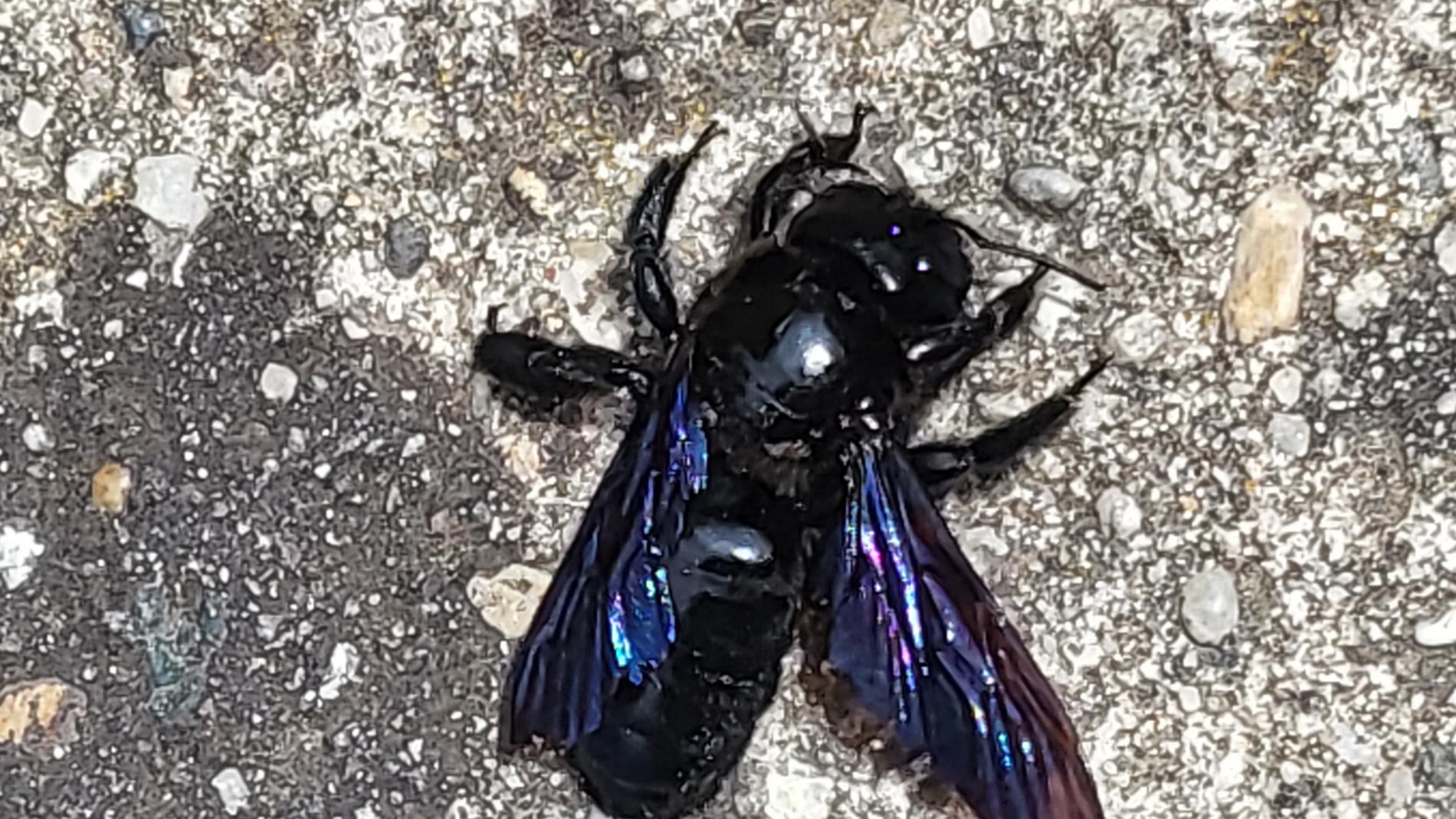
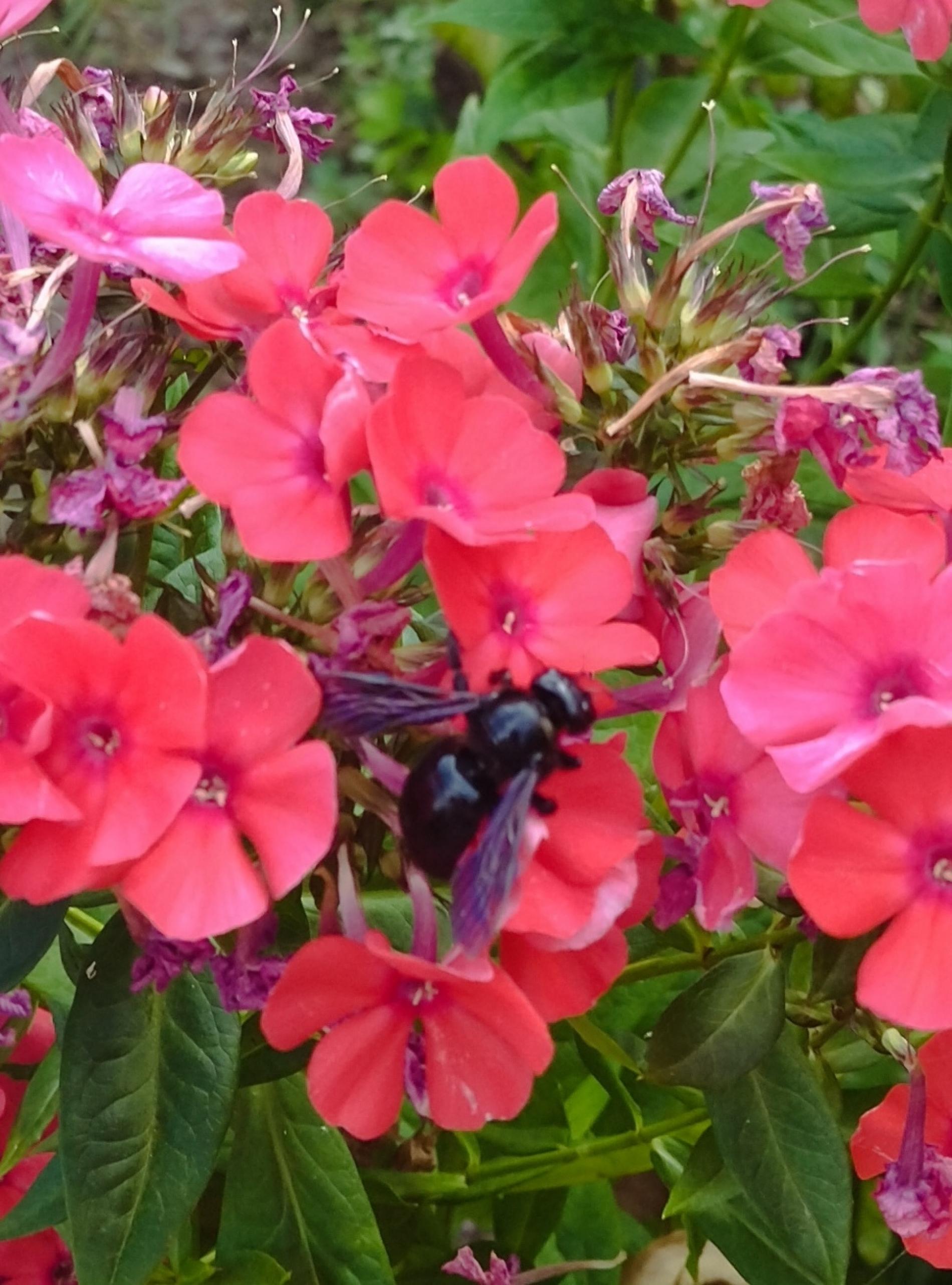
Xylocopa violacea
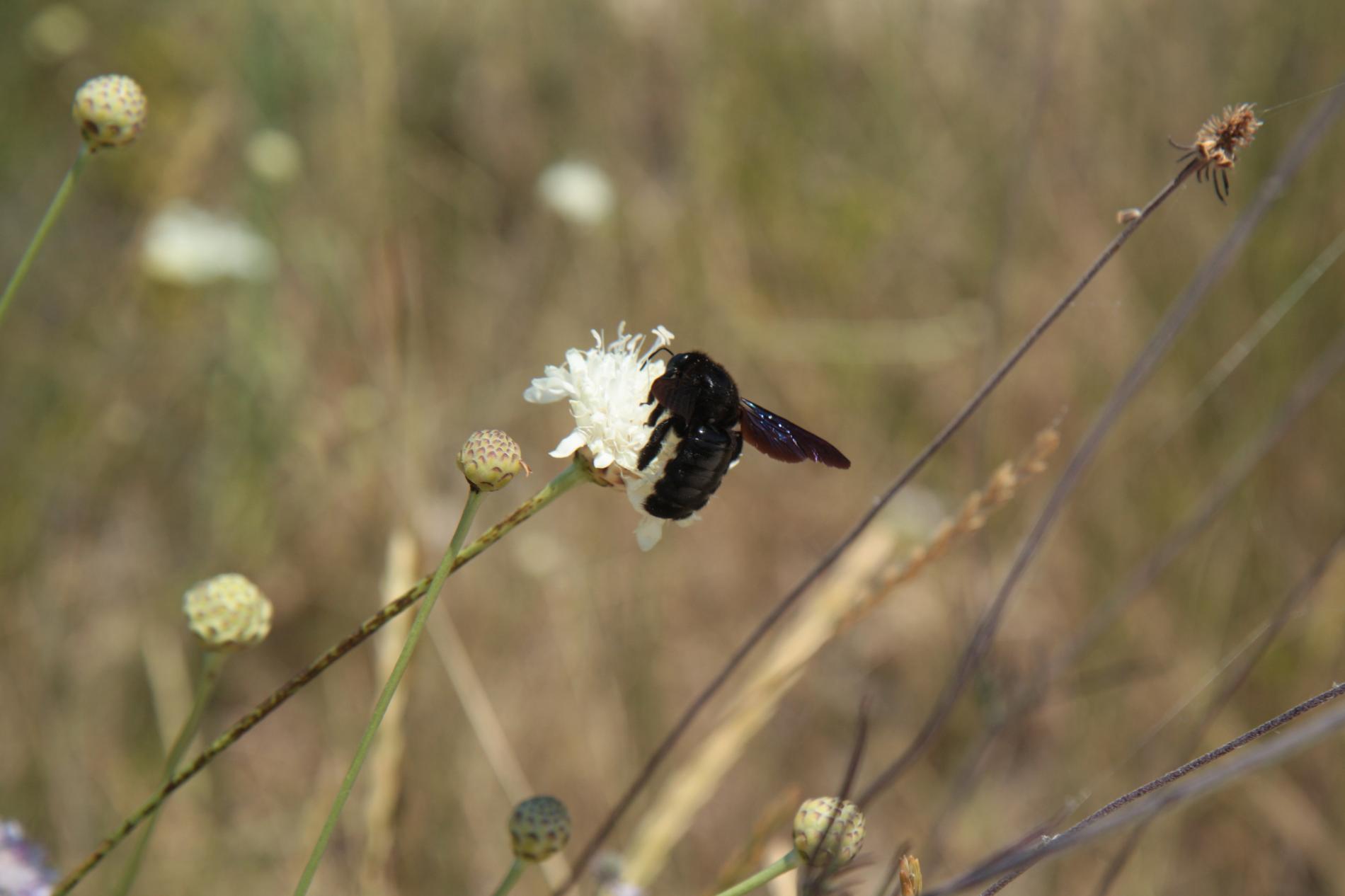
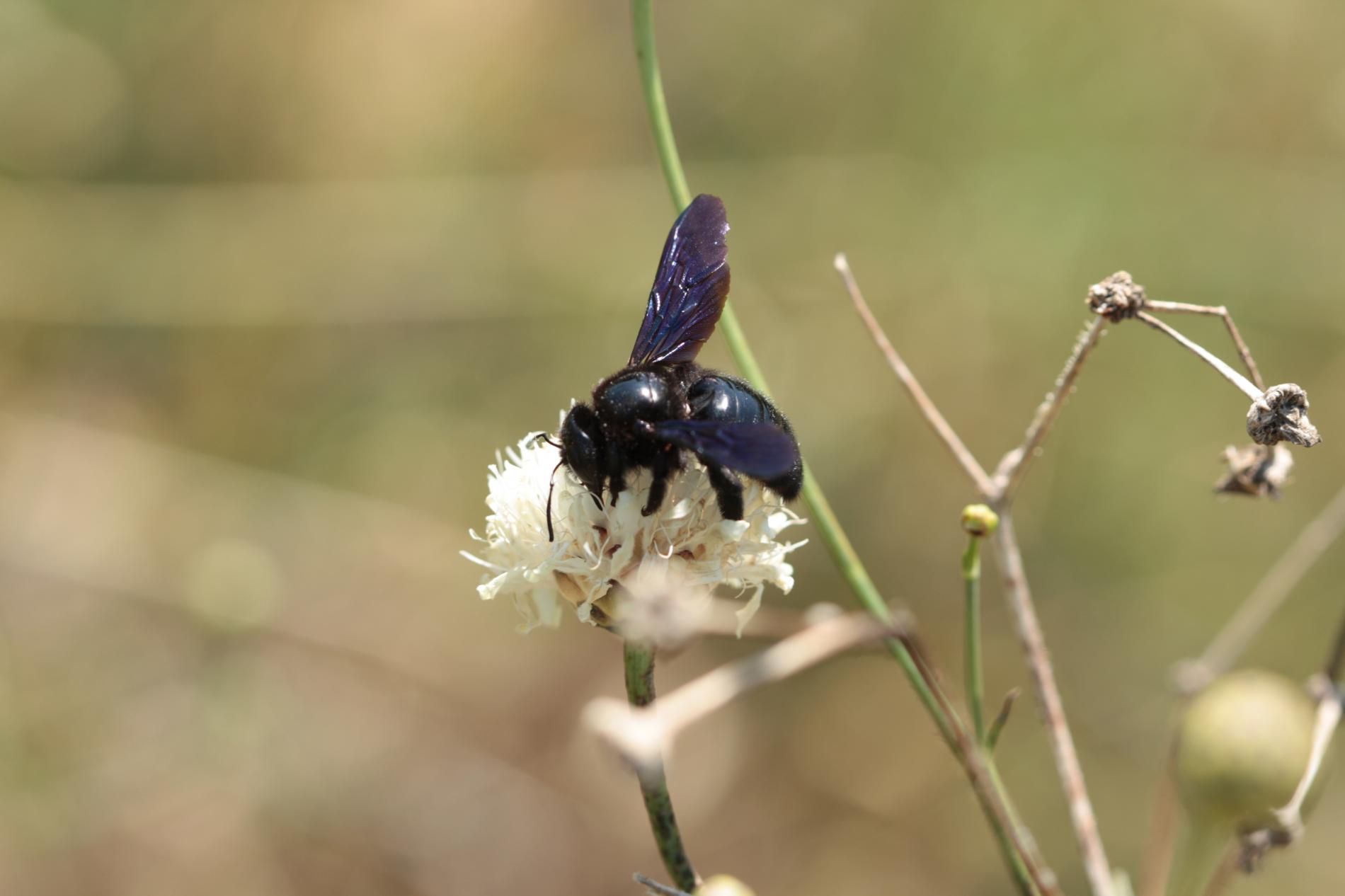
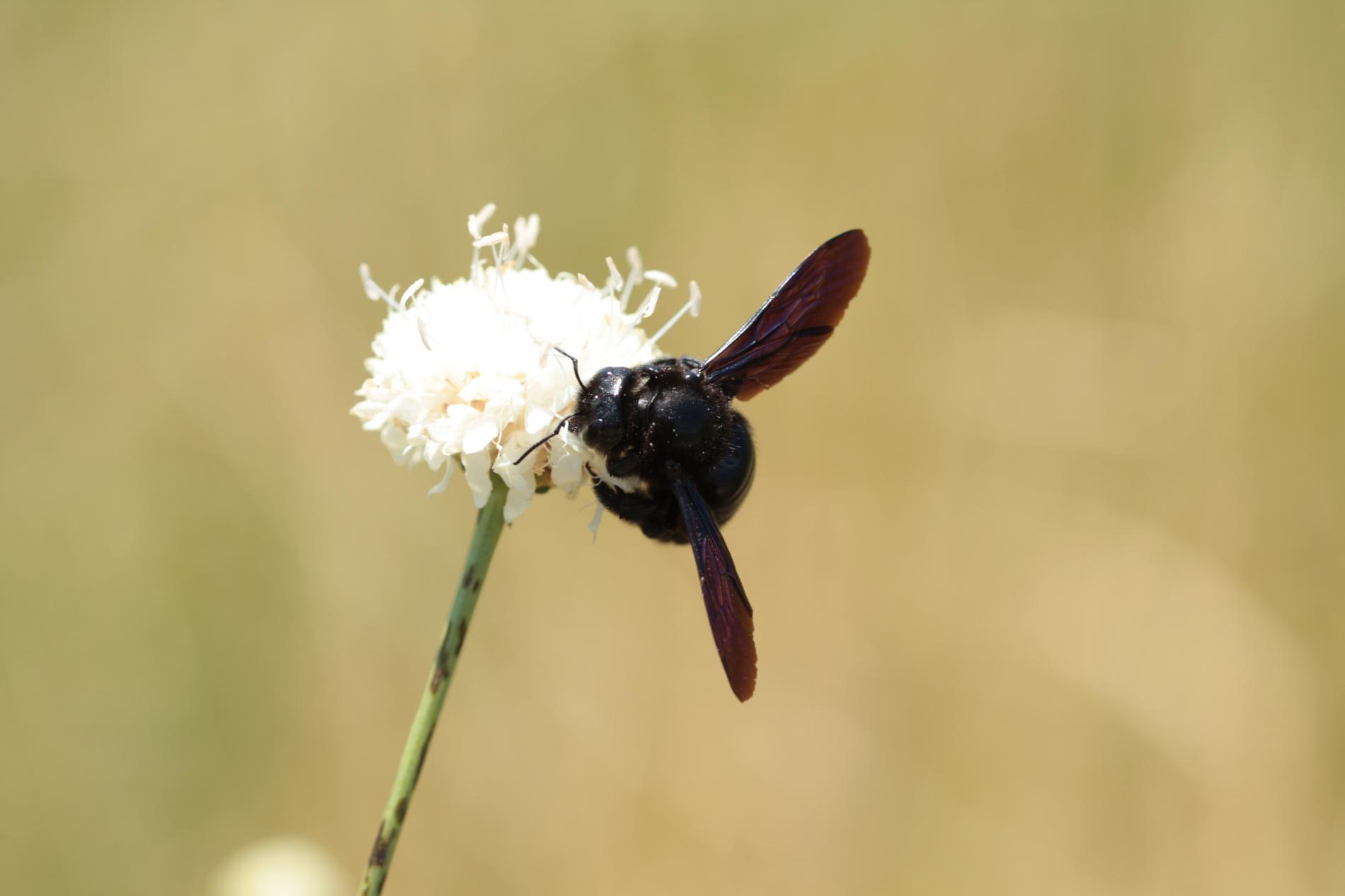
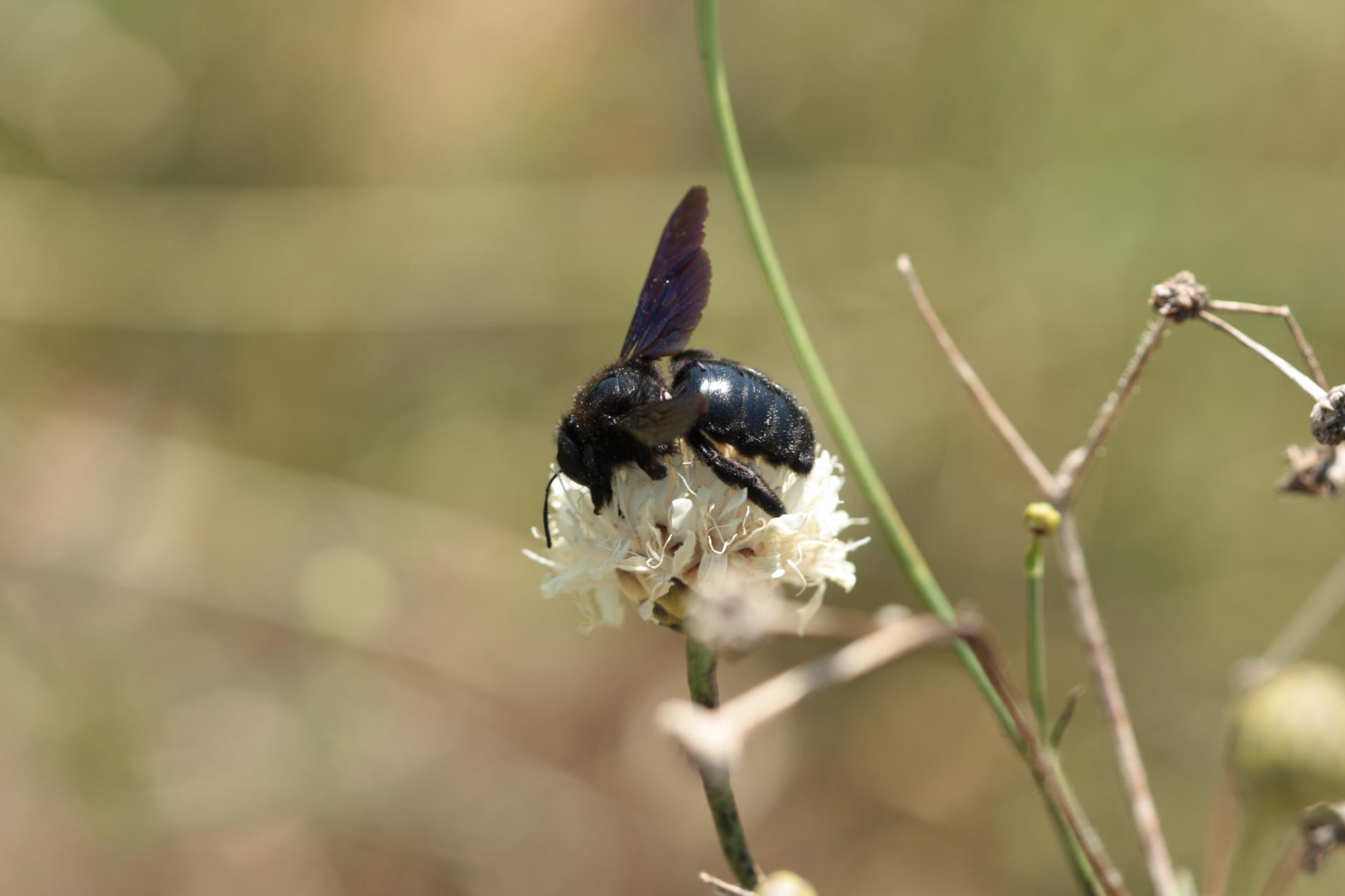
Violet carpenter bee
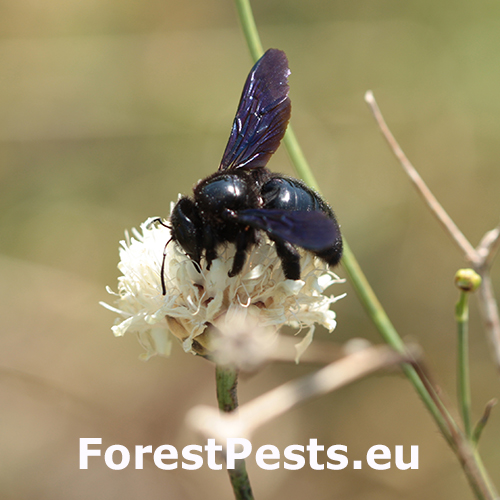
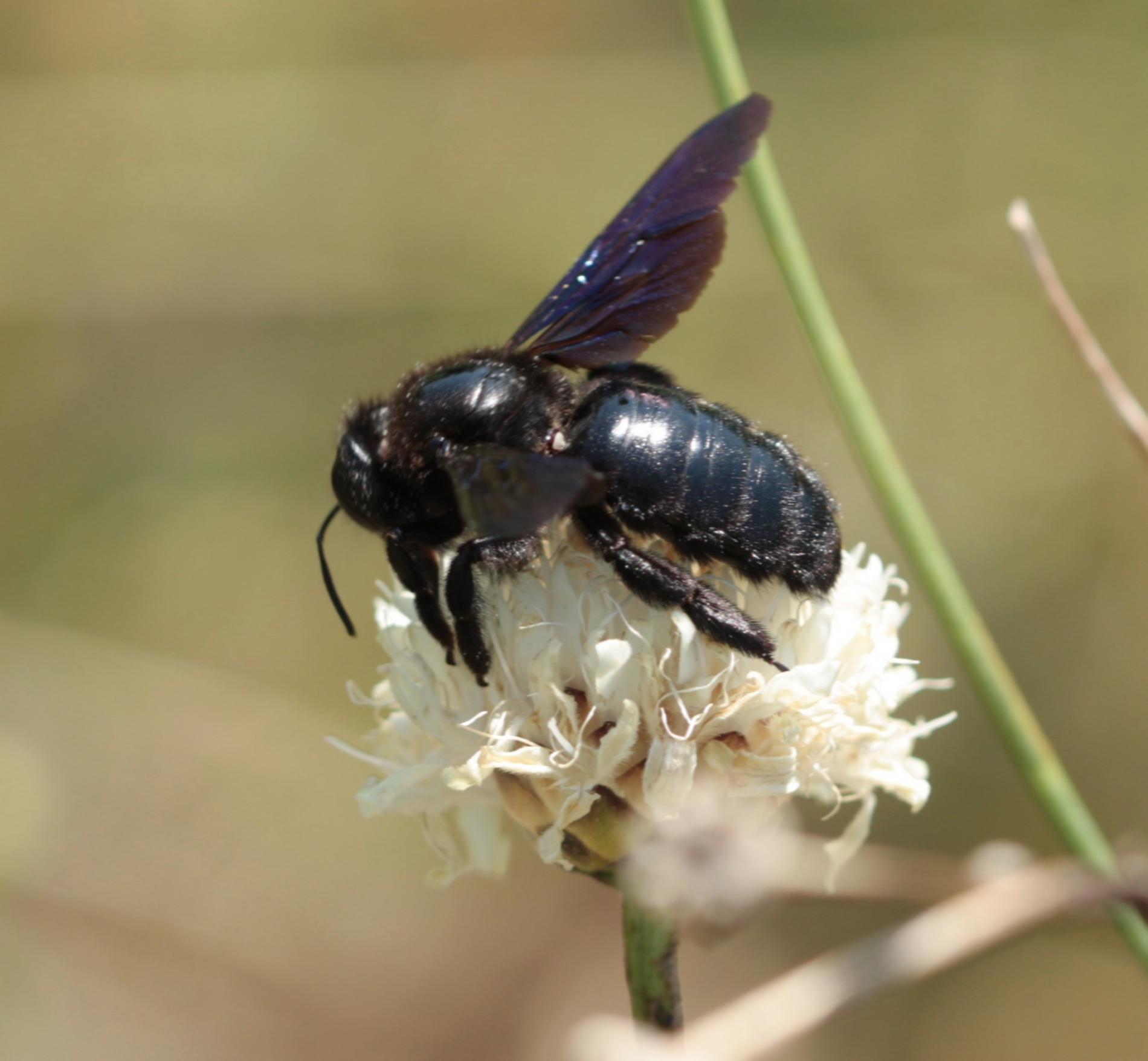
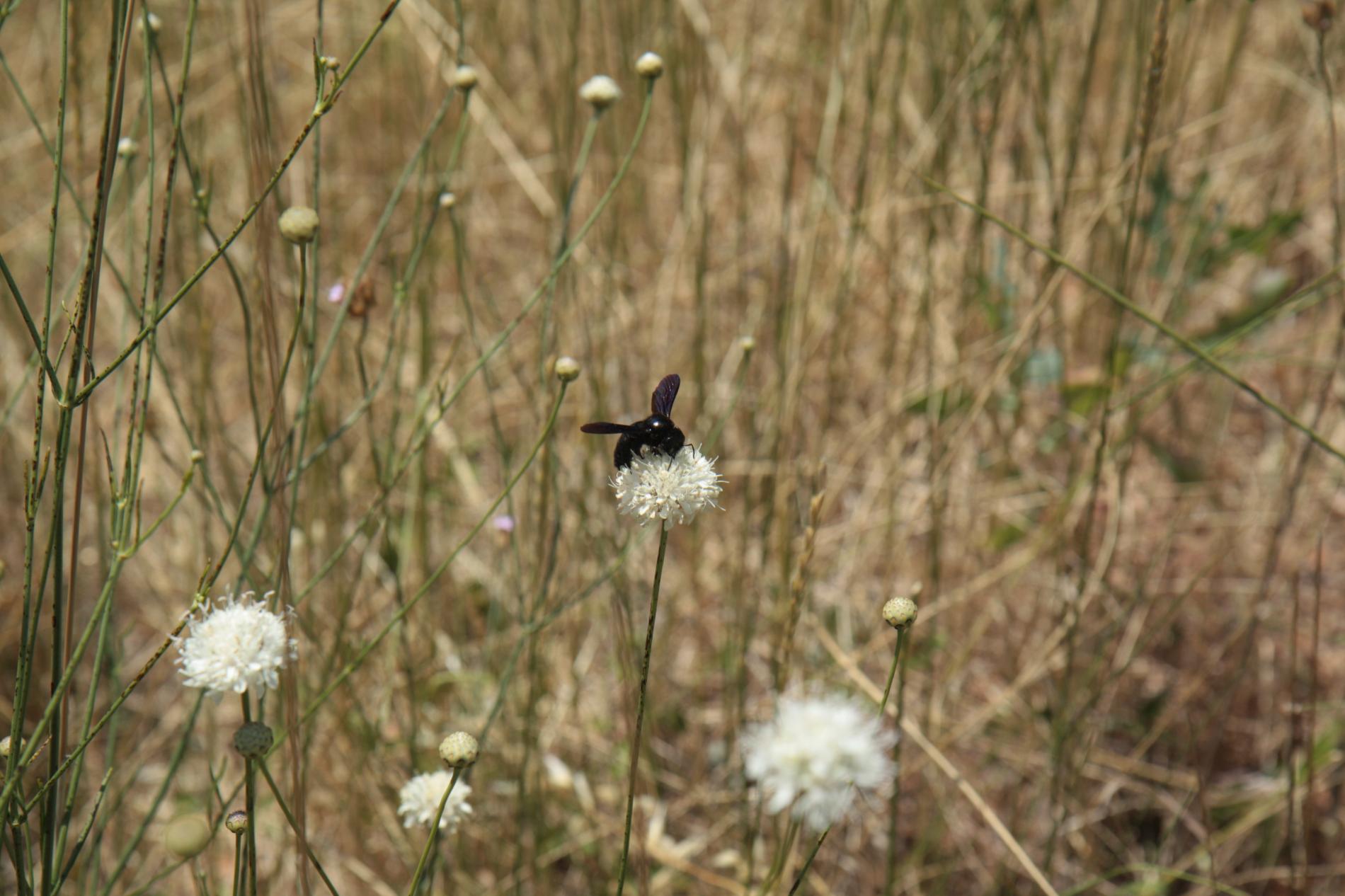
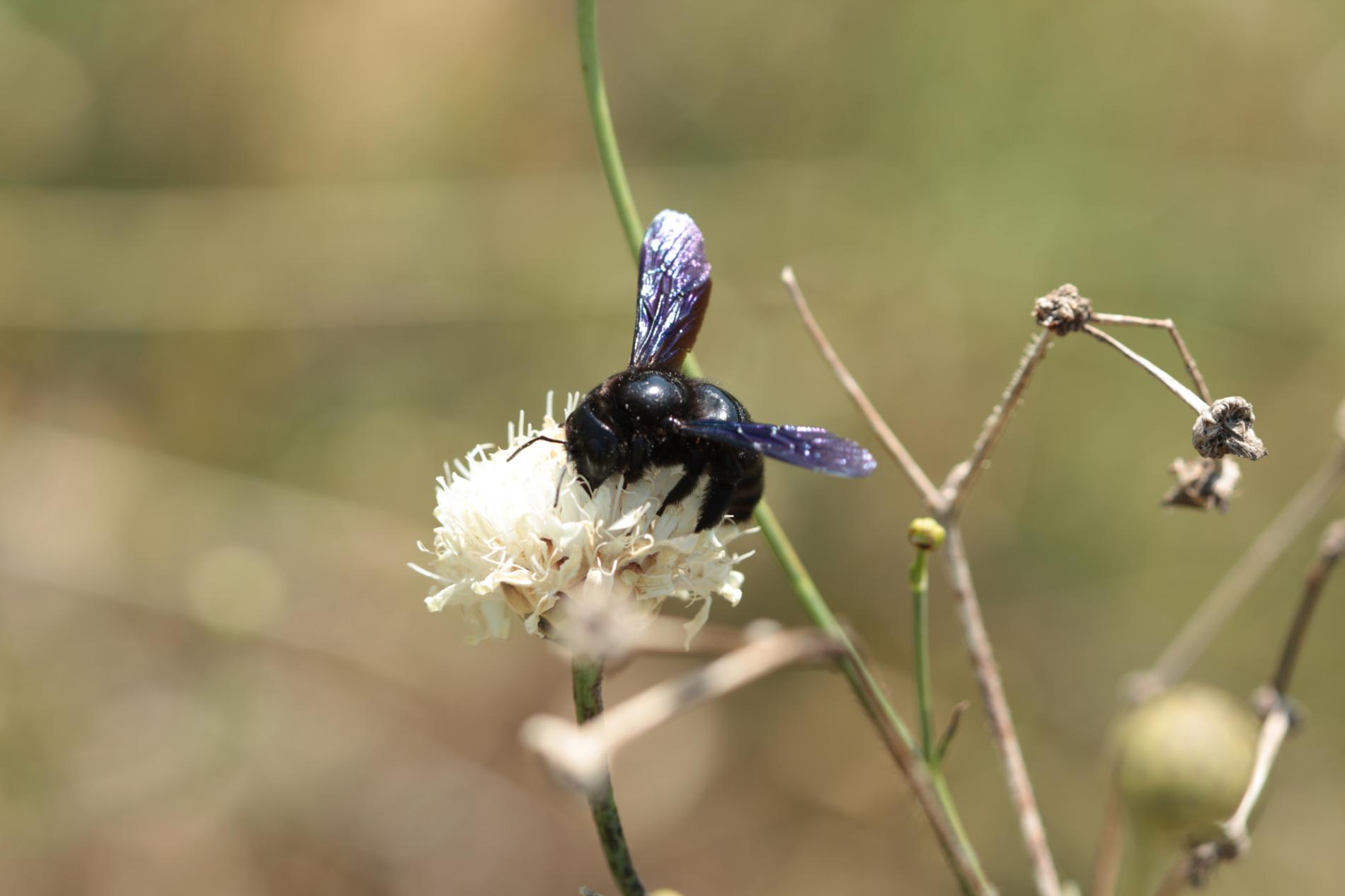
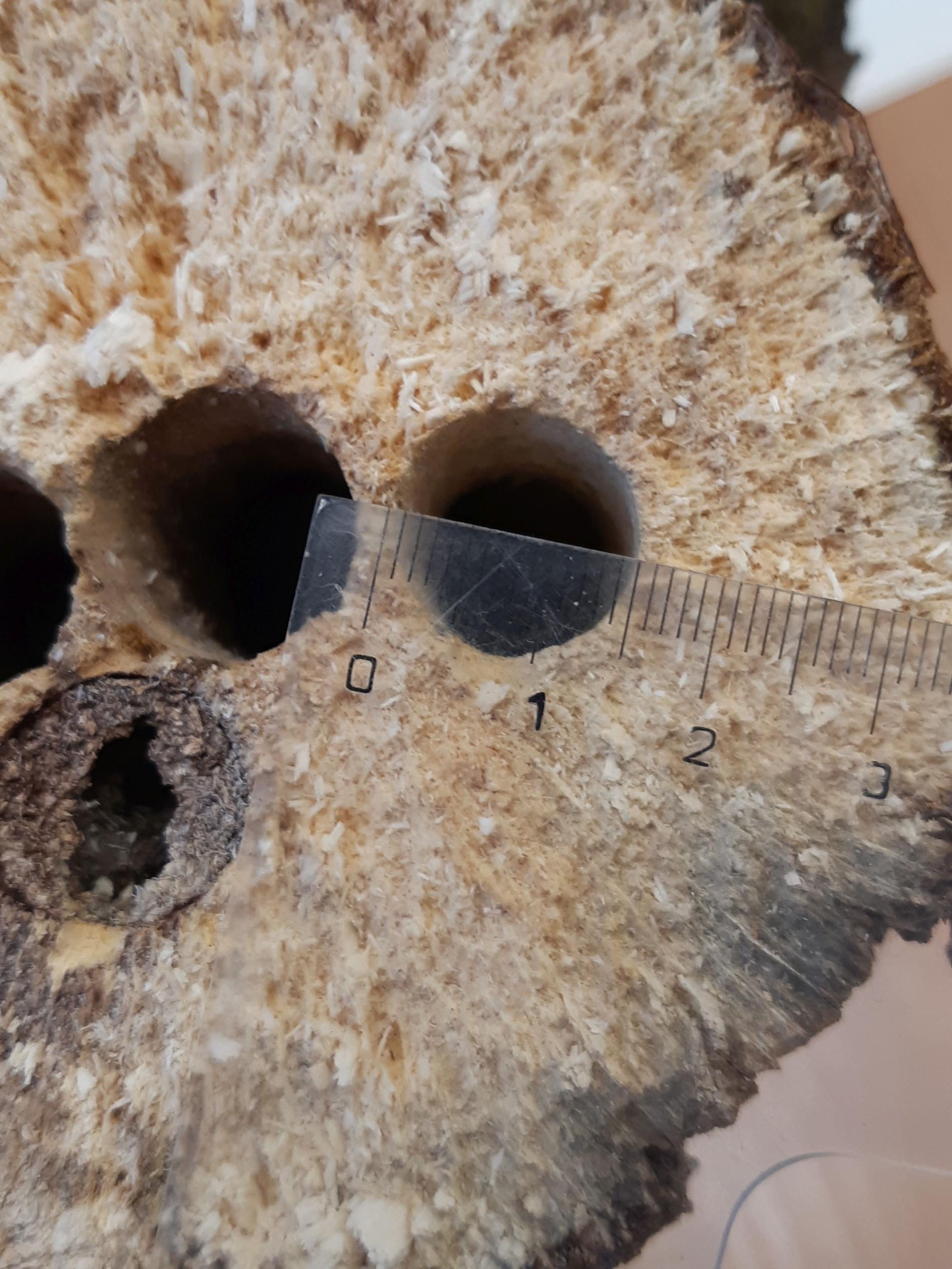
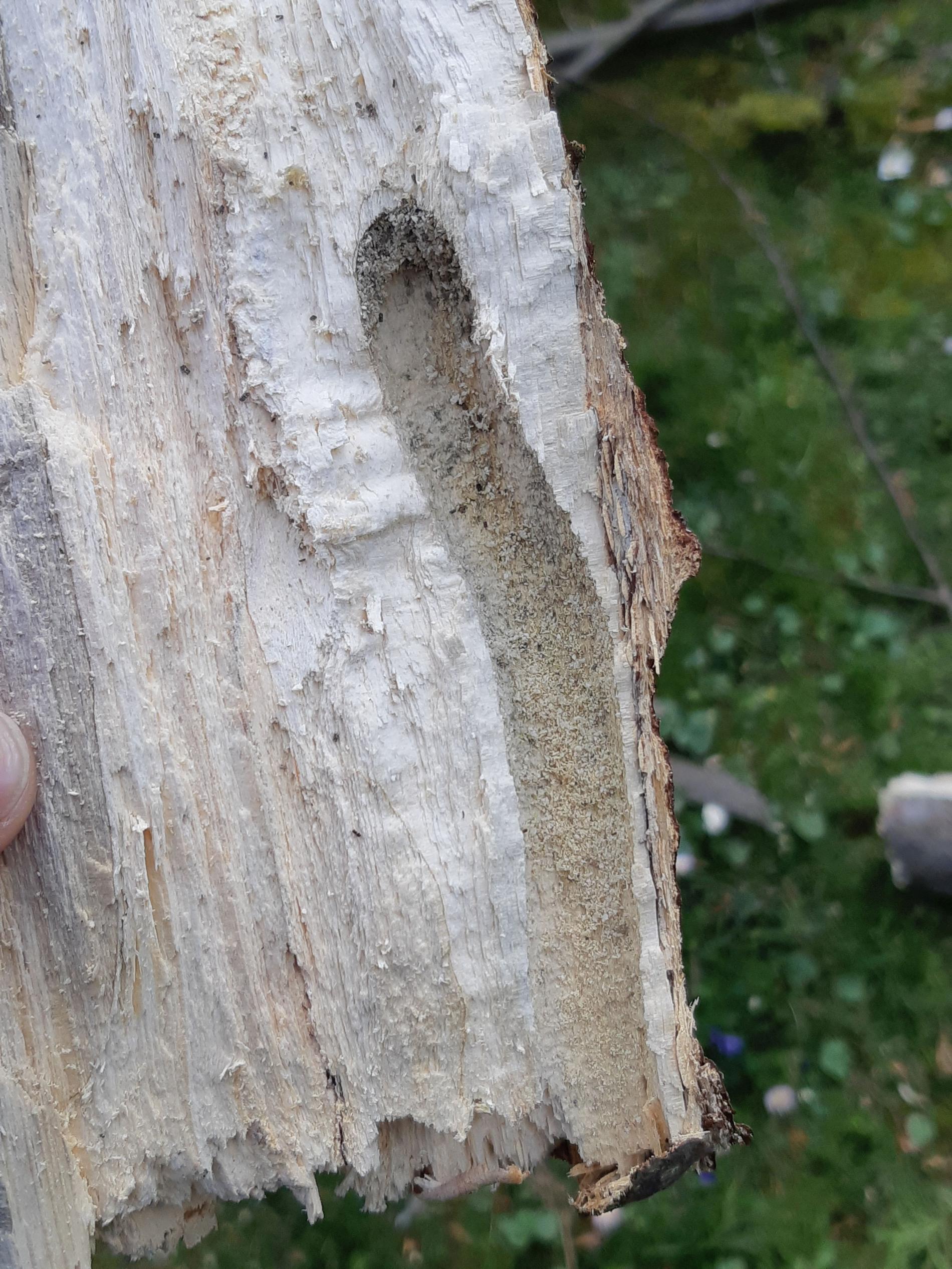
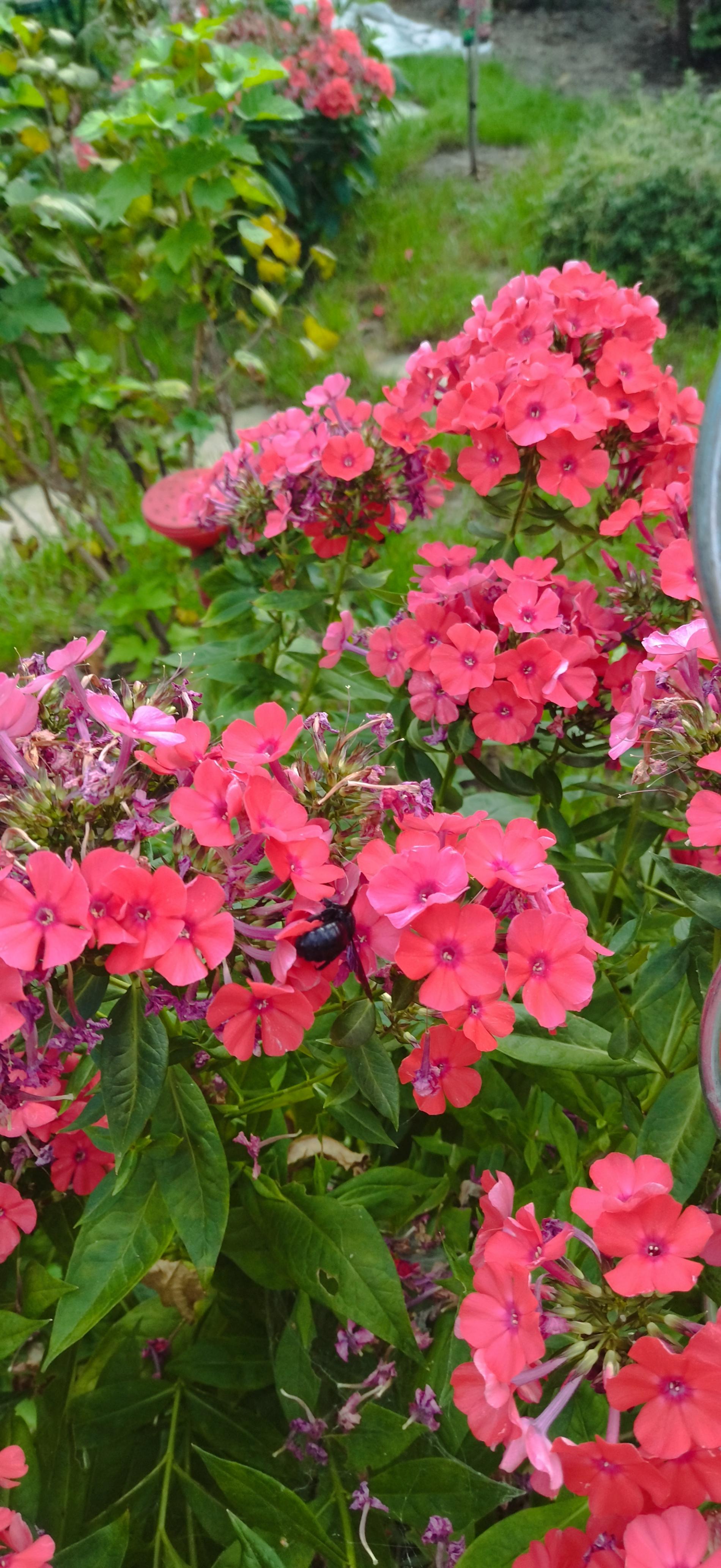
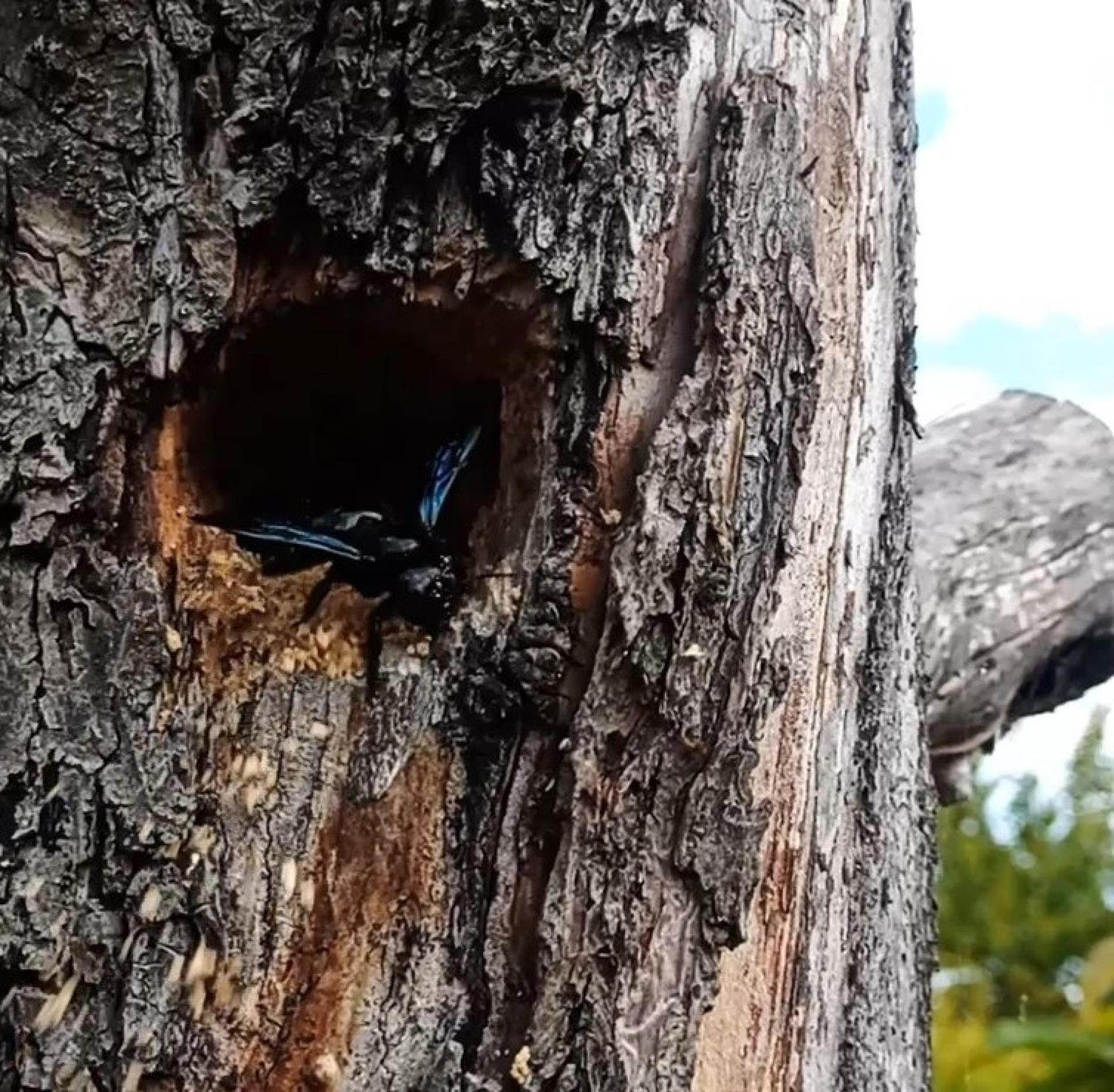
One of the largest bees in Europe, entirely shiny bluish-black colour. The adults are easy to see buzzing loudly during summer around flowers, dead and dried trees, snags, long-abandoned logs, building timber. After mating, the females use their powerful mandibles to bore deep tunnels up to 30 cm long into dry wood. Up to 10–15 separated egg cells can fit in a tunnel, each one provided with pollen to feed the larvae. Univoltine. Adults overwinter and emerge in April–May from the same tunnel drilled the previous year by the mother. Living trees are never attacked. Occasionally, serious technical damage may occur to building timber, mainly open air beams. Everywhere from sea level up to 1,500 m, more common in the south of Europe.
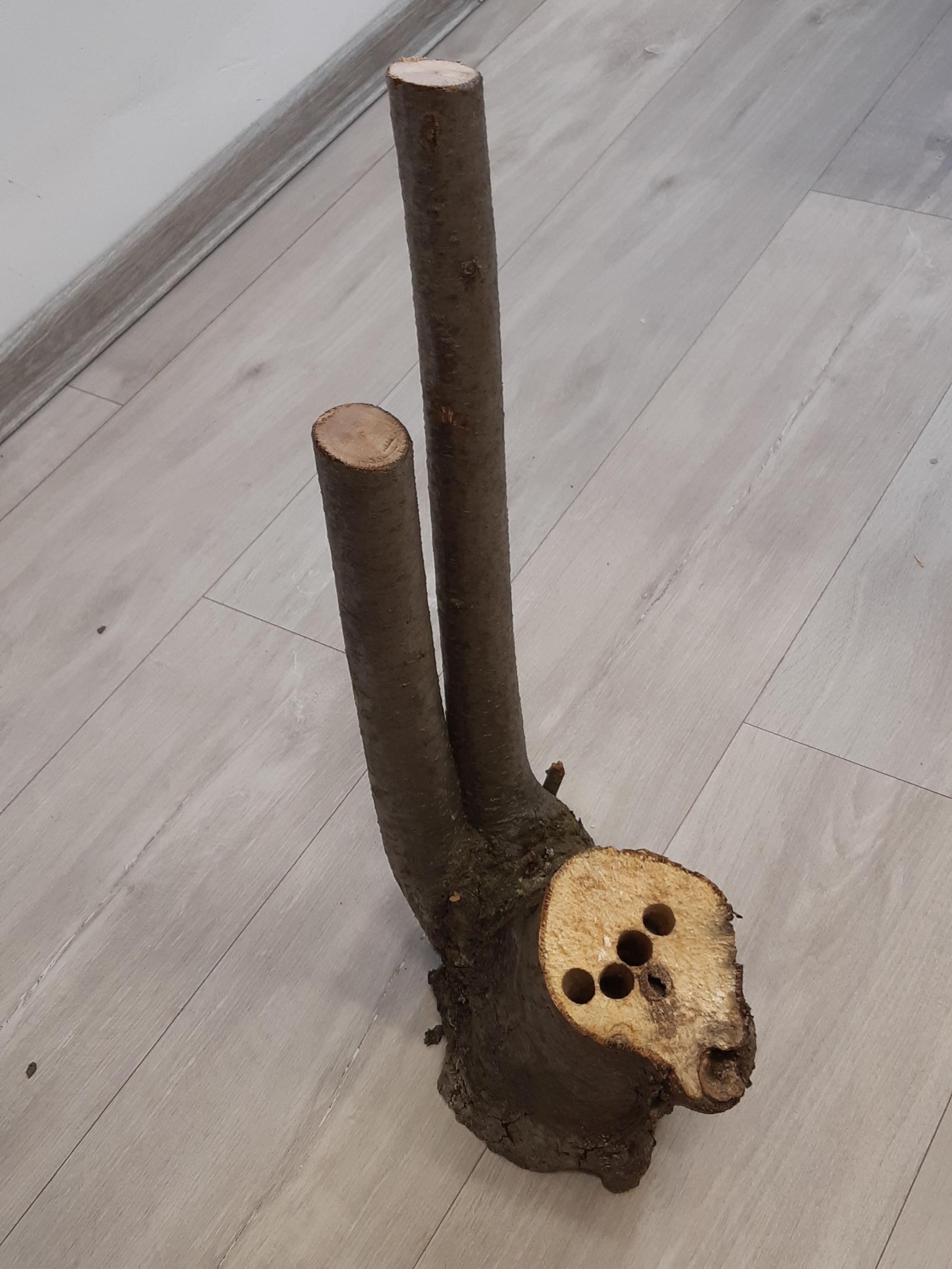
Deep tunnels up to 30 cm long in dry wood. Round excavation holes. Big, bluish-black bee.
Tree Species: Beech, Walnut, Plum
Part of a plant- attacked: Tree trunk
Pest significance: Not harmful
Pest Category: Insects
Invasive Species: No
Present in EU: Yes
Pest group: Insect
Affected part of wood: Heartwood, Sapwood
Depth of damages: Bark, Under bark only, Up to 0,5 cm depth, Up to 2 cm depth, Up to 5 cm depth
The extent of damage: Lokally
Prevalence in Europe: Rare
Damaged products: Firewood
Roundwood size: Diameter up to 10 cm
Wood discoloration: No
Exit holes: Round
Pest subcategory: Wood-boring insect


Similar pests

Saperda populnea

Zeuzera pyrina
