


Xylaria polymorpha
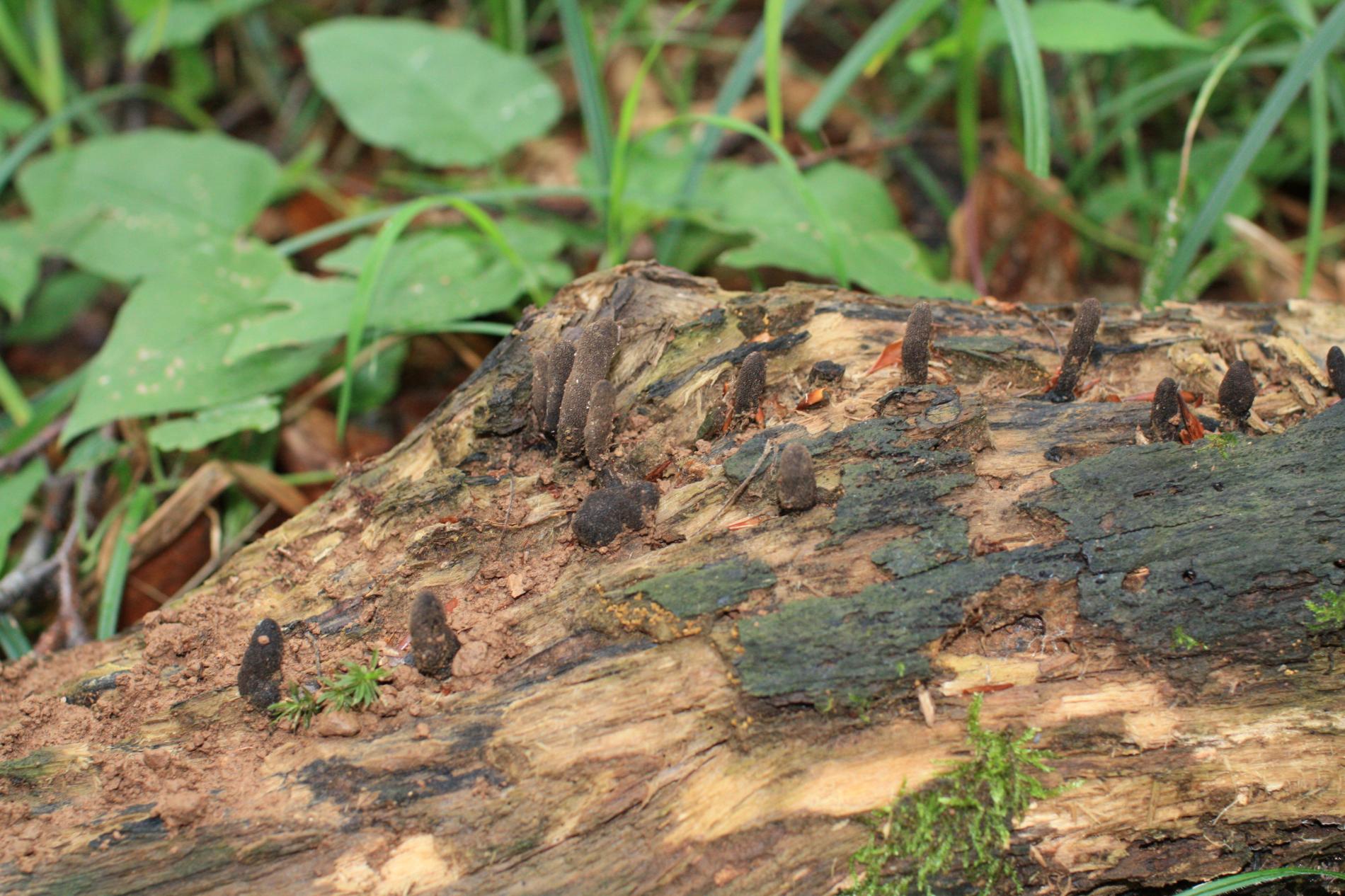
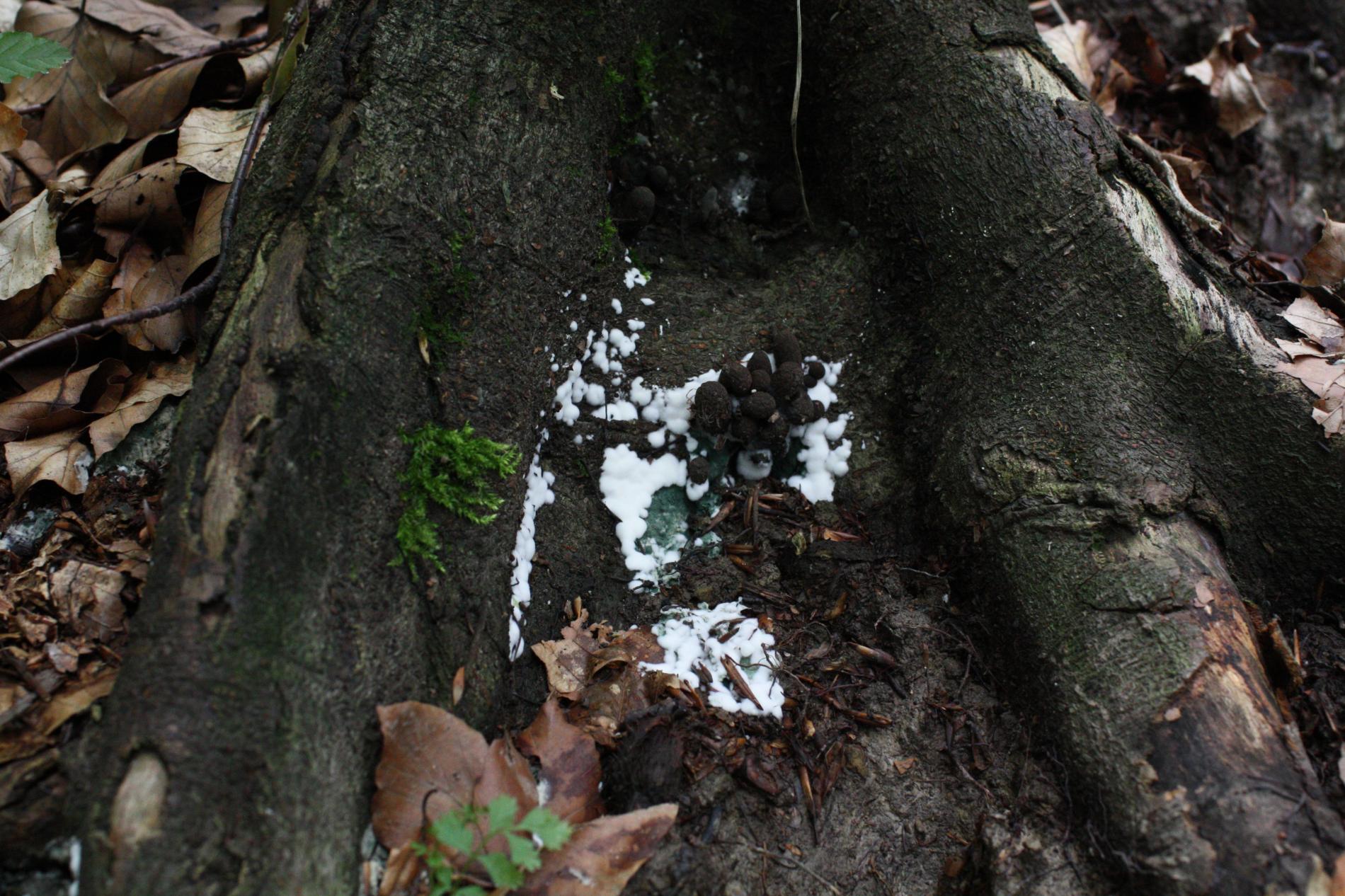
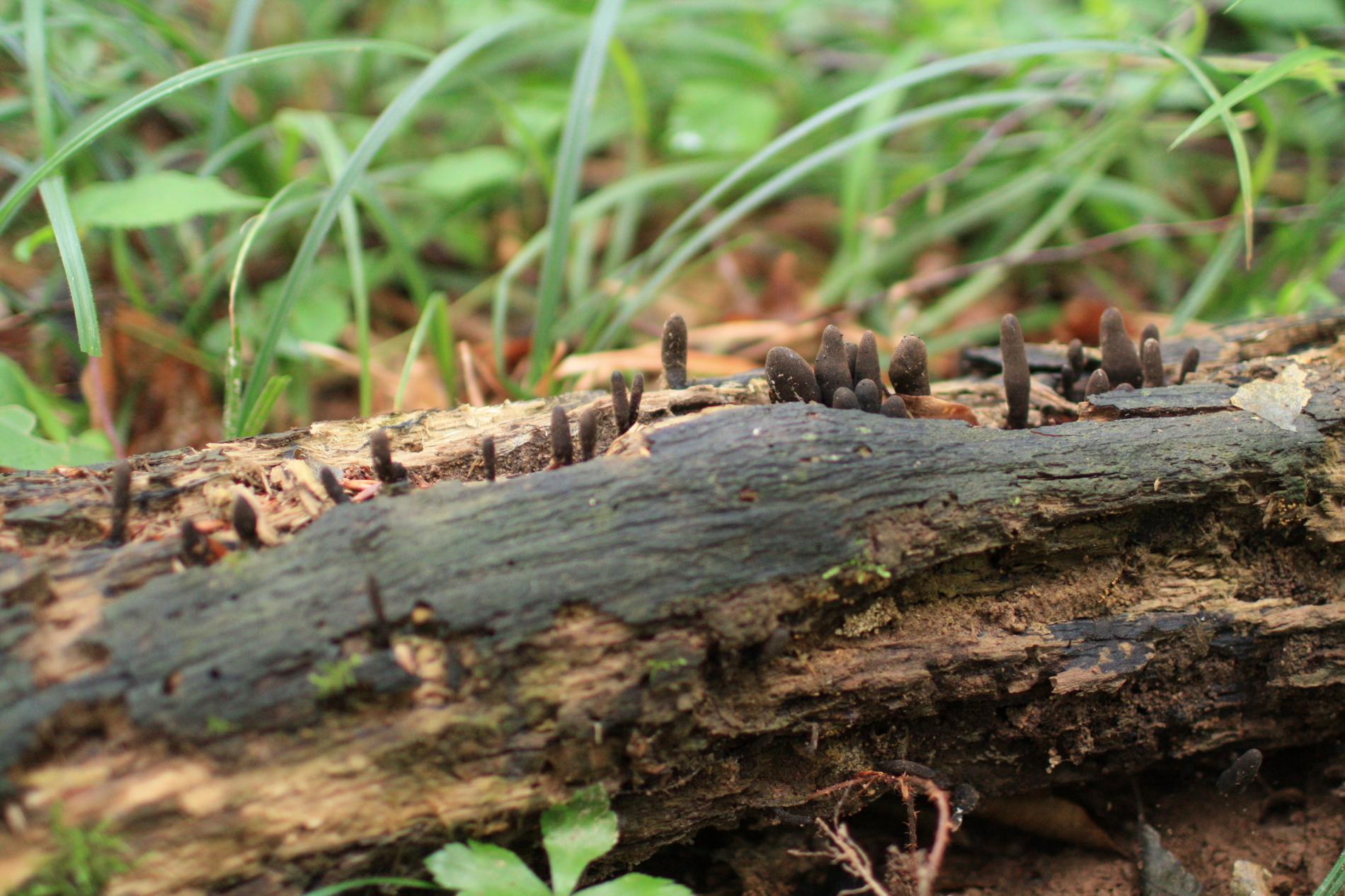
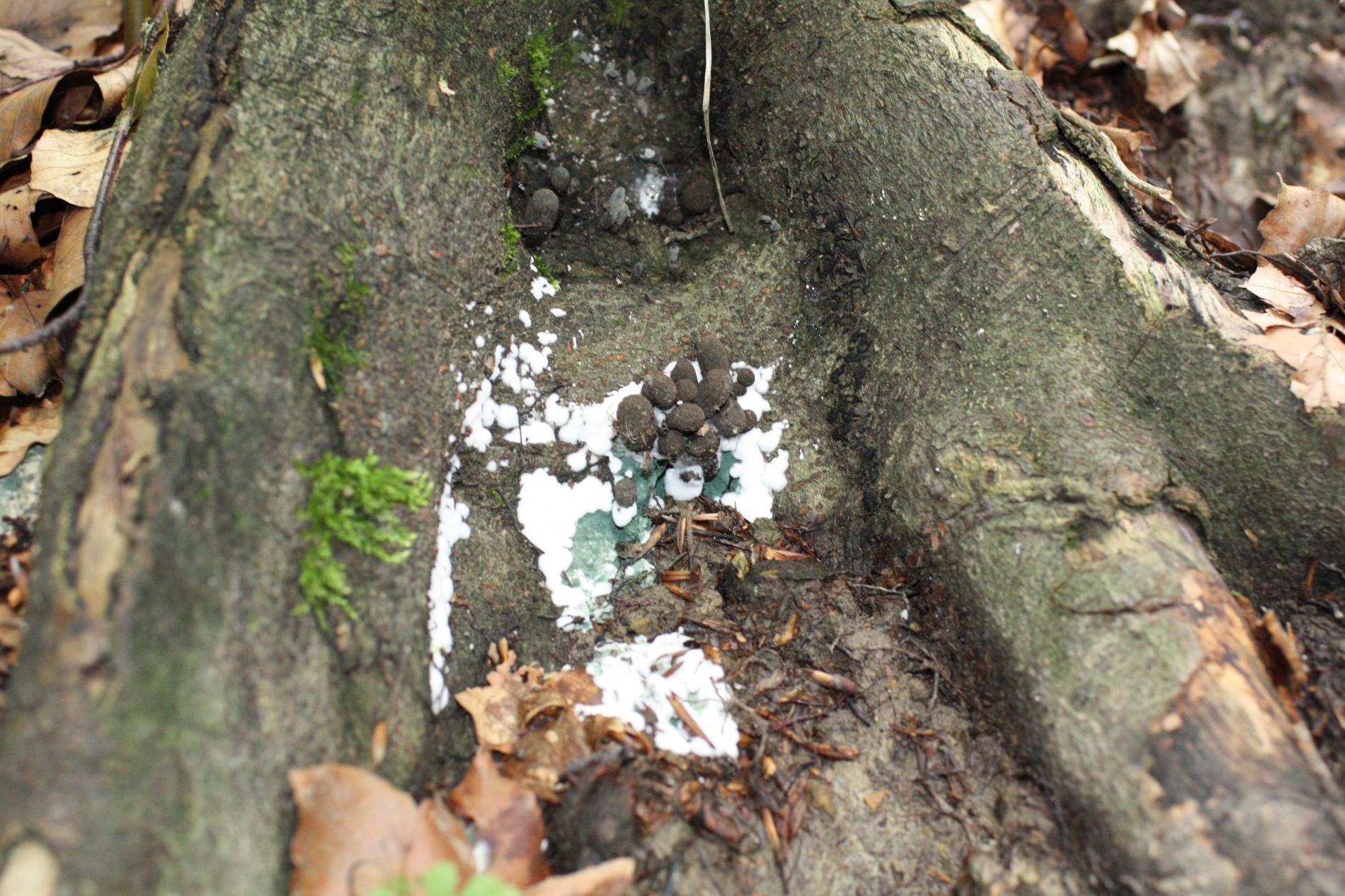
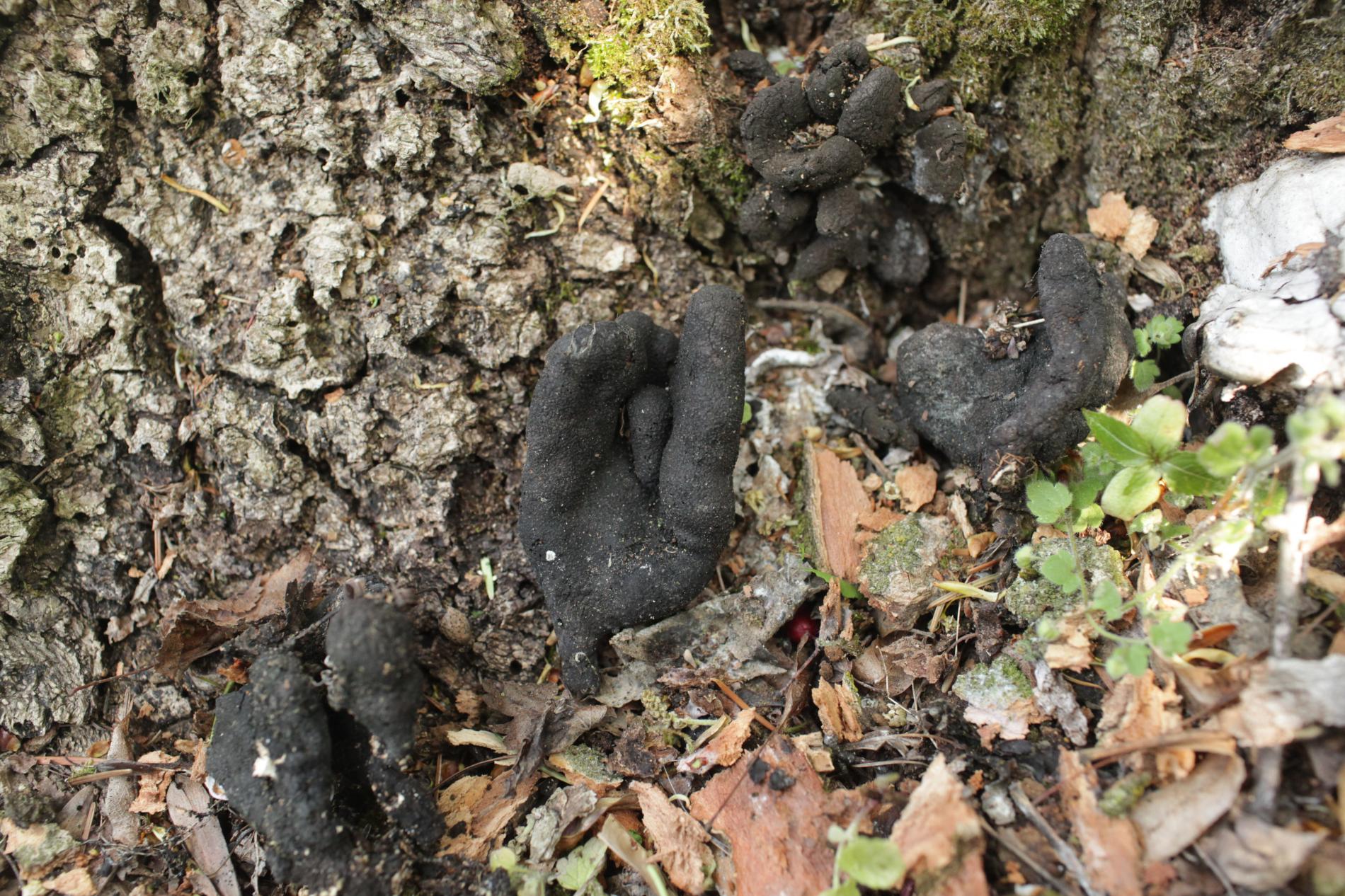
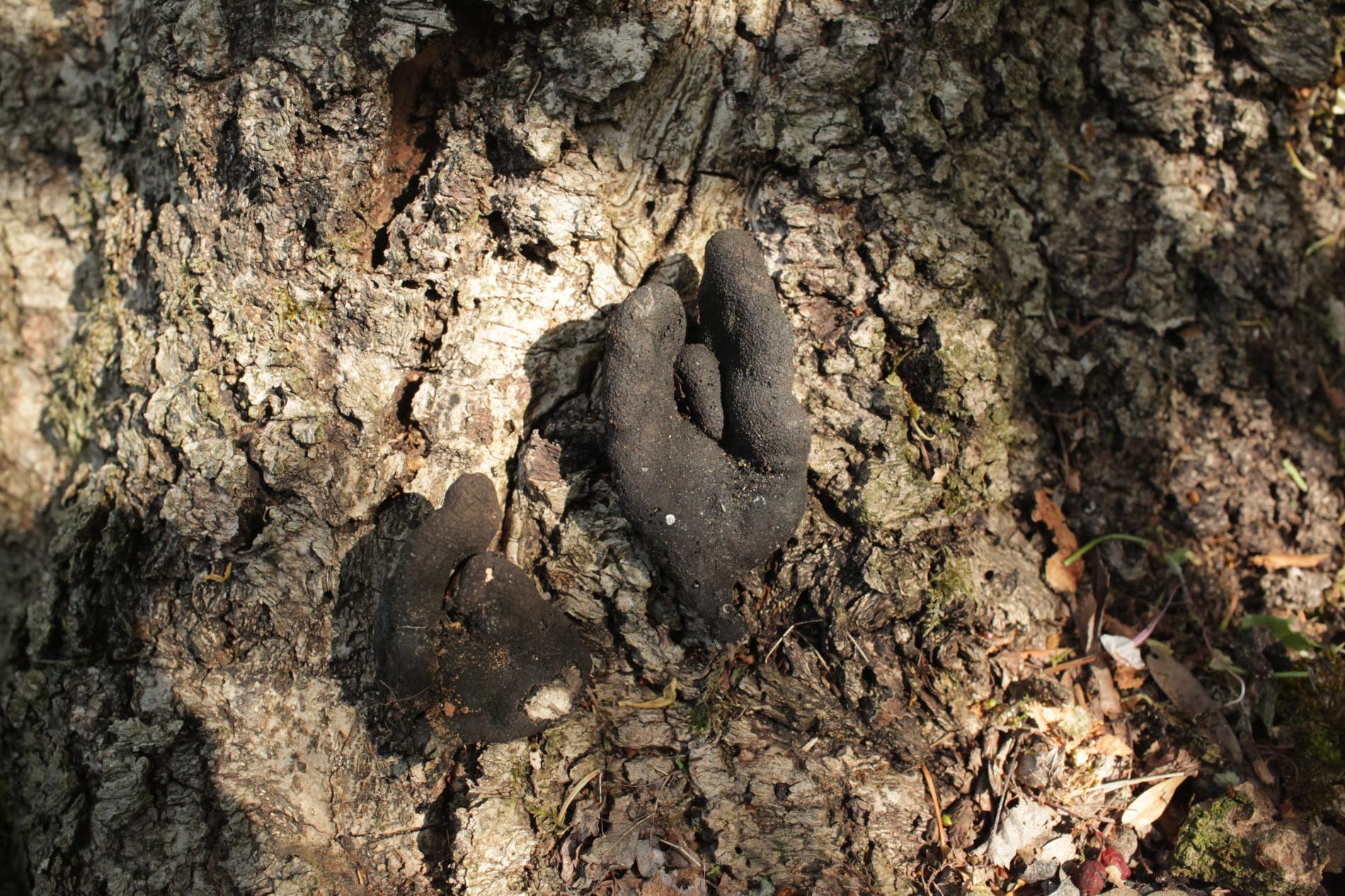
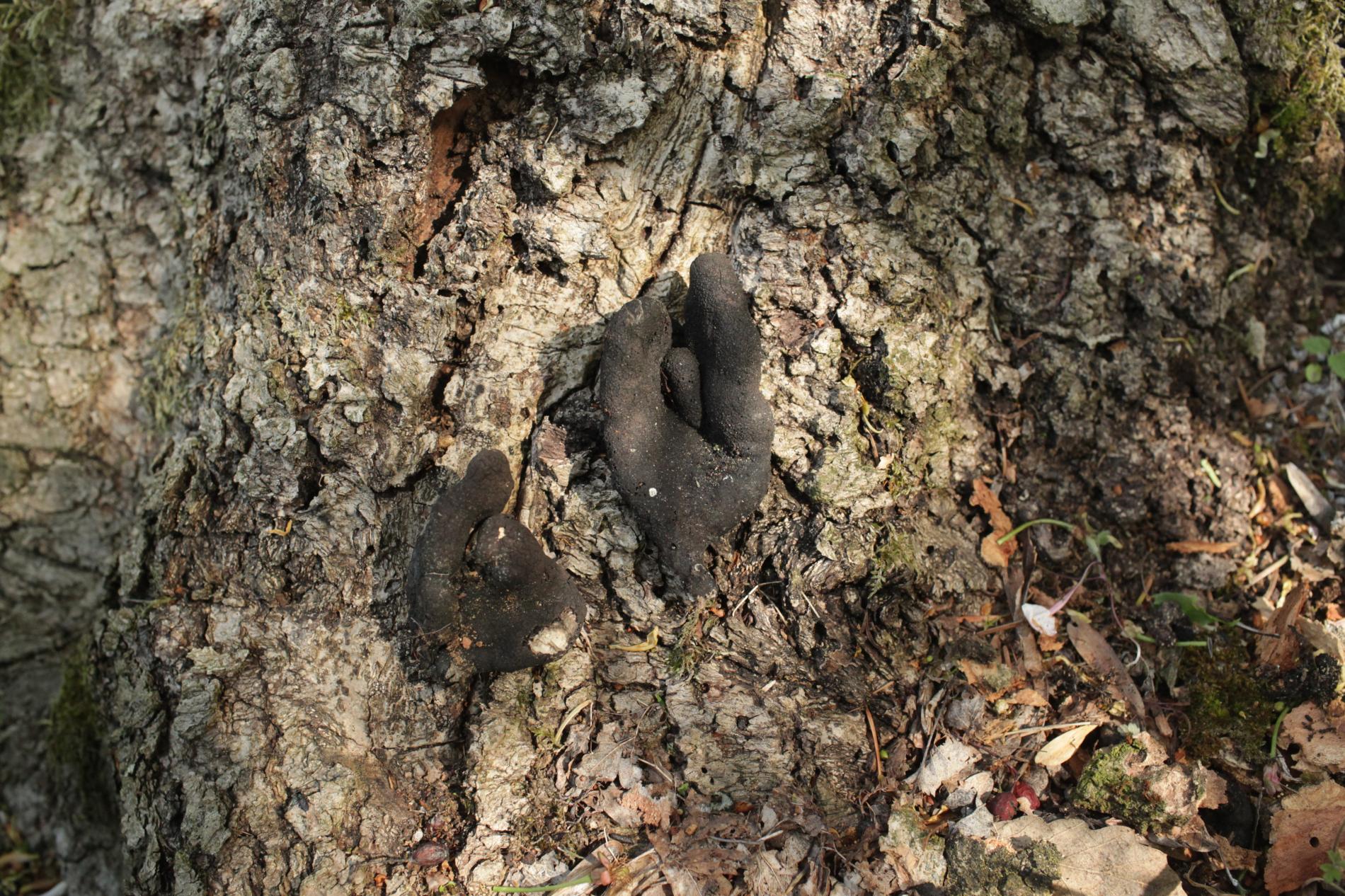
Dead man’s fingers
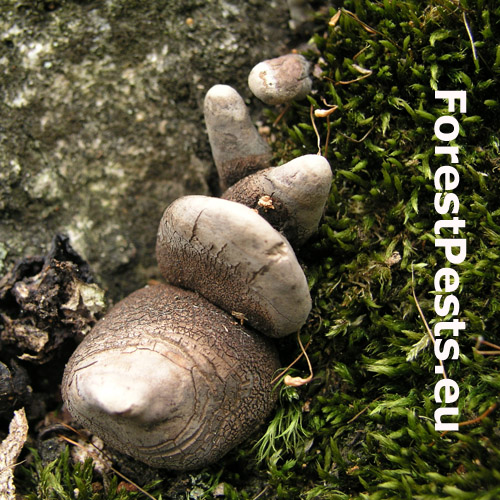
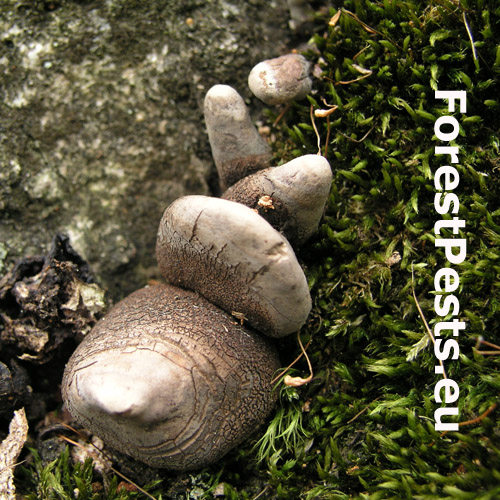
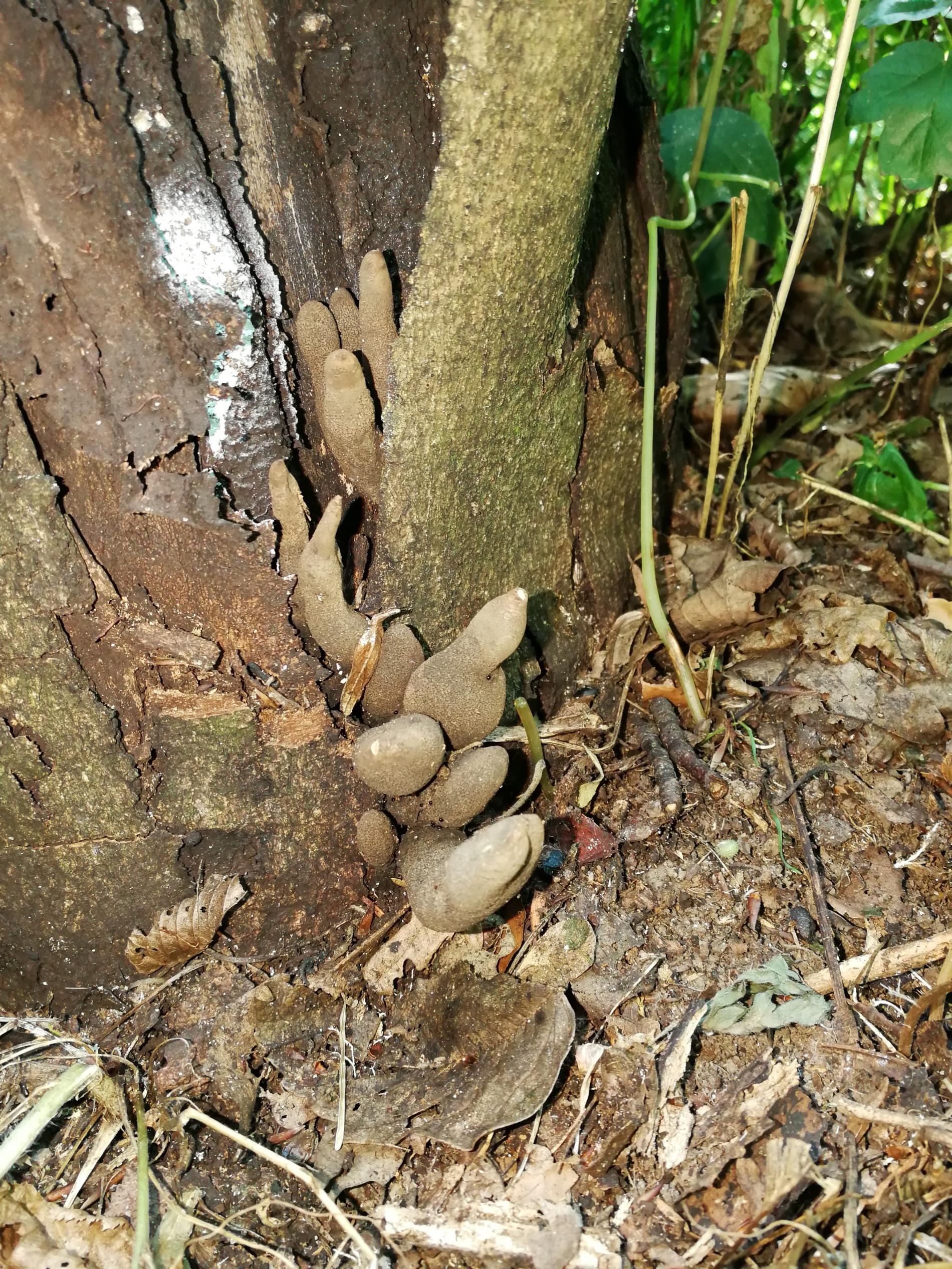
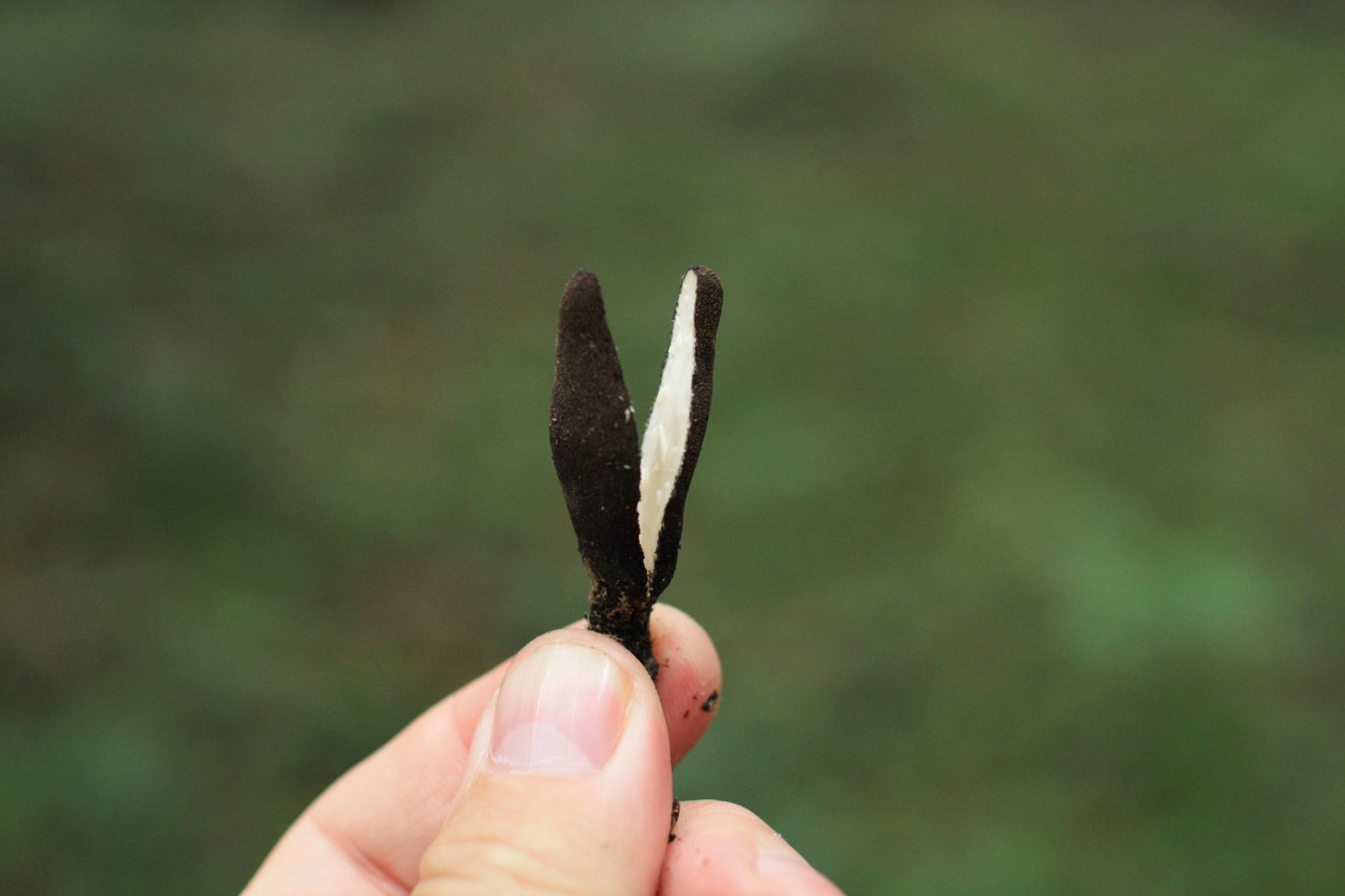
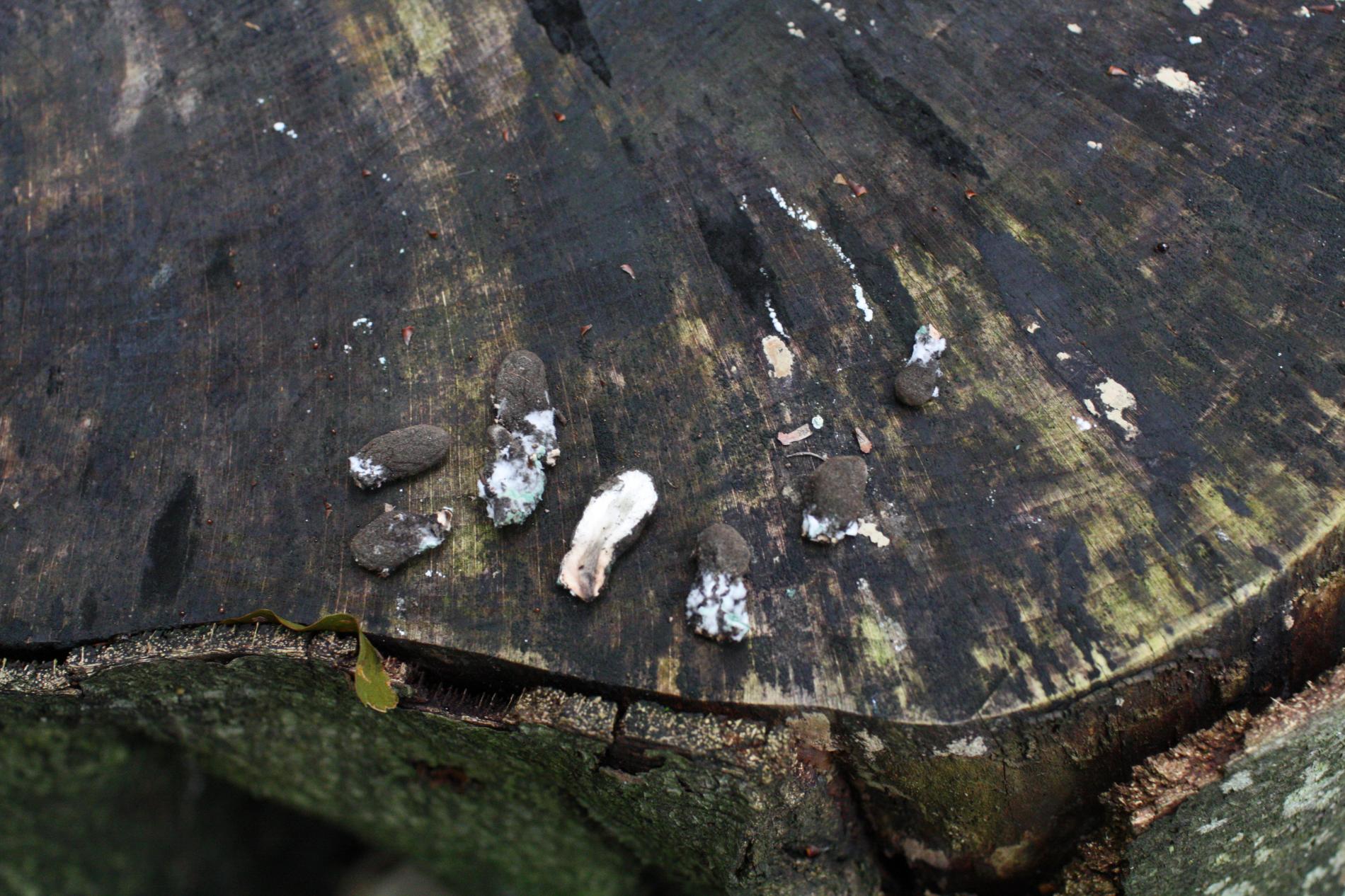
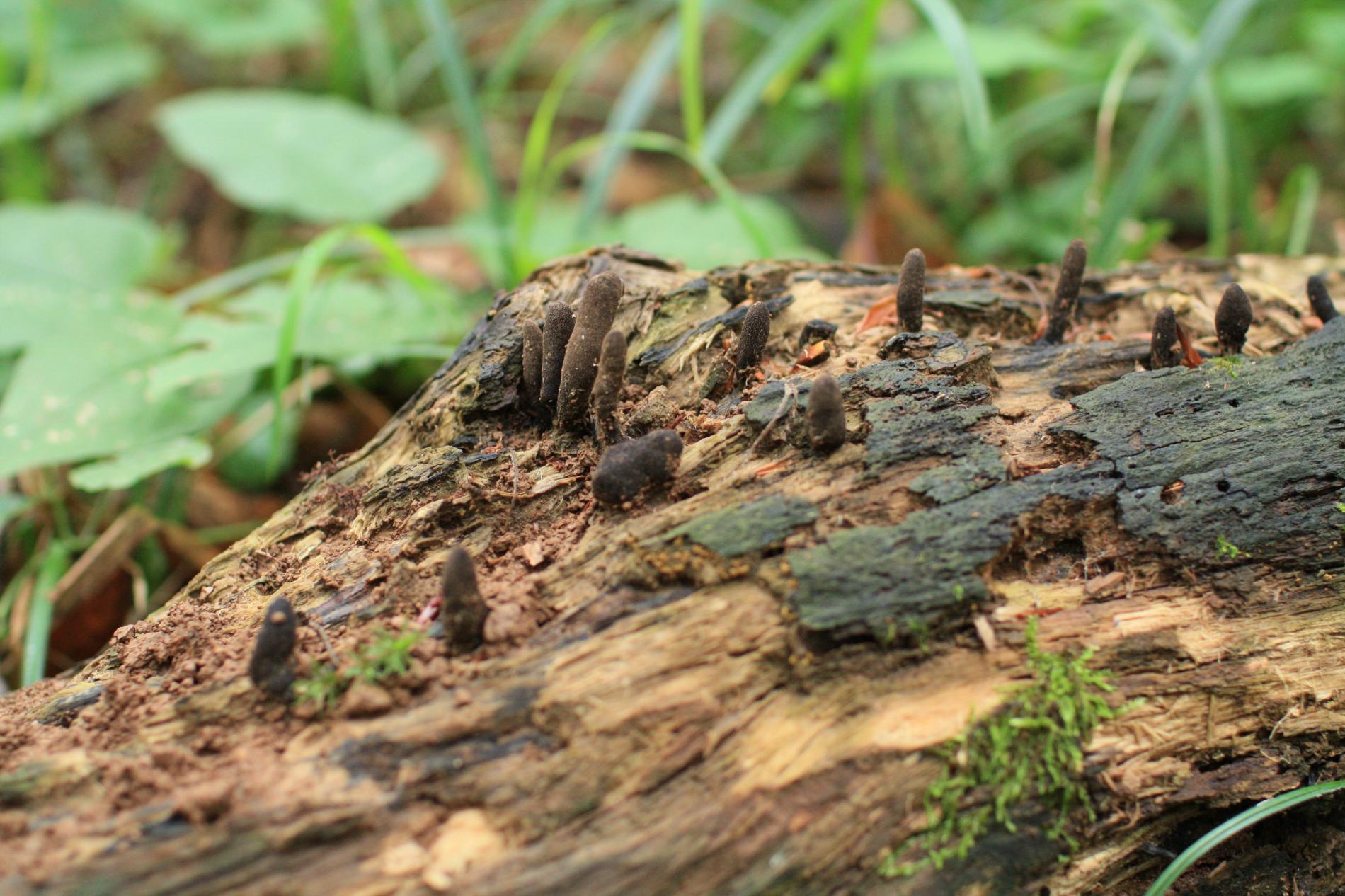
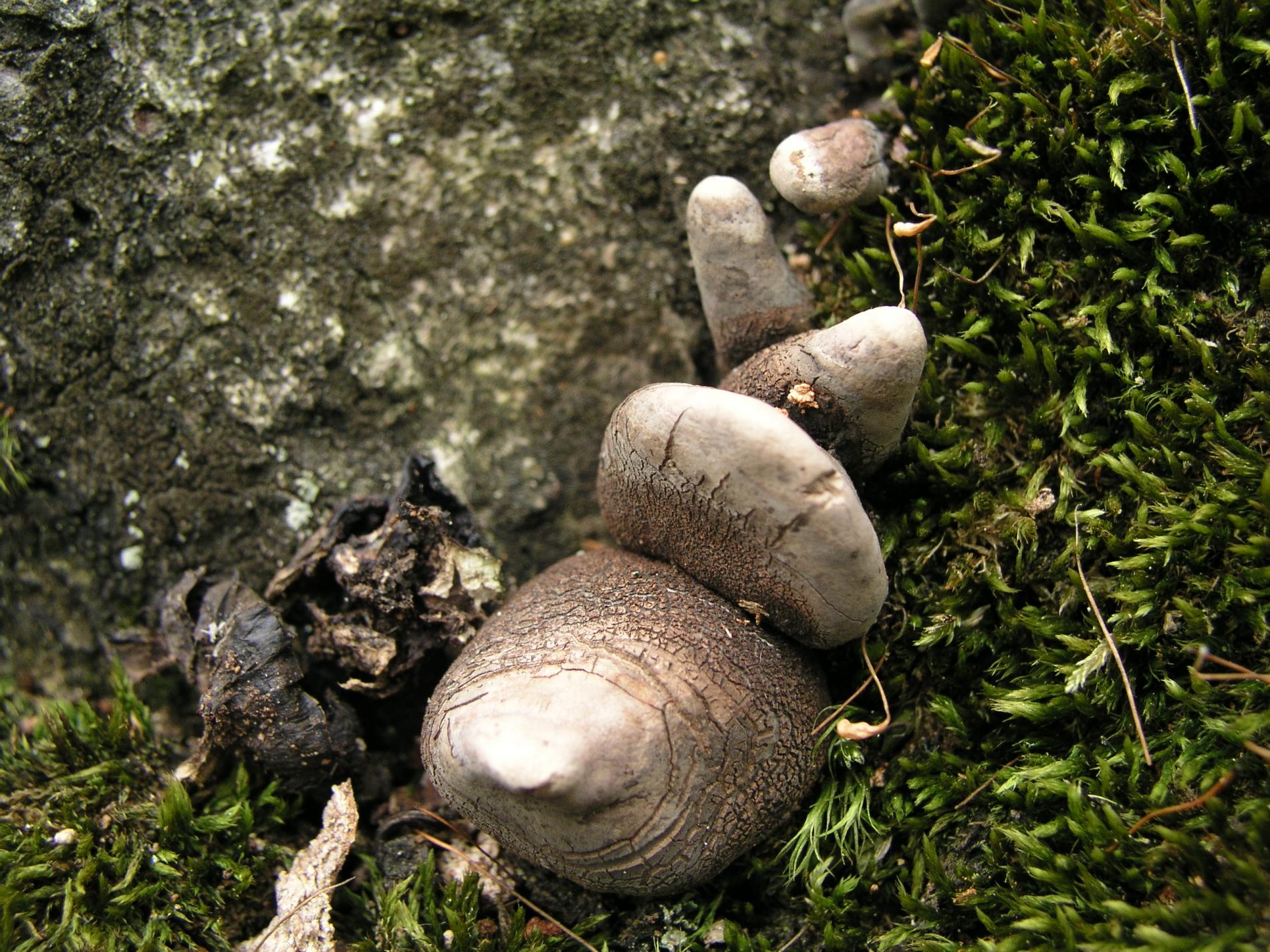
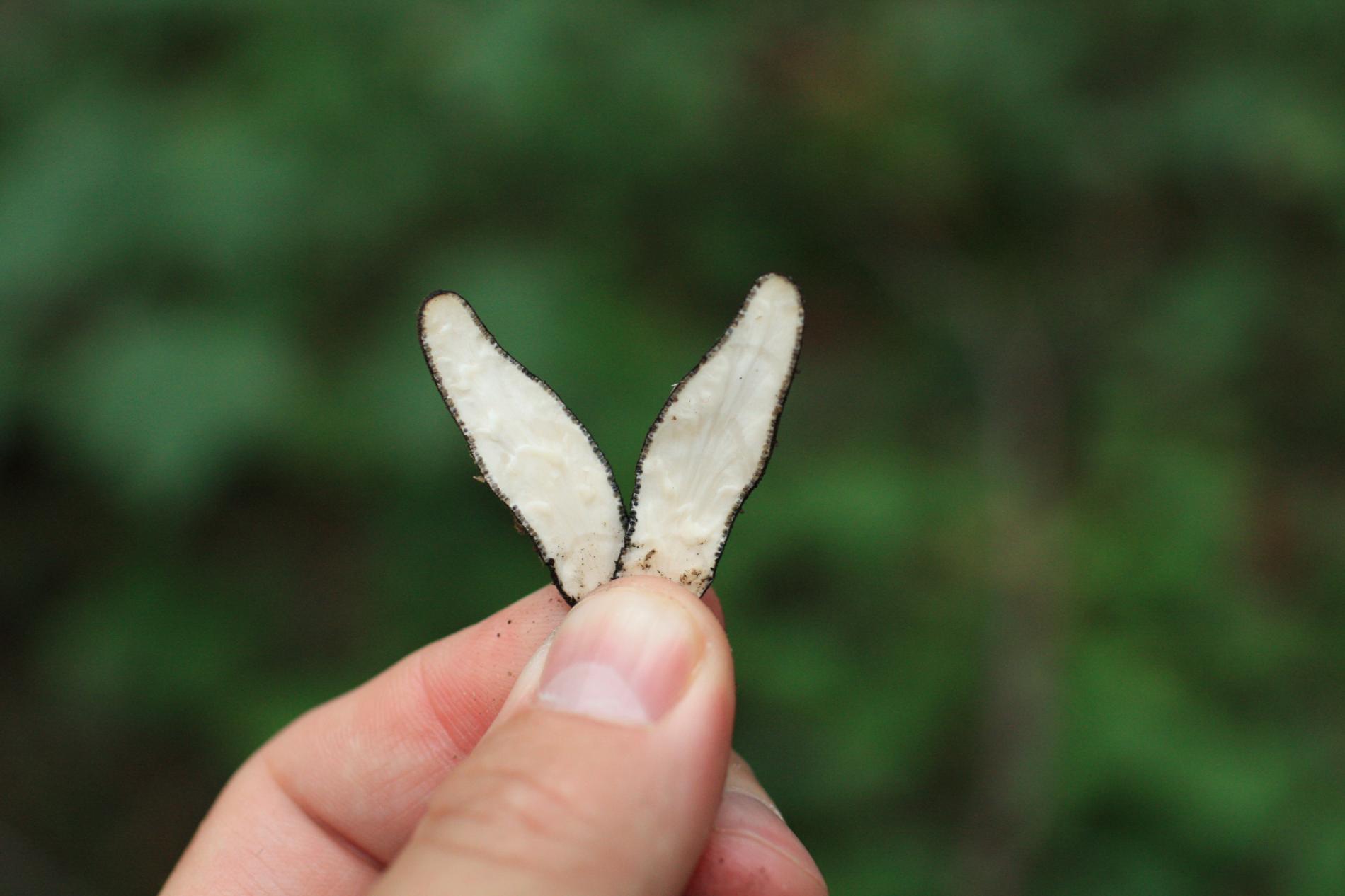
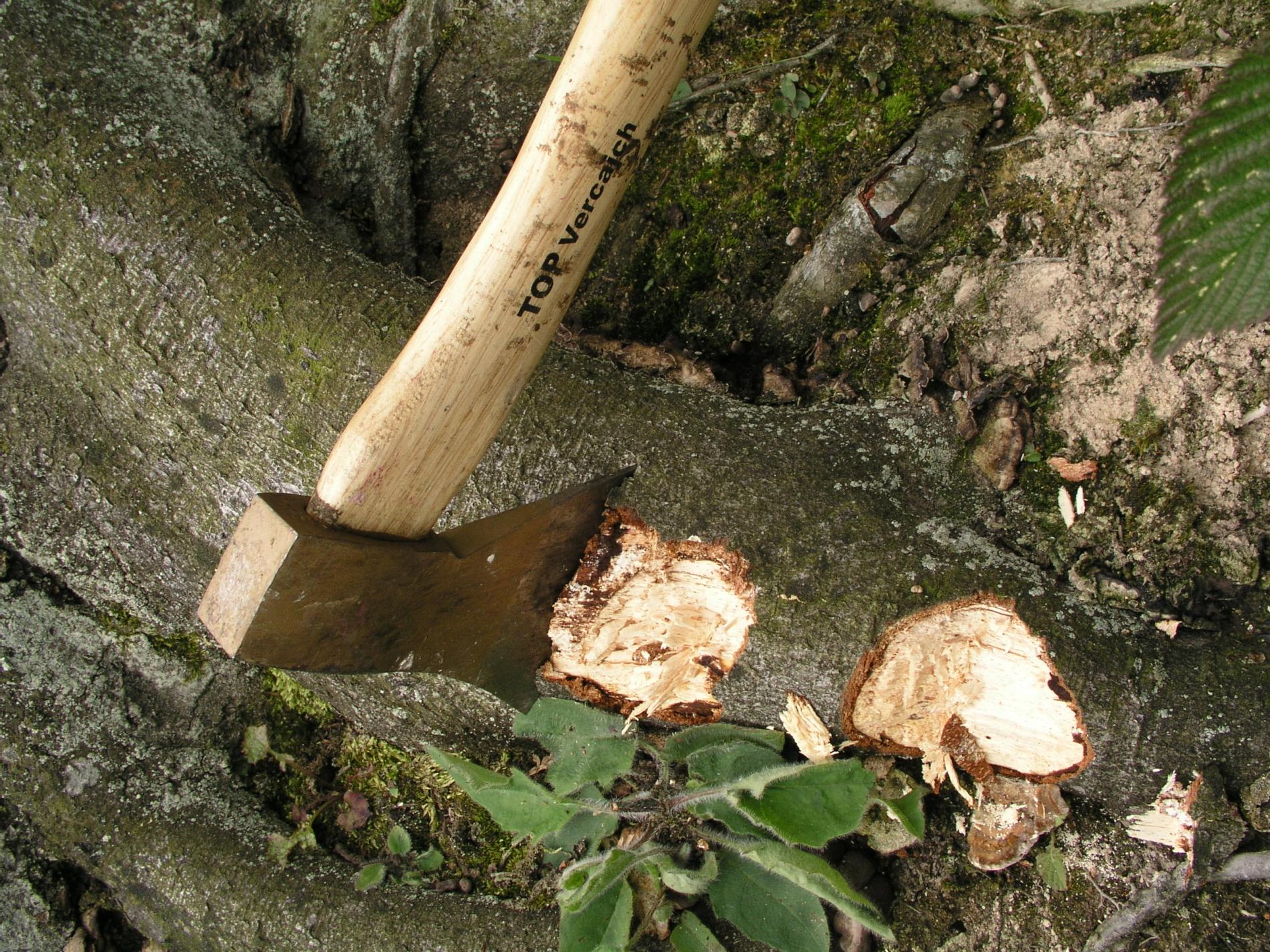
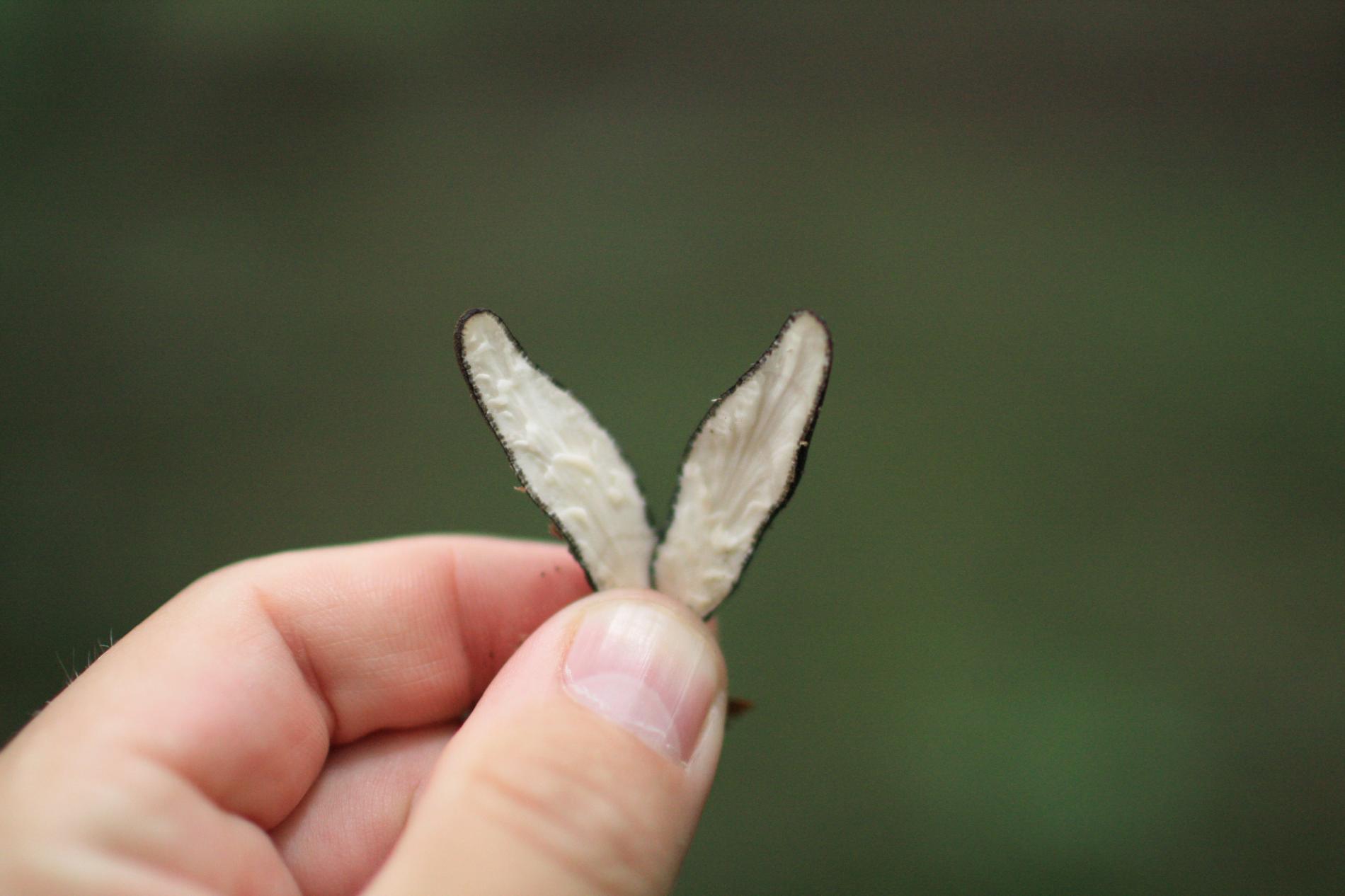
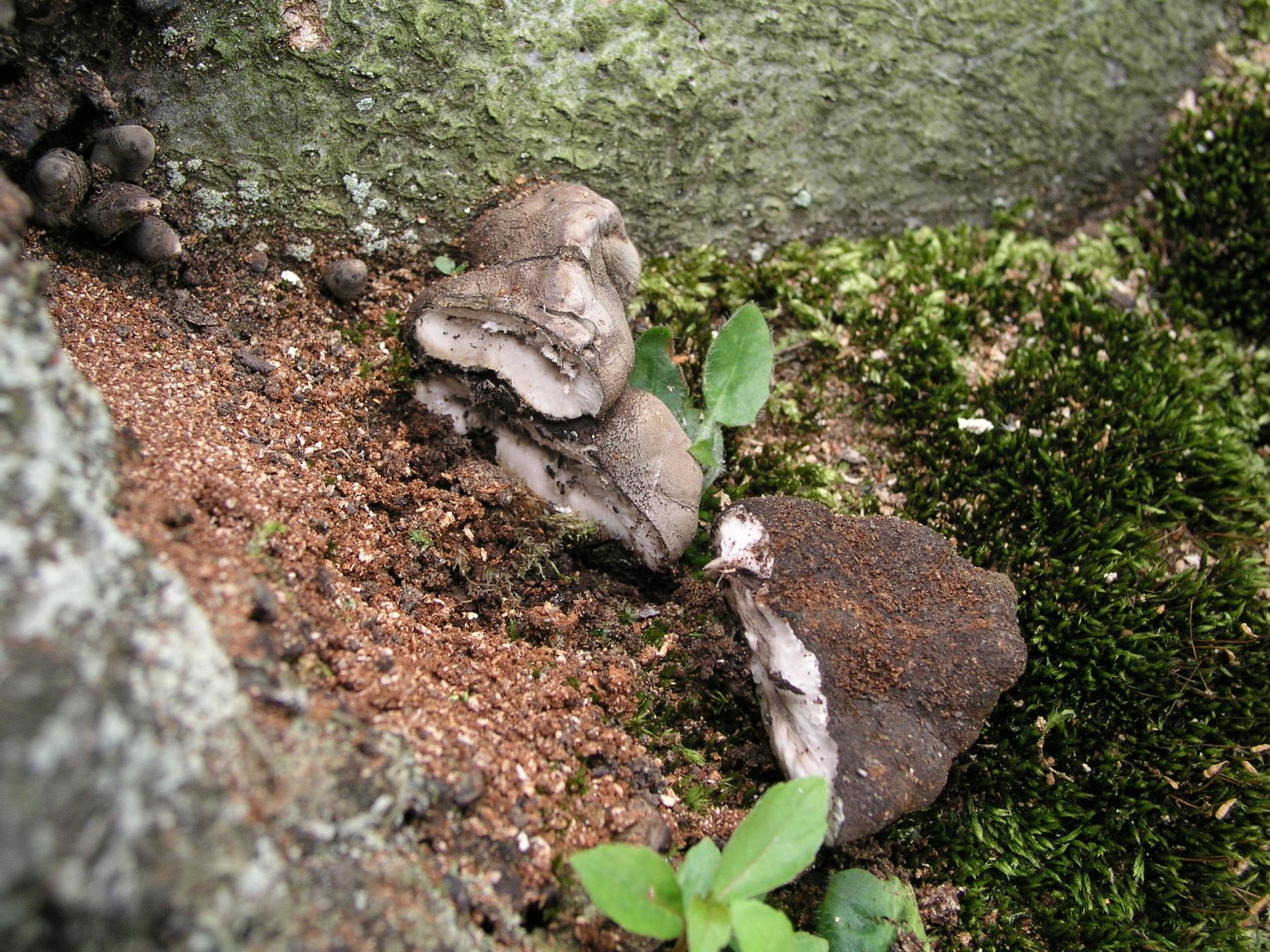
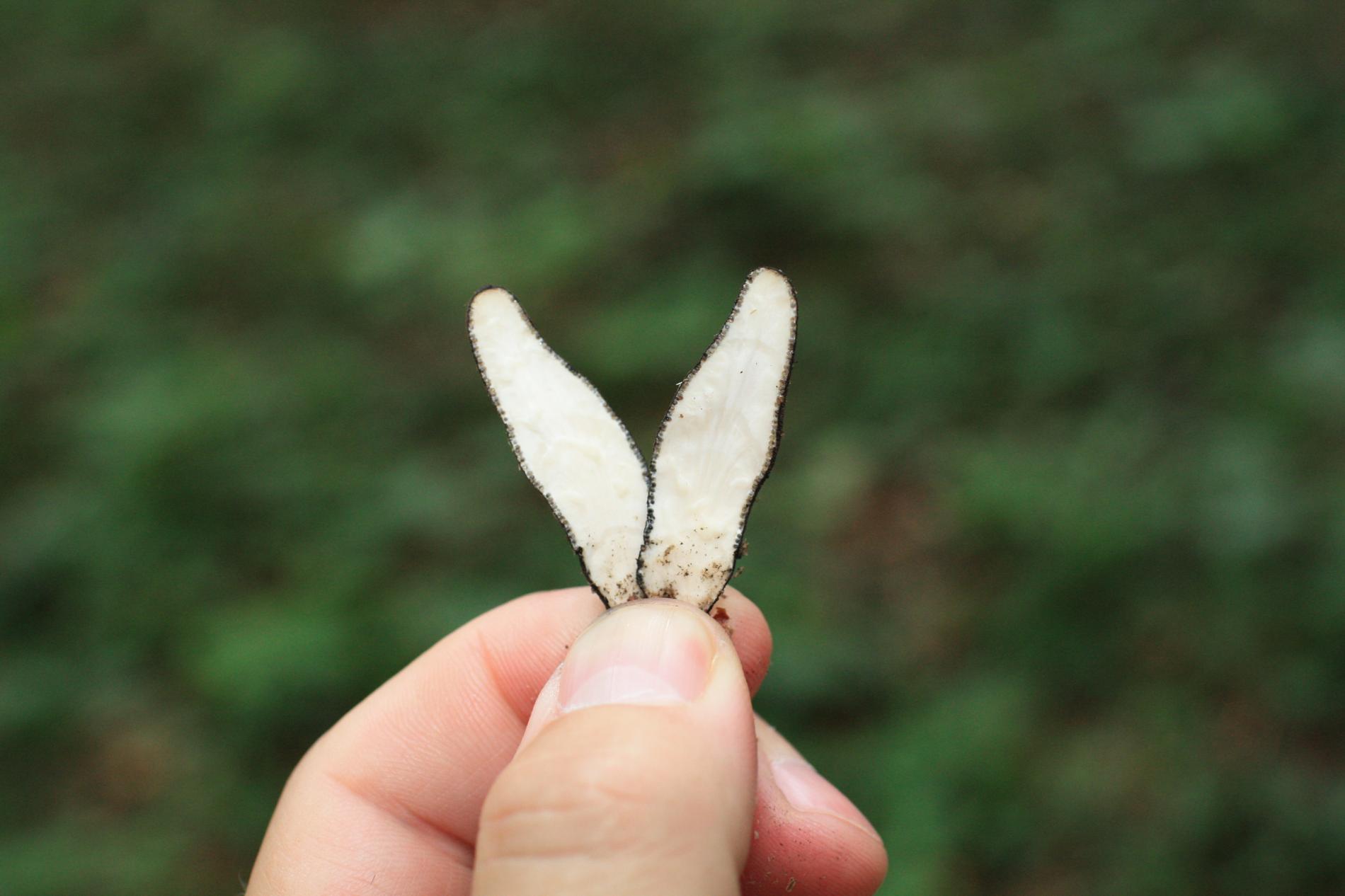
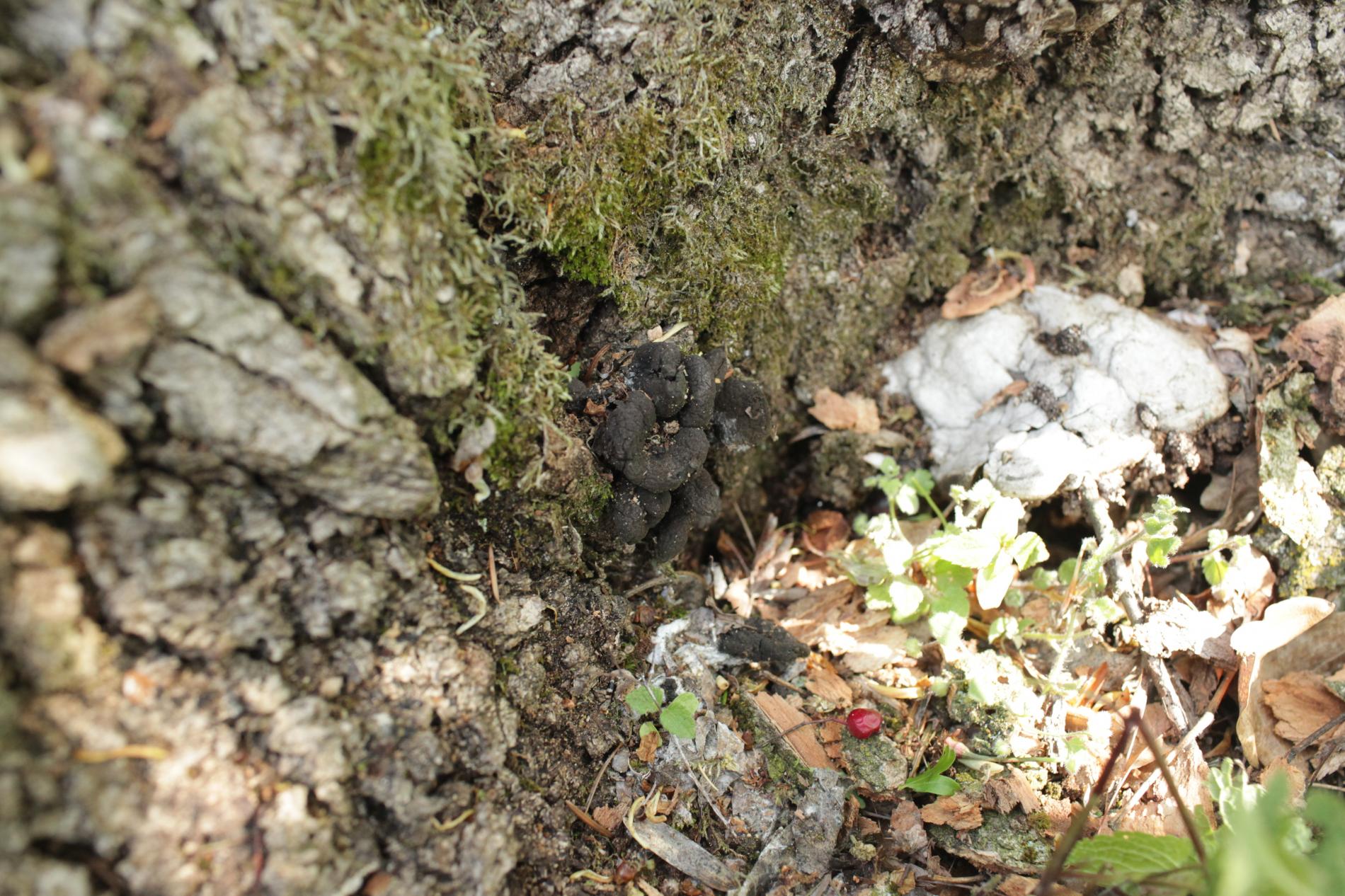
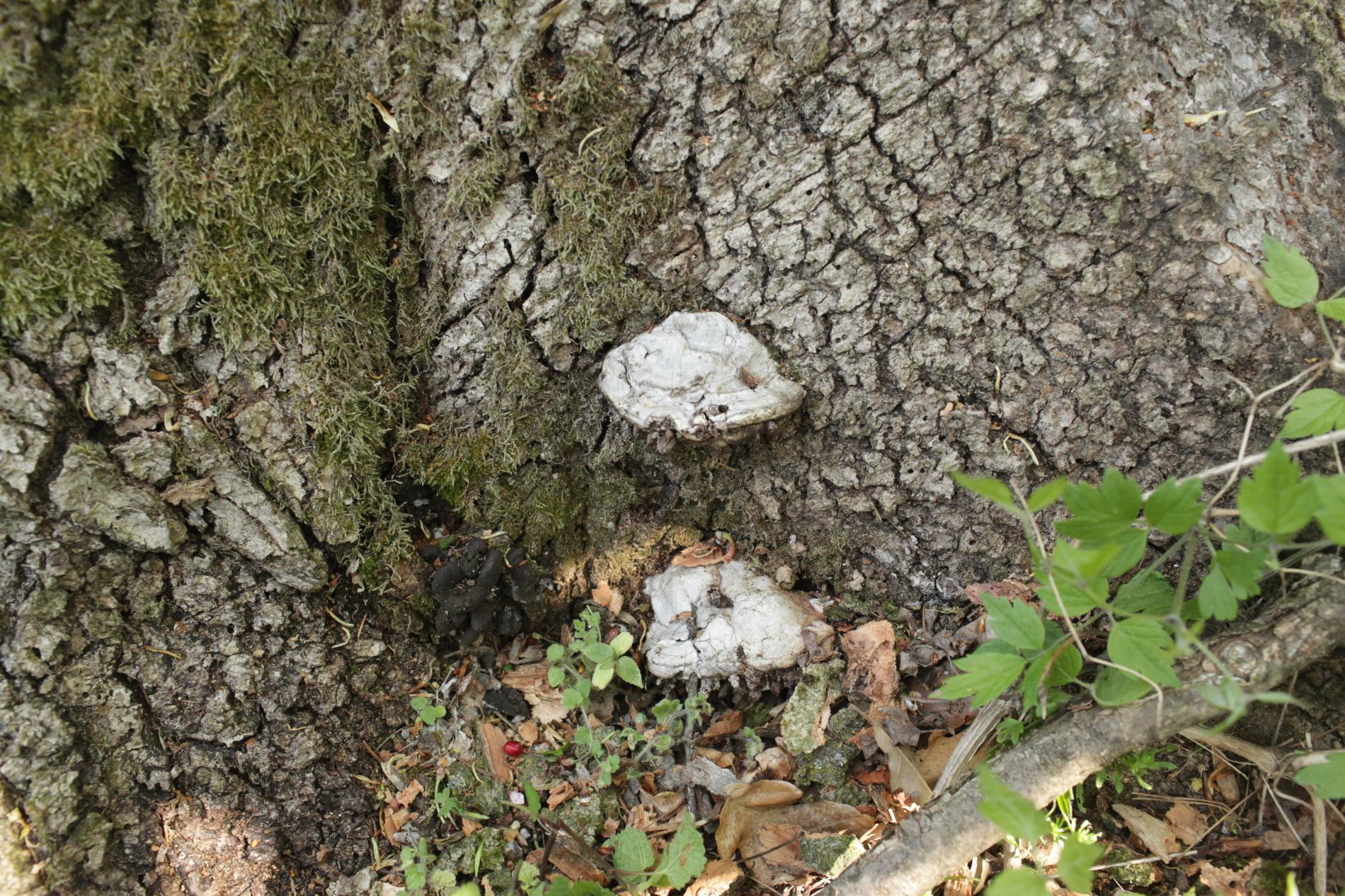
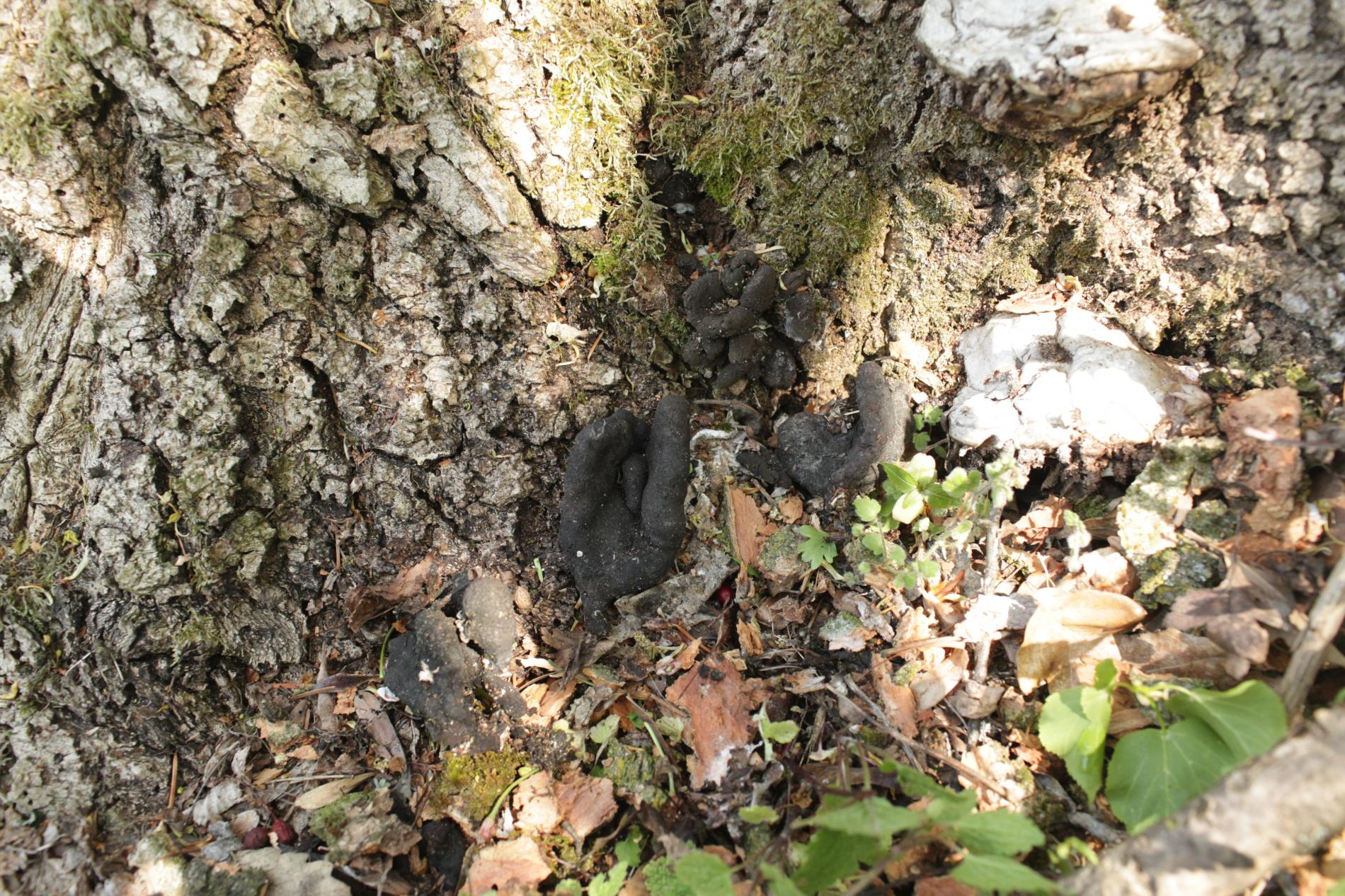
The shape of the fruiting bodies and formation of distinctive clumps on root swellings or on thicker roots contributed to the fungus’ common name “dead man’s fingers”. The term “xylaria”, freely translated, means “growing on wood”, while “polymorpha” stands for “many shapes”. In spring the entire face of the pileus is white due to formation of conidia, while in summer tiny perithecia chambers with asci and ascospores are coated with a black cover. The stroma flesh is white. The influence of mycelium results in the so-called black root rot after consumption of glucane in wood, leaving a residue of lignin and cellulose.
Coarse gray growths.
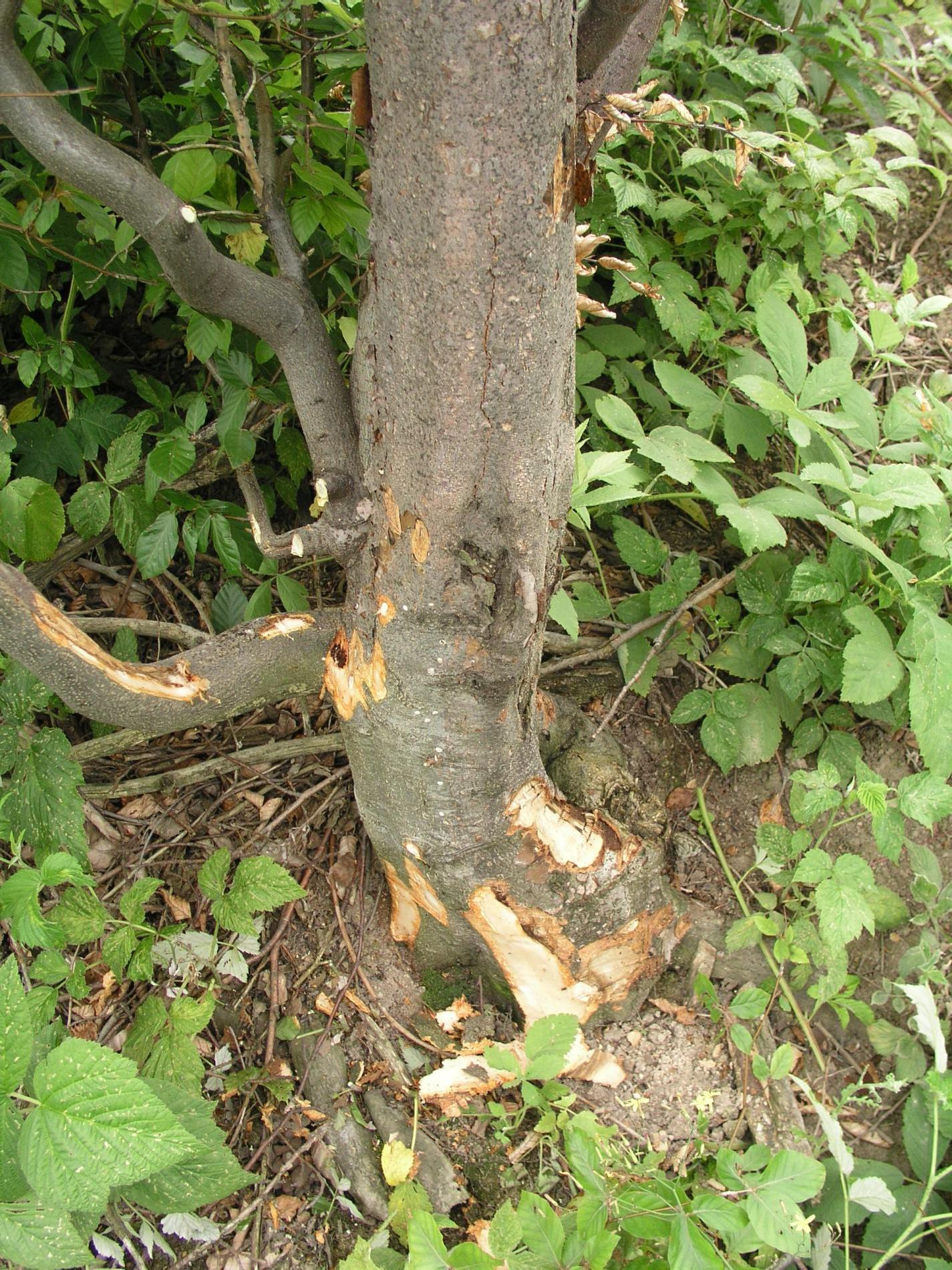
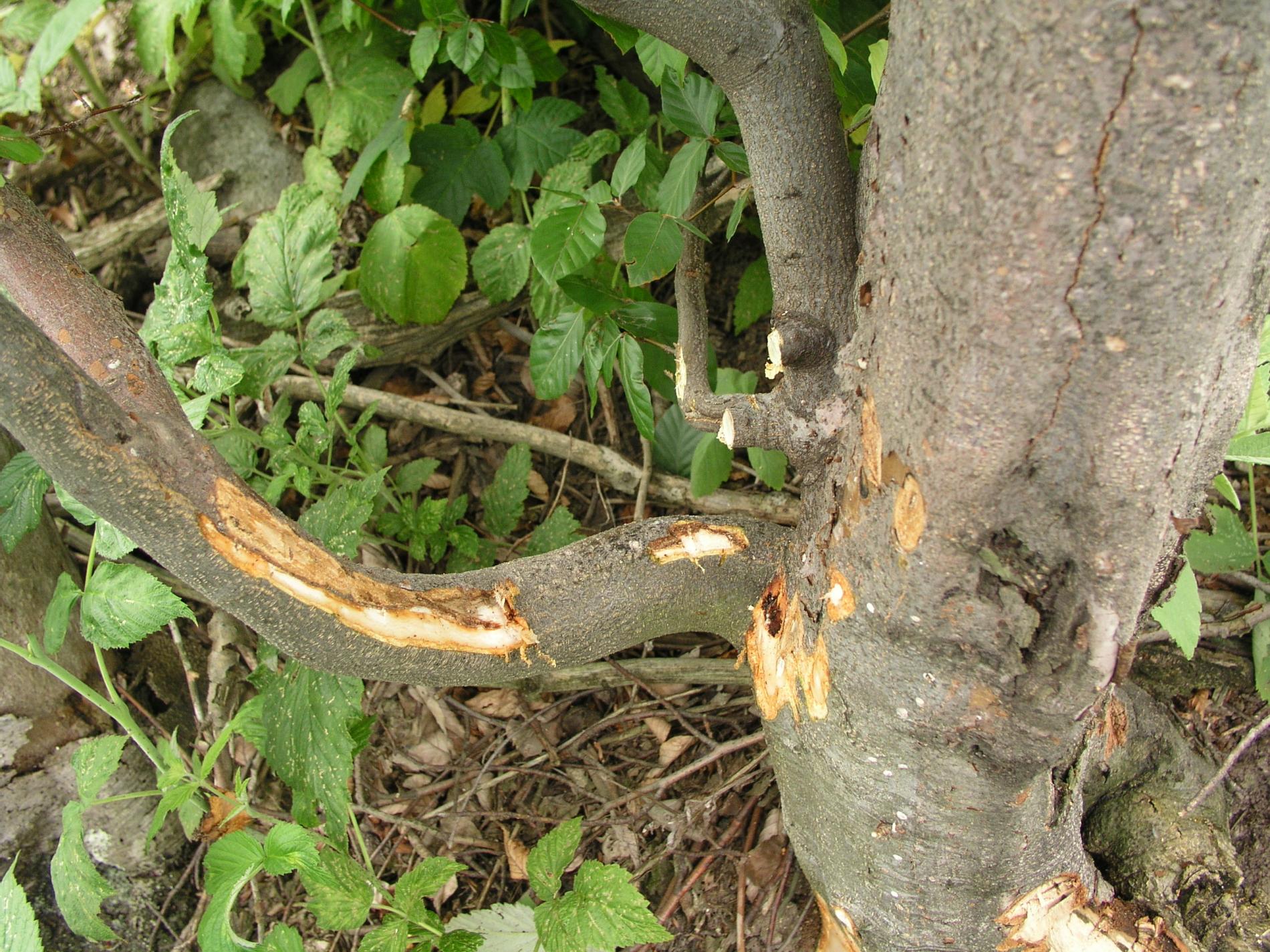
Tree Species: Beech
Part of a plant- attacked: Roots
Pest significance: Less harmful
Pest Category: Fungi
Invasive Species: No
Present in EU: Yes
Pest group: Fungi
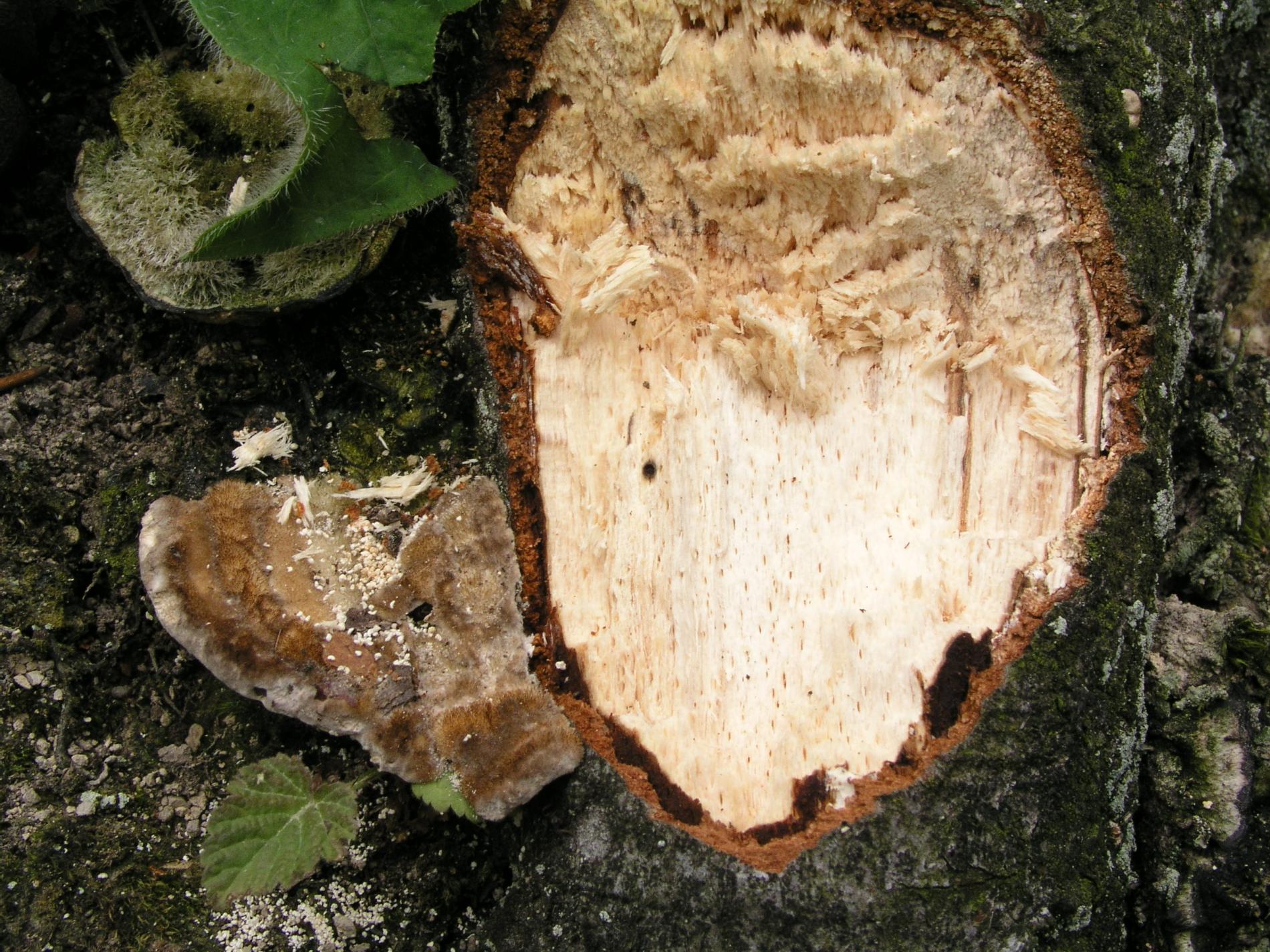
Affected part of wood: Heartwood, Sapwood
Depth of damages: More than 5 cm depth, Under bark only, Up to 0,5 cm depth, Up to 2 cm depth, Up to 5 cm depth
The extent of damage: Lokally
Prevalence in Europe: Rare
Damaged products: Firewood
Roundwood size: Diameter 50+, Diameter from 10 up to 50 cm
Wood discoloration: Yes
Pest subcategory: Partly brown and partly white rot
Similar pests

Polyporus squamosus

Exidia glandulosa
