


Xiphydria longicollis
Oak wood wasp
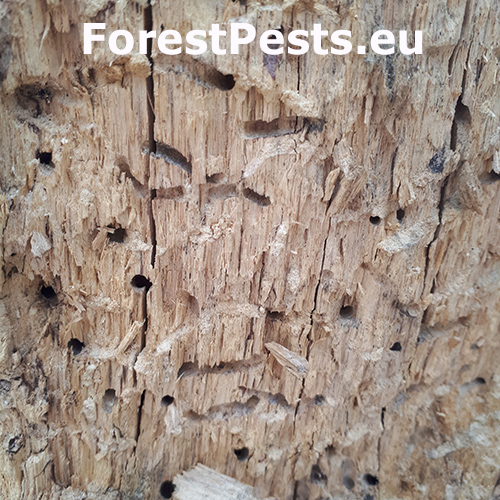
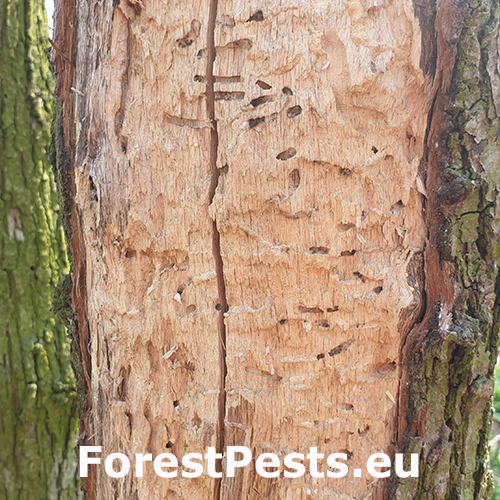
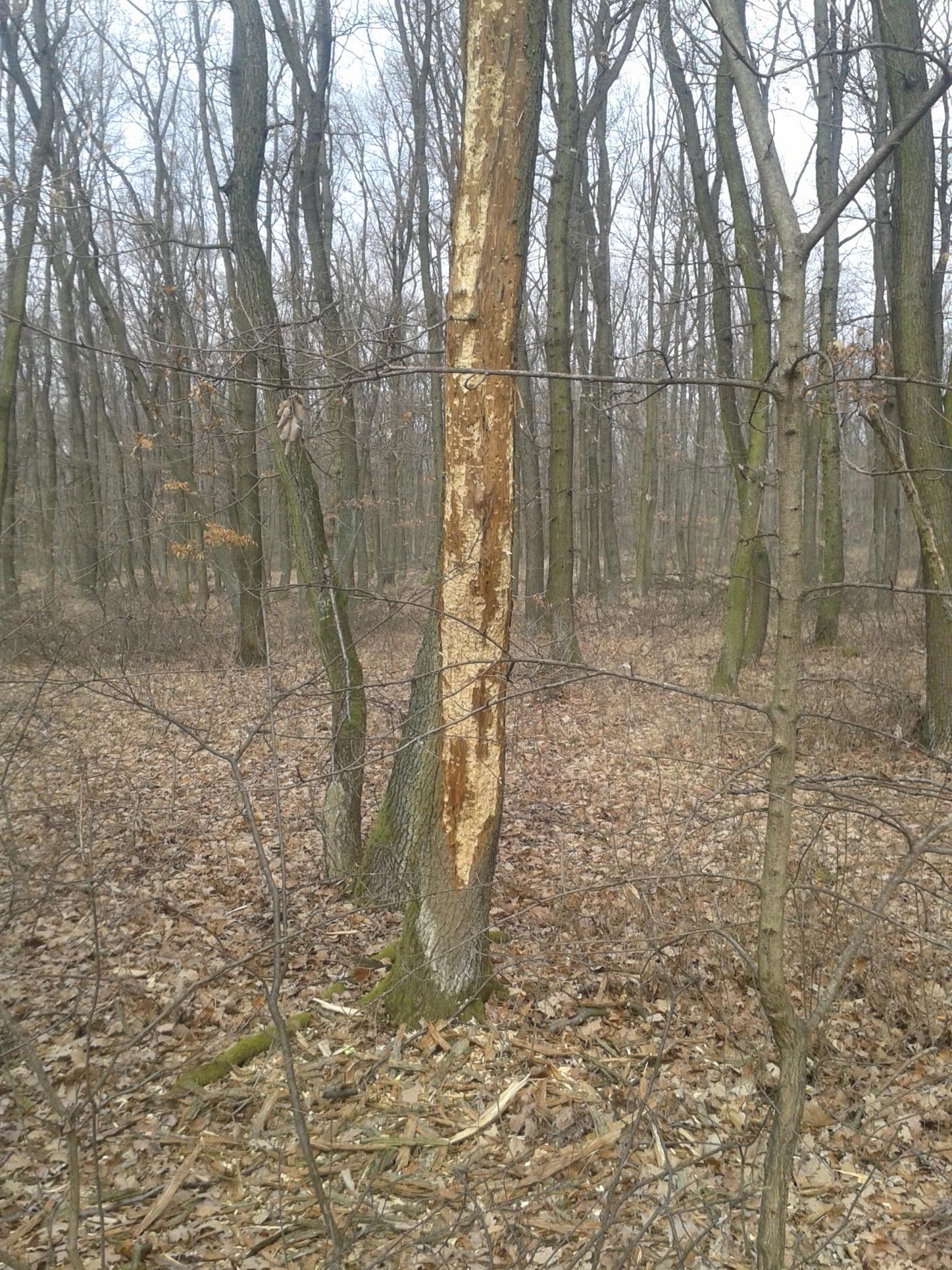
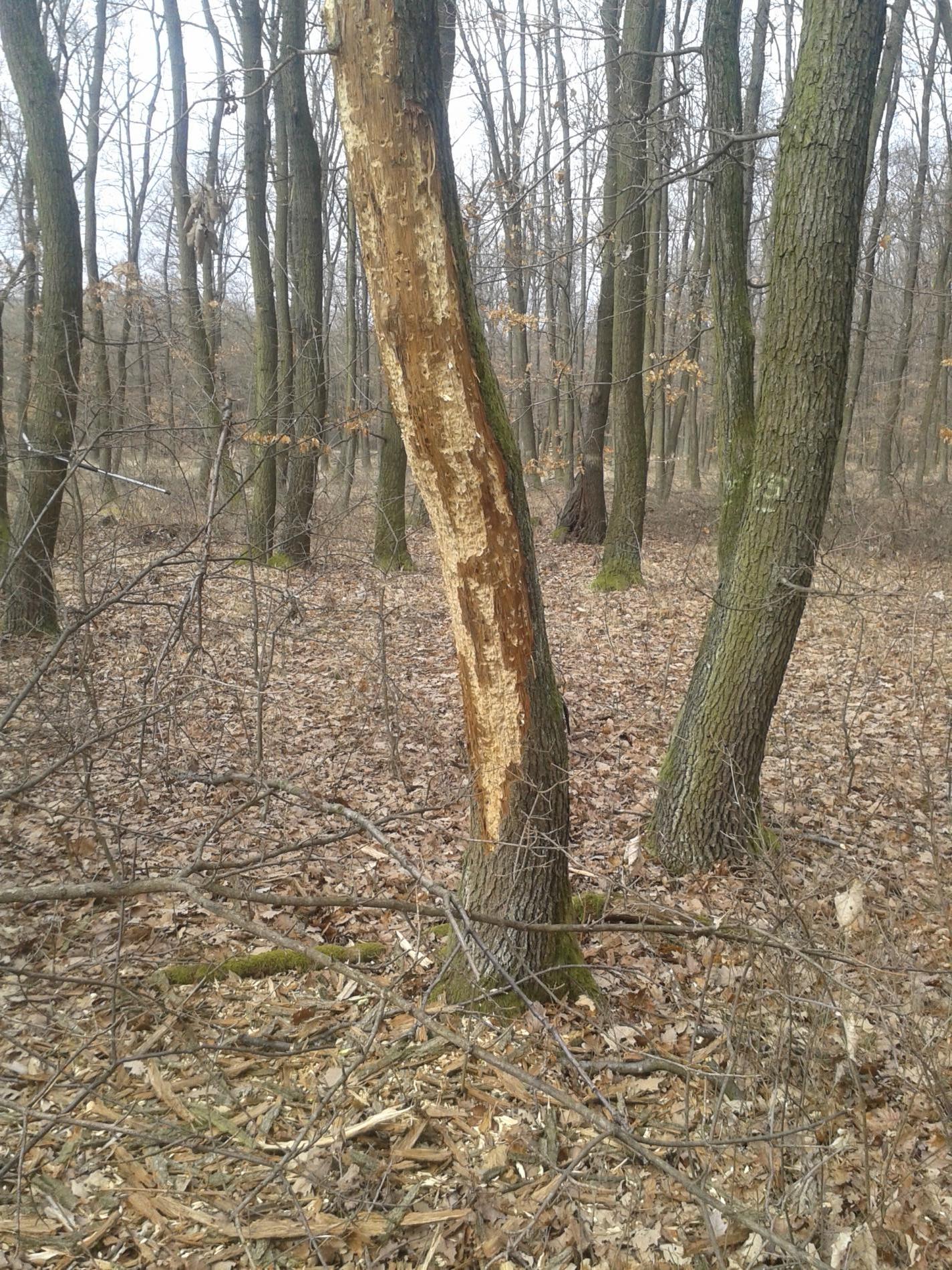
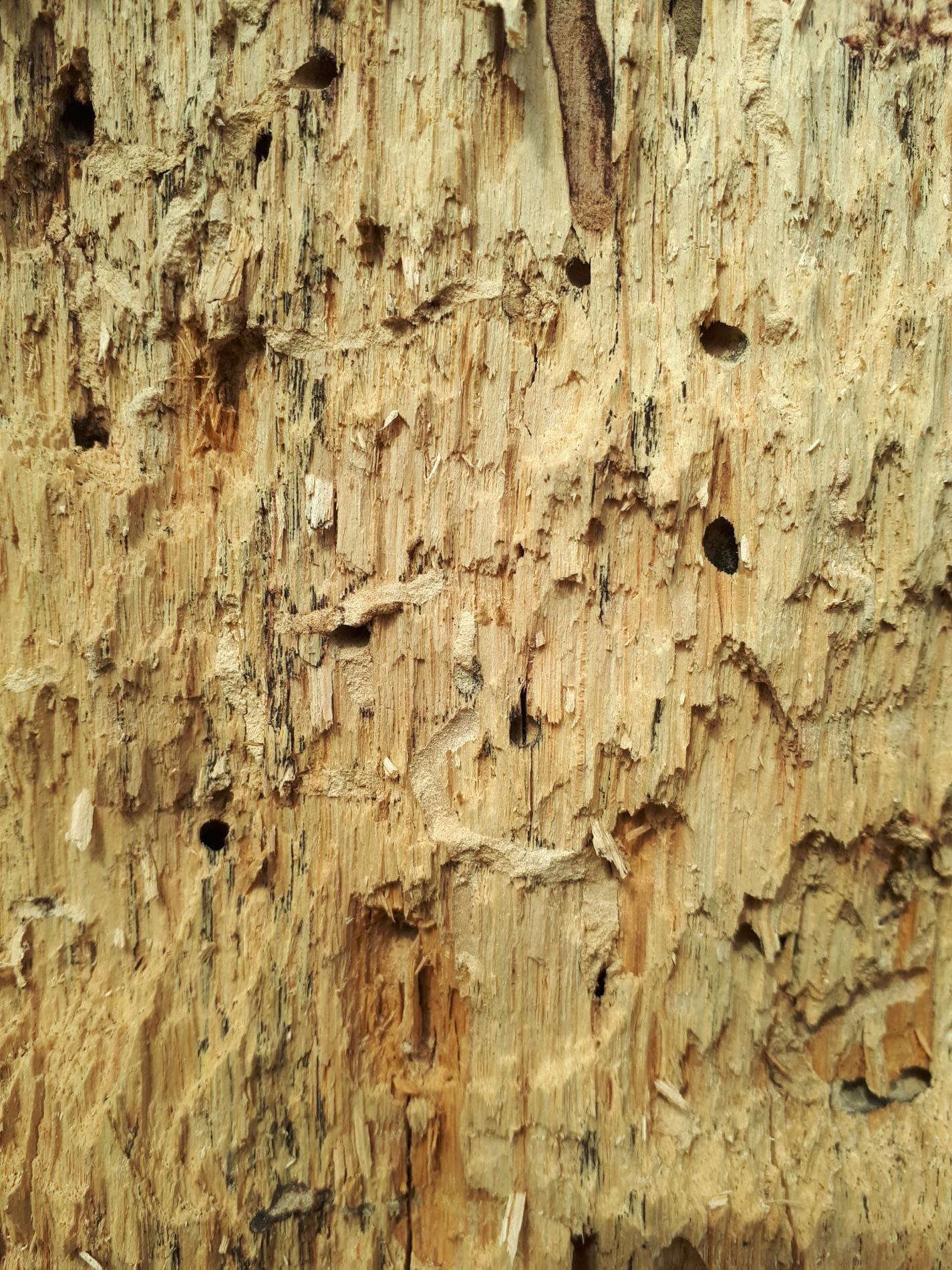
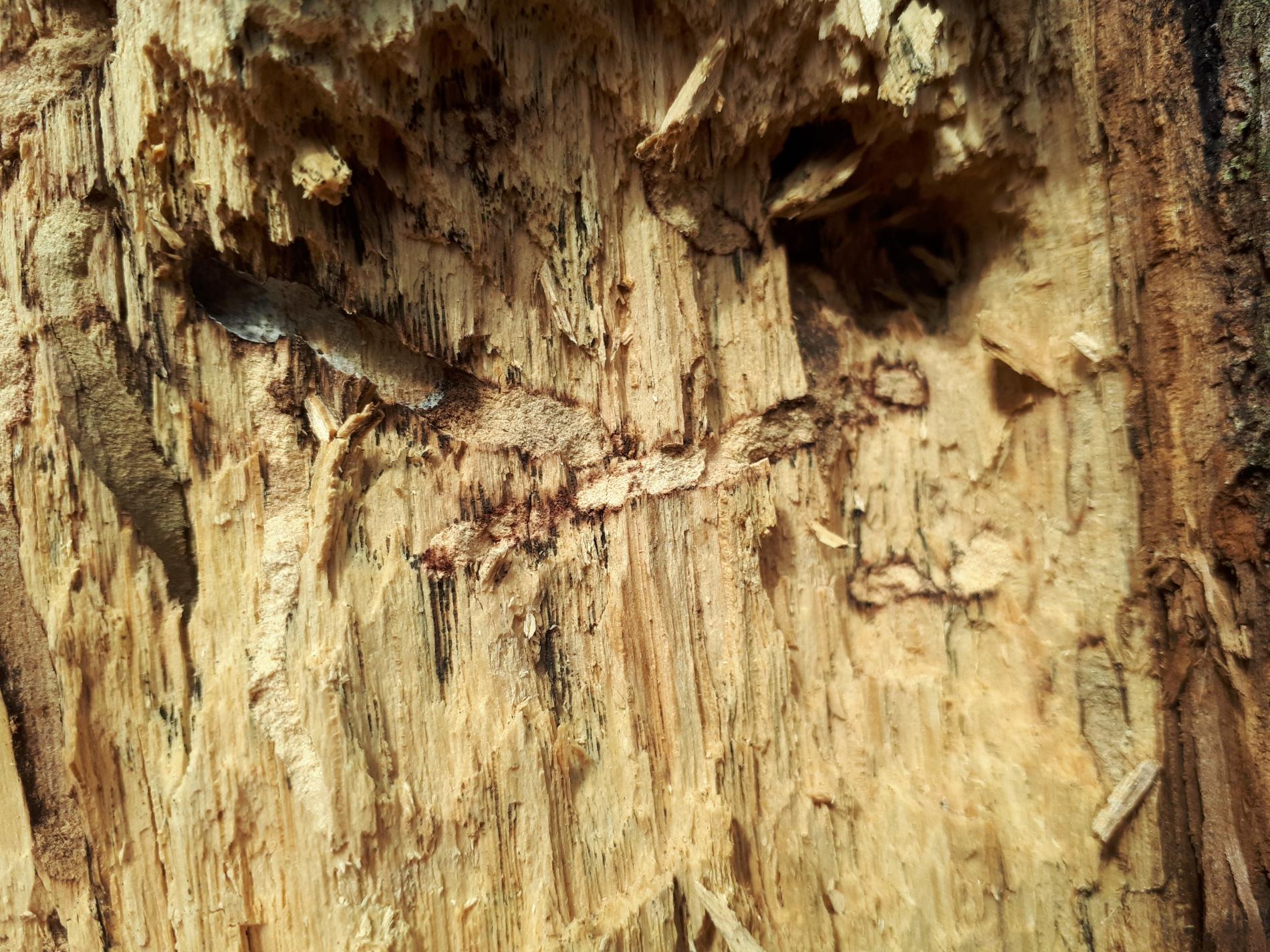
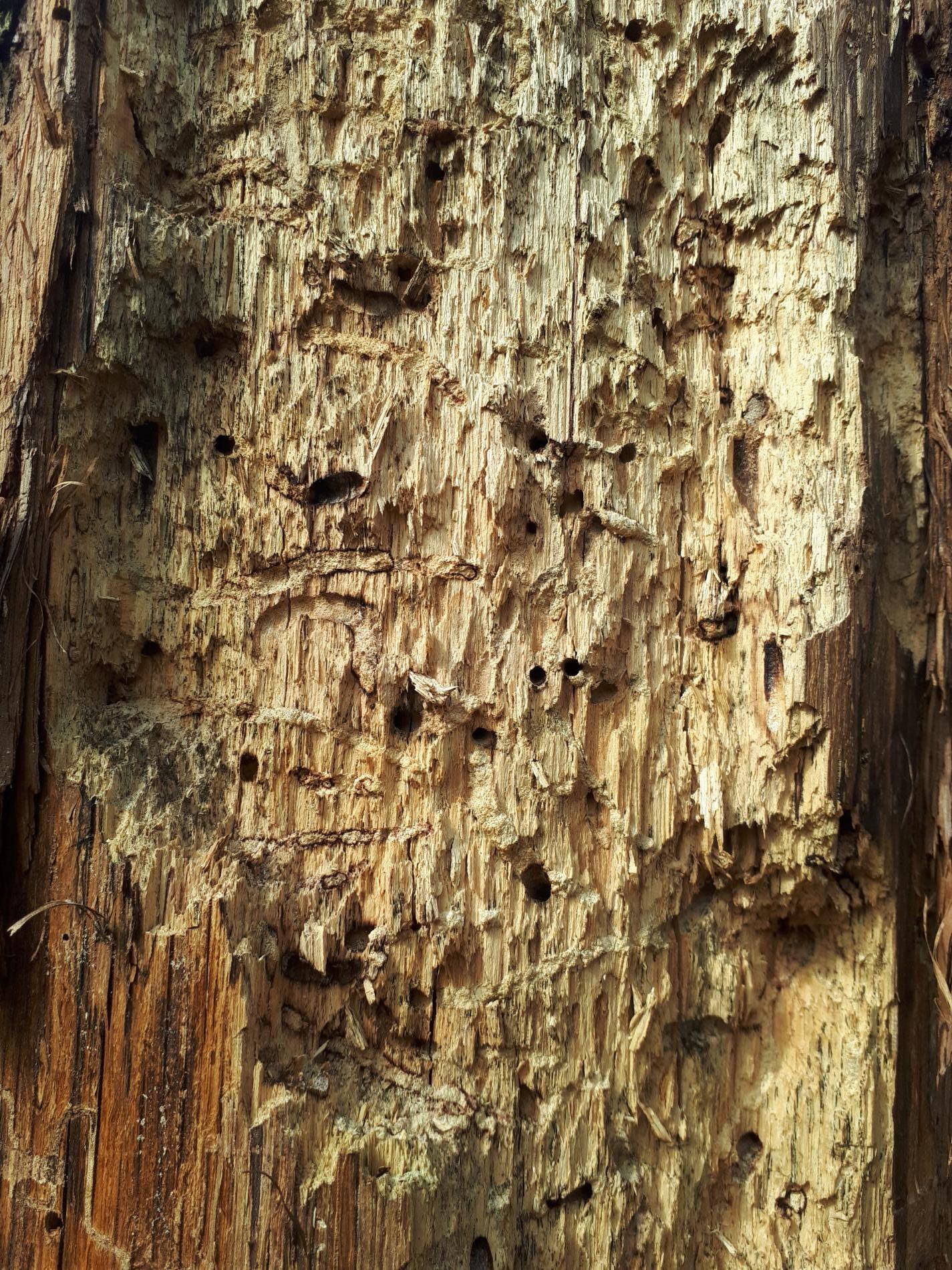
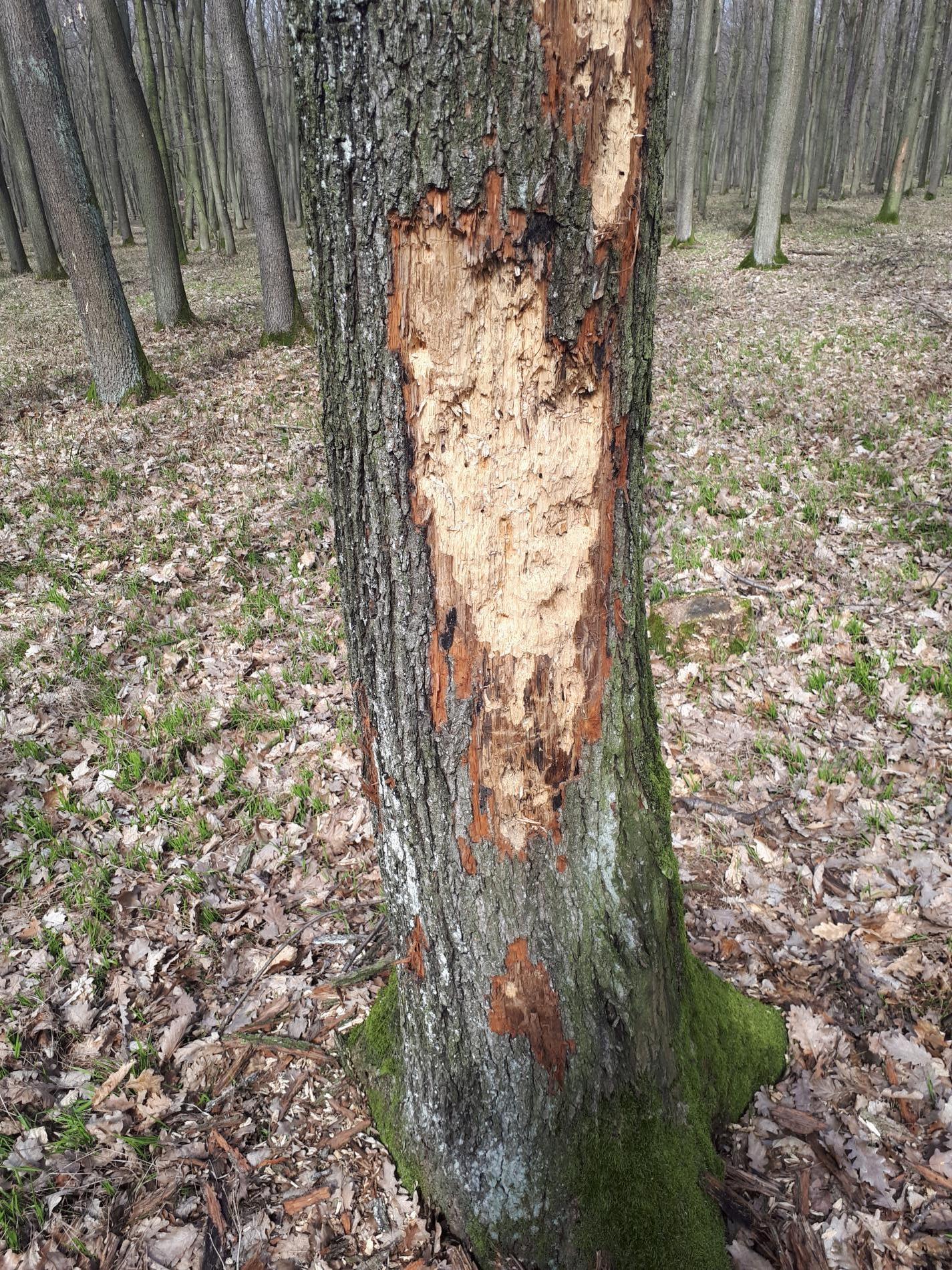
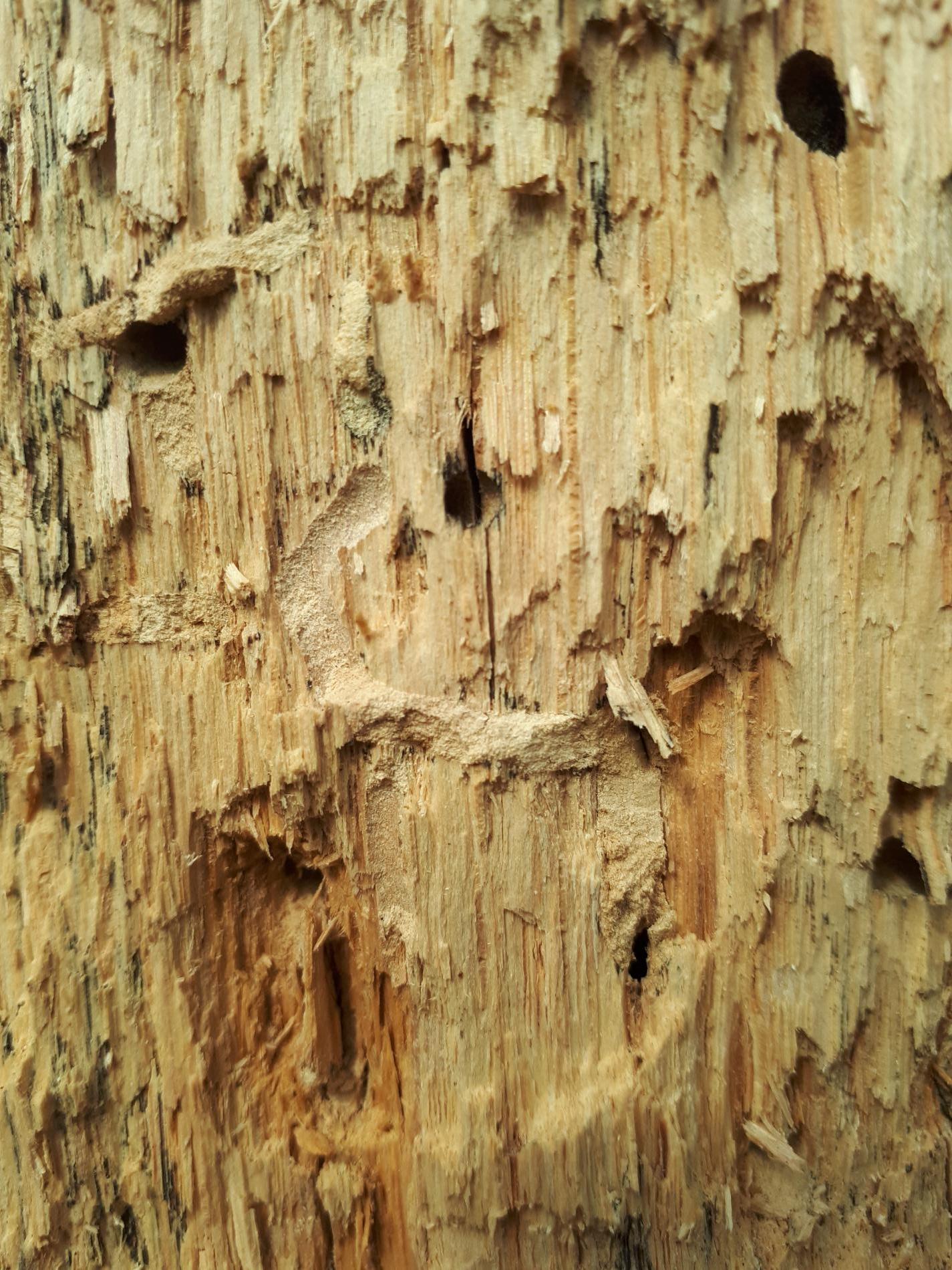
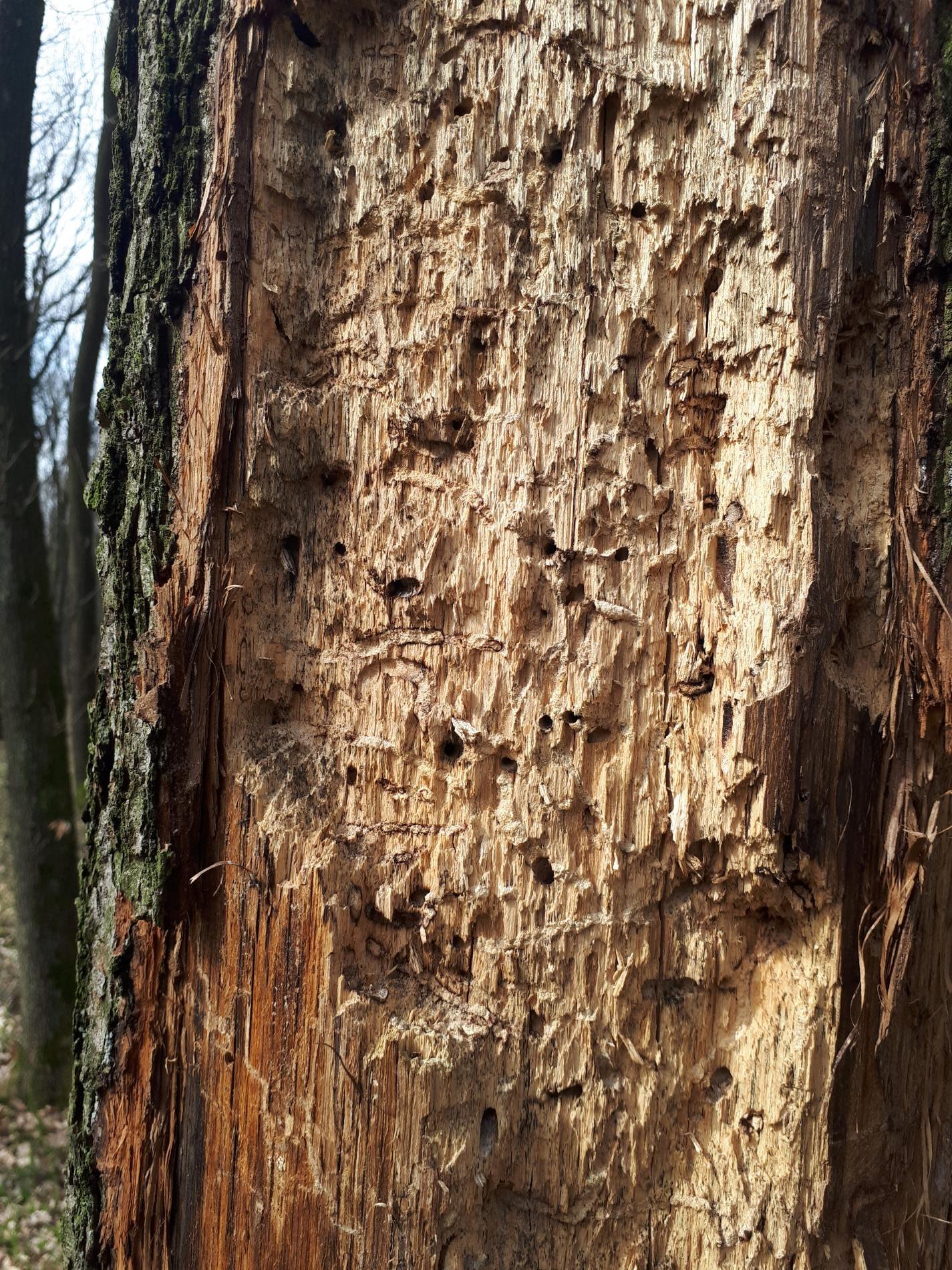
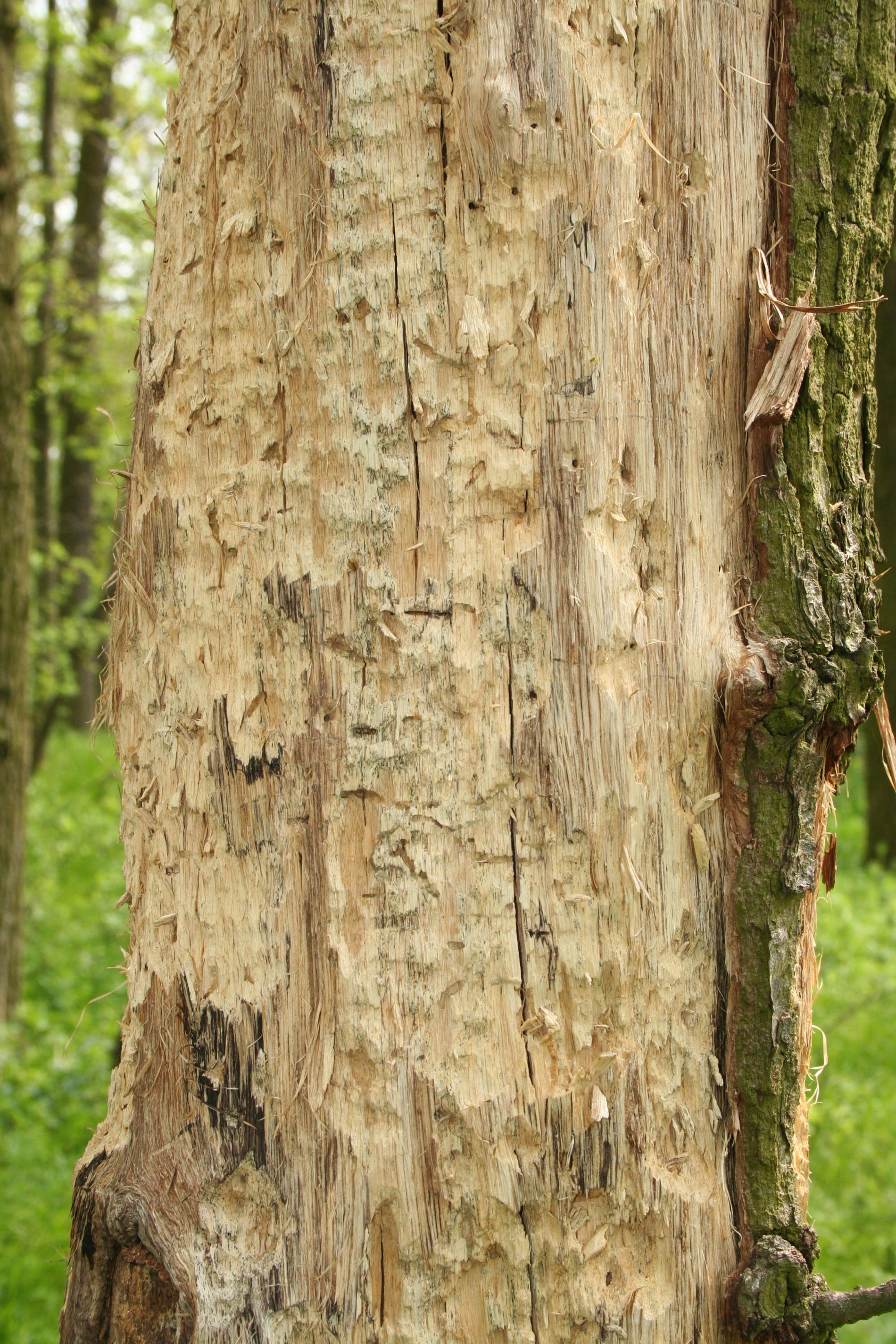
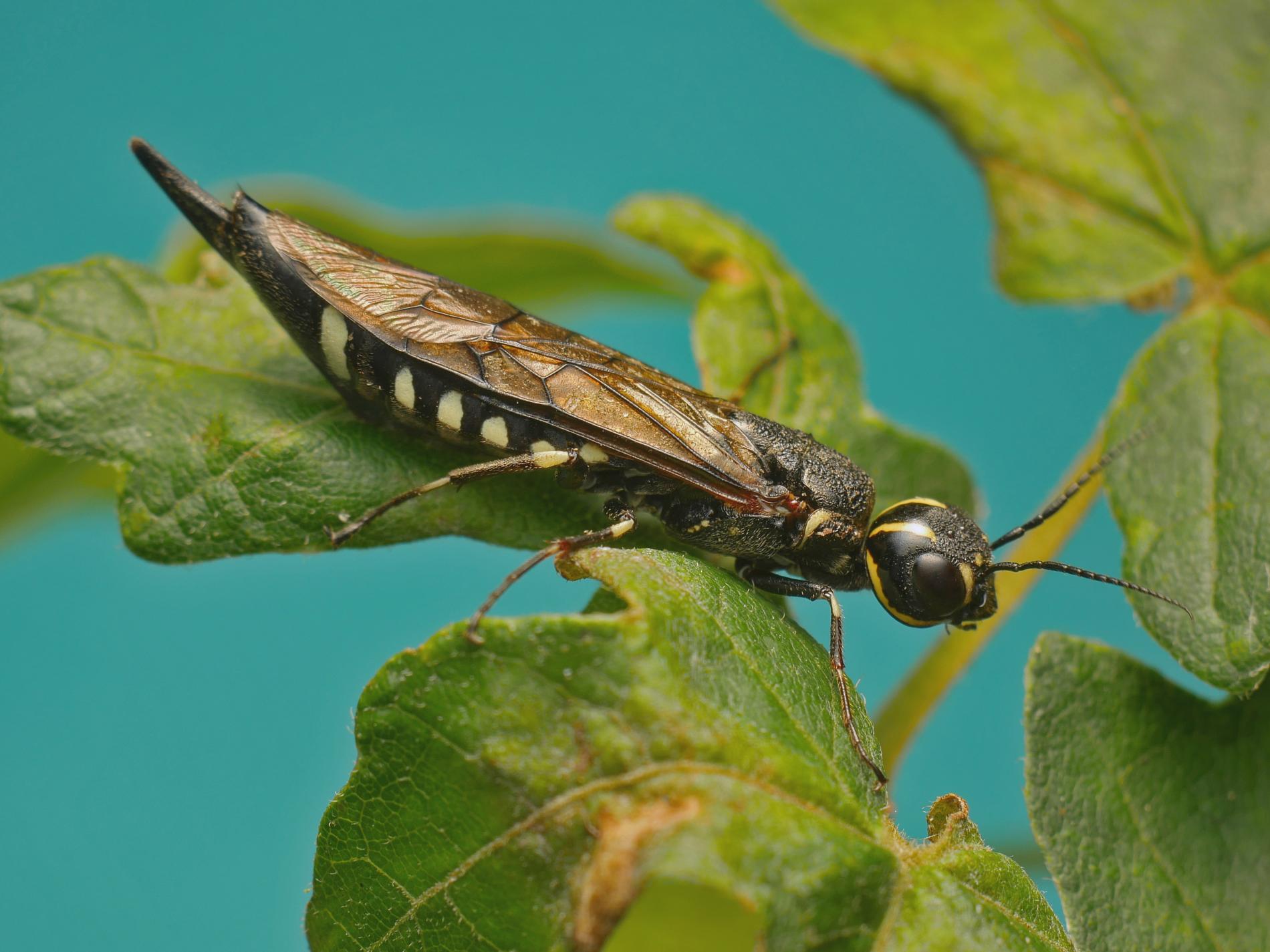
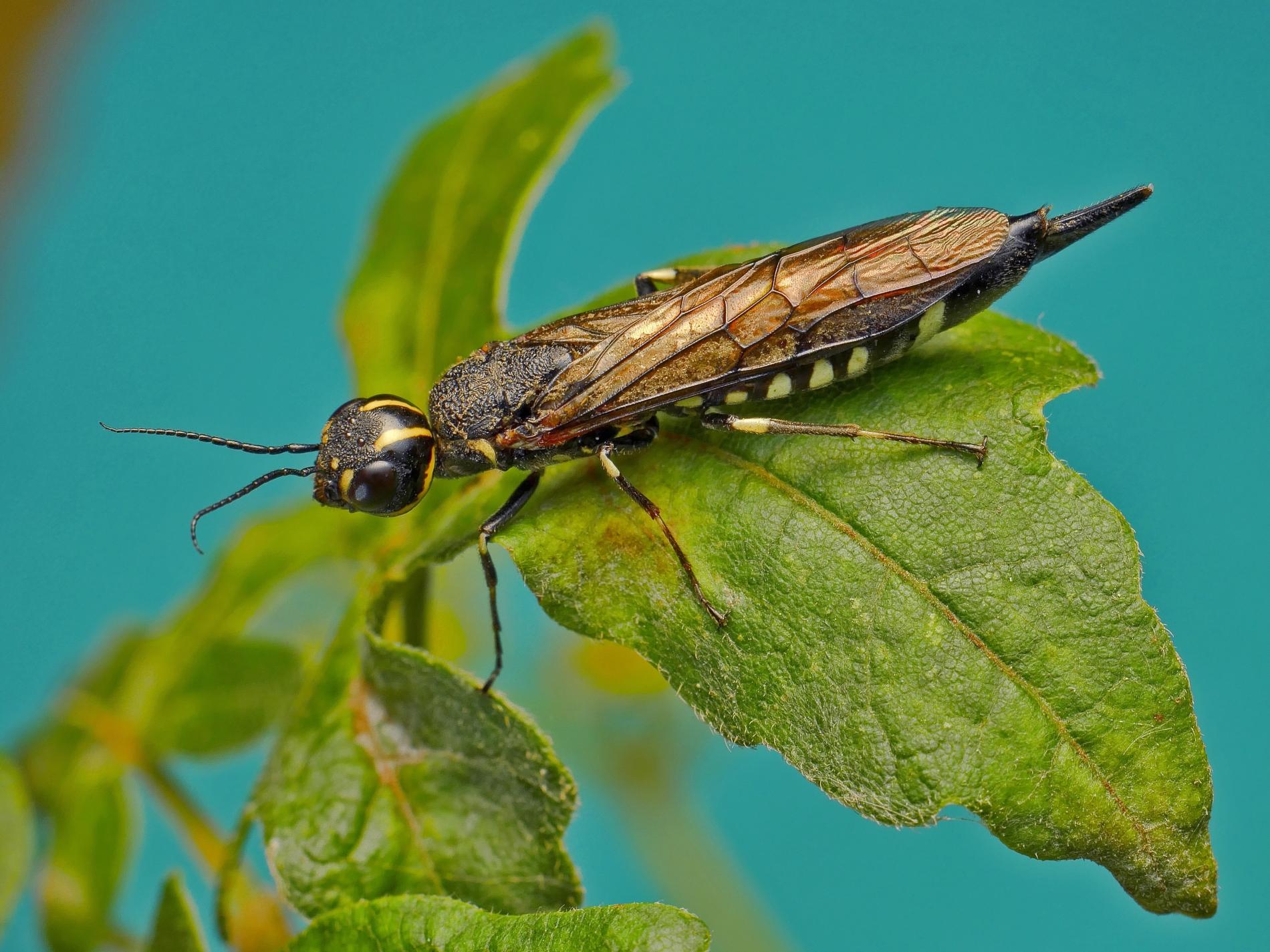
Oak sawfly Xiphydria longicollis is a fascinating insect species that has gained relatively little attention despite its intriguing characteristics. Found primarily in oak forests, this sawfly is gradually becoming more recognized for its presence and impact on its habitat. The female Xiphydria longicollis exhibits an interesting behavior of depositing her eggs within cracks and crevices in the tree's bark. This strategic choice of egg-laying locations provides protection and nourishment for the developing larvae. Once the eggs hatch, the tiny larvae burrow into the sapwood, creating tunnels that become densely packed with sawdust-like residue. What sets Xiphydria longicollis apart is its unique symbiotic relationship with wood-decaying fungi. These larvae rely on the fungi as a vital source of nutrition and also contribute to the fungi's life cycle by aiding in the decomposition of wood. This mutually beneficial partnership highlights the complex interconnections that exist within ecosystems. As the larvae continue their growth and development, they typically pupate at the boundary between the sapwood and heartwood of the tree. This transition zone offers a suitable environment for their metamorphosis into adults. Once mature, the adult sawflies emerge from the pupal stage through circular exit holes, measuring approximately 3 to 5 mm in diameter. Interestingly, the presence of Xiphydria longicollis can sometimes be detected by the markings left behind by woodpeckers. These birds, seeking sustenance, actively search for and extract overwintering larvae, thus leaving visible signs of their activity on infested trees. The infestation of Xiphydria longicollis often leads to a decline in the quality of affected wood. The attacked wood is typically suitable only for use as fuel, as its structural integrity becomes compromised due to the extensive tunneling and fungal activity.
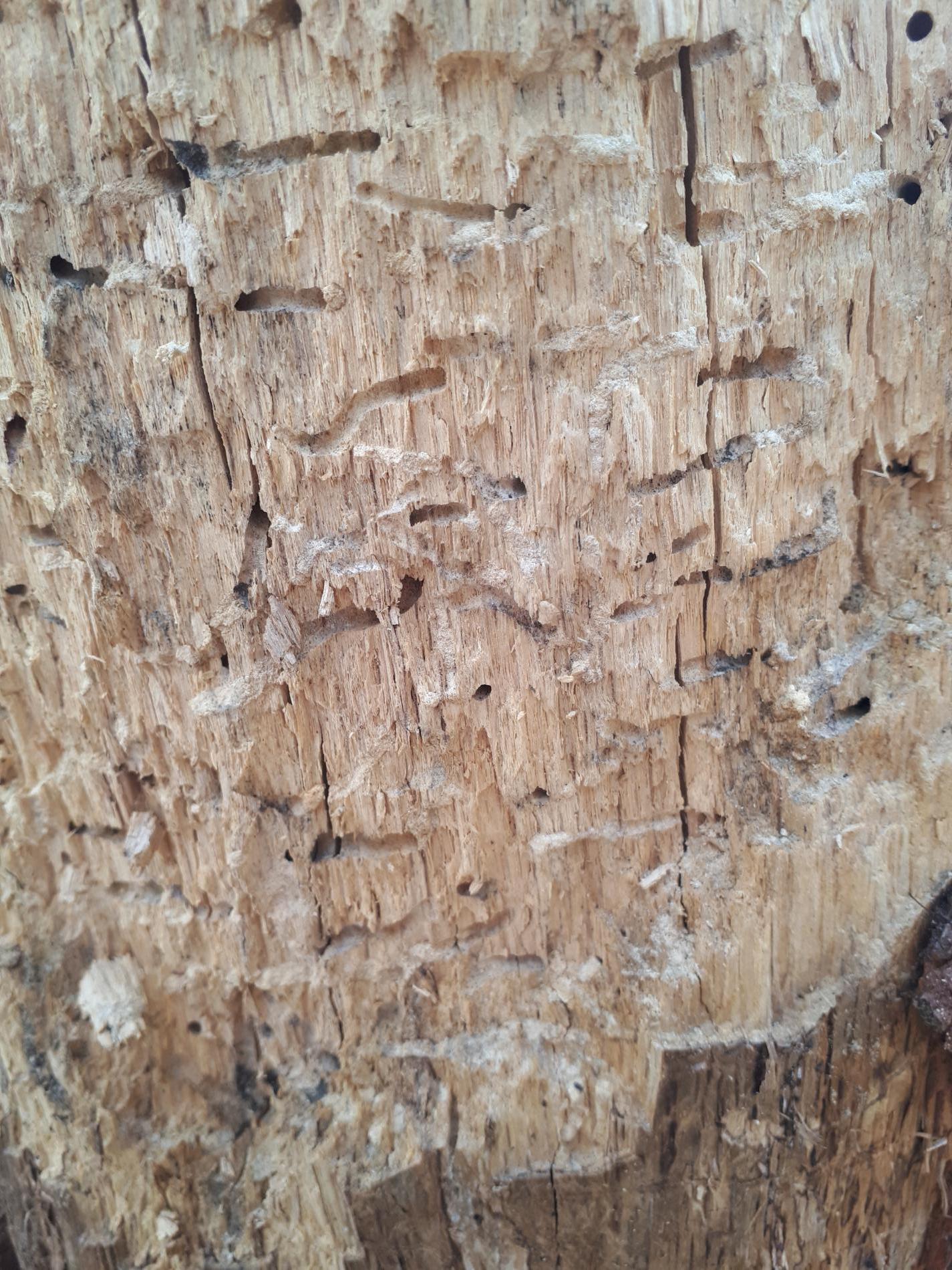
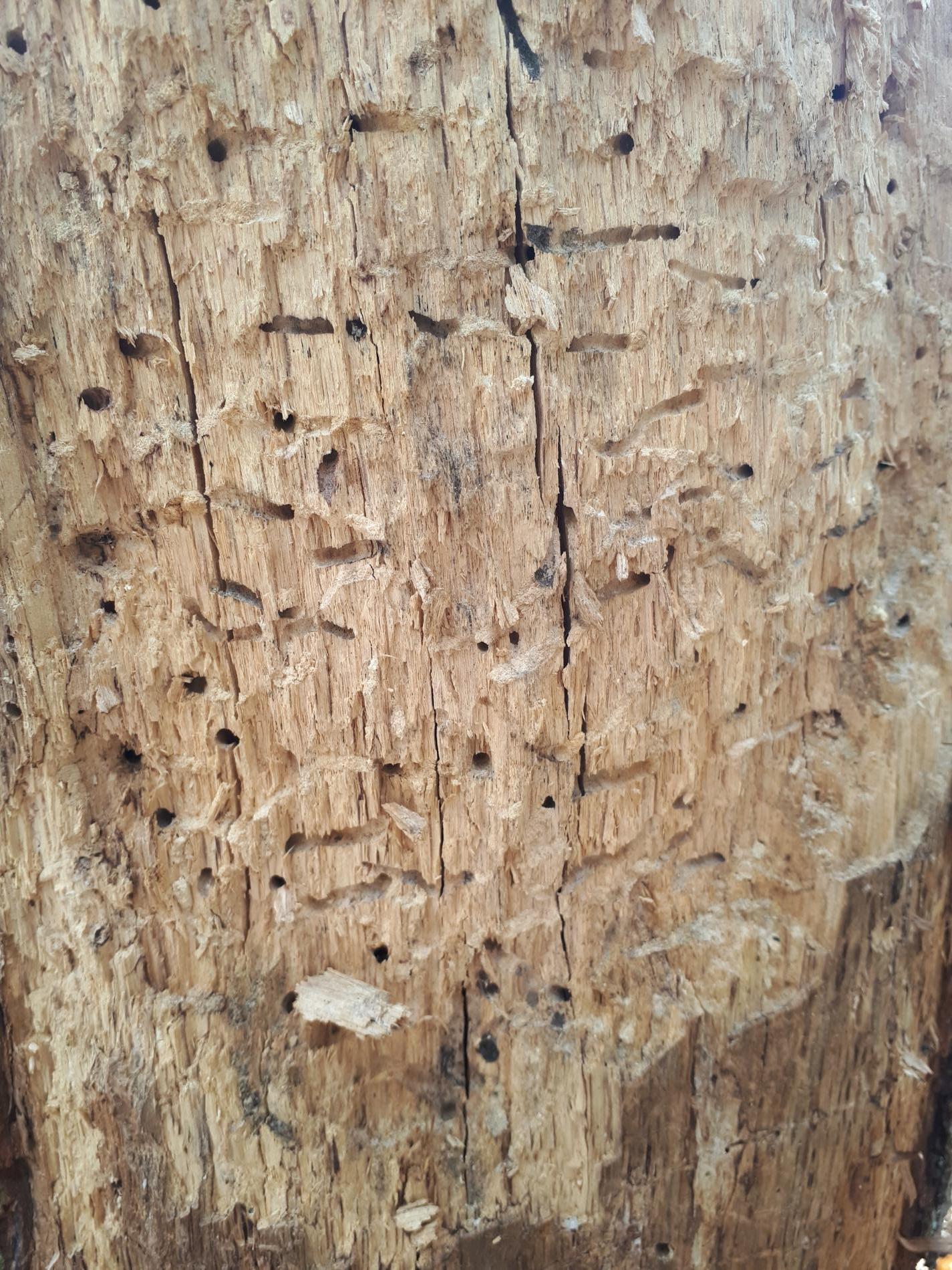
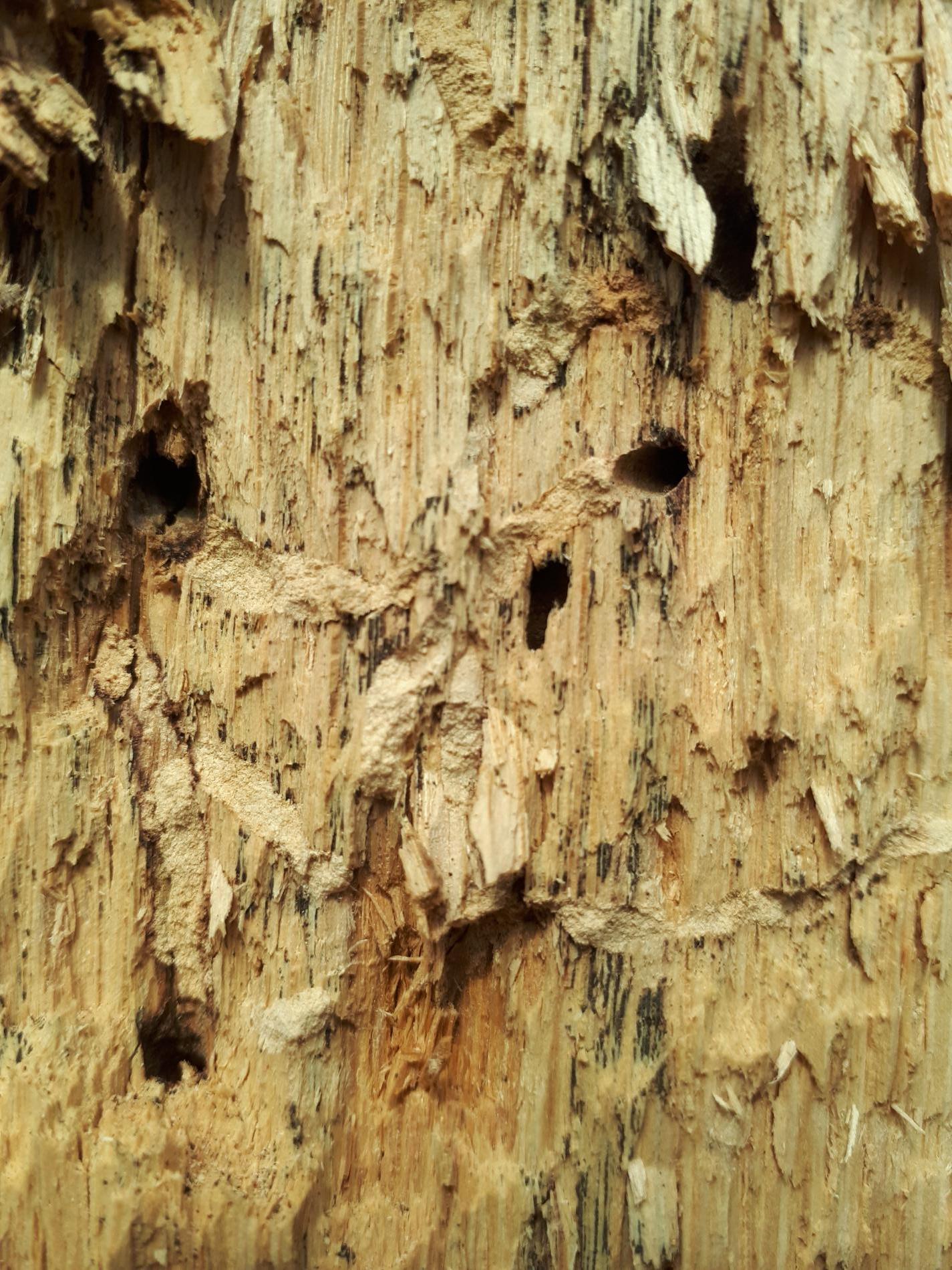
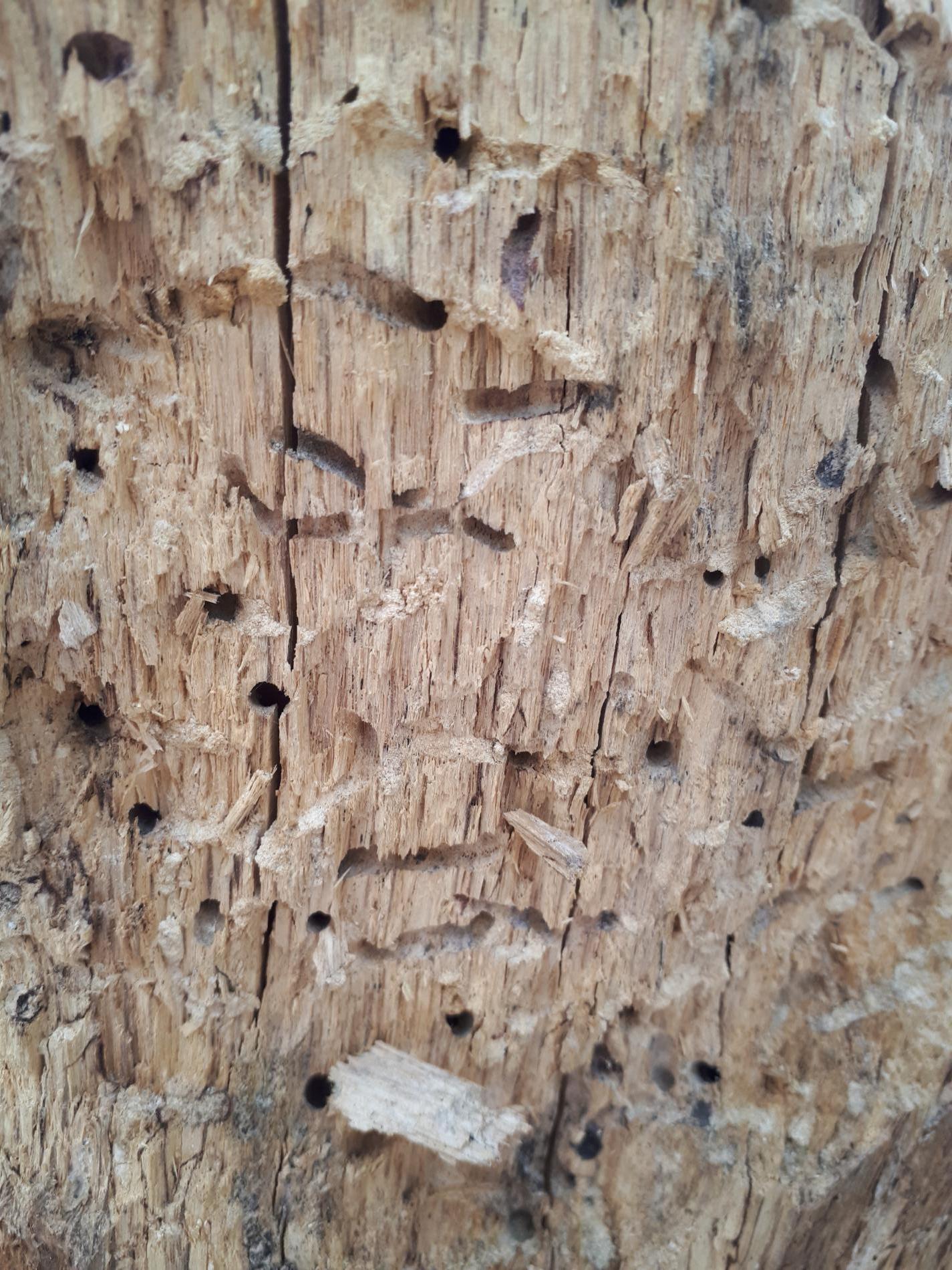
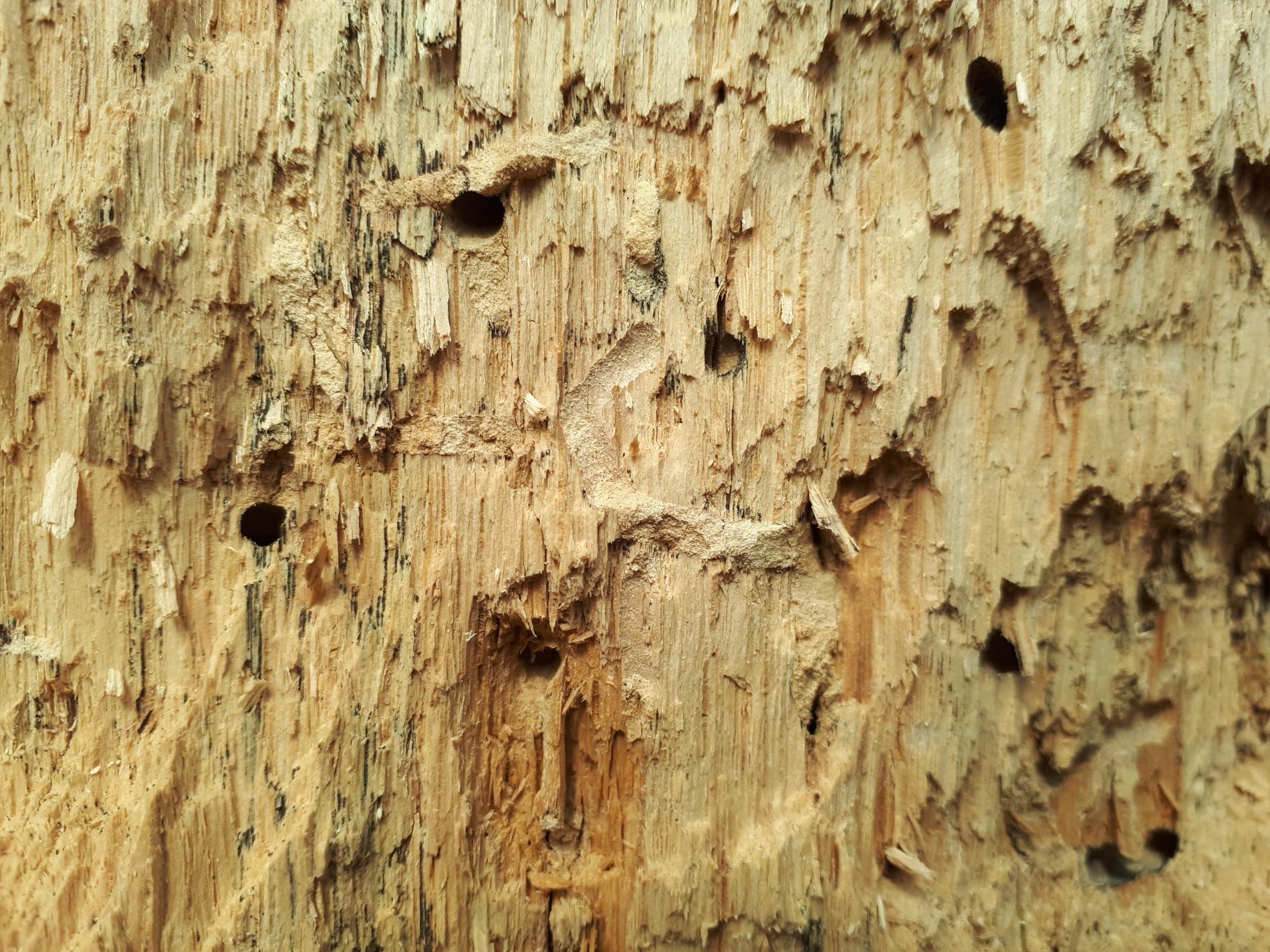
Tunnels in the sapwood, that become densely packed with sawdust-like residue. Round exit holes.
Tree Species: Oak
Part of a plant- attacked: Tree trunk
Pest significance: Harmful
Pest Category: Insects
Invasive Species: No
Present in EU: Yes
Pest group: Insect
Affected part of wood: Bark, Heartwood, Sapwood, Underbark area
Depth of damages: Bark, More than 5 cm depth, Under bark only, Up to 0,5 cm depth, Up to 2 cm depth, Up to 5 cm depth
The extent of damage: Whole trunk
Prevalence in Europe: Very common
Damaged products: Firewood, Fresh timber logs (water still in the sapwood), Furniture, Lumber, boards and prisms, Wooden house constructions
Roundwood size: Diameter 50+, Diameter from 10 up to 50 cm, Diameter up to 10 cm
Wood discoloration: No
Exit holes: Round
Pest subcategory: Wood-boring insect
Similar pests

Xiphydria camelus

Plagionotus detritus
