


Trypodendron lineatum
Striped ambrosia beetle
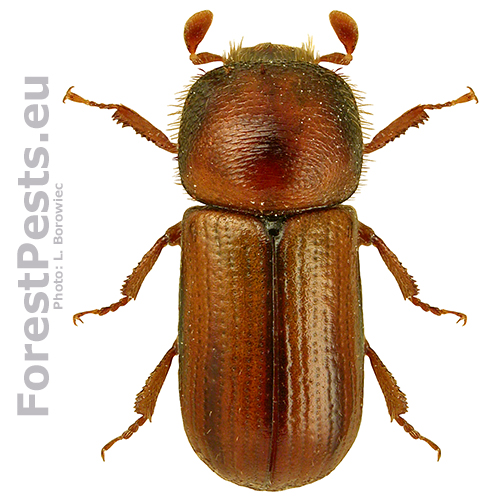
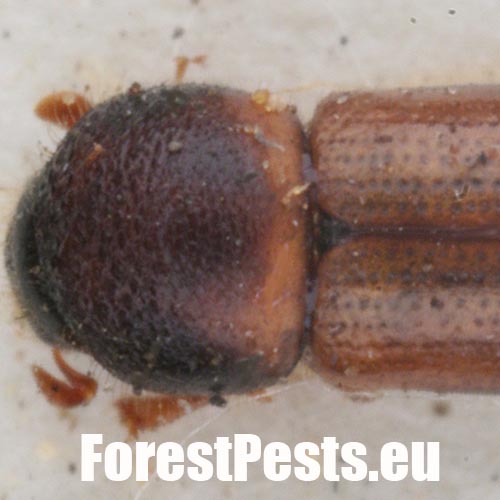
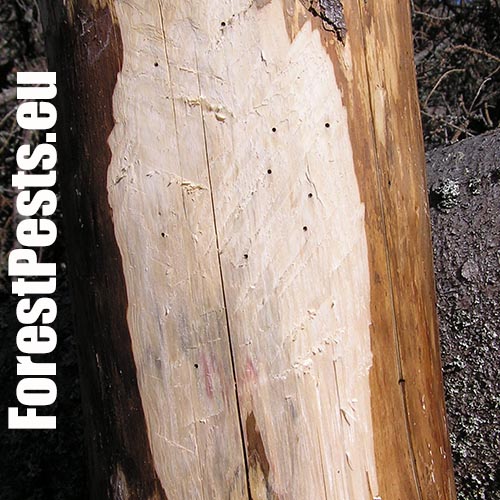
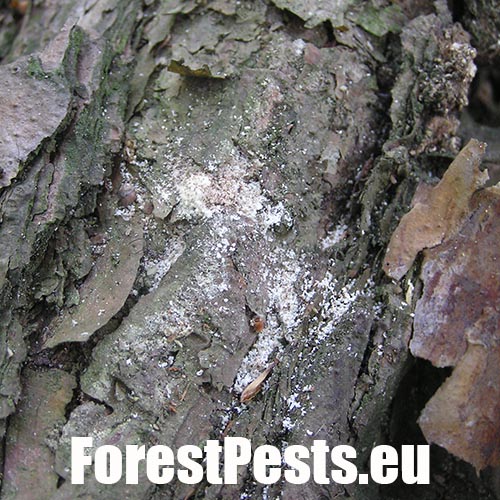
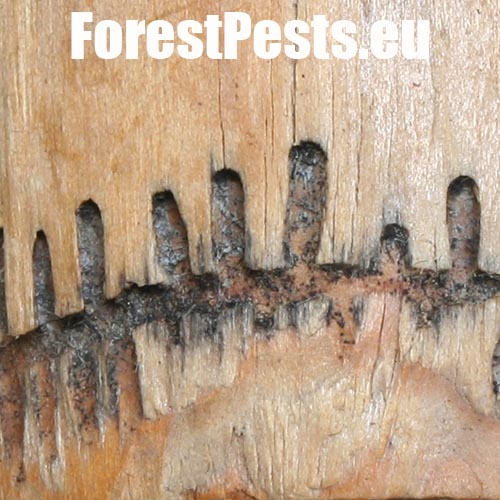
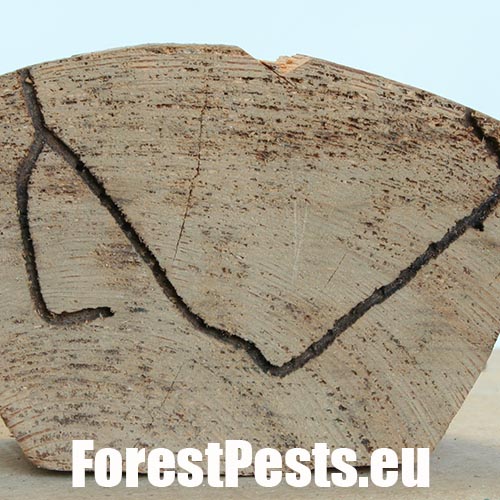
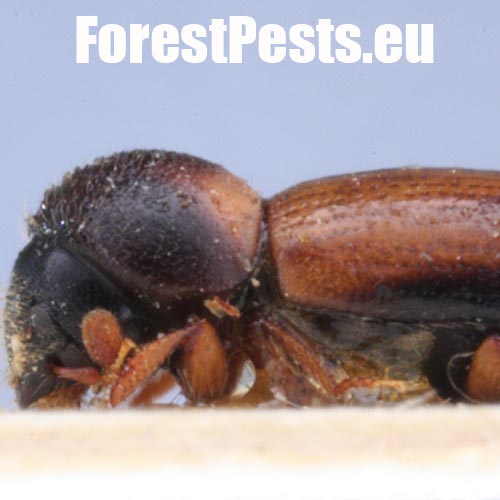
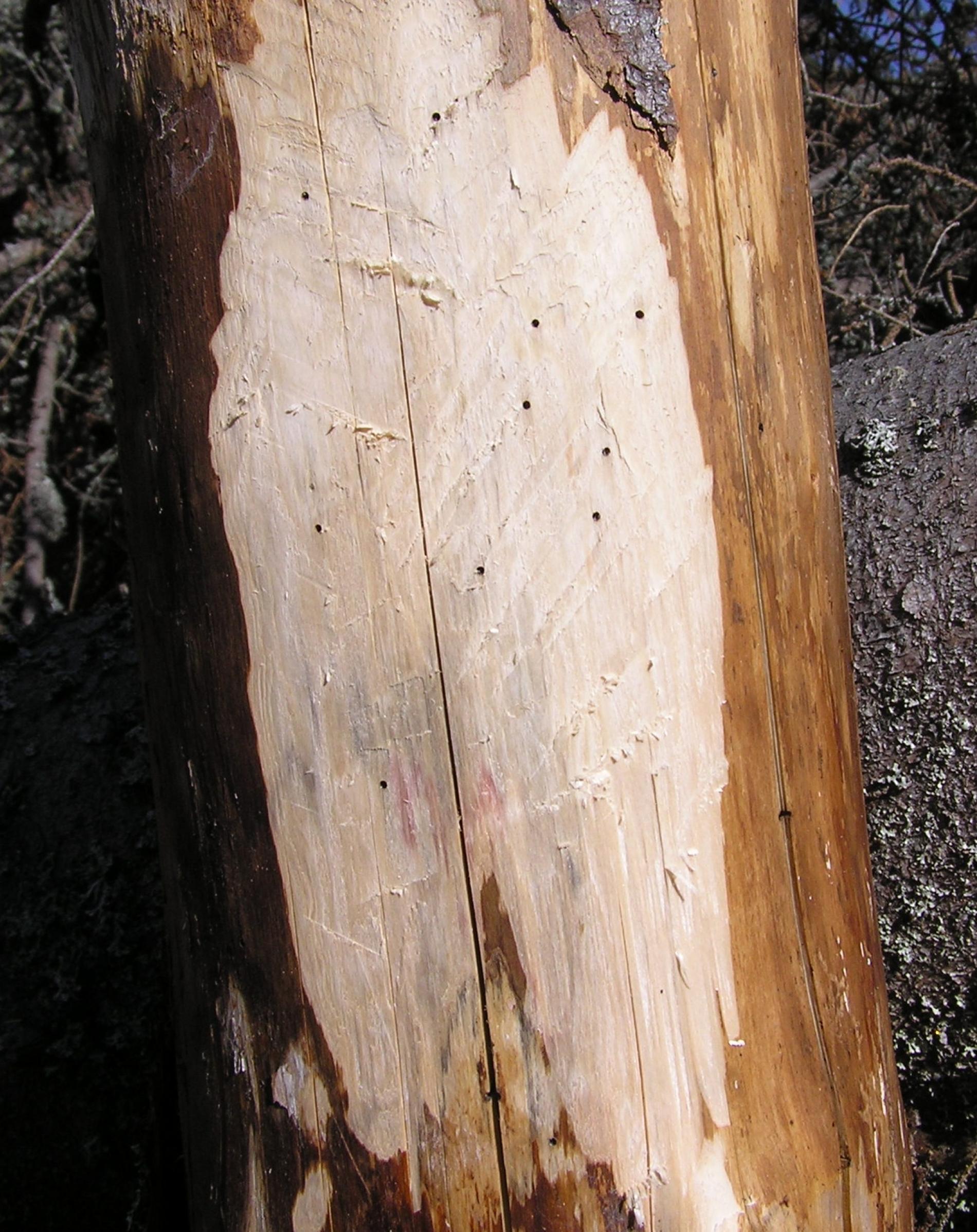
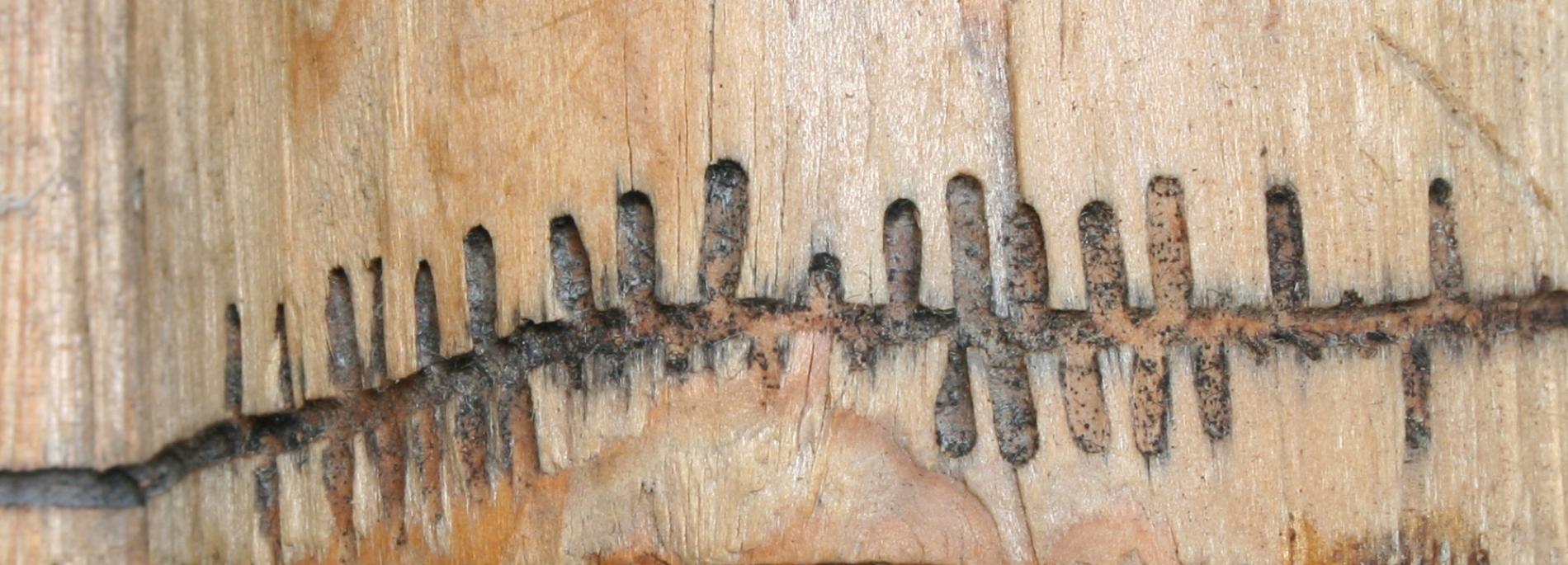
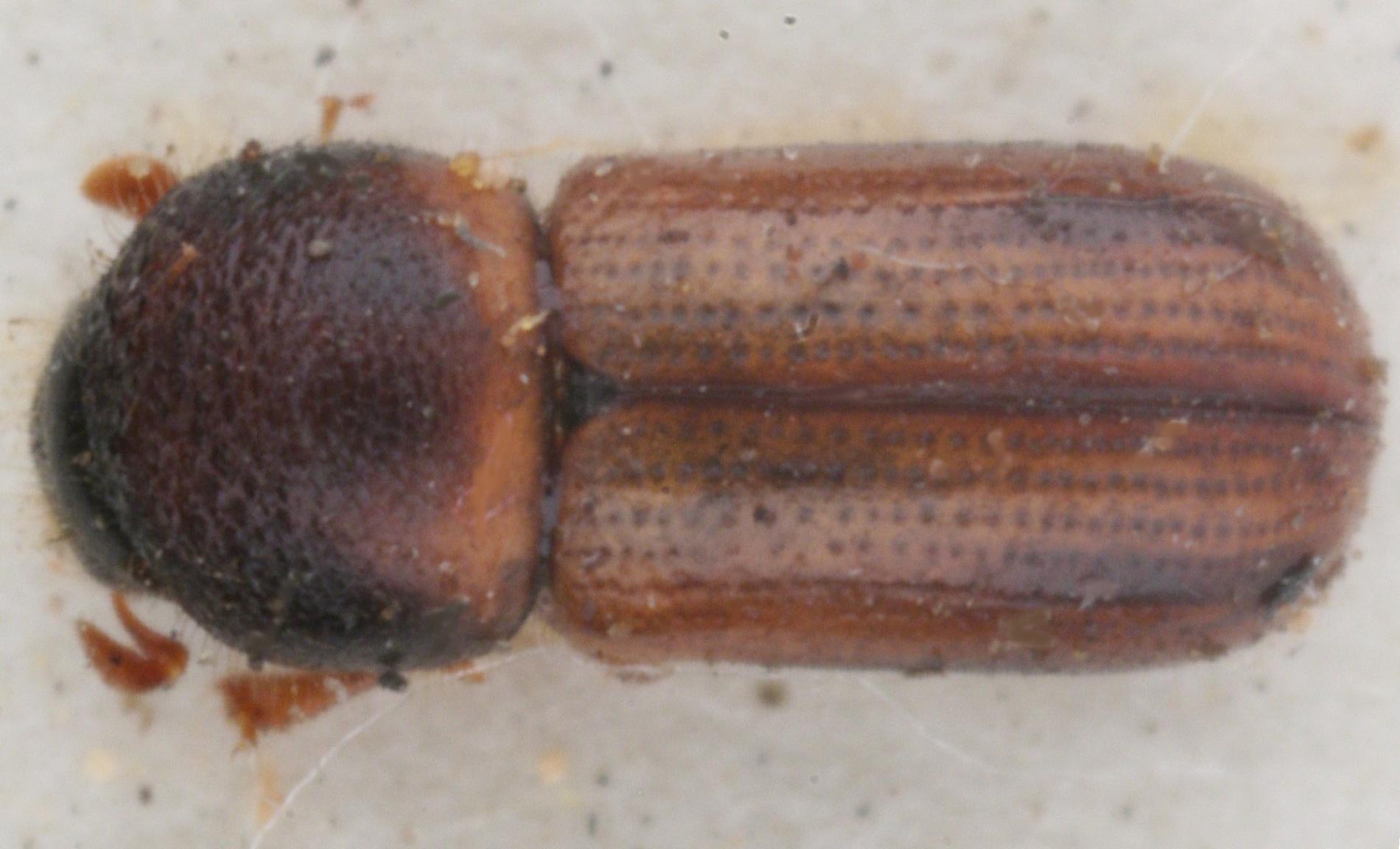
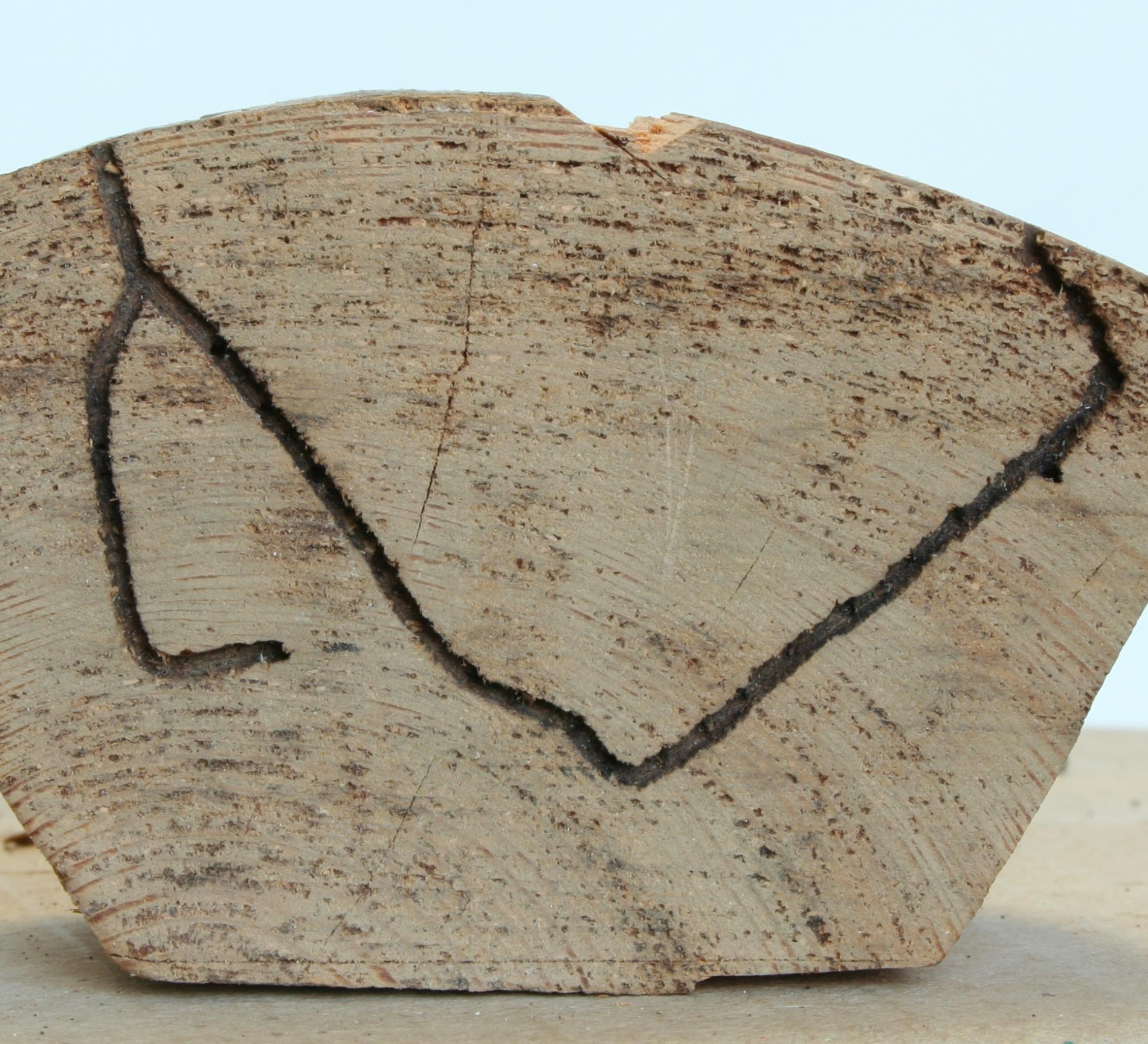
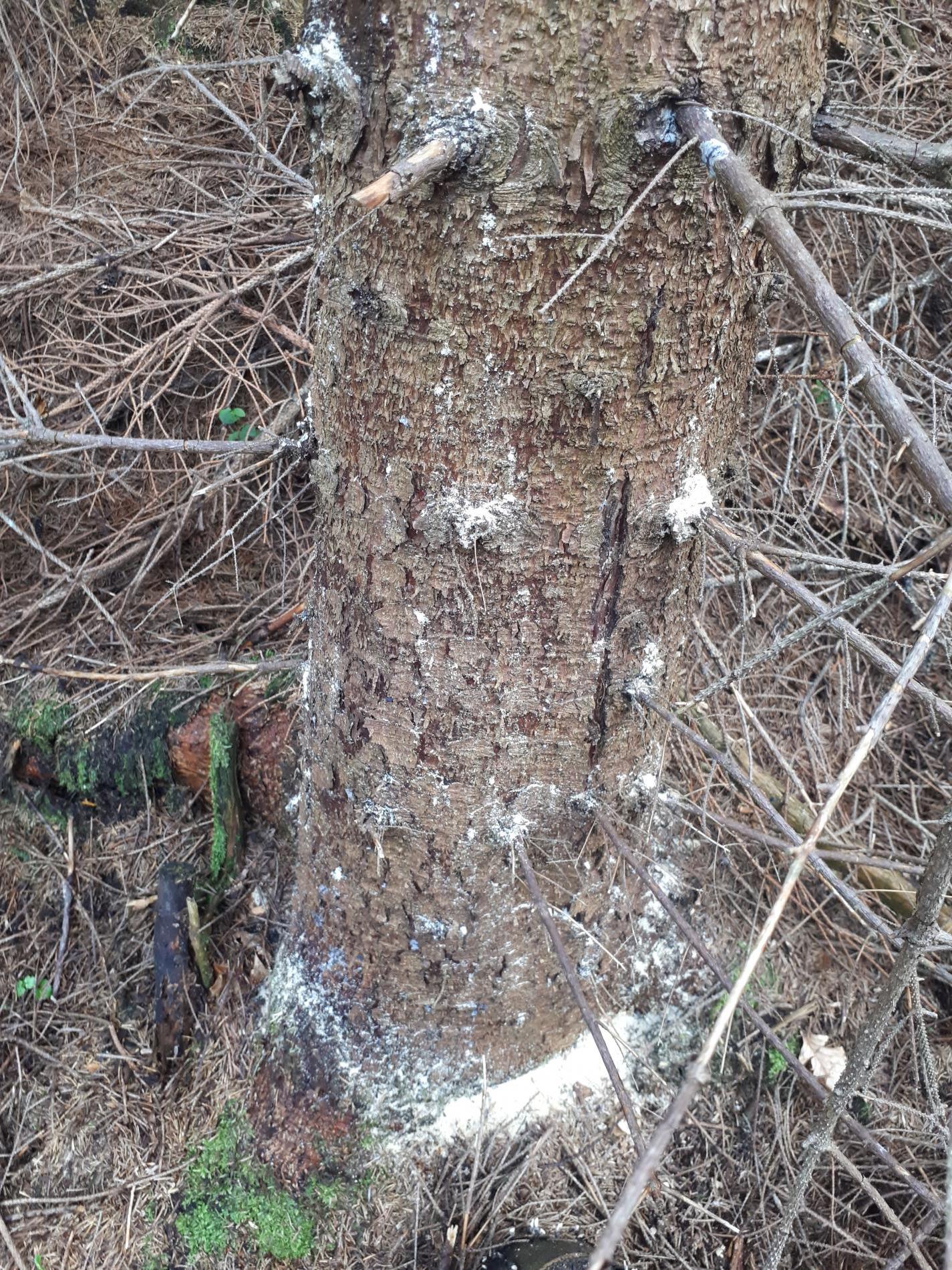
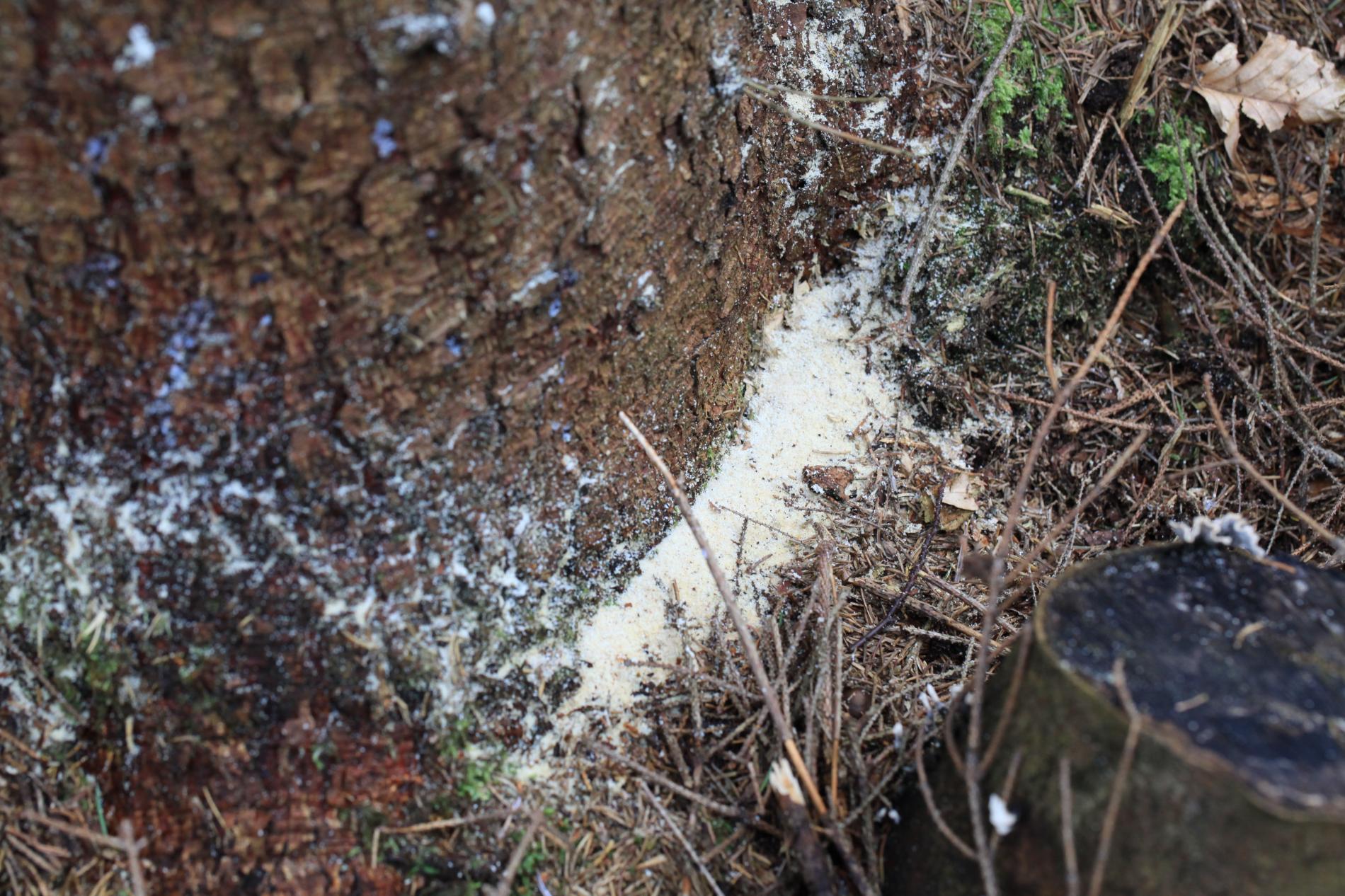
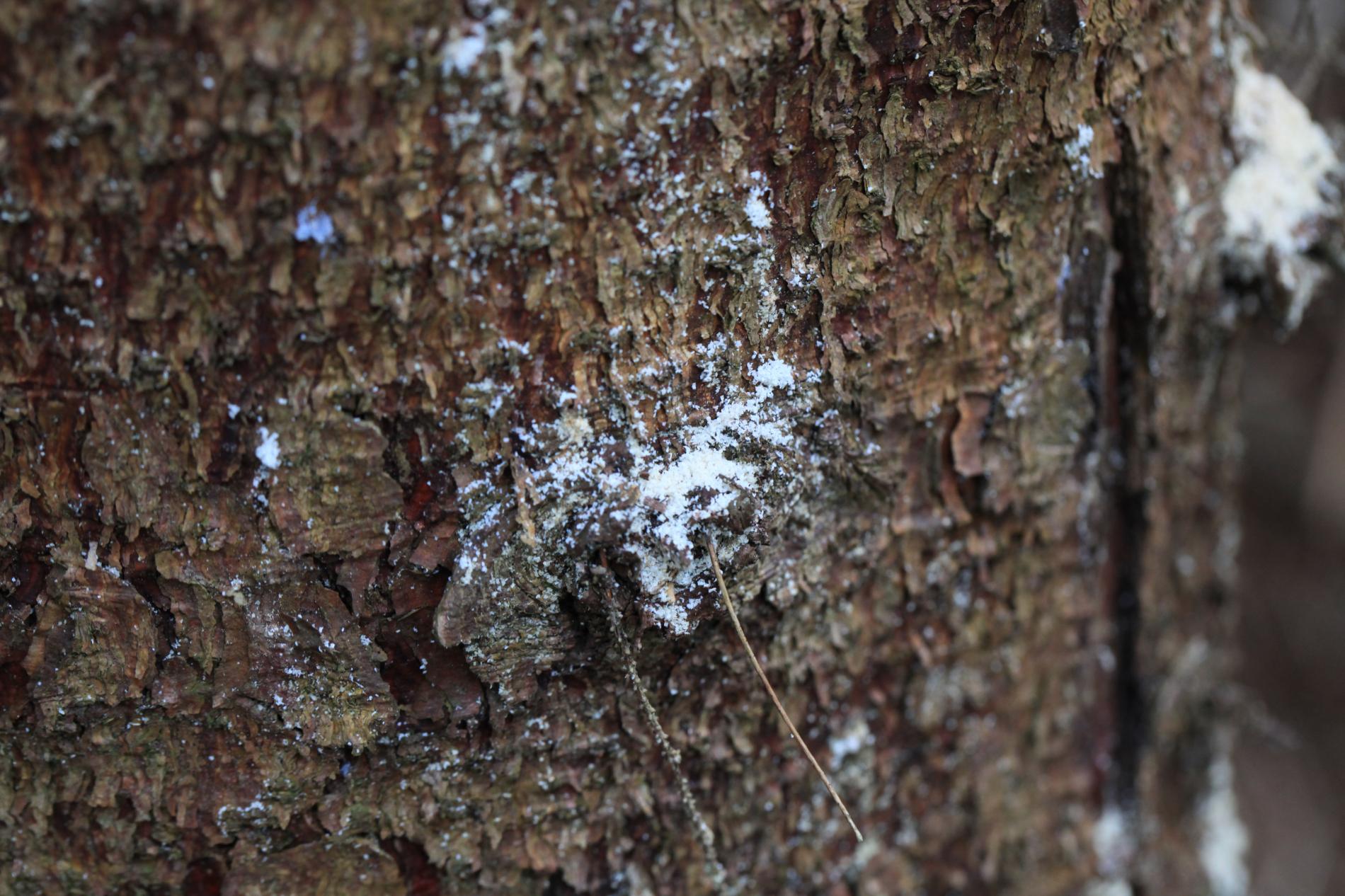
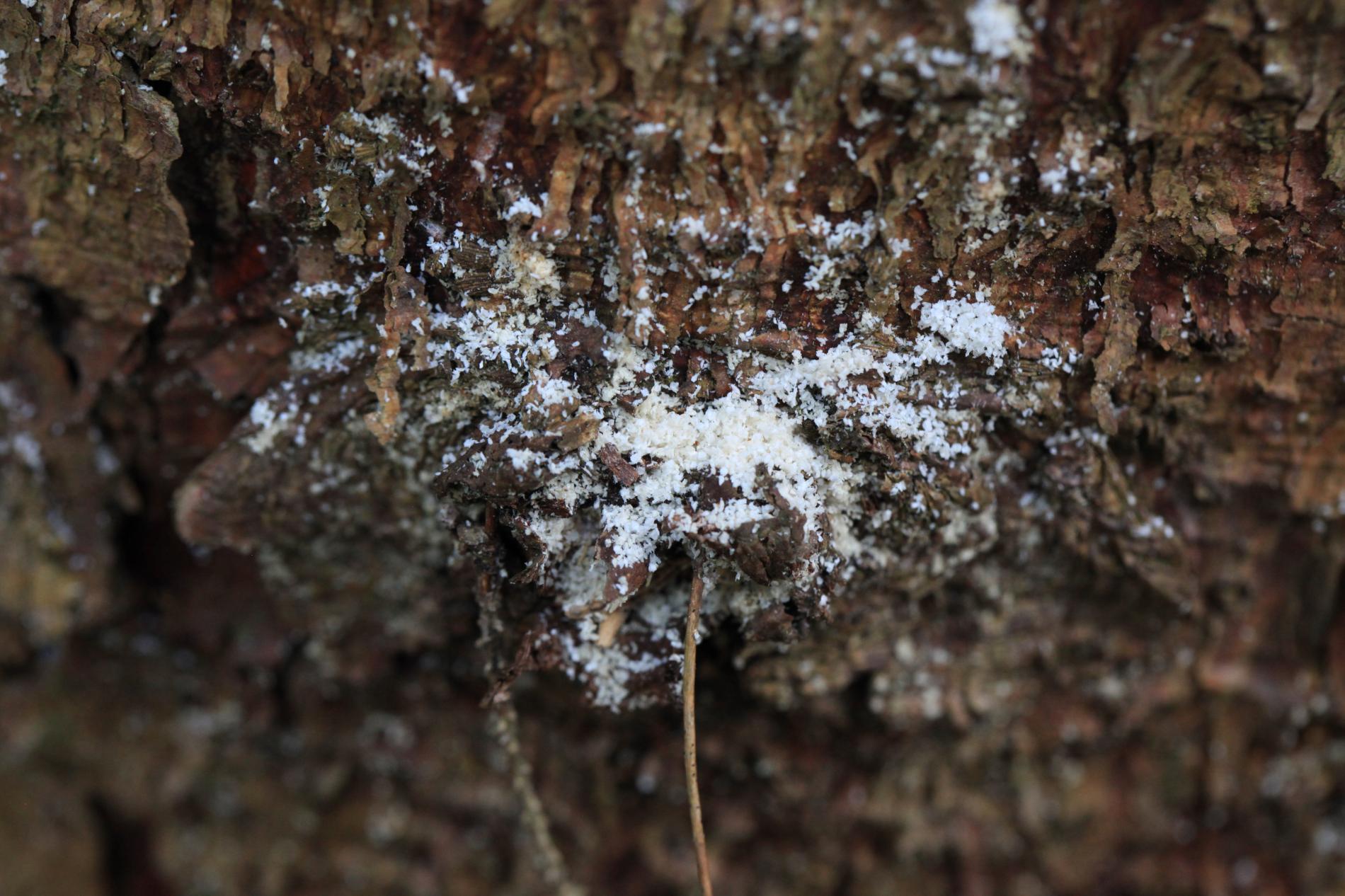
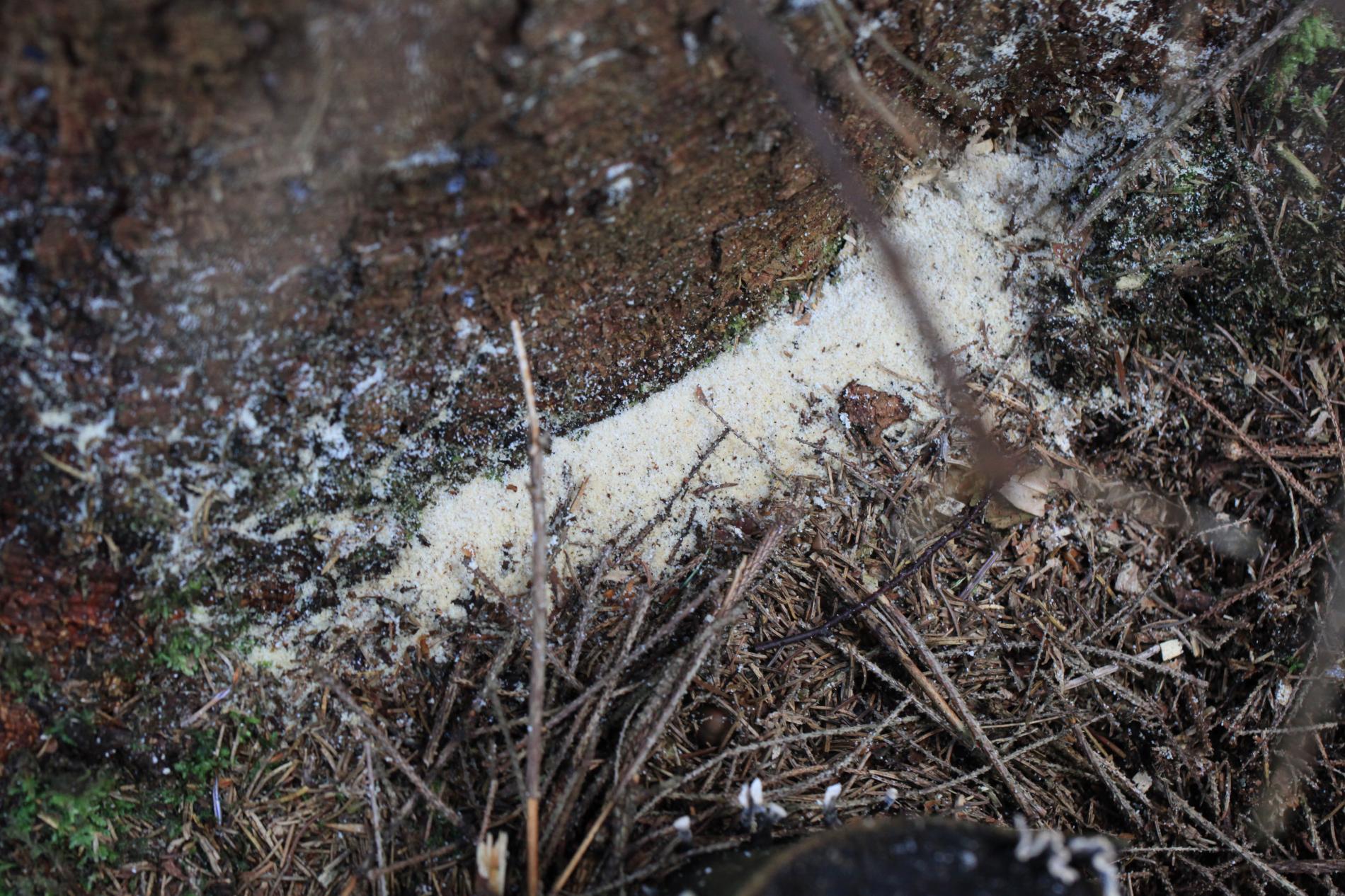
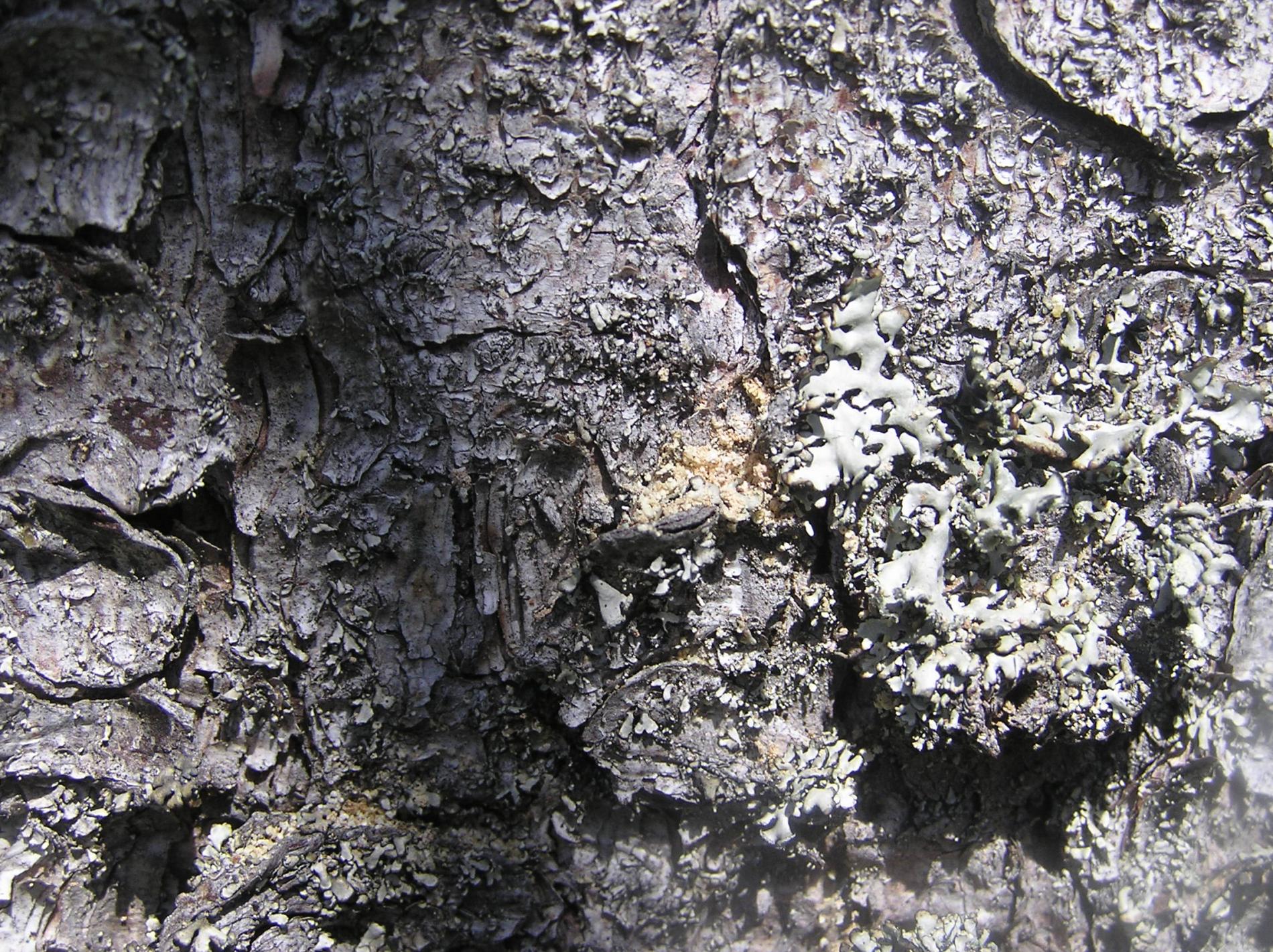
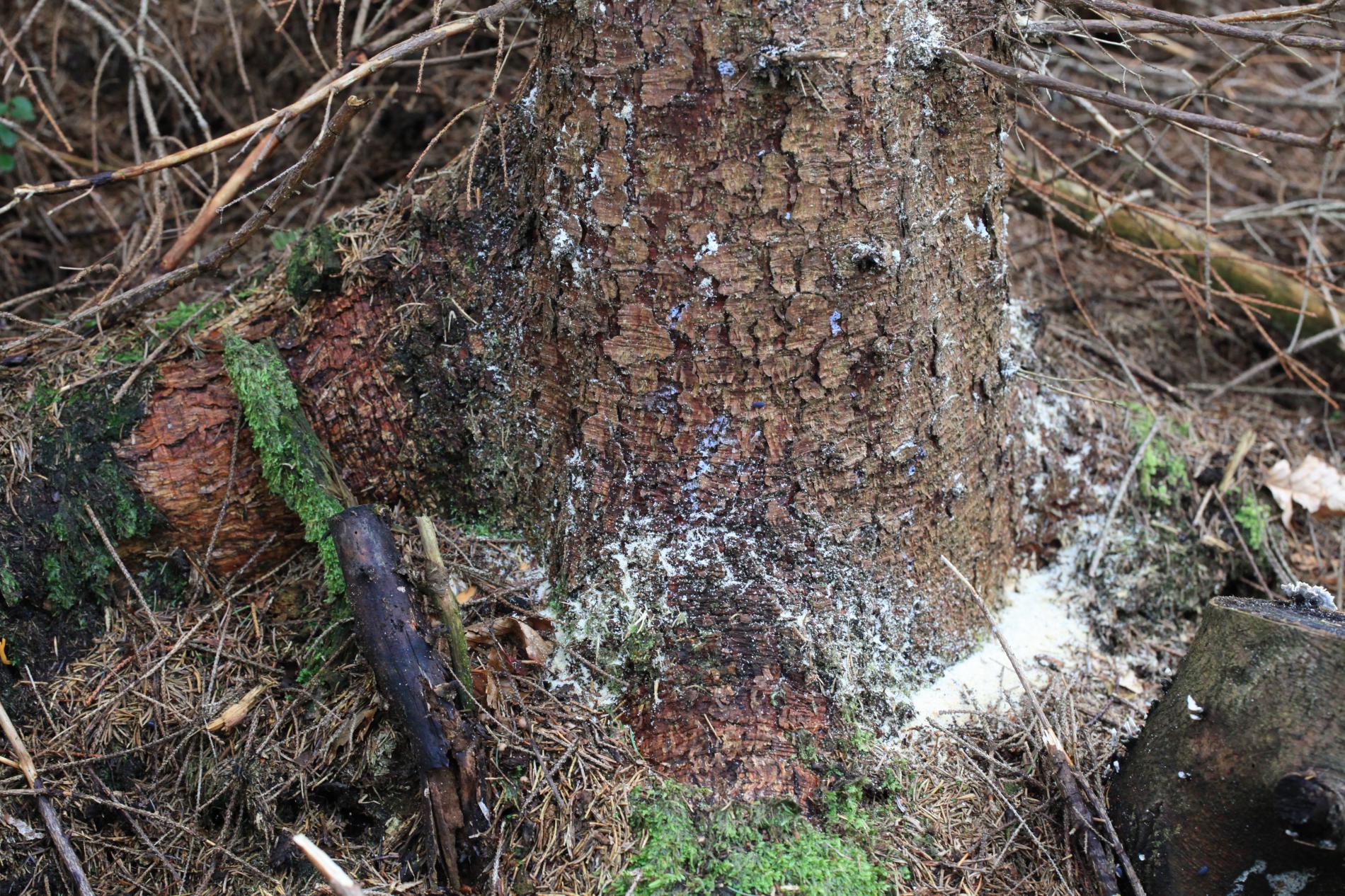
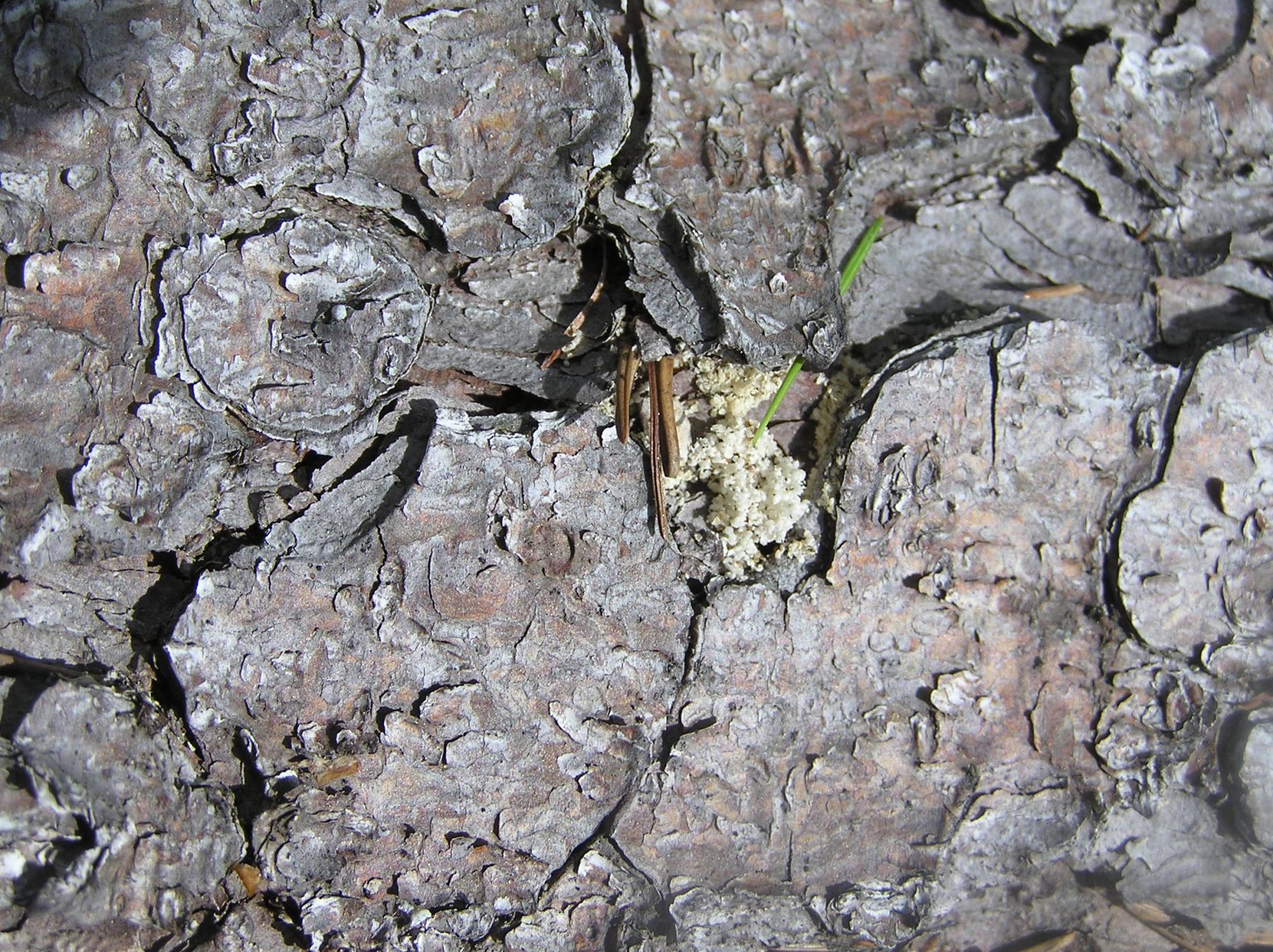
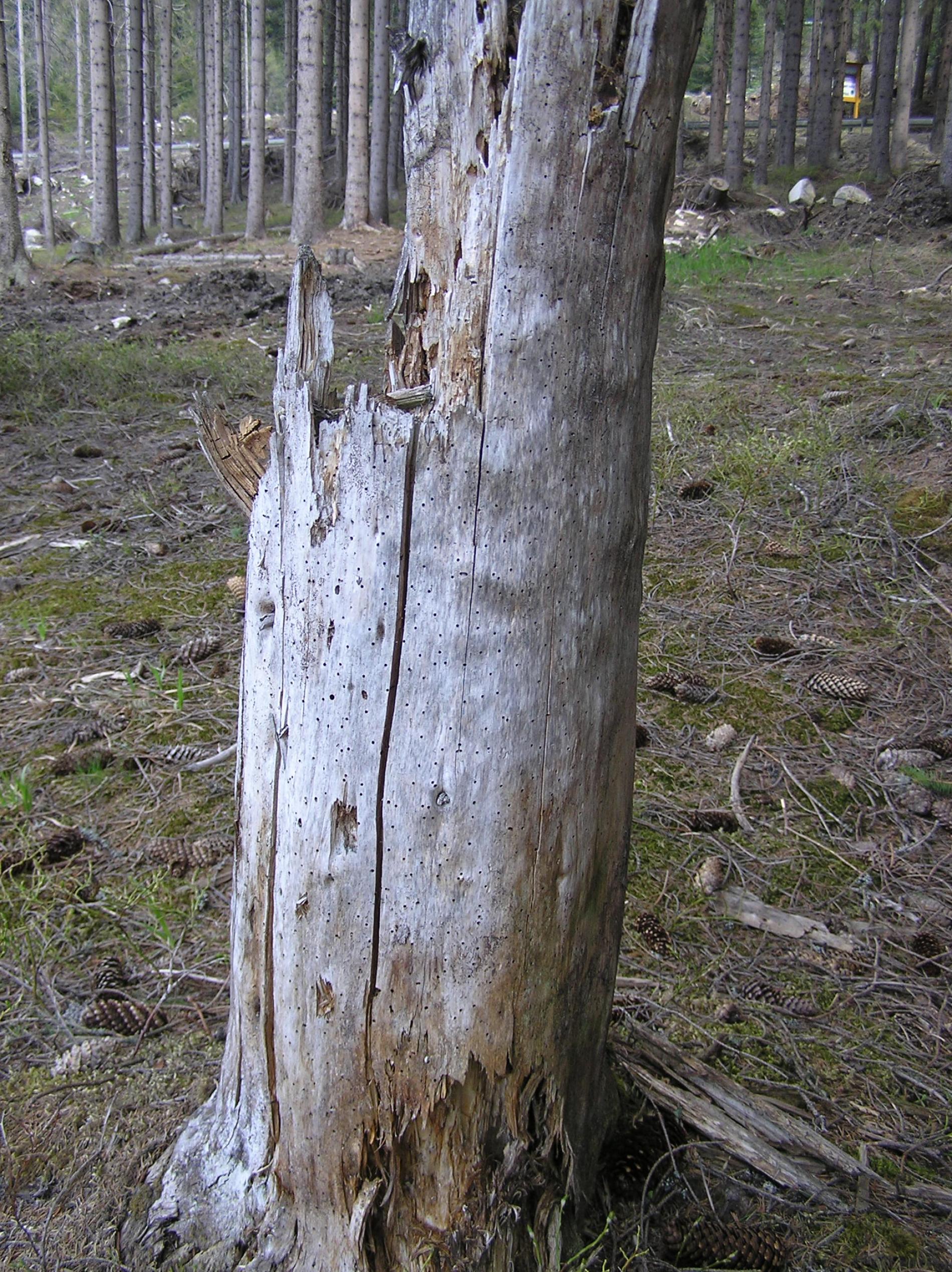
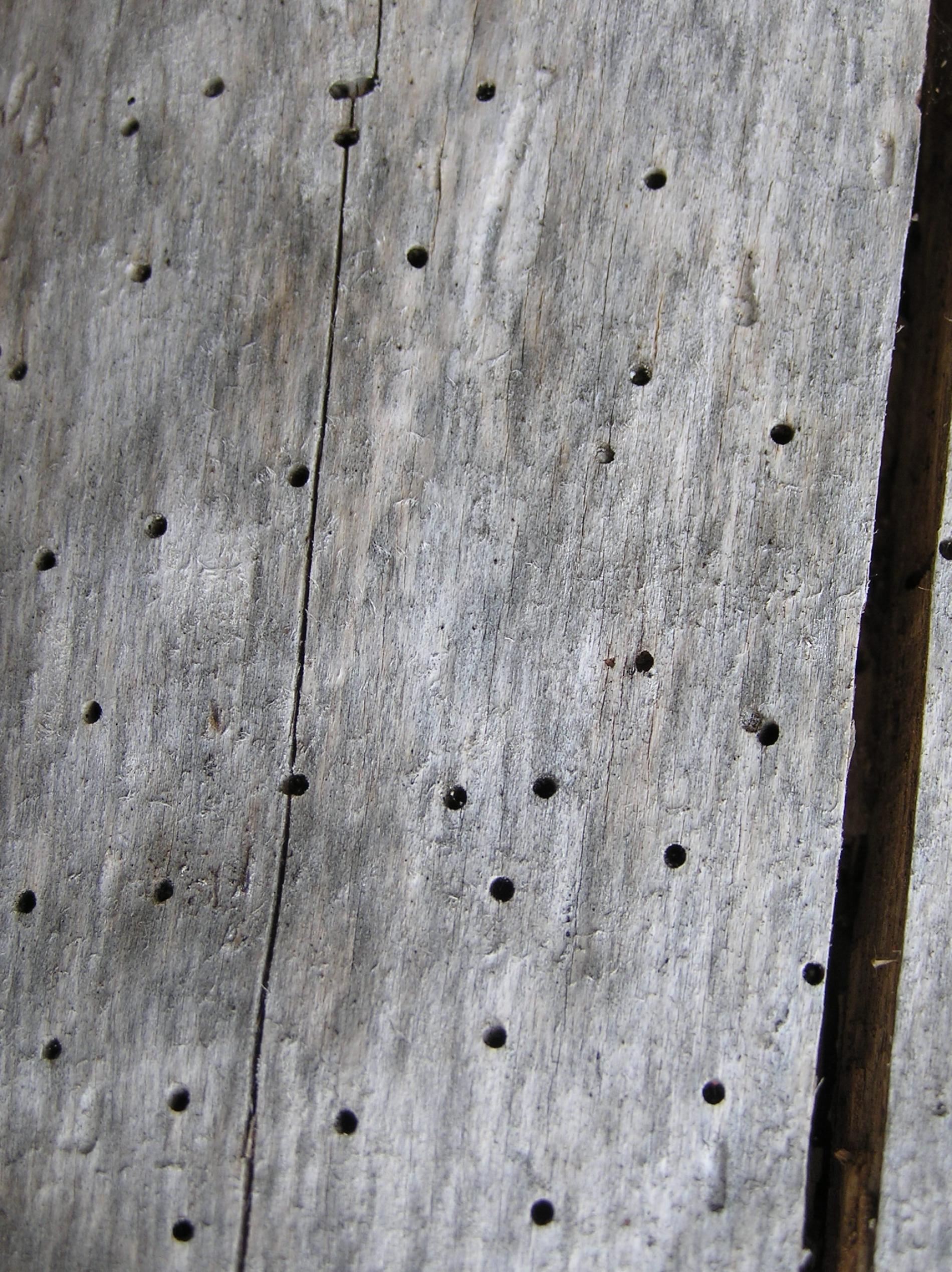
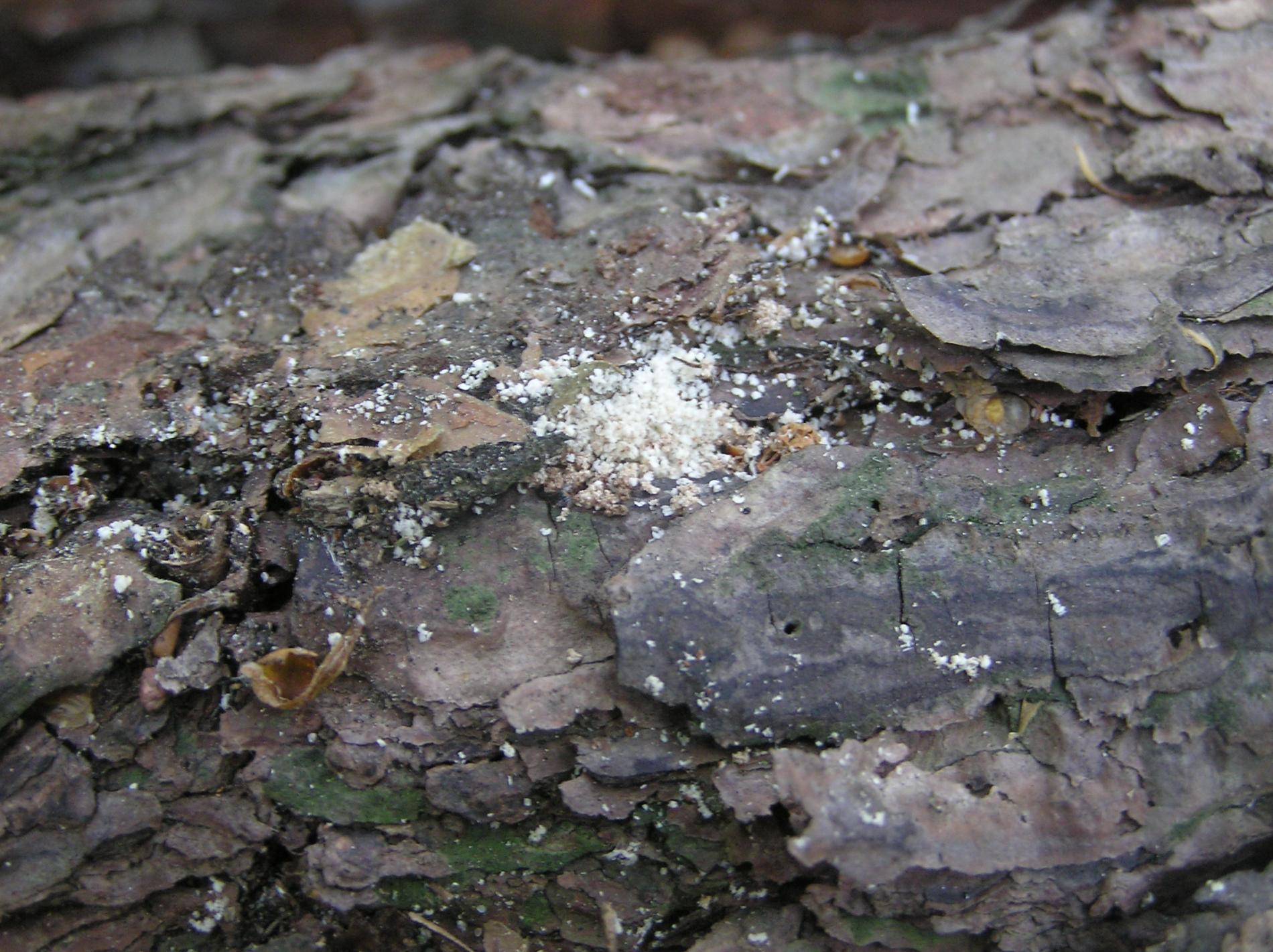
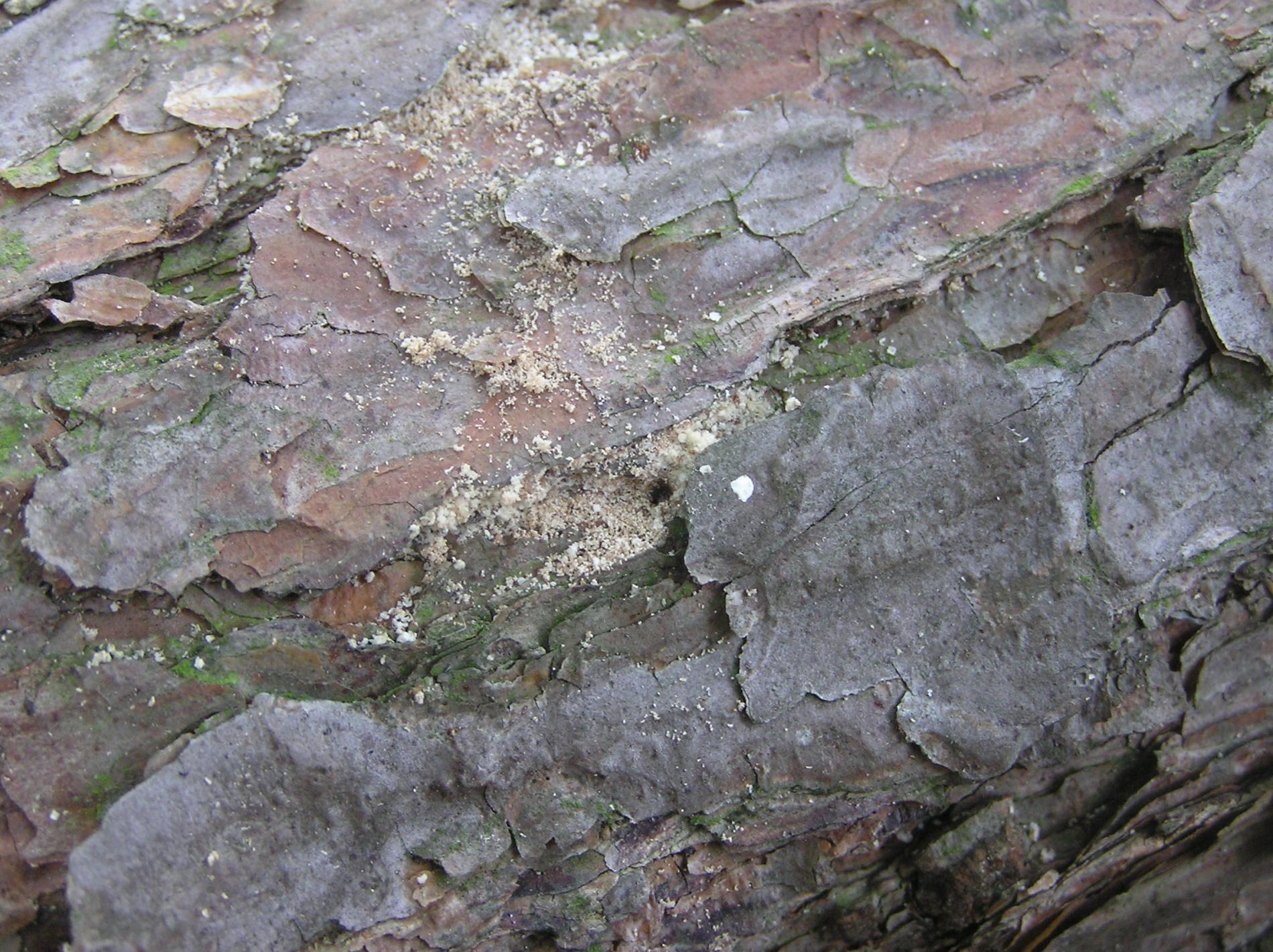
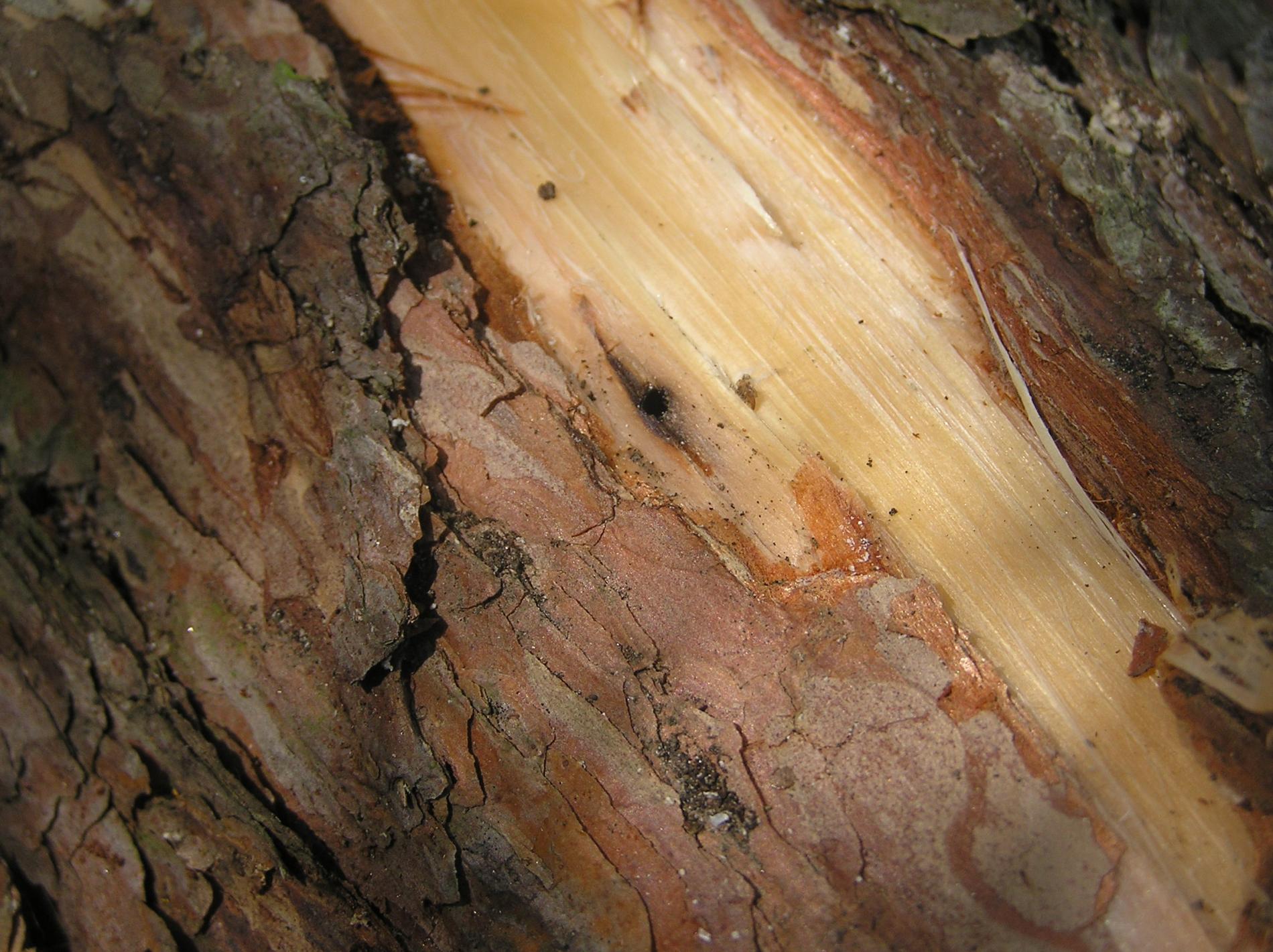
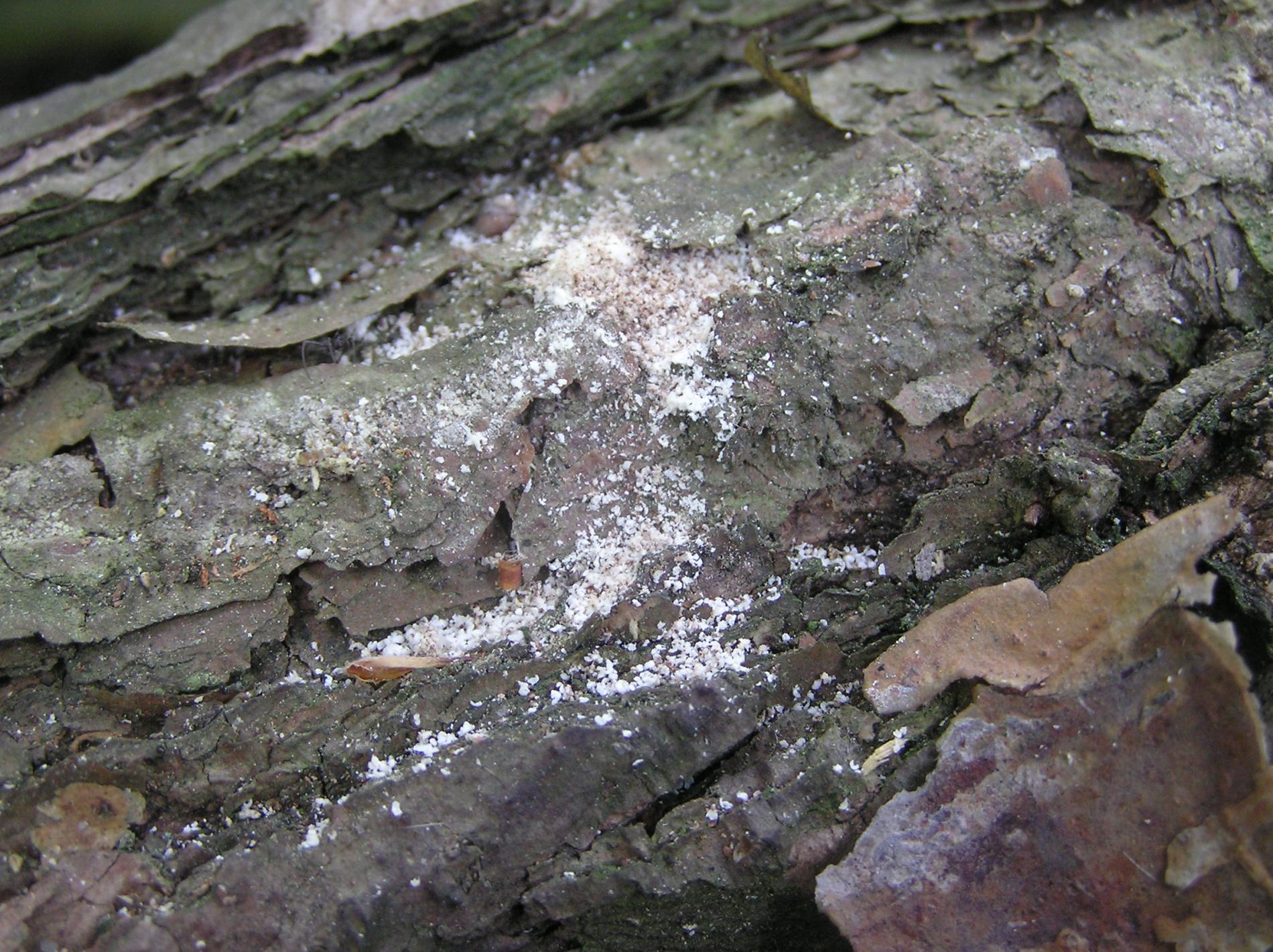
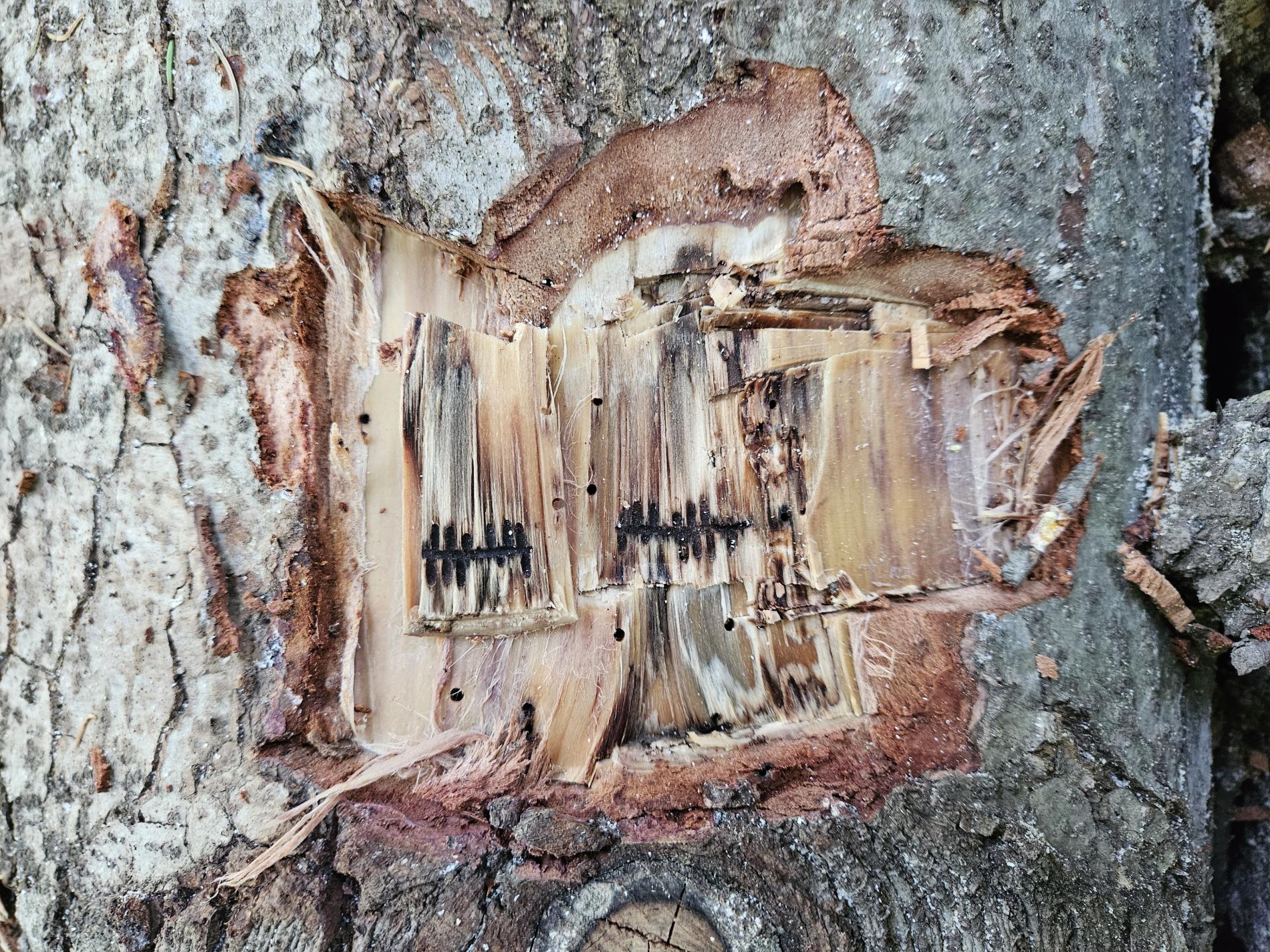
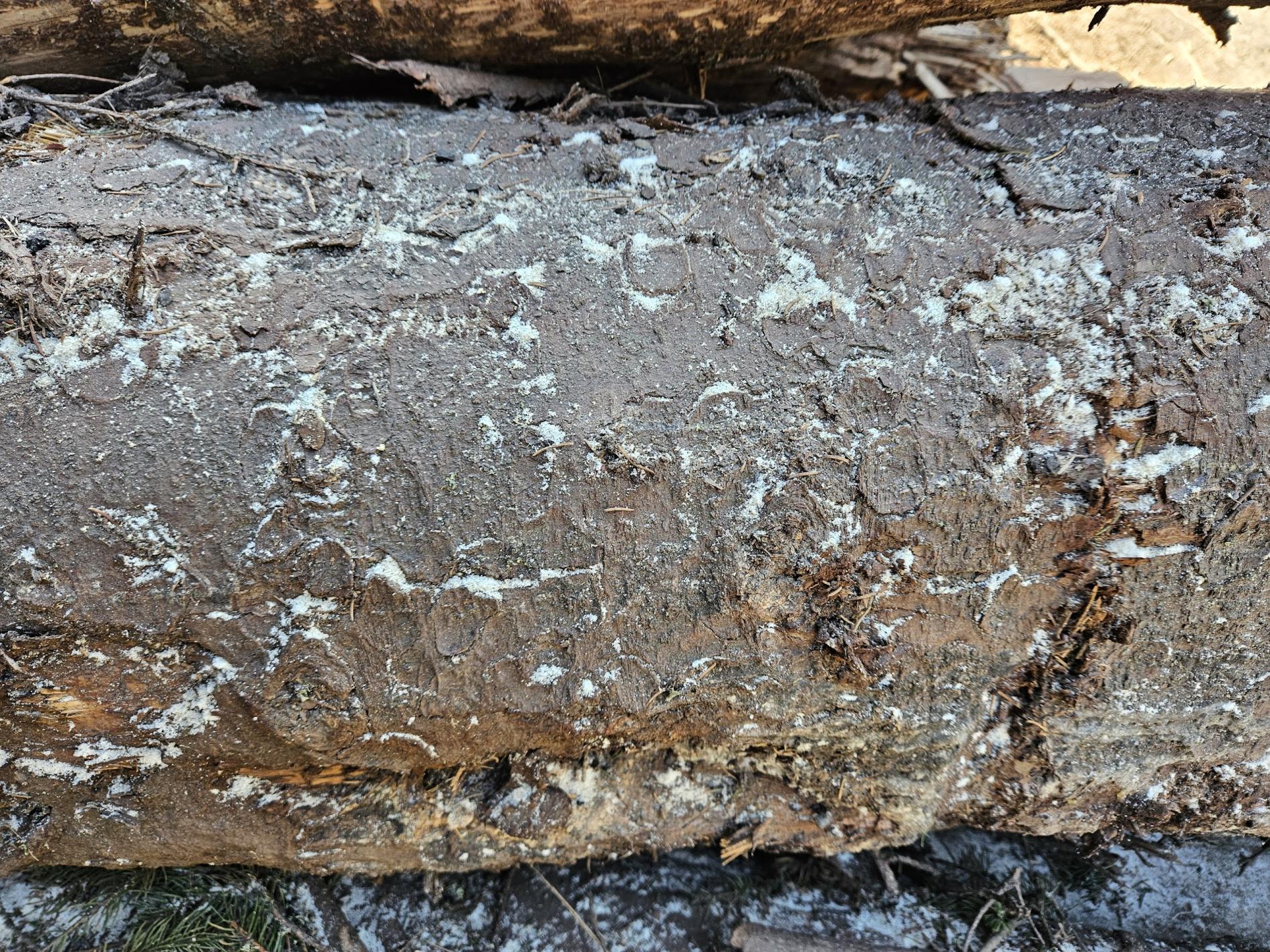
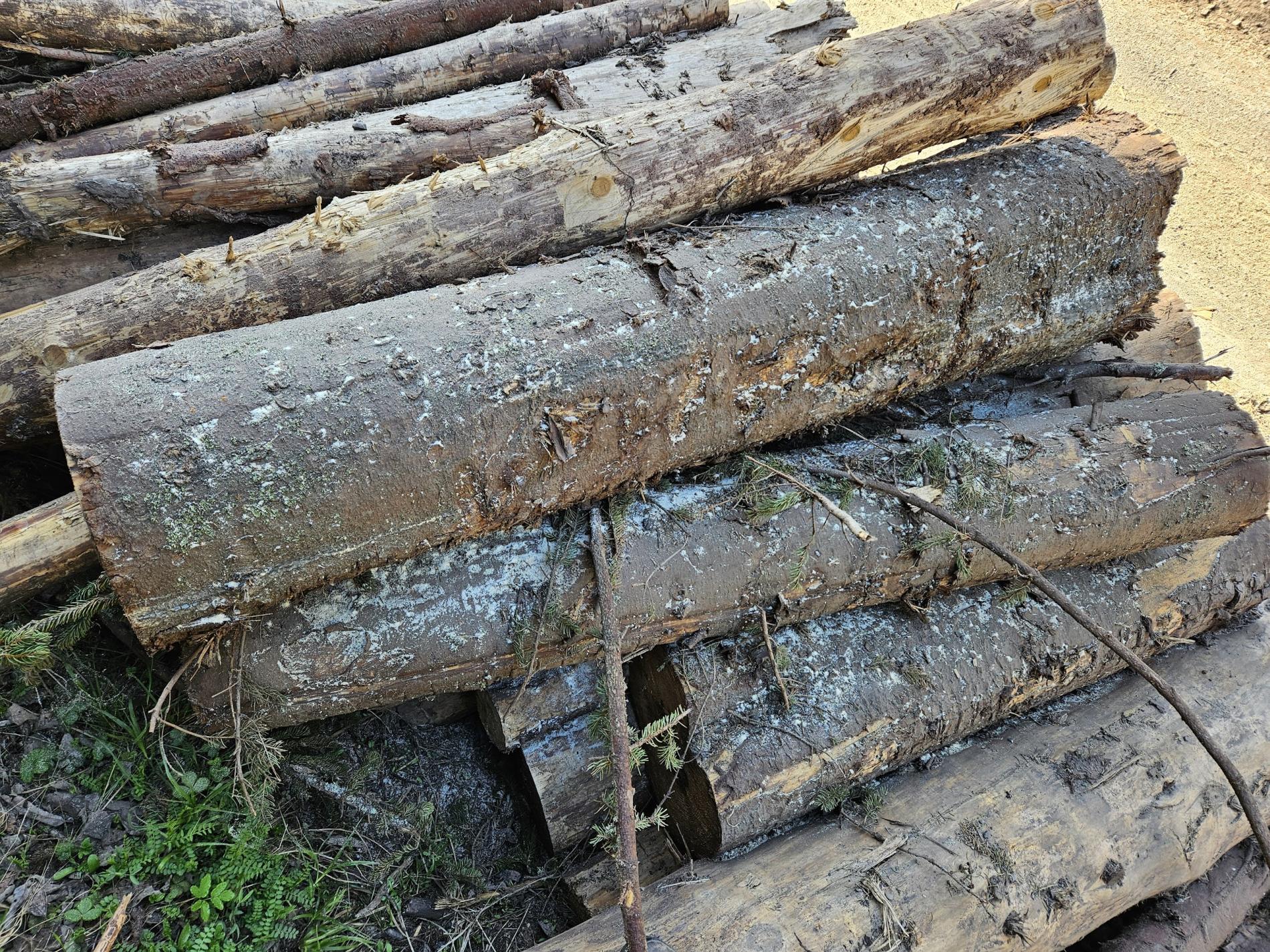
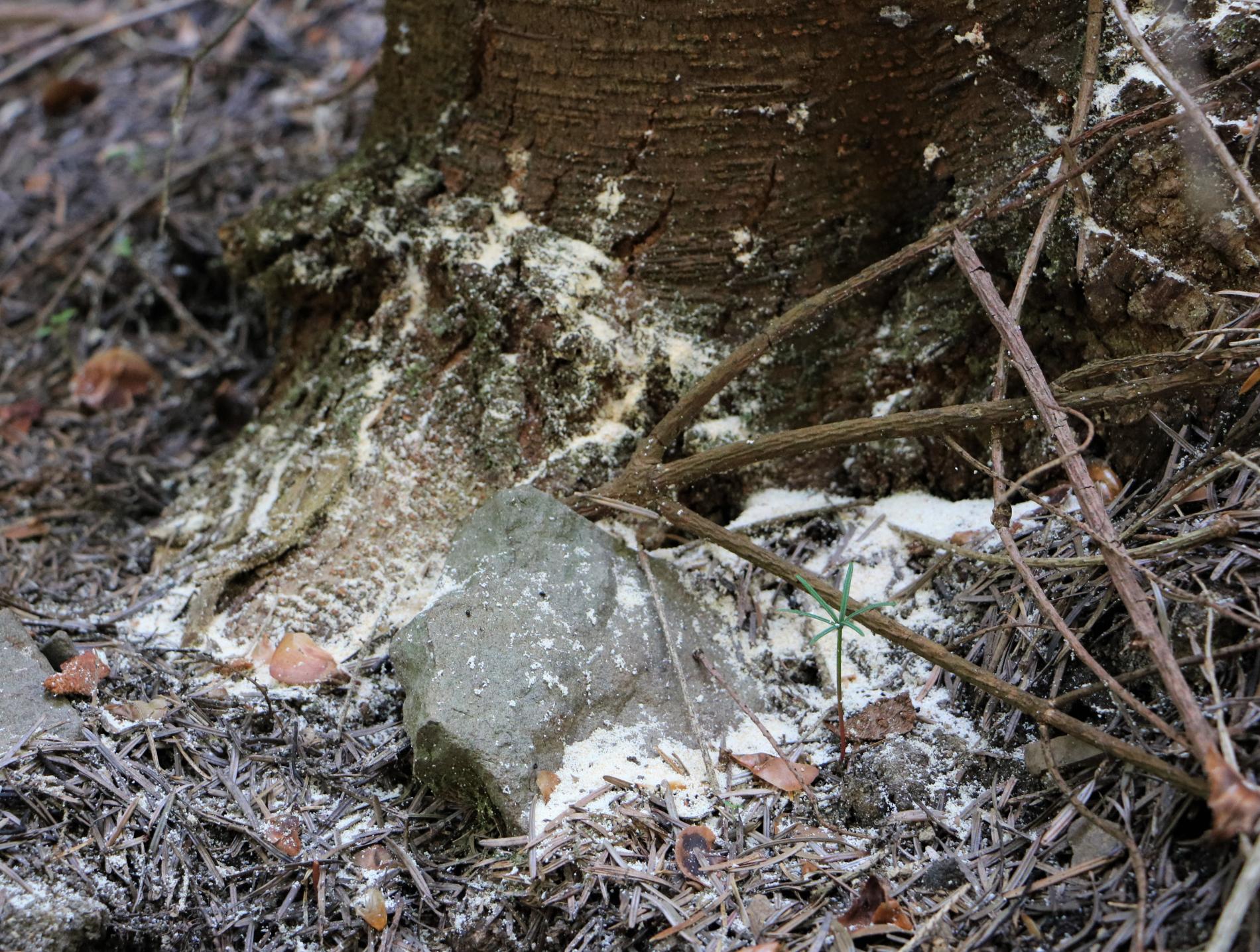
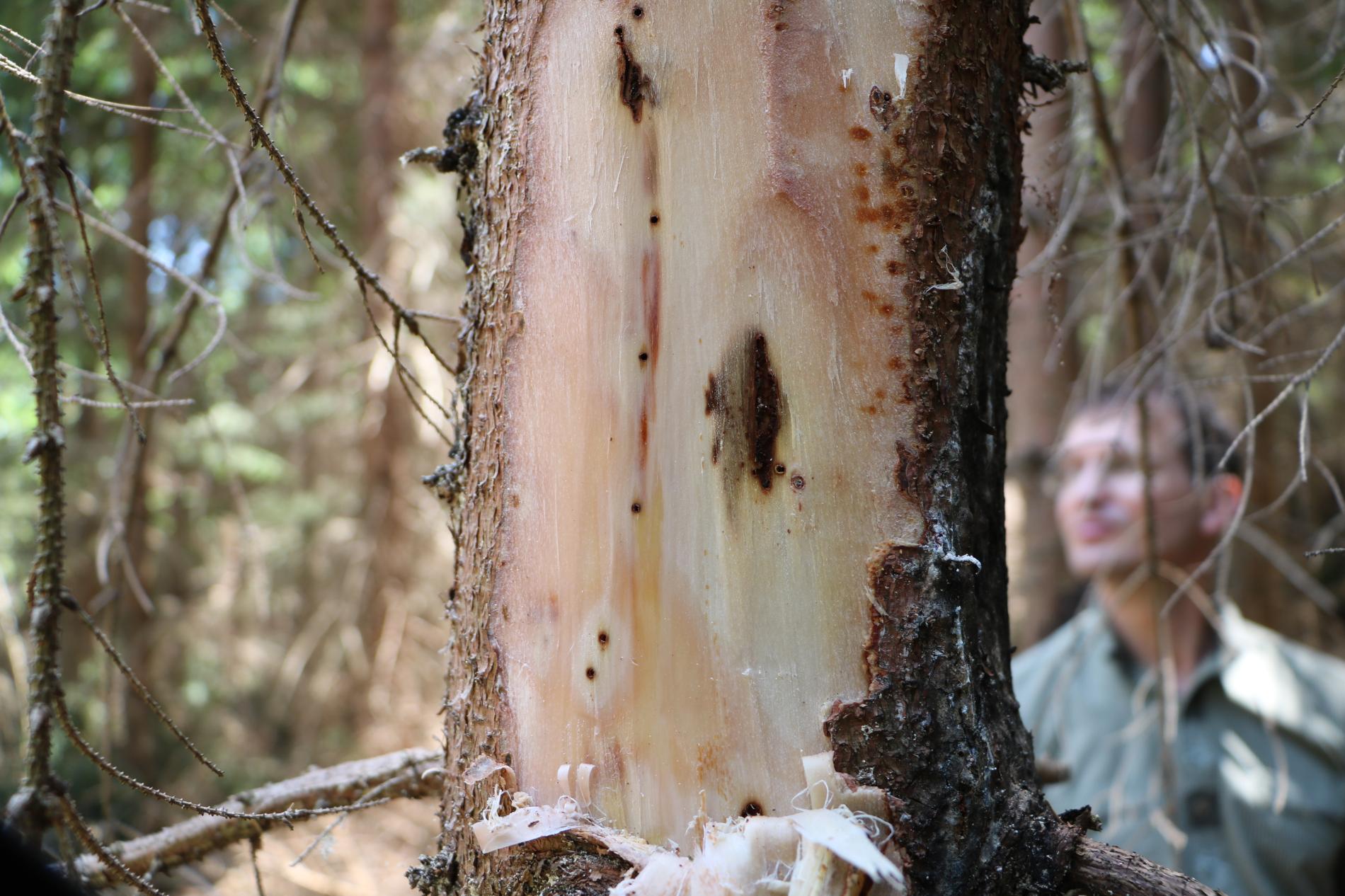
The beetle is 2.5–4 mm long. It attacks languishing, weakened trees, cut down trunks and fresh stumps in forests situated in moist localities. It pushes small whitish wood debris out of galleries. It swarms in March and April. Mating takes place on the surface of the bark after which the females bore into the log to form galleries. The females lay eggs in a typical ladder-like gallery. It belongs to the so-called ambrosia beetles. The larvae need the fungus Trichosporium ferrugineum for their development. It grows inside the larval chambers, its hyphae and spores are a component of food for both larvae and adults. Widespread everywhere in coniferous forest in mountainous areas.
The females lay eggs in a typical ladder-like gallery.
Tree Species: Pine, Fir, Spruce, Larch
Part of a plant- attacked: Tree trunk
Pest significance: Very harmful
Pest Category: Insects
Invasive Species: No
Present in EU: Yes
Pest group: Insect
Affected part of wood: Sapwood
Depth of damages: Bark, Under bark only, Up to 0,5 cm depth, Up to 2 cm depth, Up to 5 cm depth
The extent of damage: Whole trunk
Prevalence in Europe: Common
Damaged products: Firewood, Fresh timber logs (water still in the sapwood), Furniture, Lumber, boards and prisms, Wooden house constructions
Roundwood size: Diameter from 10 up to 50 cm, Diameter up to 10 cm
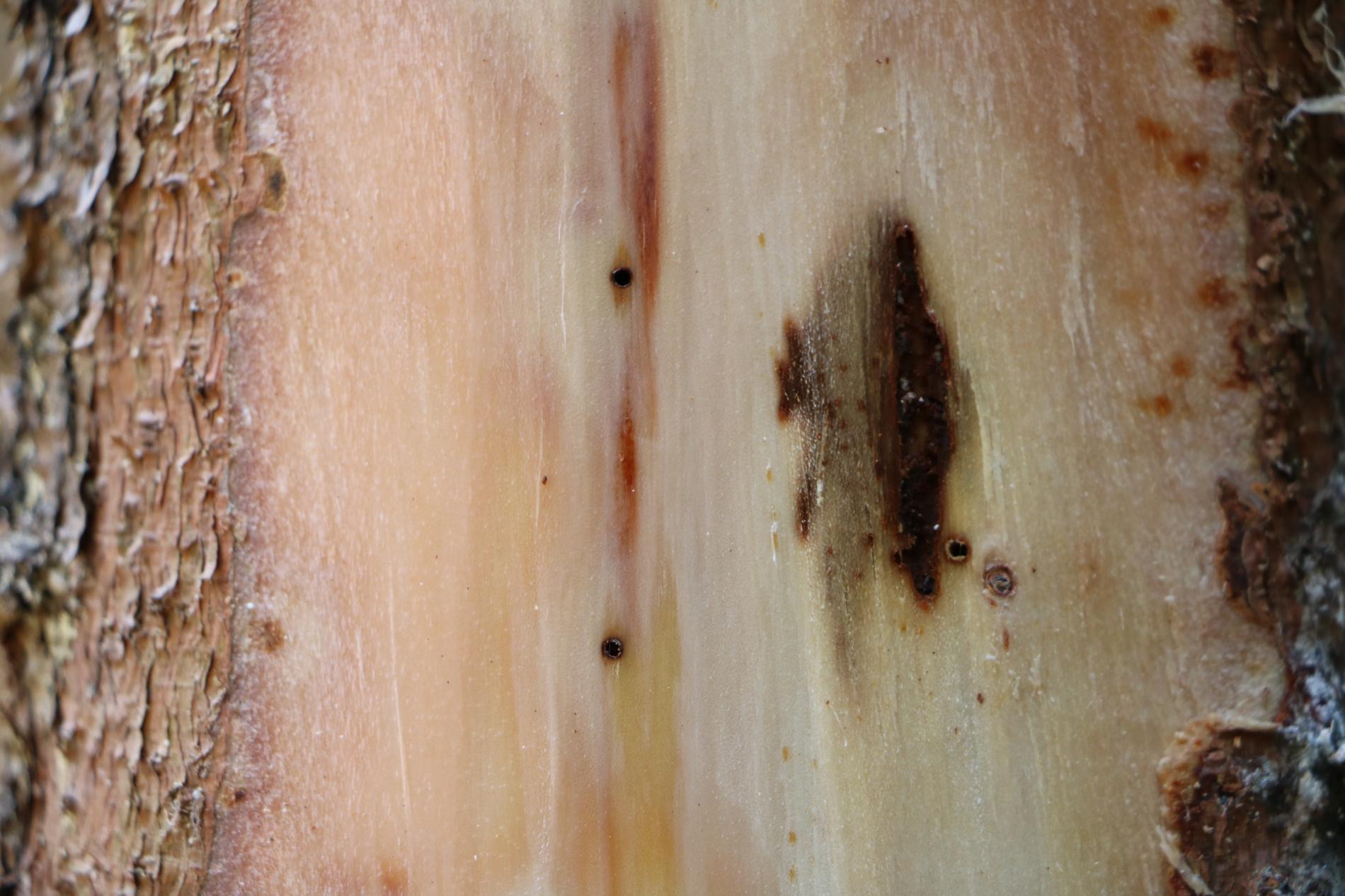
Wood discoloration: Yes
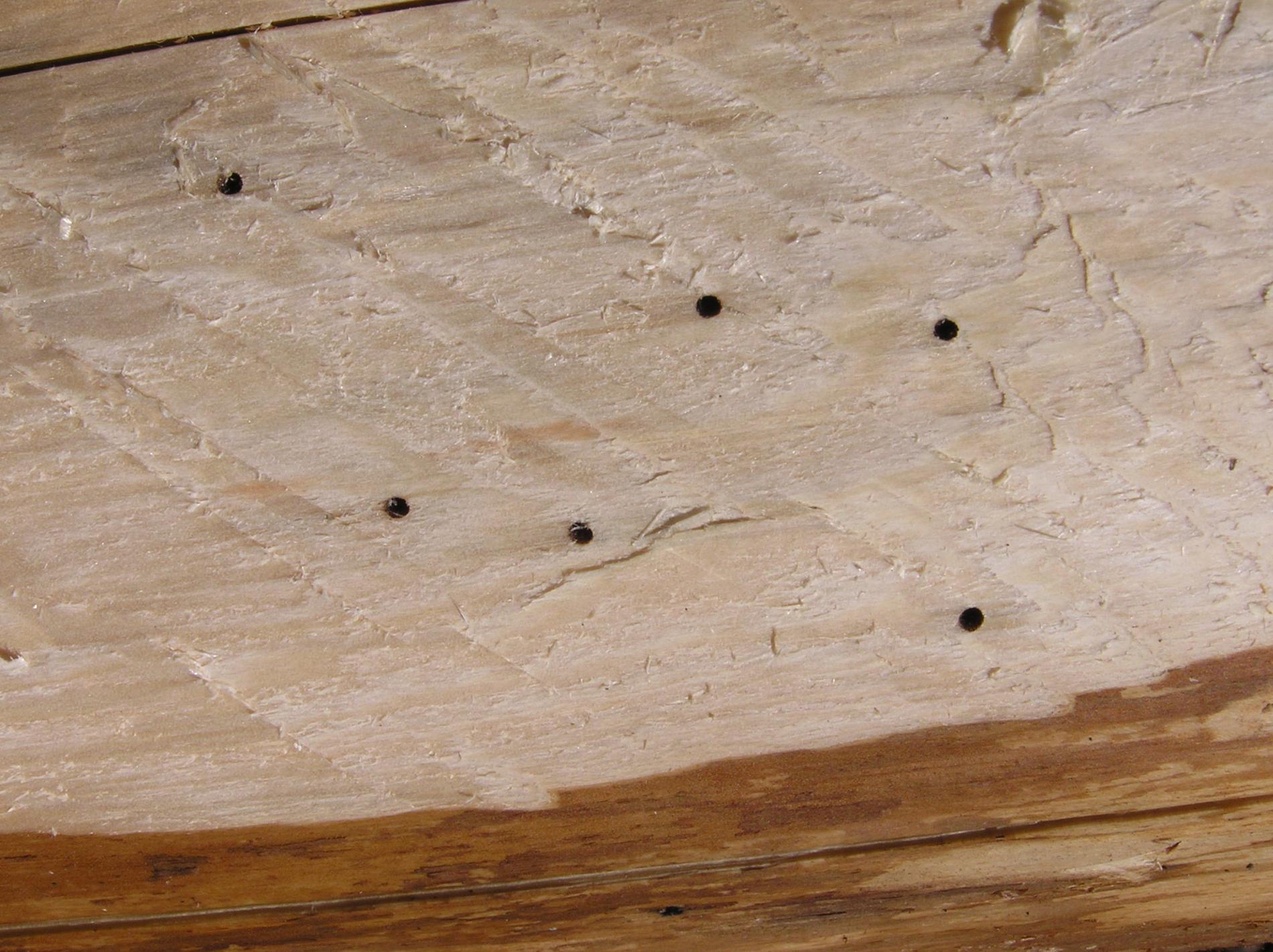
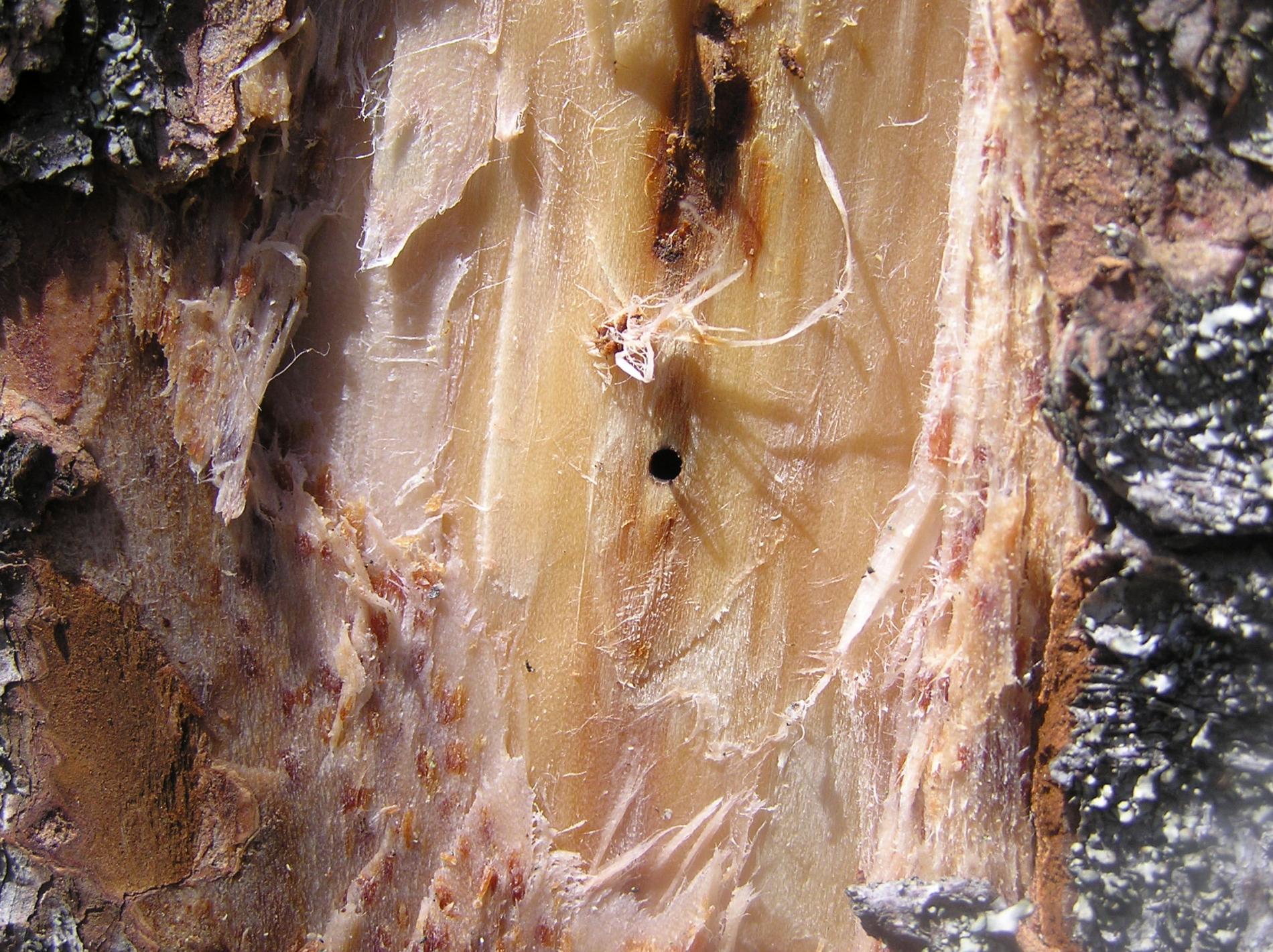
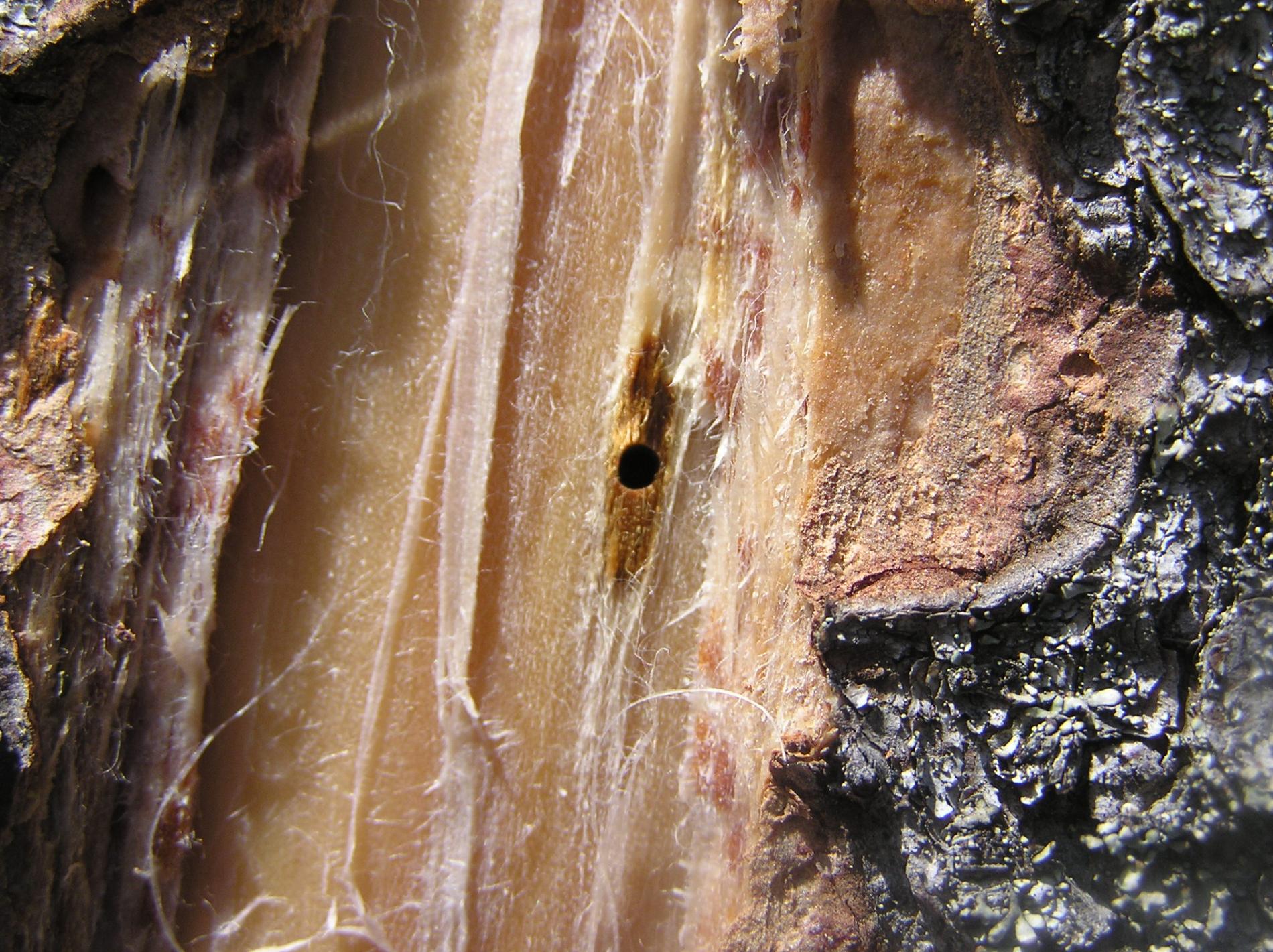
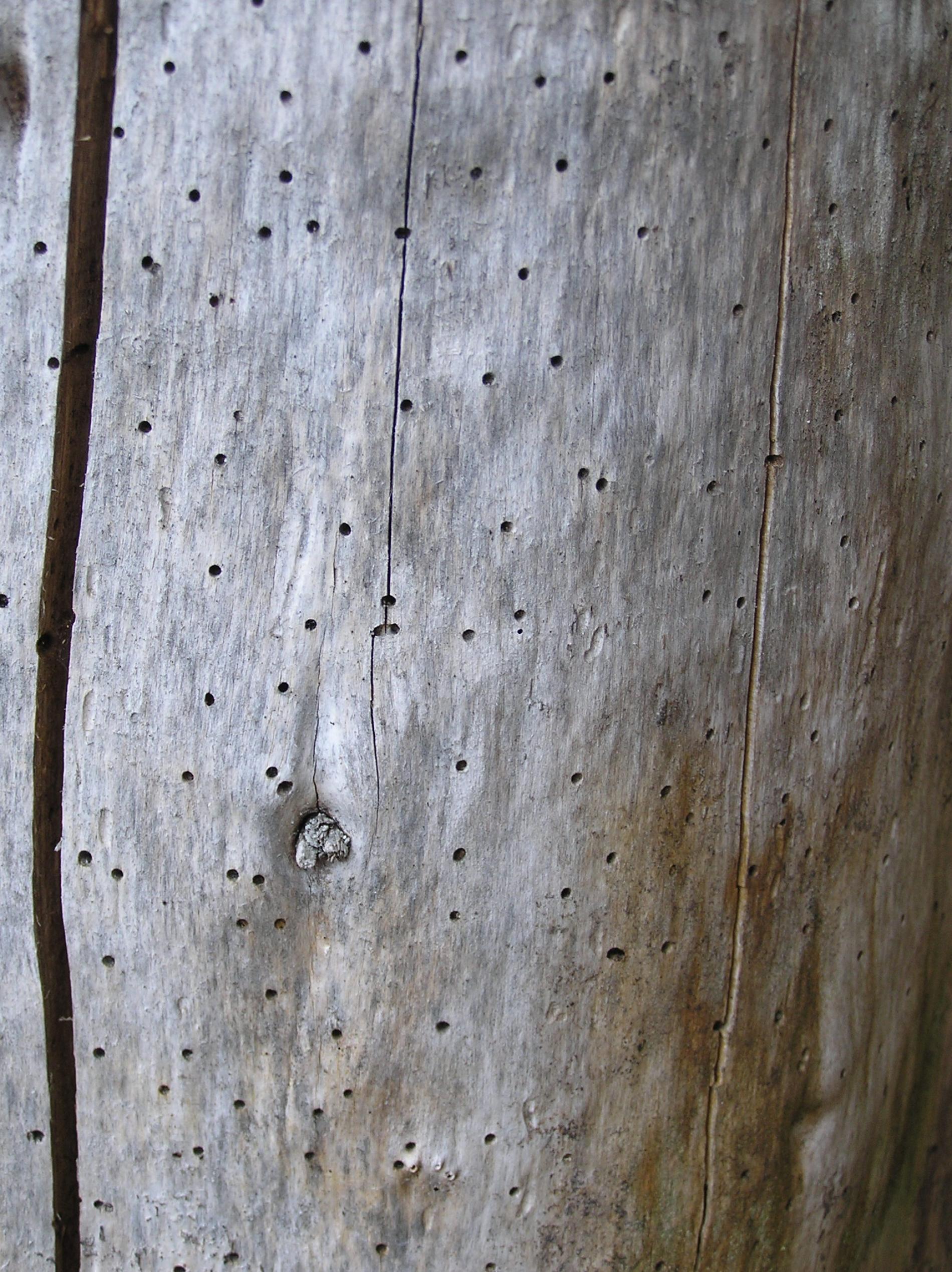
Exit holes: Round
Pest subcategory: Wood-boring insect
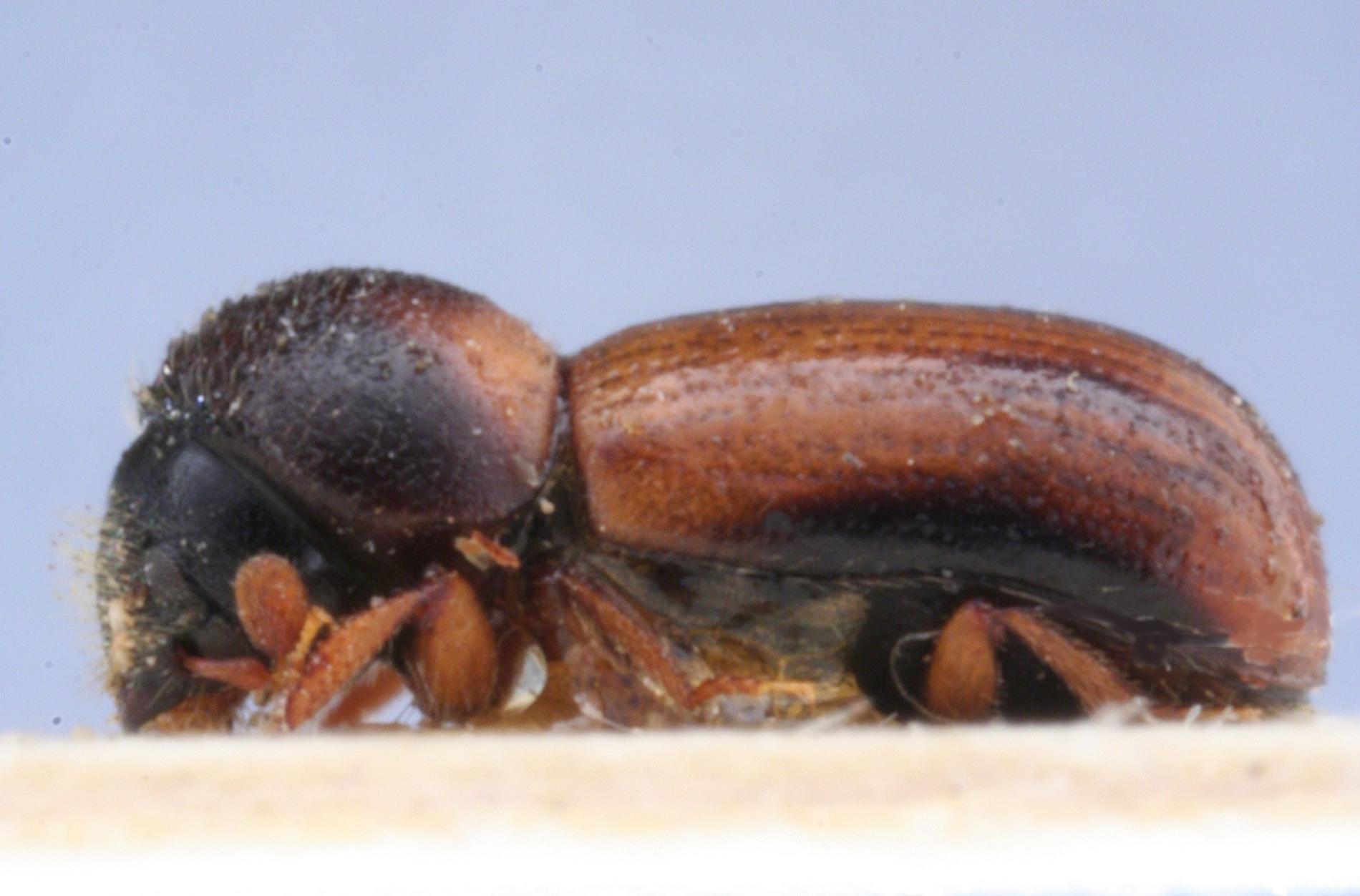
Similar pests

Hylecoetus dermestoides

Trypodendron domesticum
