


Trypodendron domesticum
European hardwood ambrosia beetle
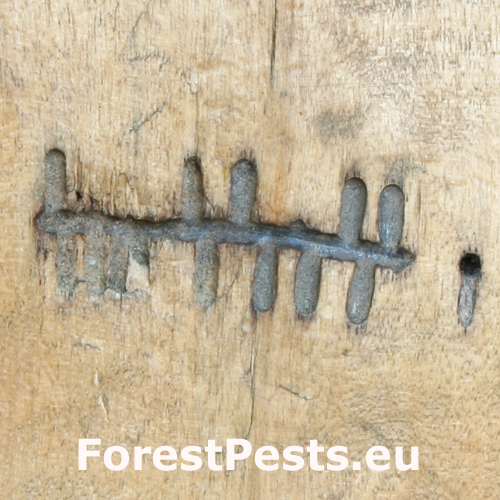
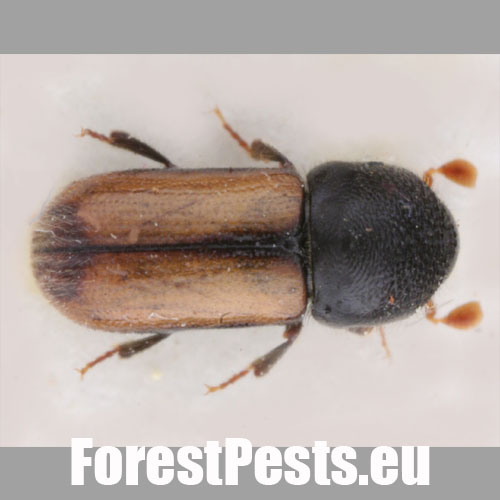
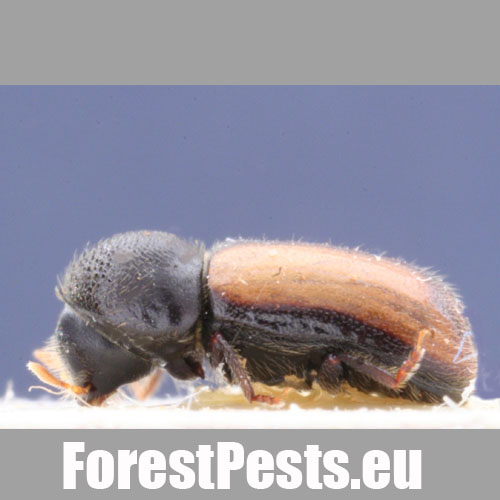
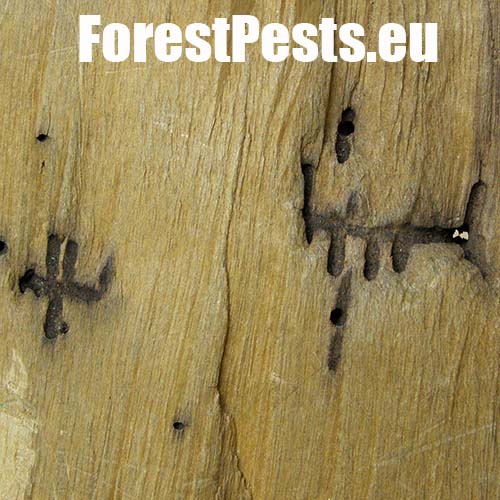
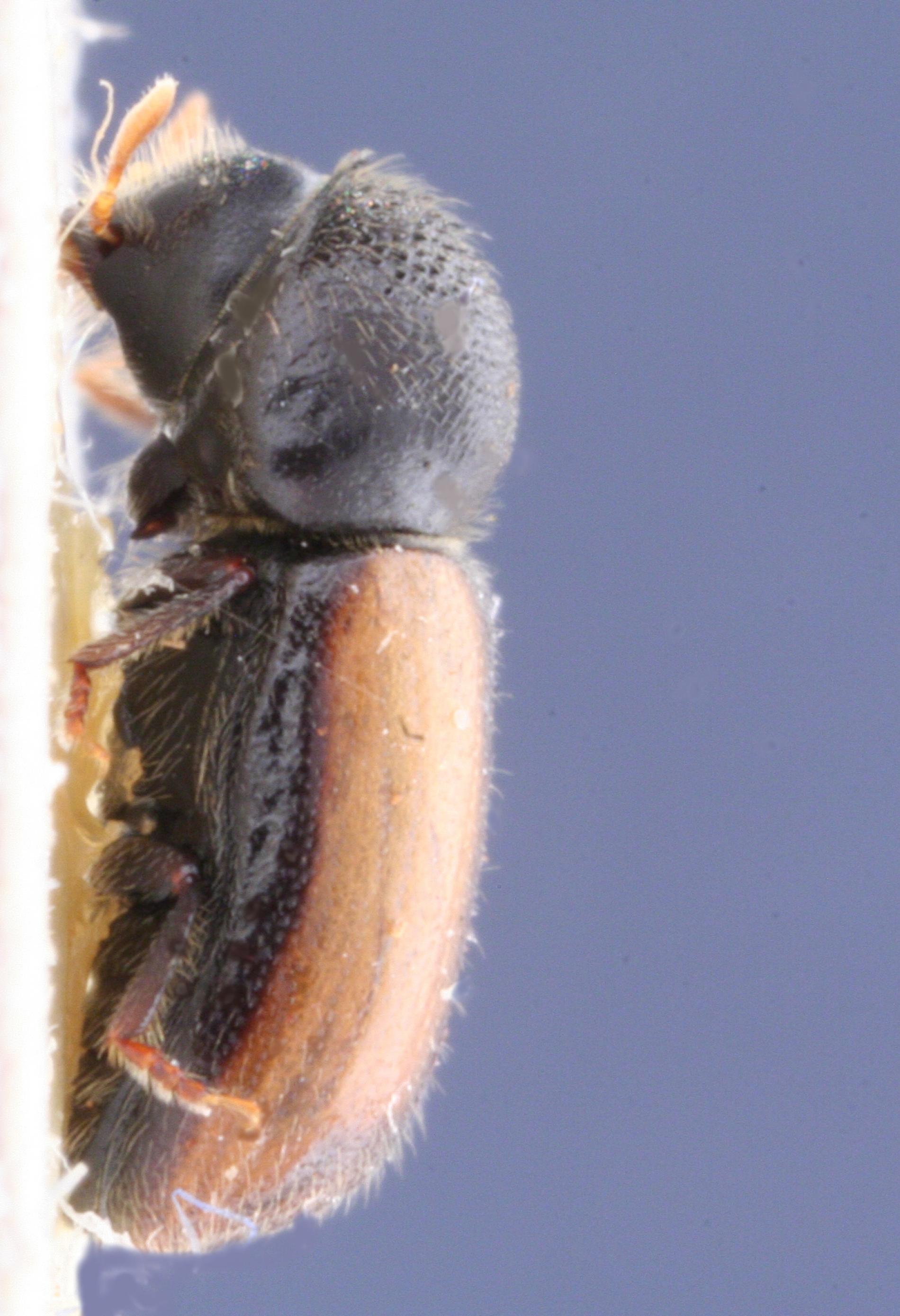
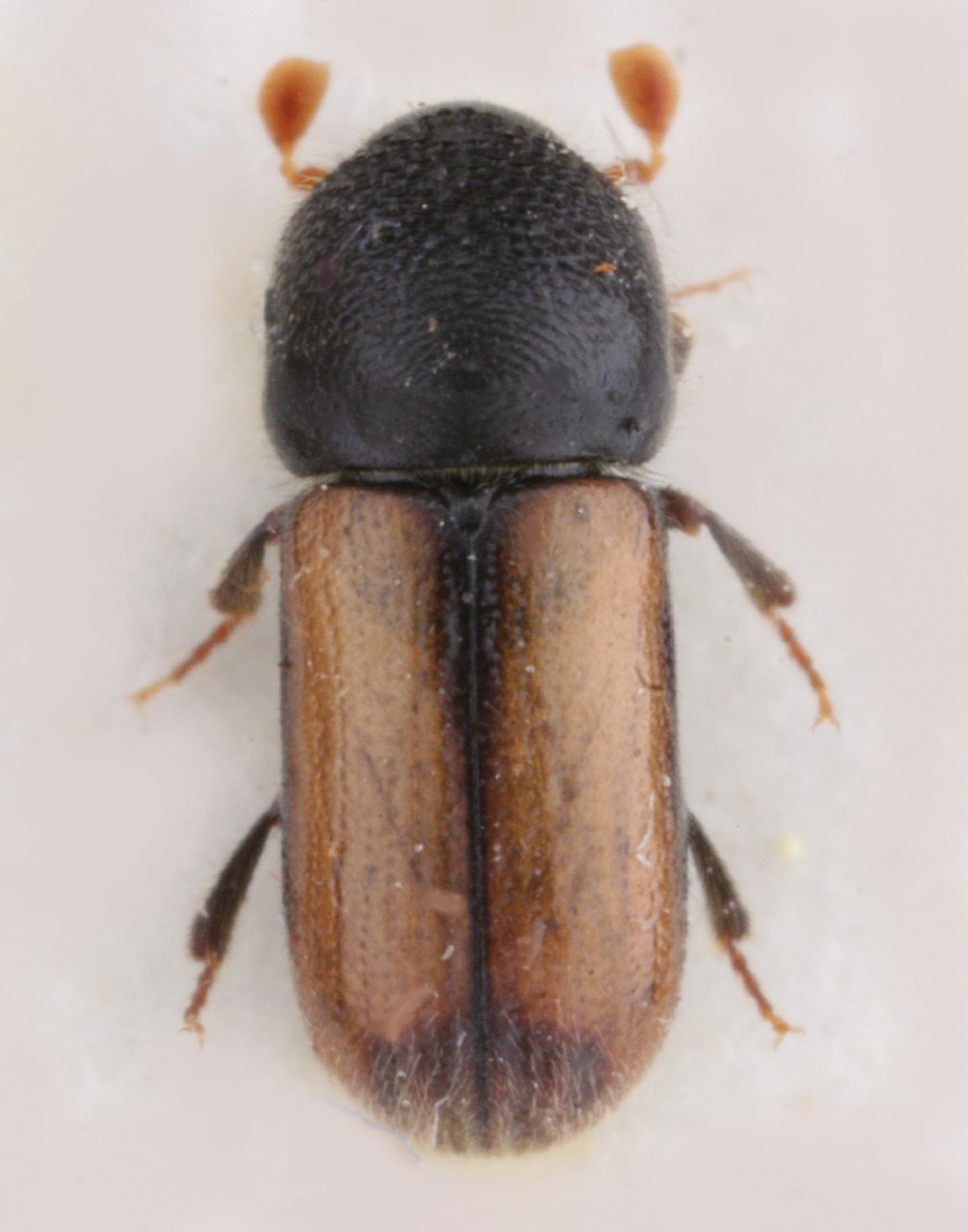
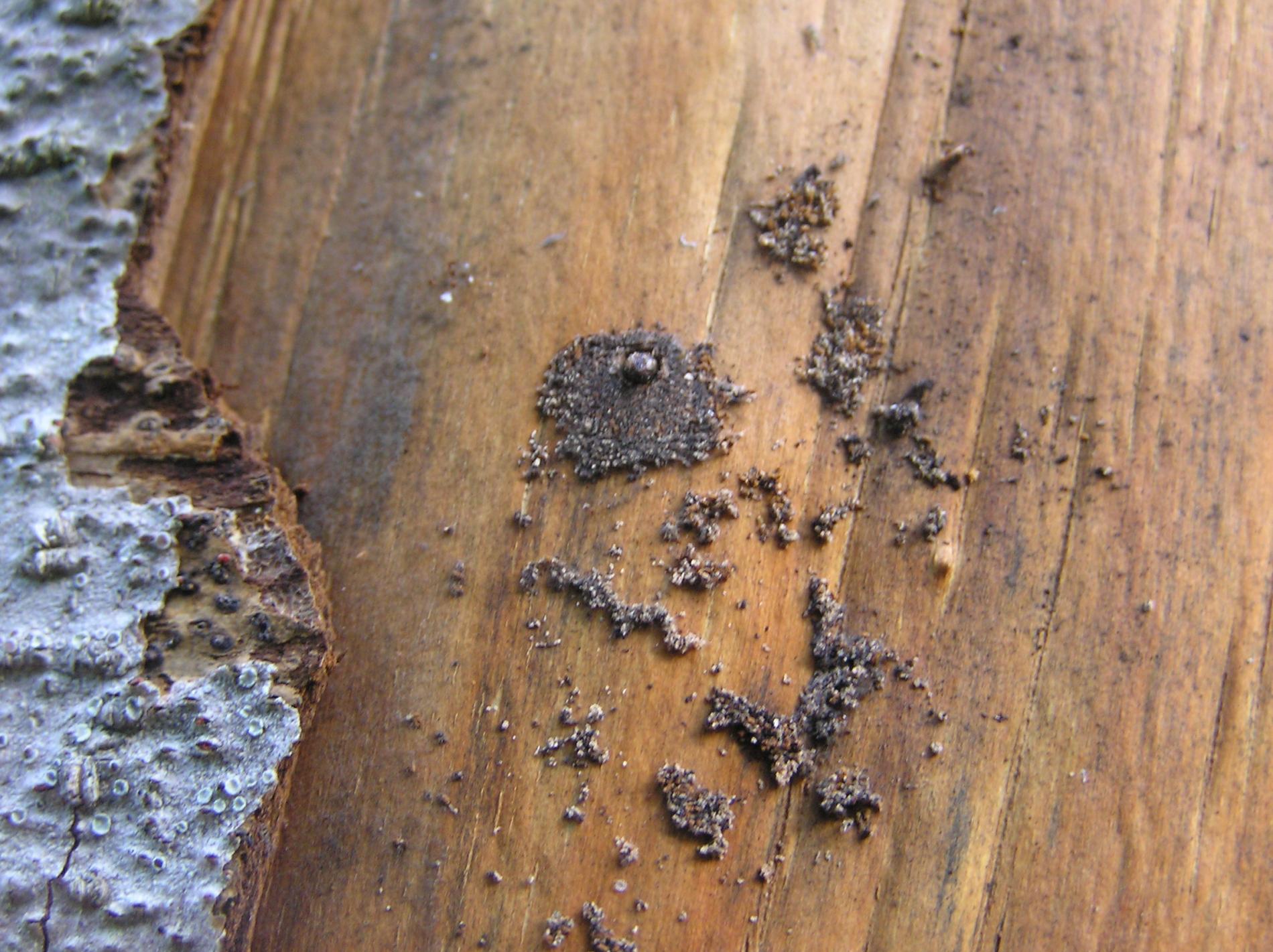
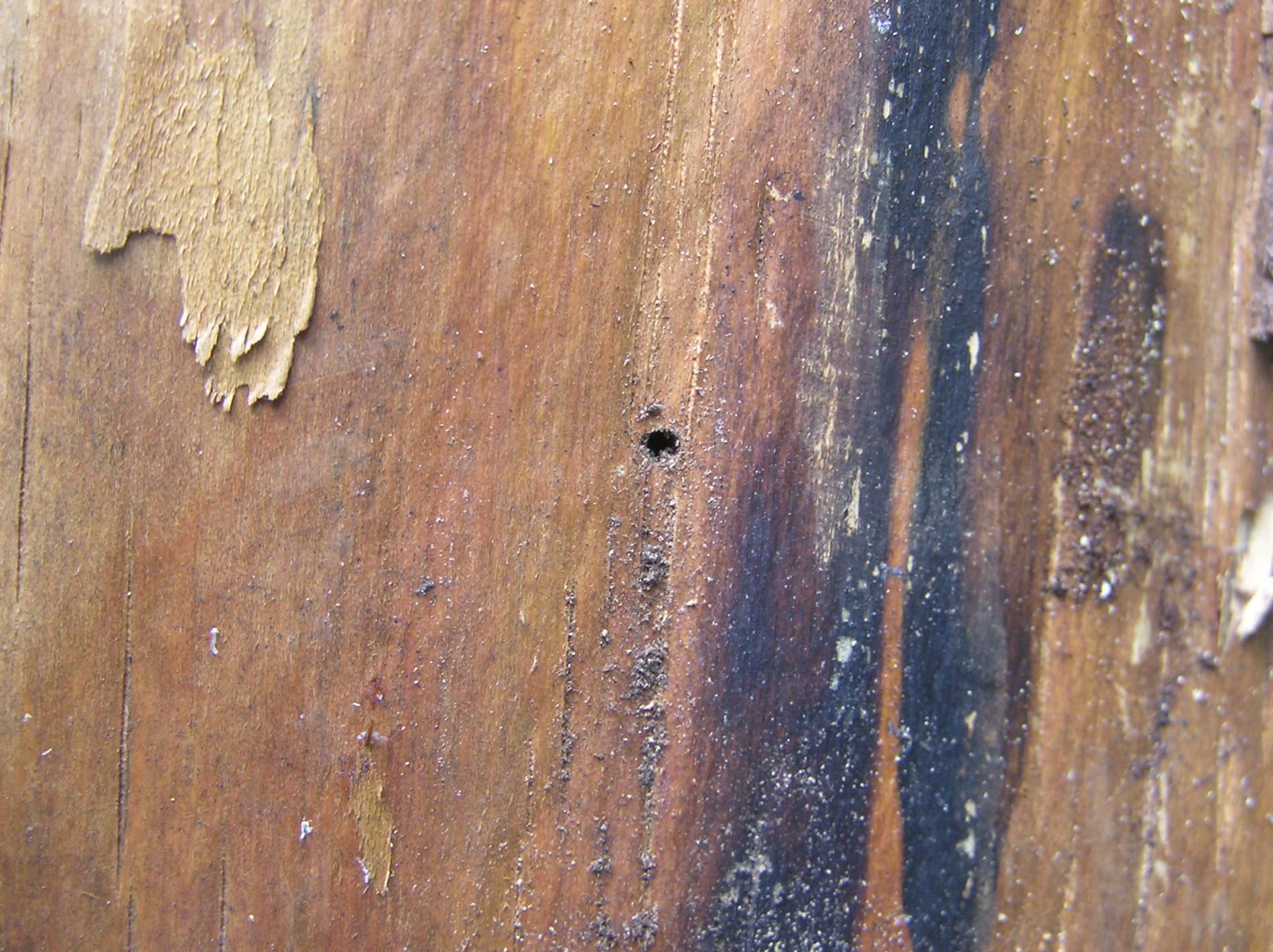
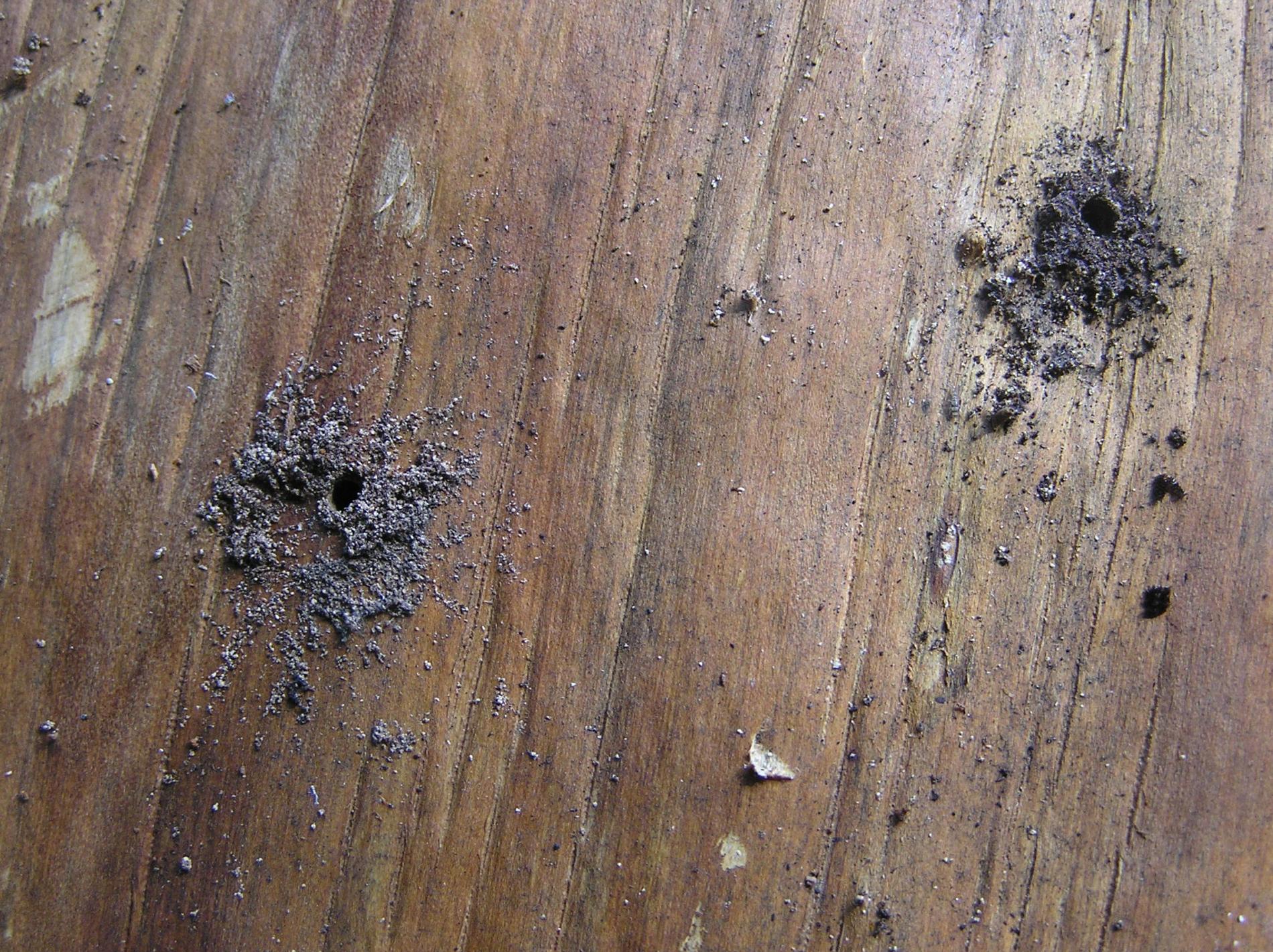
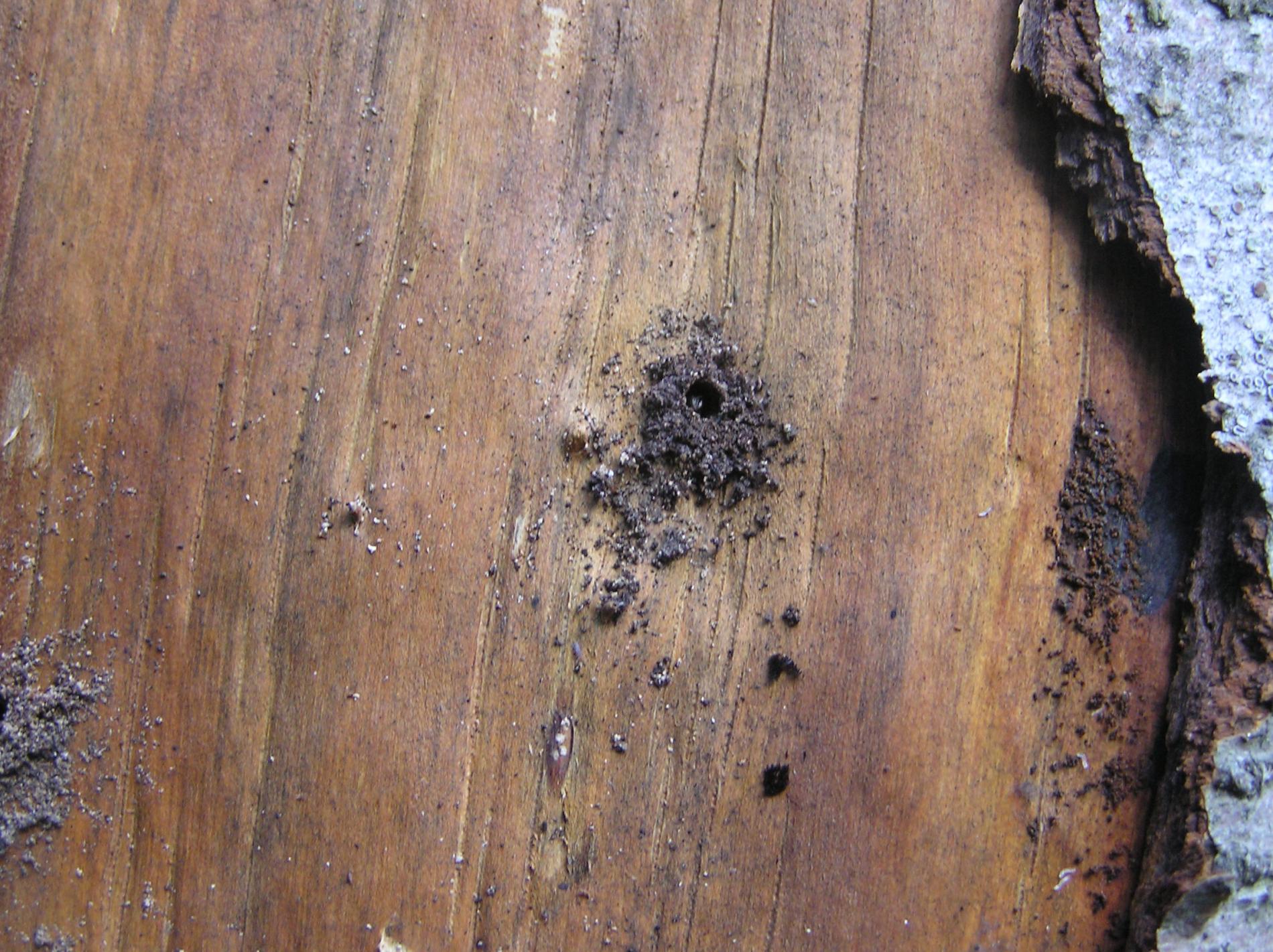
The adult beetle is about 3–3.5 mm long. The female excavates branching galleries in wood and infects them with ambrosia fungi. Both larvae and adults feed on the fungi. Each larva excavates a short tunnel axially to the trunk in which it lives and also pupates. The larvae push a high amount of wood debris in the form of a whitish powder out of the holes in wood. It swarms in early spring and has one generation per year. This ambrosia beetle is a significant technical wood pest causing damage mainly to Fagus spp. In Europe it has two other, similar relatives. On conifers occur the strip ambrosia beetle Trypodendron lineatum and on oaks the ambrosia beetle Trypodendron signatum.
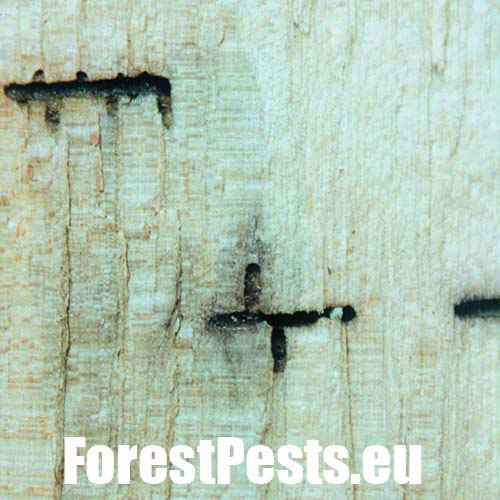
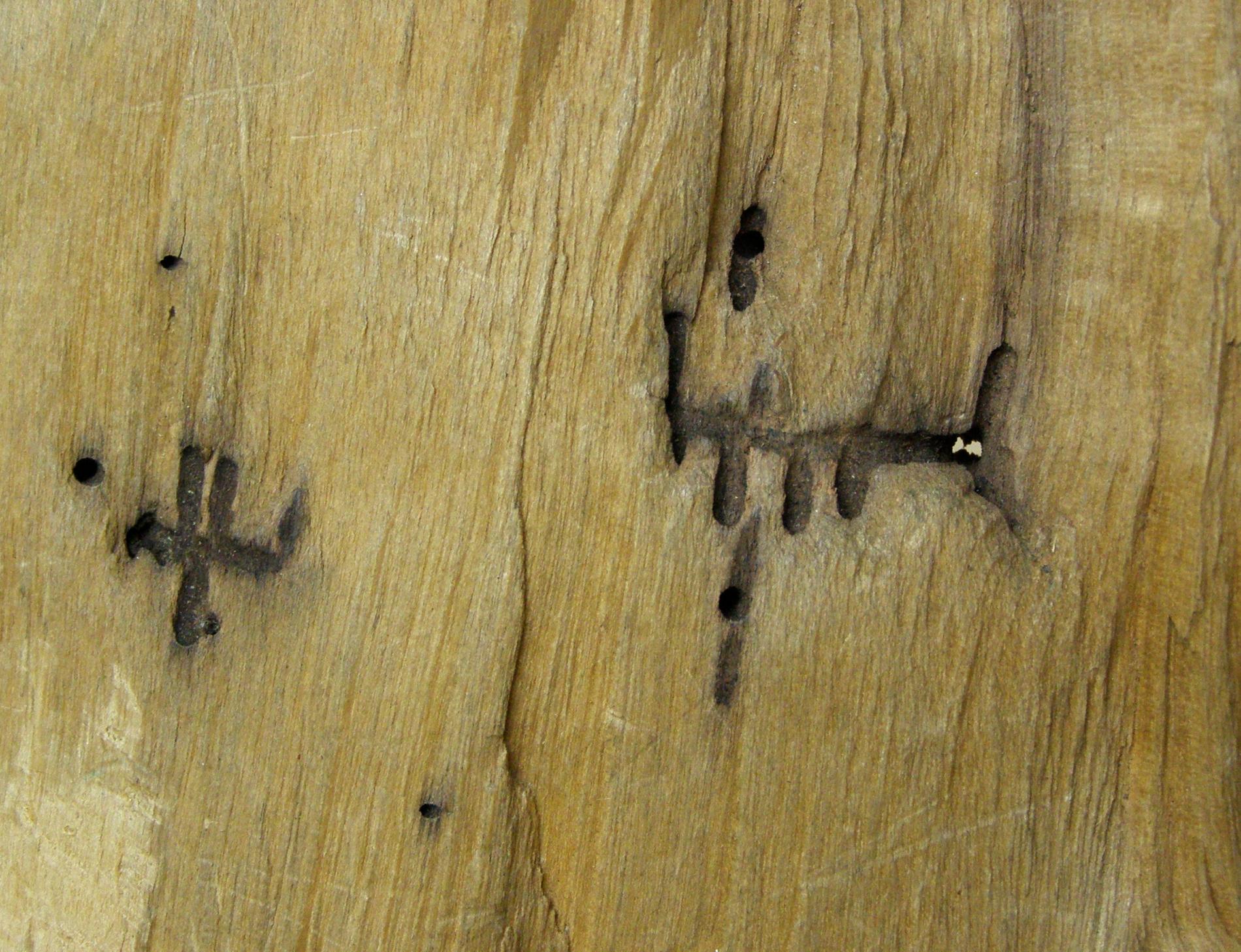
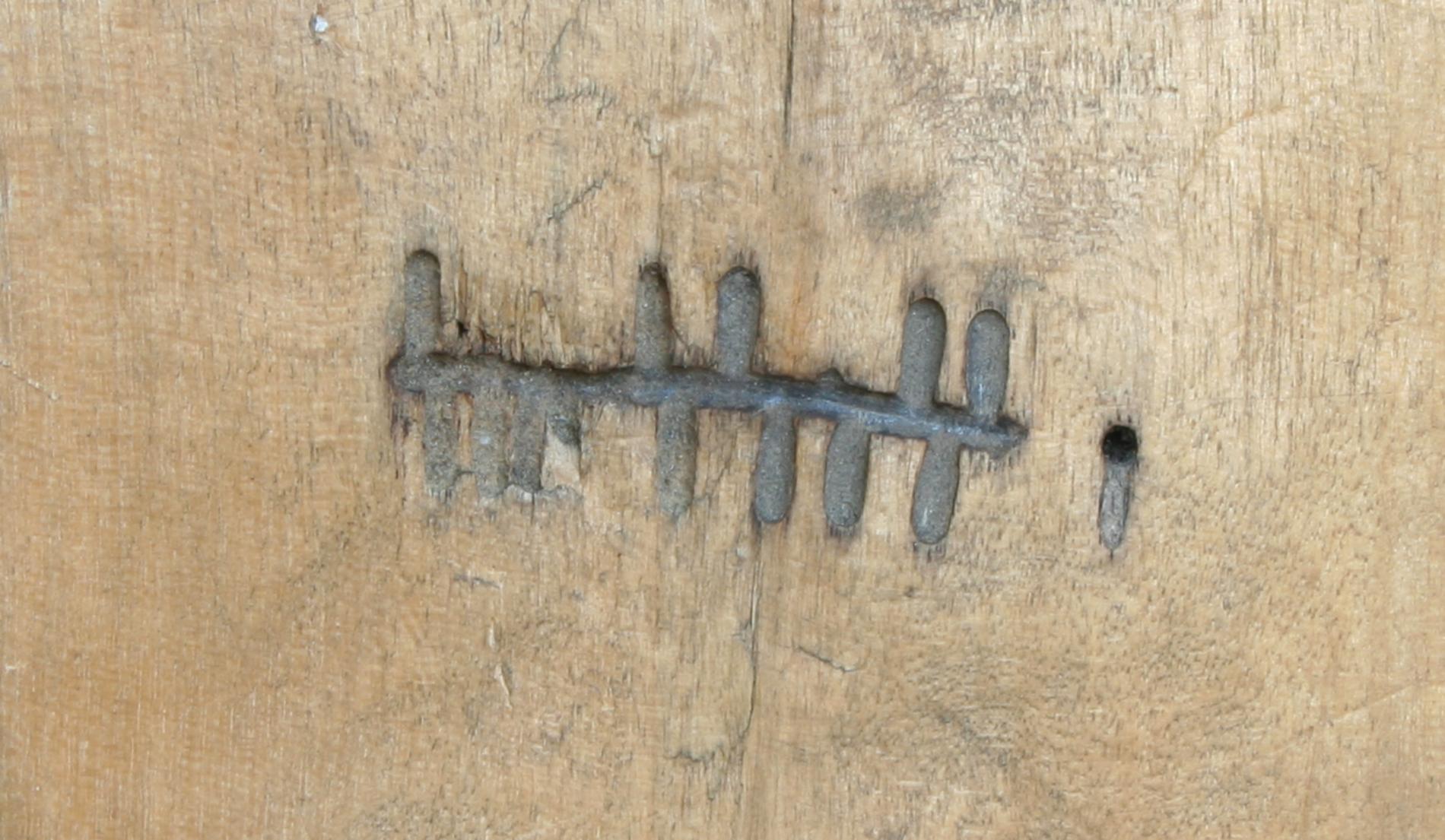
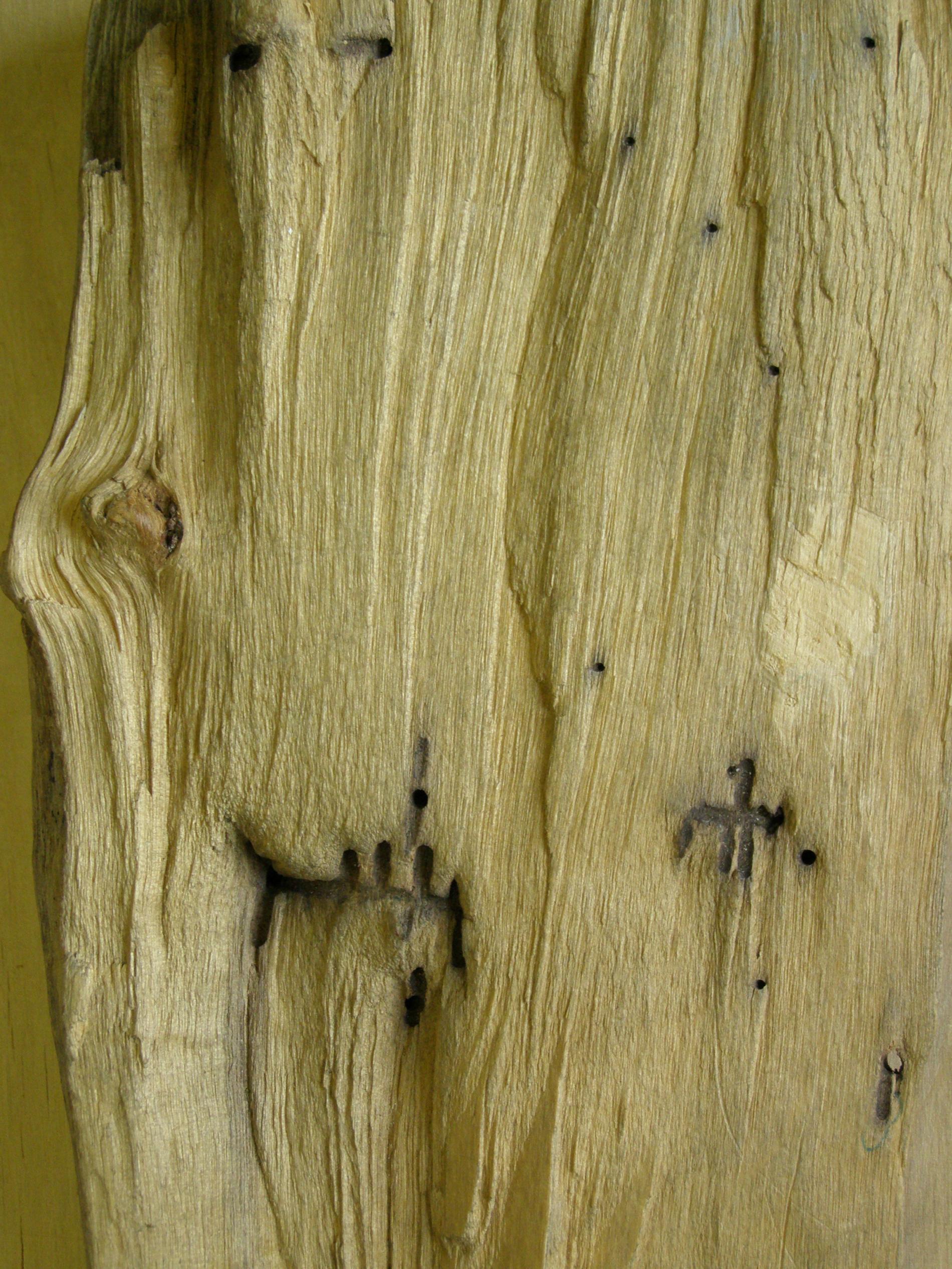
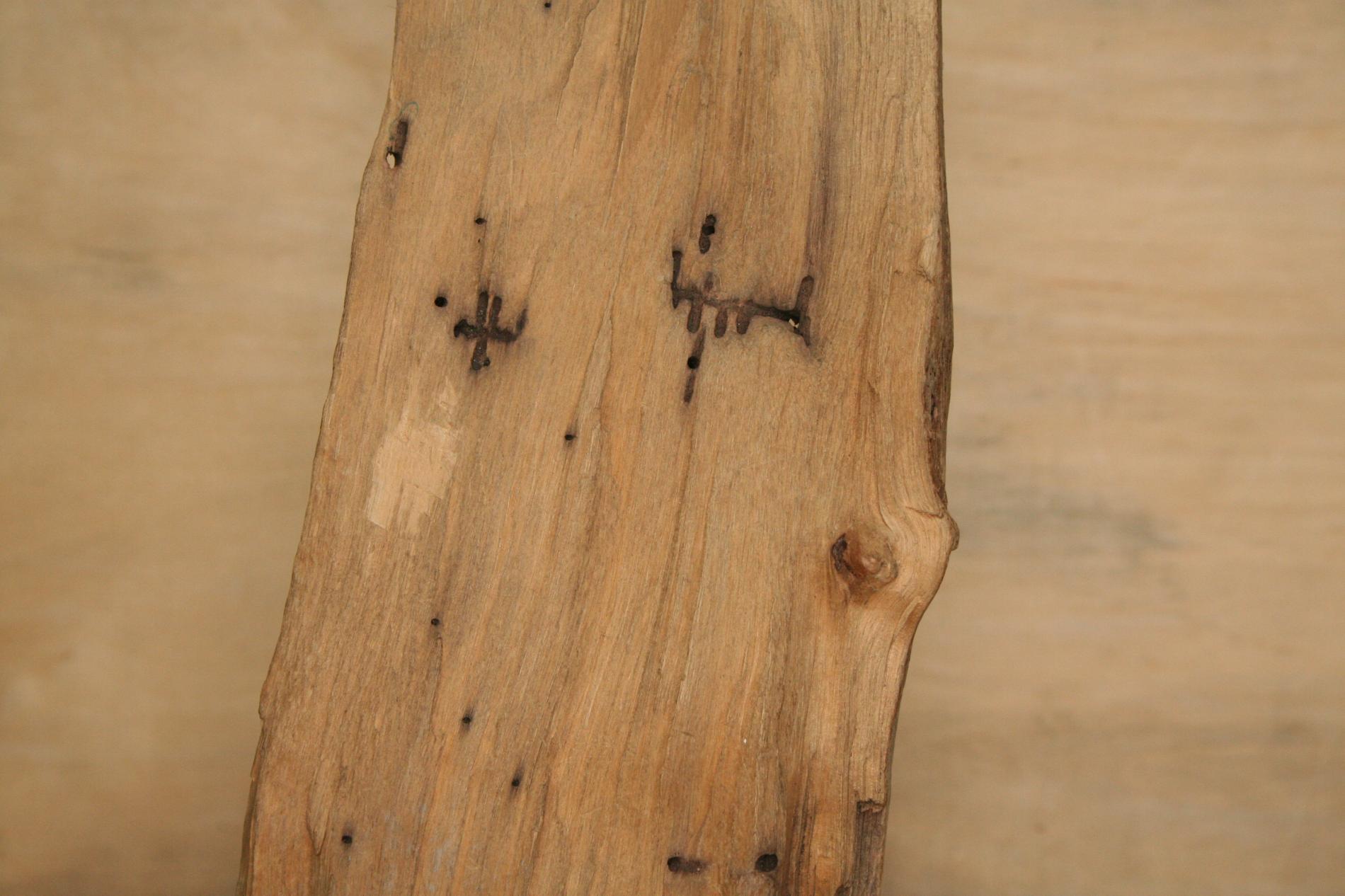
Black, ladder-like gallery in wood.
Tree Species: Birch, Beech, Oak, Maple, Alder, Lime
Part of a plant- attacked: Tree trunk
Pest significance: Harmful
Pest Category: Insects
Invasive Species: No
Present in EU: Yes
Pest group: Insect
Affected part of wood: Sapwood
Depth of damages: Bark, More than 5 cm depth, Under bark only, Up to 0,5 cm depth, Up to 2 cm depth, Up to 5 cm depth
The extent of damage: Whole trunk
Prevalence in Europe: Common
Damaged products: Firewood, Fresh timber logs (water still in the sapwood), Lumber, boards and prisms, Wooden house constructions
Roundwood size: Diameter from 10 up to 50 cm
Wood discoloration: Yes
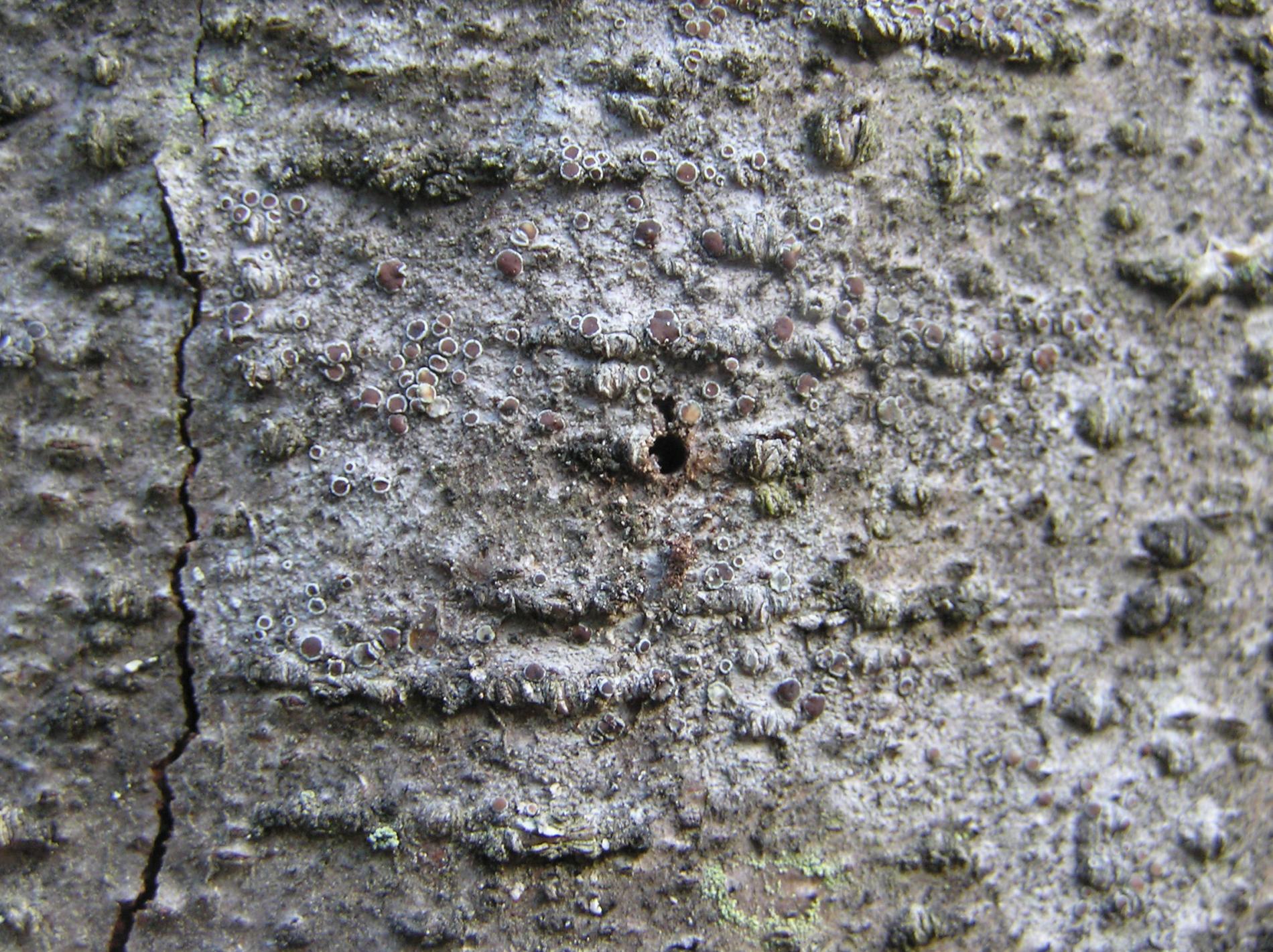
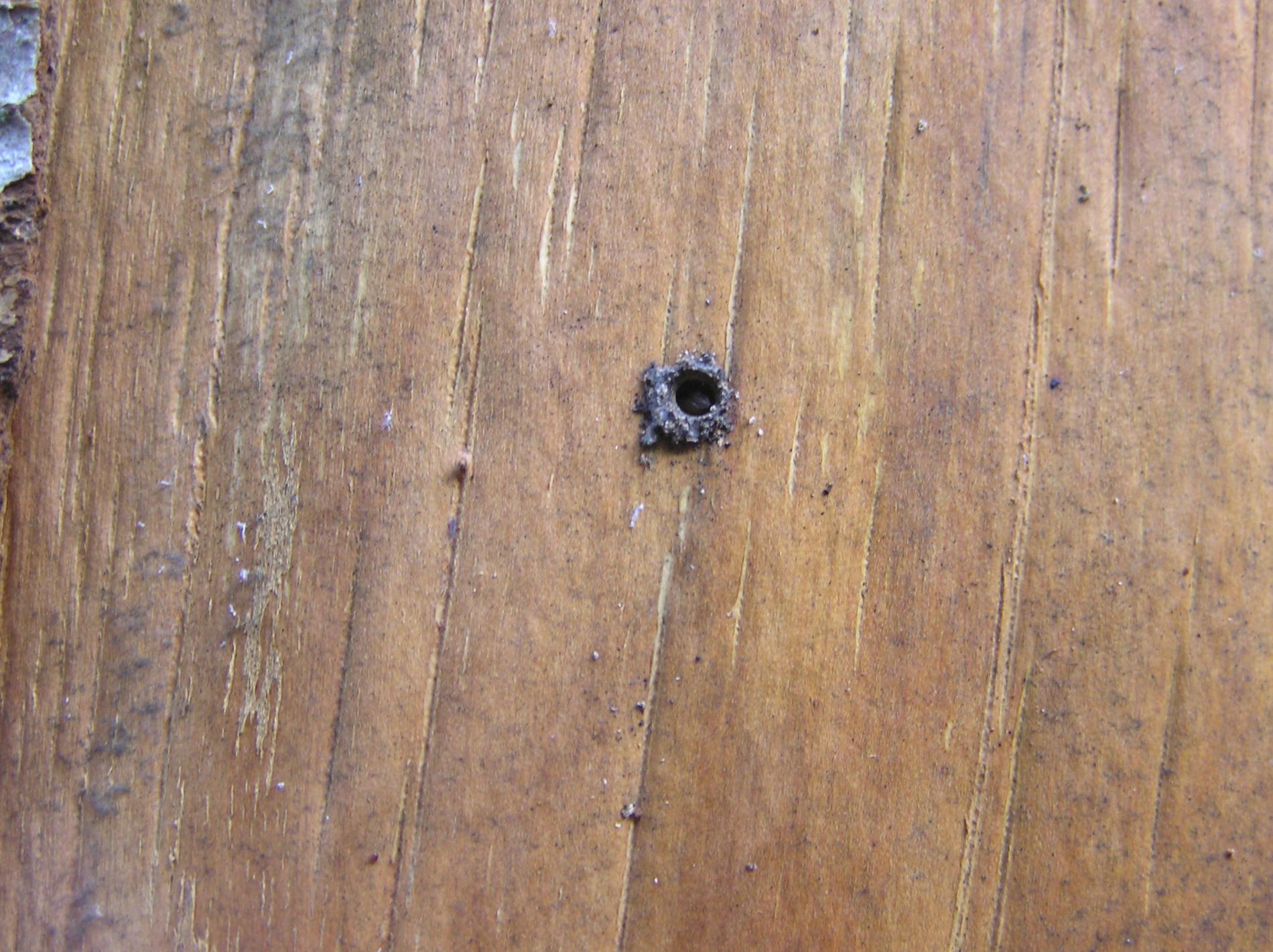
Exit holes: Round
Pest subcategory: Wood-boring insect
Similar pests

Ptilinus pectinicornis

Ernoporicus fagi
