


Treptoplatypus oxyurus
Treptoplatypus oxyurus
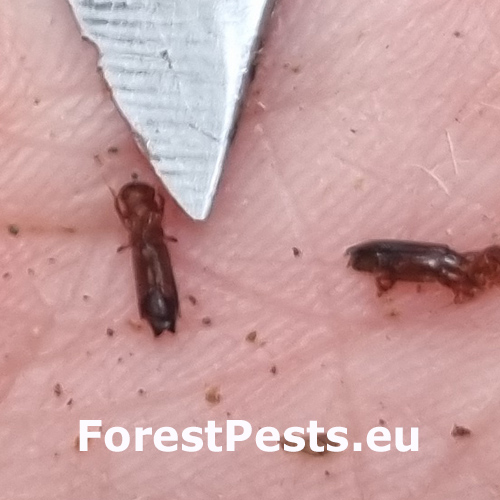
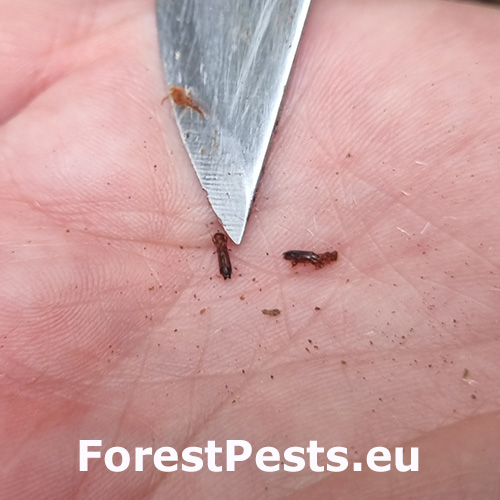
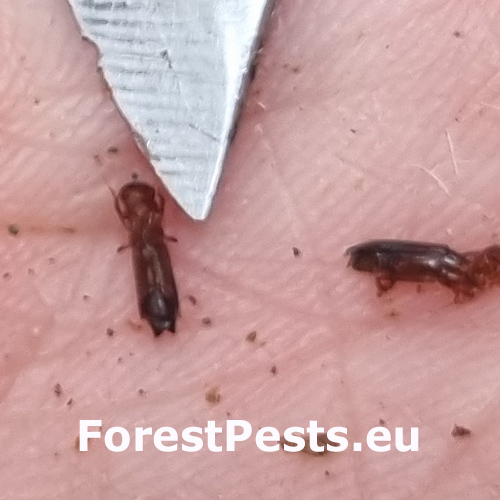
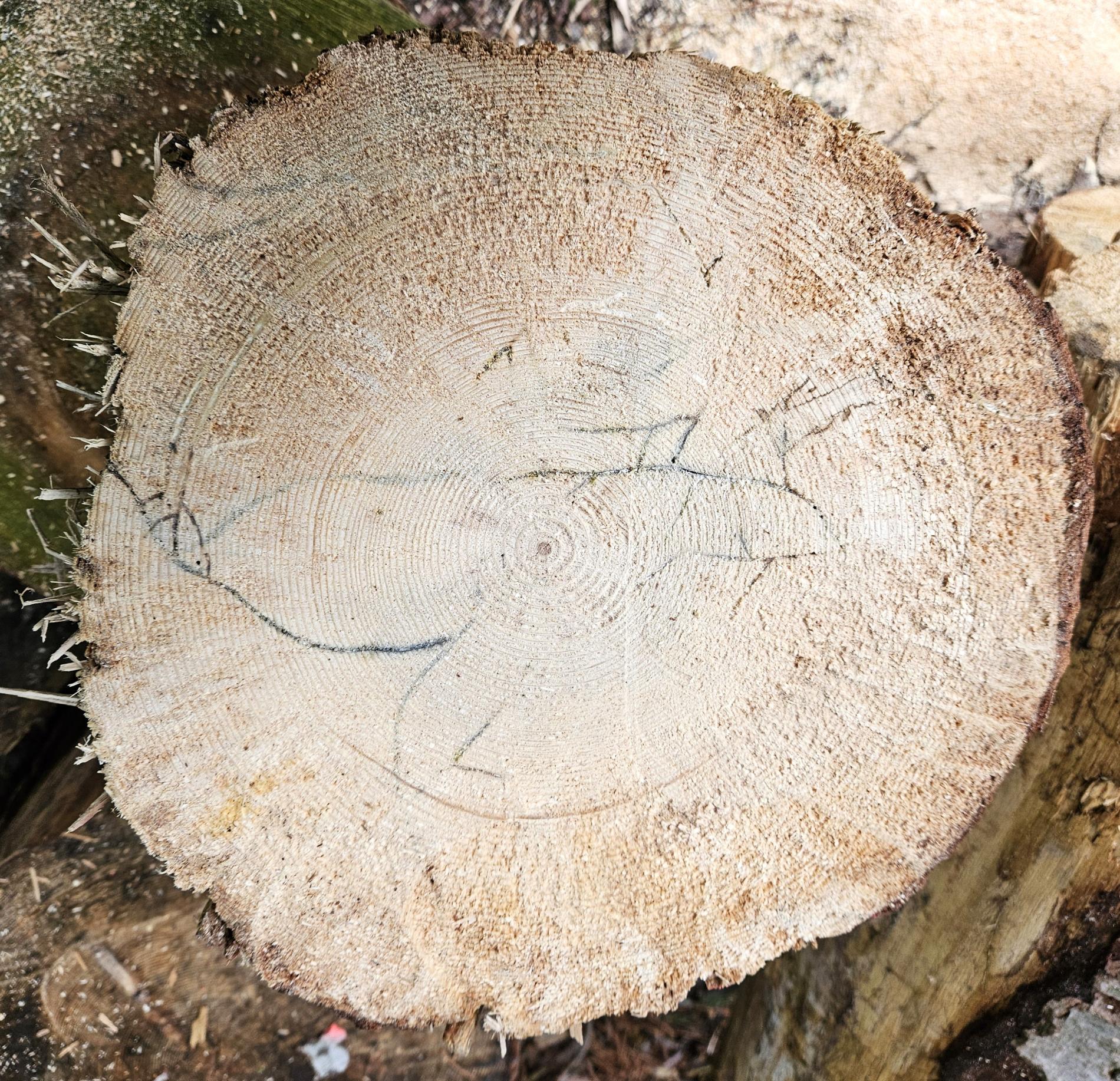
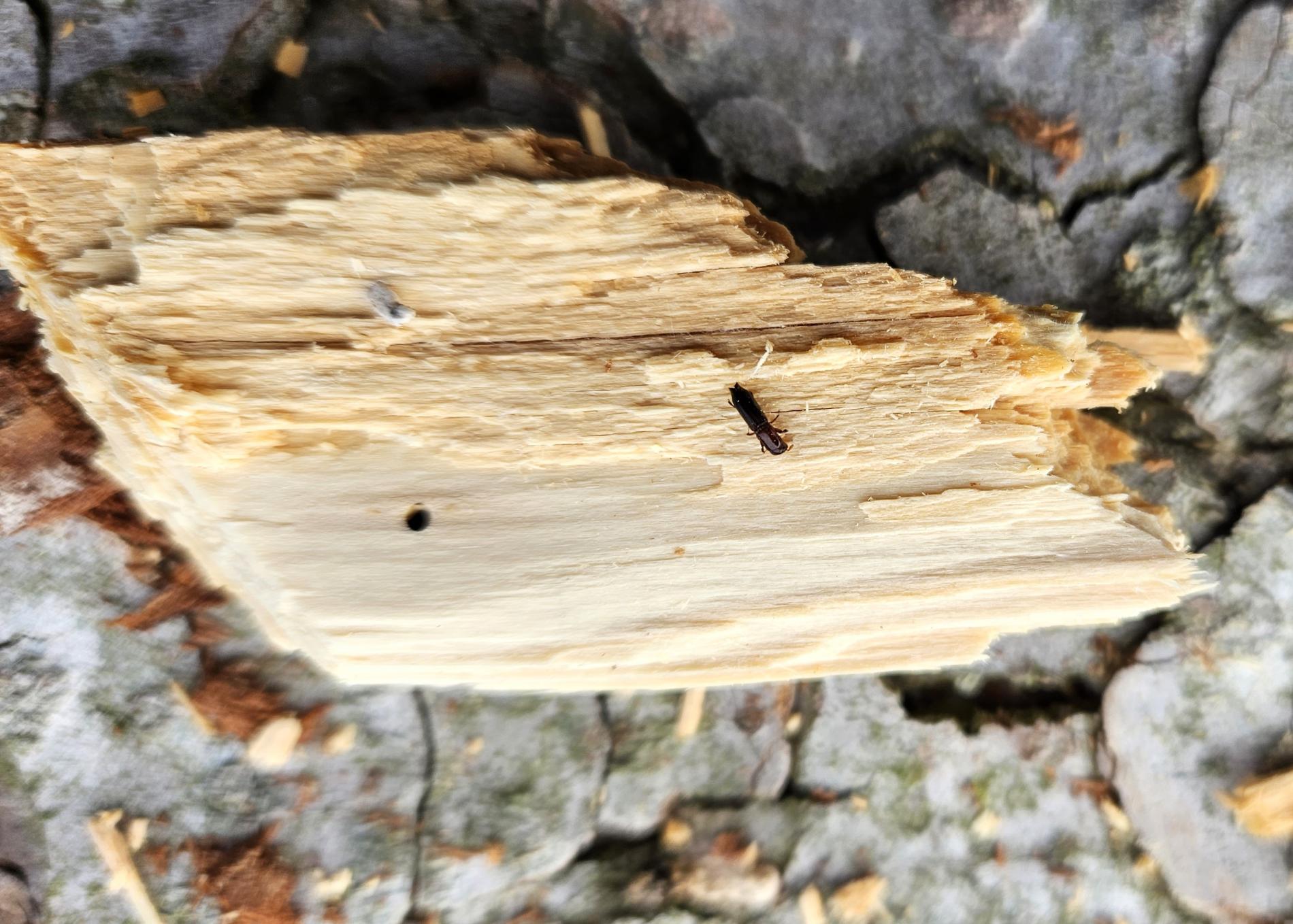
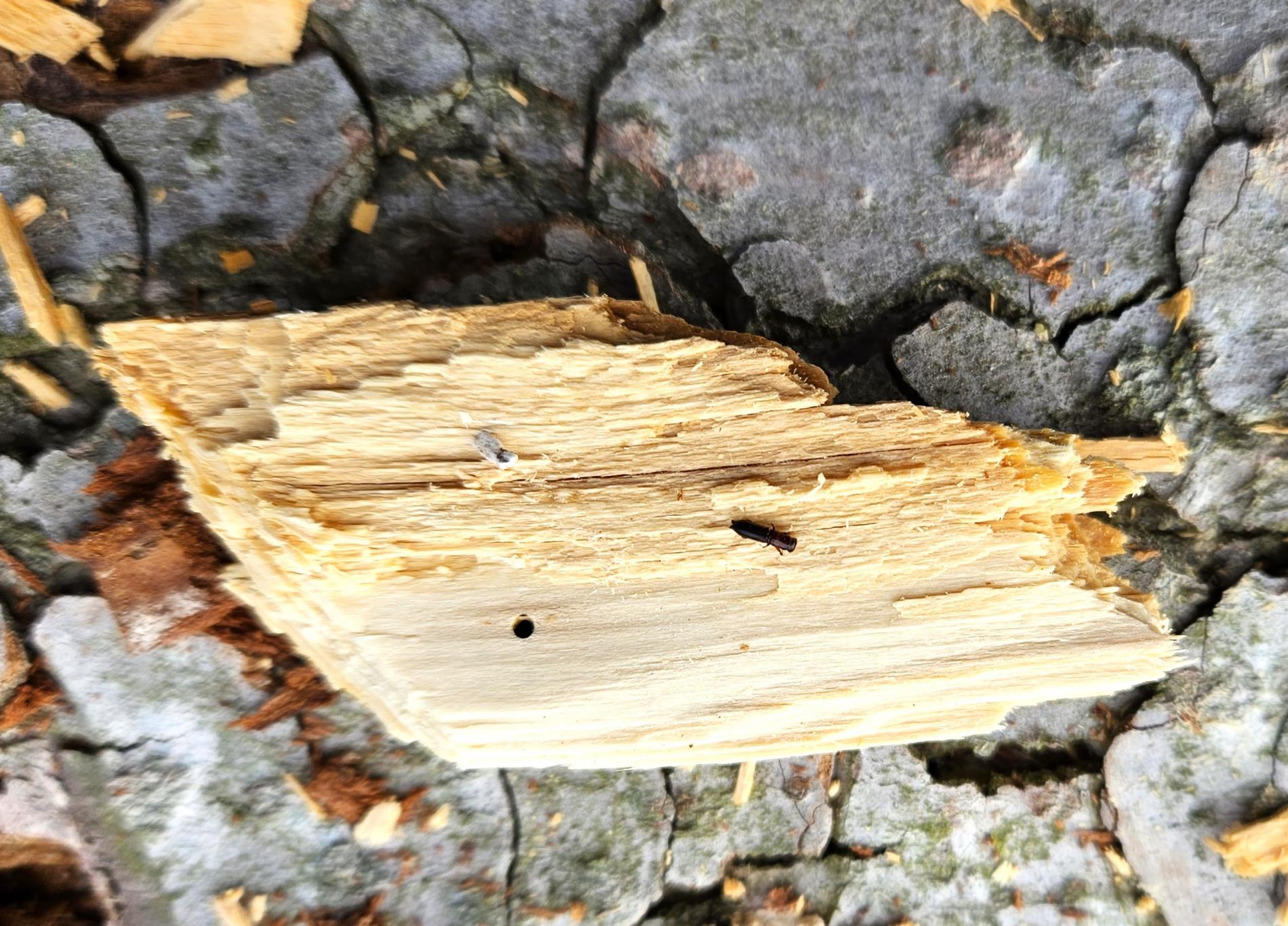
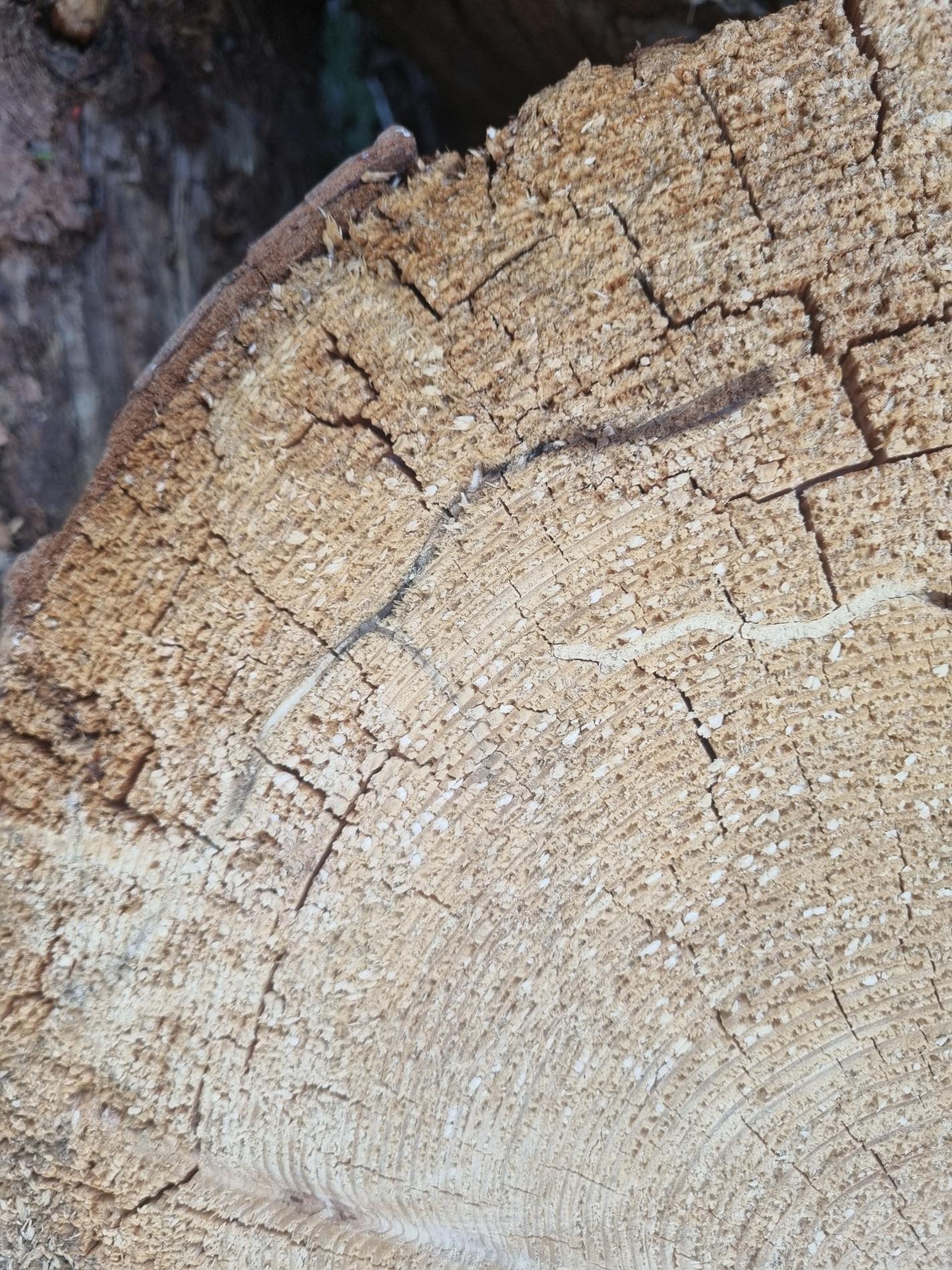
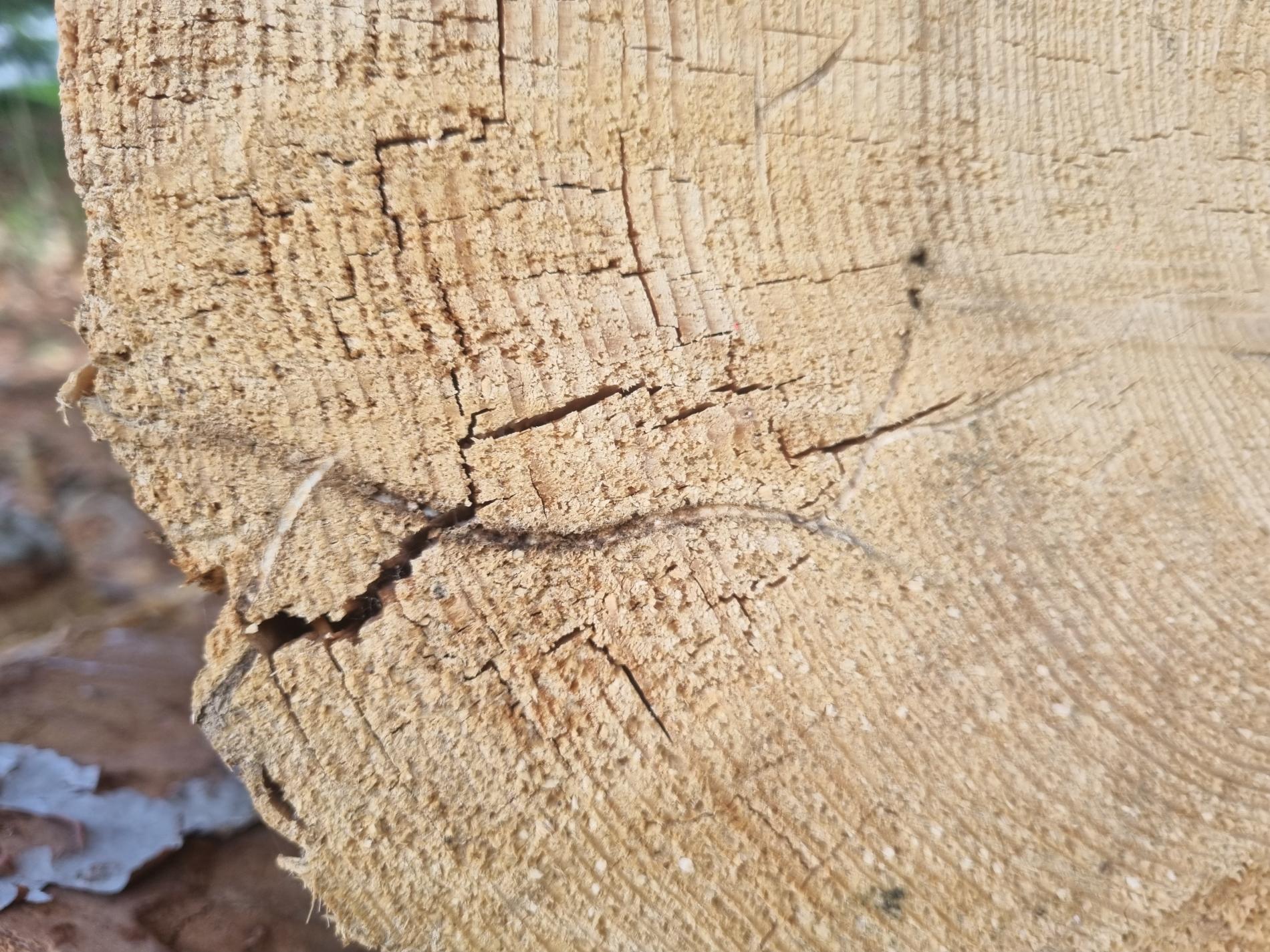
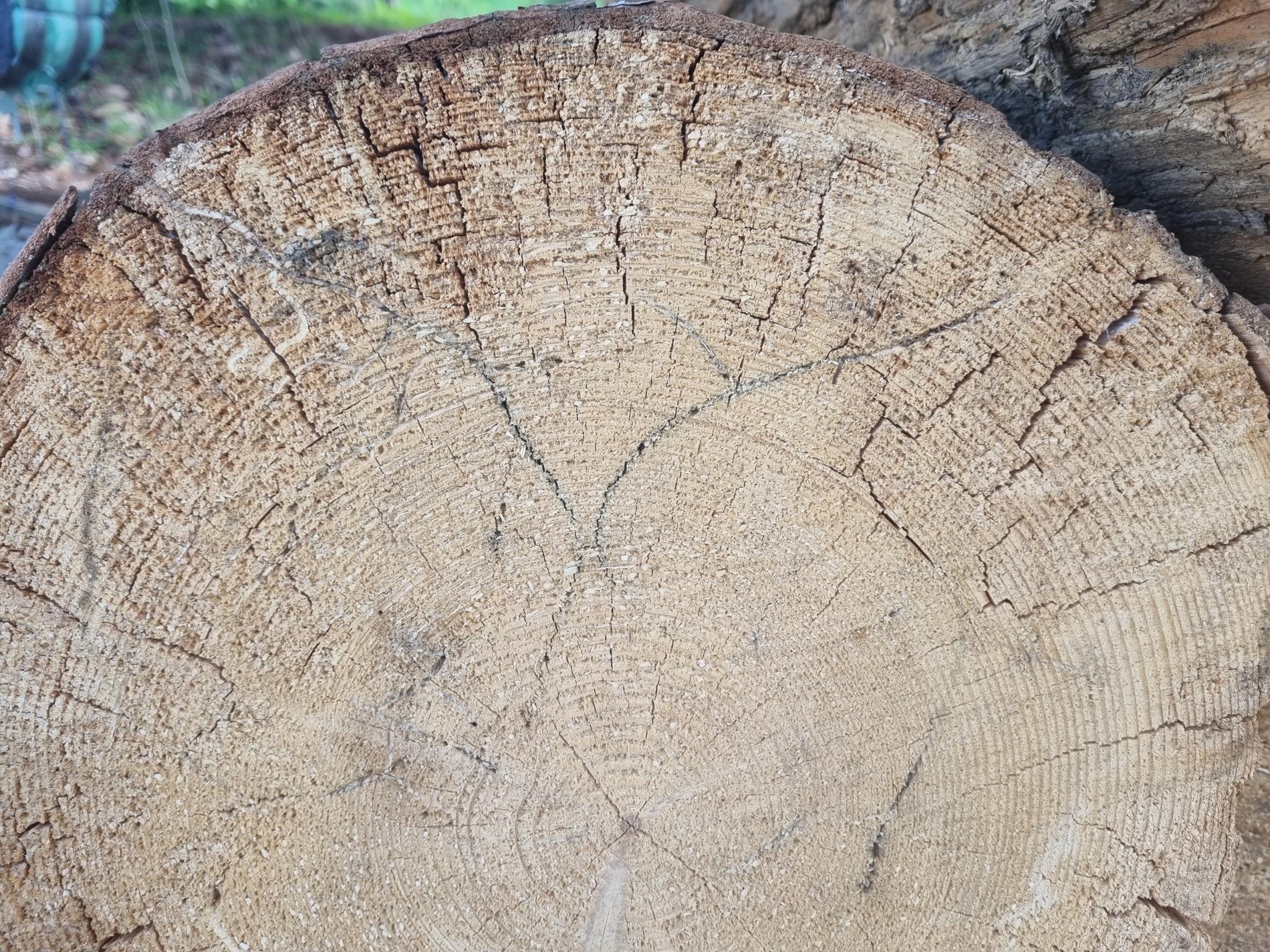
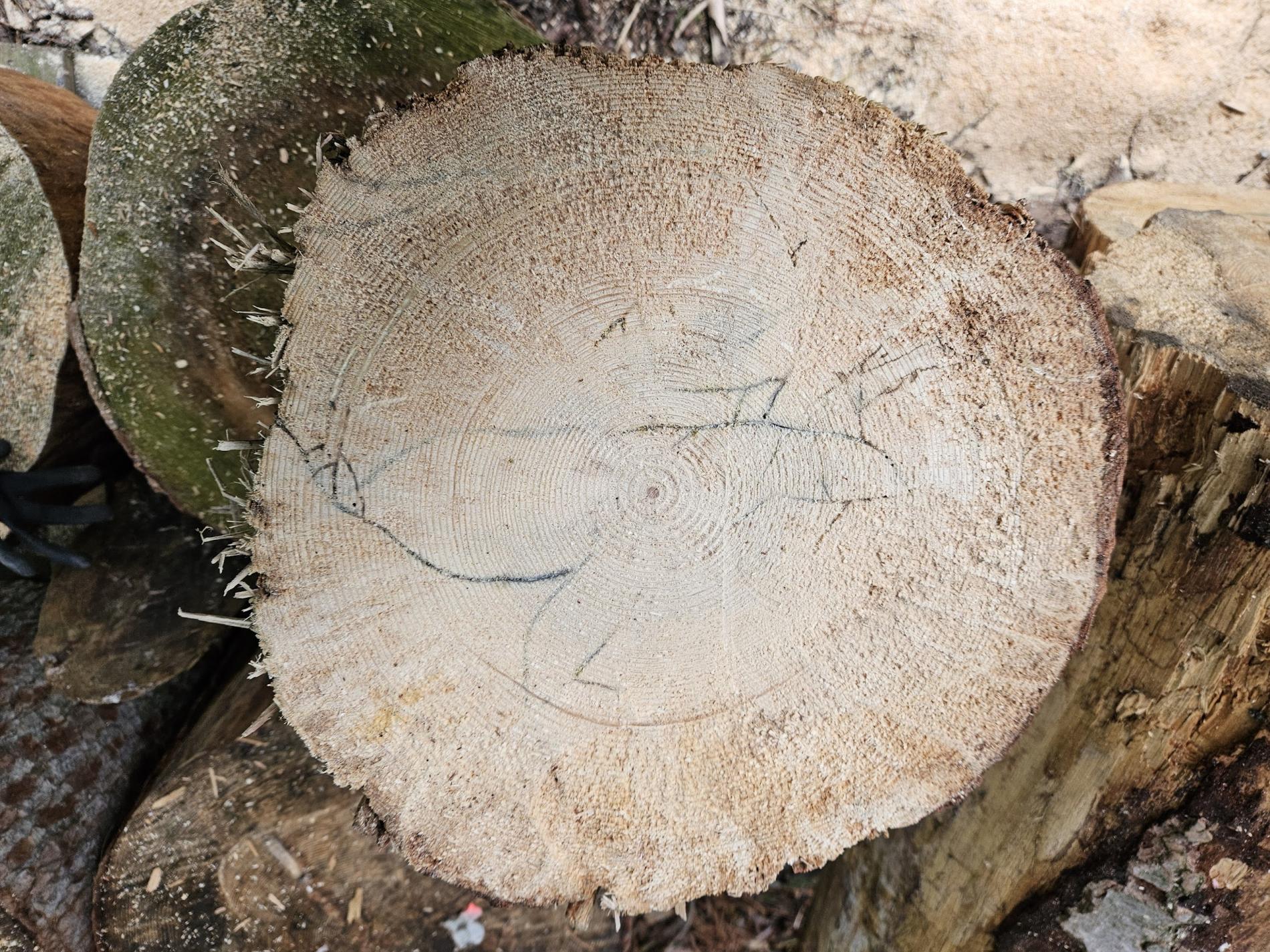
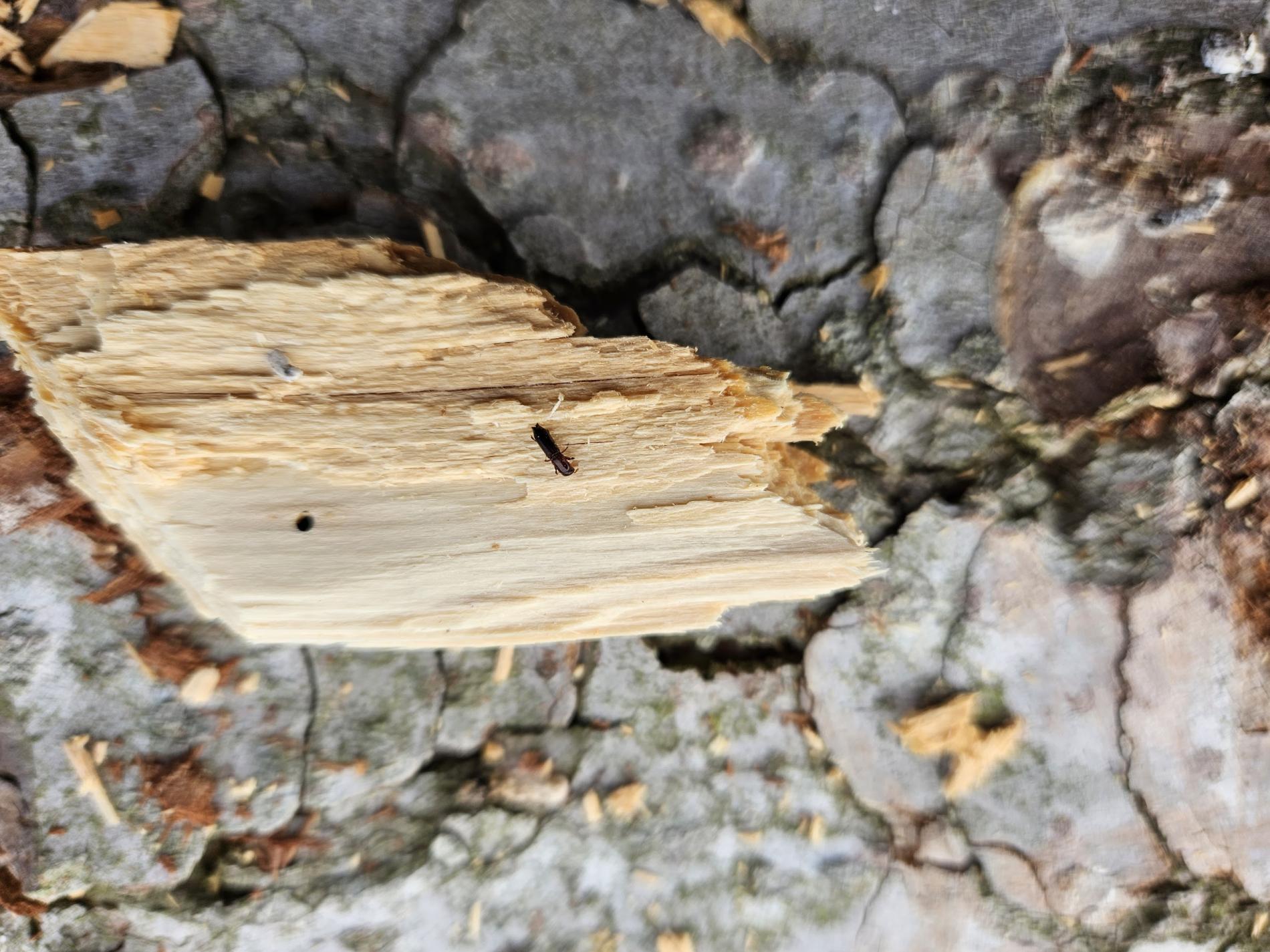
Treptoplatypus oxyurus is a rare species, in Central Europe it is primarily located in Slovakia and Germany. While it has been identified in Croatia, it remains absent in Slovenia, Bosnia and Herzegovina, Austria, Switzerland, the Czech Republic, Poland, Romania, Bulgaria, Albania, and Macedonia, all regions where silver fir trees naturally thrive. This species exclusively interacts with silver fir trees (Abies alba, Abies cephalonica) in terms of its biology. It shows a preference for mature, untouched forest areas that resemble rainforests in structure. Adul Treptoplatypus oxyurus beetles emerge during the summer months, typically in July and August. They are known to be monogamous. Following successful mating, Treptoplatypus oxyurus burrows into the trunk of fir trees. Similar to other saproxylic beetles, they target trees that are already weakened due to physiological factors, dead and decaying trees, those under stress, and freshly fallen or felled trees. While this species is rare, it can potentially cause damage to large logs under specific conditions, but does not pose a threat to healthy, living trees.
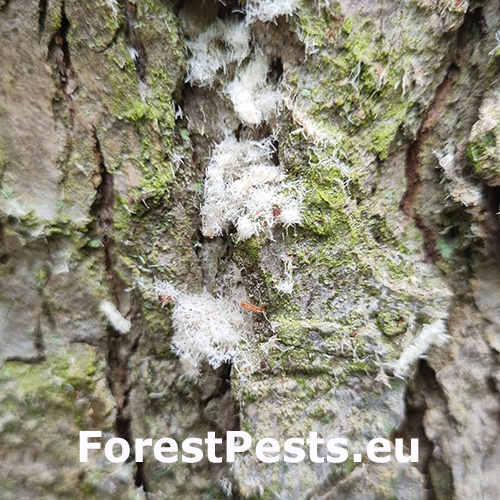
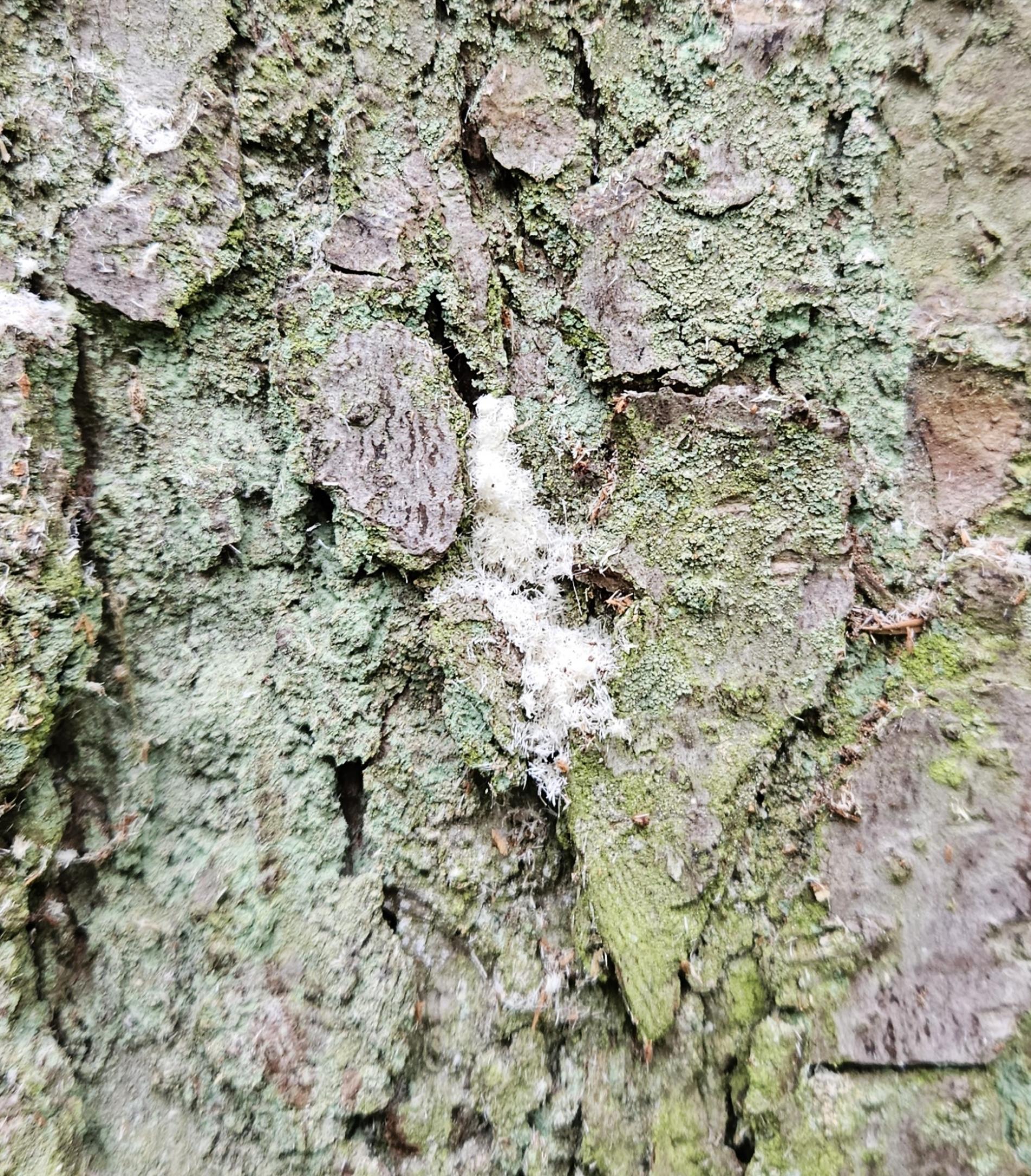
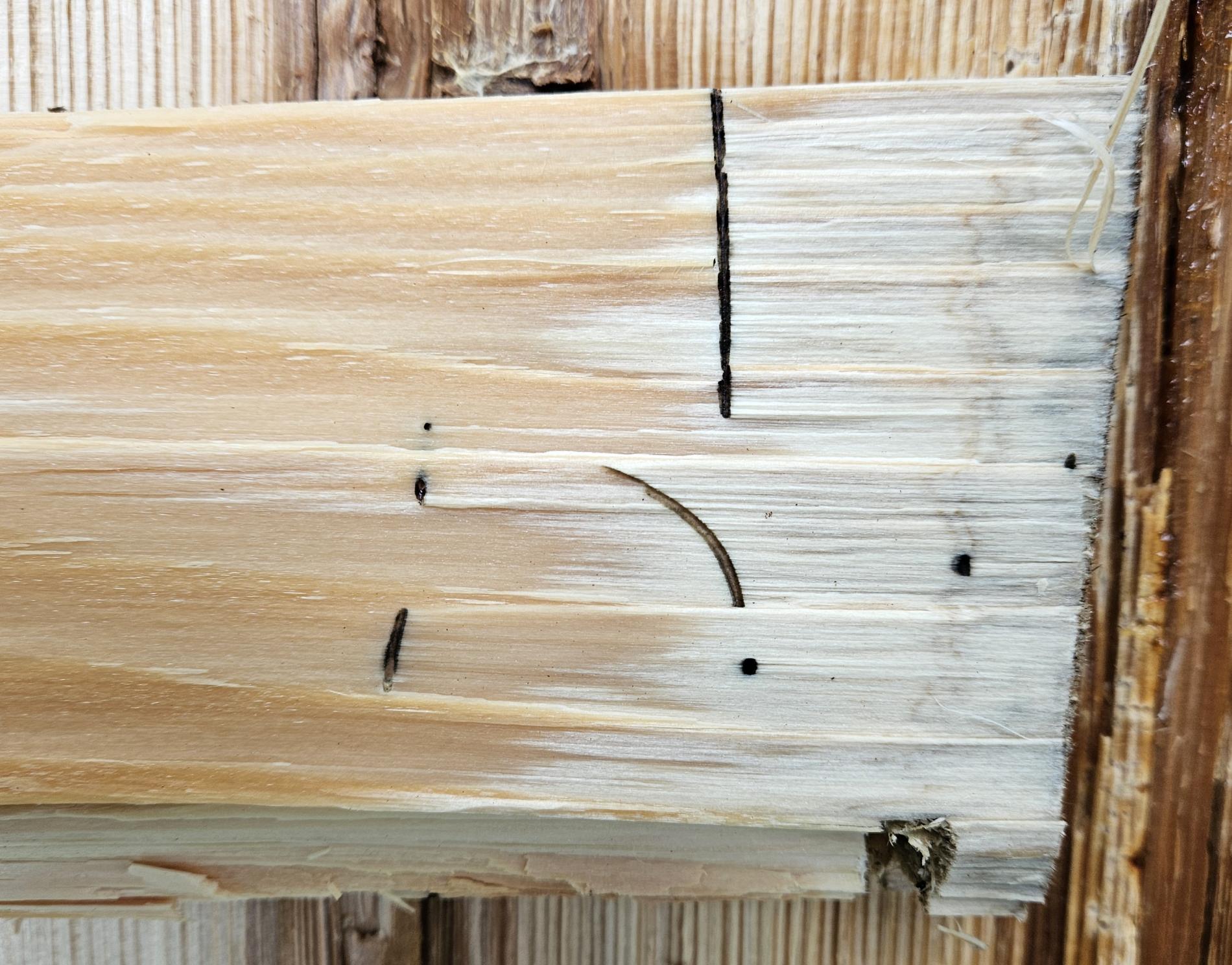
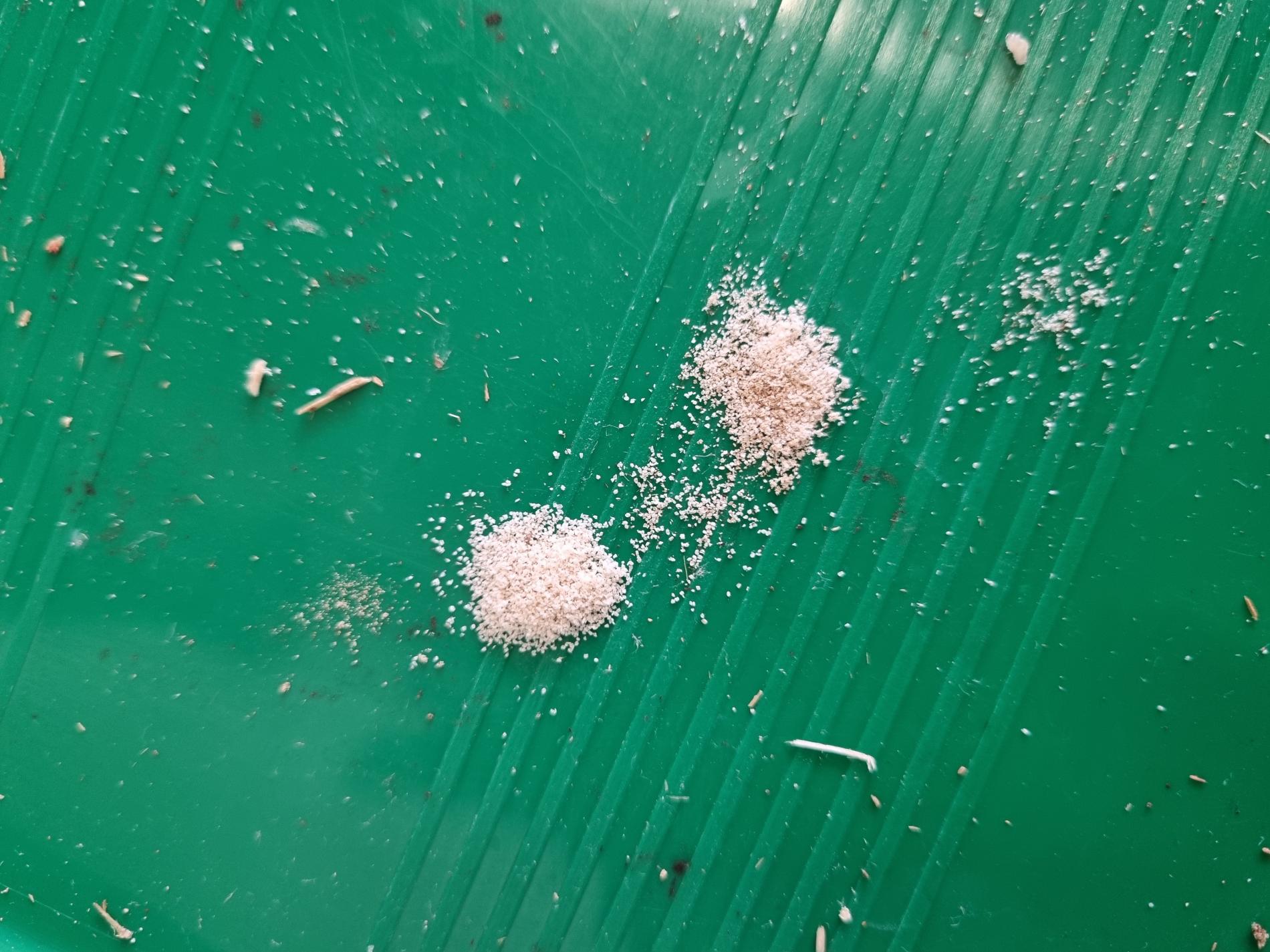
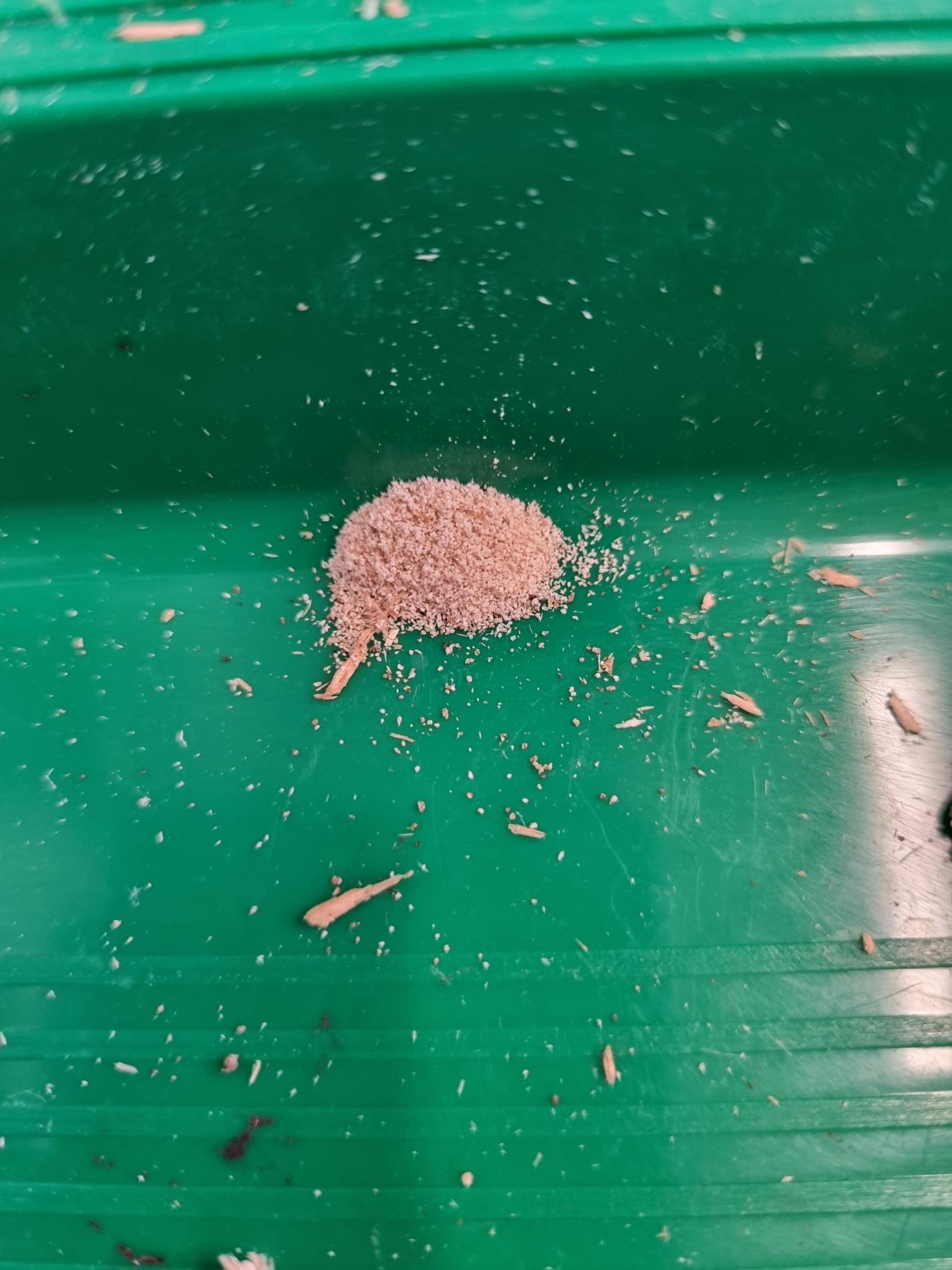
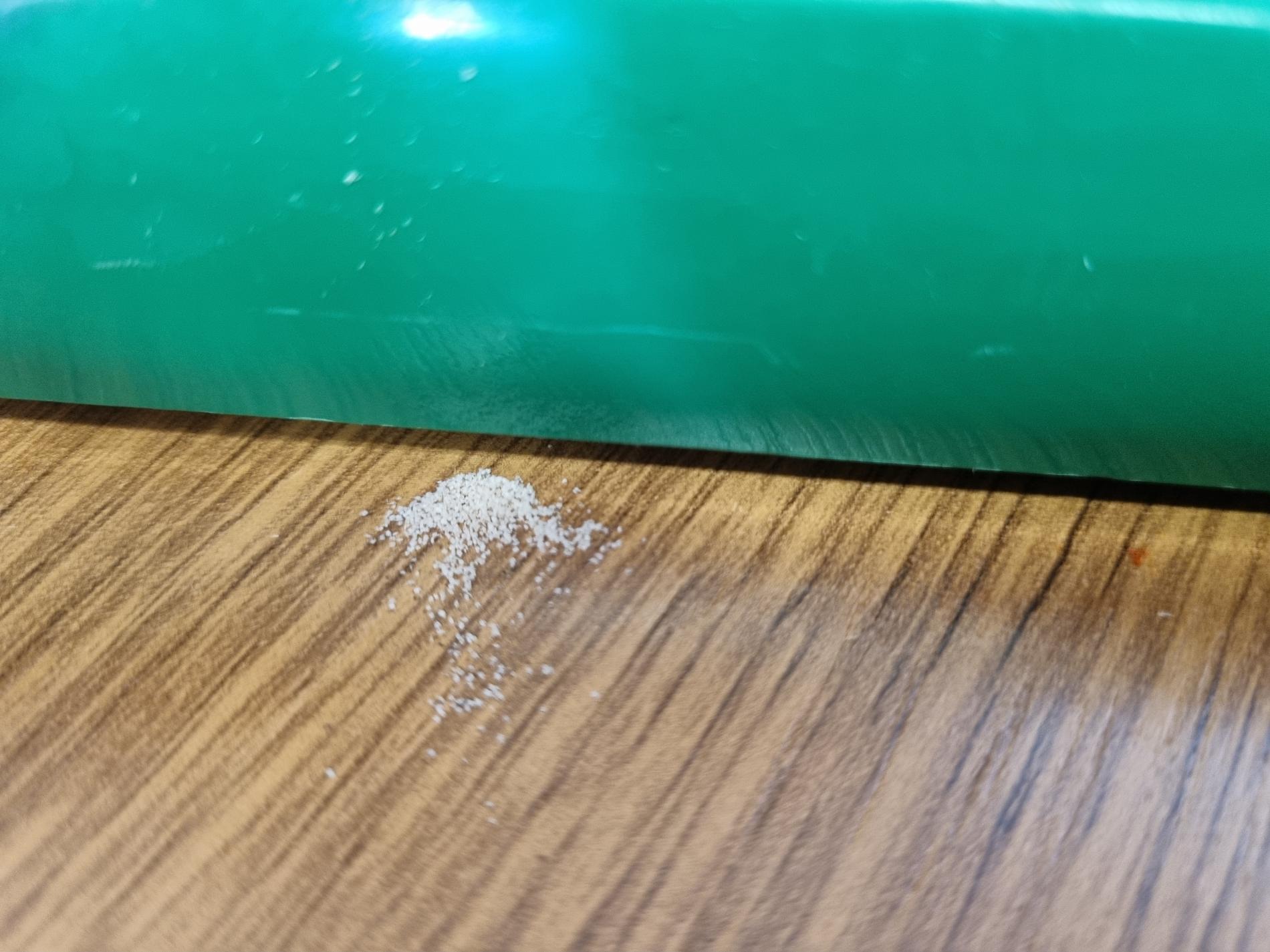
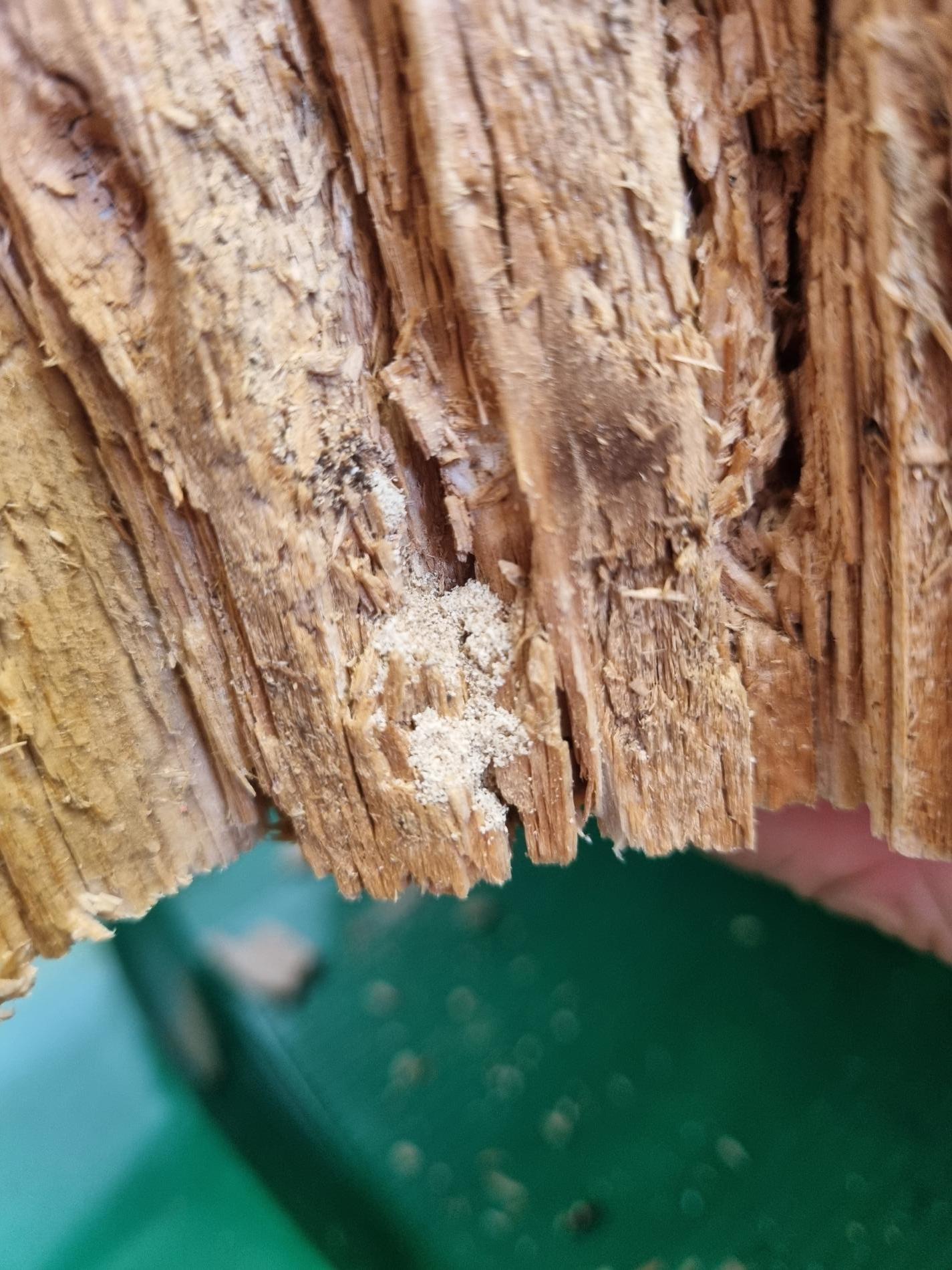
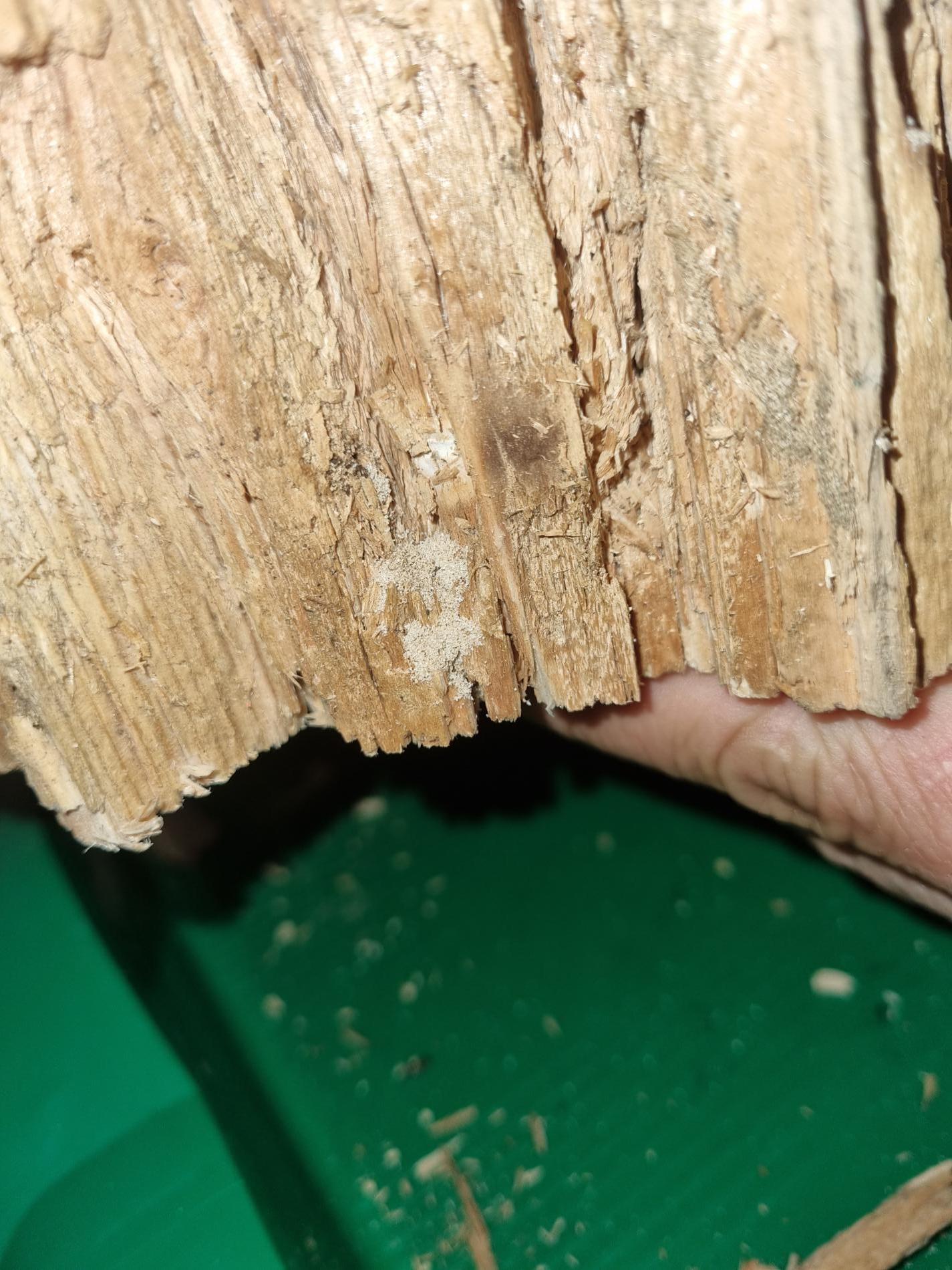
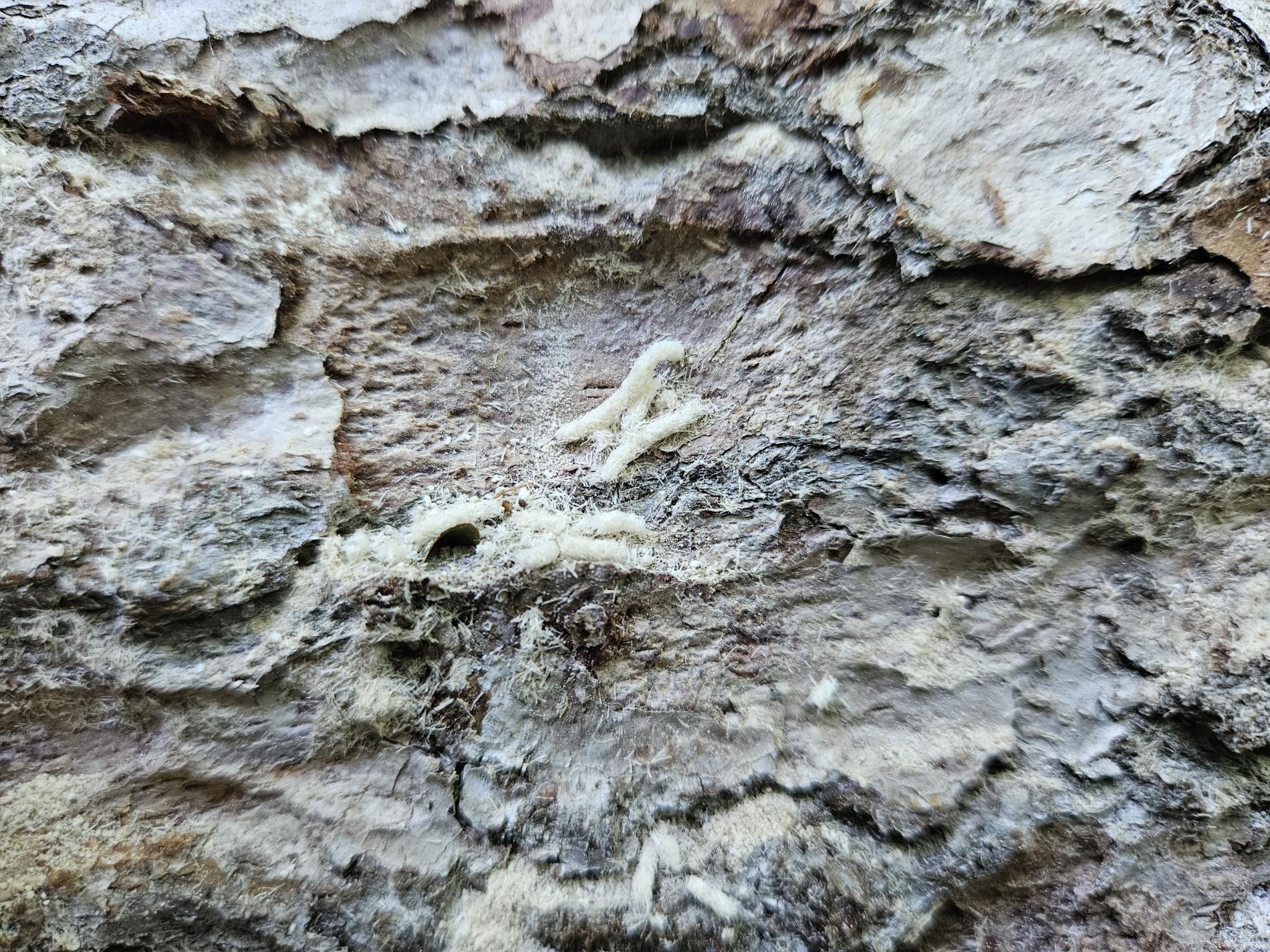
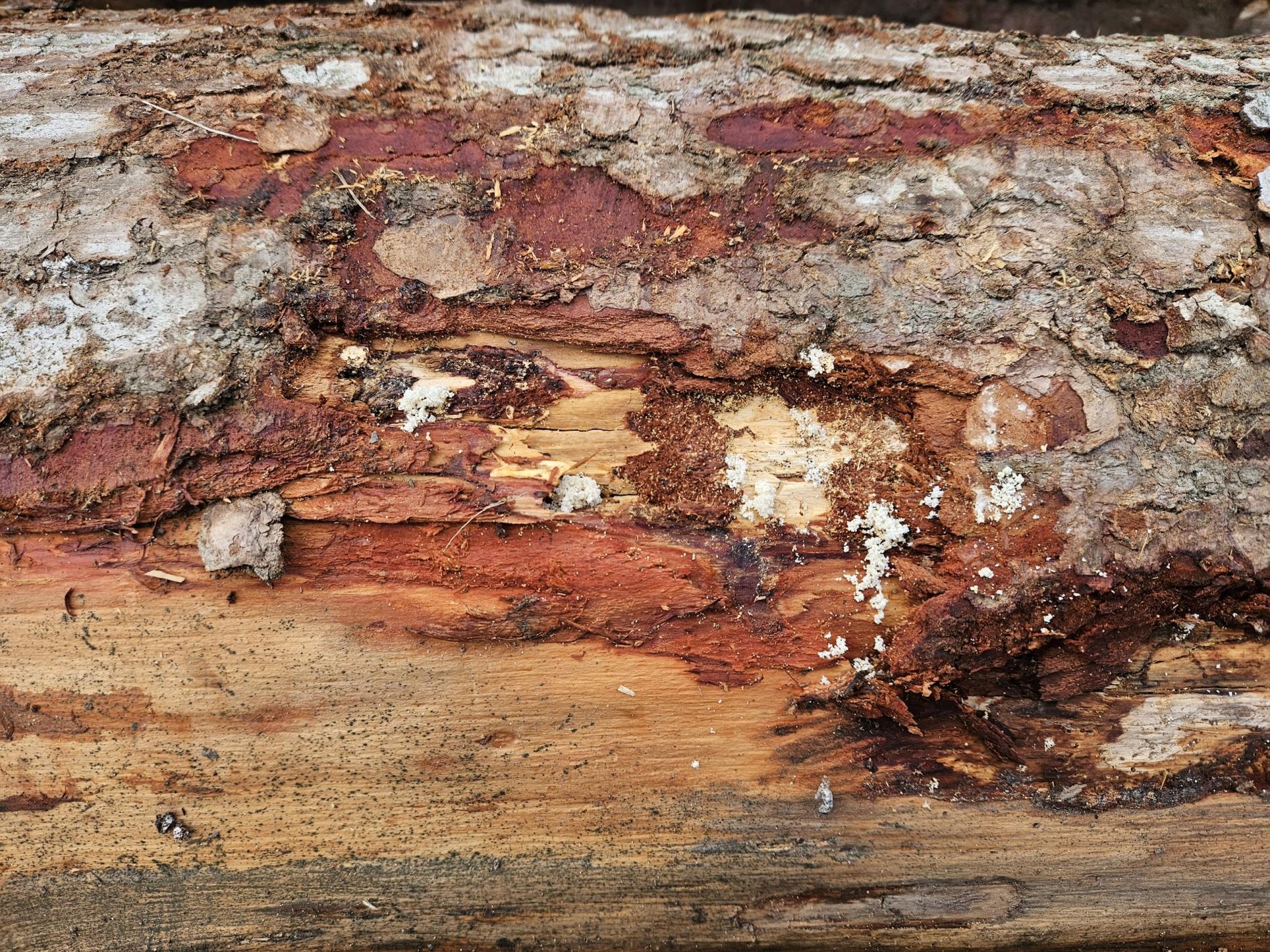
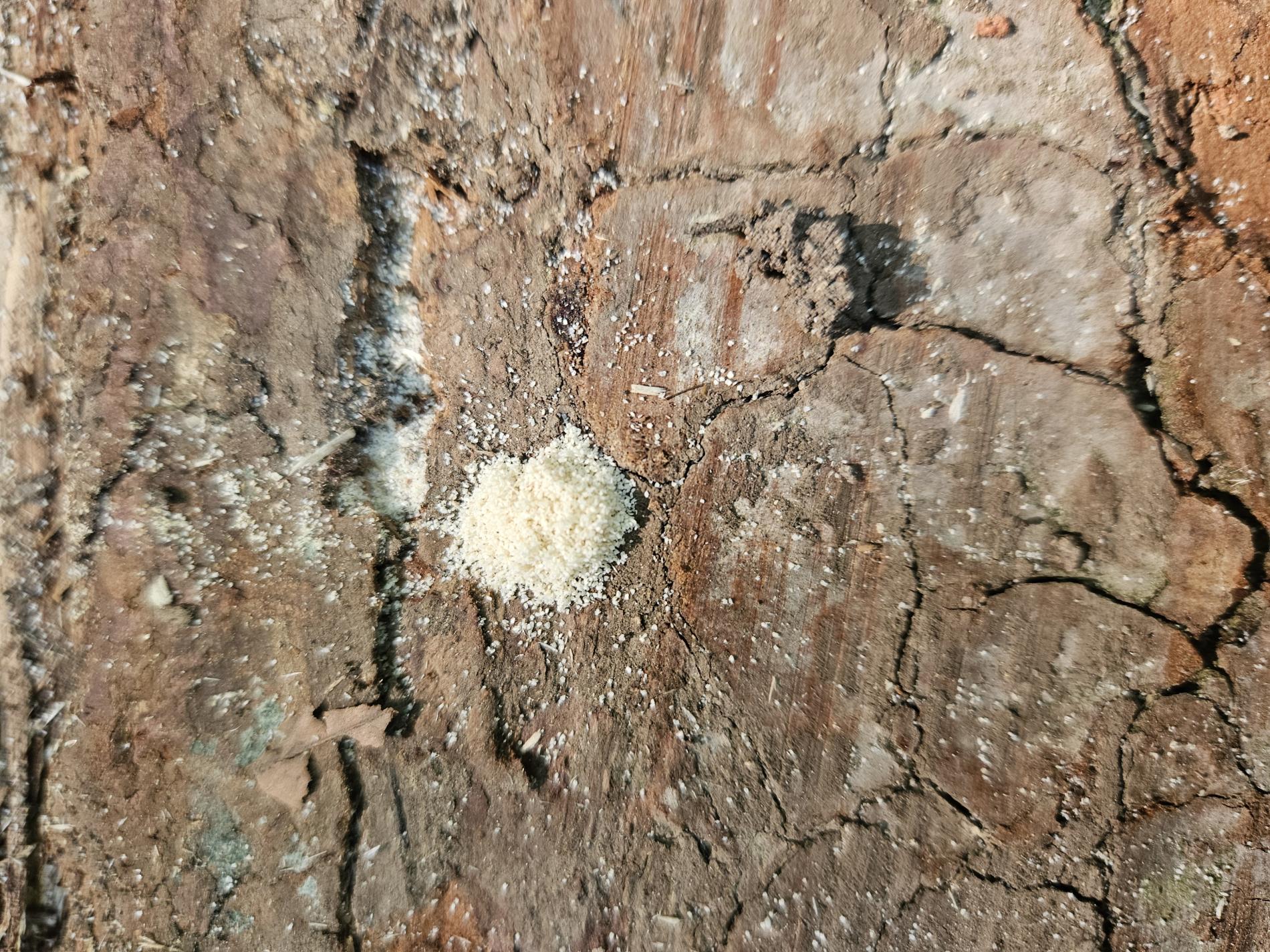
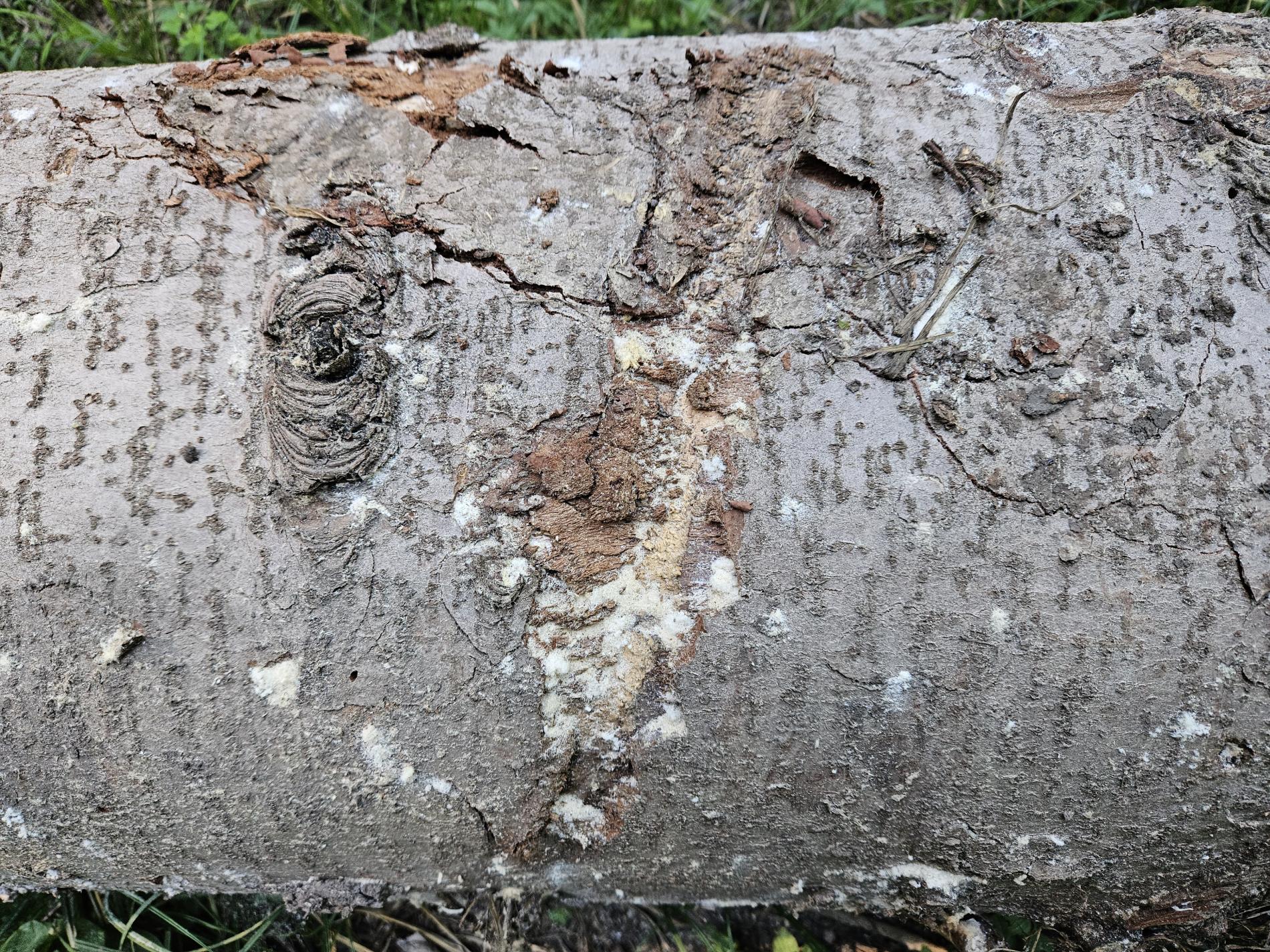
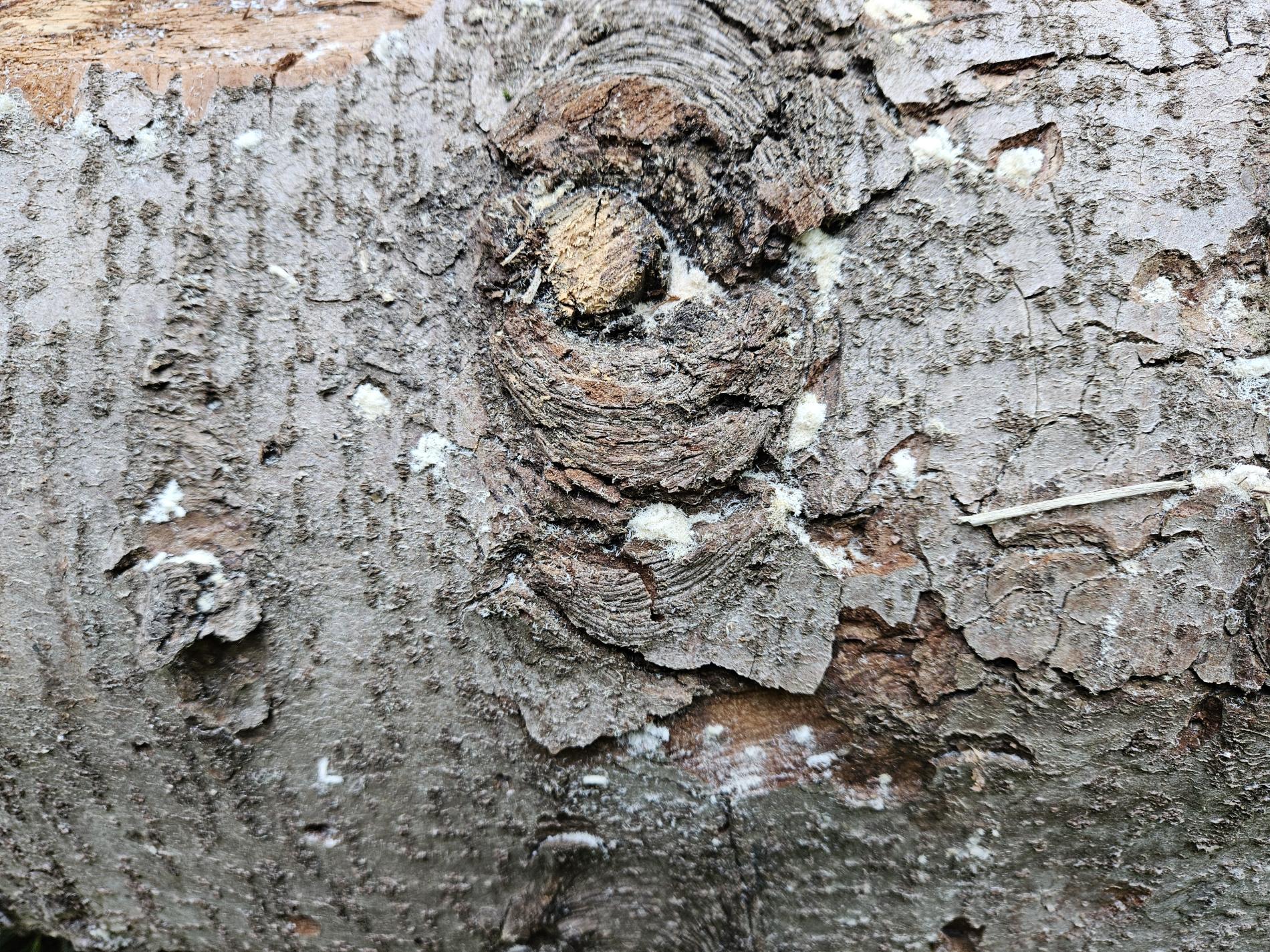
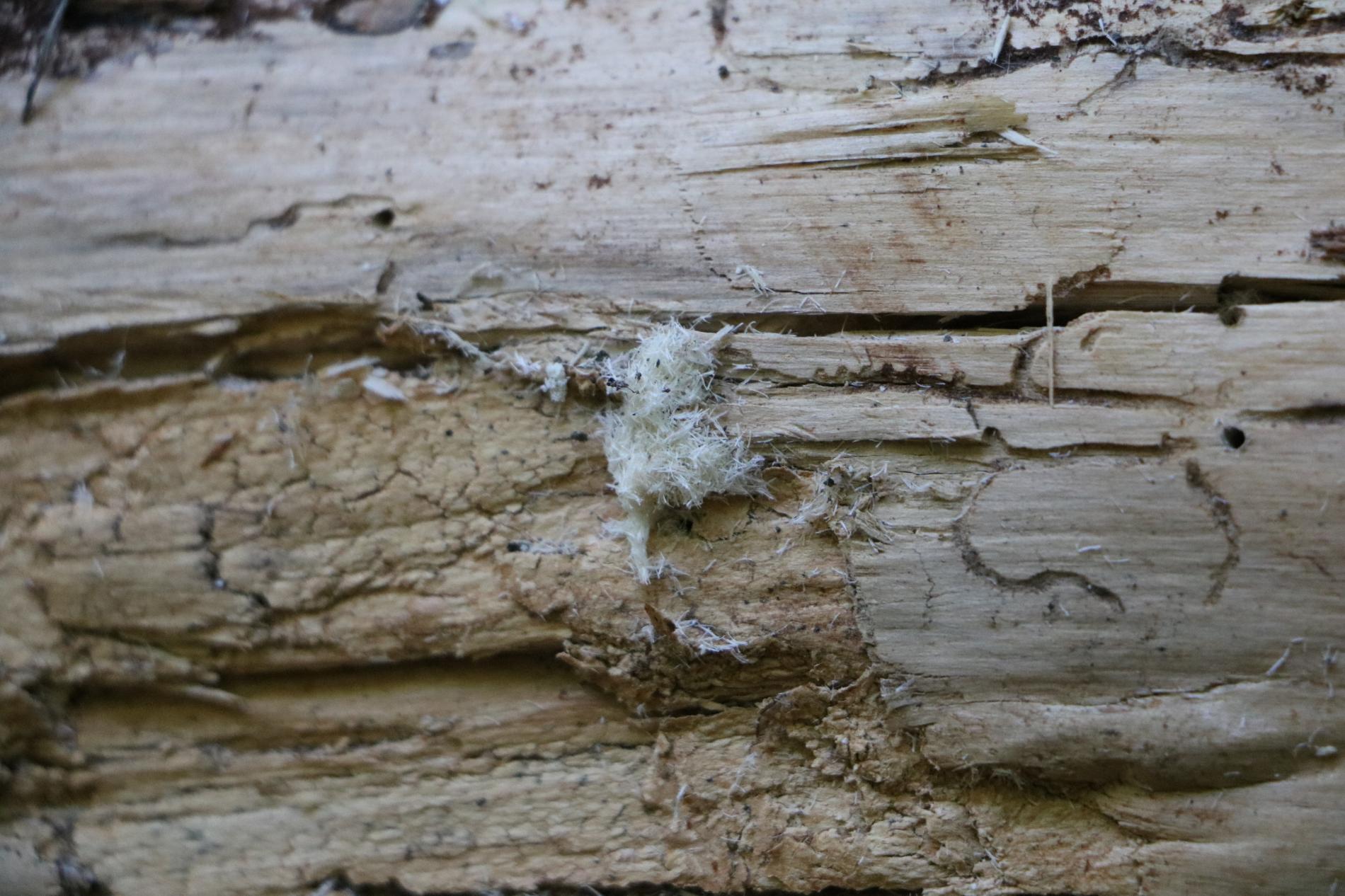
Signs of T. oxyurus infestation become evident on fir tree bark and the surrounding soil as distinctive white, thread-like sawdust. These sawdust characteristics set it apart from other beetle species like ambrosia beetles, bark beetles, longhorn beetles, and weevils. These symptoms are most prominent from August through October when the beetles are actively drilling into the trunk and establishing their gallery system.
Tree Species: Fir
Part of a plant- attacked: Tree trunk
Pest significance: Less harmful
Pest Category: Insects
Invasive Species: No
Present in EU: Yes
Pest group: Insect
Depth of damages: Bark, More than 5 cm depth, Under bark only, Up to 0,5 cm depth, Up to 2 cm depth, Up to 5 cm depth
The extent of damage: Lokally
Prevalence in Europe: Very rare
Damaged products: Firewood, Fresh timber logs (water still in the sapwood), Furniture, Lumber, boards and prisms, Wooden house constructions
Roundwood size: Diameter 50+, Diameter from 10 up to 50 cm
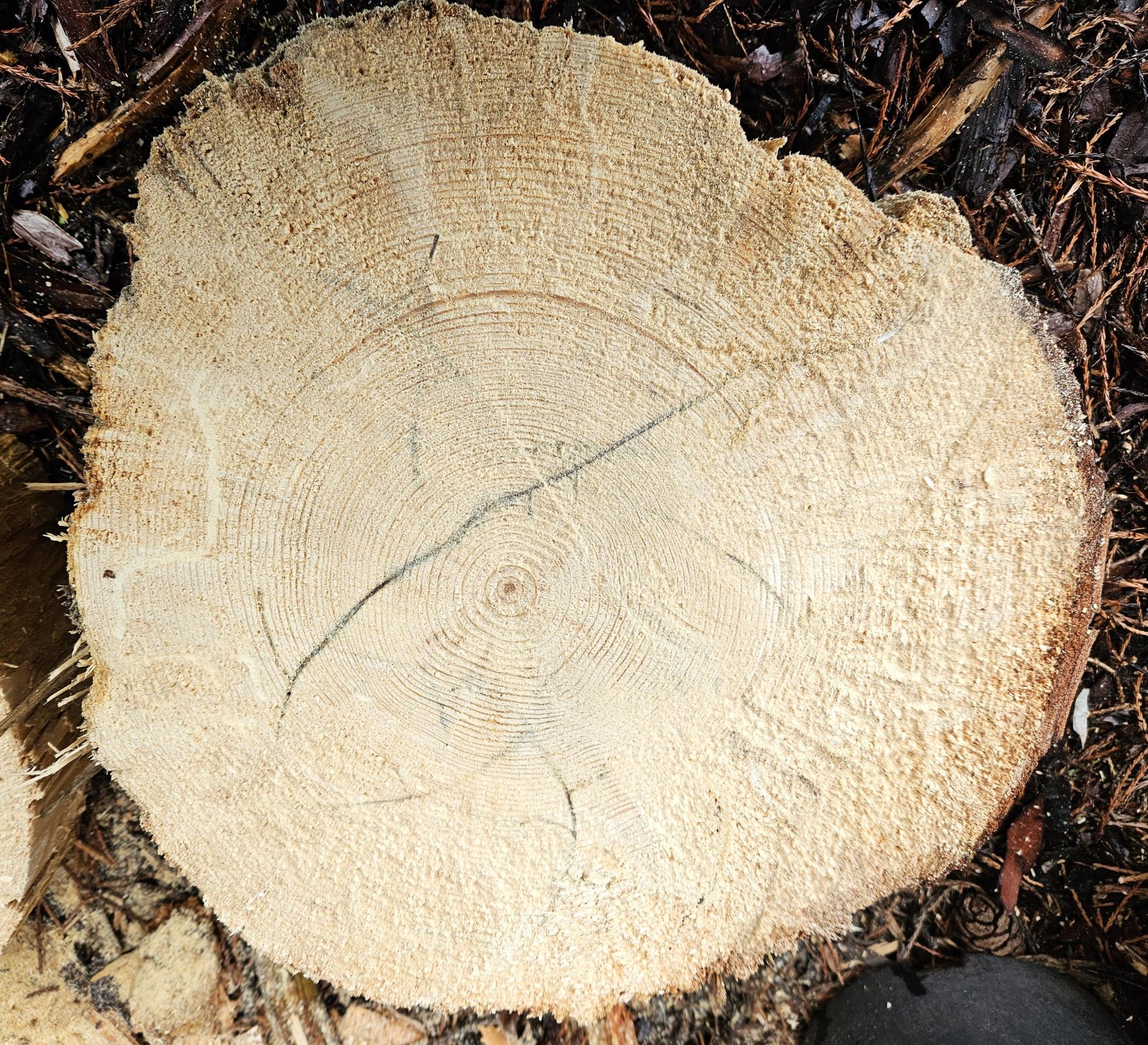
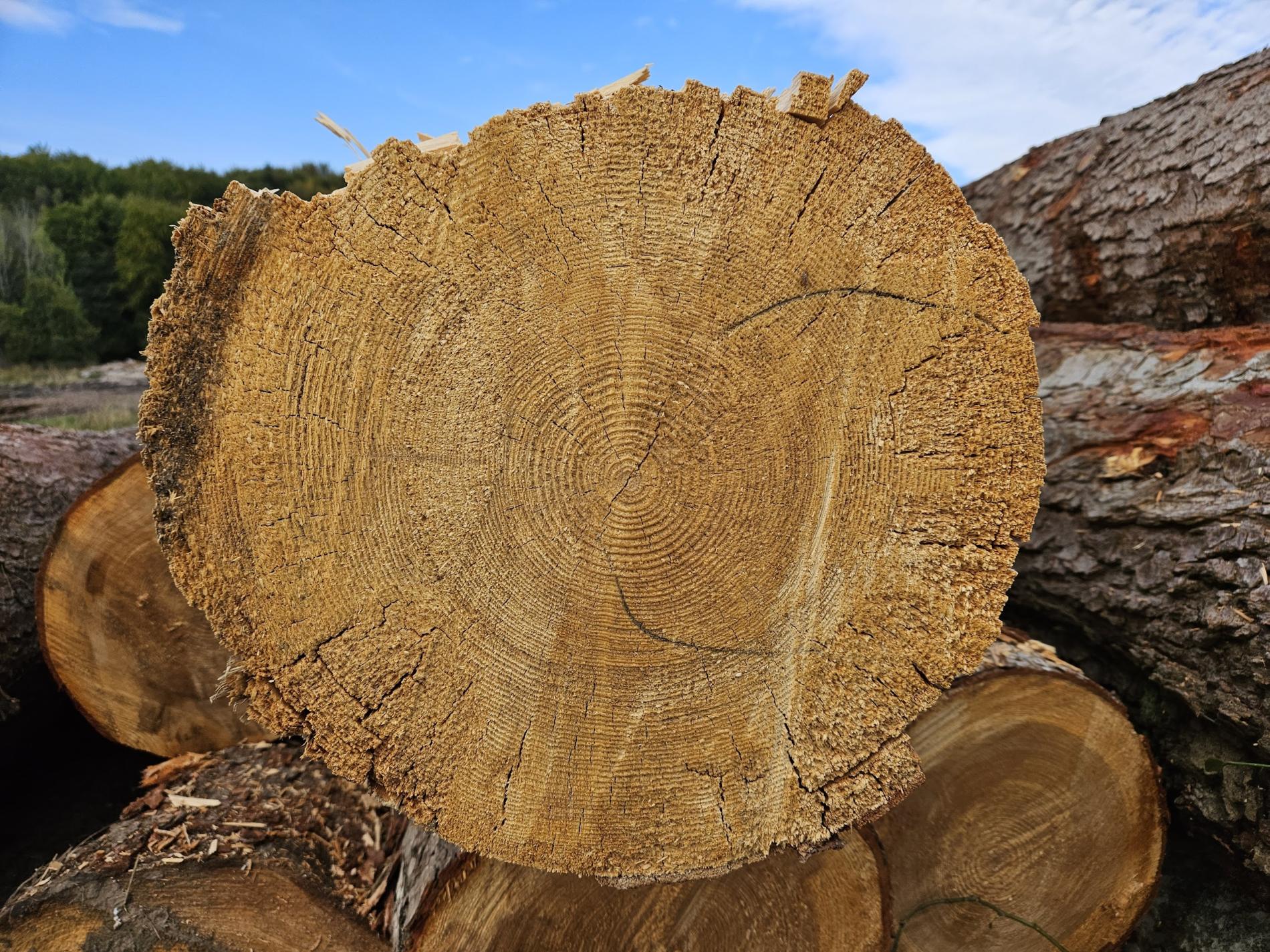
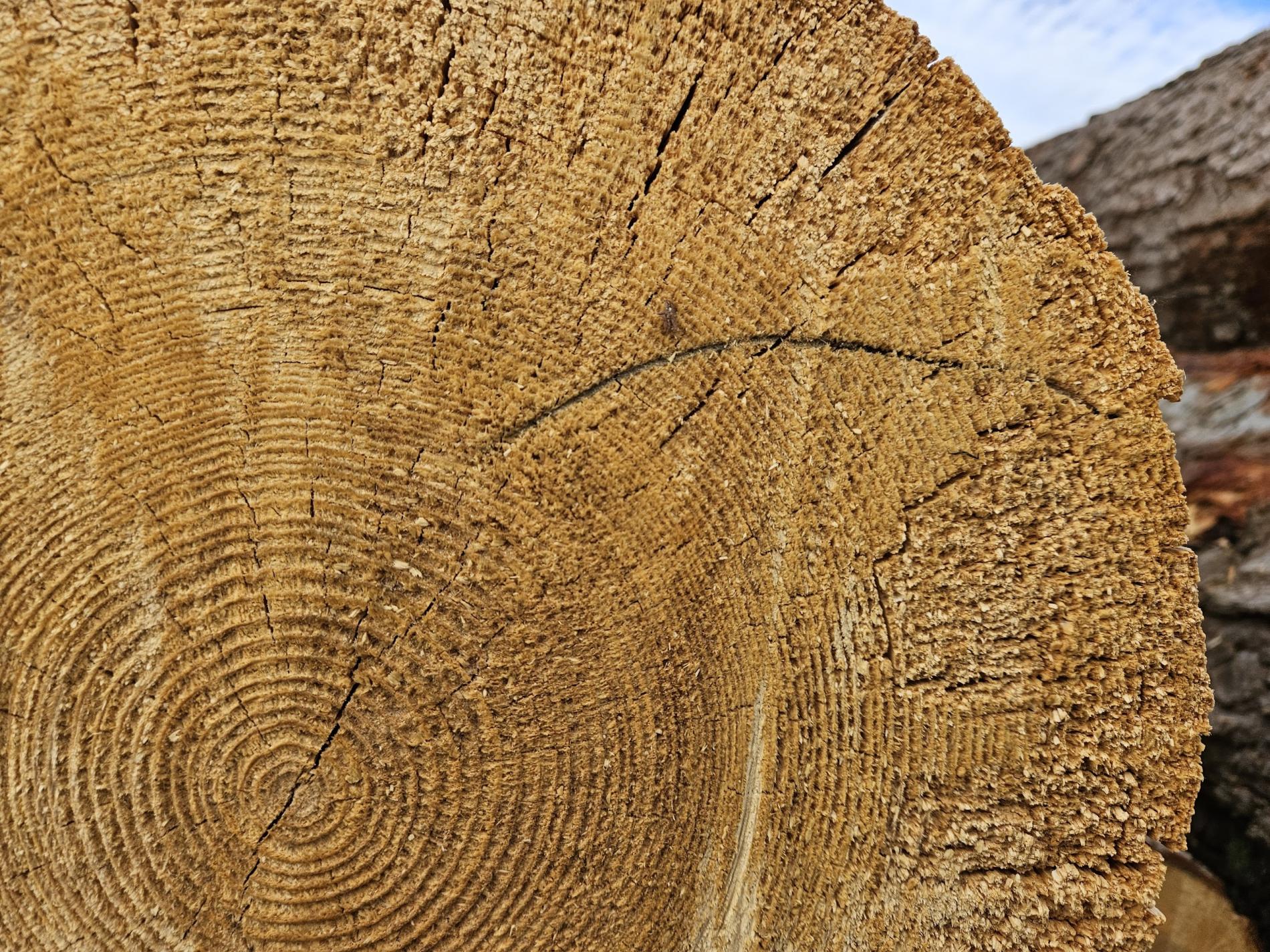
Wood discoloration: Yes
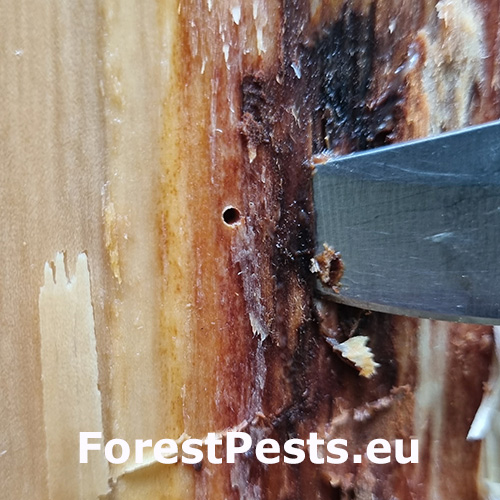
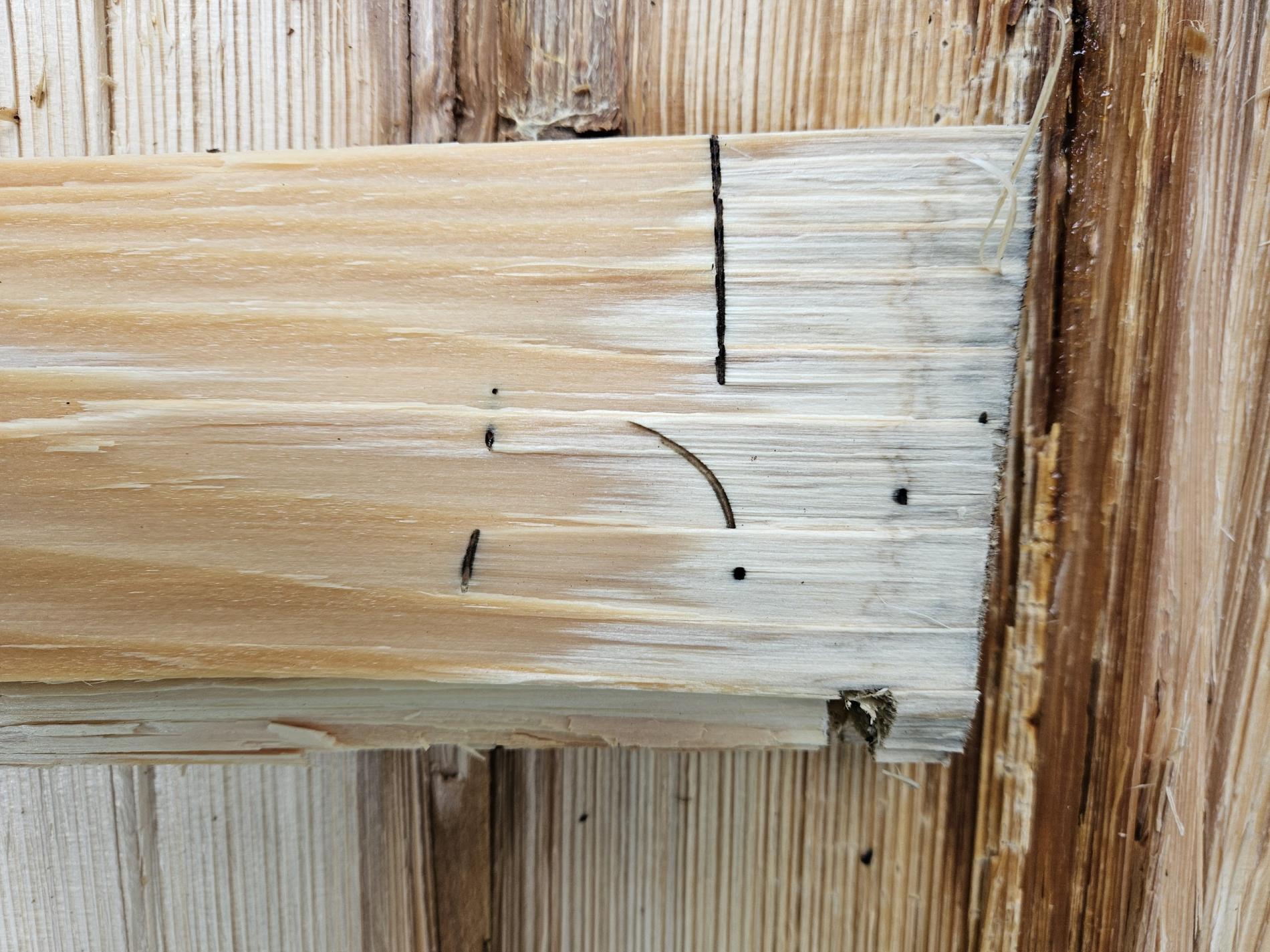
Exit holes: Round
Pest subcategory: Wood-boring insect
Similar pests

Pityokteines curvidens

Dendroctonus micans
