


Tomicus piniperda
Common pine shoot beetle
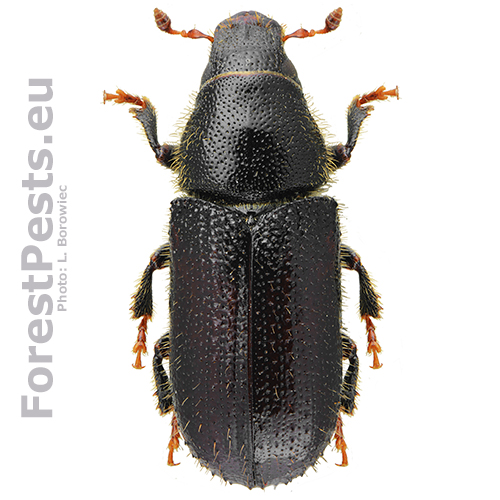
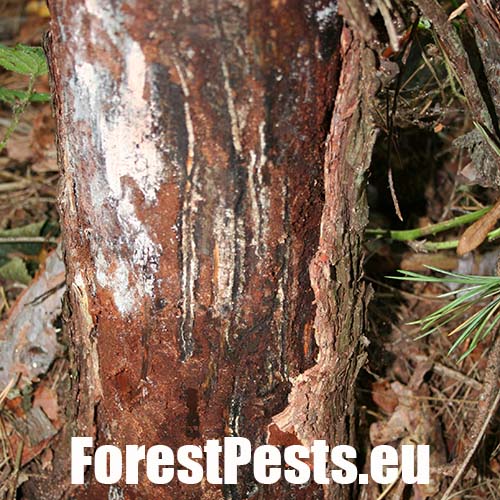
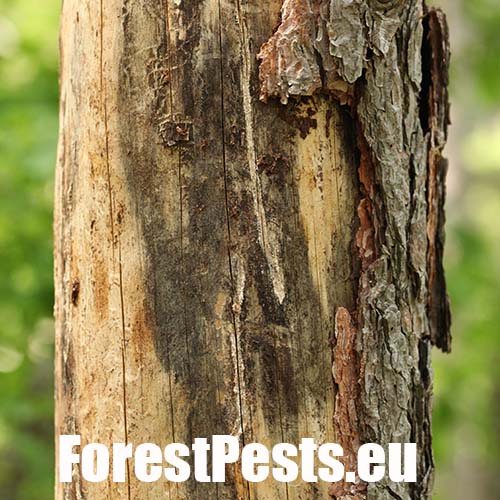
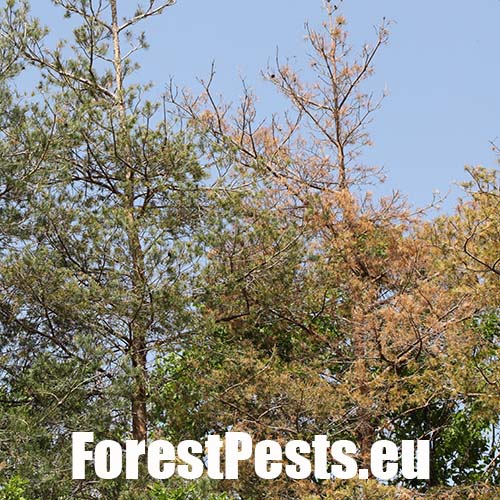
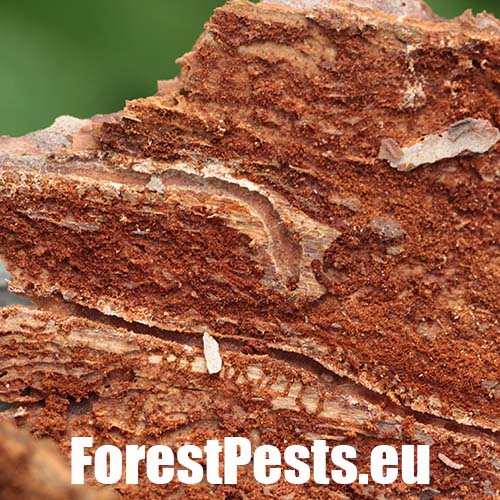
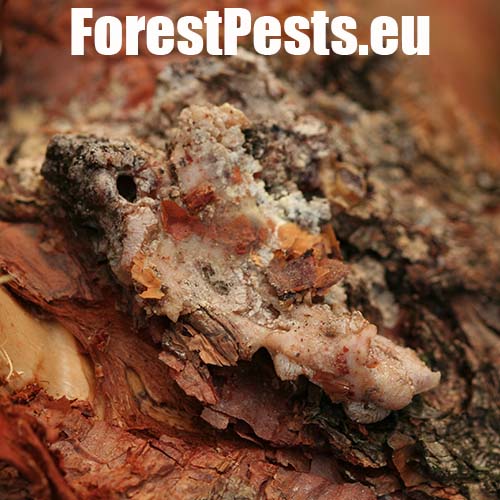
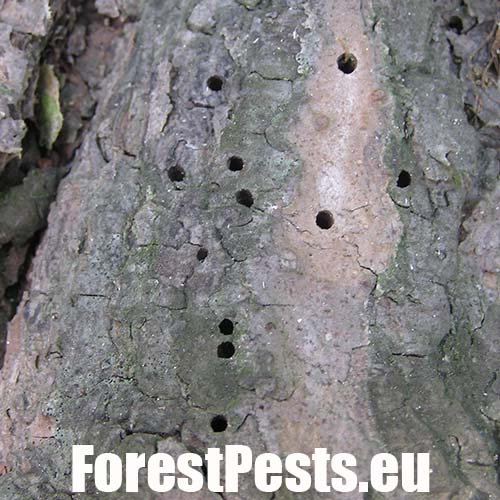
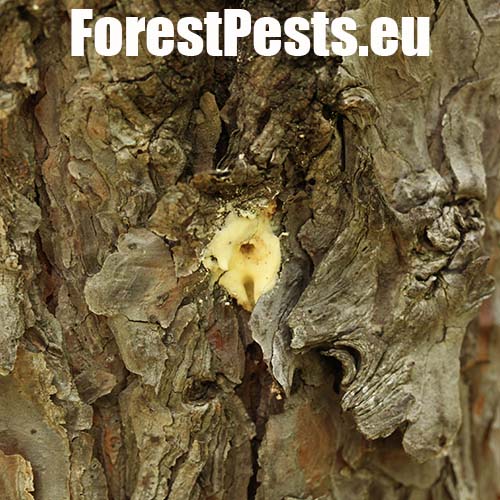
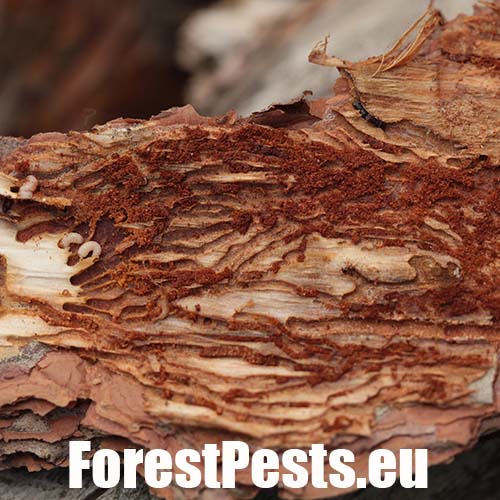
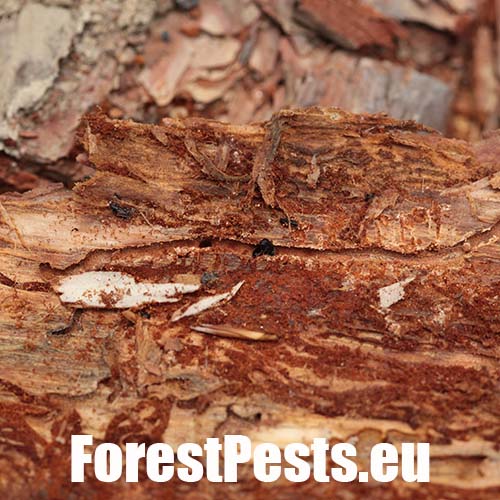
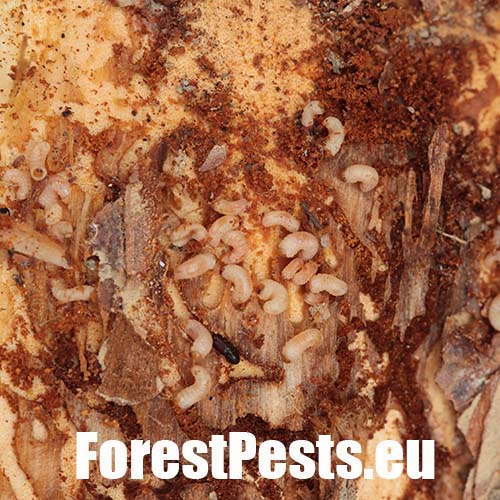
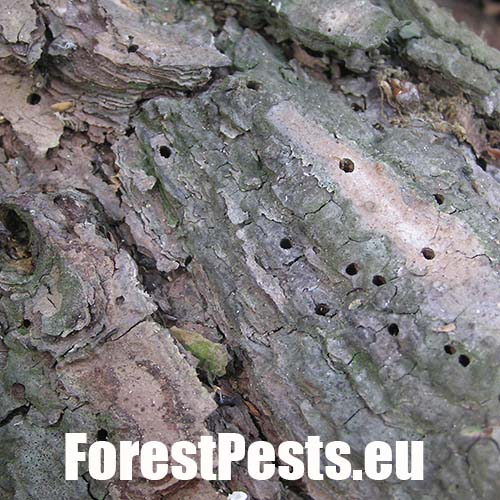
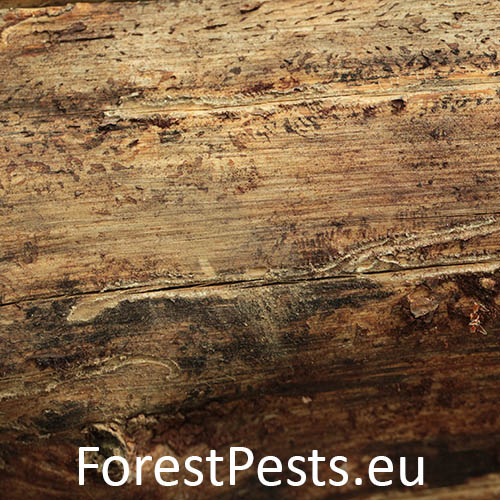
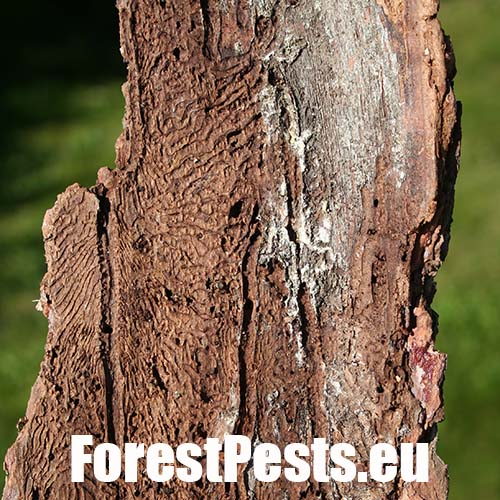
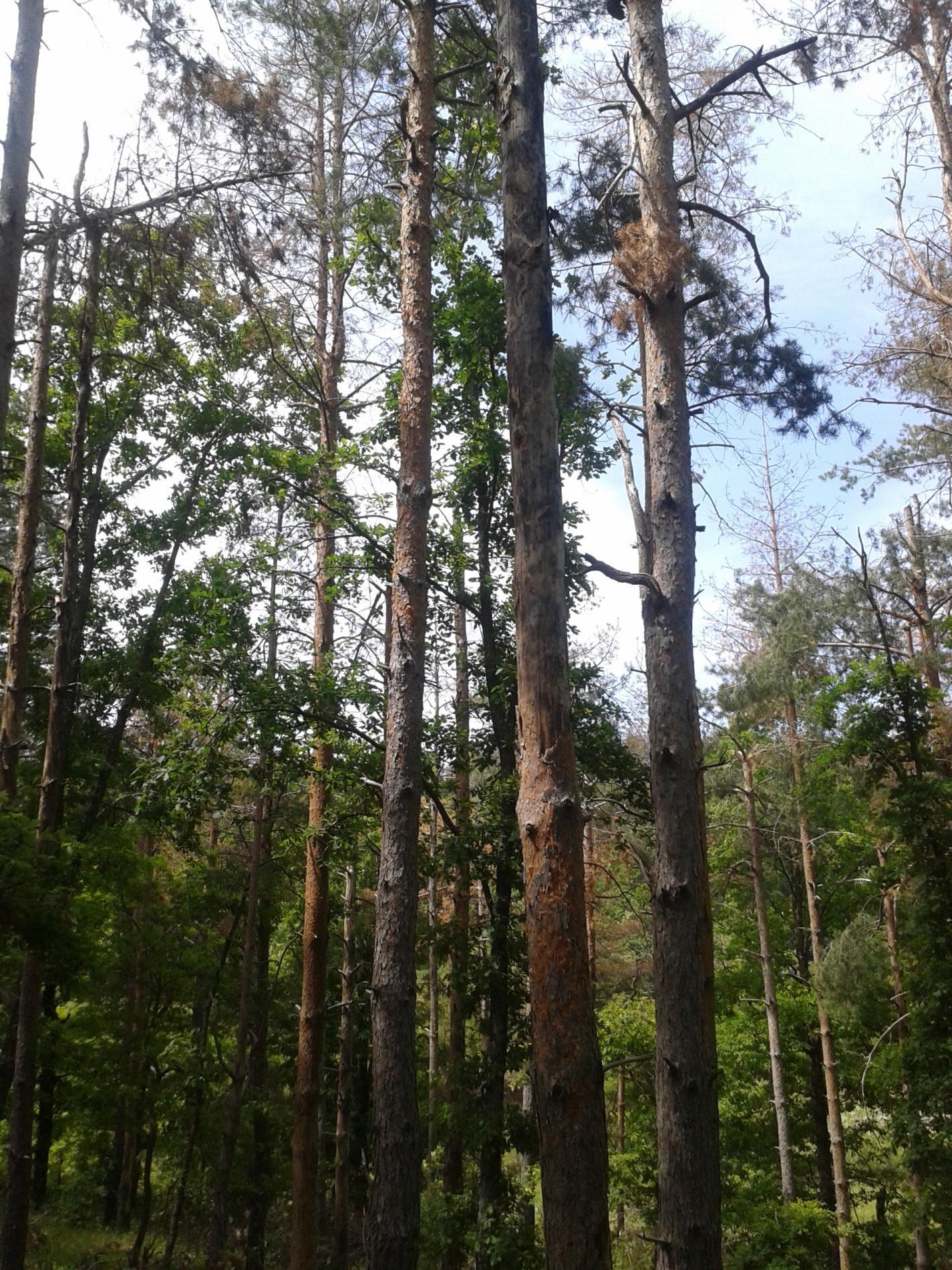
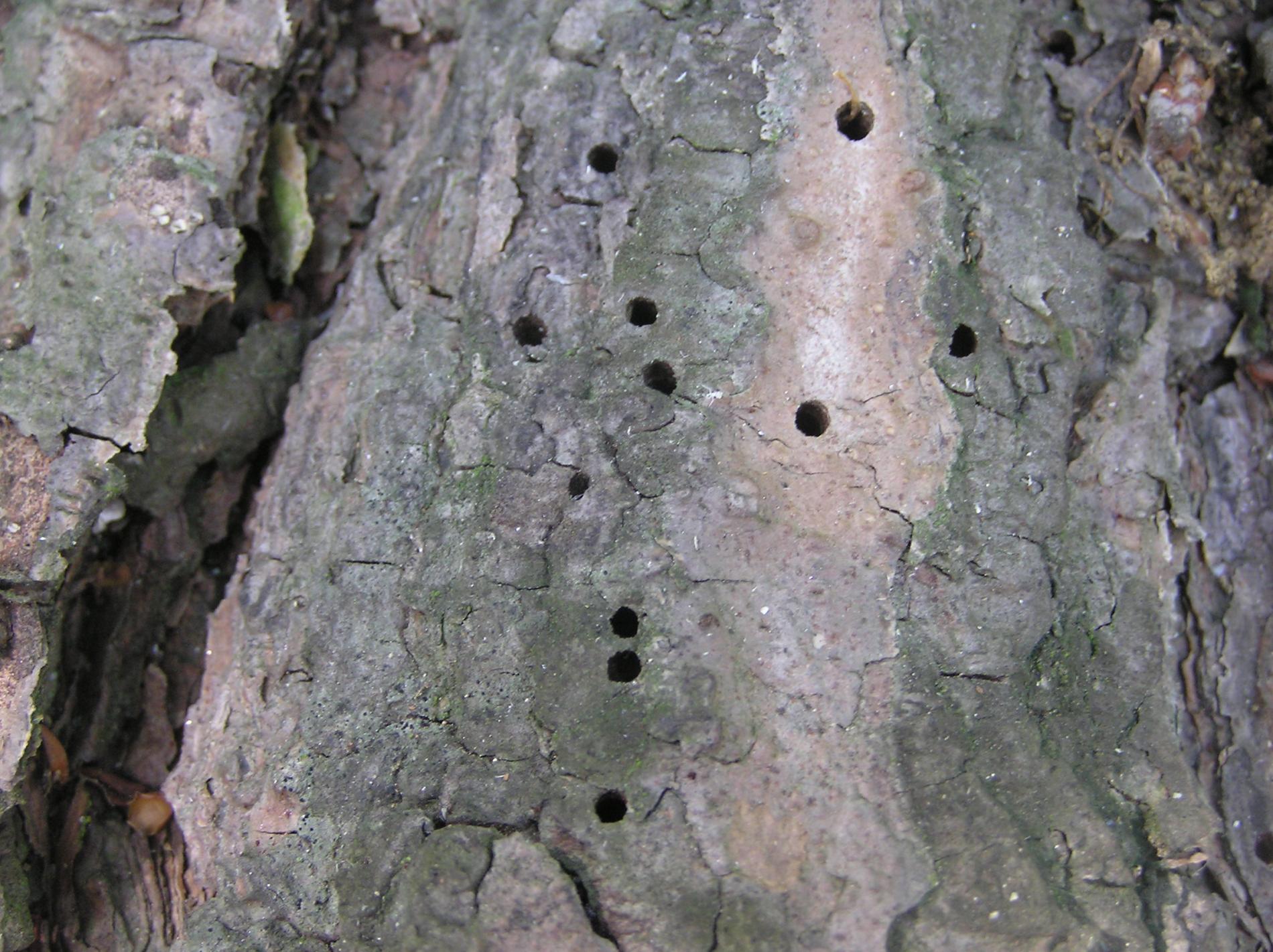
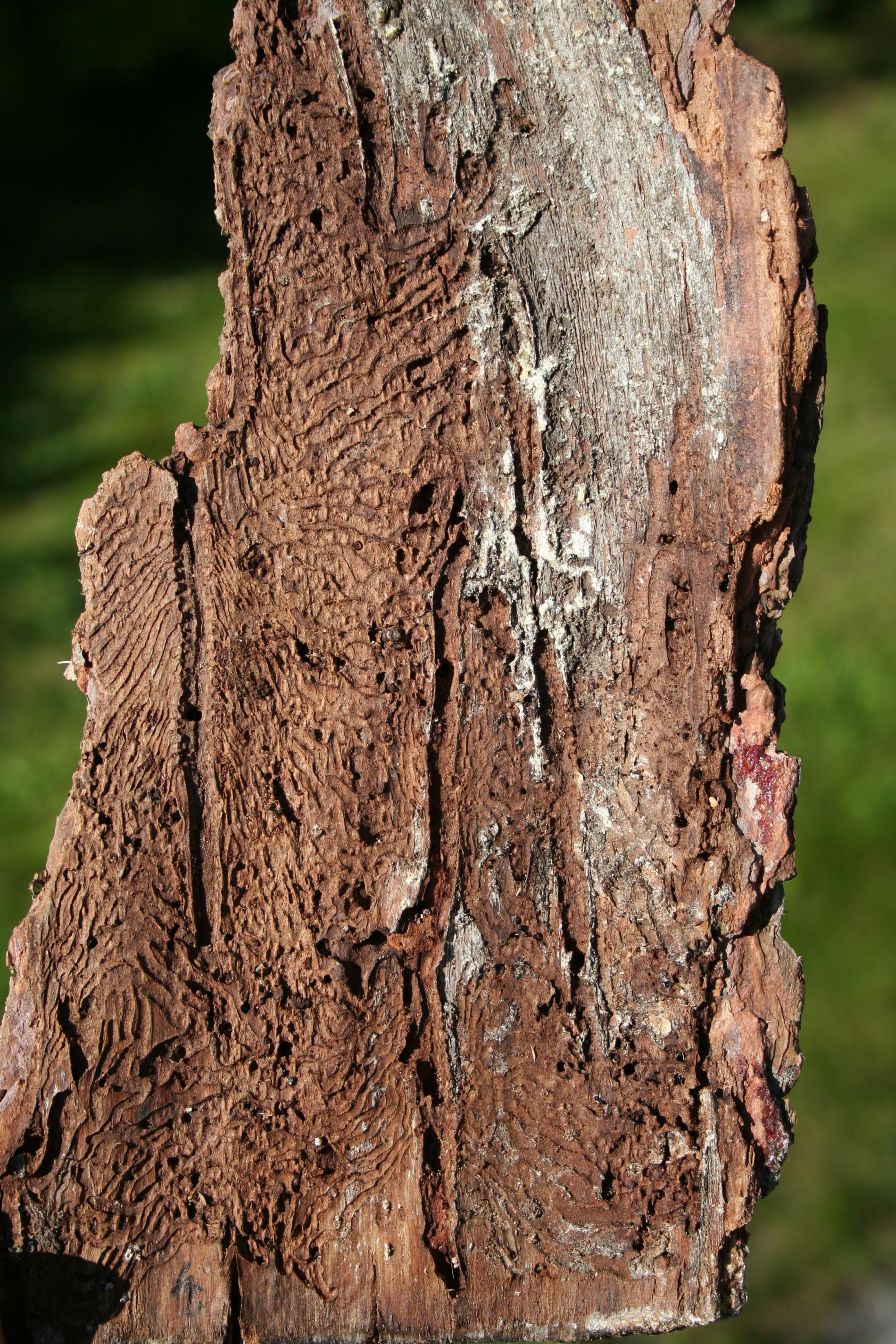
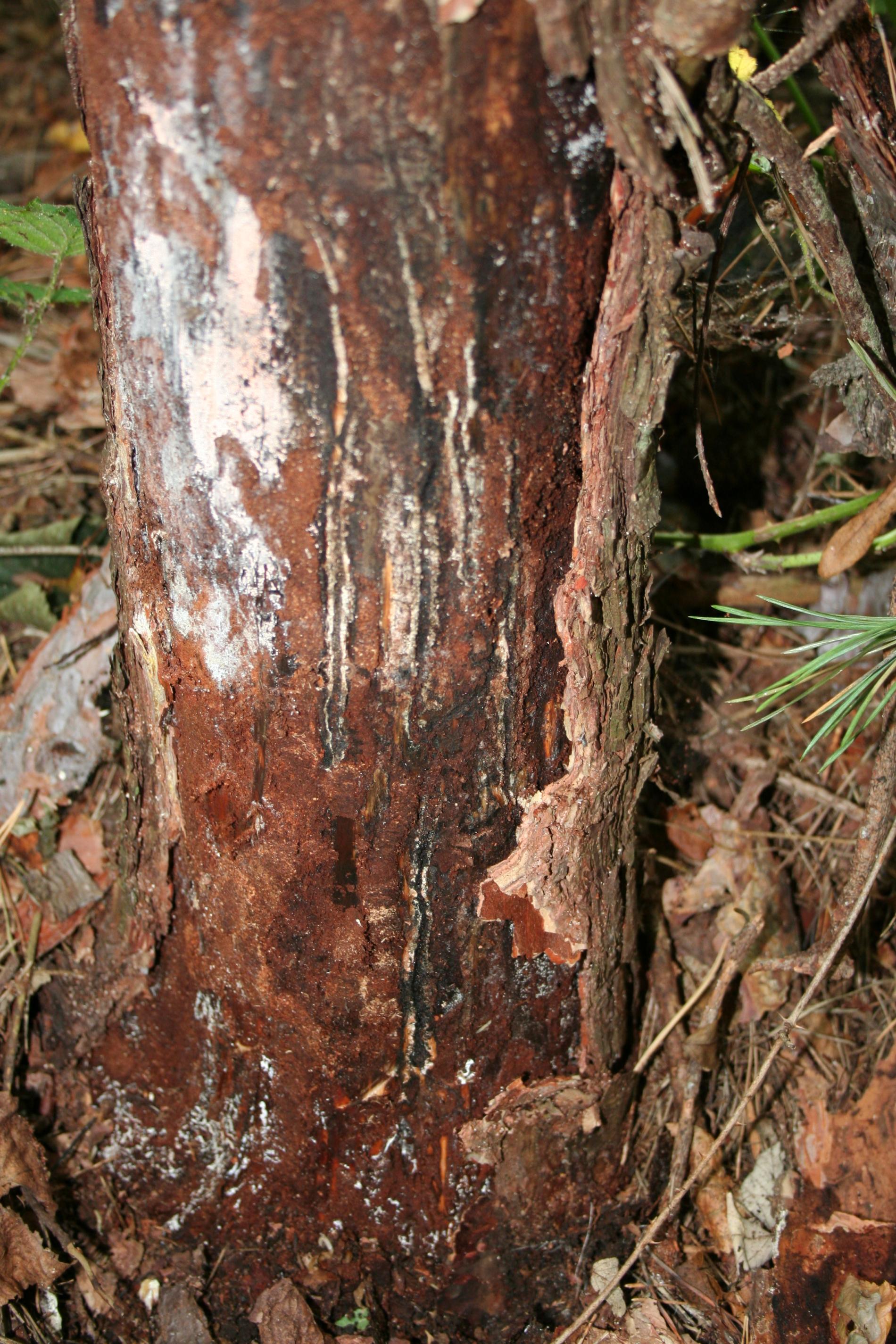
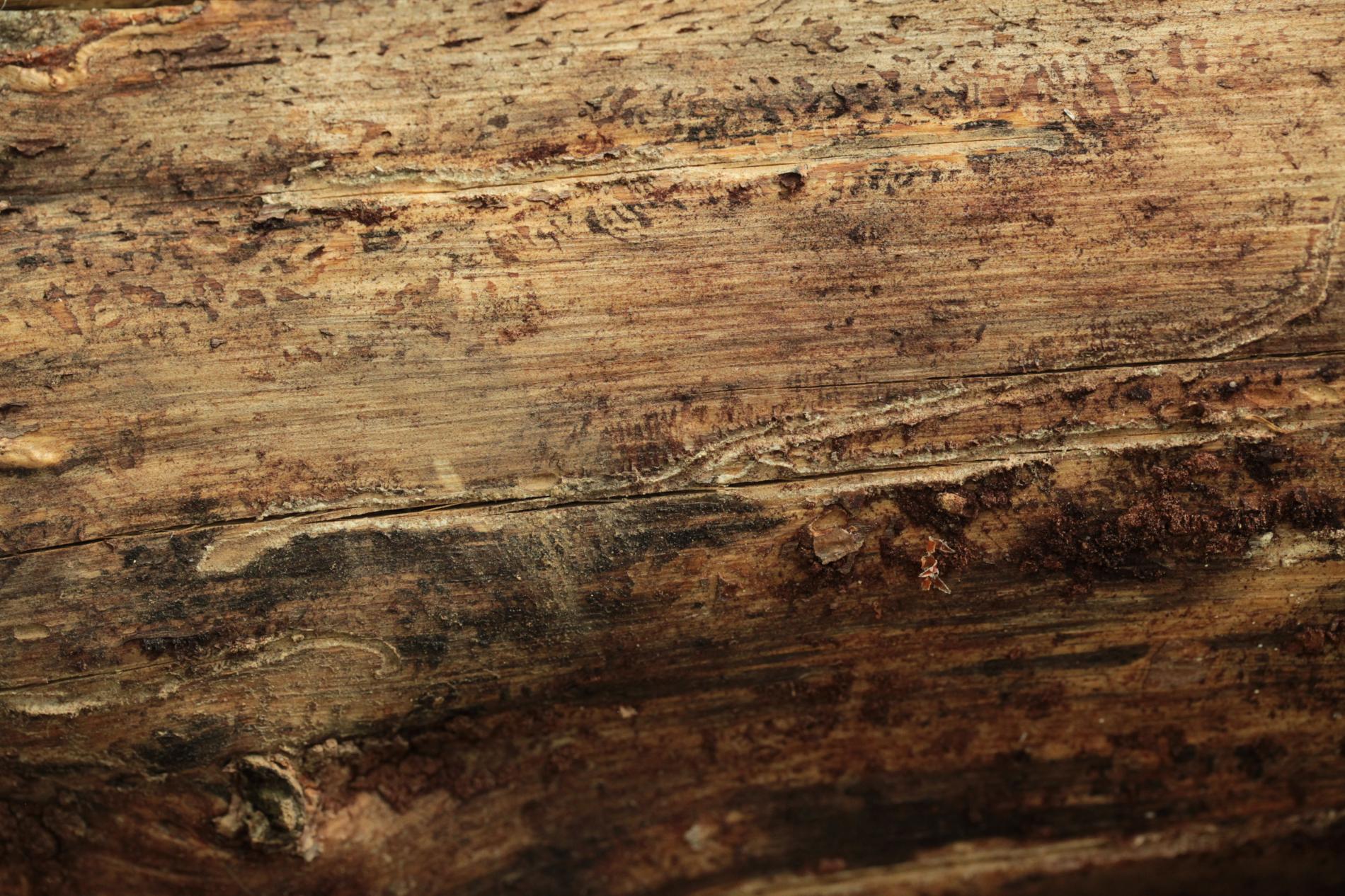
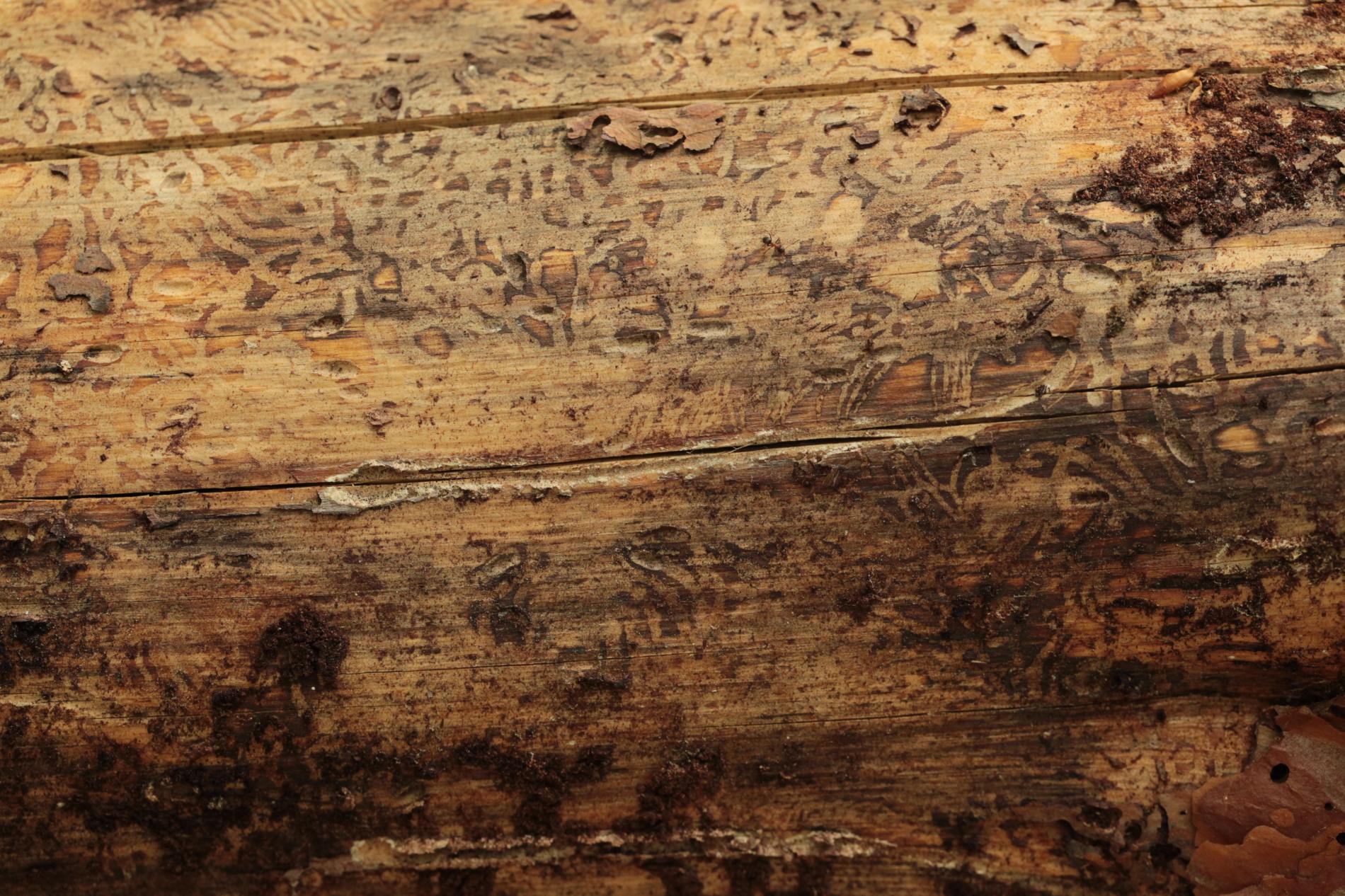
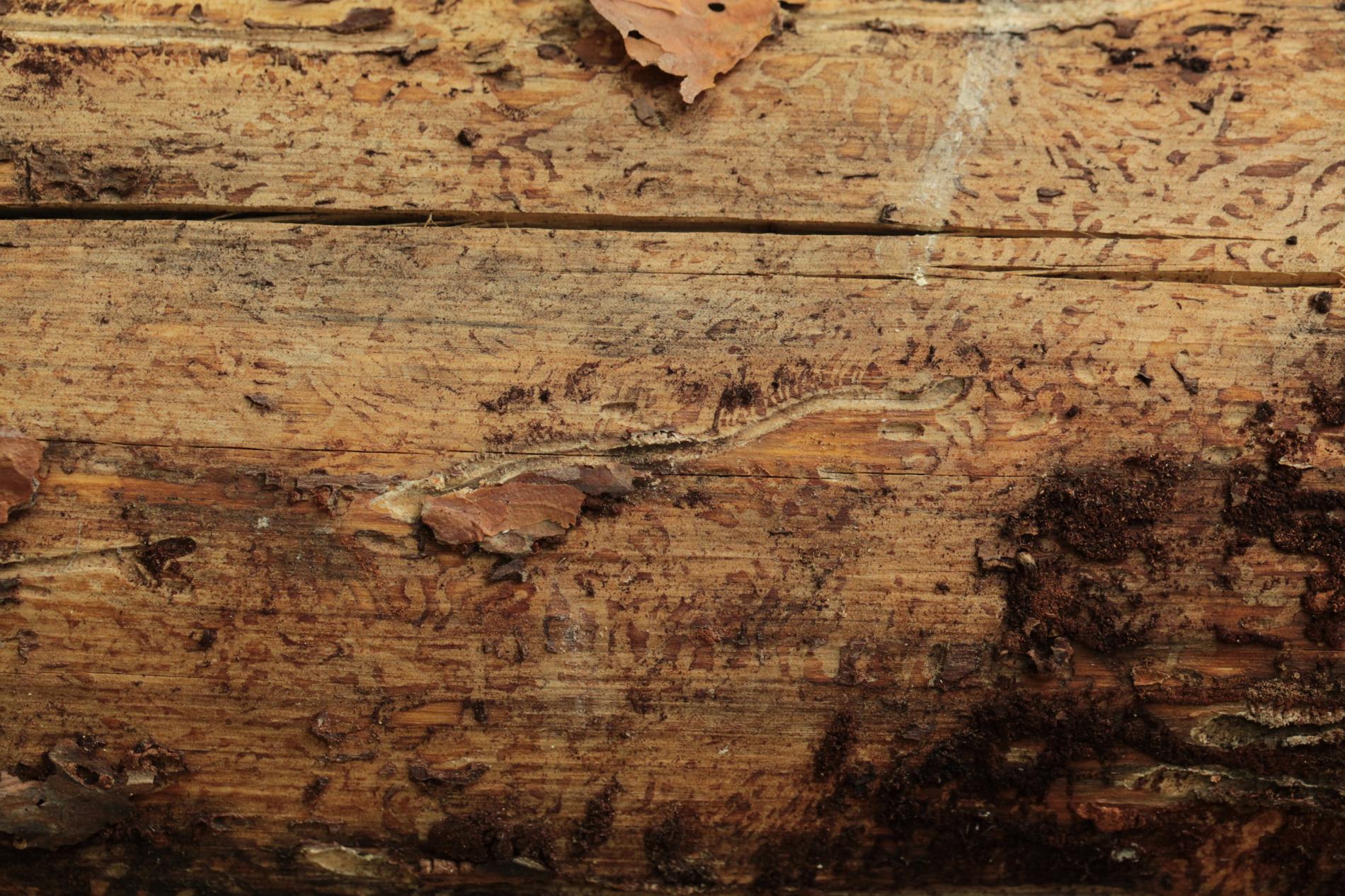
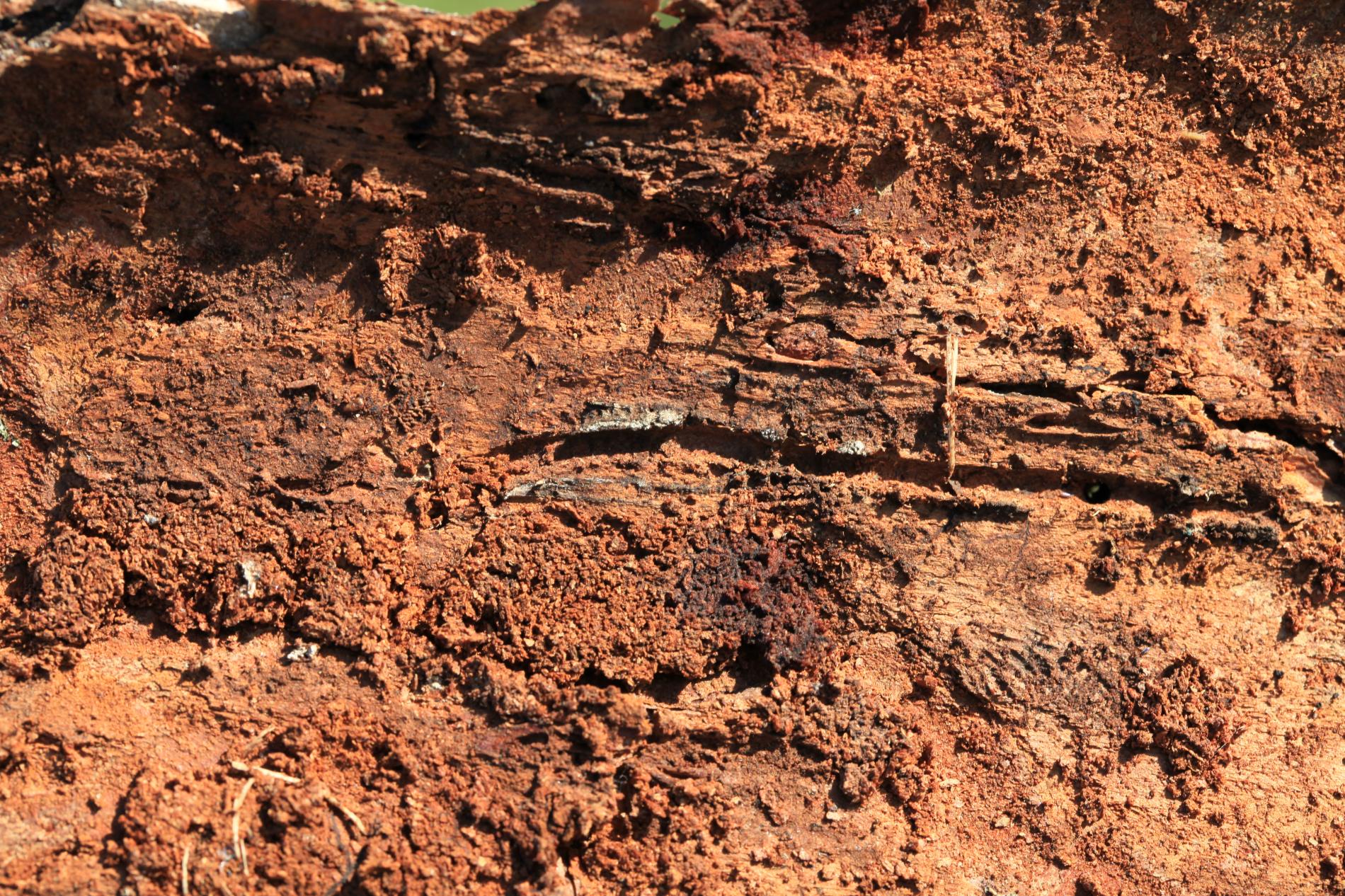
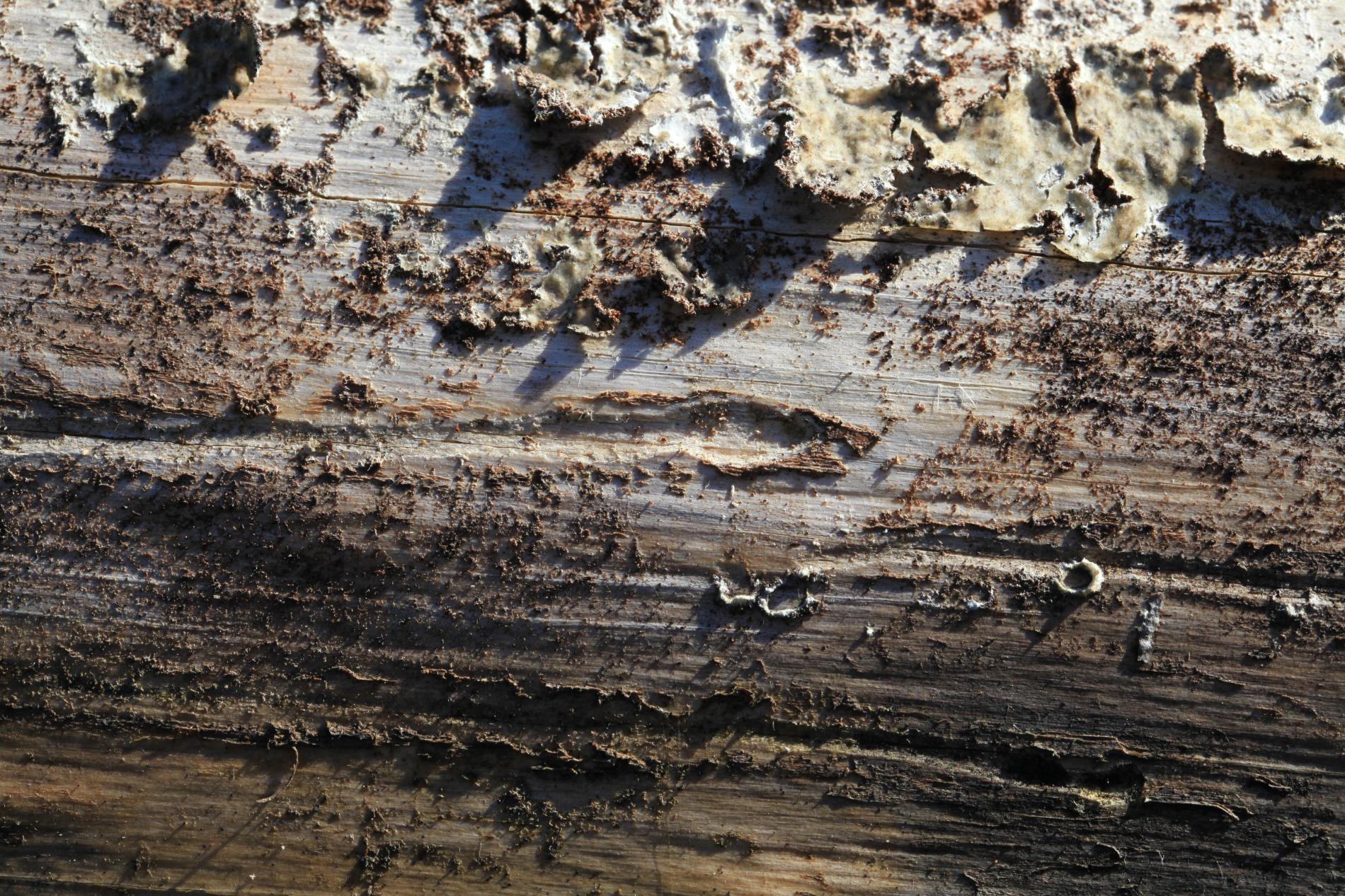
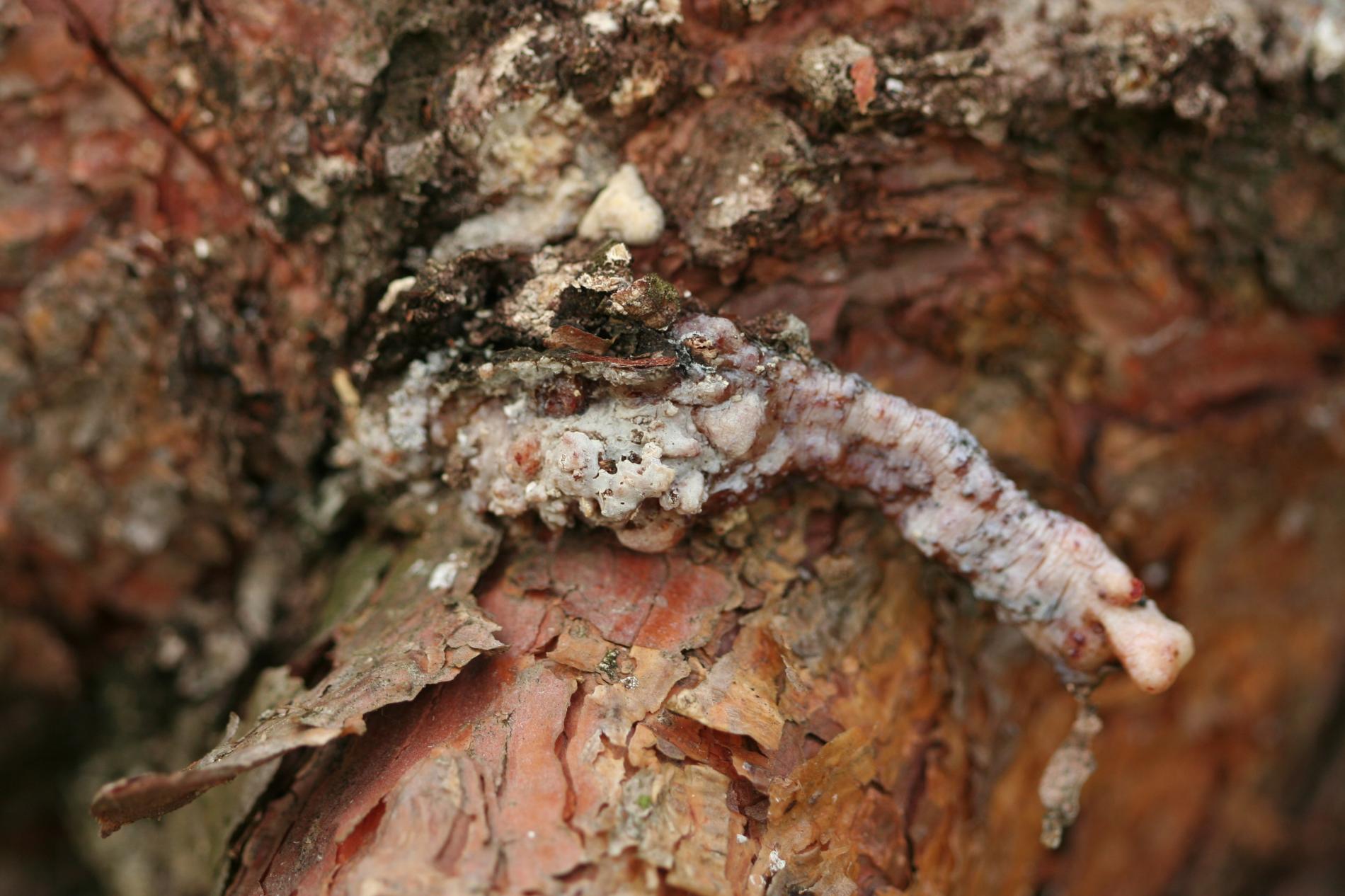
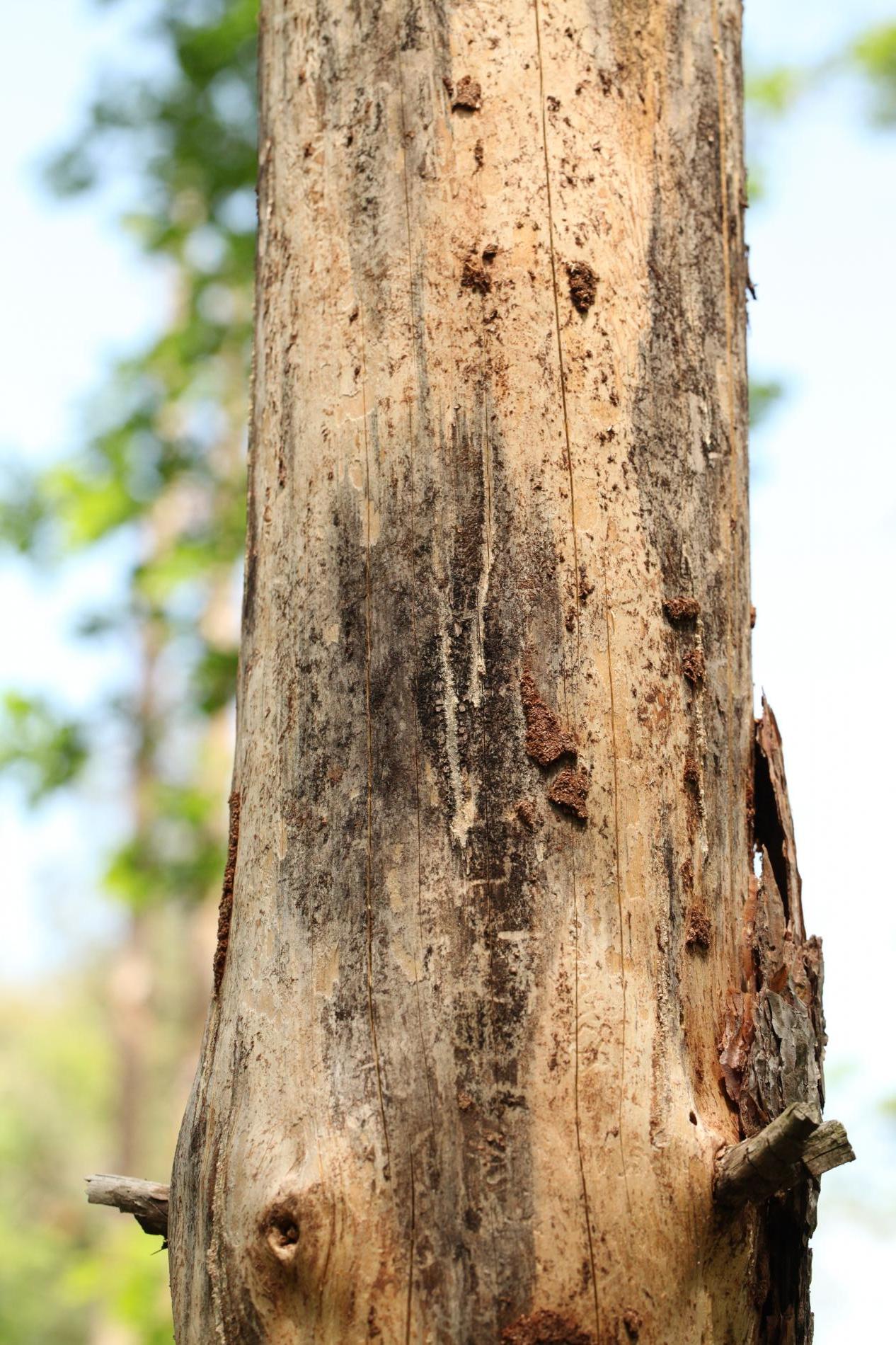
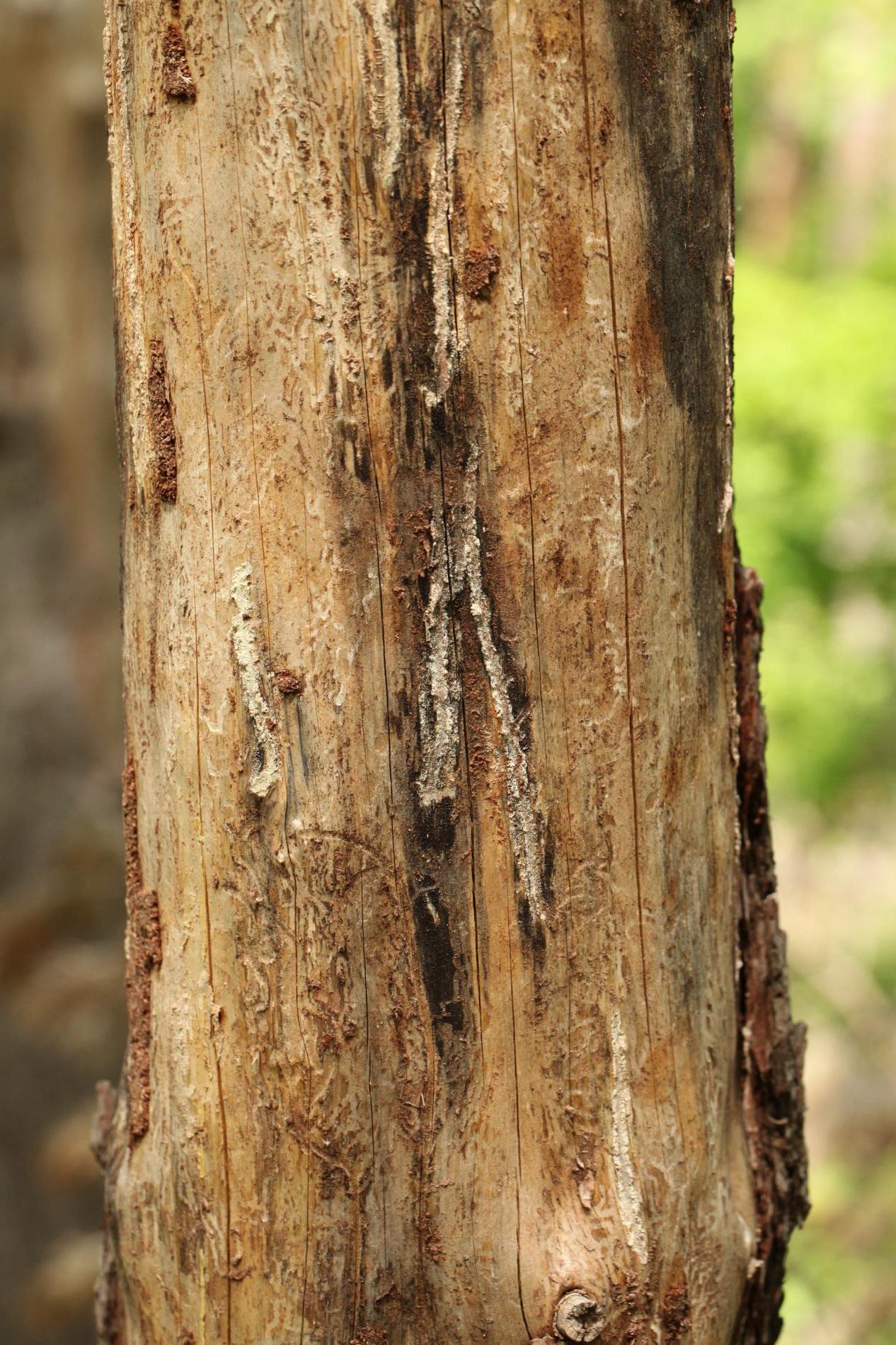
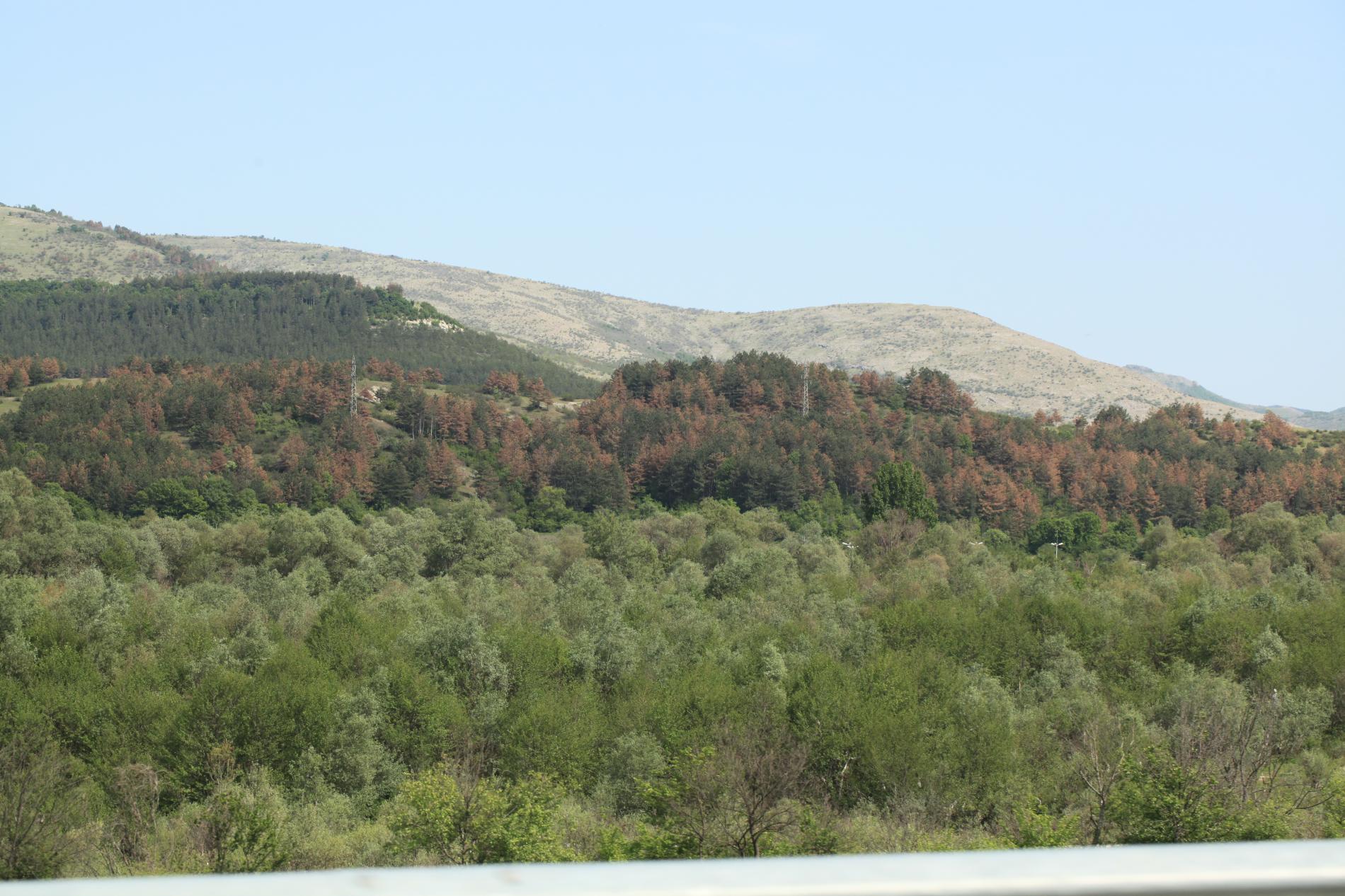
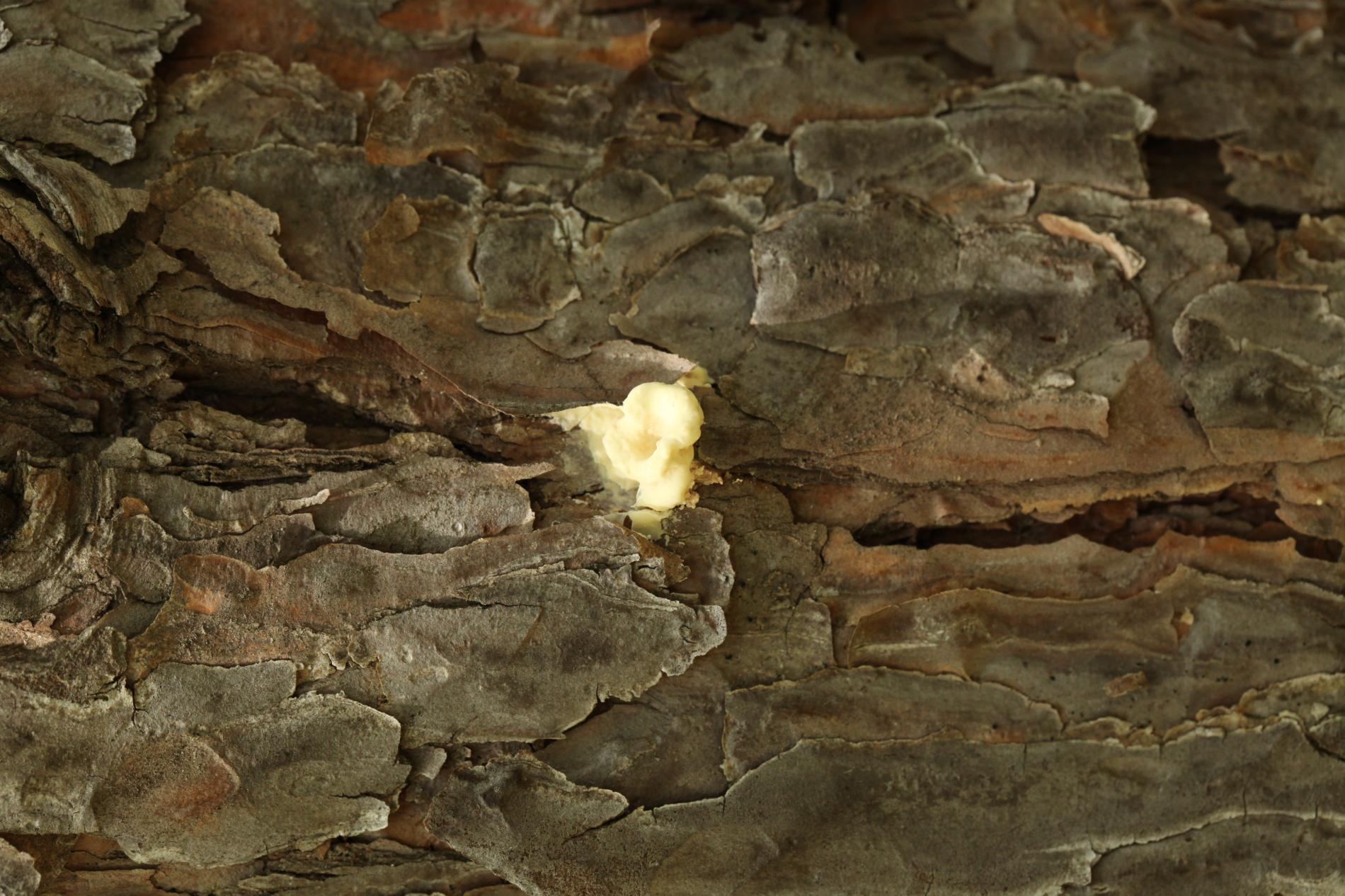
Adults are cylindrical and range from 3 to 5 mm in length. It completes one generation per year. Adults occur in the end of winter in very early spring, often as early as March and April (even in February in the southern parts of Europe). After mating, females construct individual vertical egg galleries within the inner bark and outer sapwood, which are slightly s-shaped, 10–14 cm long. After hatching, larvae construct horizontal feeding galleries that are 5–10 cm long. Most larvae complete development, pupate, and transform into adults in May and June. Adults emerge from the trunk through round exit holes. They fly into pine crowns and bore into healthy pine sprouts. During this period of maturation-feeding, each adult may destroy 1 to 6 sprouts. It is a univoltine species but there are many sister generations. It is considered one of the most serious scolytid pine pests in Europe.
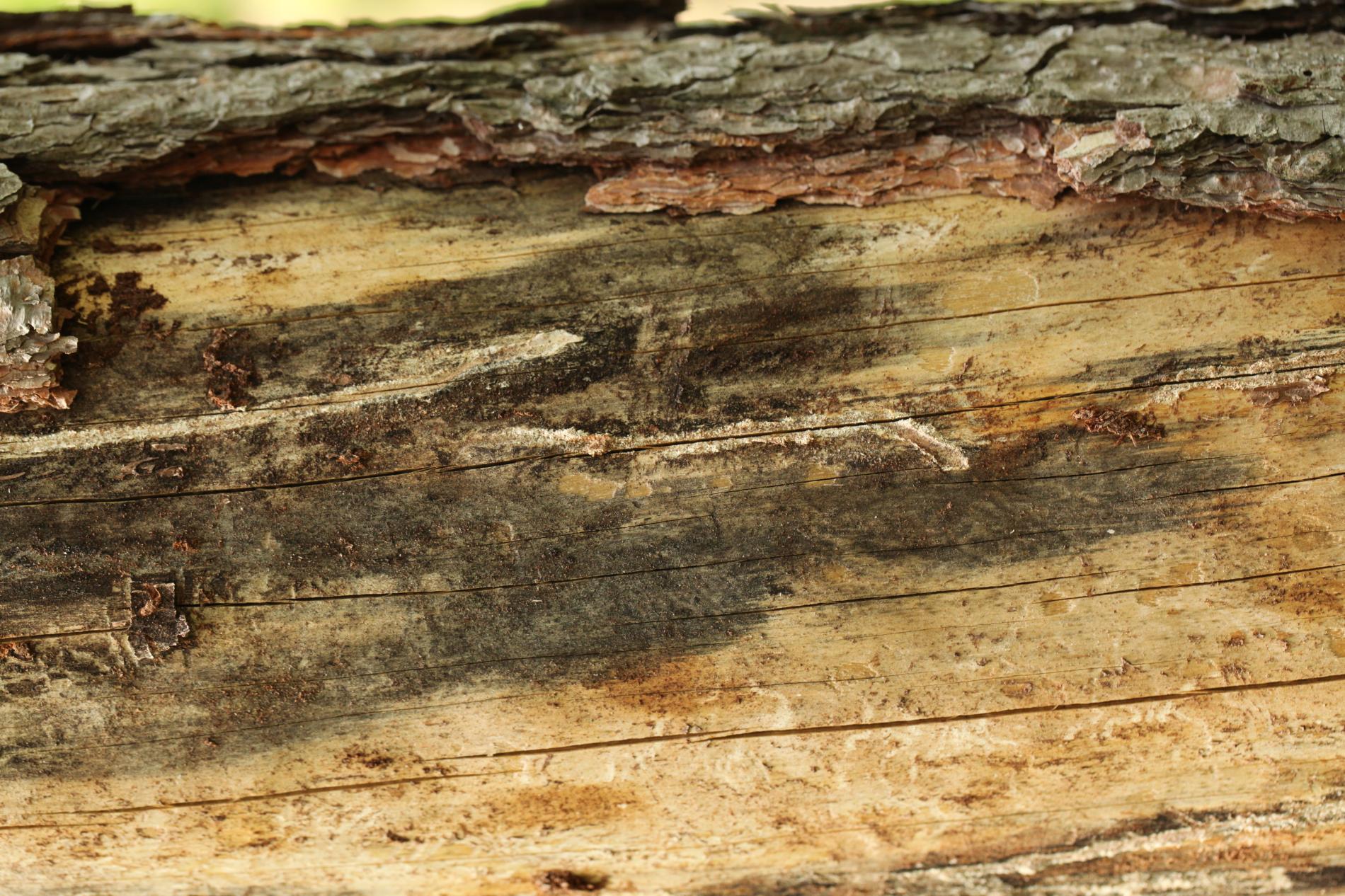
Adults are cylindrical and range from 3 to 5 mm in length. Vertical egg galleries within the inner bark and outer sapwood, which is slightly s-shaped, 10-14 cm long.
Tree Species: Pine
Part of a plant- attacked: Tree trunk
Pest significance: Very harmful
Pest Category: Insects
Invasive Species: No
Present in EU: Yes
Pest group: Insect
Depth of damages: Bark, Under bark only, Up to 0,5 cm depth
The extent of damage: Lokally
Prevalence in Europe: Common
Damaged products: Firewood, Fresh timber logs (water still in the sapwood)
Roundwood size: Branches and twigs, Diameter 50+, Diameter from 10 up to 50 cm, Diameter up to 10 cm
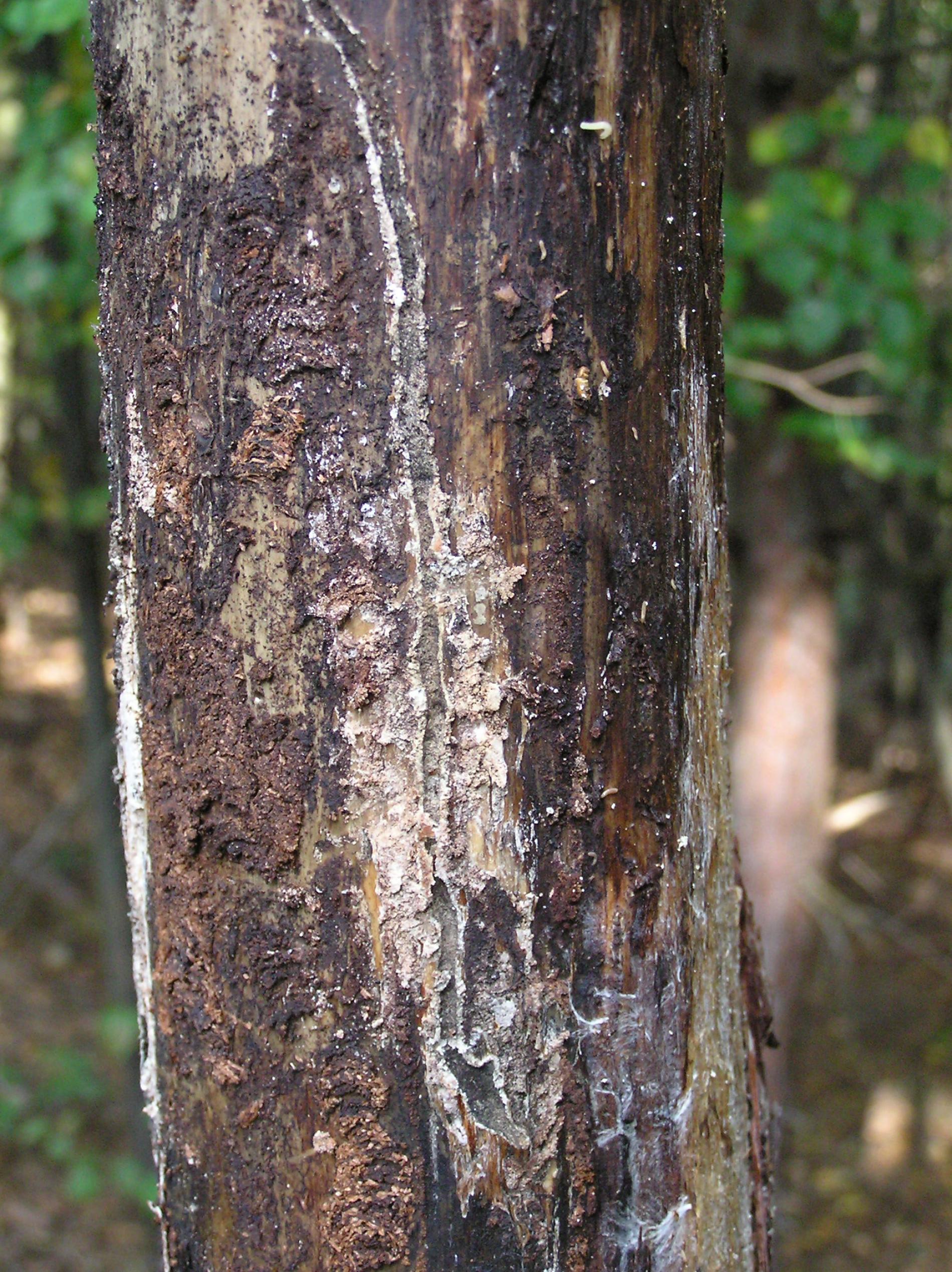
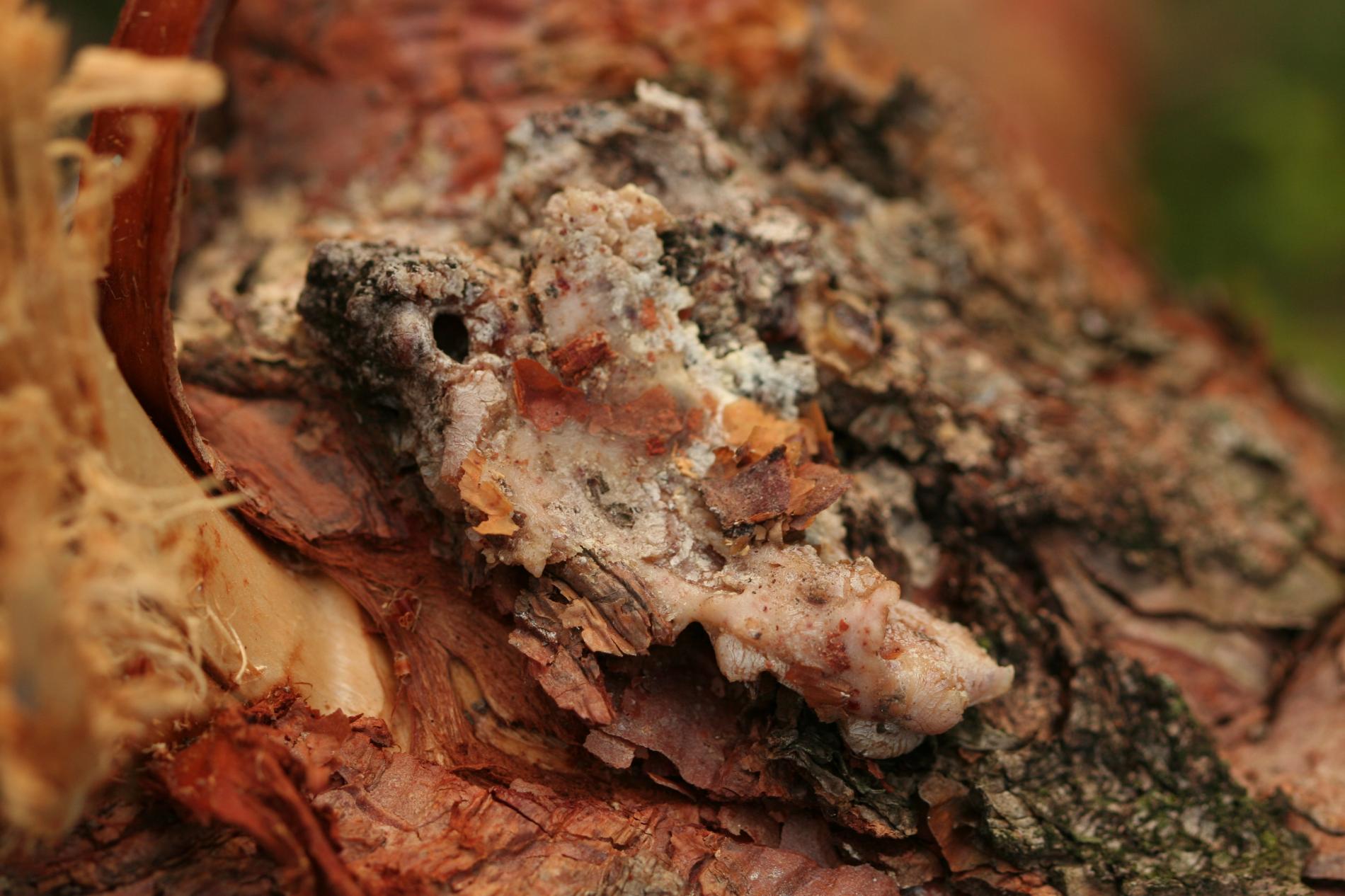
Wood discoloration: Yes
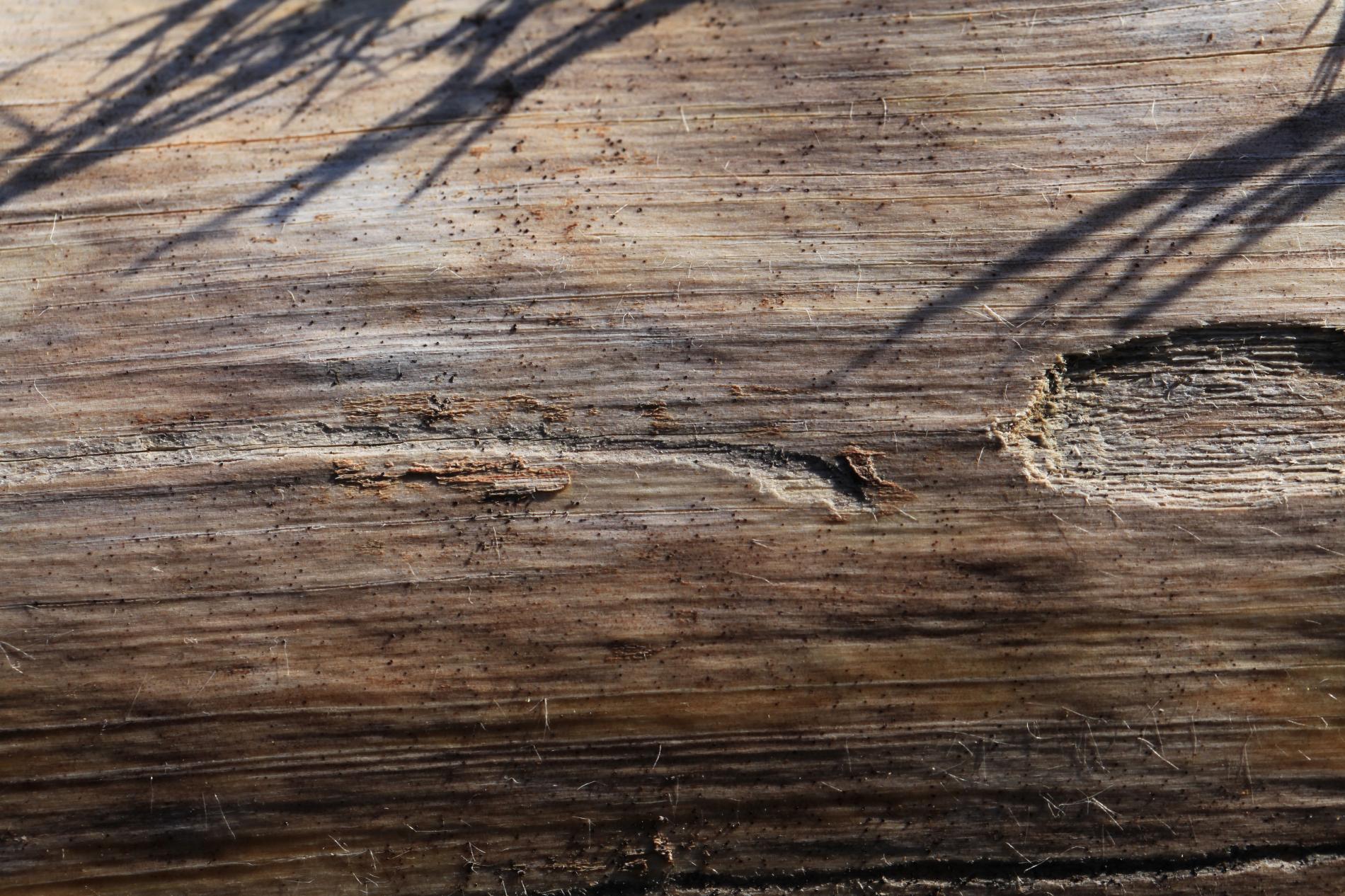
Exit holes: Round
Pest subcategory: Bark and underbark insect
Similar pests

Ips sexdentatus

Tomicus minor
