


Stereum hirsutum
False Turkey tail
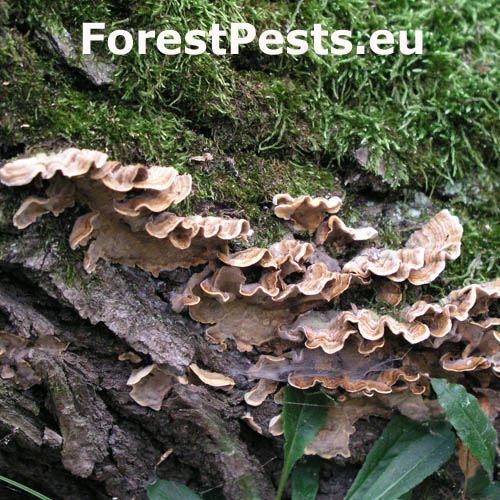
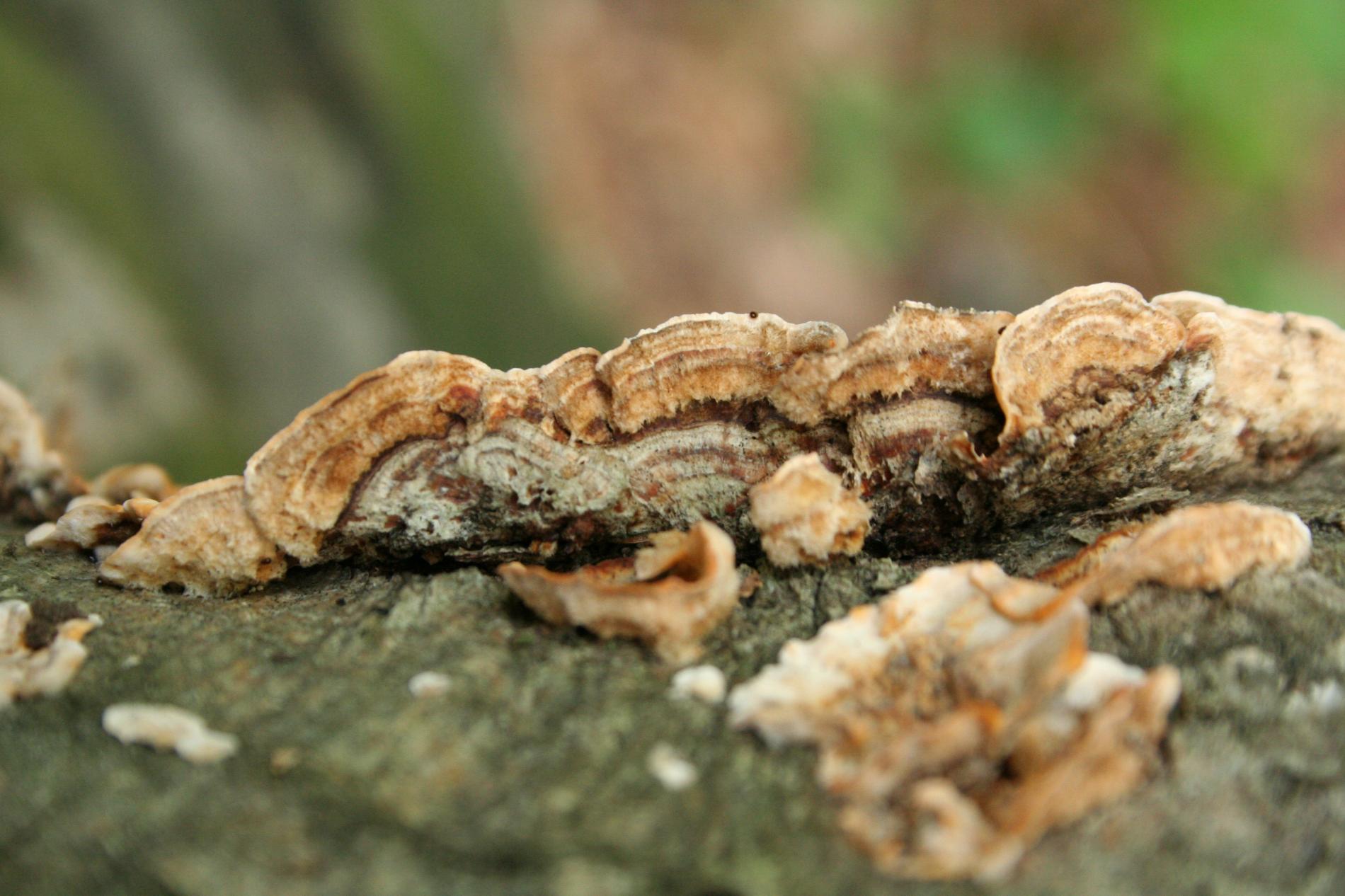
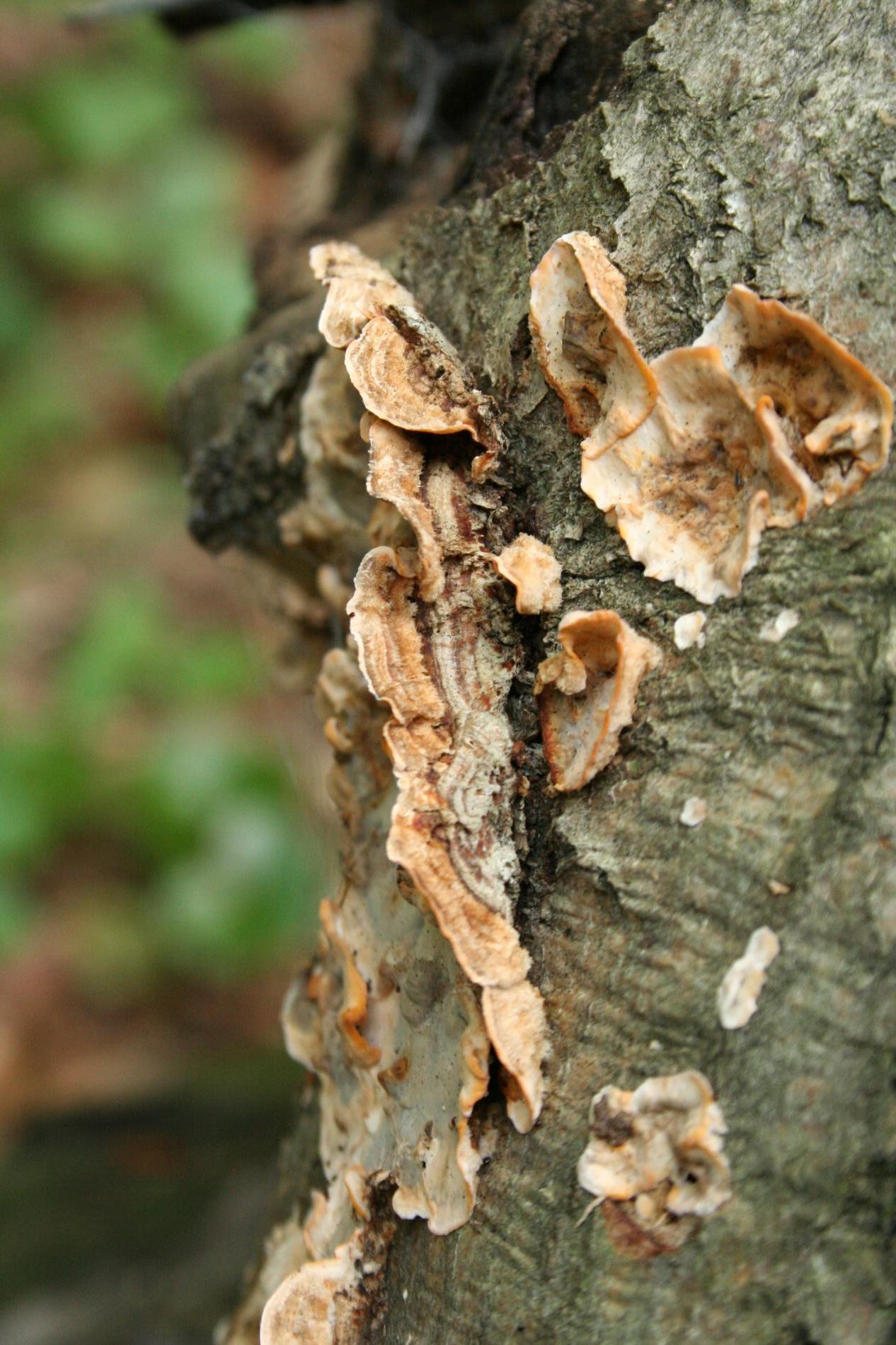
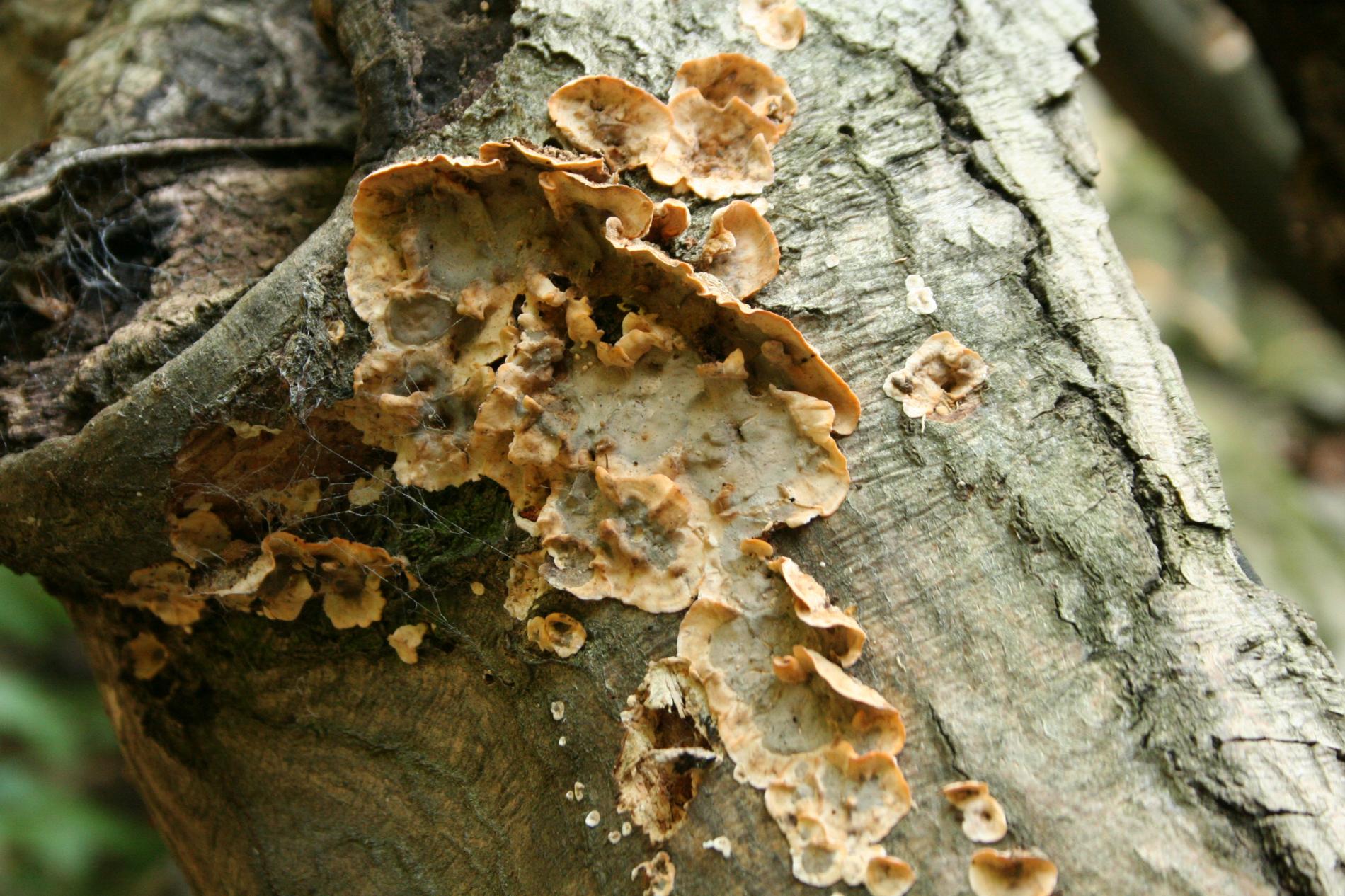
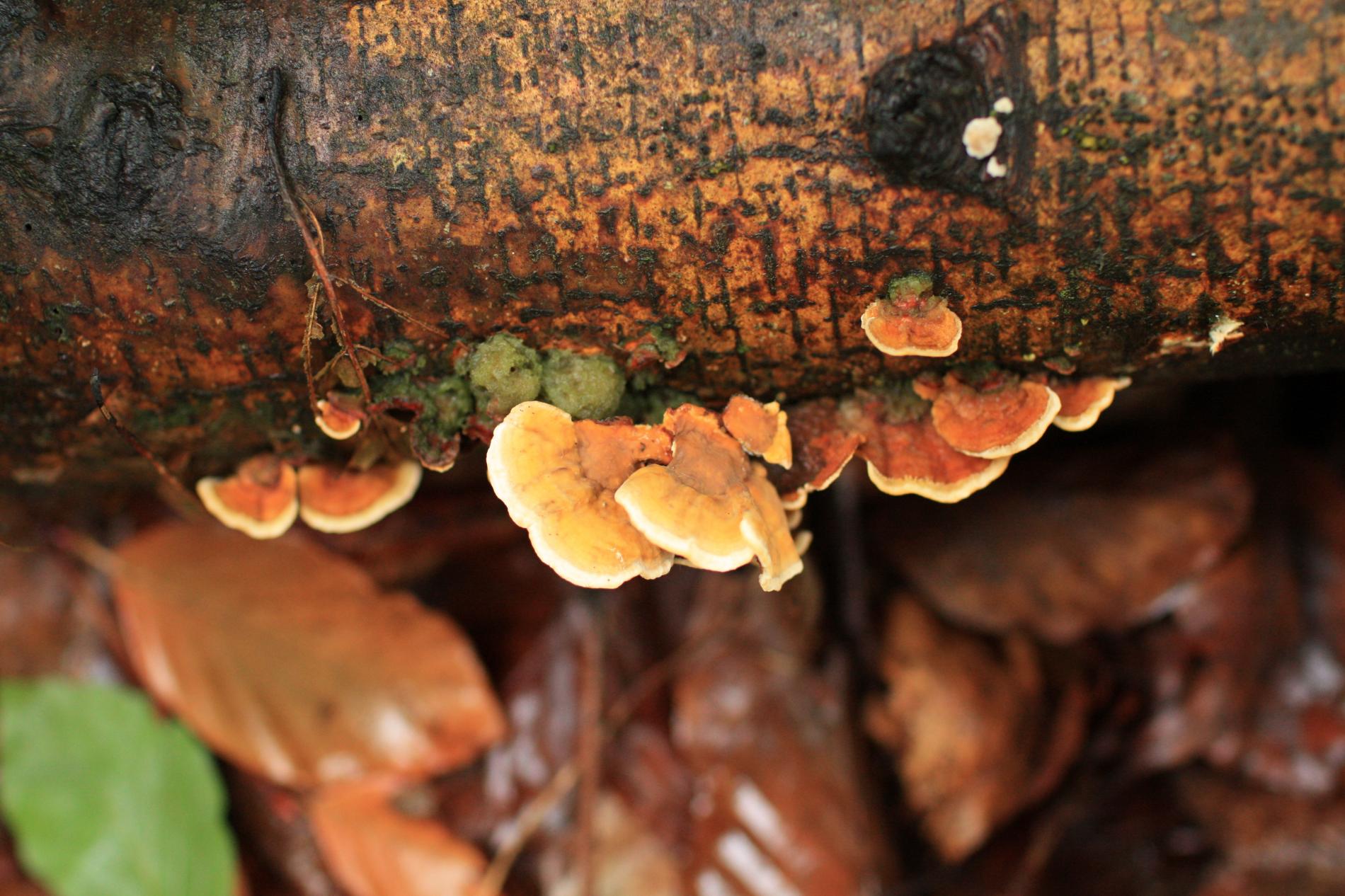
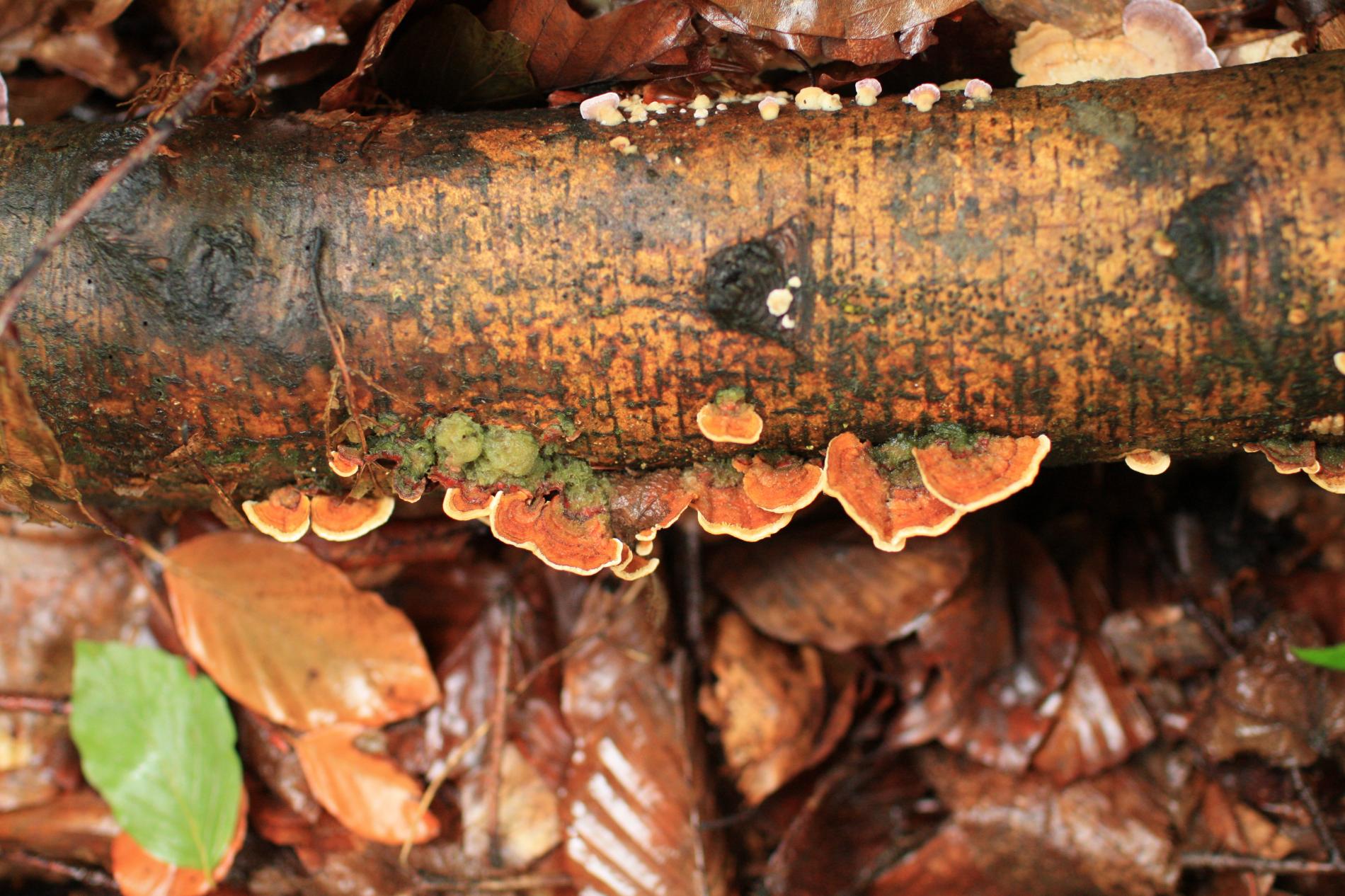
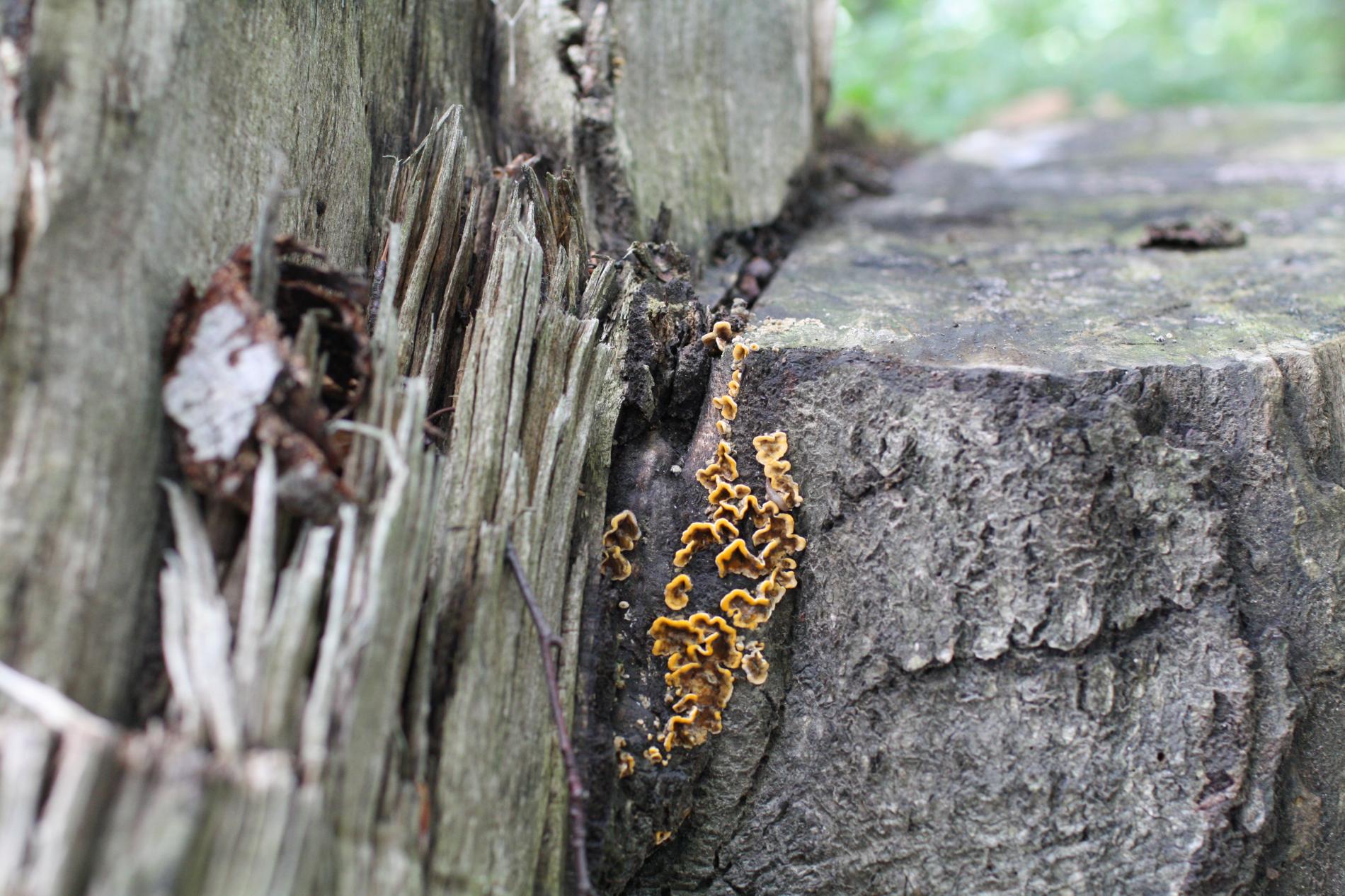
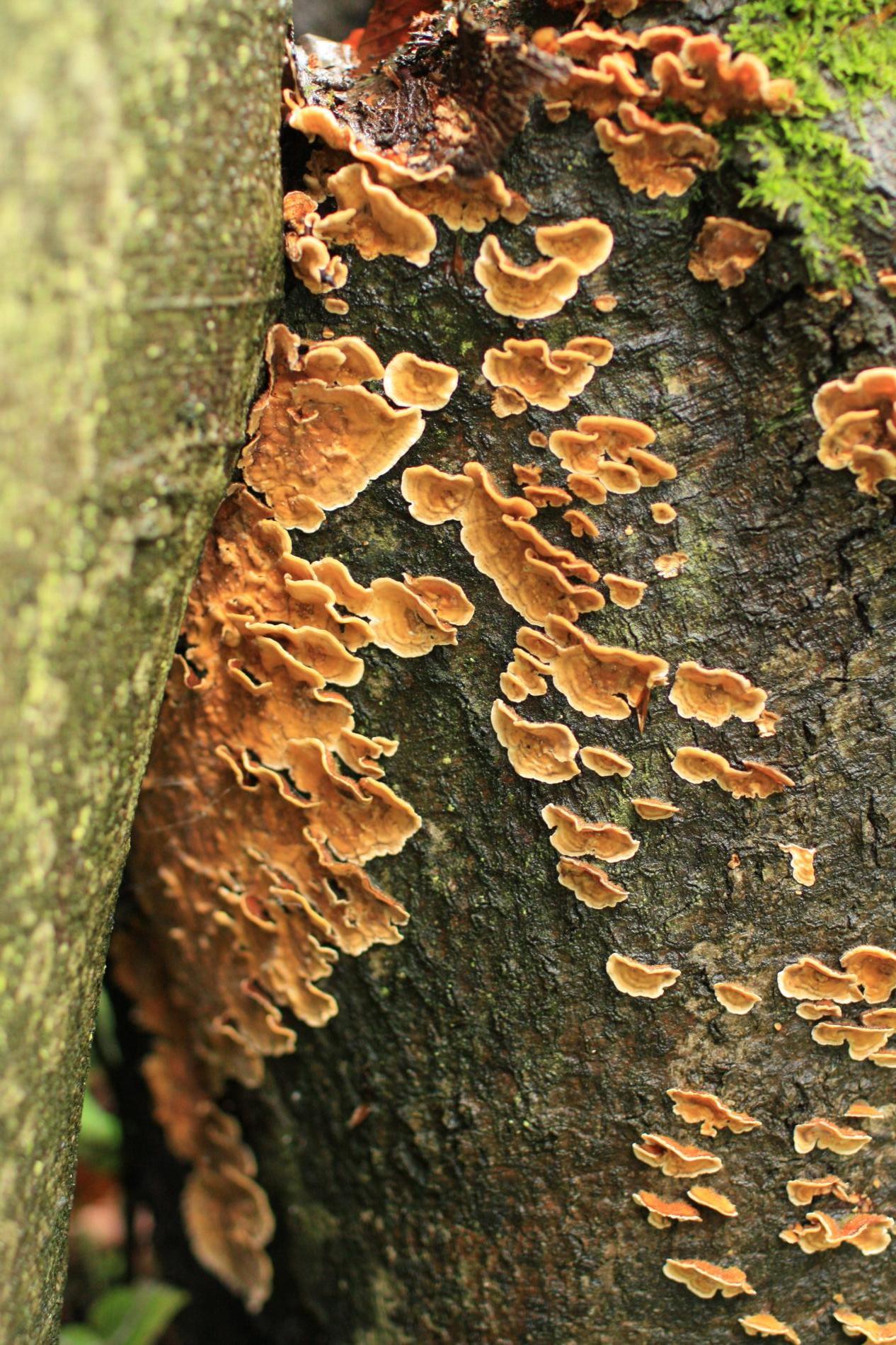
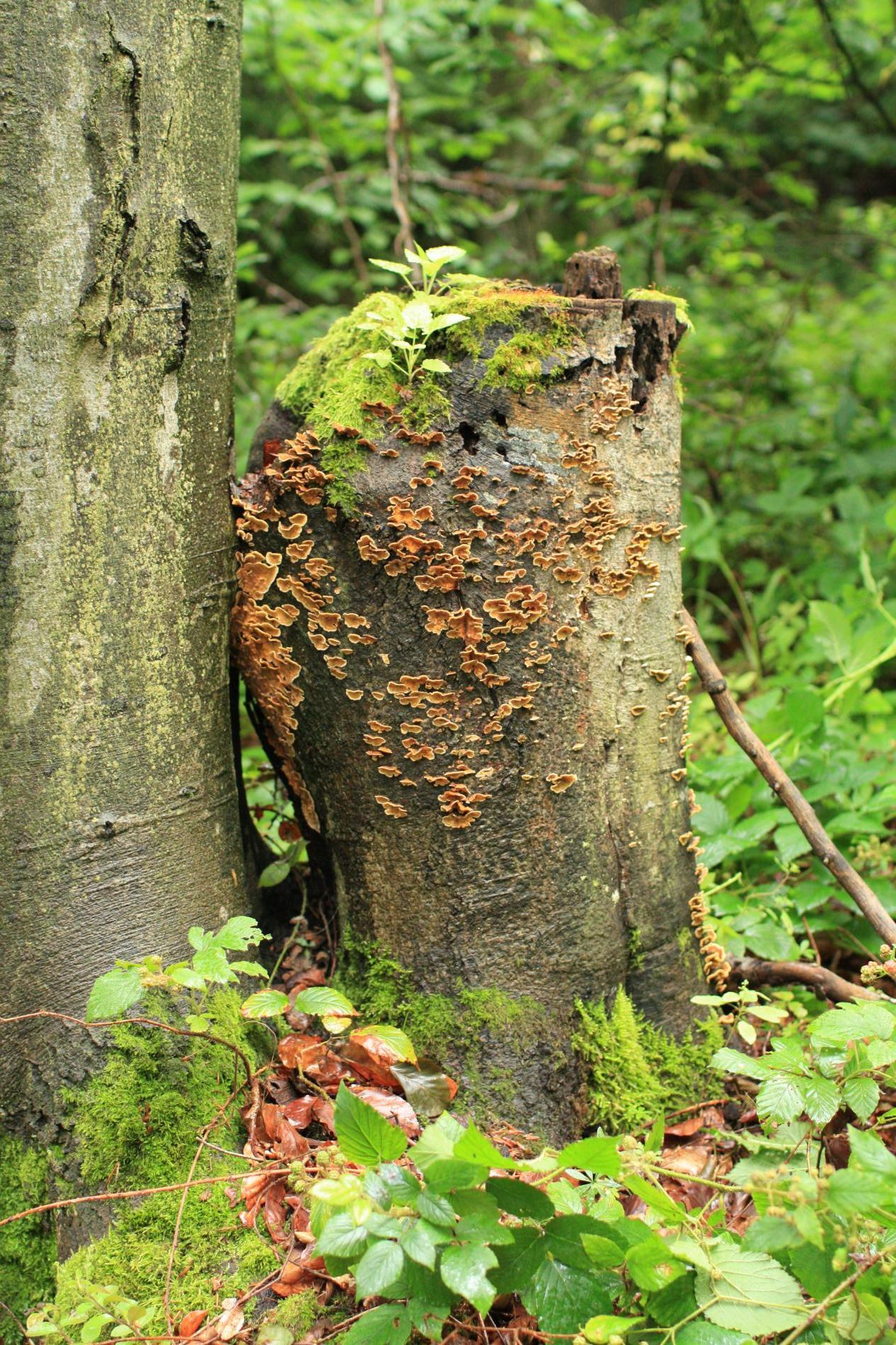
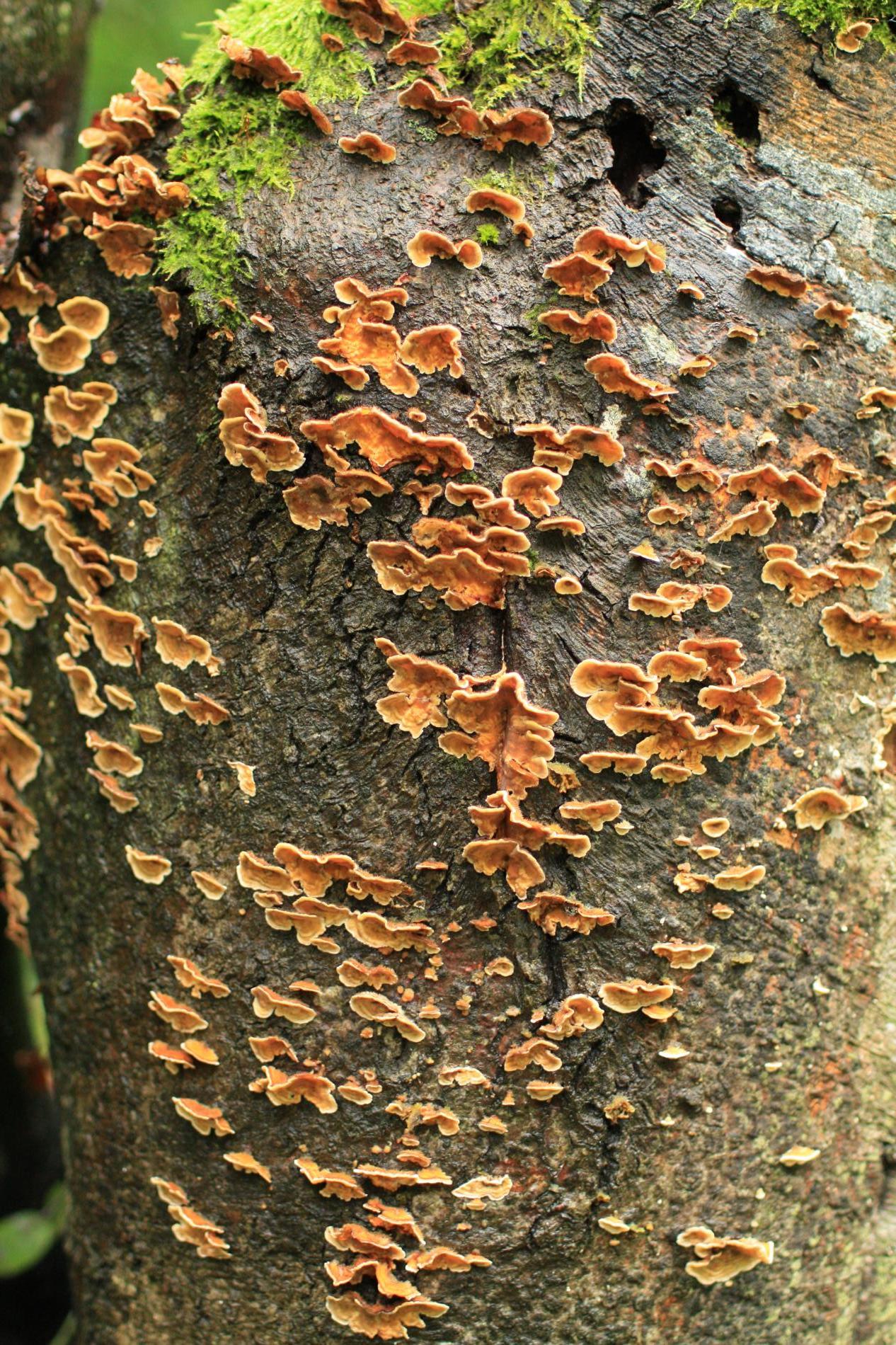
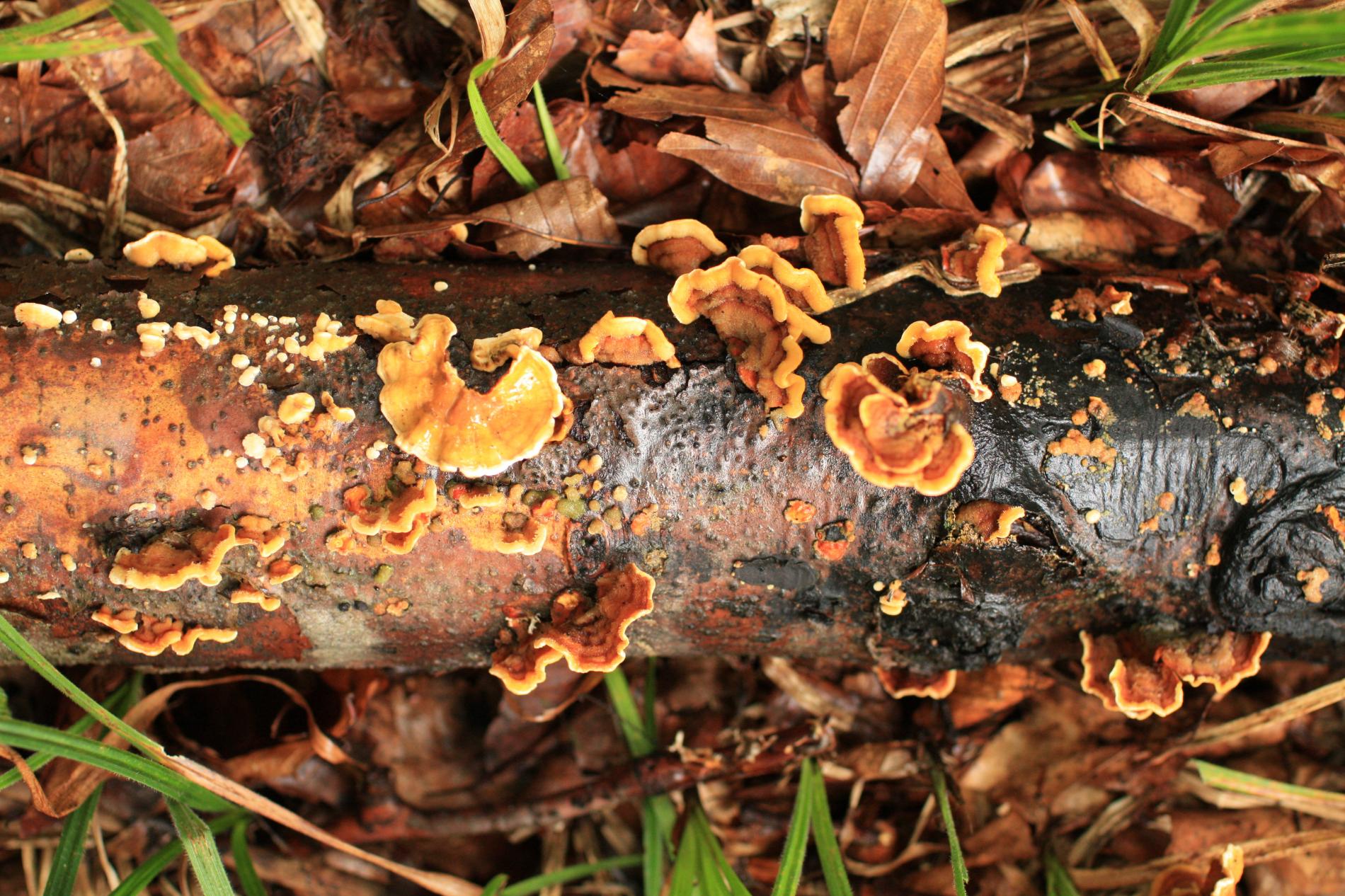
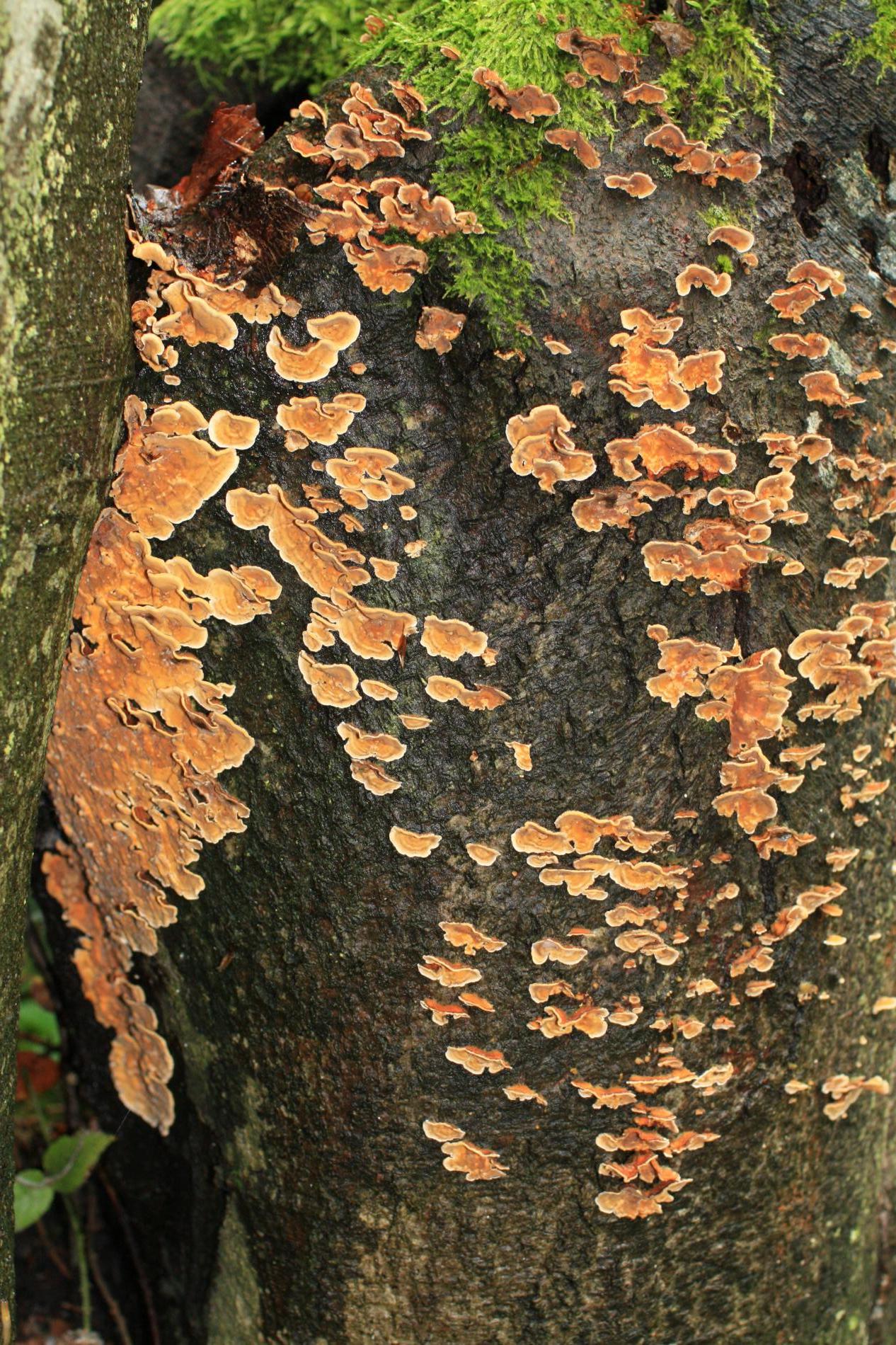
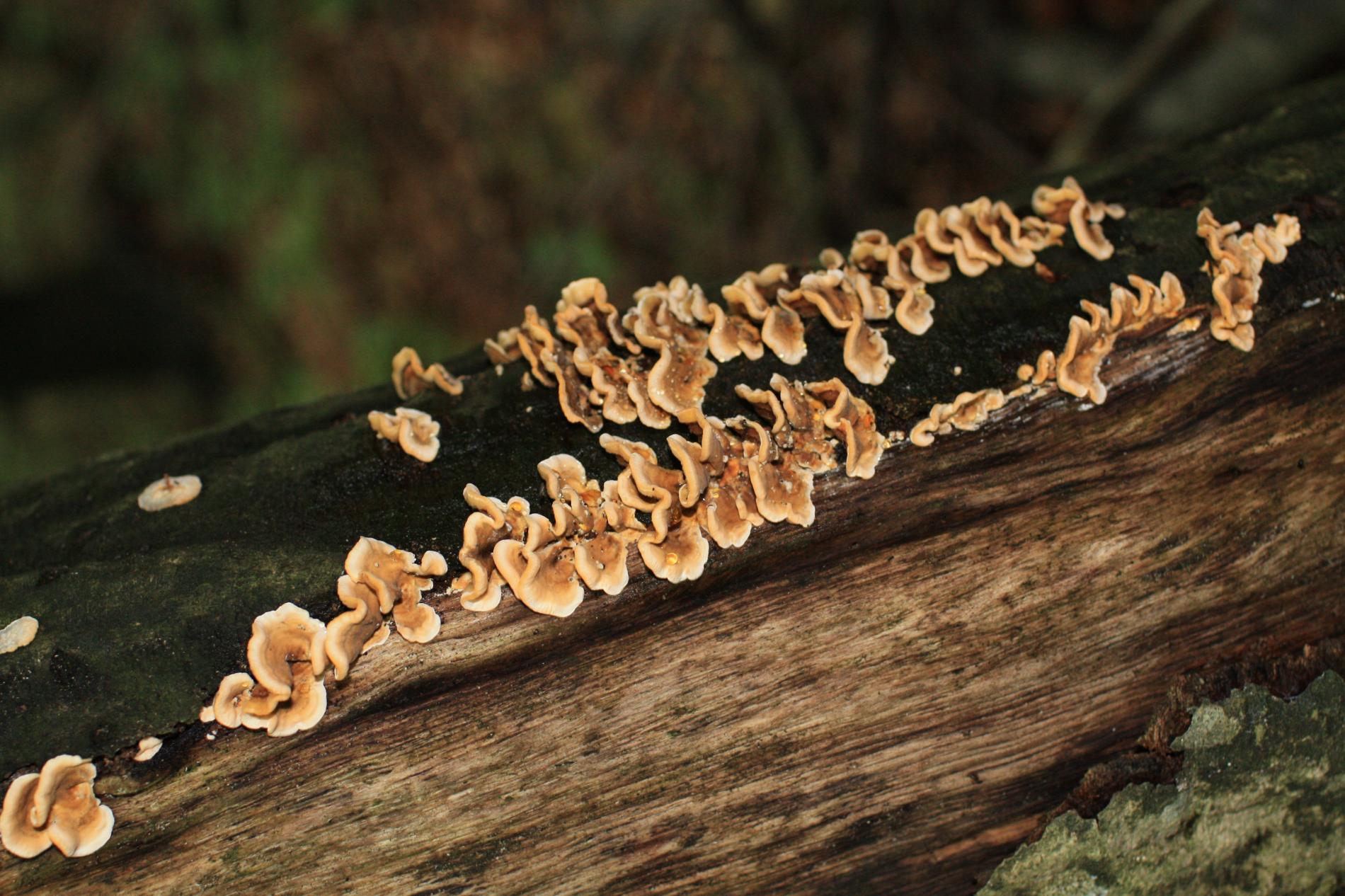
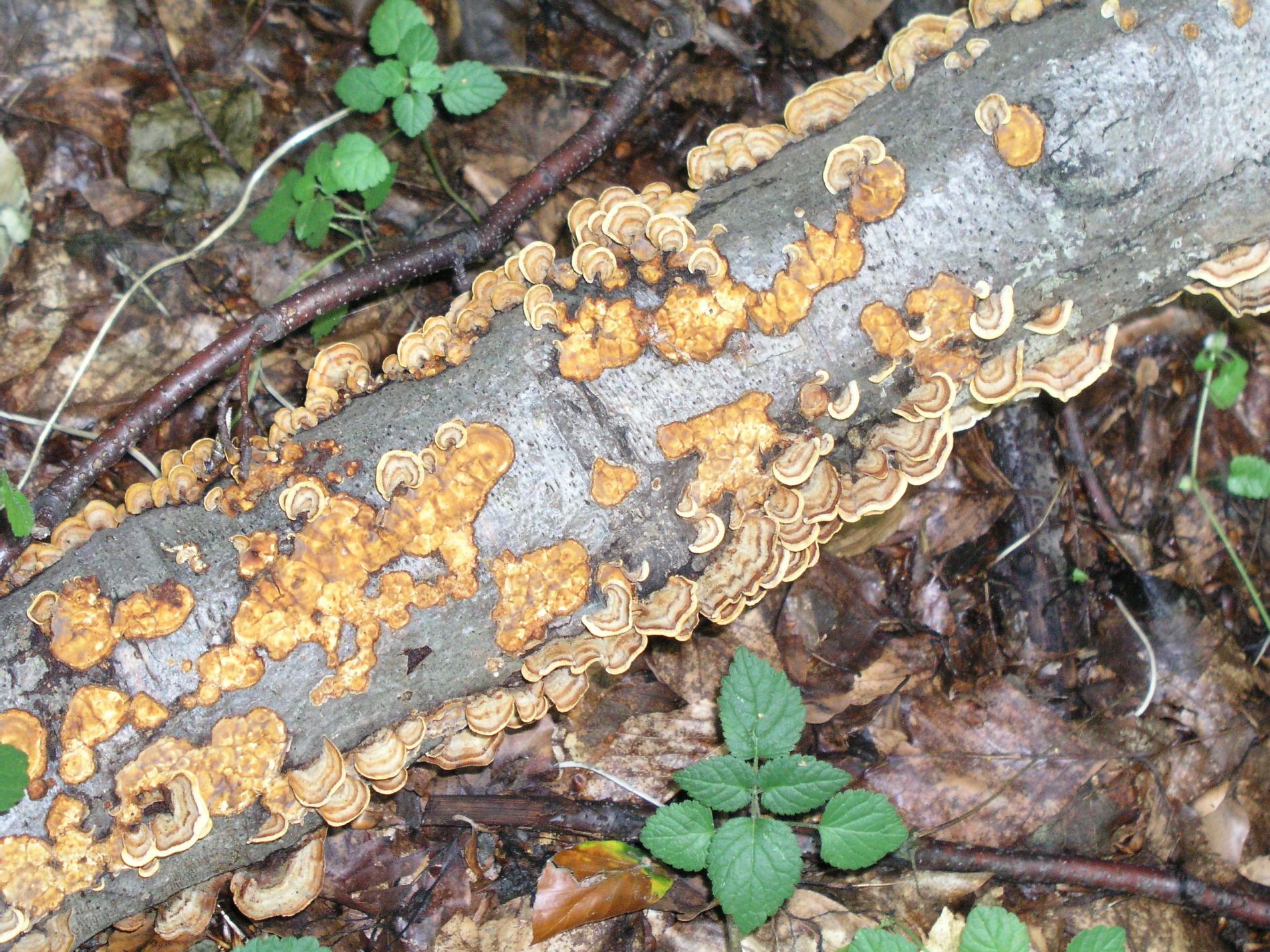
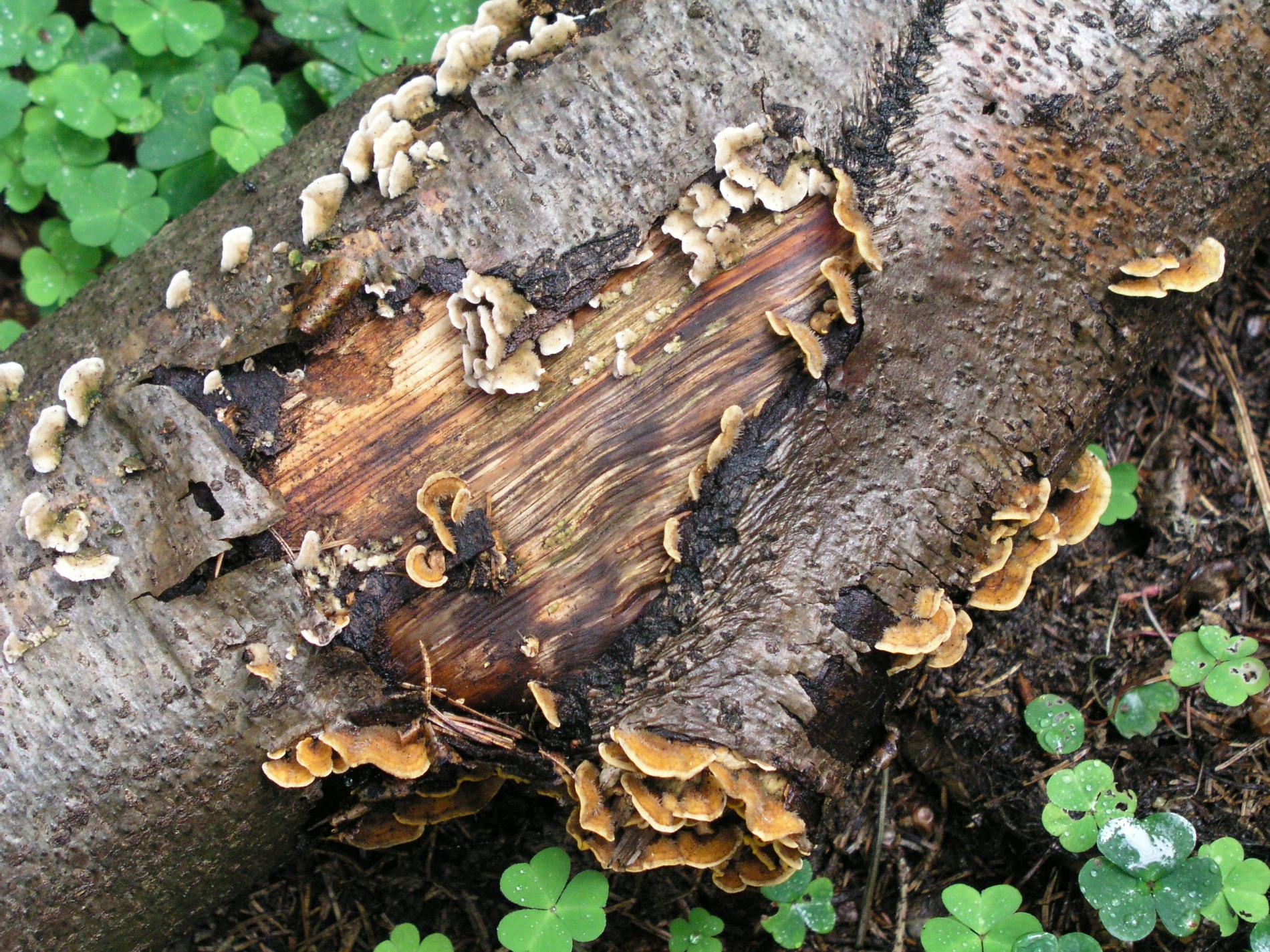
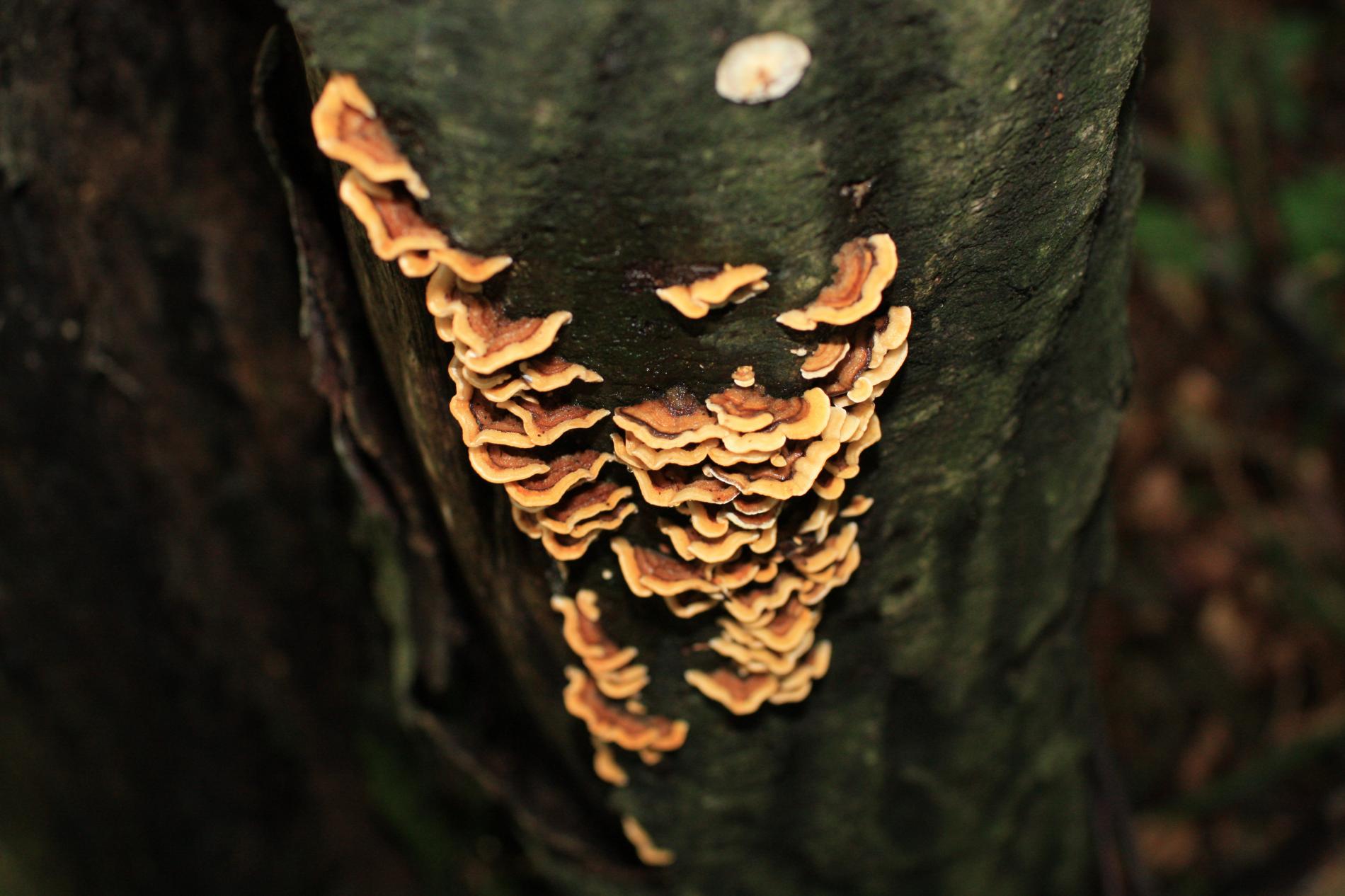
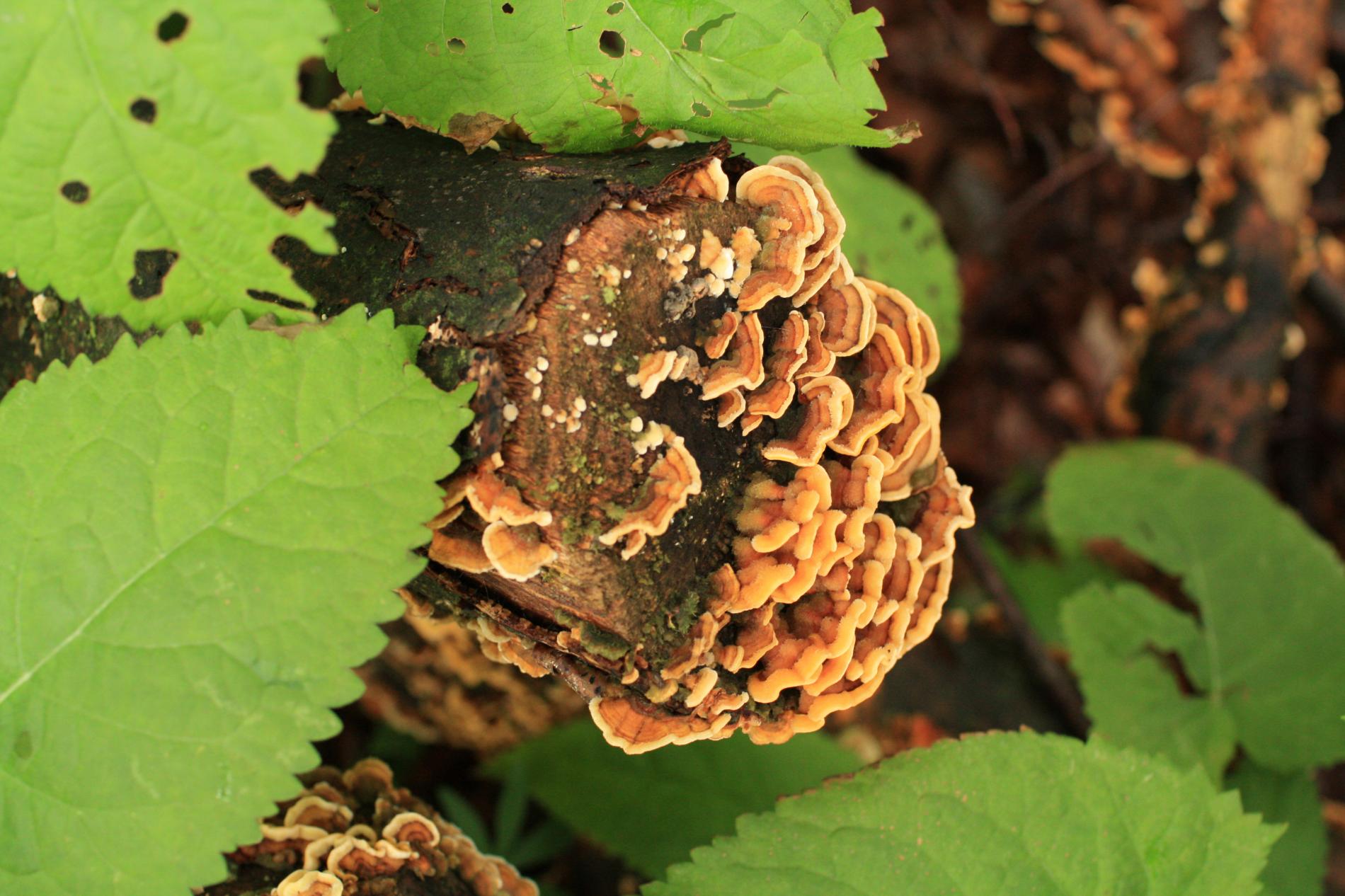
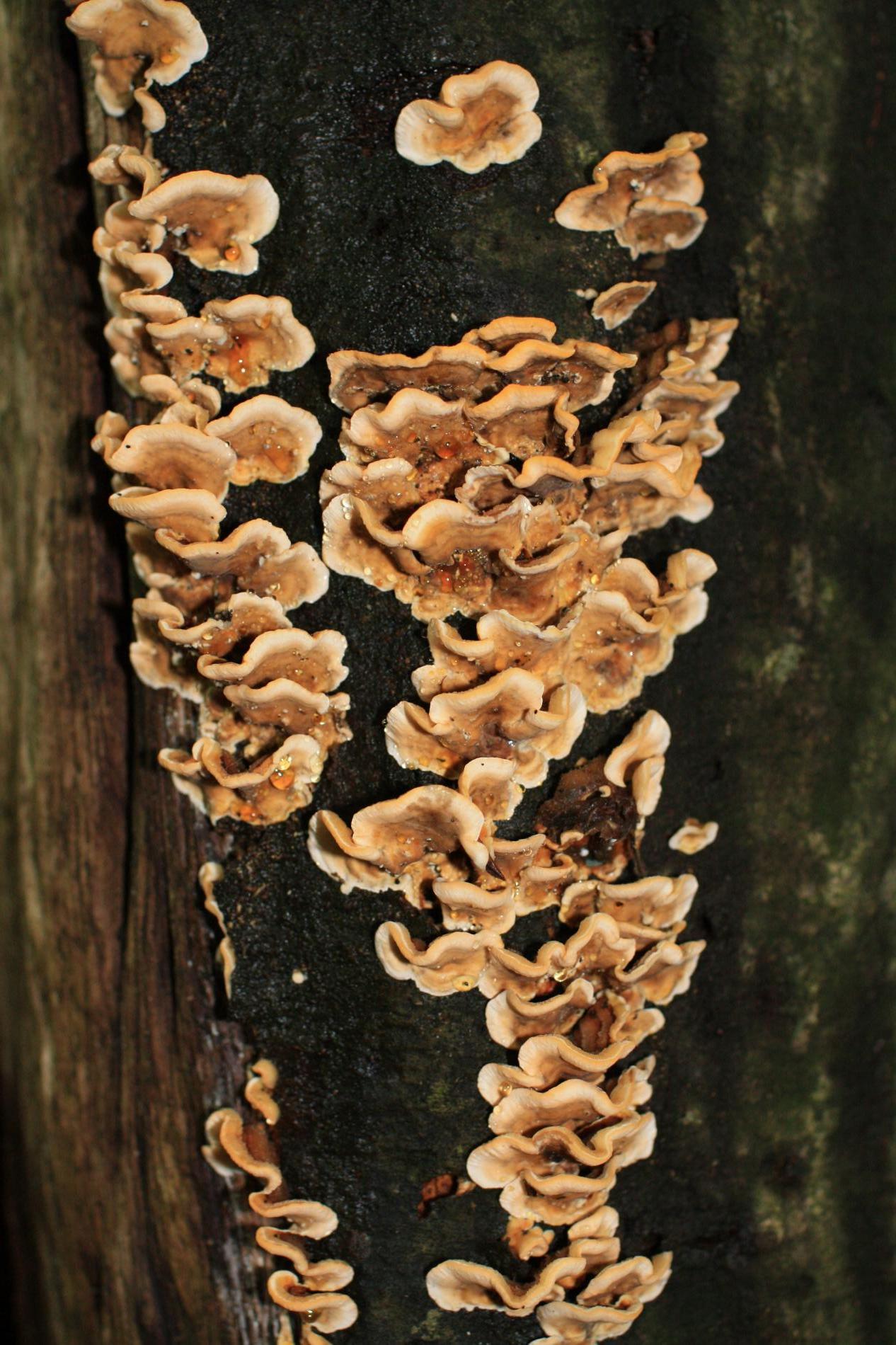
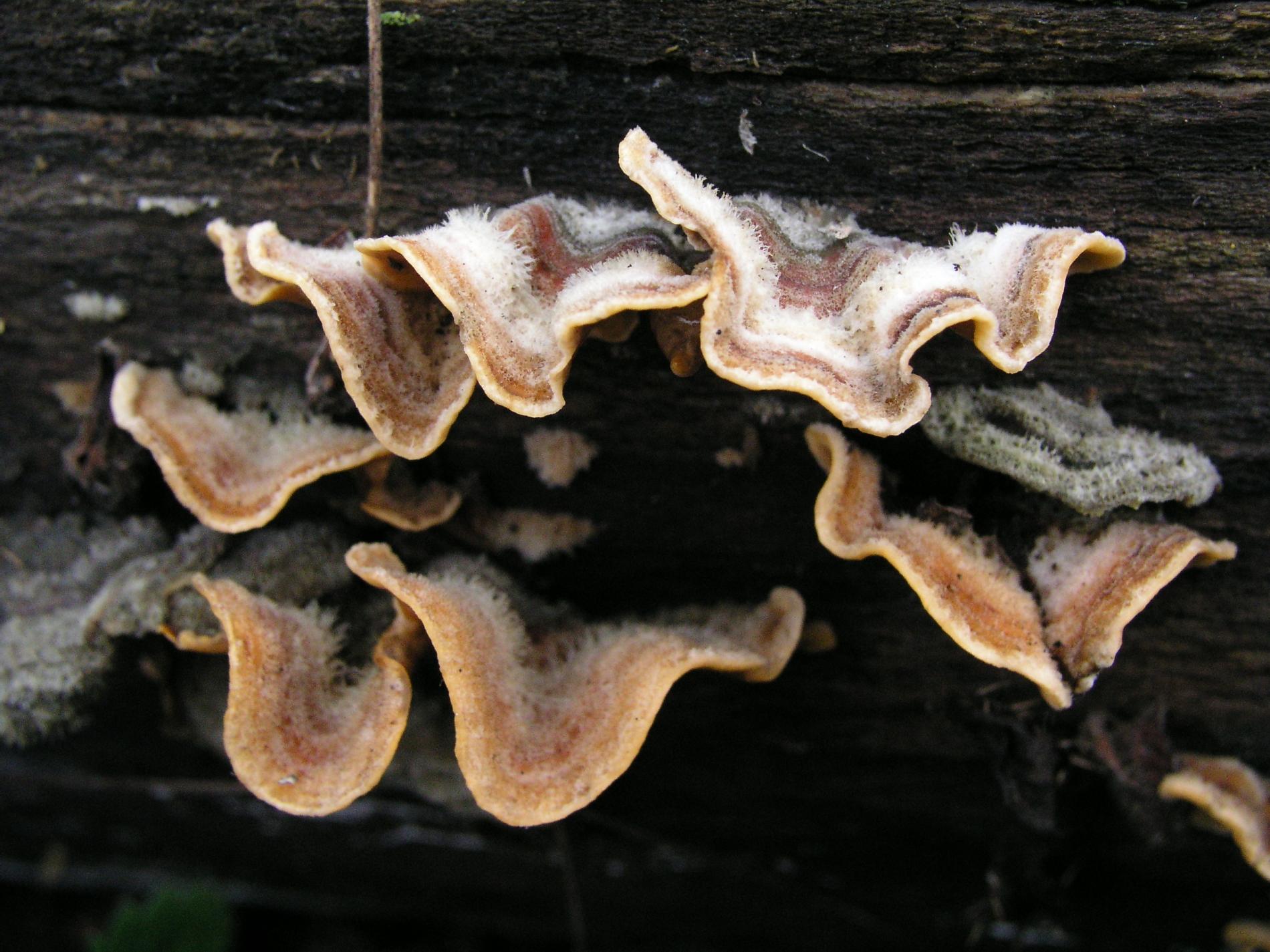
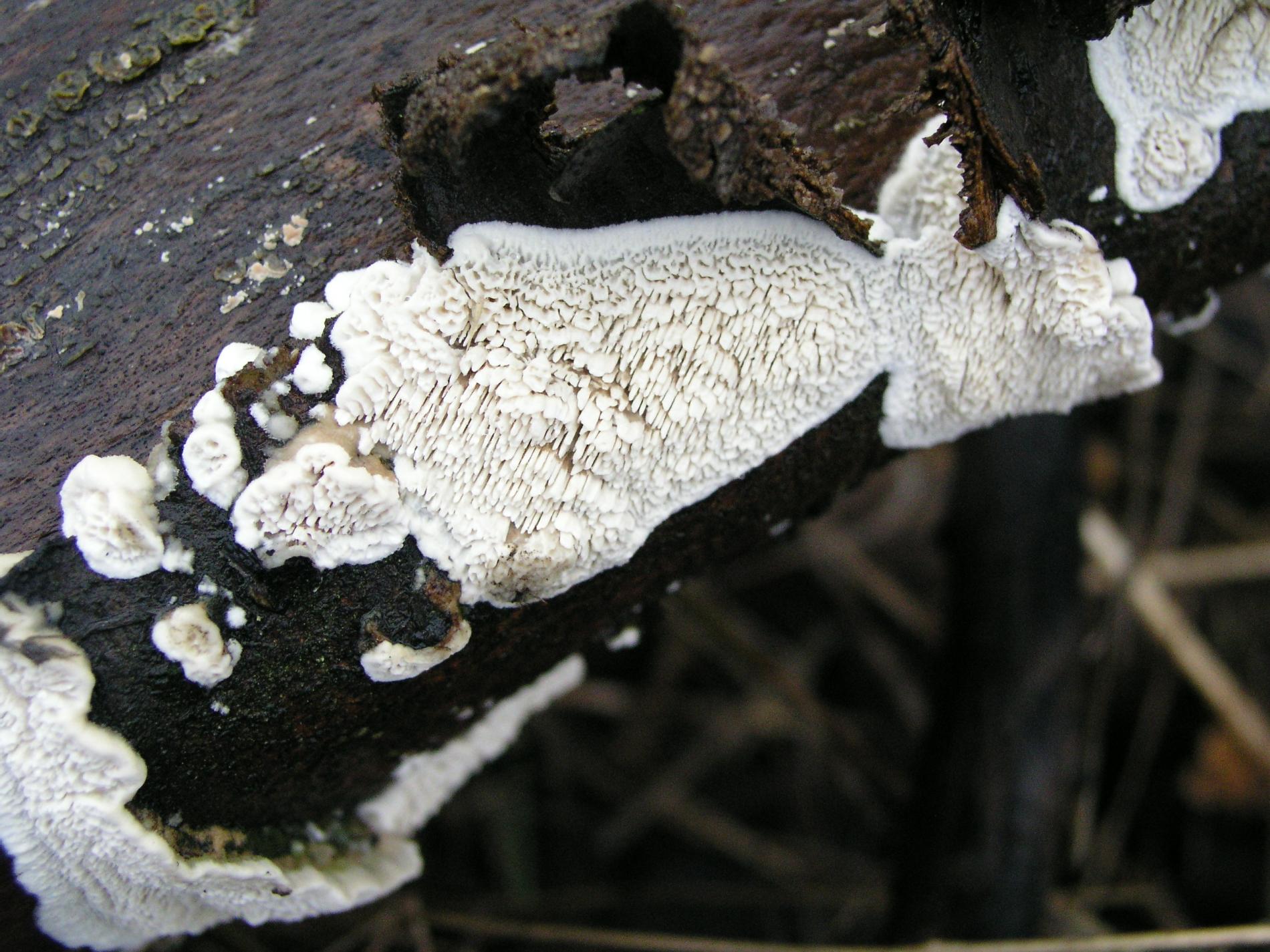
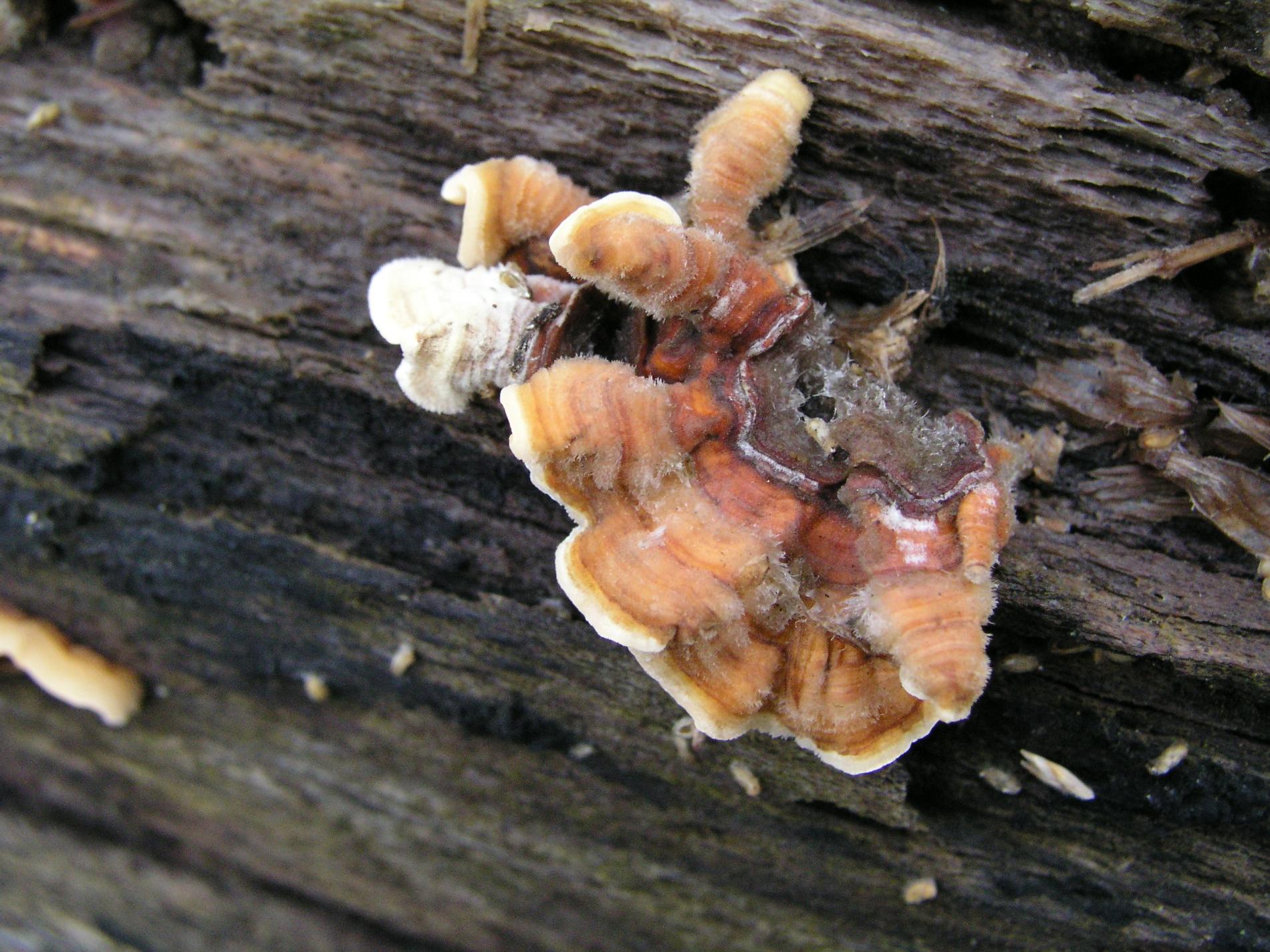
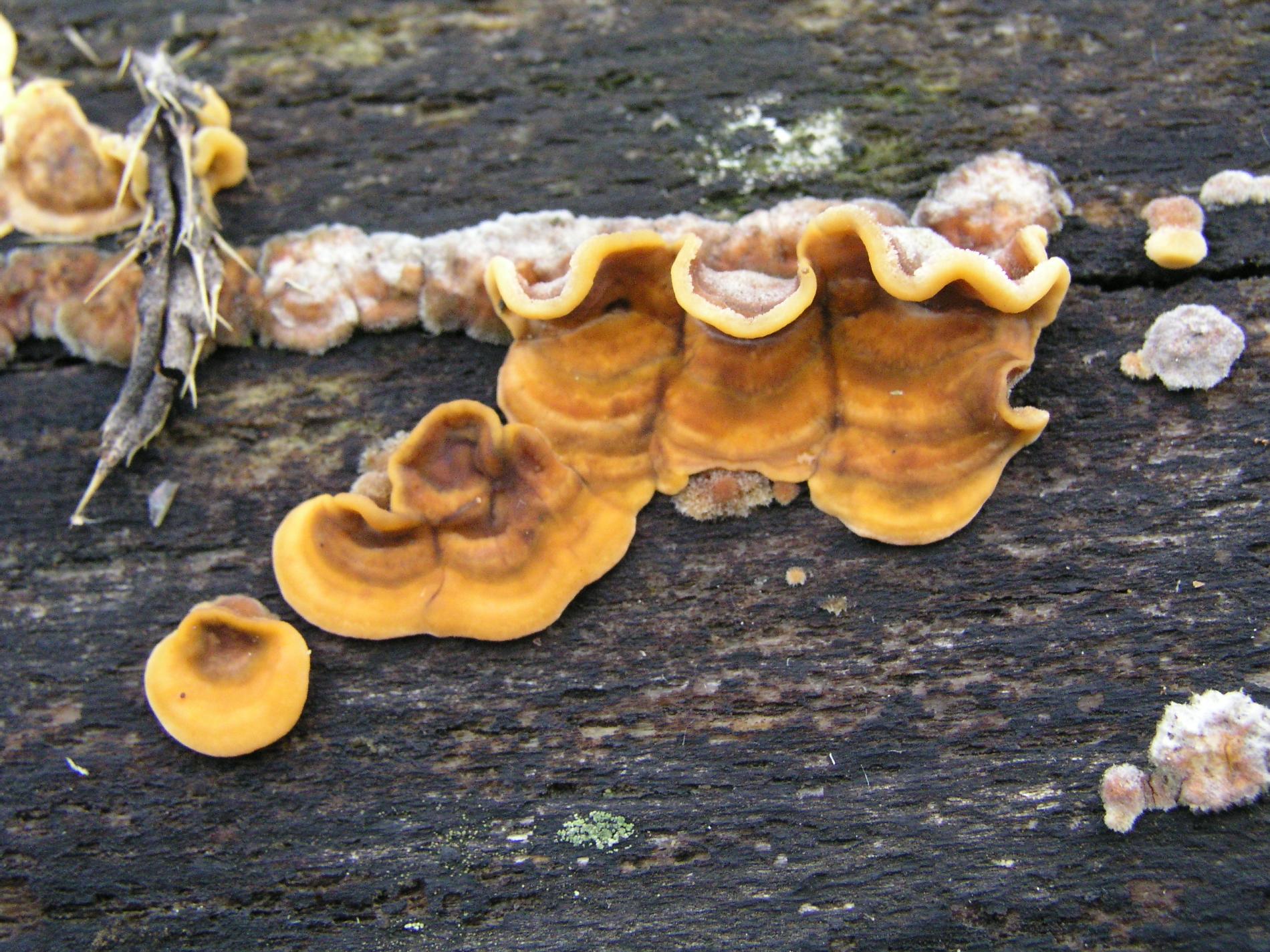
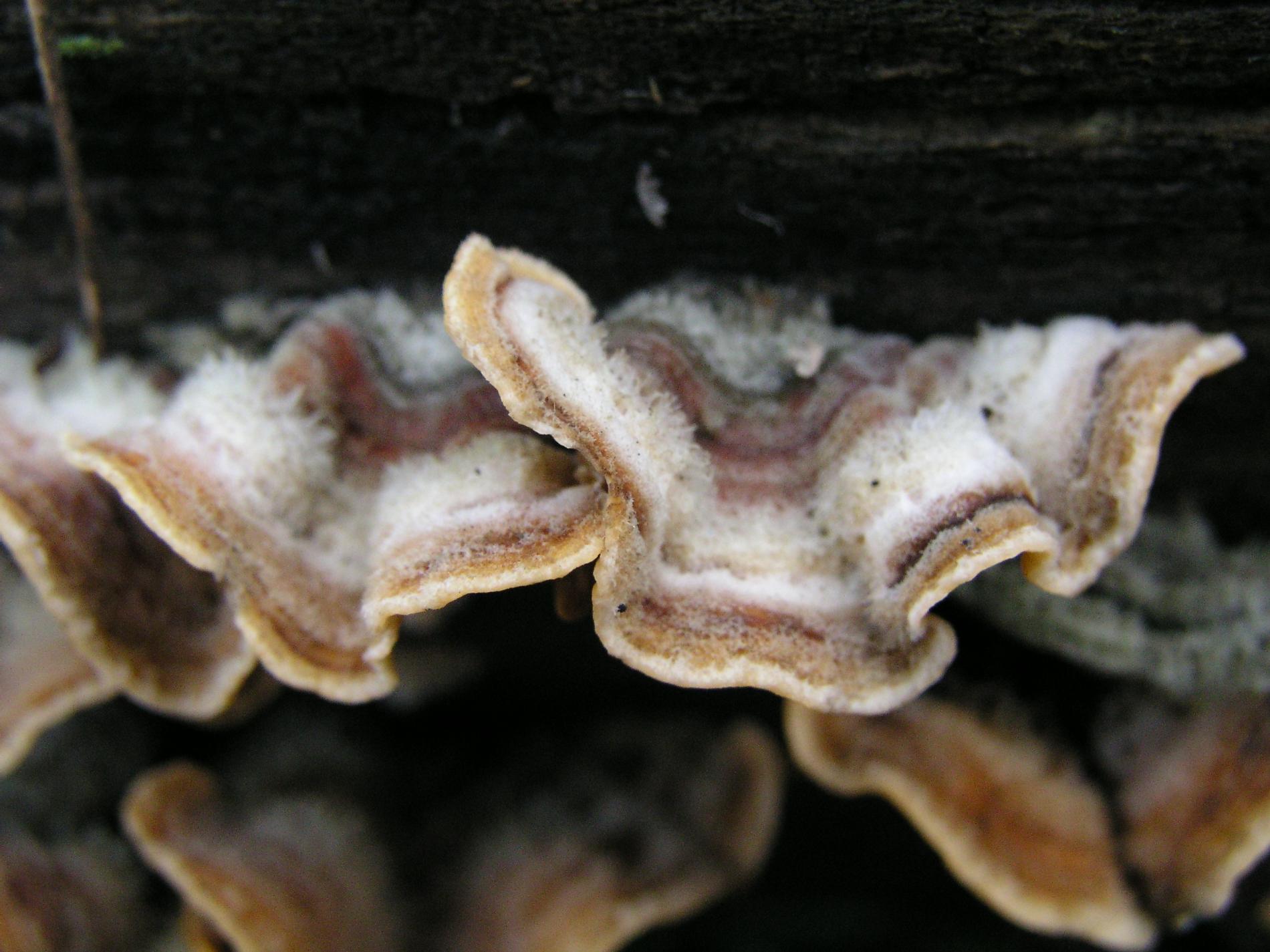
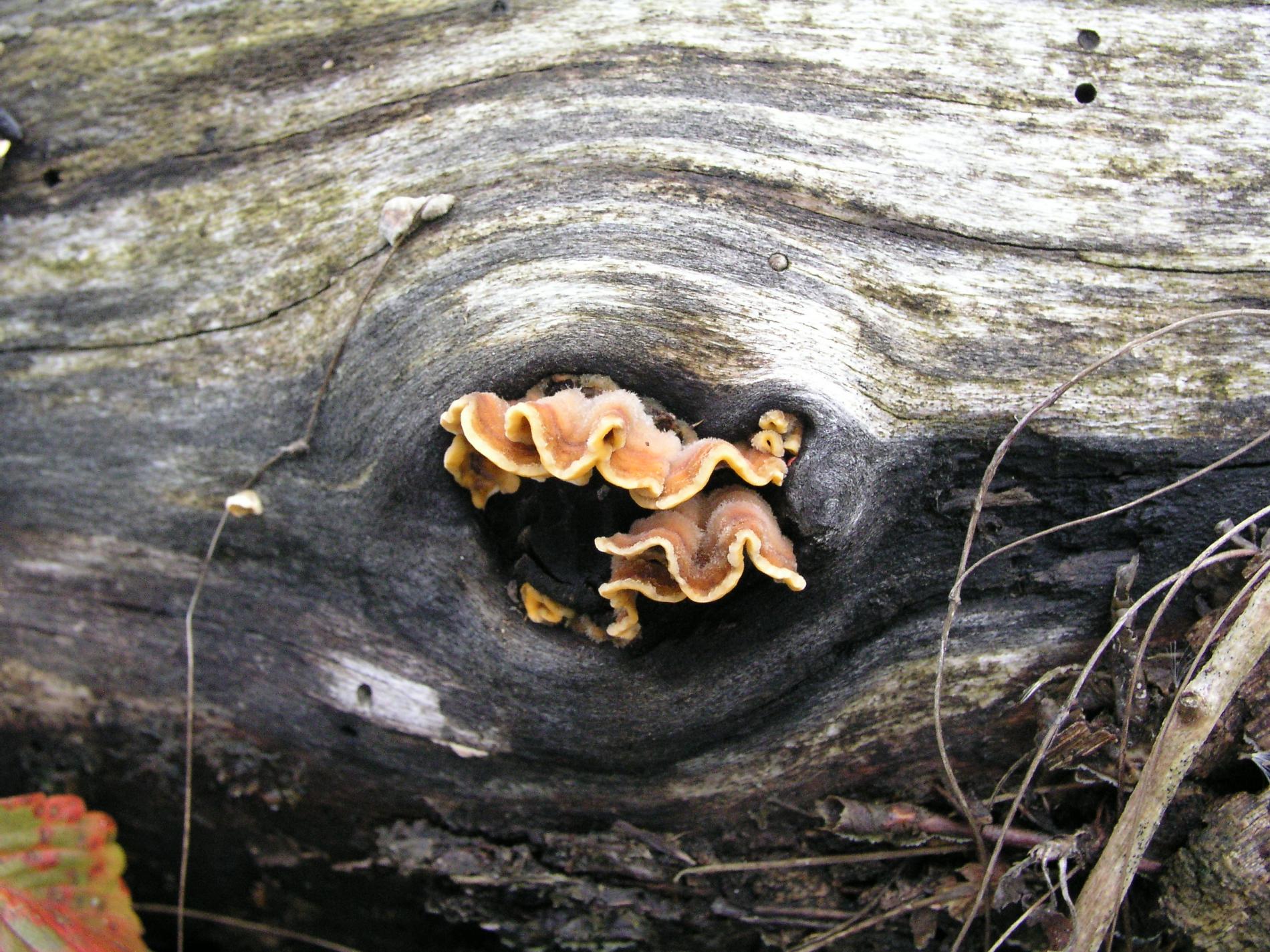
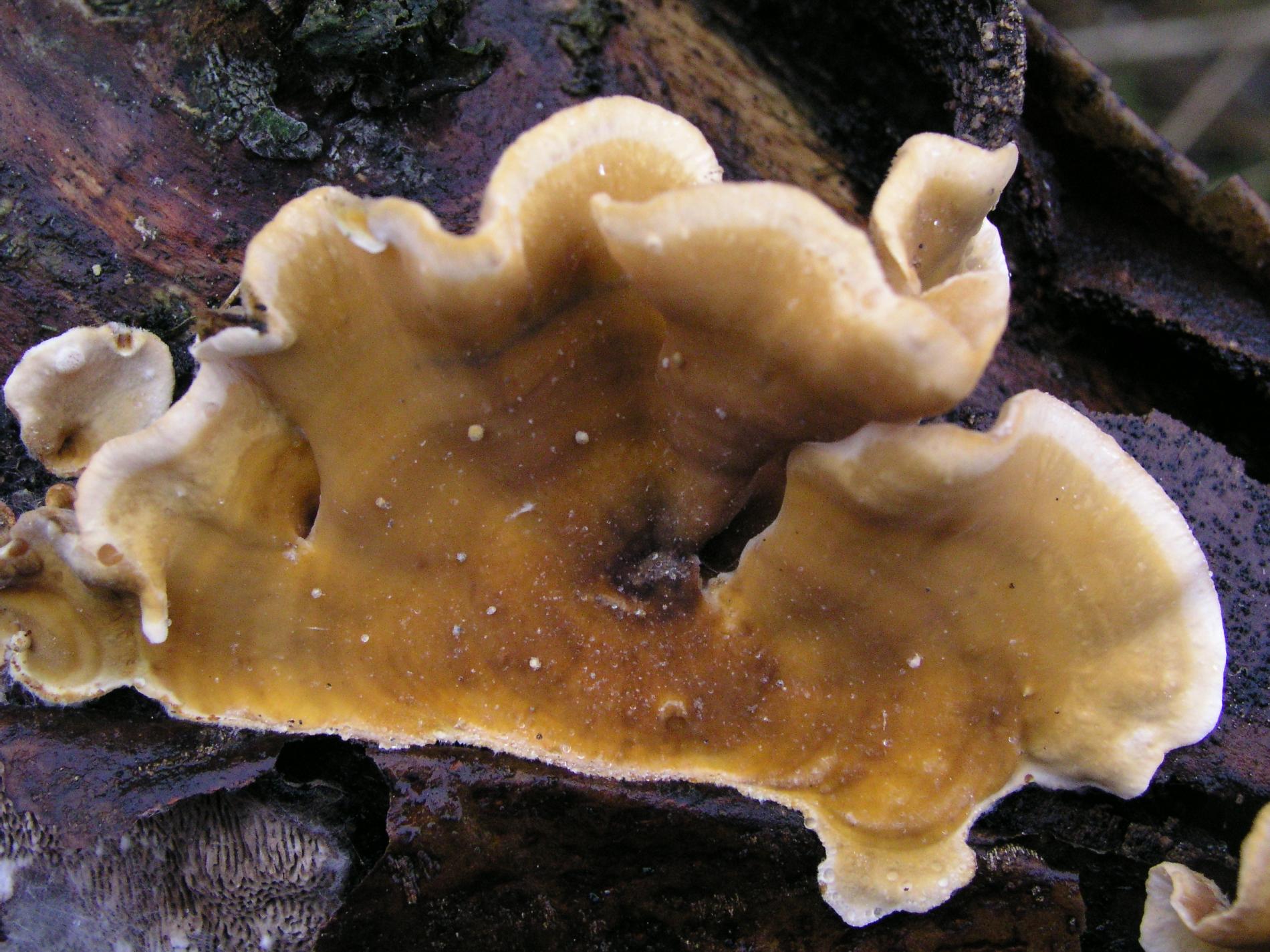
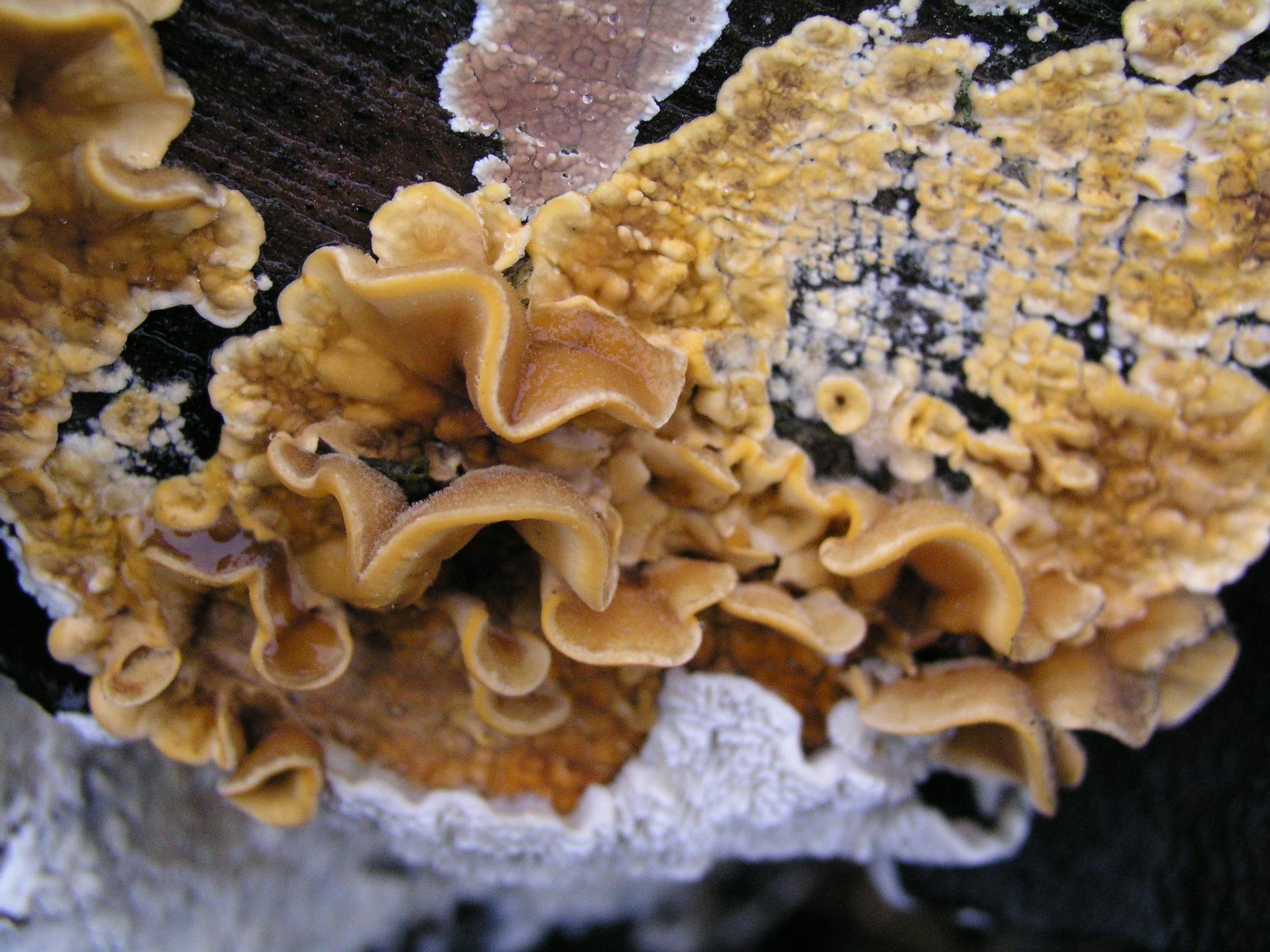
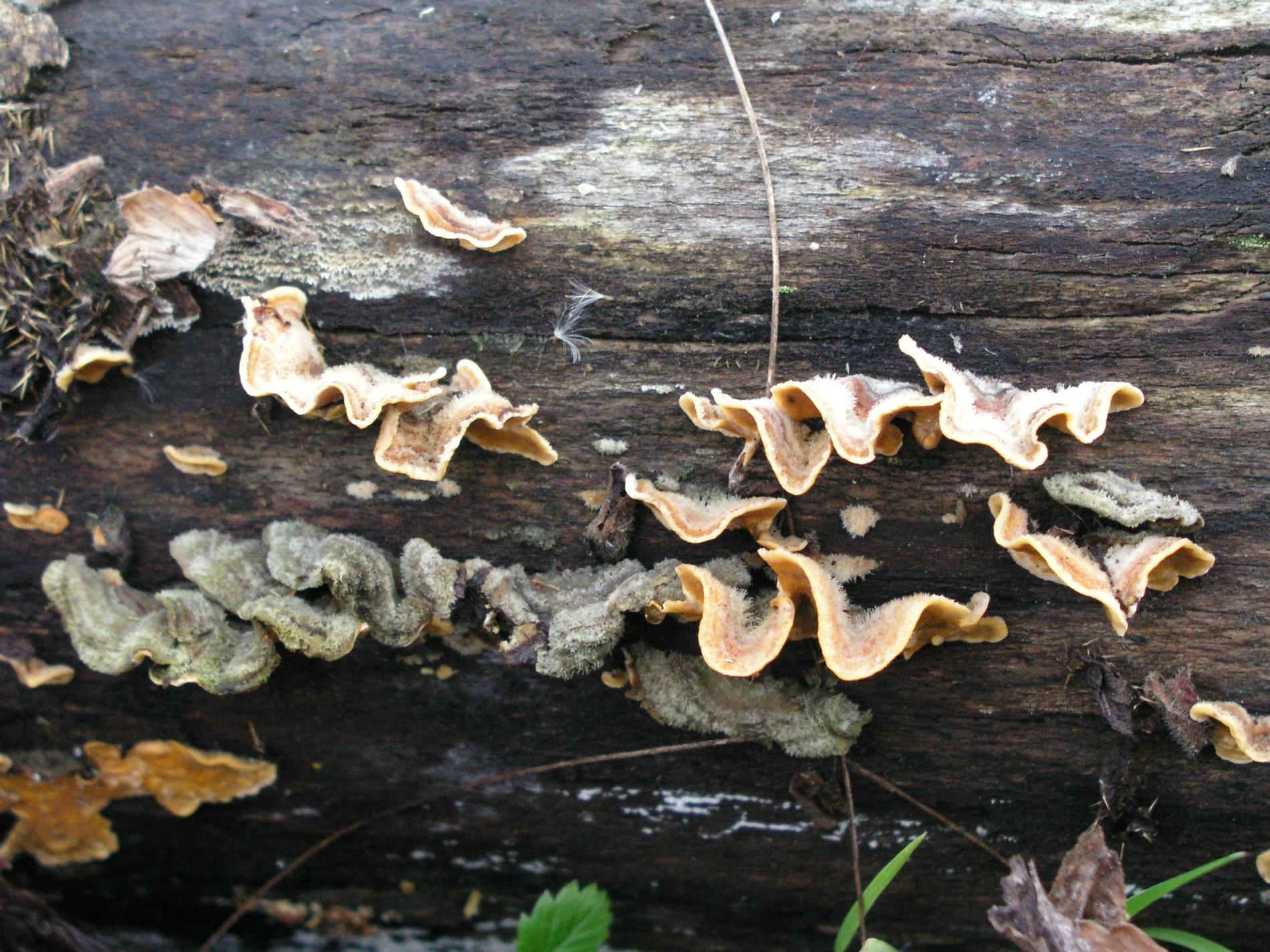
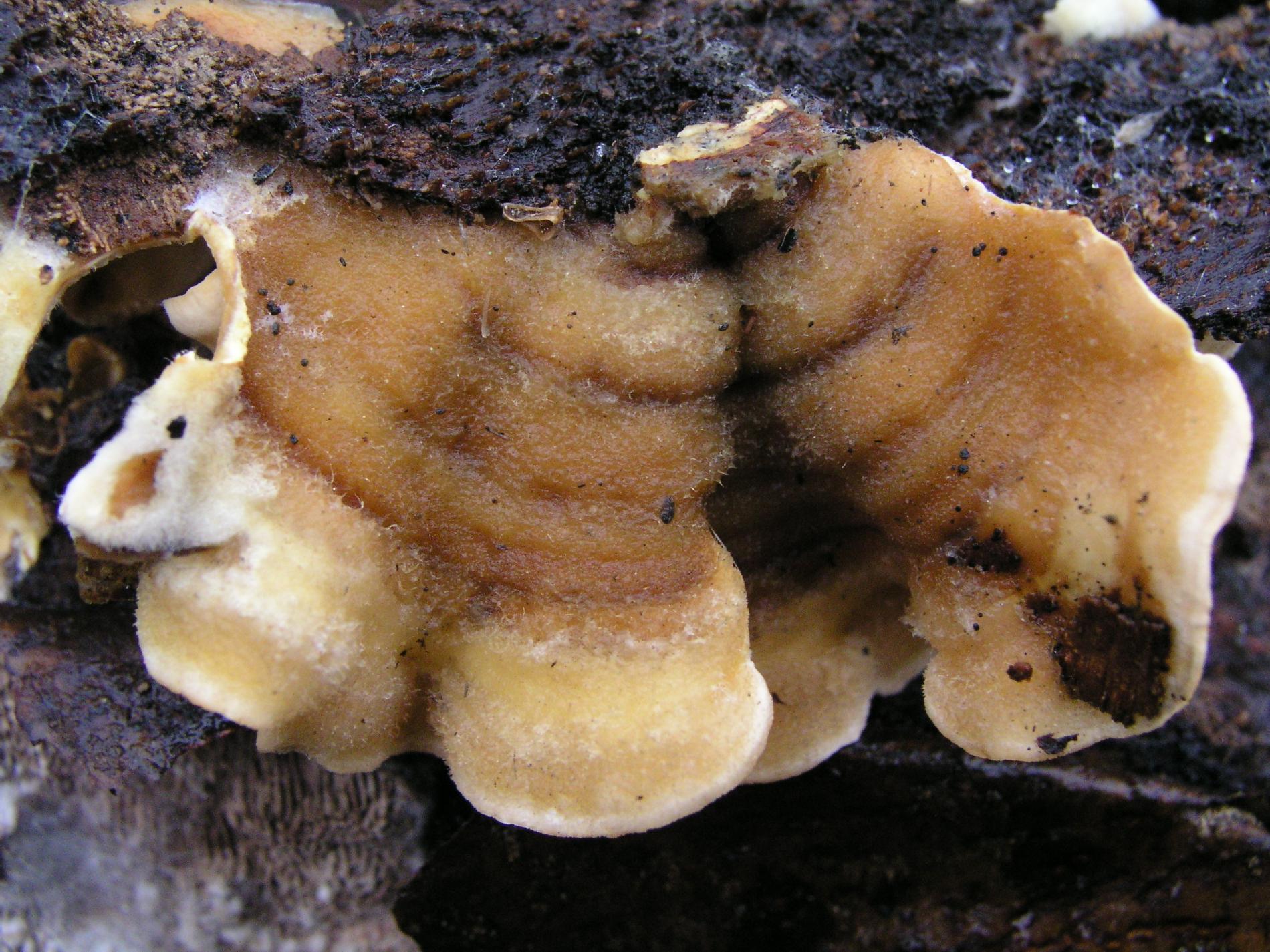
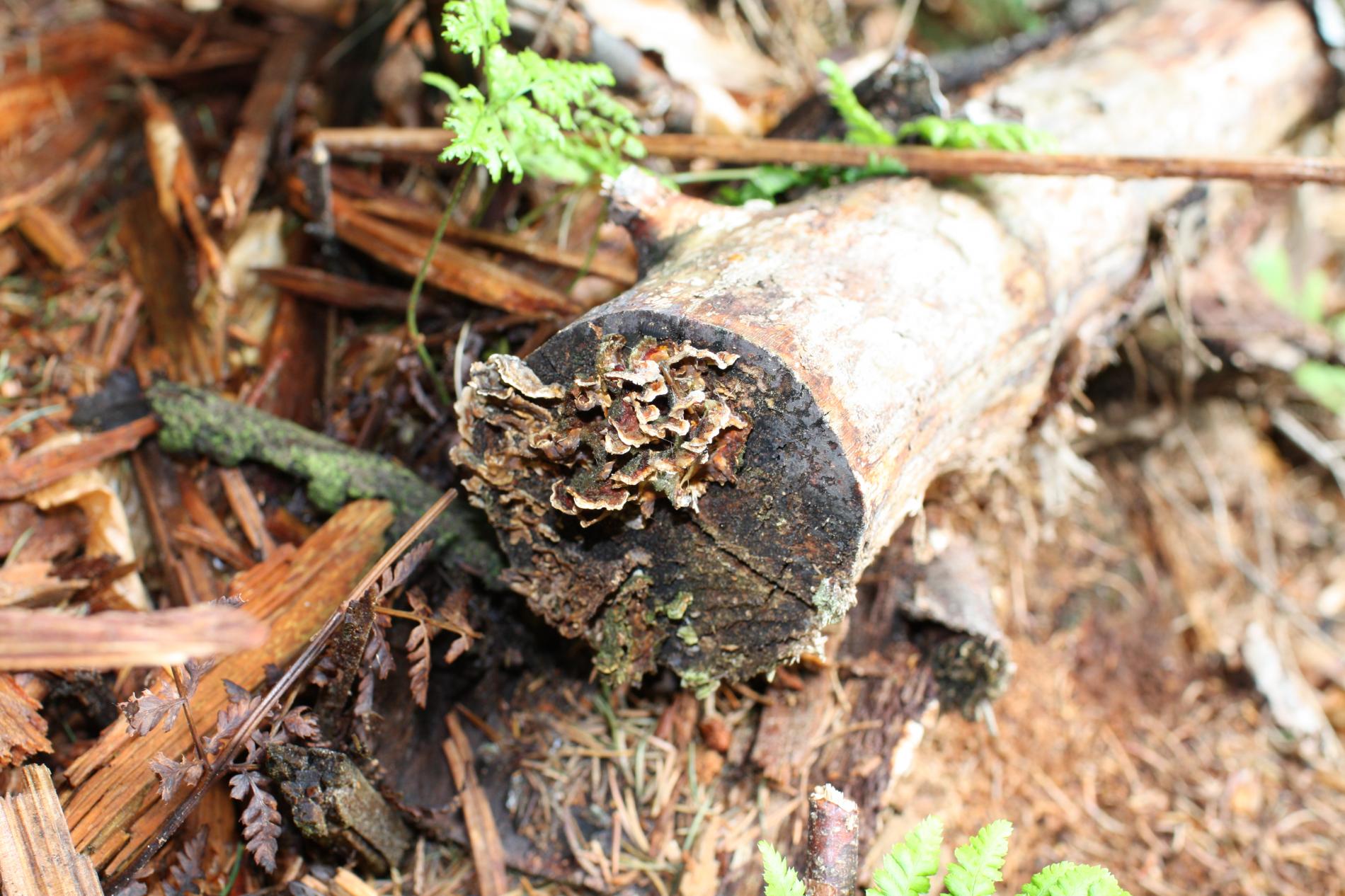
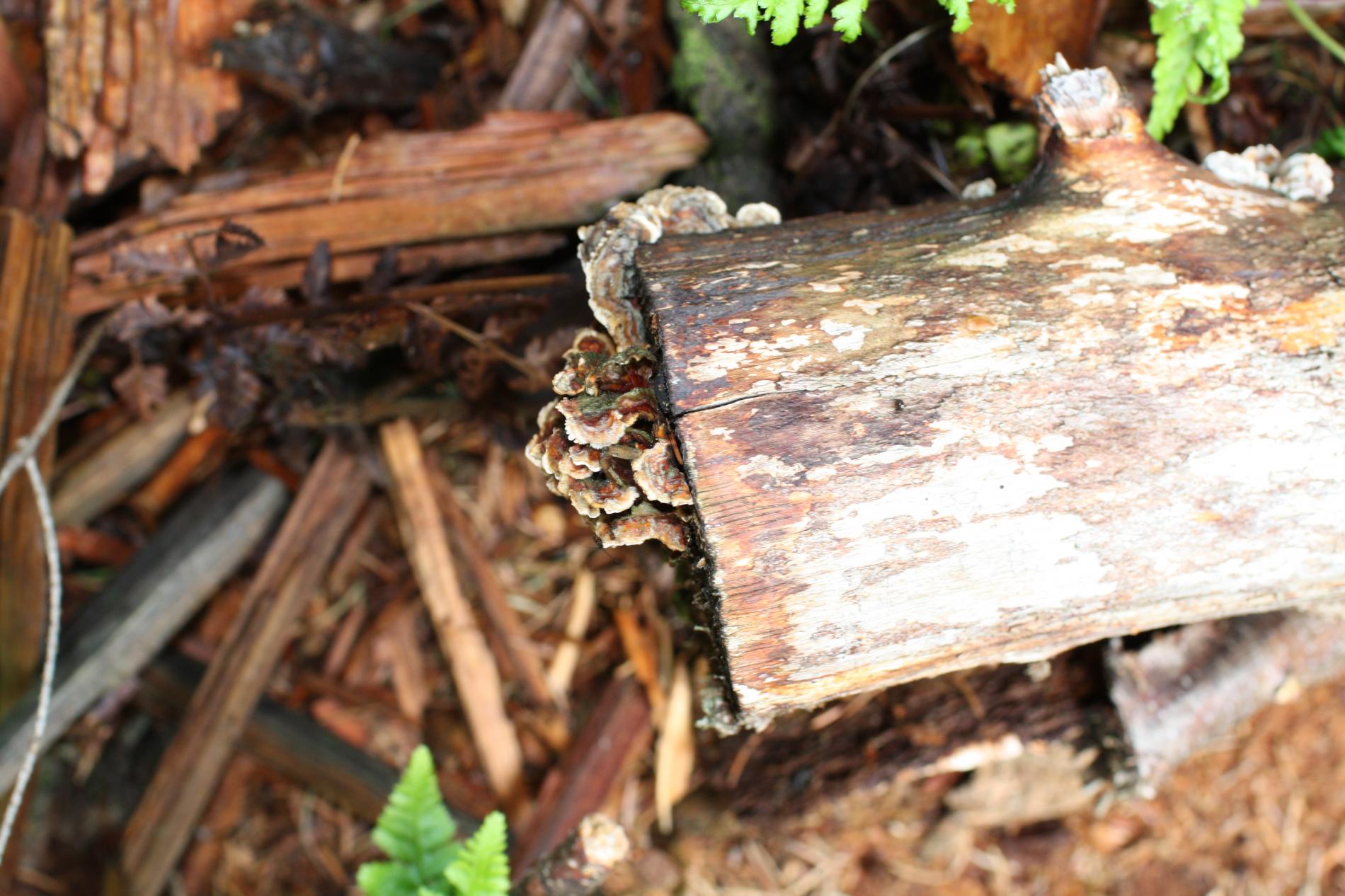
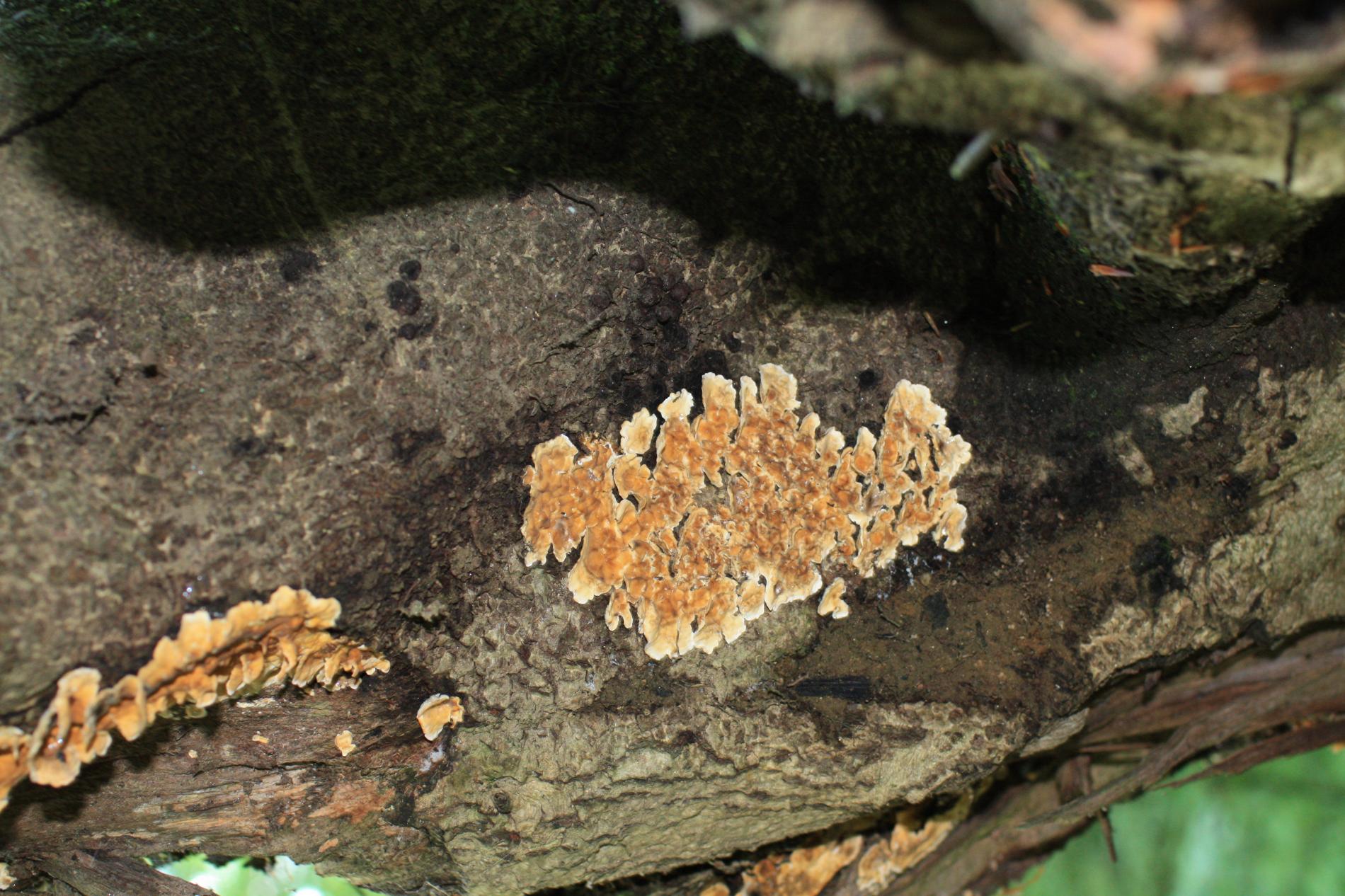
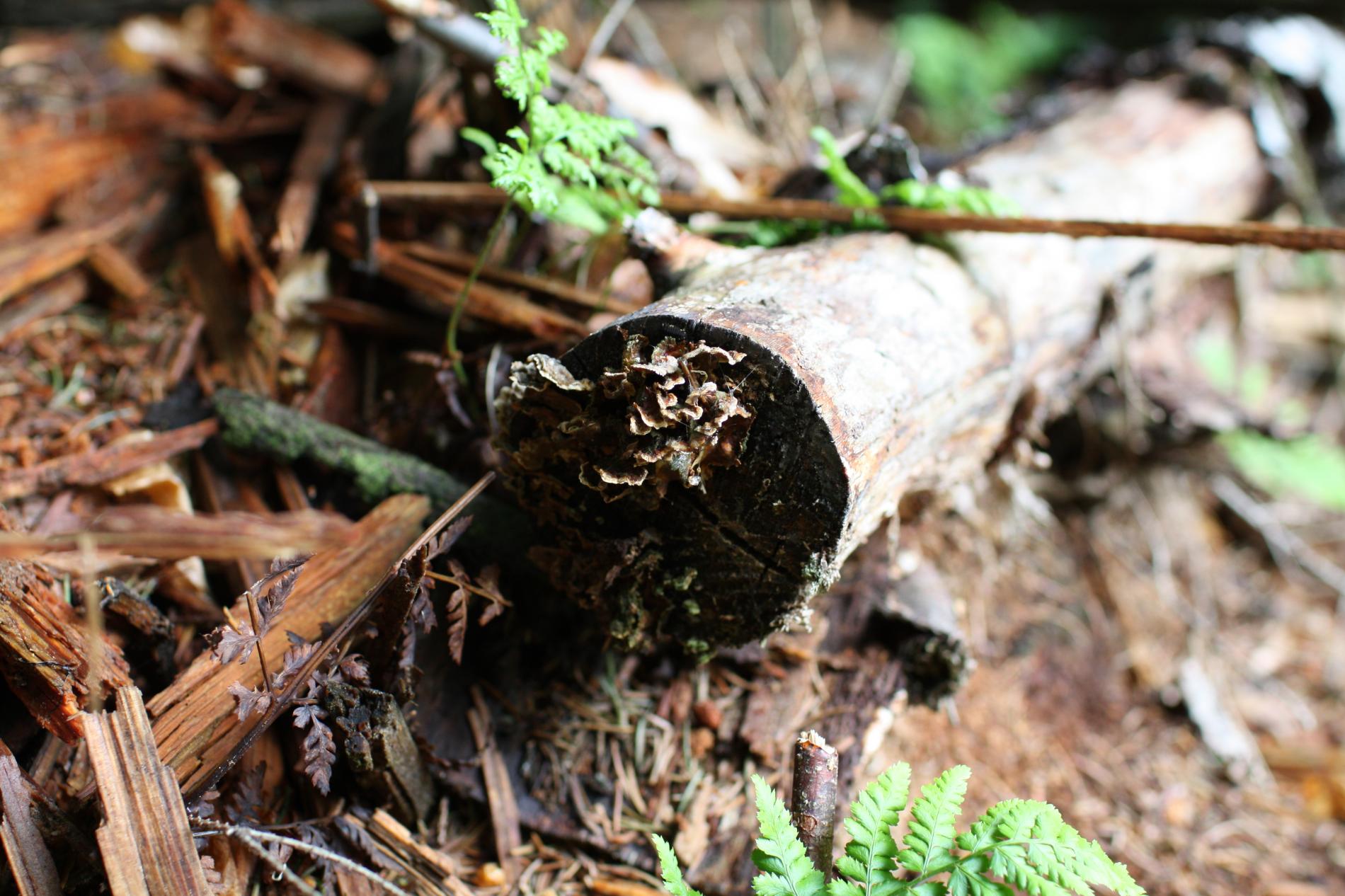
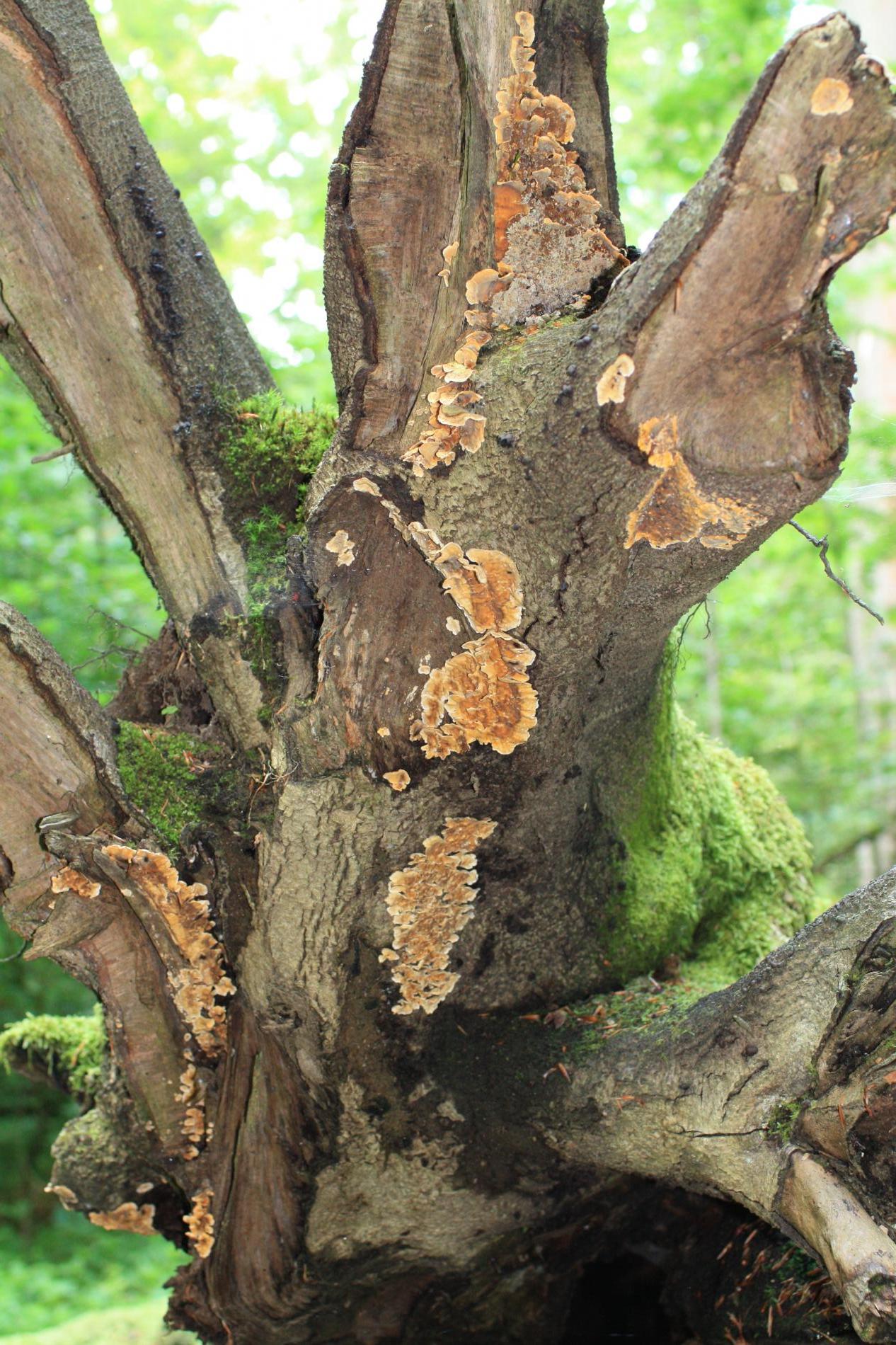
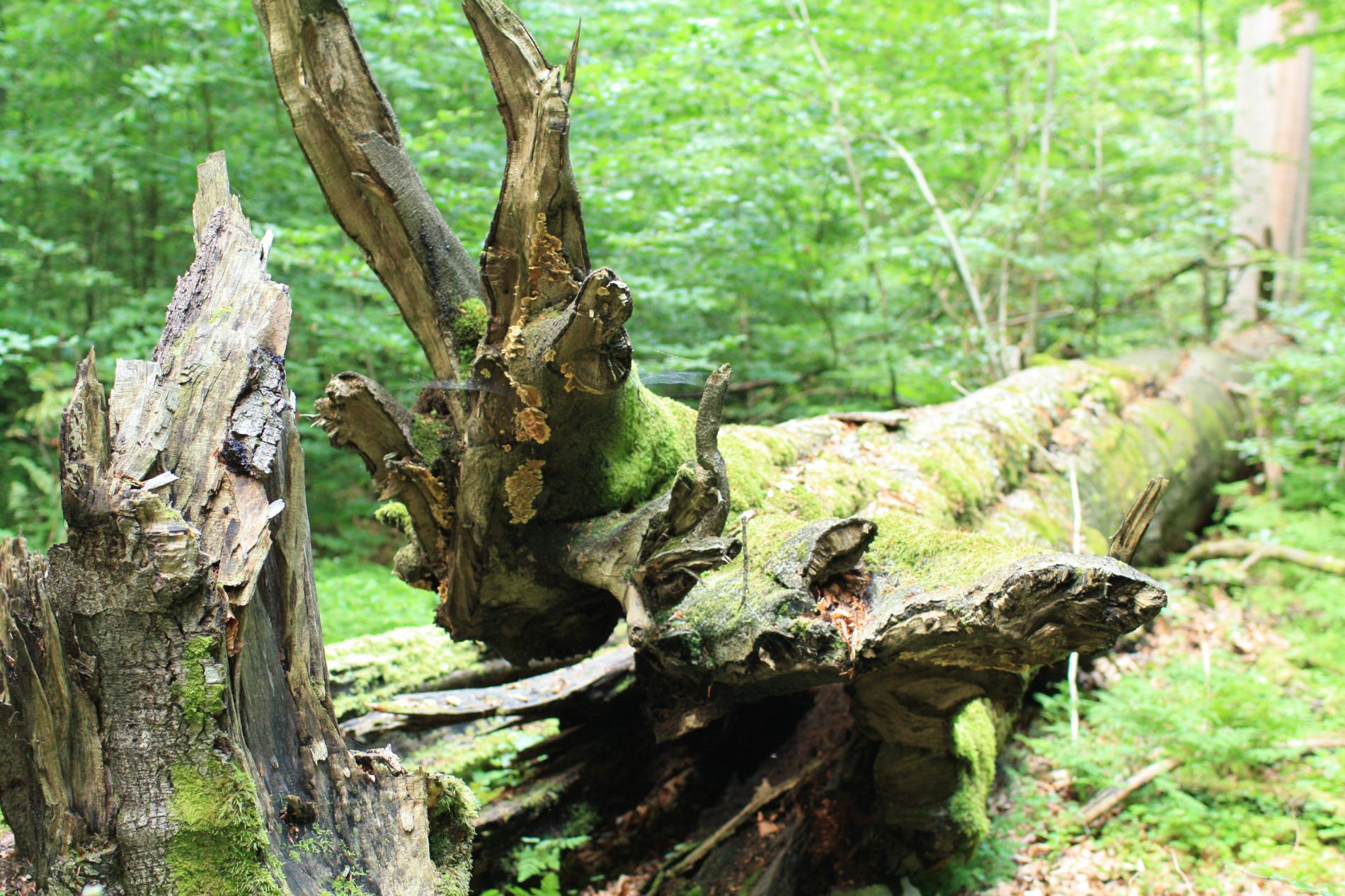
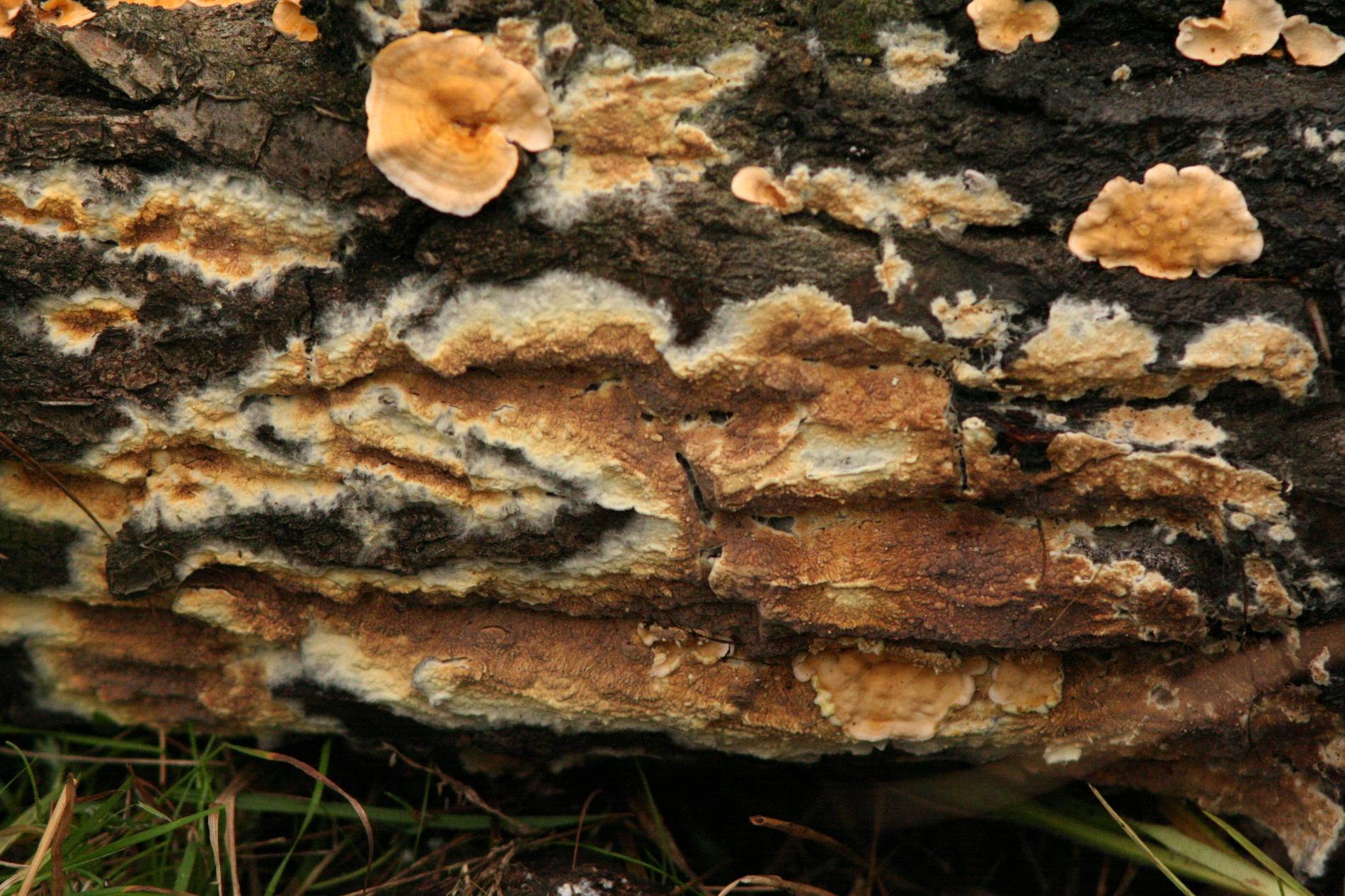
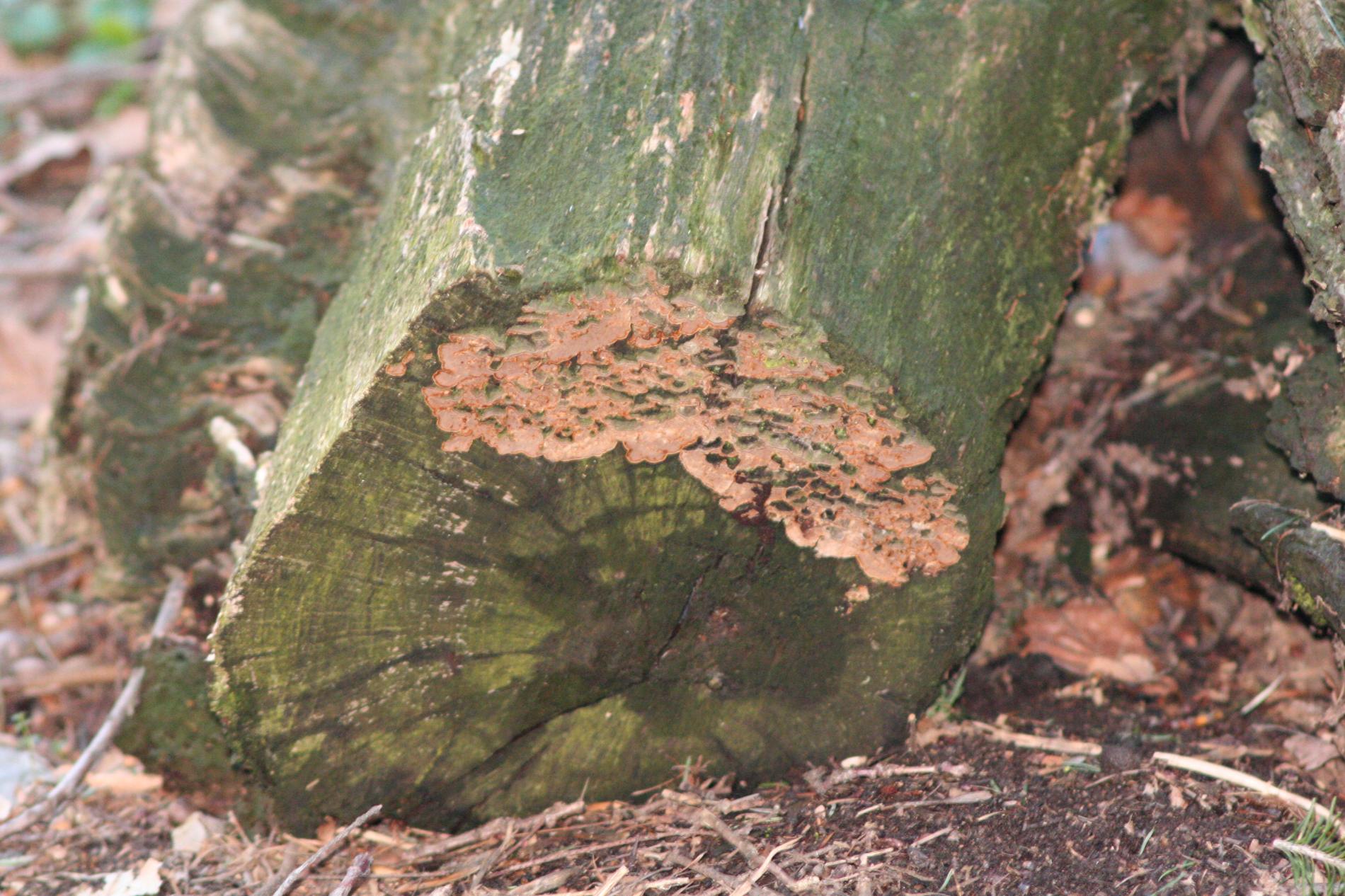
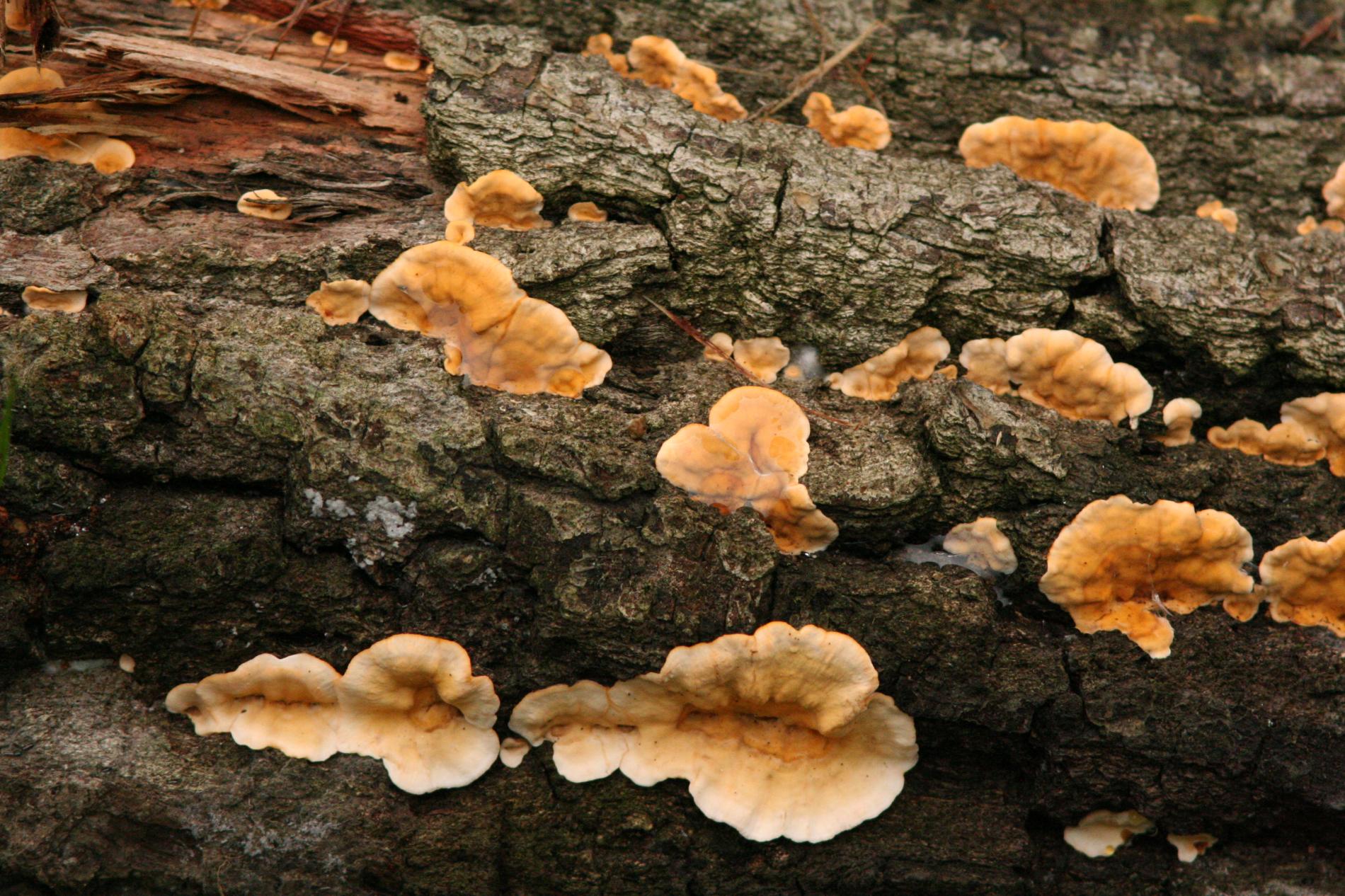
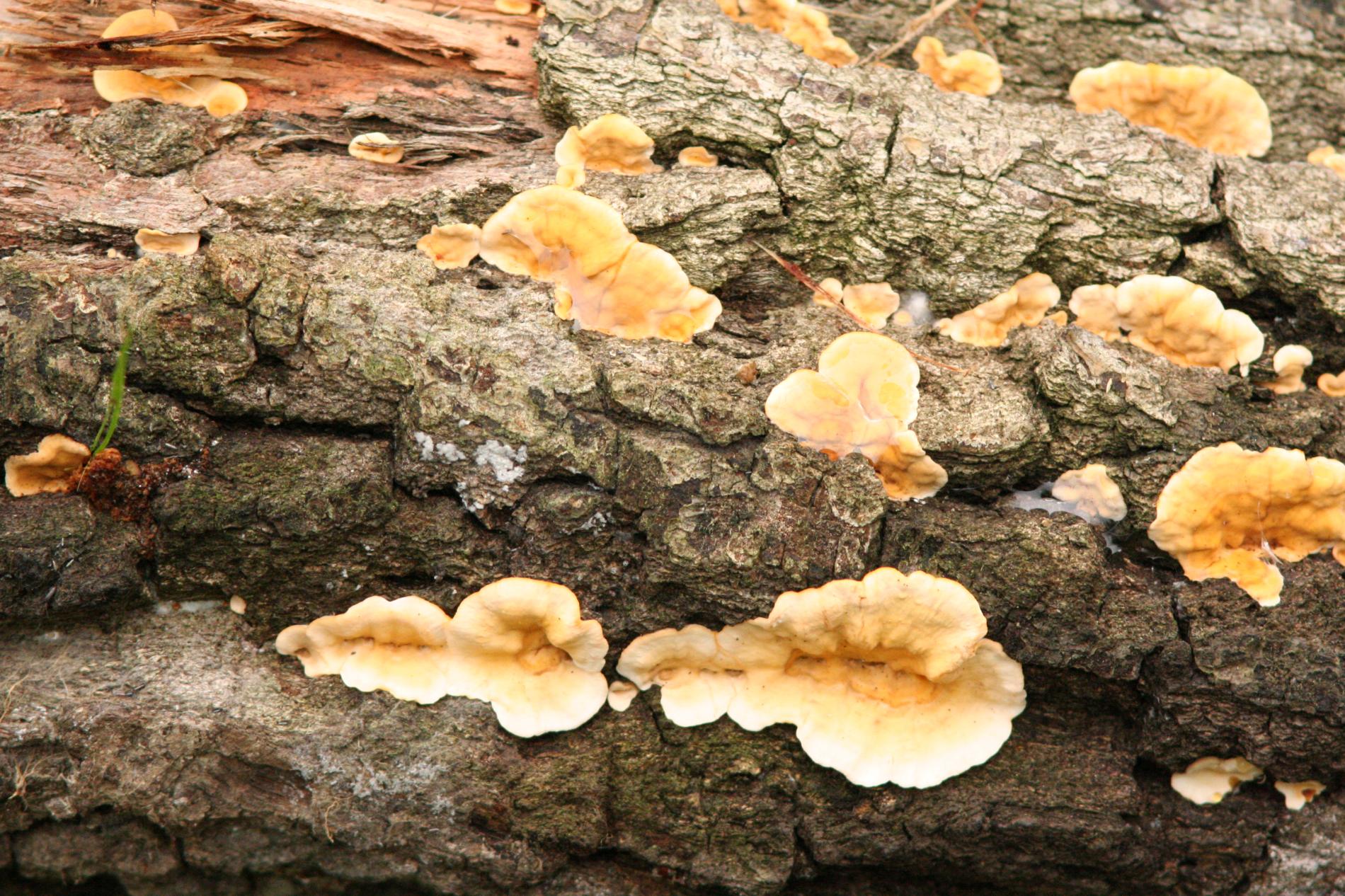
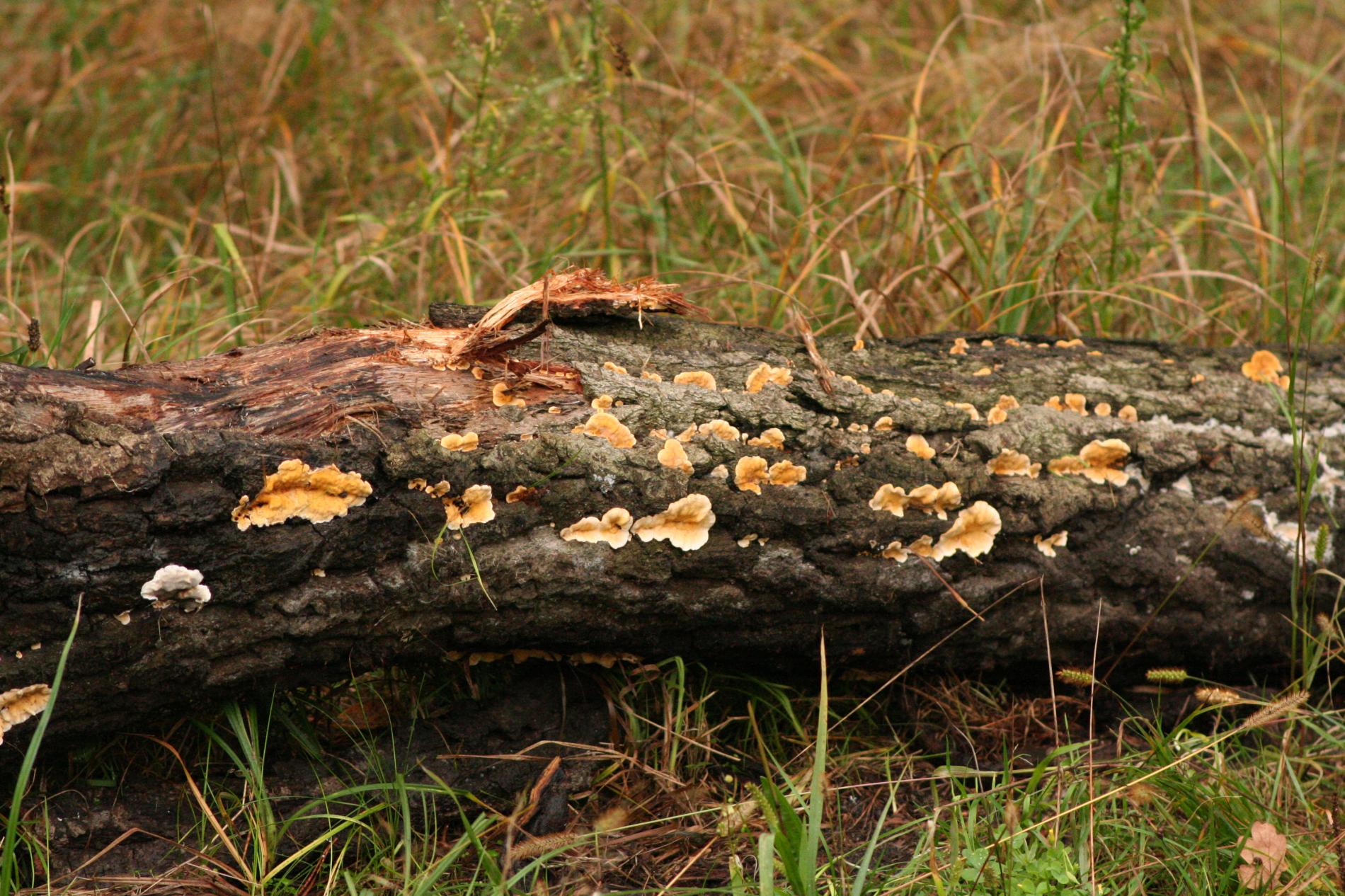
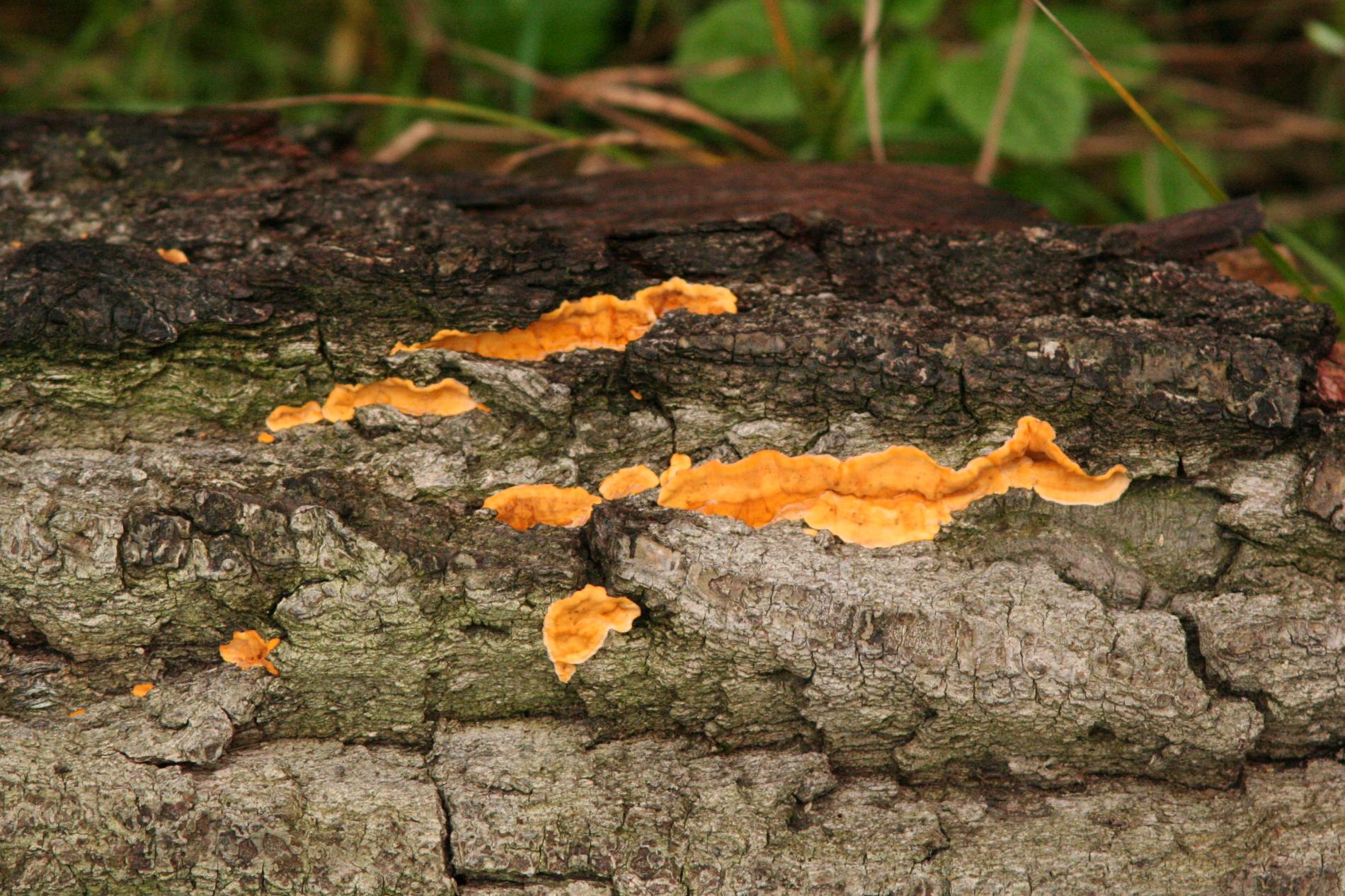
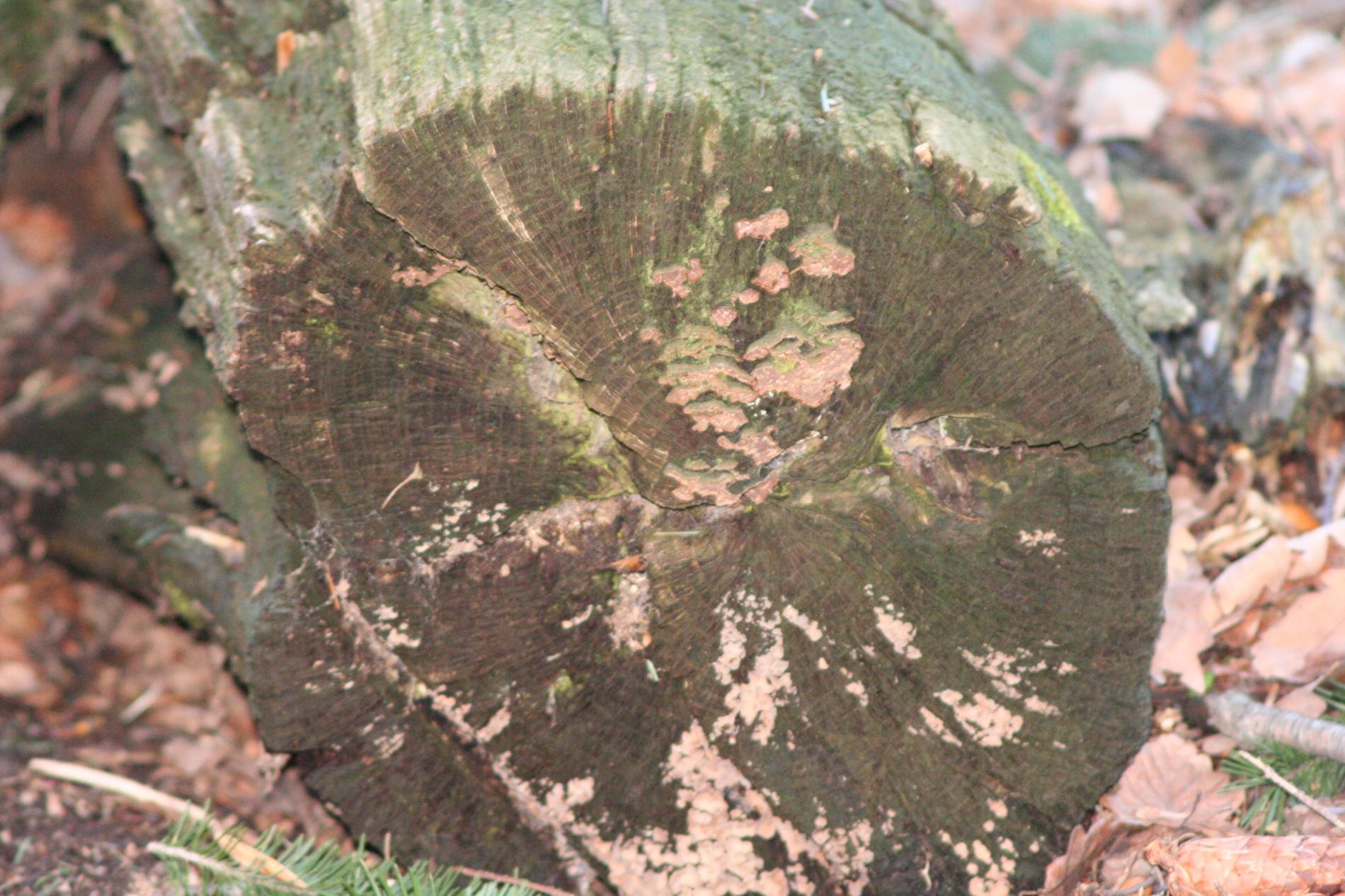
The fruiting bodies are thin, leathery, laterally attached and often arranged in overlapping shelves. An annual species, it grows from late spring till winter almost exclusively on broadleaves. The mycelium causes a rather intensive wood decay, especially the white rot of sapwood. The affected wood degrades in fibrous decay. The rot, however, is usually restricted to smaller parts of the affected wood. A living tree gets infected through various injuries.
The fruiting bodies are thin, leathery, laterally attached and often arranged in overlapping shelves.
Tree Species: Beech, Oak, Hornbeam
Part of a plant- attacked: Tree trunk
Pest significance: Very harmful
Pest Category: Fungi
Present in EU: Yes
Pest group: Fungi
Affected part of wood: Heartwood, Sapwood
Depth of damages: More than 5 cm depth, Under bark only, Up to 0,5 cm depth, Up to 2 cm depth, Up to 5 cm depth
The extent of damage: Whole trunk
Prevalence in Europe: Common
Damaged products: Firewood
Roundwood size: Diameter from 10 up to 50 cm, Diameter up to 10 cm
Wood discoloration: Yes
Pest subcategory: White-rot
Similar pests

Trametes gibbosa

Schizophyllum commune
