


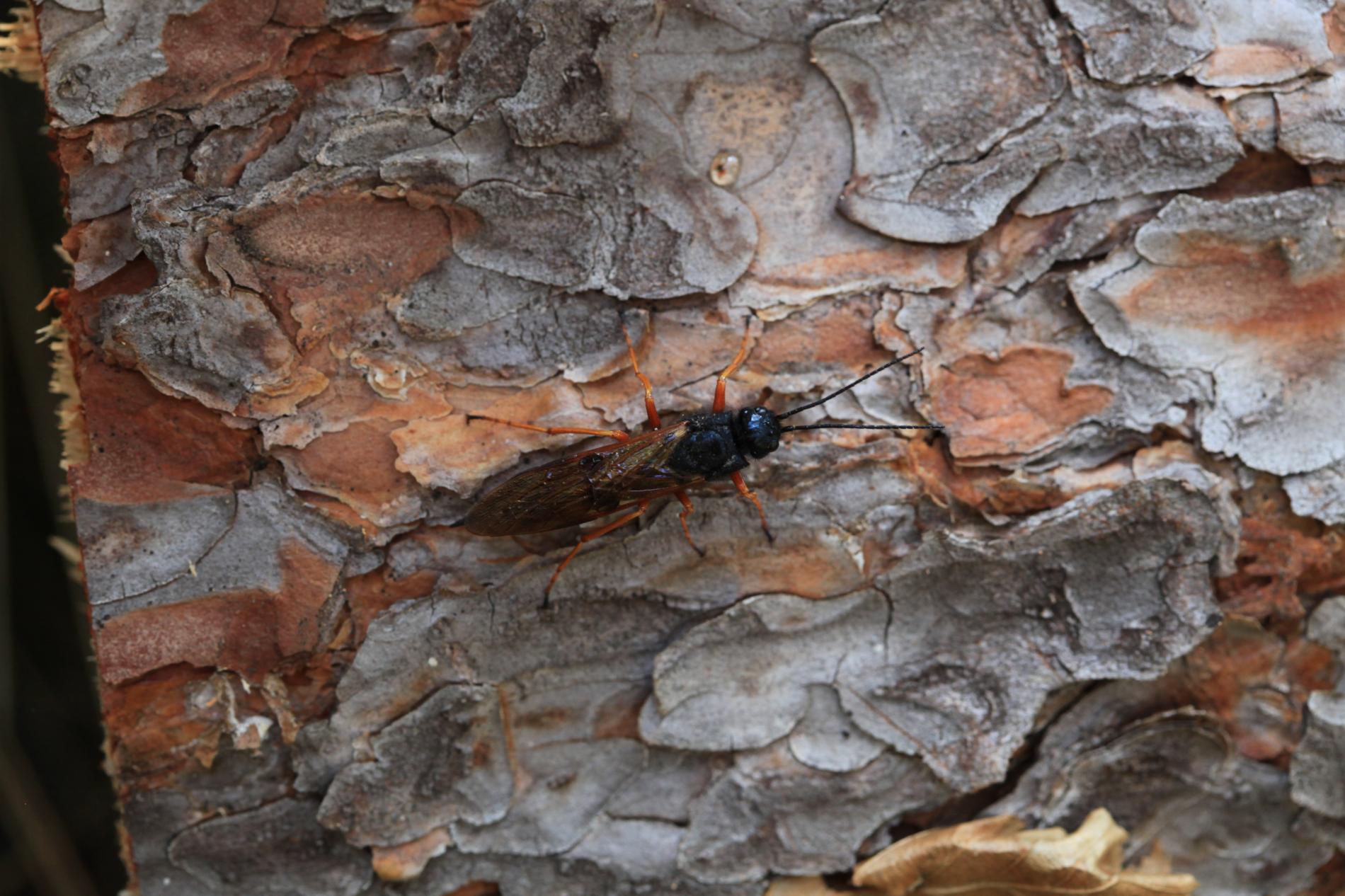
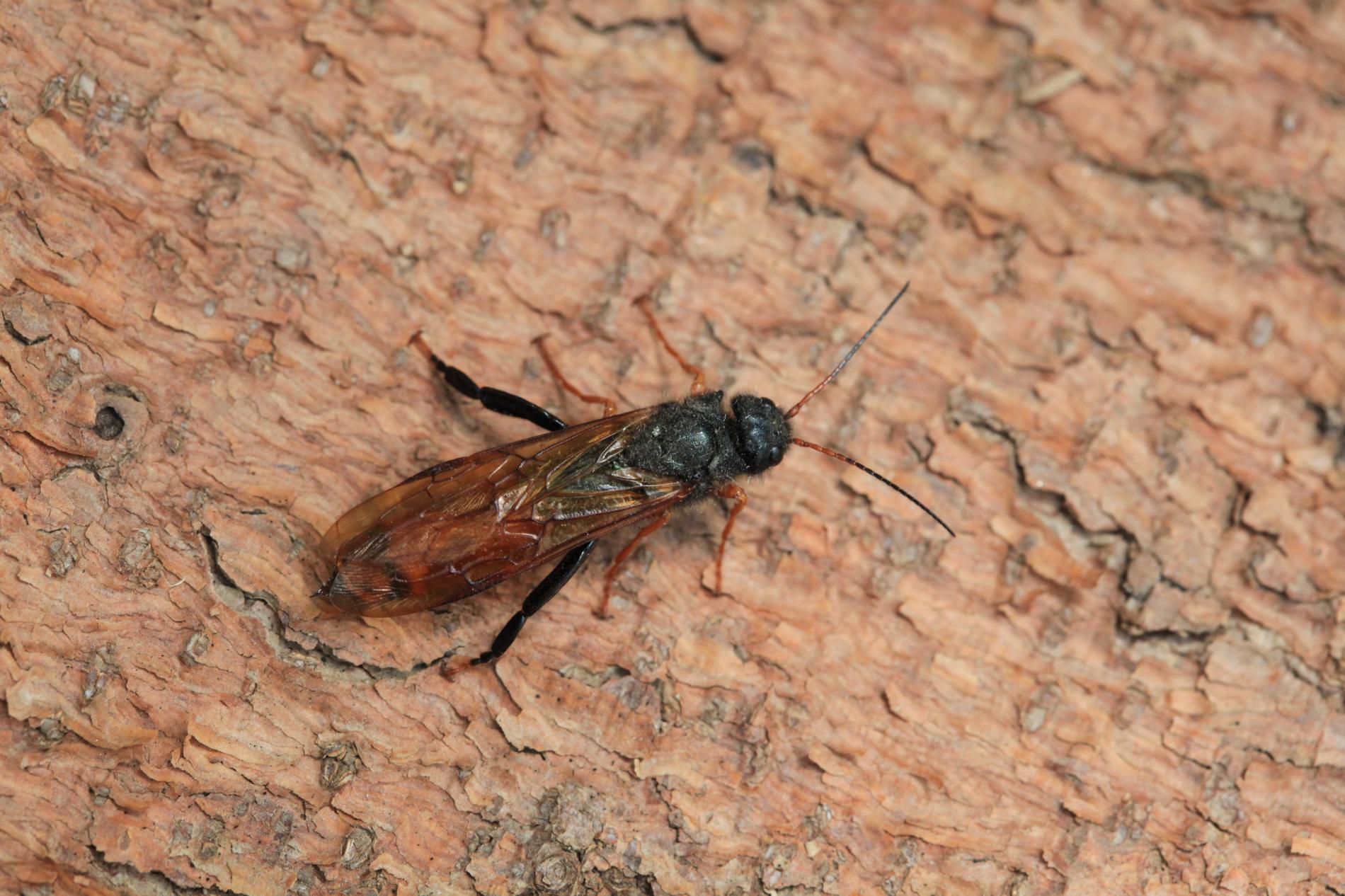
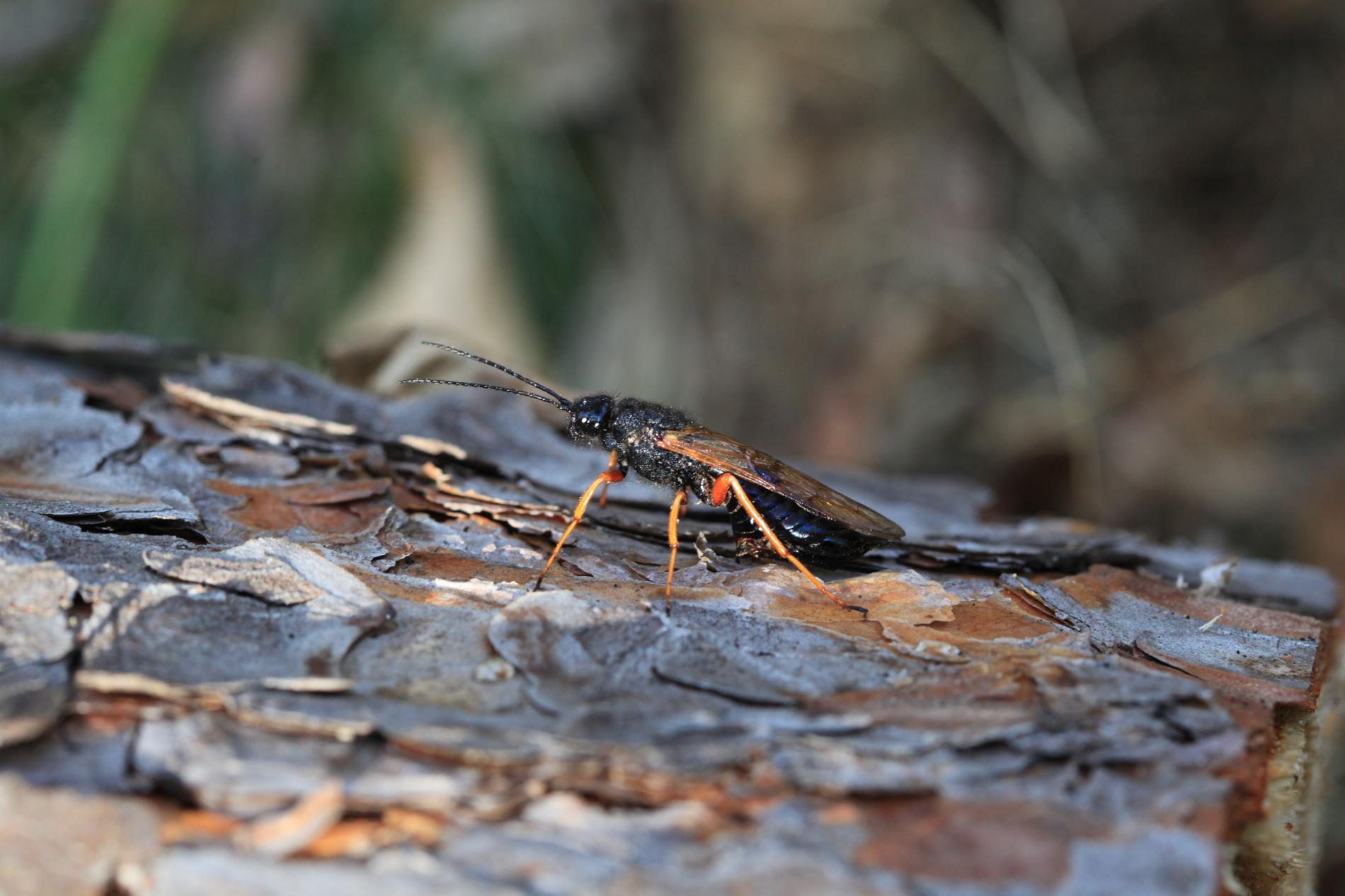
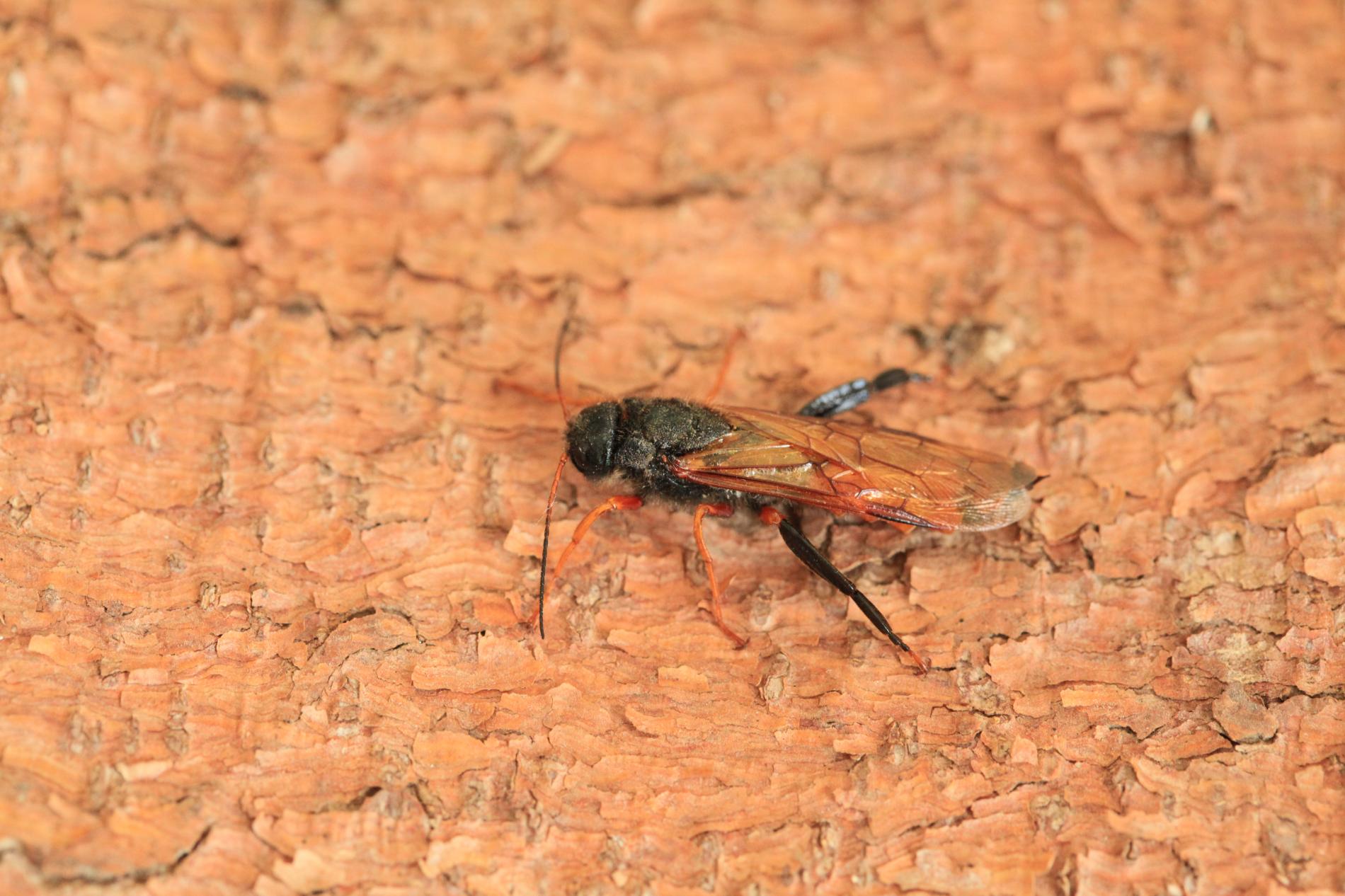
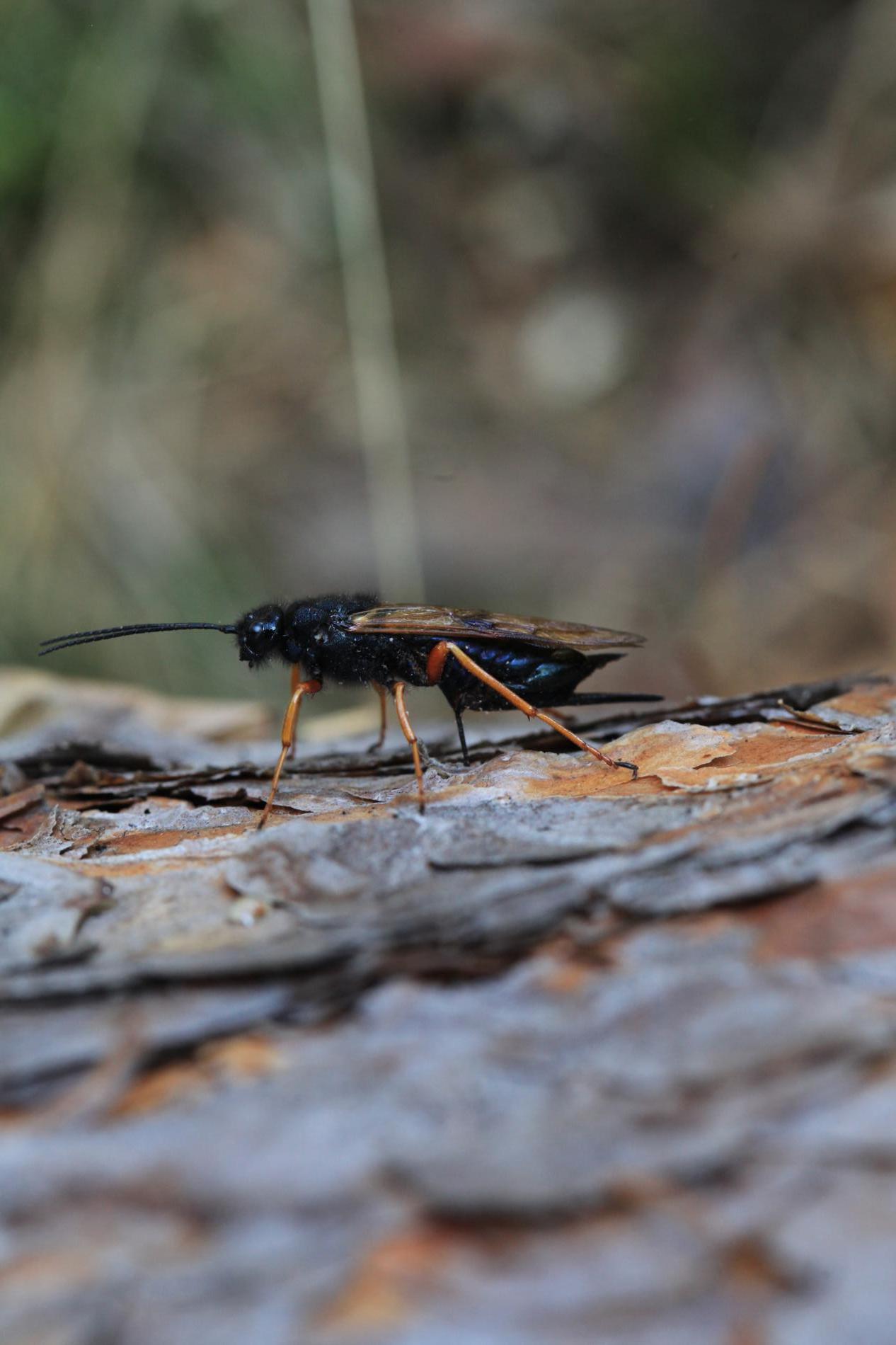
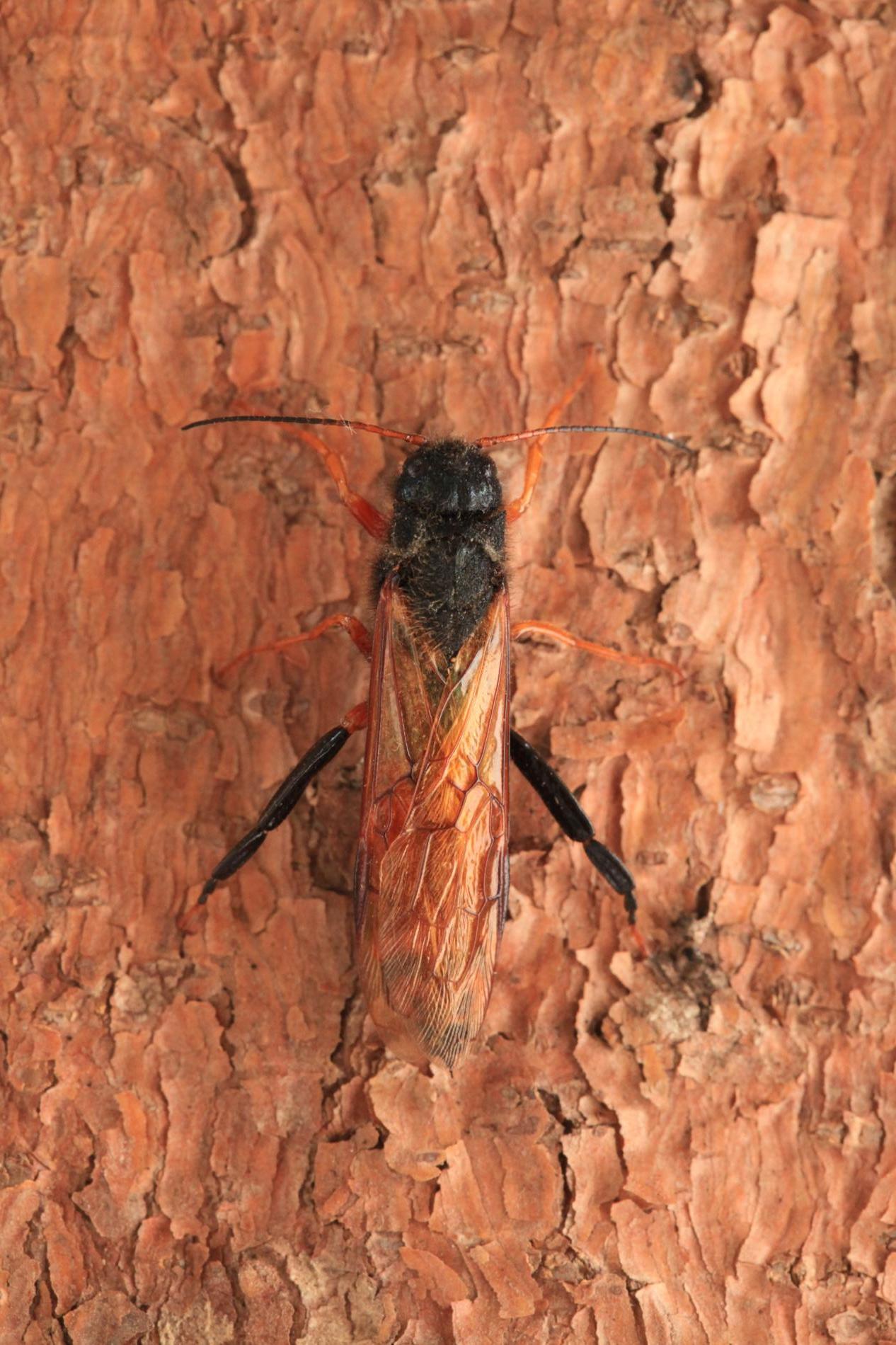
Sirex noctilio
Sirex woodwasp
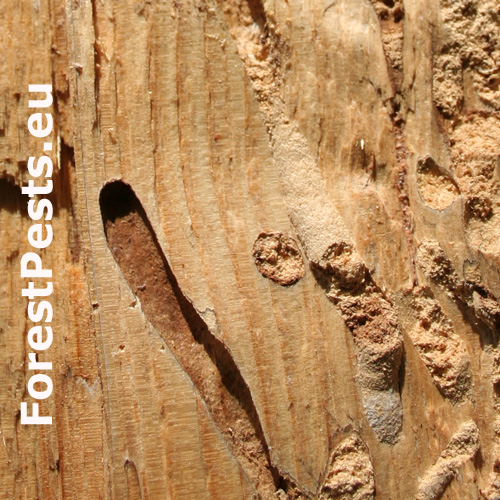
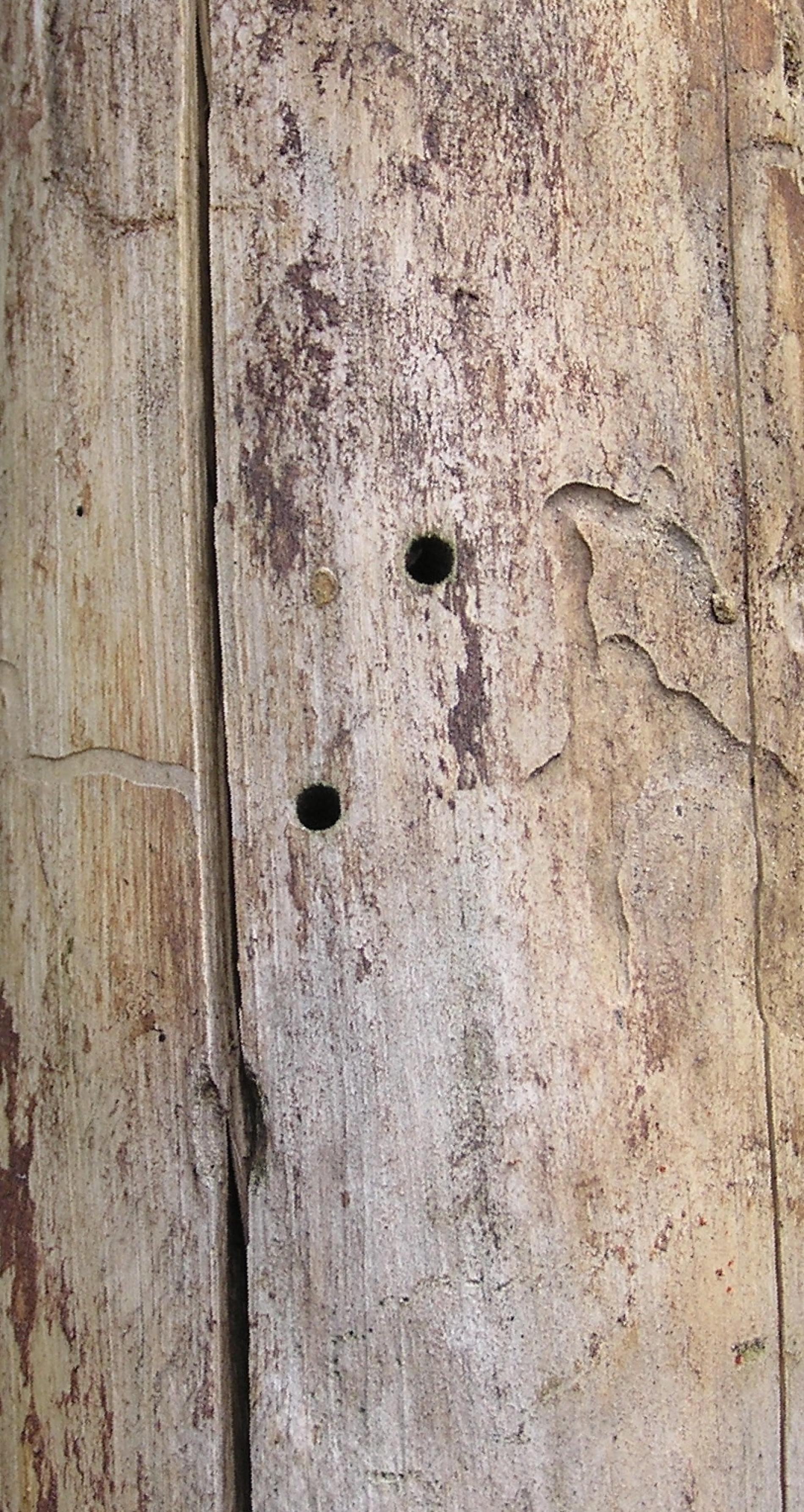
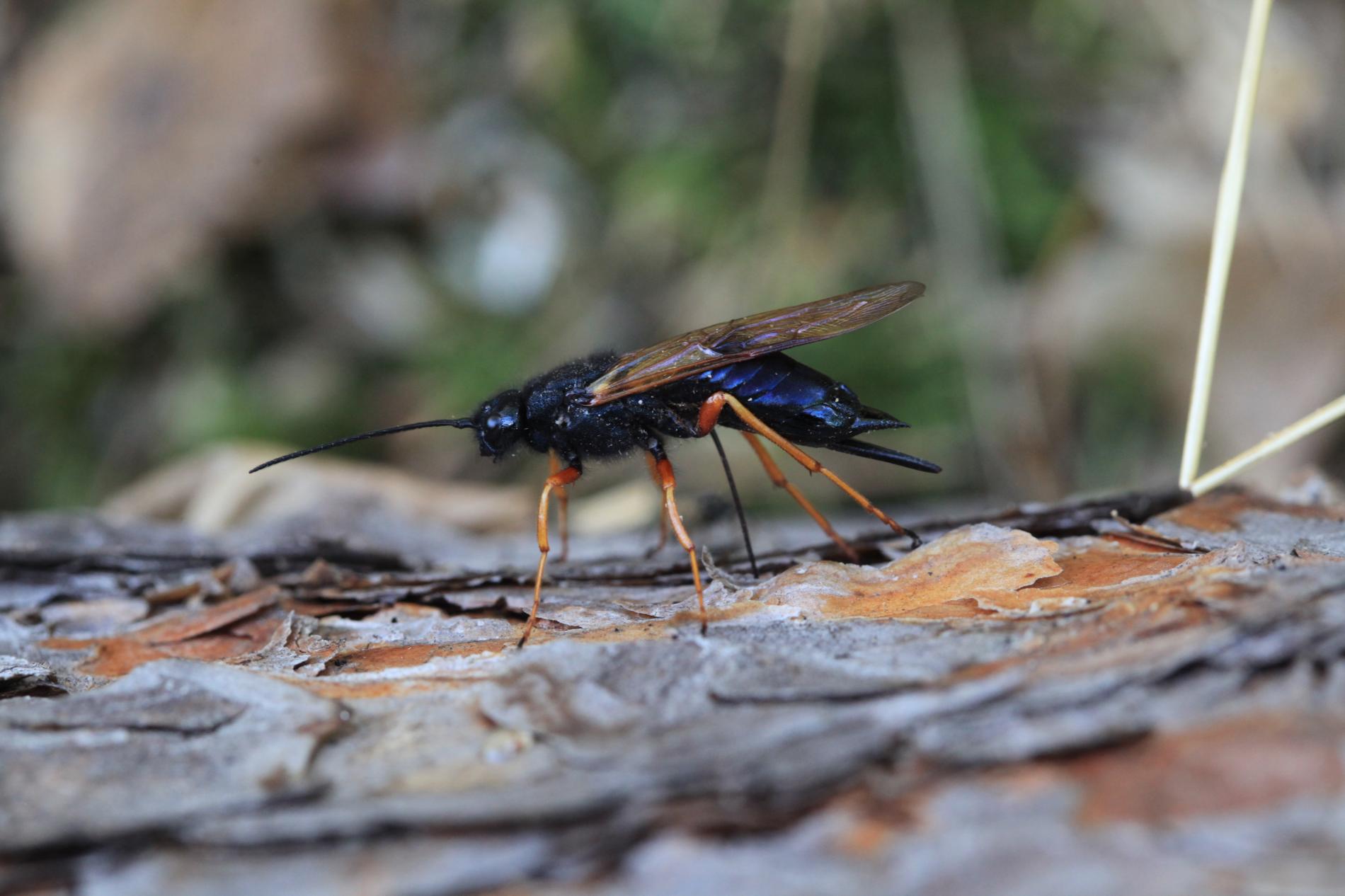
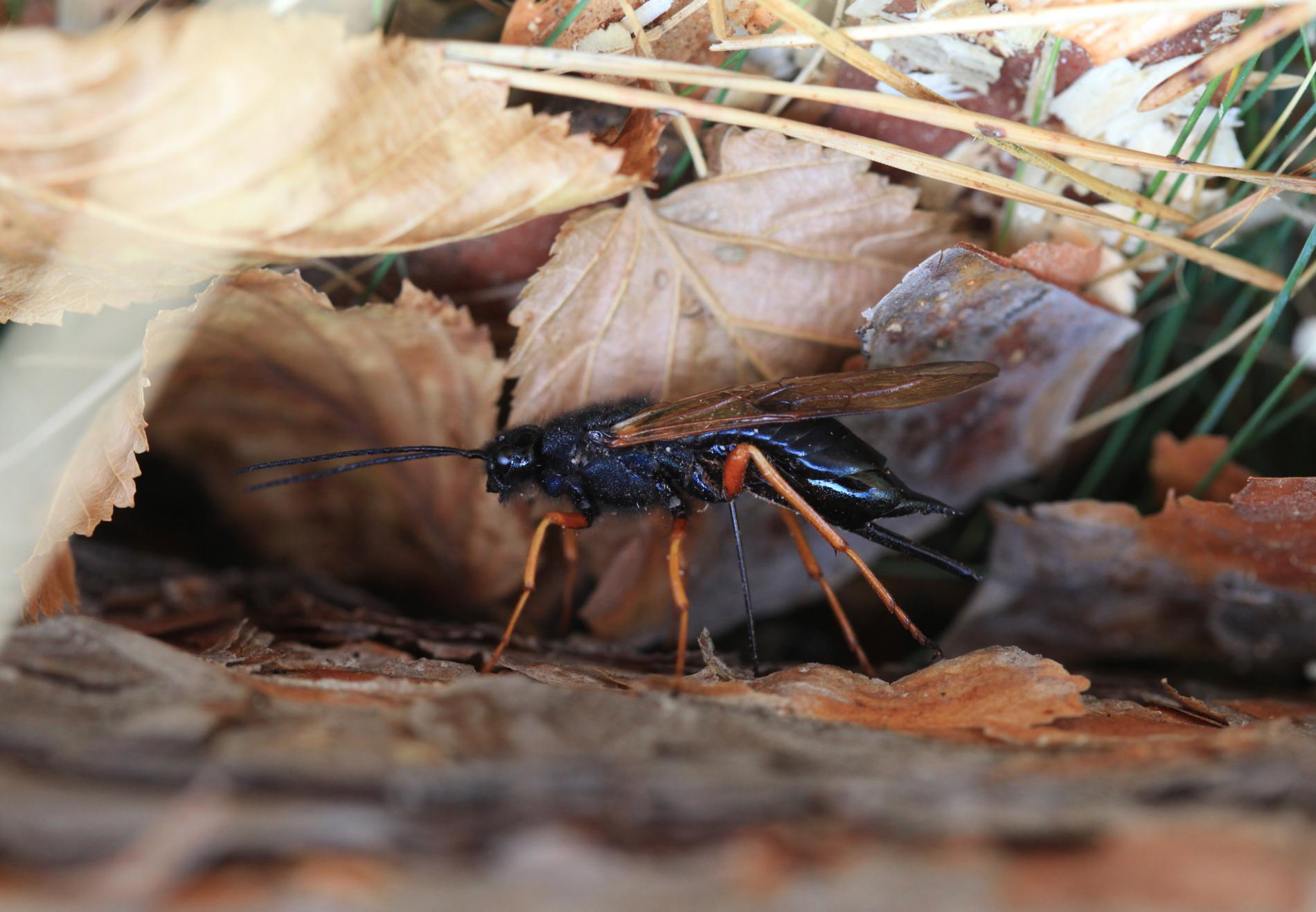
Adults fly in the second half of summer. They seek out freshly cut down or uprooted trees. The female drill their ovipositors into the outer sapwood to inject eggs. One female lay from 30 to 400 eggs. From the eggs hatch larvae eating out galleries round in cross-section. Galleries in wood are firmly clogged with sawdust. The adults emerge from wood by eating out a round exit hole, 4-6 mm in diameter. Larvae overwinter twice and pupation occurs in May. This species has one generation per 2 years. Sirex woodwasp is native to Europe, and it is generally considered to be a secondary pest. It can significantly lowers the technical applicability of wood. The damage can escape one’s notice when wood is being processed. Thus, as a result, adults can hatch from furniture, wooden beams or flooring.
Galleries in wood are firmly clogged with sawdust.
Tree Species: Pine, Fir, Spruce
Part of a plant- attacked: Tree trunk
Pest significance: Harmful
Pest Category: Insects
Present in EU: Yes
Pest group: Insect
Affected part of wood: Bark, Heartwood, Sapwood, Underbark area
Depth of damages: Bark, More than 5 cm depth, Under bark only, Up to 0,5 cm depth, Up to 2 cm depth, Up to 5 cm depth
The extent of damage: Lokally, Whole trunk
Prevalence in Europe: Very common, Very rare
Damaged products: Firewood, Fresh timber logs (water still in the sapwood), Furniture, Lumber, boards and prisms, Stored timber logs (dried wood), Wooden house constructions
Roundwood size: Diameter 50+, Diameter from 10 up to 50 cm
Wood discoloration: No
Exit holes: Round
Pest subcategory: Wood-boring insect
Similar pests

Ips typographus

Ips acuminatus
