


Rosalia alpina
Rosalia longhorn
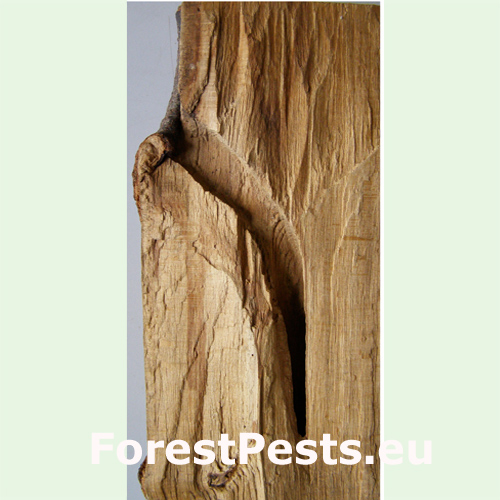
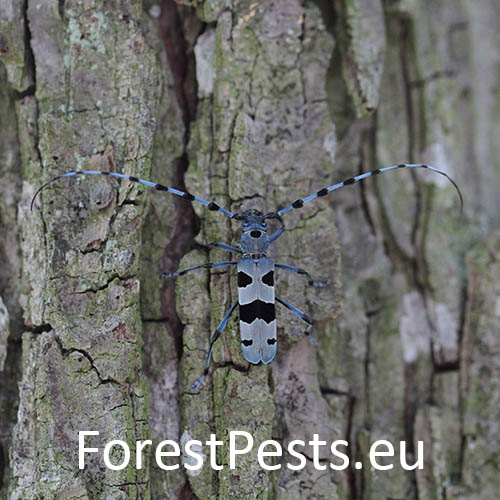
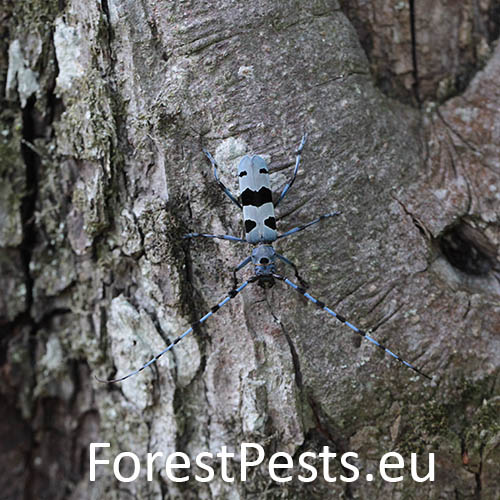
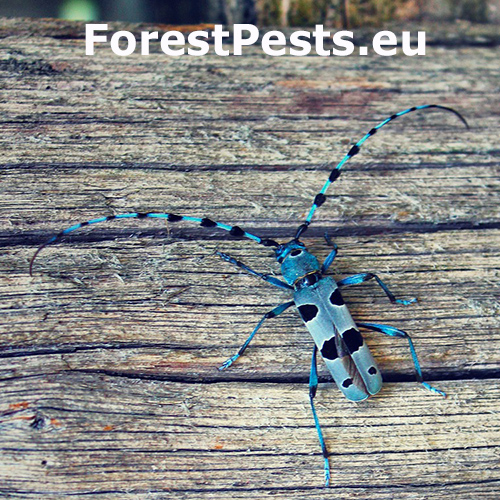
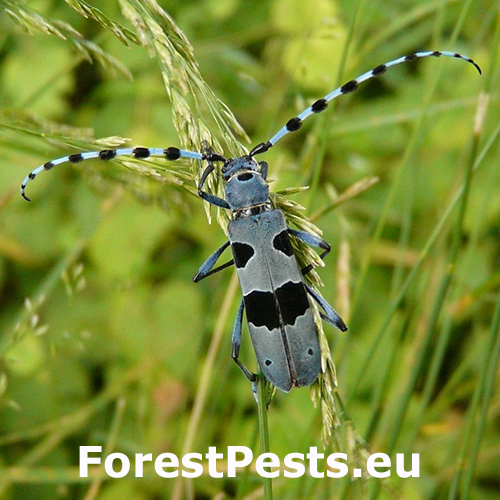
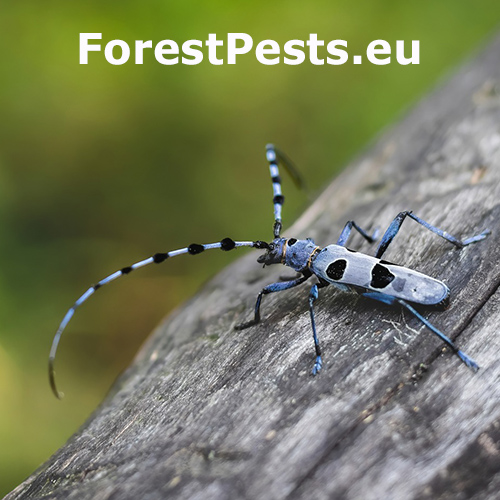
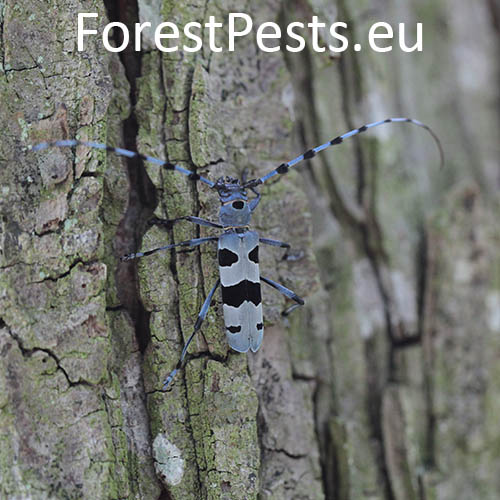
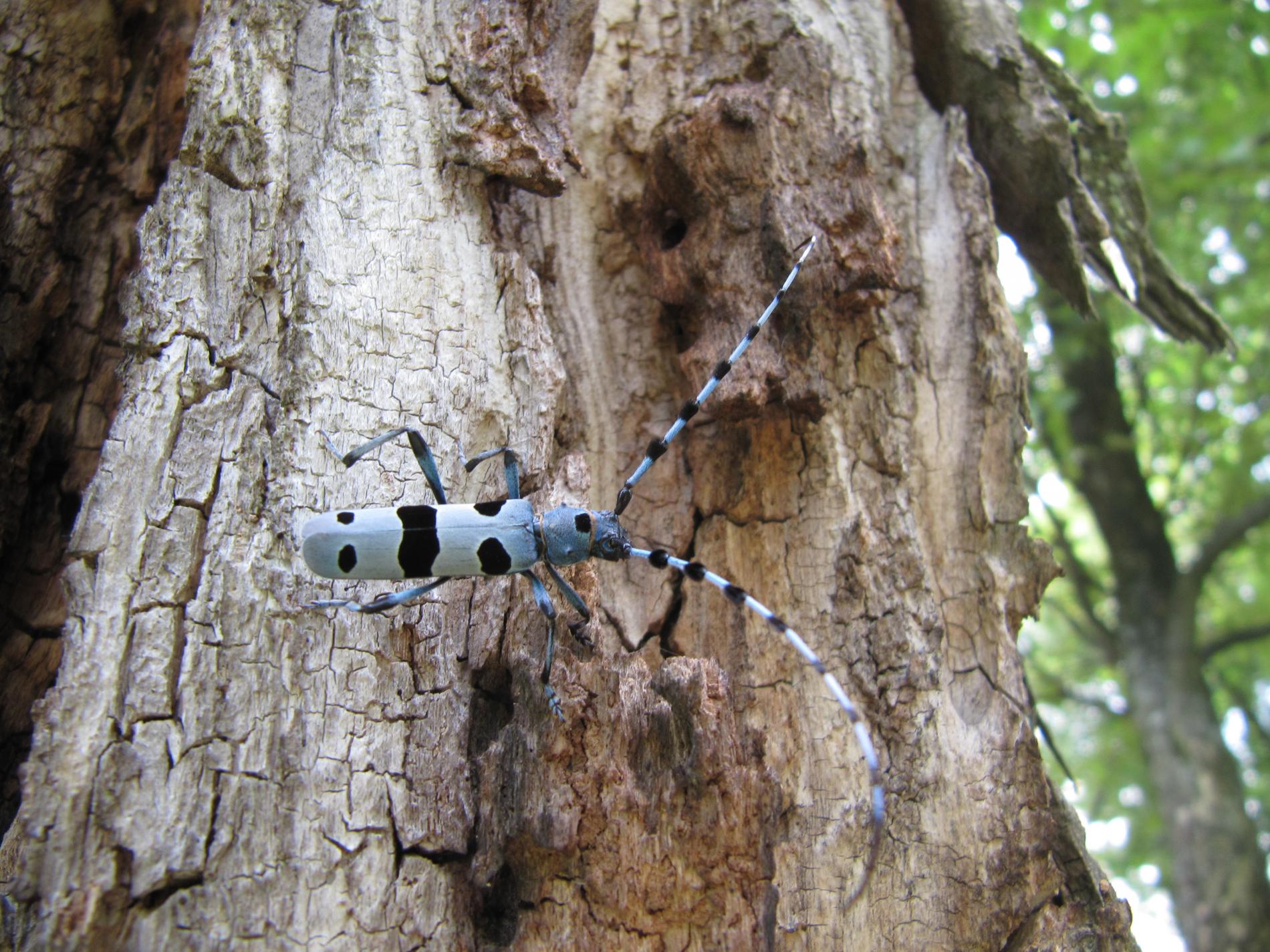
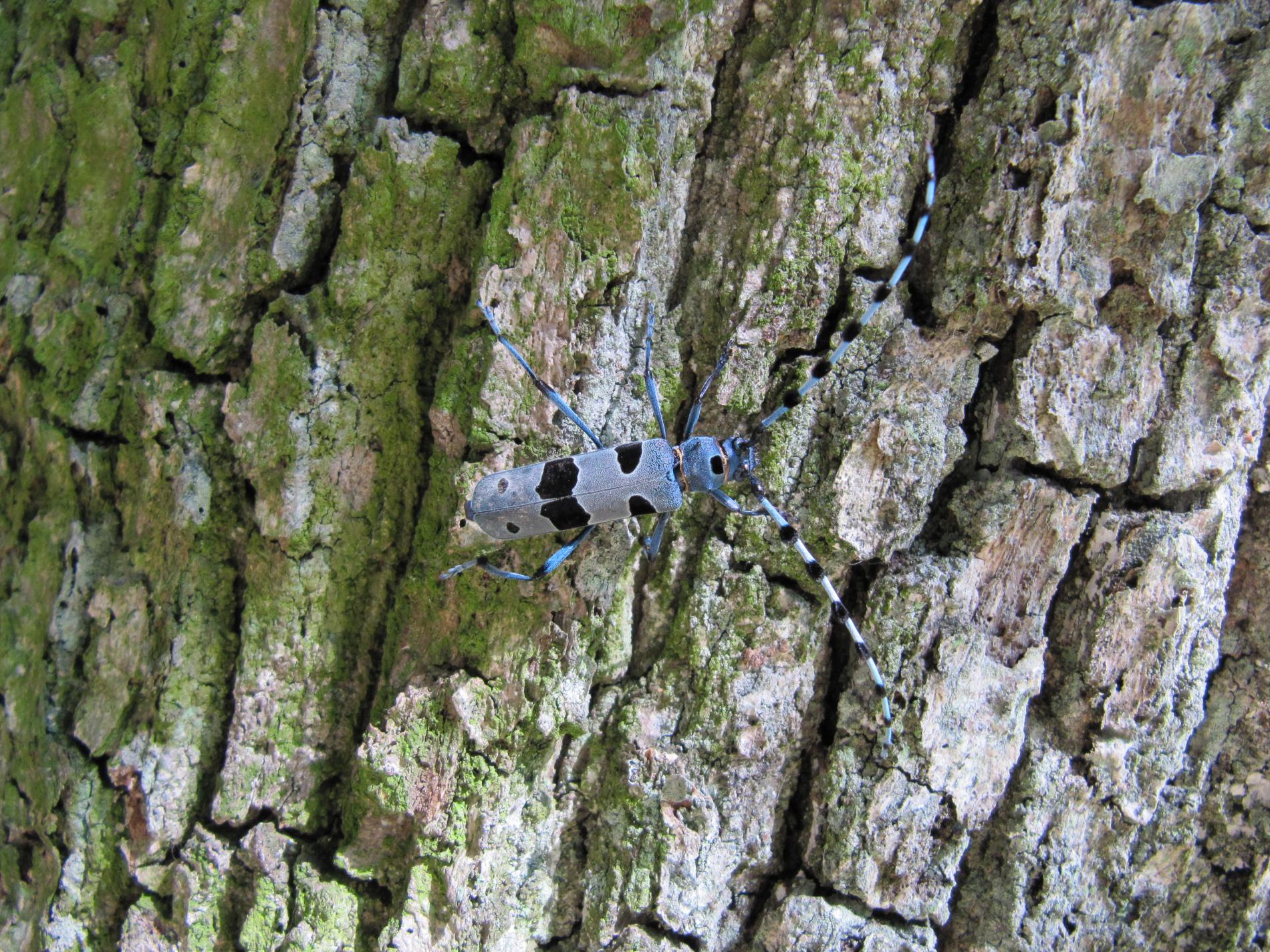
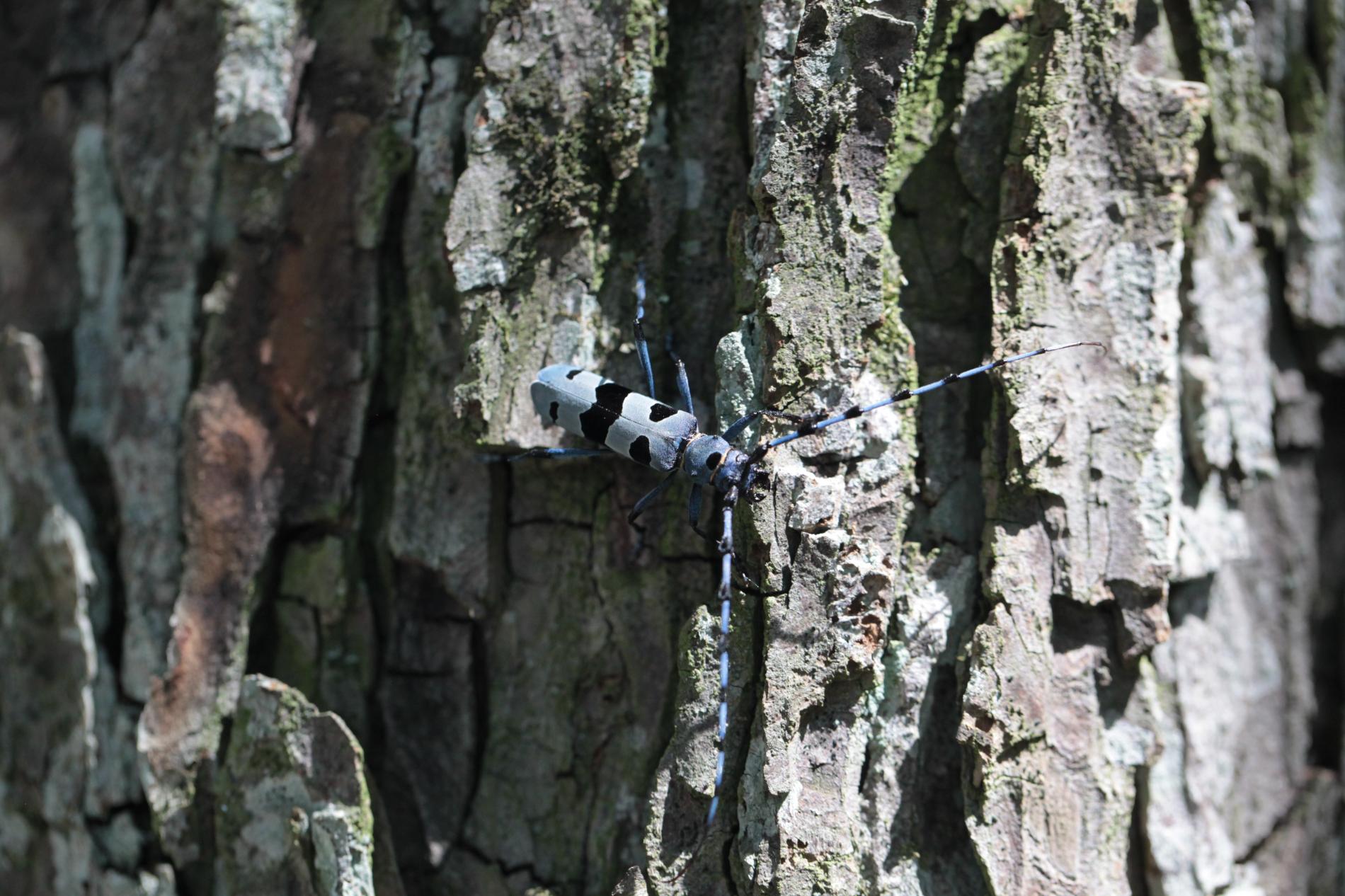
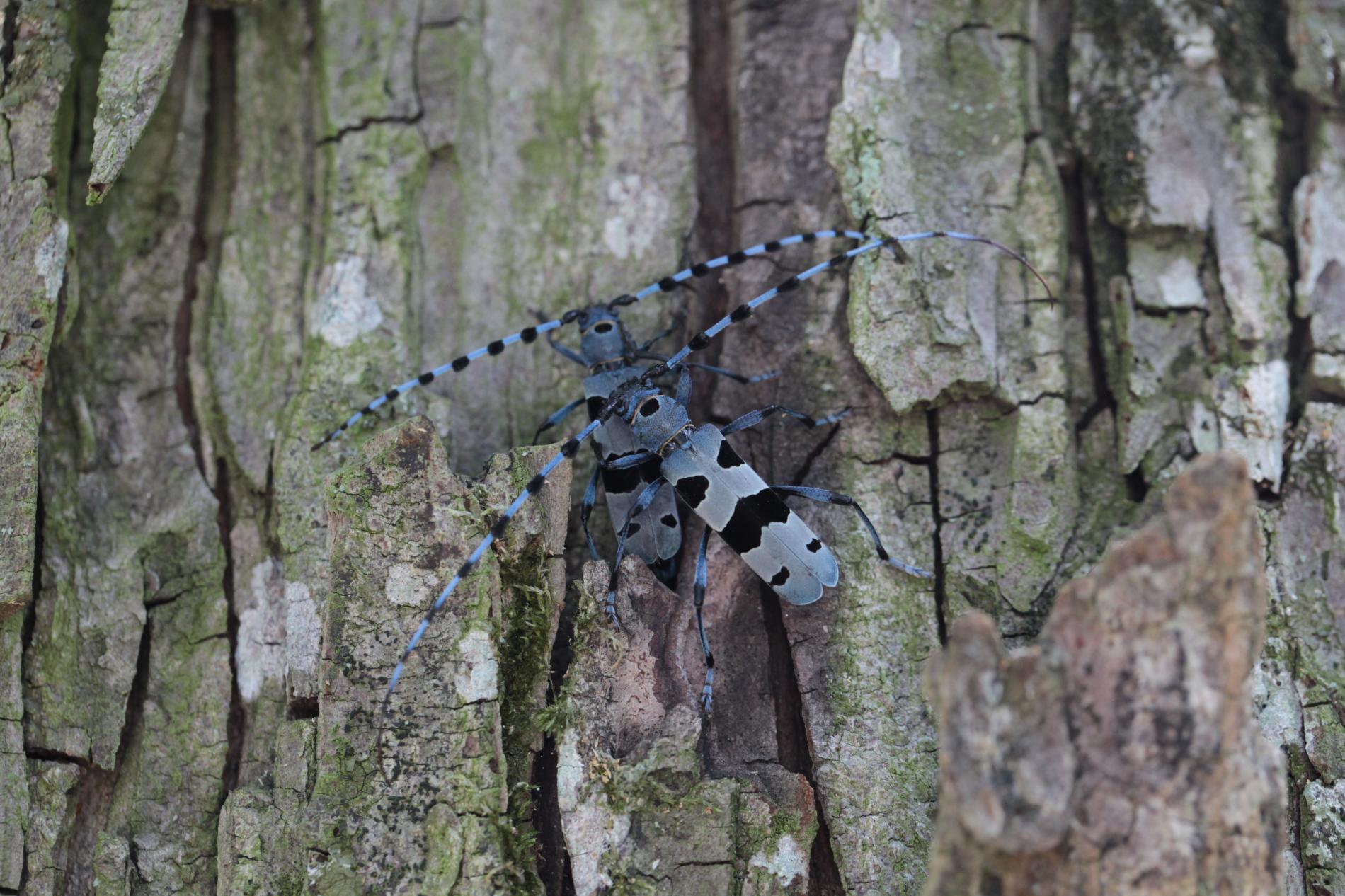
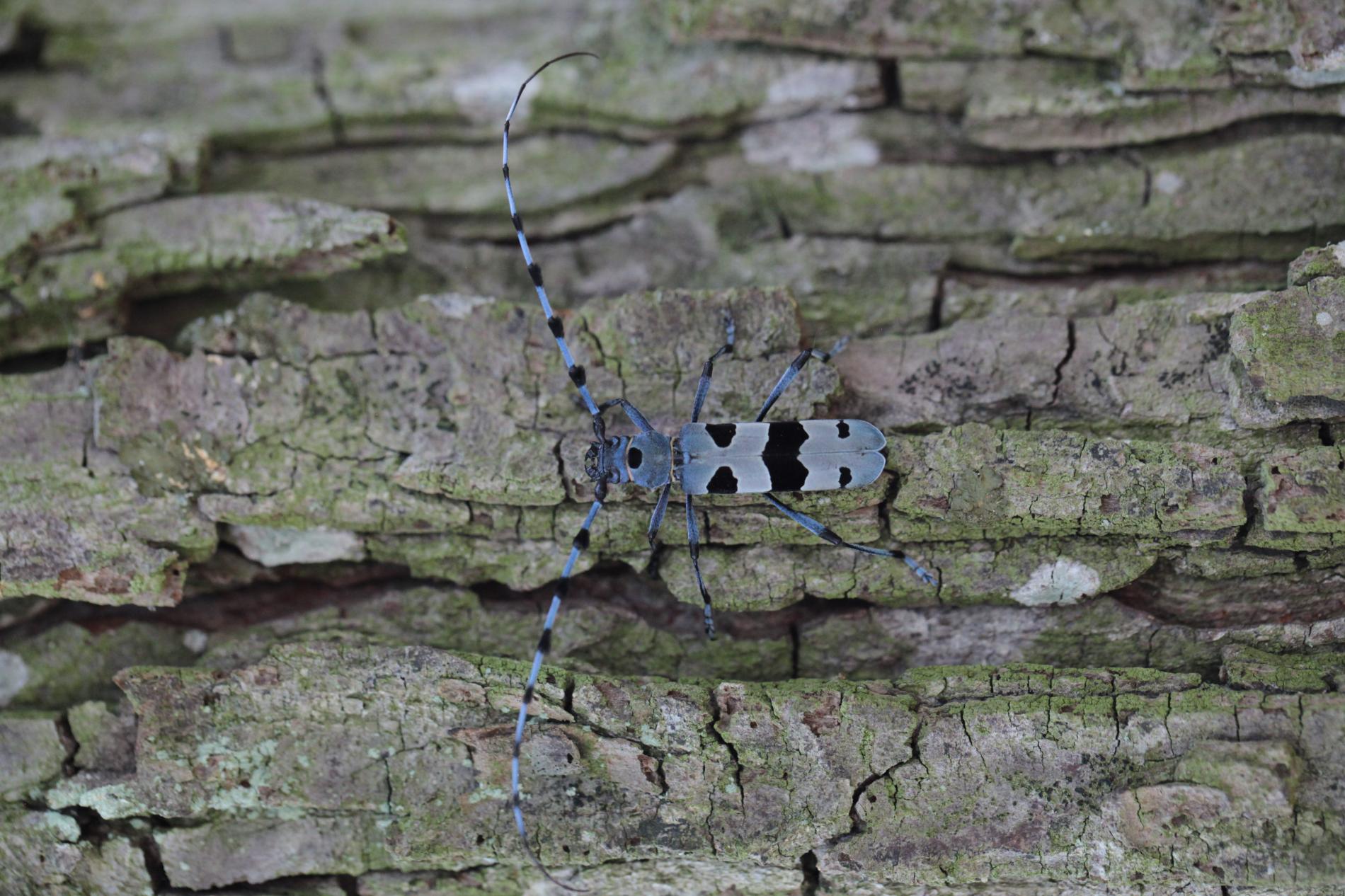
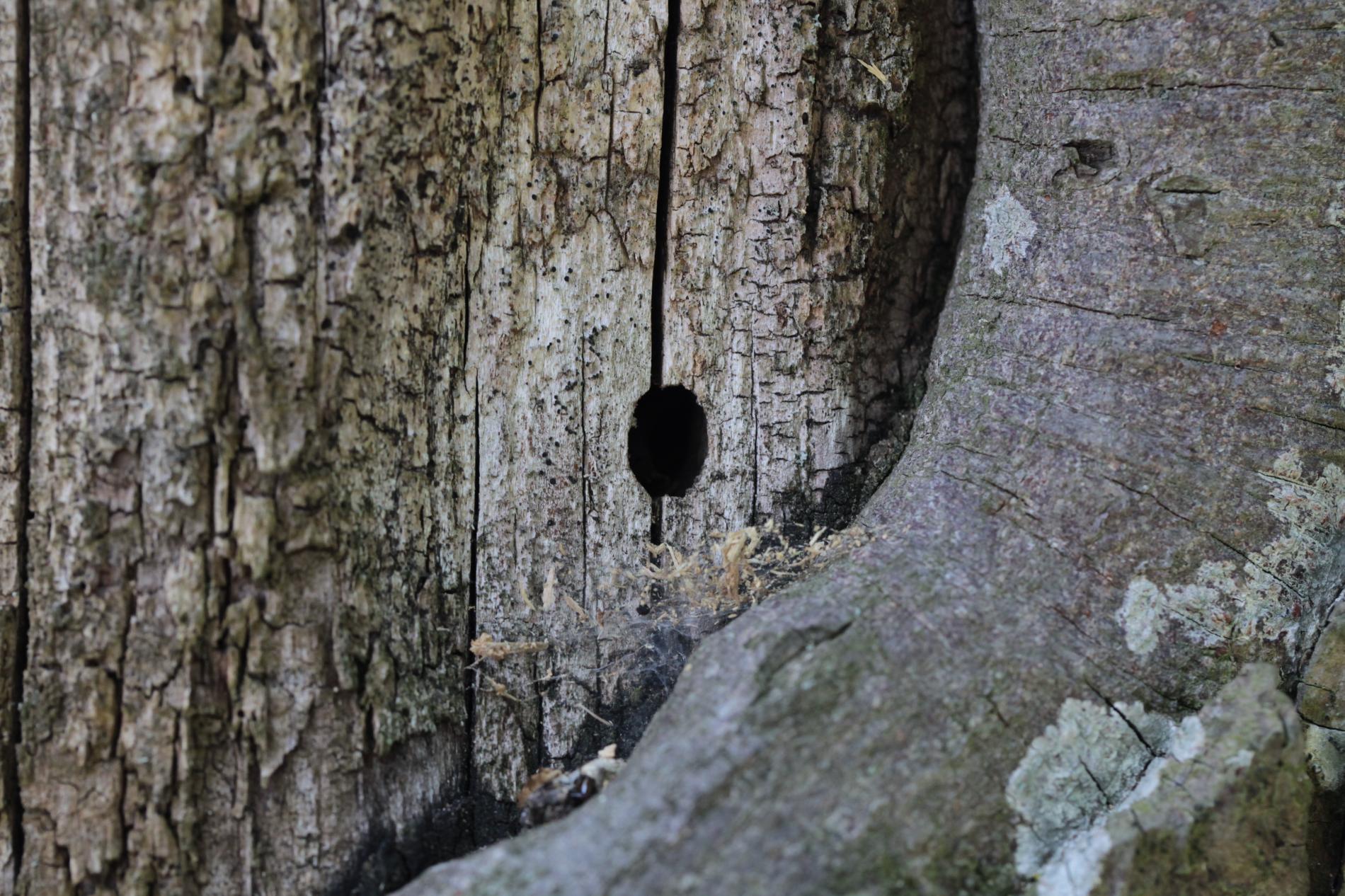
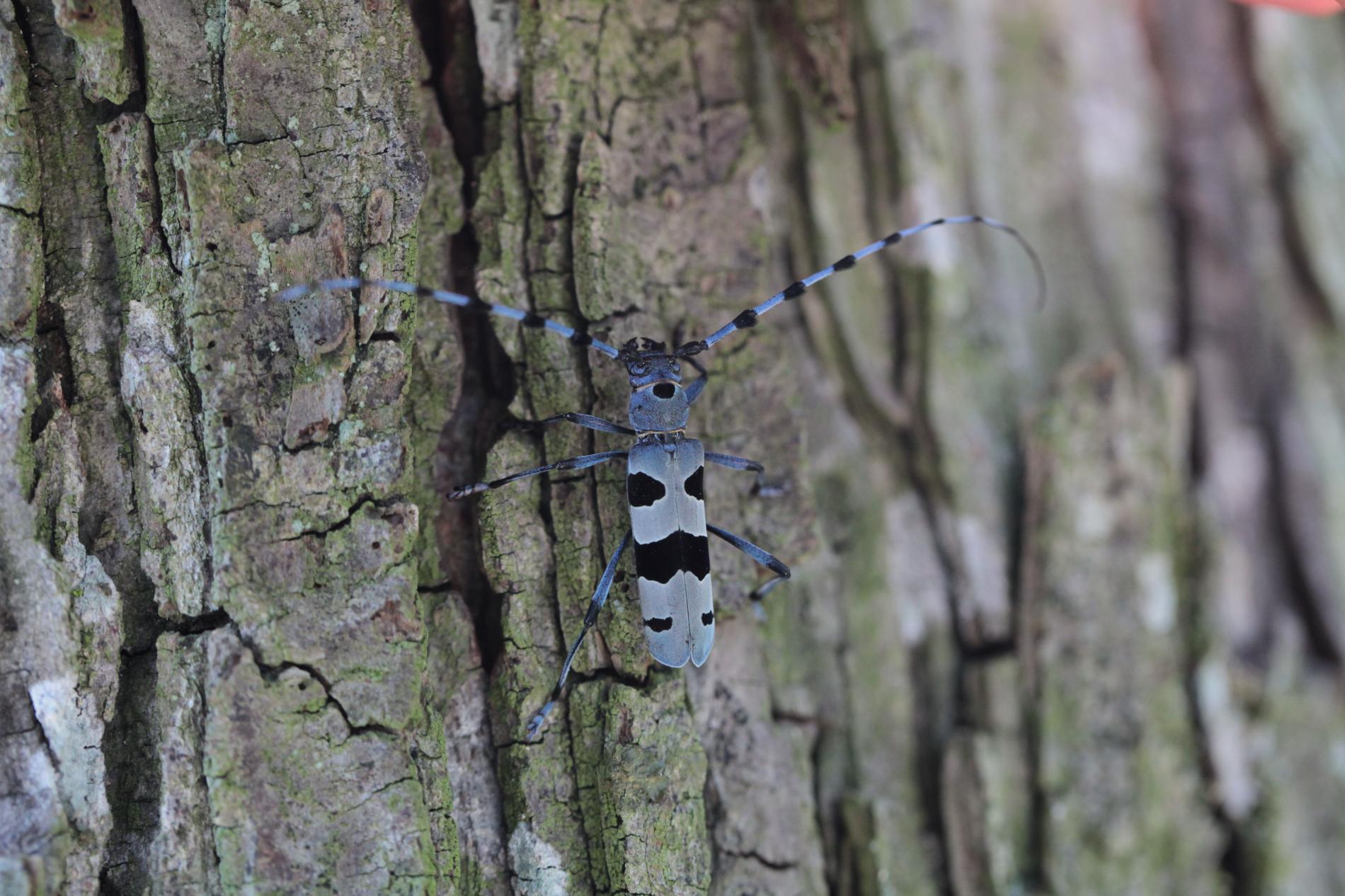
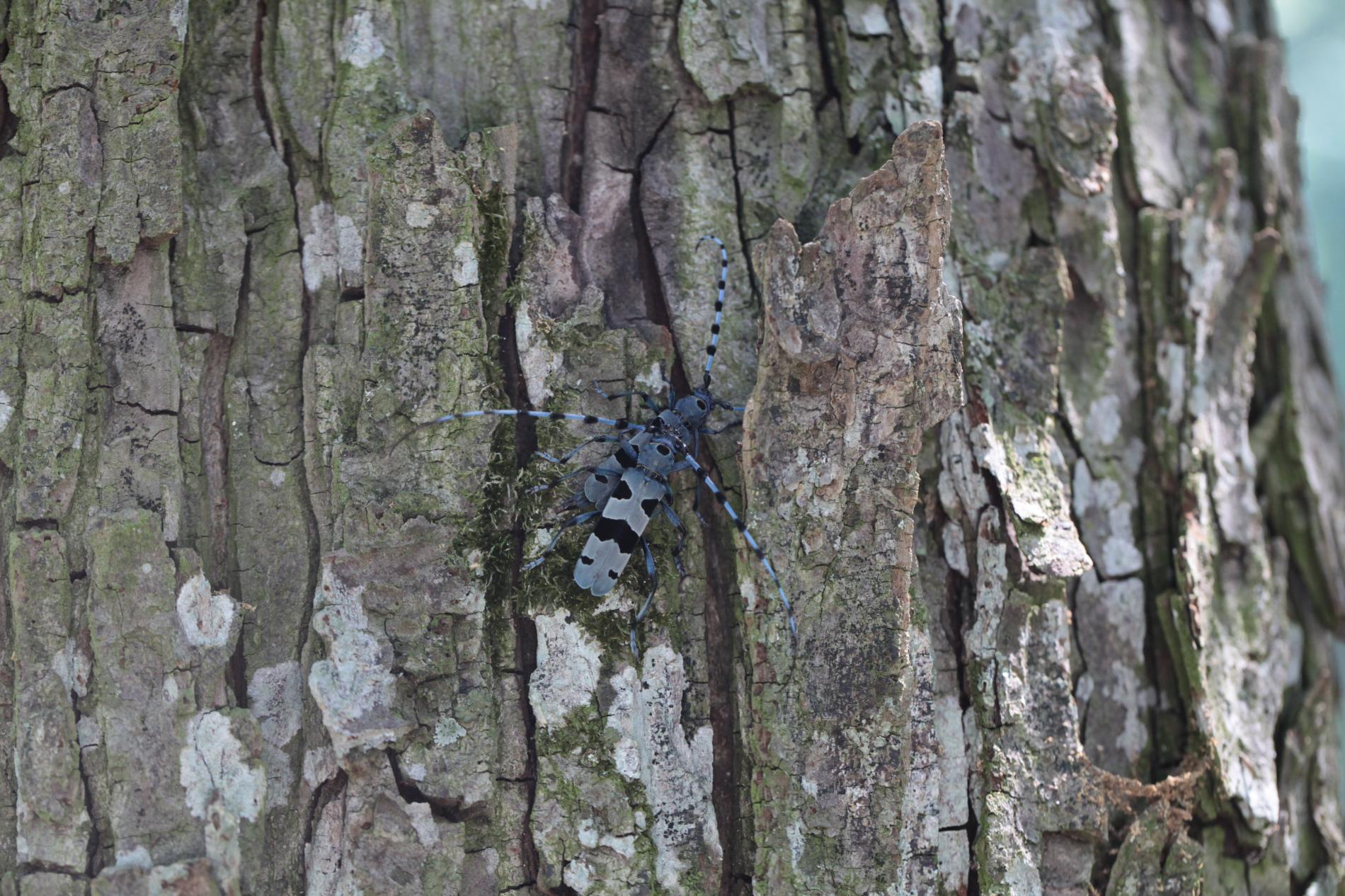
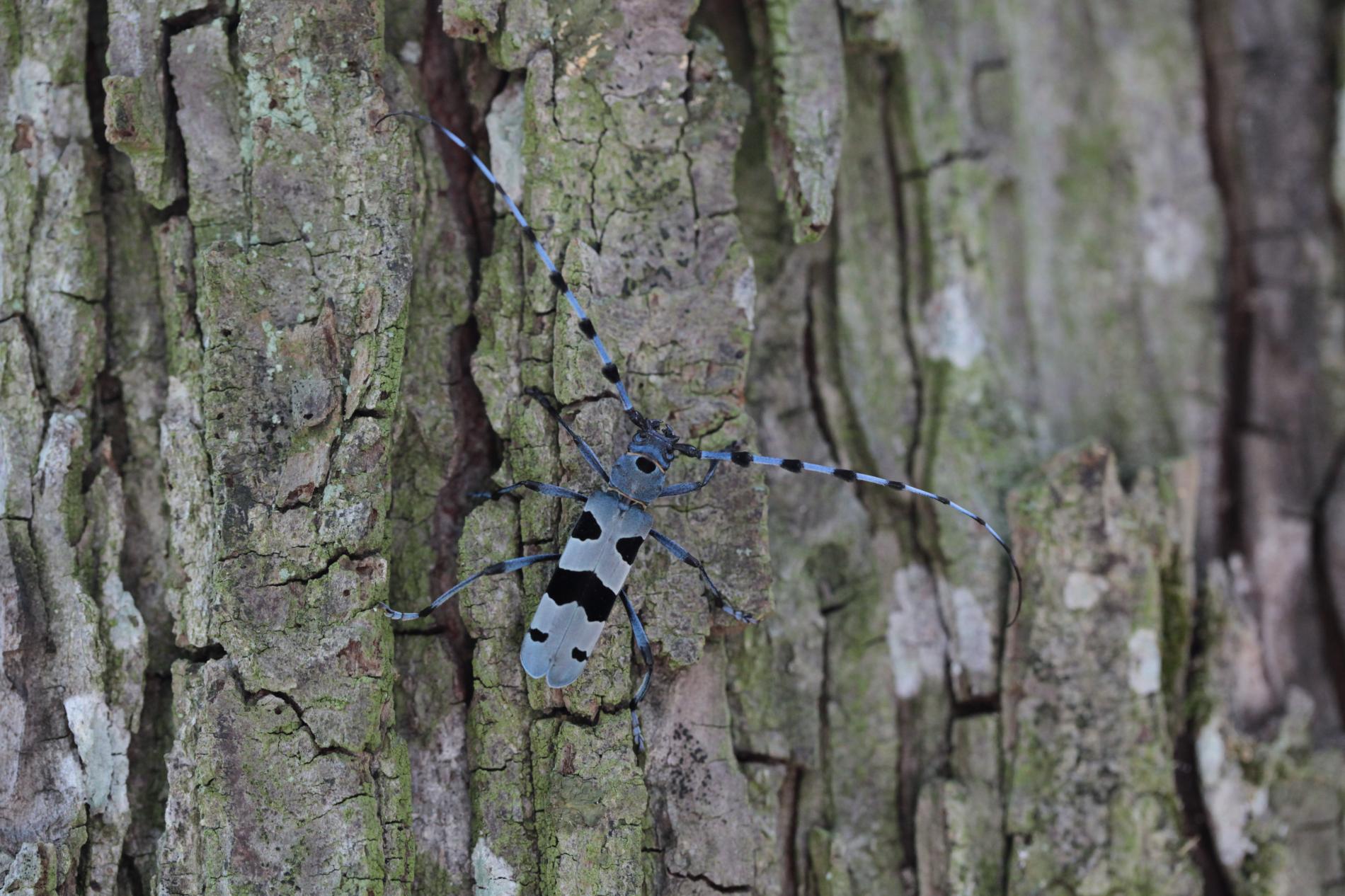
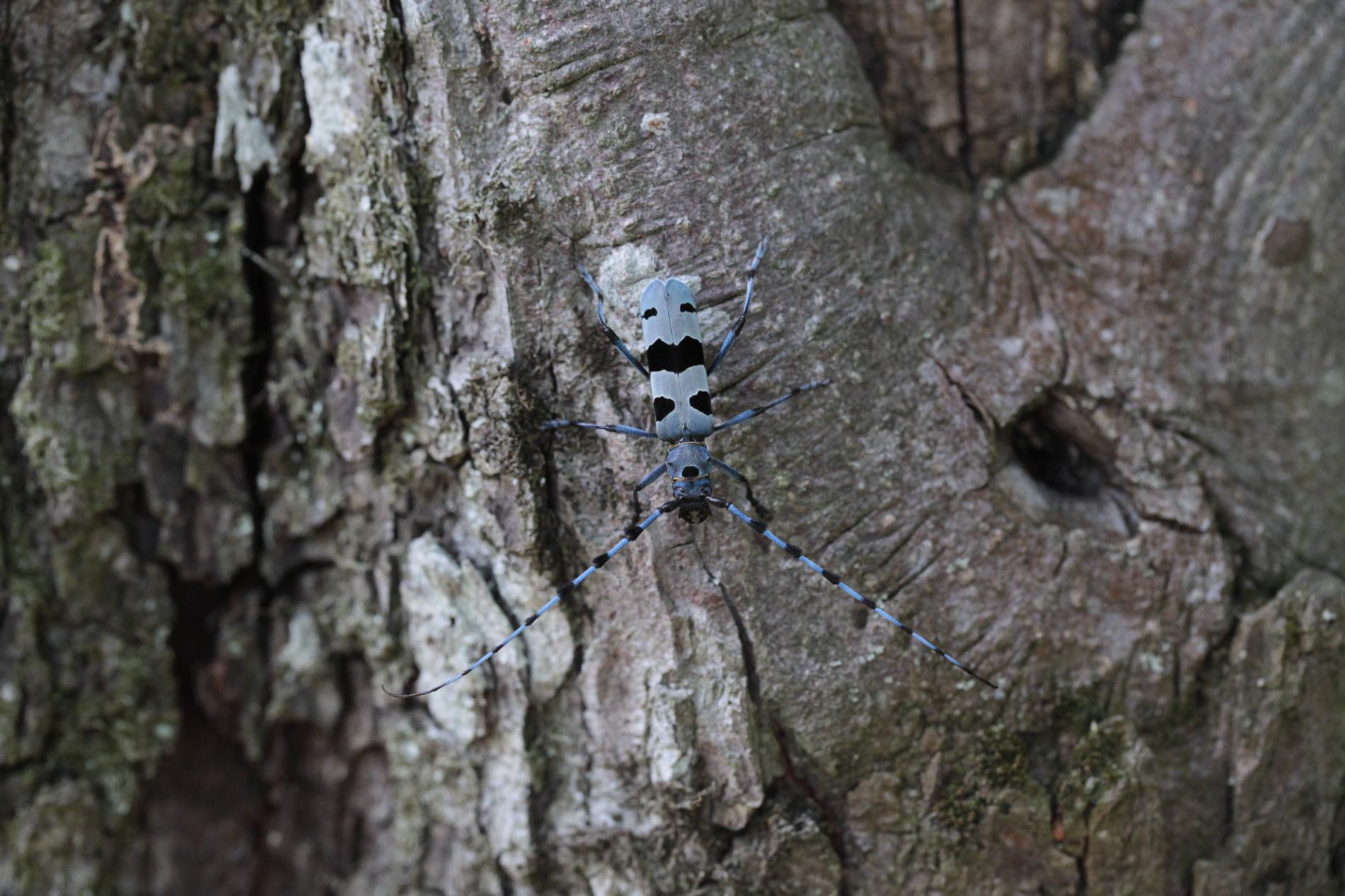
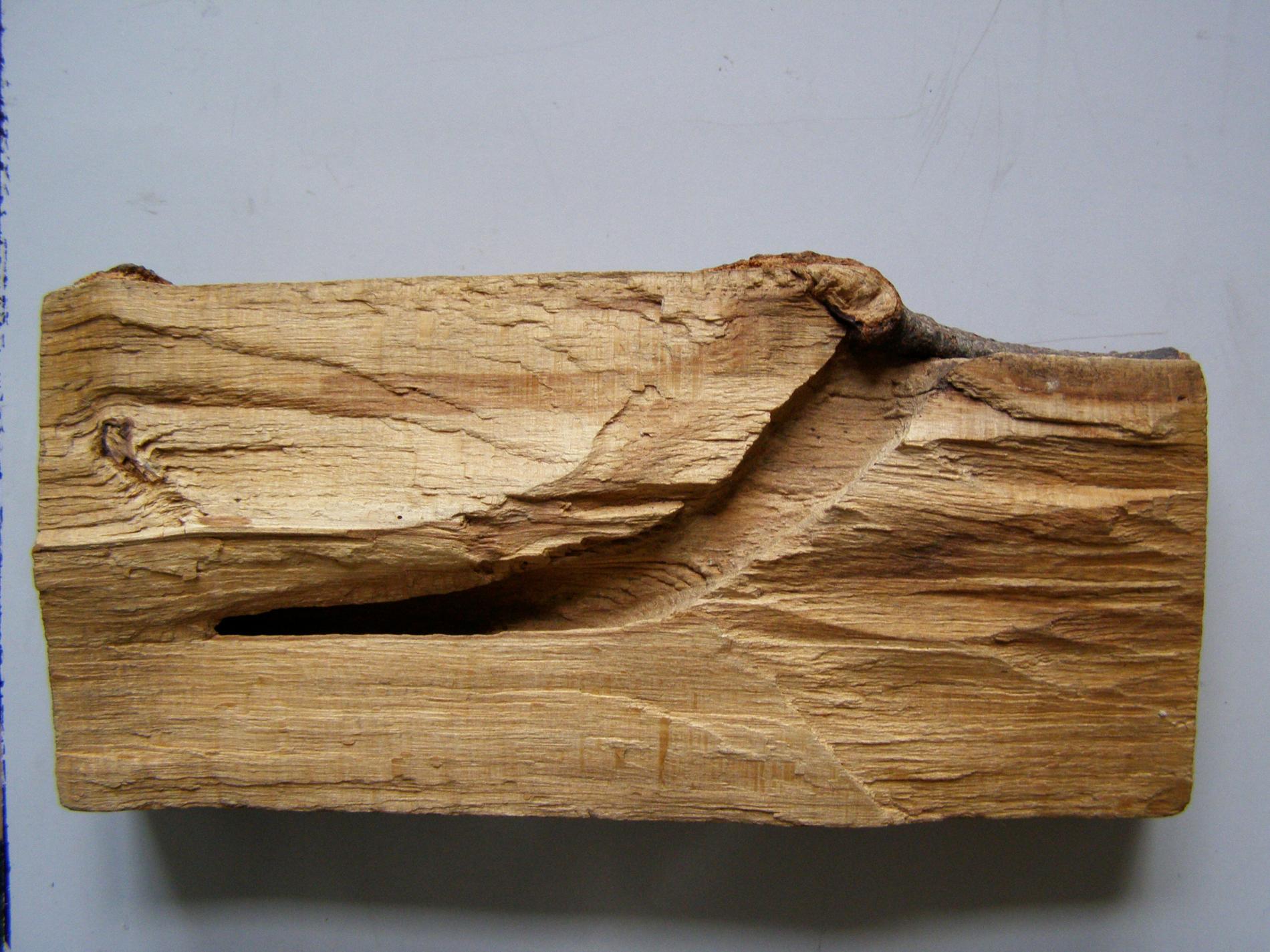
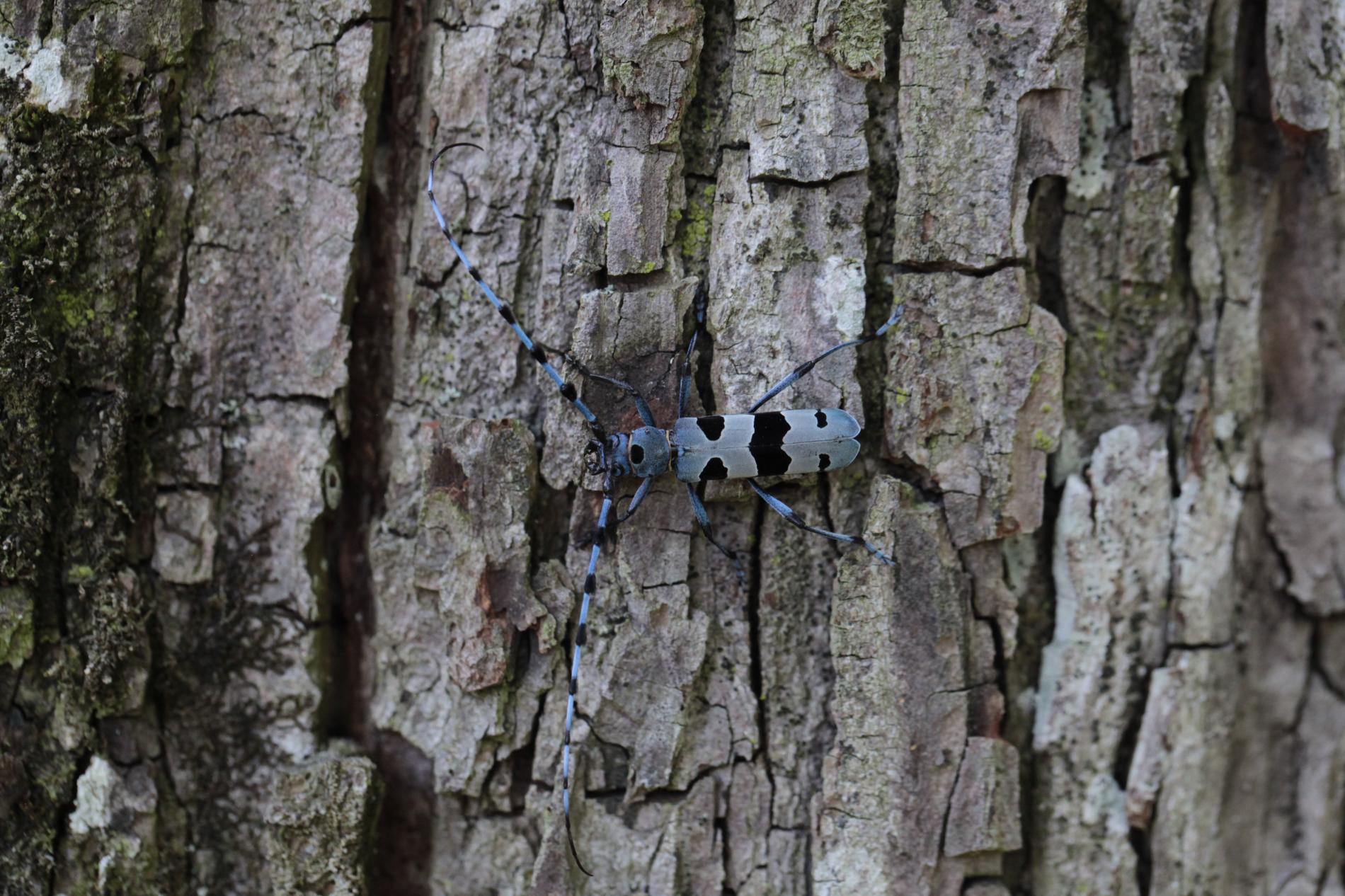
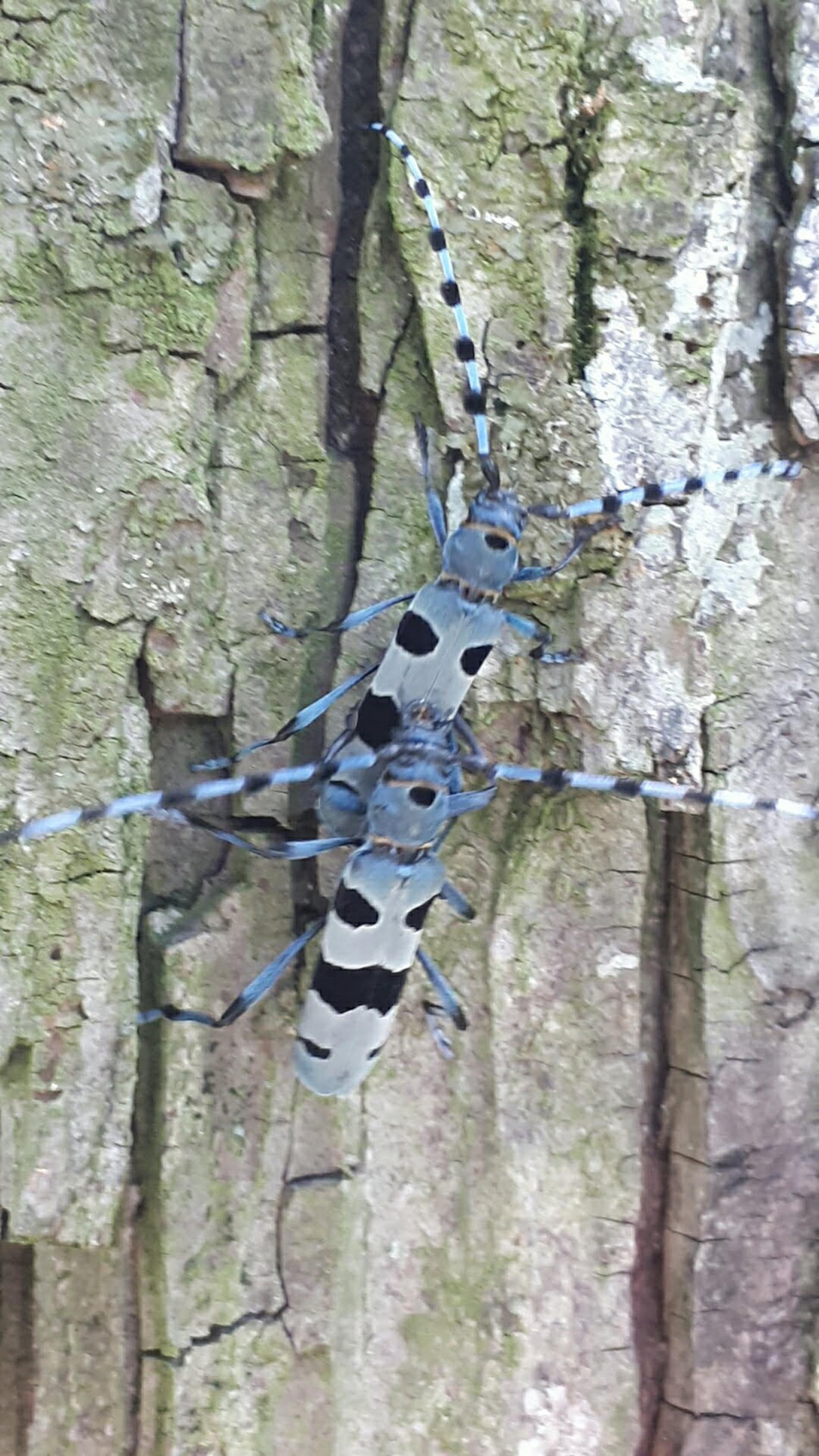
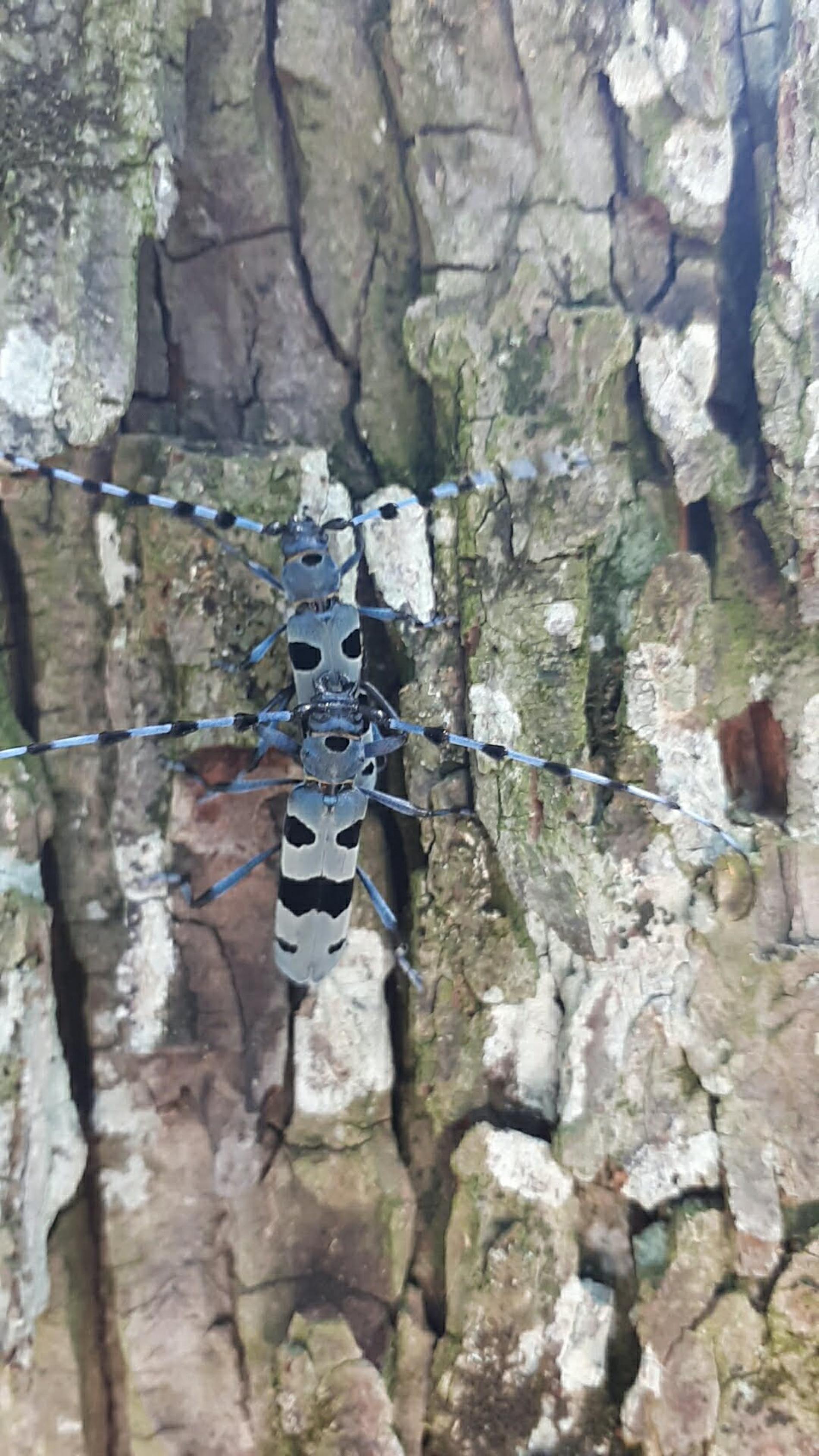
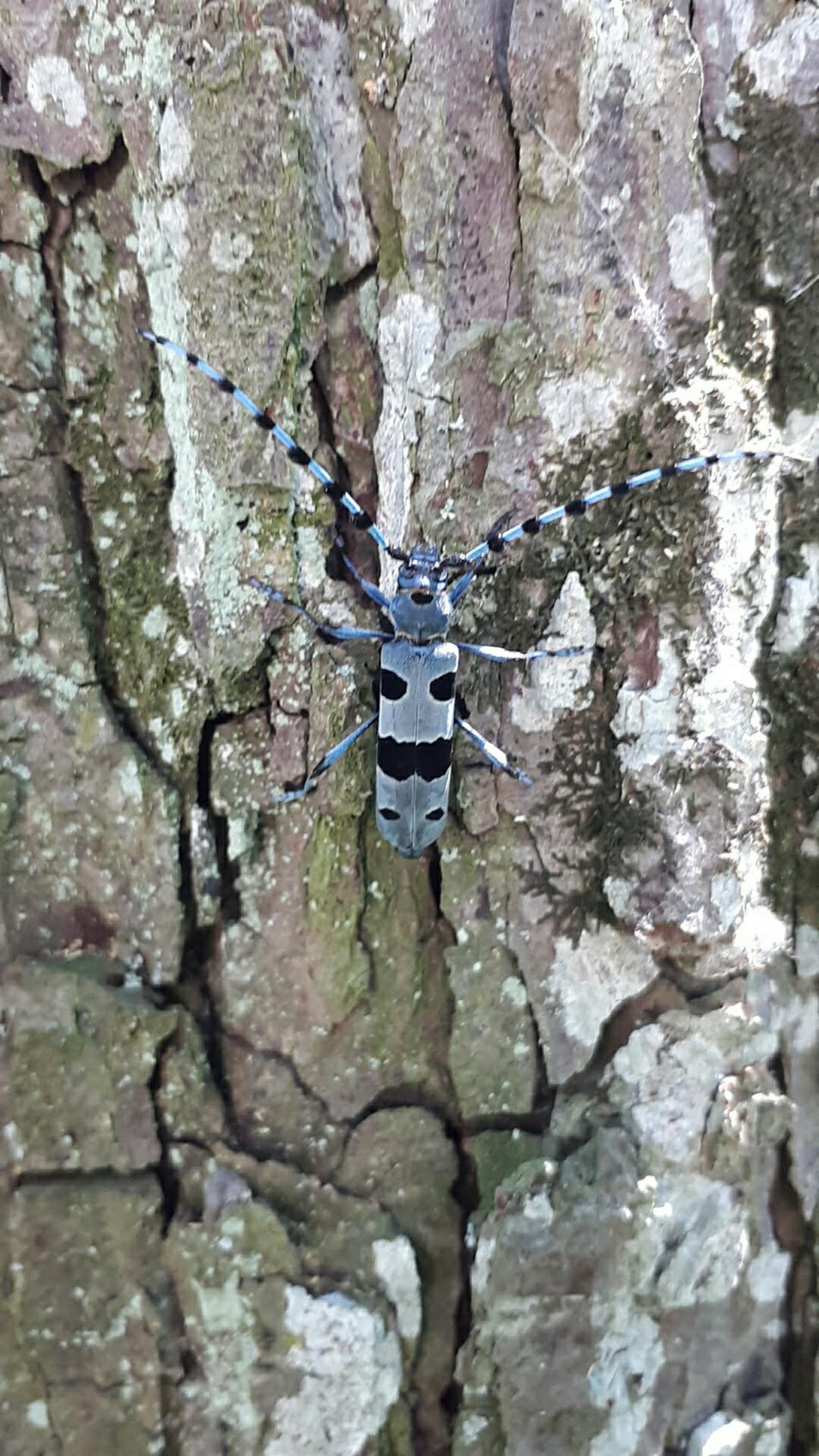
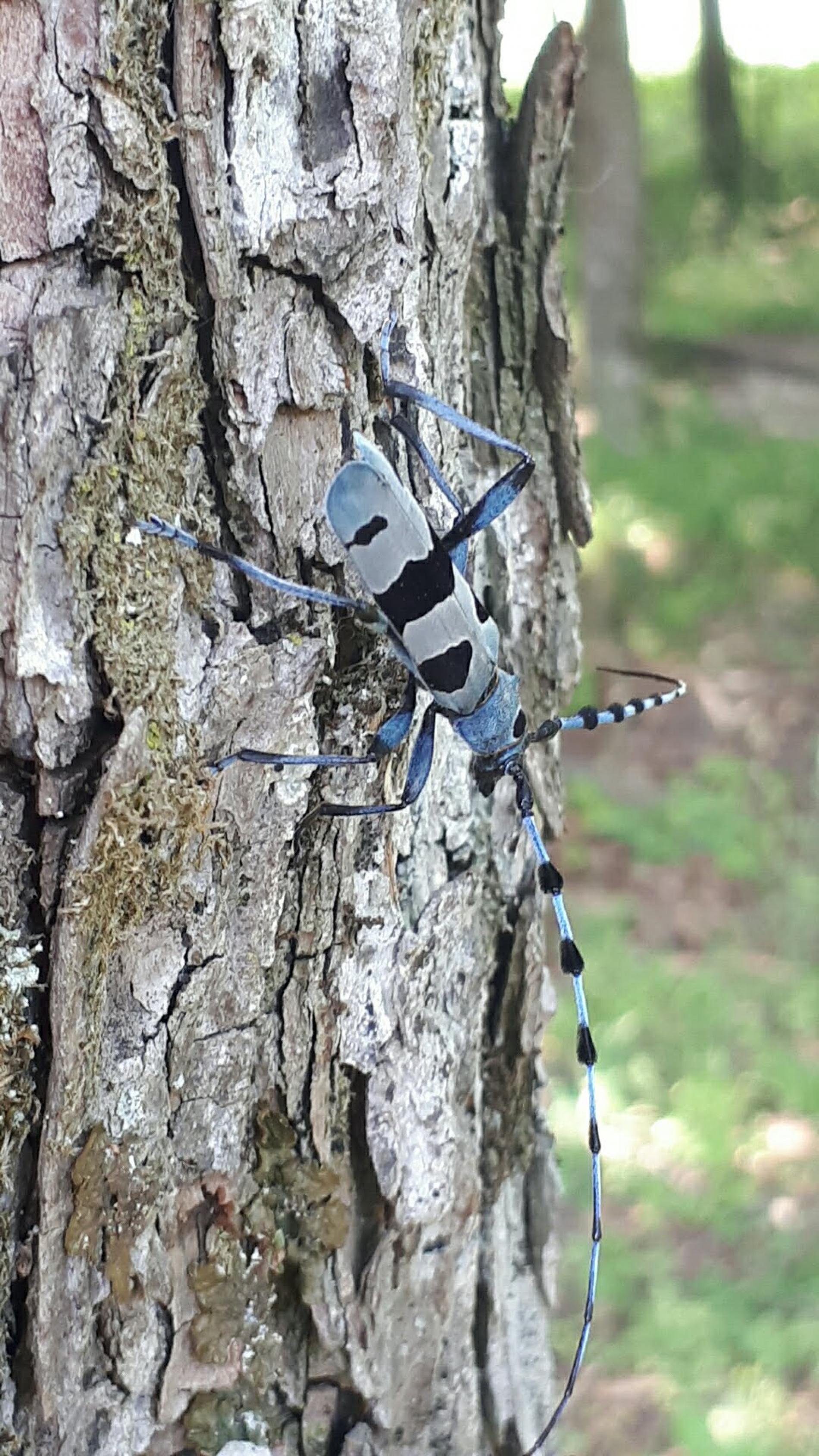
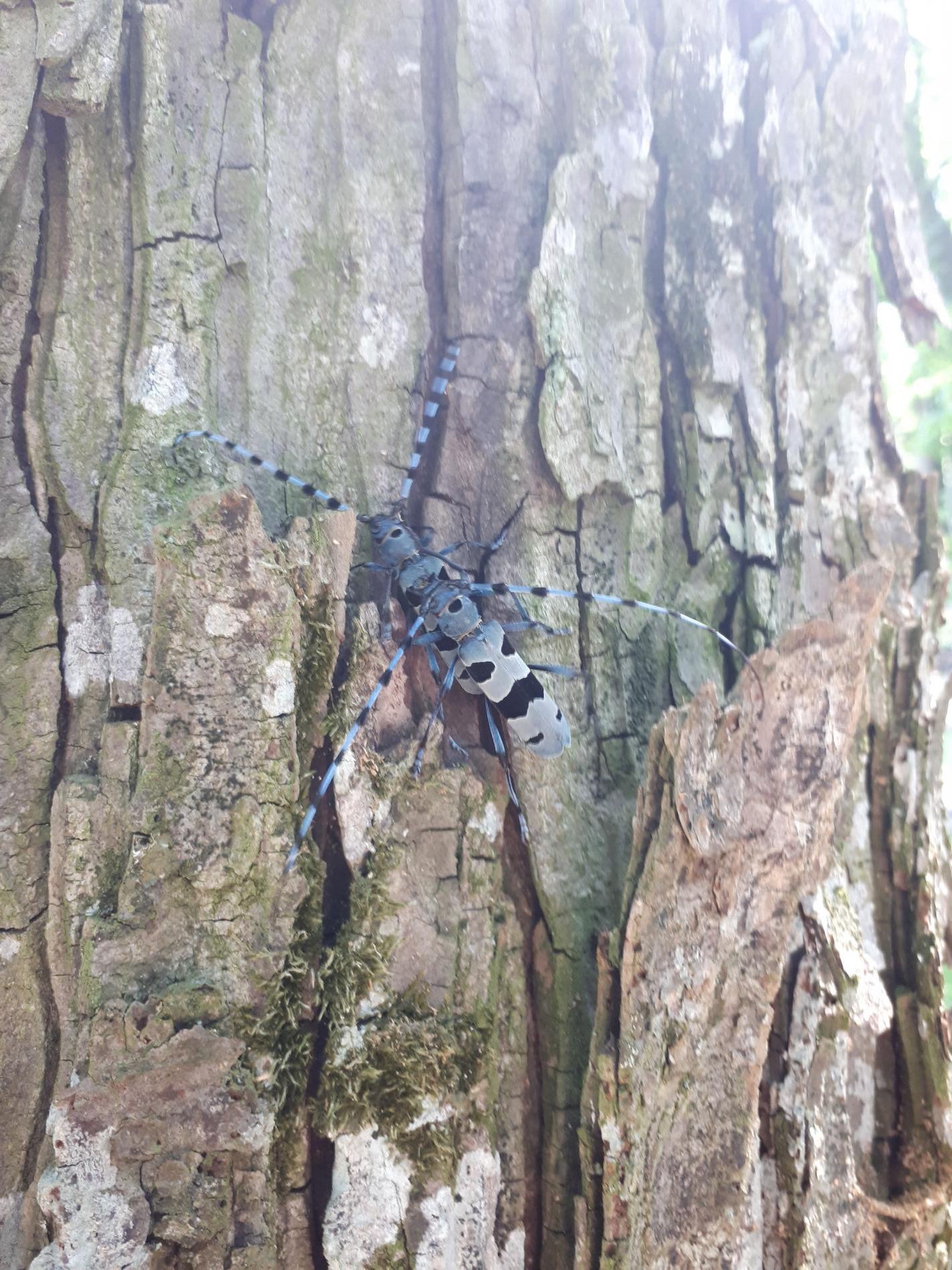
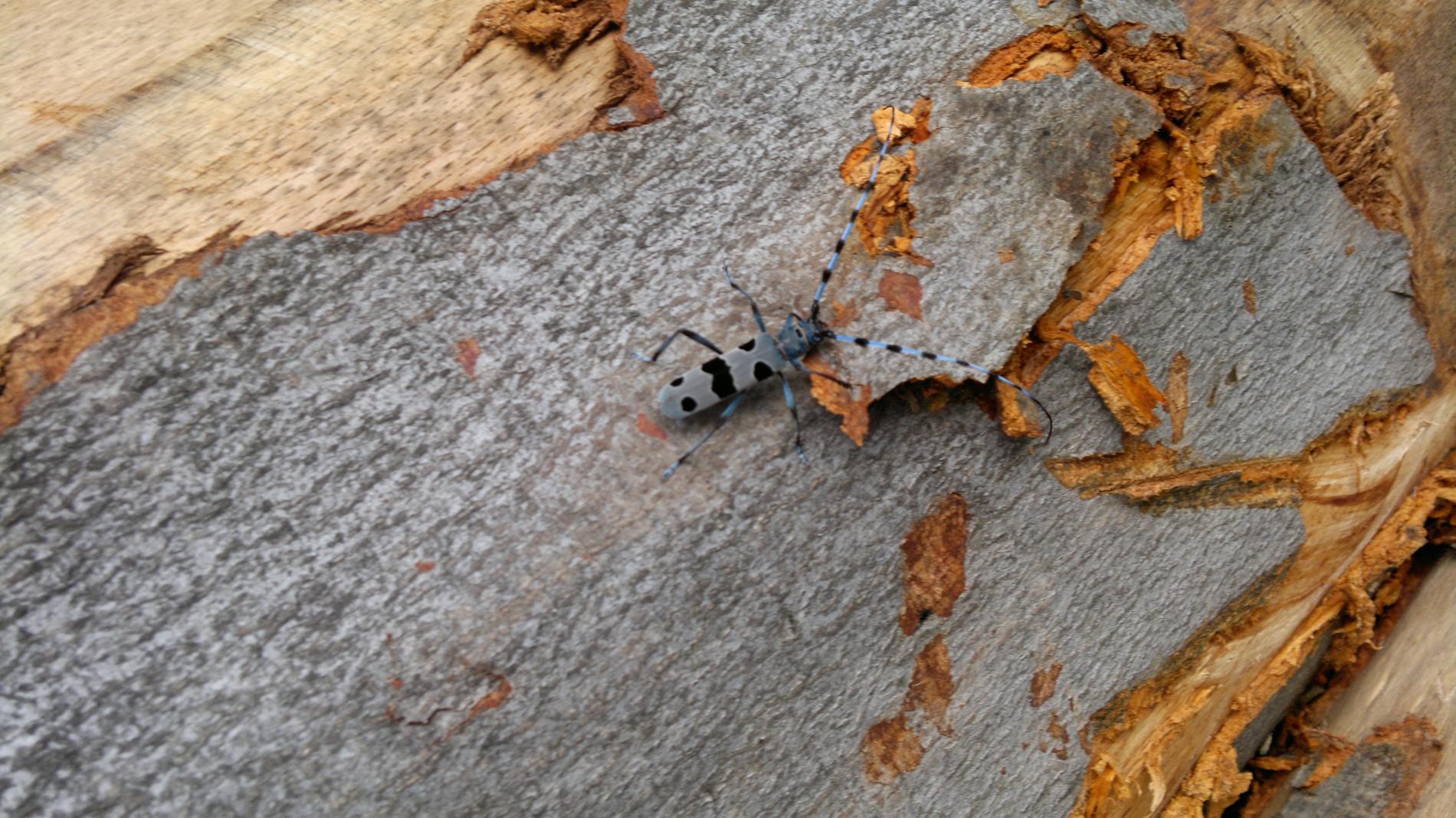
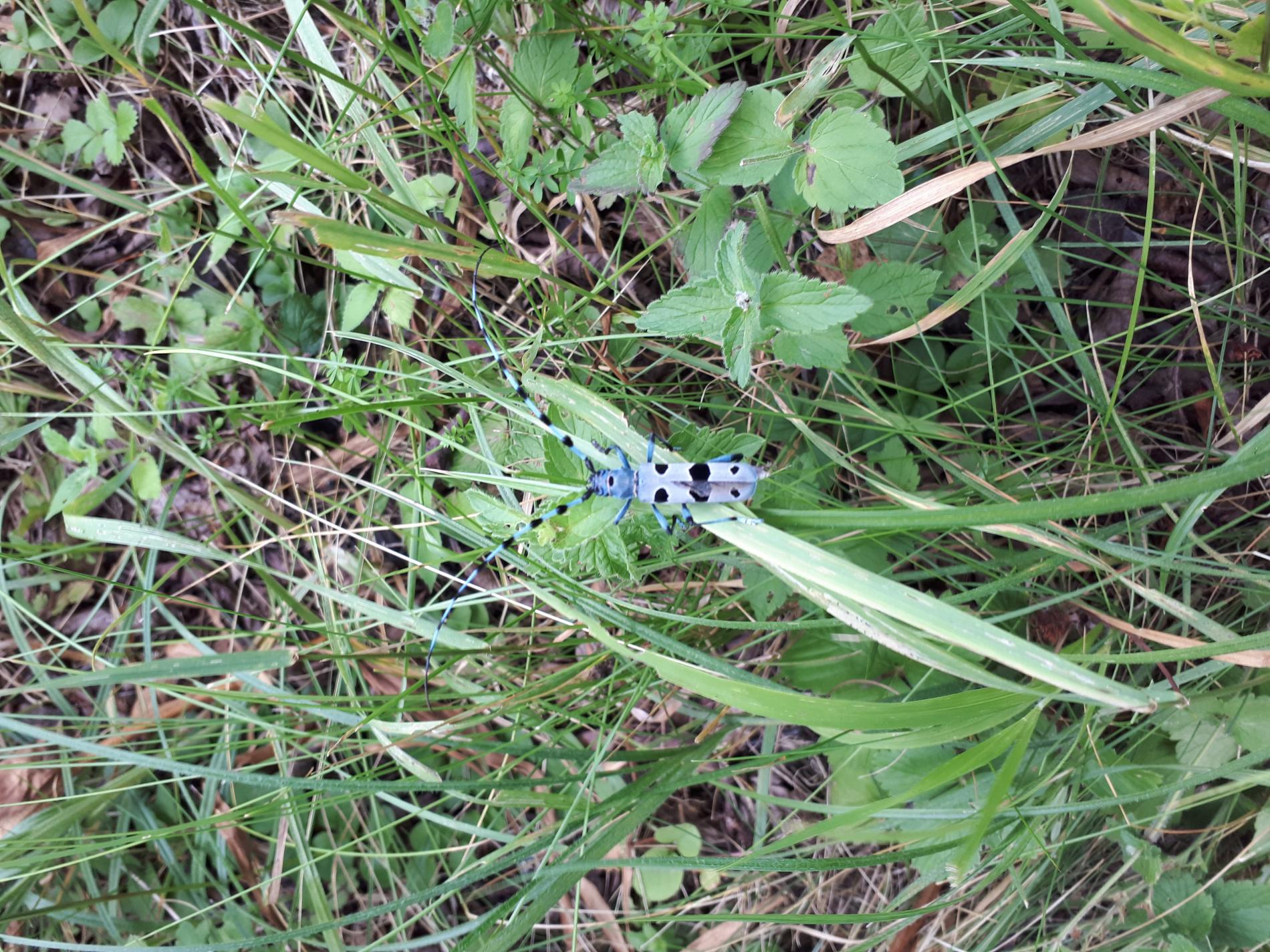
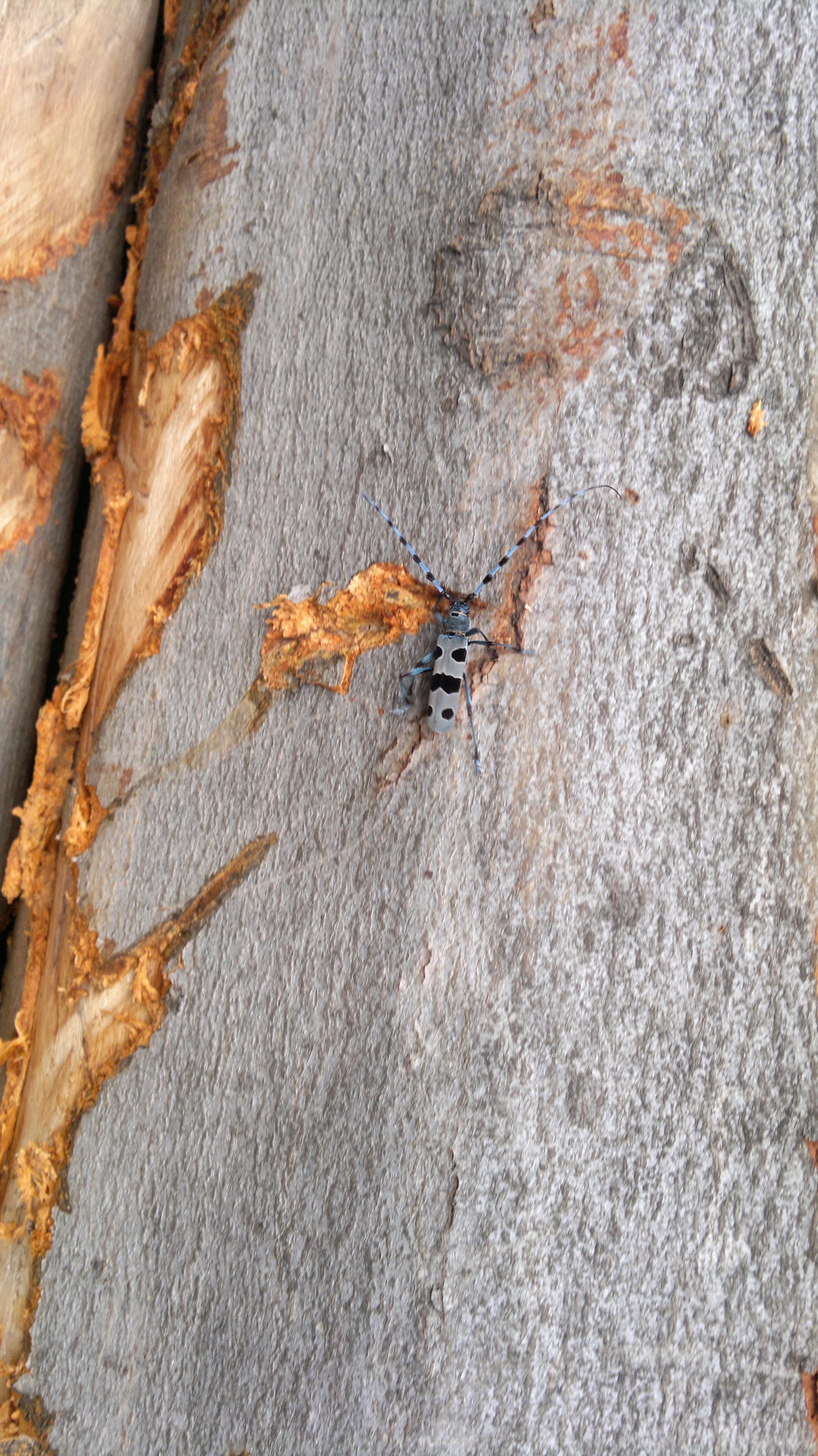
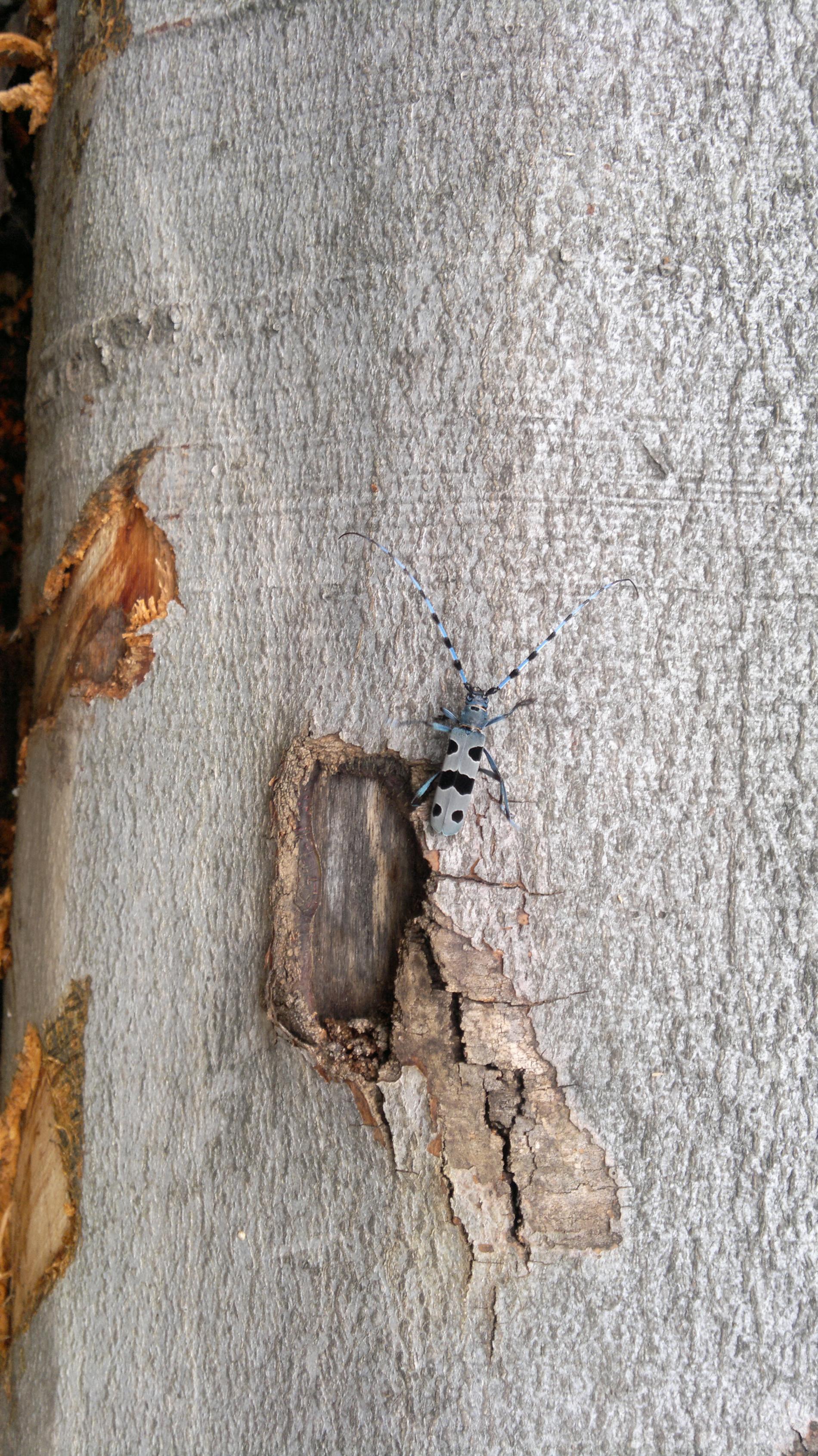
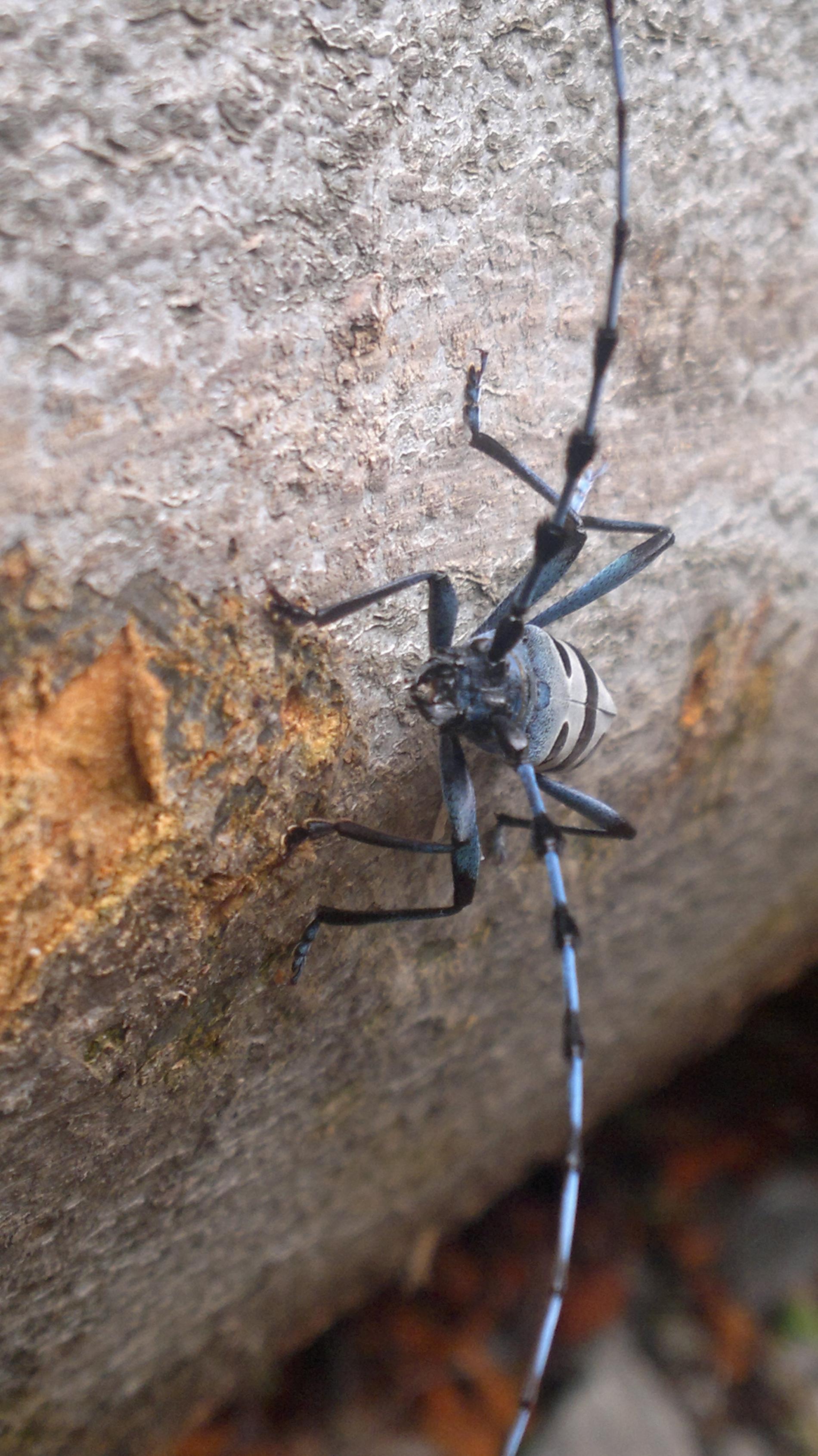
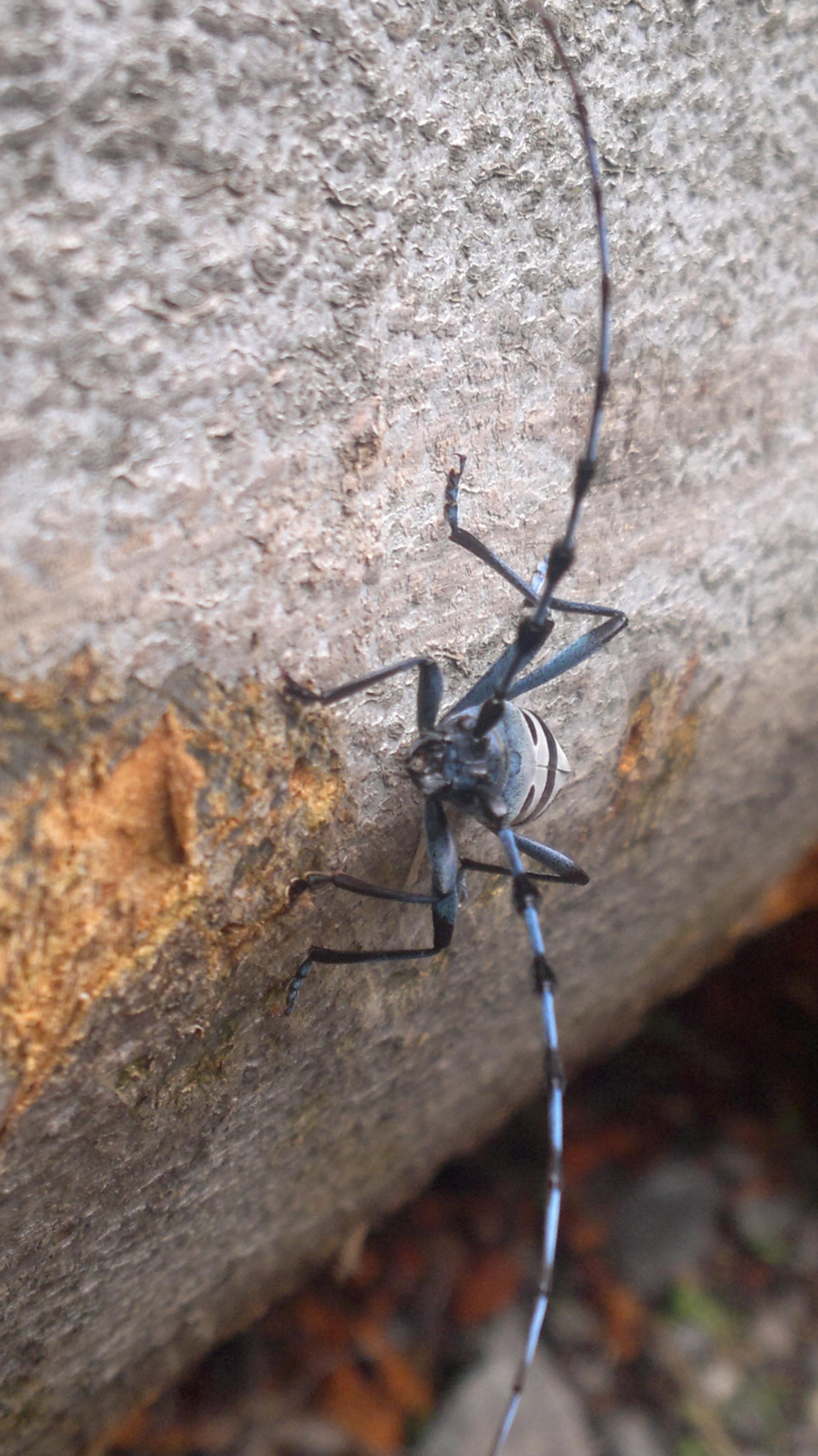
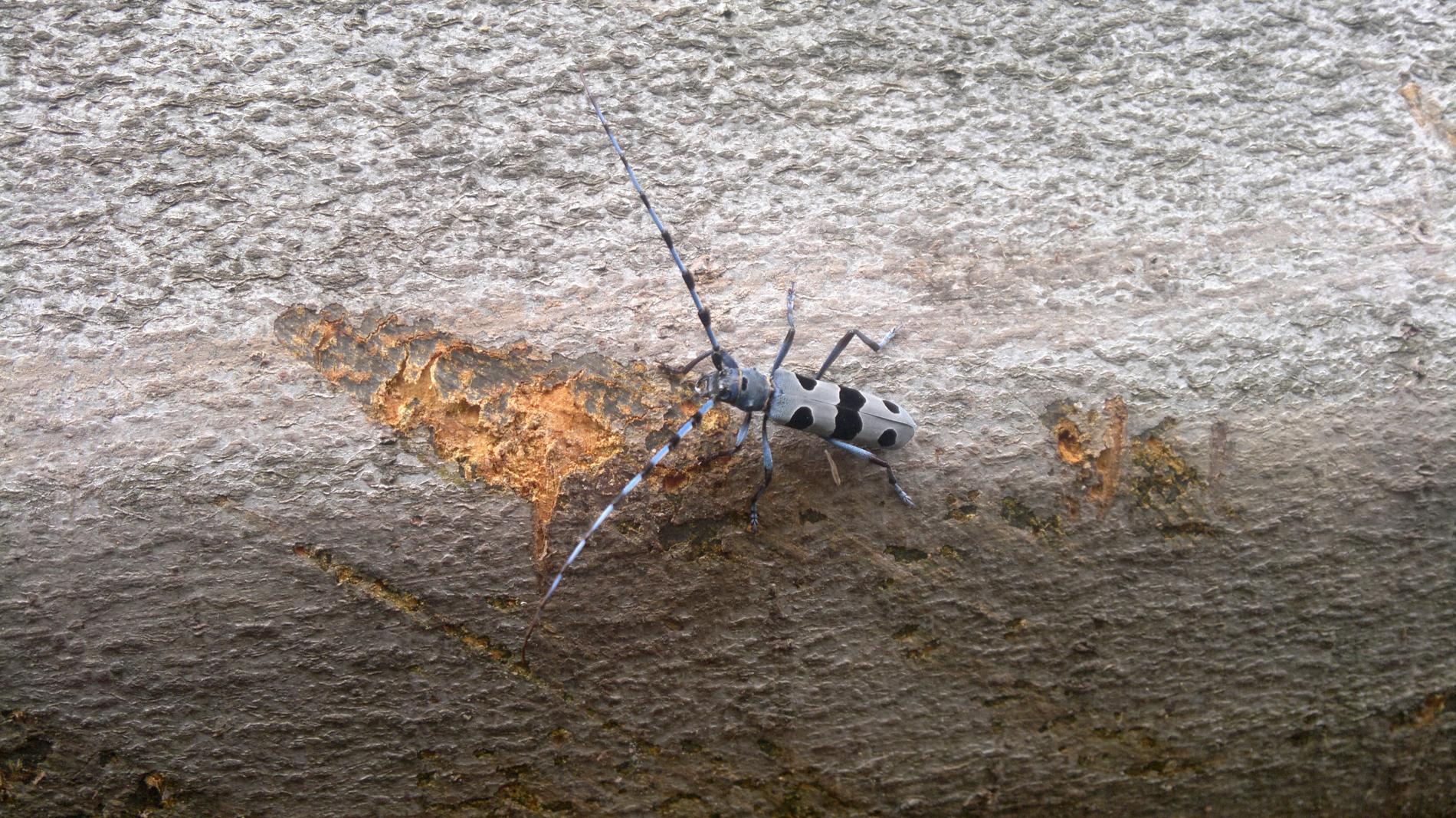
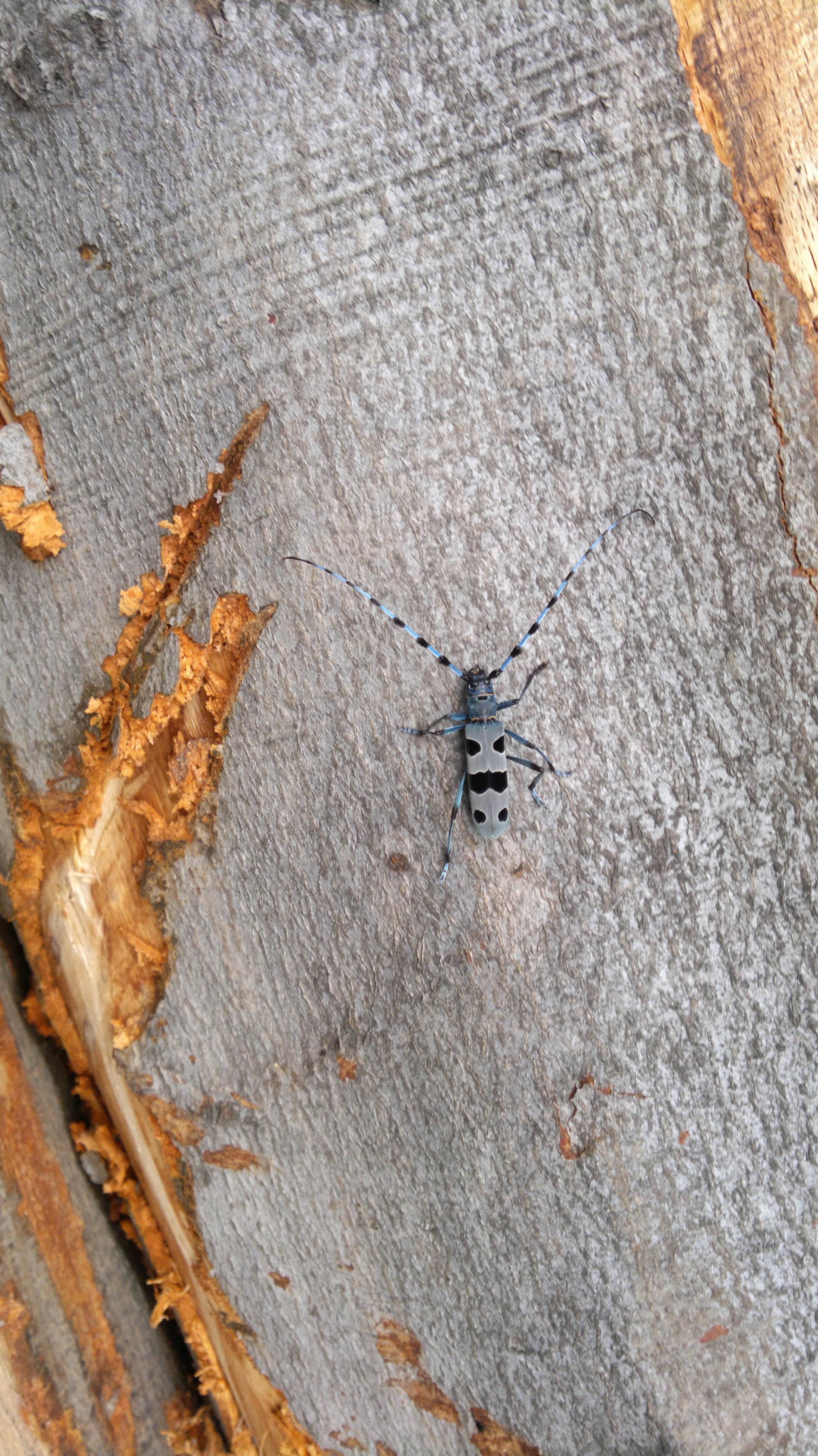
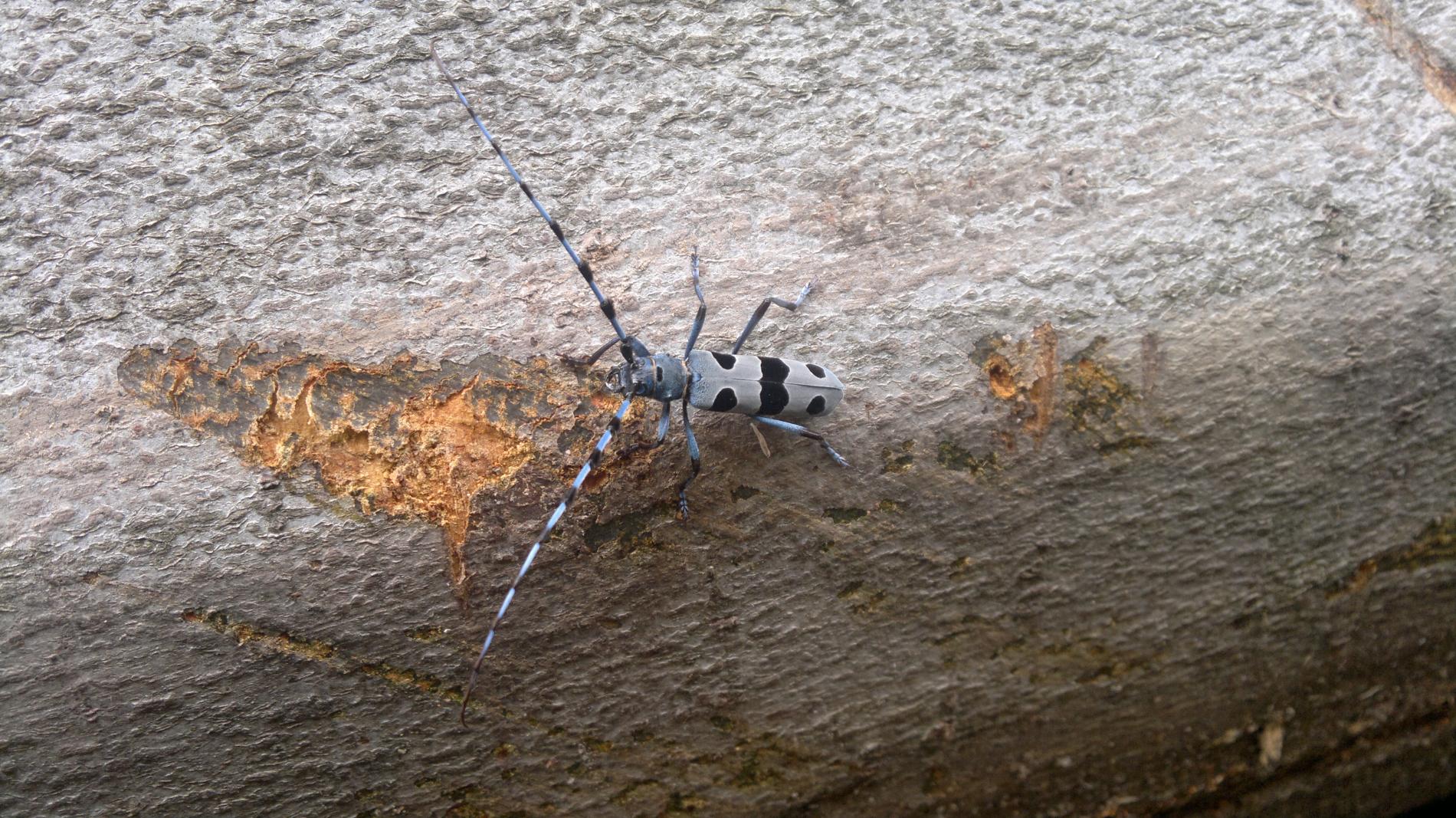
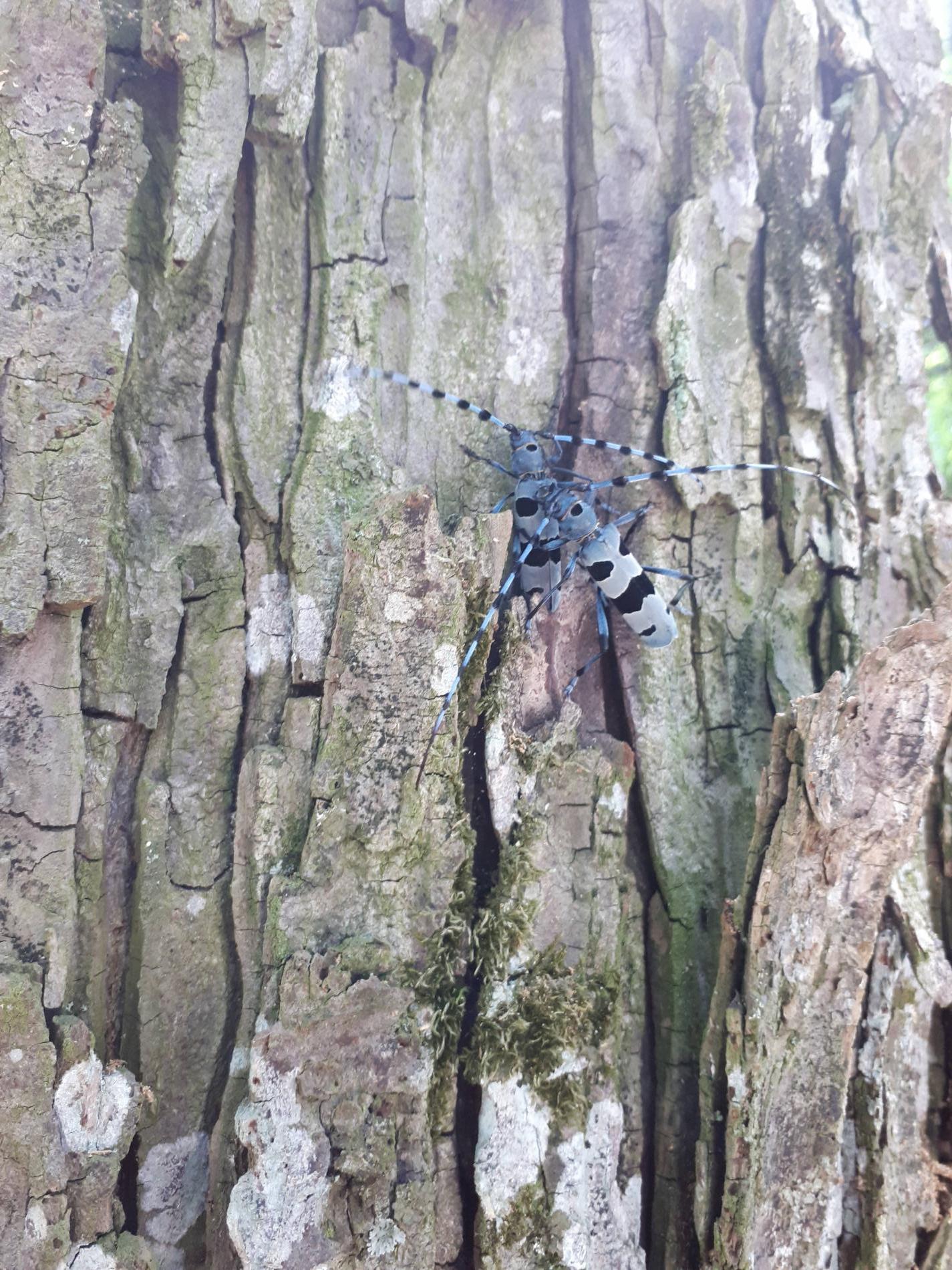
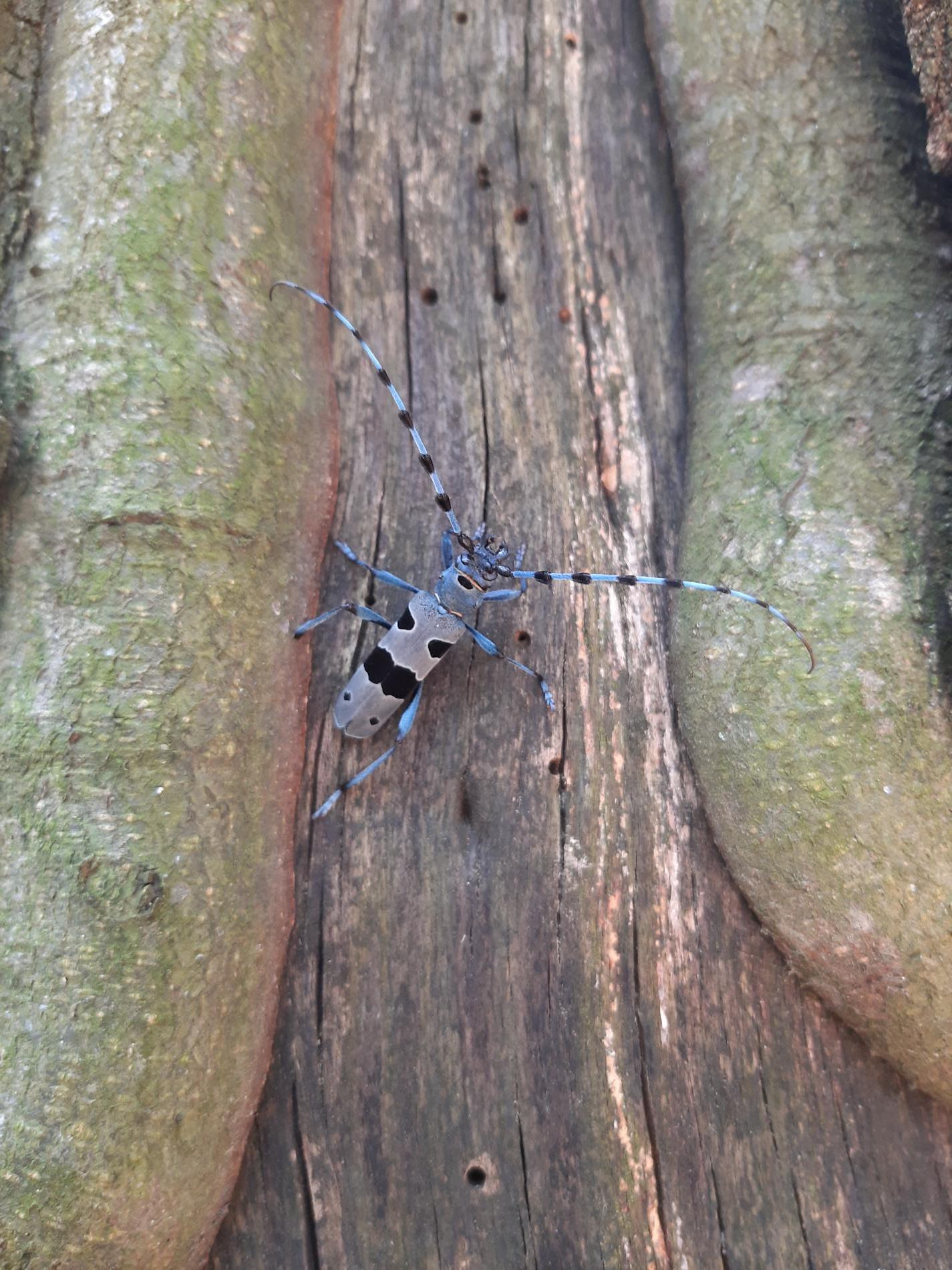
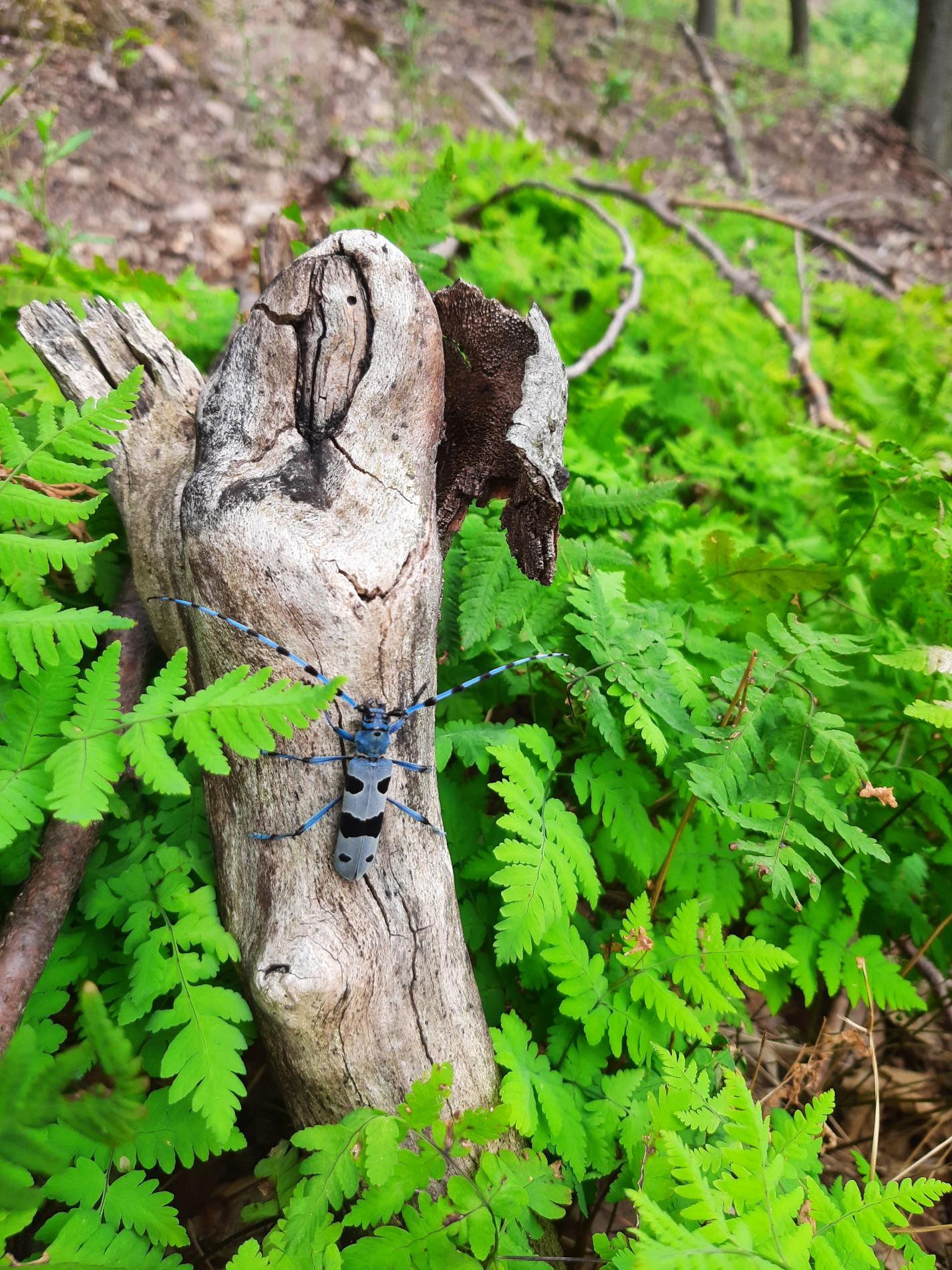
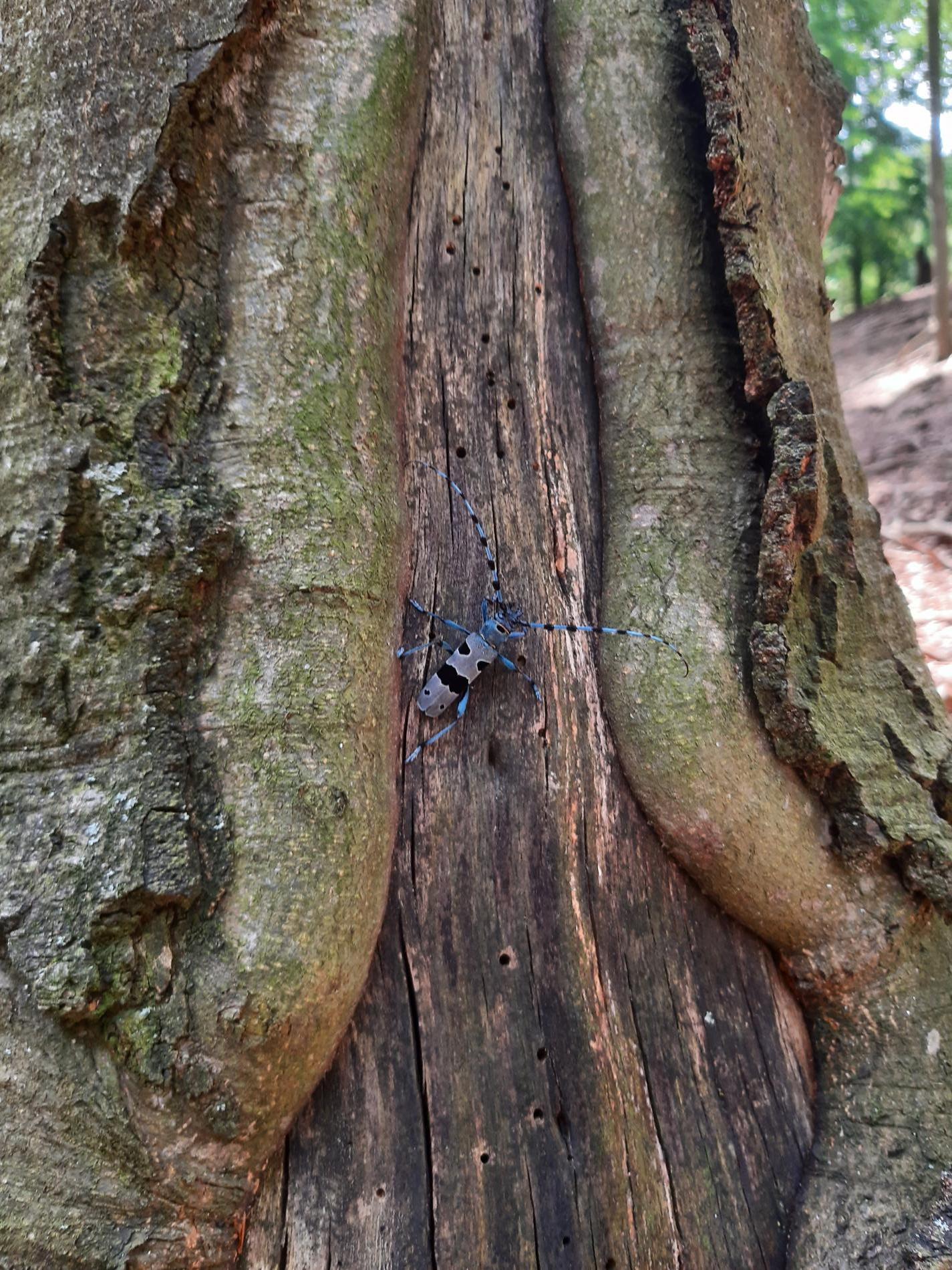
The rosalia longicorn is one of the most striking and elegant of all Central European beetles, with its beautiful steely blue-grey coloration and large, dominating black spots. The extremely long antennae on the front of the head are also adorned with groups of black hairs, which contrast dramatically with the blue-sky colour of the bare parts, appearing as alternating bands of black and blue. The larva develops in dead or dying trunks of older beeches in mountain locations at an altitude over 600 m. First it feeds under bark, later before pupating it bores itself several centimetres in wood, thereby wood is seriously impaired. The pupa is white. The adult leave the stem throught the oval exit hole. The rosalia longicorn seeks after thicker trunks. It is protected throughout its European range of occurrence. It can cause damage to trees occasionally.
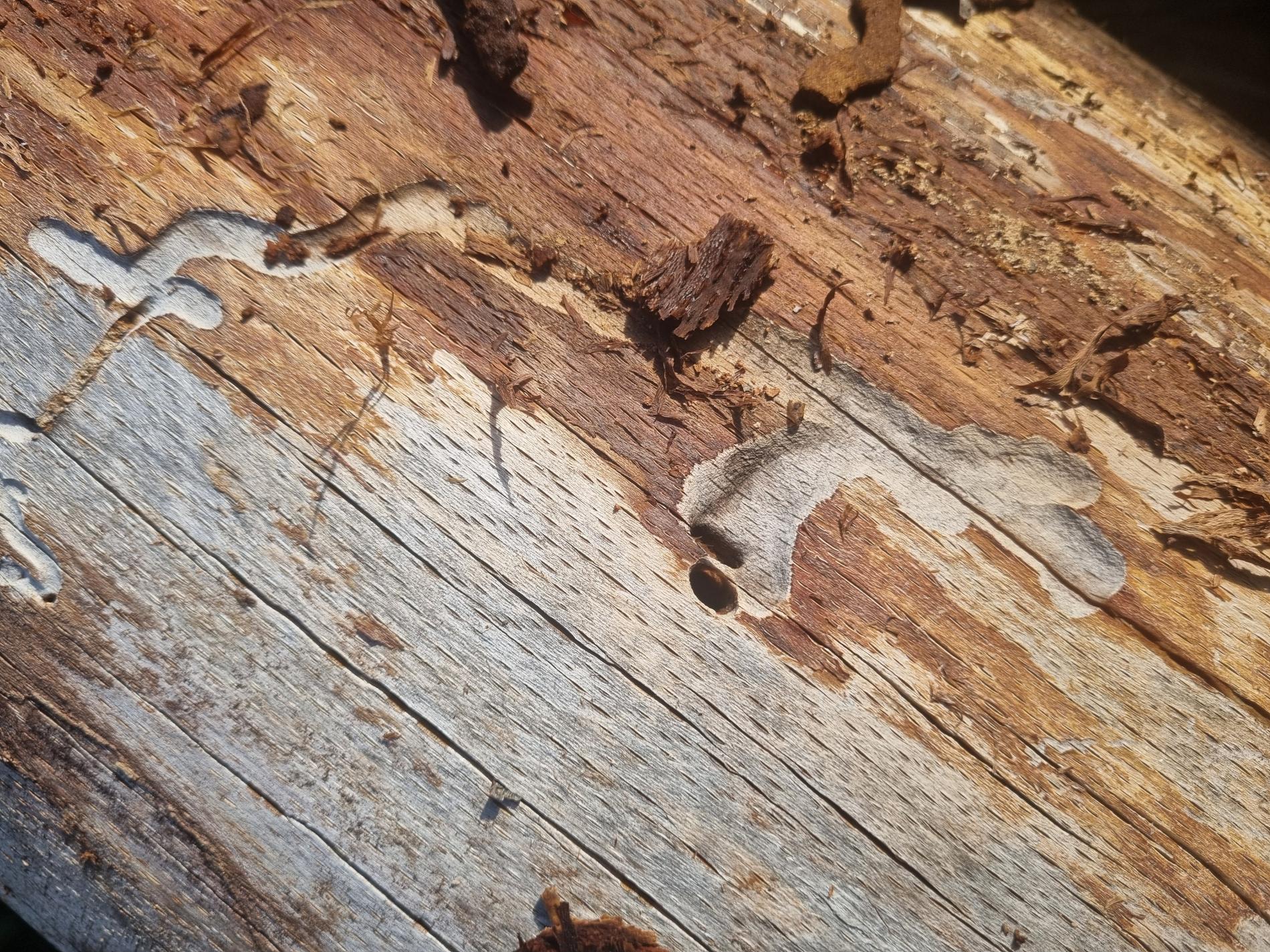
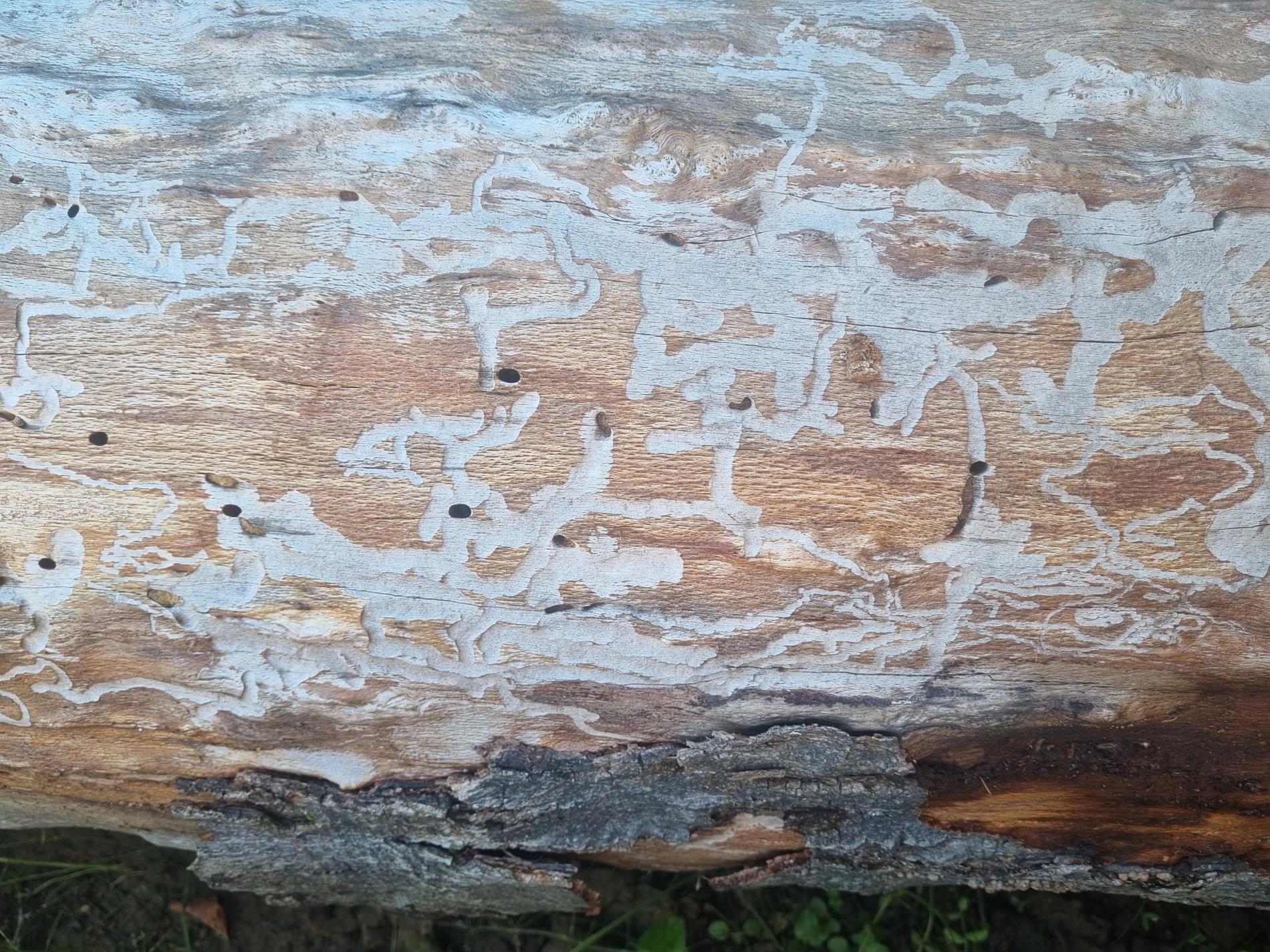
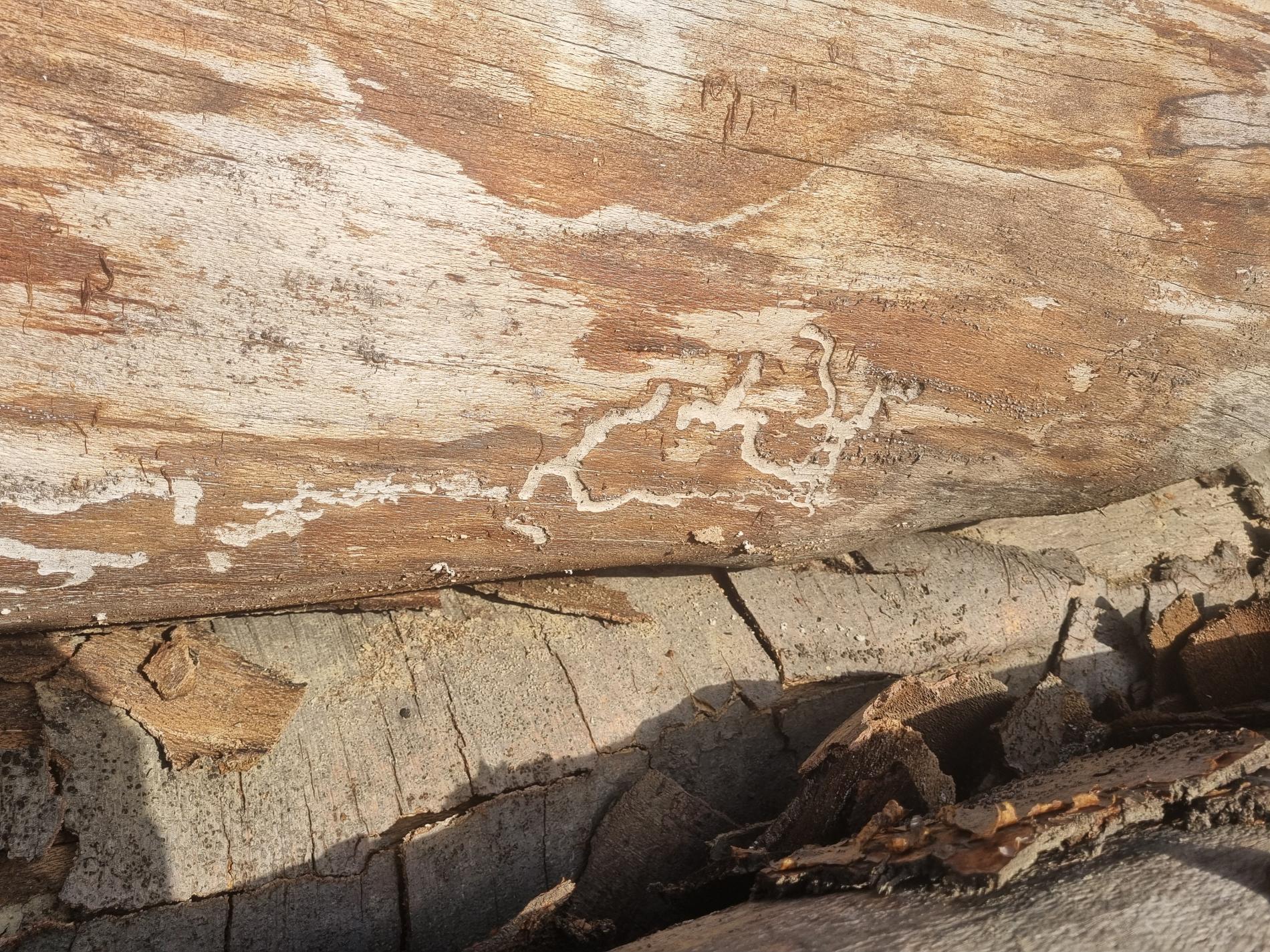
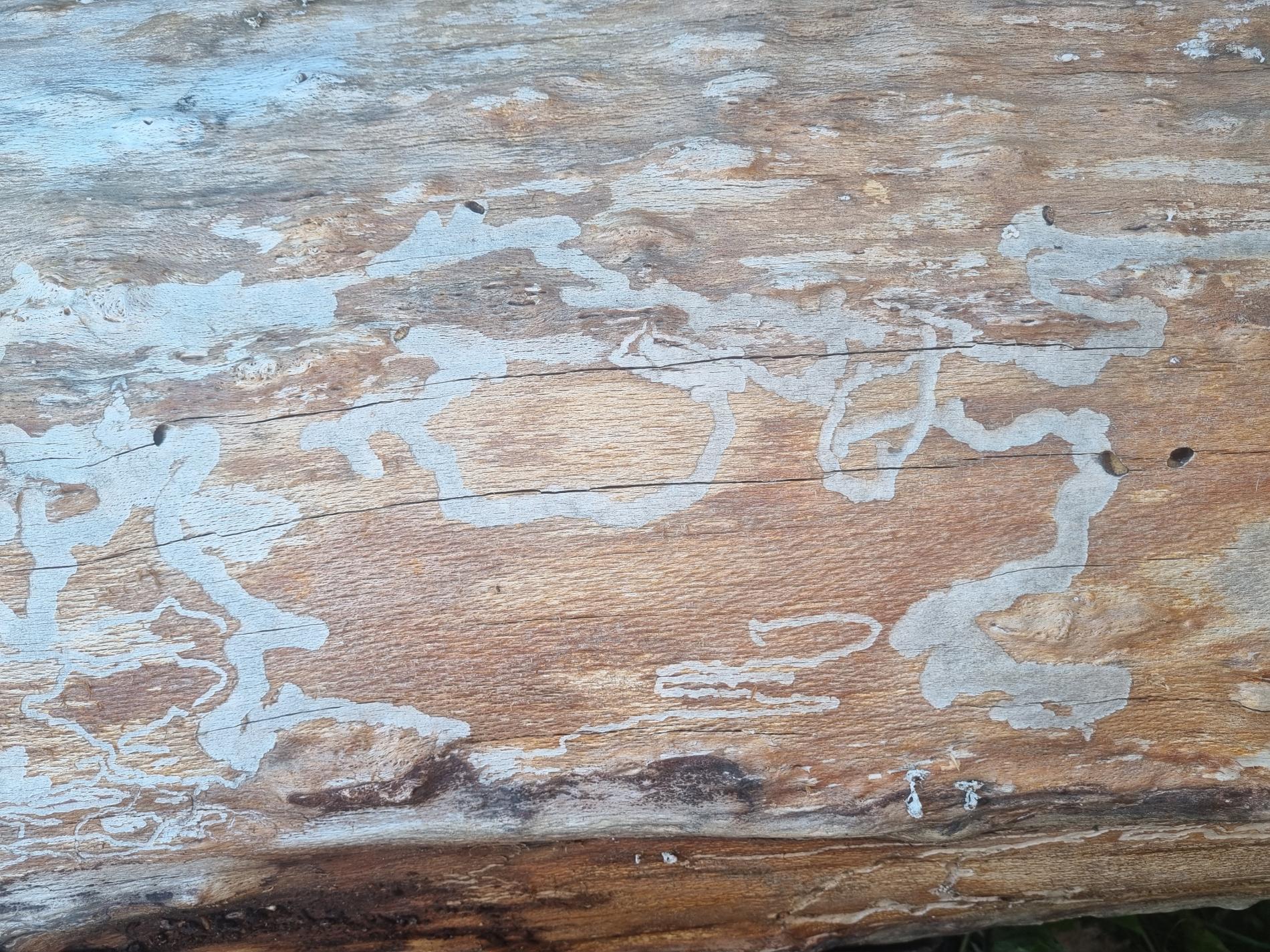
Galleries under the bark, later on a deep tunnel in wood.
Tree Species: Beech
Part of a plant- attacked: Tree trunk
Pest significance: Less harmful
Pest Category: Insects
Invasive Species: No
Present in EU: Yes
Pest group: Insect
Affected part of wood: Heartwood, Sapwood
Depth of damages: Bark, More than 5 cm depth, Under bark only, Up to 0,5 cm depth, Up to 2 cm depth, Up to 5 cm depth
The extent of damage: Lokally
Prevalence in Europe: Rare
Damaged products: Firewood, Fresh timber logs (water still in the sapwood), Furniture, Lumber, boards and prisms, Wooden house constructions
Roundwood size: Branches and twigs, Diameter 50+, Diameter from 10 up to 50 cm, Diameter up to 10 cm
Wood discoloration: No
Exit holes: Oval
Pest subcategory: Wood-boring insect
Similar pests

Plagionotus arcuatus

Cerambyx cerdo
