


Pyrrhidium sanguineum
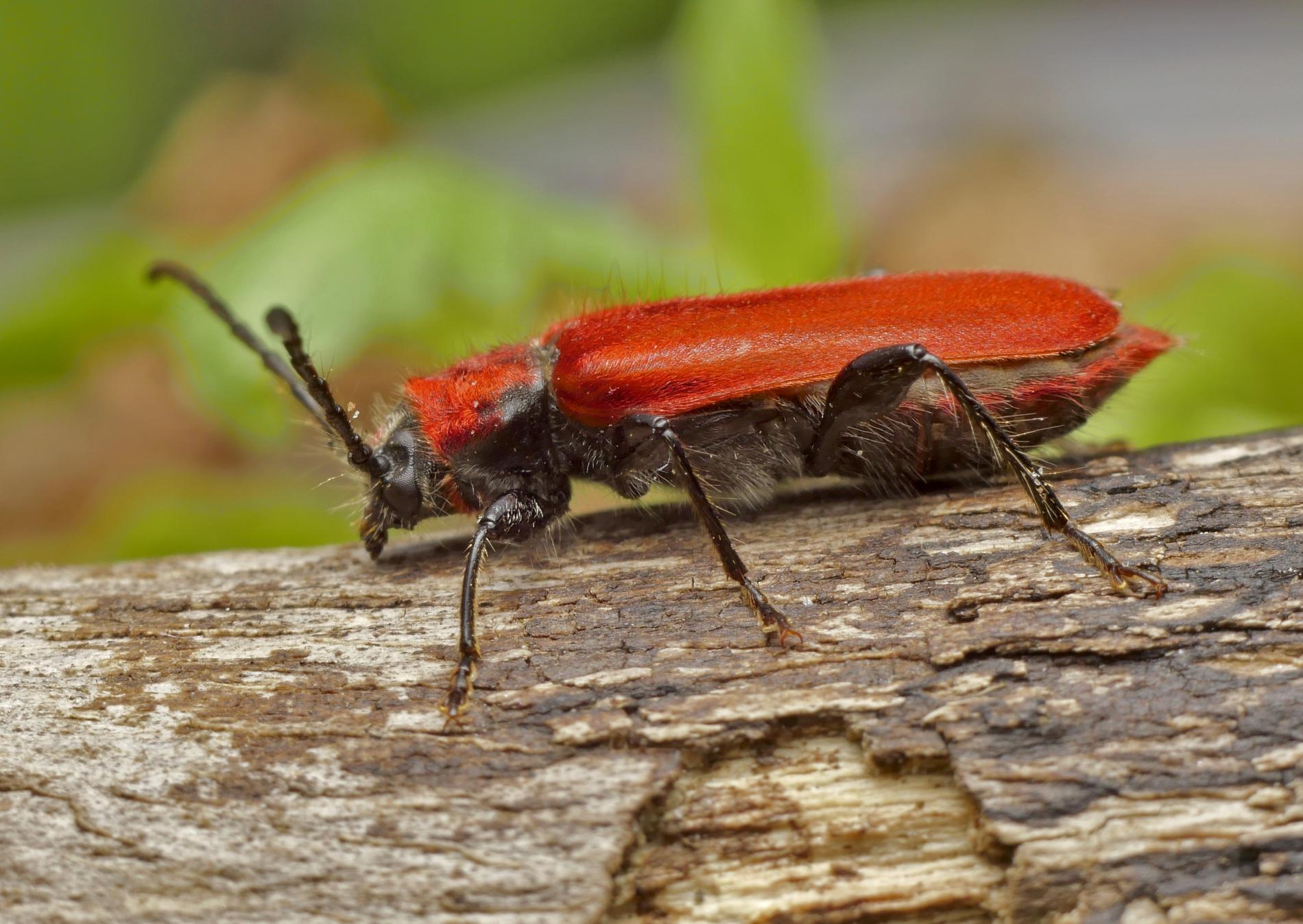
Long-horned beetle Pyrrhidium sanguineum
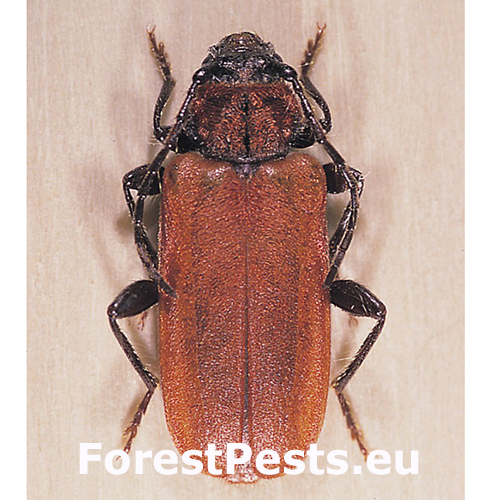
This species is characterized by its flat body shape and red color. Body size is mostly 8 to 12 mm. It is a very common species of deciduous forests. In the spring it appears very soon, already at the end of March. It is a polyphagous species, but prefers oaks. The larva lives under the bark and after maturing it makes cocoon in the wood. It is univoltine species, one (in souther areas two) generation per year
Very striking, easy to identify, red adult runs on fallen or catted oak trees in early spring. The light yellow larva excavates under the bark the corridor, first under the bark, later on shallow in the wood. Oval-shaped exit hole.
Tree Species: Elm, Beech, Oak, Hornbeam
Part of a plant- attacked: Tree trunk, Branch
Pest significance: Less harmful
Pest Category: Insects
Invasive Species: No
Present in EU: Yes
Affected part of wood: Sapwood
Depth of damages: Bark, Under bark only, Up to 2 cm depth, Up to 5 cm depth
The extent of damage: Lokally
Prevalence in Europe: Common
Damaged products: Firewood, Fresh timber logs (water still in the sapwood), Furniture, Lumber, boards and prisms, Wooden house constructions
Roundwood size: Branches and twigs, Diameter from 10 up to 50 cm, Diameter up to 10 cm
Wood discoloration: No
Exit holes: Oval
Pest subcategory: Wood-boring insect
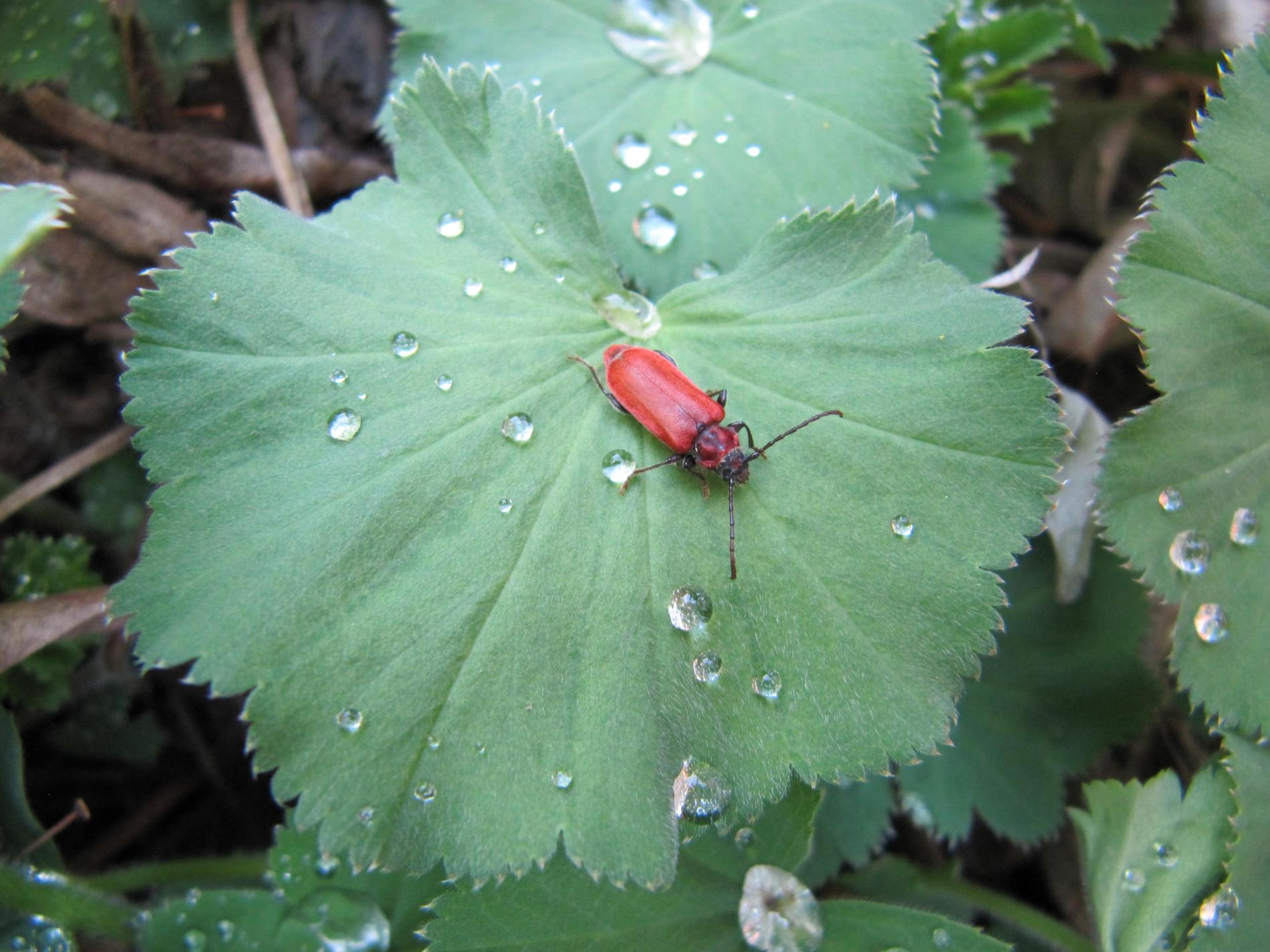
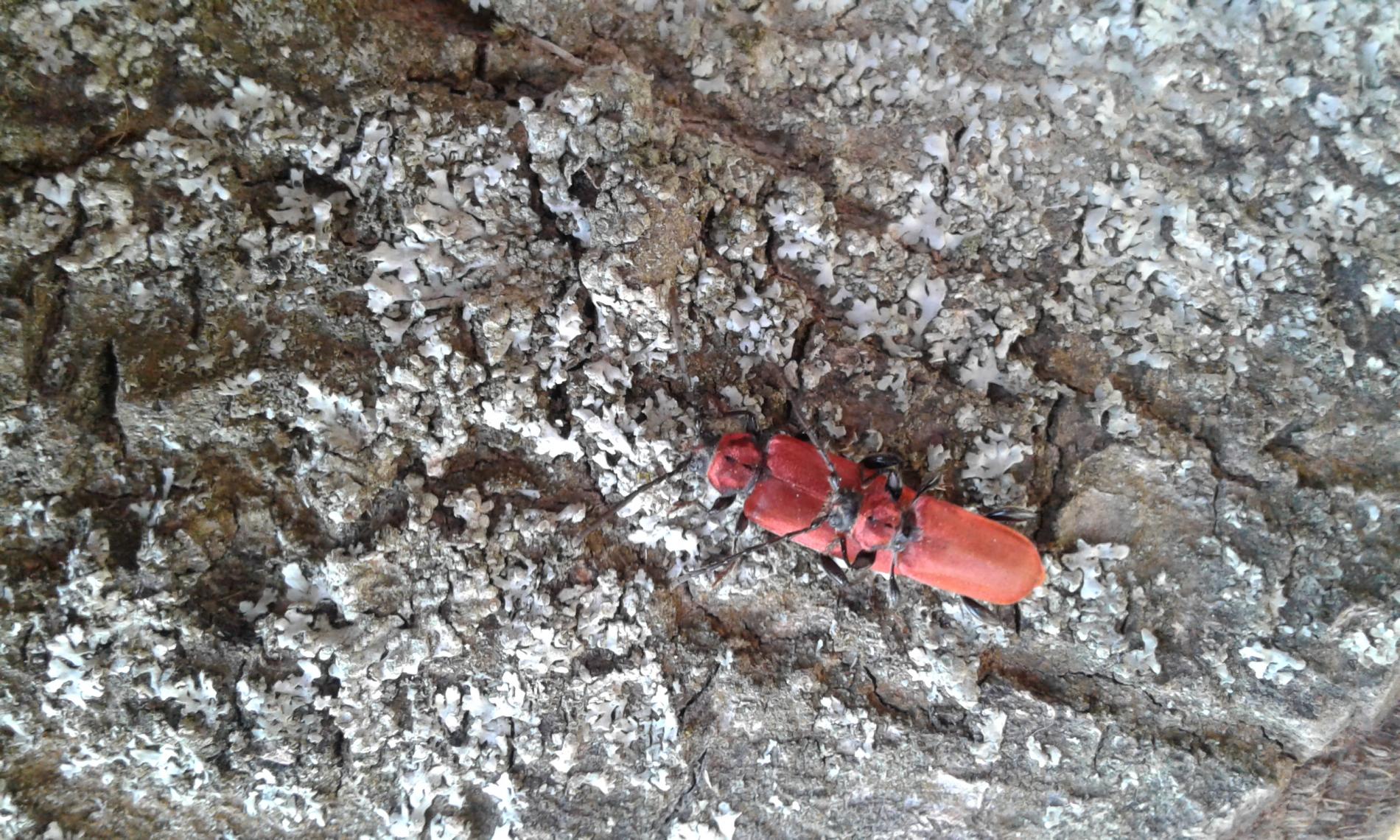
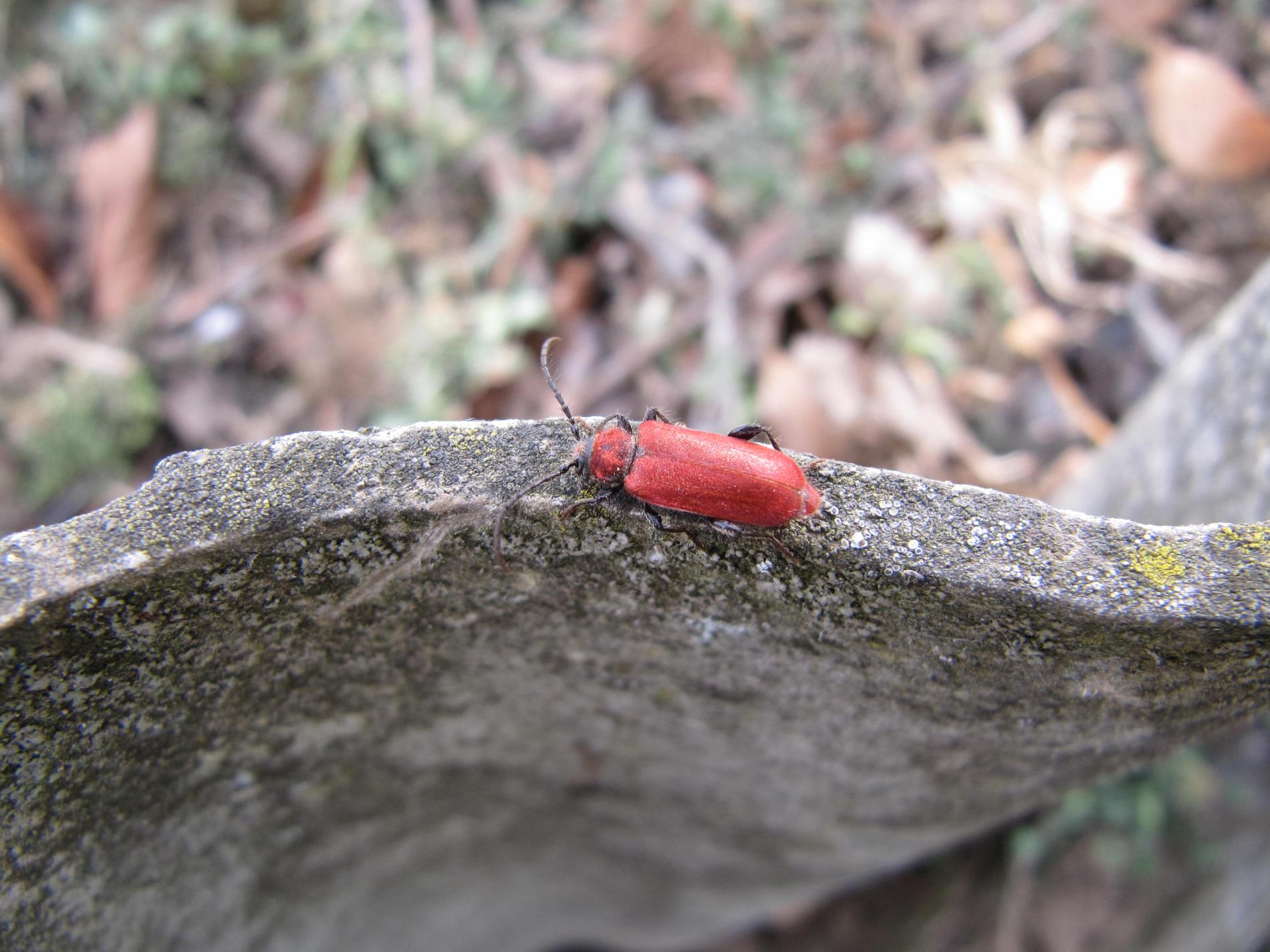


Similar pests

Plagionotus detritus

Plagionotus arcuatus
