


Polyporus varius
Variable polypore
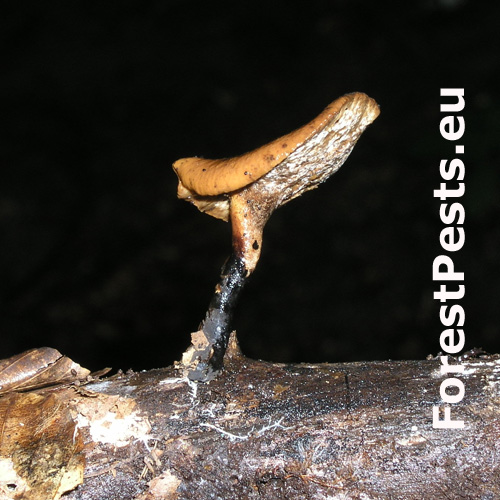
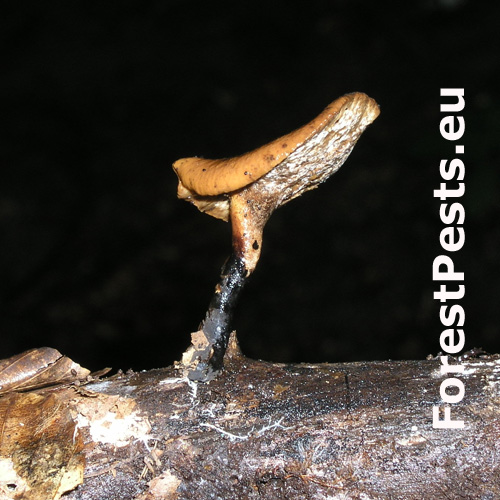
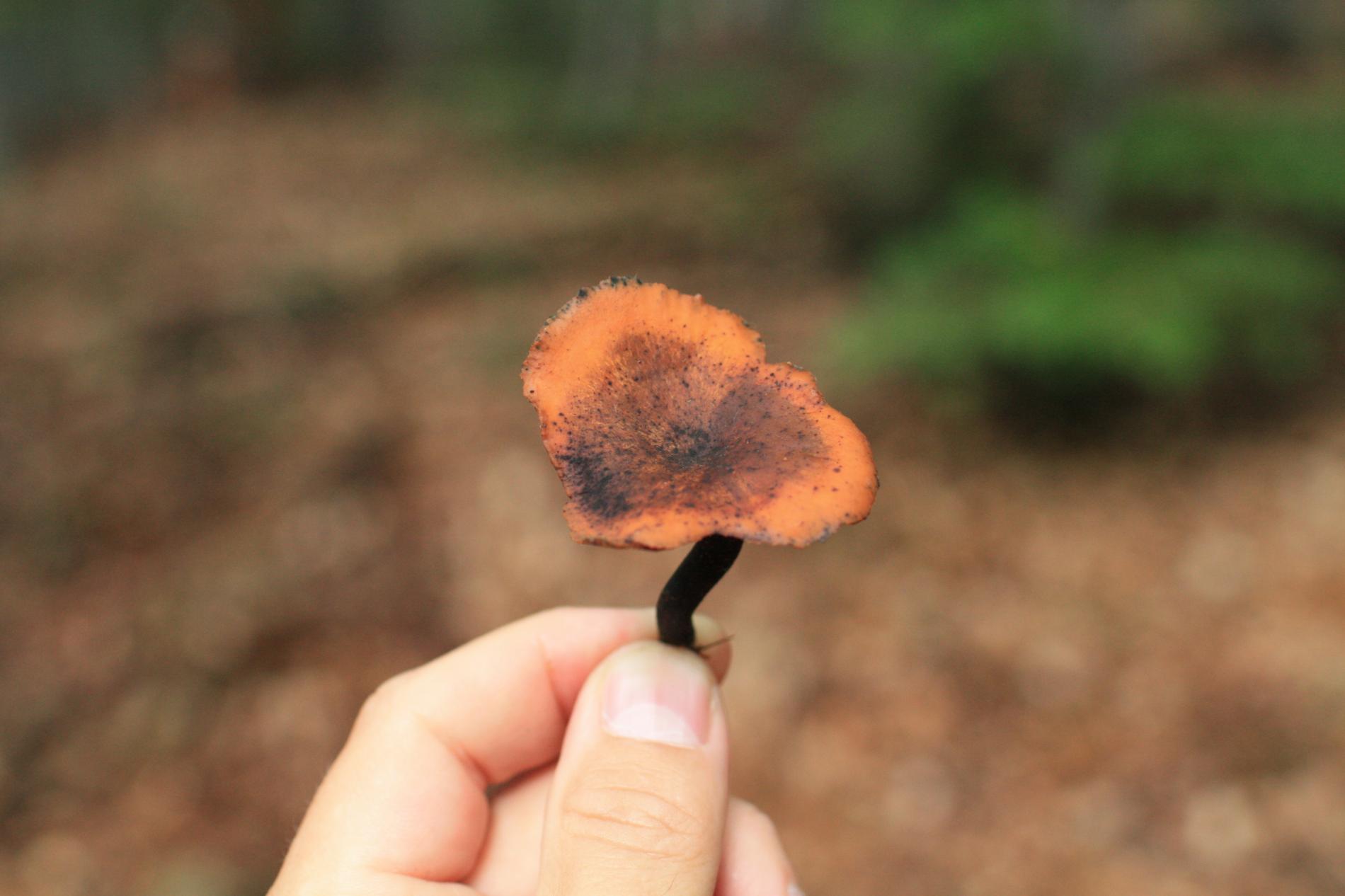
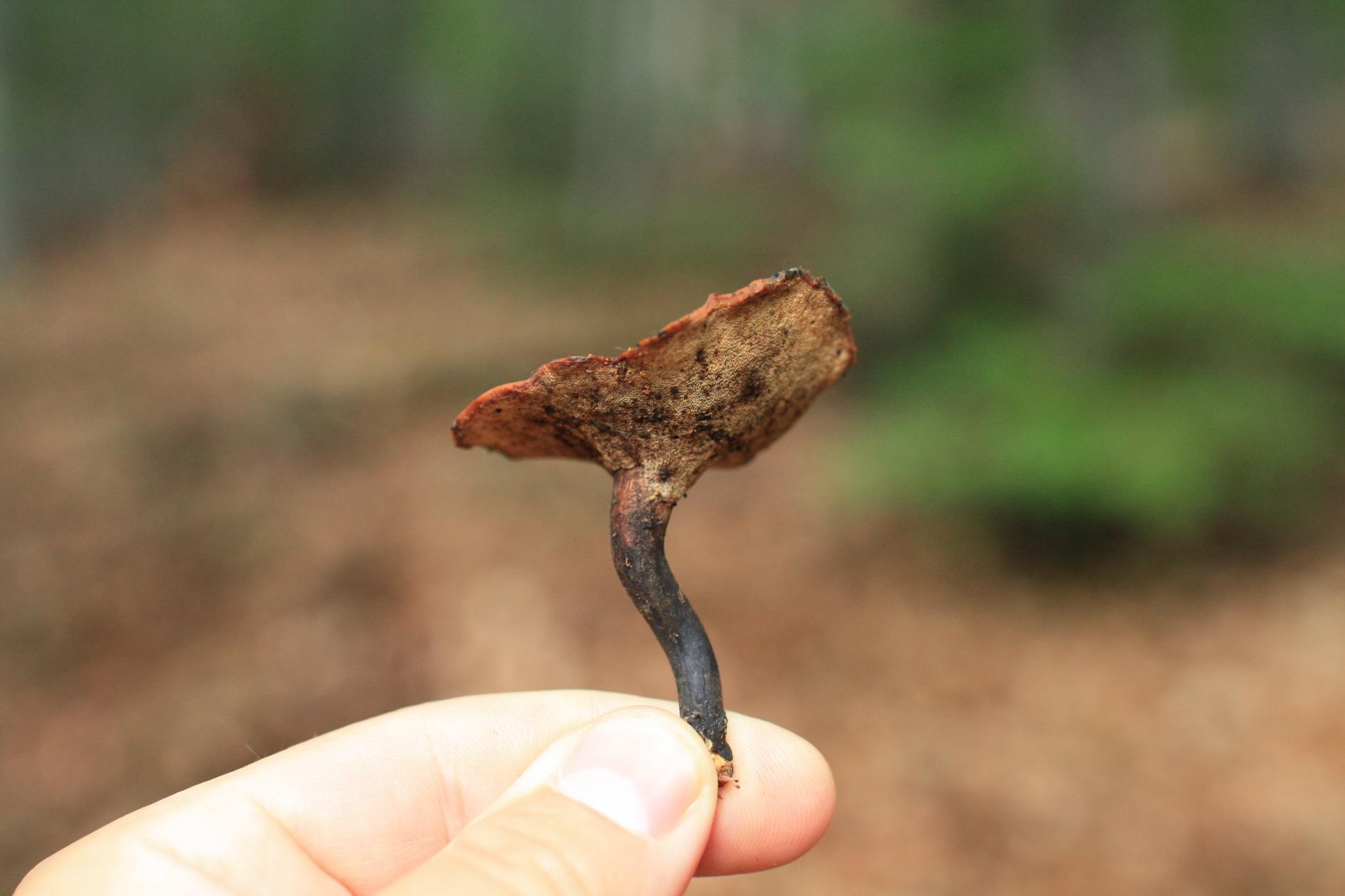
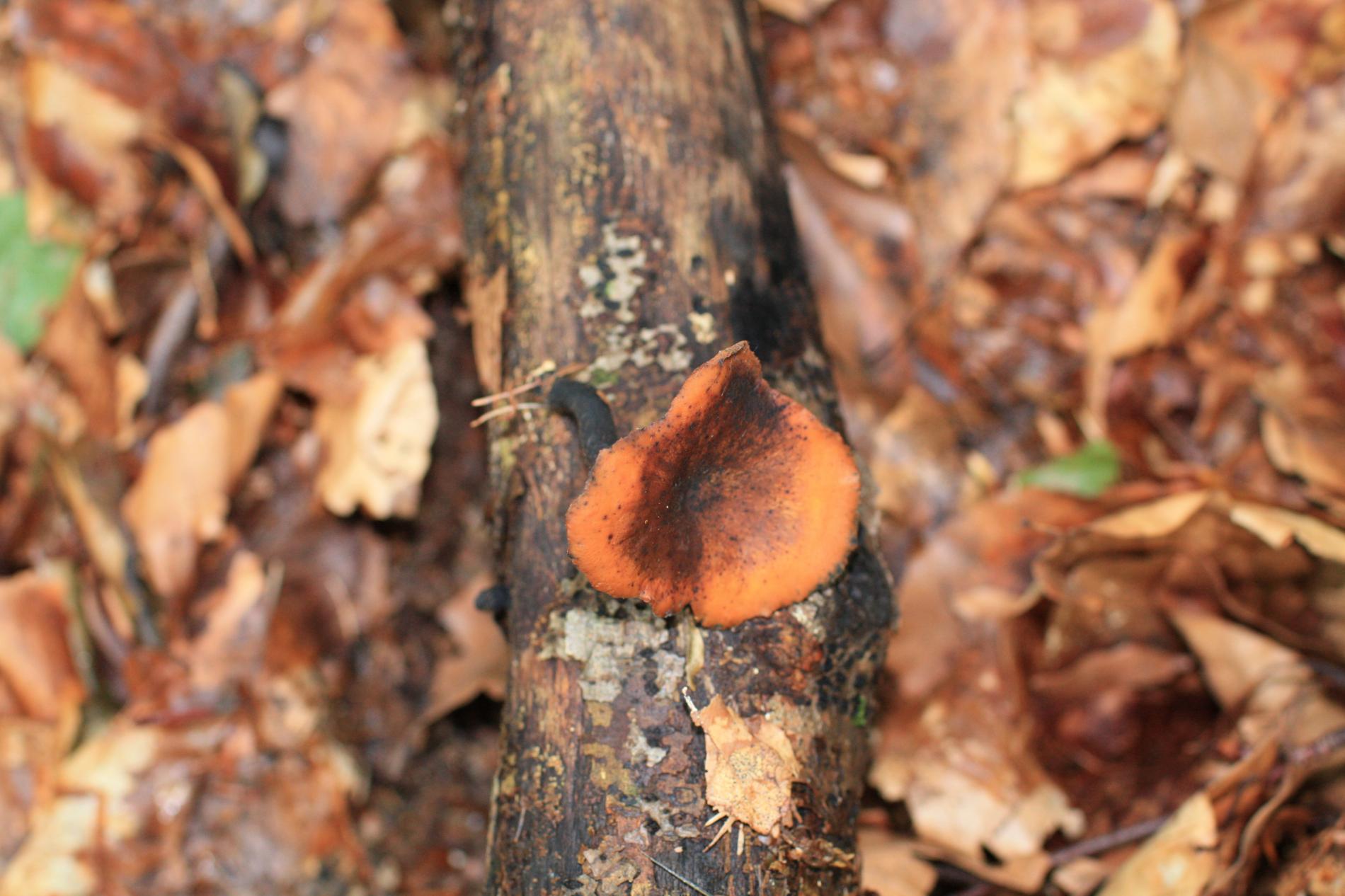
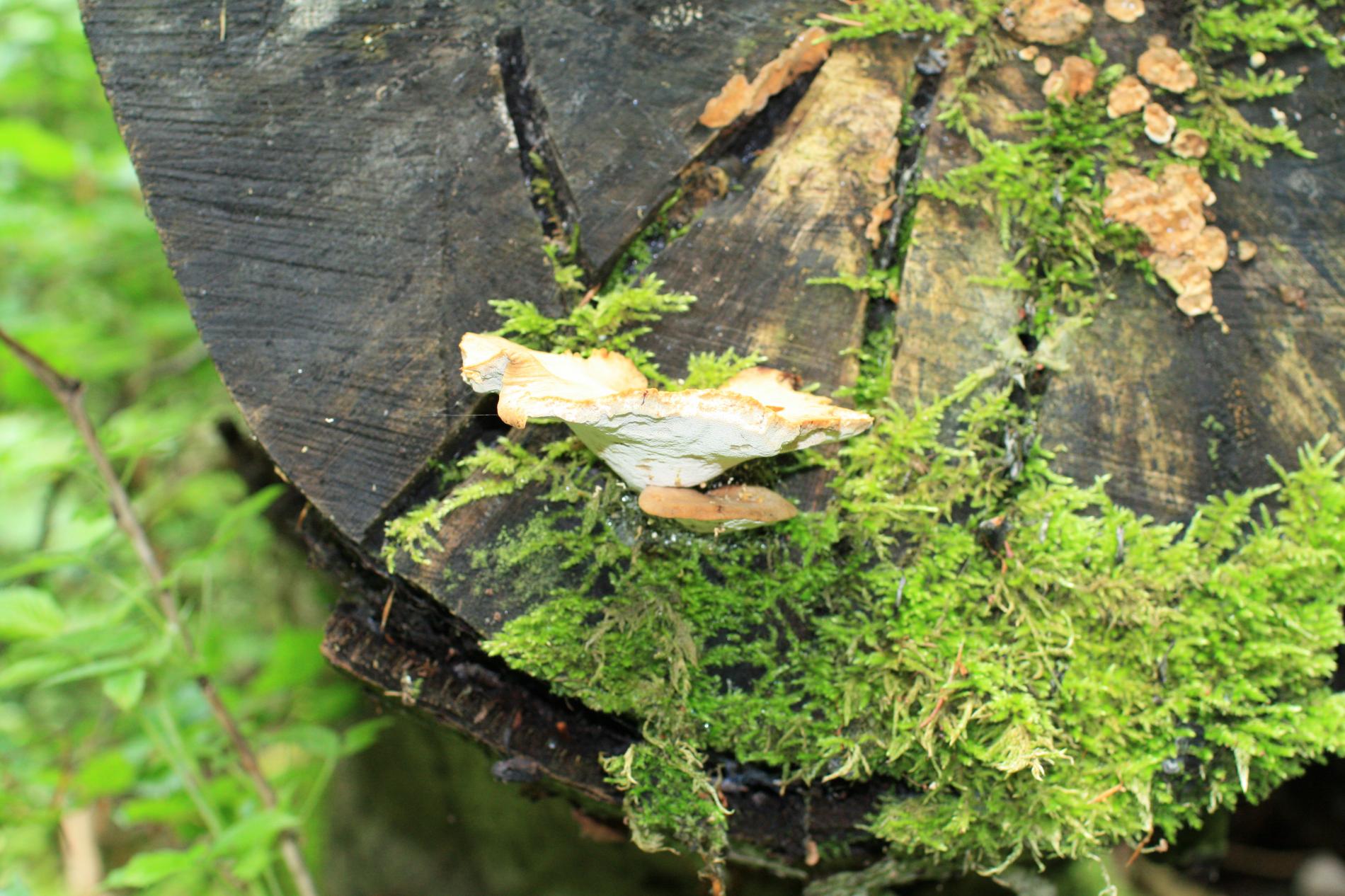
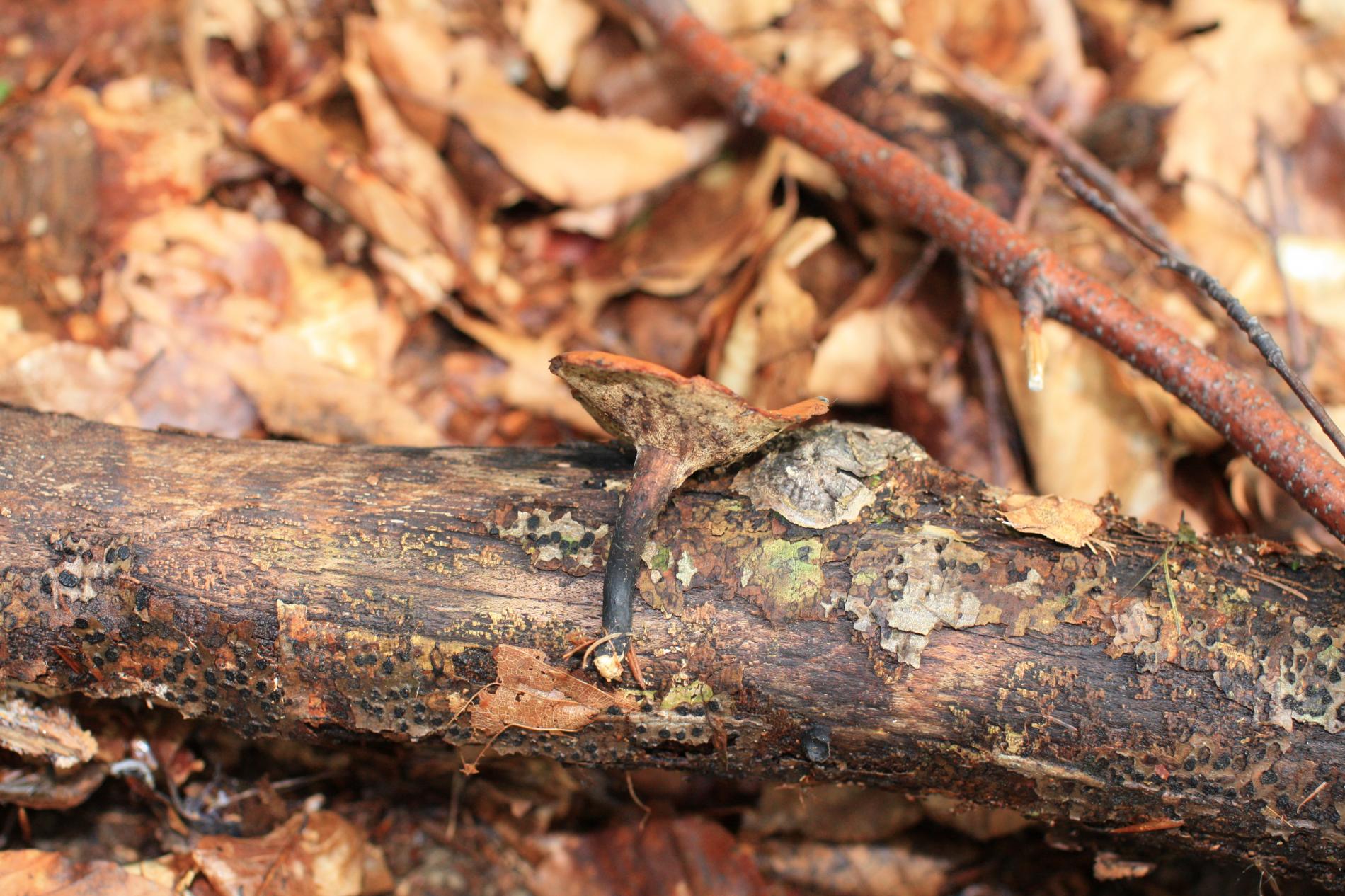
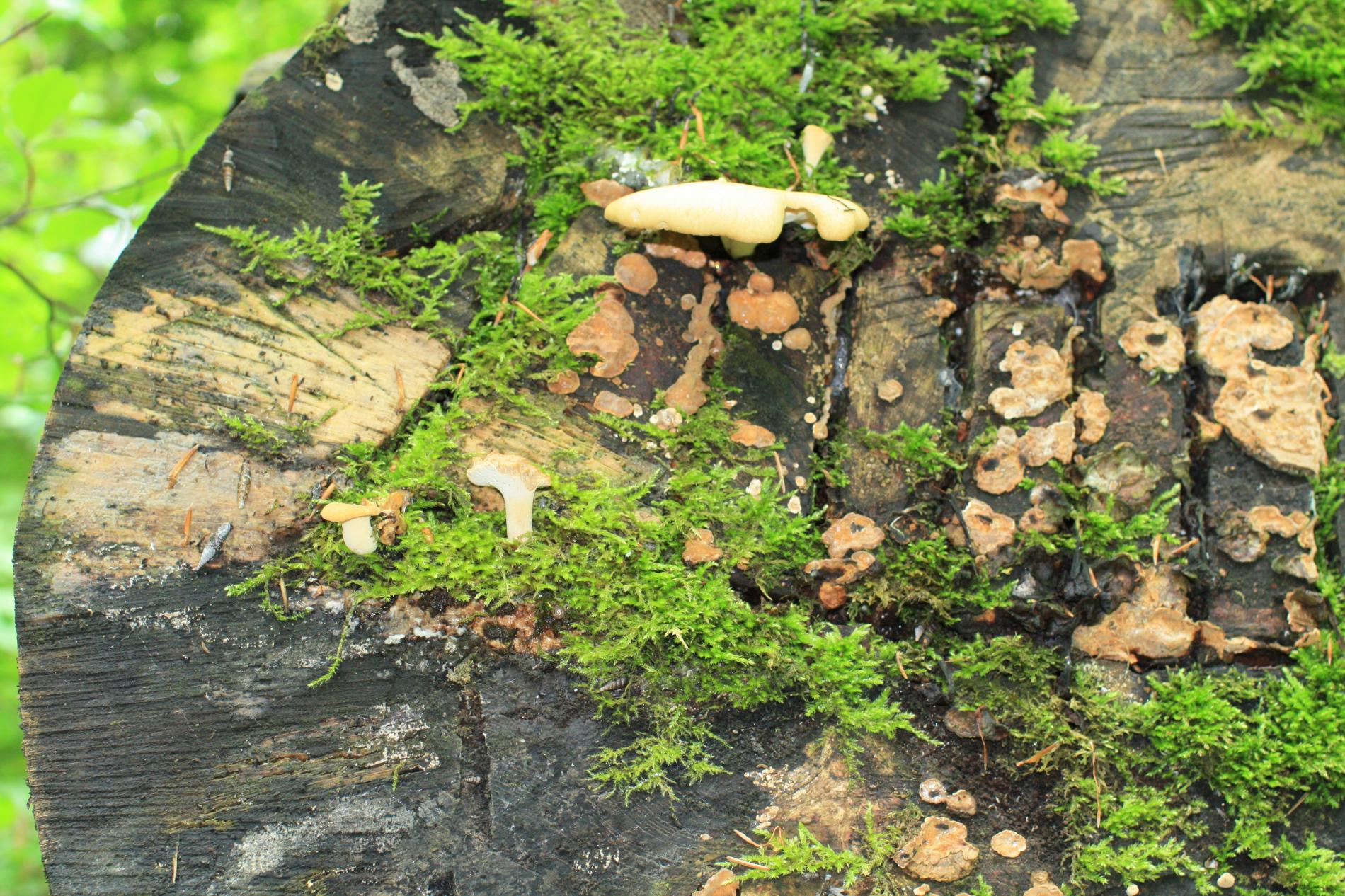
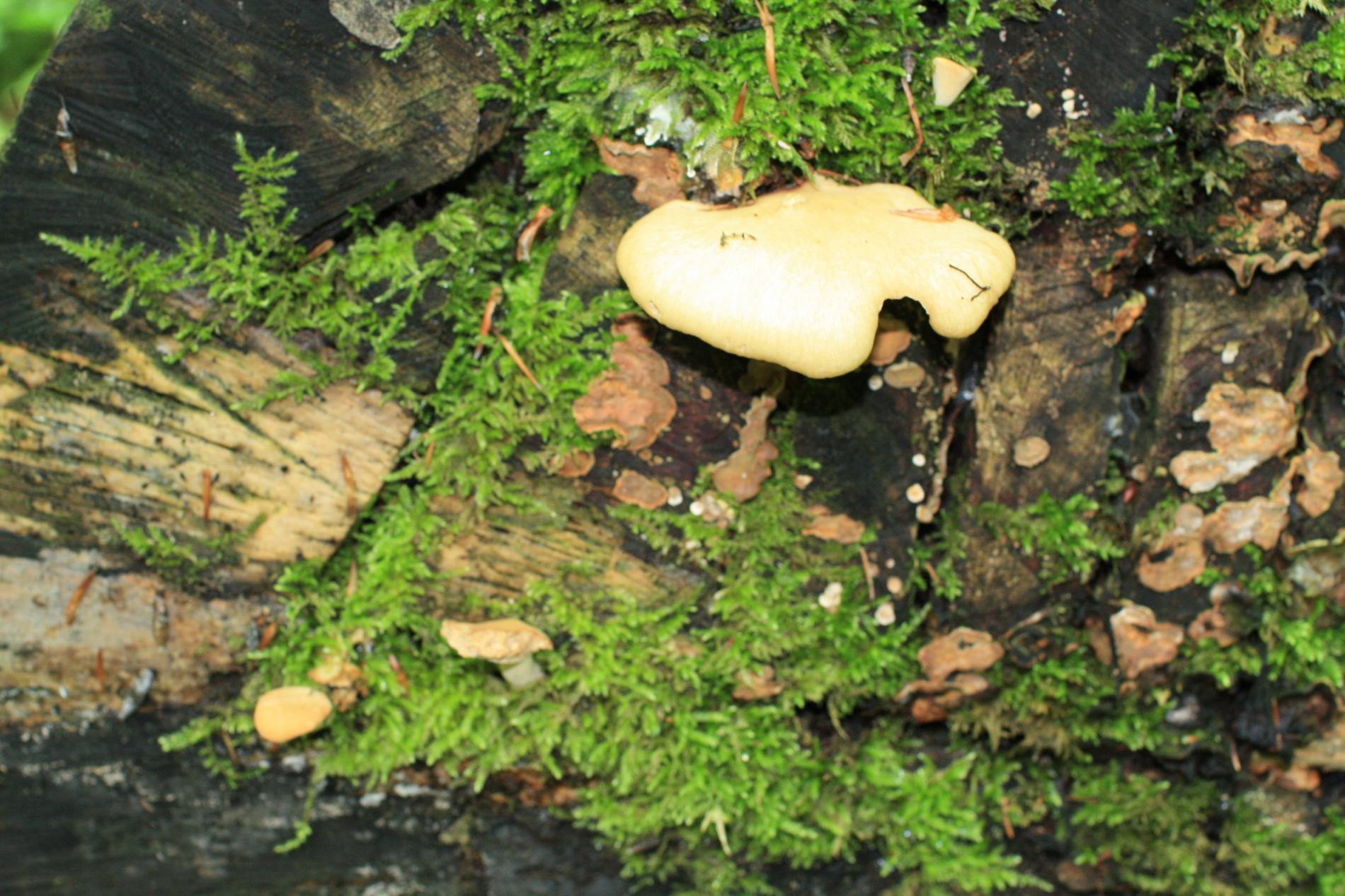
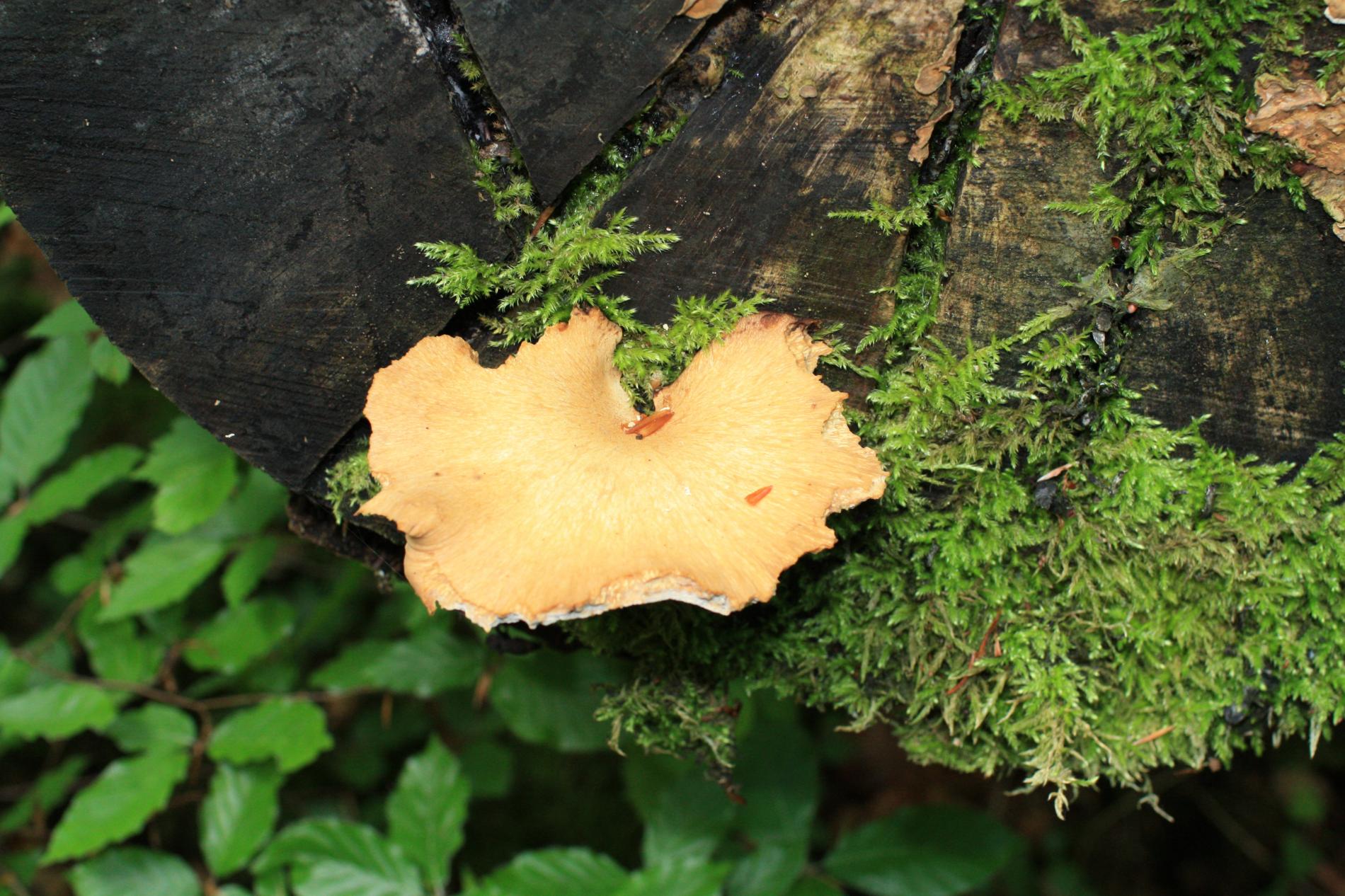
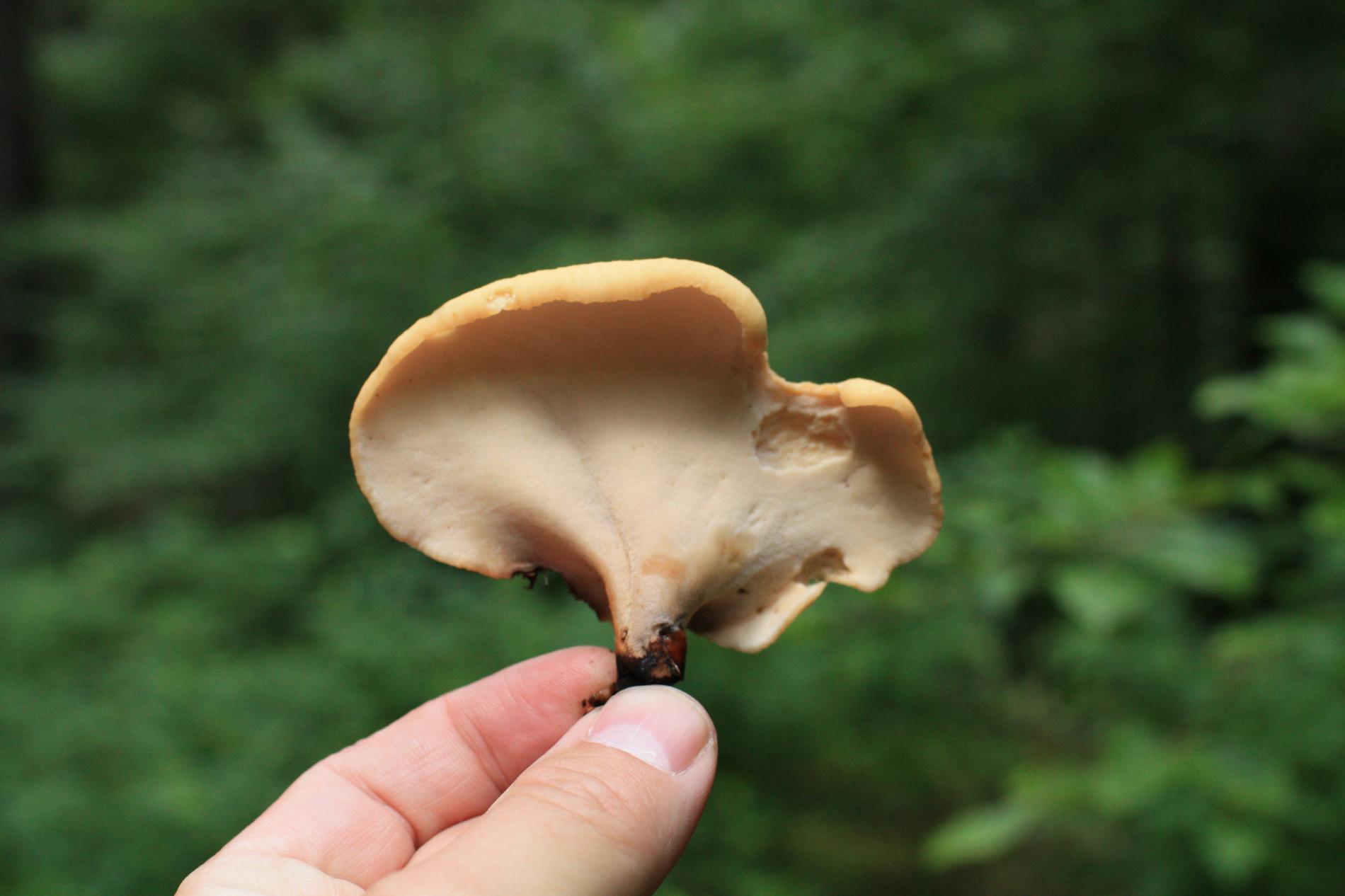
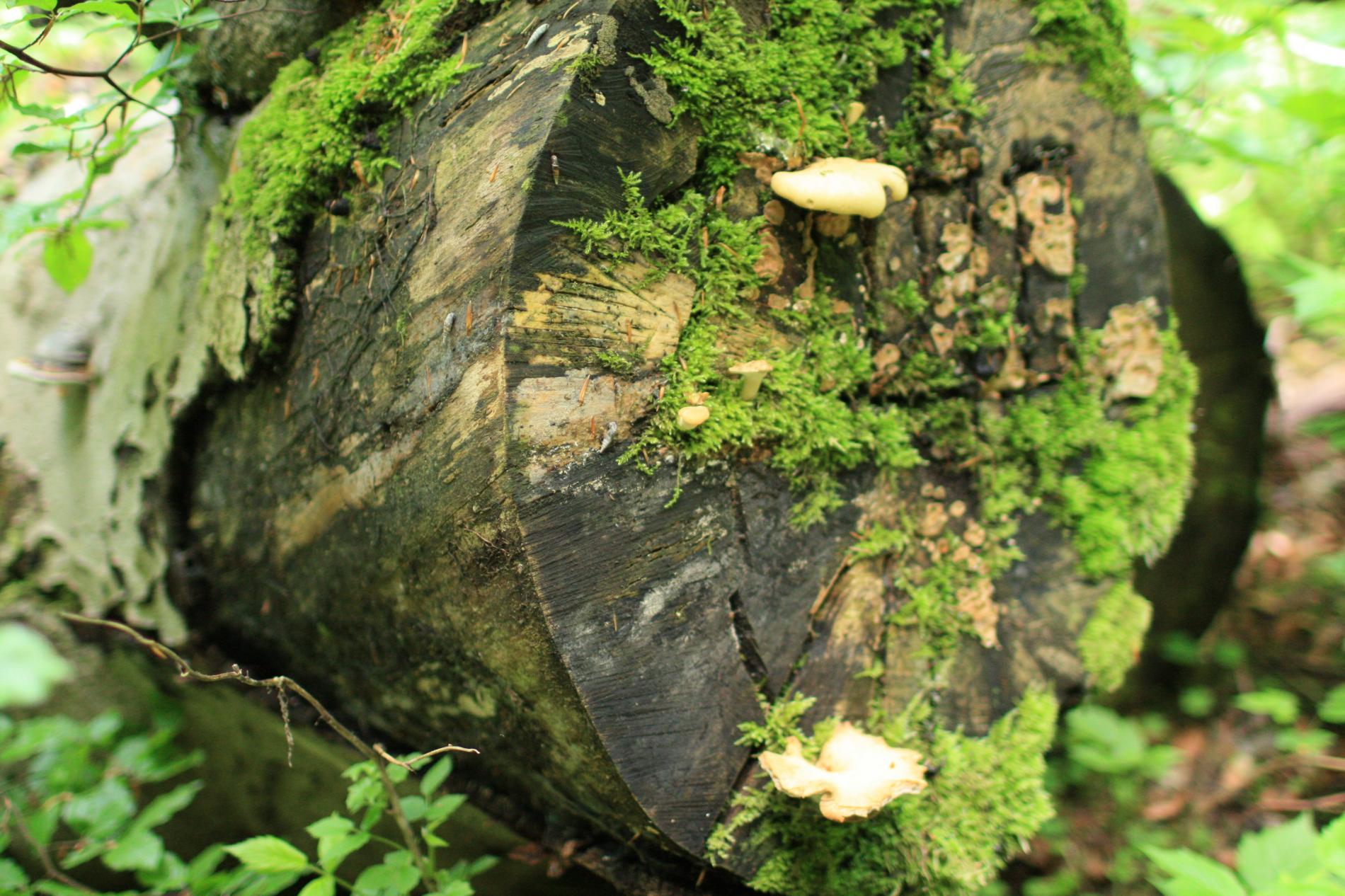
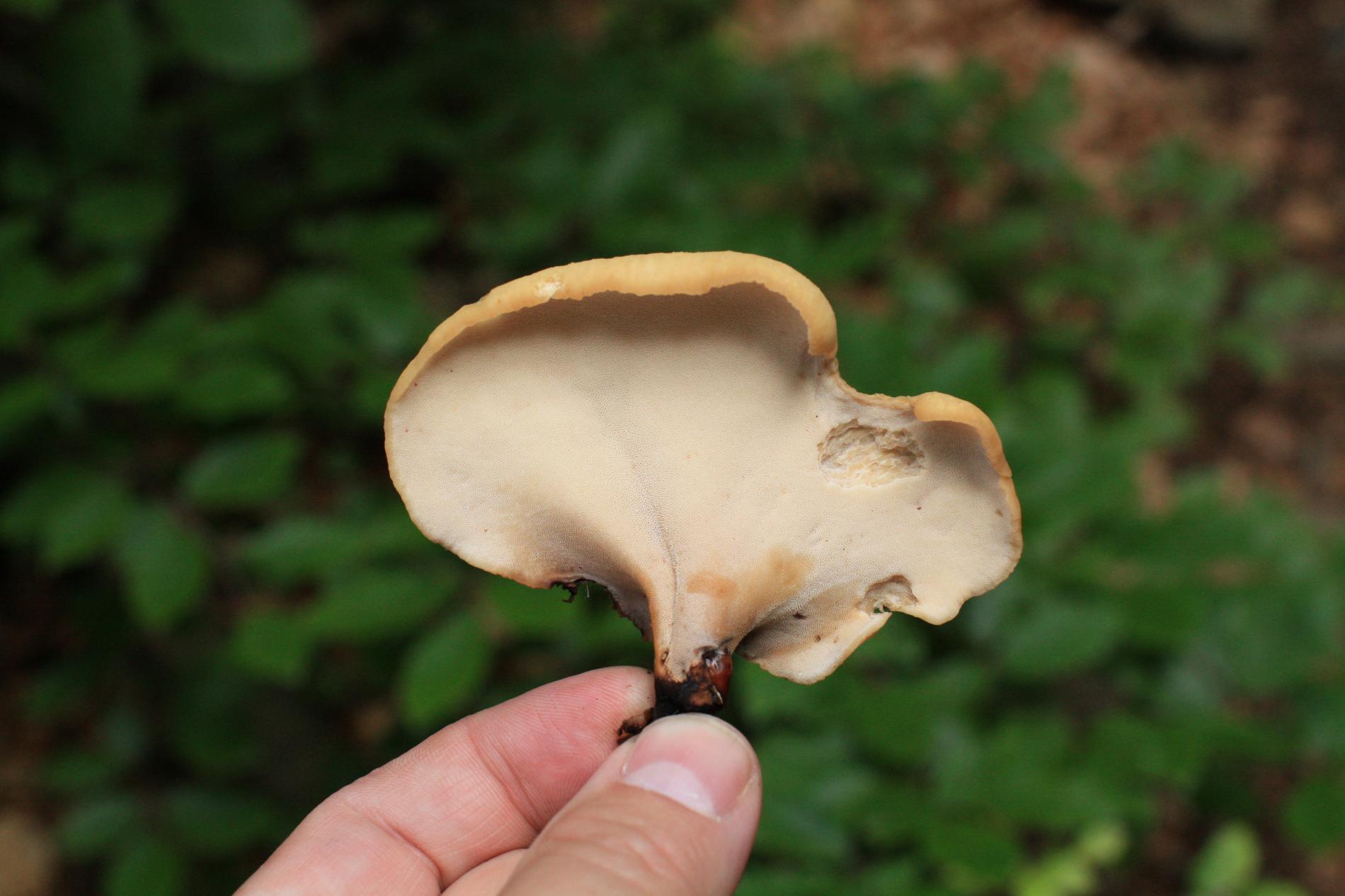
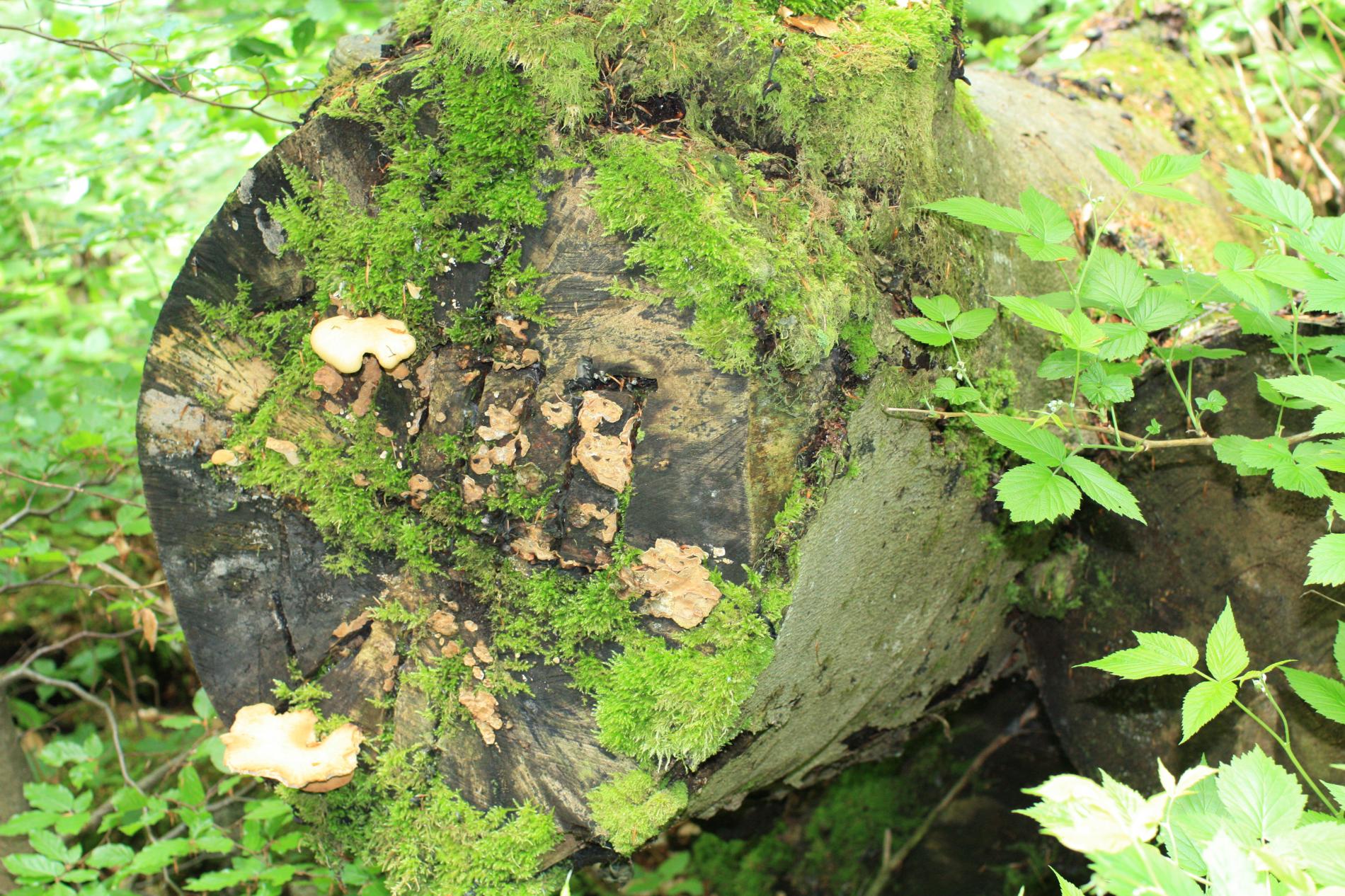
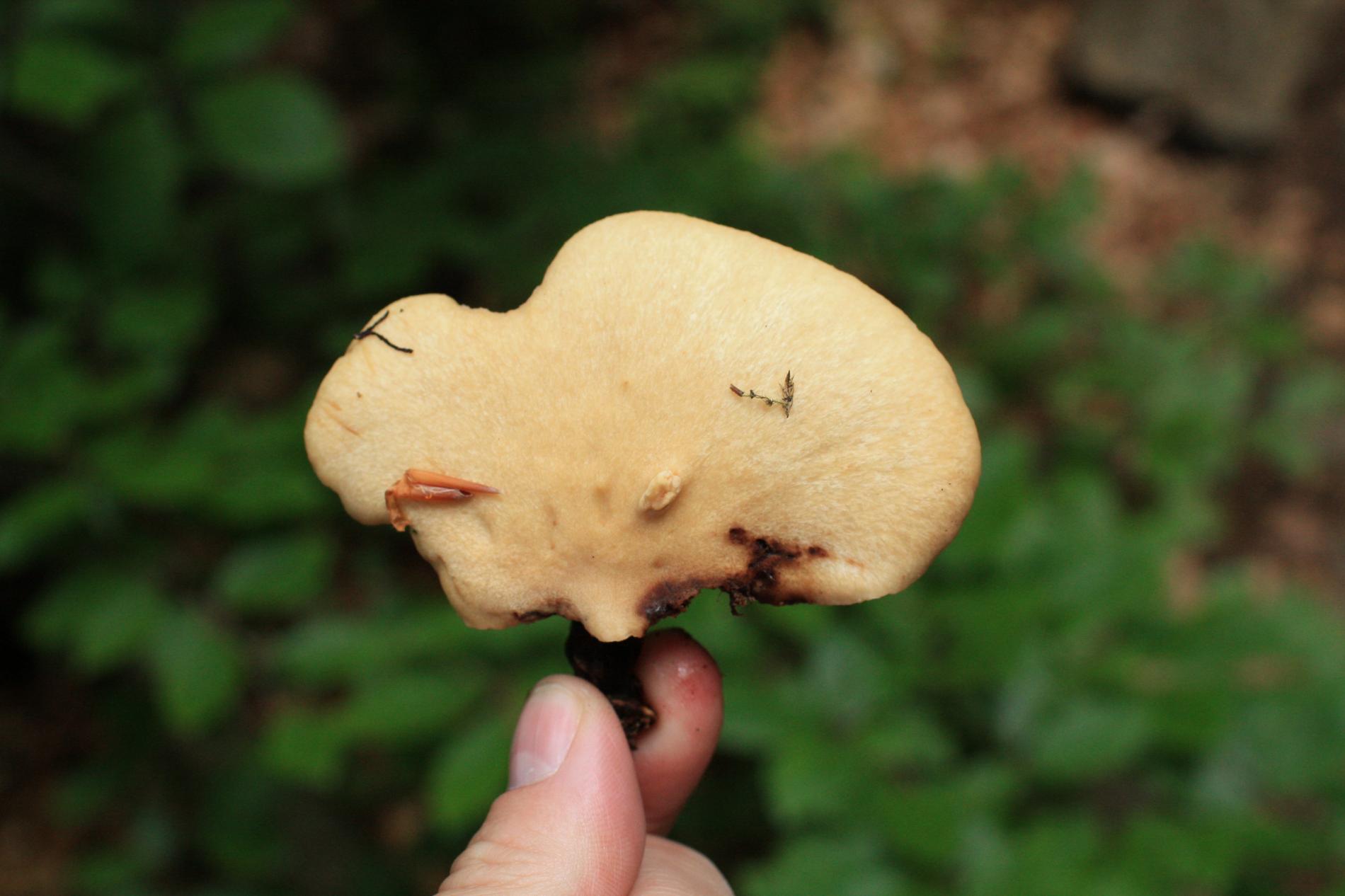
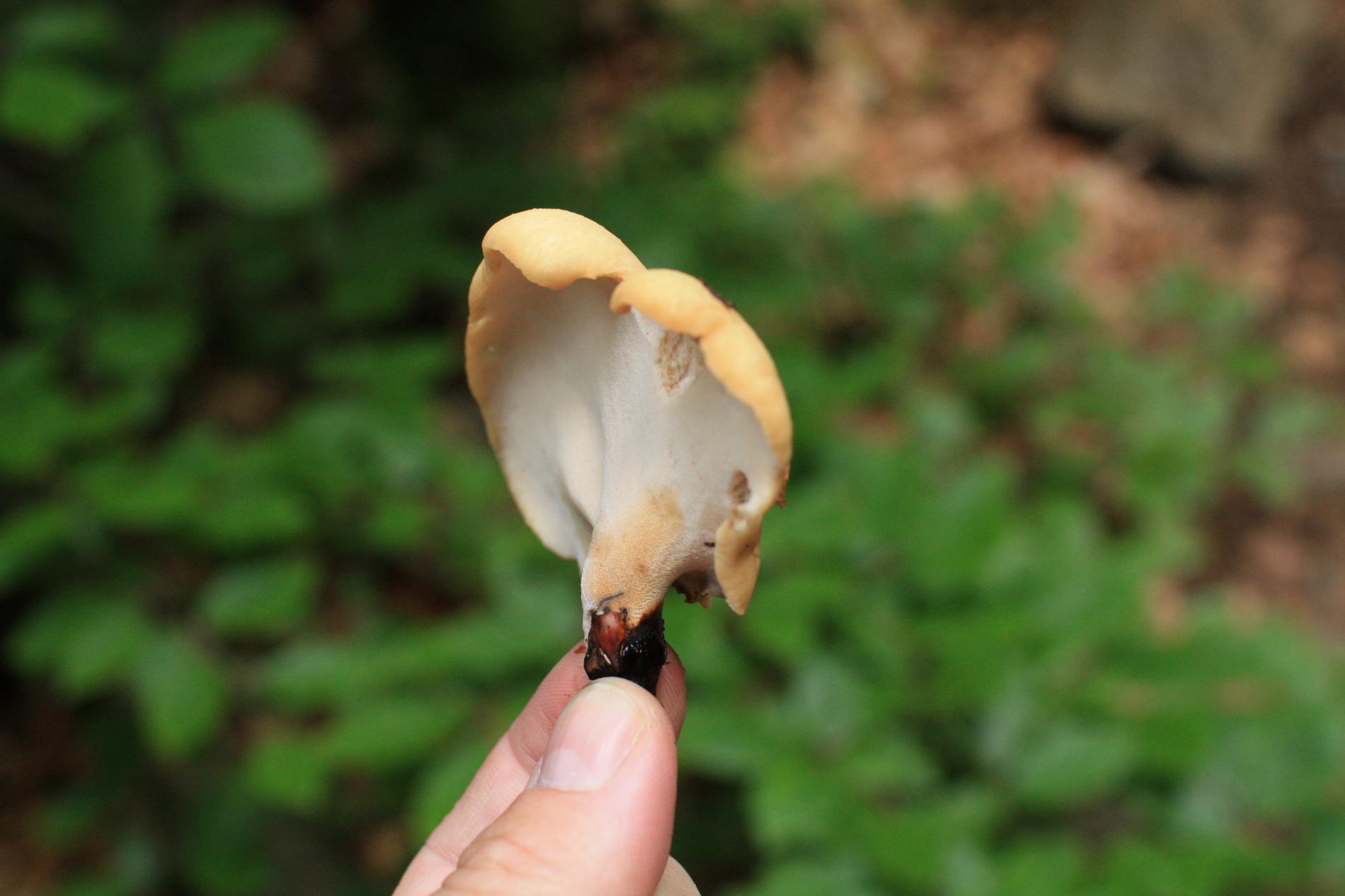
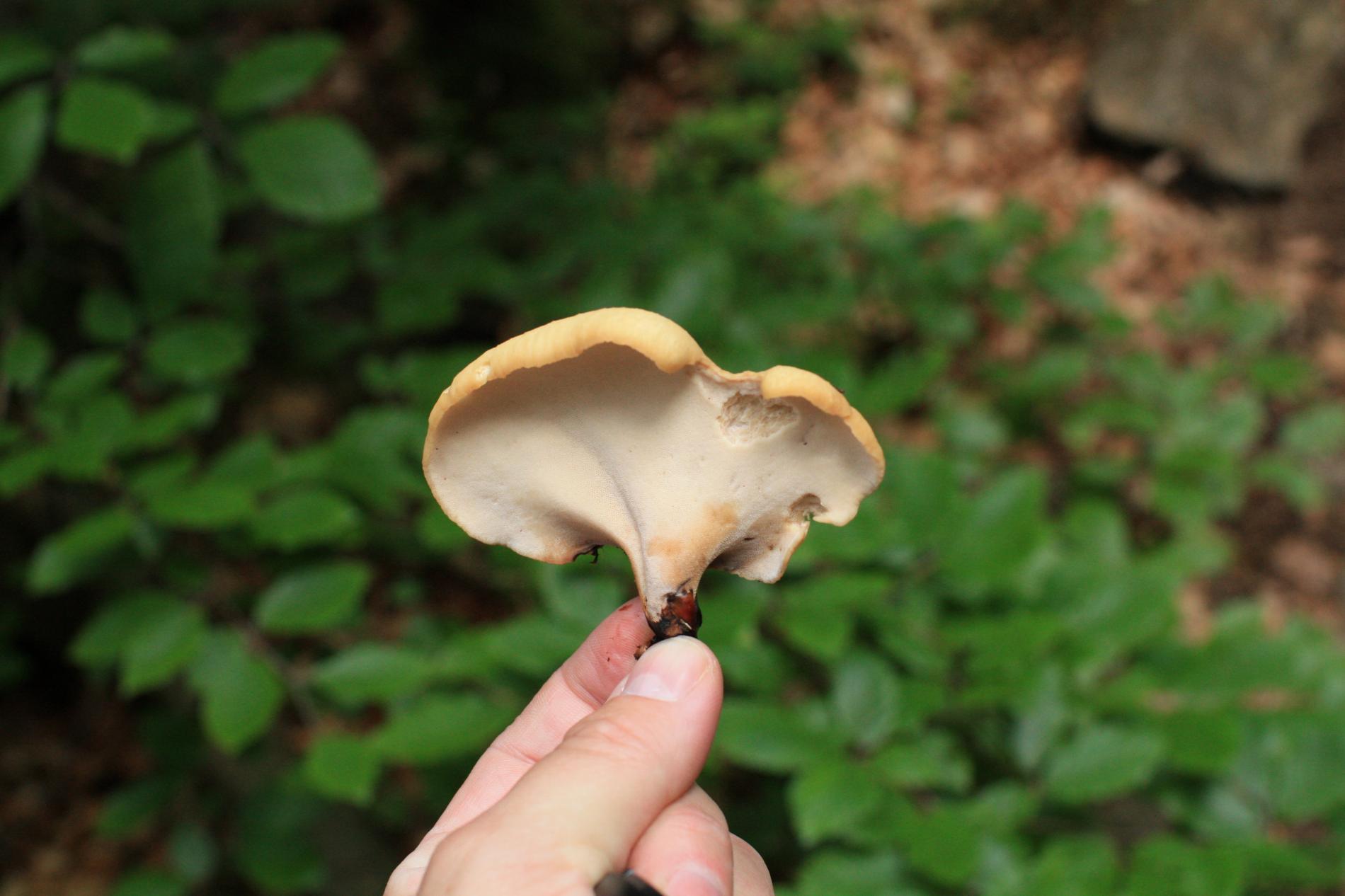
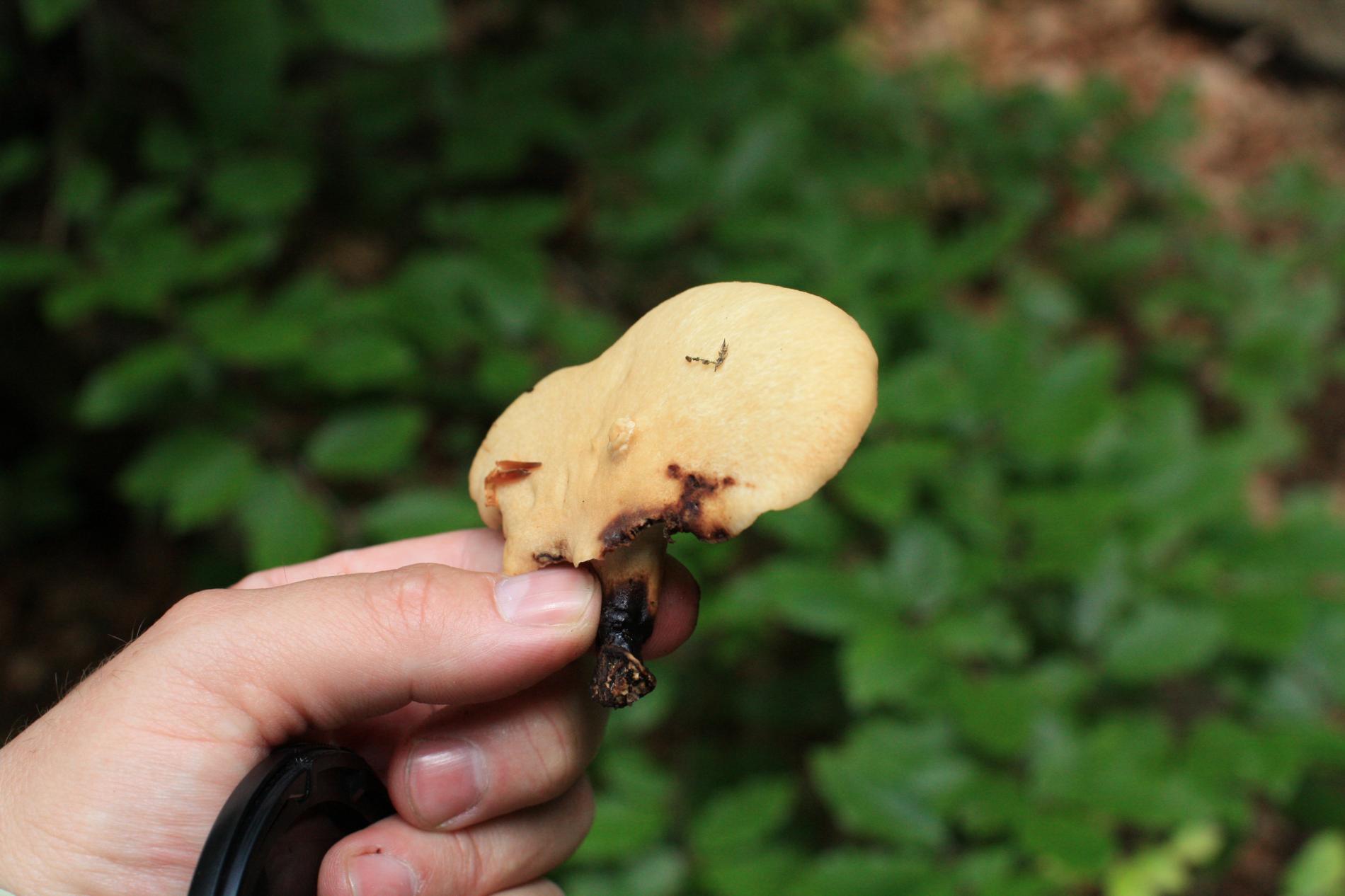
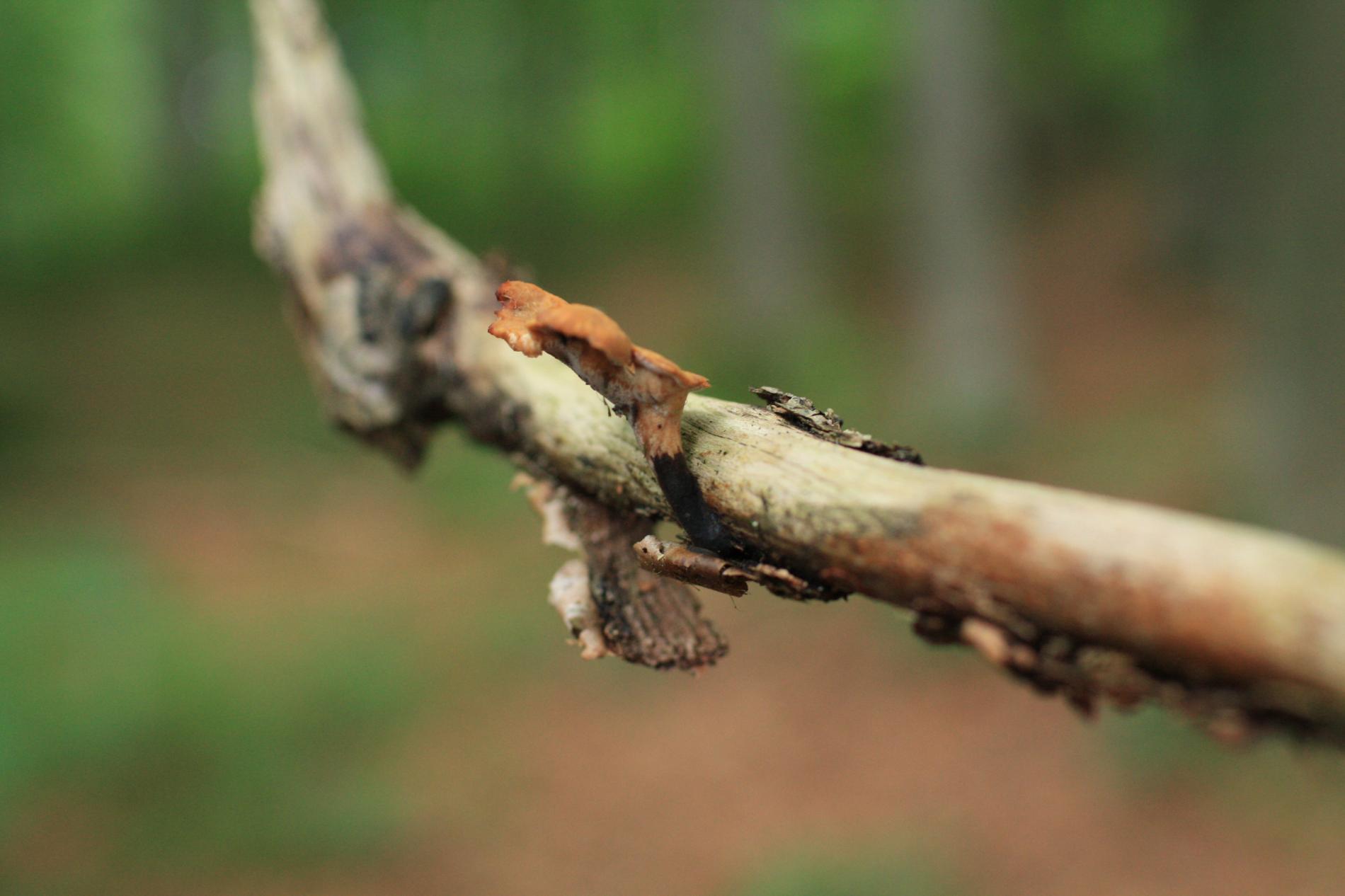
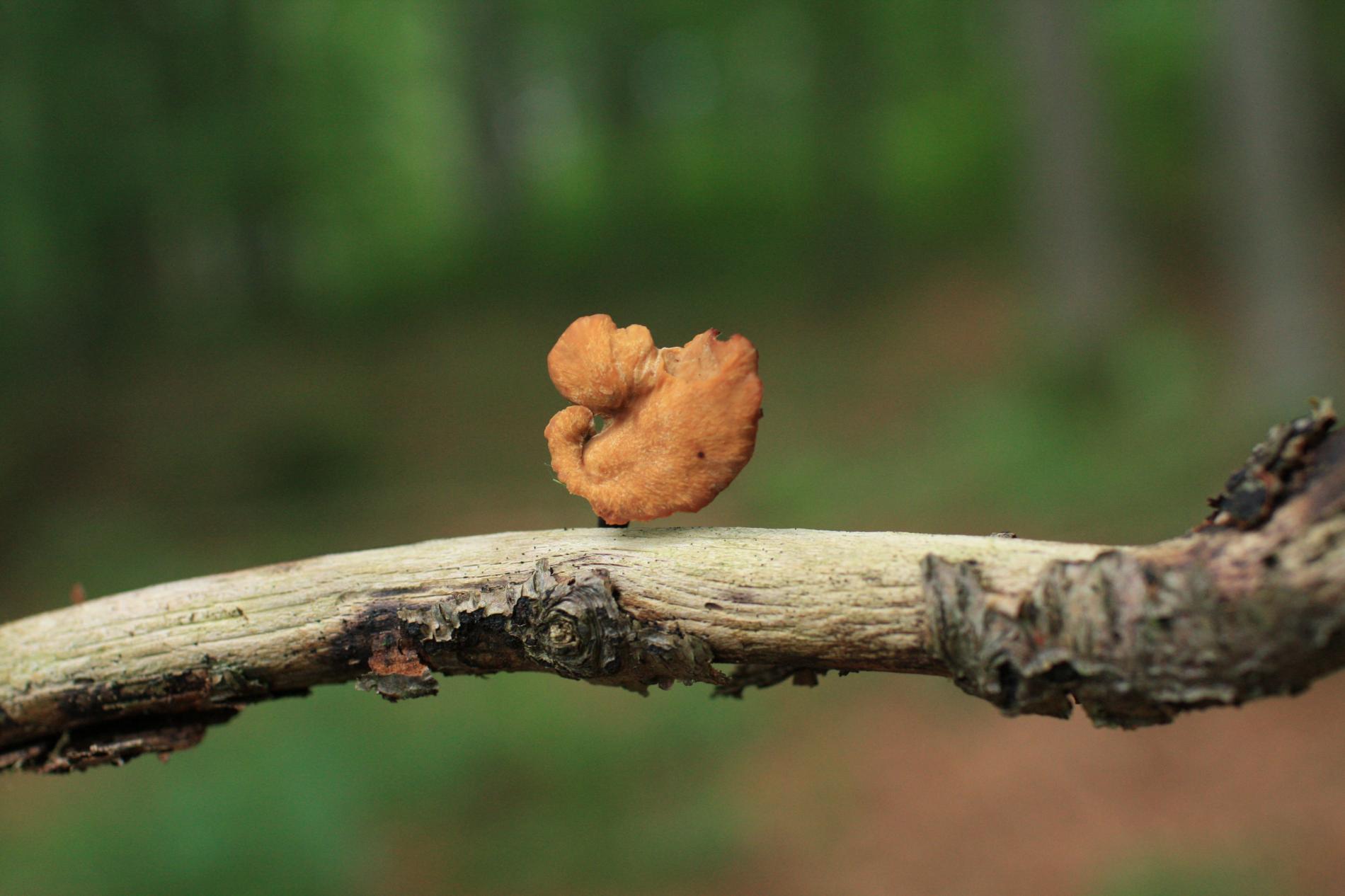
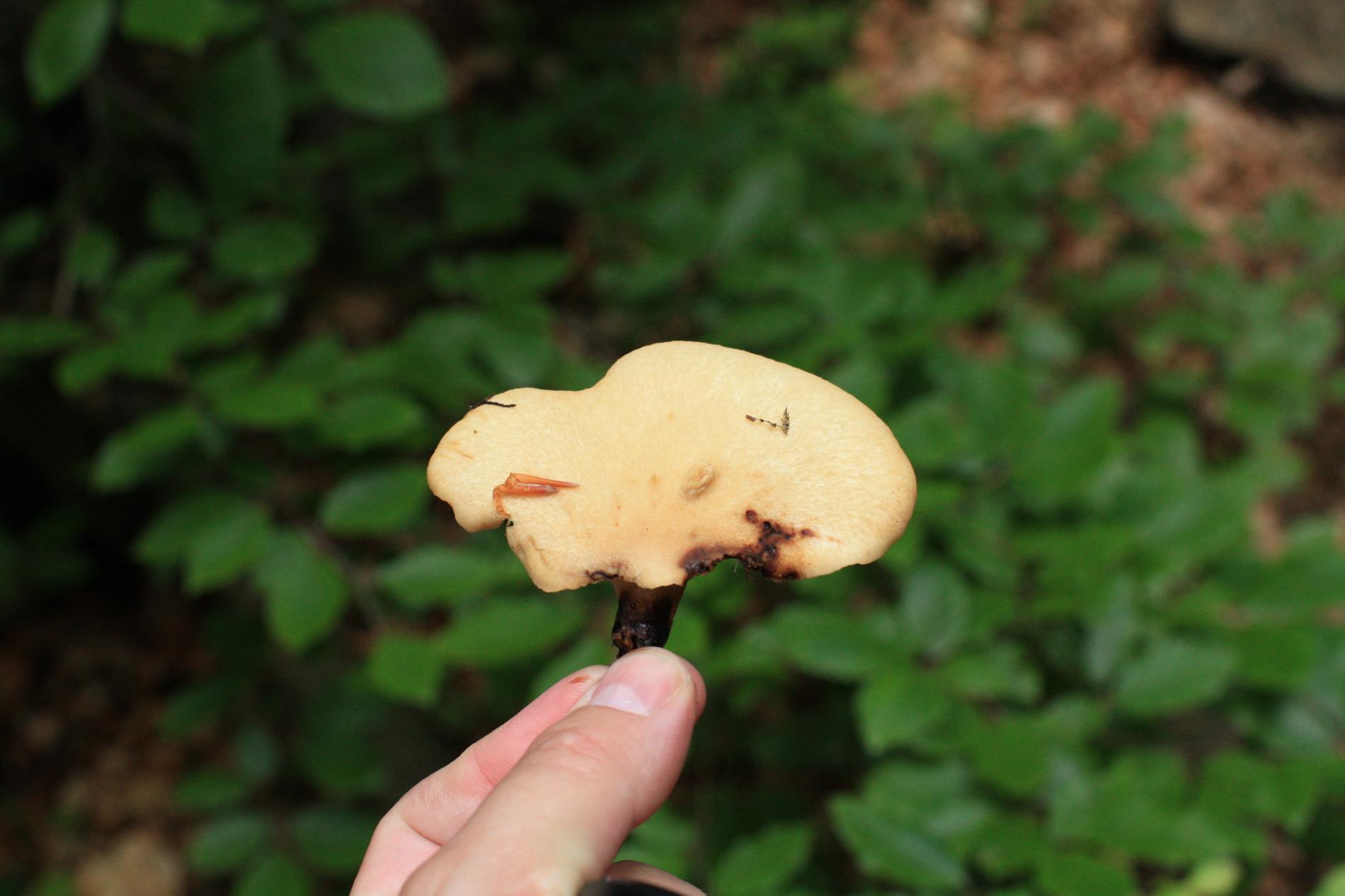
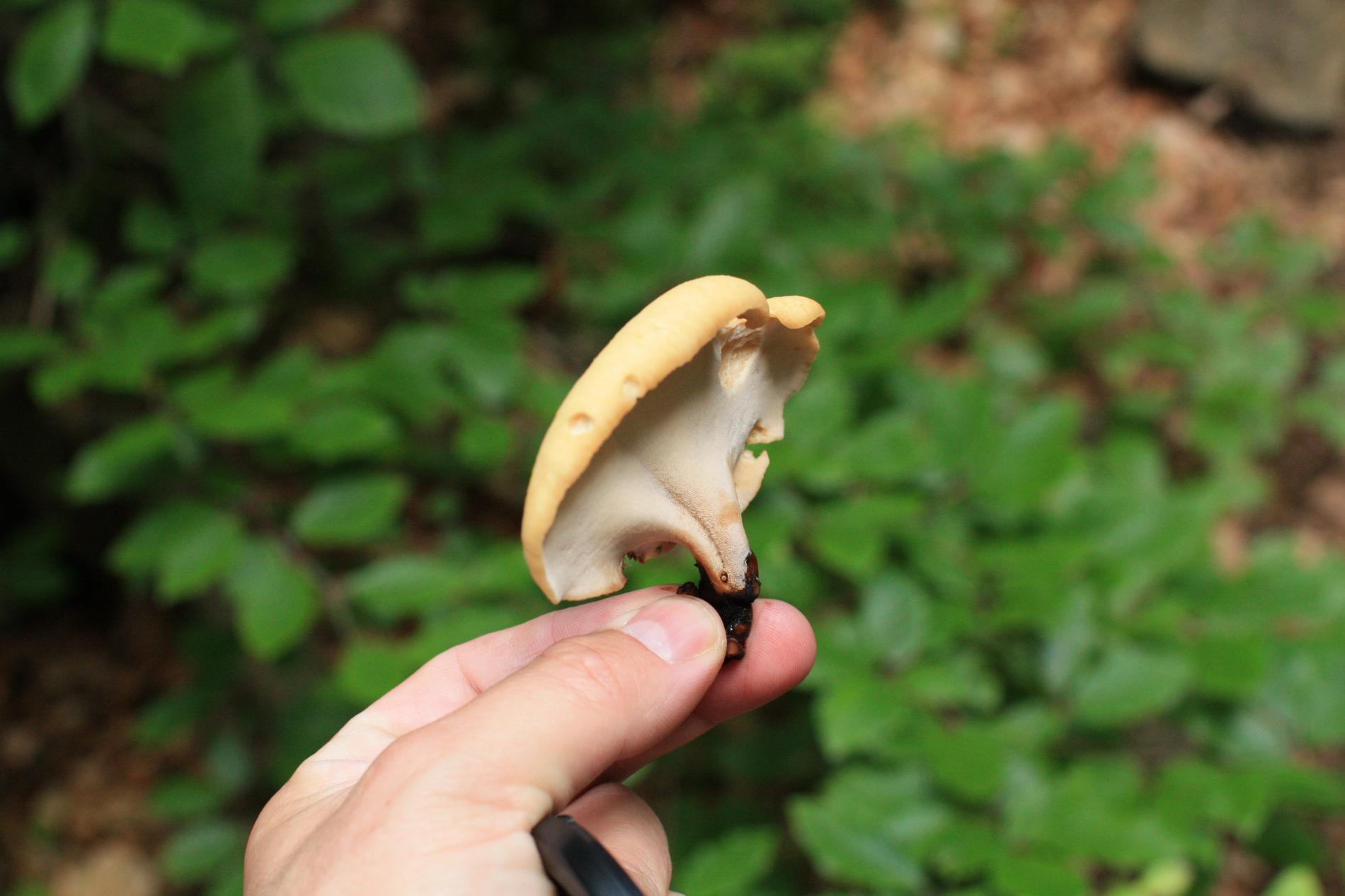
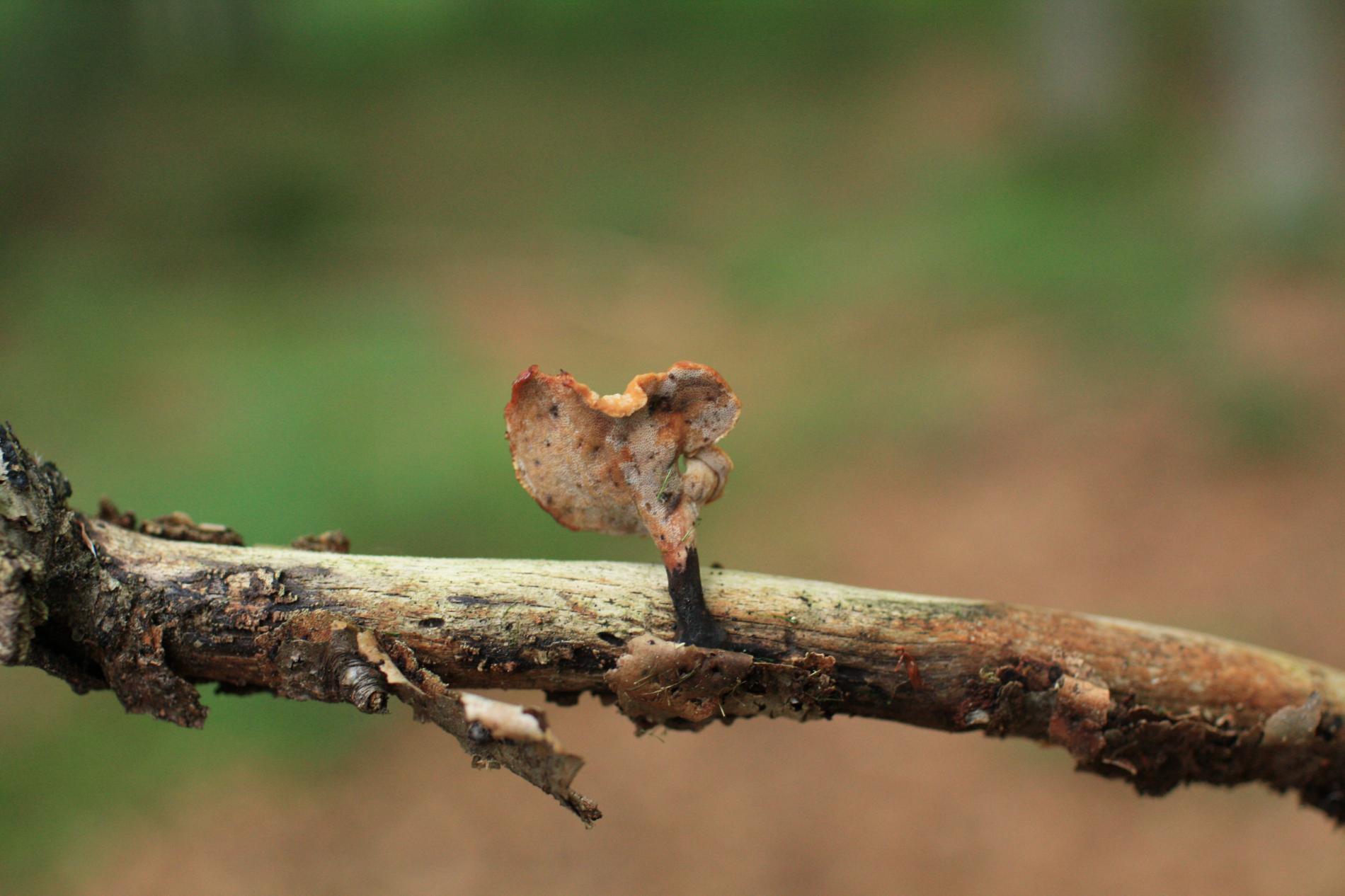
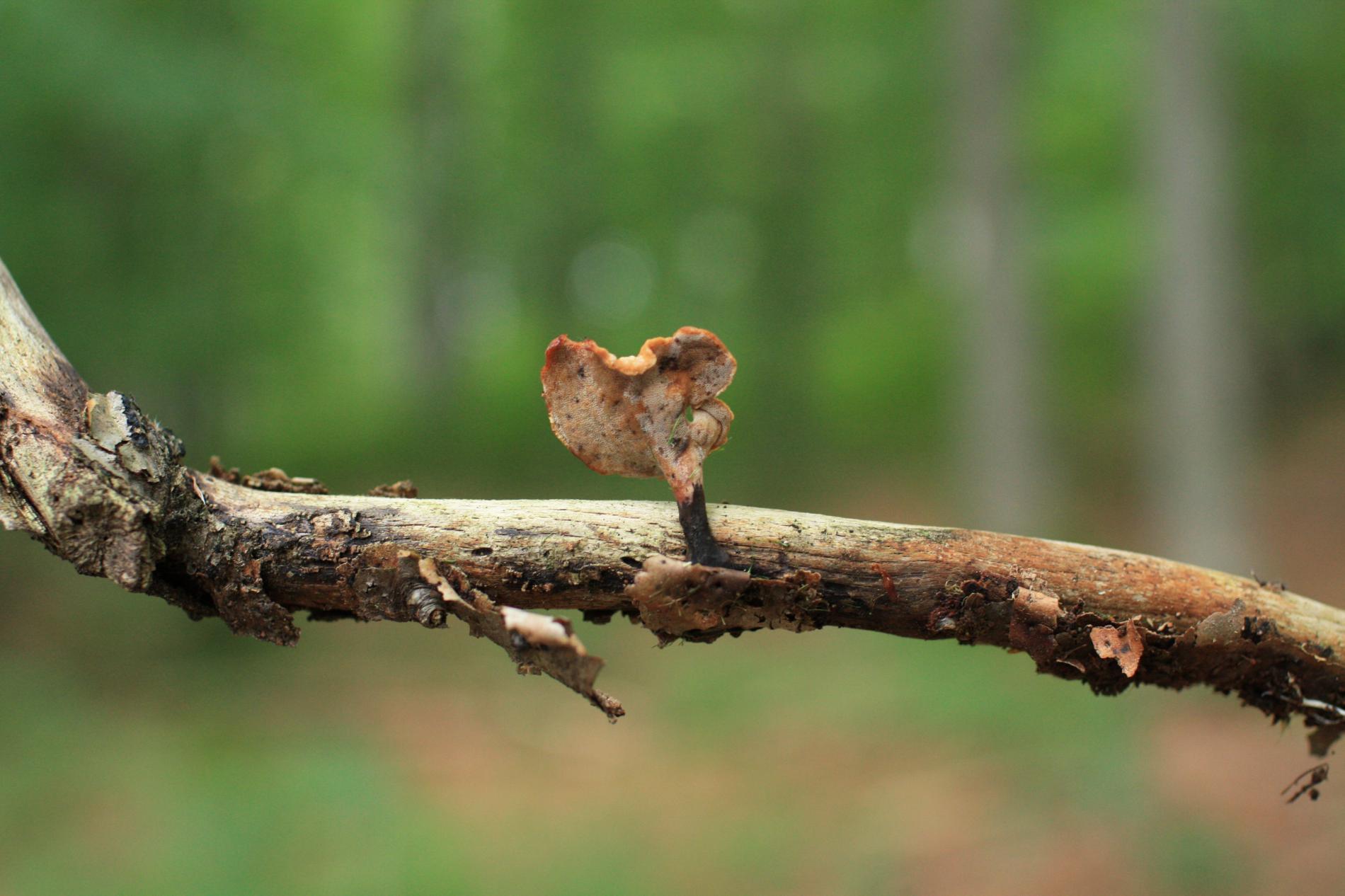
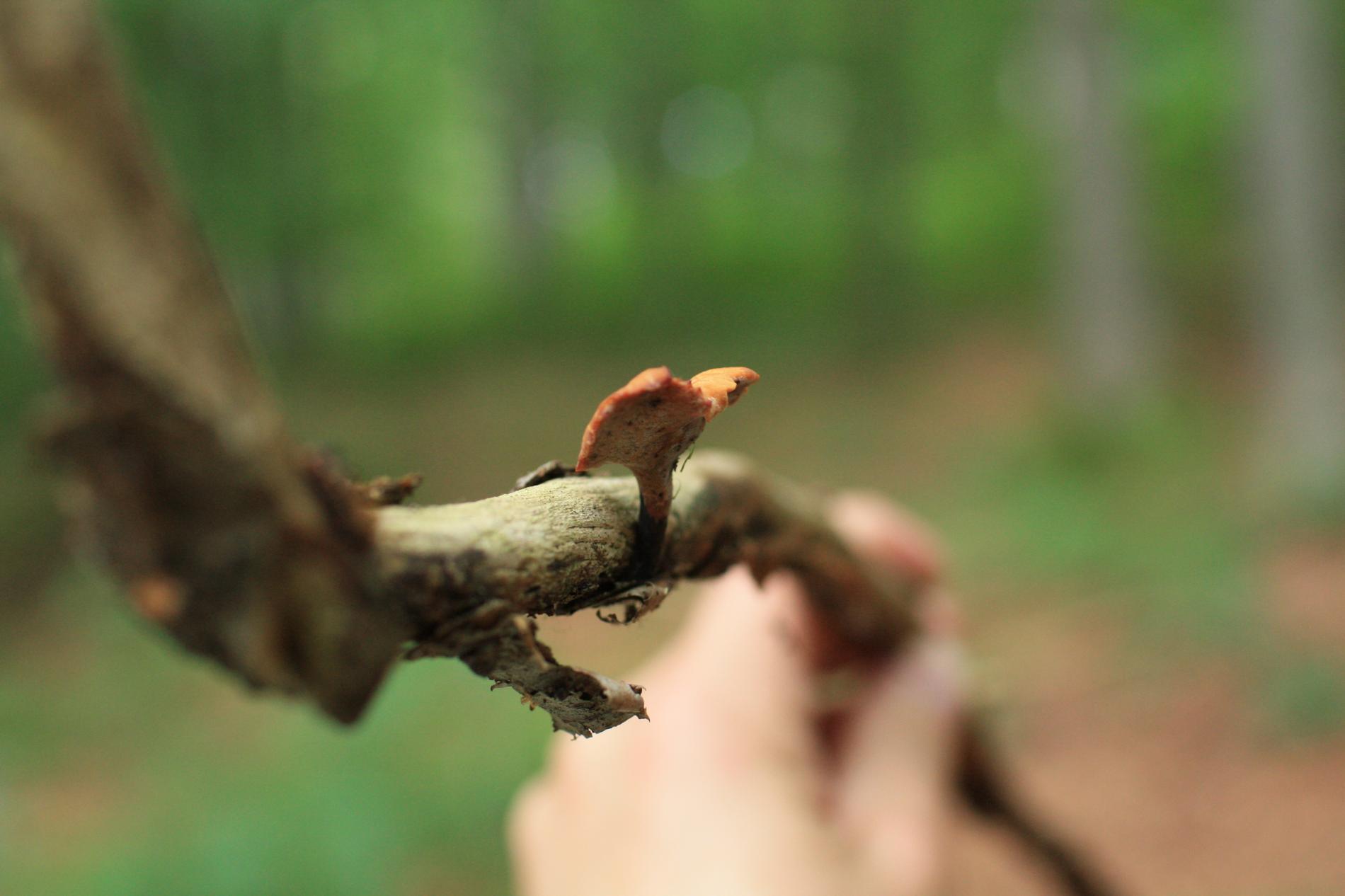
The cap is 2–10 cm wide, convex to flat, round to kidney-shaped, dry, smooth or slightly downy, may be radially lineated on the edge, pale brown, cinnamonbrown or even paler. The edge is often wavy. Pores are white when young, later a dull brown, converging to the stem. The stem is central or eccentric to lateral, 5–7 cm long, 0.2–1.0 cm evenly thick, dry, smooth, hard, pale brown under the cap, black from the base to the upper part. It grows mainly singly in summer and in autumn. The mycelium causes white rot of branches and thinner trunks.
Presence of fruiting bodies with brown to cinnamon-brown depths.
Tree Species: Beech, Hornbeam
Part of a plant- attacked: Tree trunk, Branch
Pest significance: Less harmful
Pest Category: Fungi
Invasive Species: No
Present in EU: Yes
Pest group: Fungi
Affected part of wood: Heartwood, Sapwood
Depth of damages: More than 5 cm depth, Under bark only, Up to 0,5 cm depth, Up to 2 cm depth, Up to 5 cm depth
The extent of damage: Lokally
Prevalence in Europe: Common
Damaged products: Firewood
Roundwood size: Diameter from 10 up to 50 cm
Wood discoloration: Yes
Pest subcategory: White-rot
Similar pests

Polyporus arcularius

Trametes hirsuta
