


Polyporus squamosus
Dryad’s saddle
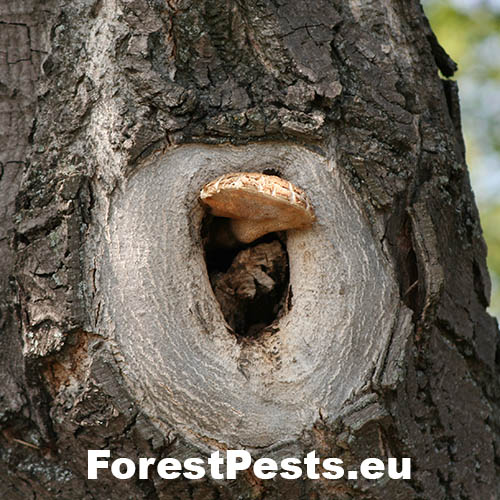
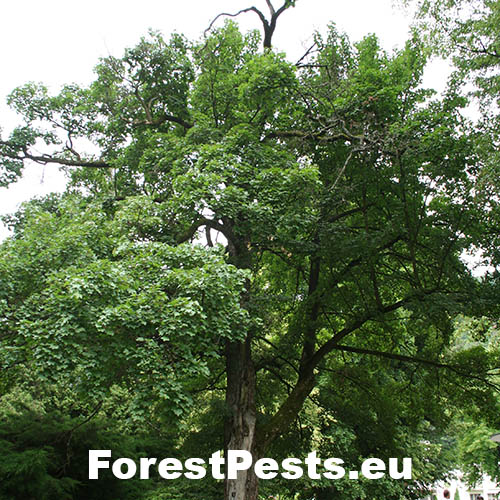
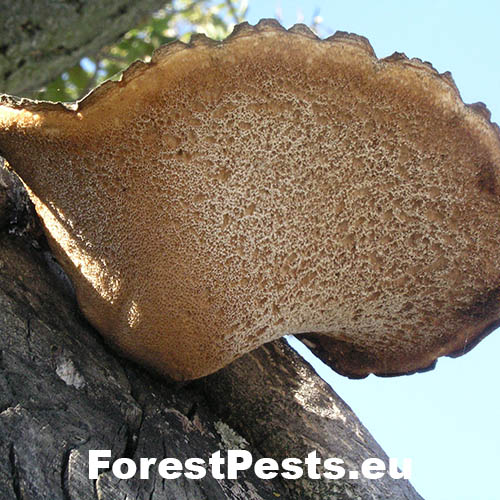
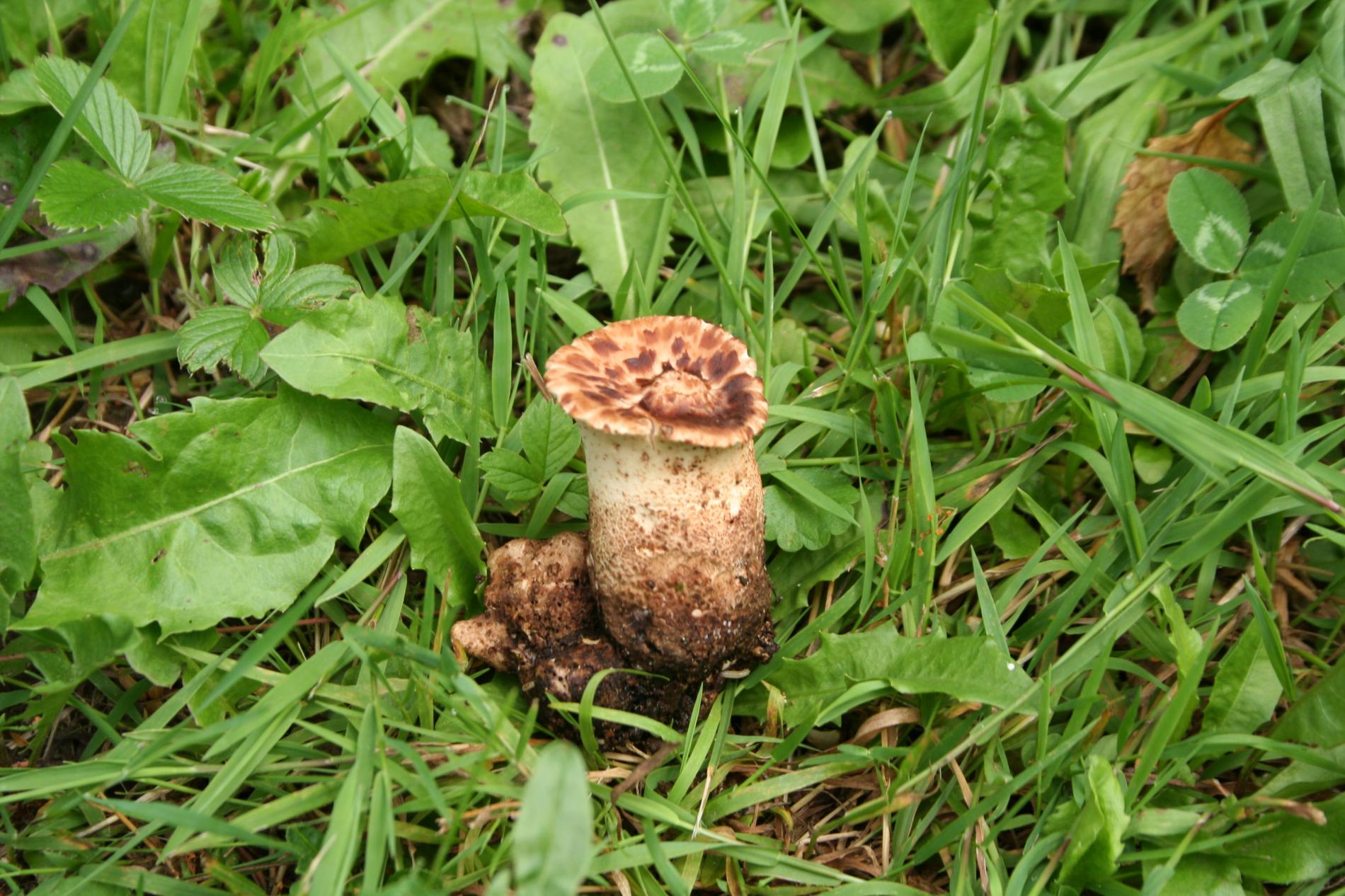
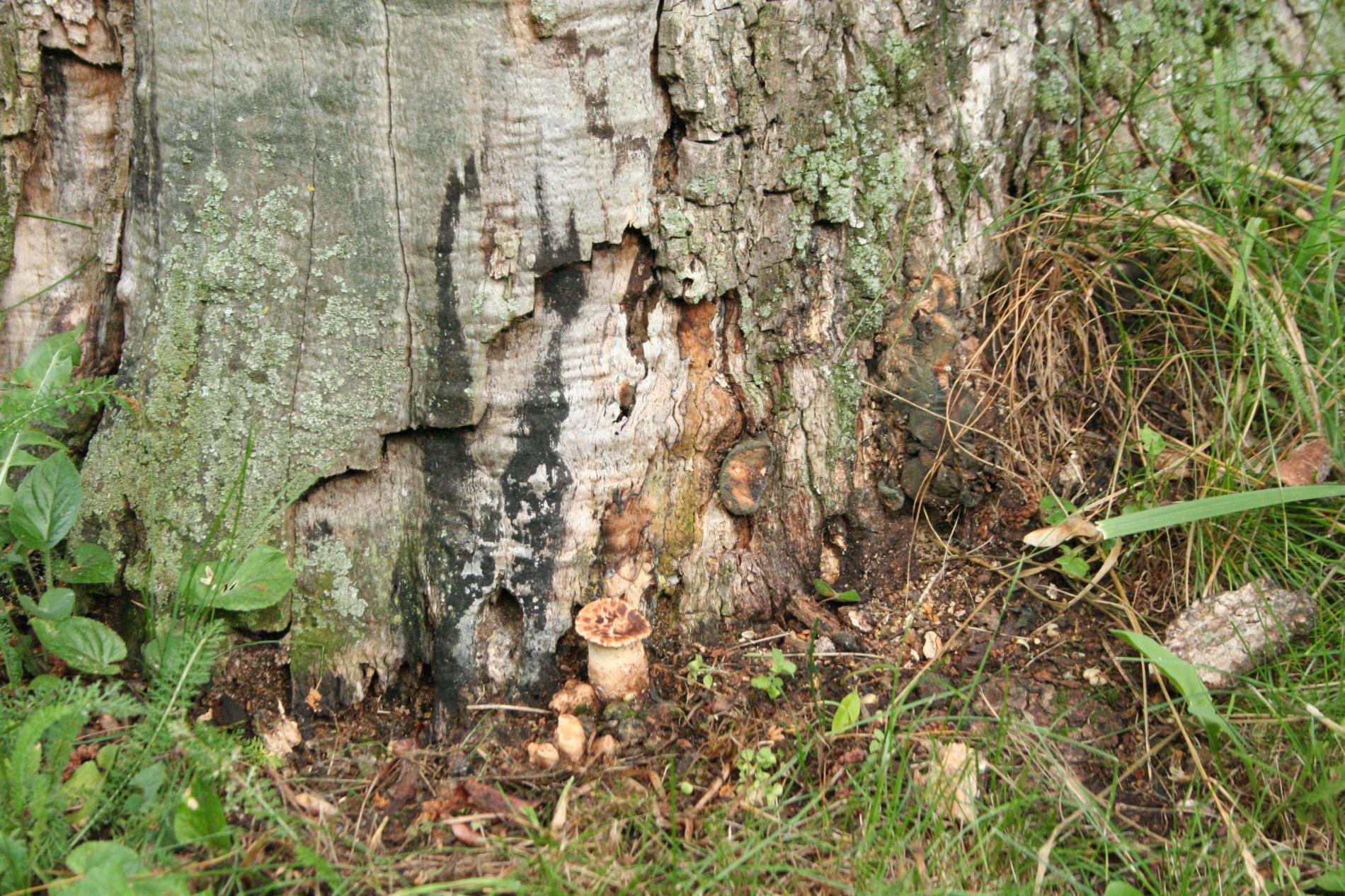
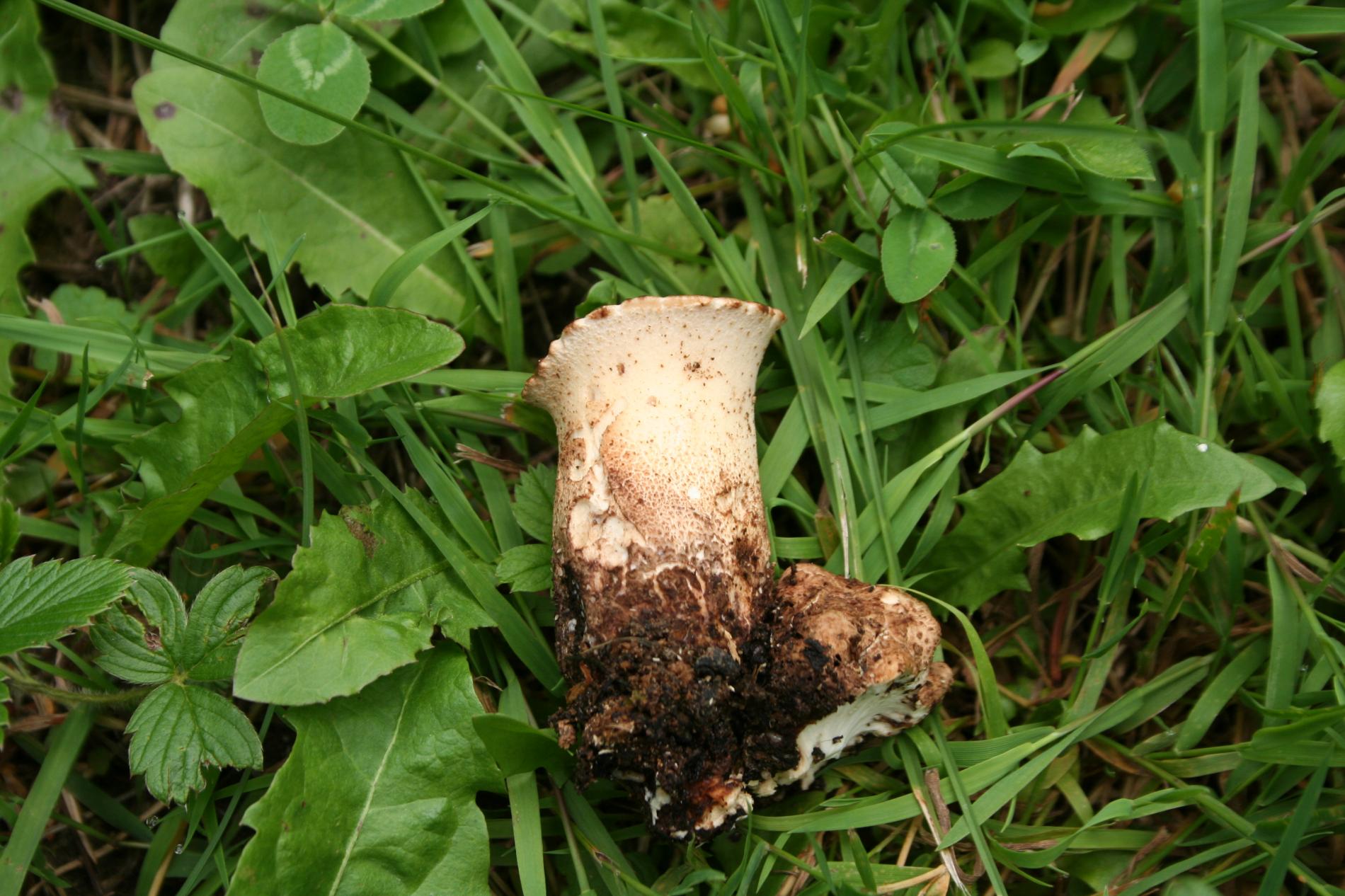
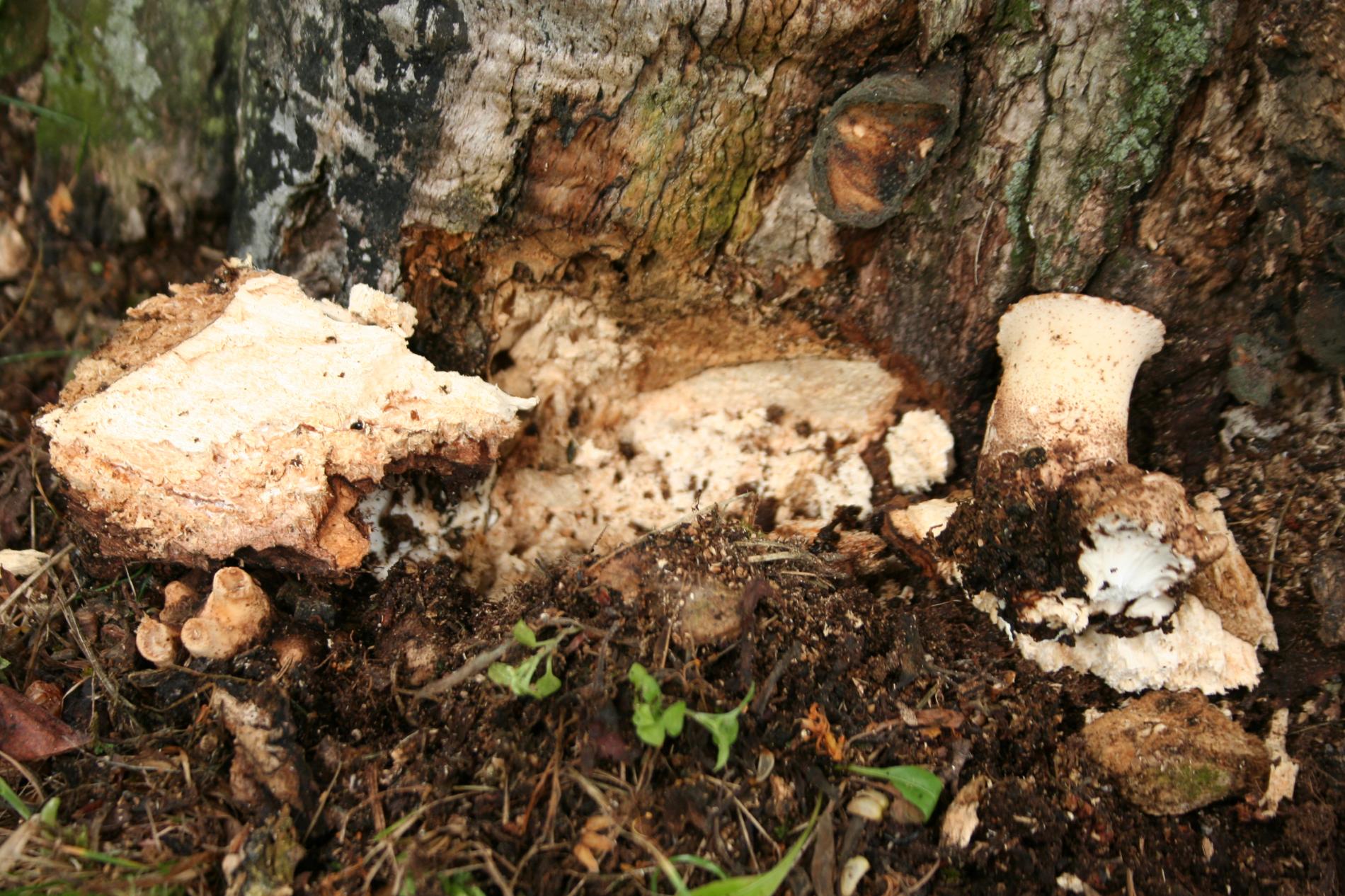
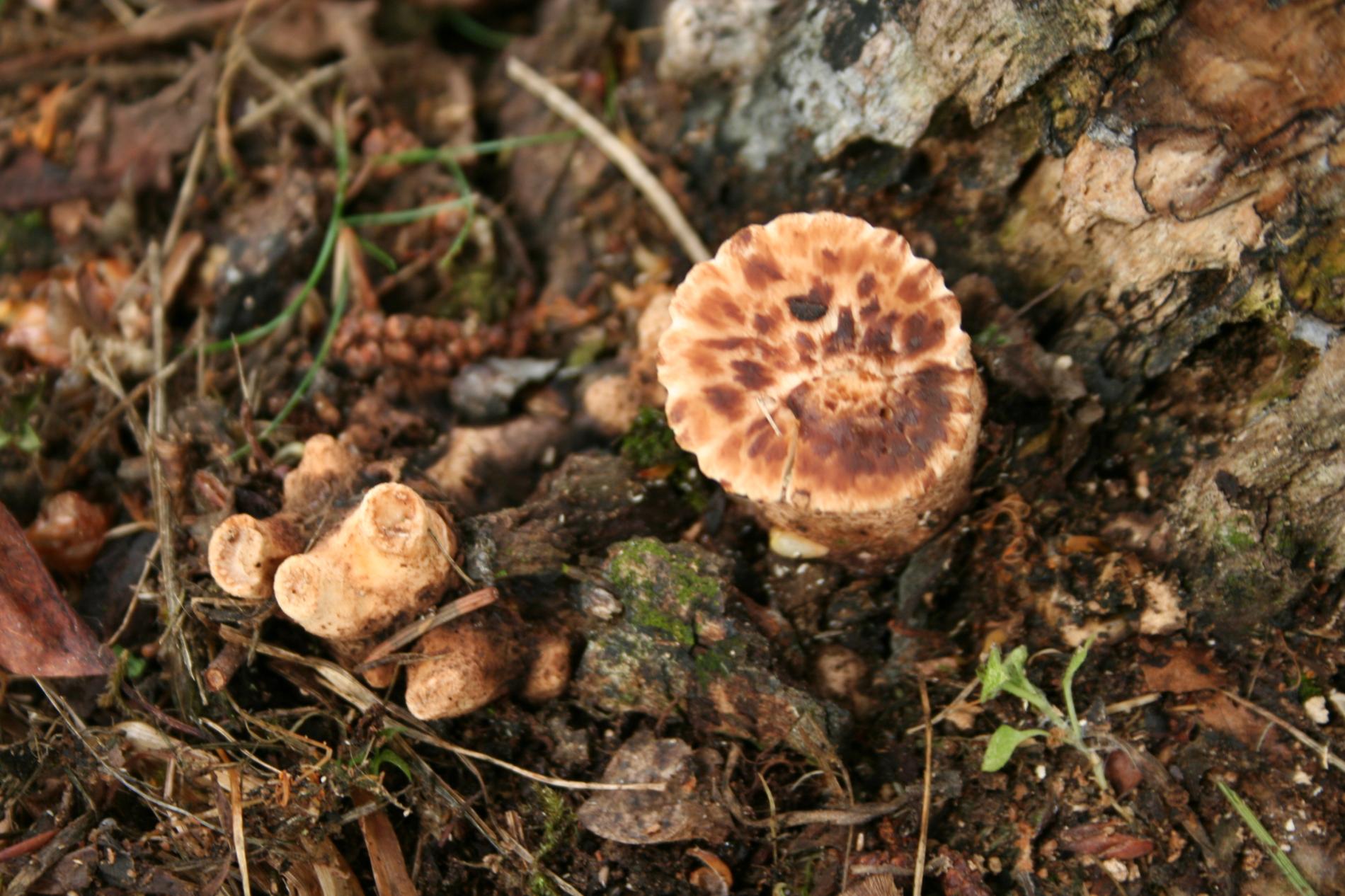
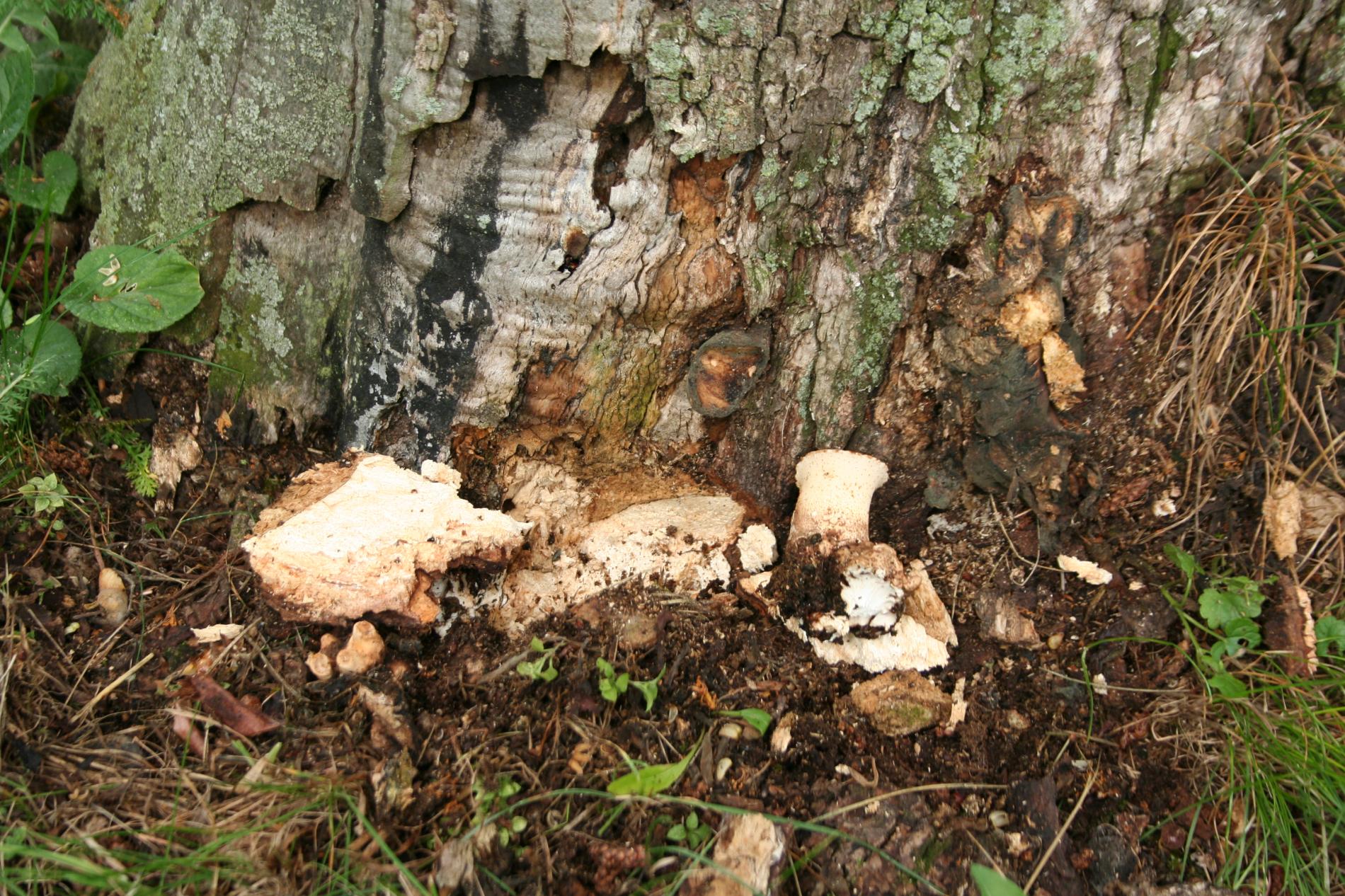
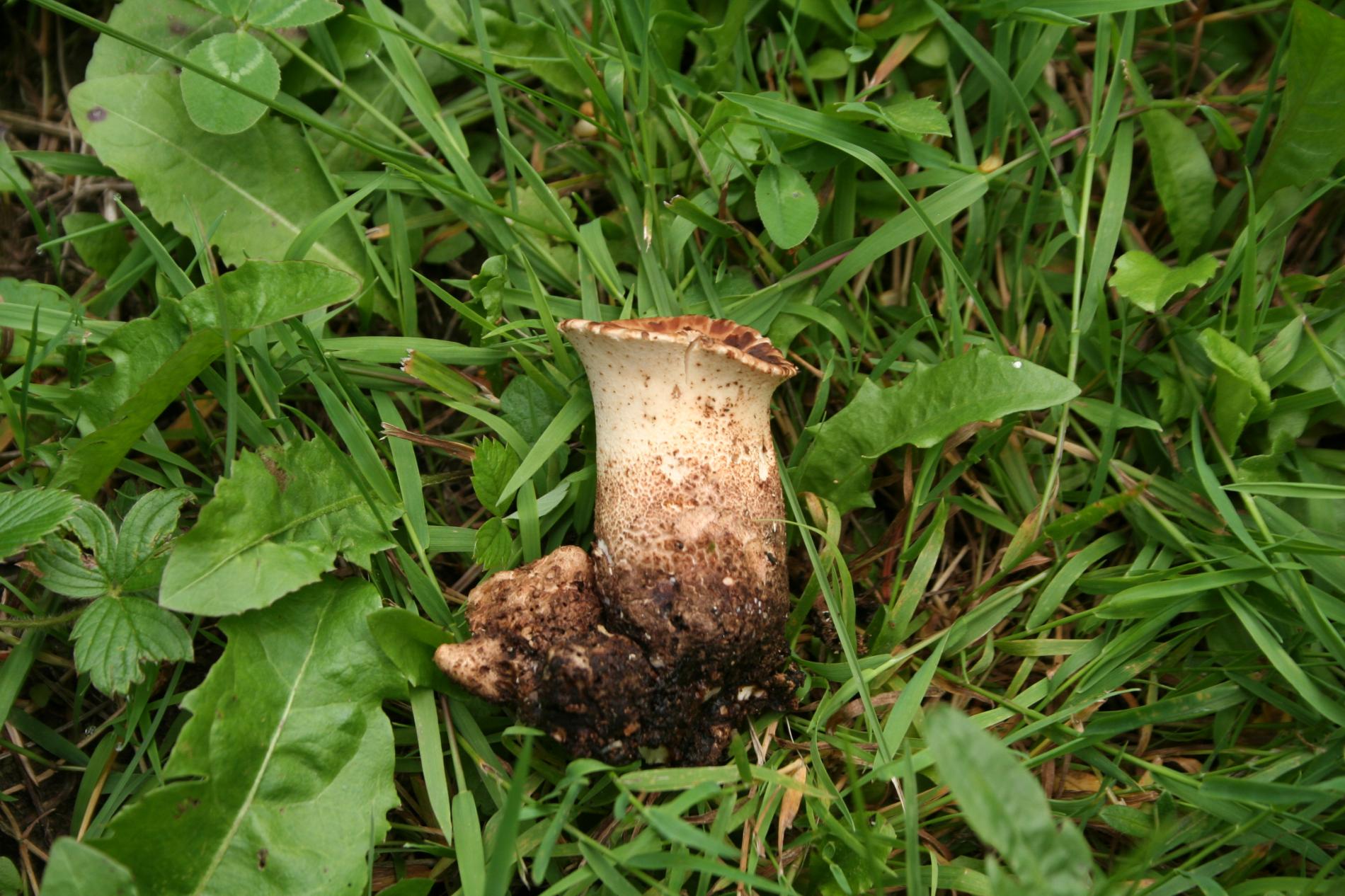
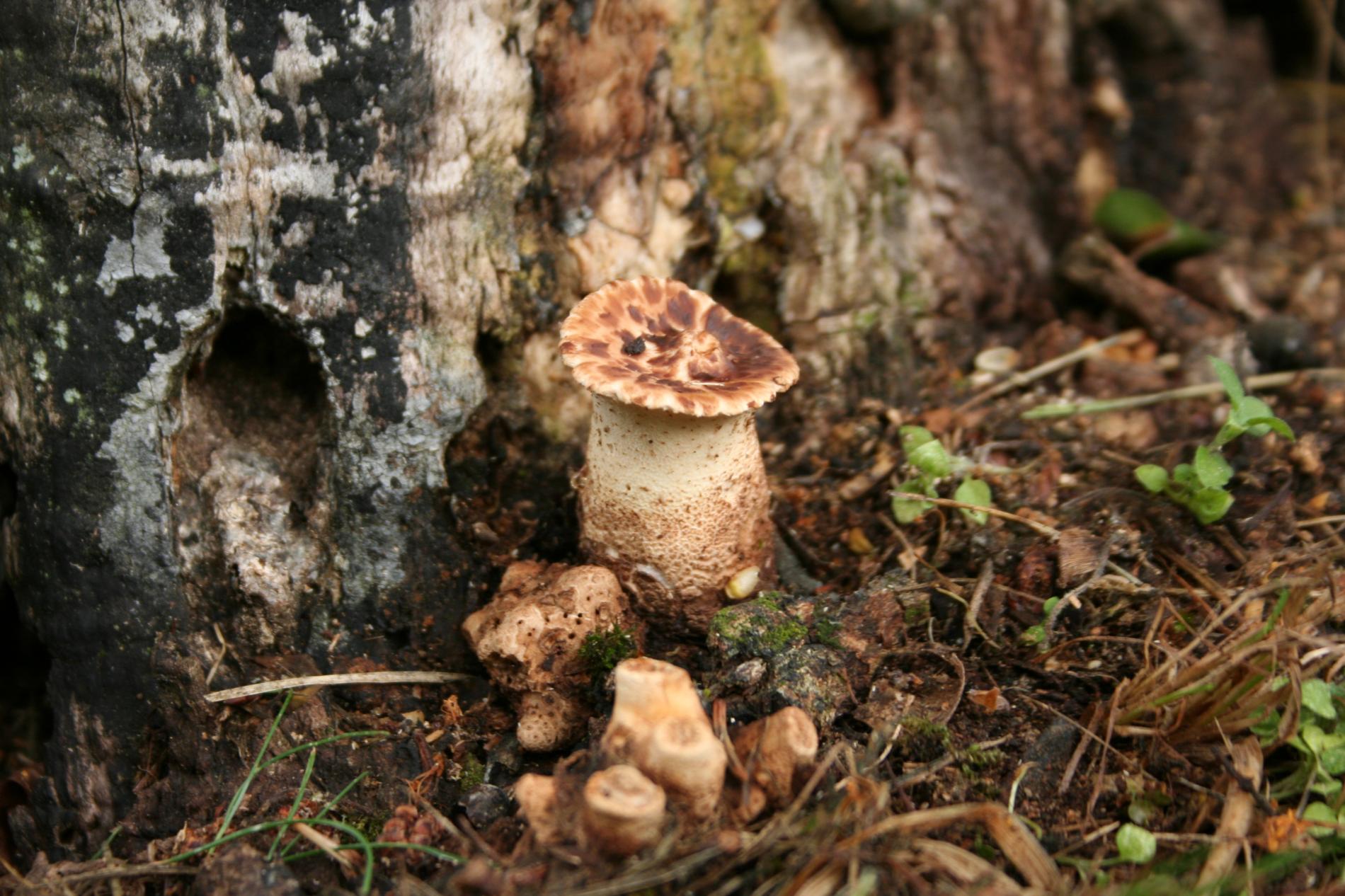
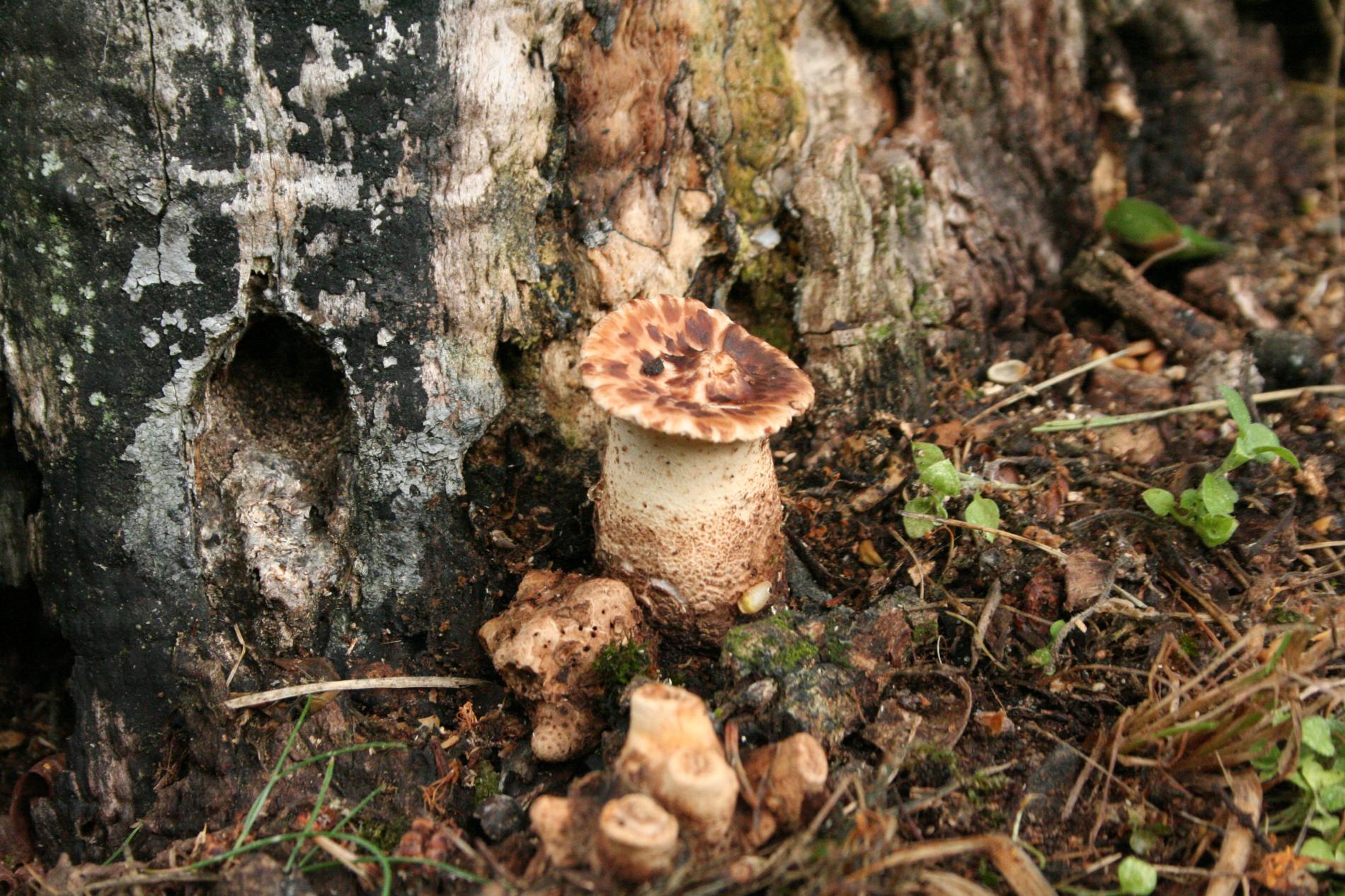
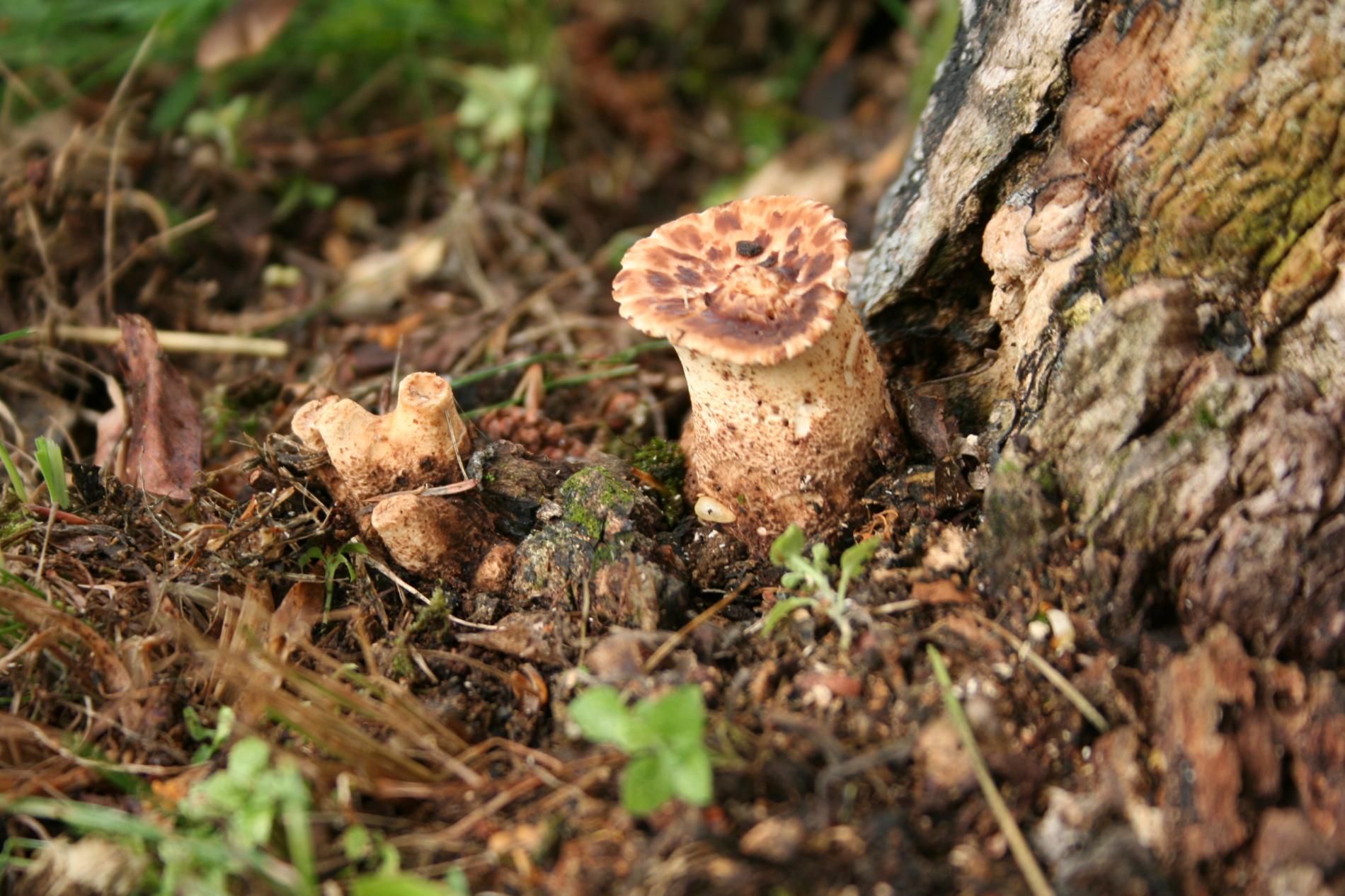
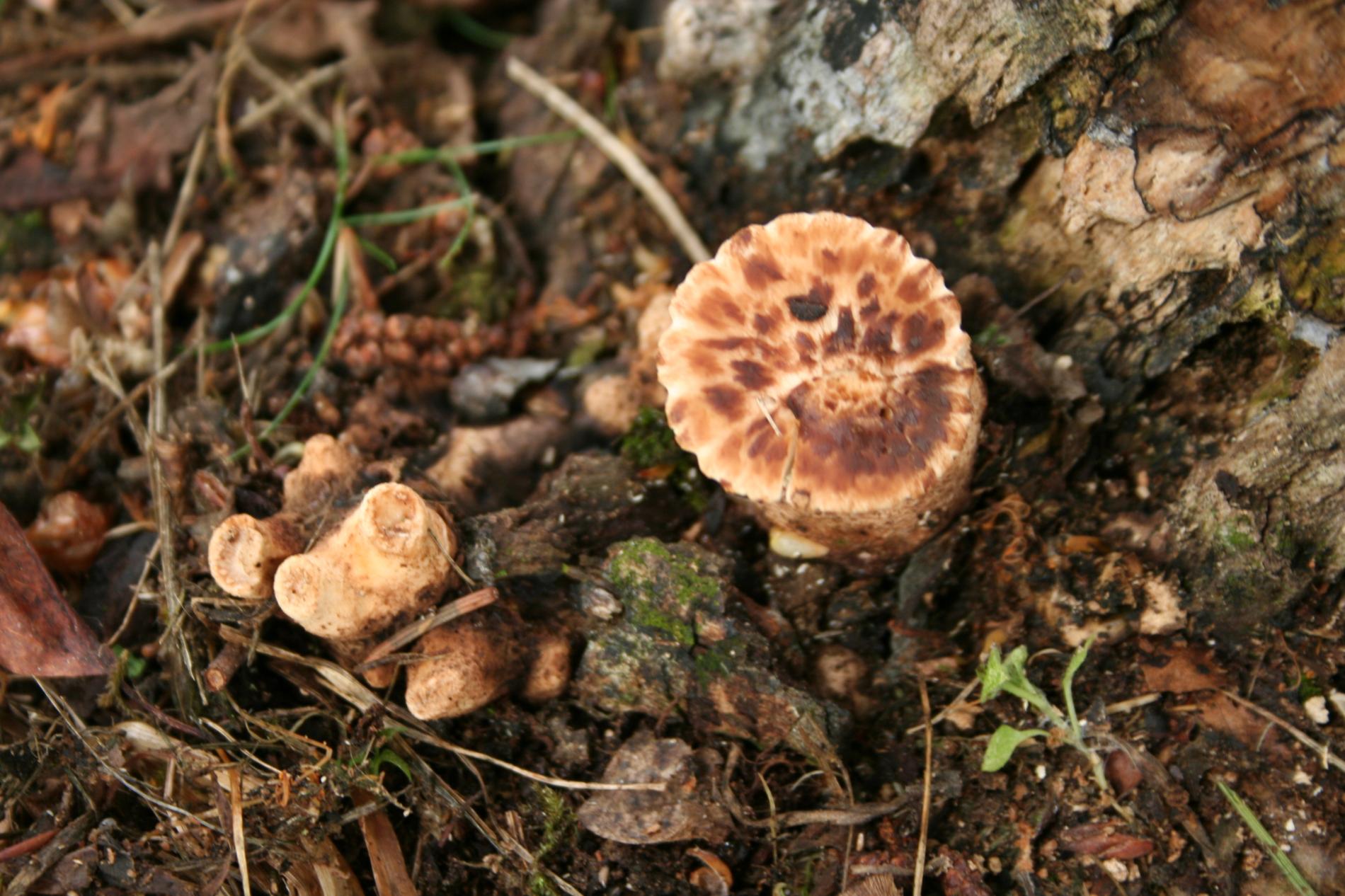
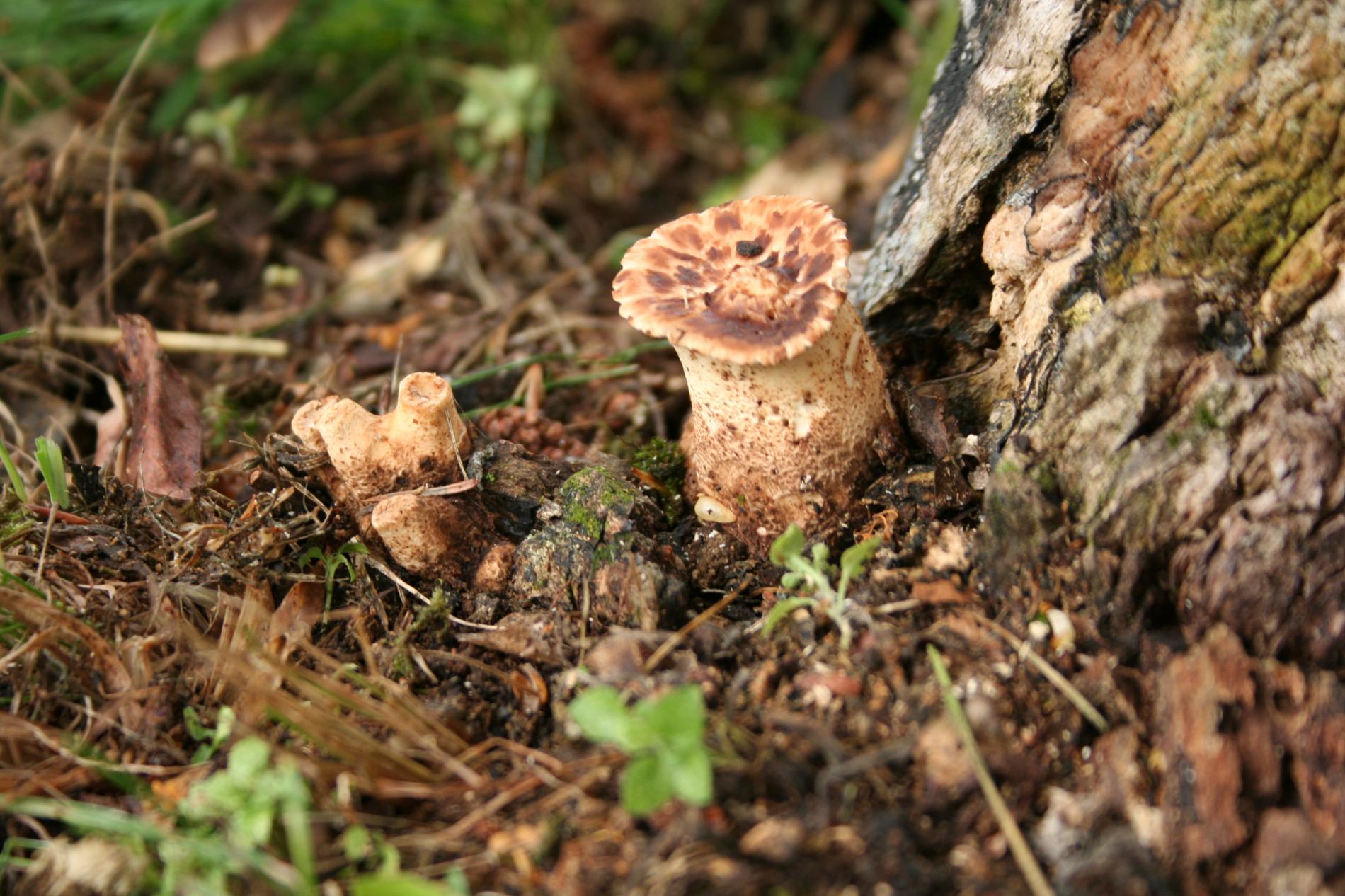
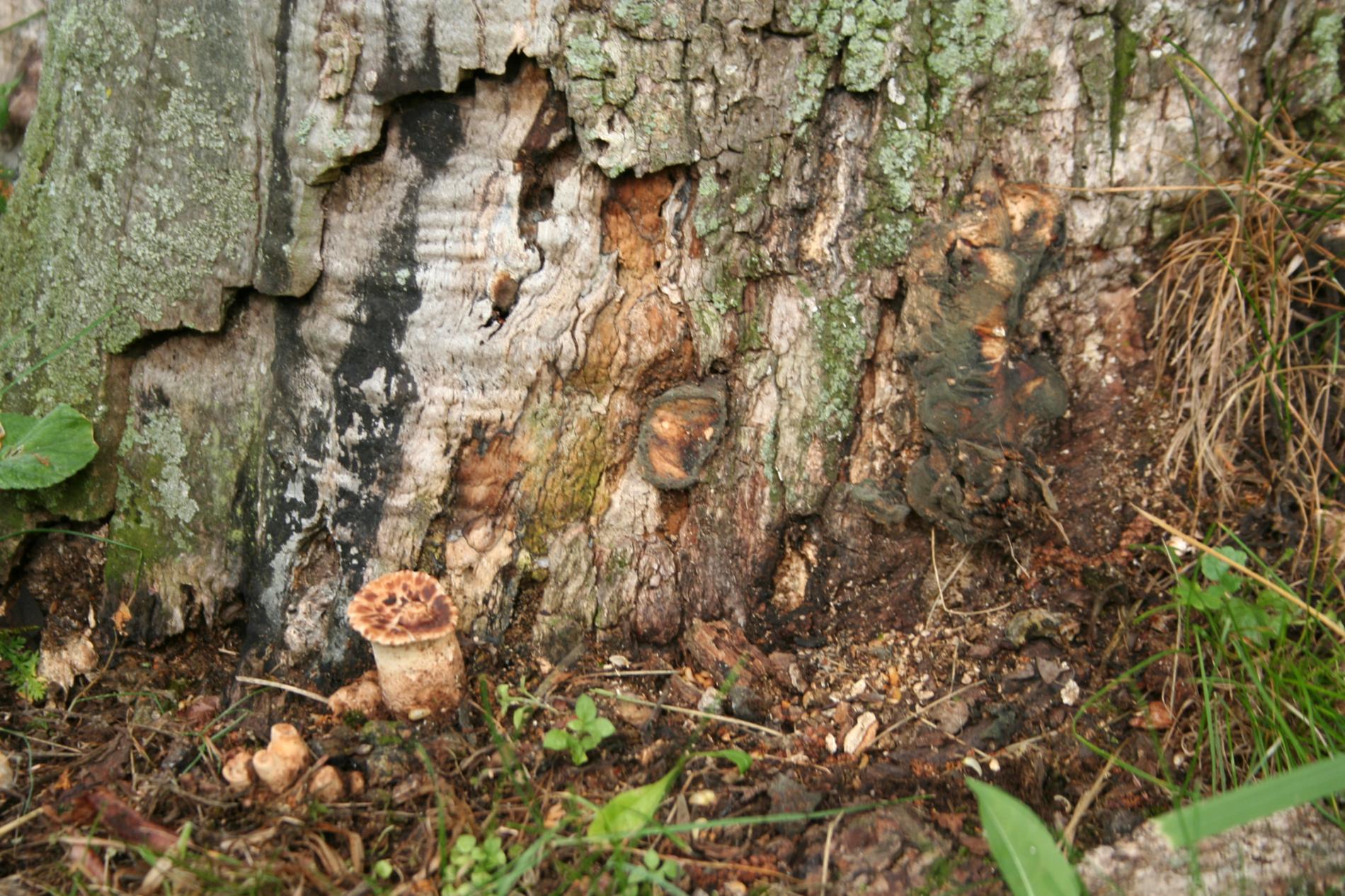
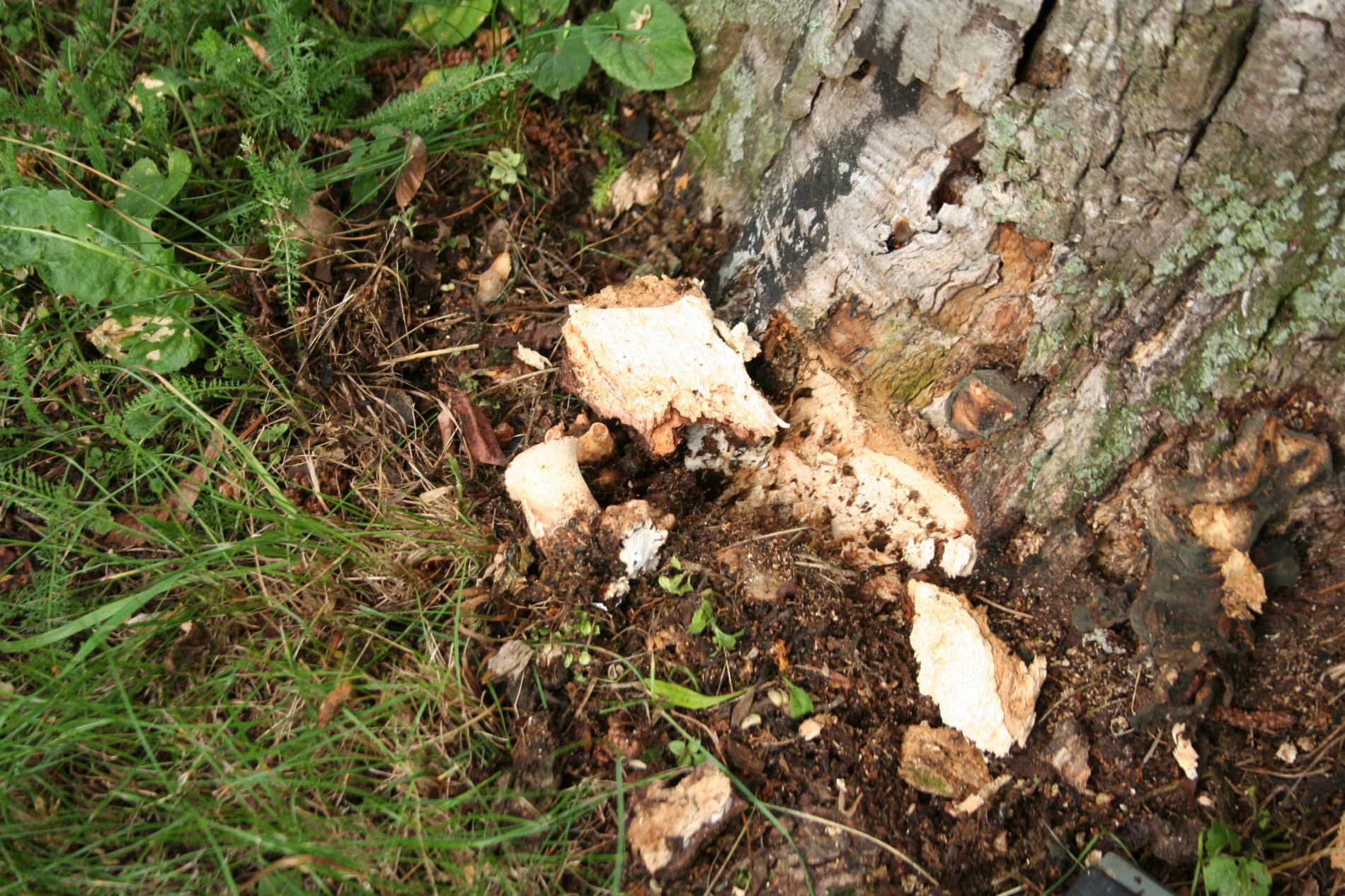
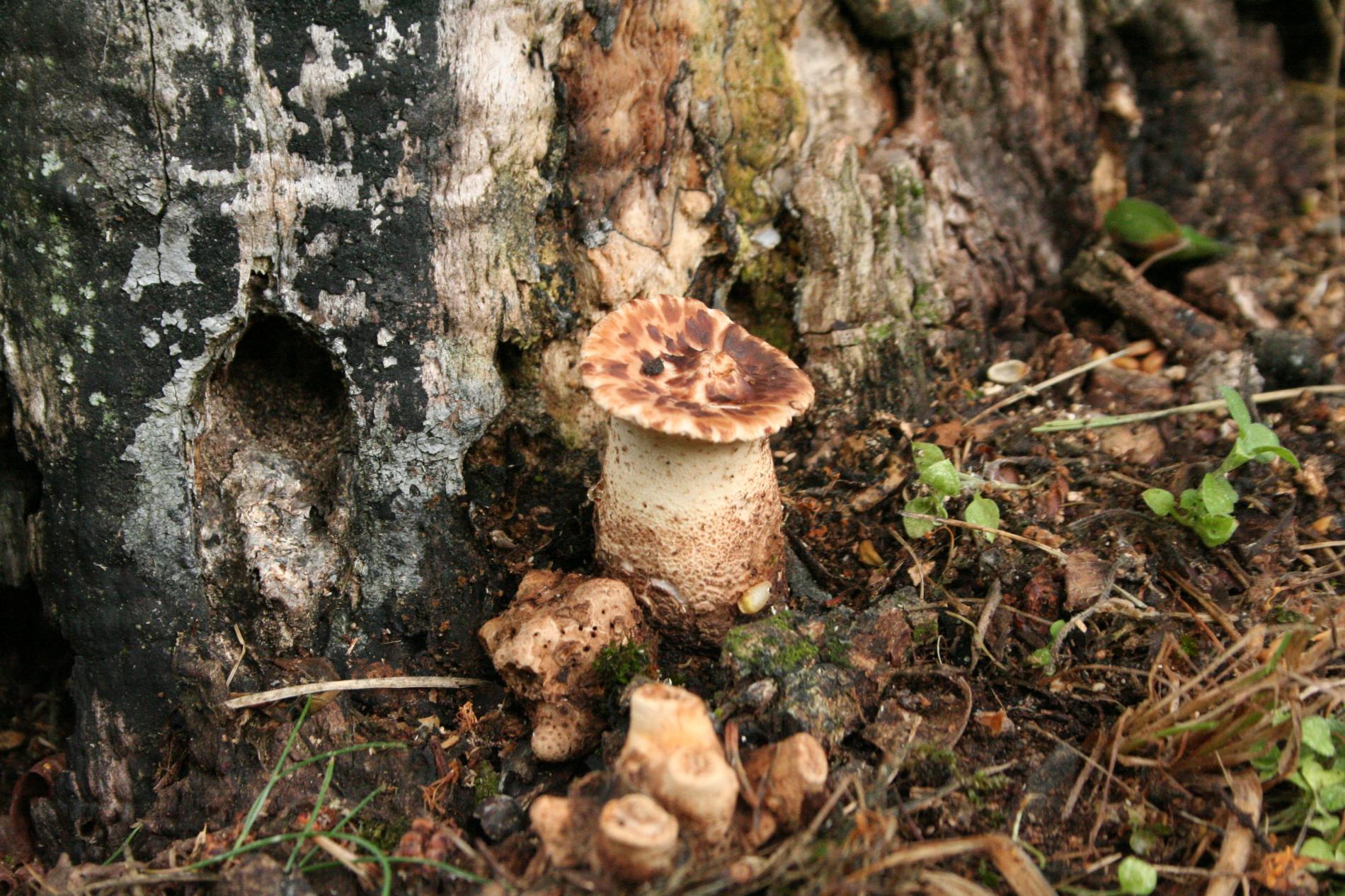
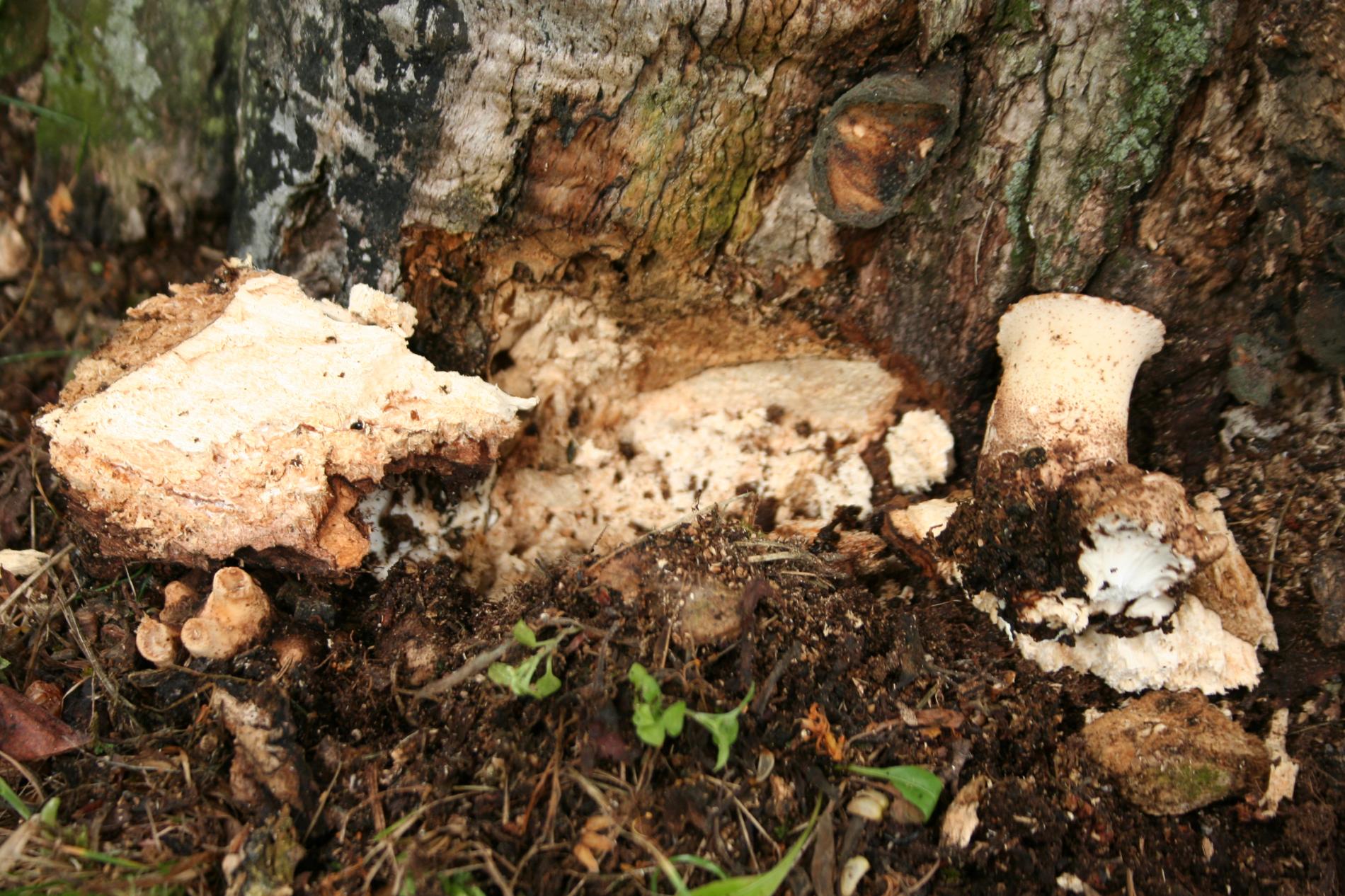
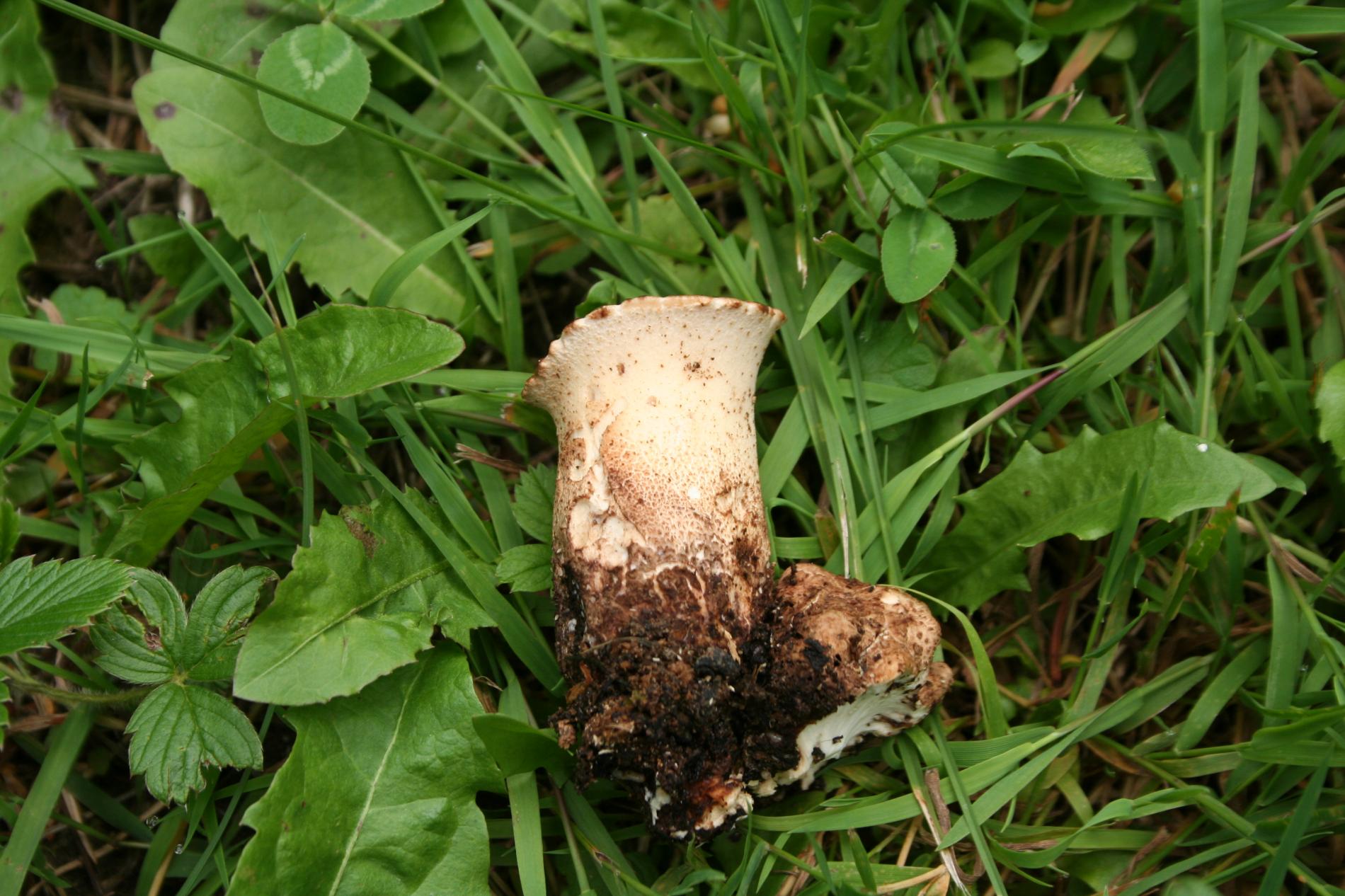
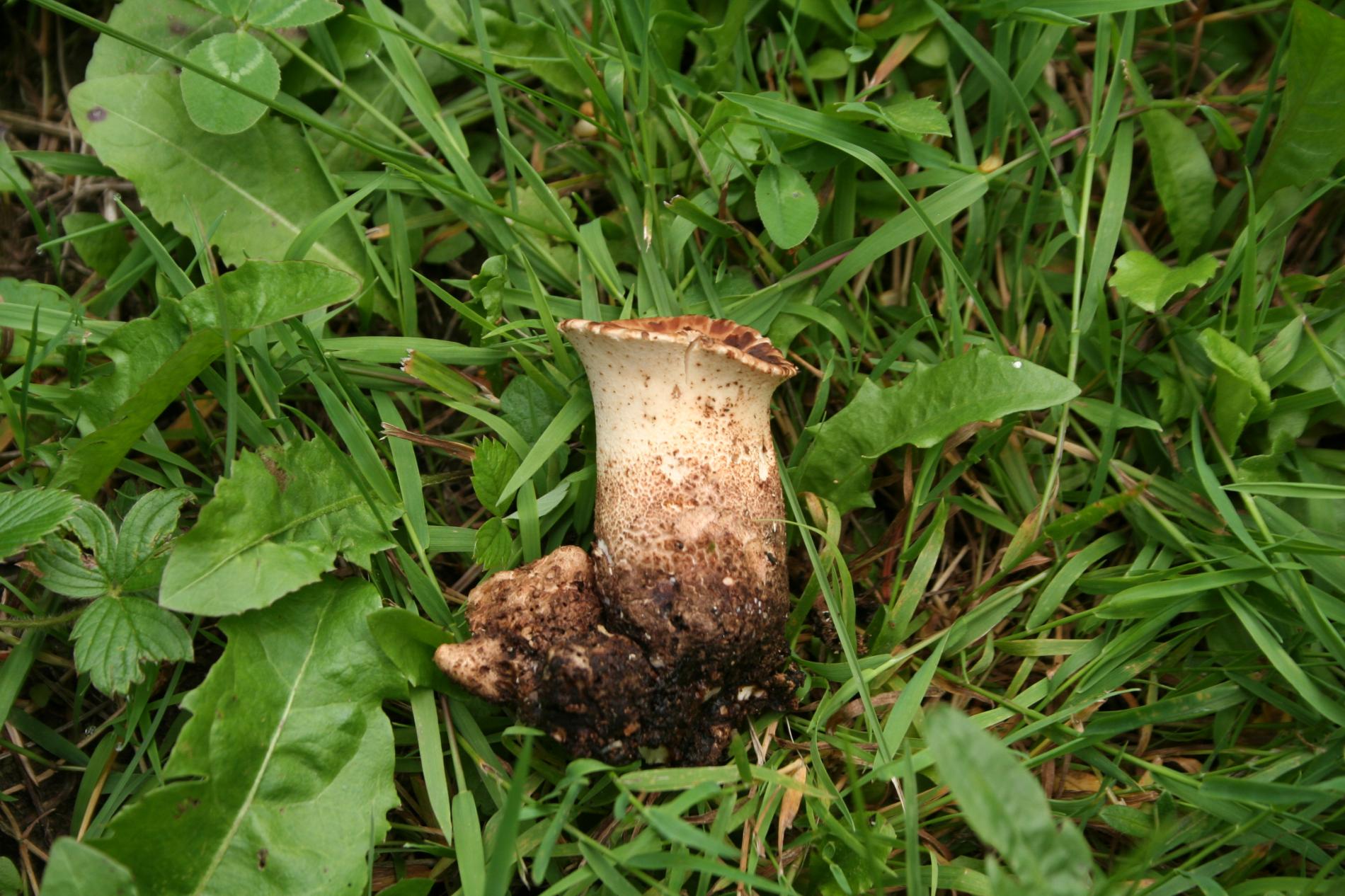
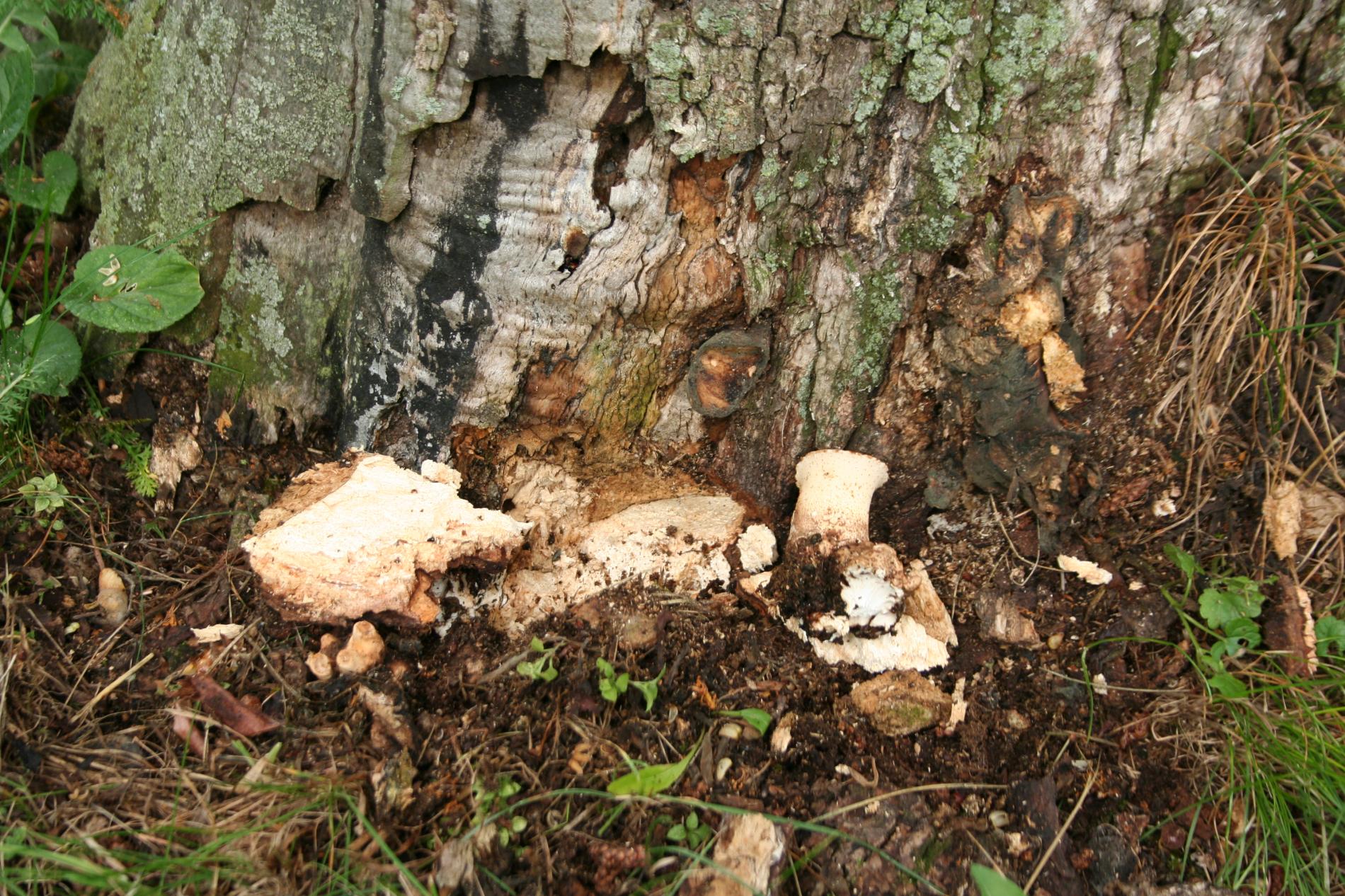
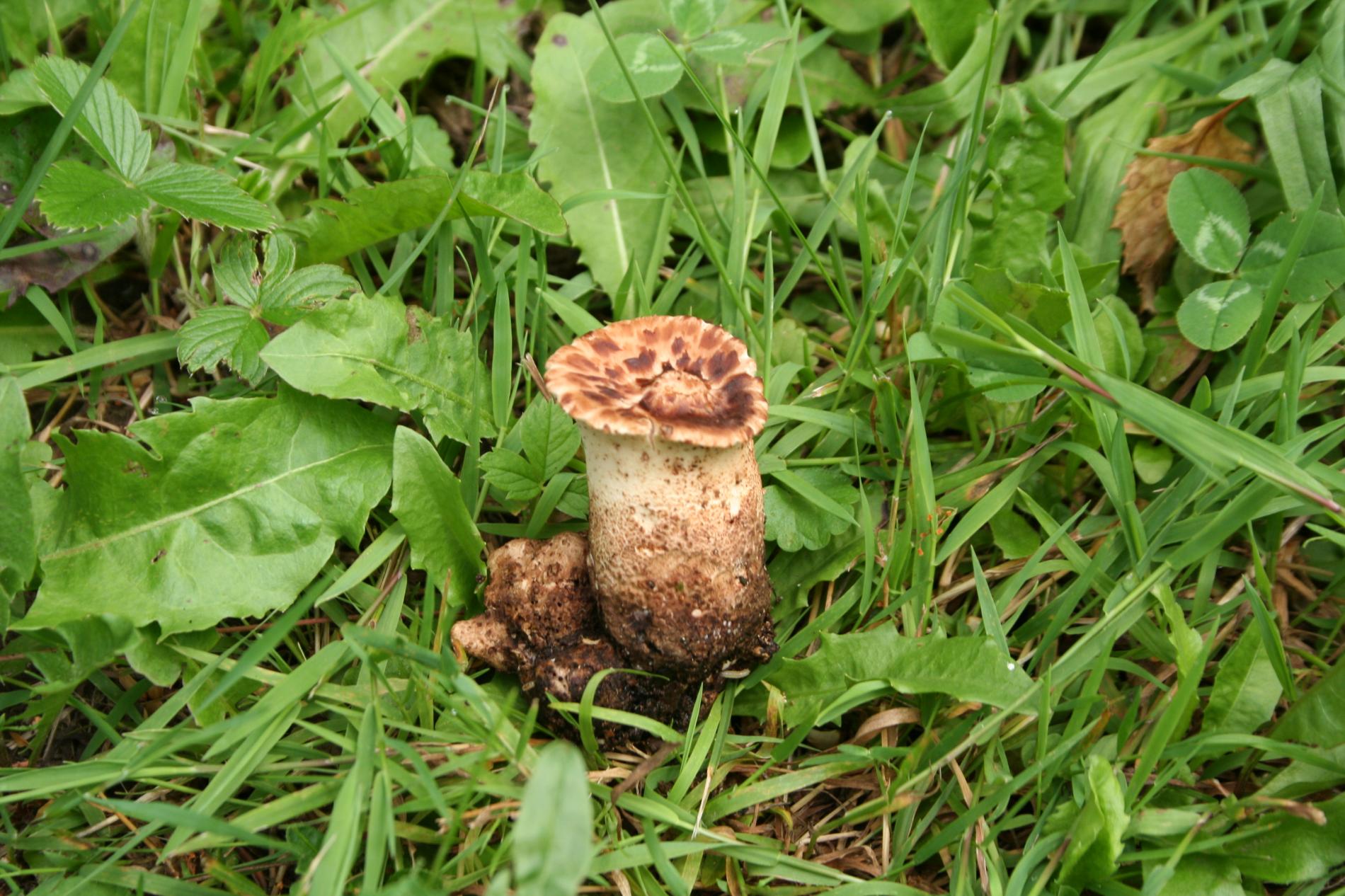
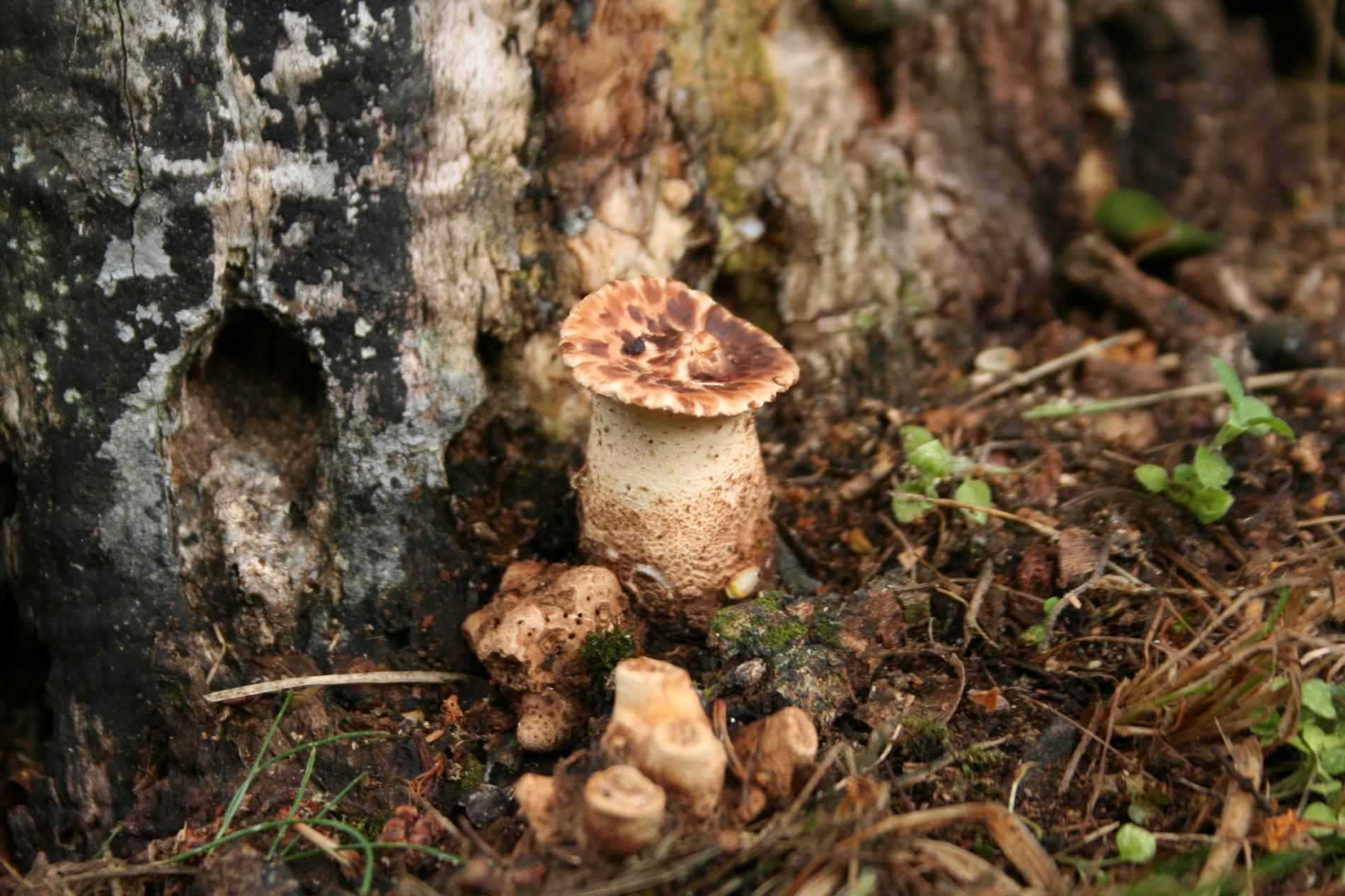
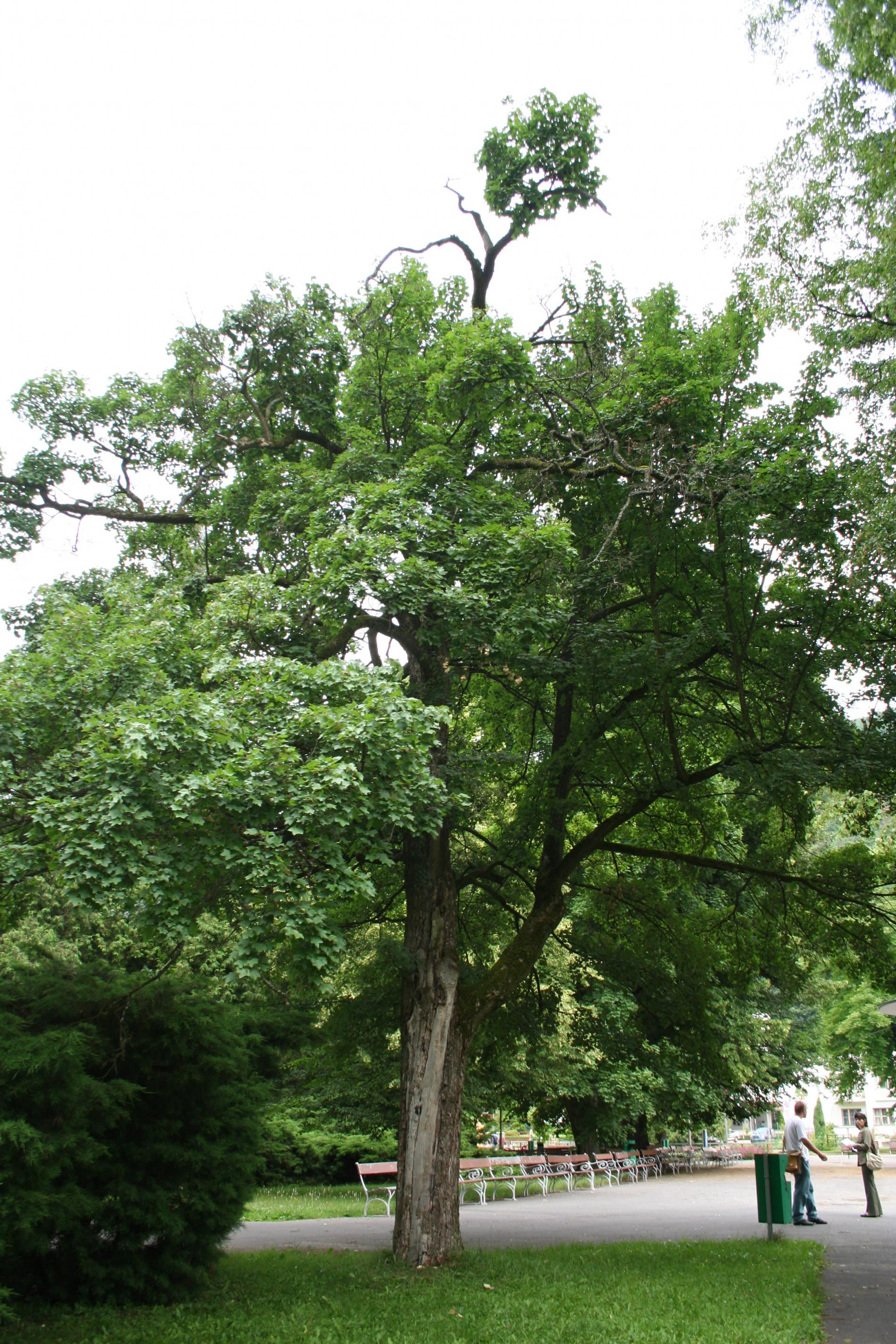
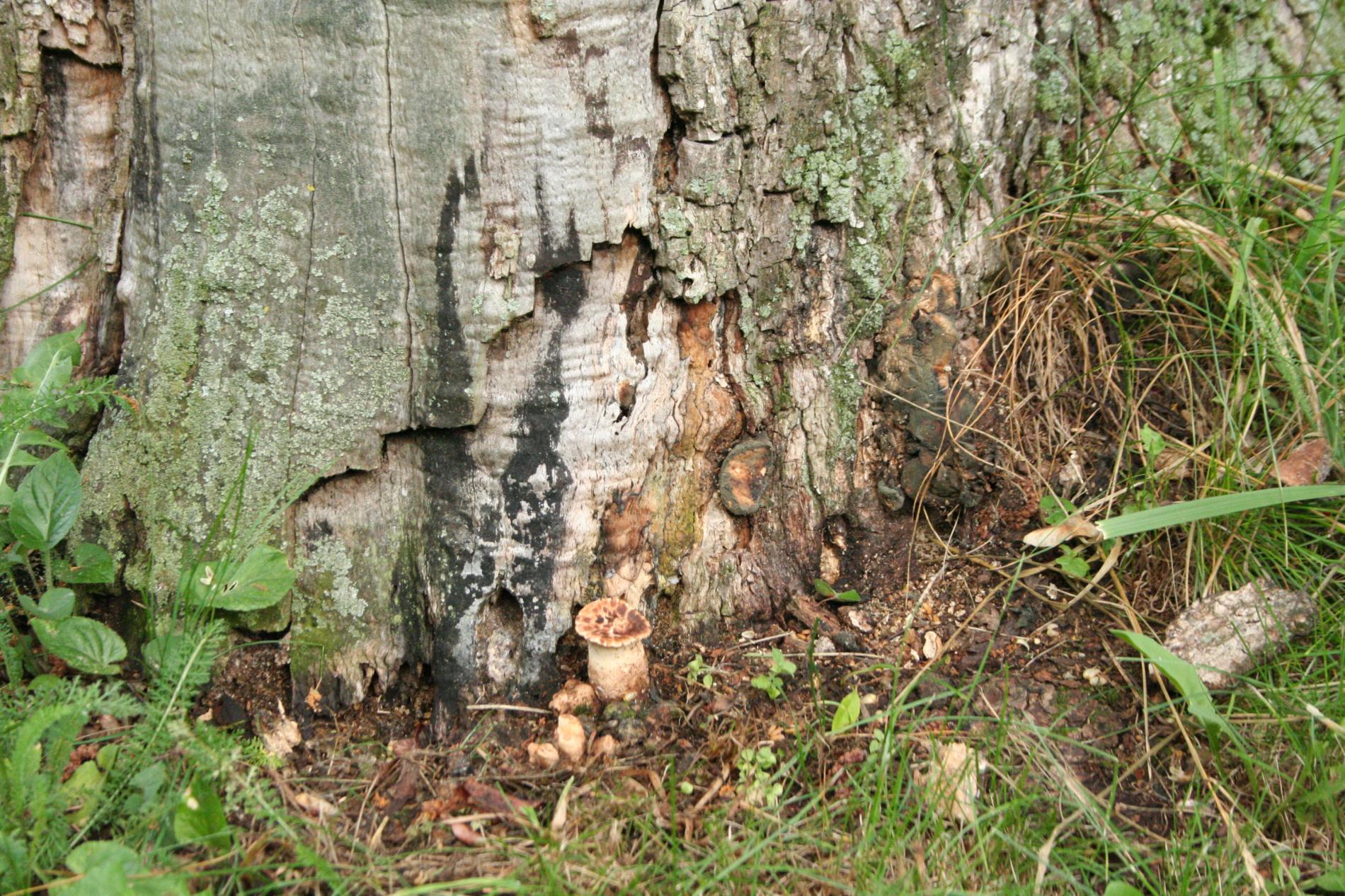
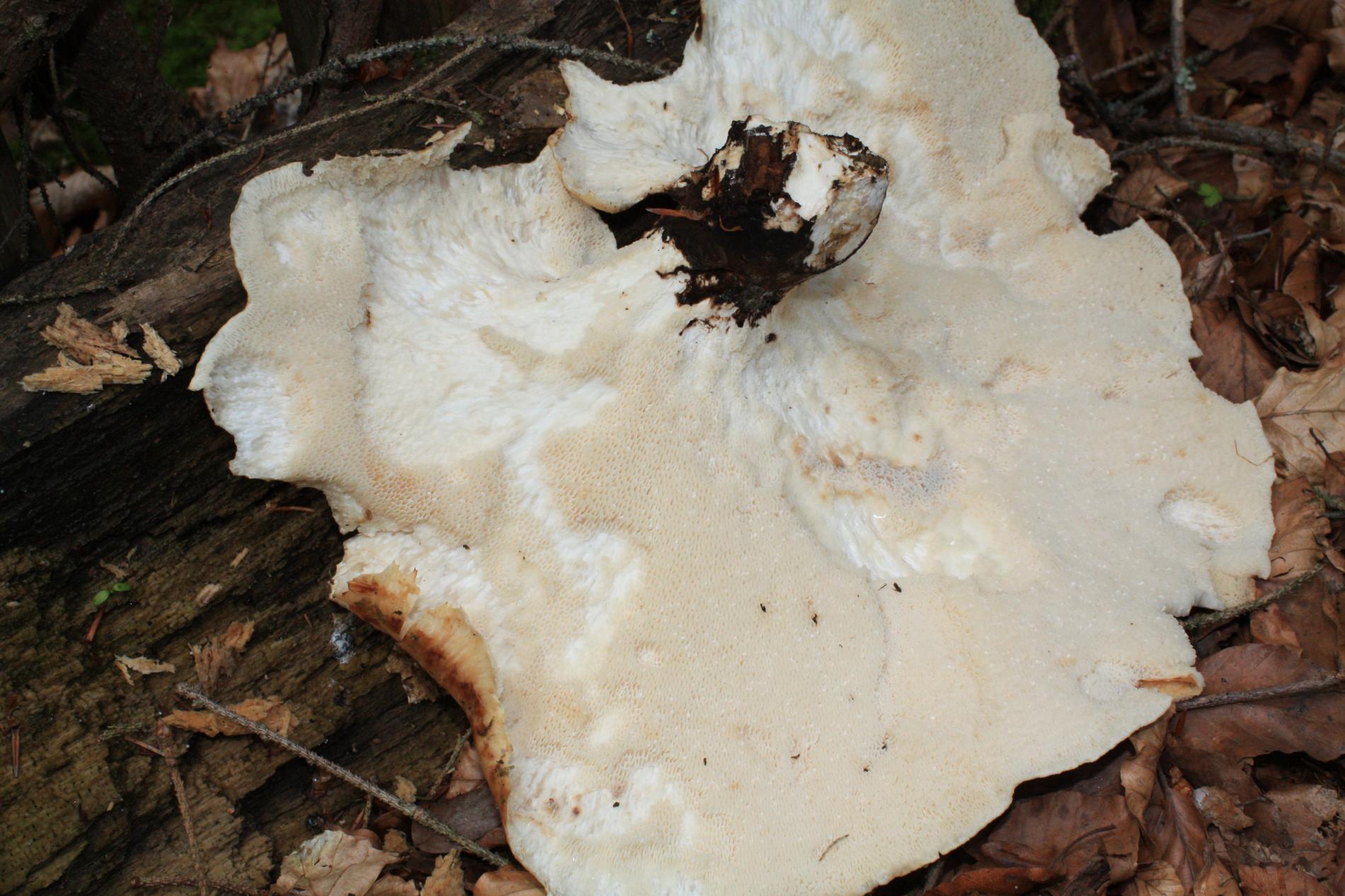
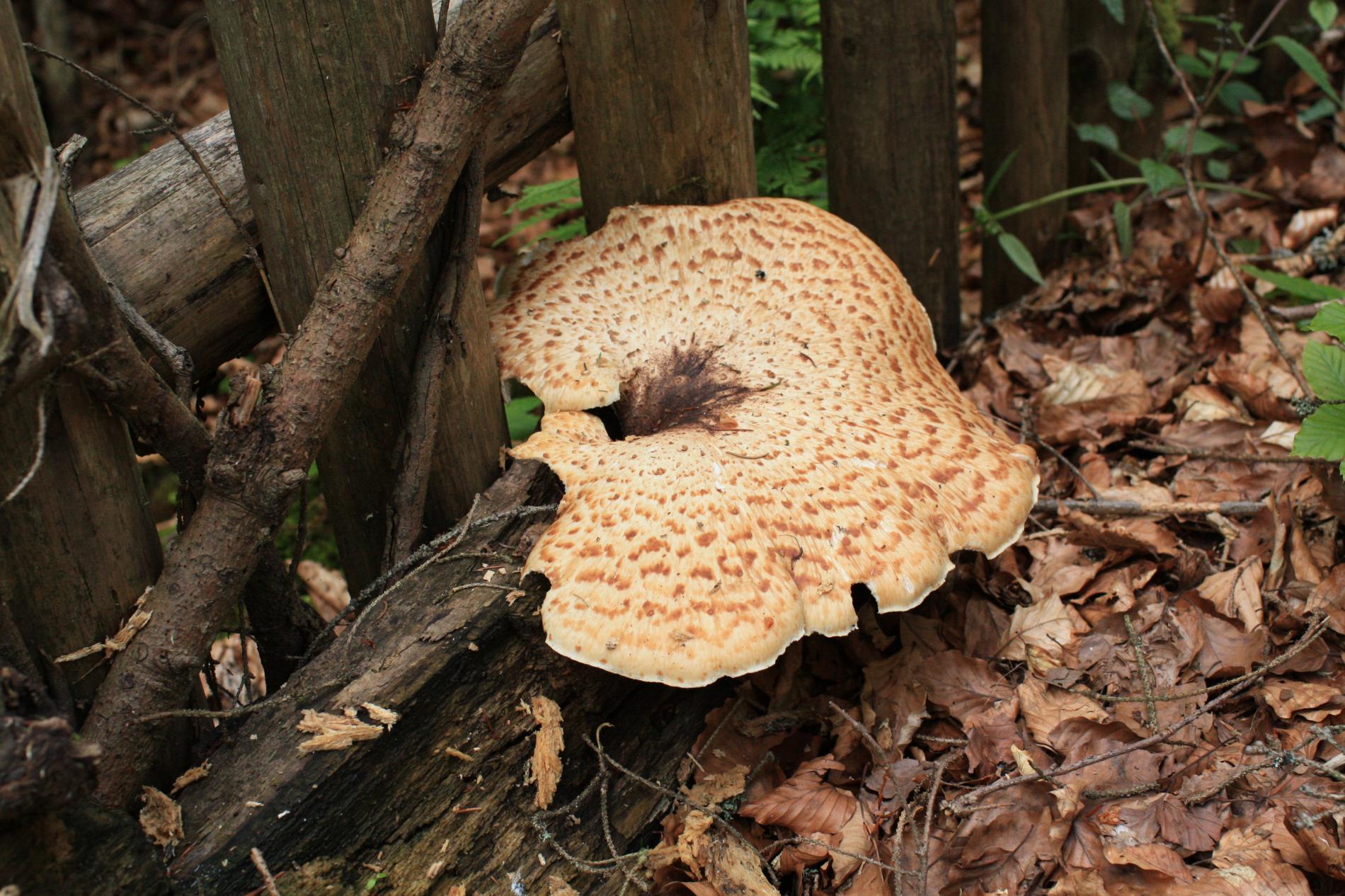
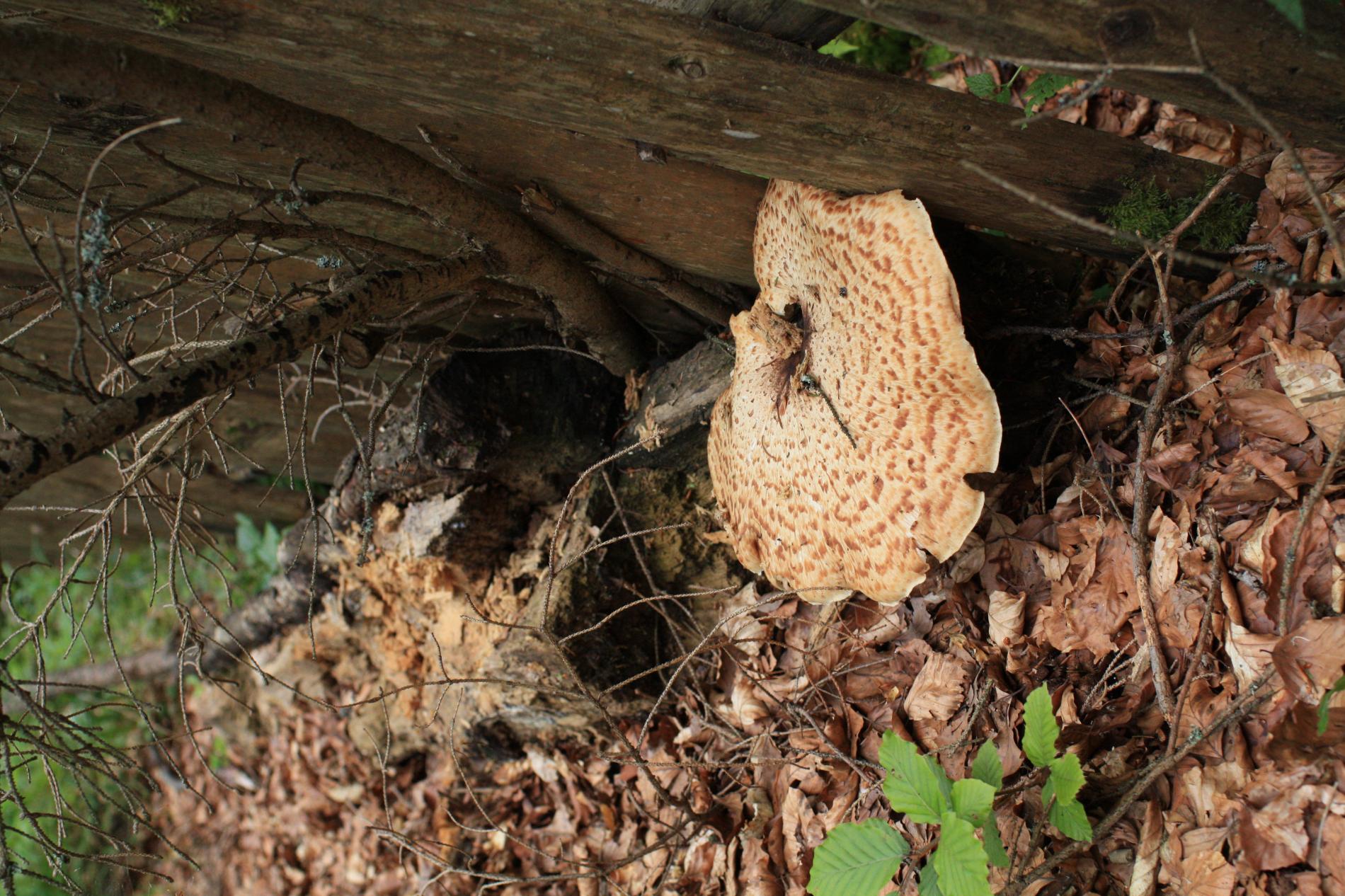
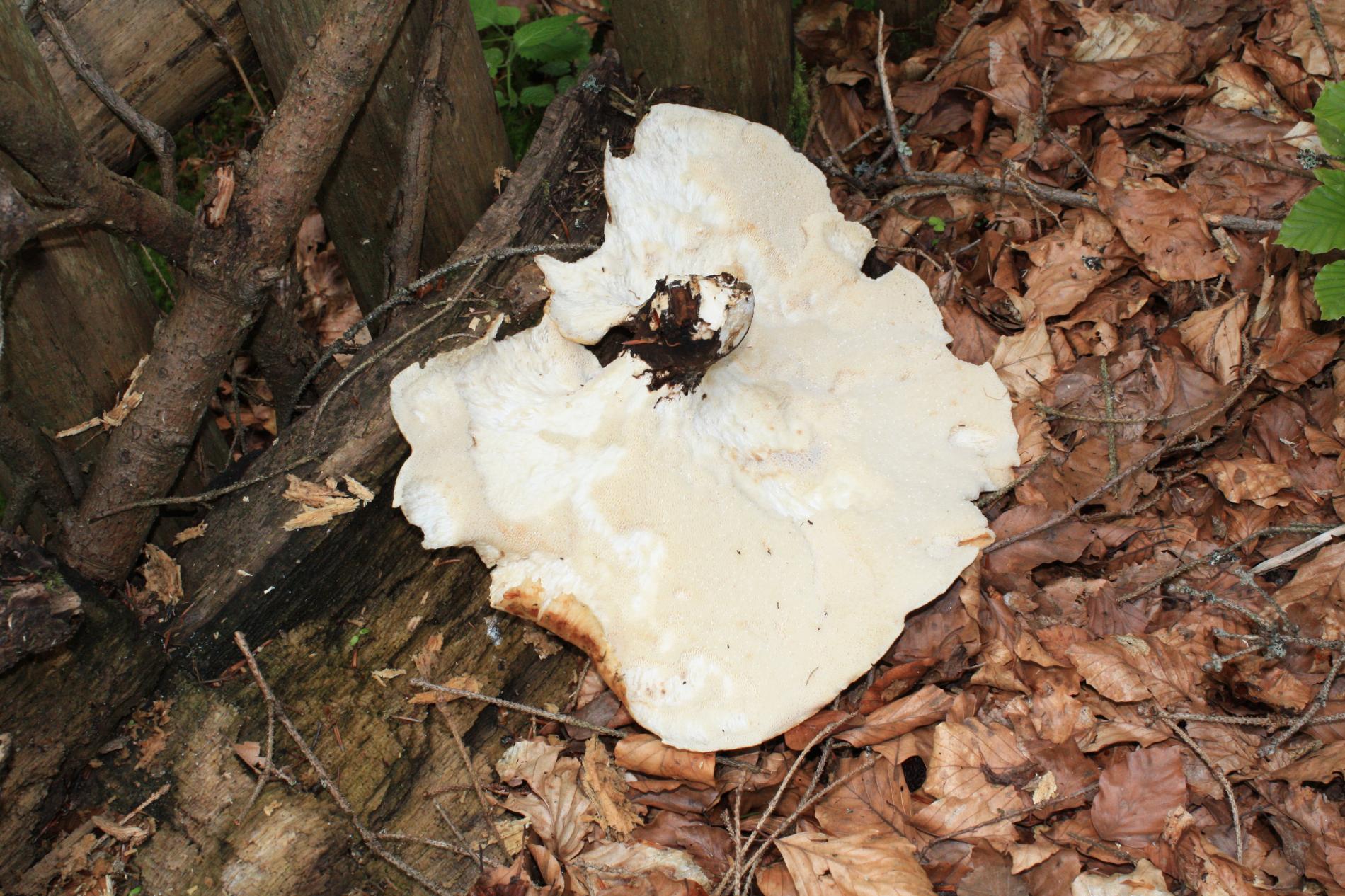
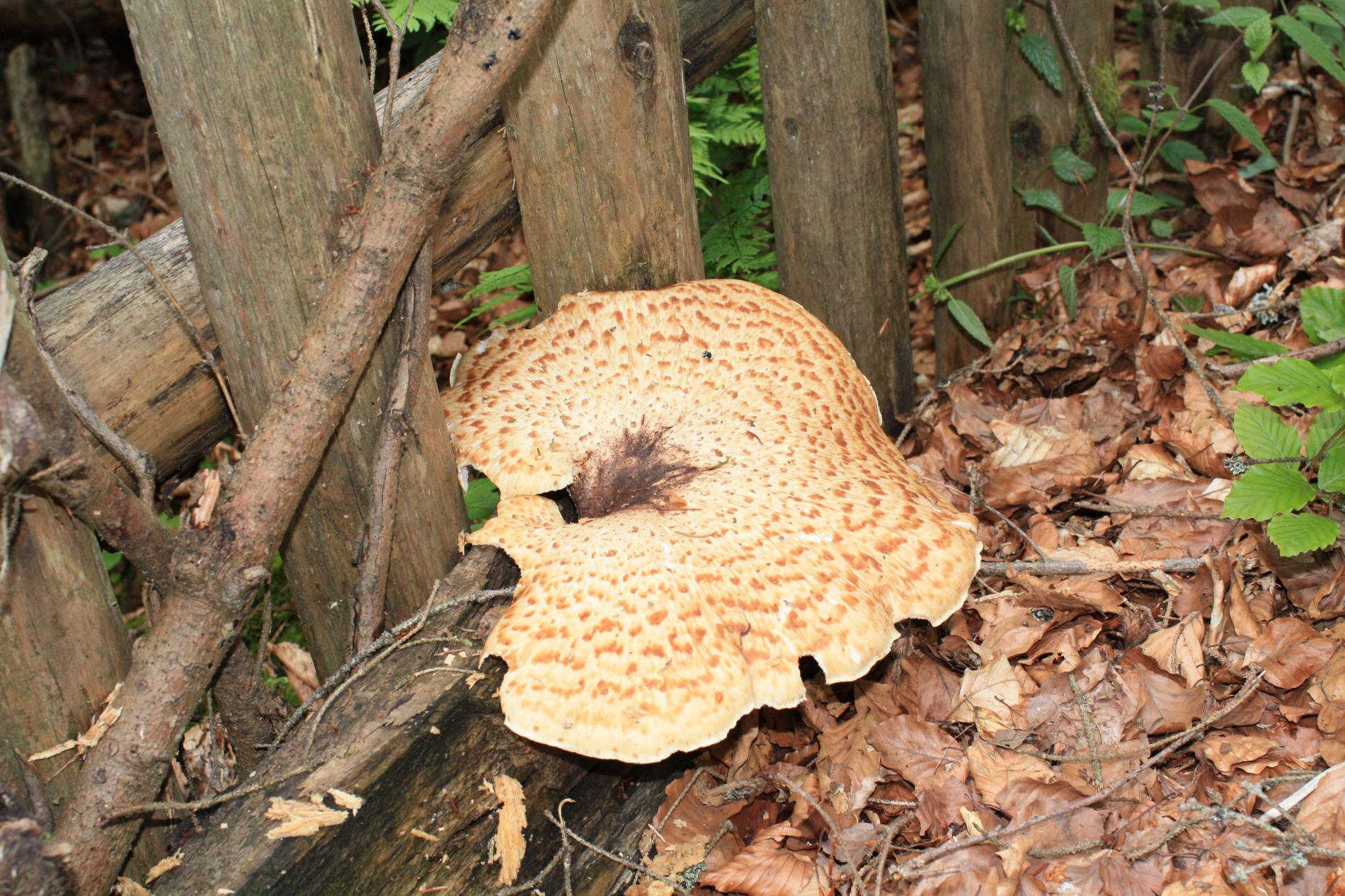
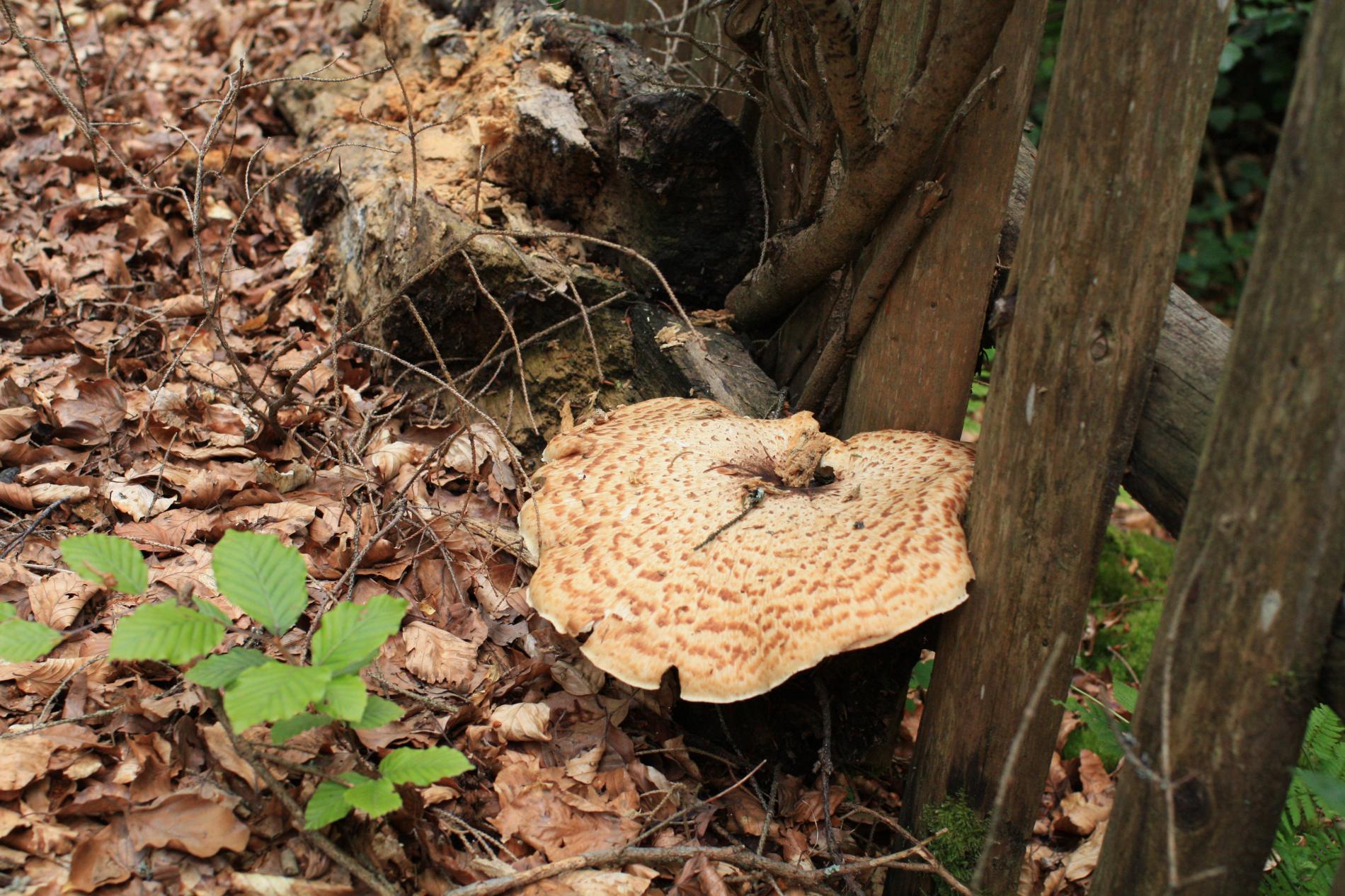
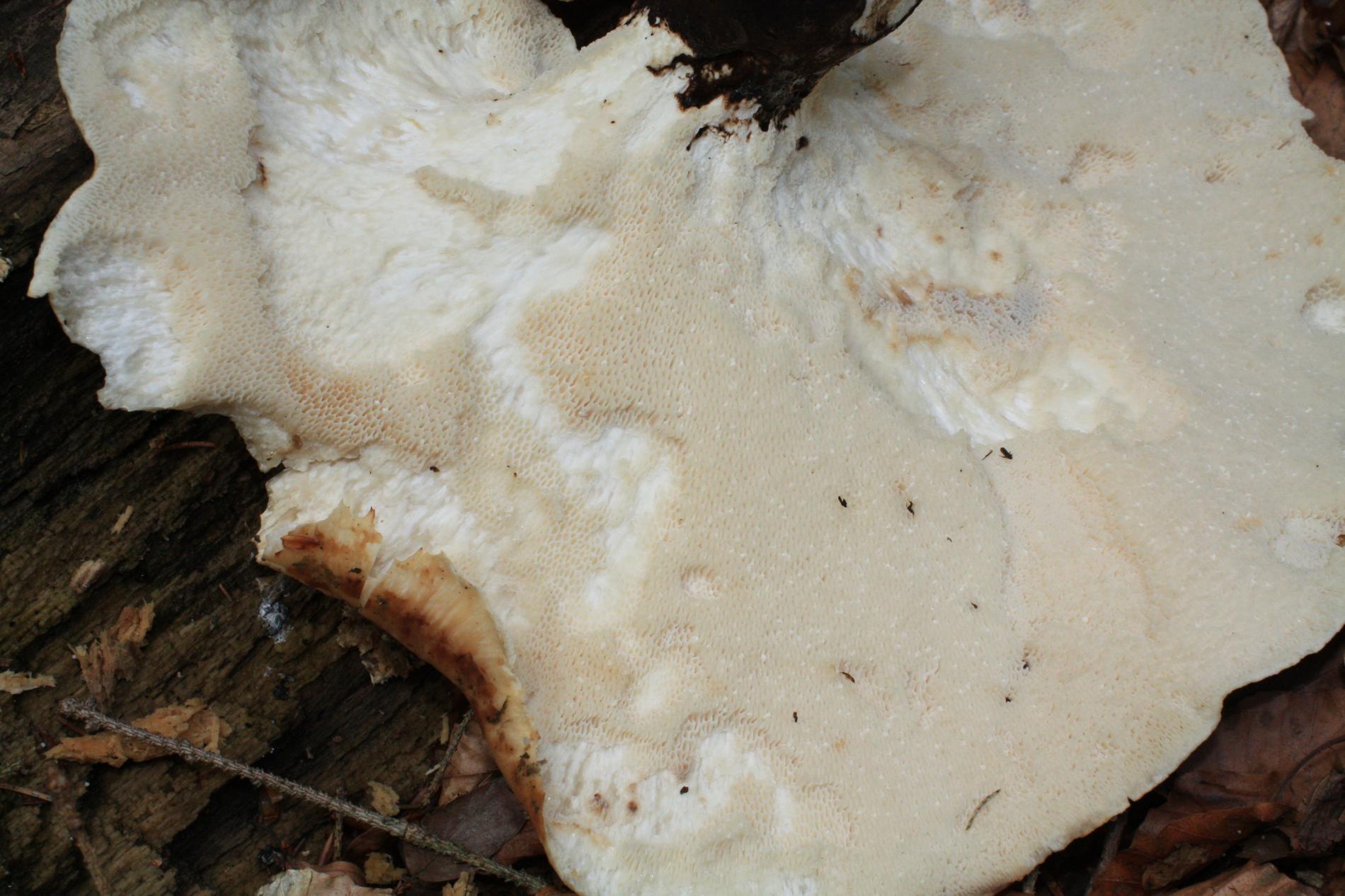
It is parasitic on deciduous trees, especially elm, beech and sycamore, causing intensive white rot. It grows from spring to summer, annual. Bracket is 5–60 cm across, 0.5–5 cm thick, initially circular or fan-shaped, ochraceous- cream covered in concentric dark brown fibrillose scales. Stem is 30–100 × 20–60 mm, lateral or occasionally off-centre, blackish towards the base. Flesh is 1–3 cm thick, succulent when fresh, drying corky, white. It smells strongly of meat. Tubes are 5–10 mm long, decurrent down the stem, white to creamy. Pores are 1–3 × 0.5–1.5 mm, irregular and angular, whitish to ochraceous-cream. Spores are white, oblong-ellipsoid, 10–15 × 4–5 μm.
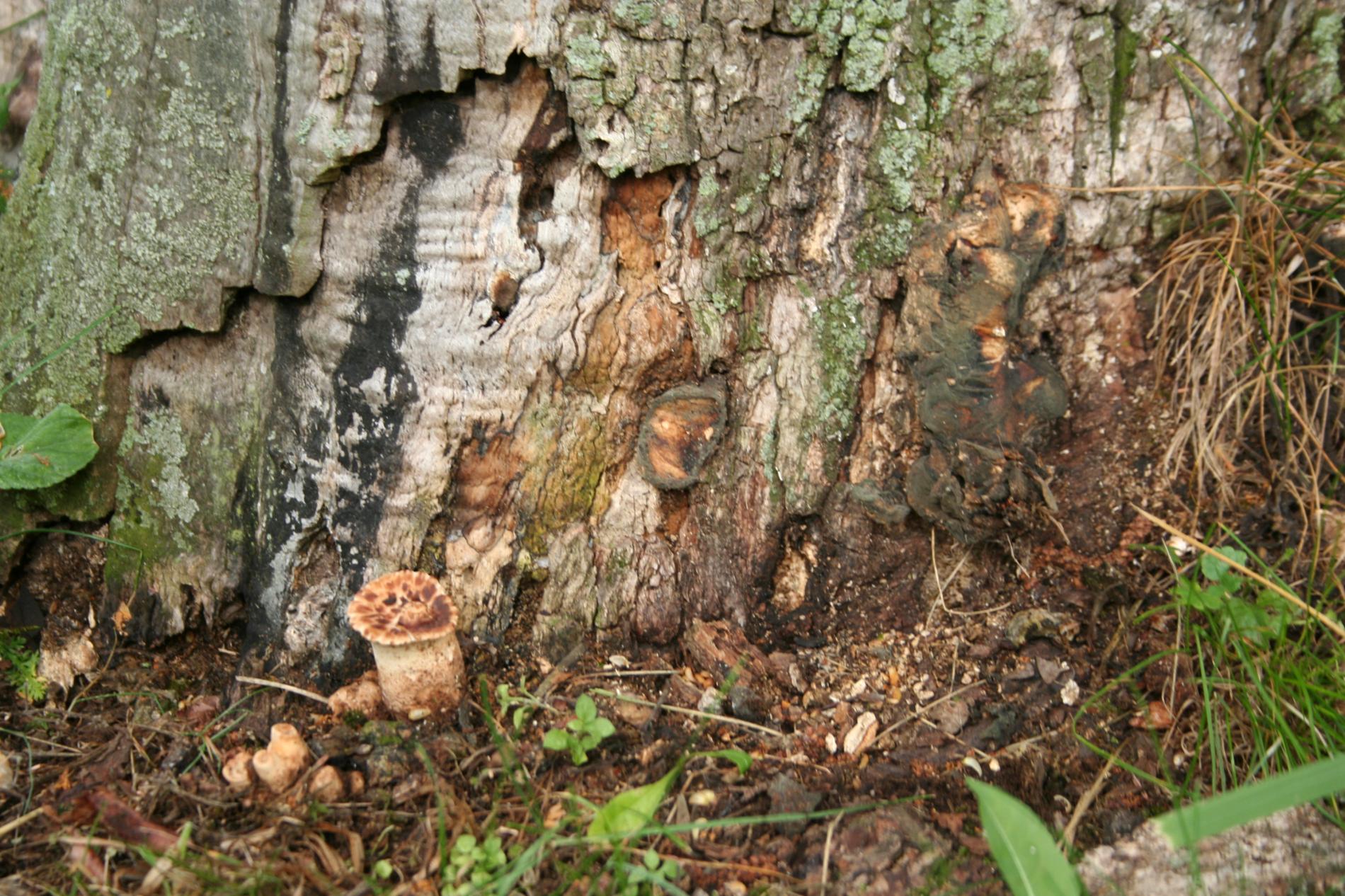
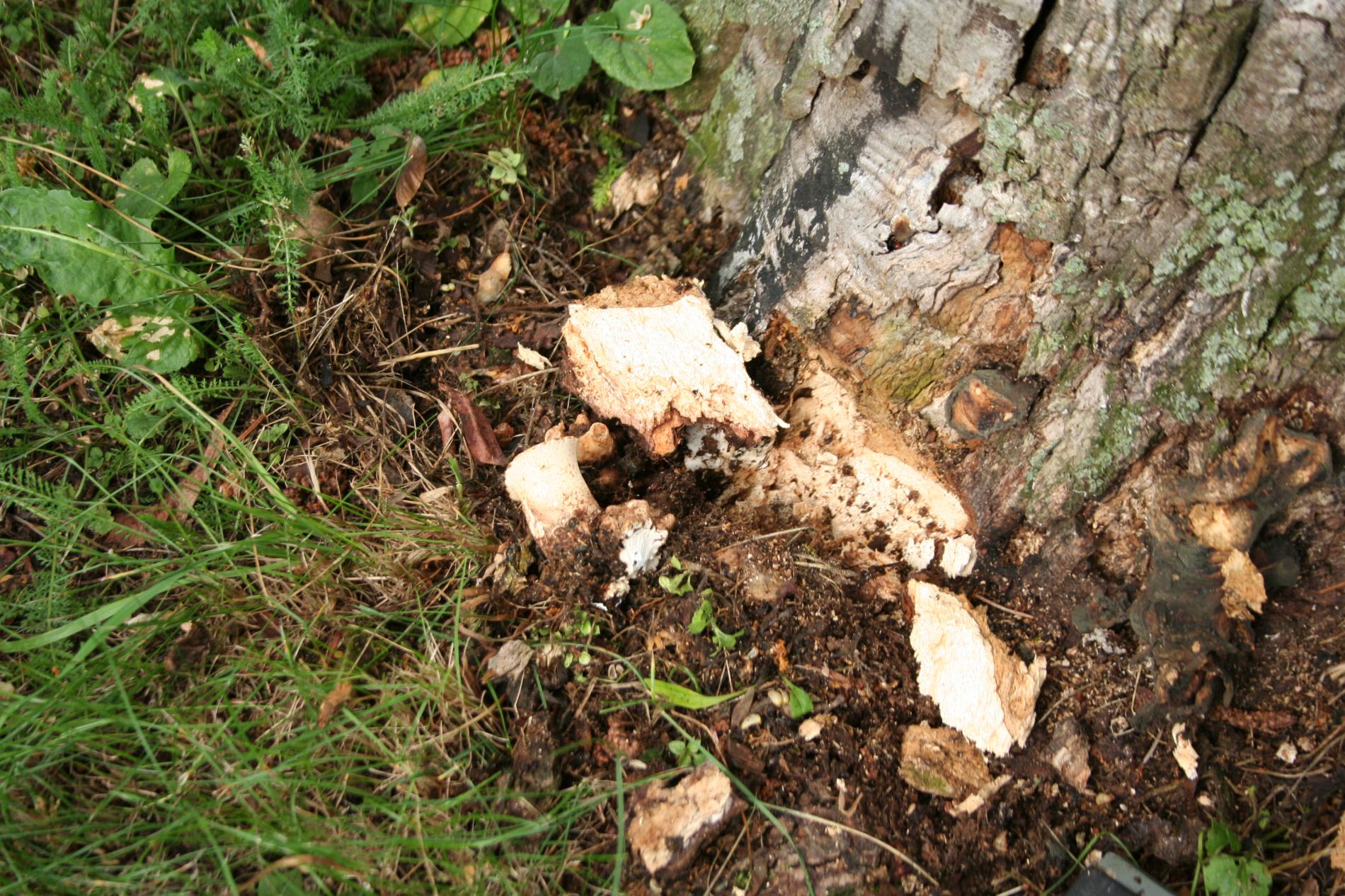
Causes white rot of infested wood.
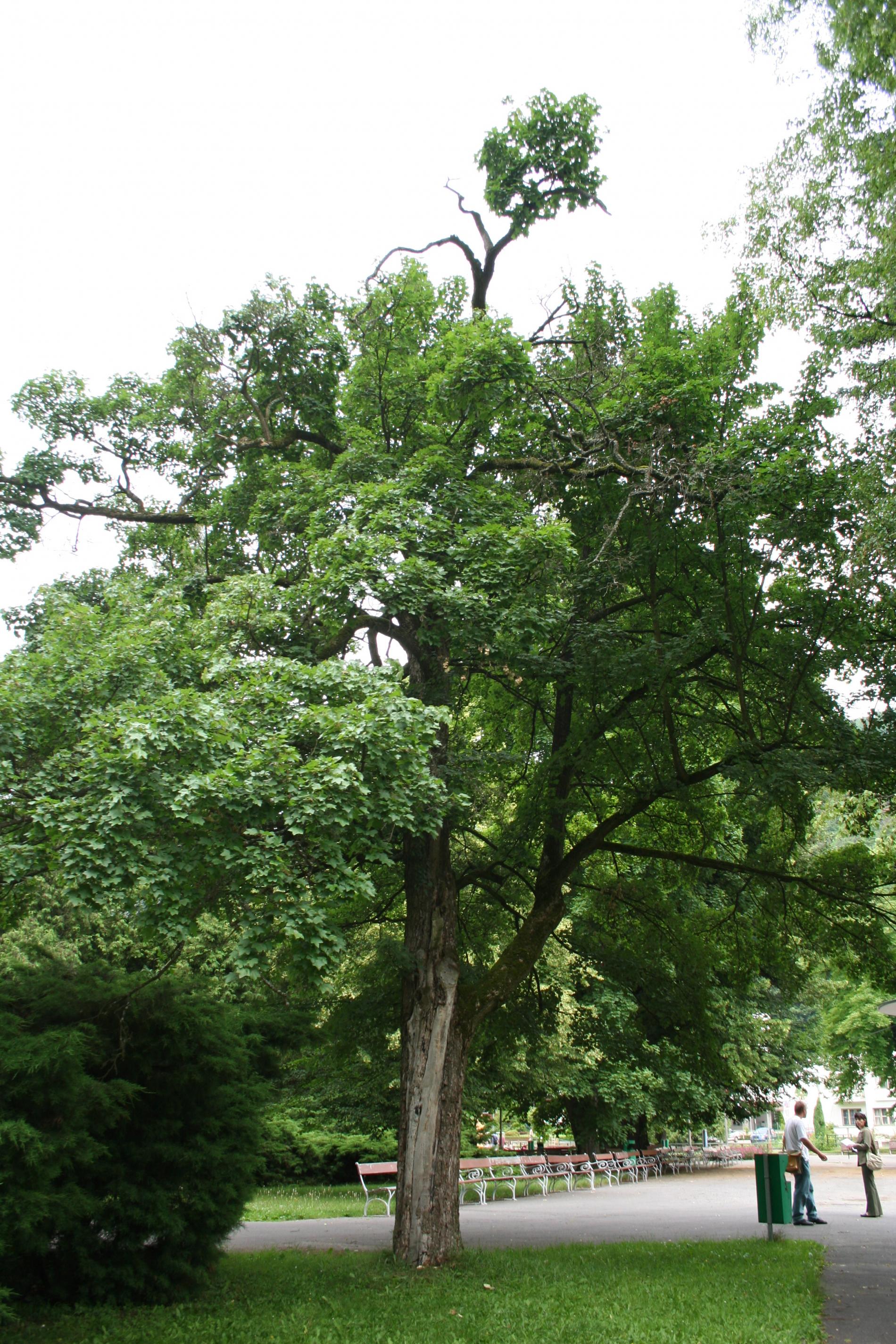
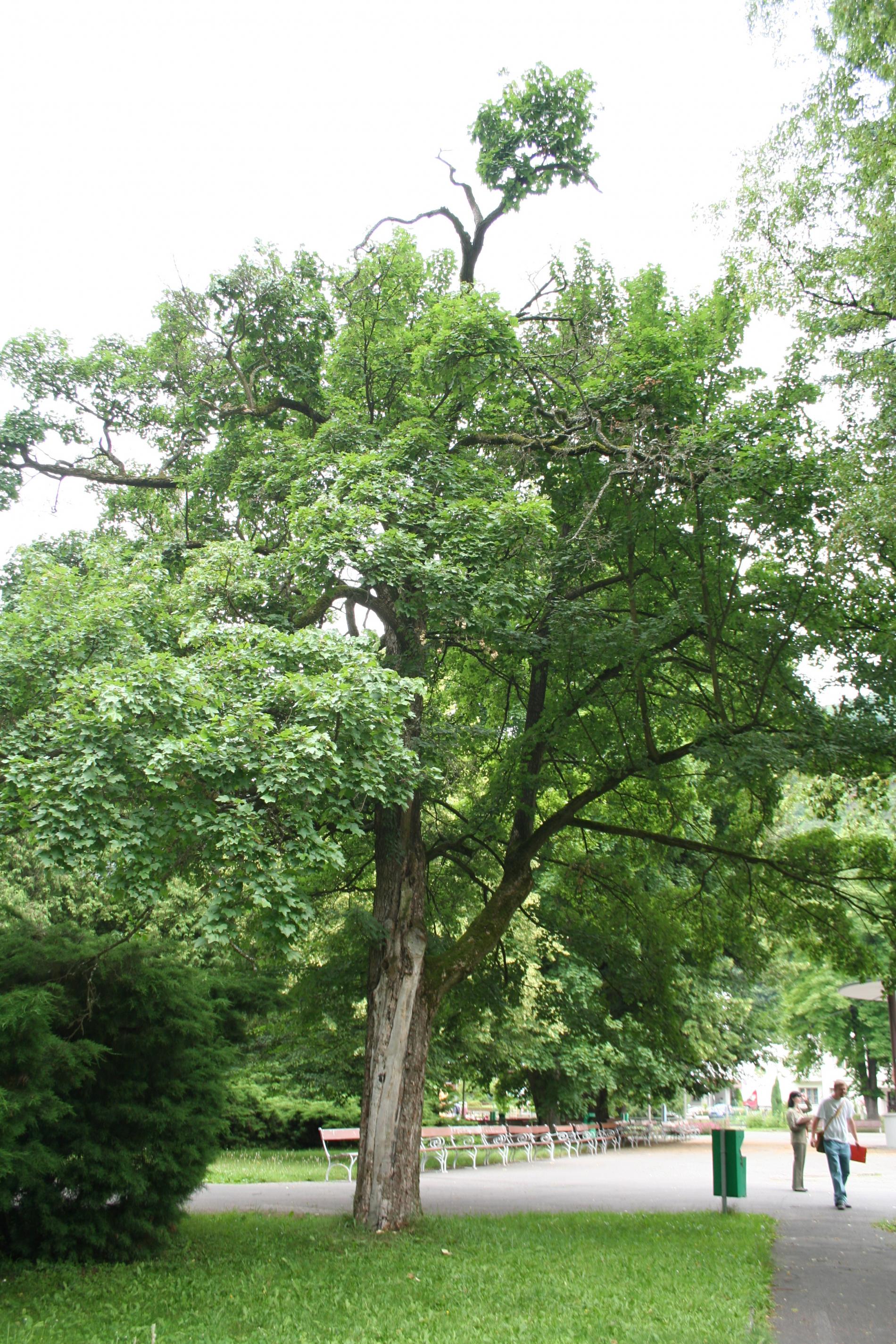
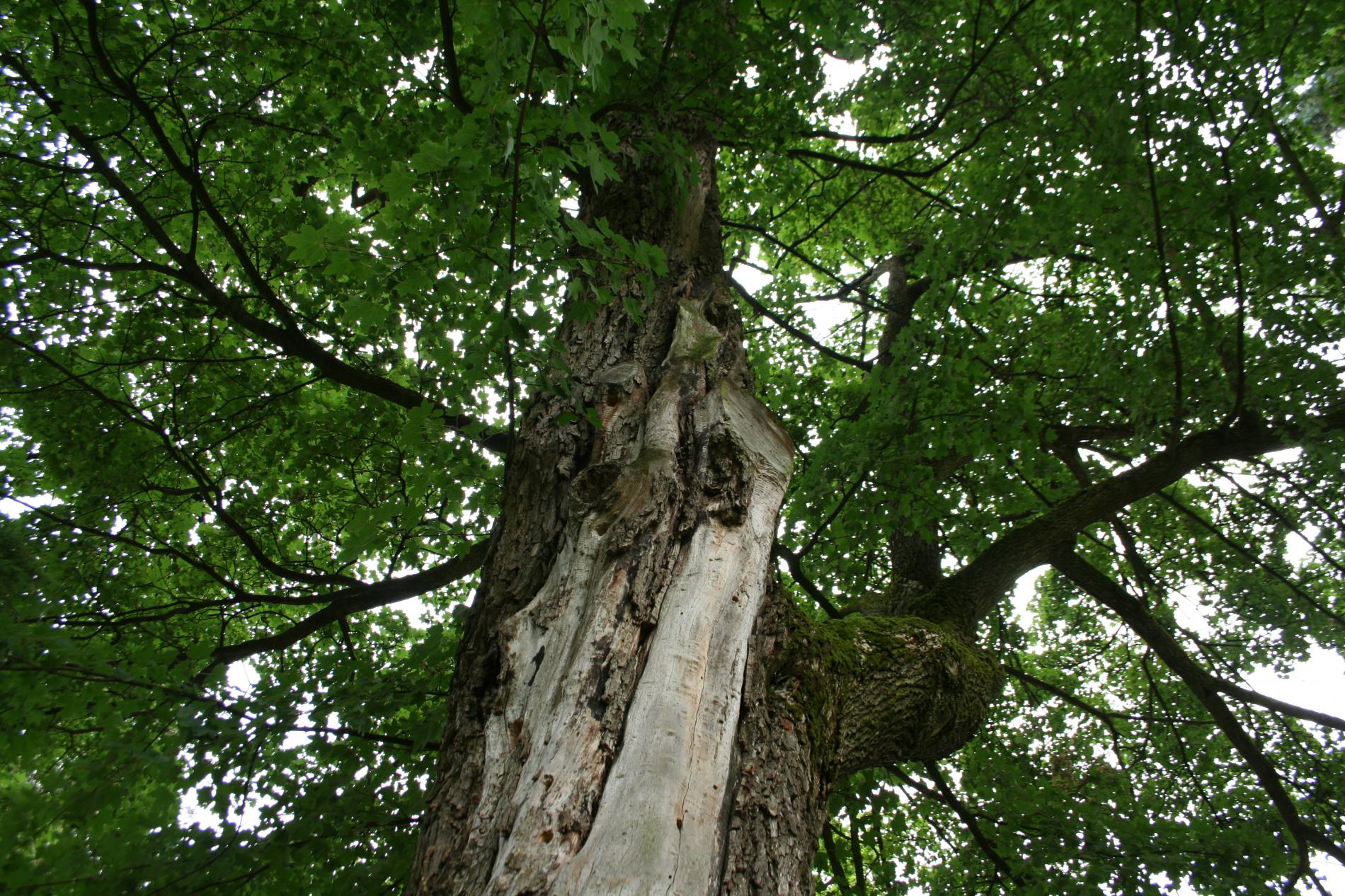
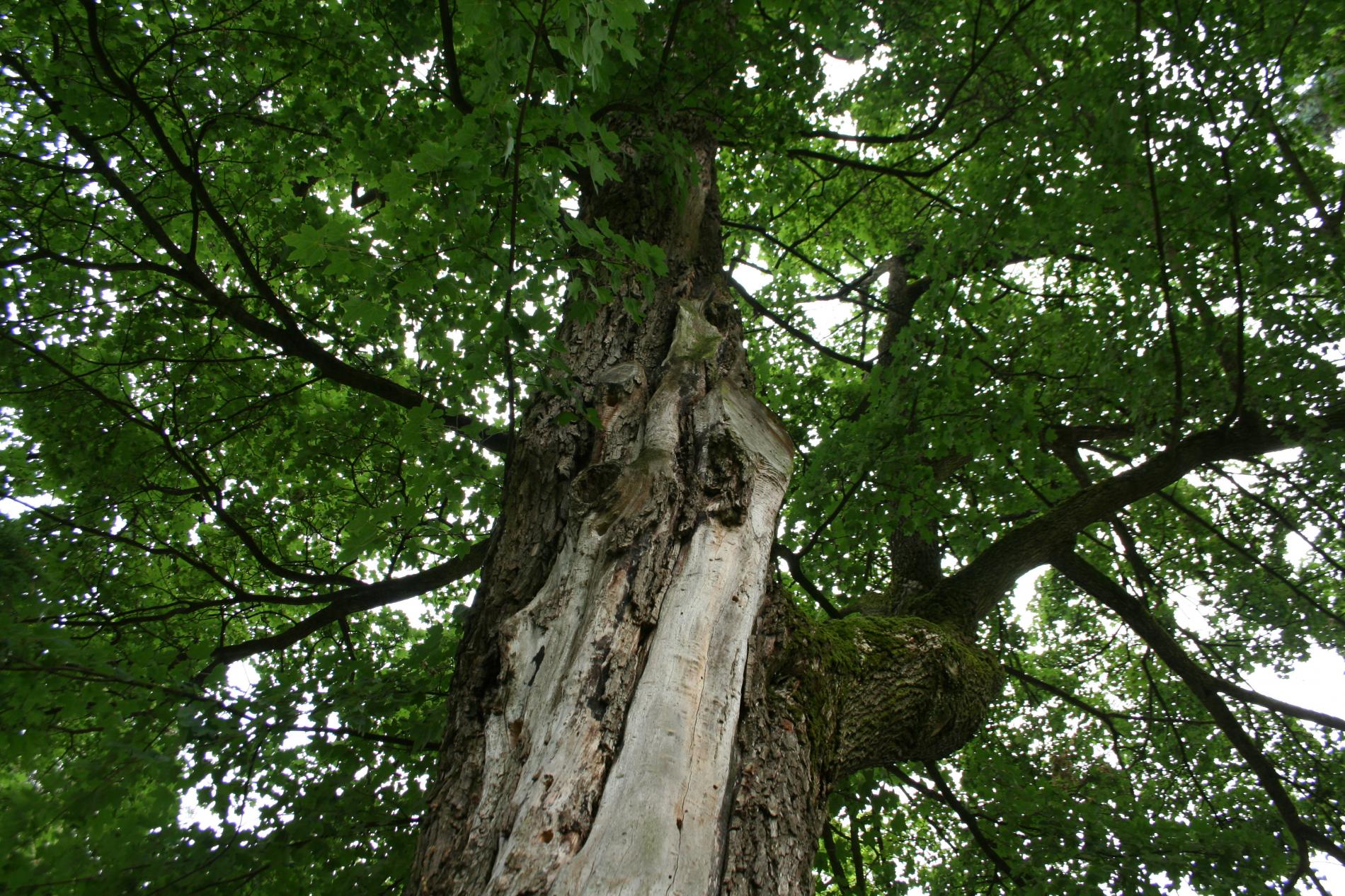
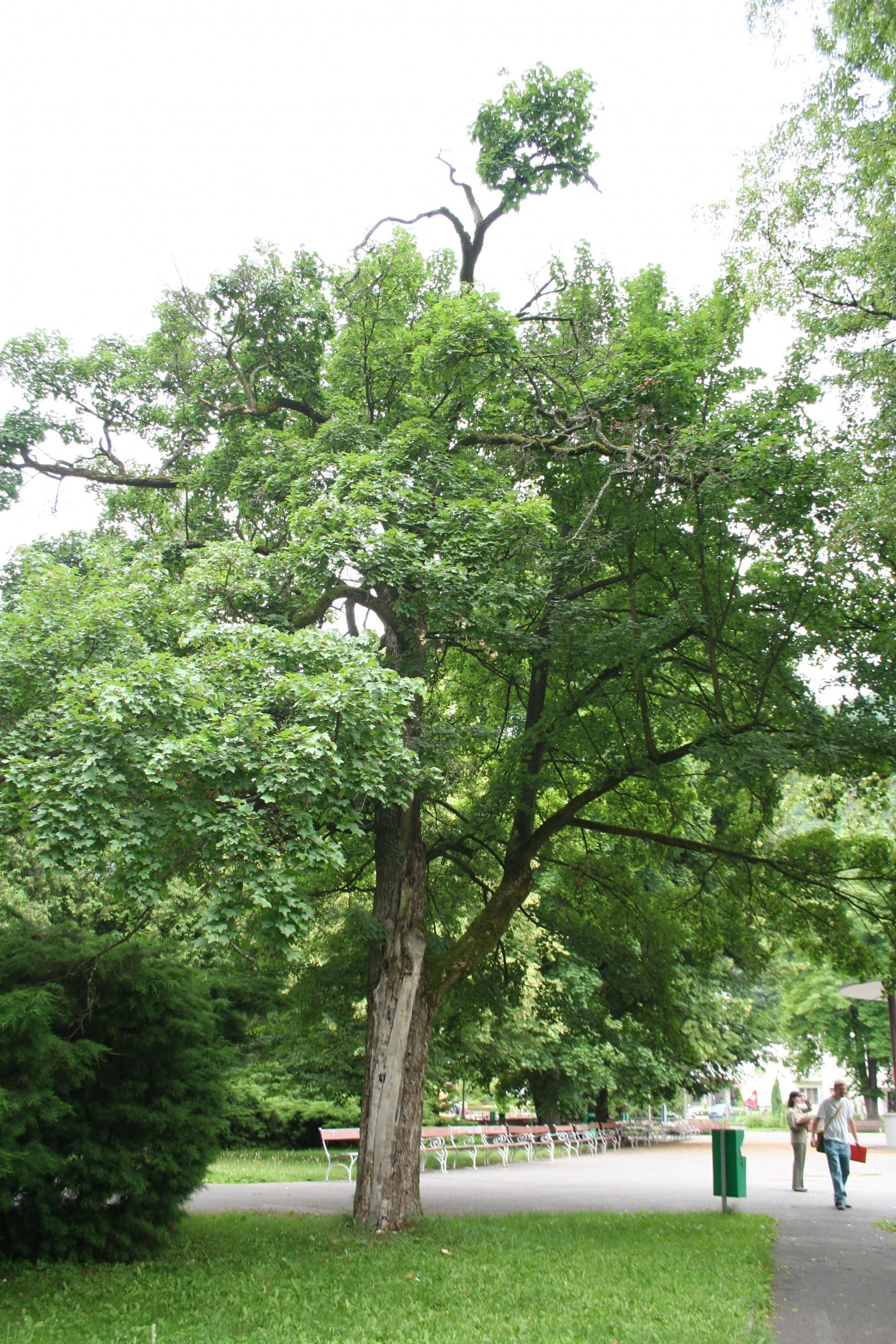
Tree Species: Maple
Part of a plant- attacked: Tree trunk
Pest significance: Harmful
Pest Category: Fungi
Invasive Species: No
Present in EU: Yes
Pest group: Fungi
Affected part of wood: Heartwood, Sapwood
Depth of damages: More than 5 cm depth, Under bark only, Up to 0,5 cm depth, Up to 5 cm depth
The extent of damage: Lokally
Prevalence in Europe: Common
Damaged products: Firewood
Roundwood size: Diameter from 10 up to 50 cm
Wood discoloration: Yes
Pest subcategory: White-rot
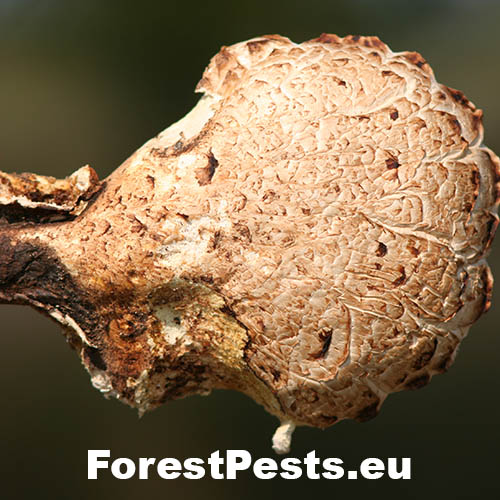
Similar pests

Polyporus varius

Polyporus arcularius
