


Polygraphus poligraphus
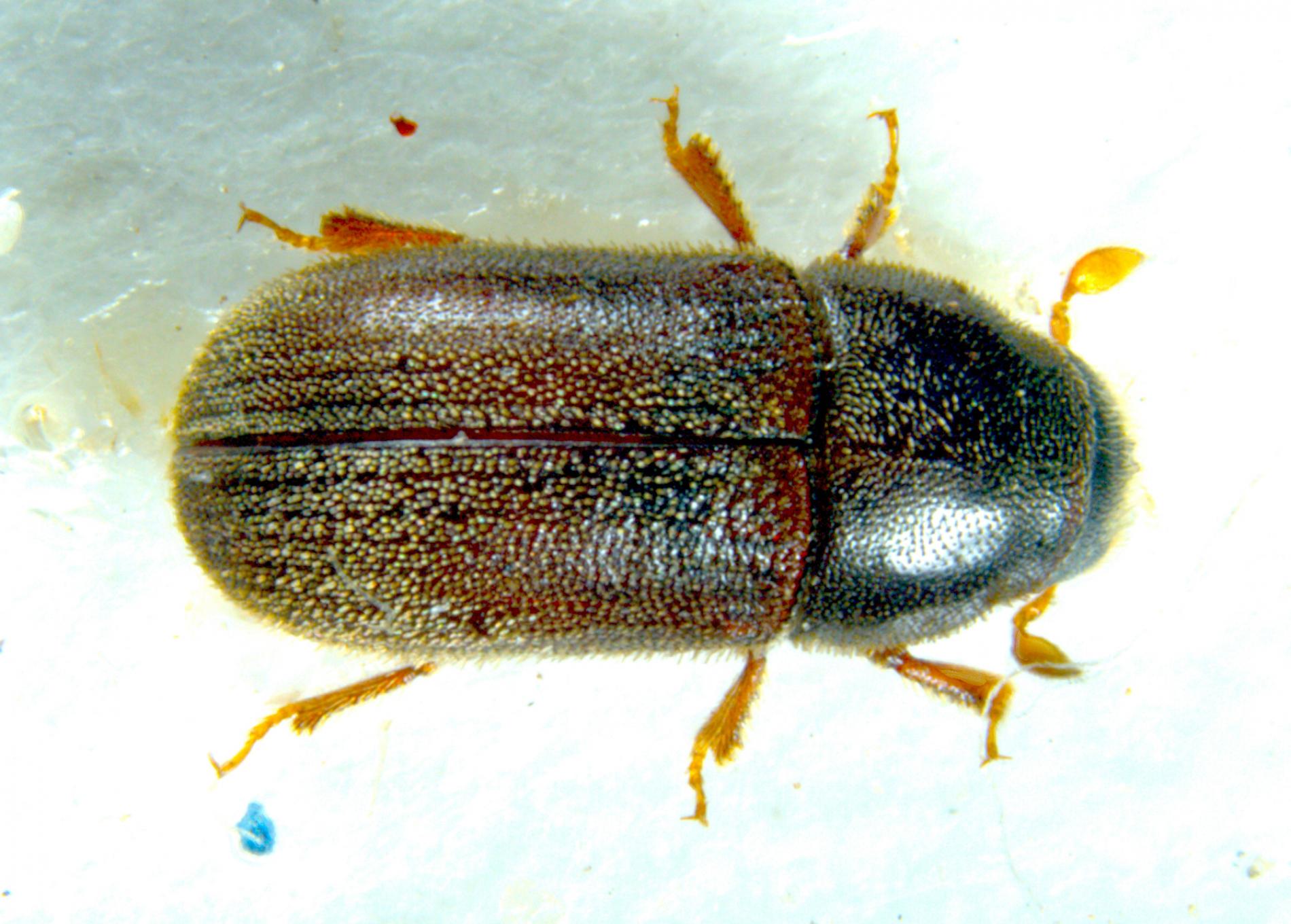
Small spruce bark beetle
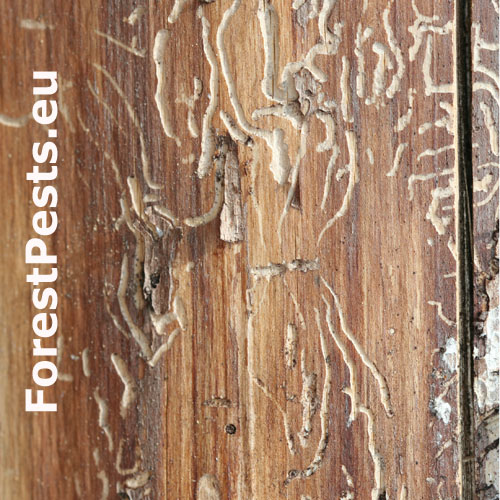
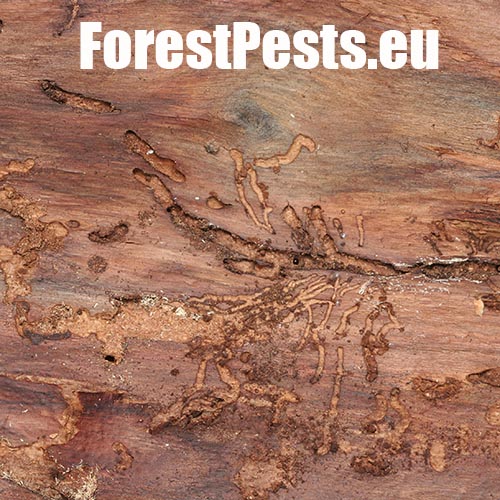
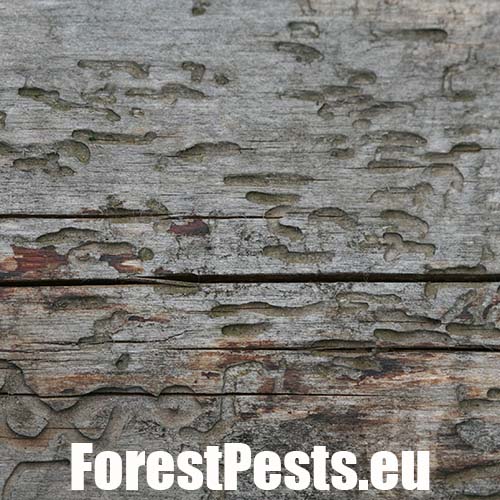
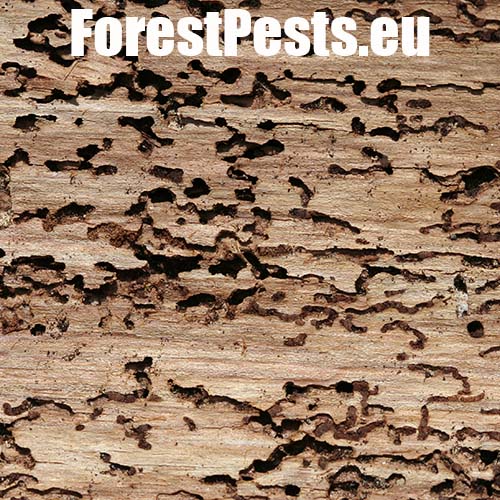
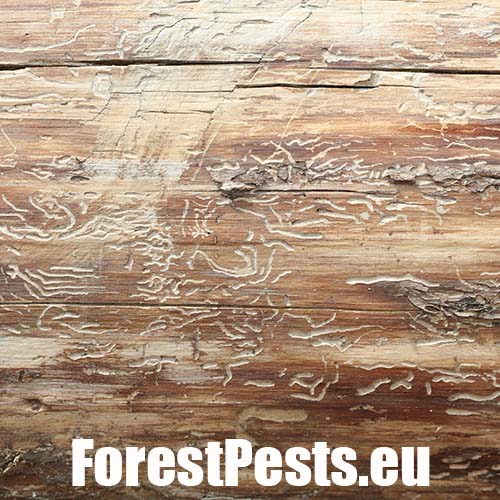
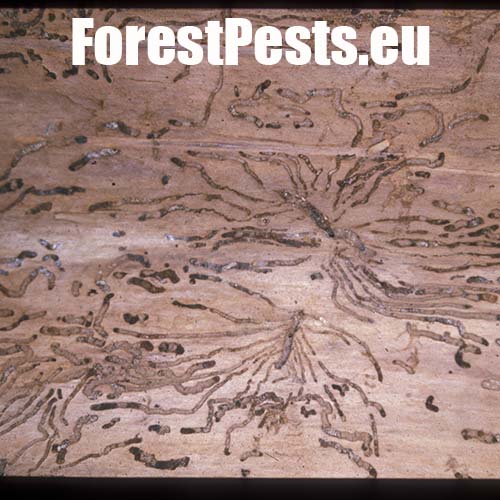
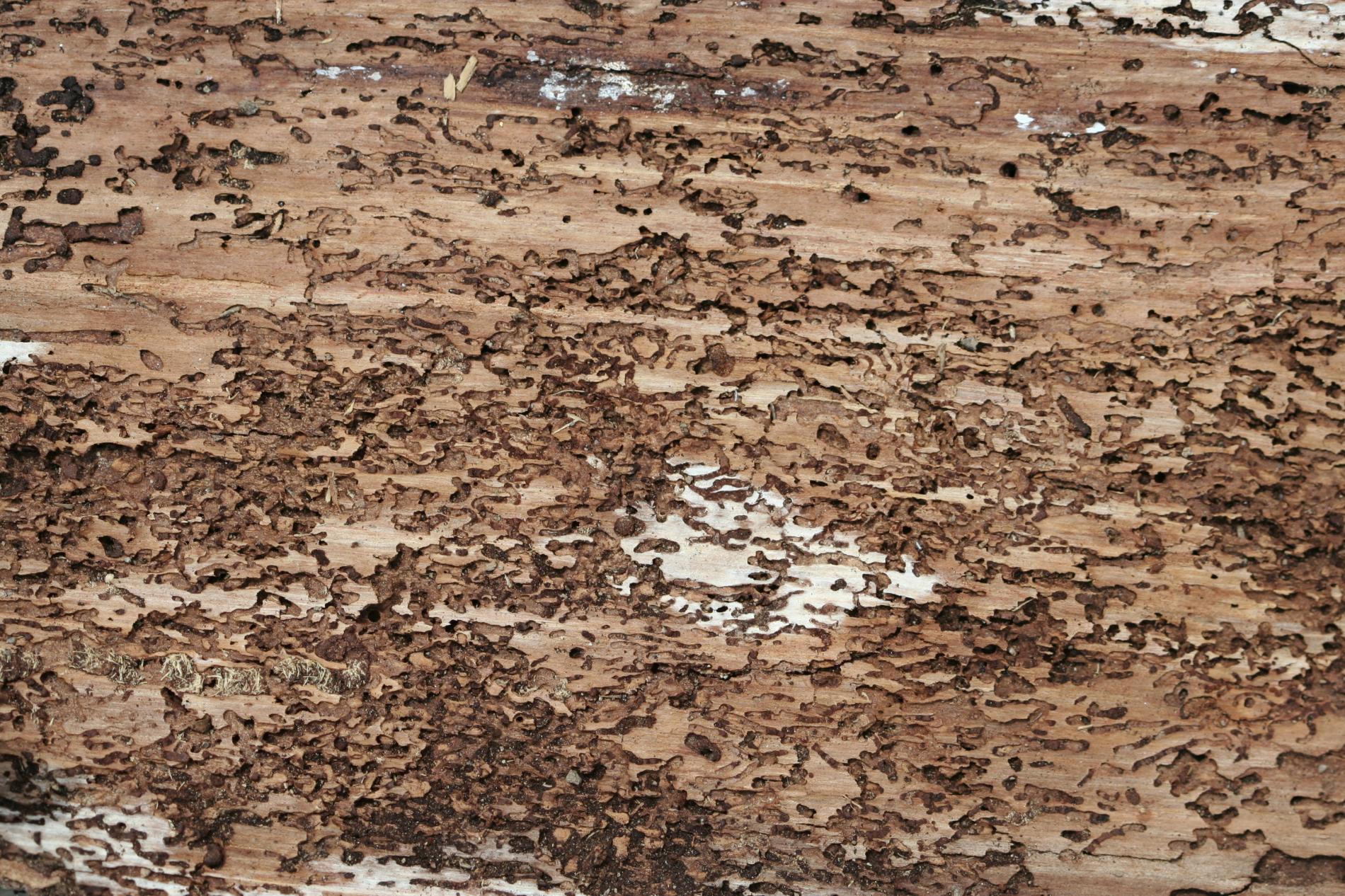
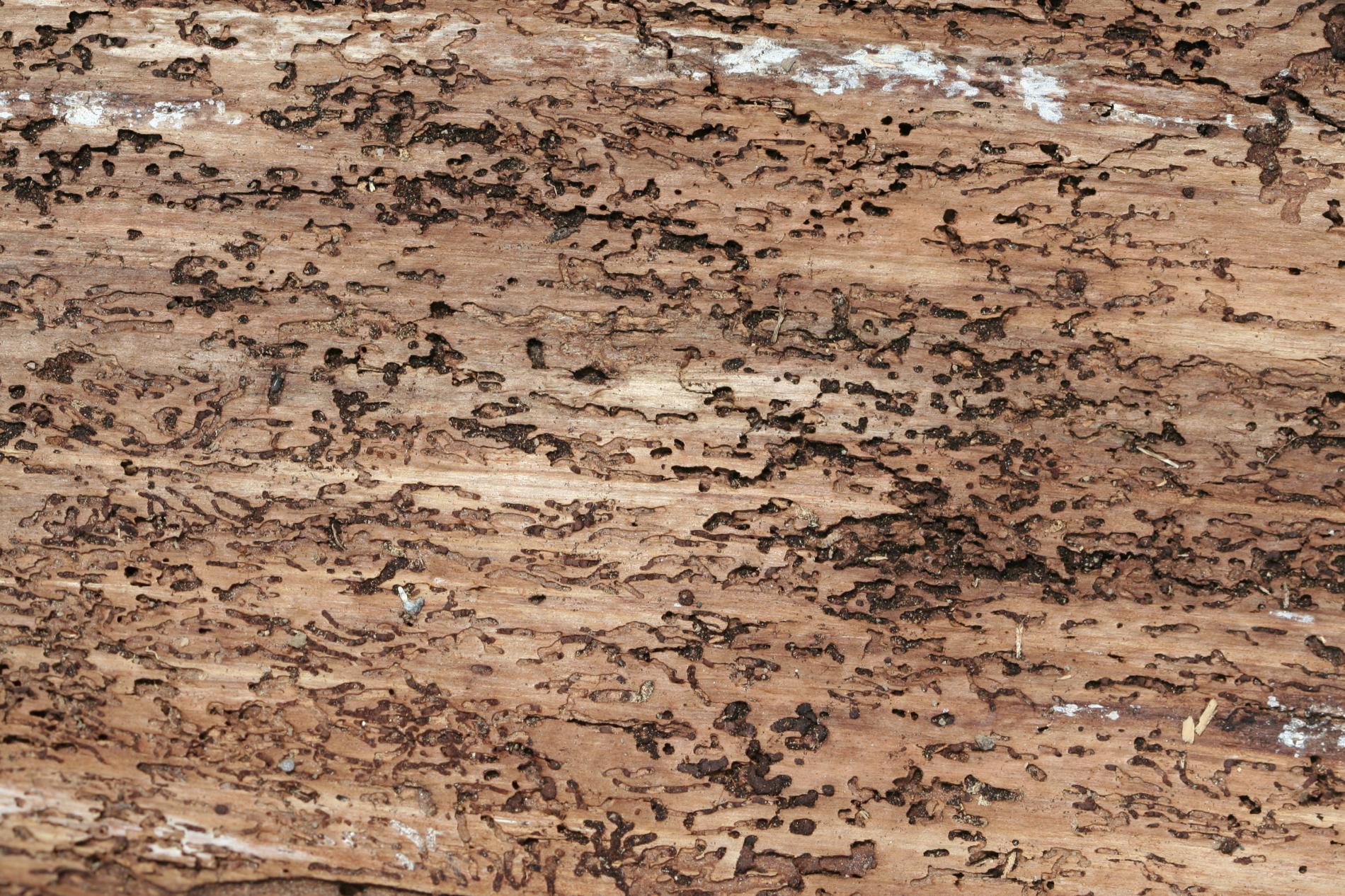
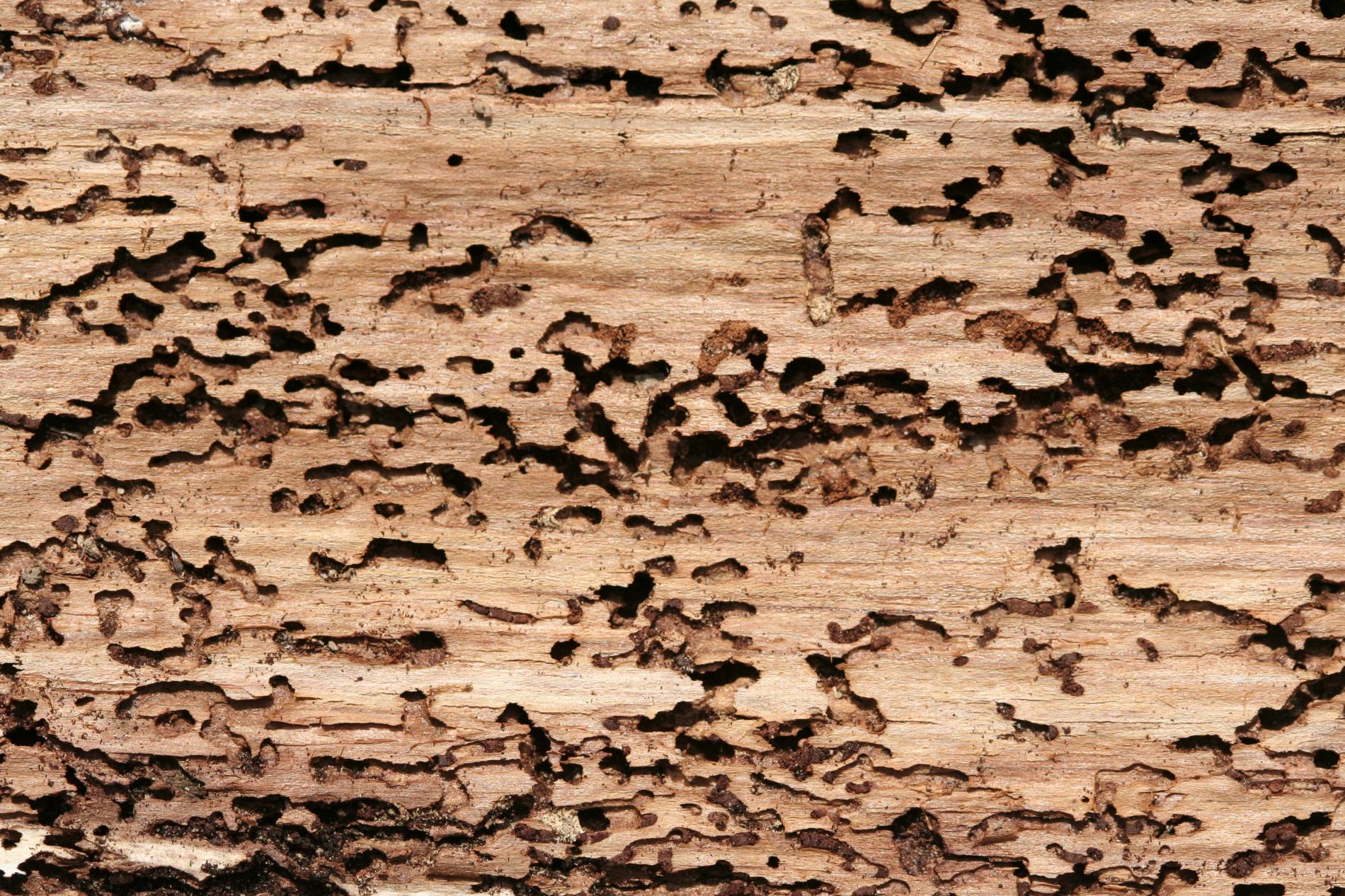
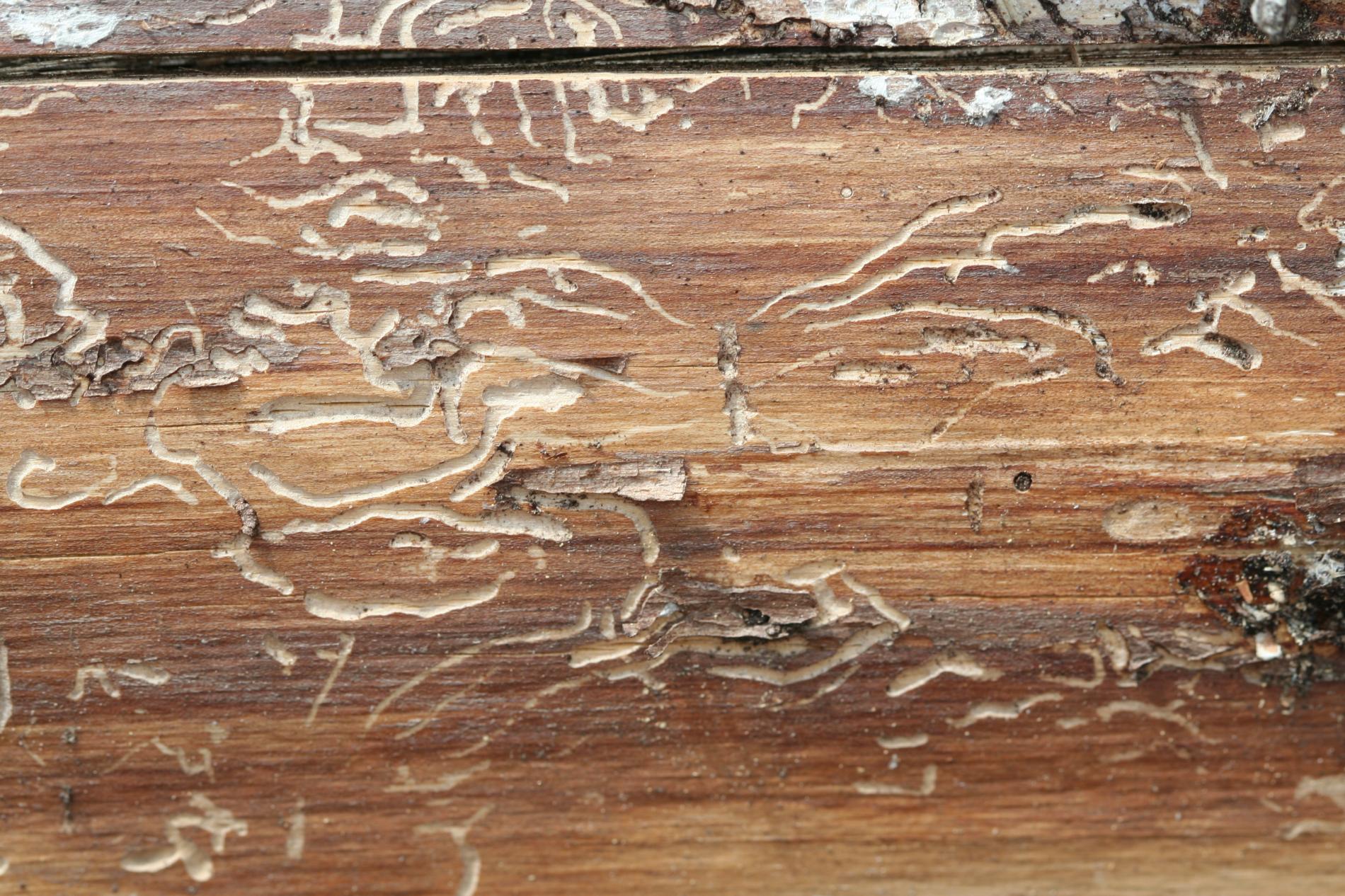
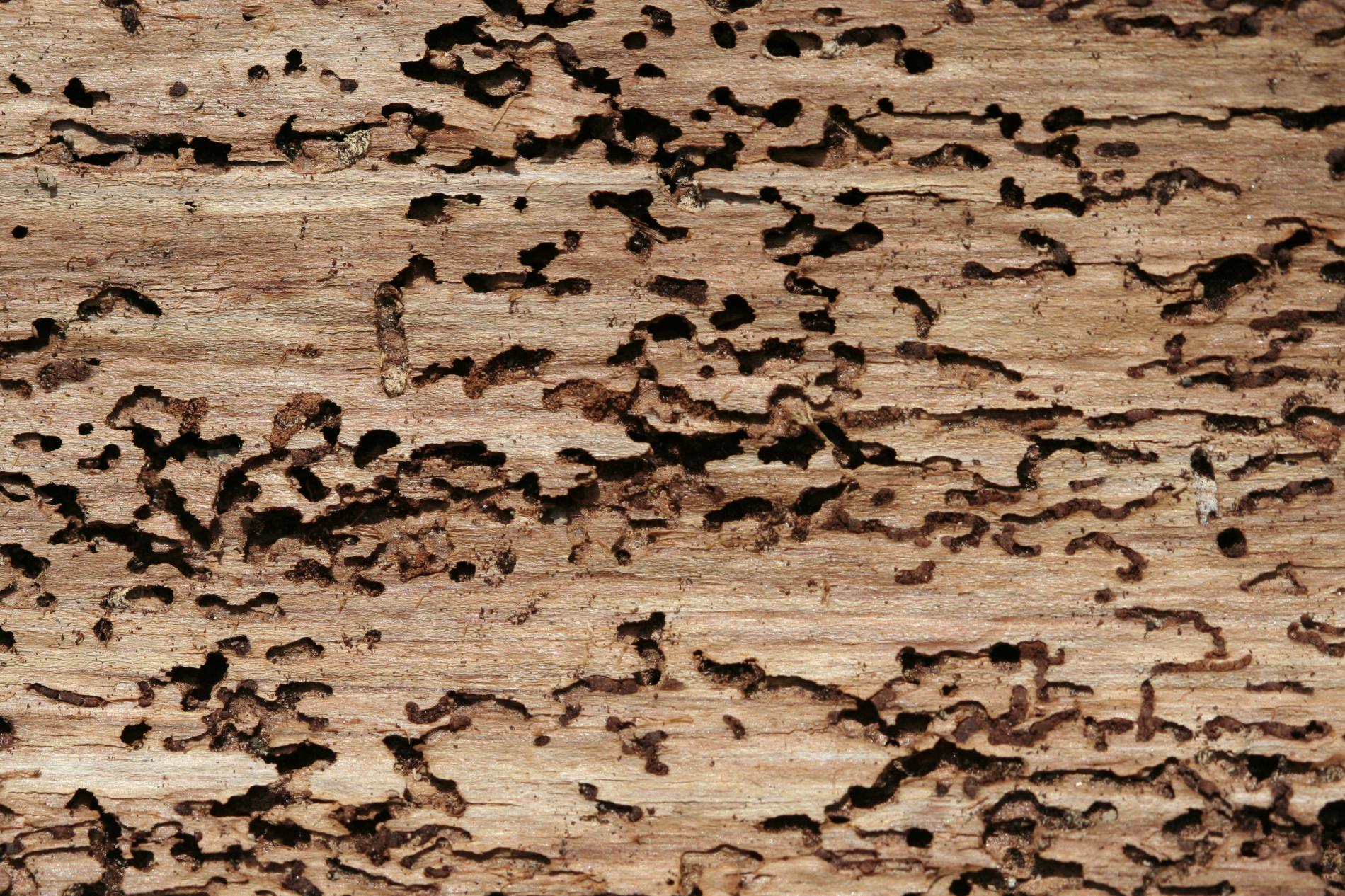
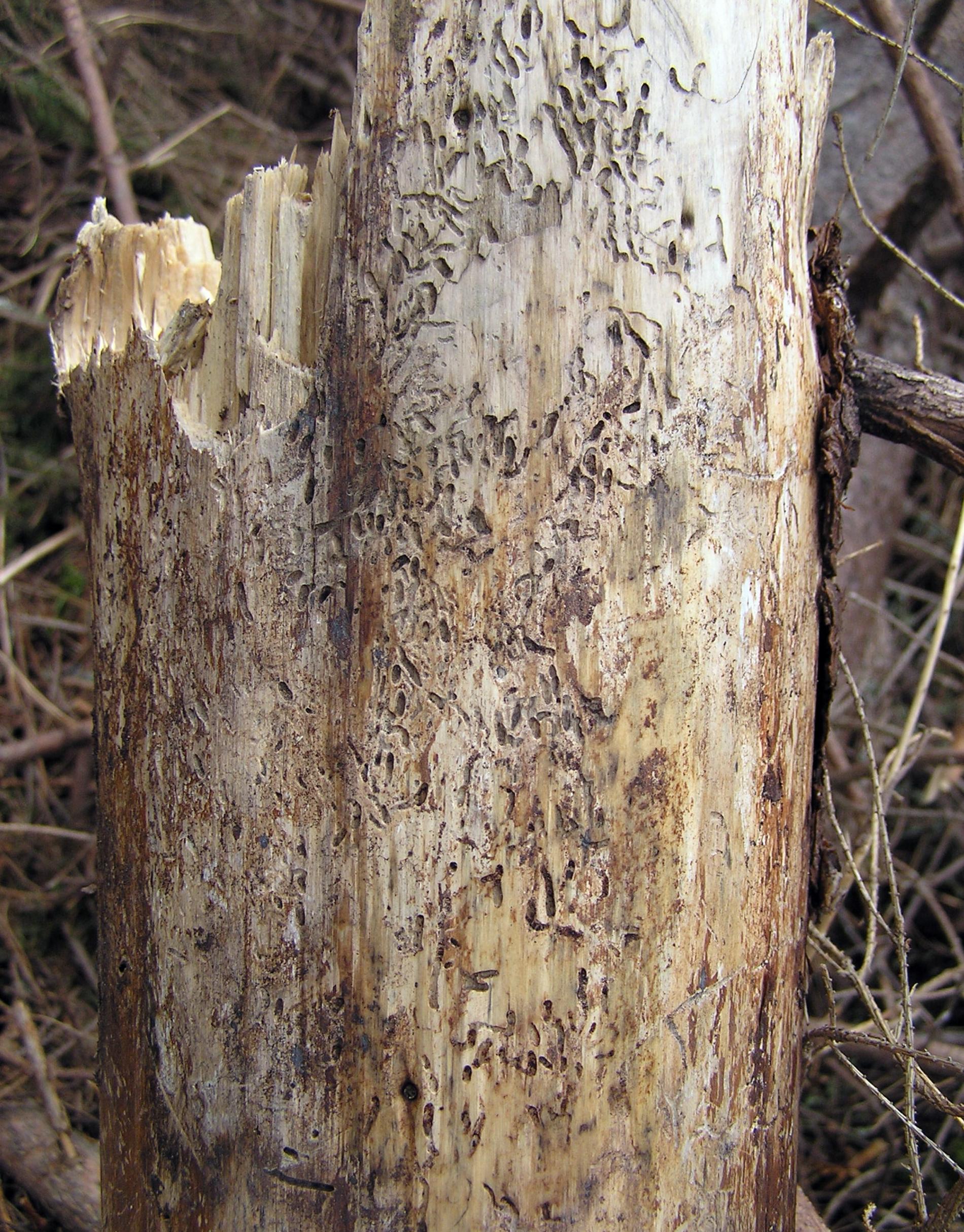
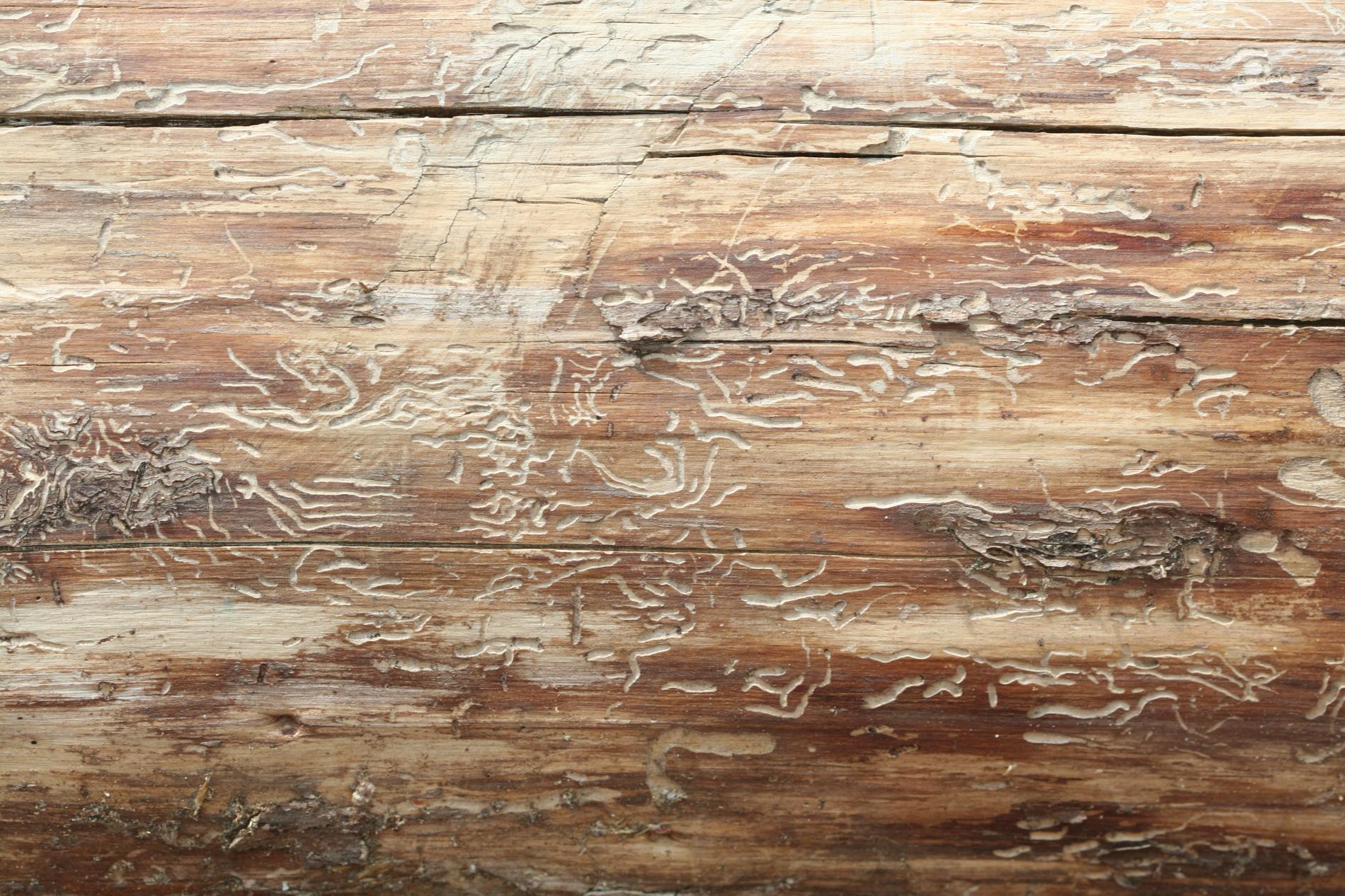
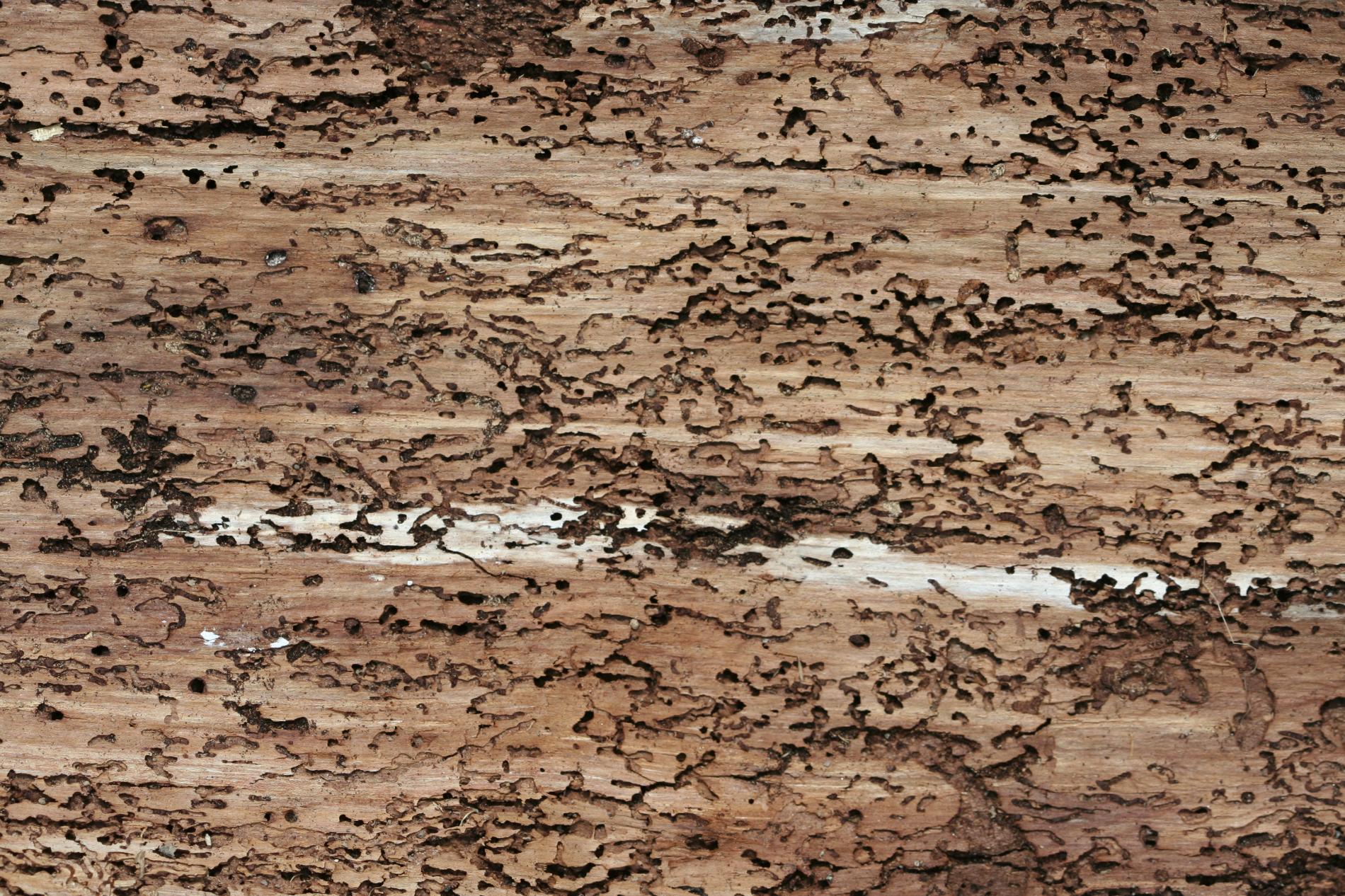
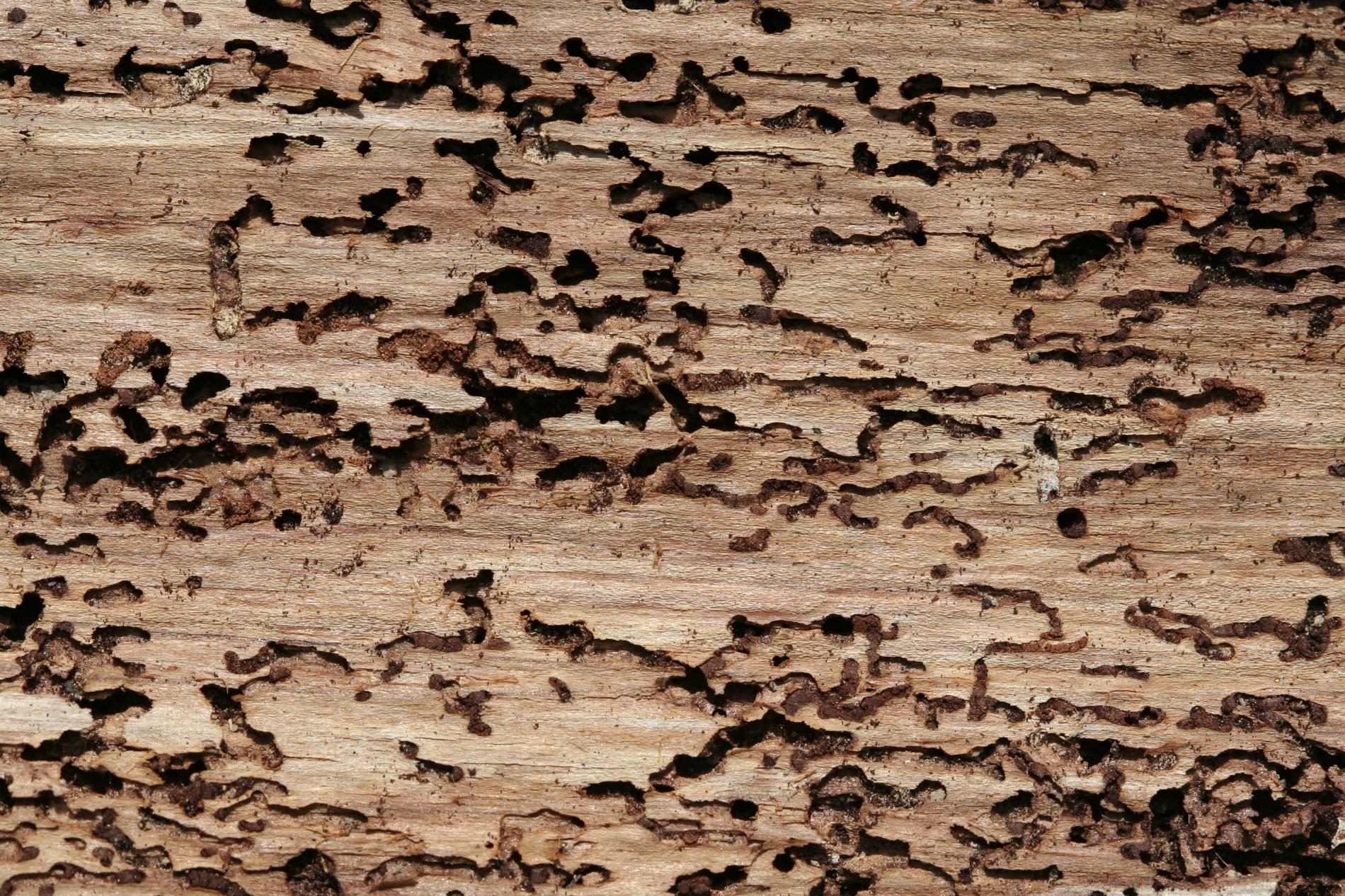
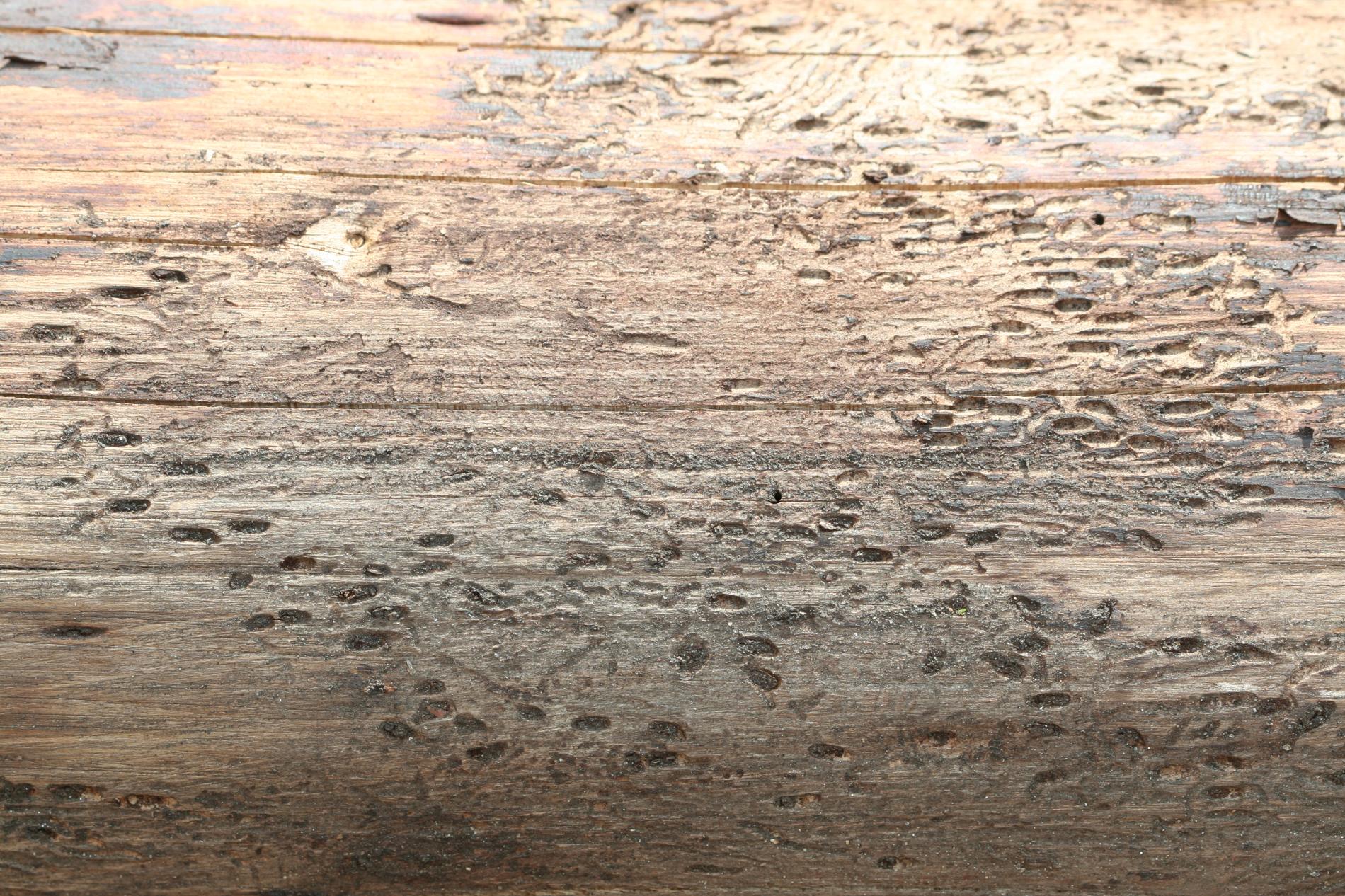
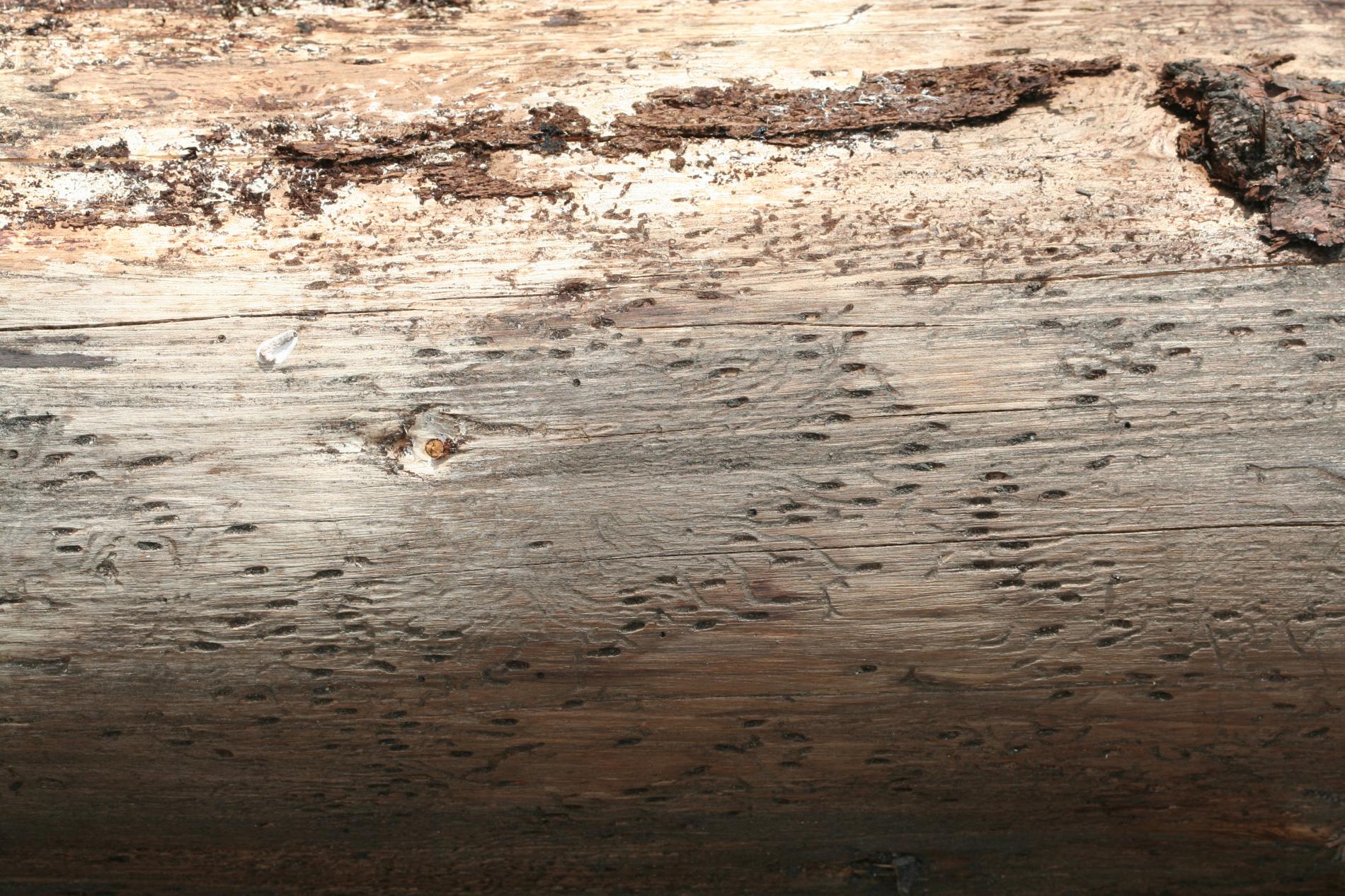
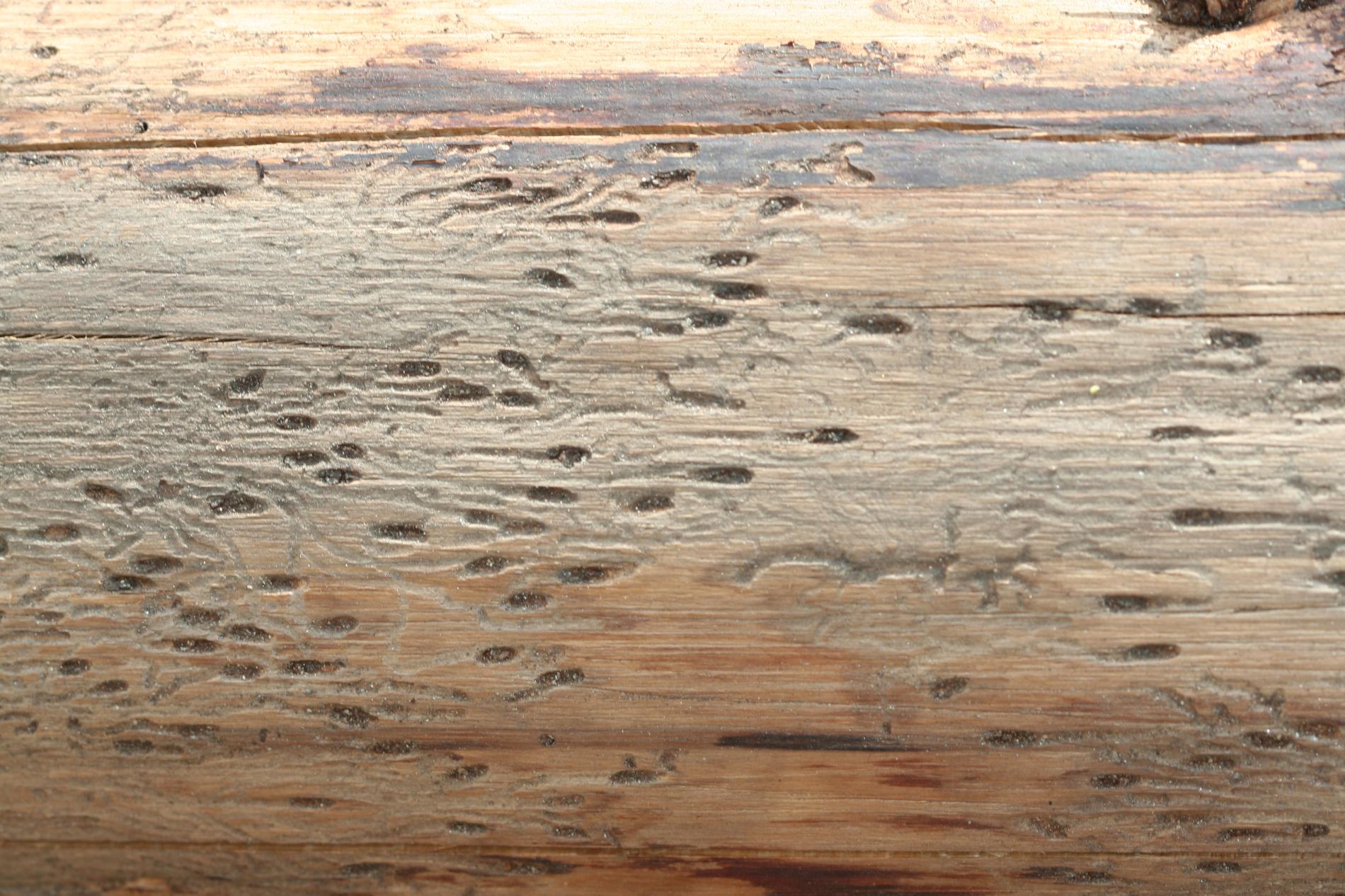
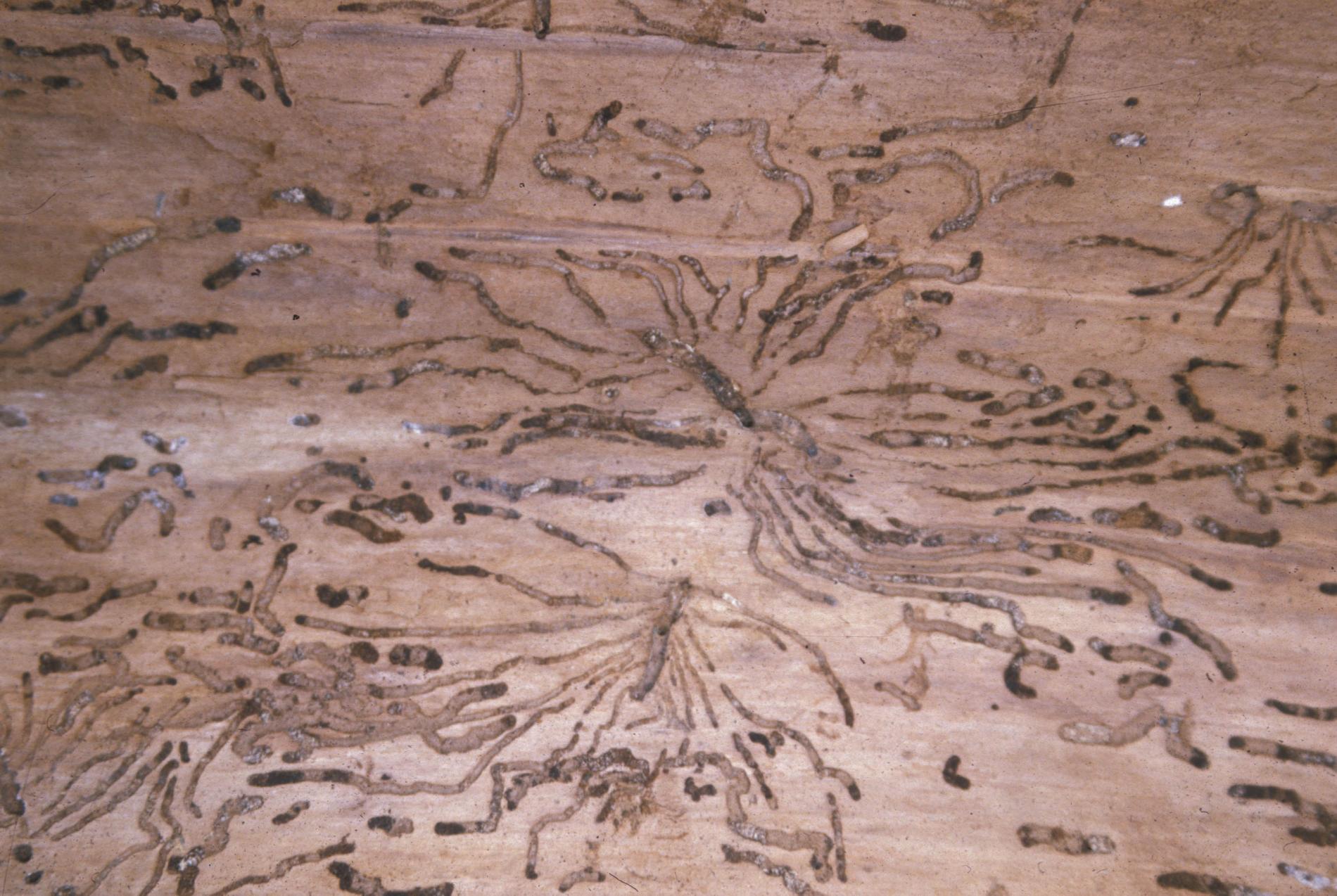
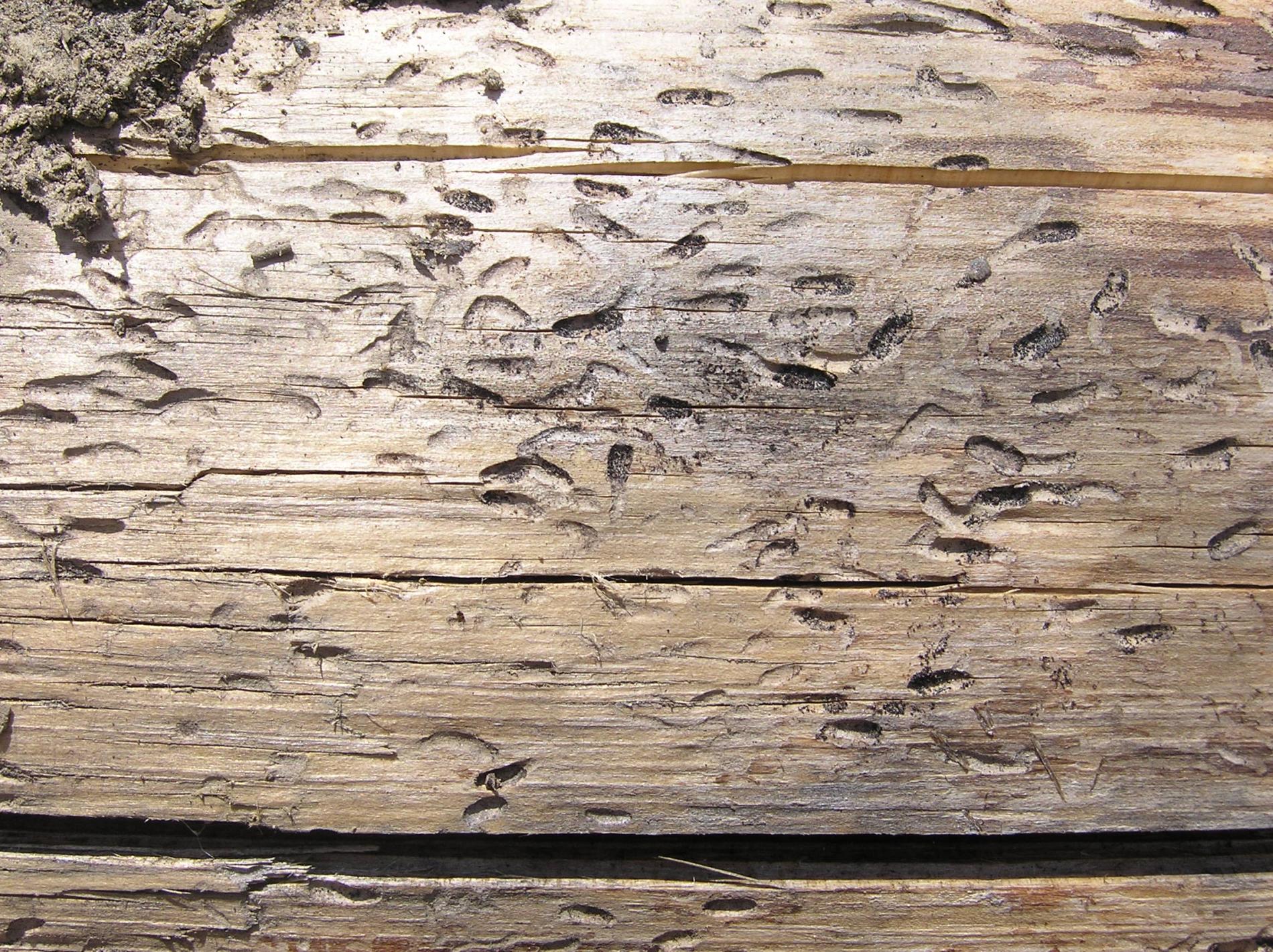
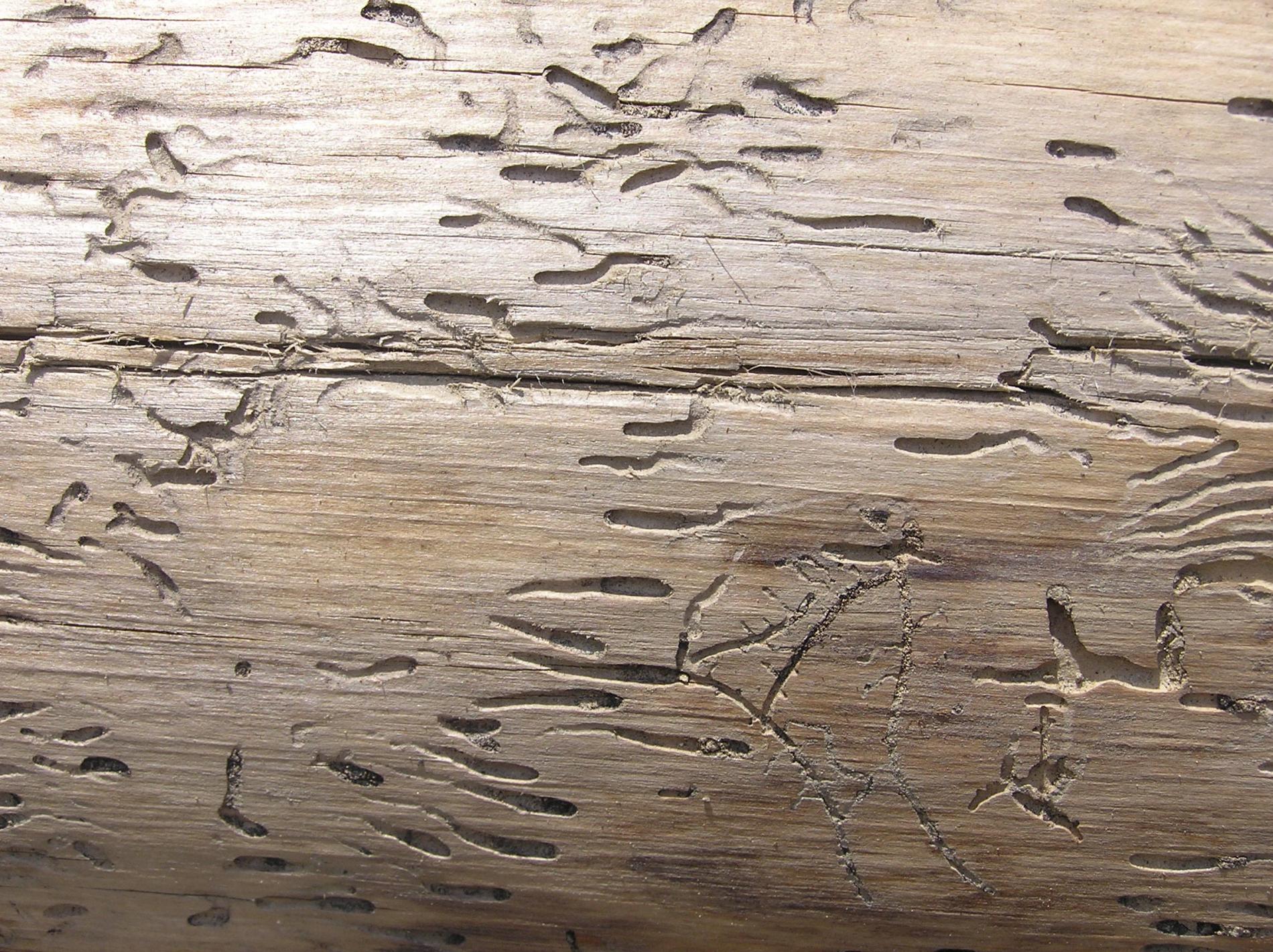
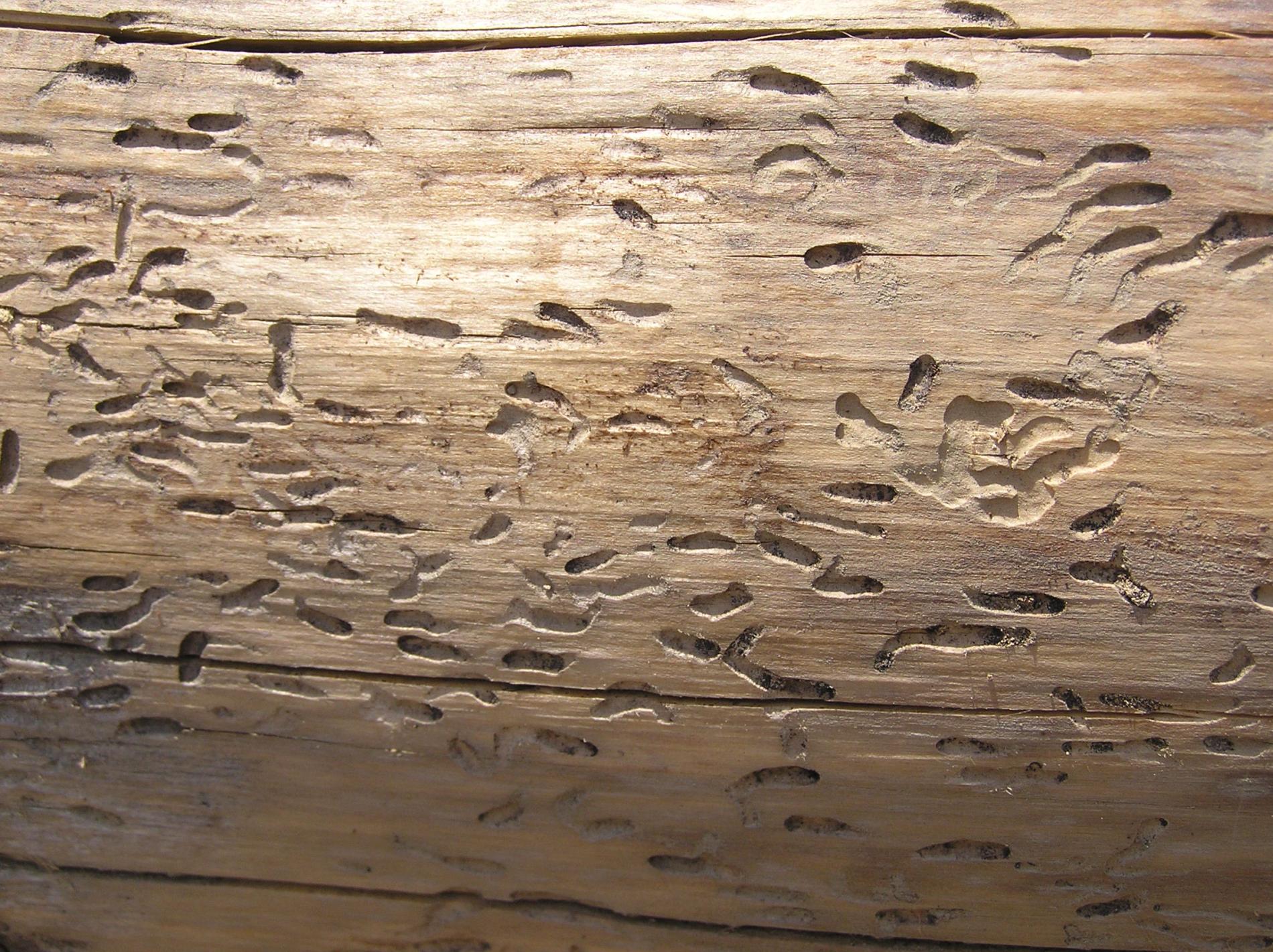
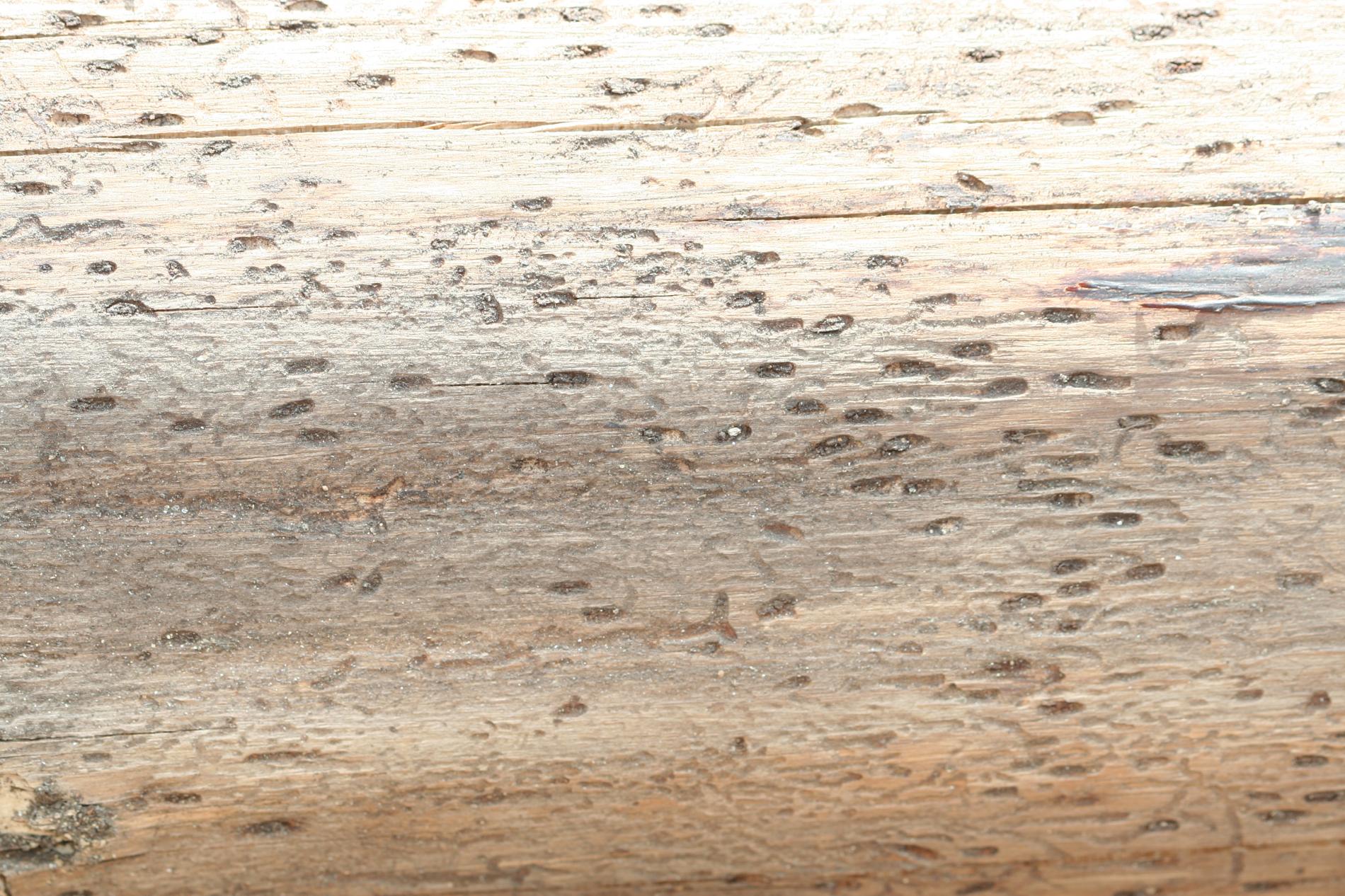
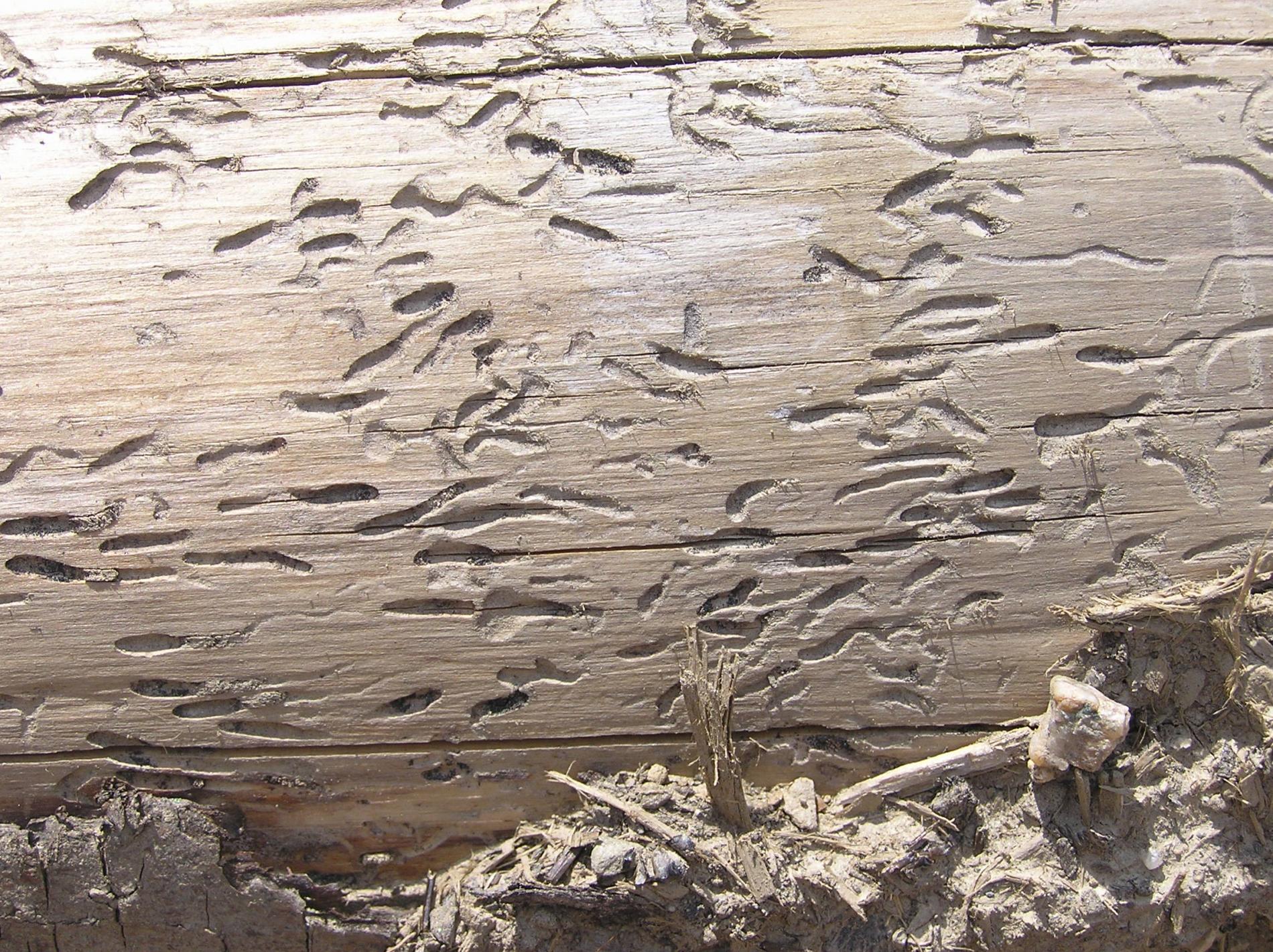
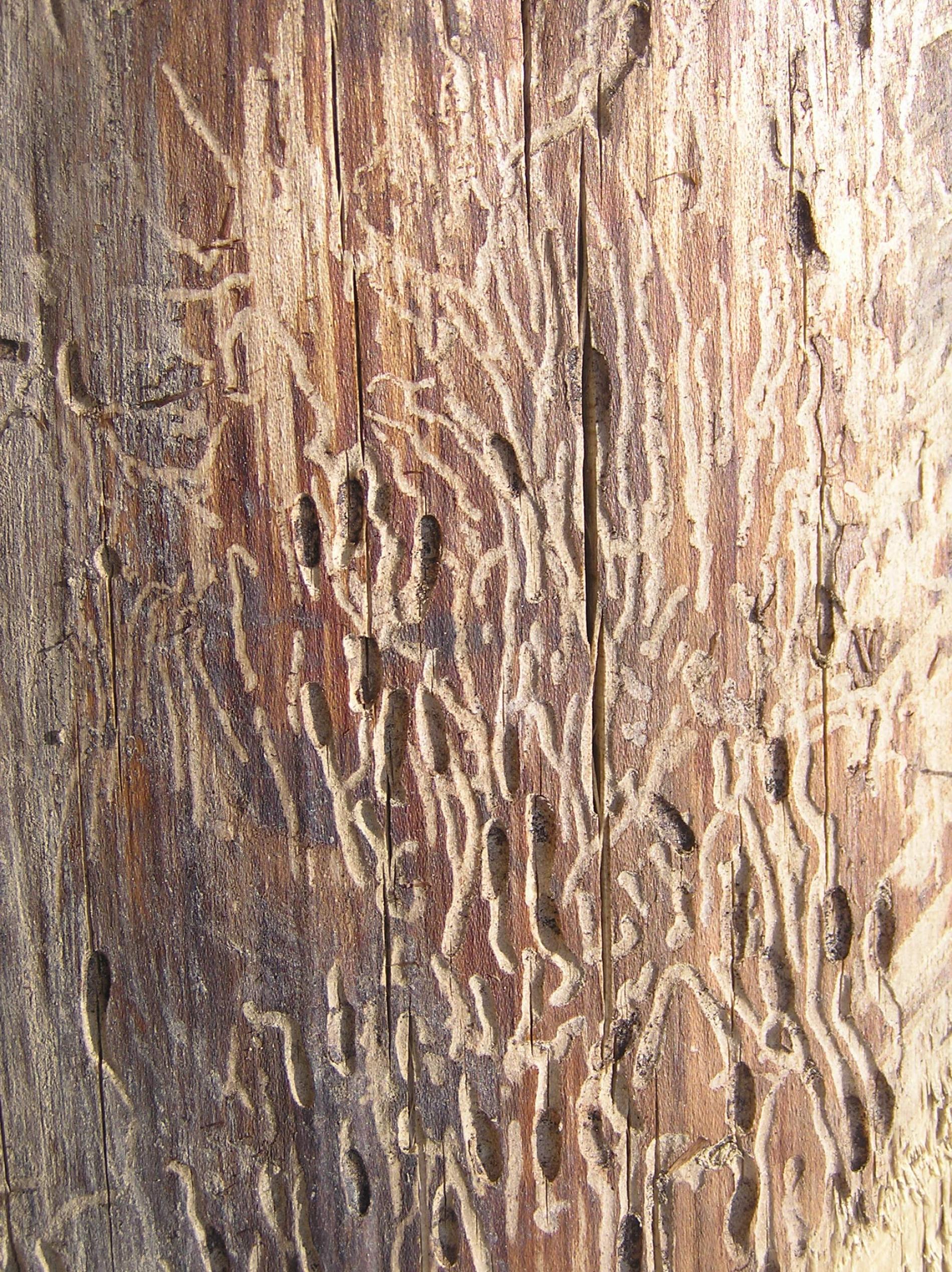
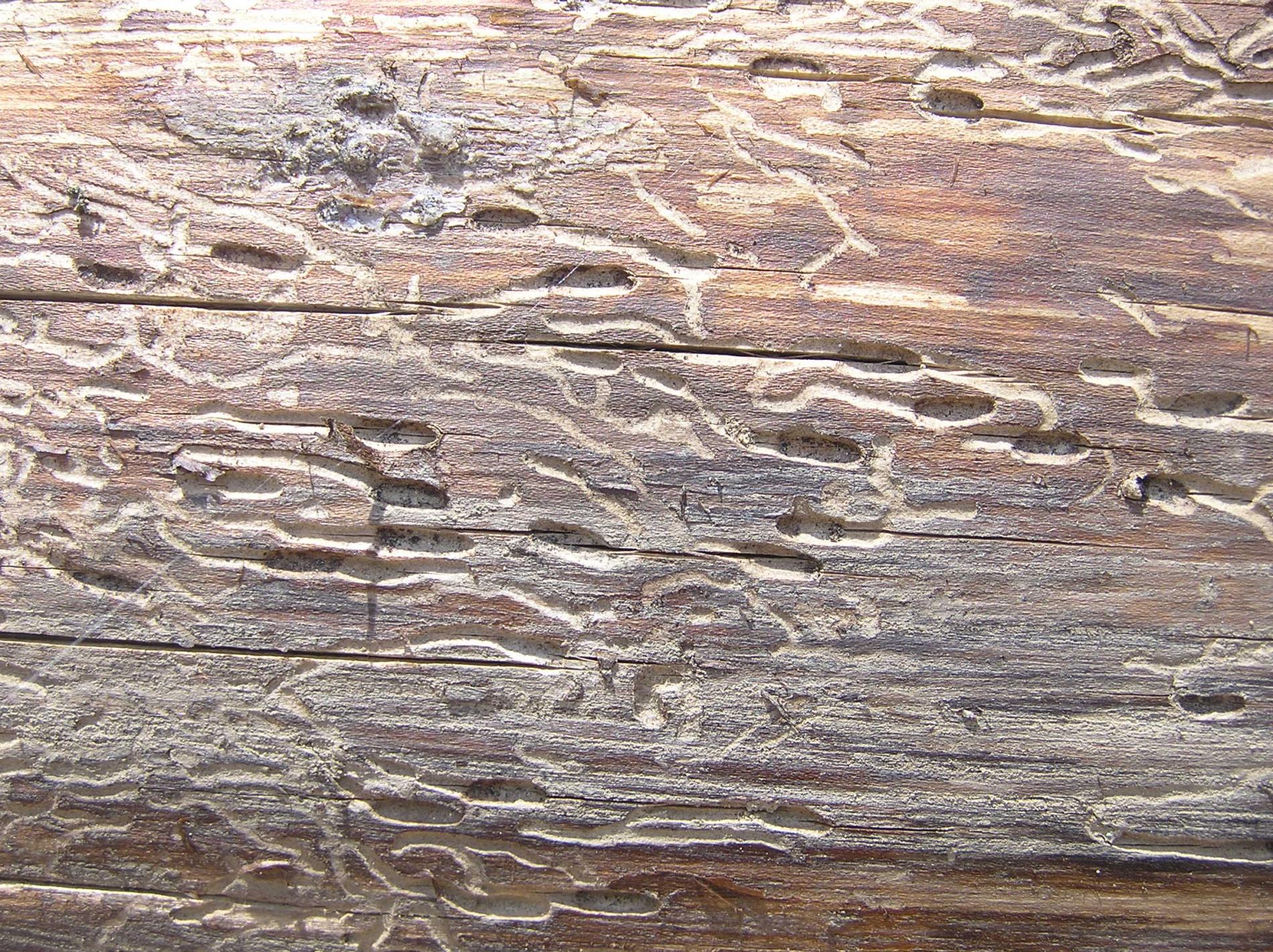
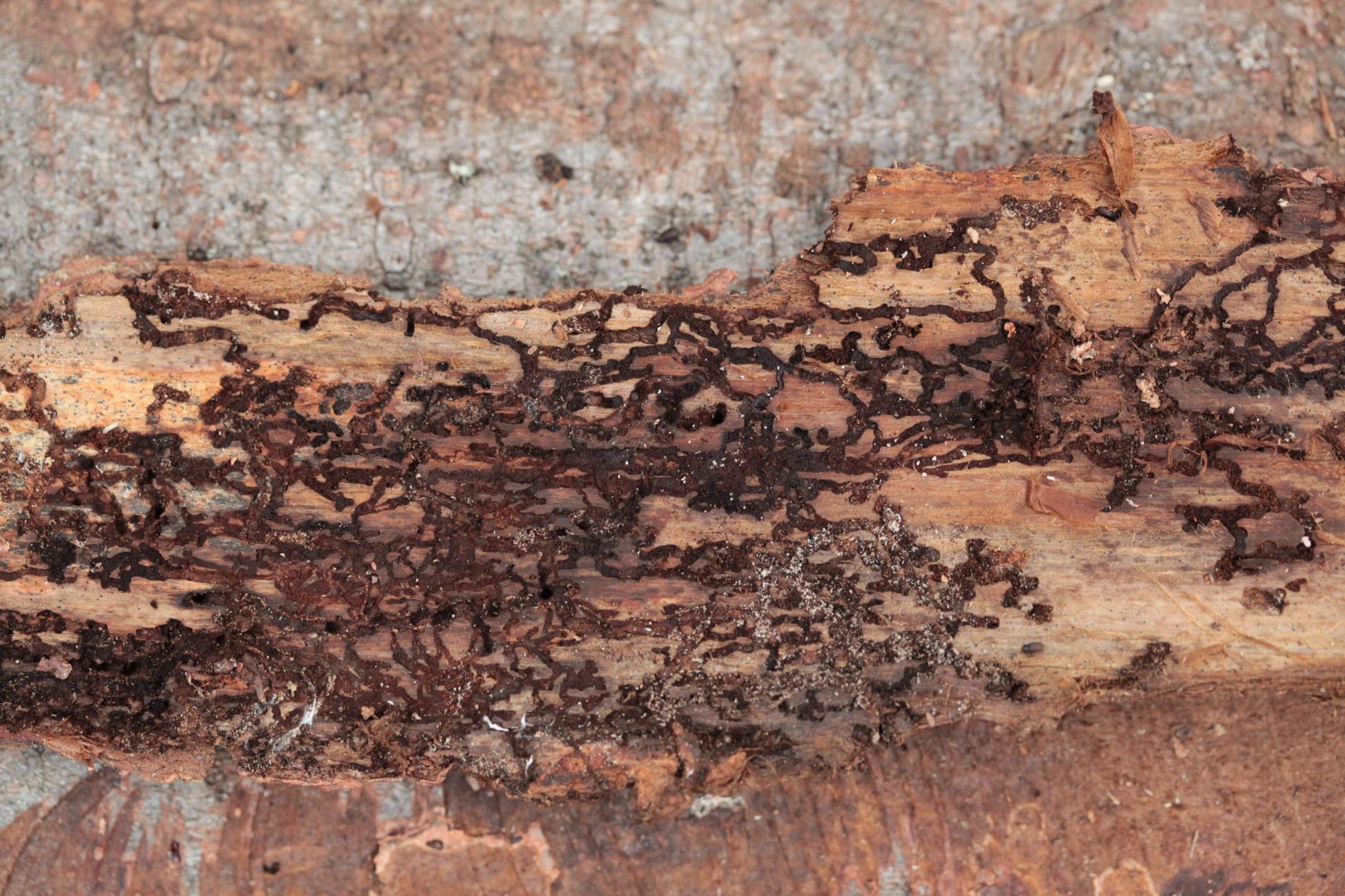
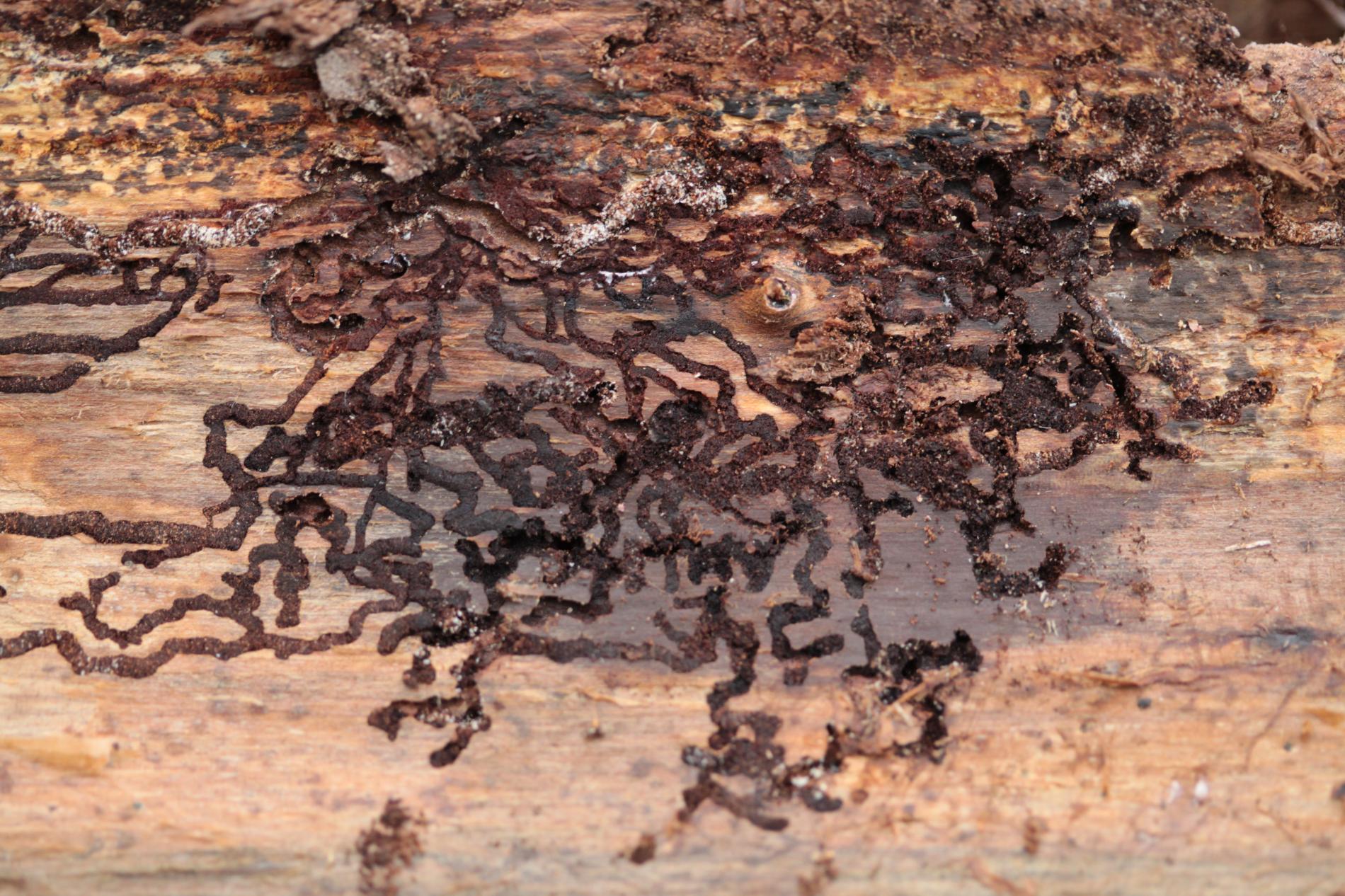
This pest attacks primarily juvenile or mid-aged spruces with thinner bark (trunk thickness of ca. 20 cm). The stems are usually heavily infested in full length. In case of outbreak the pest causes dieback of individual trees or entire groups. Characteristic for its galleries is an irregular layout of larval tunnels with pupation chambers bored deeper in the sapwood. The nuptial chamber is not visible when the phloem layer is examined. The first generation occurs in May and its second generation swarms in July. In warmer areas there may even partially occur a third generation. Preferring especially forest stands affected by pollution or other agents. Pest’s outbreak usually occurs in hills and mountains.
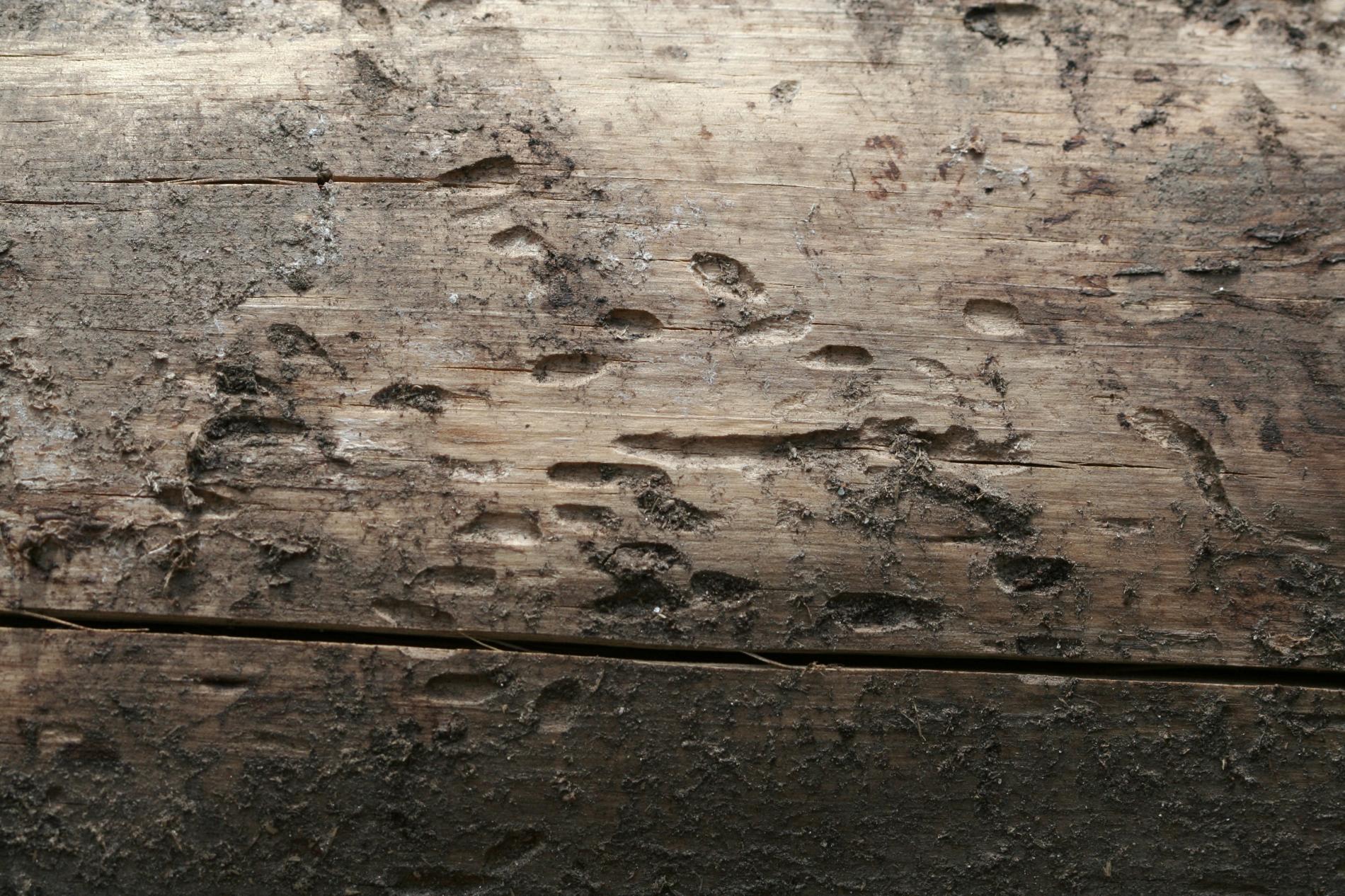
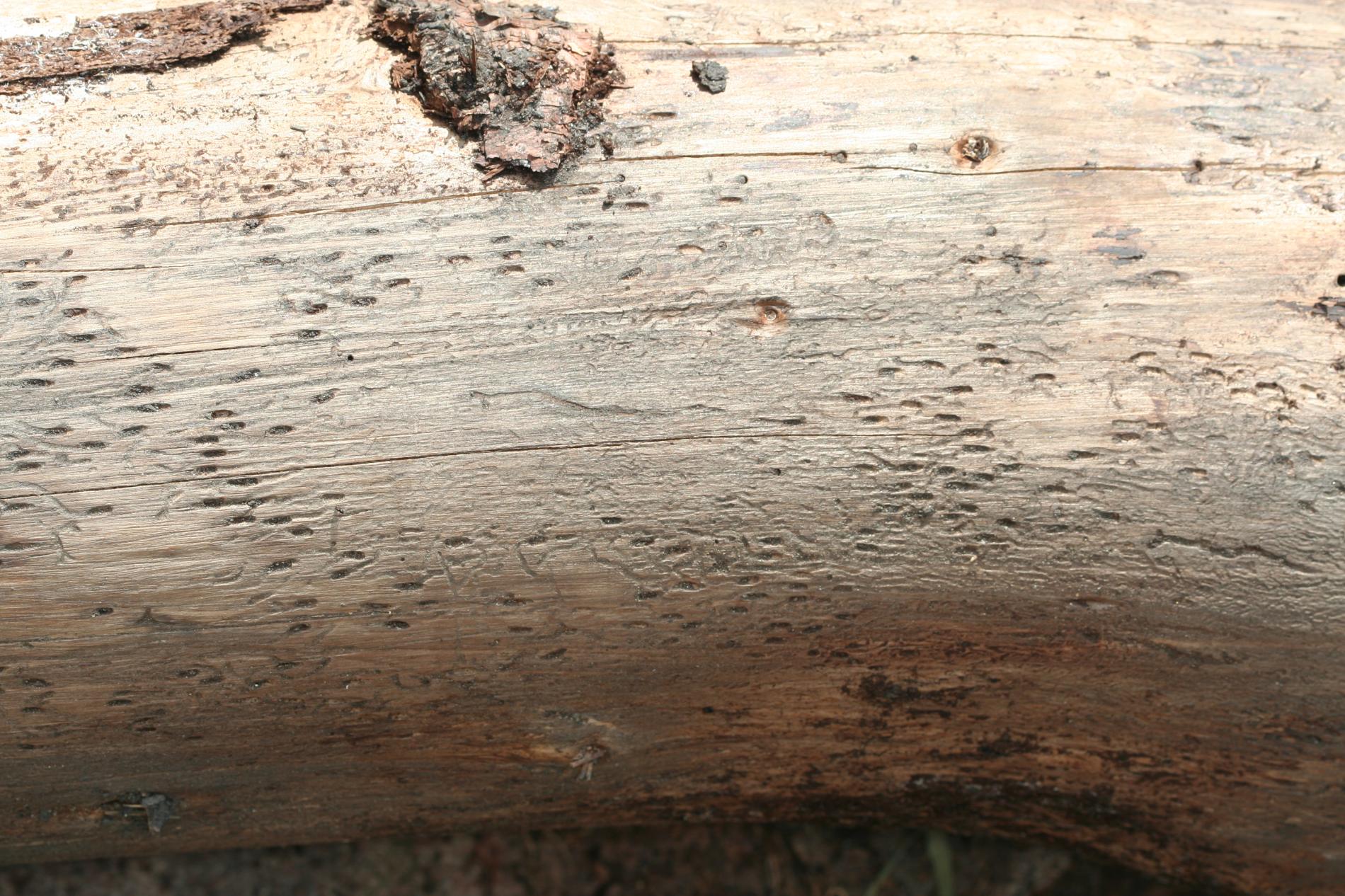
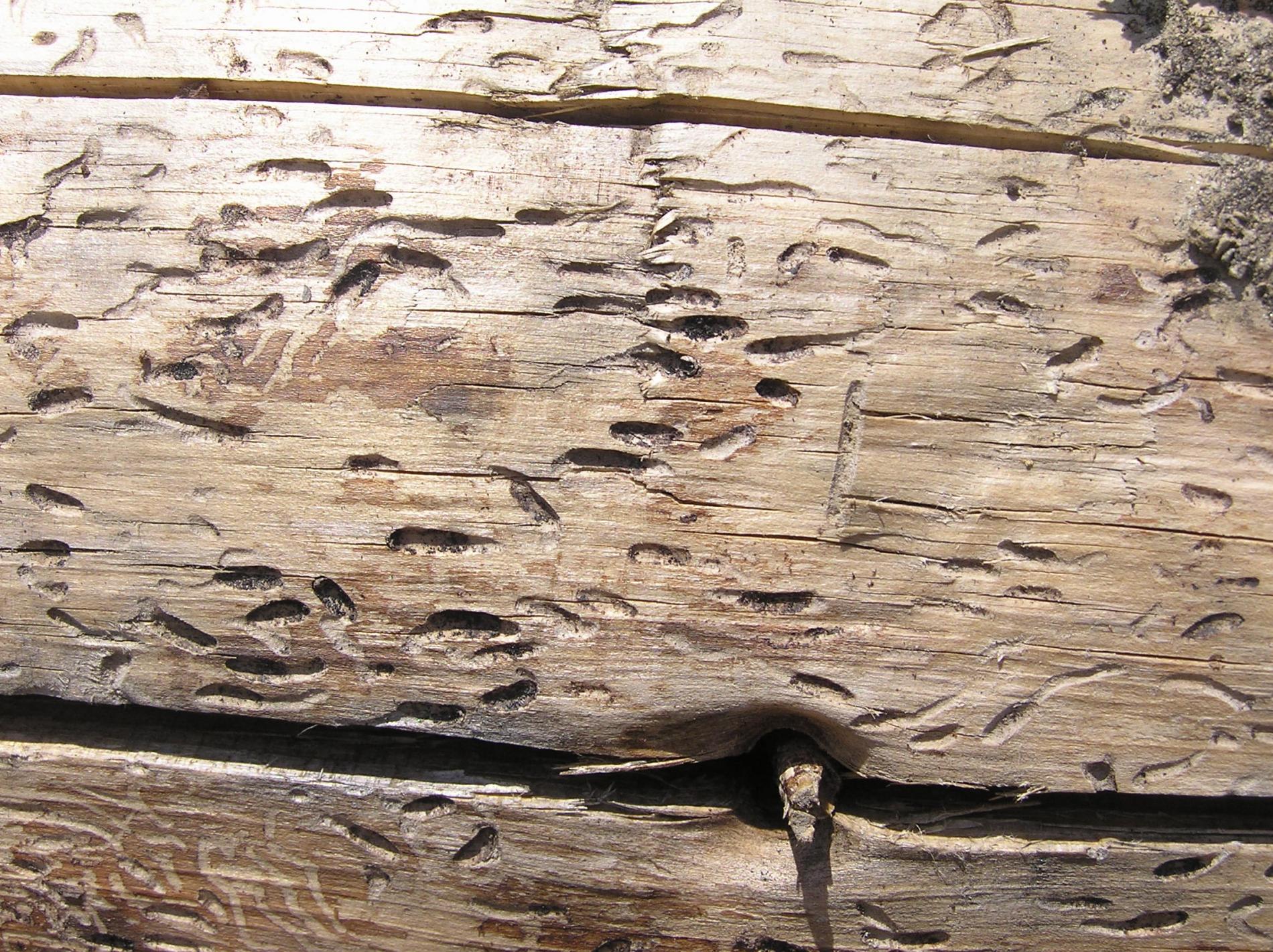
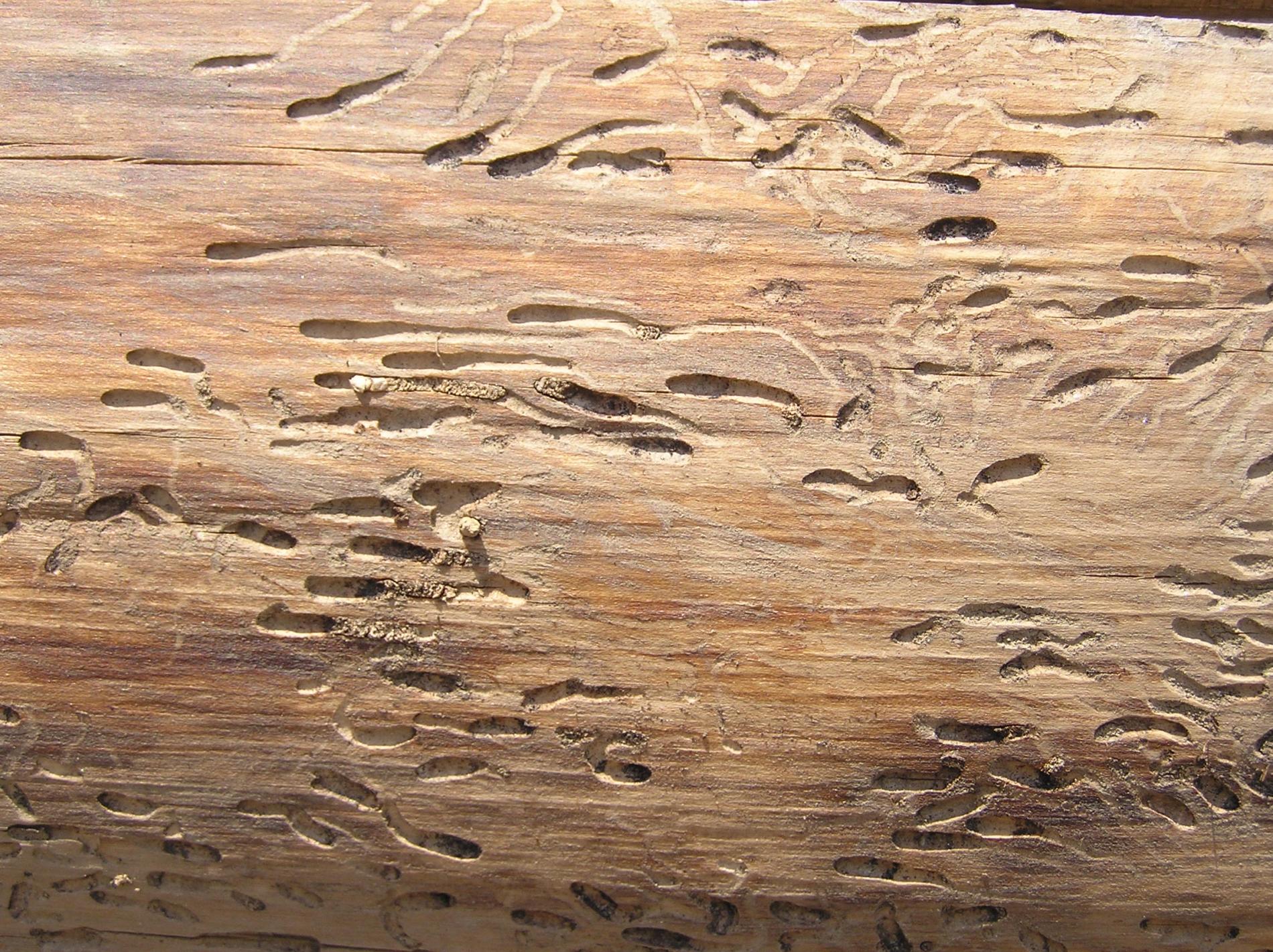
Galleries under the bark. Pupation chambers bored deeper in the sapwood.
Tree Species: Spruce
Part of a plant- attacked: Tree trunk
Pest significance: Harmful
Pest Category: Insects
Invasive Species: No
Present in EU: Yes
Pest group: Insect
Depth of damages: Bark, Under bark only
The extent of damage: Whole trunk
Prevalence in Europe: Common
Damaged products: Firewood, Fresh timber logs (water still in the sapwood)
Roundwood size: Diameter 50+, Diameter from 10 up to 50 cm
Wood discoloration: Yes
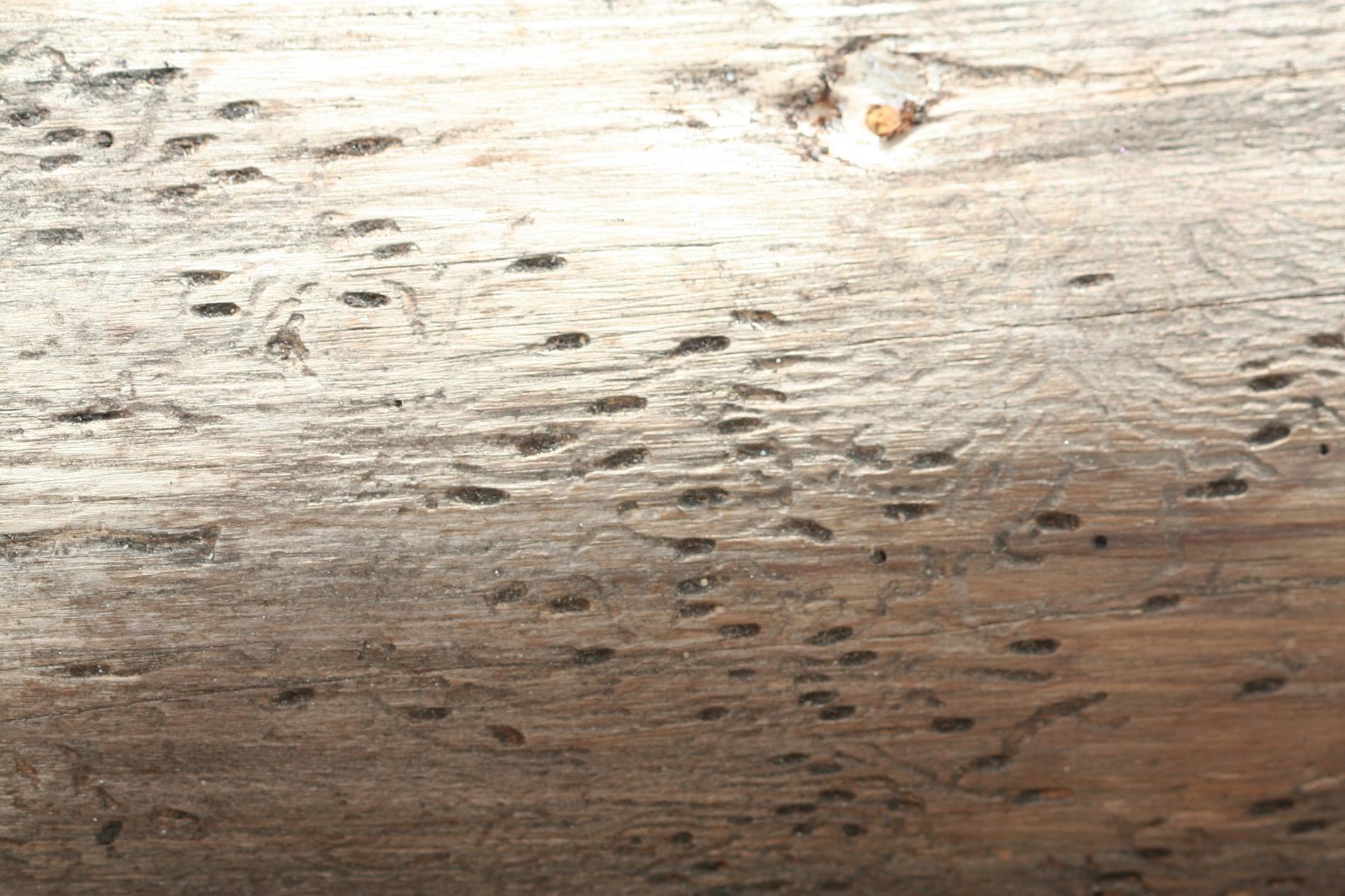
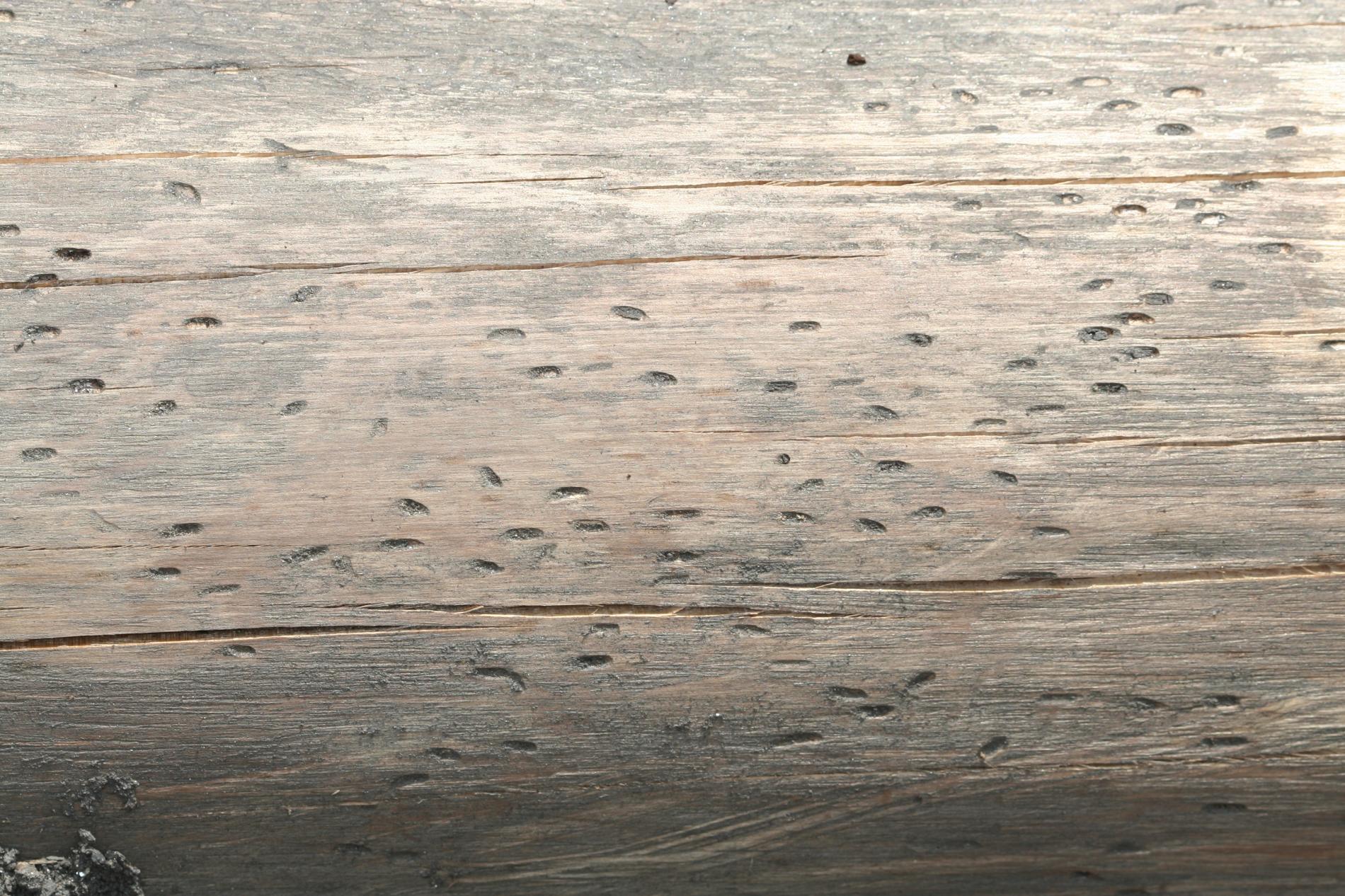
Exit holes: Round
Pest subcategory: Bark and underbark insect
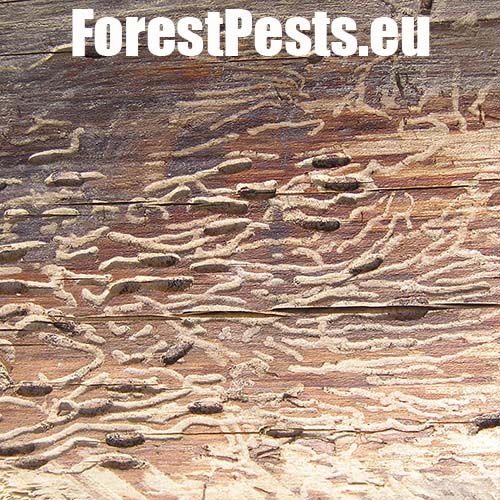

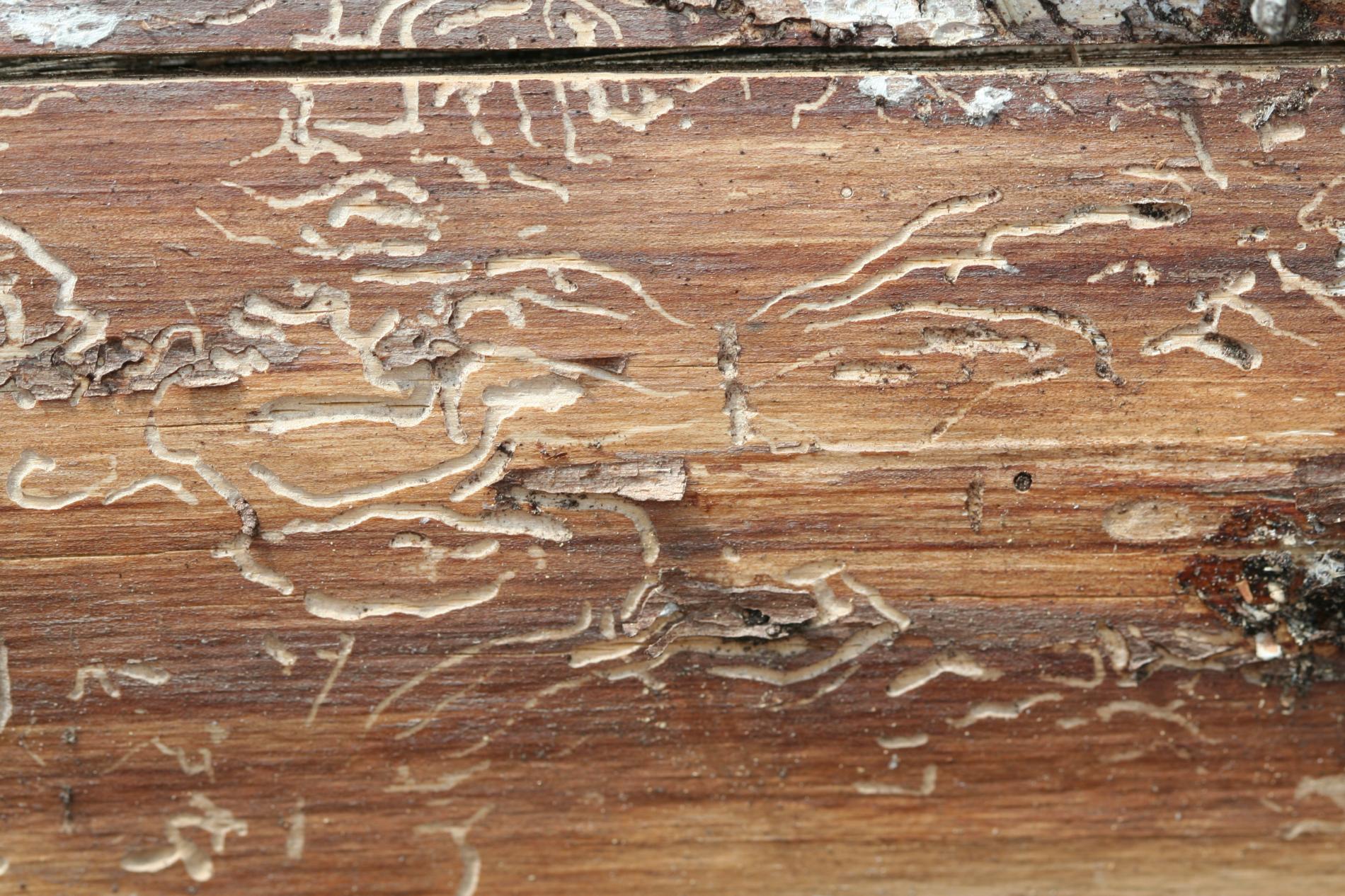

Similar pests

Pityokteines vorontzovi

Pityogenes chalcographus
