


Pityophthorus pityographus
Fir bark beetle Pityophthorus pityographus
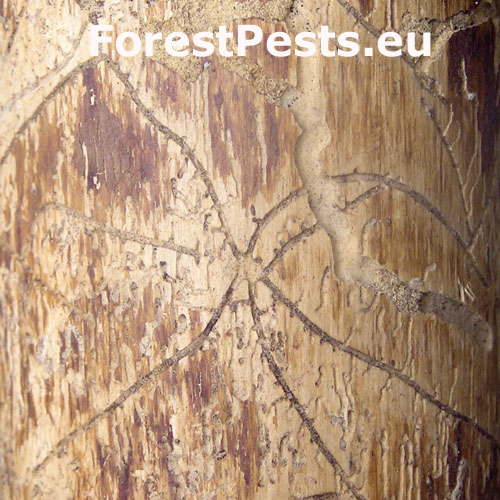
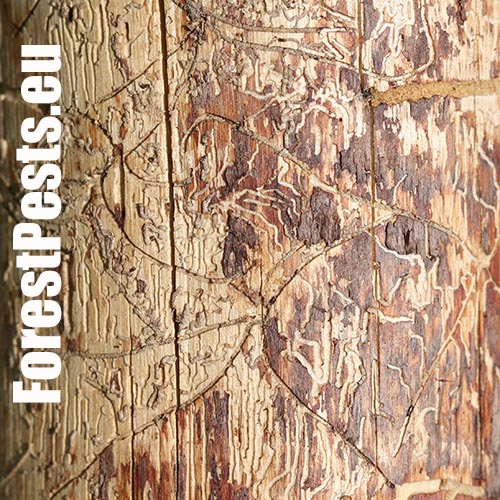
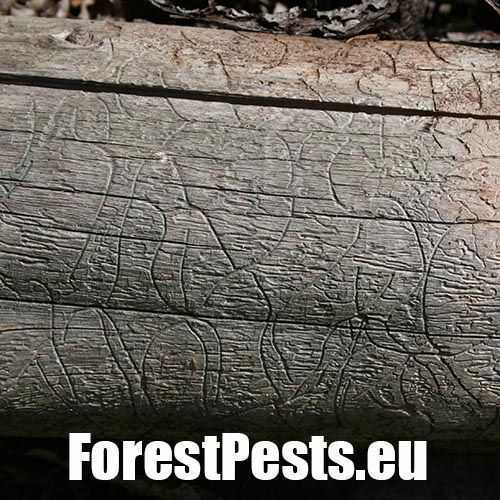
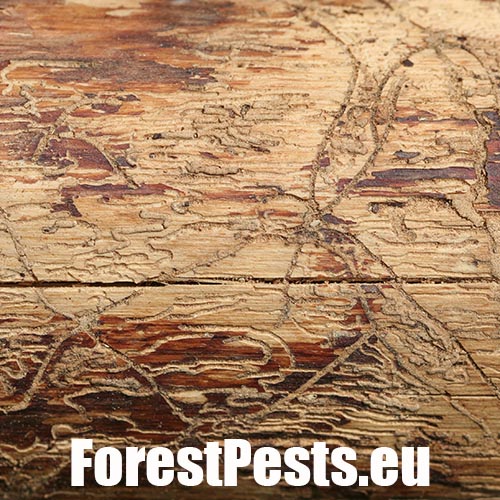
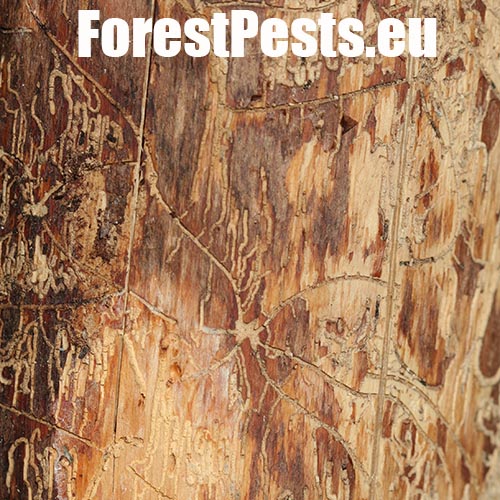
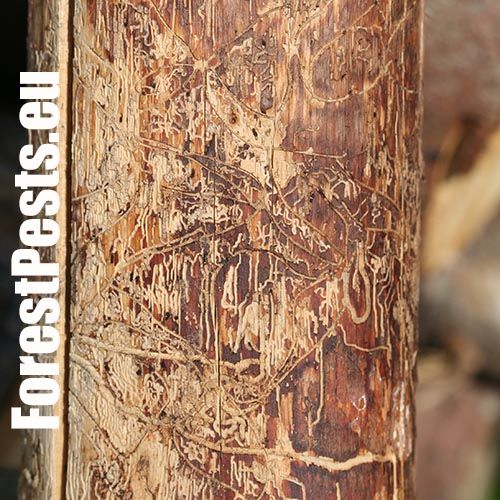
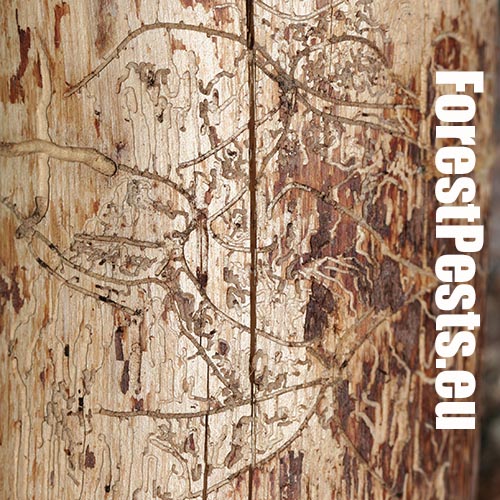
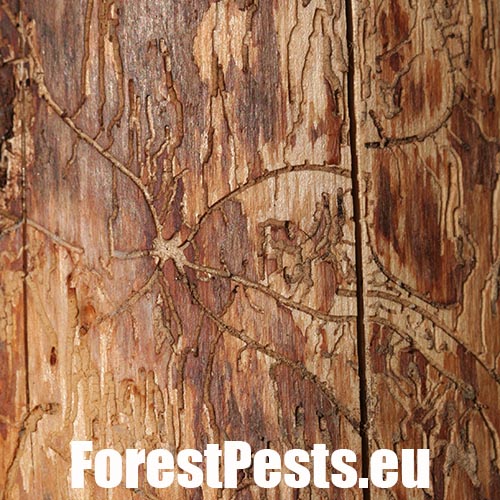
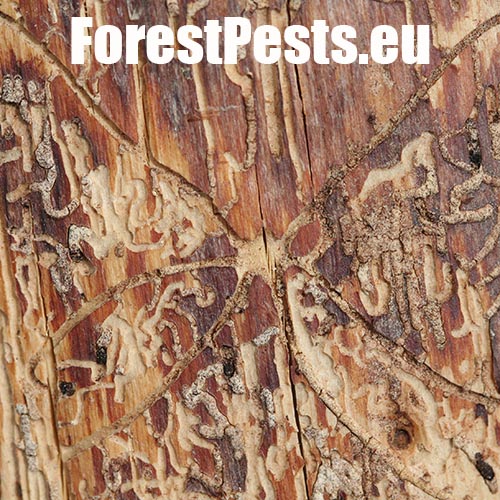
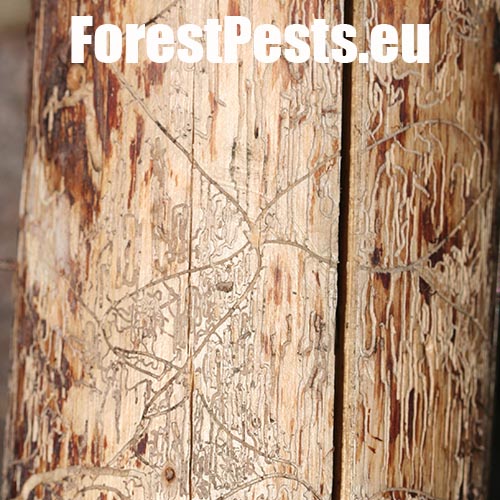
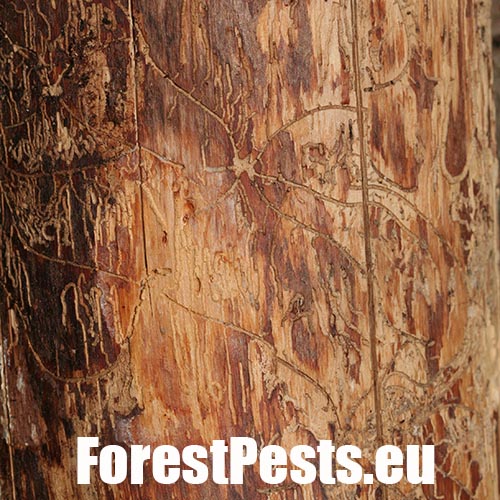
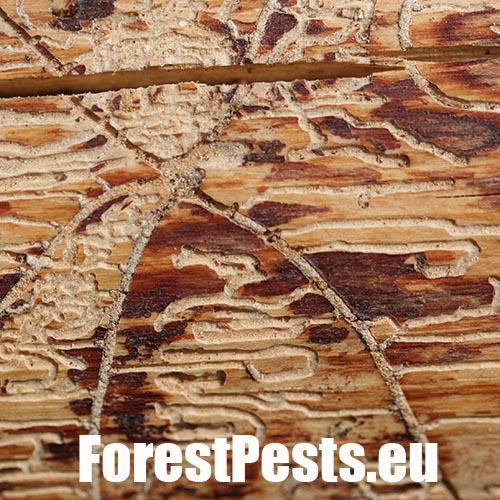
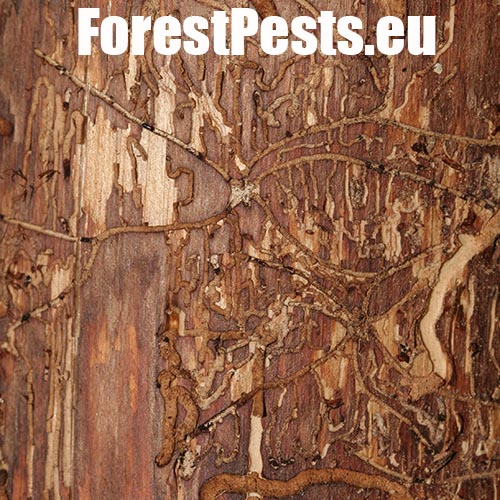
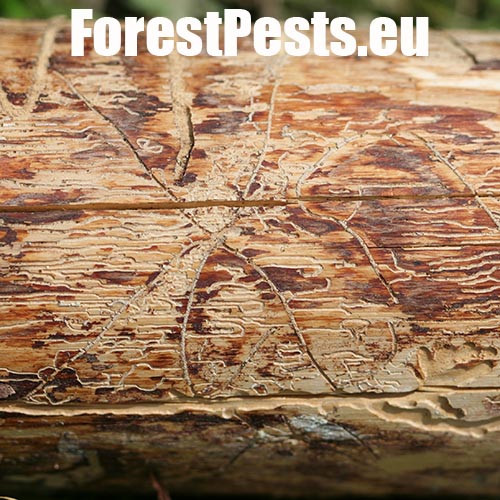
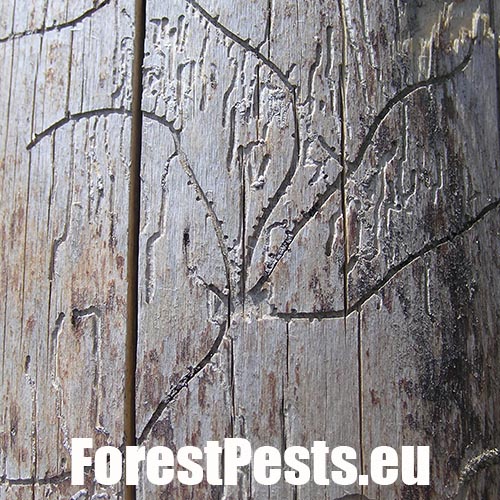
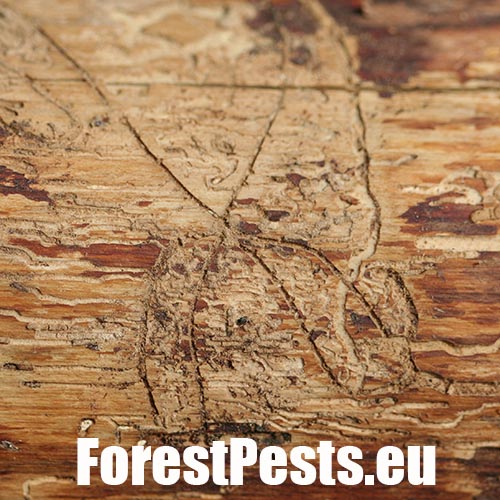
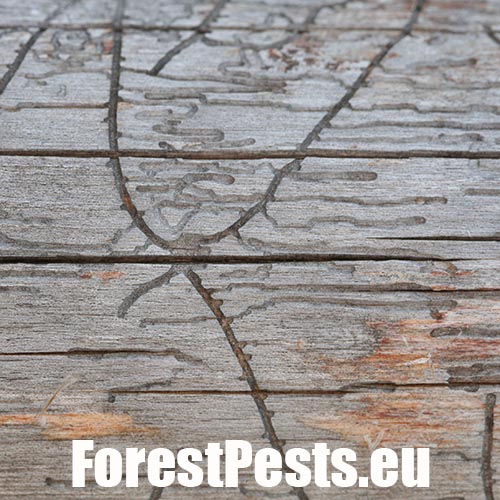
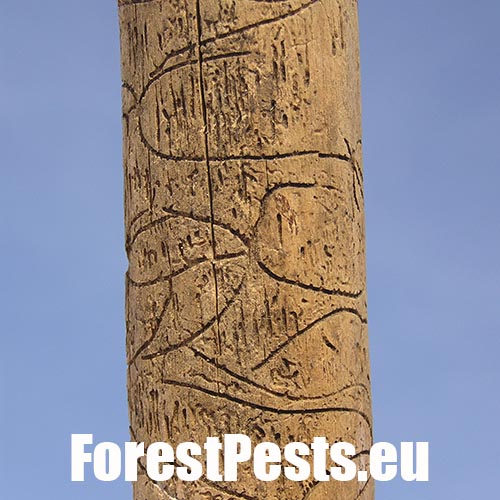
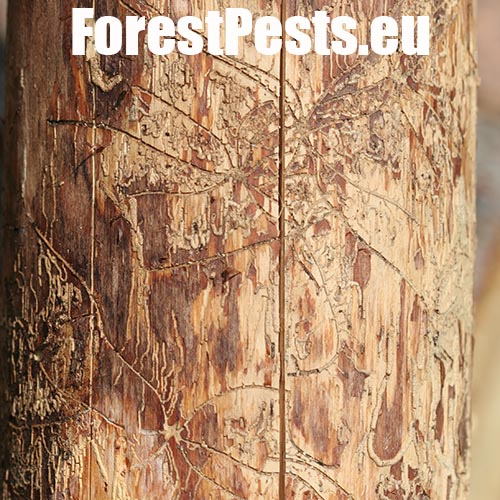
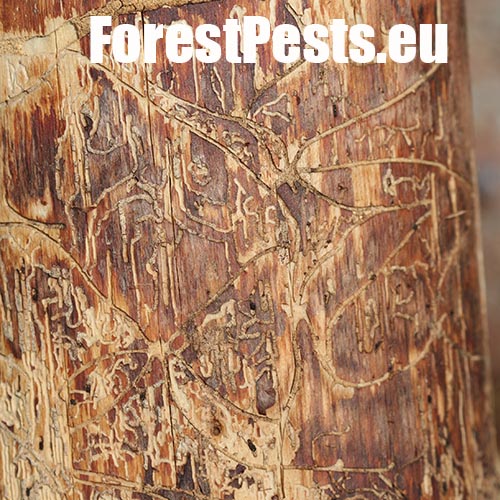
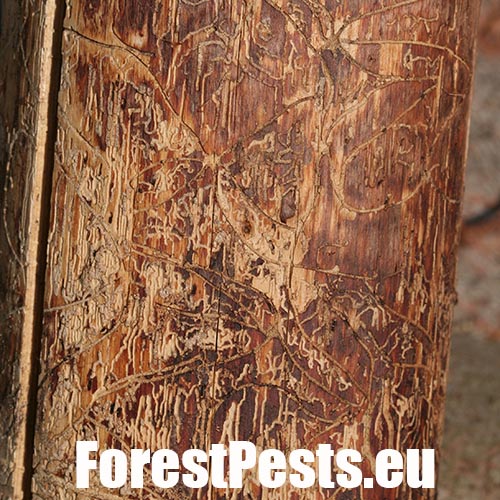
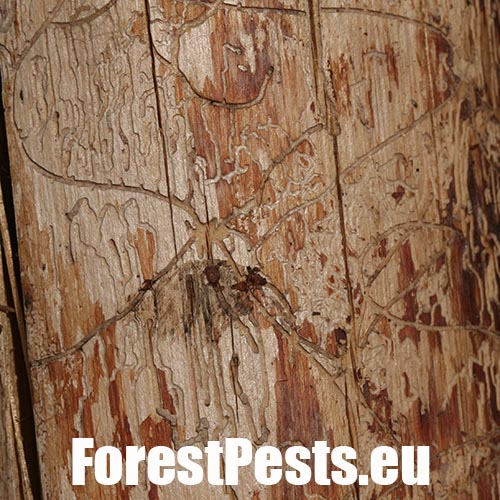
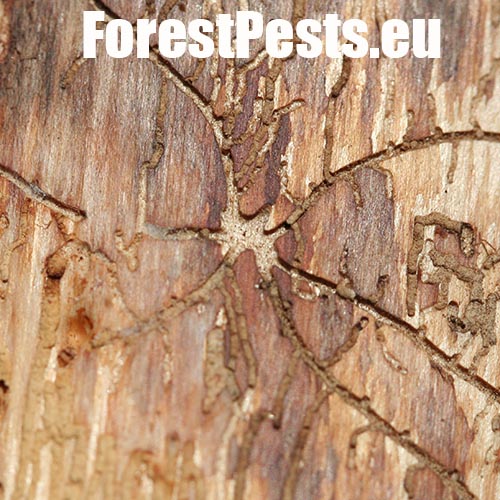
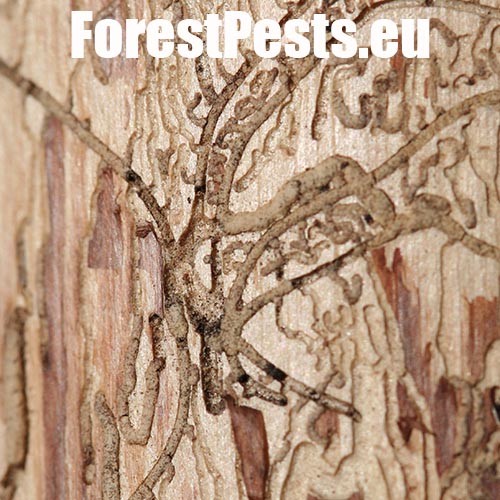
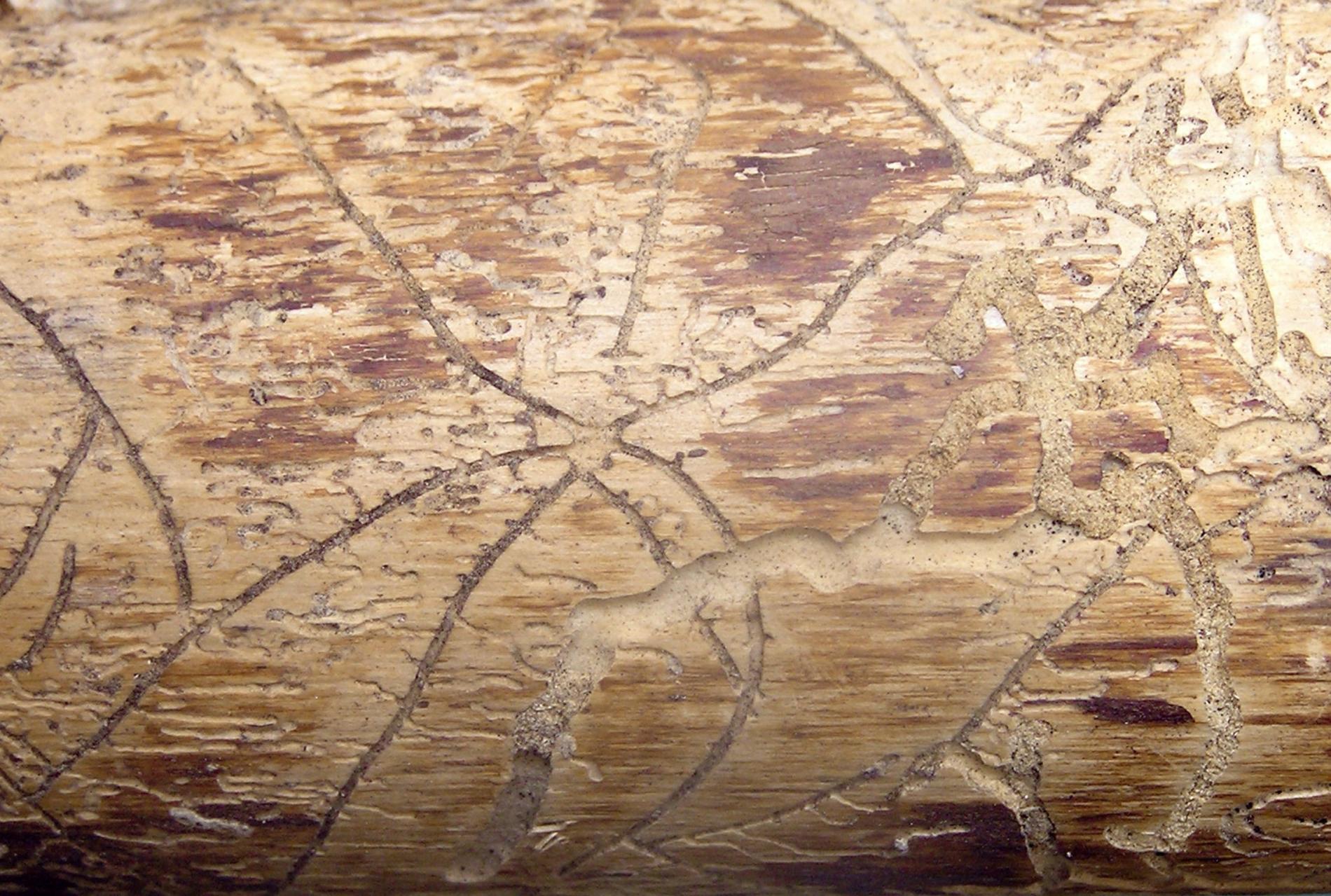
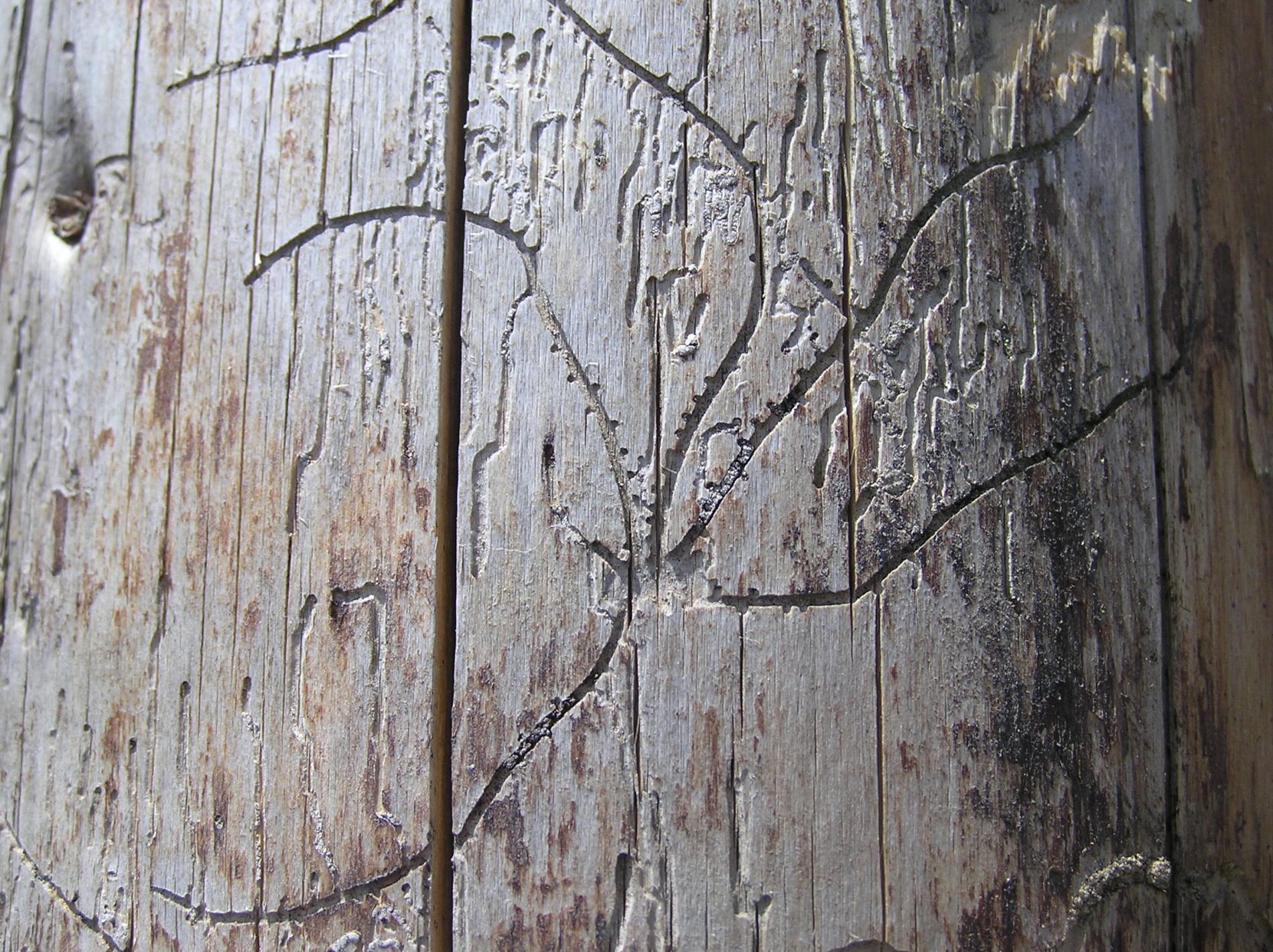
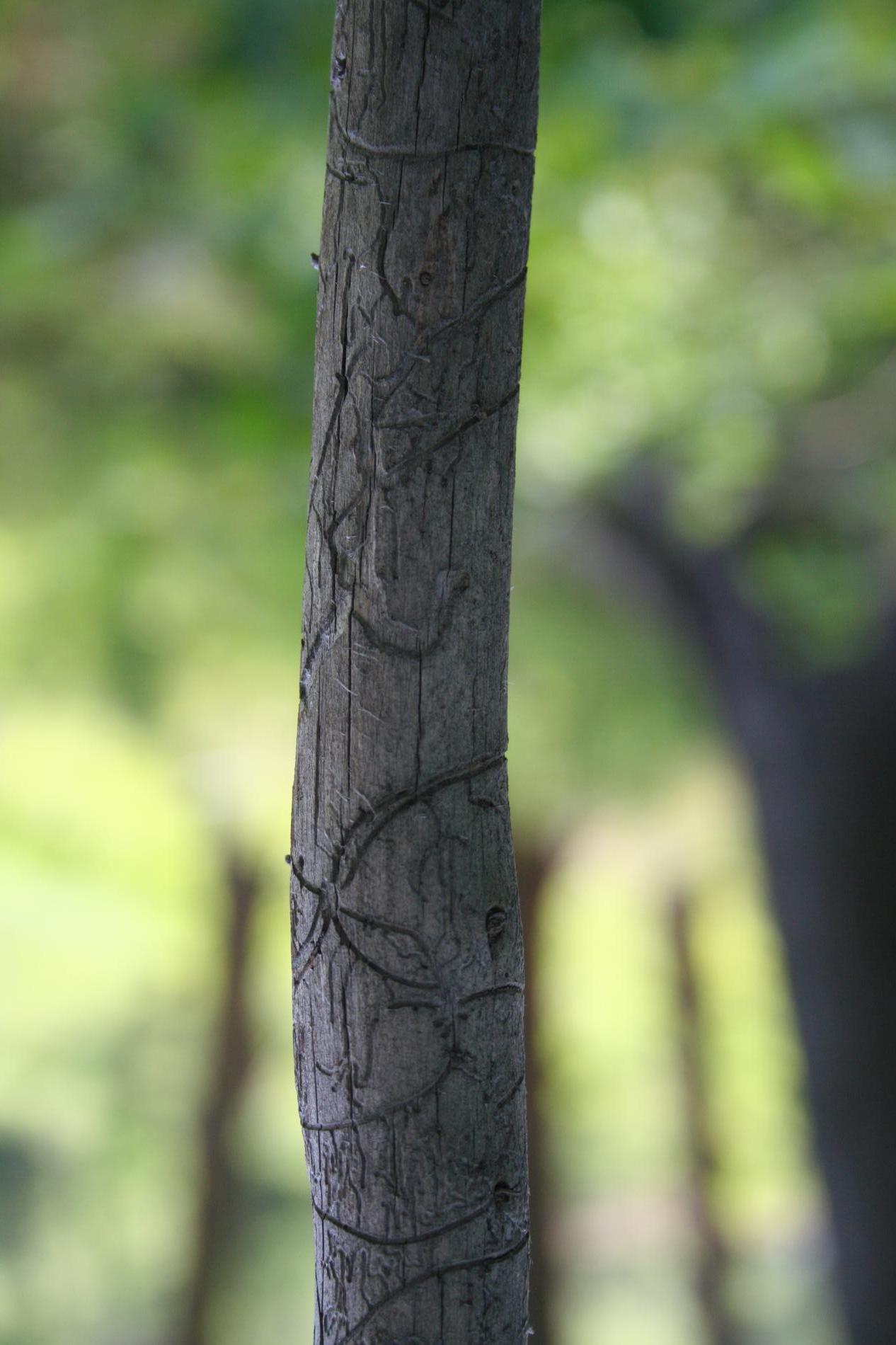
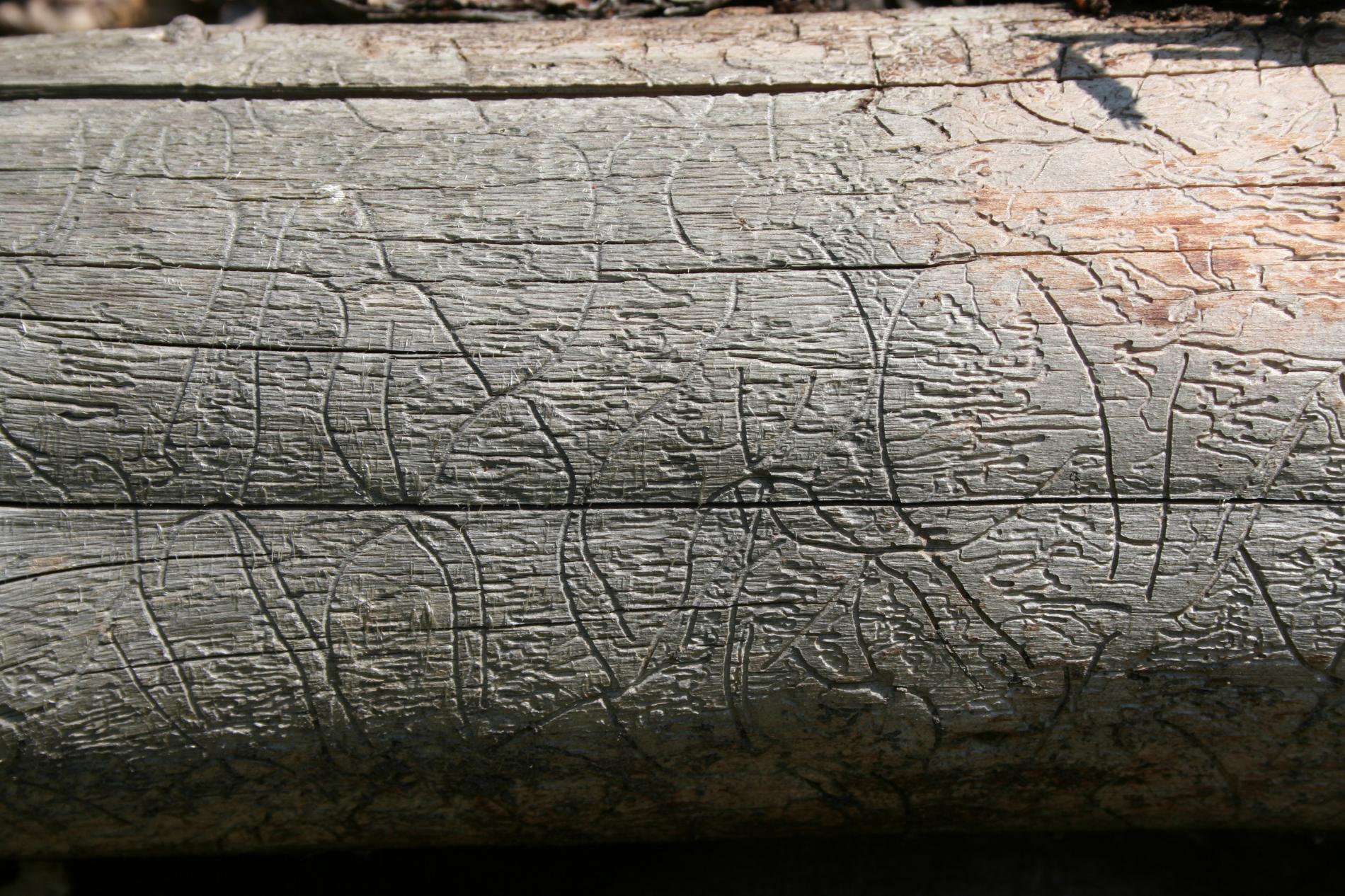
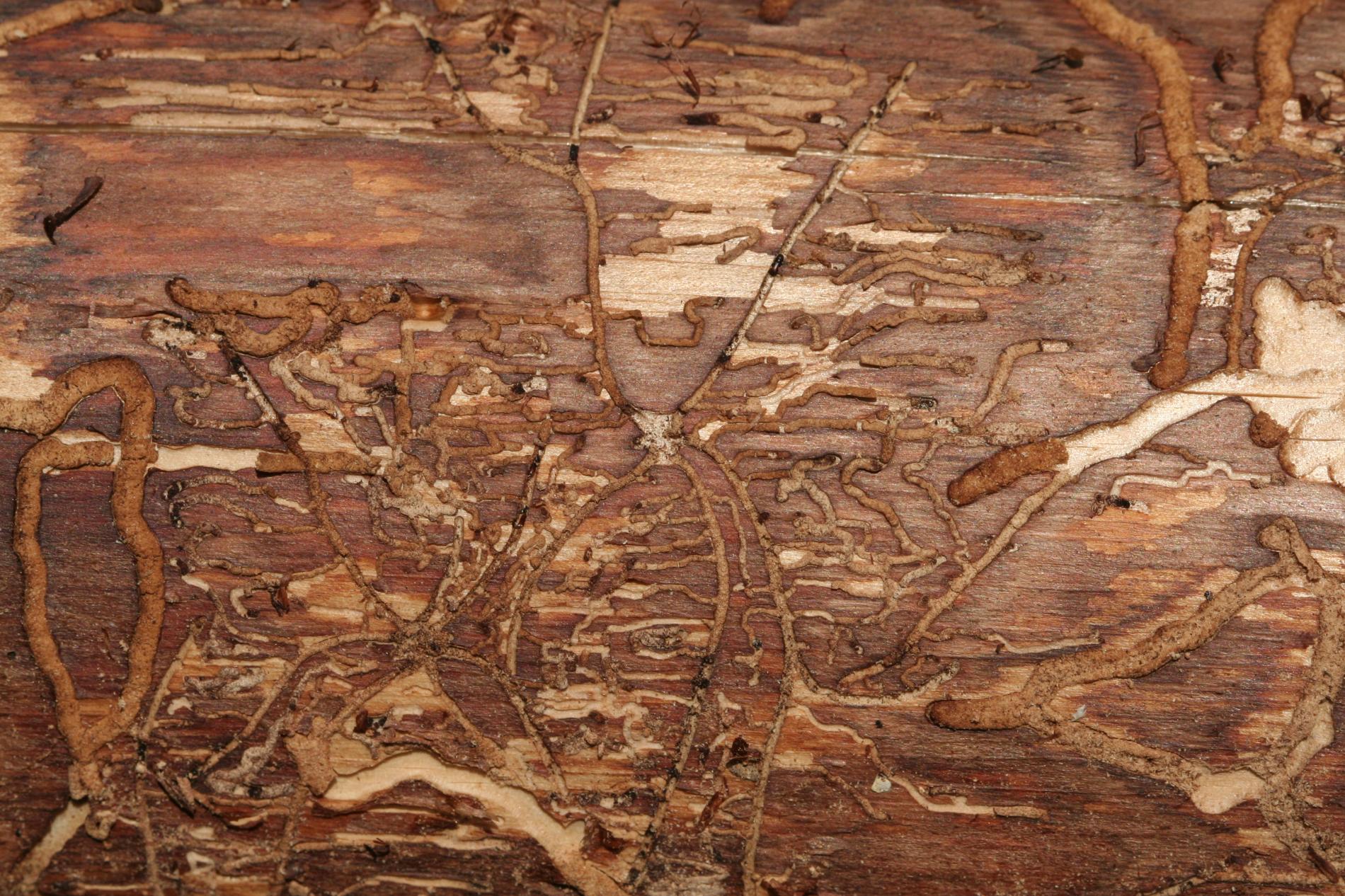
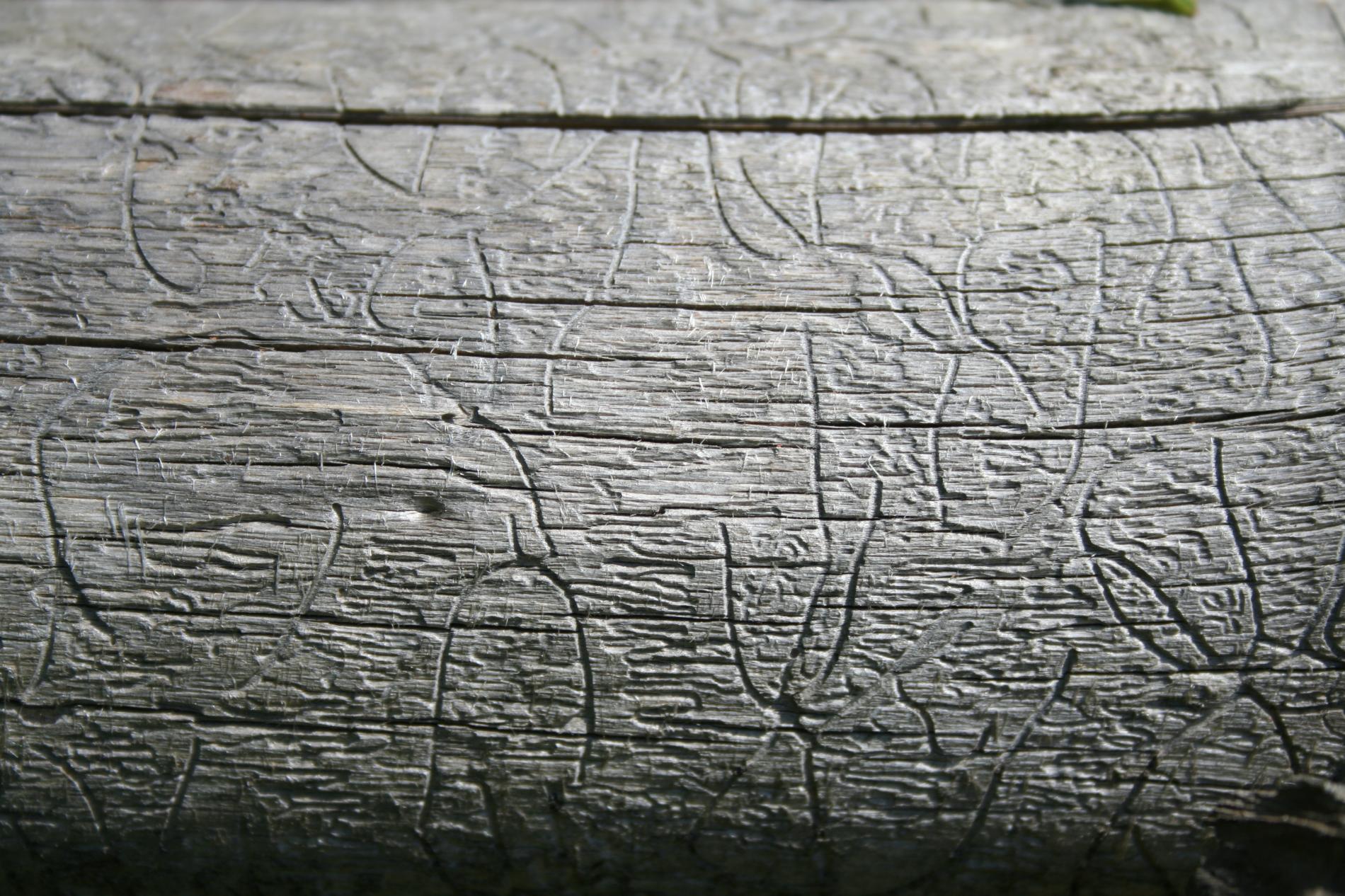
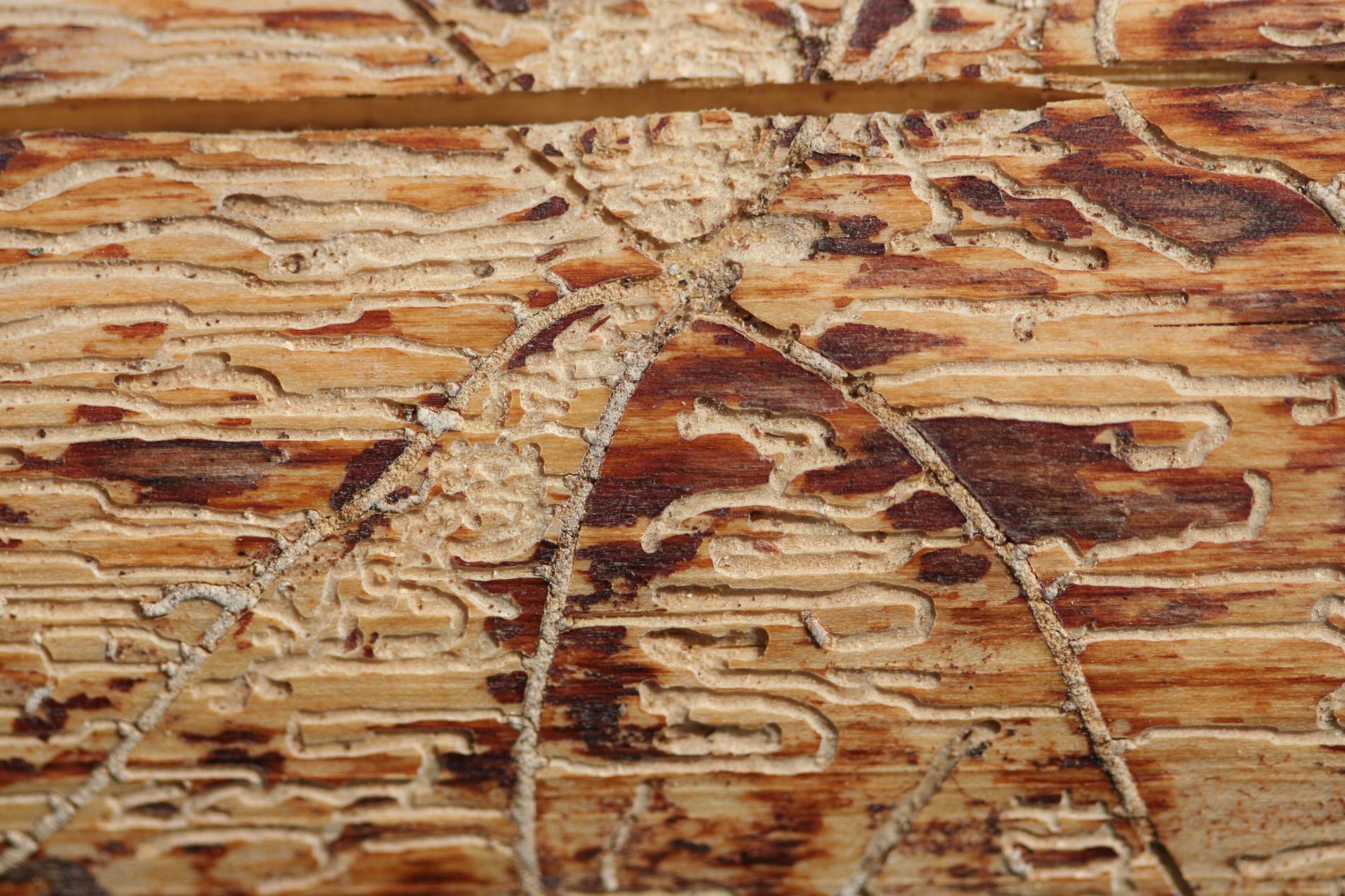
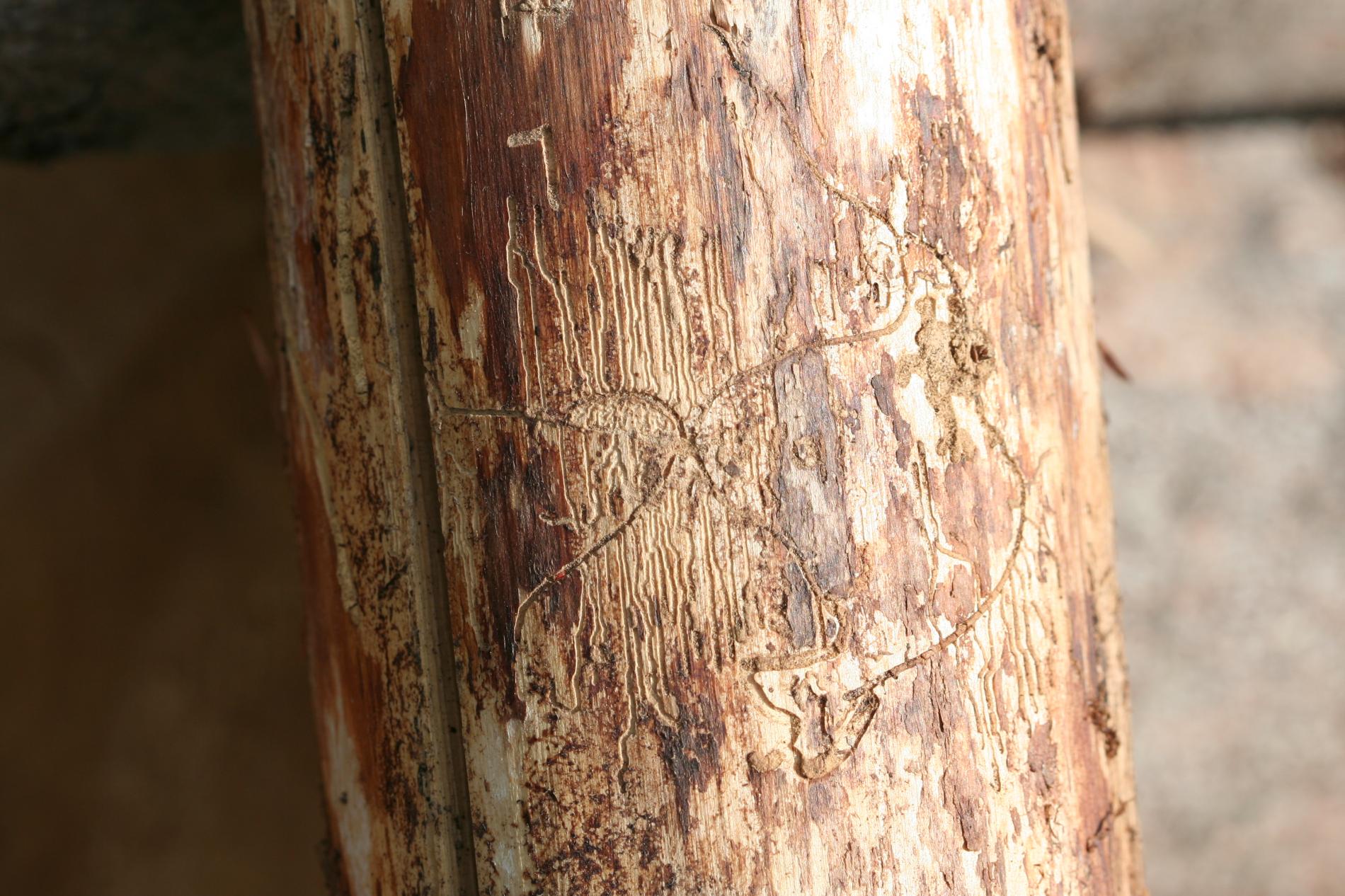
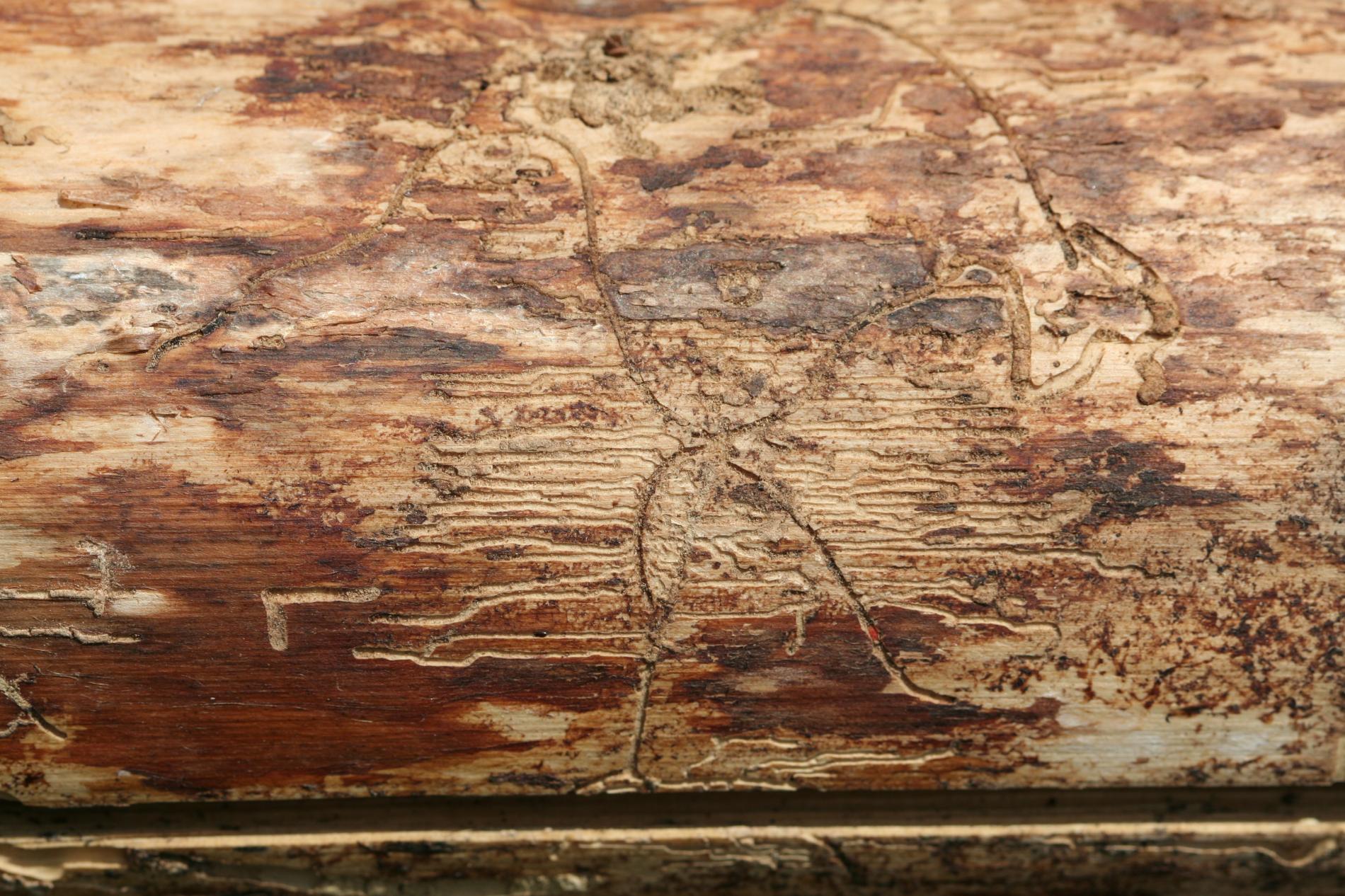
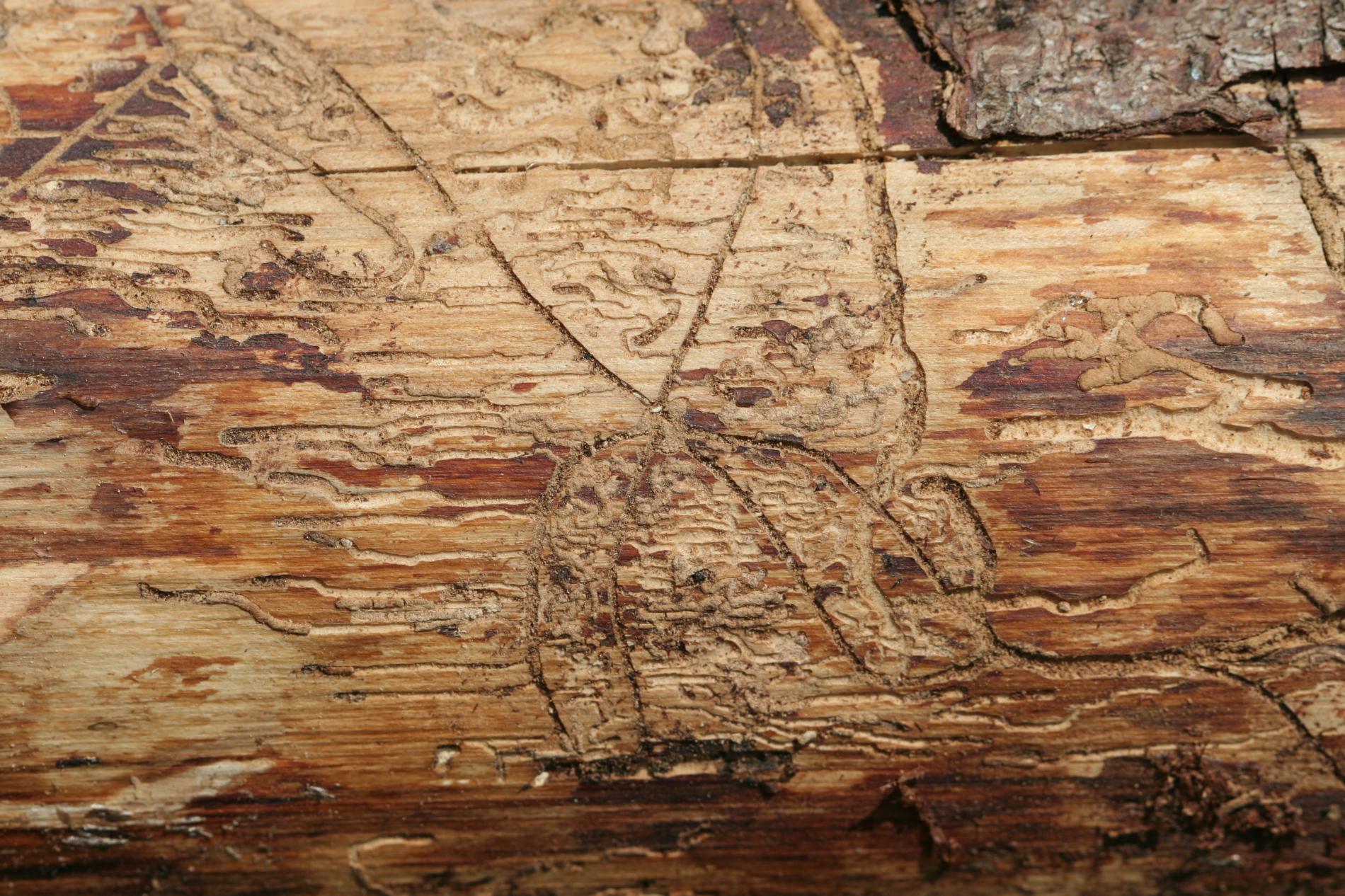
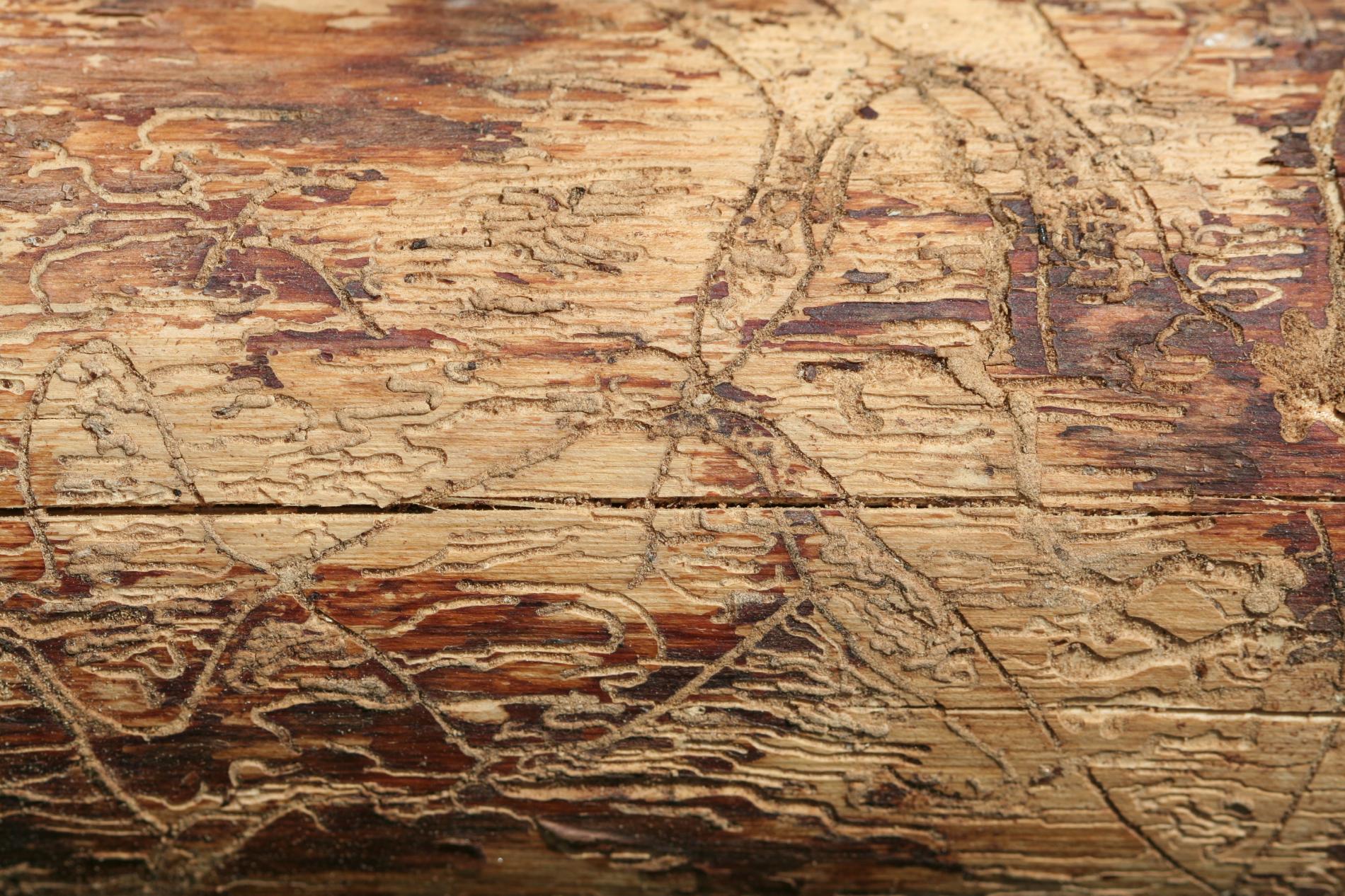
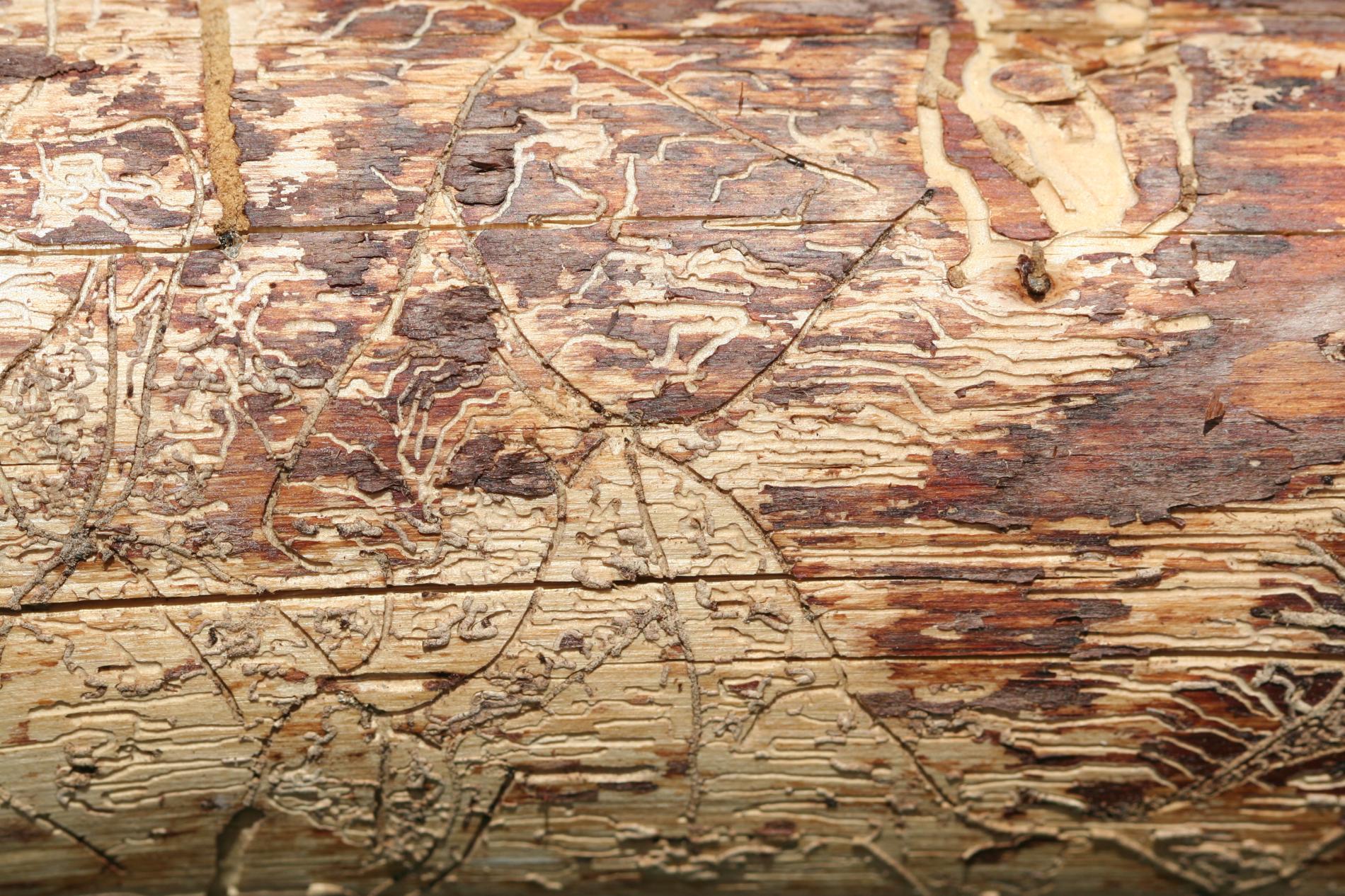
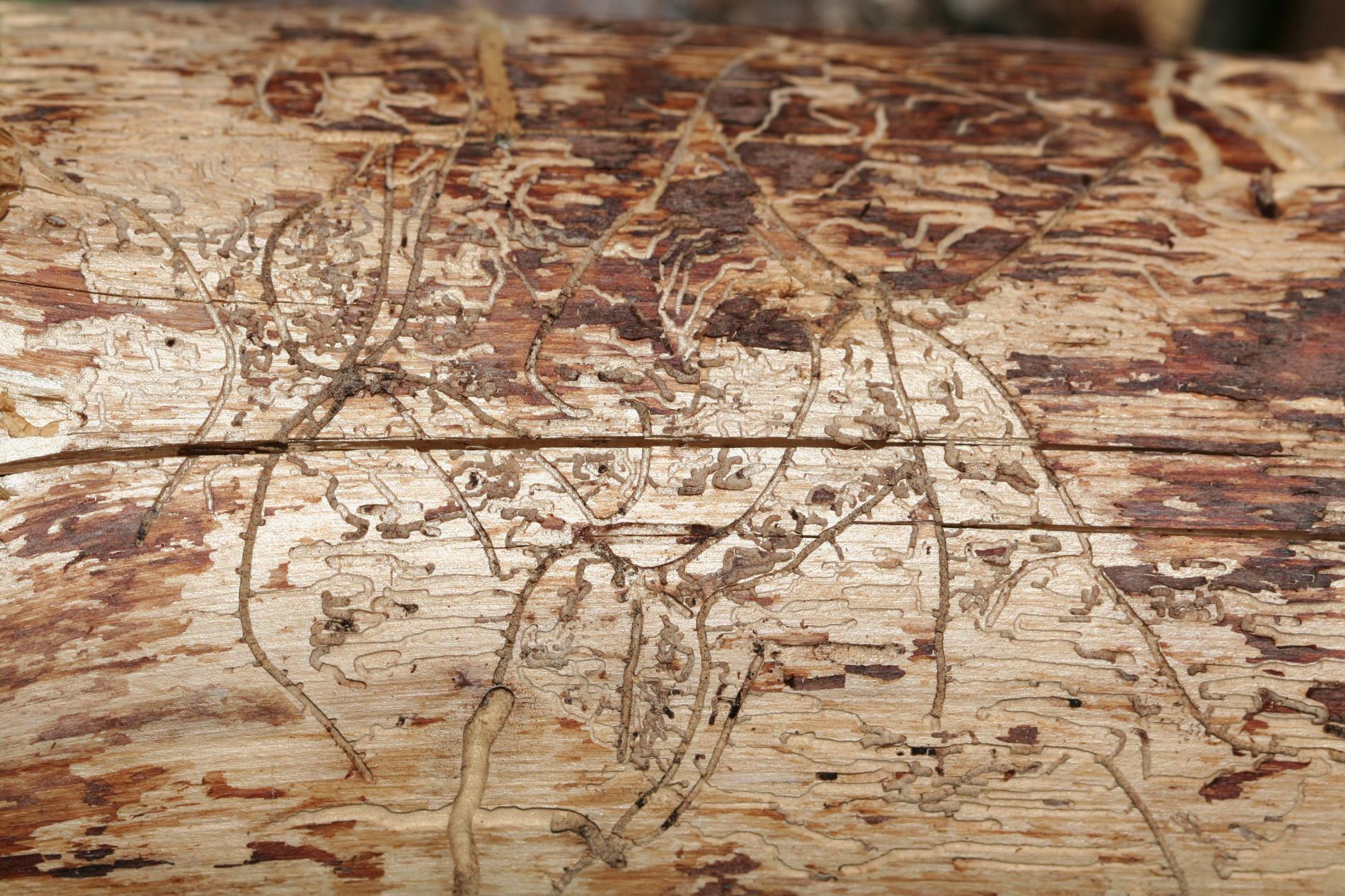
The adult is narrowly cylindrical, brownish-black, shiny, about 1.1-1.7 mm long. It swarms in spring, in April and May. About 3-8 females (usually 5-7) follow the male into the nuptial chamber and excavate star-shaped egg chambers after fertilization. The egg chambers are usually relatively long, not rarely 12-15 cm in length. Galleries are deeply cut into sapwood. The larval tunnels are quite dense and regular. It has two generations per year, in mountains usually only one. Damaged trees change the colour of their needles, especially on the most colonized branches which gradually die. In case of intensive attack, the bark falls off.
Galleries are deeply cut into sapwood. The larval tunnels are quite dense and regular. Nuptian chamber is good visible in the wood.
Tree Species: Pine, Fir, Spruce, Larch
Part of a plant- attacked: Tree trunk, Branch
Pest Category: Insects
Invasive Species: No
Present in EU: Yes
Pest group: Insect
Depth of damages: Bark, Under bark only, Up to 0,5 cm depth
The extent of damage: Lokally
Prevalence in Europe: Very common
Damaged products: Firewood, Fresh timber logs (water still in the sapwood)
Roundwood size: Branches and twigs, Diameter up to 10 cm
Wood discoloration: No
Exit holes: Round
Pest subcategory: Bark and underbark insect
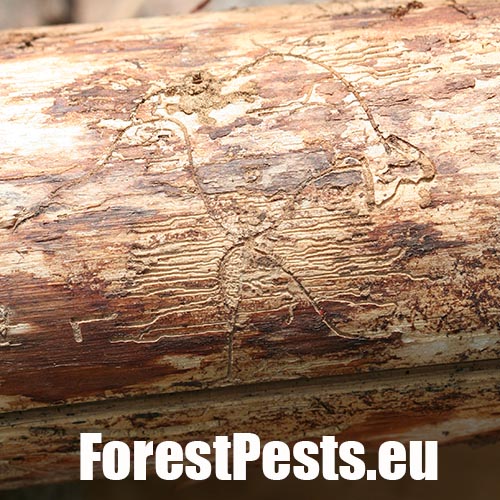

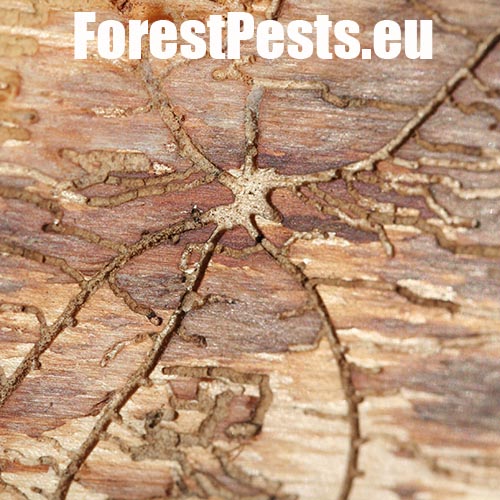
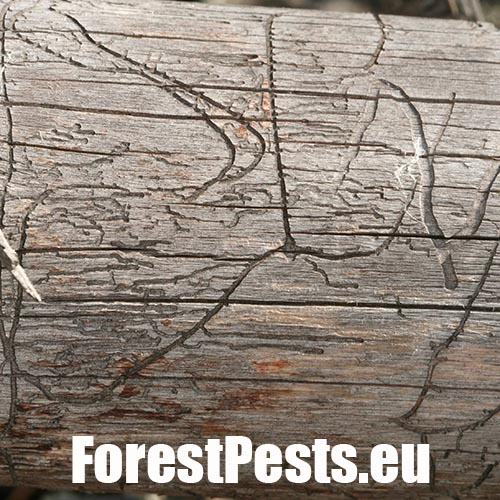
Similar pests

Ips typographus

Ips duplicatus
