


Pissodes piceae
European silver fir weevil
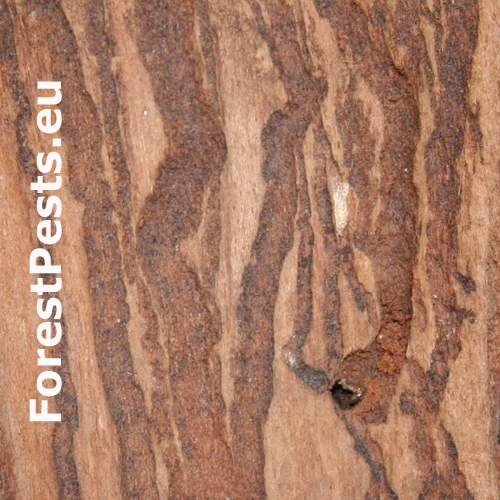
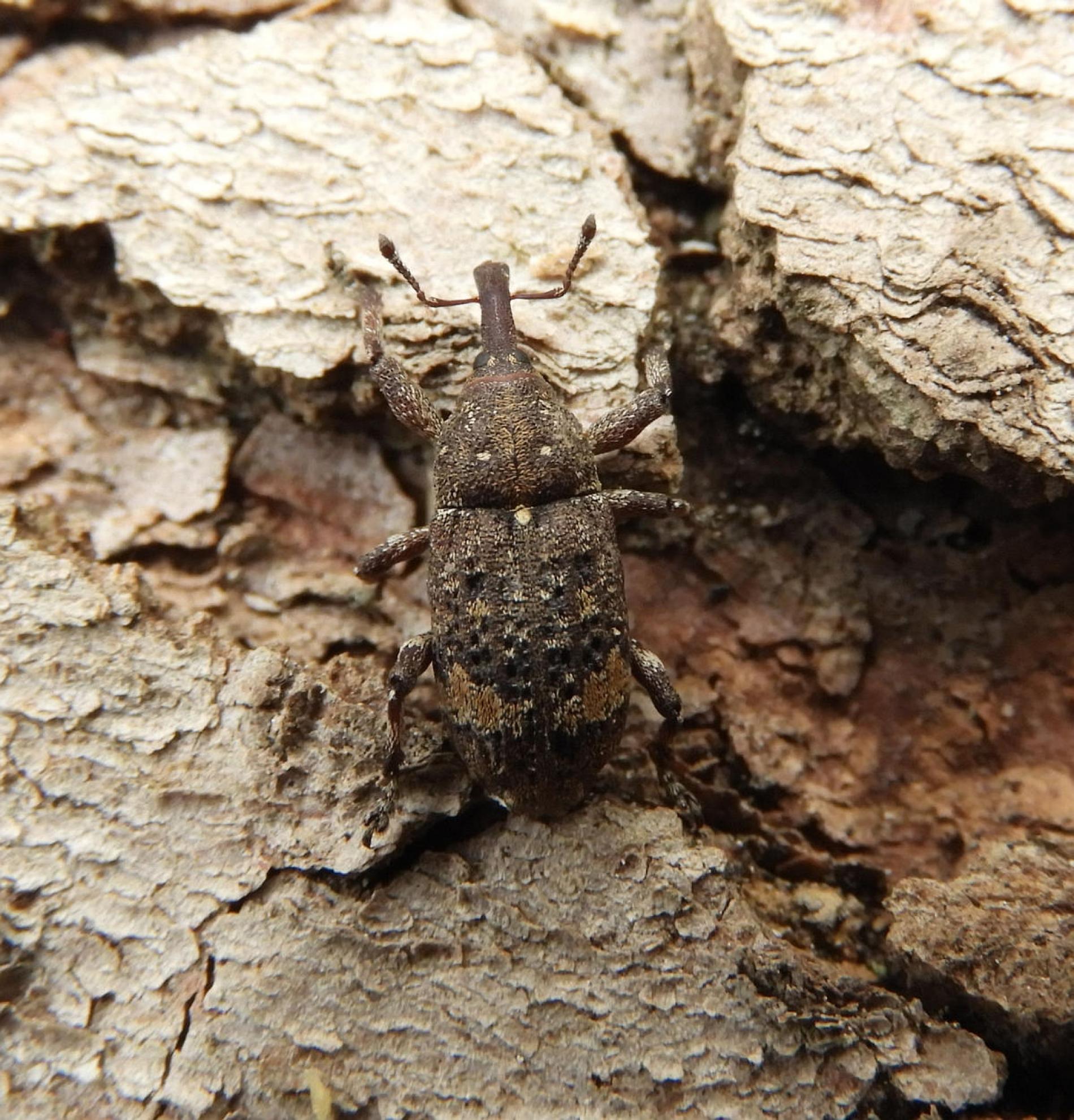
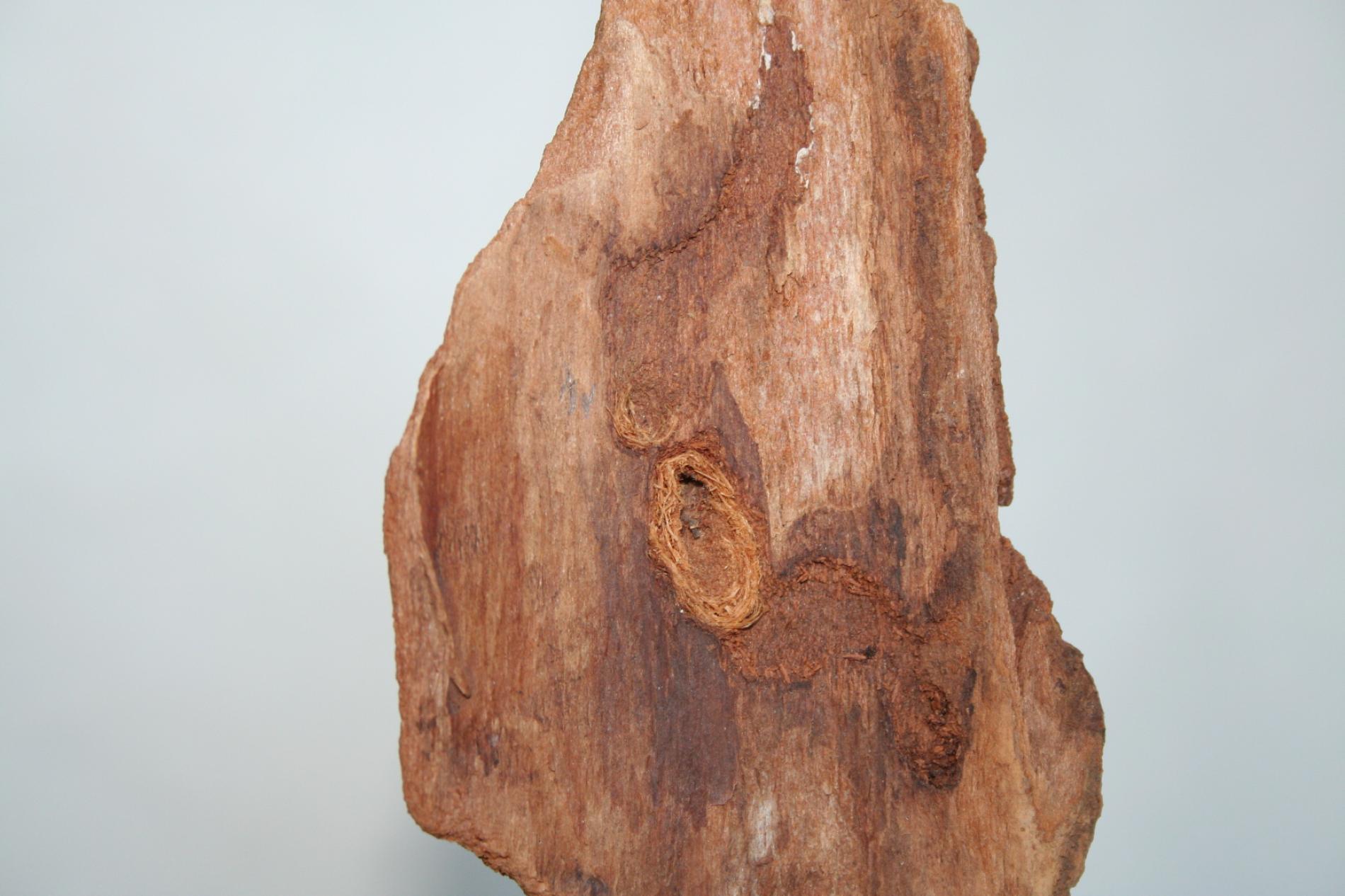
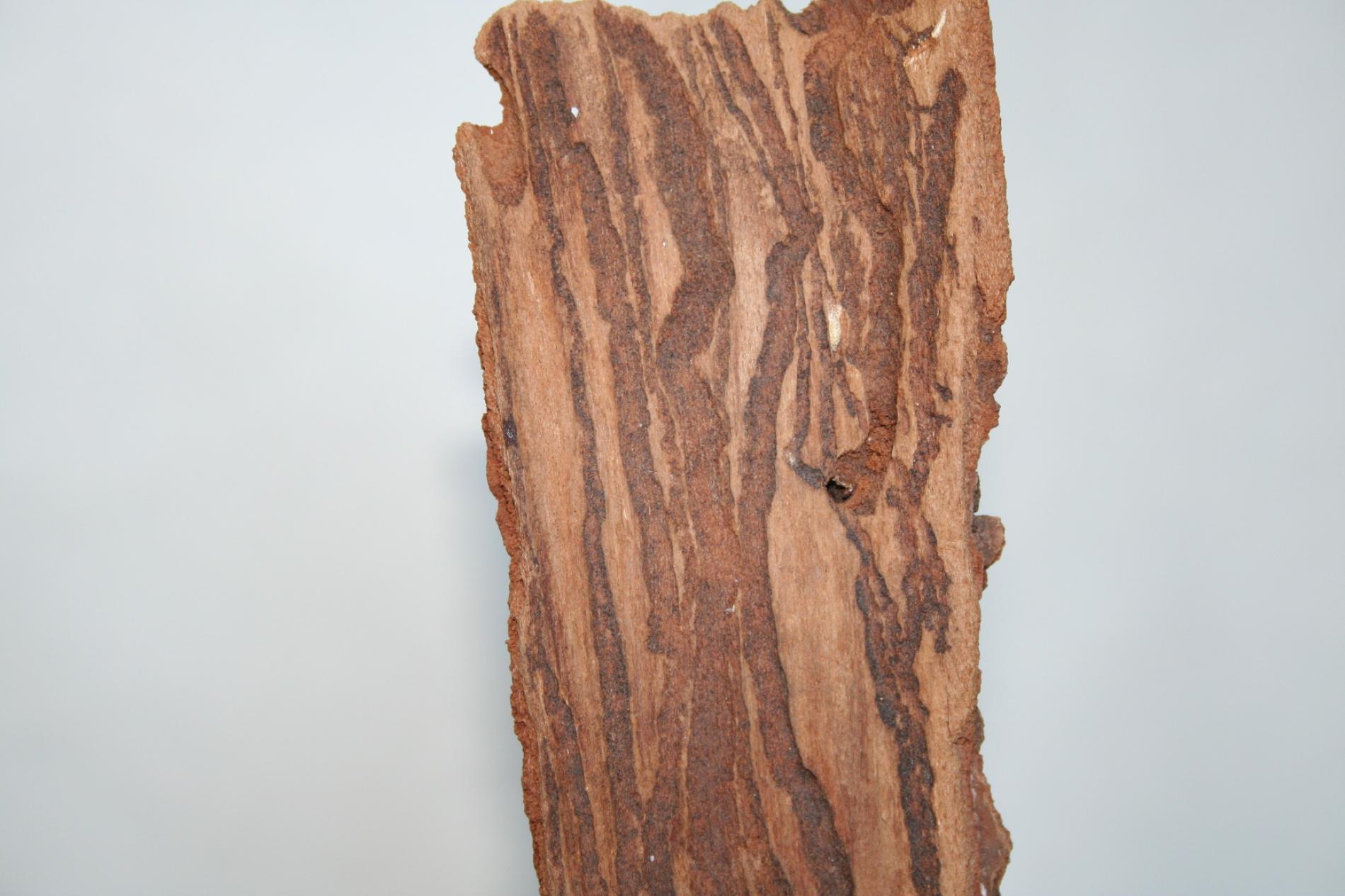
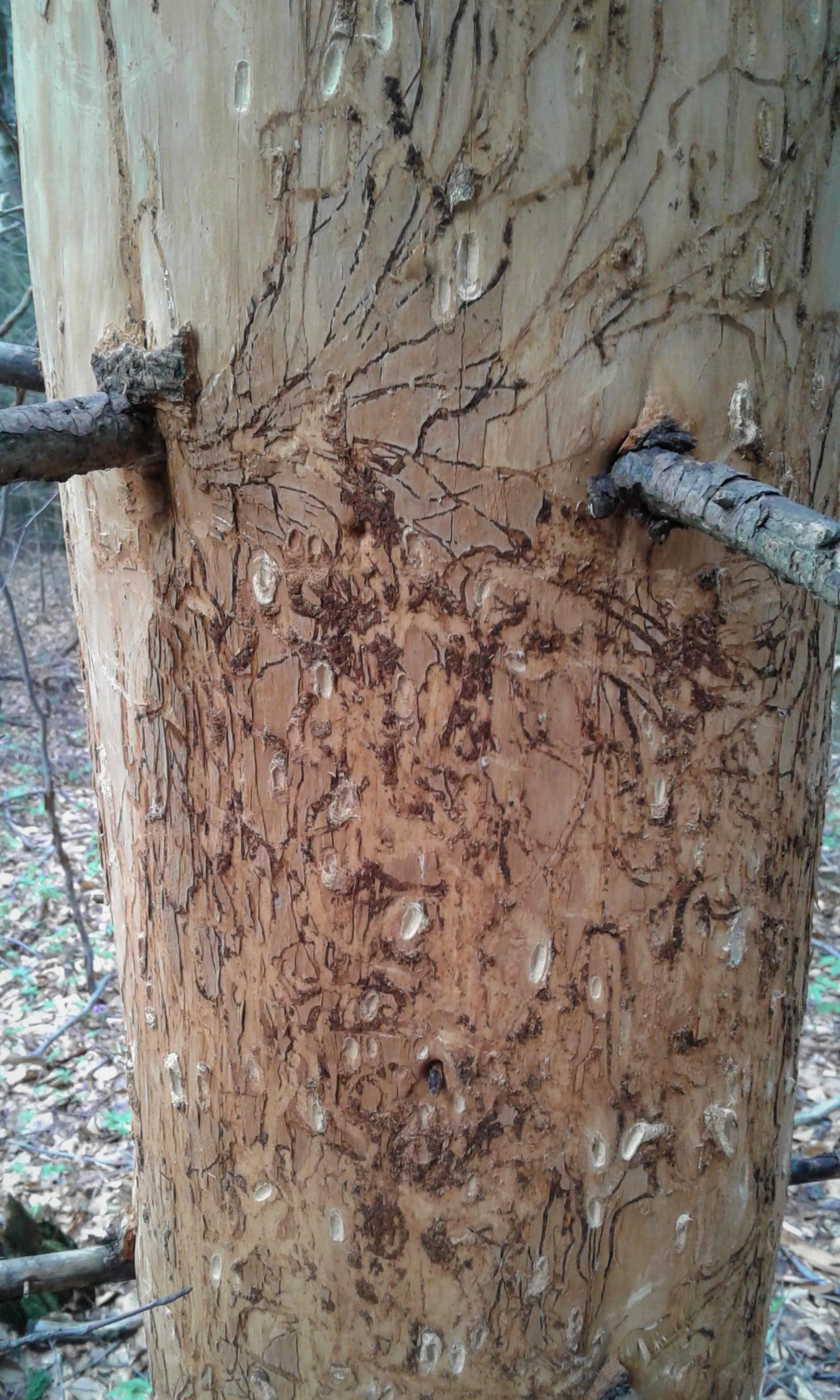
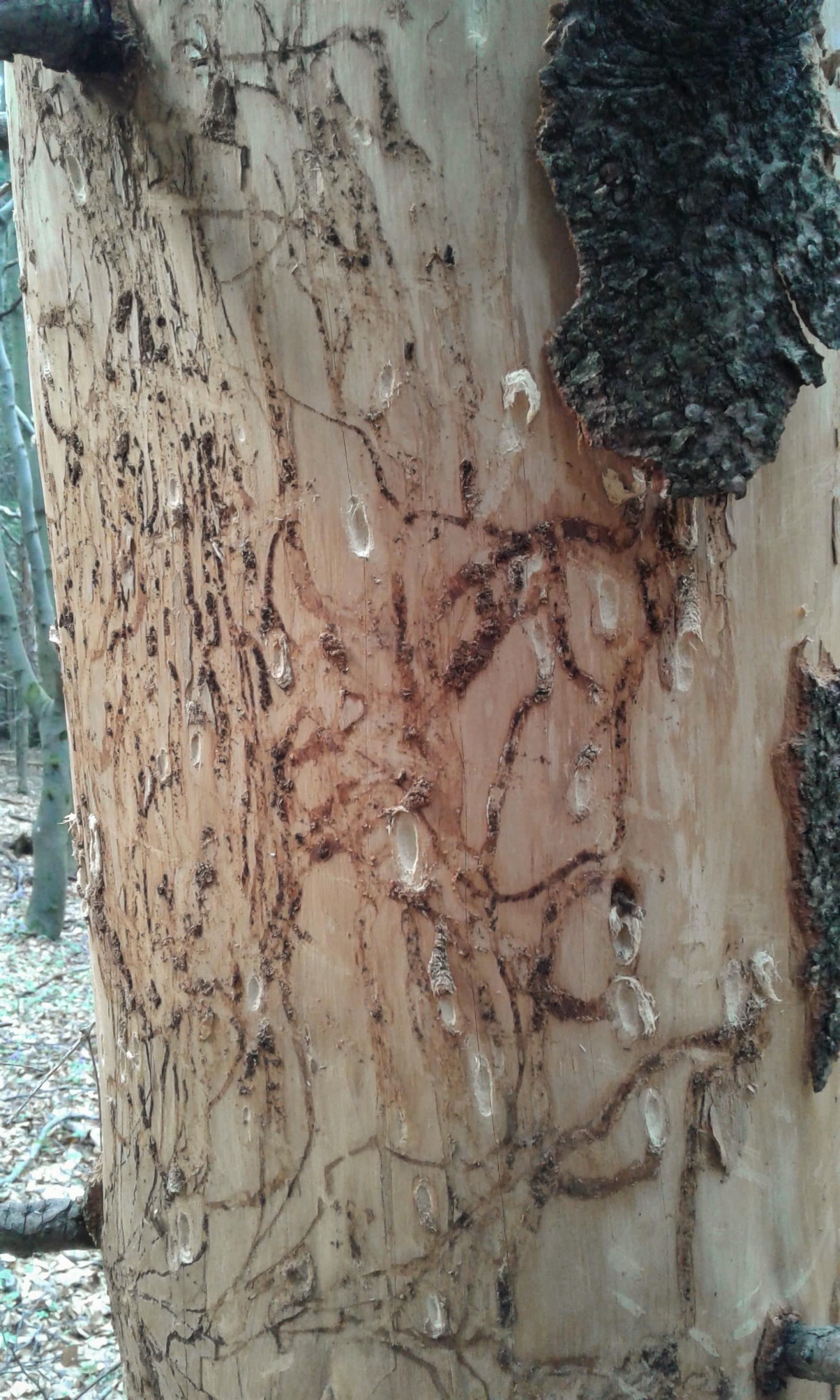
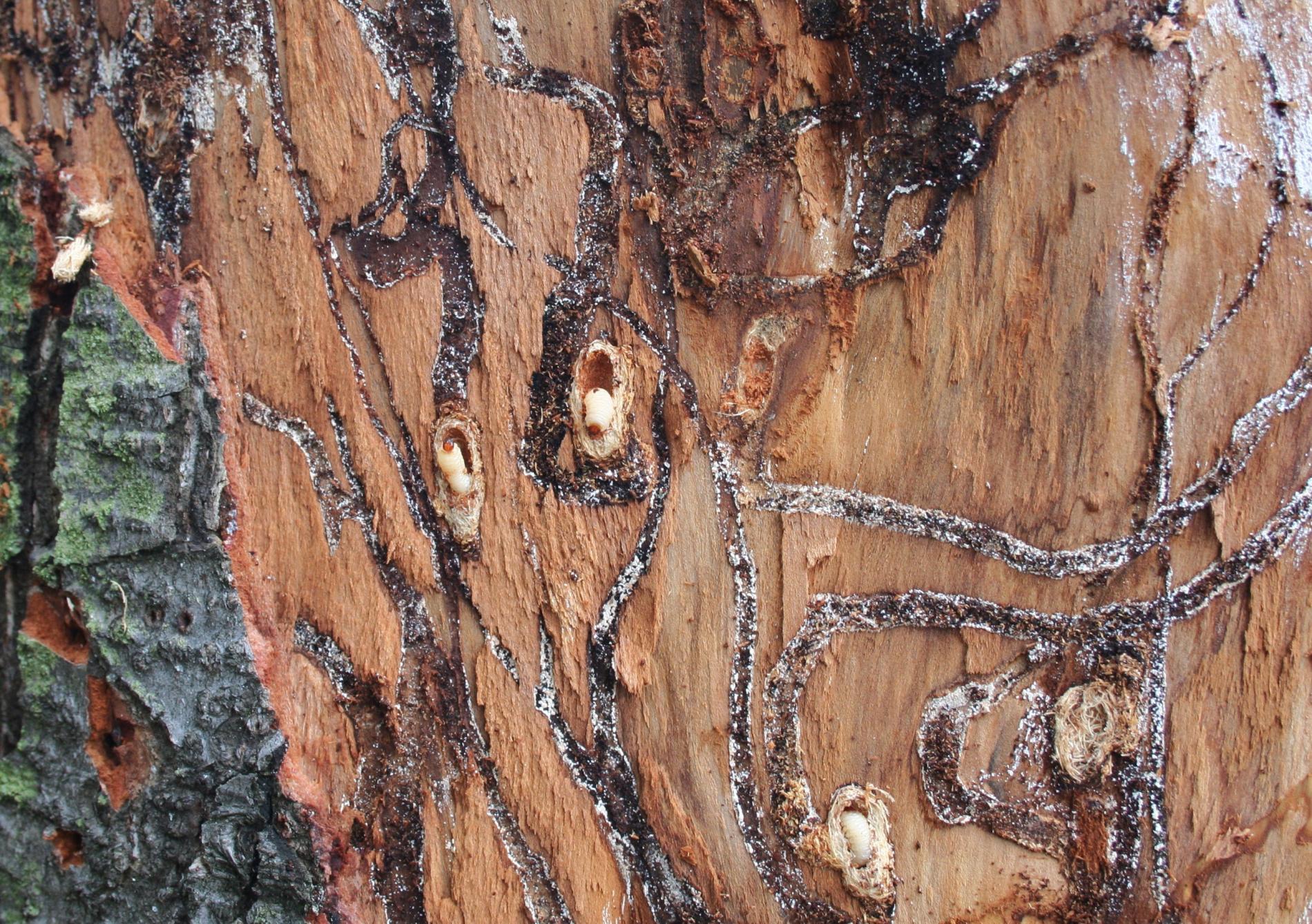
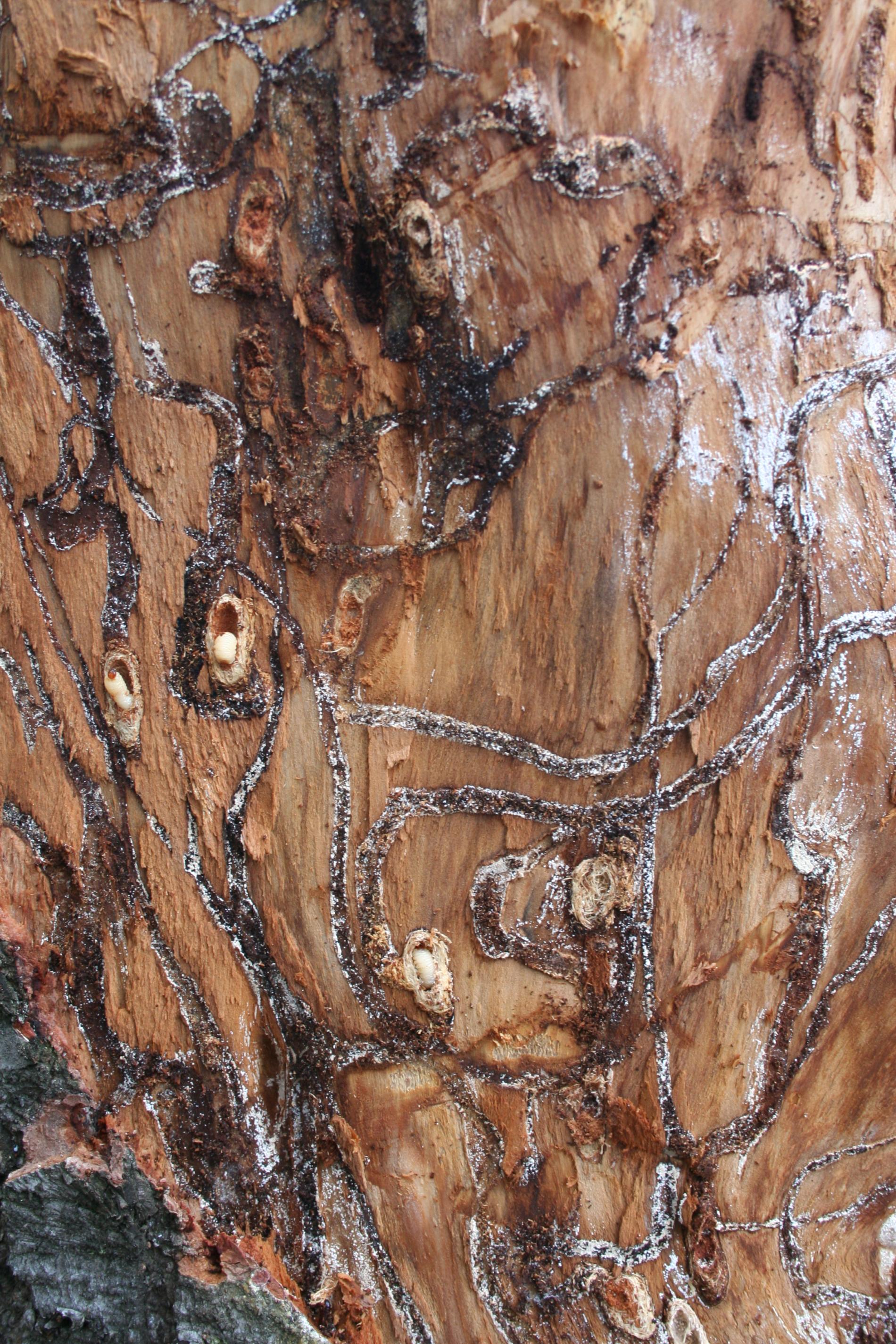
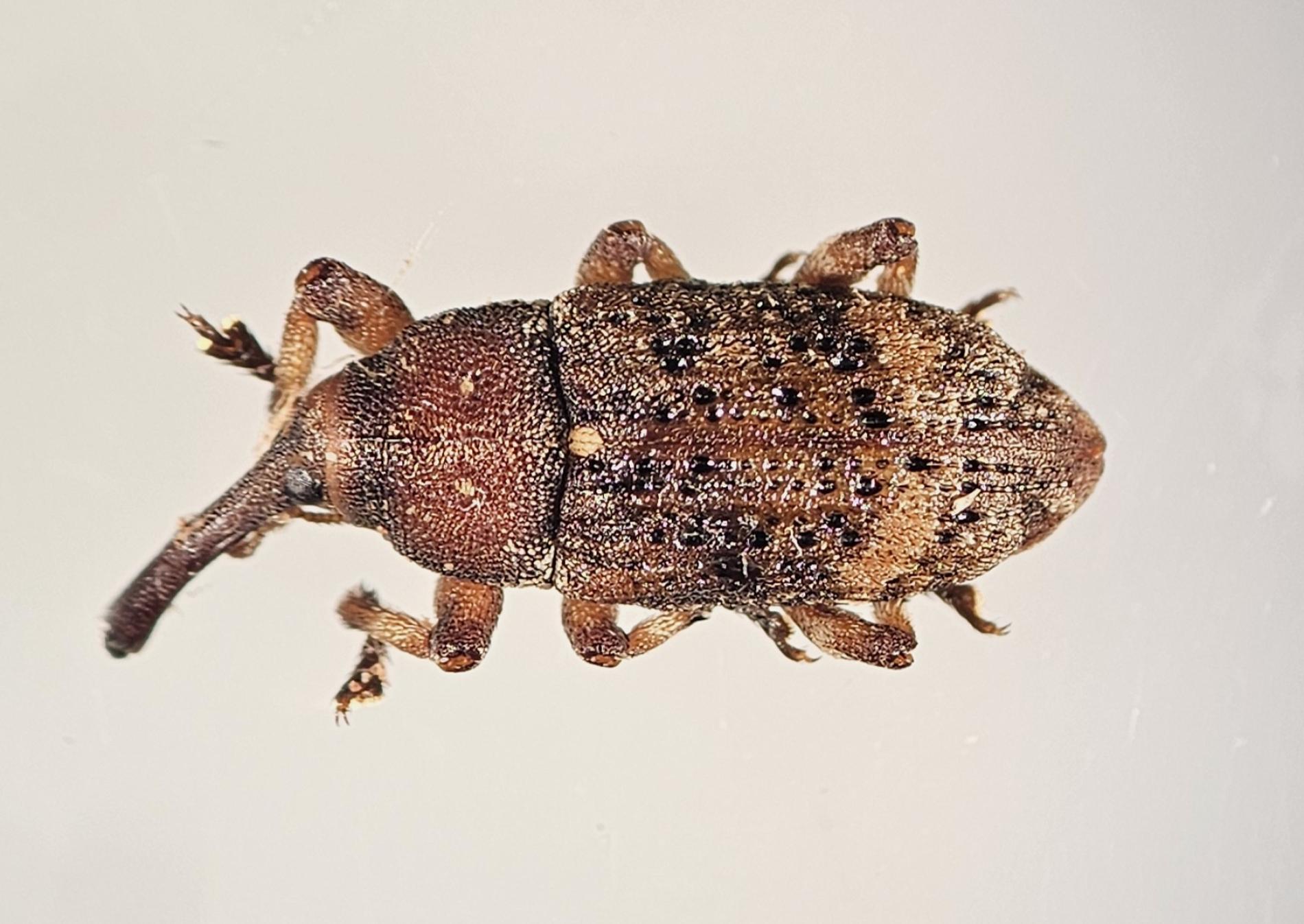
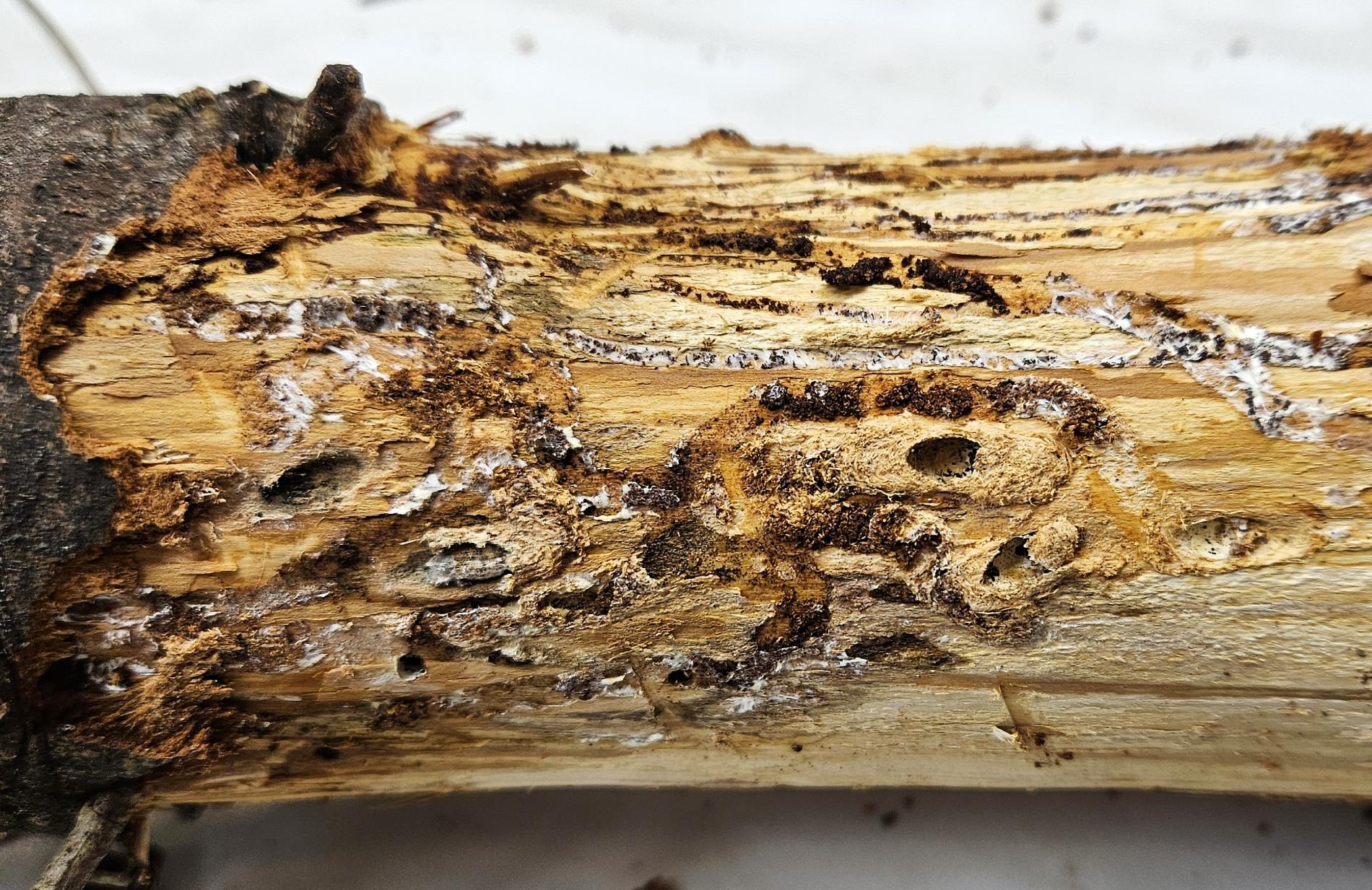
The larvae of Pissodes piceae develop under the bark of fir trunks, preferably in trees between 40-80 years old. The female of the species lays multiple eggs into a pit gnawed off in the bark. Once hatched, the larvae bore into the bark and gradually create galleries by biting away at it. At the ends of these galleries, oval pupal chambers are formed, which are embedded in wood and filled with a small layer of fine wood chips. The pupae, which have a visible "nose," develop inside these chambers before emerging as brown adults with yellow spots on their elytrae. This pest species completes its life cycle annually. Adult insects may live for up to two years and lay eggs throughout their lifetime, resulting in various life stages occurring at the same time. The species is a dangerous pest that has a tendency to cause mass outbreaks on weakened trees, often in conjunction with other pest species.
Larvae and eaters under the bark of fir trunks.
Tree Species: Fir
Part of a plant- attacked: Tree trunk
Pest significance: Harmful
Pest Category: Insects
Invasive Species: No
Present in EU: Yes
Pest group: Insect
Affected part of wood: Heartwood, Sapwood
Depth of damages: Bark, More than 5 cm depth, Under bark only, Up to 2 cm depth
The extent of damage: Whole trunk
Prevalence in Europe: Very common
Damaged products: Firewood, Fresh timber logs (water still in the sapwood)
Roundwood size: Branches and twigs
Wood discoloration: No
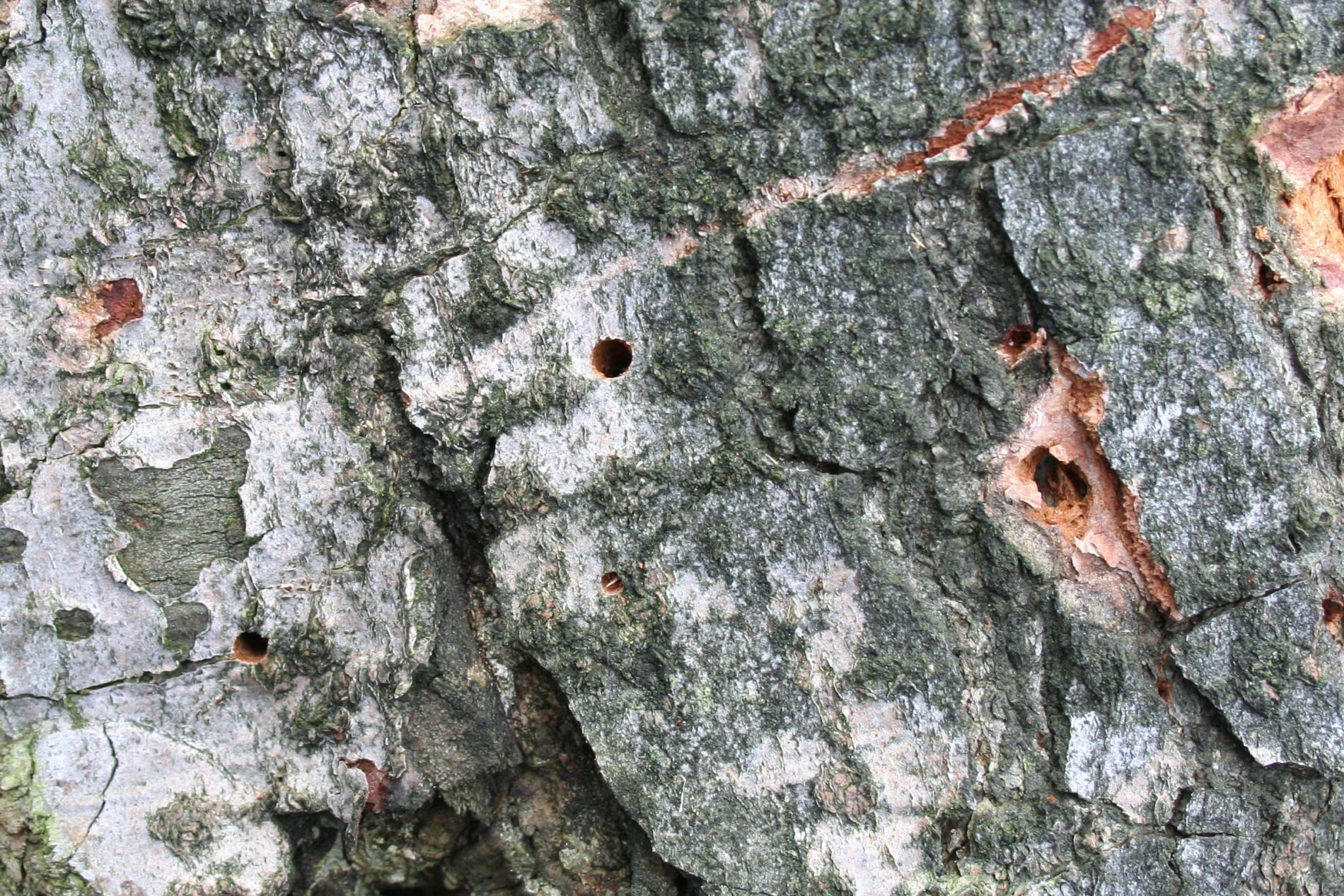
Exit holes: D-shape
Pest subcategory: Wood-boring insect
Similar pests

Pissodes notatus

Hylobius abietis
