


Pissodes notatus
Banded pine weevil
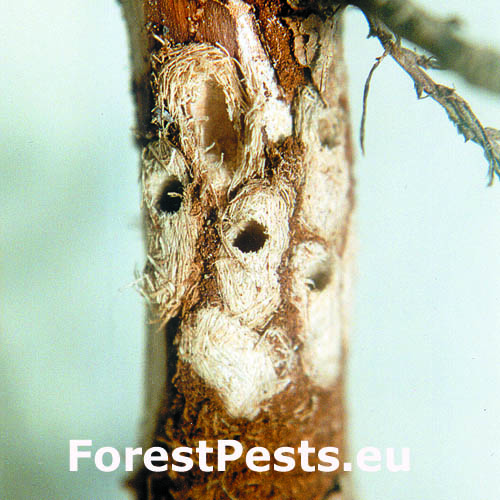
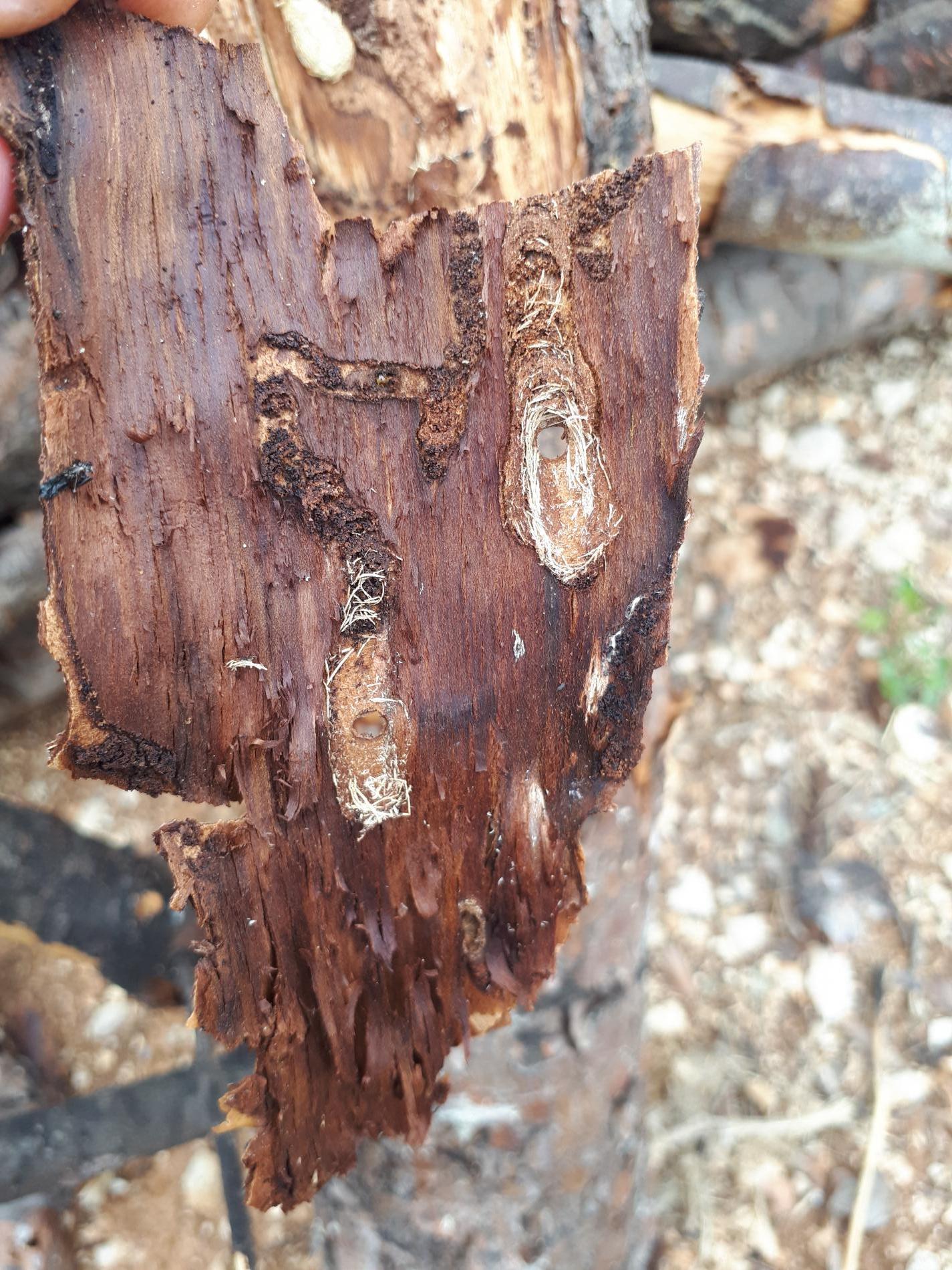
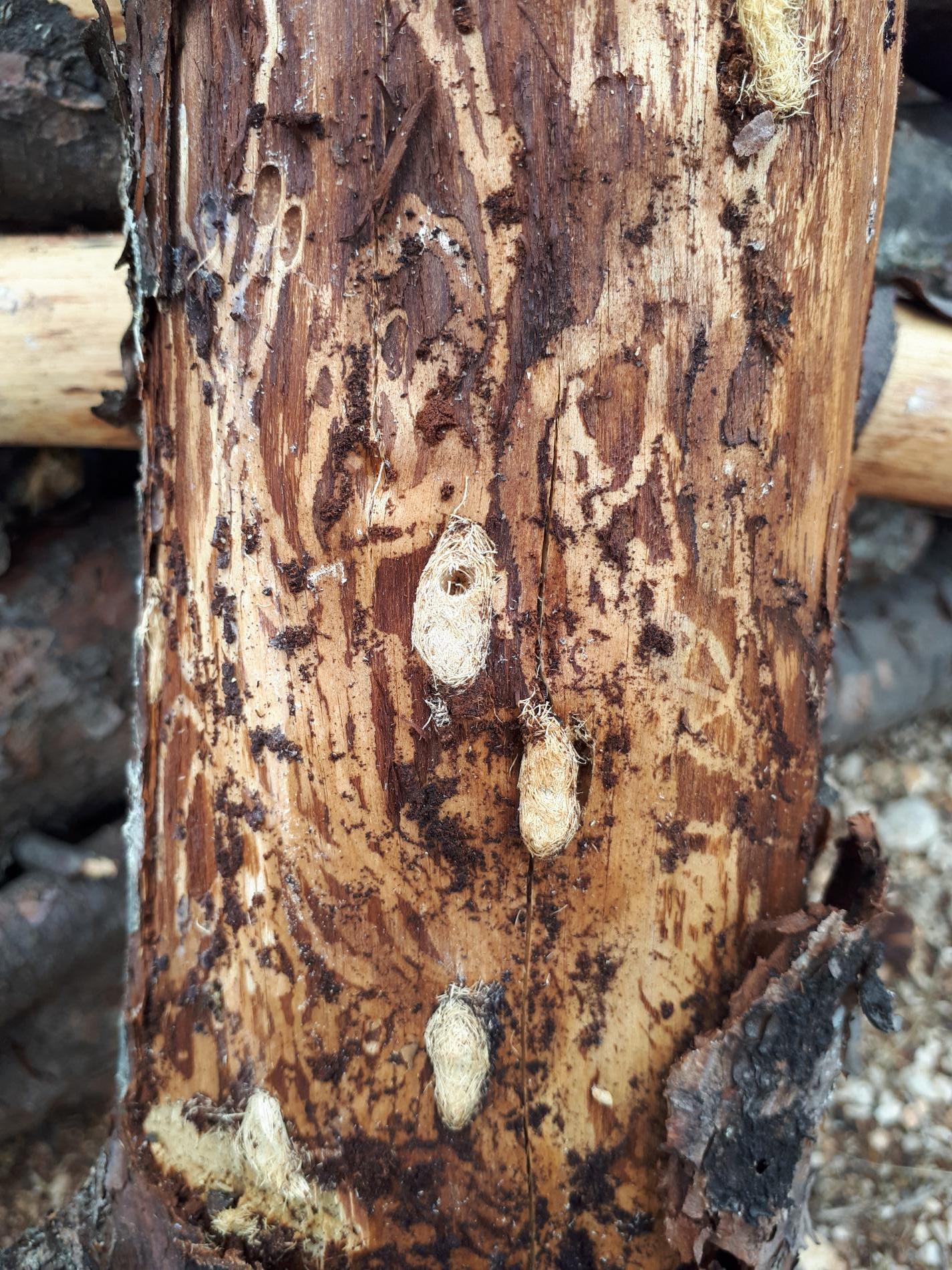
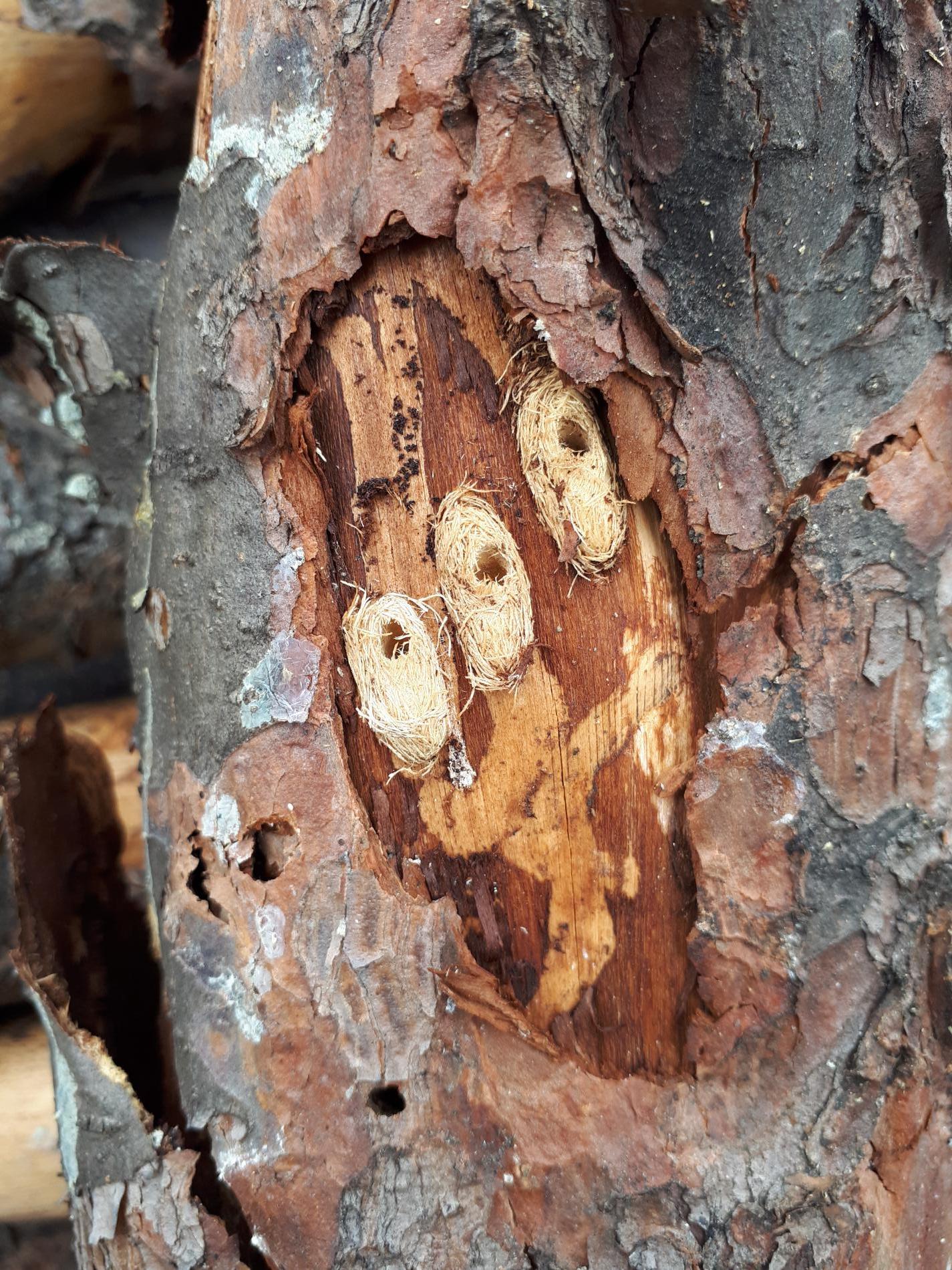
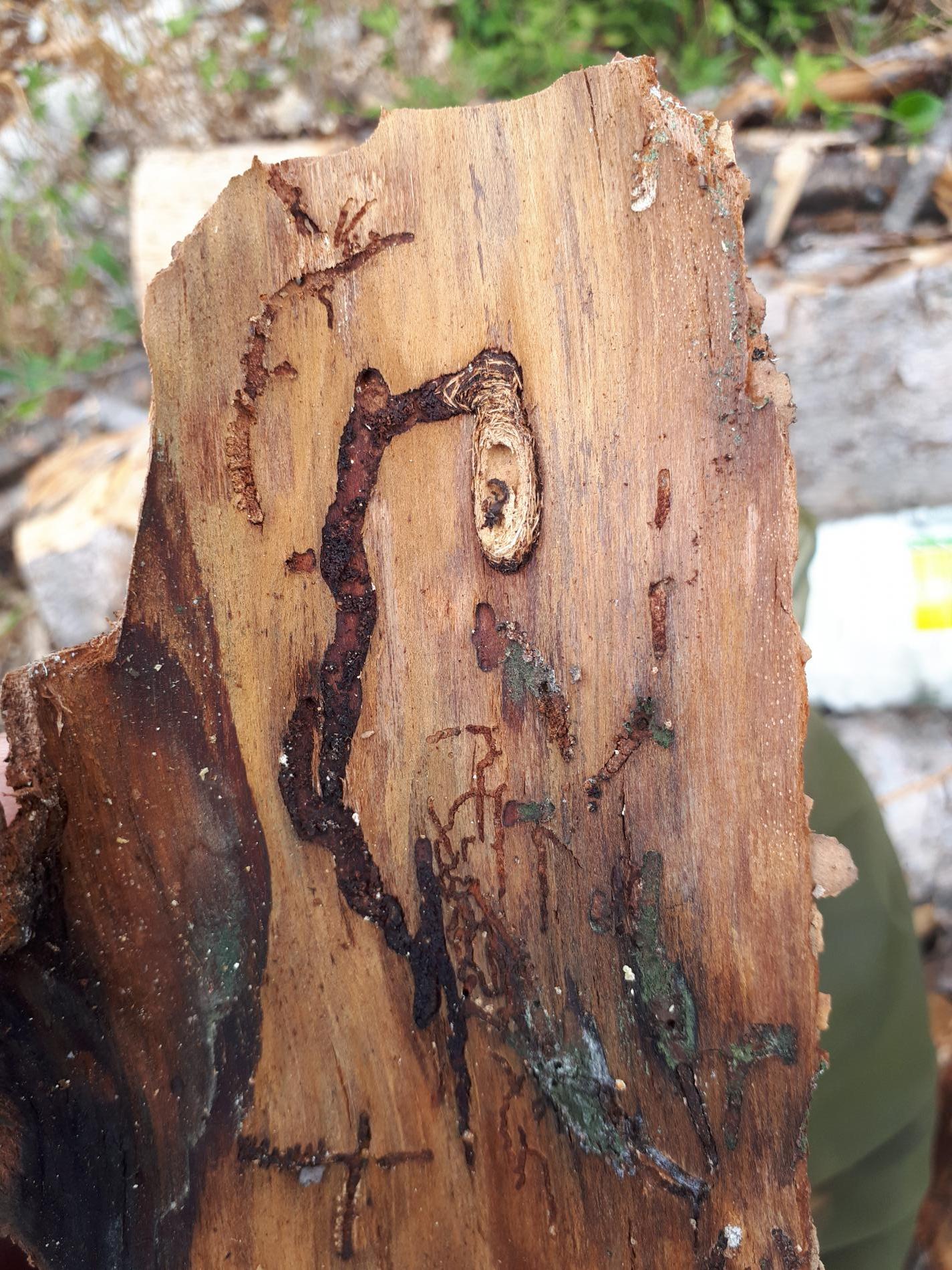
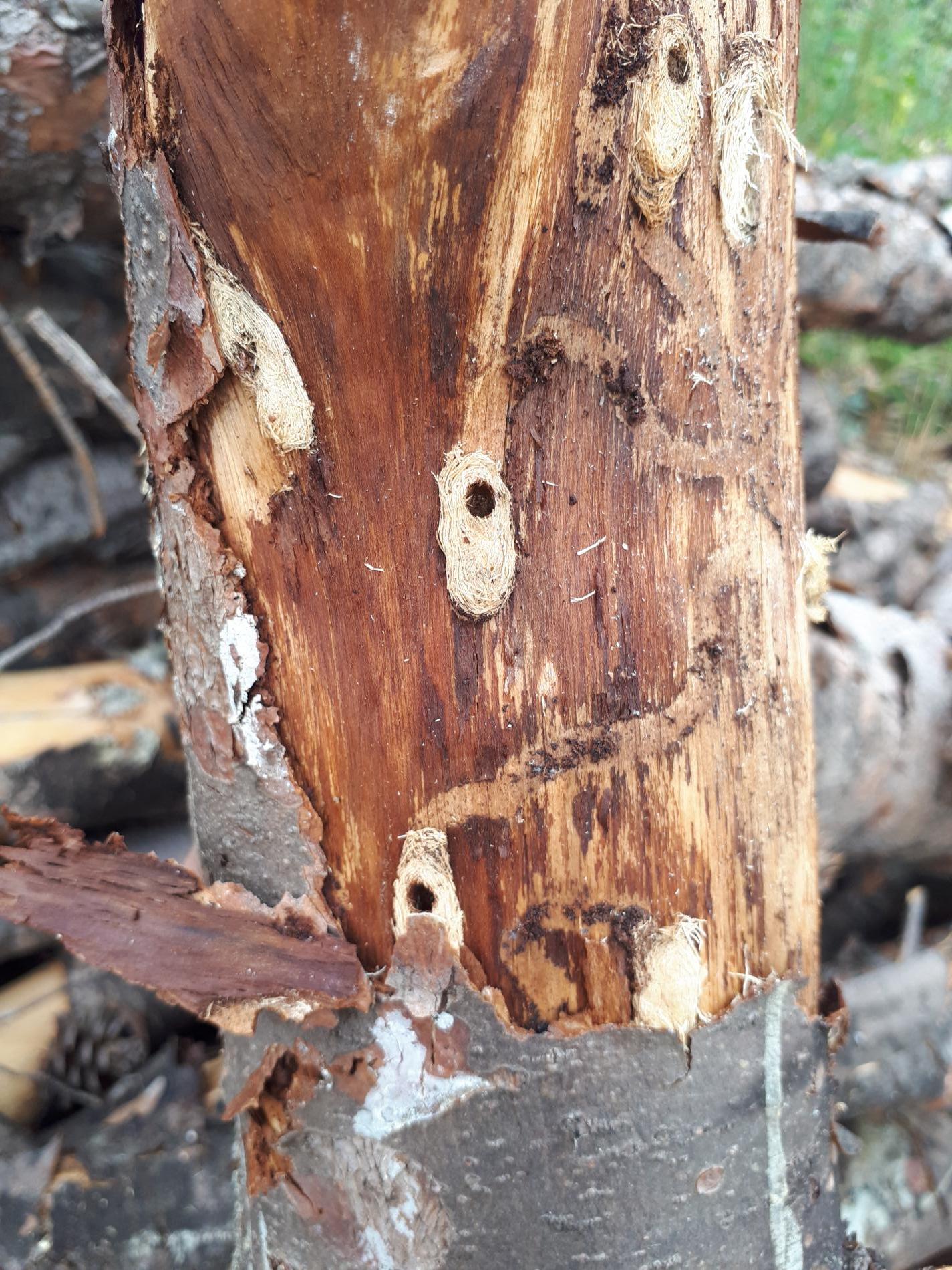
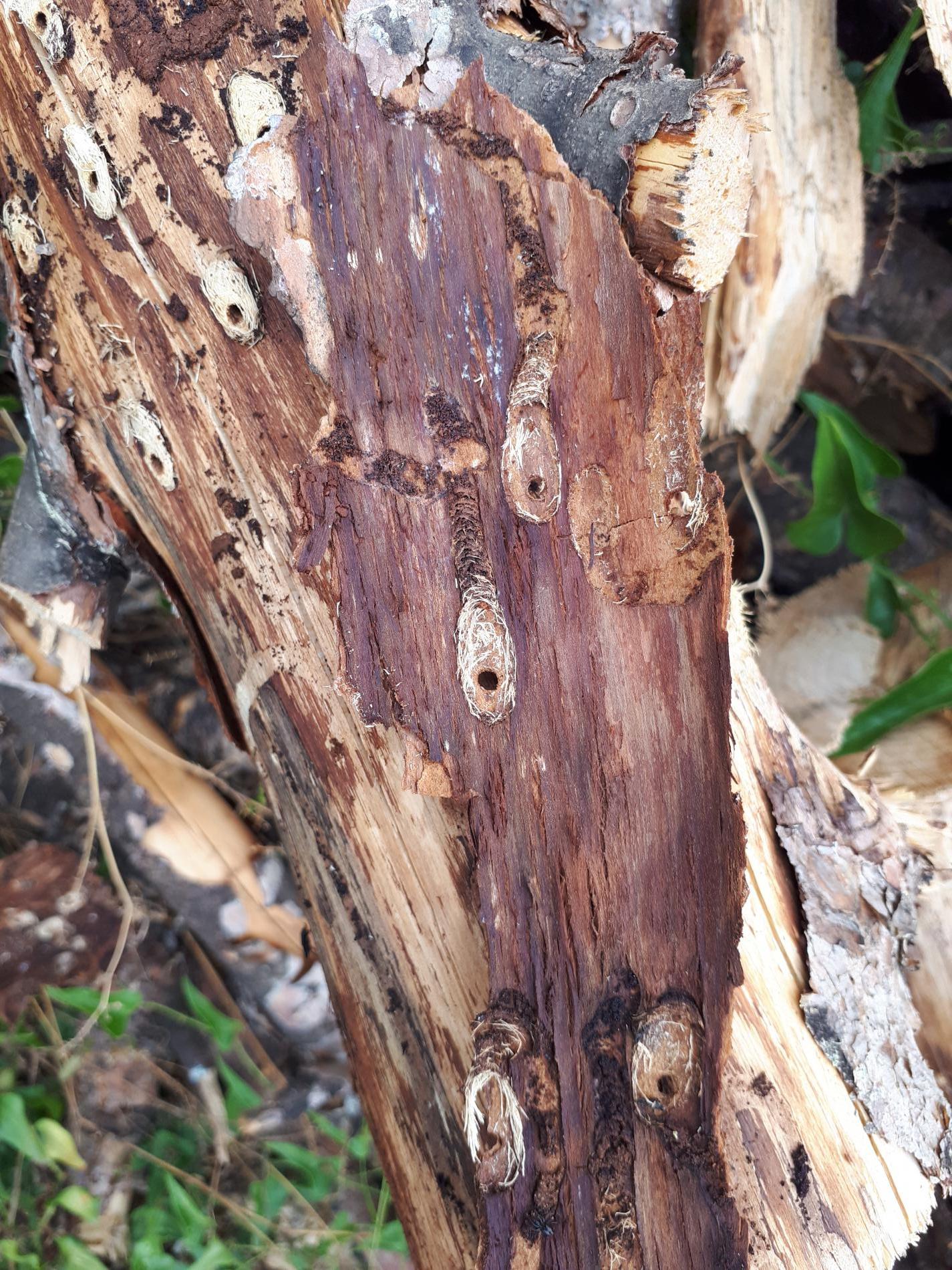
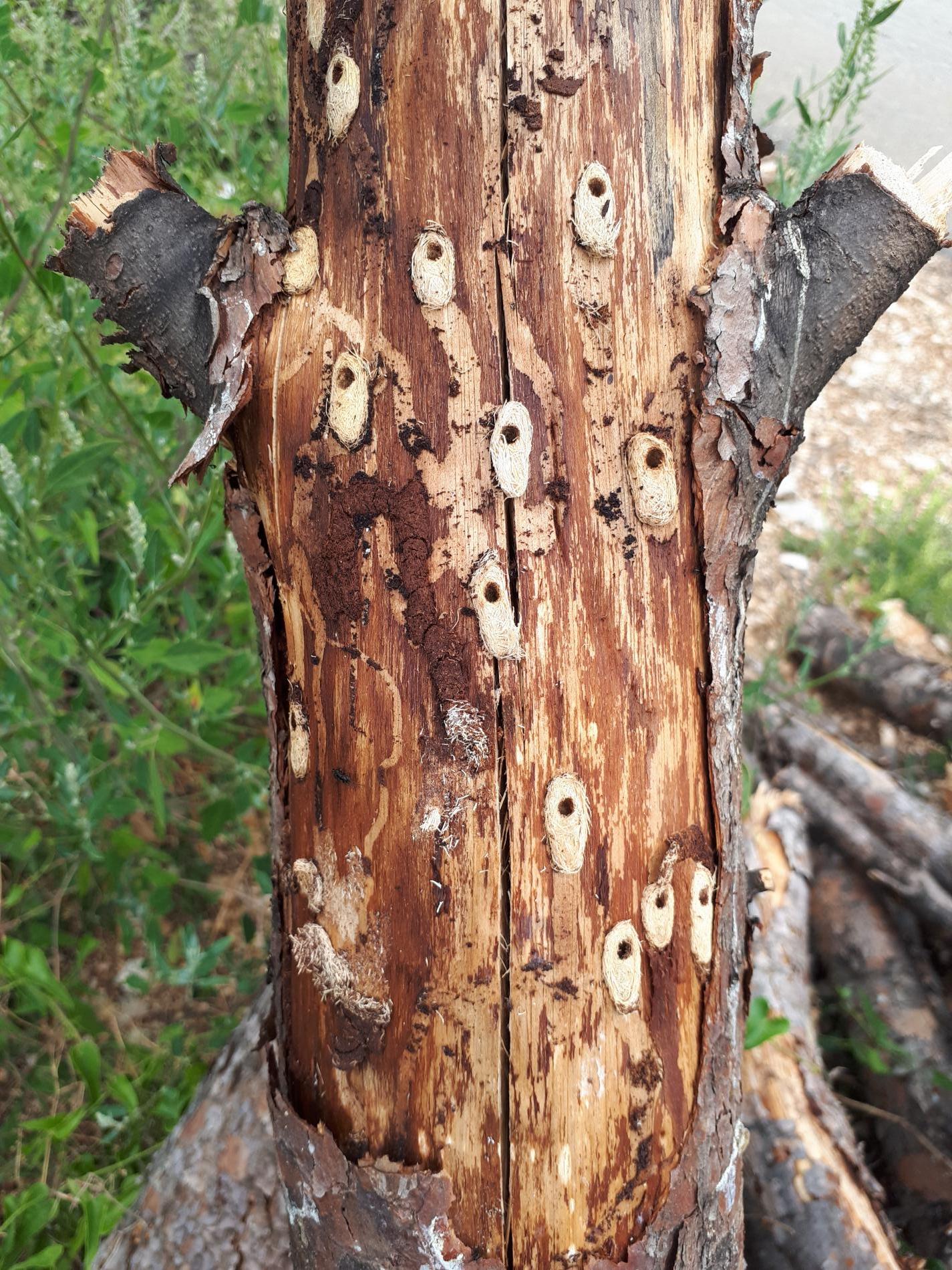
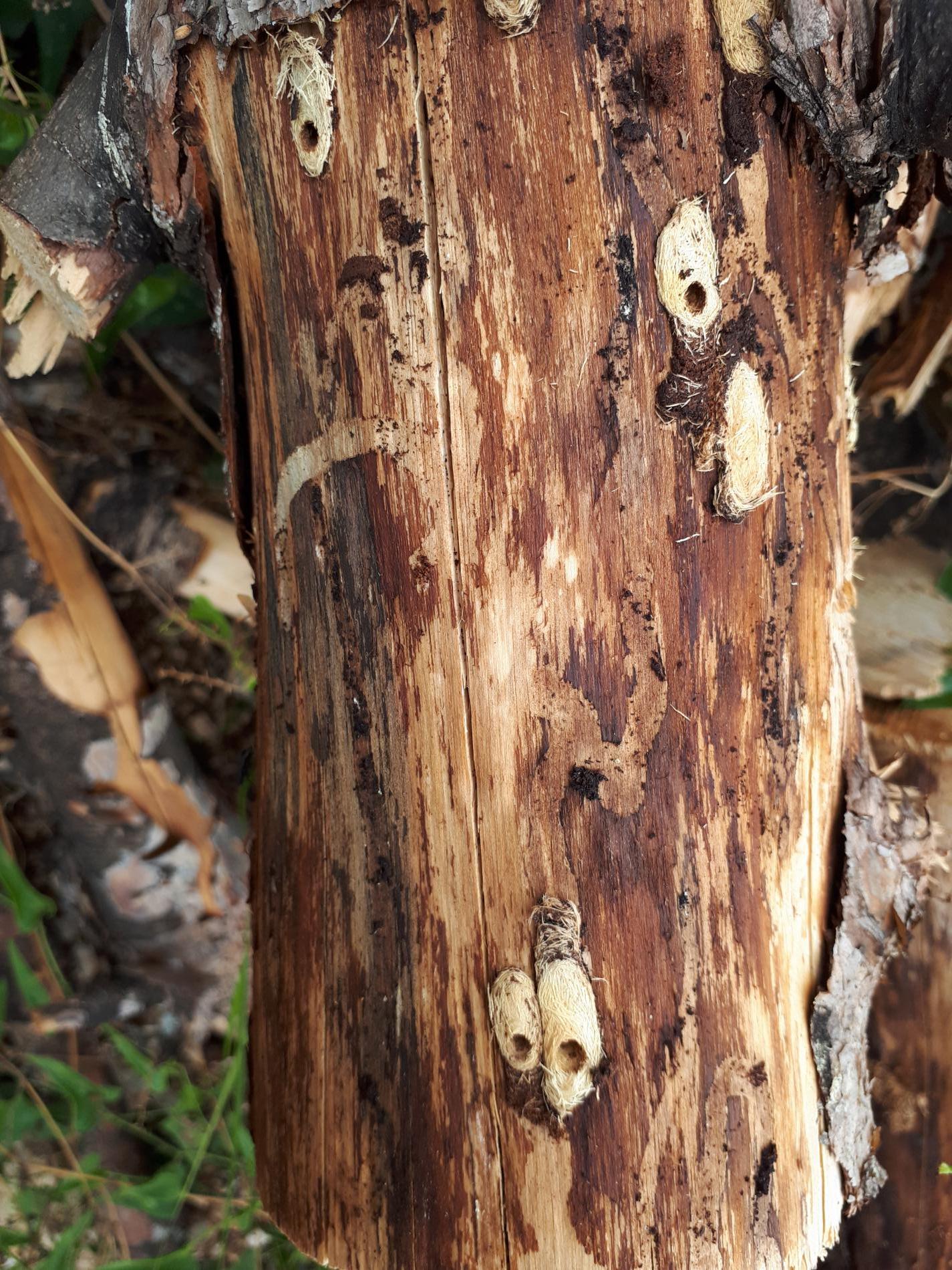
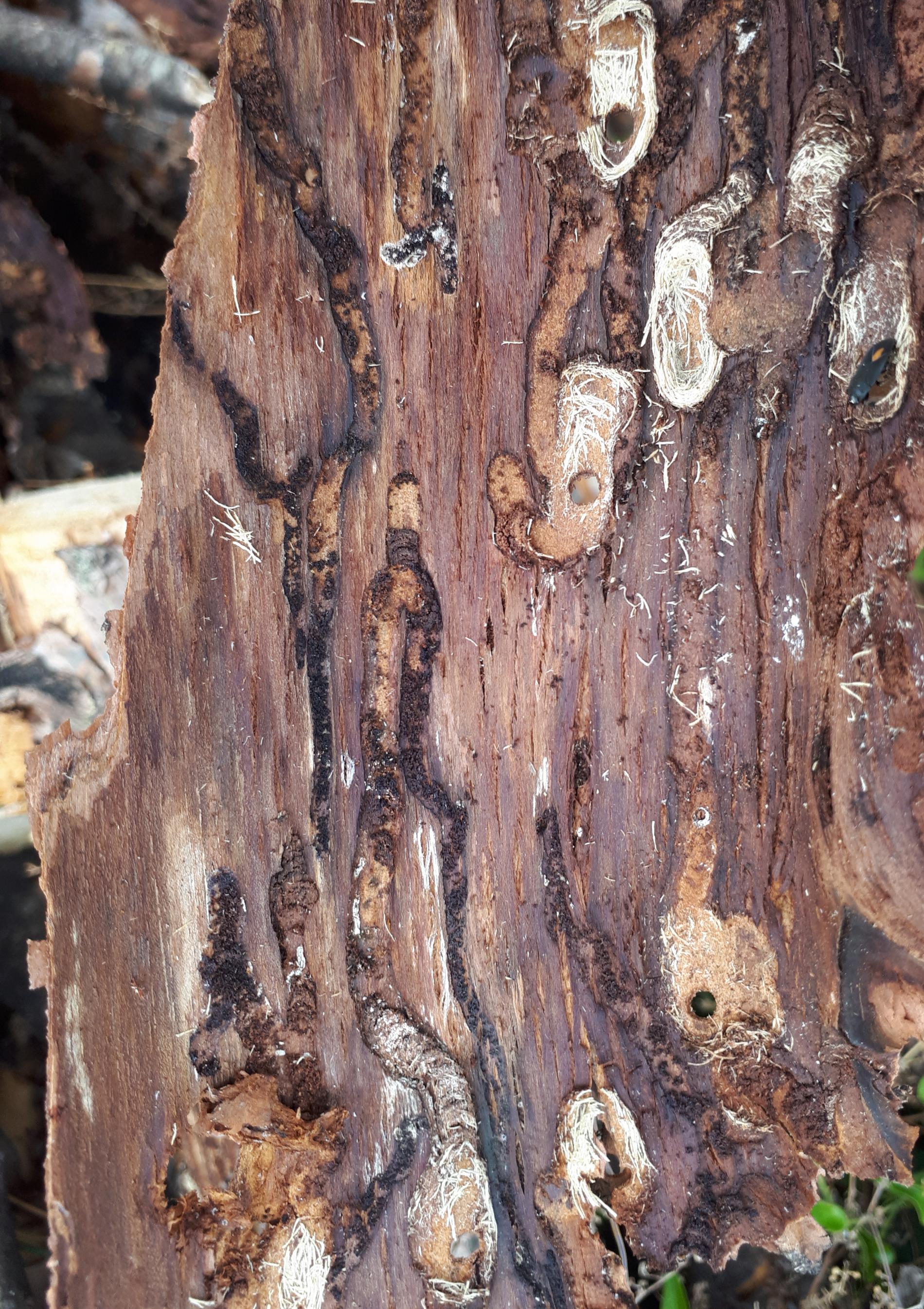
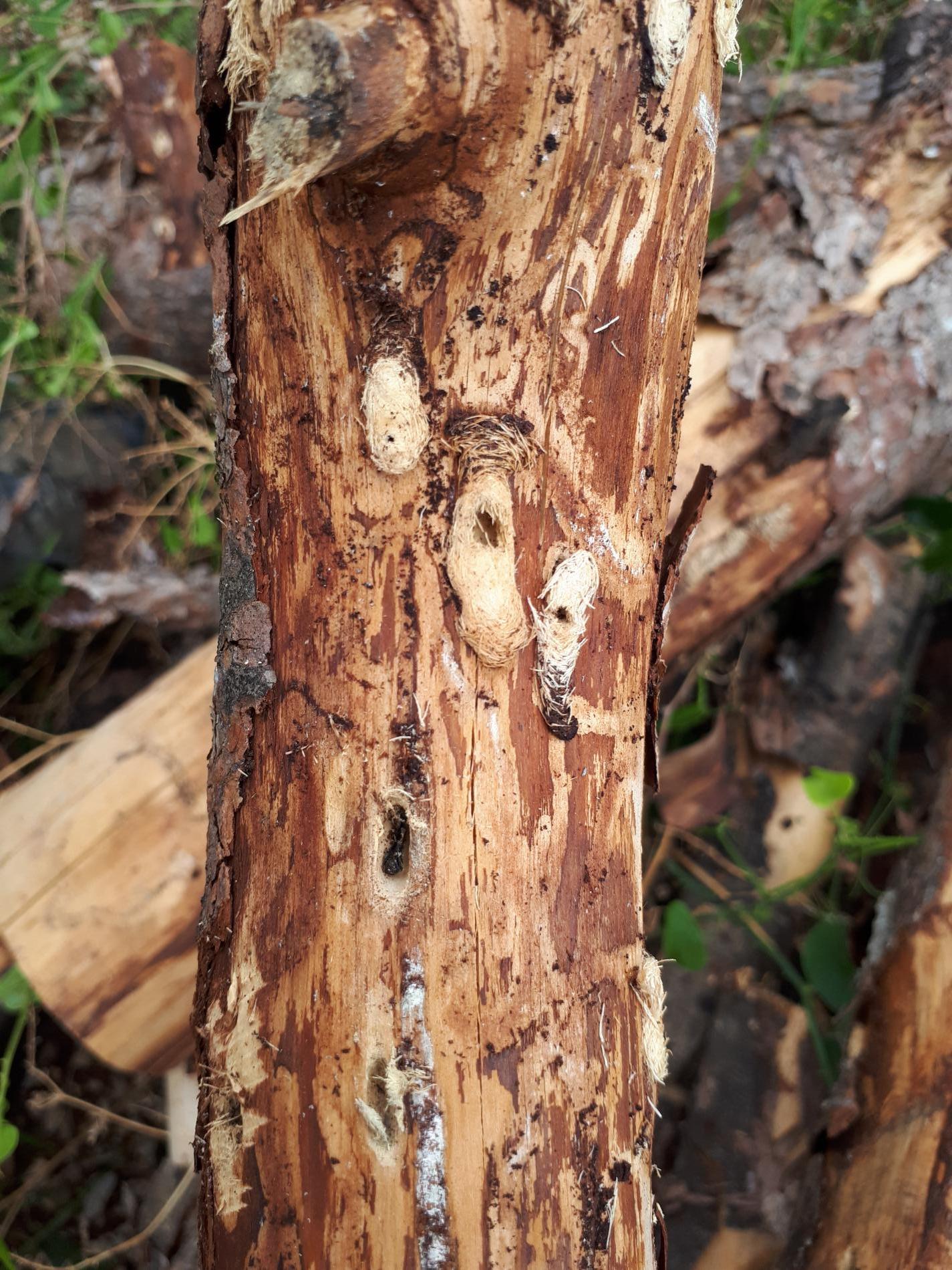
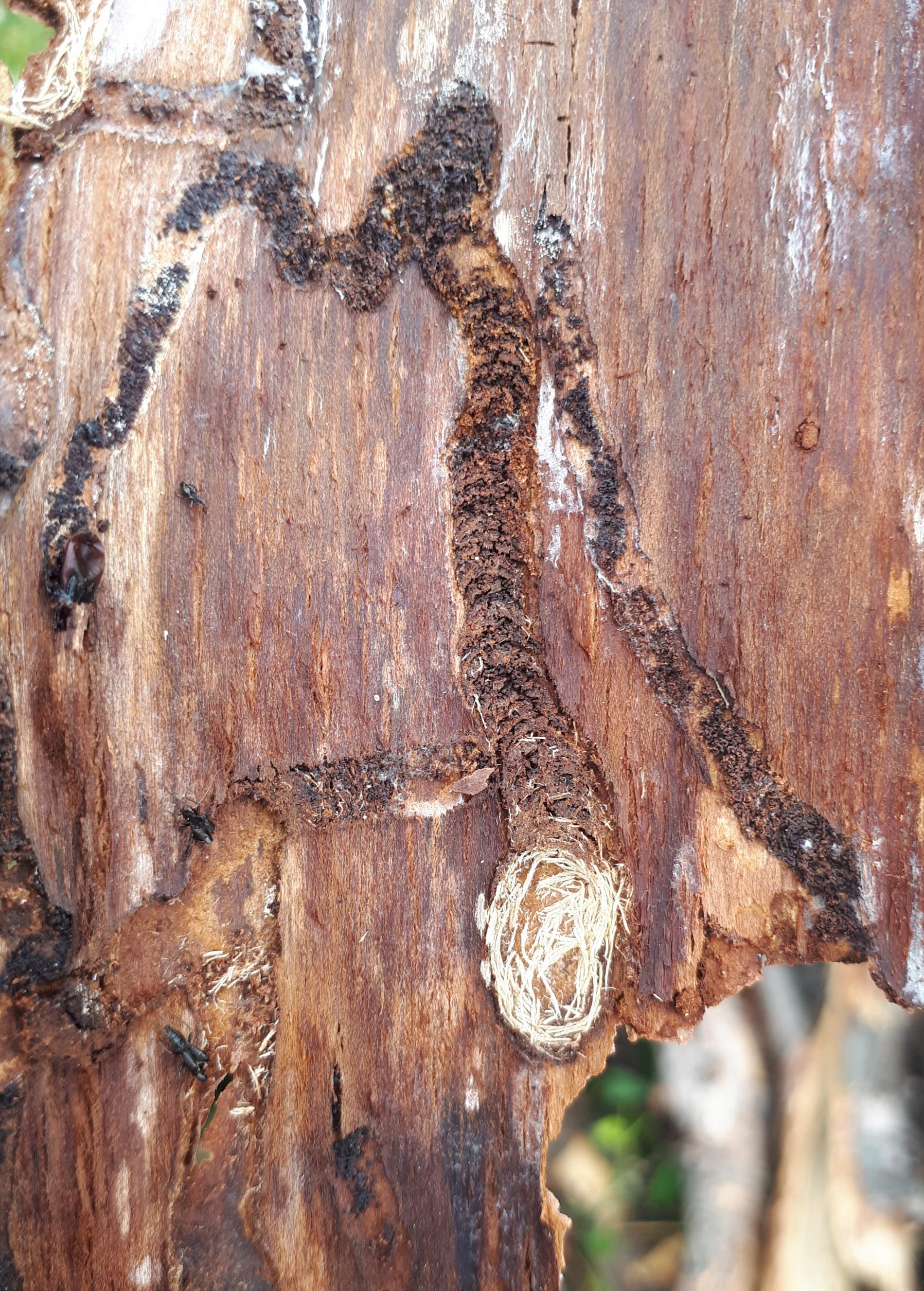
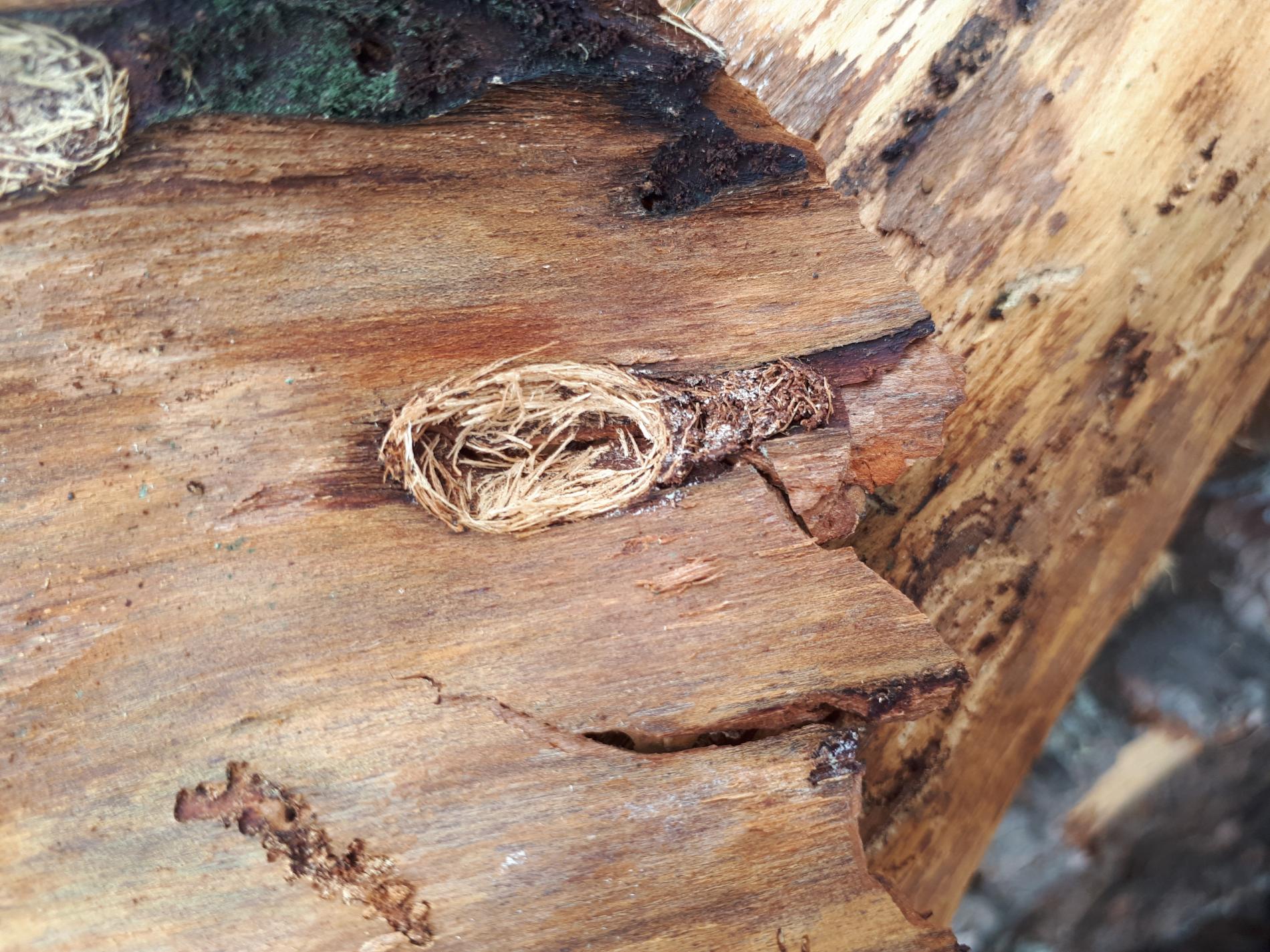
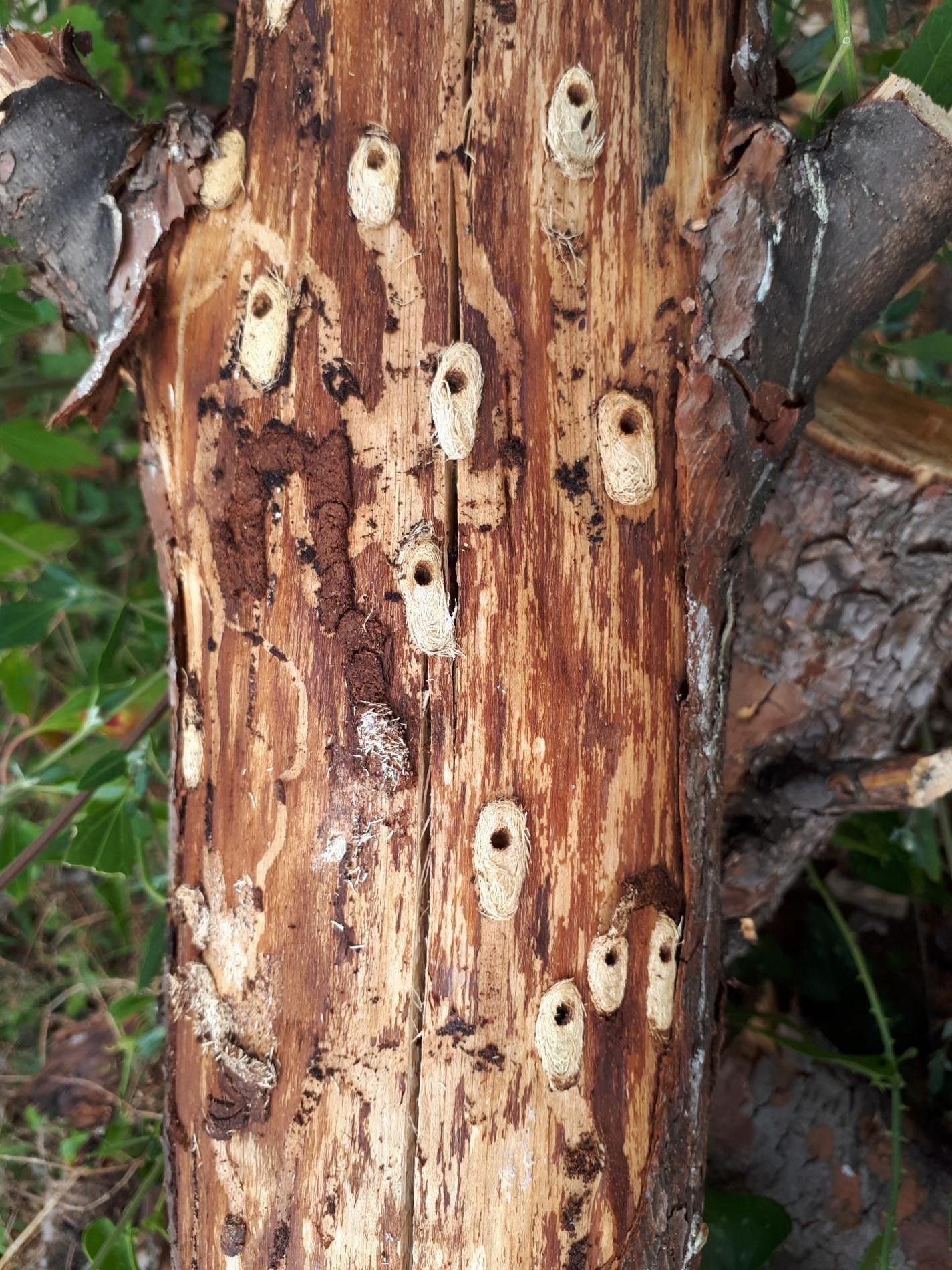
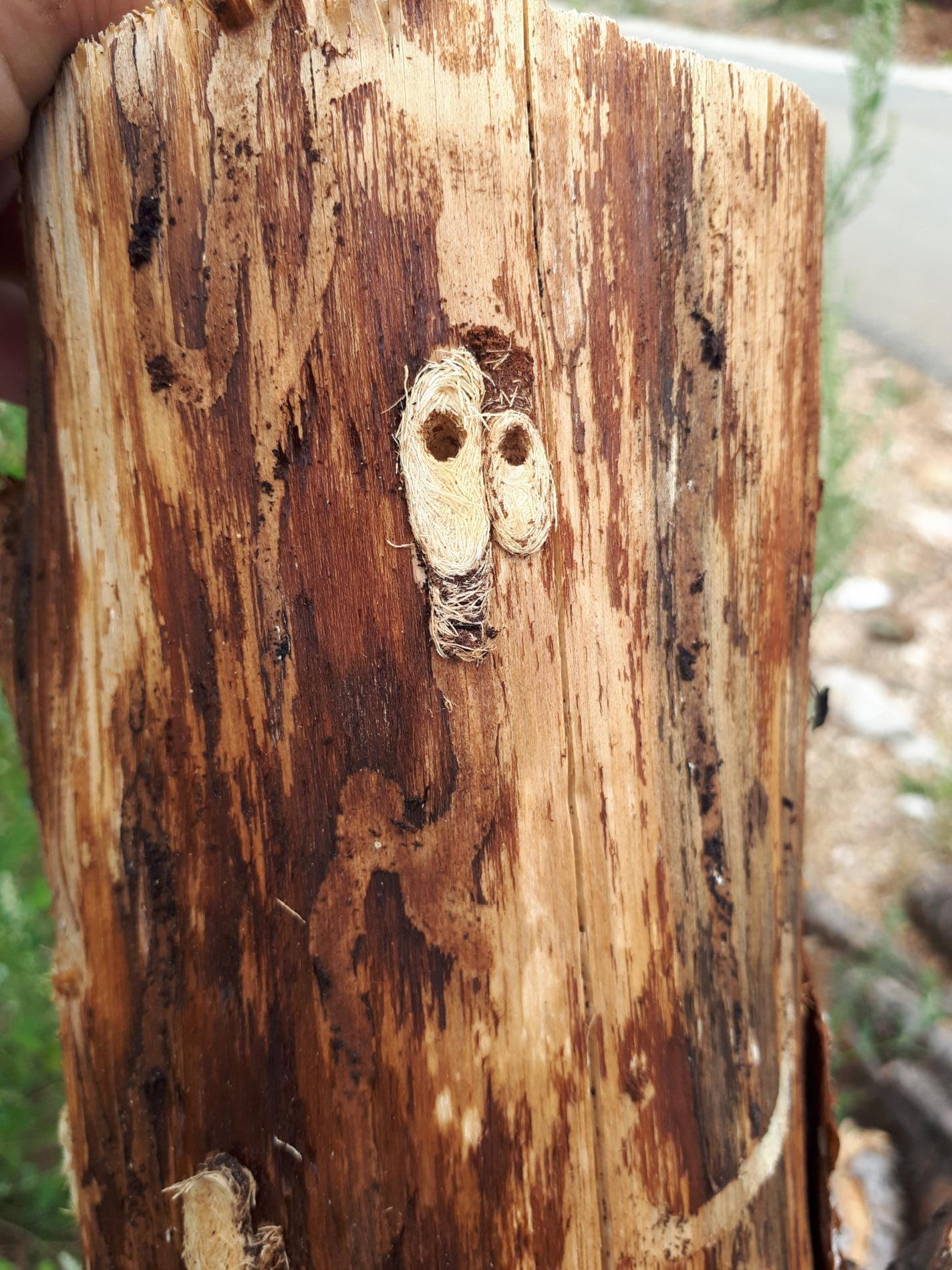
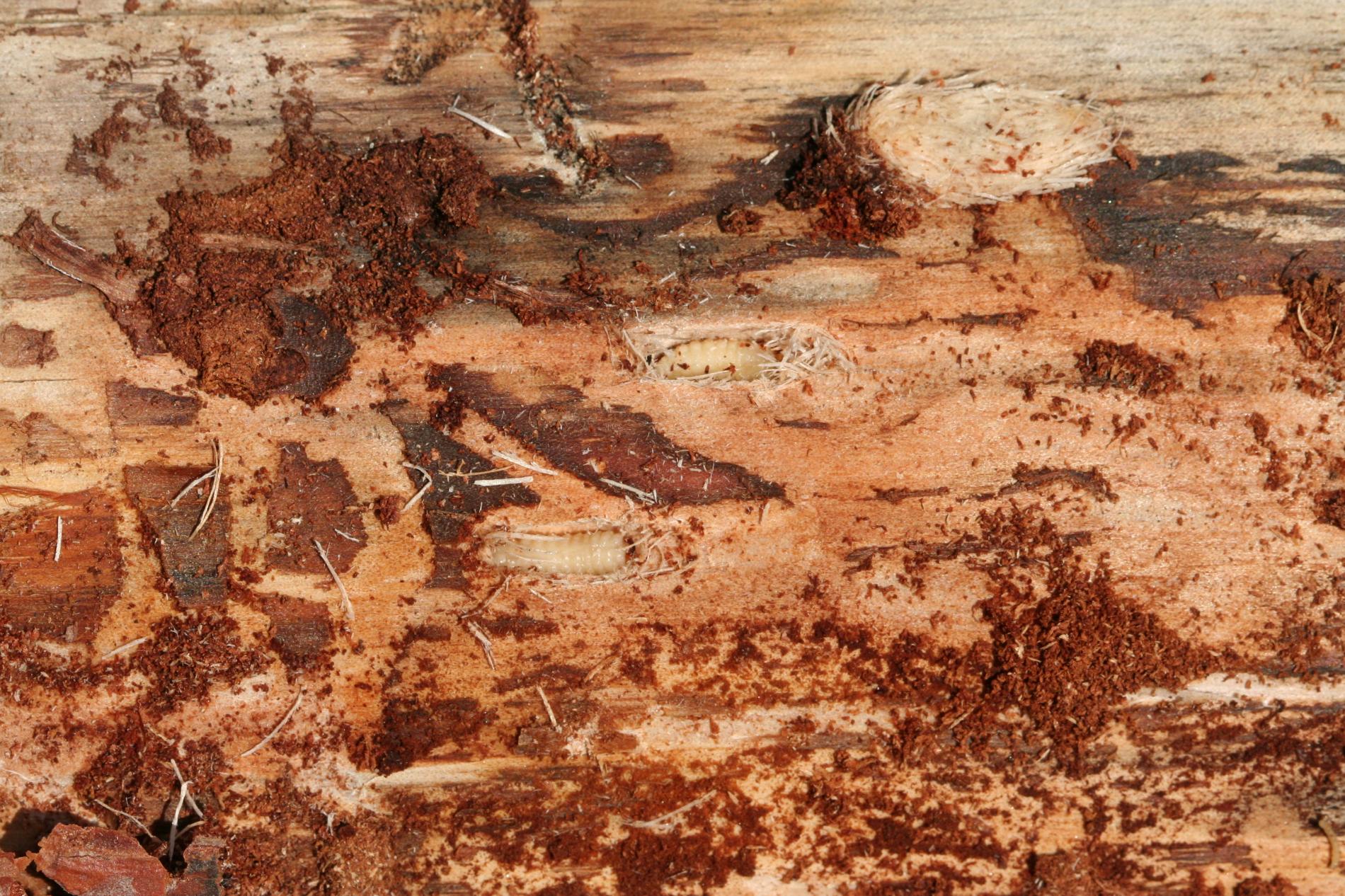
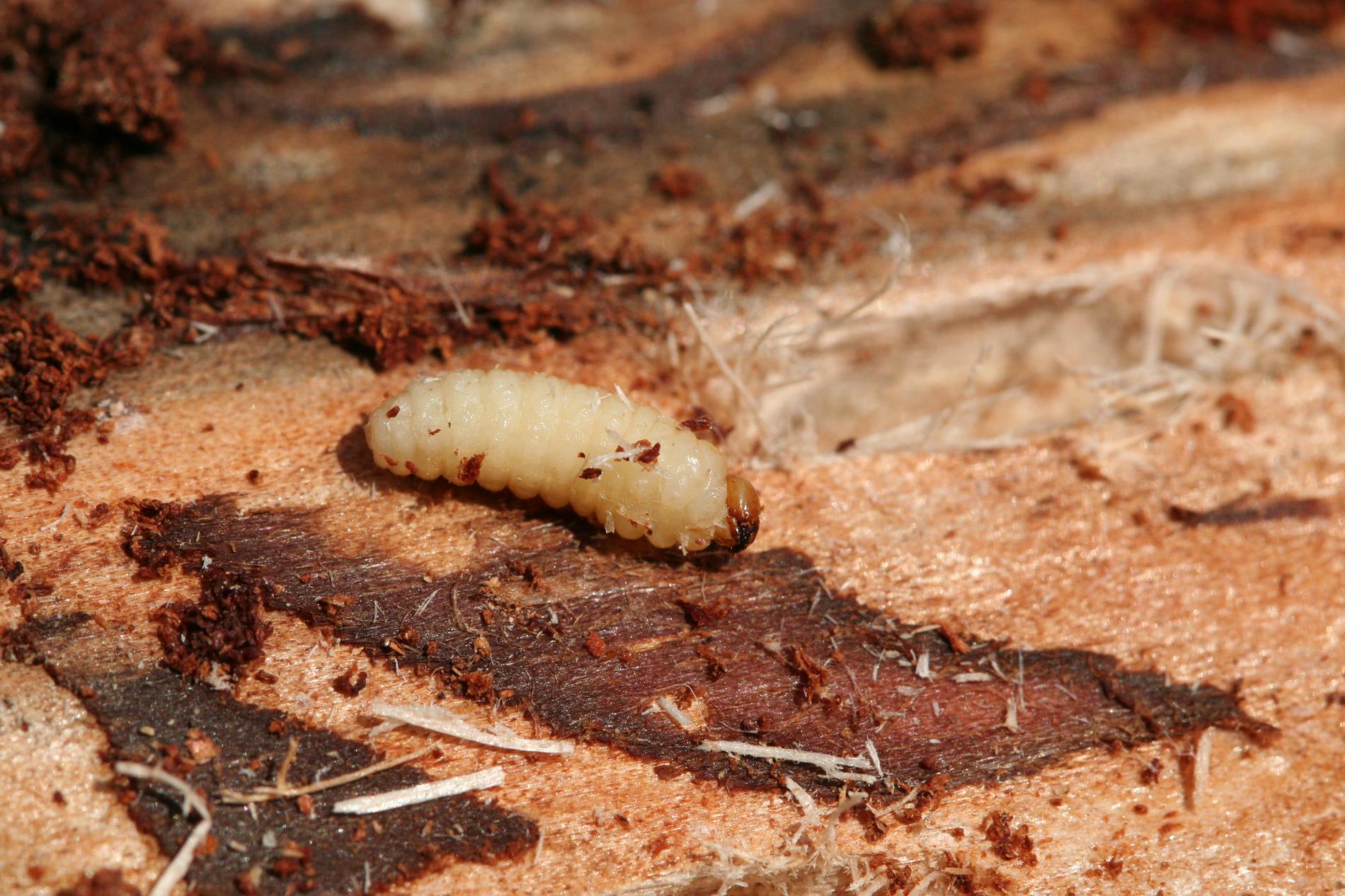
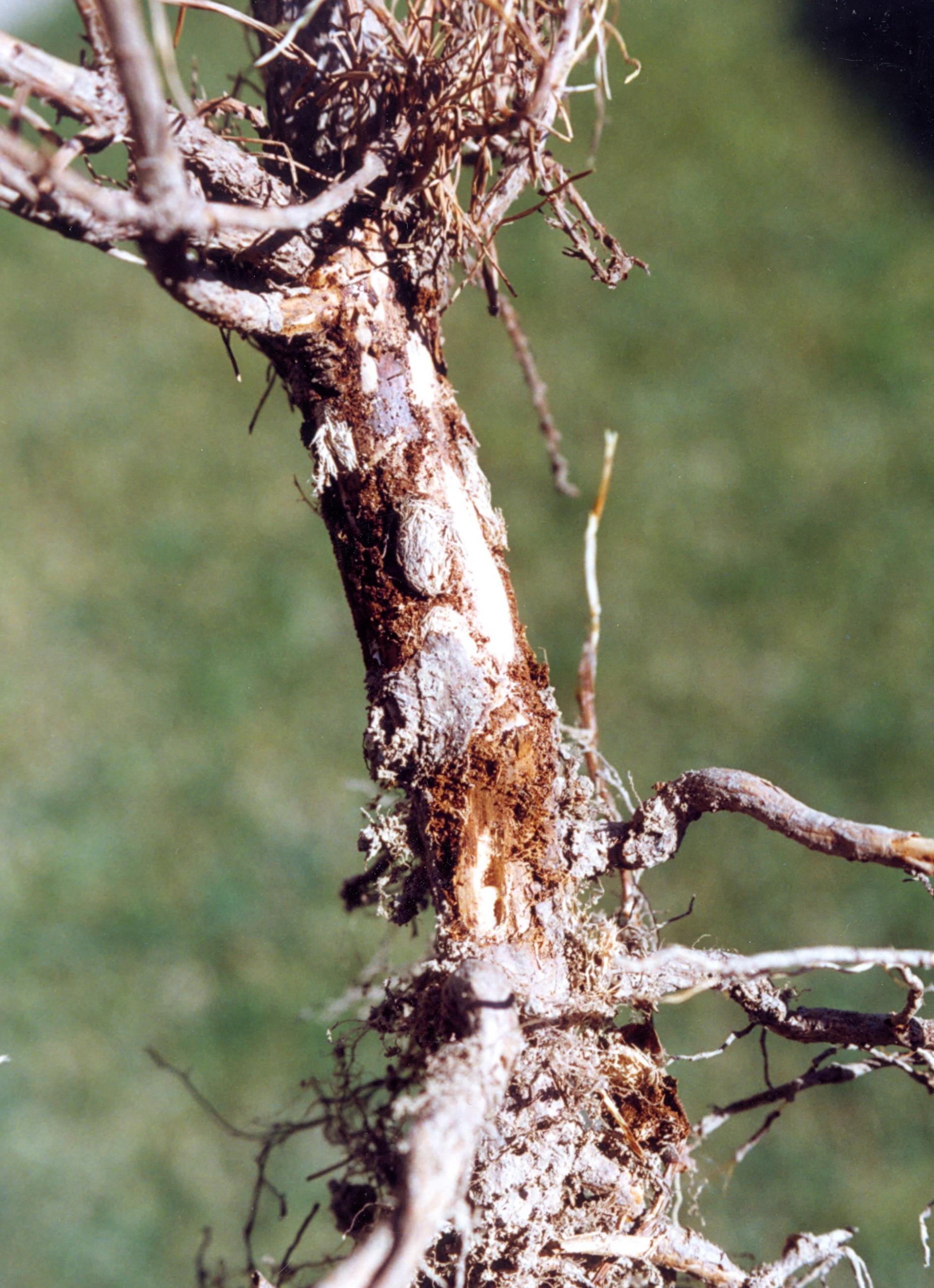
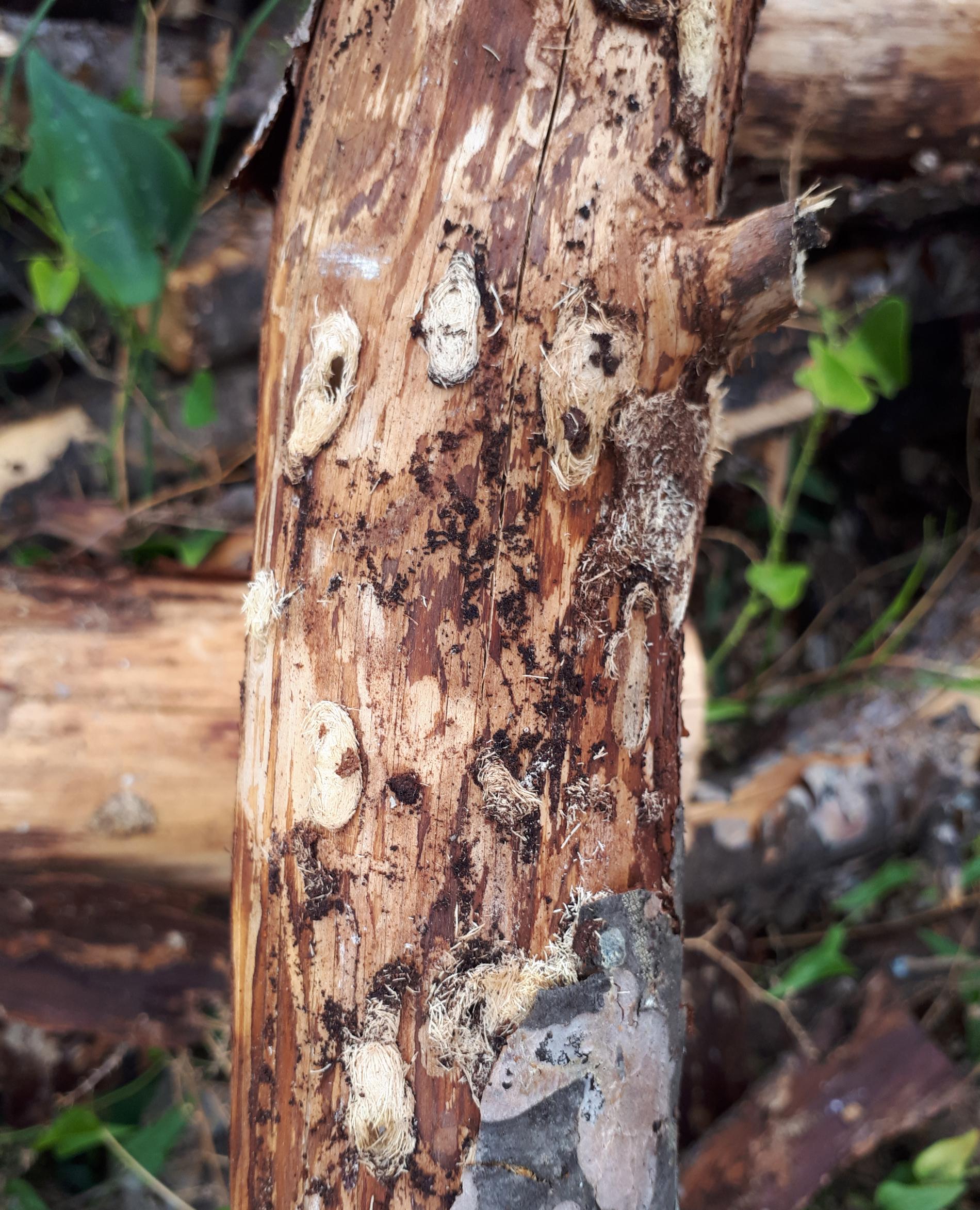
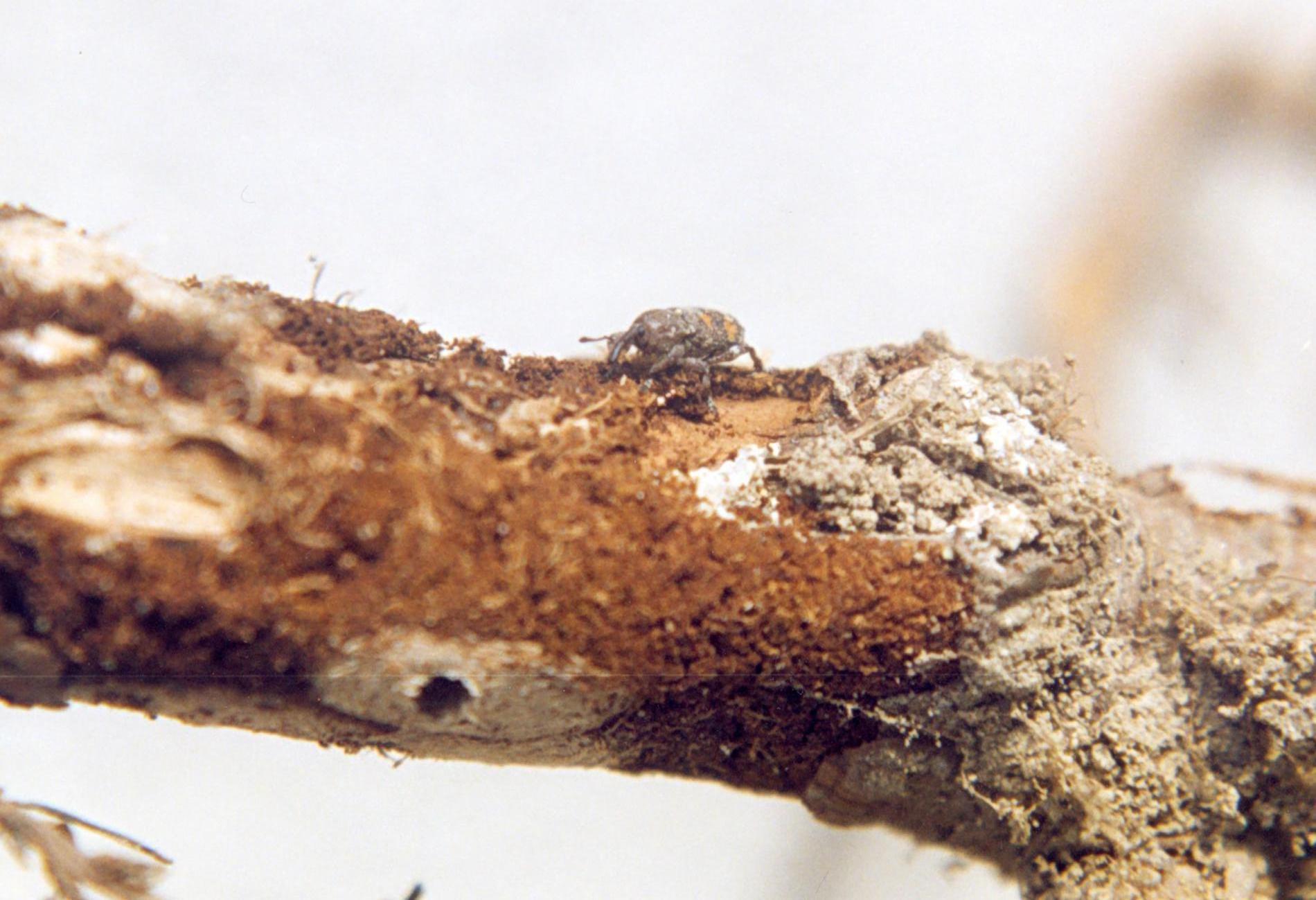
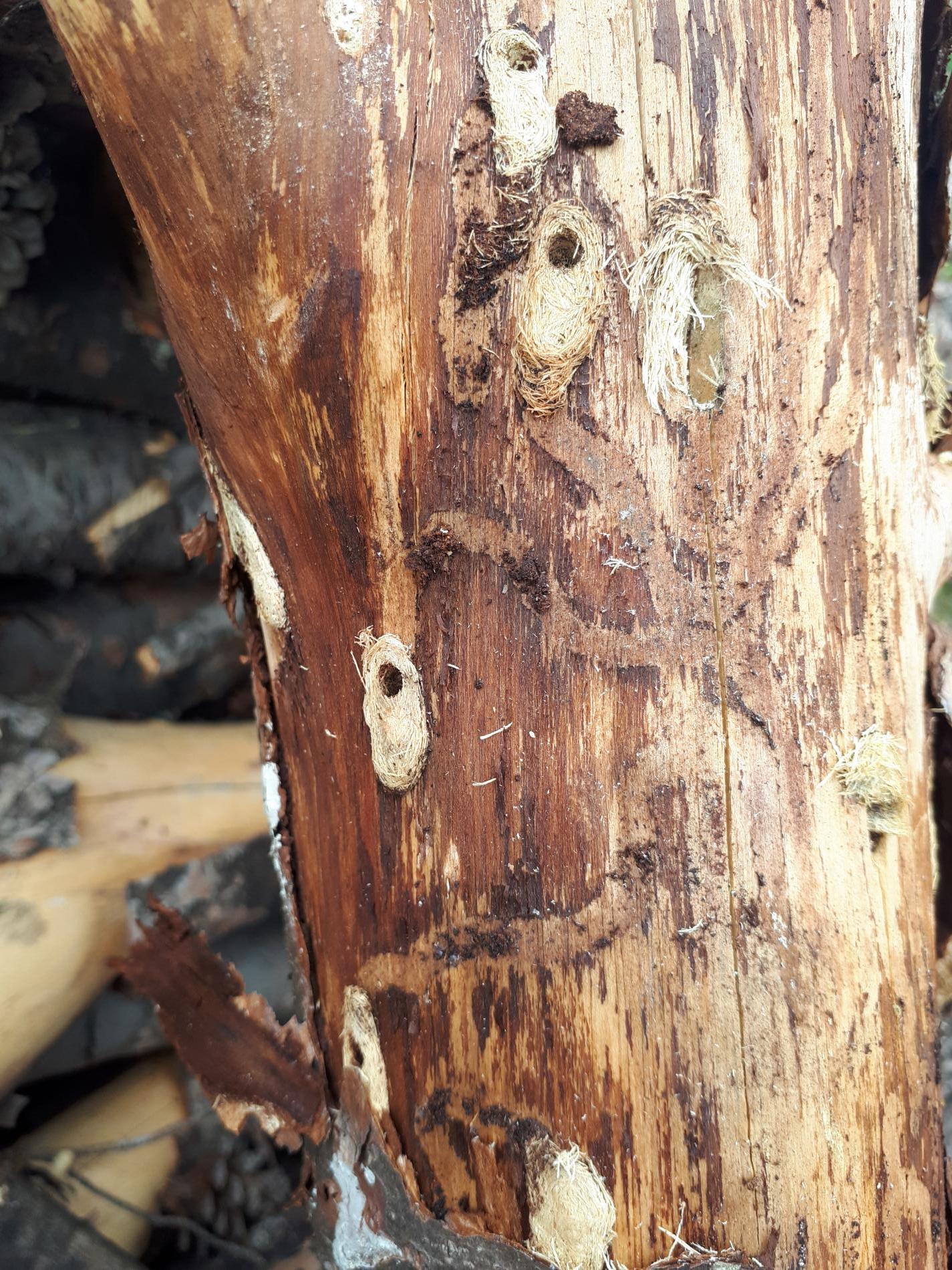
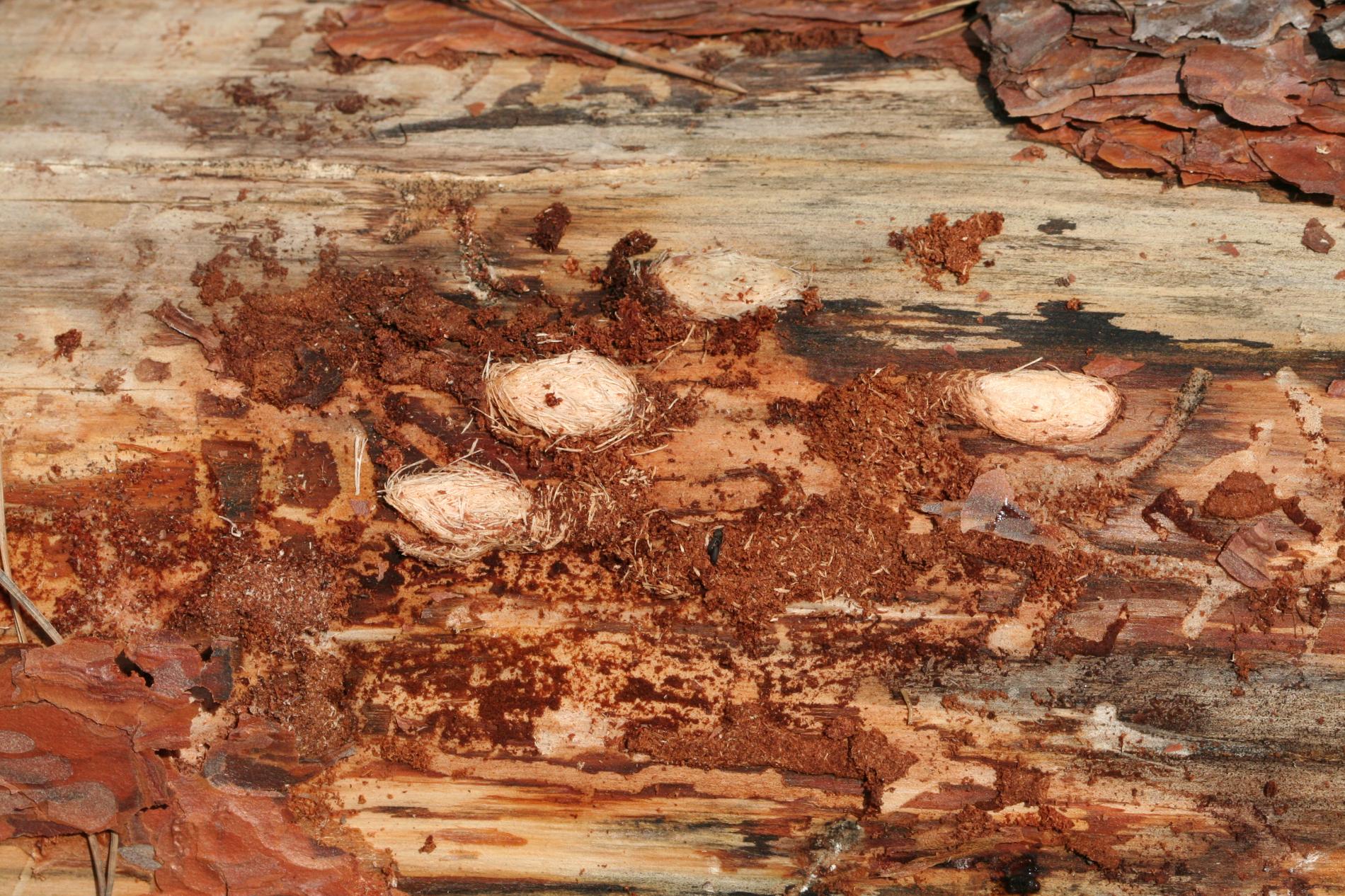
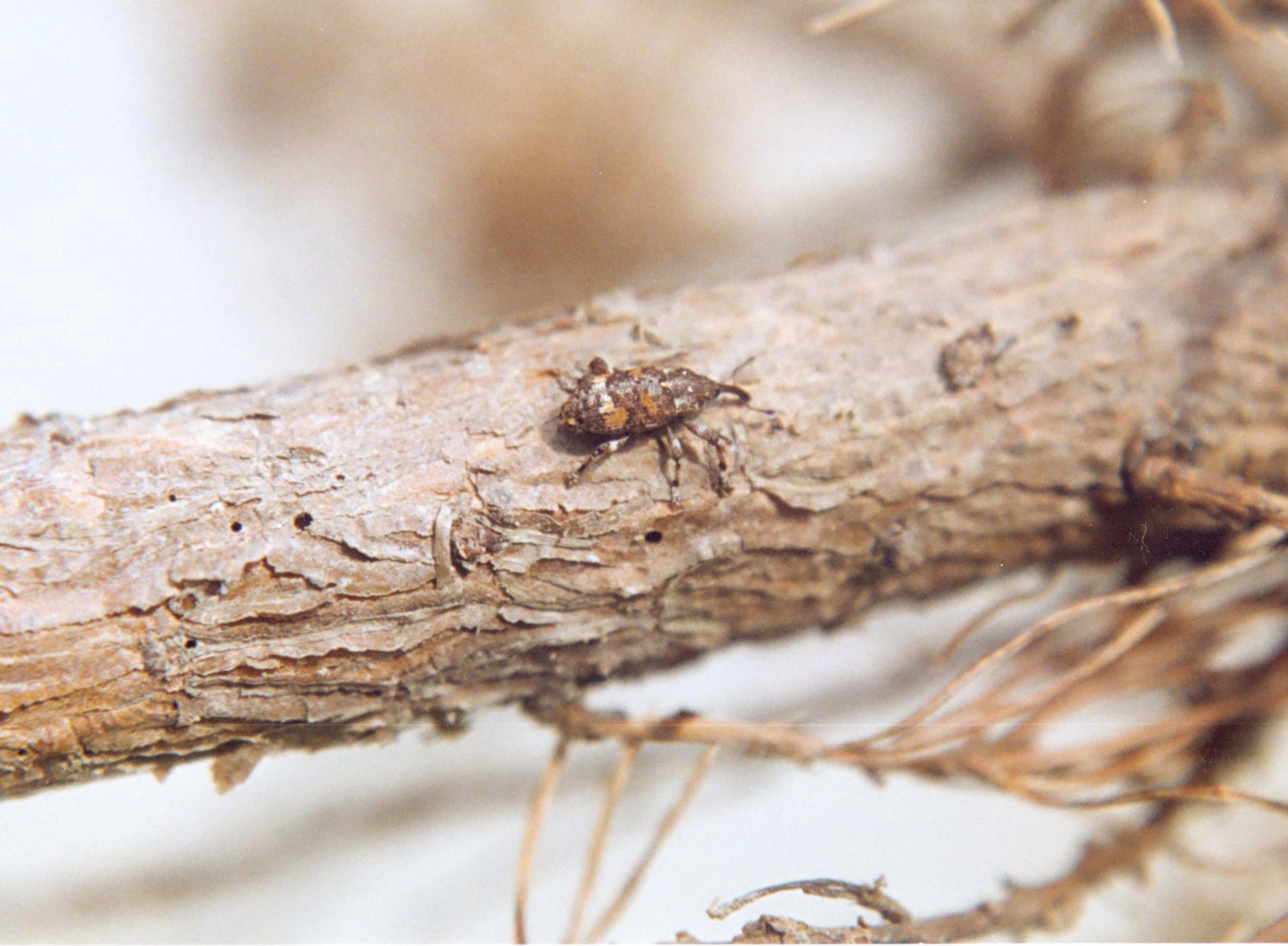
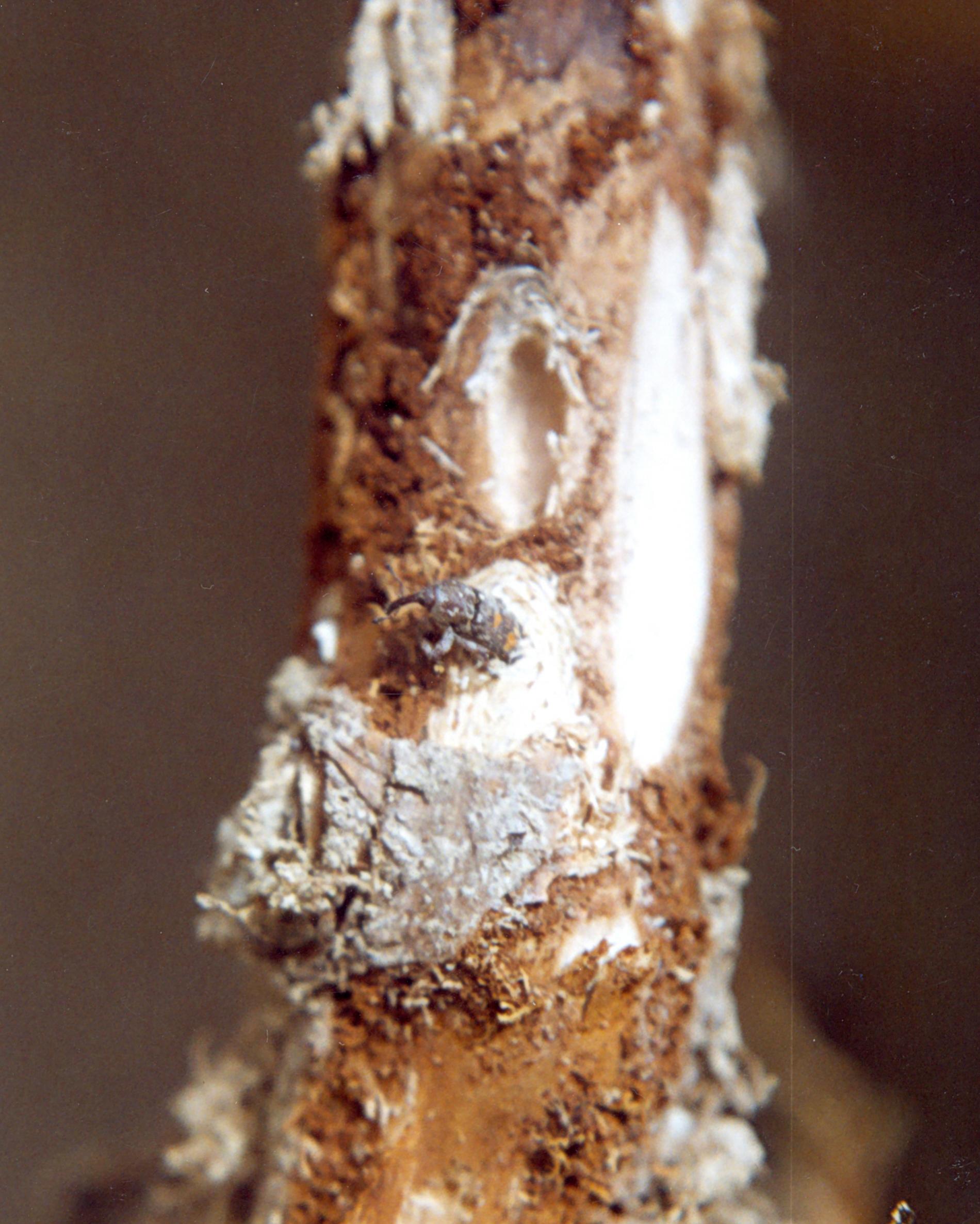
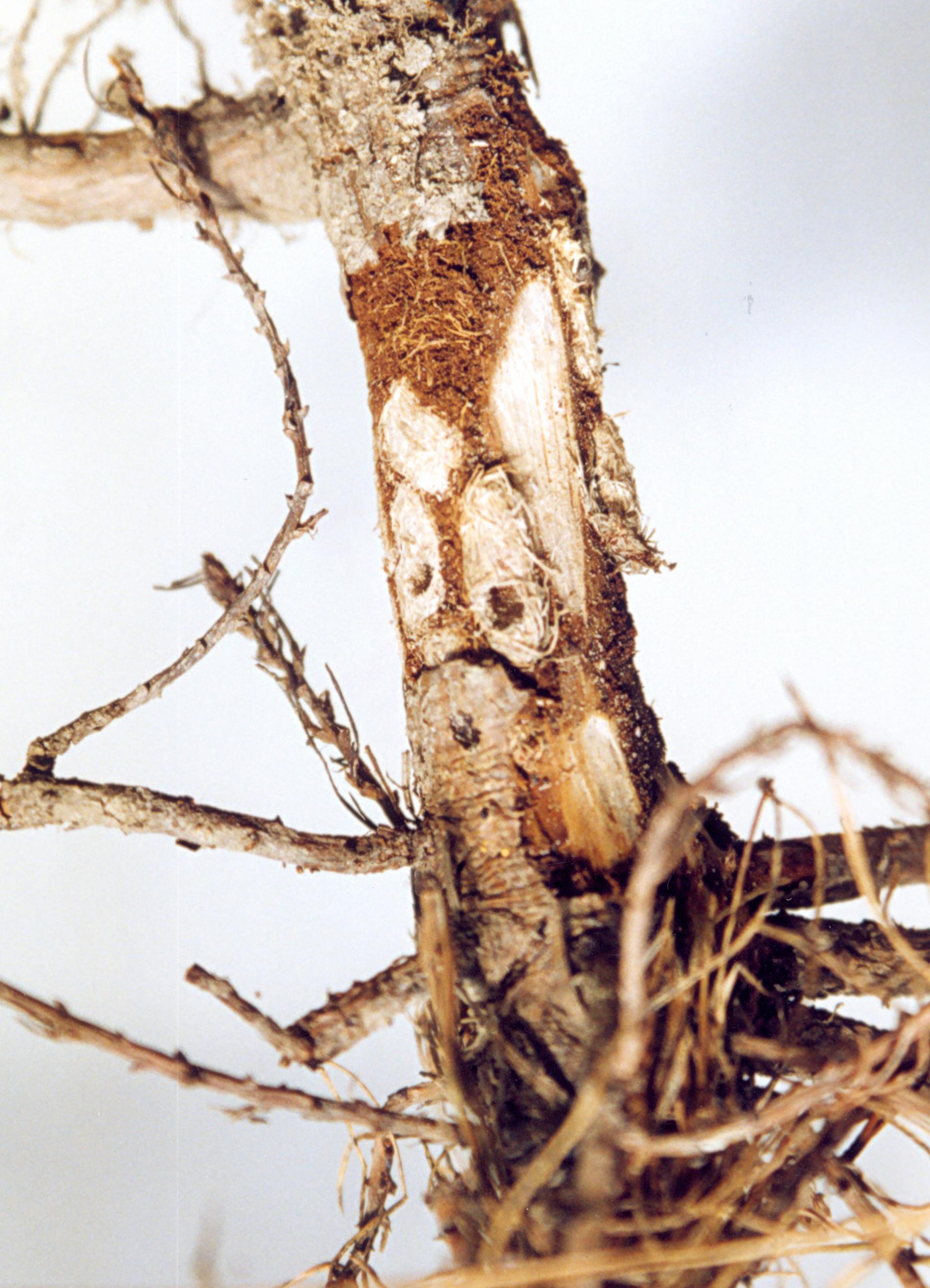
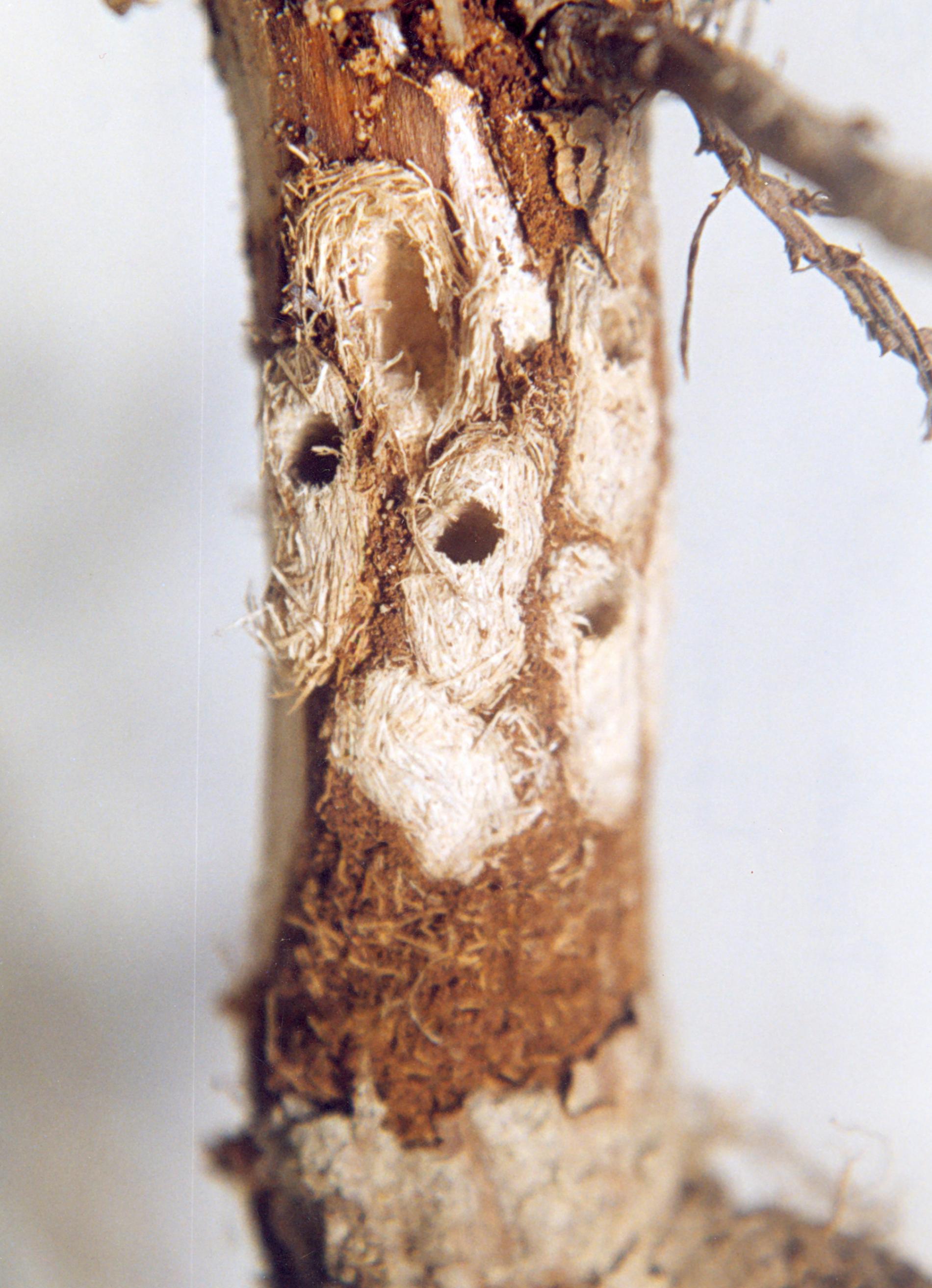
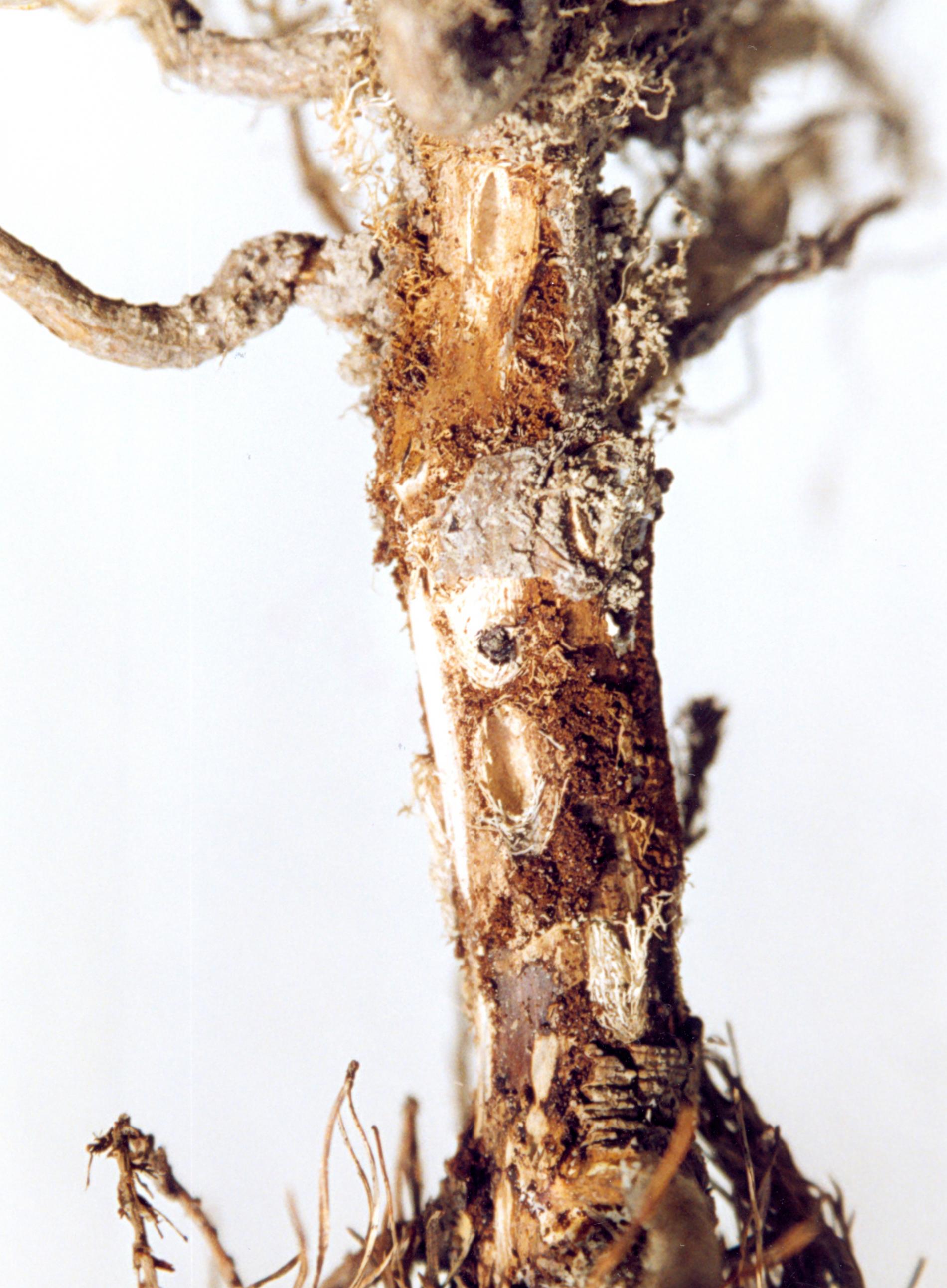
The adult of this species is a coffee-brown beetle about 7 mm long, with an elongated head and bright spots on its elytra. The larvae of the beetle feed on the phloem in the lower parts of the tree trunk, creating thin galleries that later widen over time. The larvae pupate in pupal chambers at the end of the galleries, which are separated from the bark by a fine layer of wood debris. The damage caused to the trunk is visible, and the bark peels off easily. This beetle is known as a secondary pest, and it primarily attacks young pines that are under 15 years of age and have lowered vitality (due to damage caused by frost, drought, etc.). However, during an outbreak, even healthy trees can be attacked by this beetle.
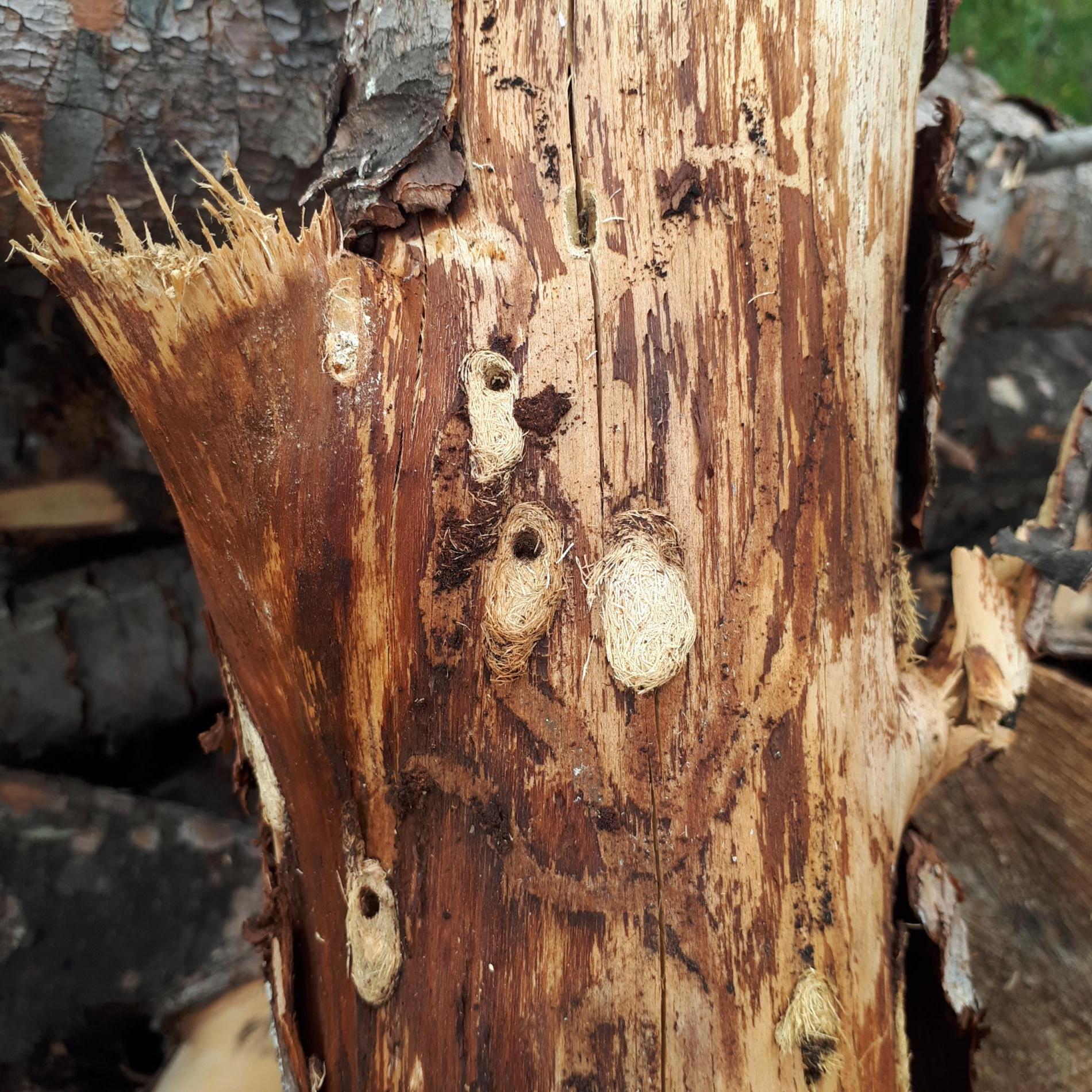
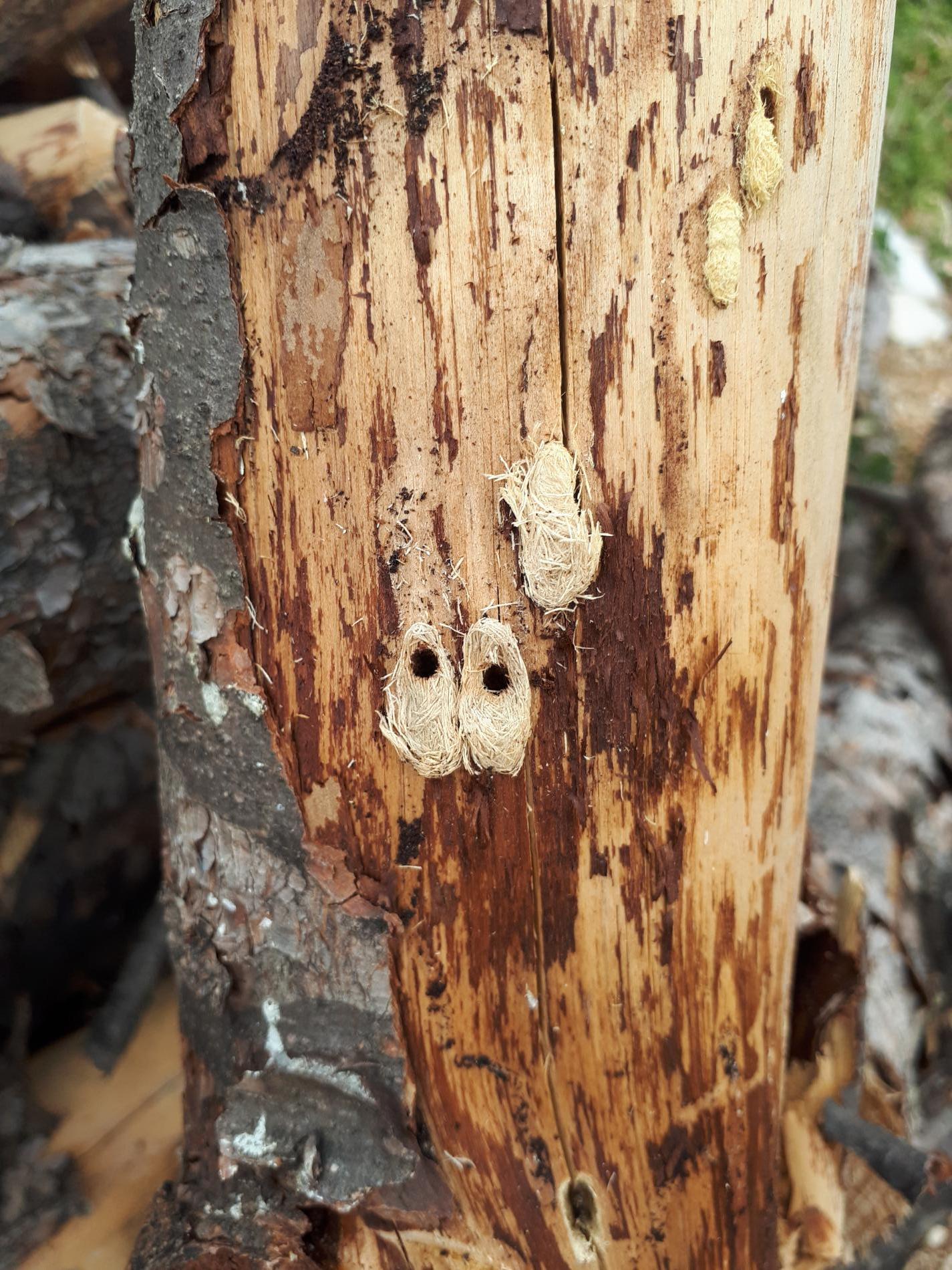
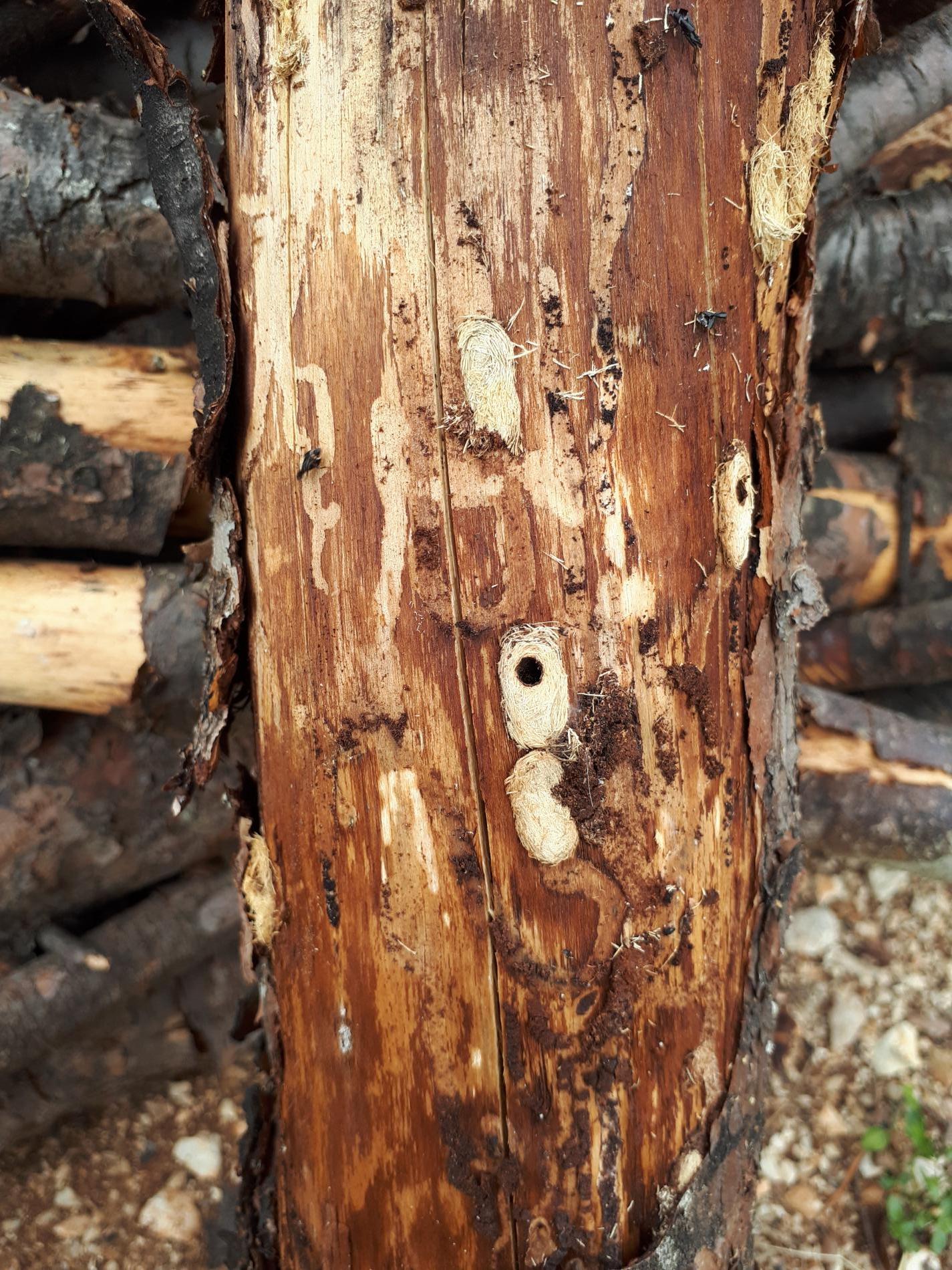
Pupal chambers at the end of the galleries, which are separated from the bark by a fine layer of wood debris.
Tree Species: Pine
Part of a plant- attacked: Tree trunk
Pest significance: Harmful
Pest Category: Insects
Invasive Species: No
Present in EU: Yes
Pest group: Insect
Depth of damages: Bark, Under bark only, Up to 0,5 cm depth, Up to 2 cm depth
The extent of damage: Whole trunk
Prevalence in Europe: Very common
Damaged products: Firewood, Fresh timber logs (water still in the sapwood)
Roundwood size: Diameter from 10 up to 50 cm, Diameter up to 10 cm
Wood discoloration: No
Exit holes: Round
Pest subcategory: Wood-boring insect
Similar pests

Pissodes piceae

Hylobius abietis
