


Piptoporus betulinus
Birch conk
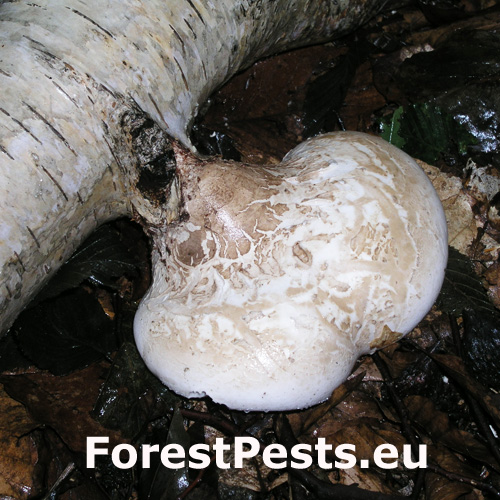
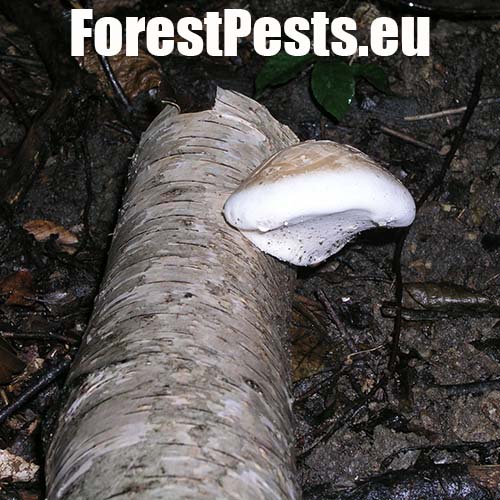
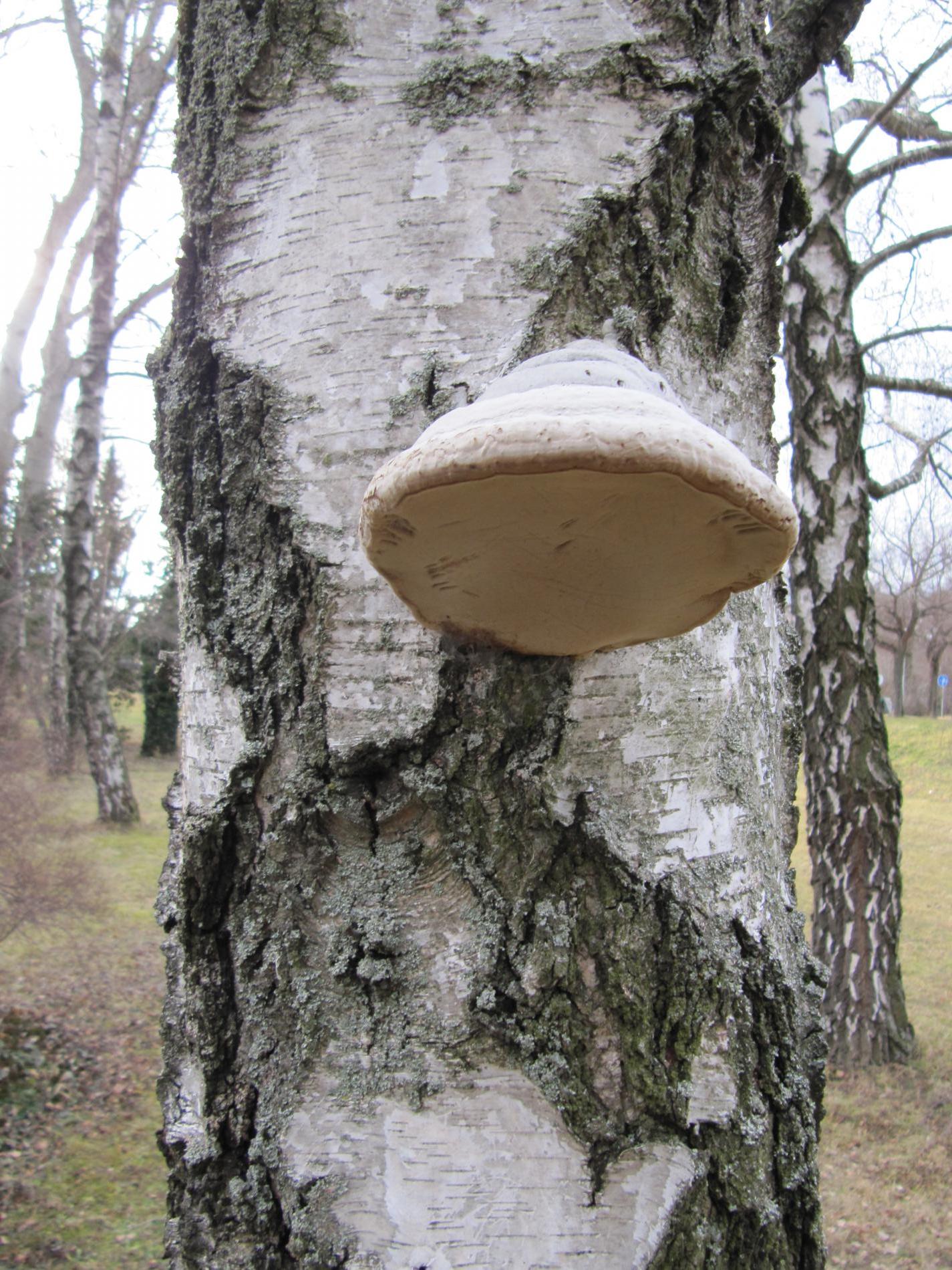
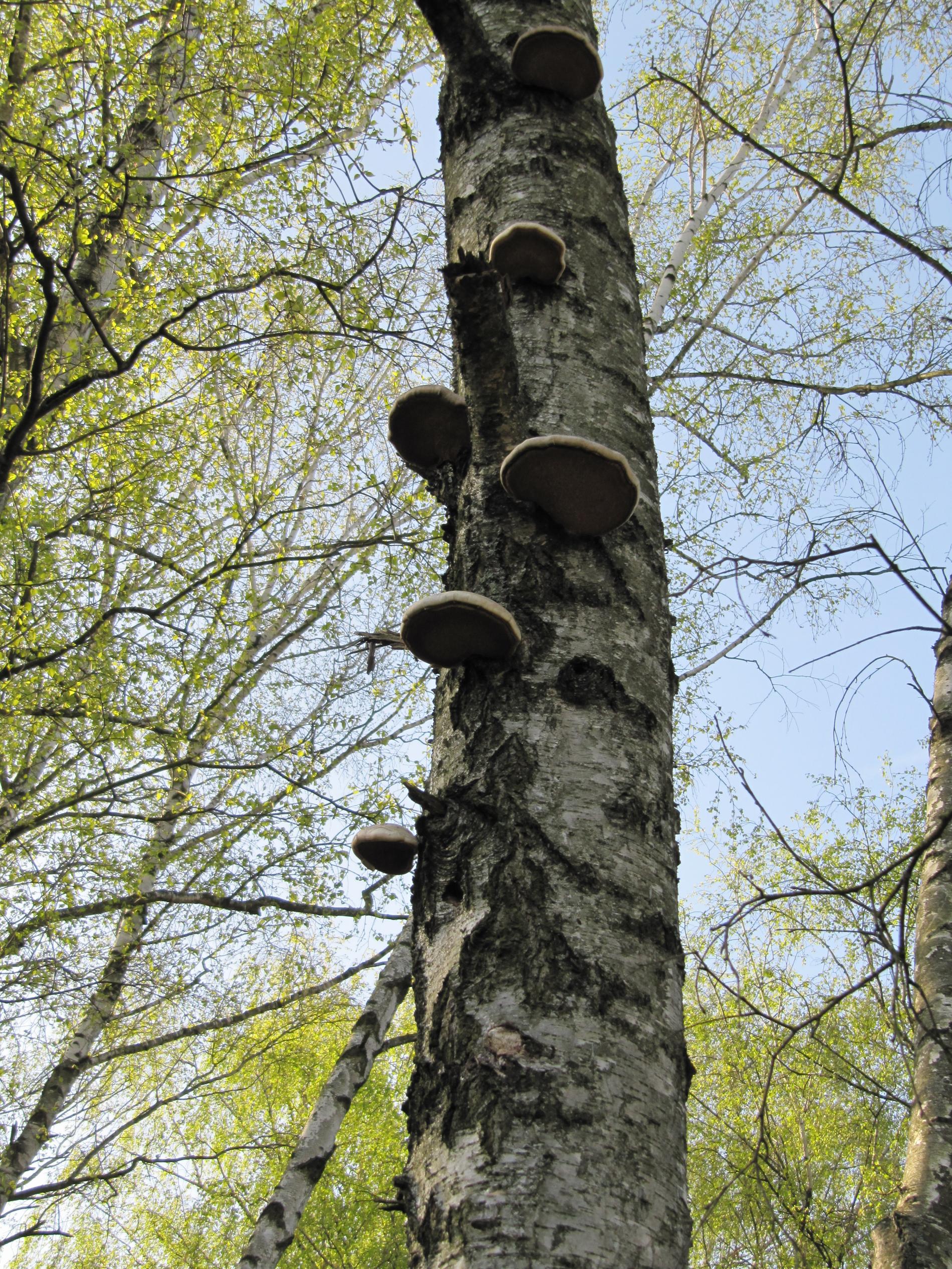
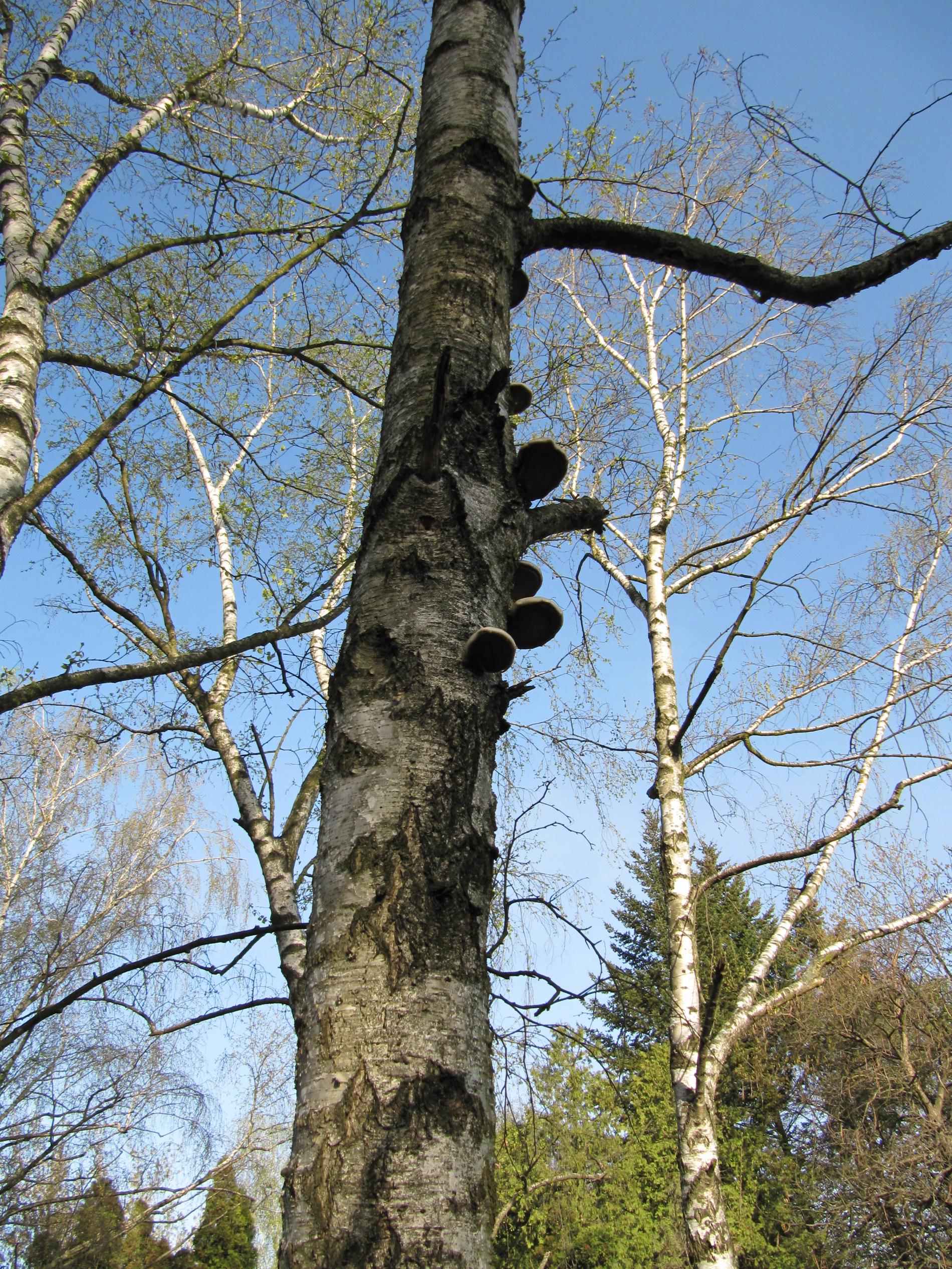
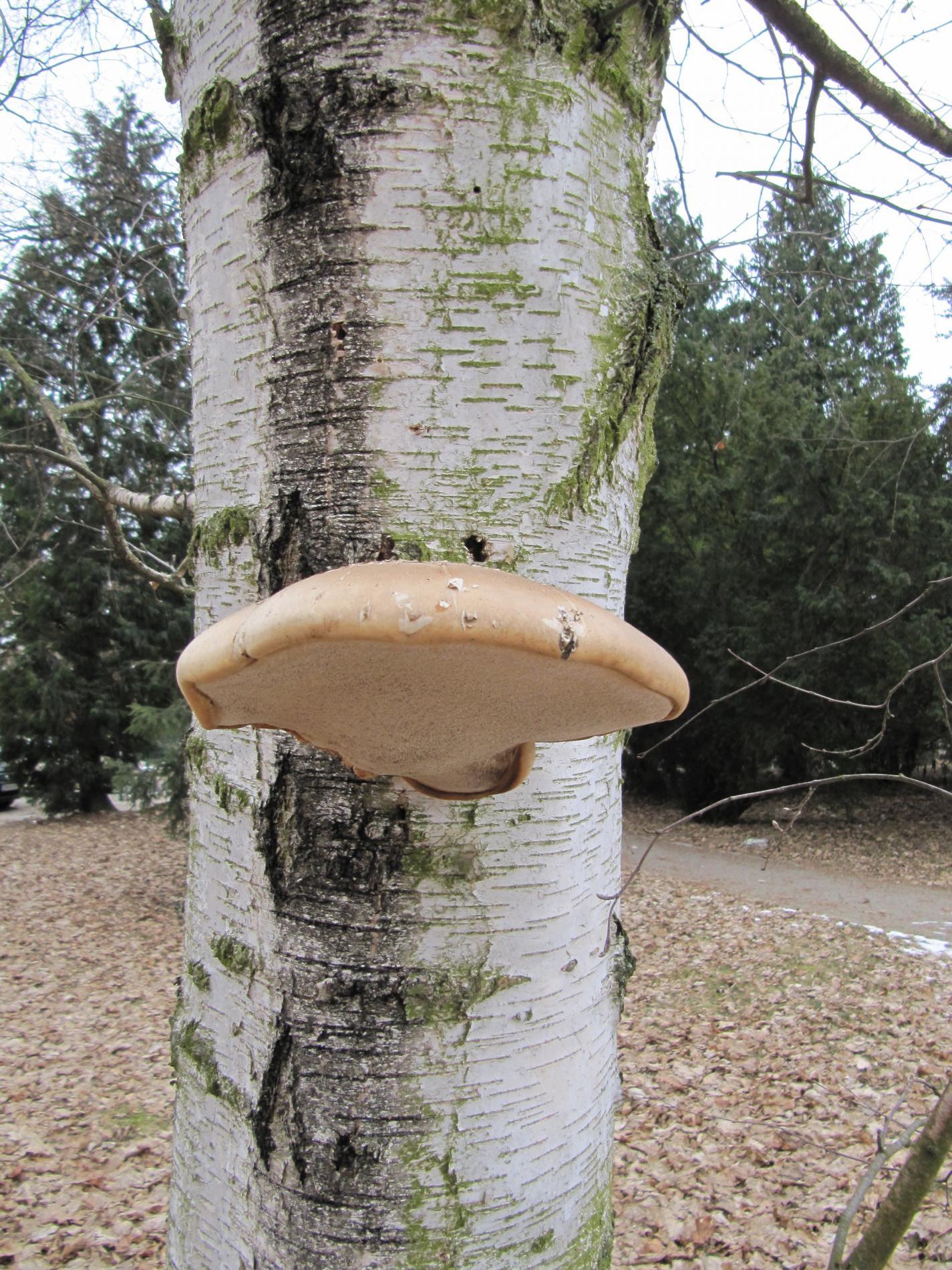
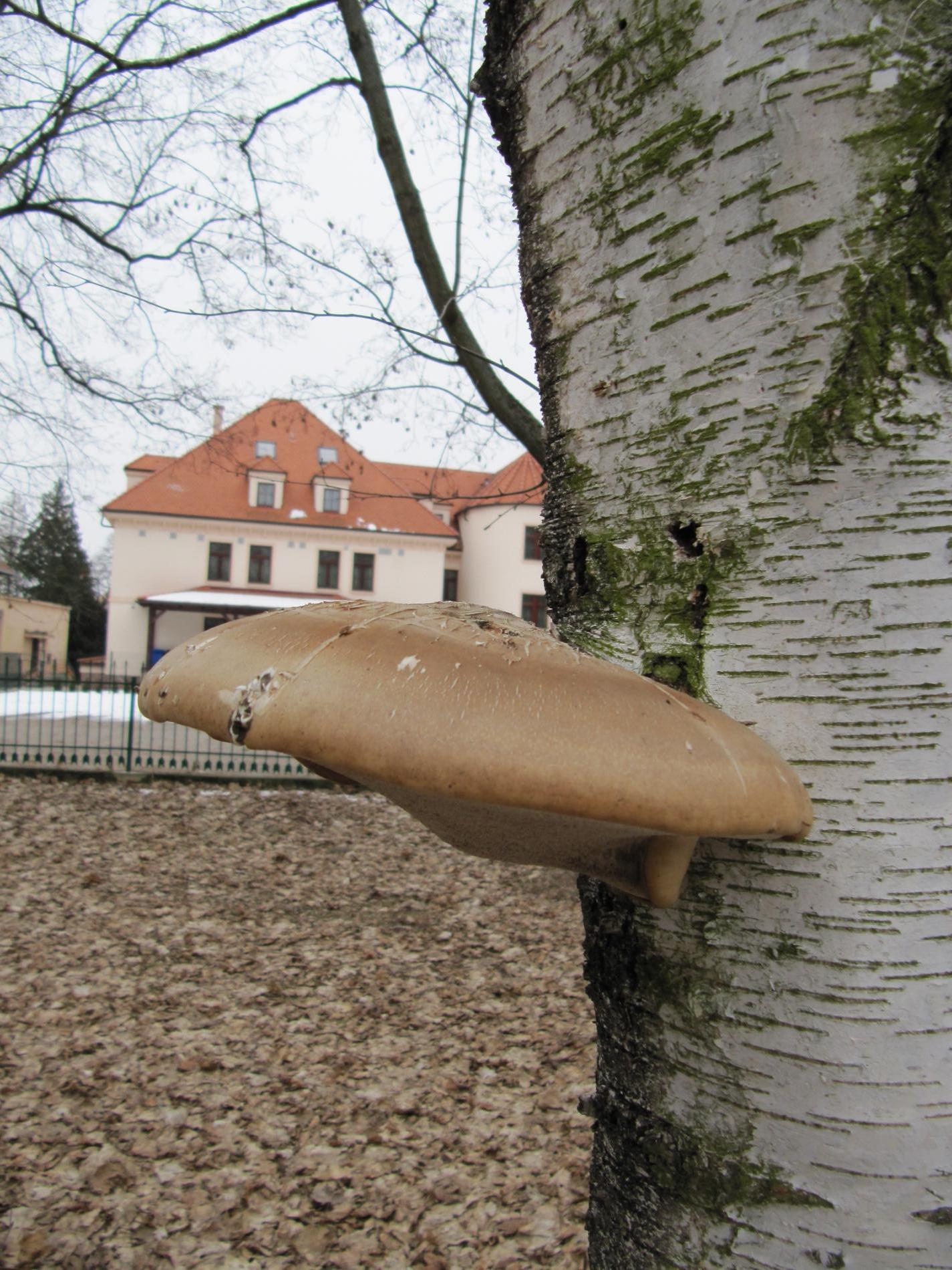
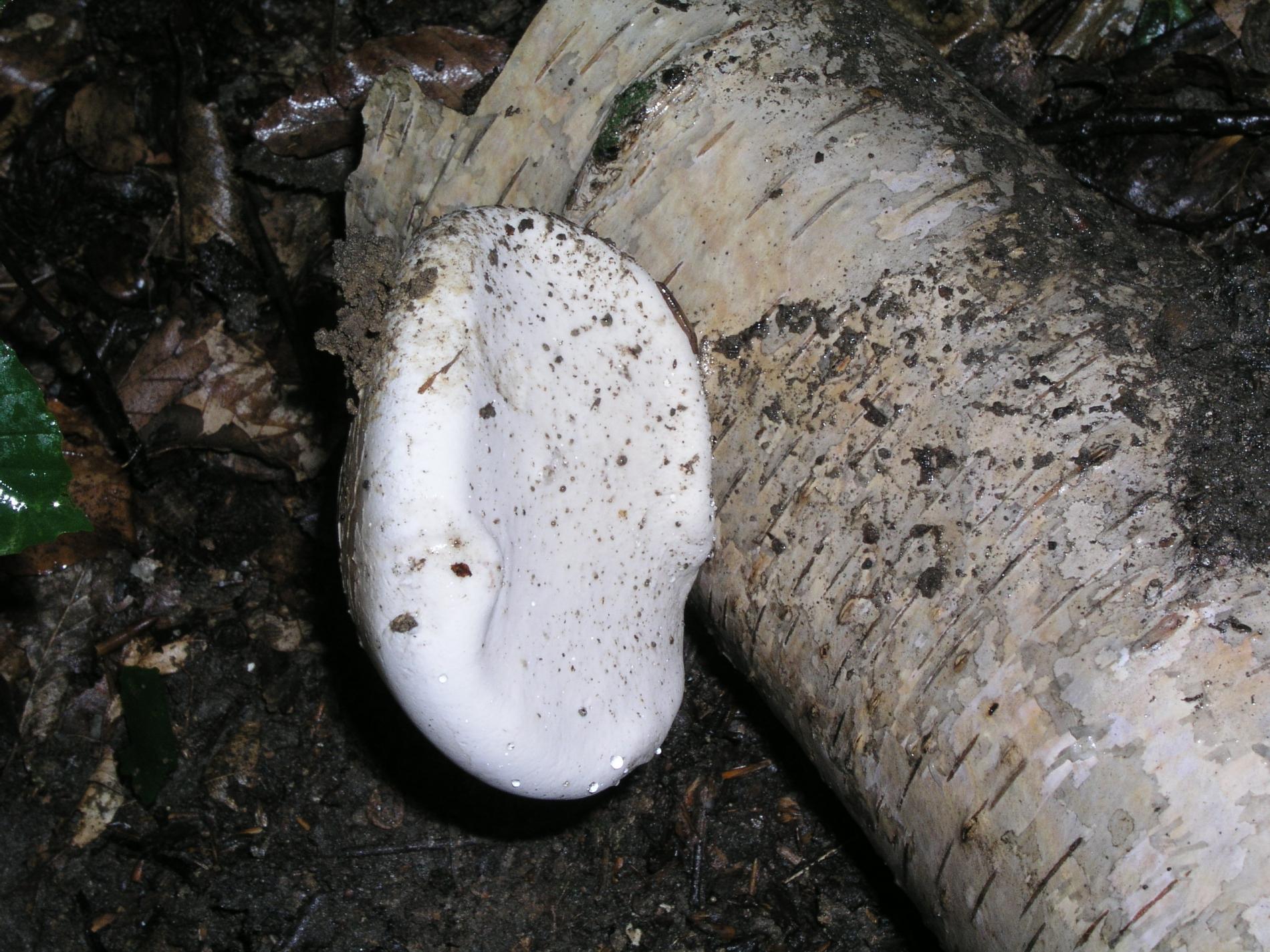
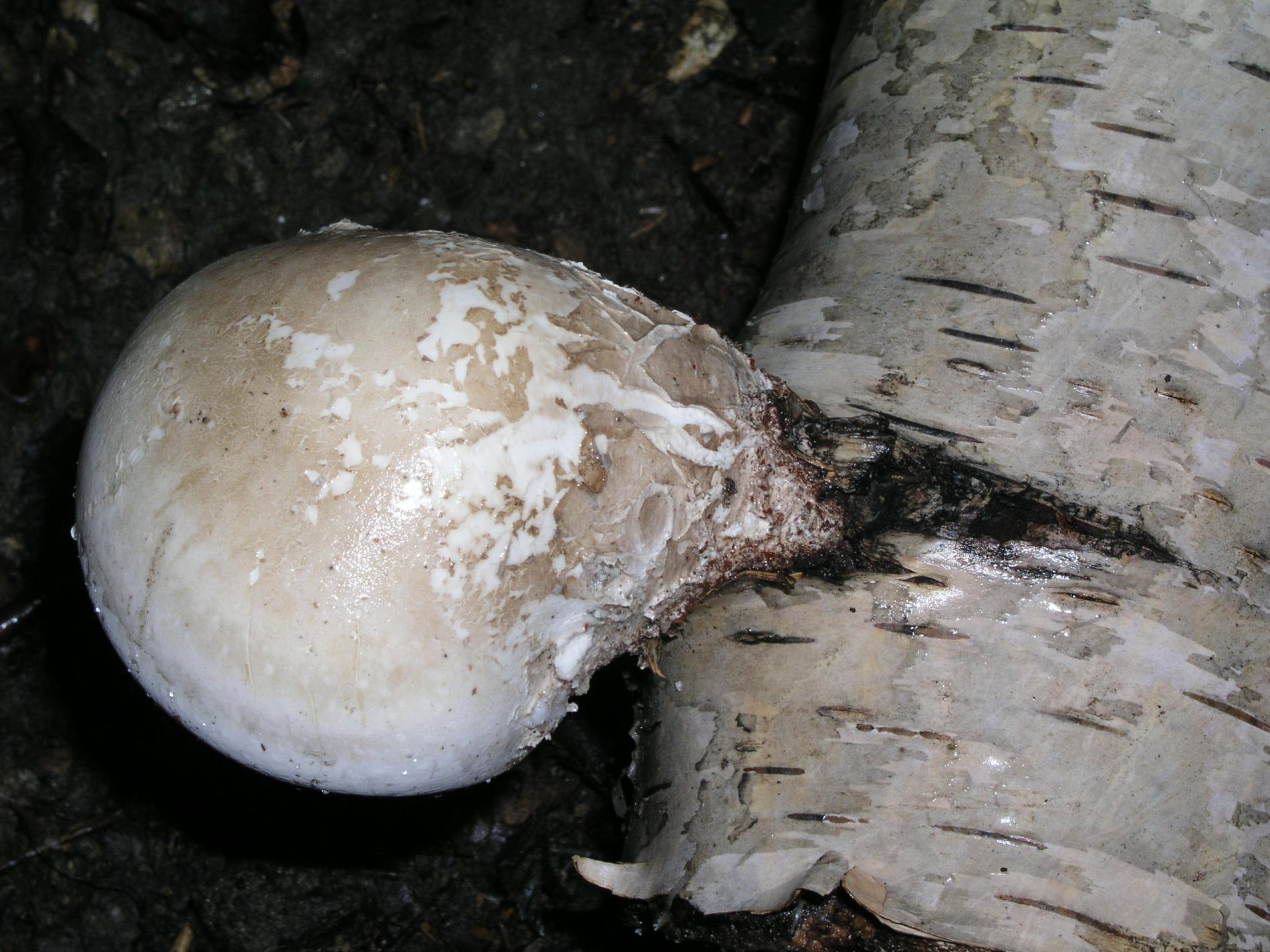
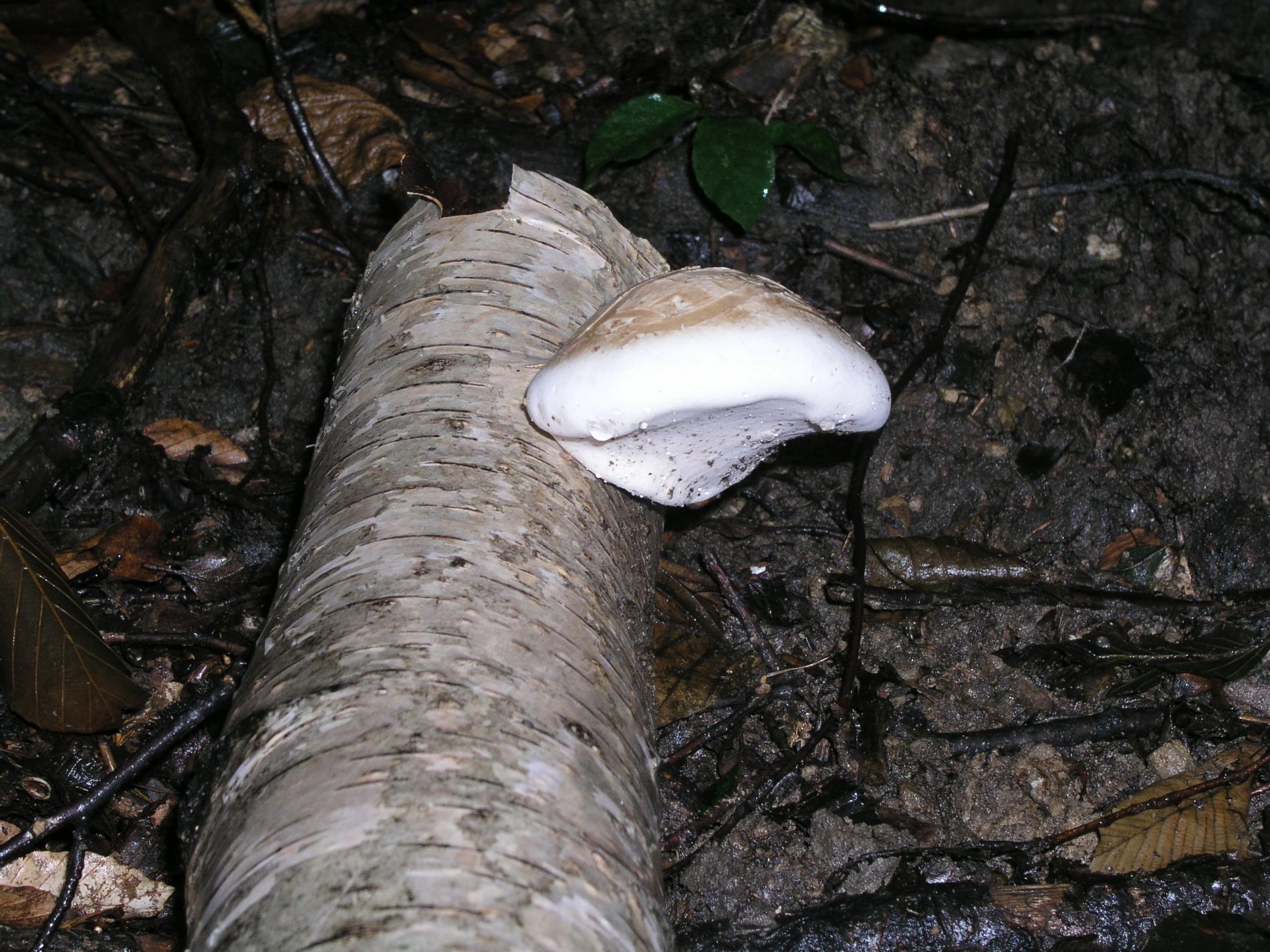
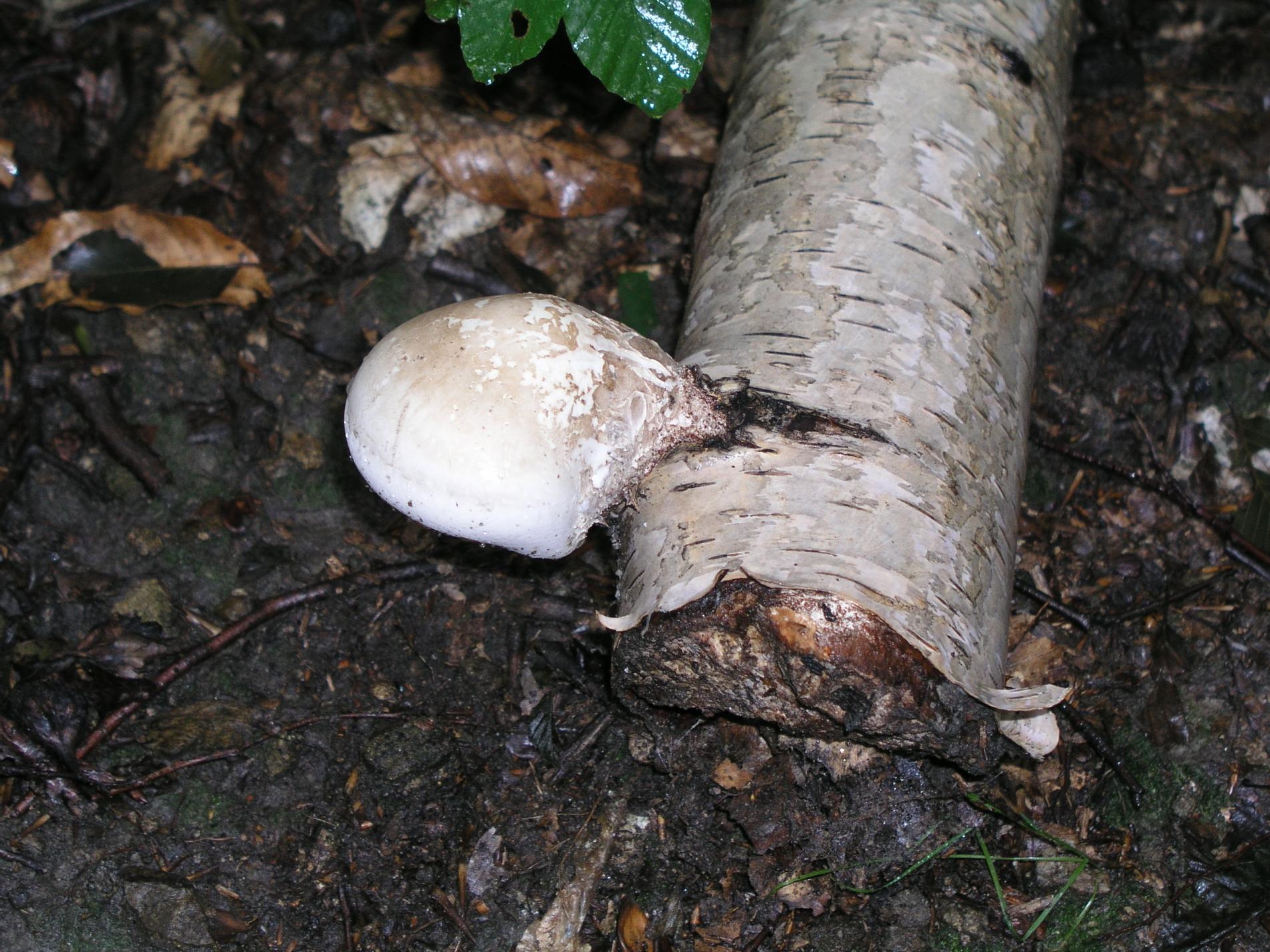
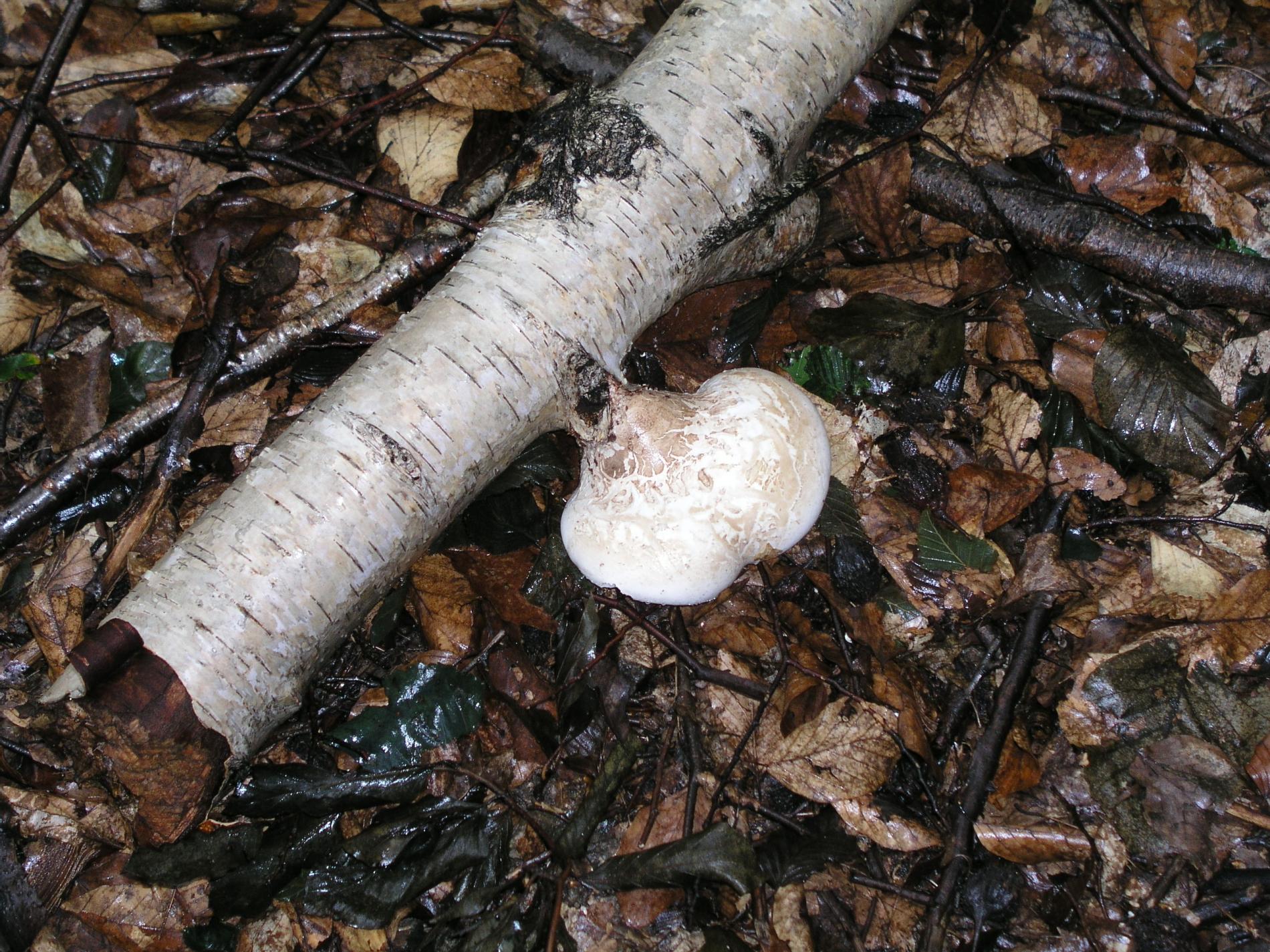
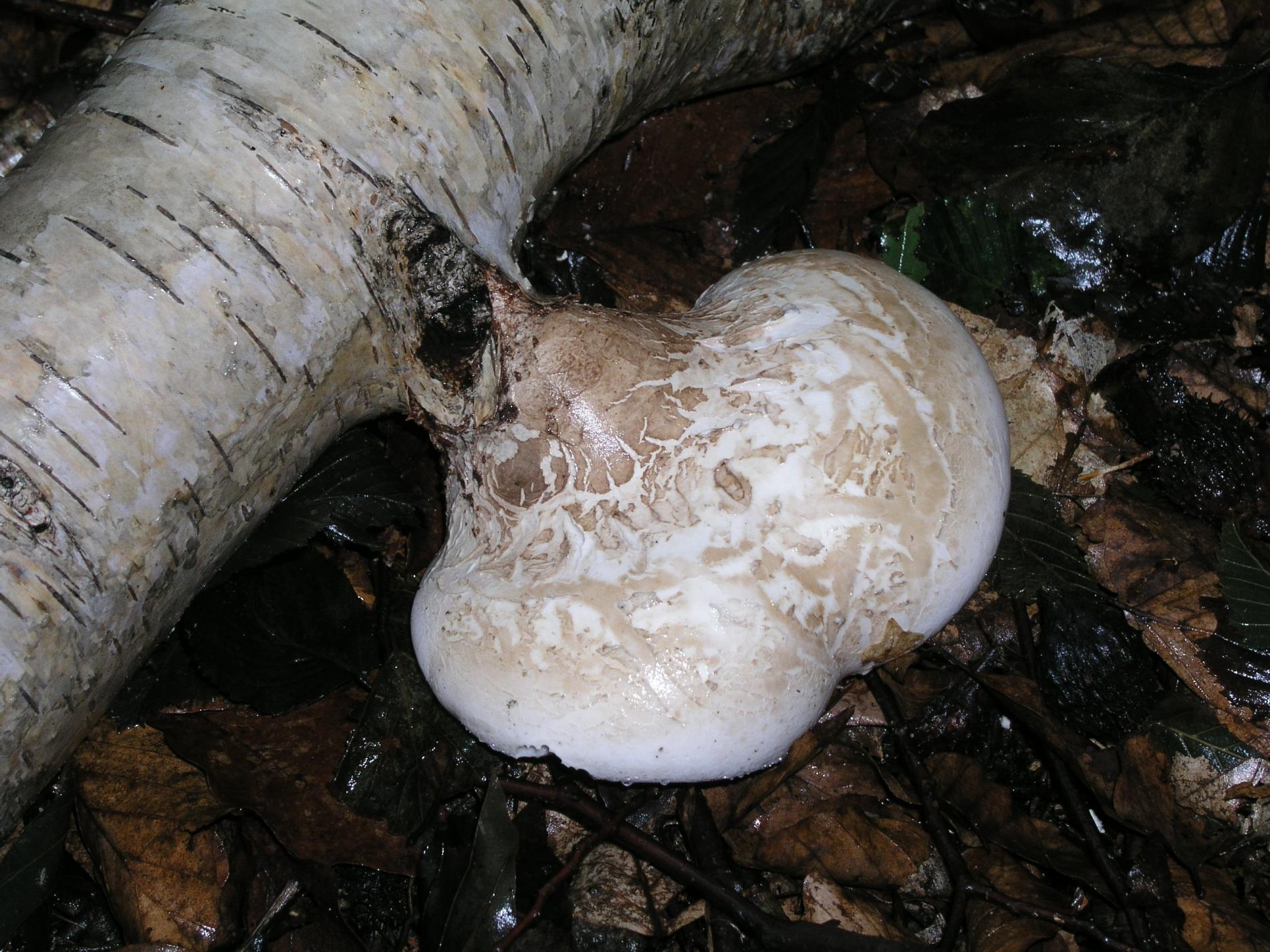
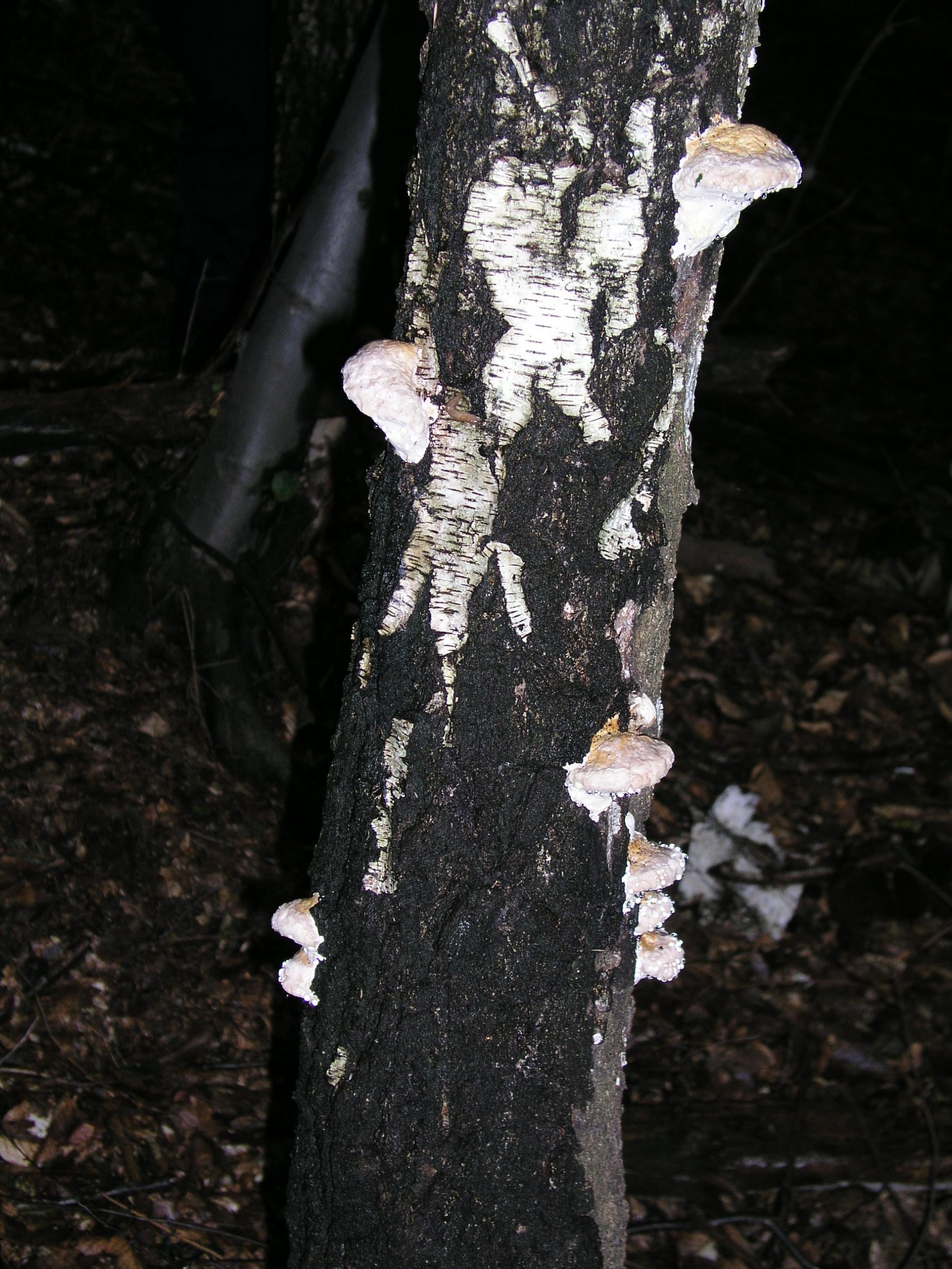
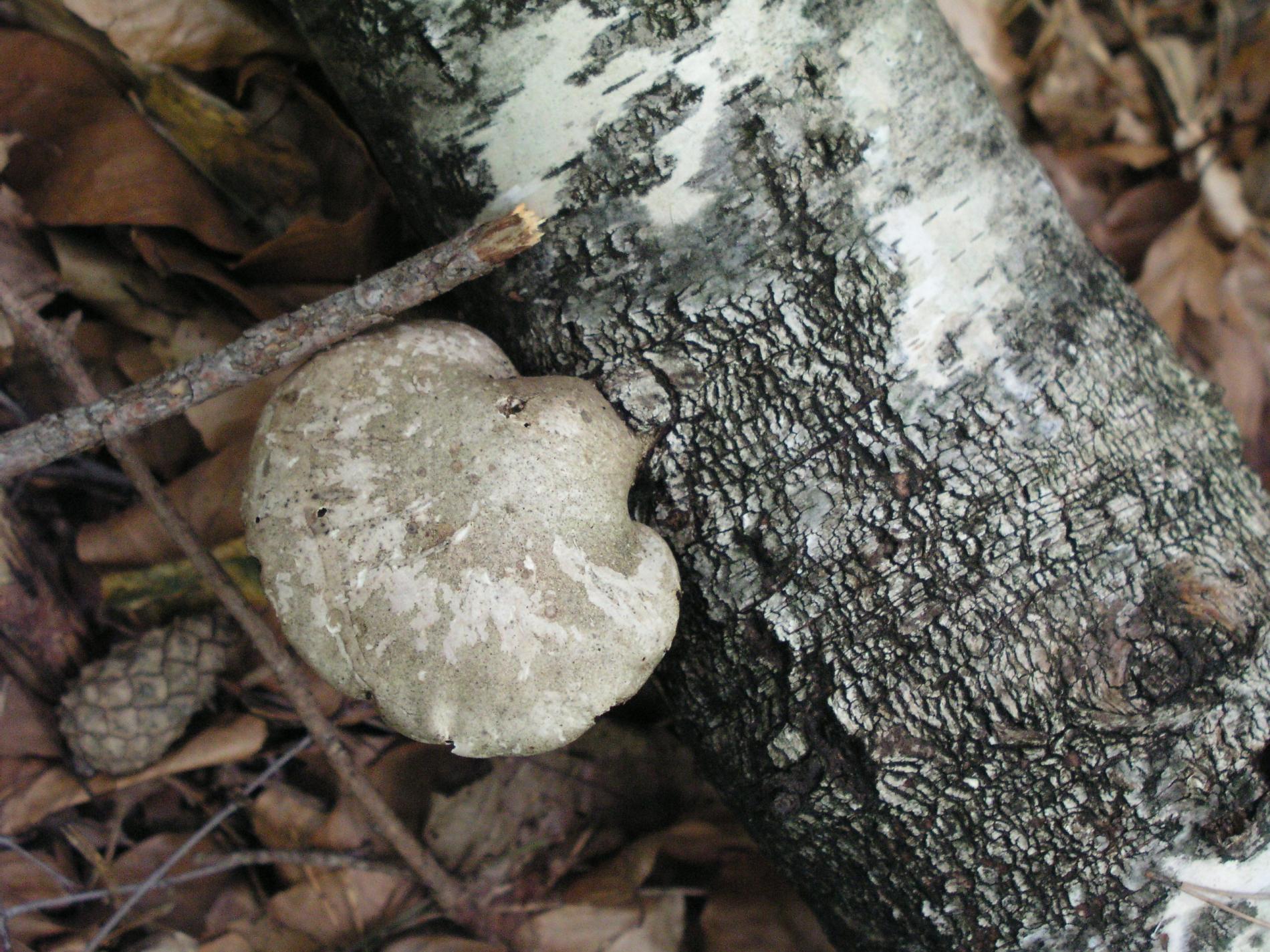
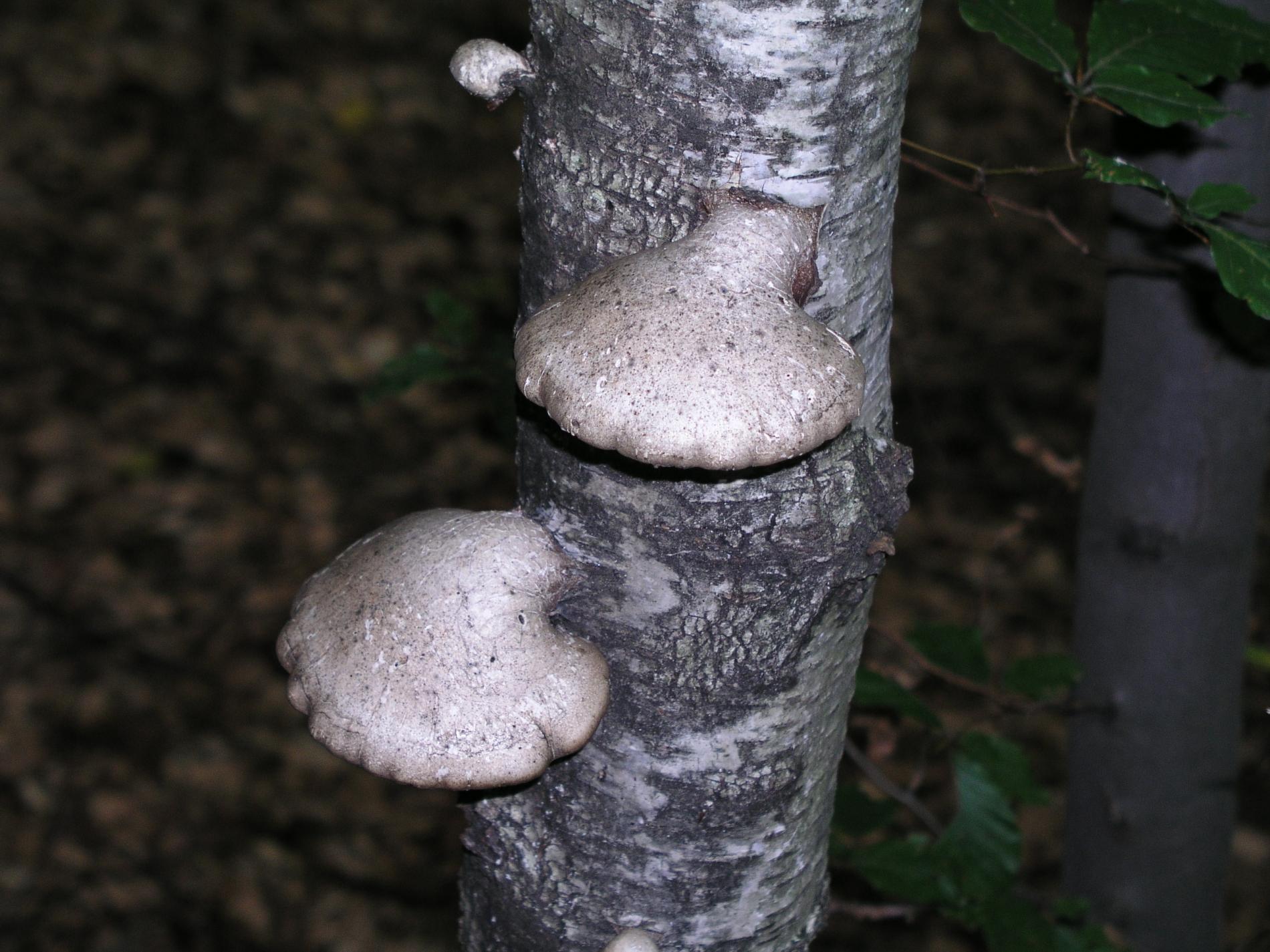
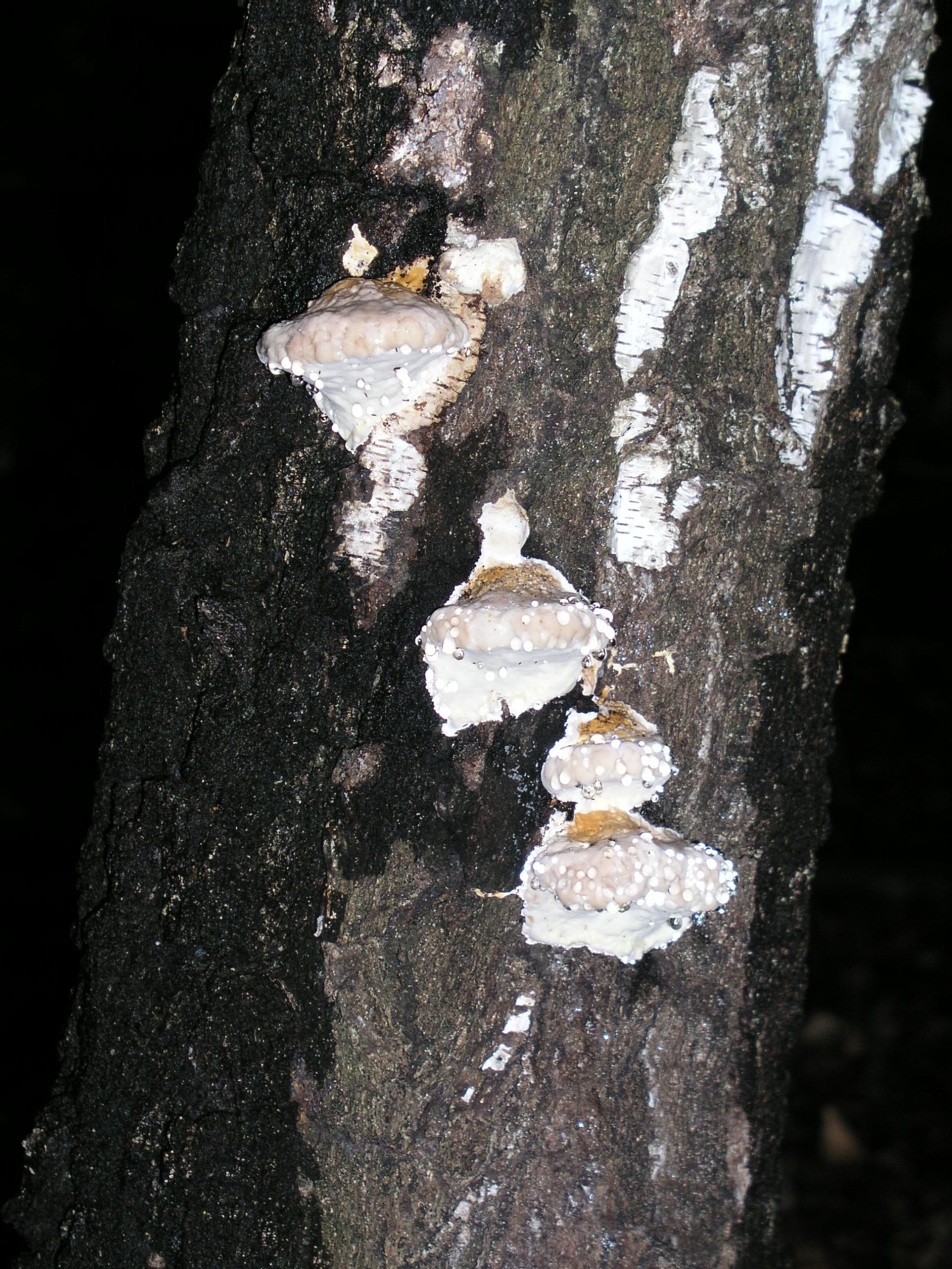
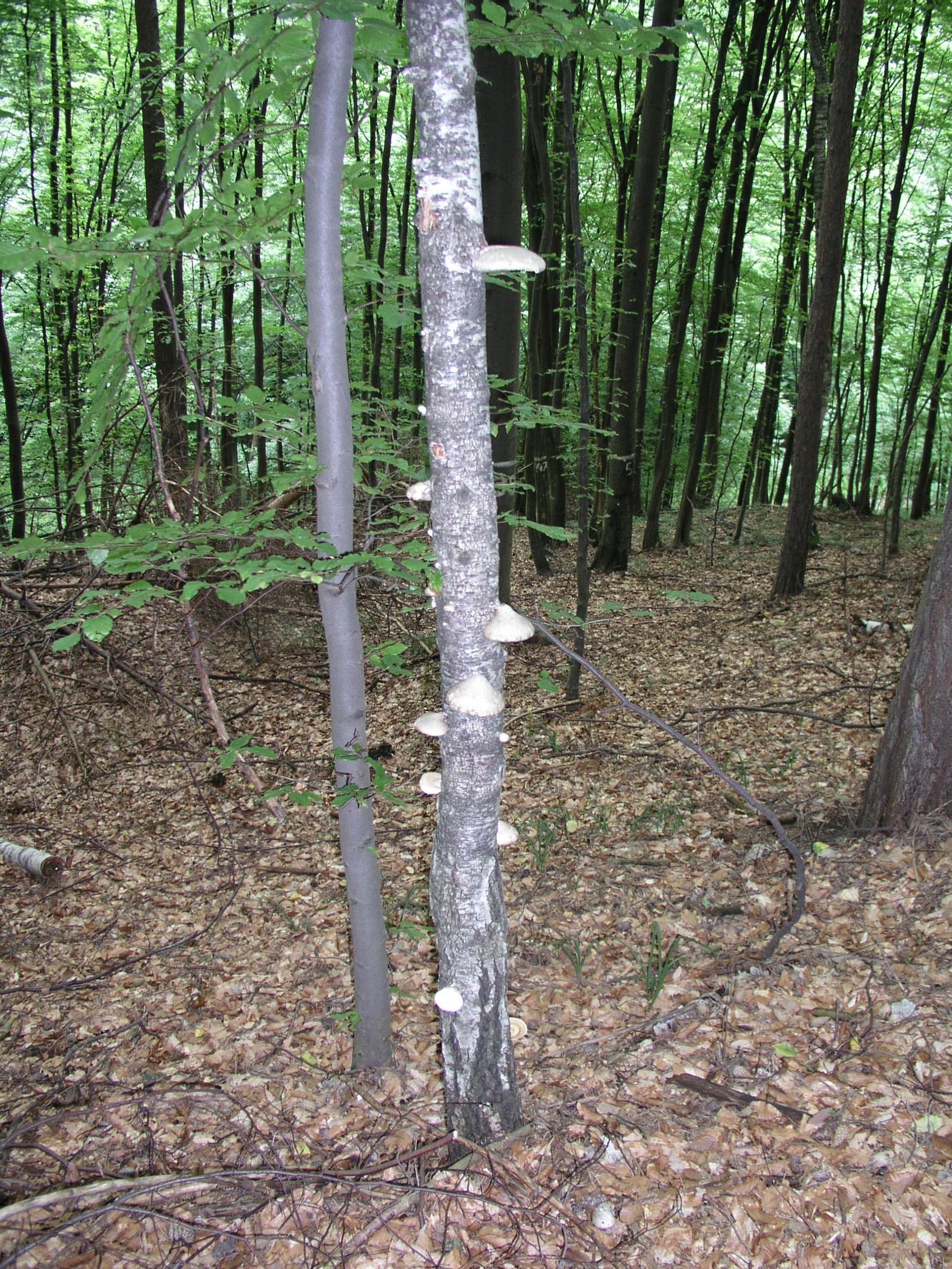
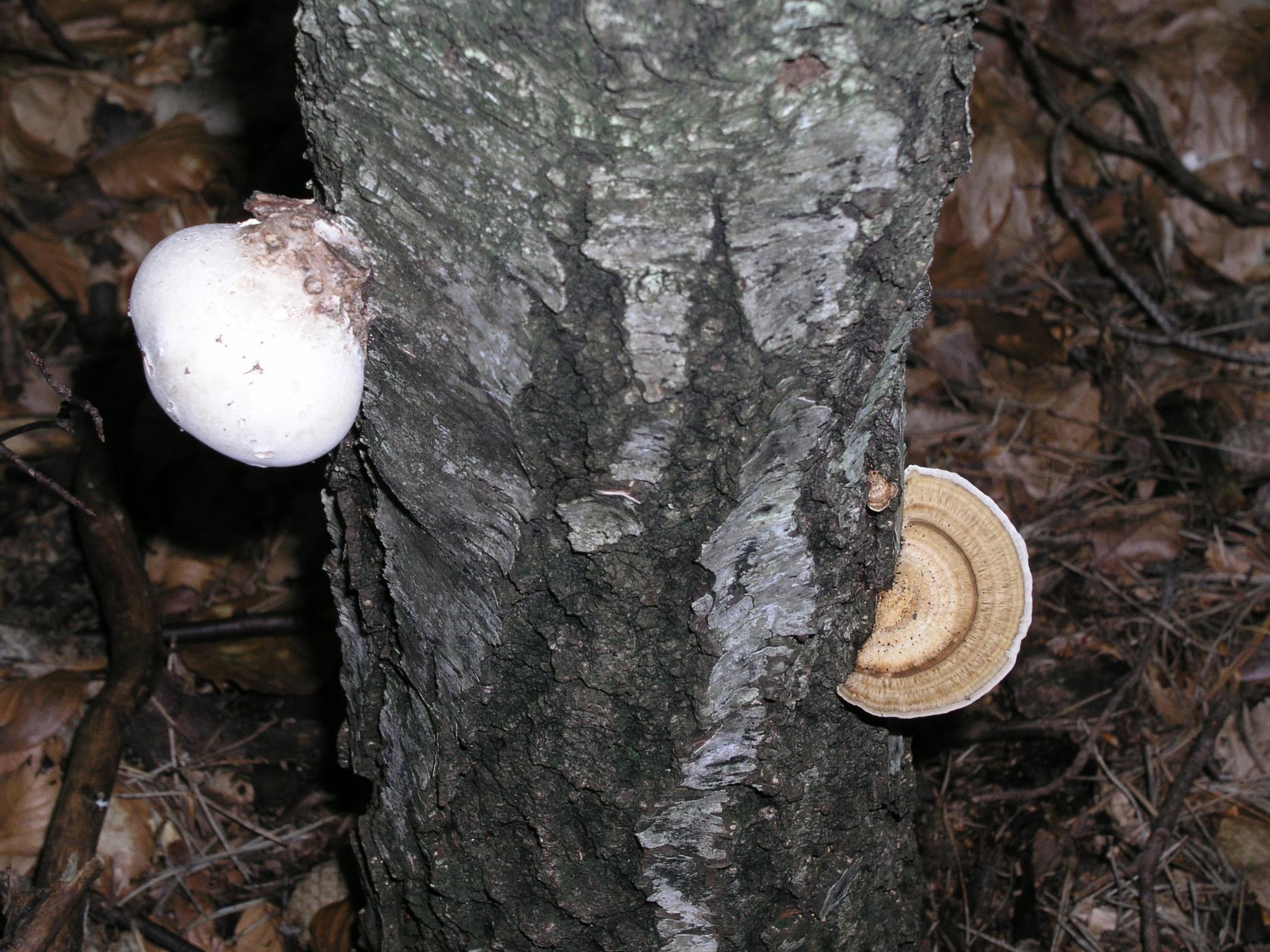
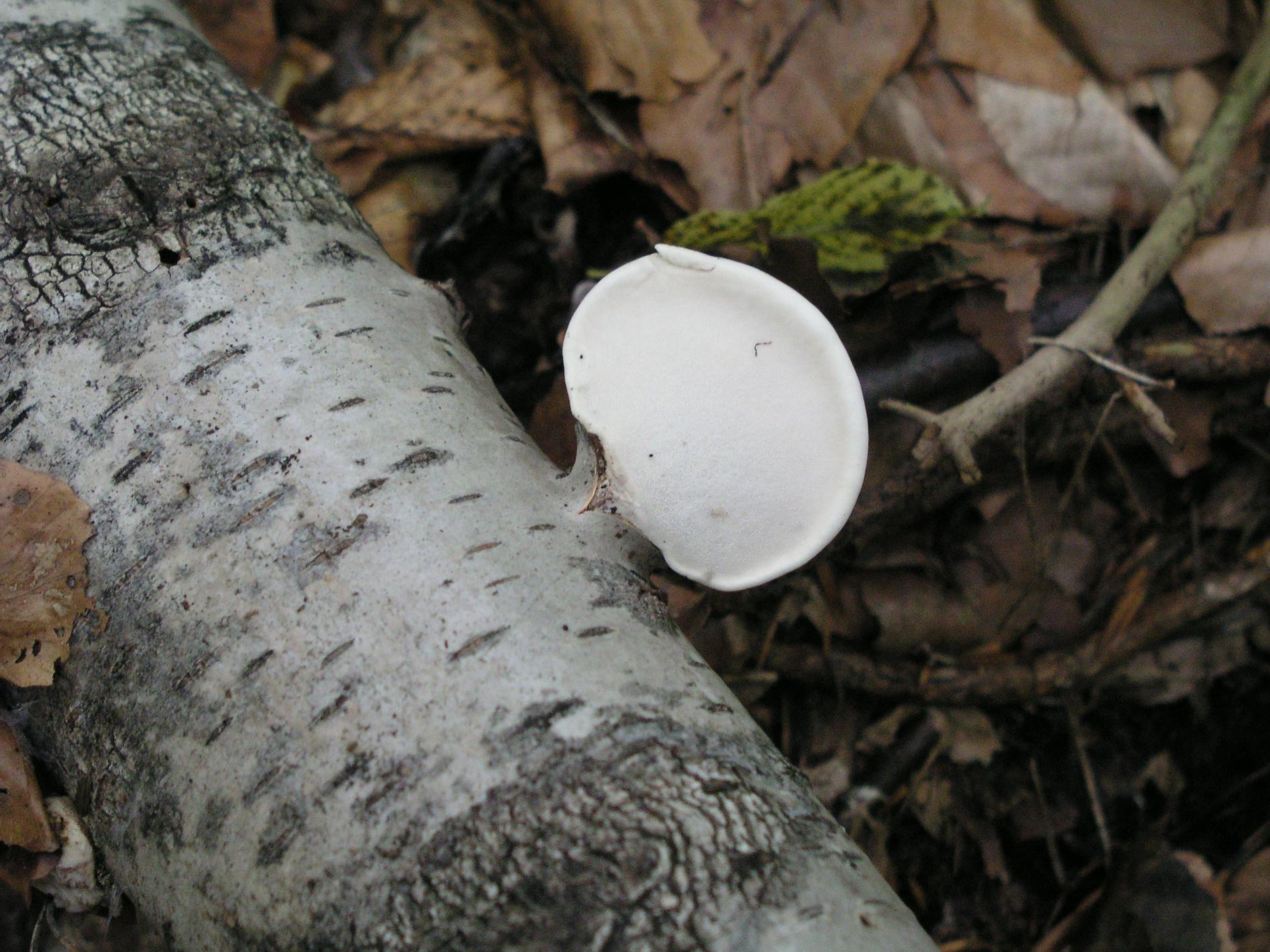
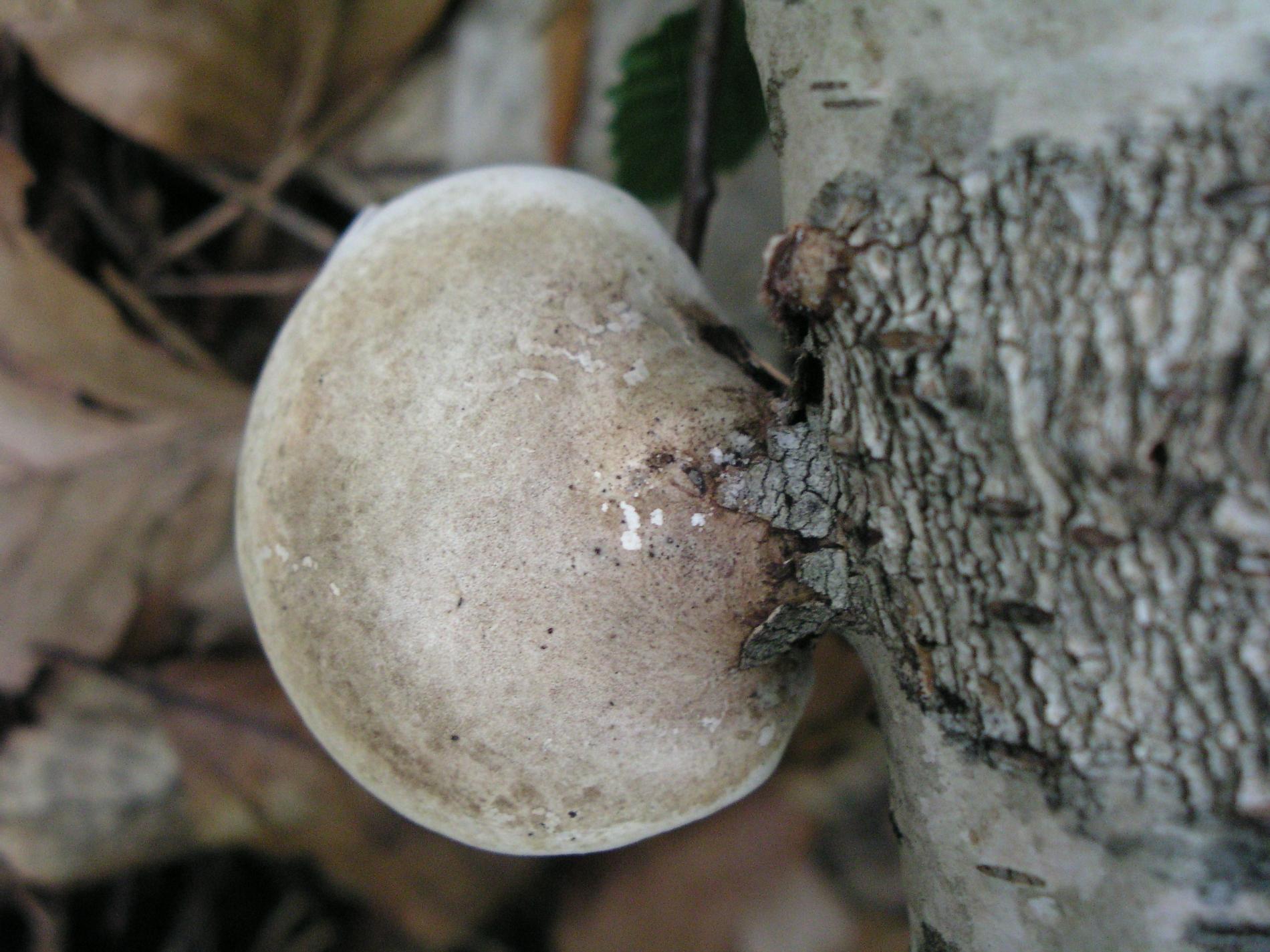
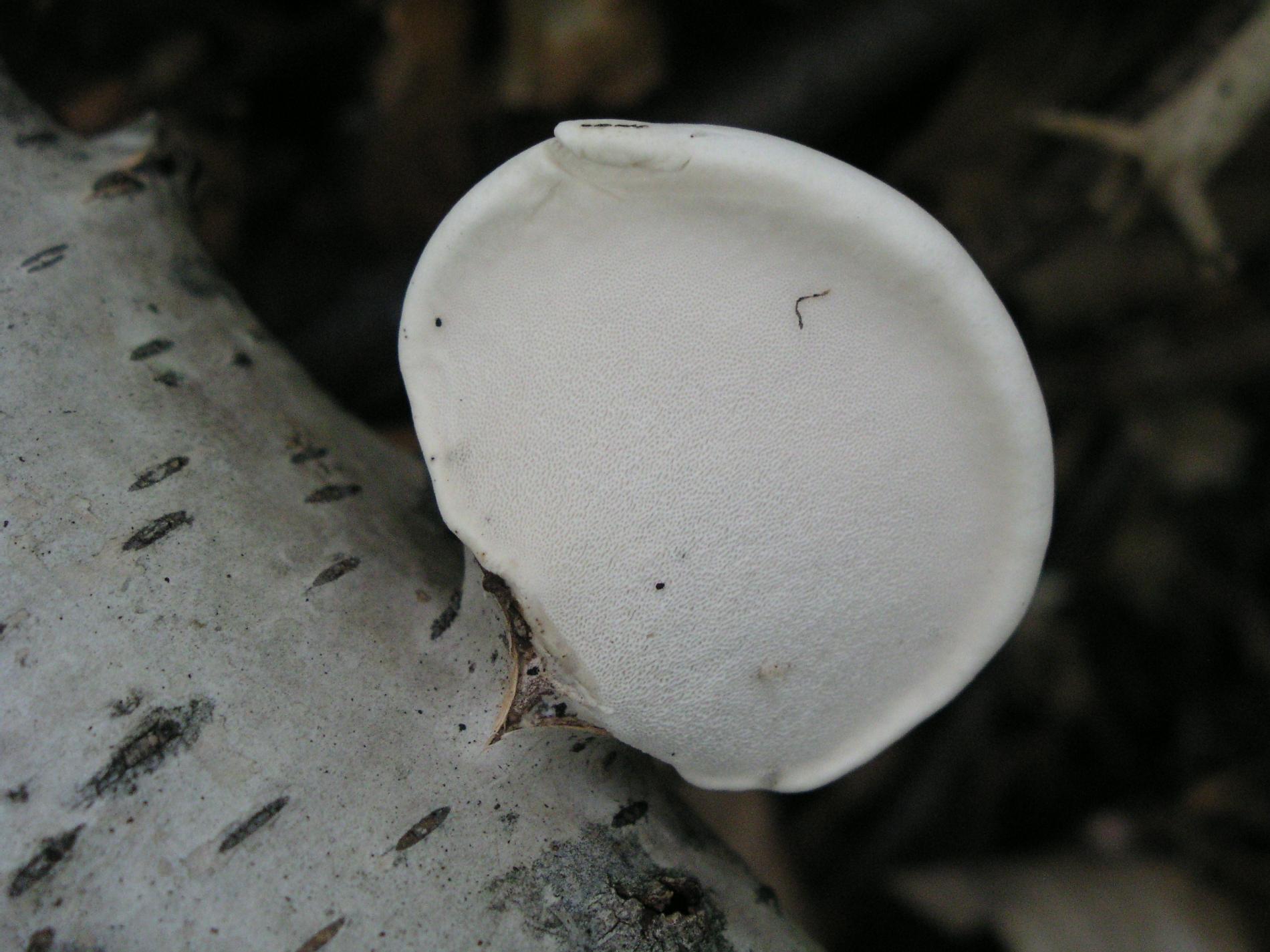
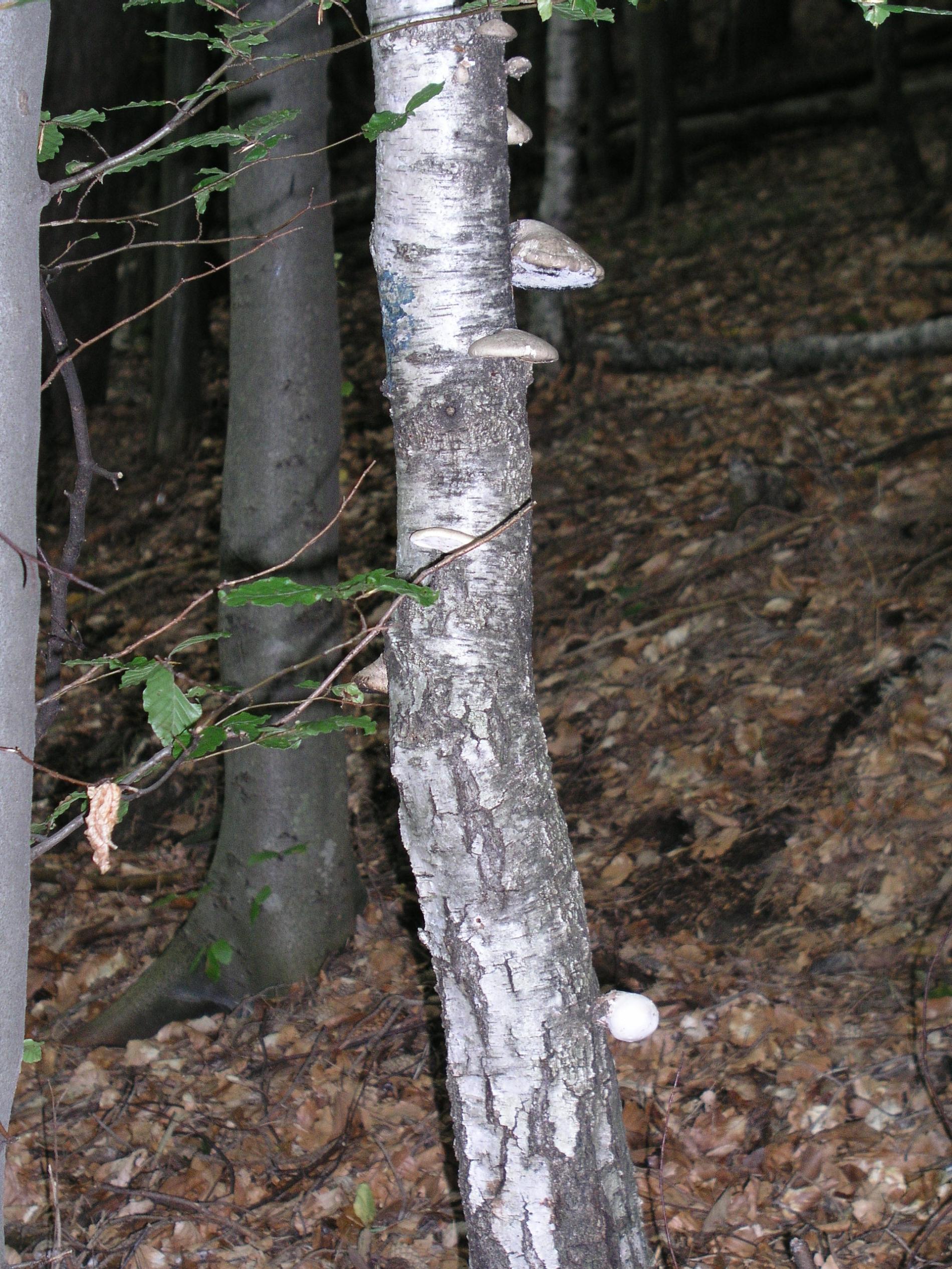
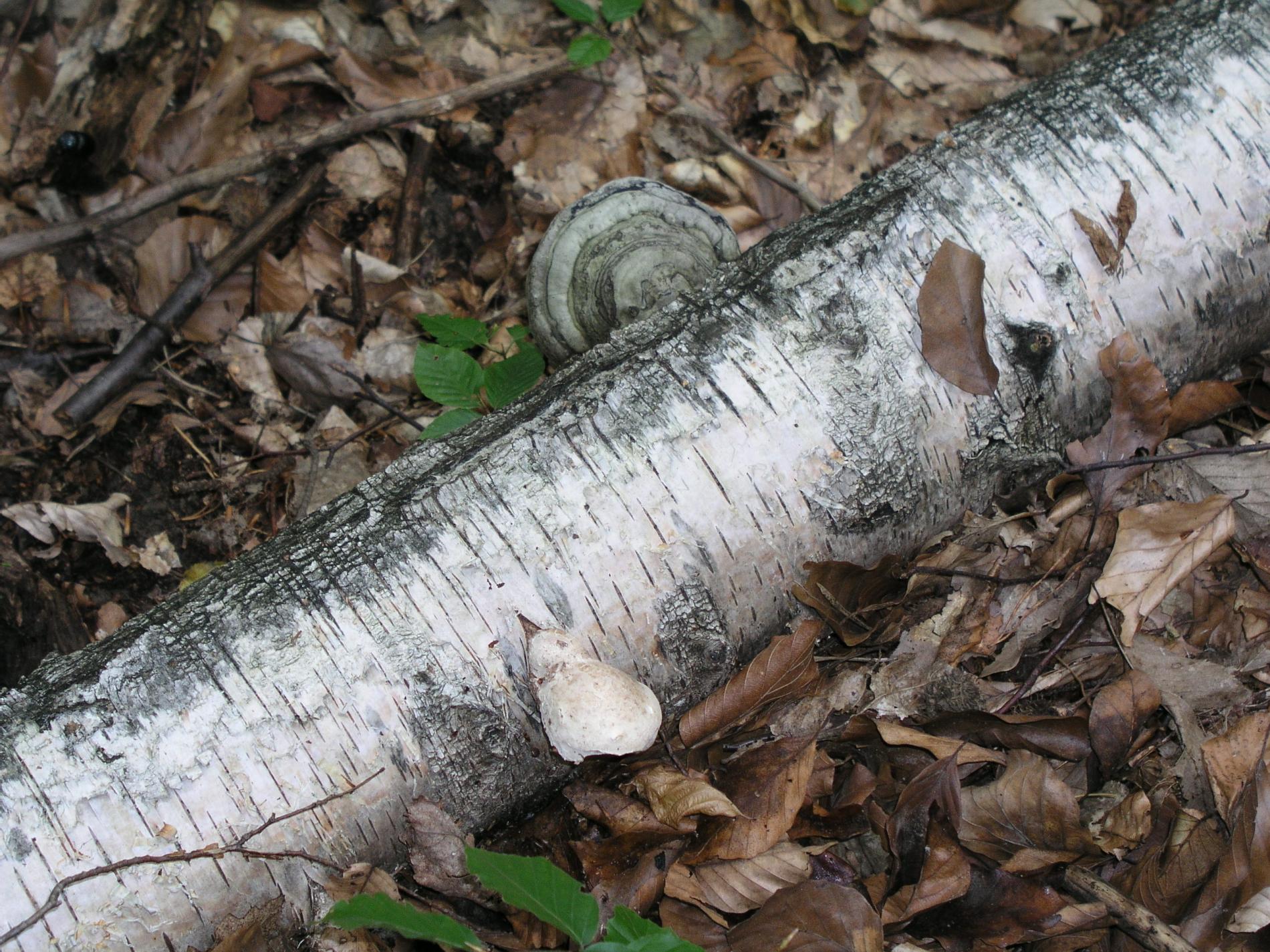
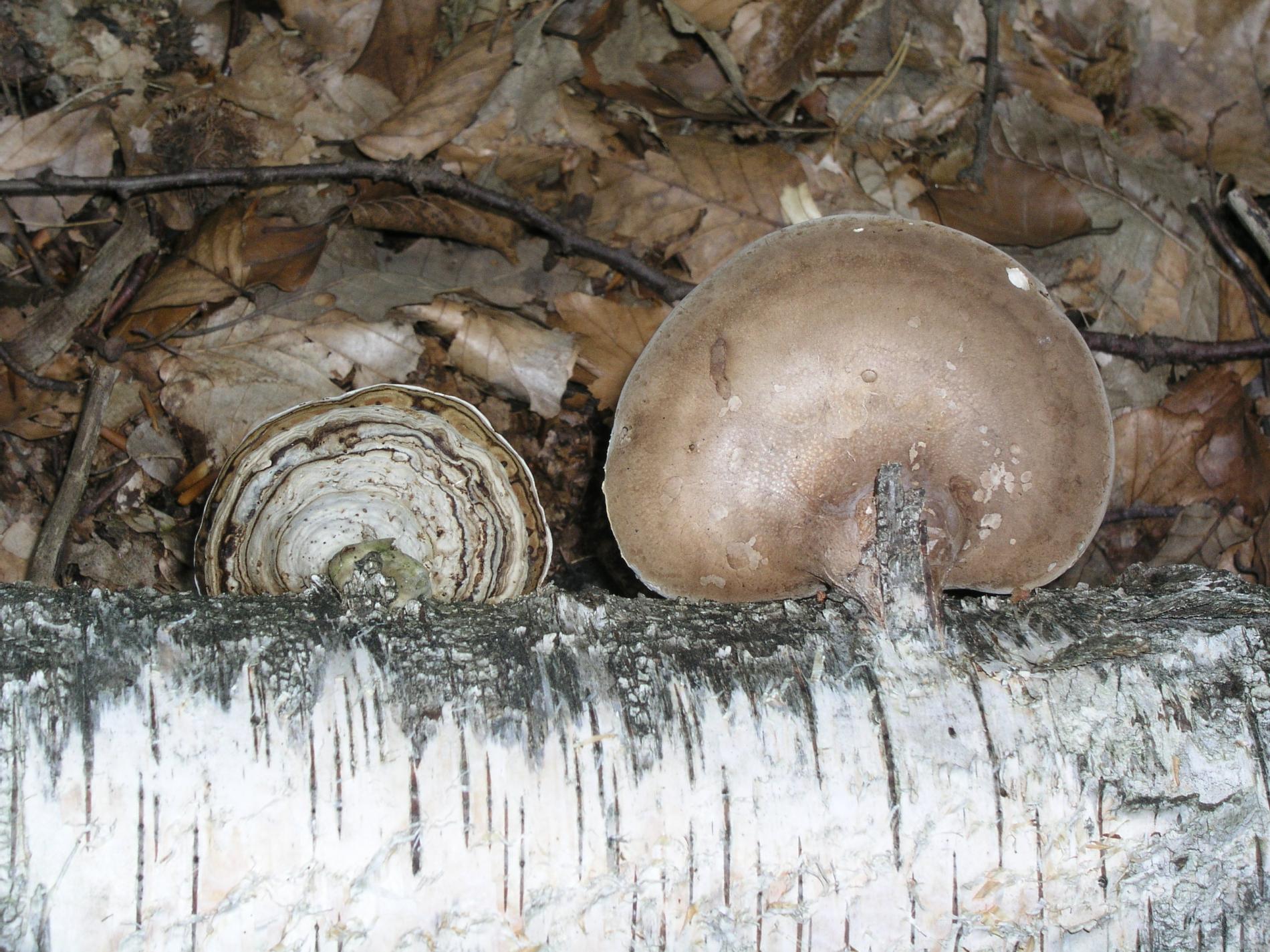
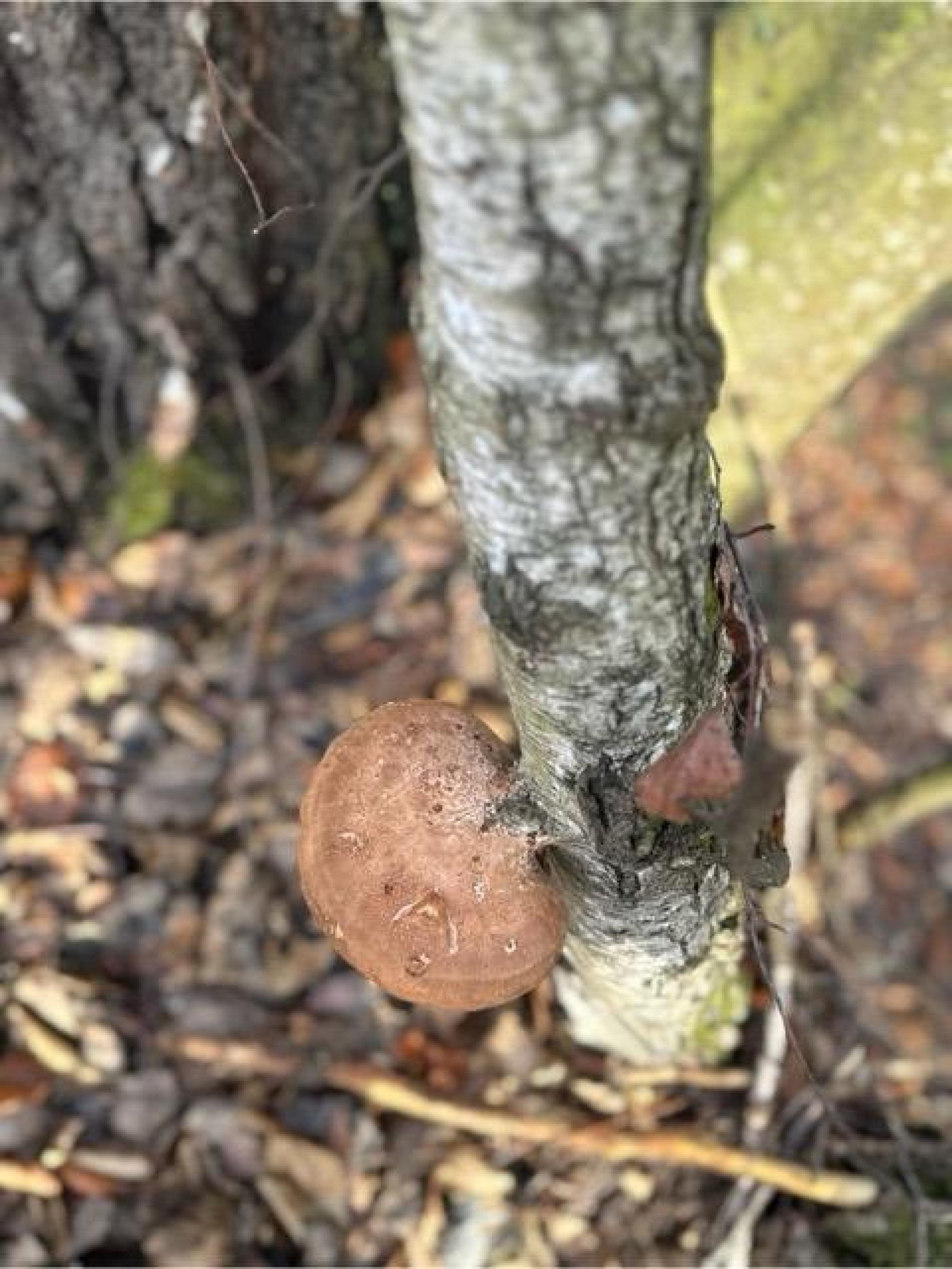
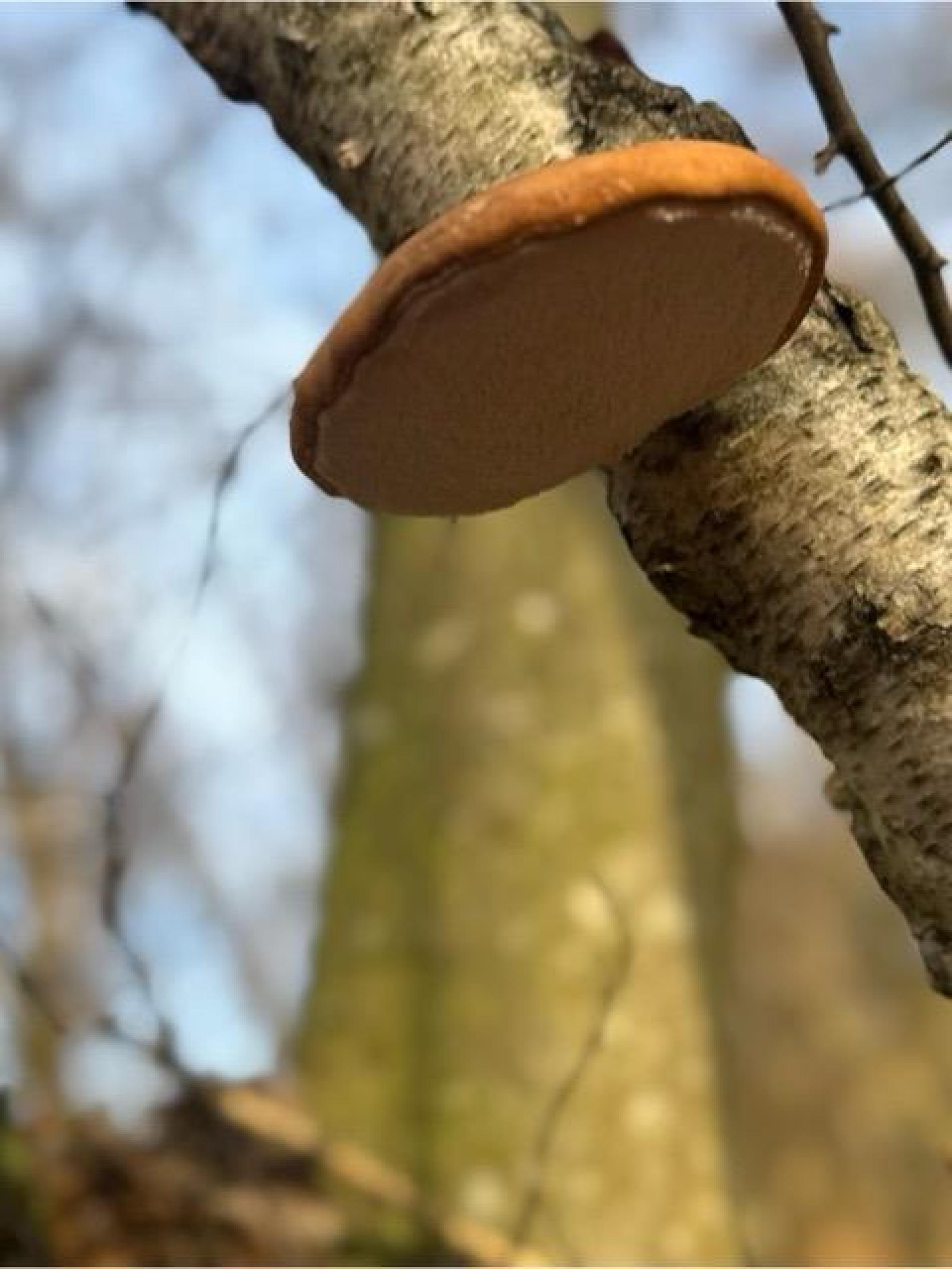
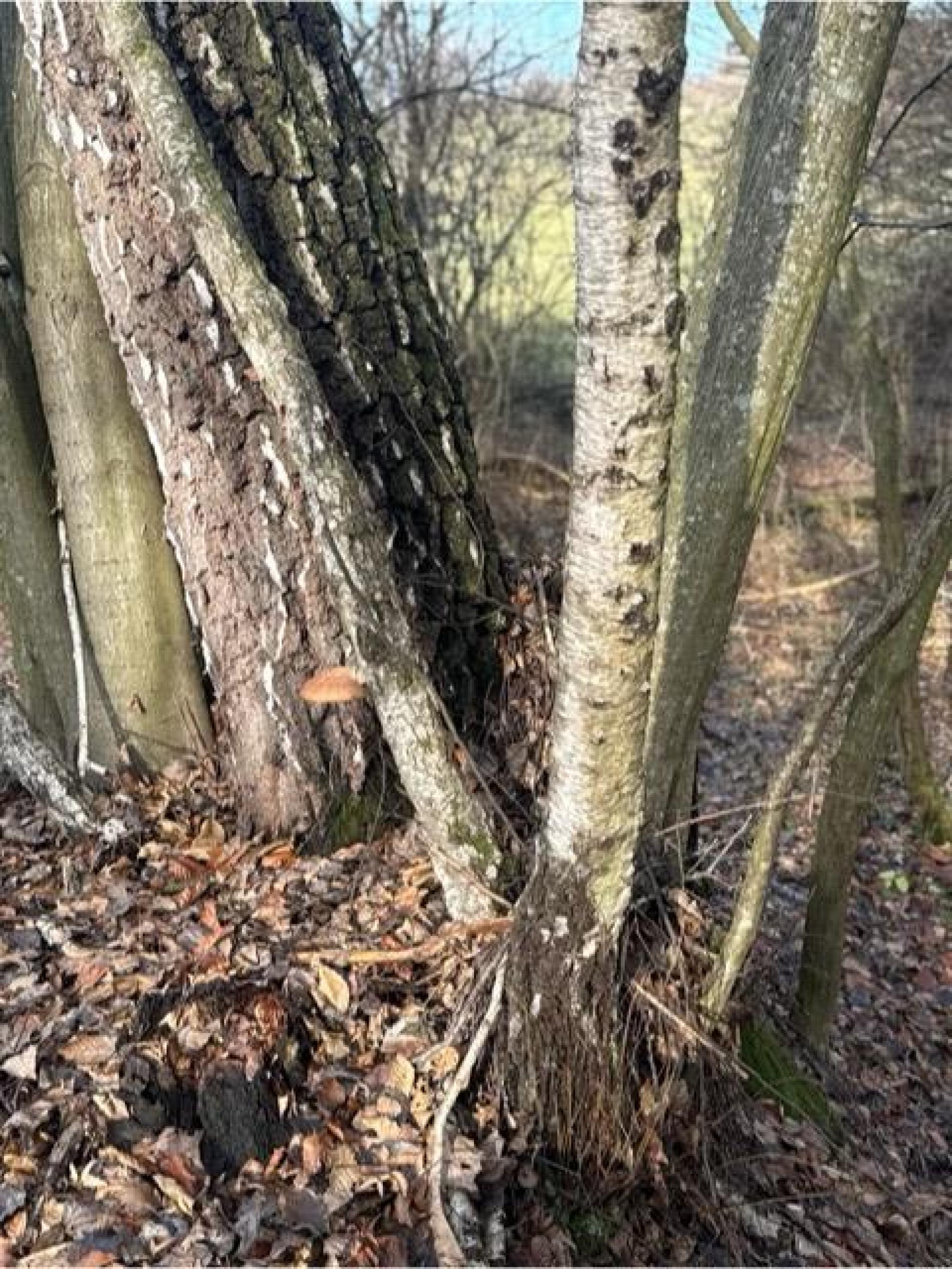
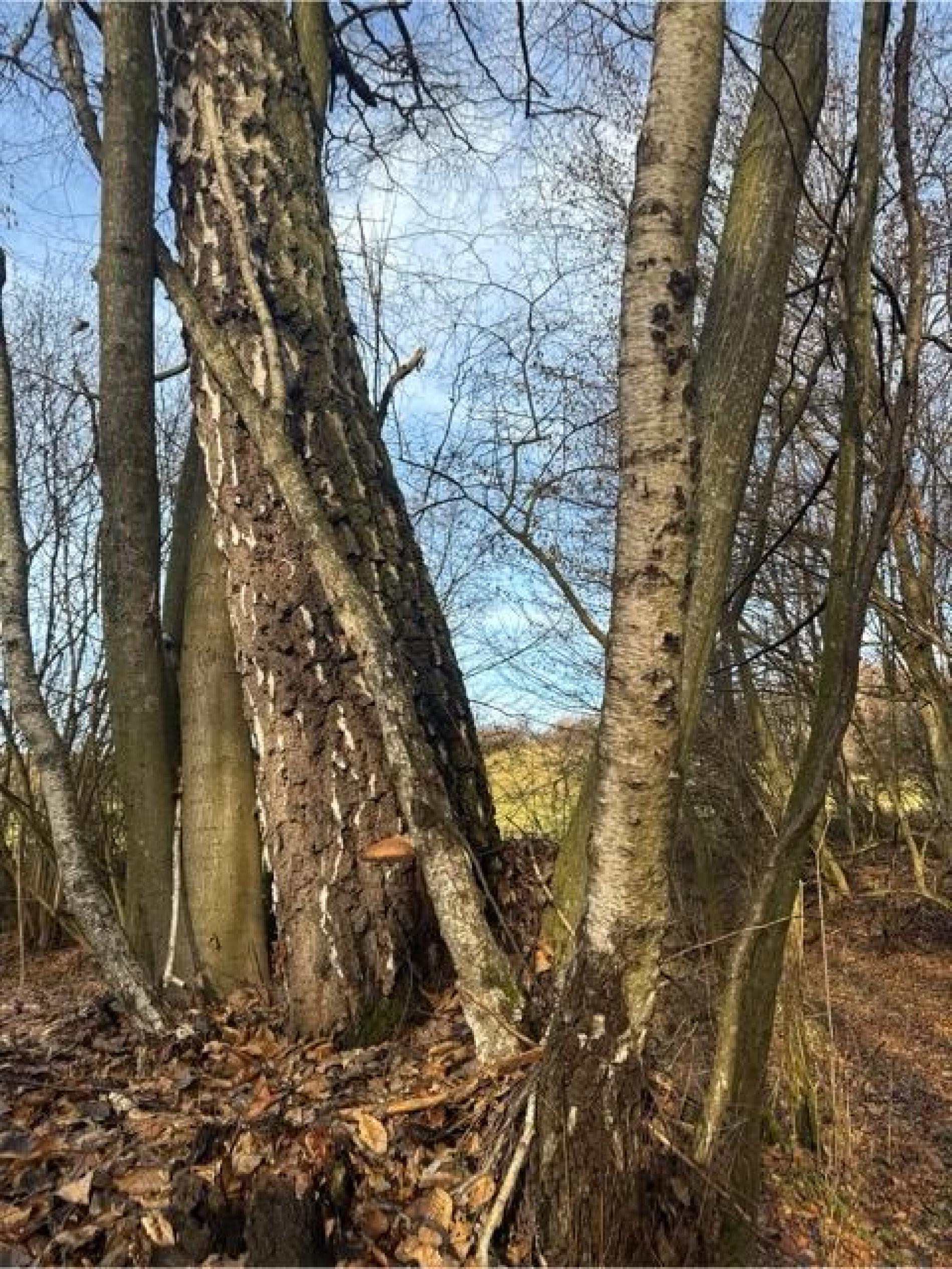
Infection of buttress, trunks and branches arises through wounds in bark and broken branches. After 2-3 years of parasiting, at the place of infection on the trunk surface grow annual fruiting bodies of the fungus. When young, the fruiting body is soft, with age it becomes cork-like hard. The upper side is covered with an ochre white paper-like membrane that later cracks irregularly. Pores are white to ochre. Especially weakened trees, e.g. by drought, shading and so on, are predisposed to infection. The mycelium causes reddish brown rot of attacked wood. Rotting wood is very frail, it breaks down in a cube-like way. The cracks are filled up with soft scraps of the creamy white mycelium.
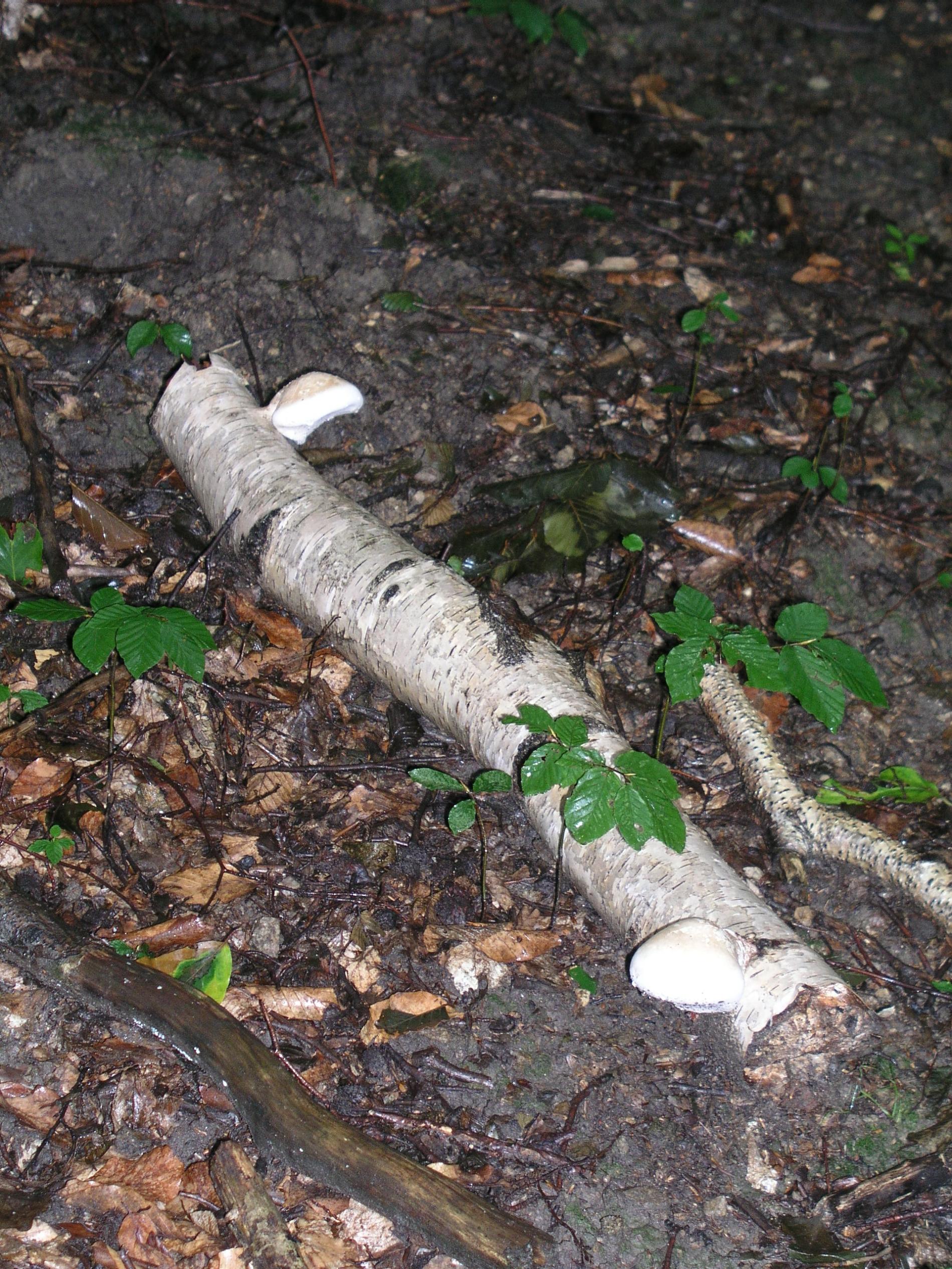
White fruiting body on trunk.
Tree Species: Birch
Part of a plant- attacked: Tree trunk
Pest significance: Harmful
Pest Category: Fungi
Invasive Species: No
Present in EU: Yes
Pest group: Fungi
Affected part of wood: Heartwood, Sapwood
Depth of damages: More than 5 cm depth, Under bark only, Up to 0,5 cm depth, Up to 2 cm depth, Up to 5 cm depth
The extent of damage: Lokally
Prevalence in Europe: Common
Damaged products: Firewood
Roundwood size: Diameter from 10 up to 50 cm
Wood discoloration: Yes
Pest subcategory: Brown-rot
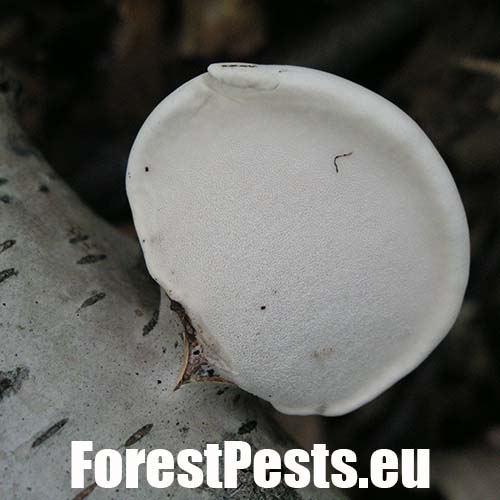
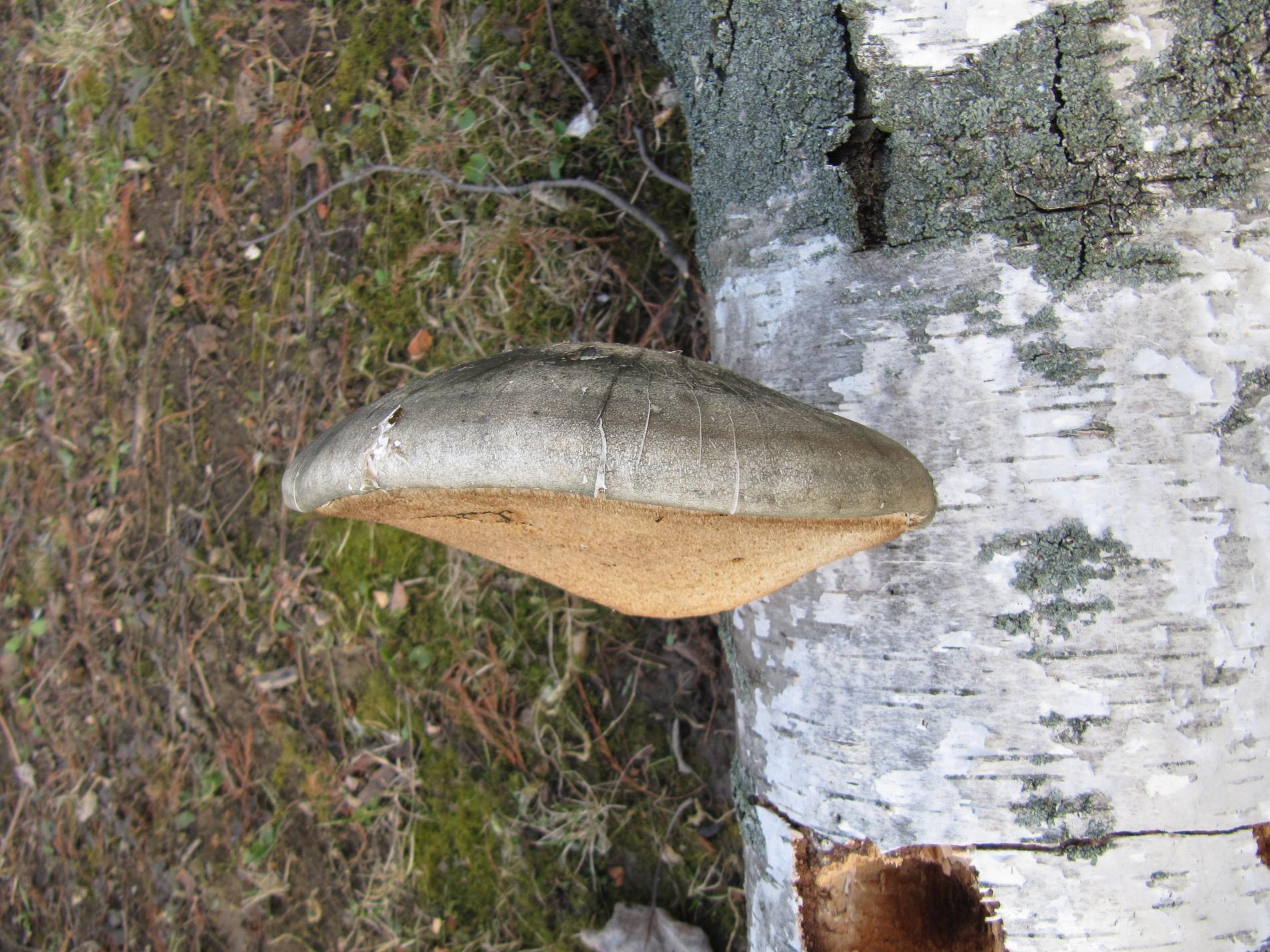
Similar pests

Fomitopsis pinicola

Lenzites betulina
