


Phytophthora cinnamomi
Ink disease
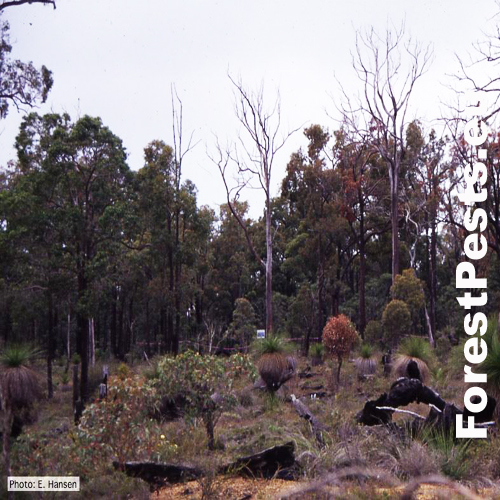
It is very destructive pathogen on trees of all age. Black spots and slime fluxes on the base of the trunk are typical symptoms. Also wood necrosis under the bark lesion can be seen. It causes death of roots, yellowing and reduction of leaf size in broadleaves, reddening of needles in coniferous. Attacked trees can decline and often die. Pathogen is limited in Europe by low temperature (frequent in south part, rare in north part of Europe). It spreads as its habitats spread with warmer climate.
Black spots and slime fluxes on the base of the trunk are typical symptoms. Also wood necrosis under the bark lesion can be seen. It causes death of roots, yellowing and reduction of leaf size in broadleaves, reddening of needles in coniferous.
Tree Species: Pine, Beech, Oak, Chestnut, Plane, Rhododendron
Part of a plant- attacked: Tree trunk, Roots
Pest significance: Very harmful
Pest Category: Fungi
Invasive Species: Yes
Present in EU: Yes
Pest group: Others (birds, bacteria etc.)
Affected part of wood: Heartwood, Sapwood
Depth of damages: Under bark only, Up to 0,5 cm depth, Up to 2 cm depth, Up to 5 cm depth
The extent of damage: Lokally
Prevalence in Europe: Rare
Damaged products: Firewood, Wood chips
Roundwood size: Diameter from 10 up to 50 cm
Wood discoloration: Yes
Pest subcategory: Partly brown and partly white rot
Similar pests

Phytophthora cambivora

Pesotum piceae
