


Pholiota squarrosa
Shaggy pholiota
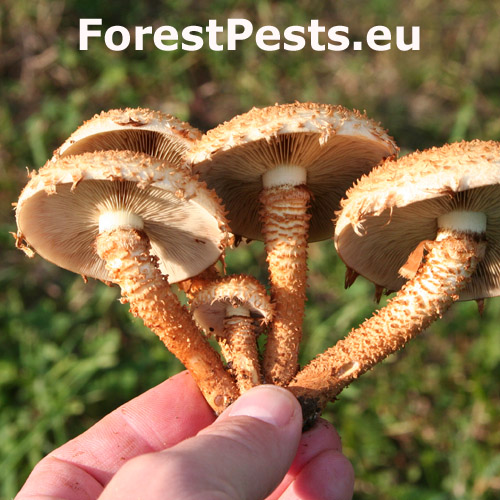
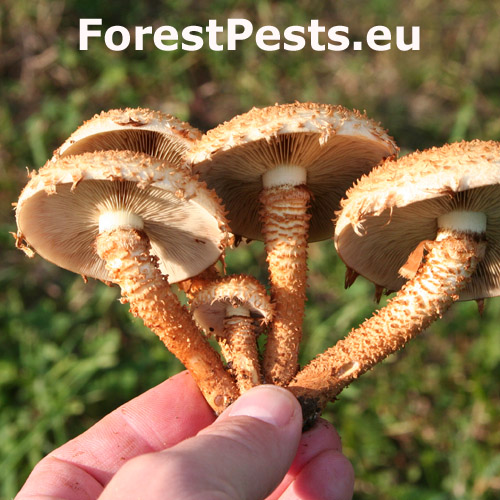
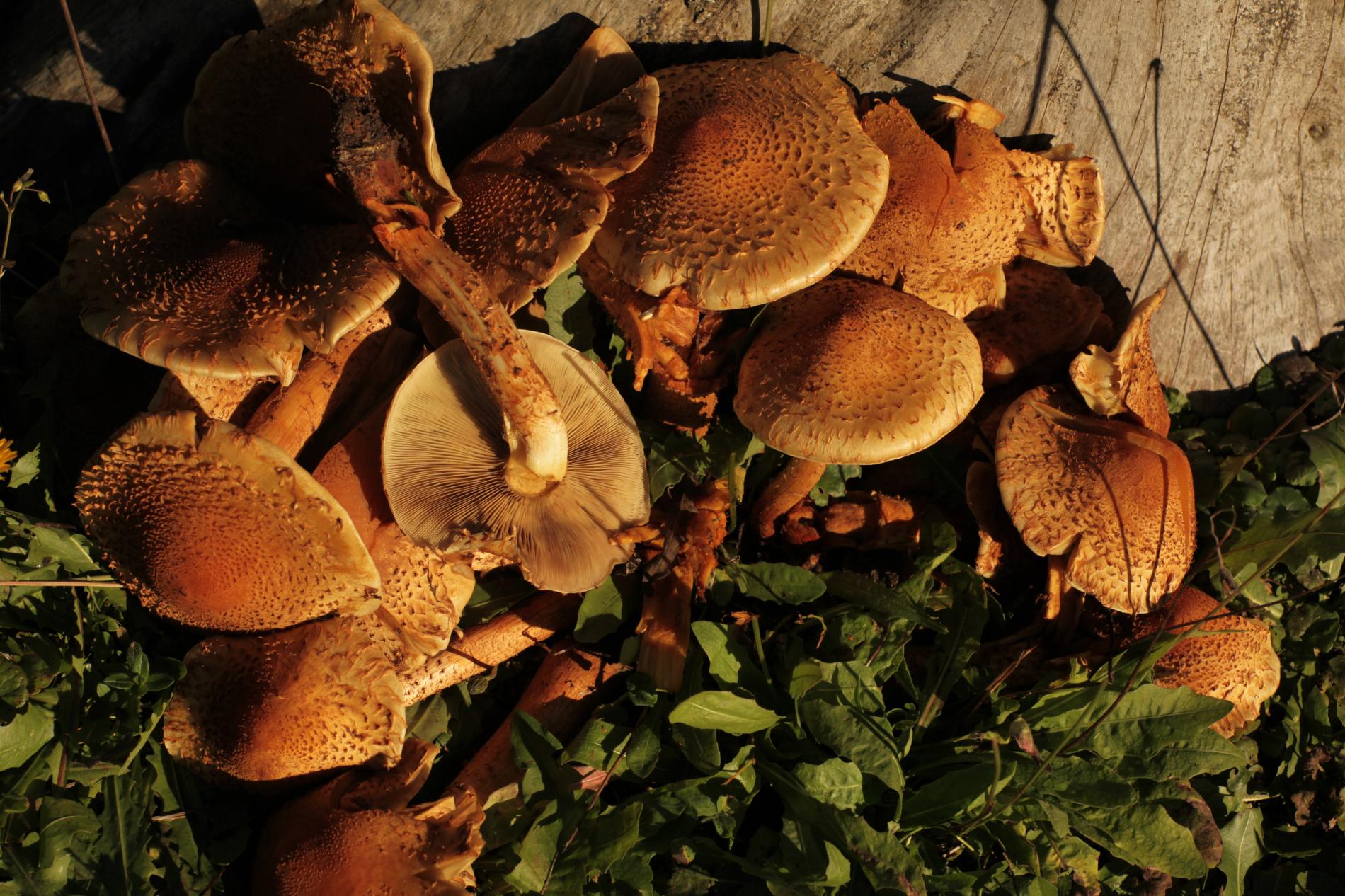
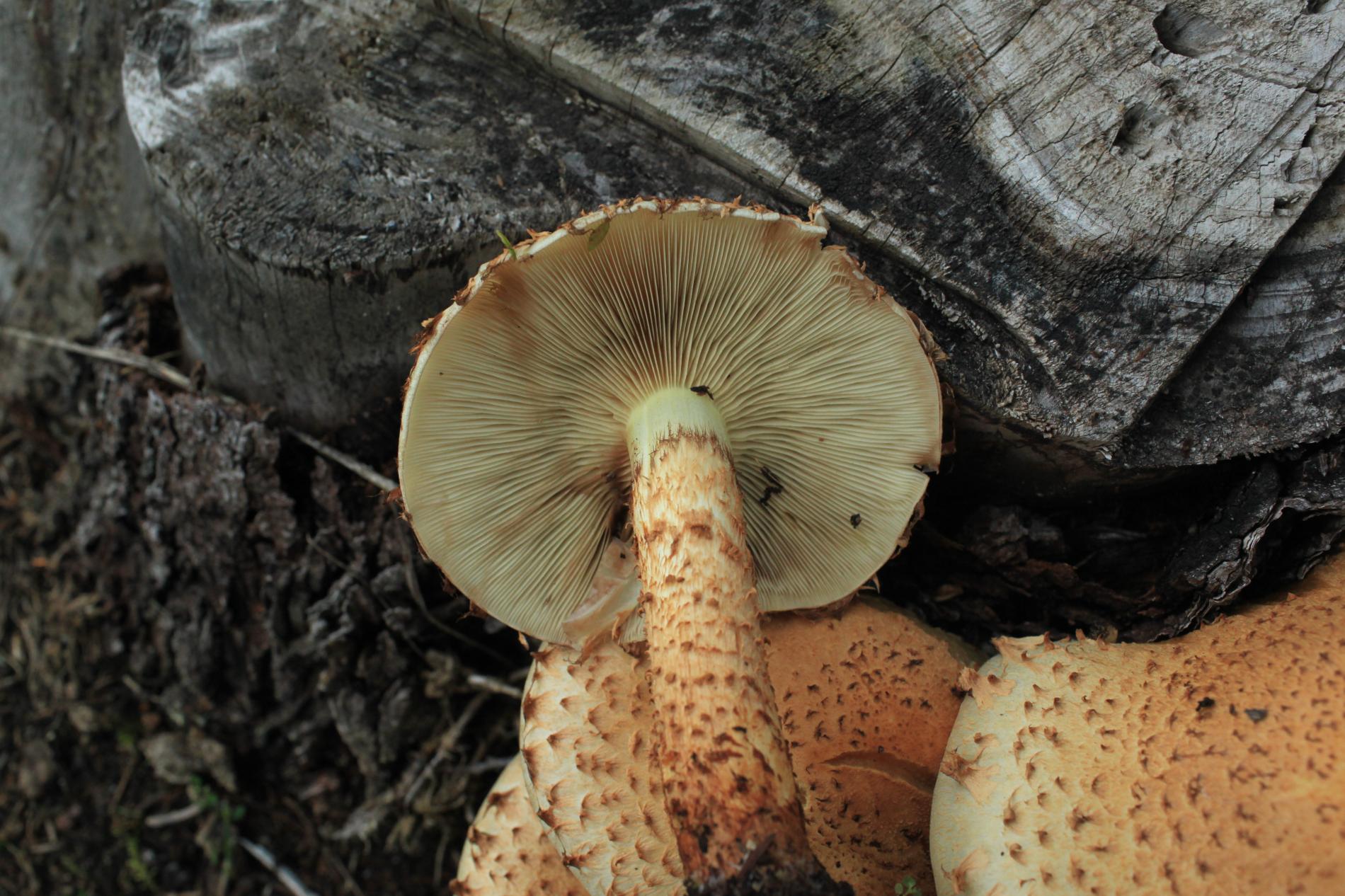
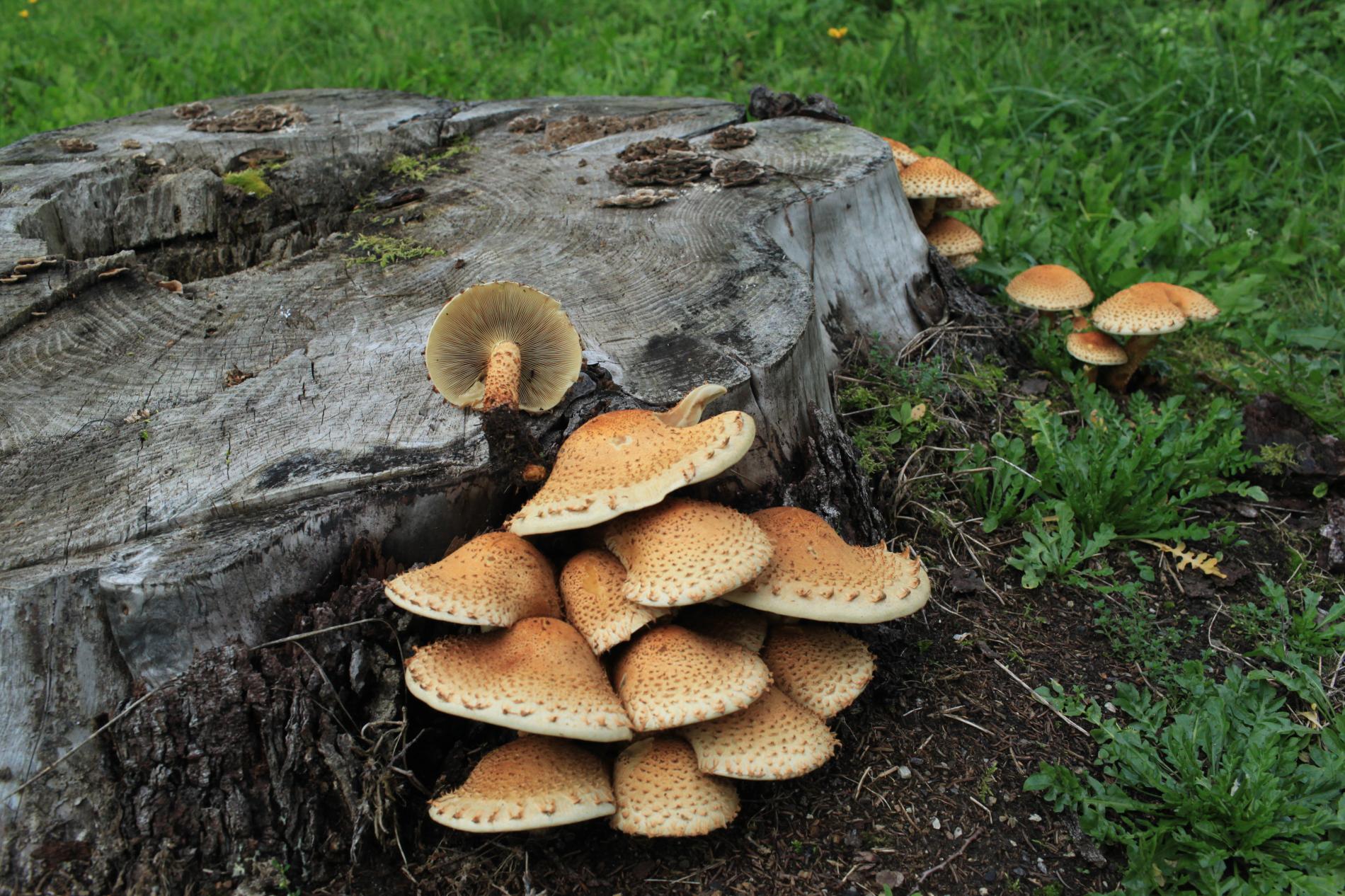
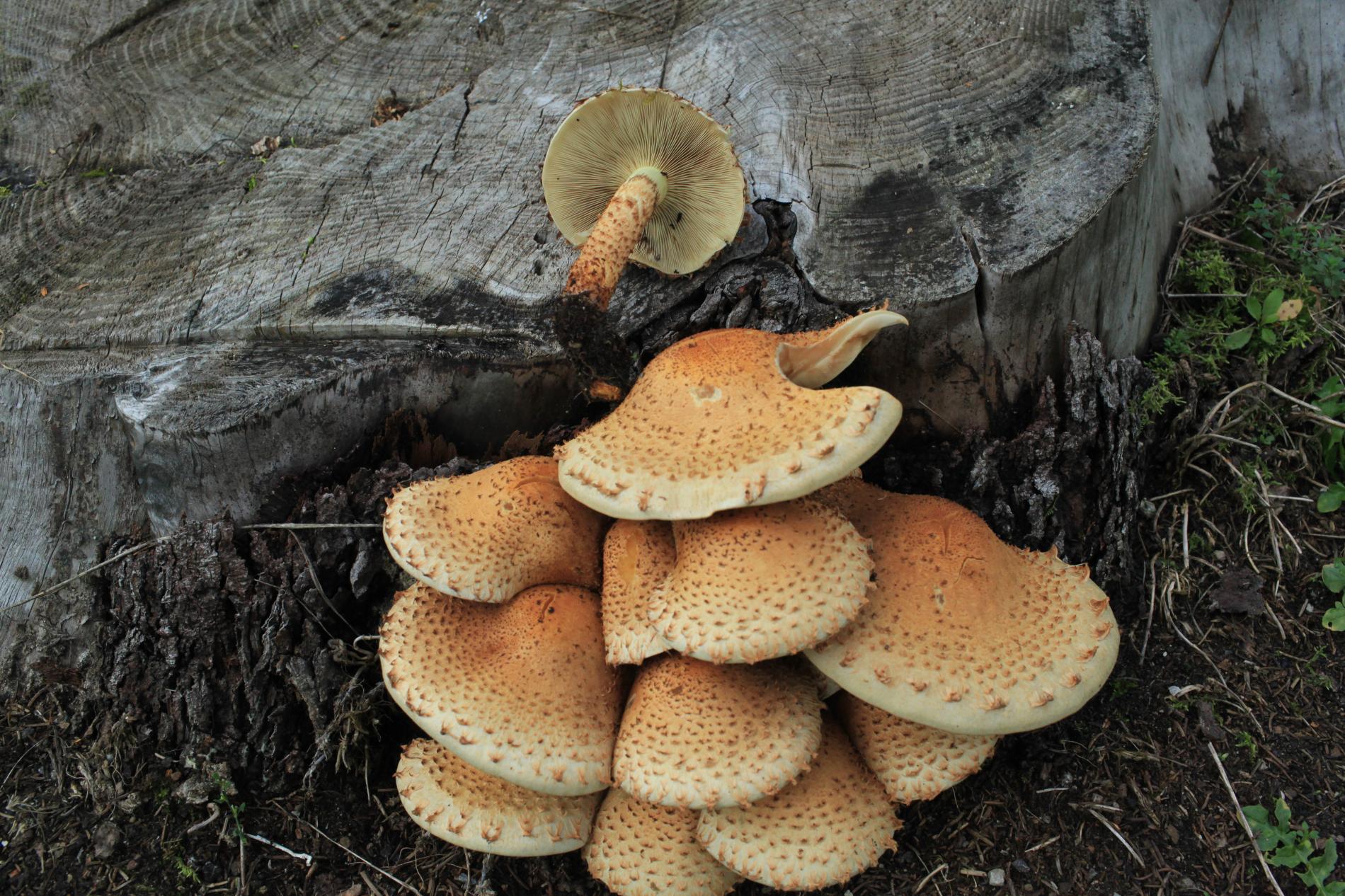
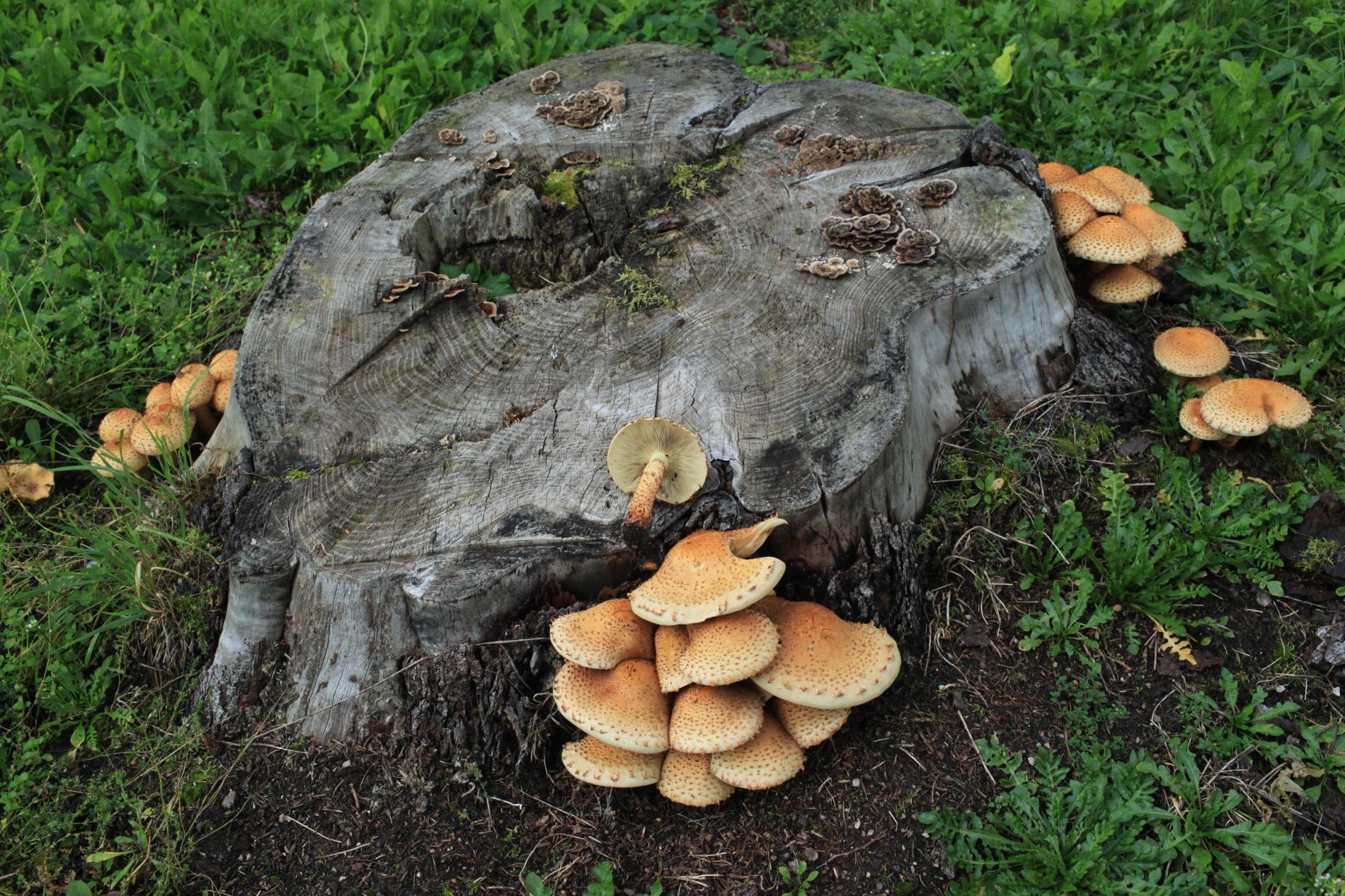
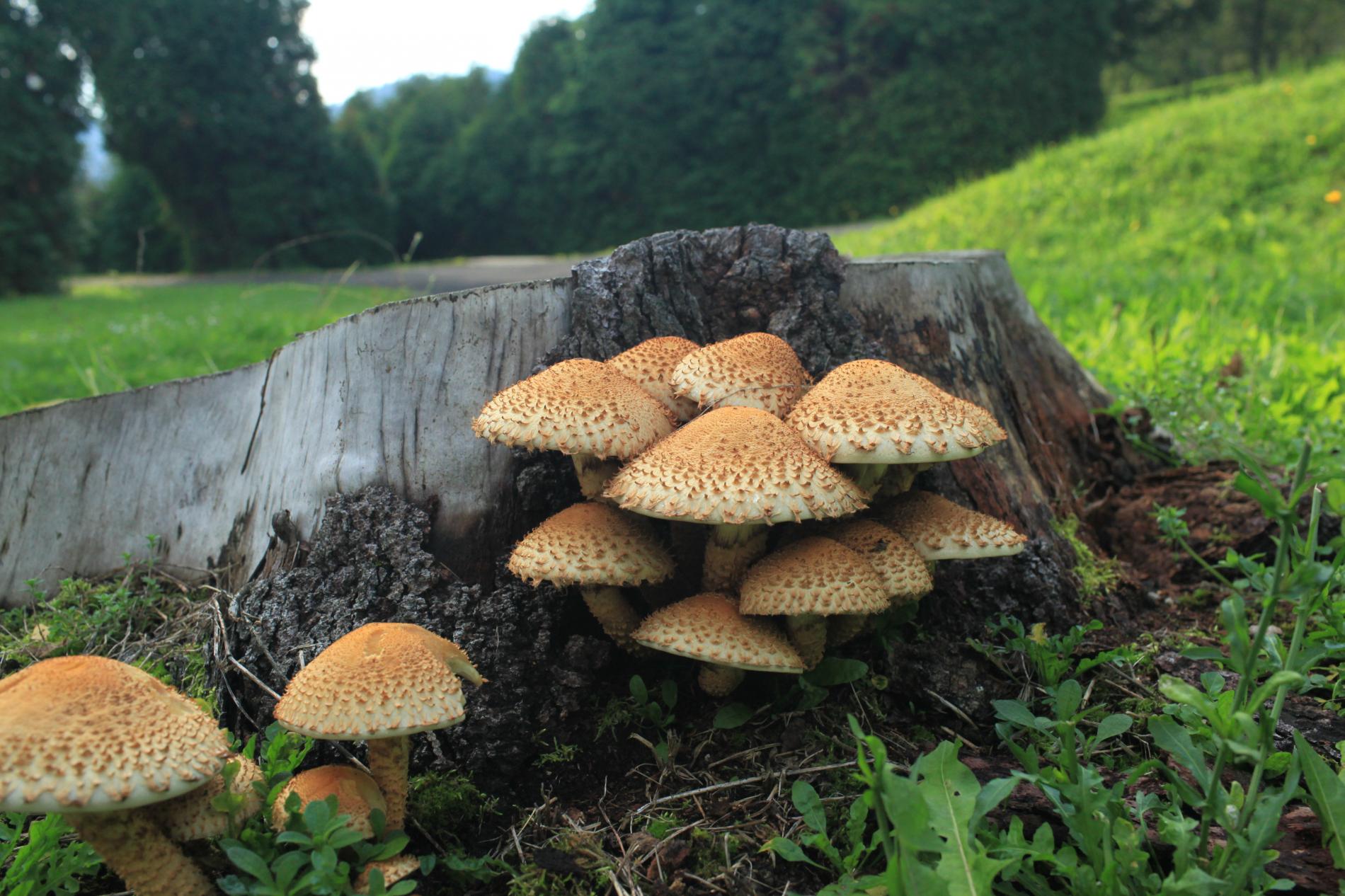
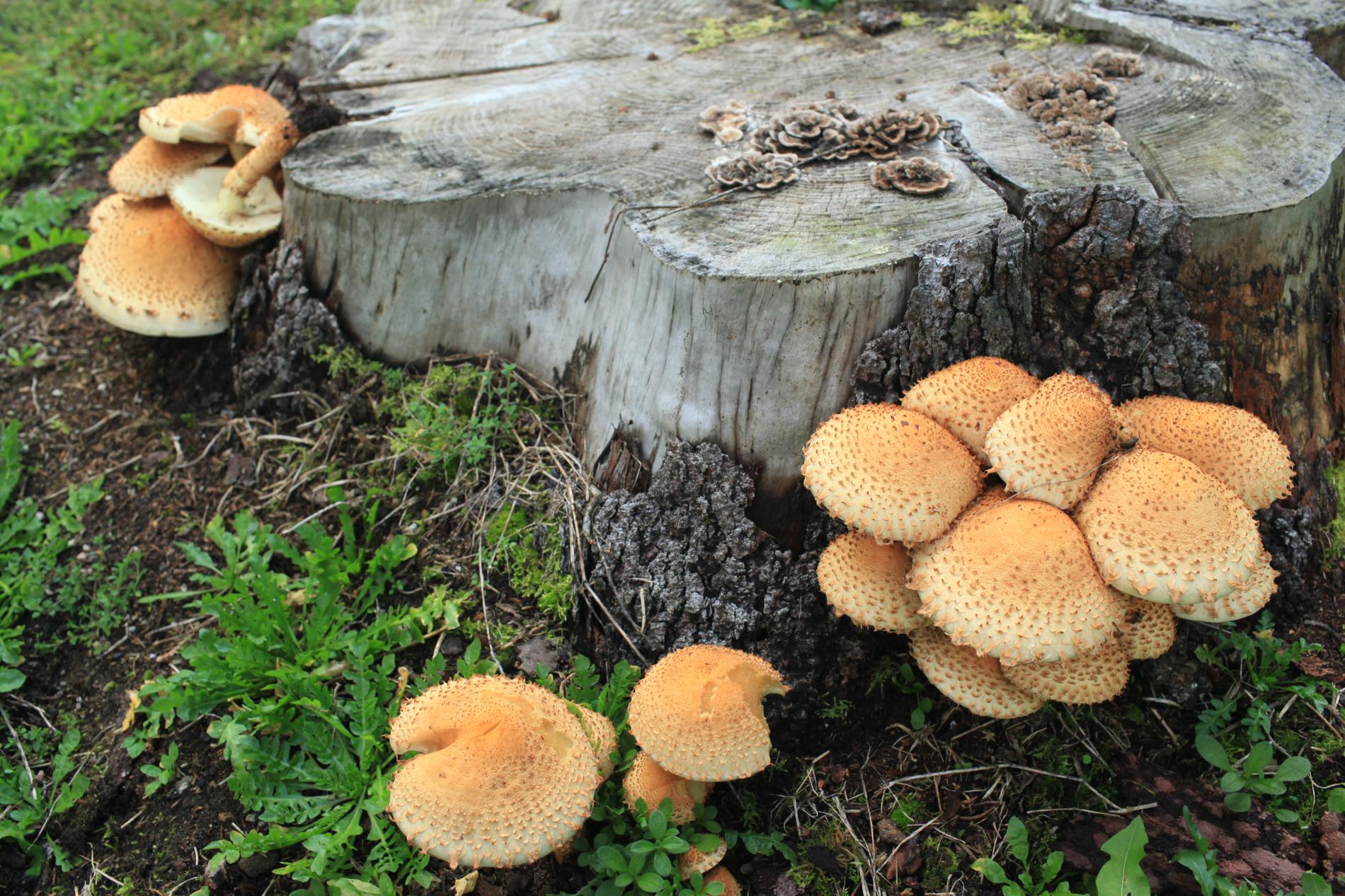
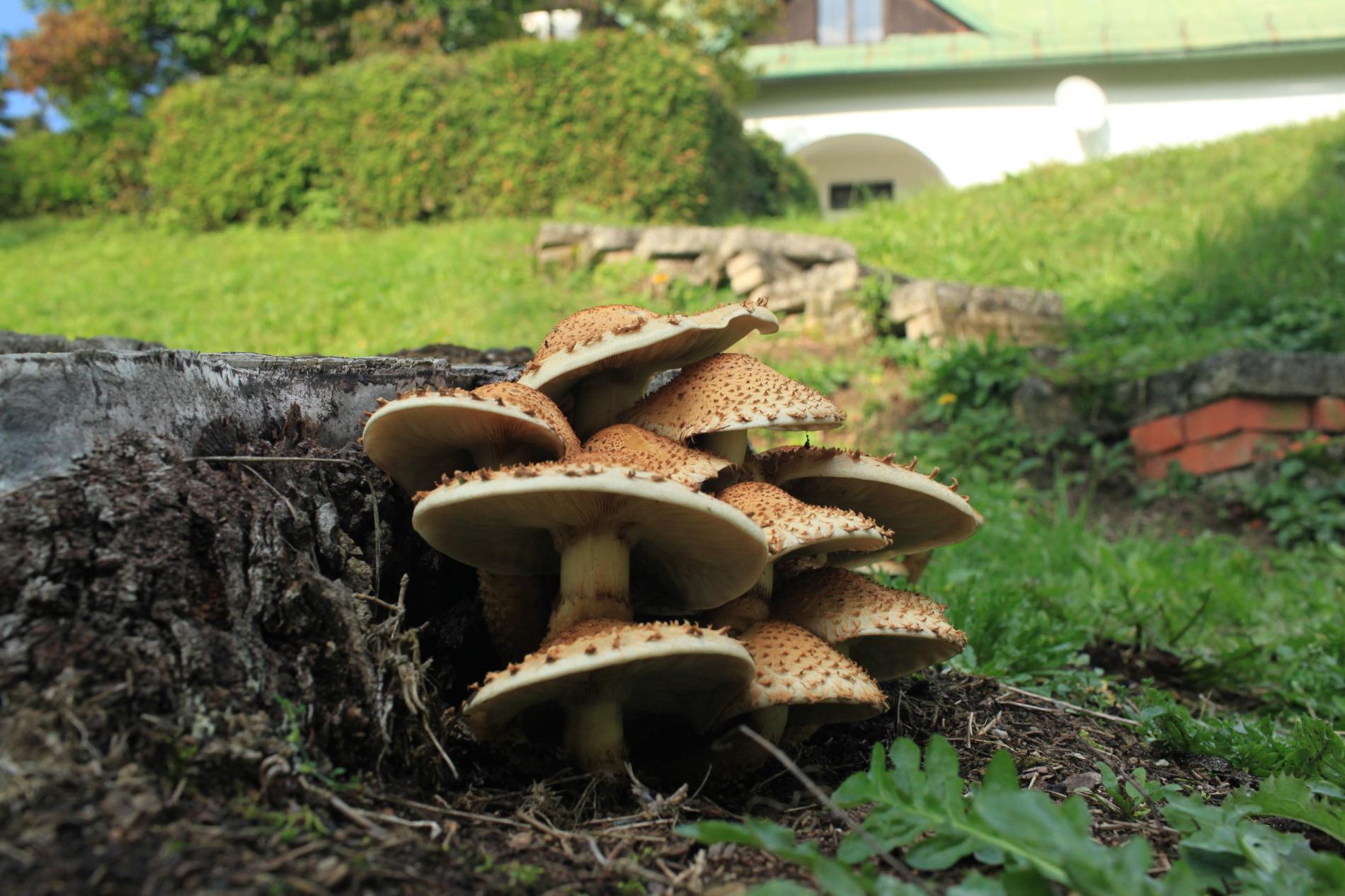
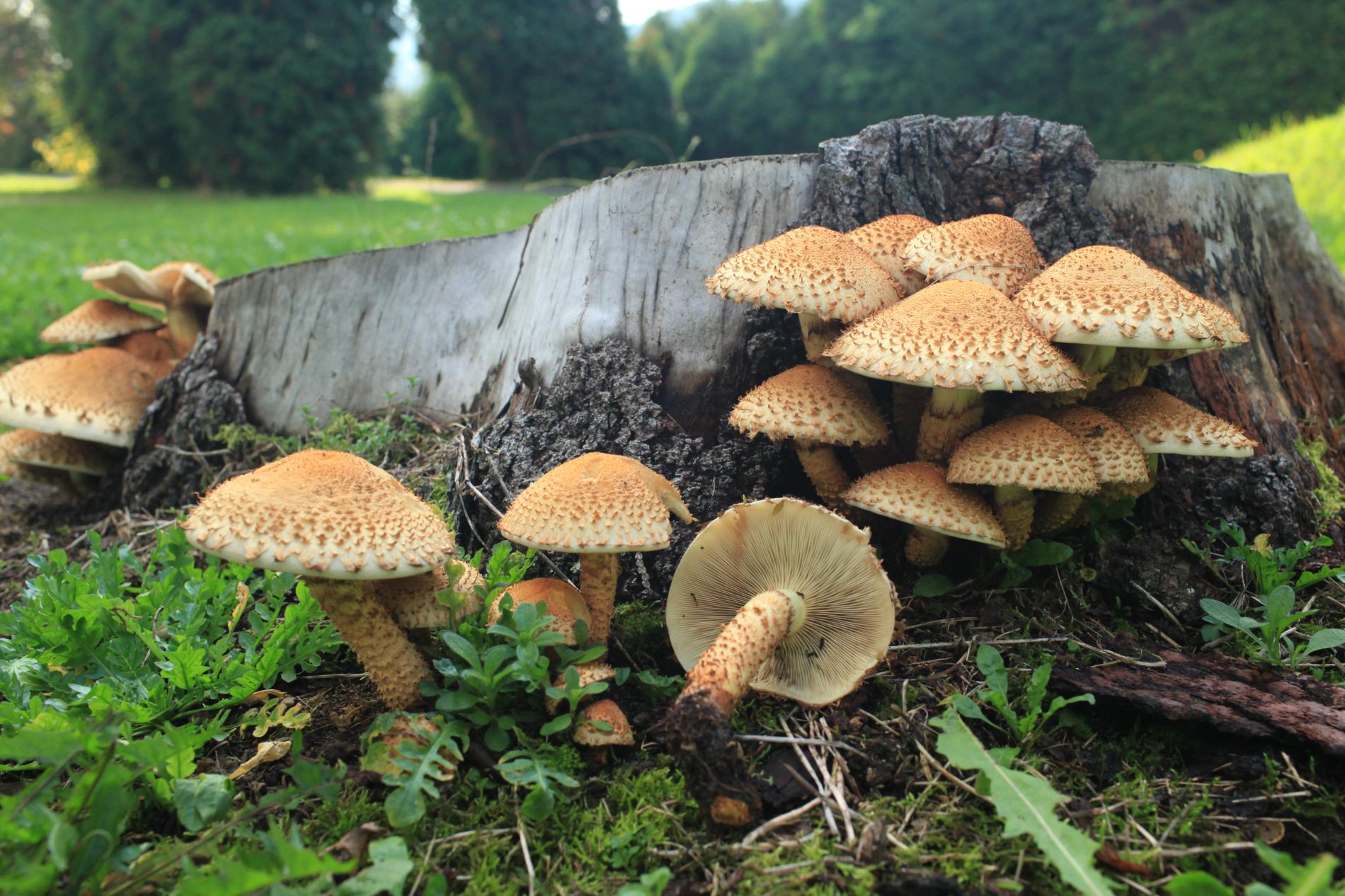
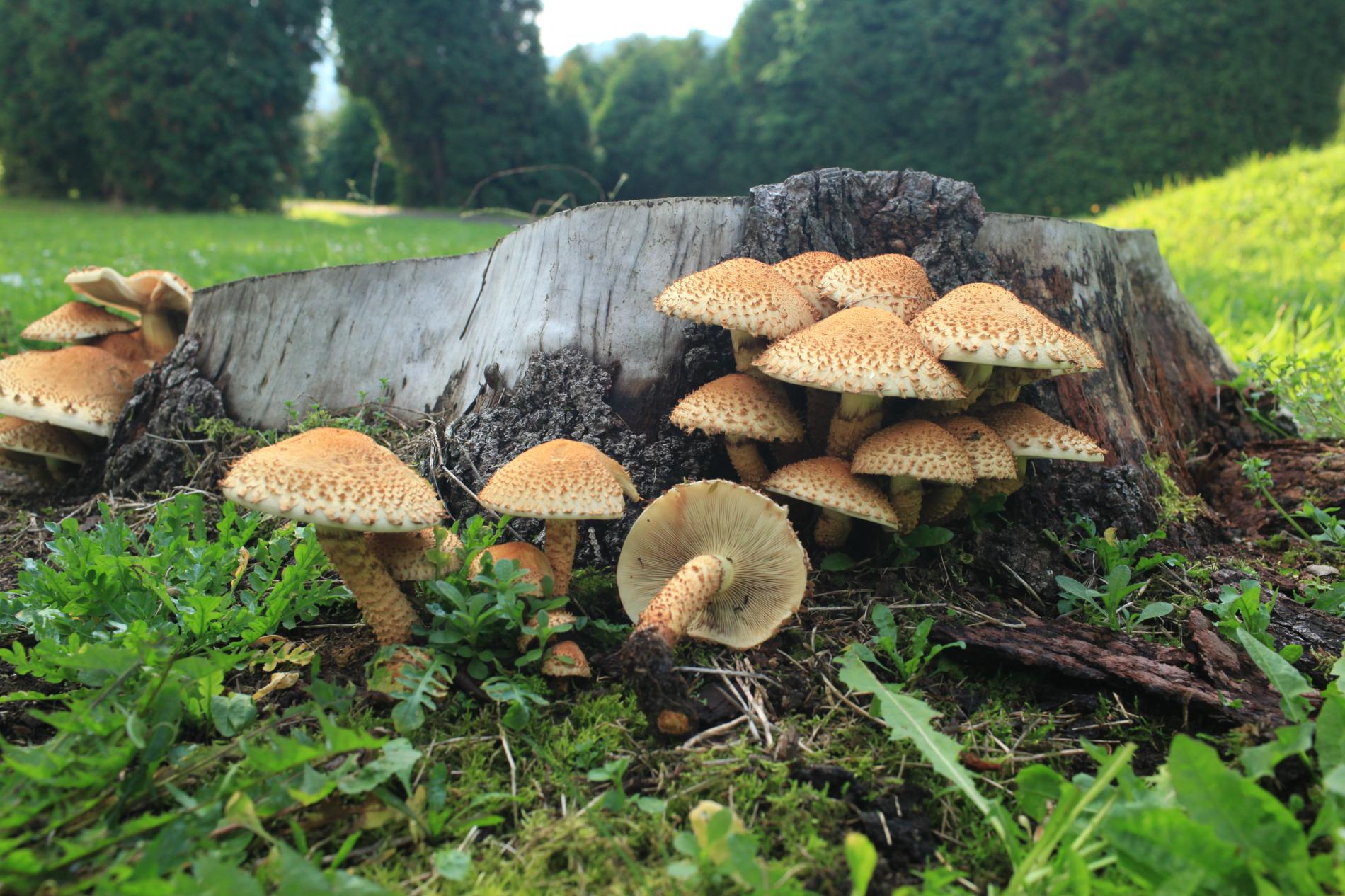
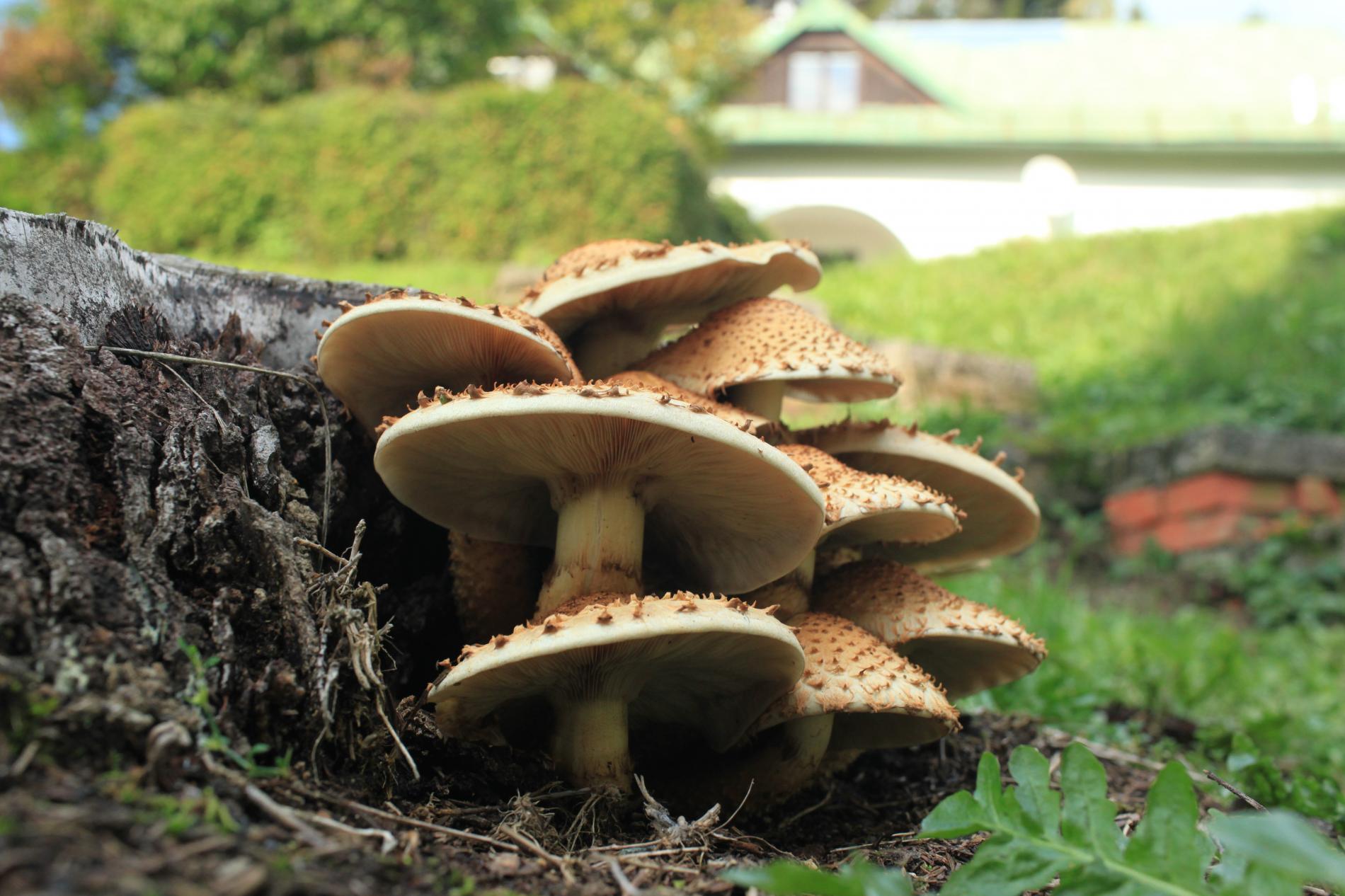
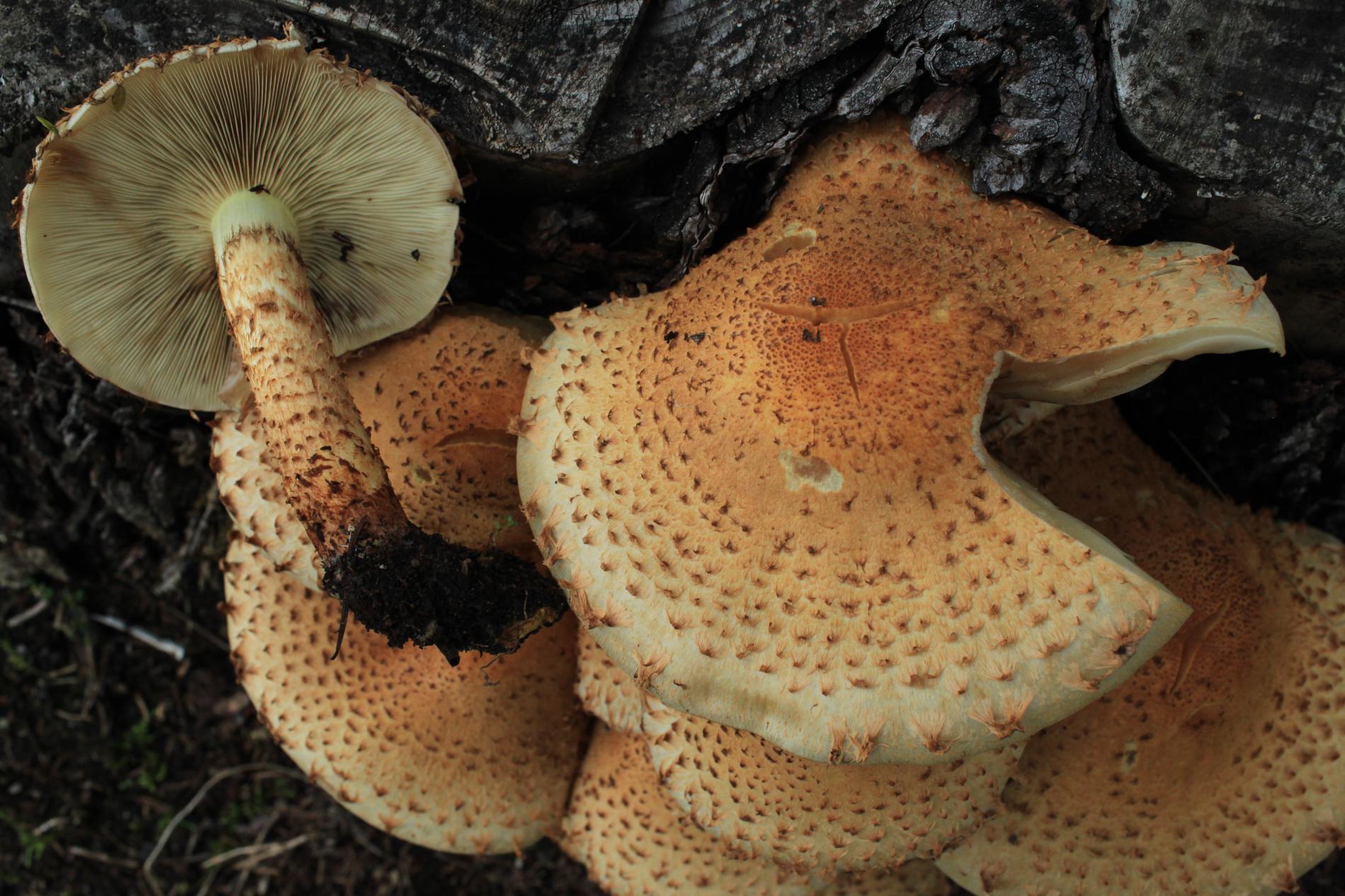
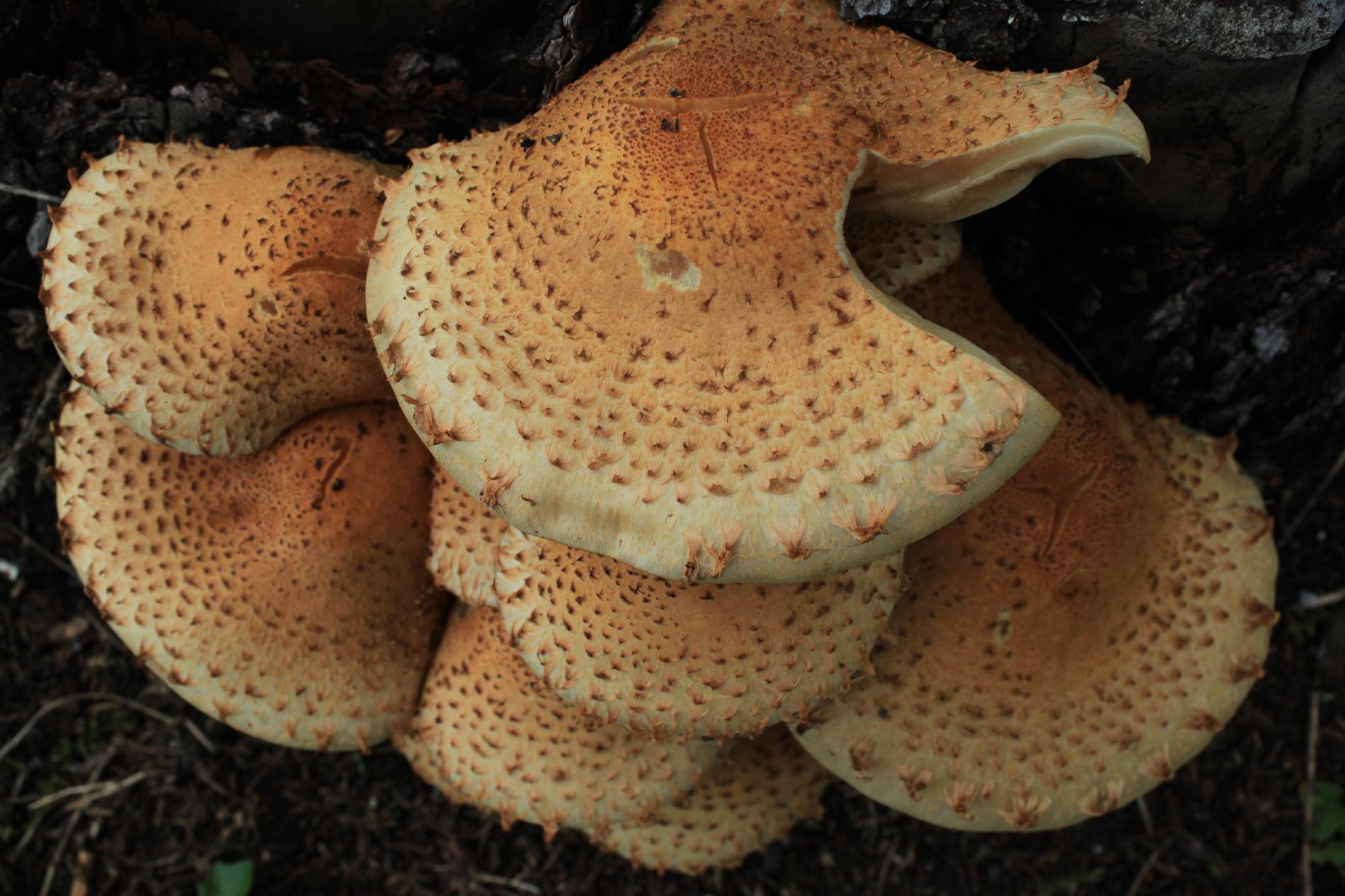
Cap is 3–12 cm; convex, becoming broadly convex or broadly bell-shaped; dry; yellowish underneath with conspicuous buff to tawny scales. Gills are attached to the stem or beginning to run down it; close or crowded; whitish to yellowish when young, becoming greenish yellow and eventually rusty brown; at first covered by a partial veil. Stem is 4–12 cm long; up to 1.5 cm thick; dry; with an ephemeral ring or ring zone; yellowish, sometimes becoming brown to reddish brown from the base up; also covered with conspicuous buff to tawny scales. Often found at the bases of living or dead trees; especially common on aspens and spruces.
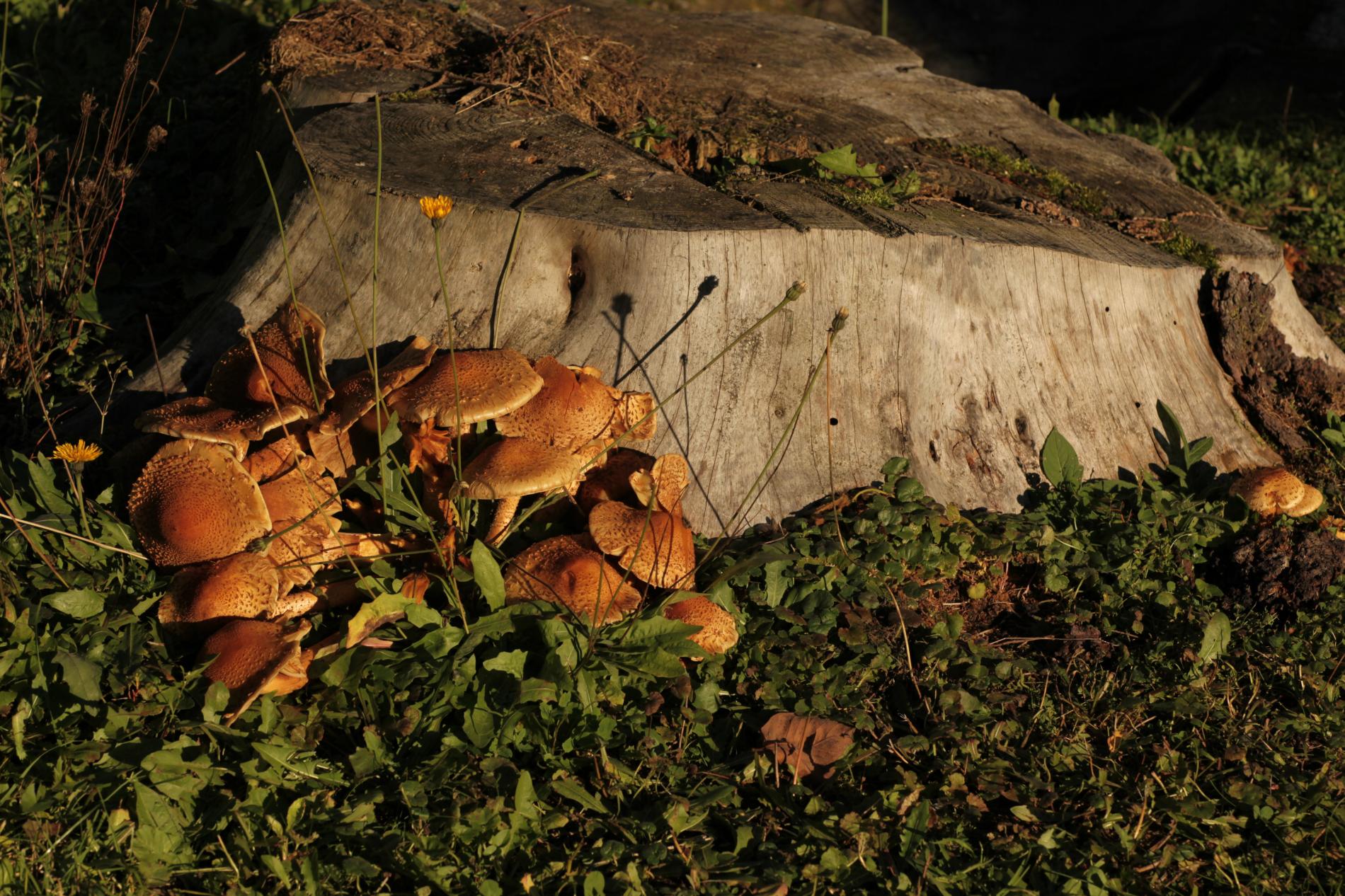
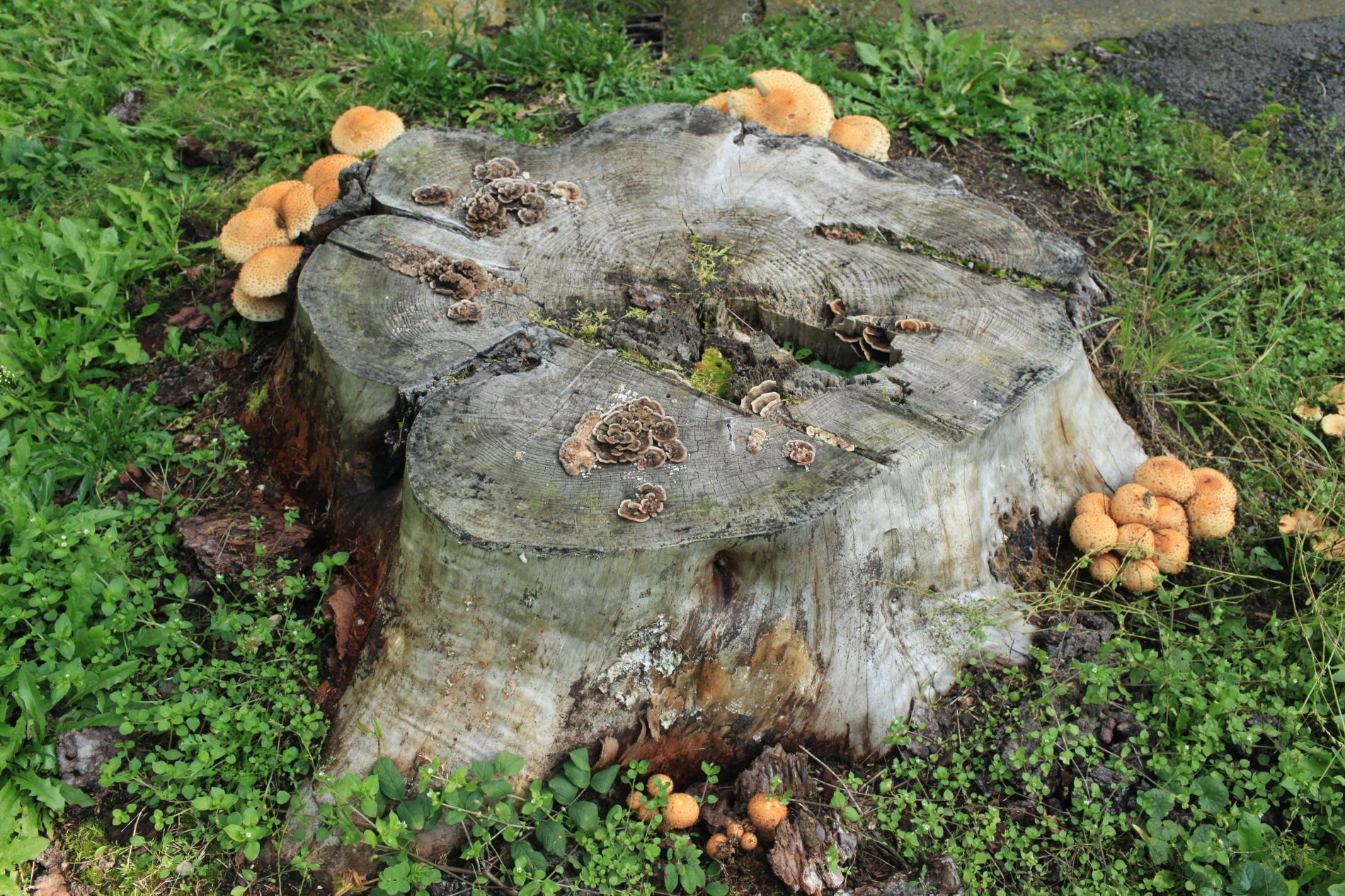
The fruiting bodies are annuals, they grow in clumps in summer and autumn, very often on dead branches and trunks.
Tree Species: Birch, Beech, Apple Tree, Fir, Lime, Spruce, Poplar
Part of a plant- attacked: Tree trunk, Branch
Pest significance: Harmful
Pest Category: Fungi
Invasive Species: No
Present in EU: Yes
Pest group: Fungi
Affected part of wood: Heartwood, Sapwood
Depth of damages: More than 5 cm depth, Under bark only, Up to 0,5 cm depth, Up to 2 cm depth, Up to 5 cm depth
The extent of damage: Lokally
Prevalence in Europe: Common
Damaged products: Firewood
Roundwood size: Diameter 50+
Wood discoloration: Yes
Pest subcategory: White-rot
Similar pests

Armillaria ostoyae

Pholiota populnea
