


Phloeosinus thujae
Cypress bark beetle
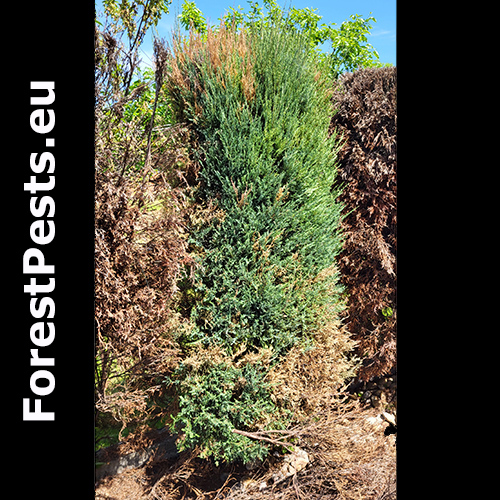
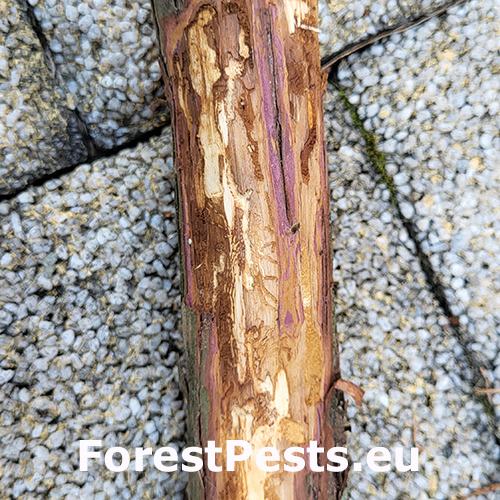
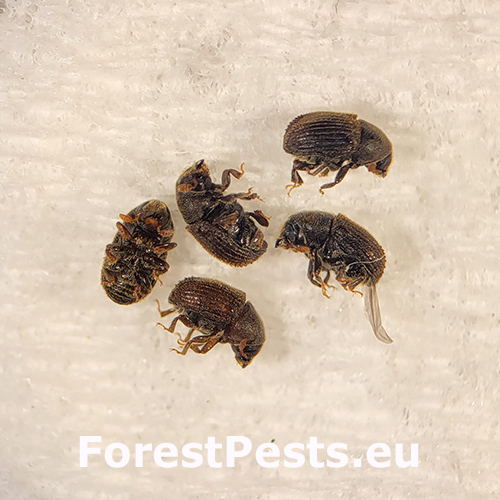
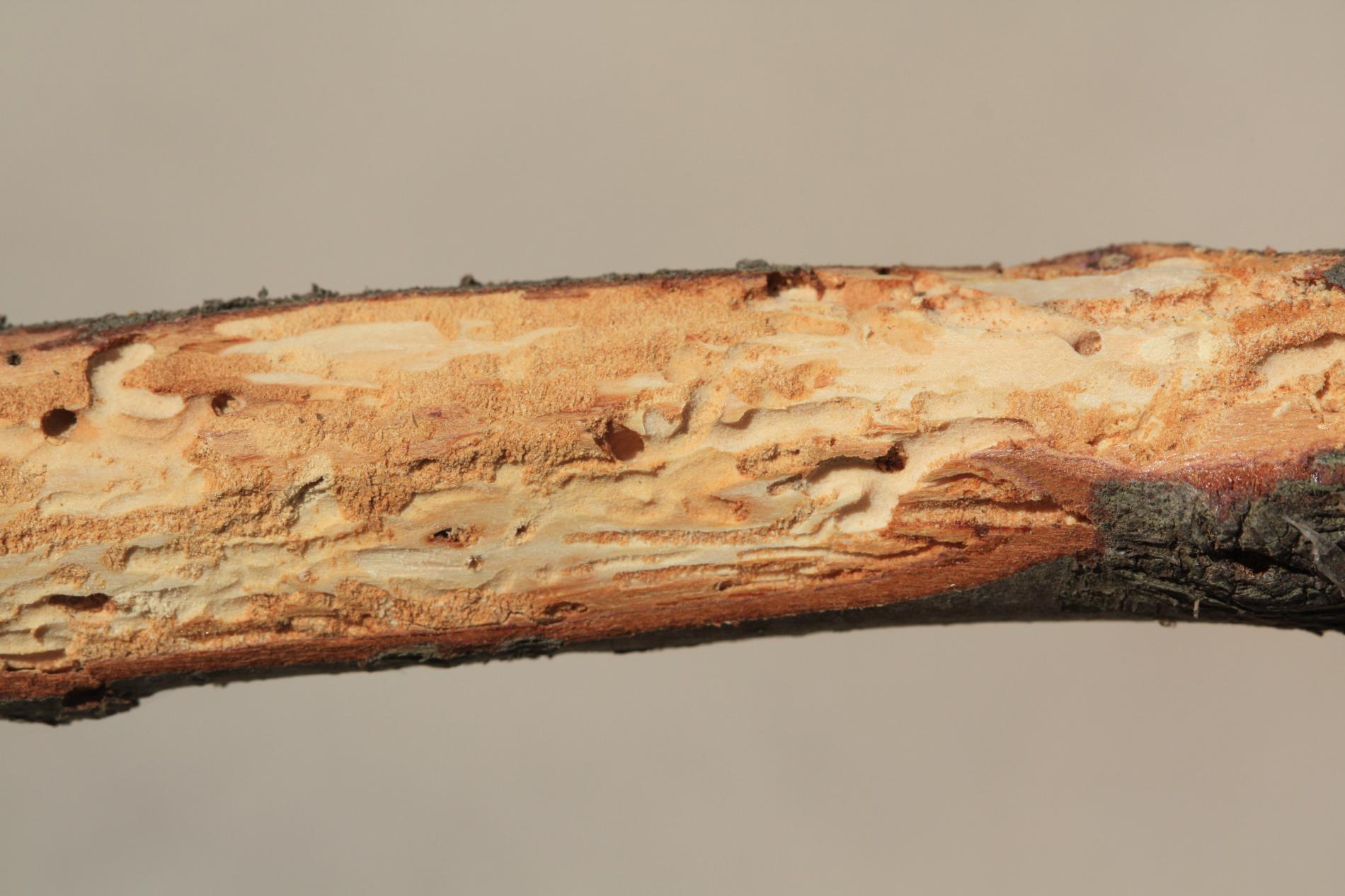
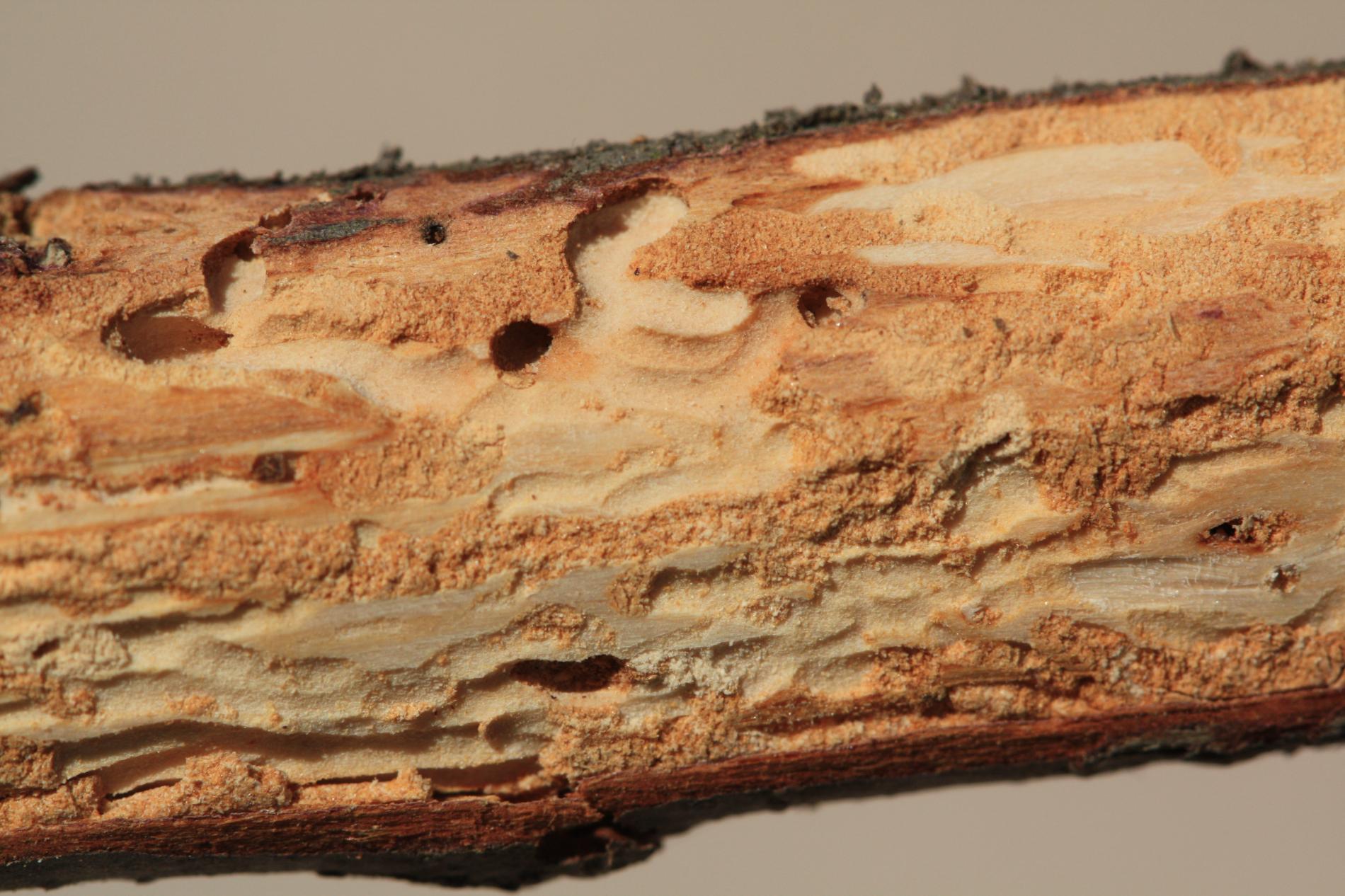
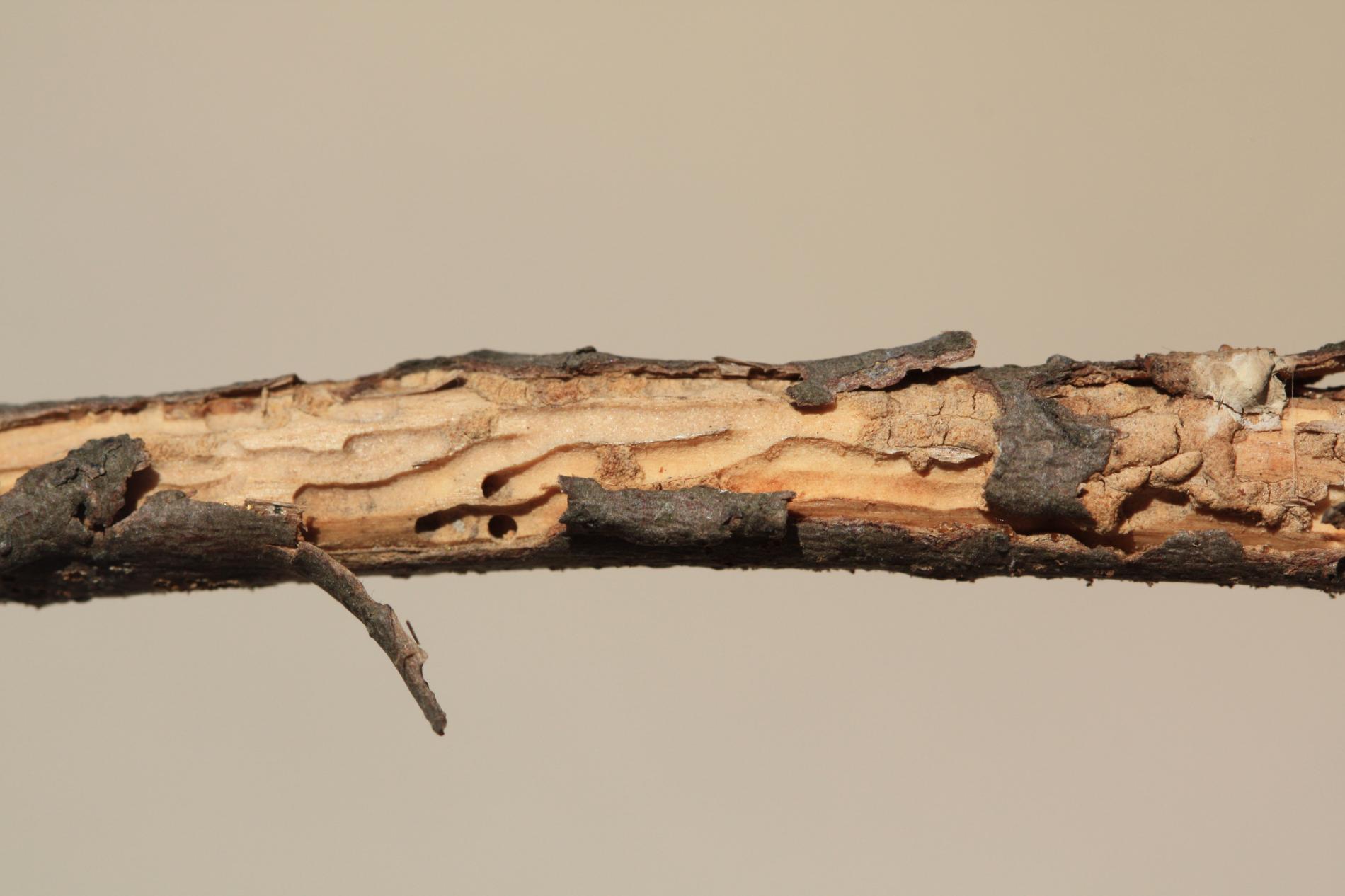
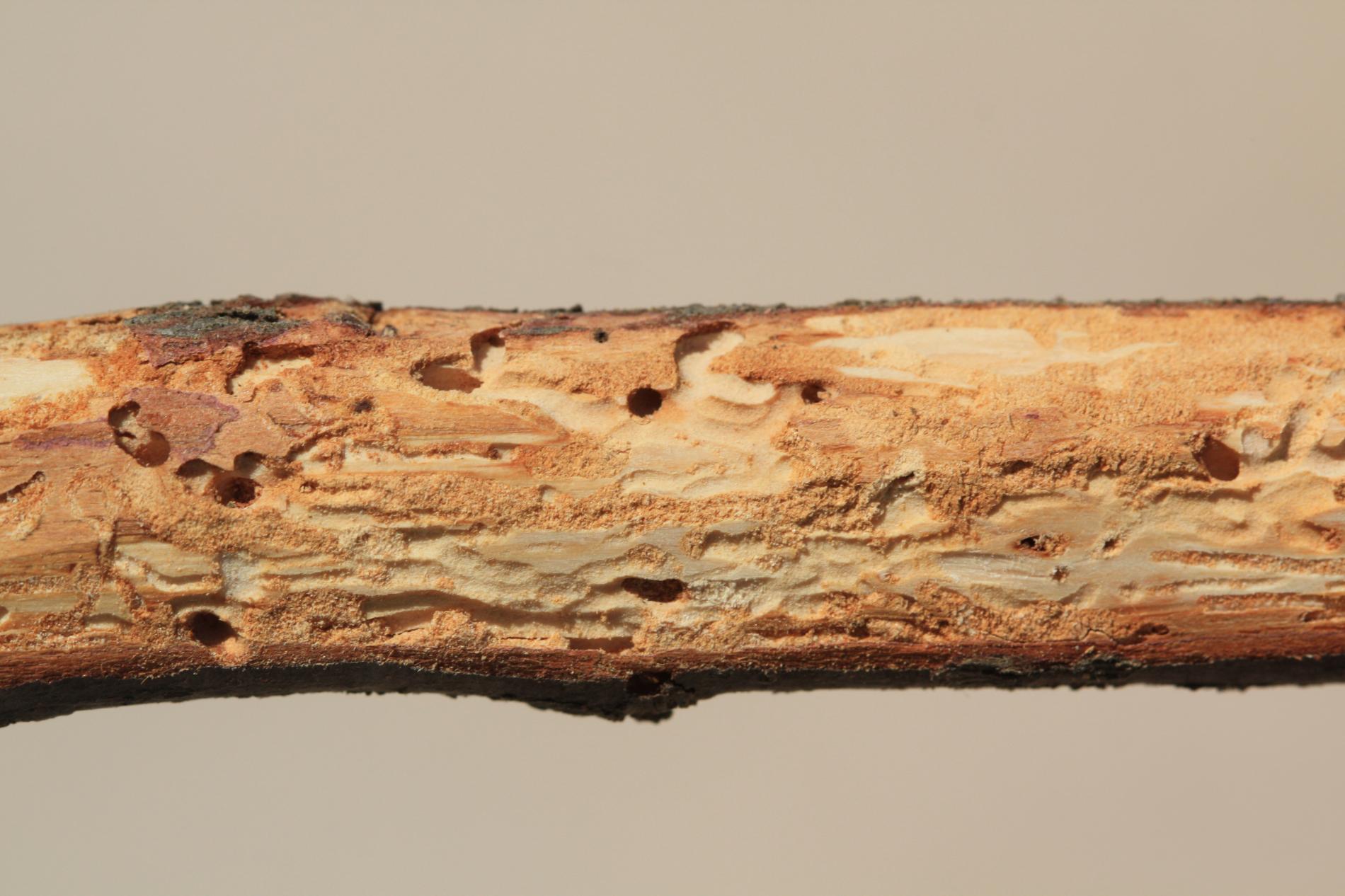
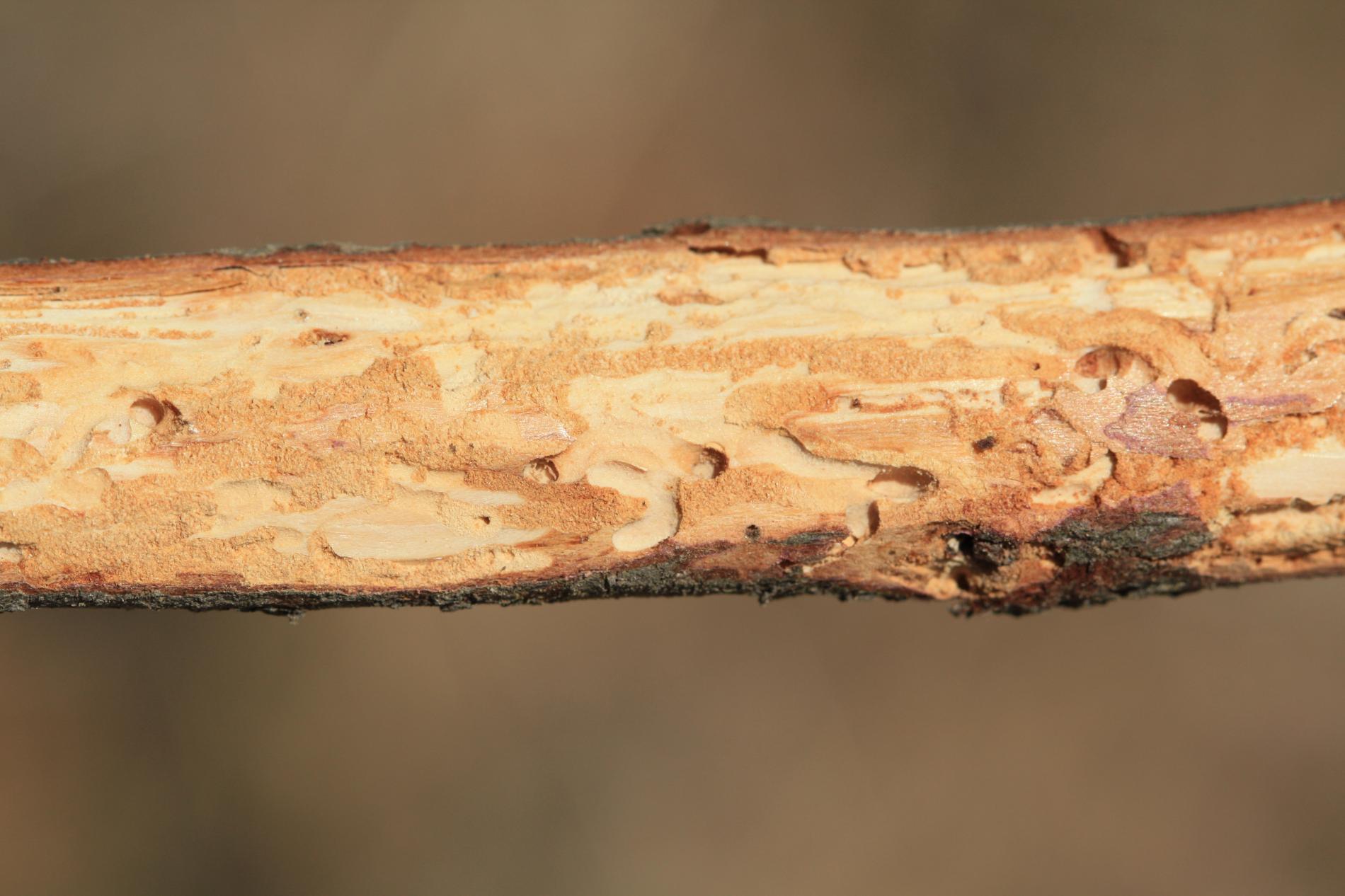
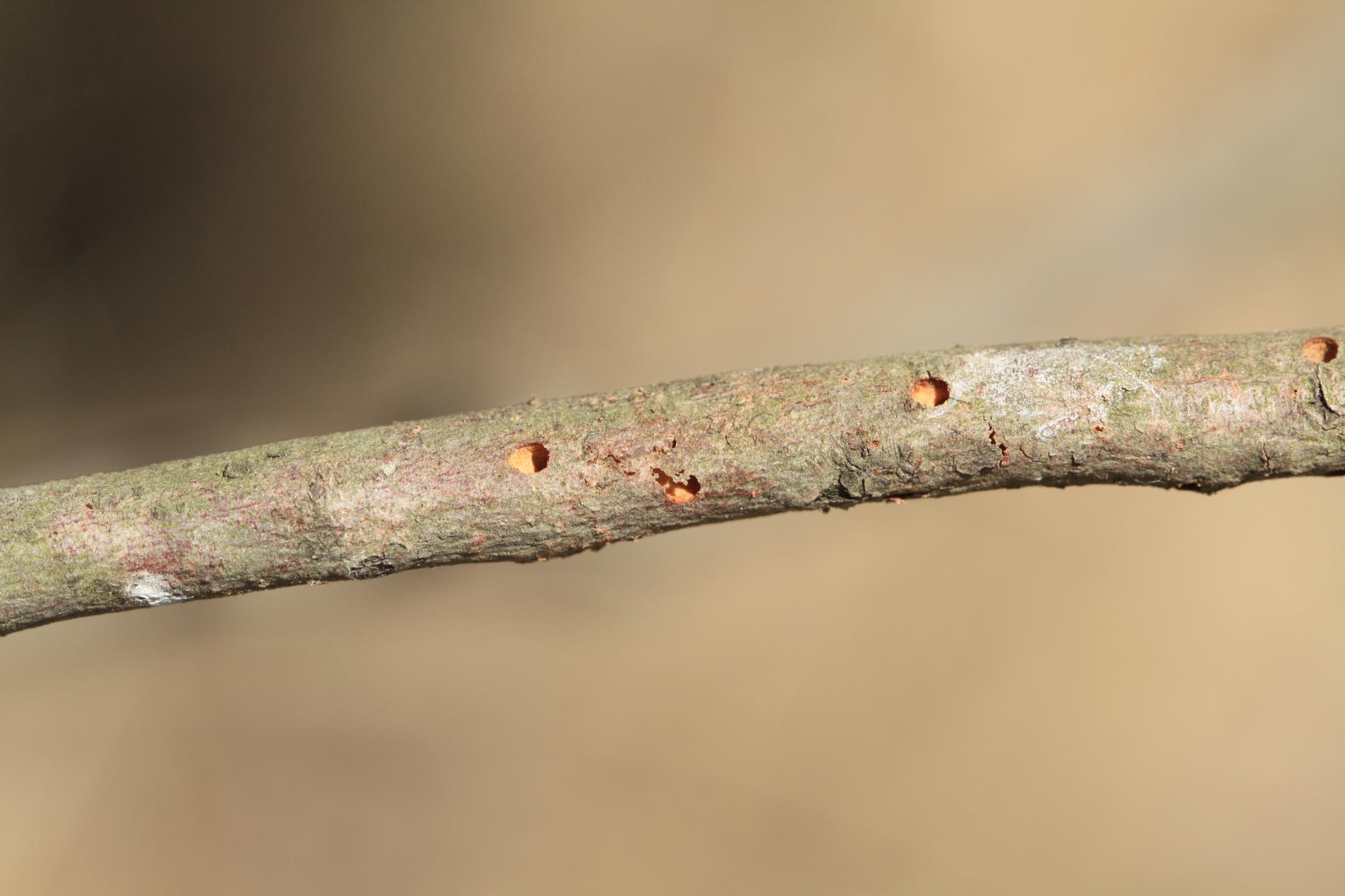
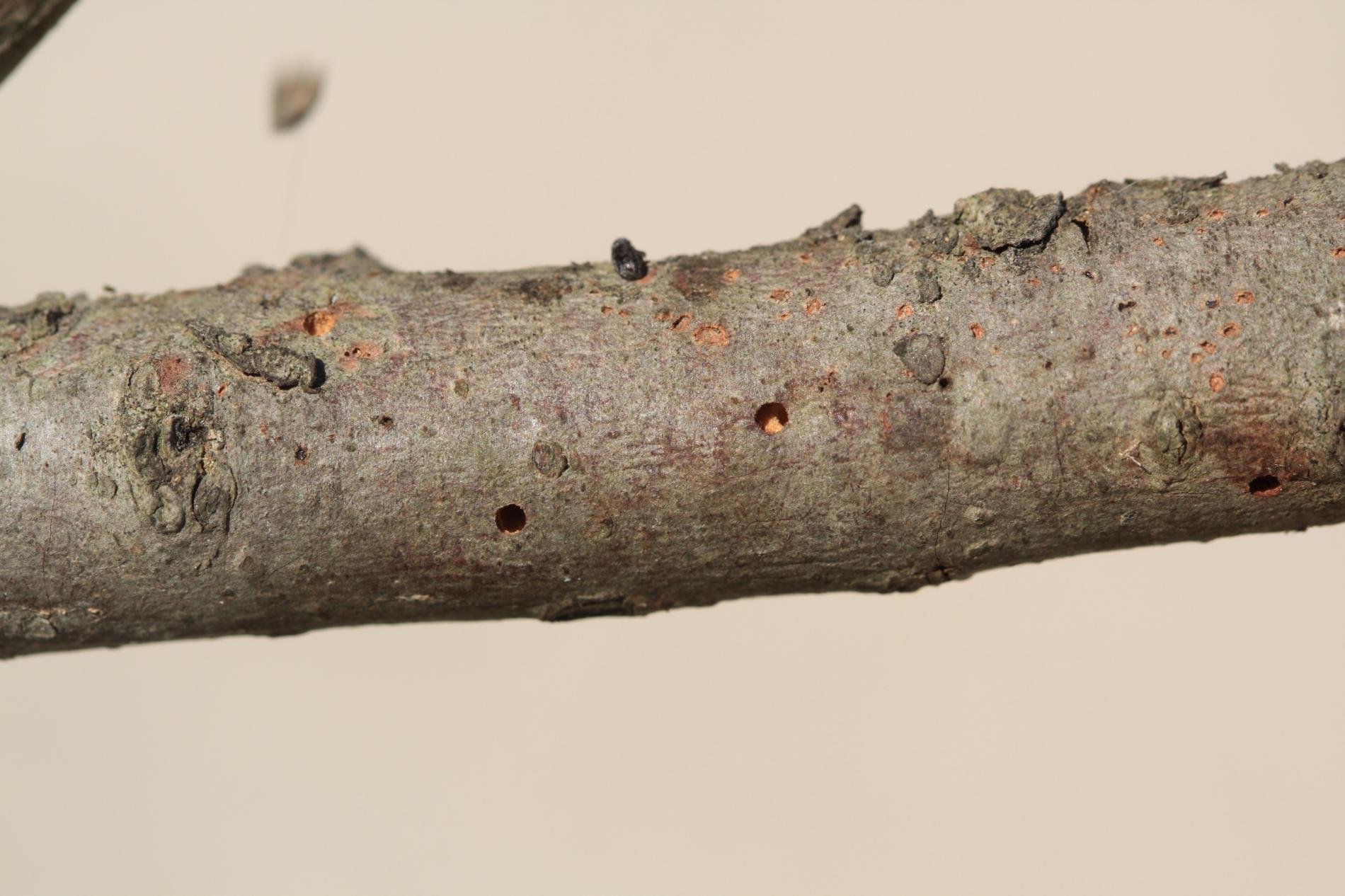
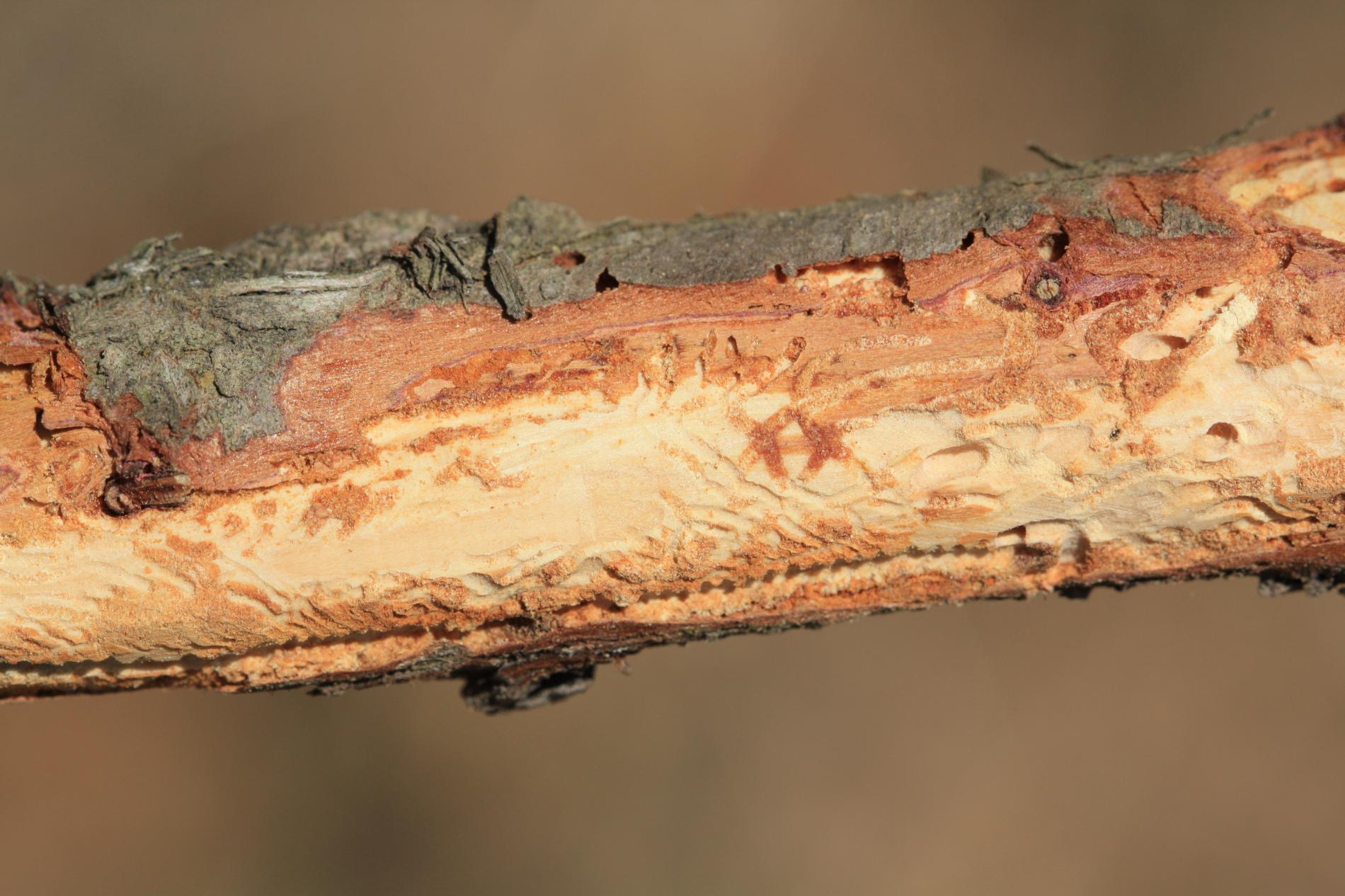
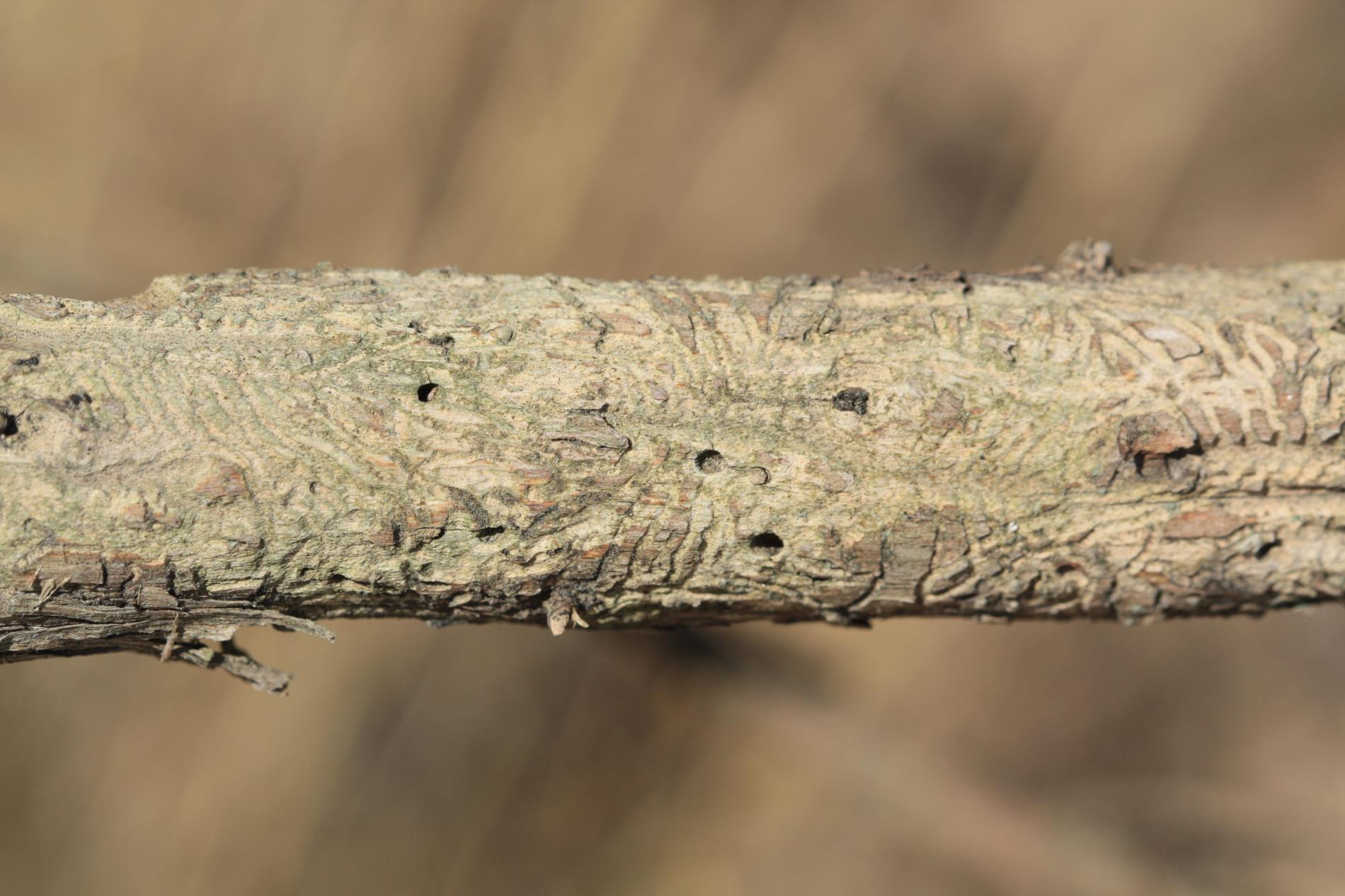
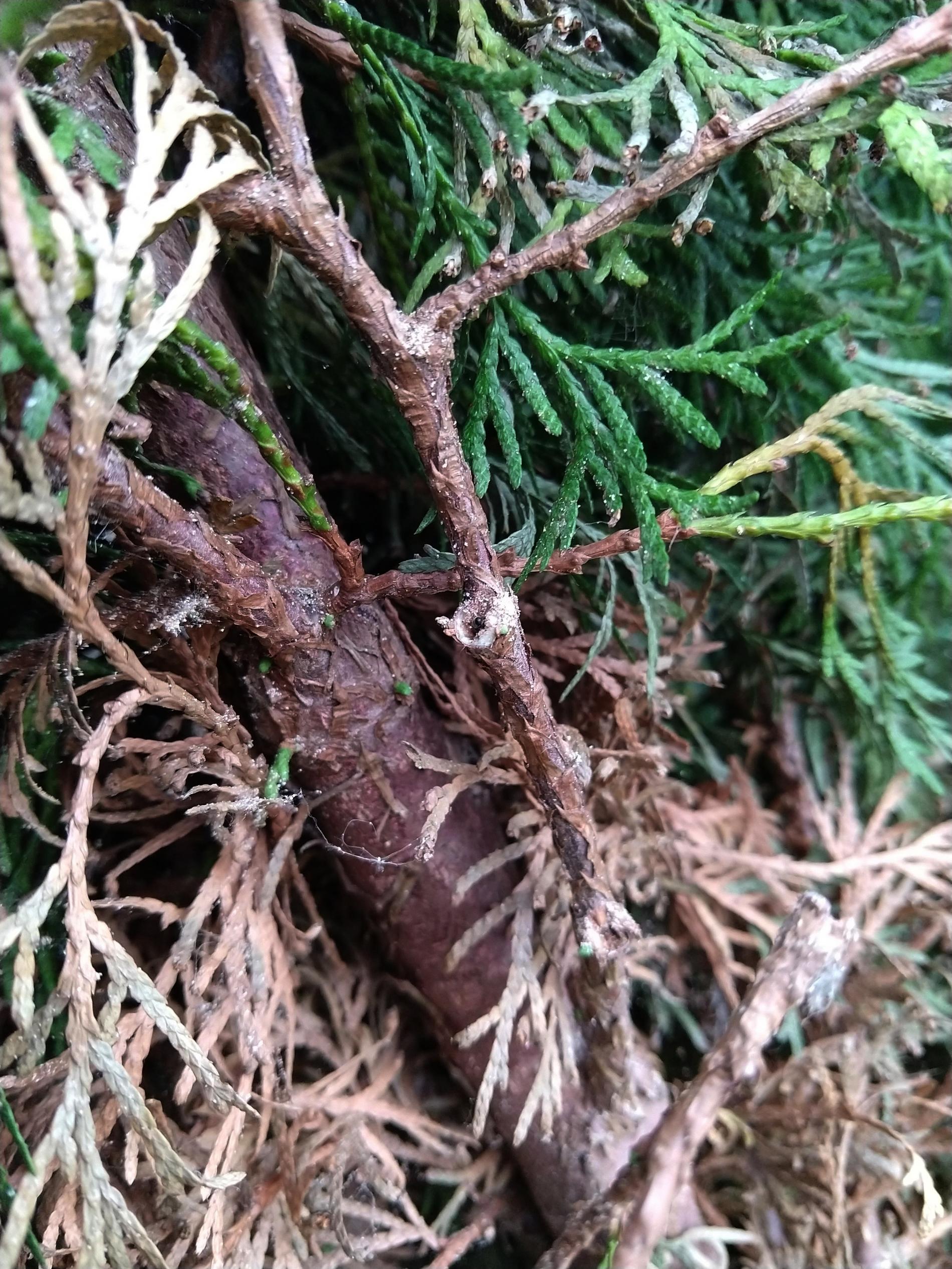
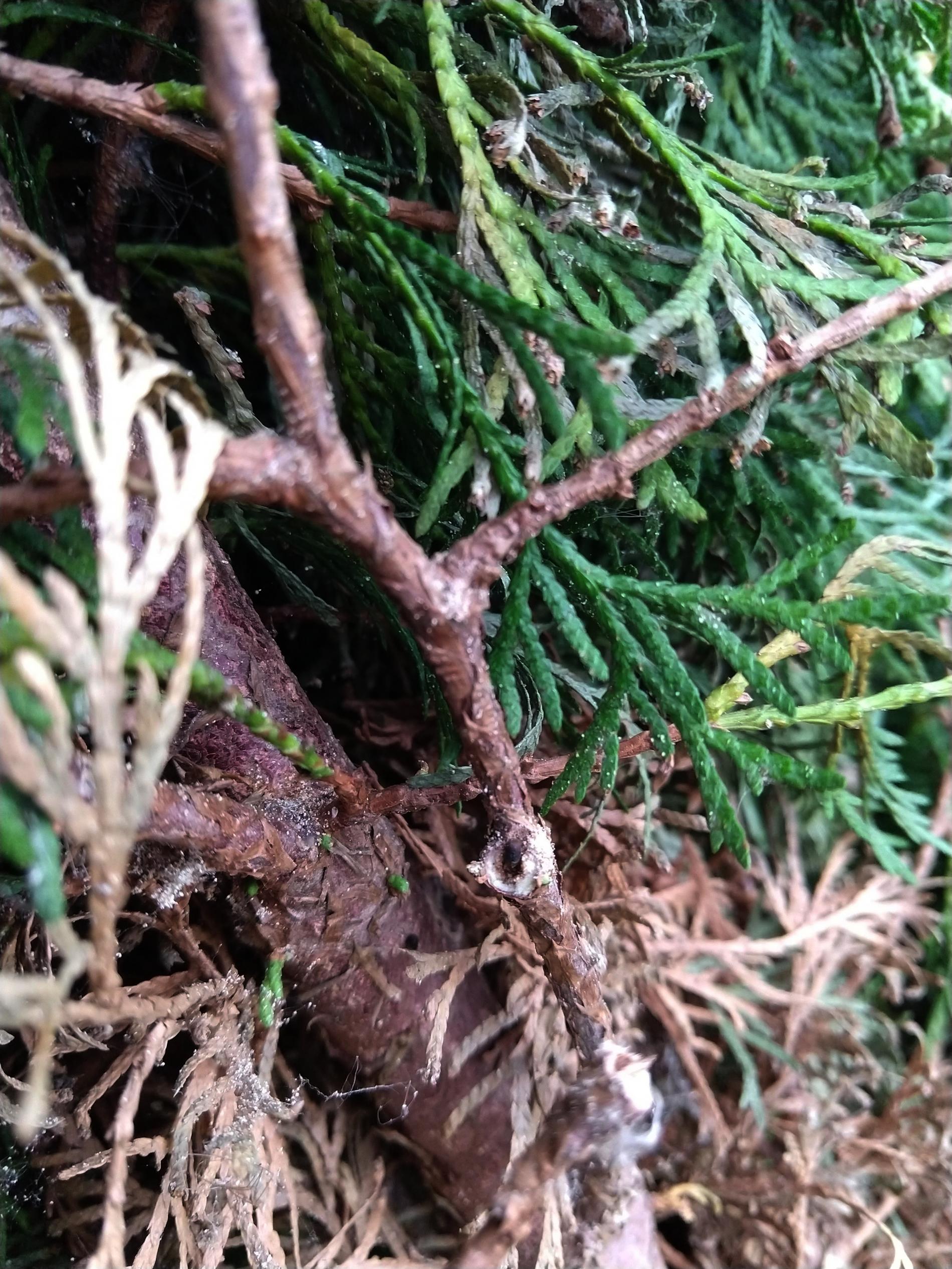
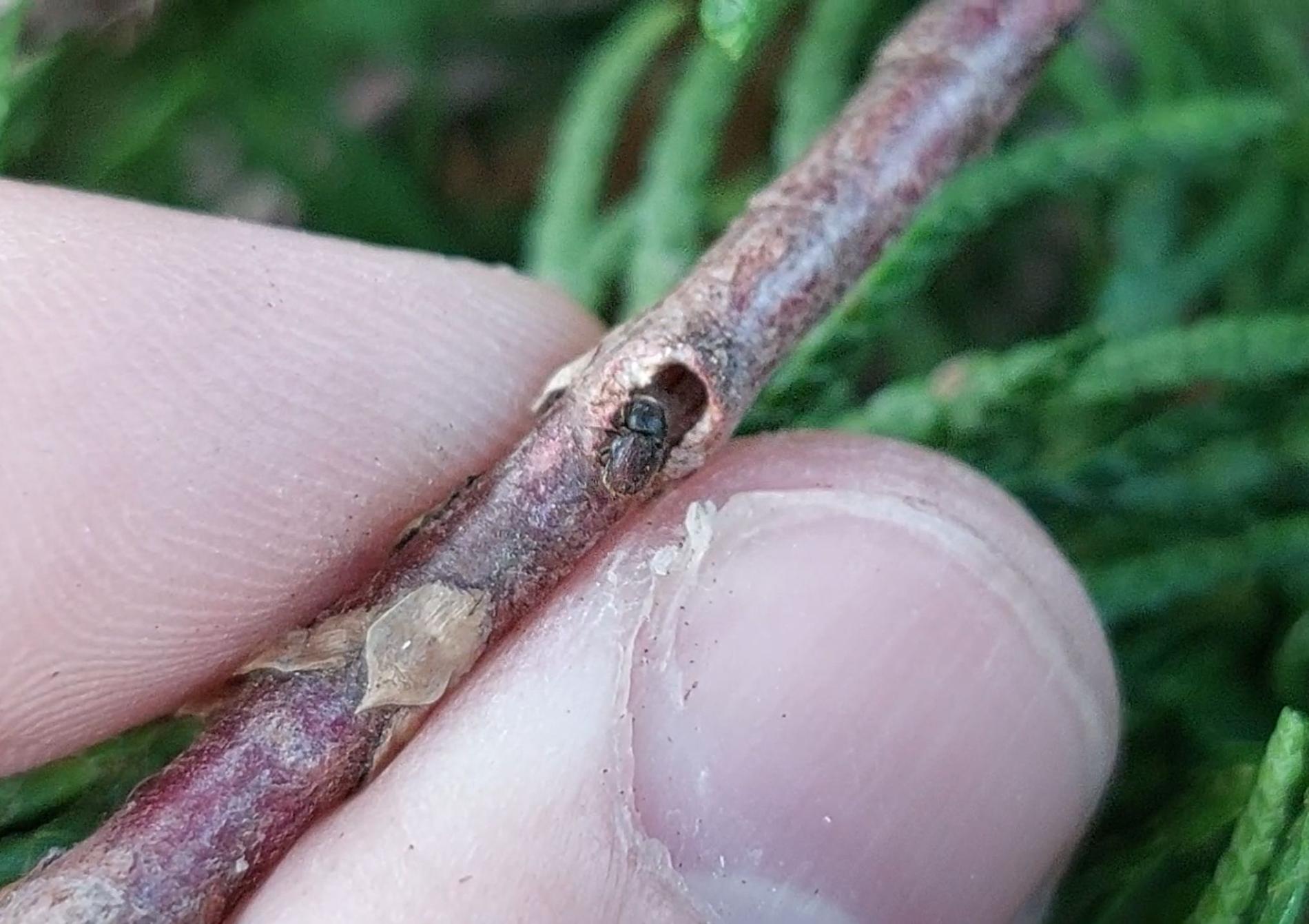
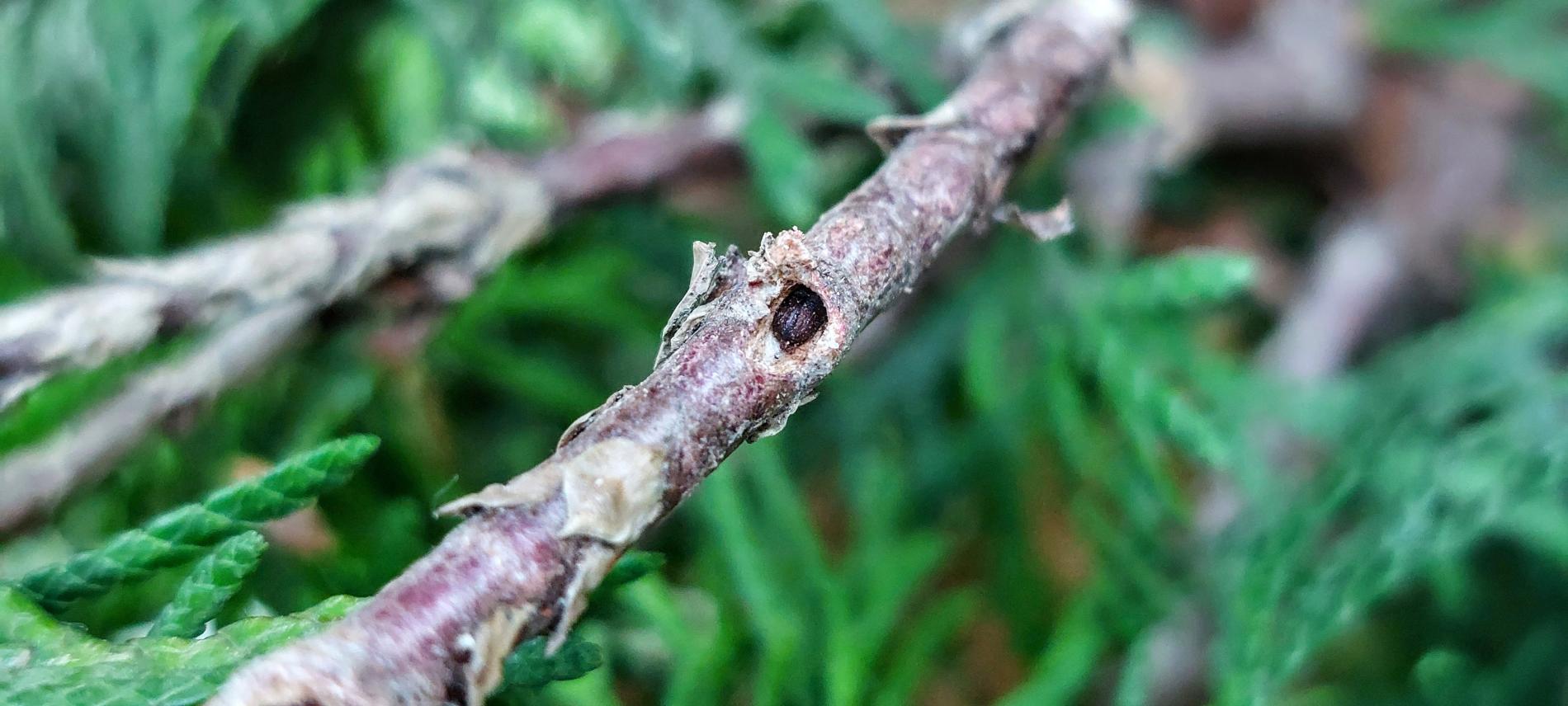
This species is smaller than the Phloeosinus aubei and measures only 1.5 to 2 mm in size. It has a dark brown or black body, and males have relatively prominent serrated teeth on their elytra. Mating occurs from May to June. After mating, females usually create a uniramous gallery where they lay eggs on the sides. The larvae then hatch and create tunnels filled with sawdust. The emergence hole is circular with a diameter of approximately slightly over 1mm. Subsequently, the imagoes undergo a maturation feeding, which is also dangerous. A characteristic of the maturation feeding and gallery formation is the presence of fine sawdust found at the site of the gall. Around entrance holes, the tree may also exude resin. It has one generation per year
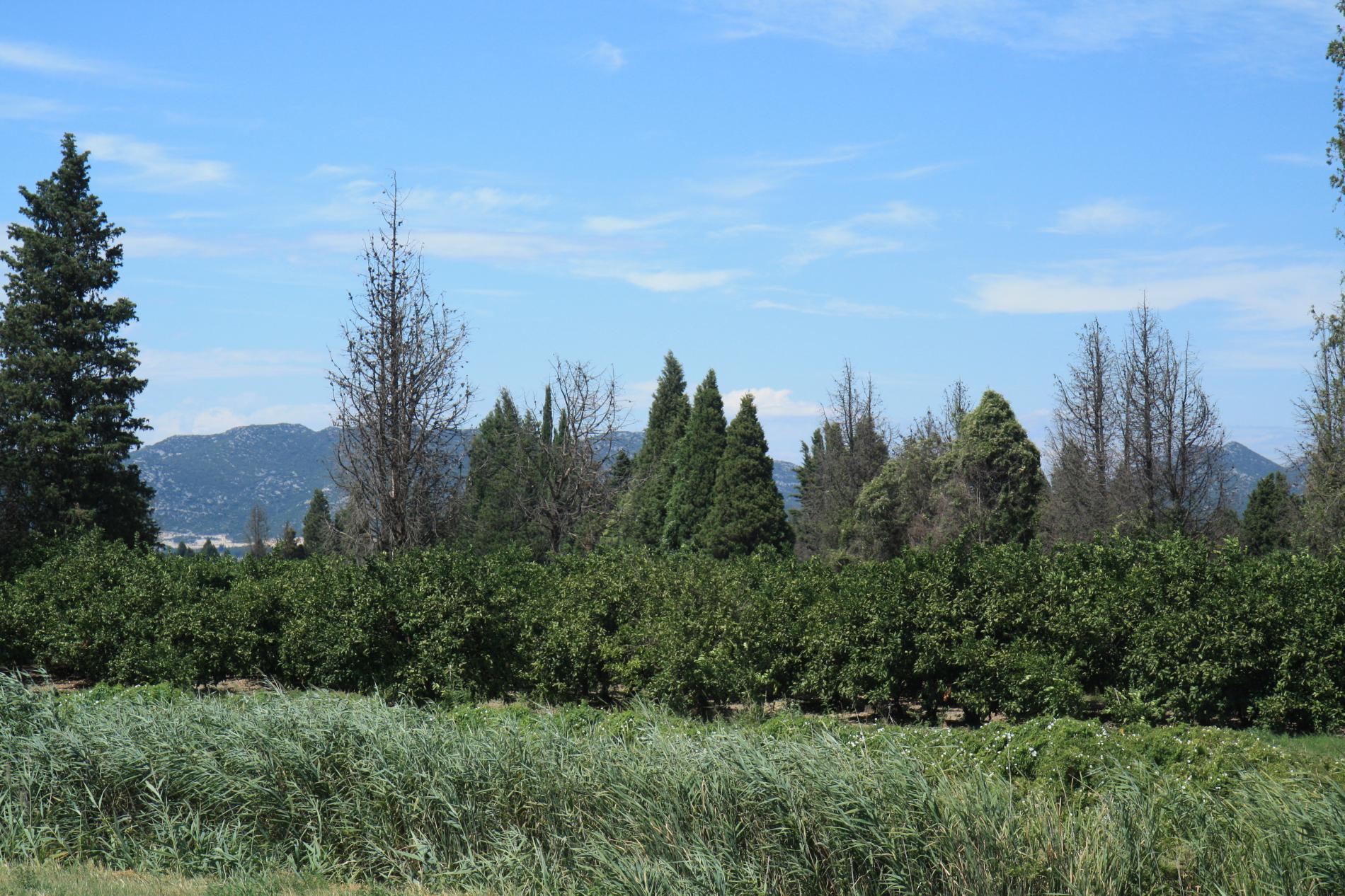
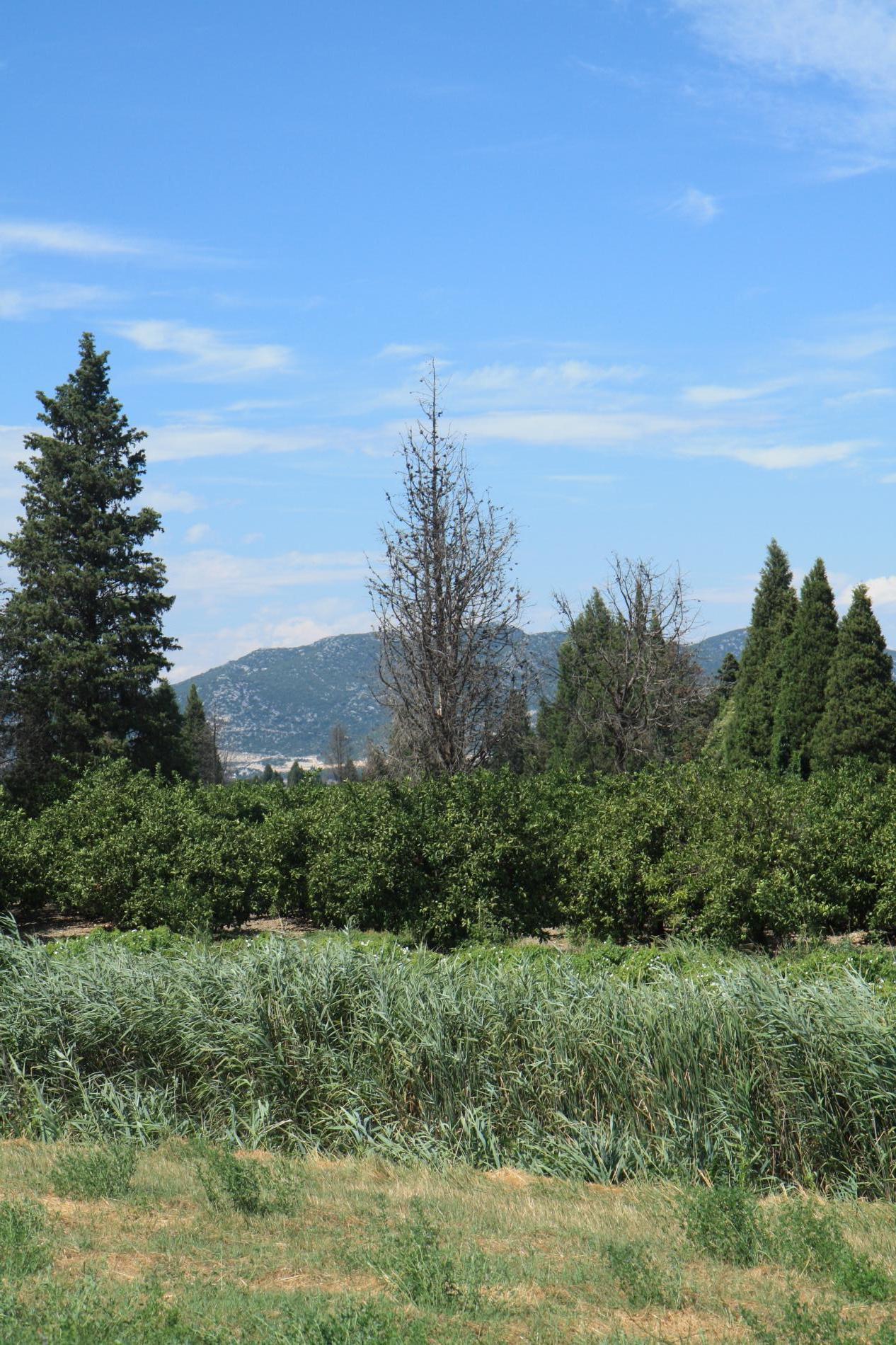
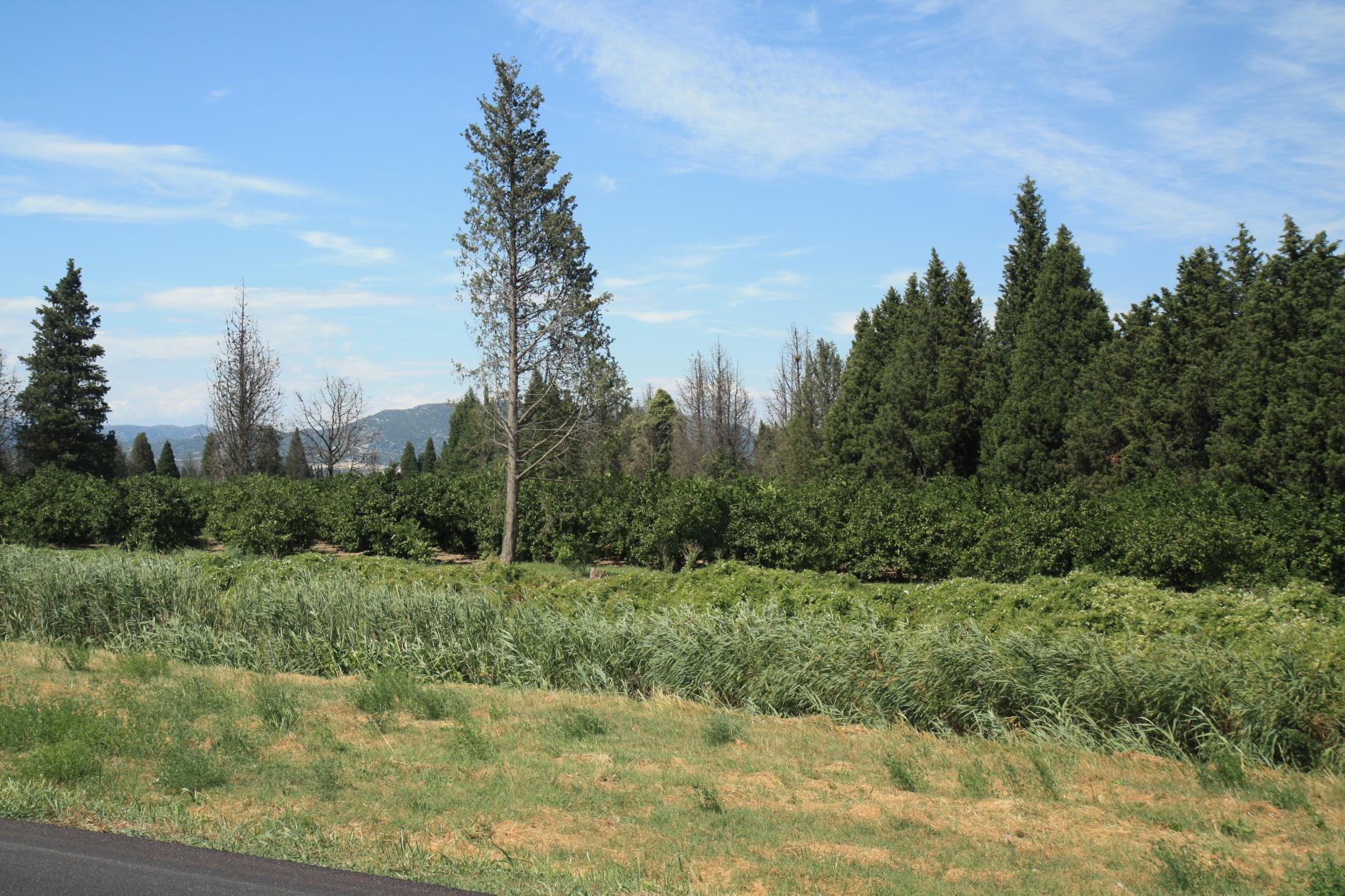
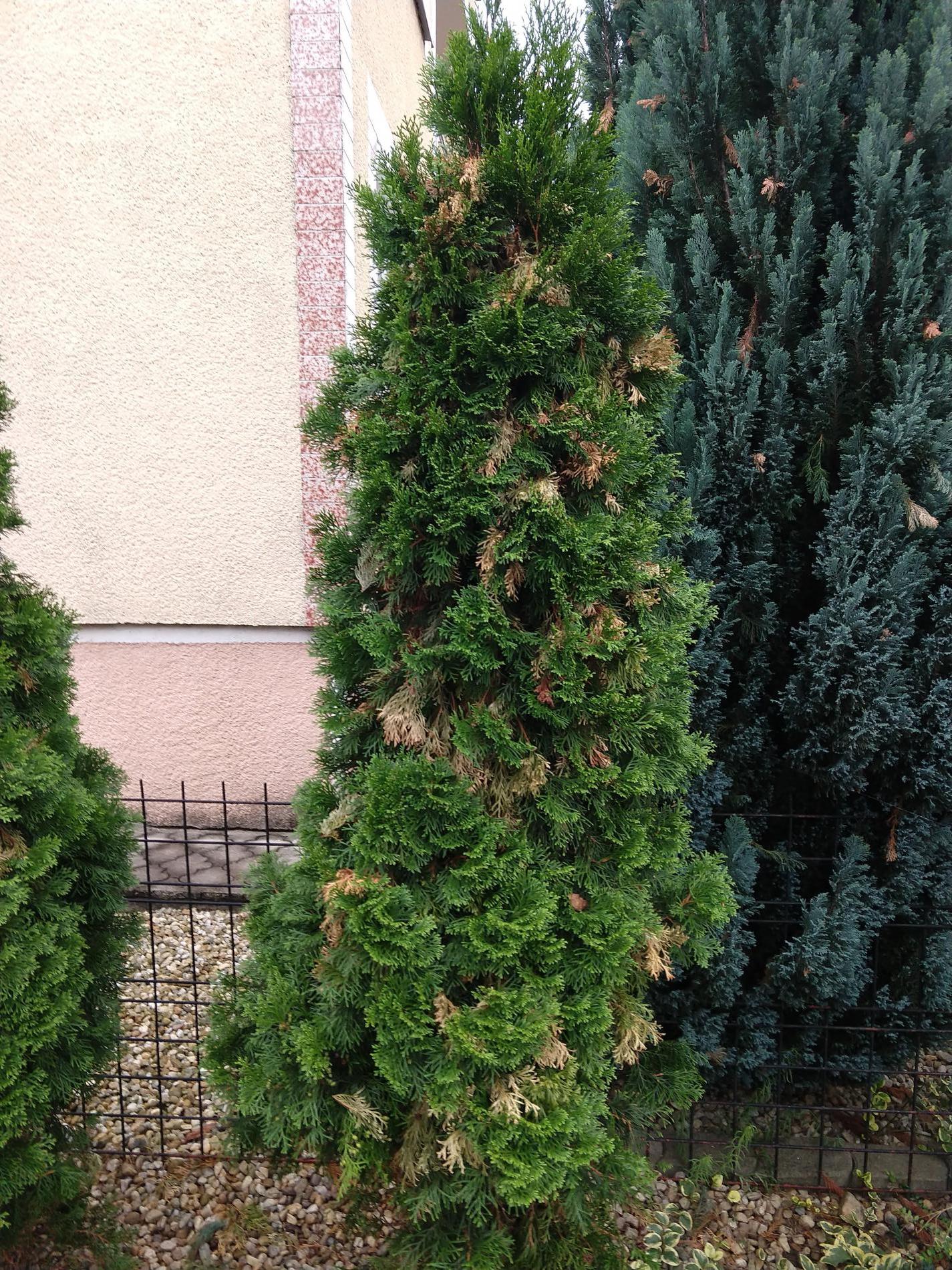
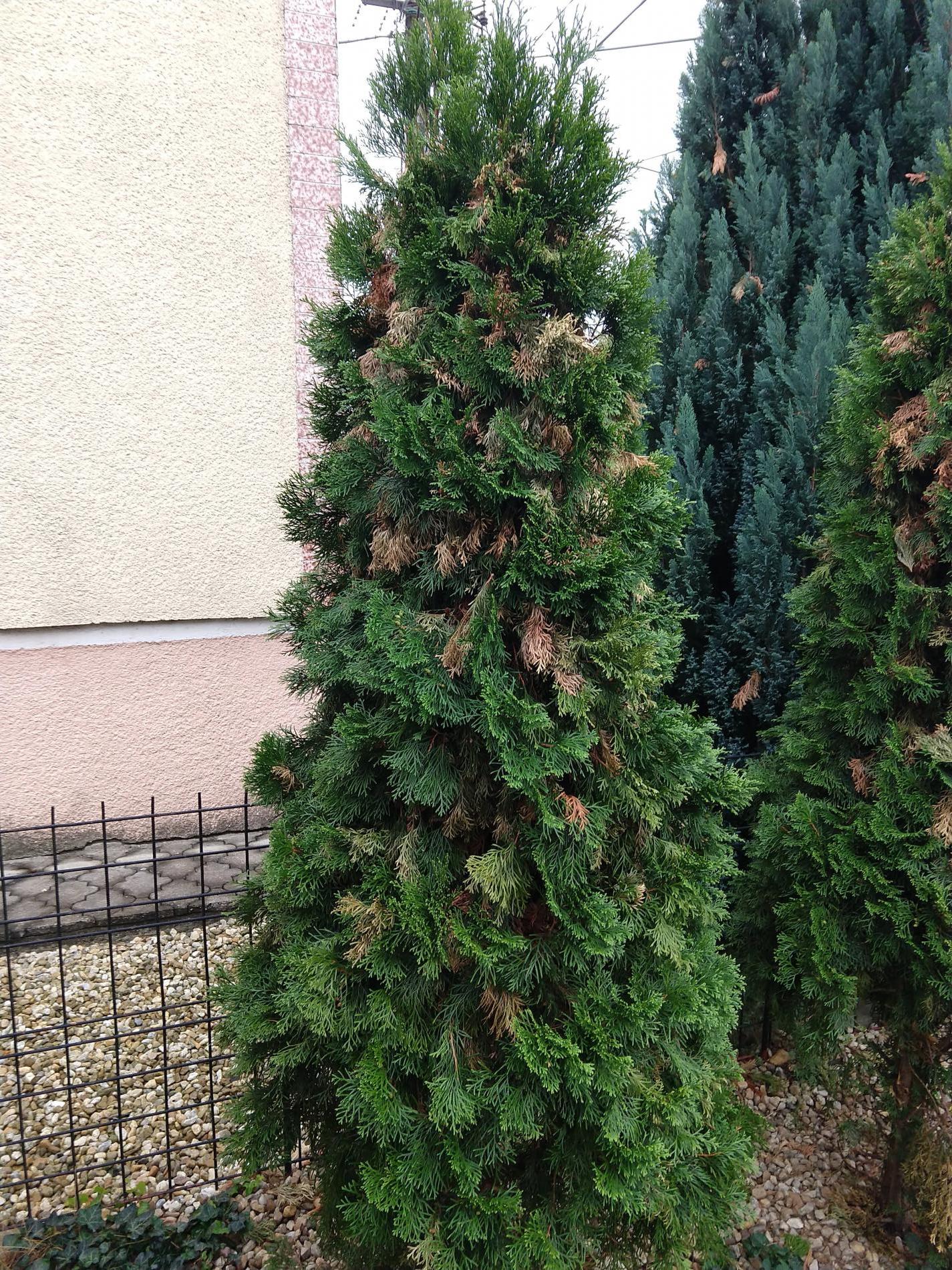
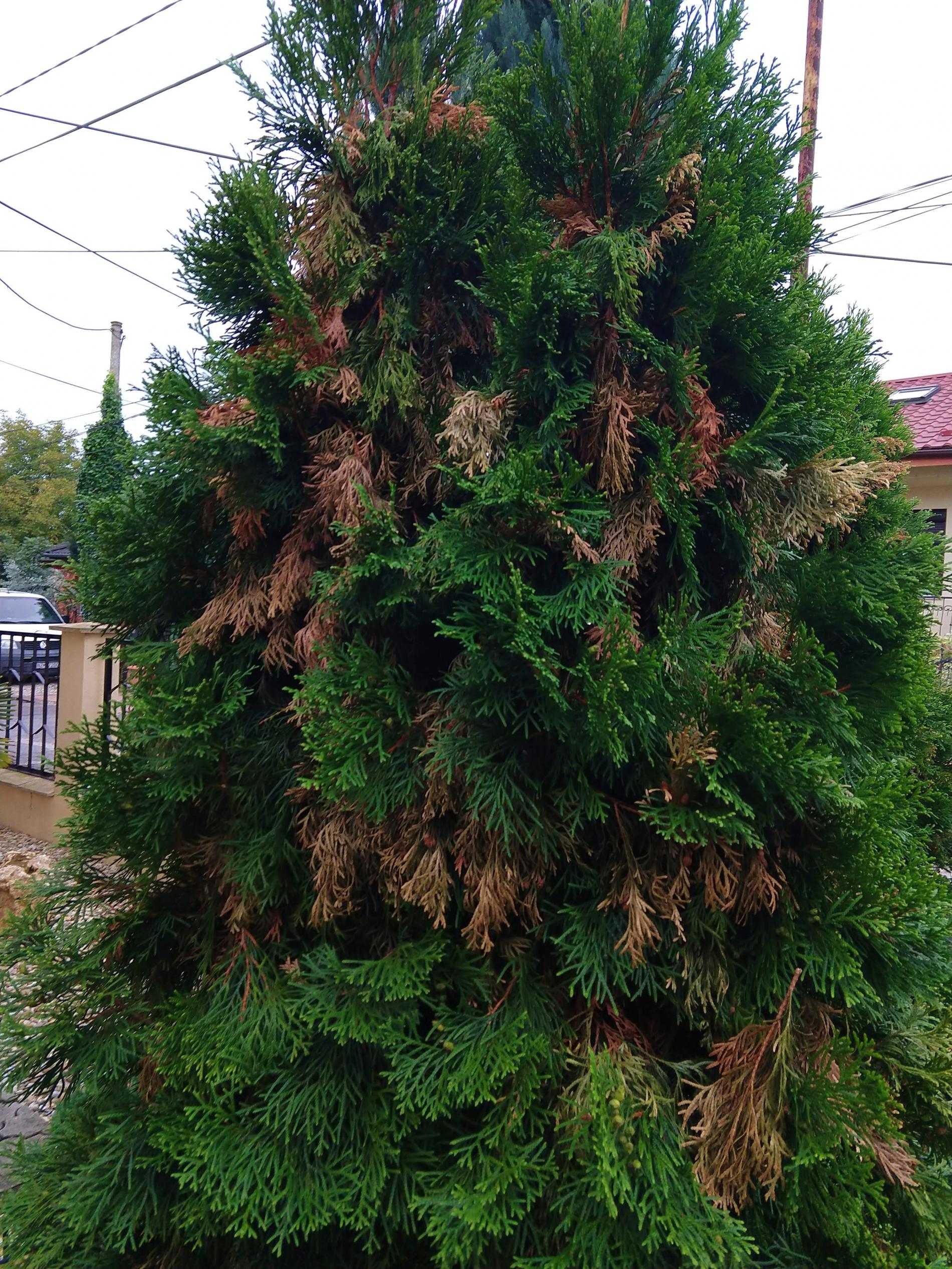
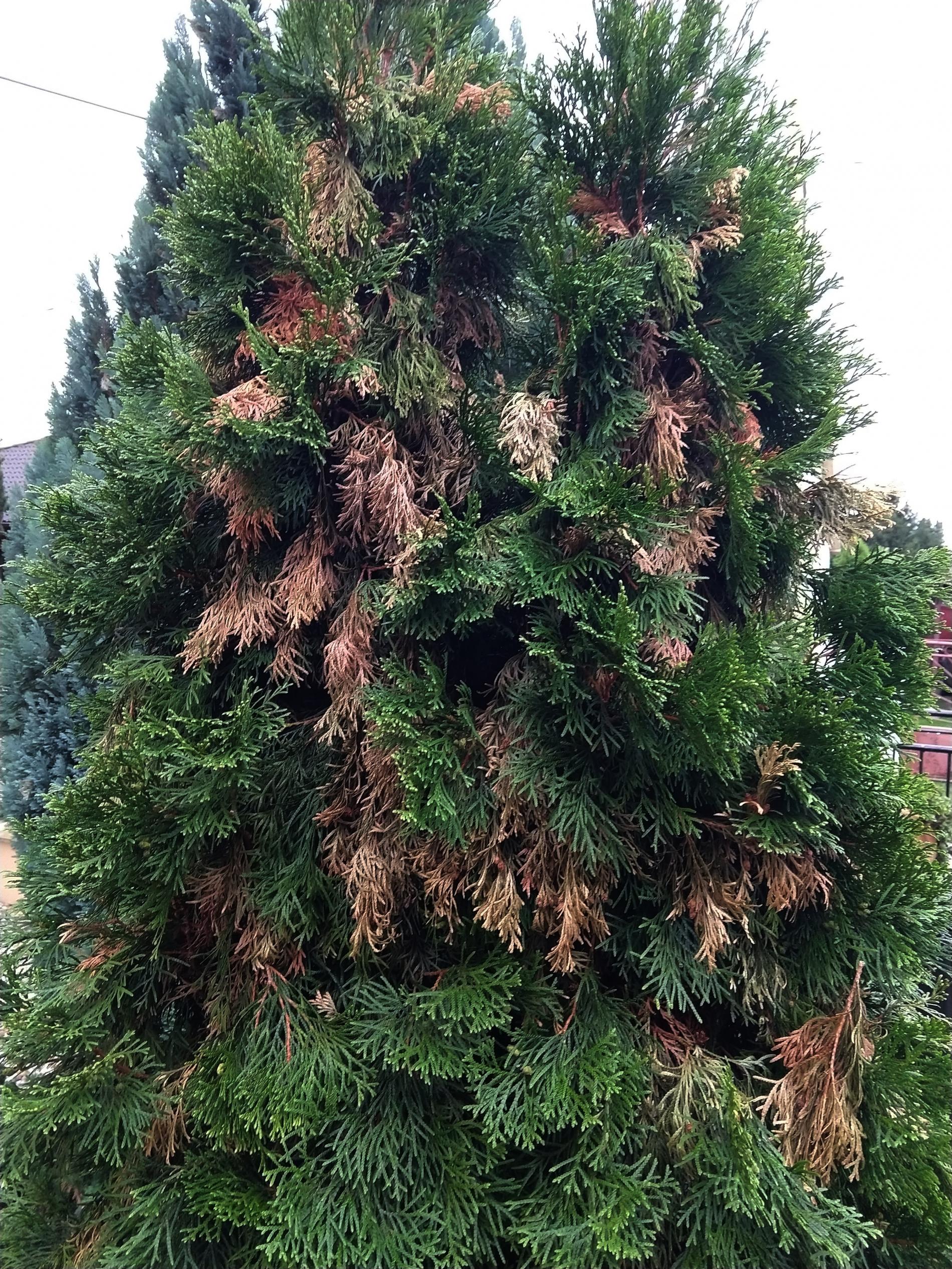
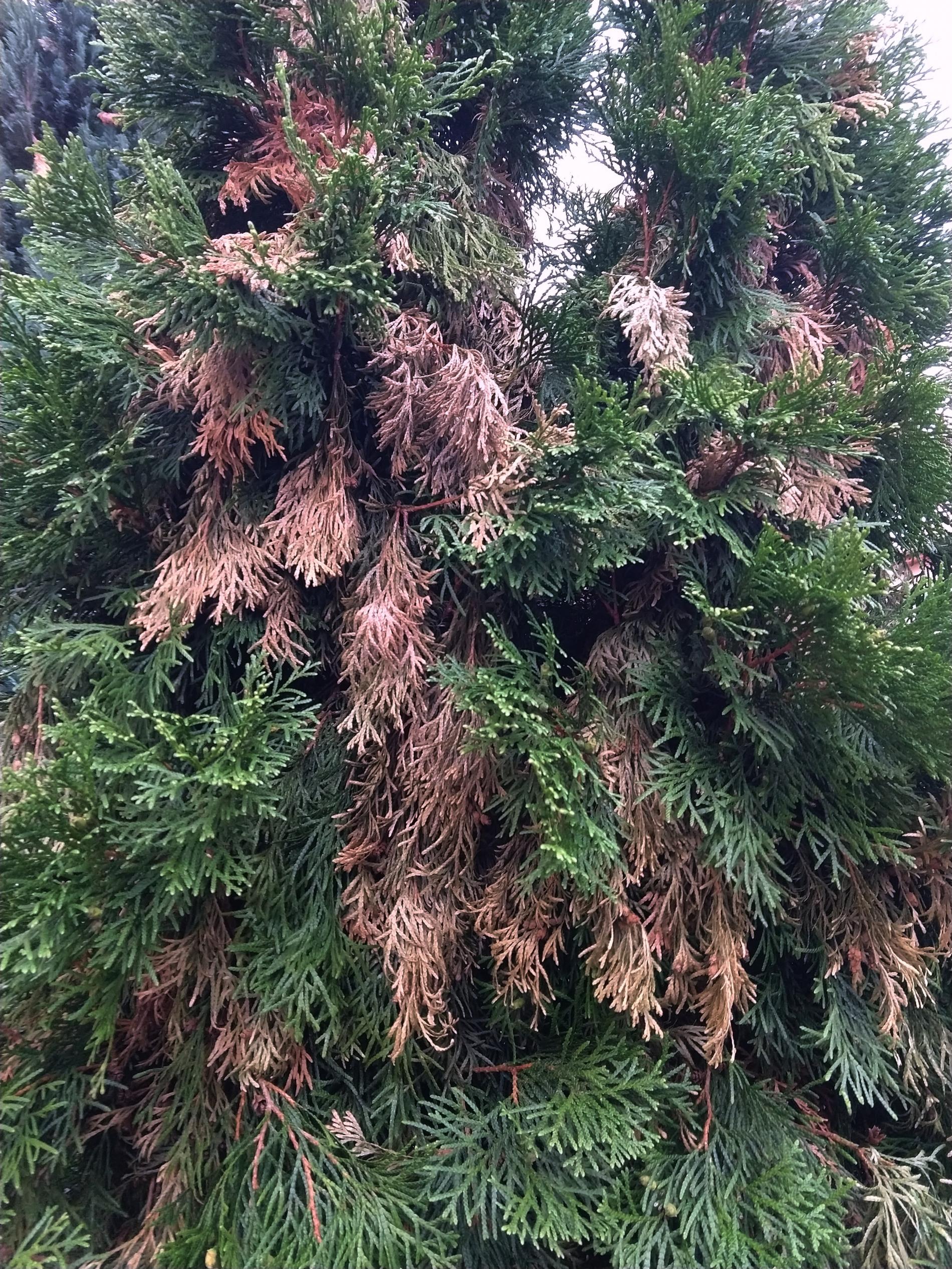
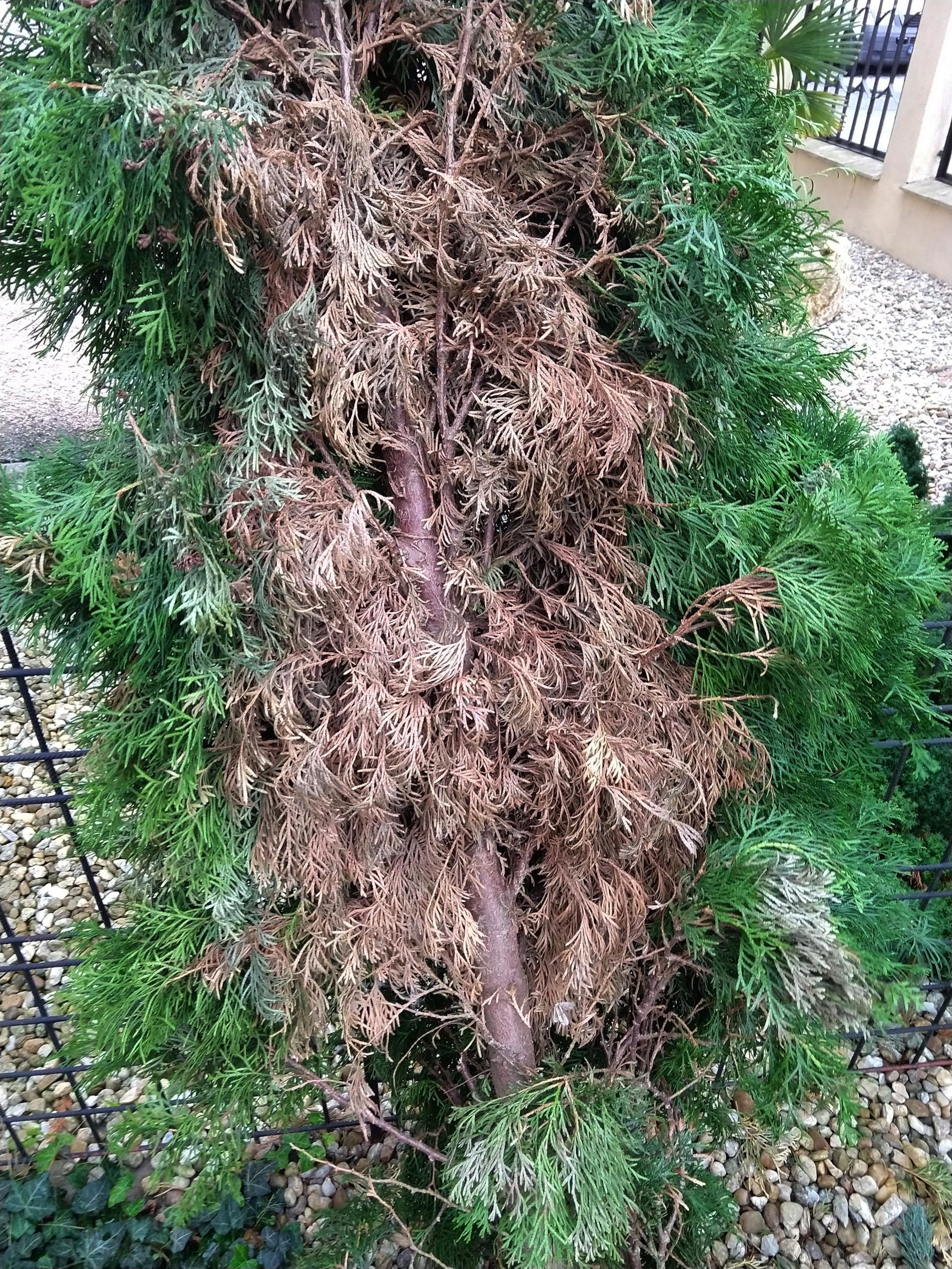
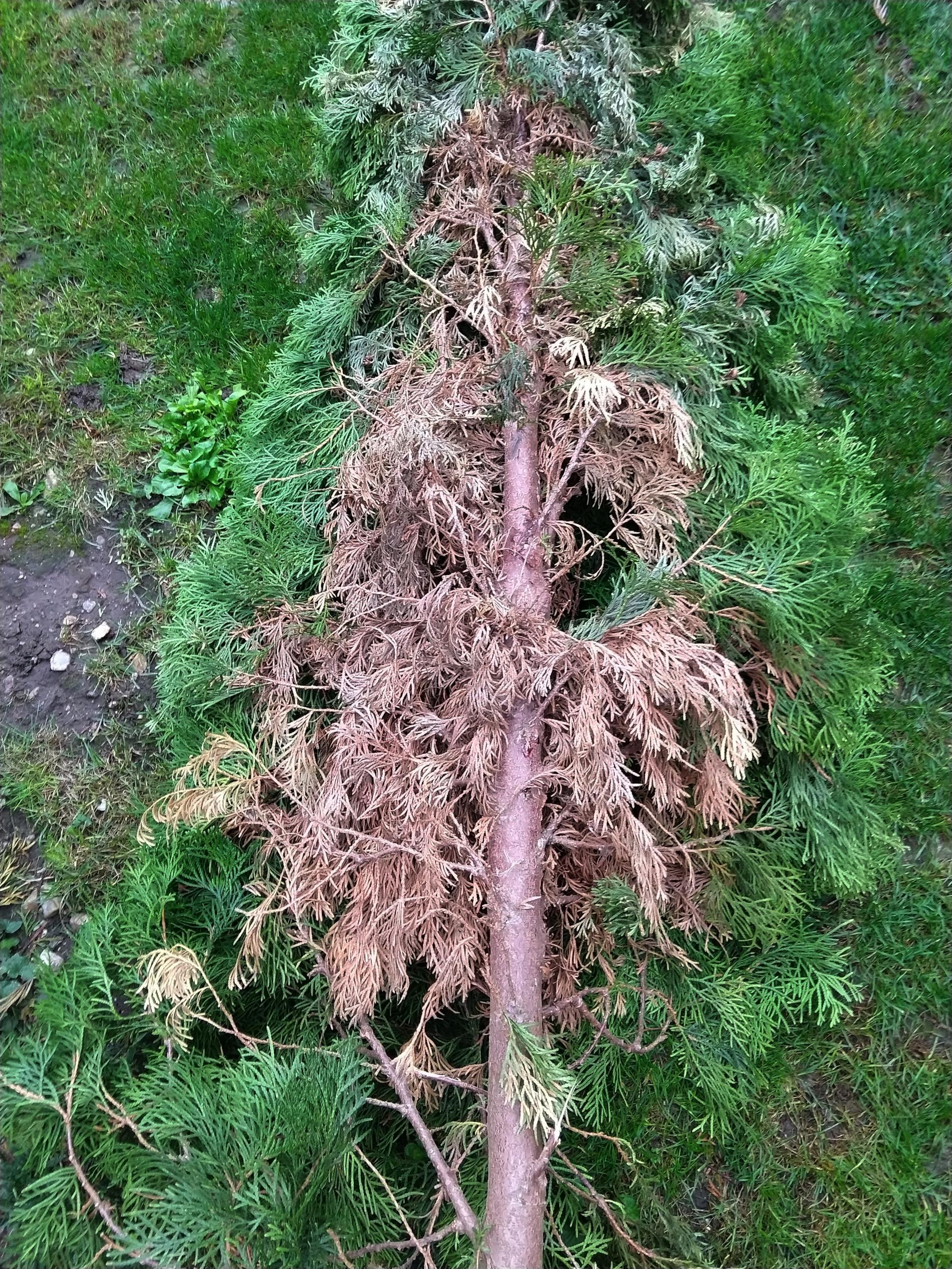
Circular exit holes, gallery under bark, sawdust, drops of resin.
Tree Species: Juniper, Cypress, Thuja
Part of a plant- attacked: Tree trunk, Branch
Pest significance: Harmful
Pest Category: Insects
Invasive Species: No
Present in EU: Yes
Pest group: Insect
Depth of damages: Bark, Under bark only, Up to 0,5 cm depth
The extent of damage: Lokally
Prevalence in Europe: Common
Damaged products: Firewood, Fresh timber logs (water still in the sapwood)
Roundwood size: Branches and twigs, Diameter from 10 up to 50 cm, Diameter up to 10 cm
Wood discoloration: No
Exit holes: Round
Pest subcategory: Bark and underbark insect
Similar pests

Phloeotribus spinulosus

Tomicus piniperda
