


Phellinus ferruginosus
Phellinus ferruginosus
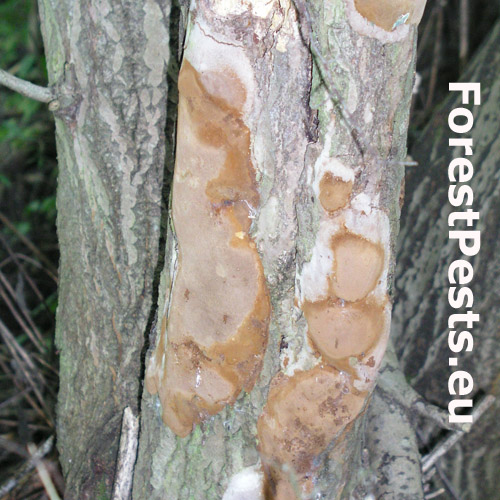
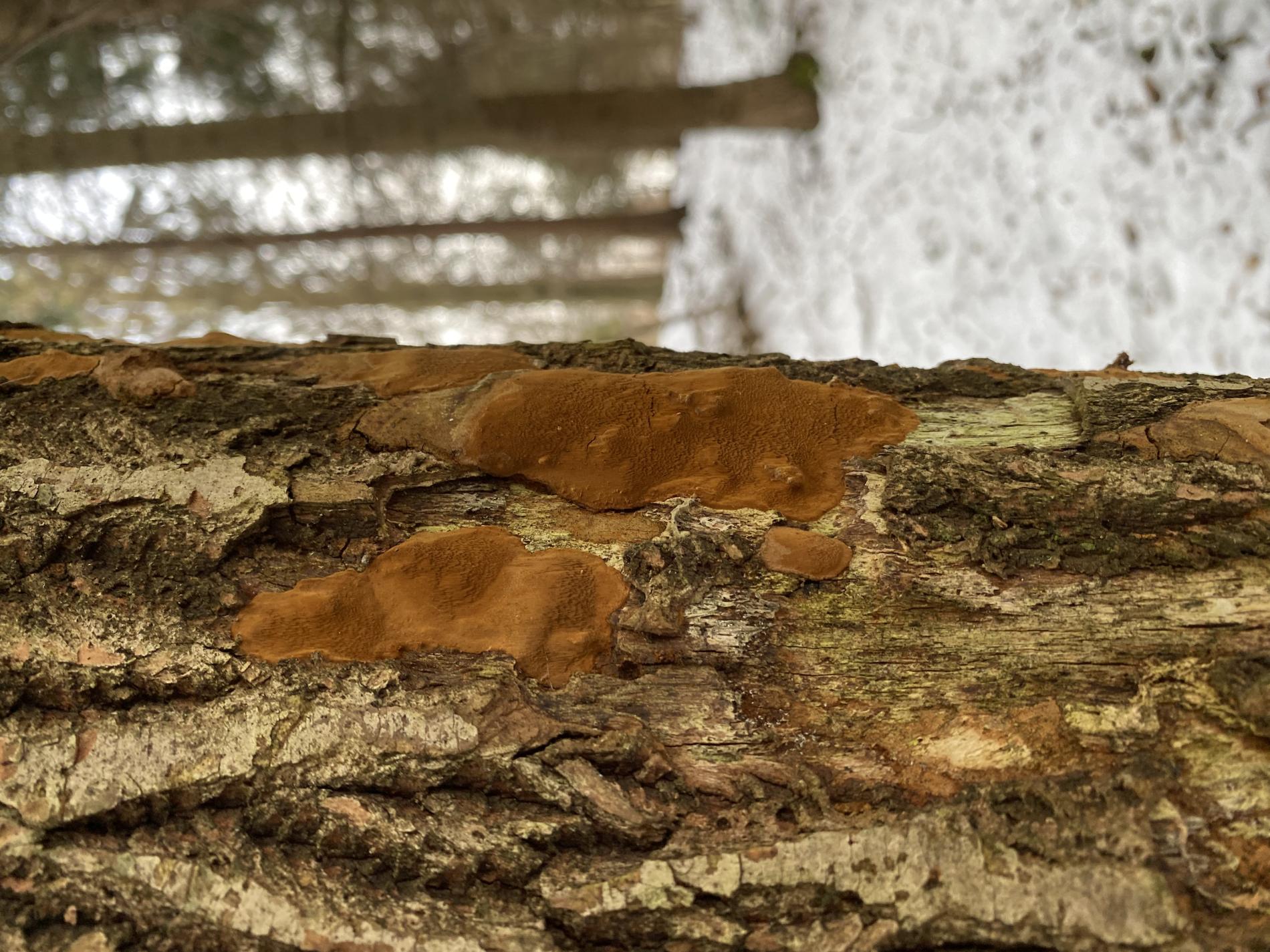
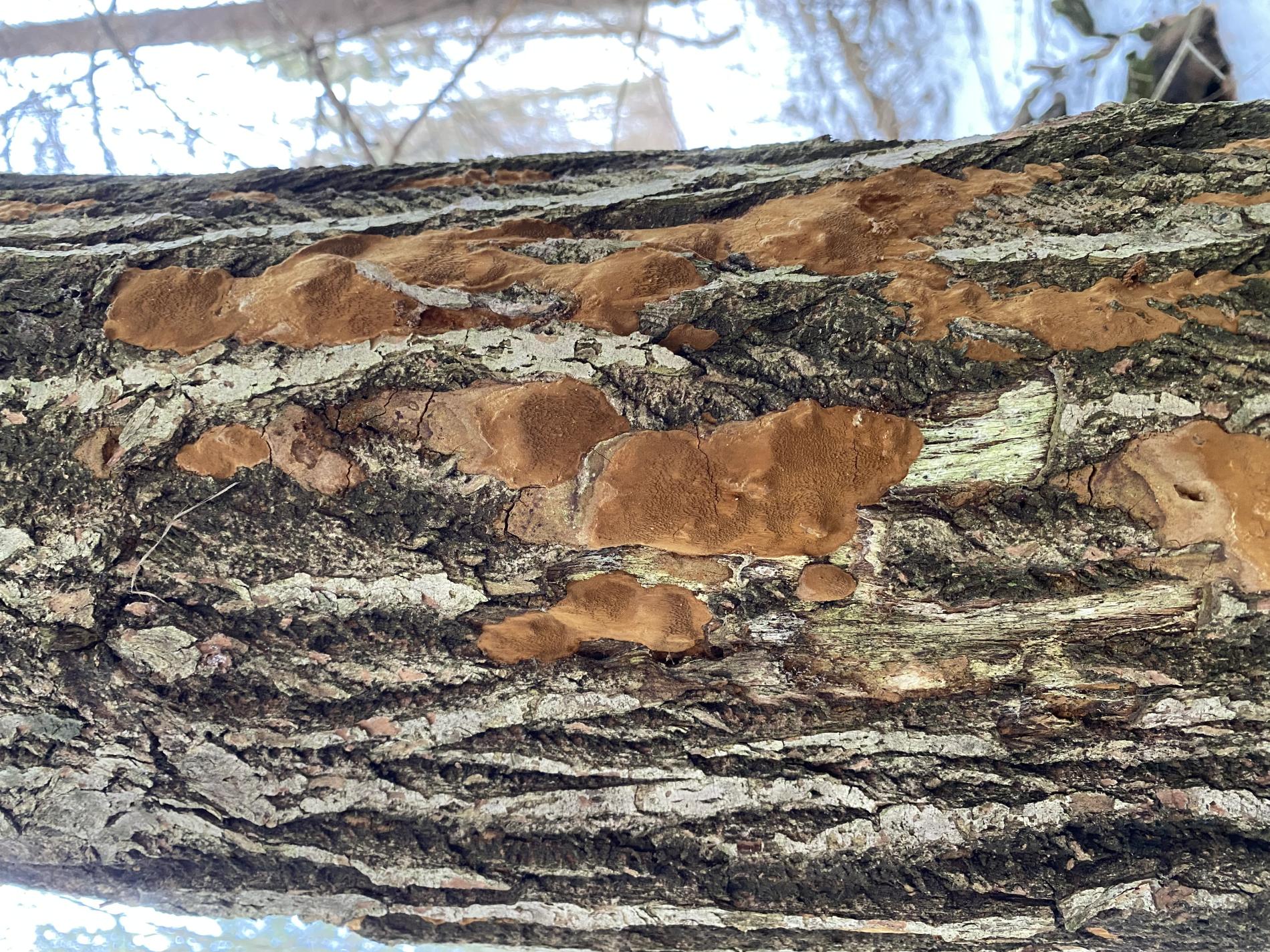
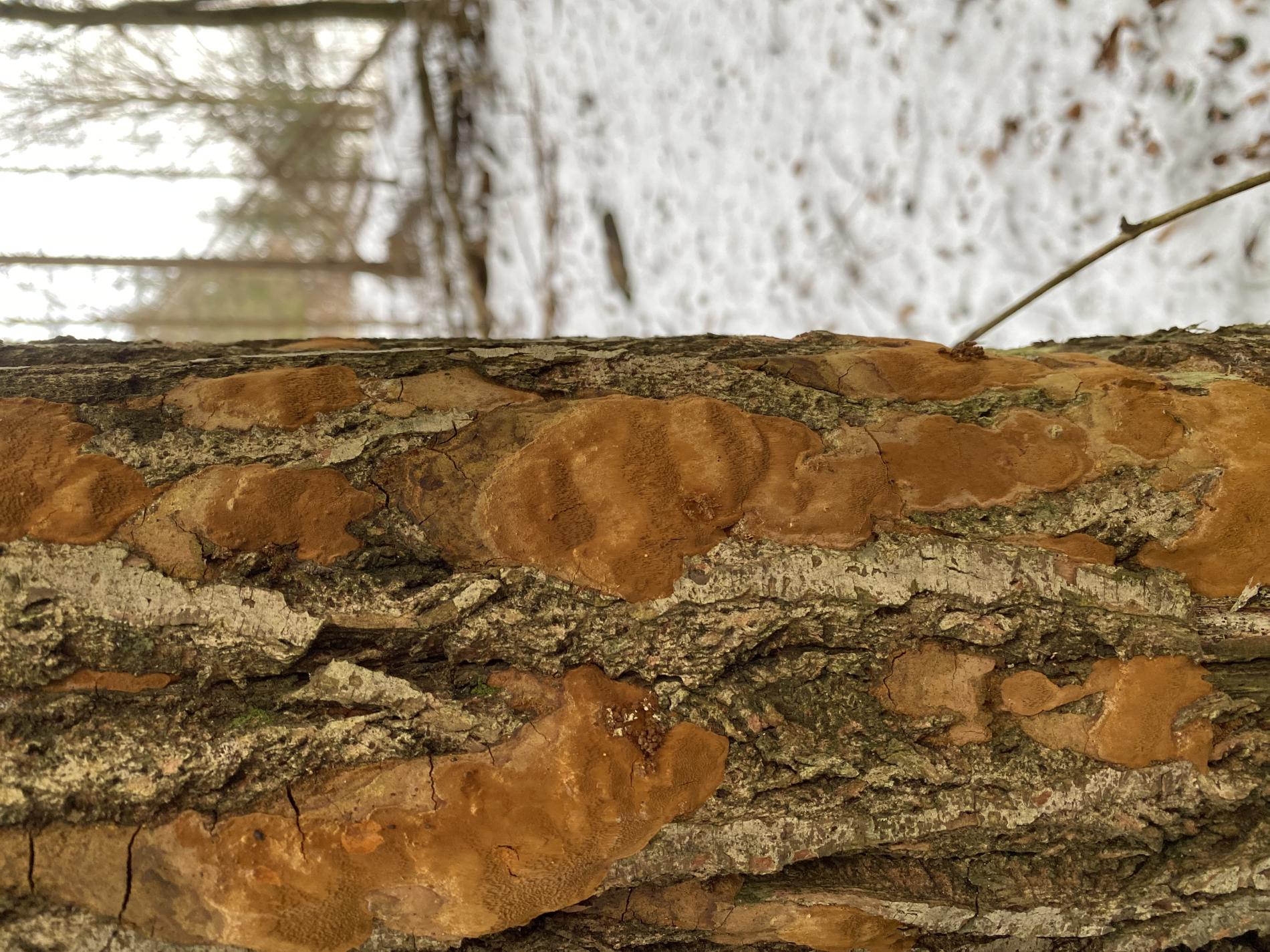
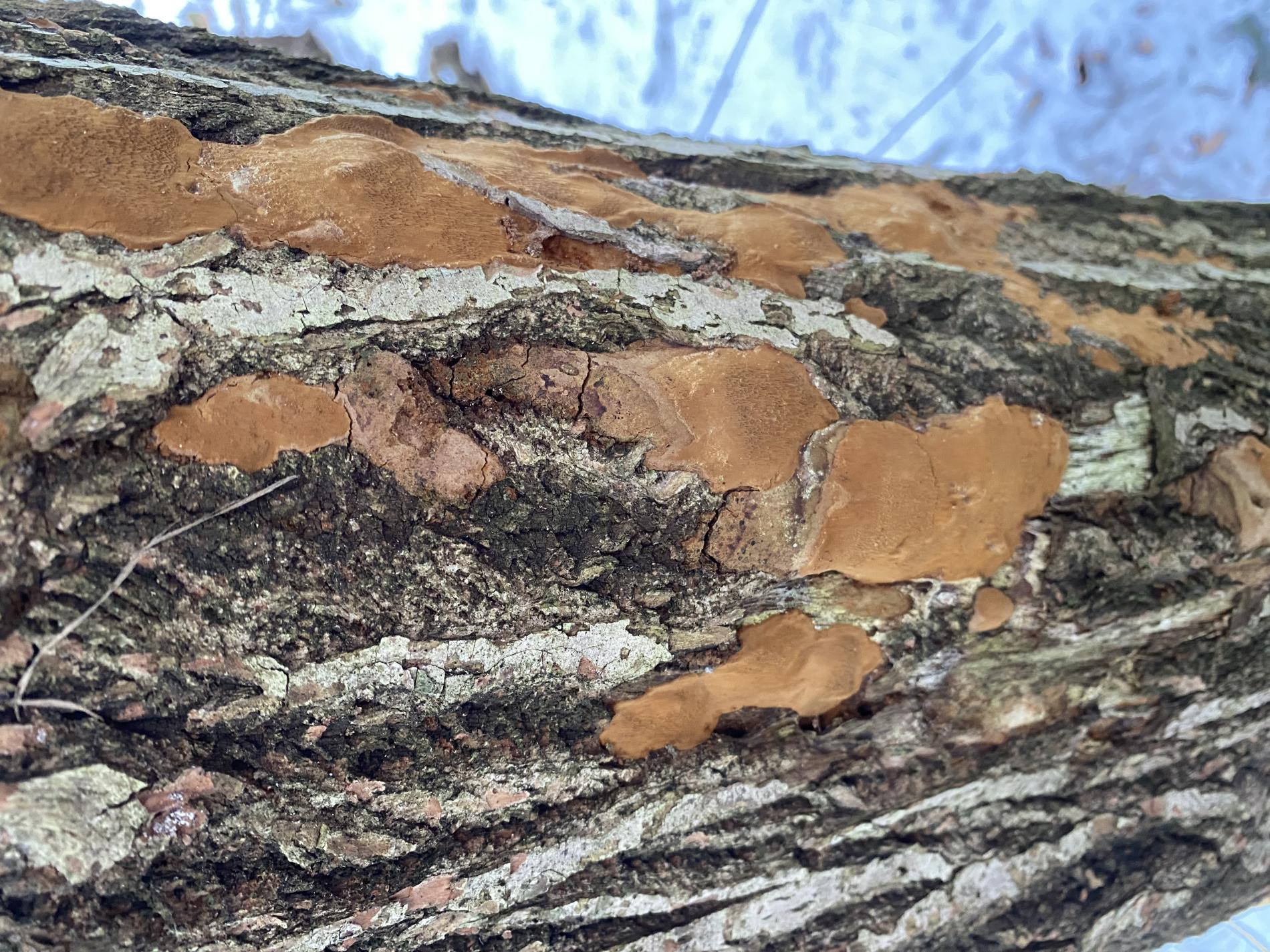
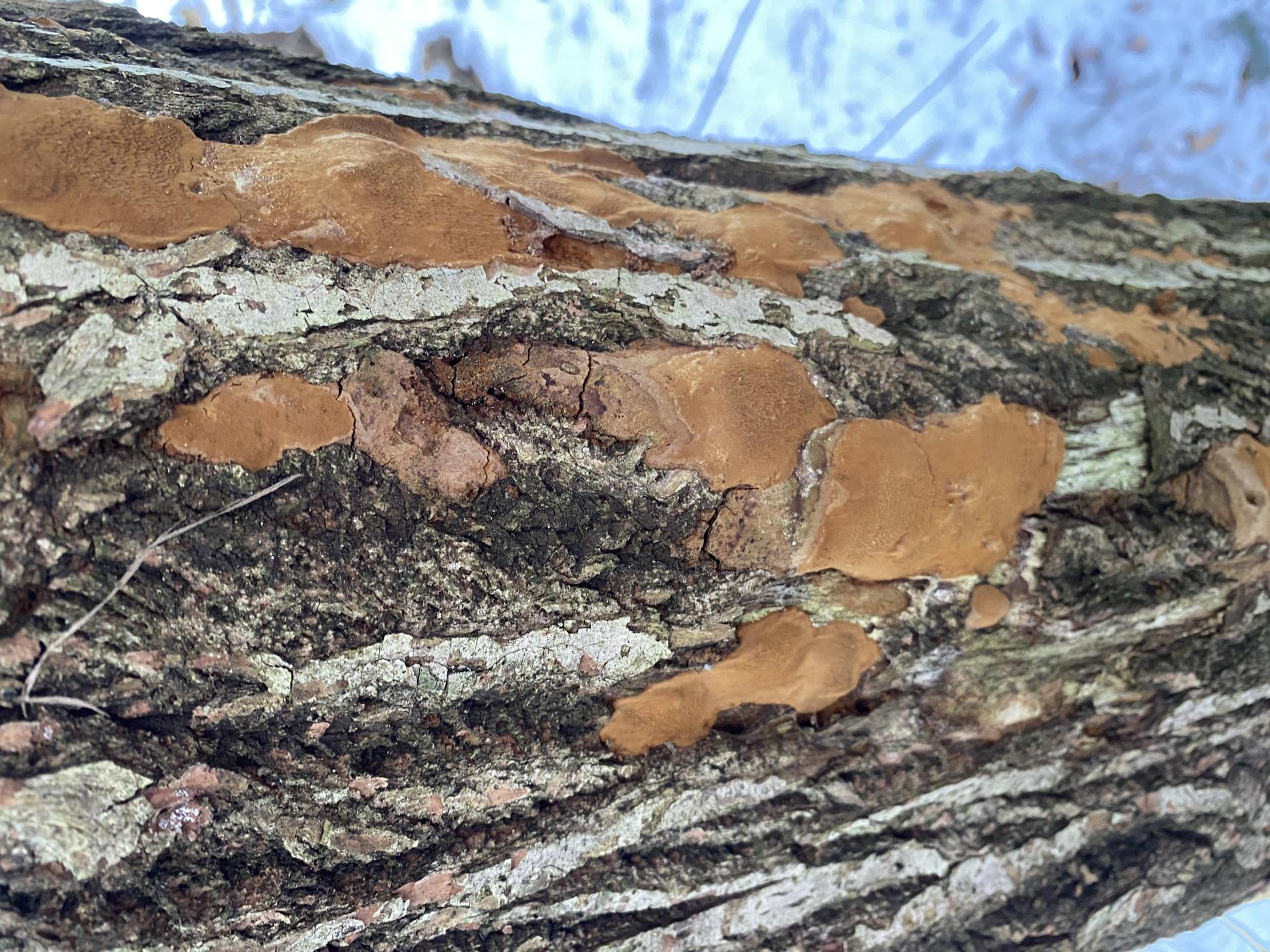
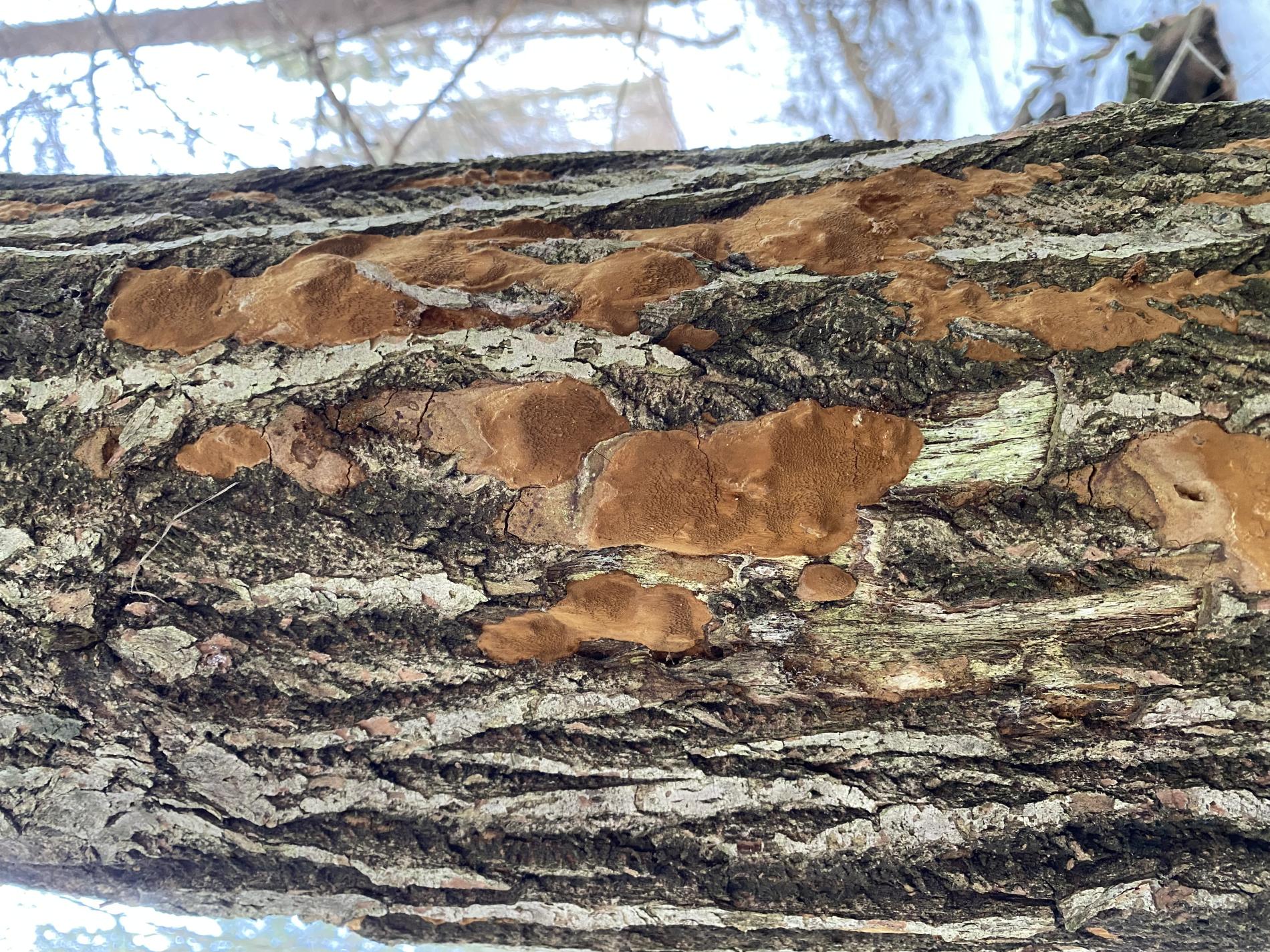
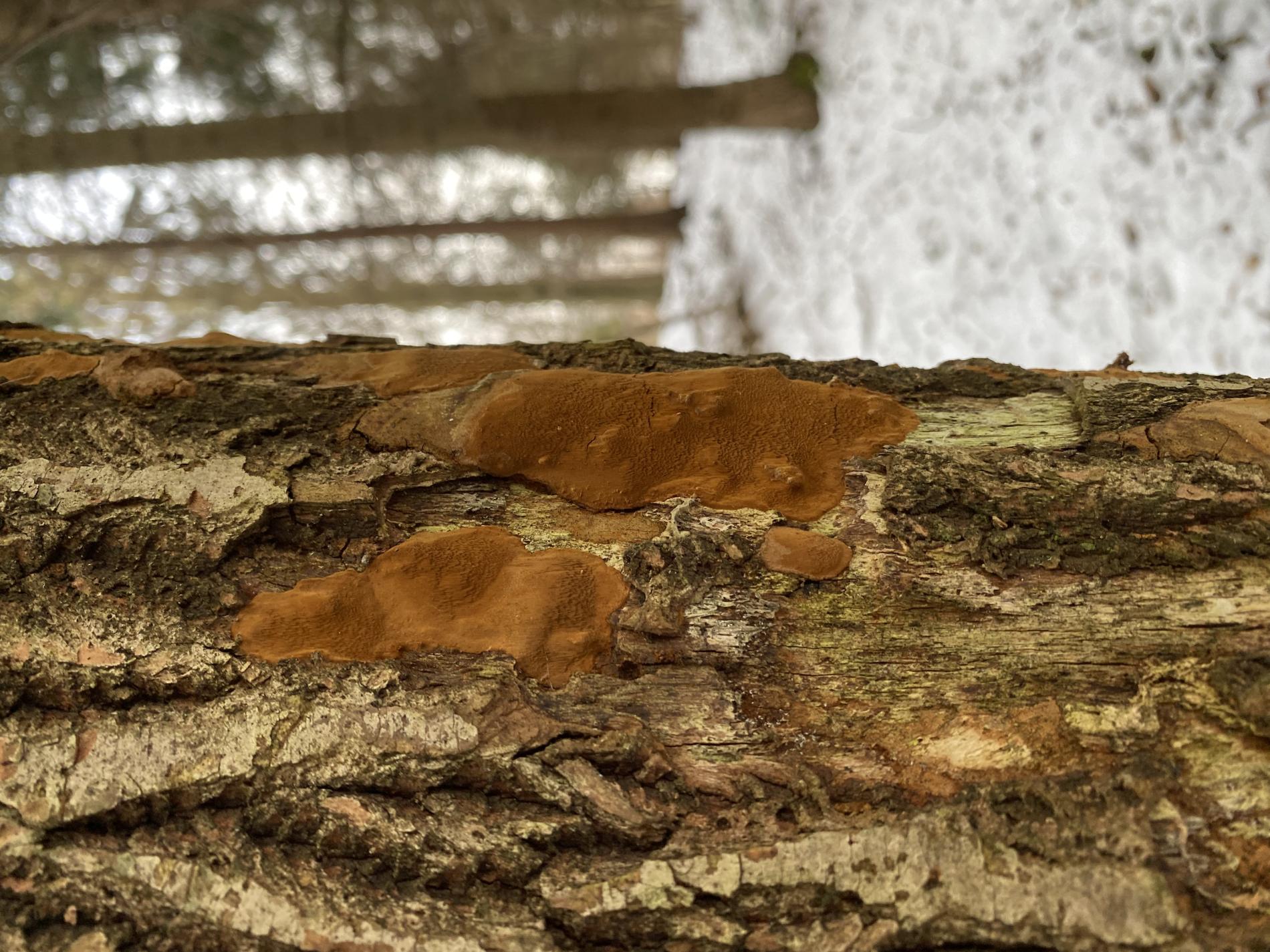
Fruiting bodies are annual and also perennial, 0.1-1.0 cm thick, decaying in an area of several square centimetres and even square decimetres, strongly attached to its base. Predisposed are tree species growing in sites with the humic soil. It occurs commonly in Europe, in the north of Scandinavia it is bordered more or less with the northern border of oak occurrence. The similar fruiting body is formed by Phellinus ferreus that differs only in microscopic features and moderately also in host trees. The mycelium causes white rot of attacked wood. The fungus is a saprophyte and does not represent health risk for standing trees.
Fruiting bodies are annual and also perennial, 0.1-1.0 cm thick, decaying in an area of several square centimetres and even square decimetres, strongly attached to its base.
Tree Species: Elm, Beech, Oak, Hawthorn, Willow
Part of a plant- attacked: Tree trunk
Pest significance: Harmful
Pest Category: Fungi
Invasive Species: No
Present in EU: Yes
Pest group: Fungi
Affected part of wood: Heartwood, Sapwood
Depth of damages: More than 5 cm depth, Under bark only, Up to 0,5 cm depth, Up to 2 cm depth, Up to 5 cm depth
The extent of damage: Whole trunk
Prevalence in Europe: Common
Damaged products: Firewood, Fresh timber logs (water still in the sapwood), Furniture, Lumber, boards and prisms, Wooden house constructions
Roundwood size: Branches and twigs, Diameter up to 10 cm
Pest subcategory: White-rot
Similar pests

Bjerkandera adusta

Phellinus robustus
