


Phaenops cyanea
Steelblue jewel beetle
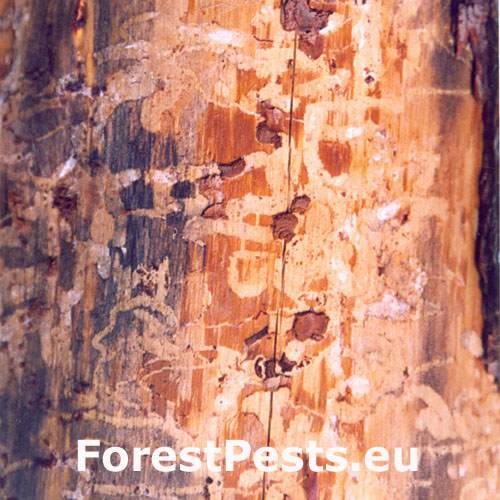
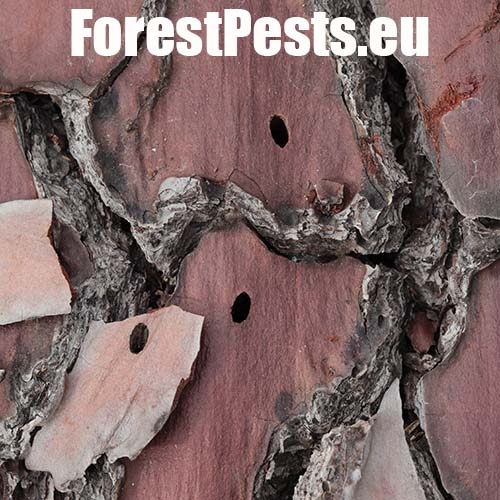
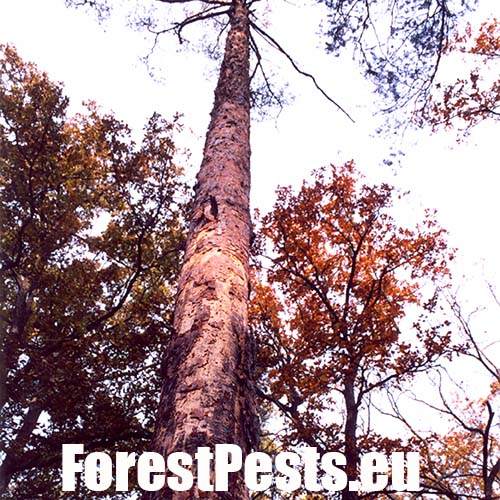
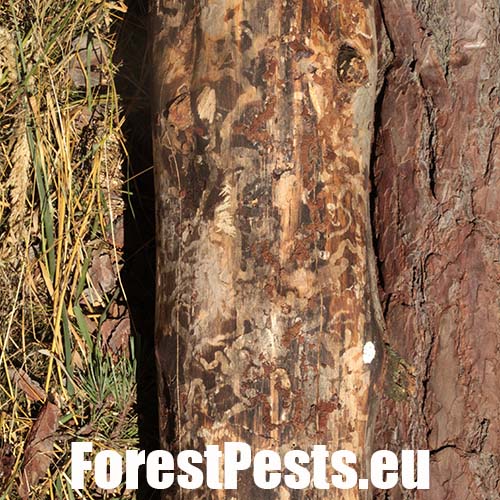
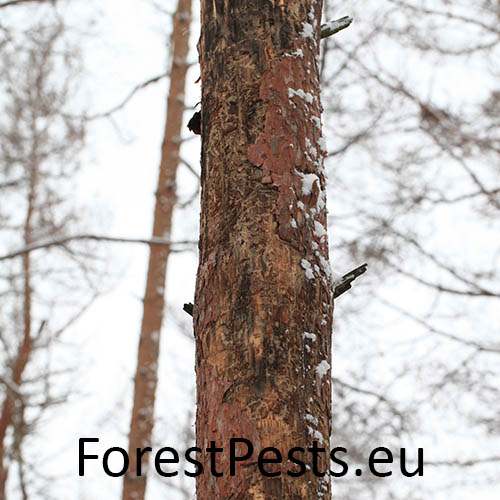
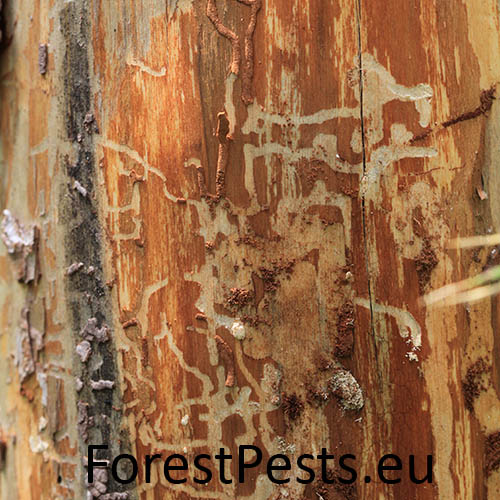
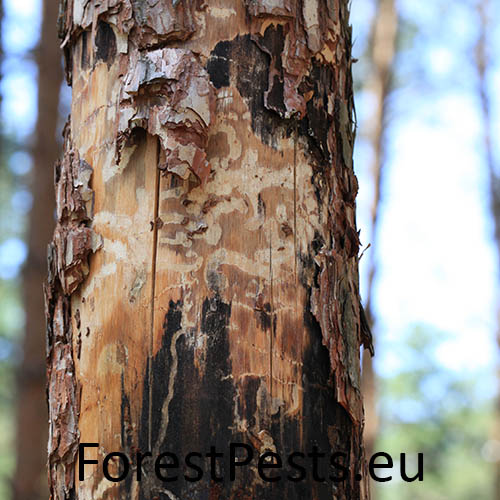
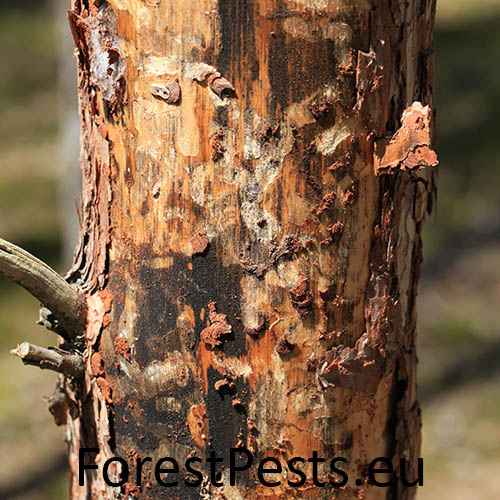
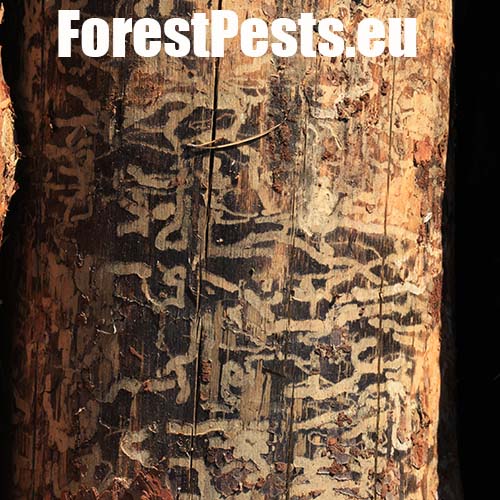
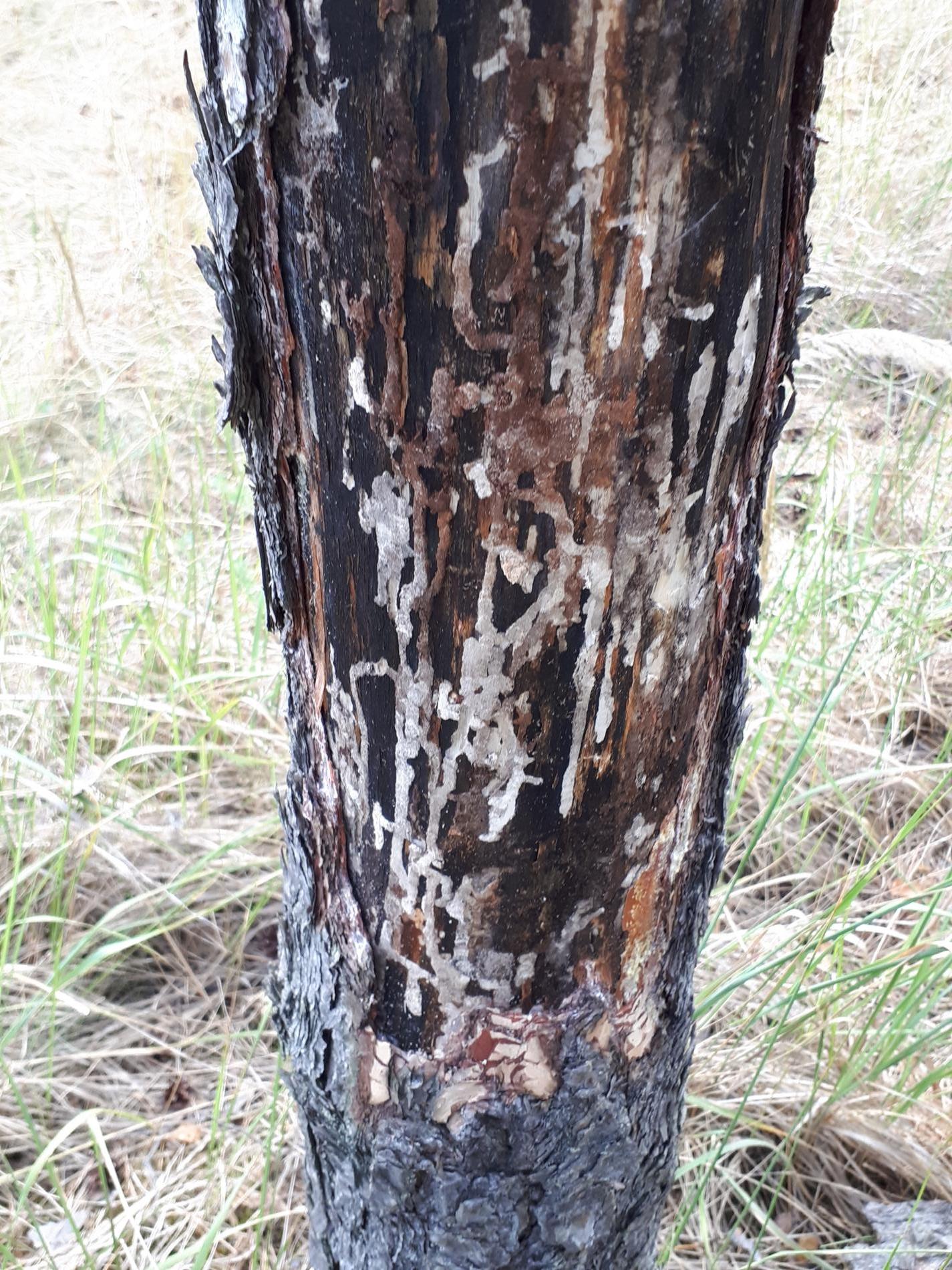
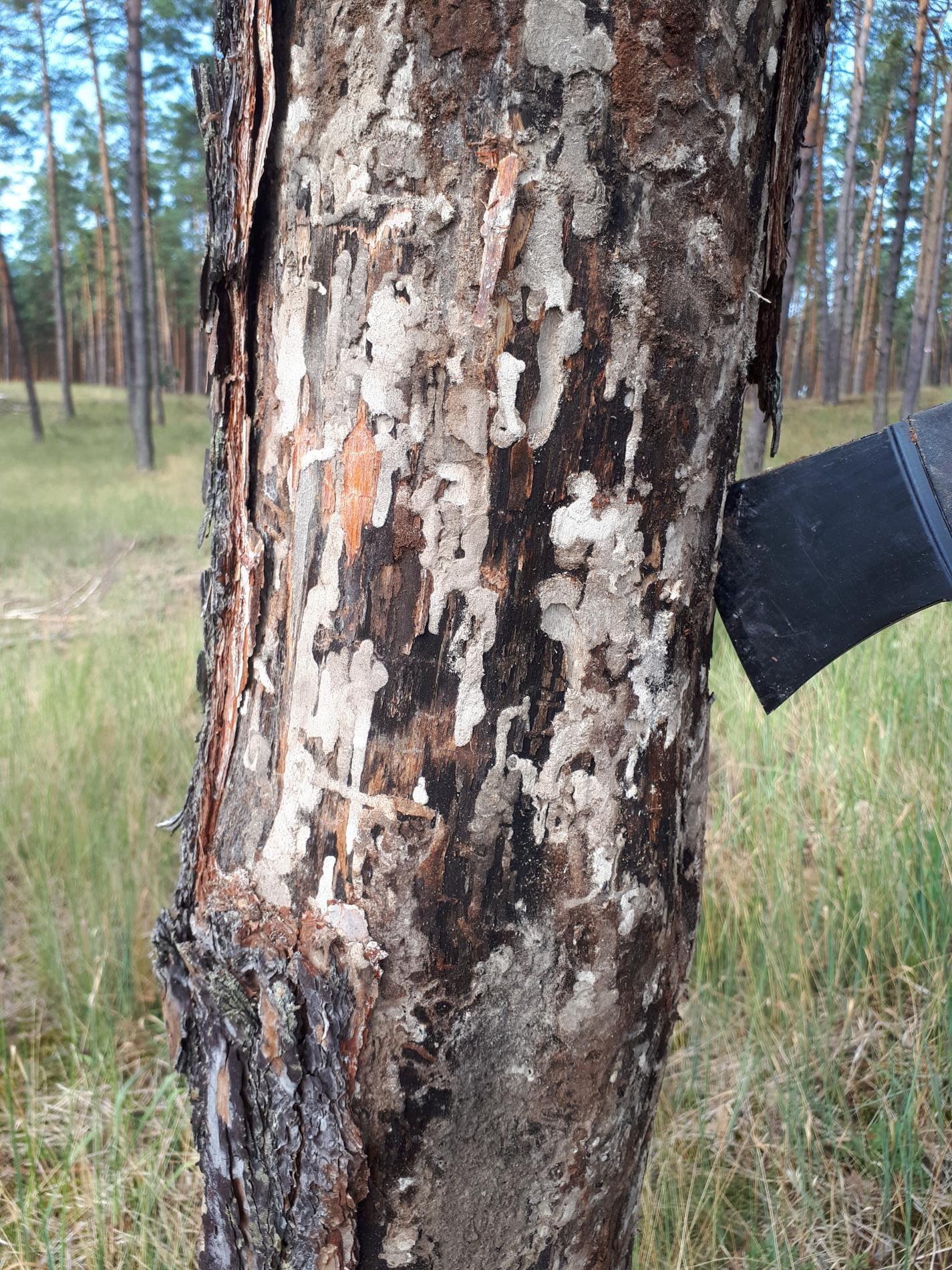
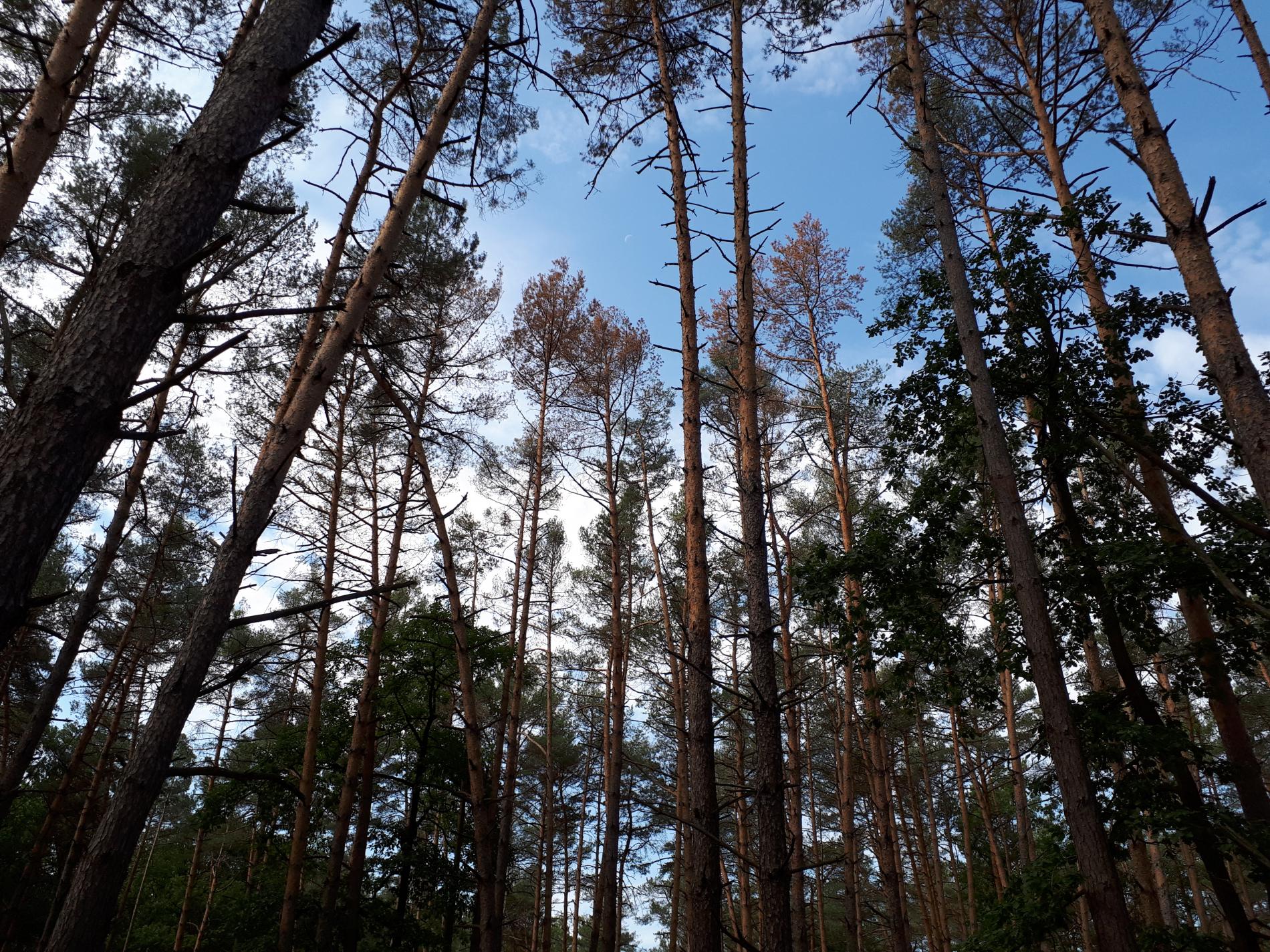
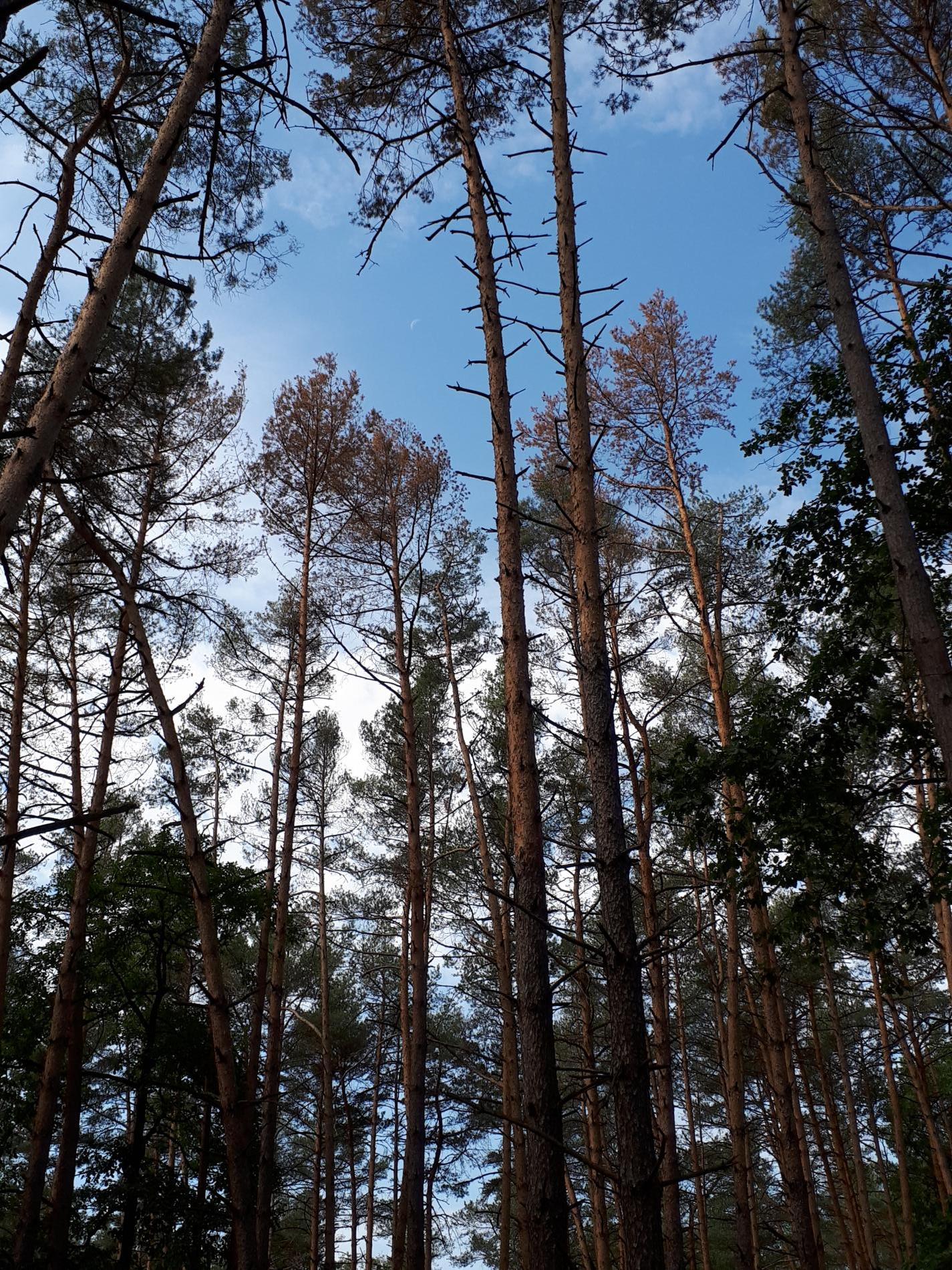
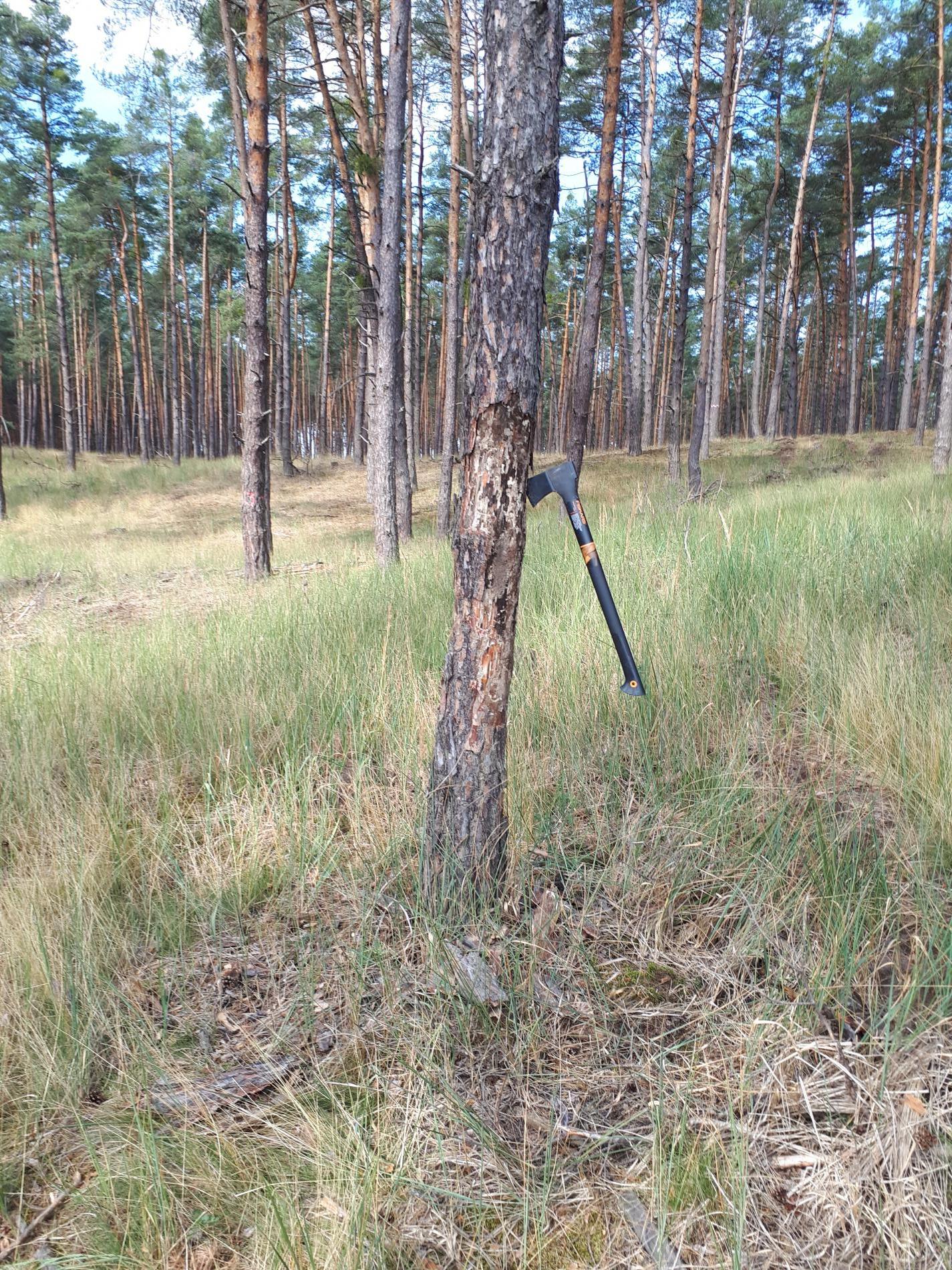
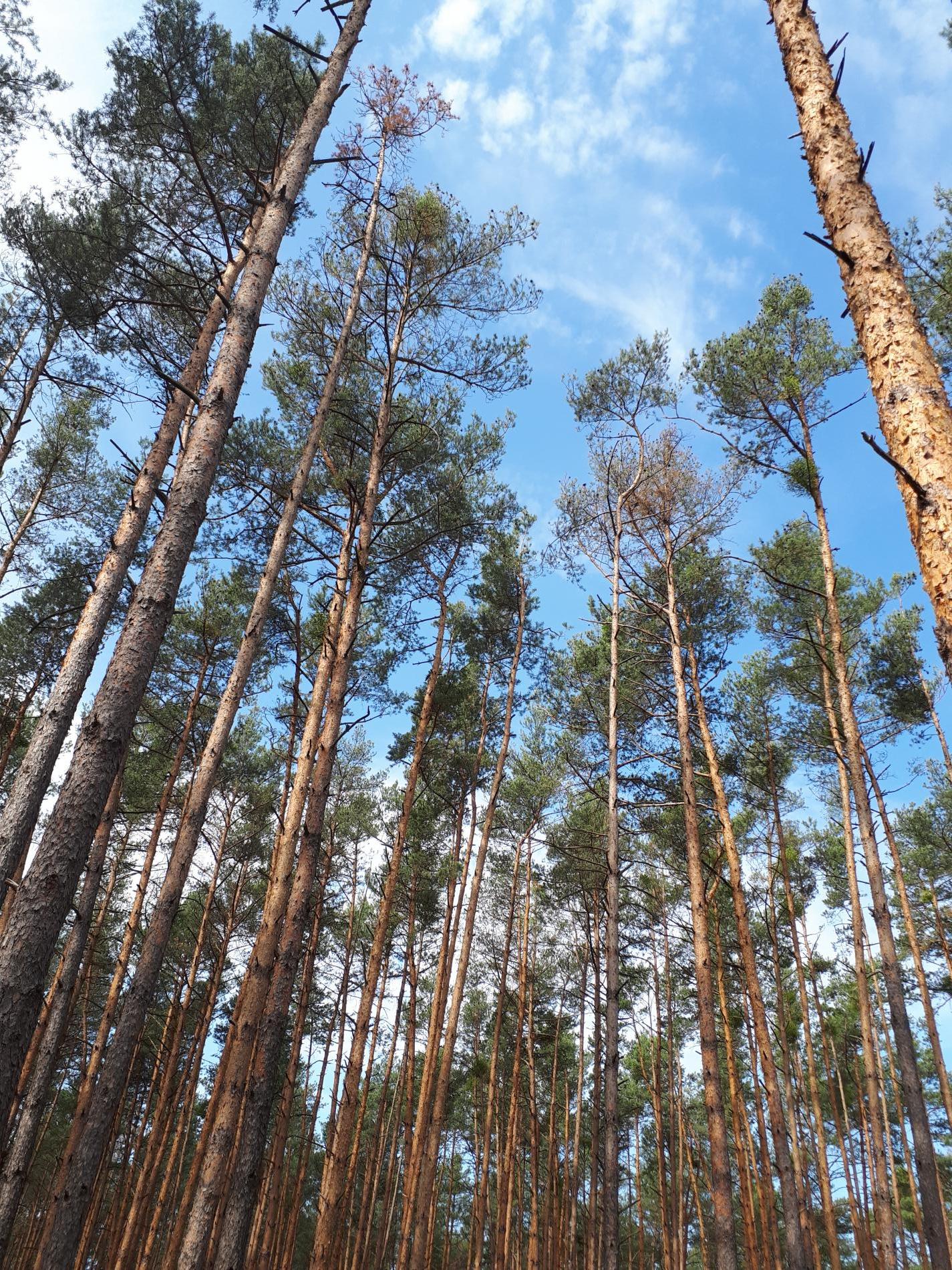
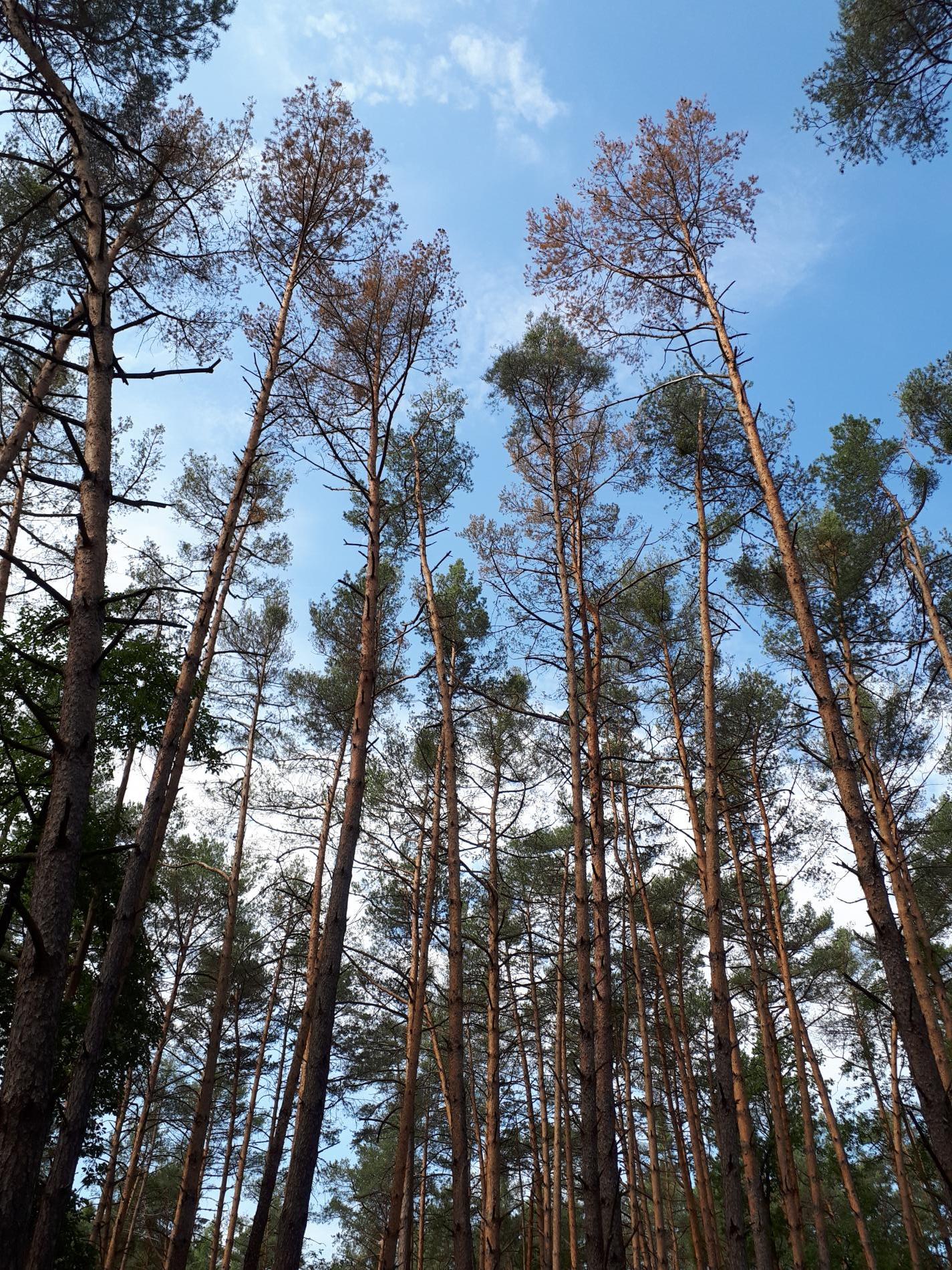
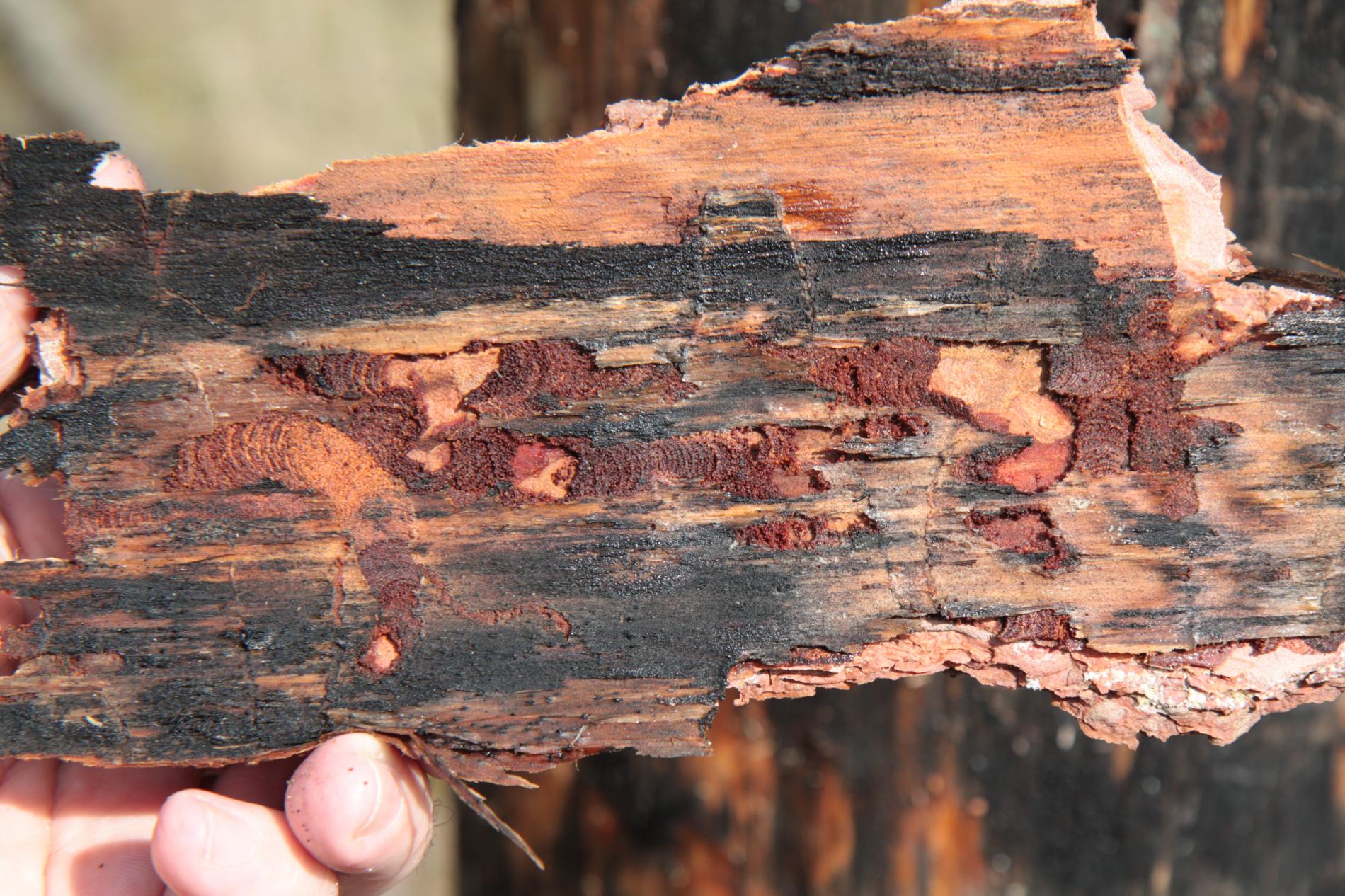
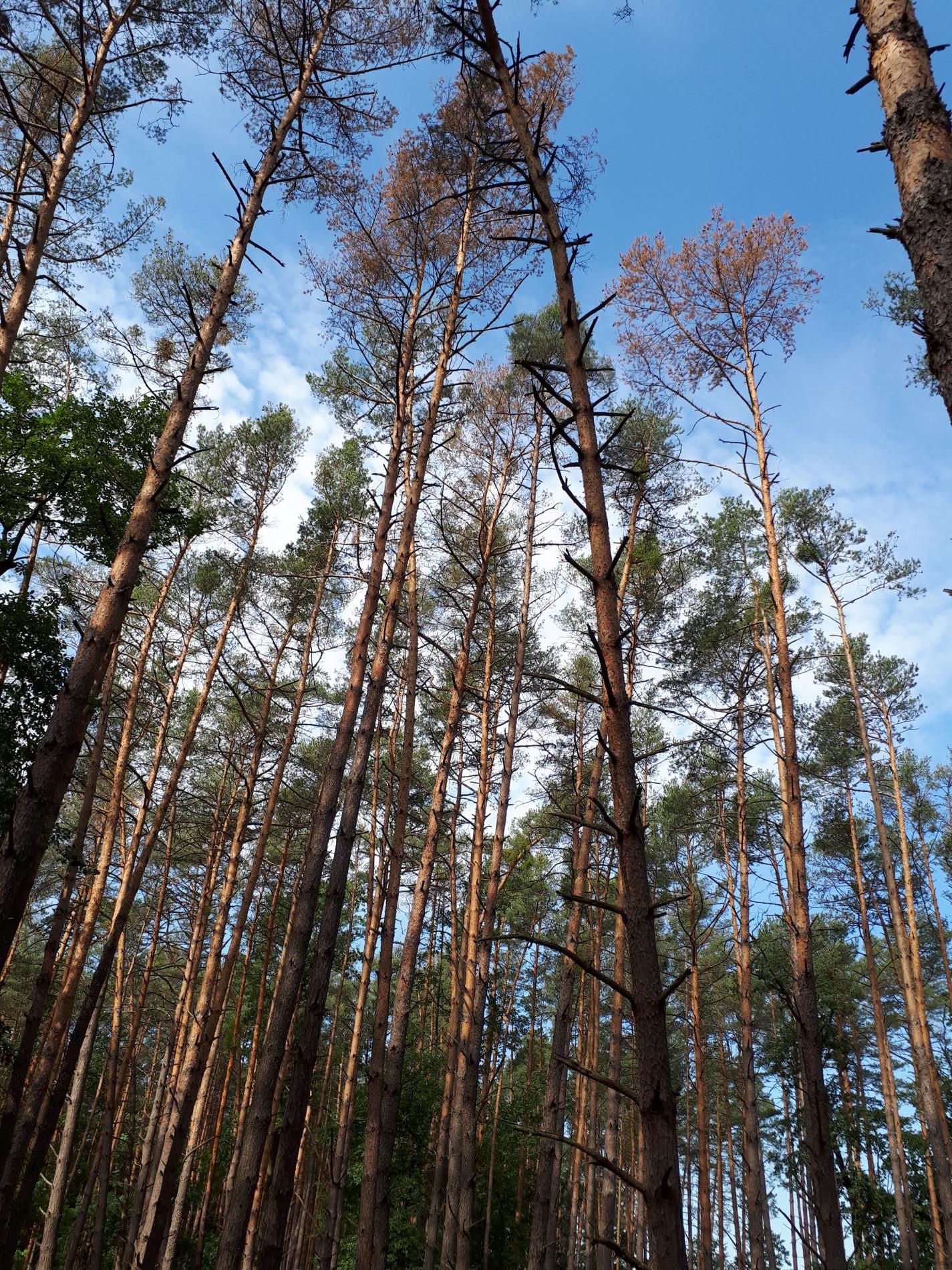
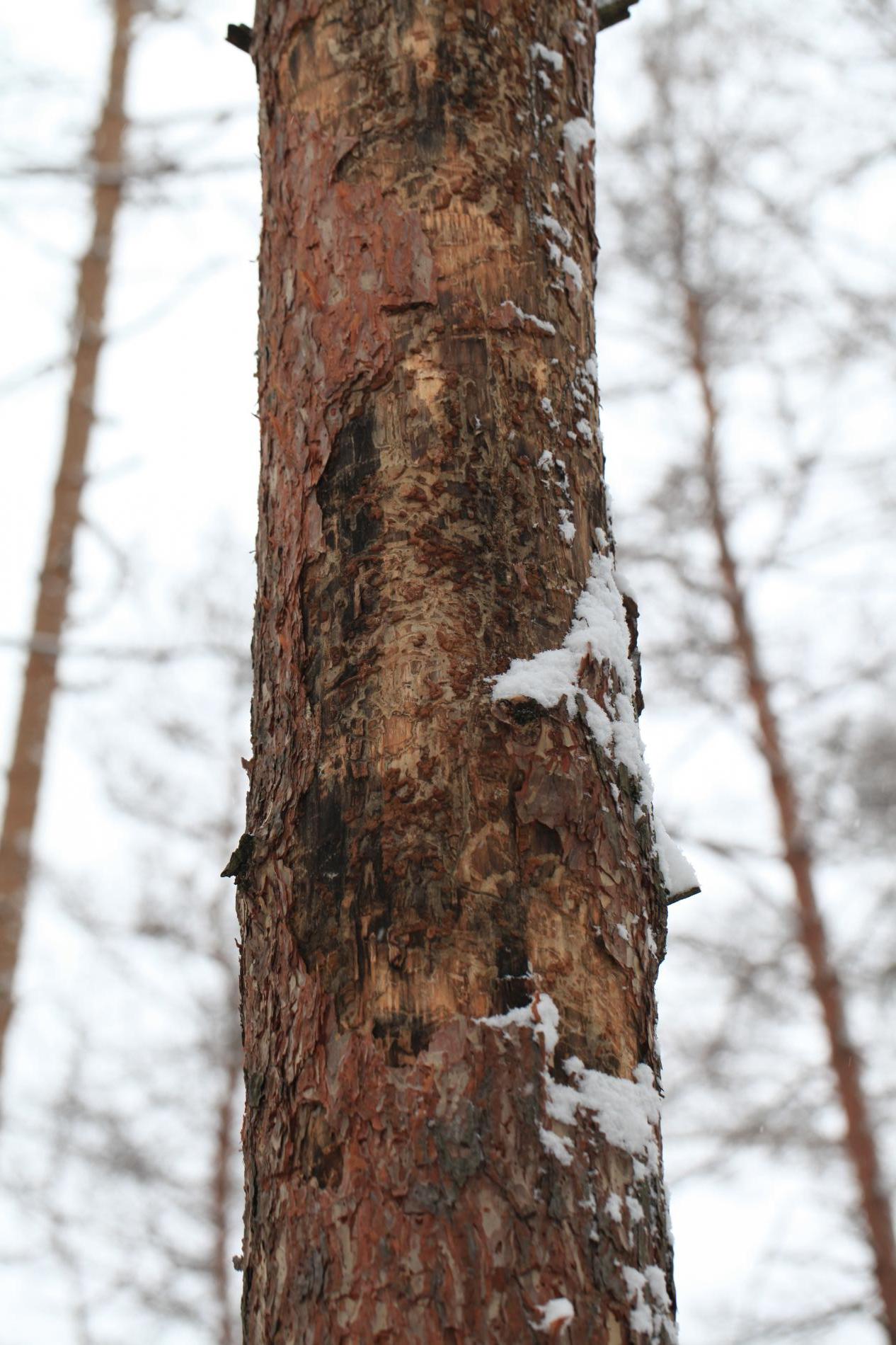
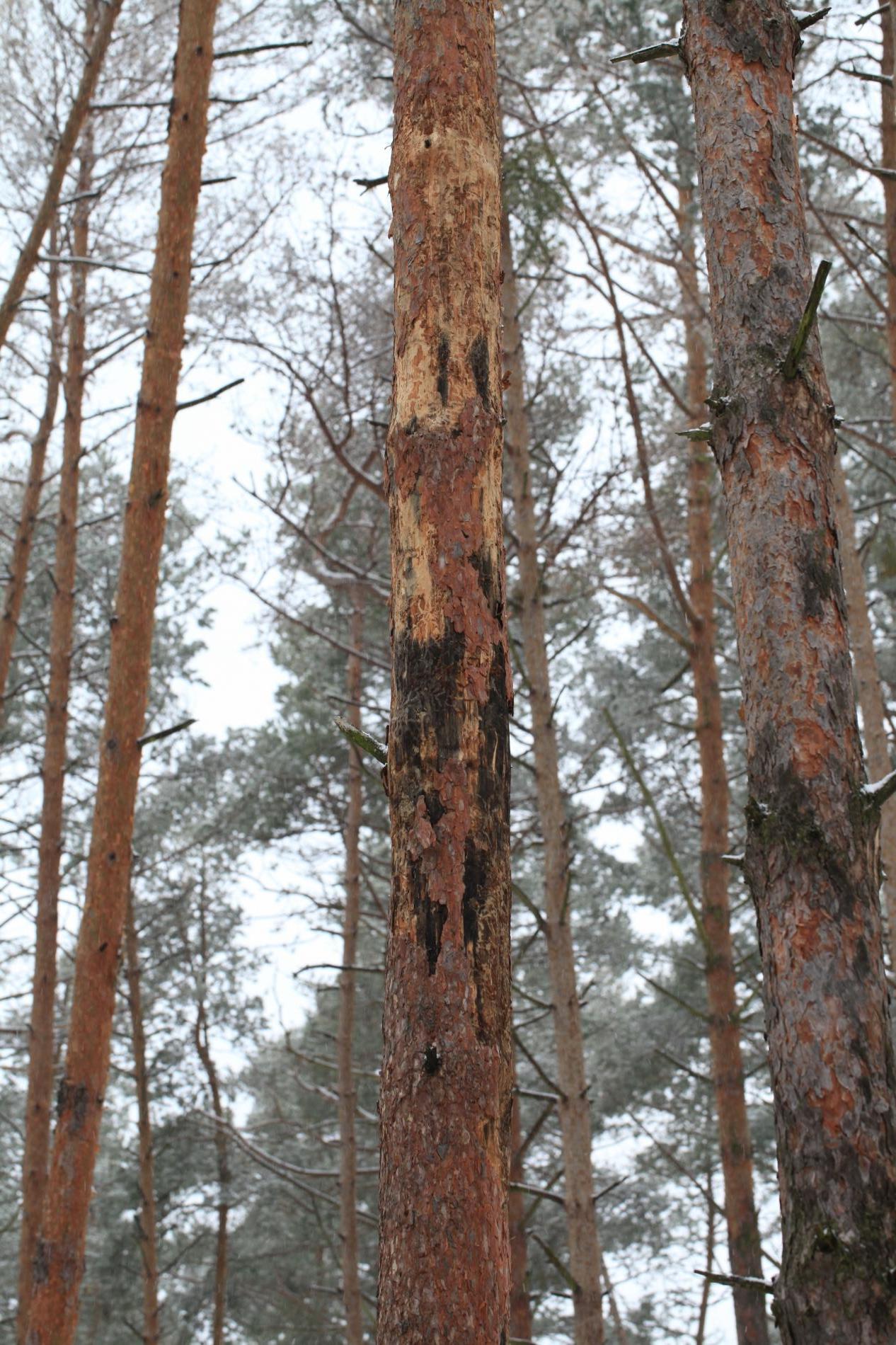
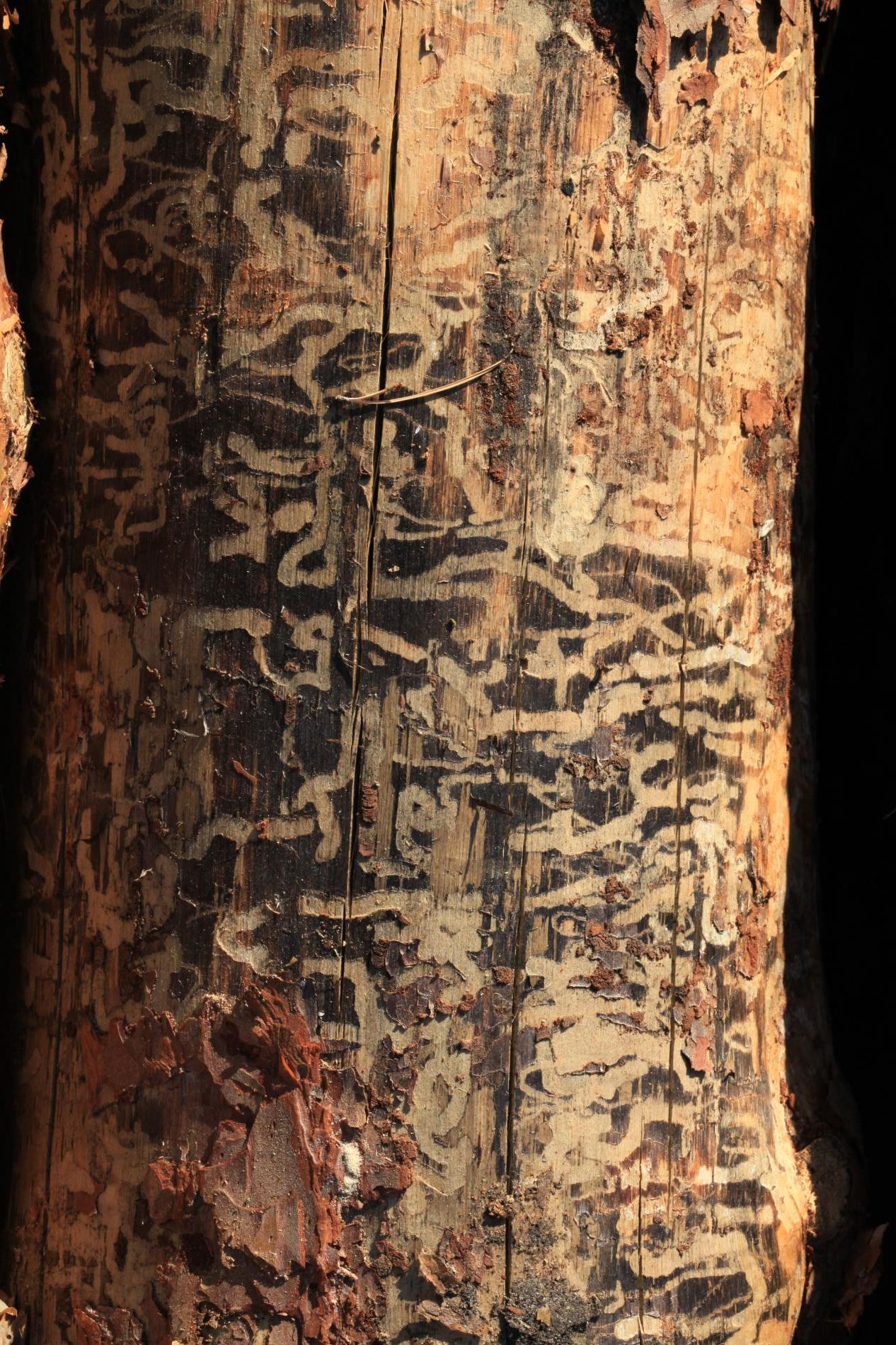
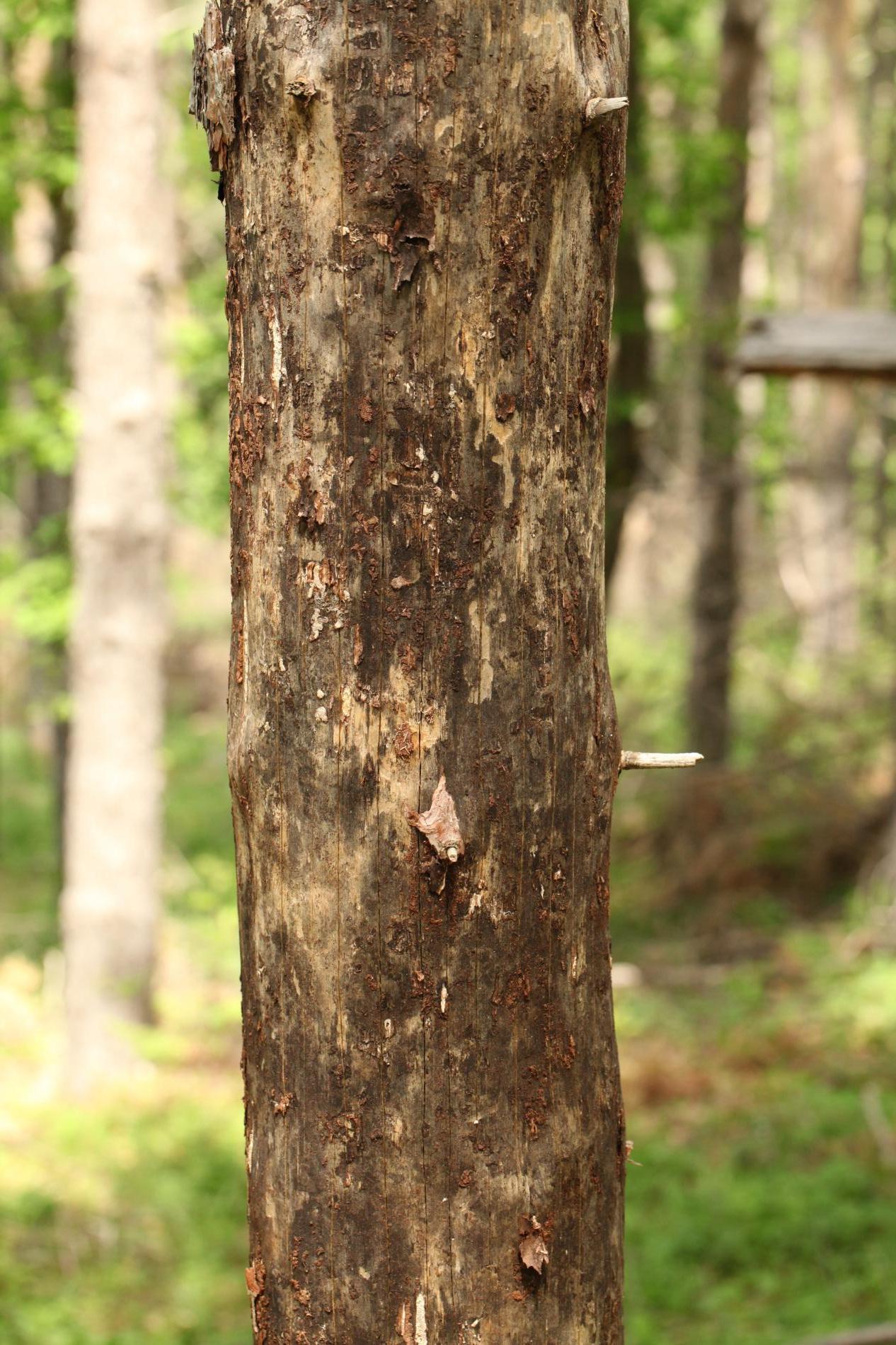
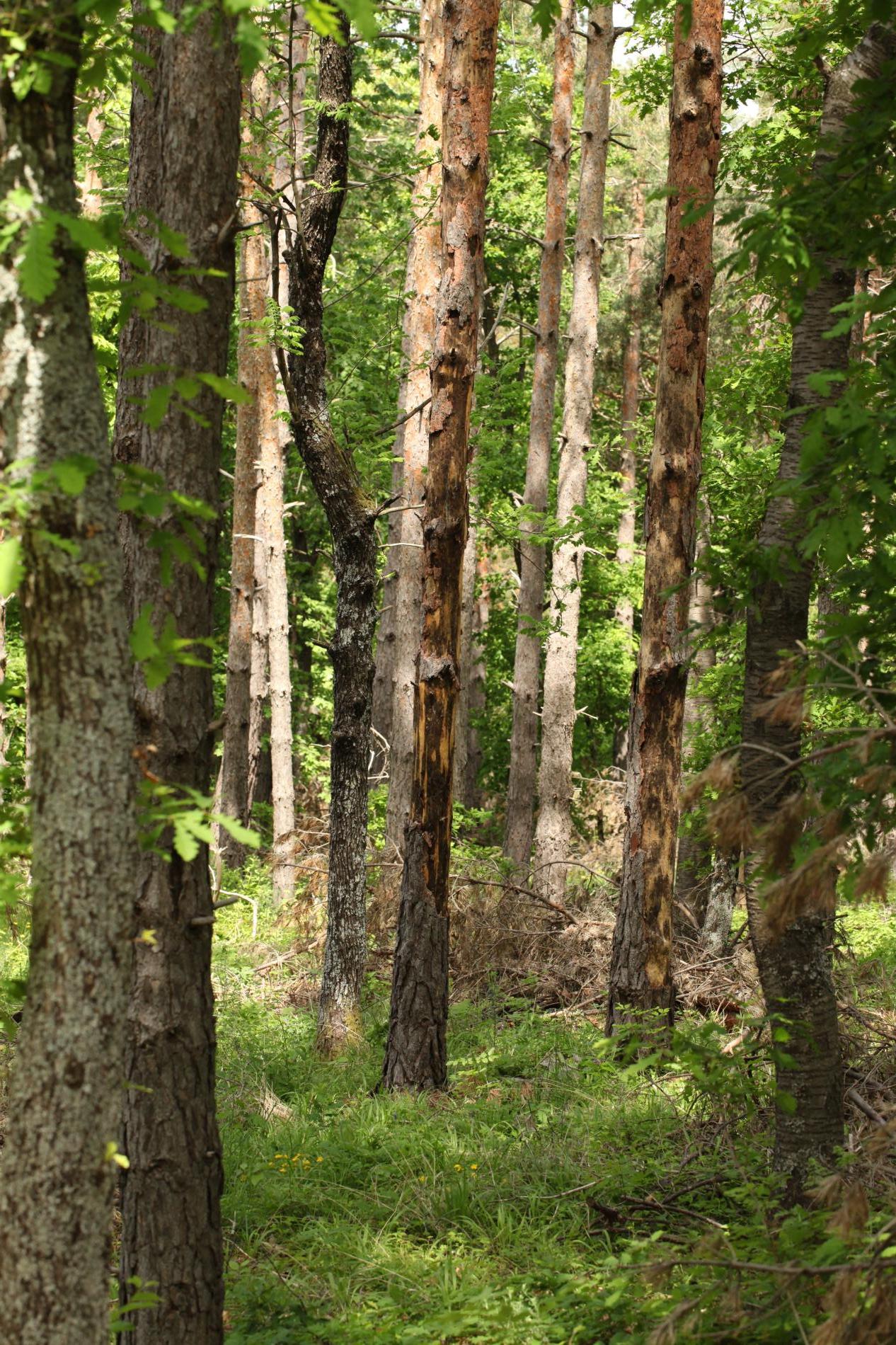
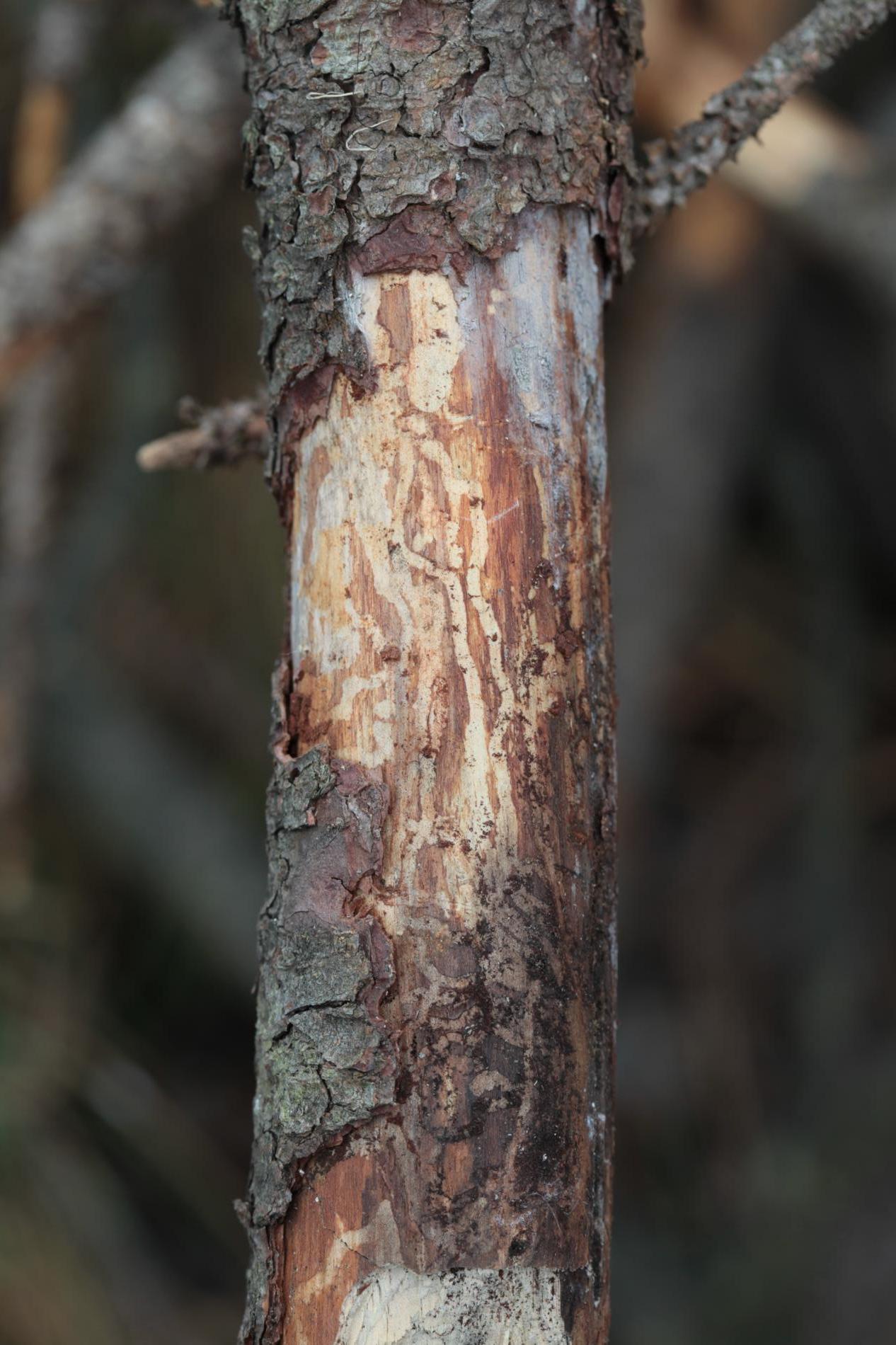
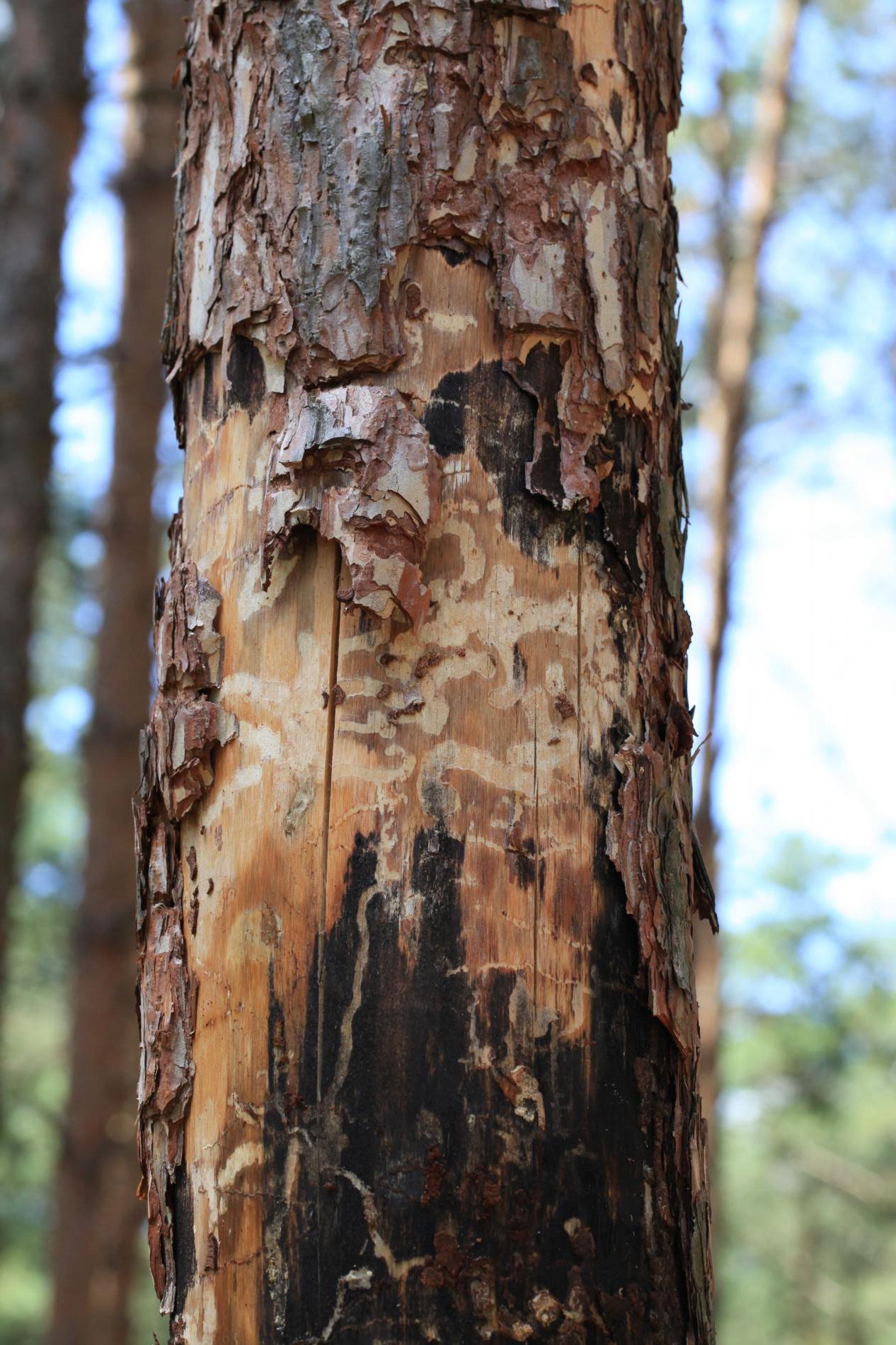
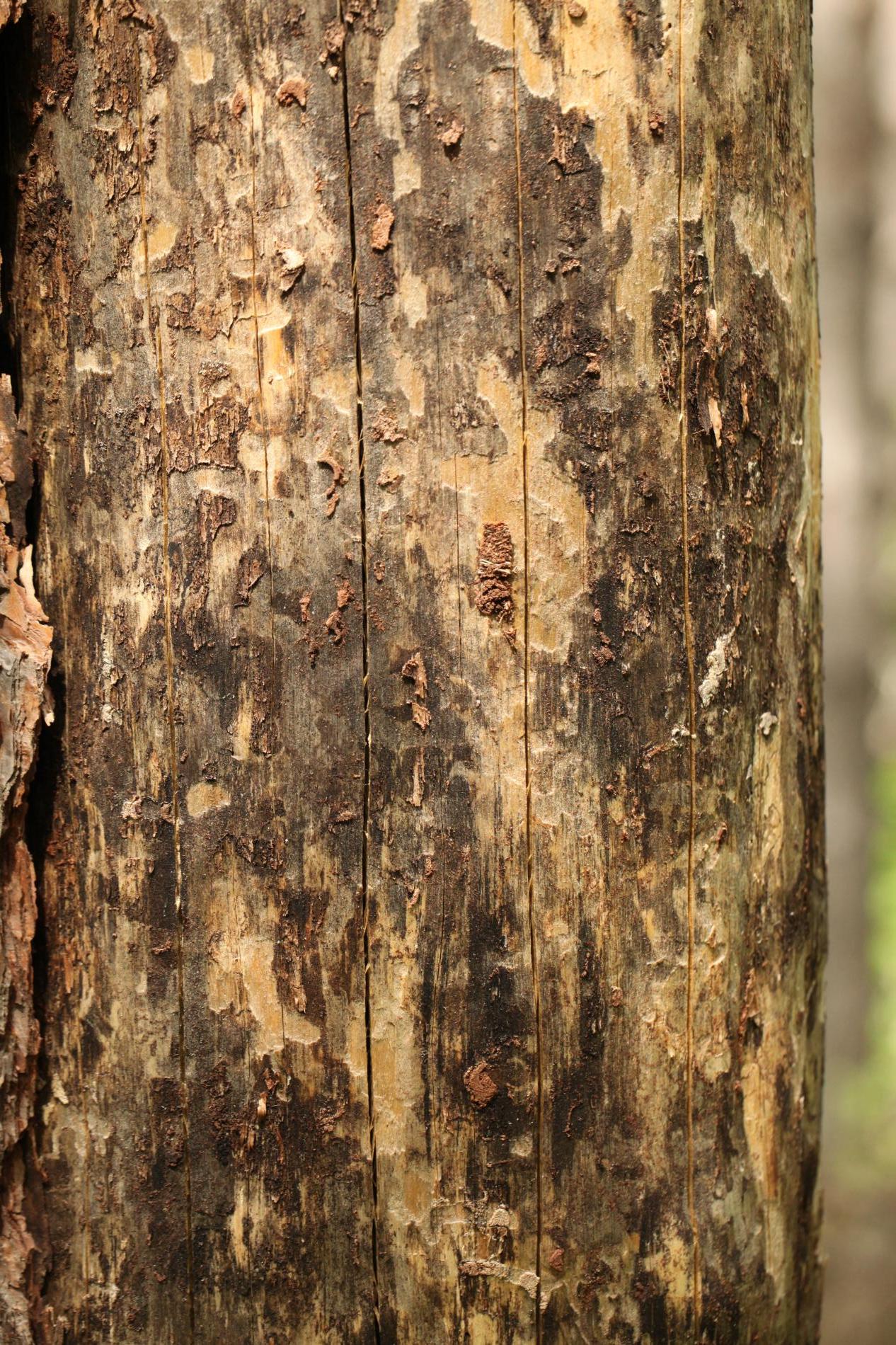
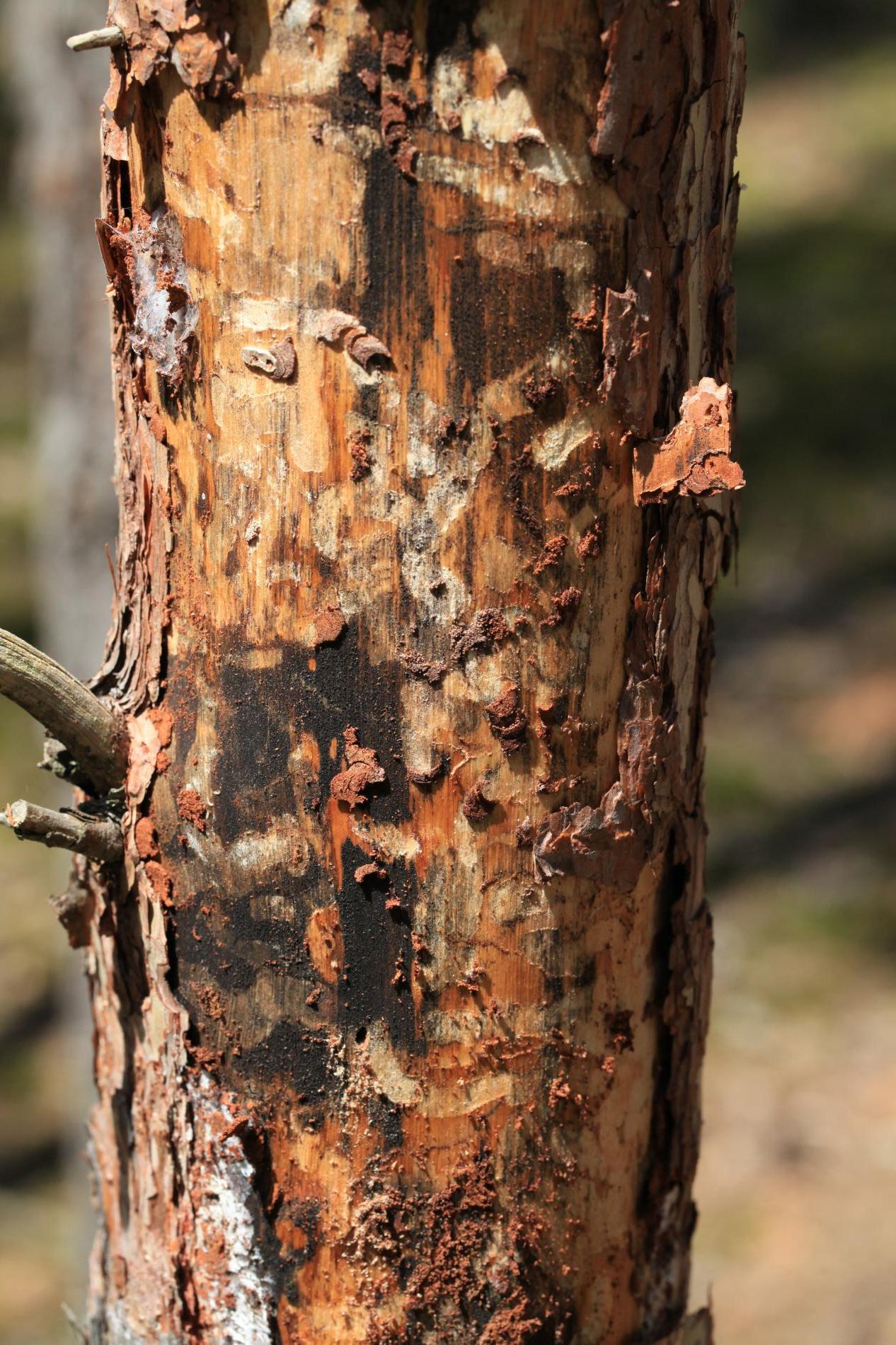
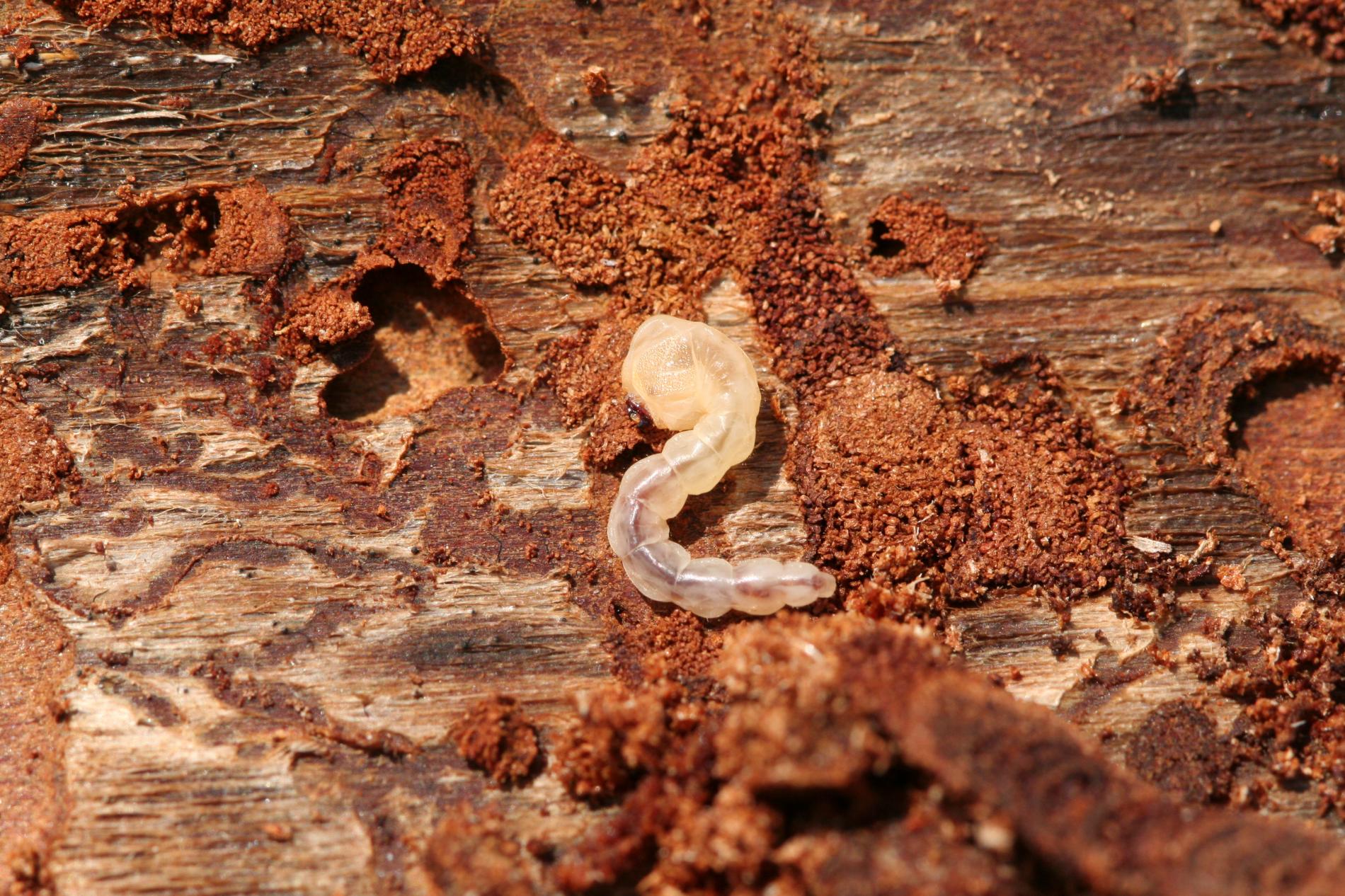
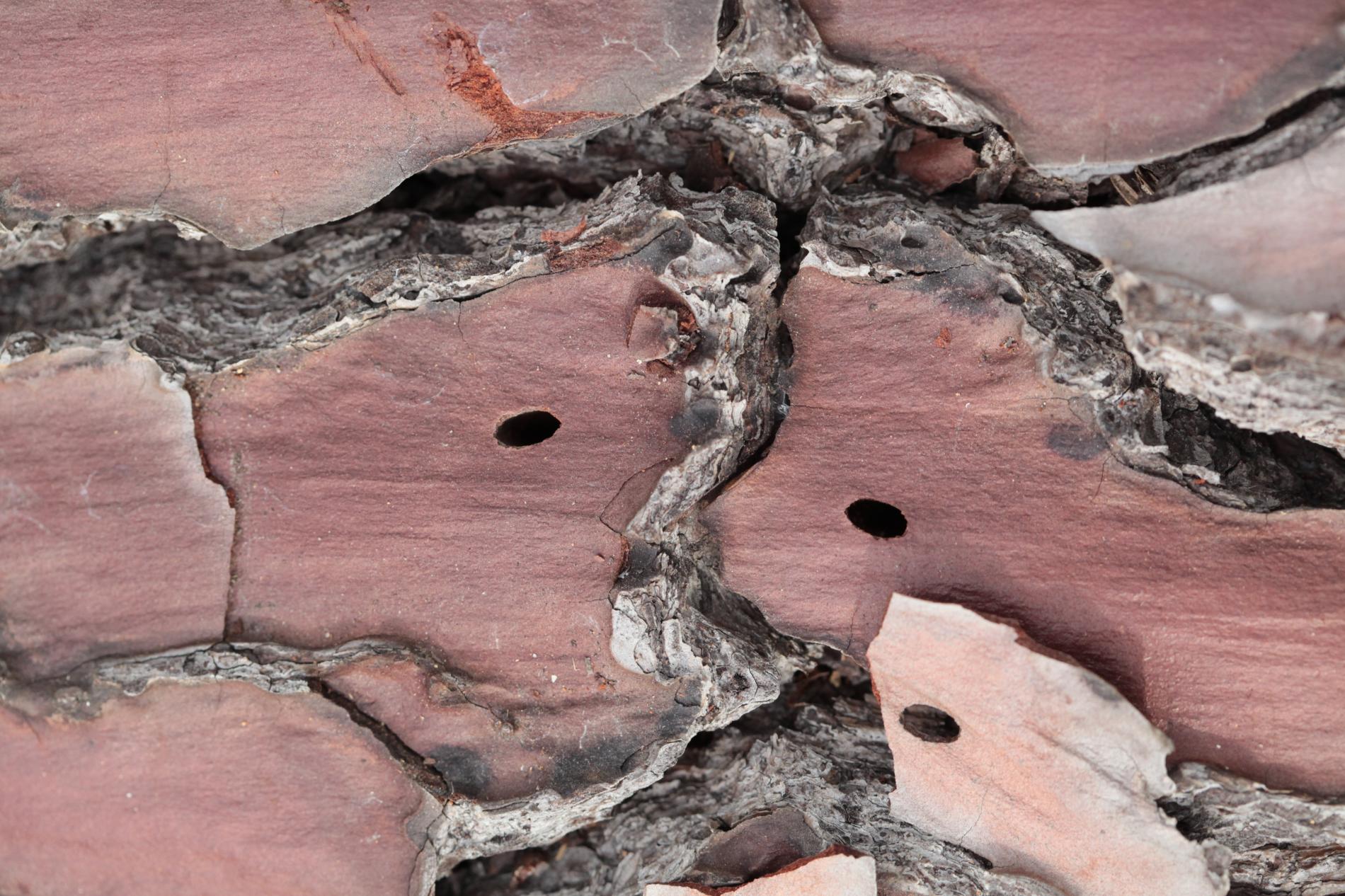
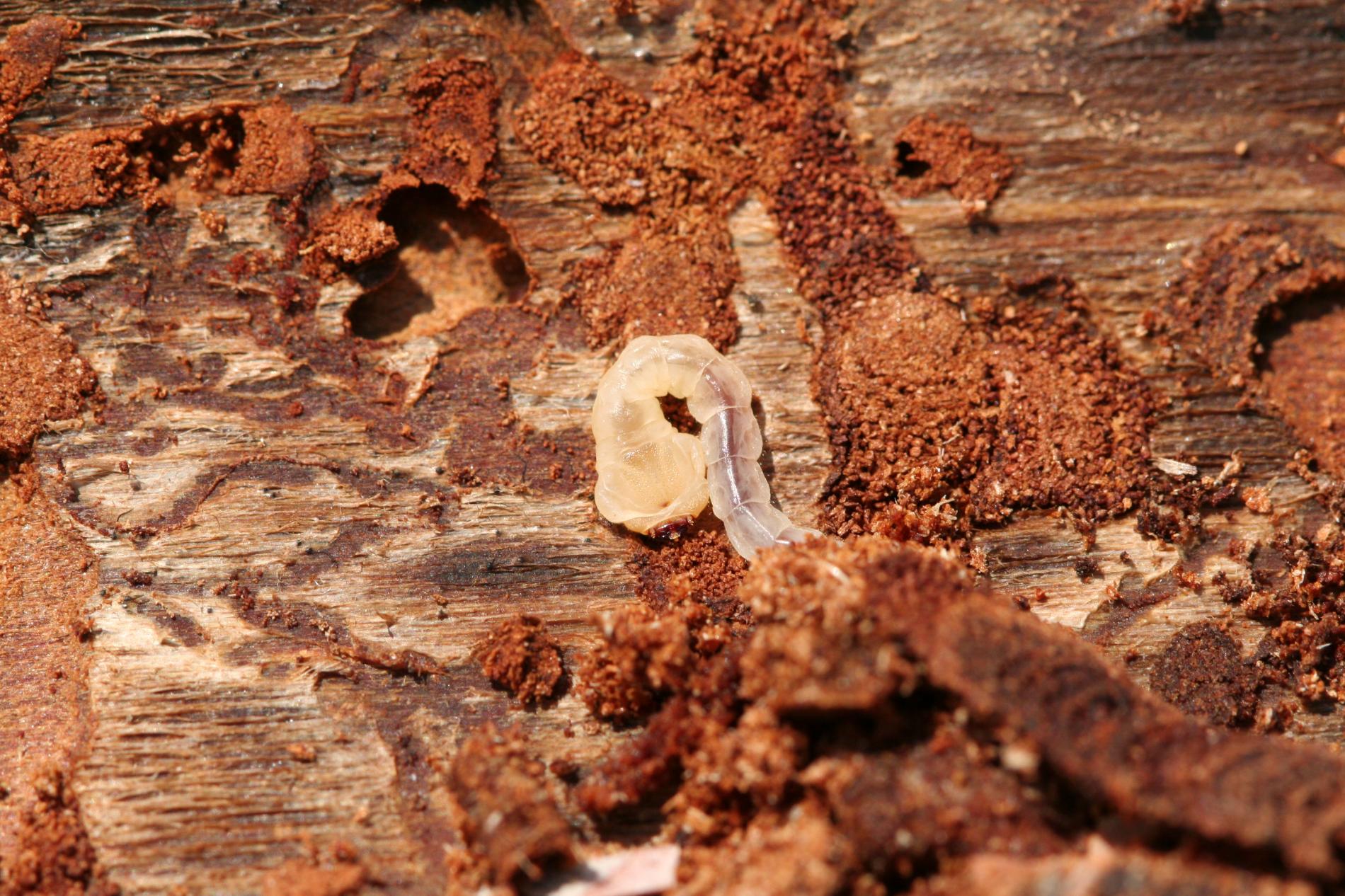
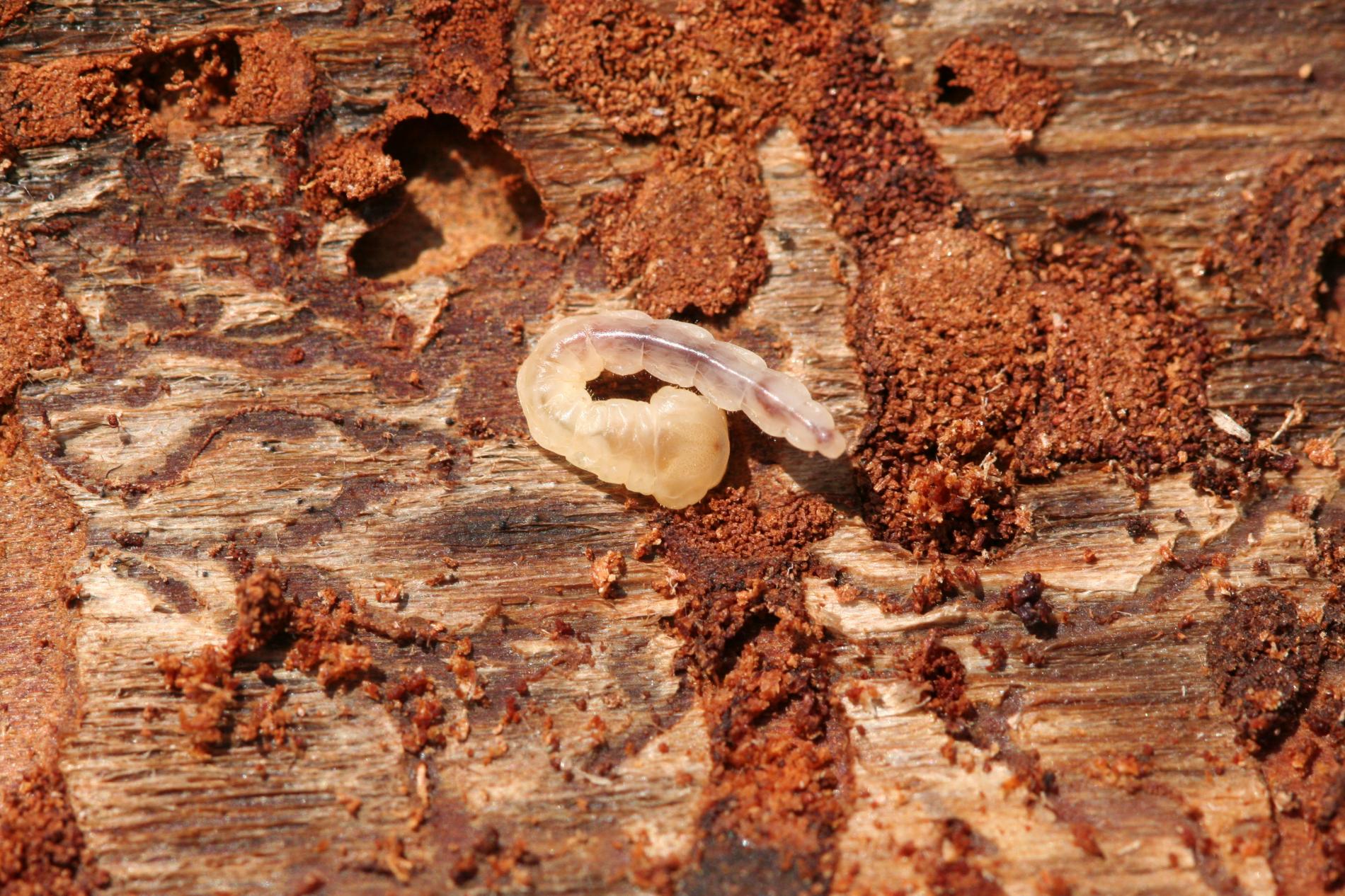
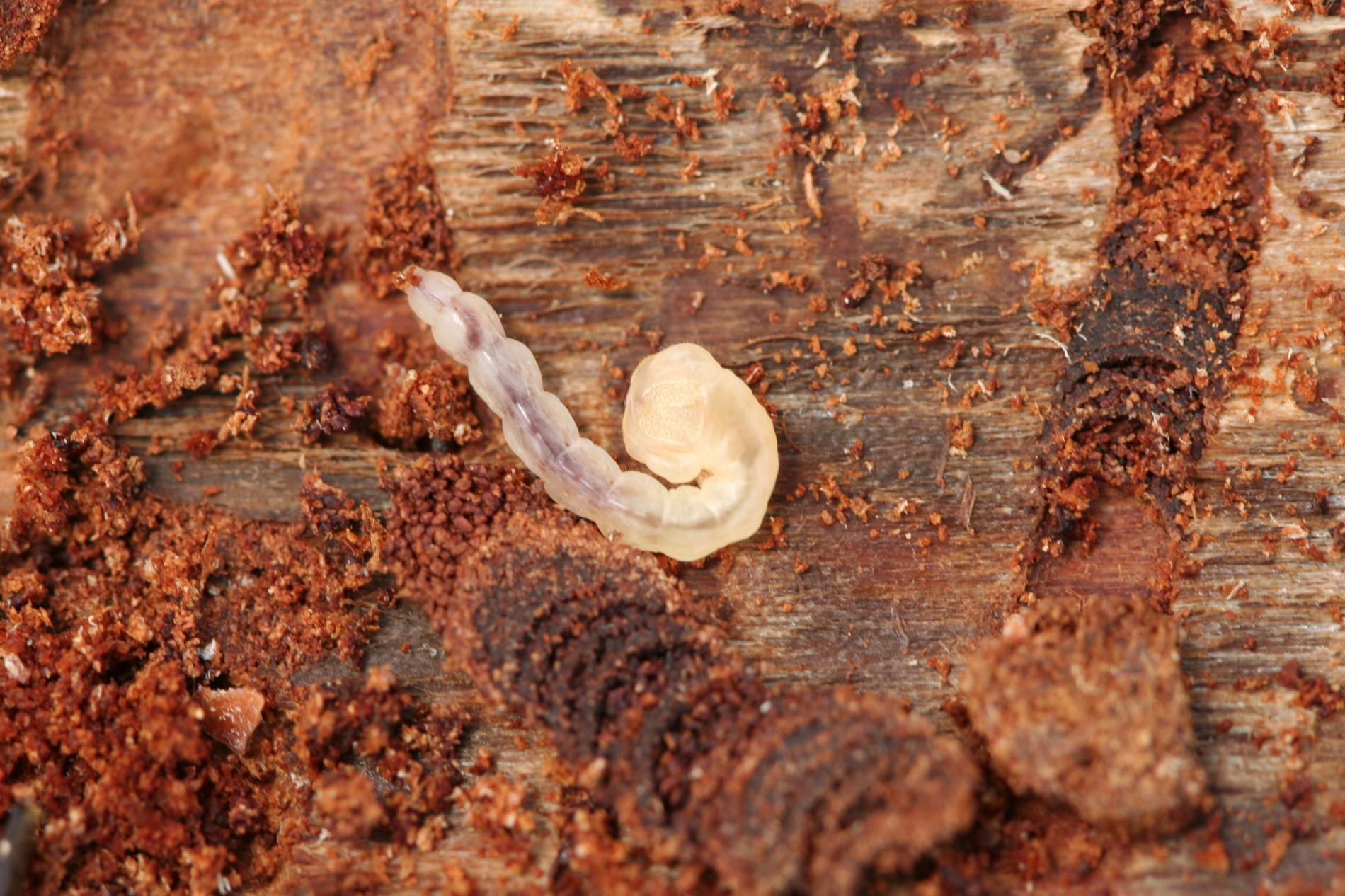
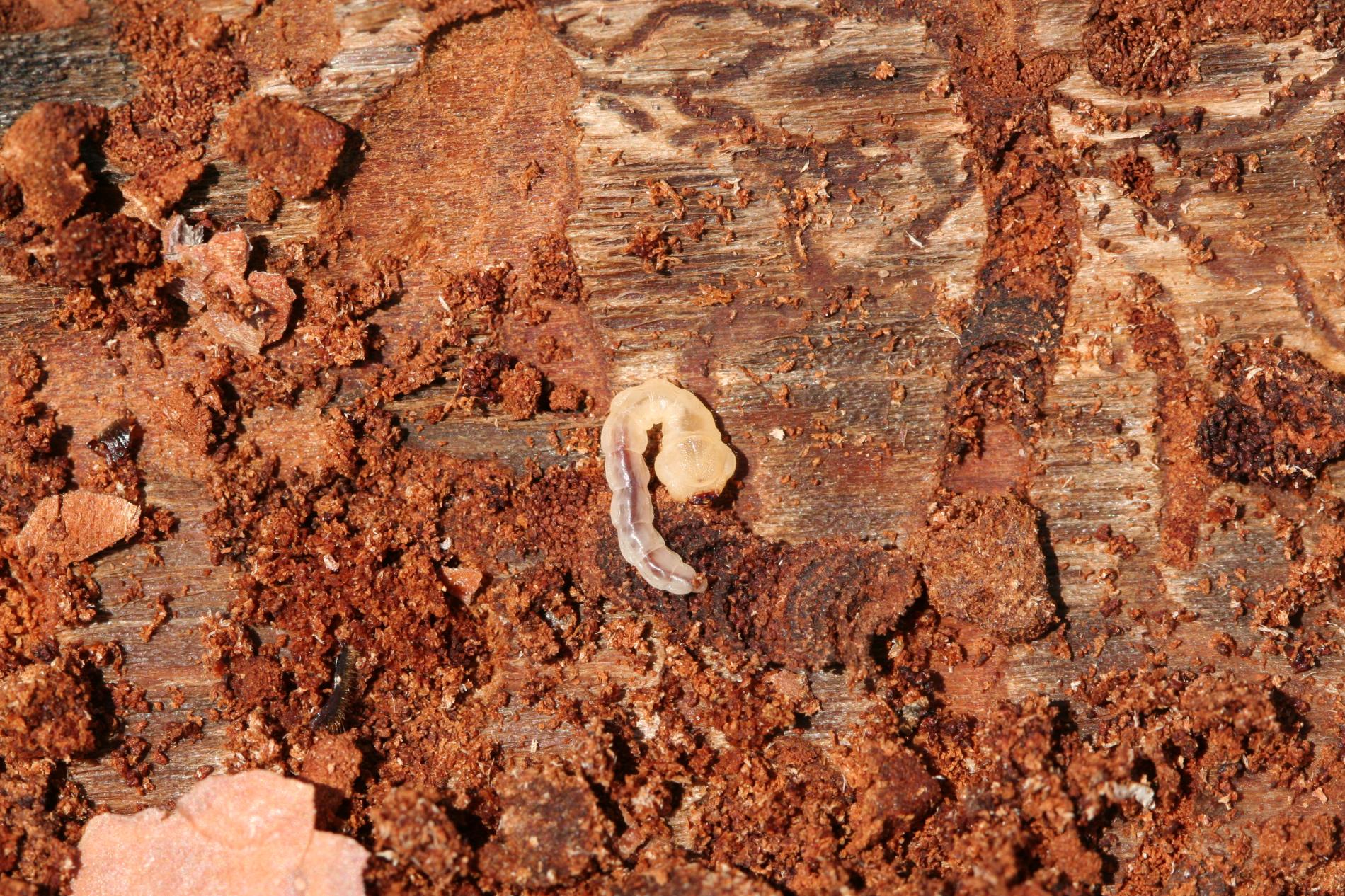
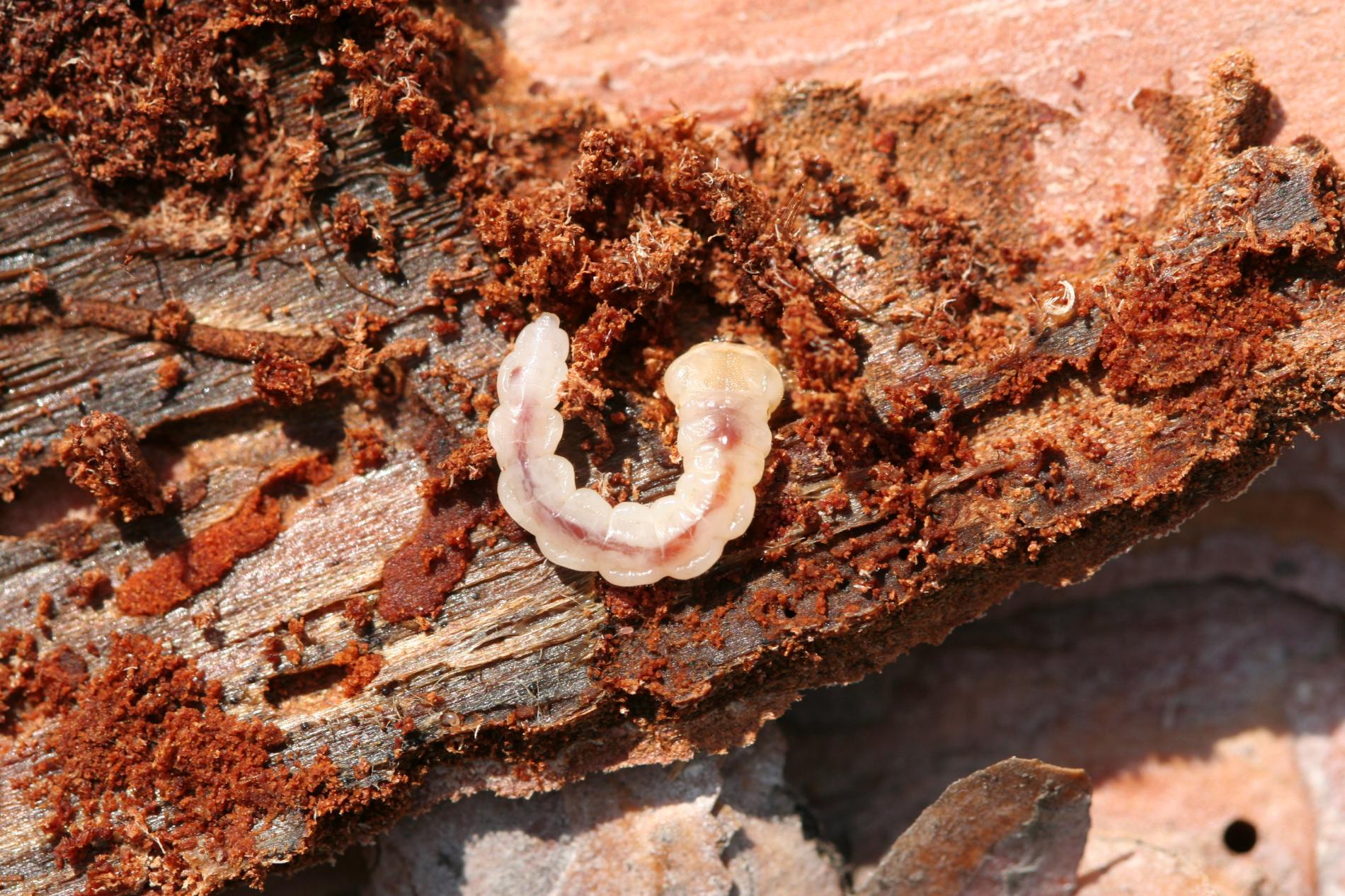
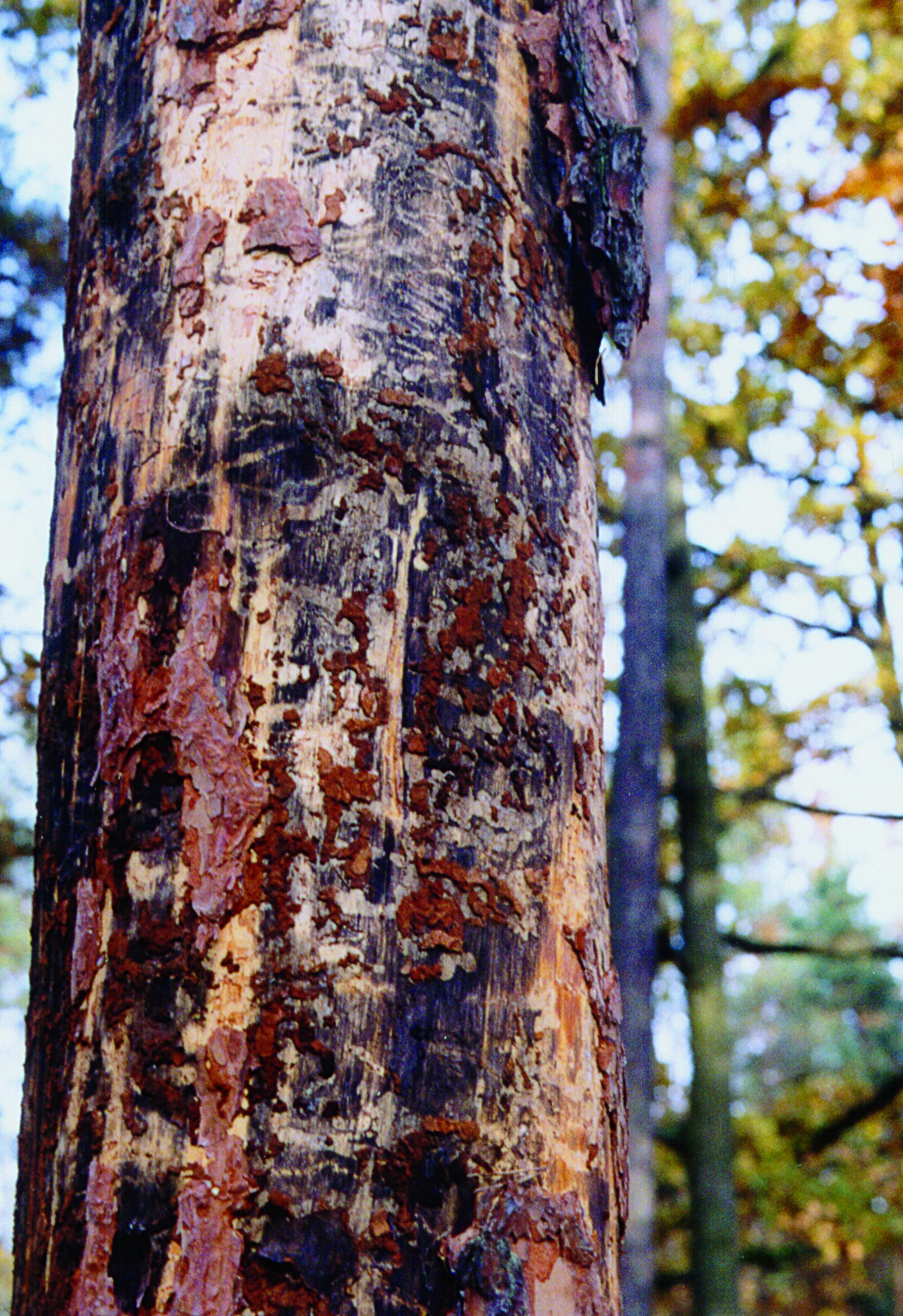
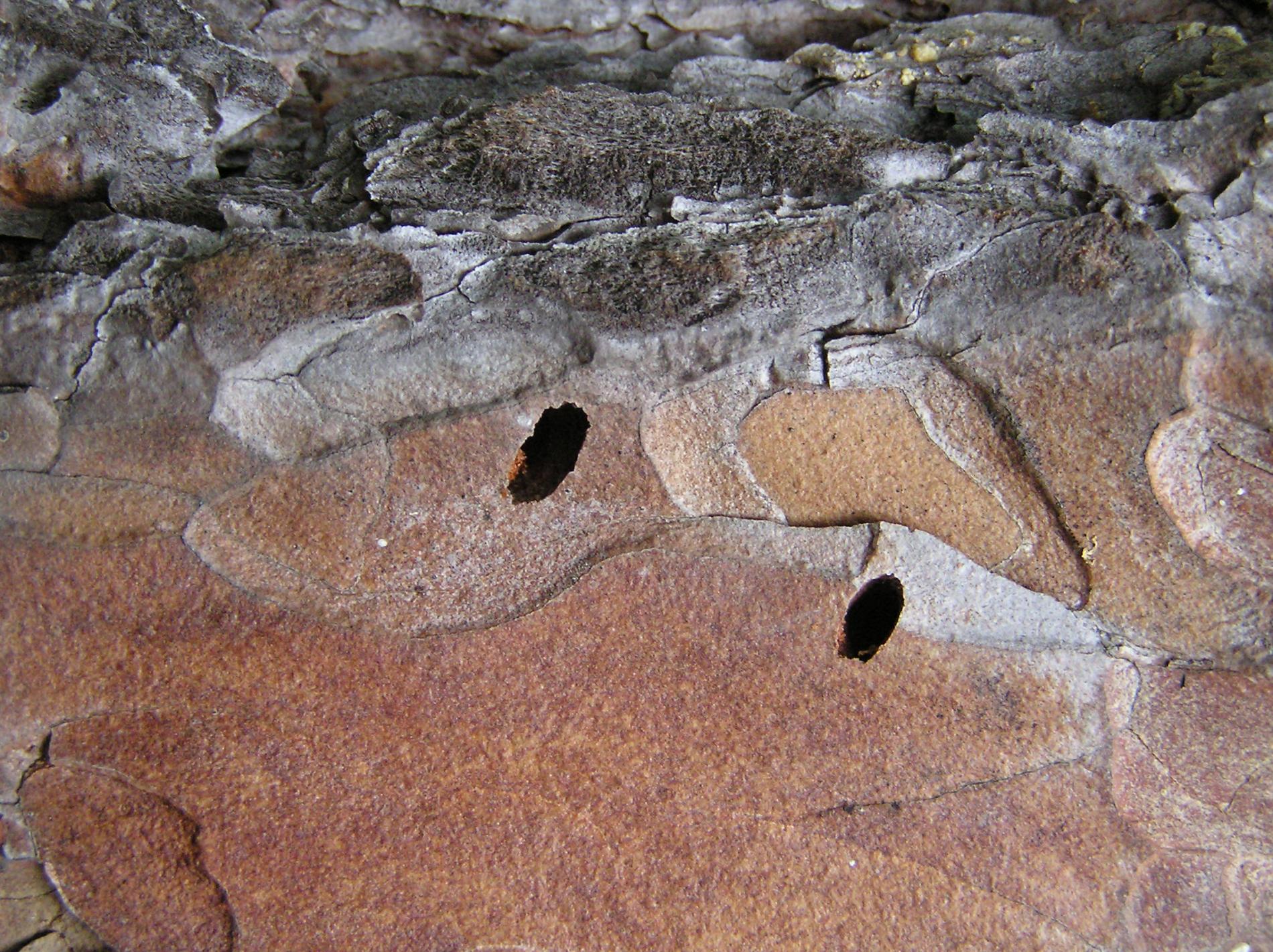
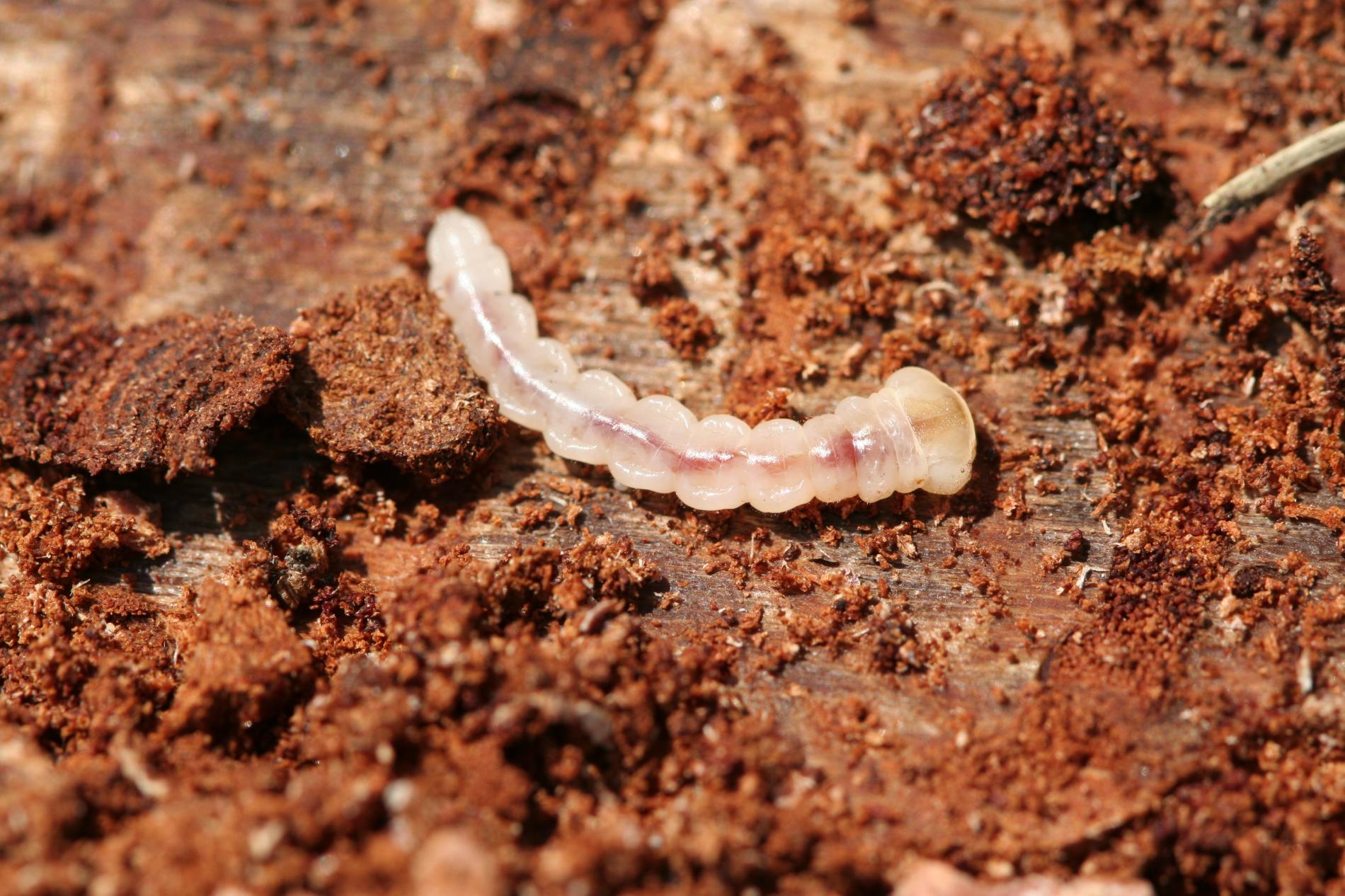
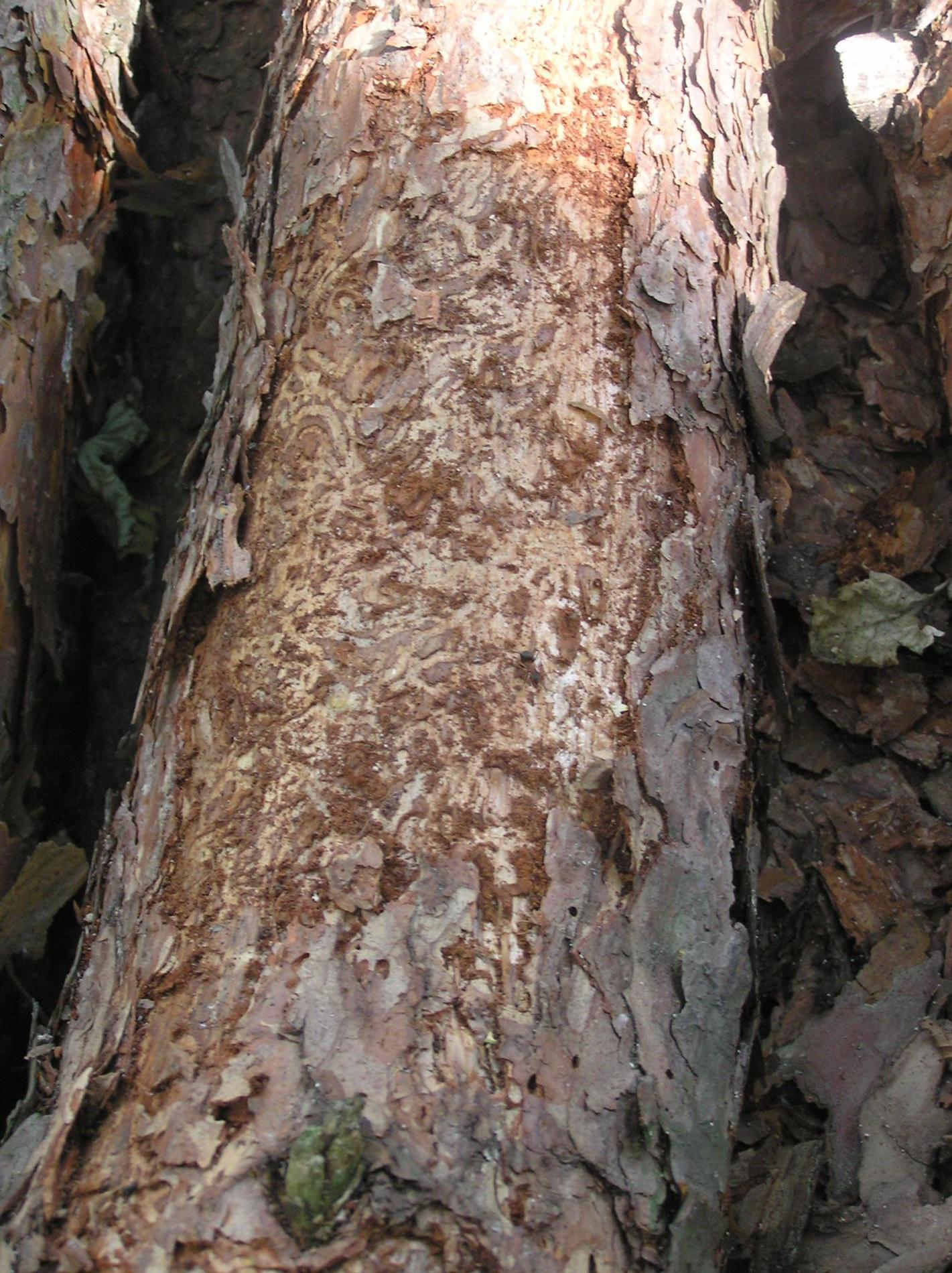
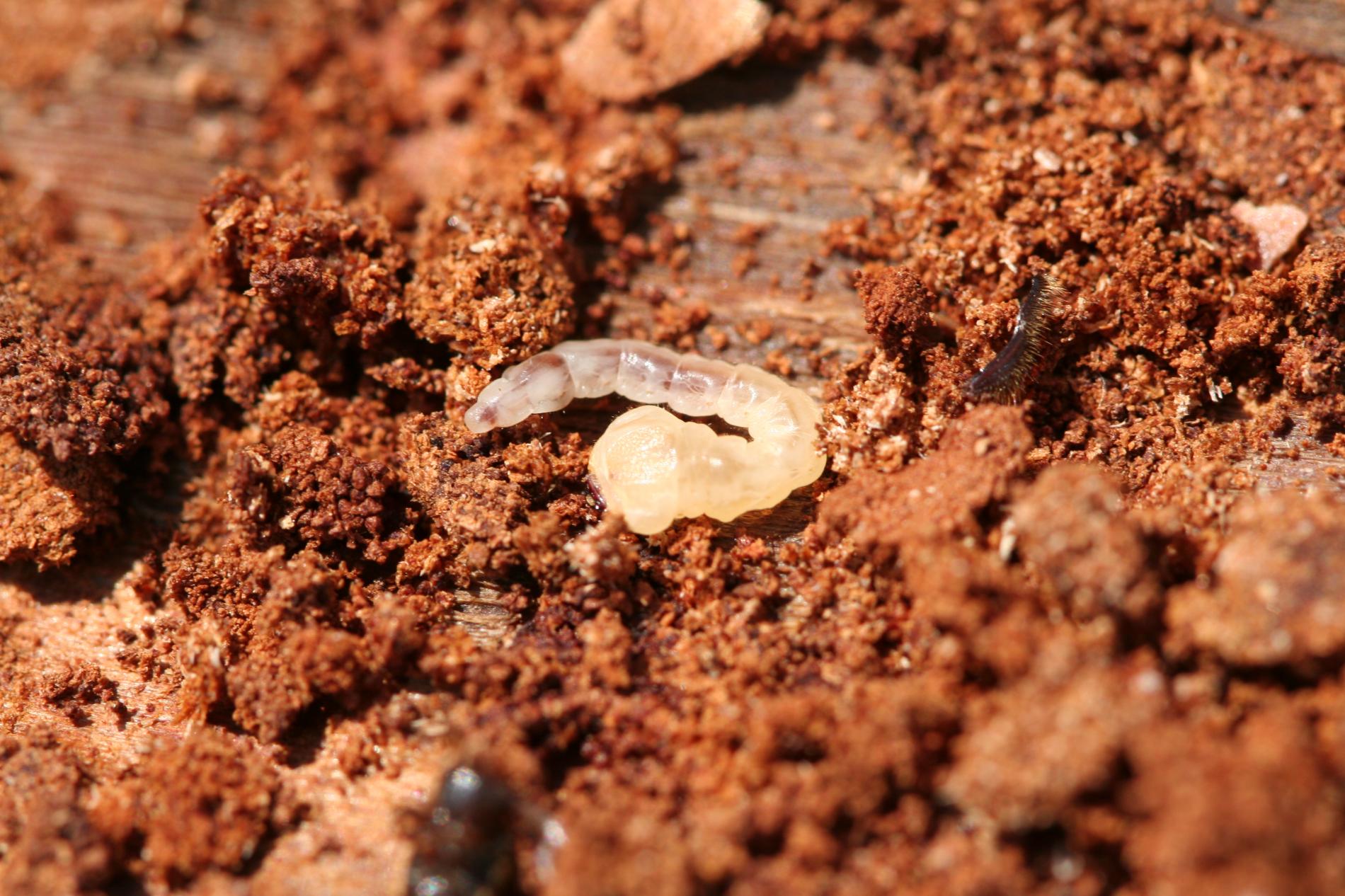
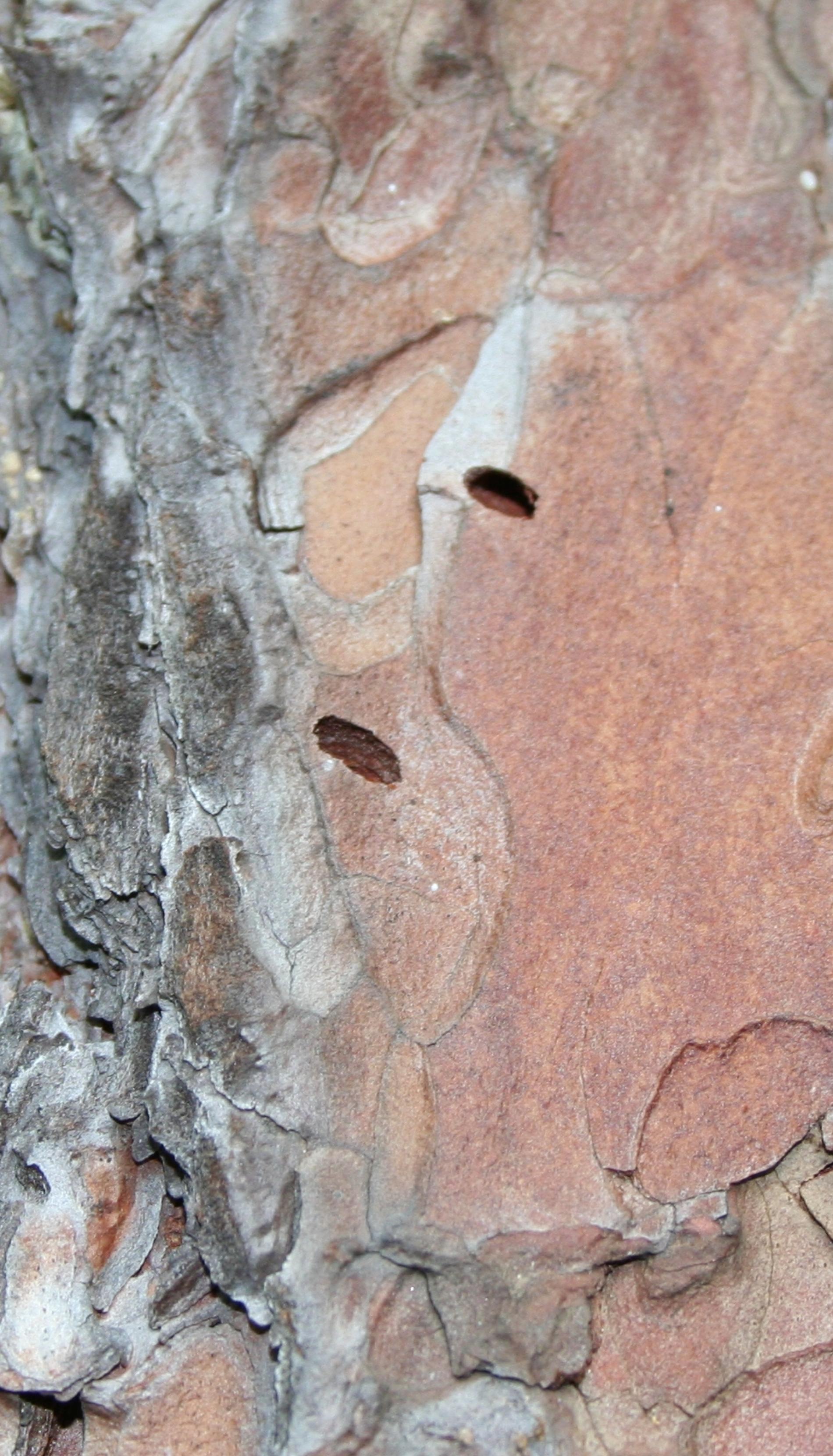
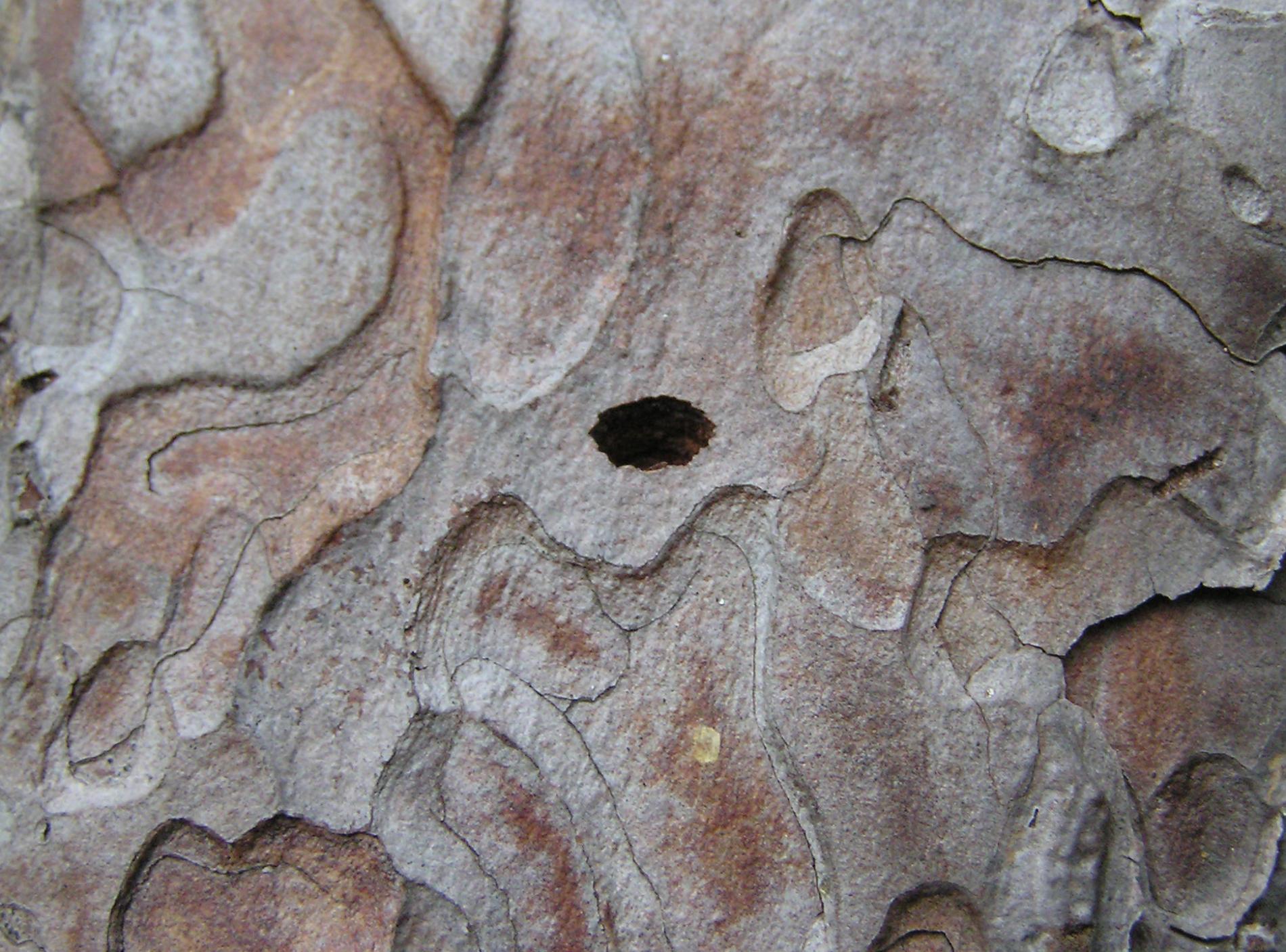
The adult is shiny blue, 8-11 mm in size. It swarms in July and August. The larvae overwinter in the bark. They continue in feeding in spring. They excavate characteristic galleries in phloem first, later also in sapwood. They pupate in rough bark (rhytidome). The exit holes are 6 x 3 in size. Feeding of metallic wood-boring beetle larvae on 40-60 year-old pine stands can result in sudden dieback of trees. The bark falls off the trunks, while the trees still have fully or at least partially green crowns. The dangerous species which can cause dieback of large groups of trees.
Common species. Galleries under the bark. The D-shape exit holes are 6 x 3 in size.
Tree Species: Pine
Part of a plant- attacked: Tree trunk
Pest significance: Very harmful
Pest Category: Insects
Invasive Species: No
Present in EU: Yes
Pest group: Insect
Affected part of wood: Sapwood
Depth of damages: Bark, Under bark only, Up to 0,5 cm depth, Up to 2 cm depth, Up to 5 cm depth
The extent of damage: Whole trunk
Prevalence in Europe: Very common
Damaged products: Firewood, Fresh timber logs (water still in the sapwood), Furniture, Lumber, boards and prisms, Wooden house constructions
Roundwood size: Diameter from 10 up to 50 cm, Diameter up to 10 cm
Wood discoloration: Yes
Exit holes: Oval
Pest subcategory: Bark and underbark insect, Wood-boring insect
Similar pests

Tomicus piniperda

Ips sexdentatus
