


Perenniporia fraxinea
Fungus Perenniporia fraxinea
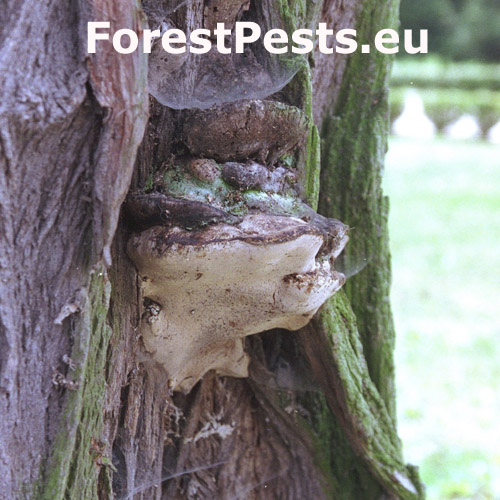
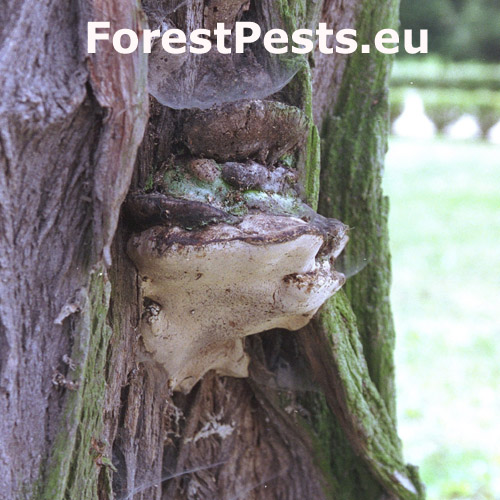
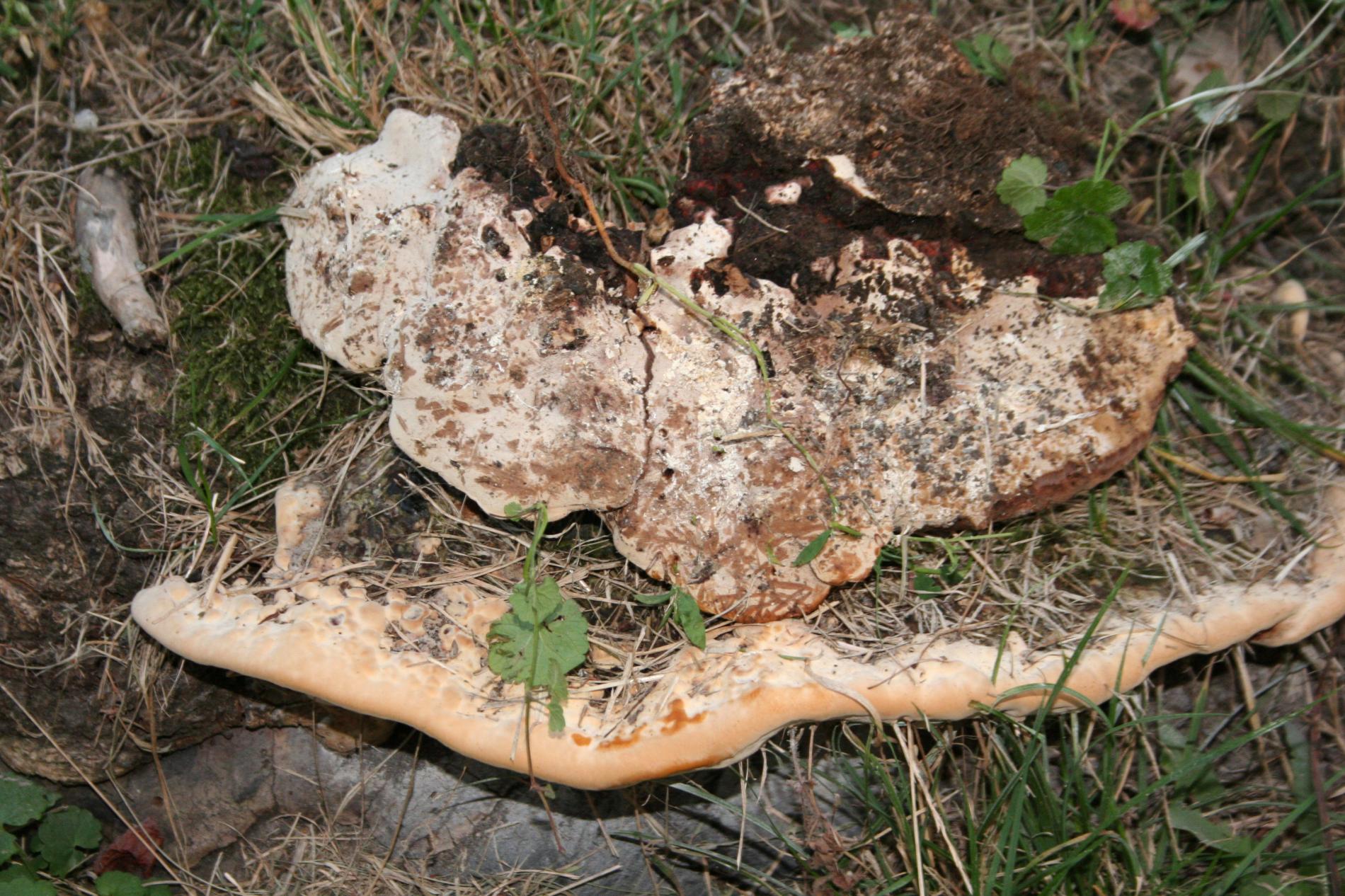
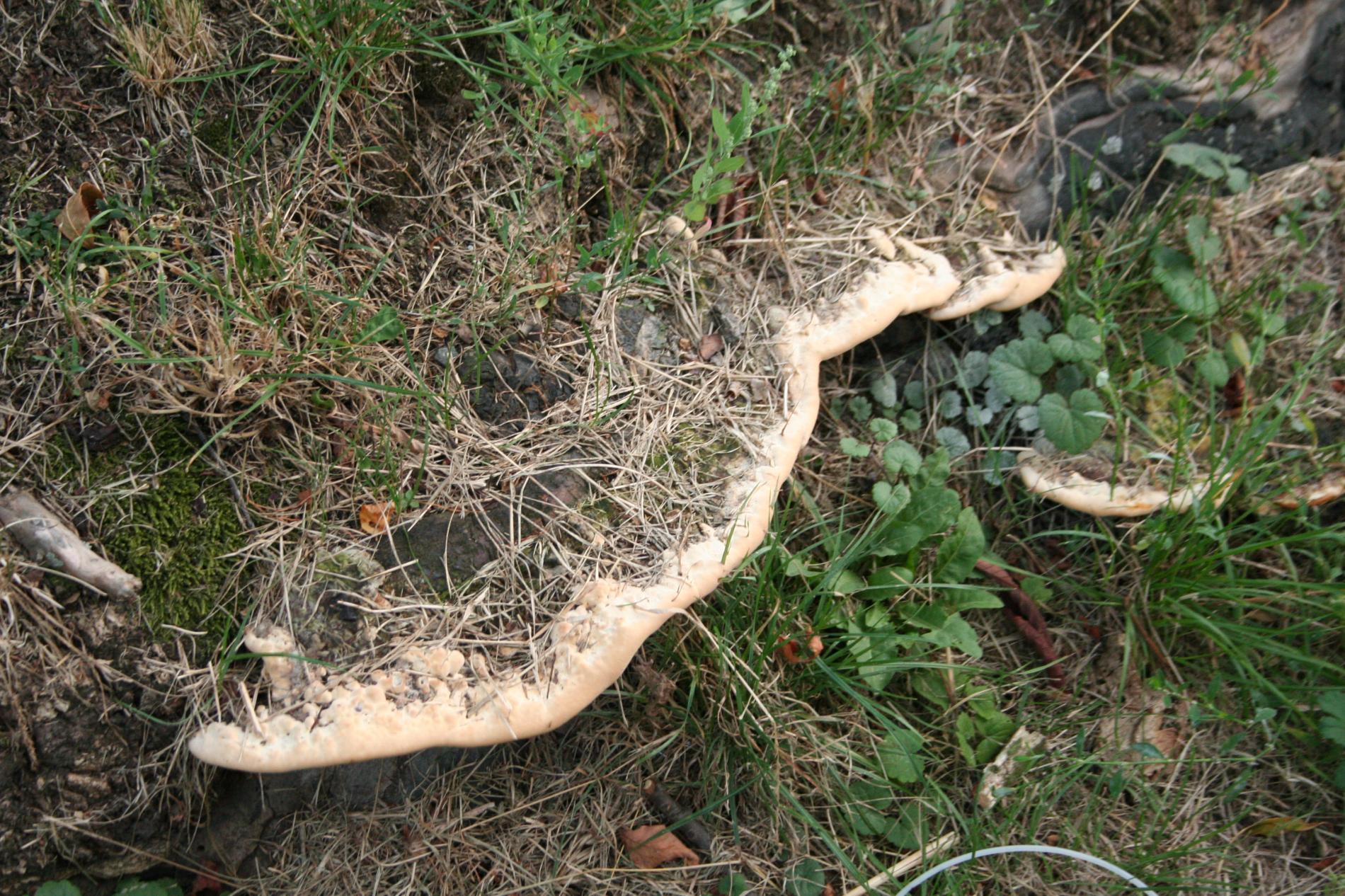
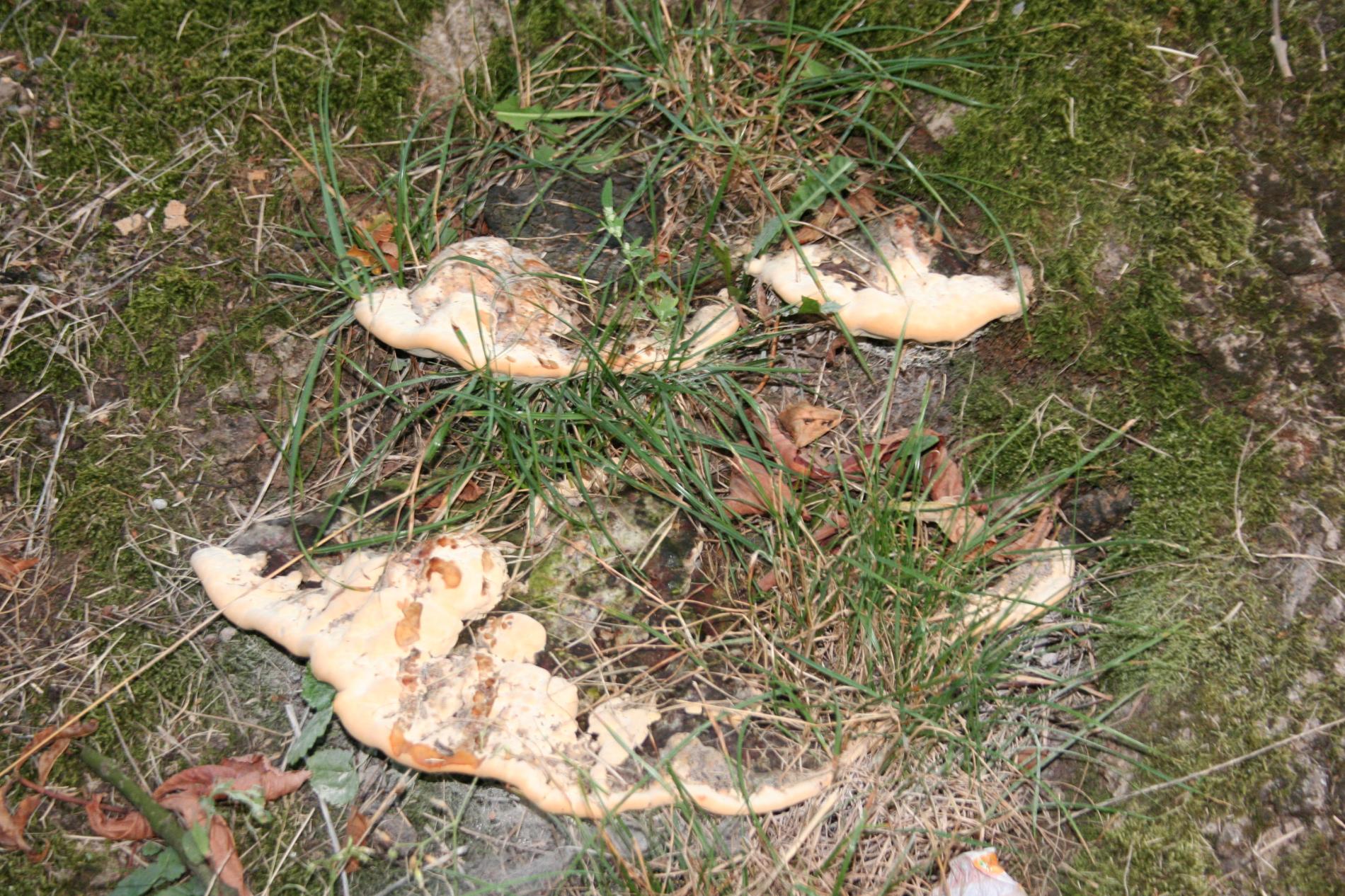
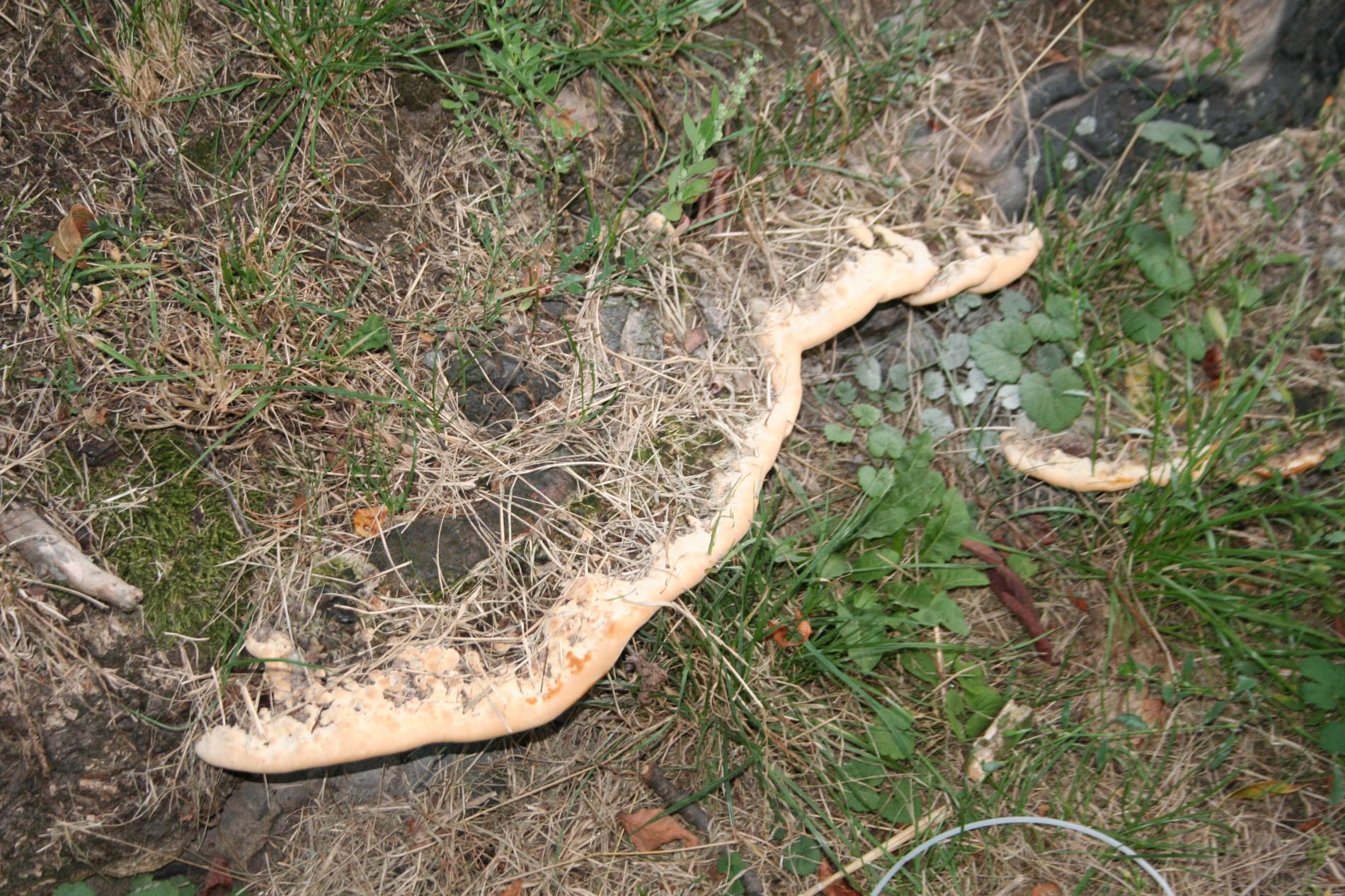
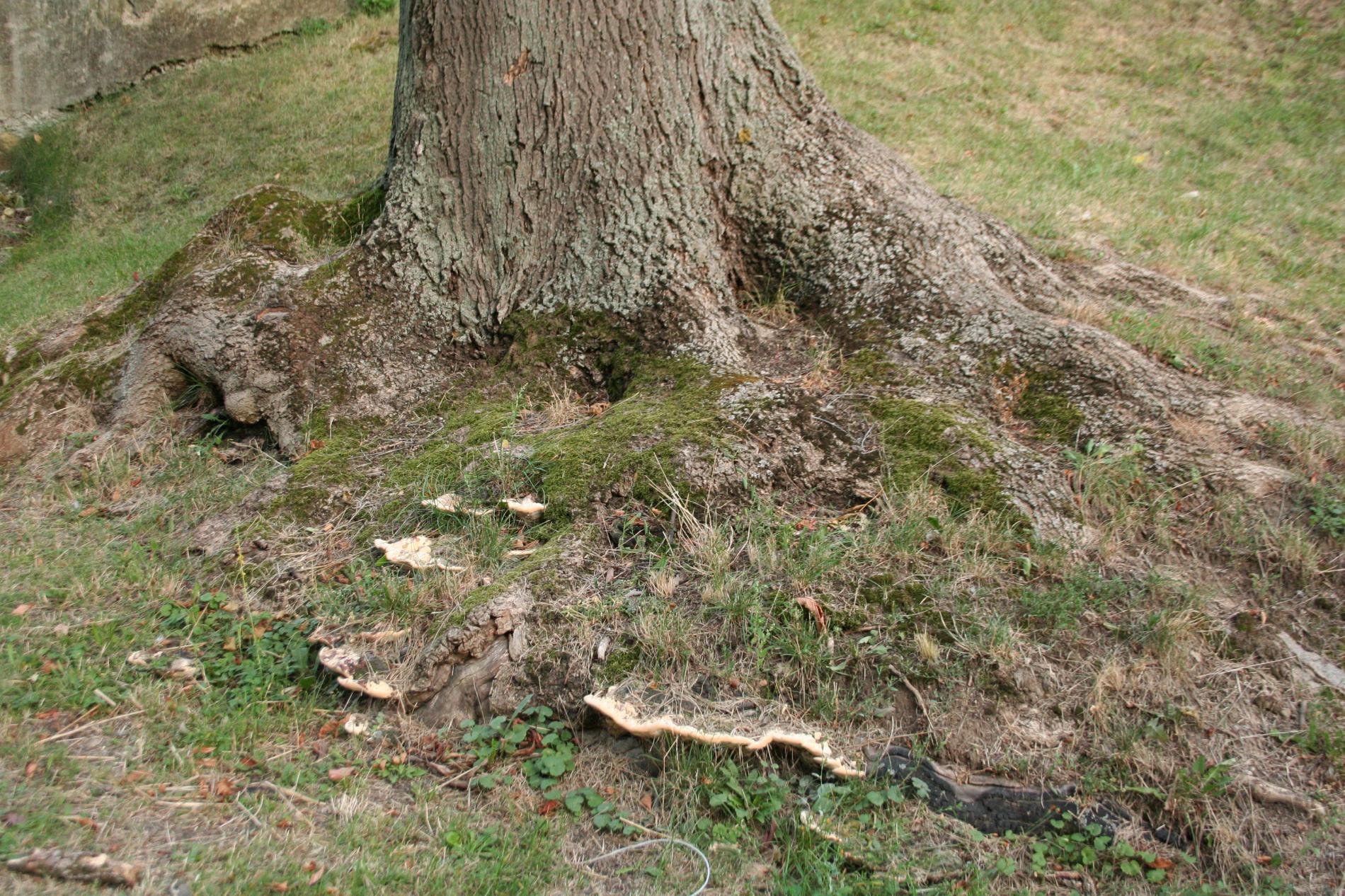
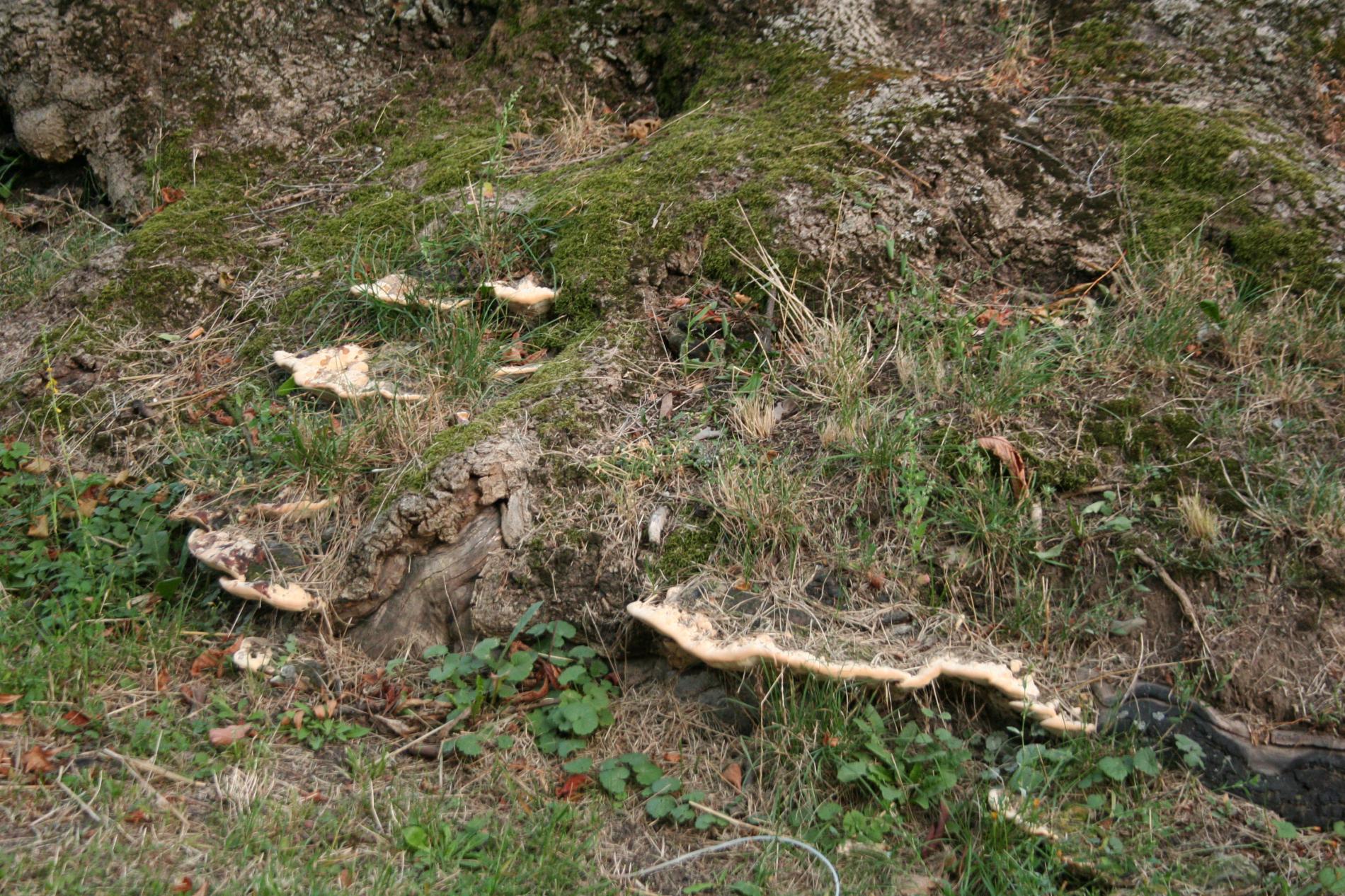
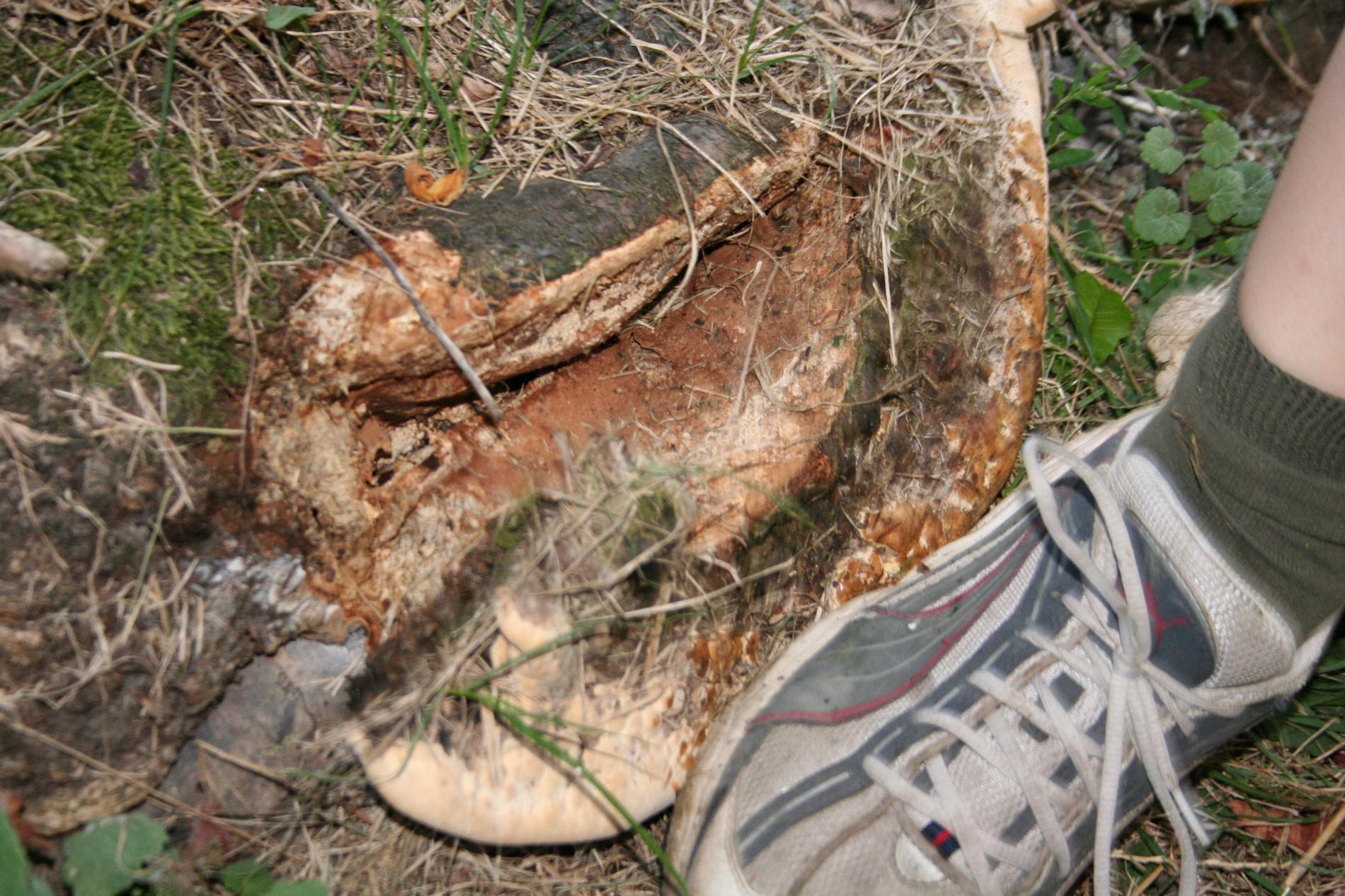
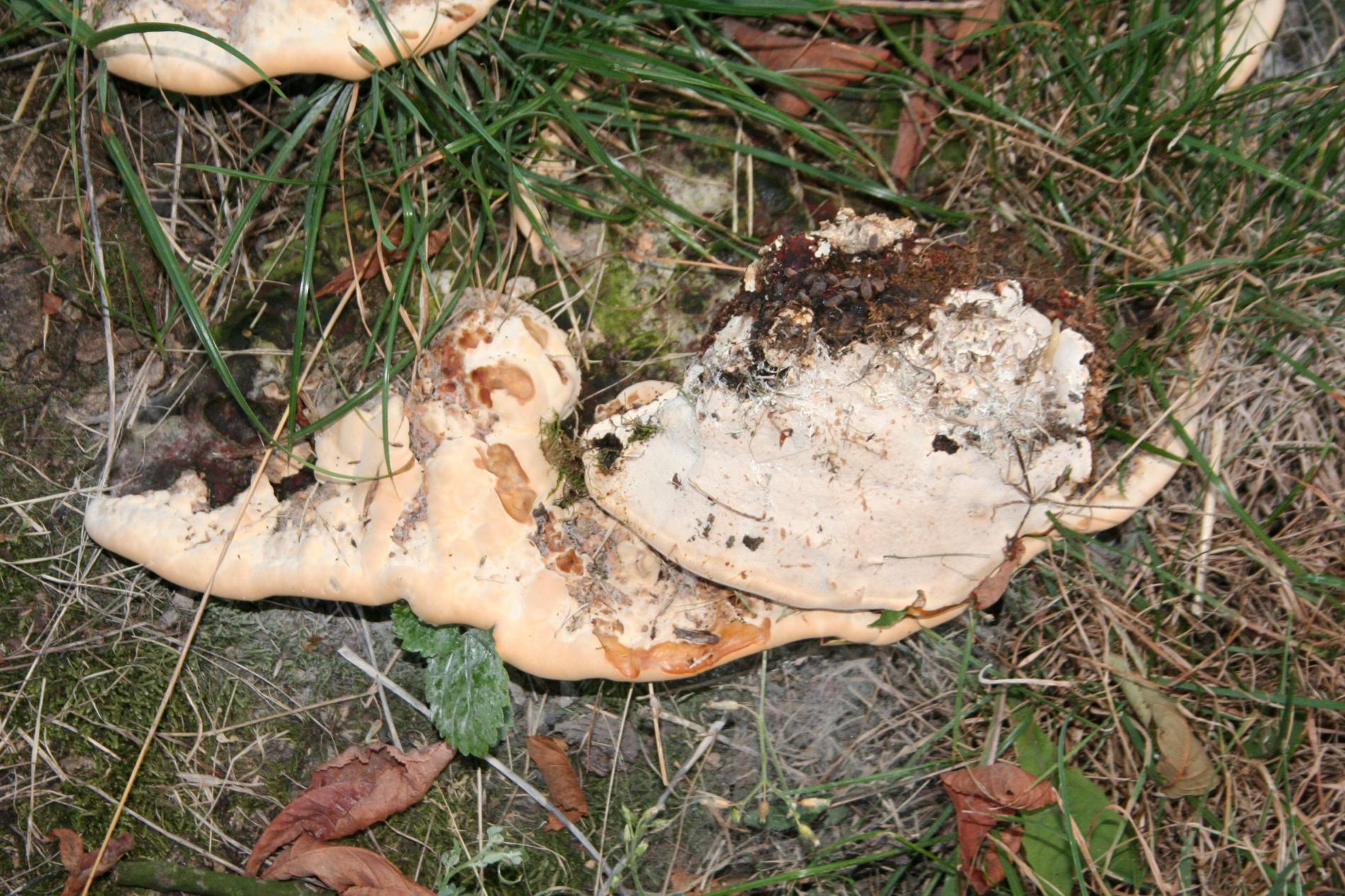
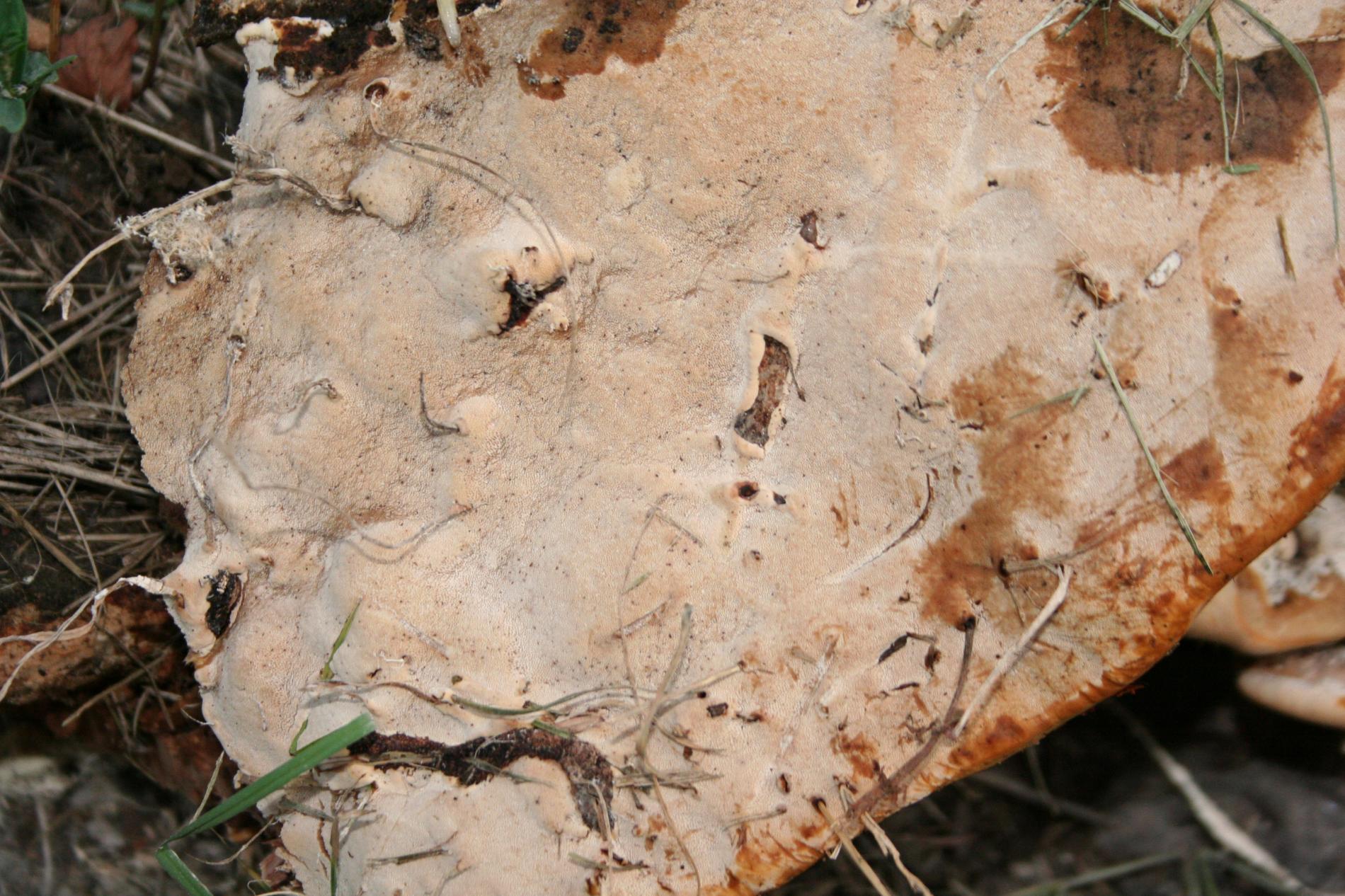
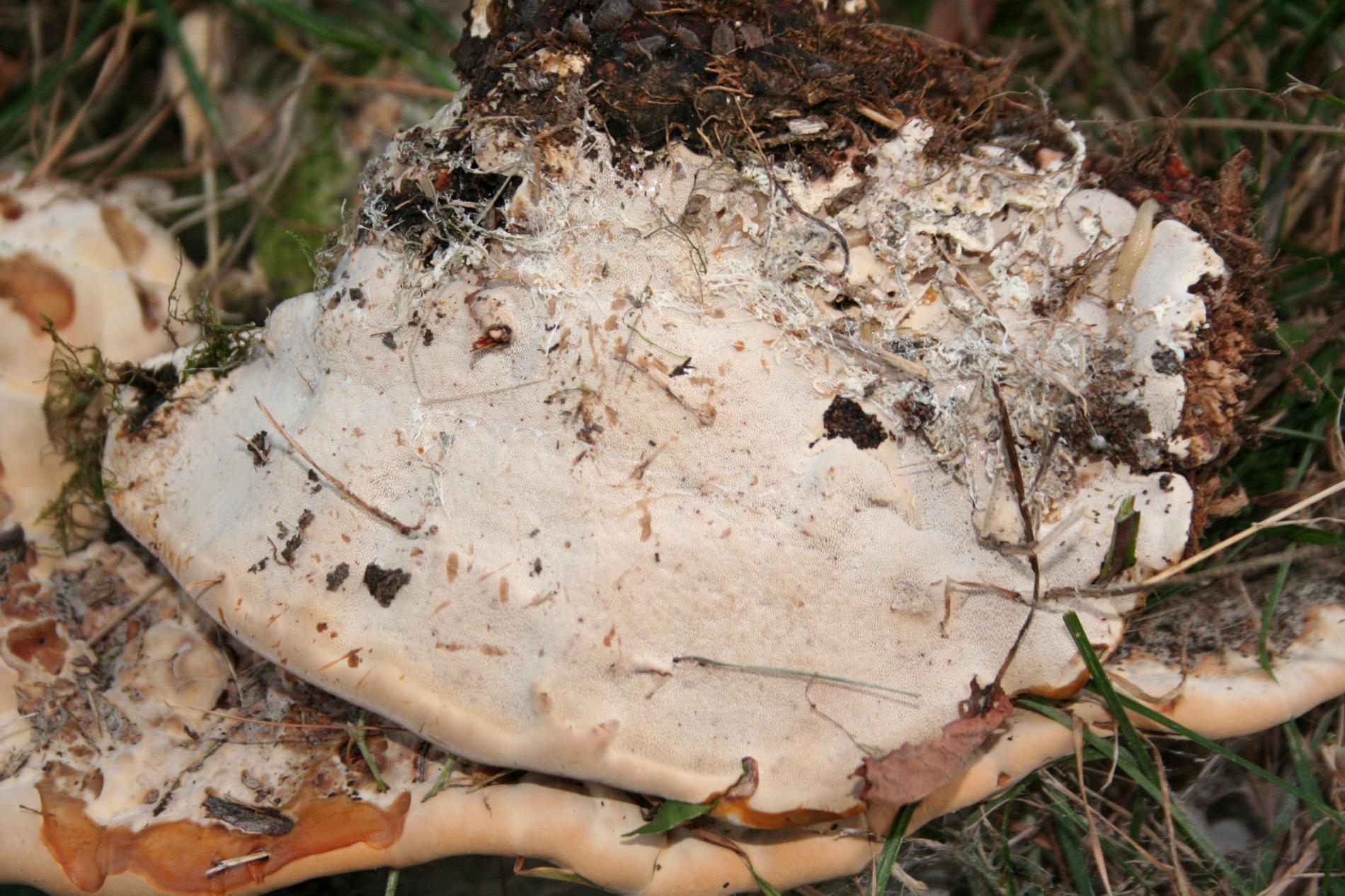
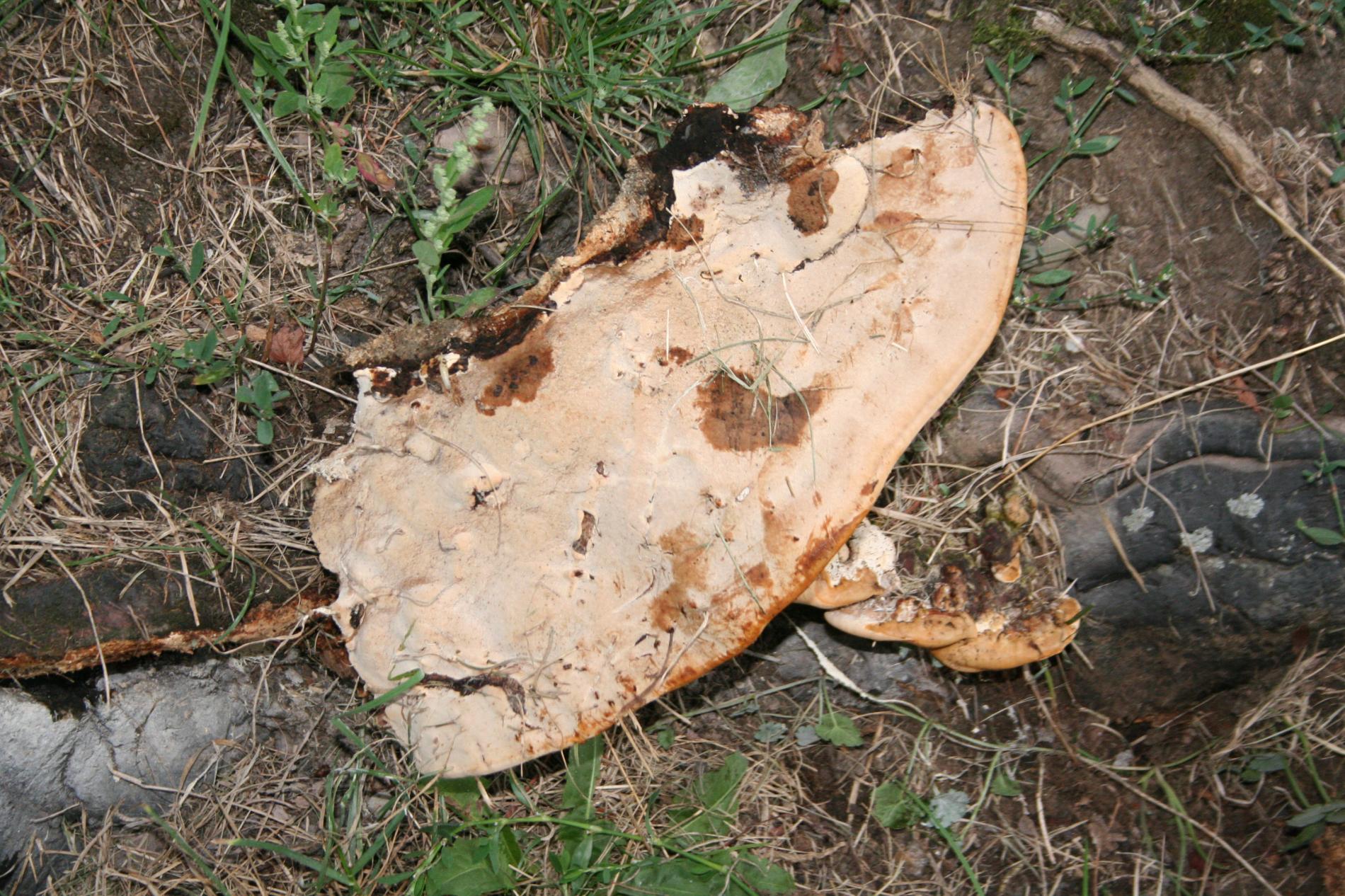
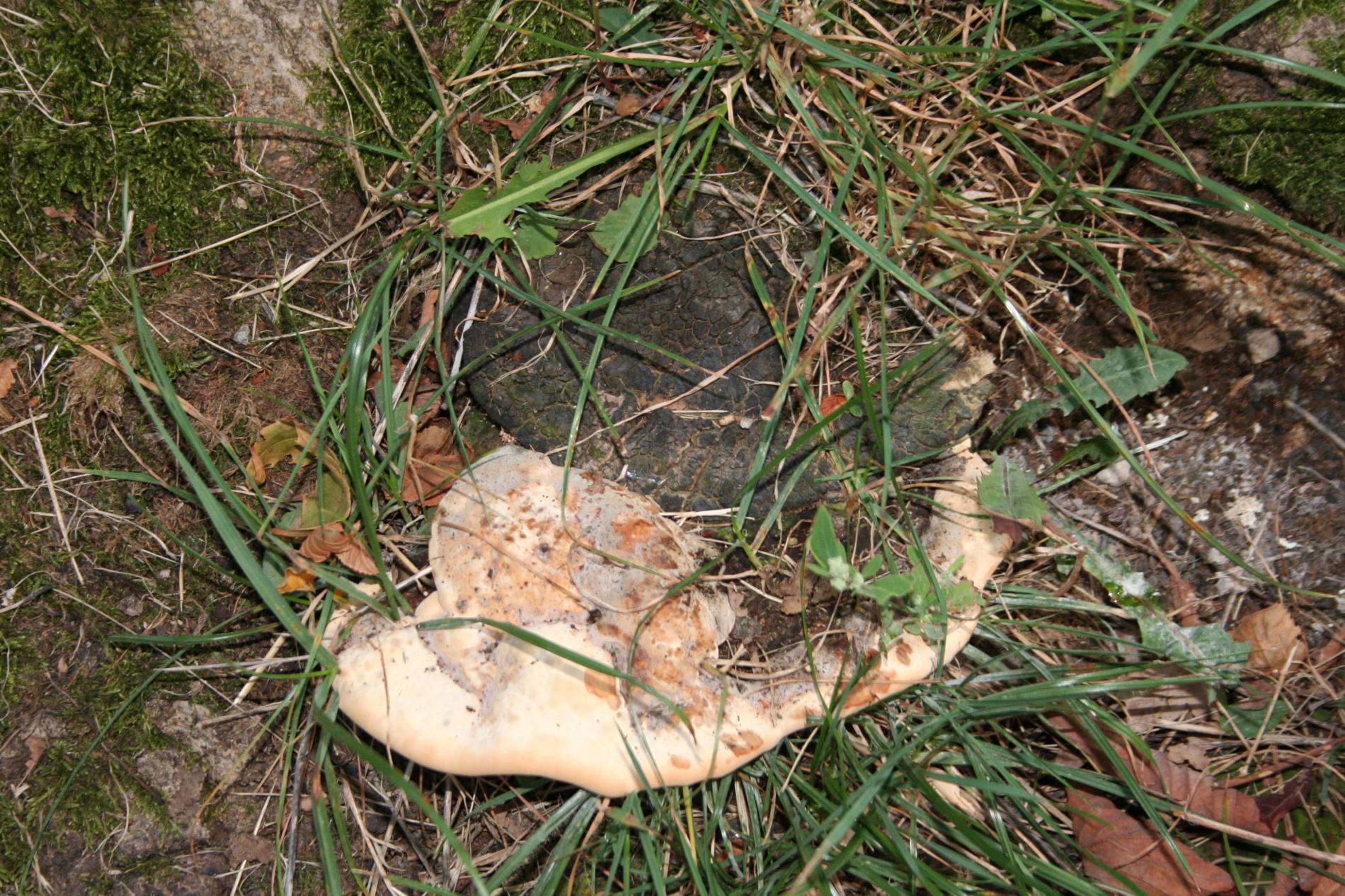
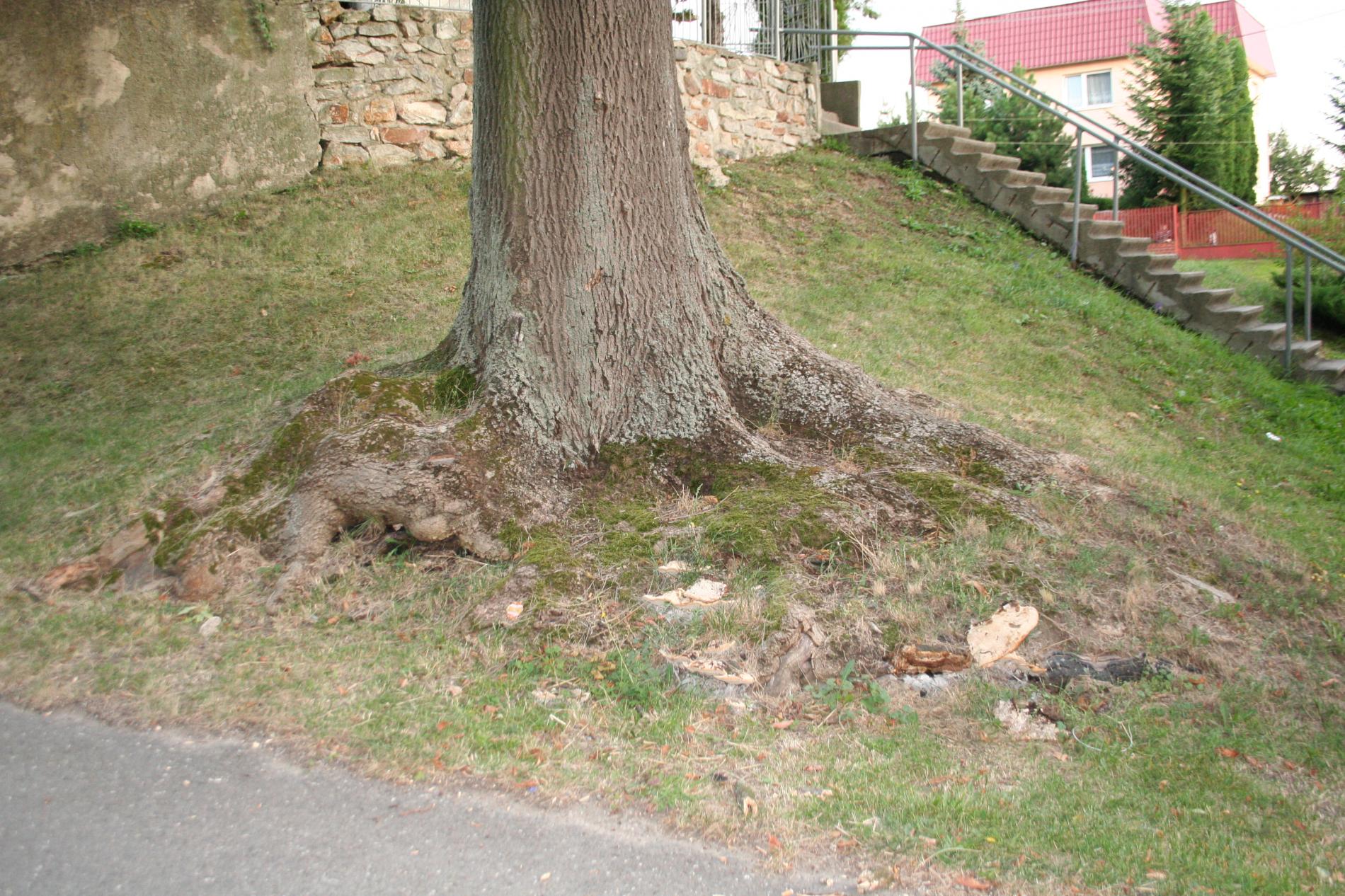
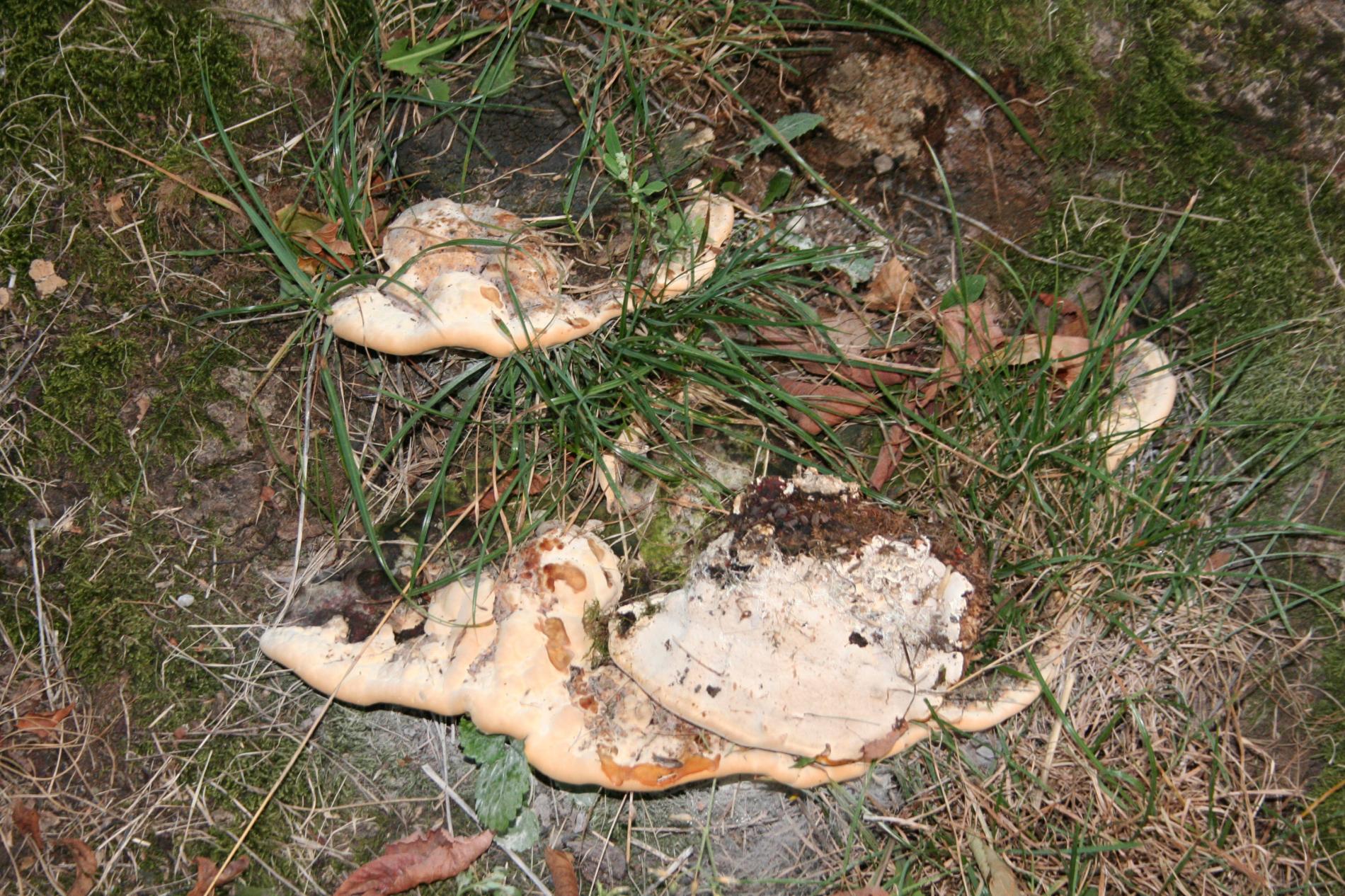
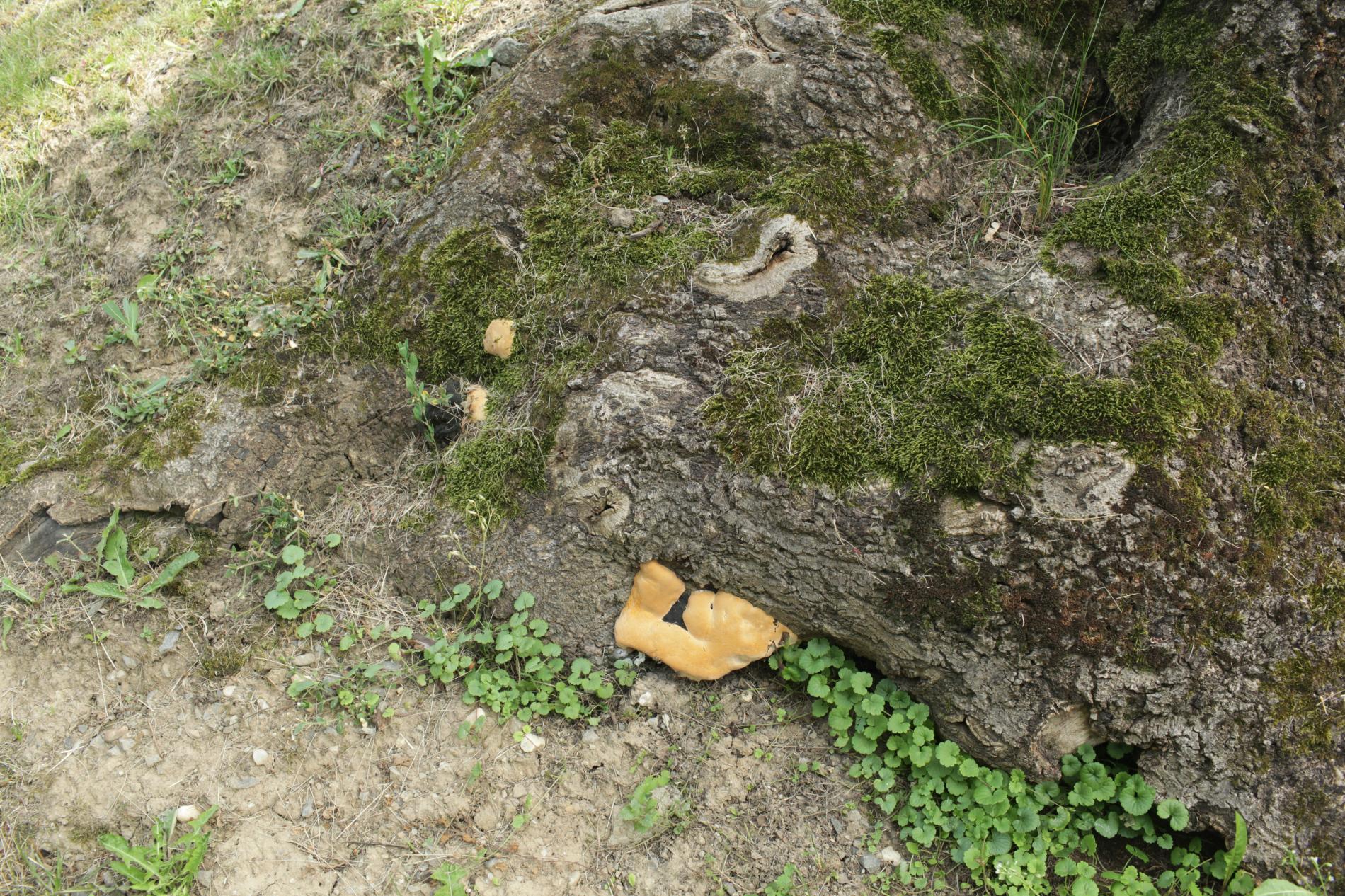
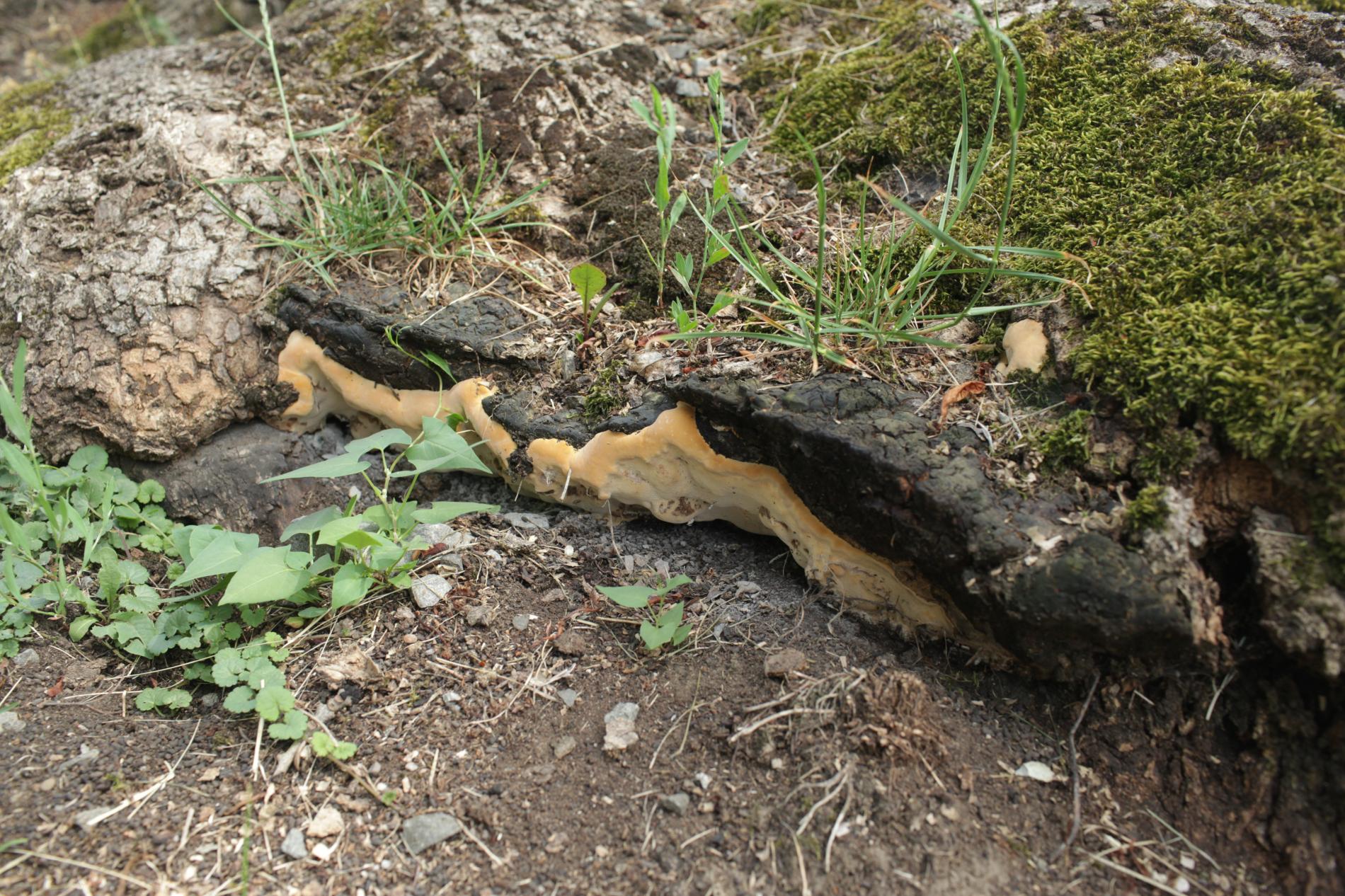
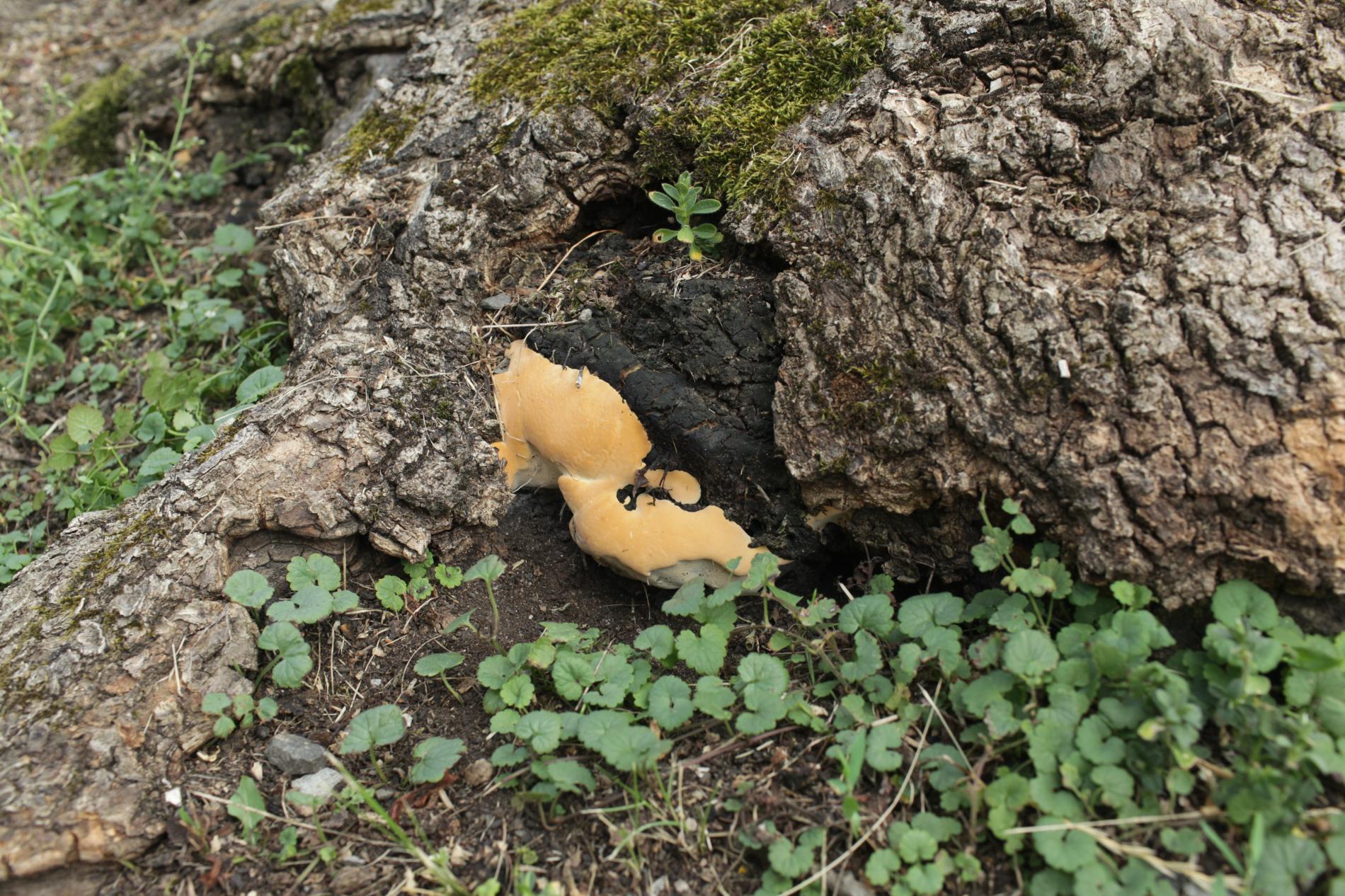
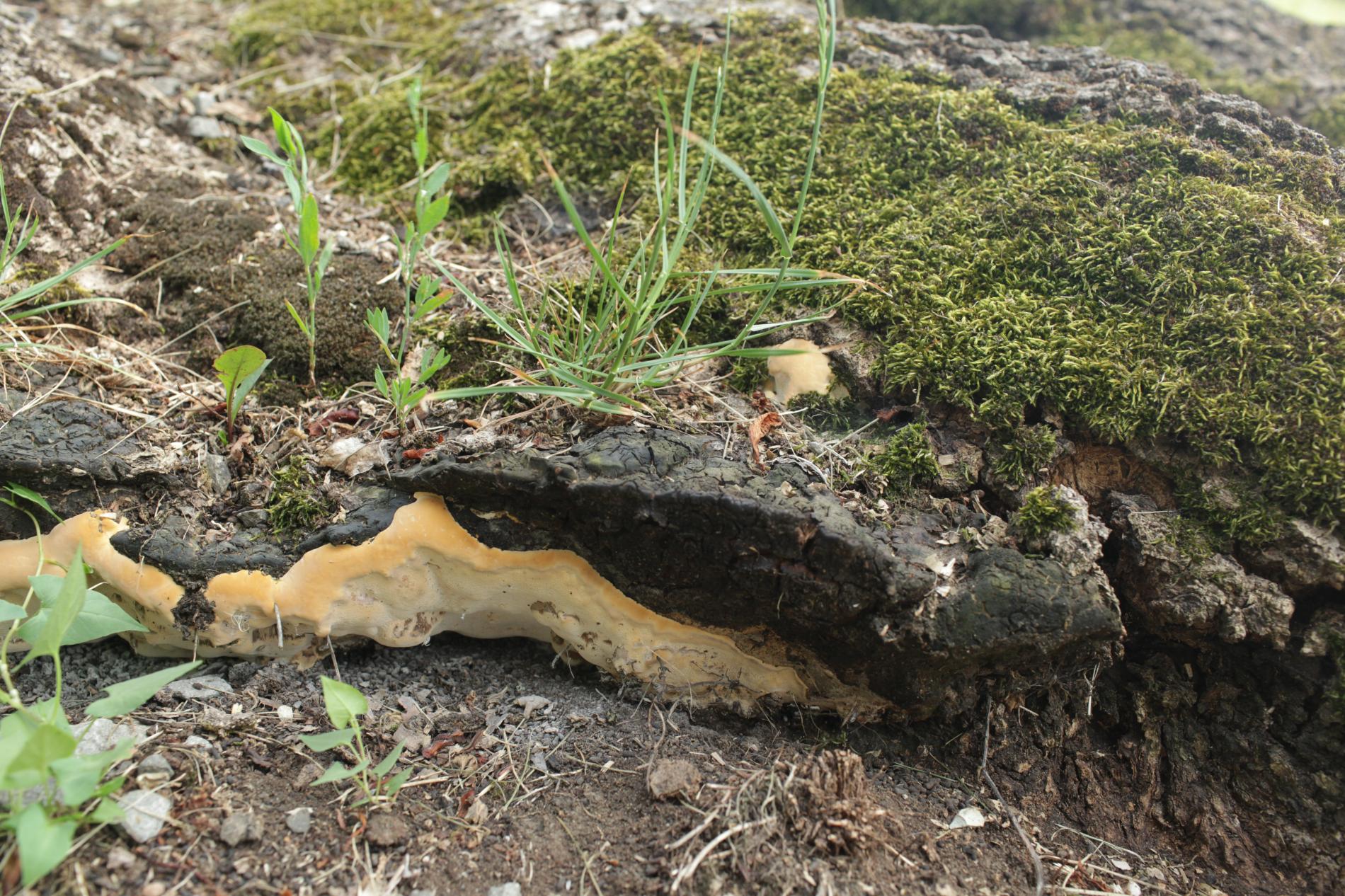
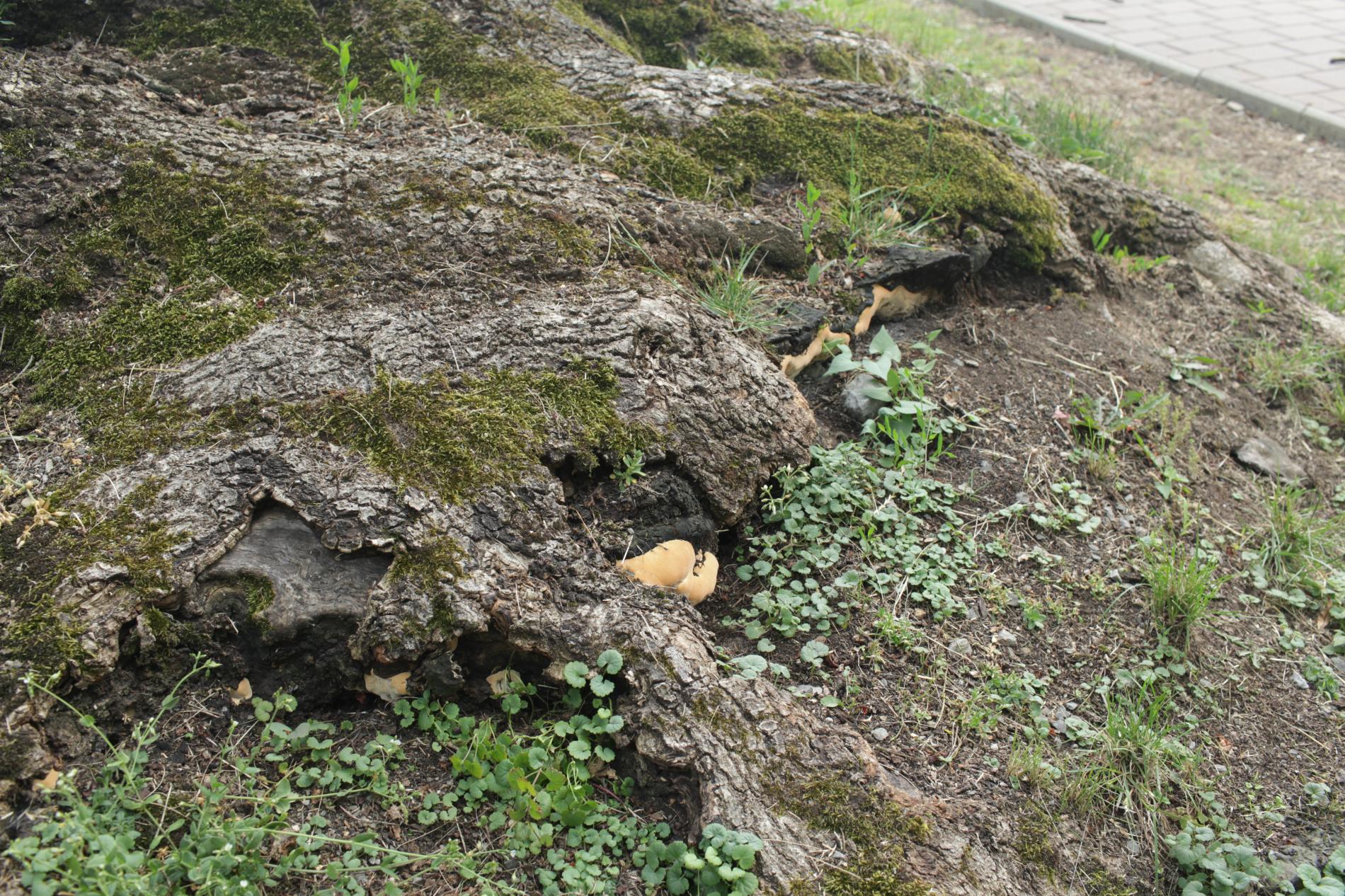
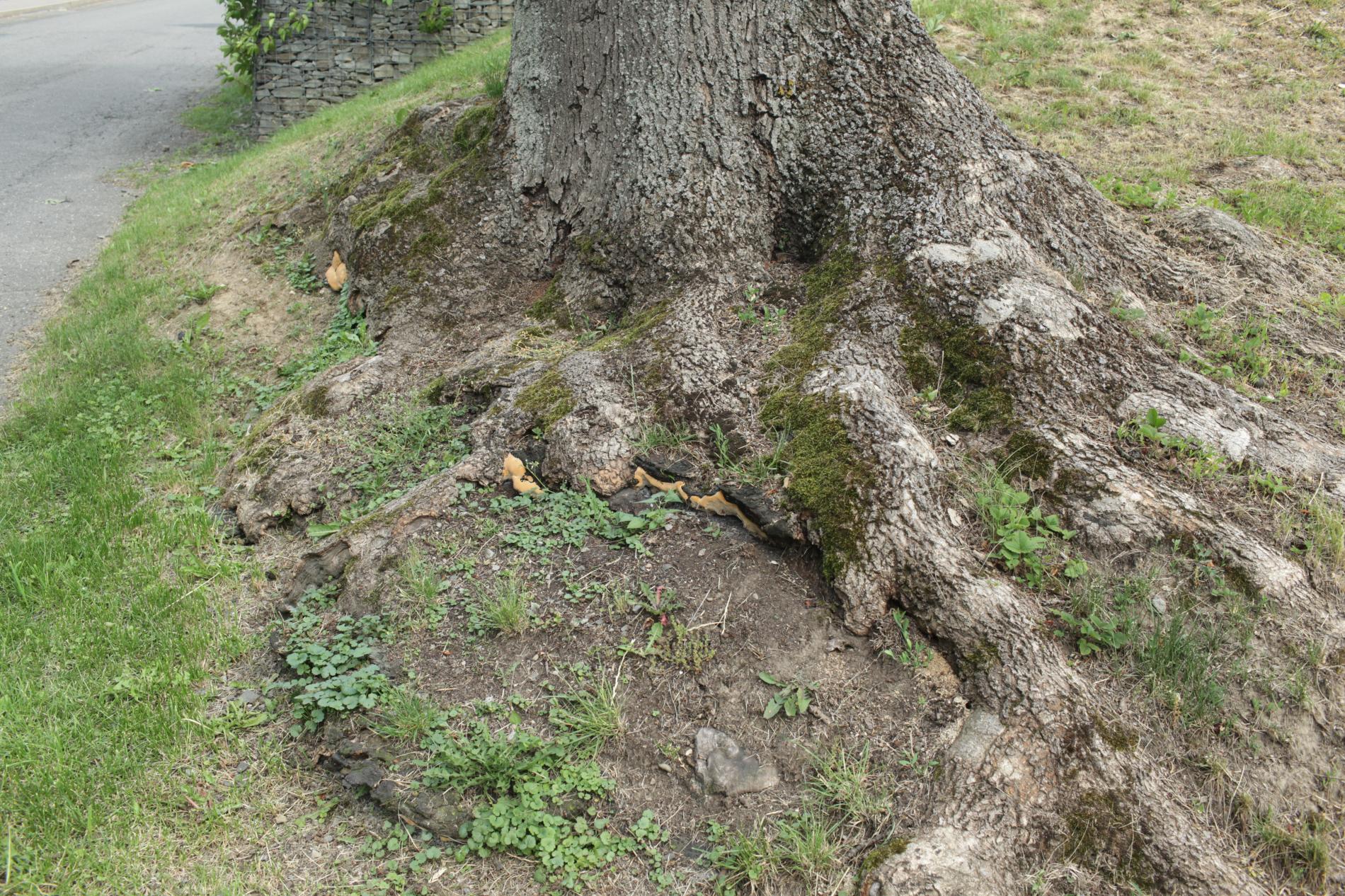
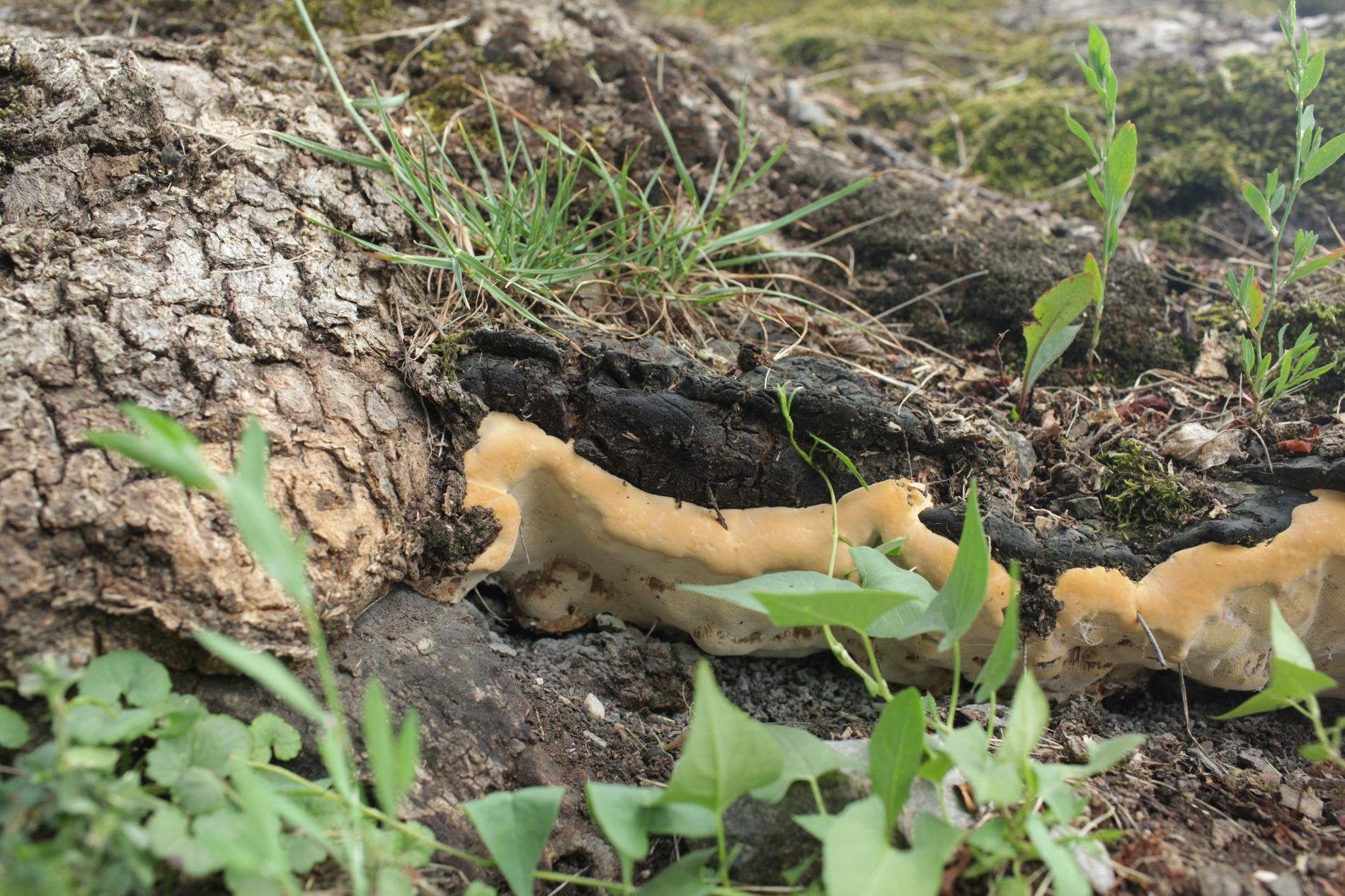
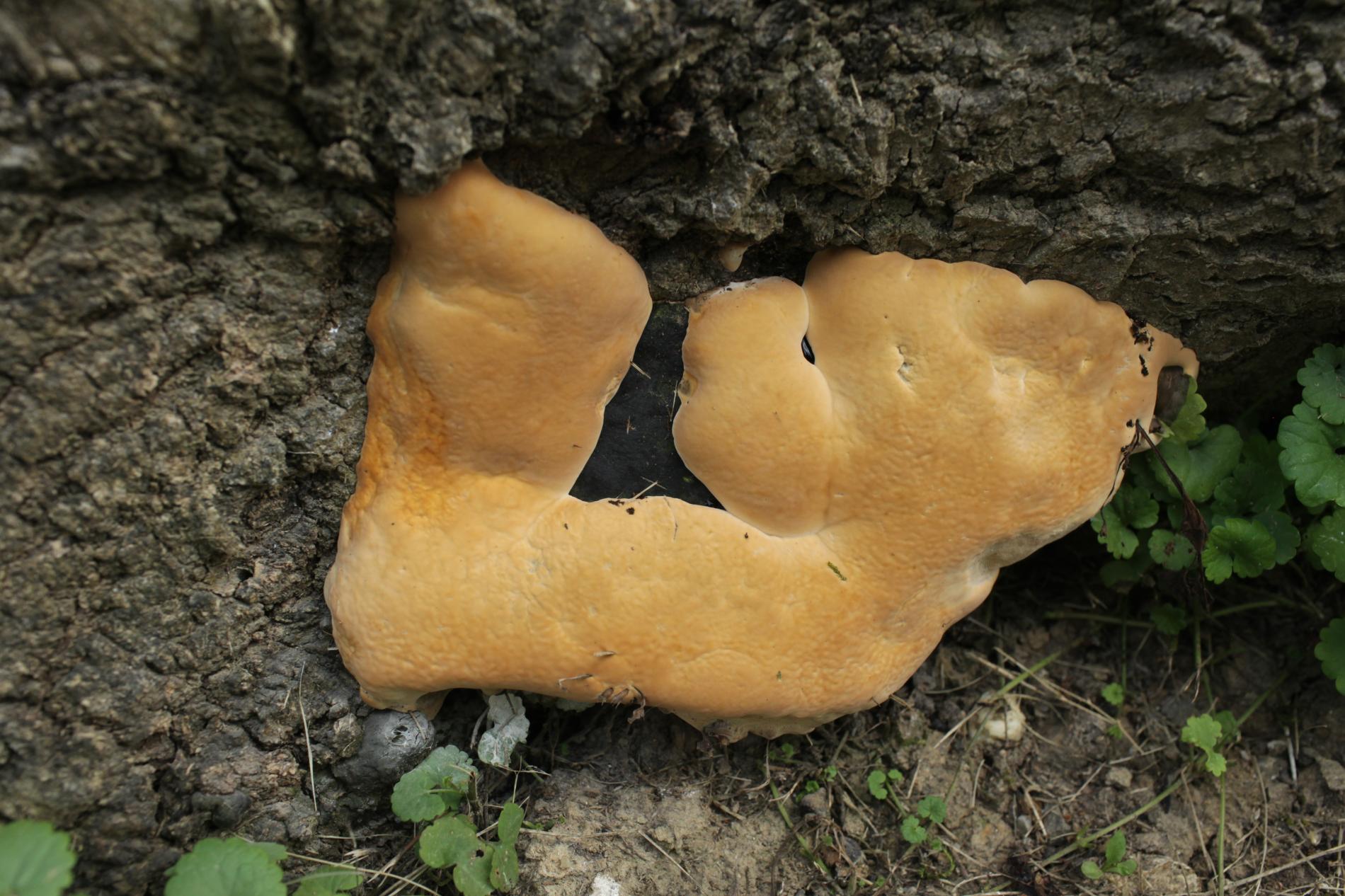
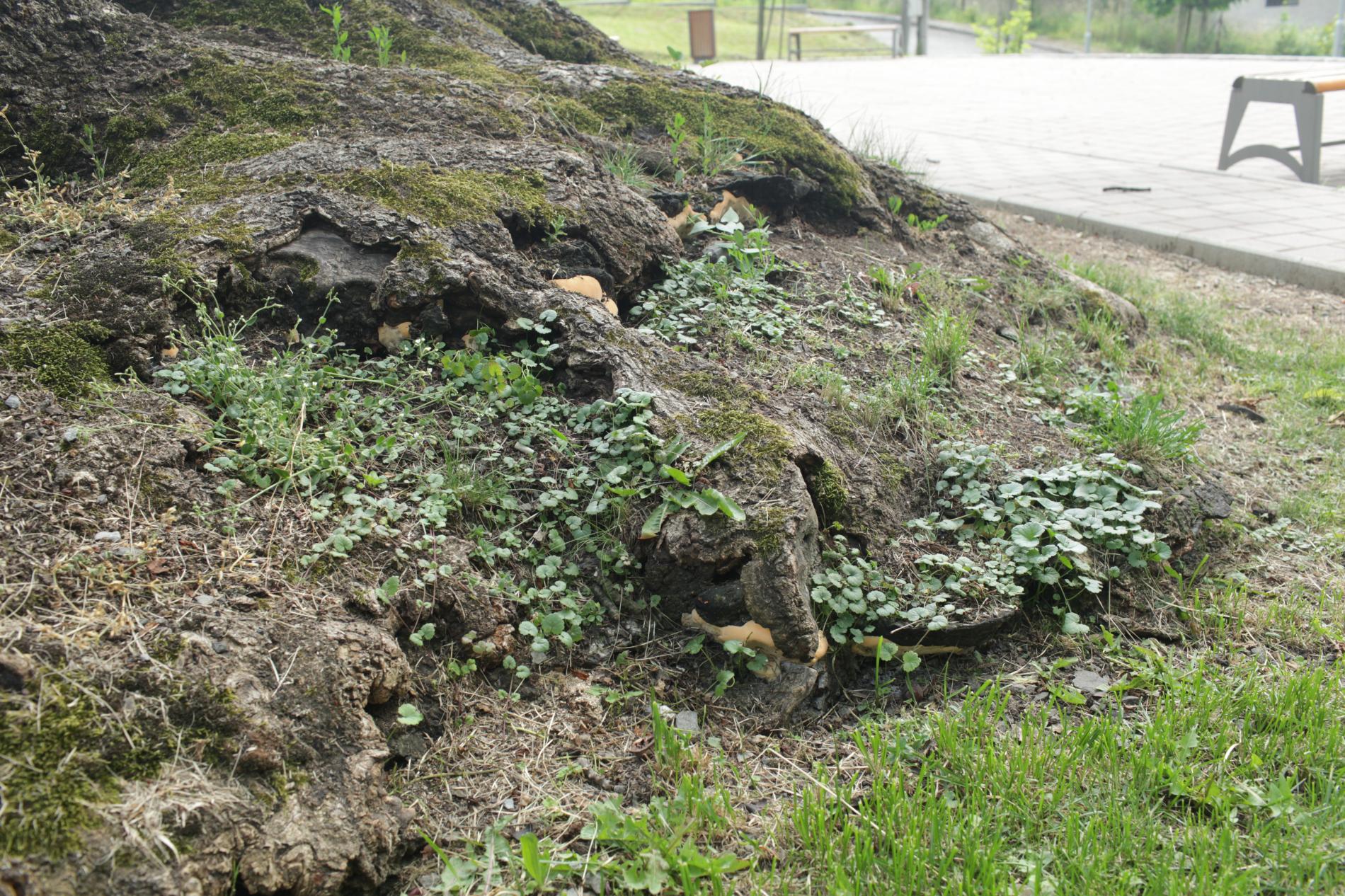
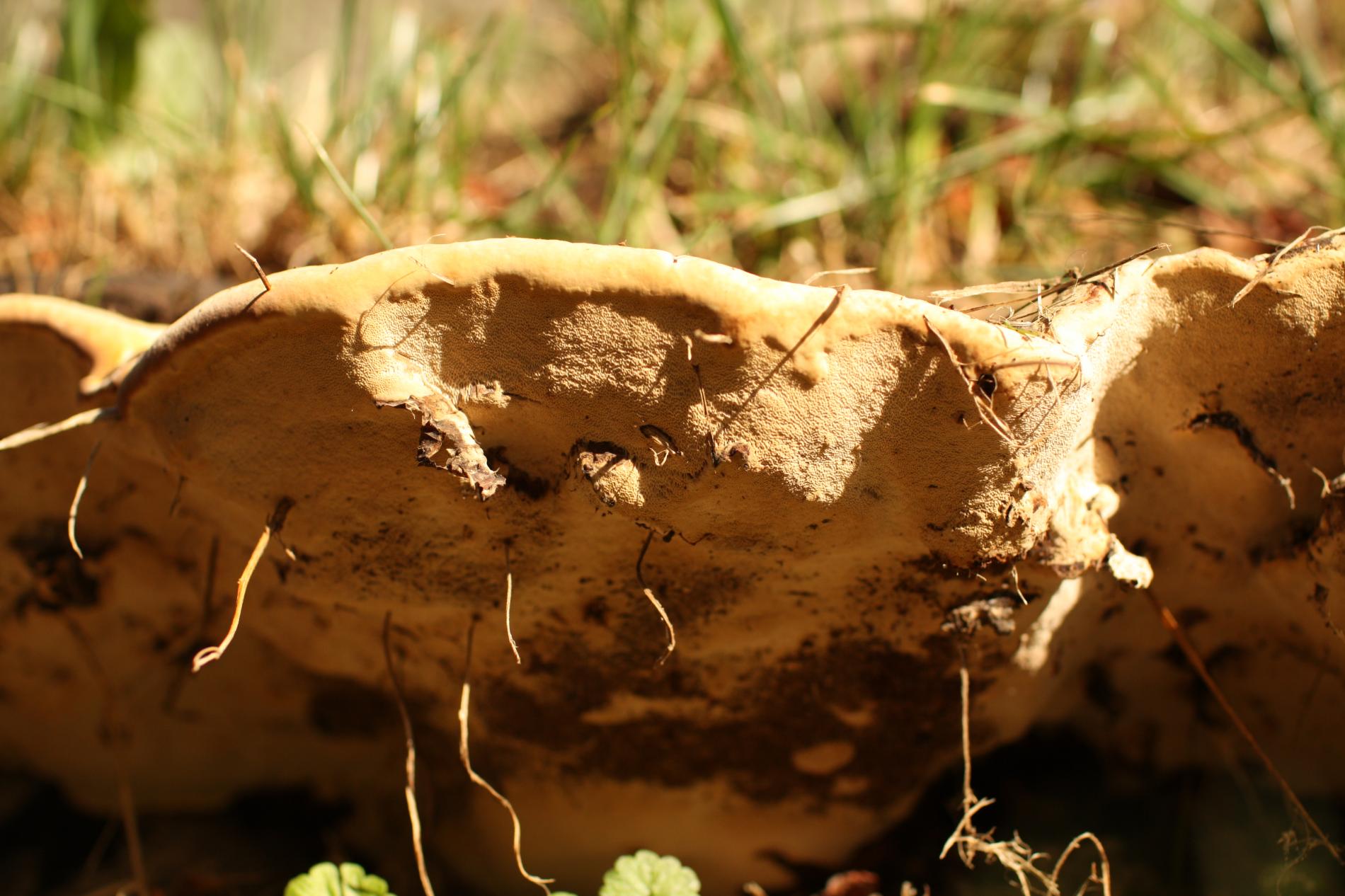
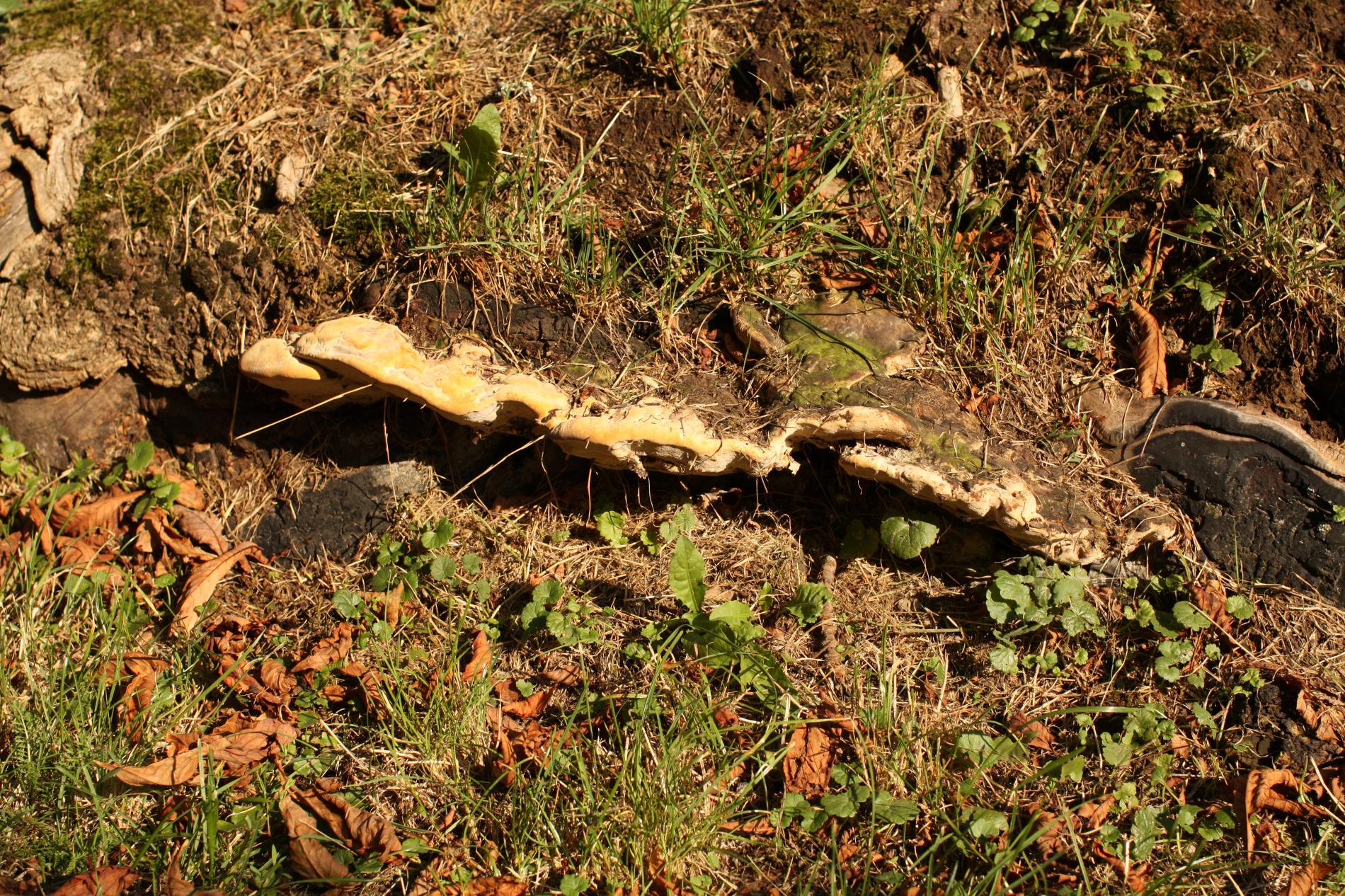
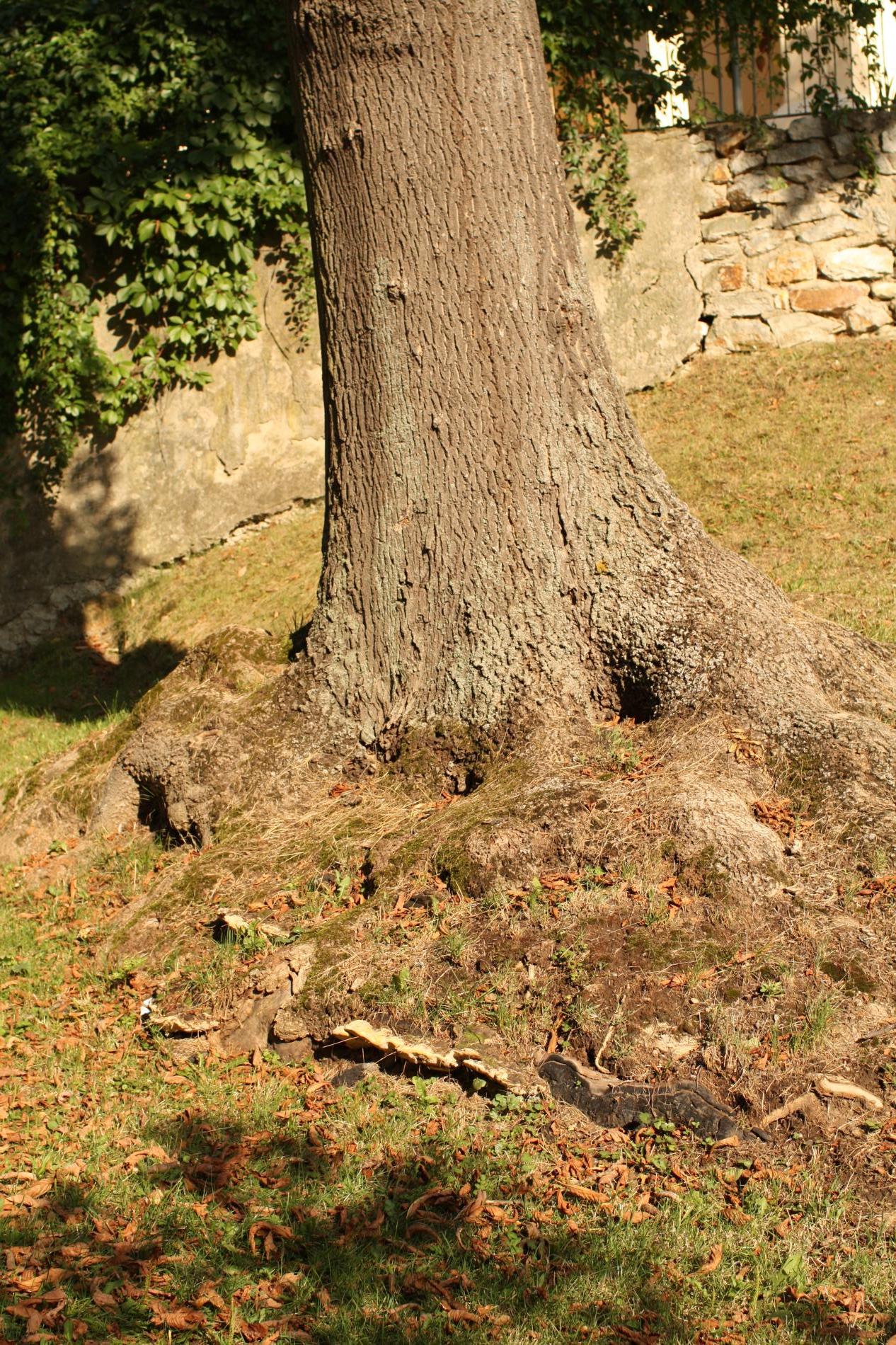
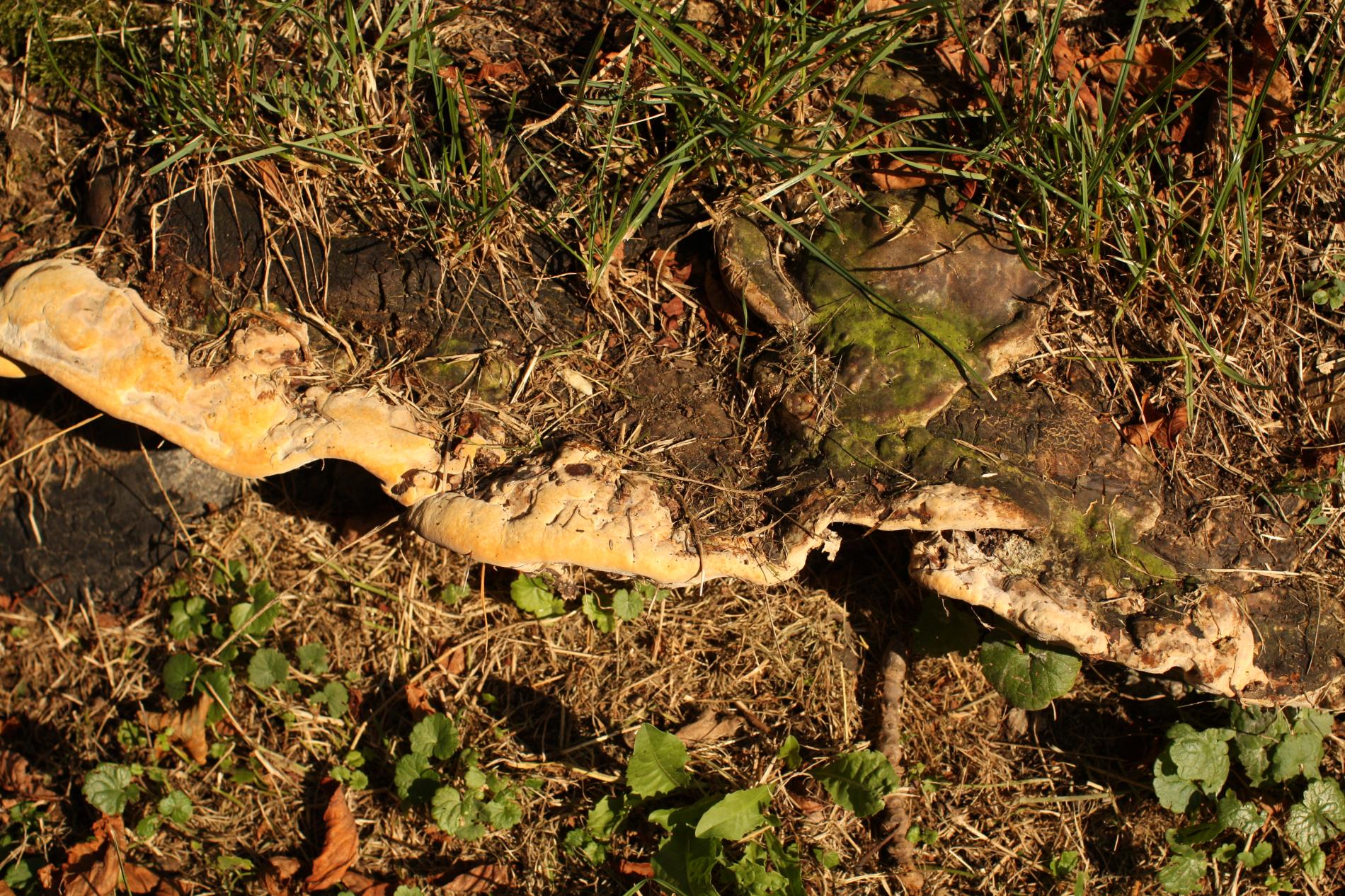
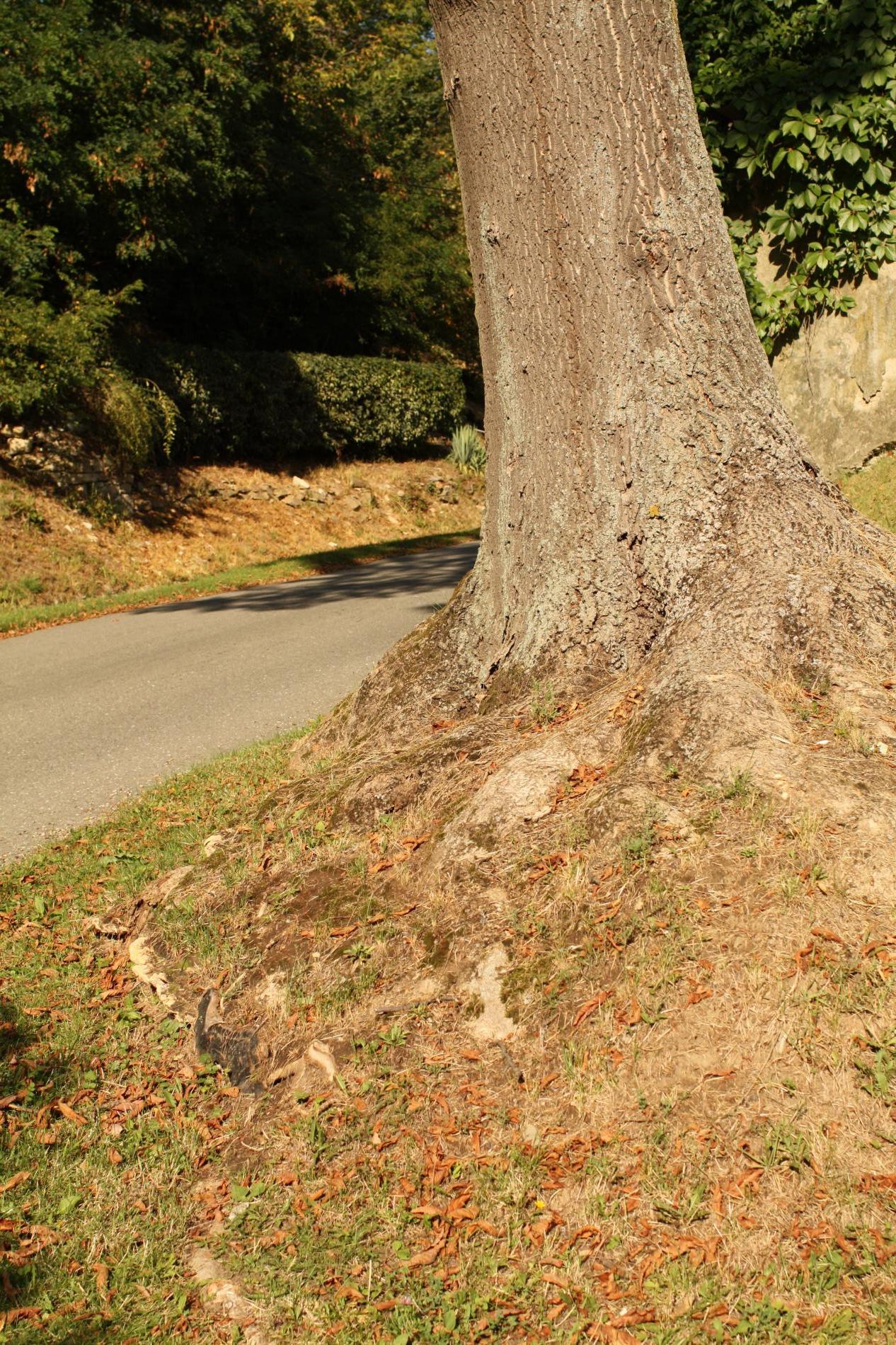
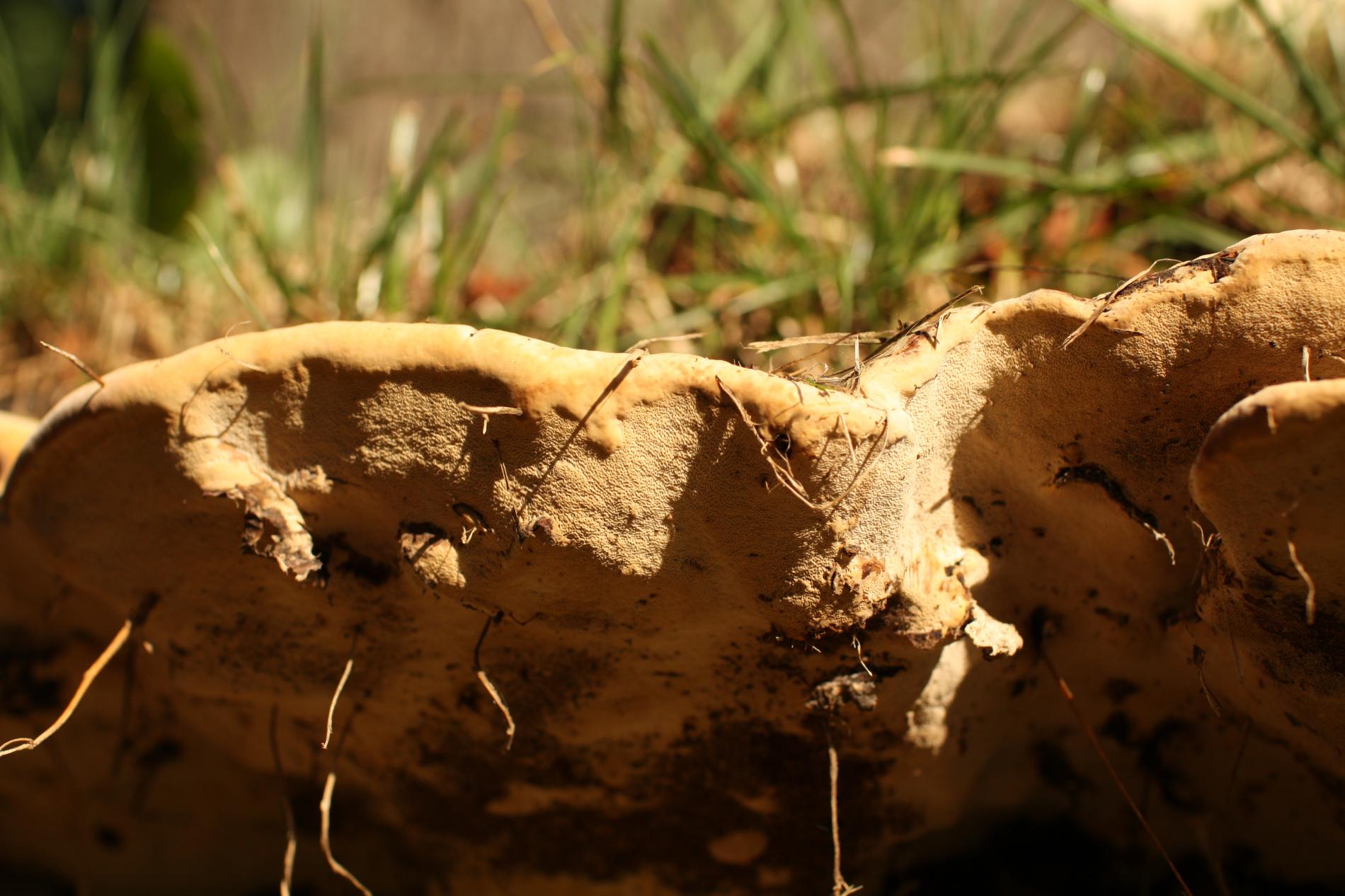
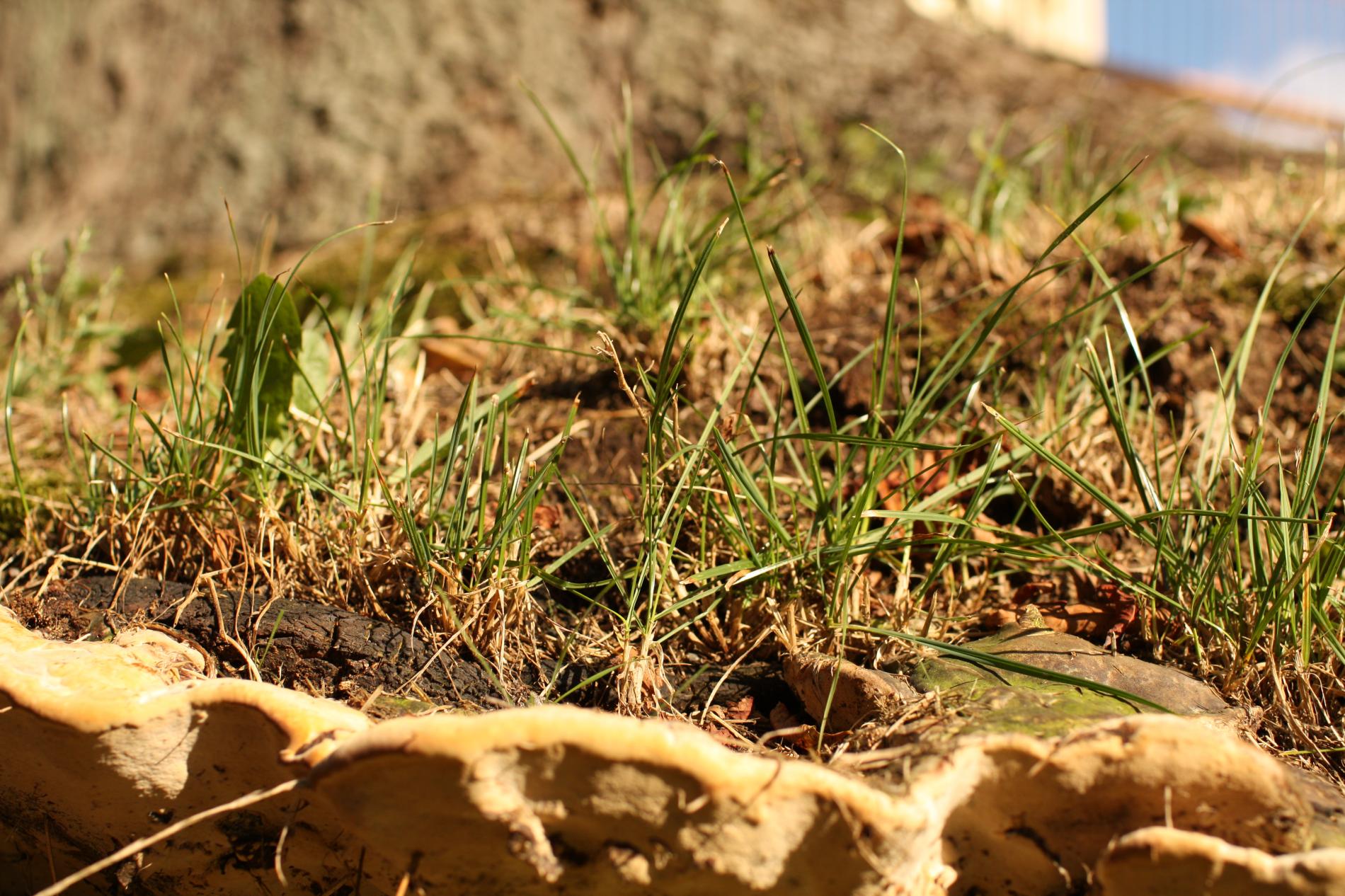
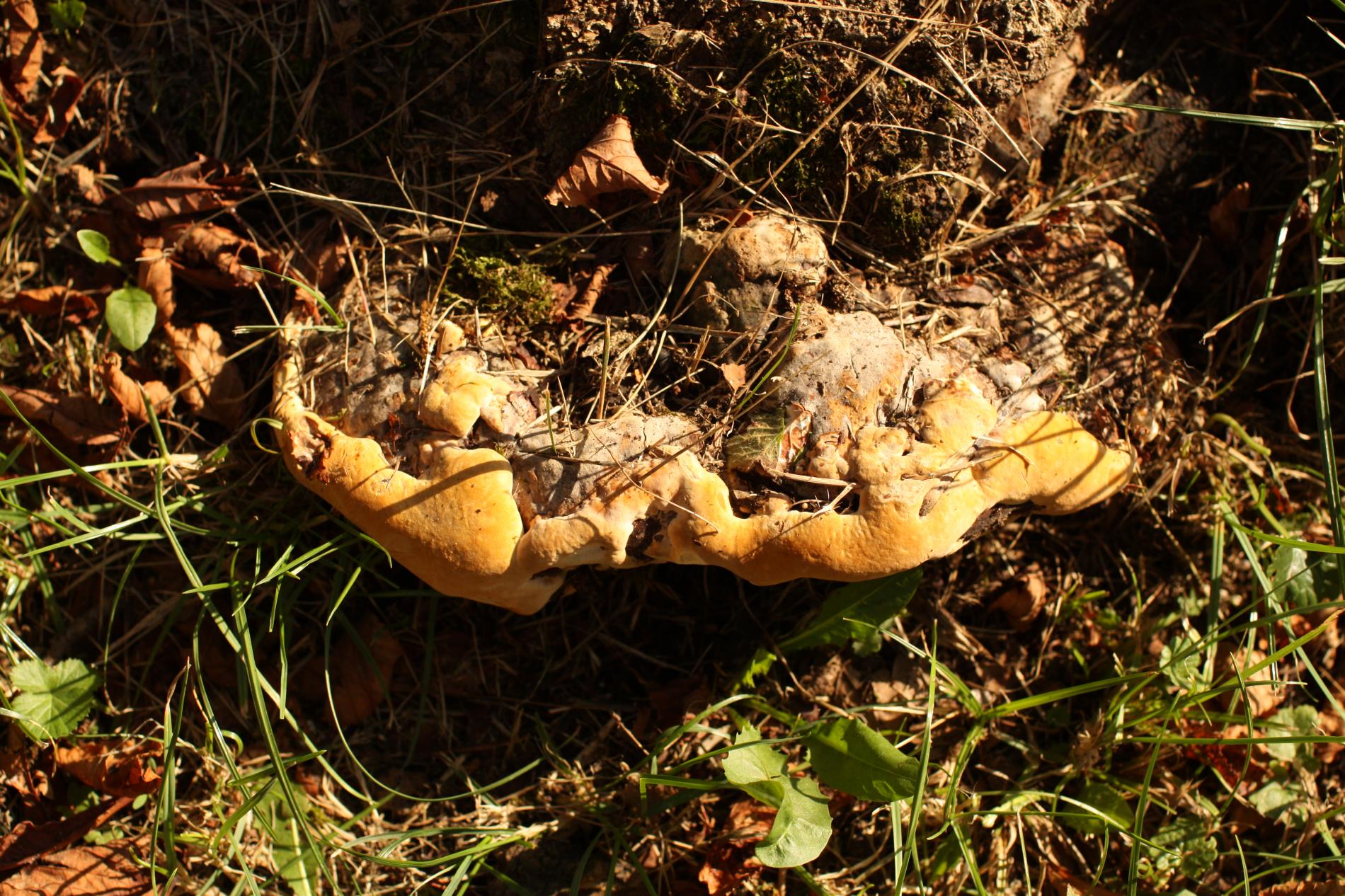
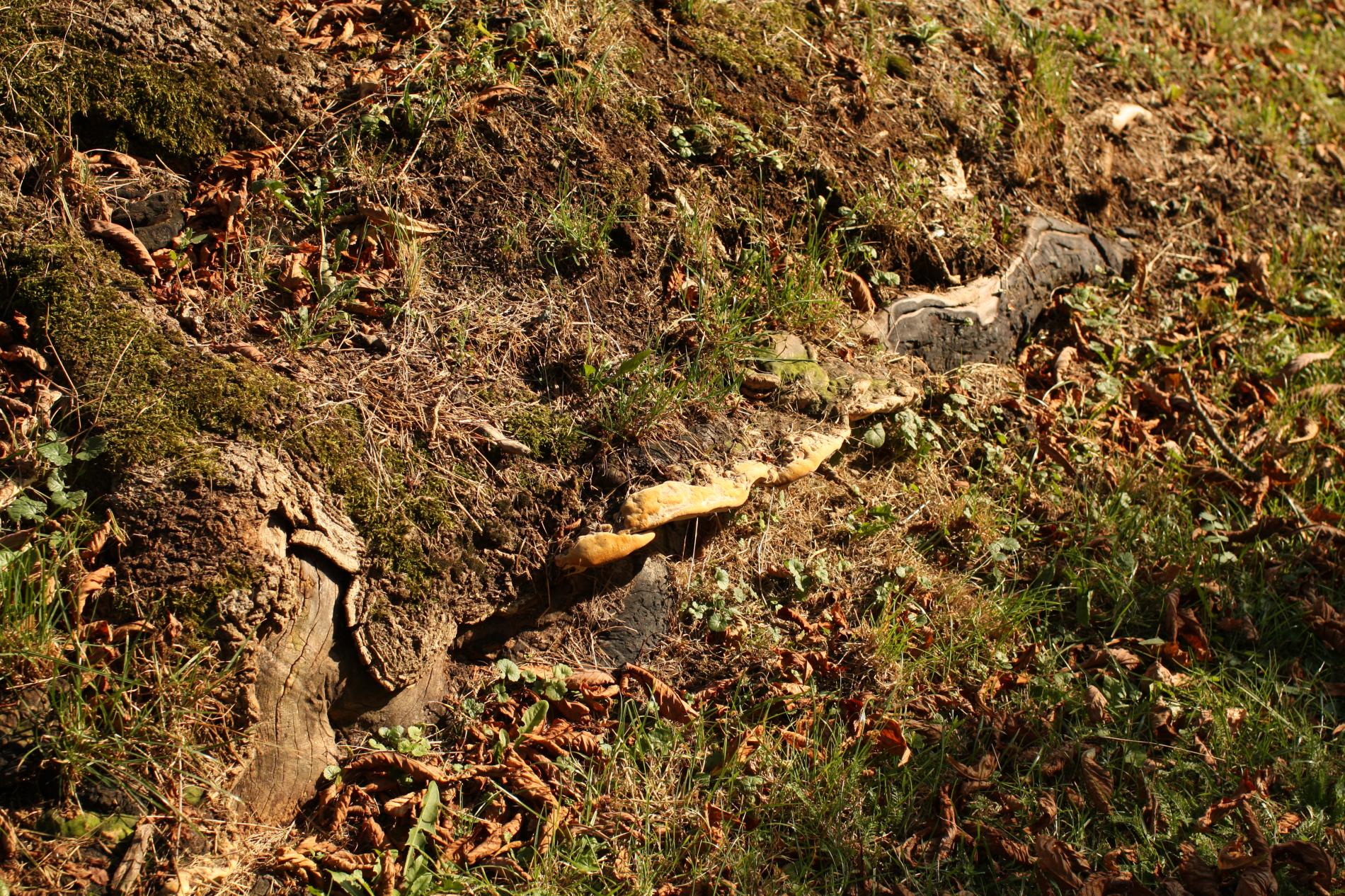
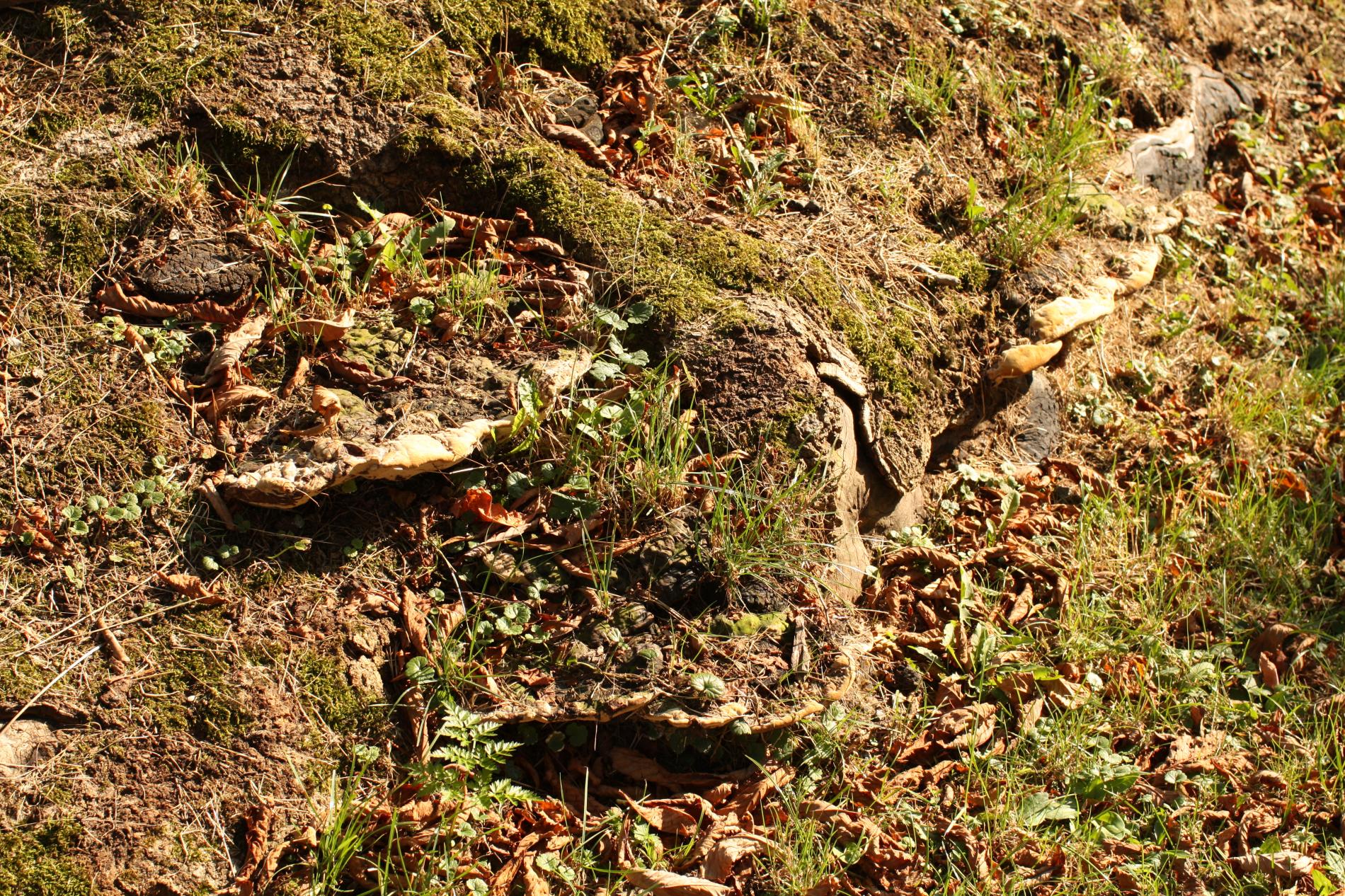
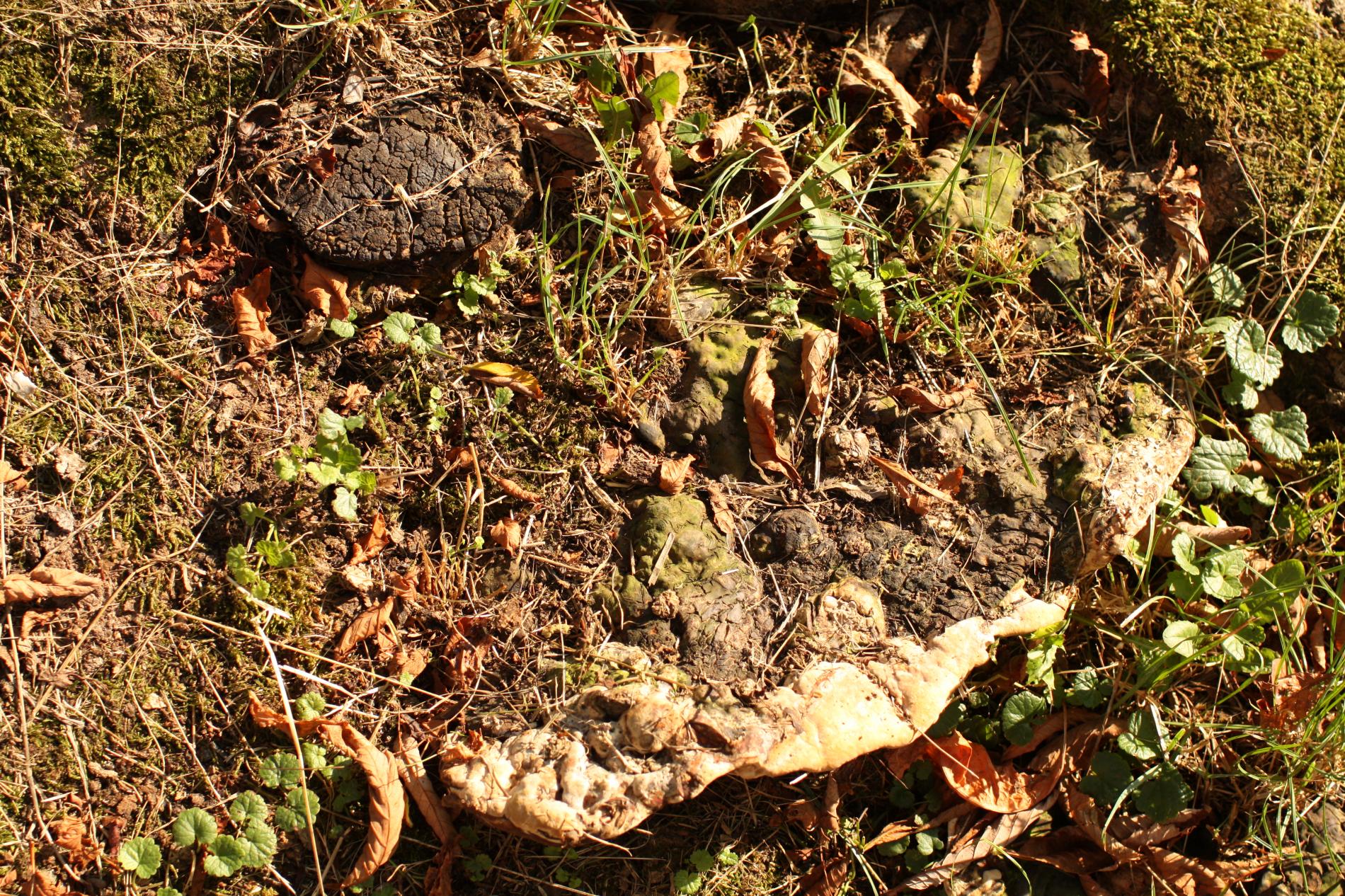
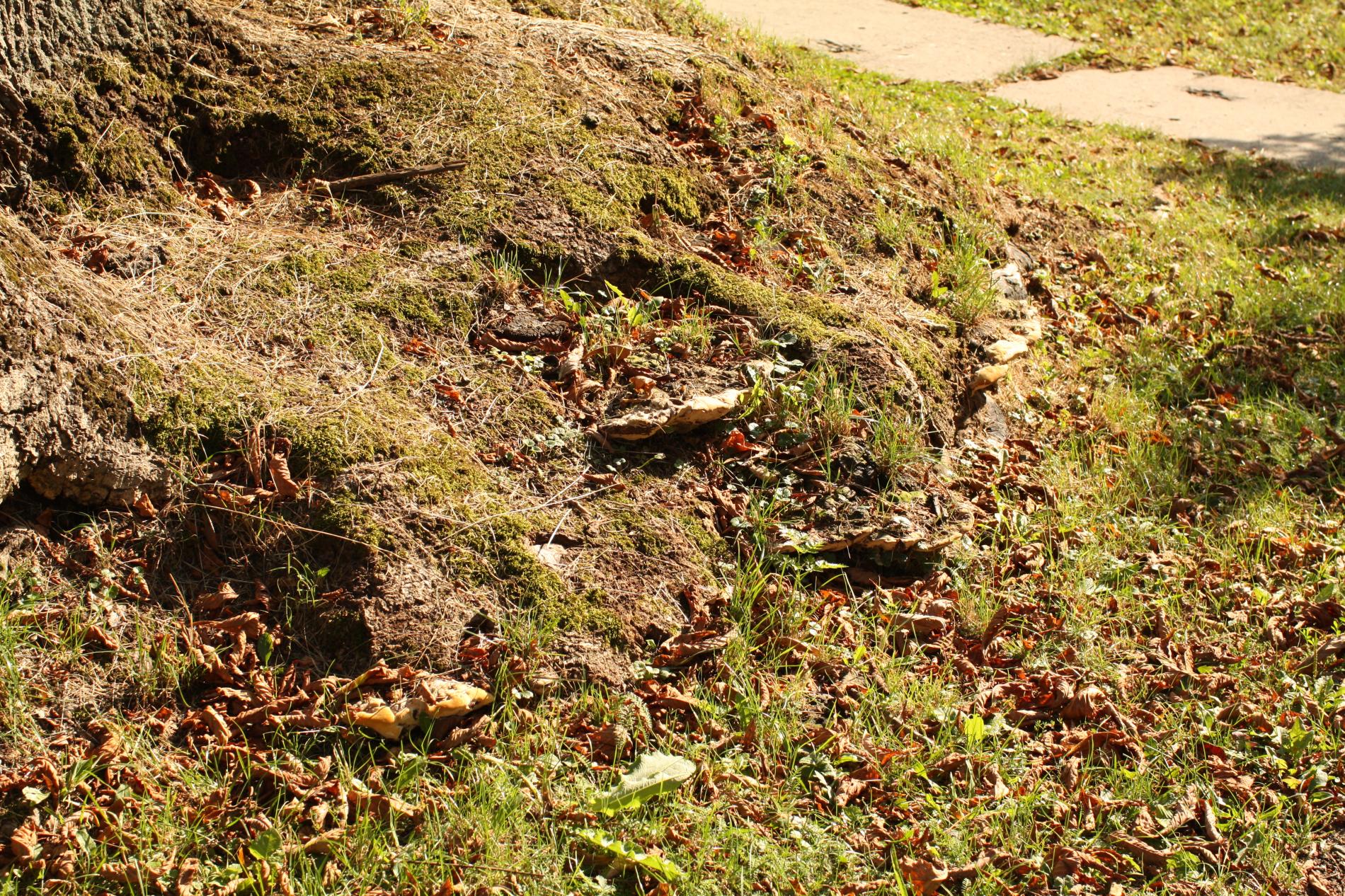
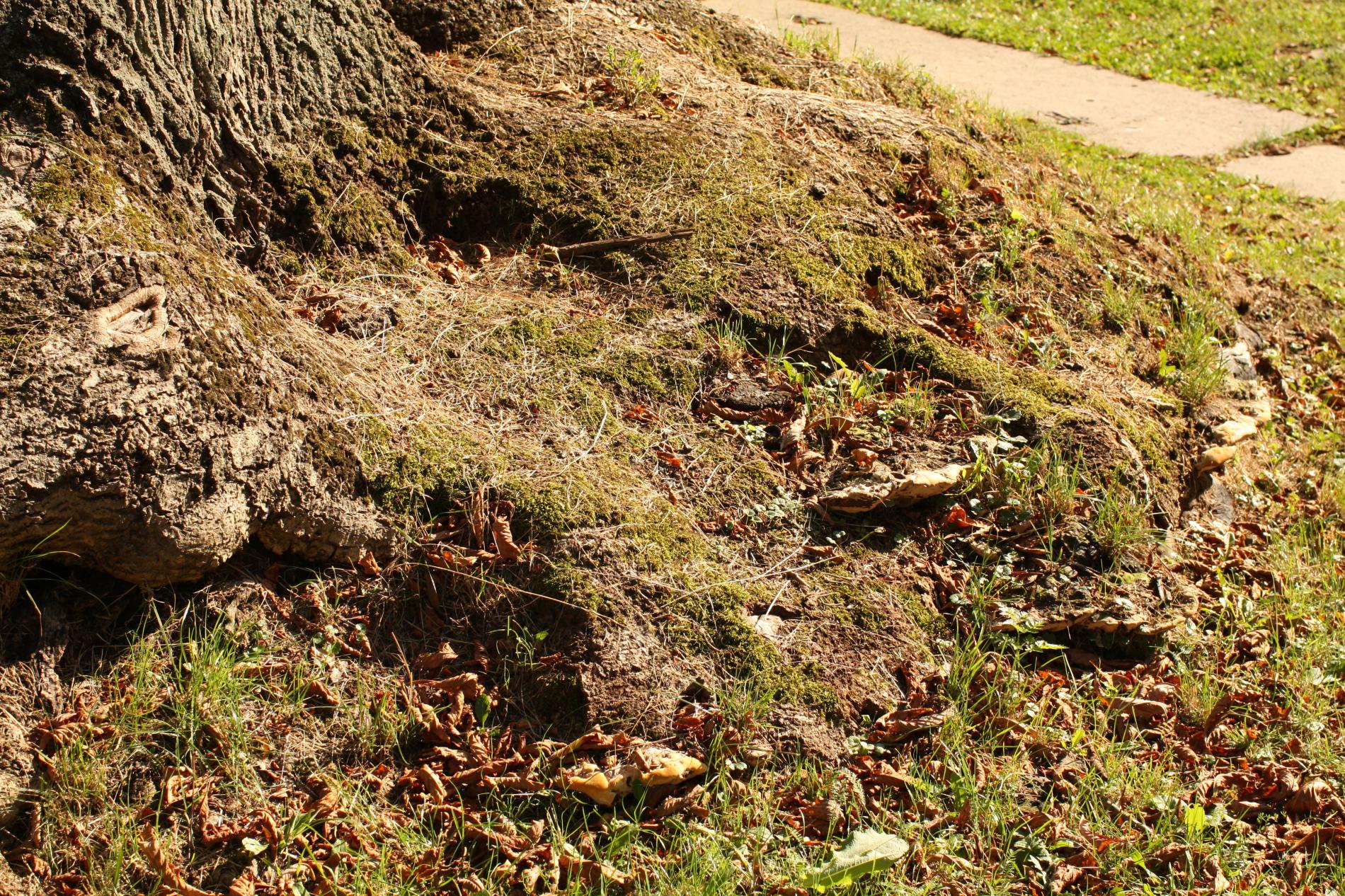
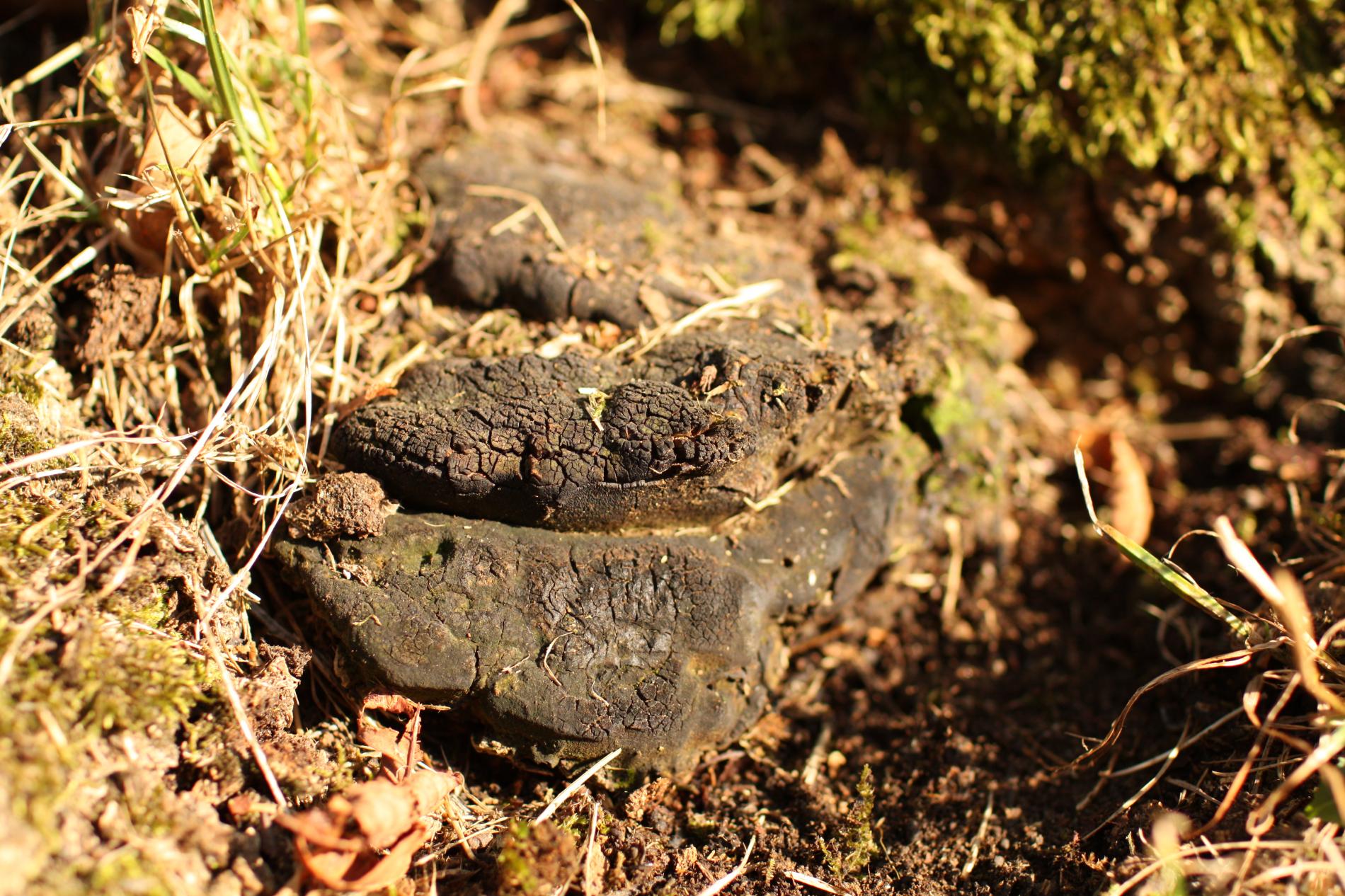
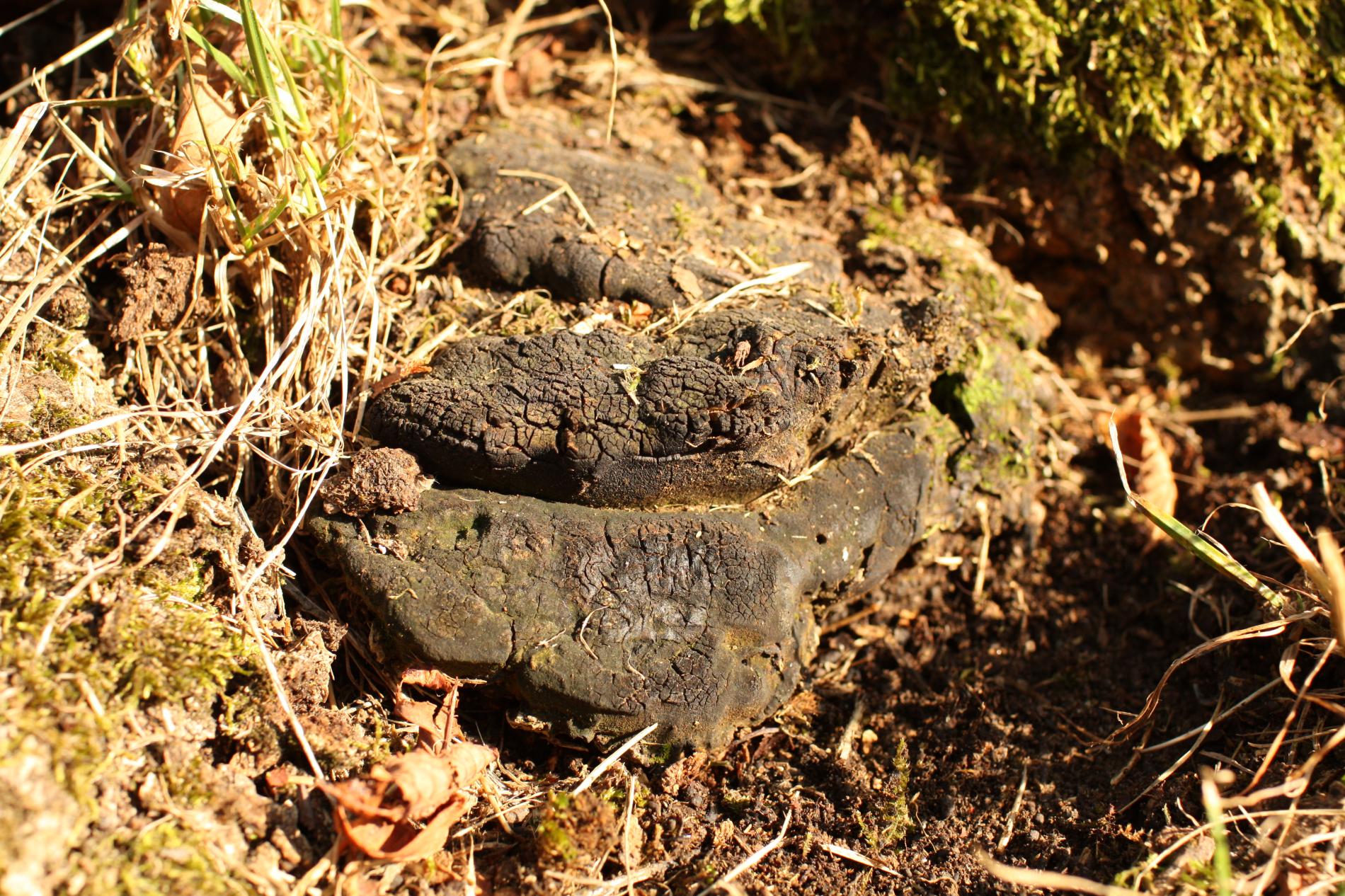
Fruiting bodies are formed on roots and at the base of stems. It causes white rot of wood. Fruiting bodies are perennial, pilei are widely attached to the substrate, corky when fresh, woody when dry, grey to black on the rough surface, the edge is rounded. Pores are tiny, creamy to brownish; after wounding they turn dark to brownish purple. It is a parasite, but can also be saprophyte. Host trees are mainly locusts and ash trees, less commonly oaks, poplars and other broadleaves. There are 7 other species of this genus which are widespread in Europe, Asia and North America and predominantly attack broadleaves.
Presence of perennial gray to black fruiting bodies on the trunk.
Tree Species: Black Locust, Oak, Ash, Poplar, Willow
Part of a plant- attacked: Tree trunk
Pest significance: Less harmful
Pest Category: Fungi
Invasive Species: No
Present in EU: Yes
Pest group: Fungi
Affected part of wood: Heartwood, Sapwood
Depth of damages: More than 5 cm depth, Under bark only, Up to 0,5 cm depth, Up to 2 cm depth, Up to 5 cm depth
The extent of damage: Lokally
Prevalence in Europe: Common
Damaged products: Firewood, Fresh timber logs (water still in the sapwood), Furniture, Lumber, boards and prisms, Wooden house constructions
Roundwood size: Diameter 50+, Diameter from 10 up to 50 cm
Wood discoloration: Yes
Pest subcategory: White-rot
Similar pests

Phellinus pomaceus

Phellinus robustus
