


Monochamus galloprovincialis
Black pine sawyer beetle
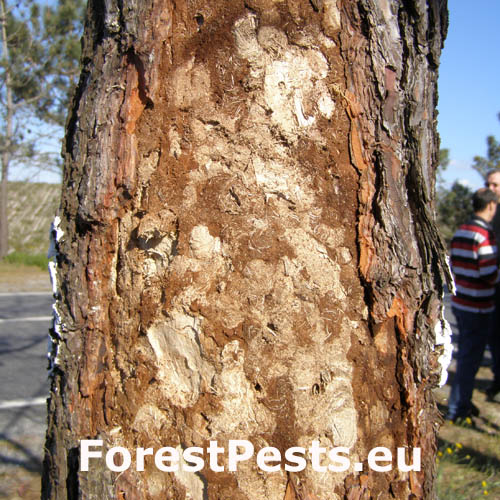
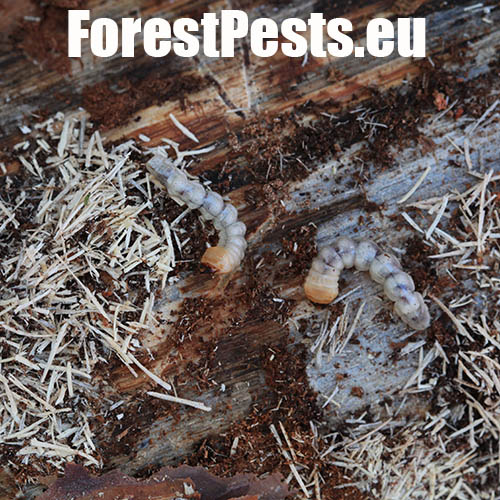
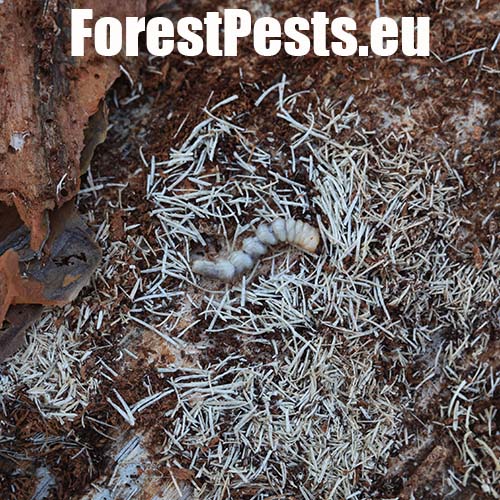
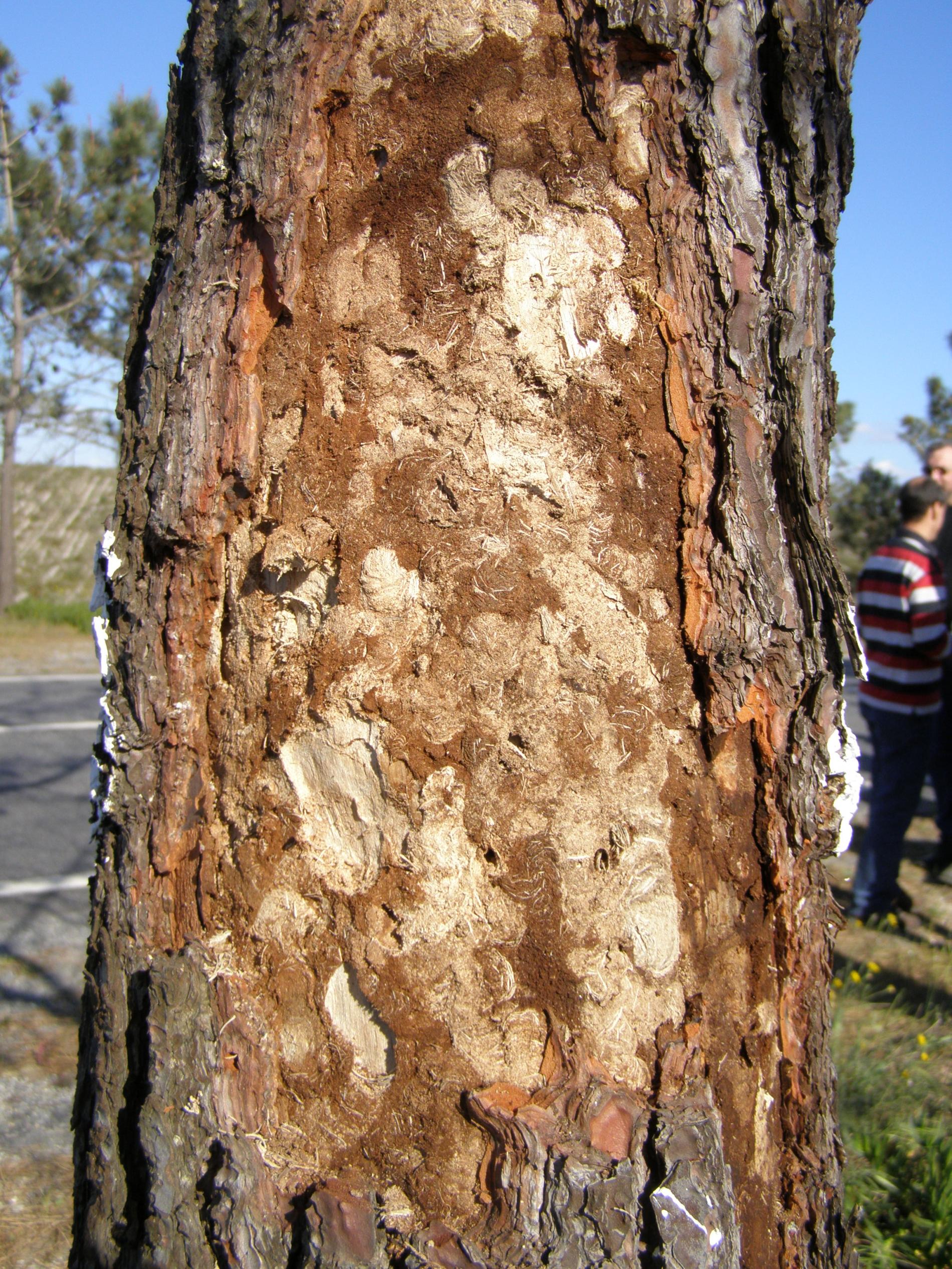
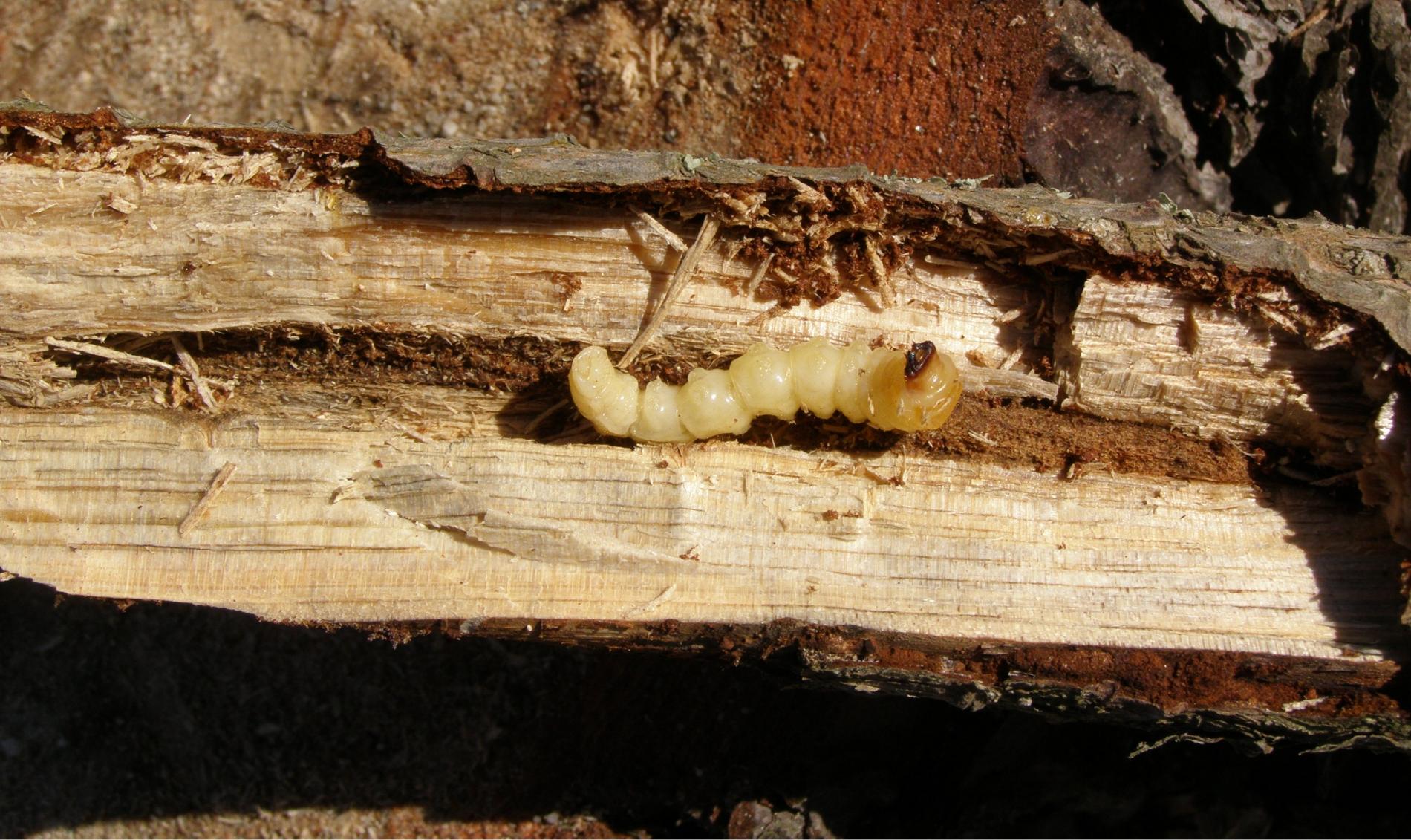
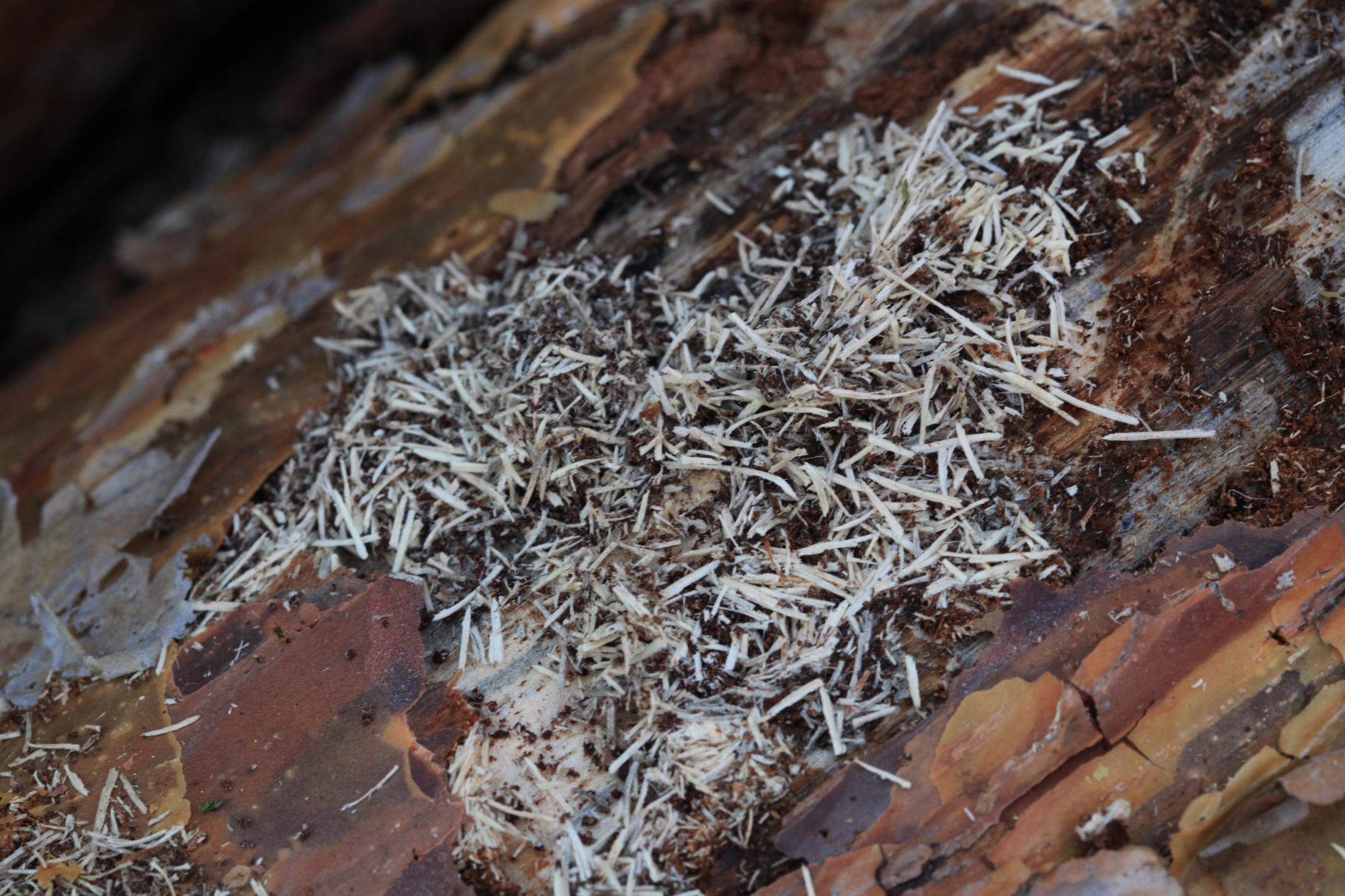
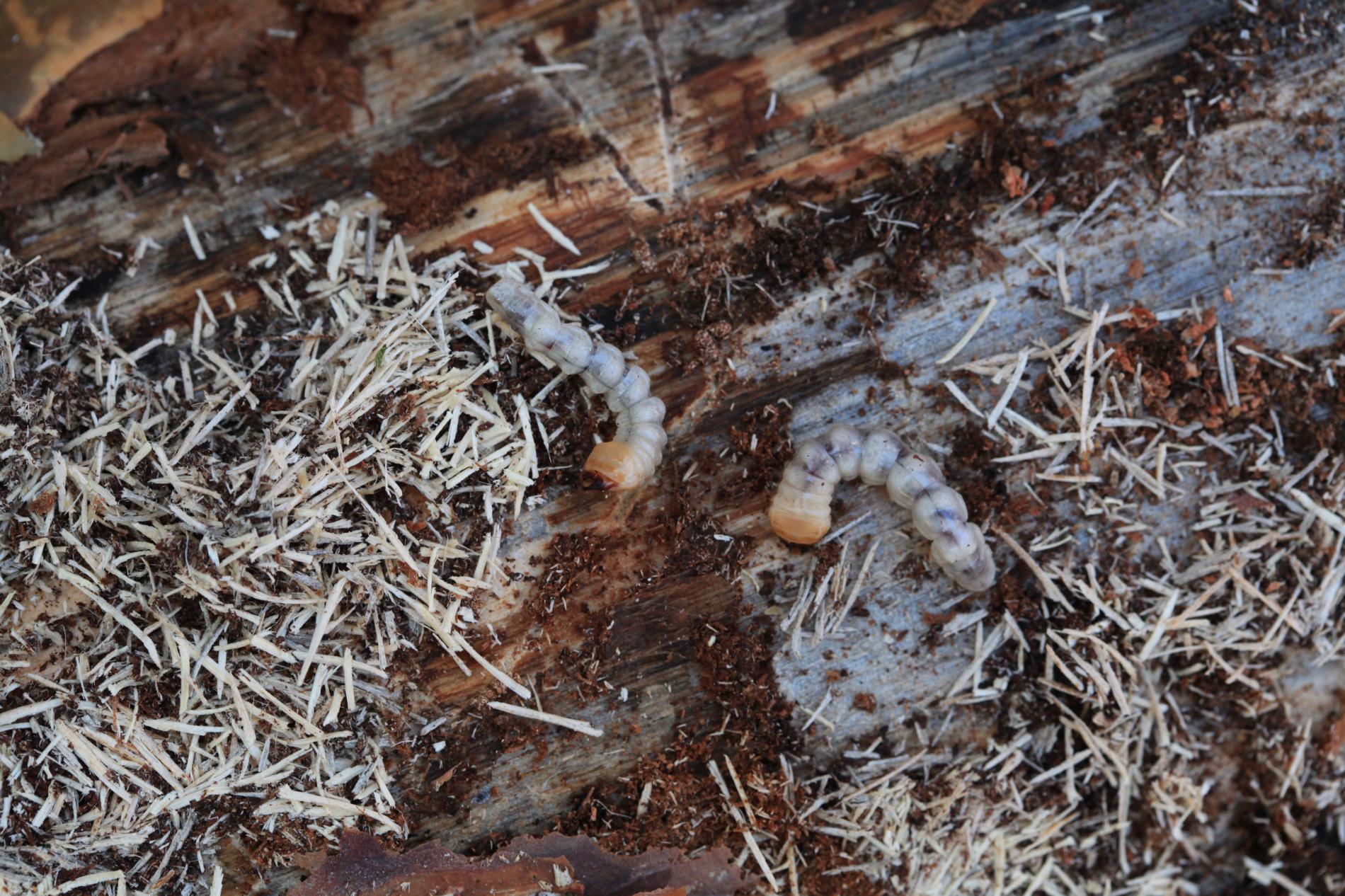
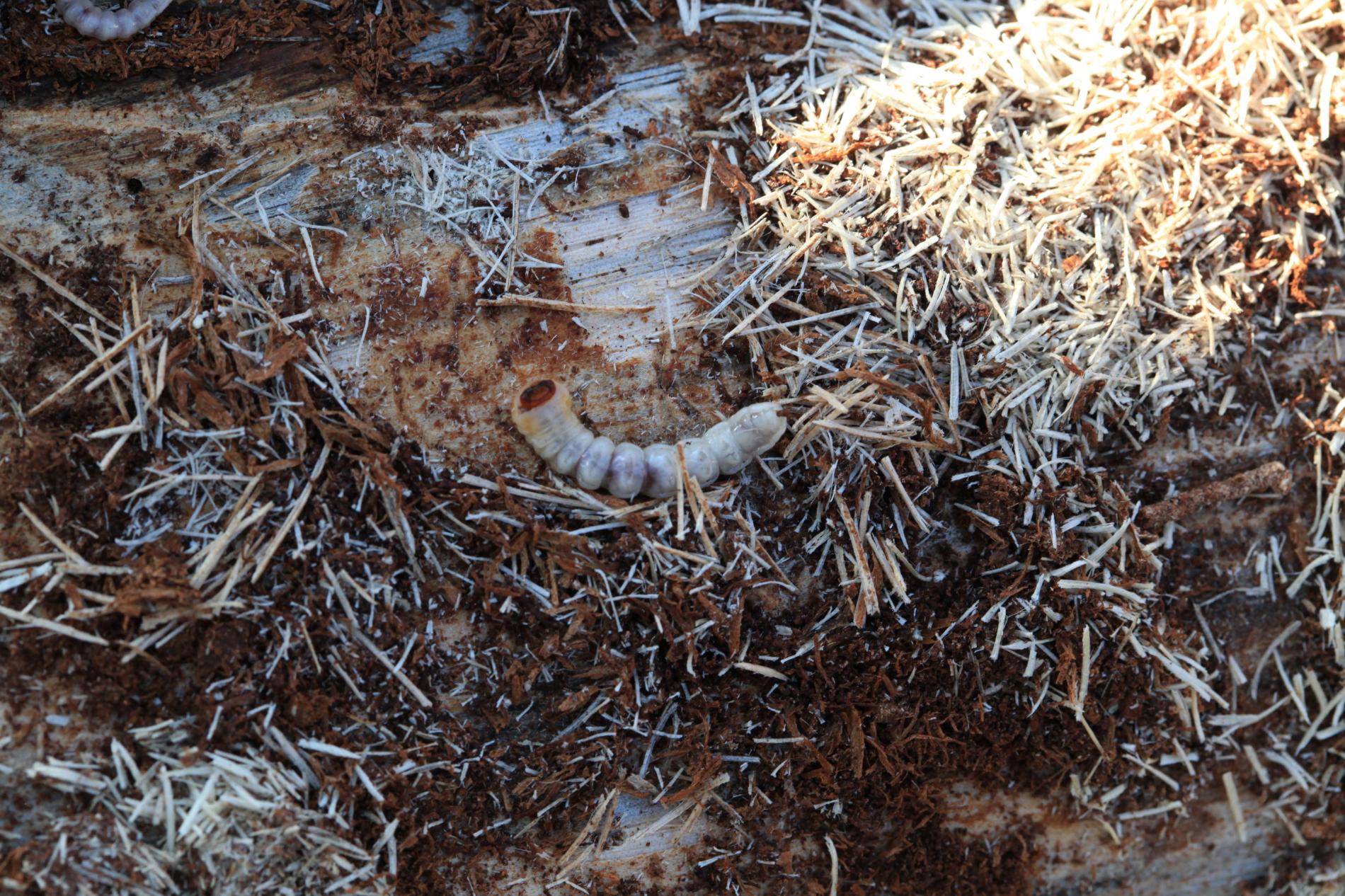
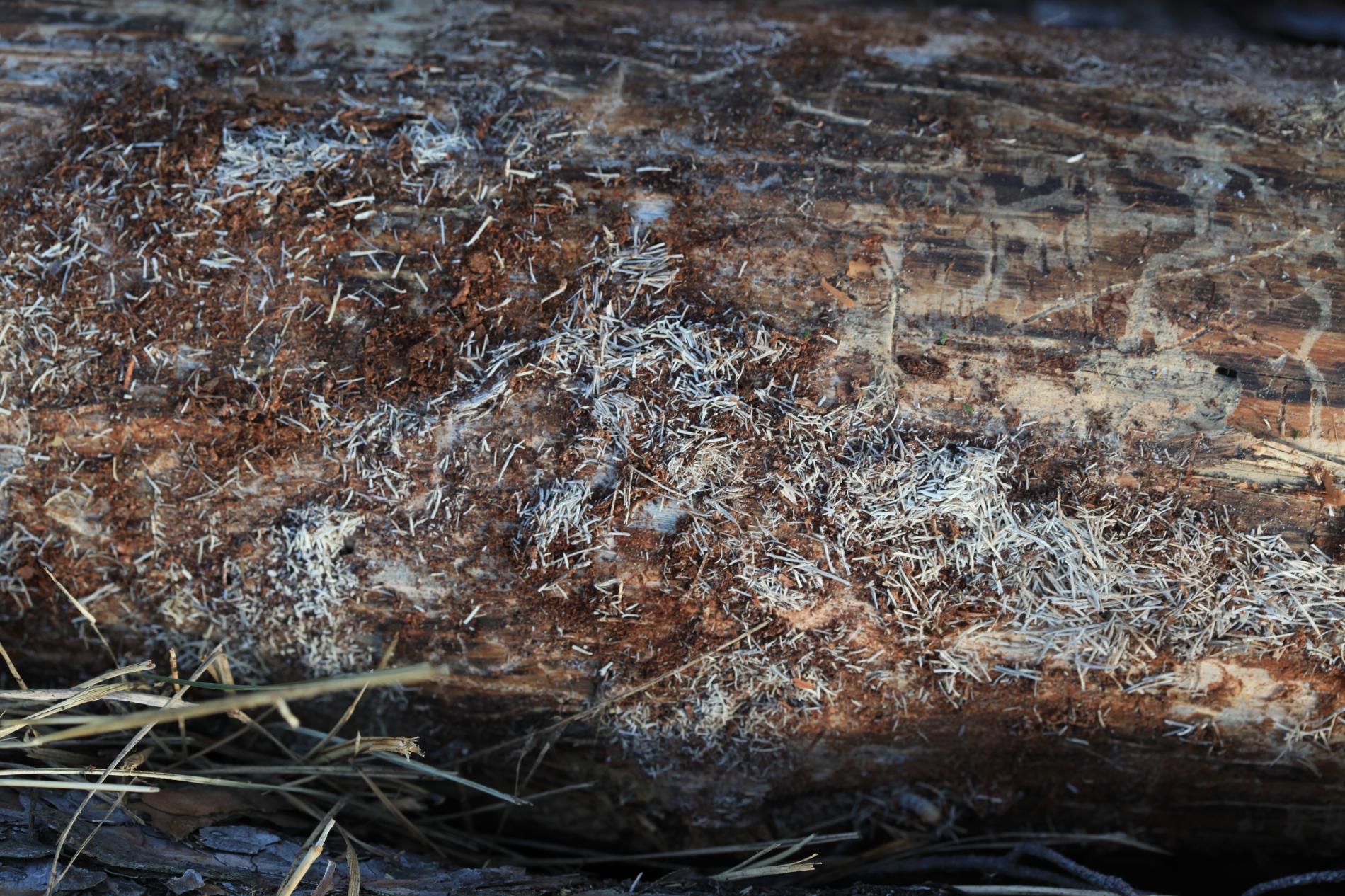
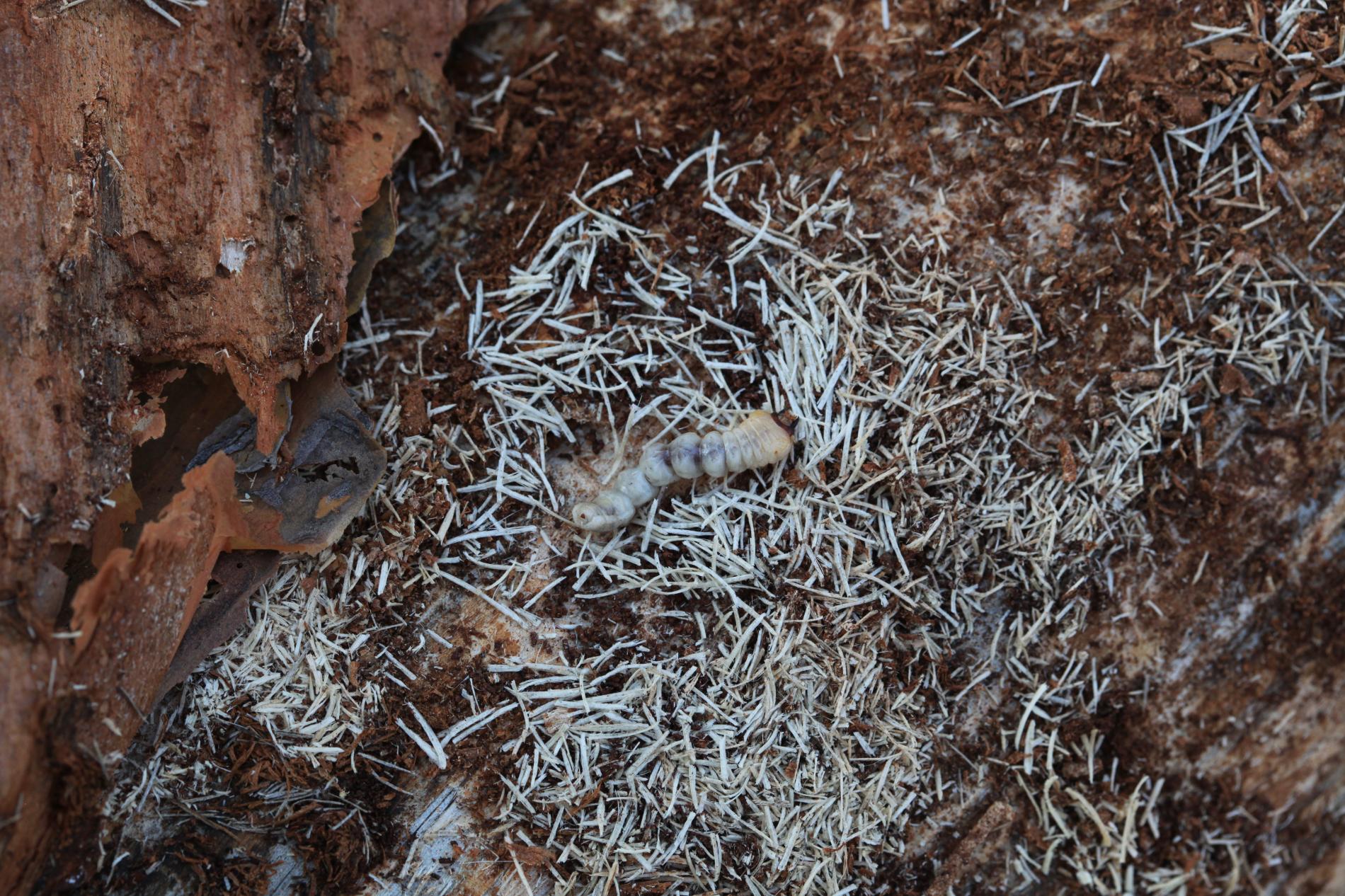
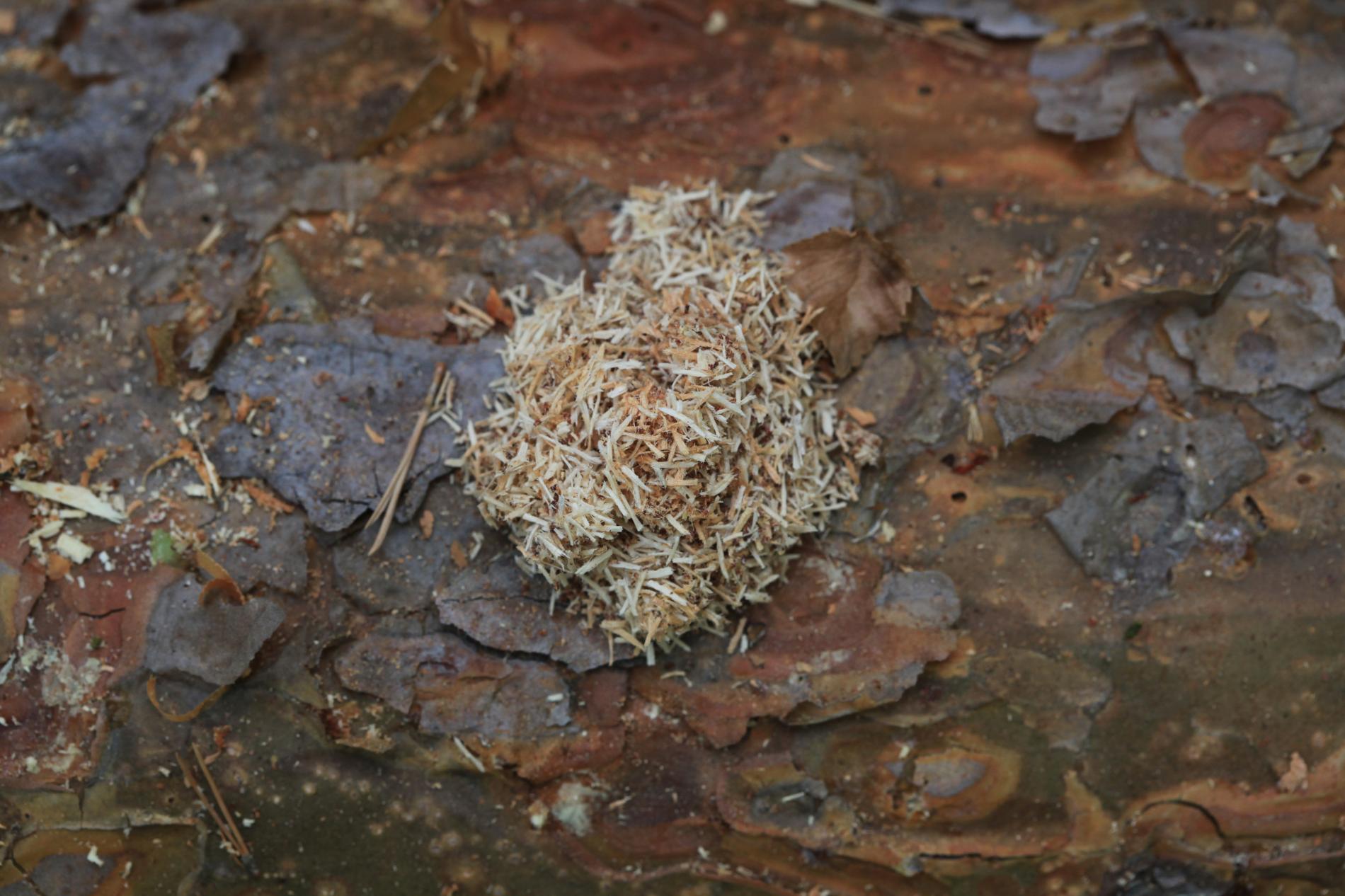
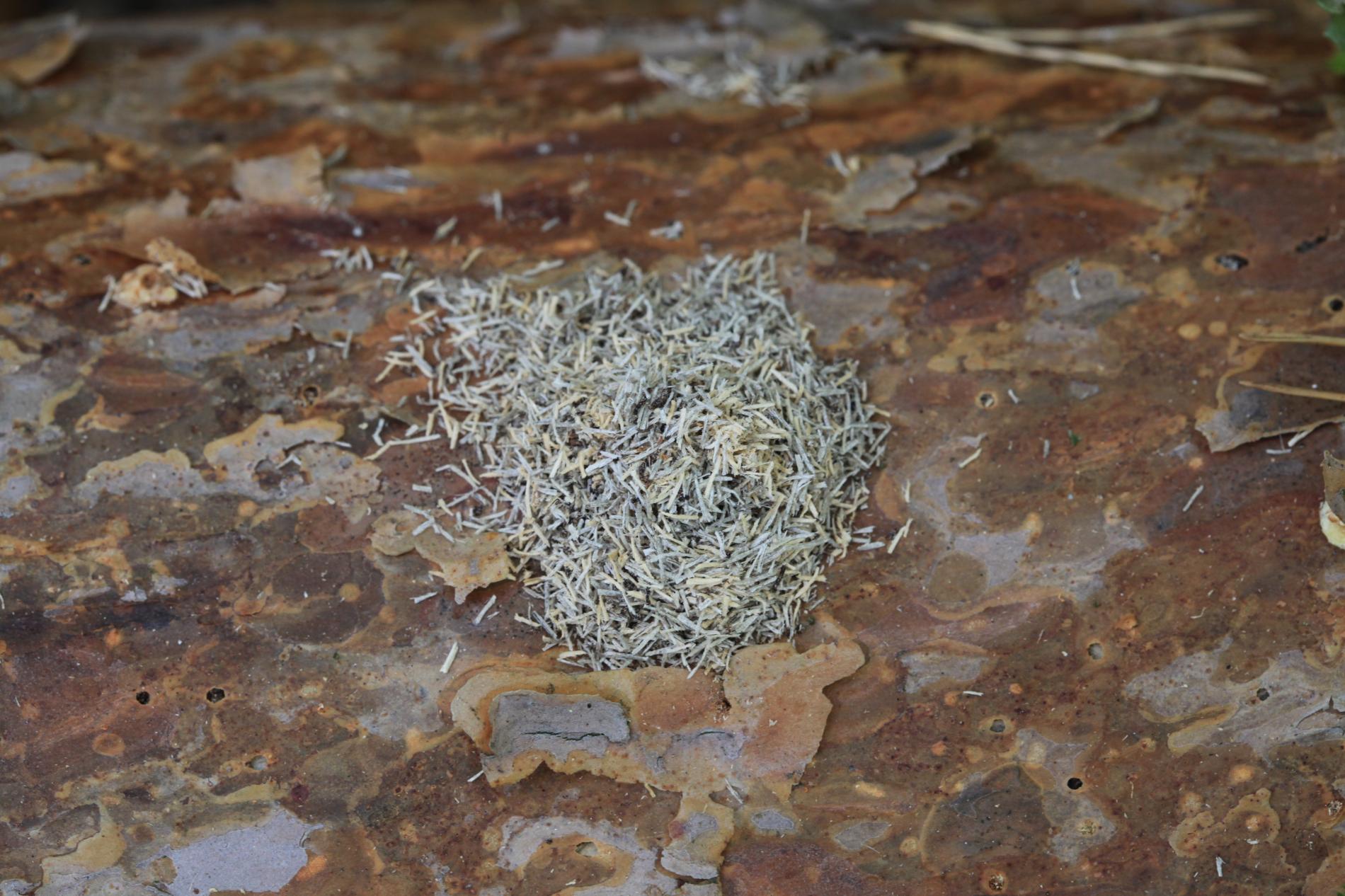
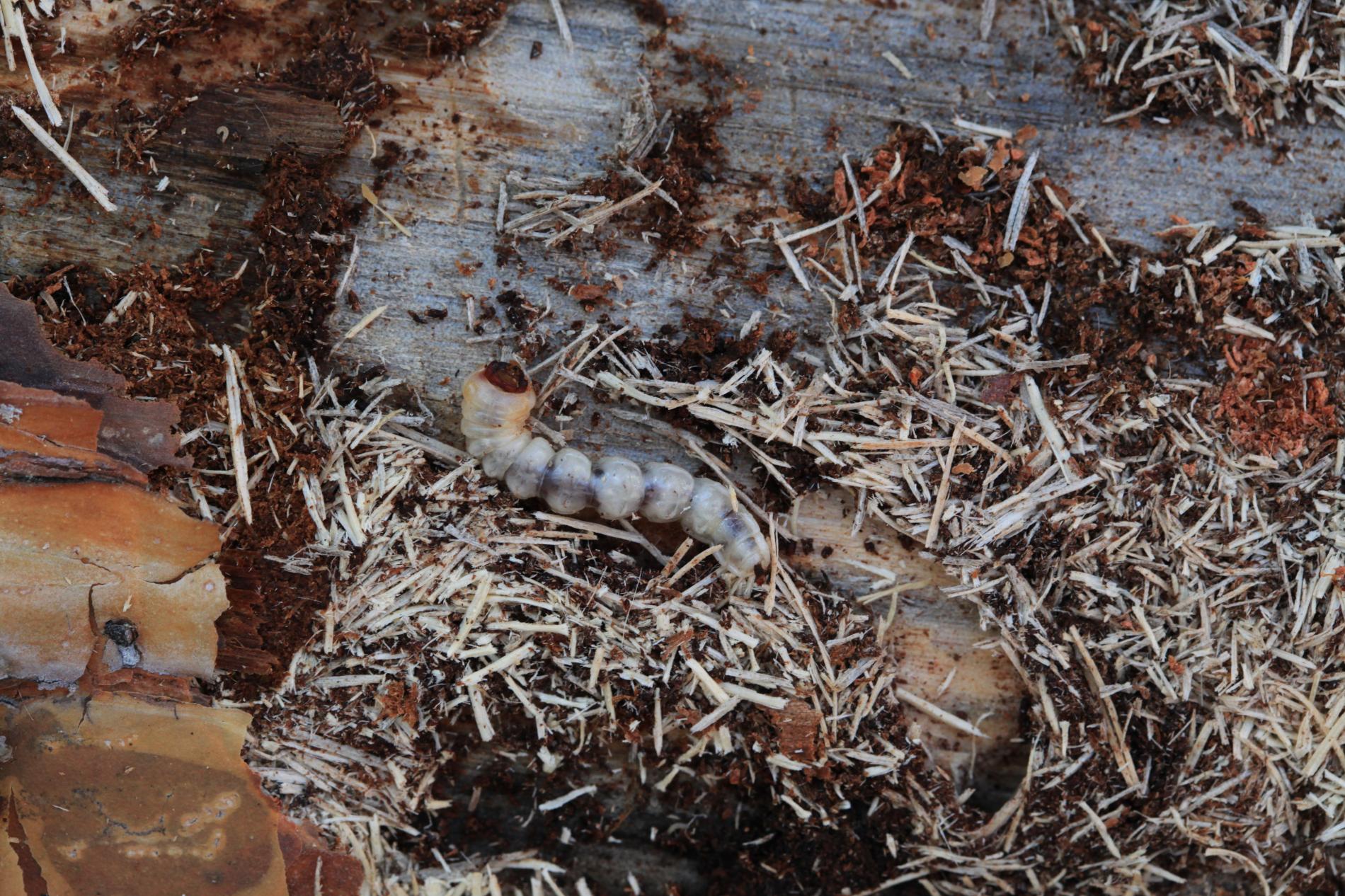
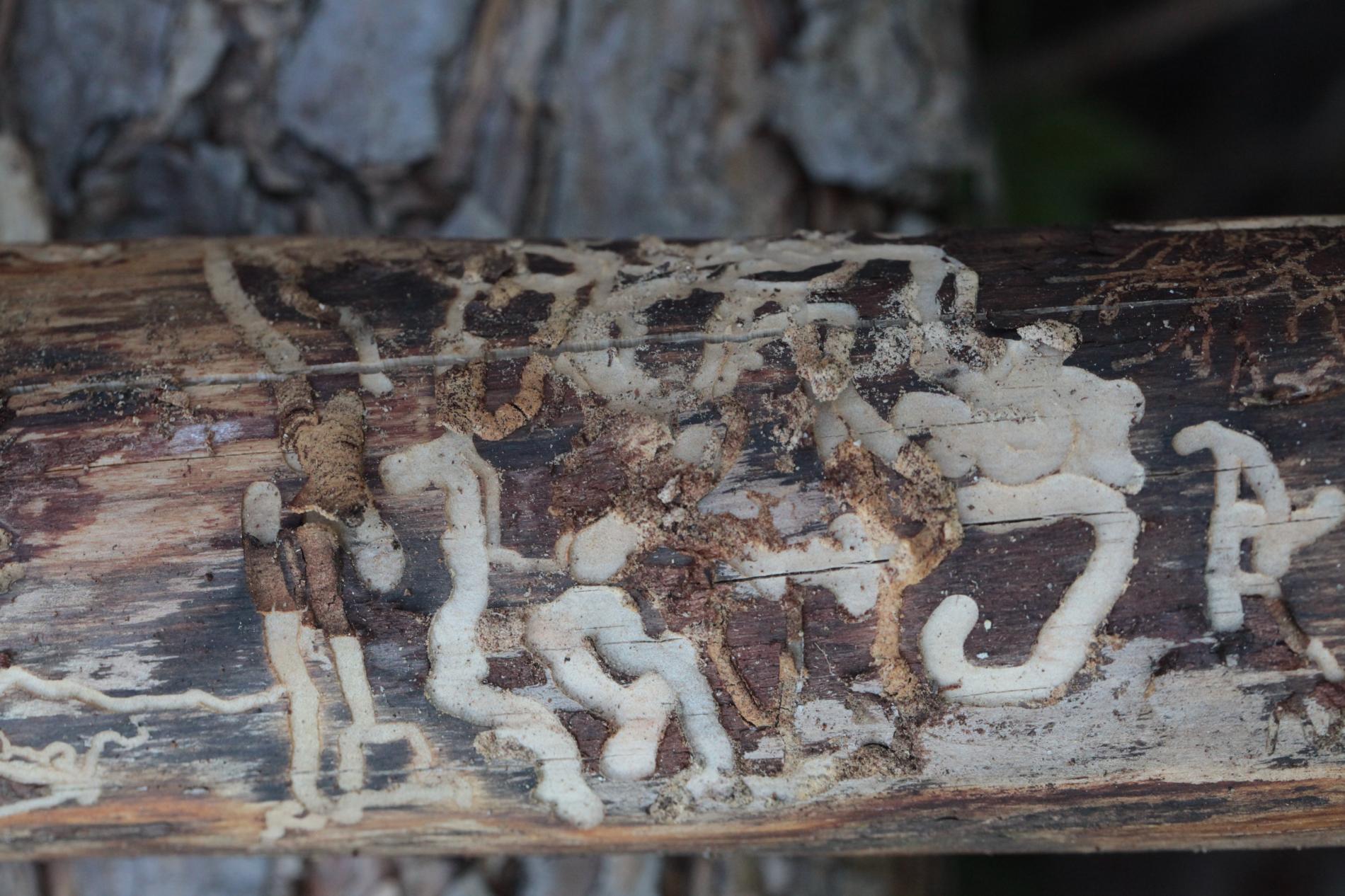
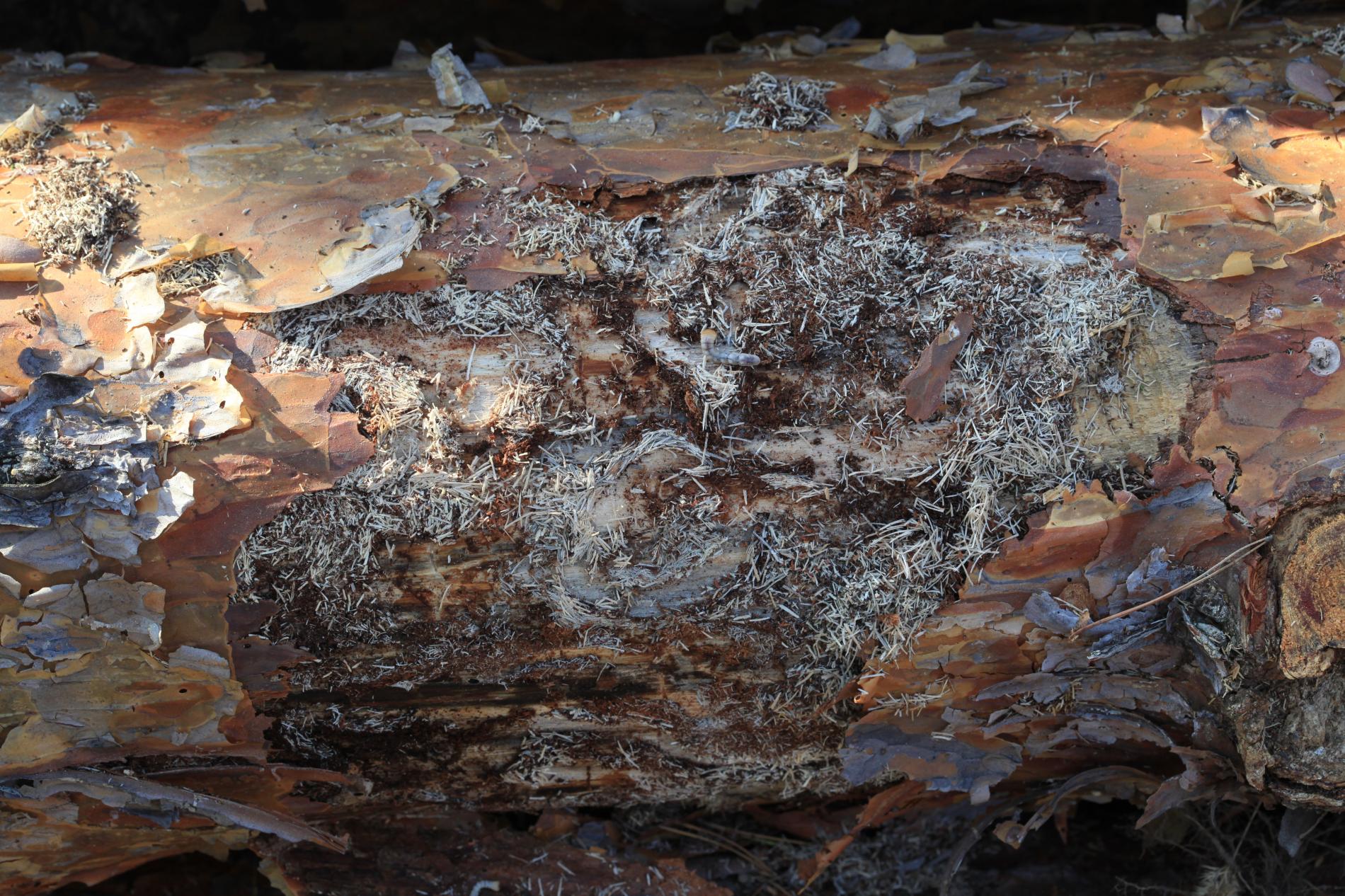
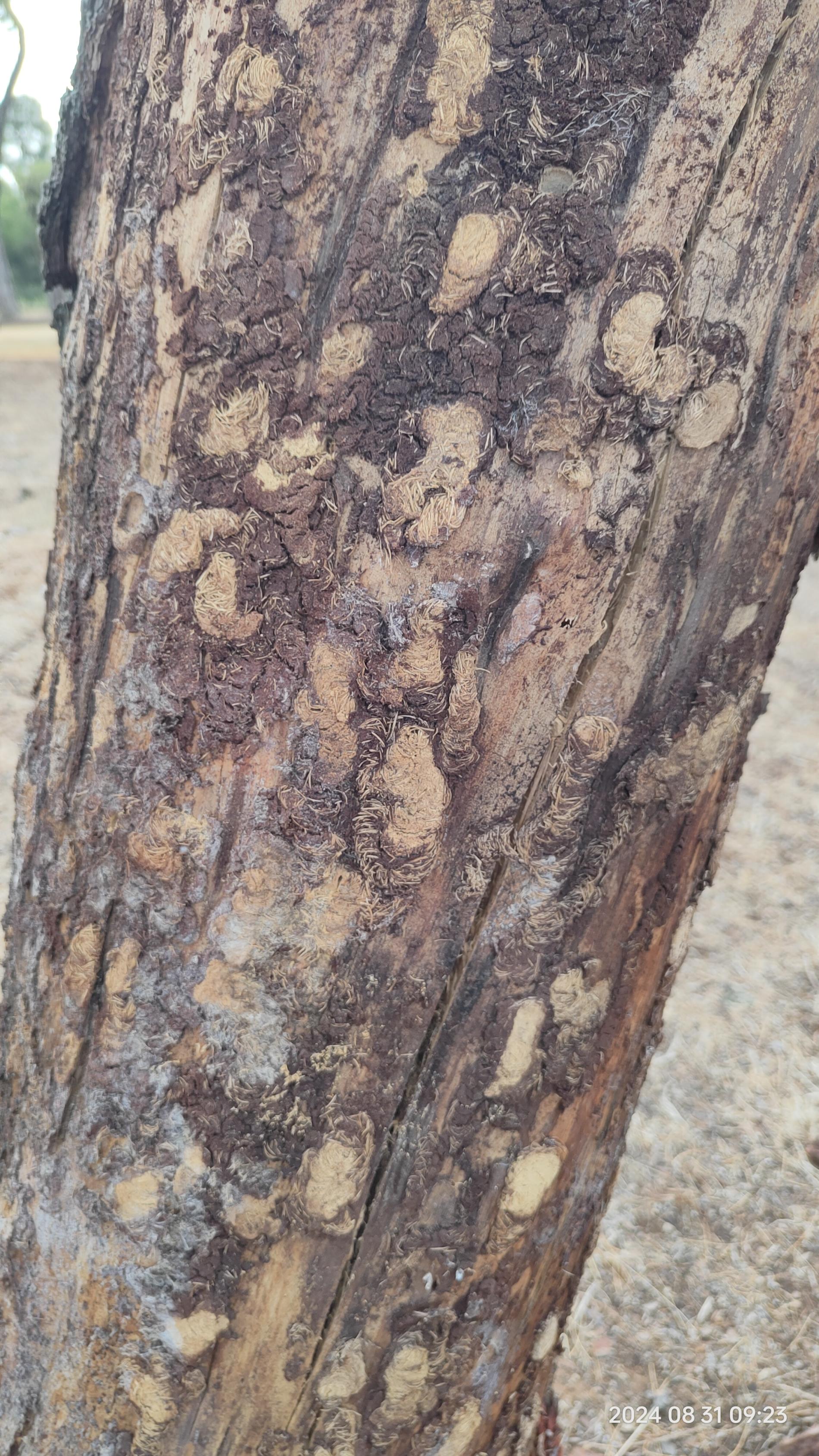
It is a longhorn beetle. Adults are brown black, 15 up to 25 mm long. The eggs are deposited in slits excavated by the females in the bark of suitable hosts and the newly-hatched larvae develop in individual galleries in the phloem before entering into the xylem, where they built a linear gallery ending in a pupal chamber from where the adults emerge through a perfectly round-shaped hole (5-7 mm in diameter). They are also capable of living on thin twigs, where they feed on the core creating a few centimeters long gallery before pupating. Infestation can be severe. Infested logs are easy to identified by the white debris on the top. The adults maturation feeding can damage the twigs. It was recently found to be the vector of the pathogenic pine wood nematode Bursaphelenchus xylophilus.
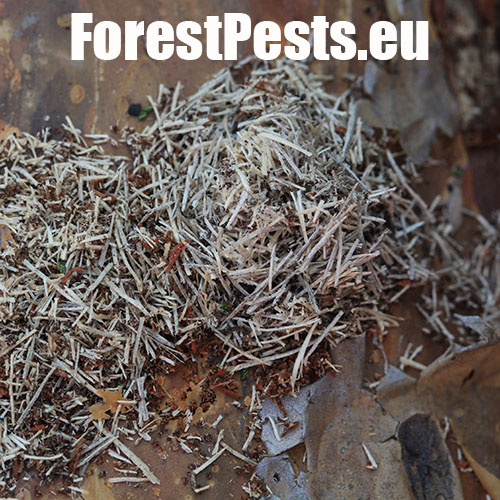
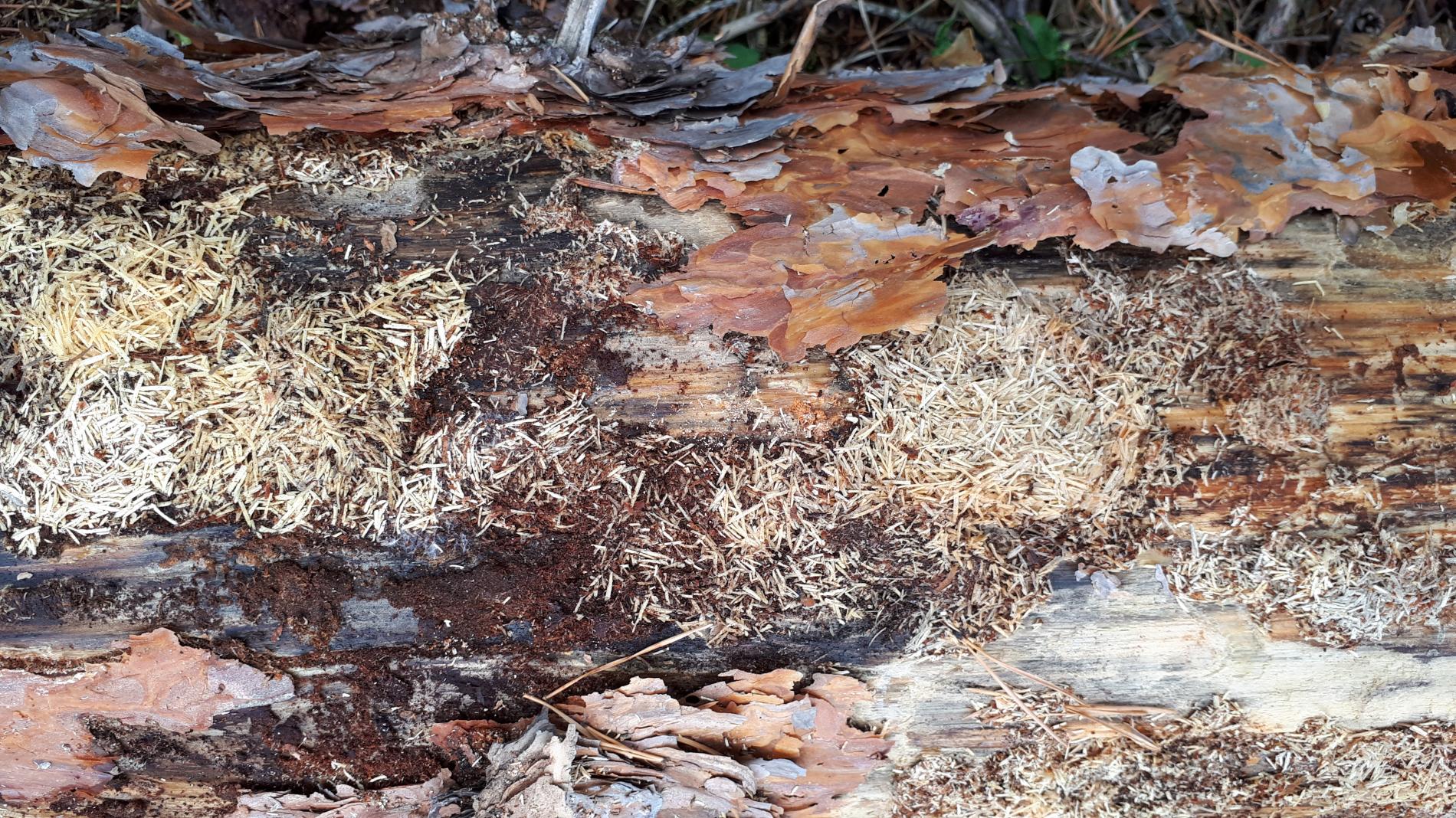
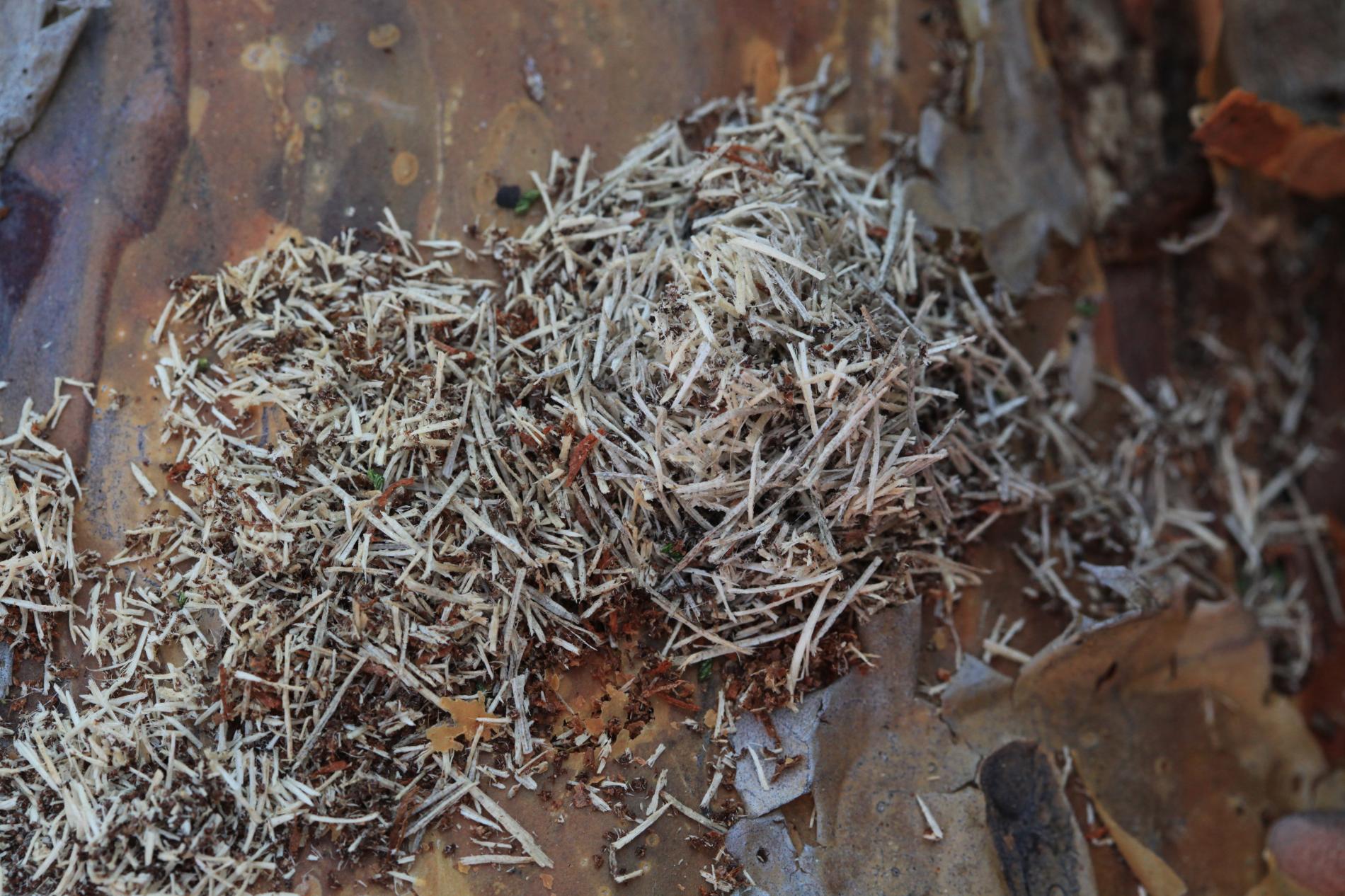
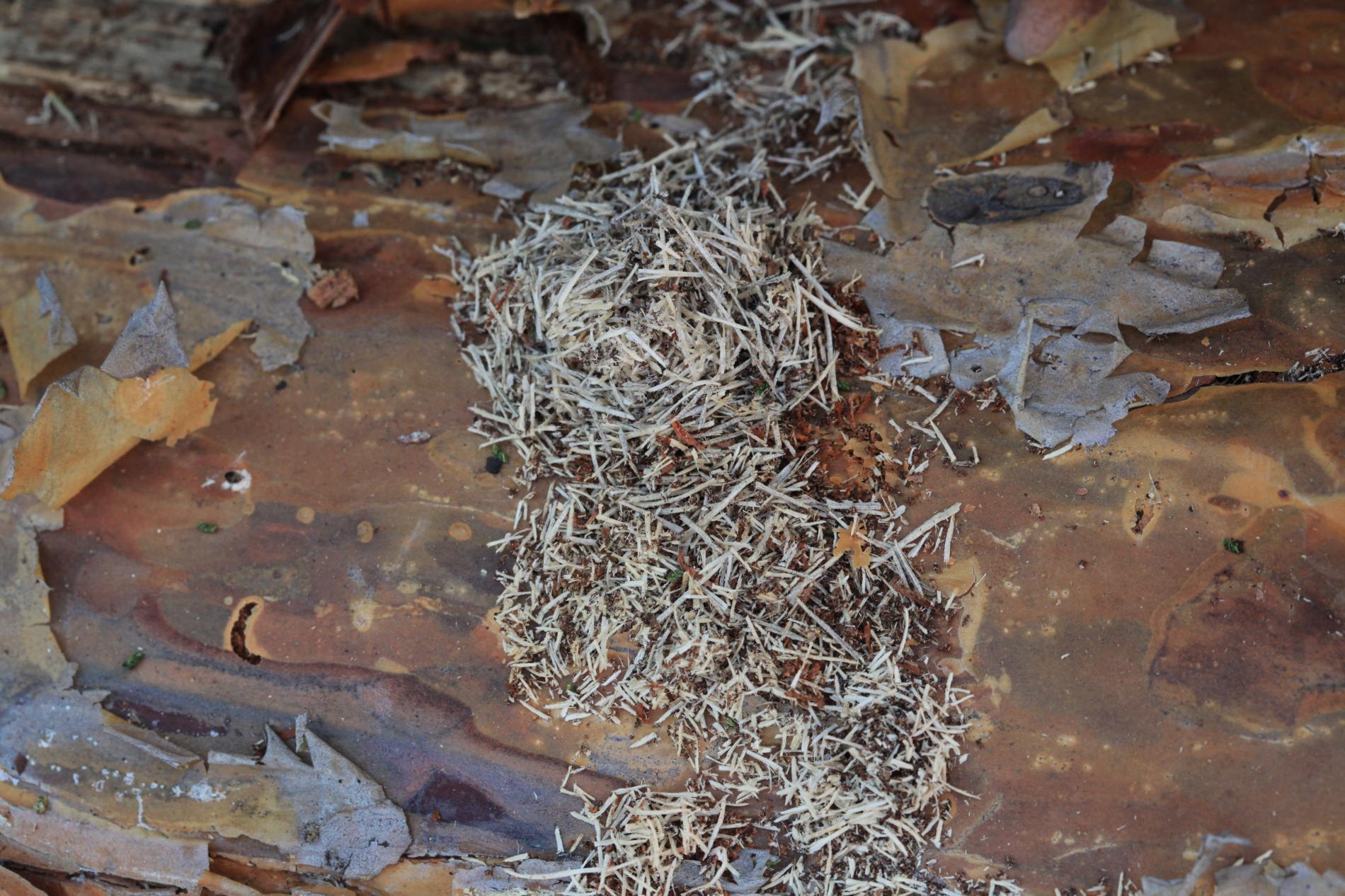
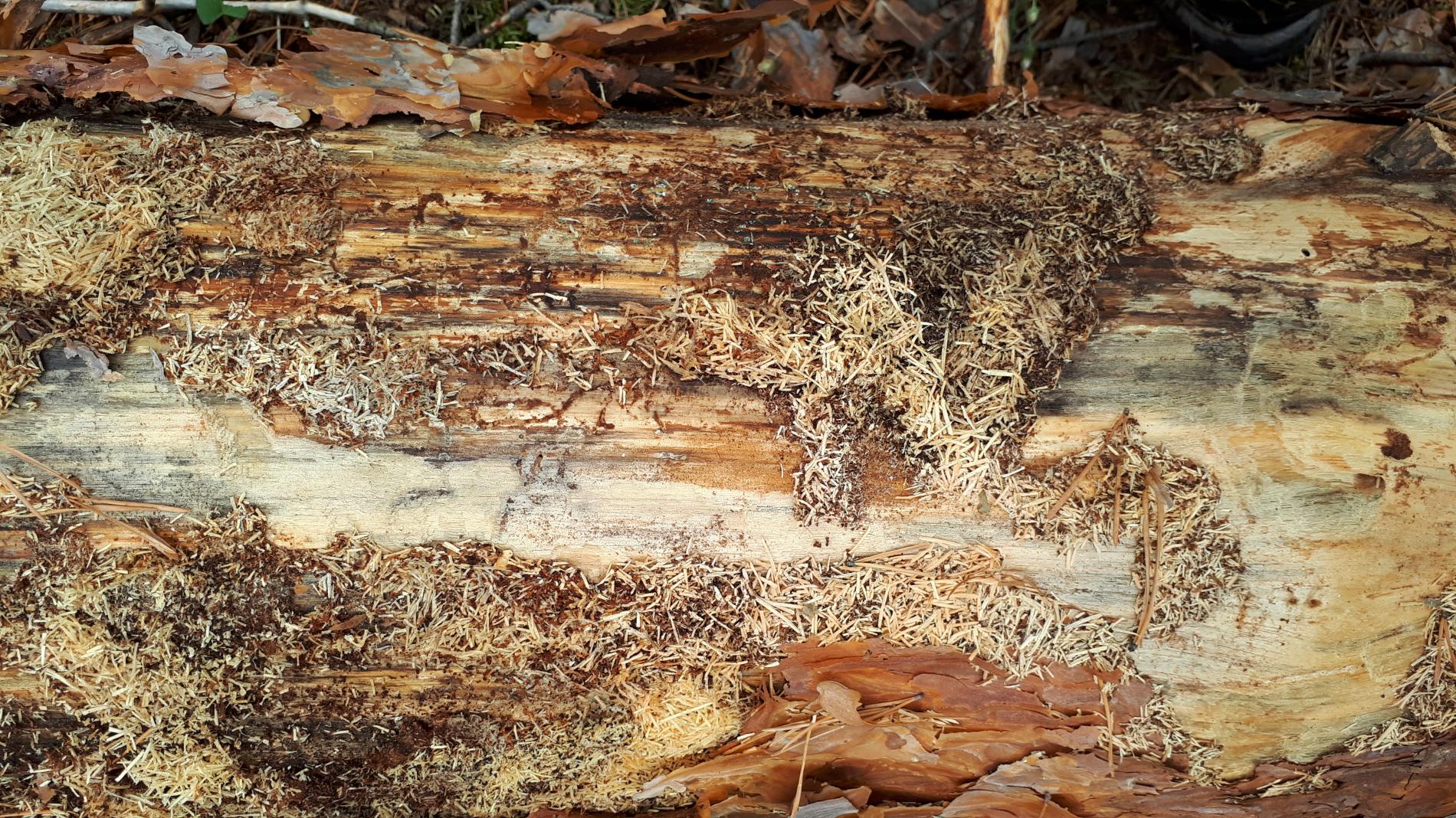
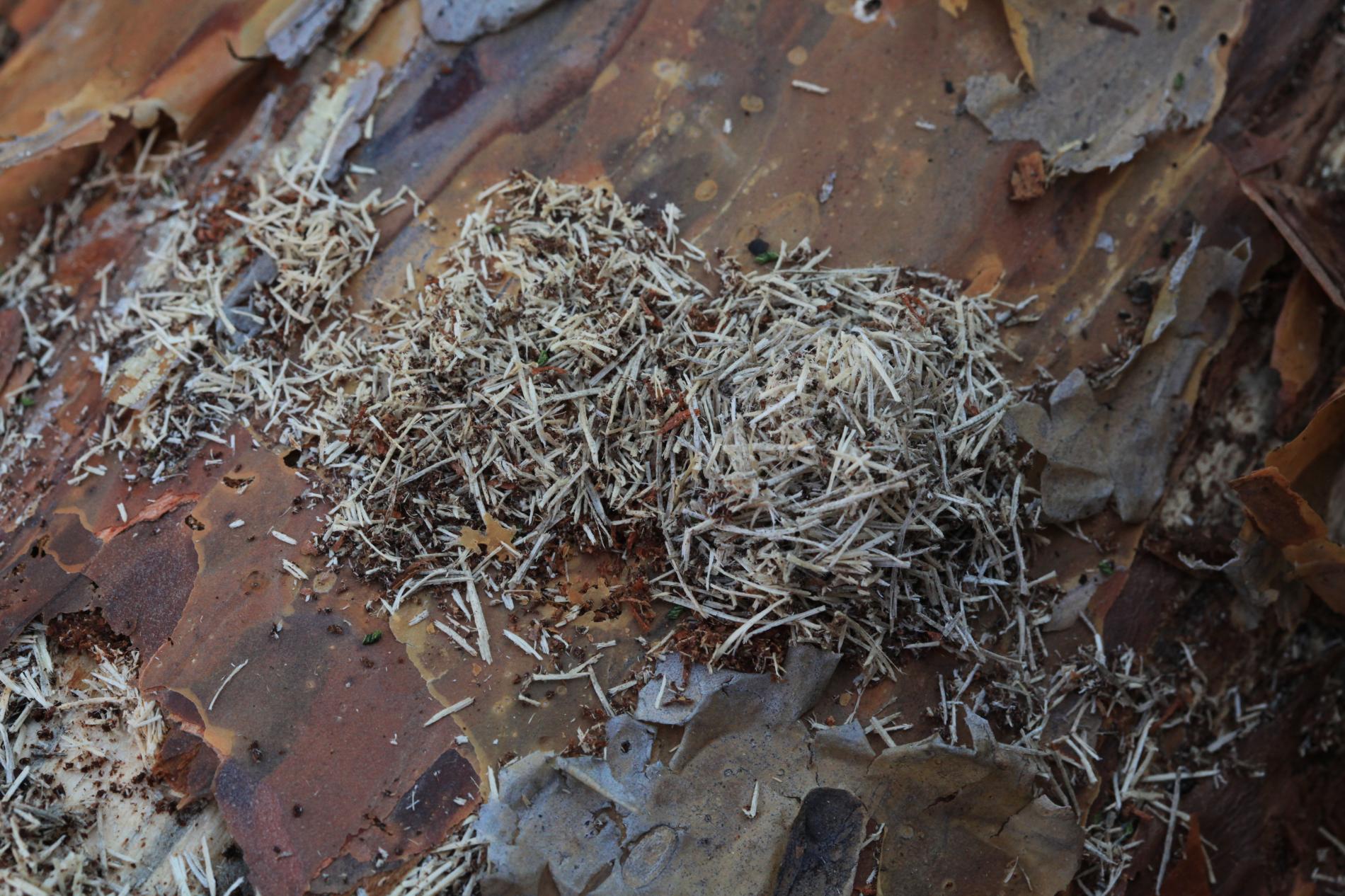
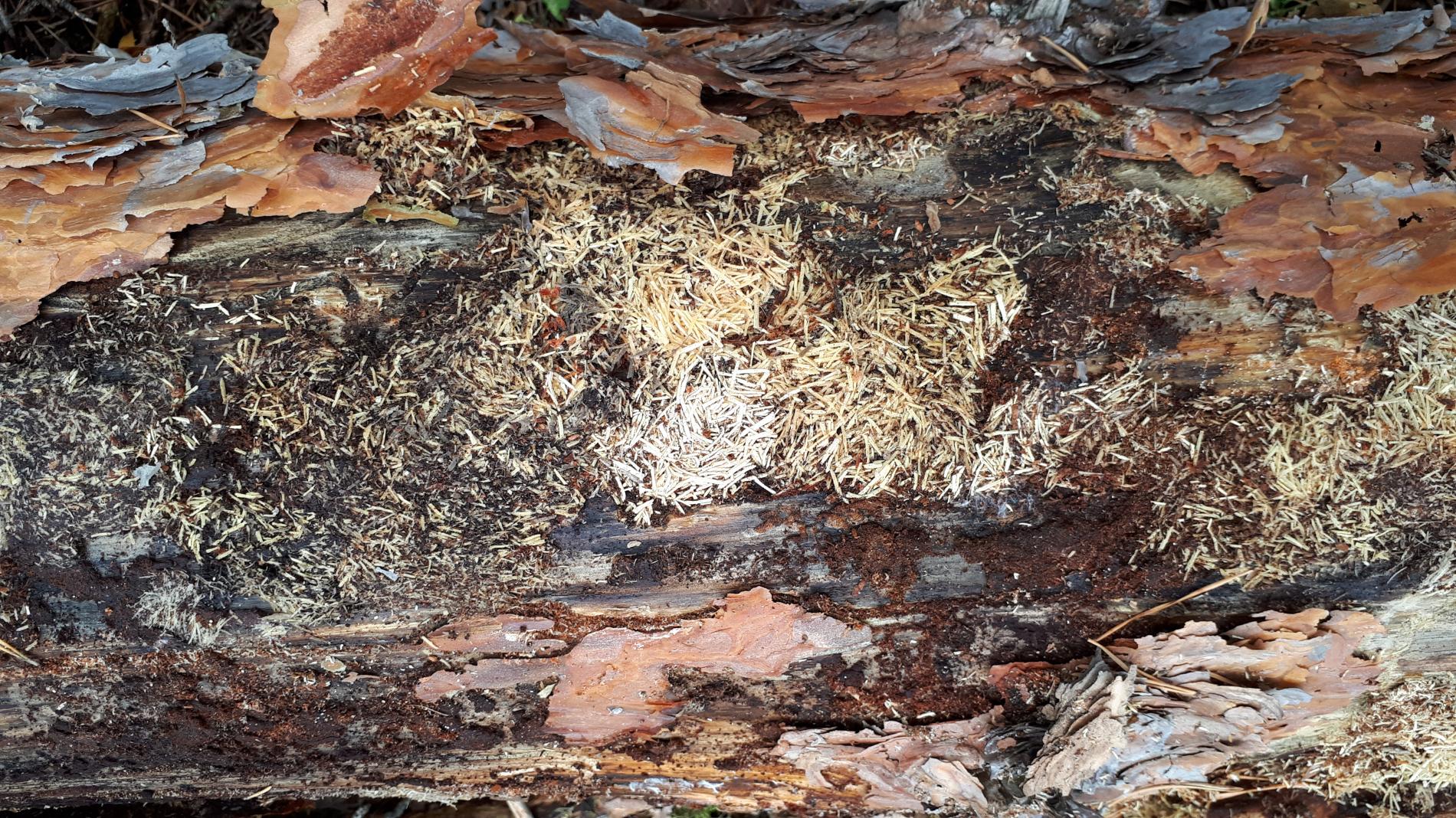
The scavengers under the bark are firmly clogged with small concentrically arranged chips.
Tree Species: Pine
Part of a plant- attacked: Tree trunk, Branch
Pest significance: Harmful
Pest Category: Insects
Invasive Species: No
Present in EU: Yes
Pest group: Insect
Depth of damages: Under bark only, Up to 0,5 cm depth, Up to 2 cm depth, Up to 5 cm depth
The extent of damage: Whole trunk
Prevalence in Europe: Very common
Damaged products: Firewood, Fresh timber logs (water still in the sapwood), Furniture, Lumber, boards and prisms, Wooden house constructions
Roundwood size: Branches and twigs, Diameter 50+, Diameter from 10 up to 50 cm, Diameter up to 10 cm
Wood discoloration: No
Exit holes: Oval
Pest subcategory: Wood-boring insect


Similar pests

Tetropium gabrieli

Spondylis buprestoides
