


Molorchus minor
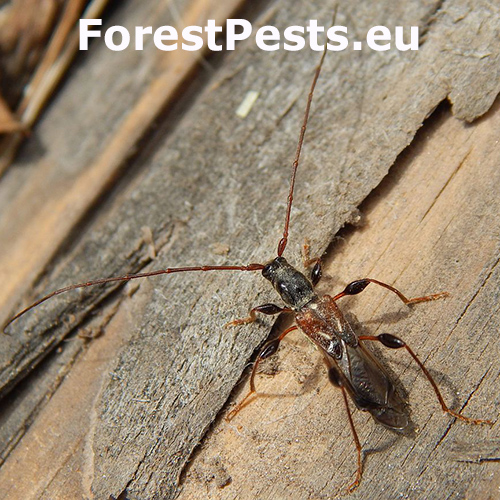
Longhorn beetle Molorchus minor

Molorchus minor is a polyphagous longhorn beetle developing mainly in conifers such as Norway spruce (Picea abies), pine (Pinus), and fir (Abies). The species occurs widely across Europe, Russia, the Caucasus, and parts of Asia, including Iran, China, and Korea. Adults are active from May to August, often found on flowers or dead and weakened trees. Females lay eggs in the bark of damaged or dying trees. The larvae feed in the cambium and eventually create pupal chambers in the sapwood. The life cycle spans 1-2 years, depending on climatic conditions. Although the damage is superficial in early stages, the beetle can reduce timber quality by tunneling in the wood. Repeated attacks on weakened trees may fasten their decline, but this species does not usually attack healthy trees.
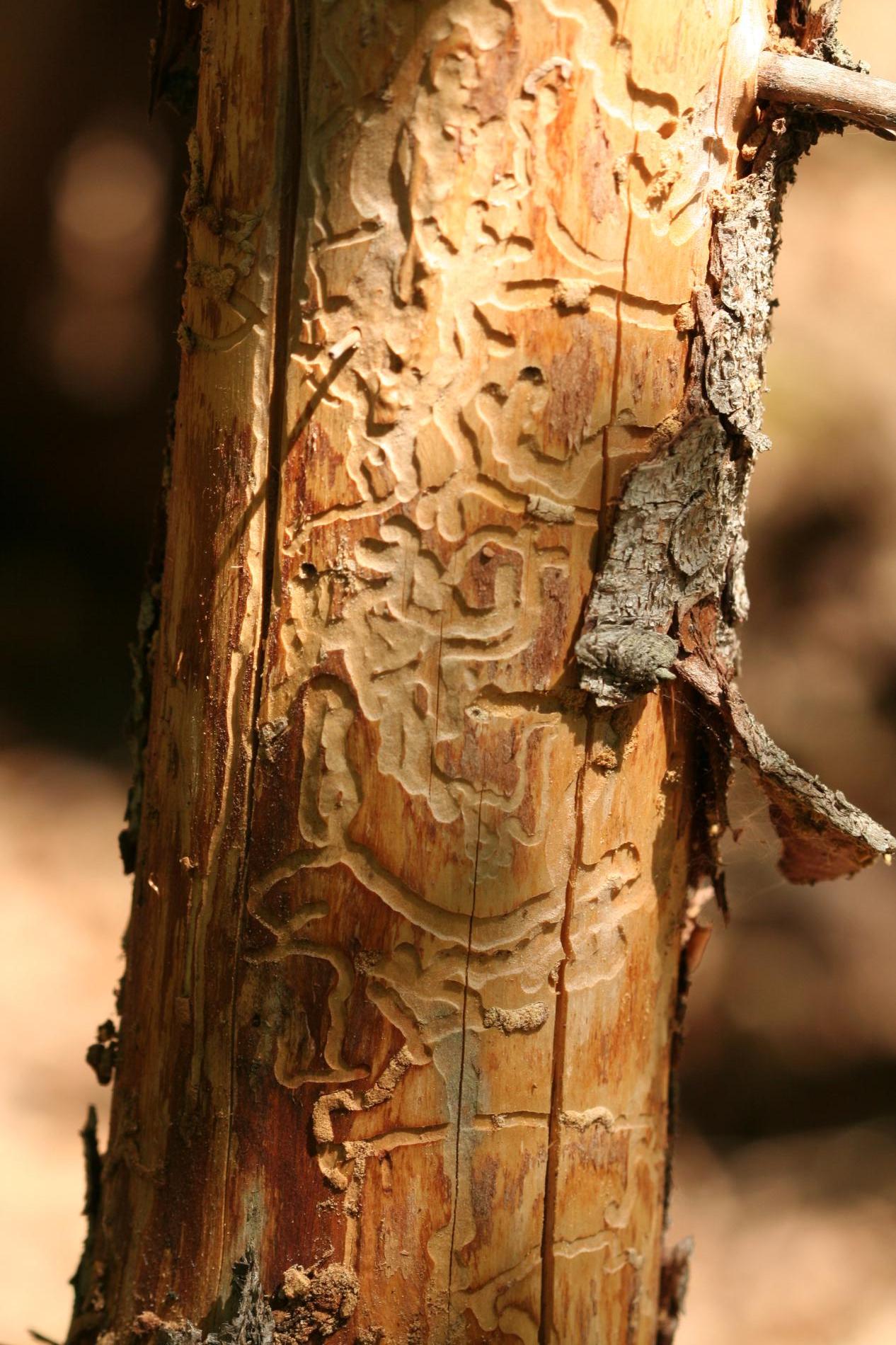
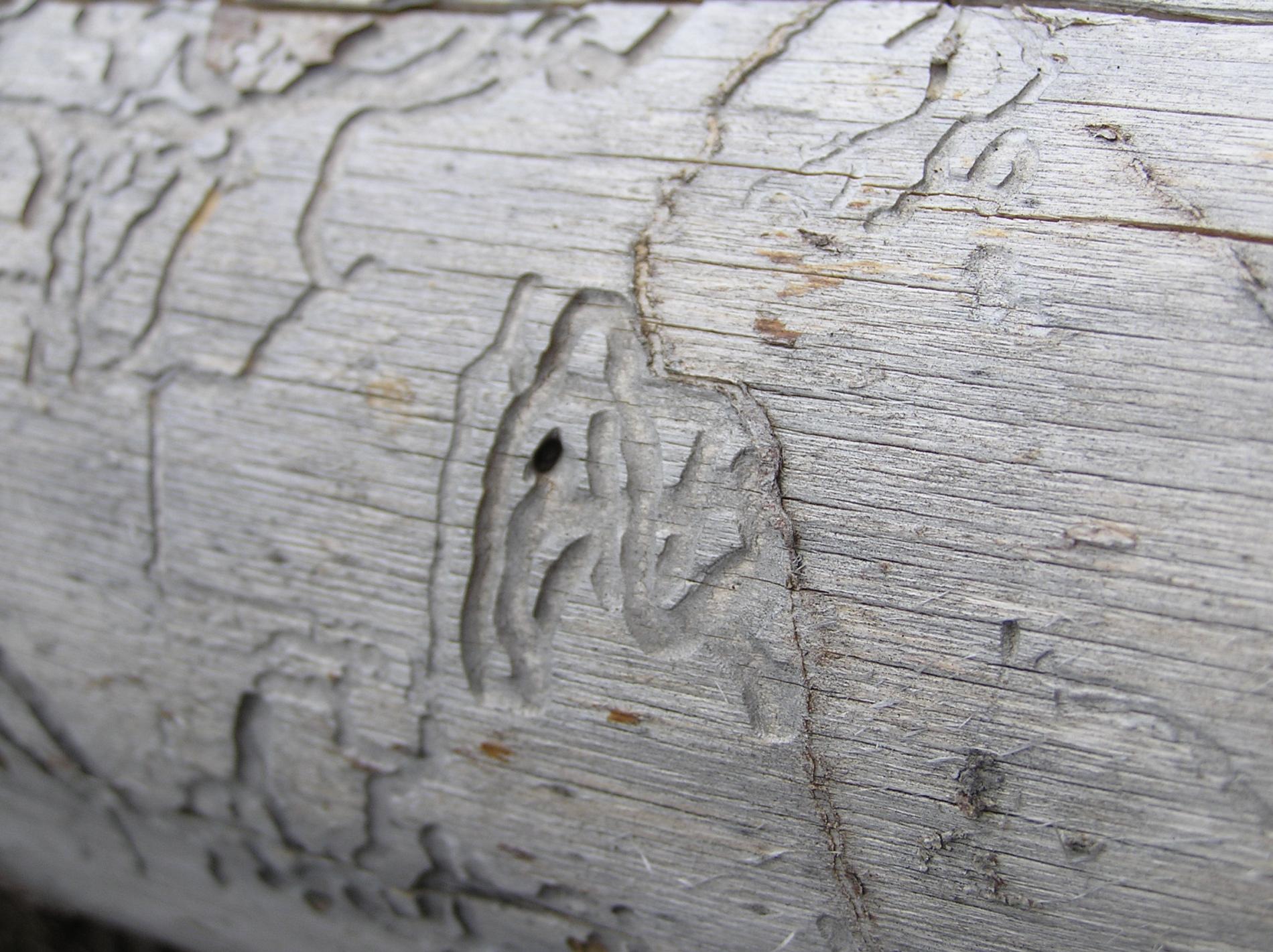
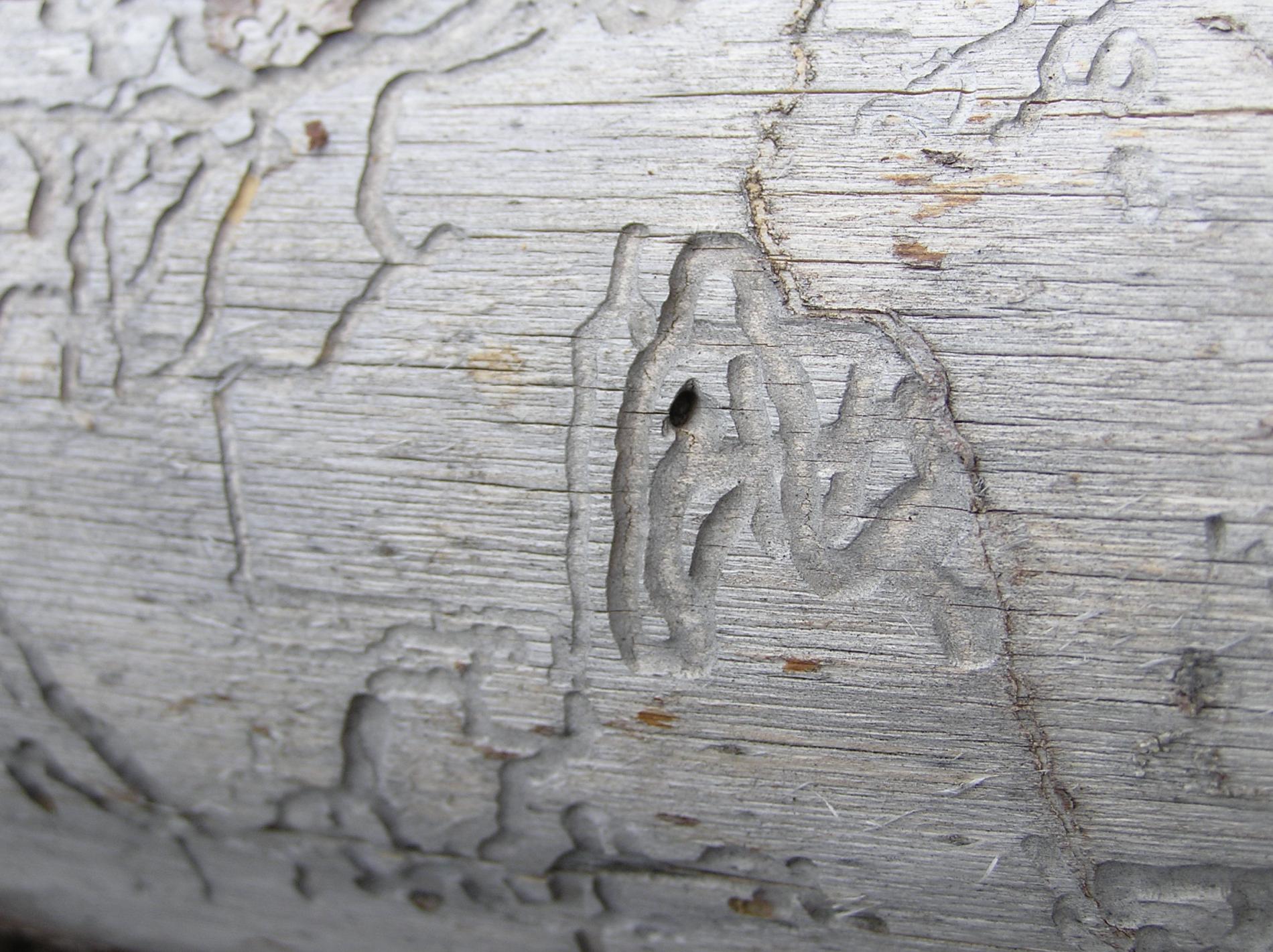
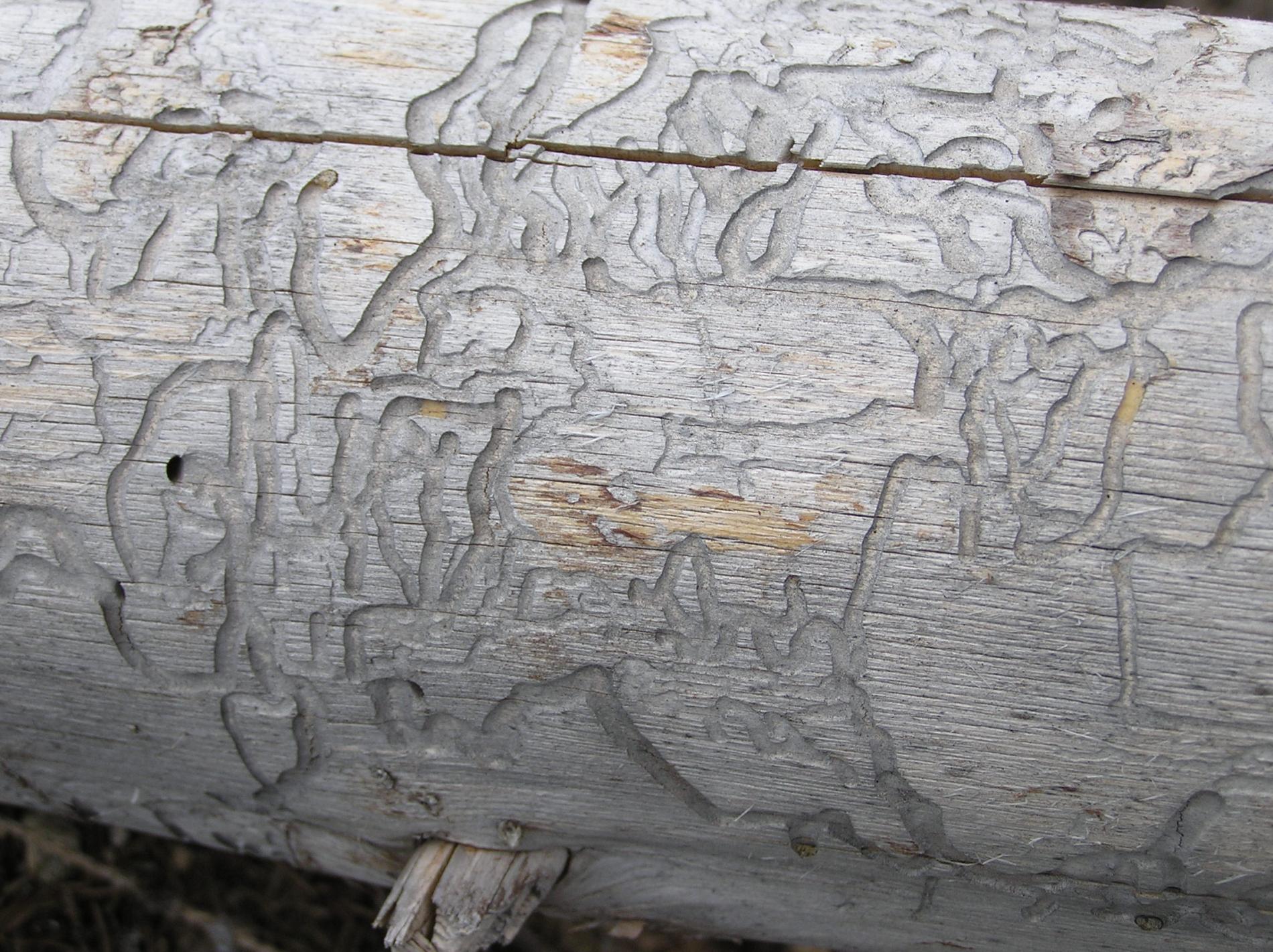
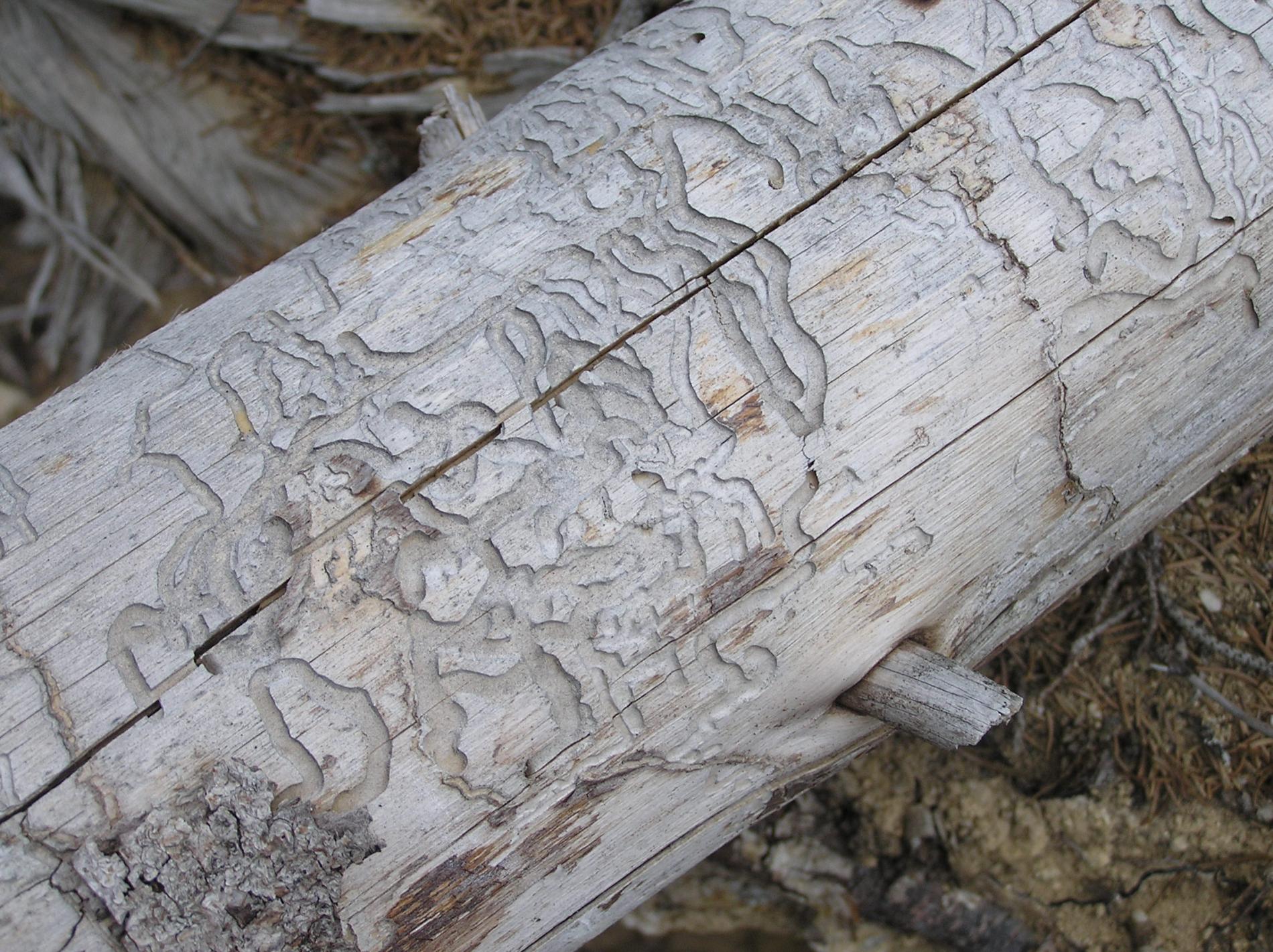
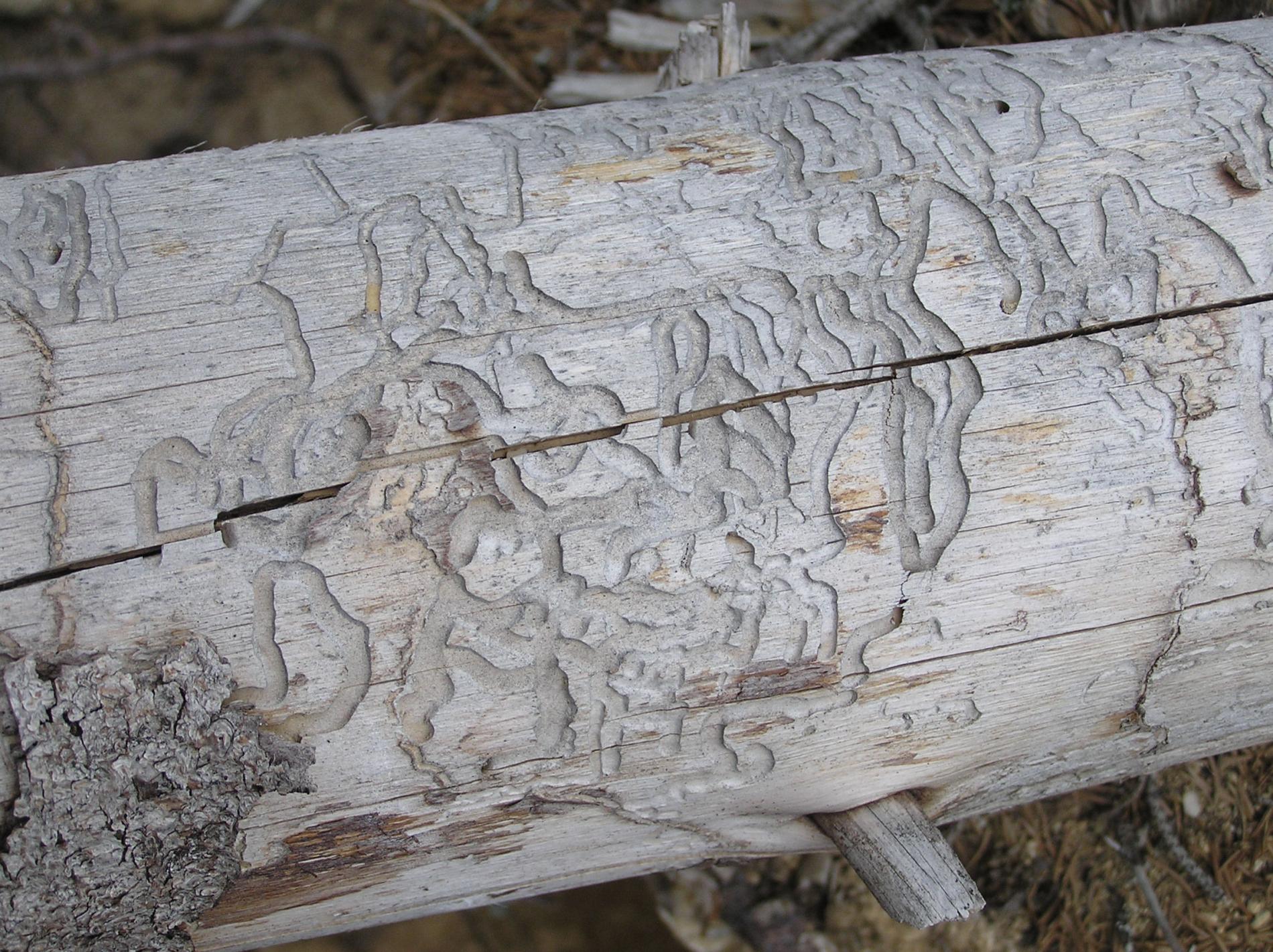
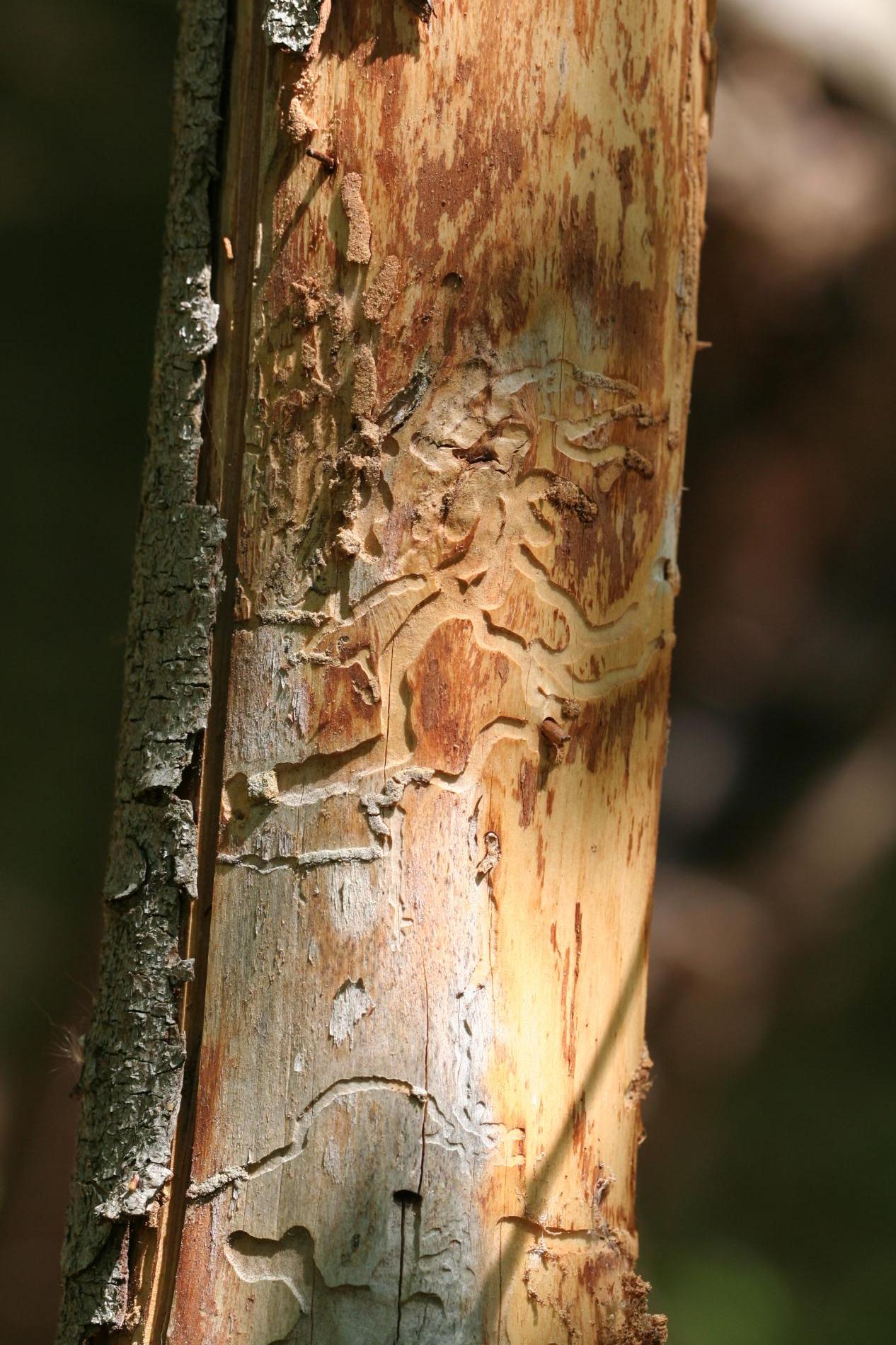
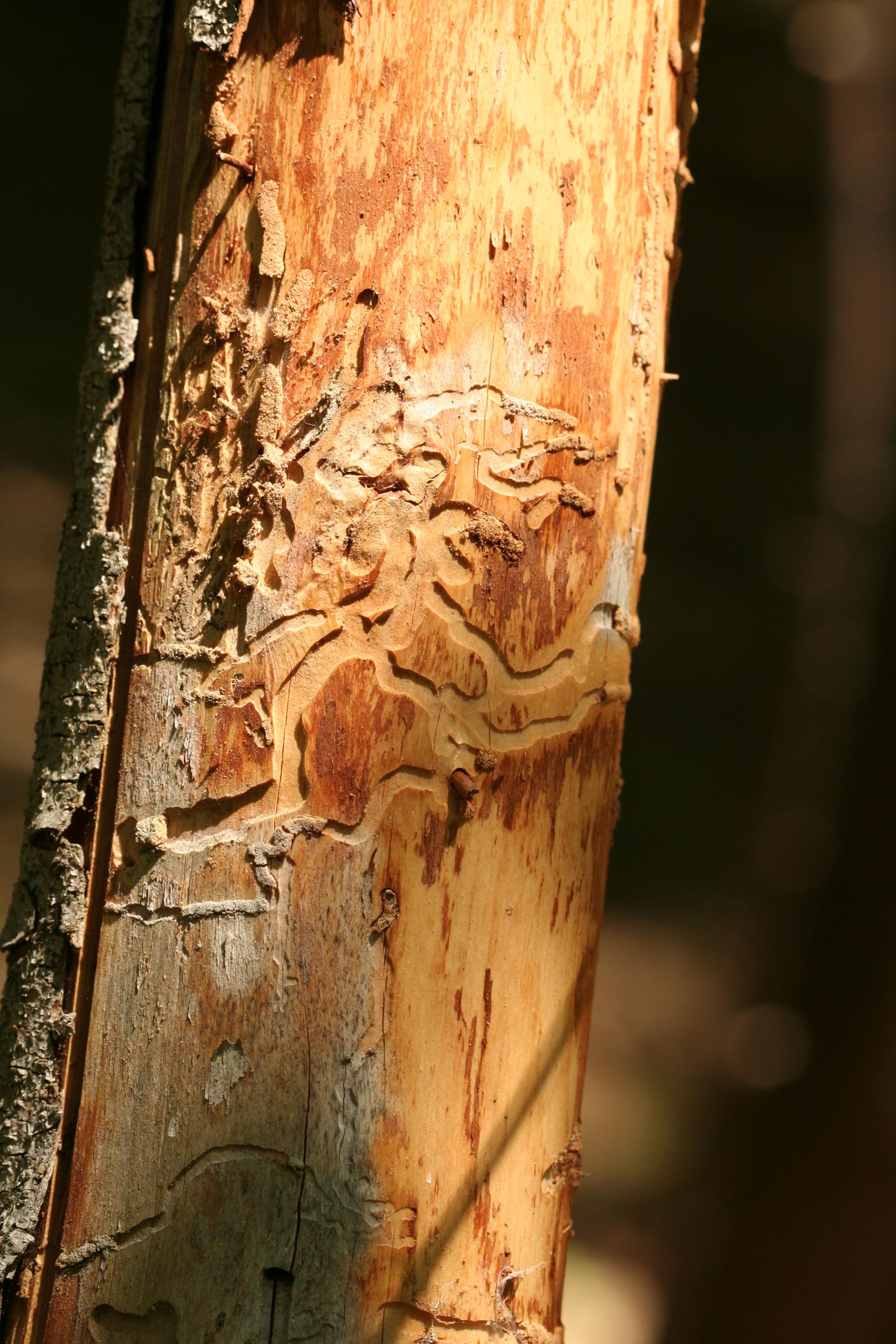
Flat, curved galleries 5-10 mm wide appear beneath the bark, filled with frass. Pupal chambers are located in the sapwood, 1-4 cm beneath the surface. Galleries often feature sharp margins.
Tree Species: Pine, Cedar, Fir, Spruce, Larch
Part of a plant- attacked: Tree trunk, Branch
Pest significance: Less harmful
Pest Category: Insects
Invasive Species: No
Present in EU: Yes
Pest group: Insect
Affected part of wood: Sapwood
Depth of damages: Bark, Under bark only, Up to 0,5 cm depth, Up to 2 cm depth, Up to 5 cm depth
The extent of damage: Whole trunk
Prevalence in Europe: Very common
Damaged products: Firewood, Furniture, Wooden house constructions
Roundwood size: Branches and twigs, Diameter up to 10 cm
Wood discoloration: No
Exit holes: Oval
Pest subcategory: Bark and underbark insect, Wood-boring insect
Similar pests

Aromia bungii

Hylotrupes bajulus
