


Lenzites betulina
Gilled polypore
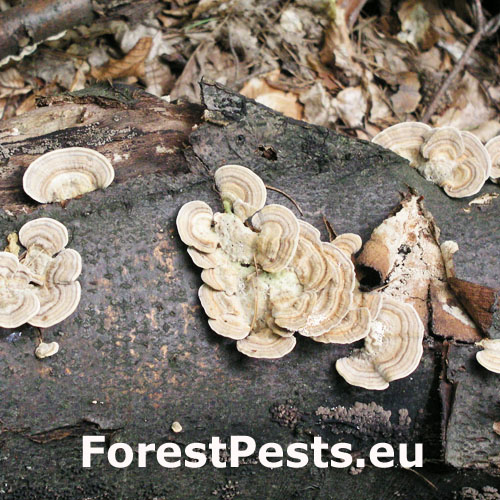
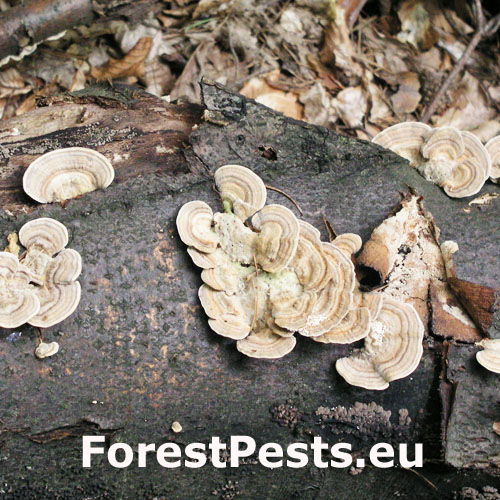
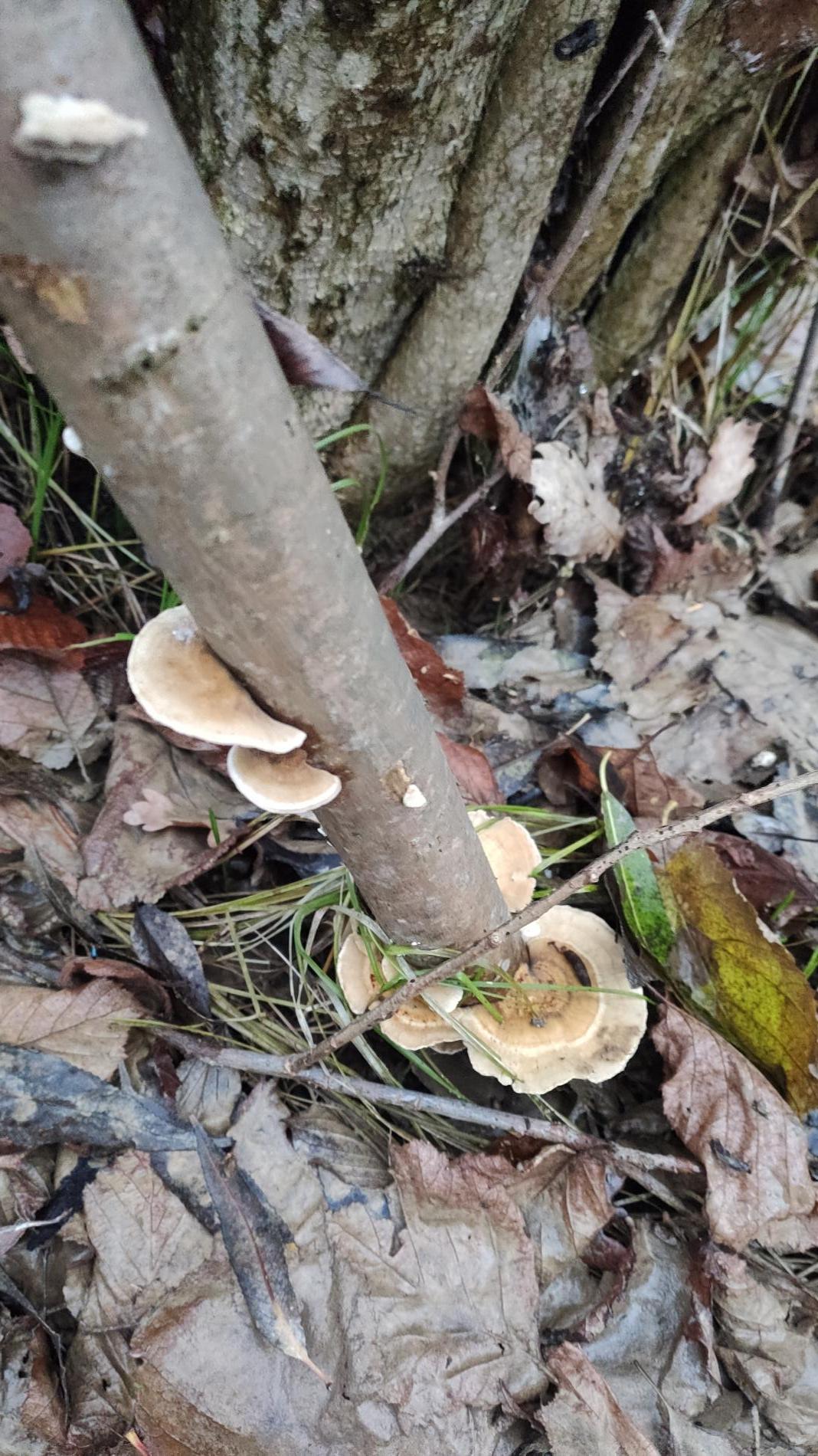
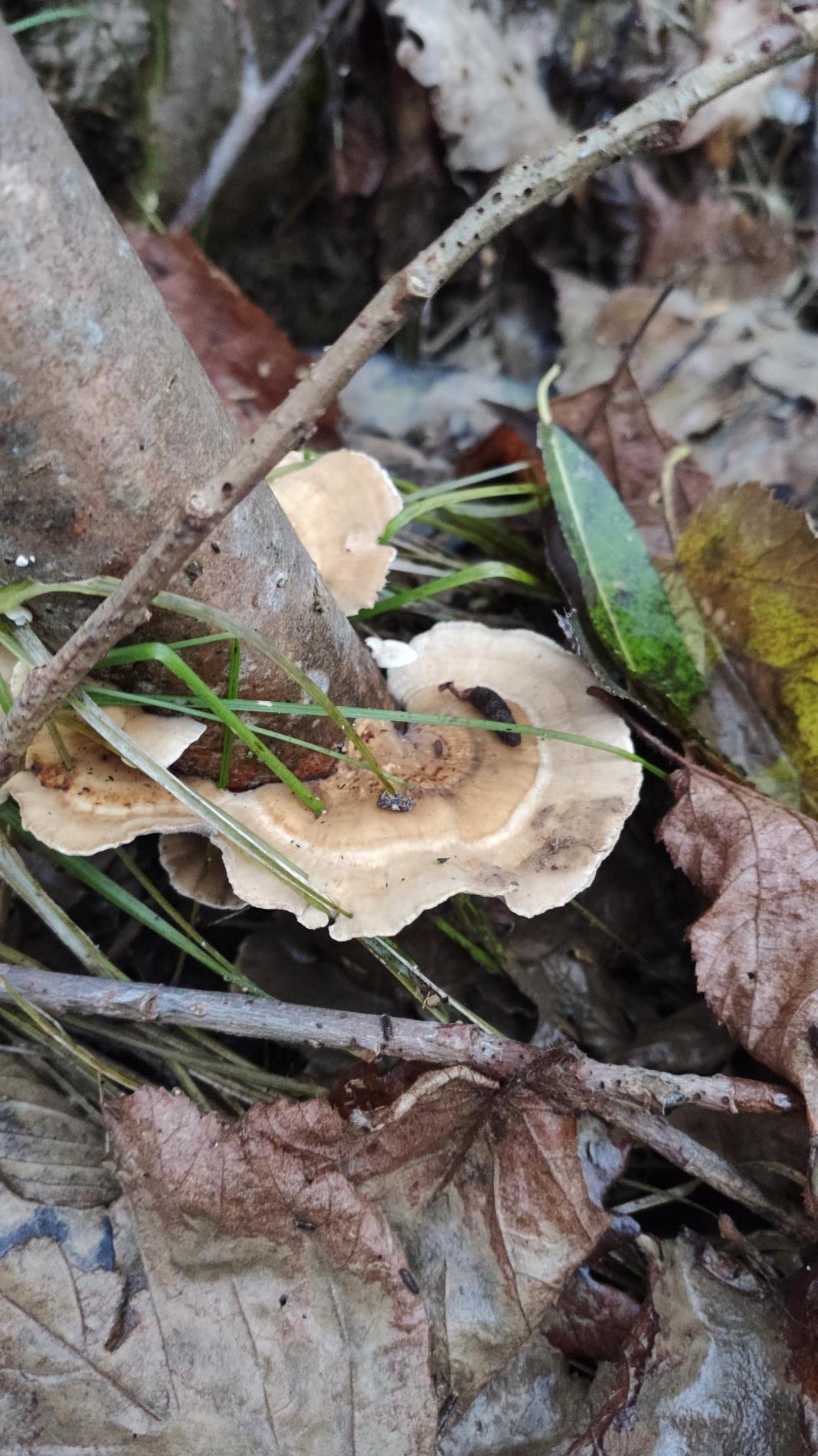
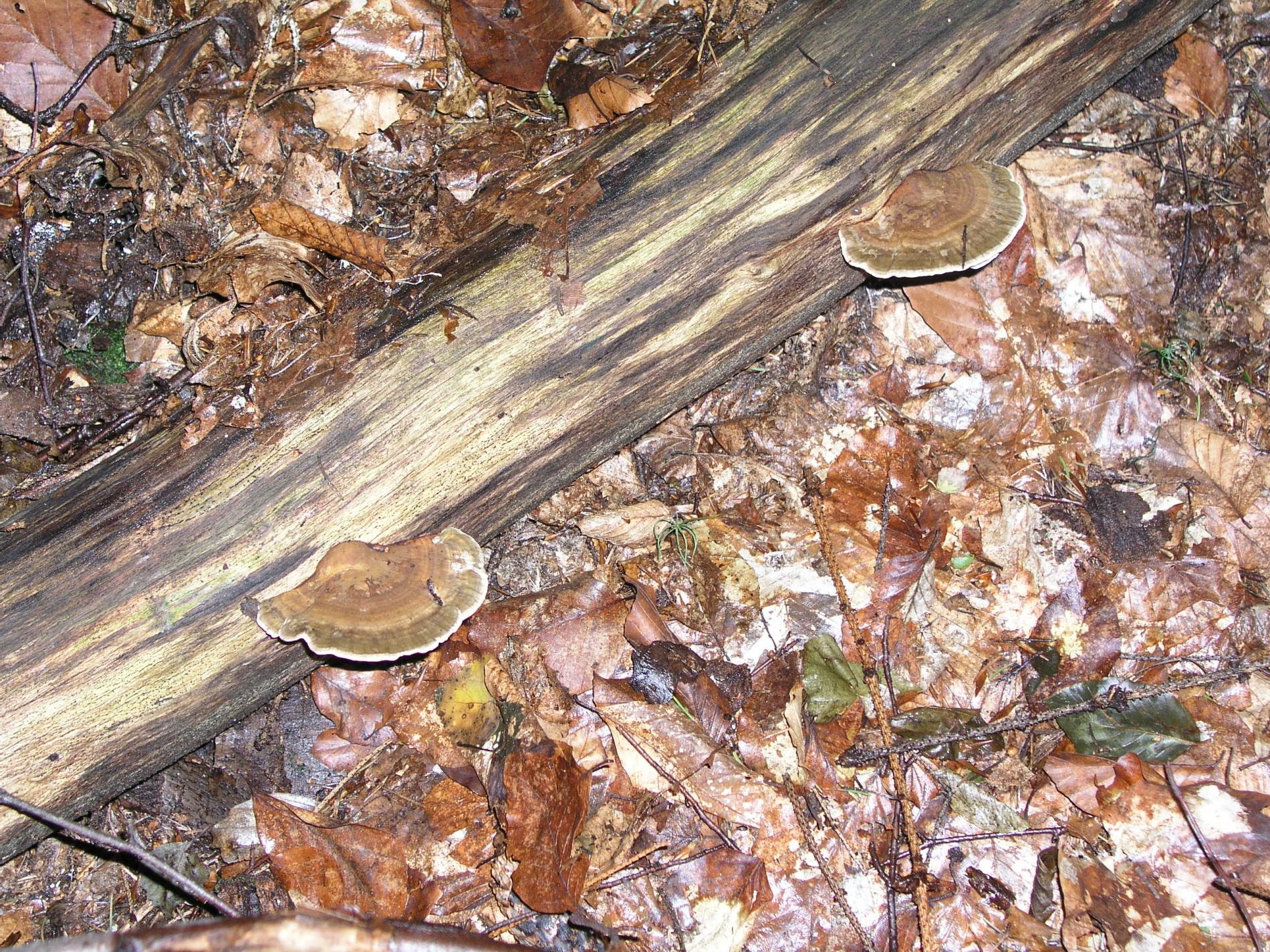
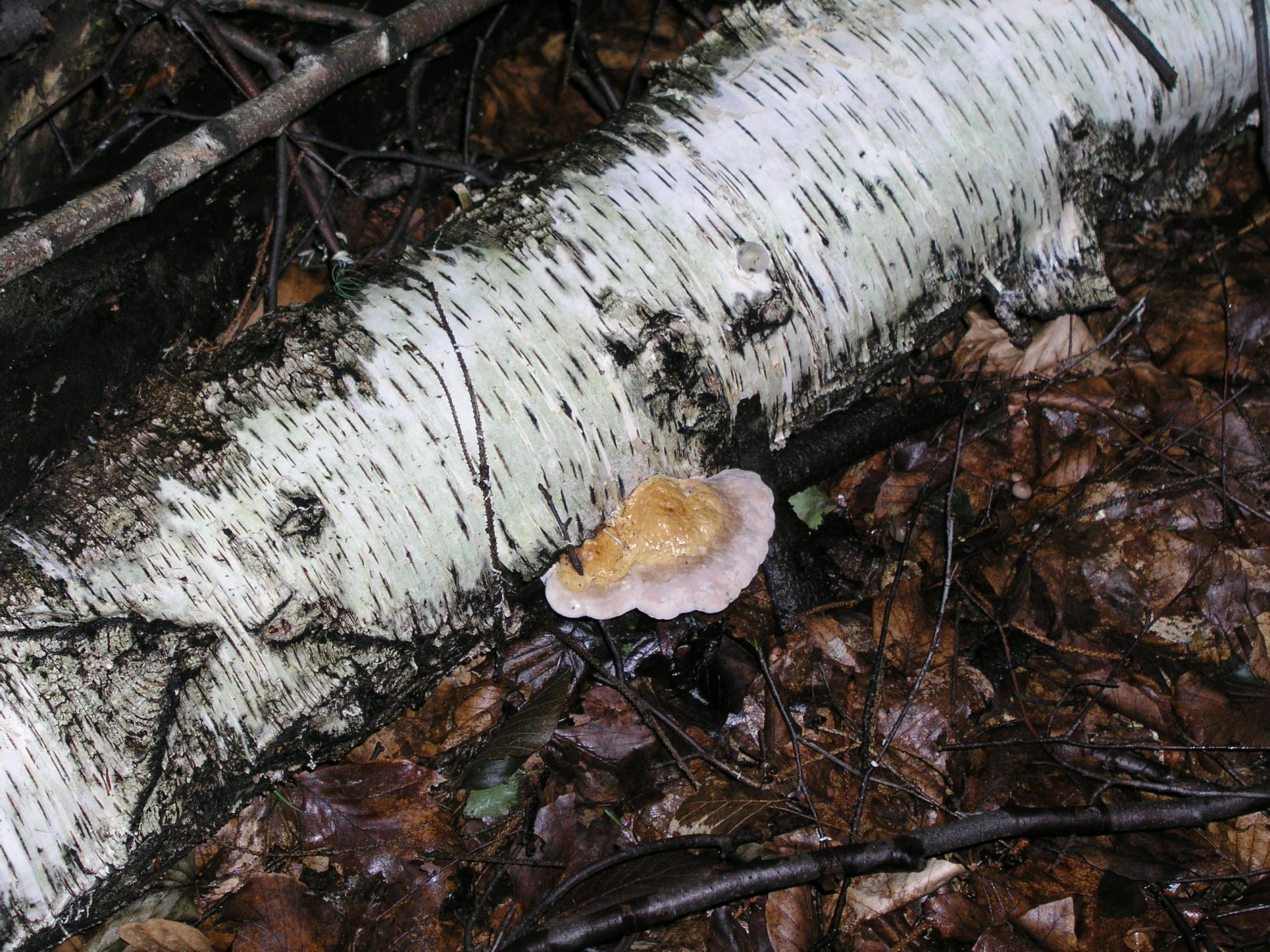
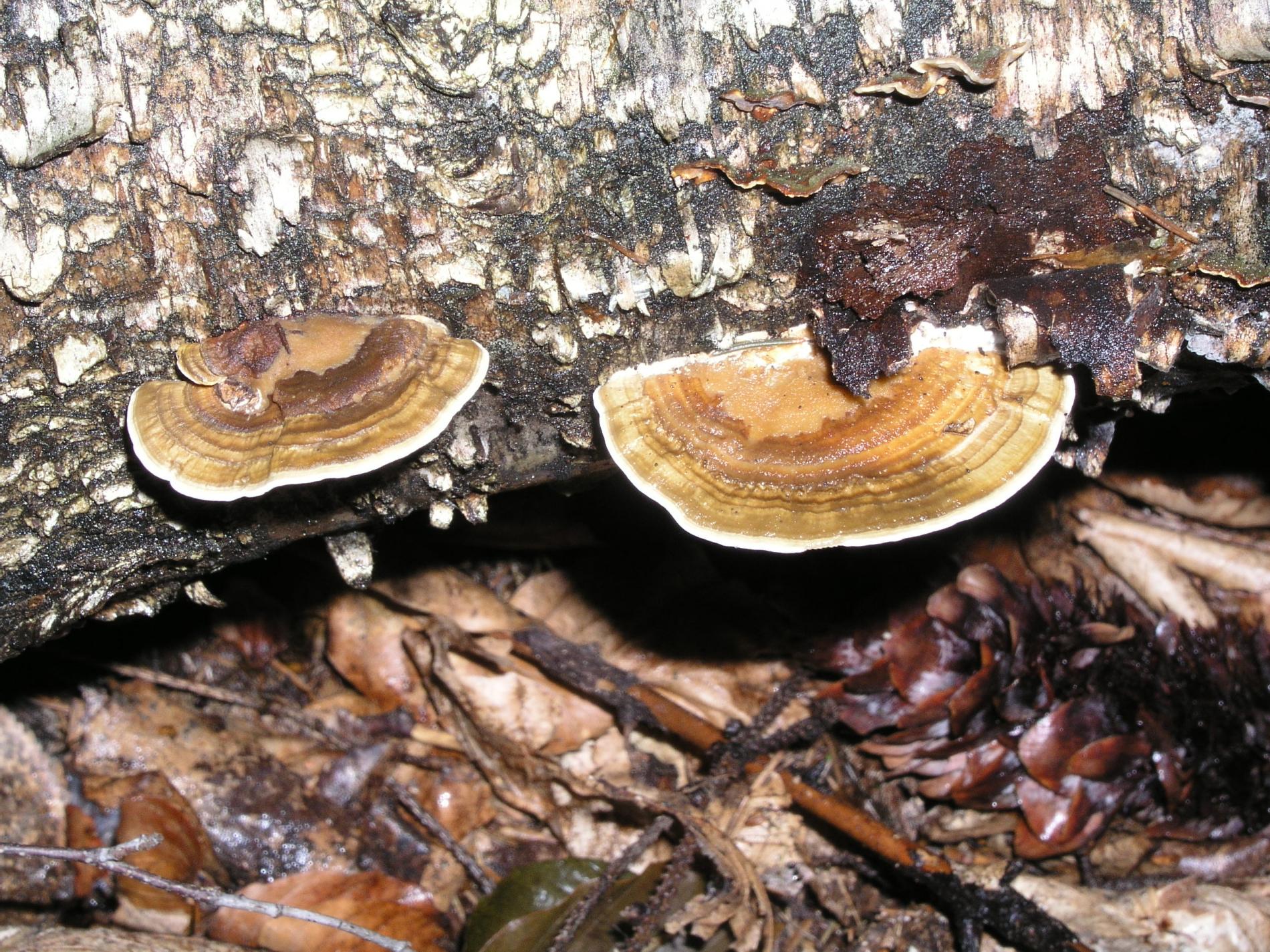
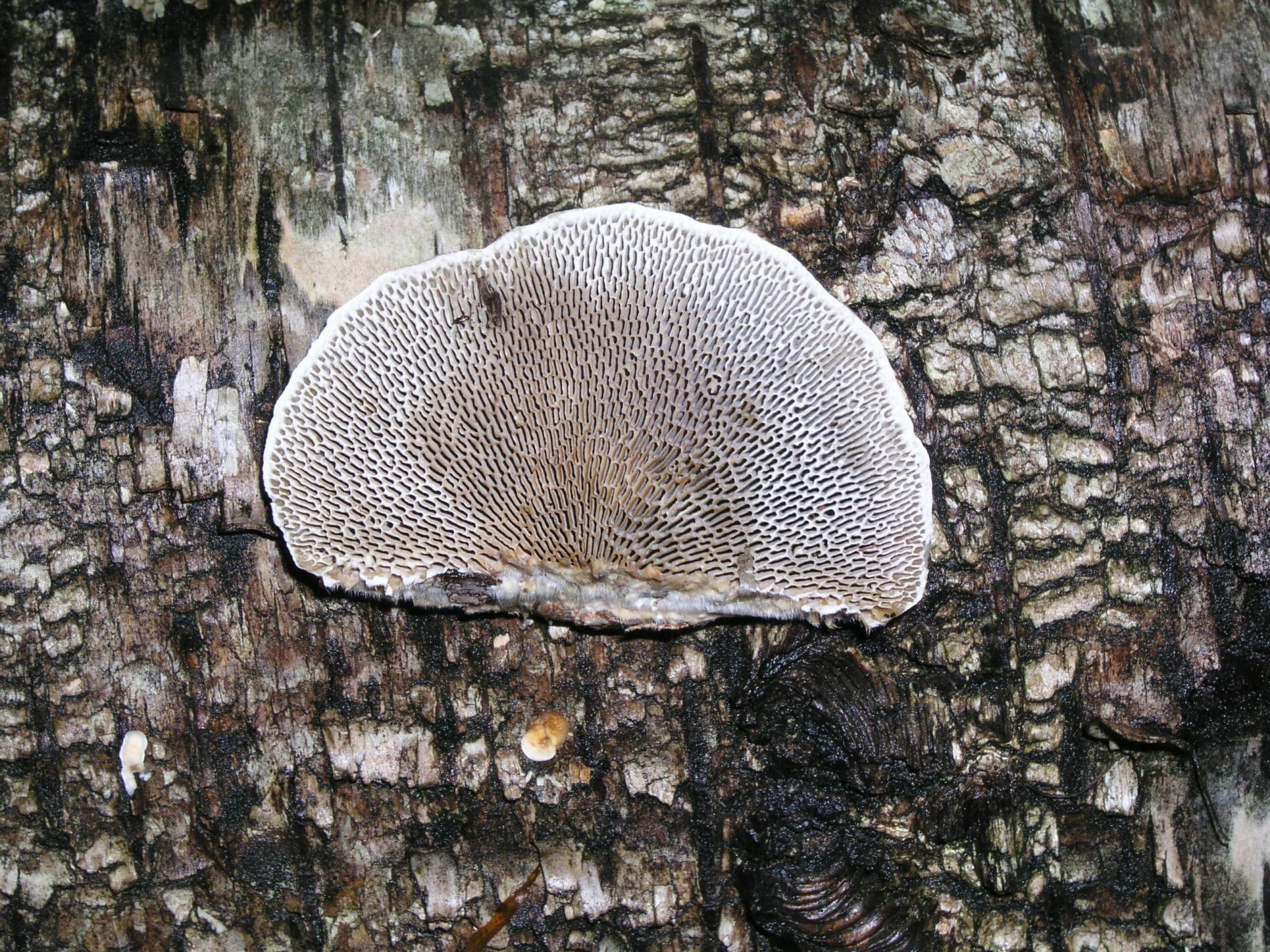
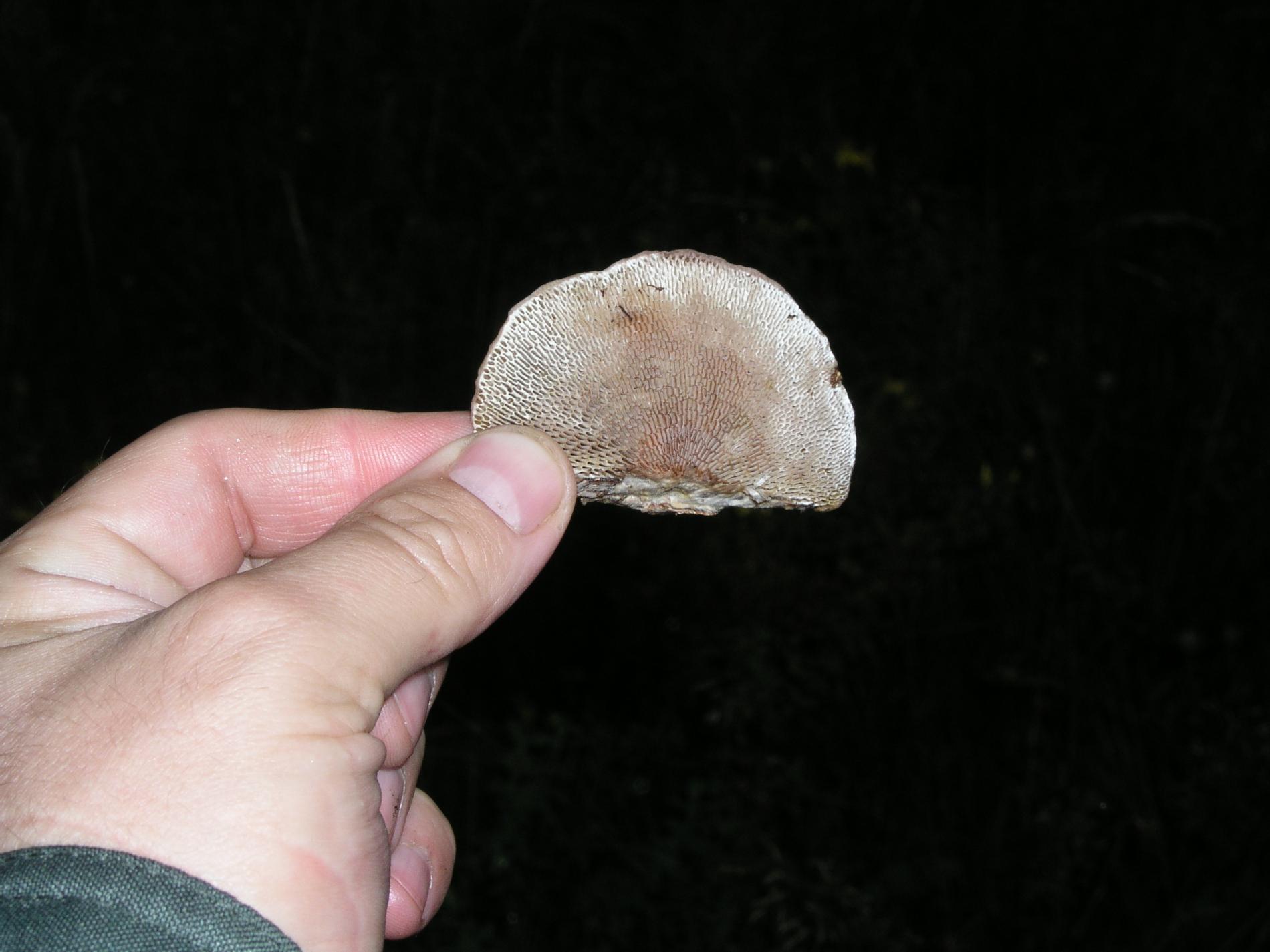
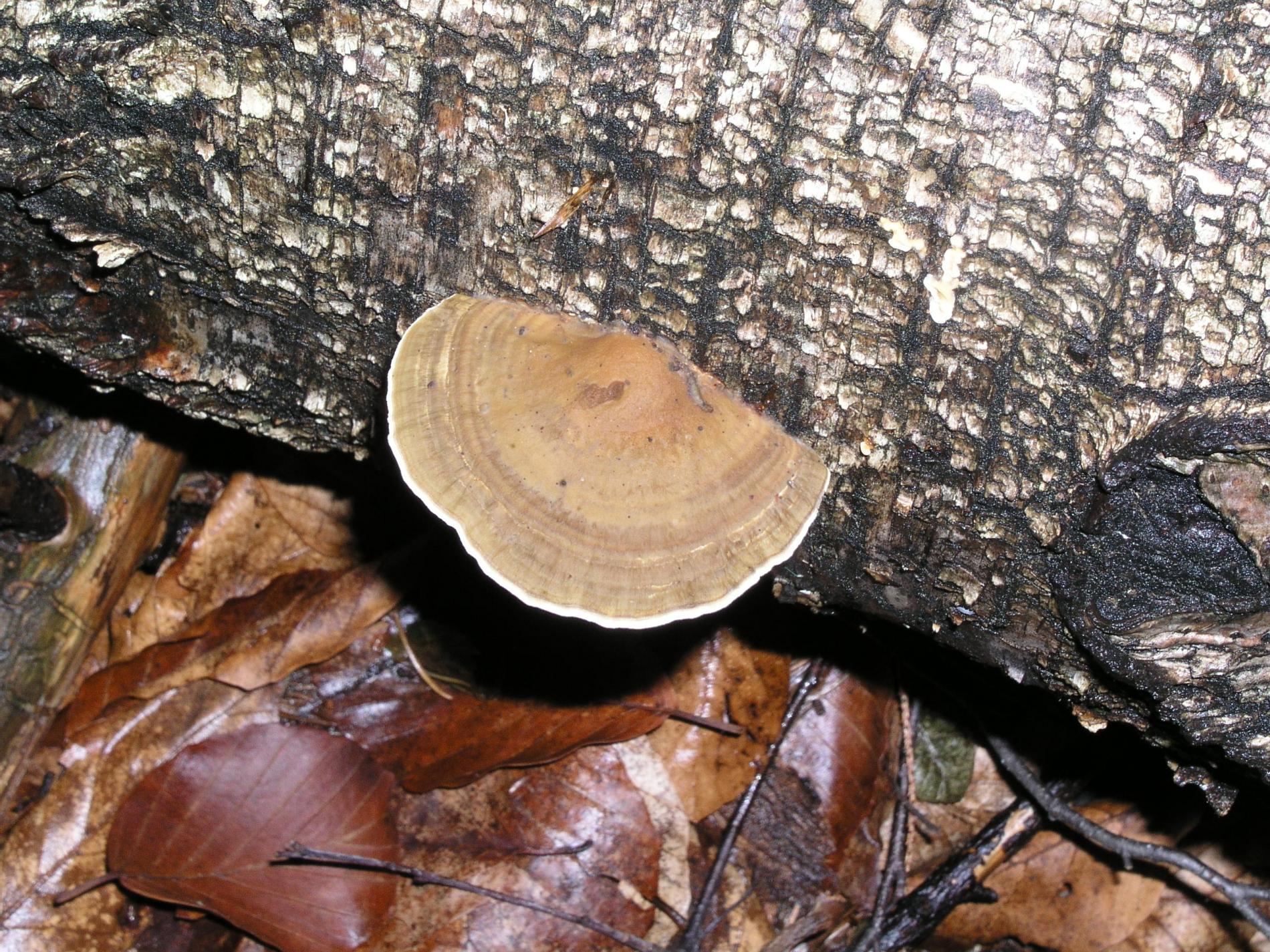
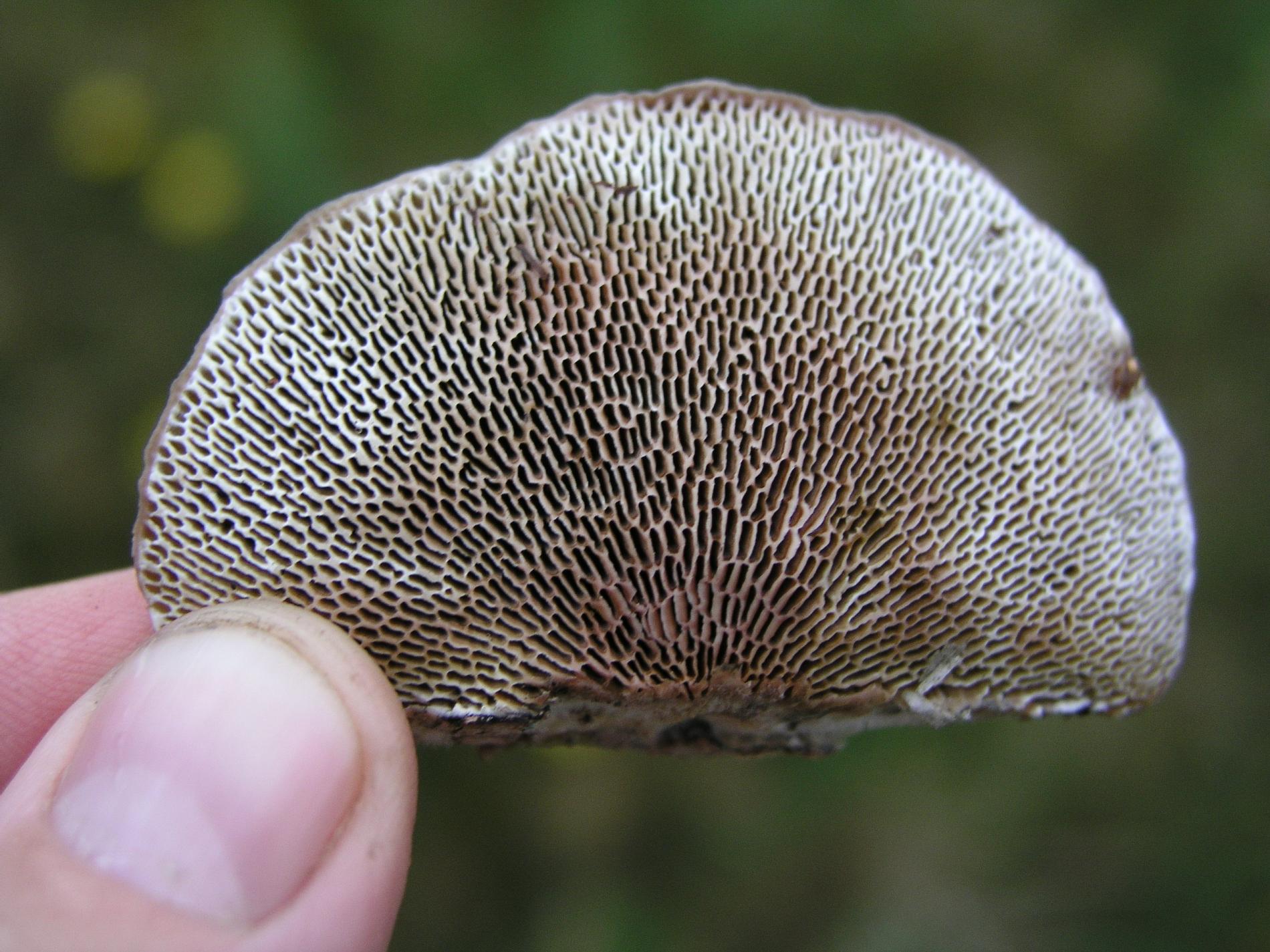
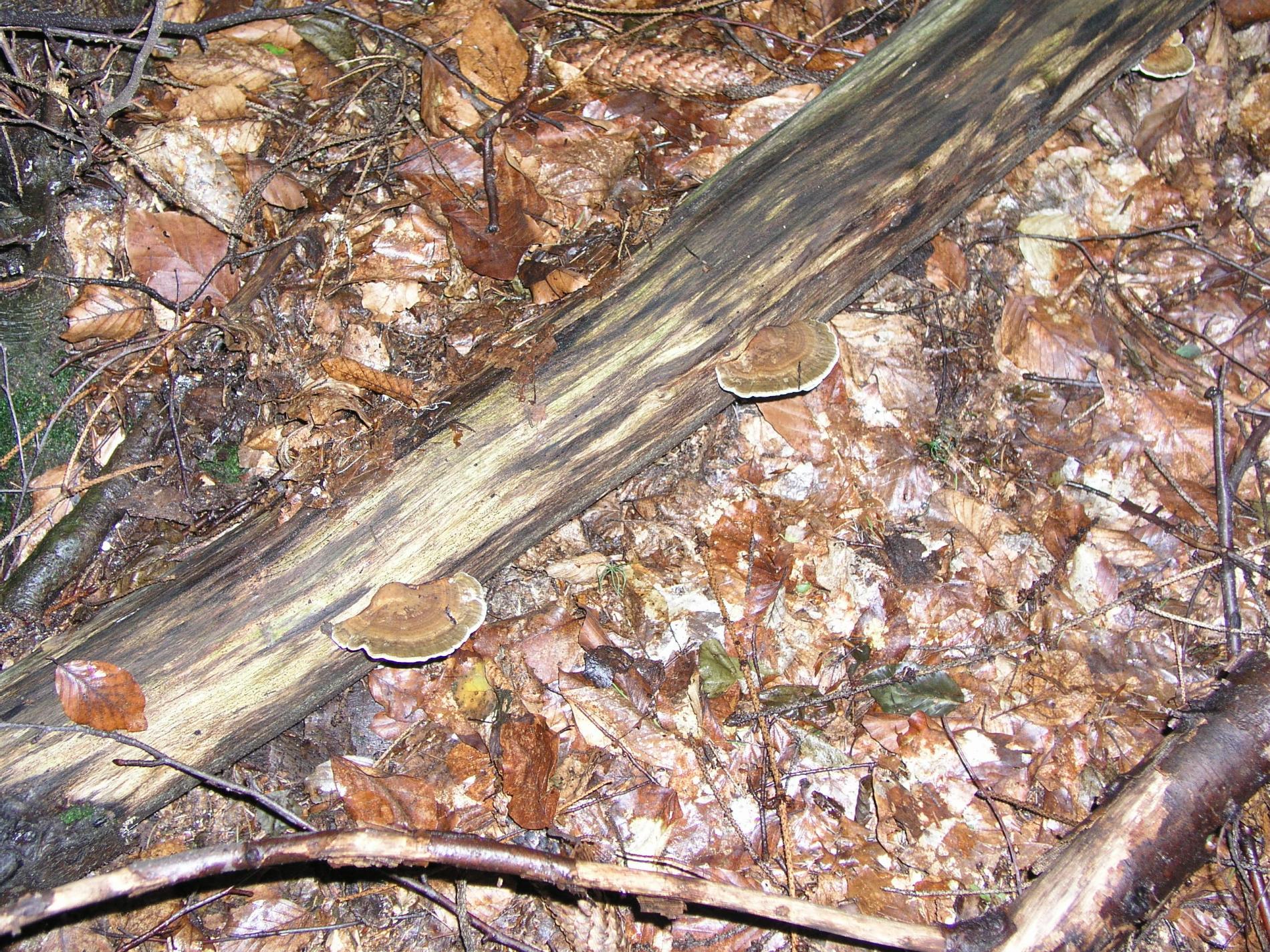
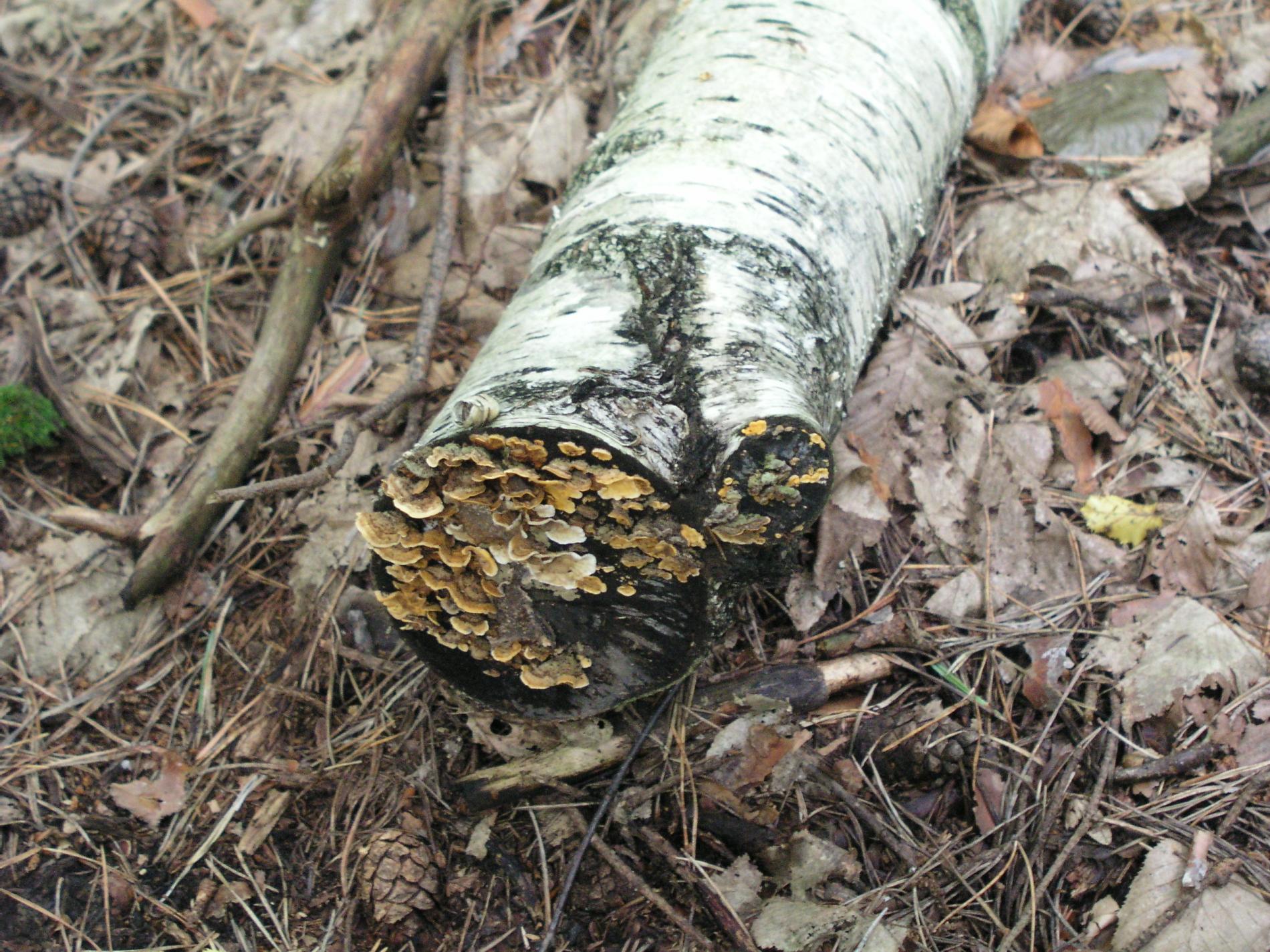
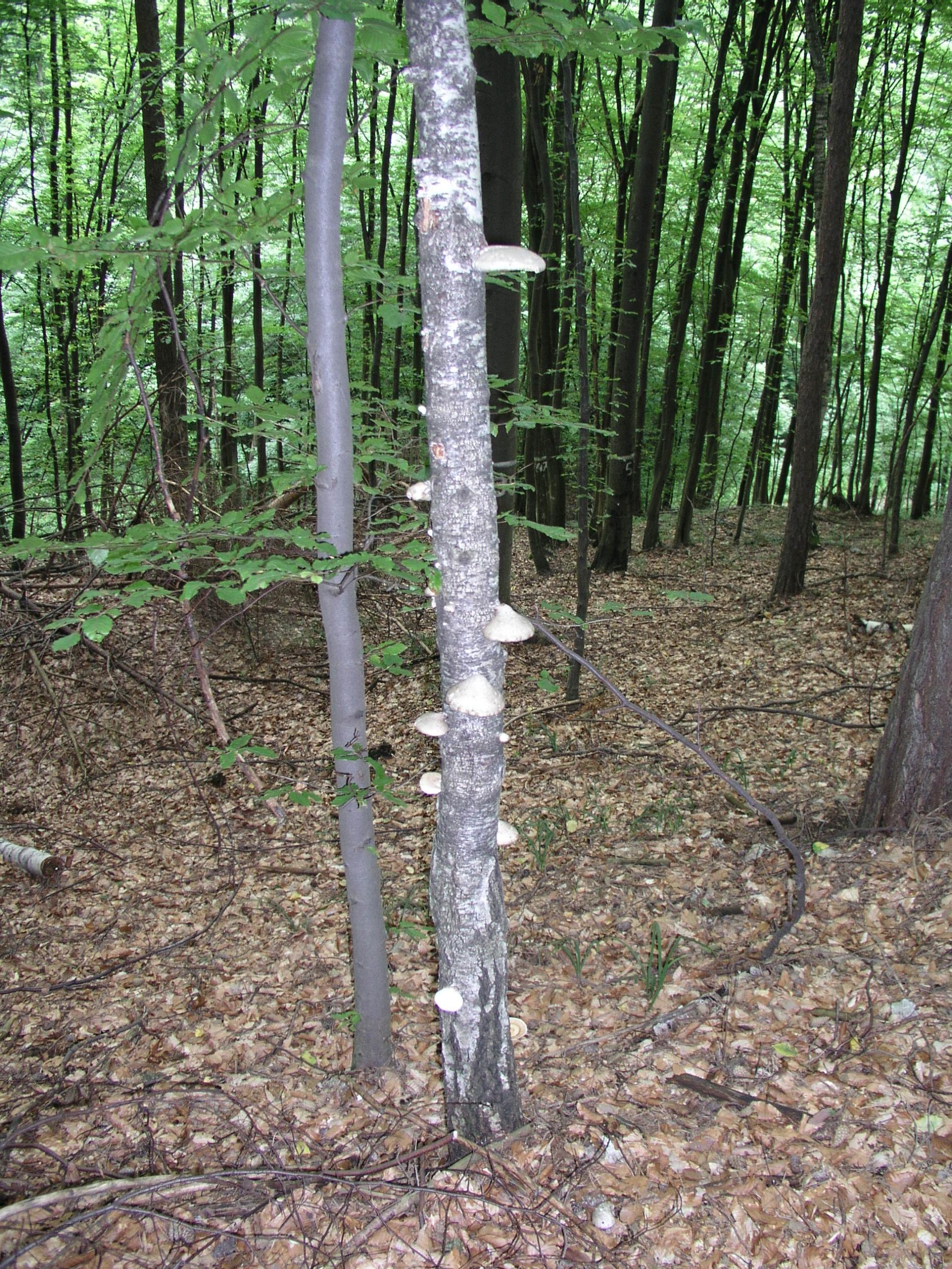
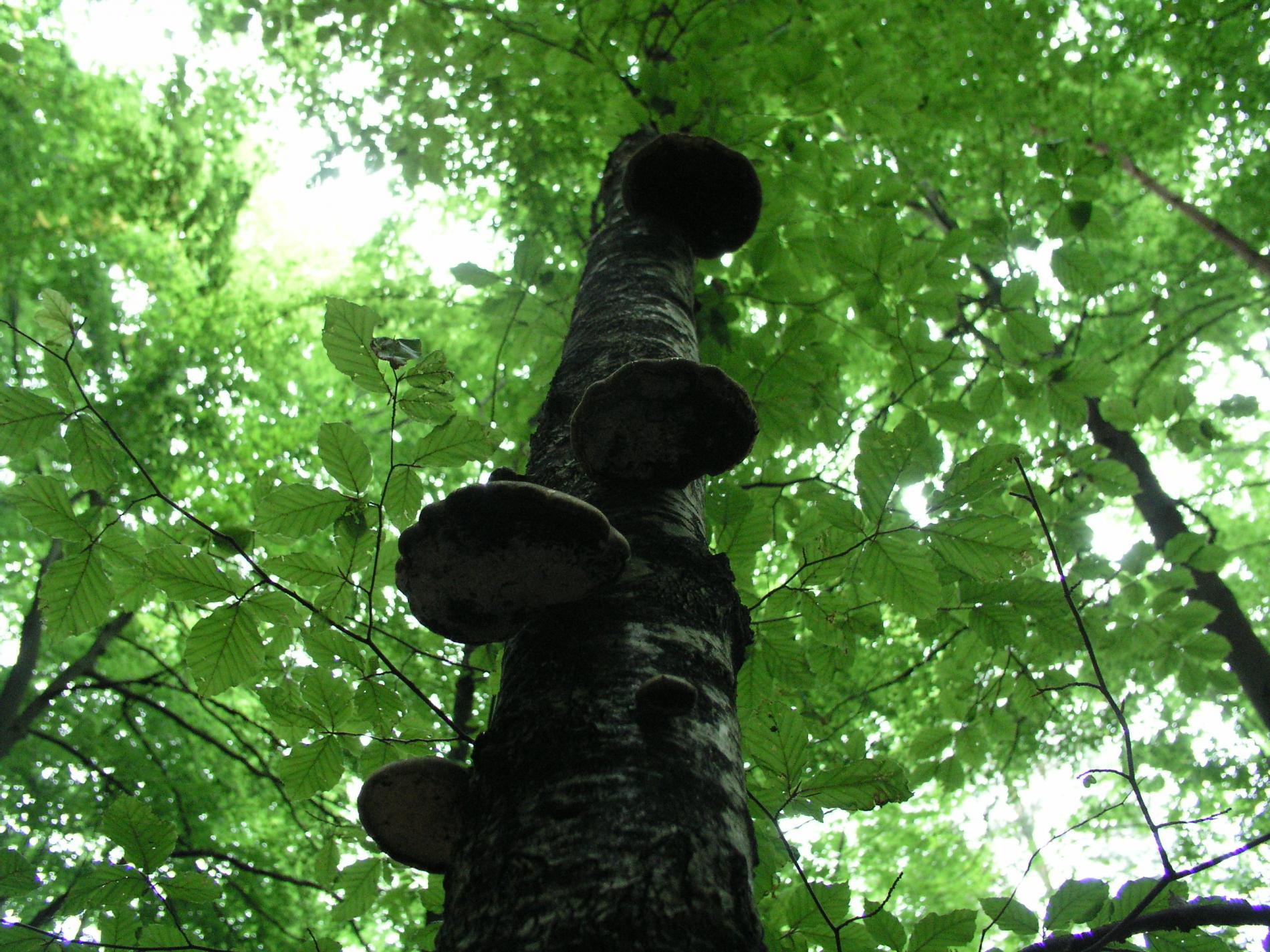
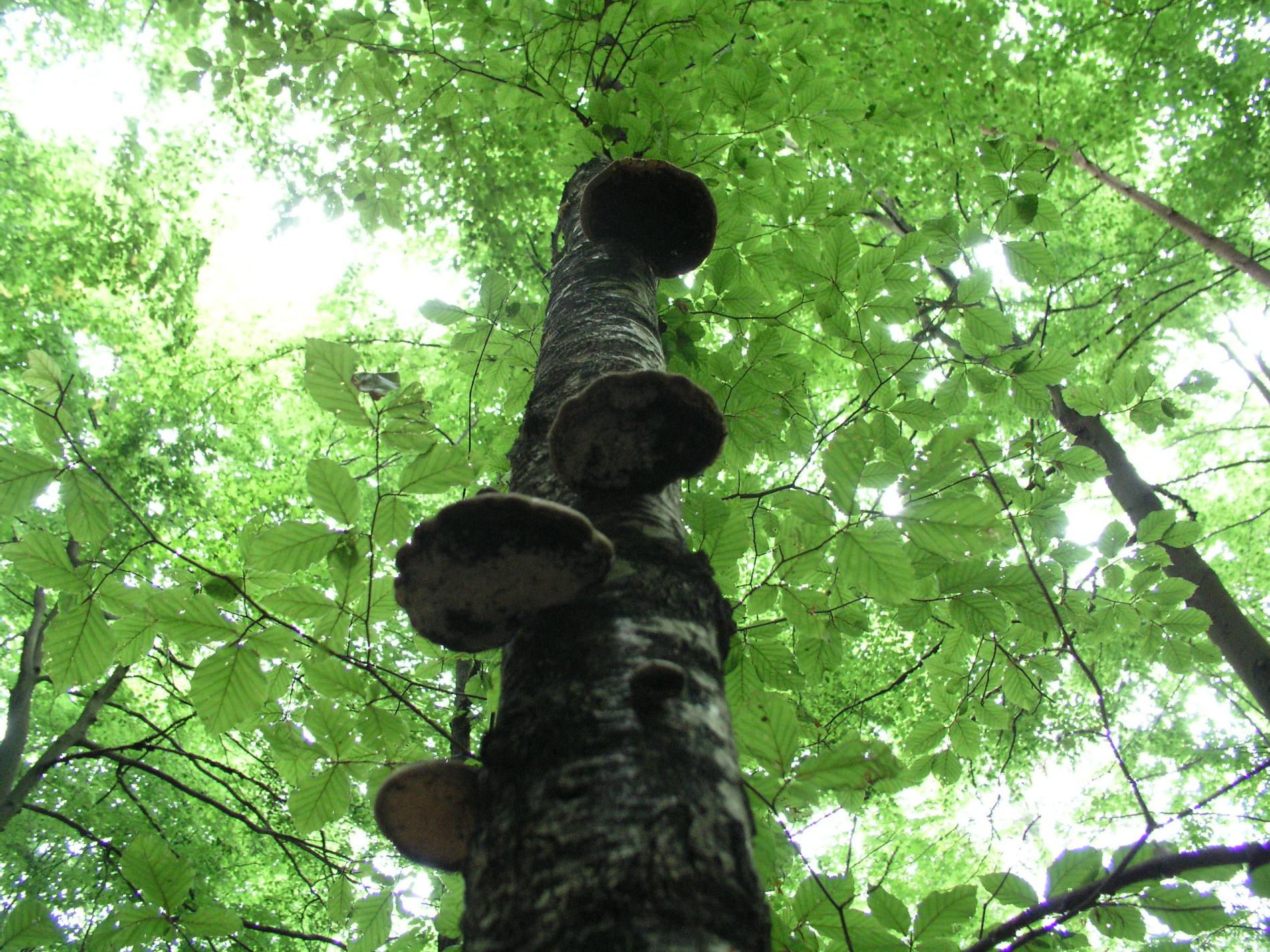
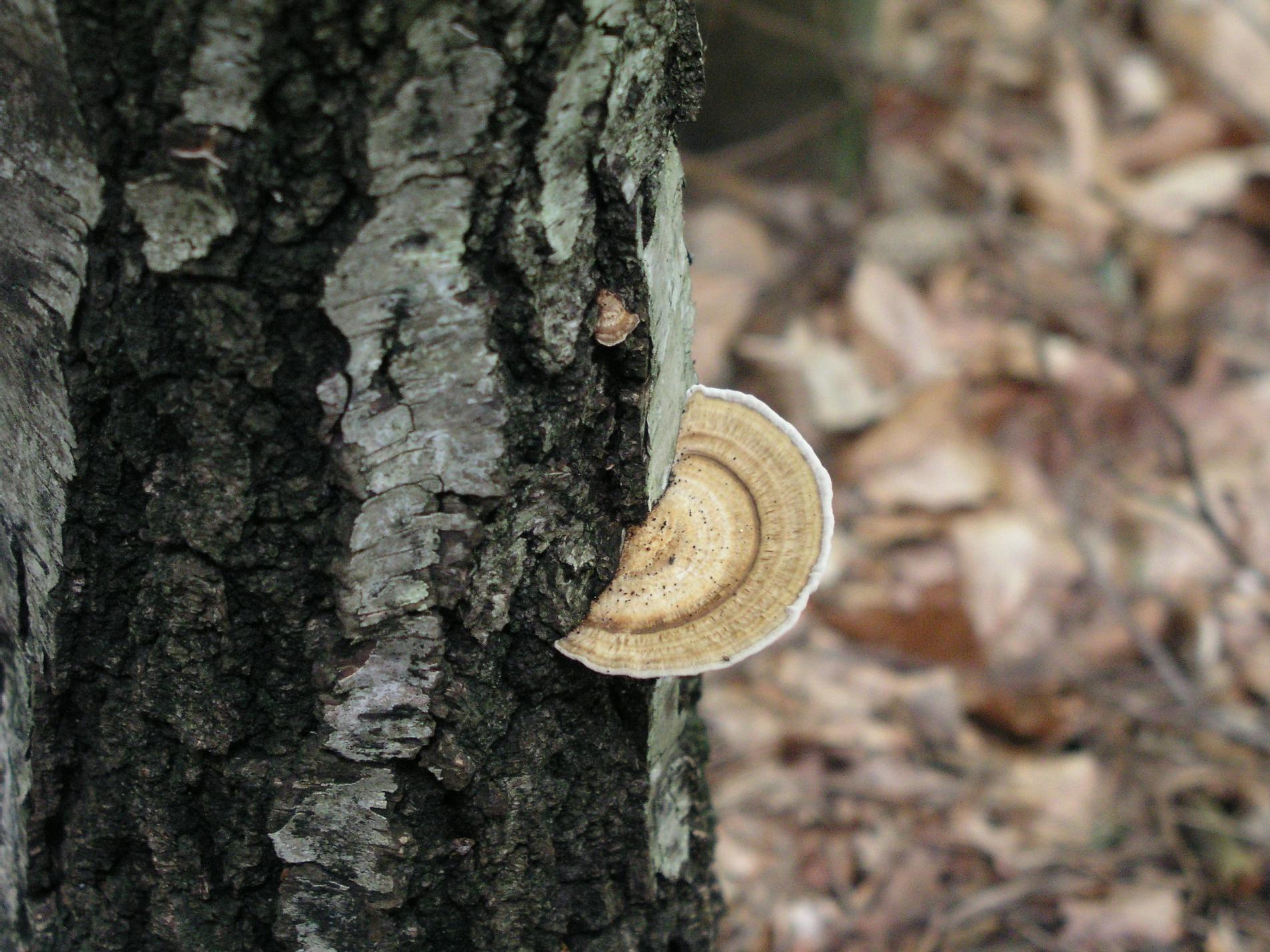
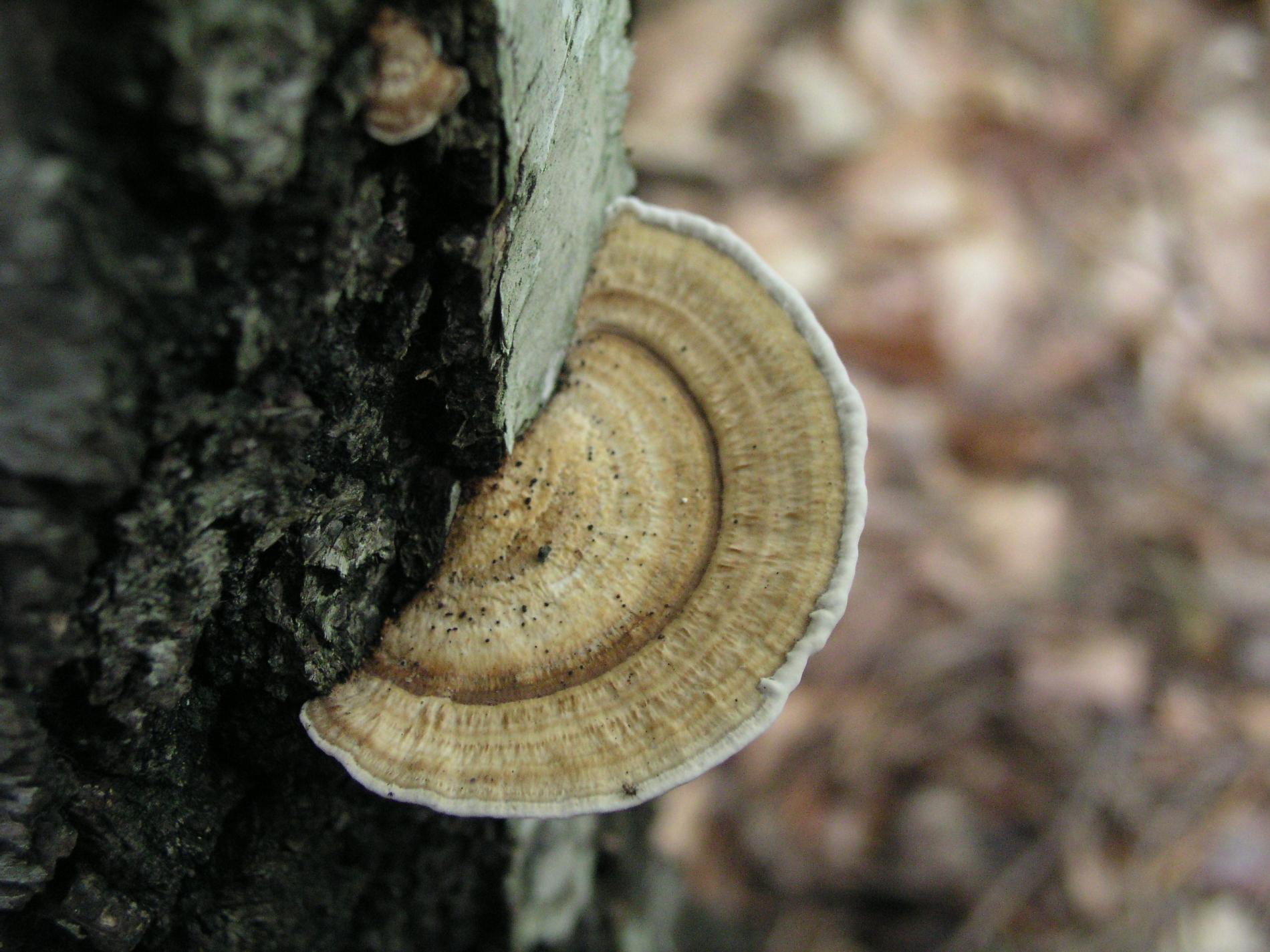
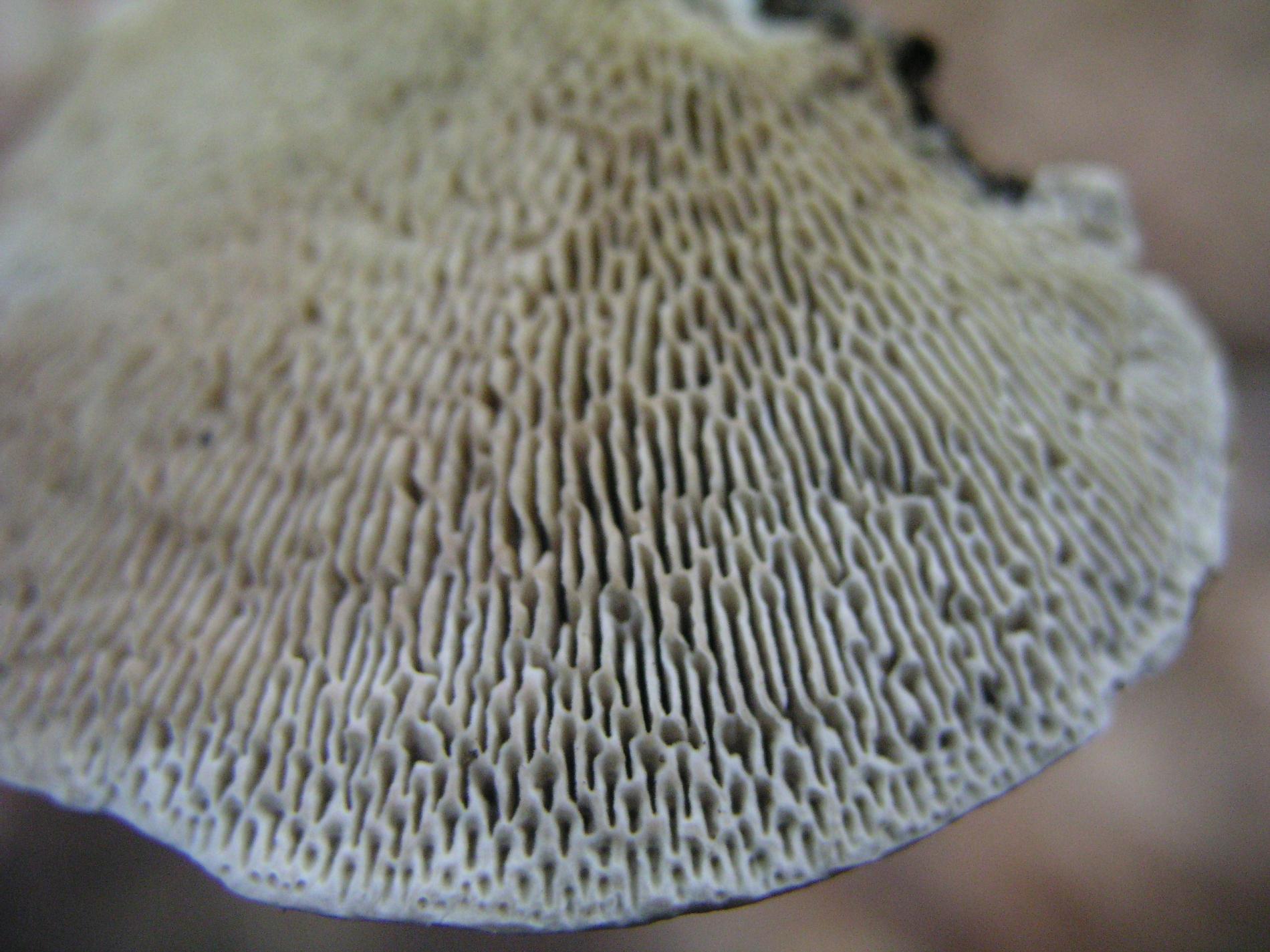
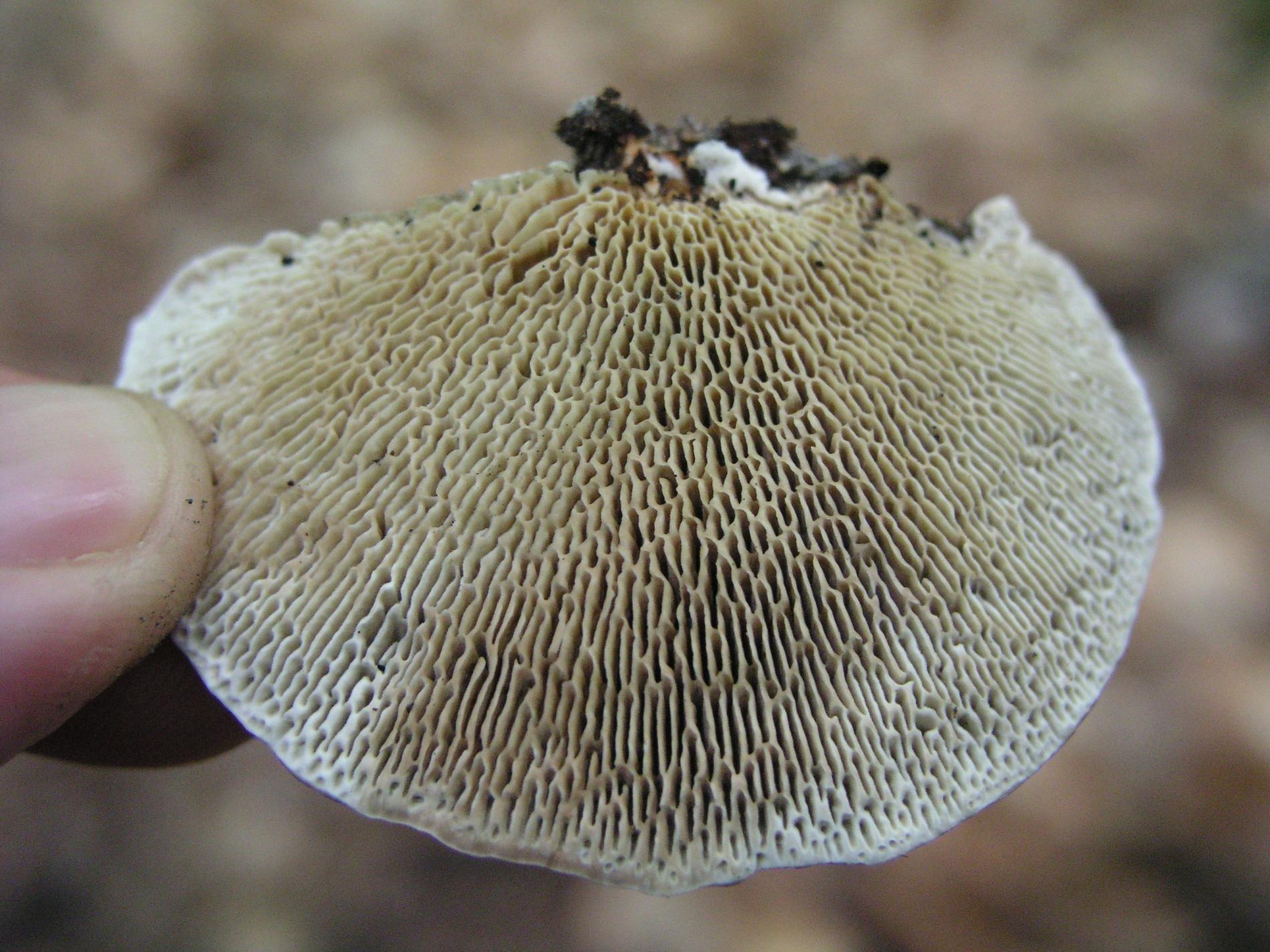
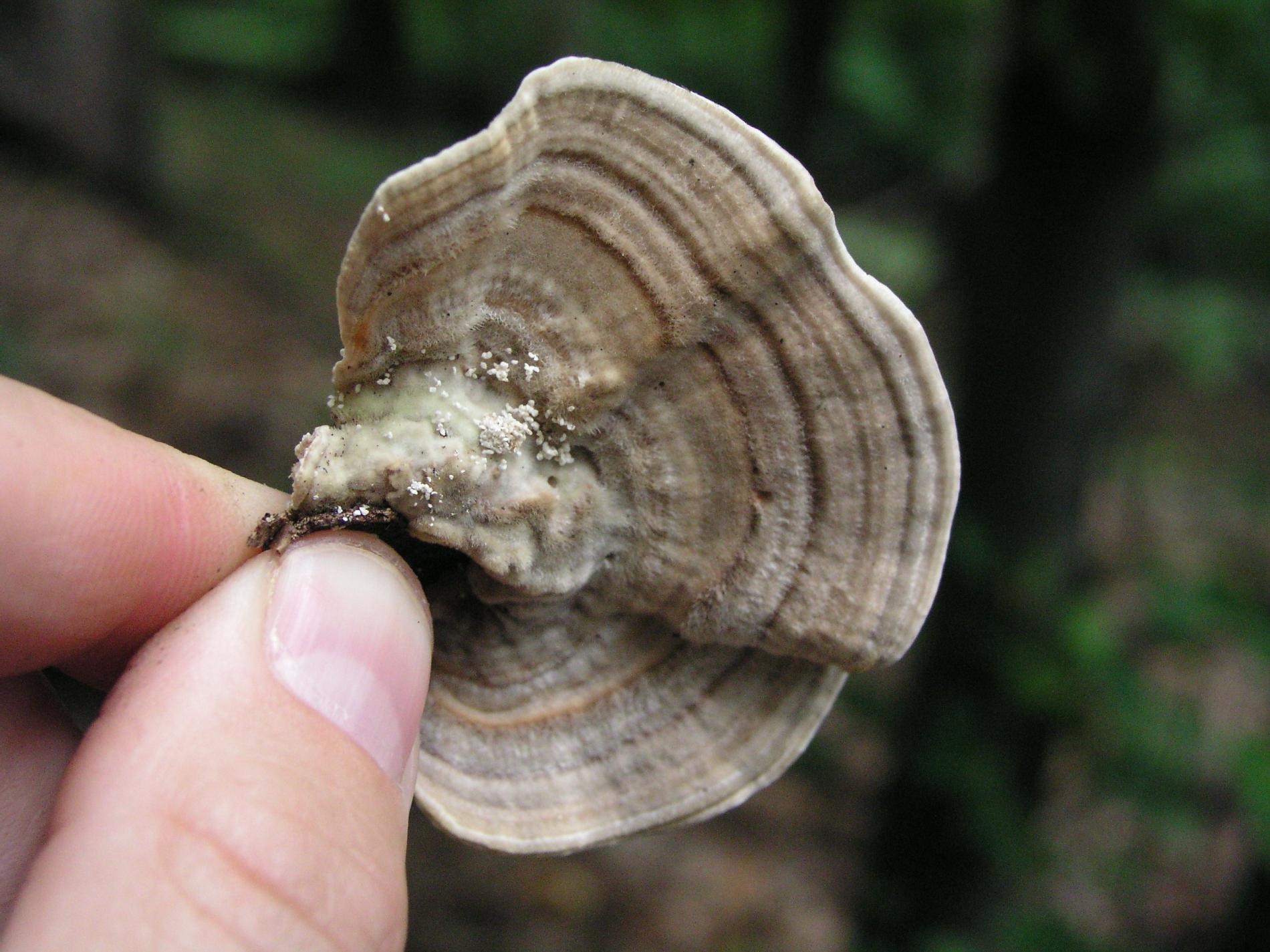
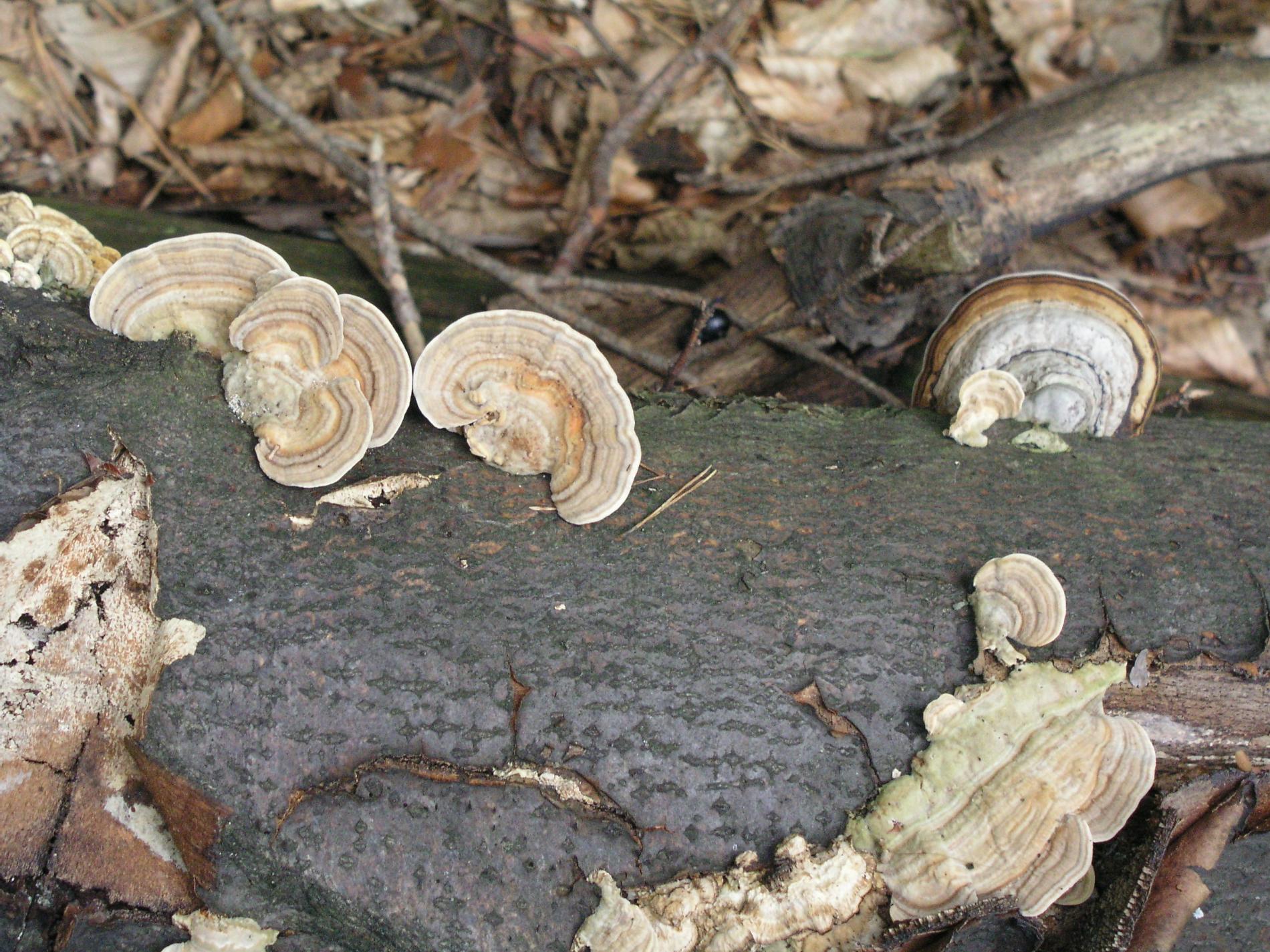
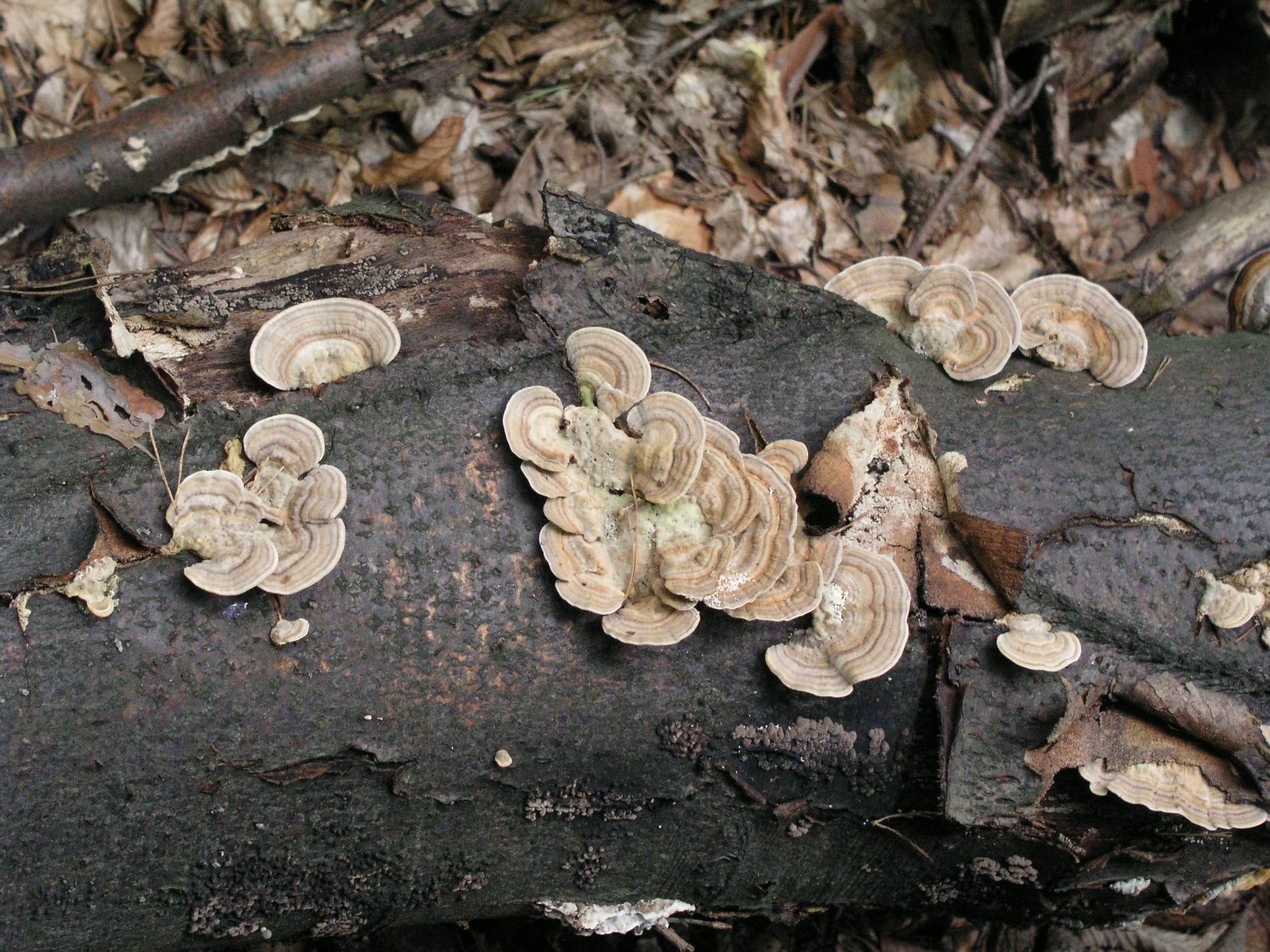
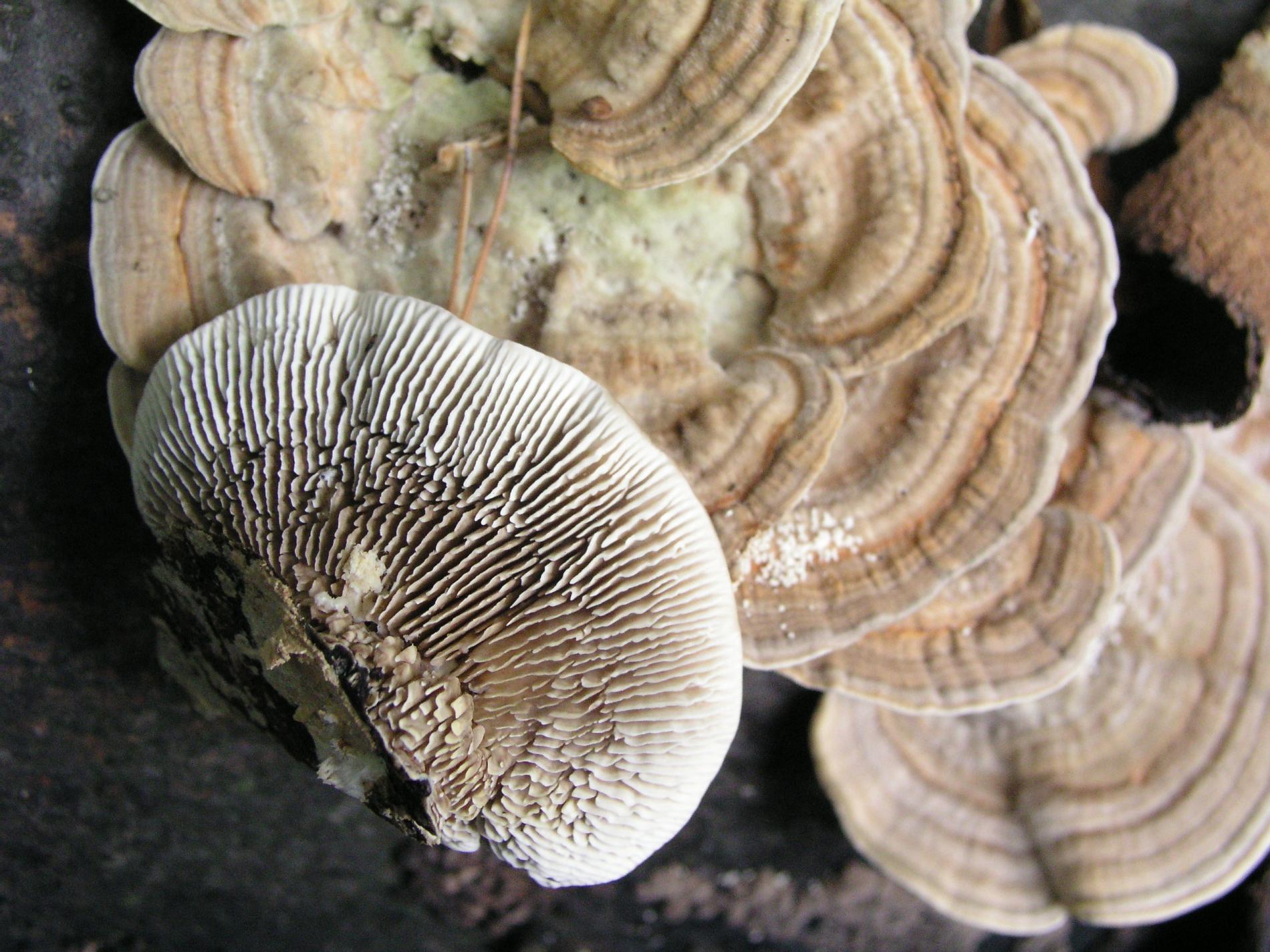
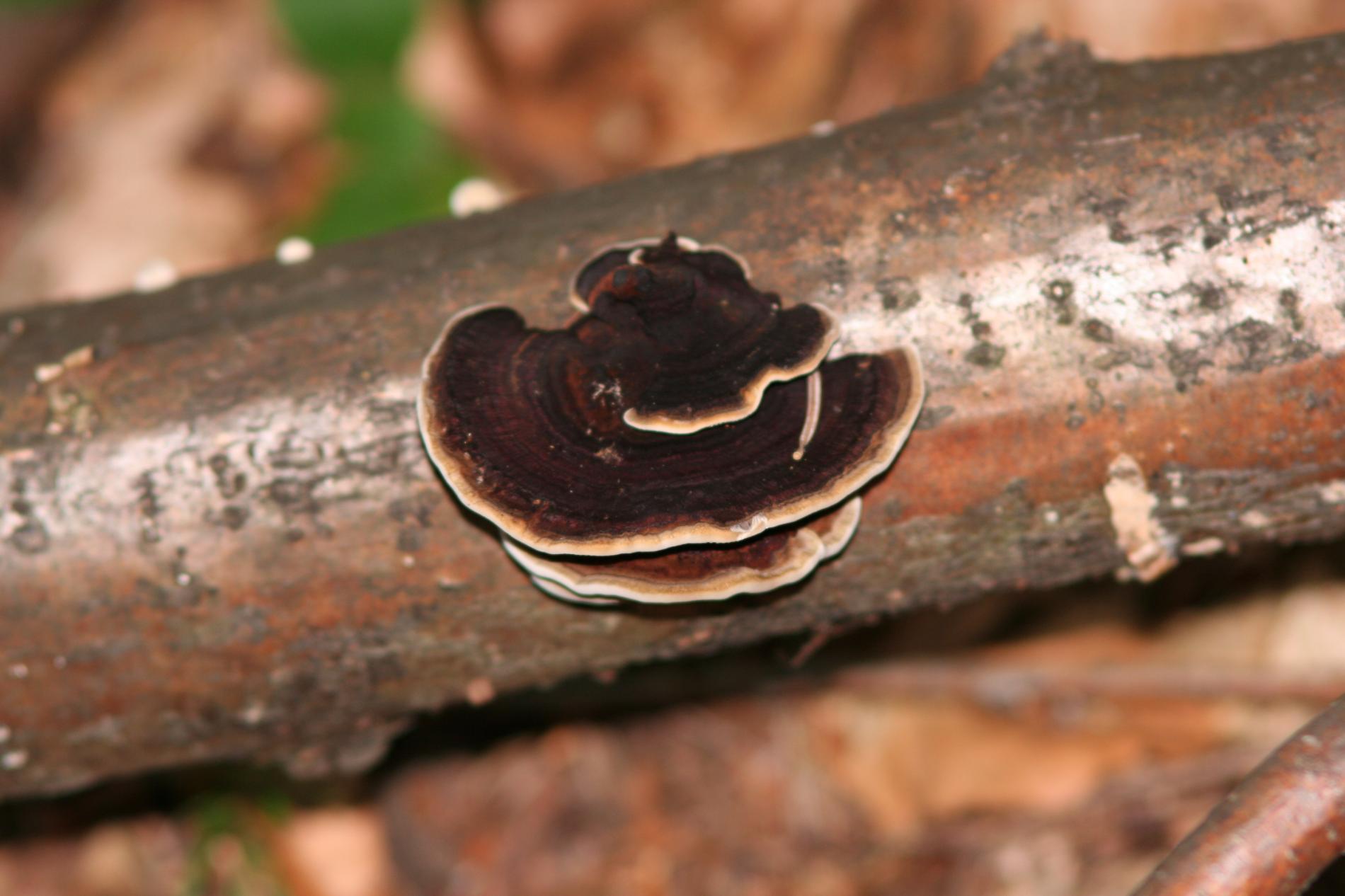
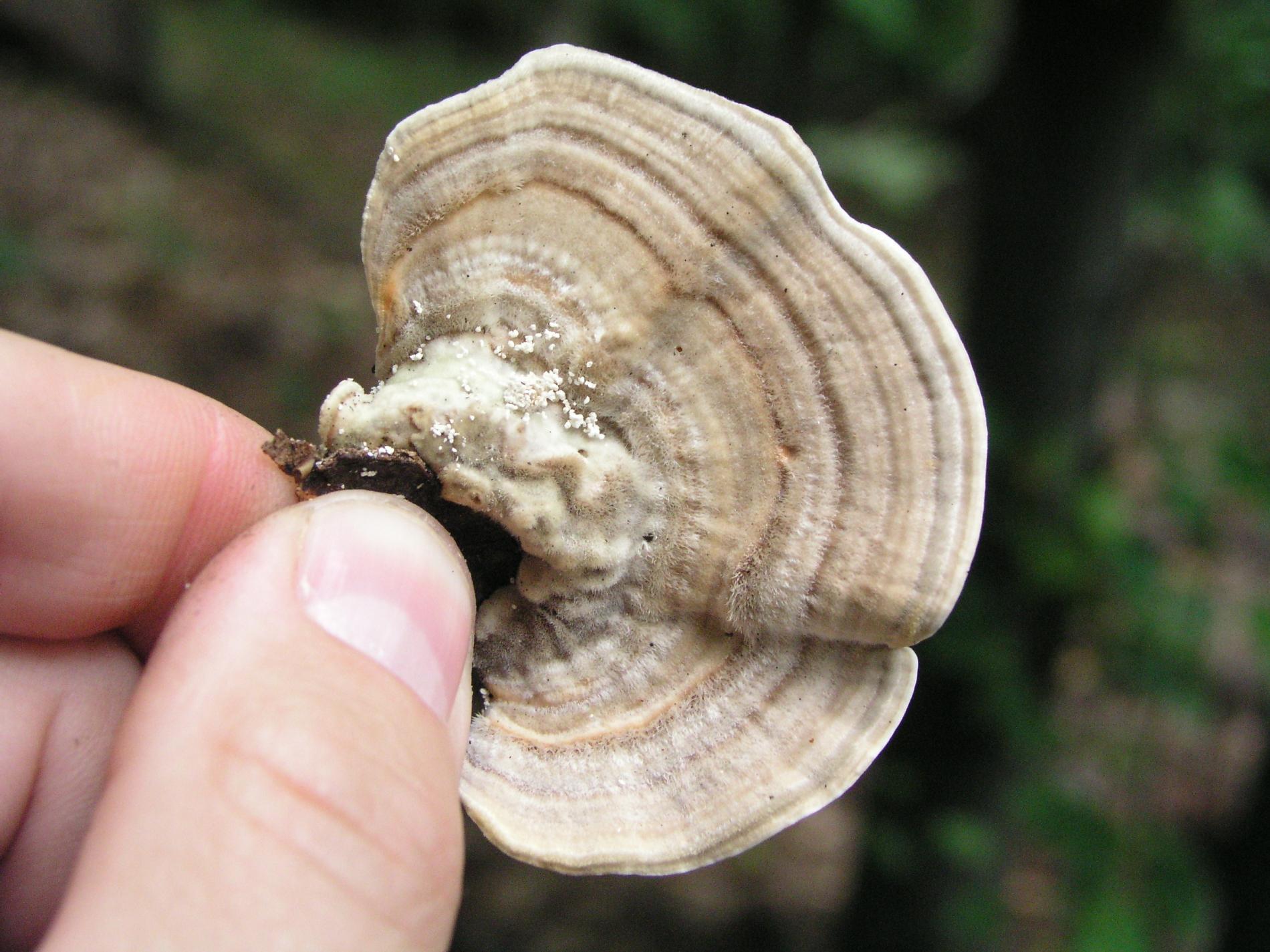
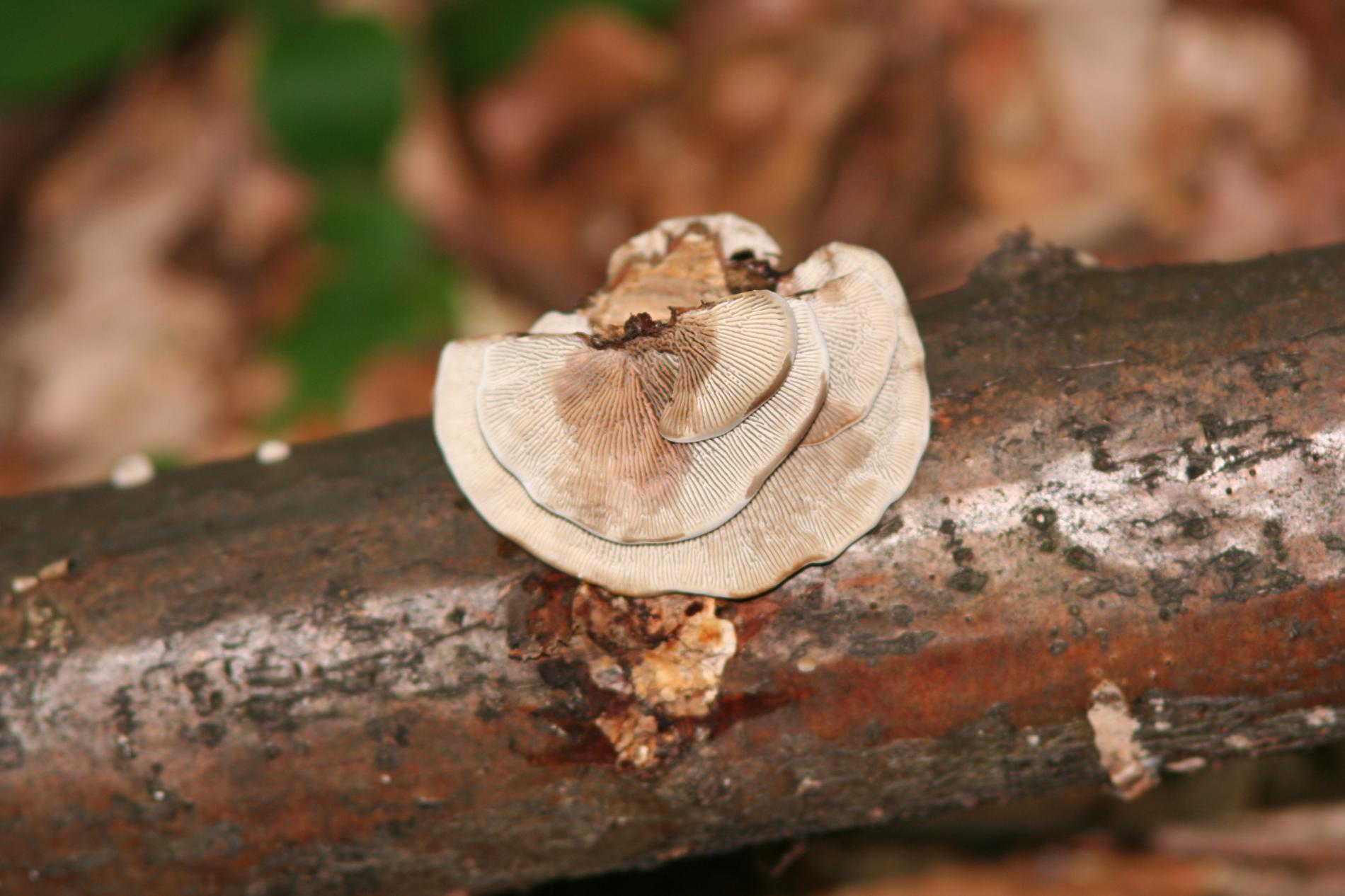
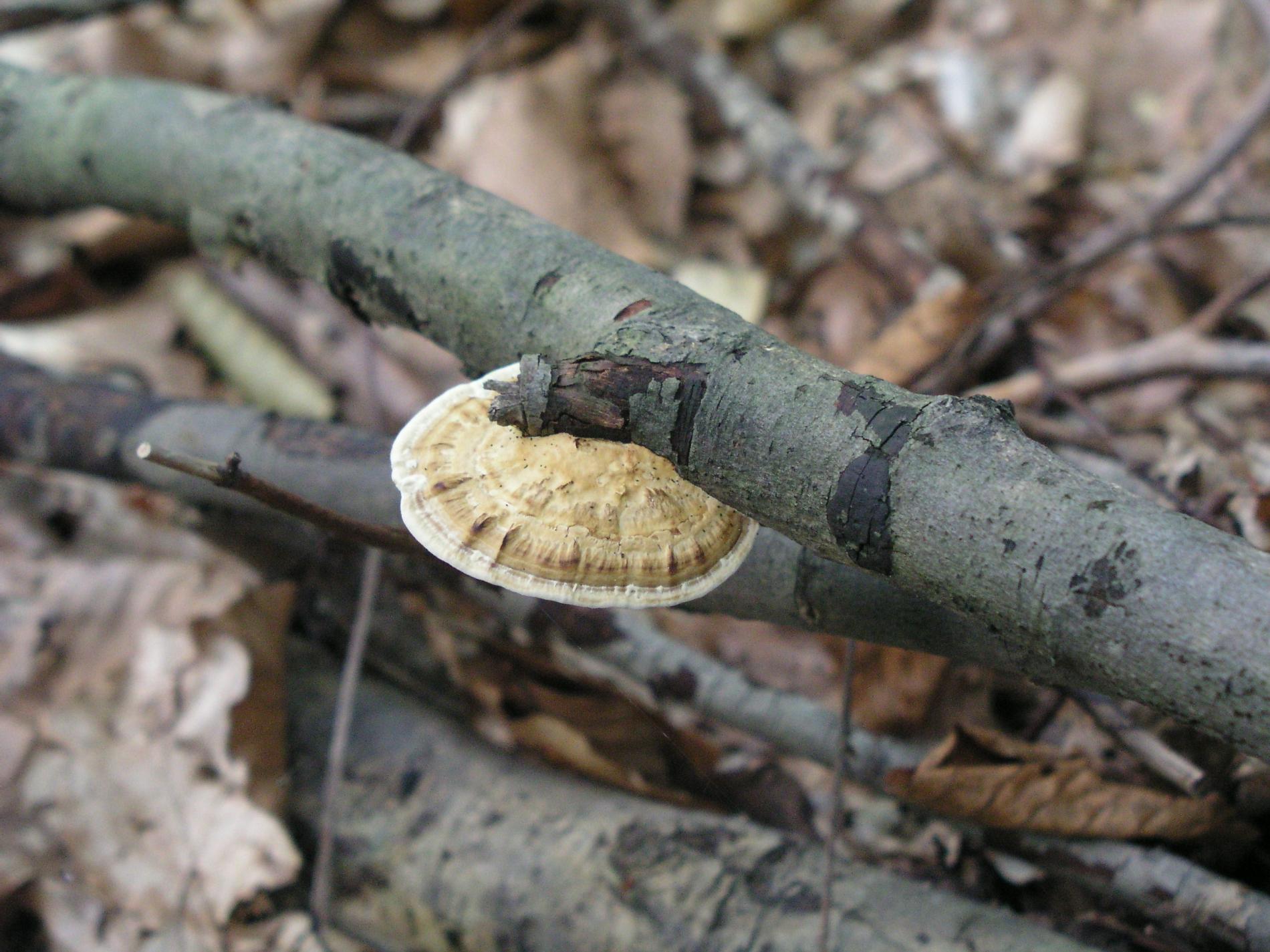
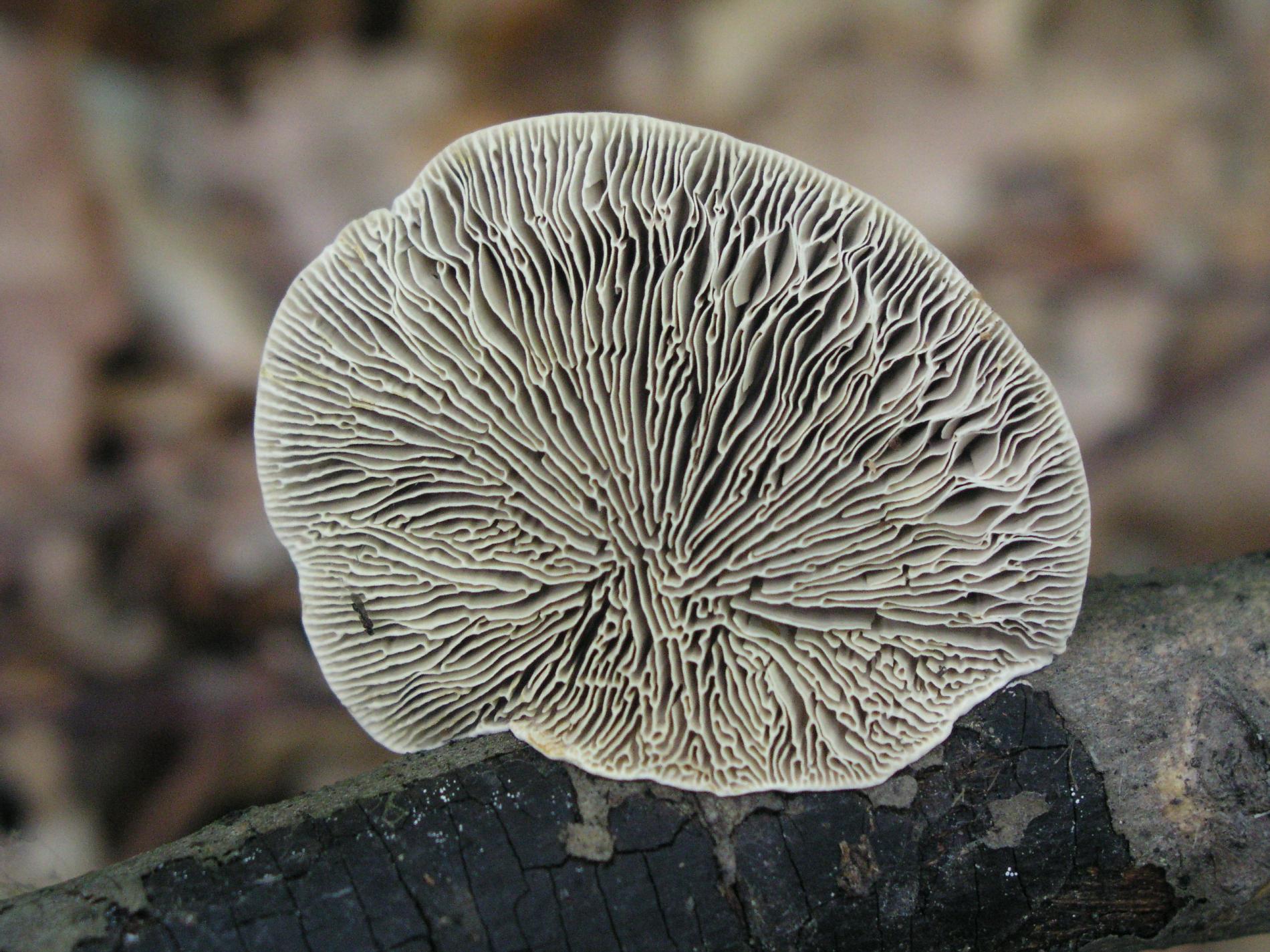
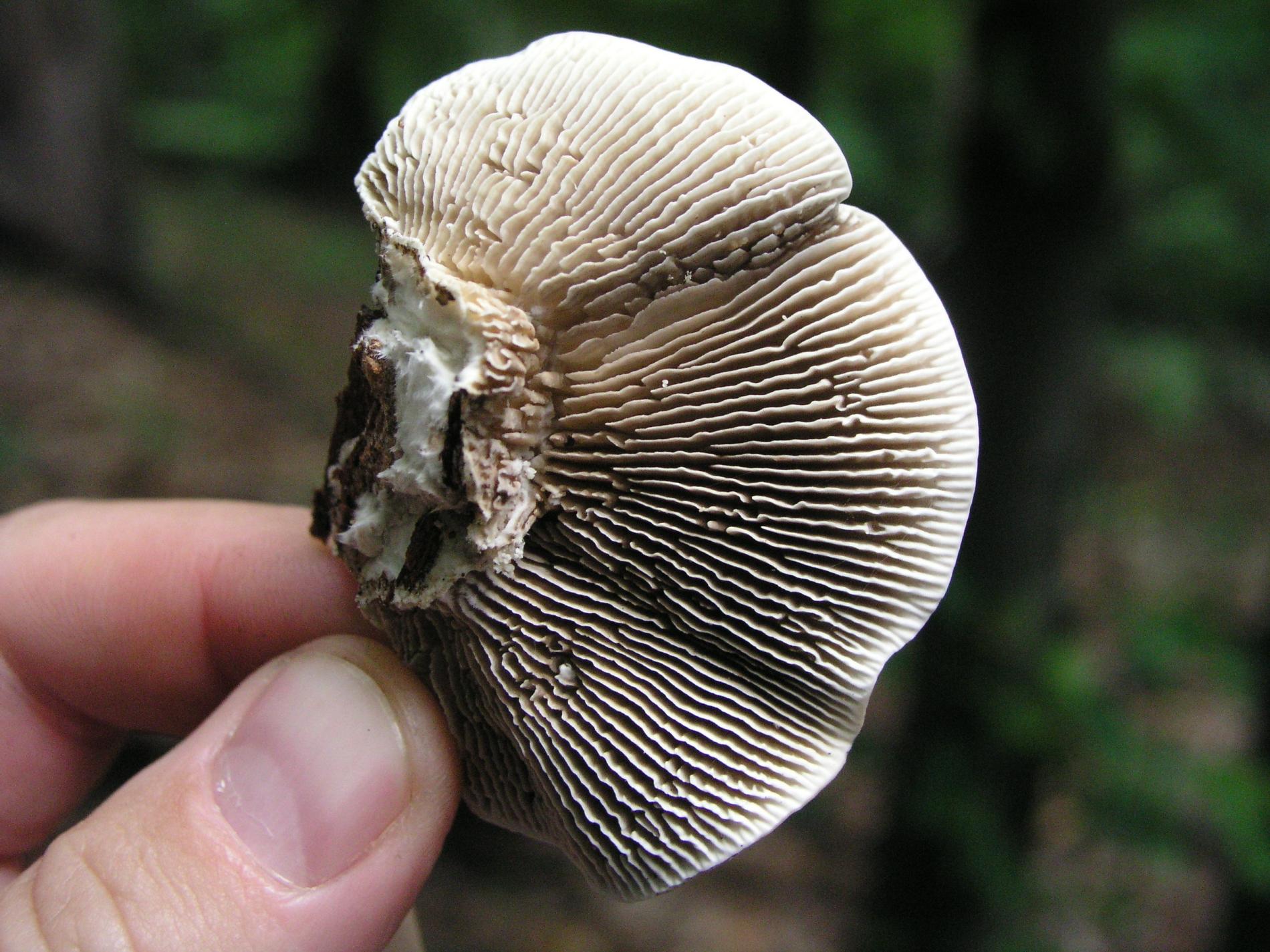
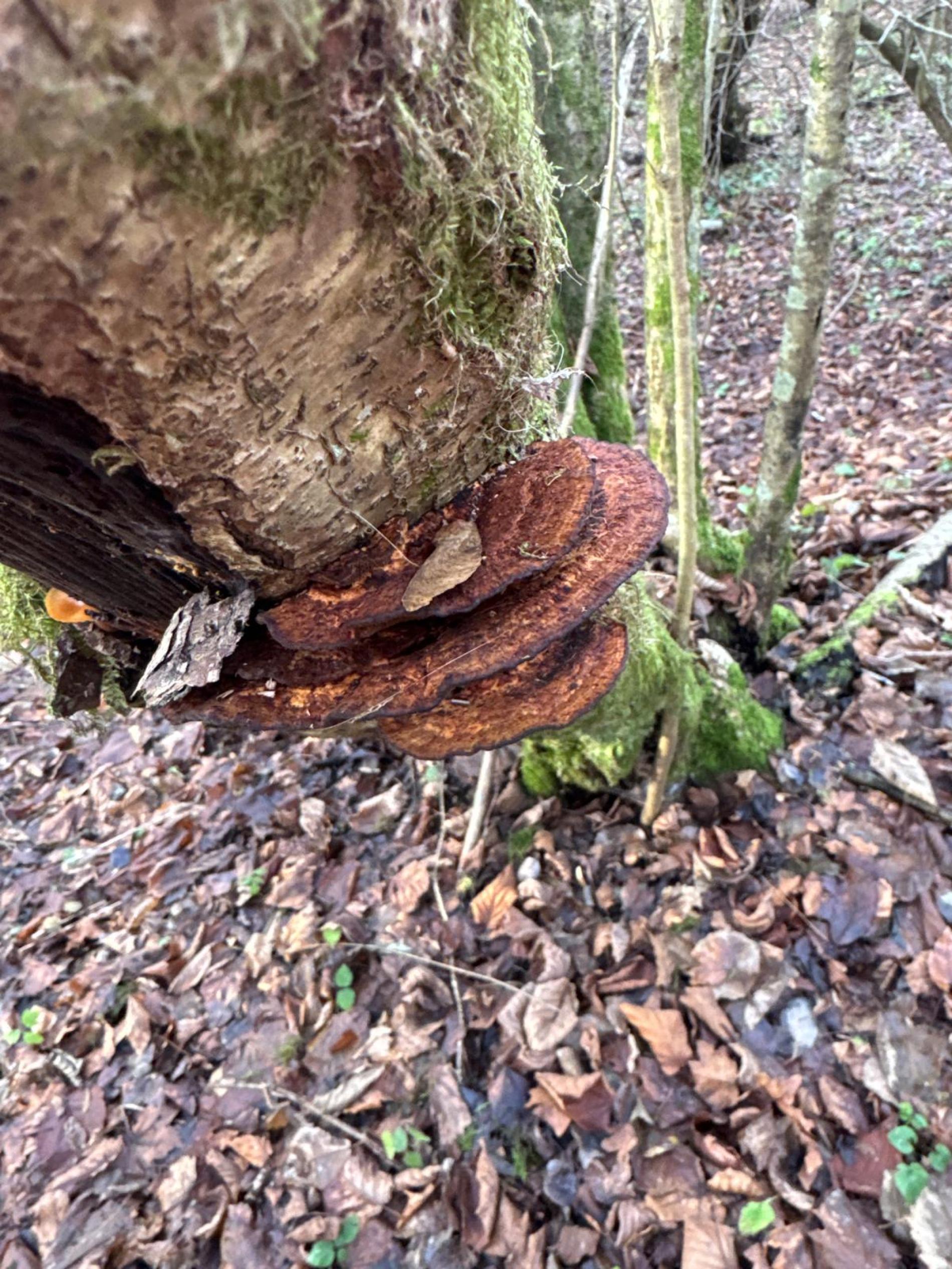
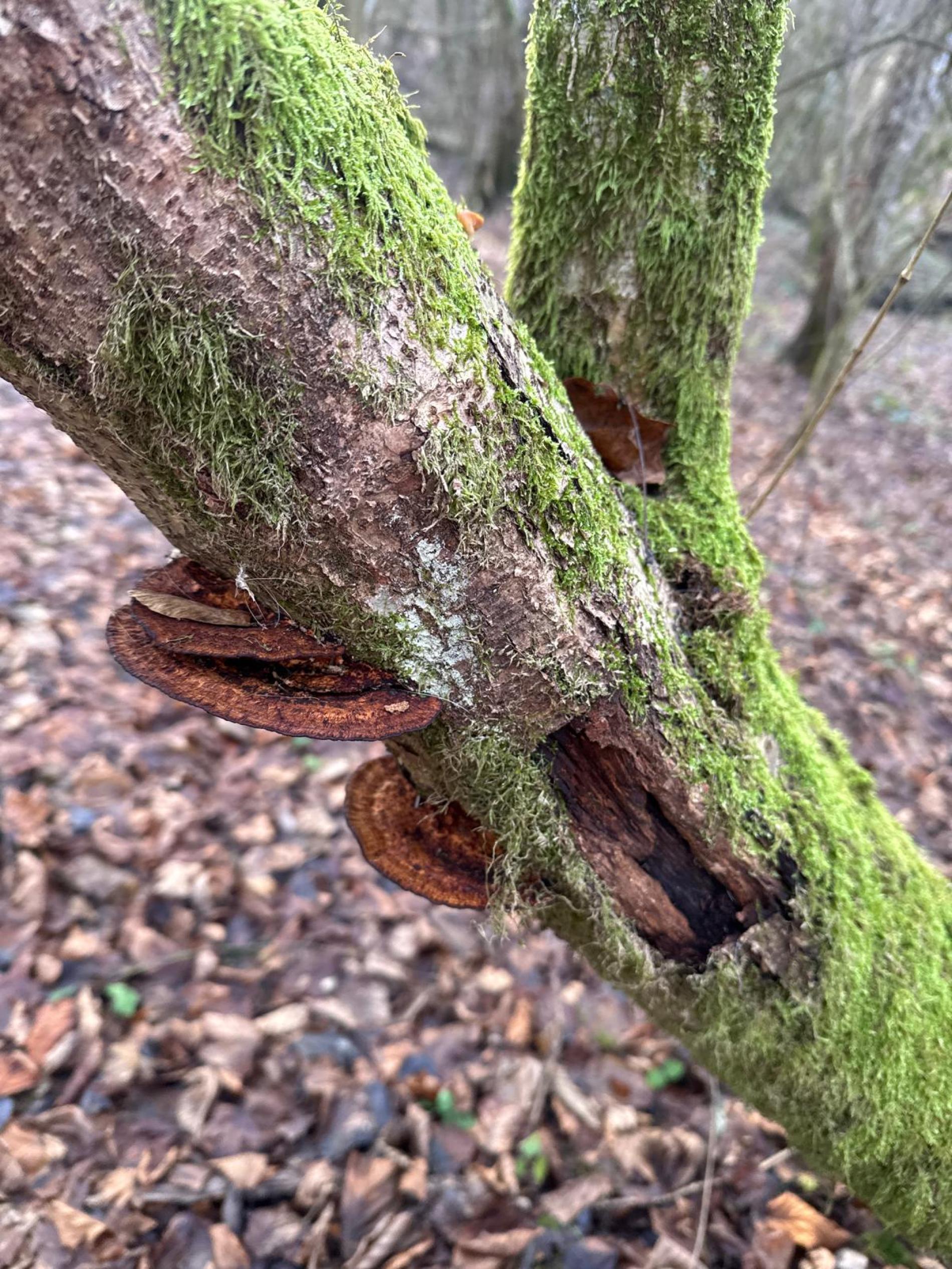
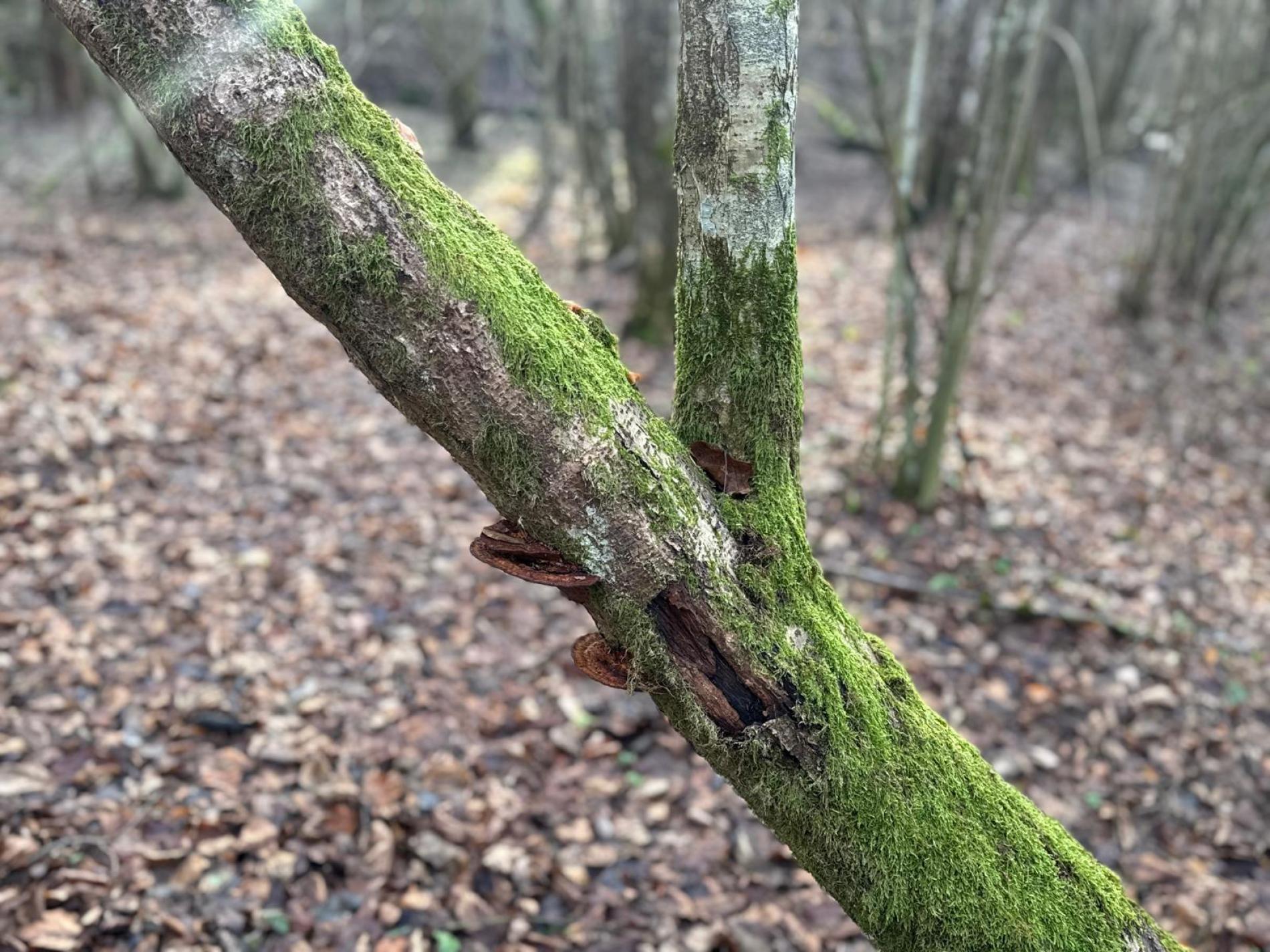
The fruiting bodies are semicircular, kidney-shaped, thin, often arranged roof-like one above the other. The cap has only outlined sparse bands or dense bands, it is felt, hairy, grey with various grey to ochre bands. The hymenophor is formed with thinner or thicker leaves that are single or more commonly ramified and joined together, whitish to pale ochre. The fruiting bodies are annual, they grow mainly in summer and autumn. The mycelium causes intense white rot with striking red lines in the wood part destroyed by rot.
The fruiting bodies are semicircular, kidney-shaped, thin, often arranged roof-like one above the other.
Tree Species: Birch, Beech, Oak
Part of a plant- attacked: Tree trunk, Branch
Pest significance: Harmful
Pest Category: Fungi
Invasive Species: No
Present in EU: Yes
Pest group: Fungi
Affected part of wood: Heartwood, Sapwood
Depth of damages: More than 5 cm depth, Under bark only, Up to 0,5 cm depth, Up to 2 cm depth, Up to 5 cm depth
The extent of damage: Whole trunk
Prevalence in Europe: Common
Damaged products: Firewood, Fresh timber logs (water still in the sapwood), Furniture, Lumber, boards and prisms, Wooden house constructions
Roundwood size: Branches and twigs, Diameter 50+, Diameter from 10 up to 50 cm, Diameter up to 10 cm
Wood discoloration: Yes
Pest subcategory: White-rot
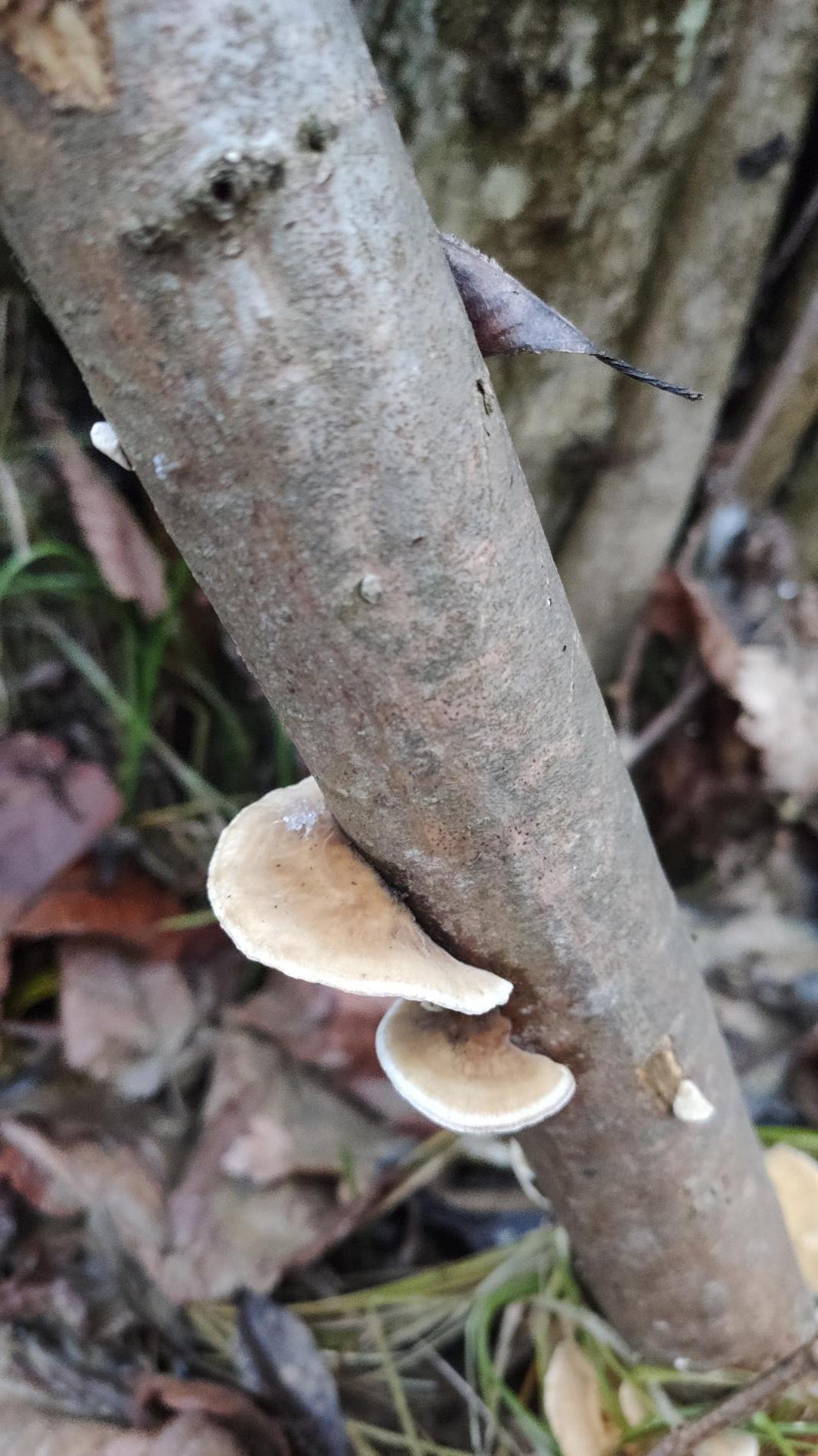
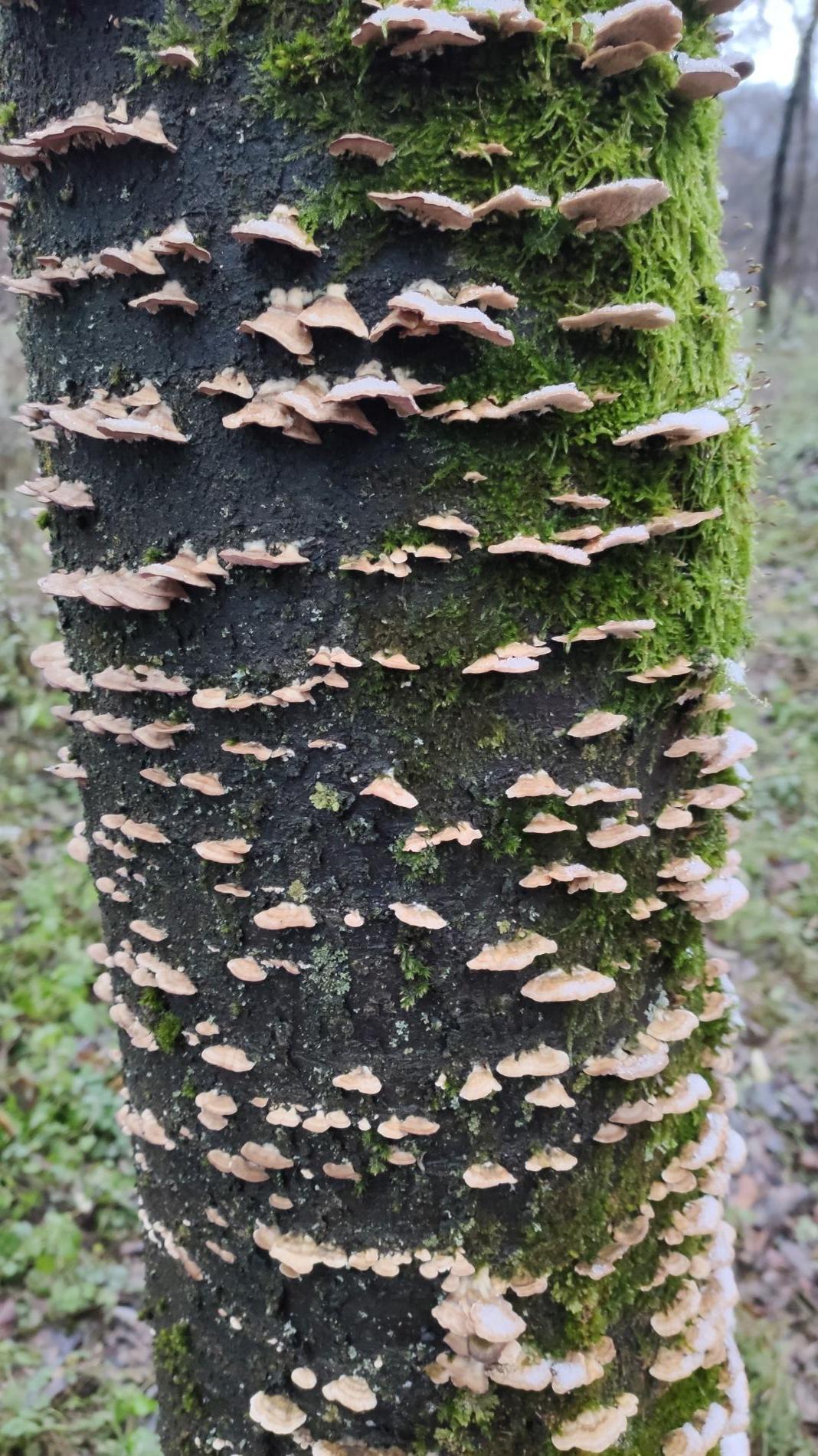
Similar pests

Daedalea quercina

Trametes hirsuta
