


Laetiporus sulphureus
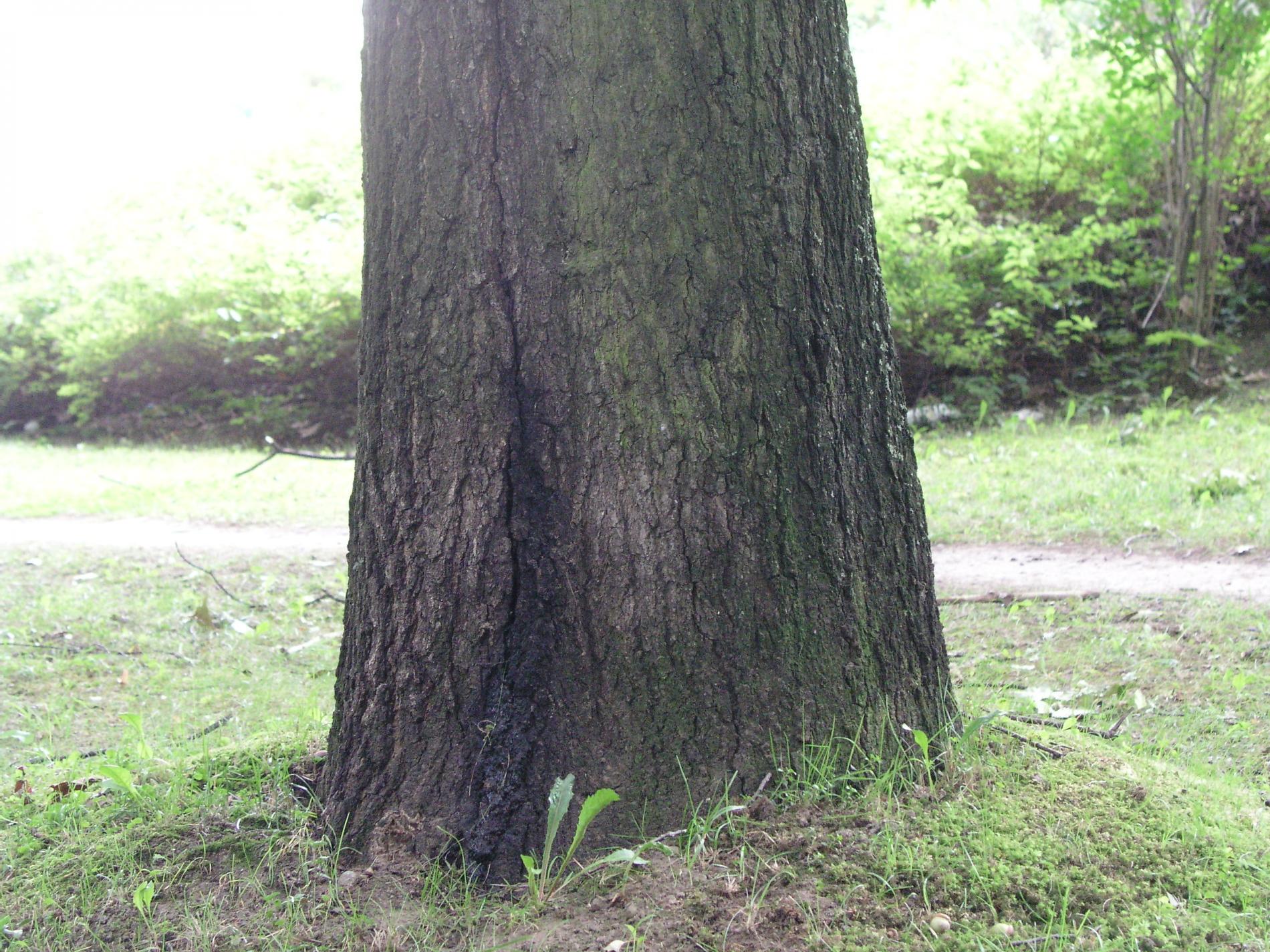
Sulphur fungus rot
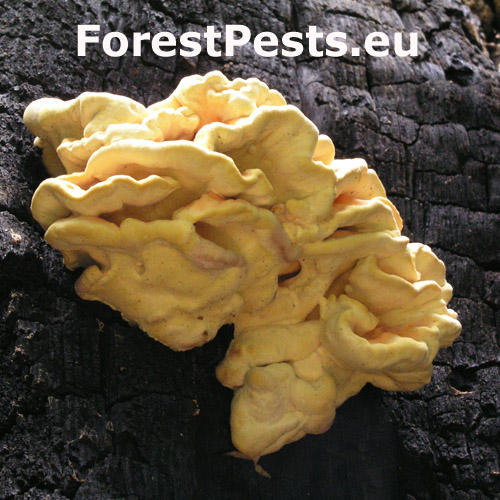
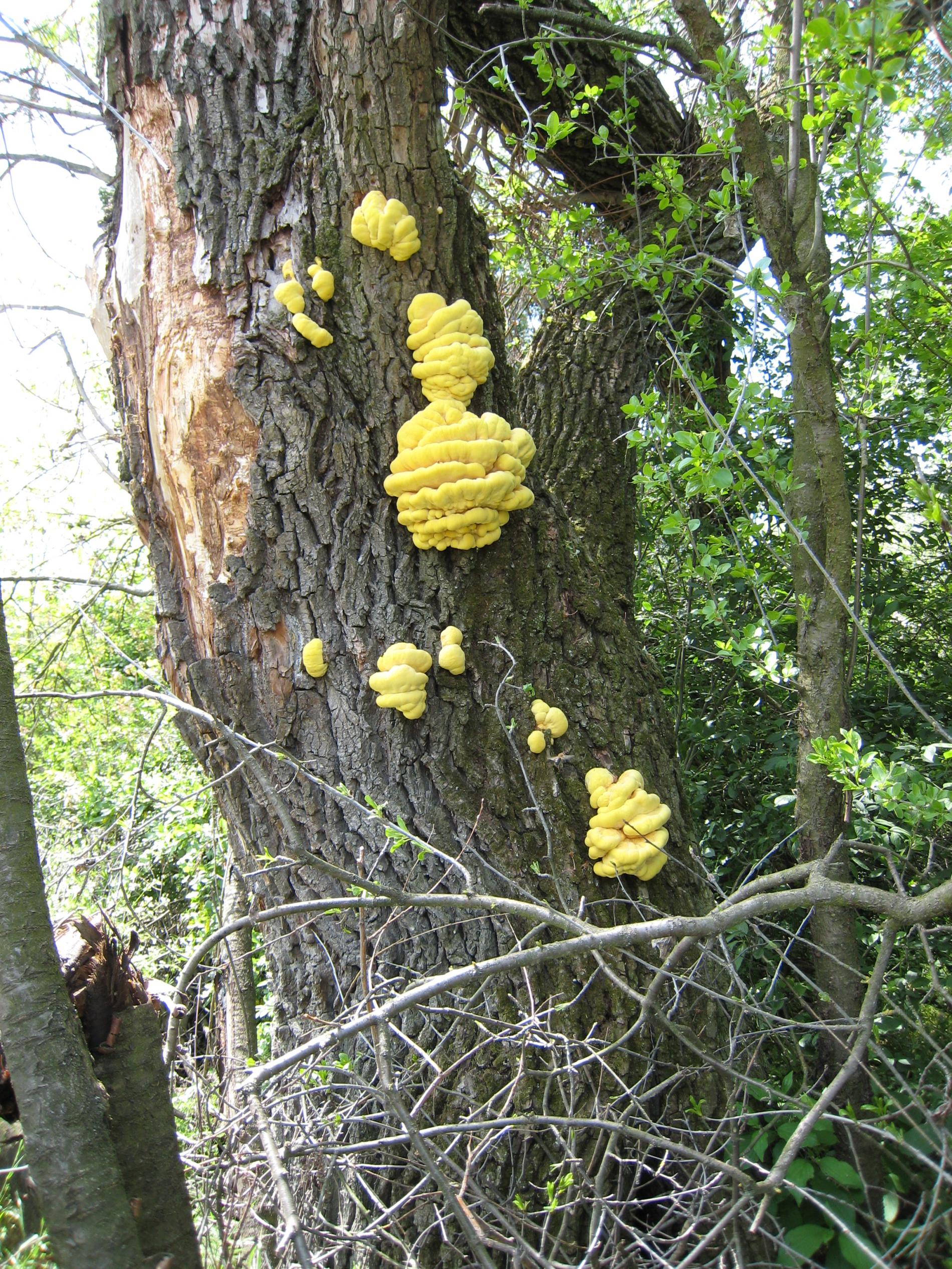
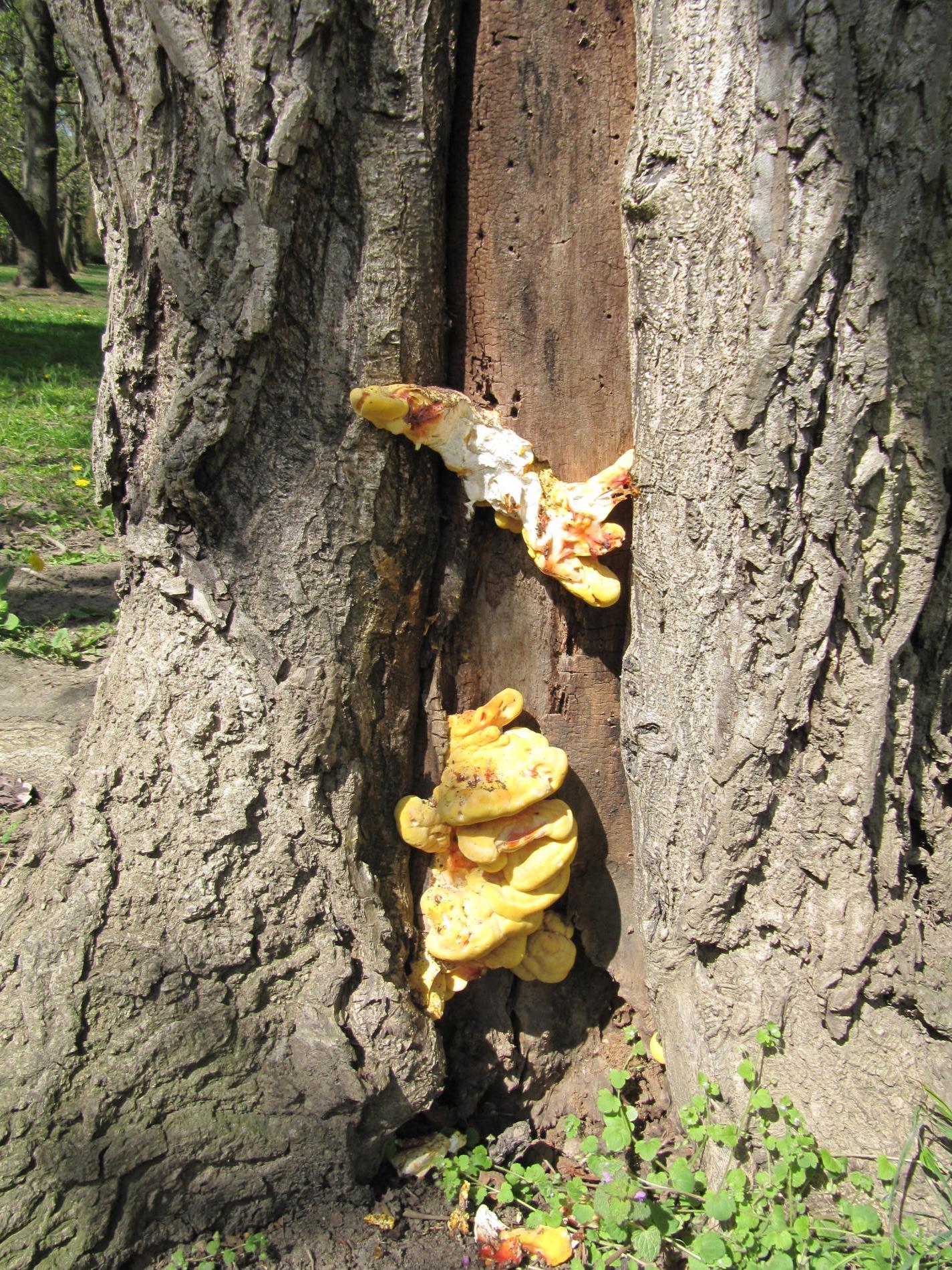
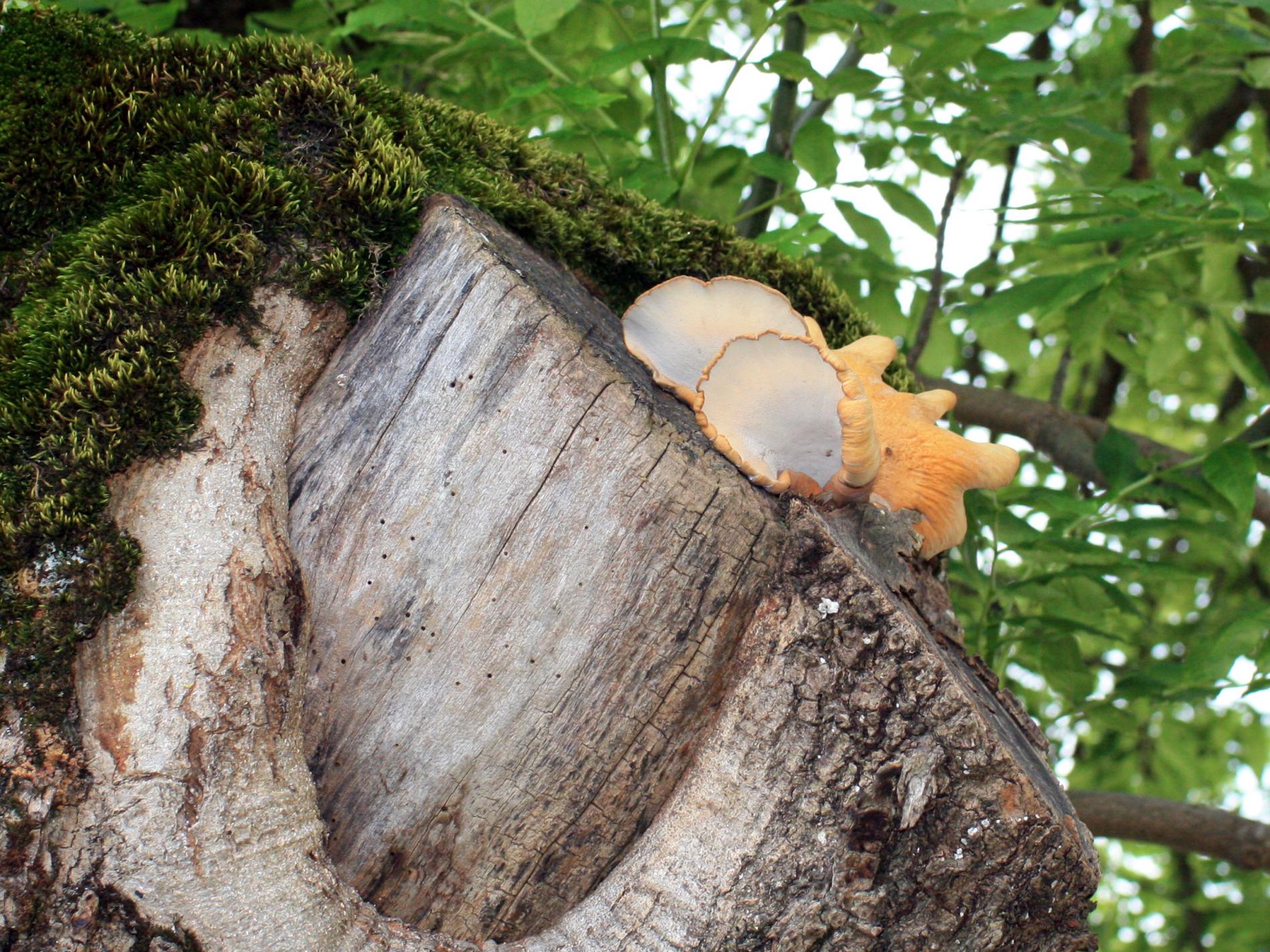
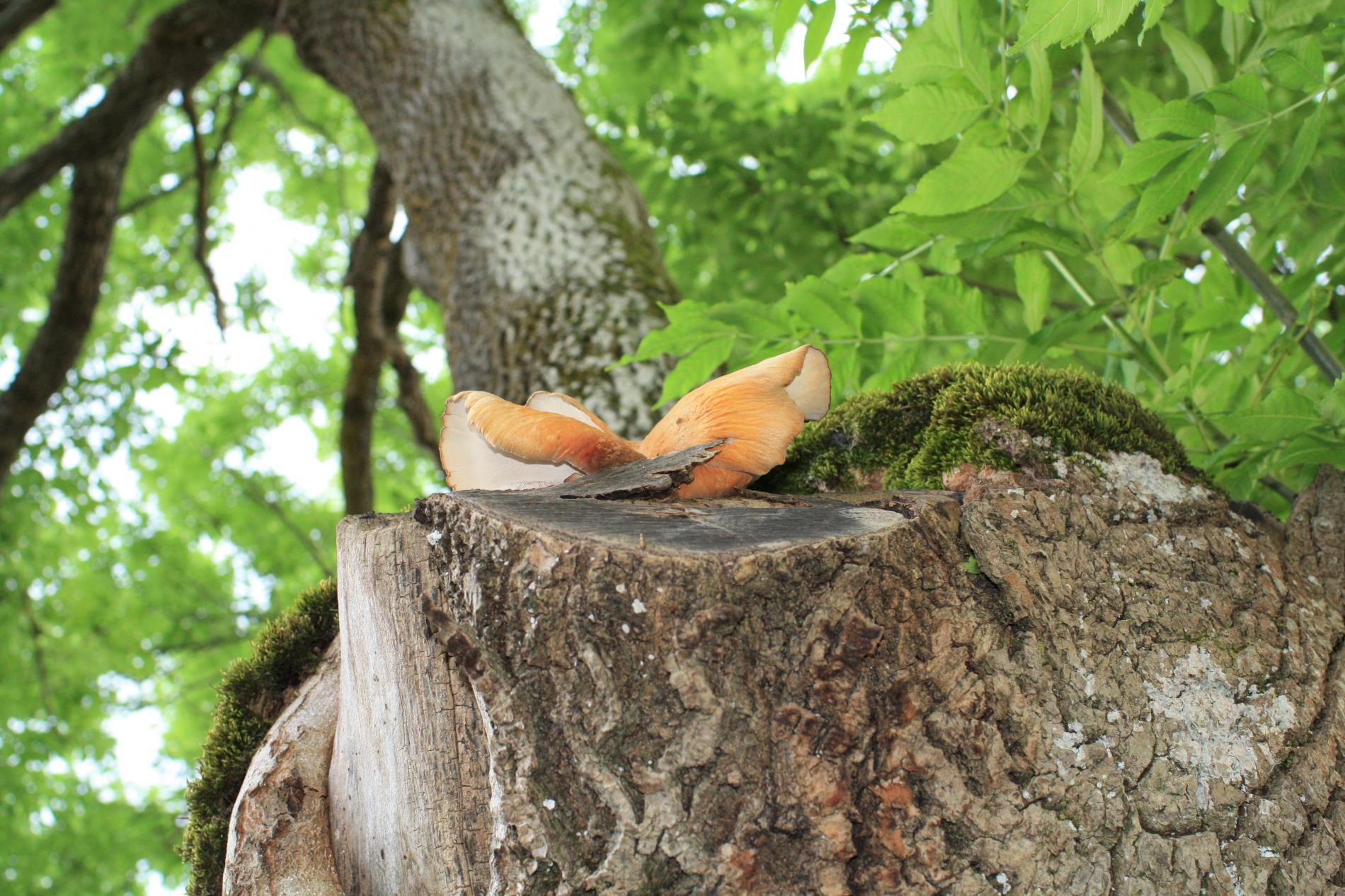
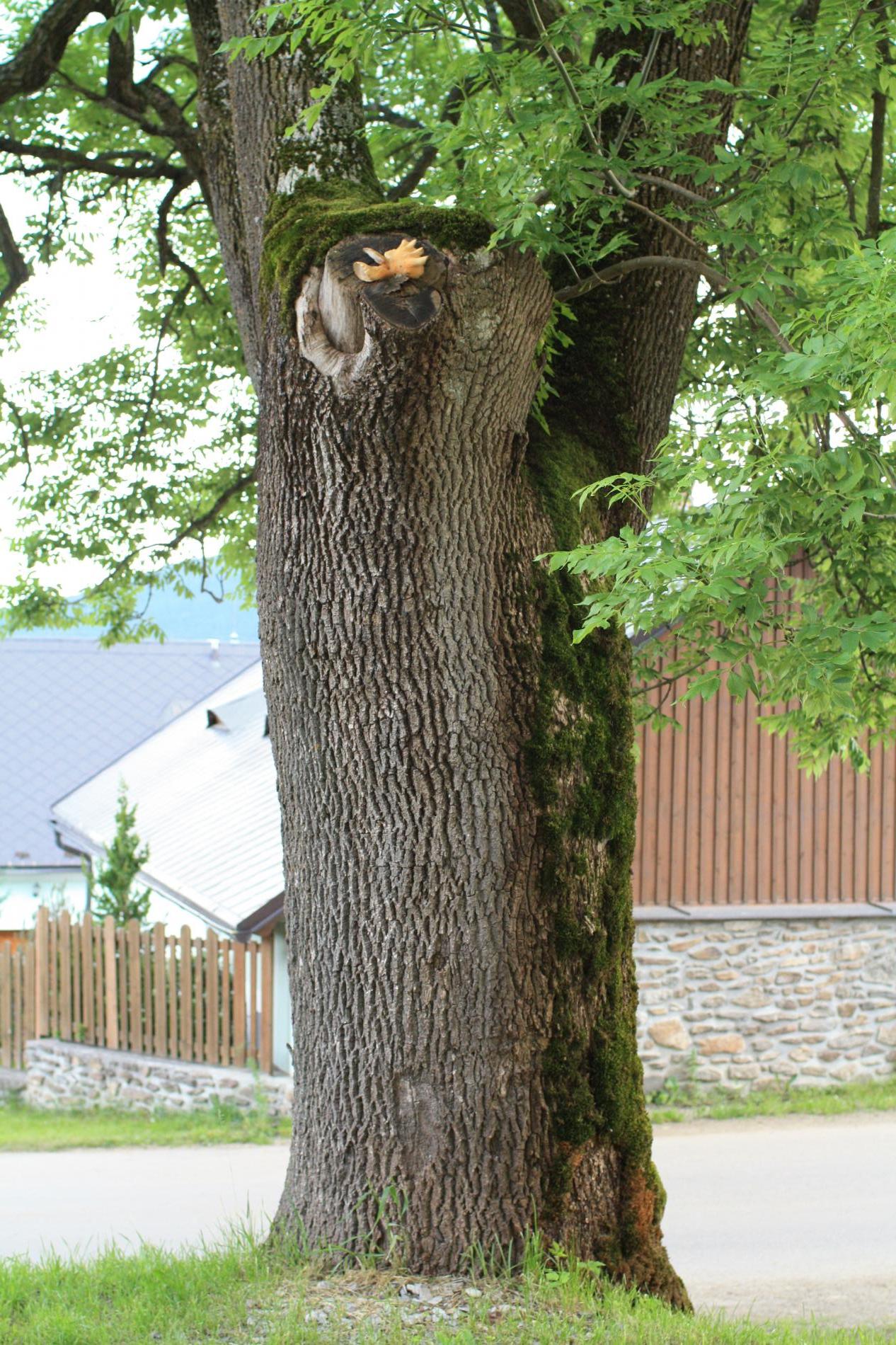
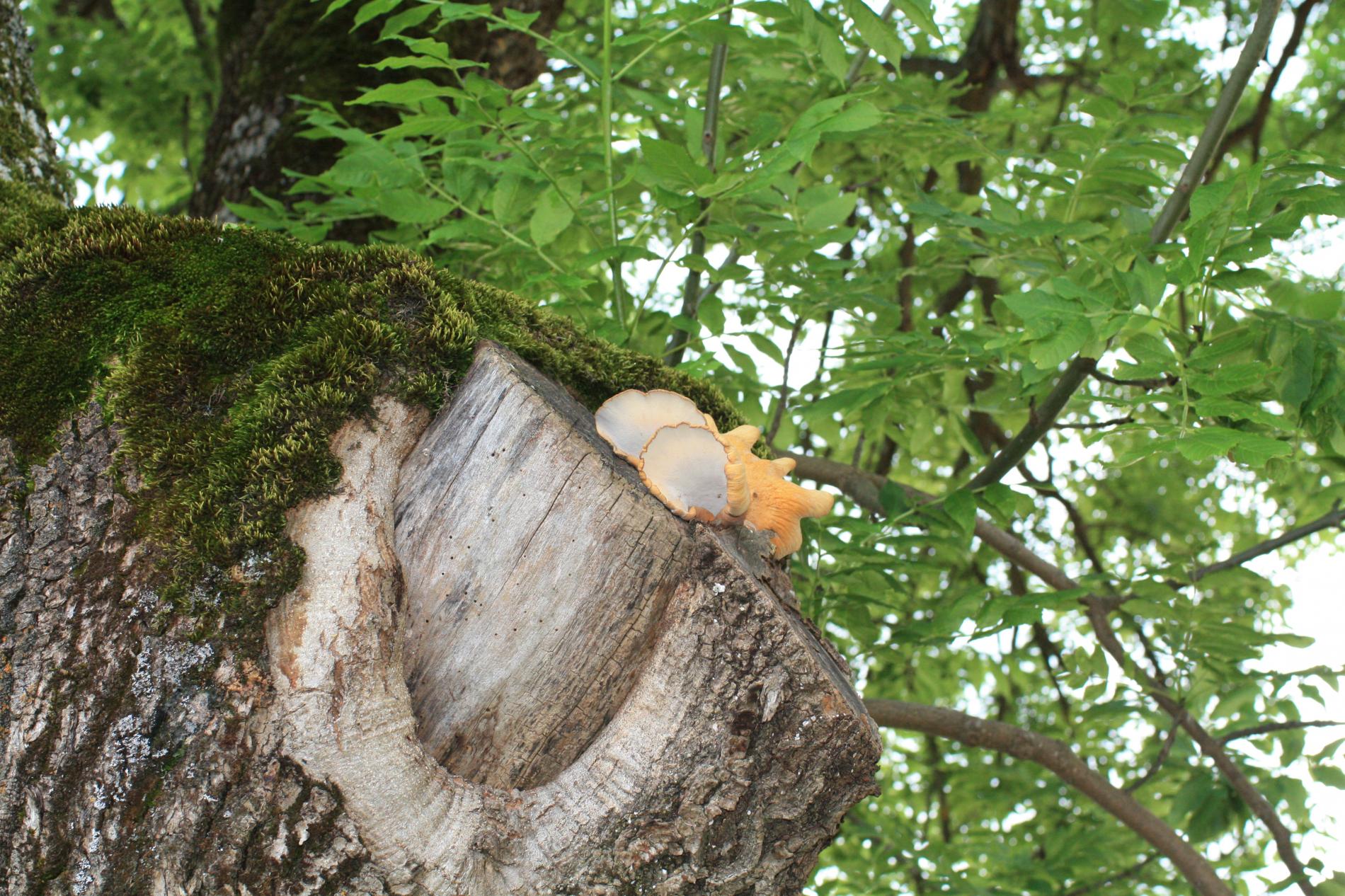
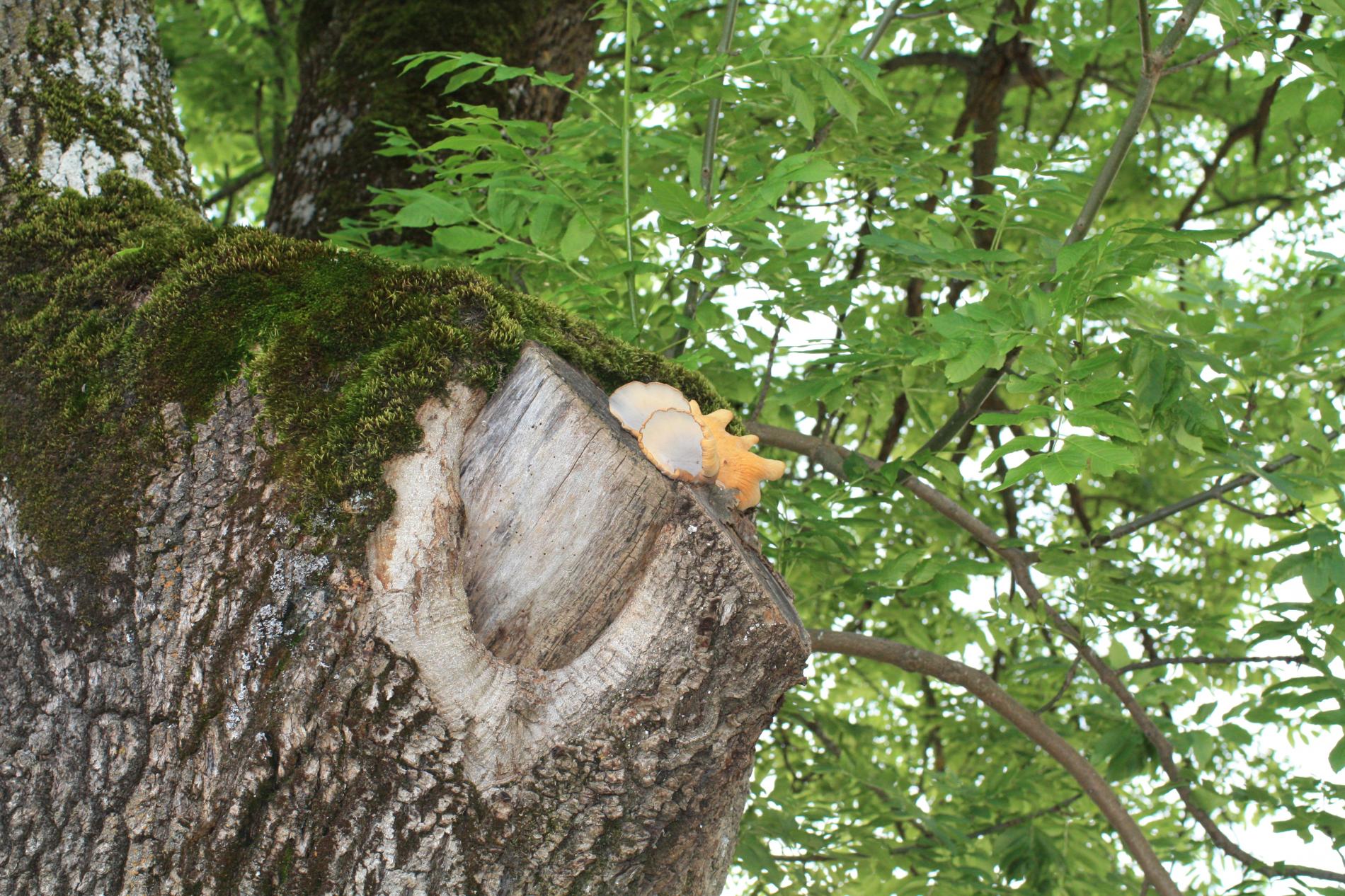
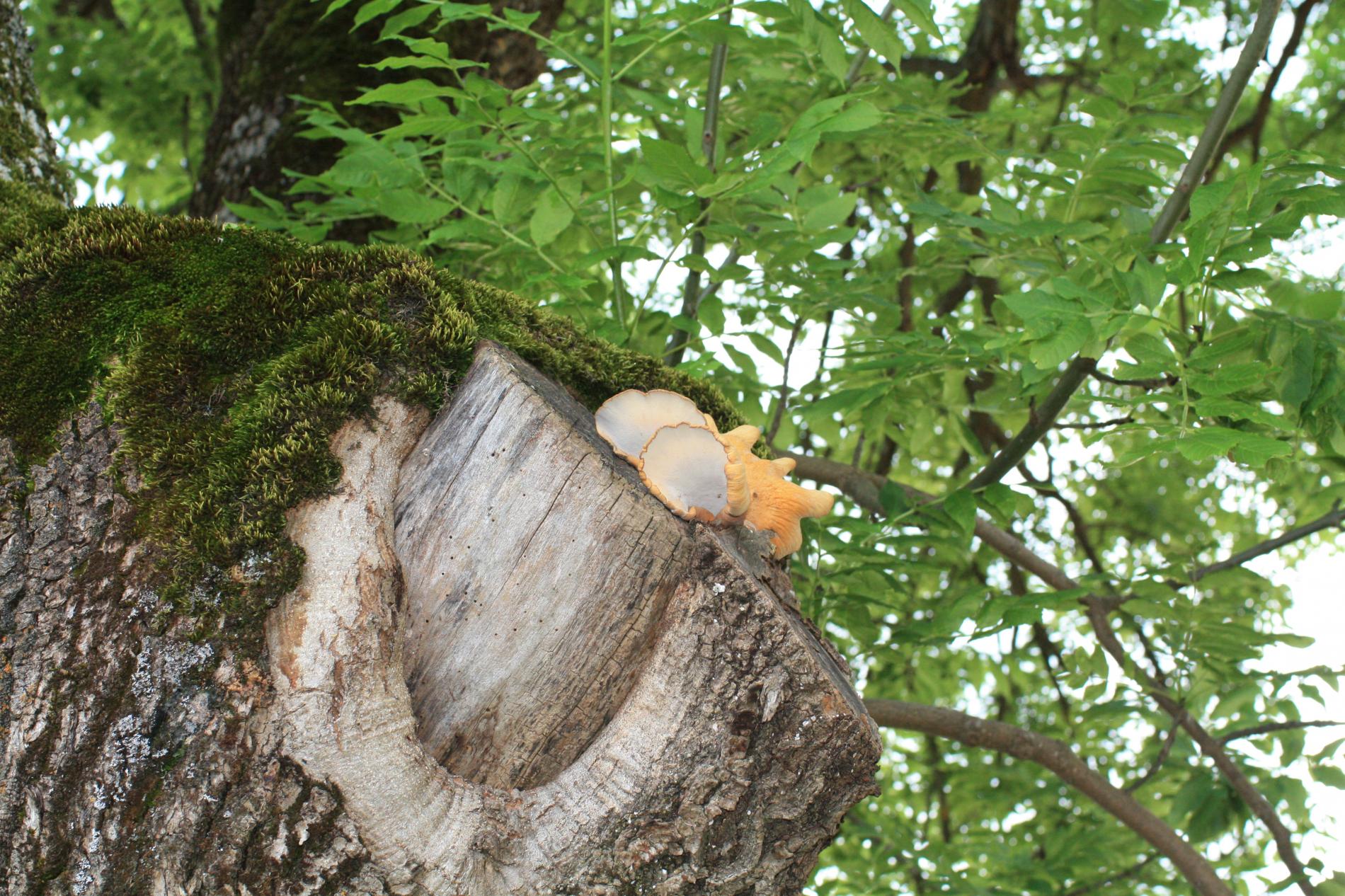
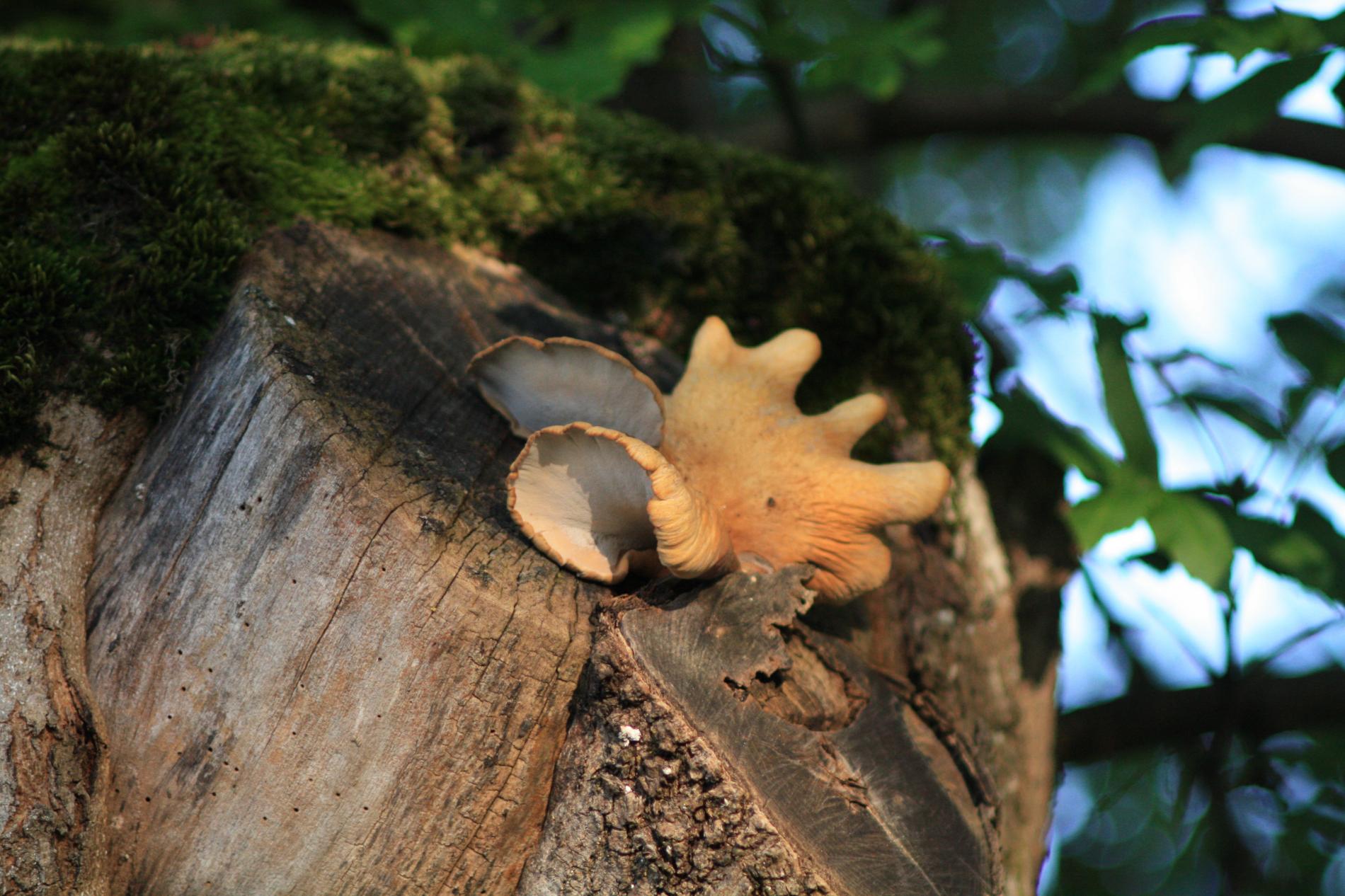
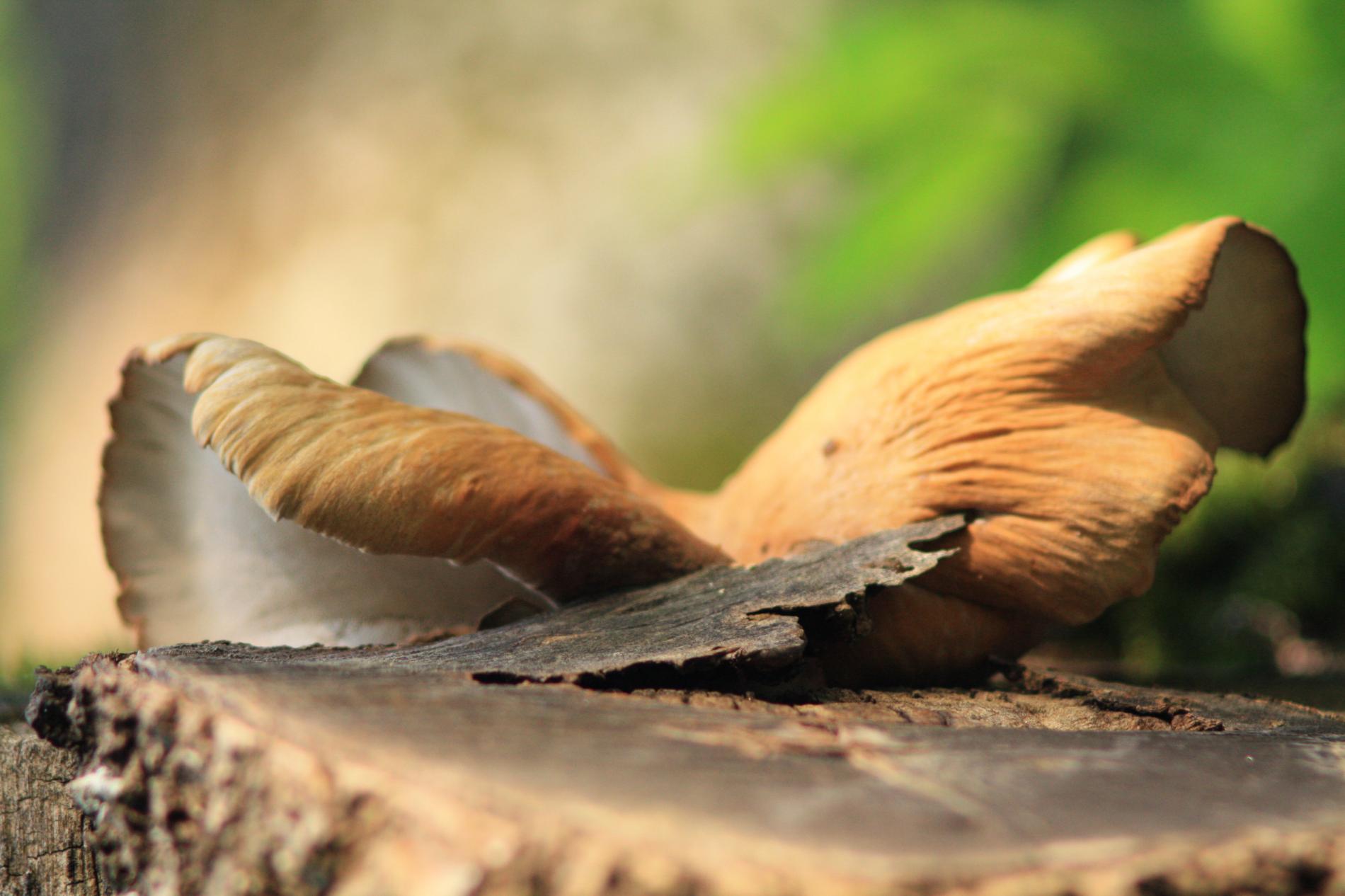
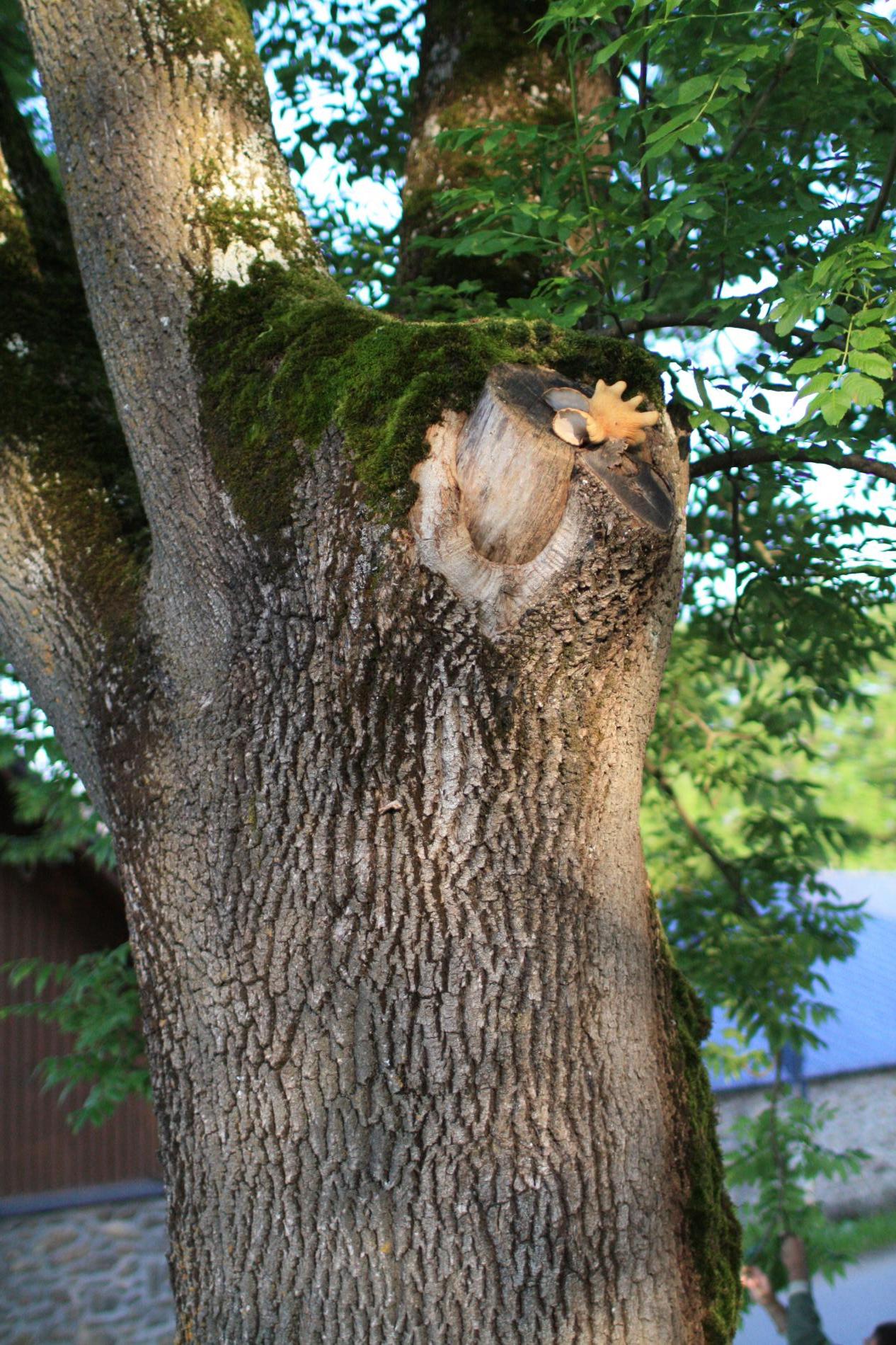
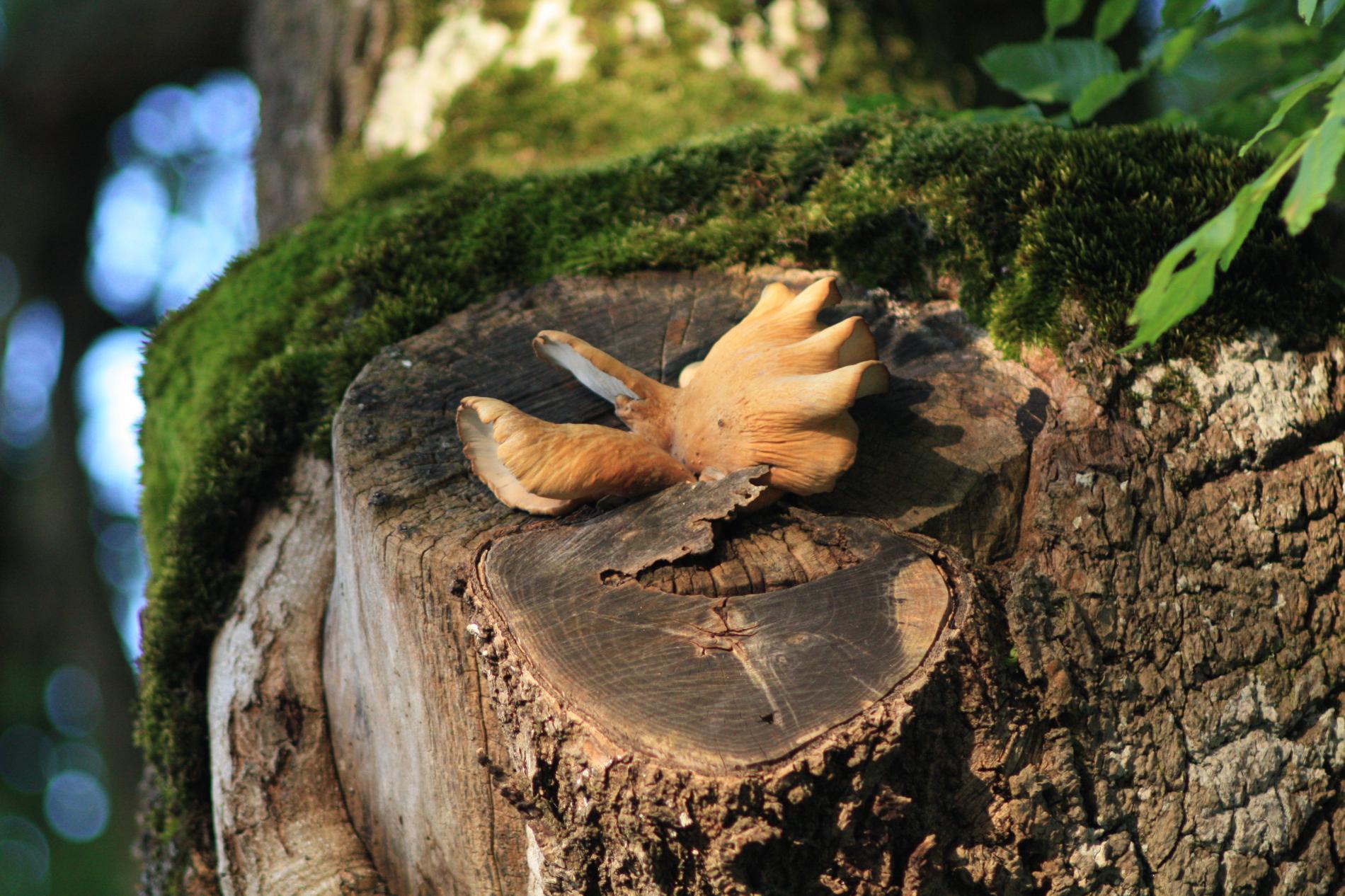
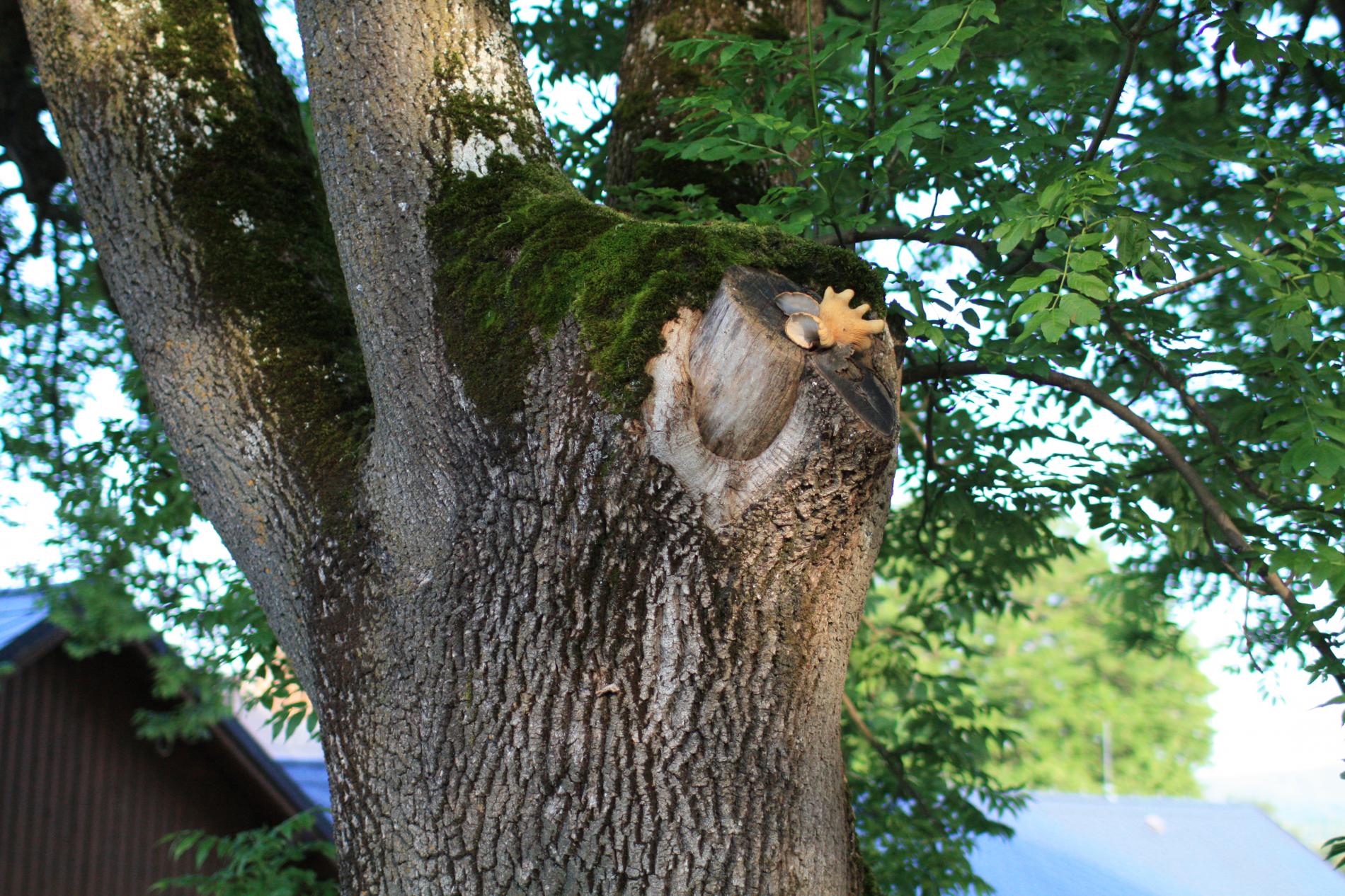
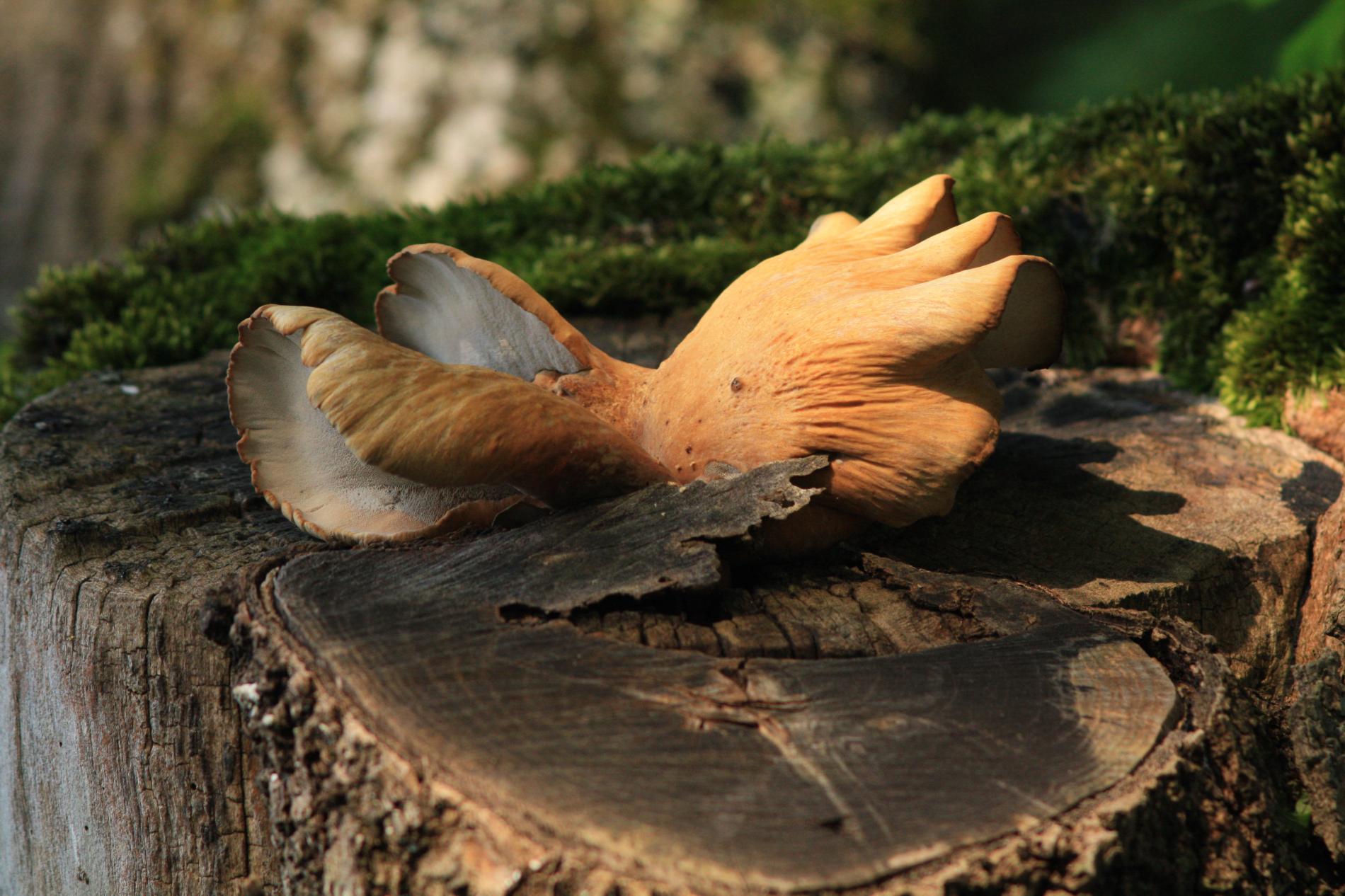
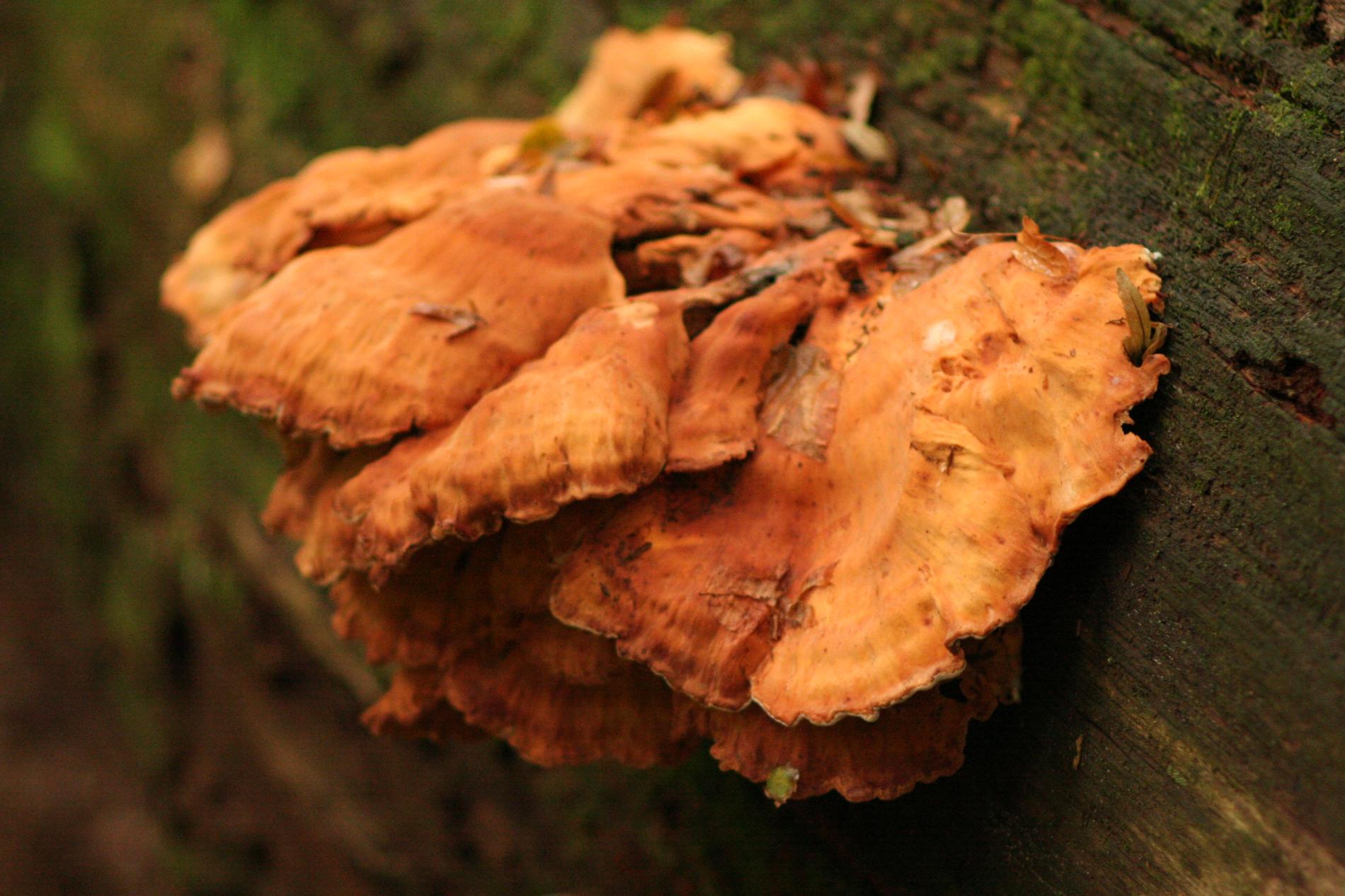
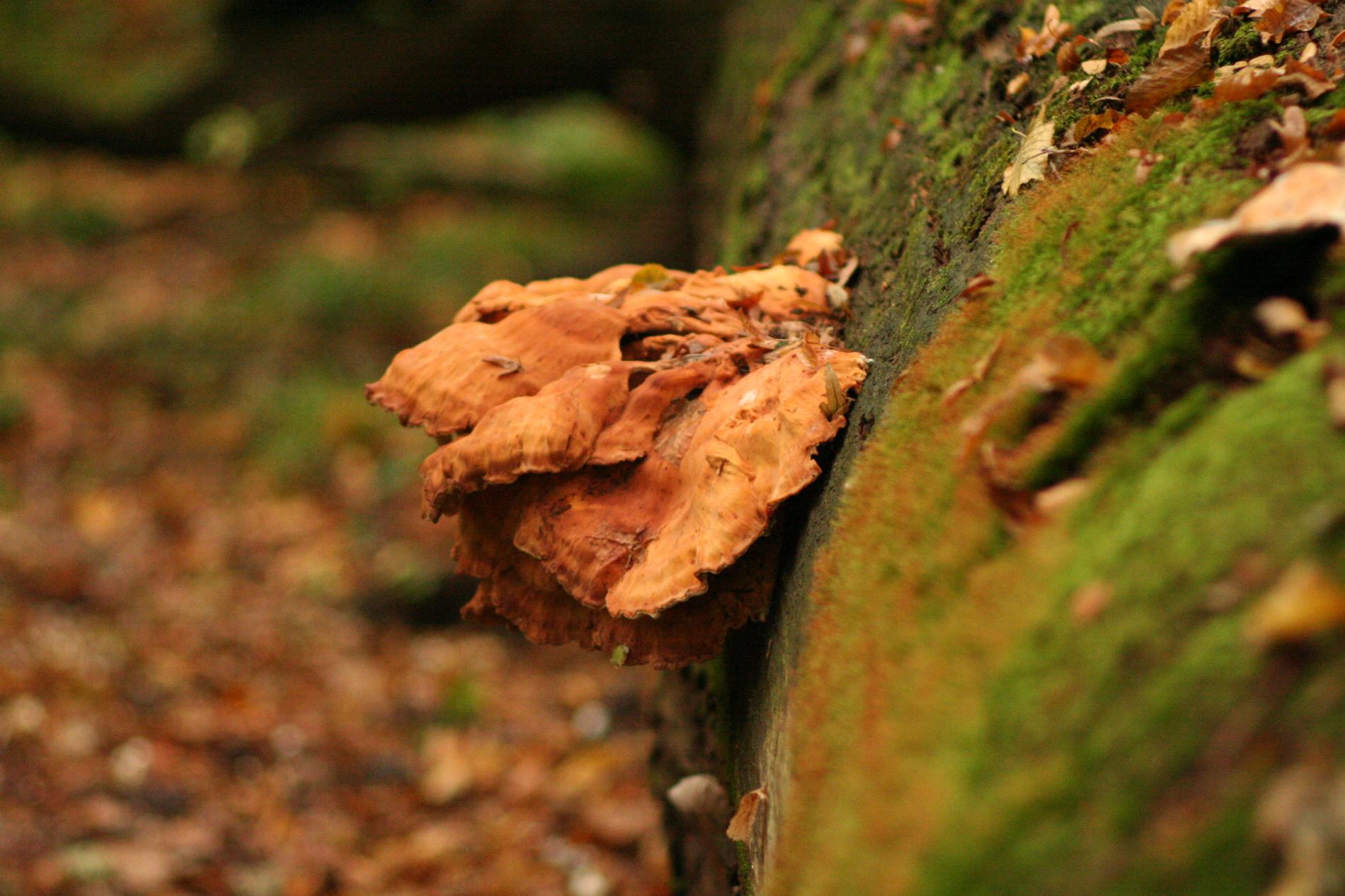
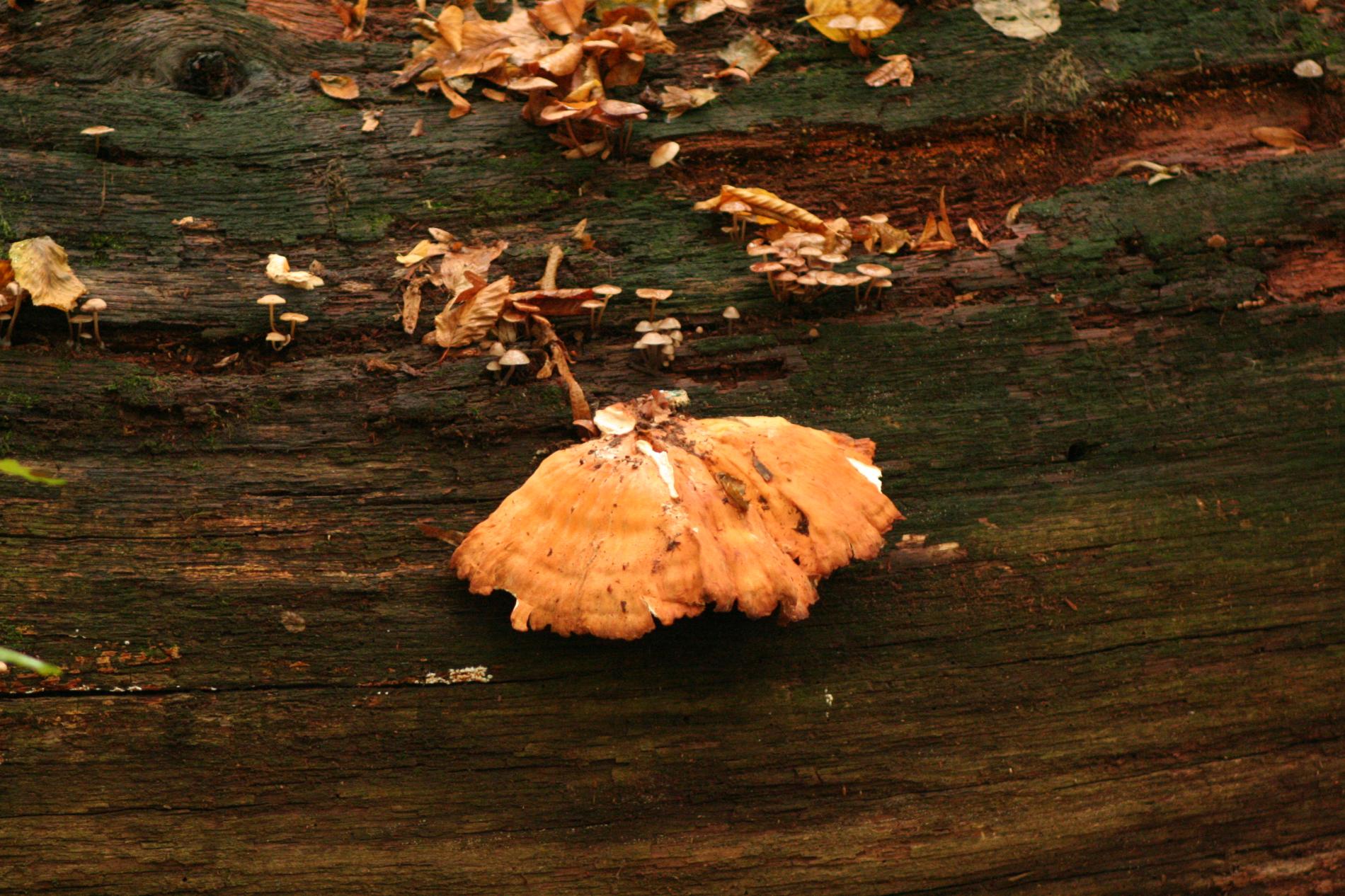
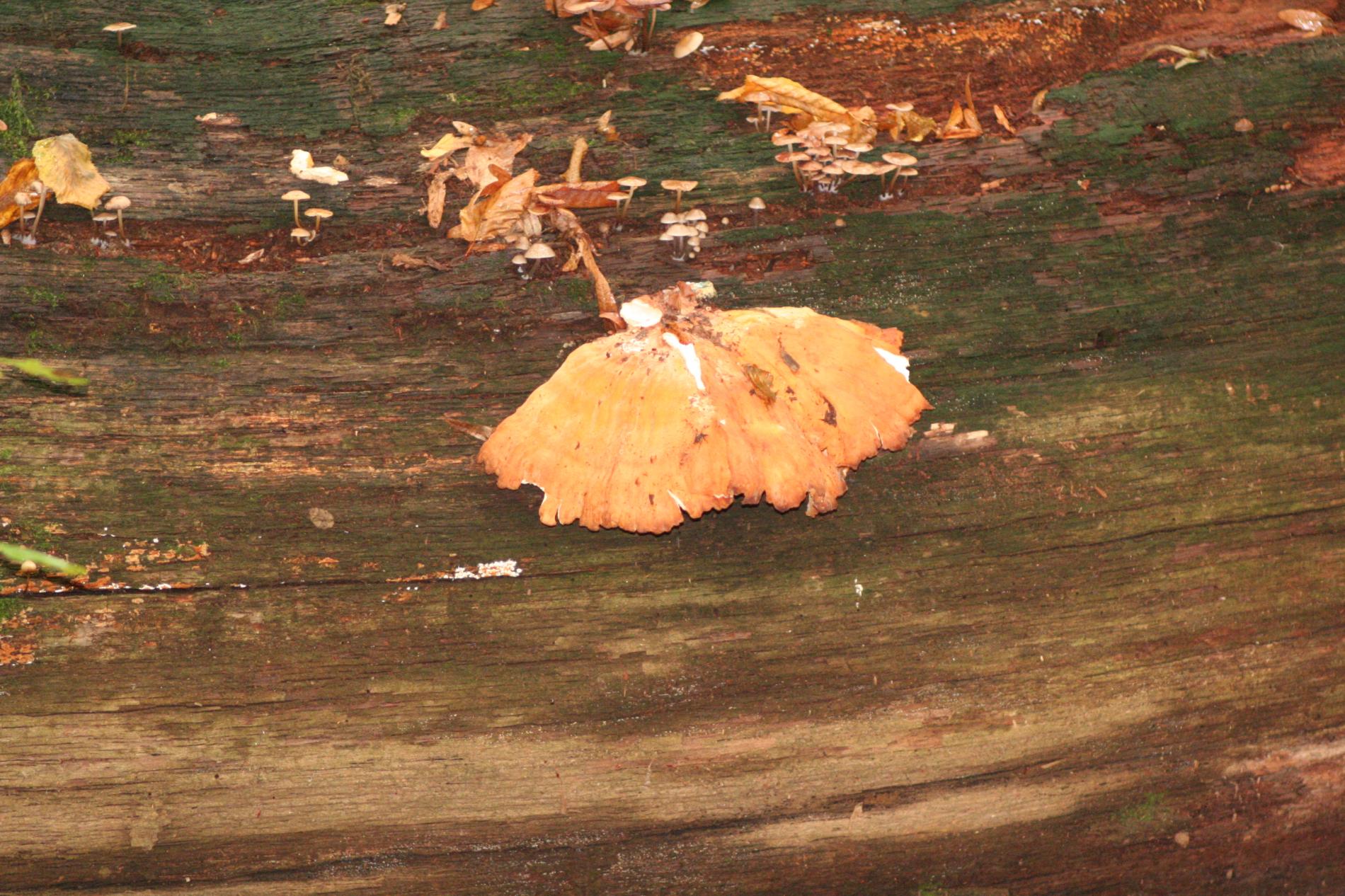
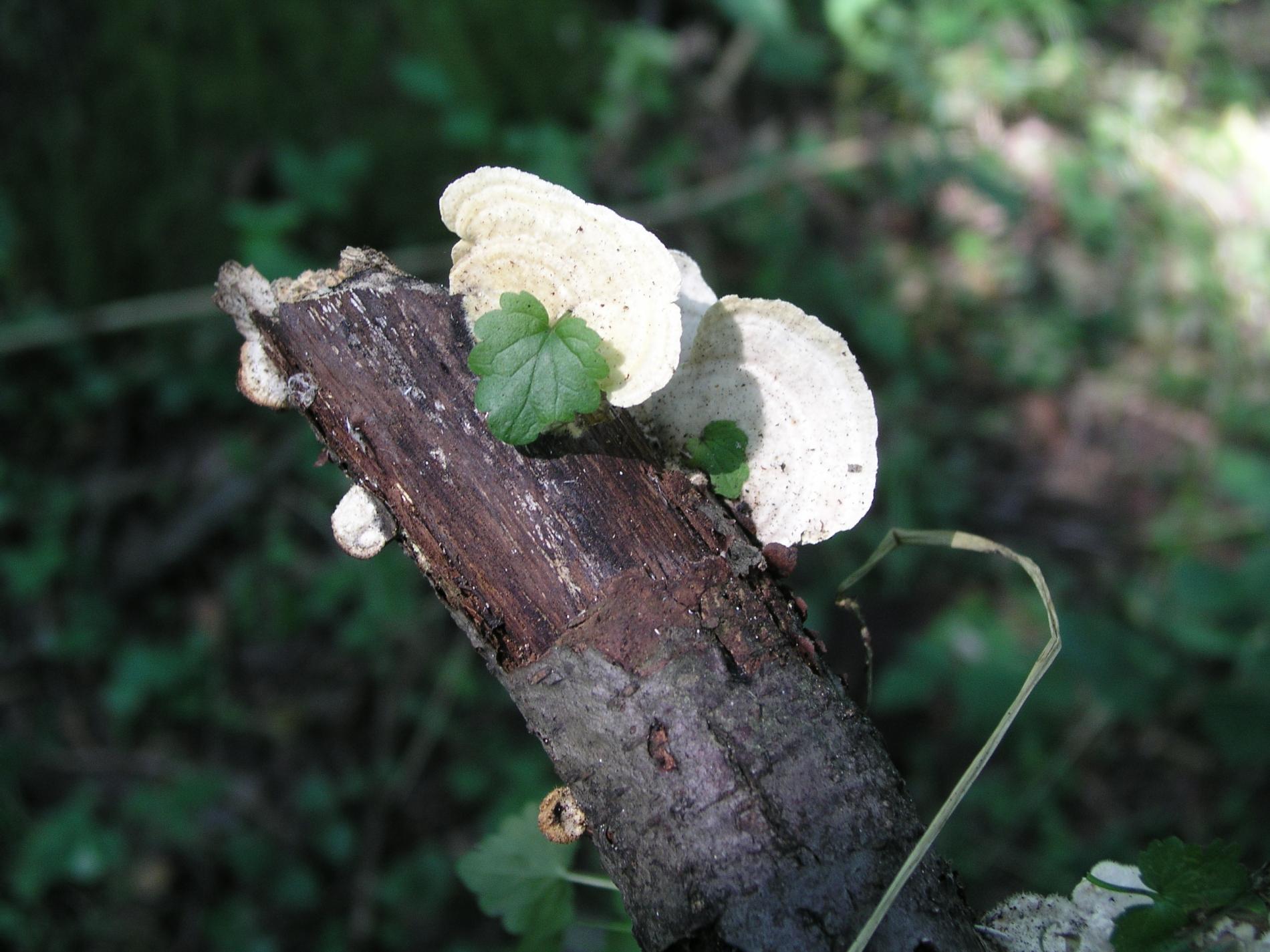
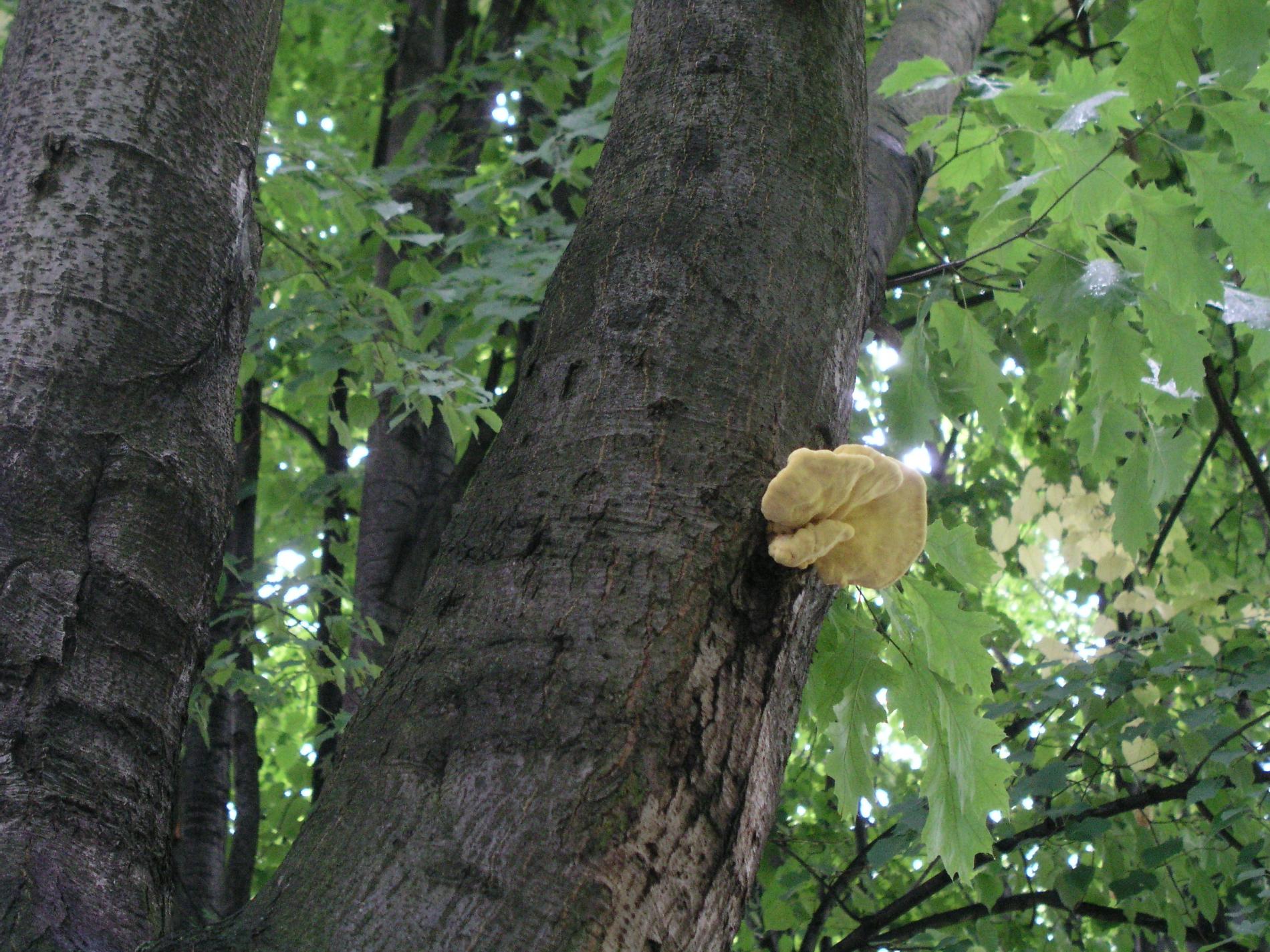
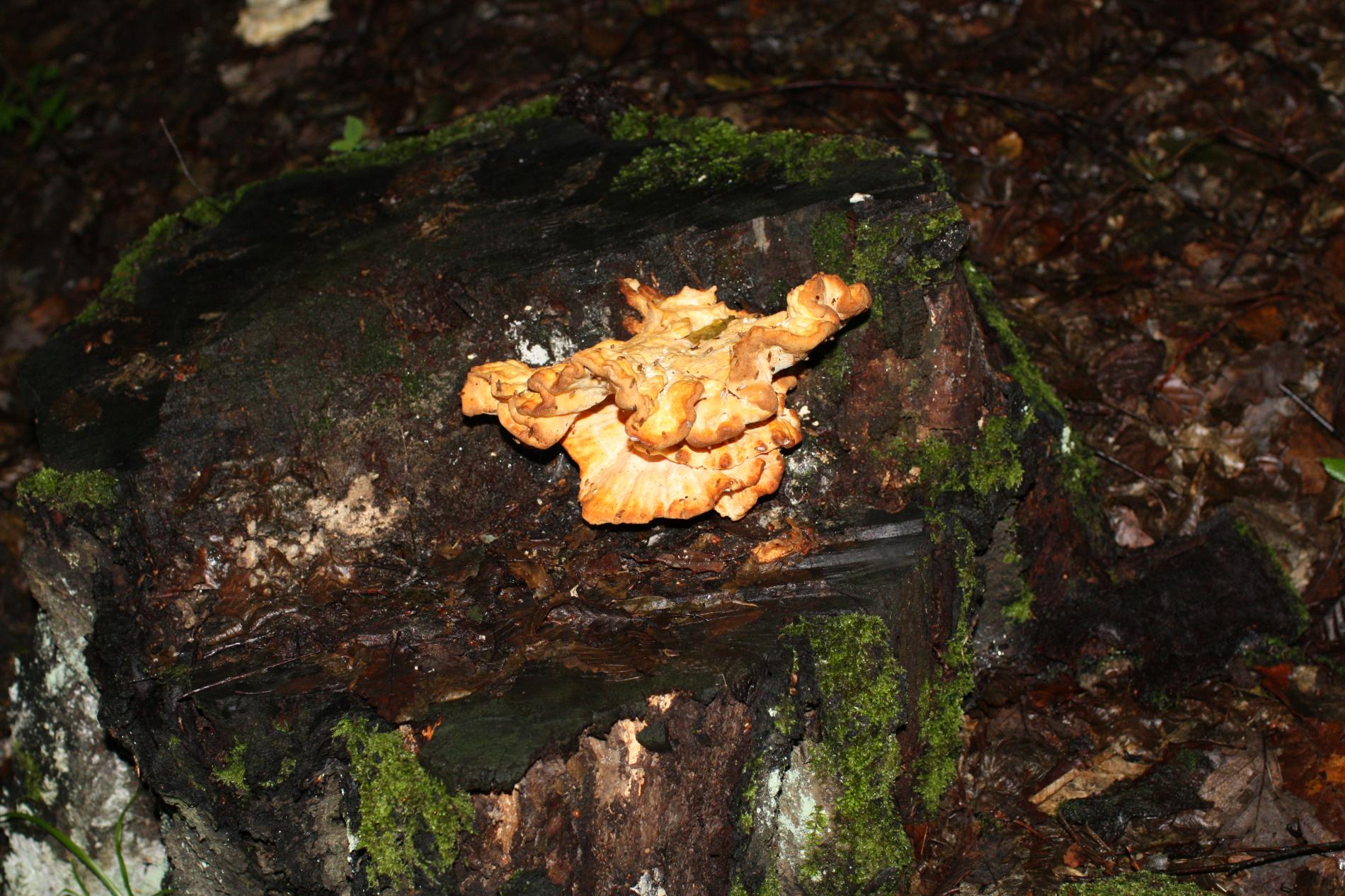
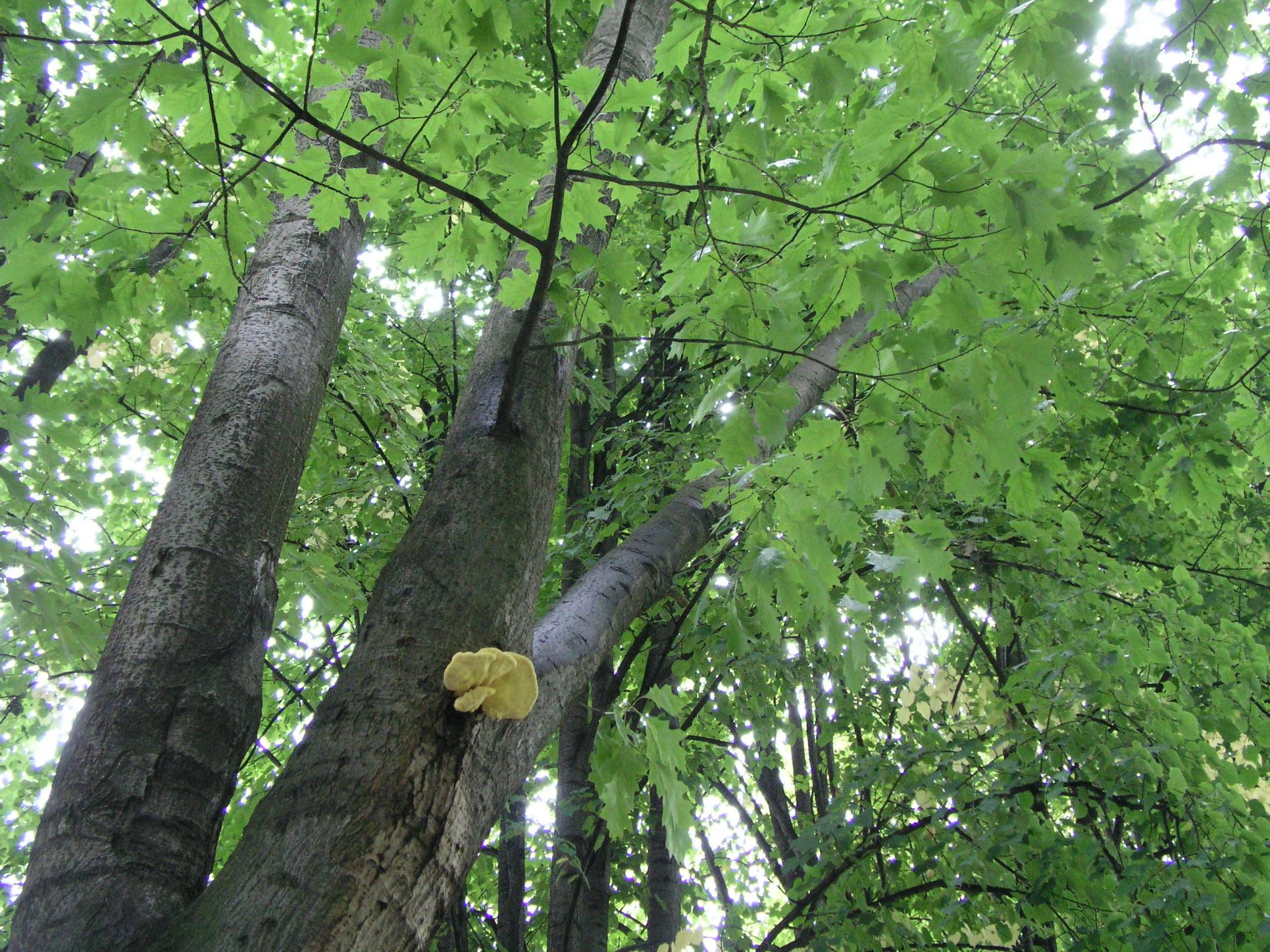
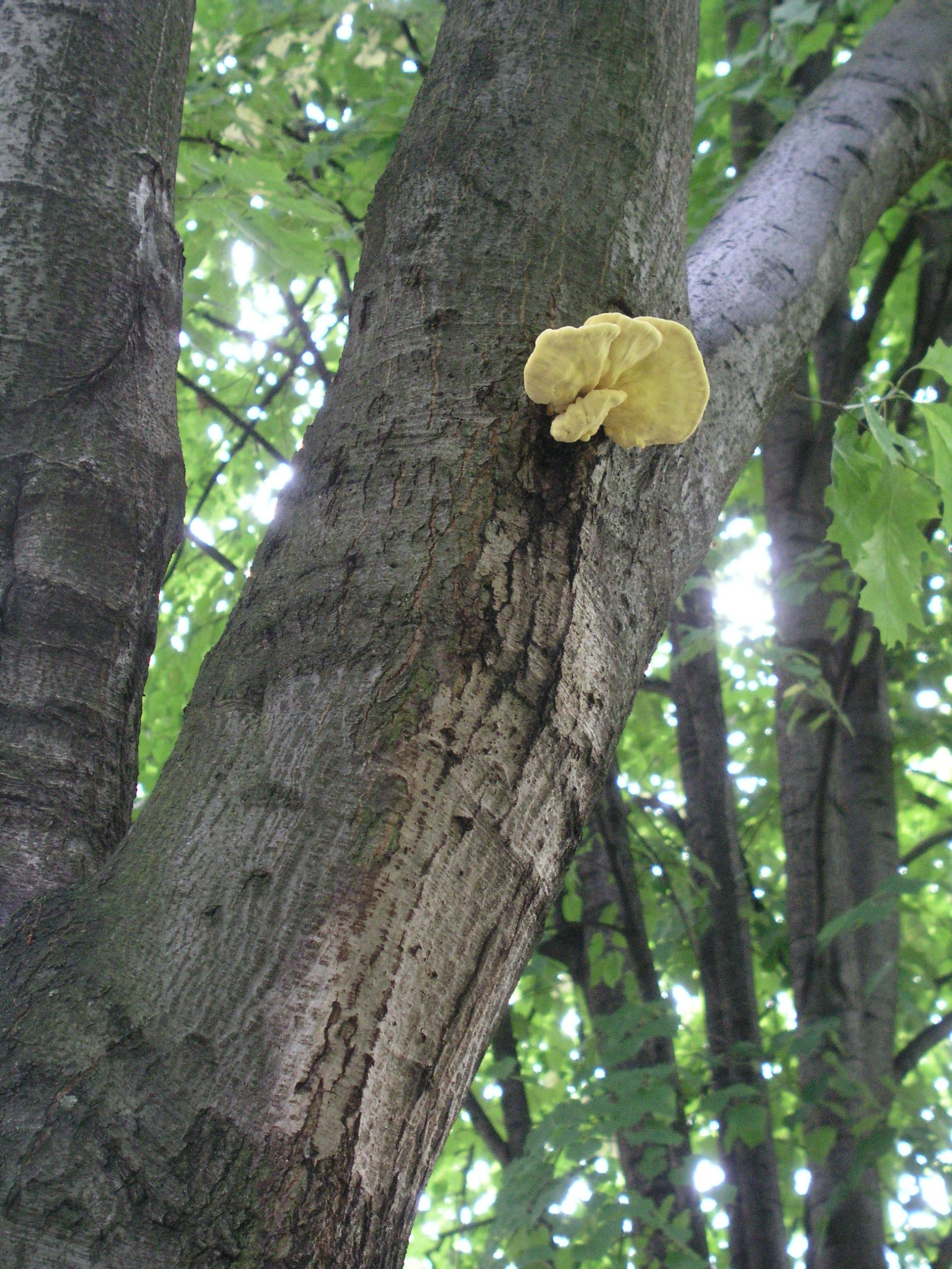
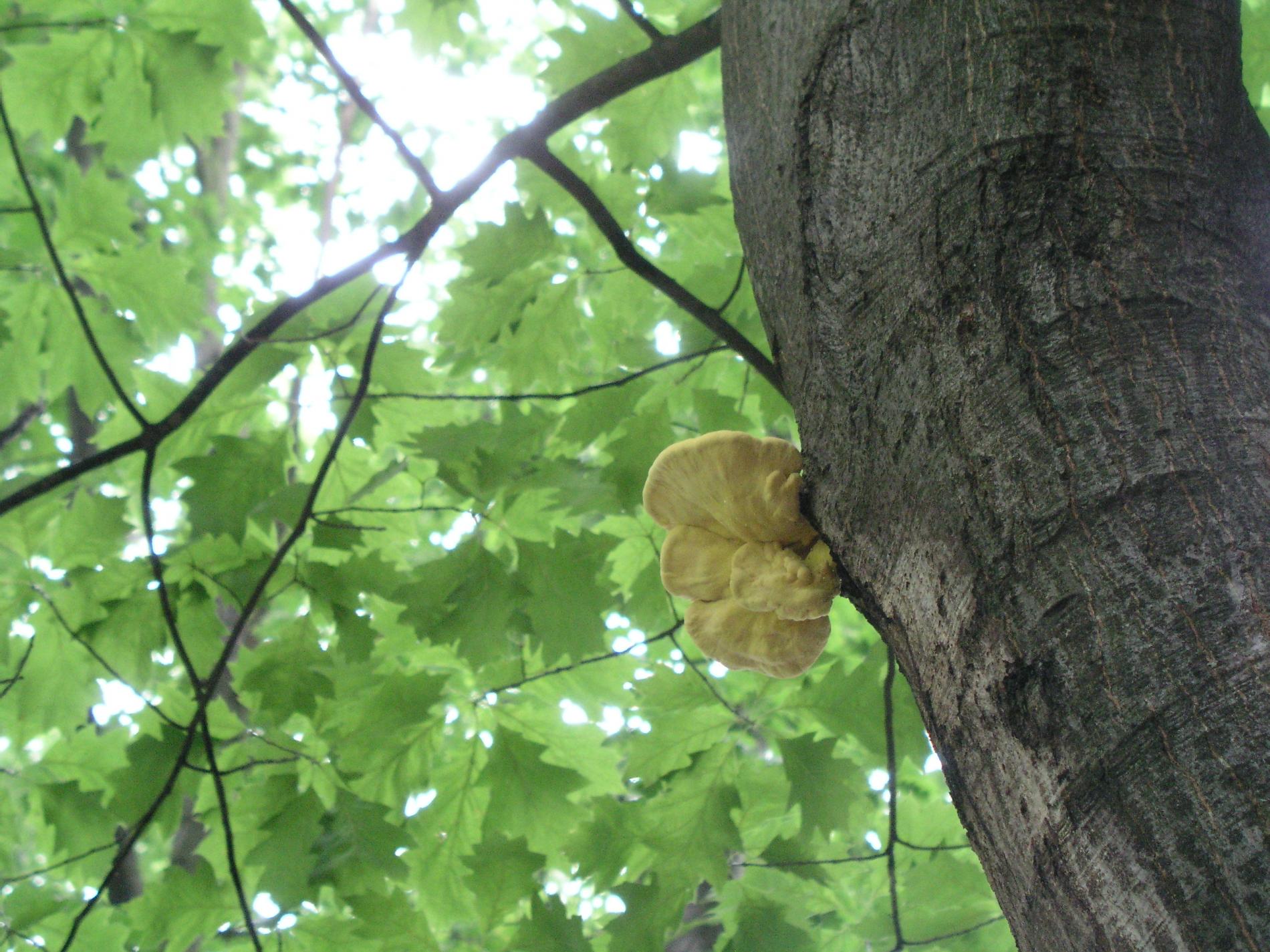
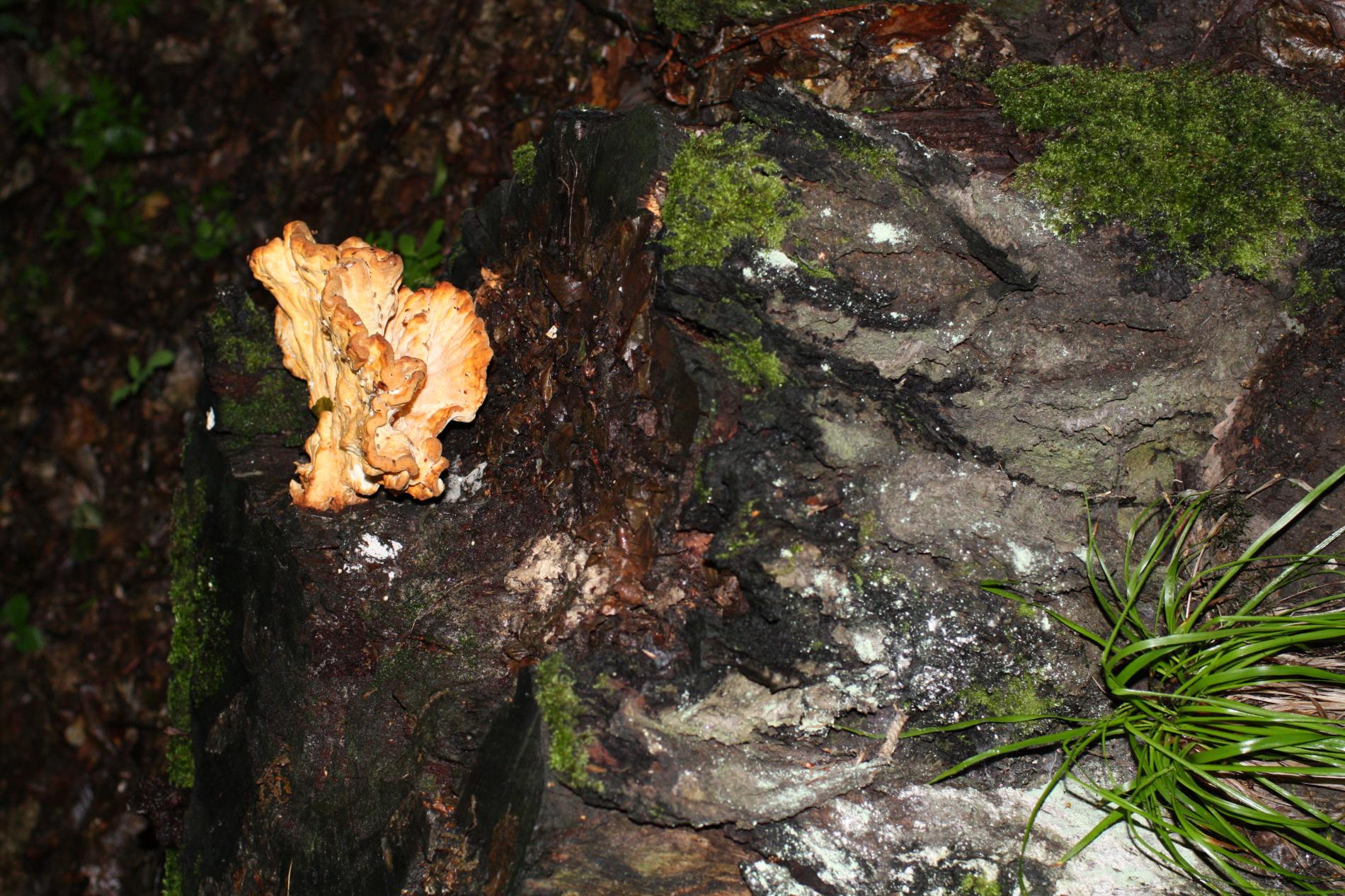
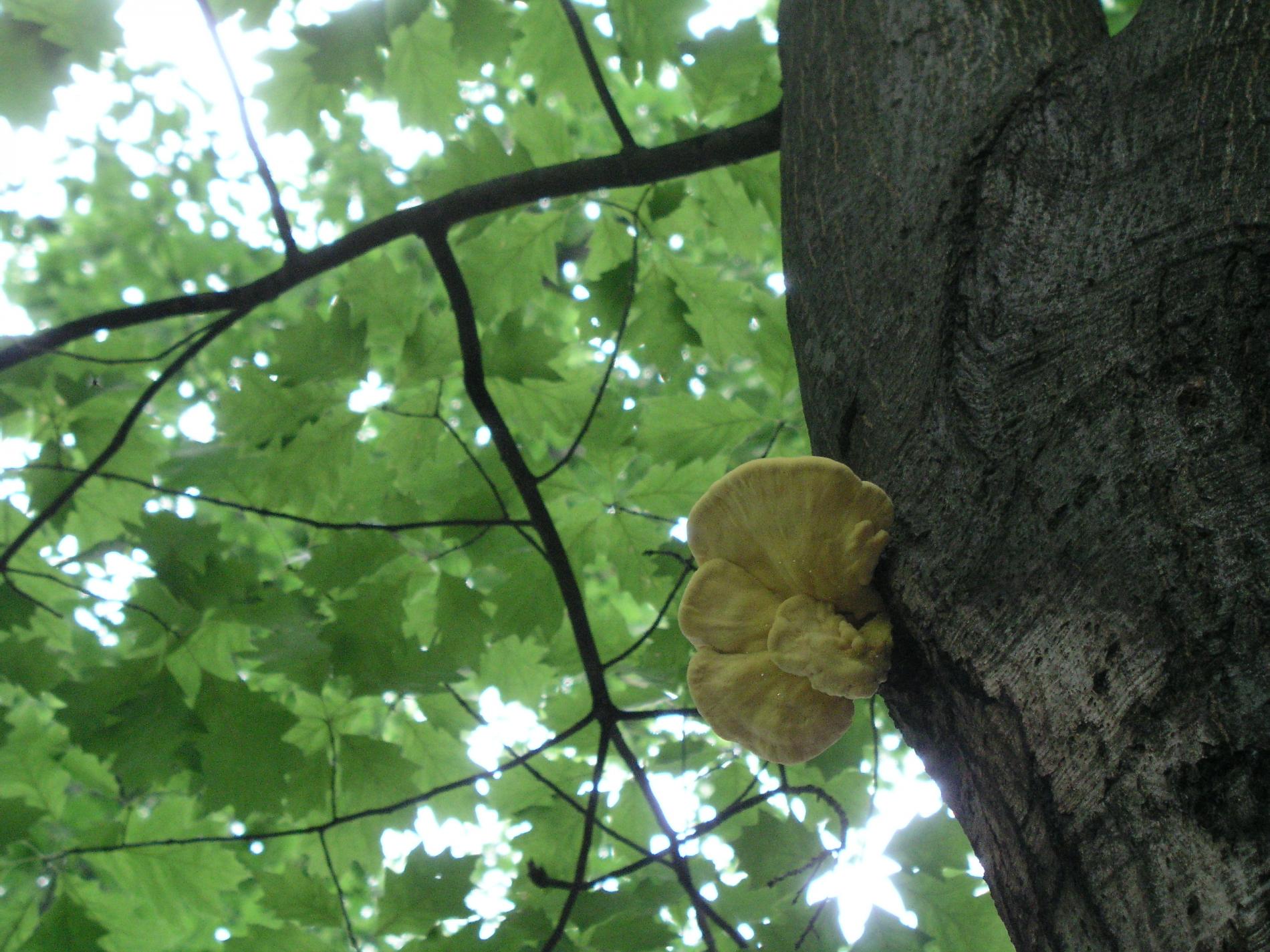
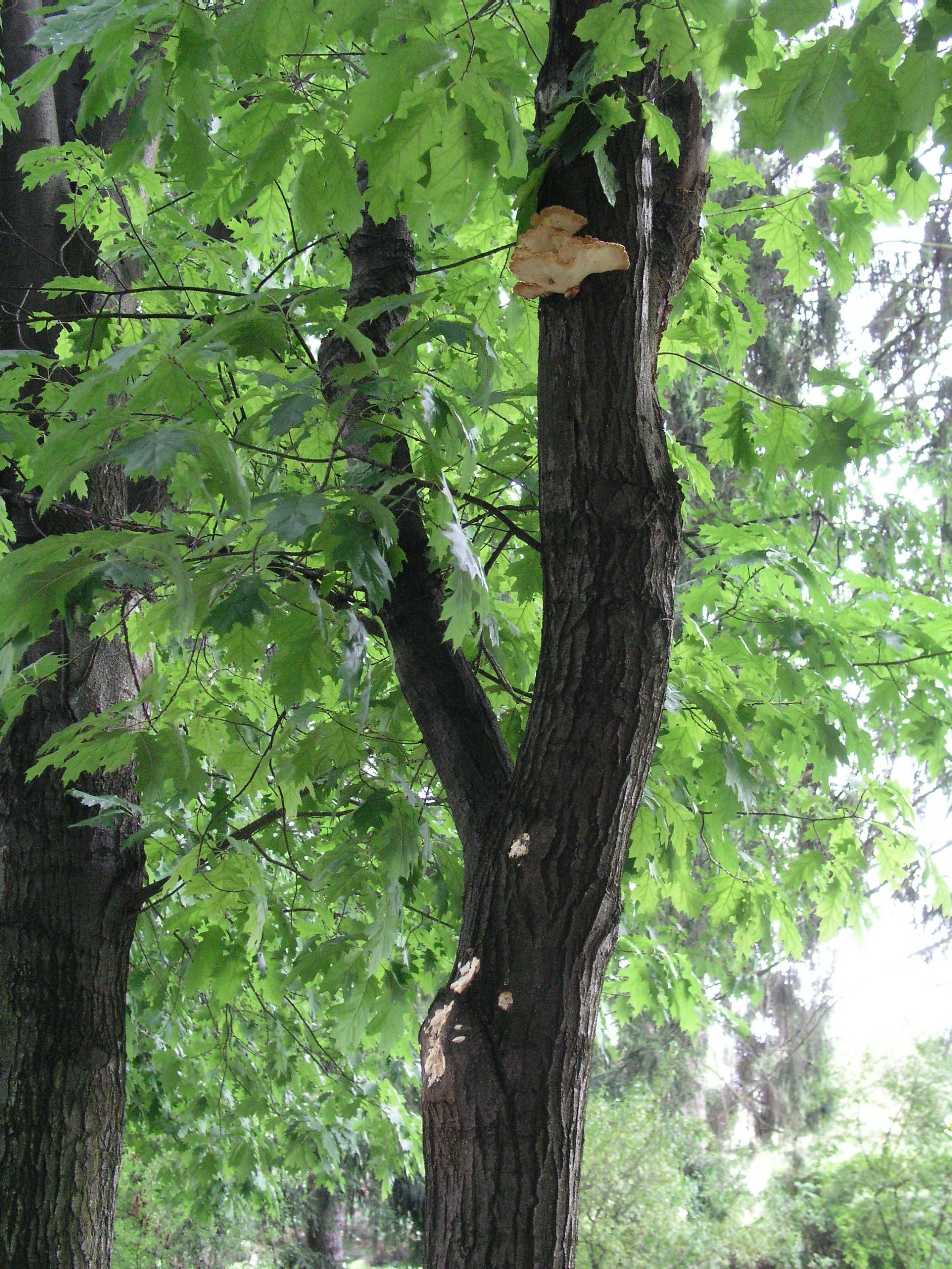
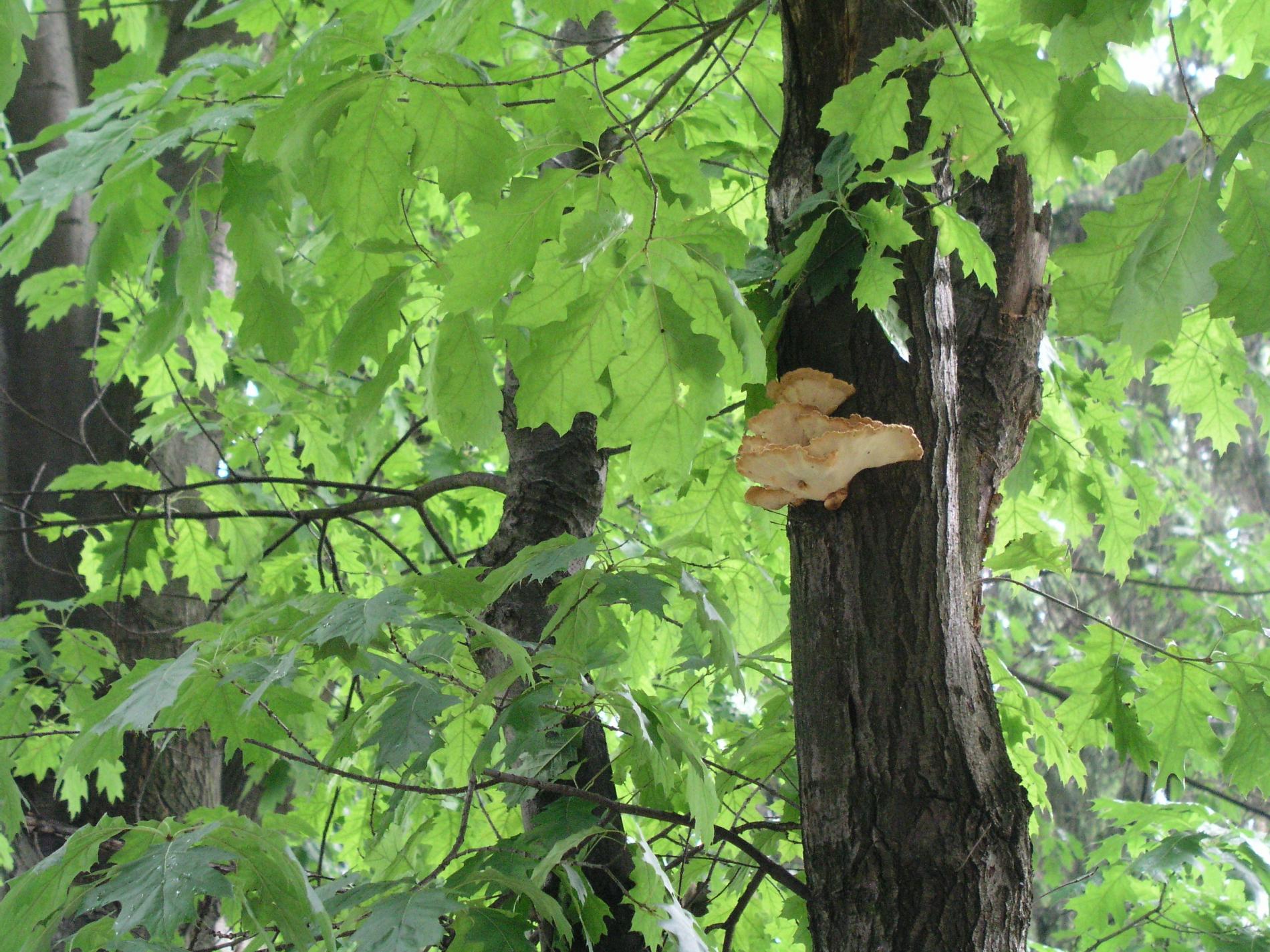
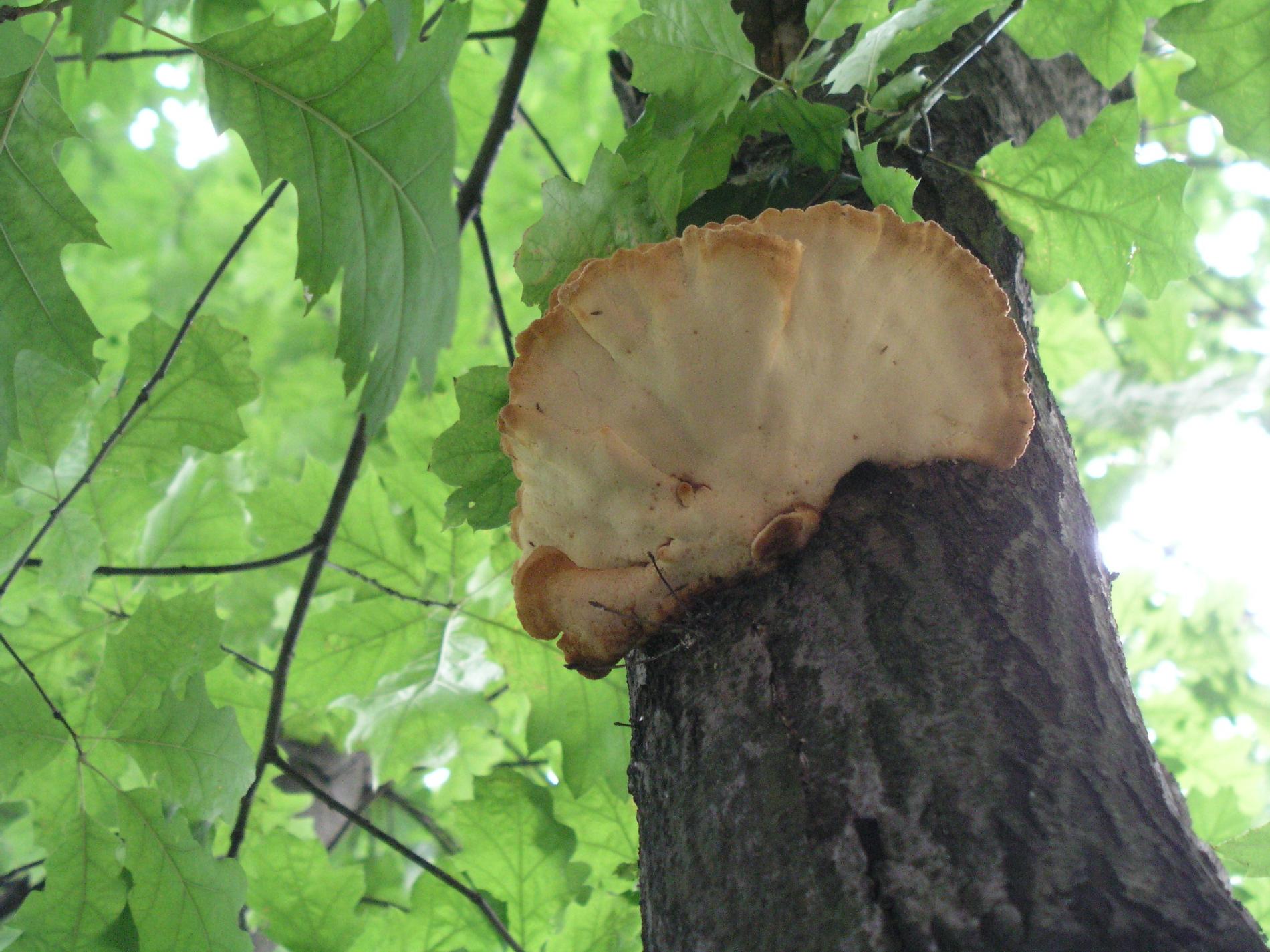
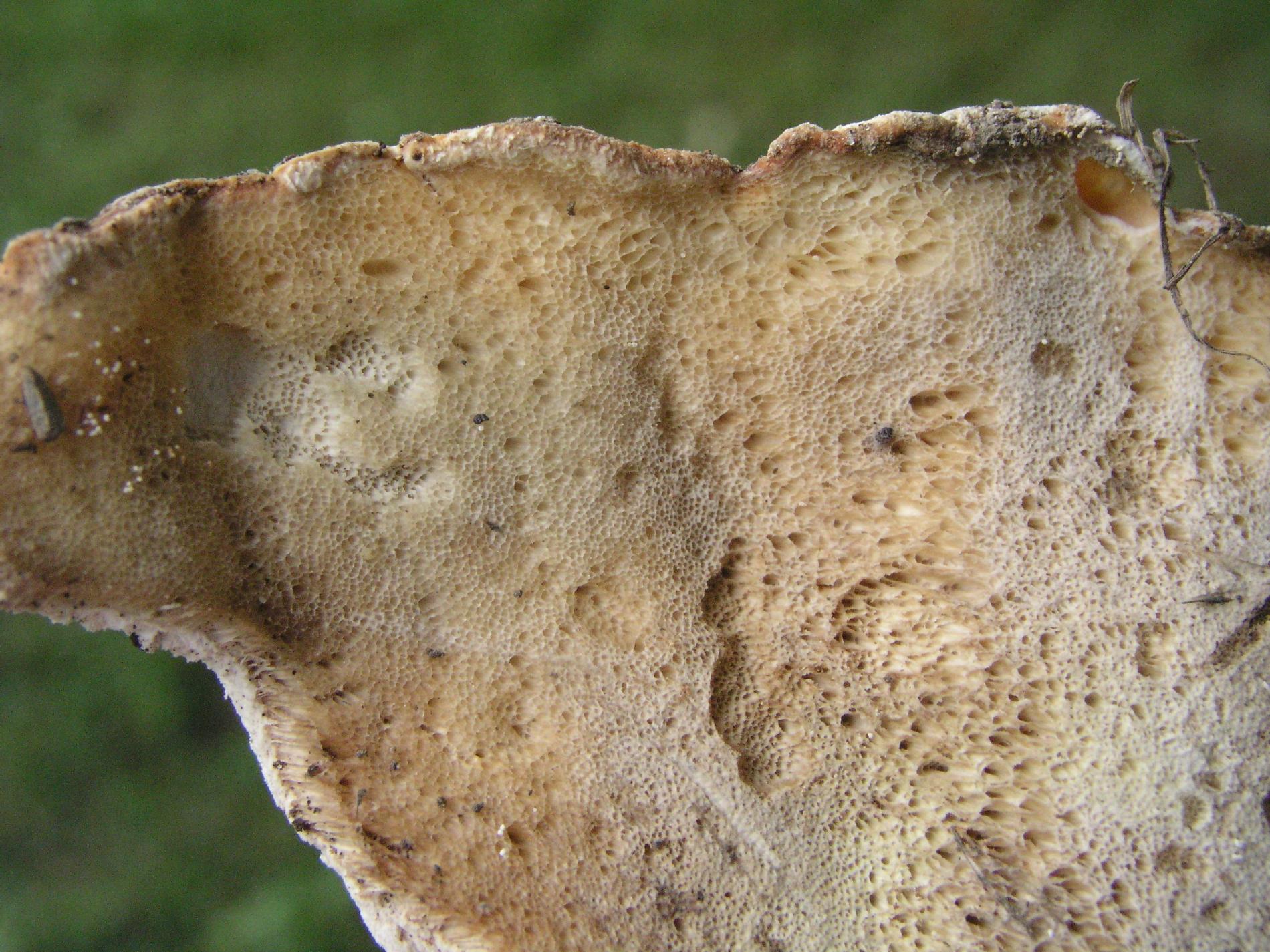
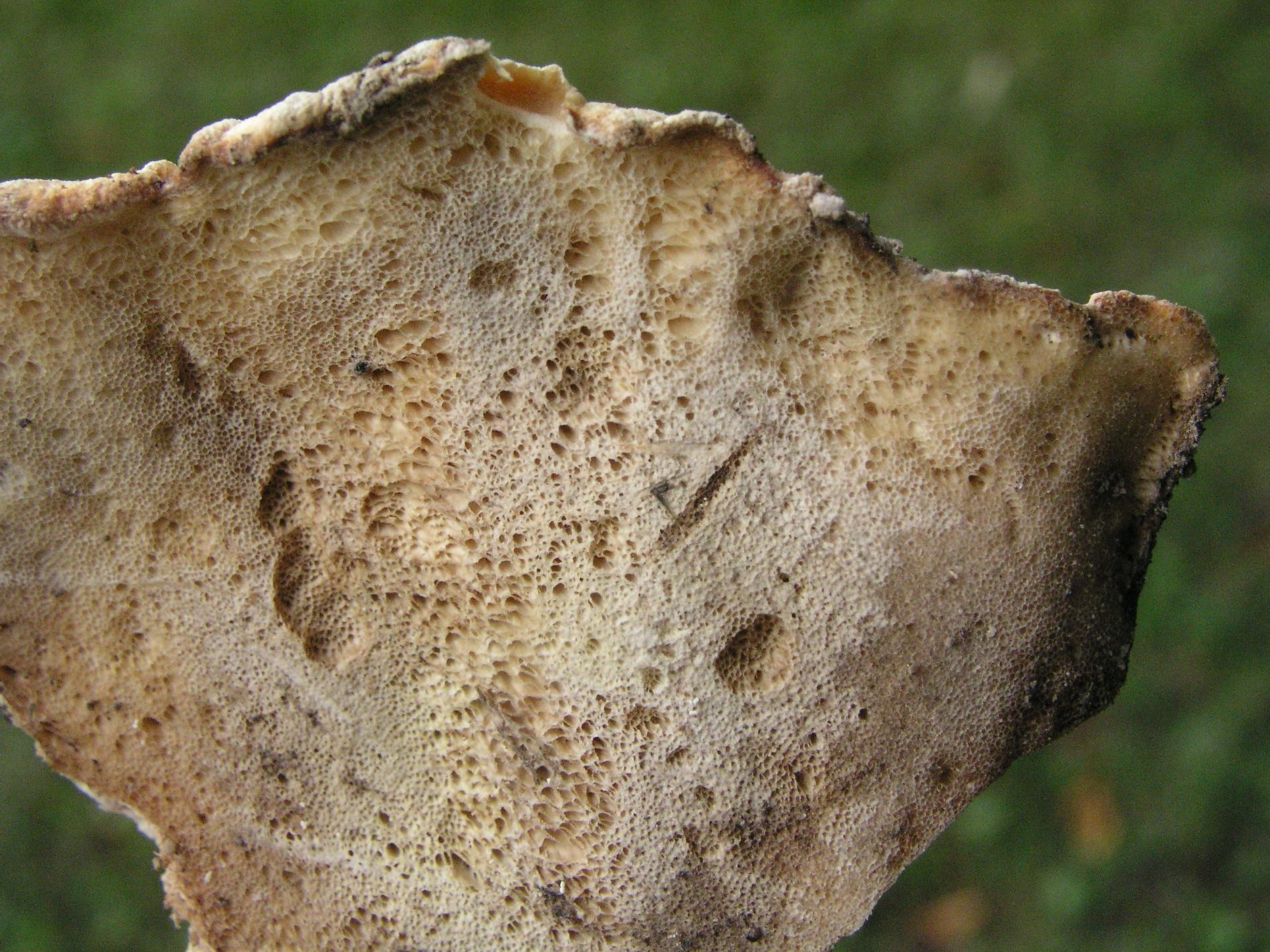
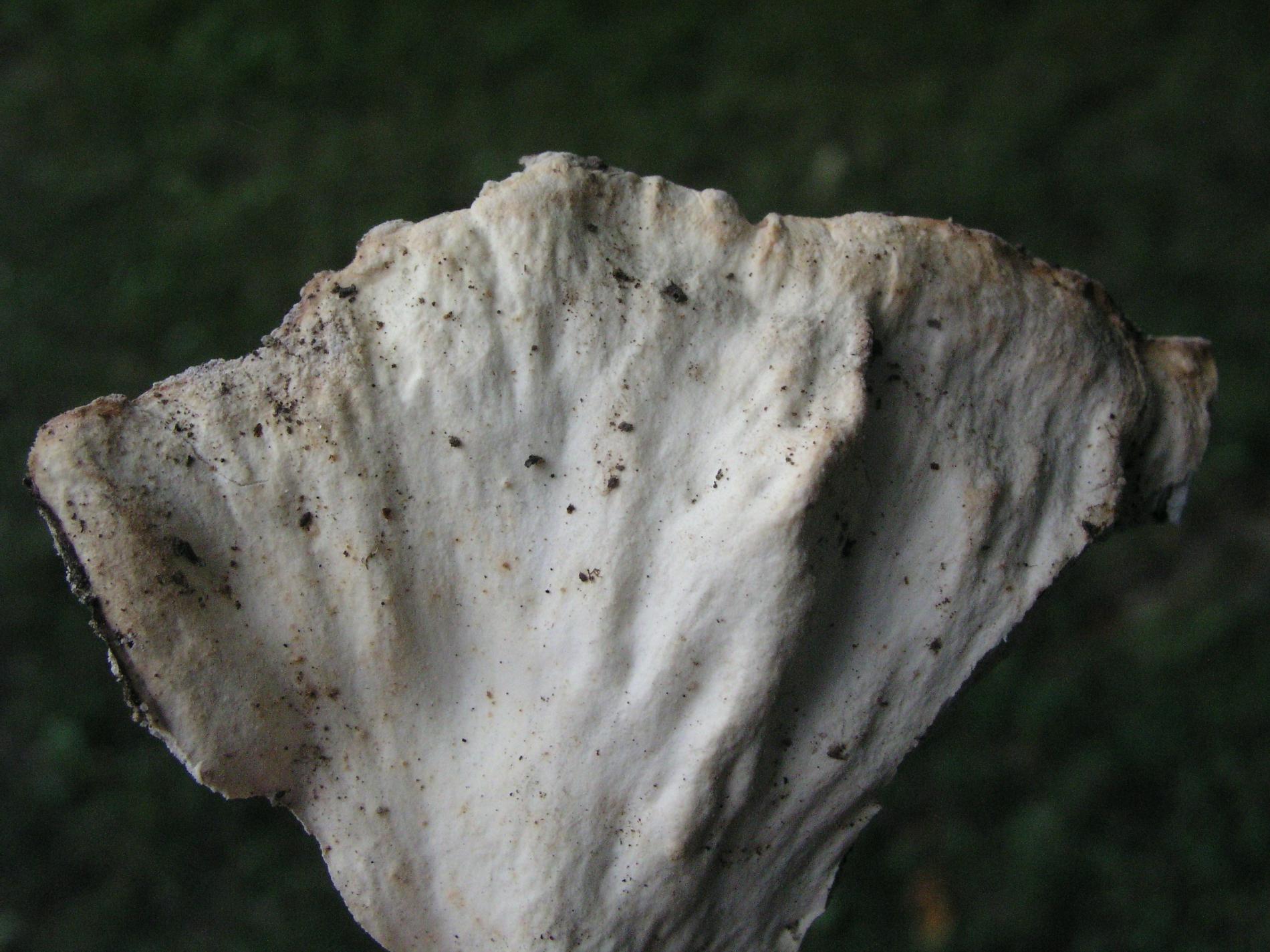
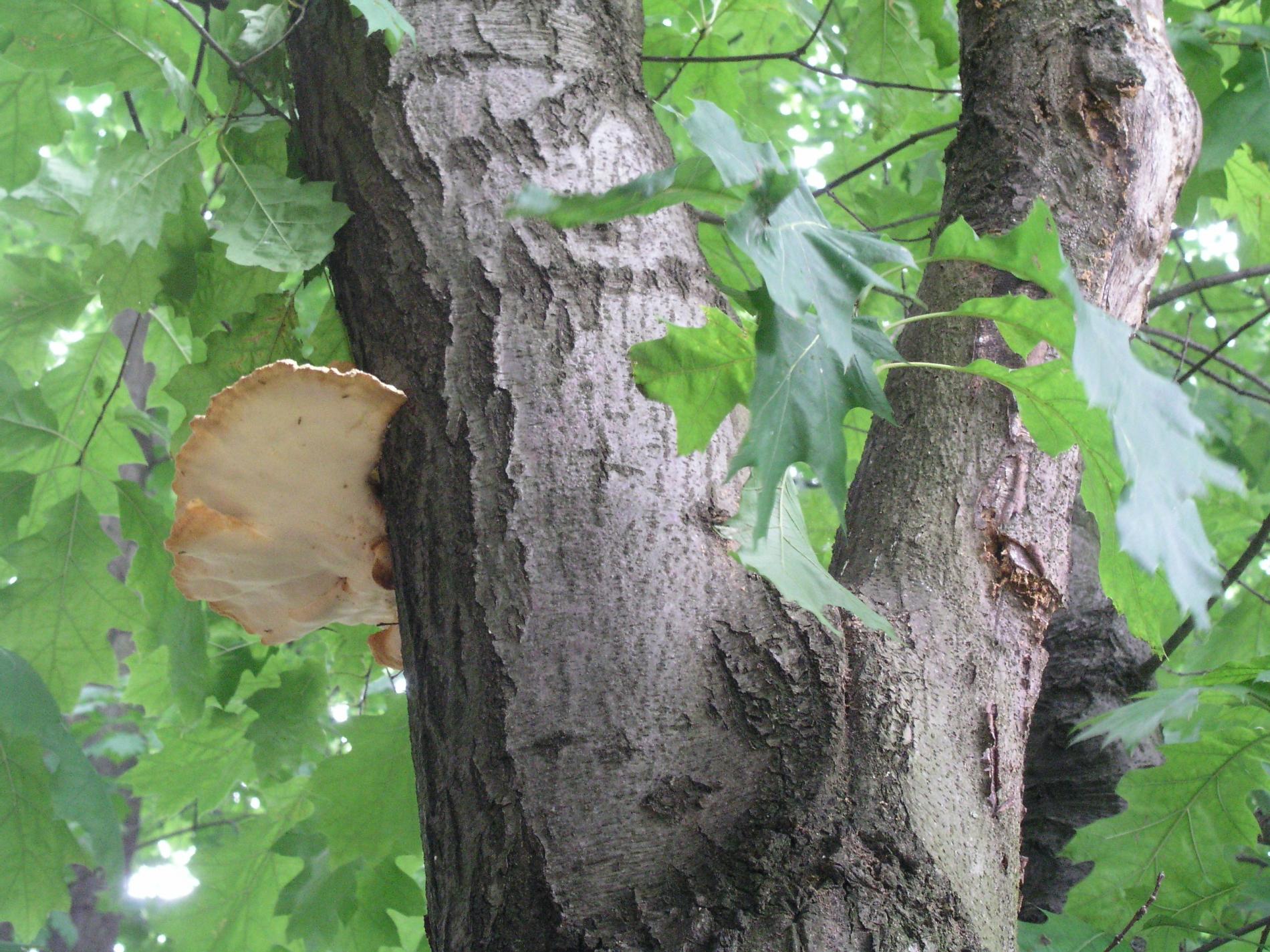
Large shiny fruiting bodies are visible from a distance. The pileus surface is orange yellow; the porous underside is sulphur-yellow. The flesh is soft and crumbly, white to yellowish when dry. The mycelium causes brown prismatic rot of butts of living broadleaves and conifers, and also on tree stumps and dead trees and branches. White felt-like mycelial residues are striking in cracks of rotting and shriveling up wood. It is an edible fungus; in England known also as “forest chicken meat”.
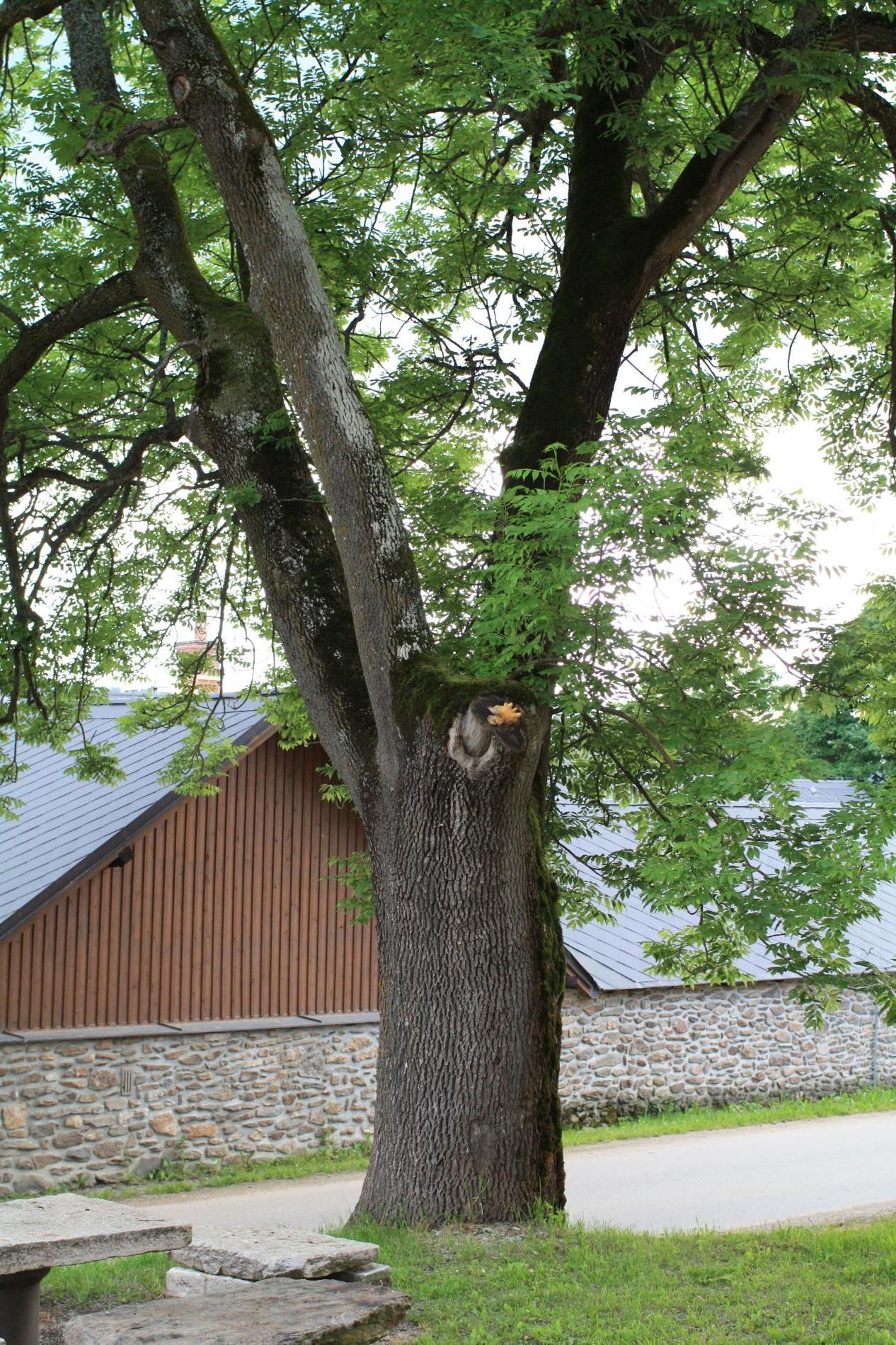
Presence of yellow fruiting bodies on deciduous trees.
Tree Species: Black Locust, Beech, Cherry, Oak, Maple, Lime, Horse Chestnut, Plum, Larch, Poplar, Willow
Part of a plant- attacked: Tree trunk
Pest significance: Harmful
Pest Category: Fungi
Invasive Species: No
Present in EU: Yes
Pest group: Fungi
Affected part of wood: Heartwood, Sapwood
Depth of damages: More than 5 cm depth, Under bark only, Up to 0,5 cm depth, Up to 2 cm depth, Up to 5 cm depth
The extent of damage: Whole trunk
Prevalence in Europe: Common
Damaged products: Firewood, Fresh timber logs (water still in the sapwood), Furniture, Lumber, boards and prisms, Wooden house constructions
Roundwood size: Diameter 50+, Diameter from 10 up to 50 cm
Wood discoloration: Yes
Pest subcategory: Brown-rot



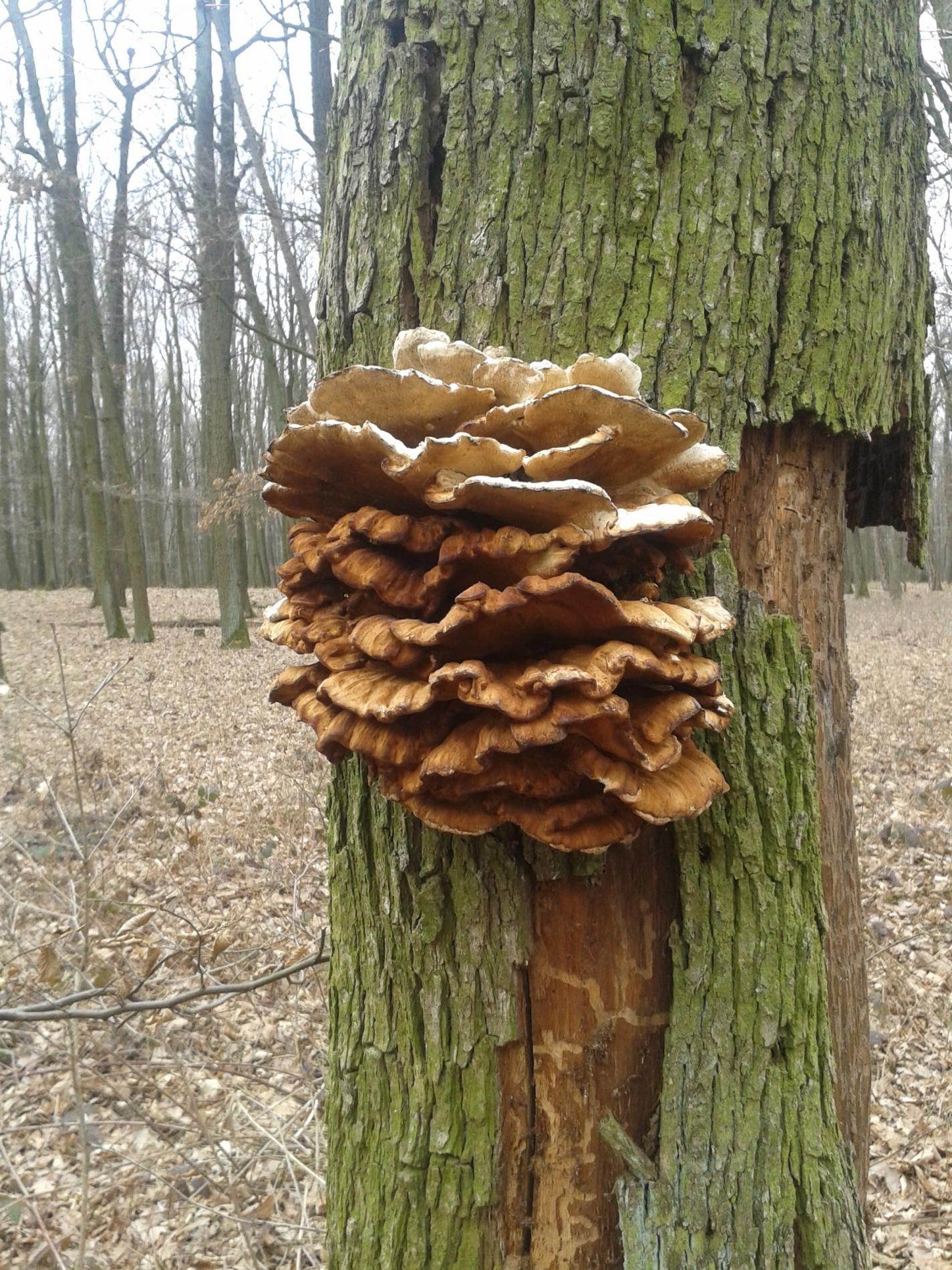
Similar pests

Inonotus dryadeus

Ganoderma applanatum (= lipsiense)
