


Lachnellula willkommii
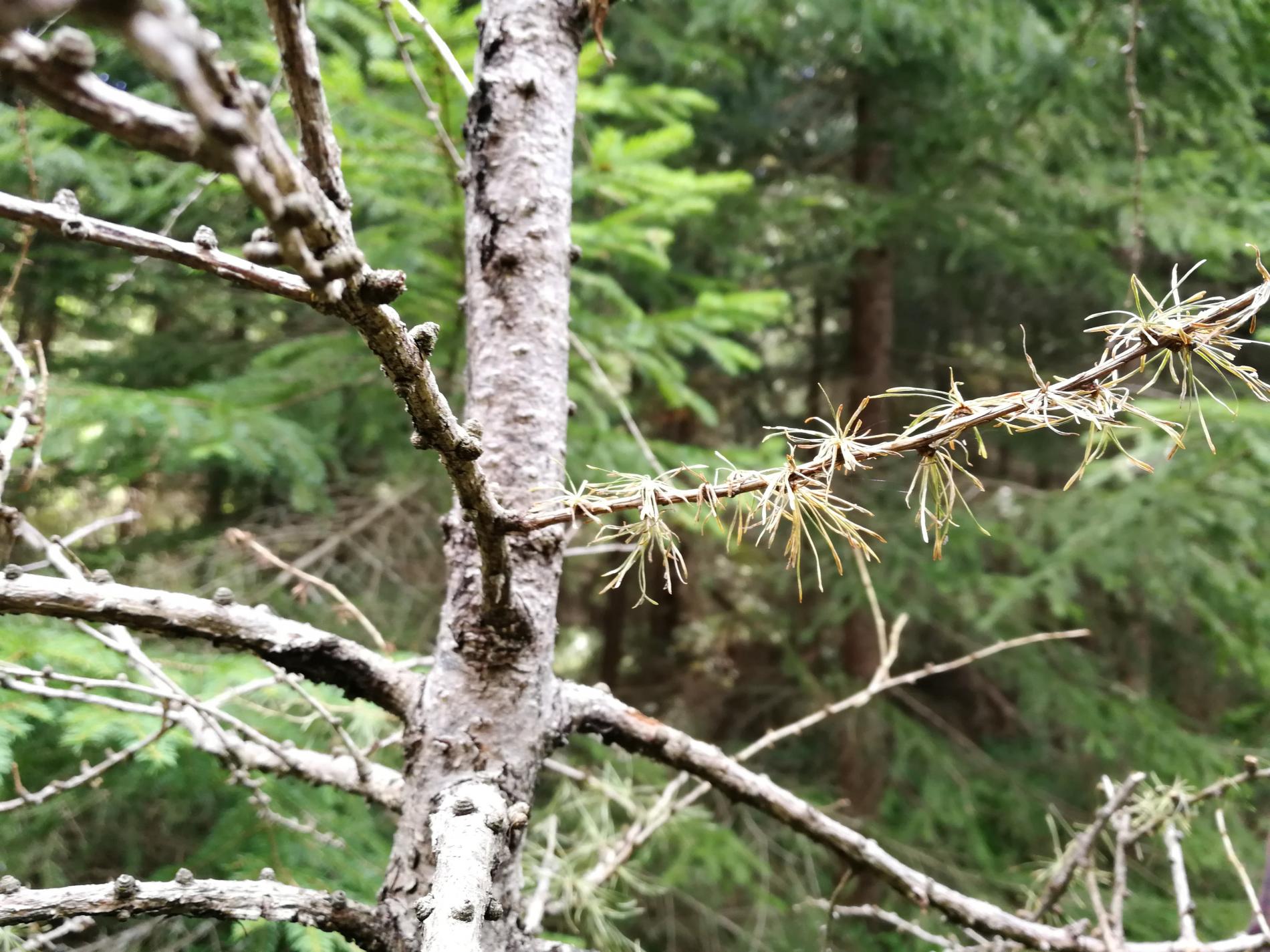
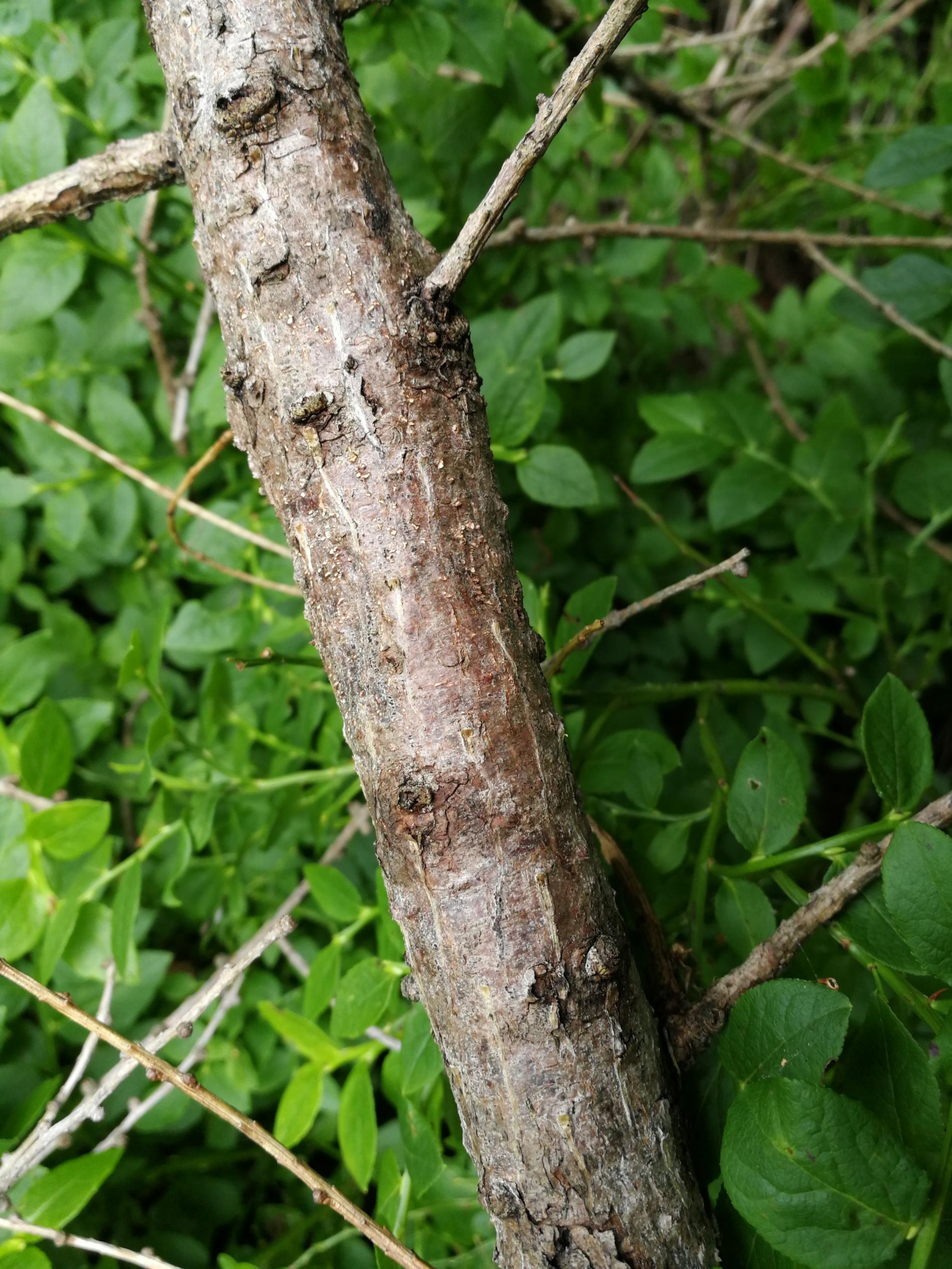
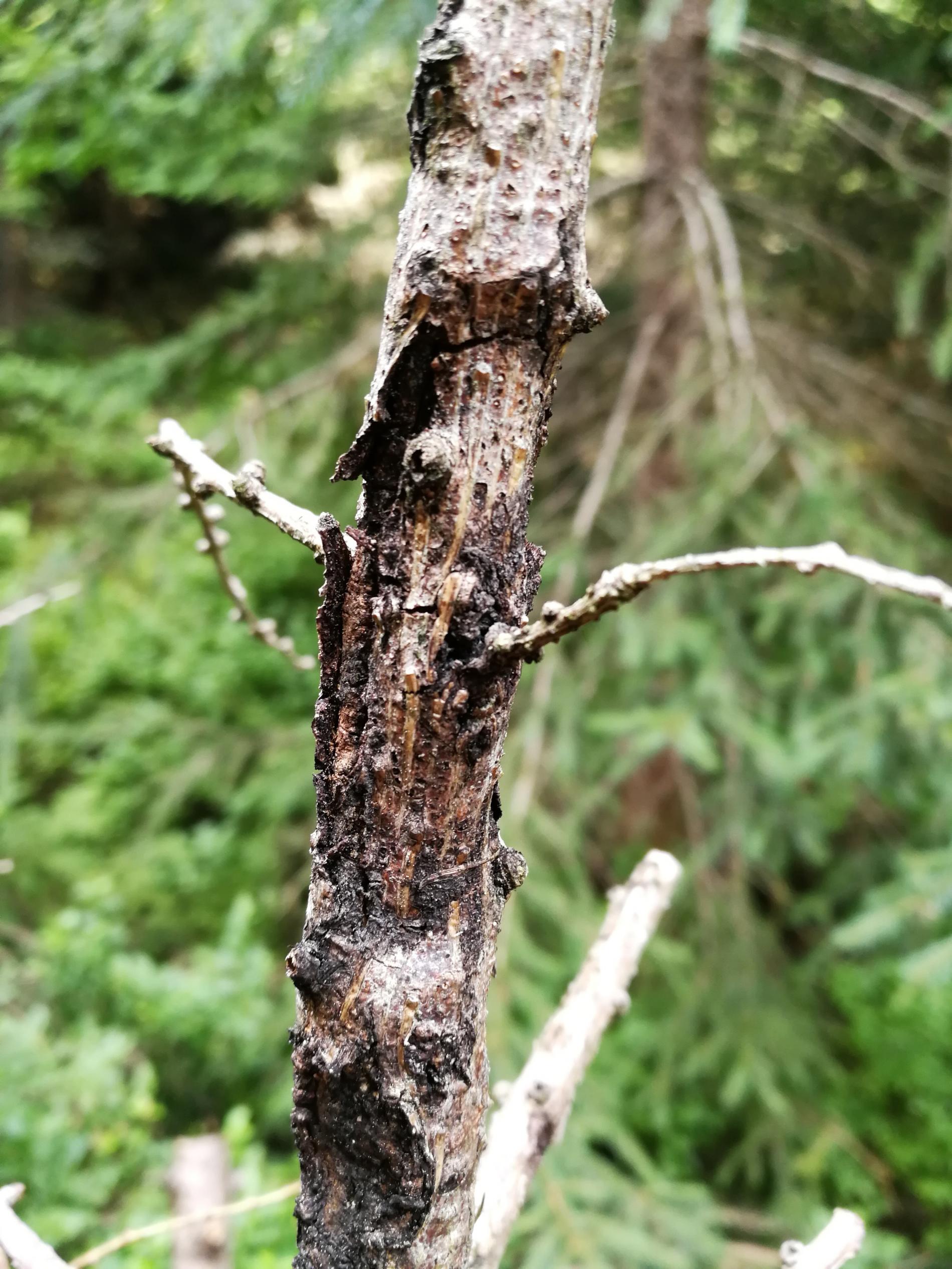
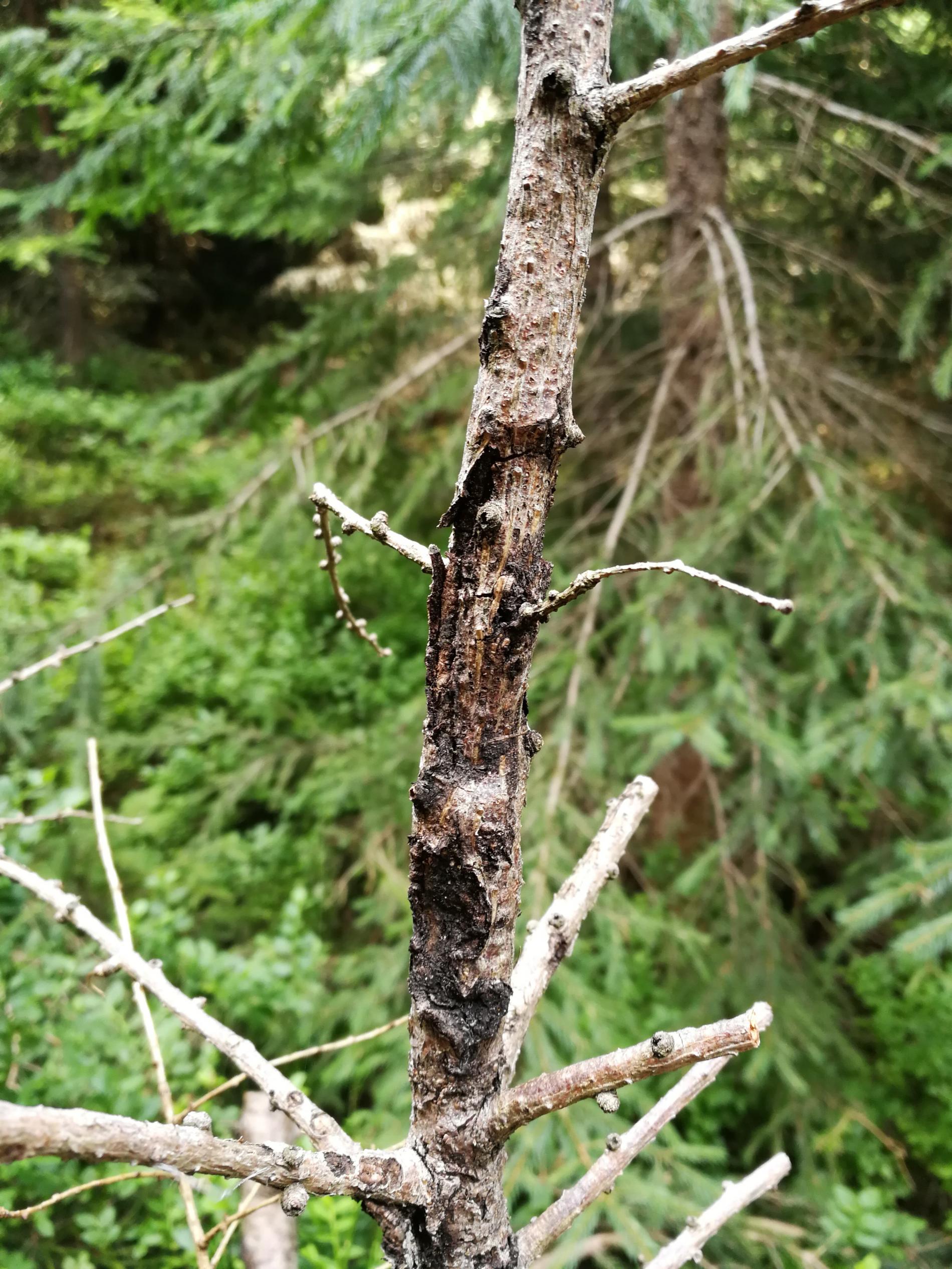
European larch canker
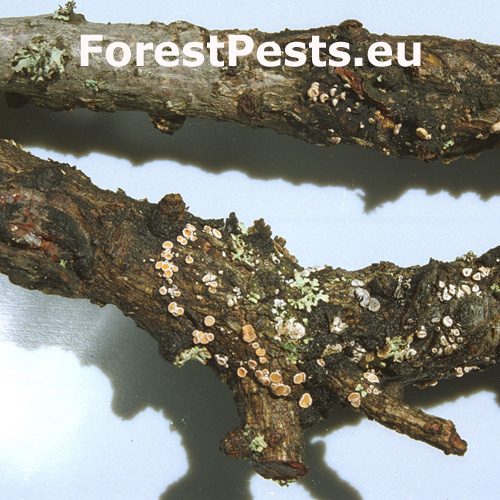
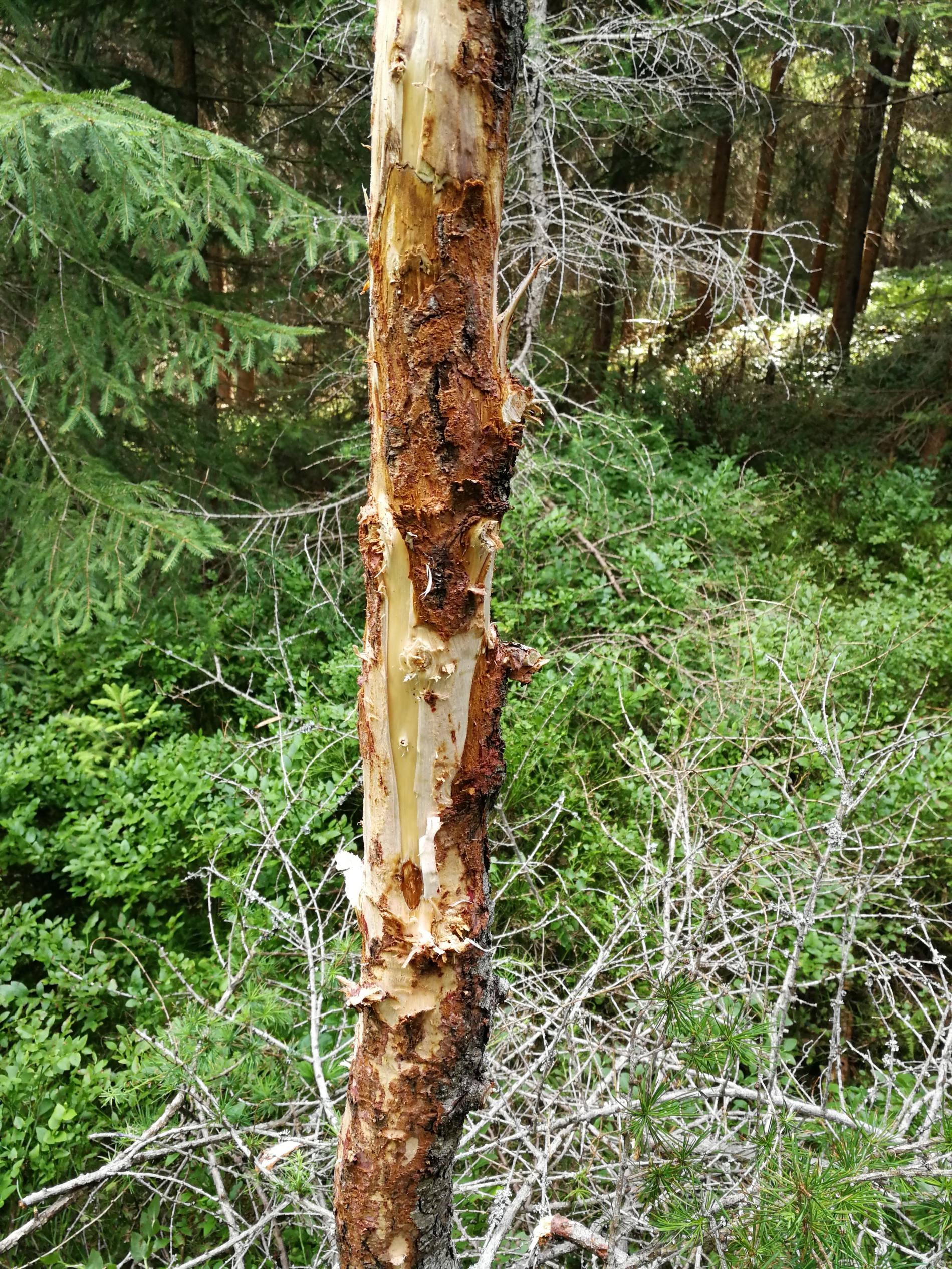
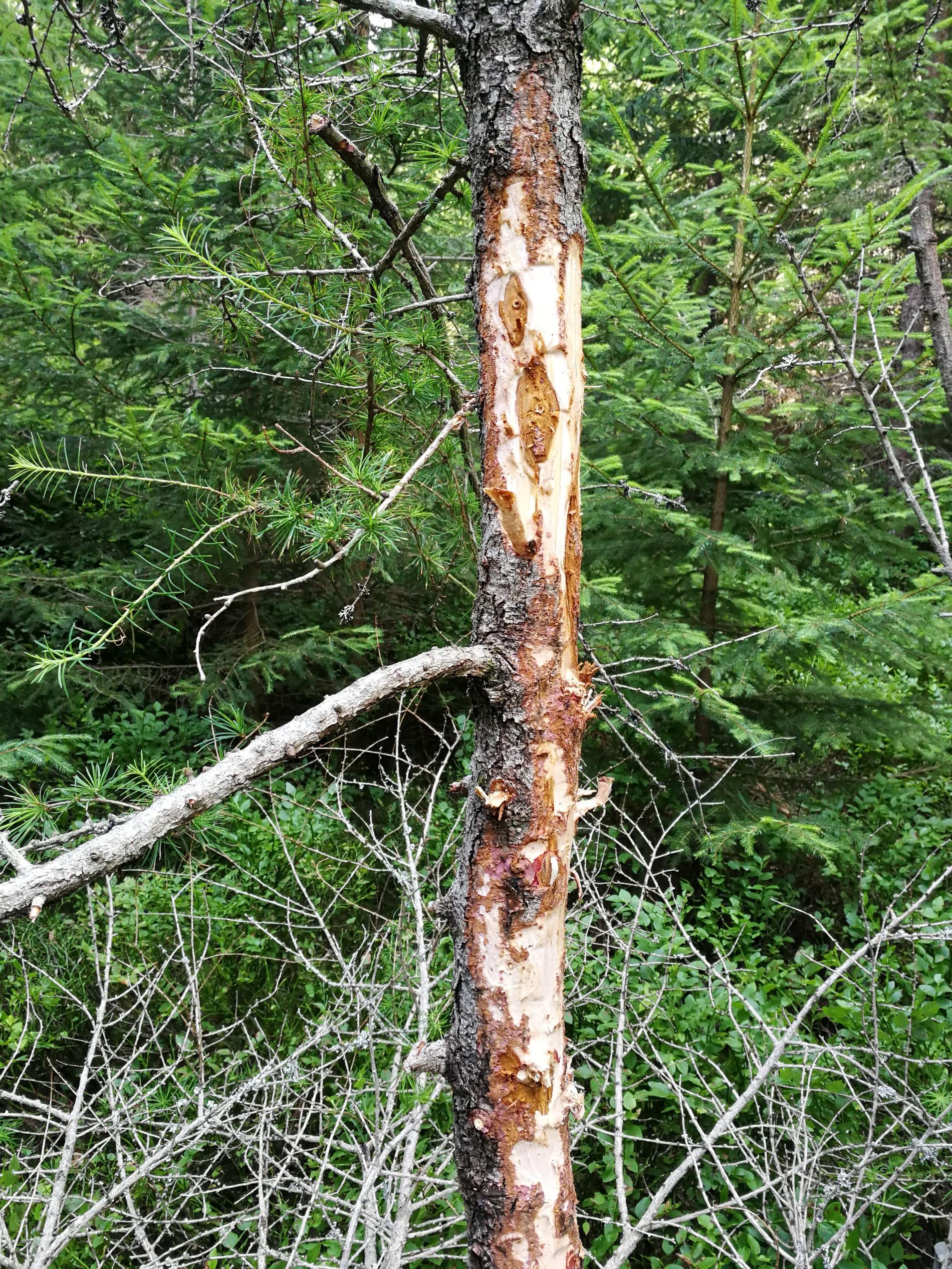
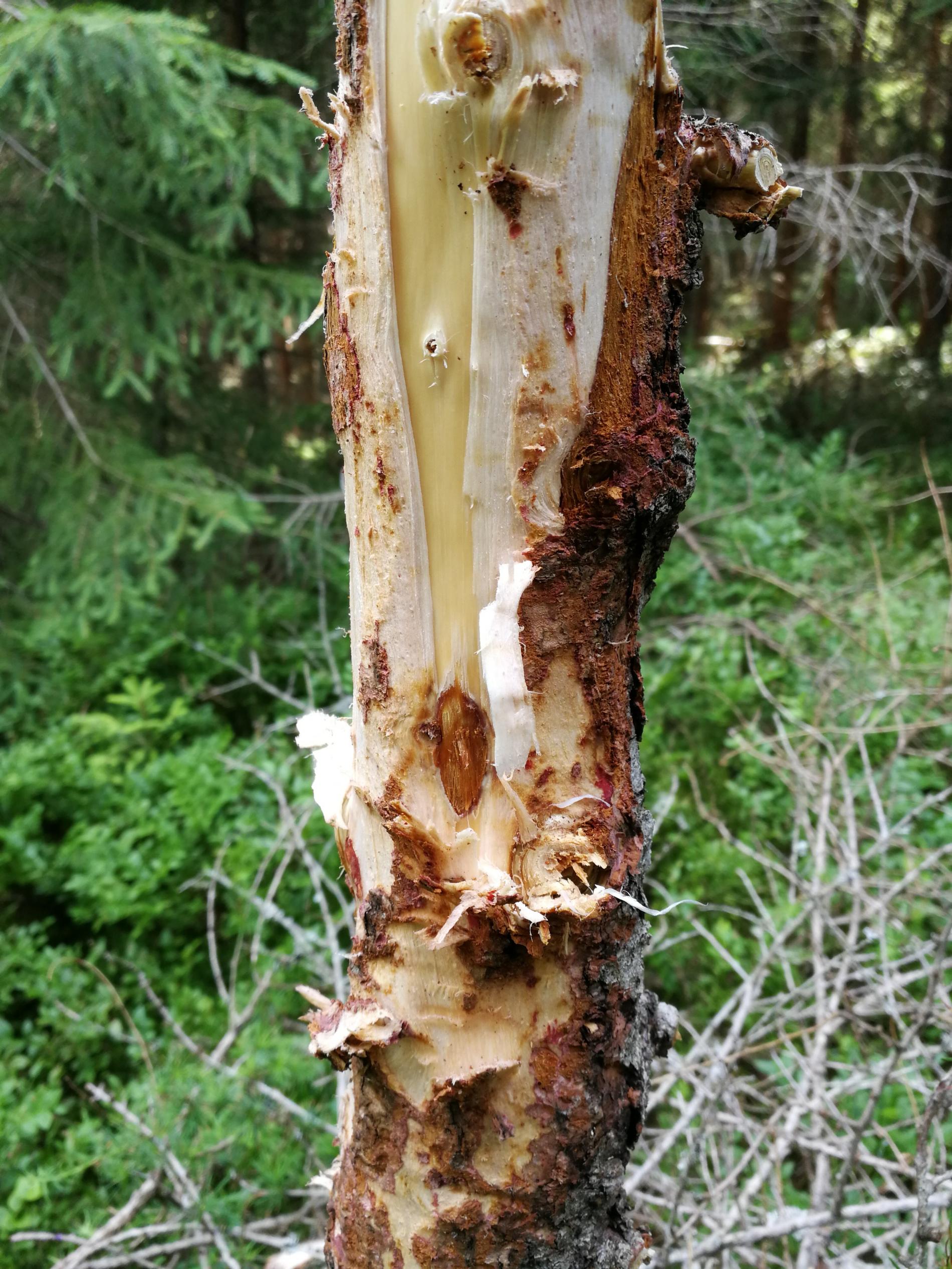
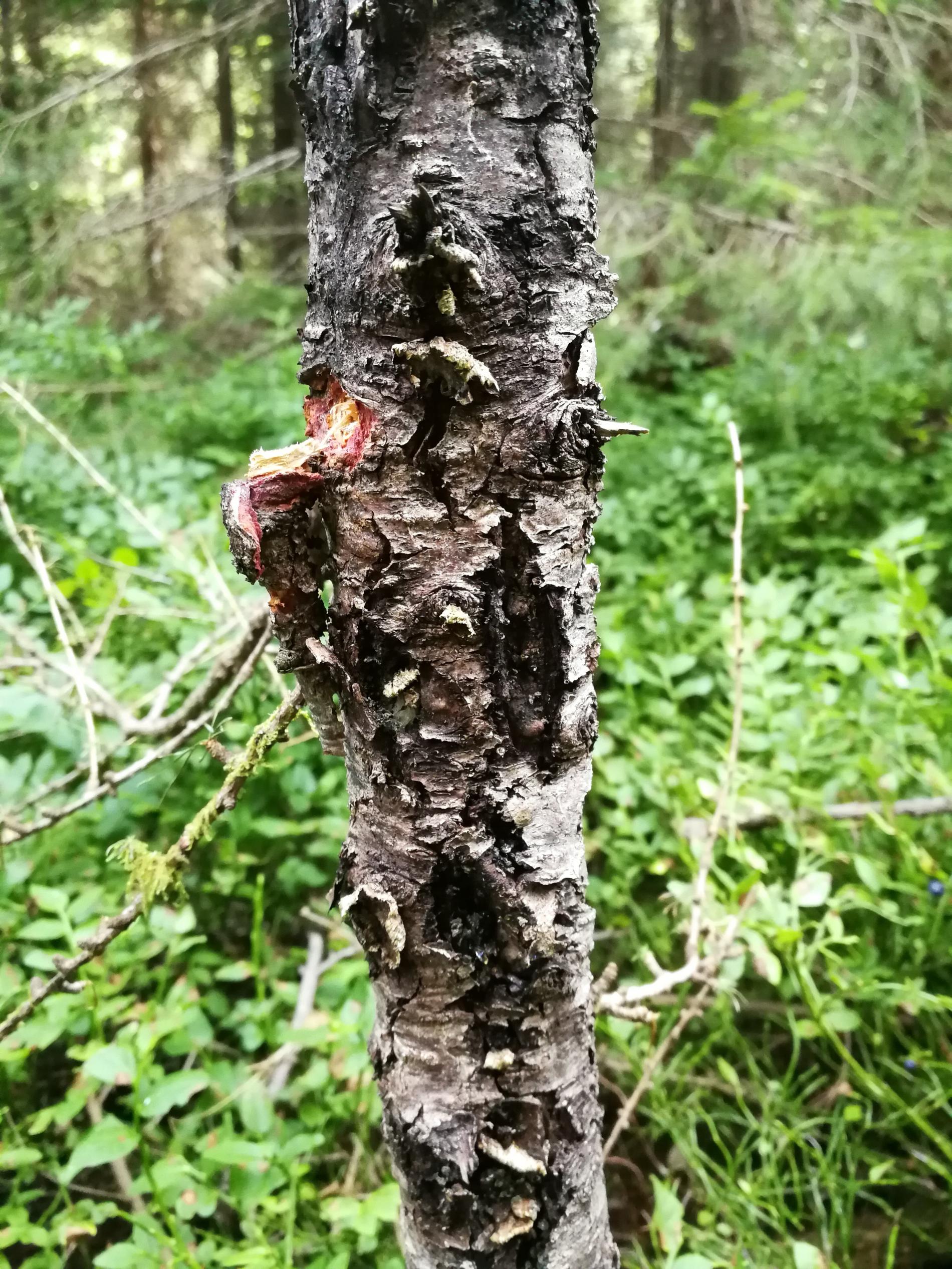
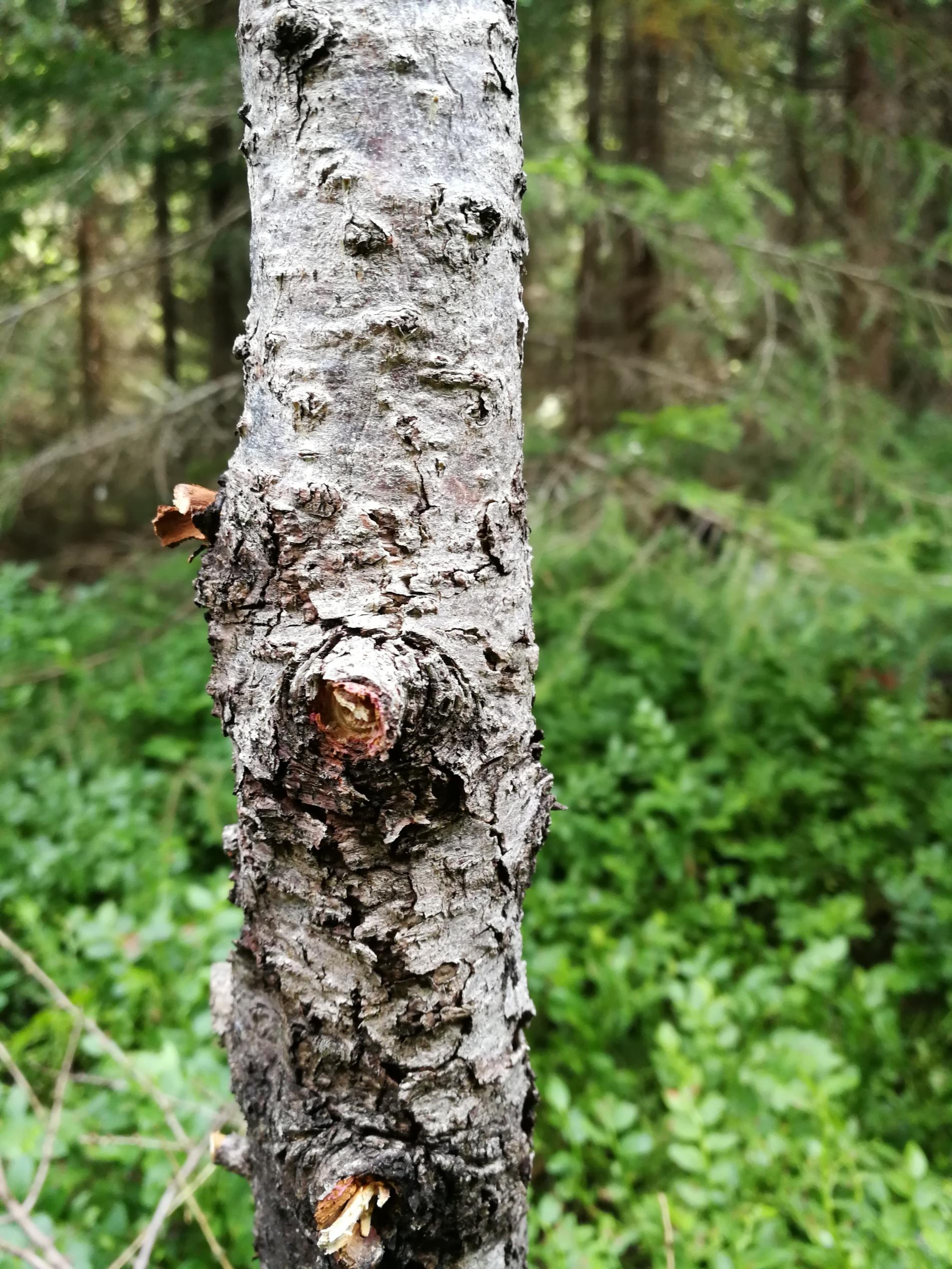
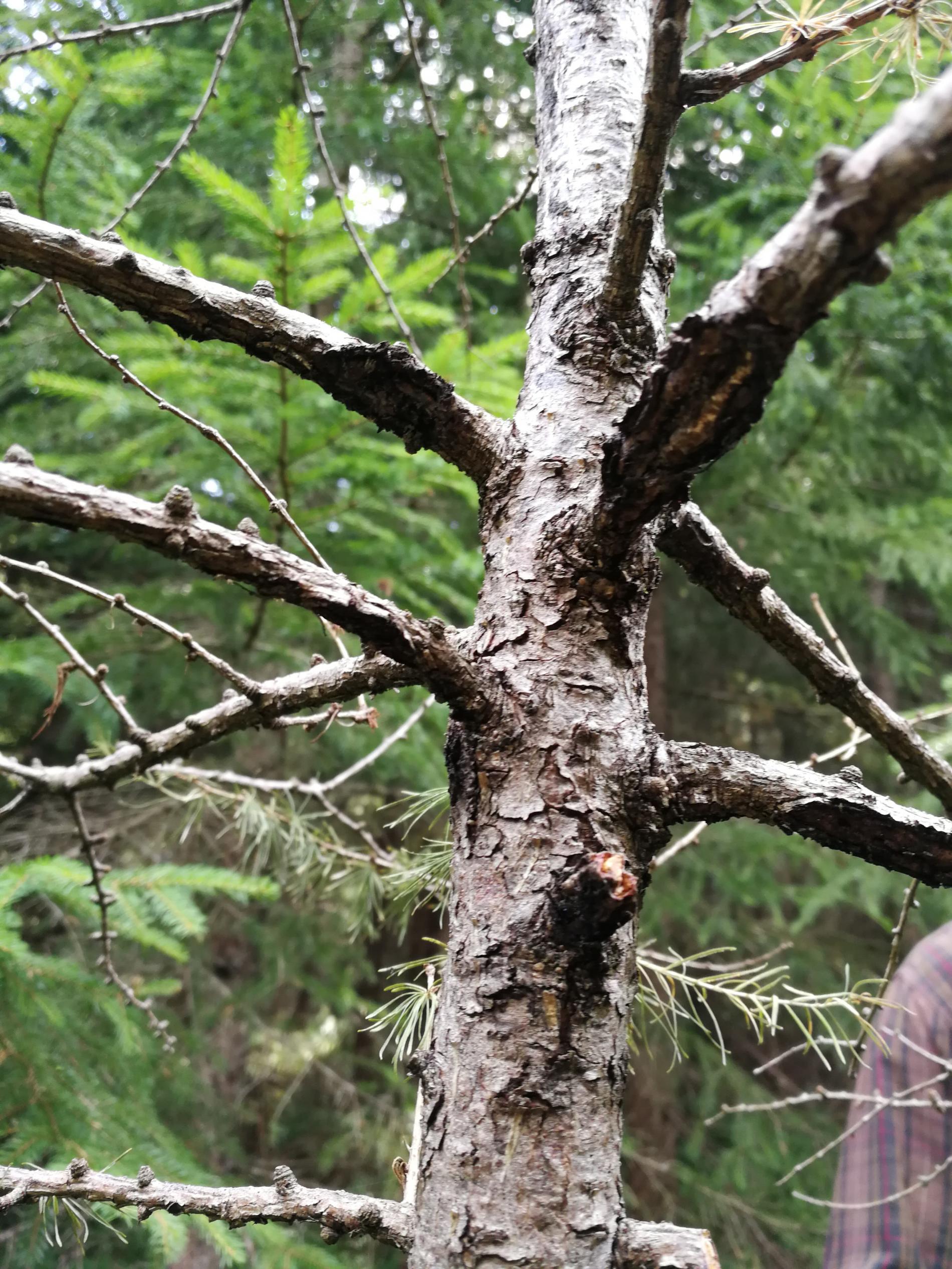
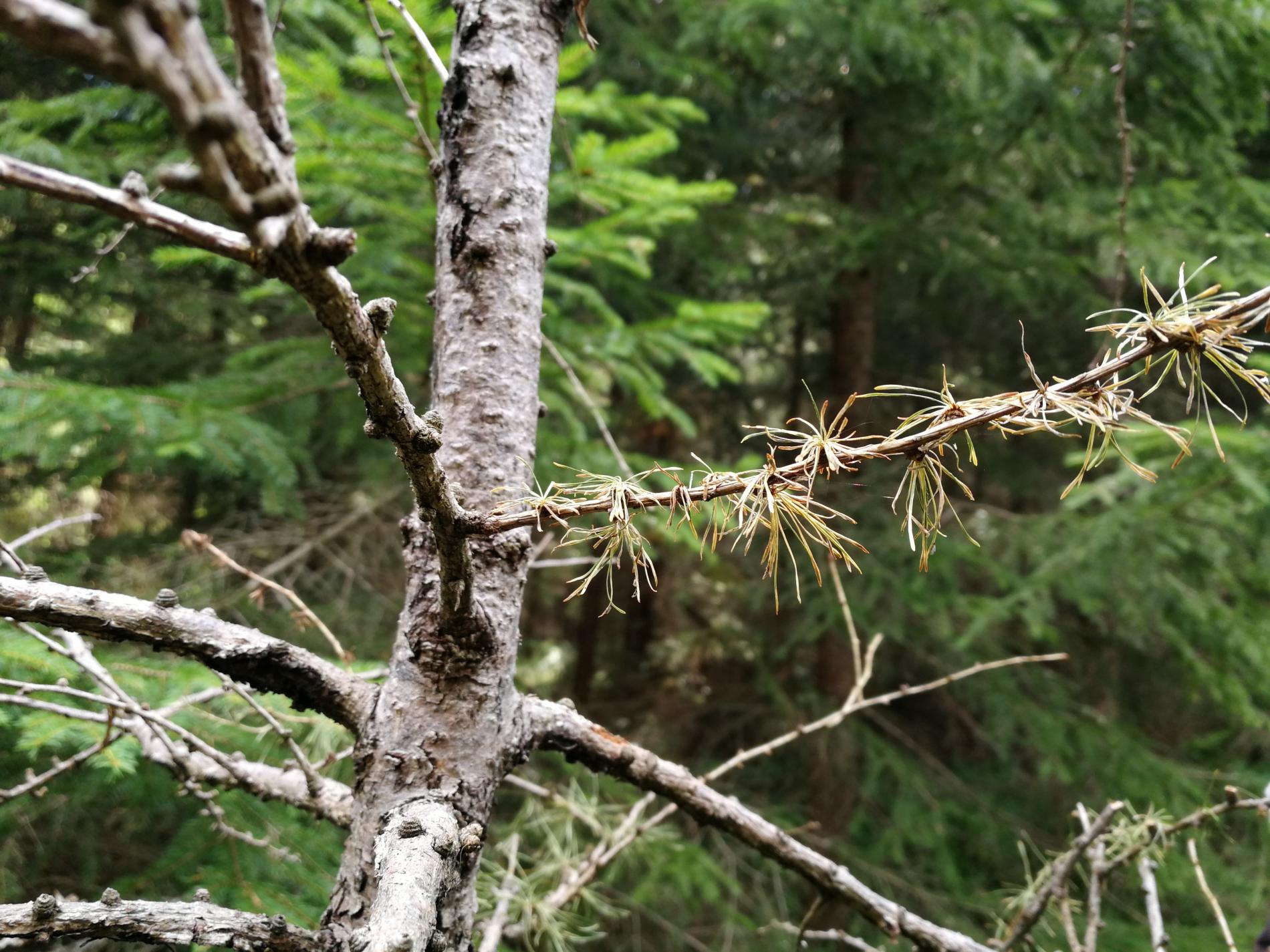
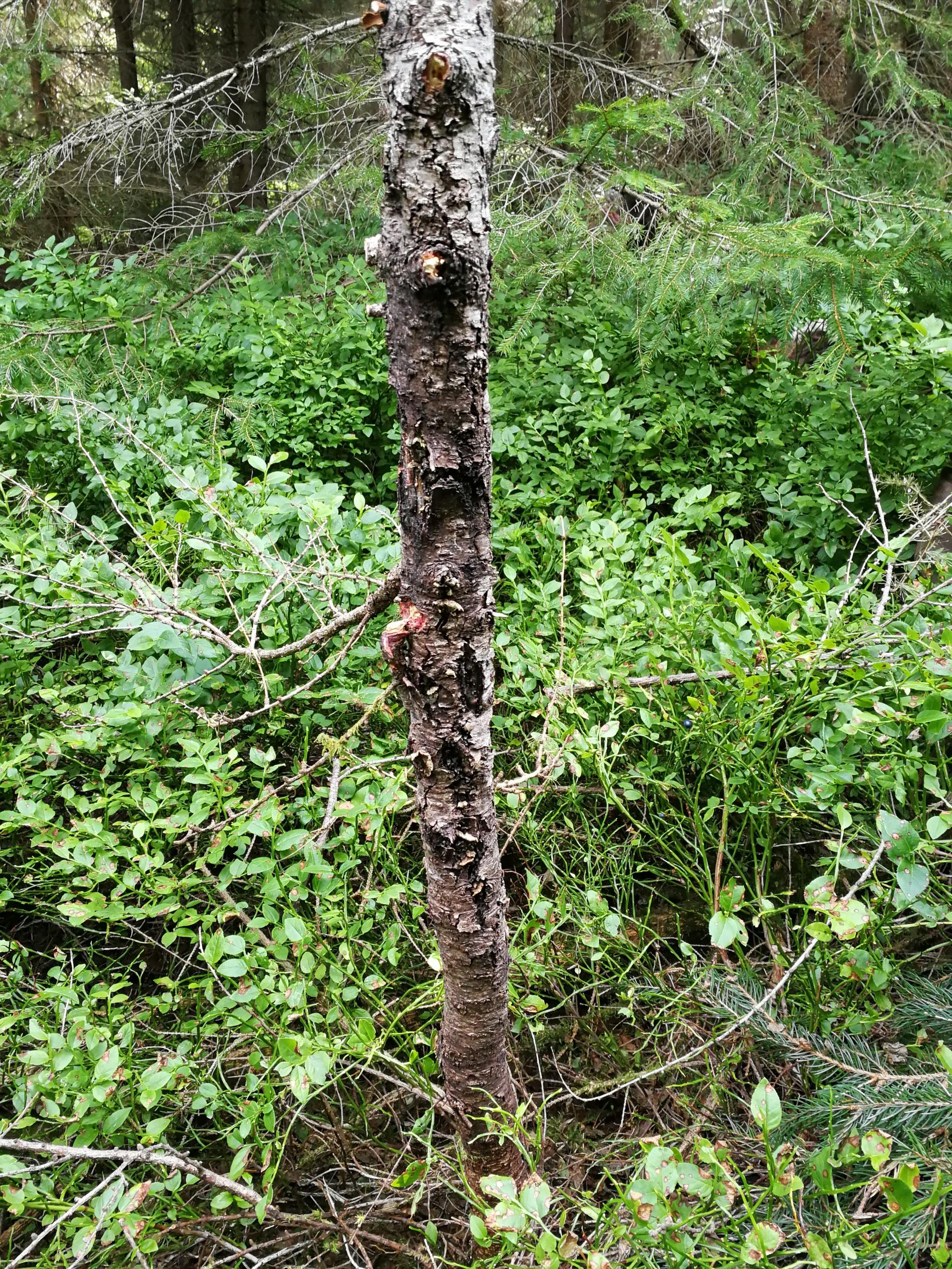
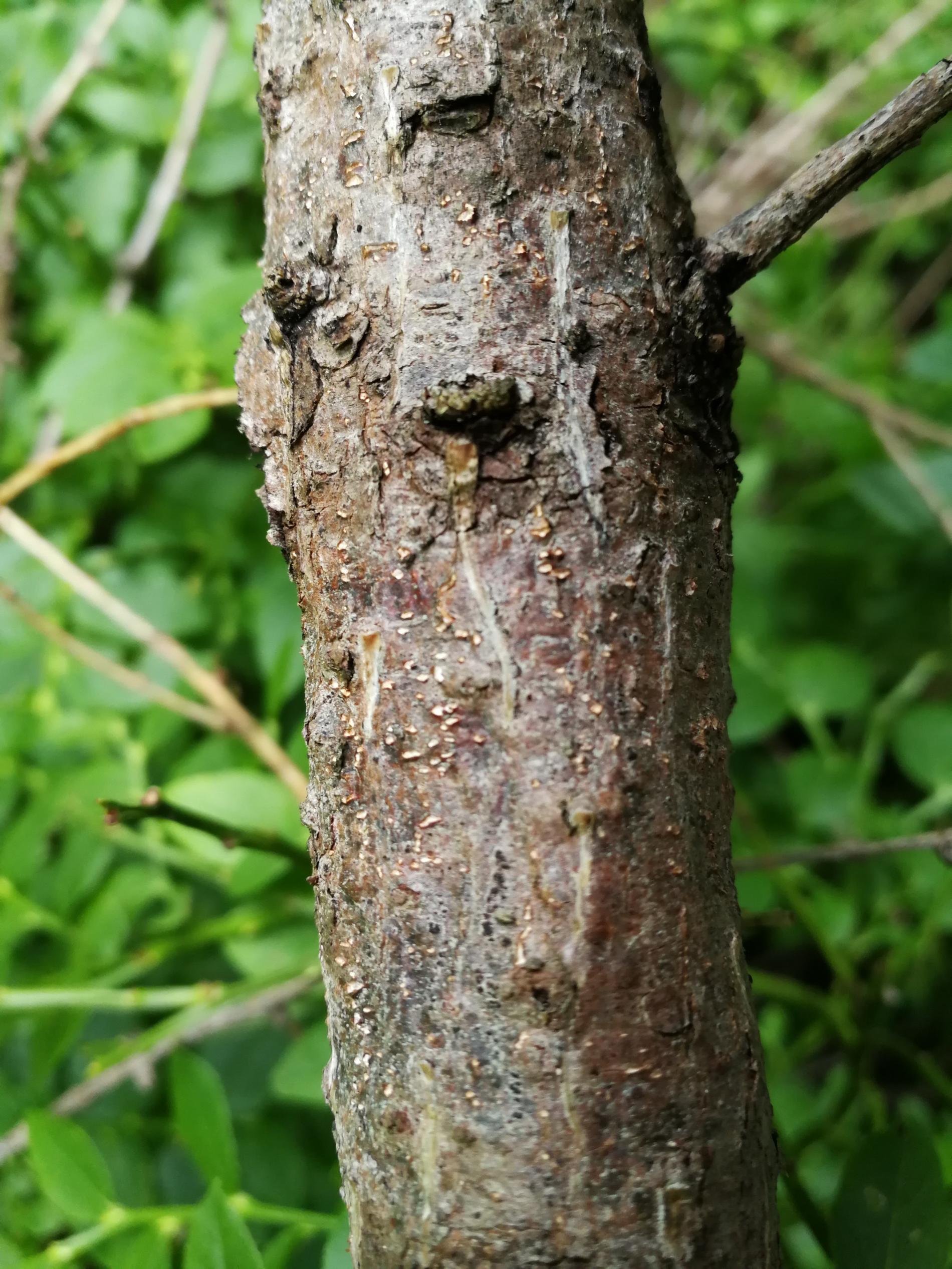
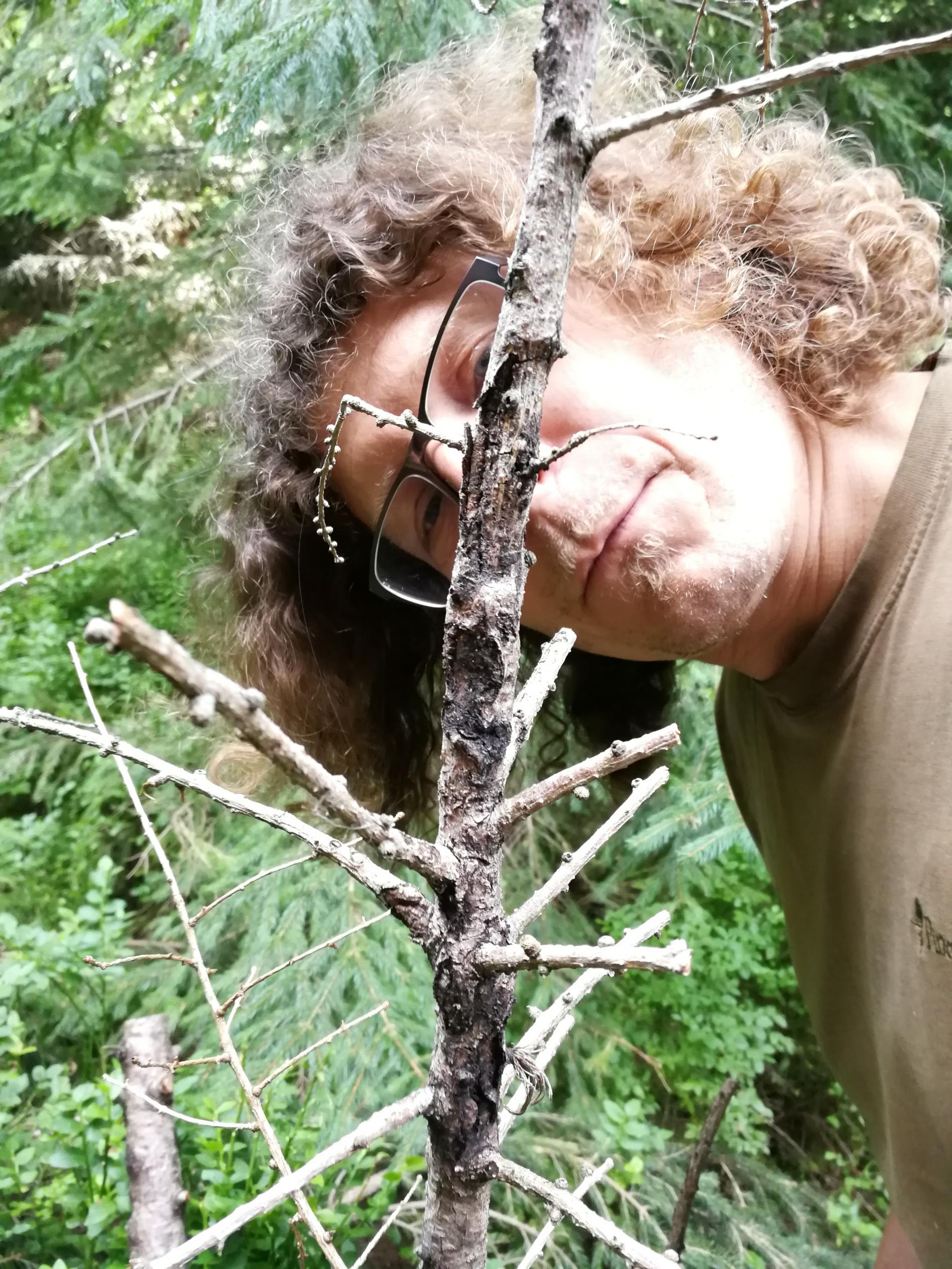
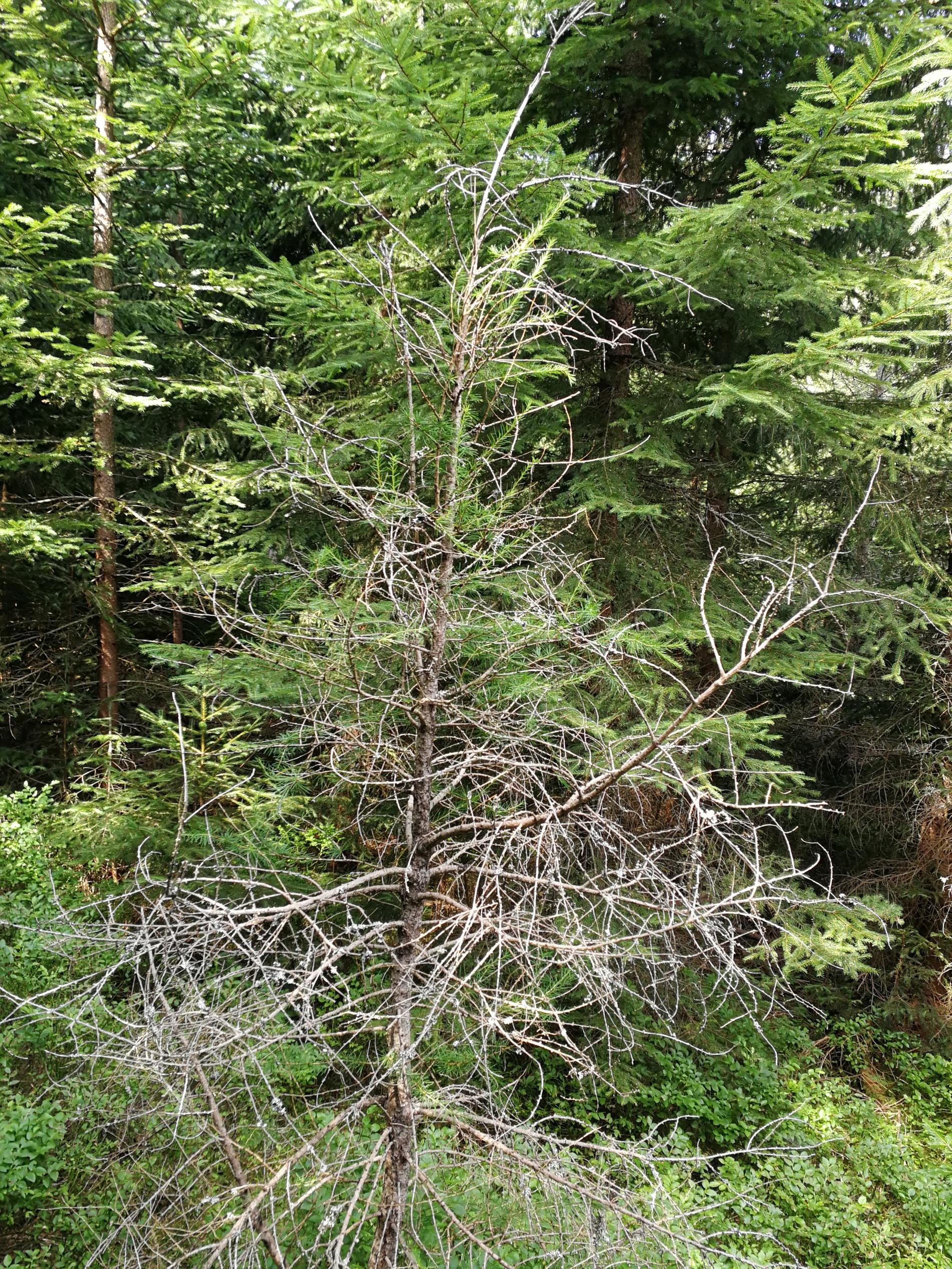
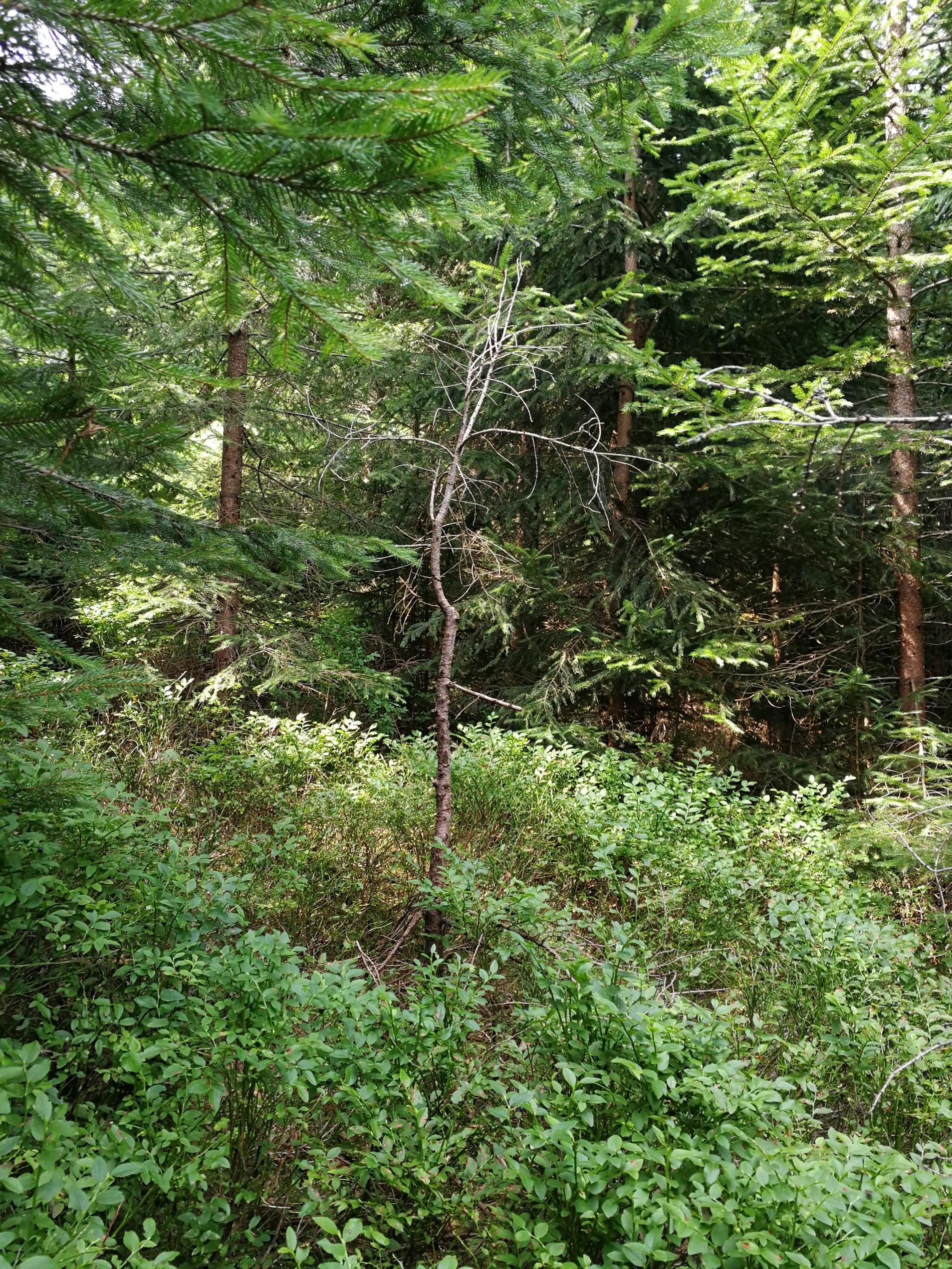
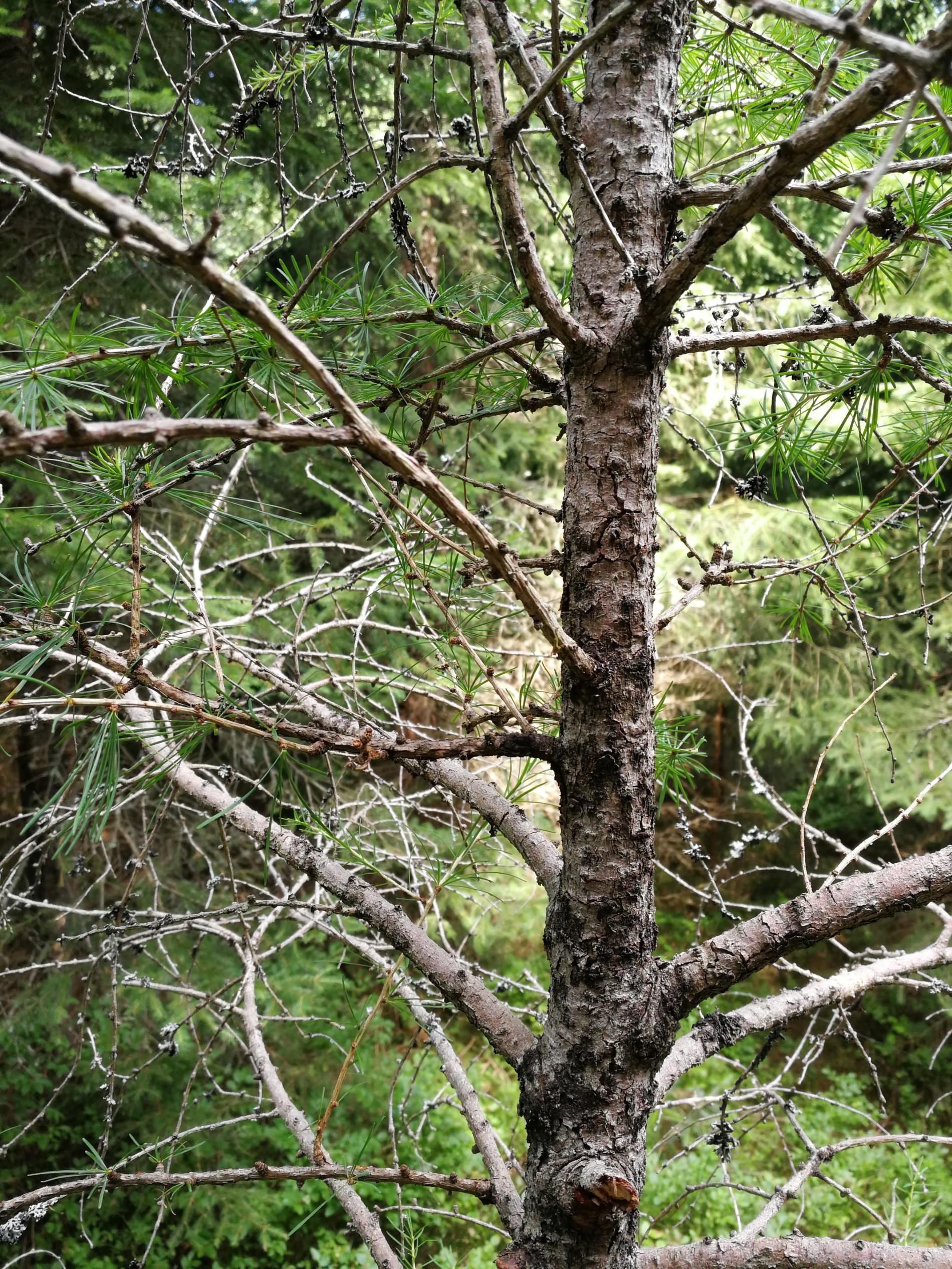
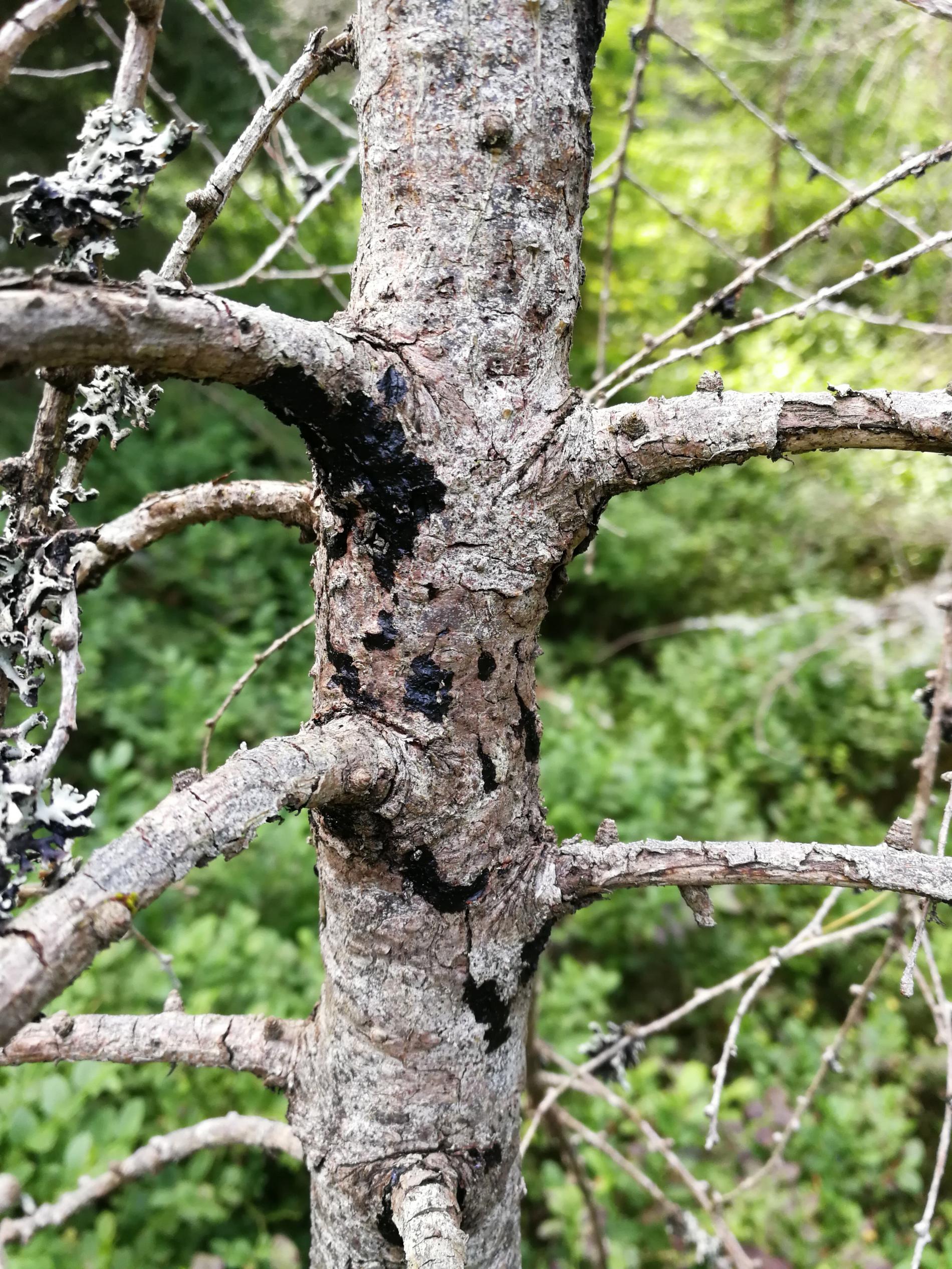
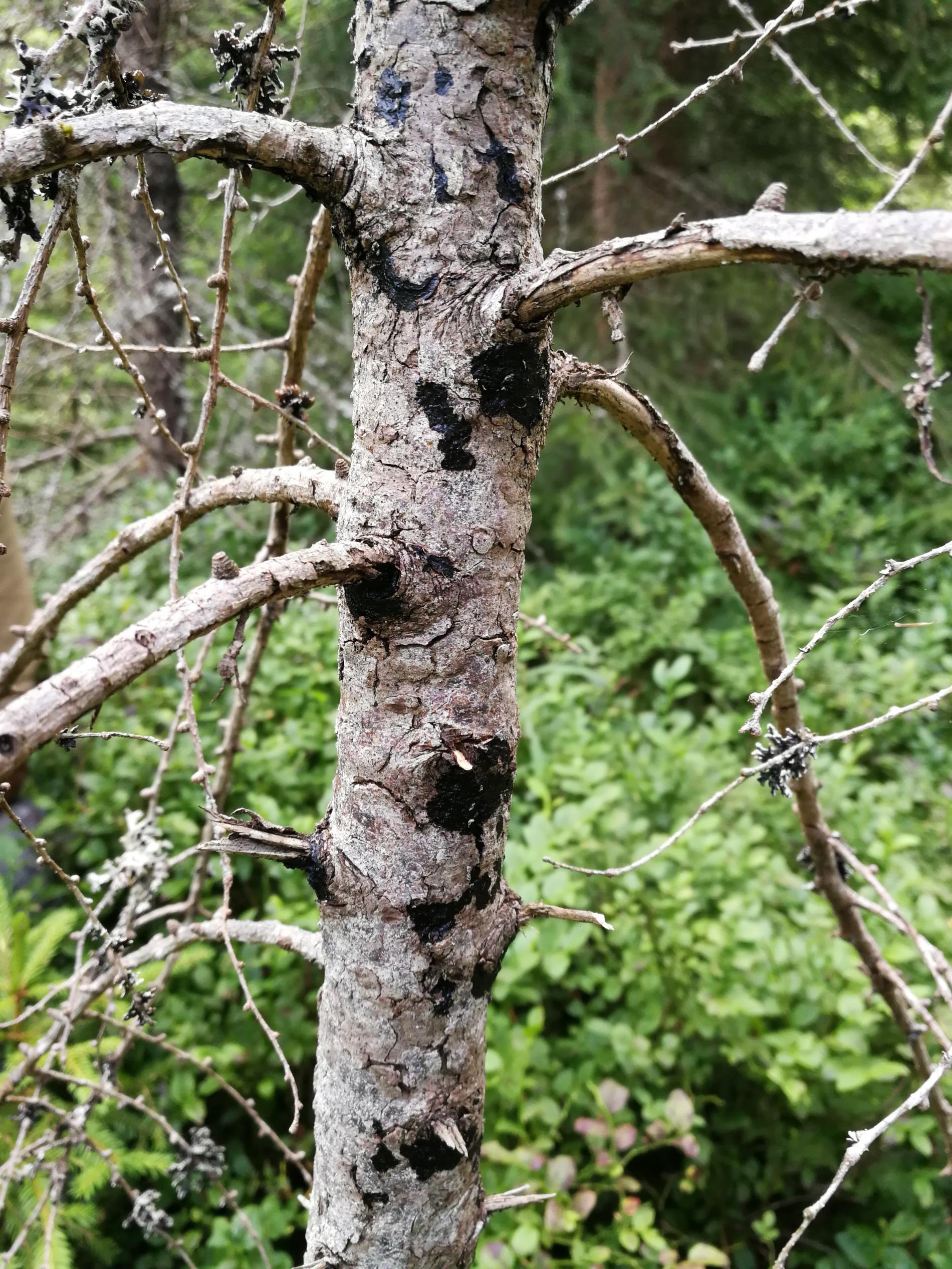
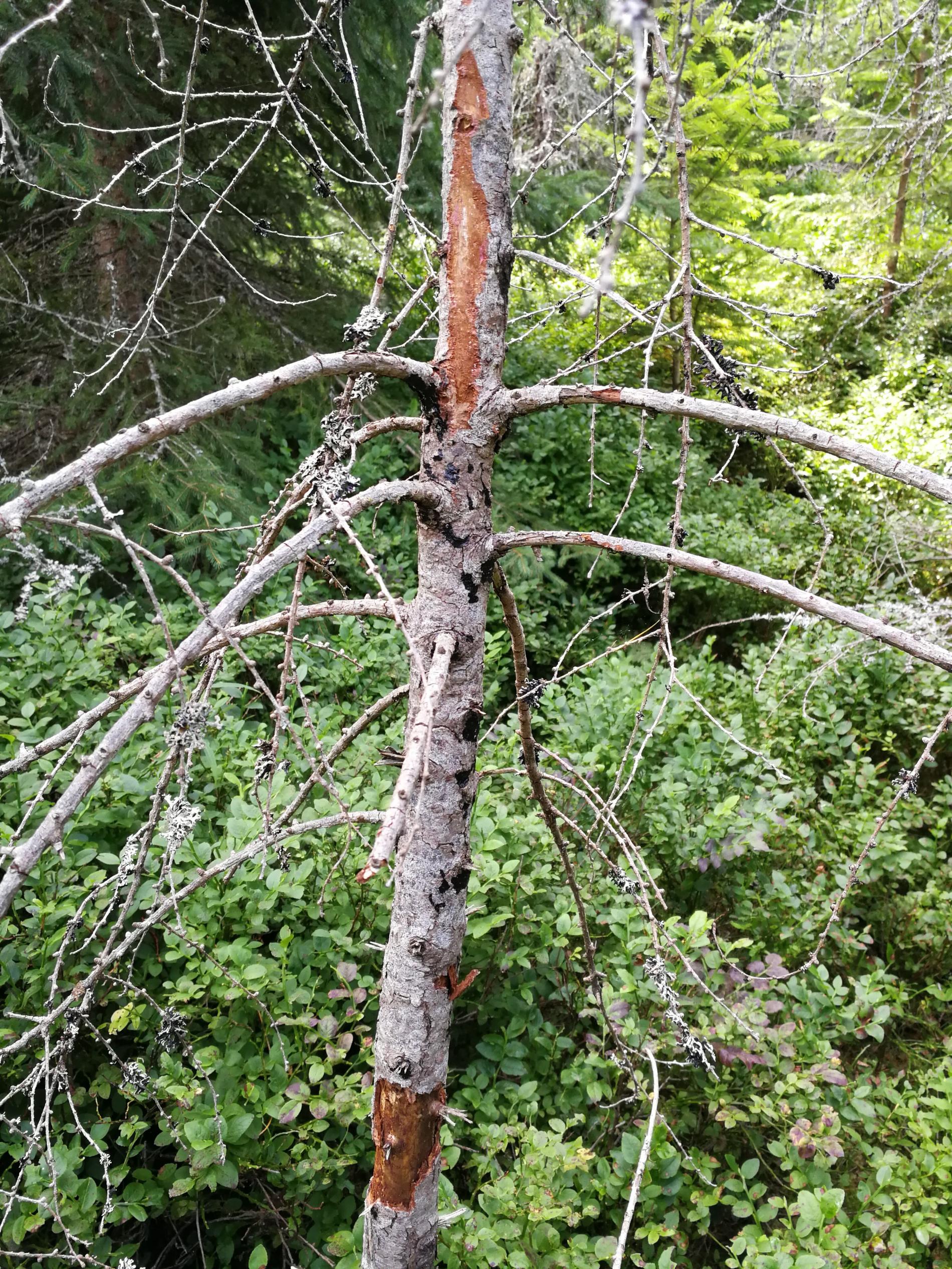
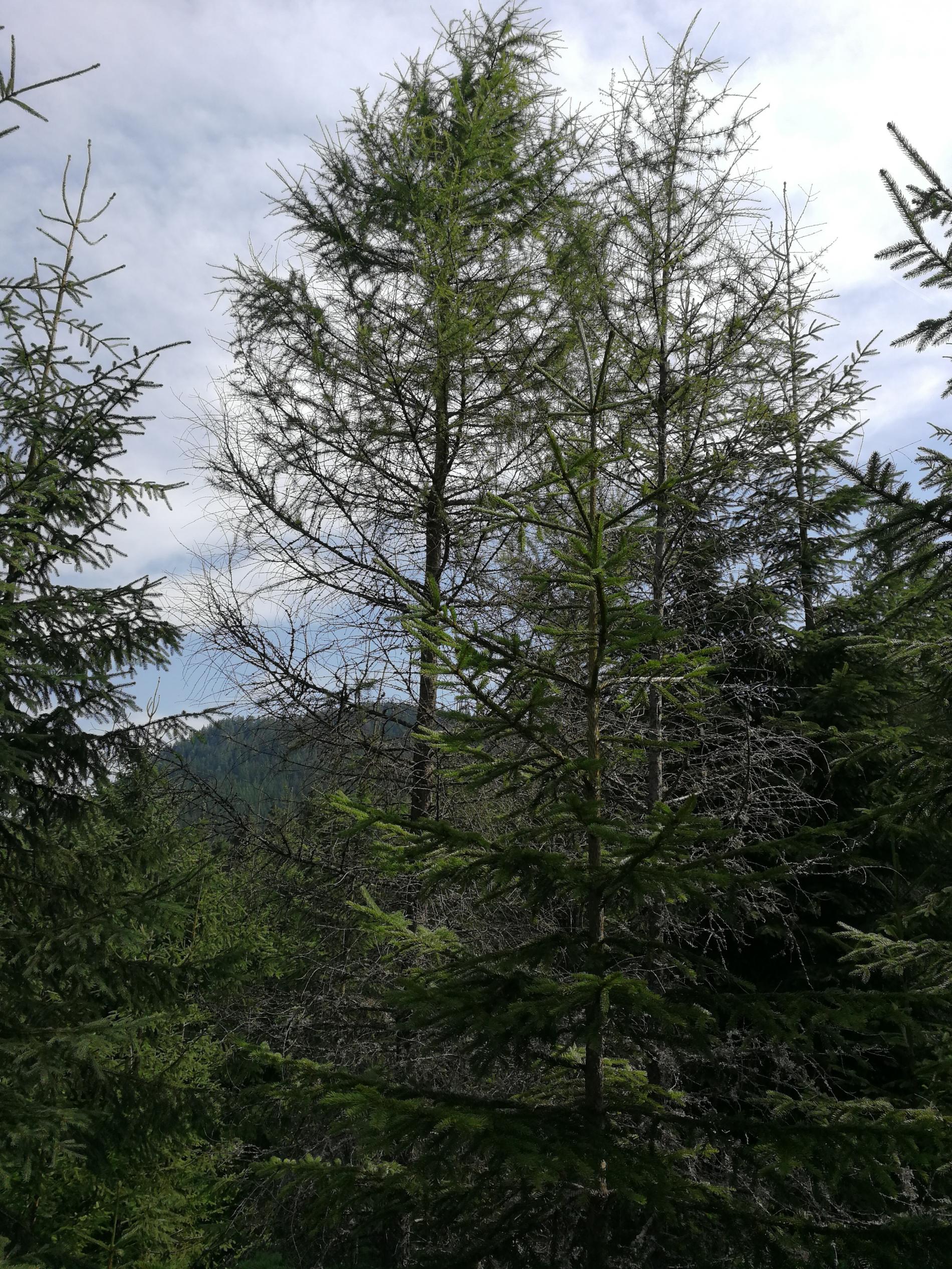
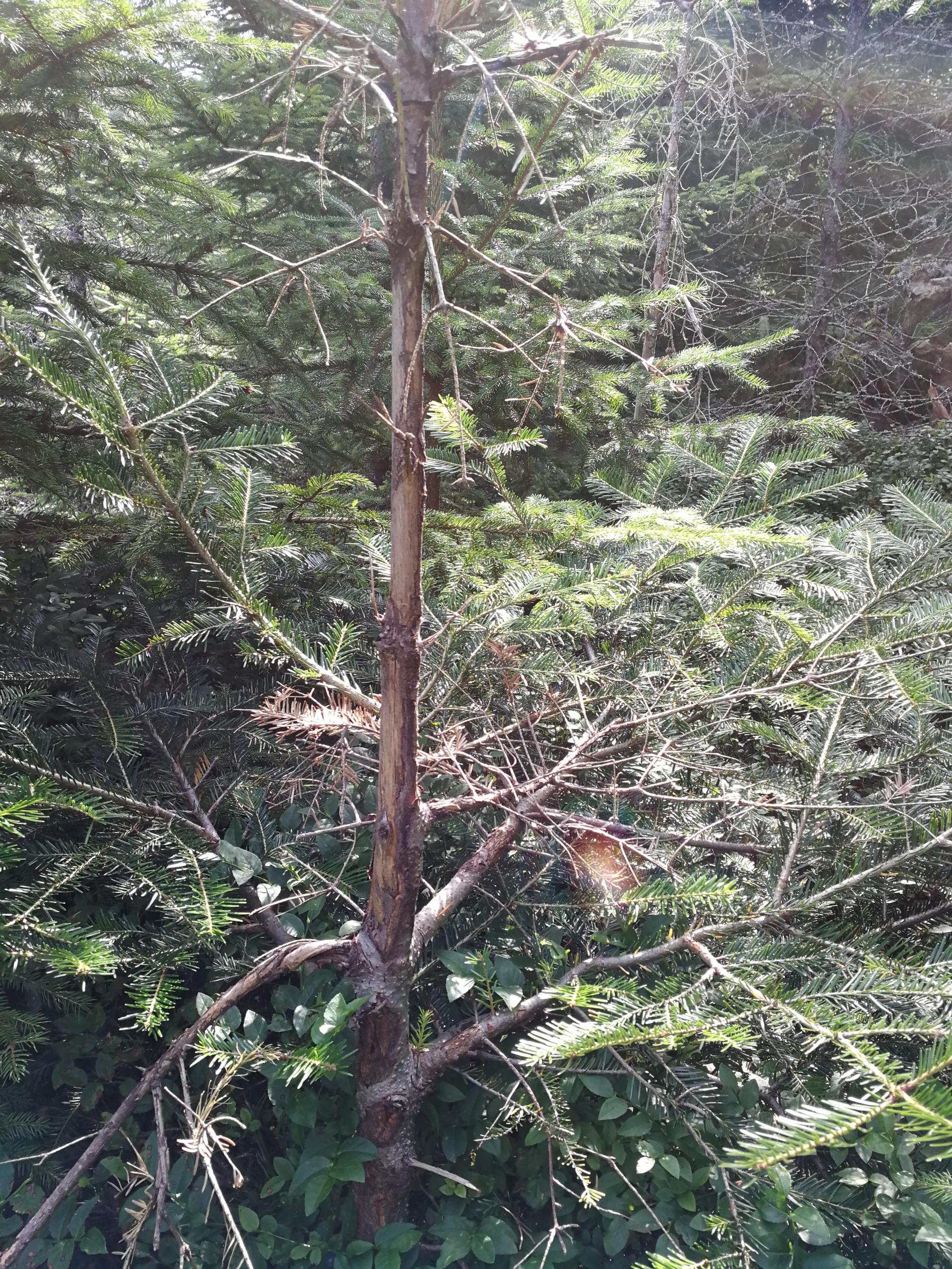
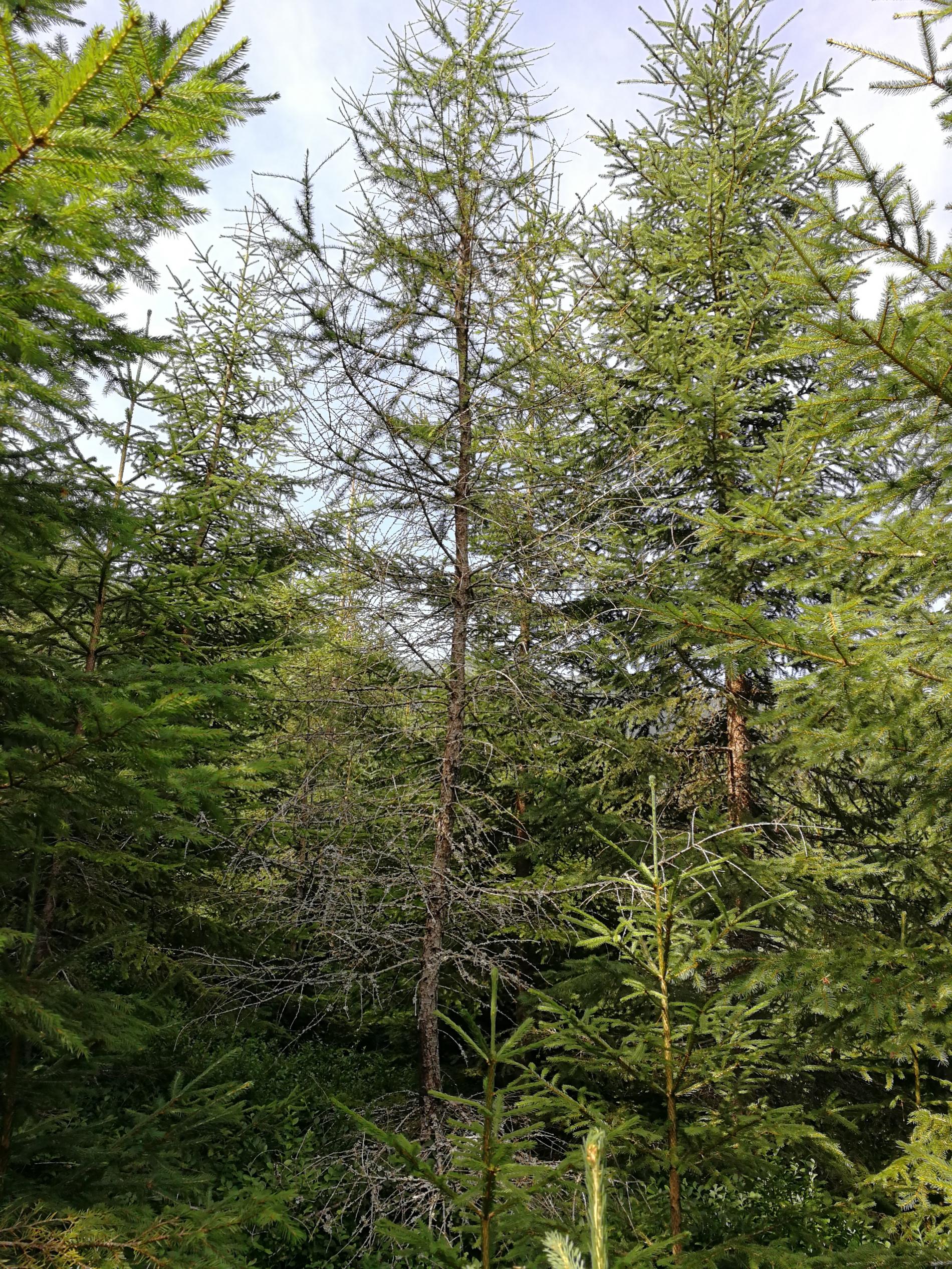
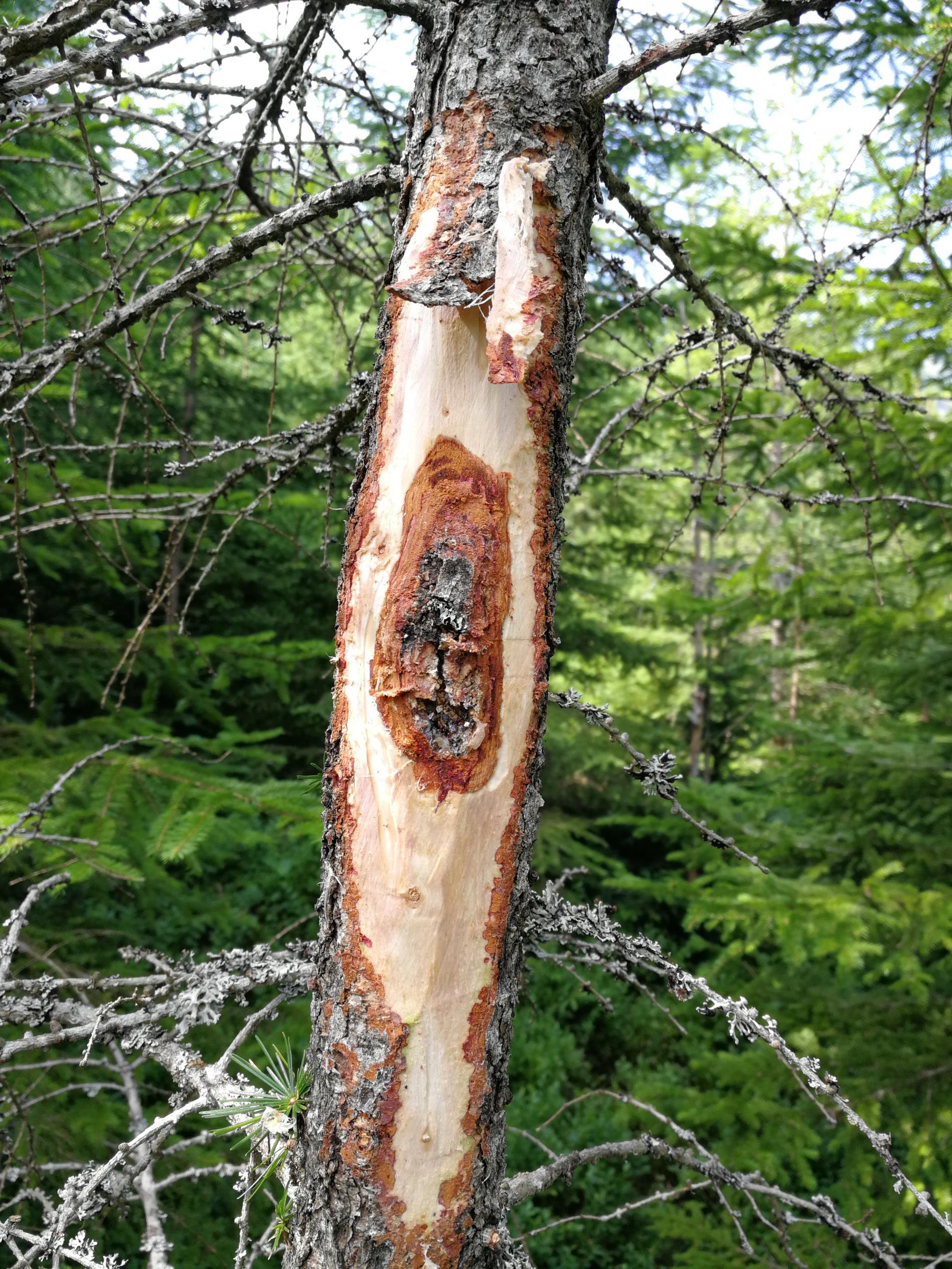
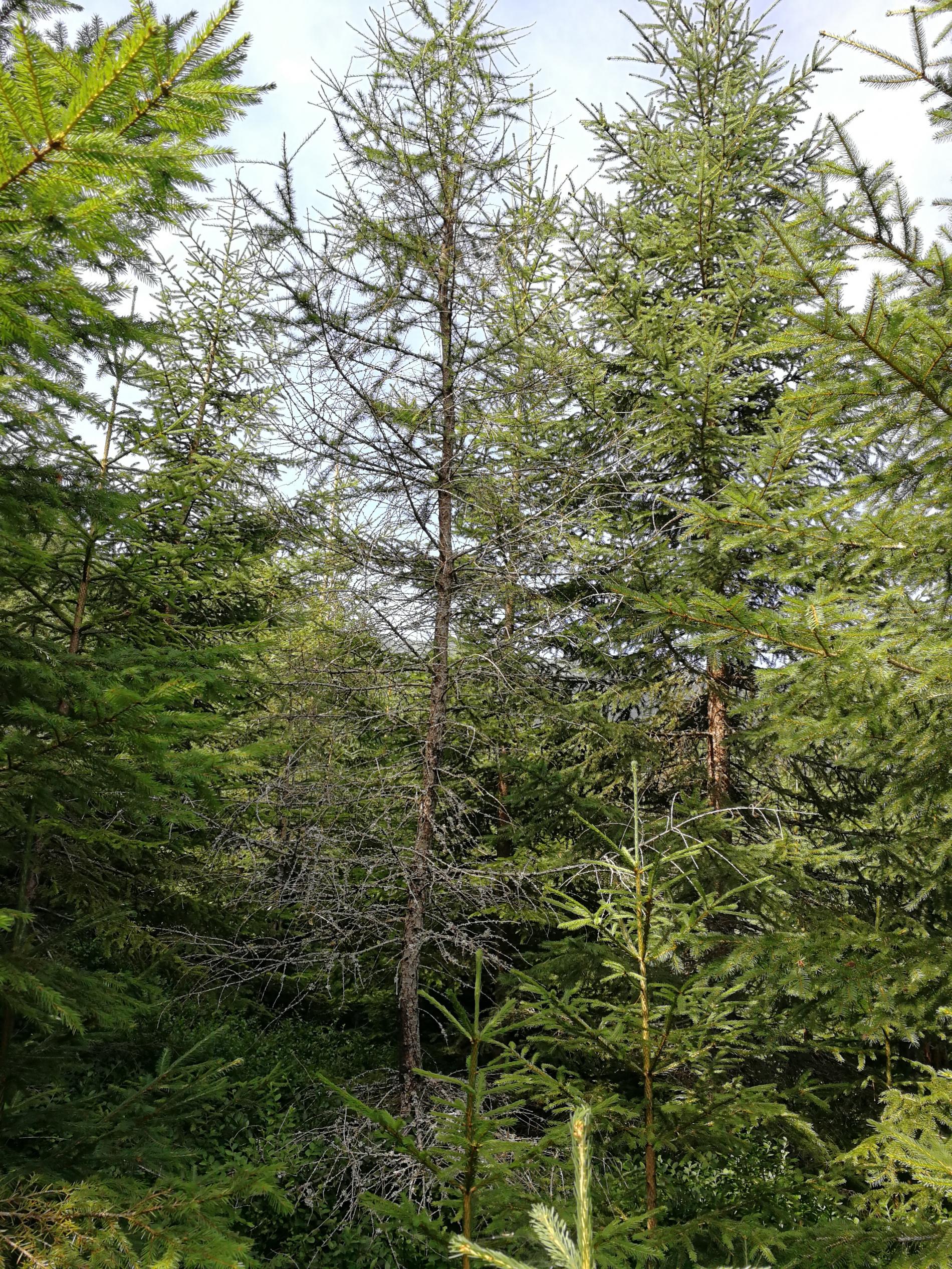
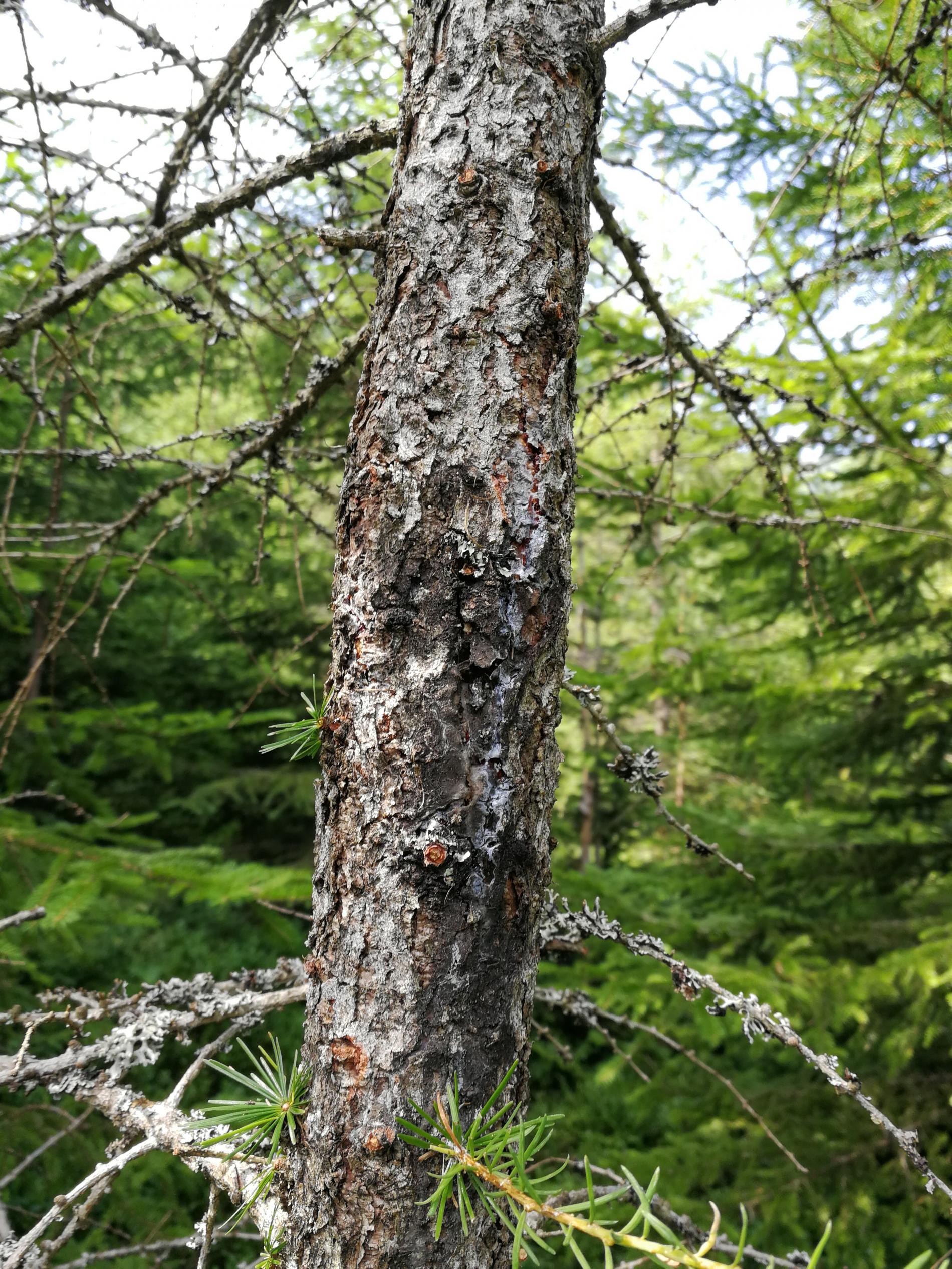
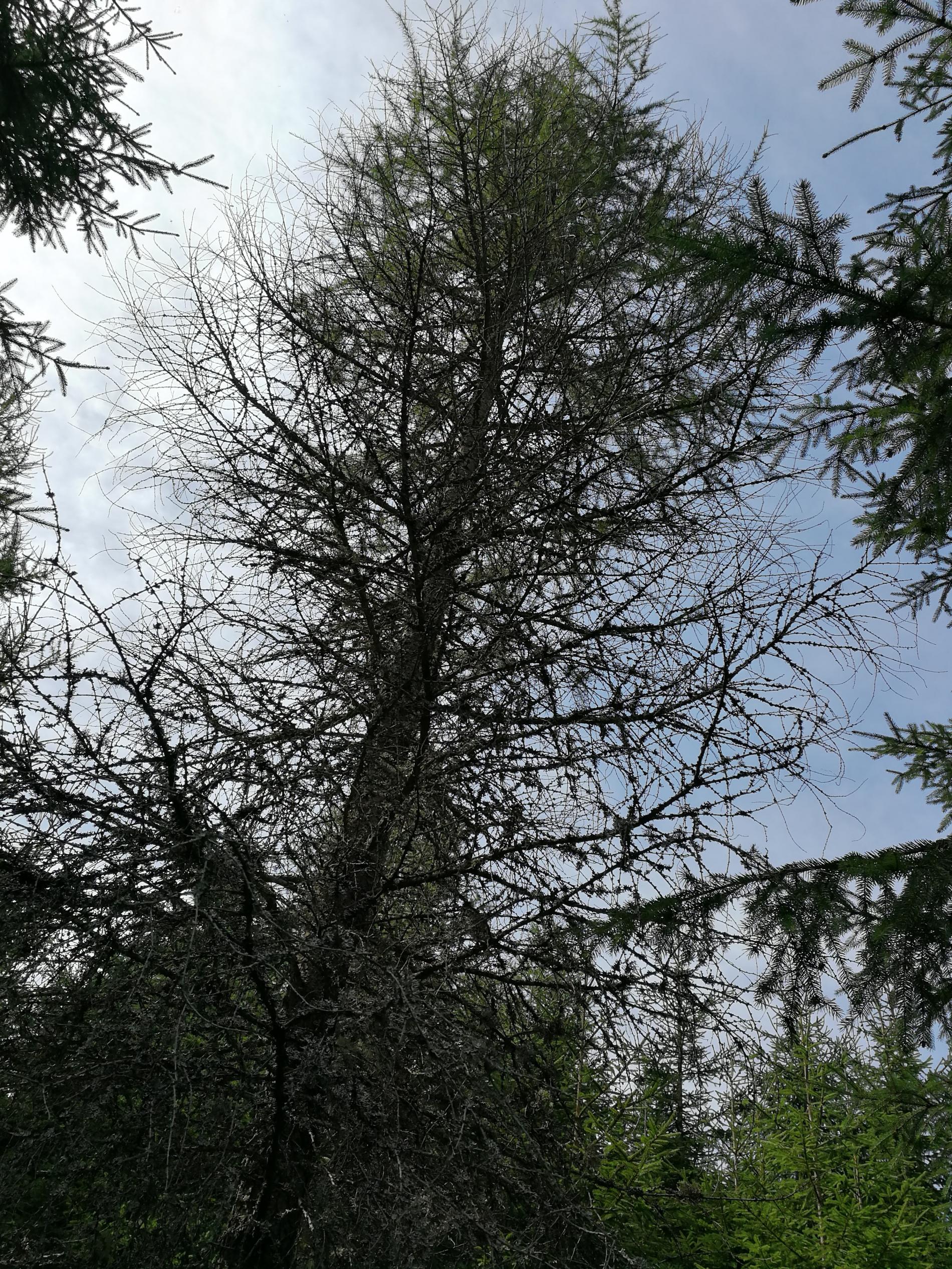
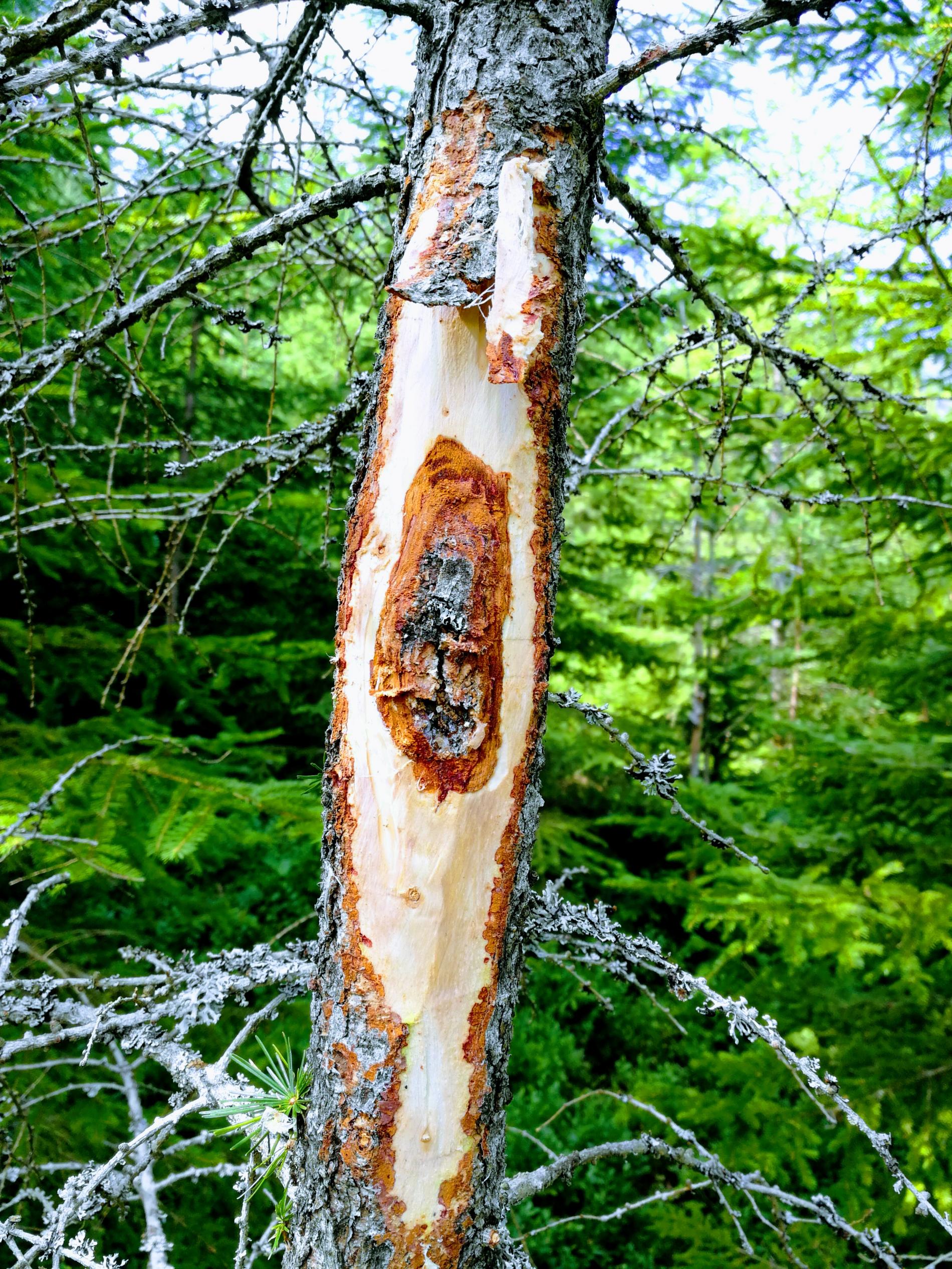
The fungus causes canker in larch. The infection enters a tree through physical bark injuries or by aphid sucking which results in microscopic wounds and deterioration of bark elasticity. The bark becomes sunken at the infection site. Tree defense mechanisms trigger callusing around bark necroses and thus the stem or twig is soon deformed. After time, the infection site can be covered with saucer-shaped fruiting bodies which are 1–4 mm in diameter, with yellowish or orange centres and white wool on the edges and underside. The disease occurs mostly in moist valleys with subdued air currents.
Orange fruiting bodies on the trunk.
Tree Species: Larch
Part of a plant- attacked: Tree trunk
Pest significance: Harmful
Pest Category: Fungi
Invasive Species: No
Present in EU: Yes
Pest group: Fungi
Affected part of wood: Heartwood, Sapwood
Depth of damages: More than 5 cm depth, Under bark only, Up to 0,5 cm depth, Up to 2 cm depth, Up to 5 cm depth
The extent of damage: Whole trunk
Prevalence in Europe: Common
Damaged products: Firewood, Fresh timber logs (water still in the sapwood), Furniture, Lumber, boards and prisms, Wooden house constructions
Roundwood size: Branches and twigs, Diameter 50+, Diameter from 10 up to 50 cm, Diameter up to 10 cm
Wood discoloration: Yes



Similar pests

Trametes gibbosa

Nectria fuckeliana
