


Inonotus hispidus
Fungus Inonotus hispidus
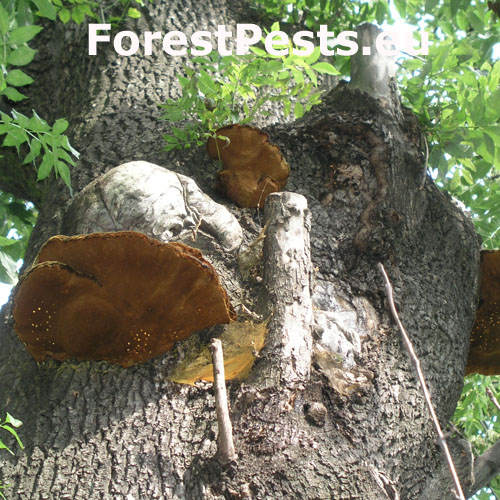
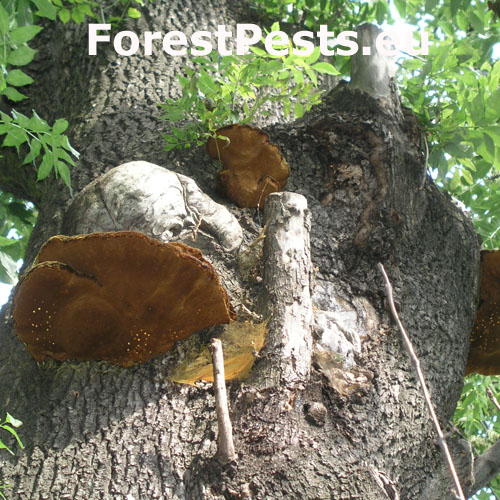
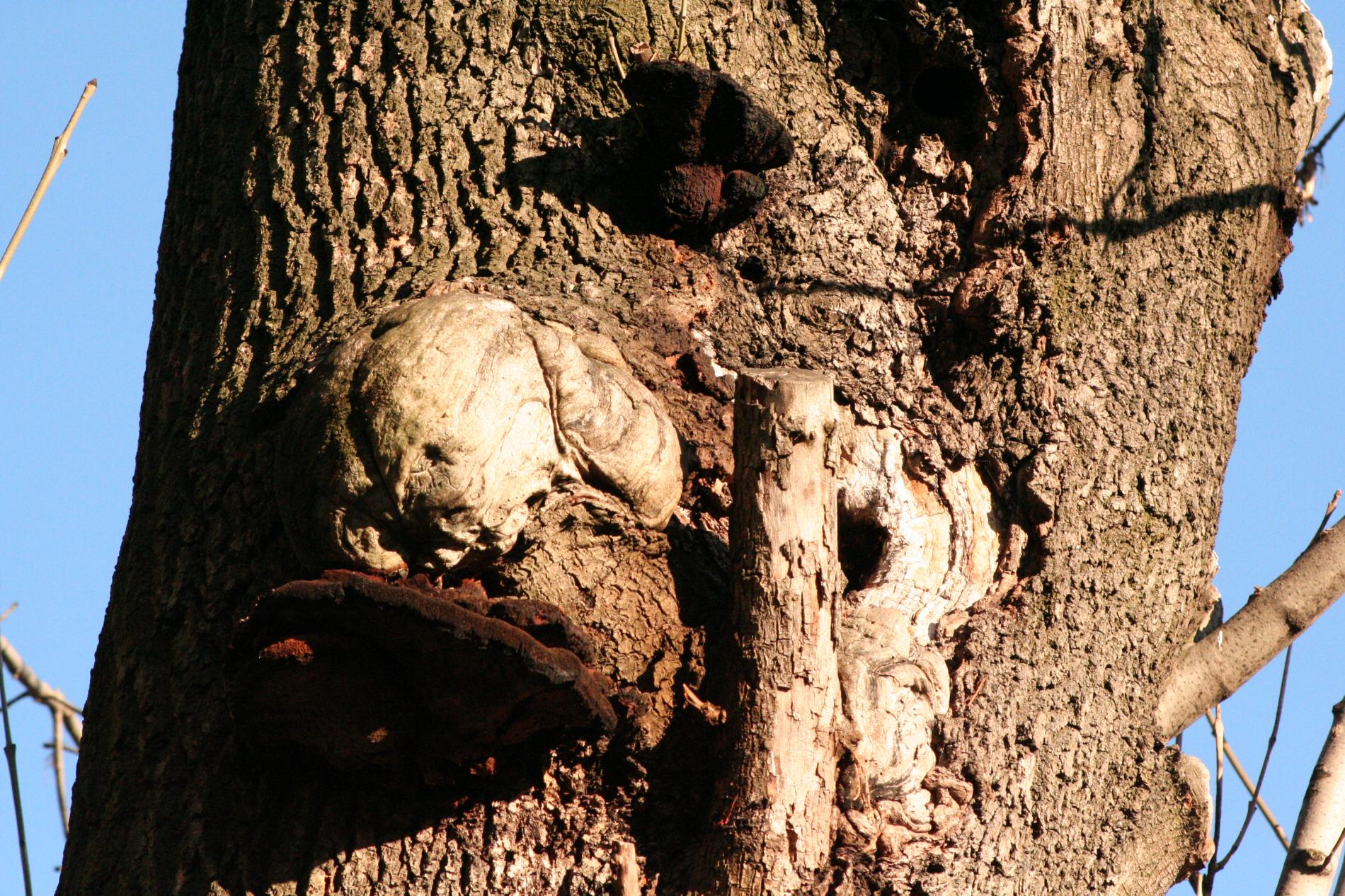
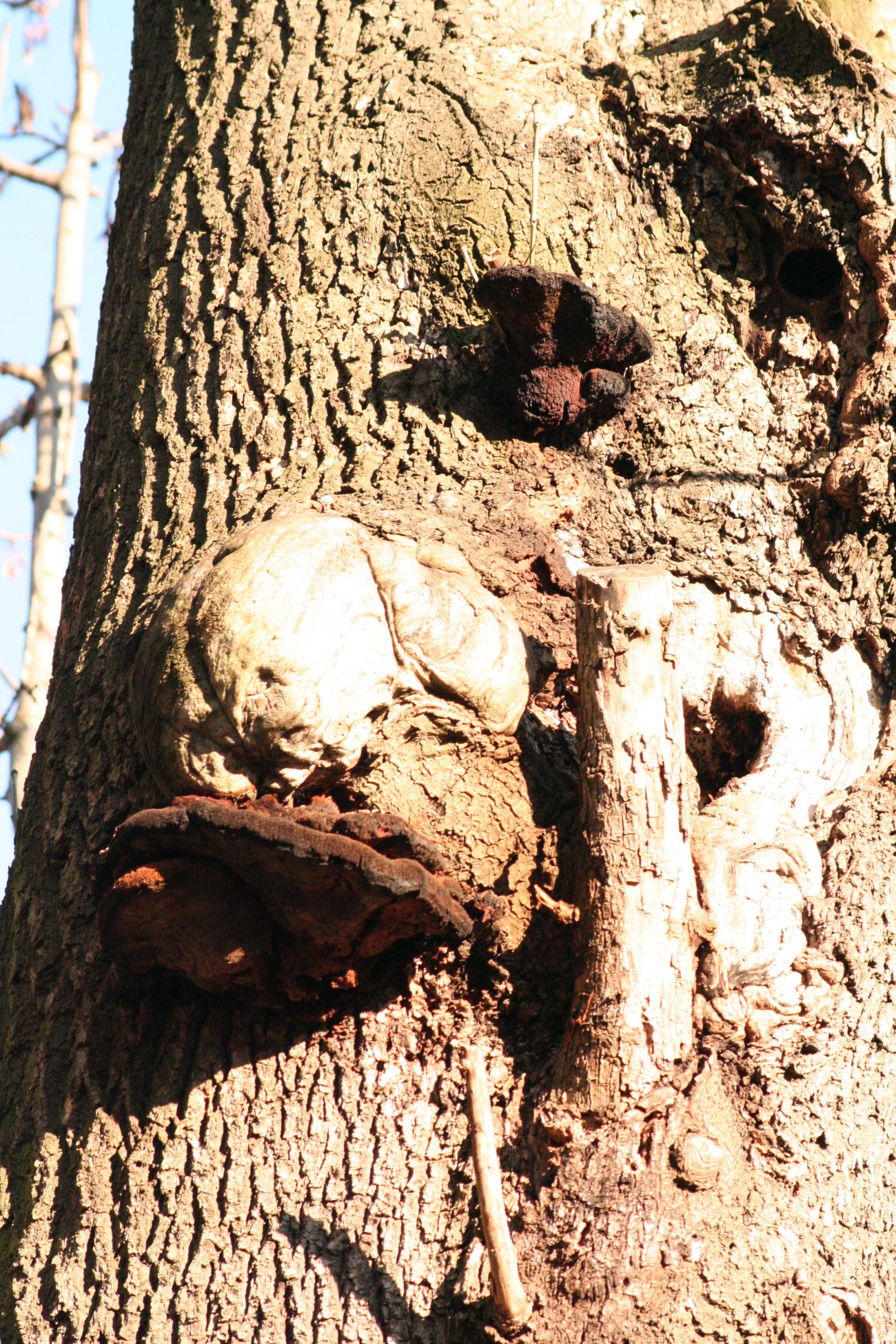
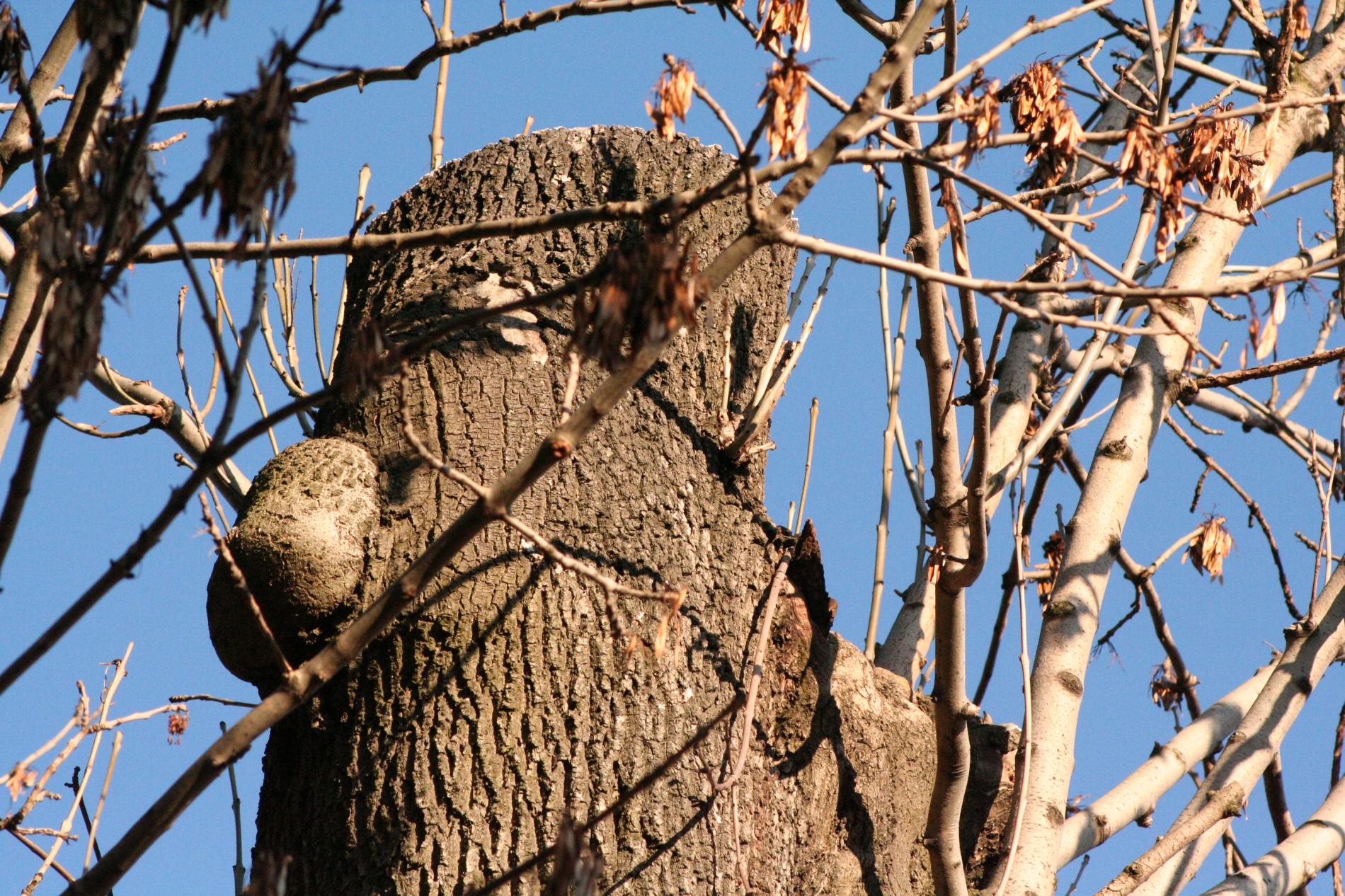
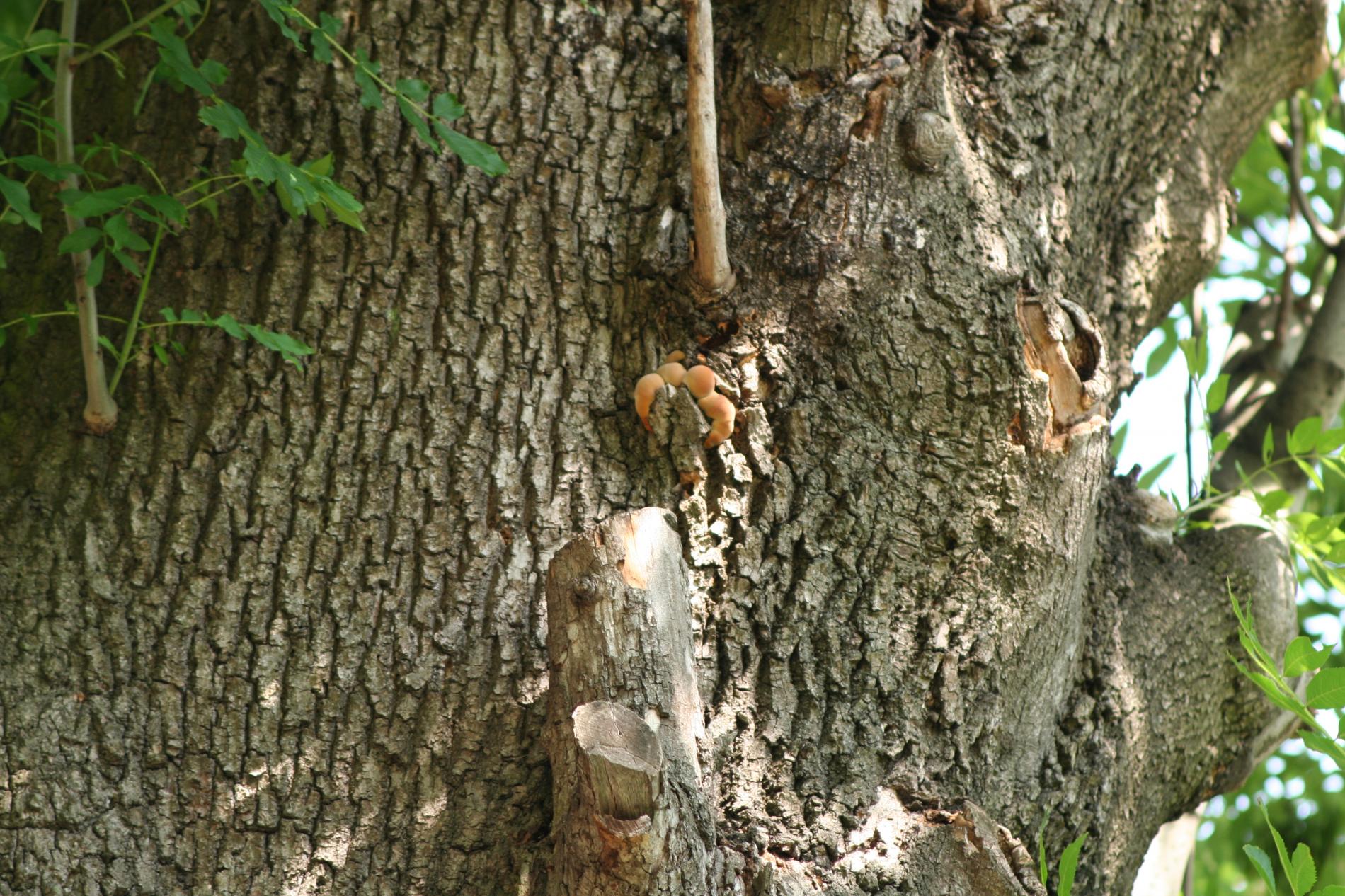
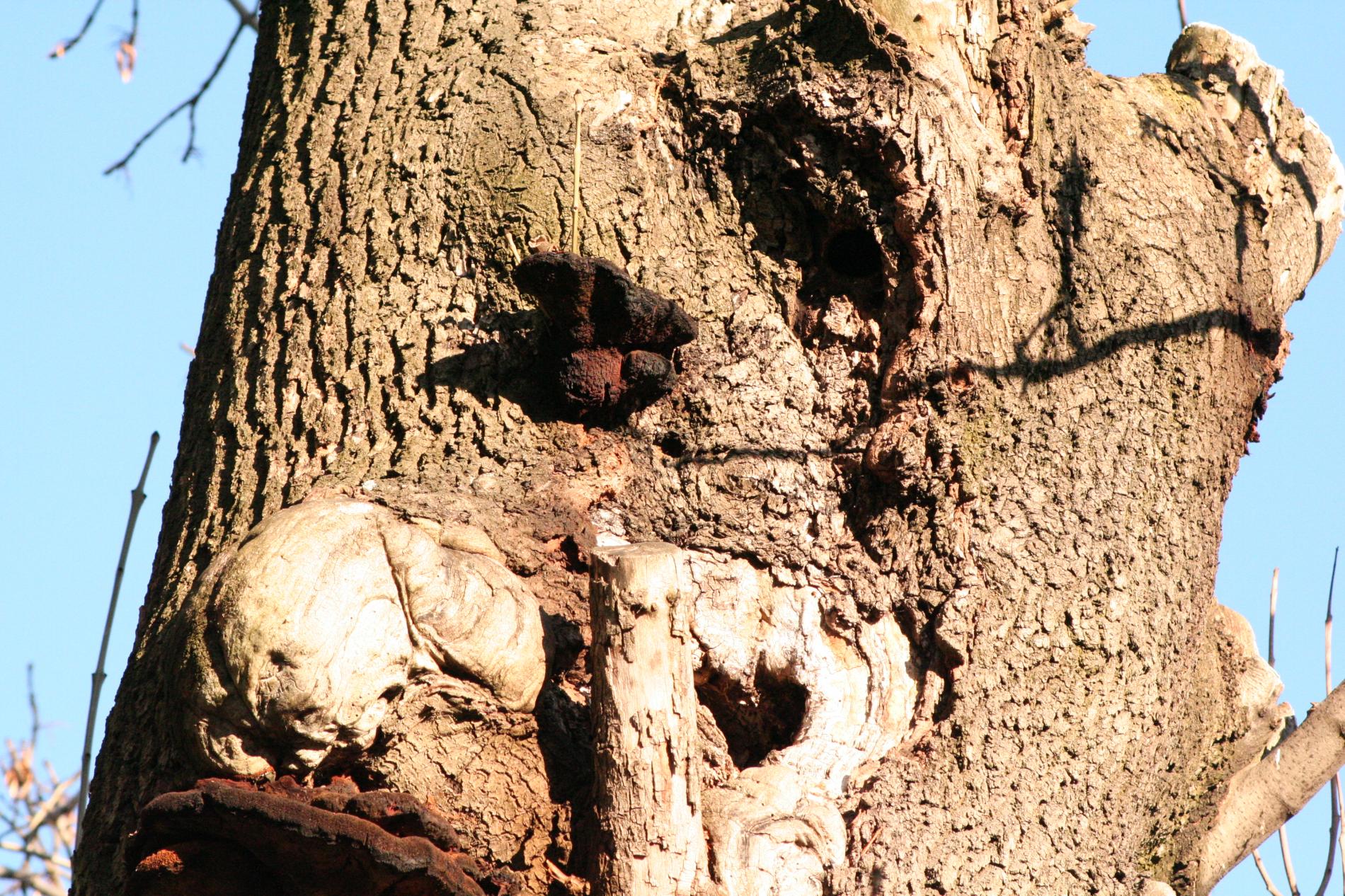
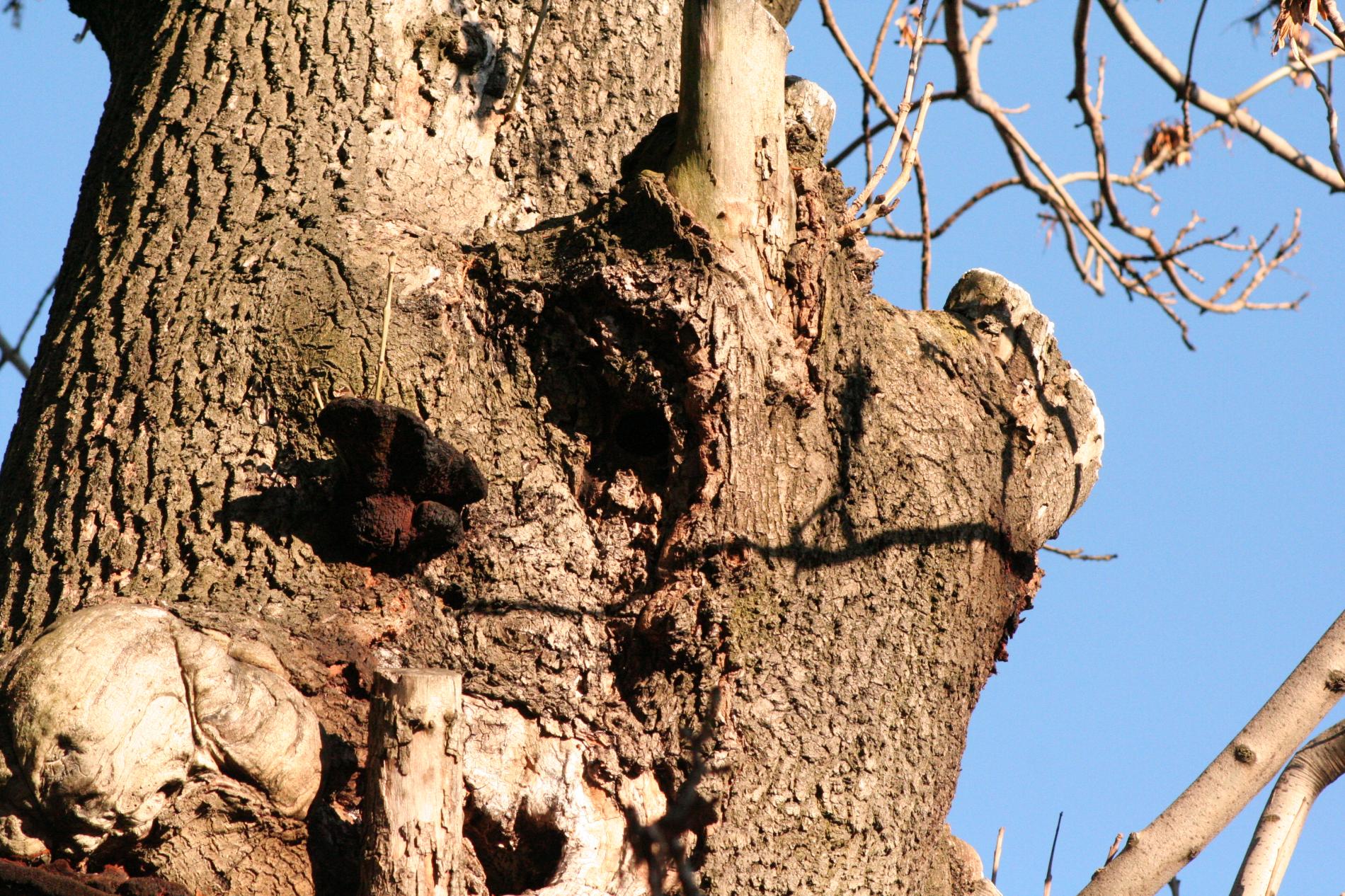
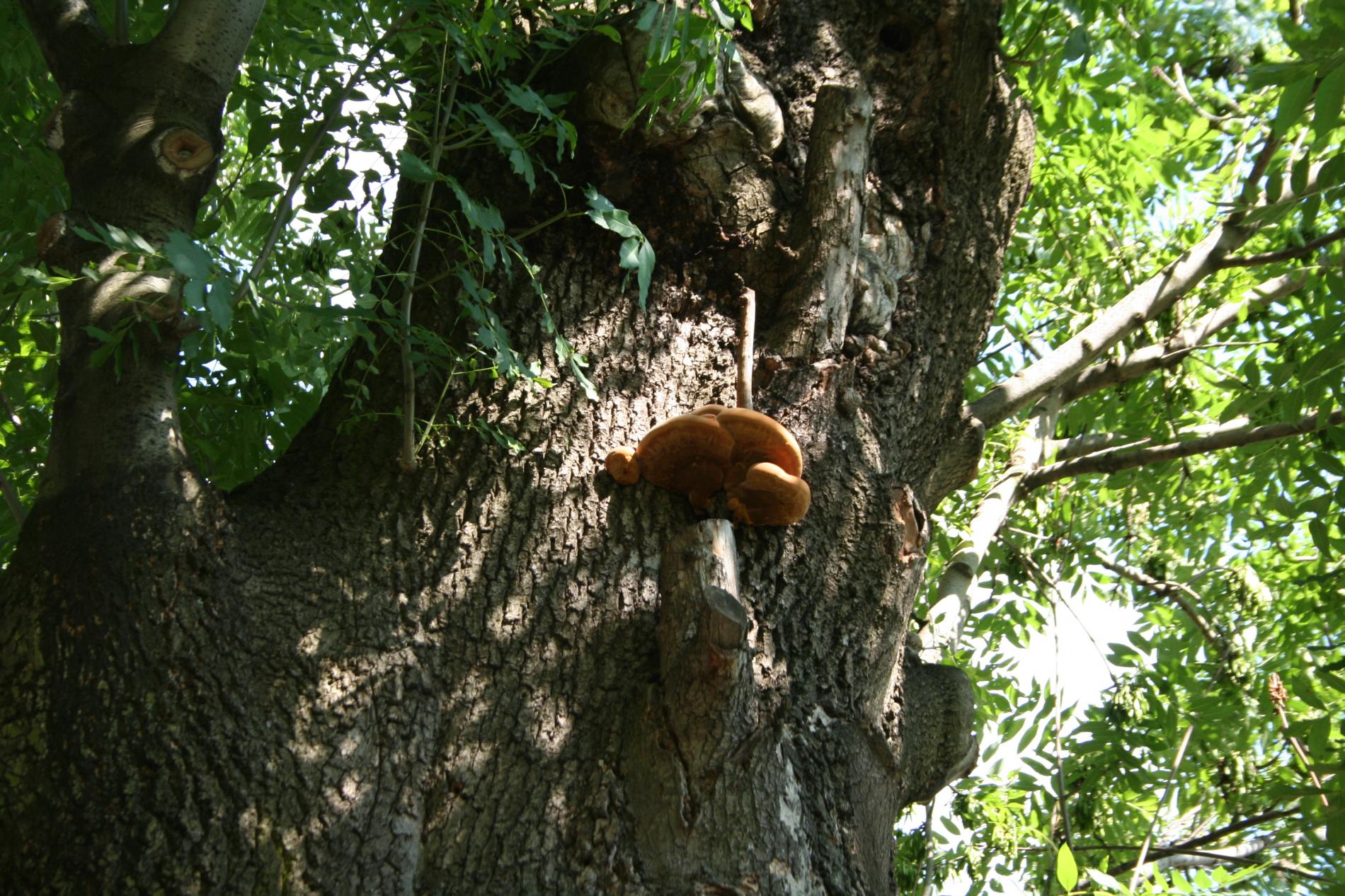
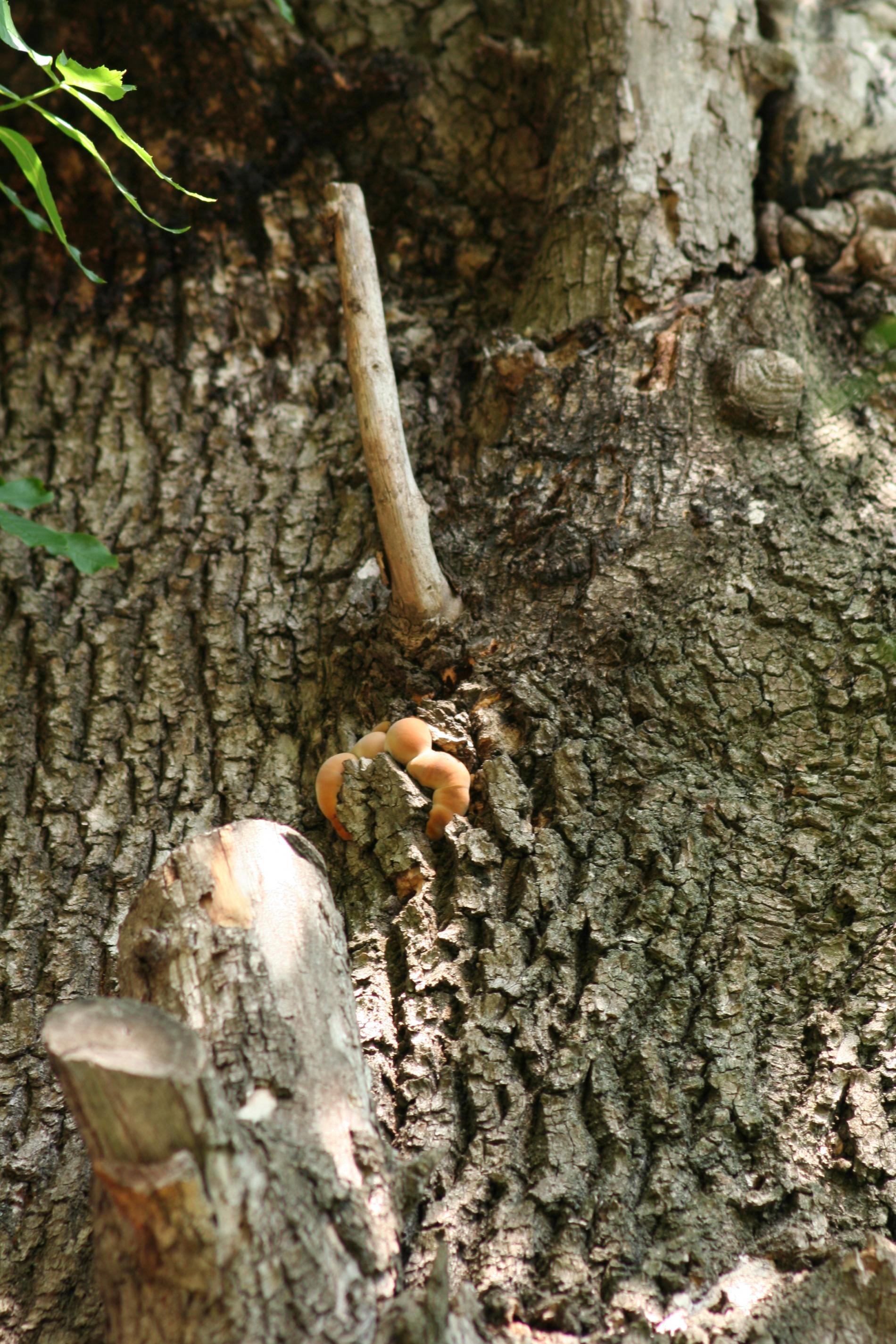
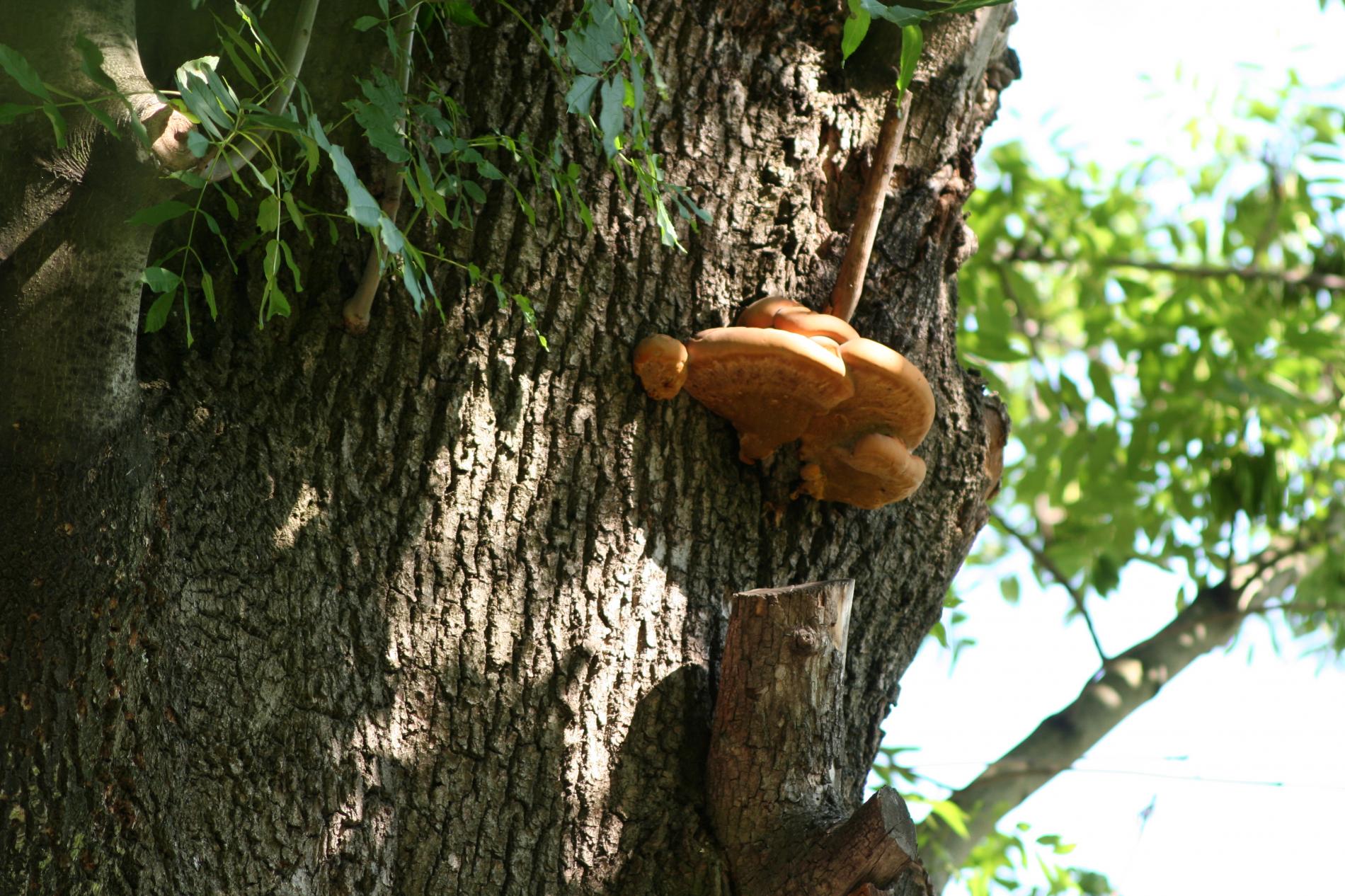
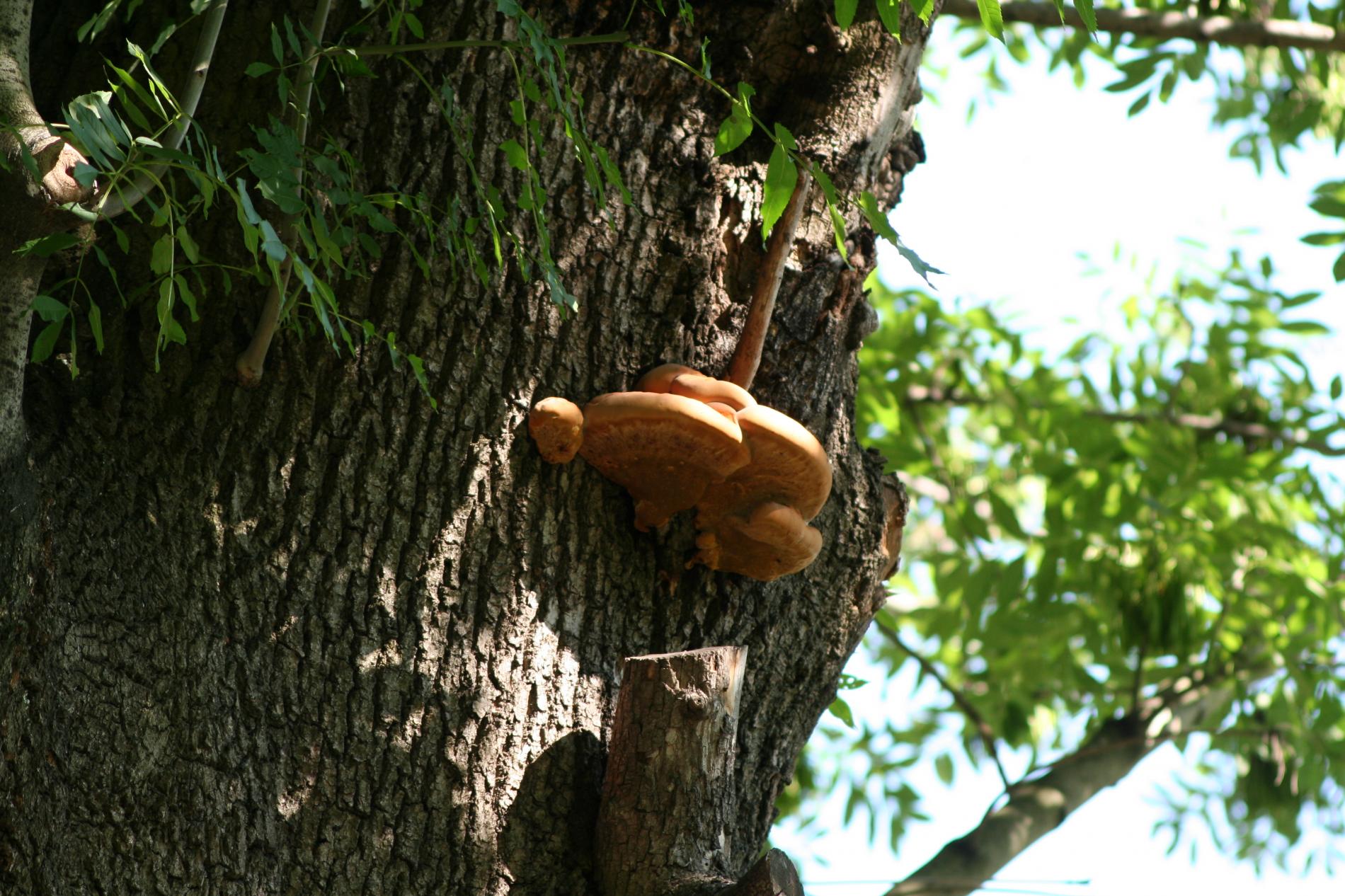
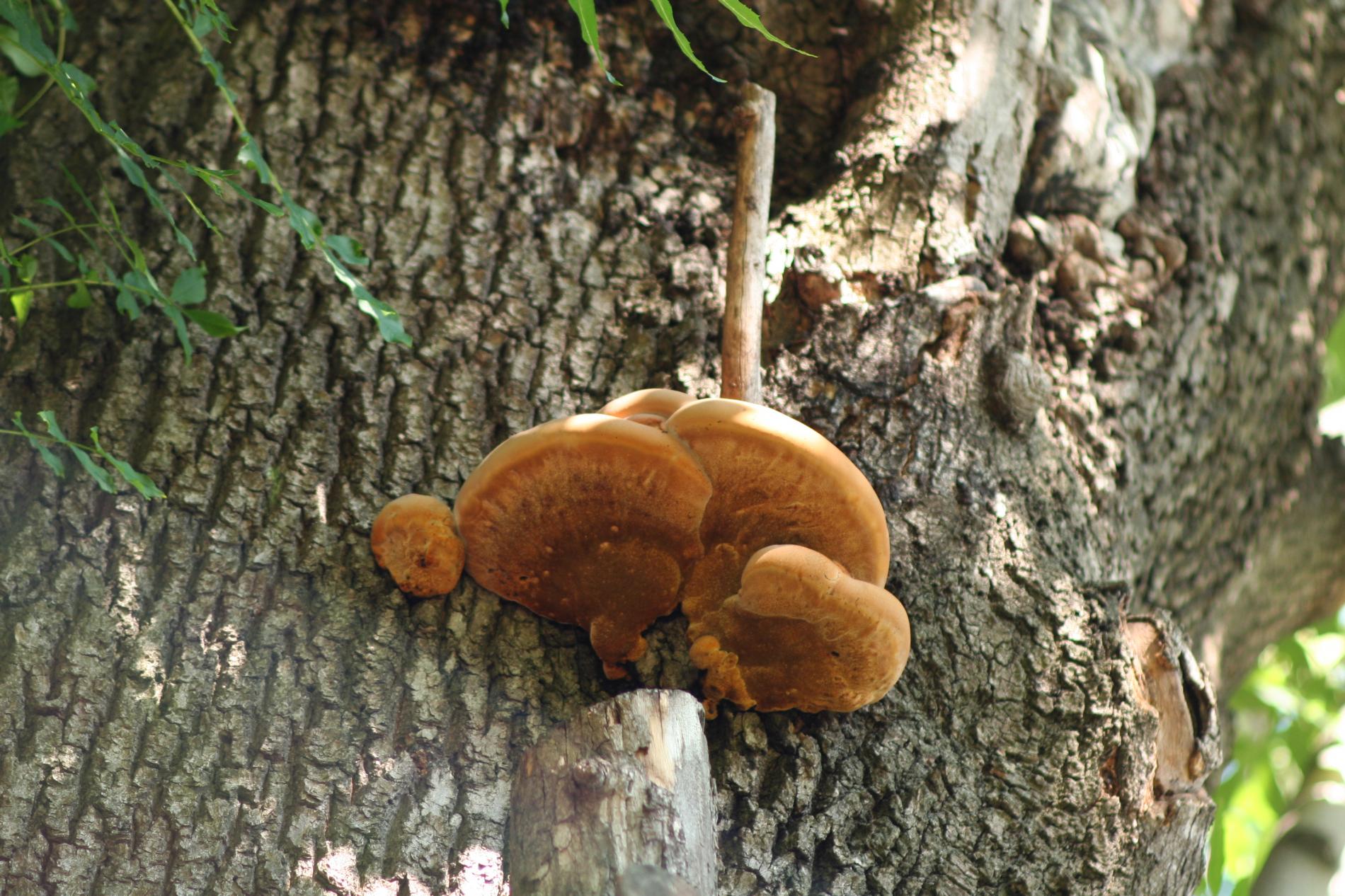
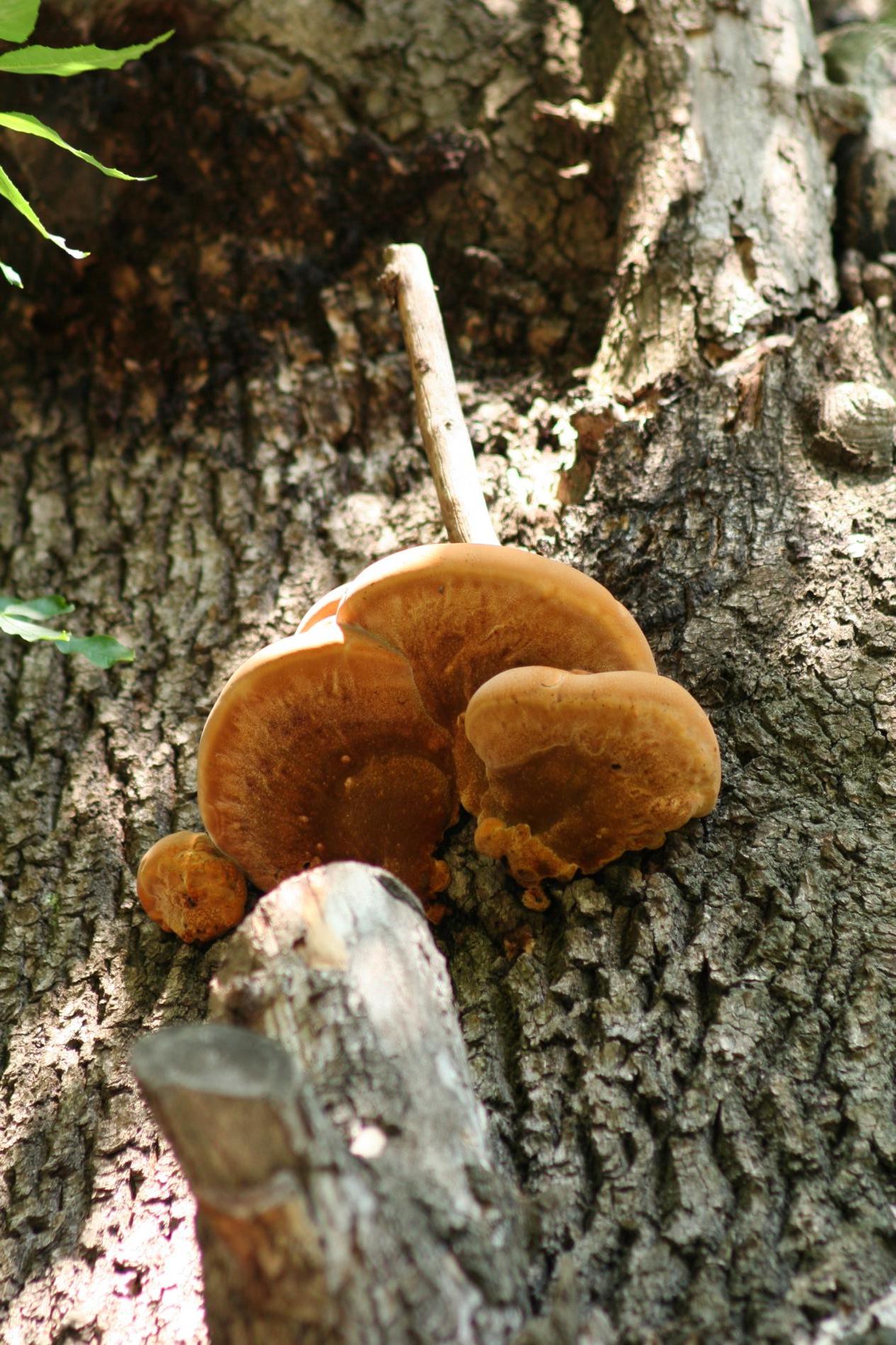
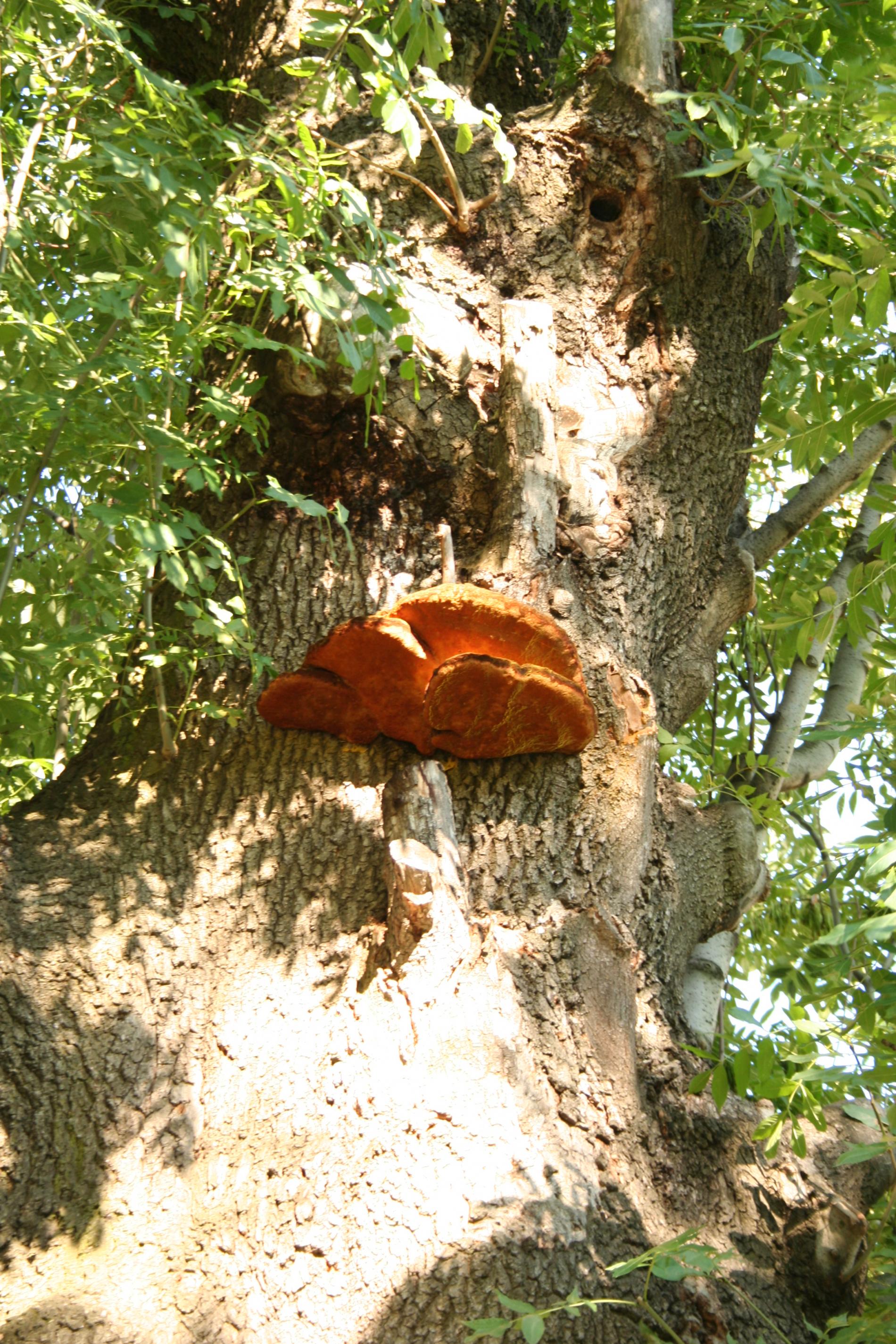
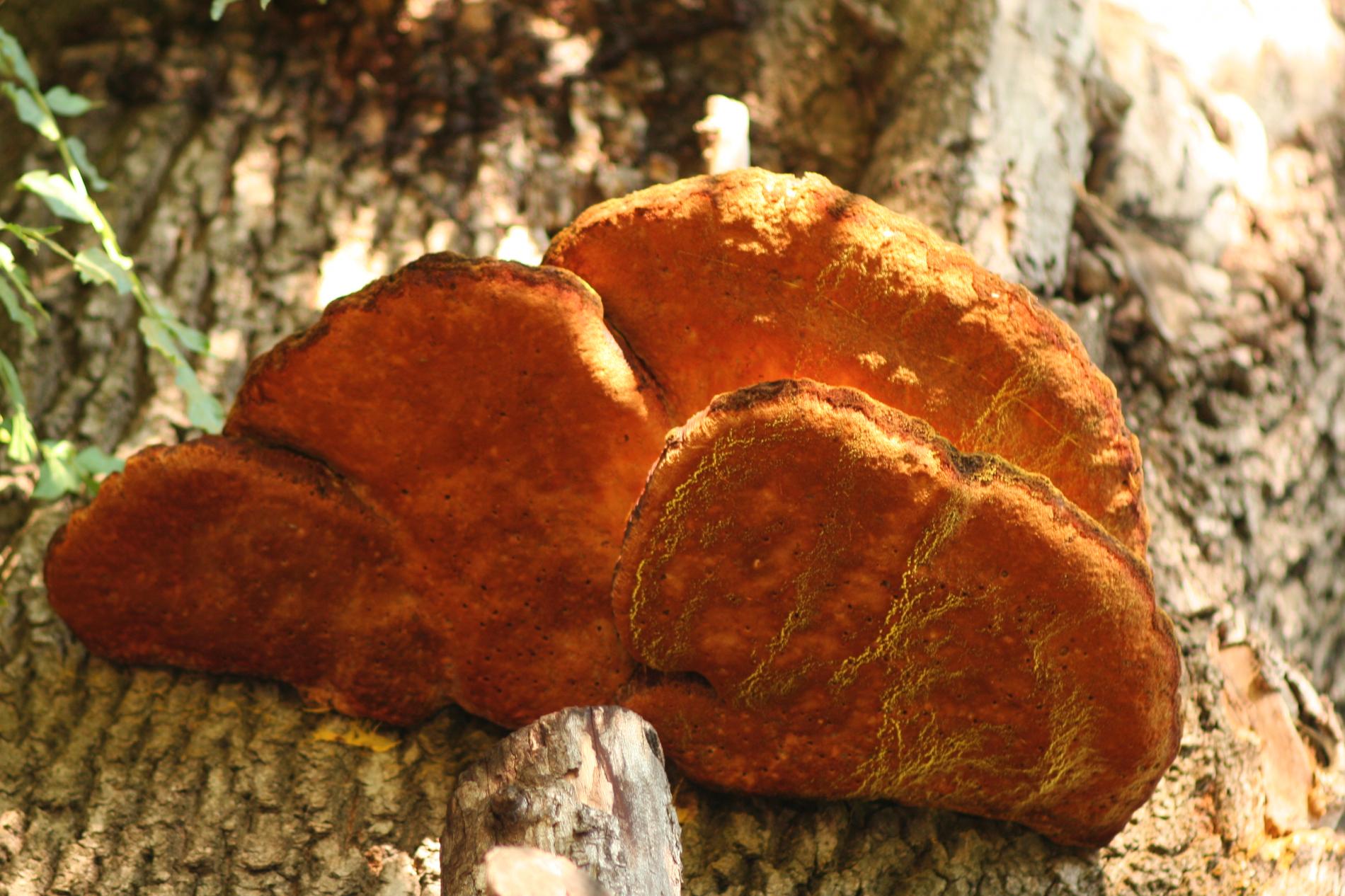
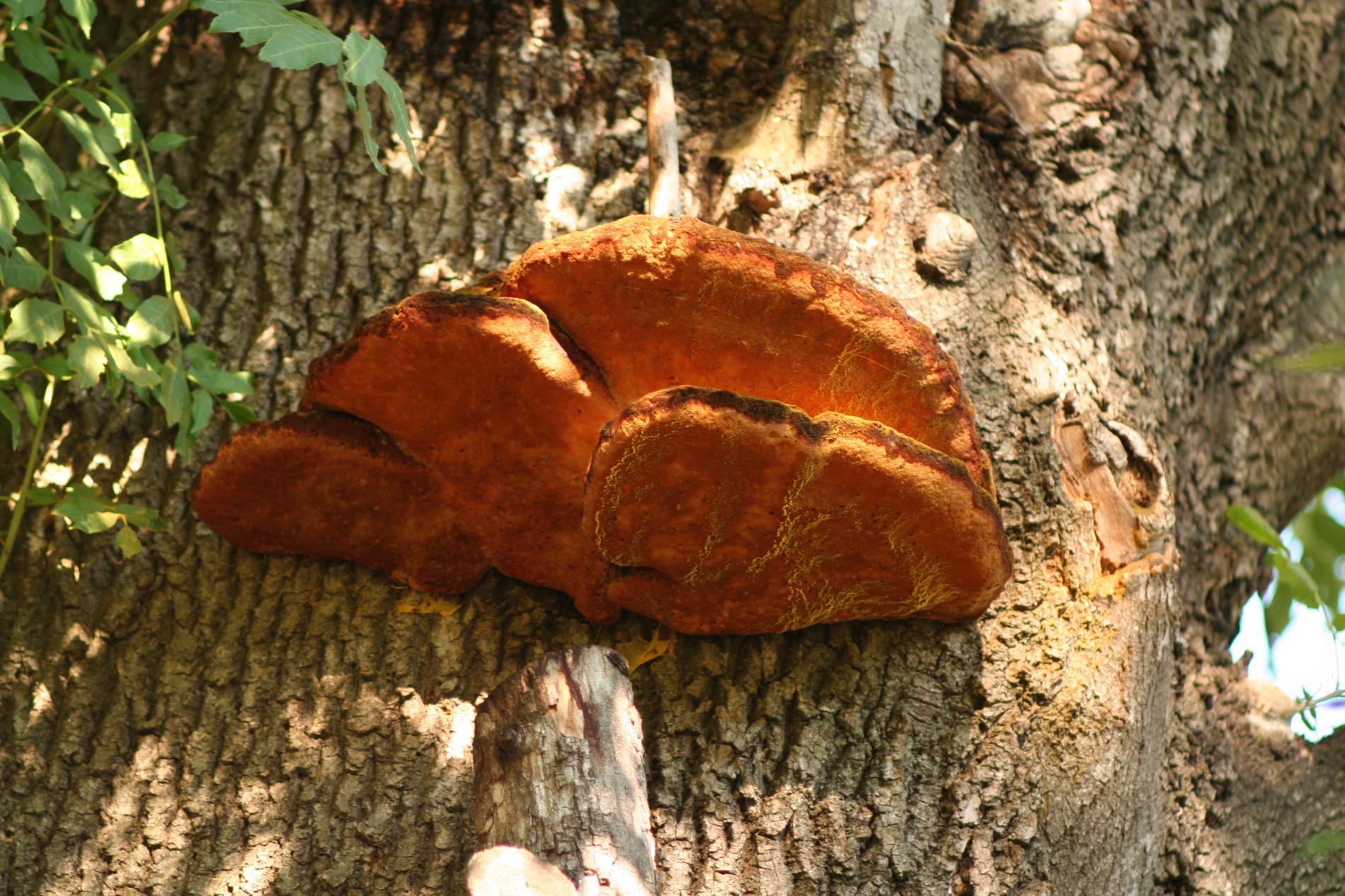
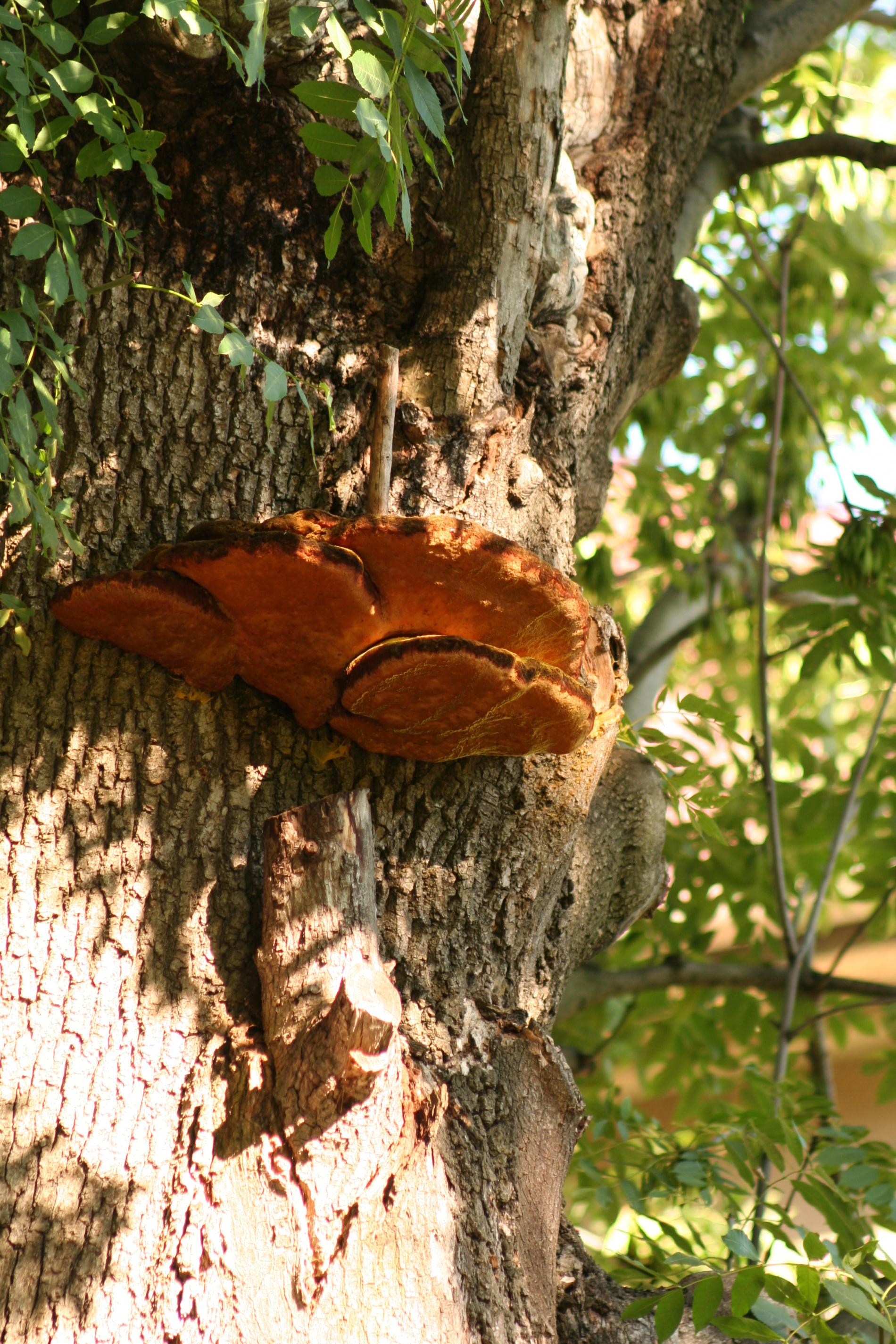
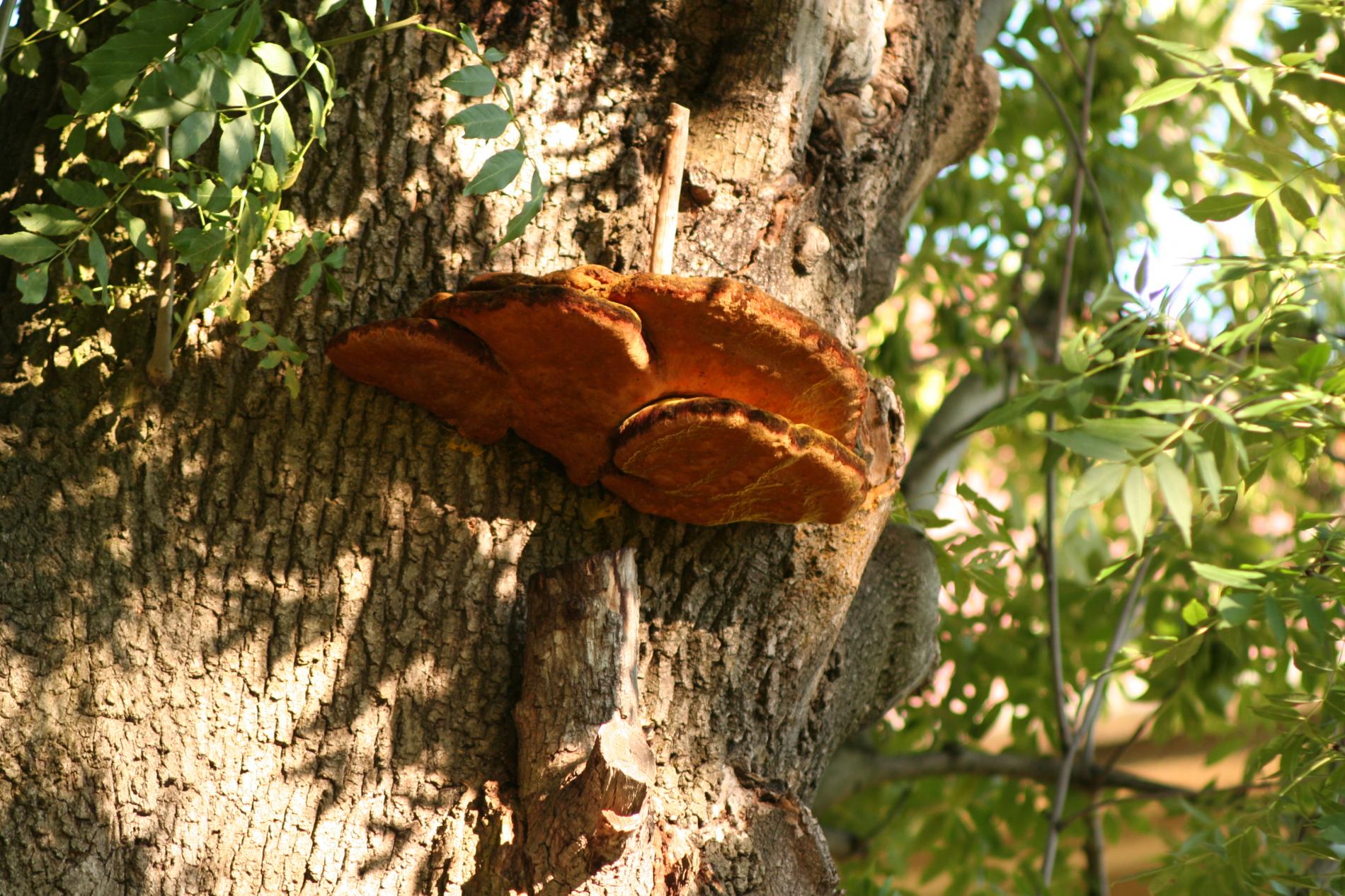
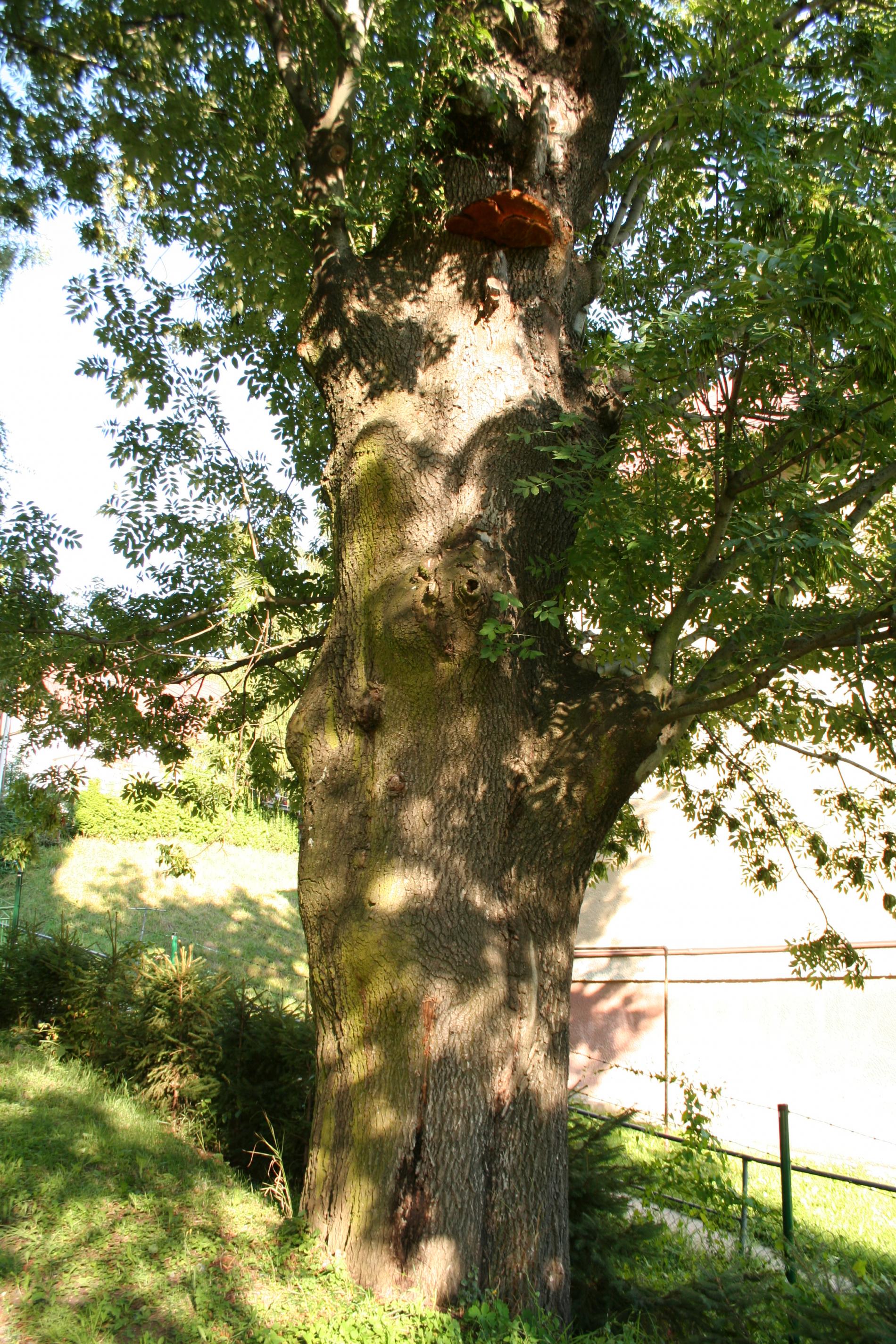
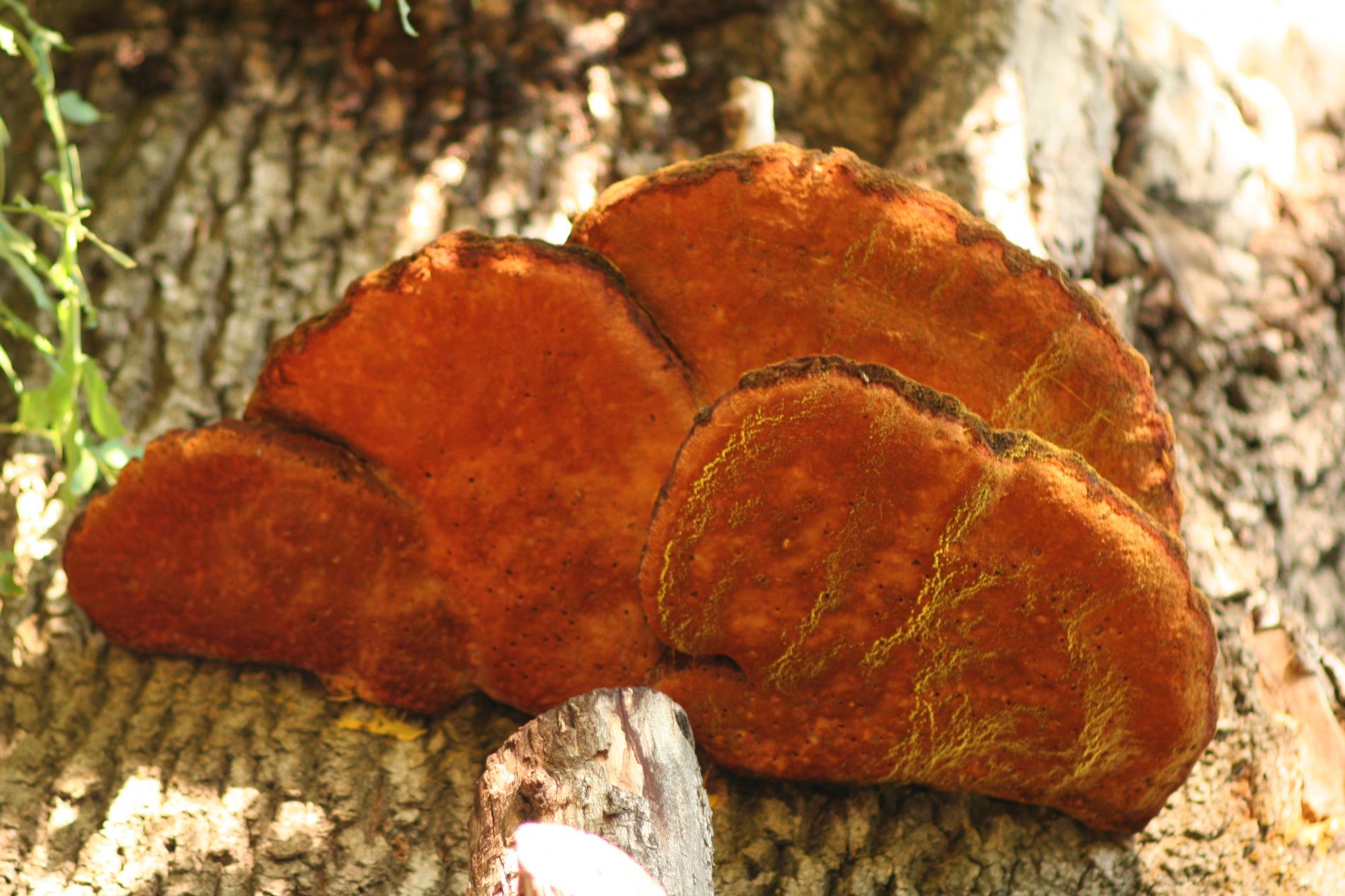
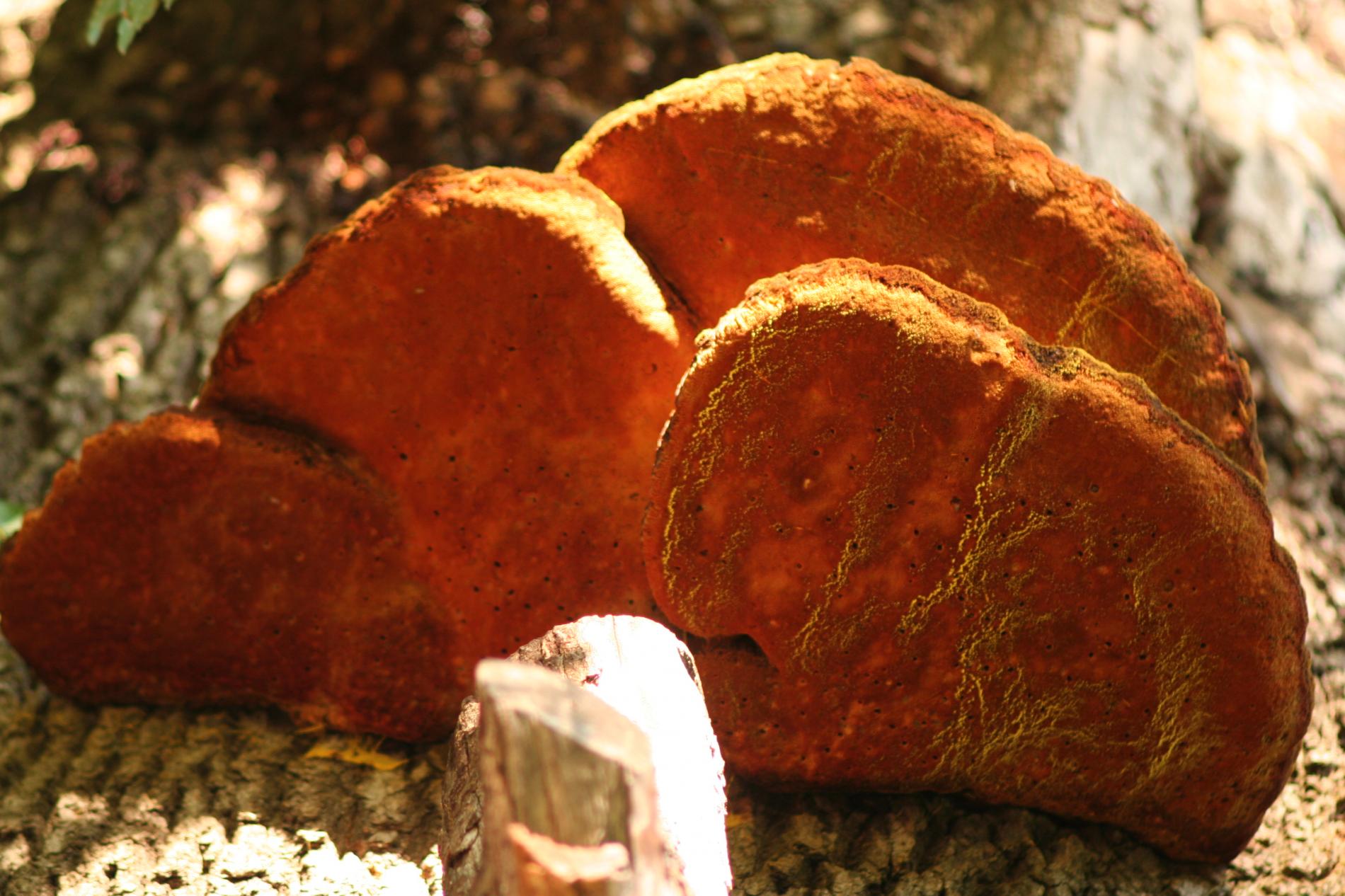
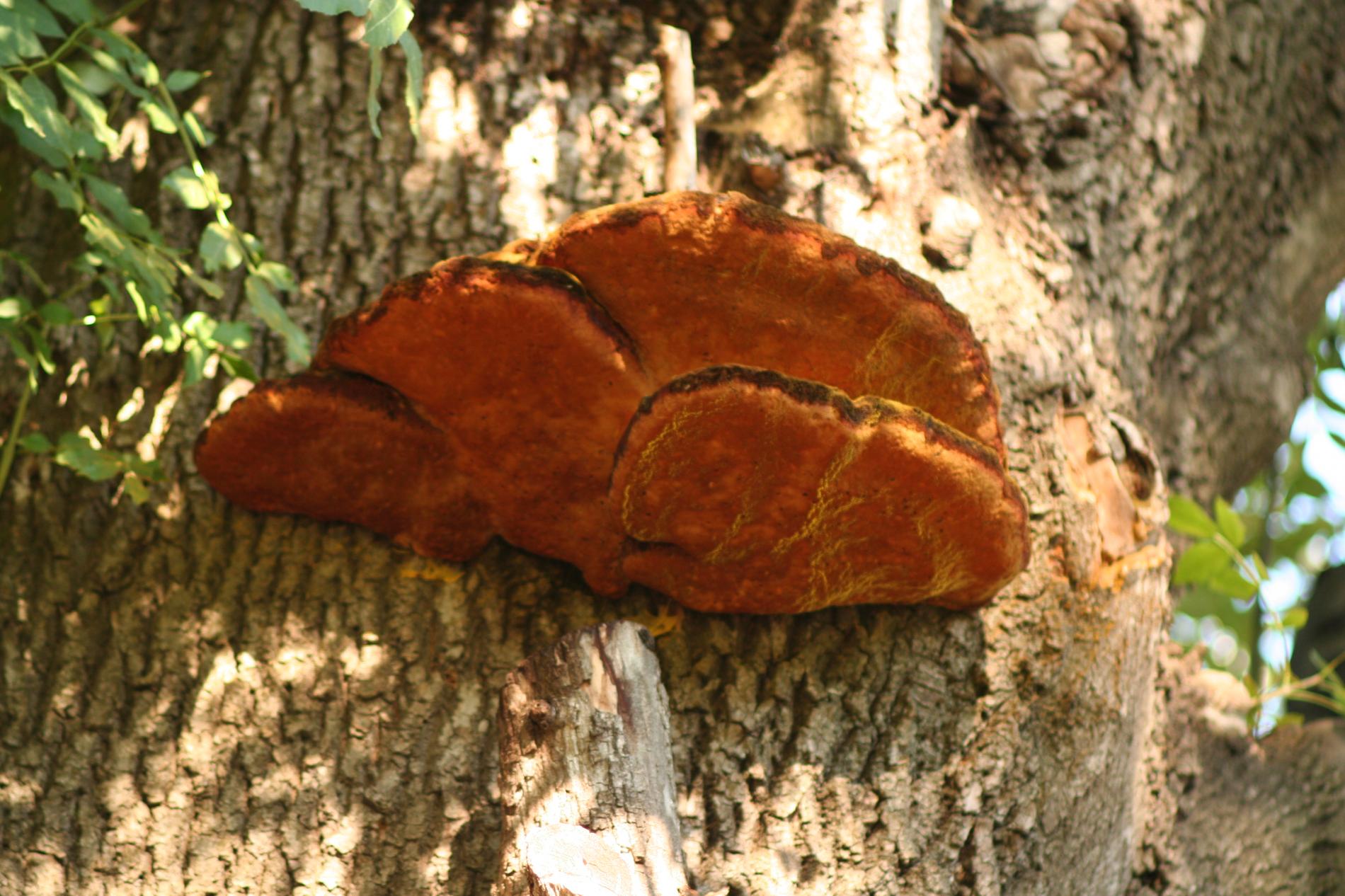
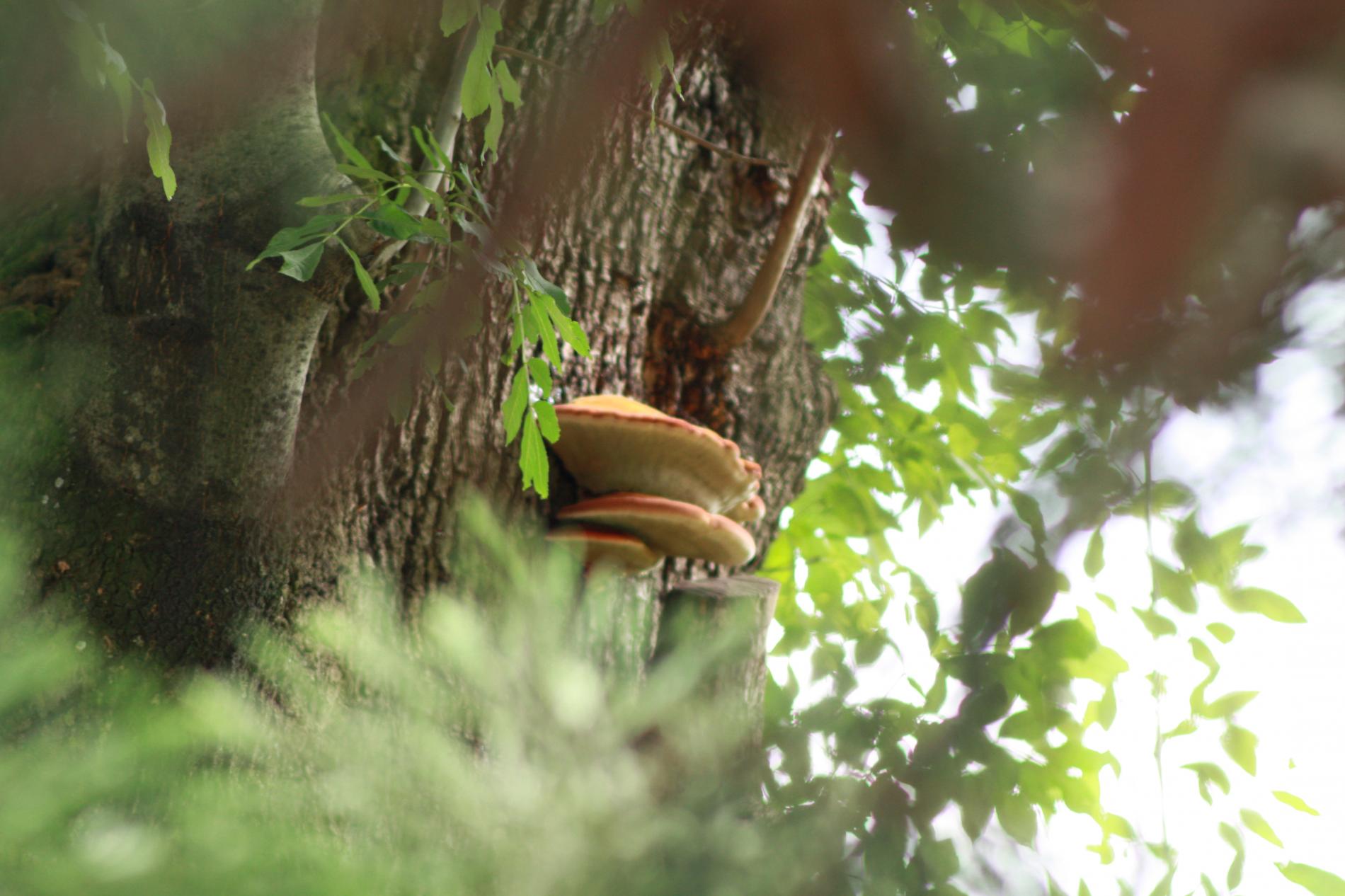
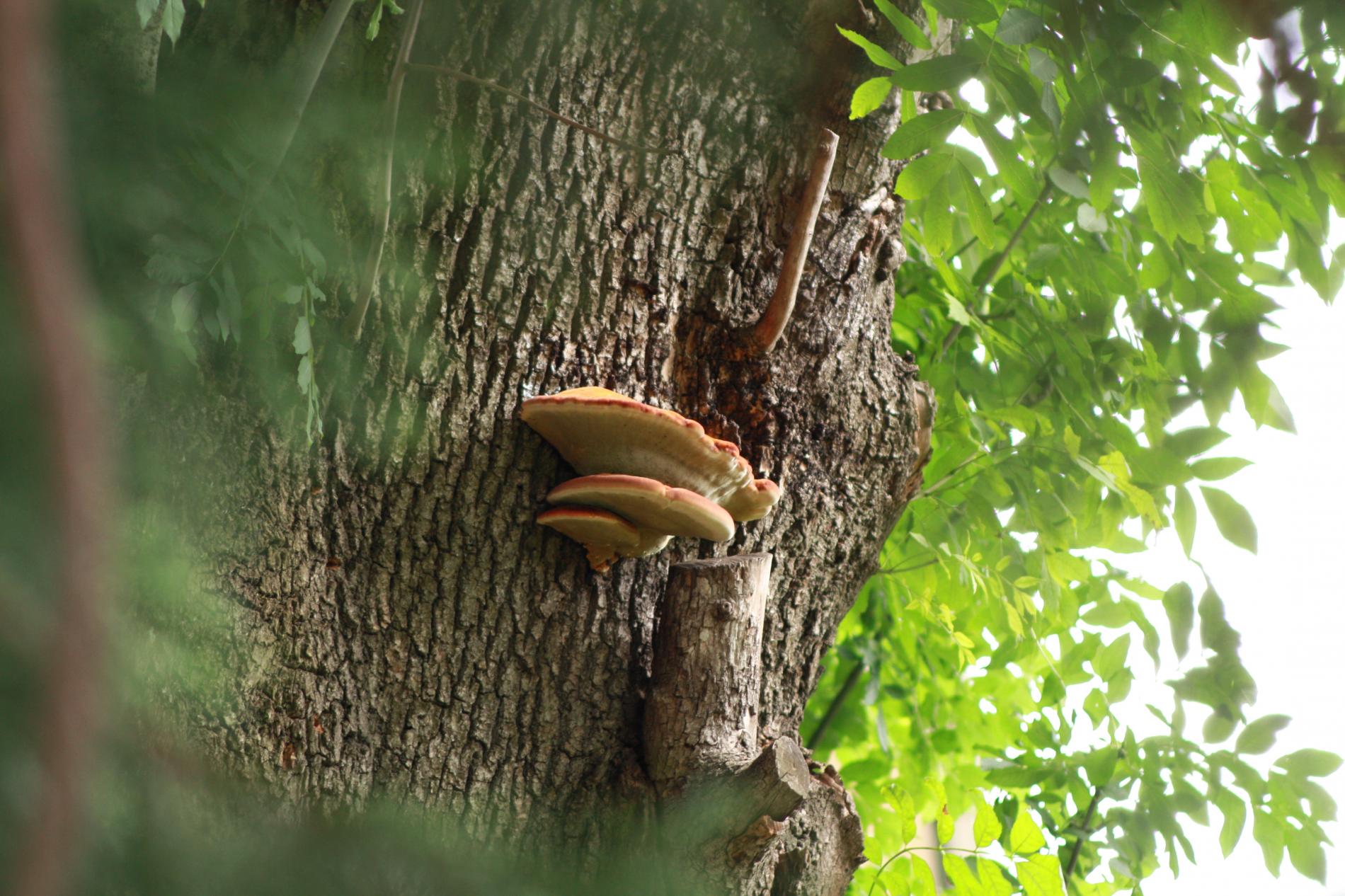
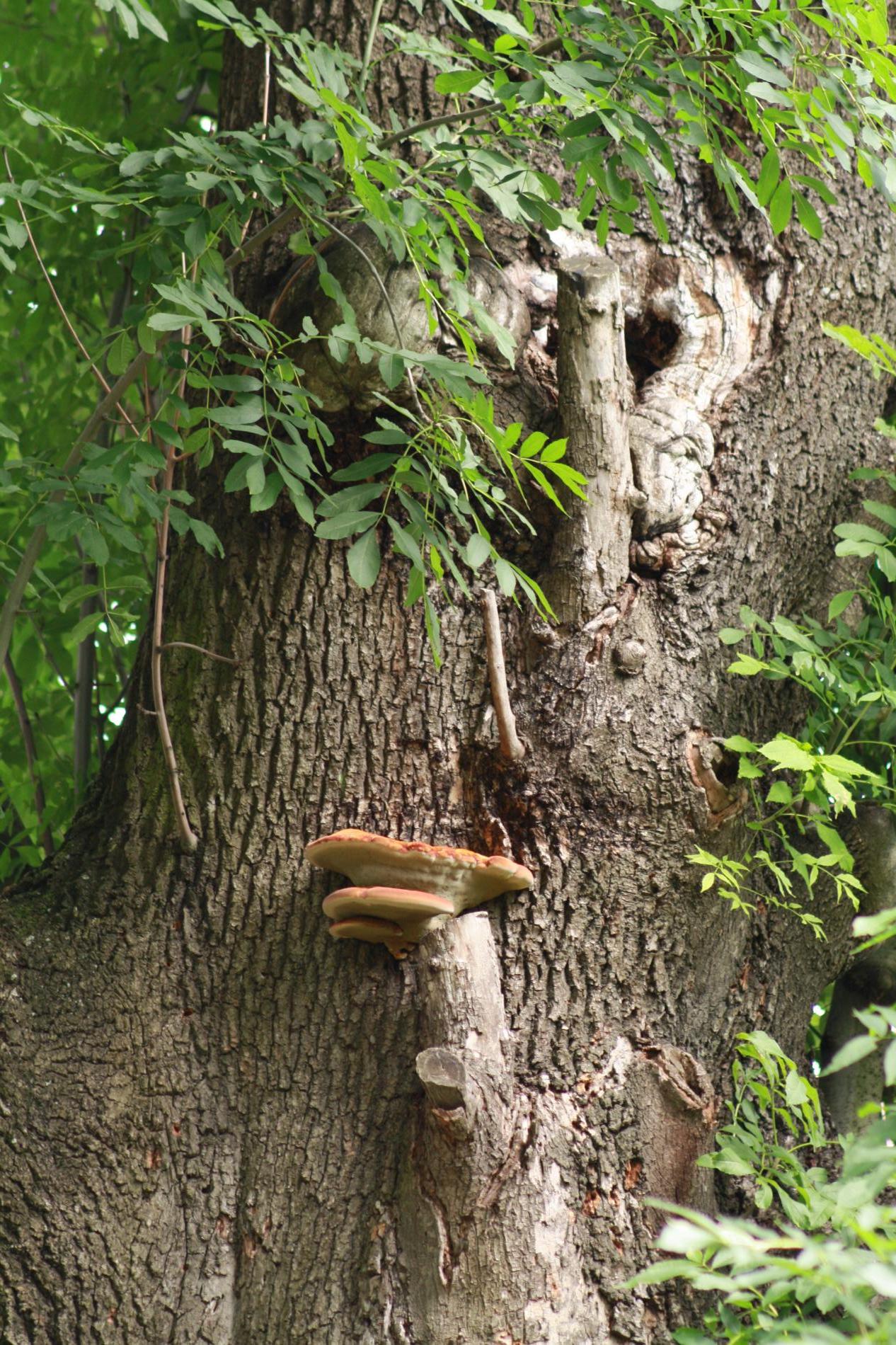
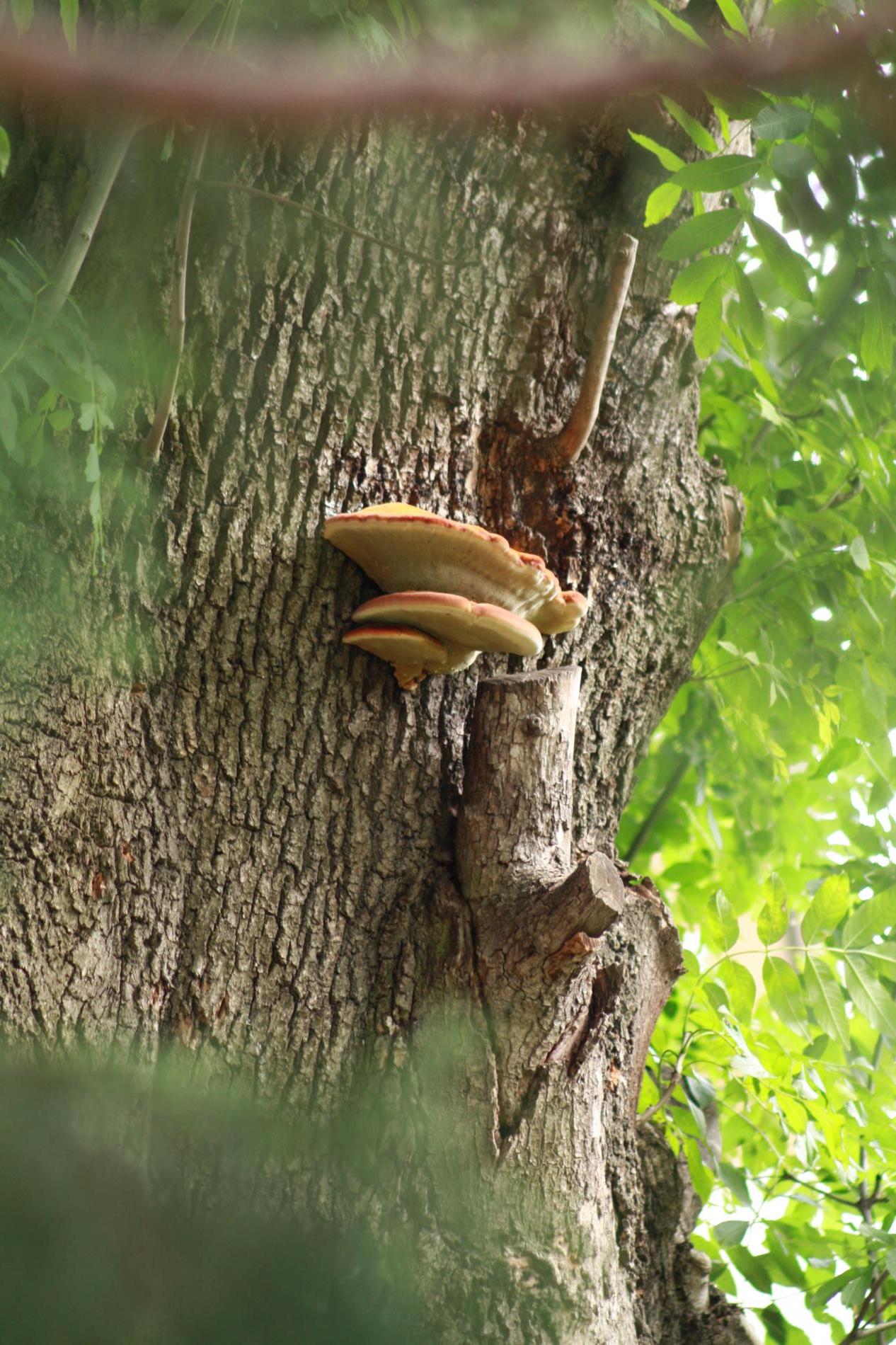
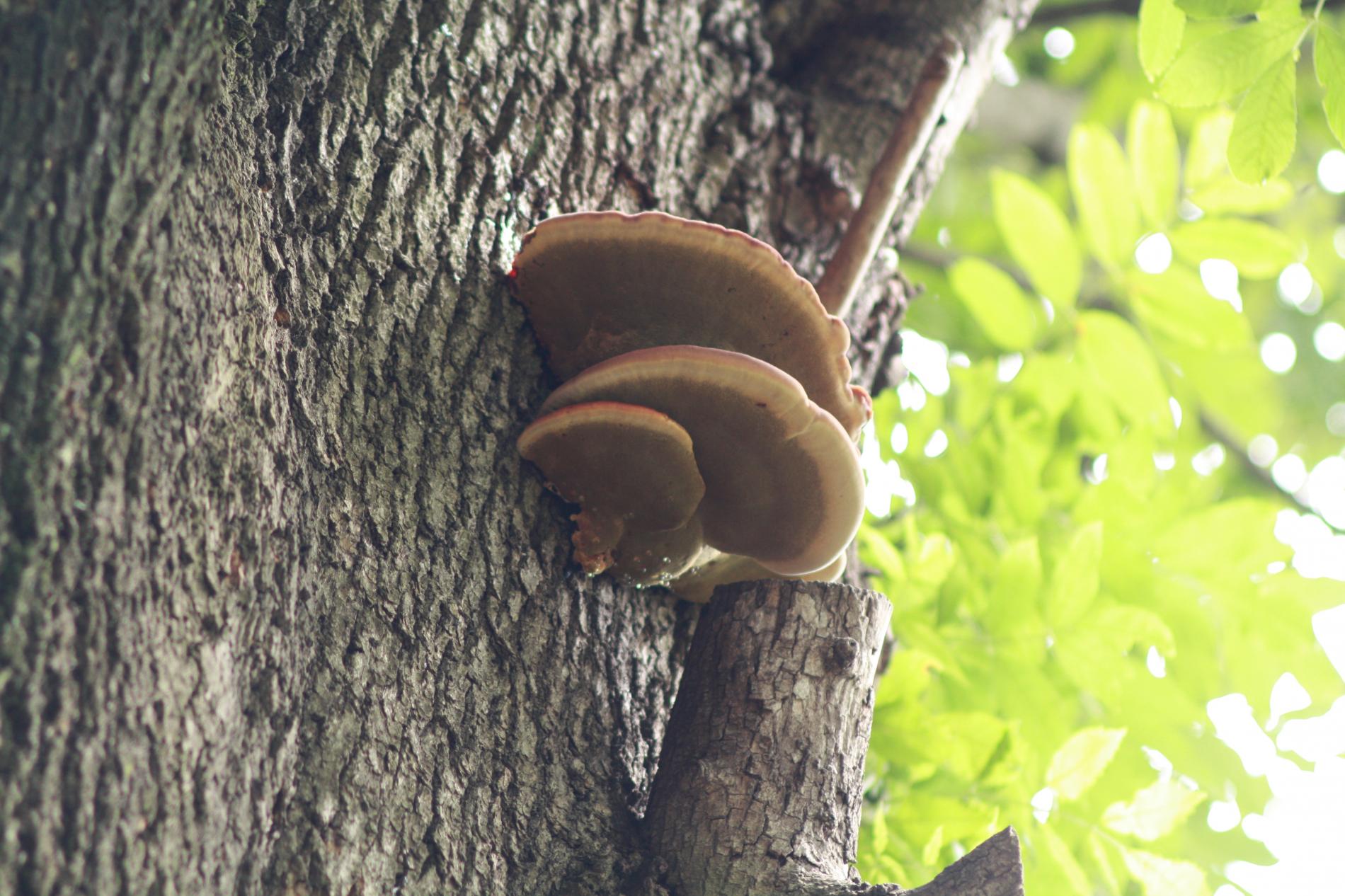
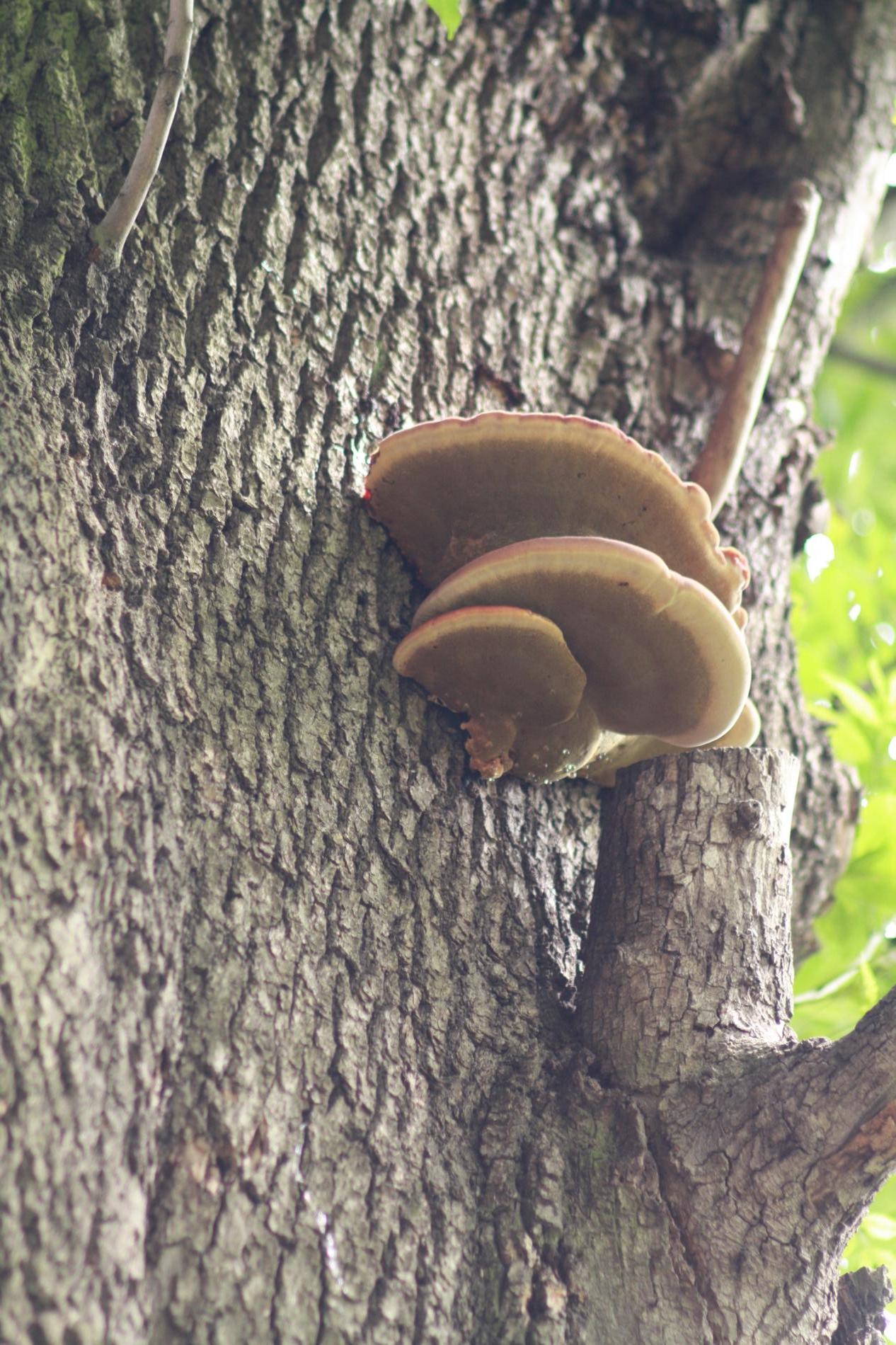
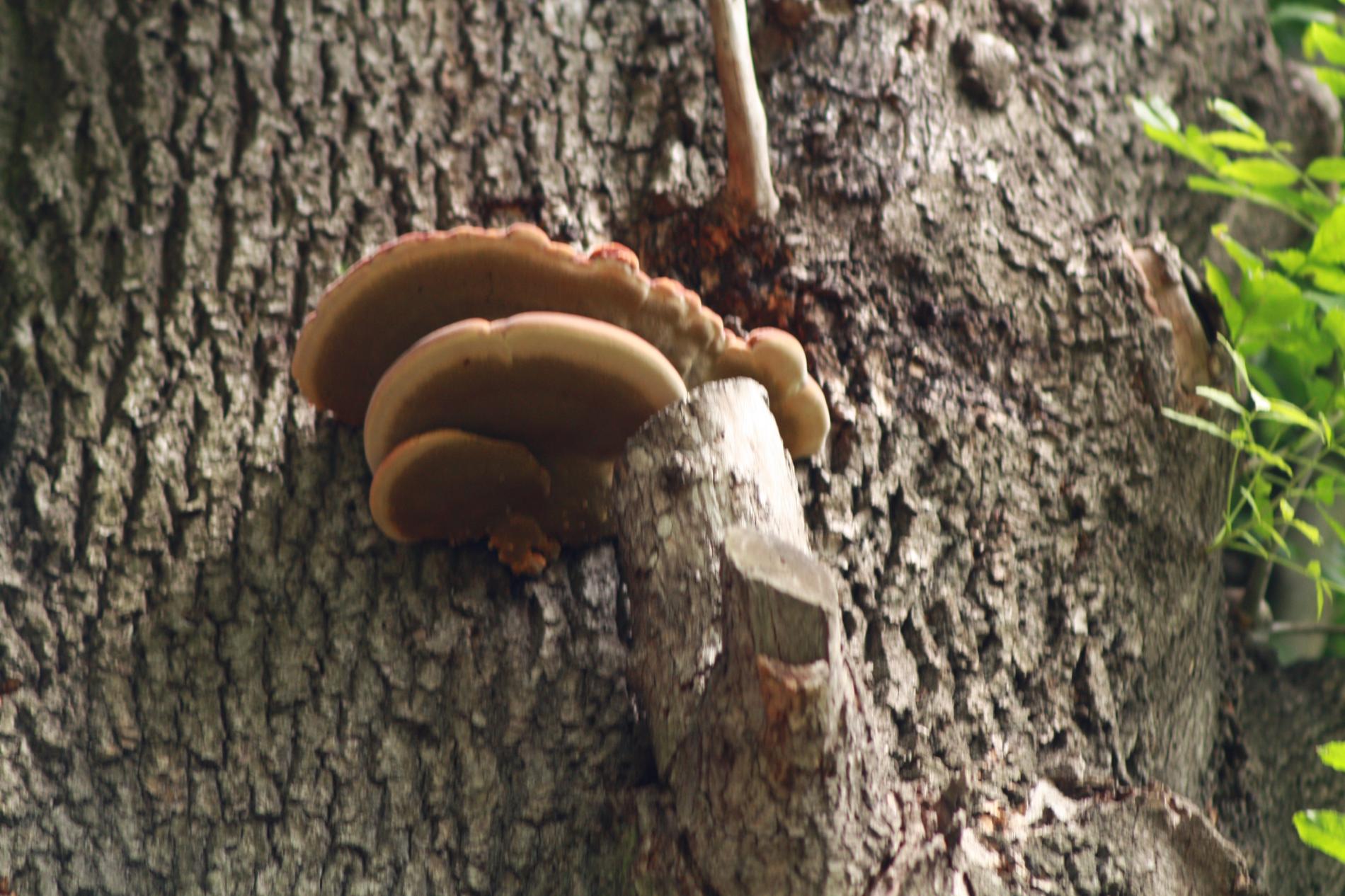
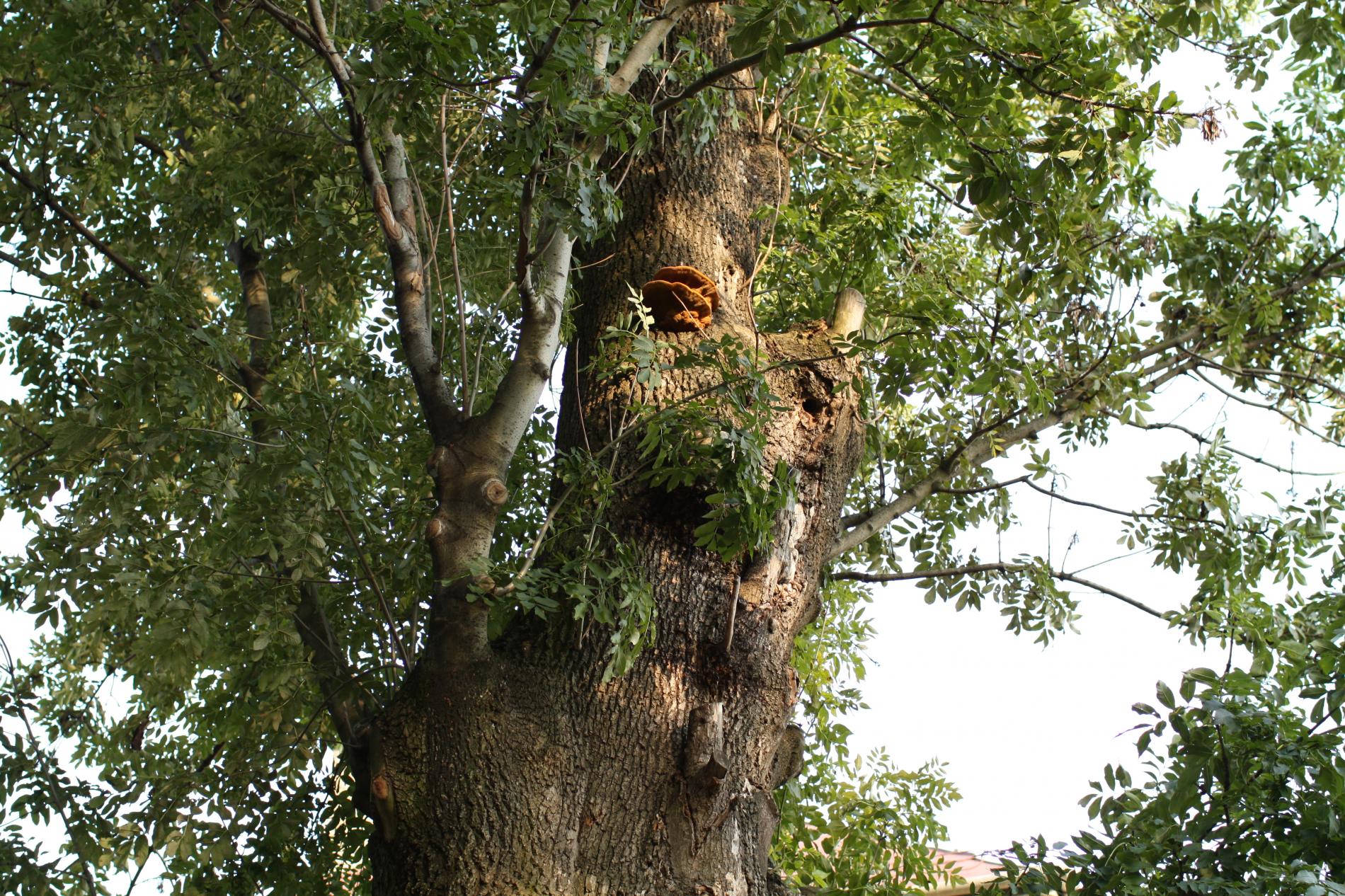
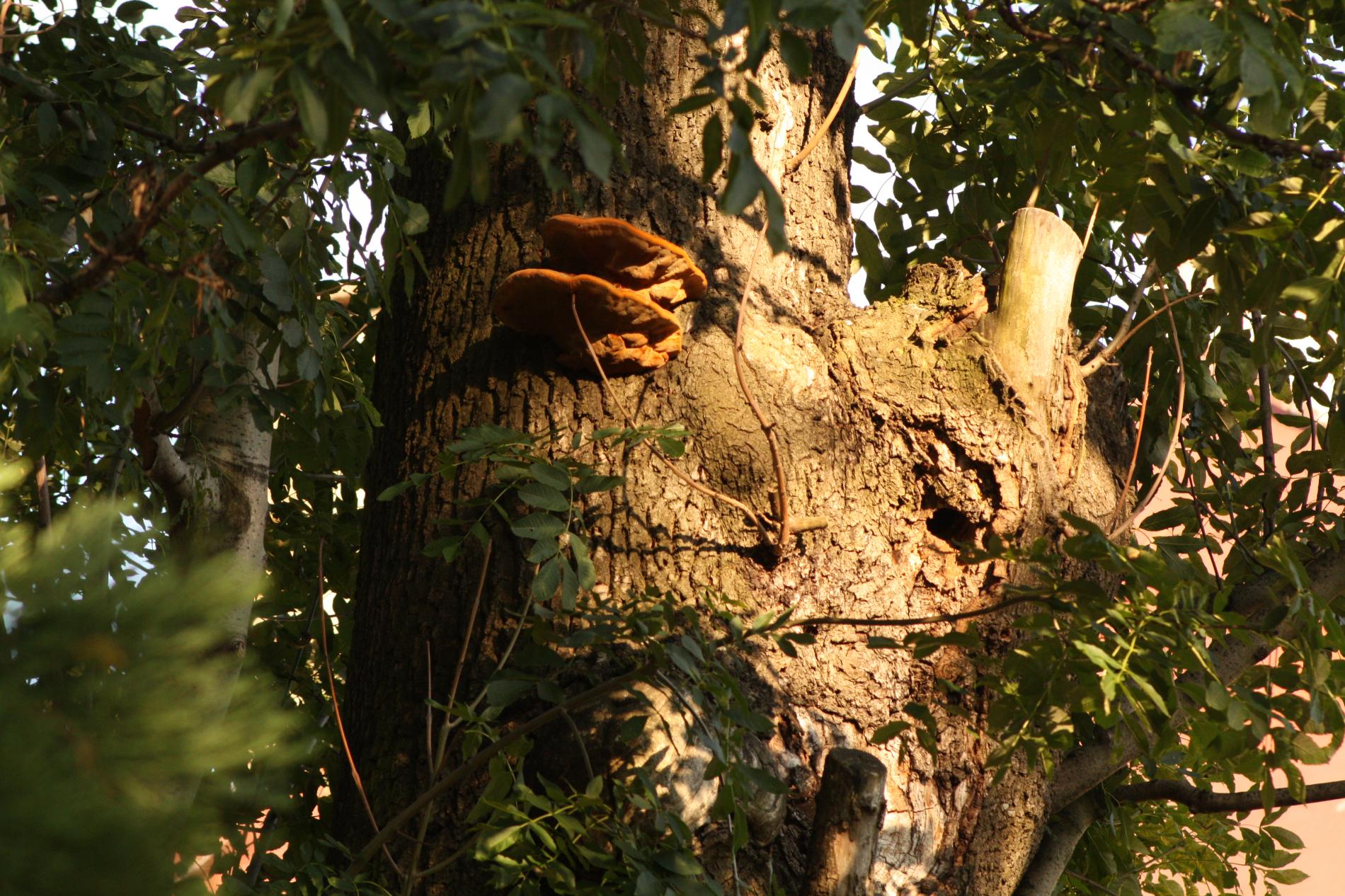
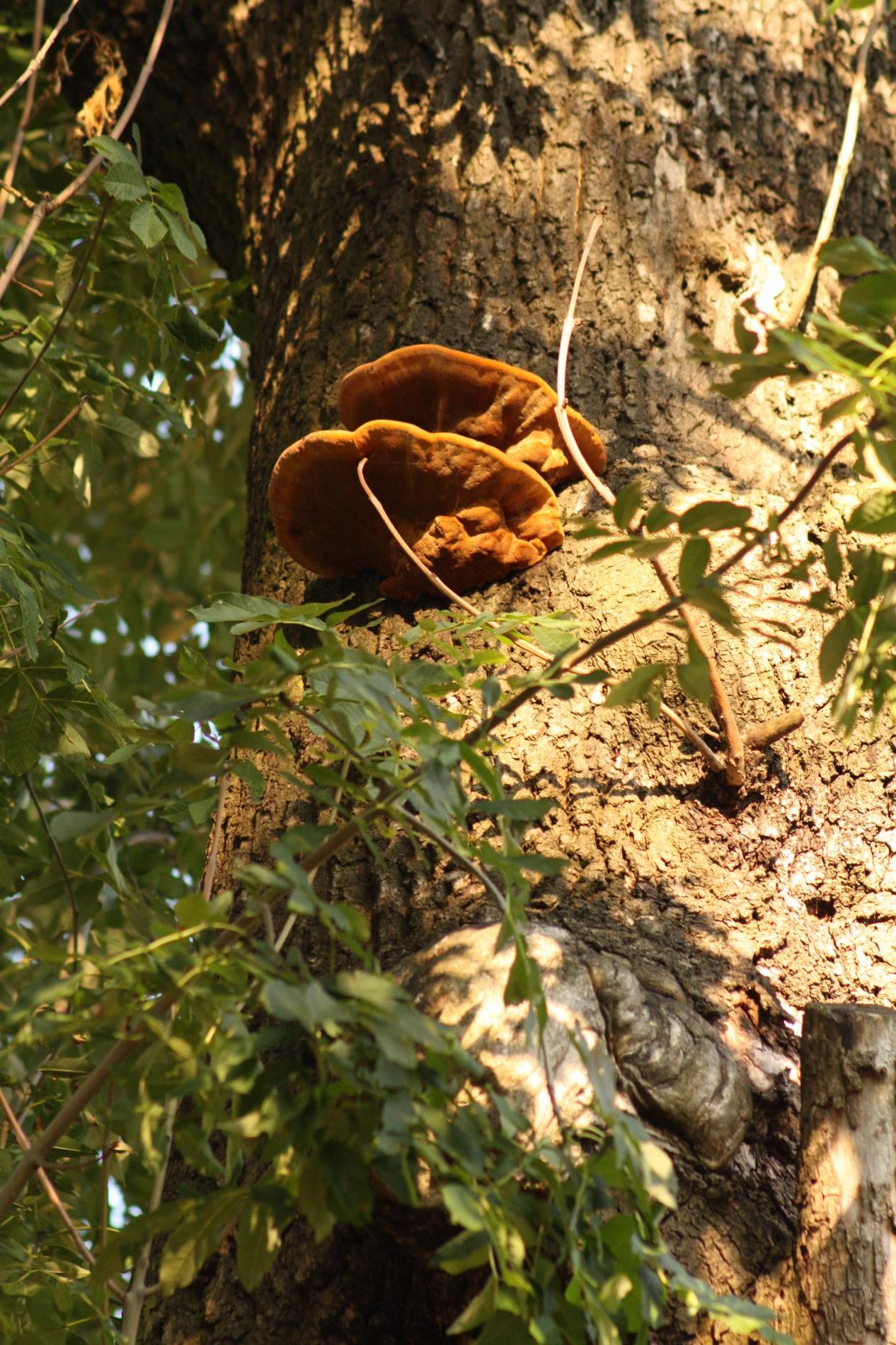
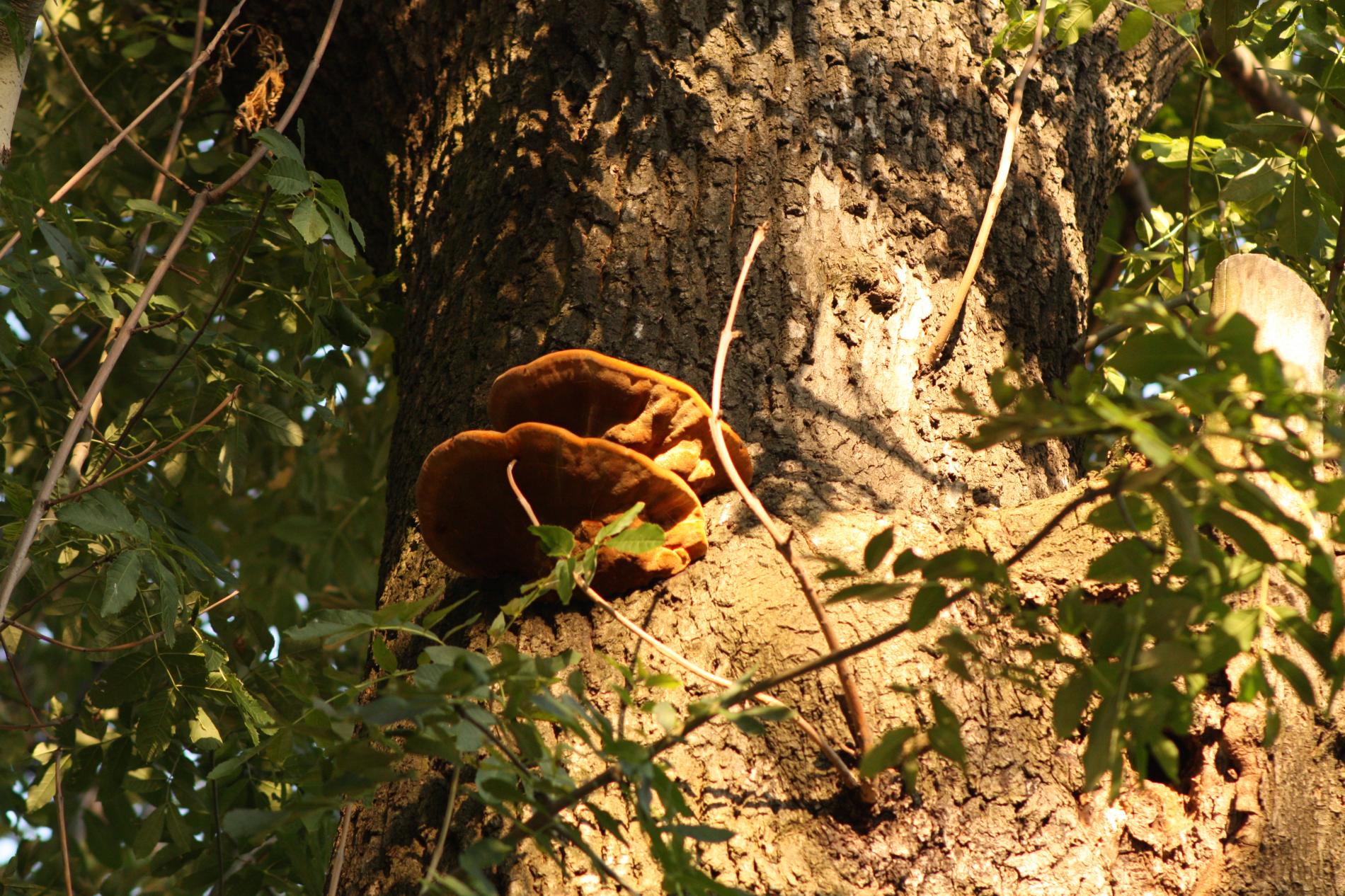
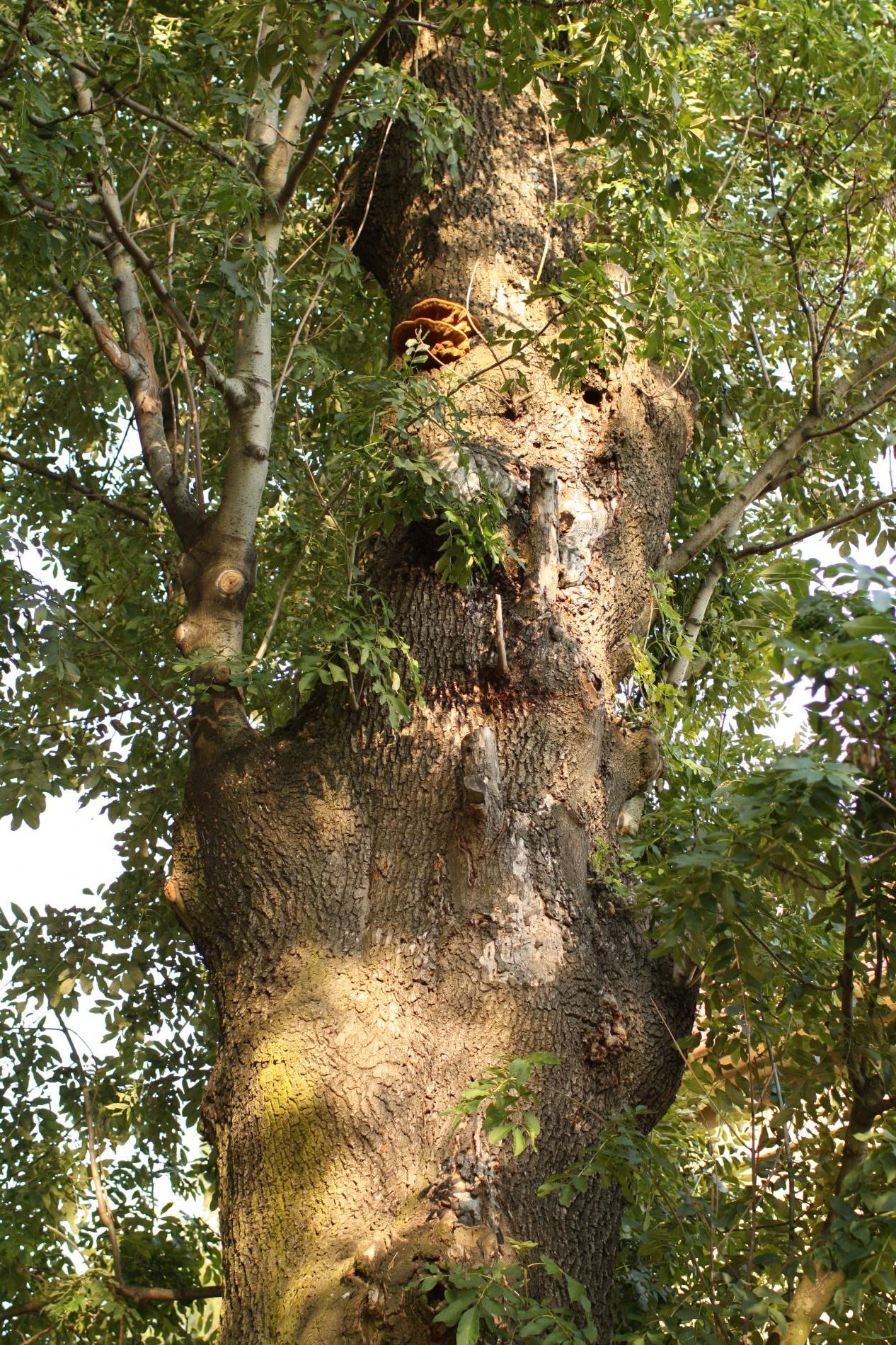
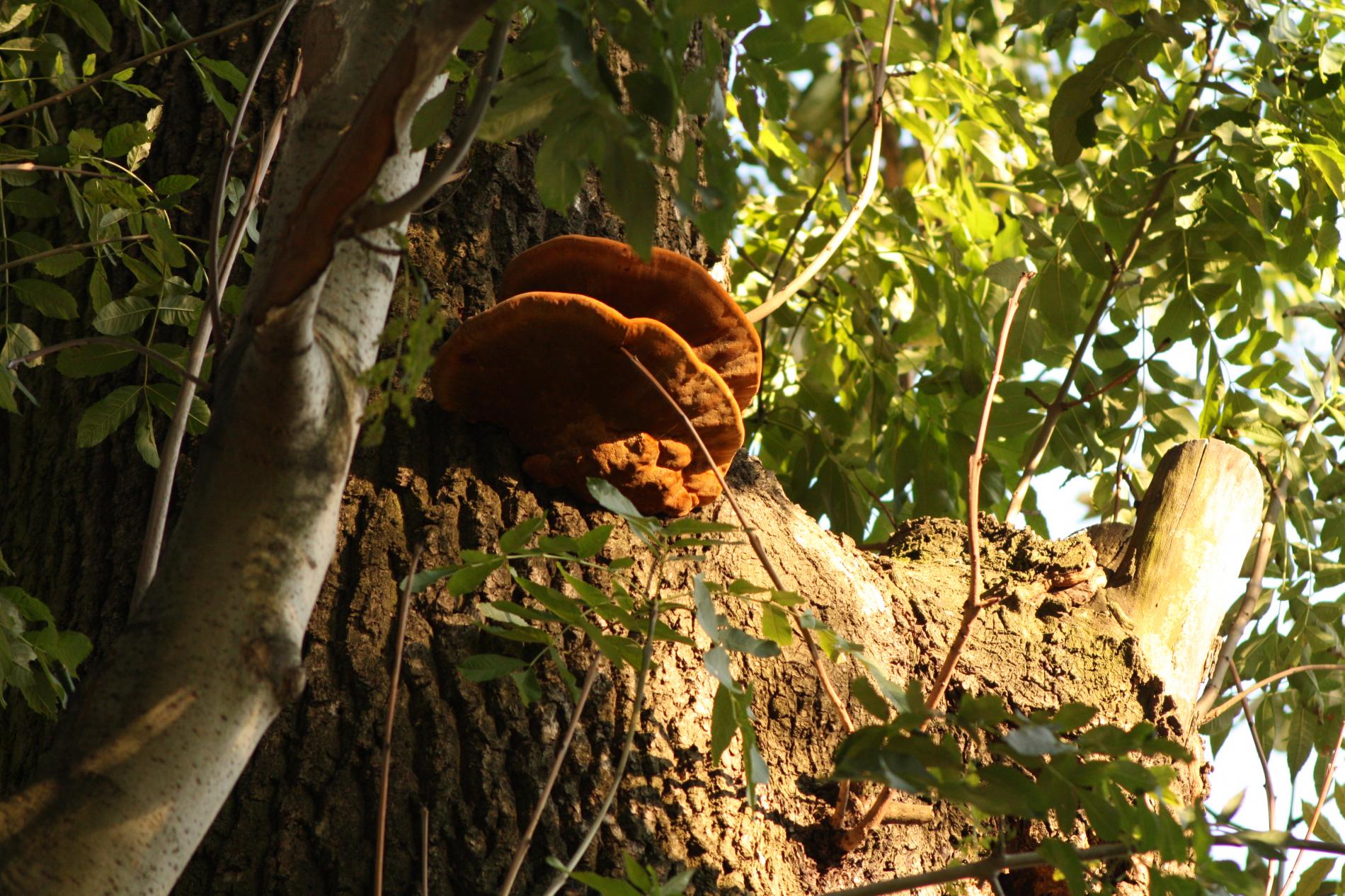
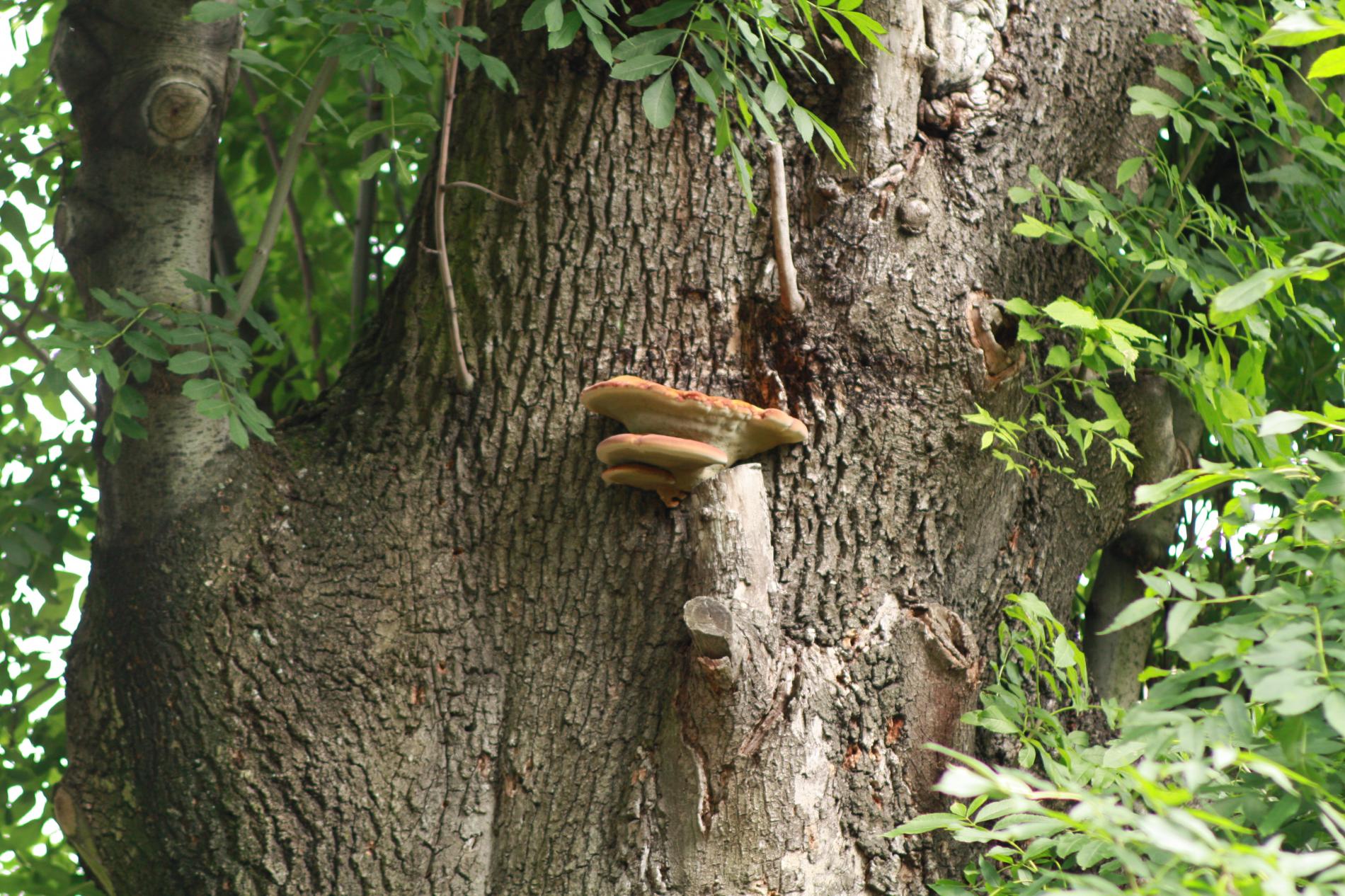
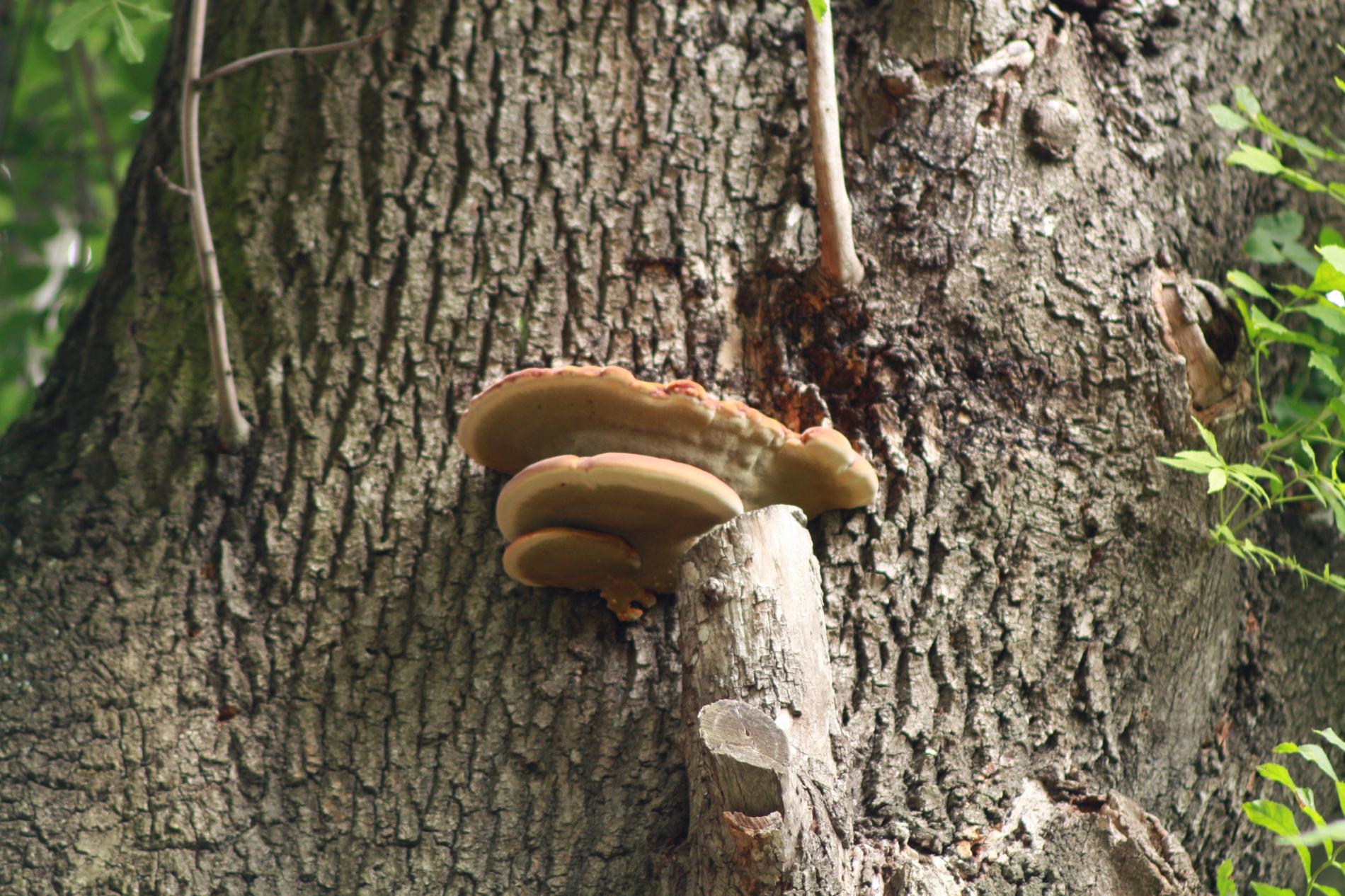
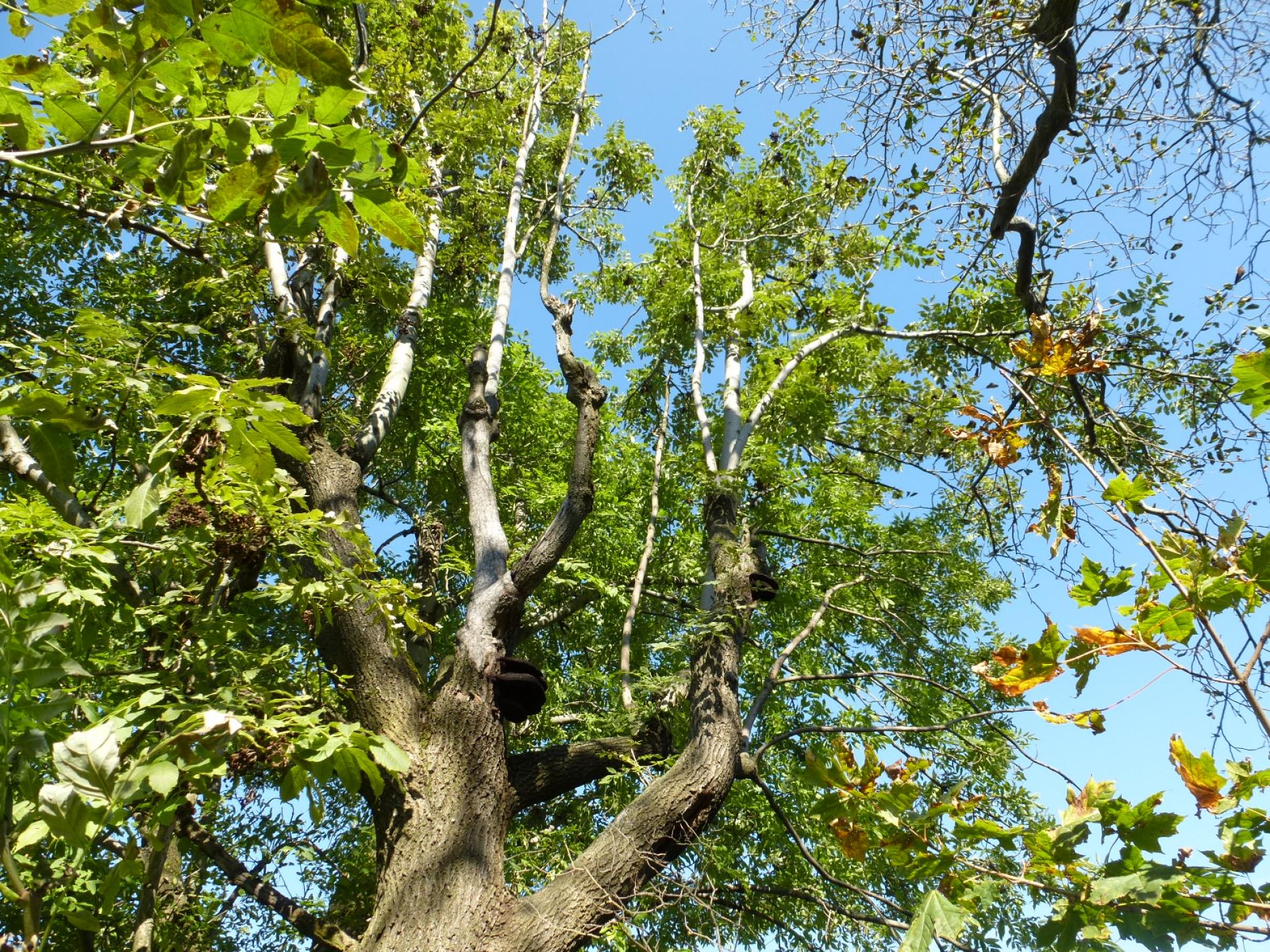
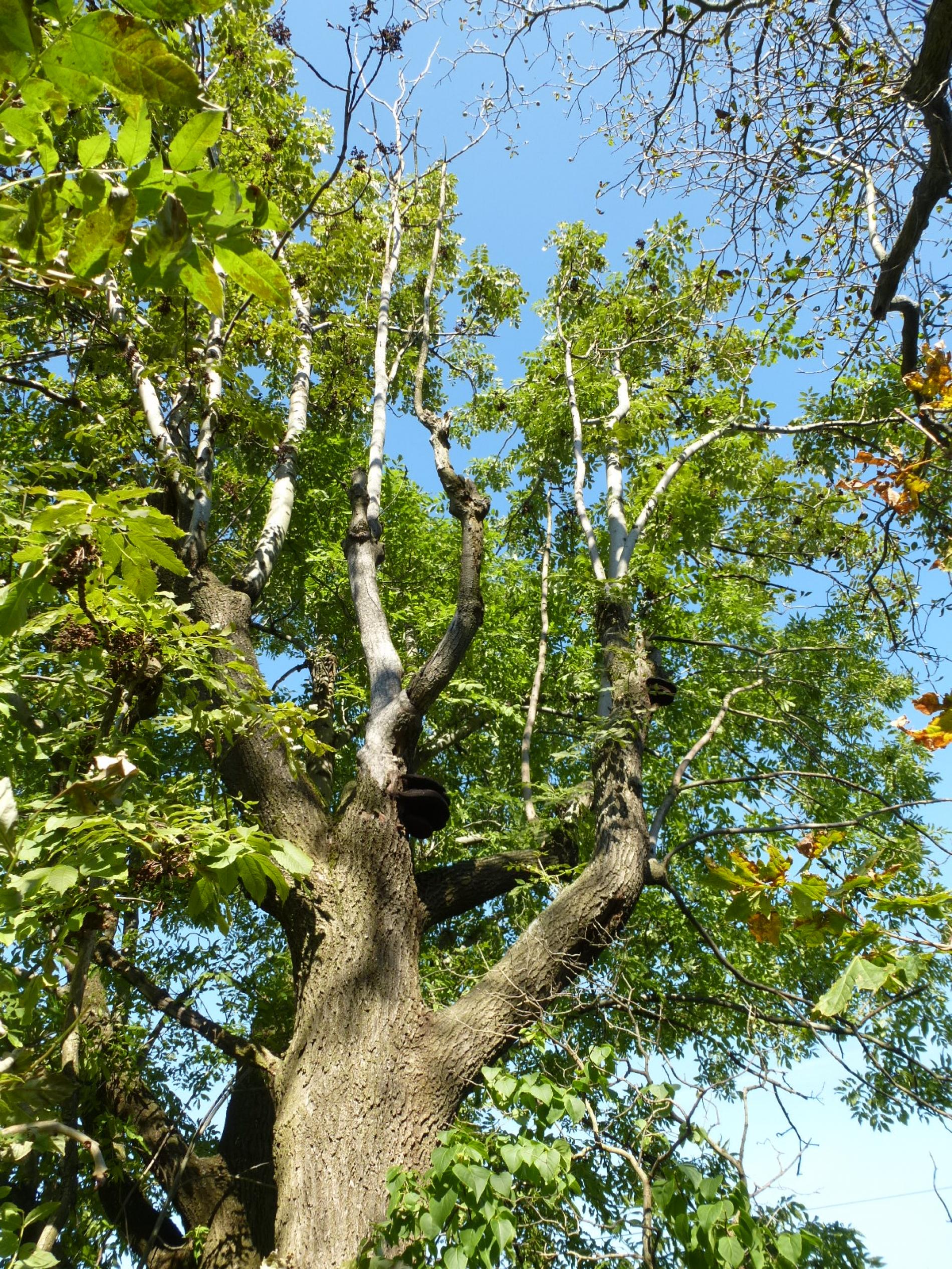
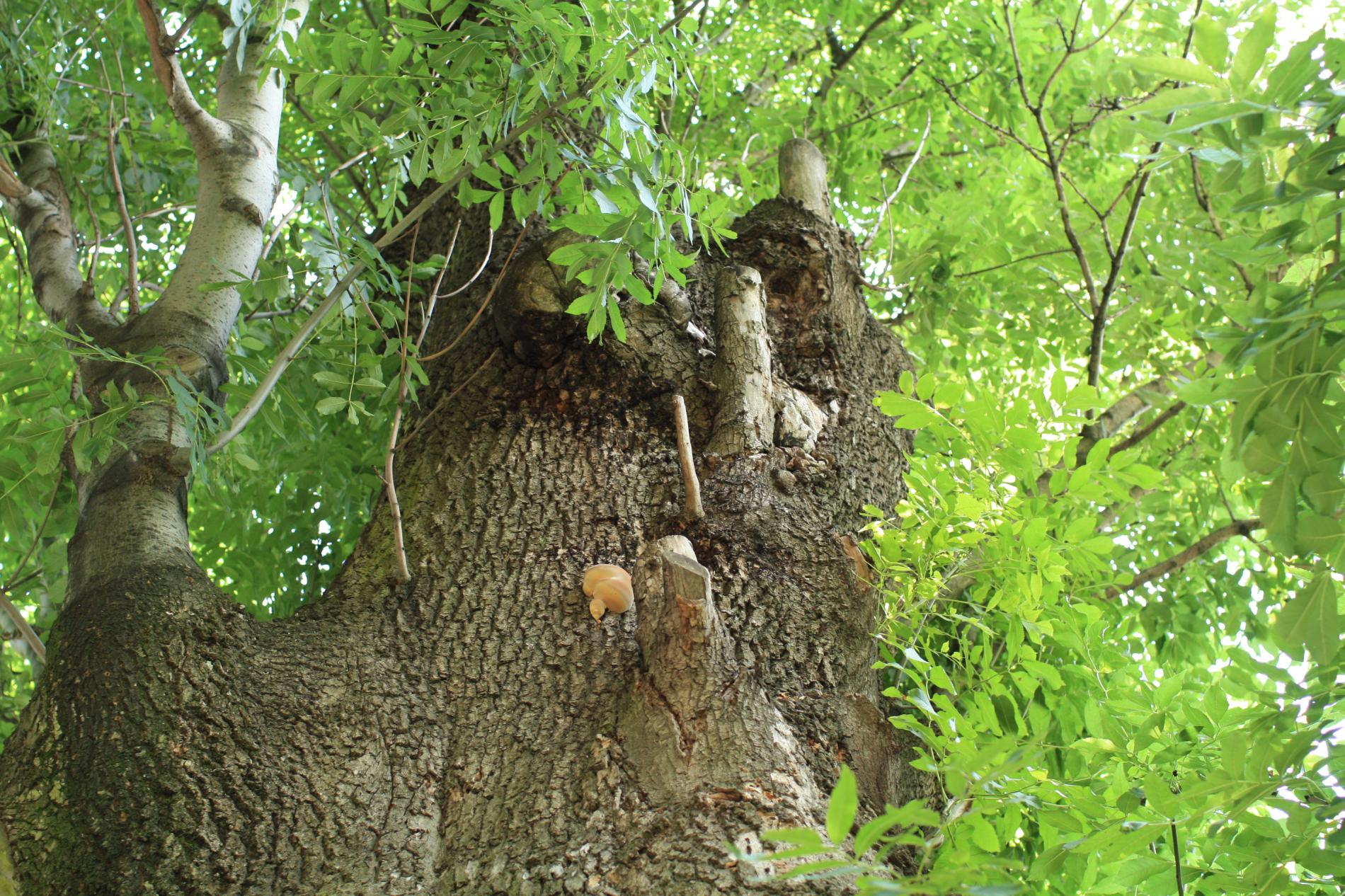
The fruiting bodies are semi-circular, laterally attached, buff-coloured, with a velvety surface that darkens with age. Solitary or in shelved clusters of 2–3 brackets, especially in upper sections of tree trunks (5 or more meters above ground). Incidental symptoms of the infection may be cankerous lumps, formed from wood on the trunk around the fruiting body. Trees are infected through thin branch stubs, physical bark wounds or frost cracks. The mycelium penetrates into the central matured section of the trunk, causing white rot. After 2 or 3 years fruiting bodies appear on the infected area. They grow from July to September, shrink in size in autumn and fall off the trunk in winter. The infection is not severe and trees are able survive for many years.
Coarse, massive fruiting body on the trunk.
Tree Species: Apple Tree, Ash, Plane, Sophora
Part of a plant- attacked: Tree trunk
Pest significance: Less harmful
Pest Category: Fungi
Invasive Species: No
Present in EU: Yes
Pest group: Fungi
Affected part of wood: Heartwood, Sapwood
Depth of damages: More than 5 cm depth, Under bark only, Up to 0,5 cm depth, Up to 2 cm depth, Up to 5 cm depth
The extent of damage: Whole trunk
Prevalence in Europe: Common
Damaged products: Firewood, Fresh timber logs (water still in the sapwood), Furniture, Lumber, boards and prisms, Wooden house constructions
Roundwood size: Diameter 50+, Diameter from 10 up to 50 cm
Wood discoloration: Yes
Pest subcategory: White-rot
Similar pests

Inonotus dryadeus

Inonotus cuticularis
