


Hylecoetus dermestoides
Large timberworm
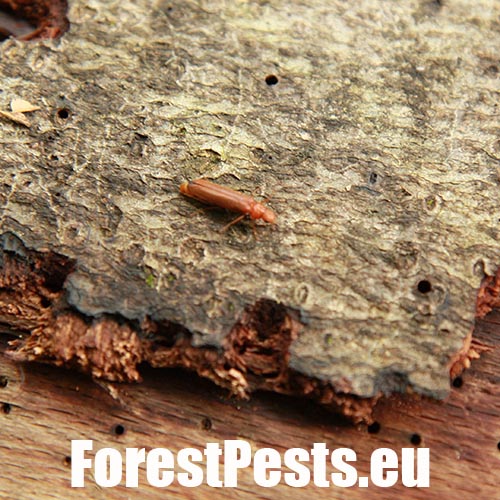
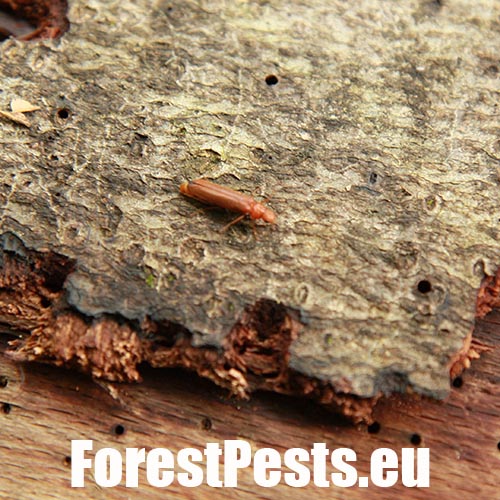
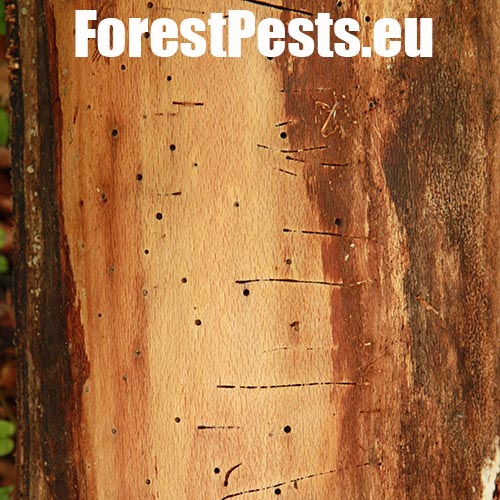
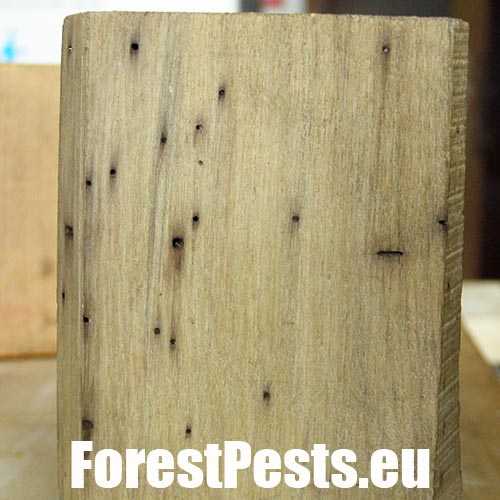
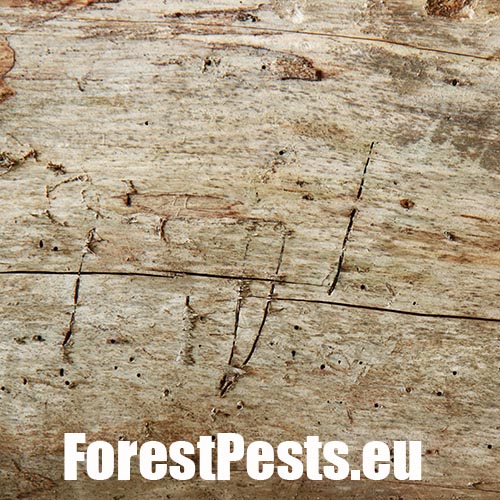
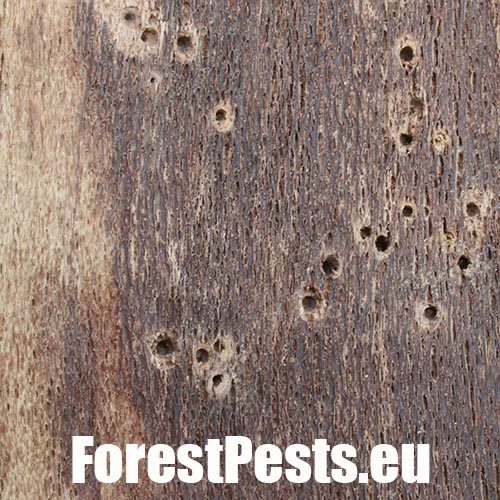
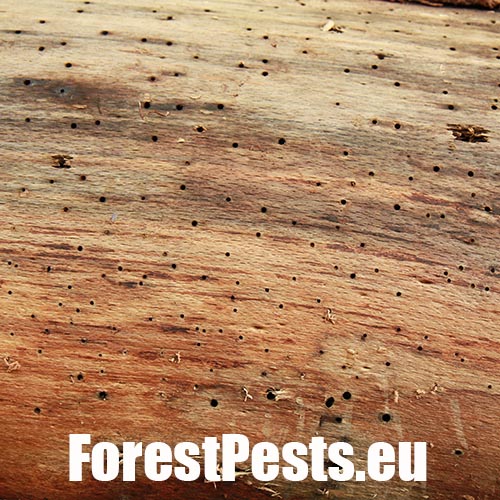
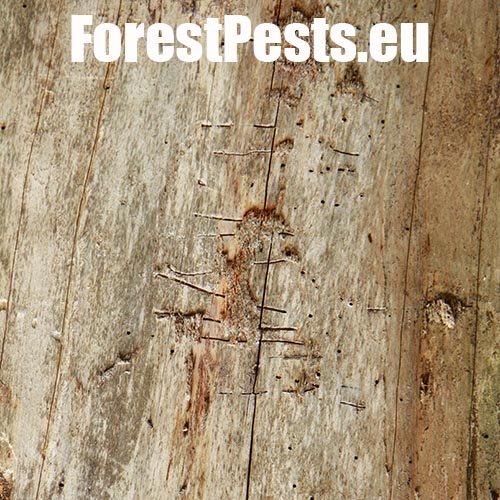
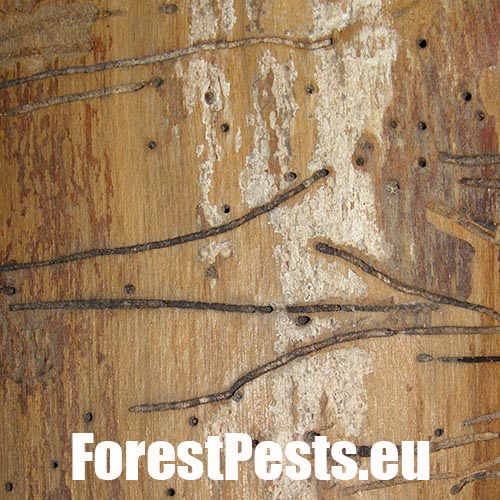
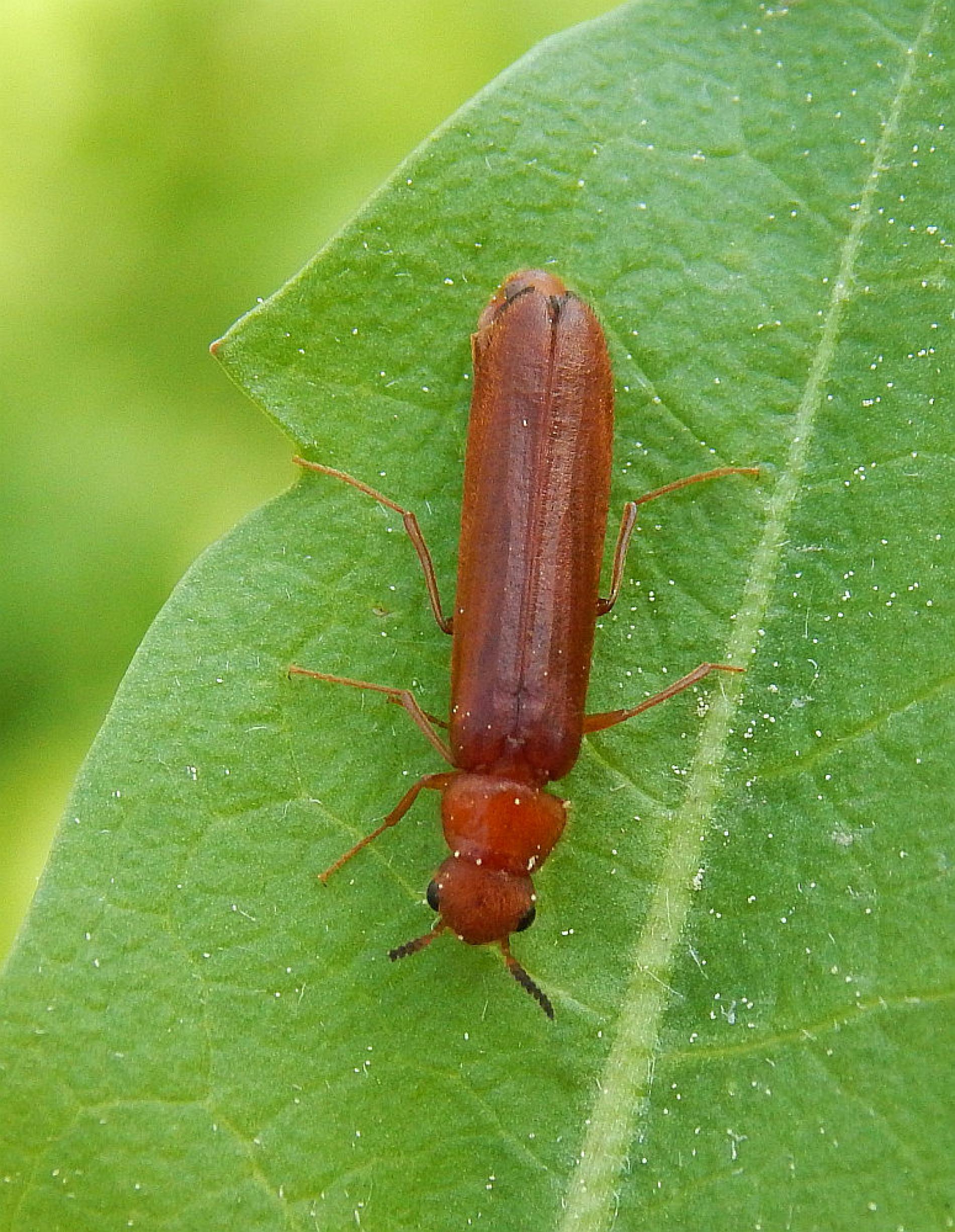
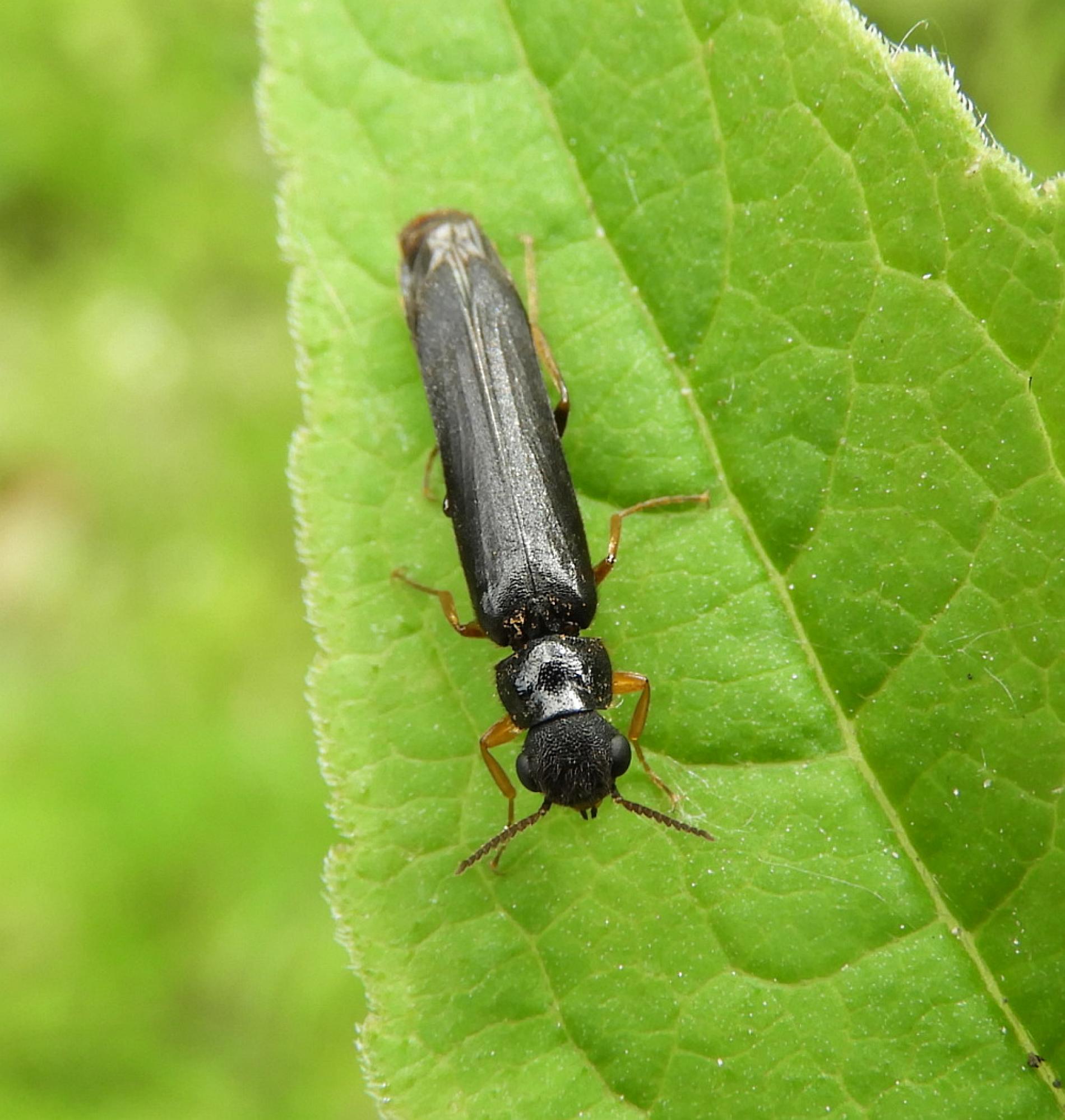
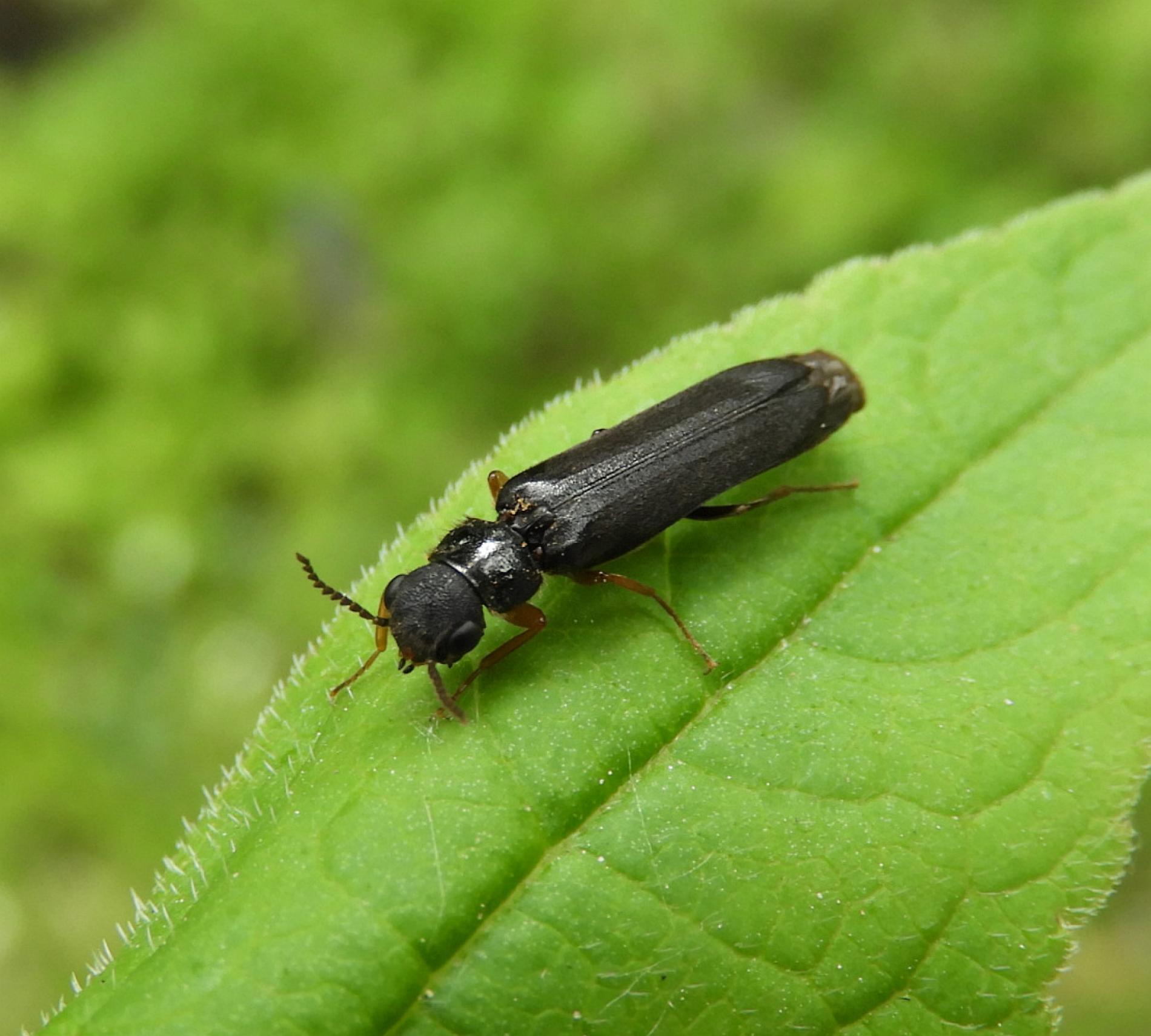
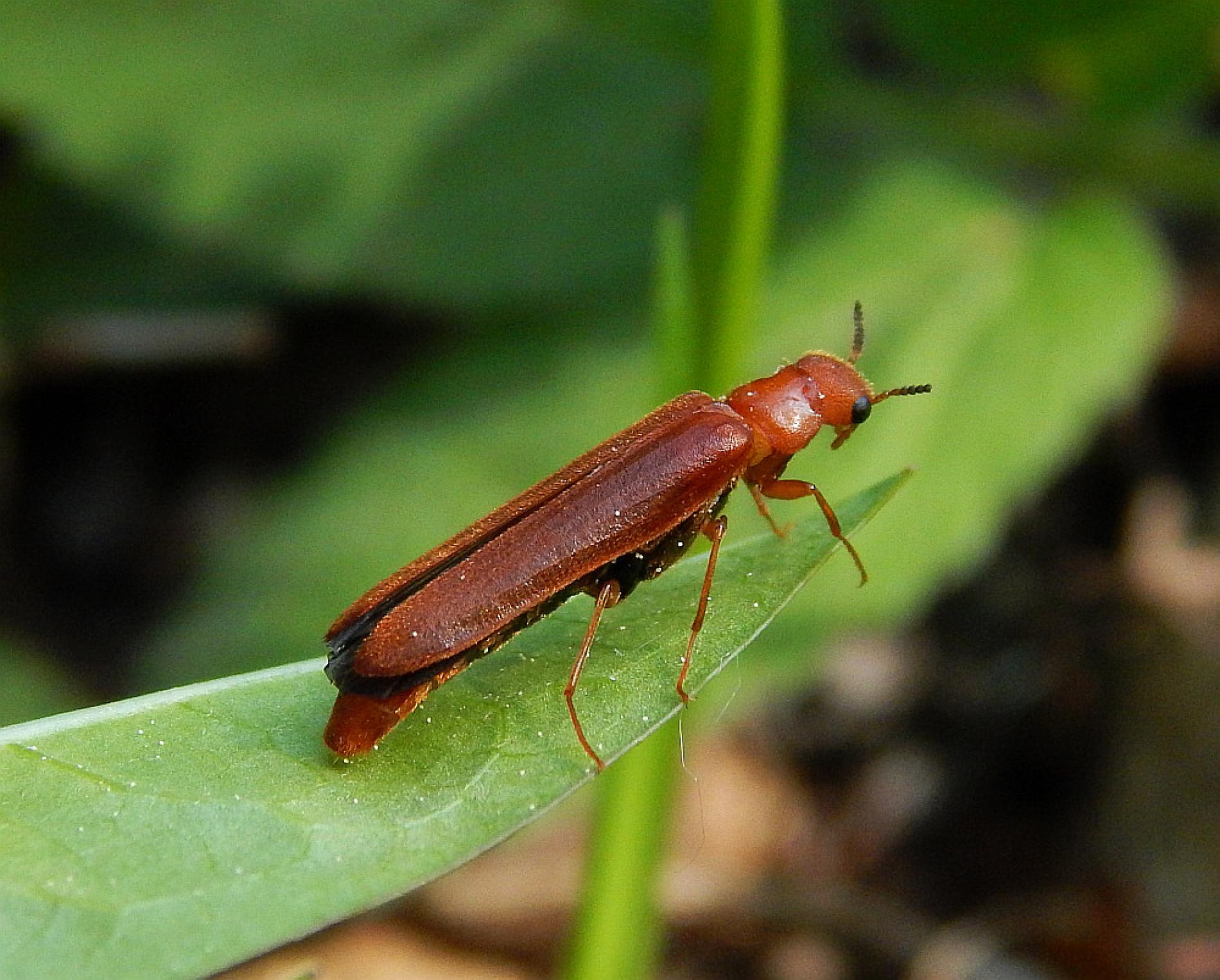
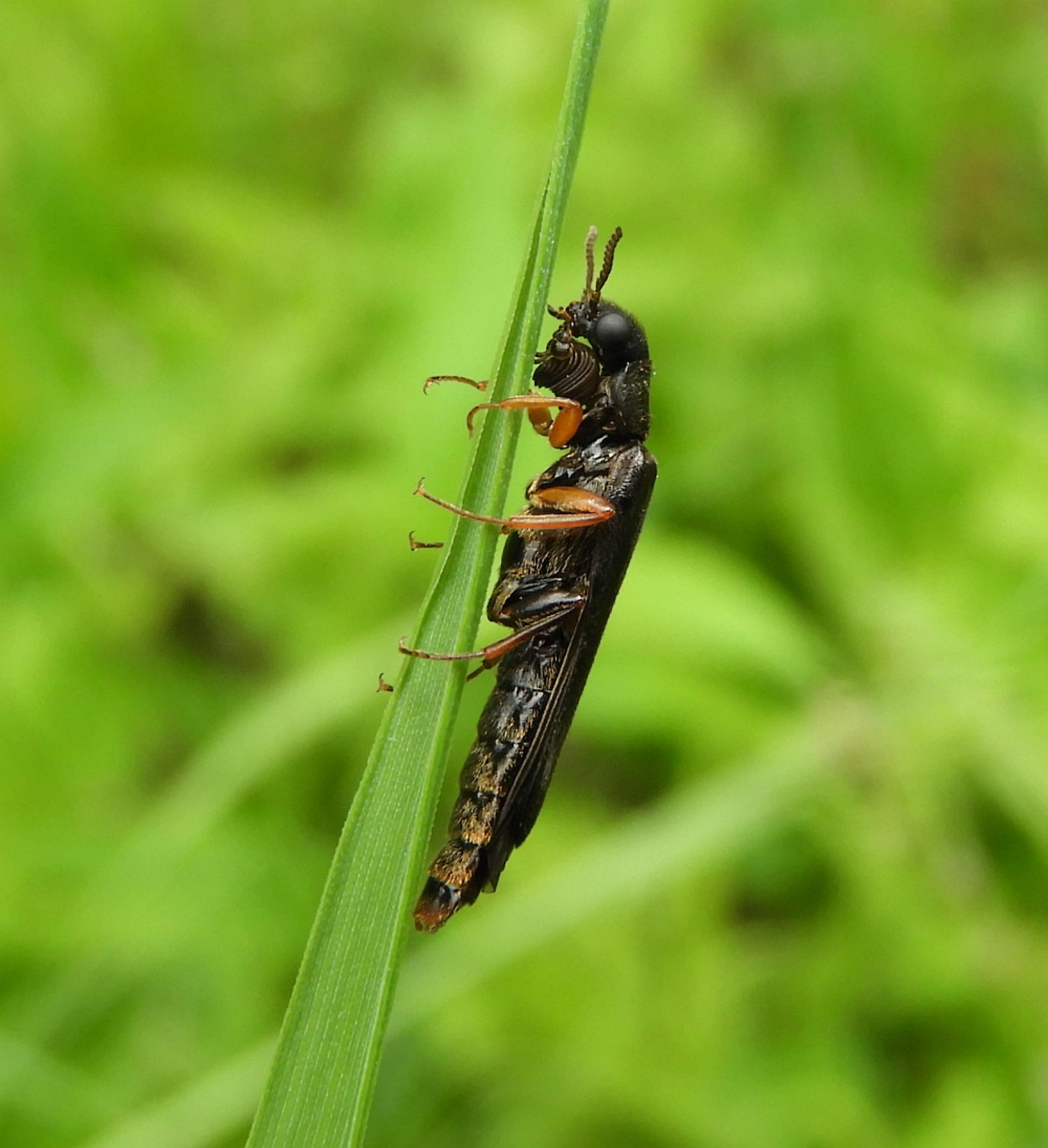
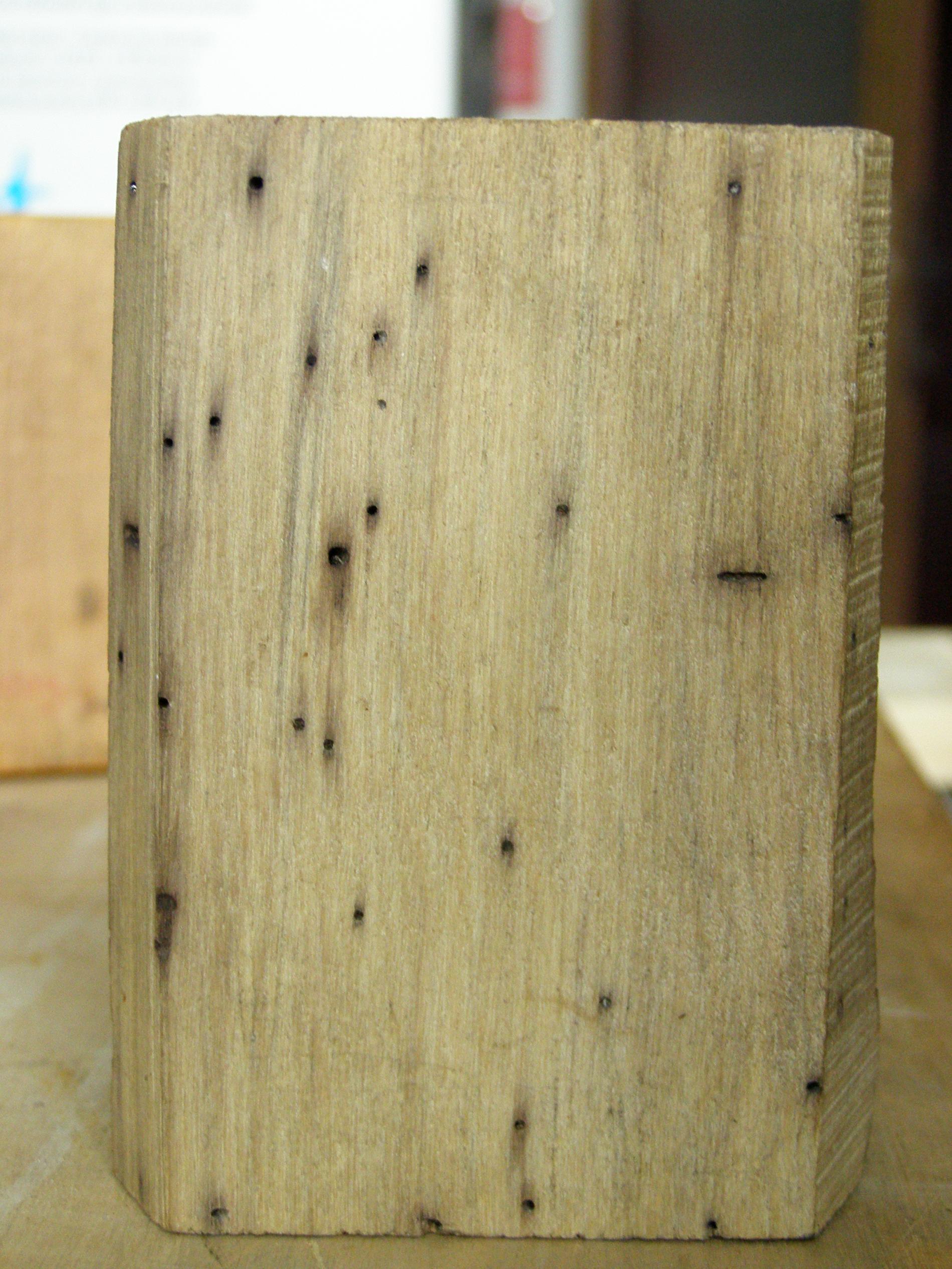
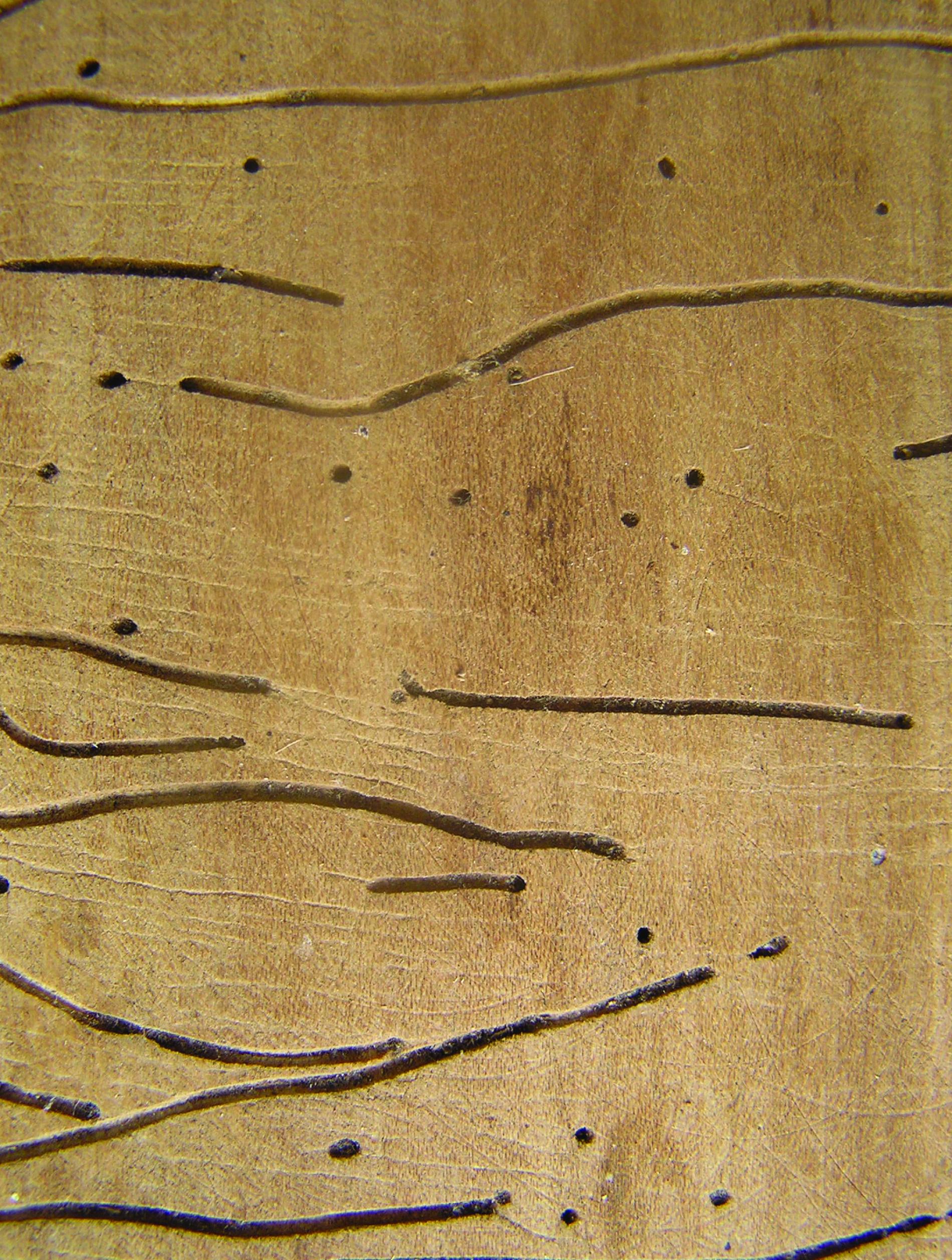
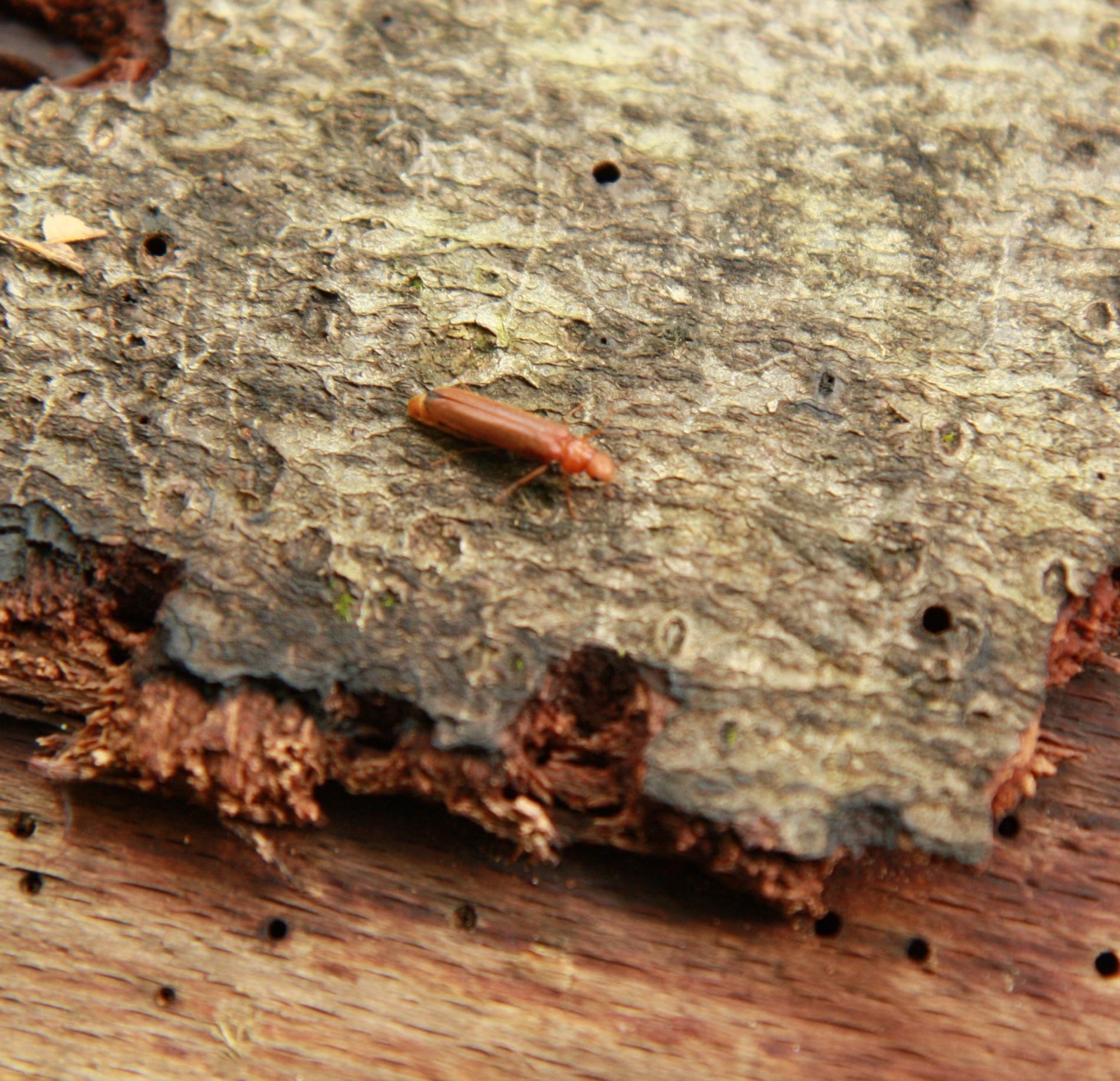
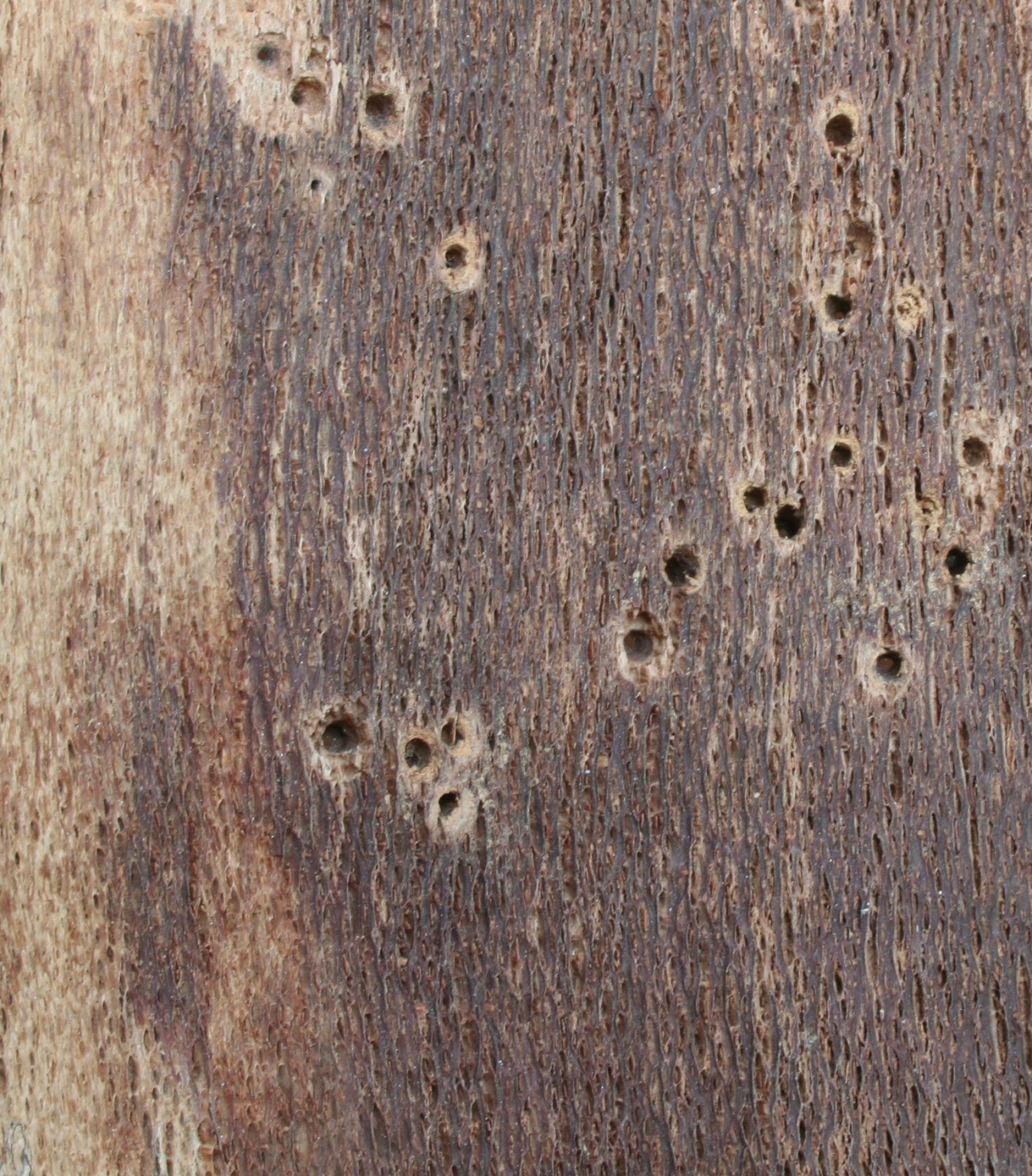
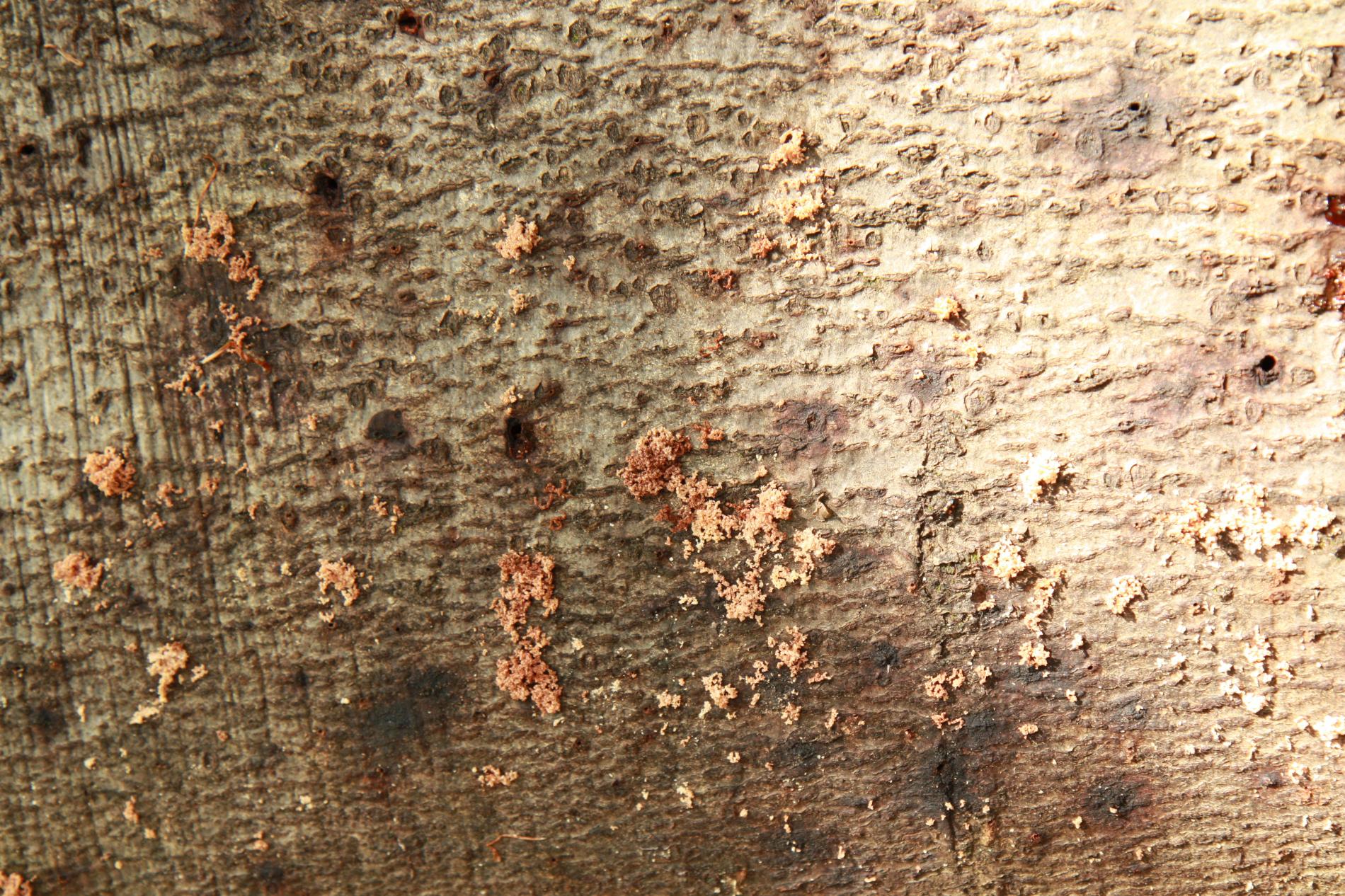
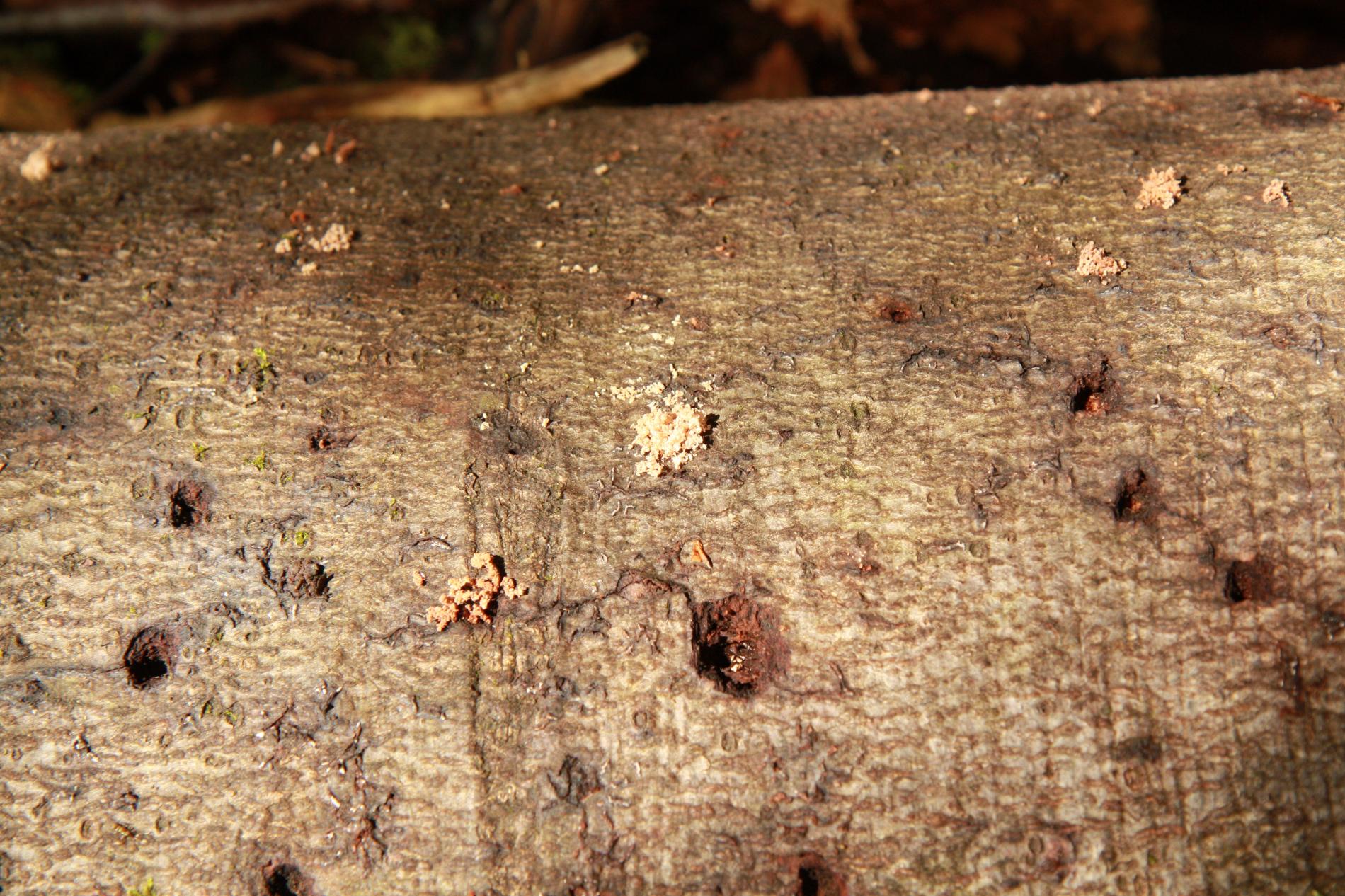
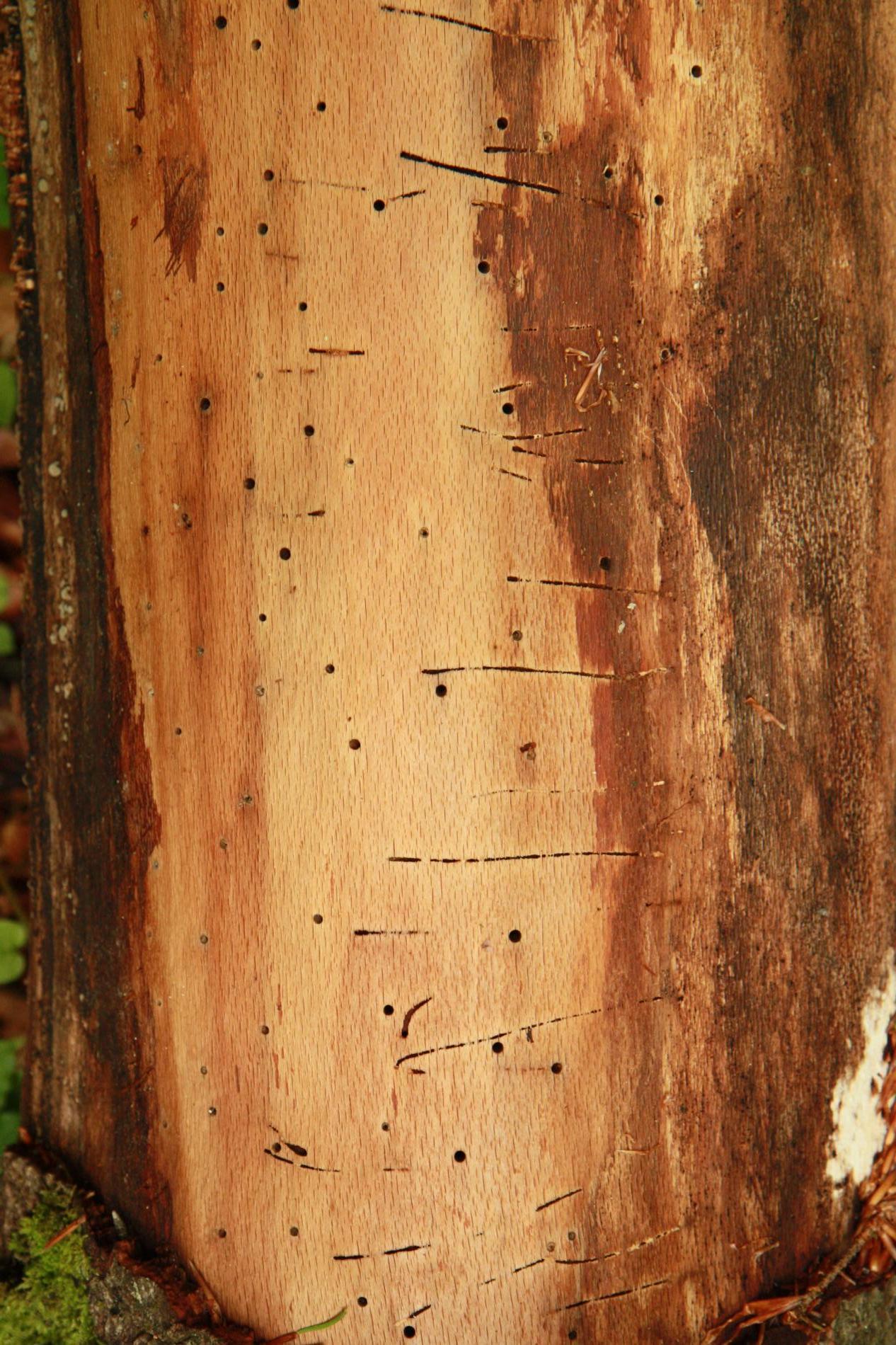
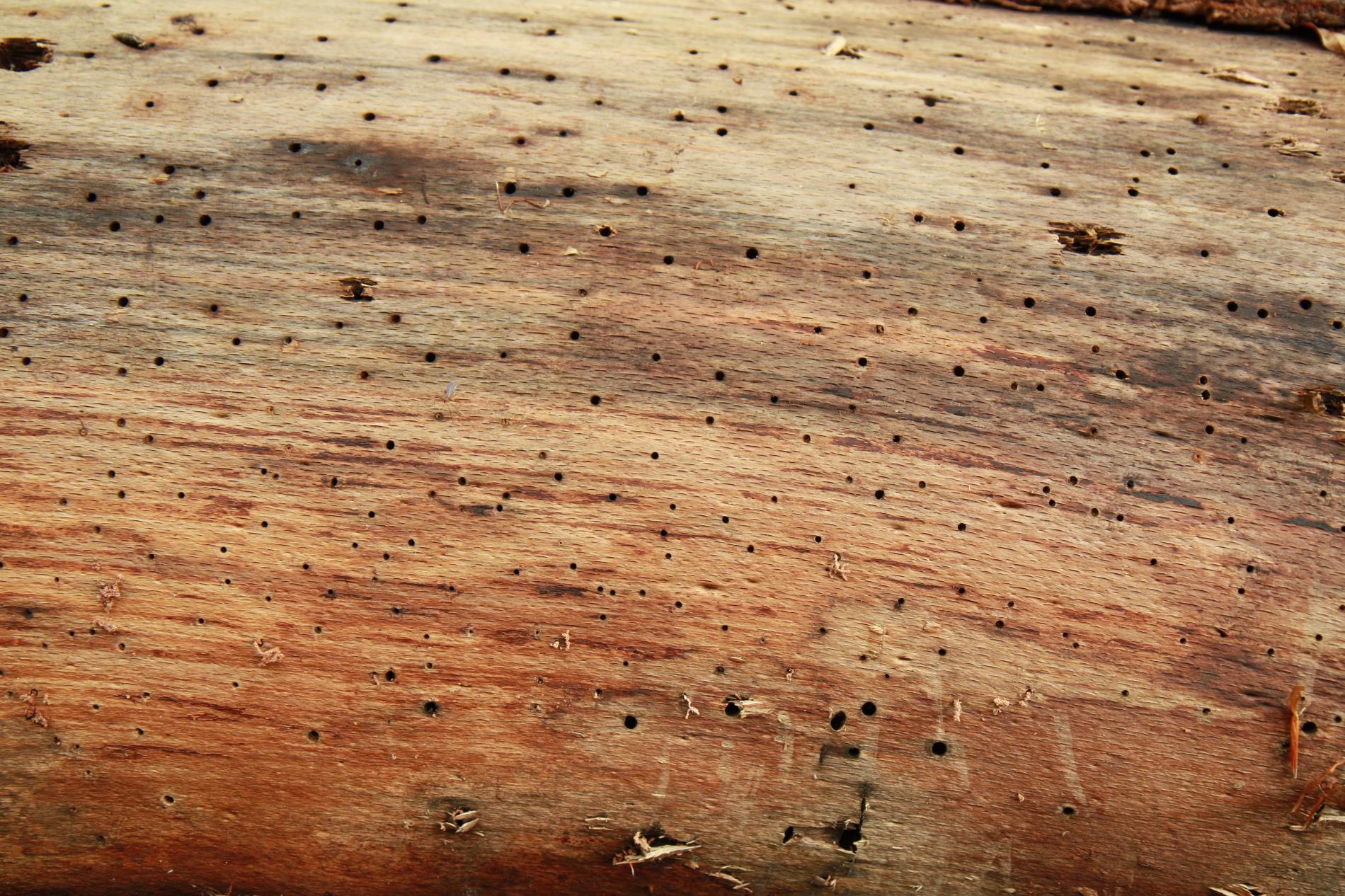
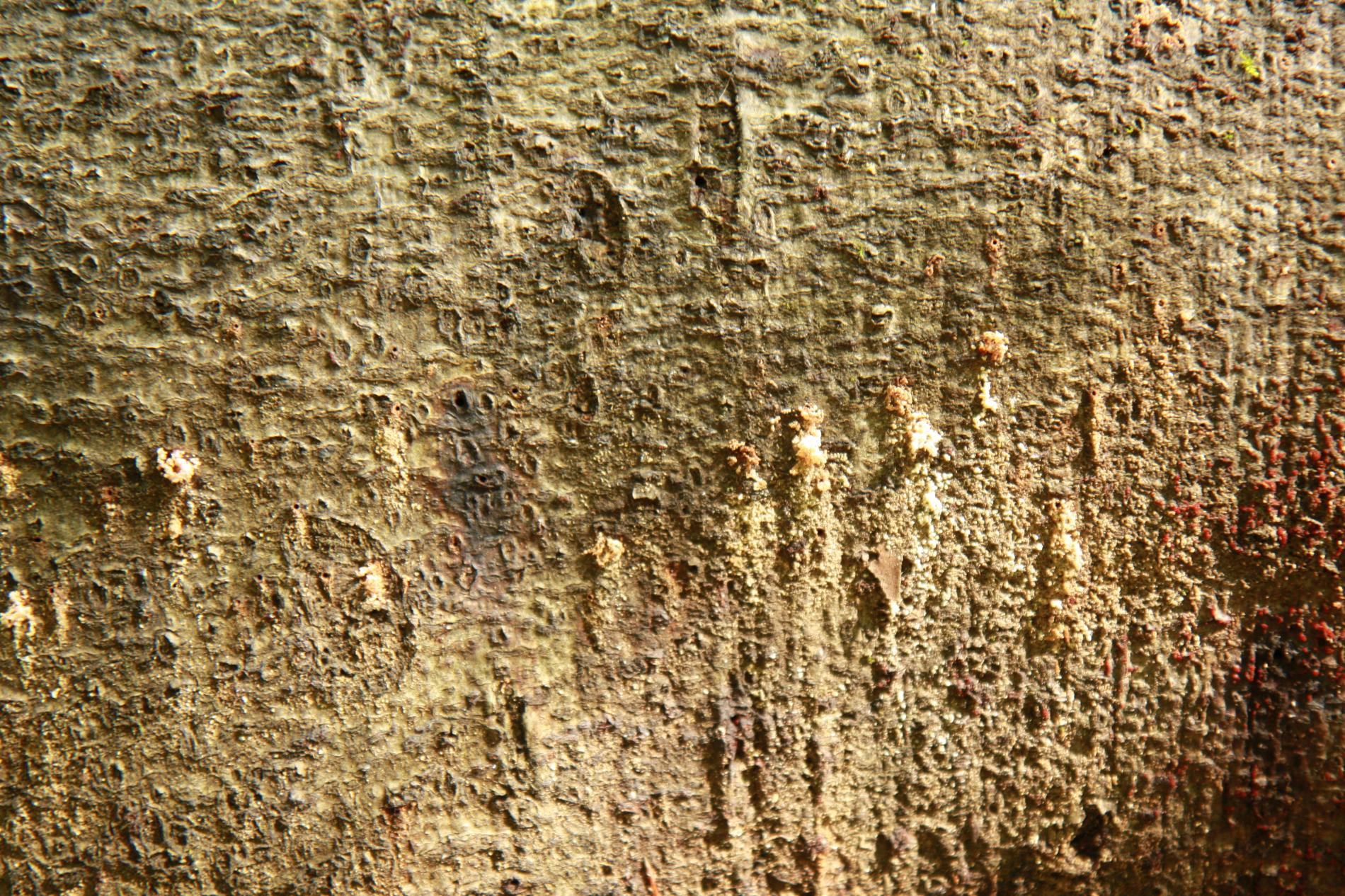
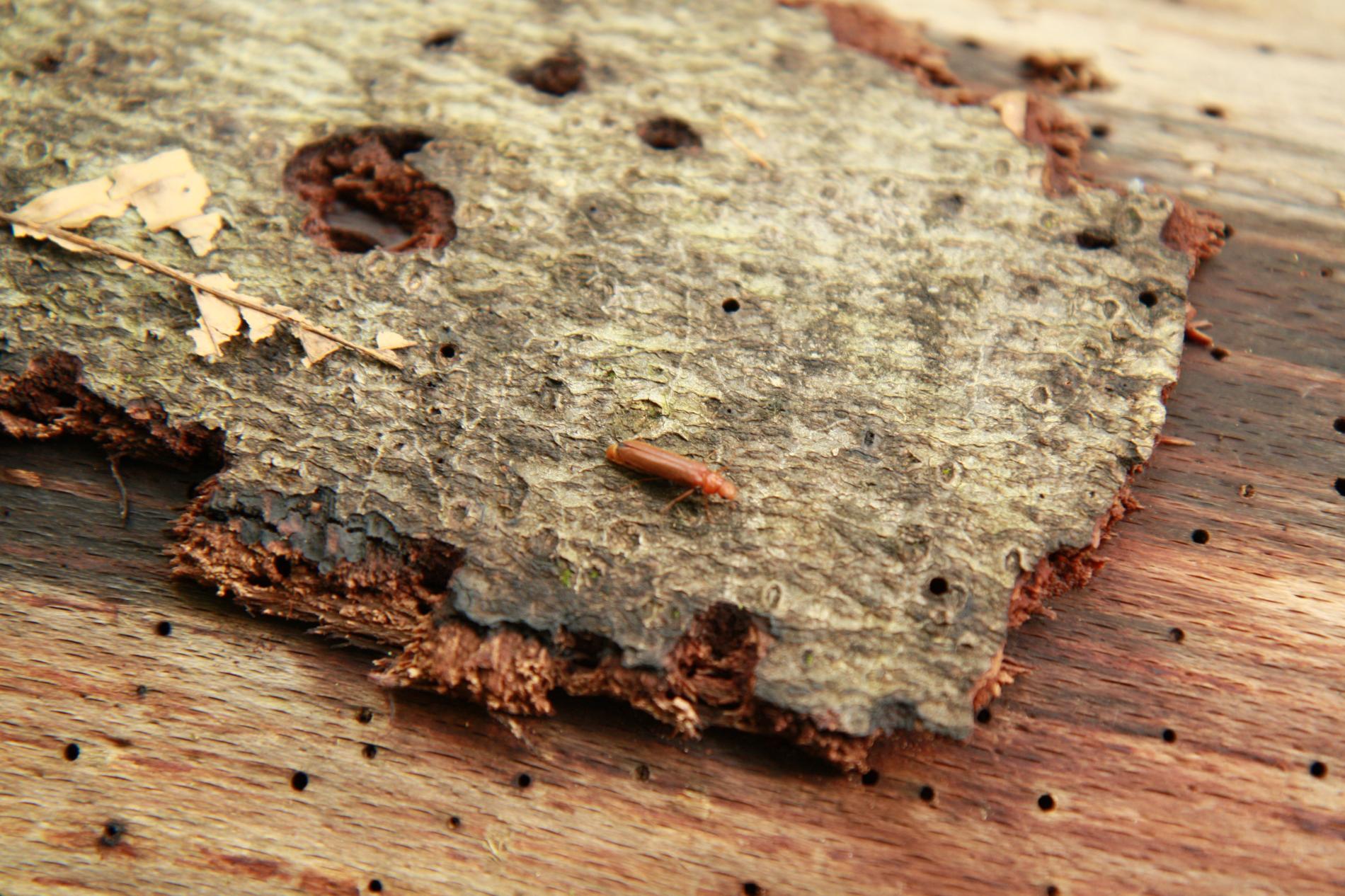
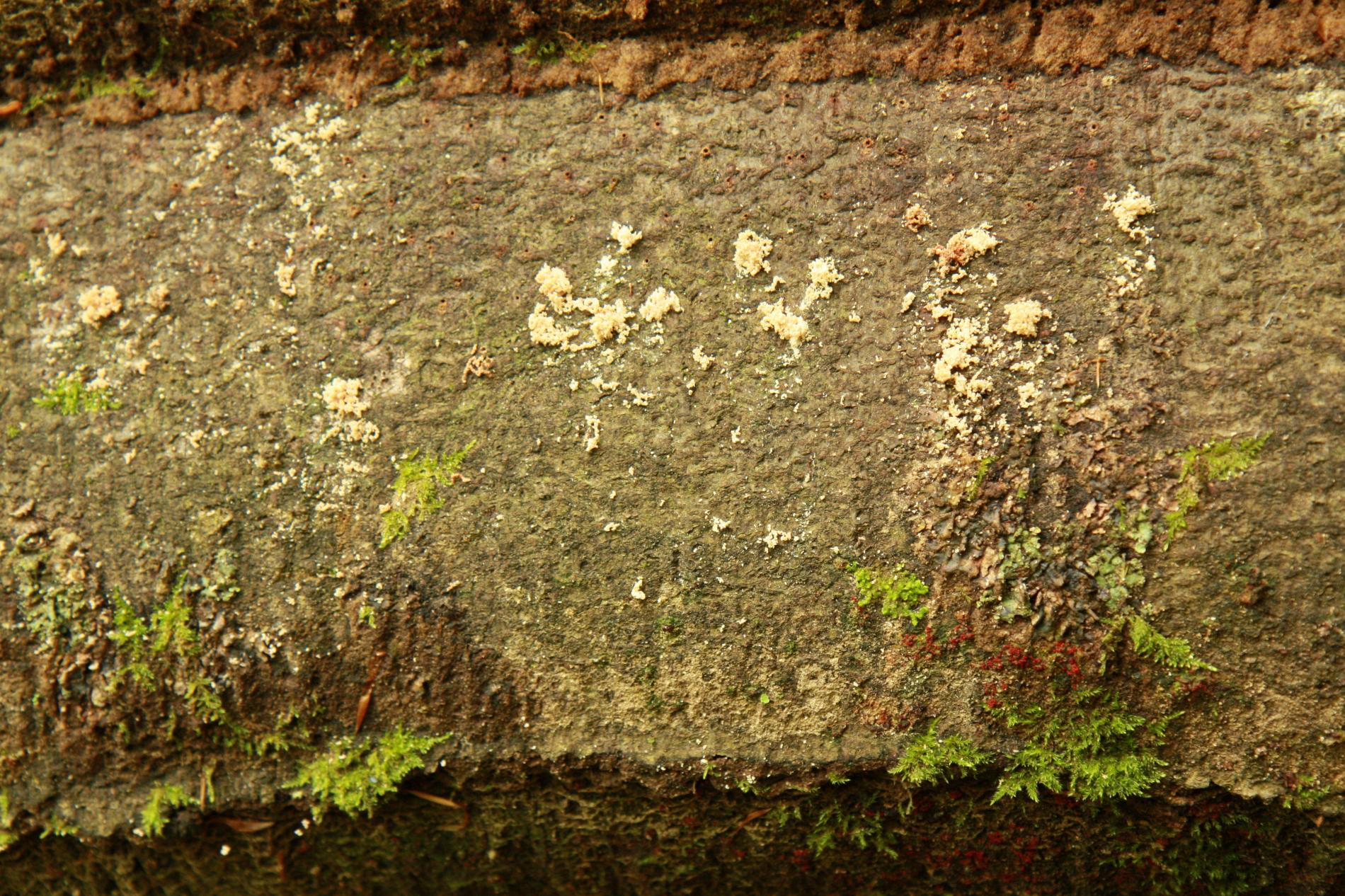
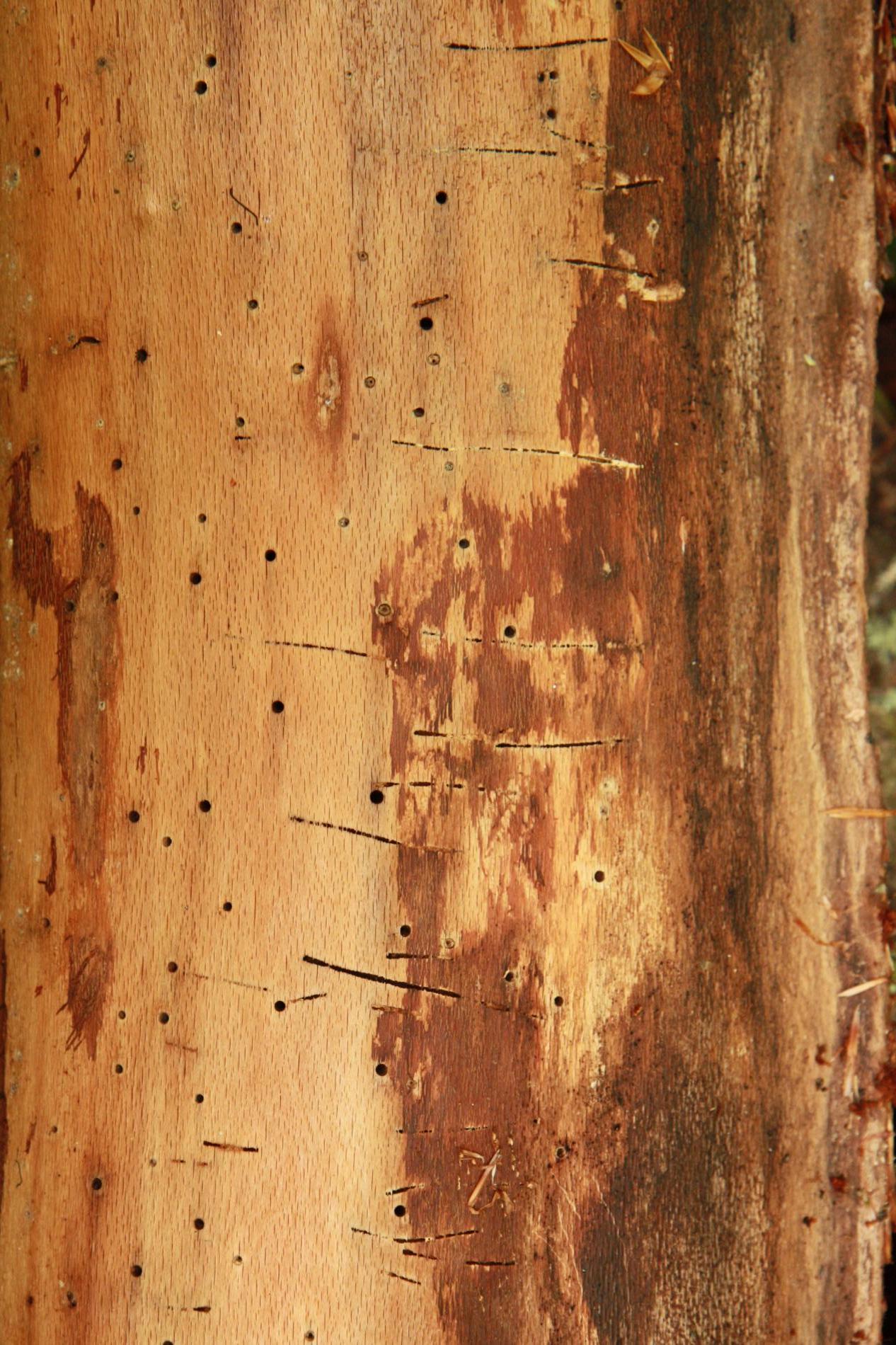
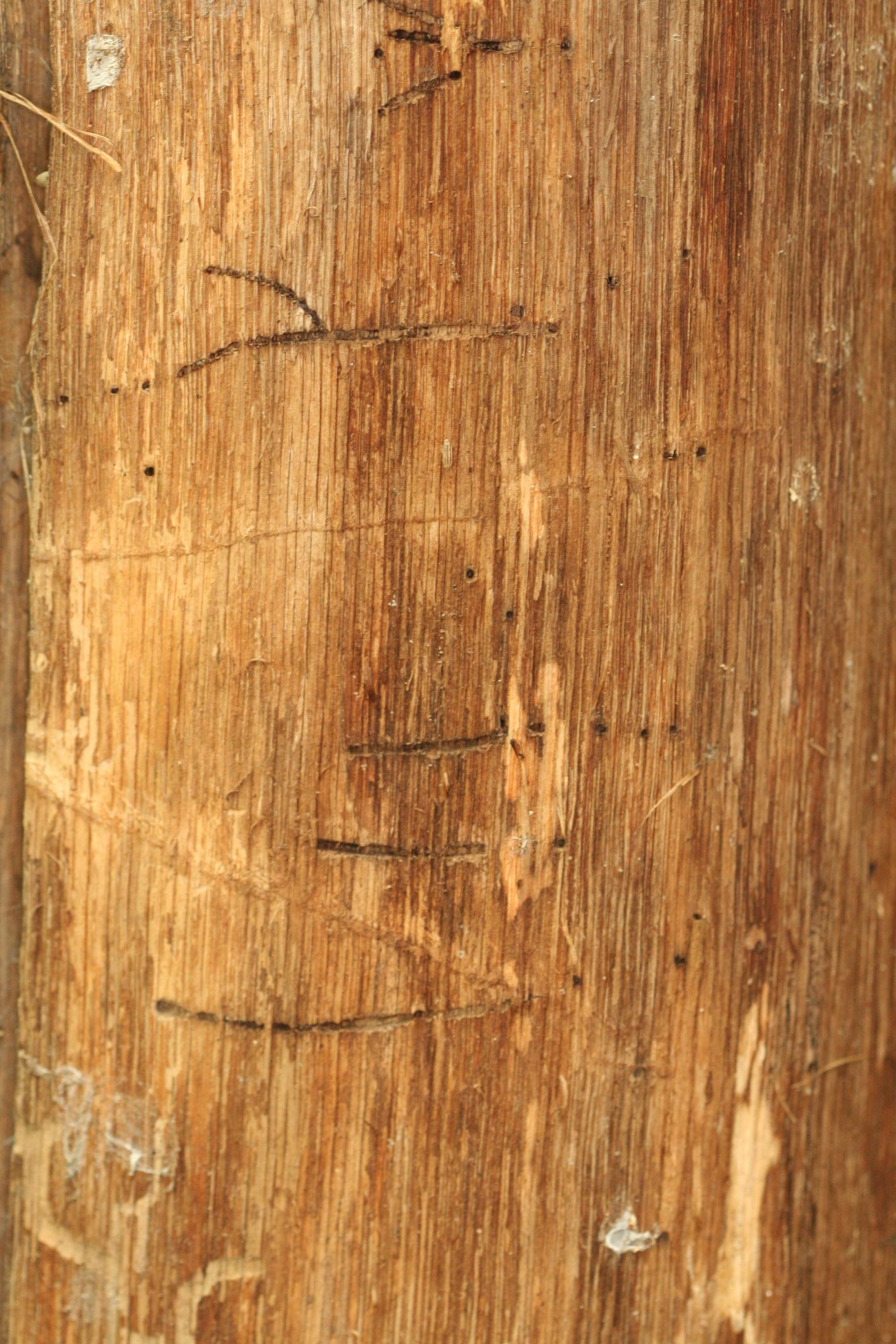
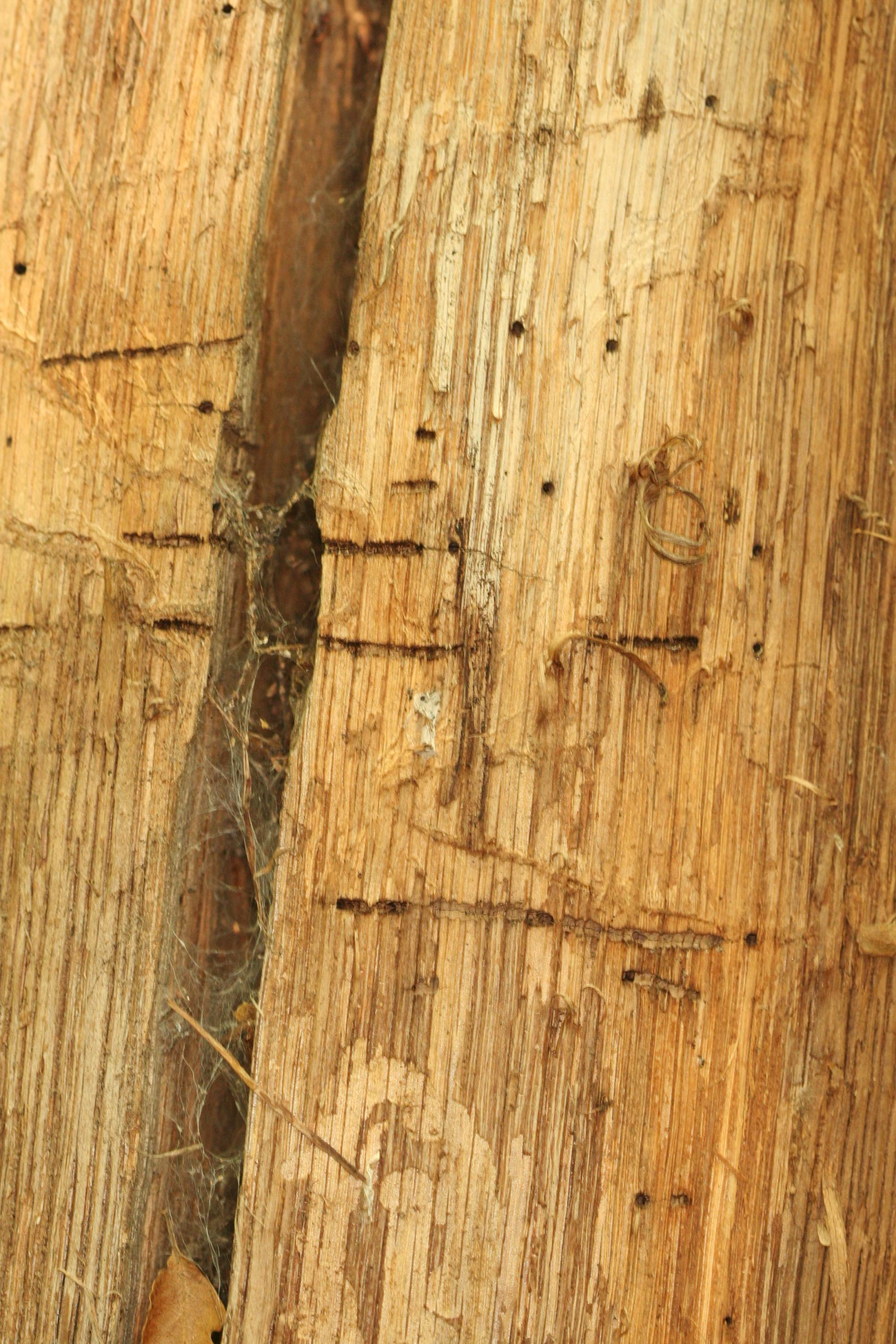
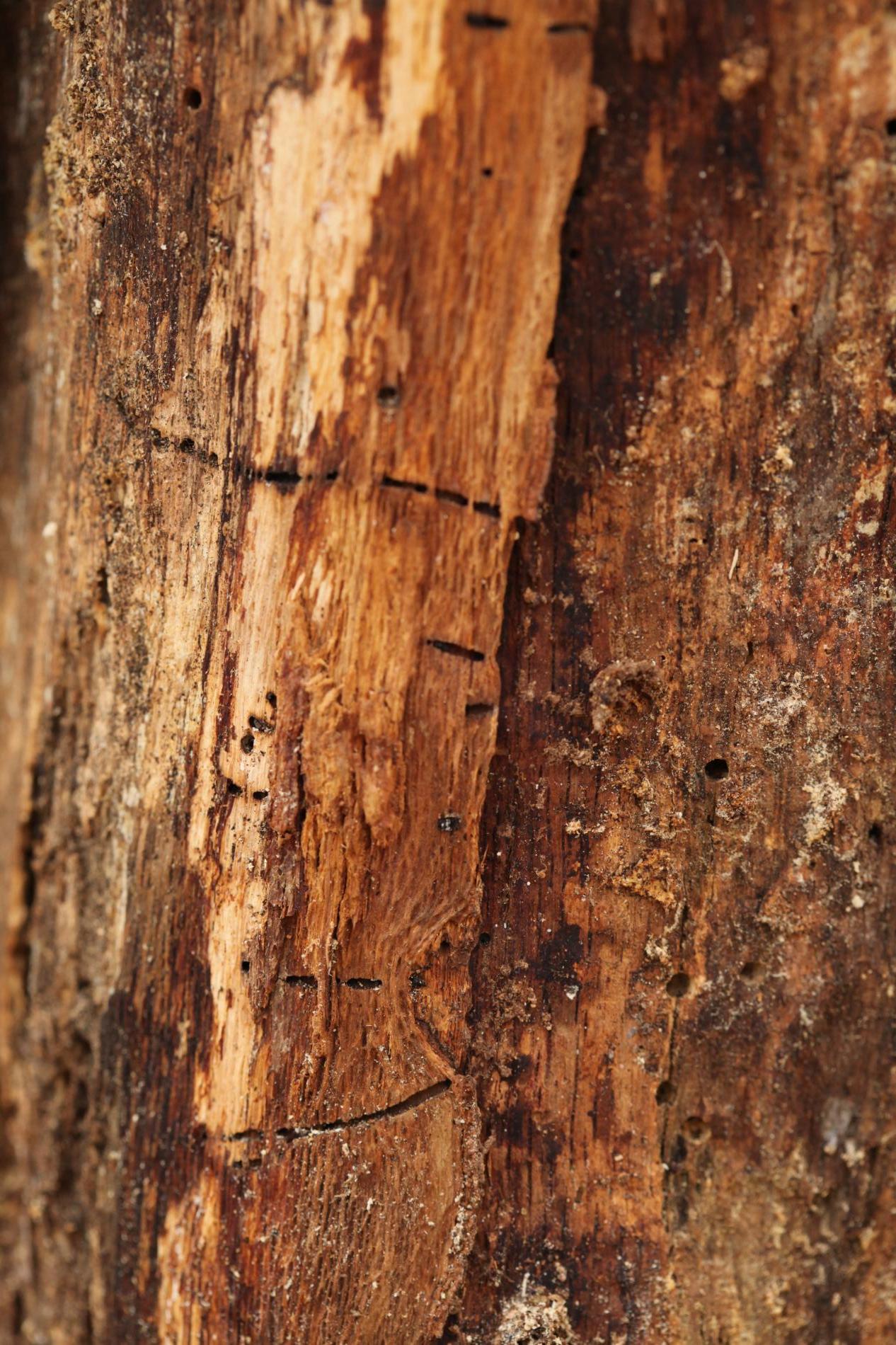
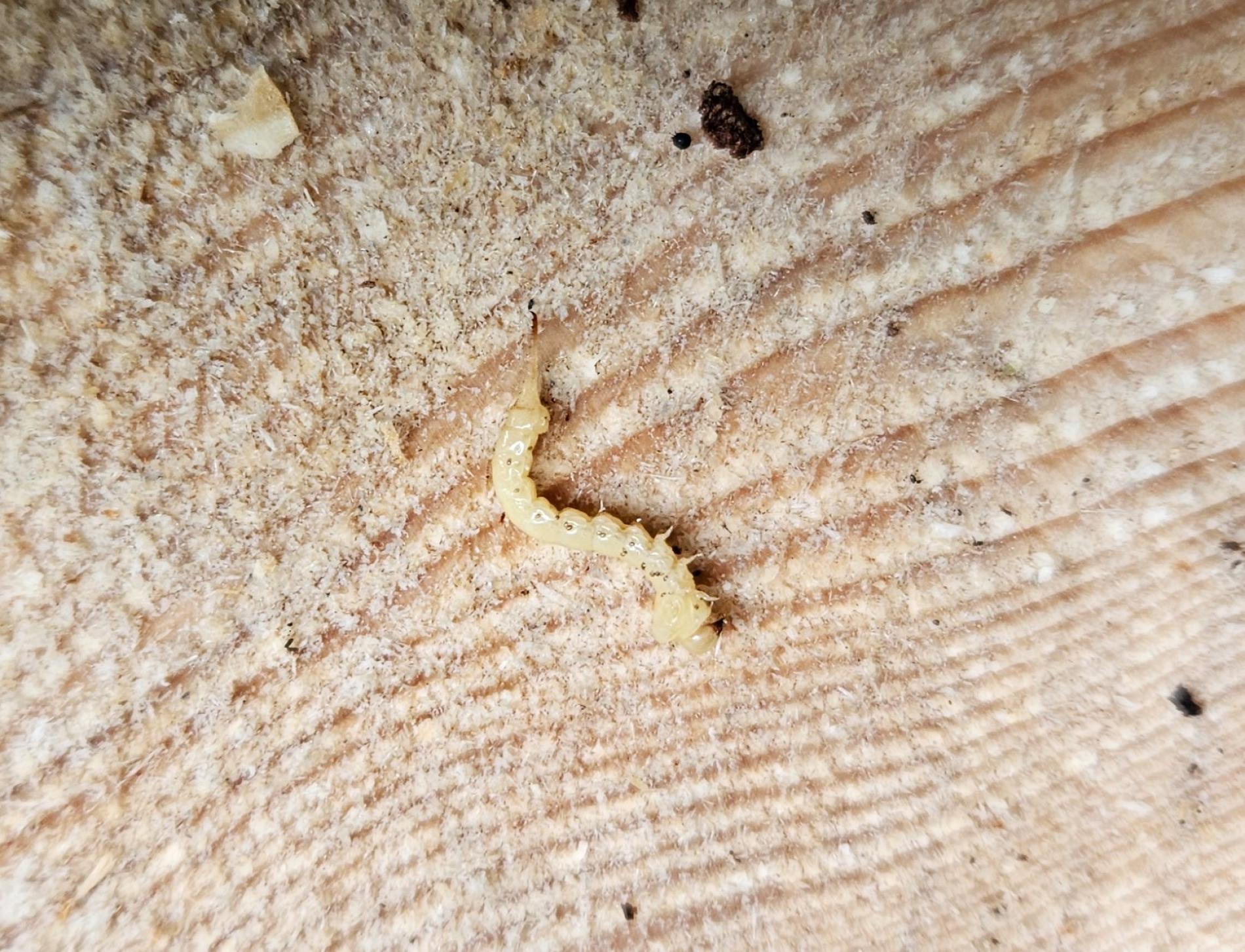
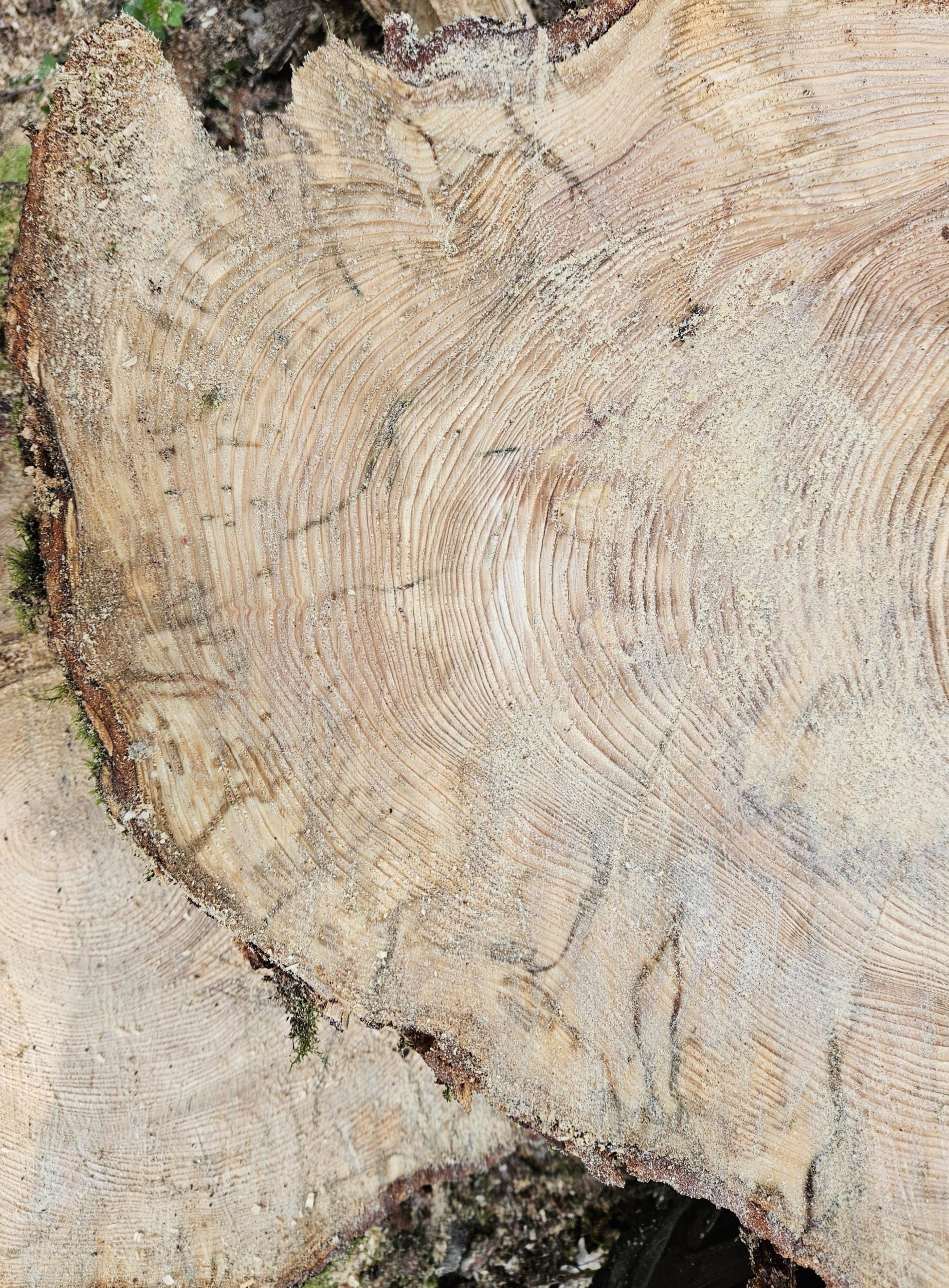
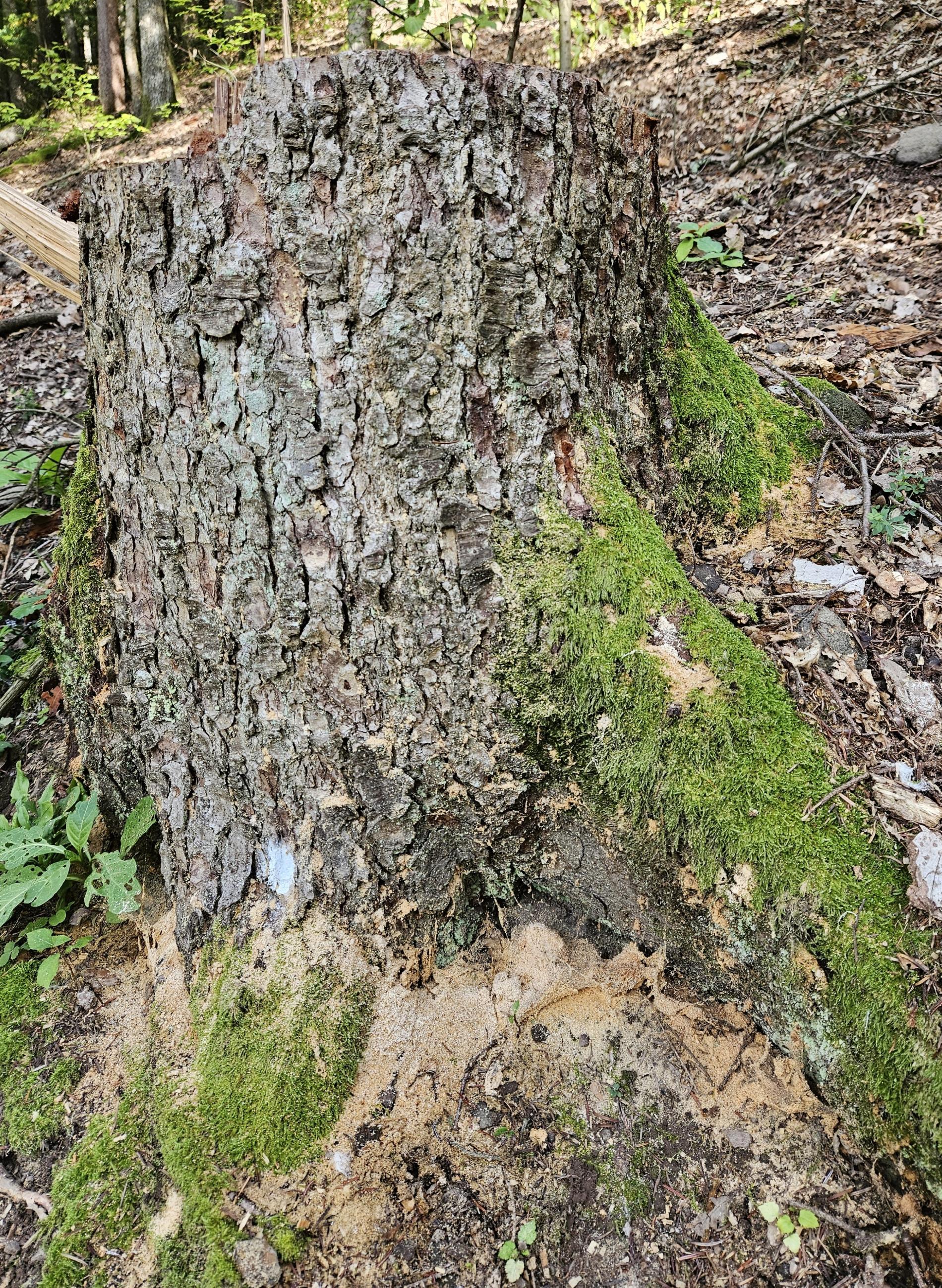
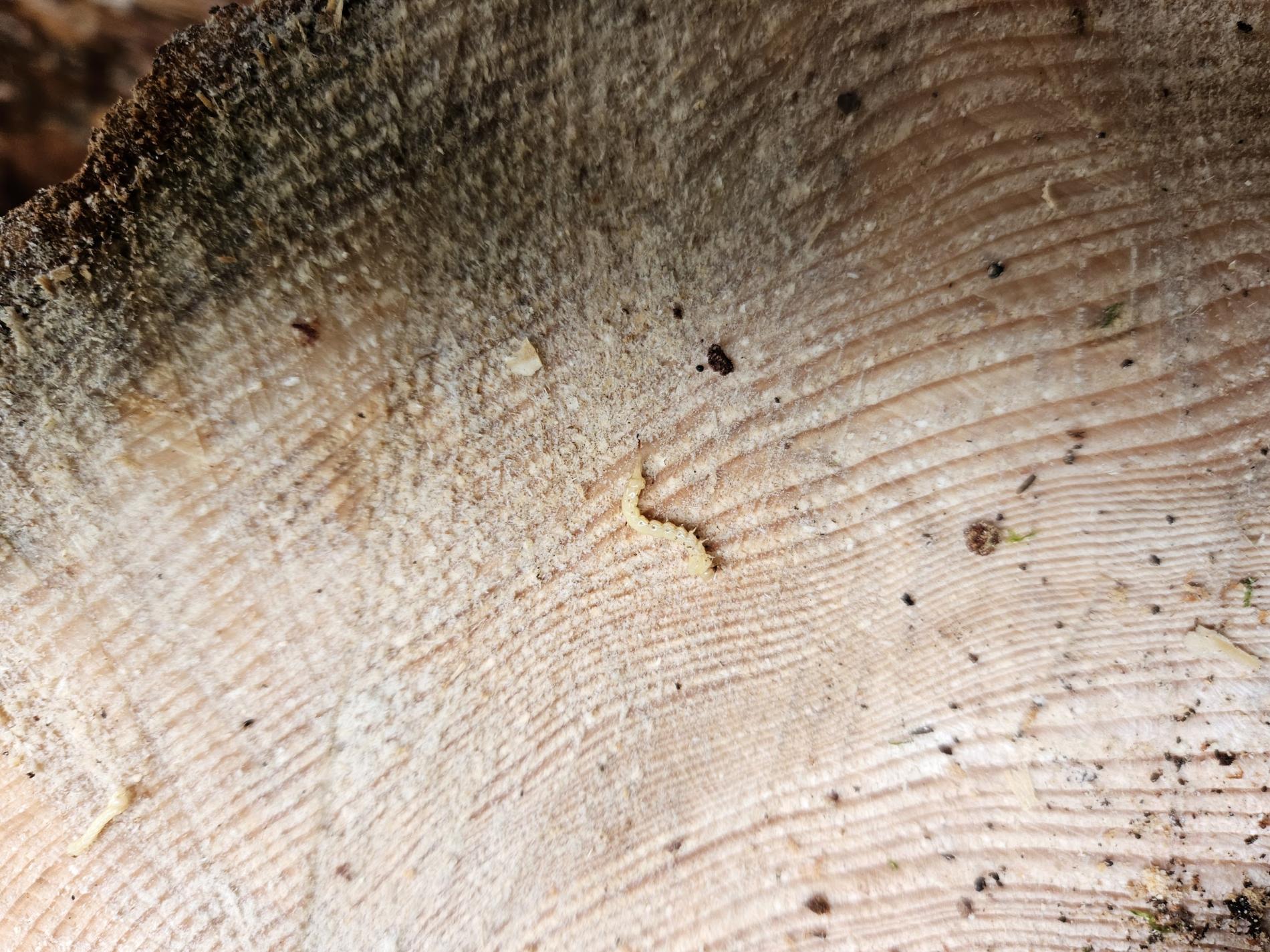
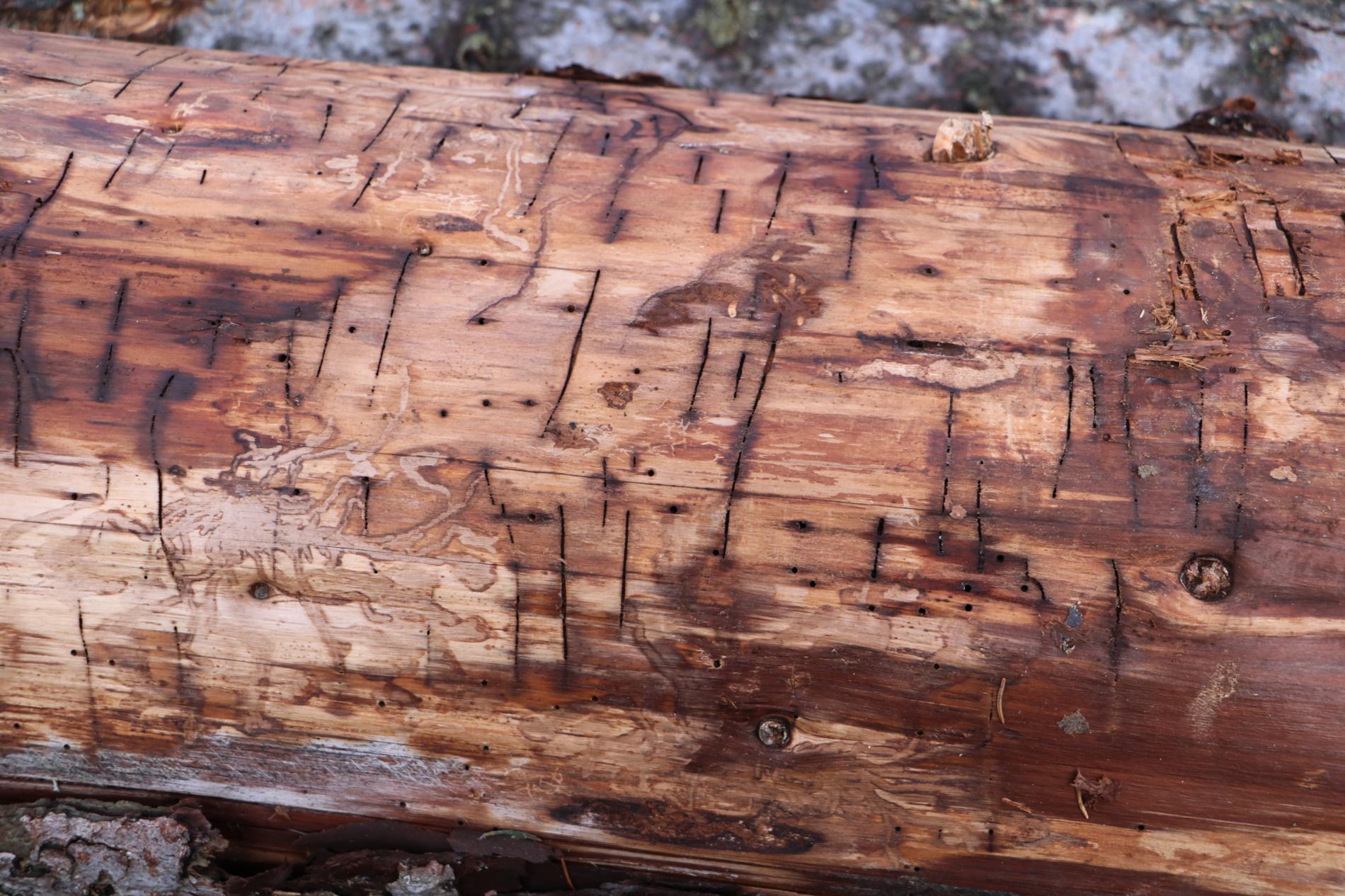
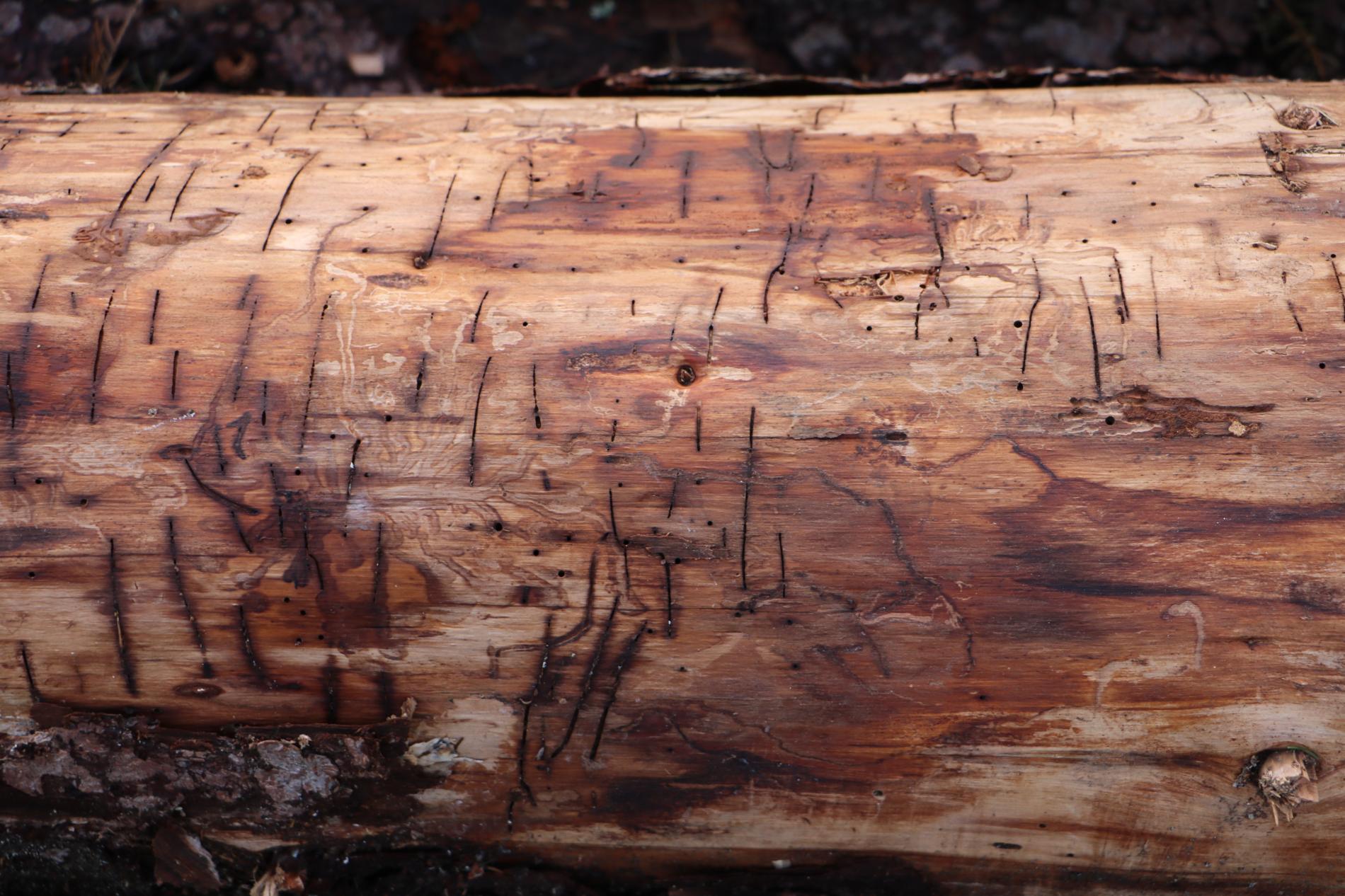
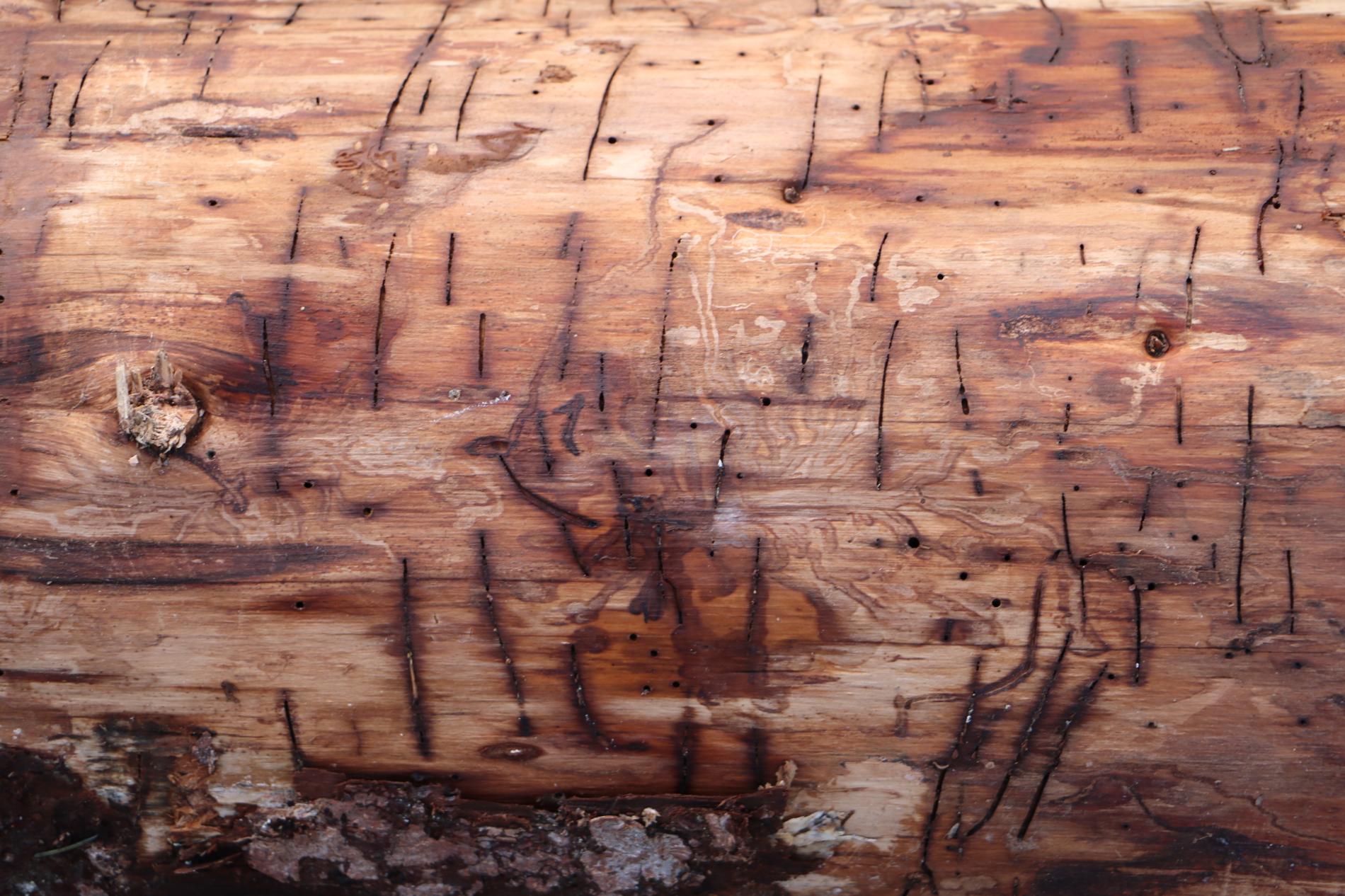
The beetle is about 1 cm long with an elongated body. In May, the female lays eggs in groups of 100 onto dead or cut down trunks, or bare parts of trunks of standing trees. The larvae excavate typical galleries in wood in which develops the mycelium of the fungus Endomyces hylecoeti used as a food source for the larvae. The round exit holes can be very dense. It attacks preferentially beech, fir and oak wood, but it may develop in other trees too. The larvae push a high amount of wood debris in the form of a whitish powder out of the holes in wood. It is a dangerous technical pest which can completely devalue the cut down trunks.
The larvae excavate typical galleries in wood in which develops the mycelium of the fungus Endomyces hylecoeti that they use as a food source for the larvae.
Tree Species: Beech, Oak, Fir
Part of a plant- attacked: Tree trunk
Pest significance: Very harmful
Pest Category: Insects
Invasive Species: No
Present in EU: Yes
Affected part of wood: Heartwood, Sapwood
Depth of damages: Bark, More than 5 cm depth, Under bark only, Up to 0,5 cm depth, Up to 2 cm depth, Up to 5 cm depth
The extent of damage: Whole trunk
Prevalence in Europe: Common
Damaged products: Firewood, Fresh timber logs (water still in the sapwood), Furniture, Lumber, boards and prisms, Wooden house constructions
Roundwood size: Branches and twigs, Diameter from 10 up to 50 cm, Diameter up to 10 cm
Wood discoloration: No
Exit holes: Round

Similar pests

Ptilinus pectinicornis

Xylosandrus germanus
