


Gloeophyllum sepiarium
Yellow-red gill polypore
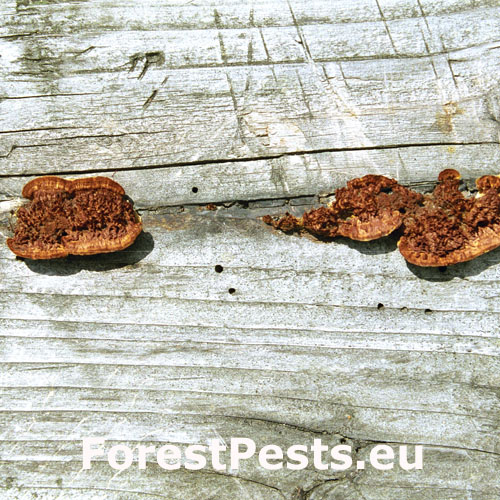
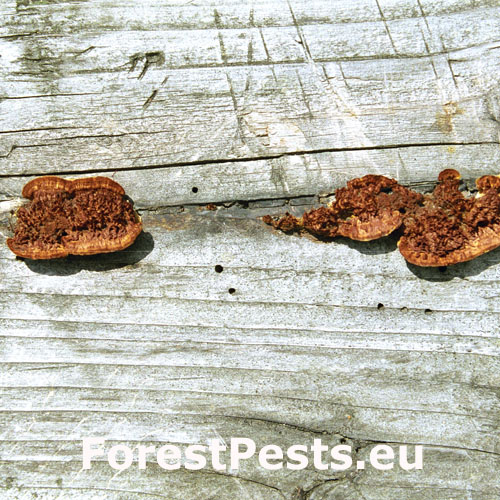
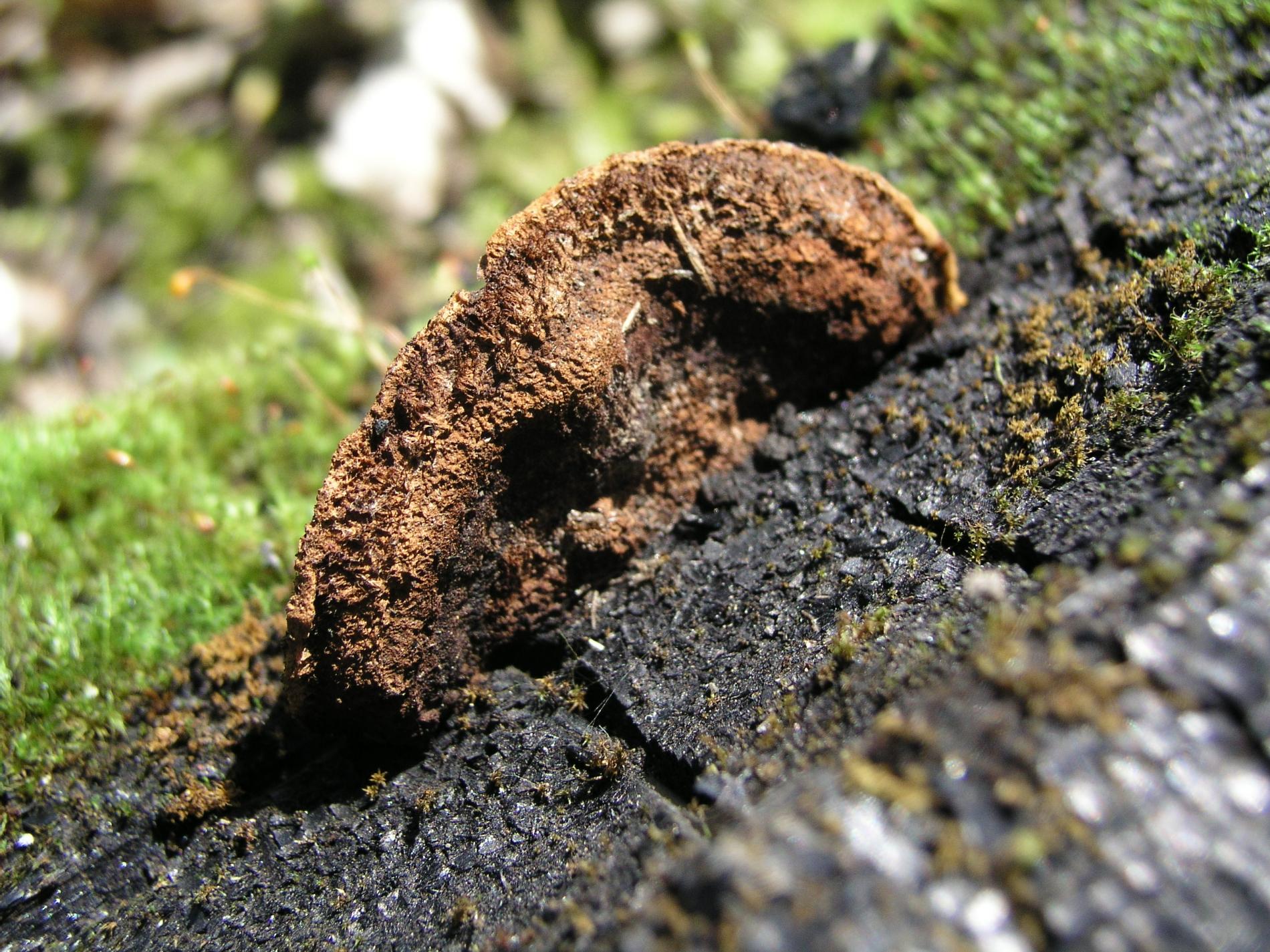
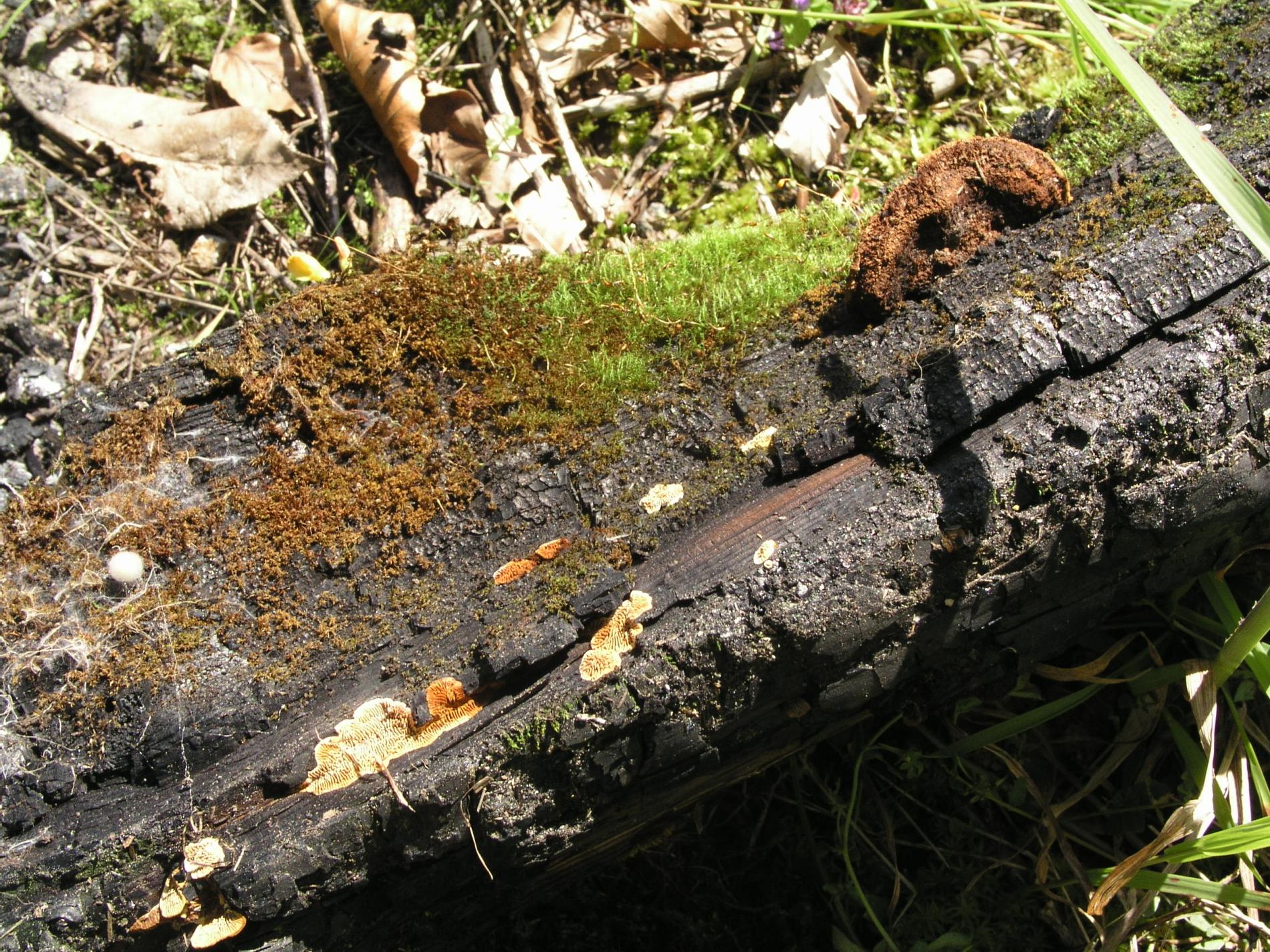
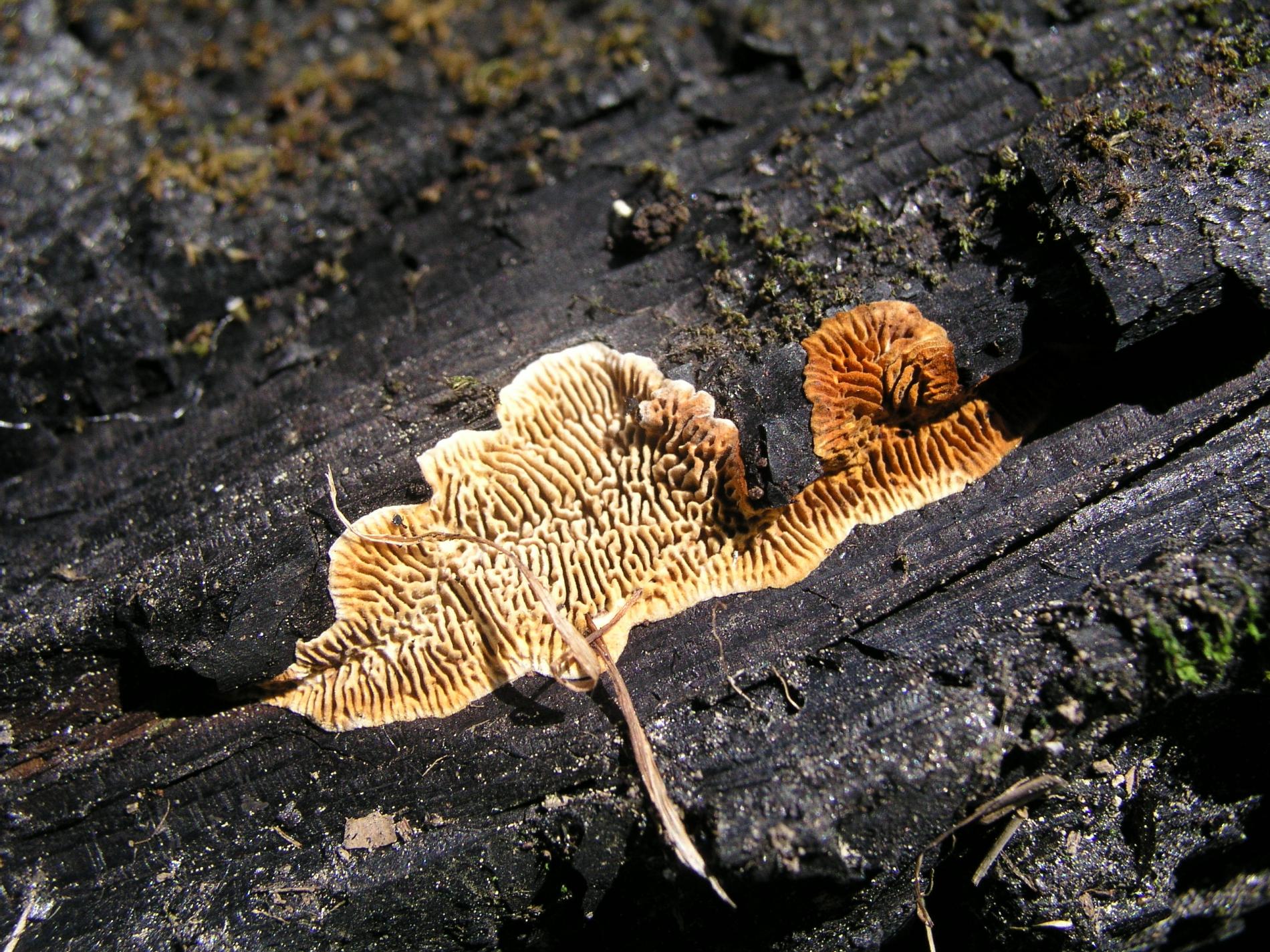
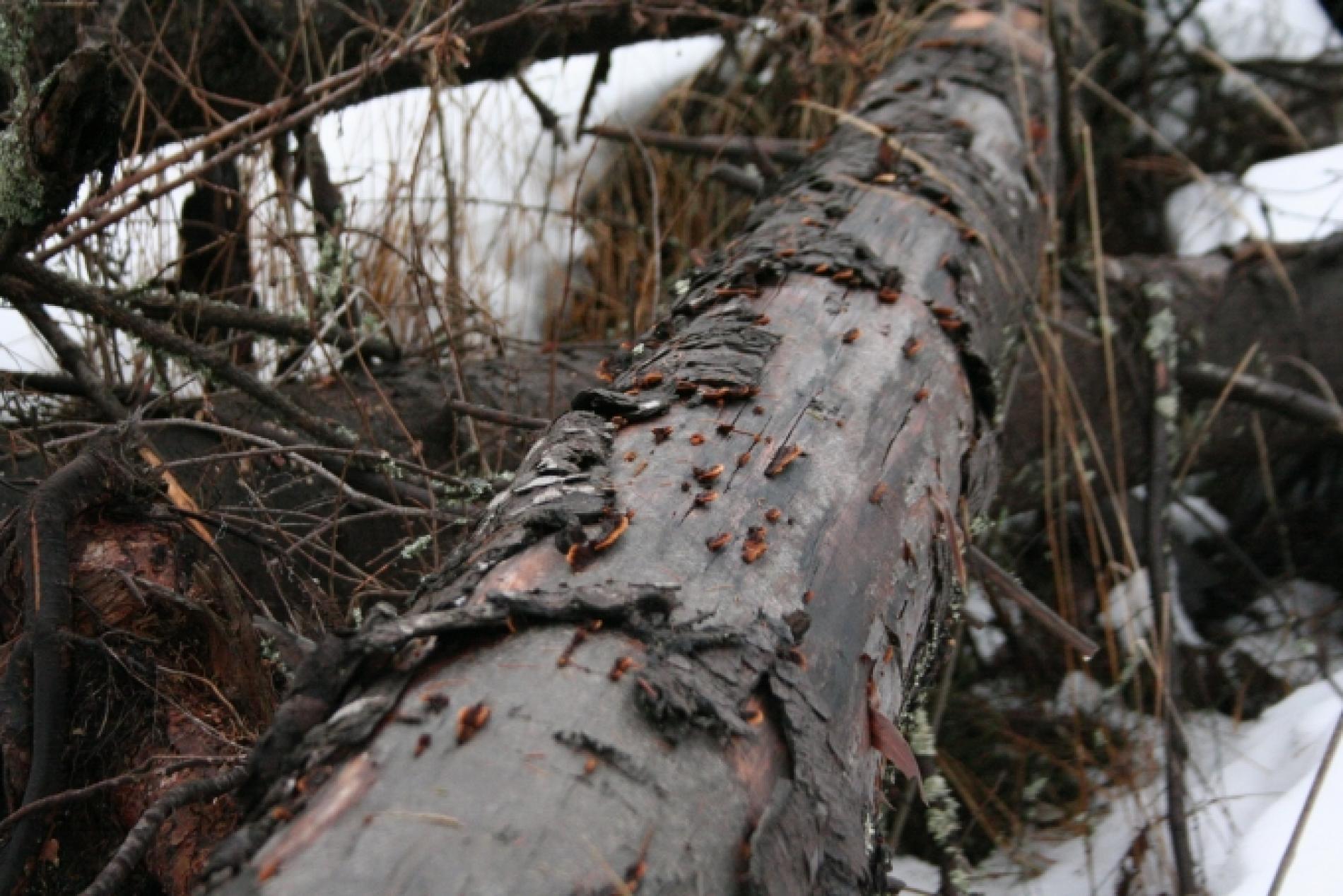
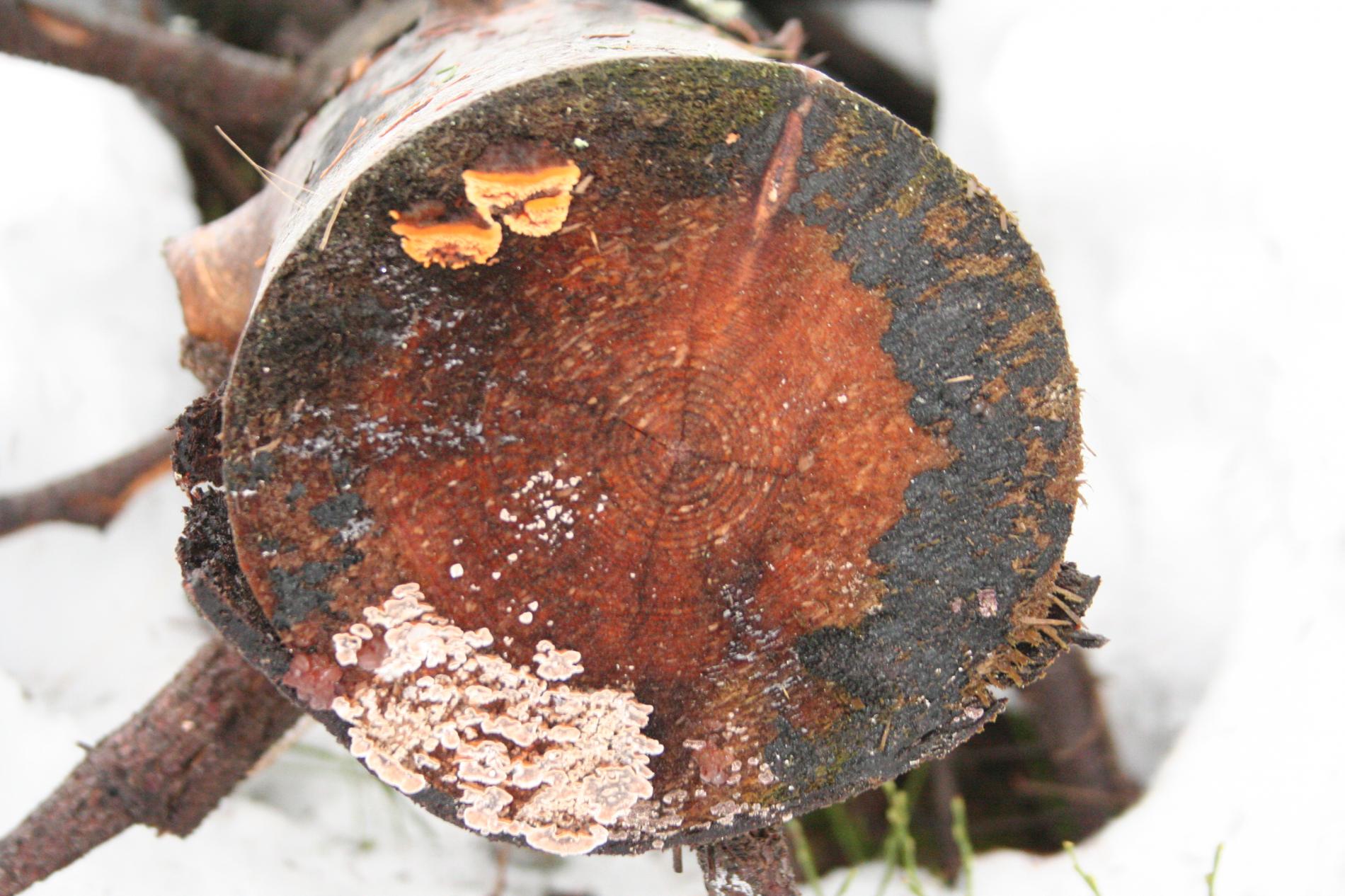
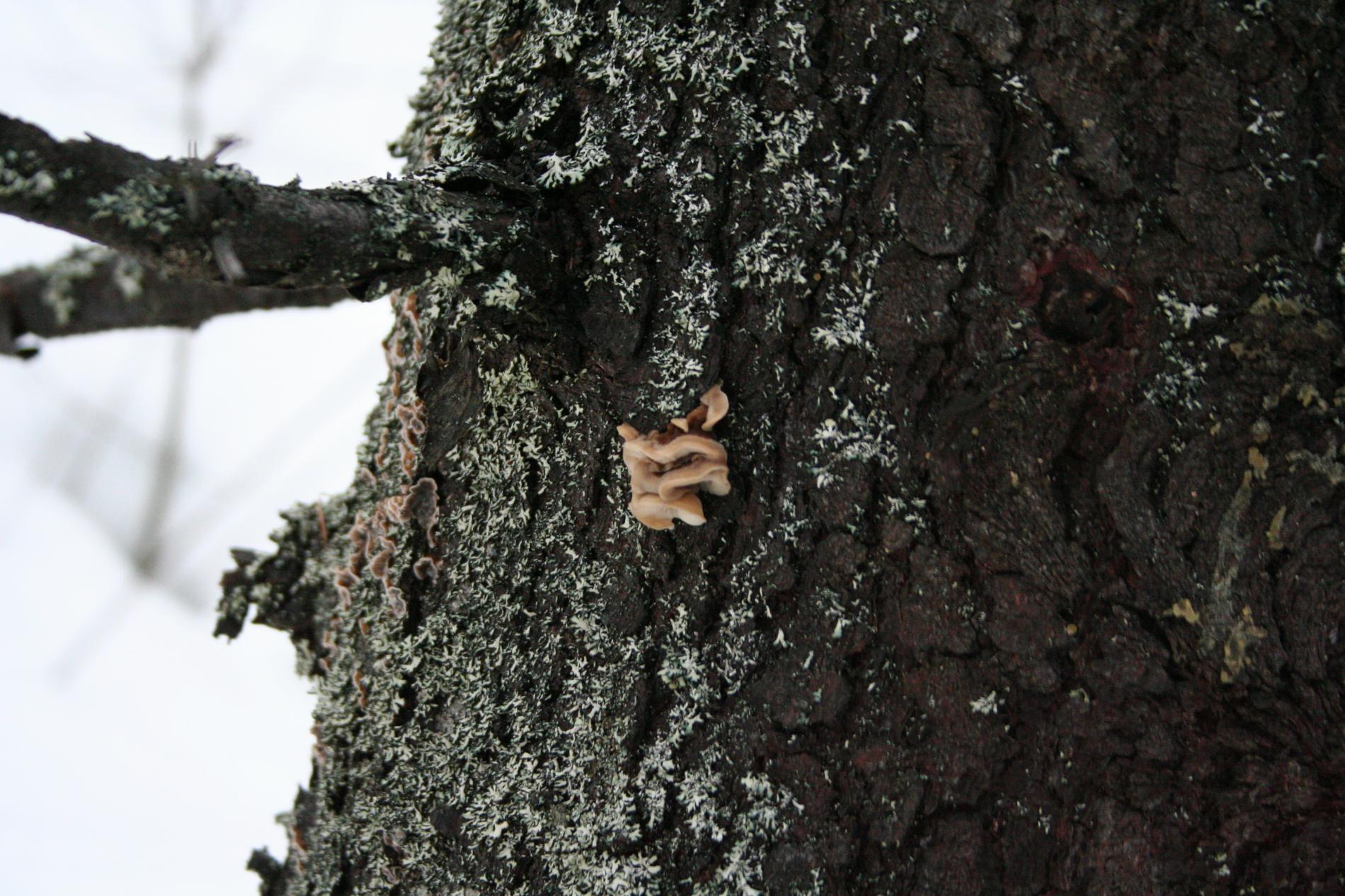
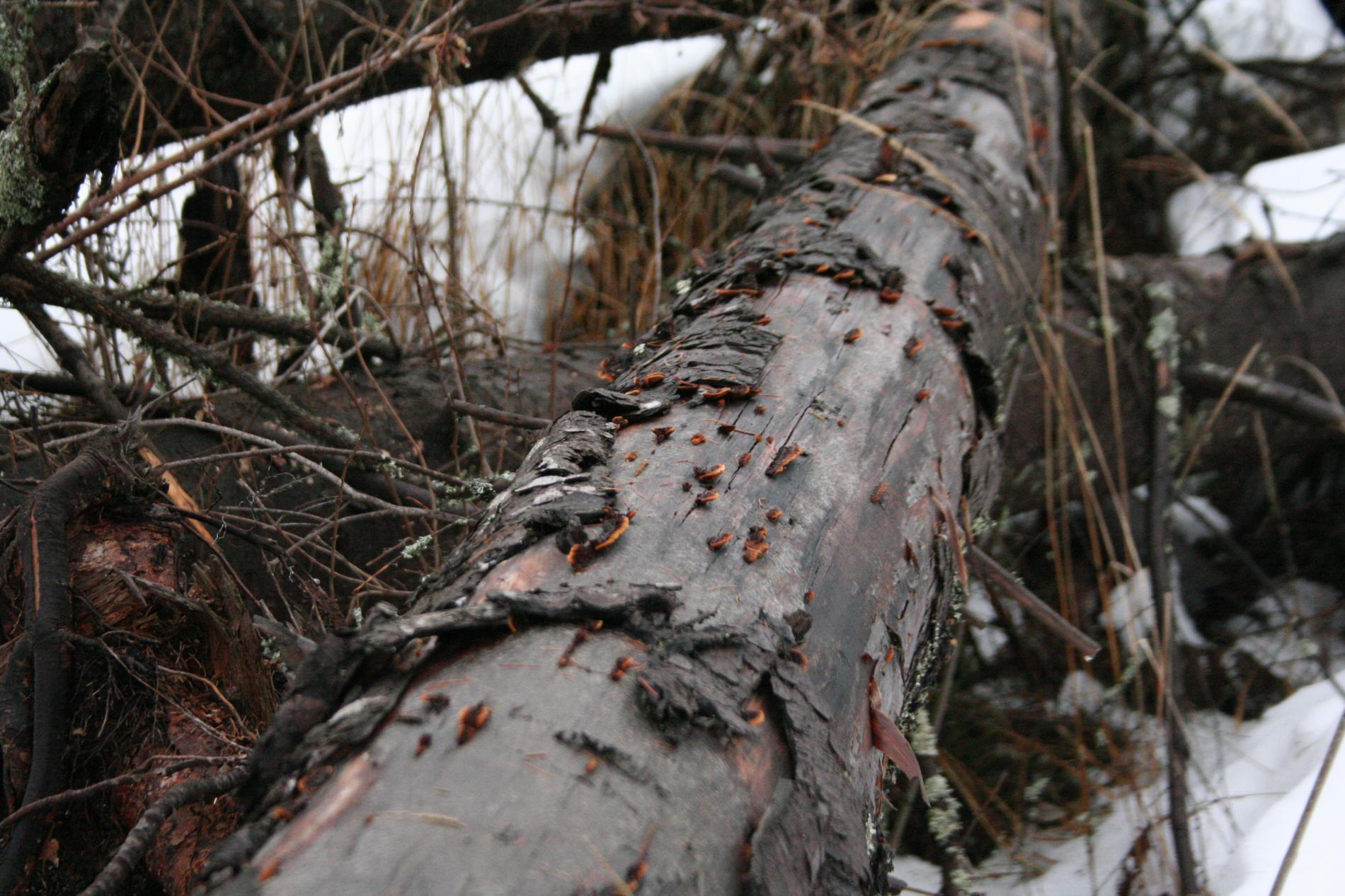
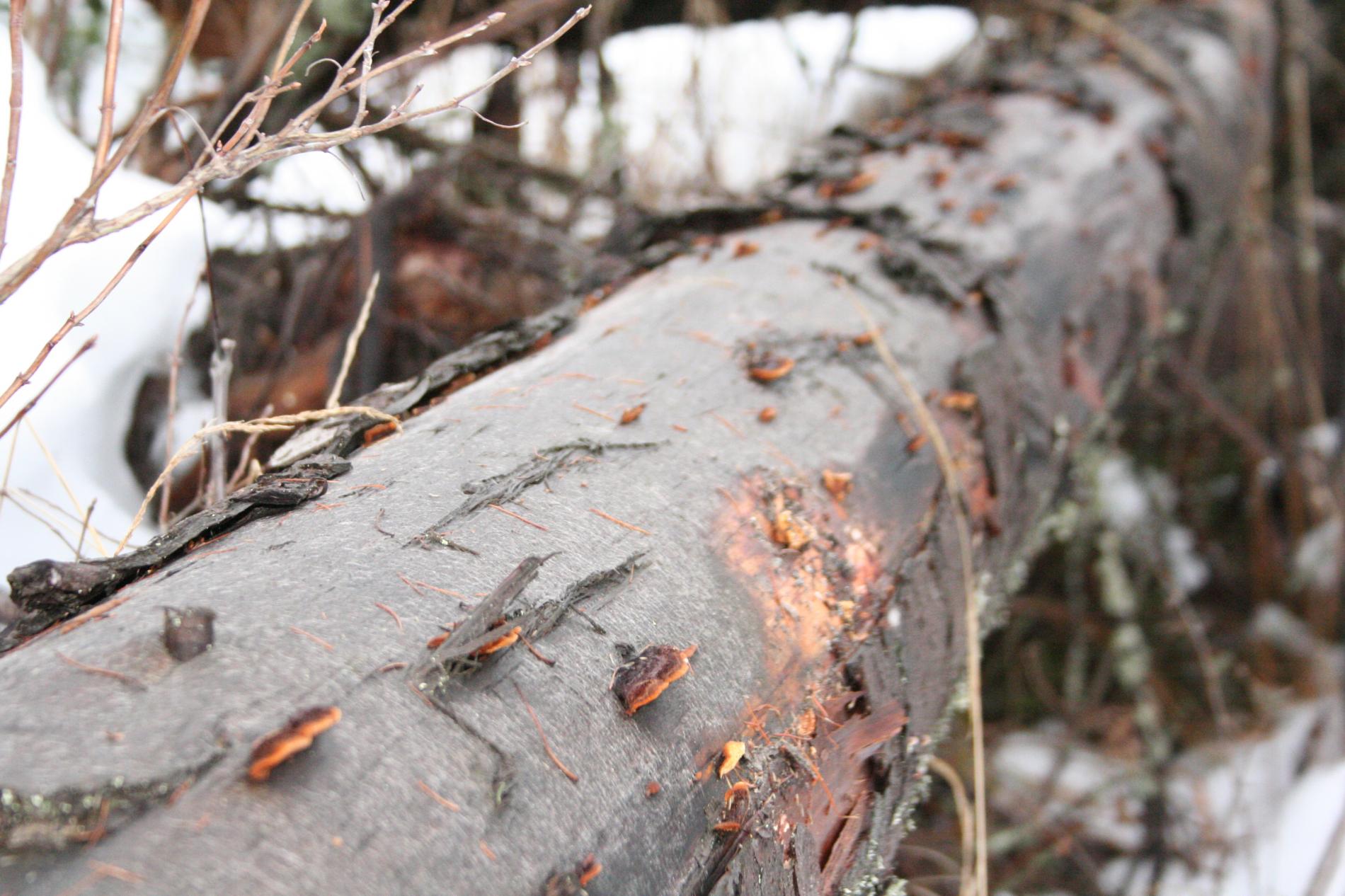
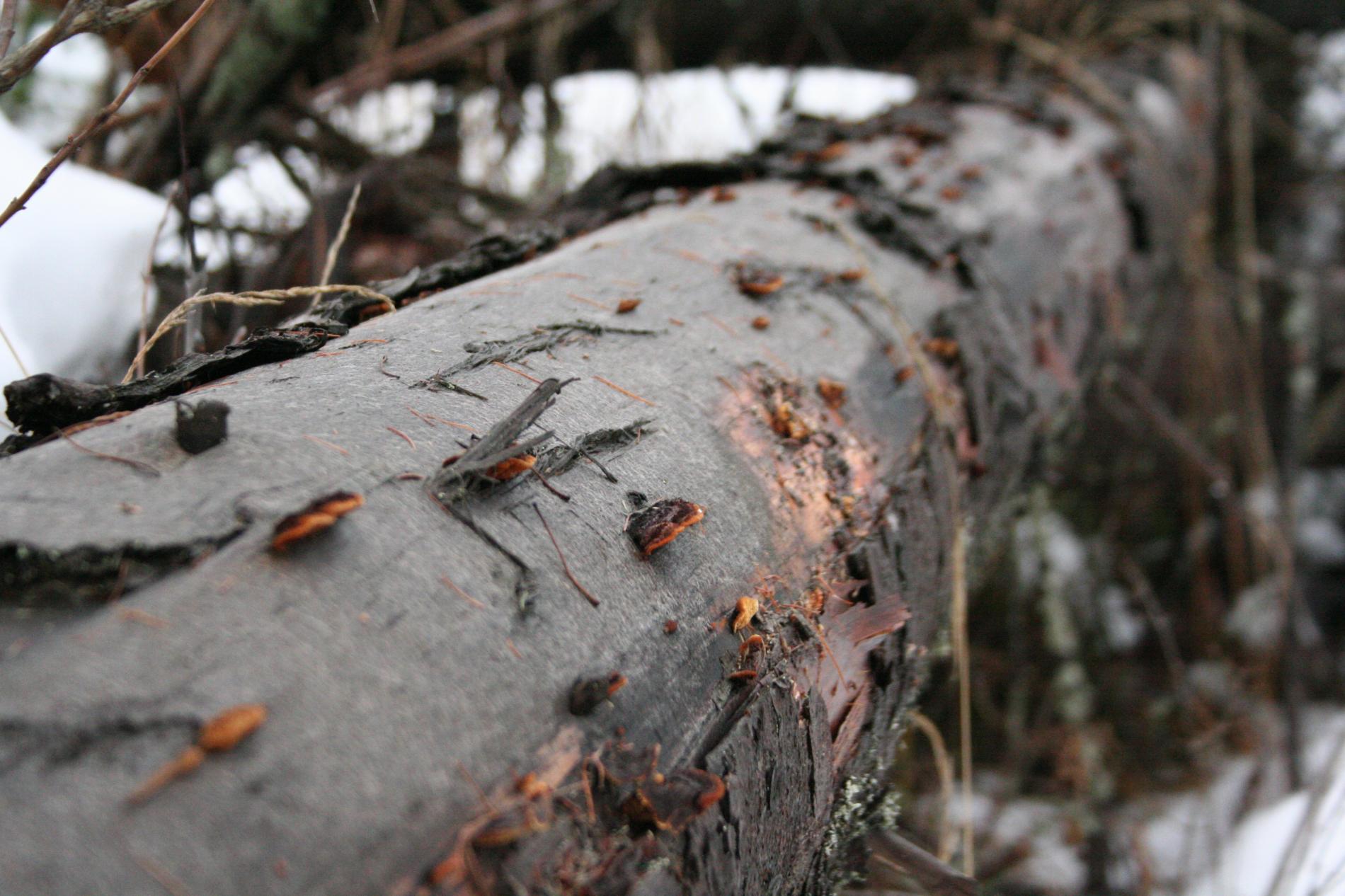
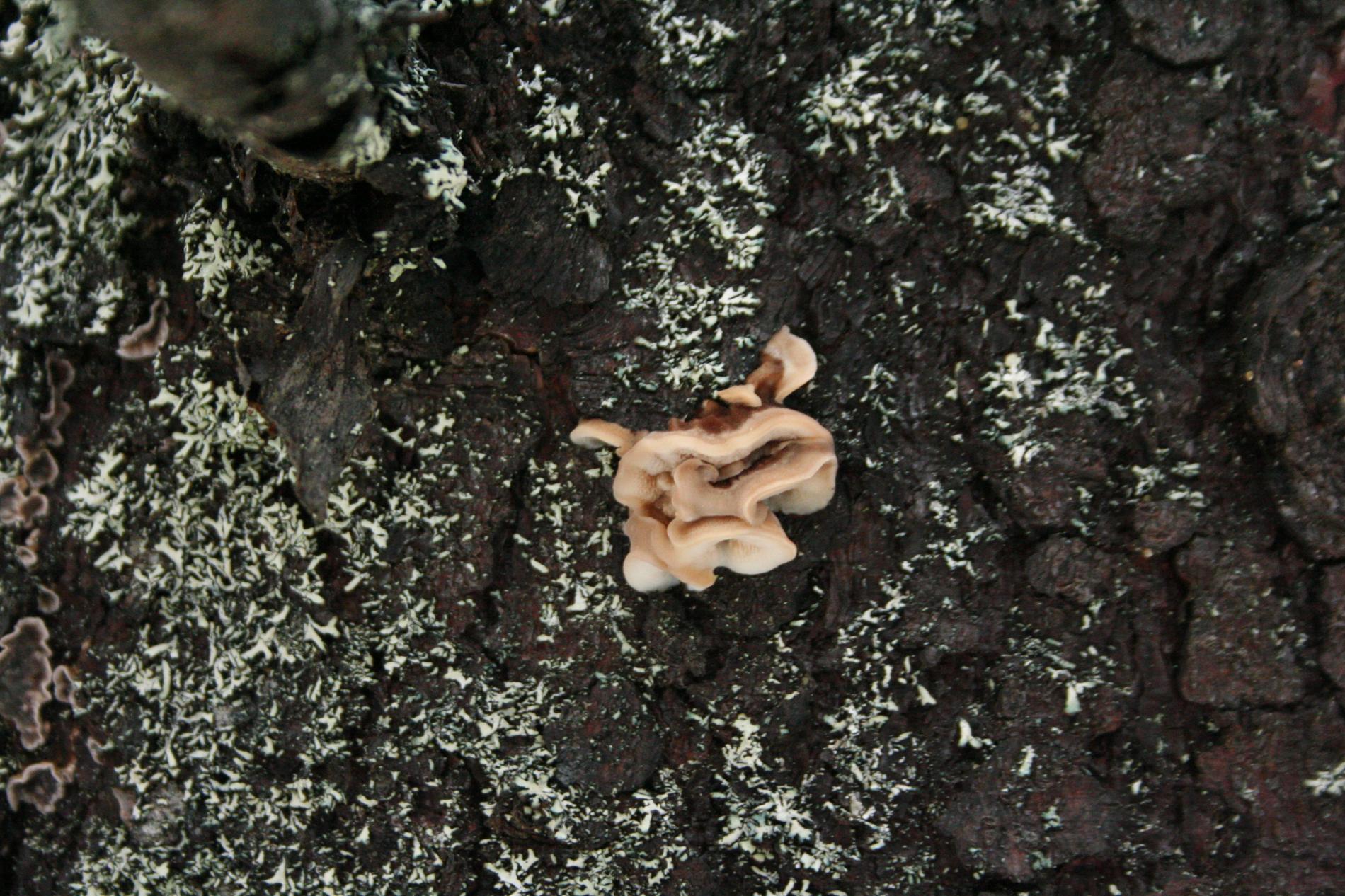
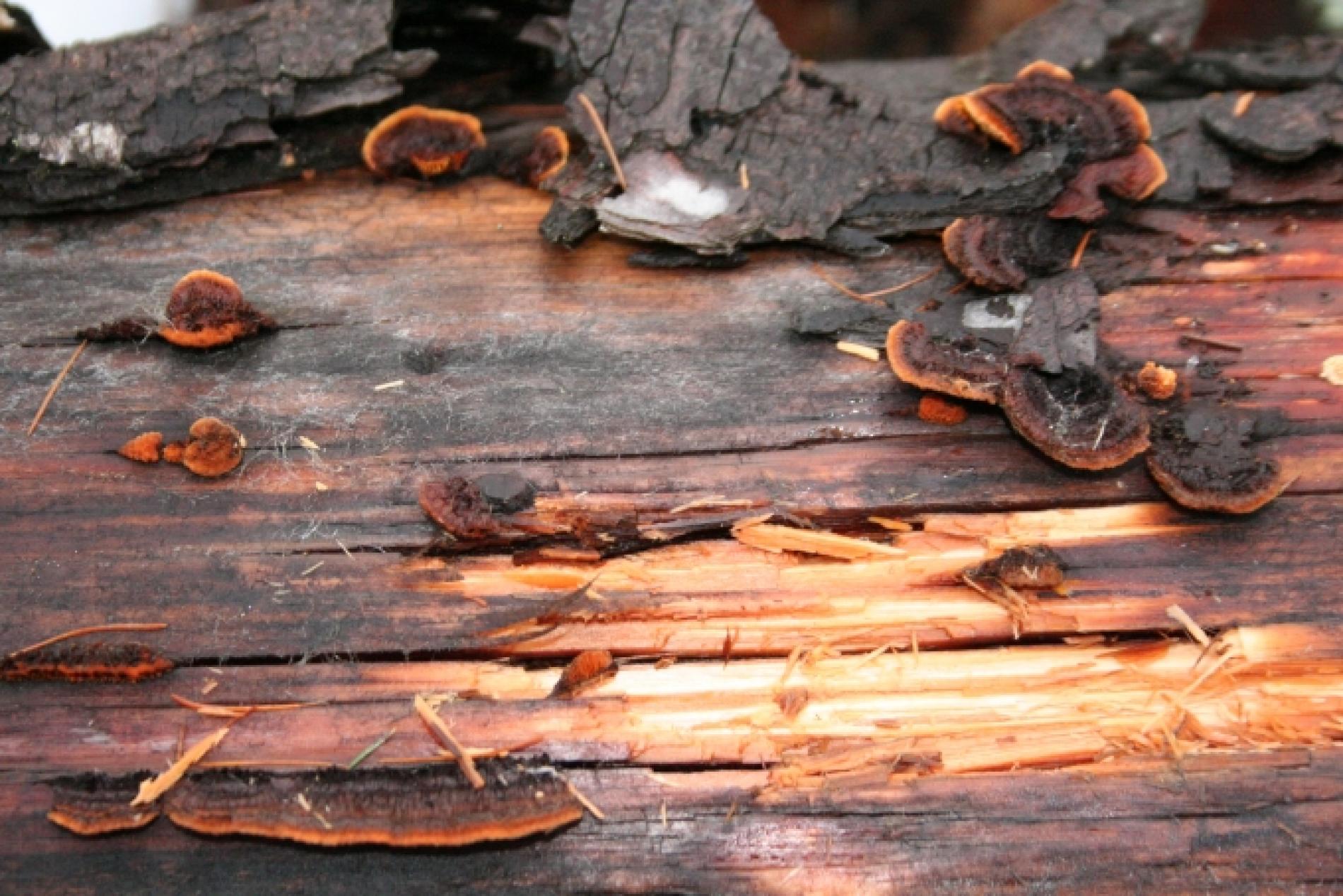
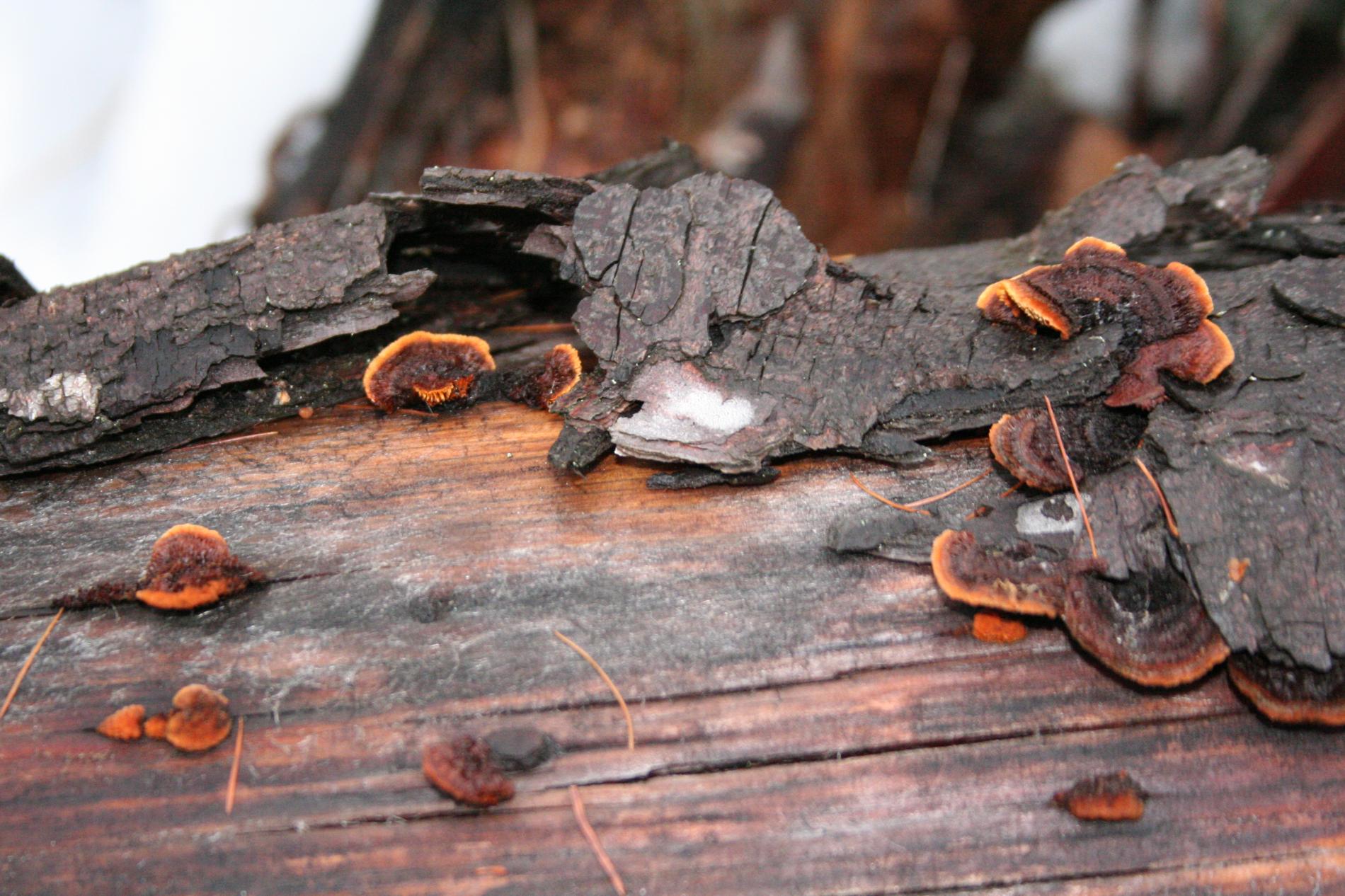
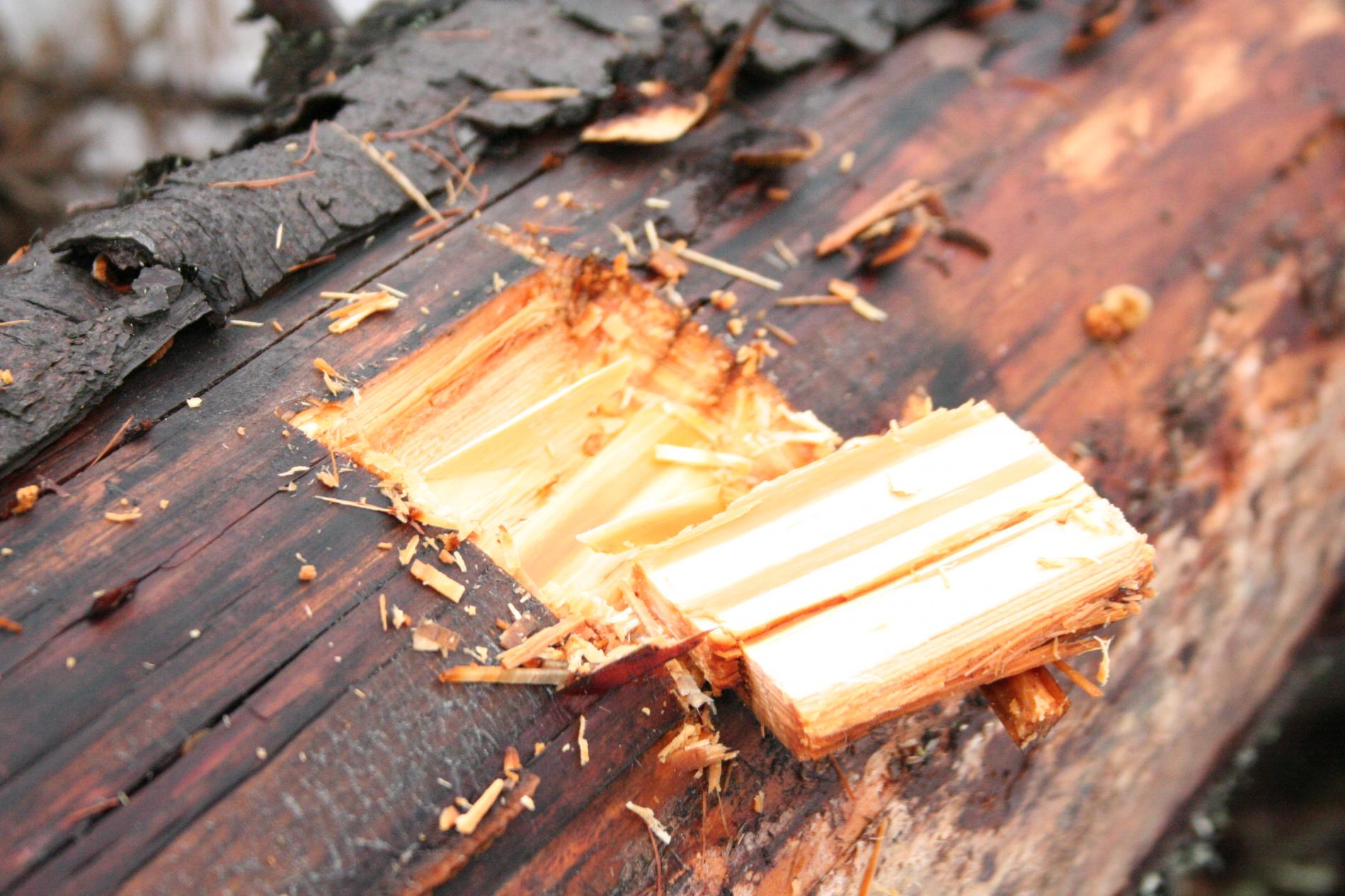
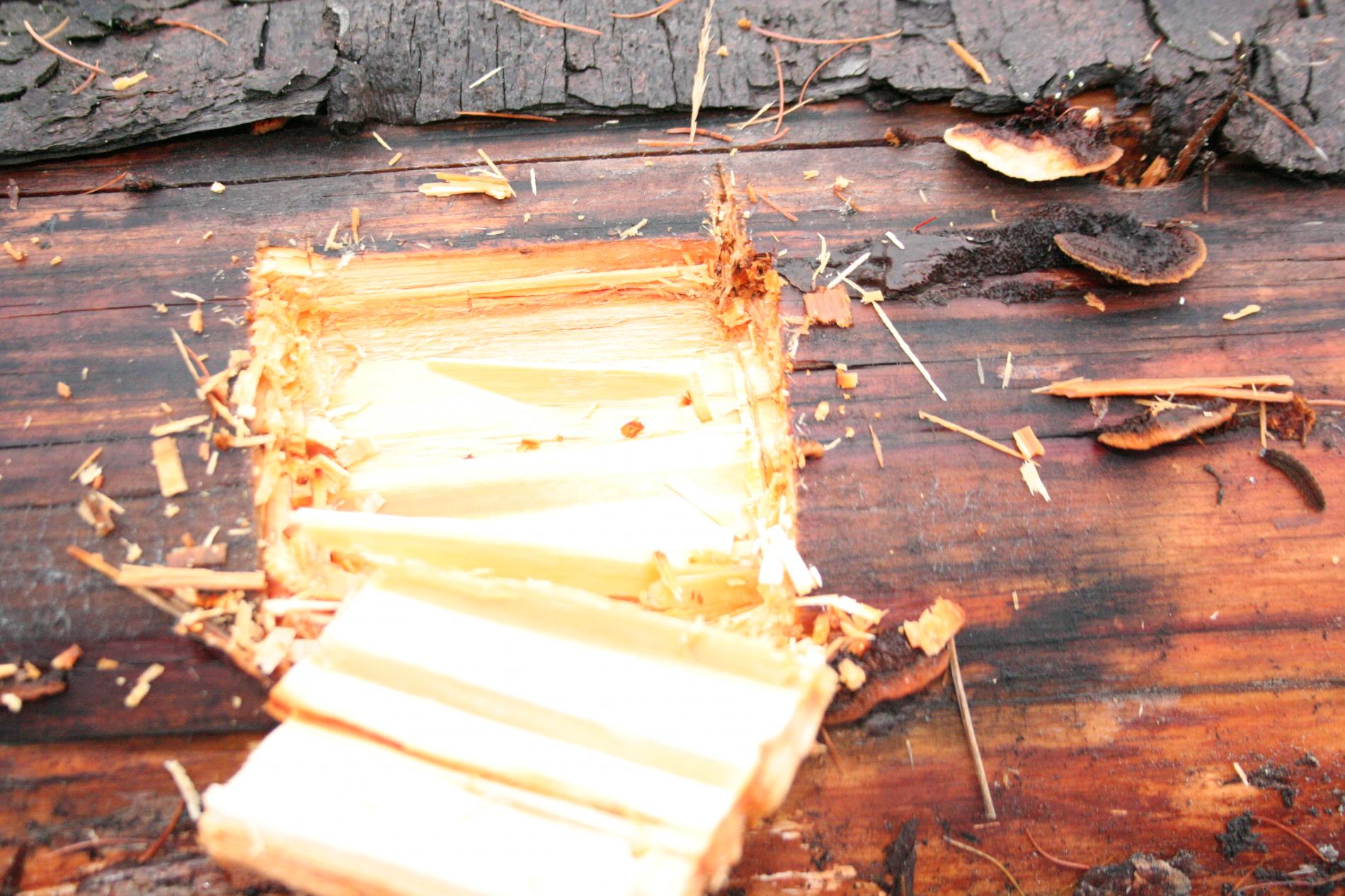
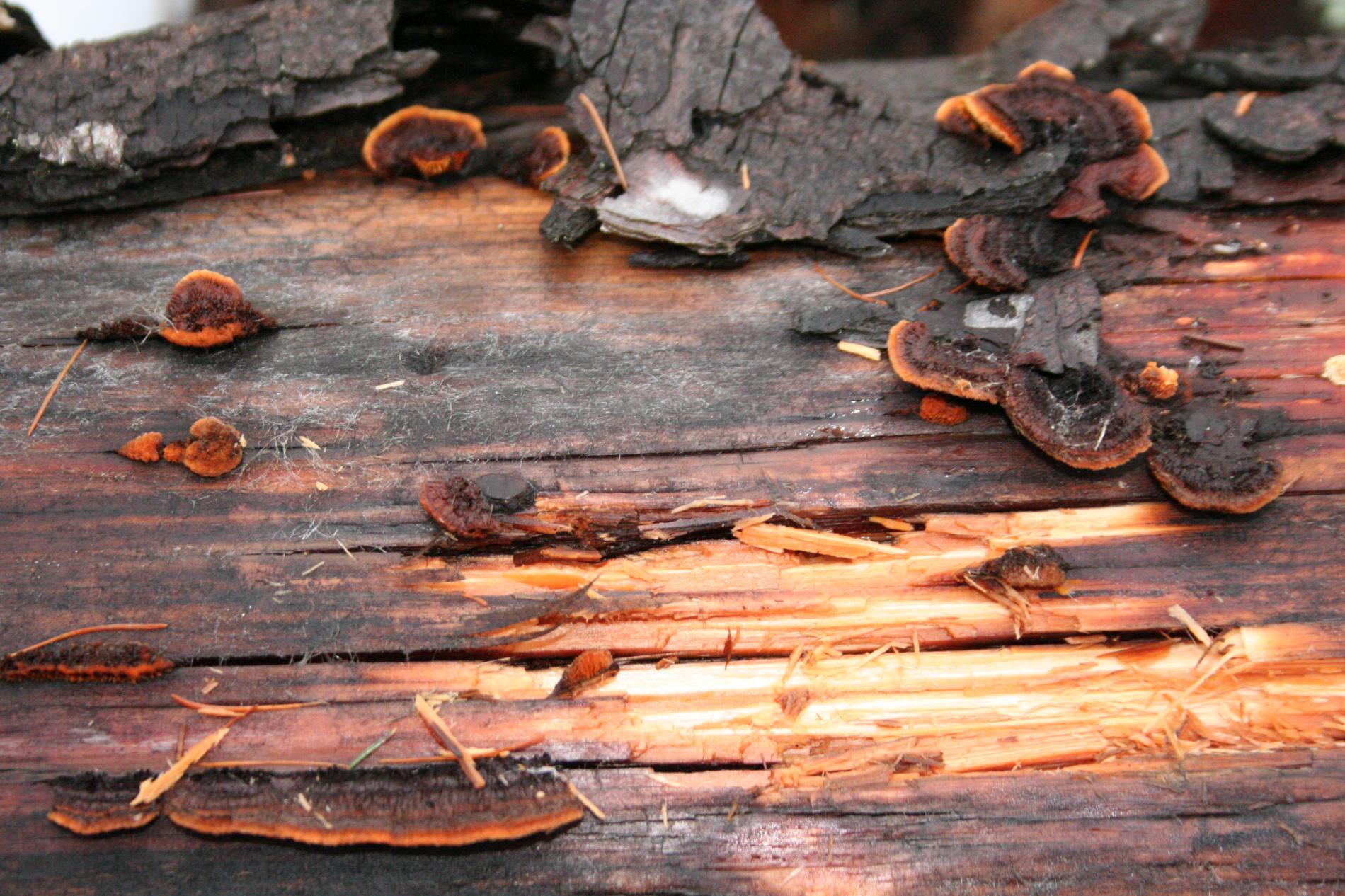
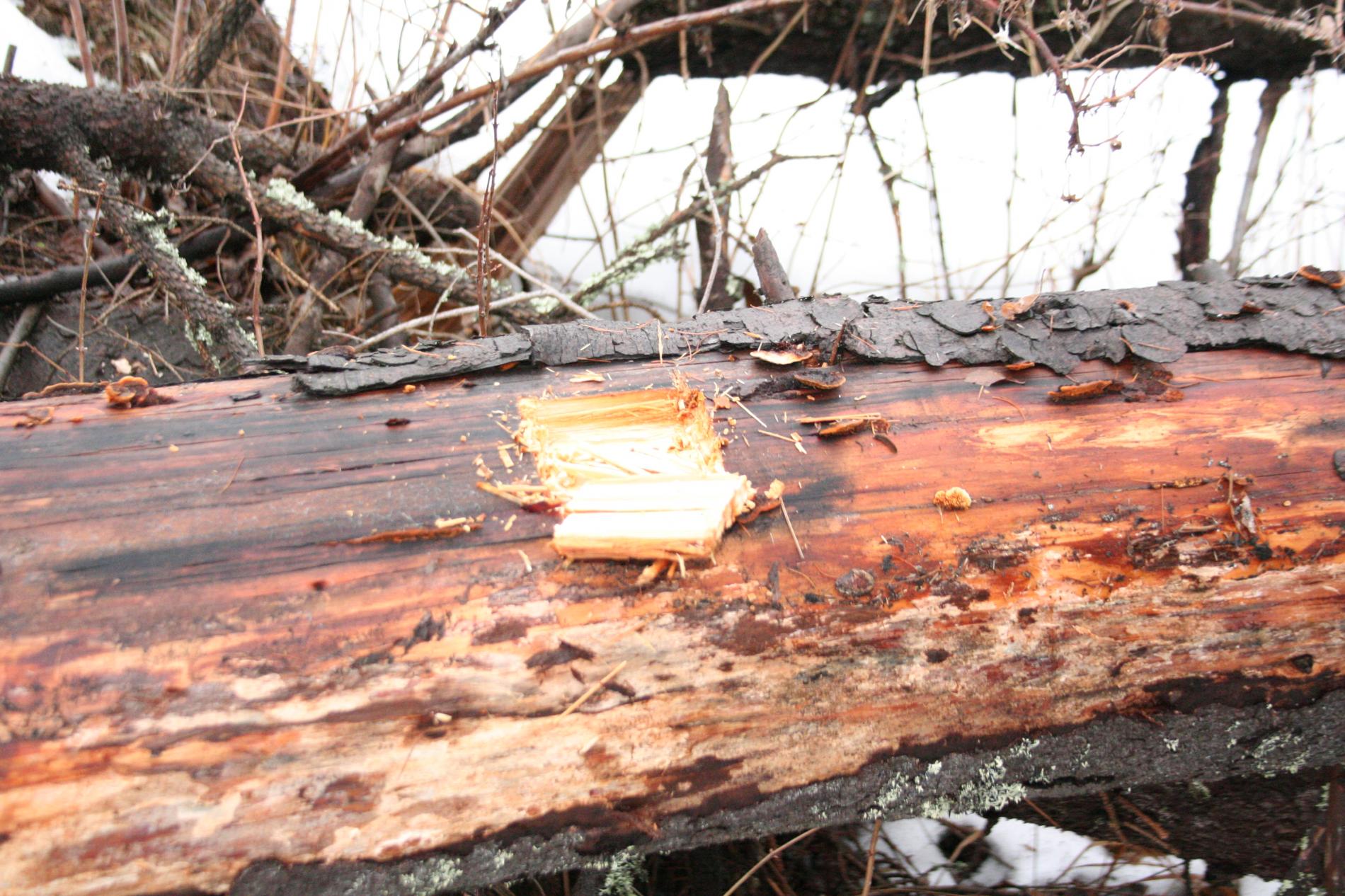
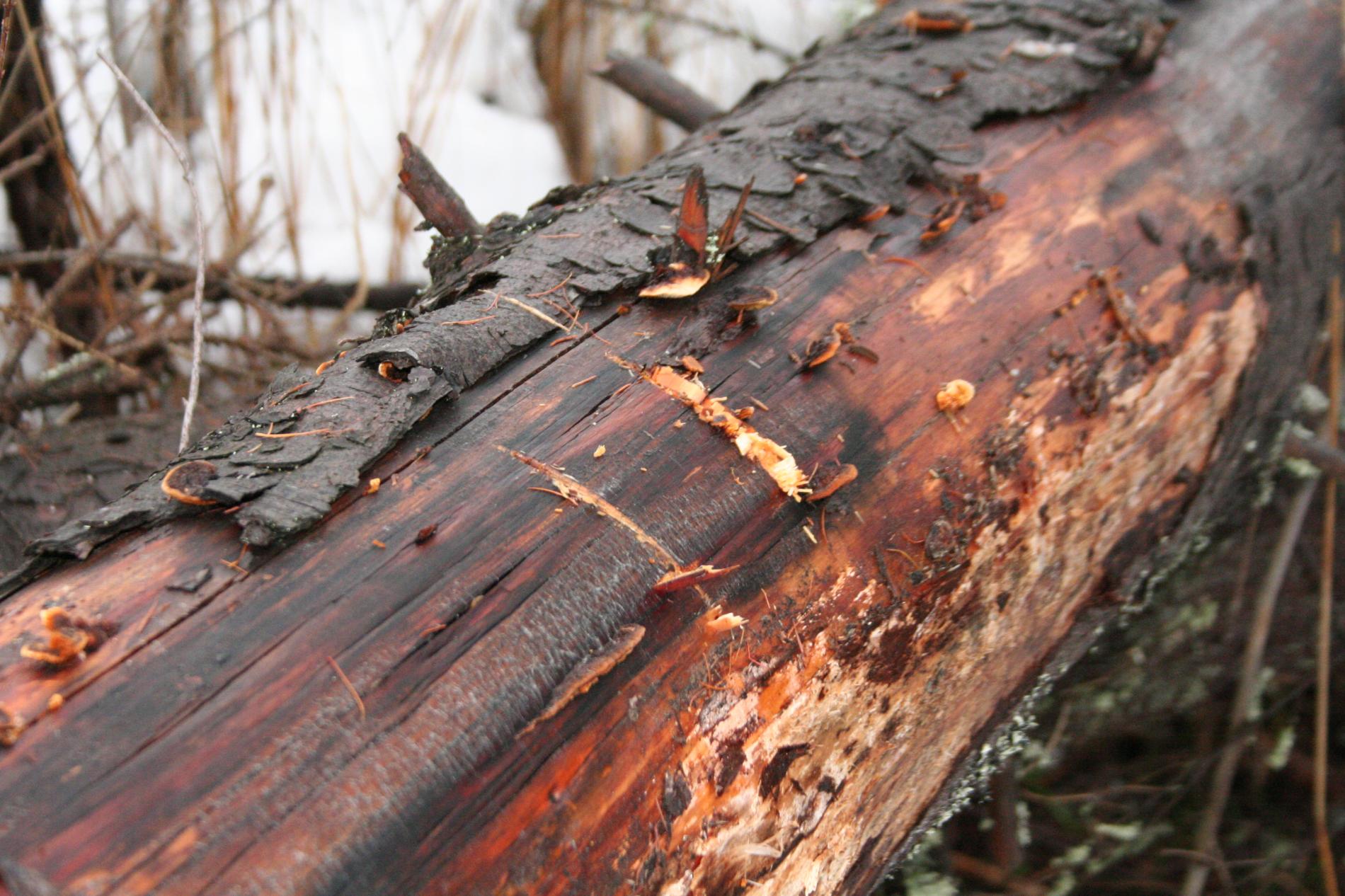
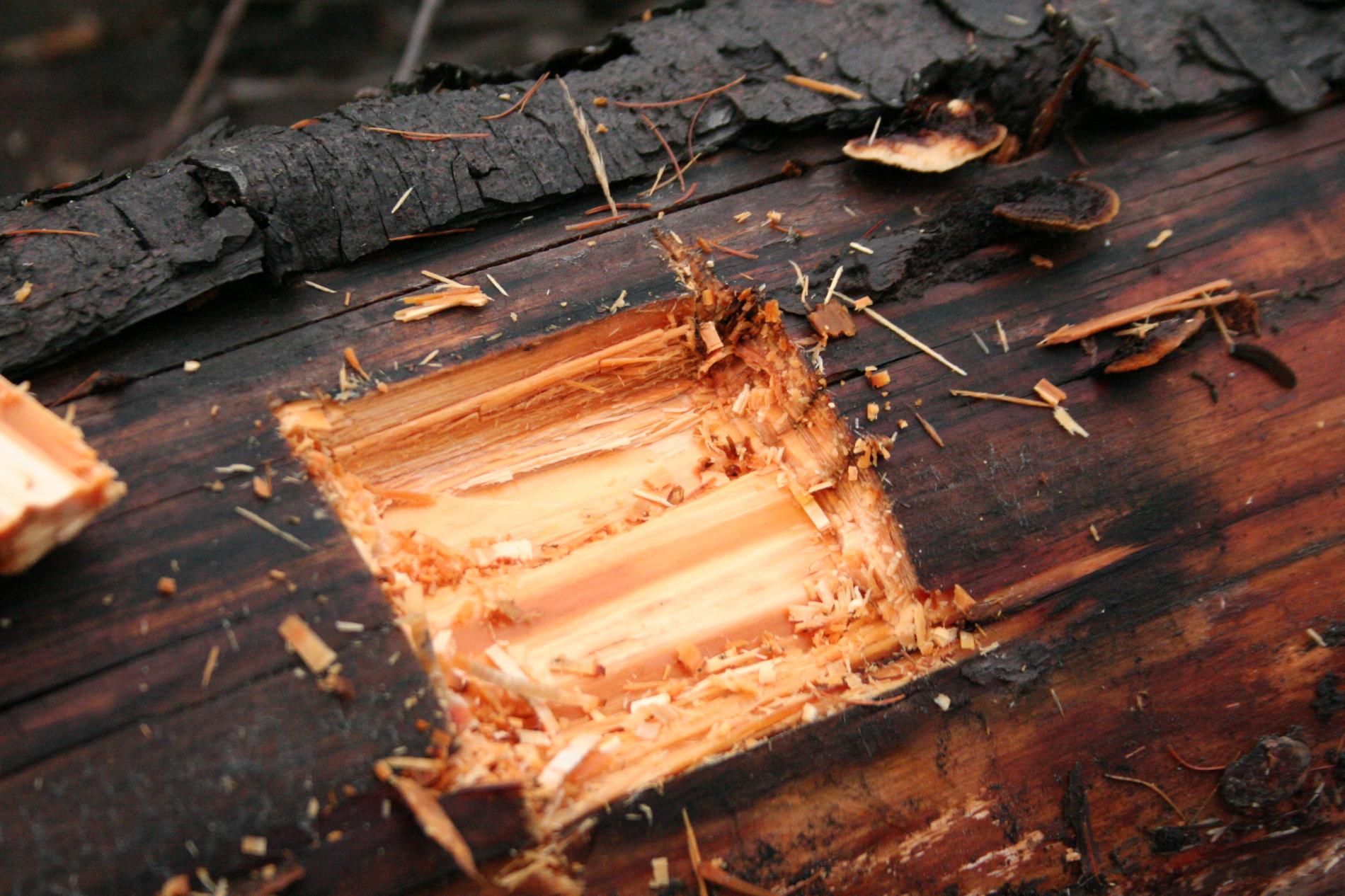
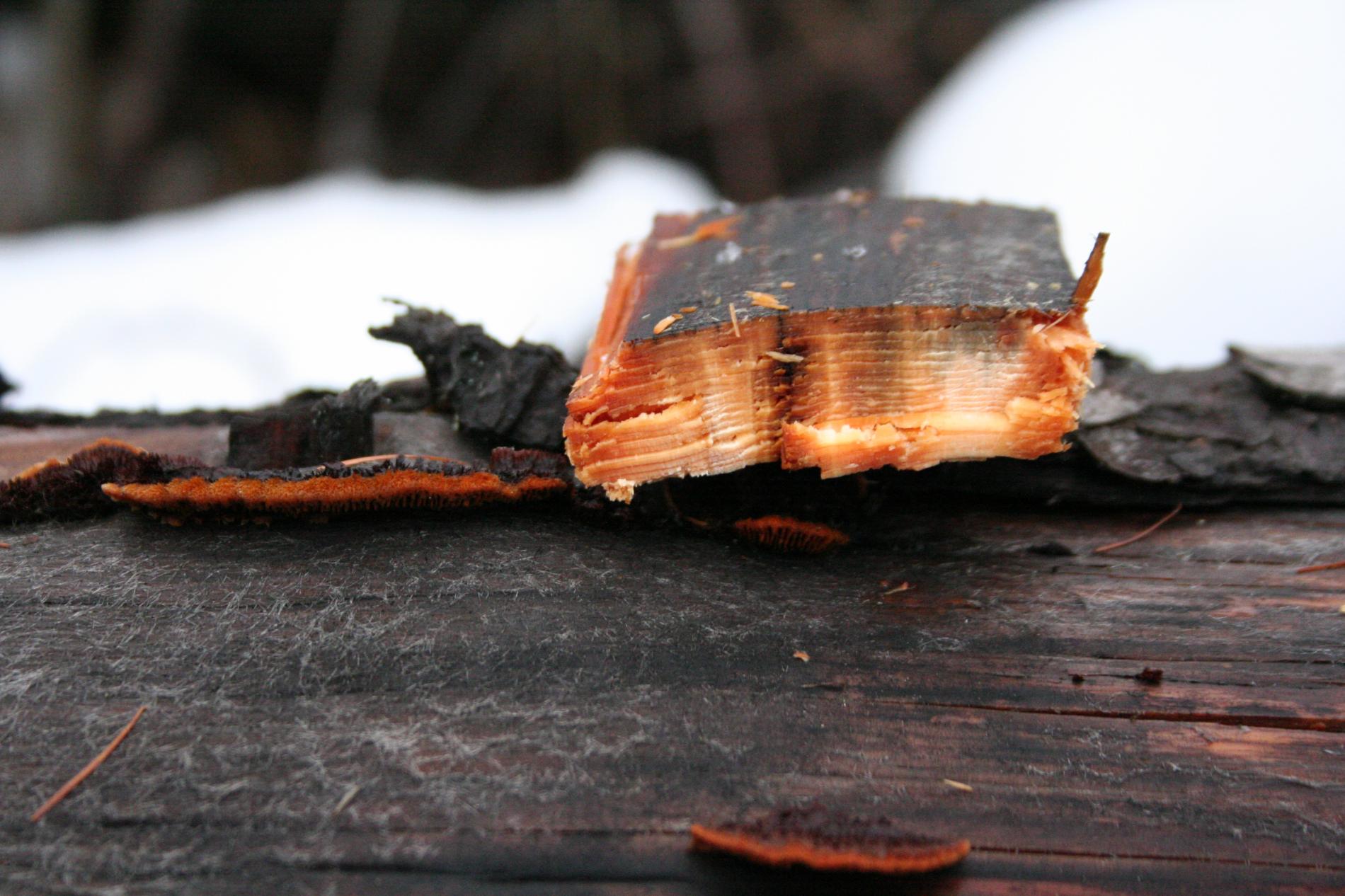
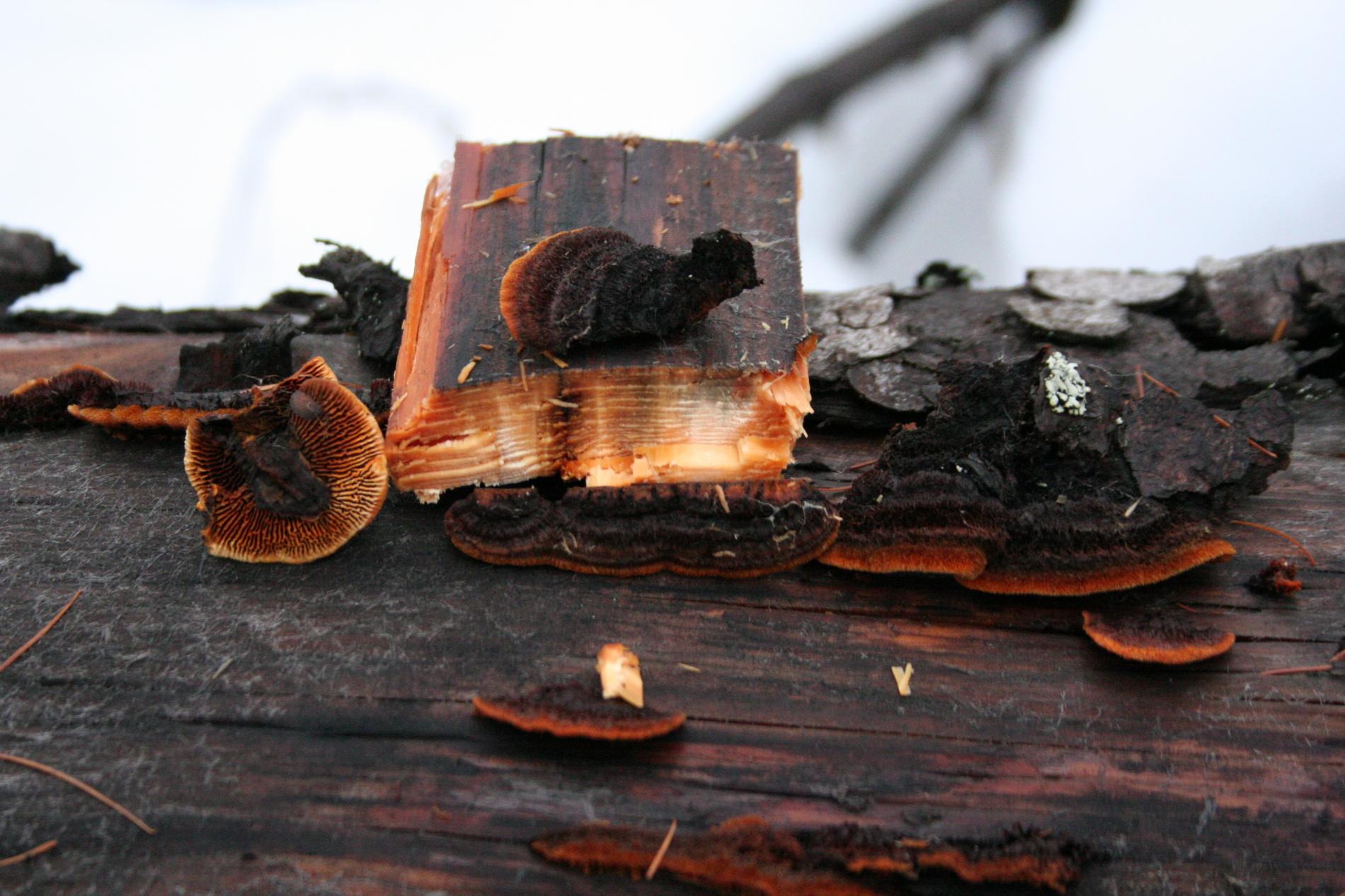
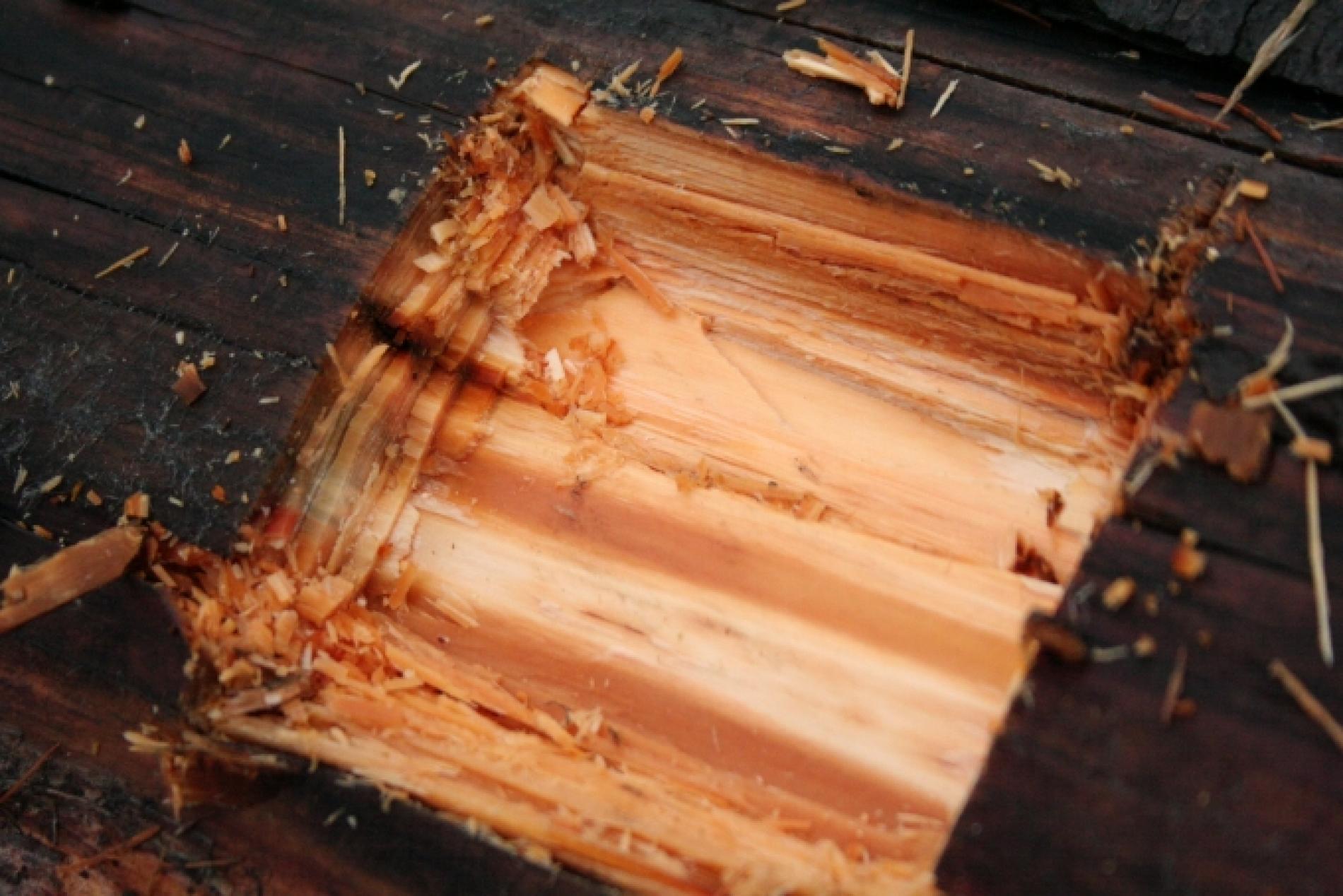
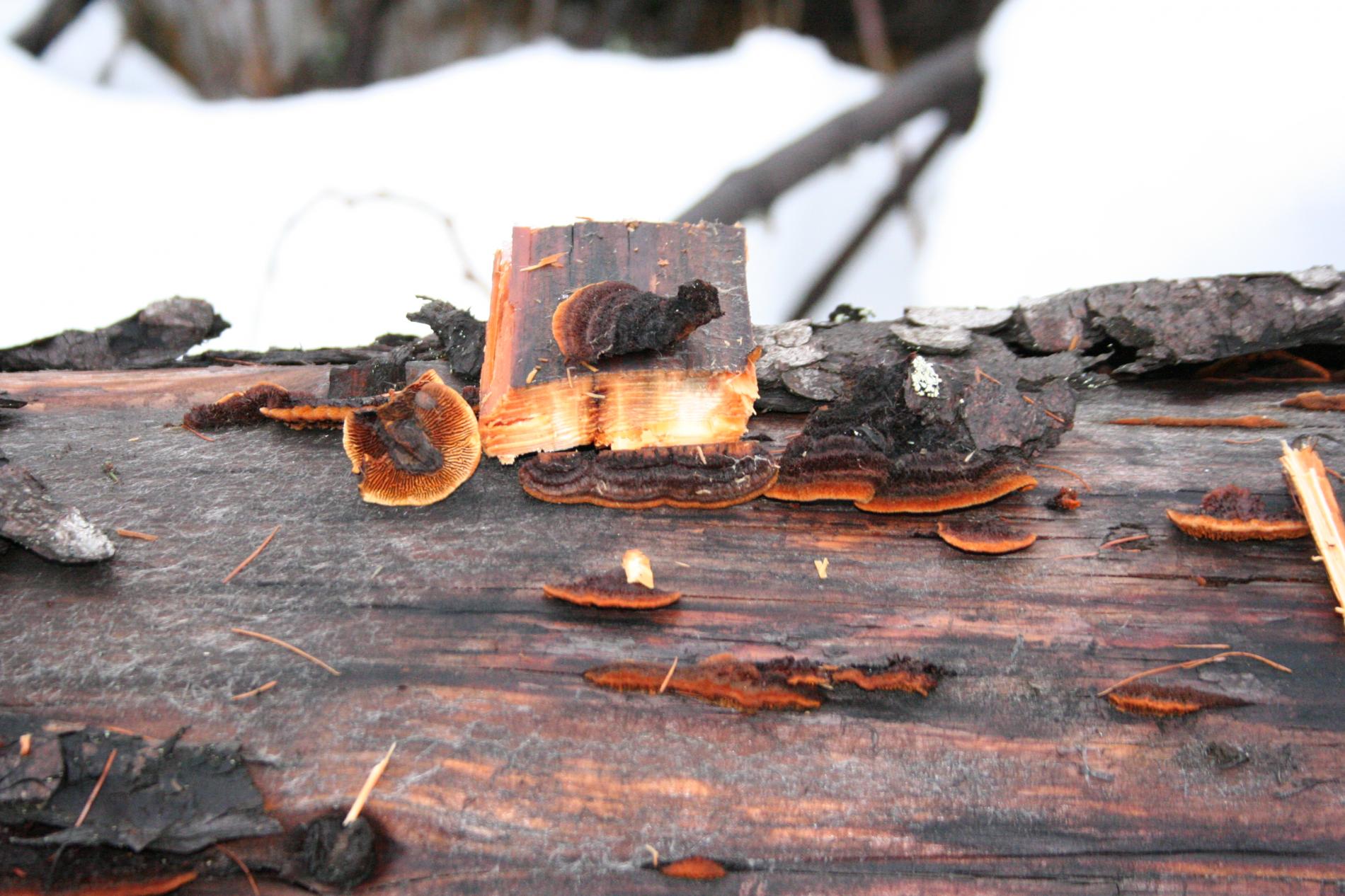
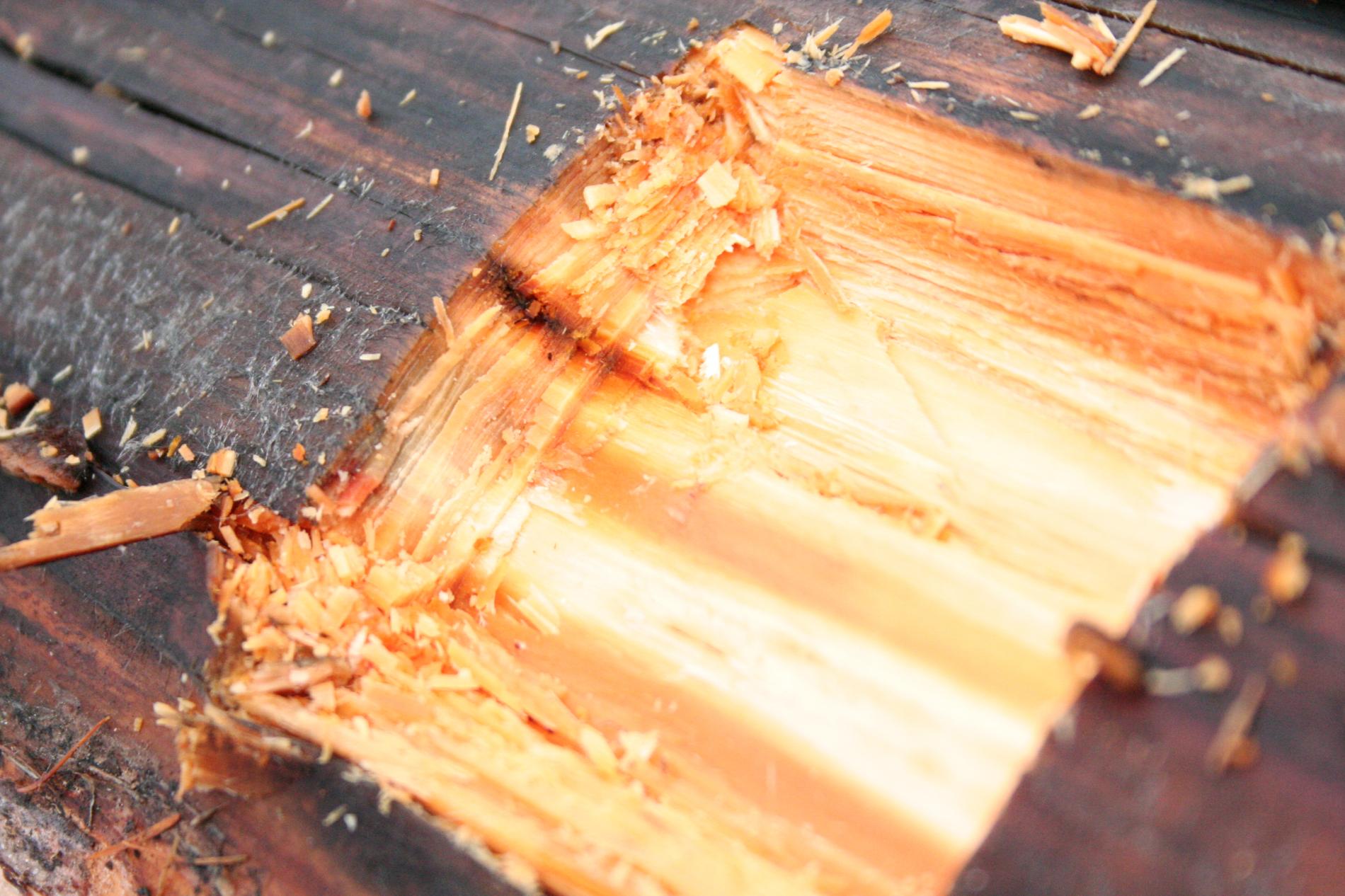
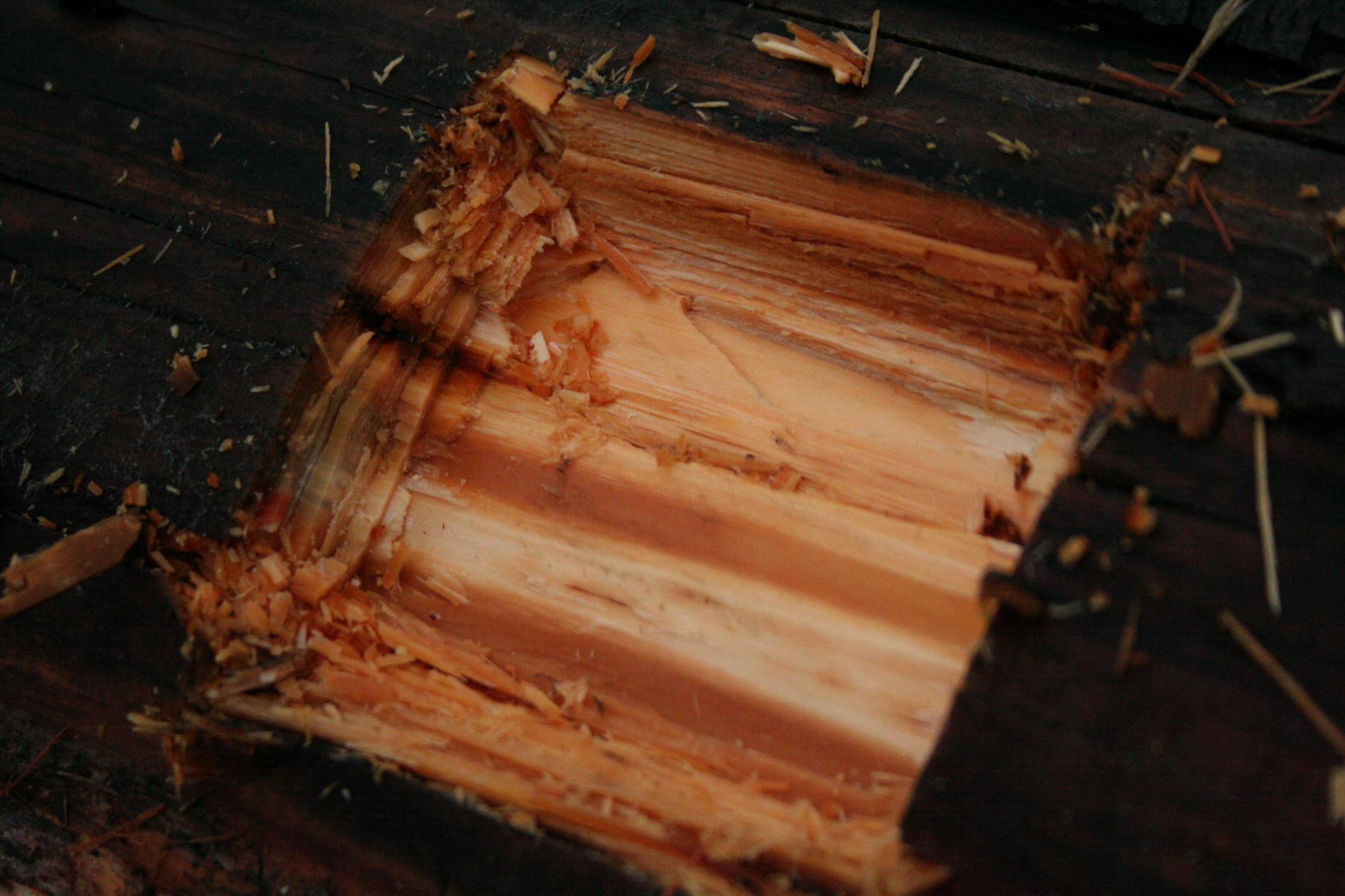
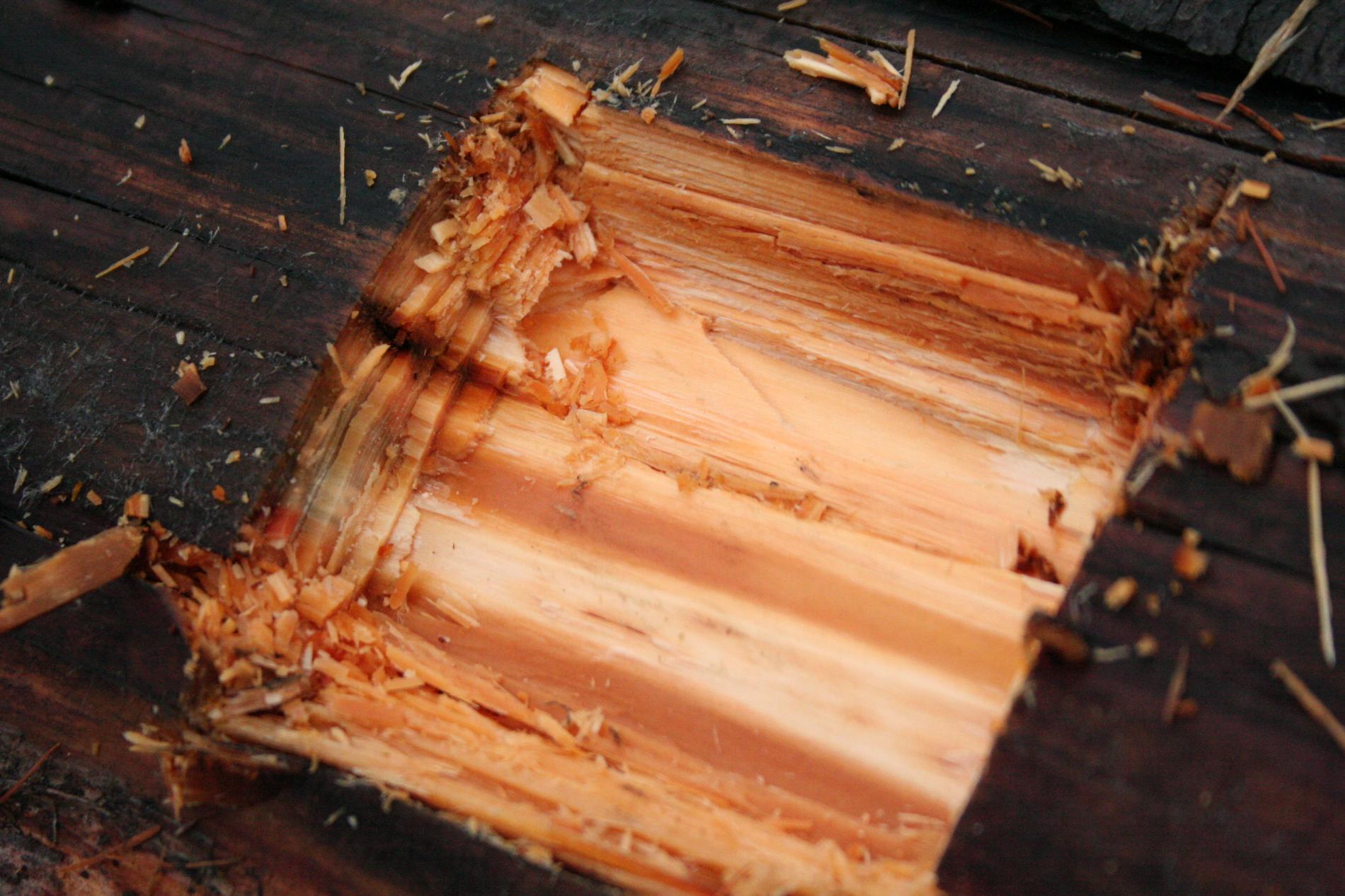
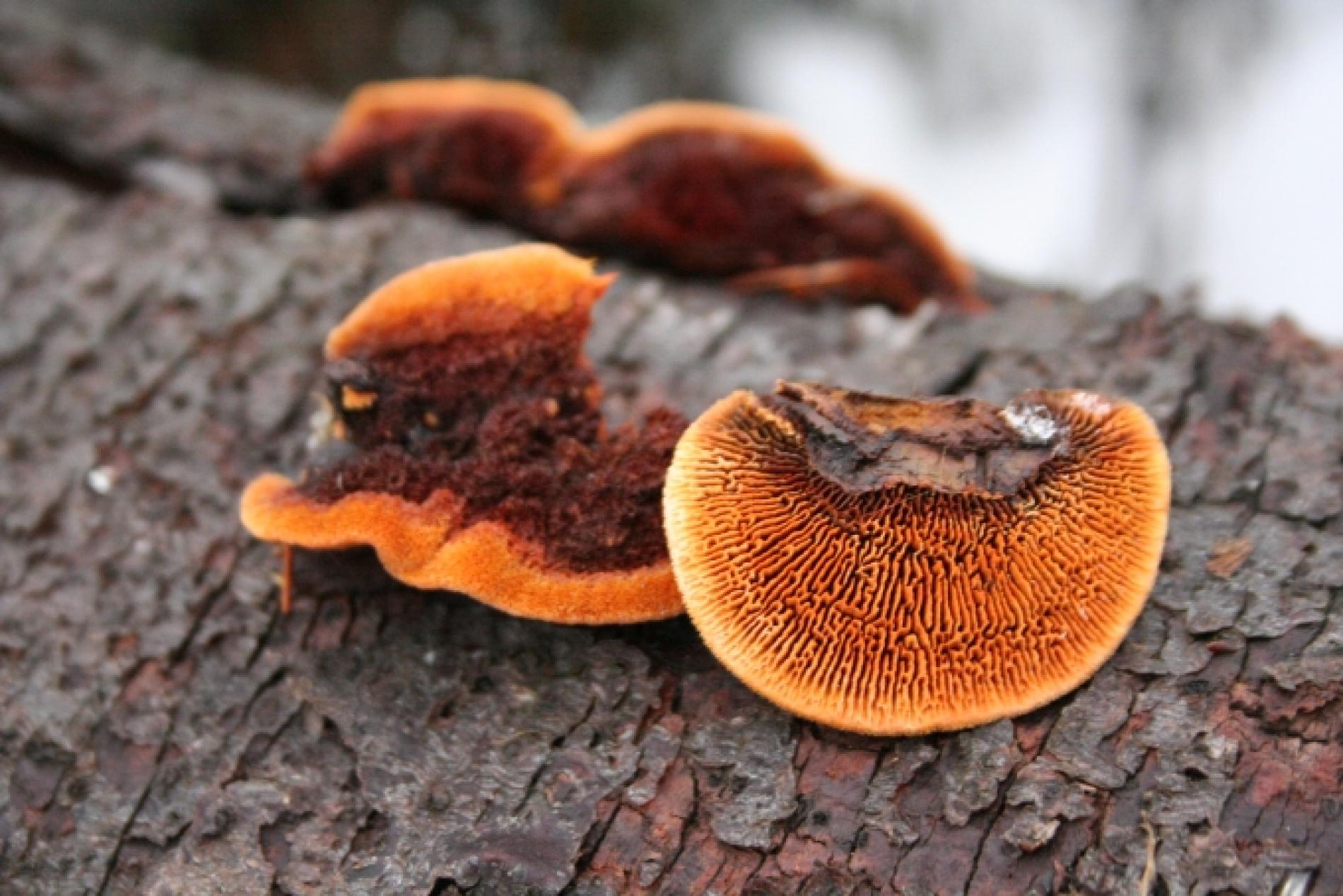
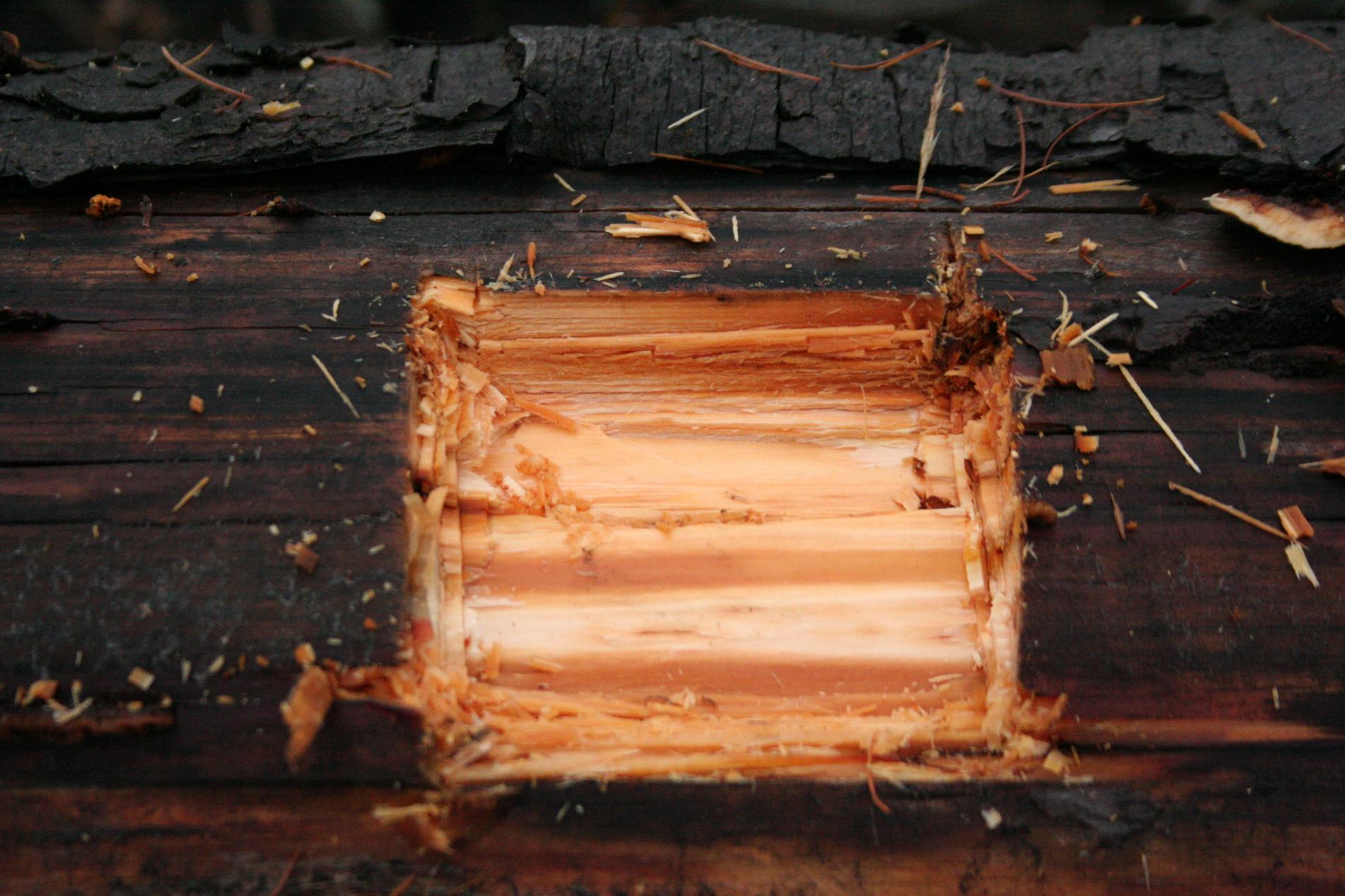
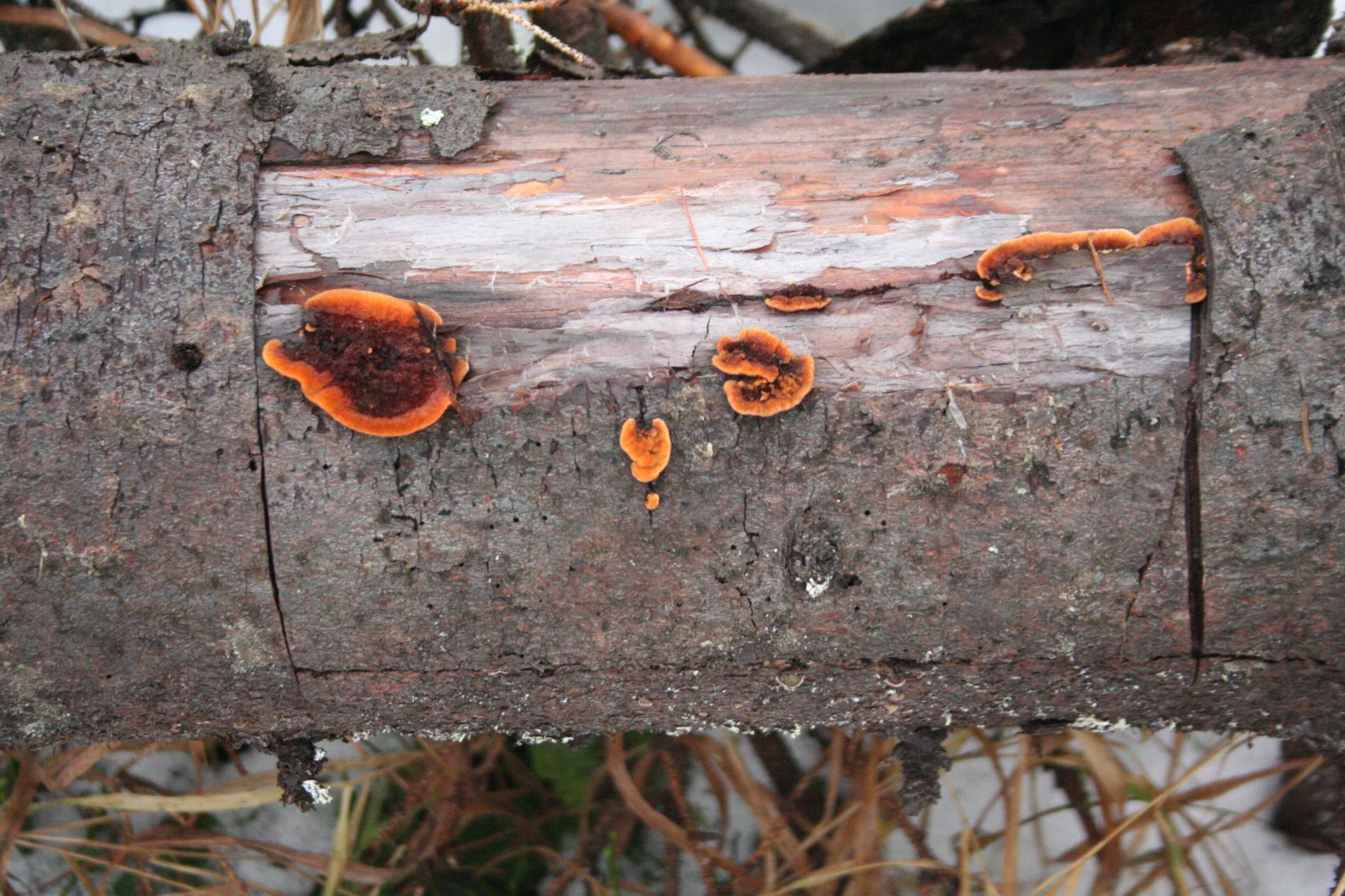
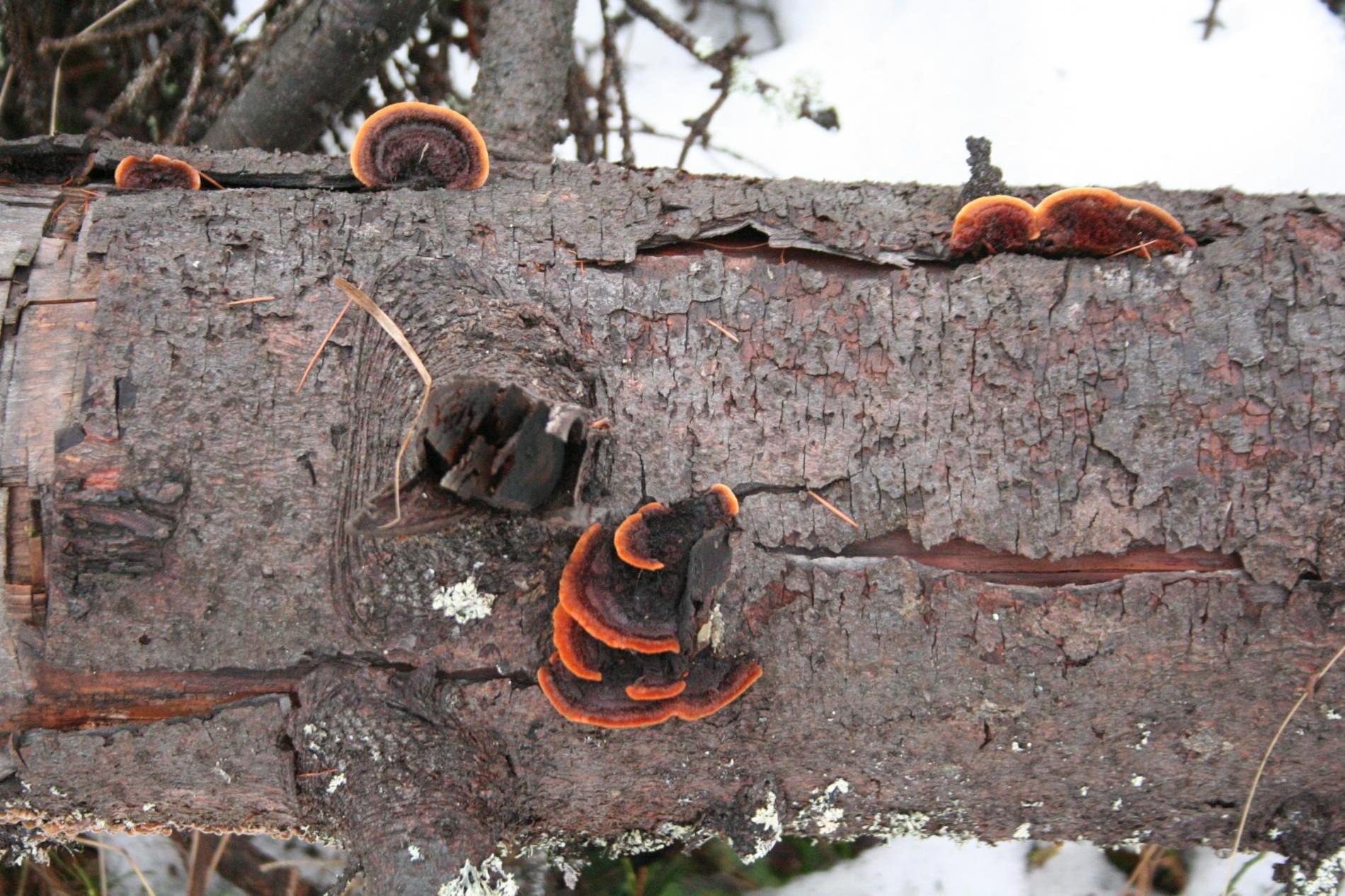
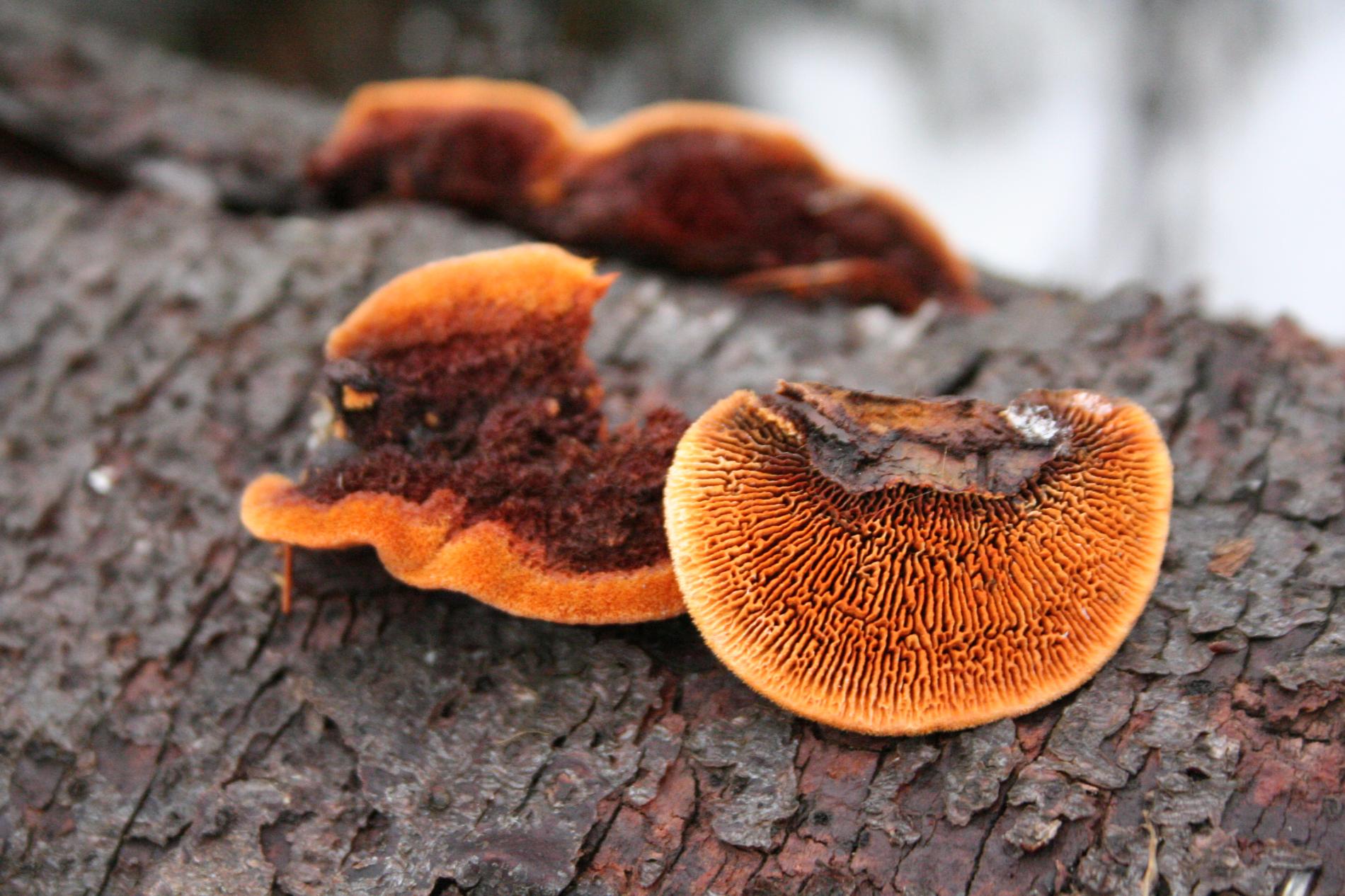
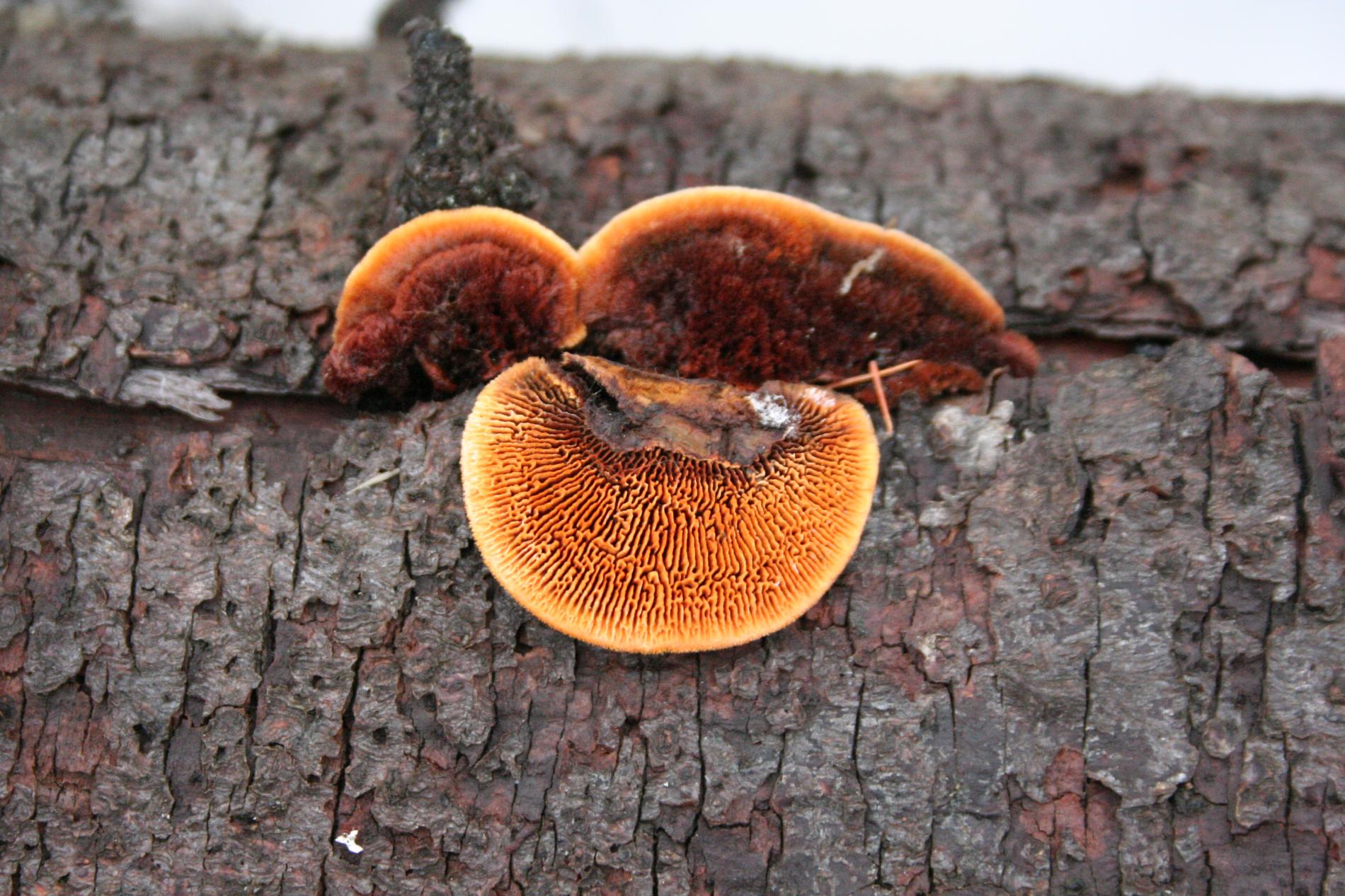
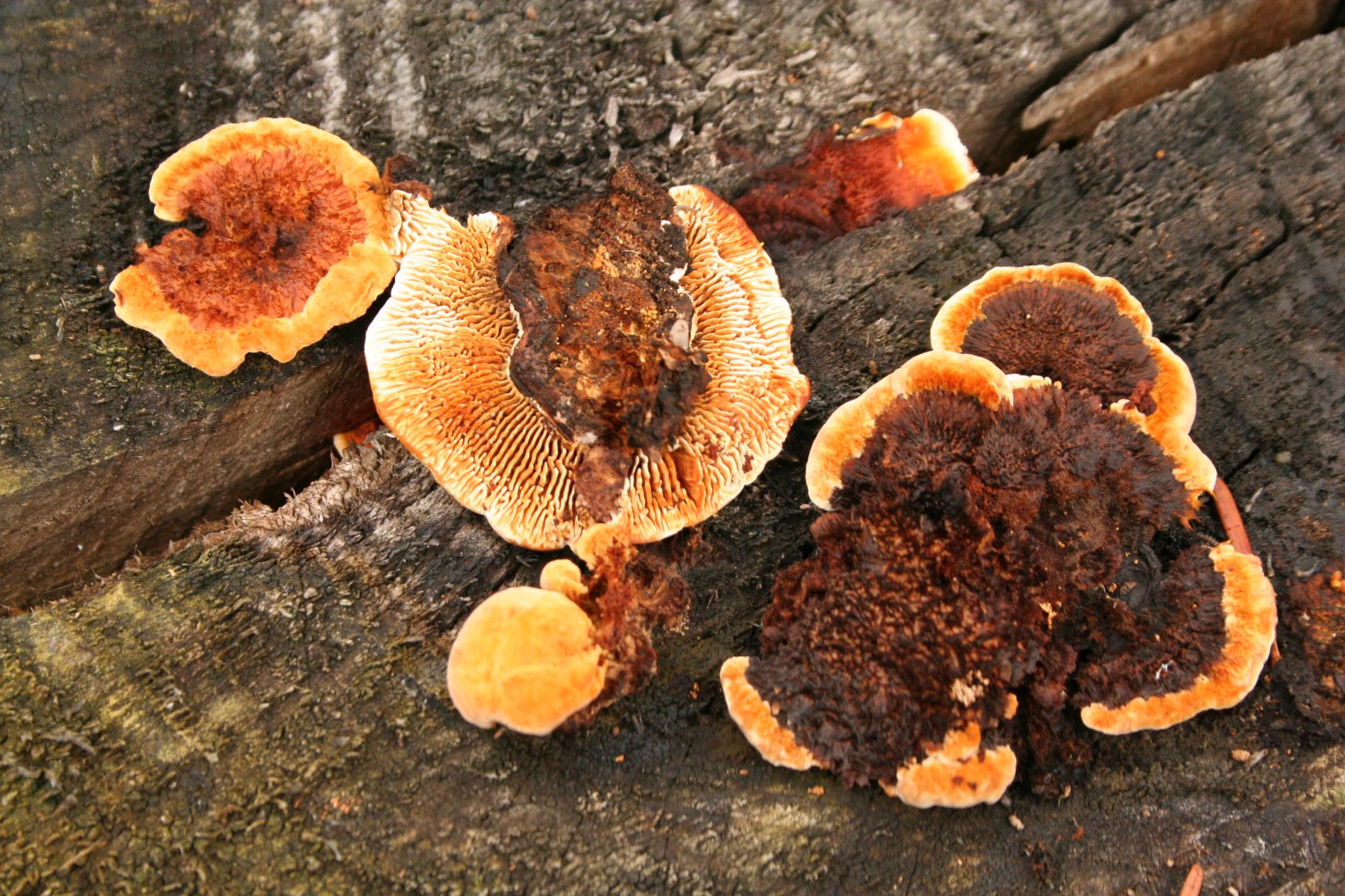
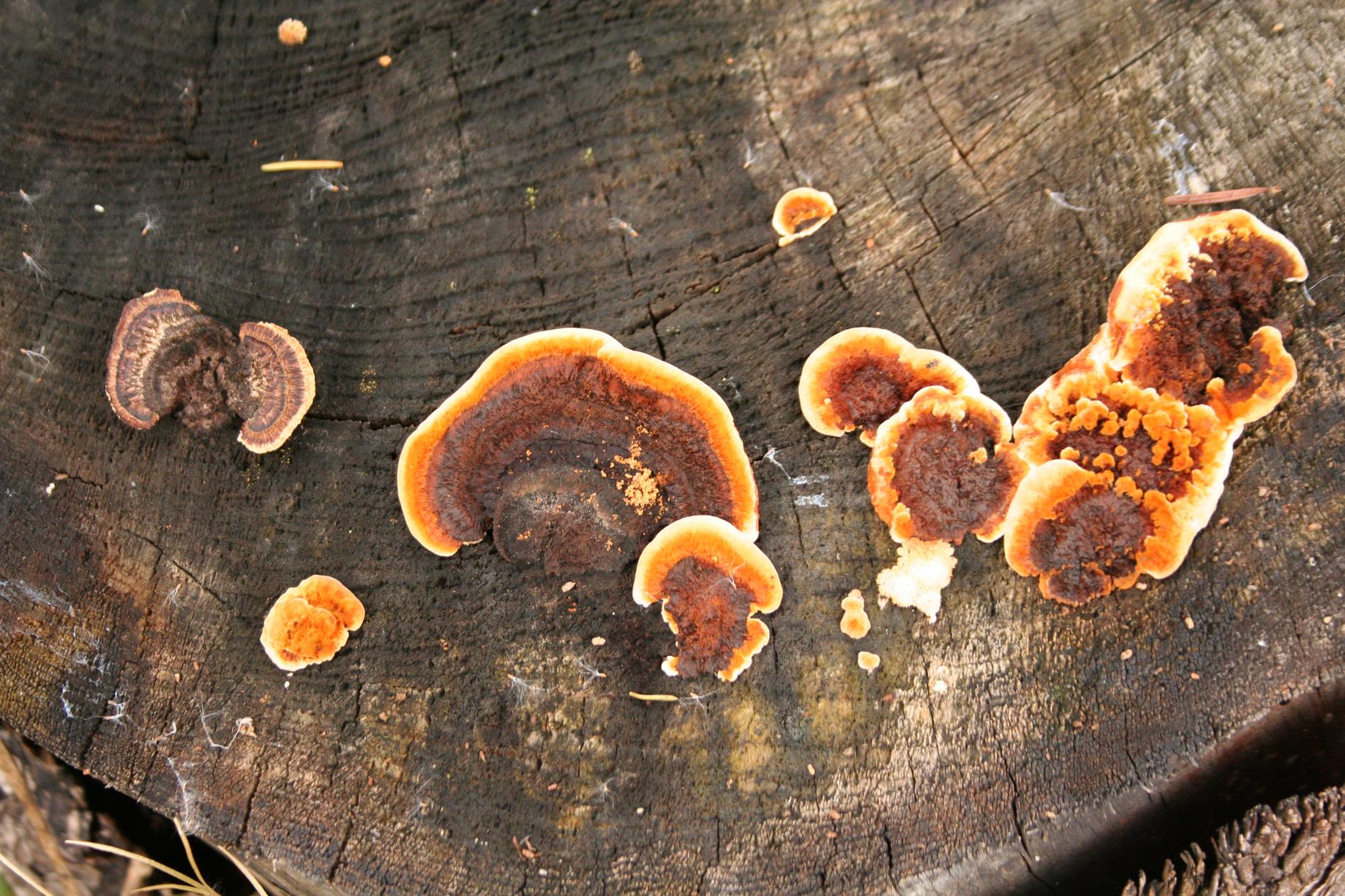
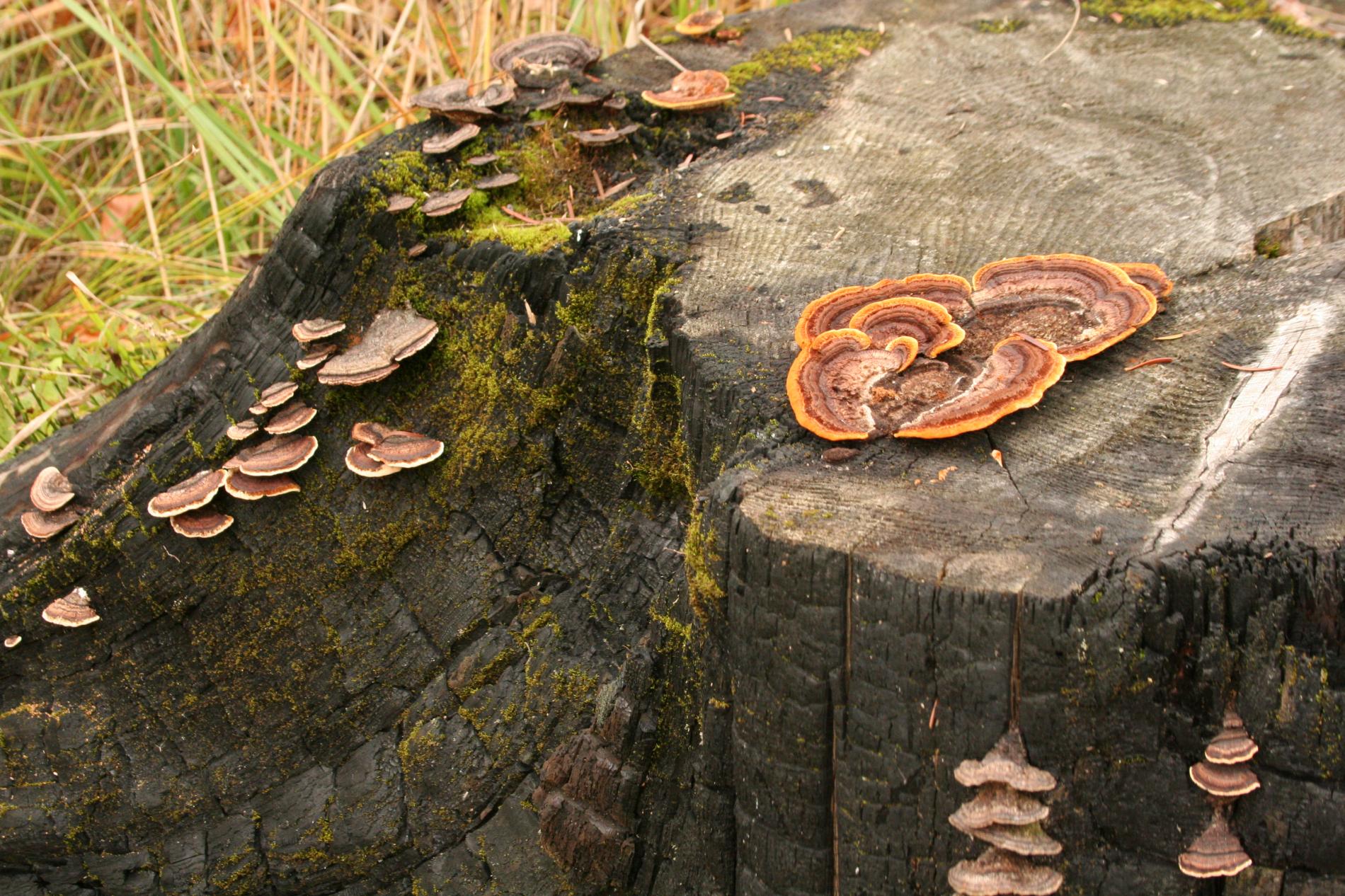
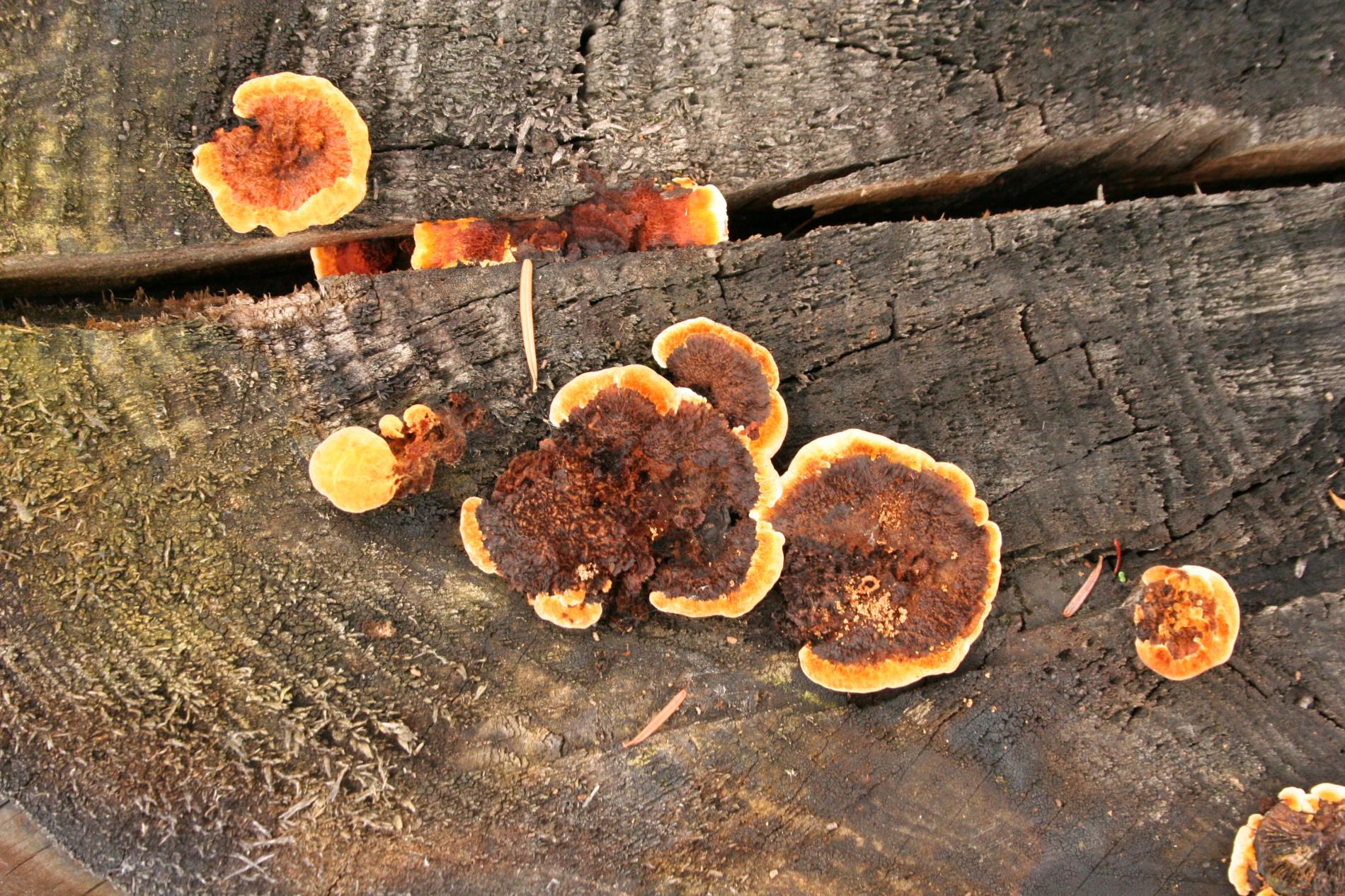
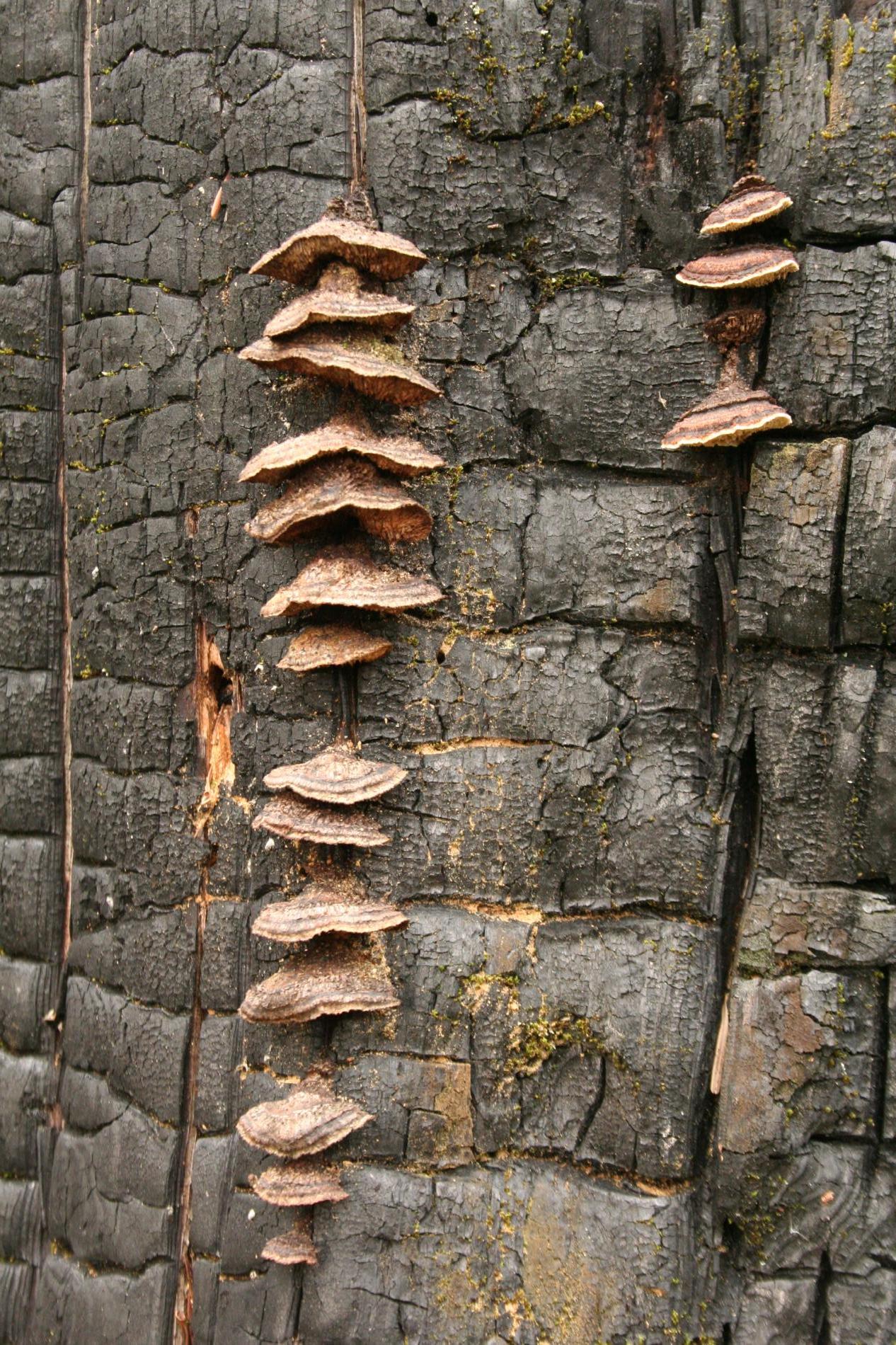
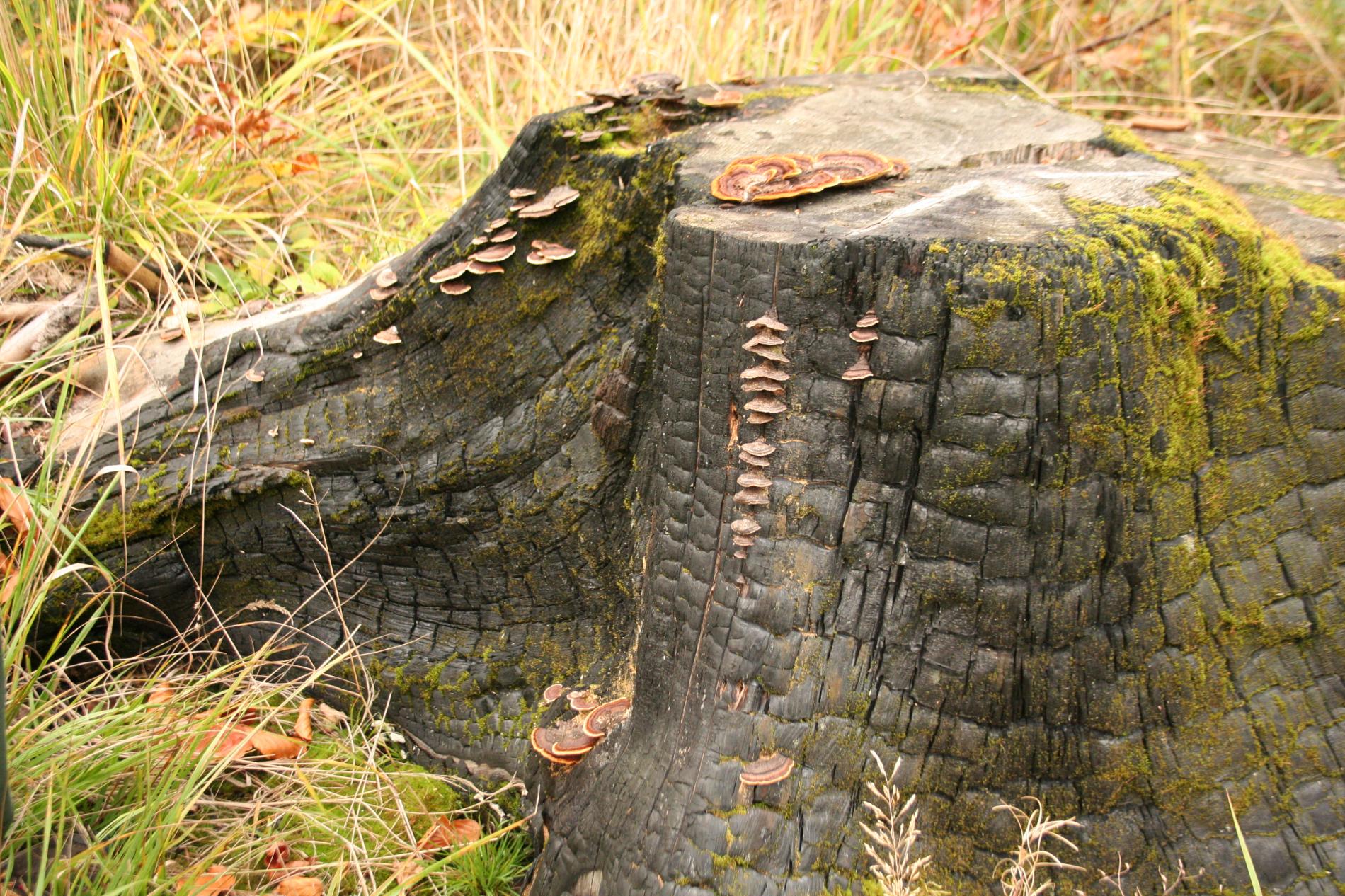
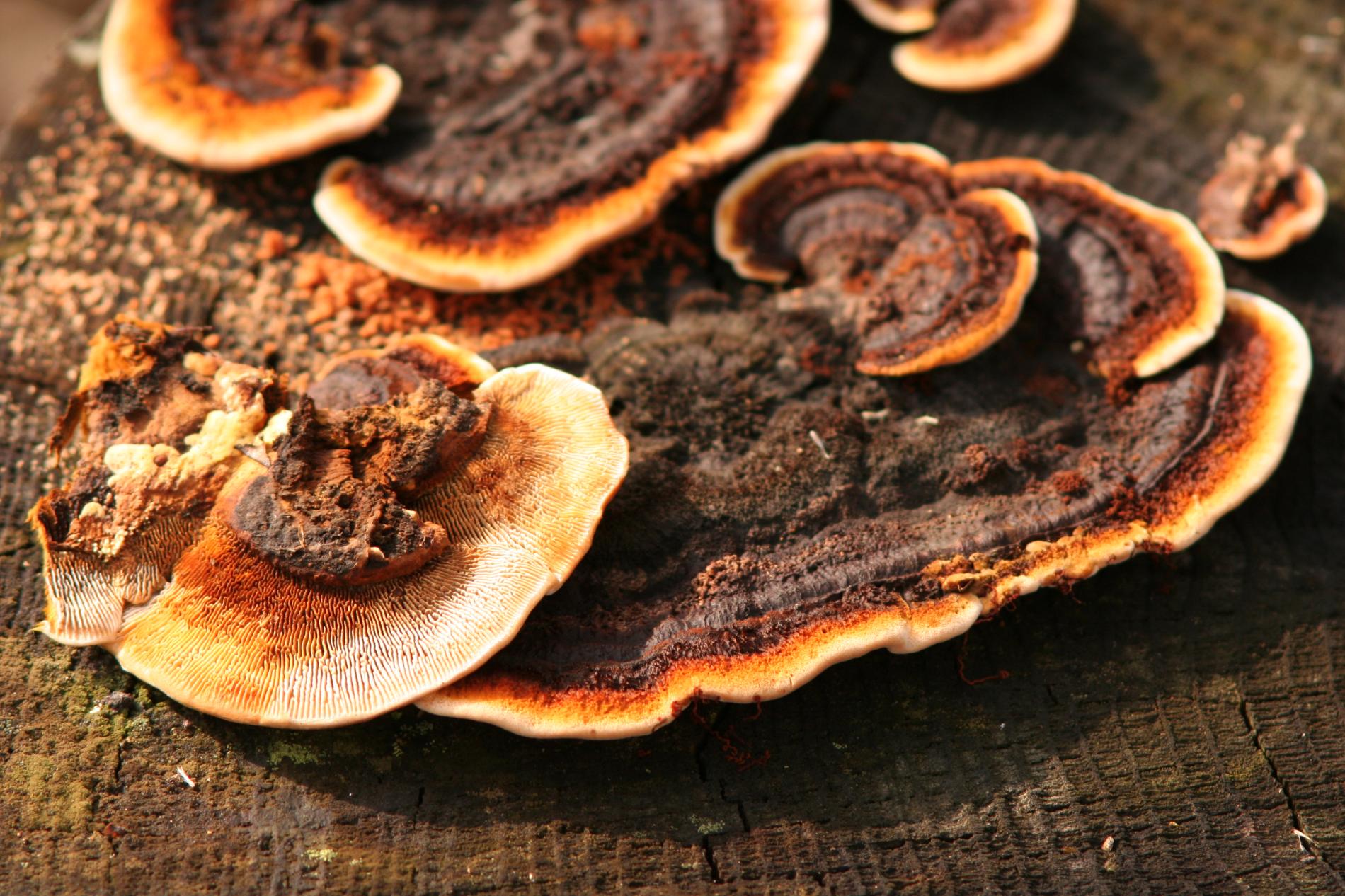
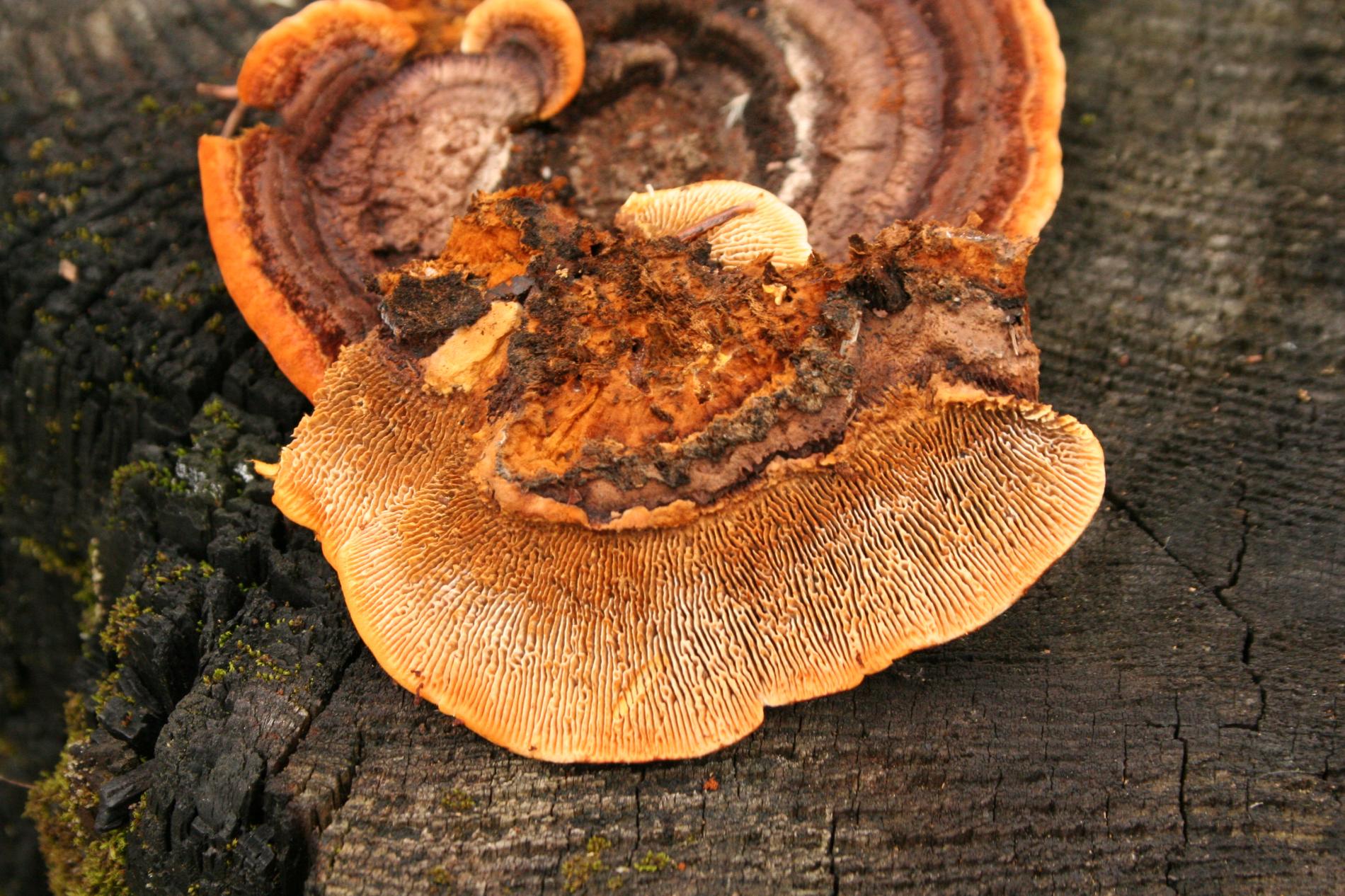
The fruiting bodies are annual or perennial, occurring on woodland stumps, but also on wooden benches and tables at countryside homes, wooden fence poles, beams of wooden bridges, etc. The caps, emerging from the wood surface most often through cracks and fissures, are laterally attached or semi-resupinate. They are 2–6 cm across and 3–10 cm long, velvety or with longer hairs, circular zones of vivid rusty or dark brown and a blunt rusty yellow margin. The pore surface is formed by tawny gills instead of tubes. The mycelium causes brown cuboid rot and the fungus is a major degrader of stored timber.
The presence of rusty-brown fruiting bodies emerging on the surface of the wood, most often through cracks and fissures, are laterally added to the semi-spilled.
Tree Species: Pine, Fir, Spruce
Part of a plant- attacked: Tree trunk
Pest significance: Less harmful
Pest Category: Fungi
Invasive Species: No
Present in EU: Yes
Pest group: Fungi
Affected part of wood: Heartwood, Sapwood
Depth of damages: Under bark only, Up to 0,5 cm depth, Up to 2 cm depth, Up to 5 cm depth
The extent of damage: Whole trunk
Prevalence in Europe: Common
Damaged products: Firewood, Fresh timber logs (water still in the sapwood), Furniture, Lumber, boards and prisms, Wooden house constructions
Roundwood size: Diameter 50+, Diameter from 10 up to 50 cm
Similar pests

Gloeophyllum odoratum

Trametes versicolor
