


Gasterocercus depressirostris
Weevil Gasterocercus depressirostris
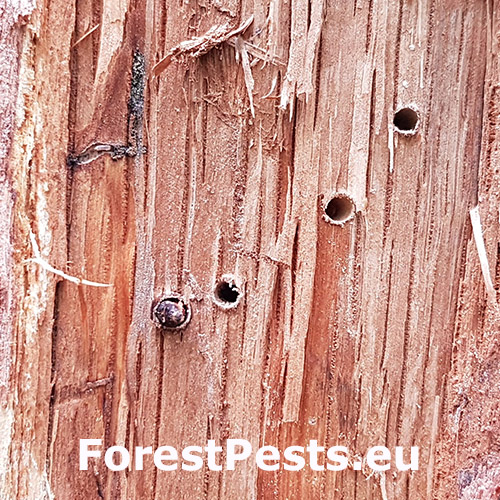
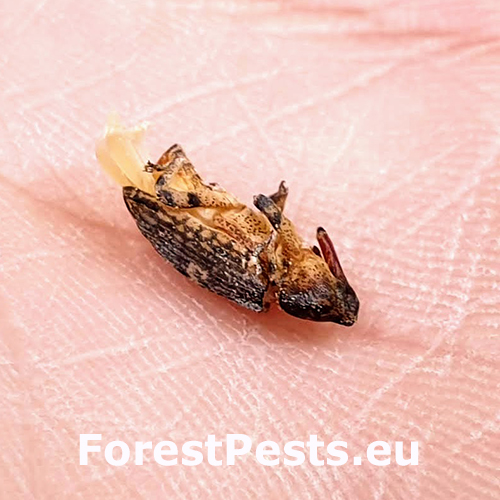
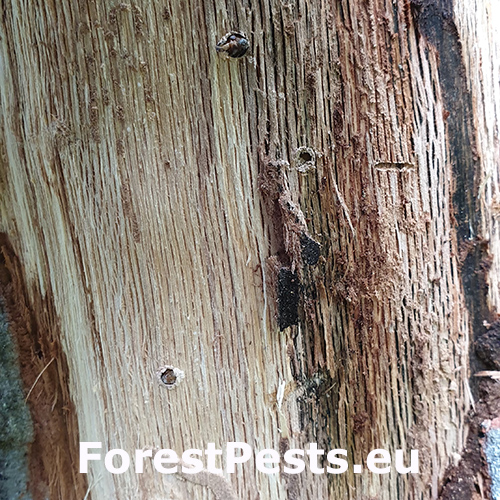
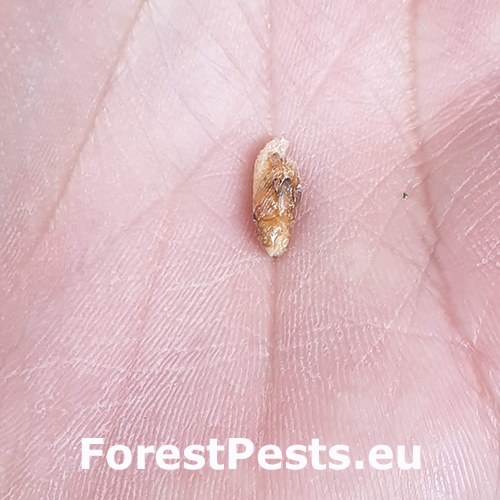
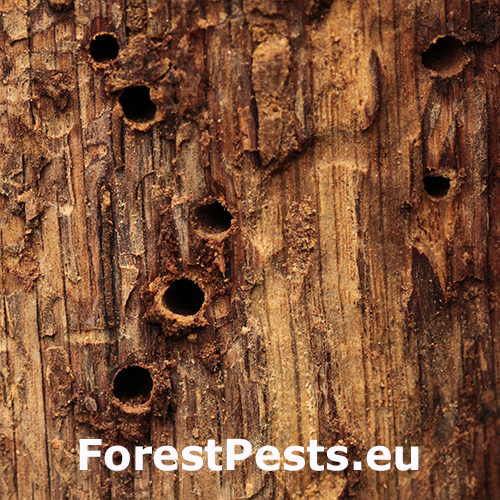
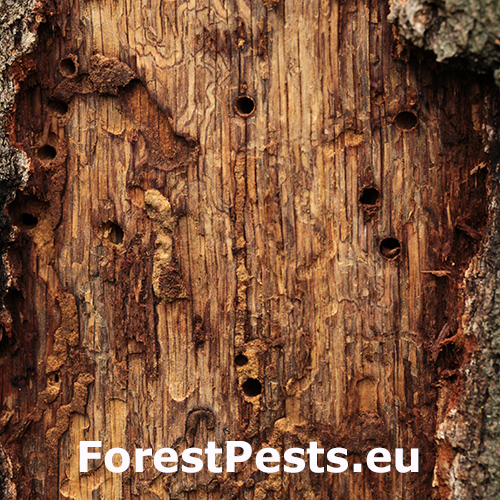
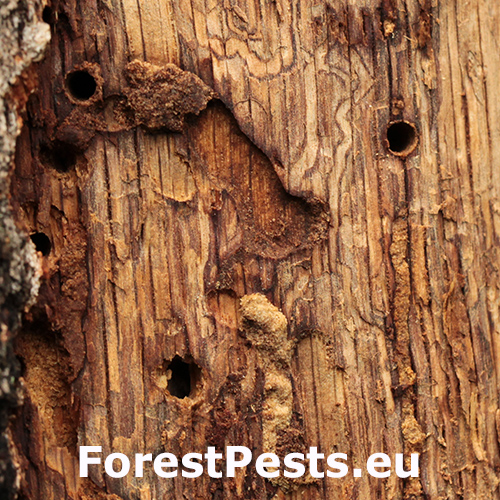
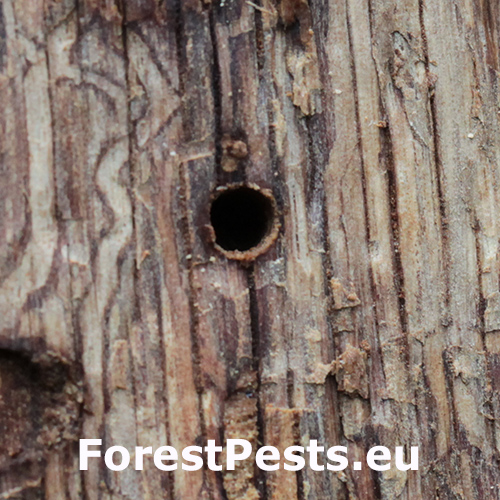
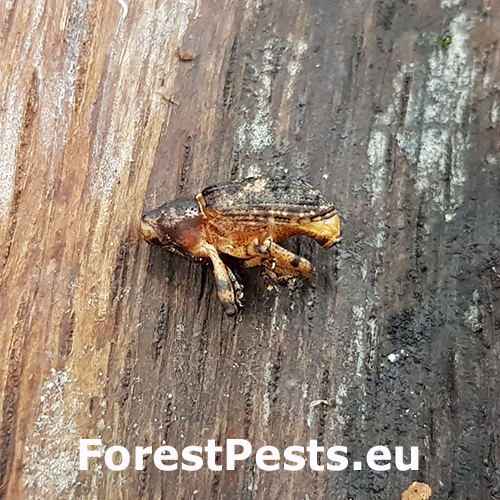
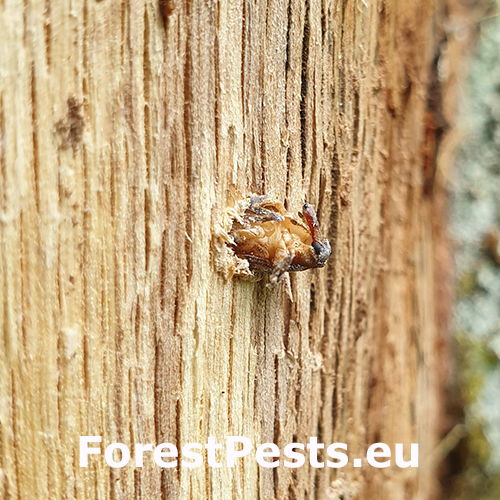
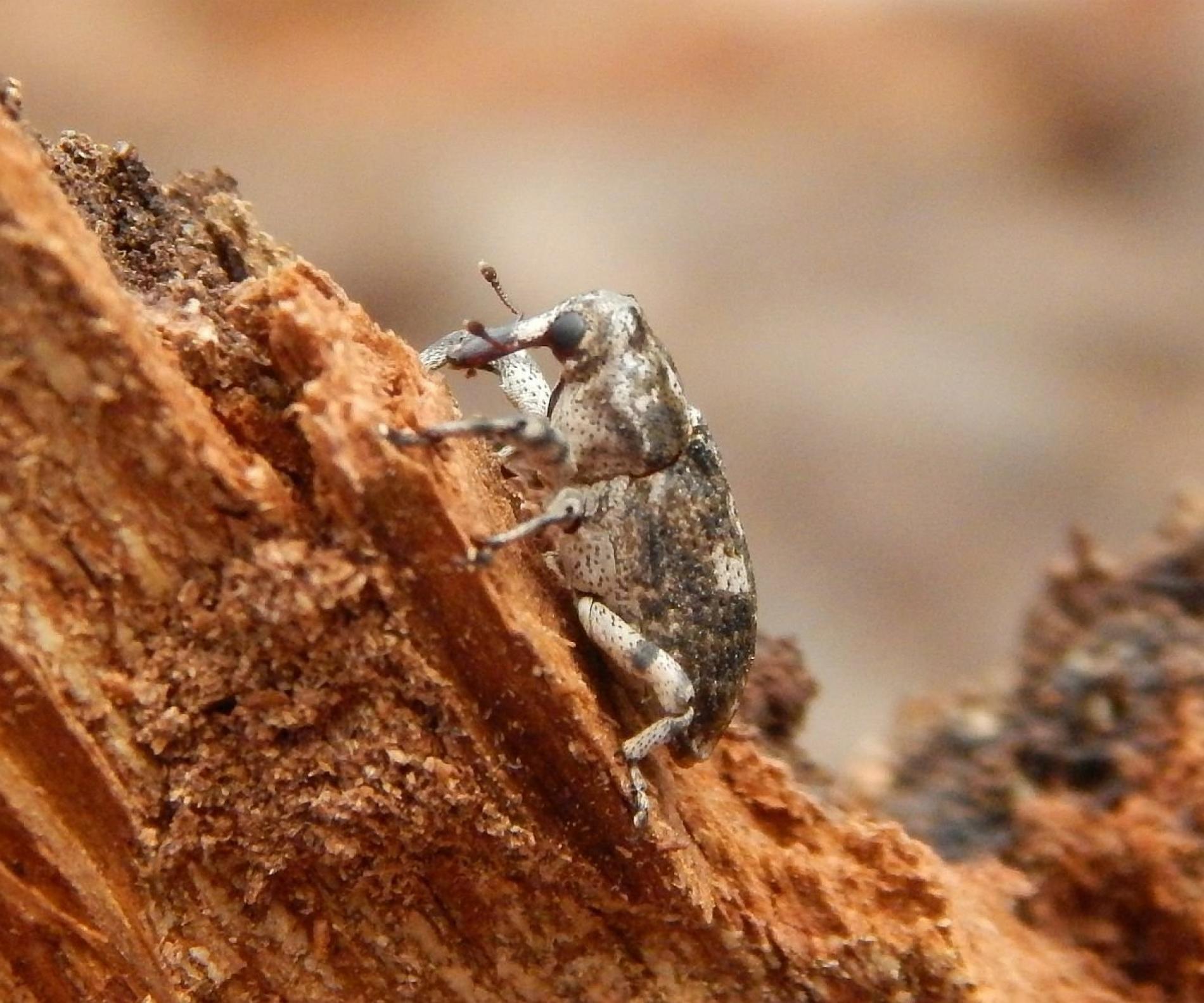
The size of the adult is from 4 to 11 mm with a spotted pattern on elytra. It is a less abundant species (rare in some places), which is more abundant in more preserved, native forests. On some places it can be numerous. It prefers oak as a host plant. The larva develops in the wood of weakened trees. Mature larva pupate in a cocoon in the wood. The larvae overwinter and adults occur mostly from June to September. It is univoltine species, it has one generation per year.
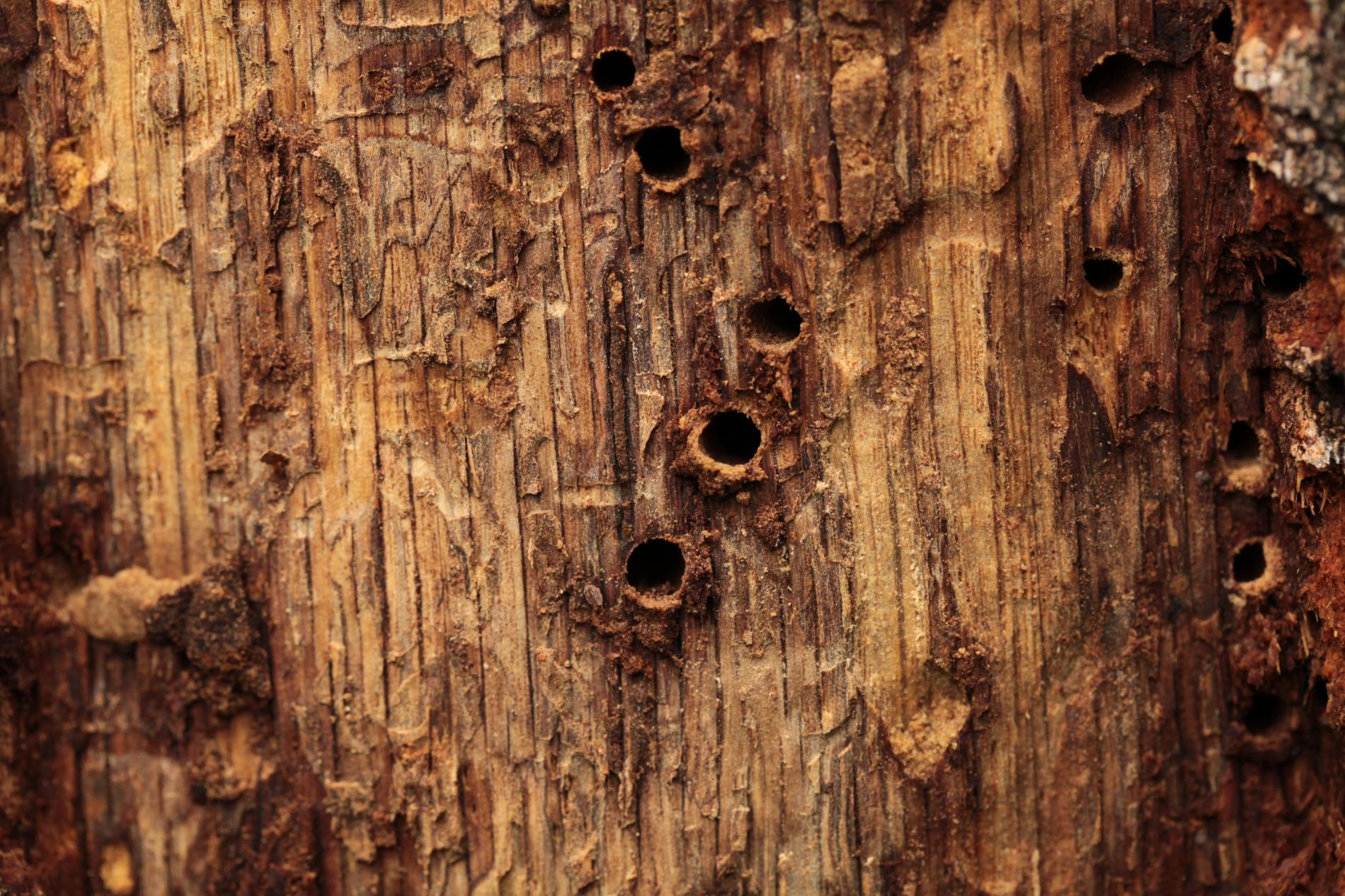
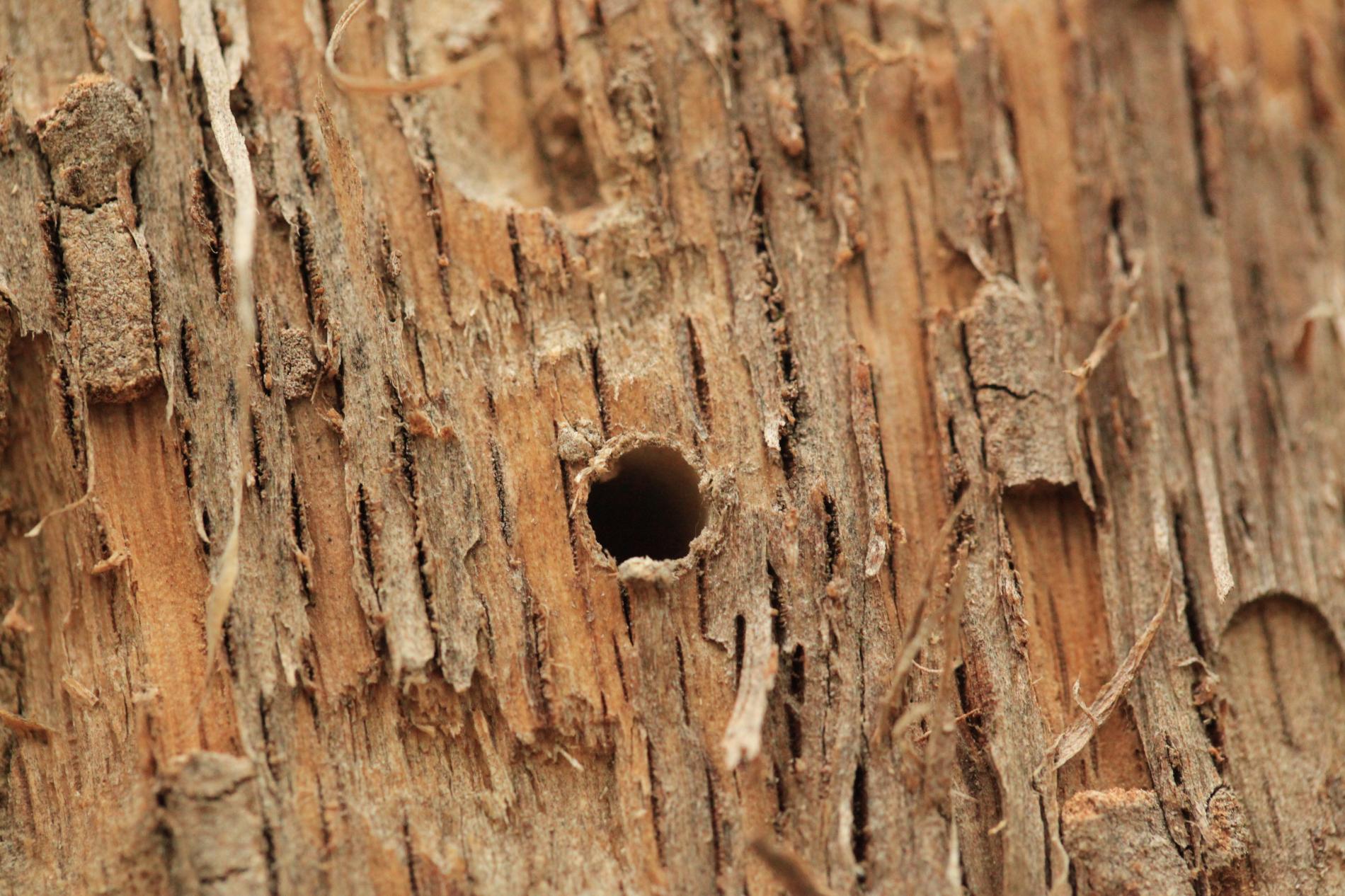
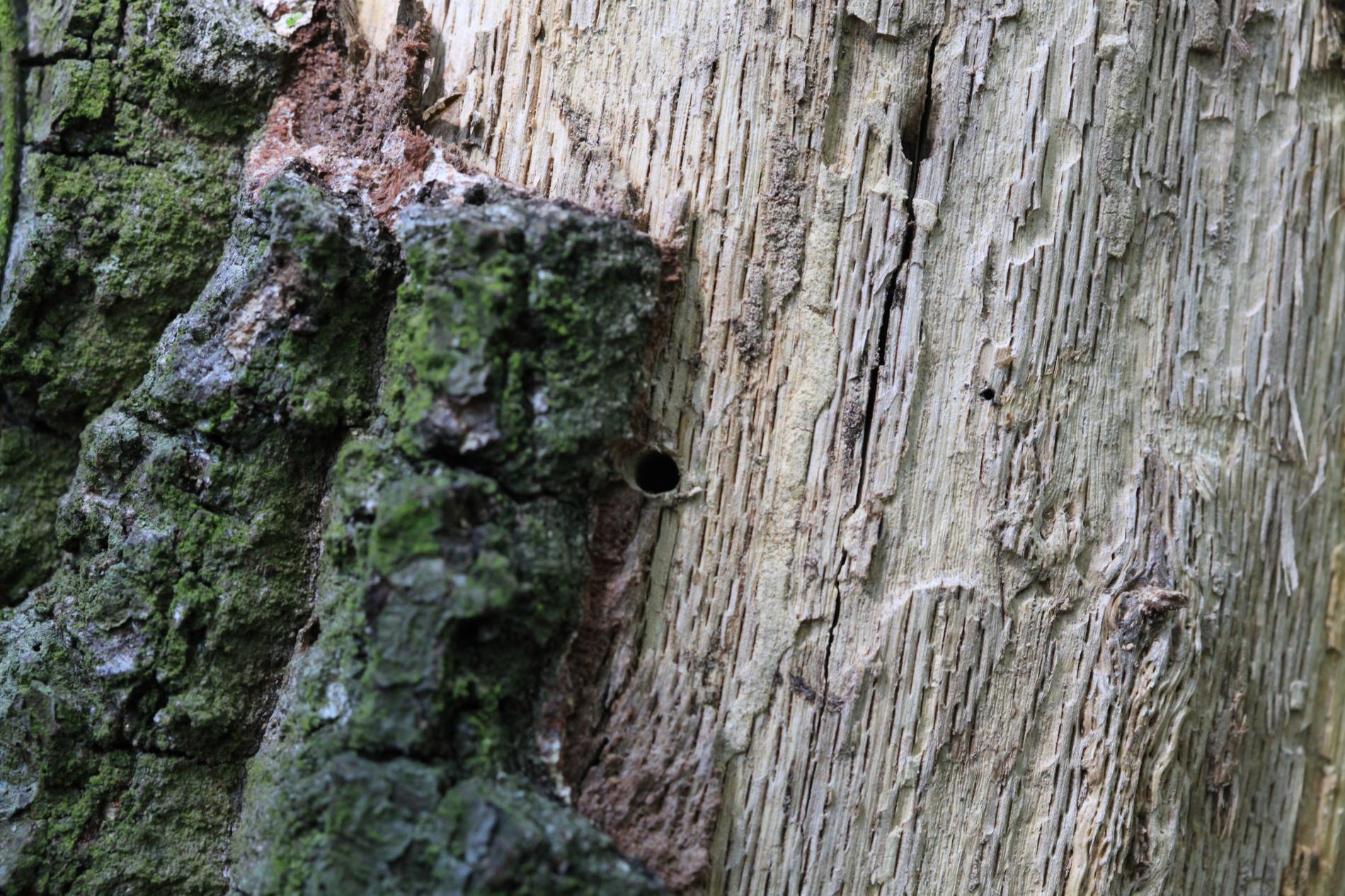
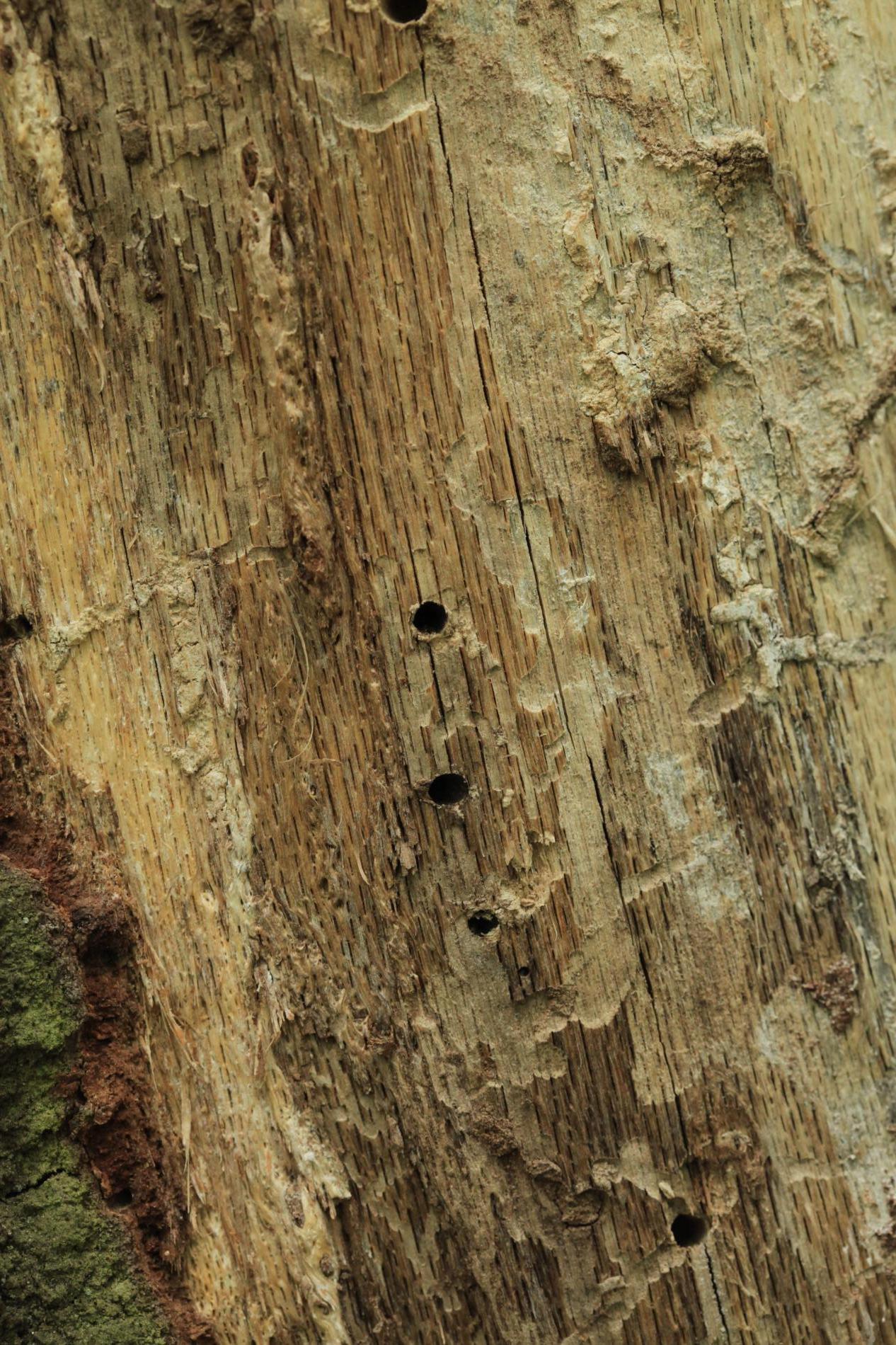
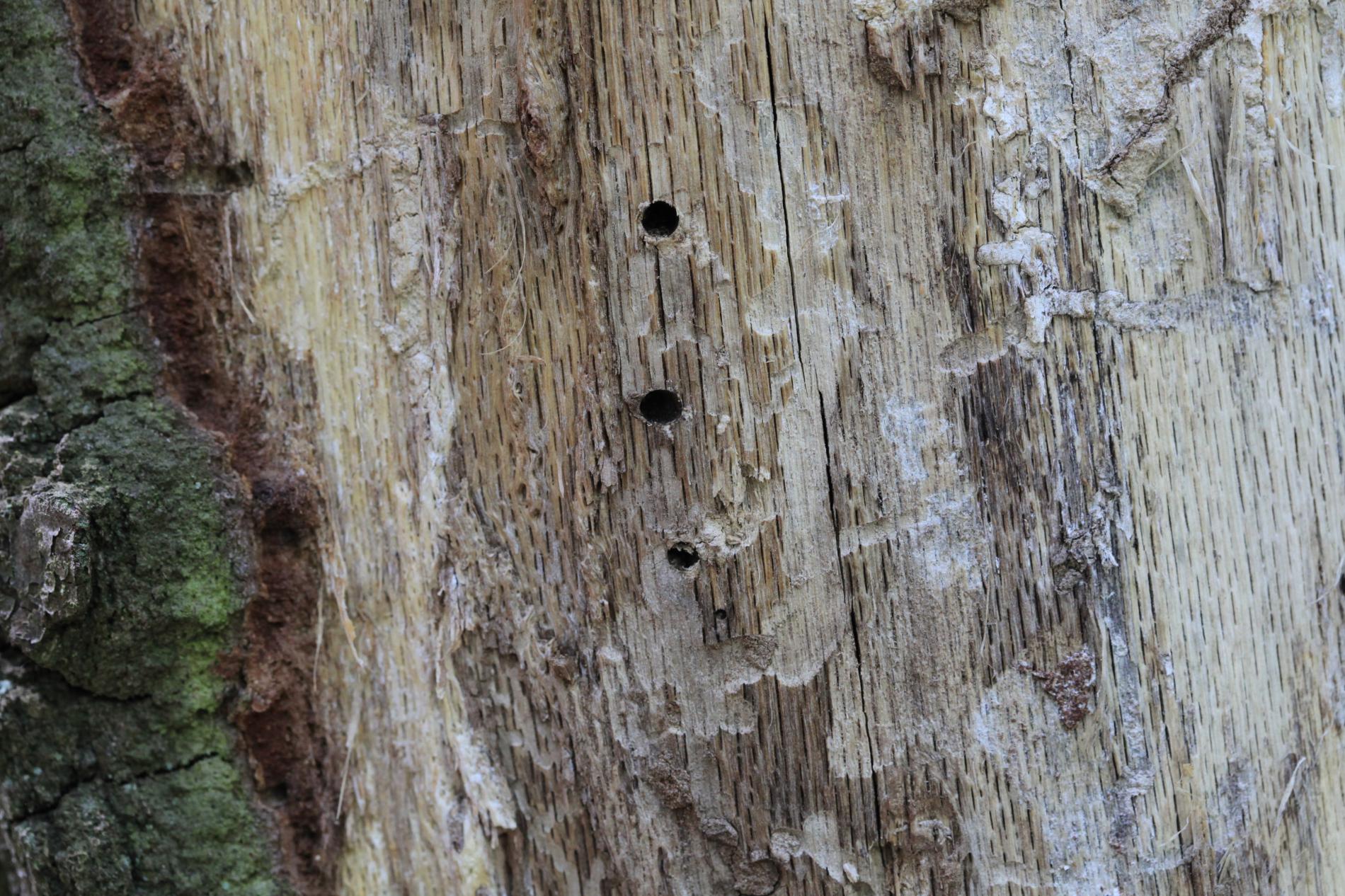
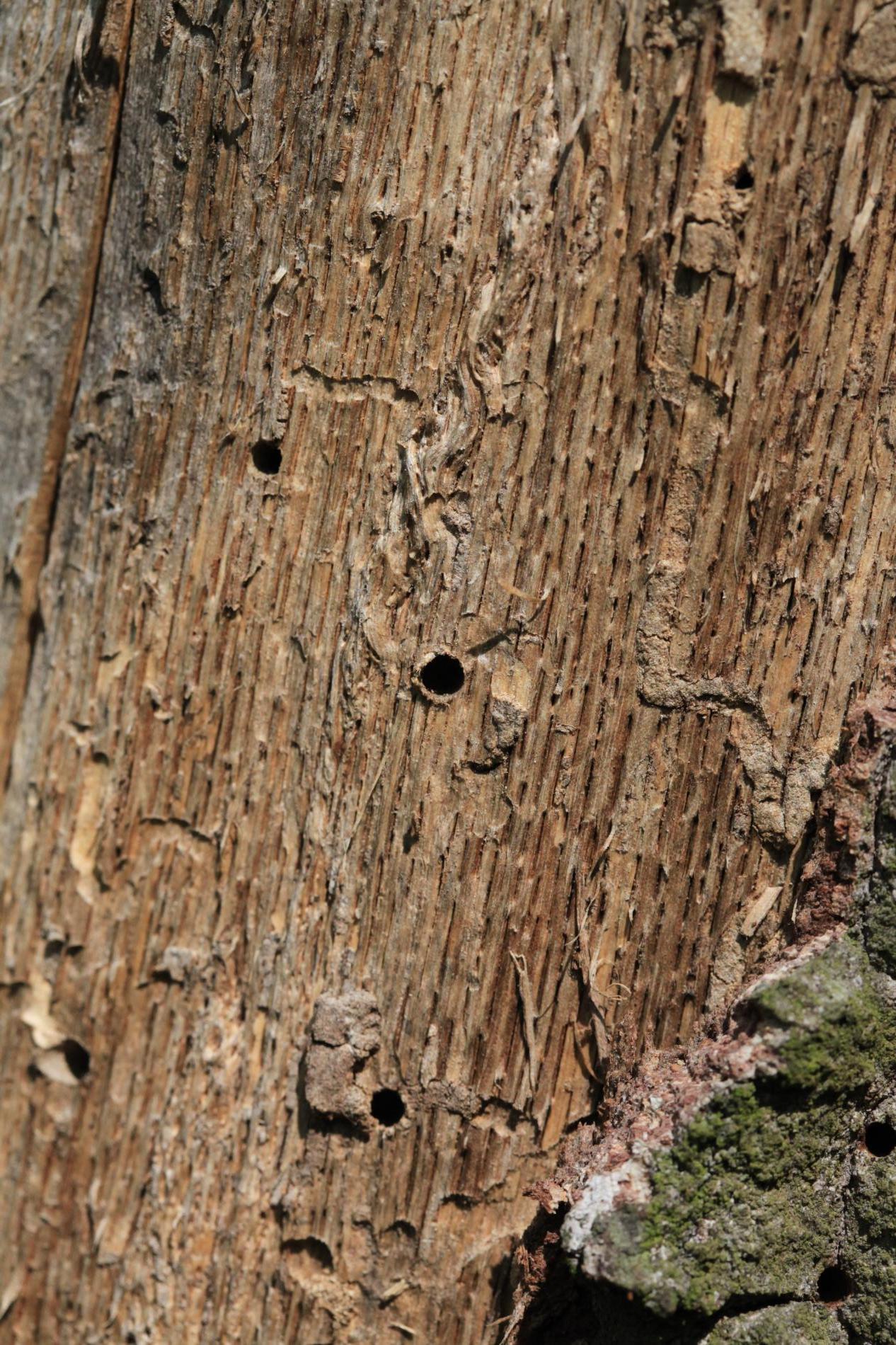
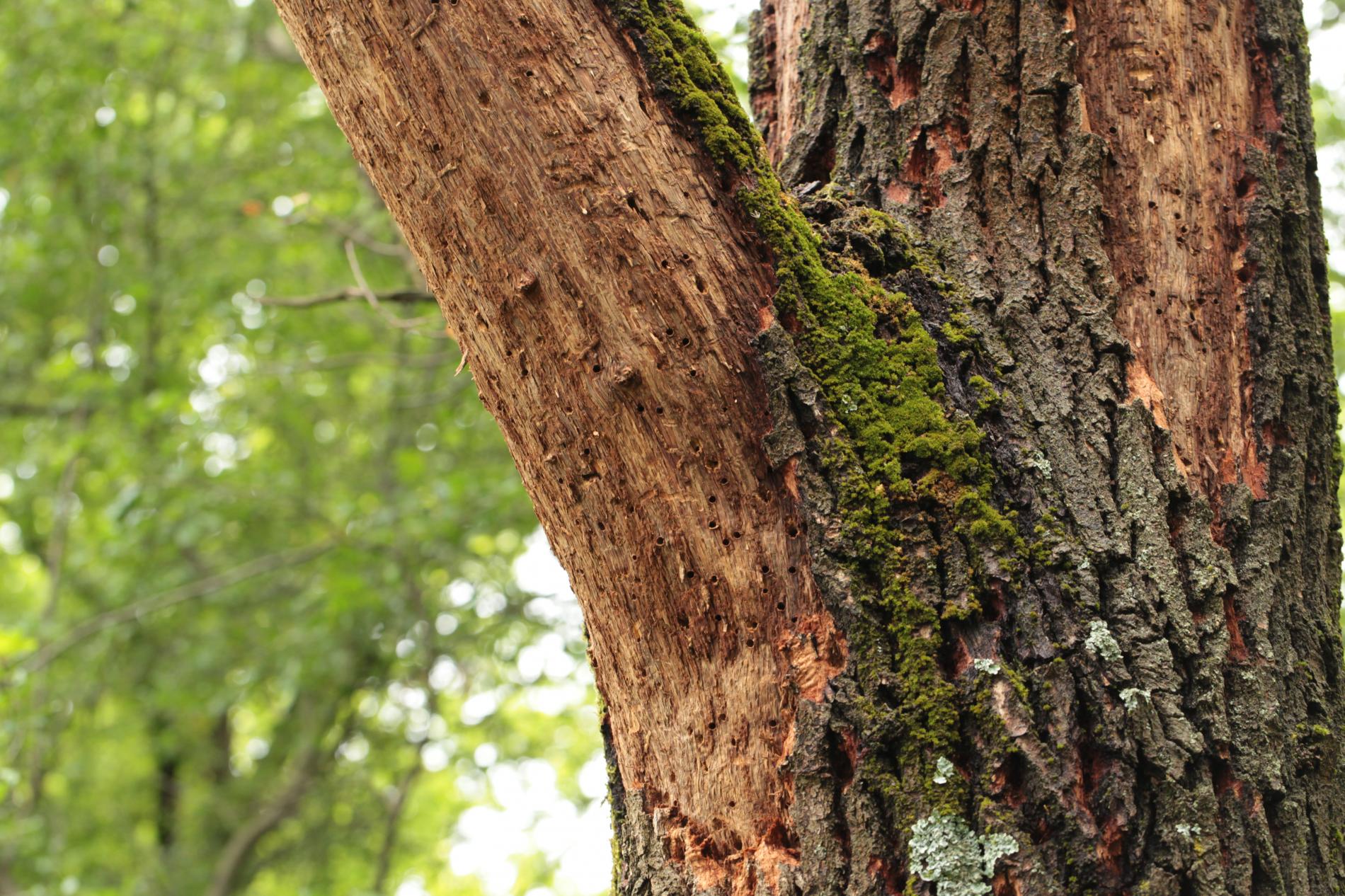
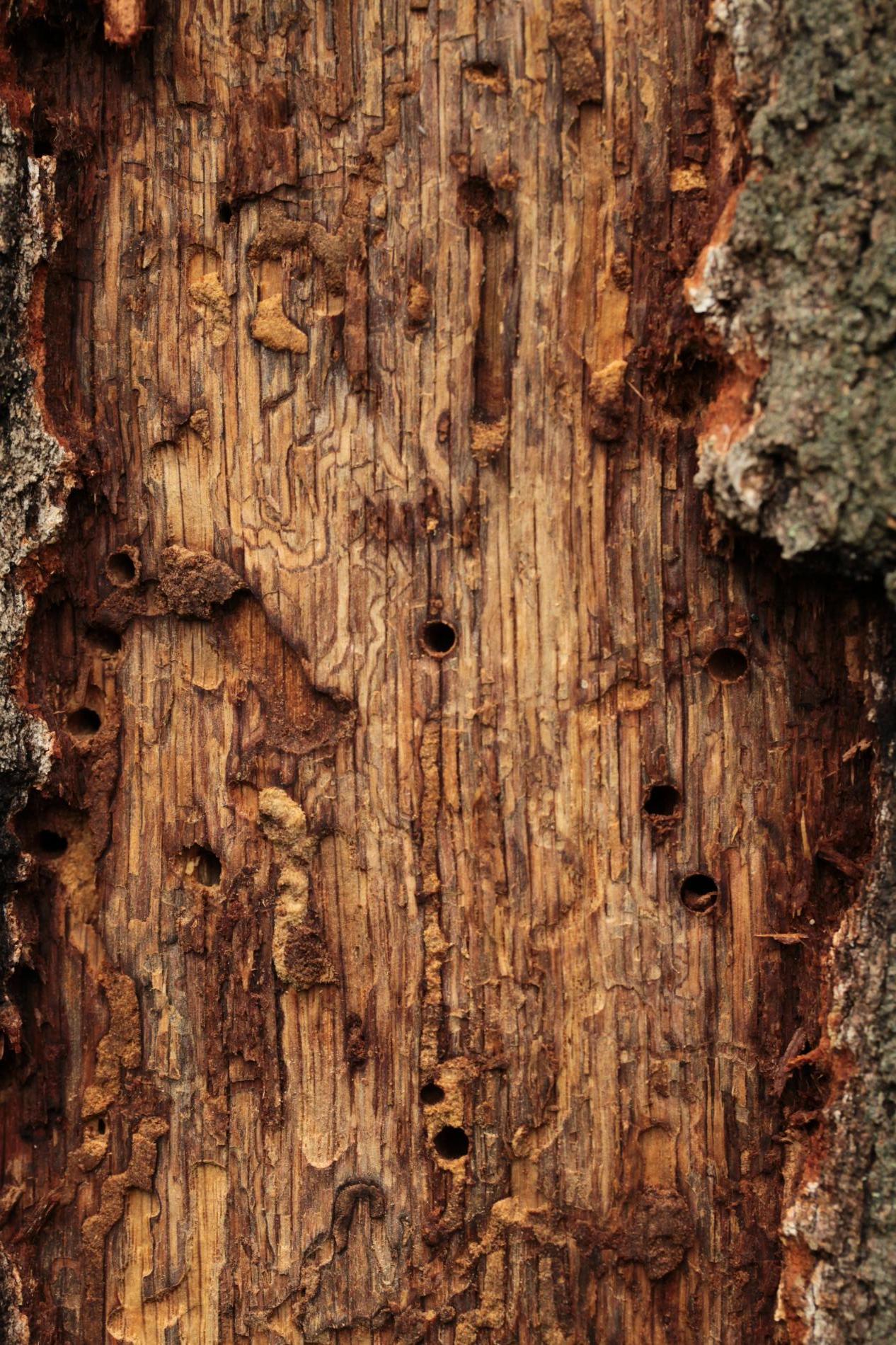
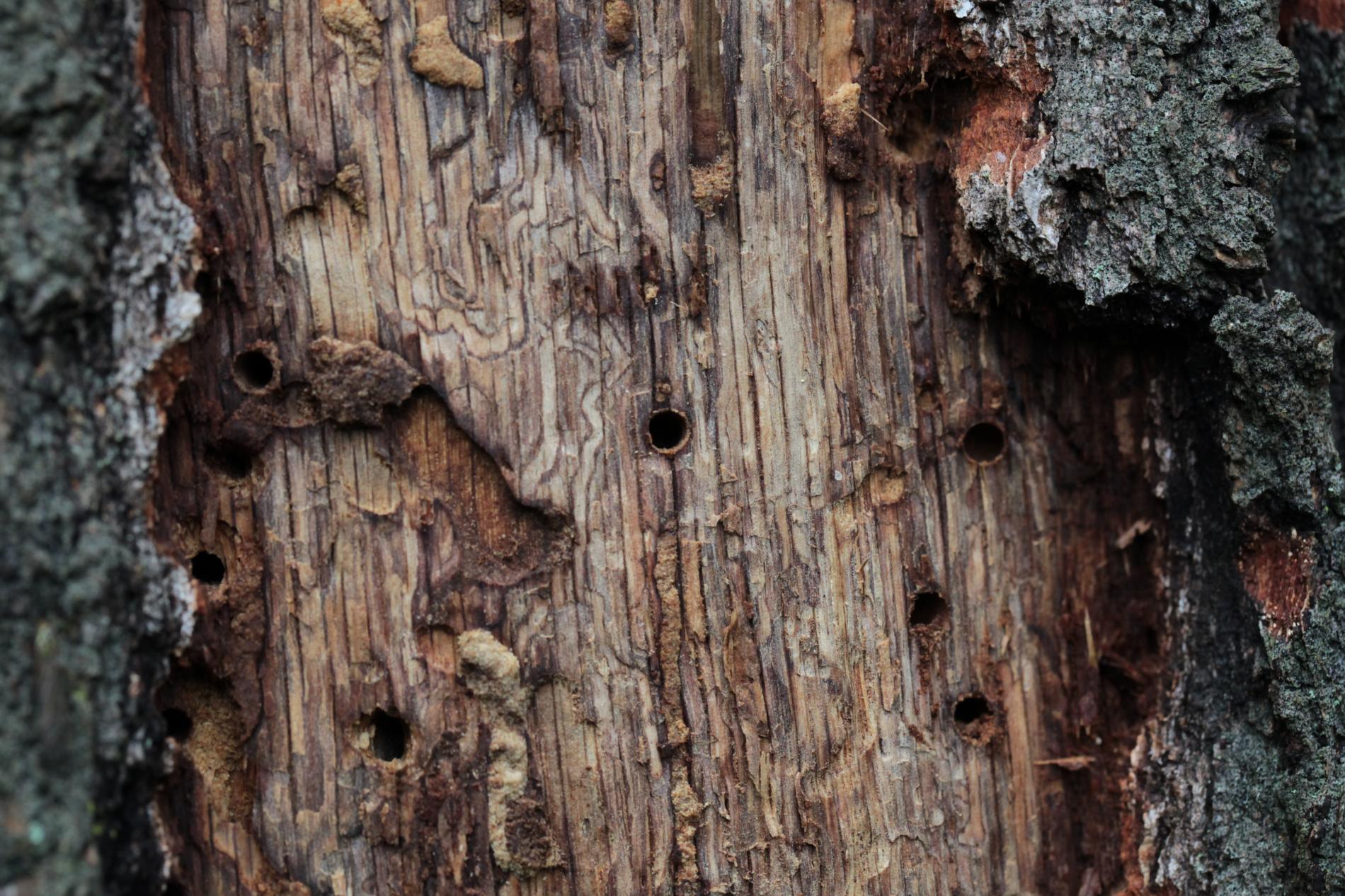
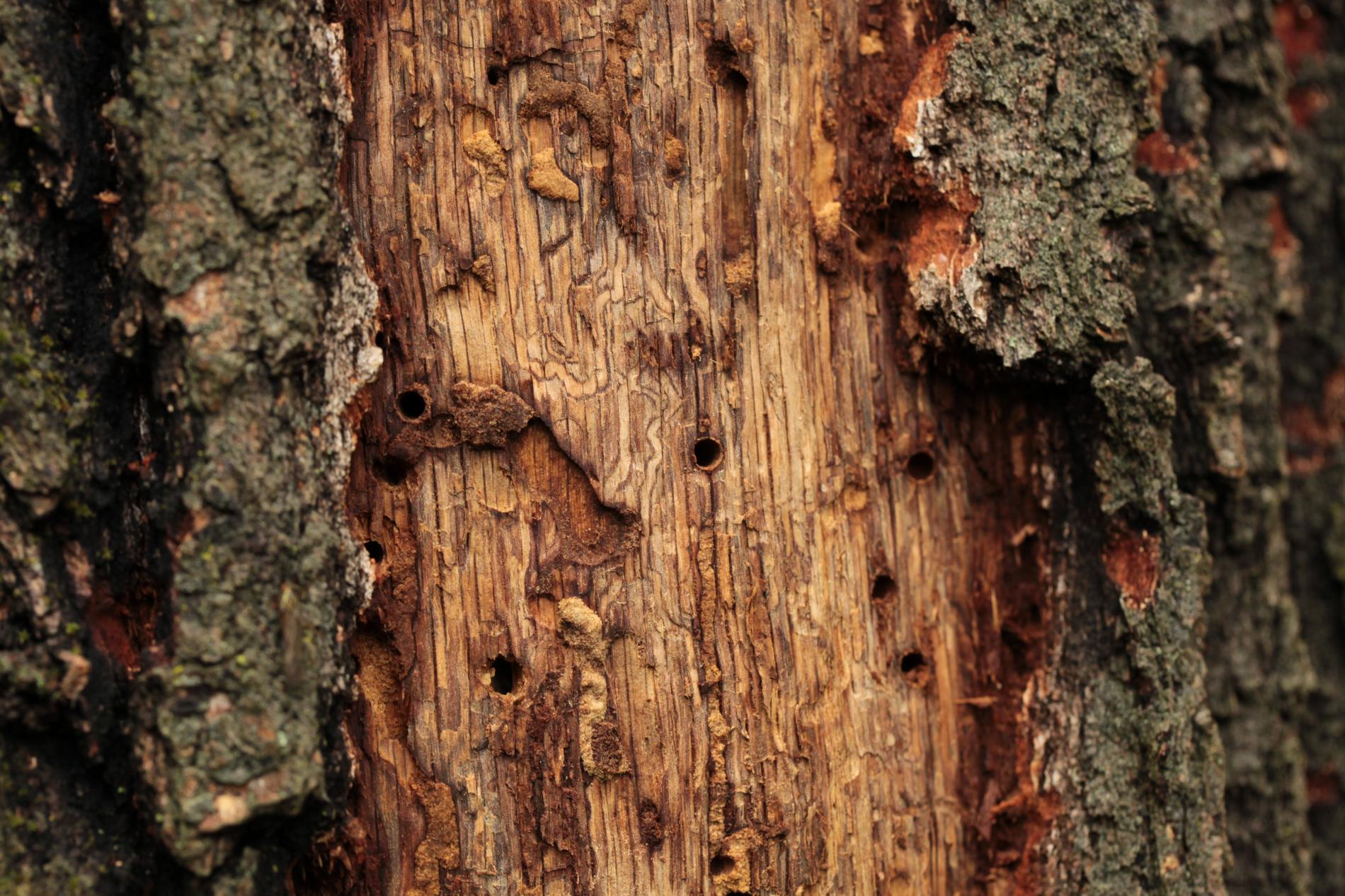
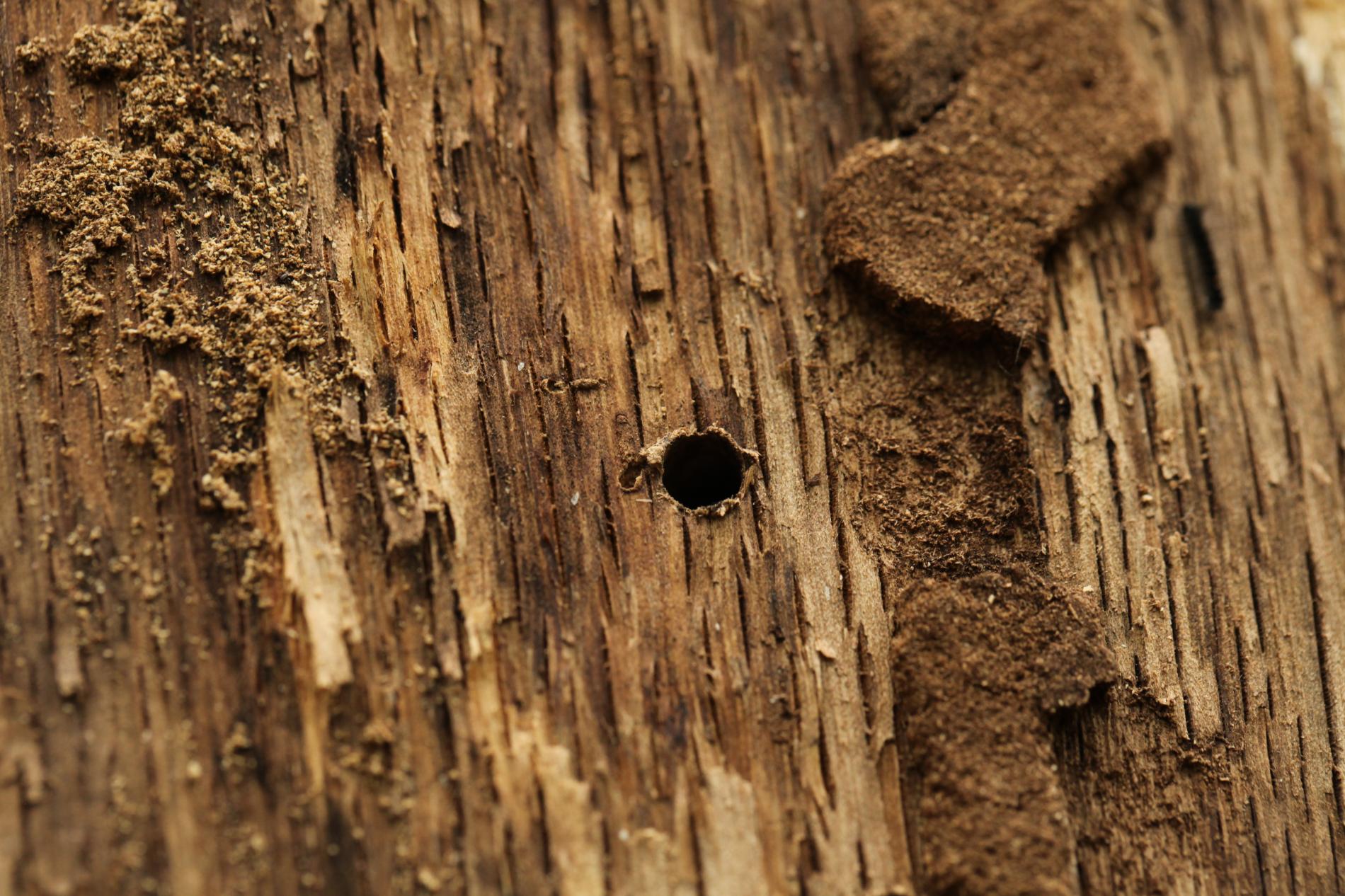
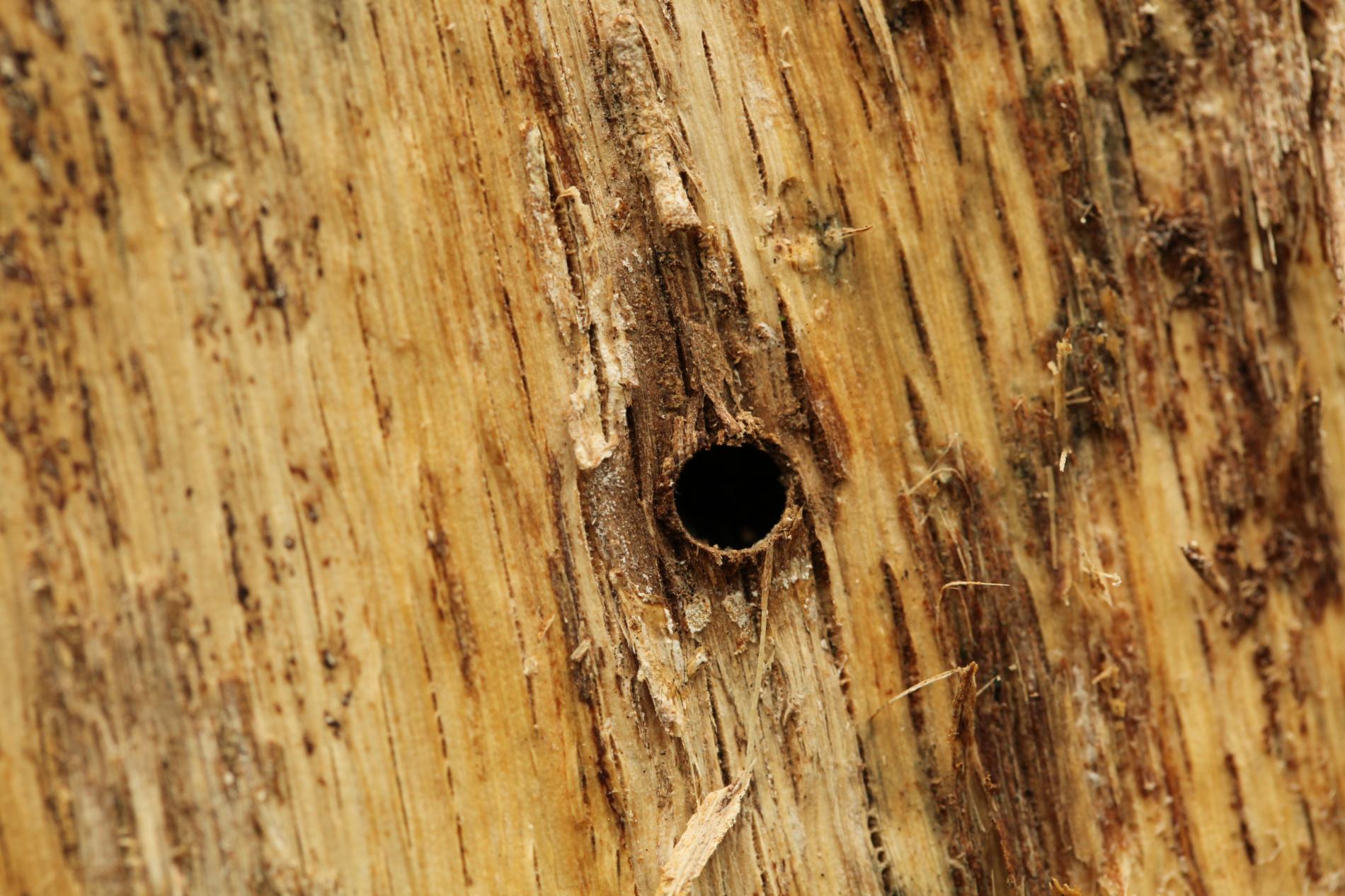
Very round exit holes in wood and in the bark, diameter of about 4 to 5 mm.
Tree Species: Beech, Oak
Part of a plant- attacked: Tree trunk, Branch
Pest significance: Less harmful
Pest Category: Insects
Invasive Species: No
Present in EU: Yes
Pest group: Insect
Affected part of wood: Heartwood, Sapwood
Depth of damages: Bark, More than 5 cm depth, Under bark only, Up to 0,5 cm depth, Up to 2 cm depth, Up to 5 cm depth
The extent of damage: Whole trunk
Prevalence in Europe: Rare
Damaged products: Firewood, Fresh timber logs (water still in the sapwood), Furniture, Lumber, boards and prisms, Wooden house constructions
Roundwood size: Branches and twigs, Diameter 50+, Diameter from 10 up to 50 cm, Diameter up to 10 cm
Wood discoloration: Yes
Exit holes: Round
Similar pests

Plagionotus detritus

Plagionotus arcuatus
