


Fomitopsis pinicola
Red banded polypore
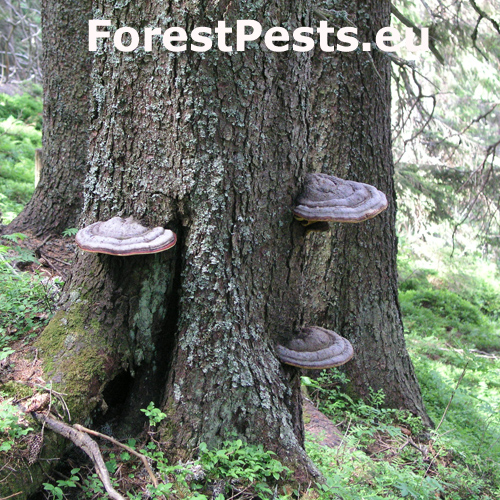
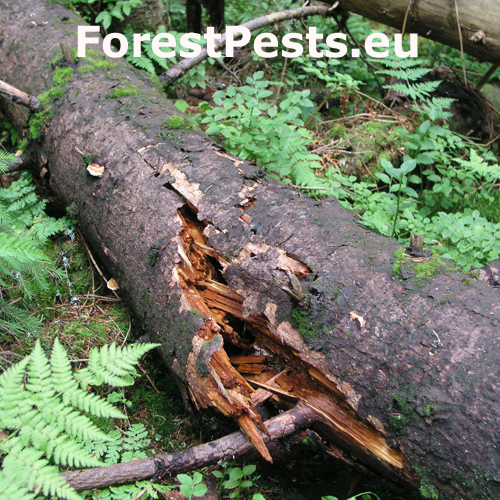
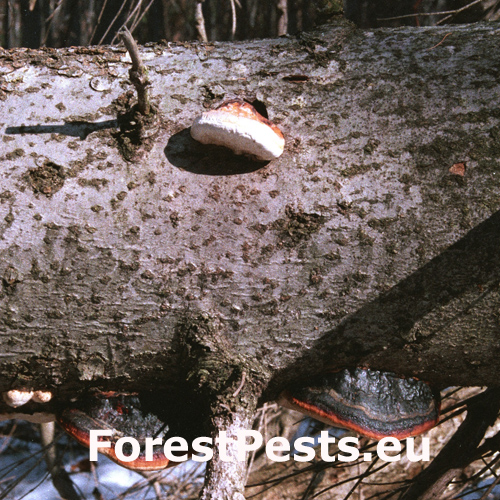
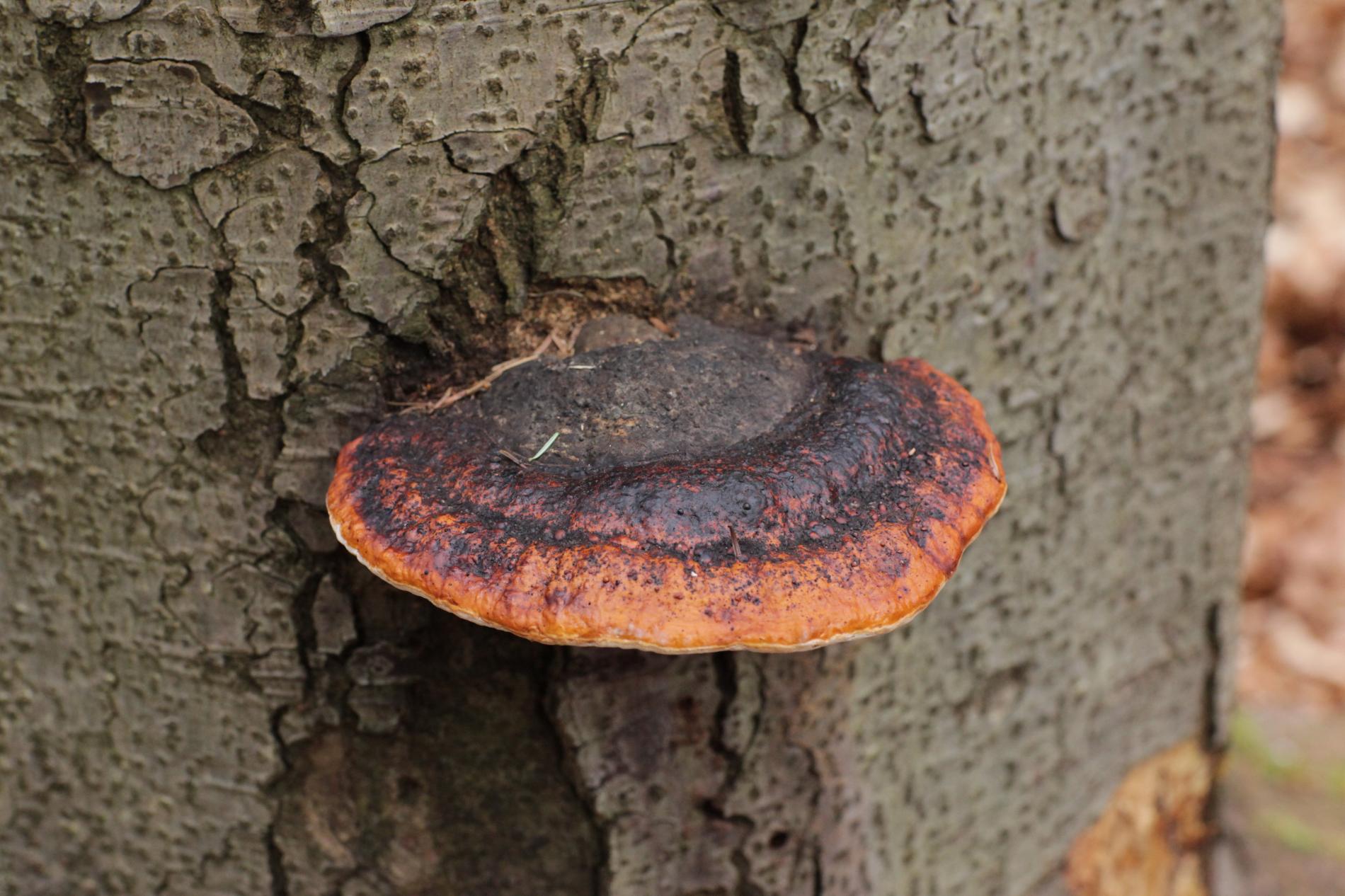
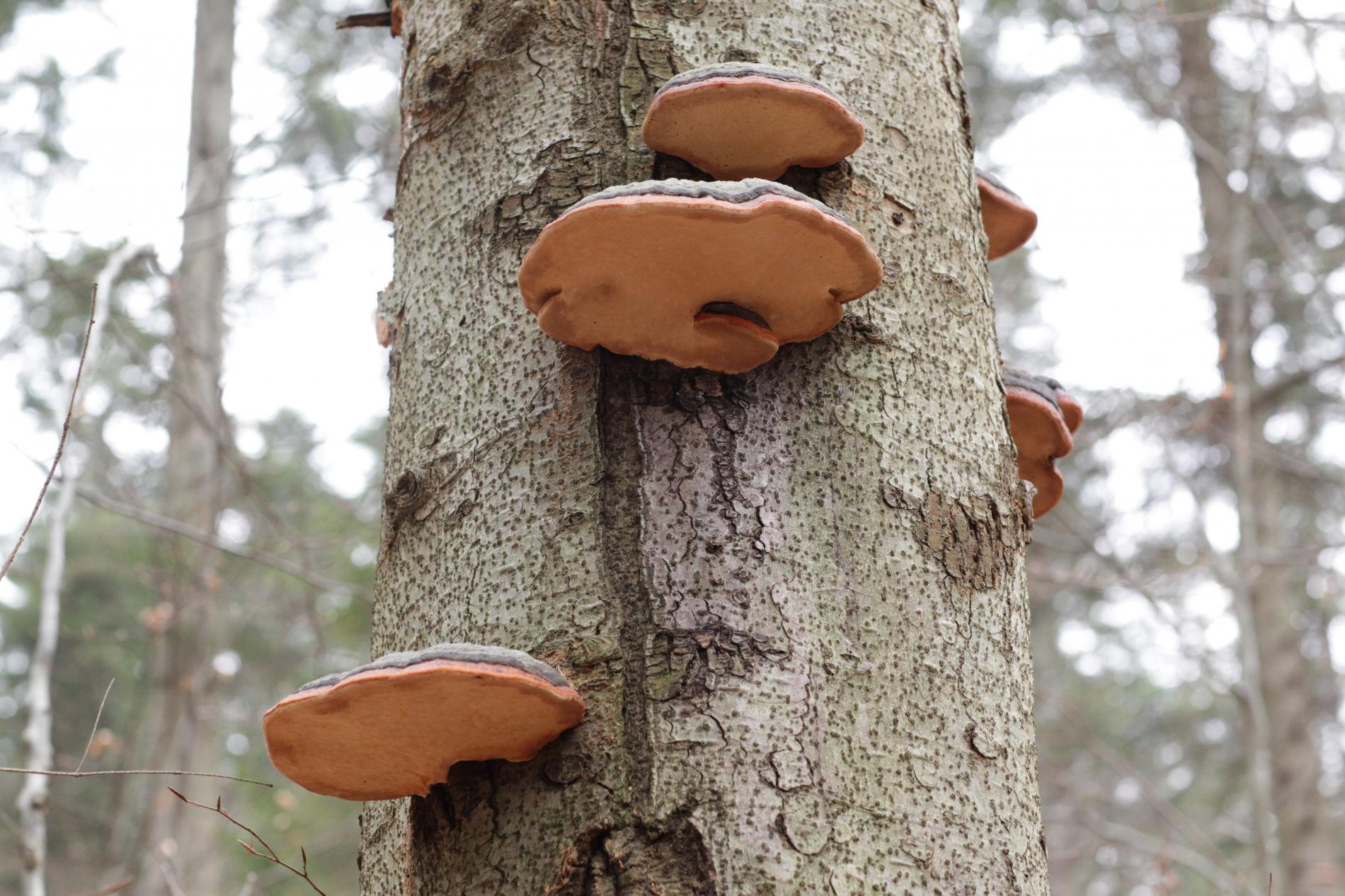
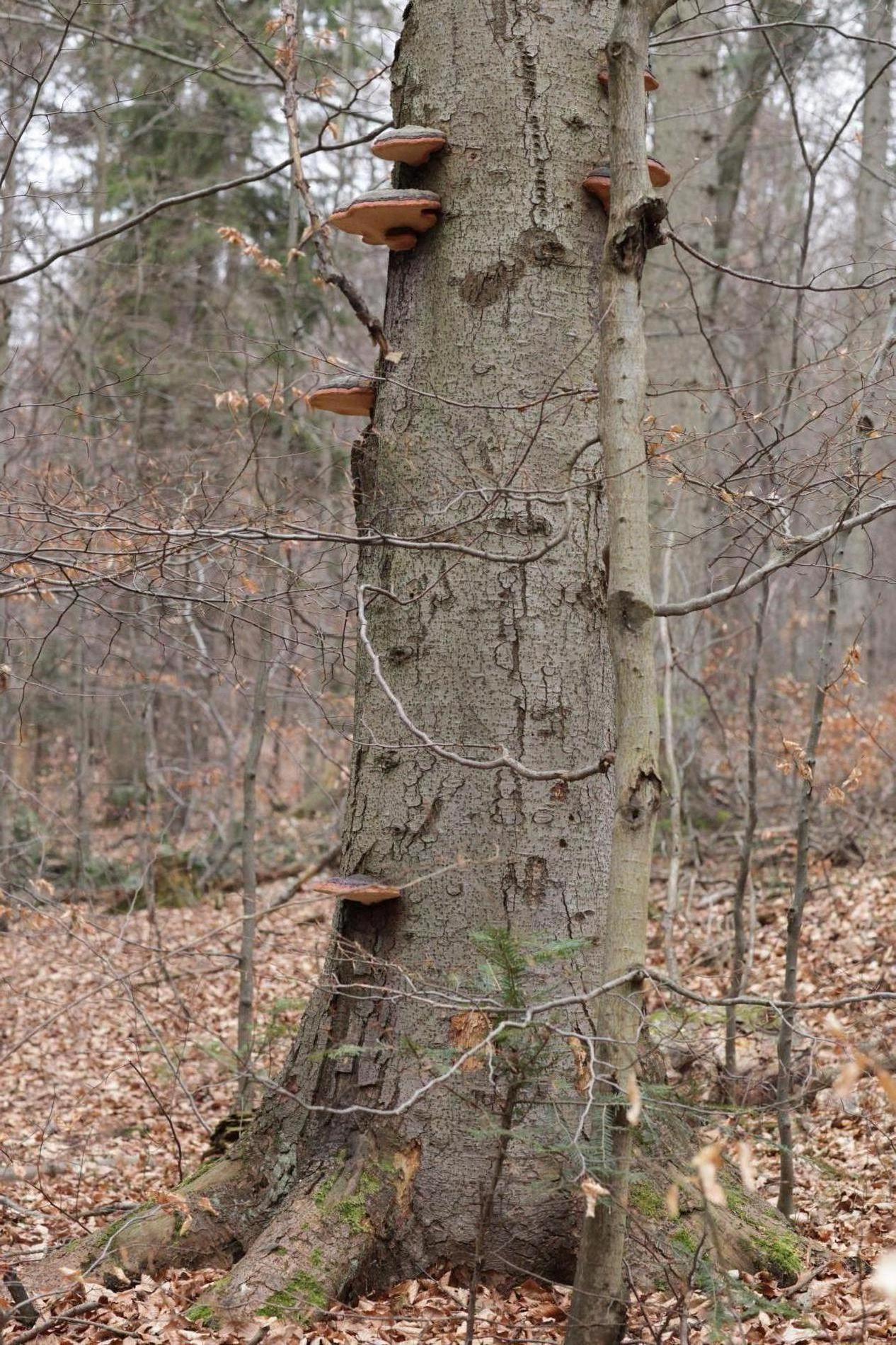
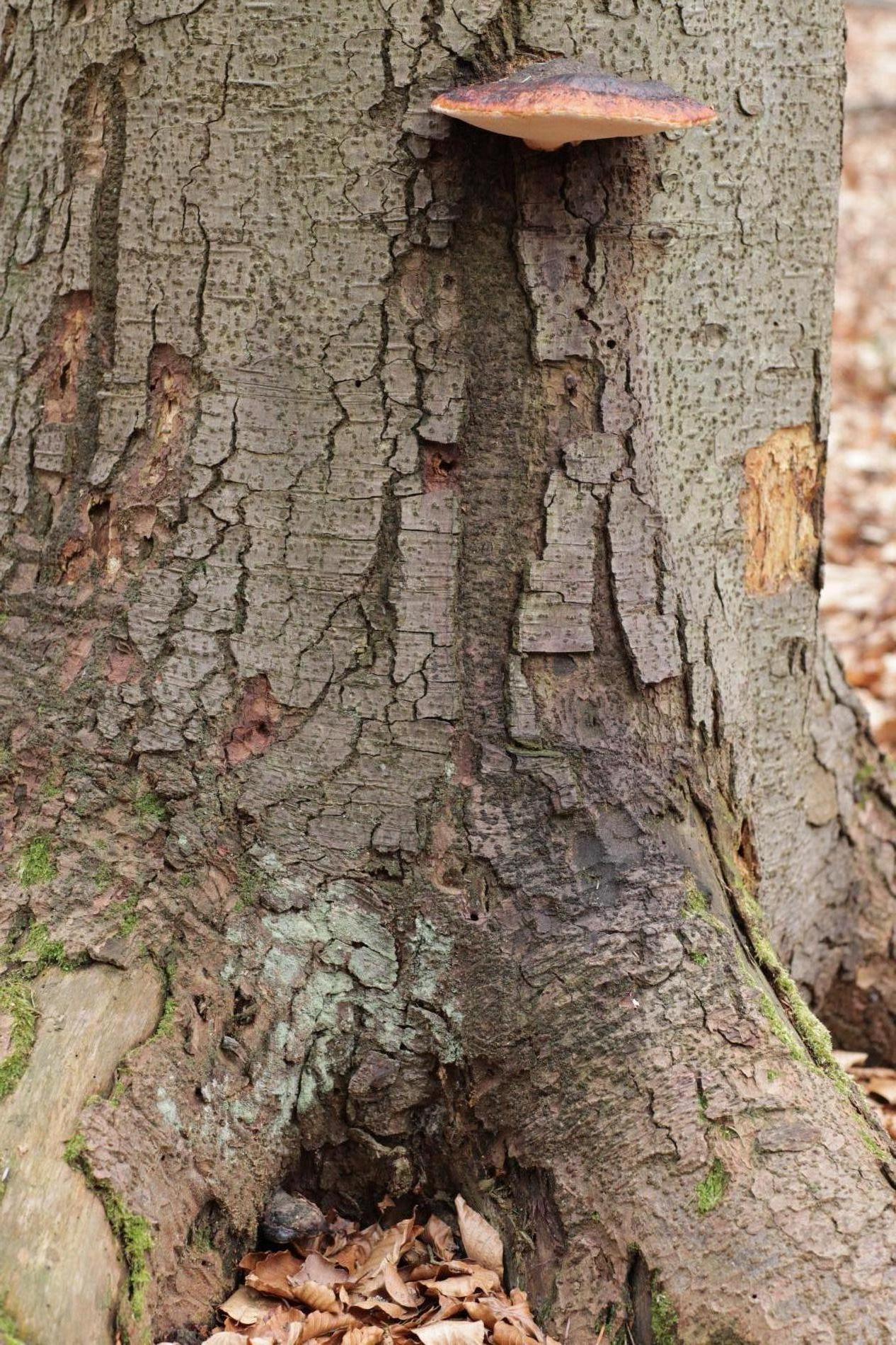
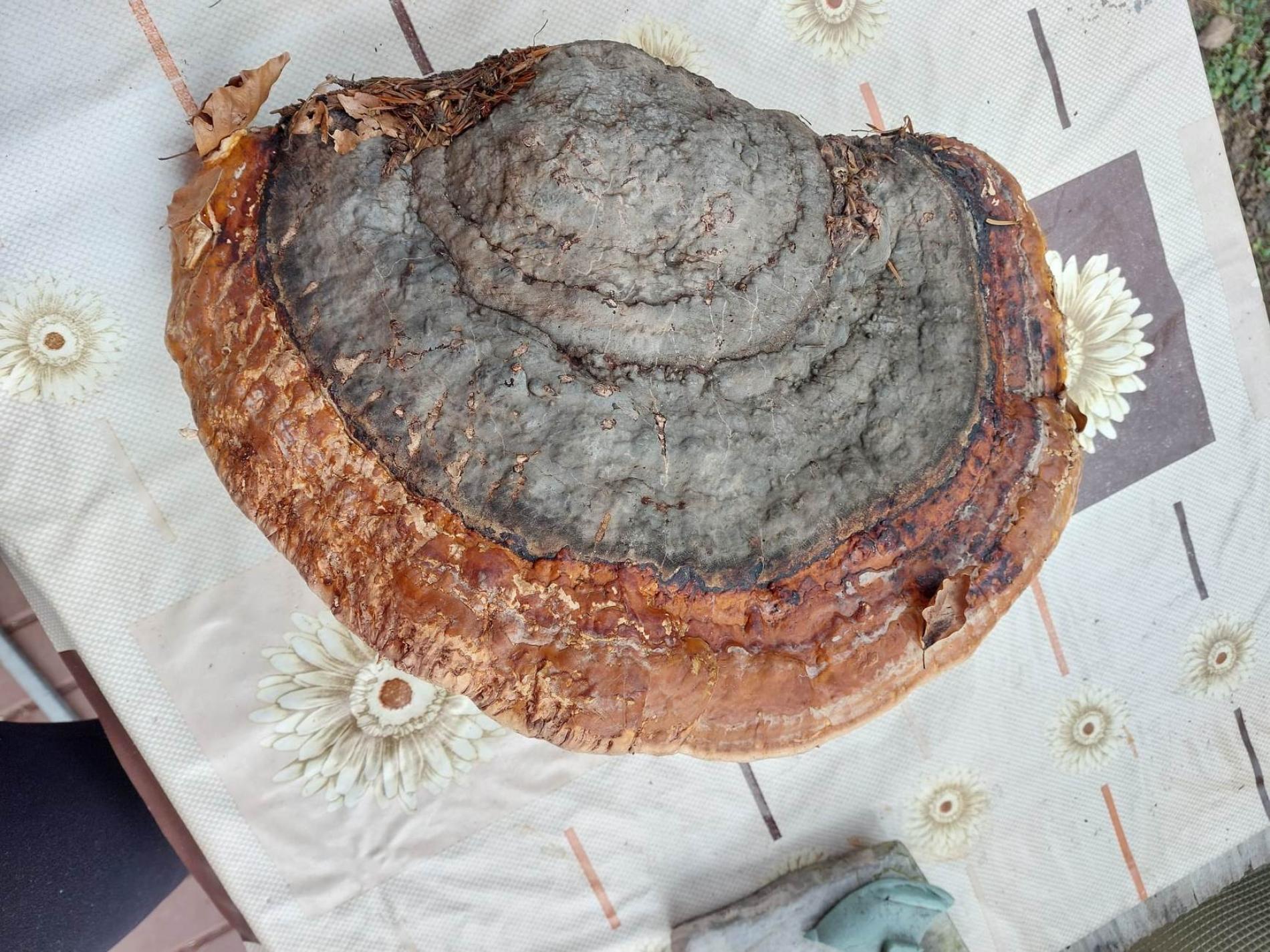
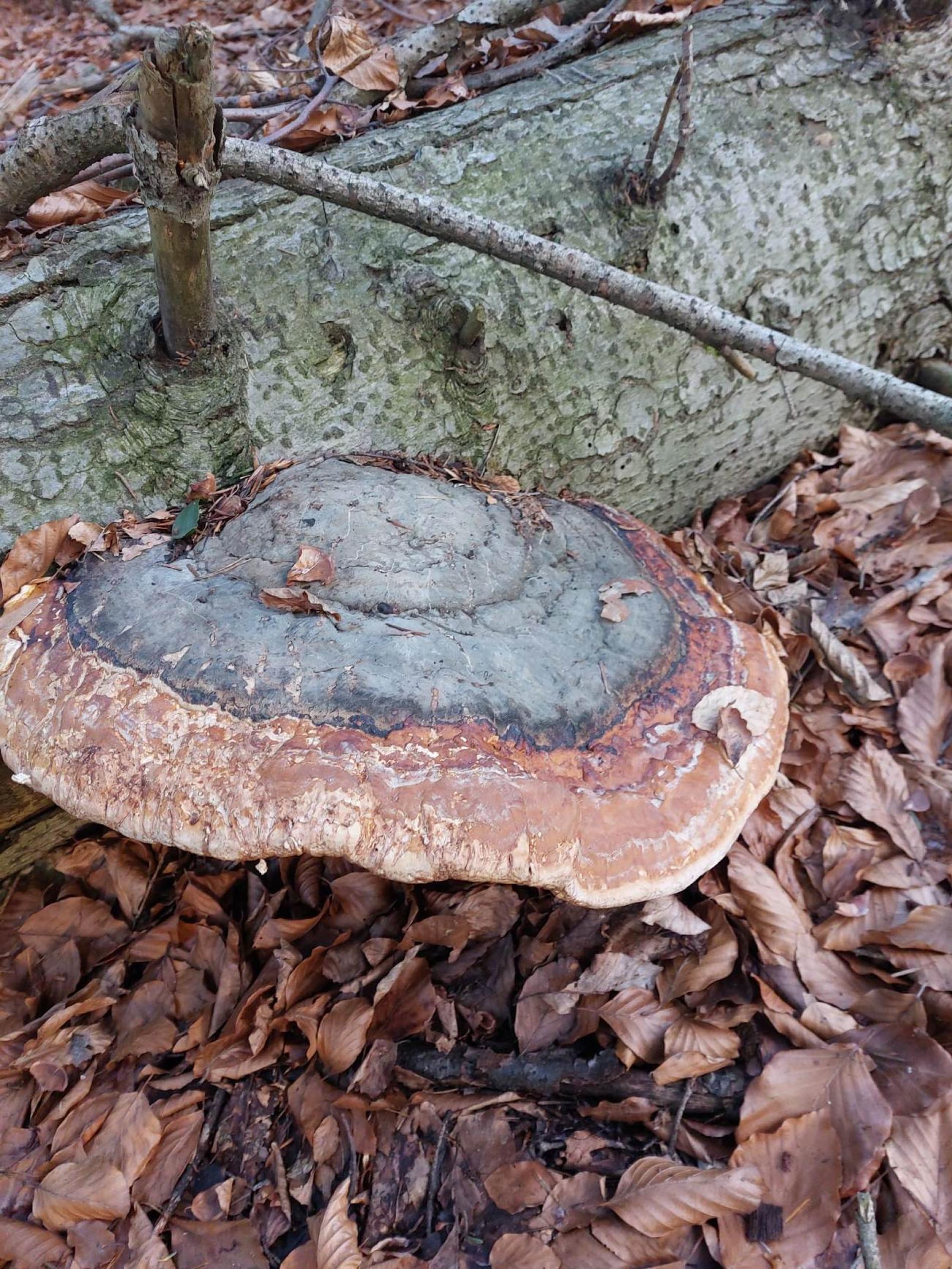
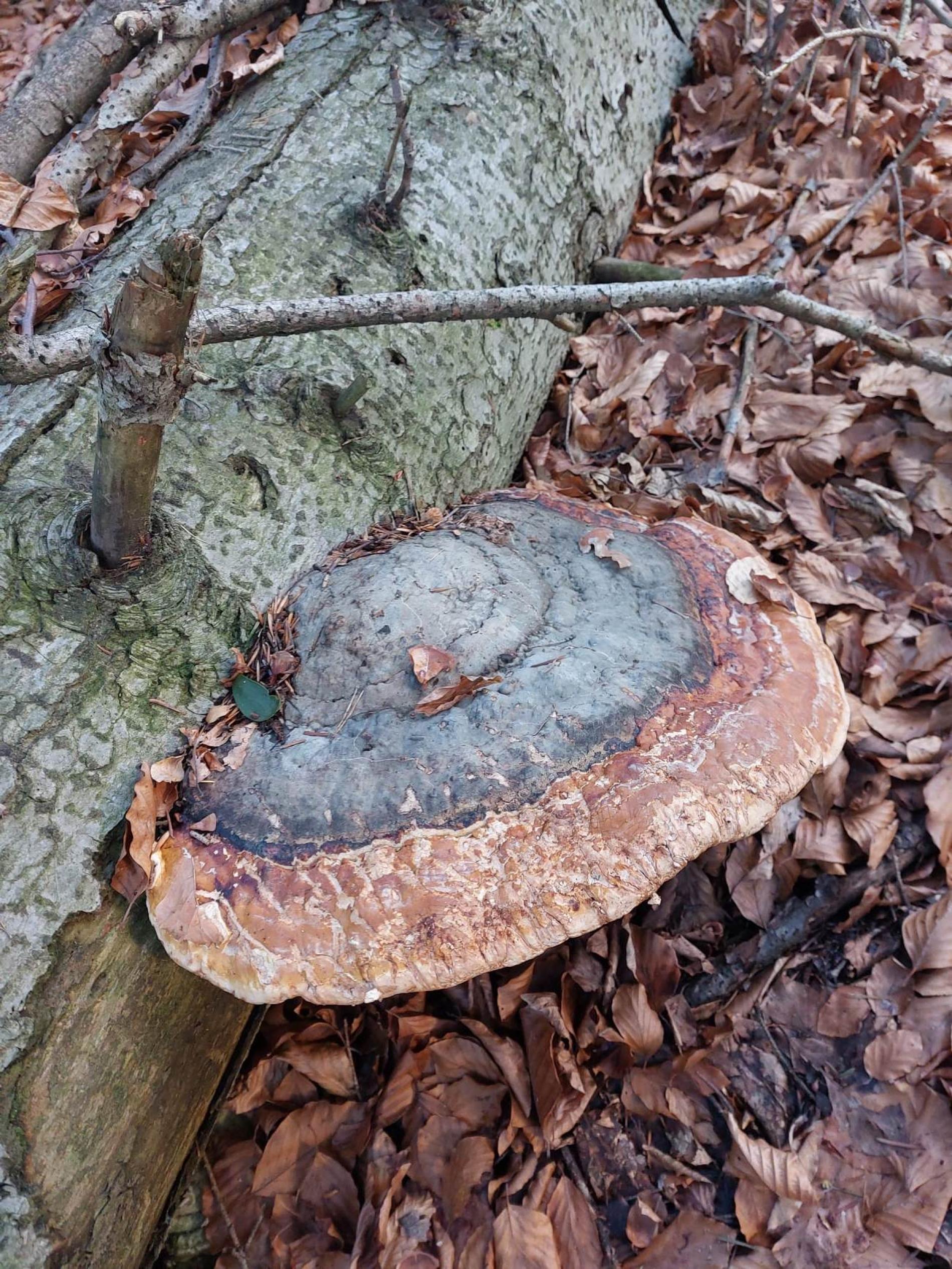
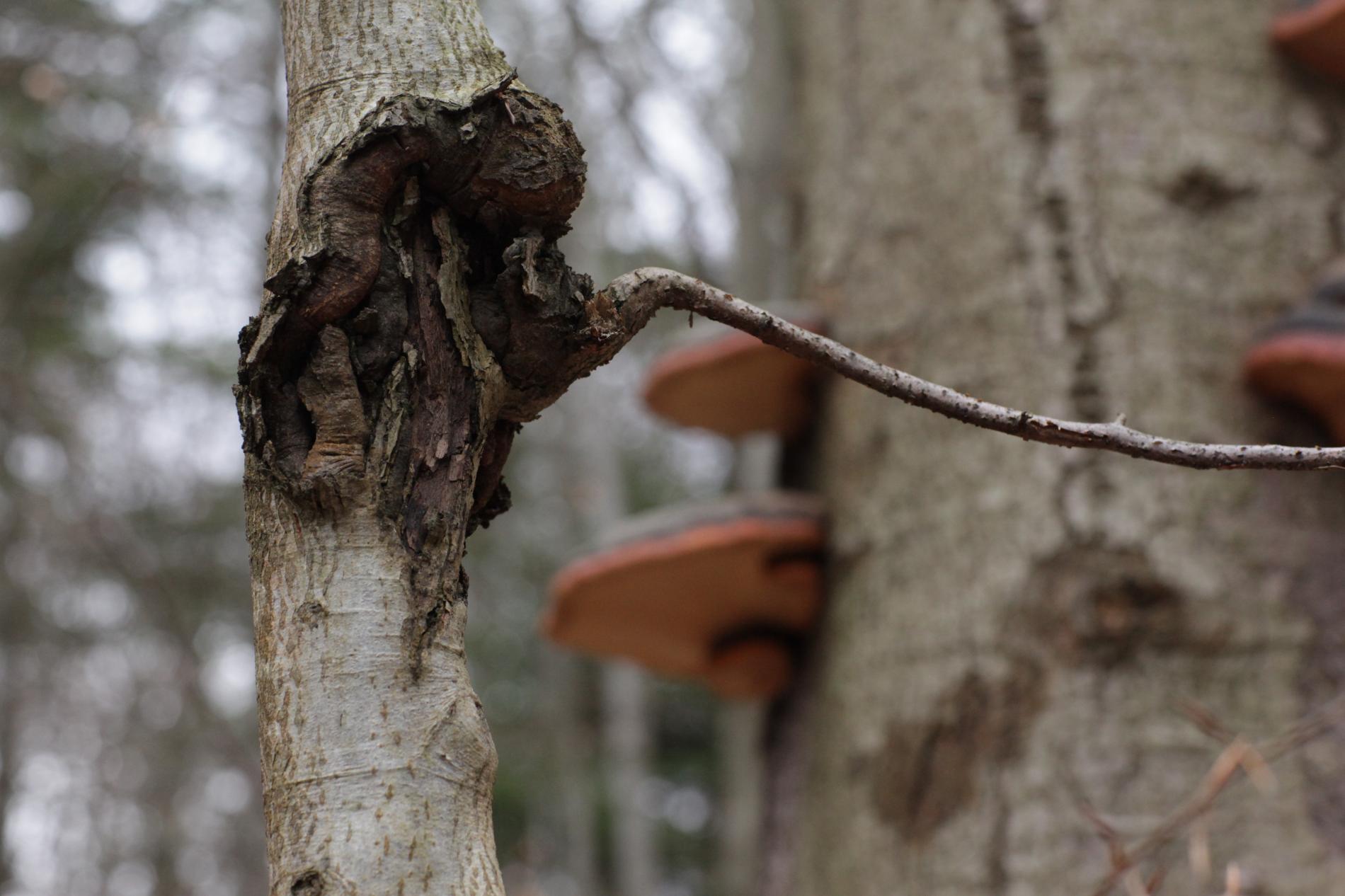
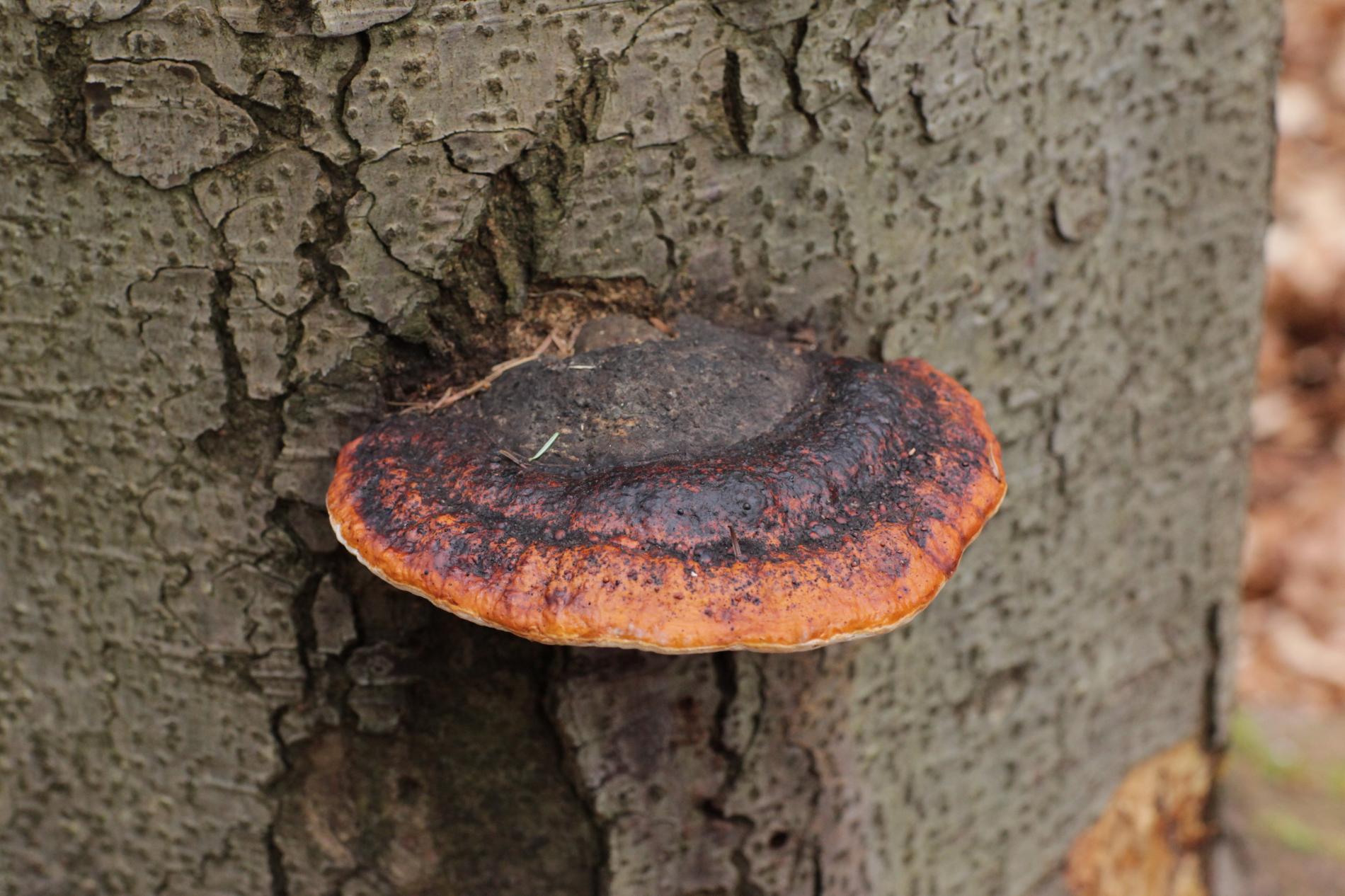
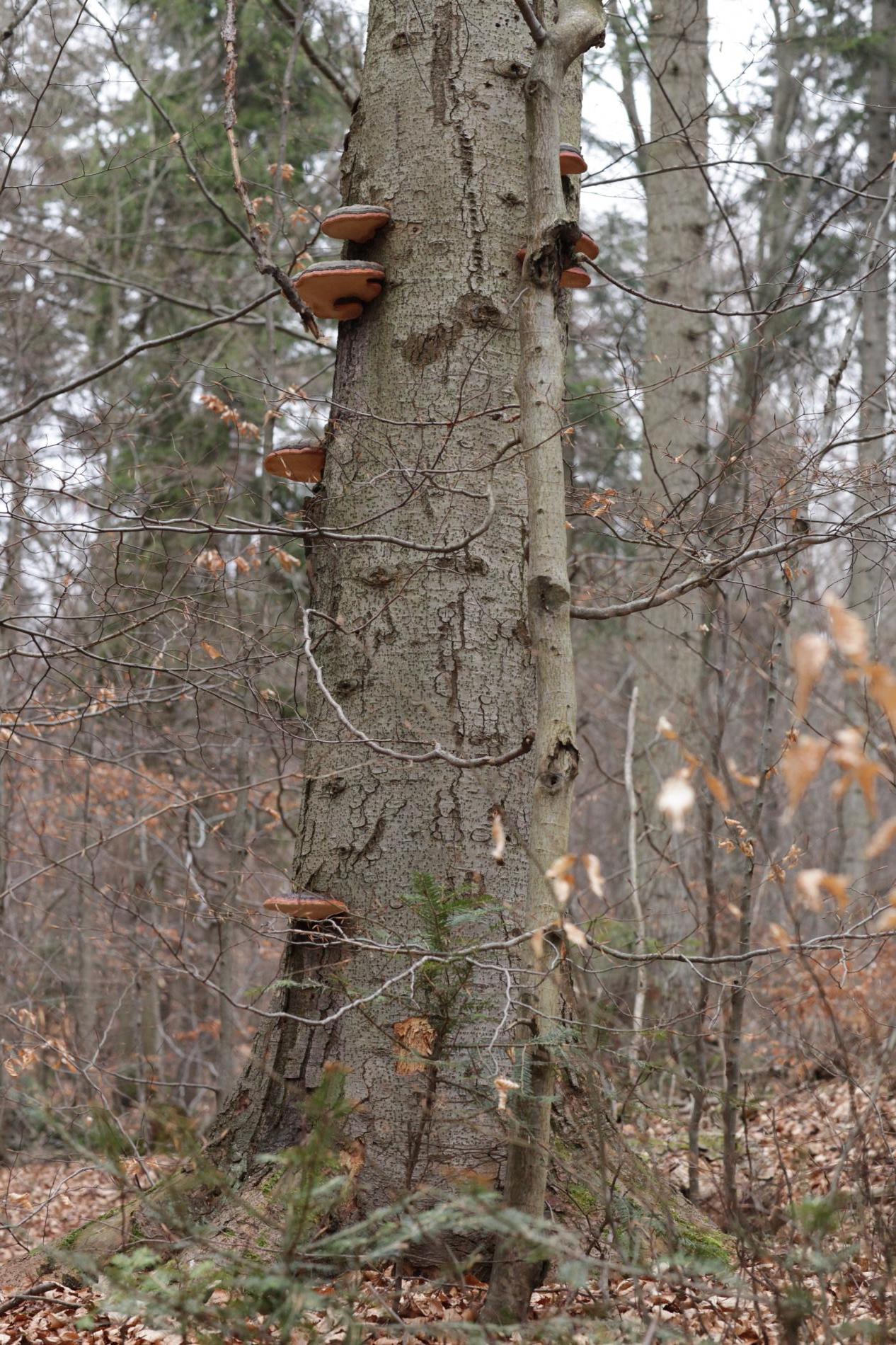
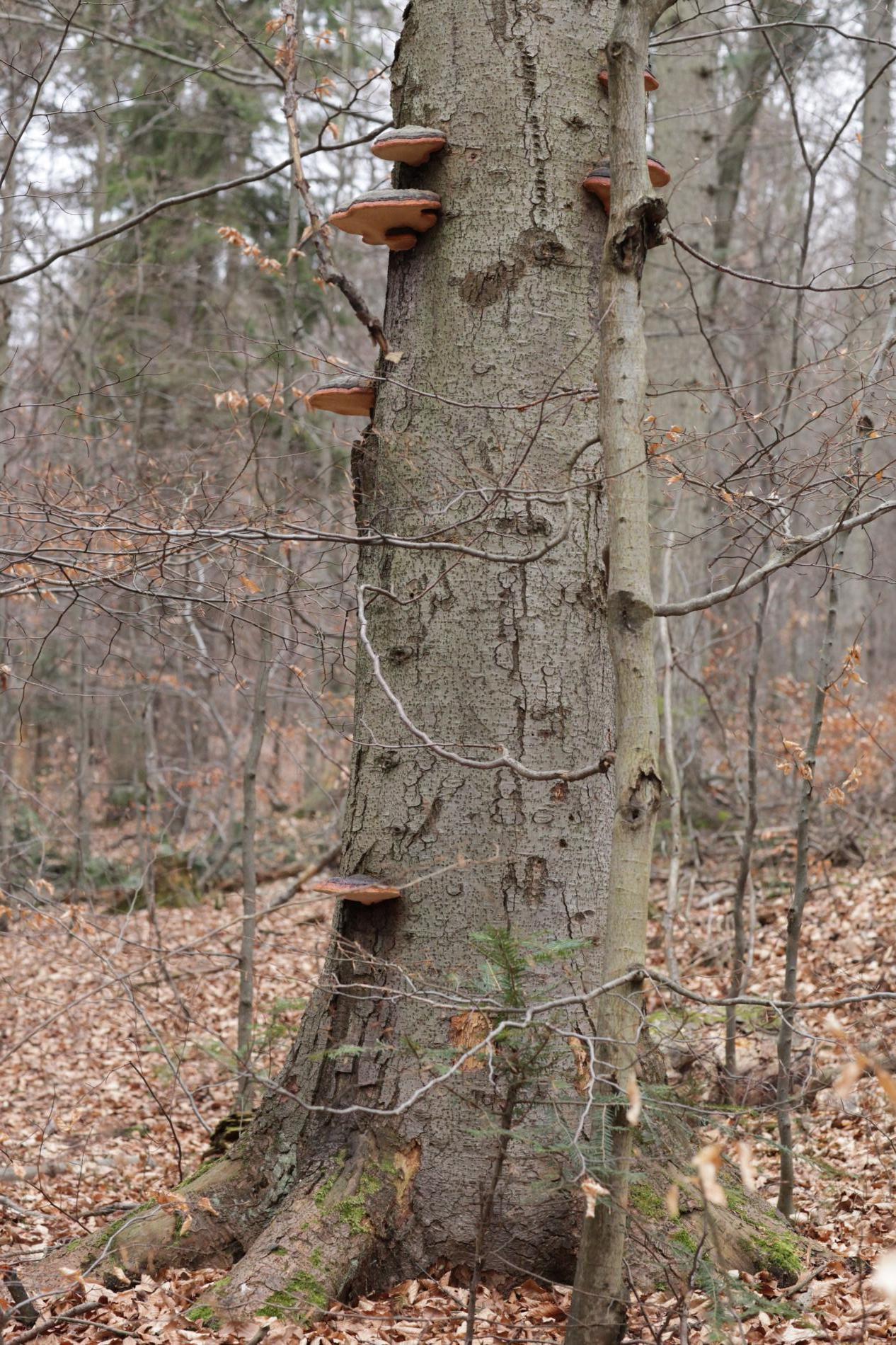
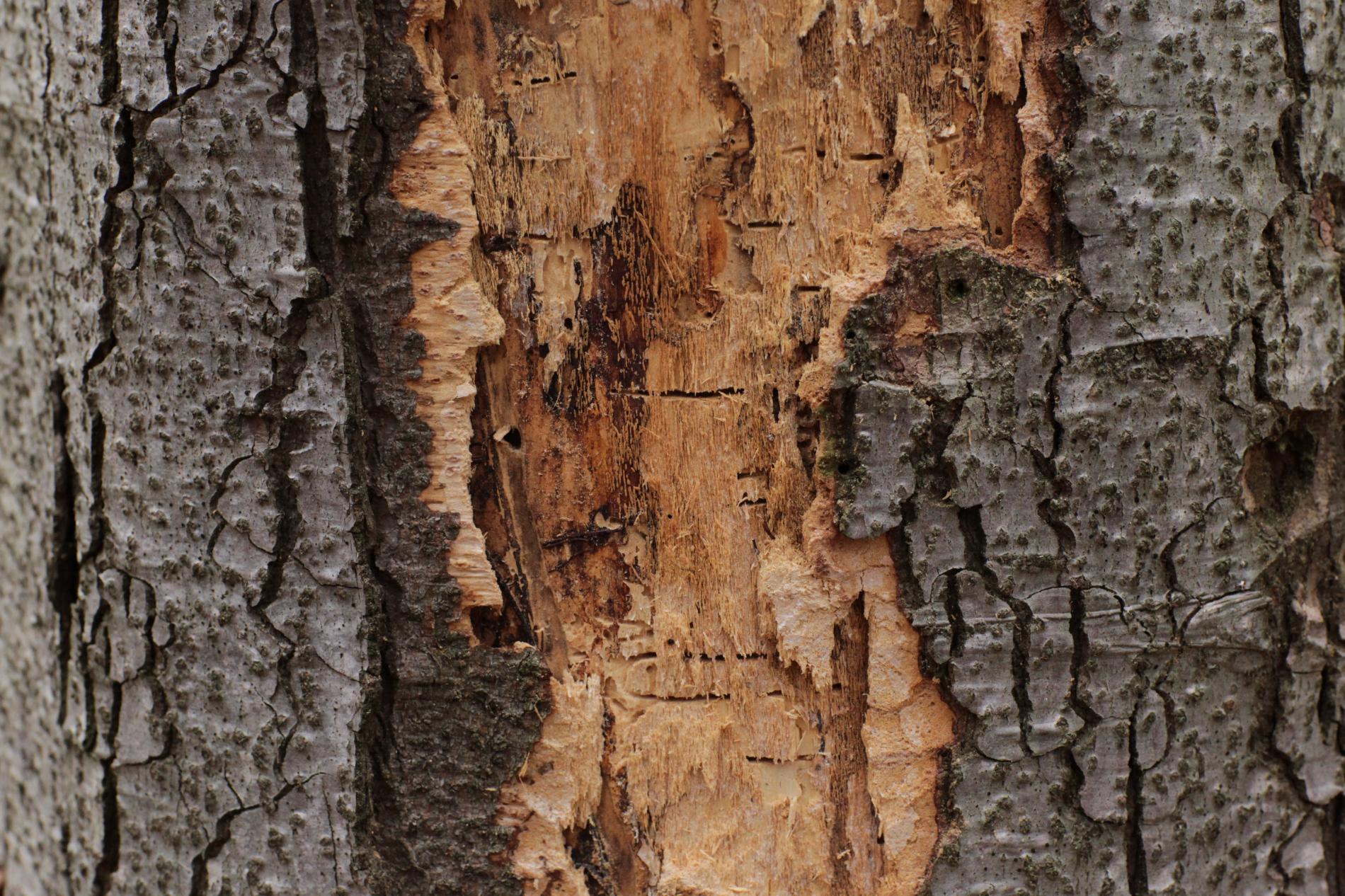
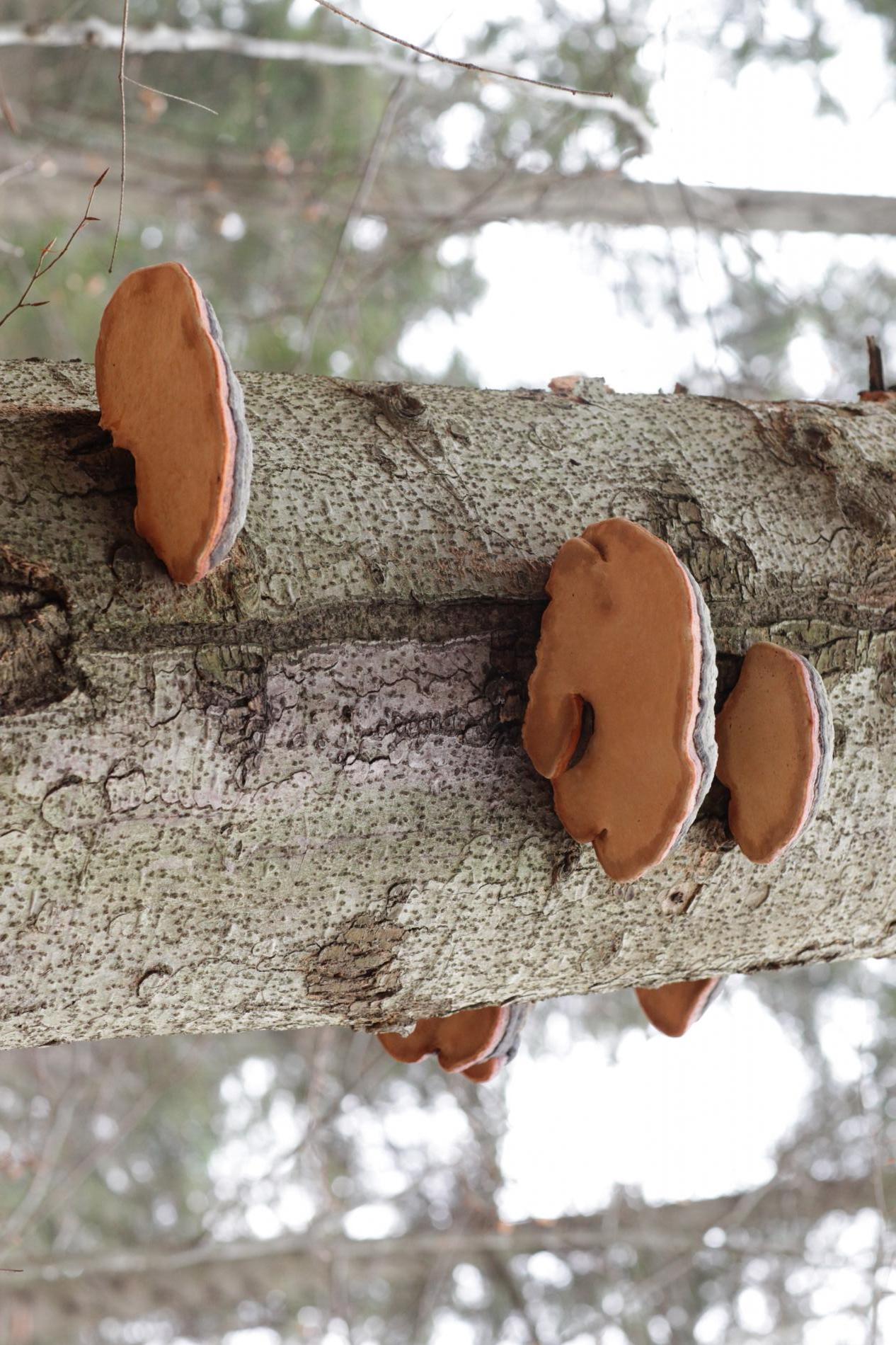
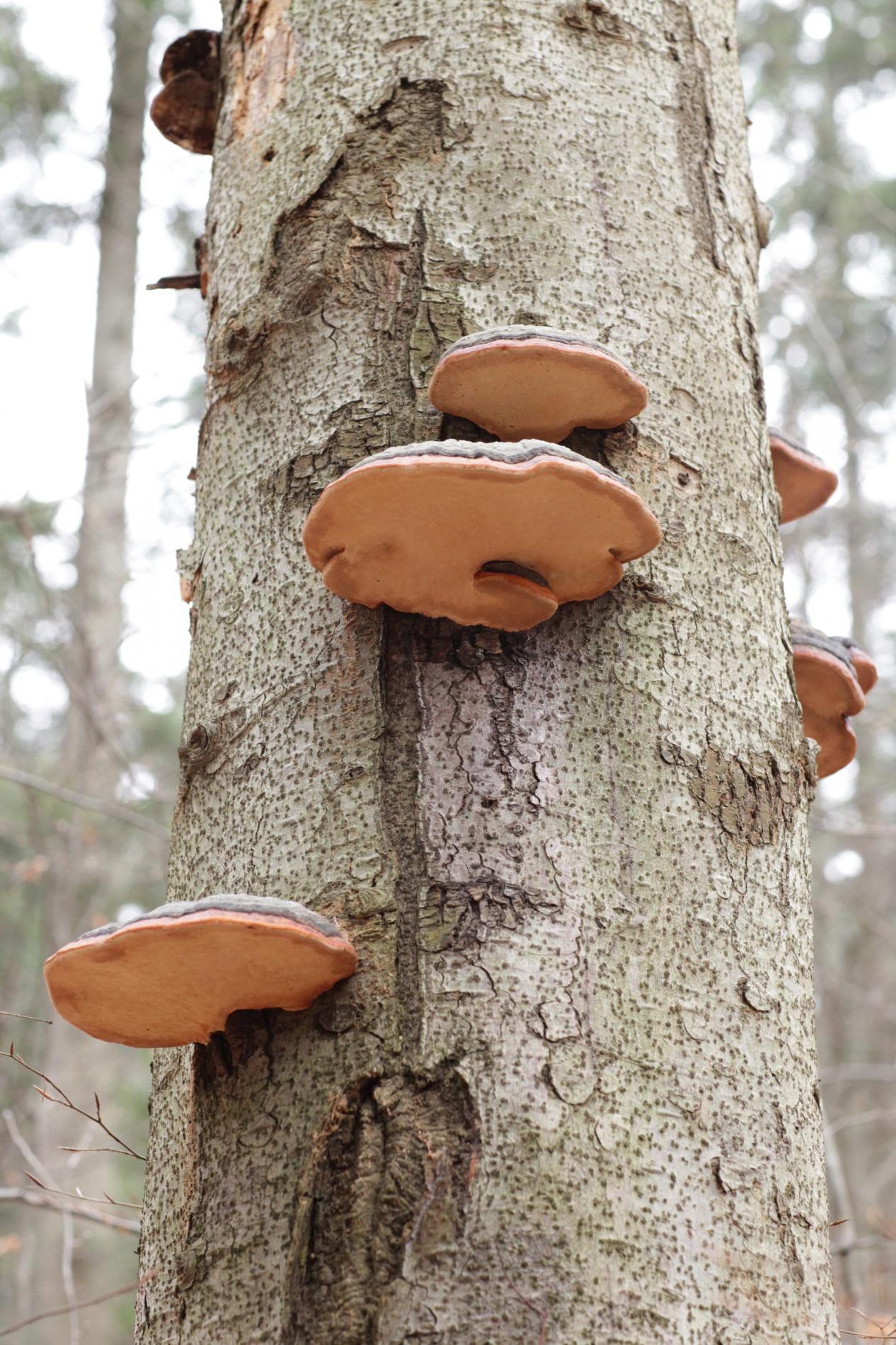
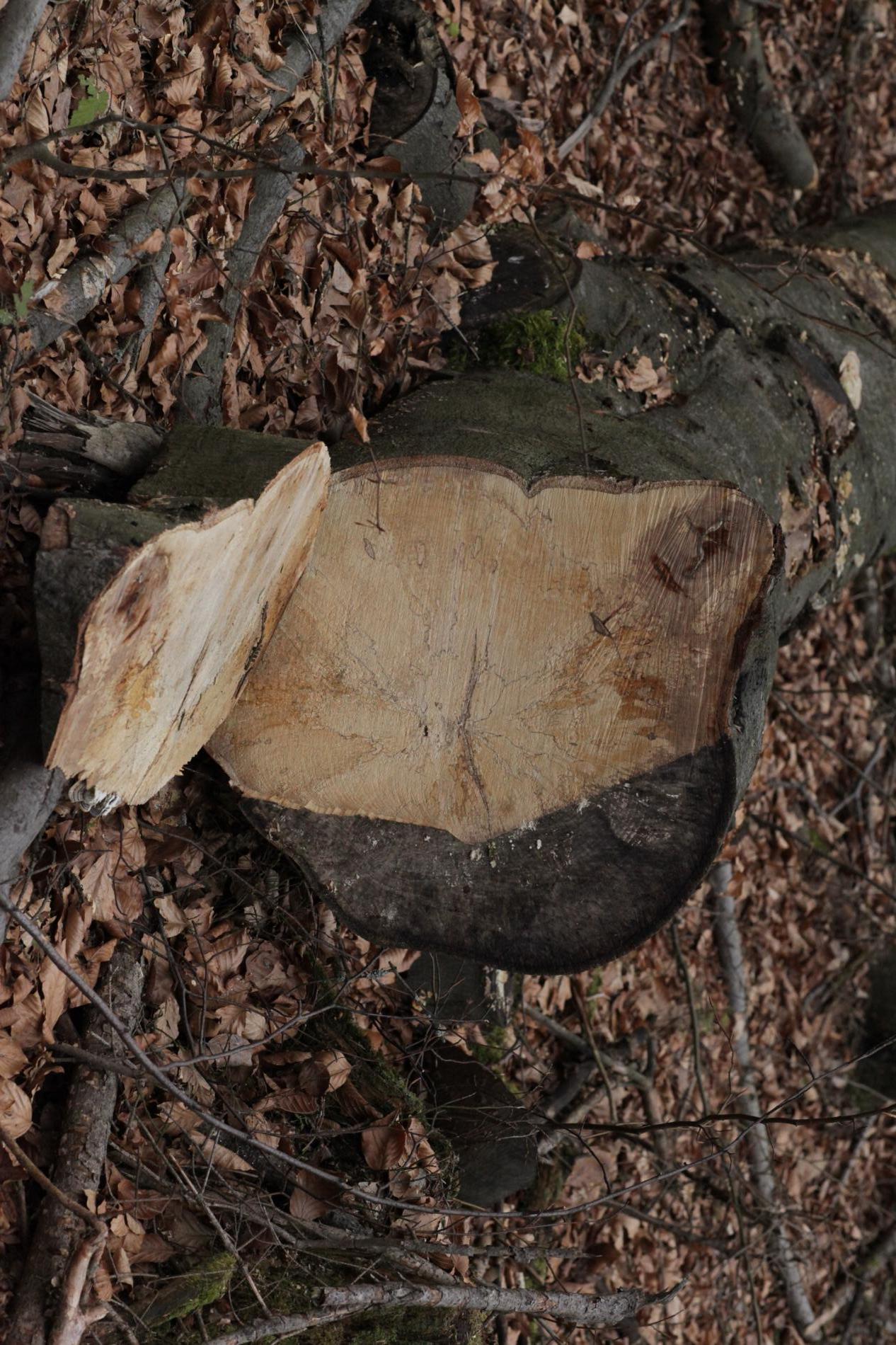
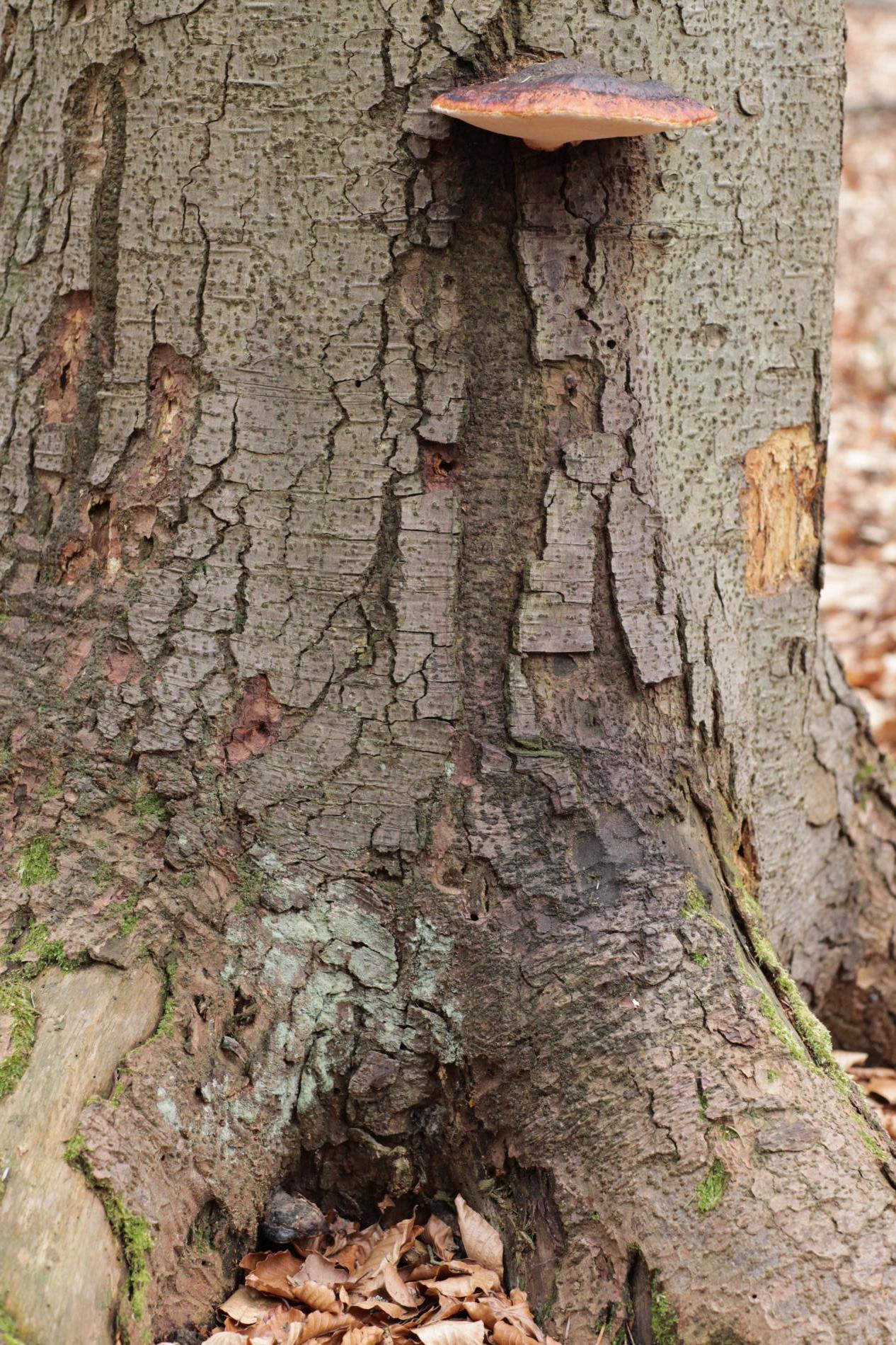
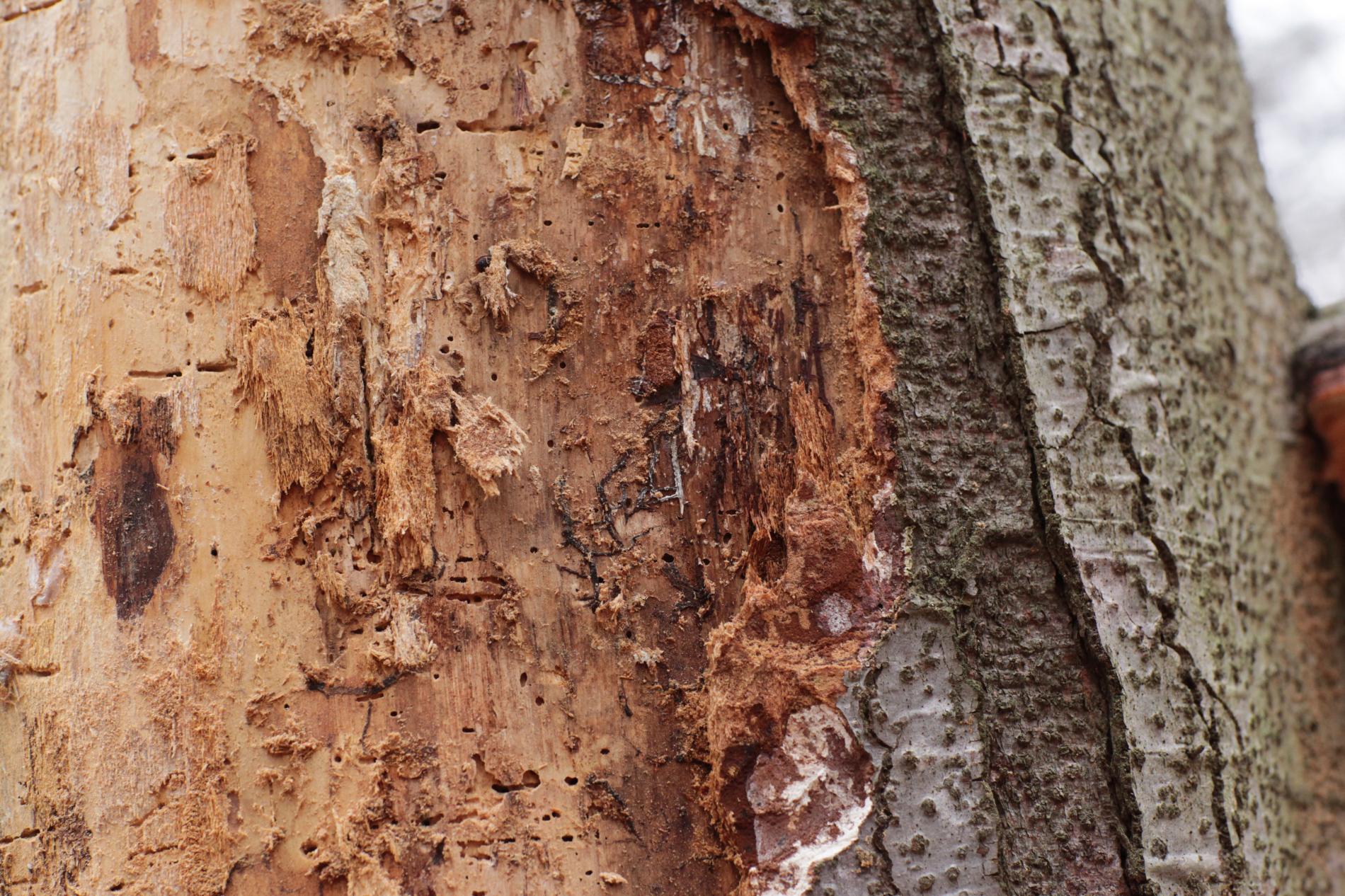
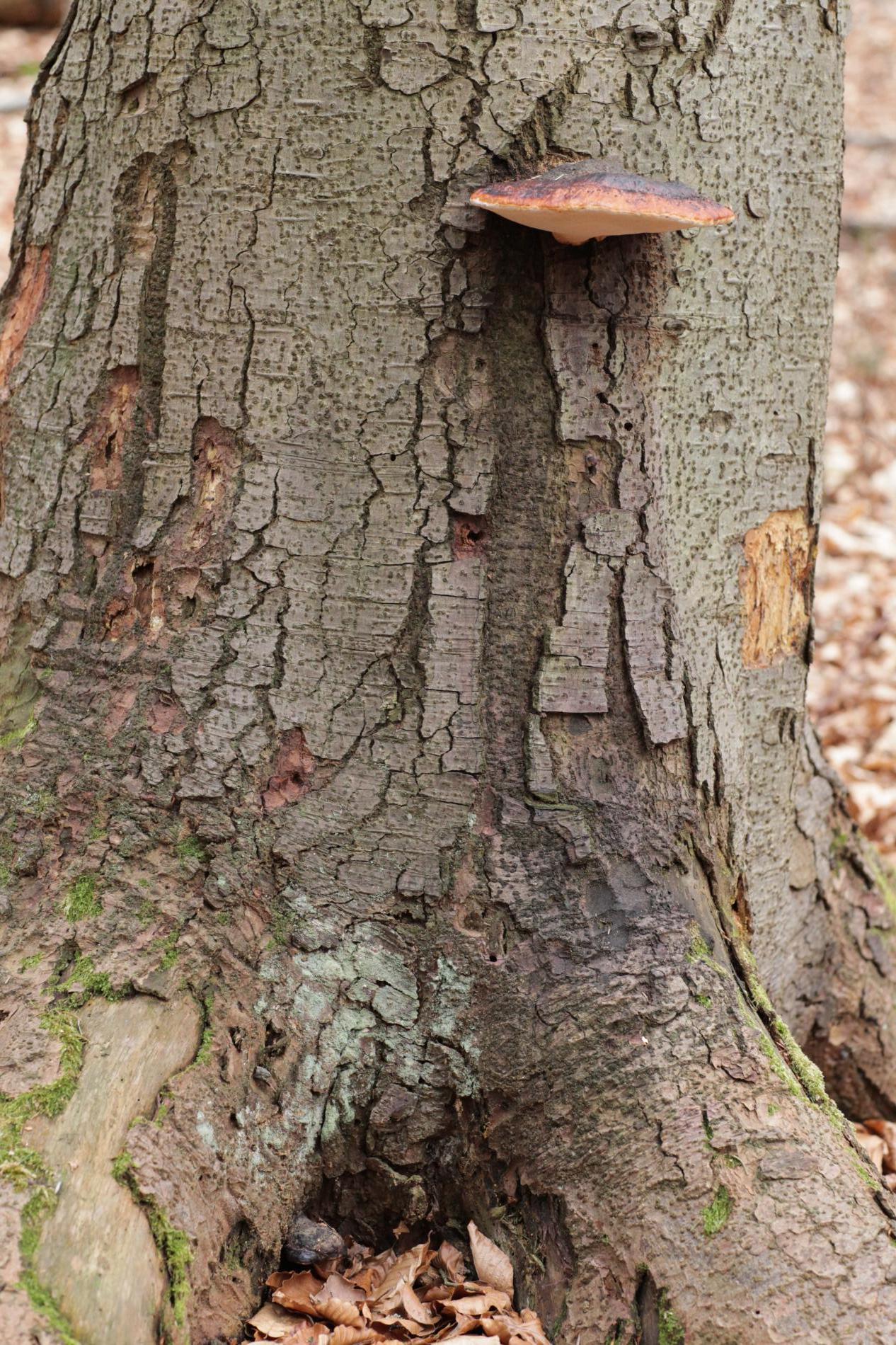
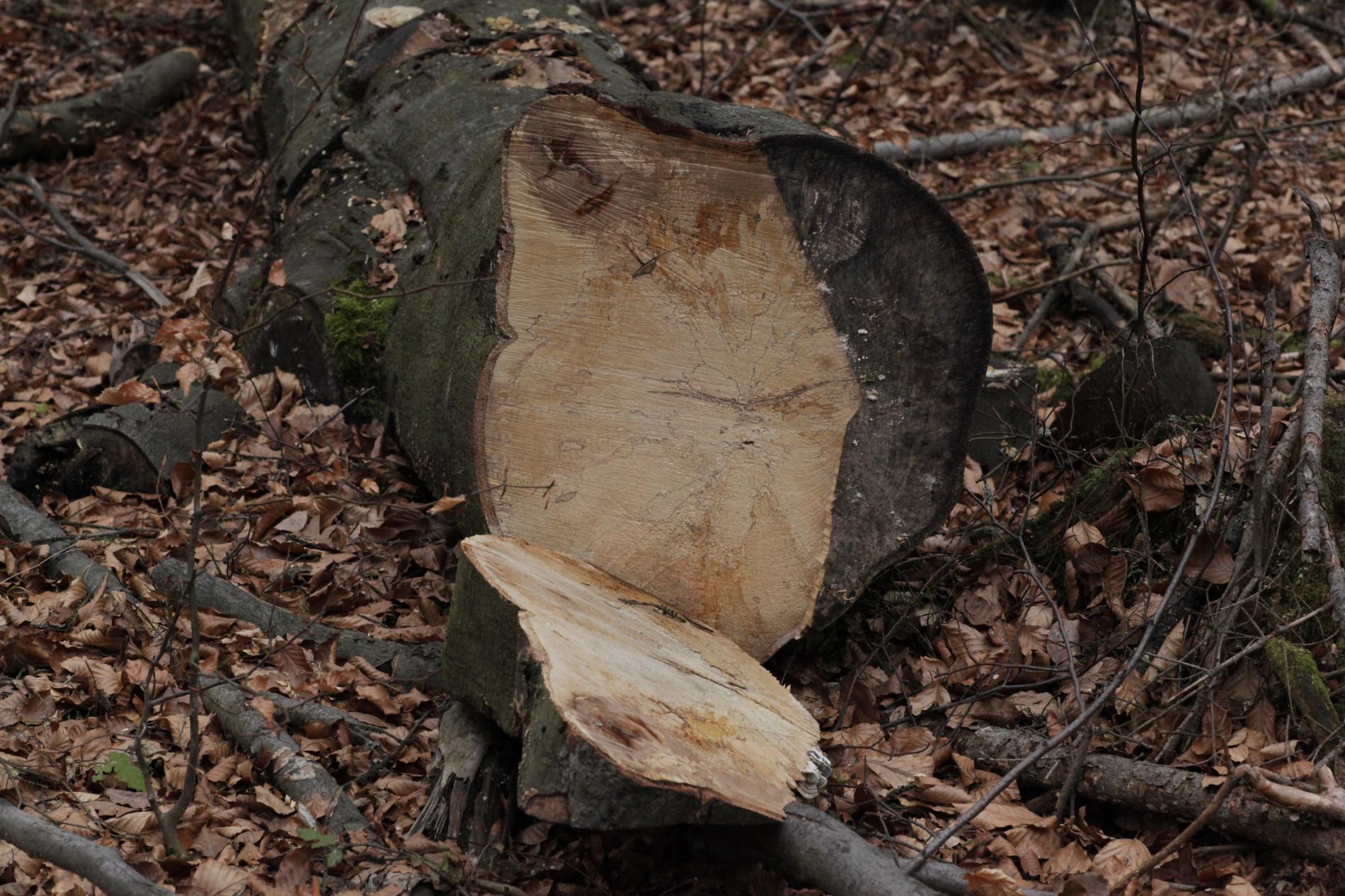
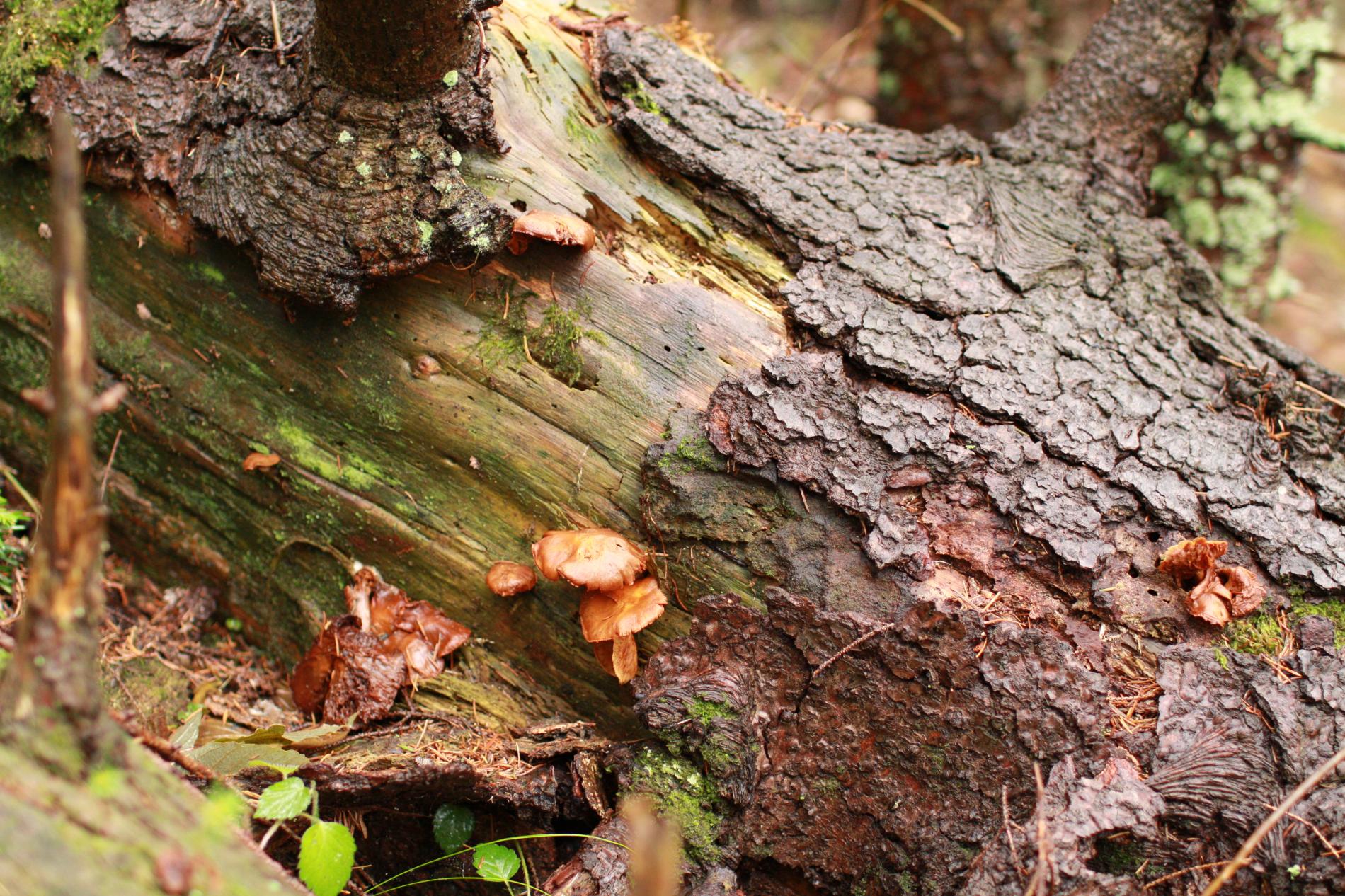
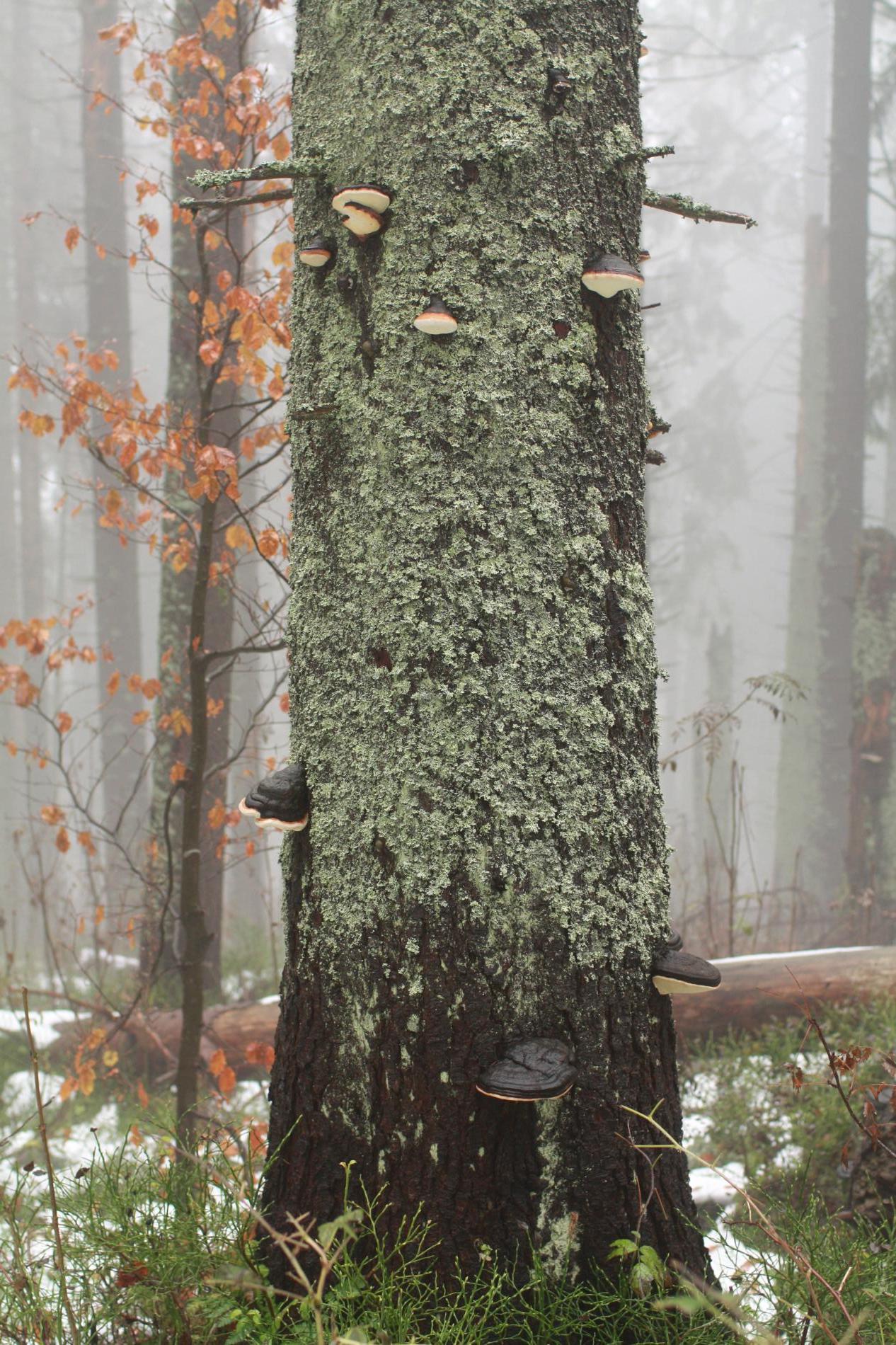
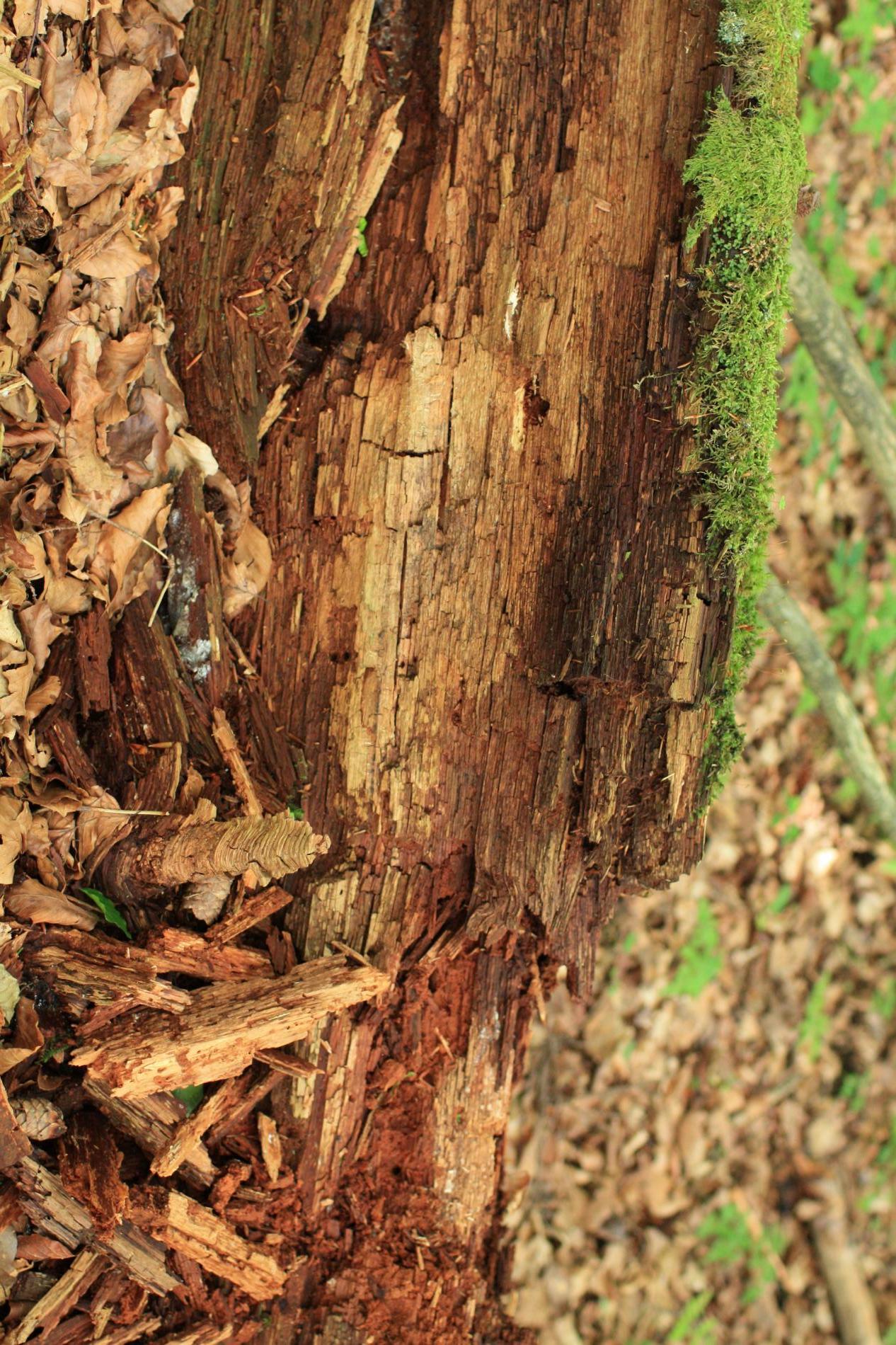
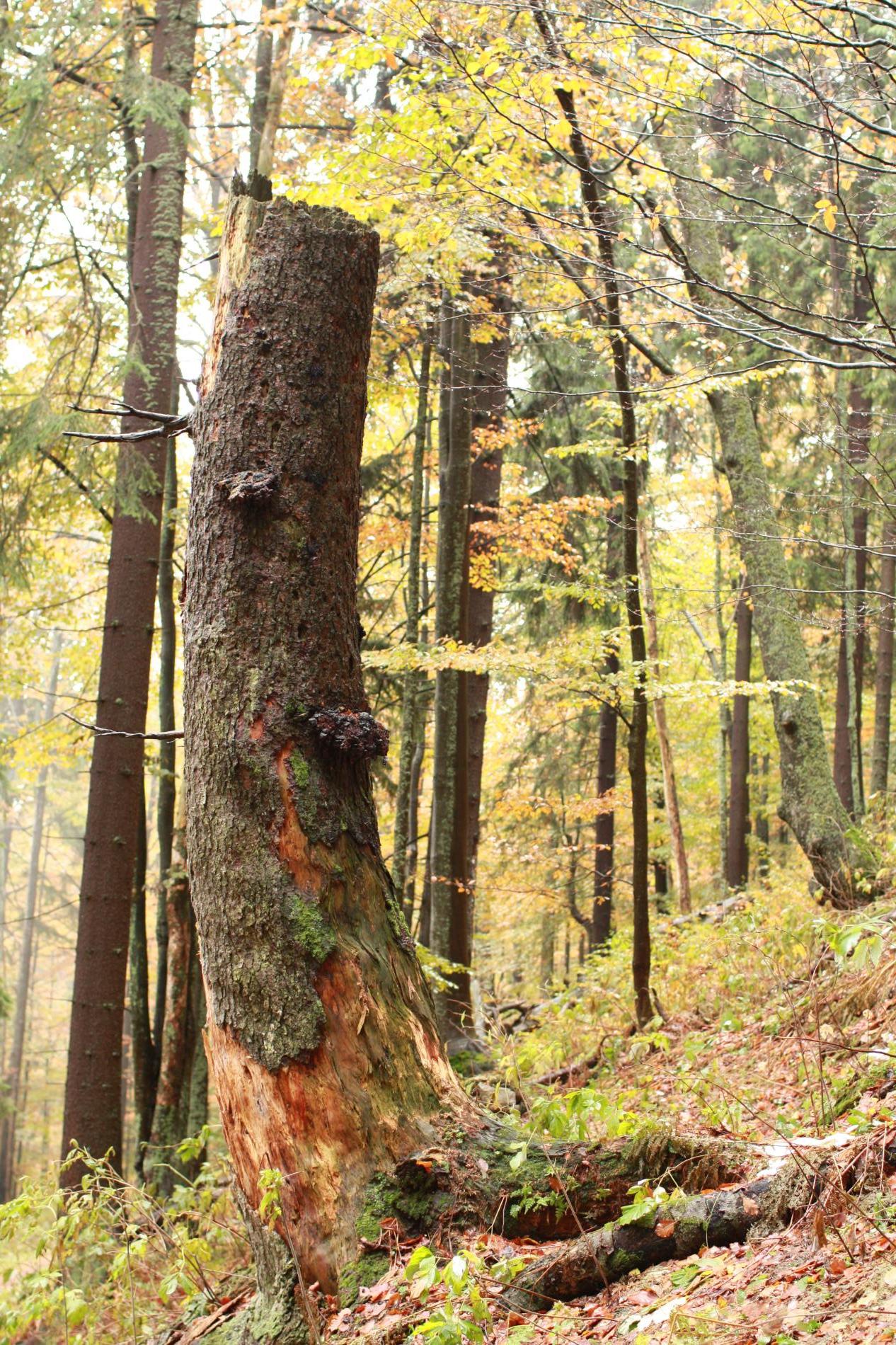
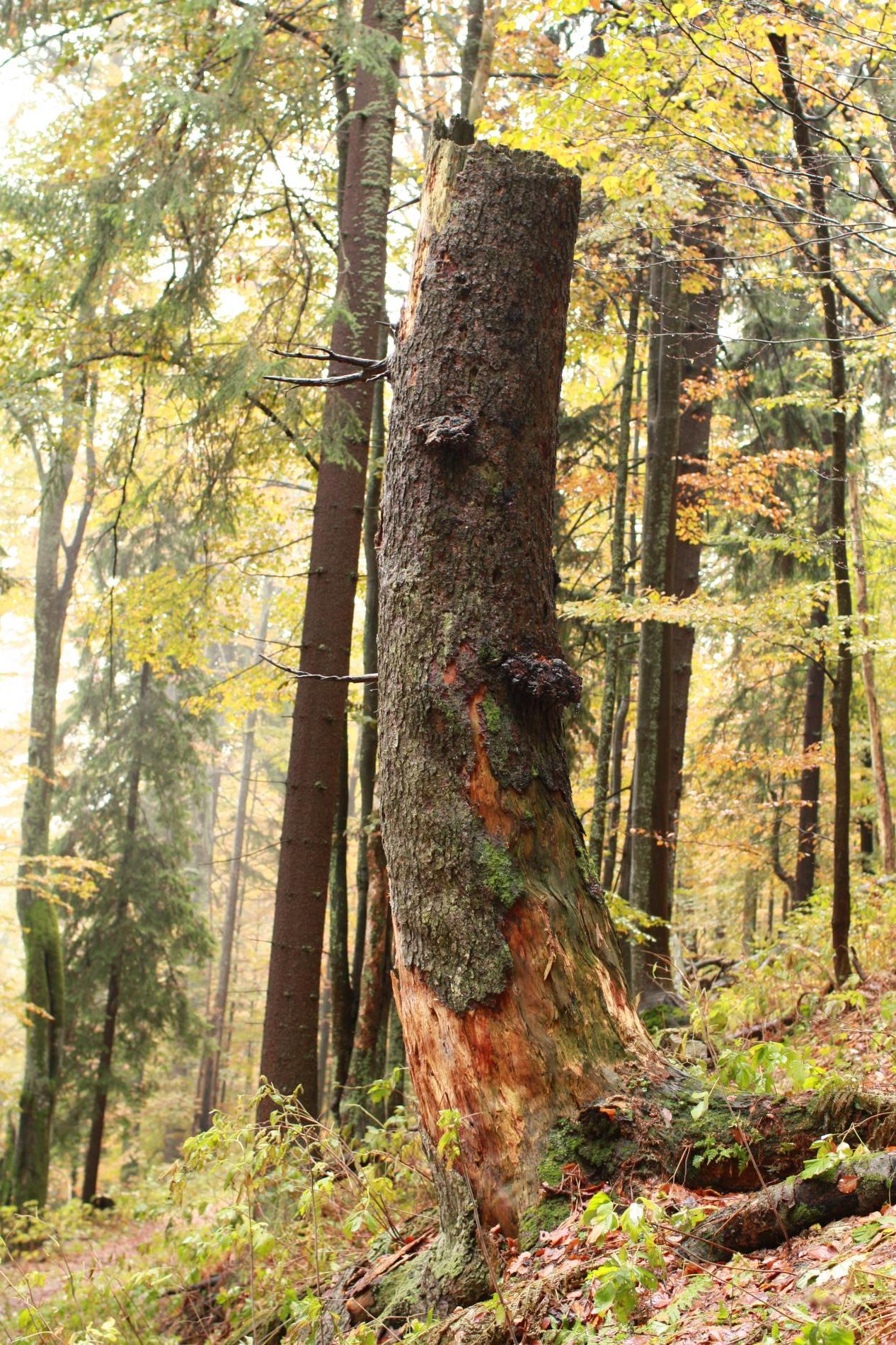
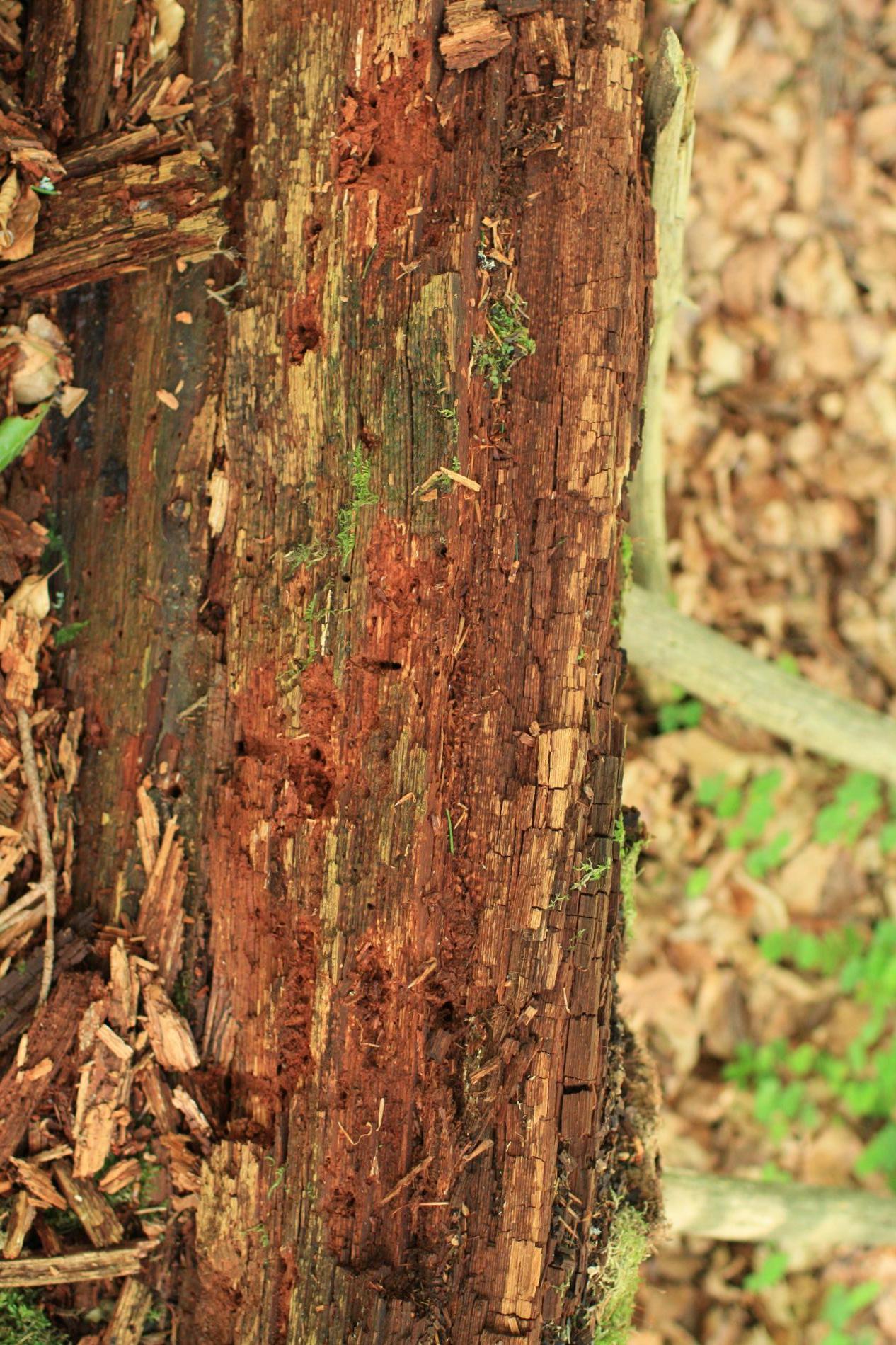
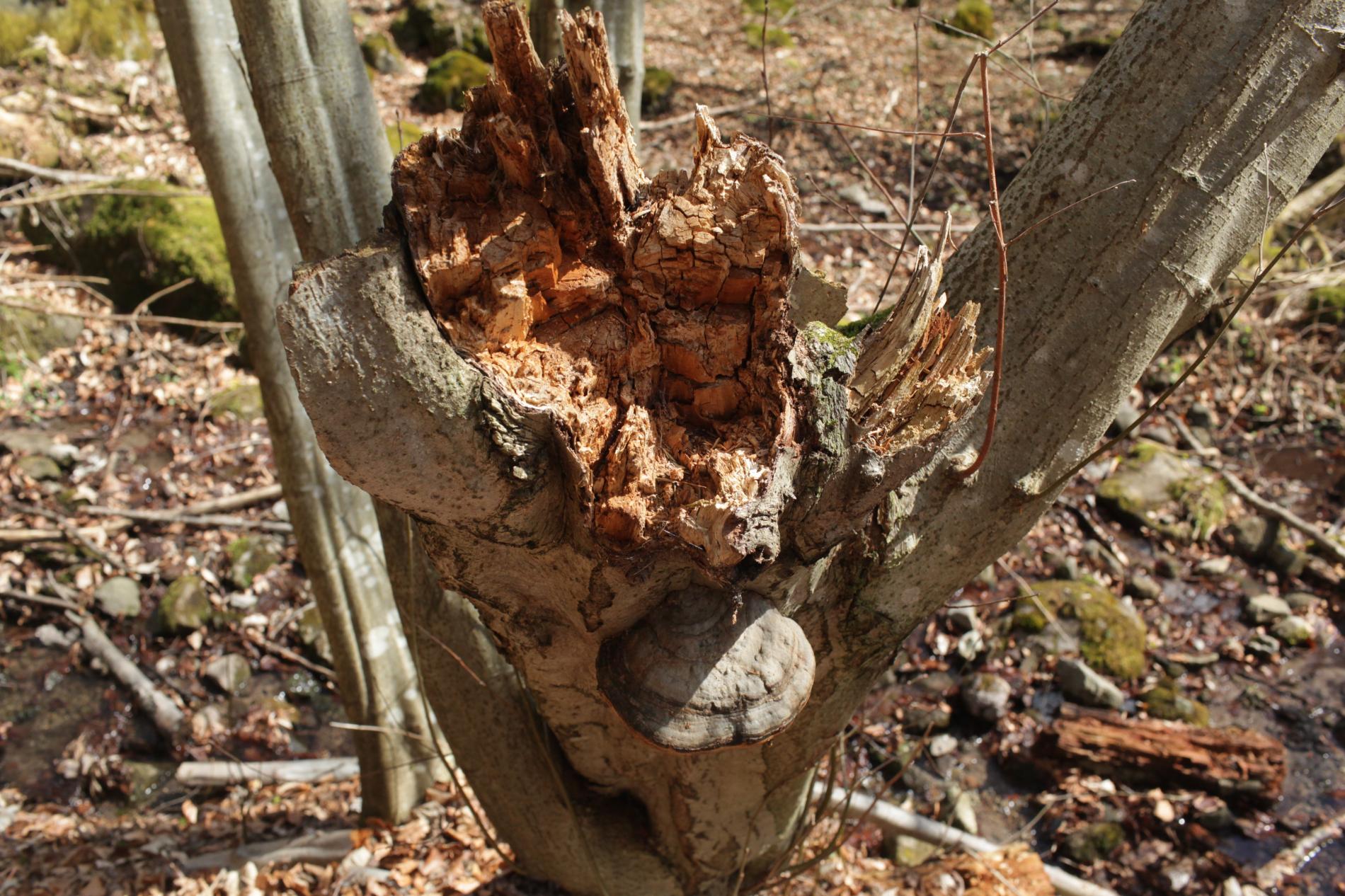
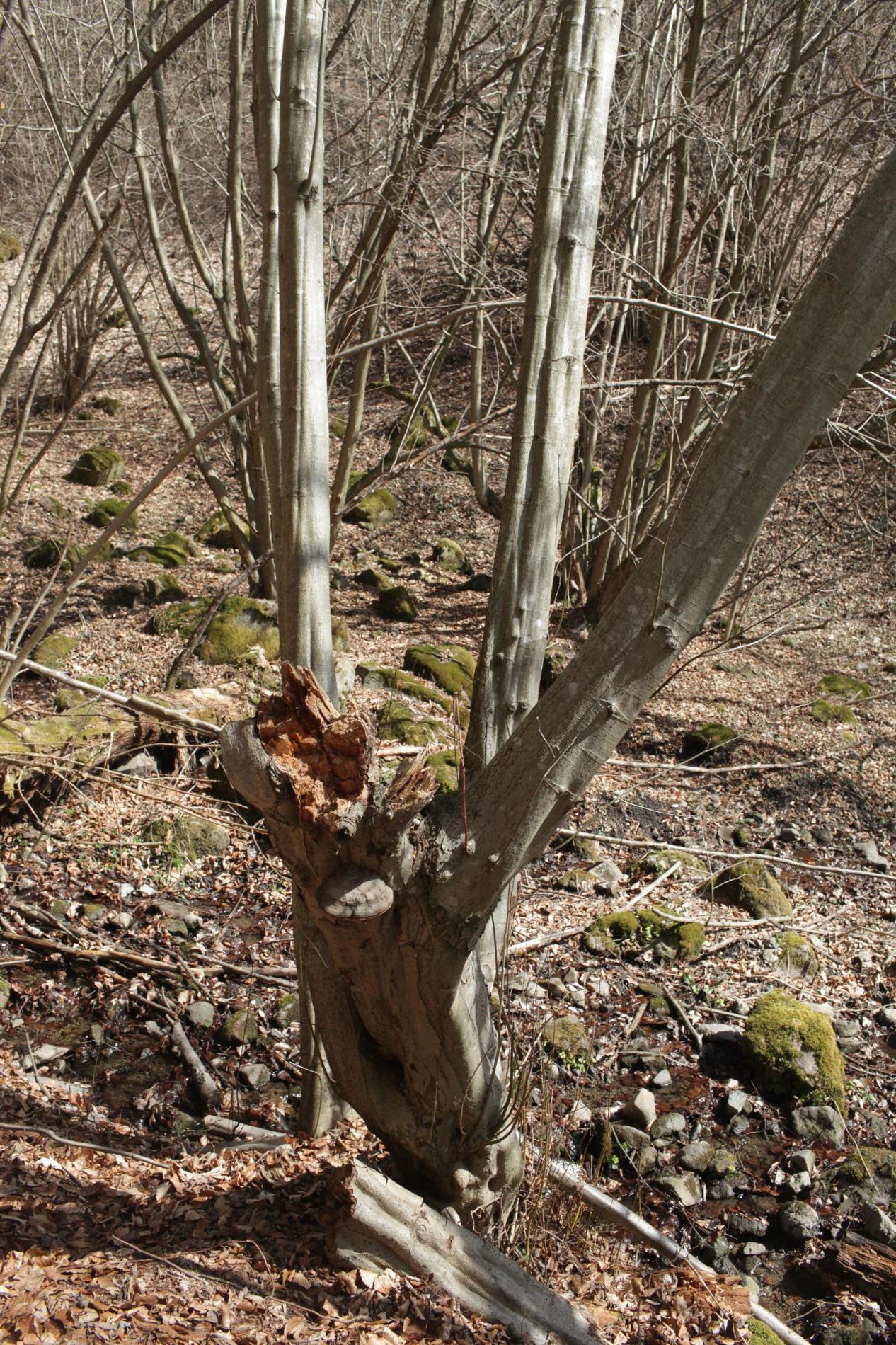
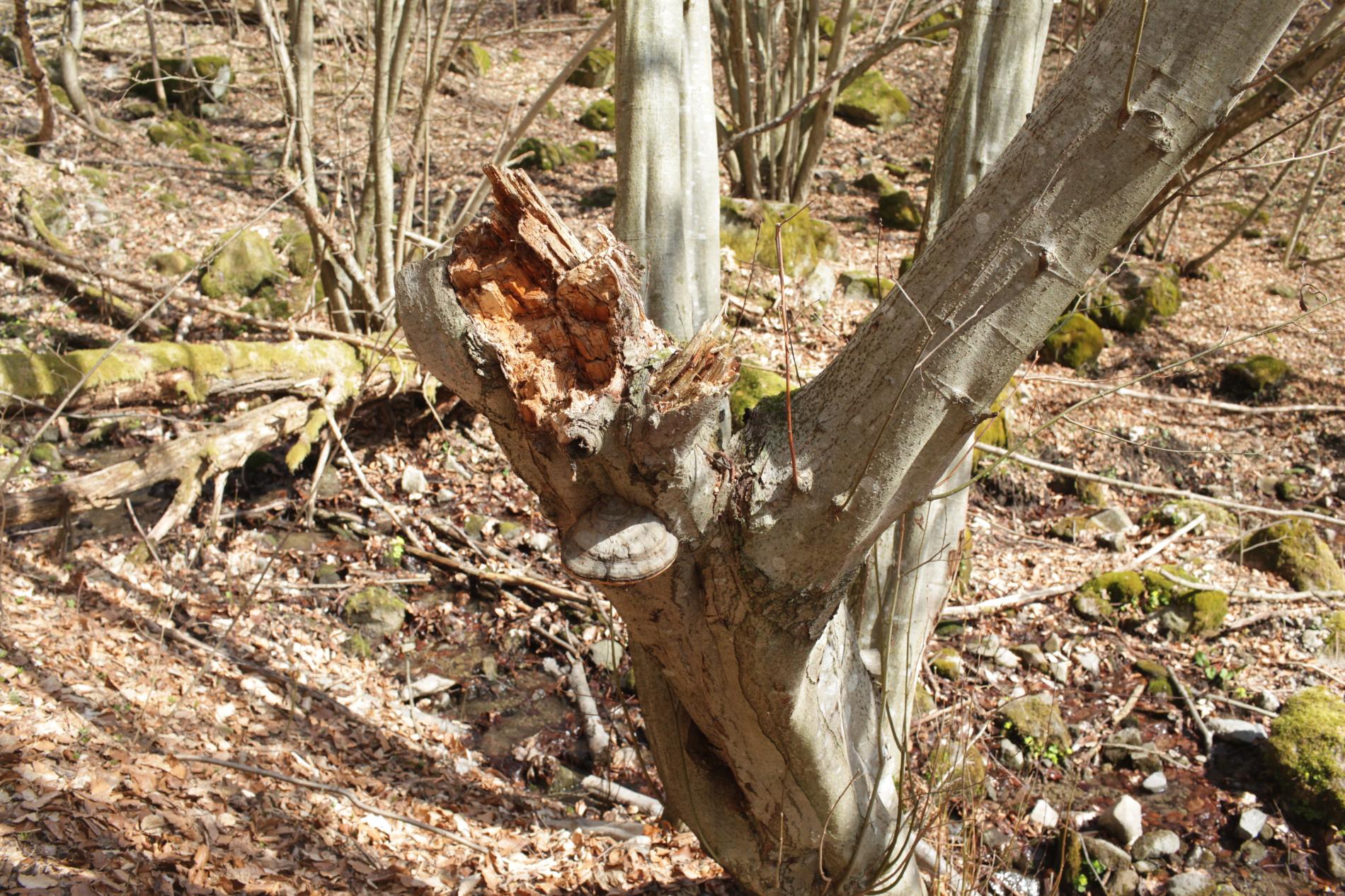
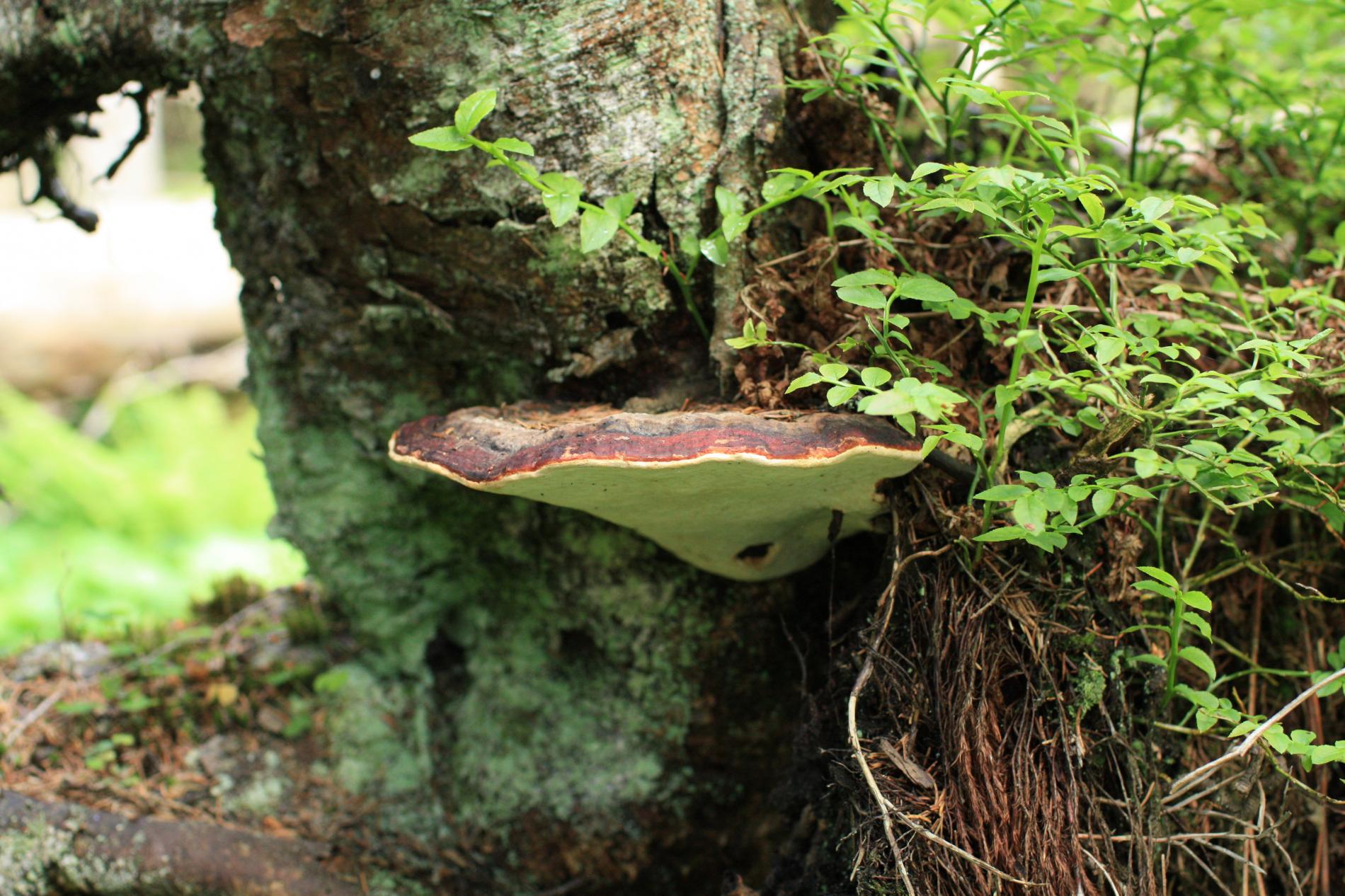
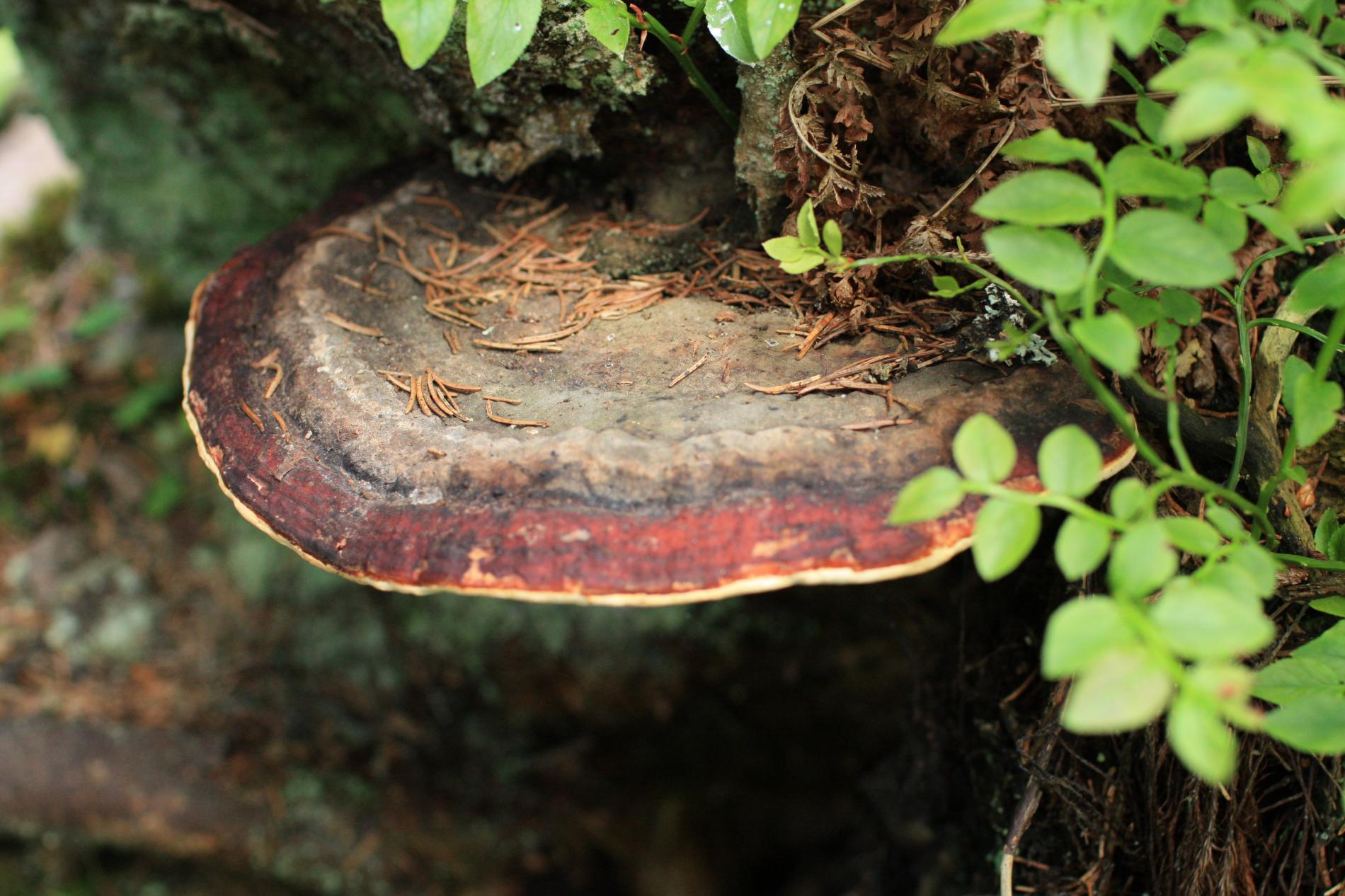
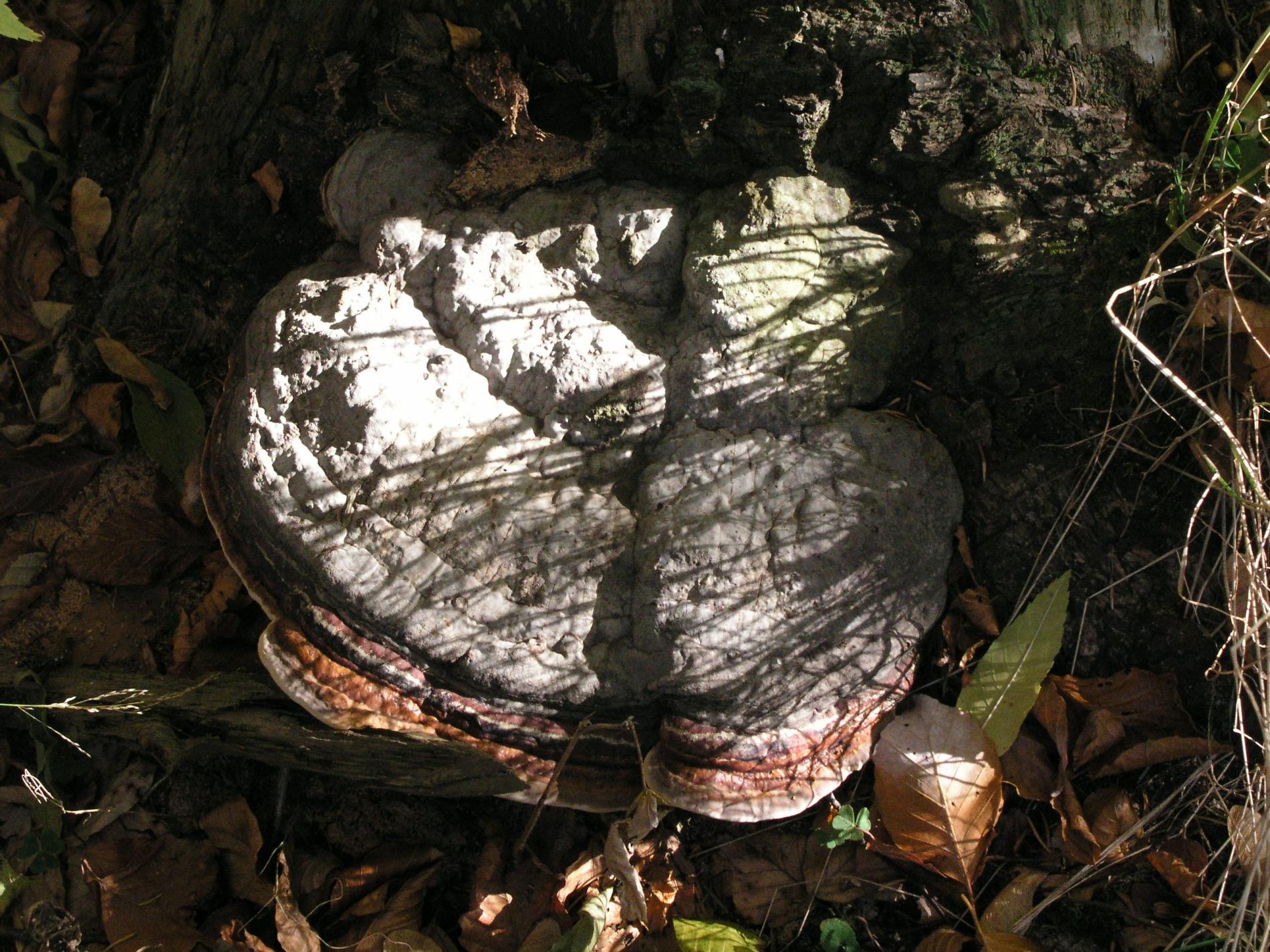
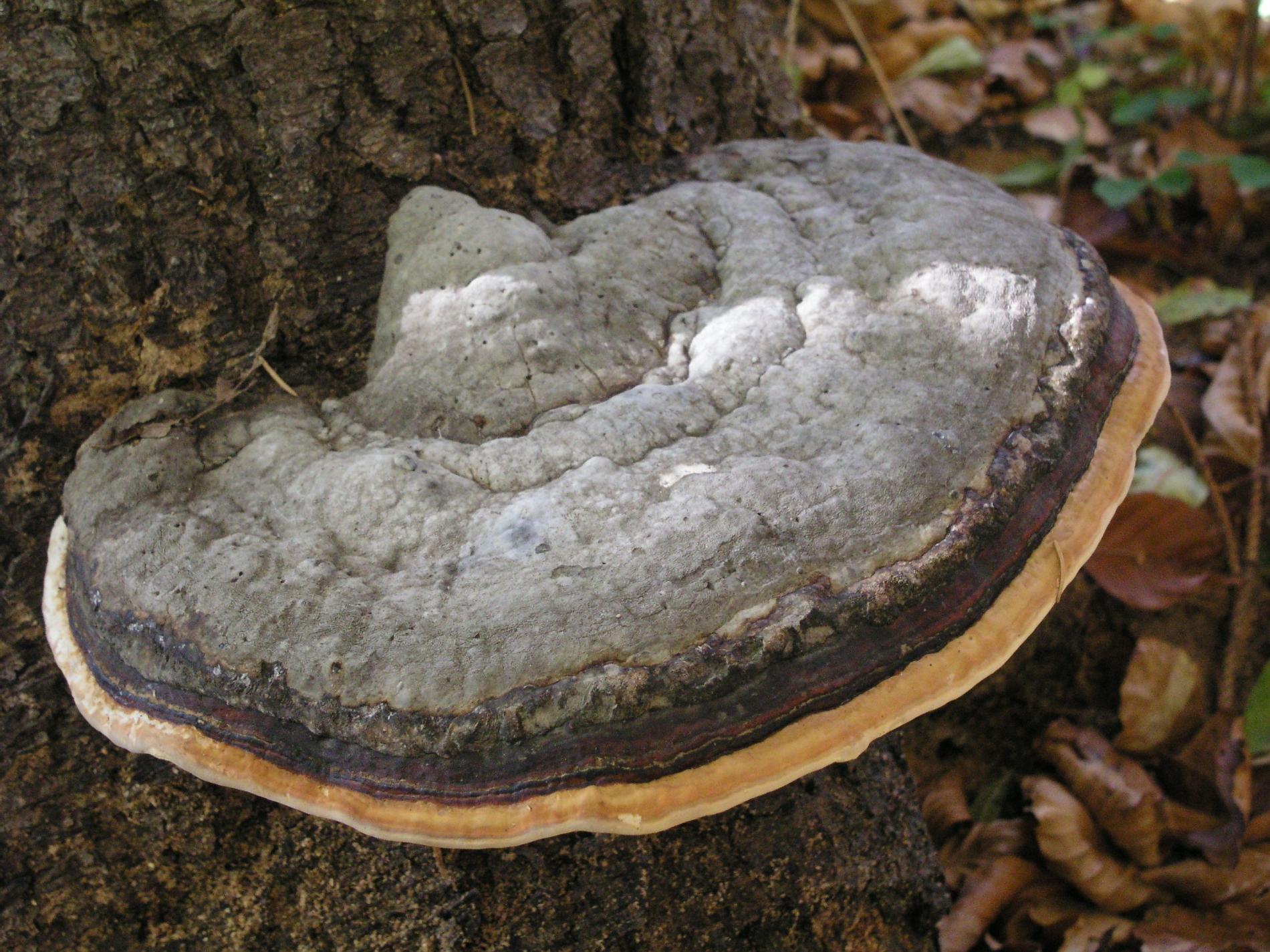
The red-banded polypore is primarily a saprophytic wood-decomposing fungus of the temperate zone of the northern hemisphere. Sporadically it may infect also living trees through injuries resulting from timber harvest or deer browsing. The fruiting bodies are perennial and clearly identifiable by their colour). The fungus induces brown red rot, breaking the wood in angular chunks with white felty shreds of mycelium found in the fissures. The control measures include prevention of root, butt or trunk injuries, or immediate treatment of wounds (on the very day they occur). To minimize the infection stress on the woodland it is necessary to remove infected living or dead trees from the site.
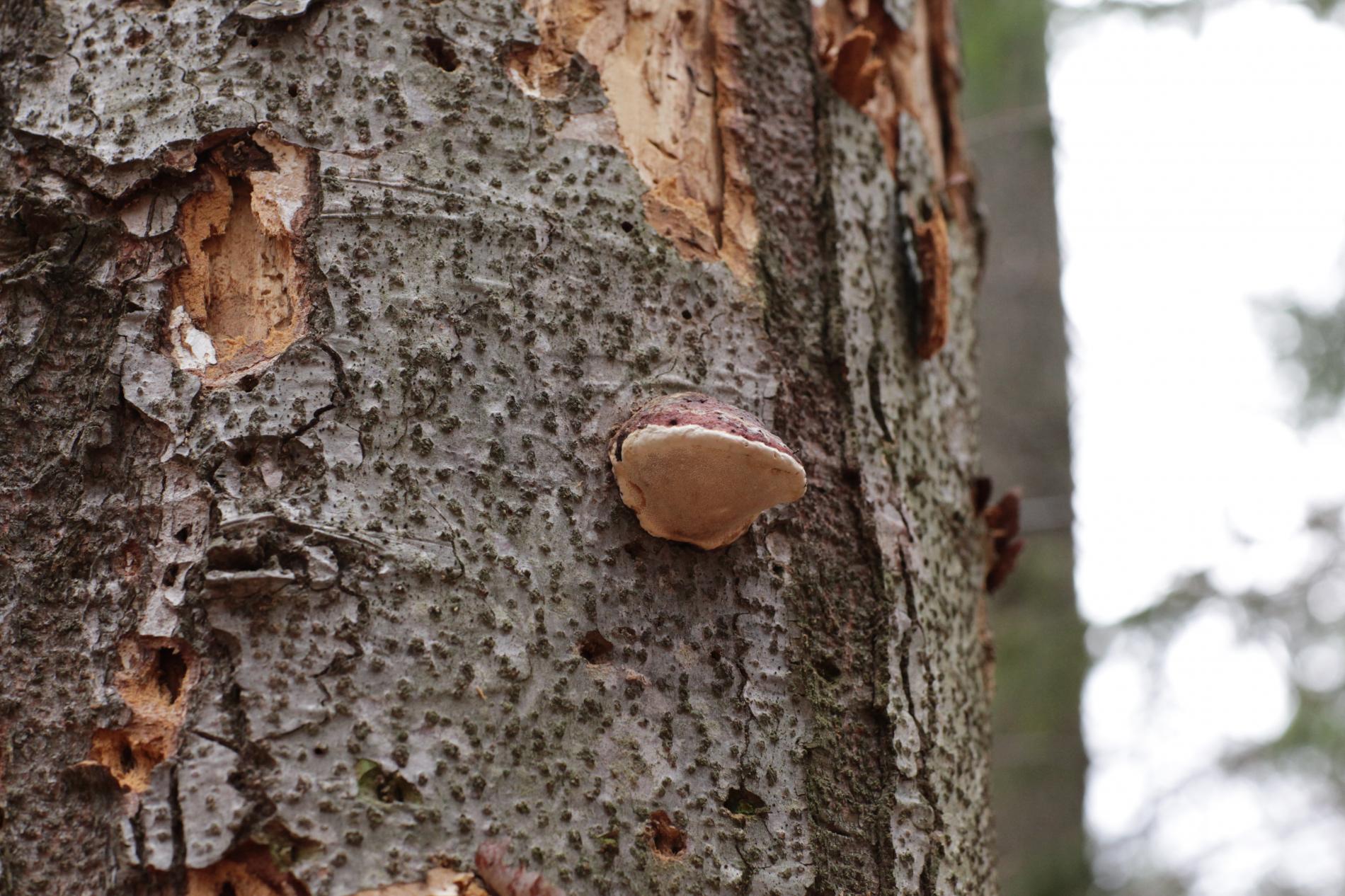
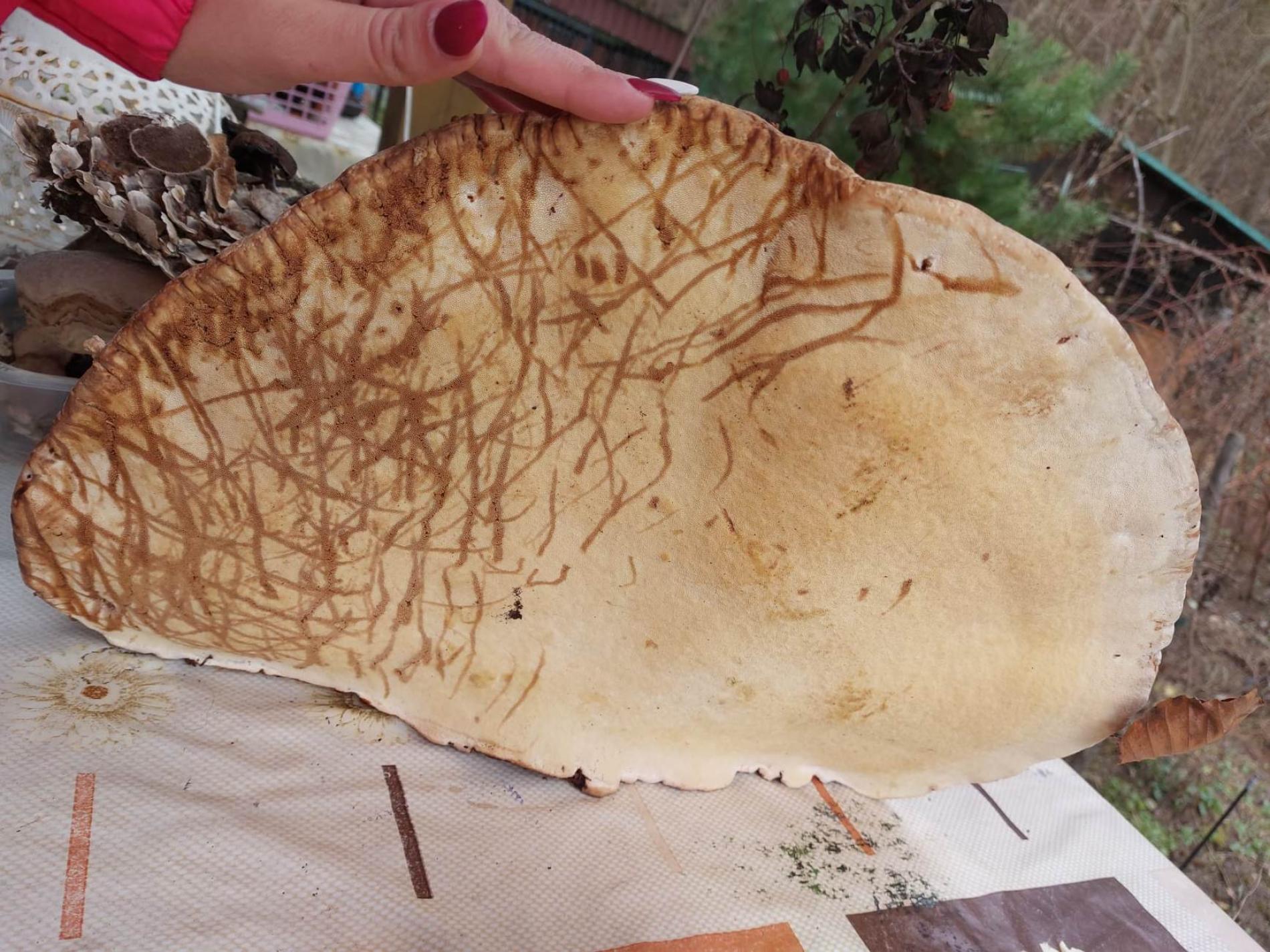
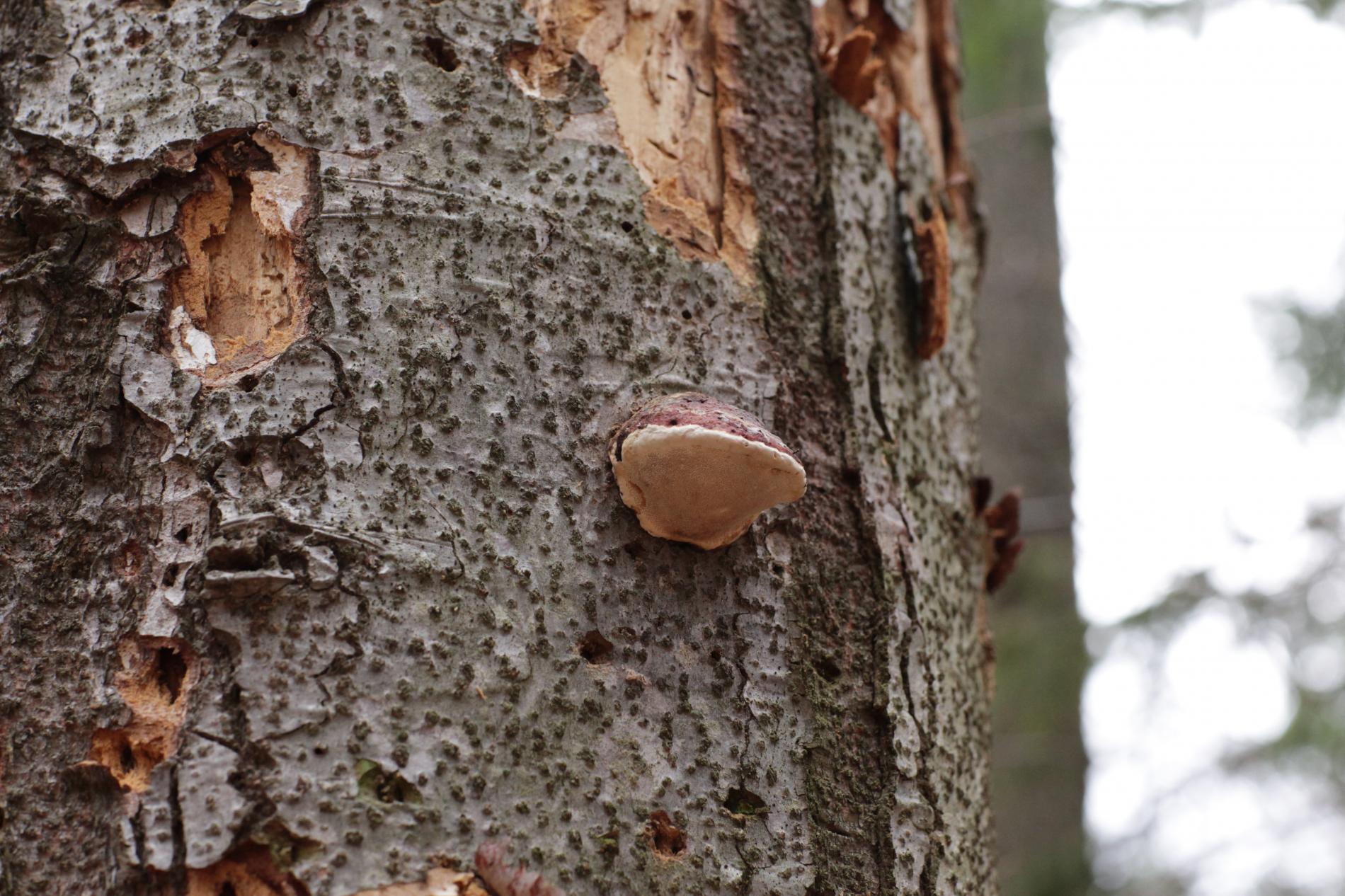
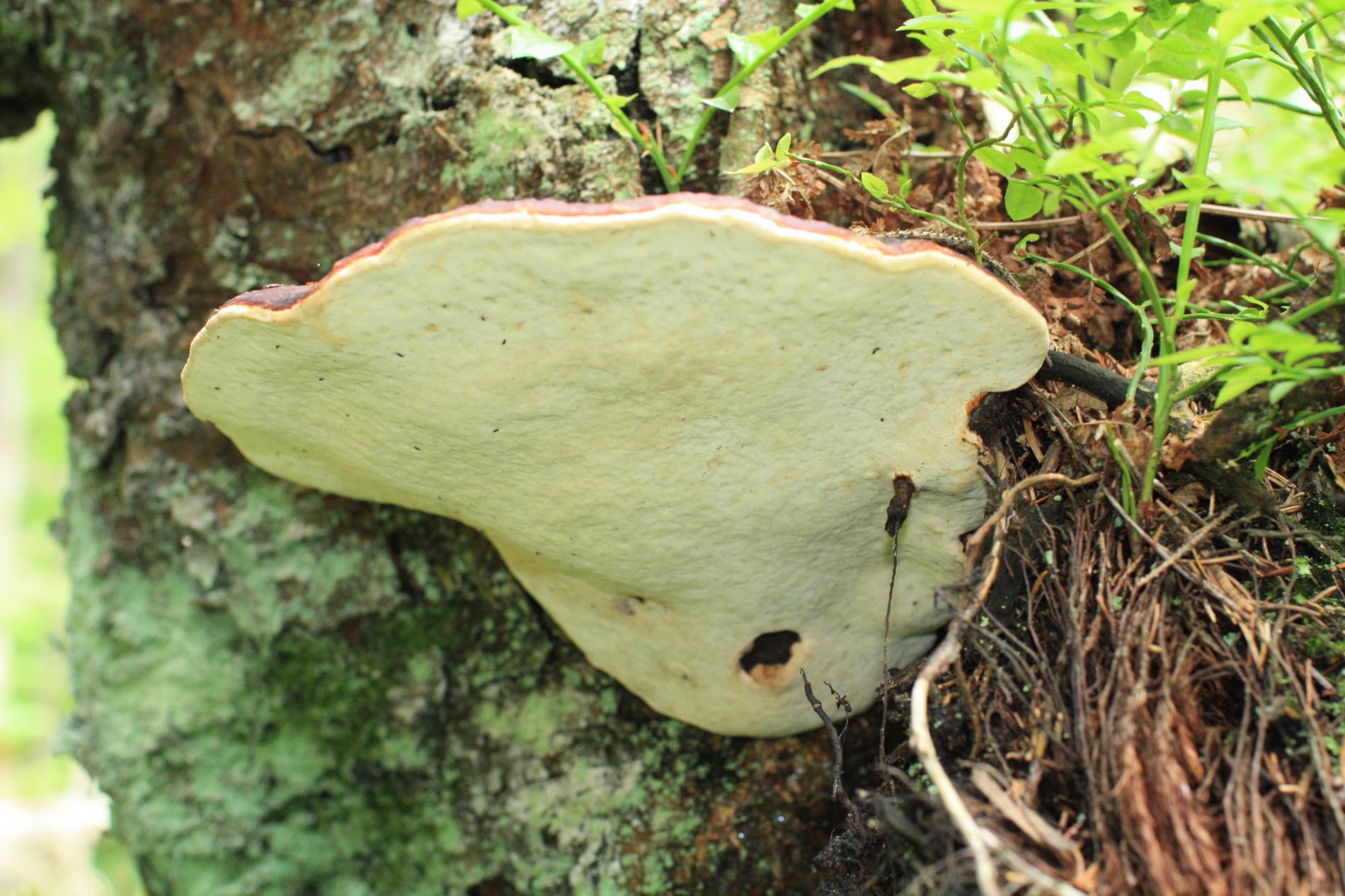
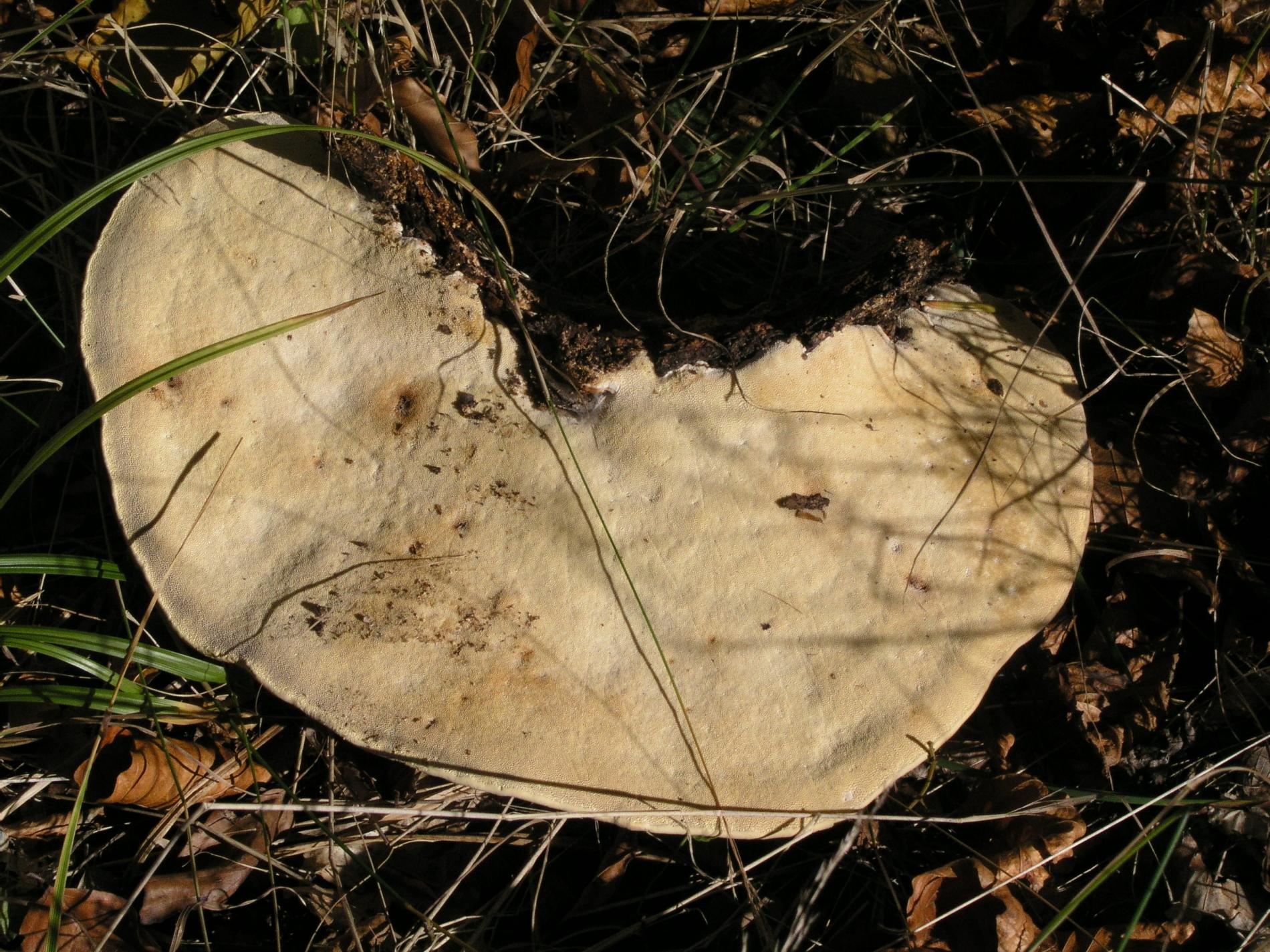
Creamy white fruiting bodies on the trunk.
Tree Species: Pine, Birch, Beech, Fir, Alder, Spruce, Larch
Part of a plant- attacked: Tree trunk
Pest significance: Harmful
Pest Category: Fungi
Invasive Species: No
Present in EU: Yes
Pest group: Fungi
Affected part of wood: Heartwood, Sapwood
Depth of damages: More than 5 cm depth, Under bark only, Up to 0,5 cm depth, Up to 2 cm depth, Up to 5 cm depth
The extent of damage: Whole trunk
Damaged products: Firewood, Fresh timber logs (water still in the sapwood), Furniture, Lumber, boards and prisms, Wood chips, Wooden house constructions
Roundwood size: Diameter 50+, Diameter from 10 up to 50 cm
Wood discoloration: Yes
Pest subcategory: Brown-rot
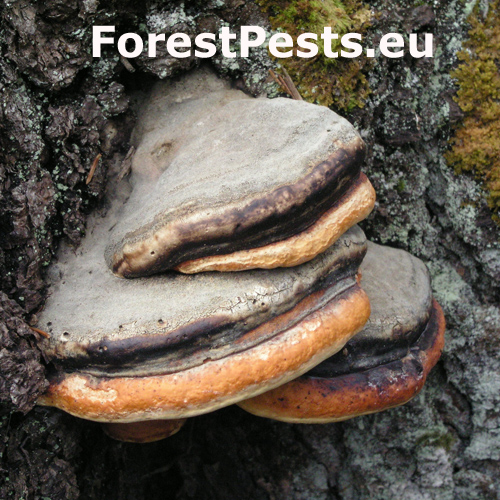
Similar pests

Phellinus chrysoloma

Phellinus hartigii
