


Dendroctonus micans
Great spruce bark beetle
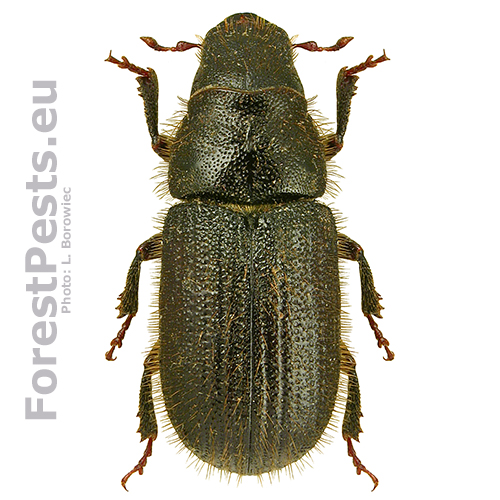
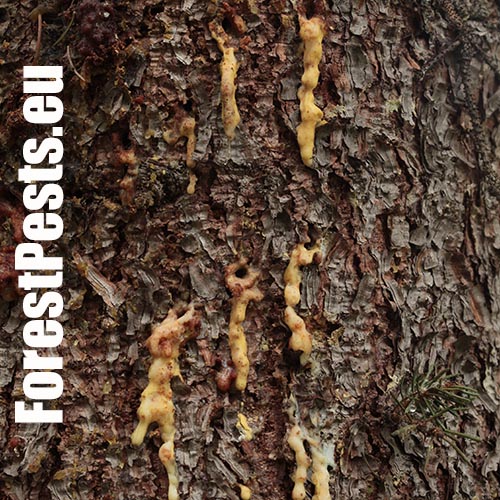
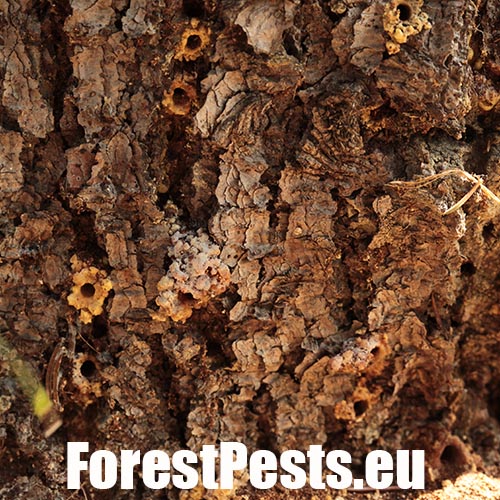
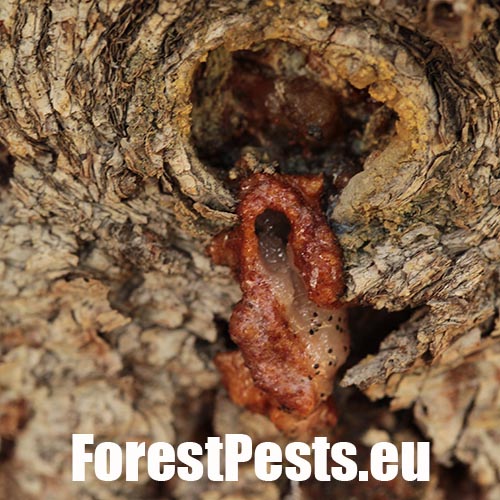
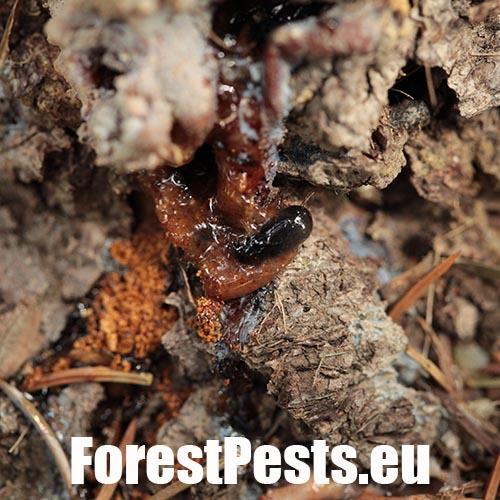
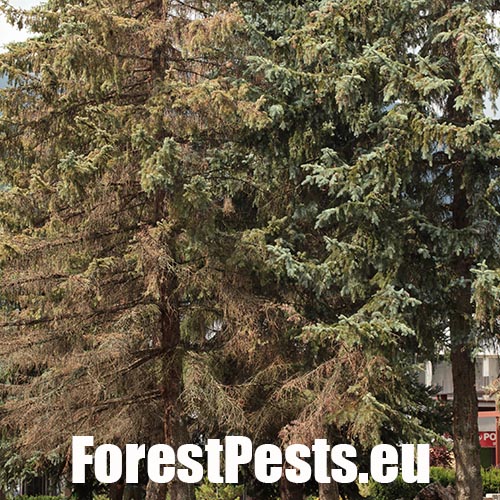
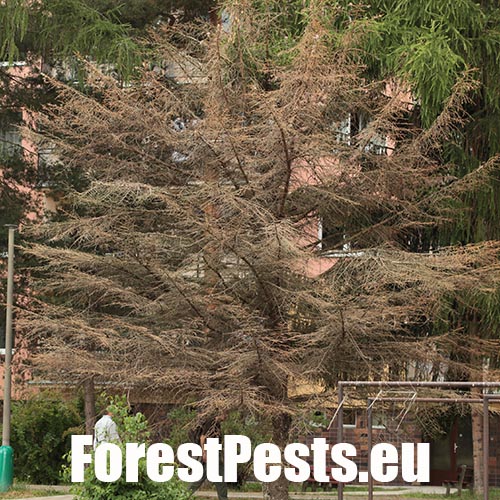
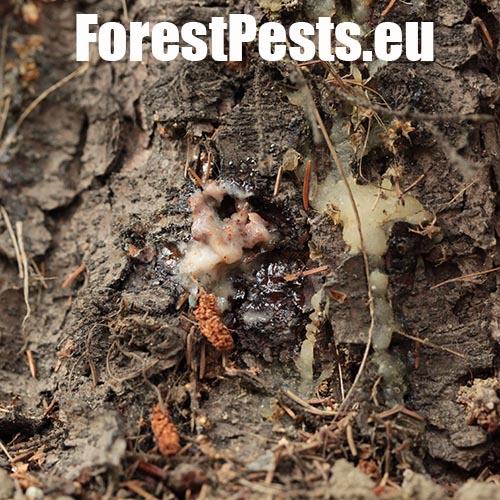
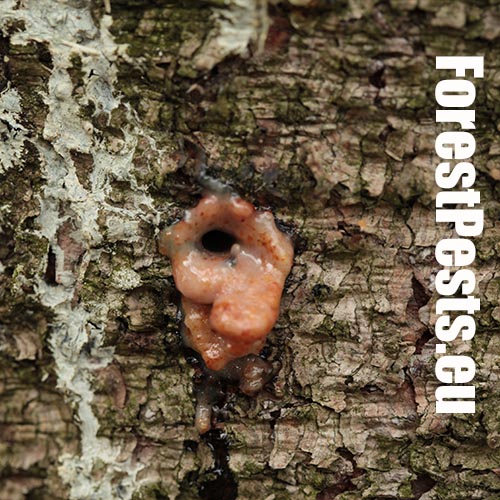
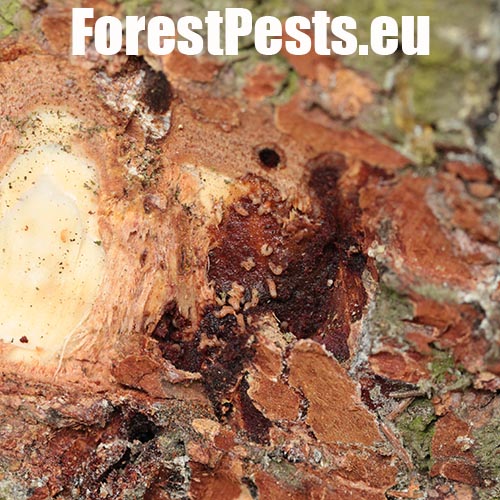
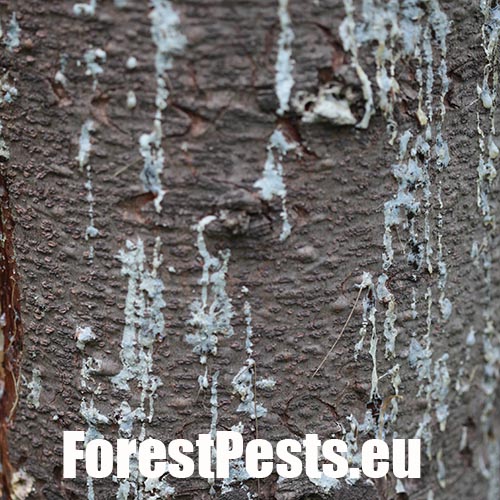
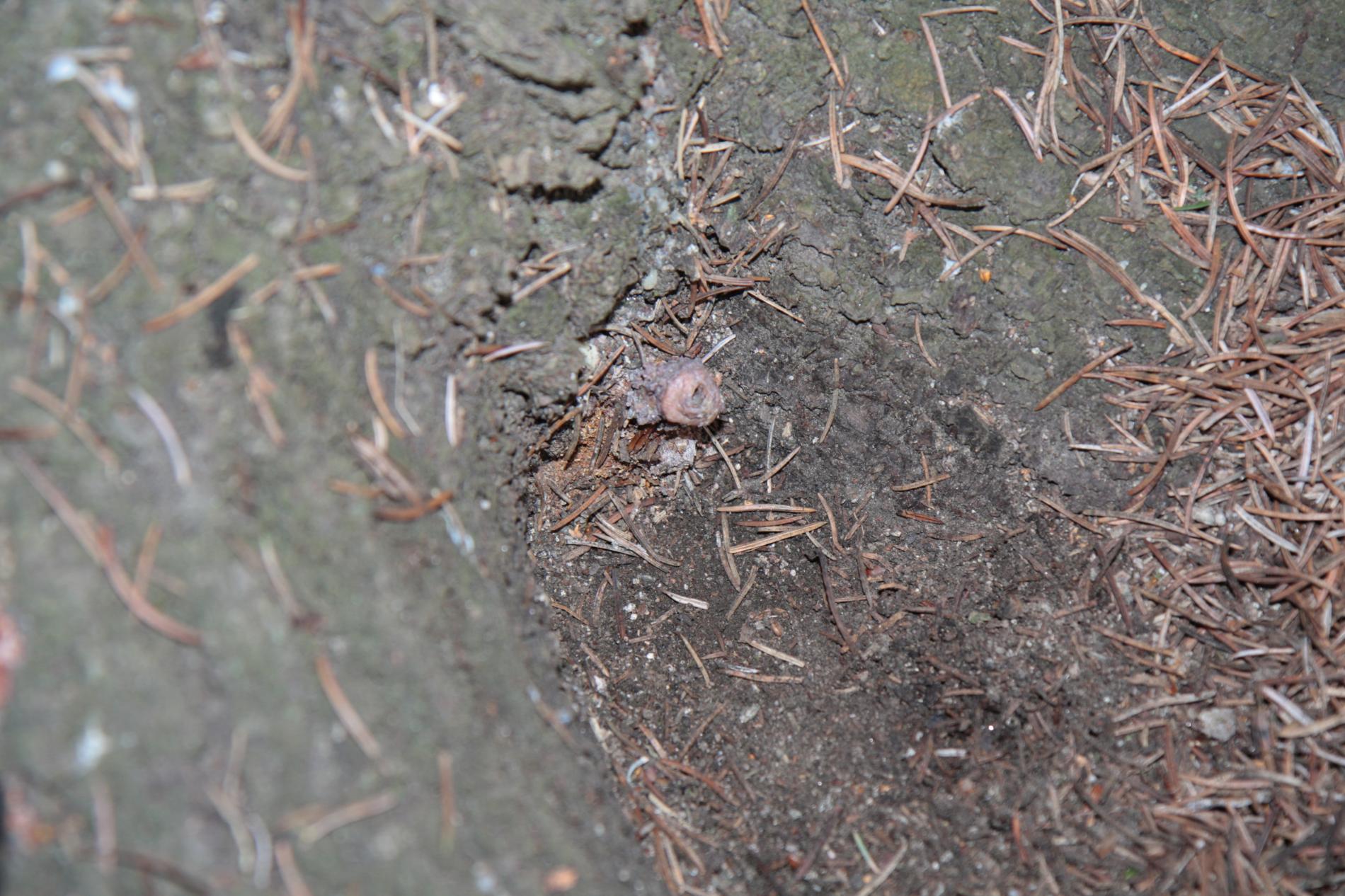
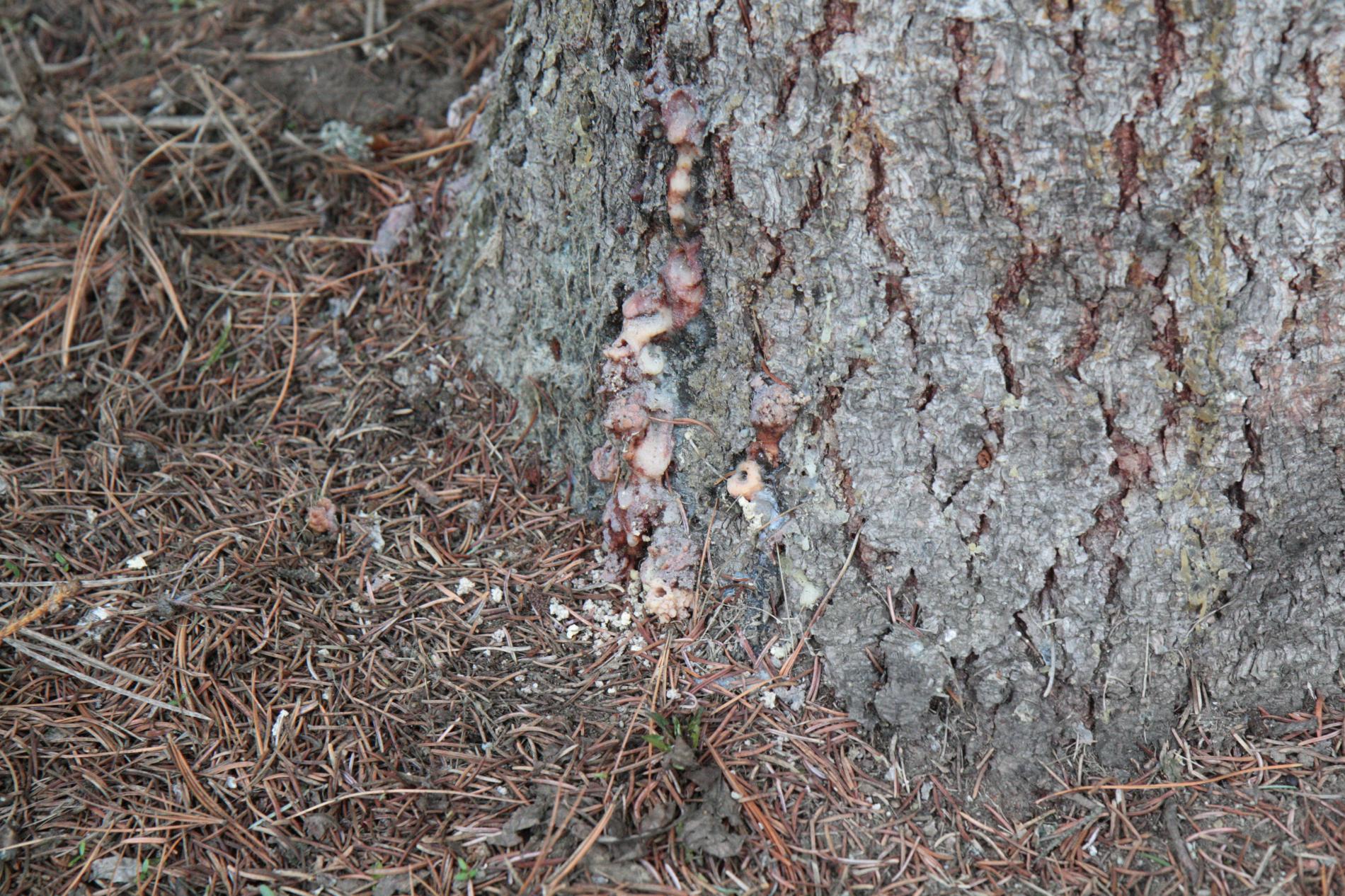
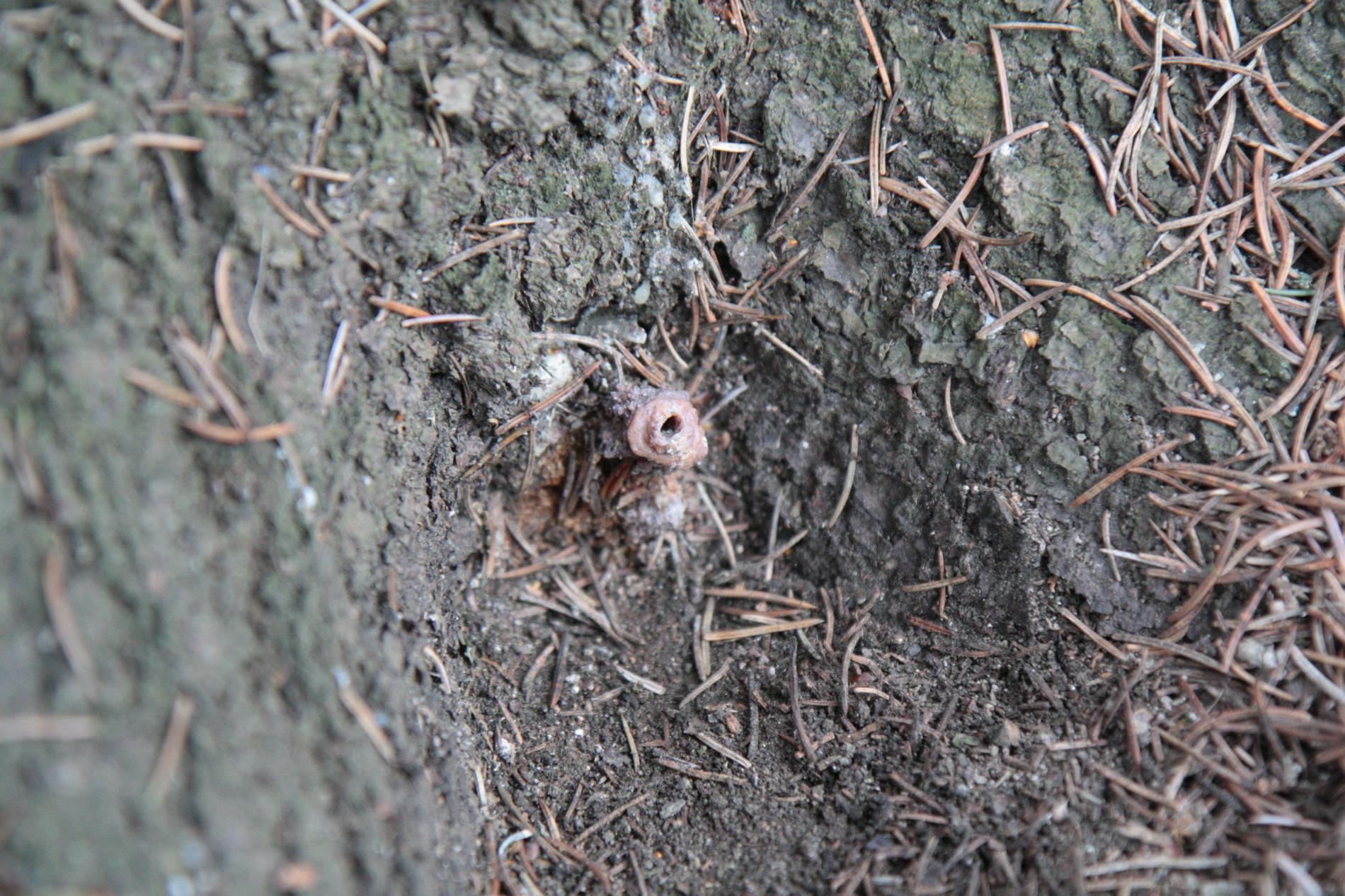
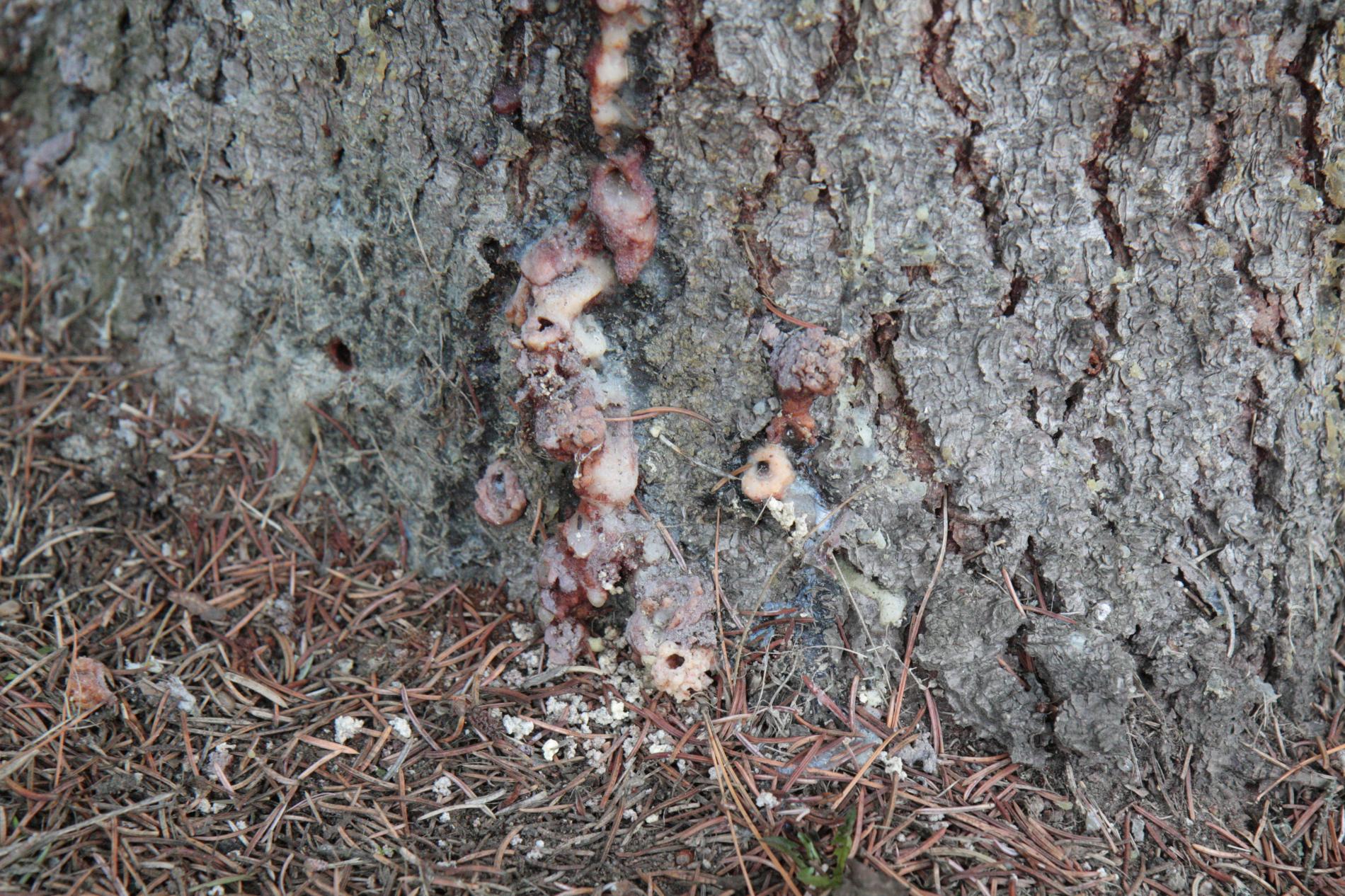
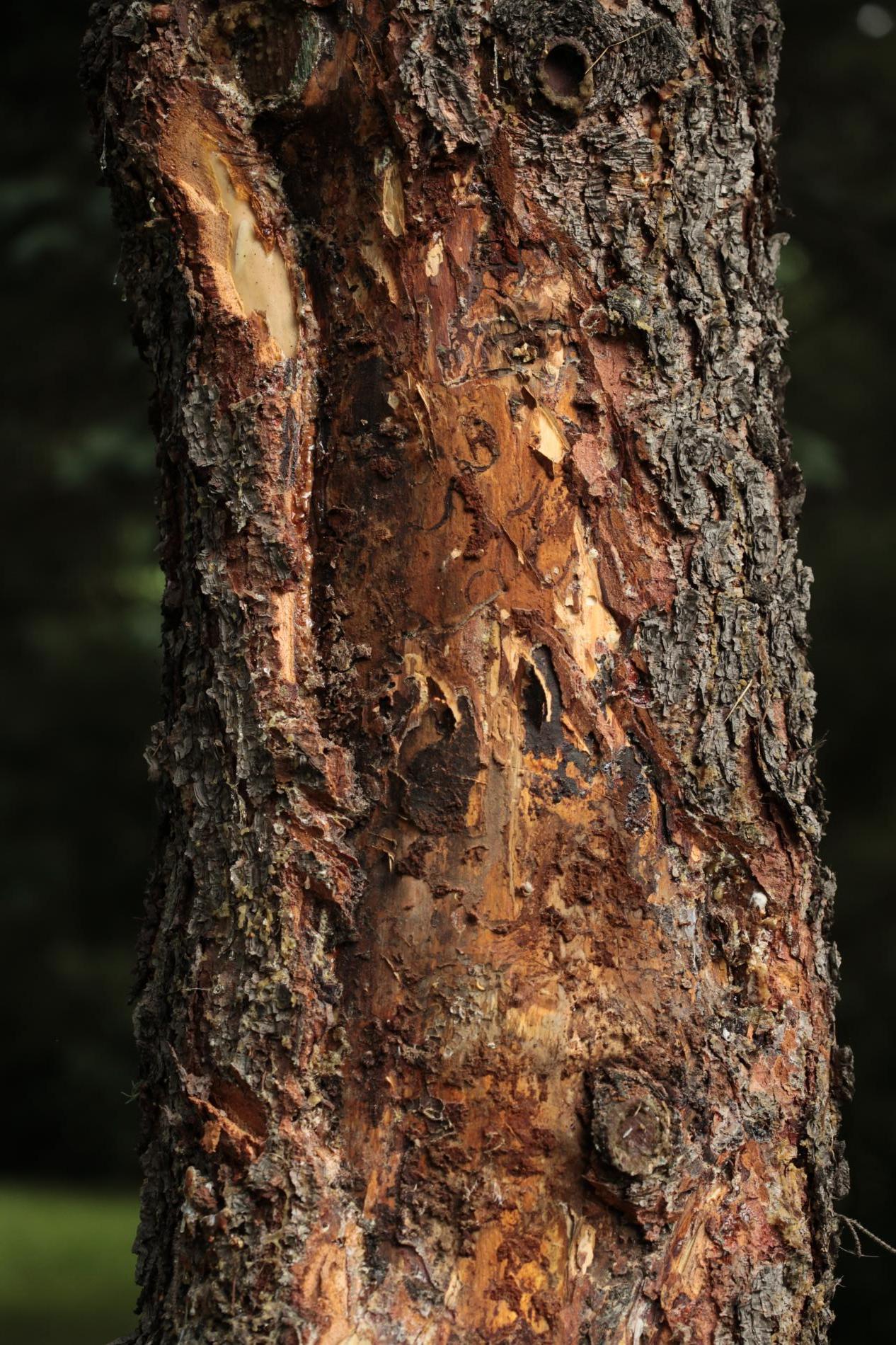
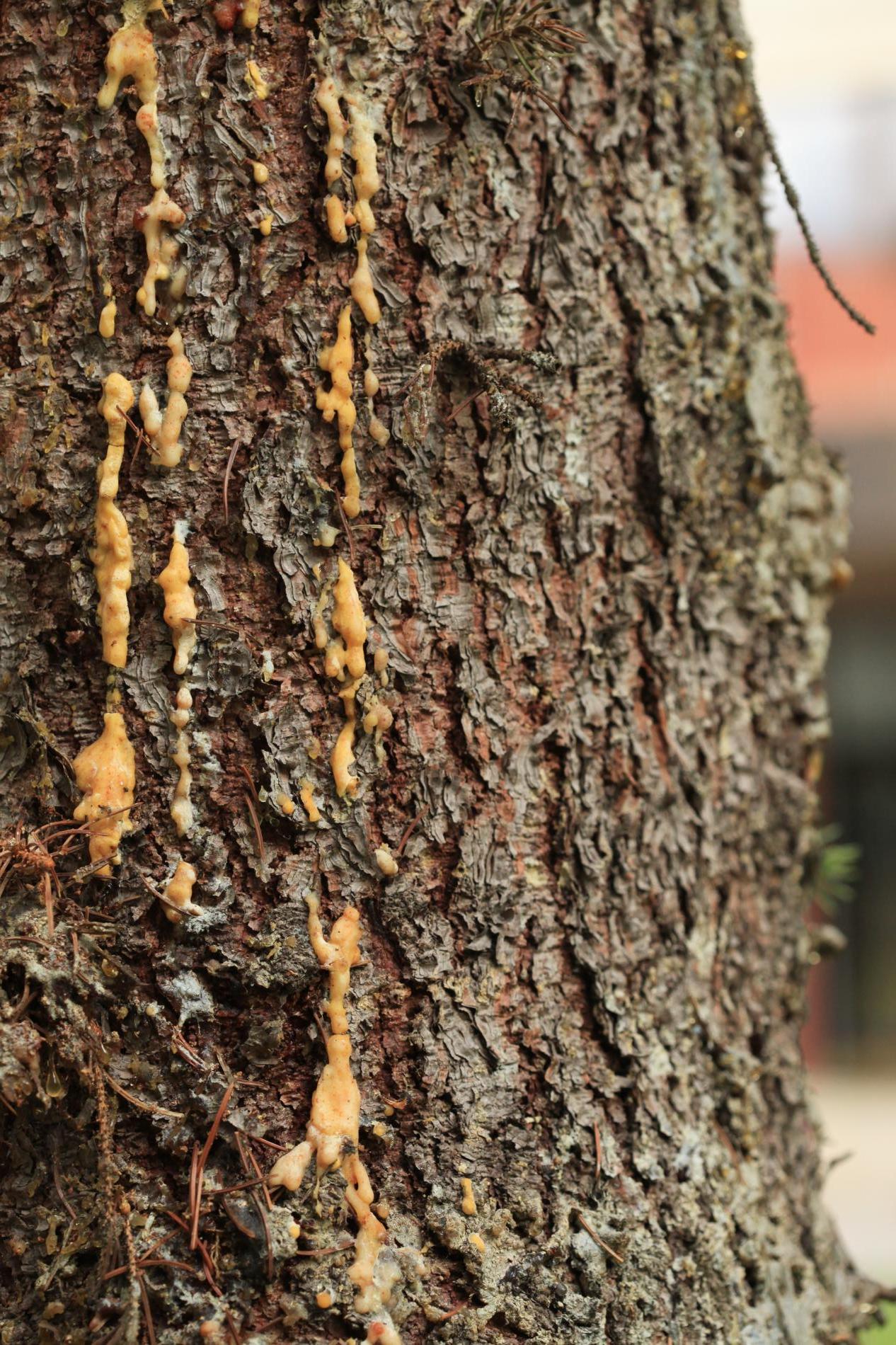
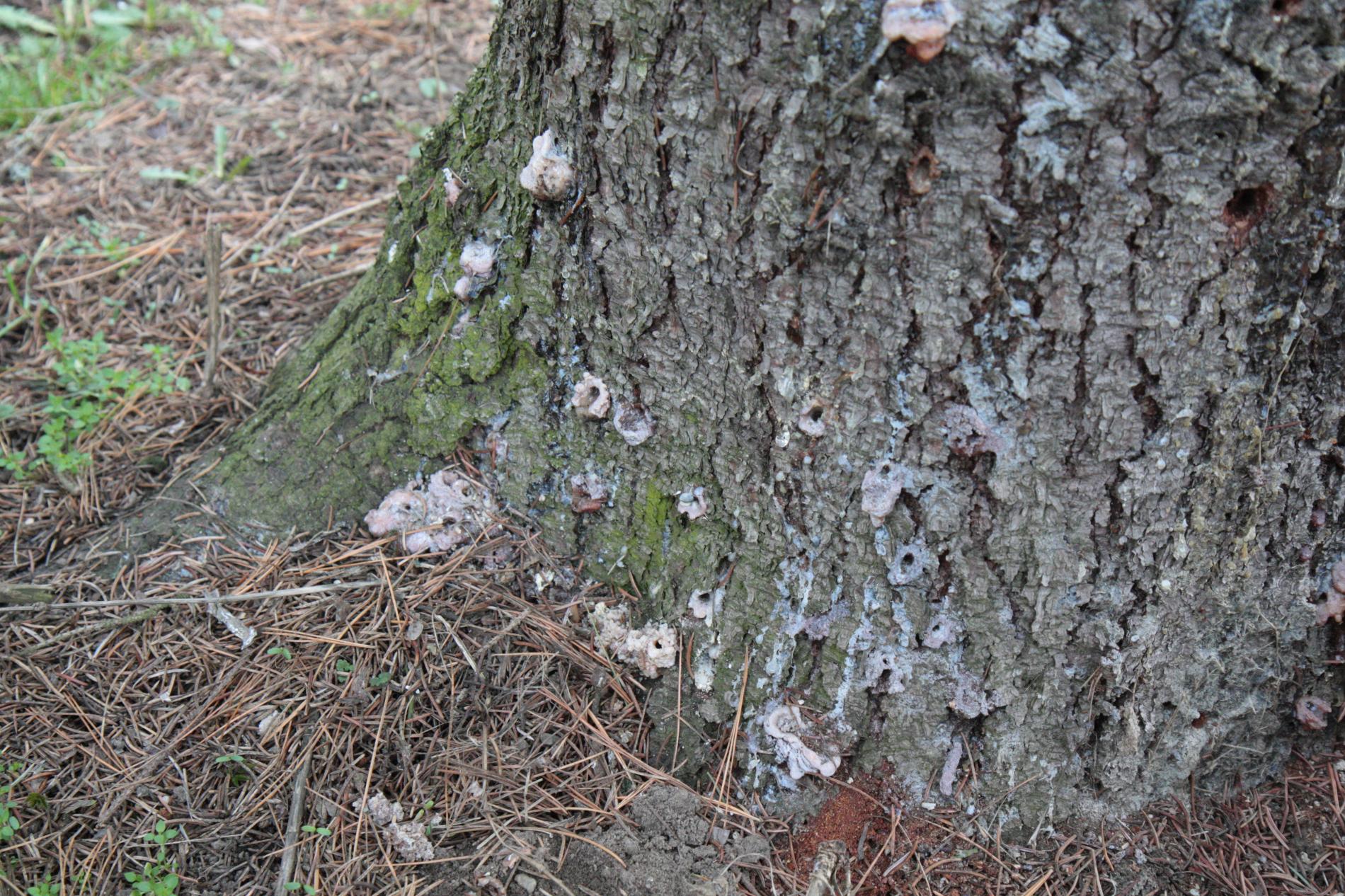
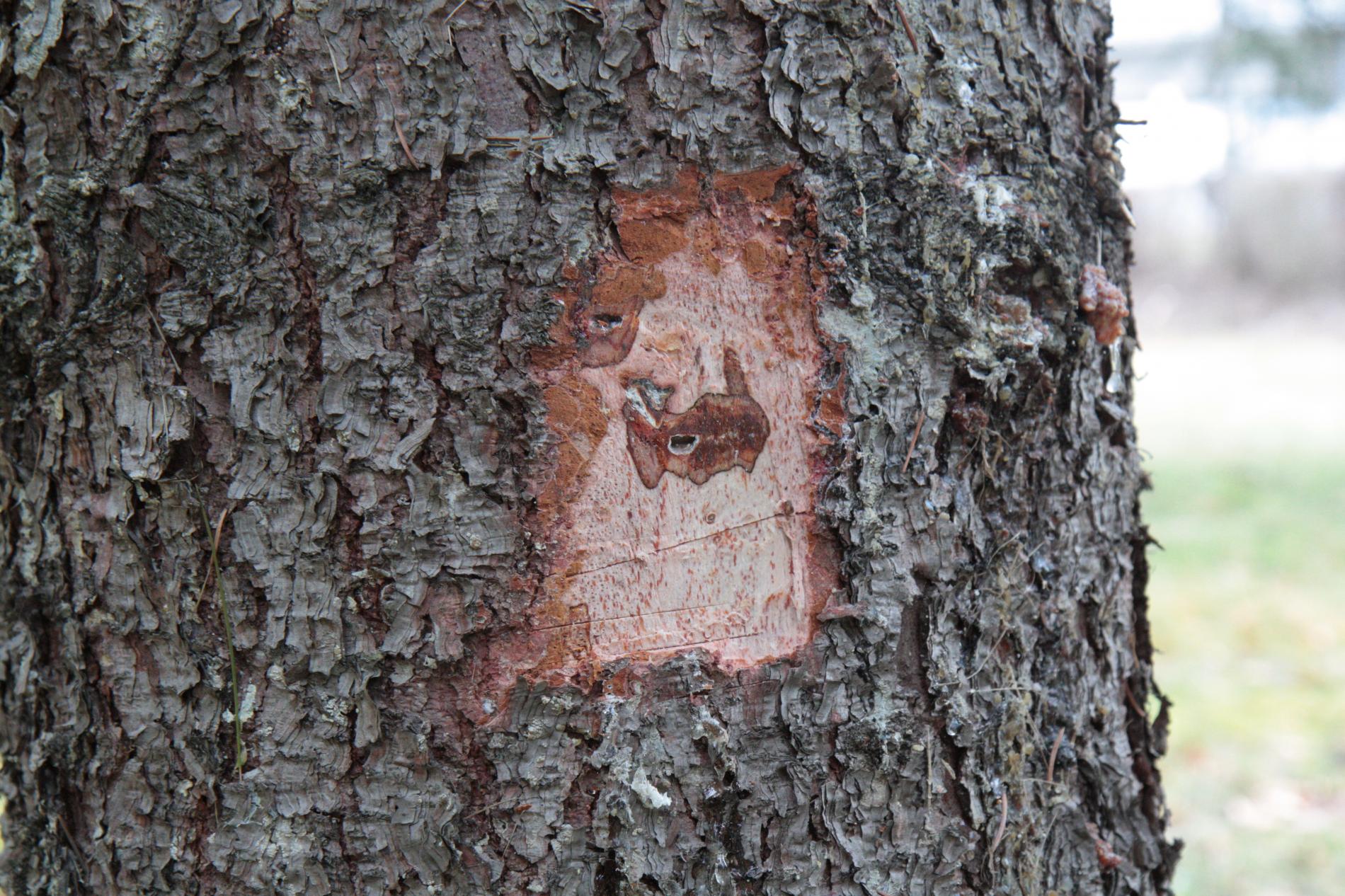
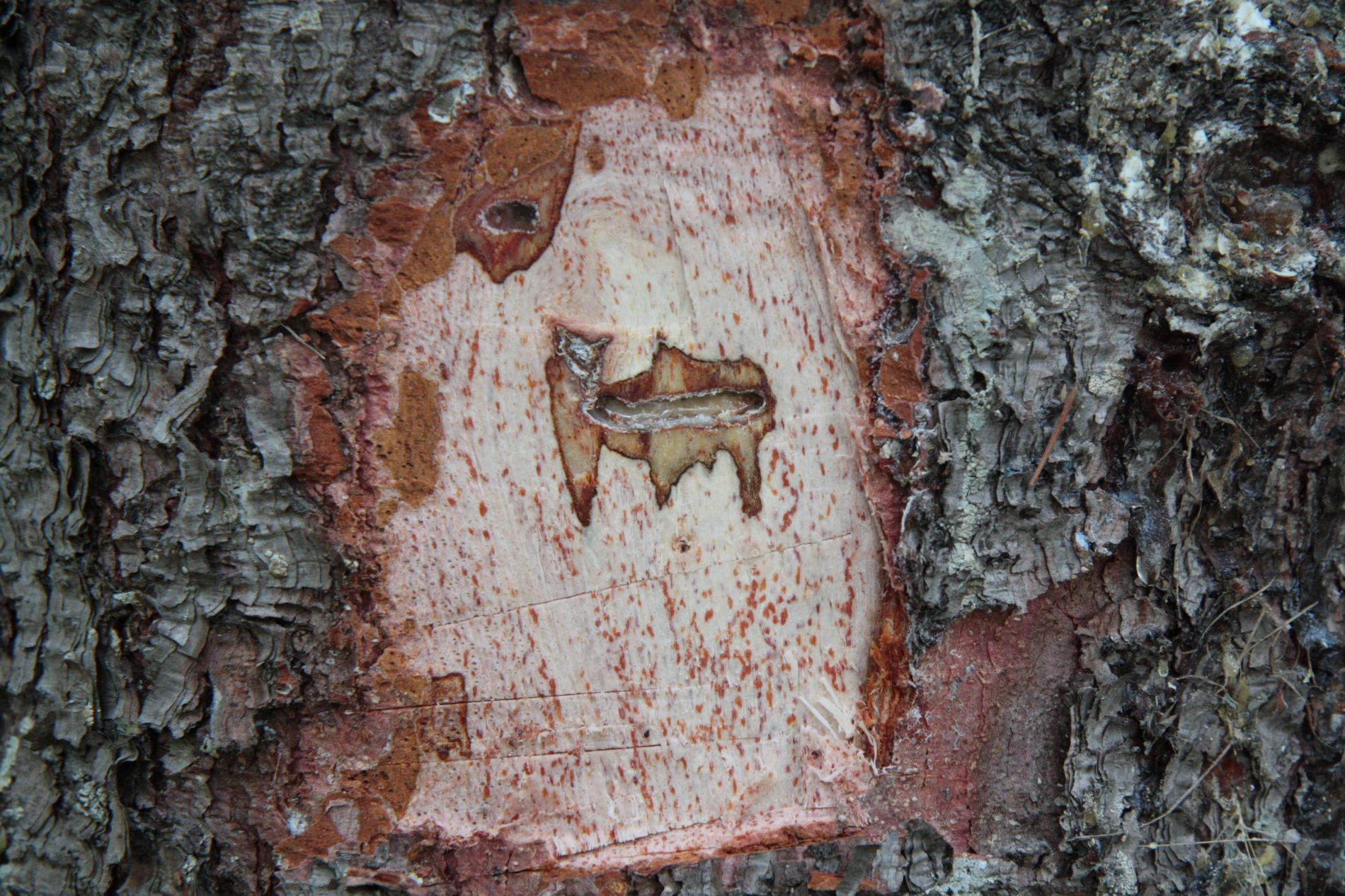
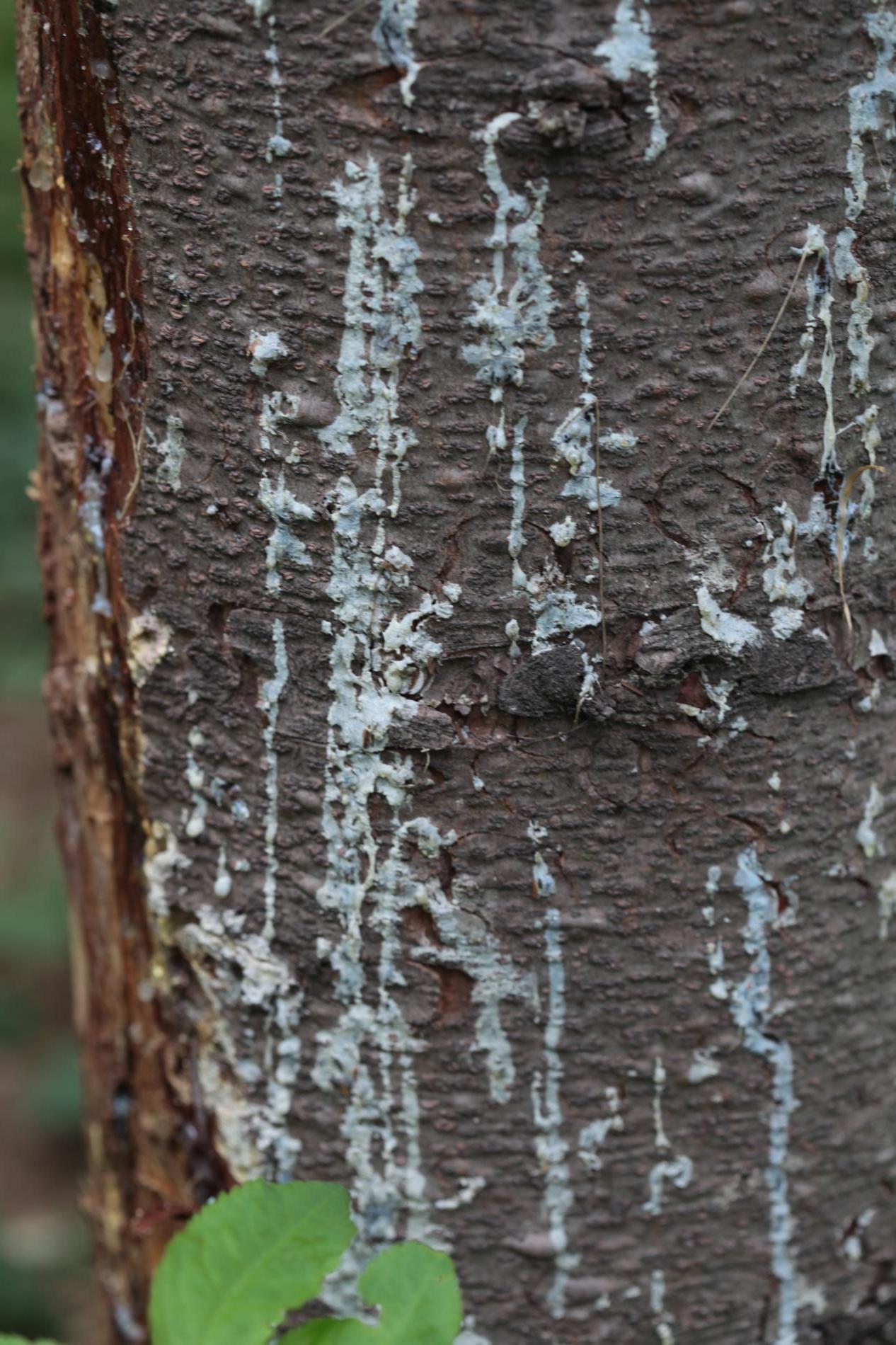
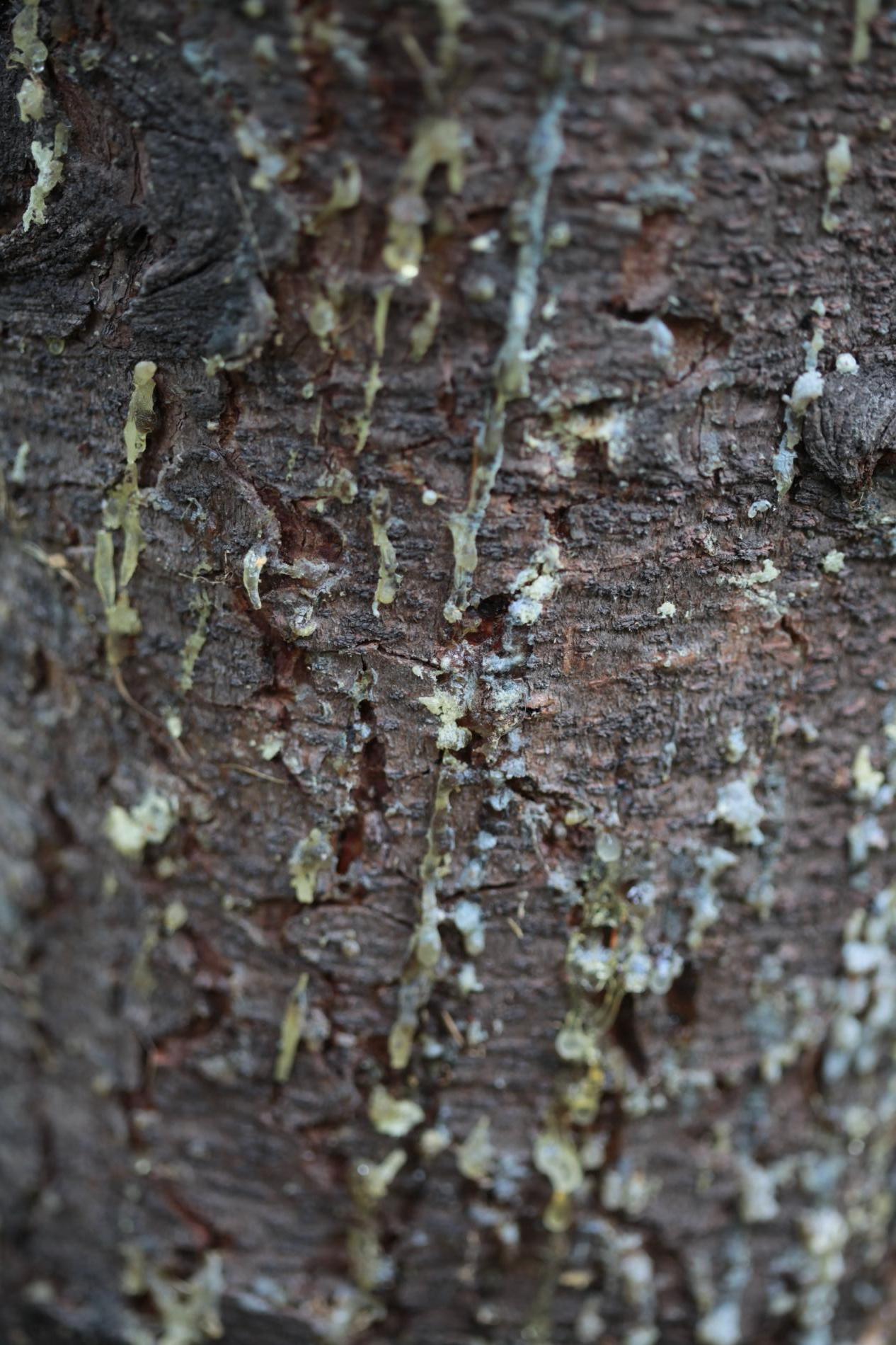
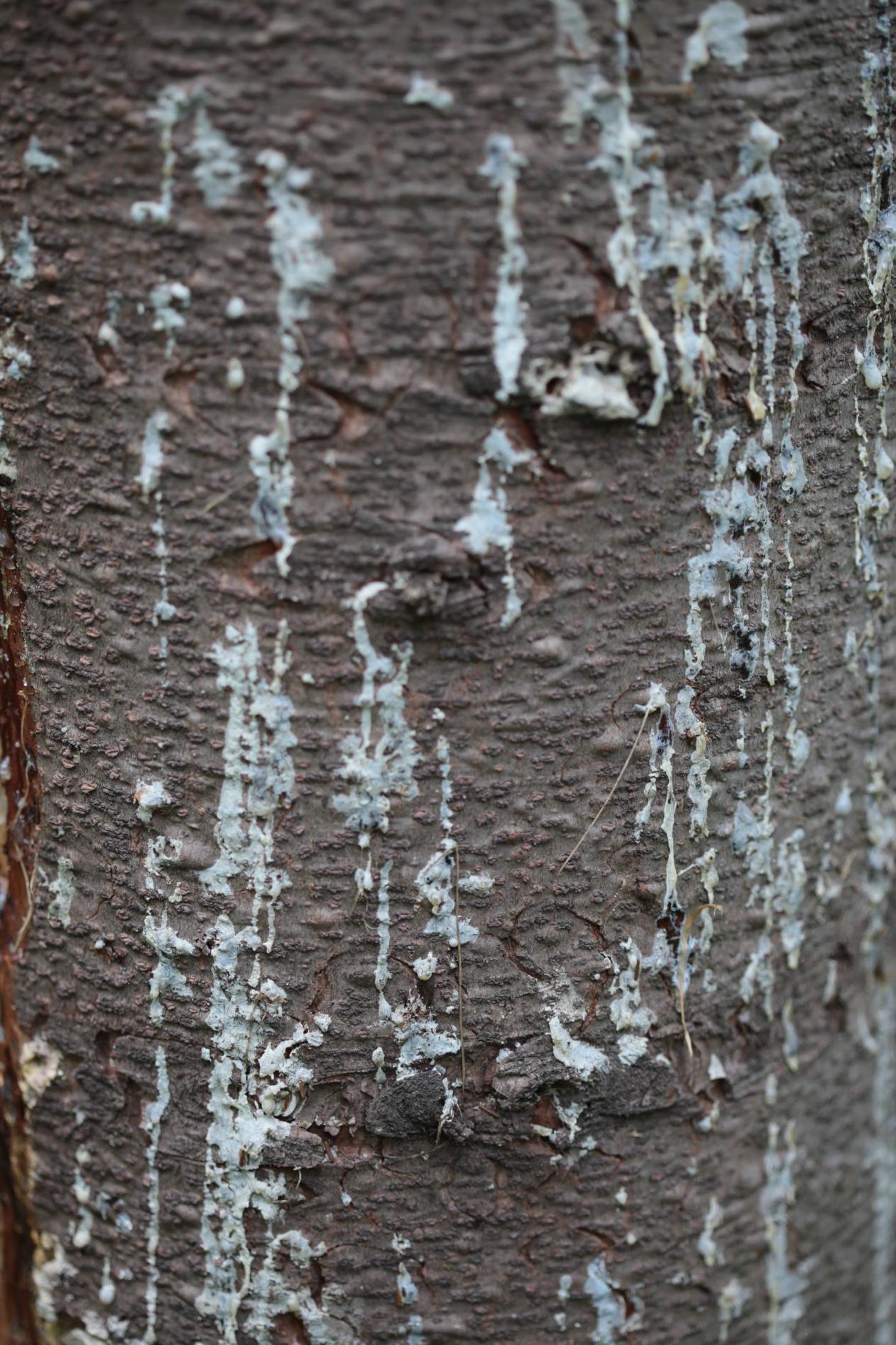
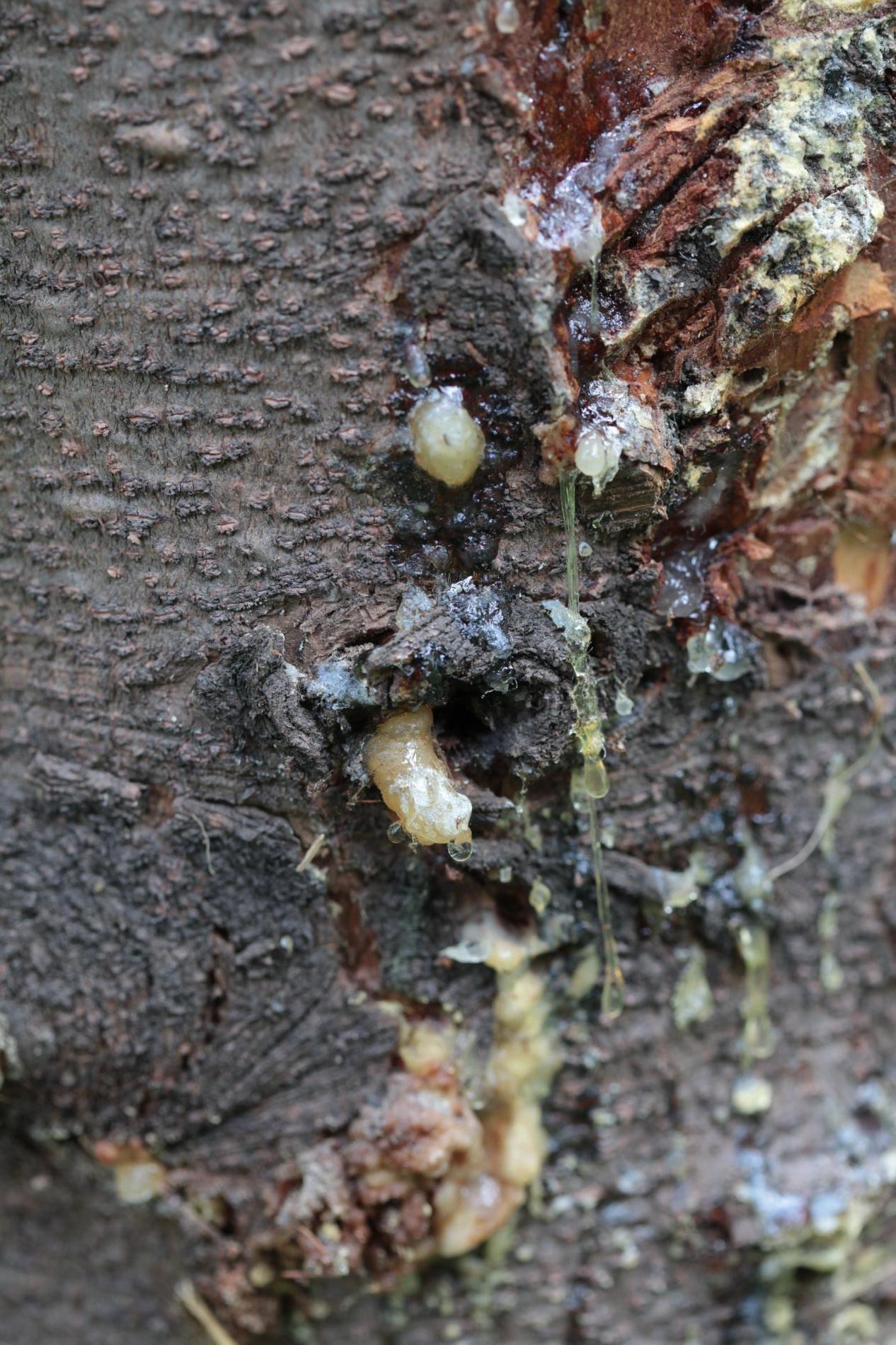
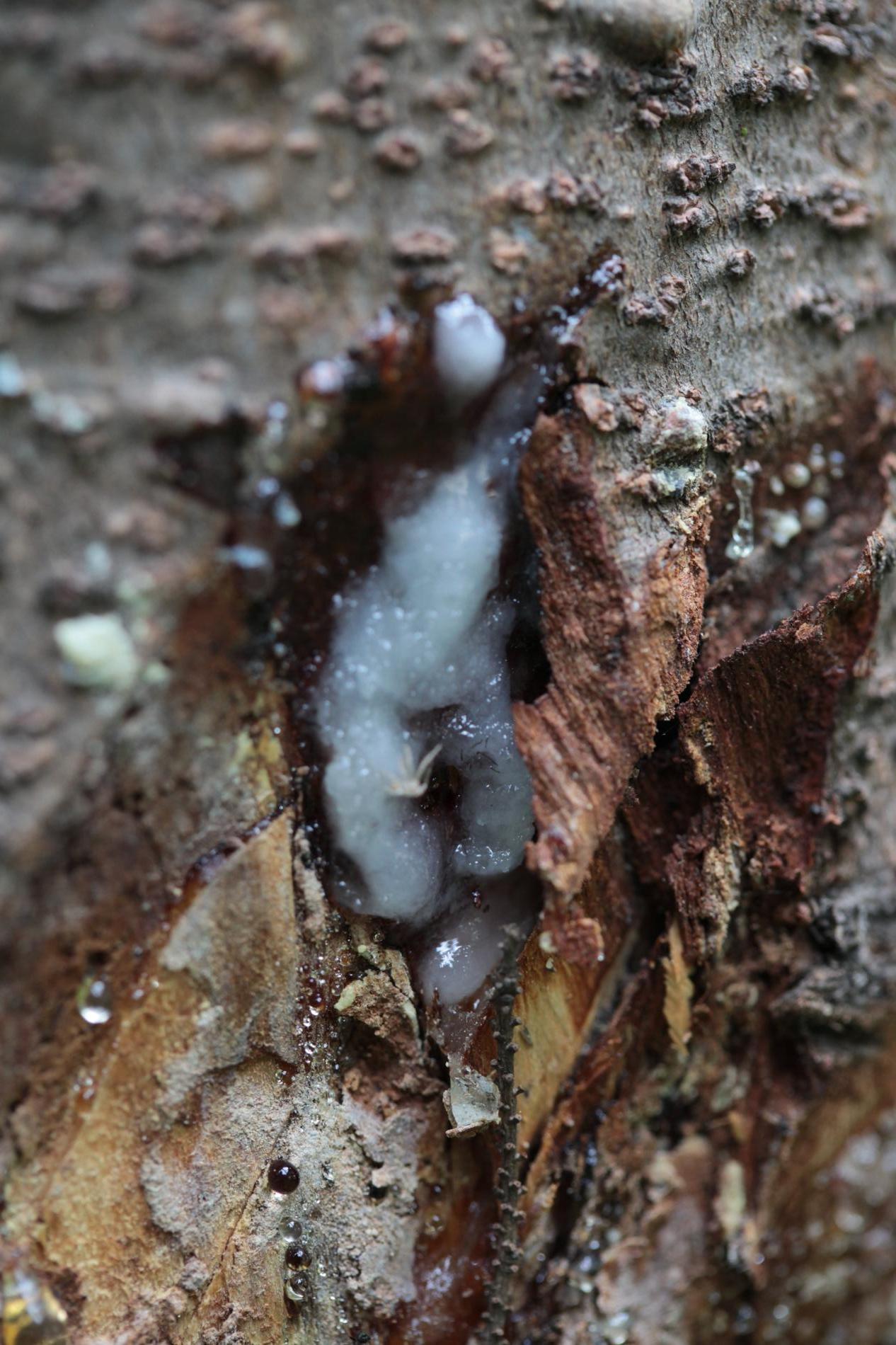
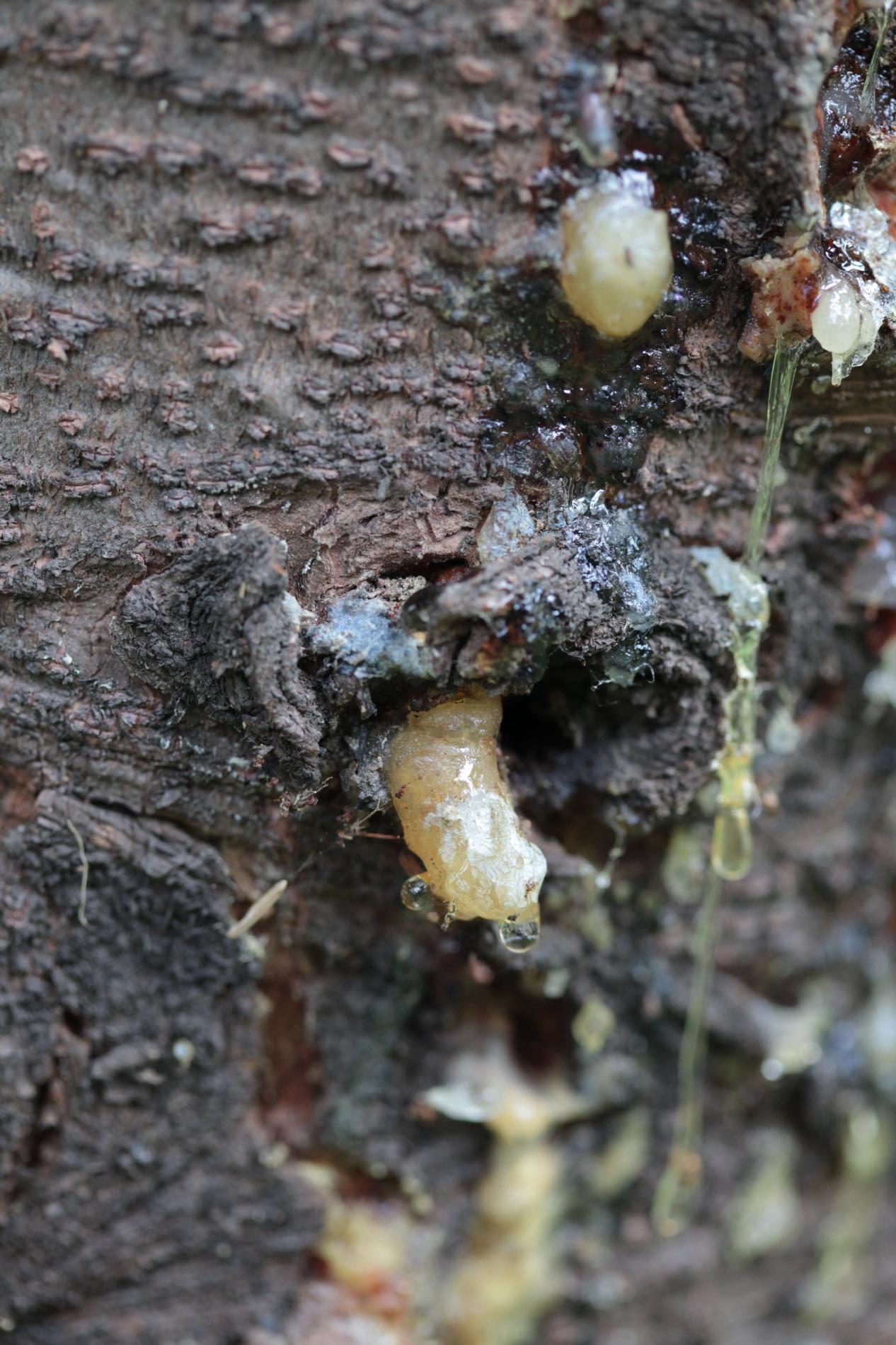
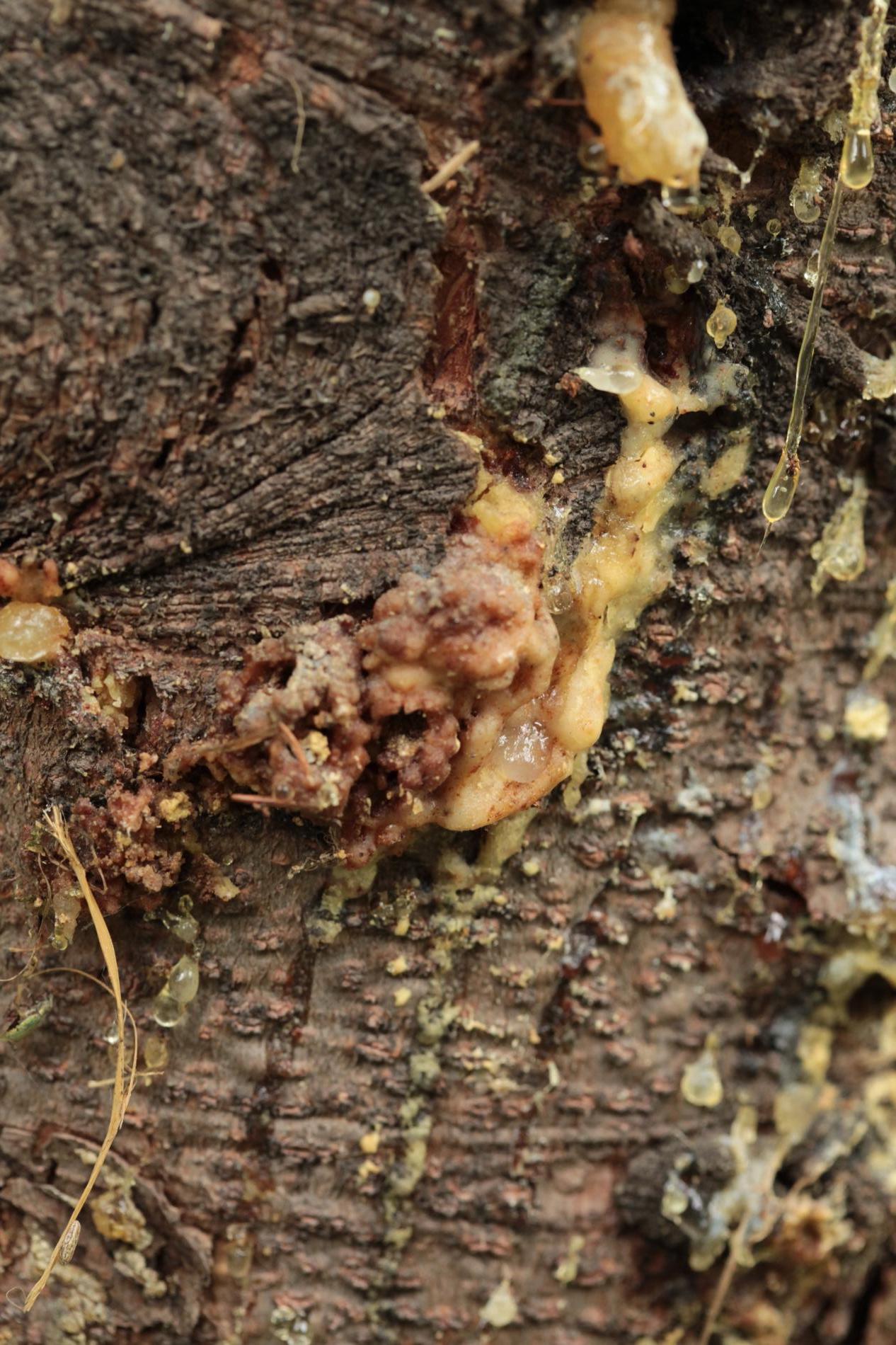
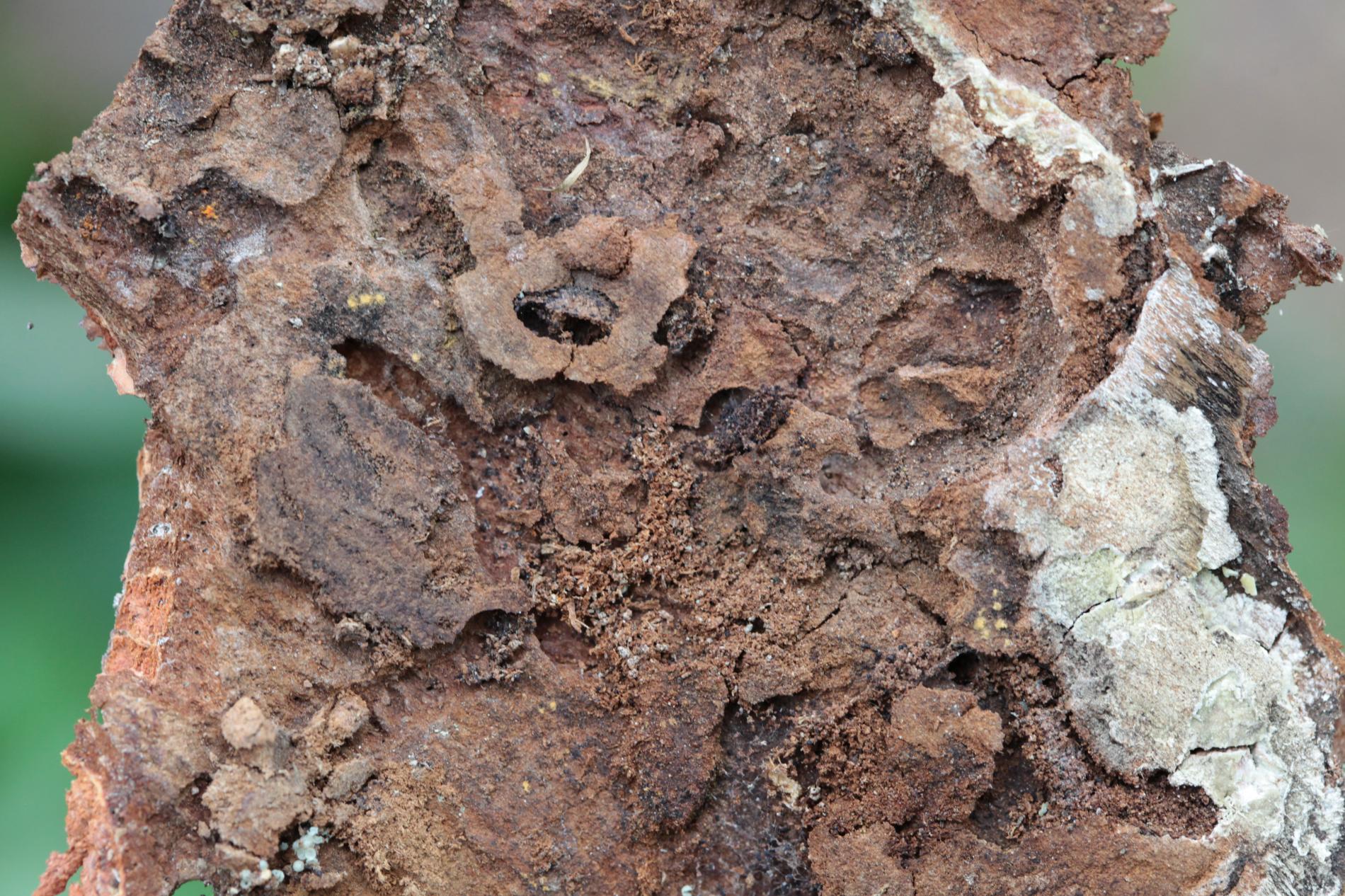
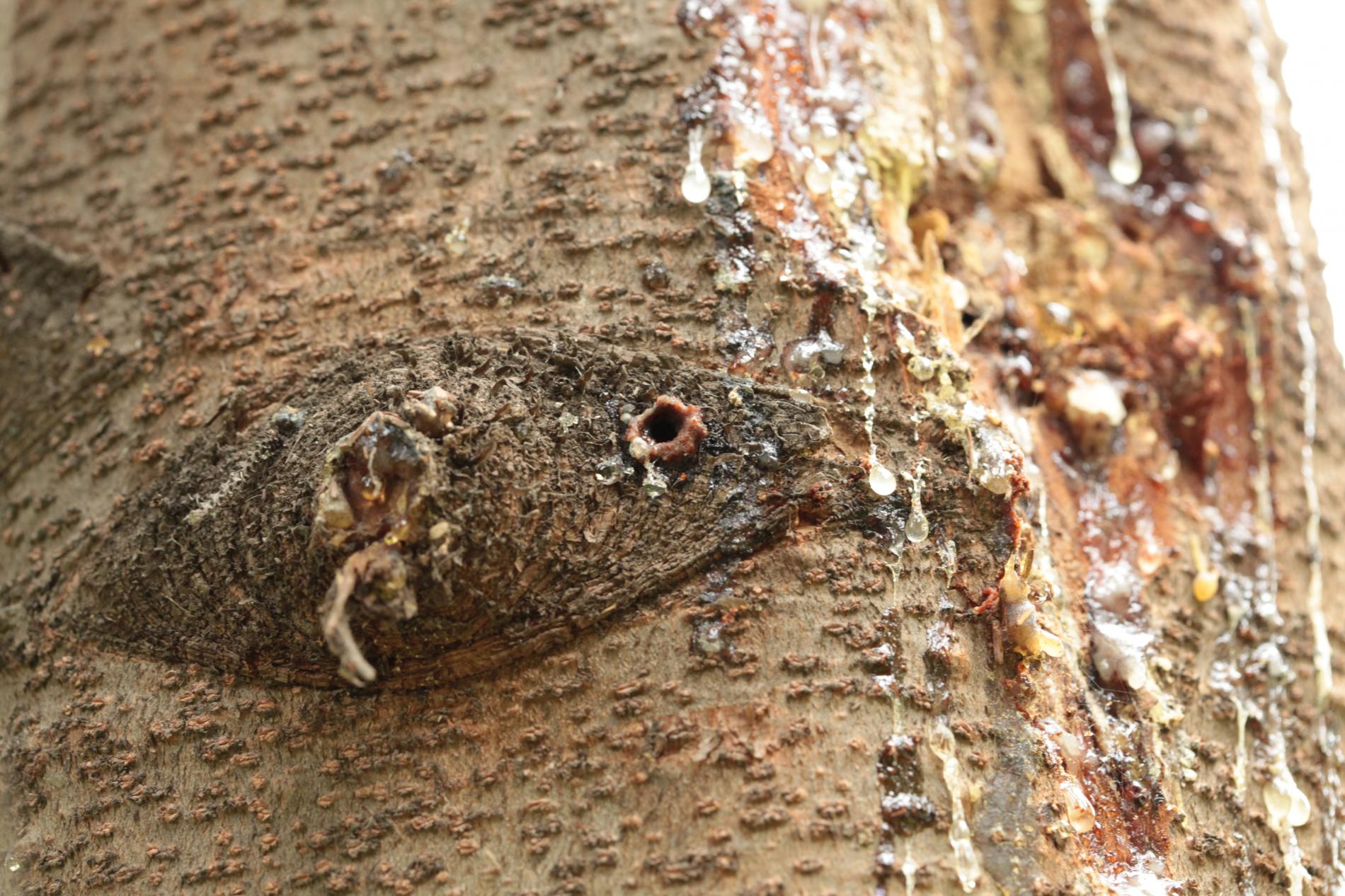
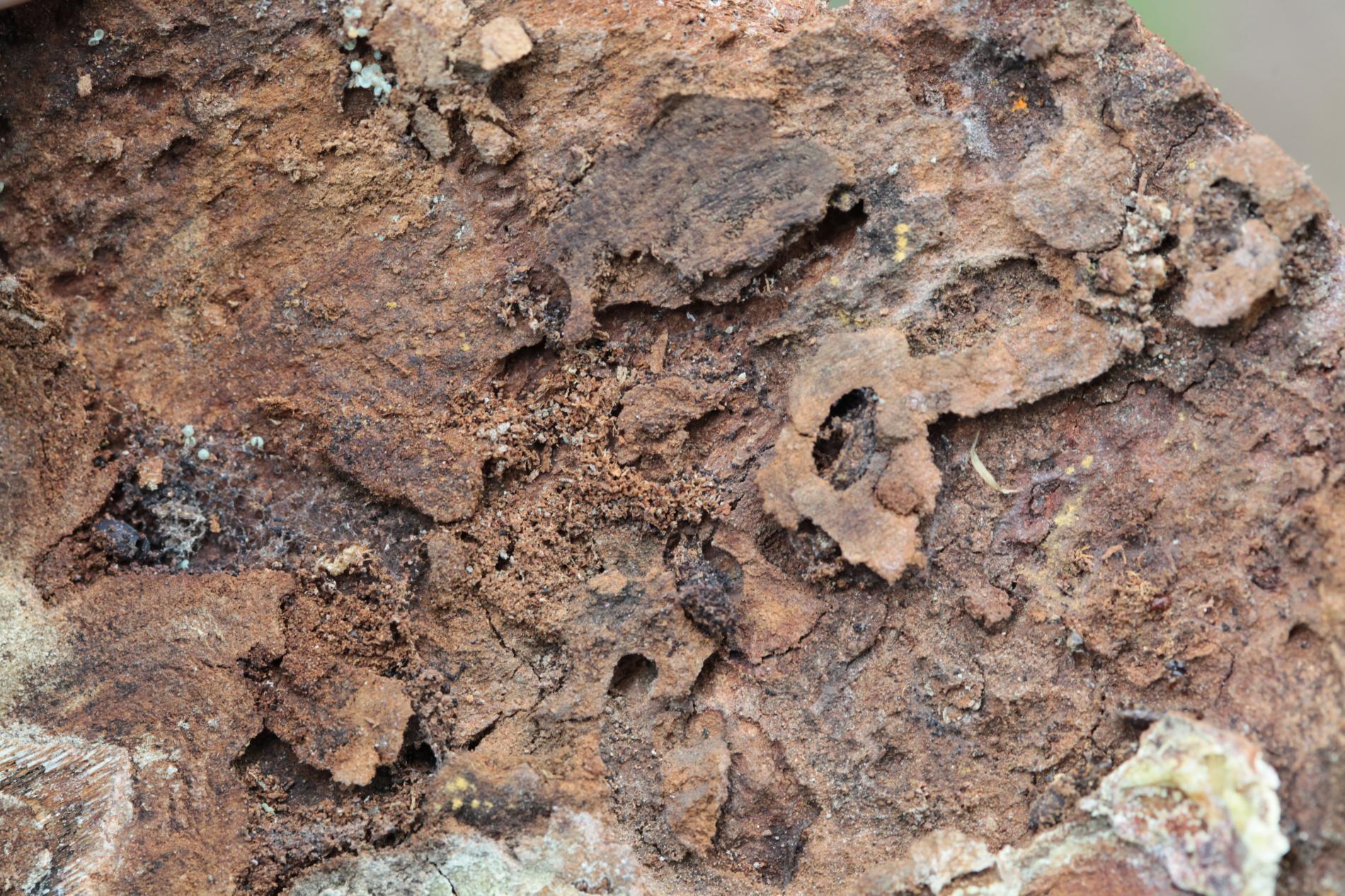
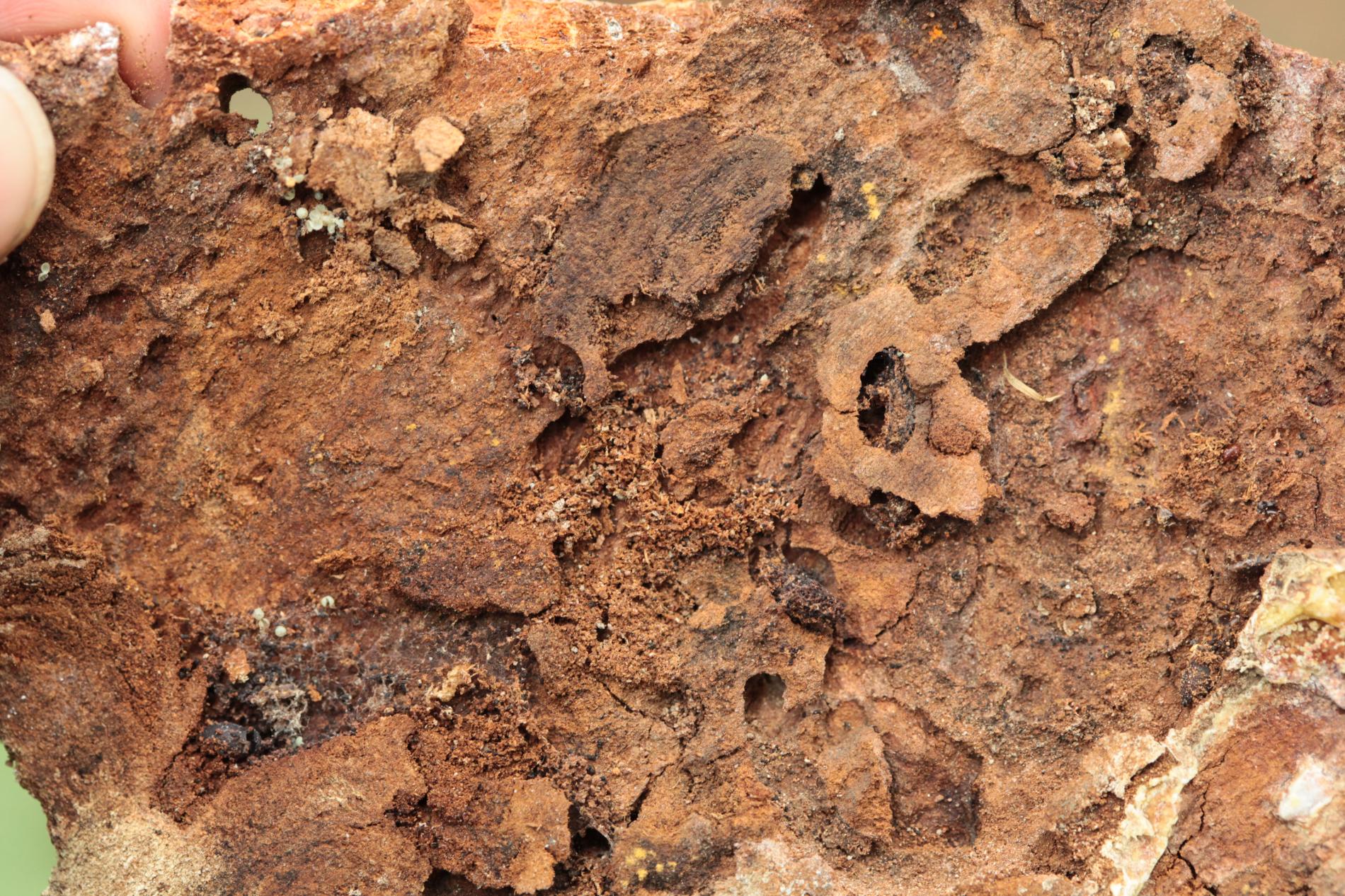
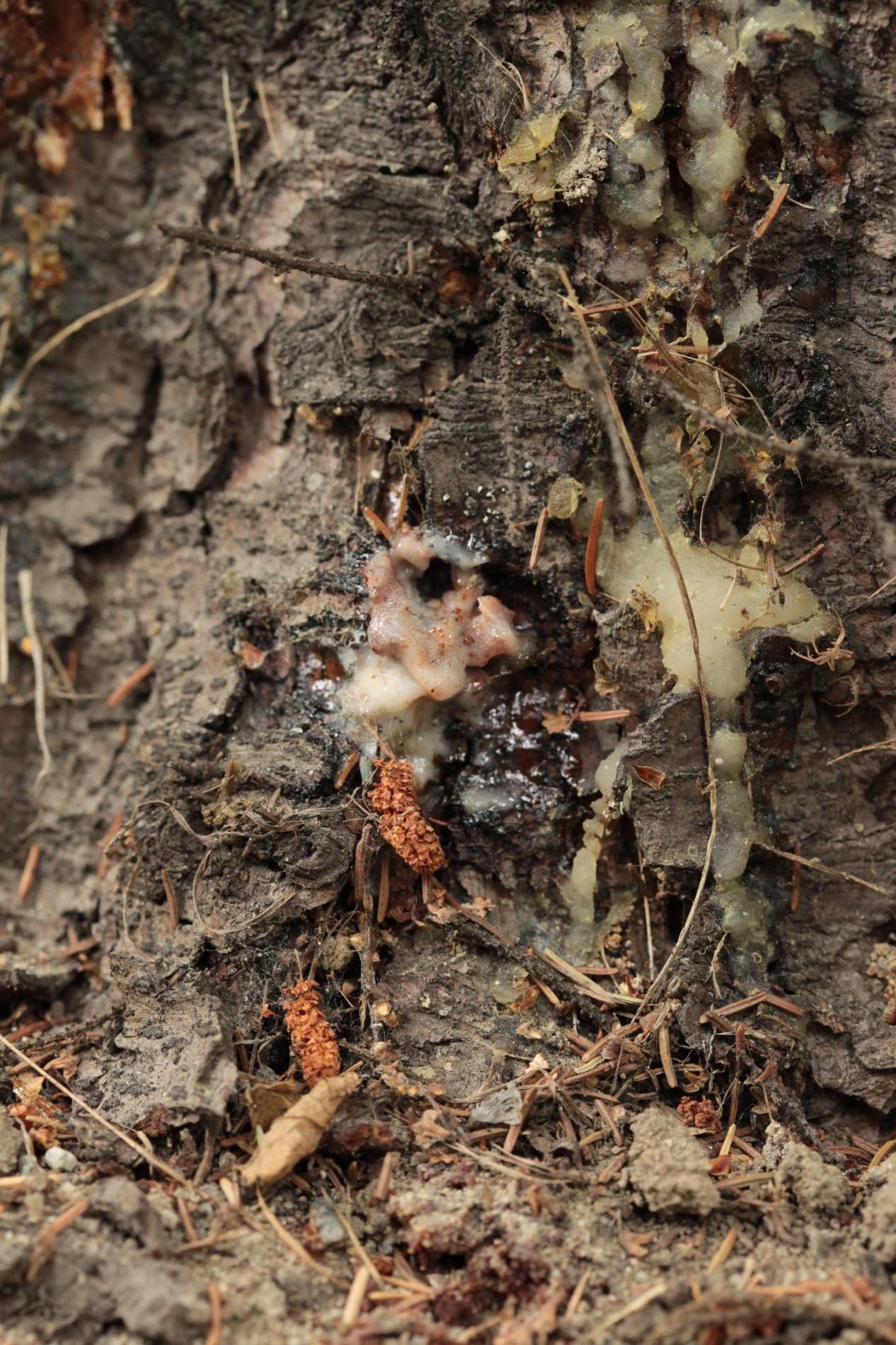
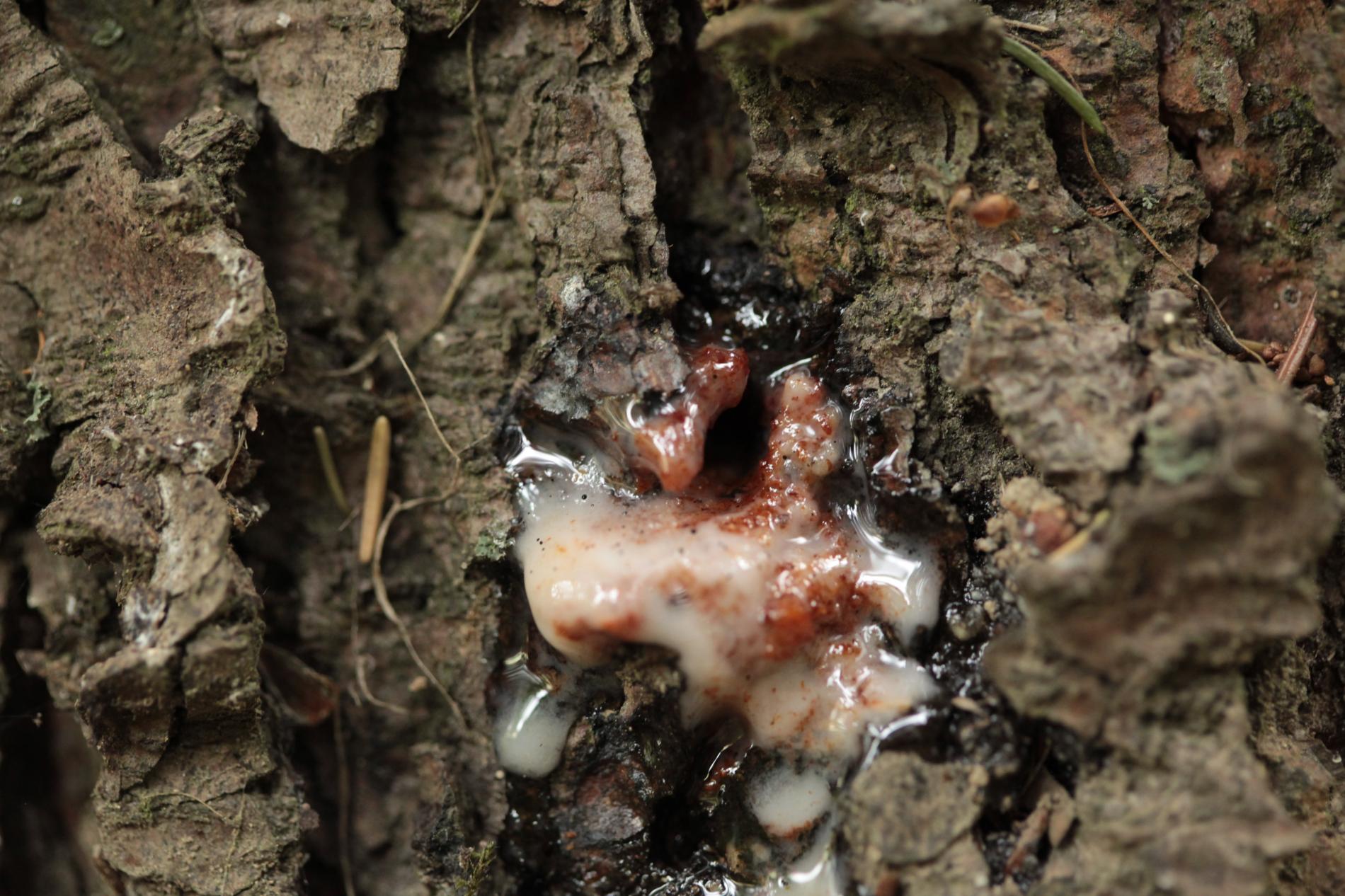
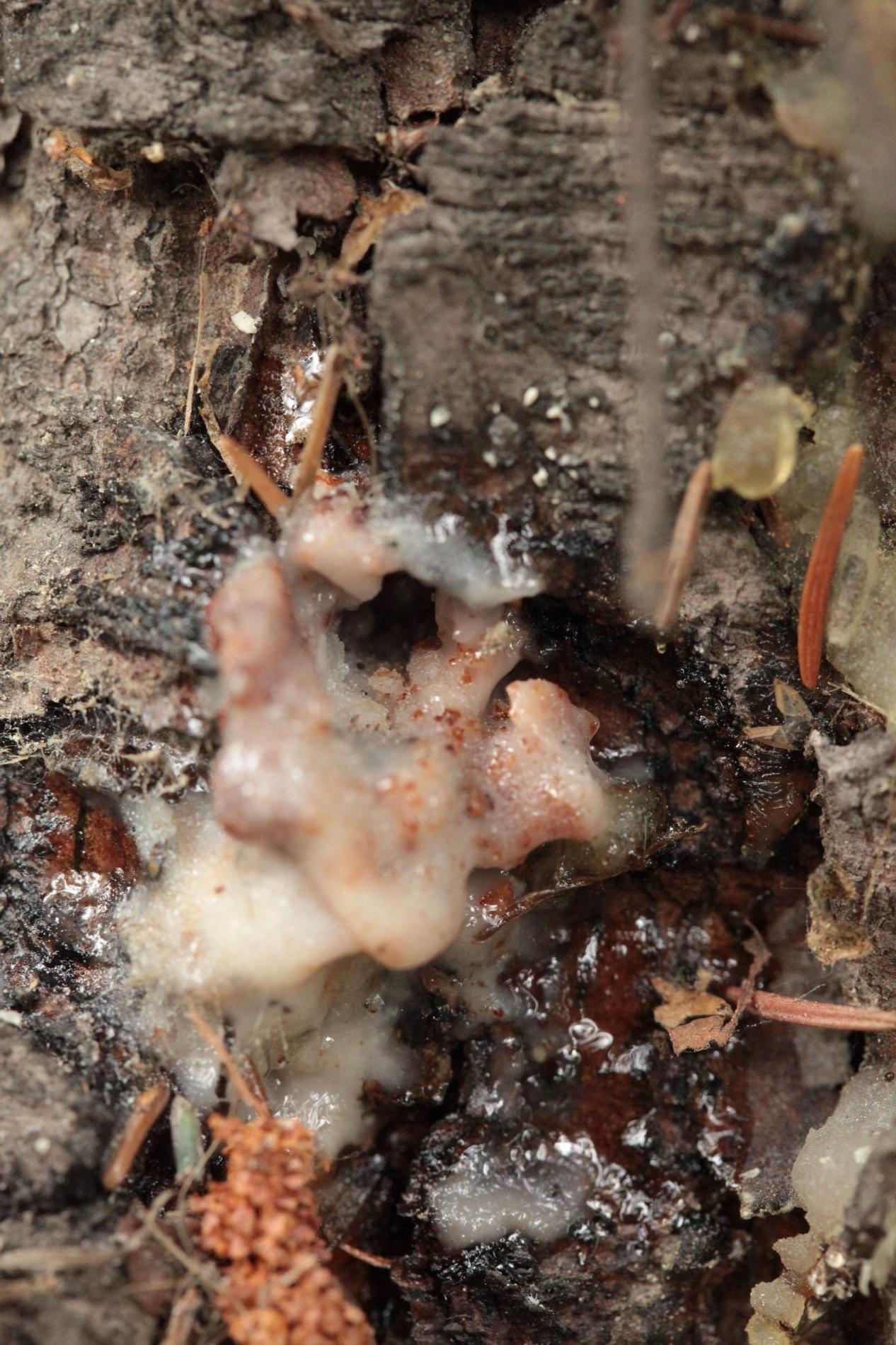
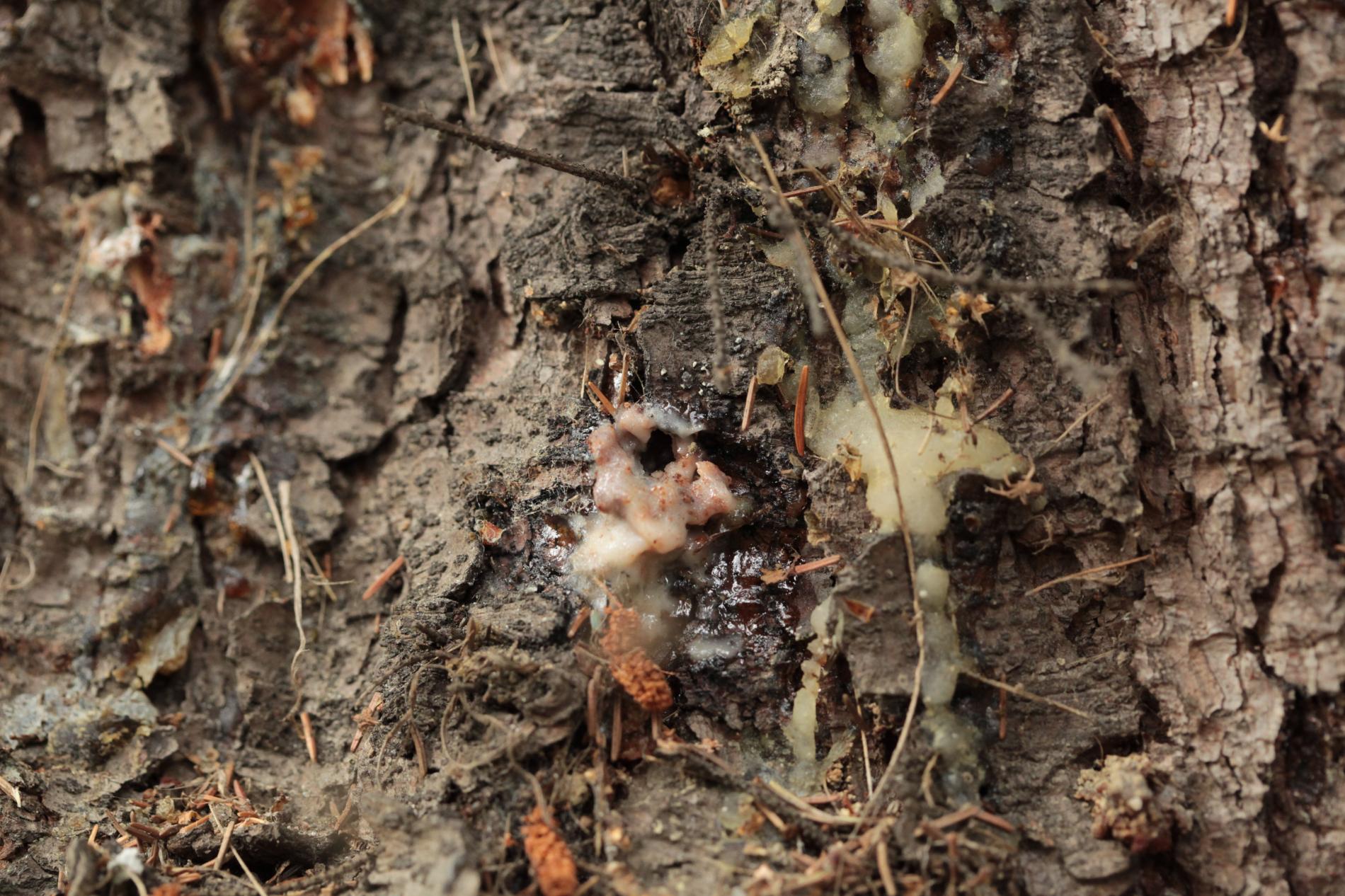
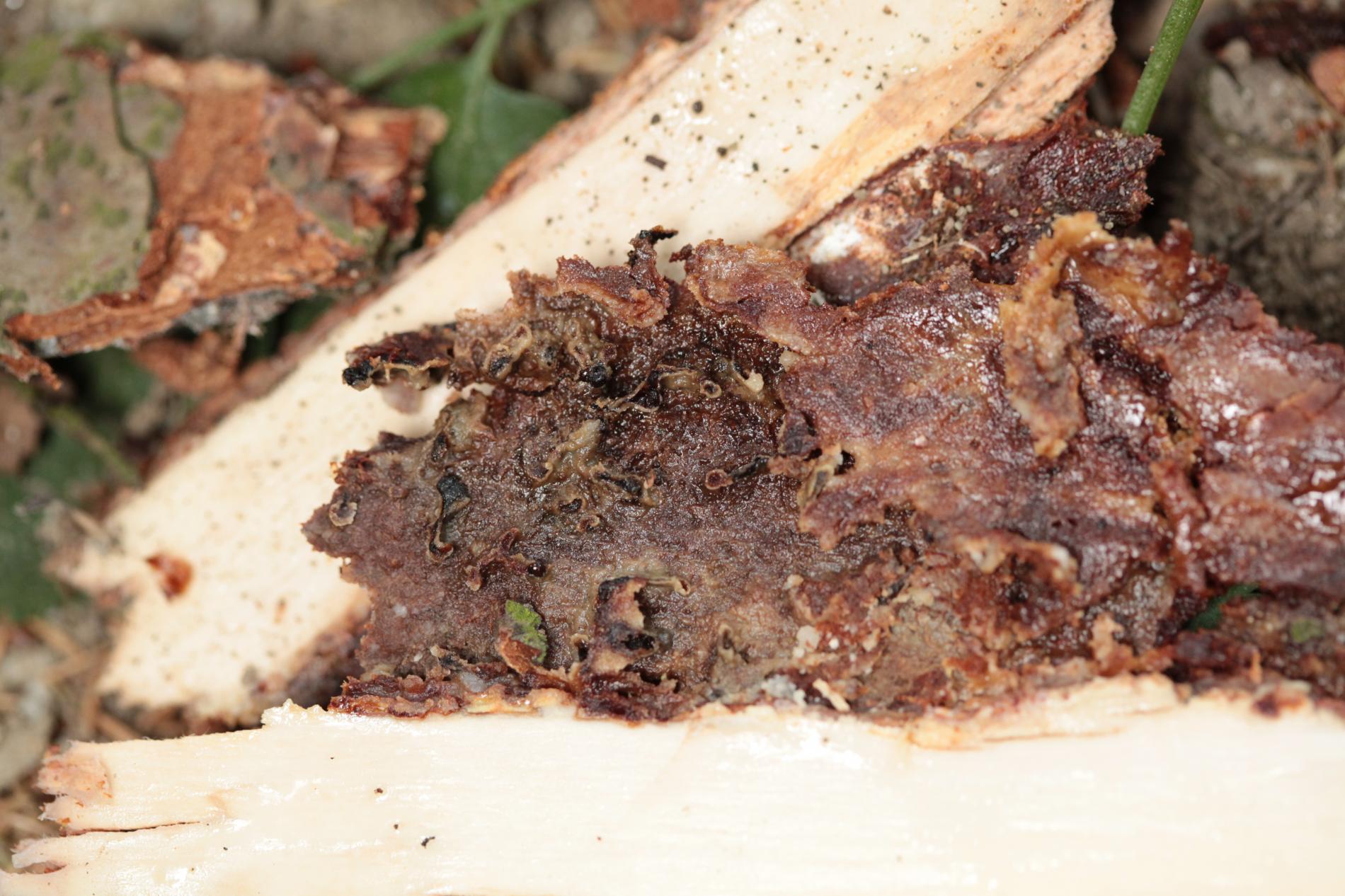
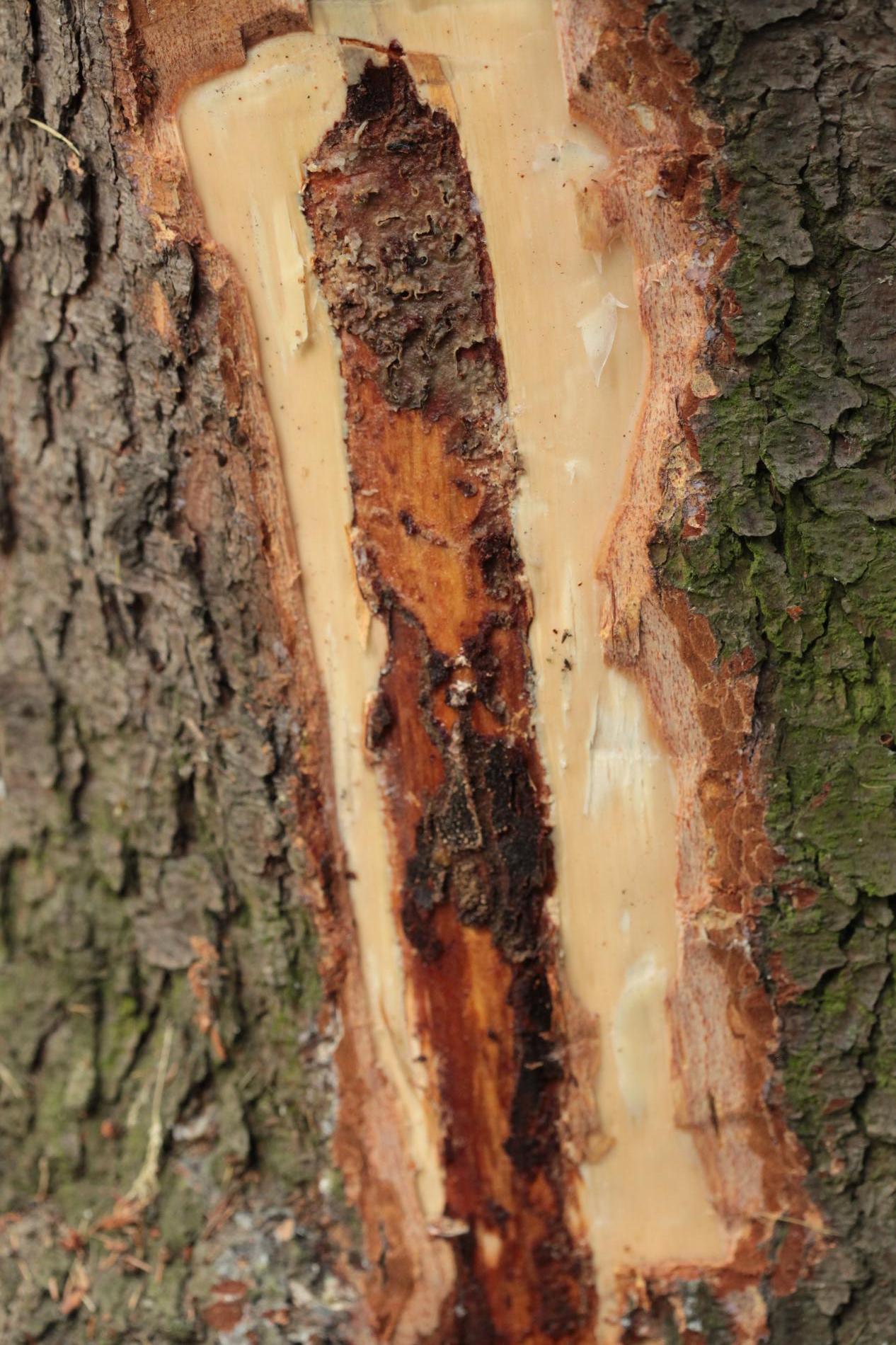
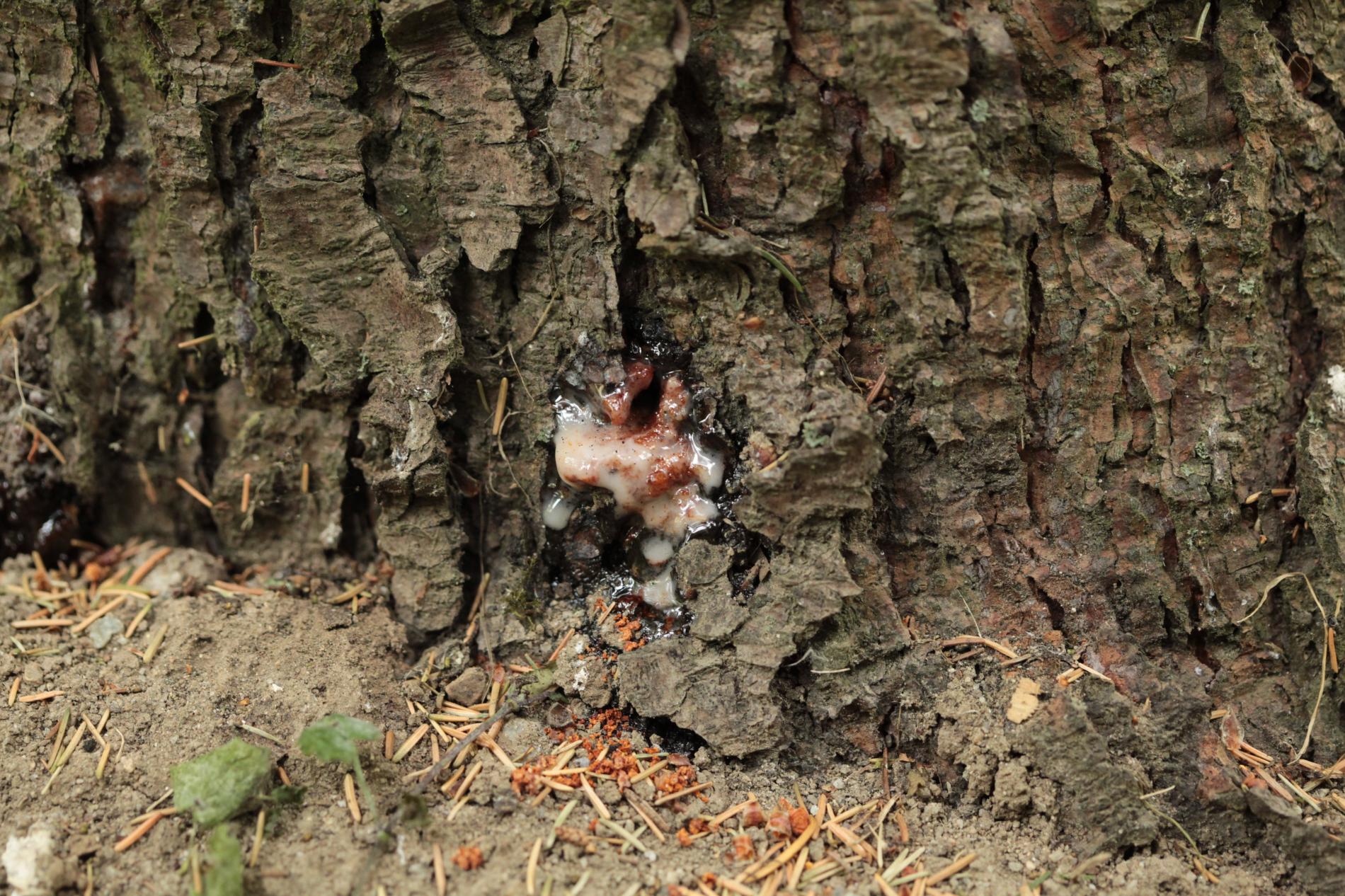
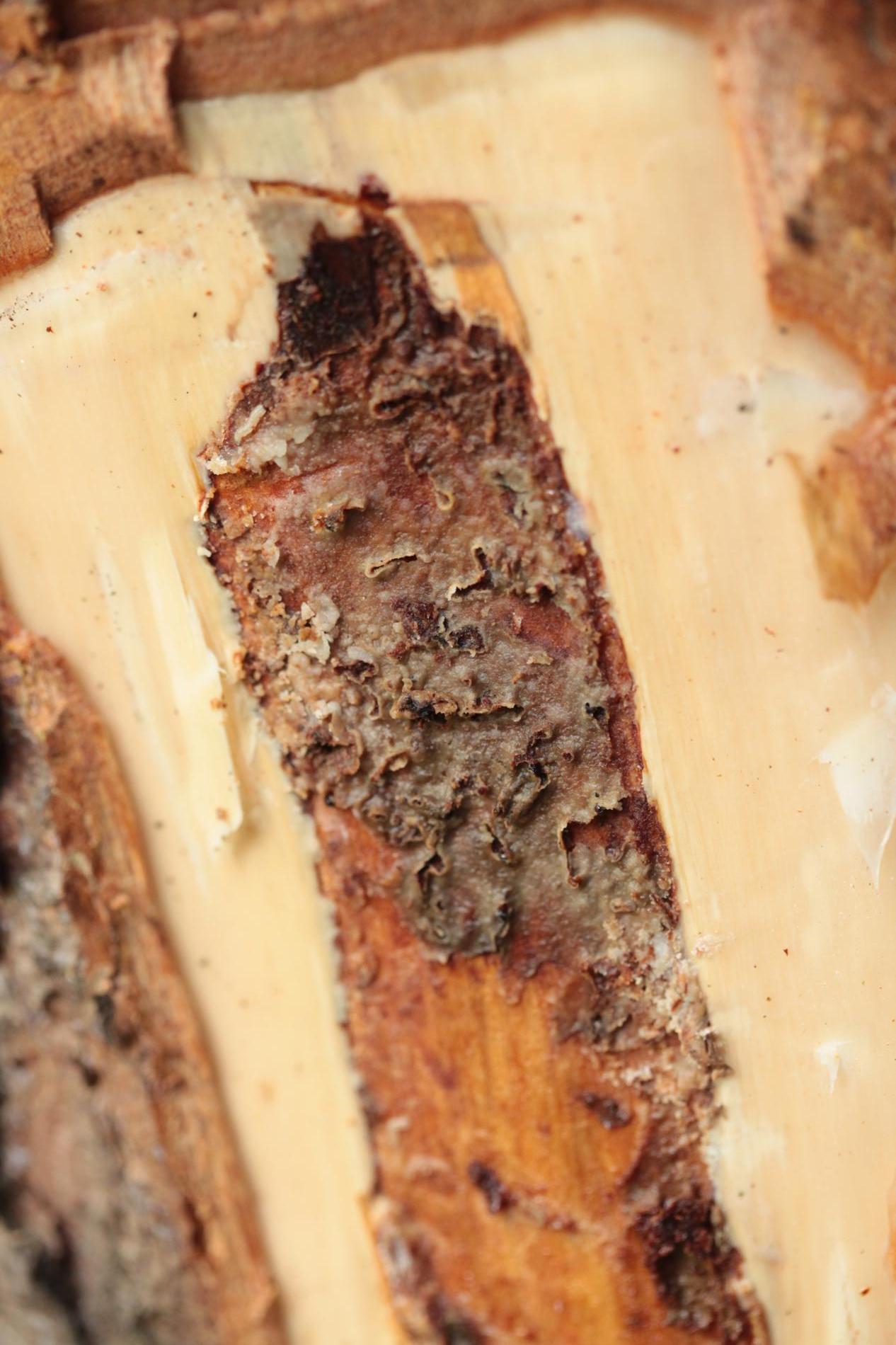
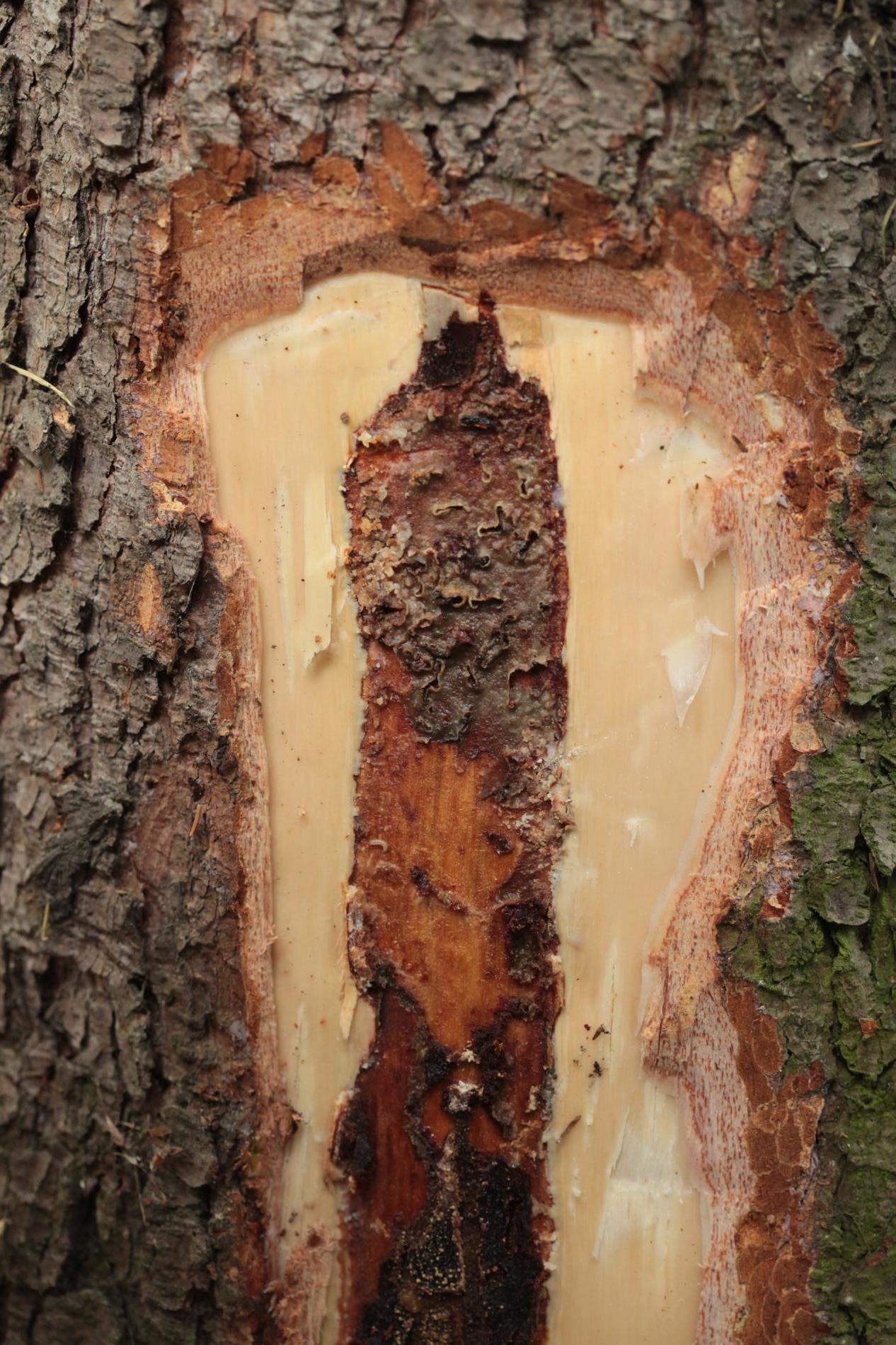
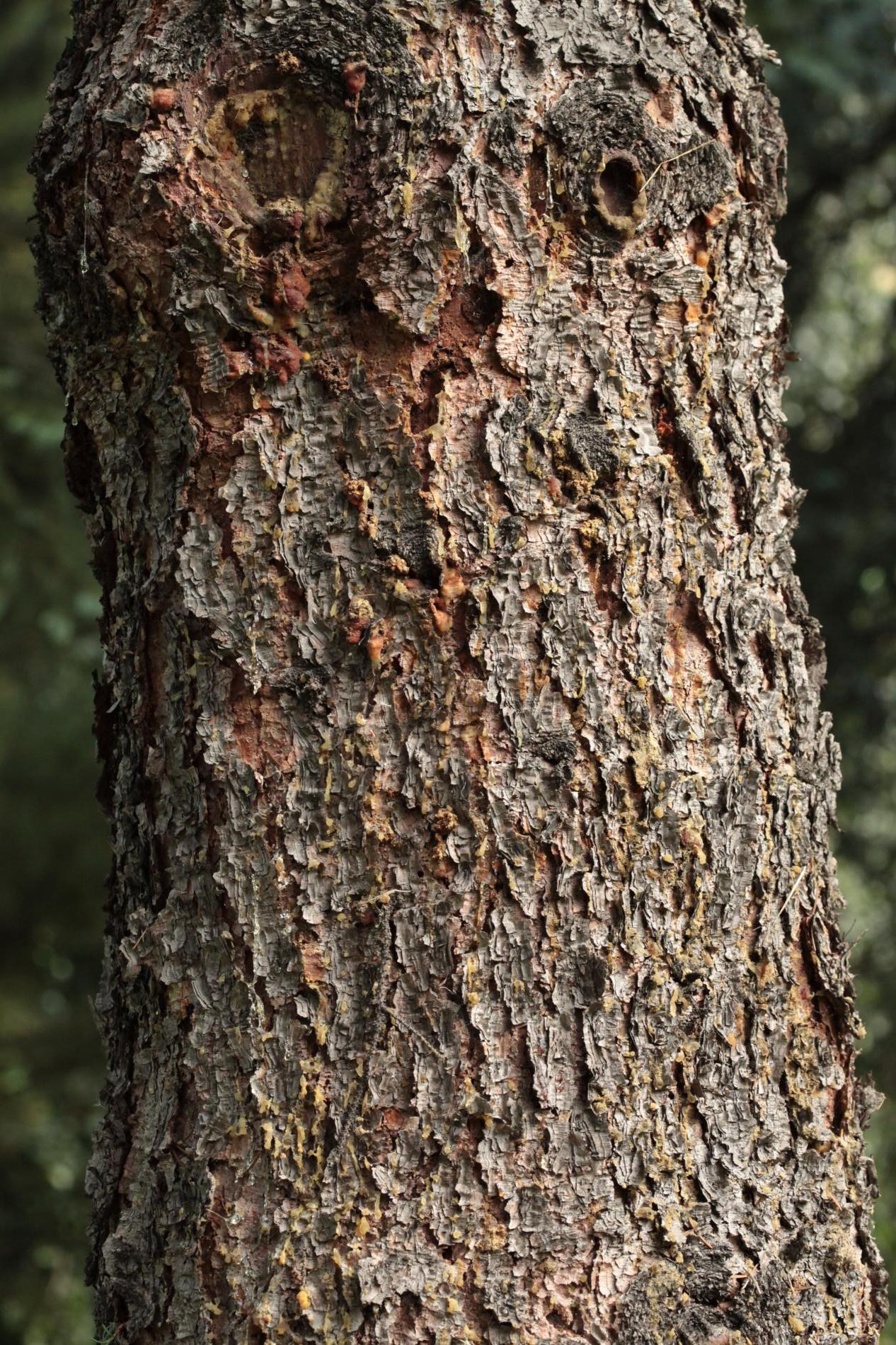
It is the biggest European spruce bark beetle, 6.5–9.0 mm in length. The female bores through the bark to reach the cambium layer where she establishes a brood chamber to oviposit. She clears resin, the tree’s first line of defense, accumulating in the chamber. Newly hatched larvae present a rather uncommon feature among bark beetles: they spend almost the whole larval life in a collective intra-cortical brood chamber. The larvae eat the resinous bark and produce large amounts of faeces or frass. Norway spruce shows extensive resinous bleeding following its attack. It can attack both weakened and healthy trees. Outbreaks occur only locally in Central Europe. This species spread in Europe from east to west. Actually, the western limit is in France though some spots are present in UK. Natural enemies influence the population density quite significantly in the region - mainly Rhizophagus grandis is important.
Collective brood chamber under the bark.
Tree Species: Spruce
Part of a plant- attacked: Tree trunk
Pest significance: Harmful
Pest Category: Insects
Invasive Species: No
Present in EU: Yes
Pest group: Insect
Depth of damages: Bark, Under bark only, Up to 0,5 cm depth
The extent of damage: Lokally
Prevalence in Europe: Common
Damaged products: Firewood, Fresh timber logs (water still in the sapwood)
Roundwood size: Diameter 50+, Diameter from 10 up to 50 cm
Wood discoloration: Yes
Exit holes: Round
Pest subcategory: Bark and underbark insect
Similar pests

Ips amitinus

Ips duplicatus
