


Daedalea quercina
Oak mazegill
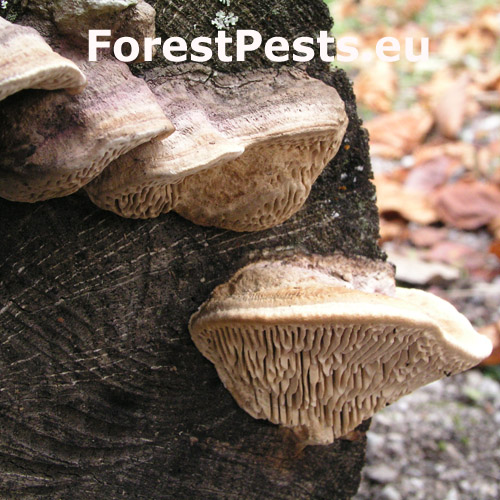
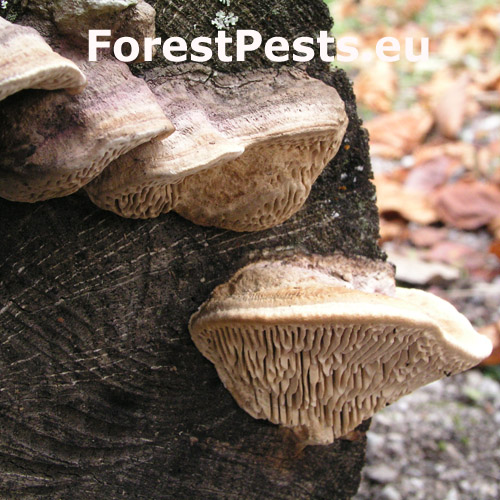
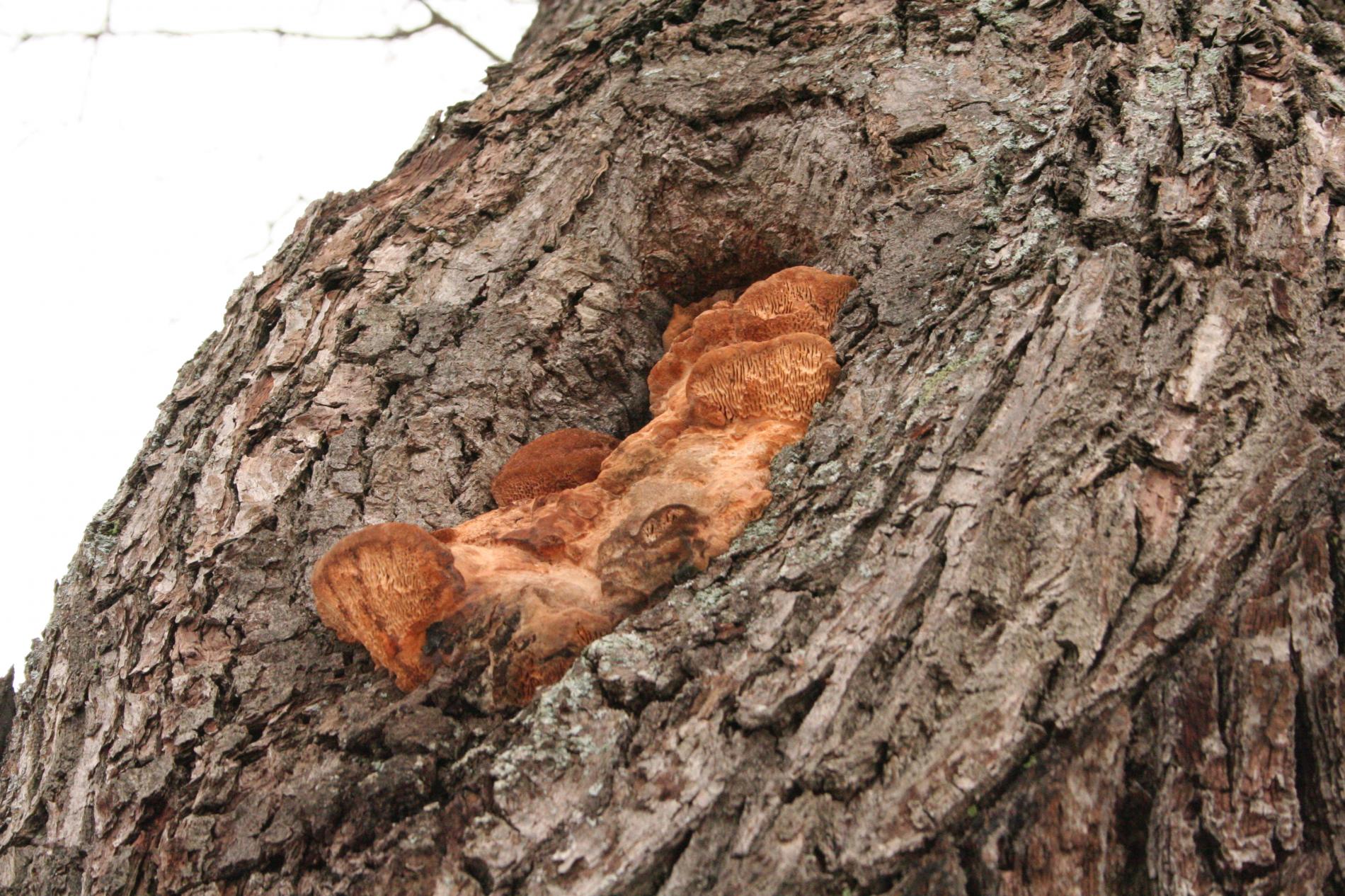
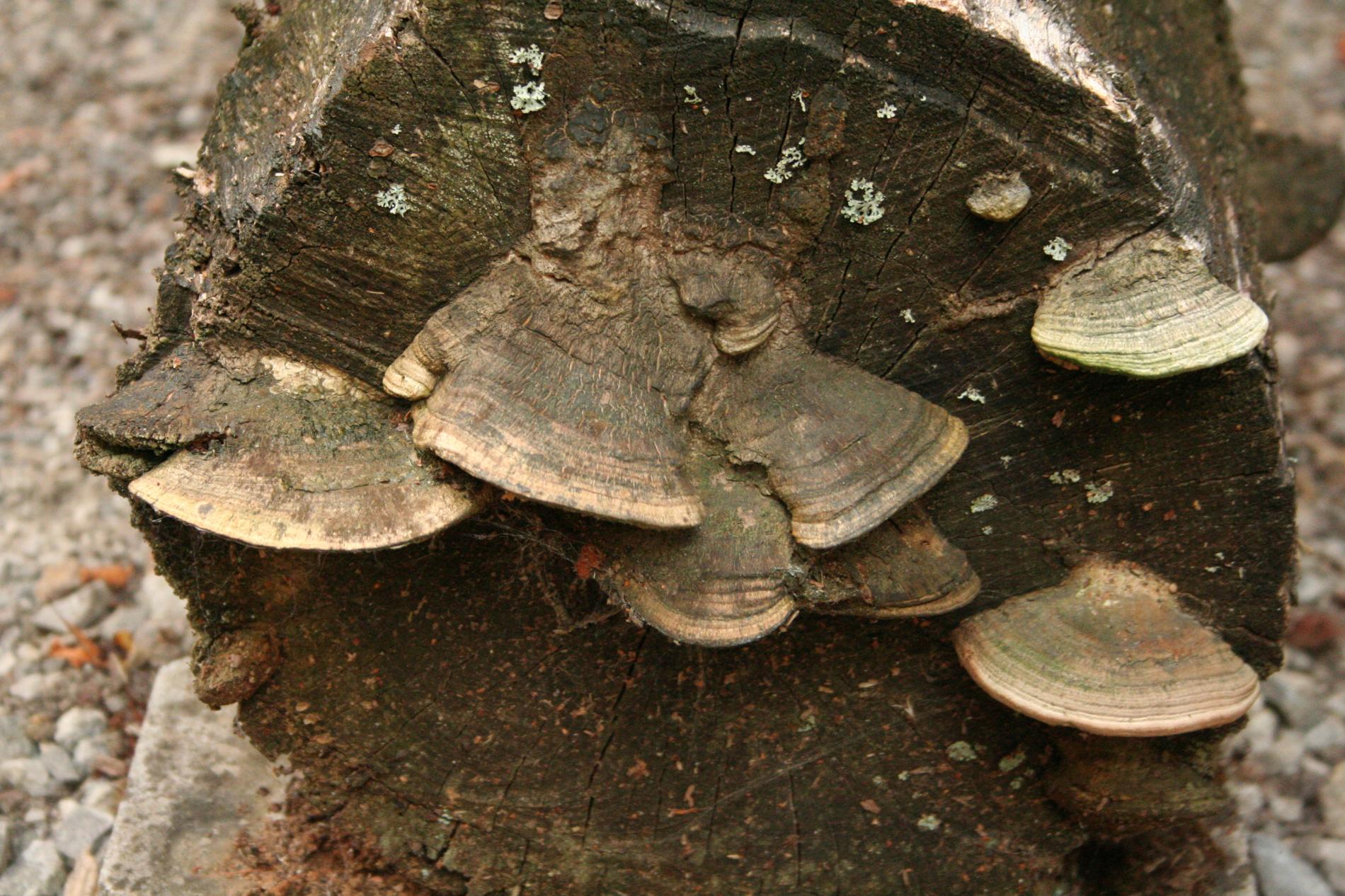
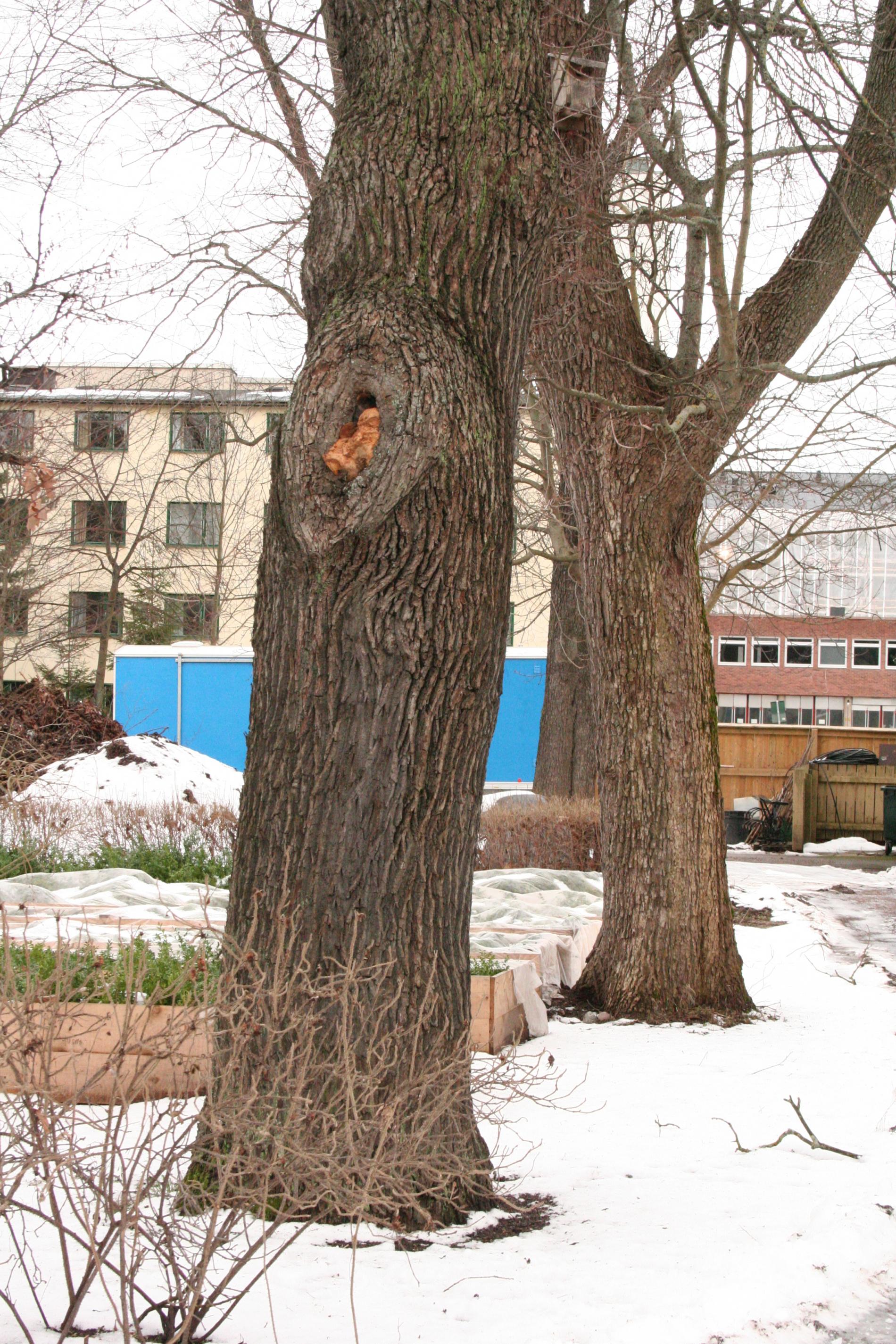
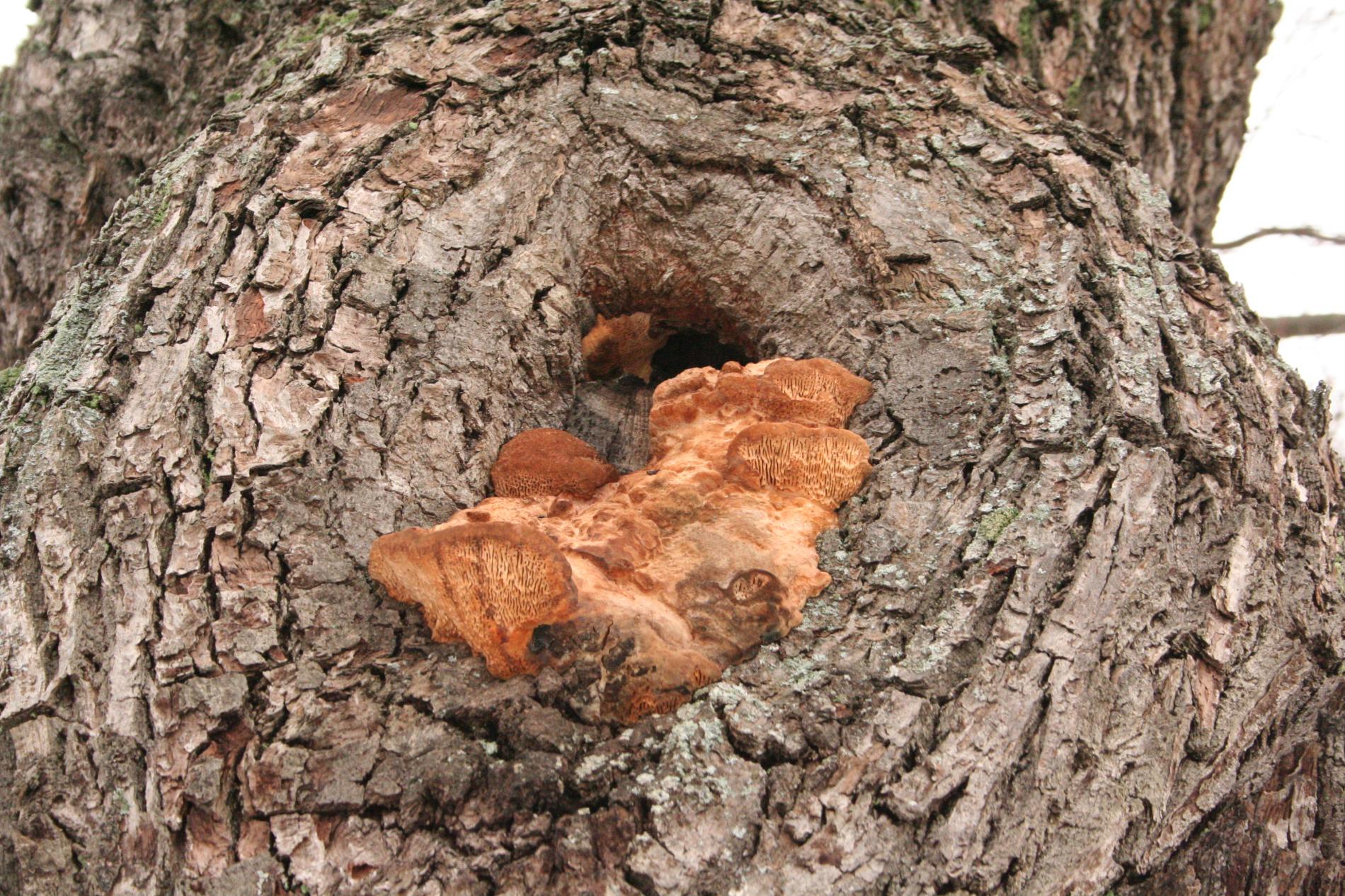
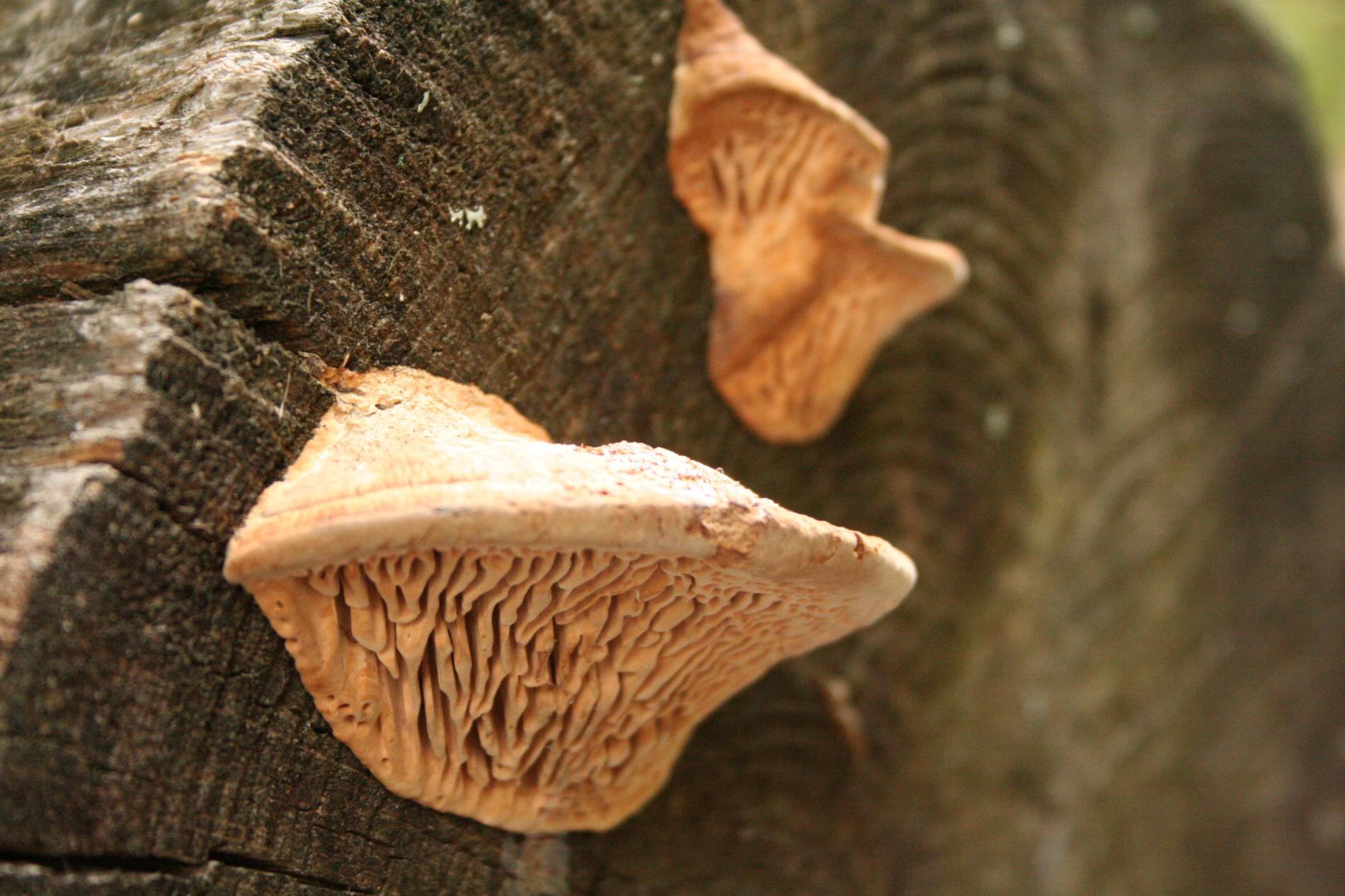
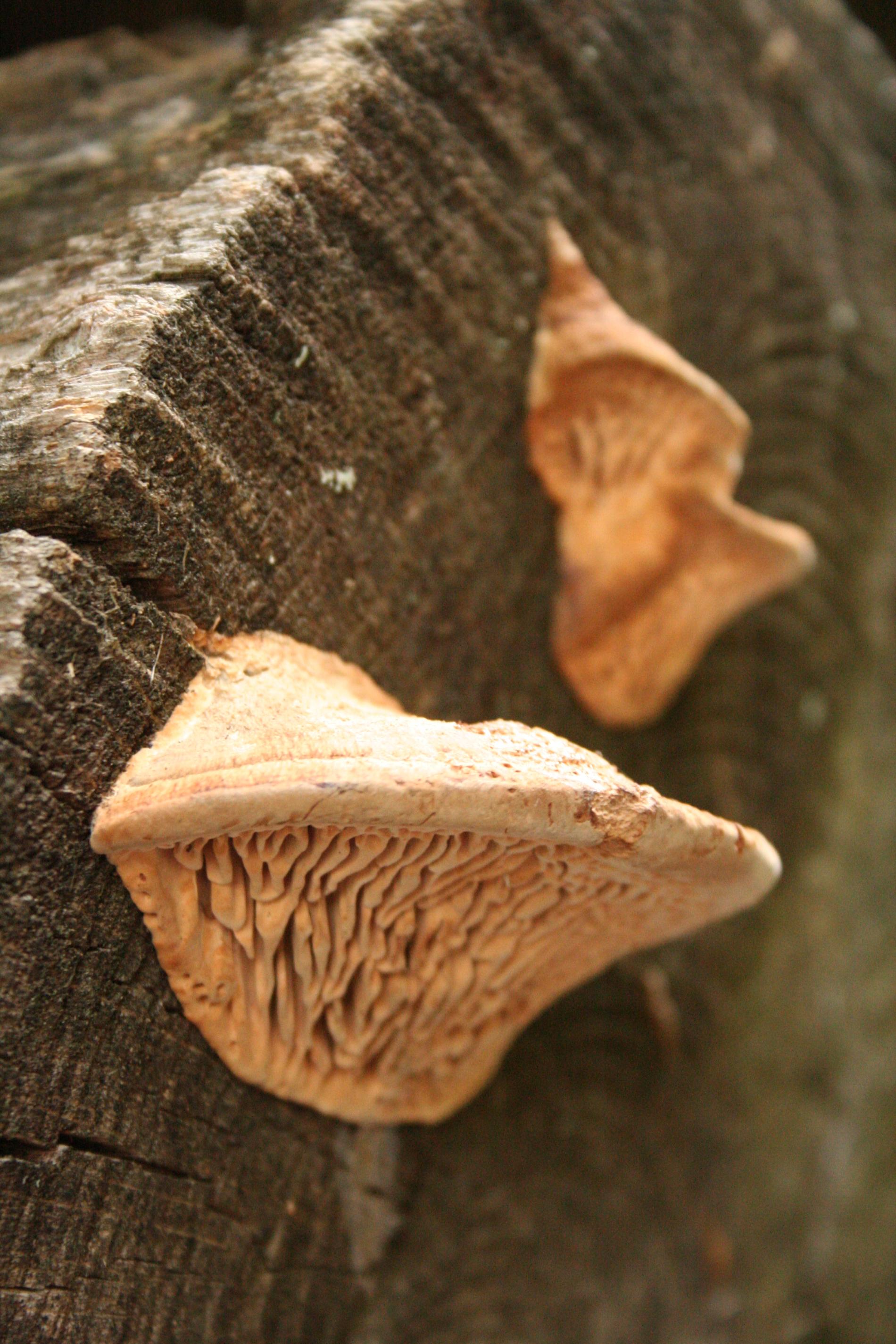
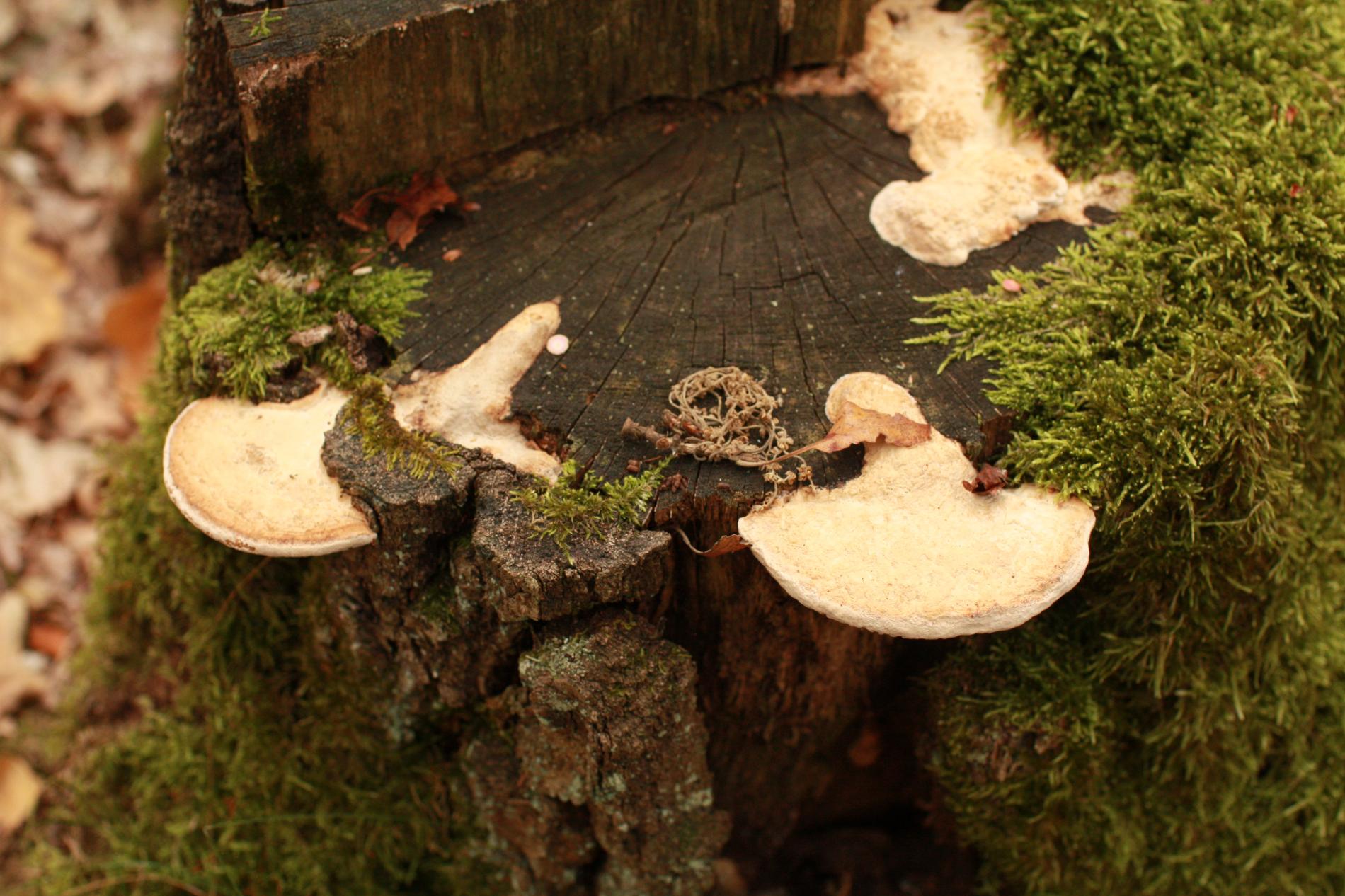
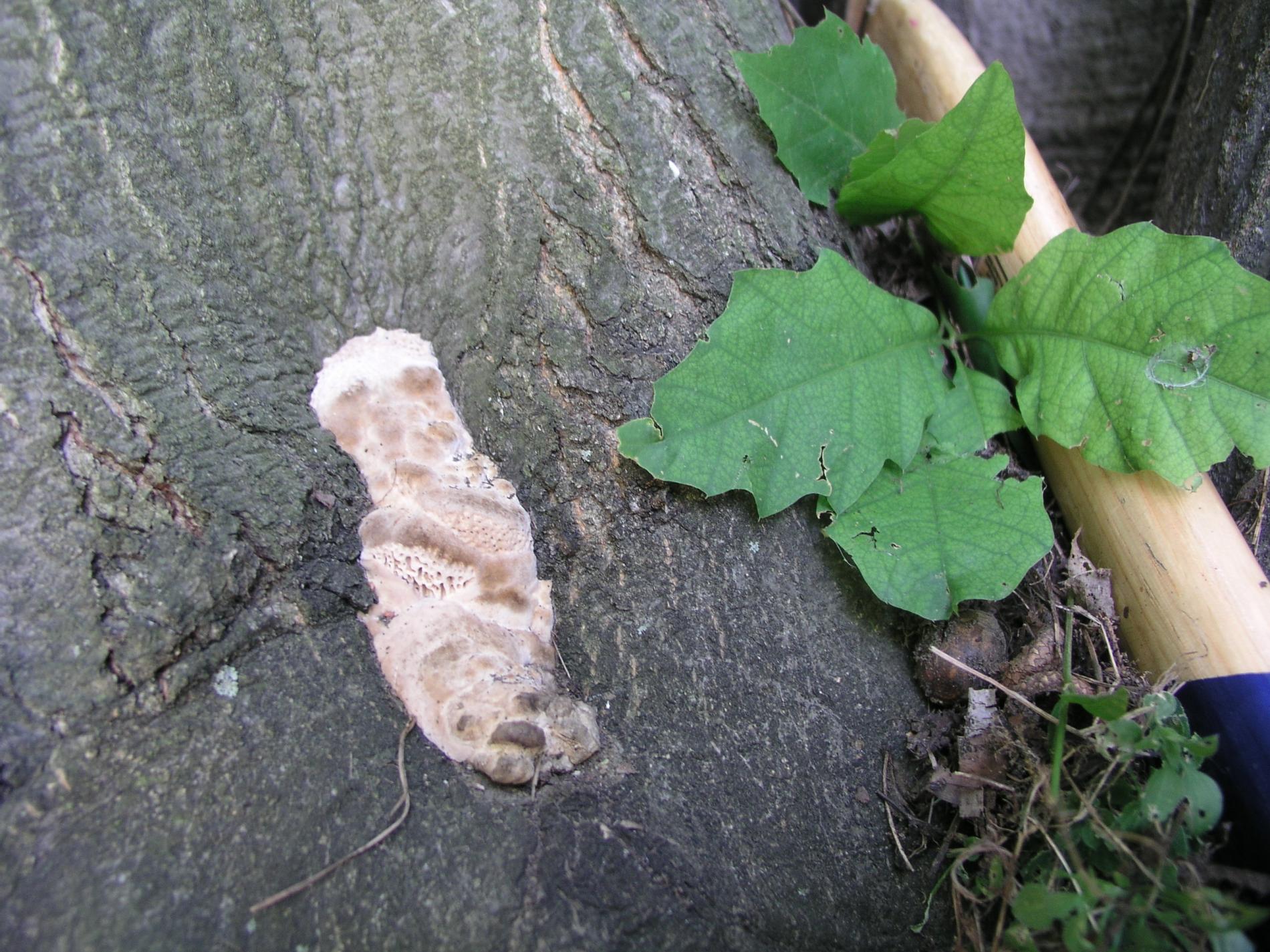
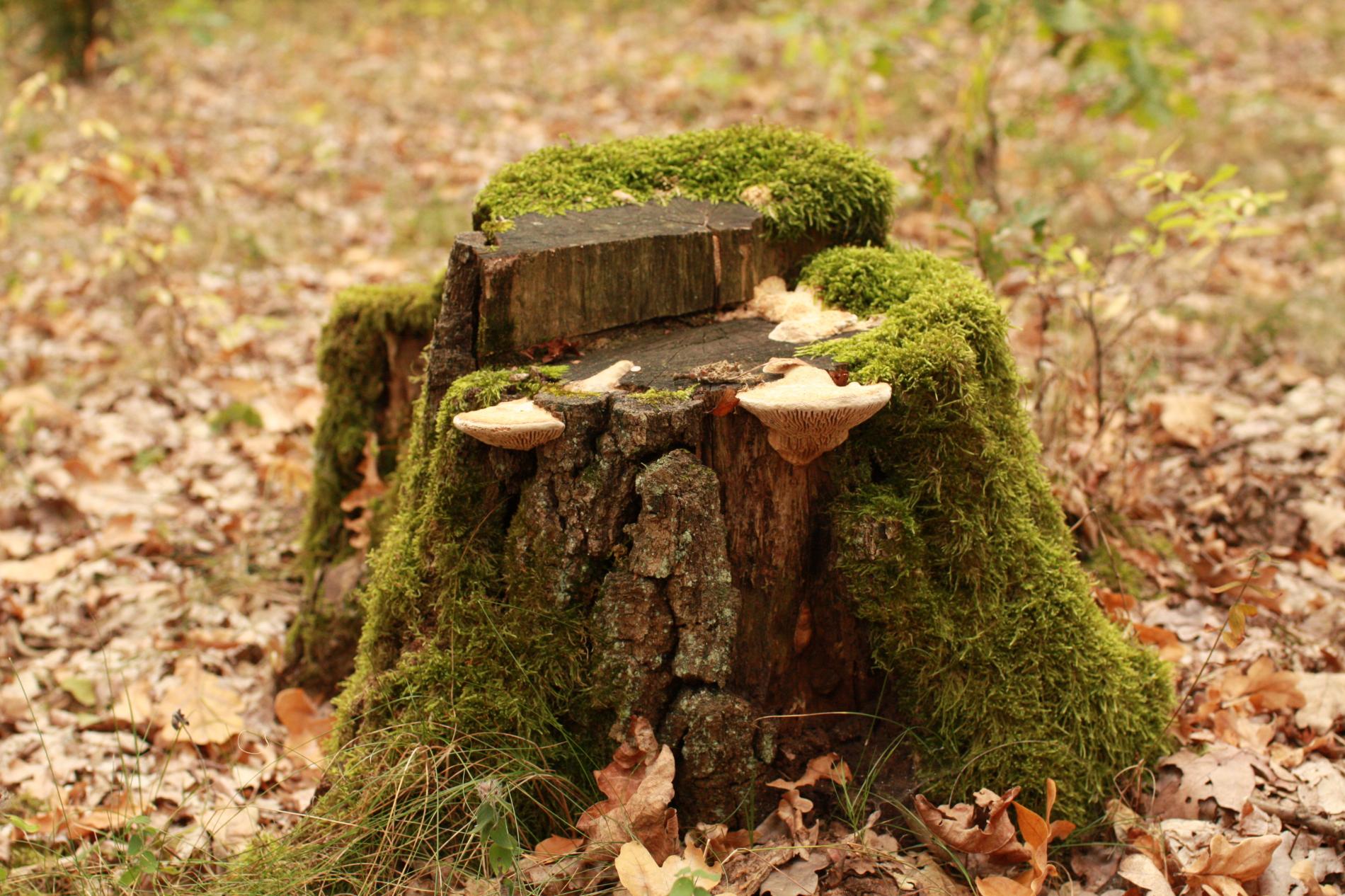
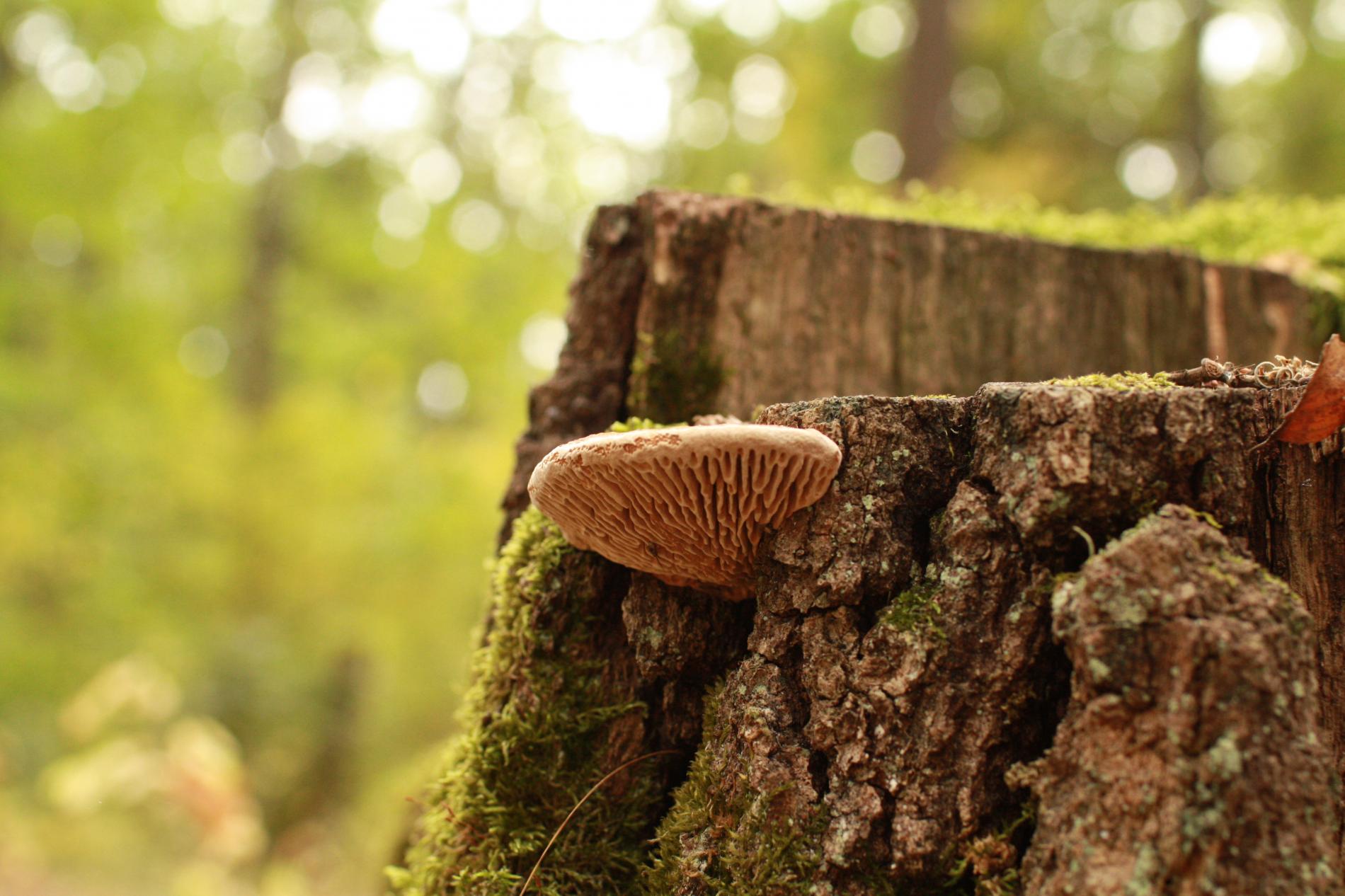
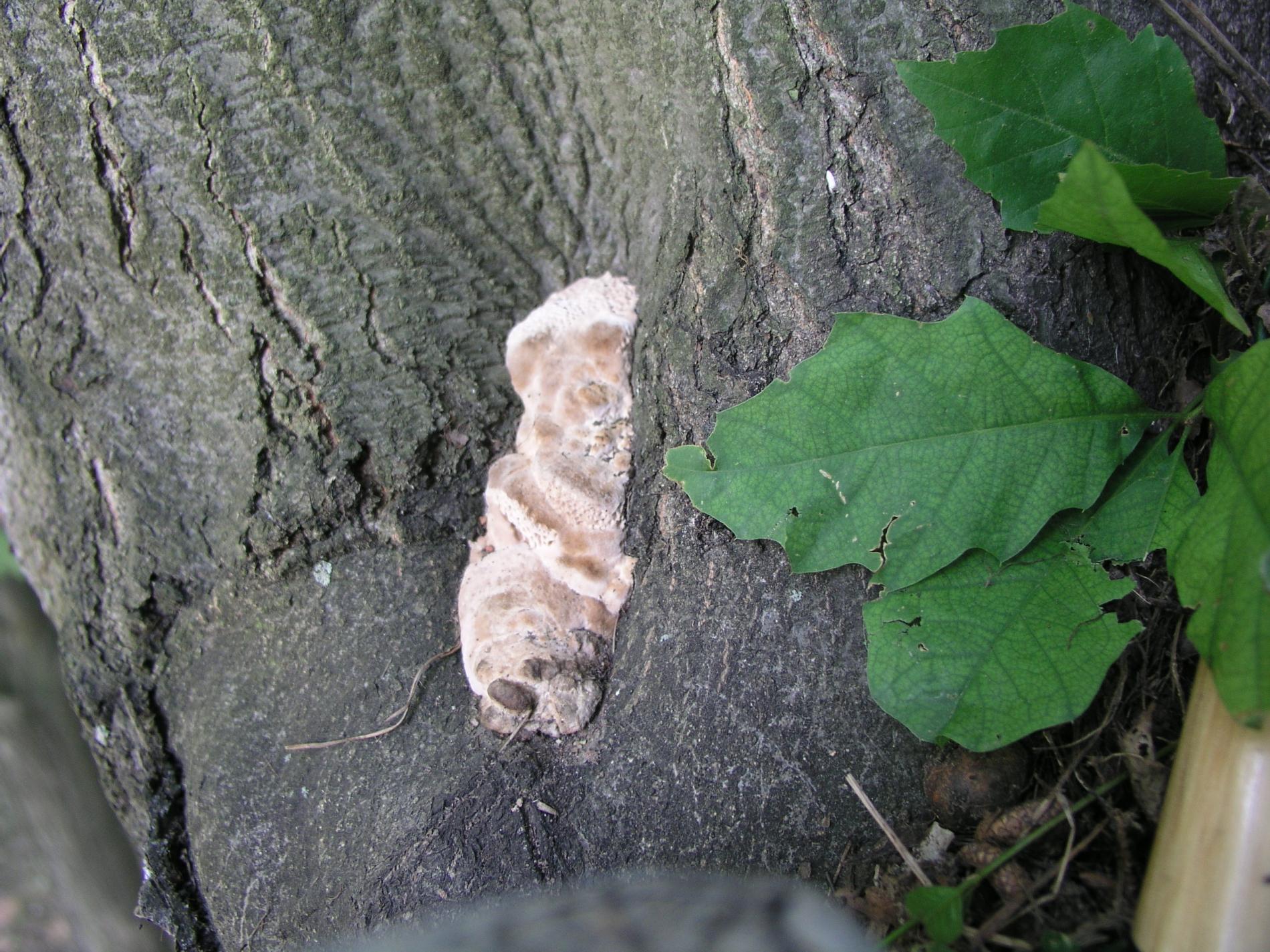
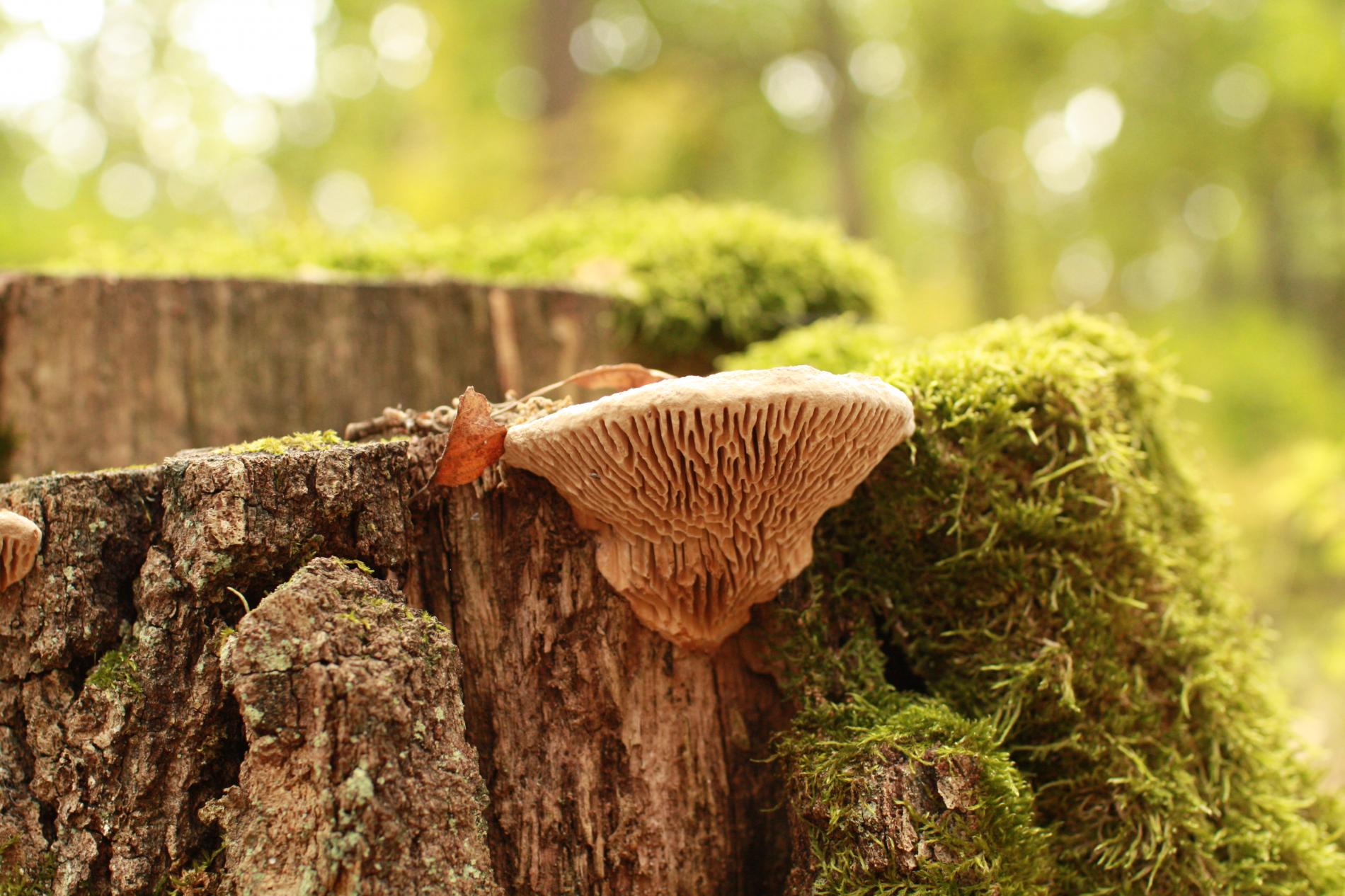
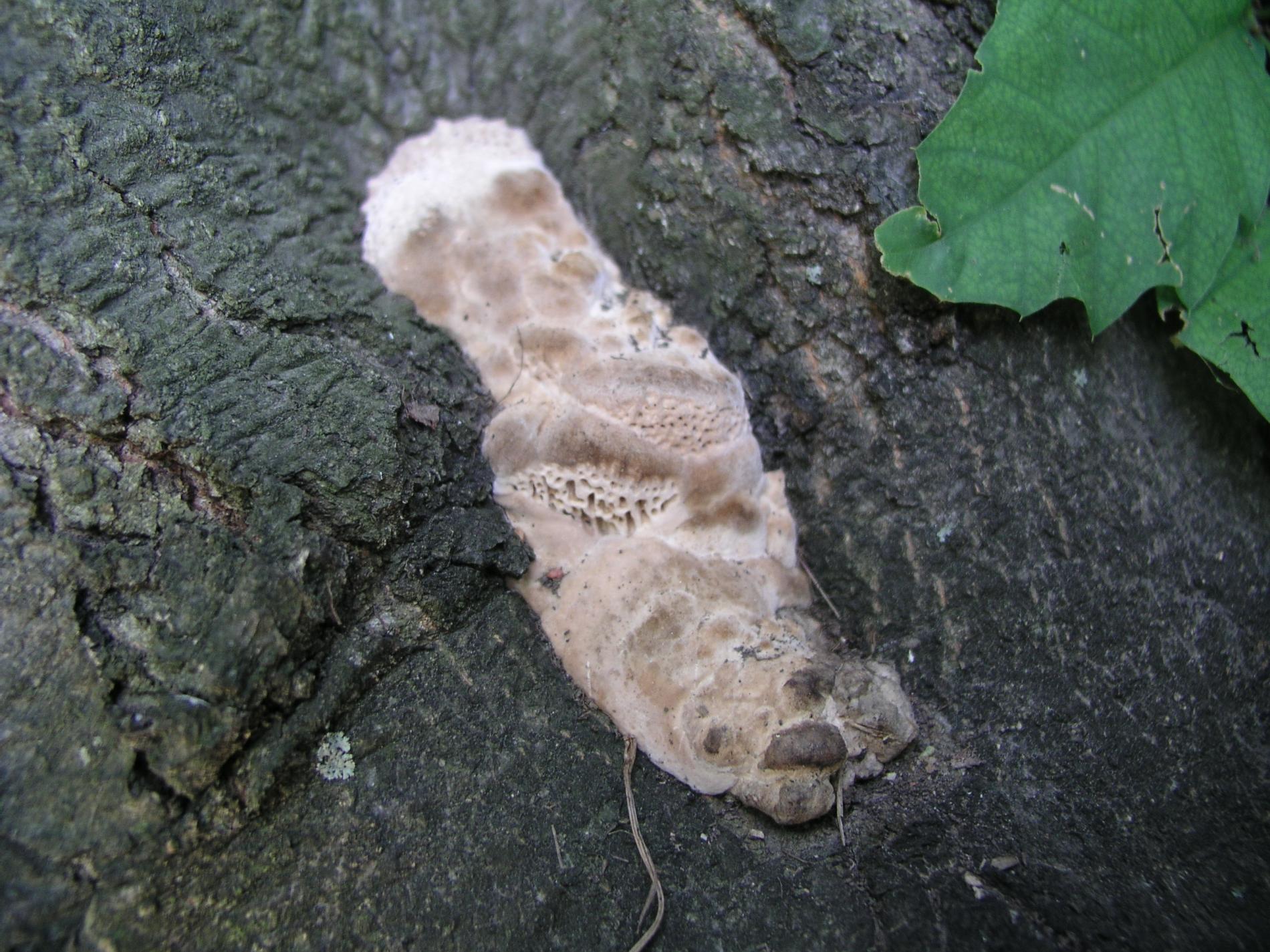
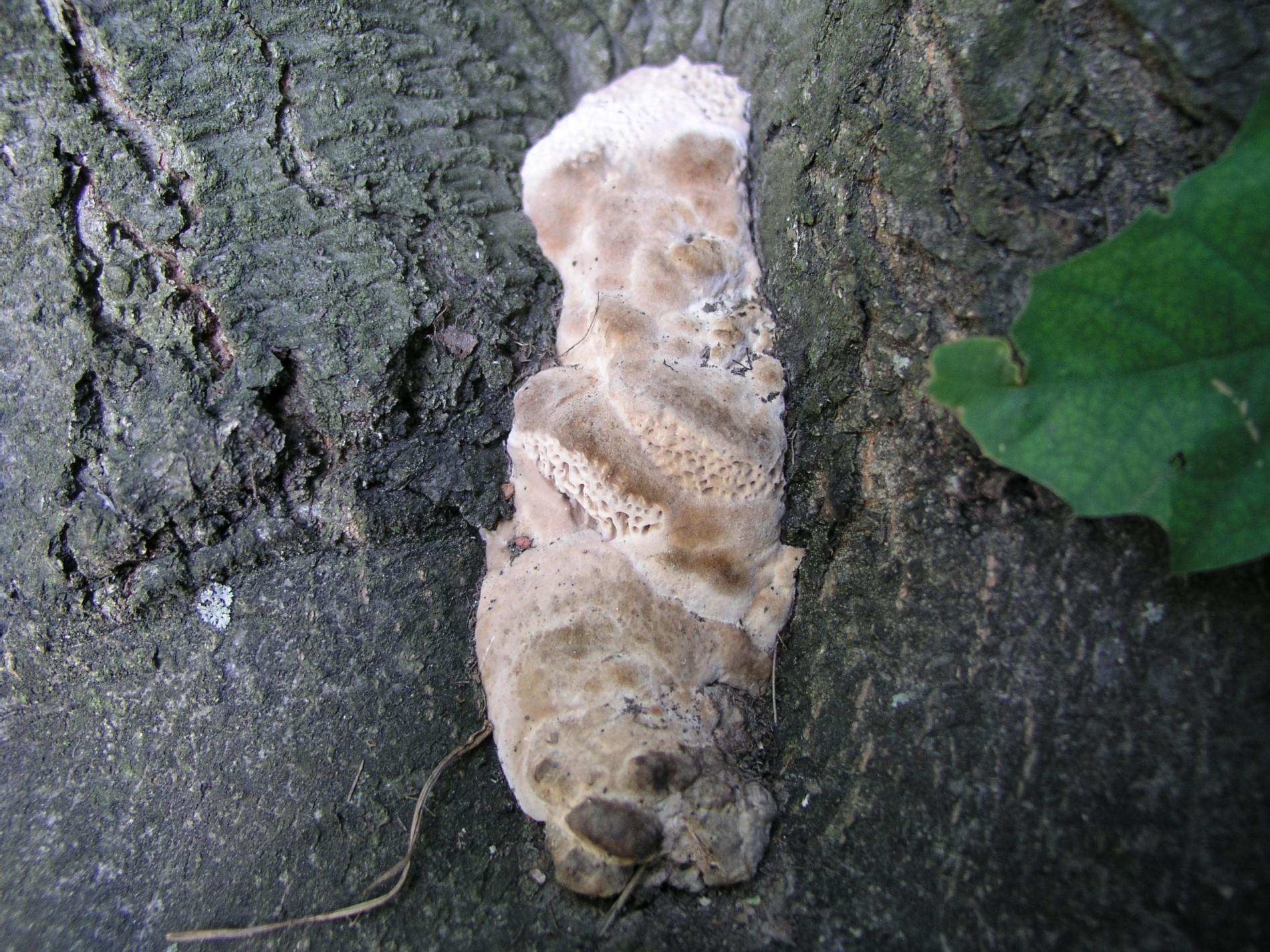
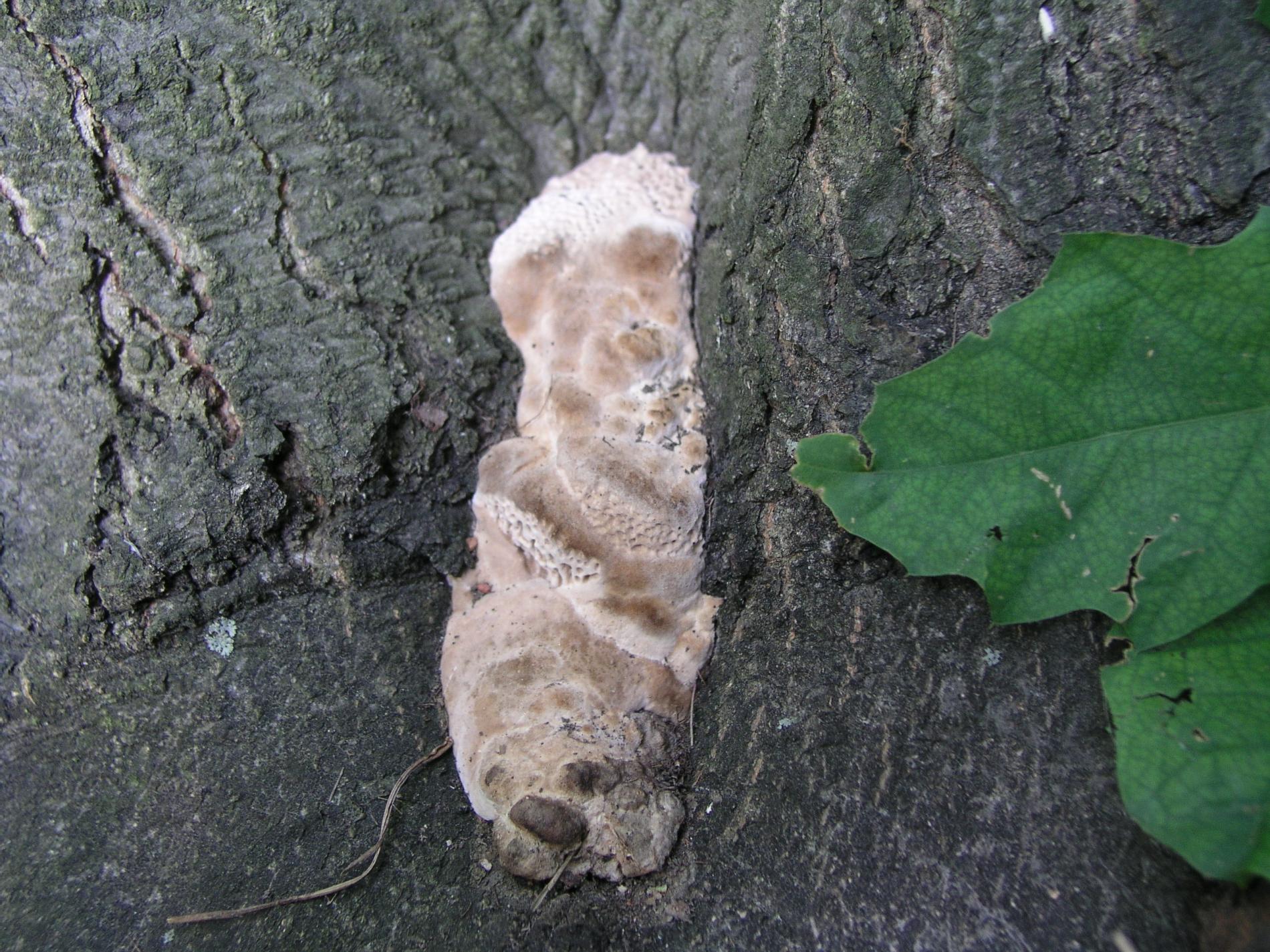
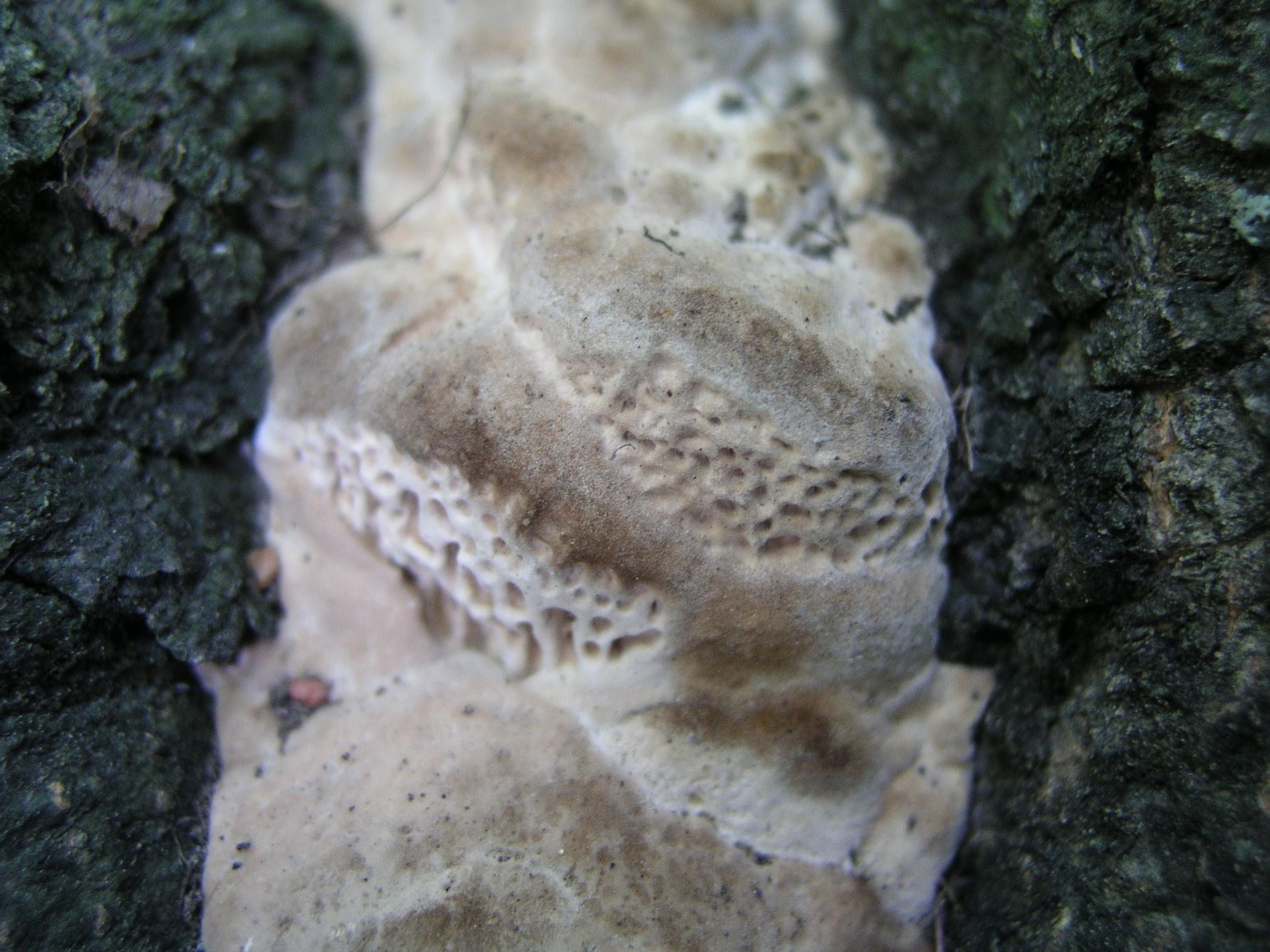
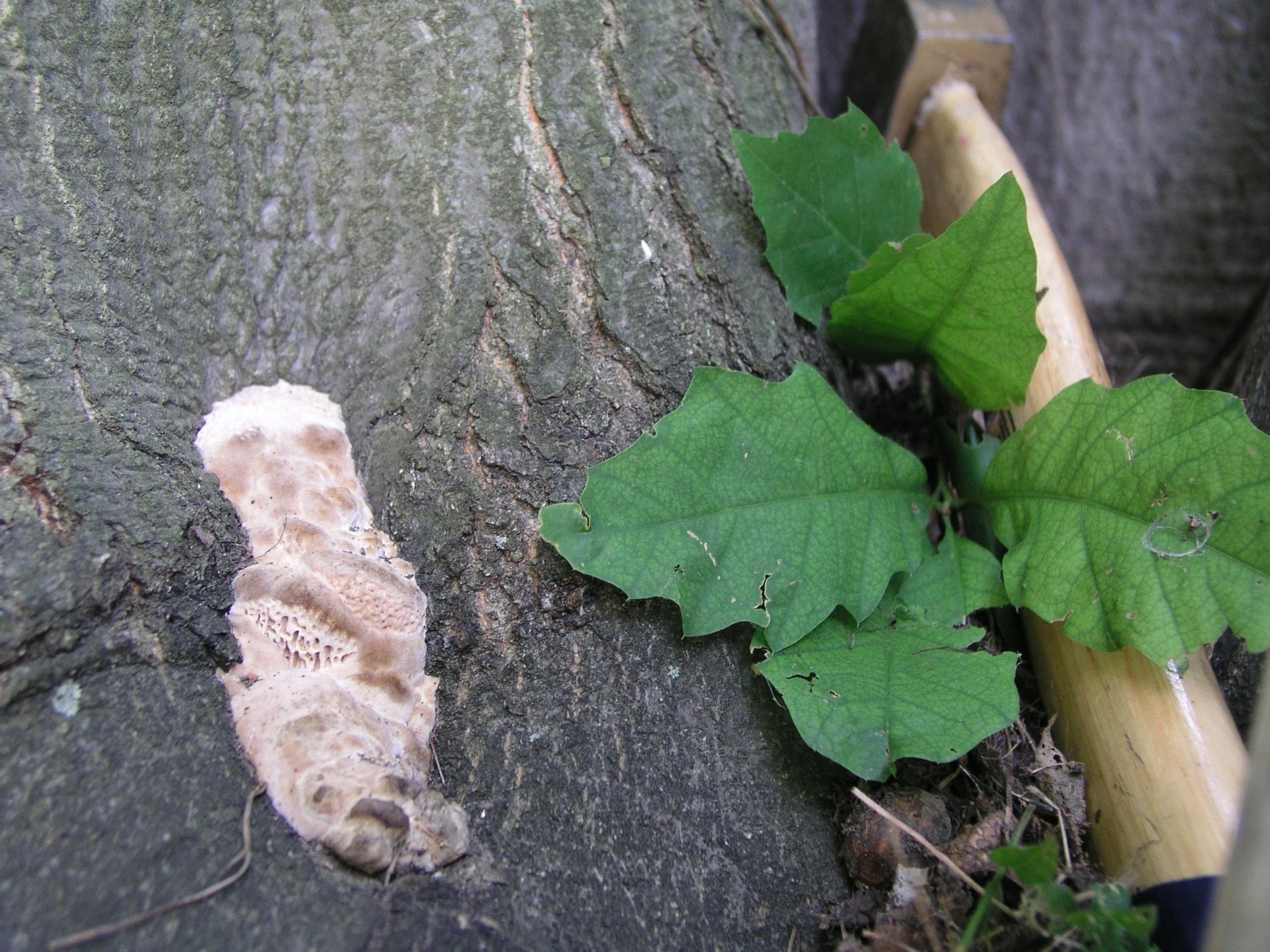
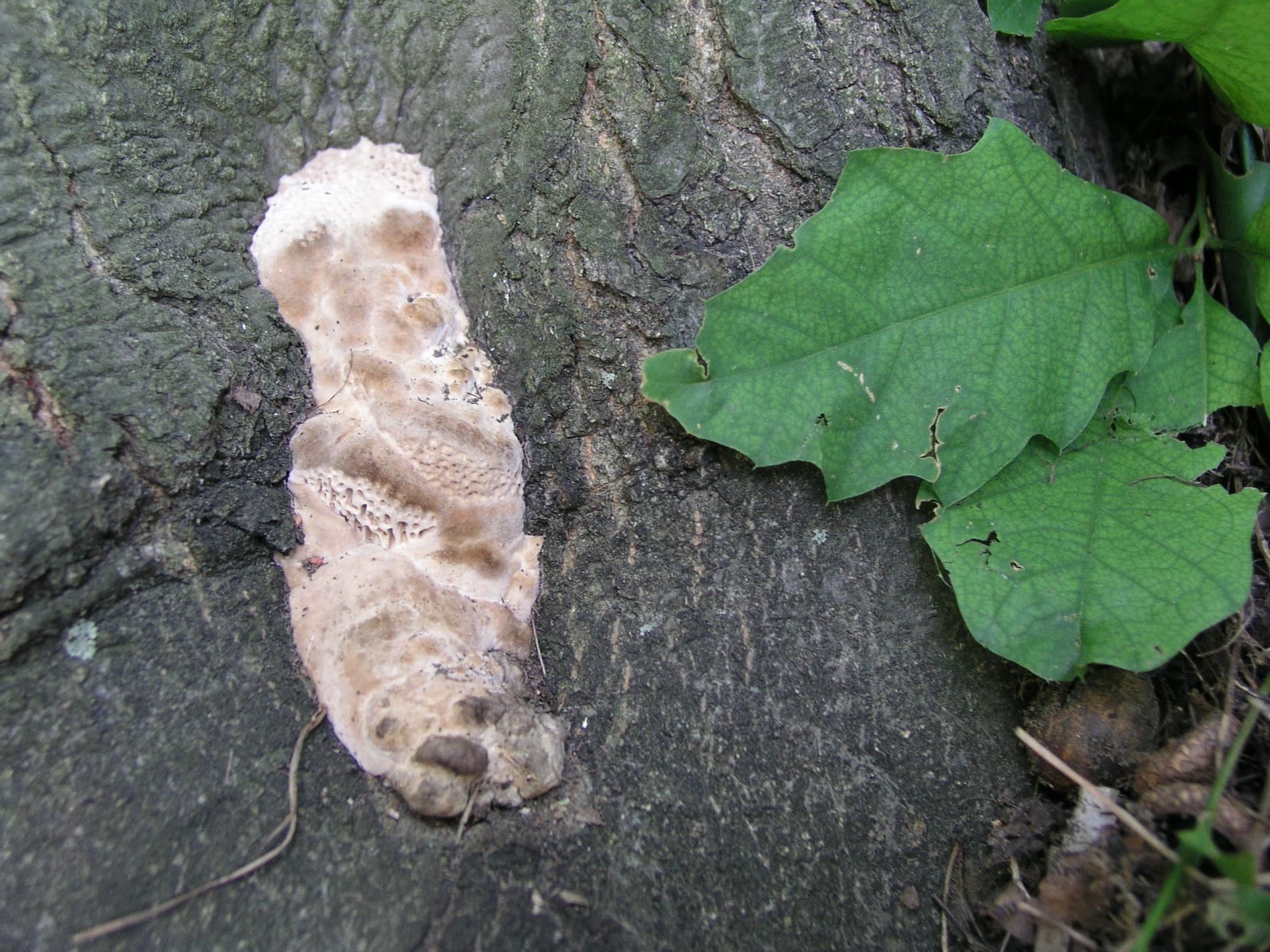
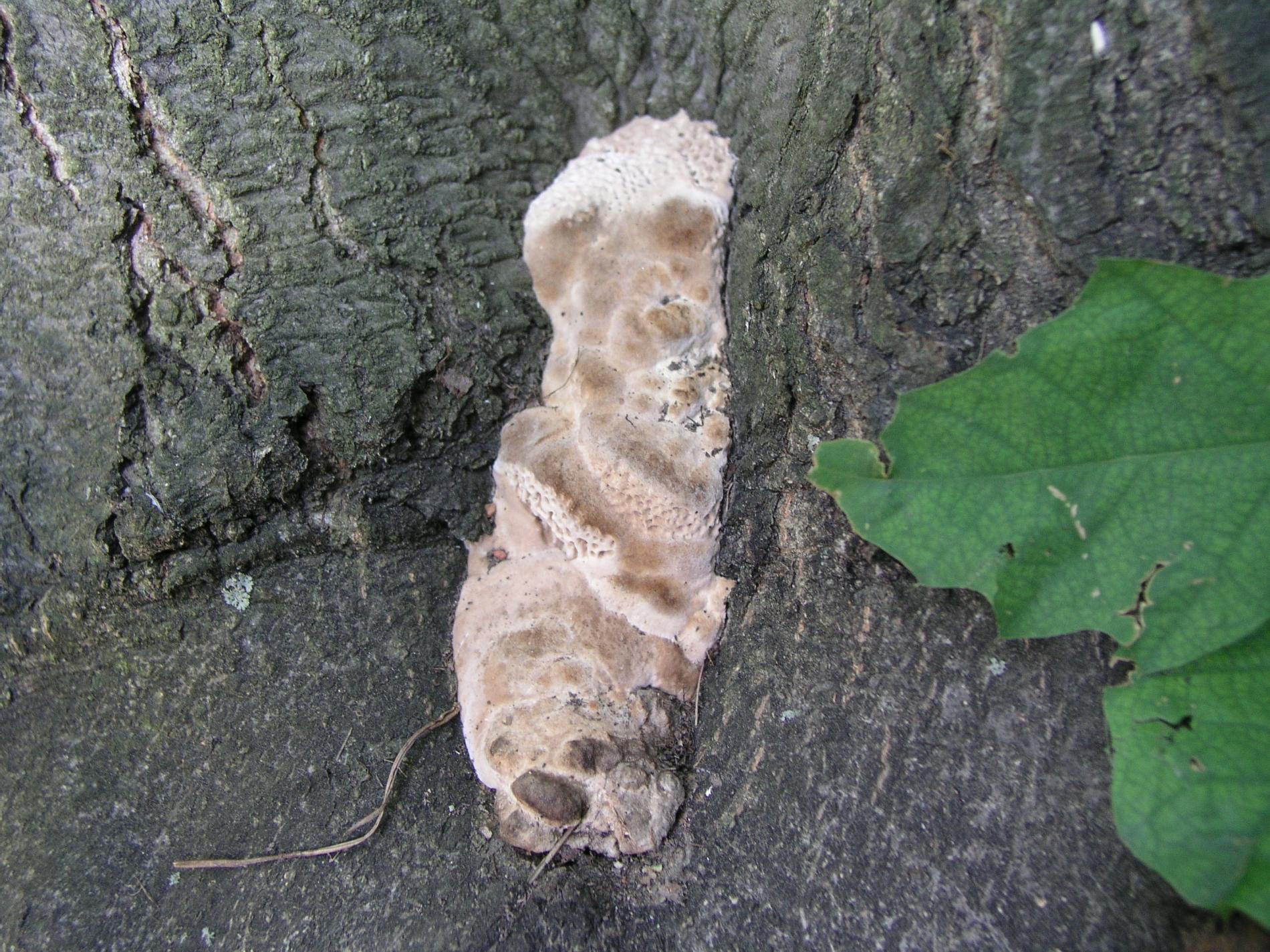
The fungus creates cork and even woody bracket fruiting bodies, spilt and widely attached to the substrate when young and dark brown when old. The surface is pallid brown to greyish brown, slightly zoned. Young pores around the growing edge are round, later on they create a maze-like structure formed by up to 1 mm thick panels in a radial pattern starting in the place of attachment. It infects the tree mostly through wounds. It causes an intense reddish brown heartwood rot. In the advanced stage of the decay, a white syrrocium is formed in wood cracks. The harmful effect is of greater significance in parks and alleys than in the forest environment.
The fungus creates cork and even woody bracket fruiting bodies, spilt and widely attached to the substrate when young and dark brown when old.
Tree Species: Oak, Chestnut
Part of a plant- attacked: Tree trunk
Pest significance: Very harmful
Pest Category: Fungi
Invasive Species: No
Present in EU: Yes
Pest group: Fungi
Affected part of wood: Heartwood, Sapwood
Depth of damages: More than 5 cm depth, Under bark only, Up to 0,5 cm depth, Up to 2 cm depth, Up to 5 cm depth
The extent of damage: Whole trunk
Prevalence in Europe: Very common
Damaged products: Firewood, Fresh timber logs (water still in the sapwood), Furniture, Lumber, boards and prisms, Wood chips, Wooden house constructions
Roundwood size: Diameter 50+, Diameter from 10 up to 50 cm
Wood discoloration: Yes
Pest subcategory: White-rot
Similar pests

Cerrena unicolor

Trametes versicolor
