


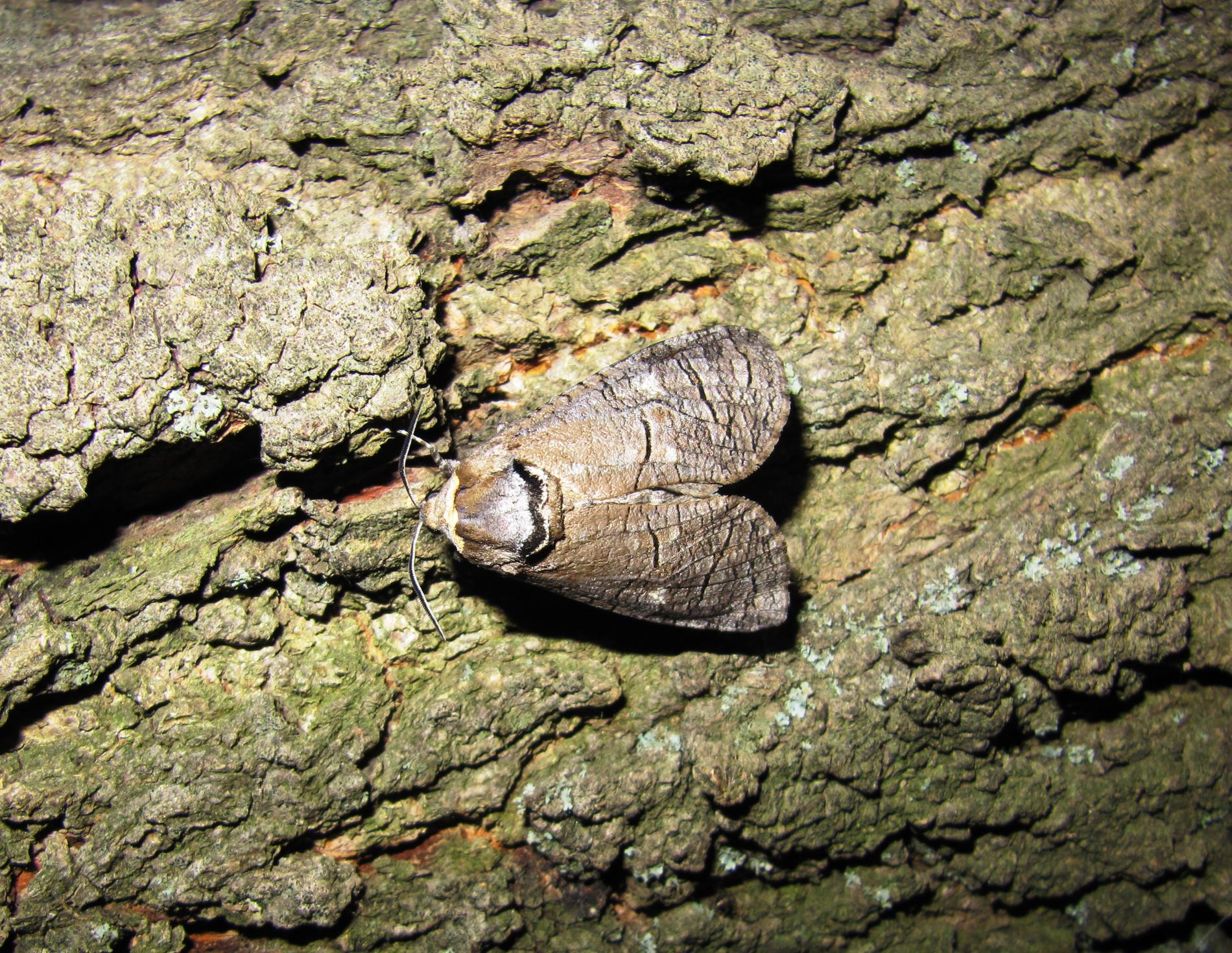
Cossus cossus
Goat moth
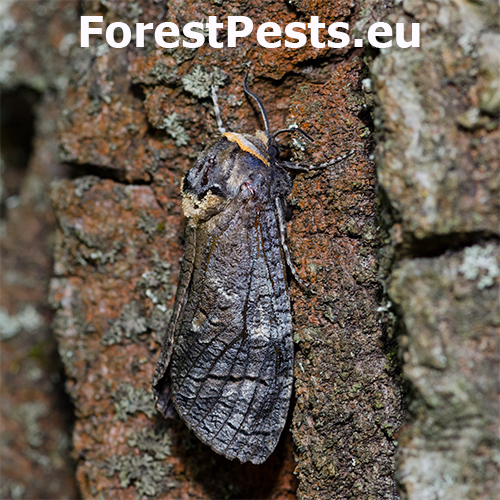
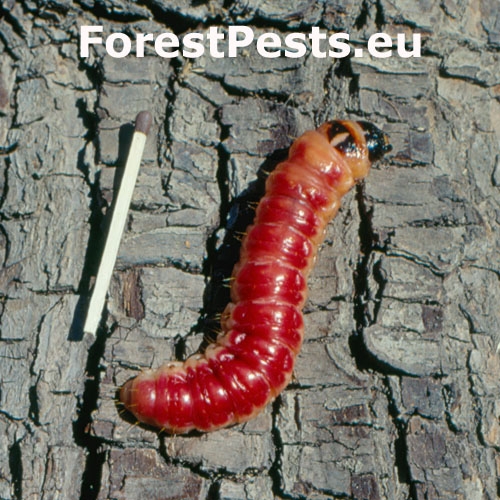
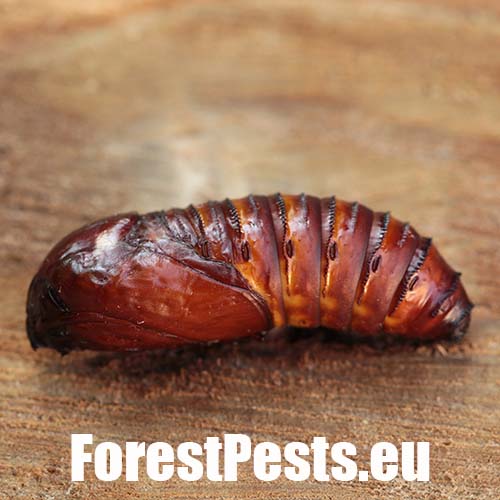
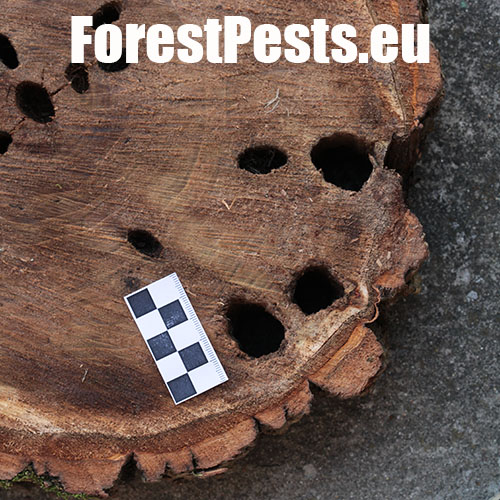
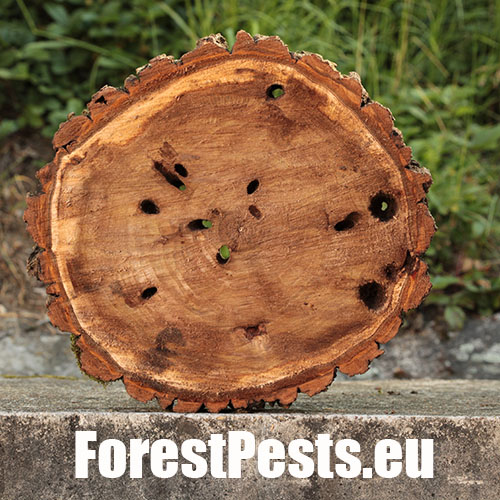

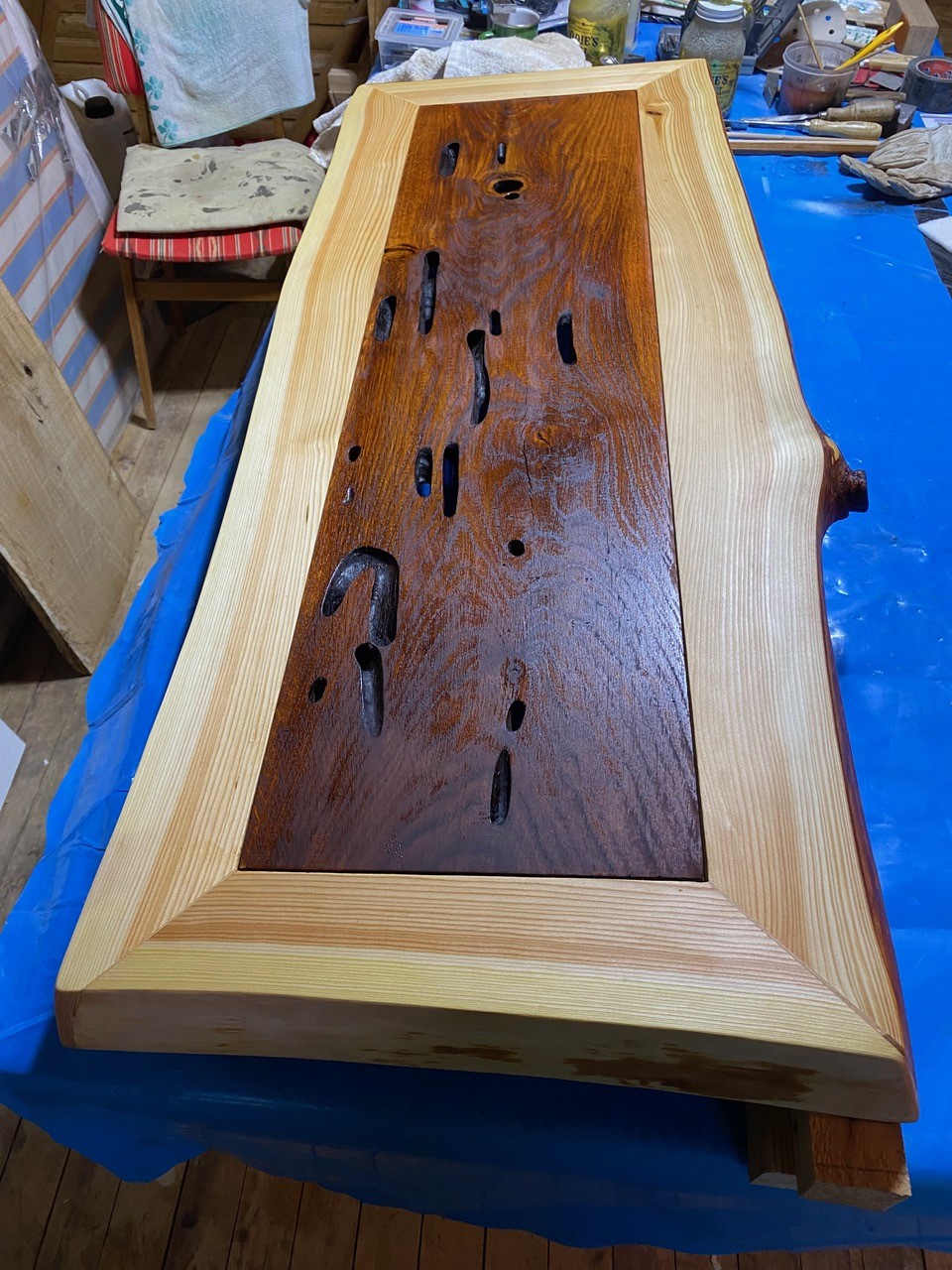
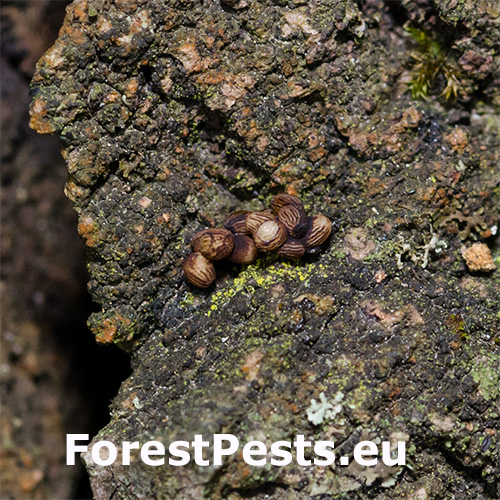
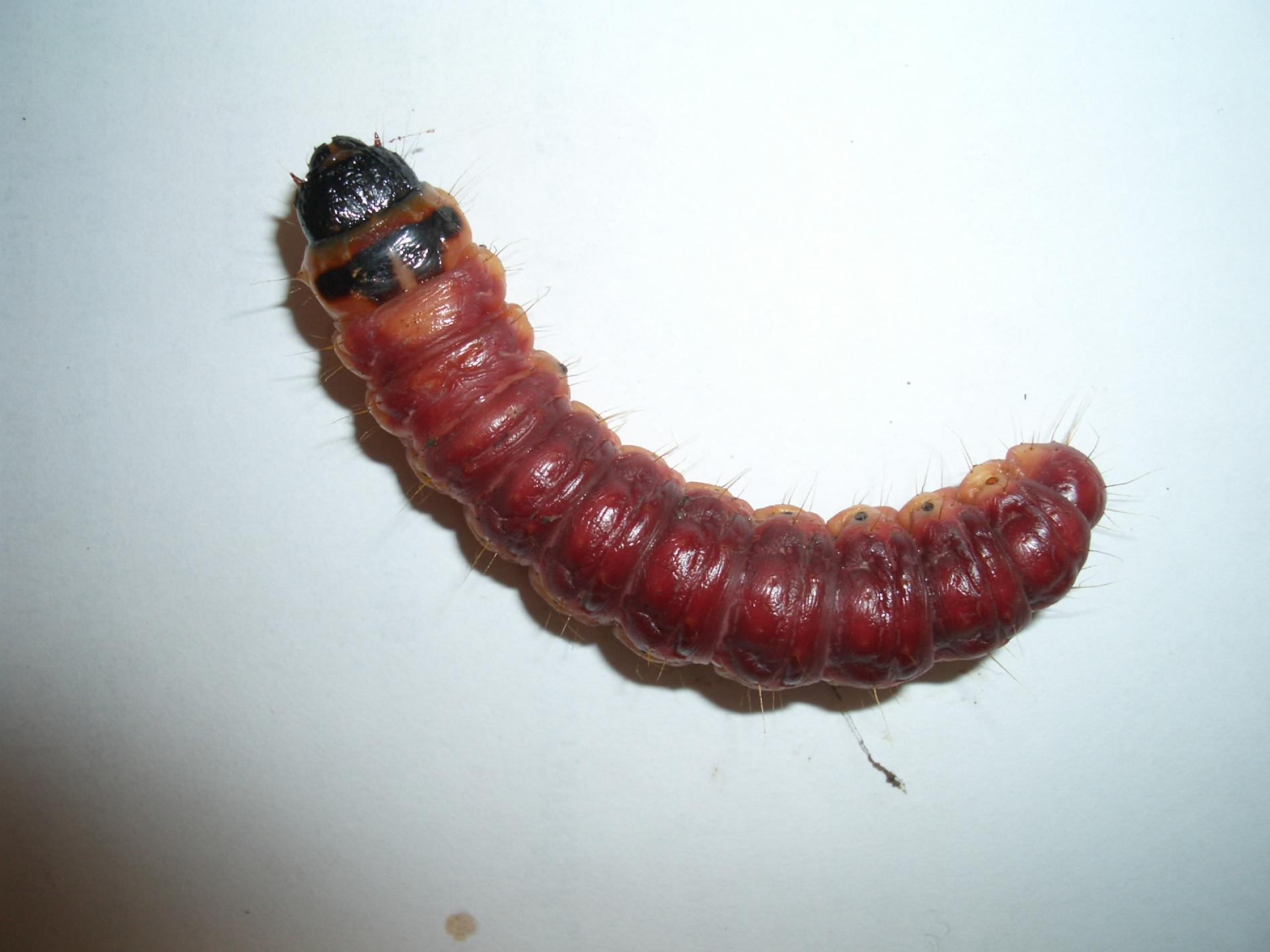
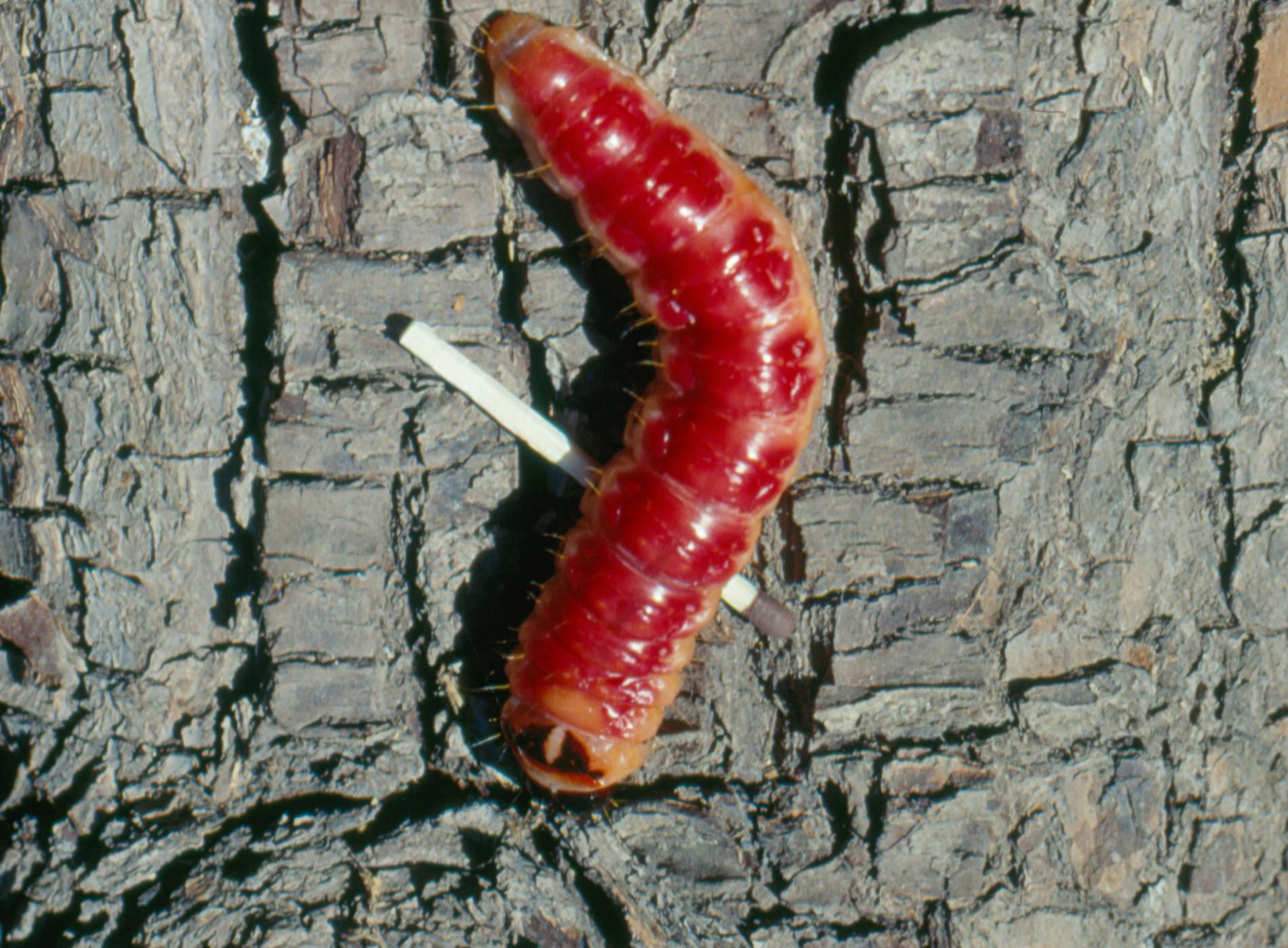
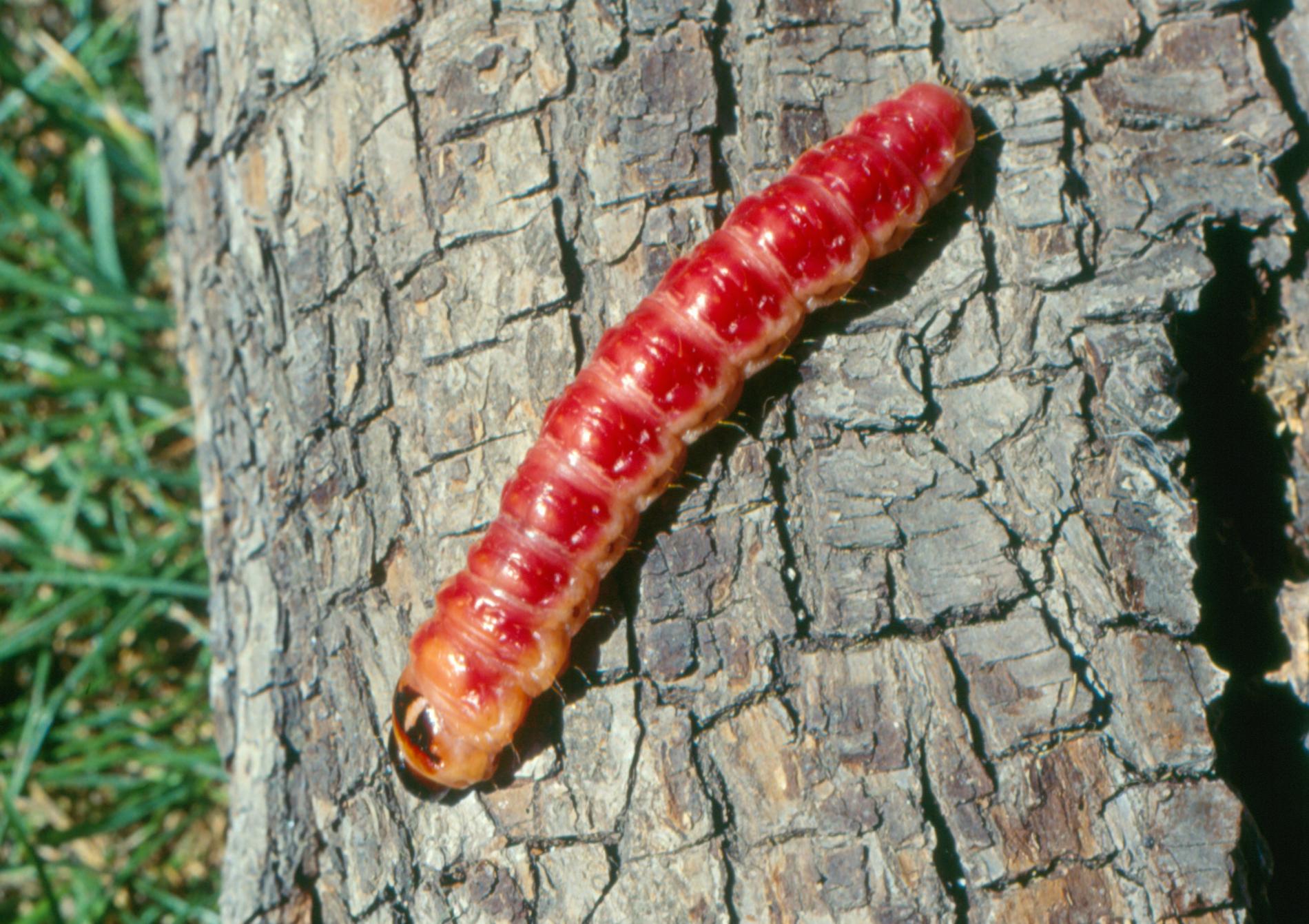
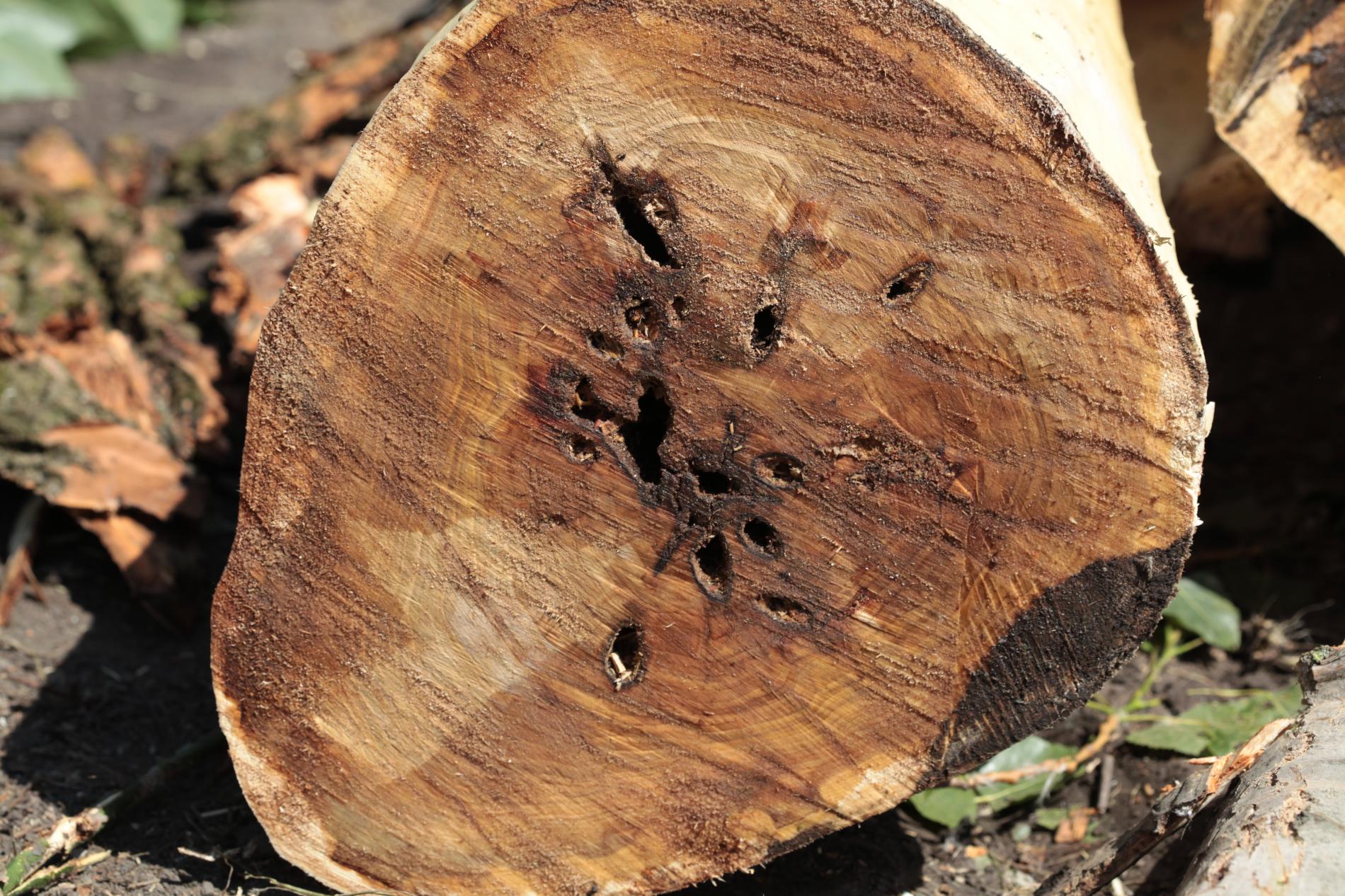
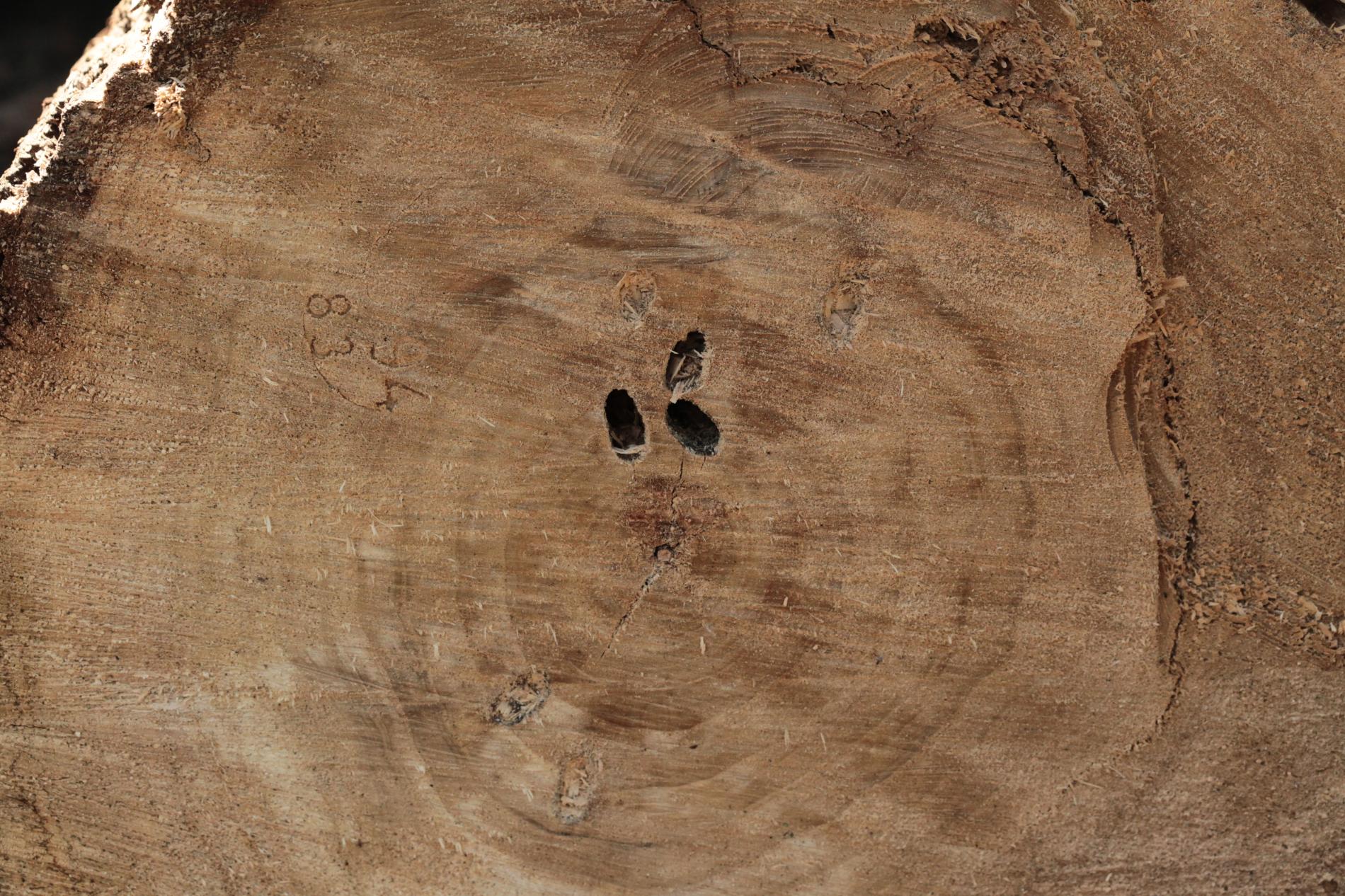
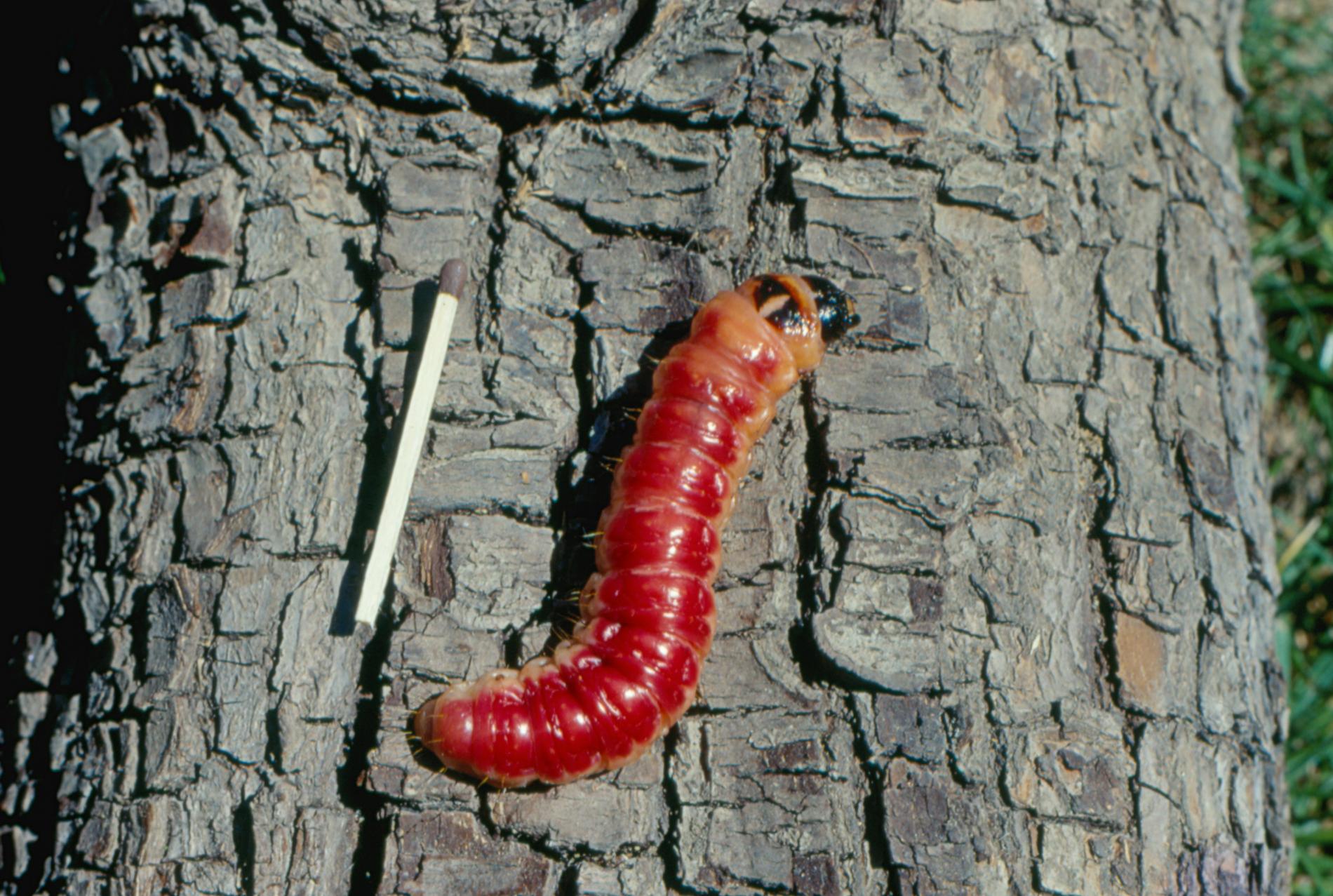
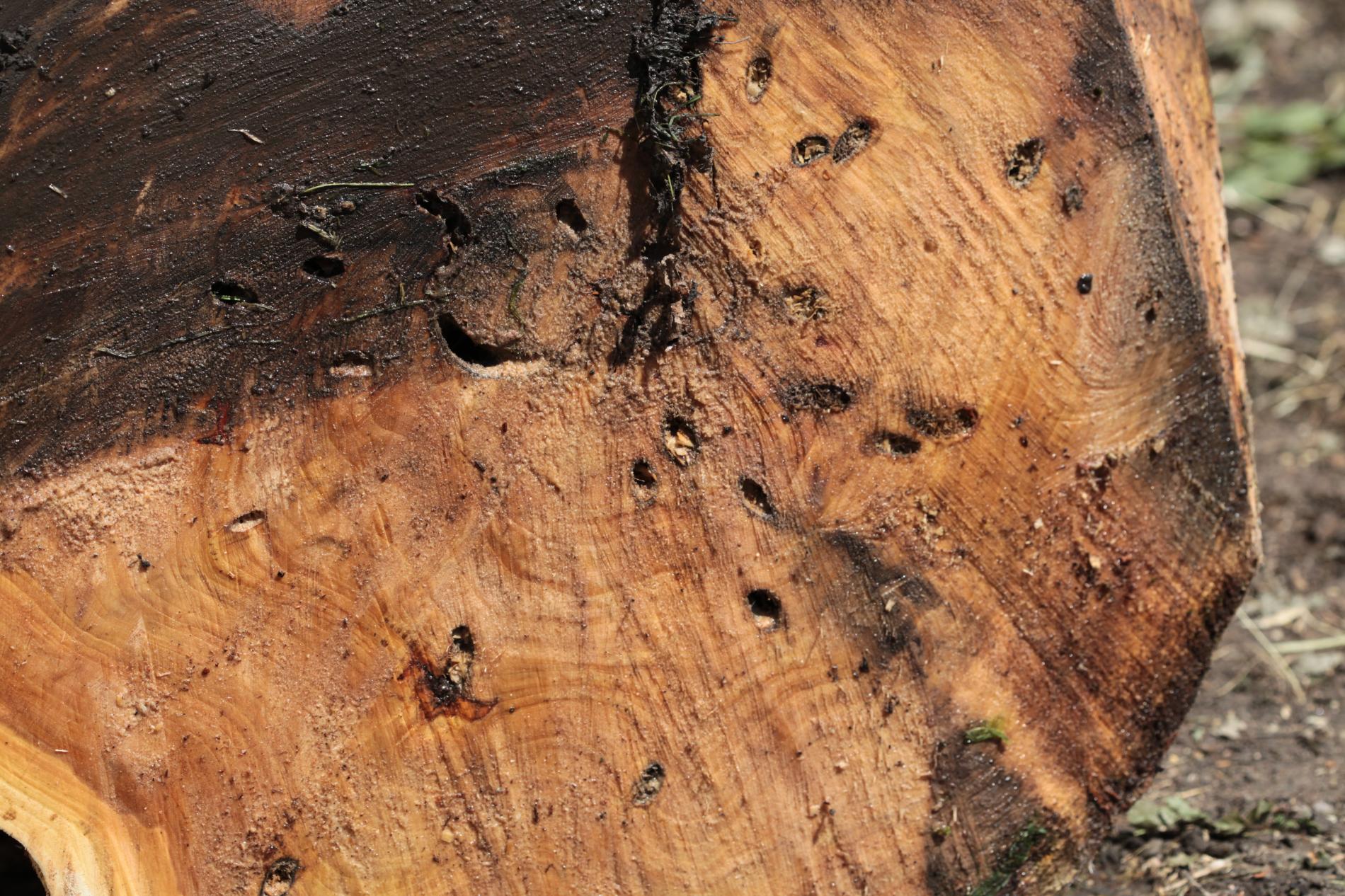
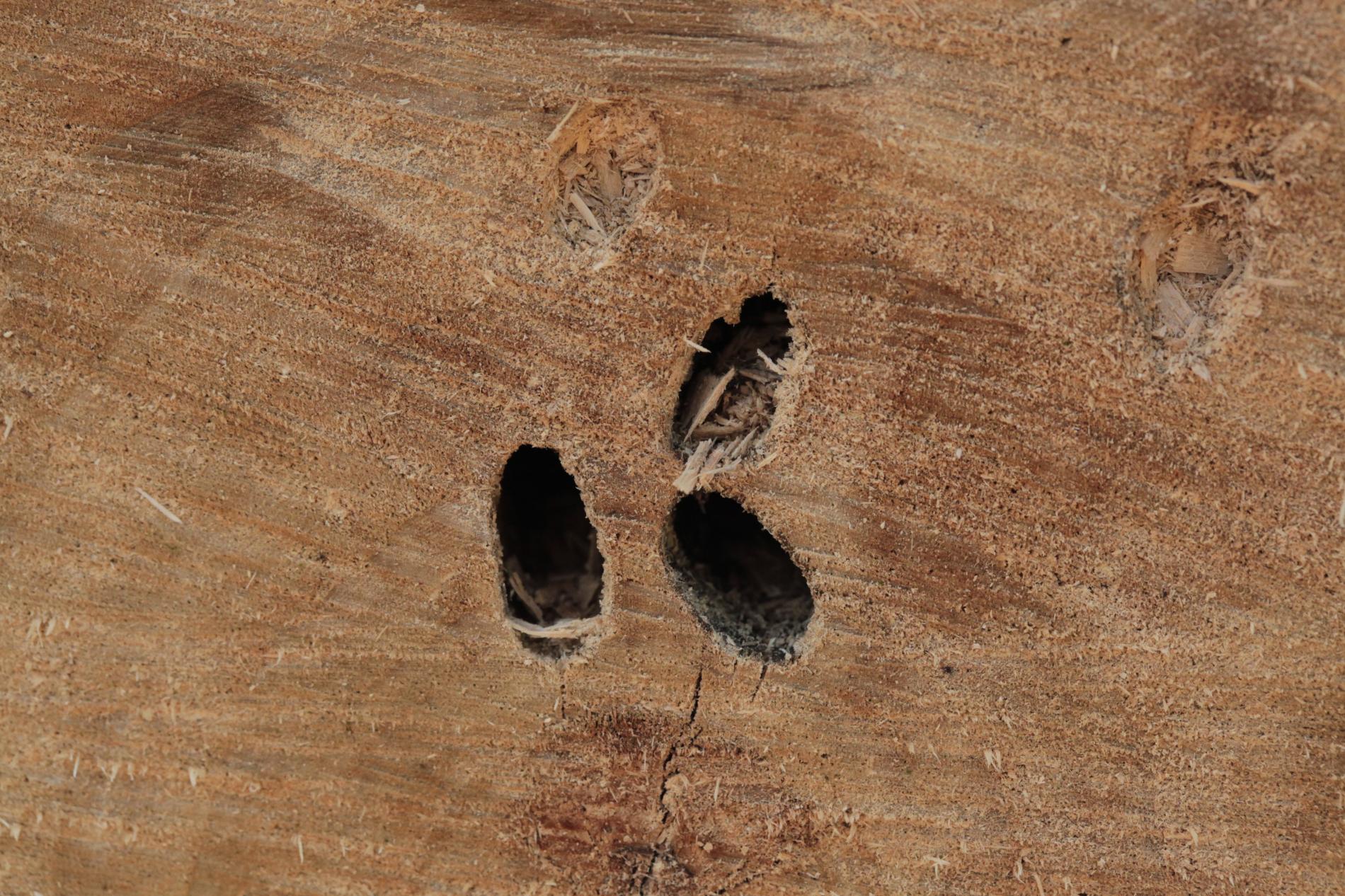
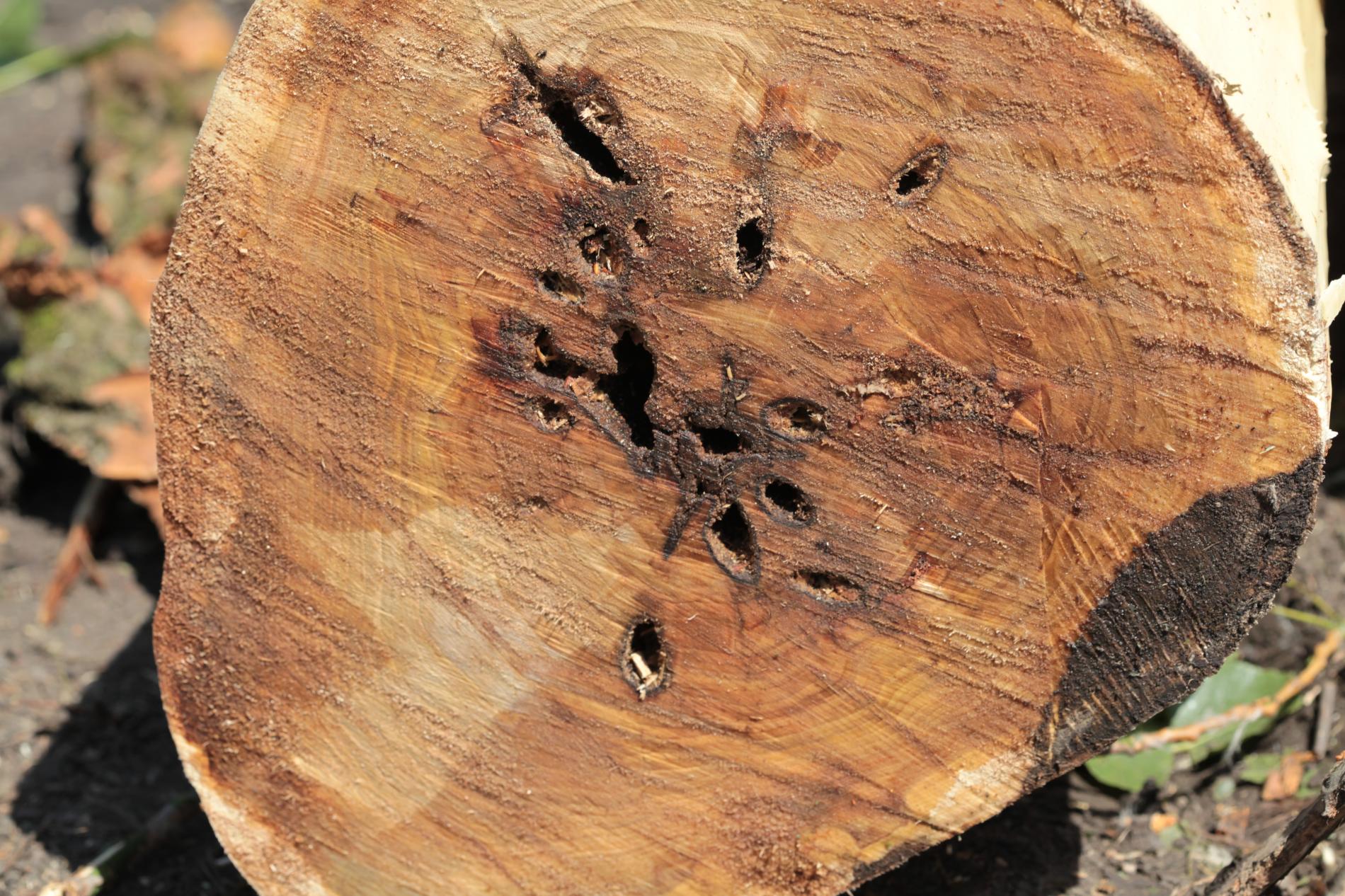
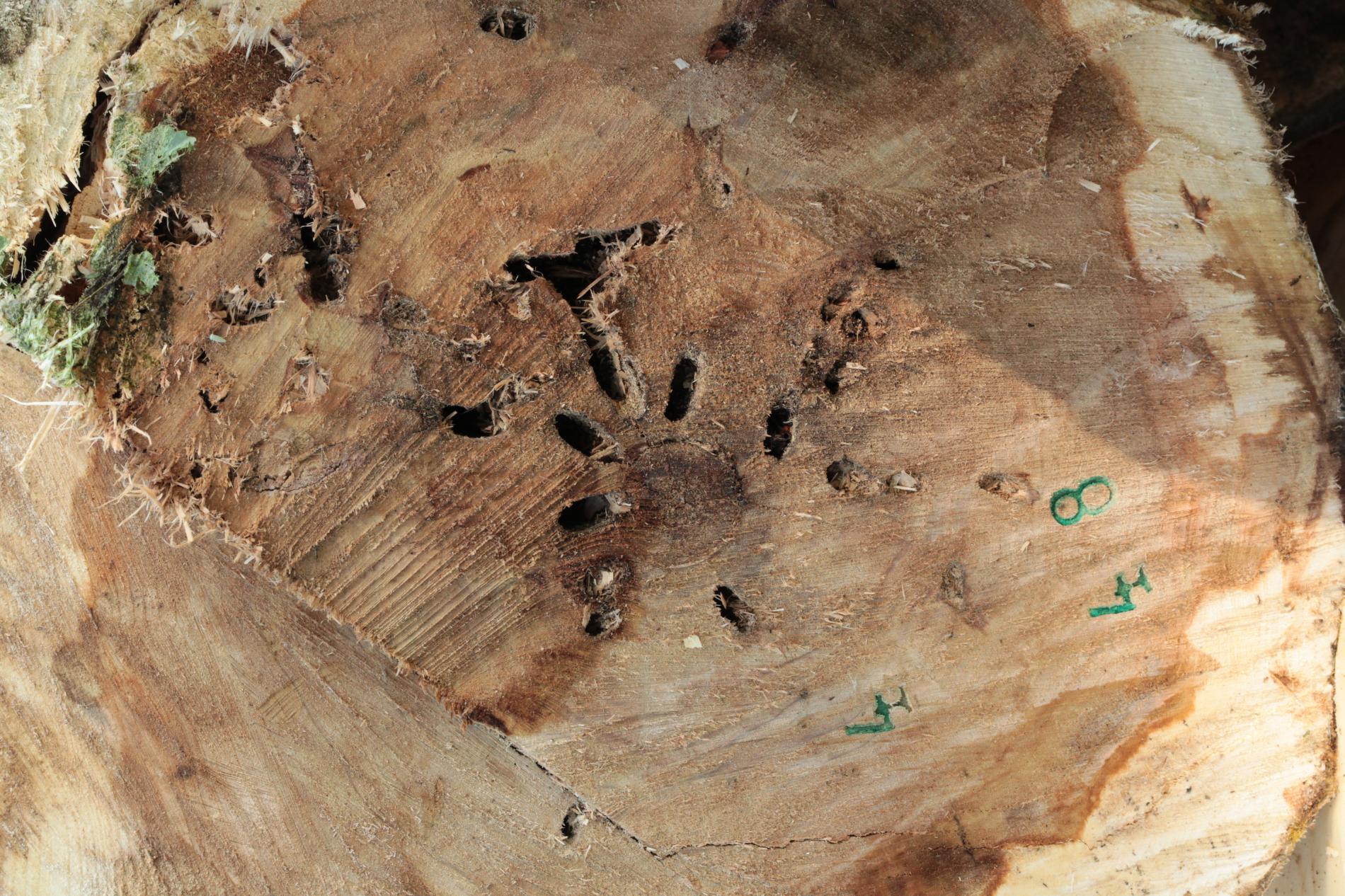
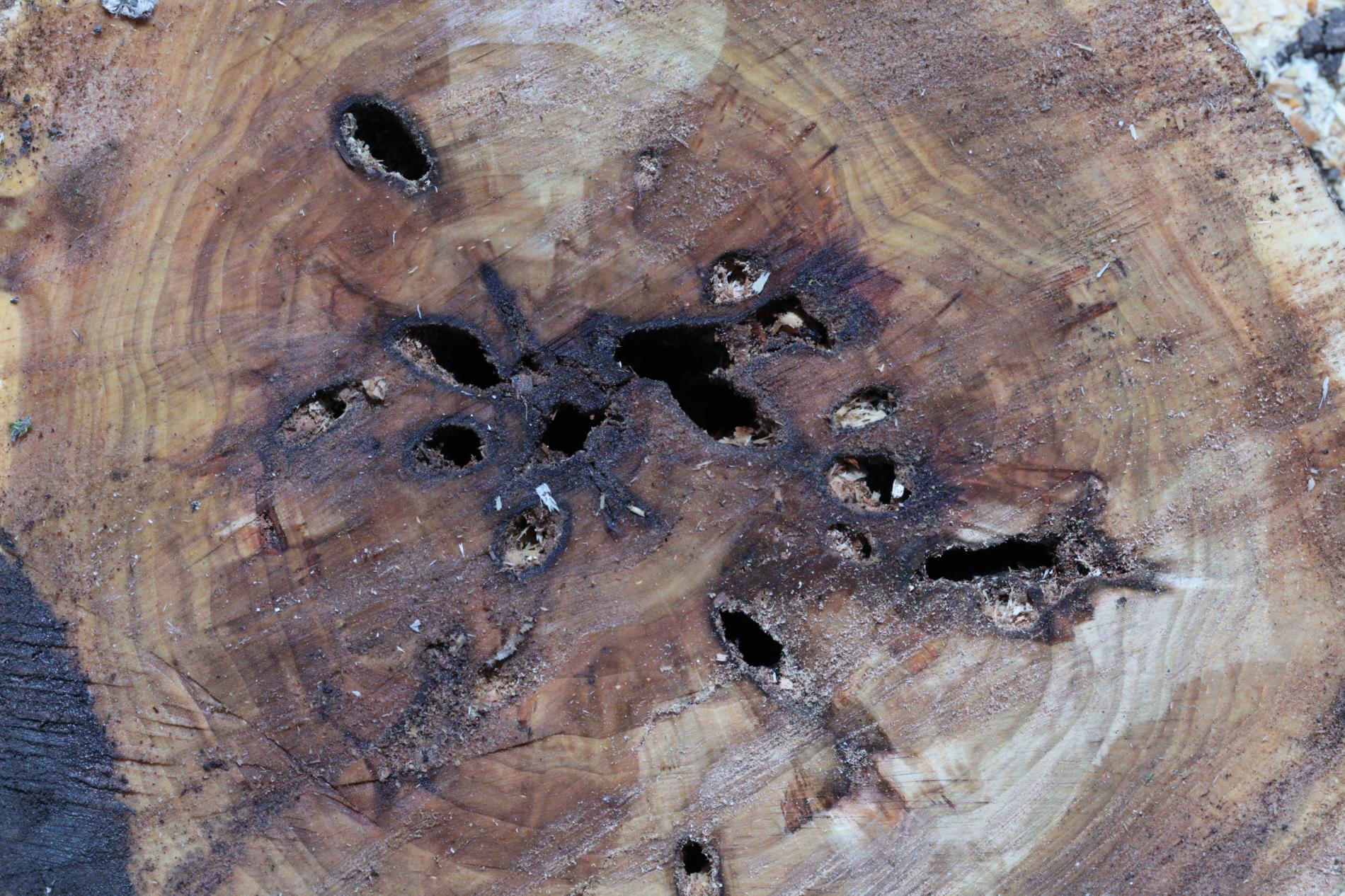
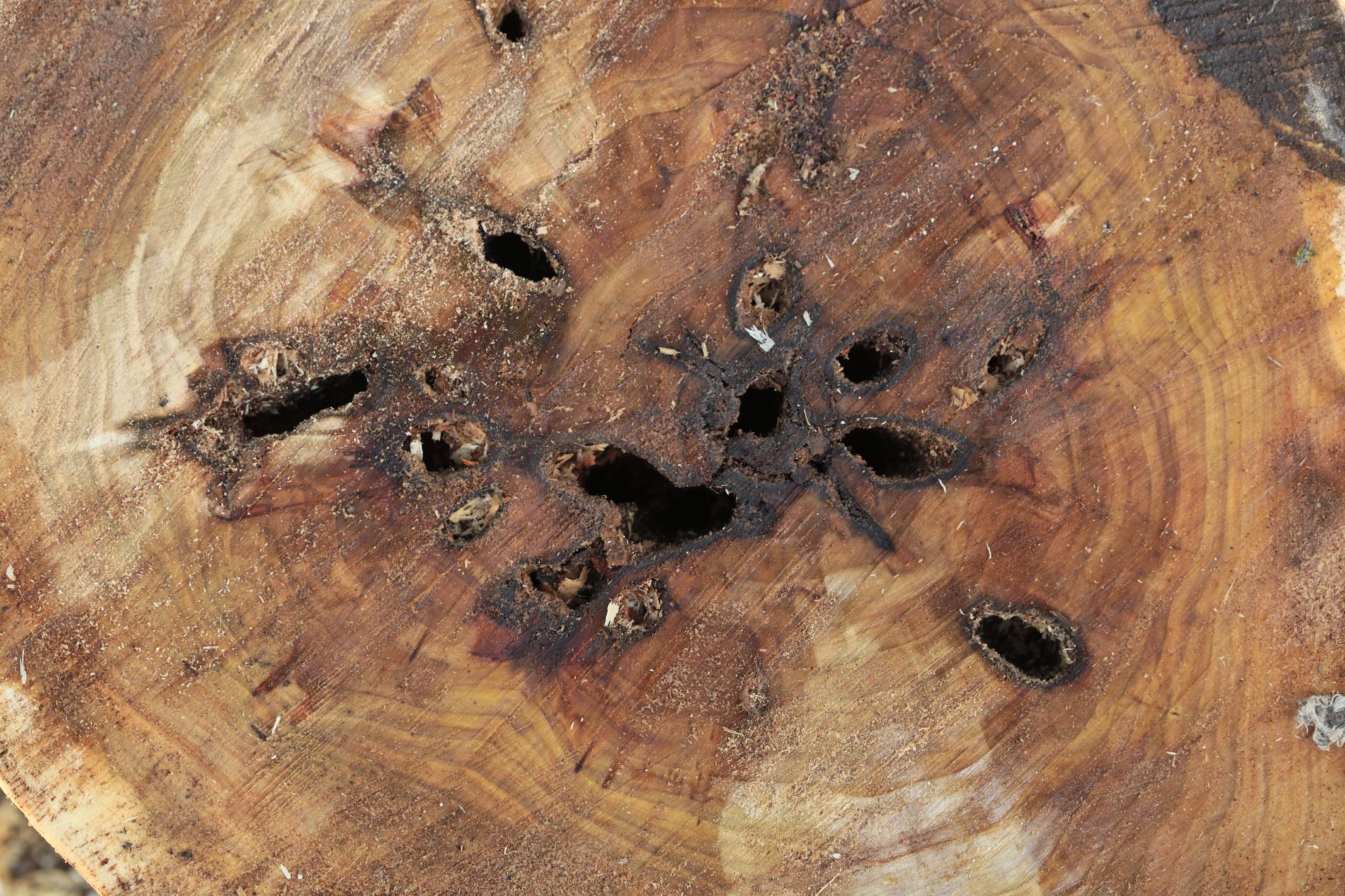
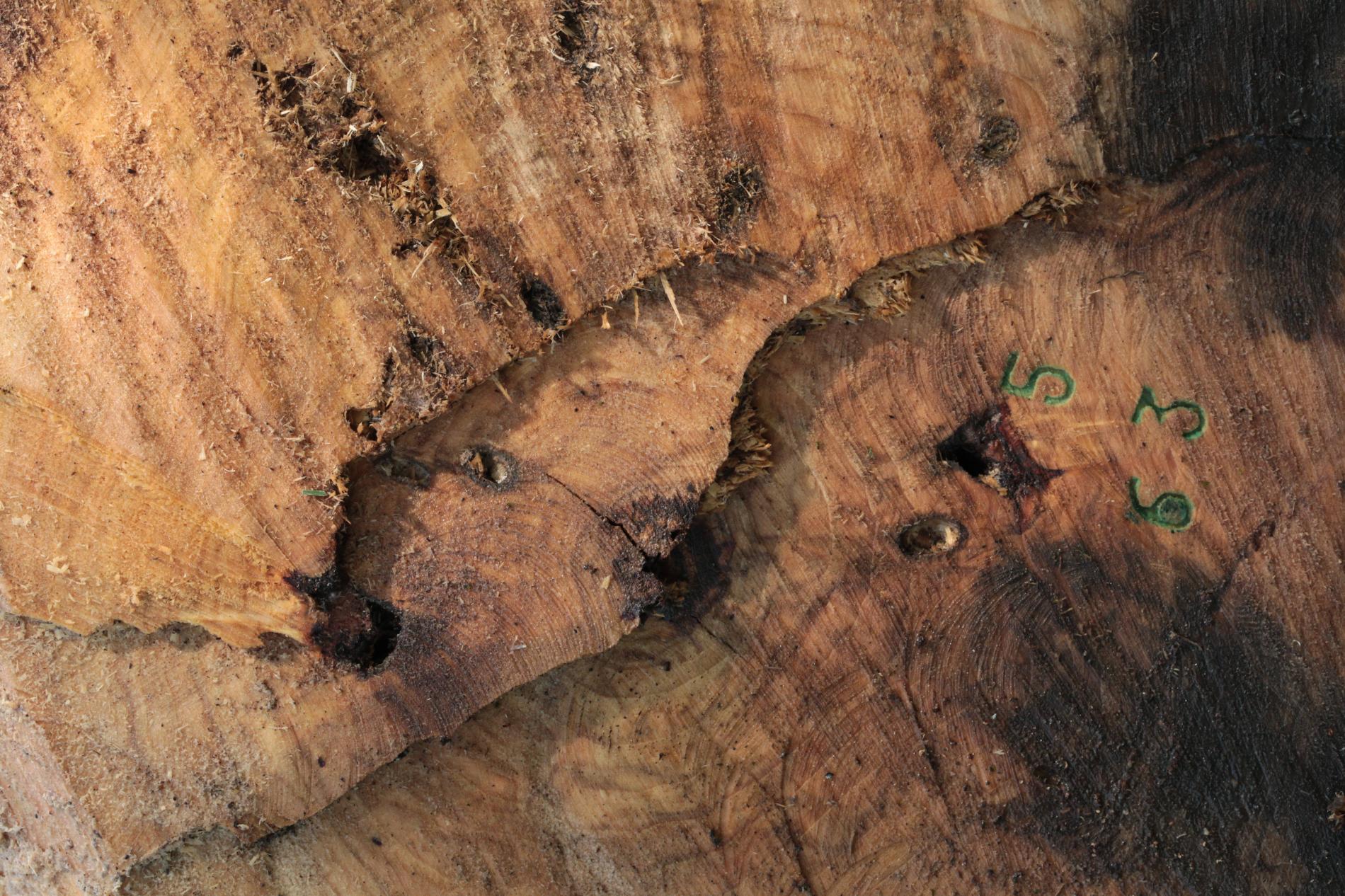
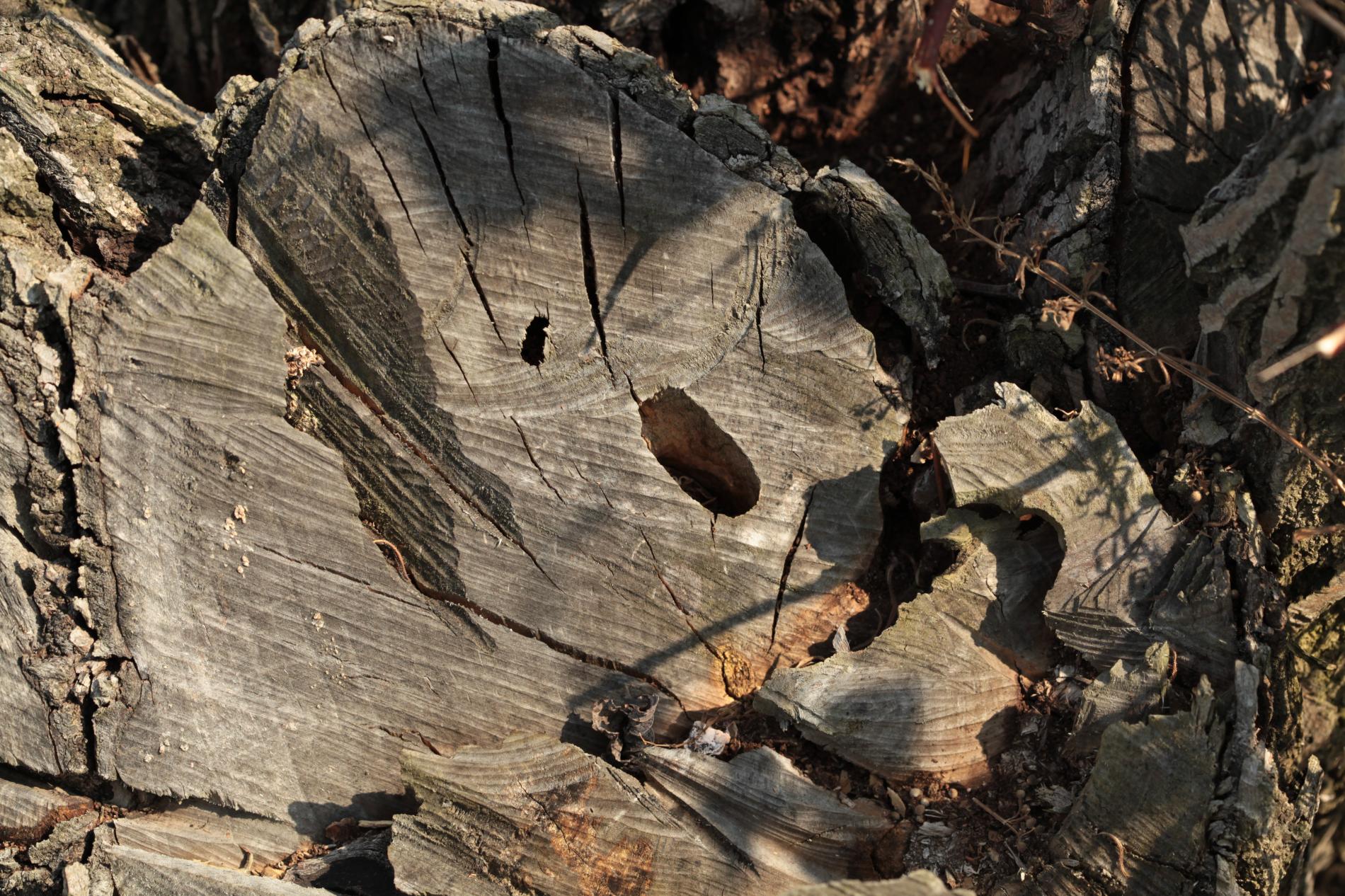
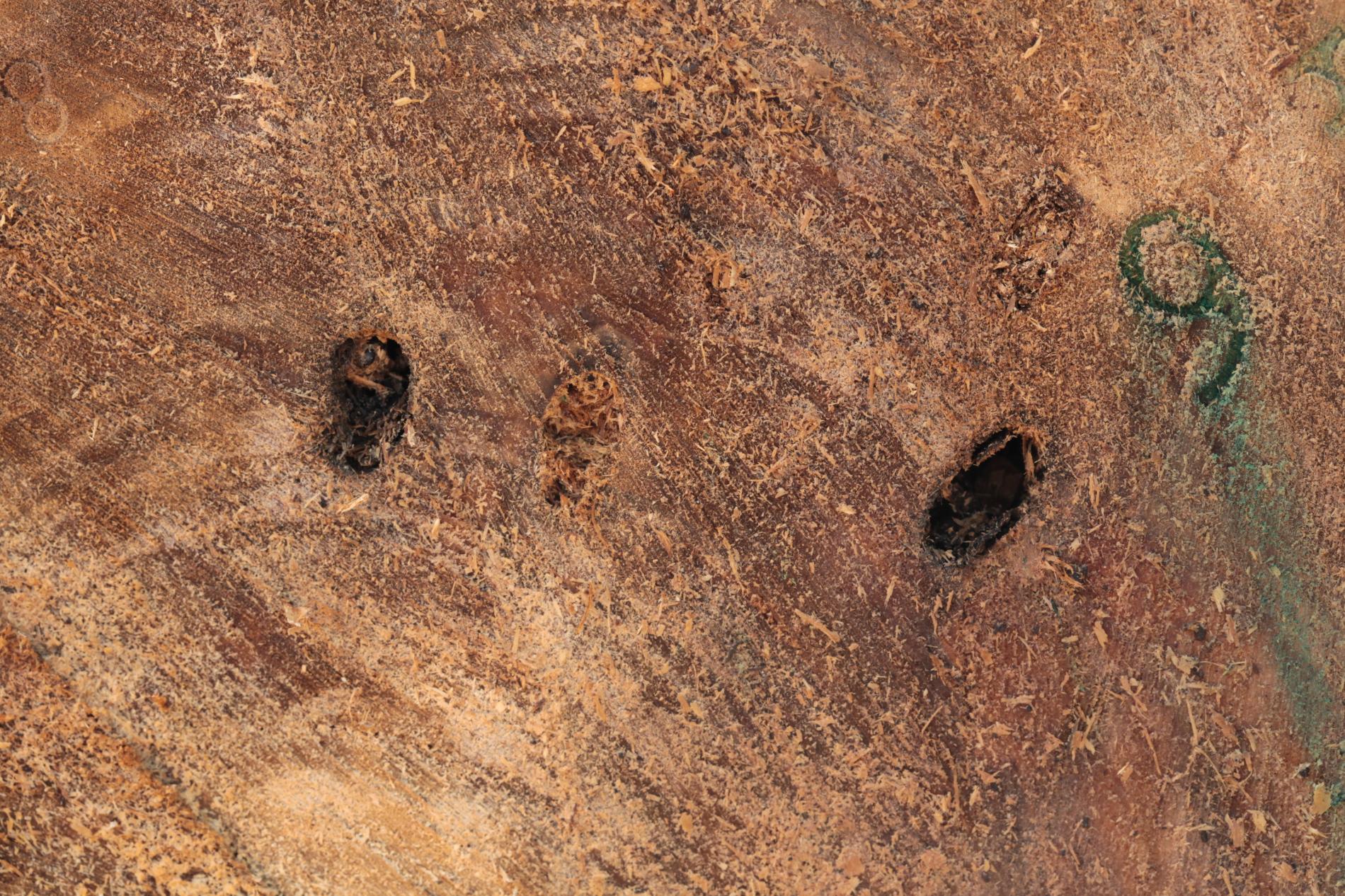
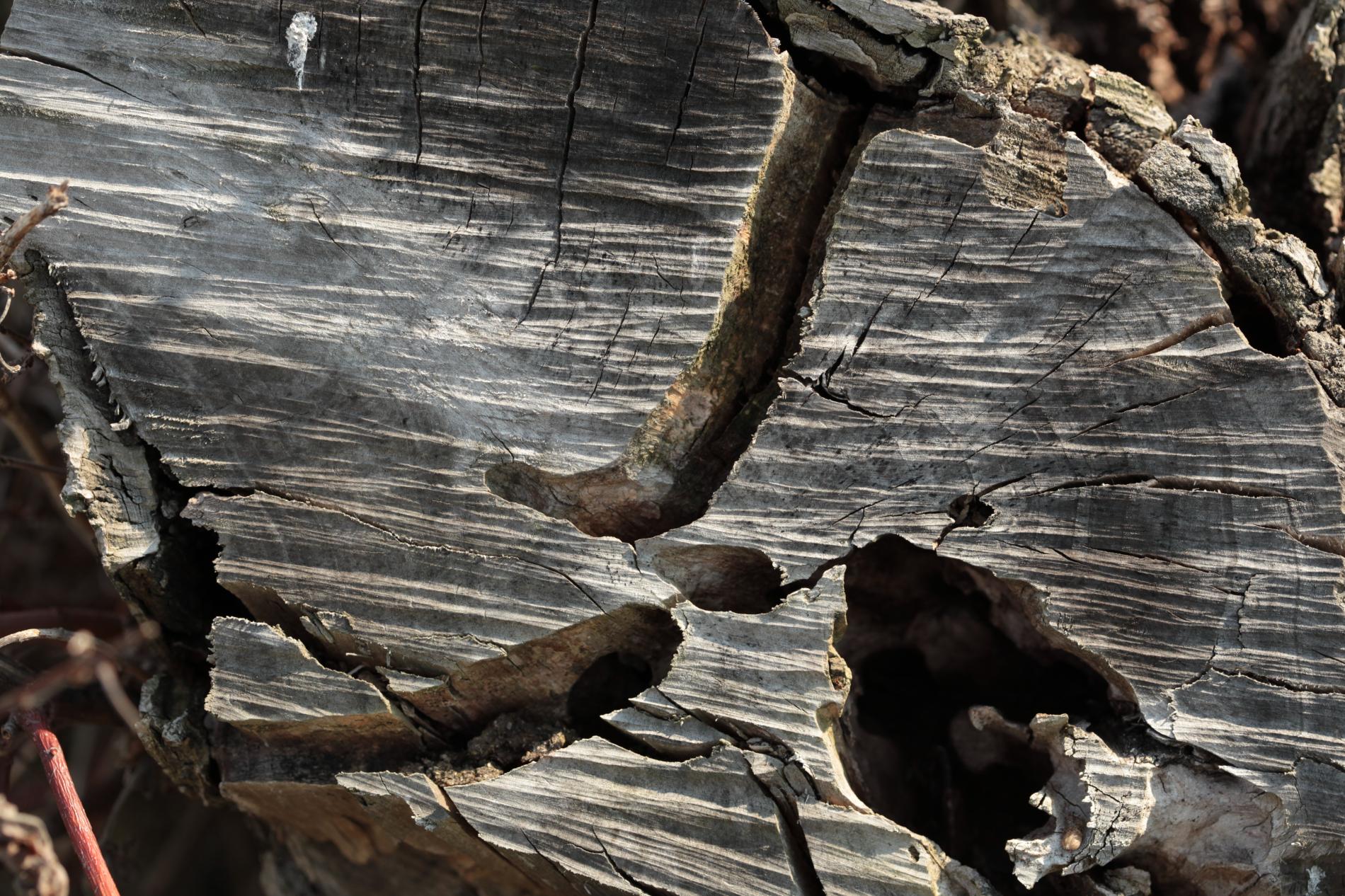
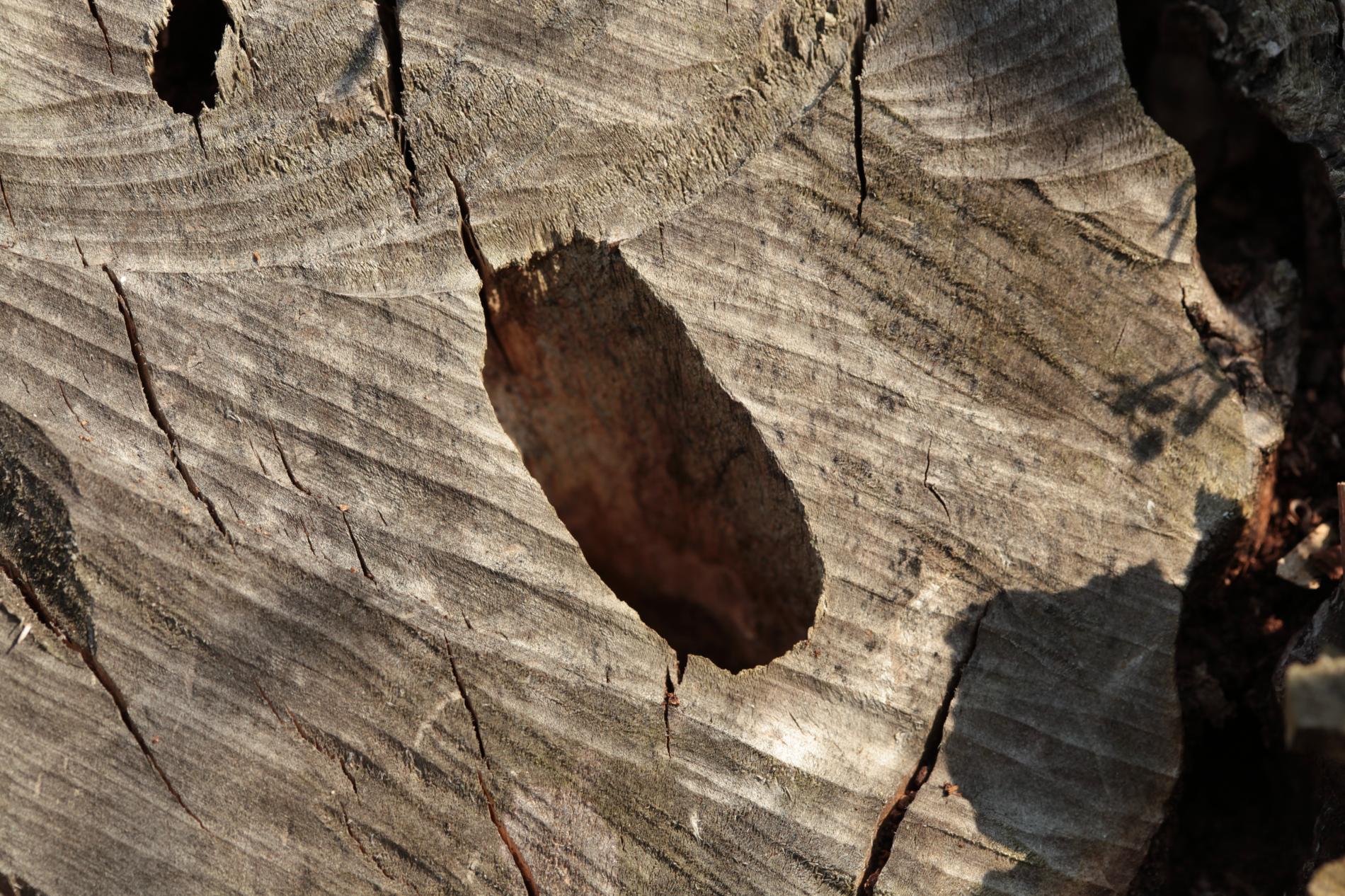
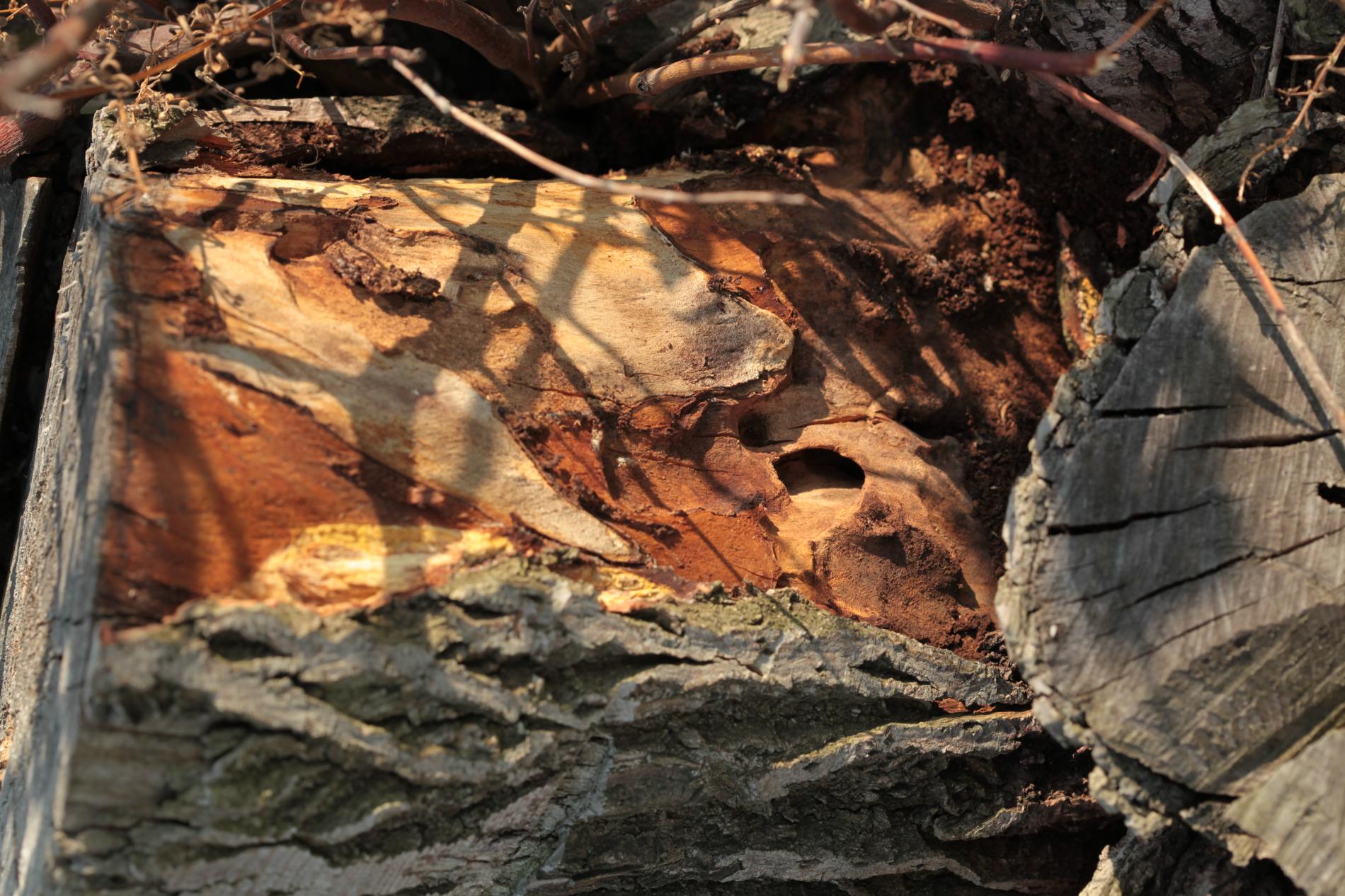
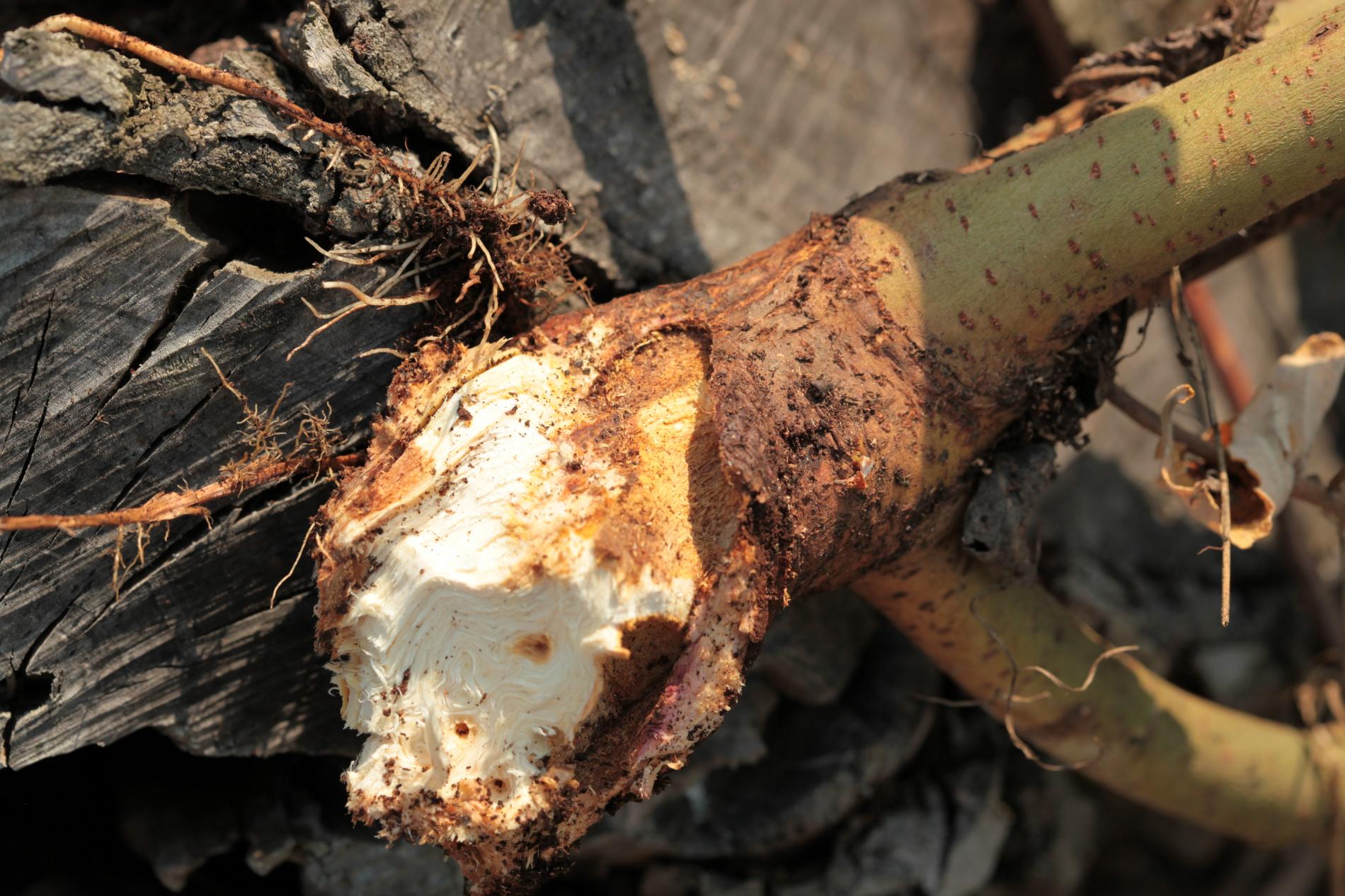
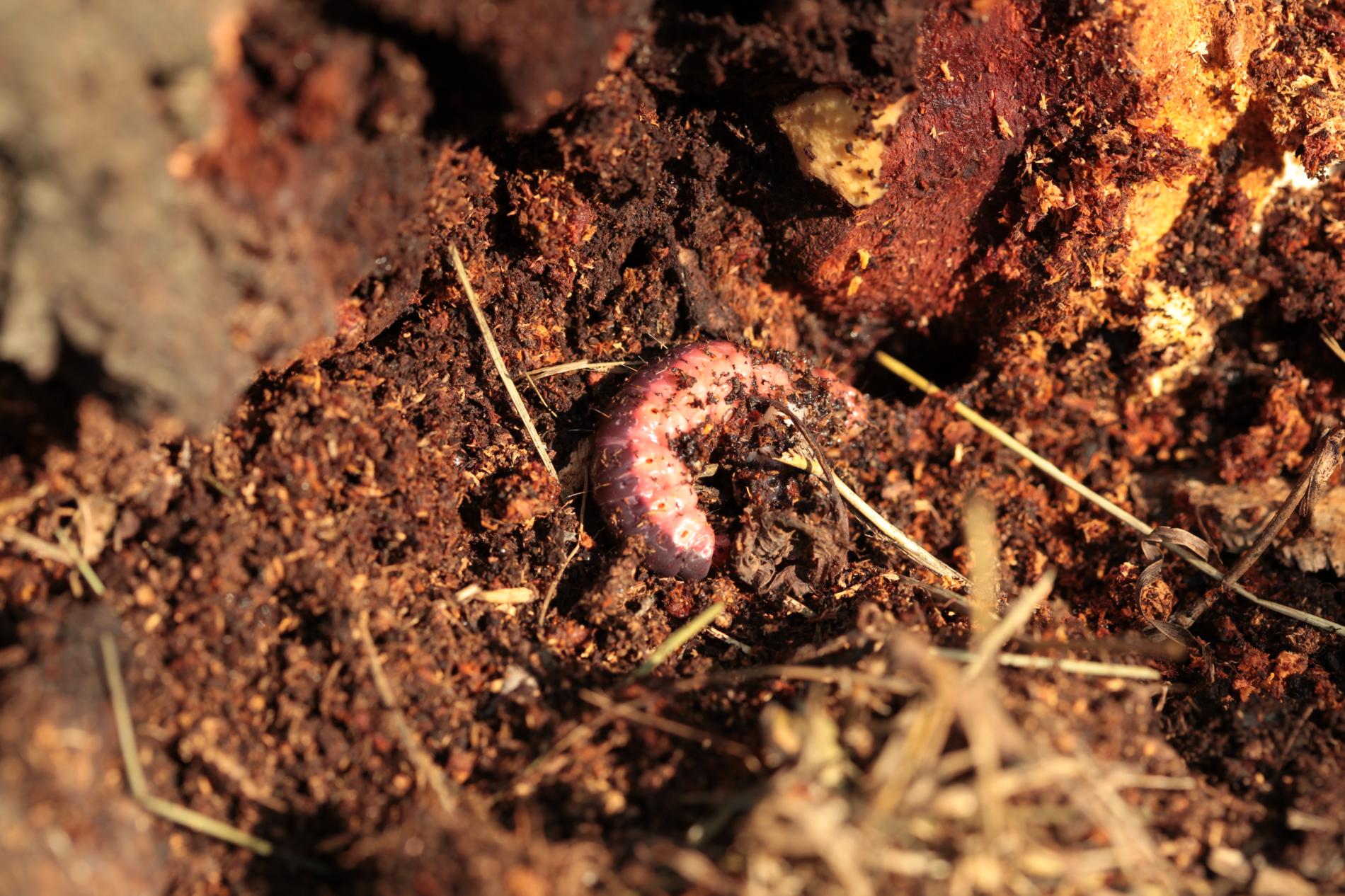
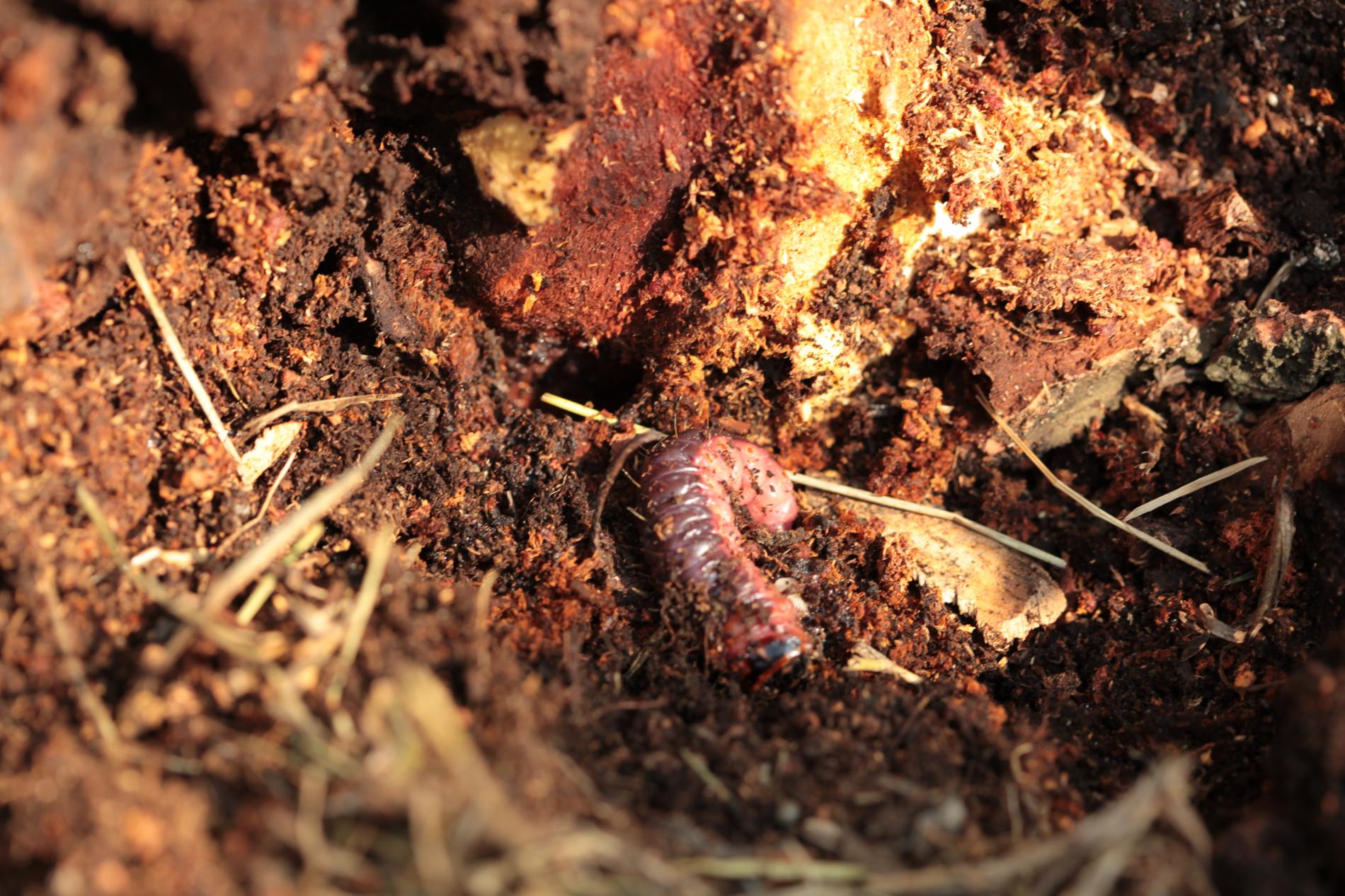
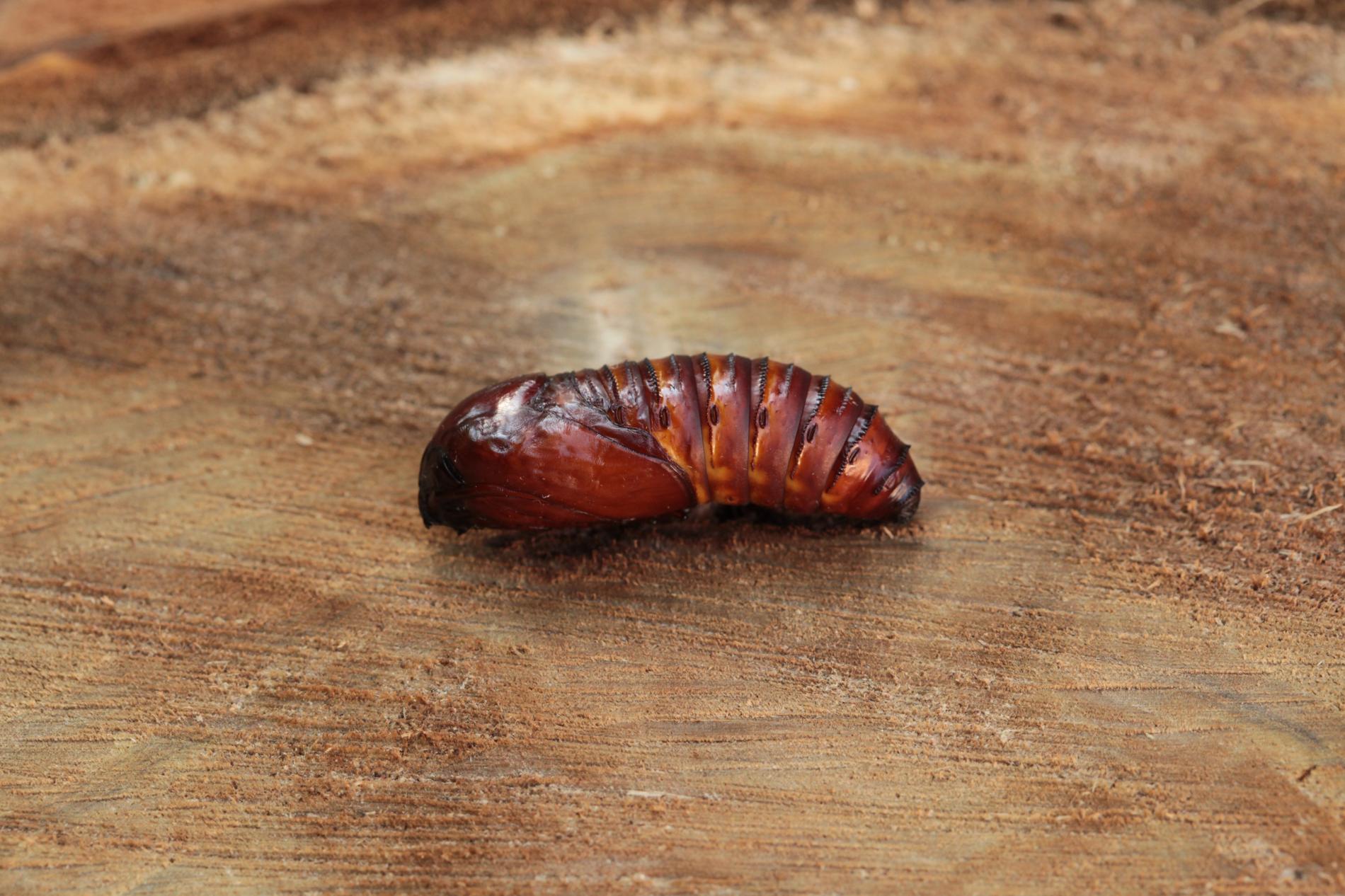
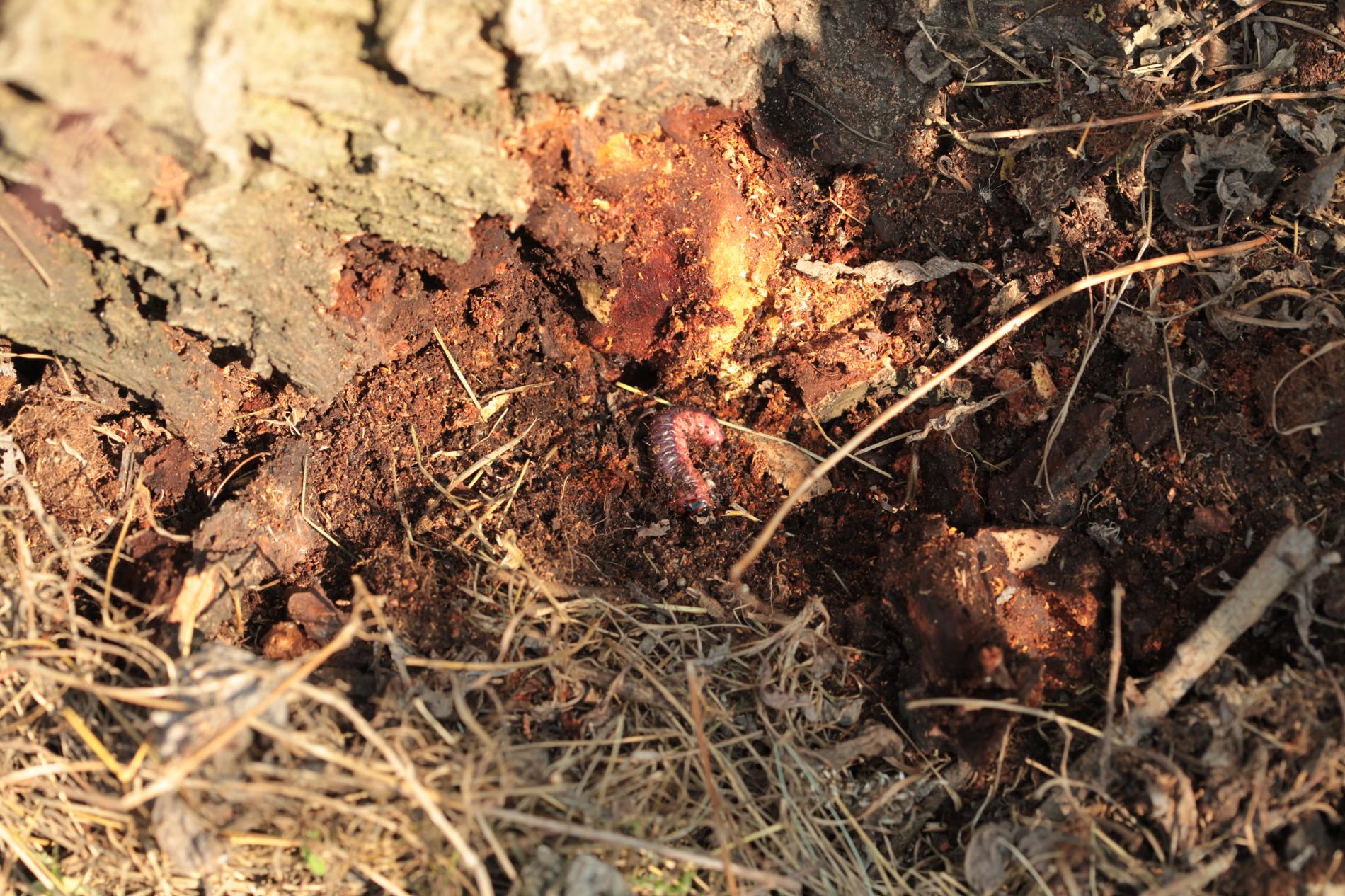
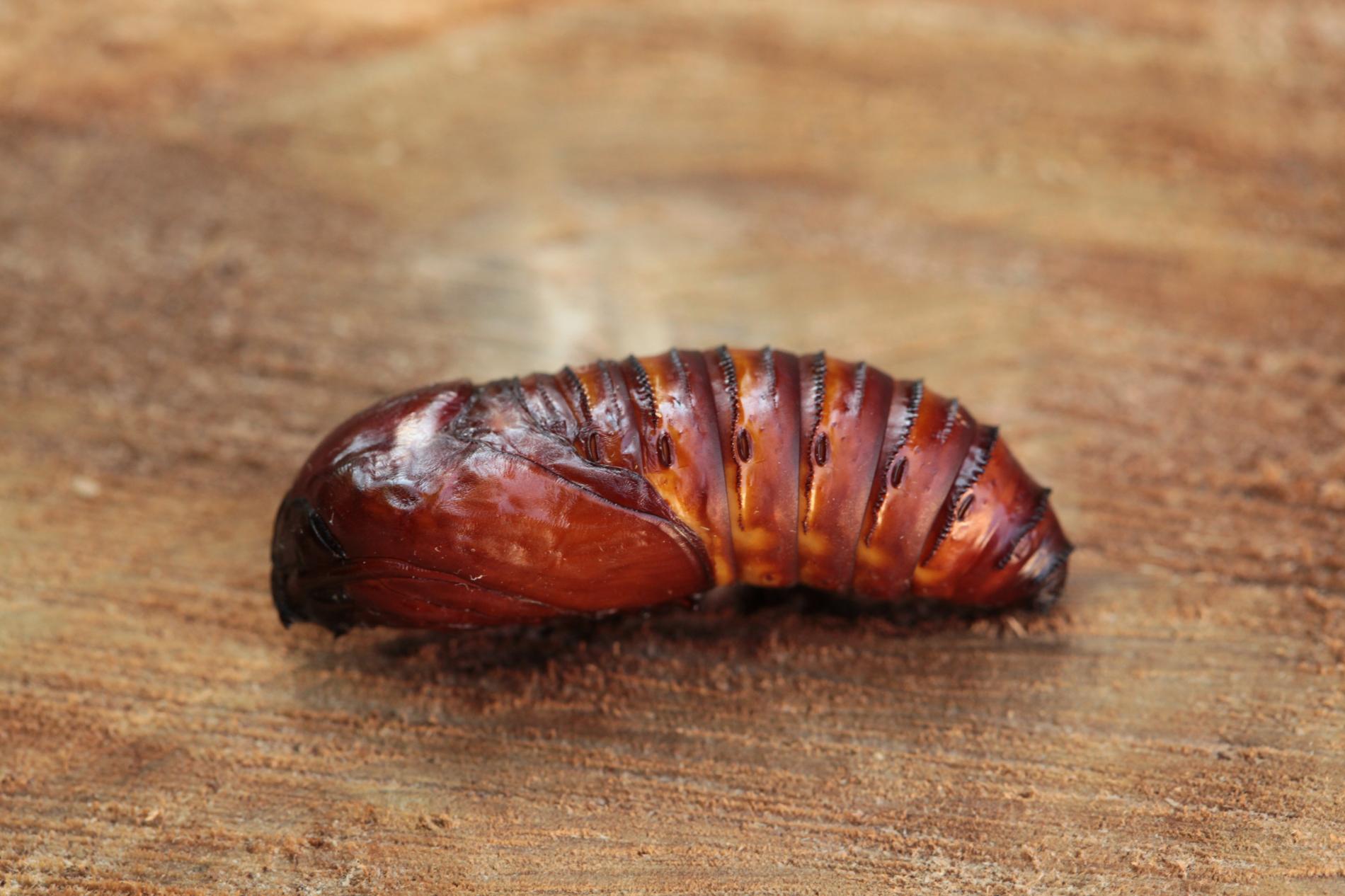
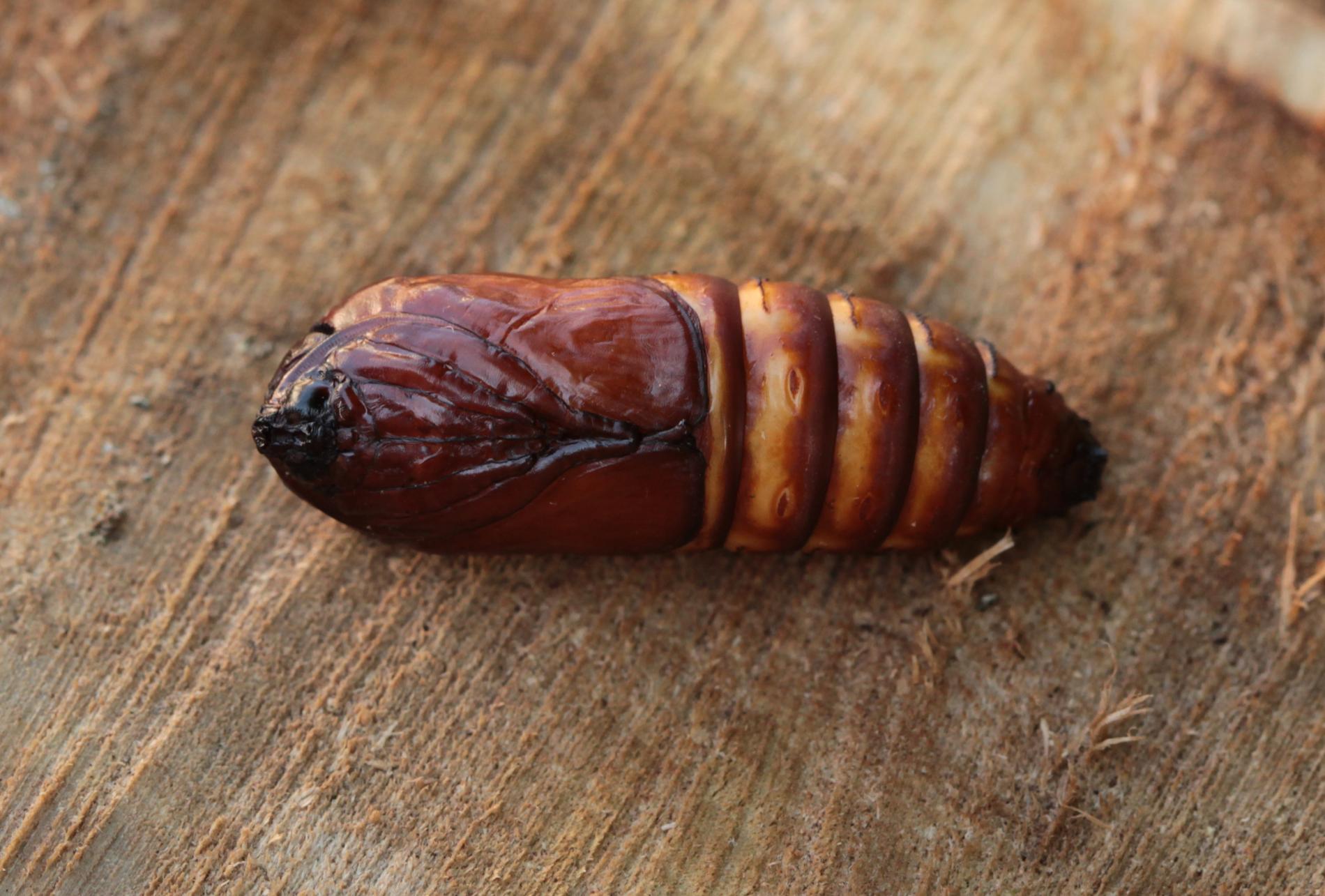
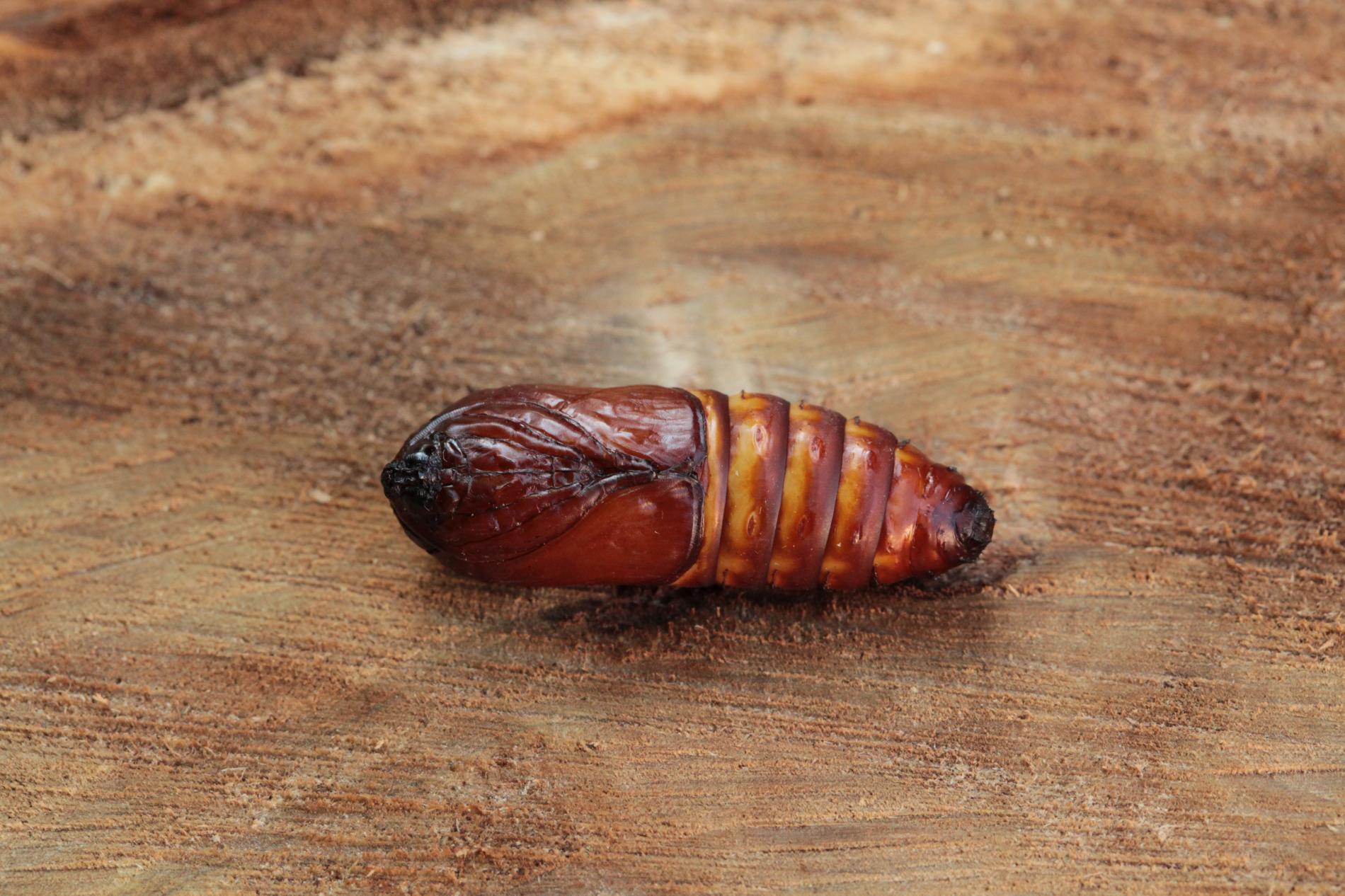
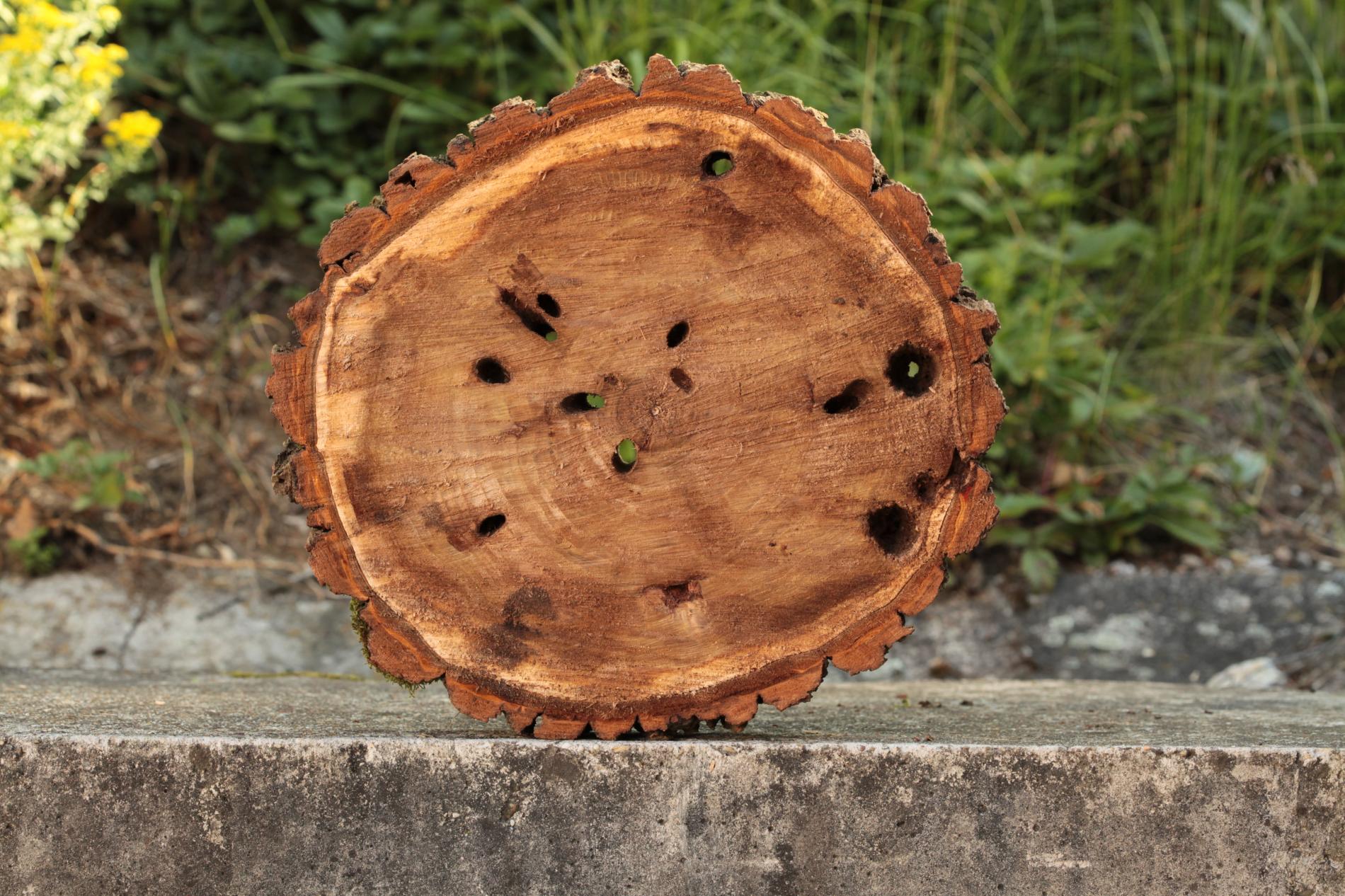
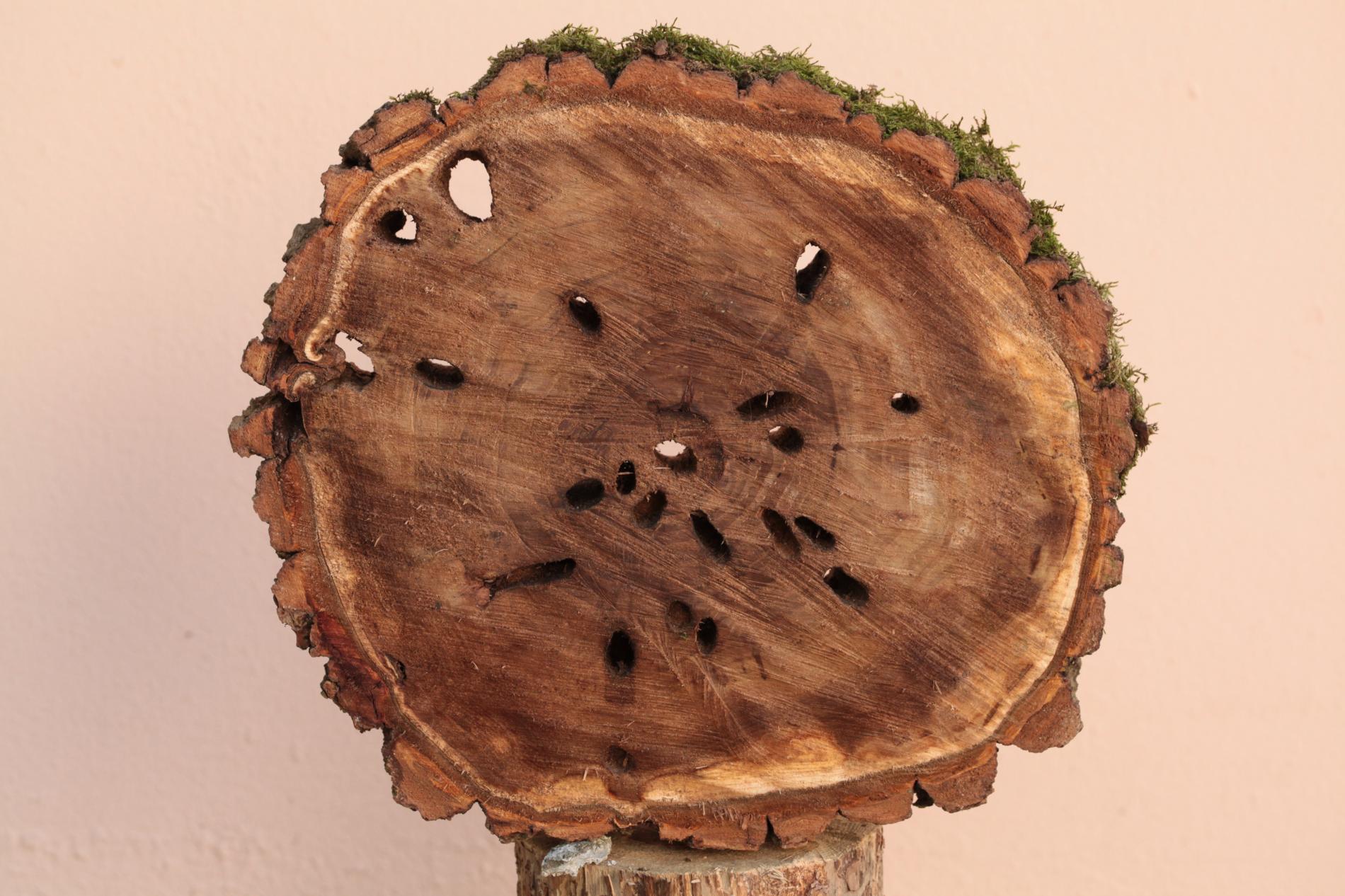
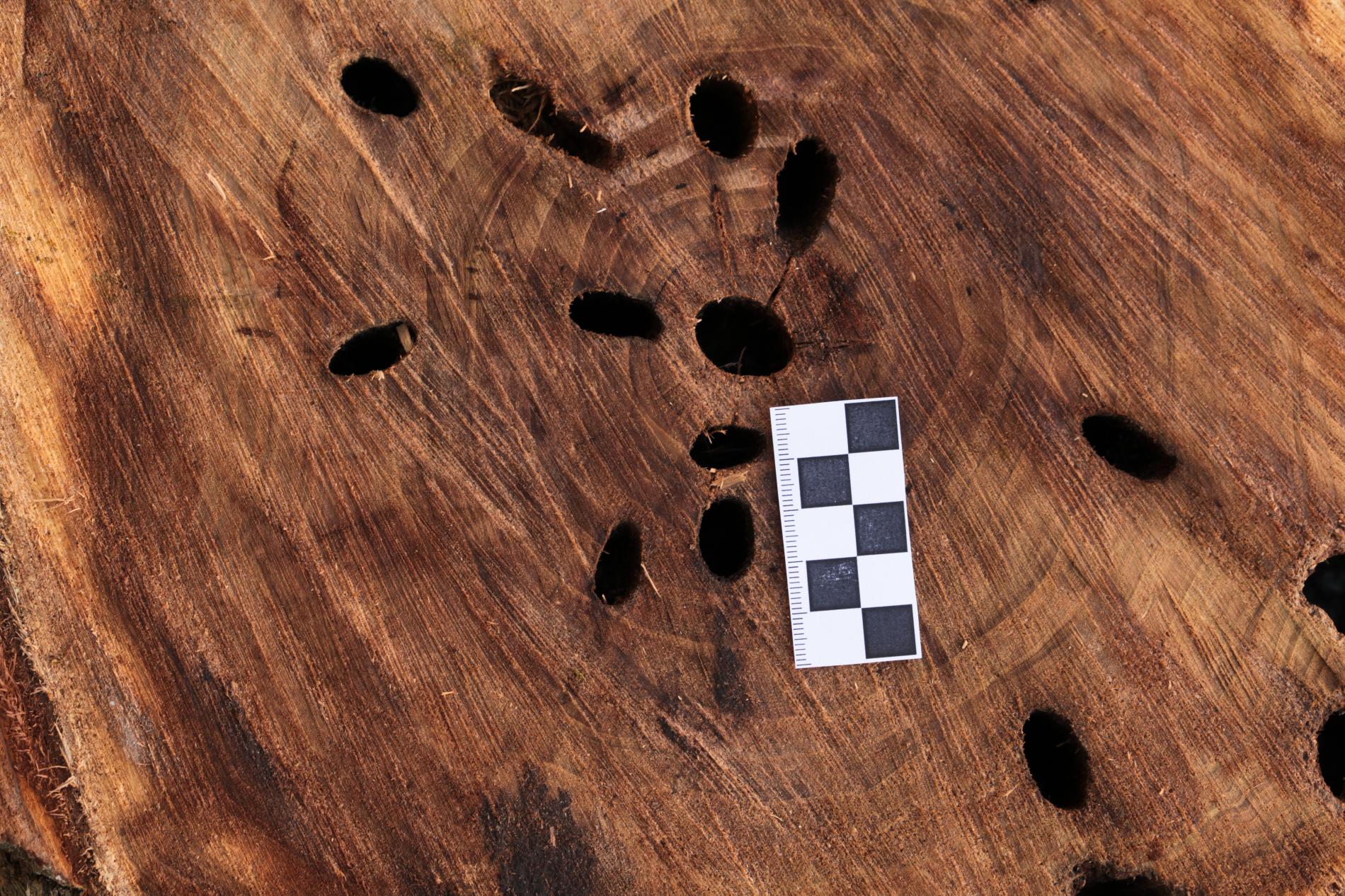
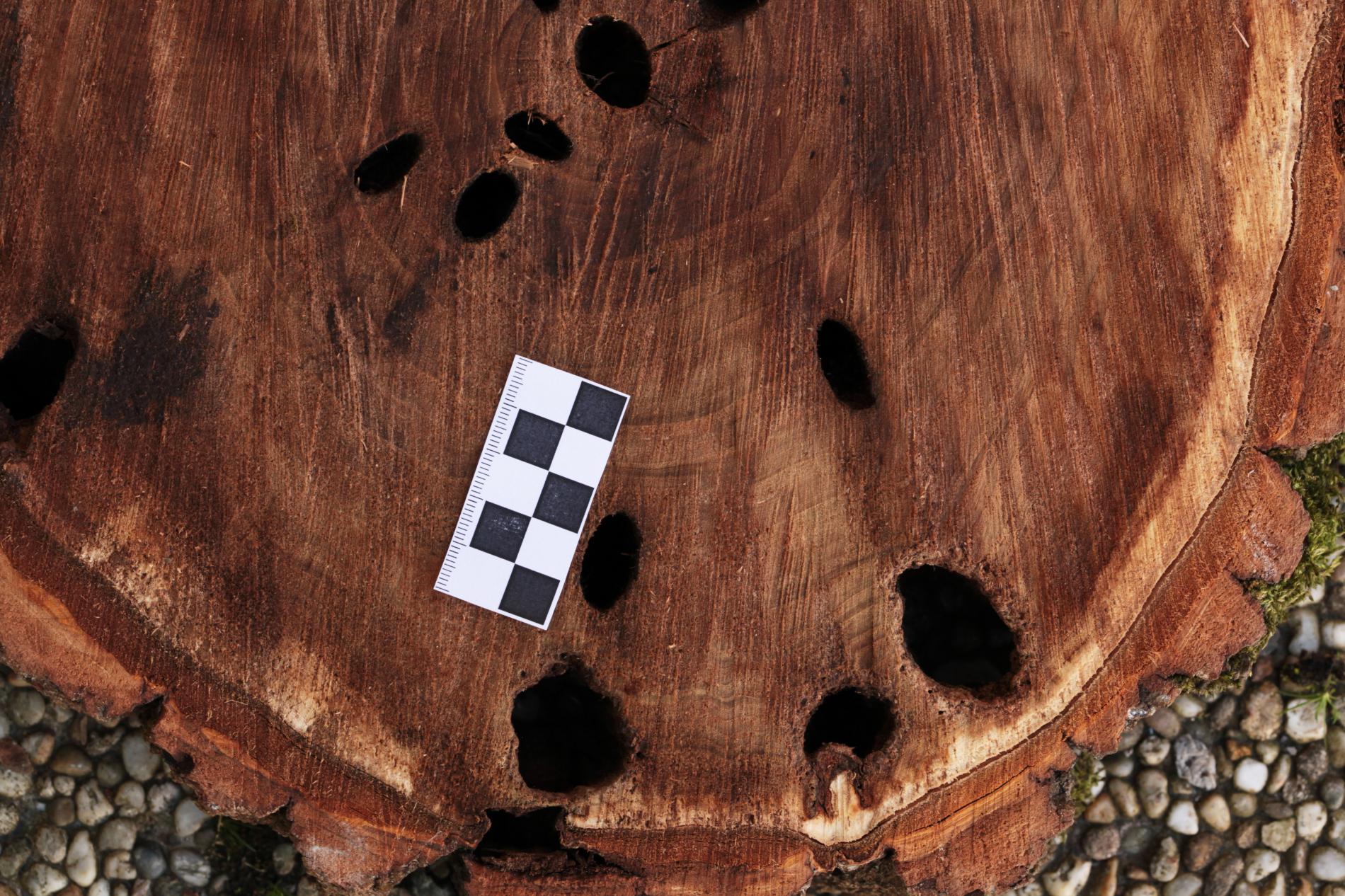
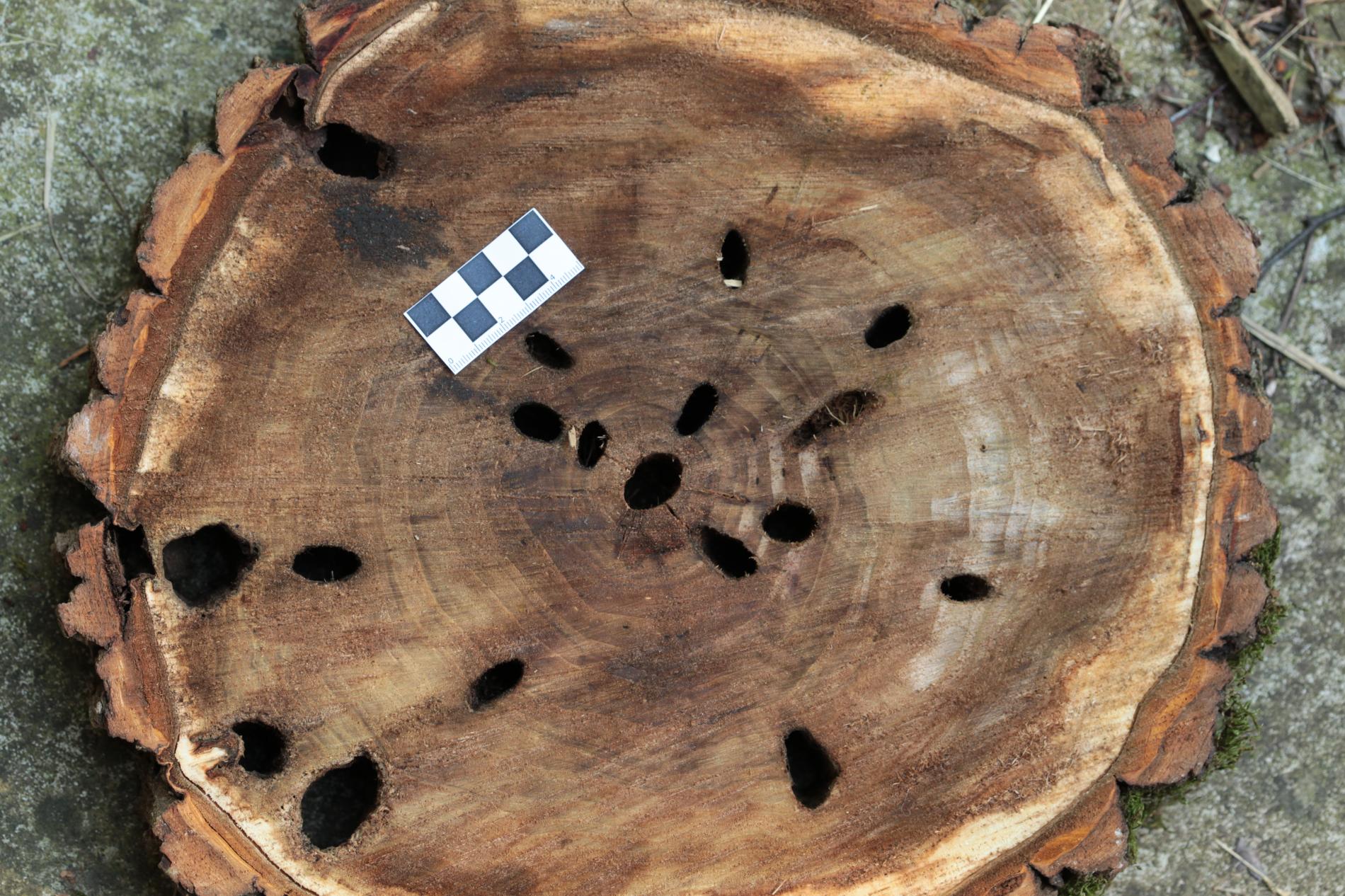
The female lays eggs in groups of 12-70 into bark cracks, usually in the lower parts of the trunk of older and thicker trees. The little larvae hatch in about 14 days and they feed in the phloem under the bark until the winter. They overwinter in the phloem. In spring they start to feed out large and long galleries. Walls of the galleries are brown to black. They are 15 mm wide and up to 100 cm long. Larvae push out wood chips mixed with frass through a lower opening. The larva is pink to pinkish-brown and has large mandibles on the head. By the autumn of the following year, it reaches the size of 7-10 cm. Attacked trees are easy to be recognized by fermenting liquids at the tree foot. The larva pupates in wood or in the surroundings.
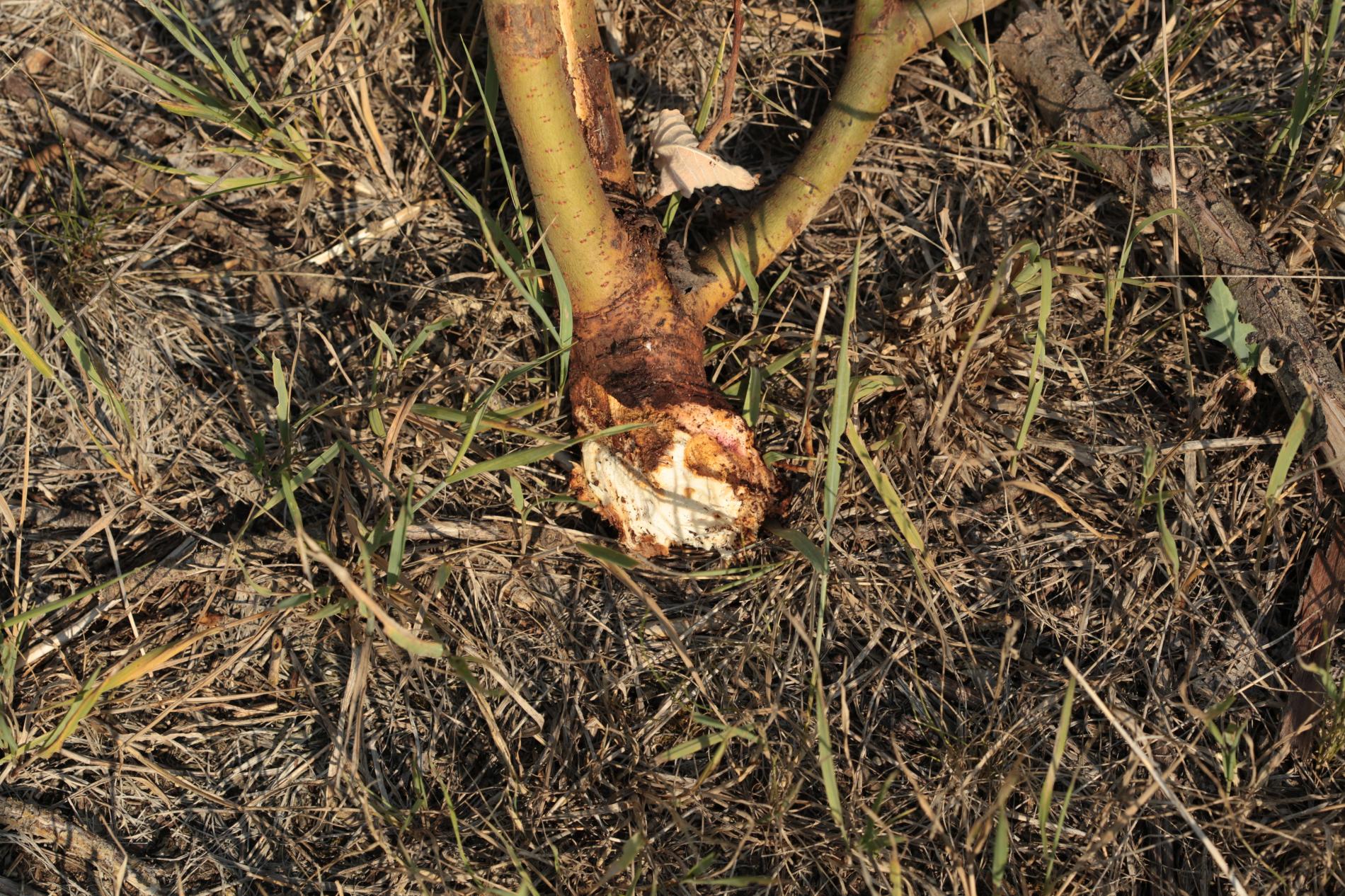
Infested trees can be easily identified by the fermenting juice at the base of the trunk. Infested wood has a very characteristic, strong vinegar scent.
Tree Species: Oak, Pear, Apple Tree, Alder, Poplar, Willow
Part of a plant- attacked: Tree trunk
Pest significance: Harmful
Pest Category: Insects
Invasive Species: No
Present in EU: Yes
Pest group: Insect
Affected part of wood: Heartwood, Sapwood
Depth of damages: Bark, More than 5 cm depth, Under bark only, Up to 0,5 cm depth, Up to 2 cm depth, Up to 5 cm depth
The extent of damage: Lokally
Prevalence in Europe: Common
Damaged products: Firewood, Fresh timber logs (water still in the sapwood), Furniture, Lumber, boards and prisms, Wooden house constructions
Roundwood size: Branches and twigs, Diameter from 10 up to 50 cm, Diameter up to 10 cm
Wood discoloration: No
Exit holes: Round
Pest subcategory: Wood-boring insect
Similar pests

Plagionotus arcuatus

Cerambyx cerdo
