


Coraebus florentinus
Oak burncow
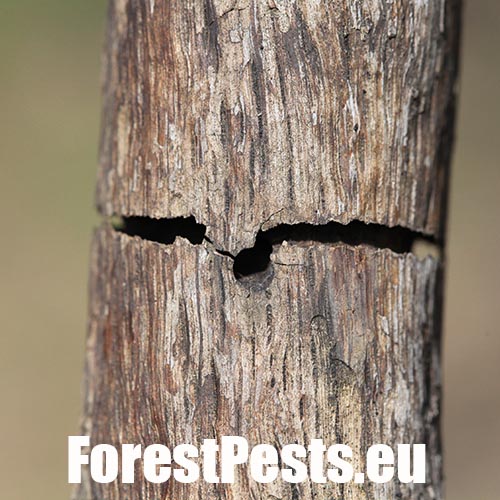
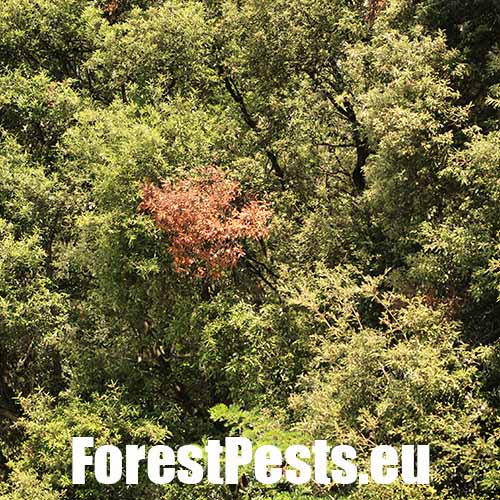
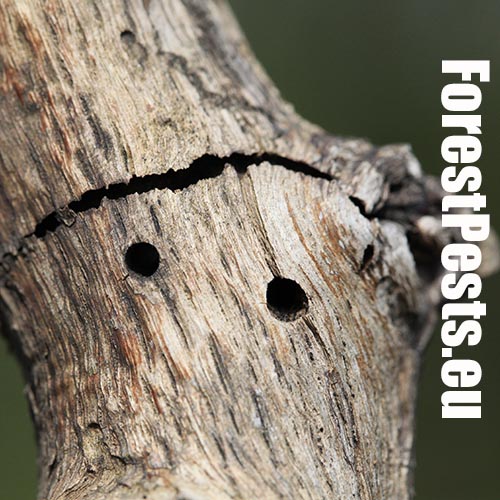
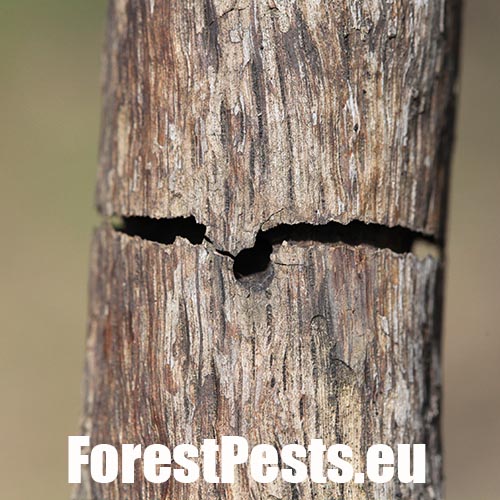
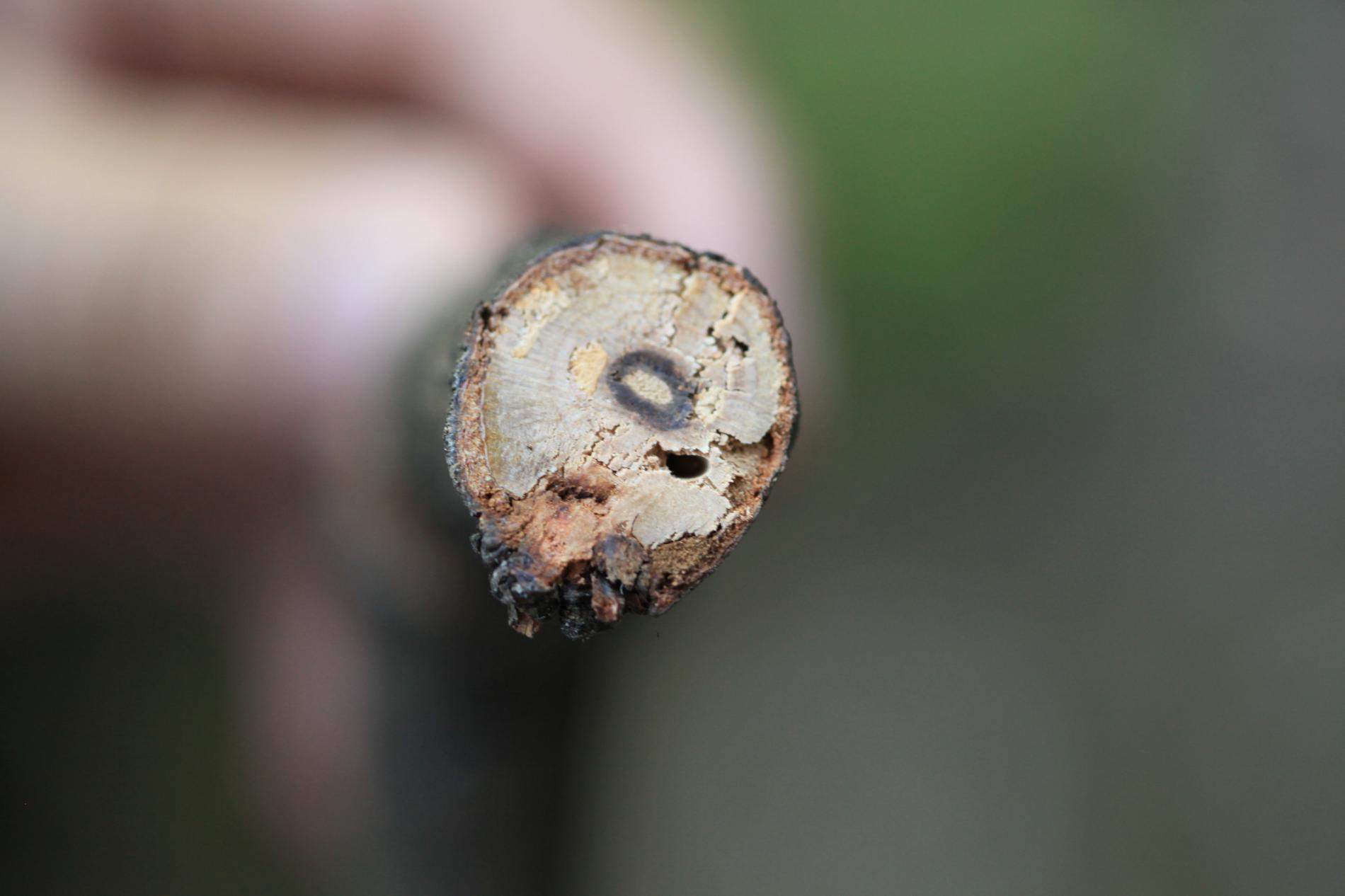
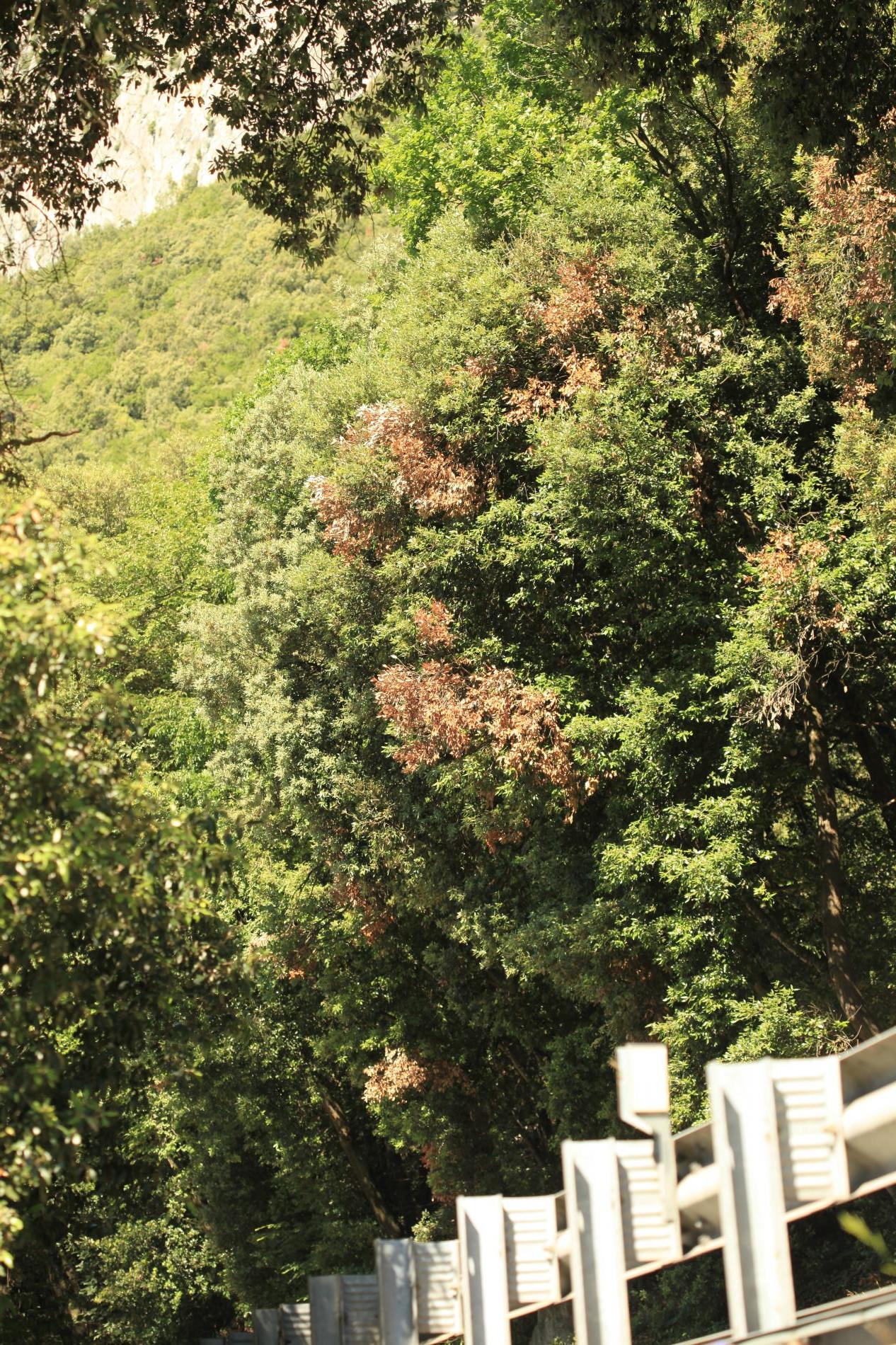
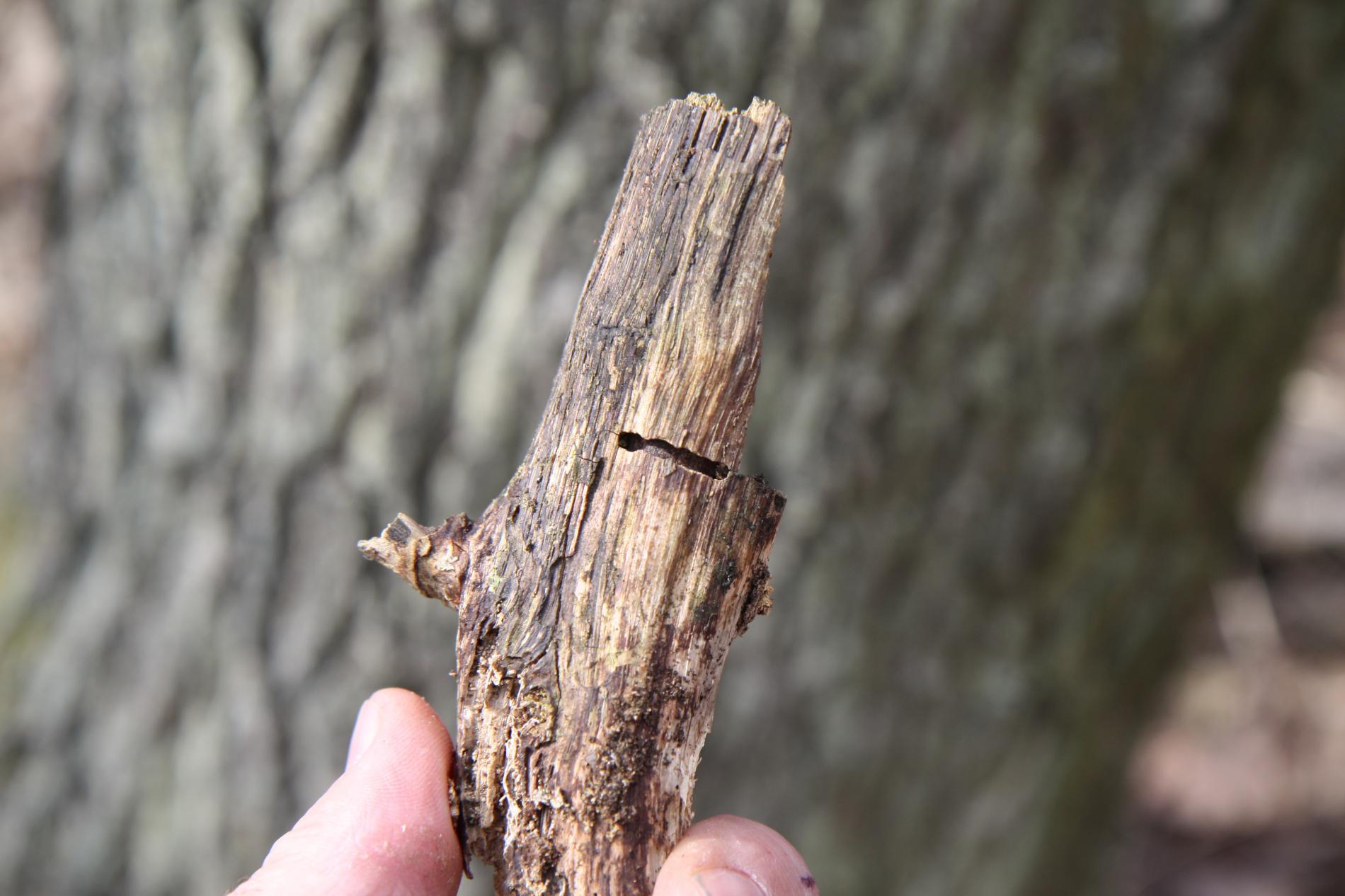
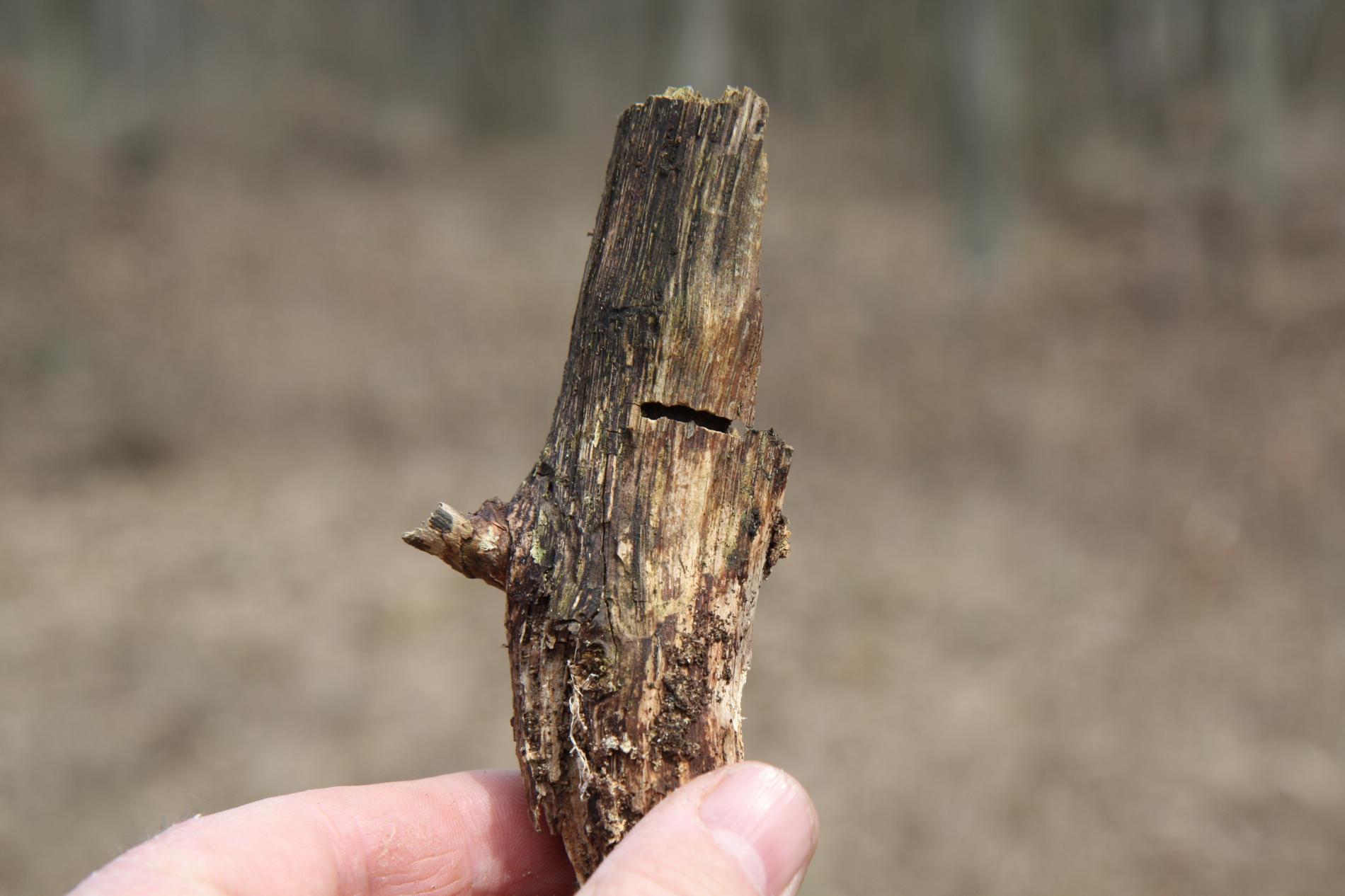
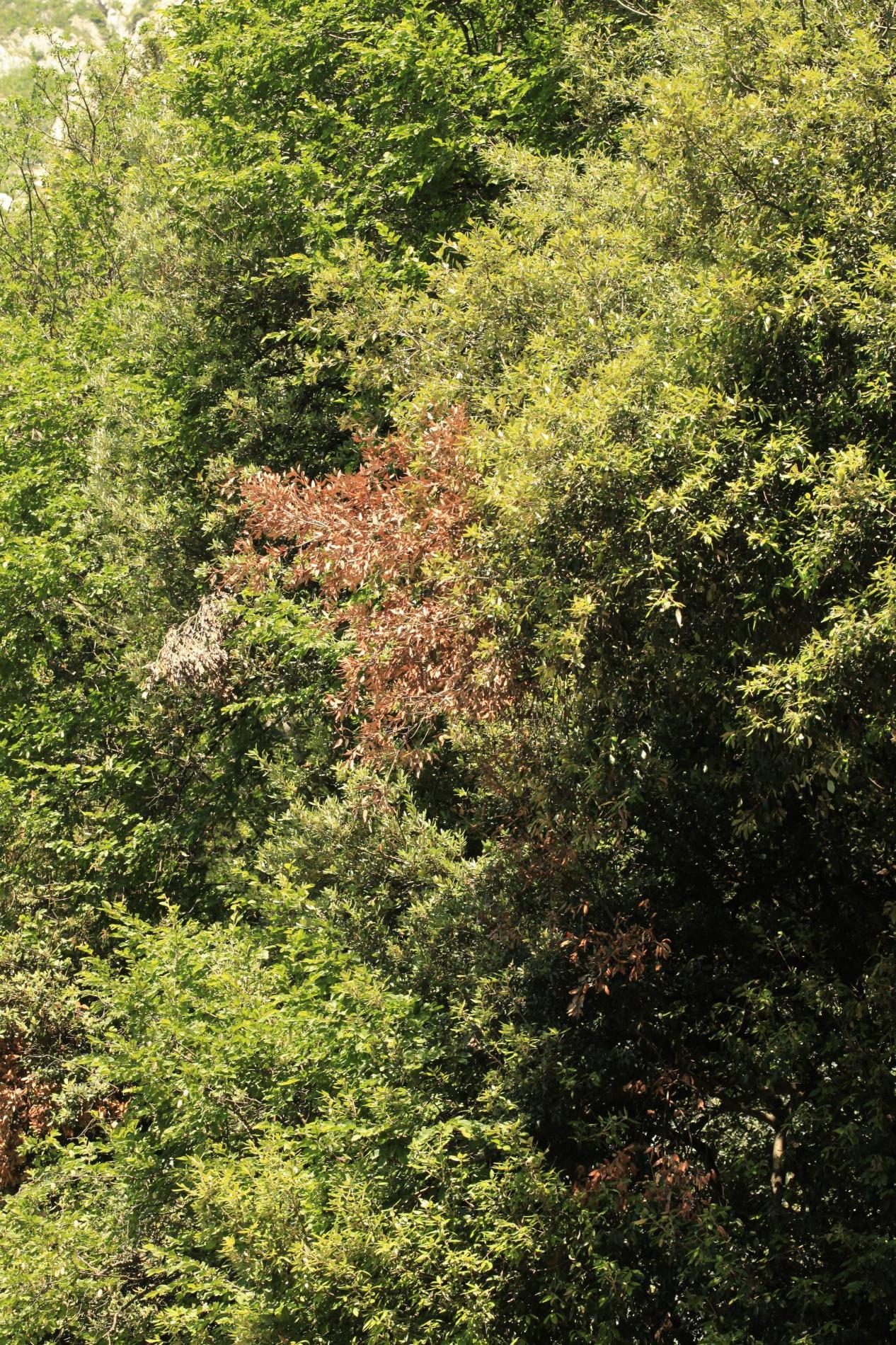
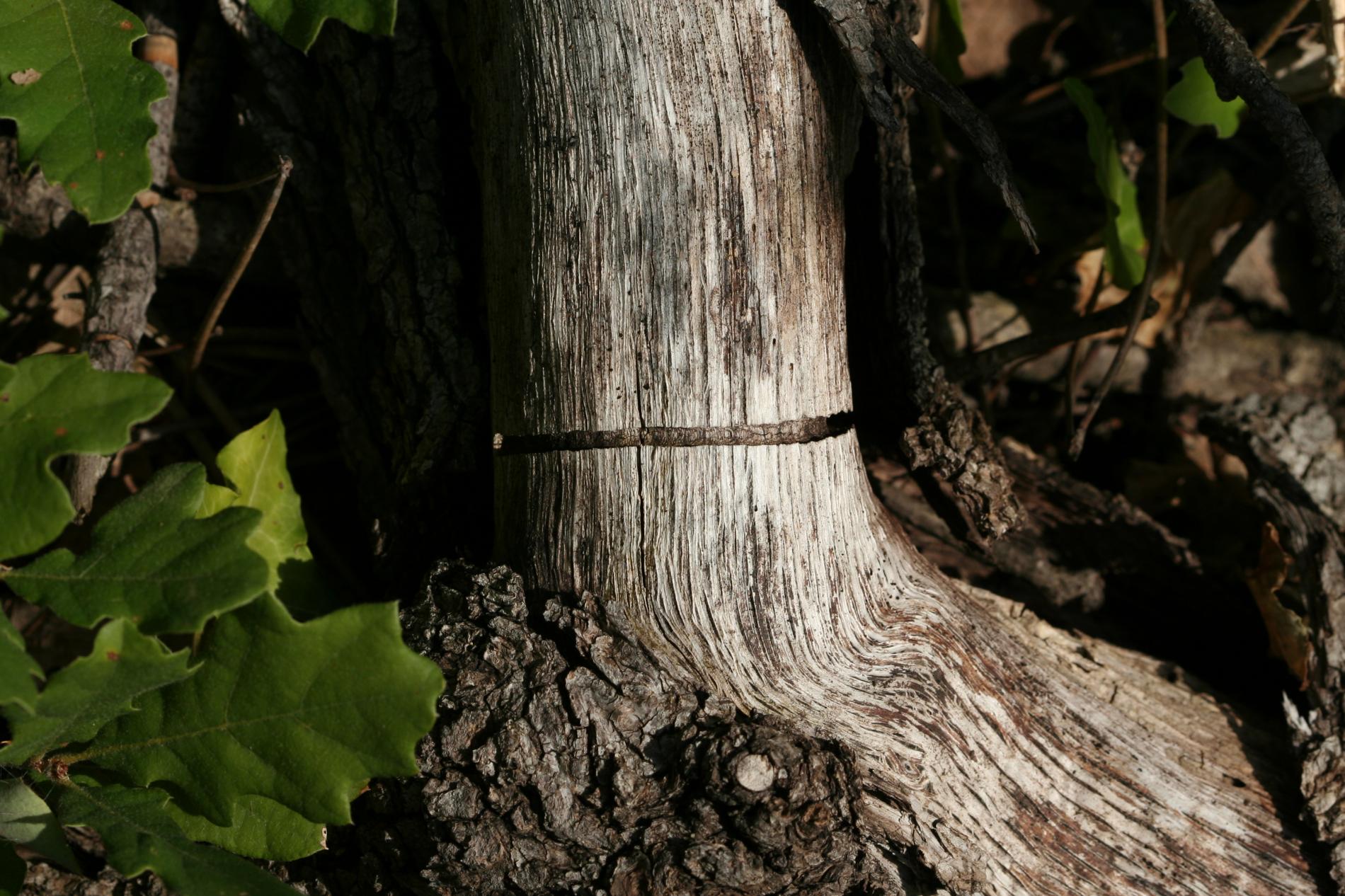
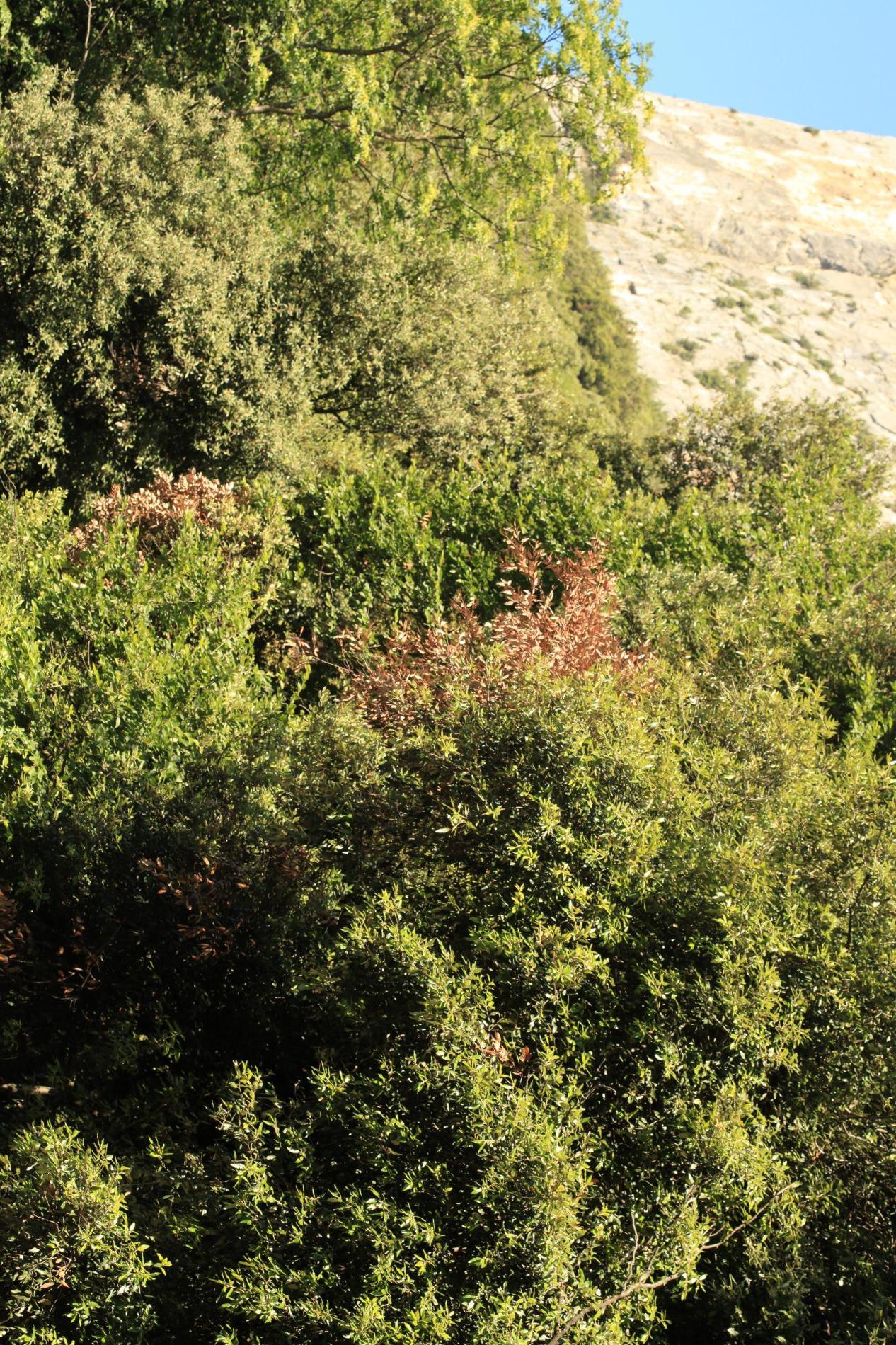
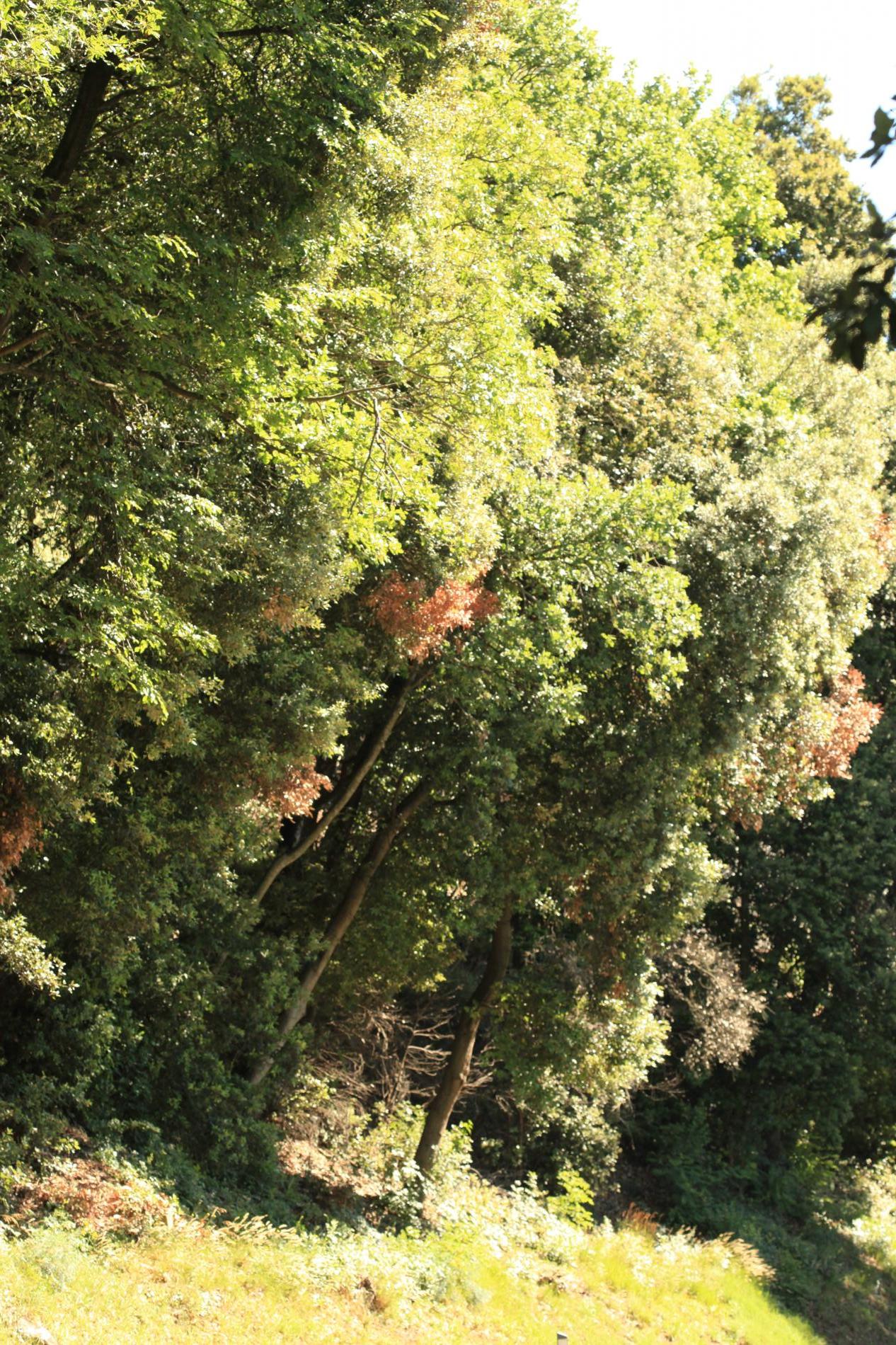
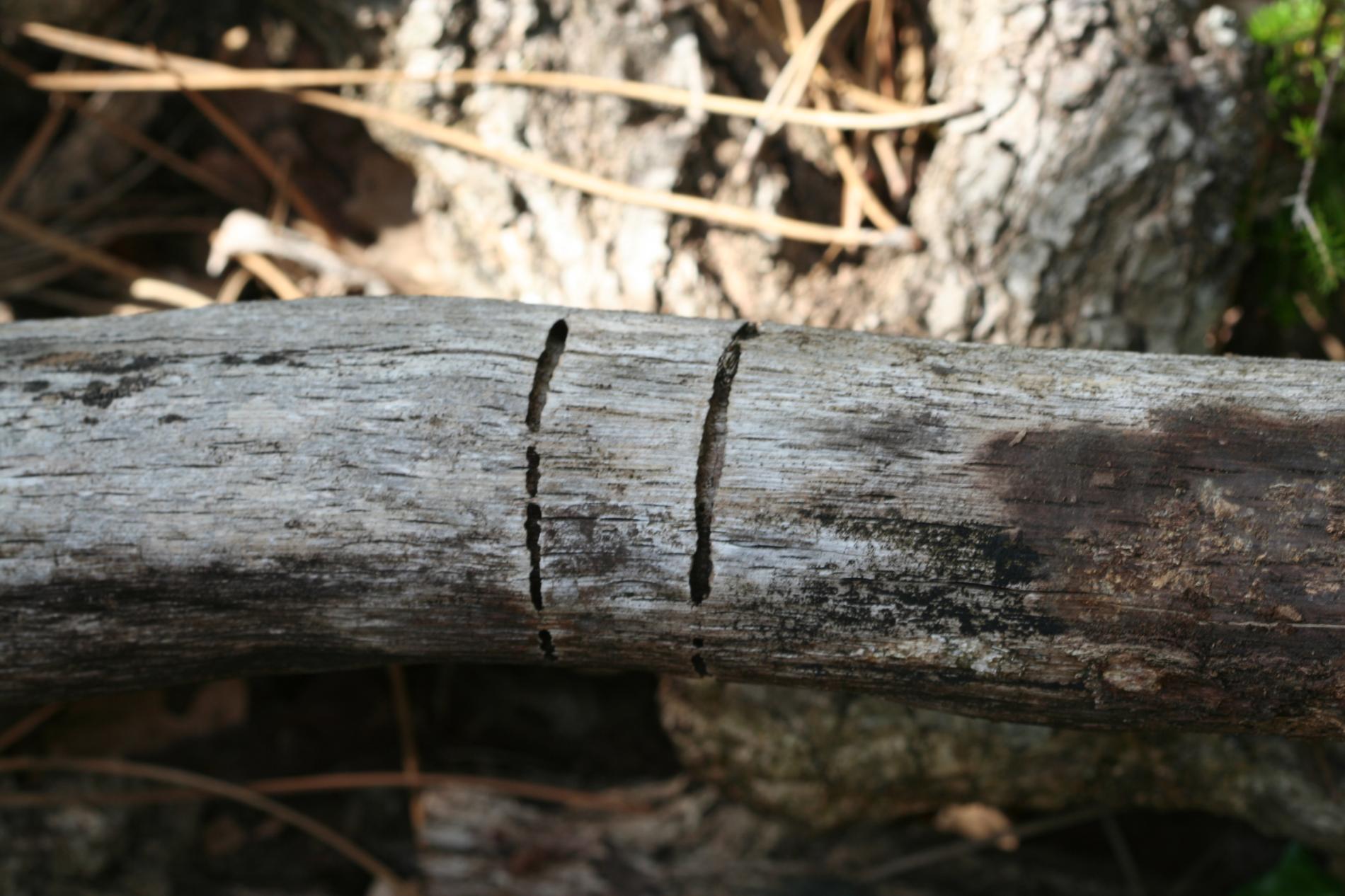
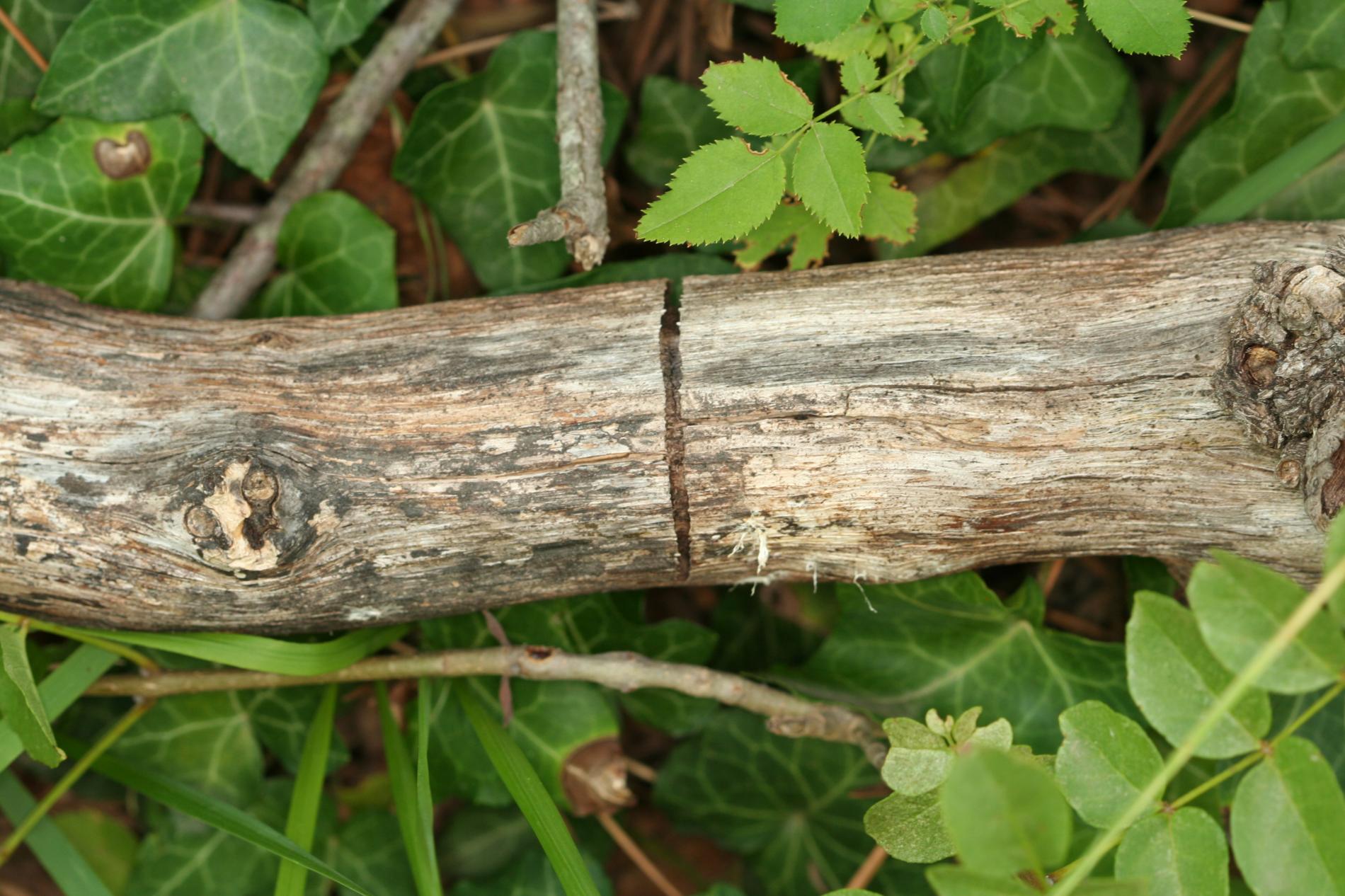
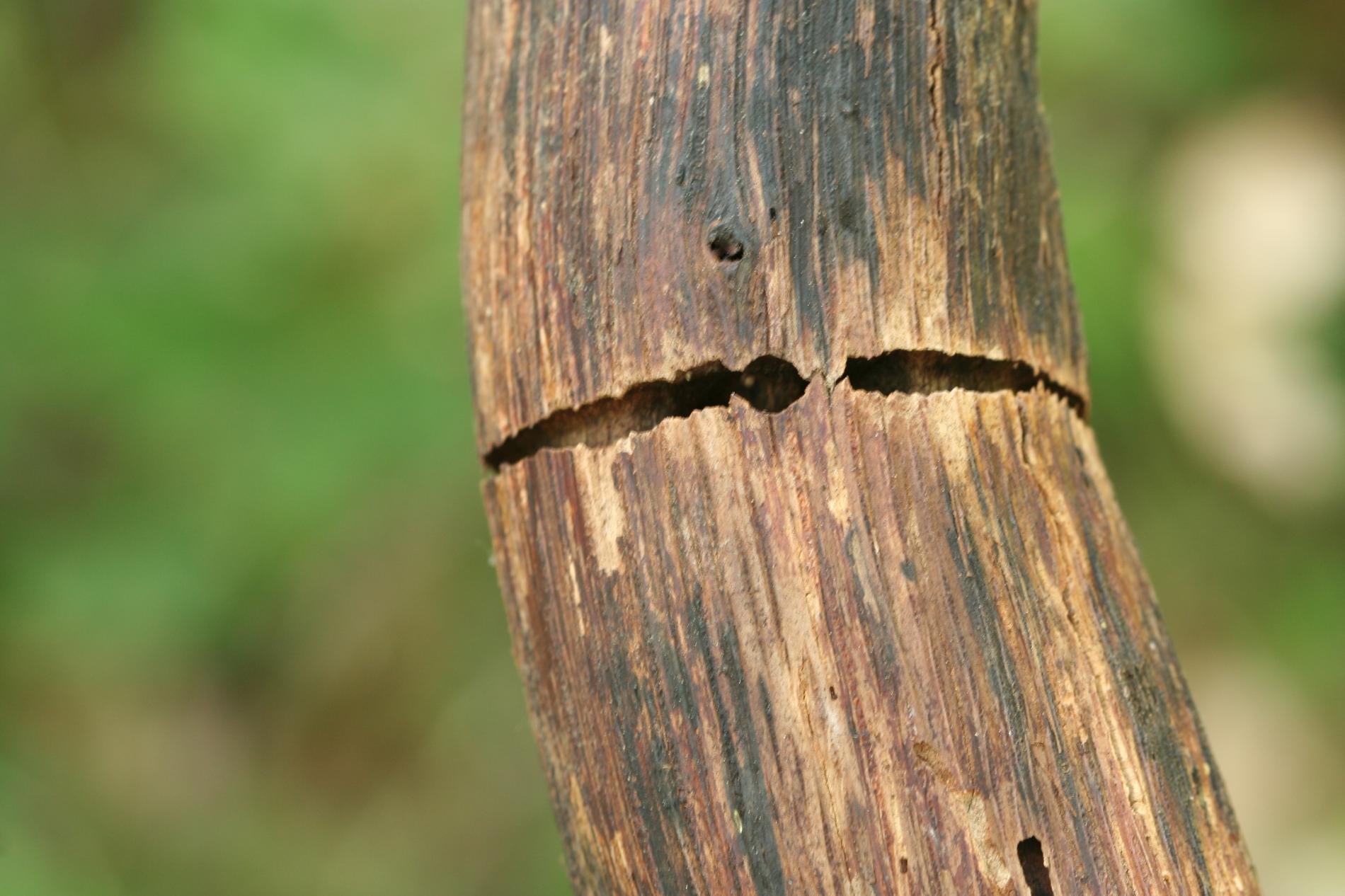
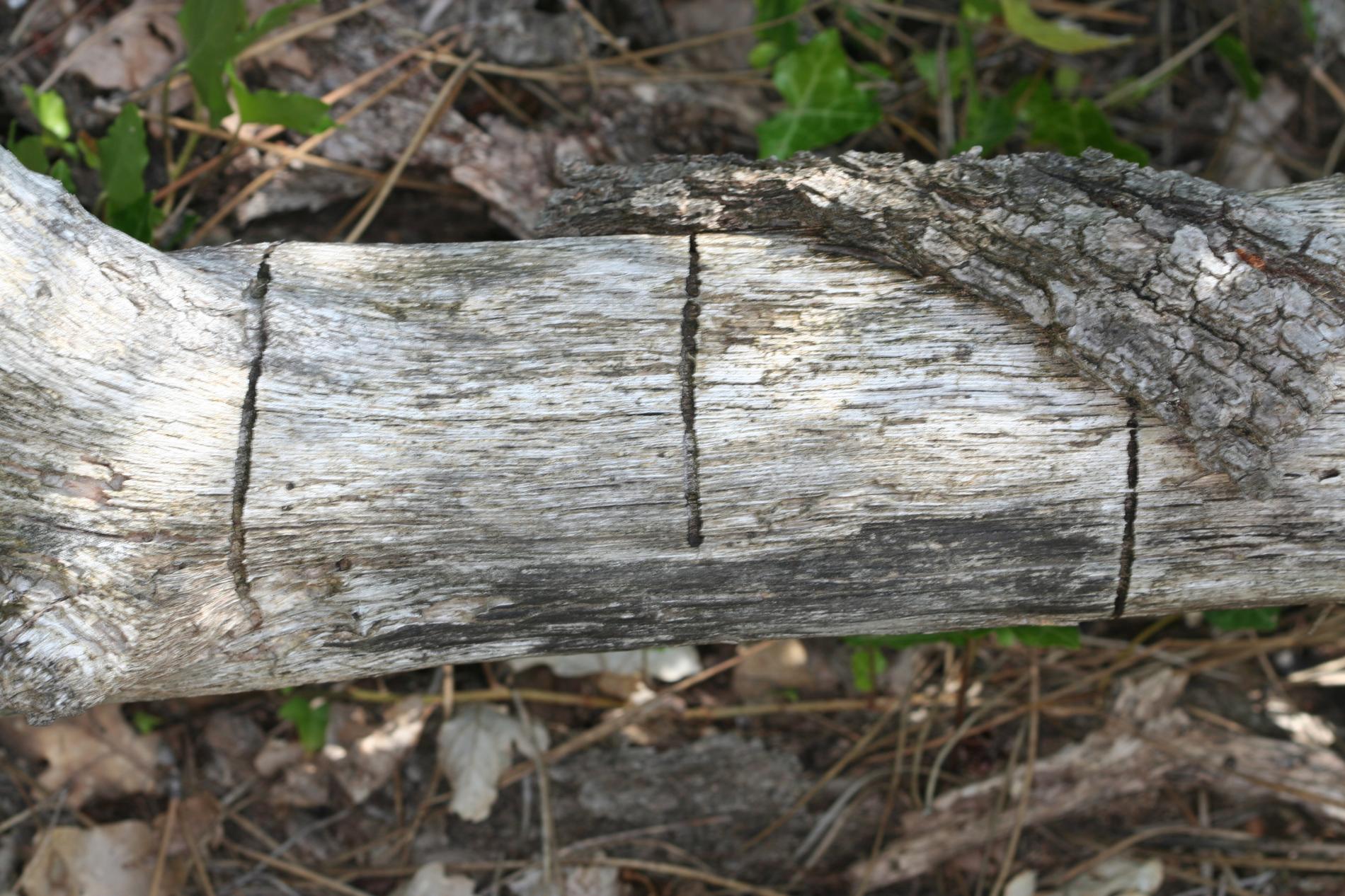
Attractive and colouful beetle. Develops for two years. Host plants are oaks, preferring grove-like stands in dry habitats and at forest edges. Adults fly in June–July, can be found in the crown of the host plant. Females oviposit on young twigs. The hatched larvae bore into the twig and chew long spiral tunnels in the sapwood (so called “death-ring”), reaching 1 m in length. The attacked branches often die. Widespread in oak forests of mountainous and hilly regions, but rarely seen due its cryptic way of life. More common in warm, southern regions. Also other members of that genus live in Europe, Coraebus rubi, C. elatus etc. If occur in large numbers, these species can reduce the vitality of trees in the forest. In parks, they cause unwanted die back of branches. They prefer southern, warm locations. Similar damages can be caused also by Coraebus undatus.
Map
Symptom
More info
More Photograps
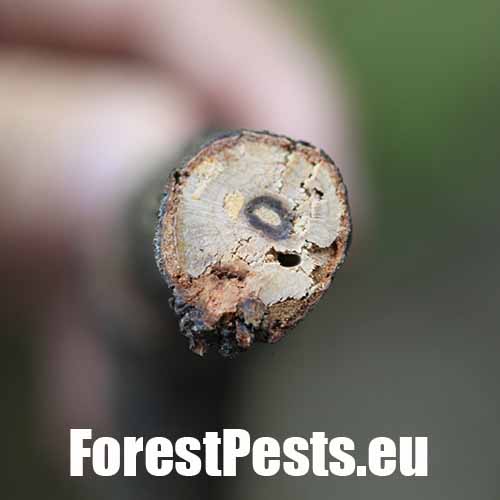
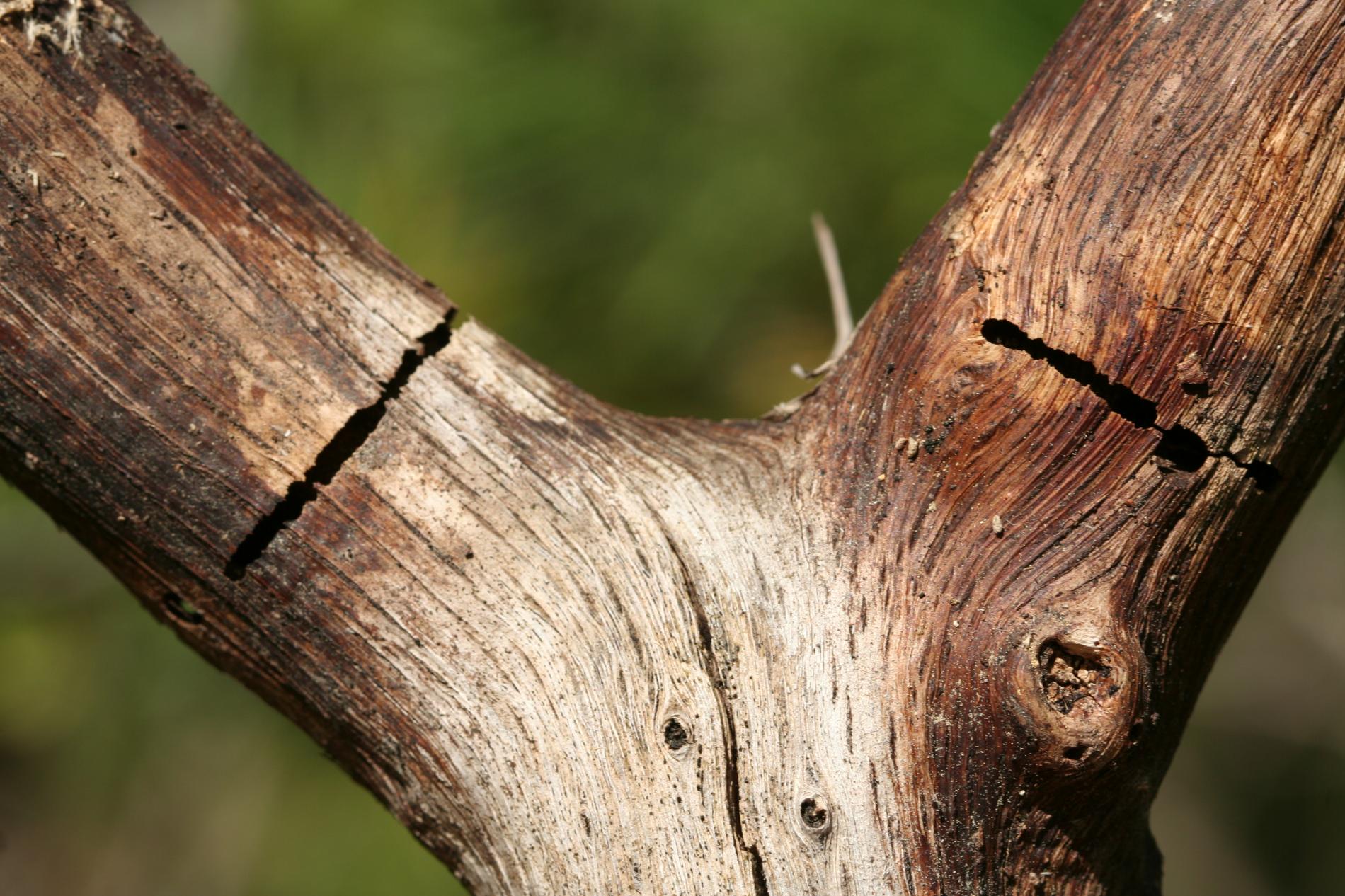
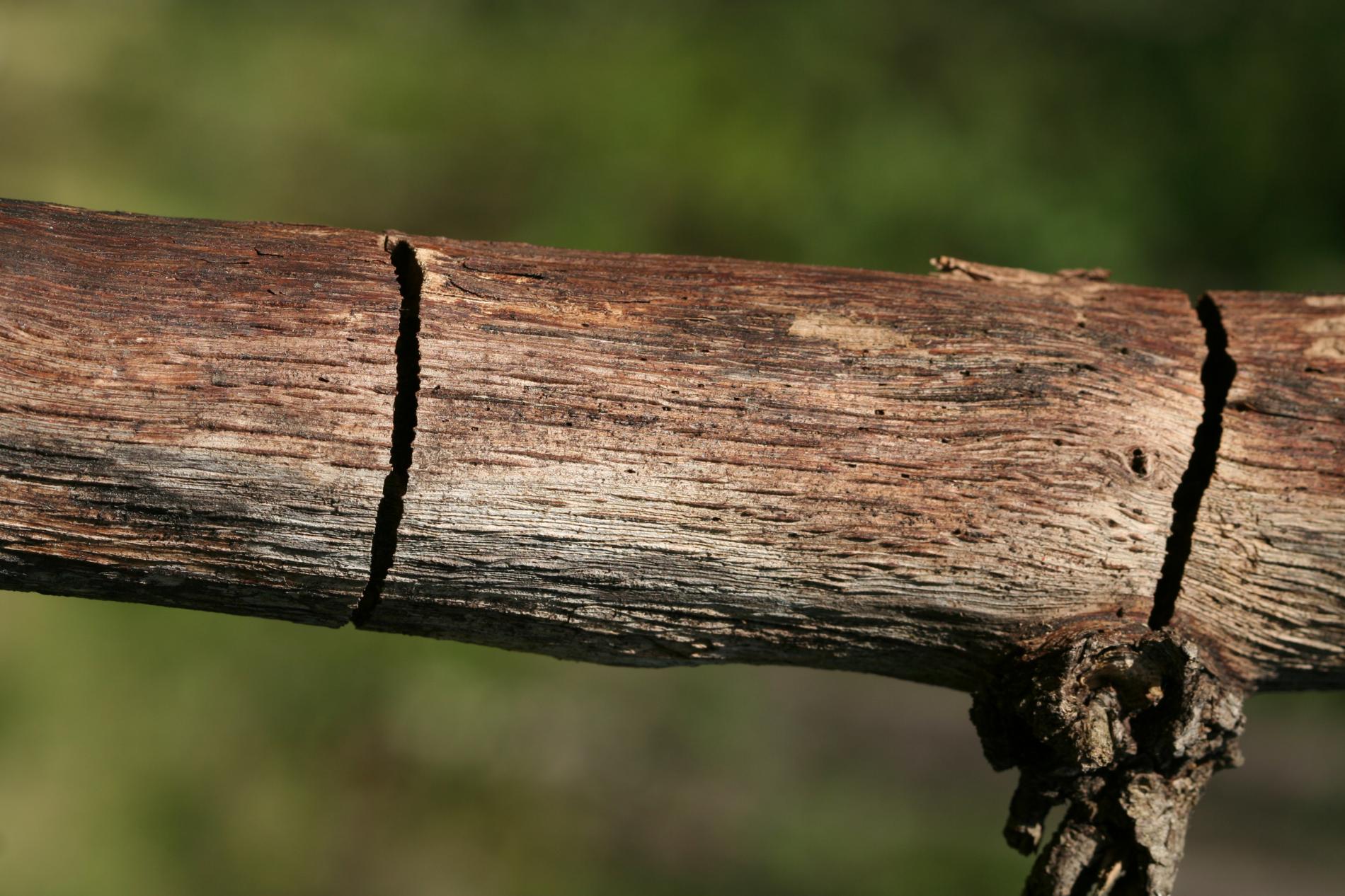
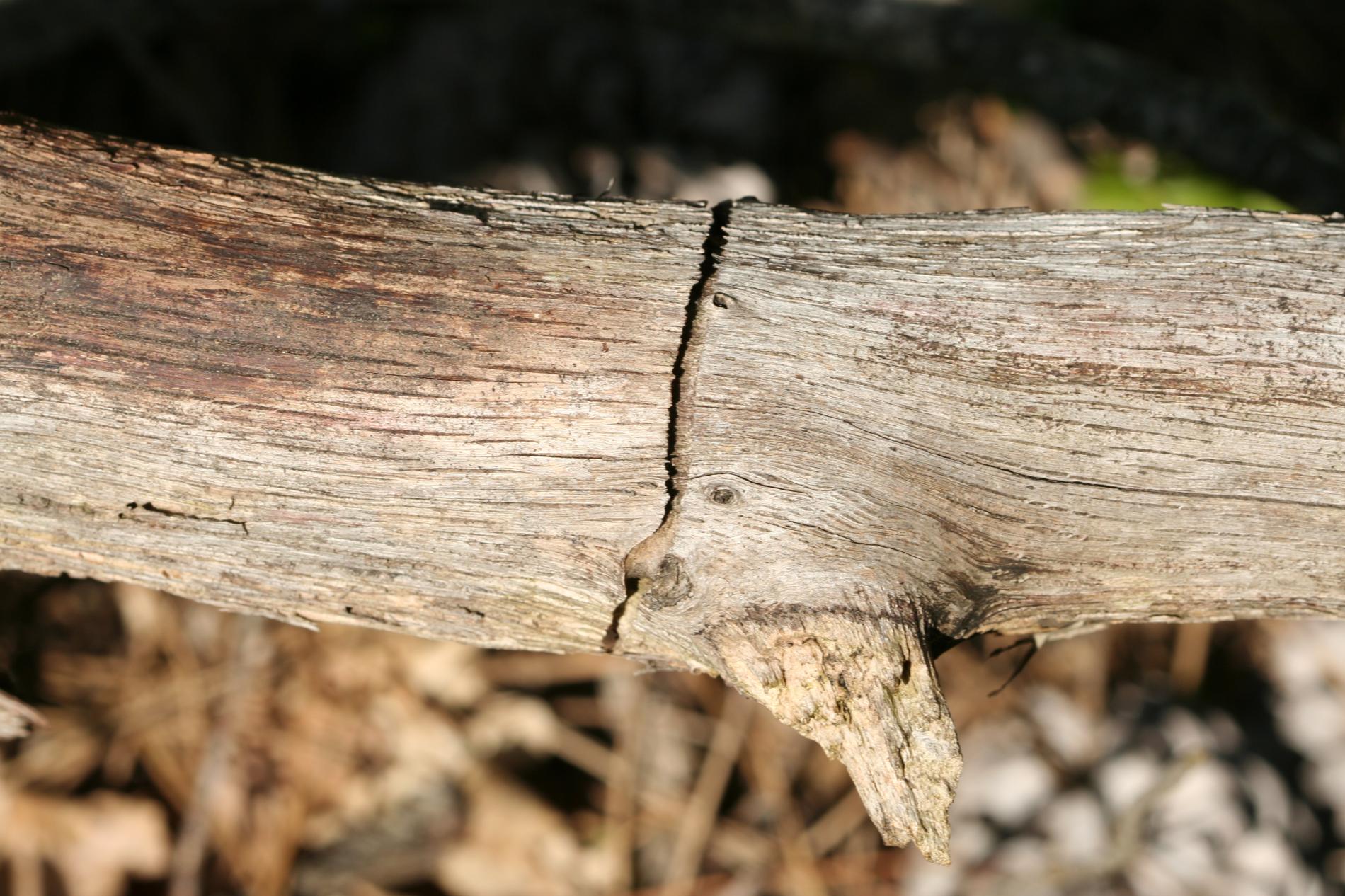
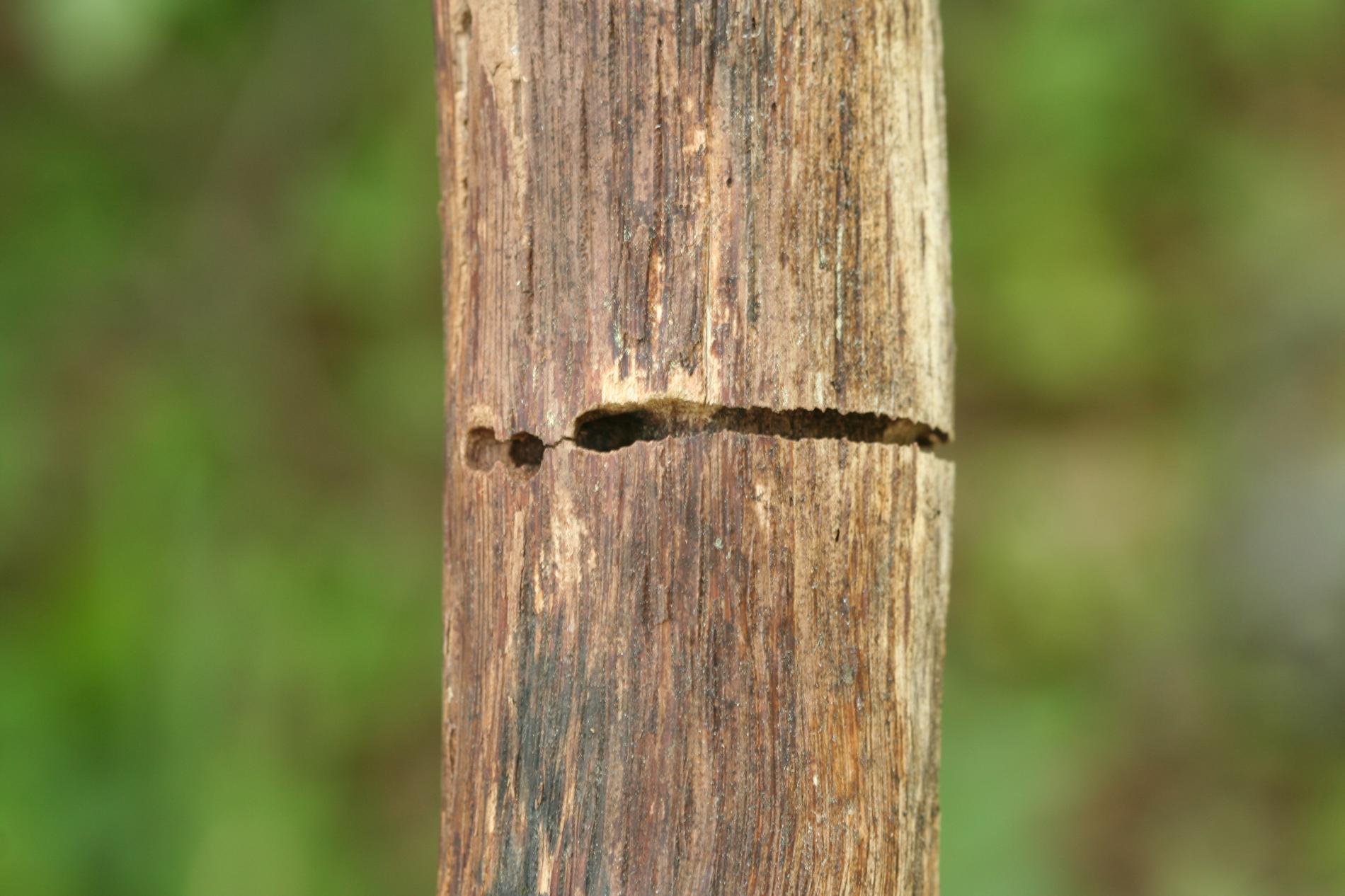
Spiral tunnels under the bark and in the sapwood of branches.
Tree Species: Oak
Part of a plant- attacked: Branch
Pest significance: Less harmful
Pest Category: Insects
Invasive Species: No
Present in EU: Yes
Pest group: Insect
Affected part of wood: Heartwood, Sapwood
Depth of damages: Bark, Under bark only, Up to 0,5 cm depth
The extent of damage: Lokally
Prevalence in Europe: Rare
Damaged products: Firewood
Roundwood size: Branches and twigs
Wood discoloration: Yes
Exit holes: Oval
Pest subcategory: Bark and underbark insect, Wood-boring insect





Similar pests

Agrilus sulcicollis

Chrysobothris affinis
