


Colpoma quercinum
Split gill
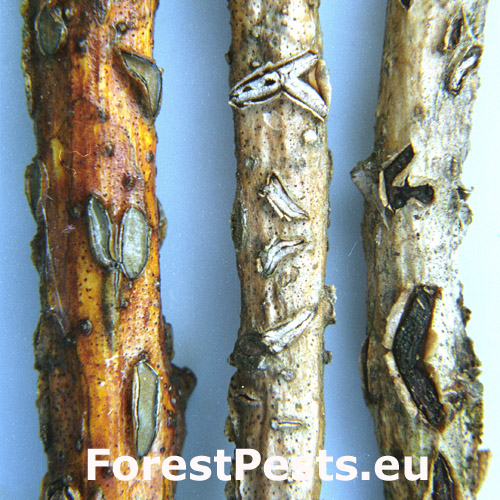
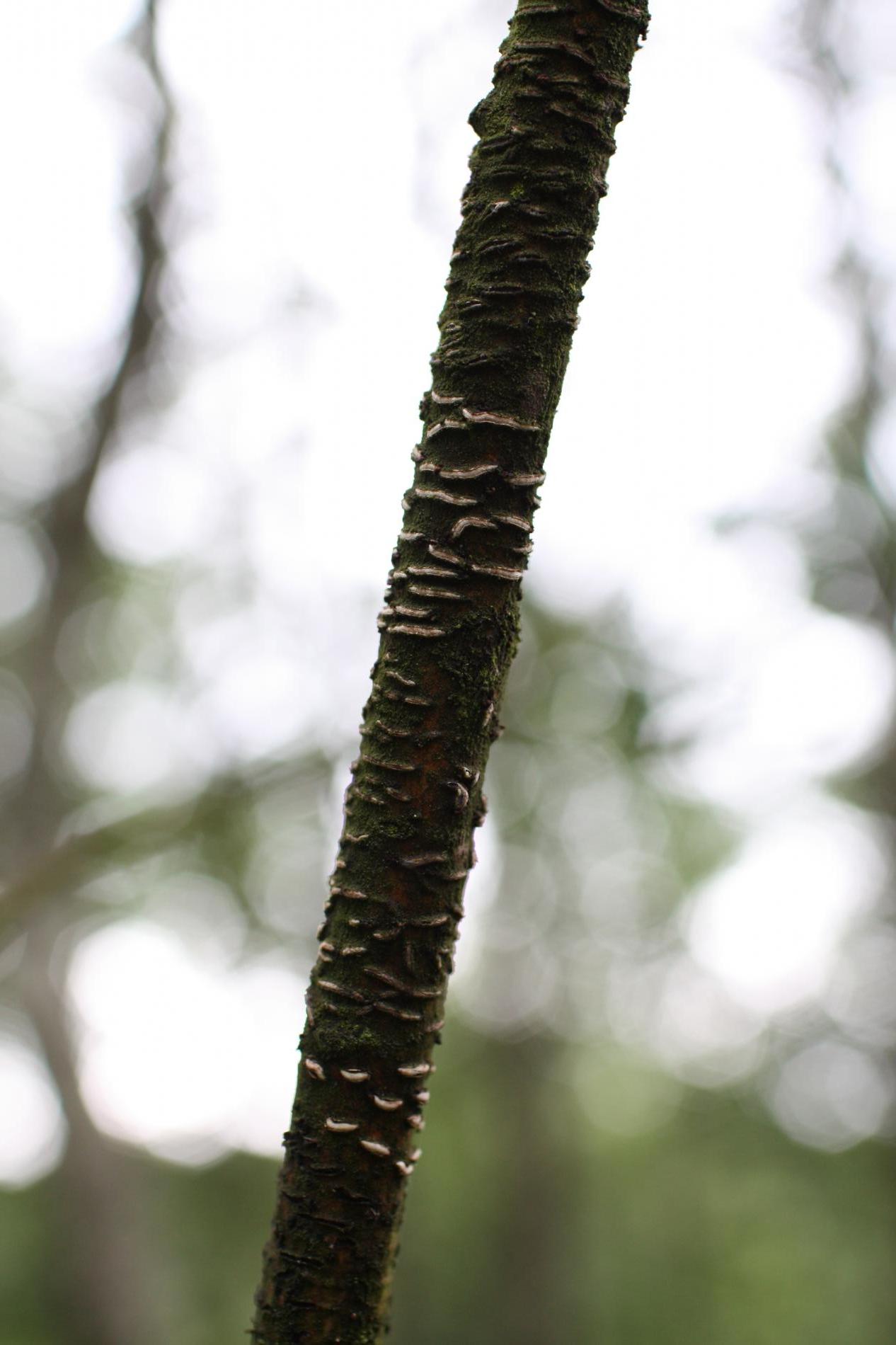
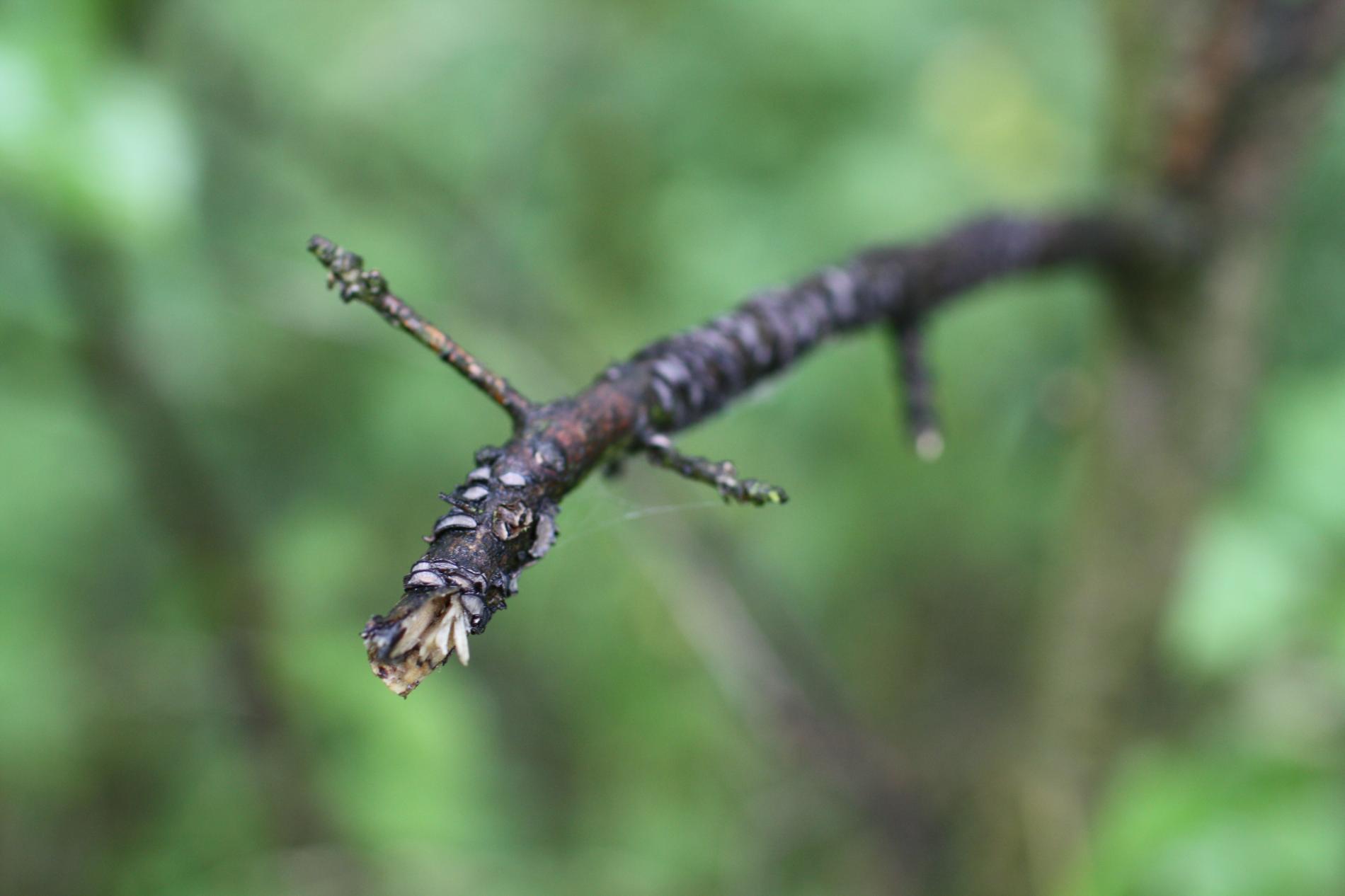
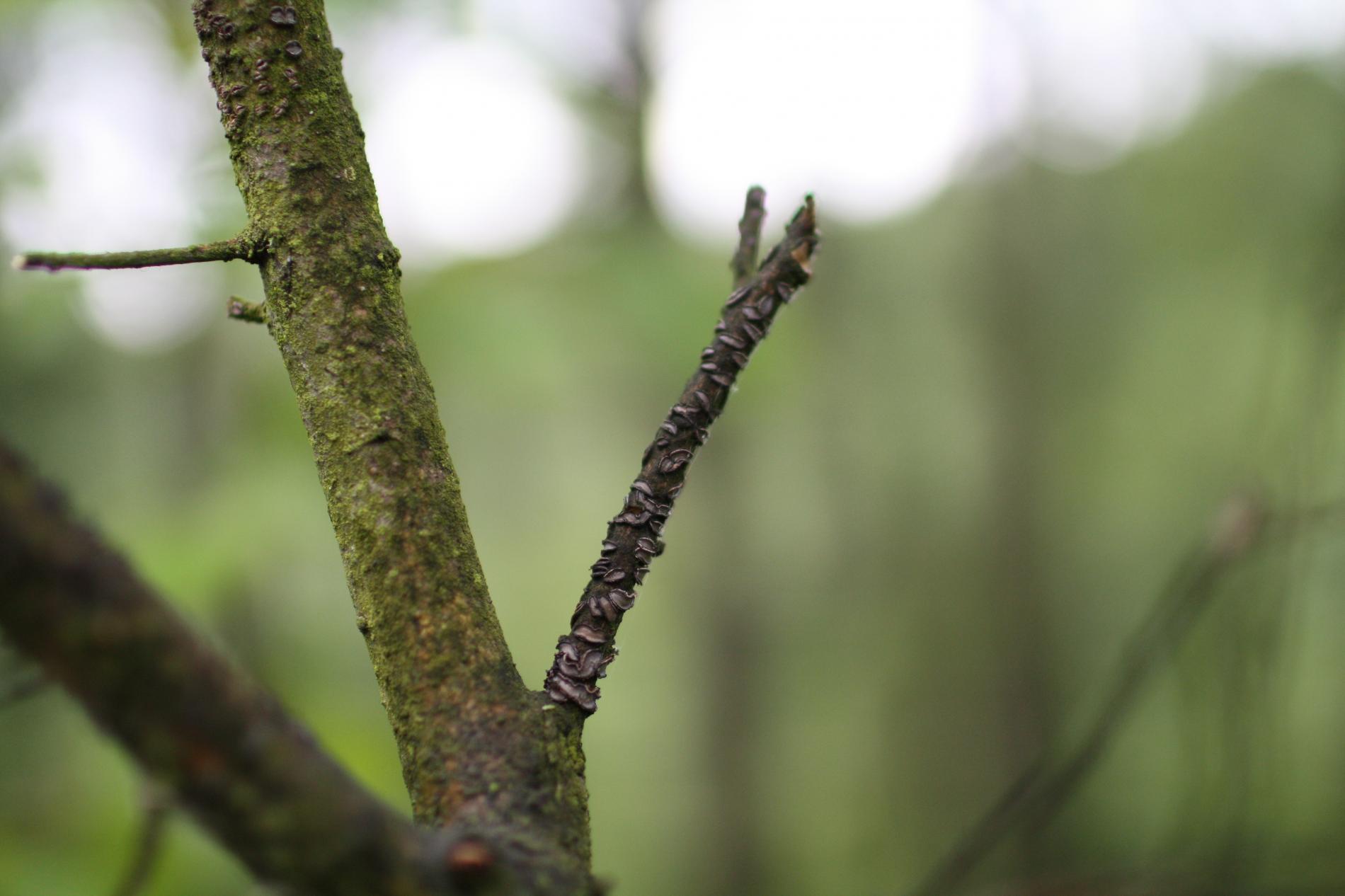
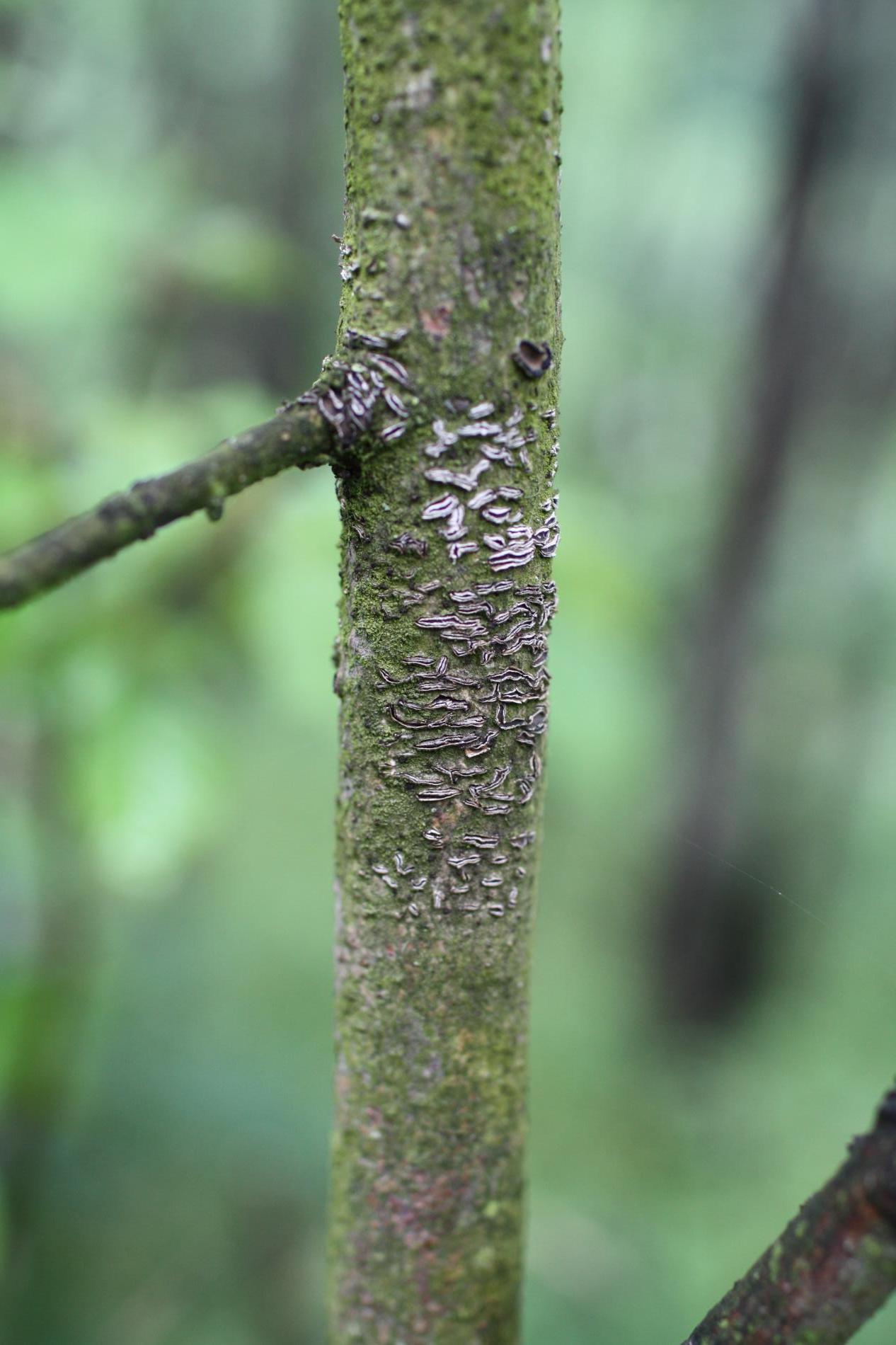
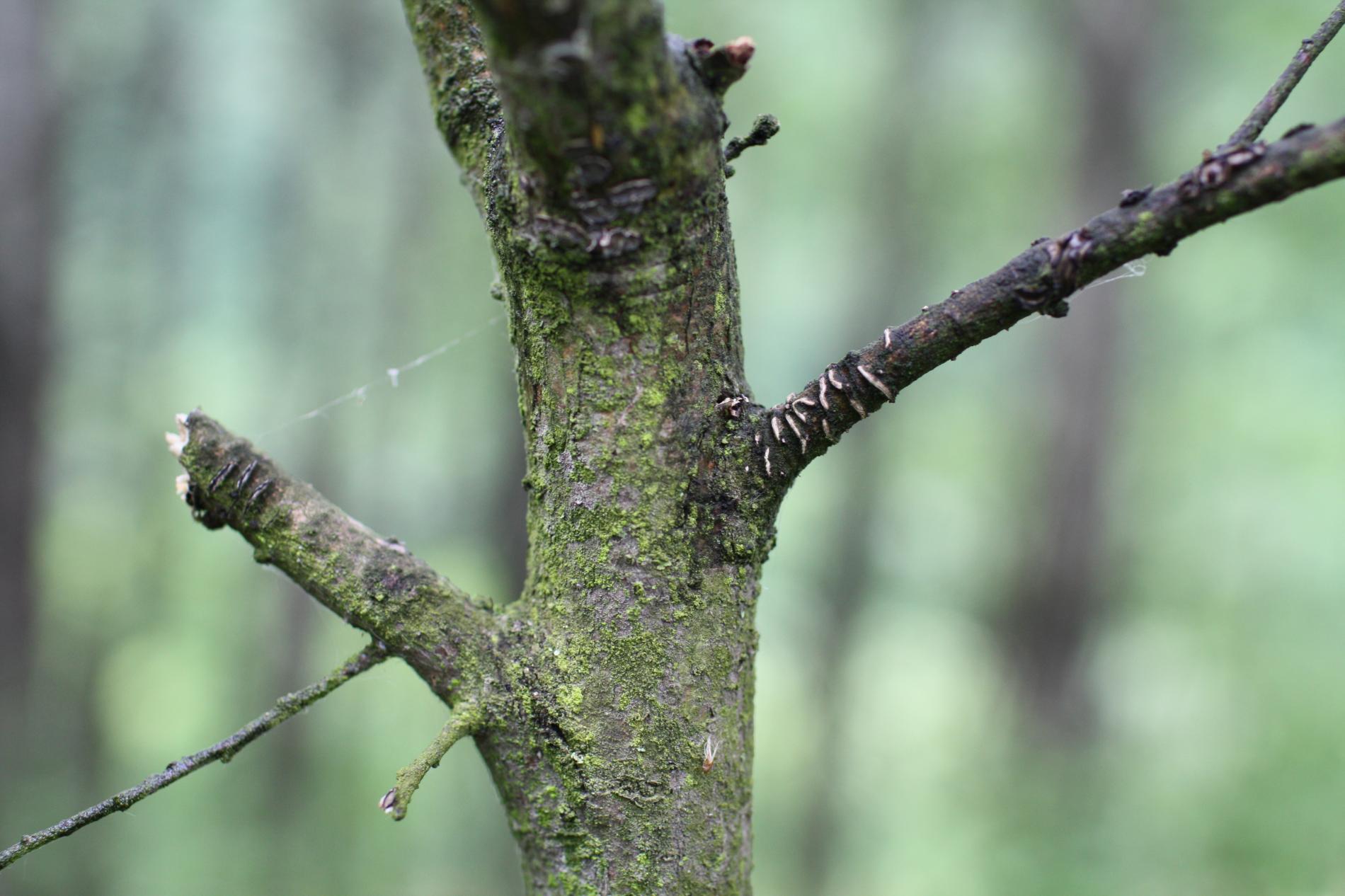
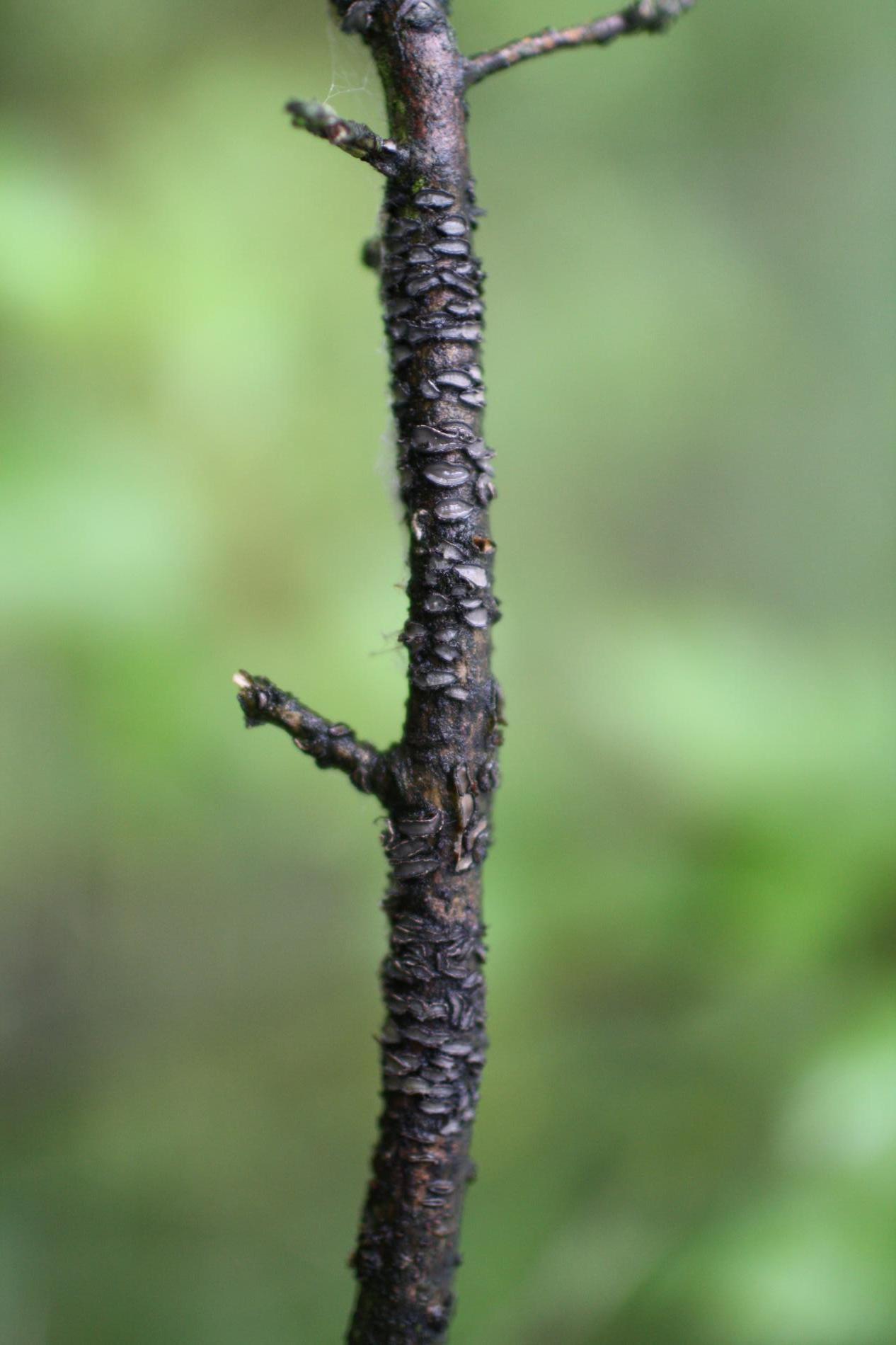
It is predominantly a saprophytic to a weakly parasitic fungus that causes dying of young trees and side branches in the lower part of the trunk of older trees suffering mainly from a lack of light or nutrients. Thus, the fungus contributes on a large scale to so-called natural cleaning of oak trunks from branches. Spores of the asexual stage Clithris quercina are not able to infect host tissues. Sexual apothecia have a shape of small lengthwise openings and they are usually formed on completely dead branches and sprouts.
Small lengthwise openings and they are usually formed on completely dead branches and sprouts.
Tree Species: Oak, Chestnut
Part of a plant- attacked: Branch
Pest significance: Less harmful
Pest Category: Fungi
Invasive Species: No
Present in EU: Yes
Pest group: Fungi
Affected part of wood: Sapwood
Depth of damages: More than 5 cm depth, Under bark only, Up to 0,5 cm depth, Up to 2 cm depth, Up to 5 cm depth
The extent of damage: Individually - one place
Prevalence in Europe: Common
Damaged products: Firewood, Fresh timber logs (water still in the sapwood), Furniture, Lumber, boards and prisms, Wood chips, Wooden house constructions
Roundwood size: Branches and twigs
Wood discoloration: No
Pest subcategory: White-rot
Similar pests

Nectria fuckeliana

Cenangium ferruginosum
