


Clytus arietis
Clytus long-horned beetle
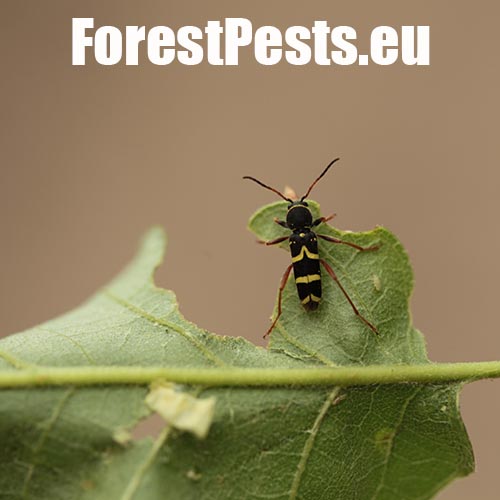
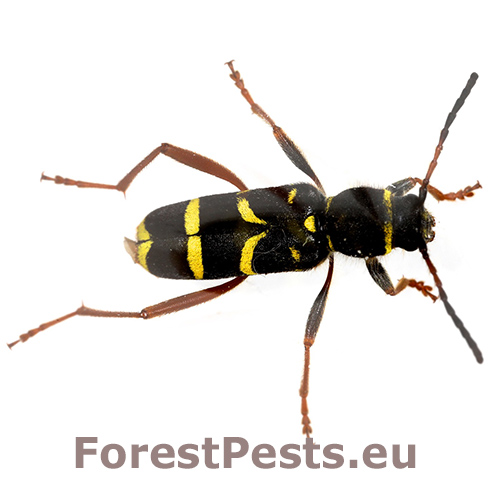
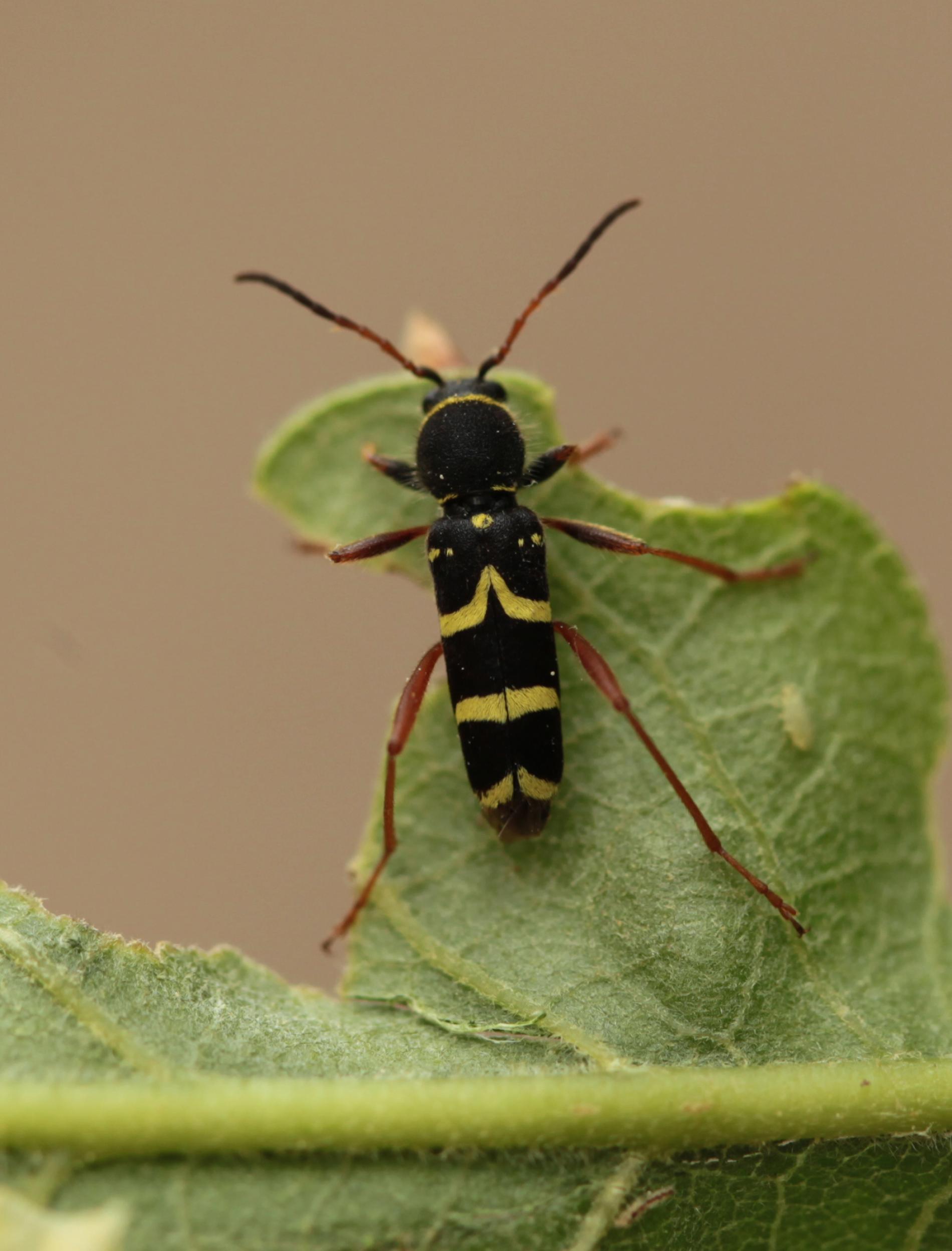
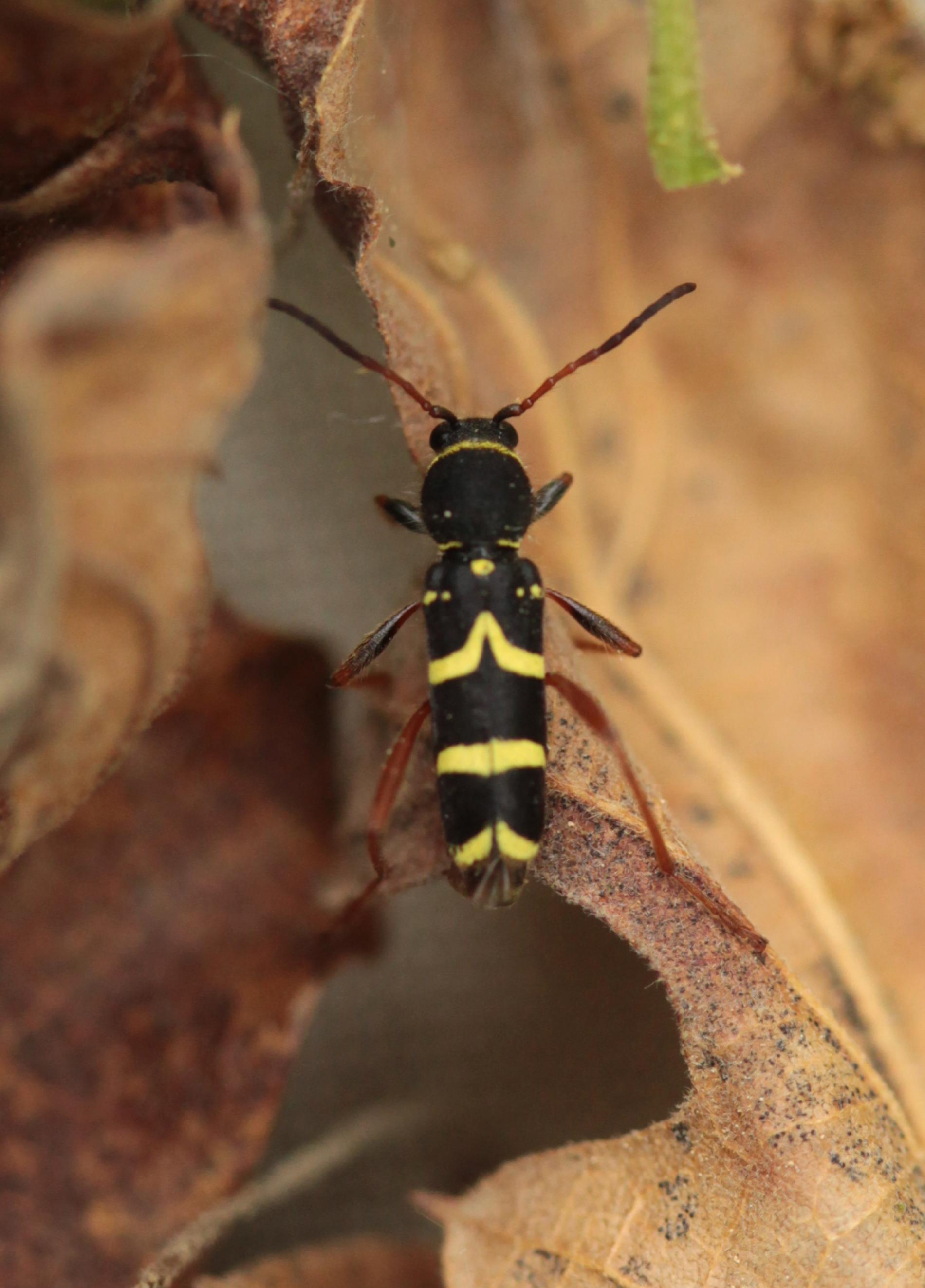
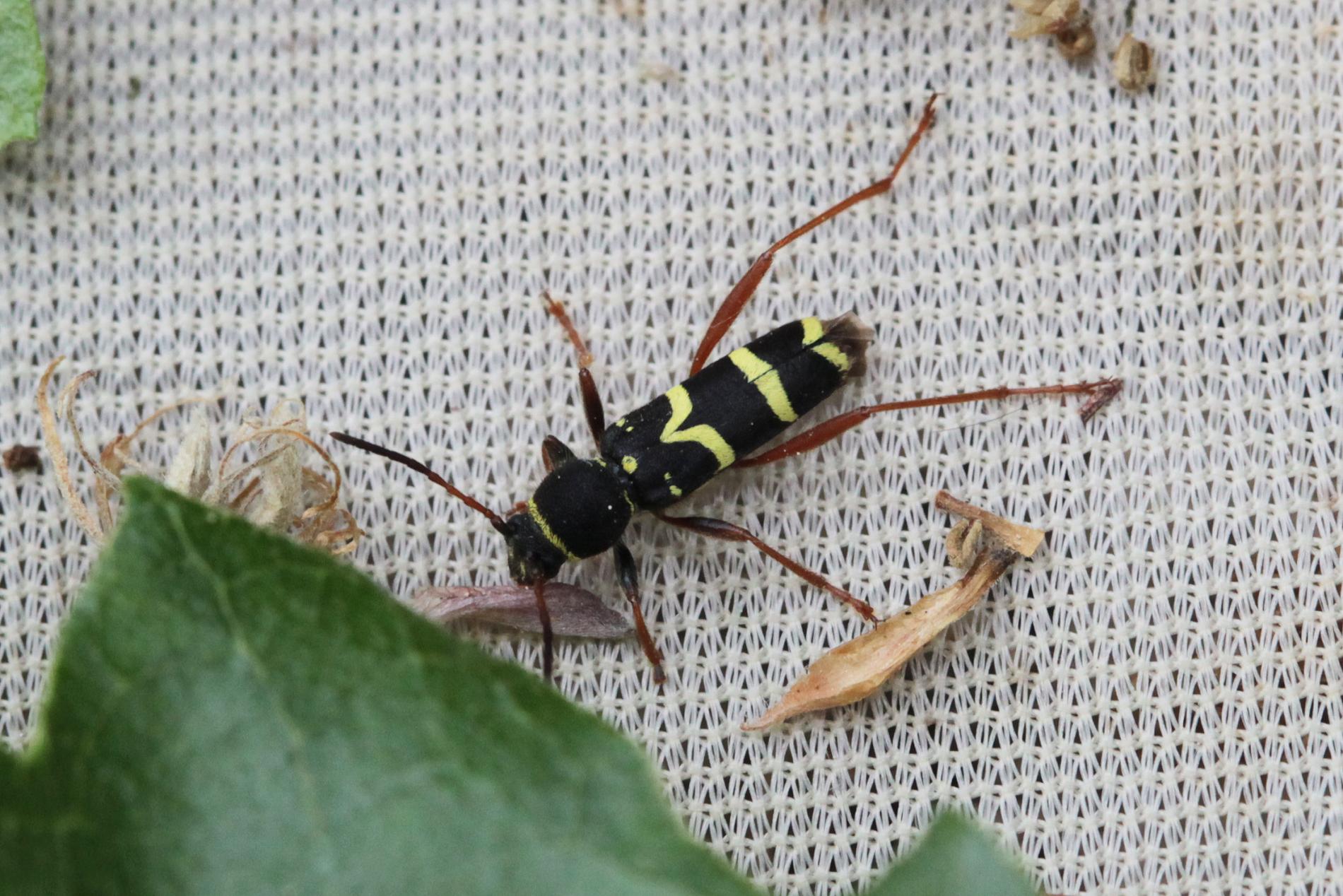
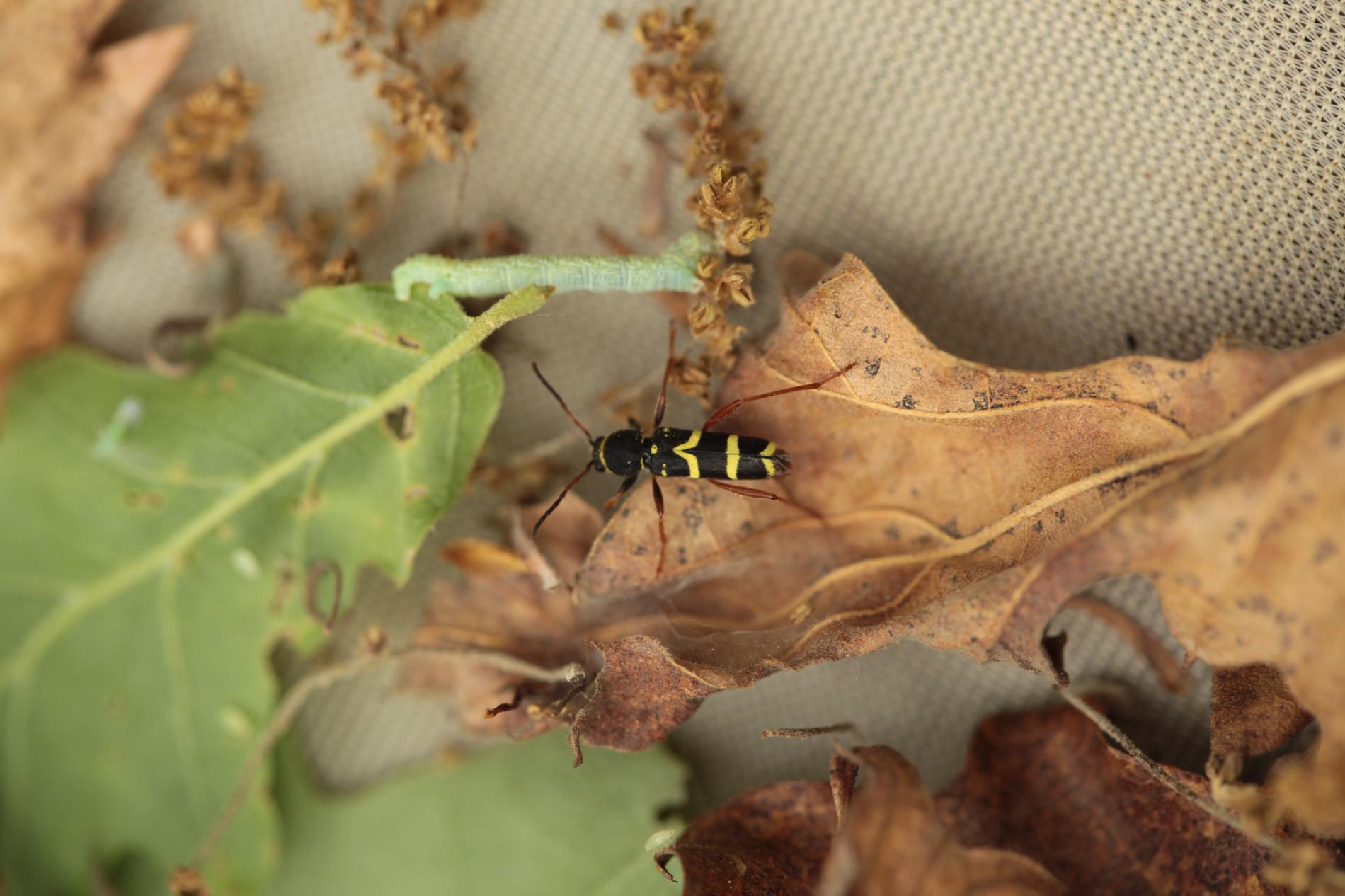
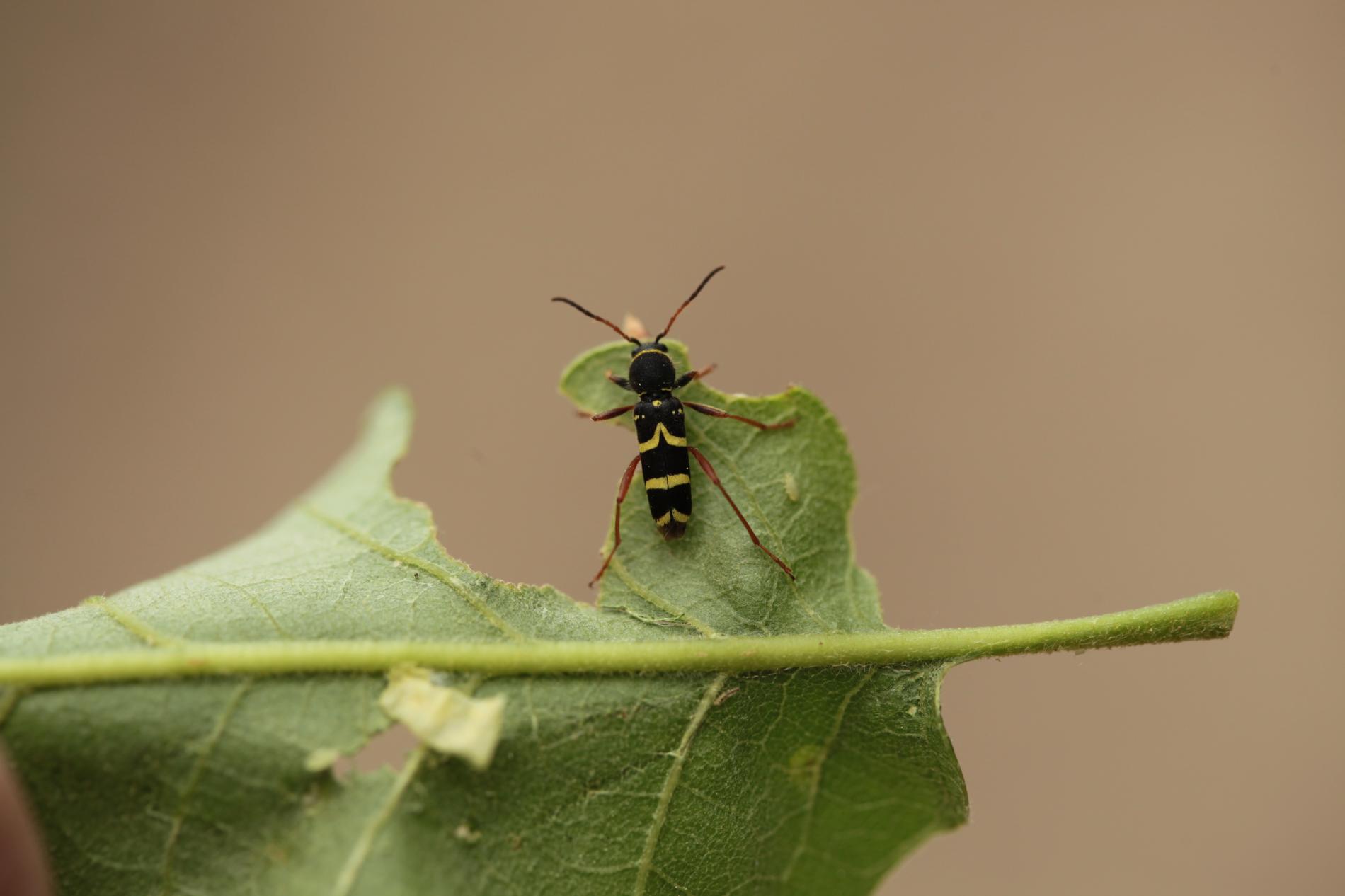
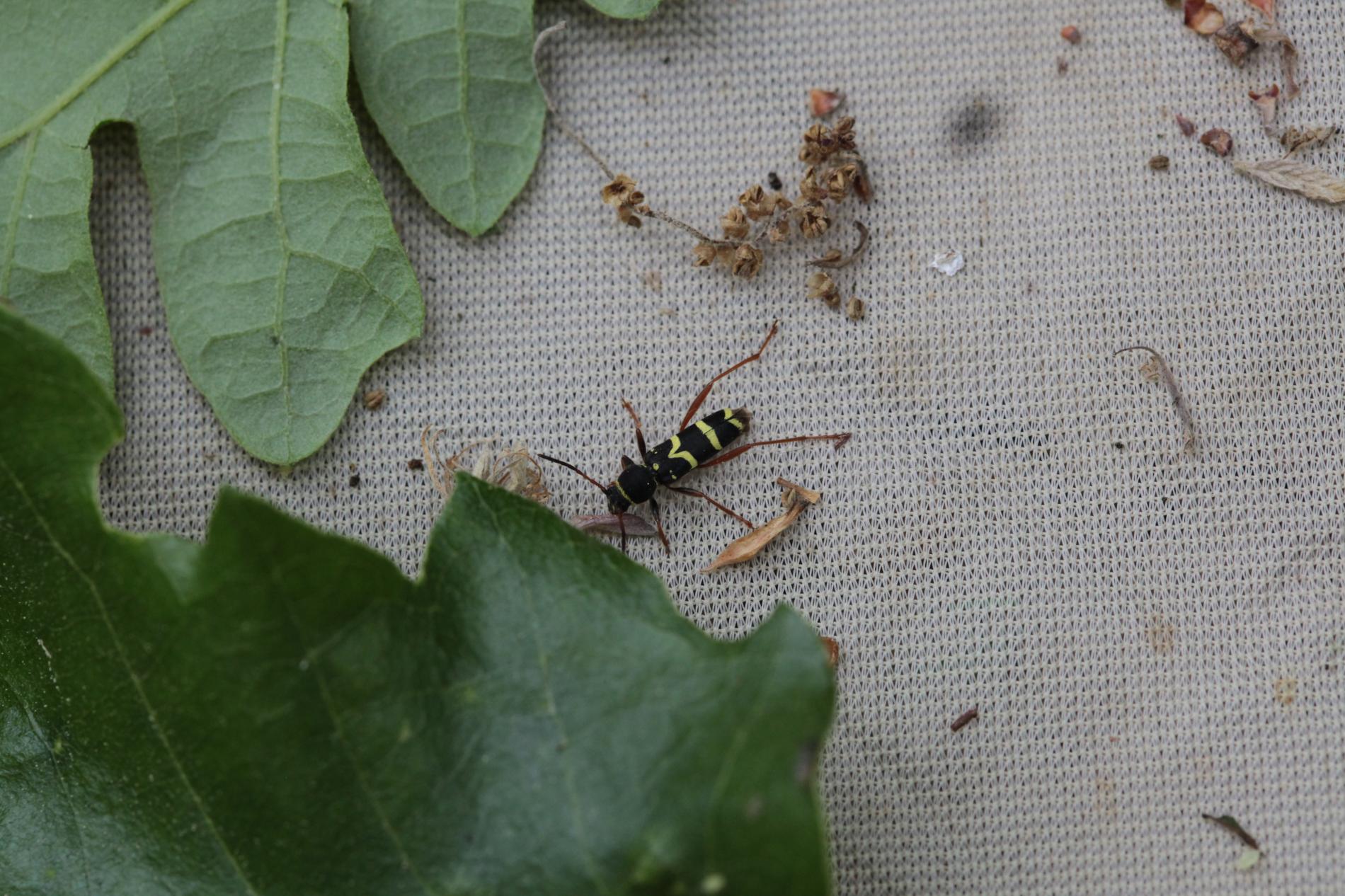
Long 6-15 mm. A showy beetle, black with bright yellow bands across the body and brown-reddish legs. Adults flying from May to July are easy to spot on flowers and timber stacks in sunny places. They do not attack living trees, seeking out only dry wood for oviposition. Larvae develop initially under the bark, then bore tunnels in the sapwood. Life cycle in 2 years. Adults emerge from a pupal cell close to the bark, opening a circular hole. Pest causing technical damage, occasionally completing its cycle in building timber or furniture. A similar species, C. lama, is very common on conifer trees, also feeding on dried wood. It prefers pure and mixed broadleaved forests from lowland to 2,000 m.
Larvae develop initially under the bark, then bore galleries in the sapwood.
Tree Species: Beech, Oak, Chestnut
Part of a plant- attacked: Tree trunk
Pest significance: Less harmful
Pest Category: Insects
Invasive Species: No
Present in EU: Yes
Pest group: Insect
Affected part of wood: Sapwood
Depth of damages: Bark, More than 5 cm depth, Under bark only, Up to 2 cm depth, Up to 5 cm depth
The extent of damage: Lokally
Prevalence in Europe: Common
Damaged products: Firewood, Fresh timber logs (water still in the sapwood), Furniture, Lumber, boards and prisms, Wooden house constructions
Roundwood size: Branches and twigs, Diameter 50+, Diameter from 10 up to 50 cm, Diameter up to 10 cm
Wood discoloration: No
Exit holes: Round
Pest subcategory: Wood-boring insect
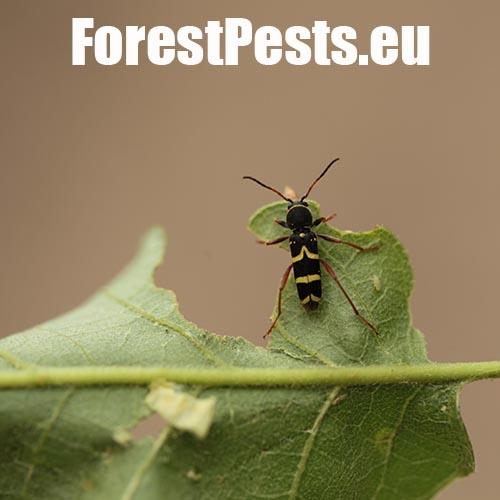
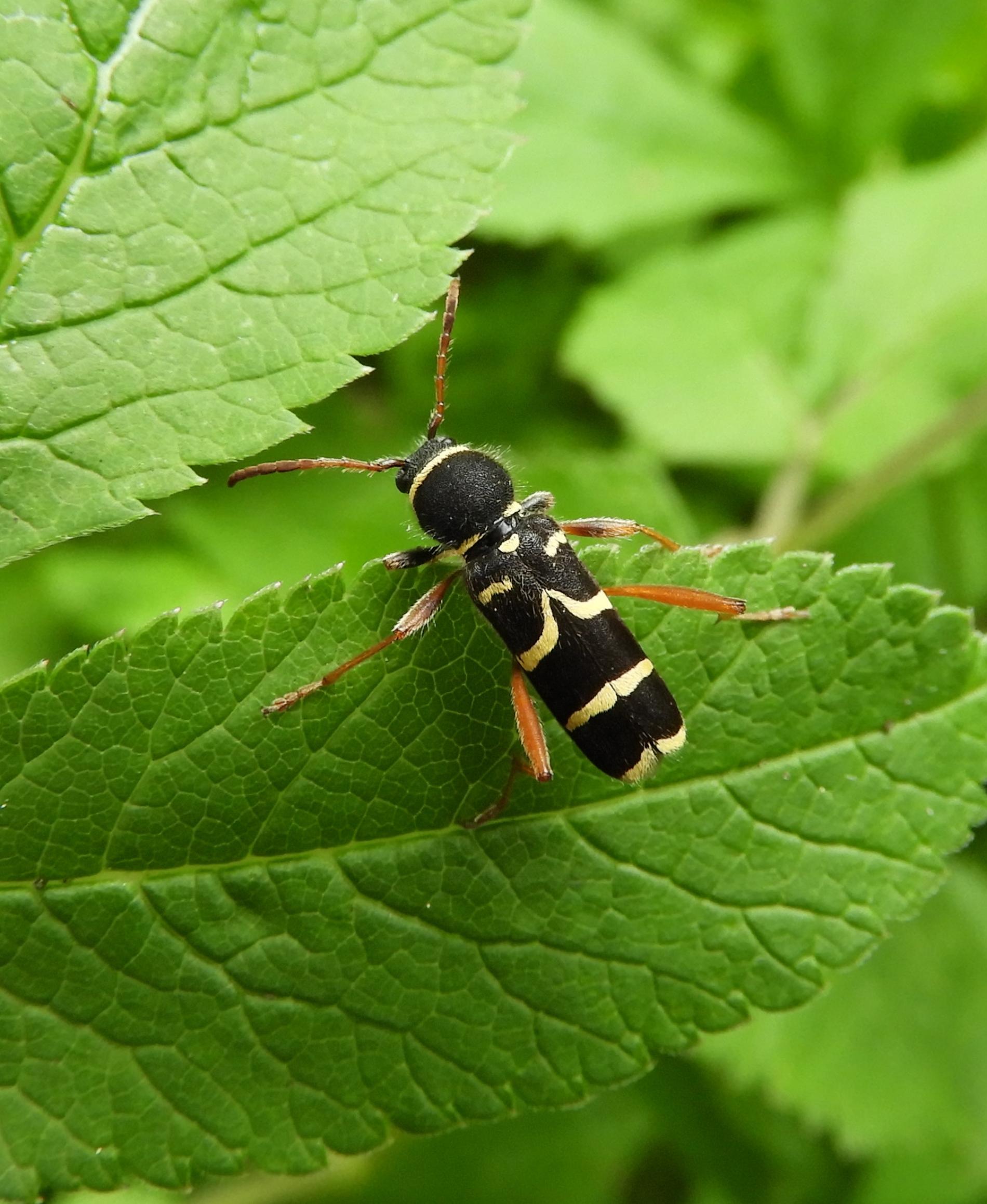

Similar pests

Plagionotus arcuatus

Plagionotus detritus
