


Climacocystis borealis
Climacocystis borealis
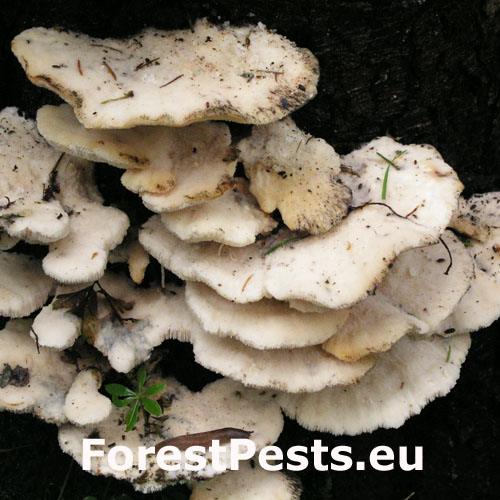
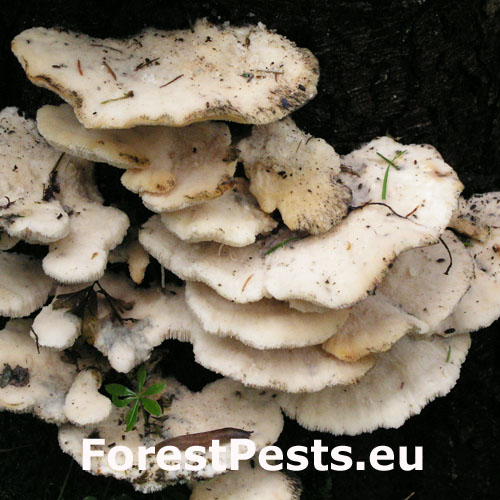
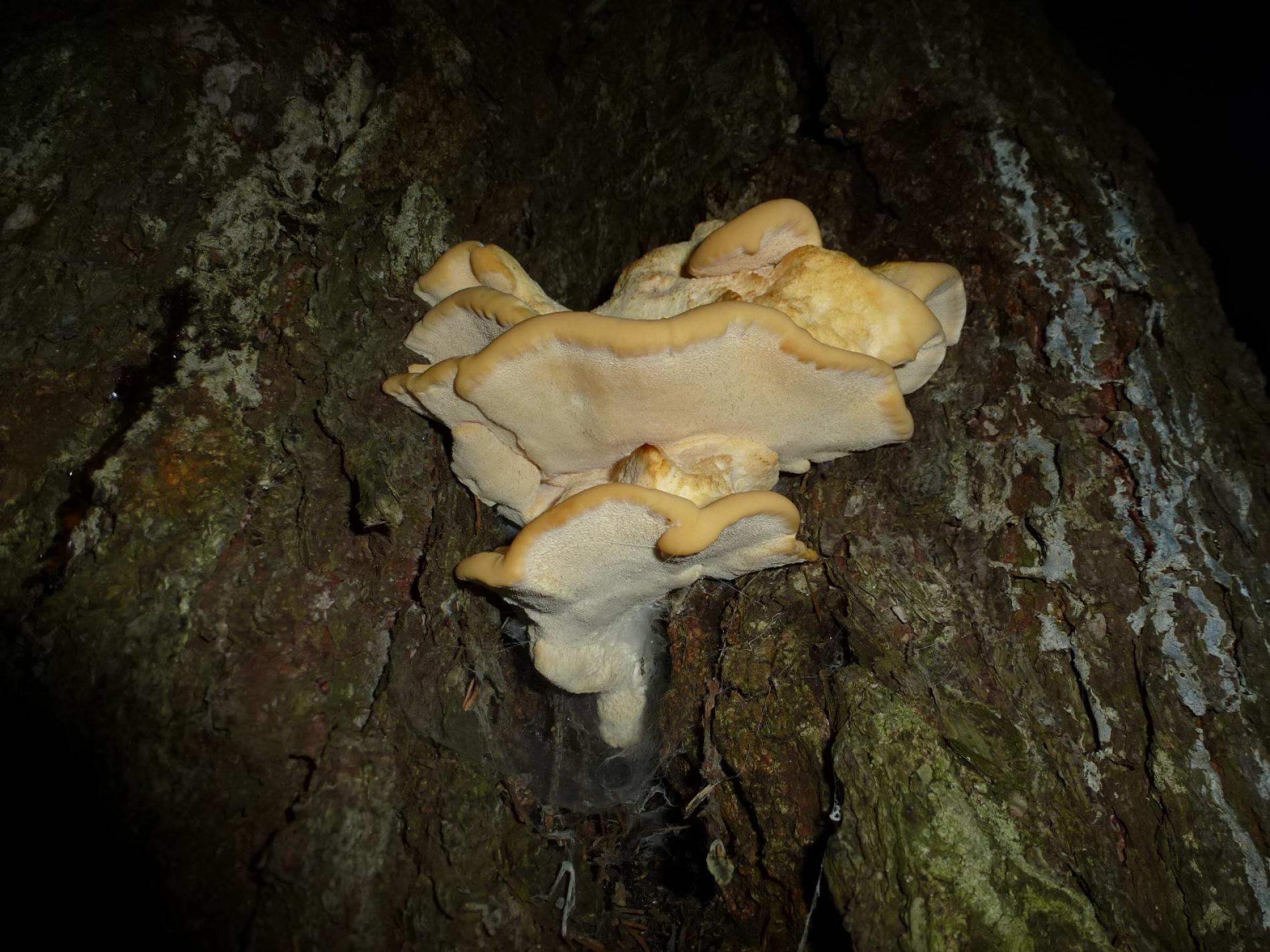
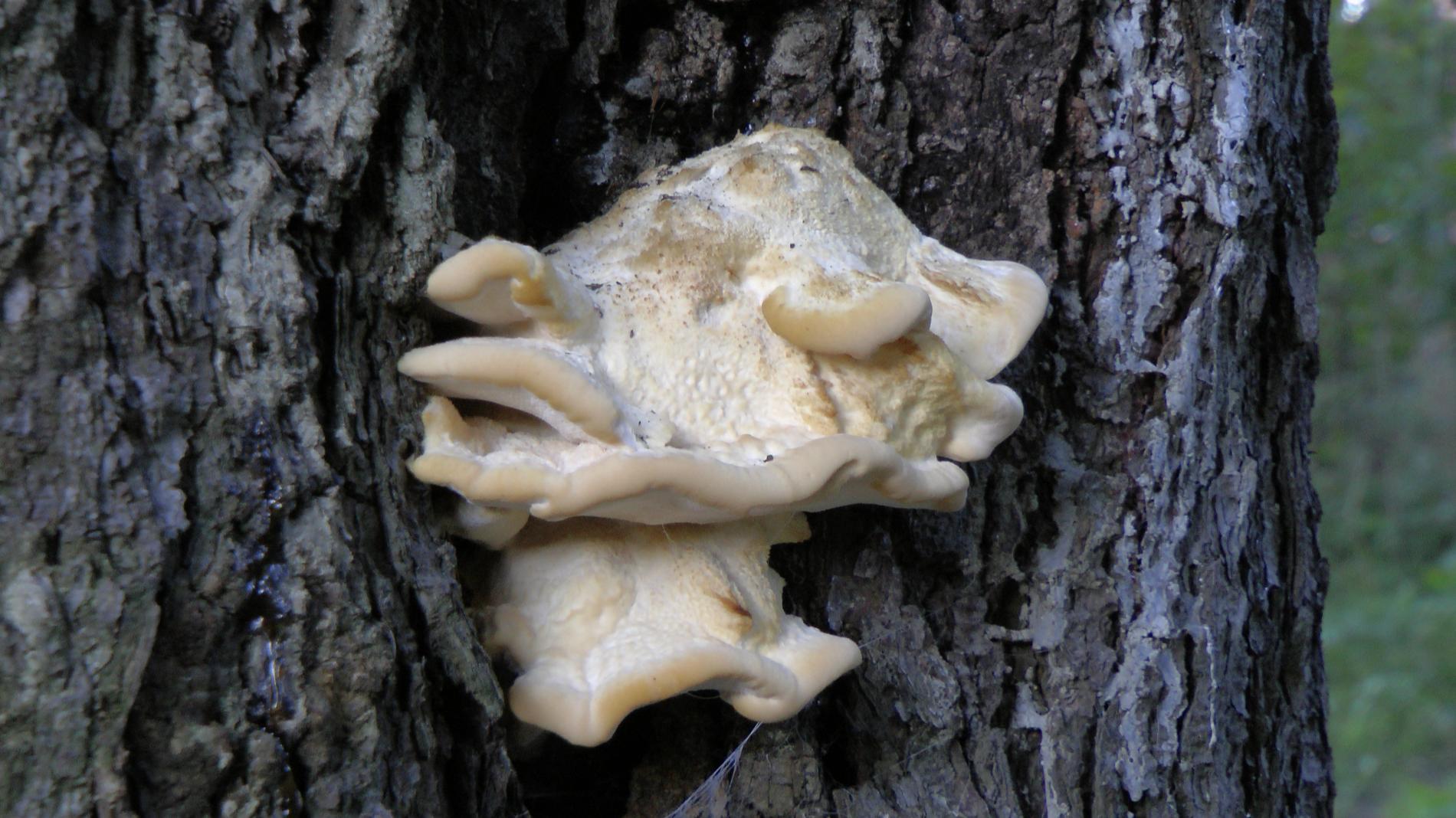
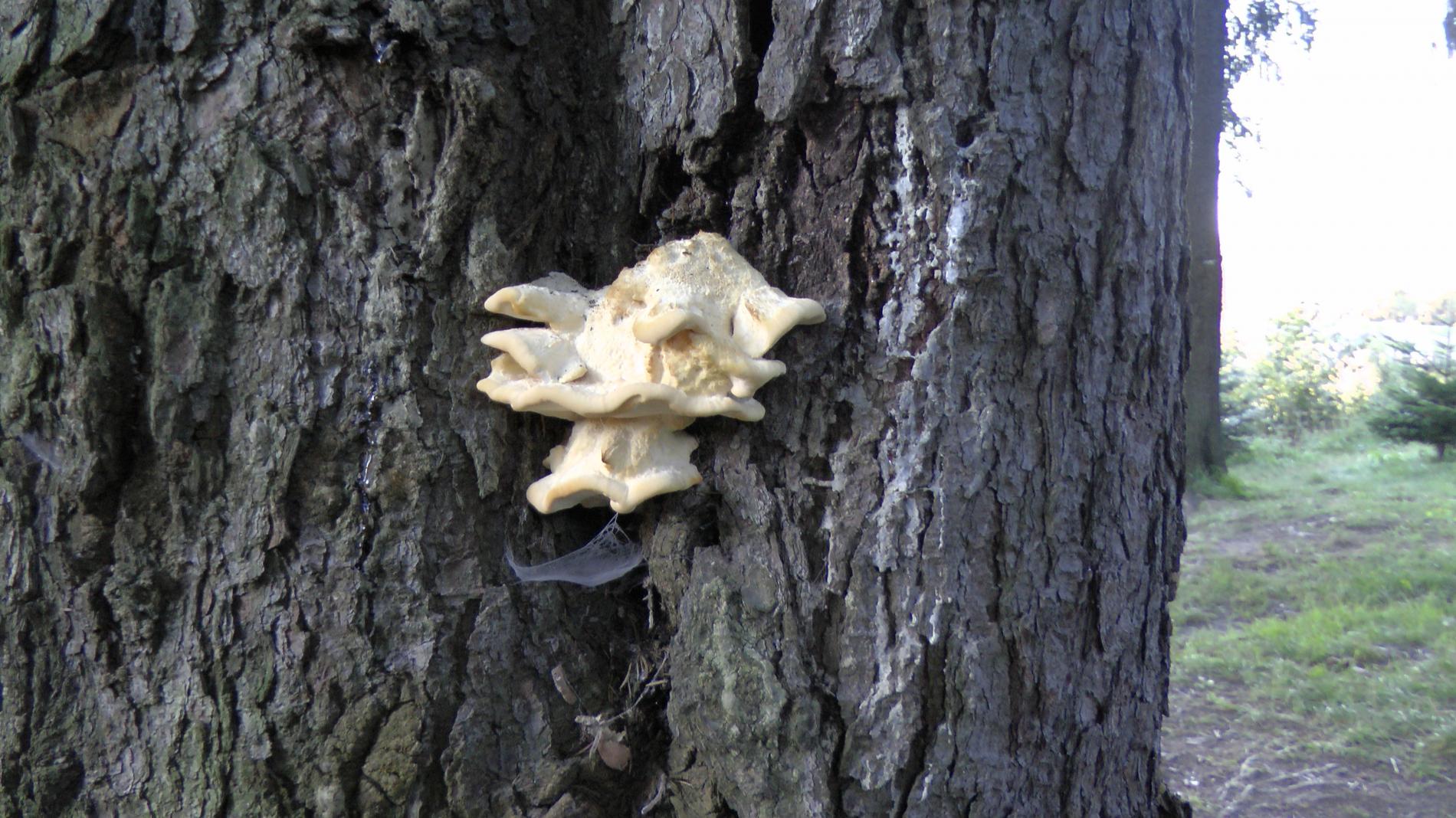
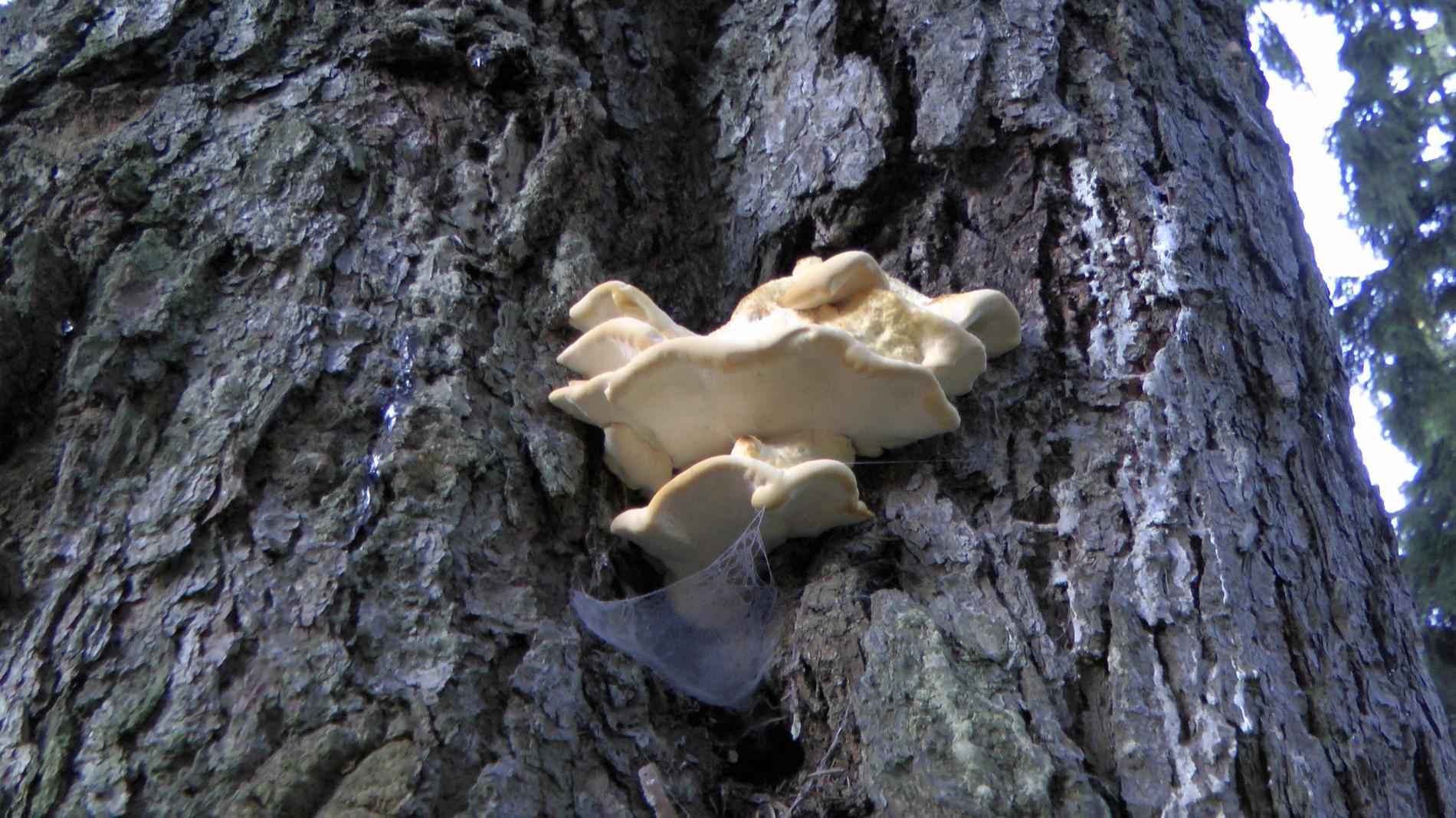
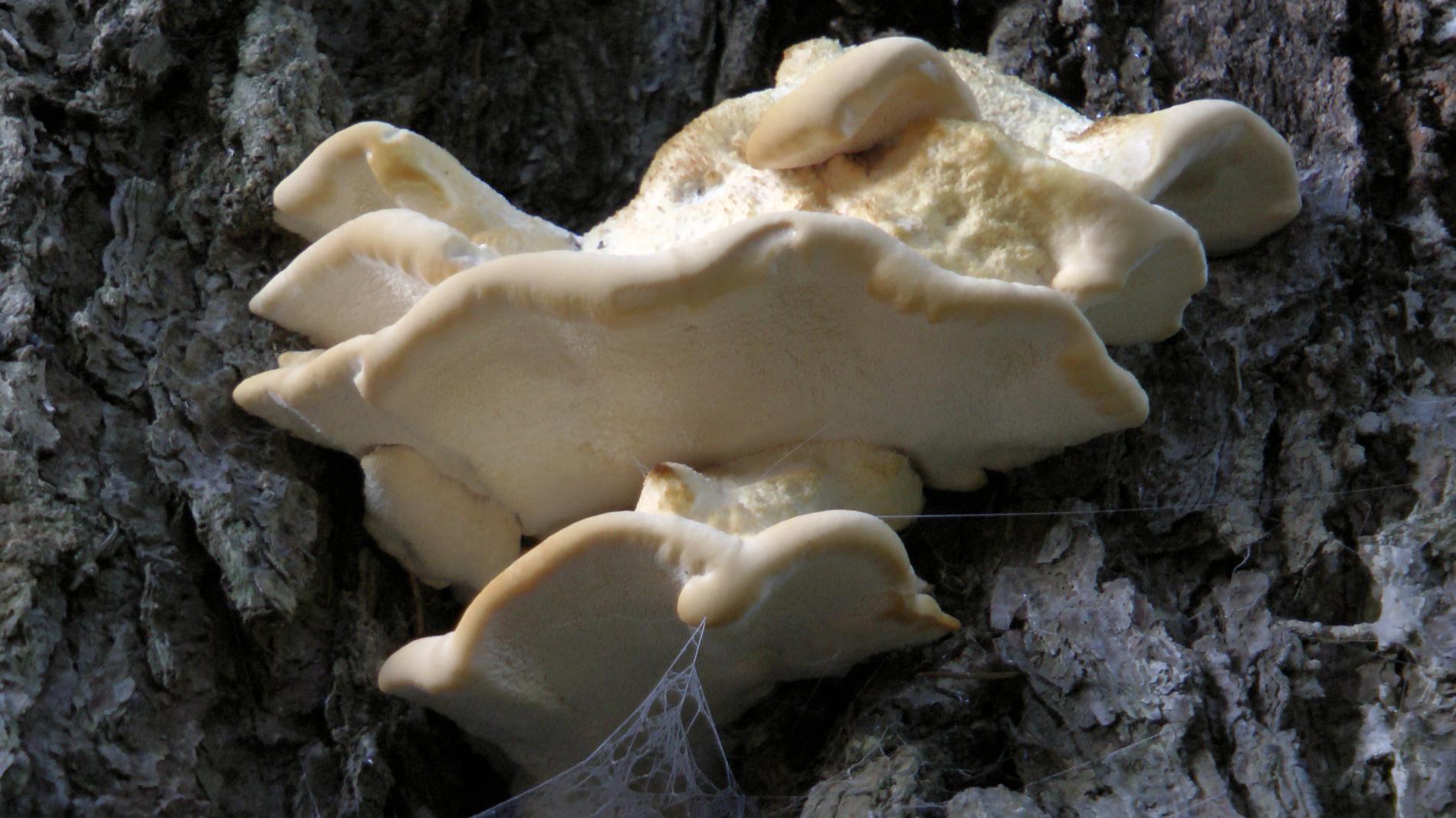
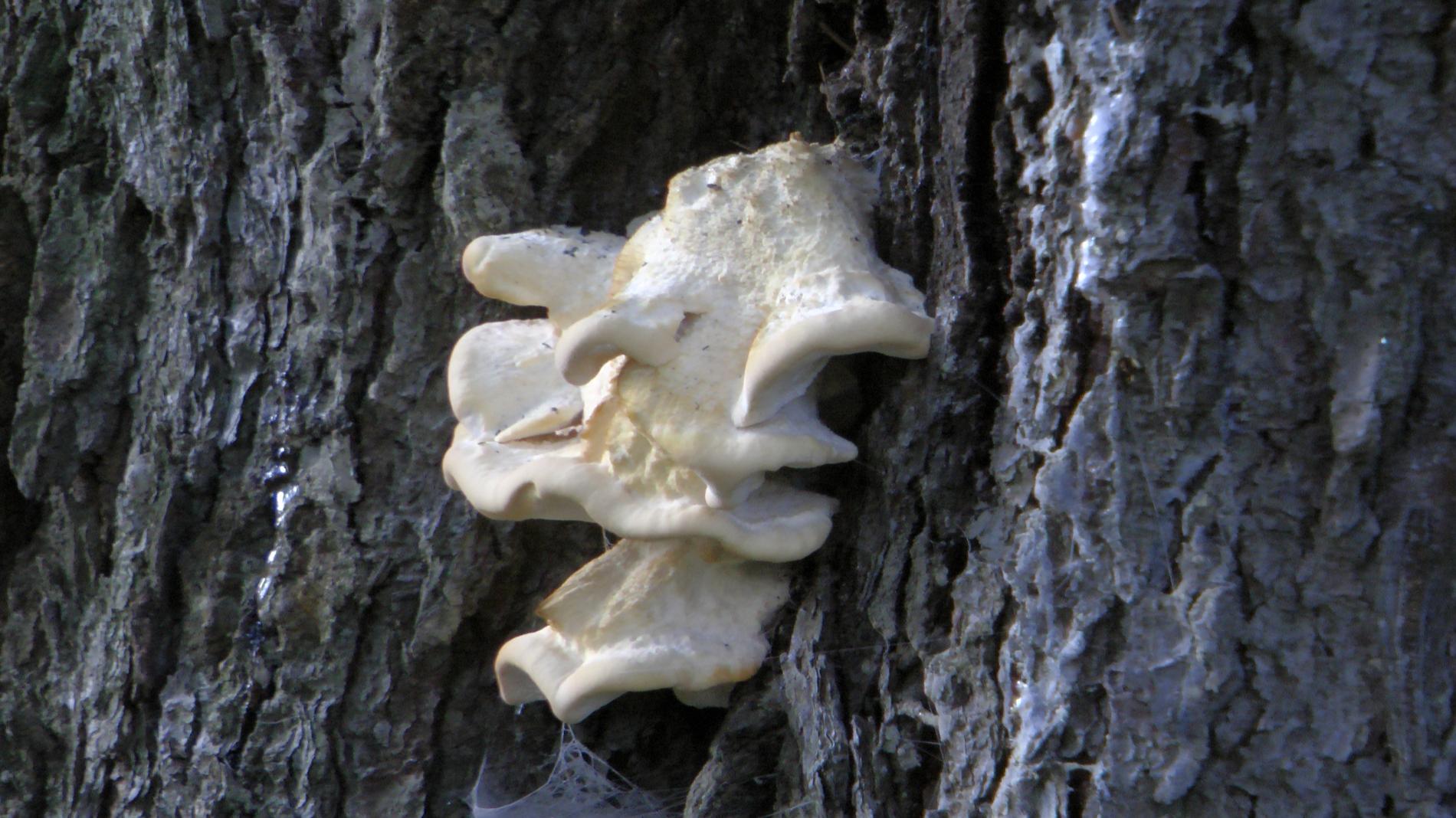
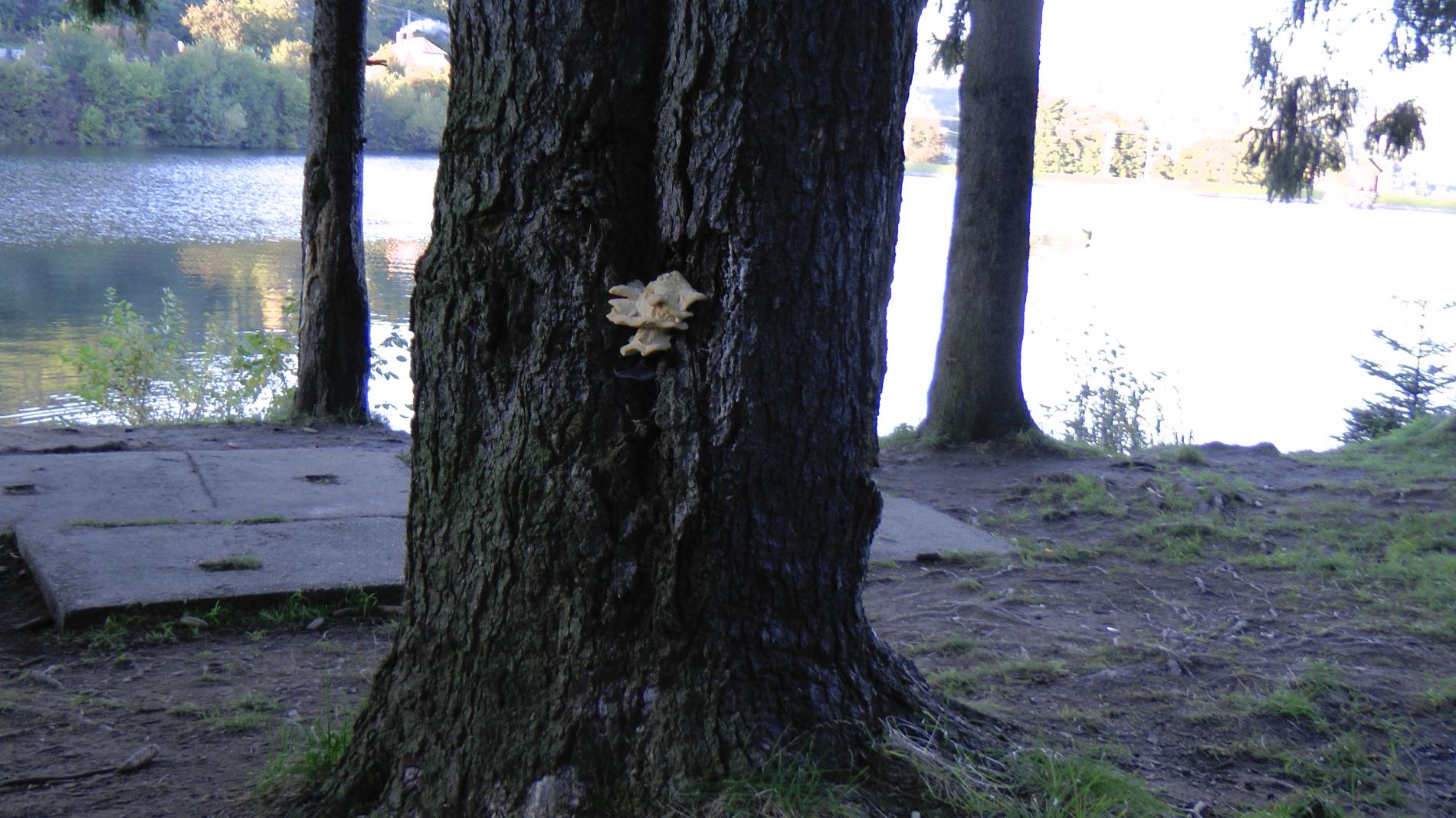
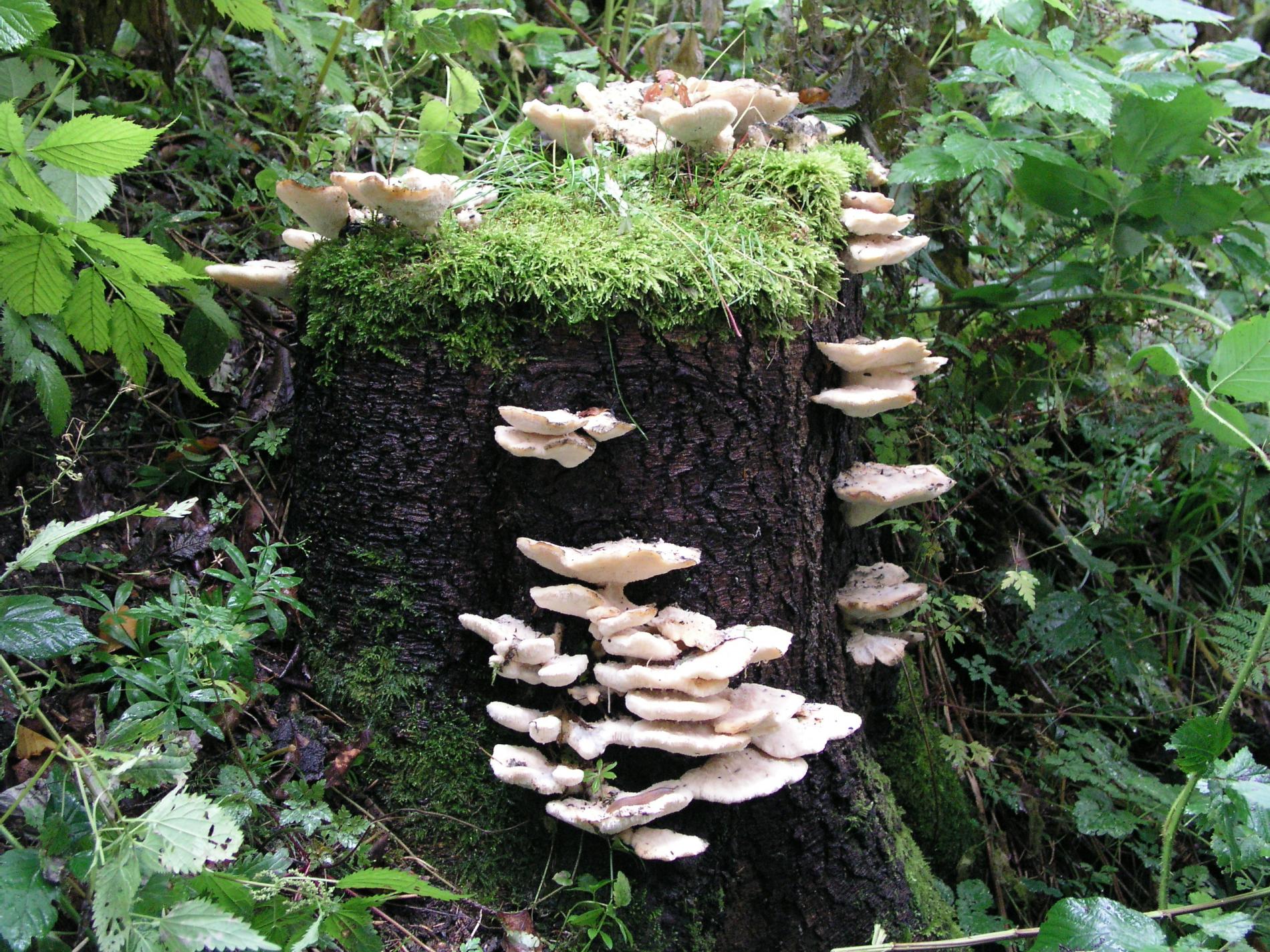
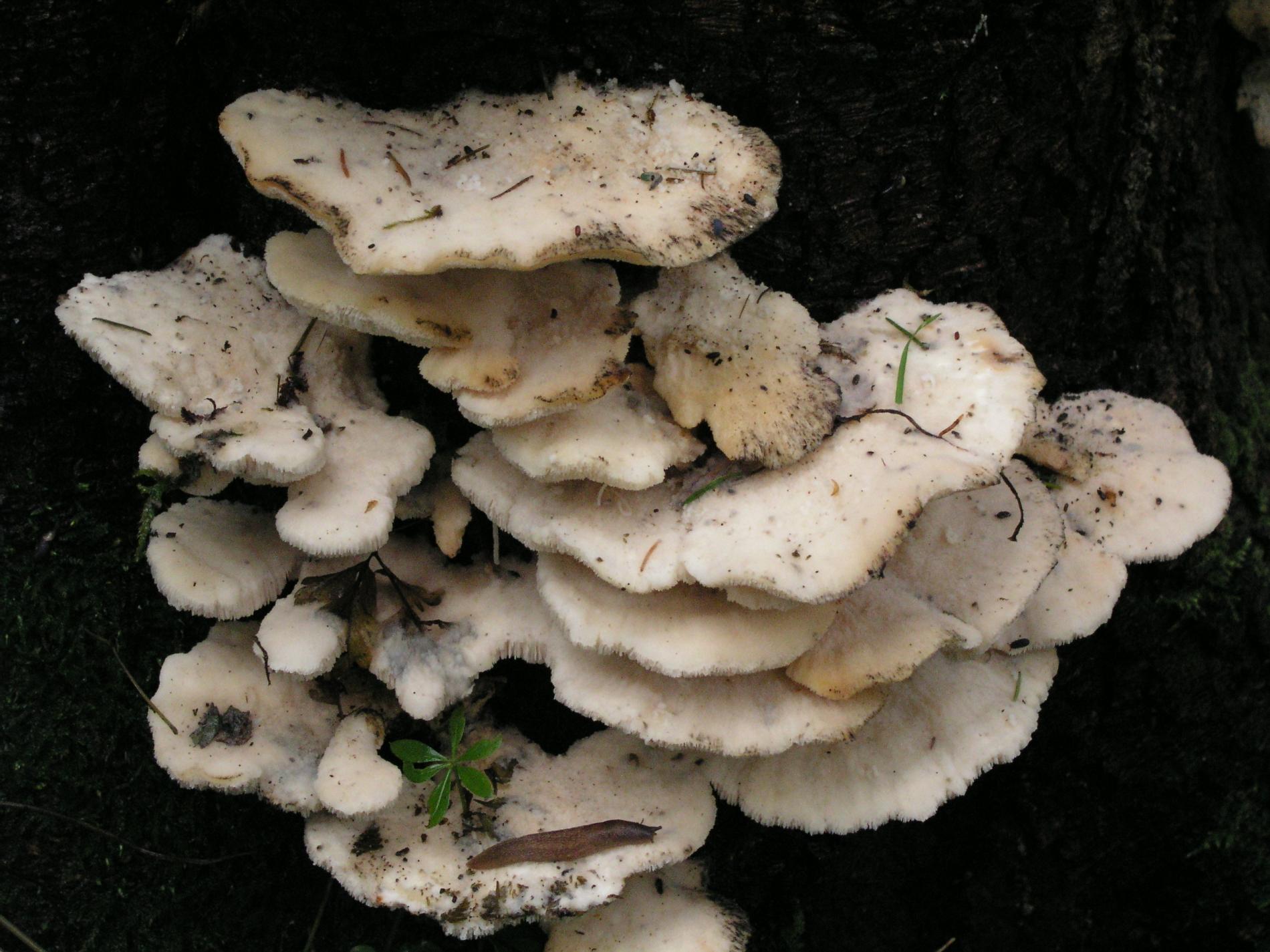
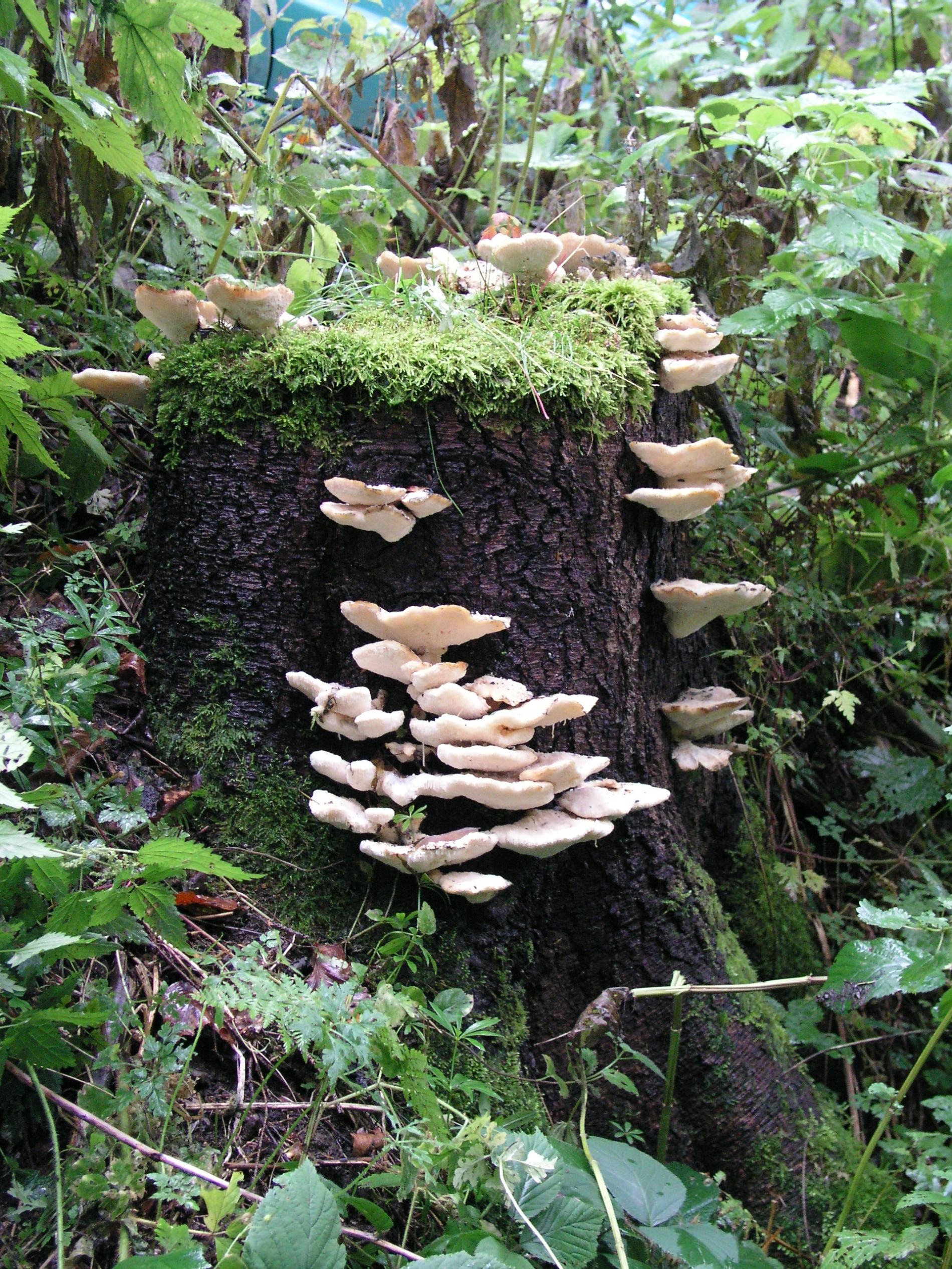
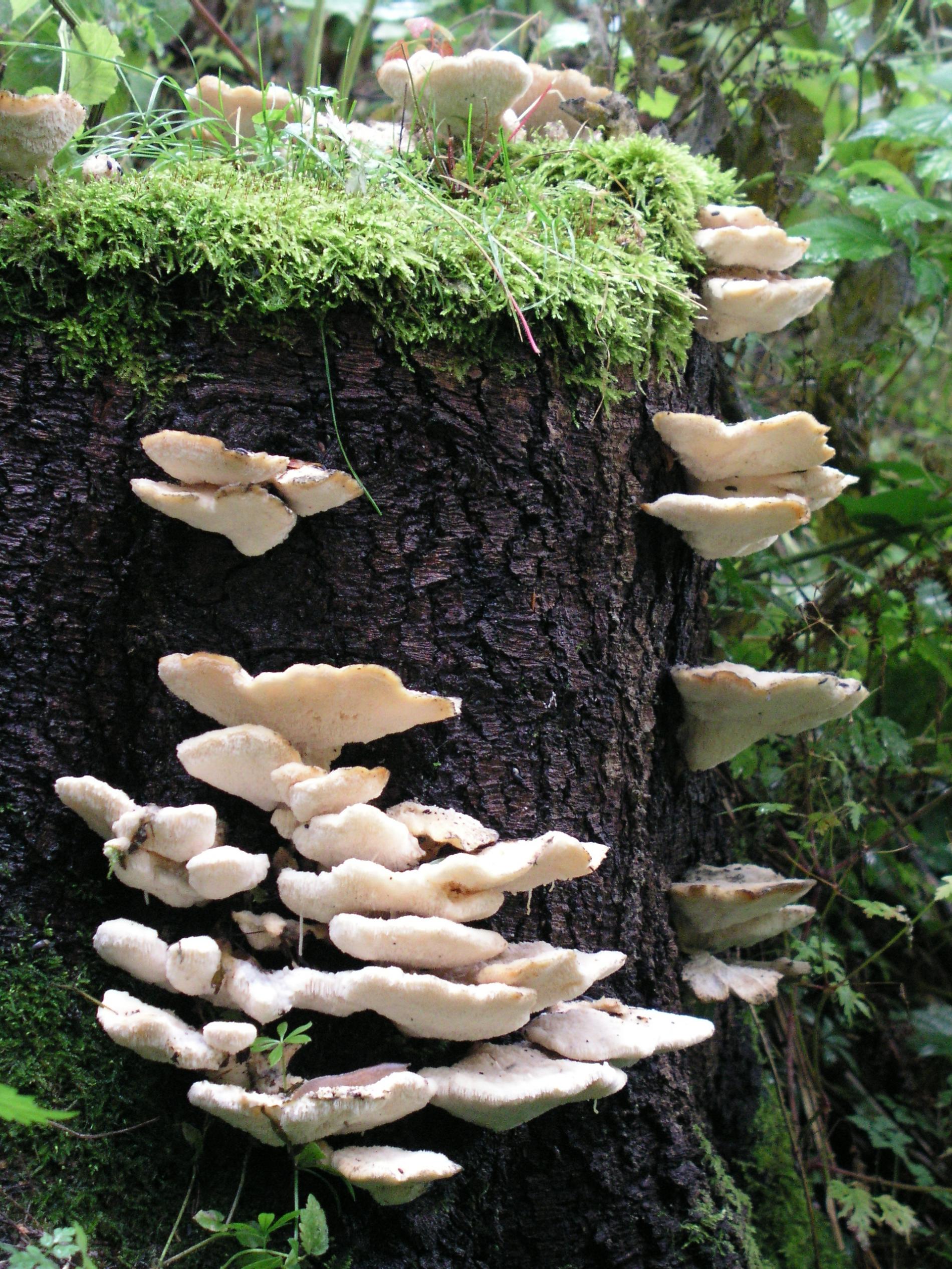
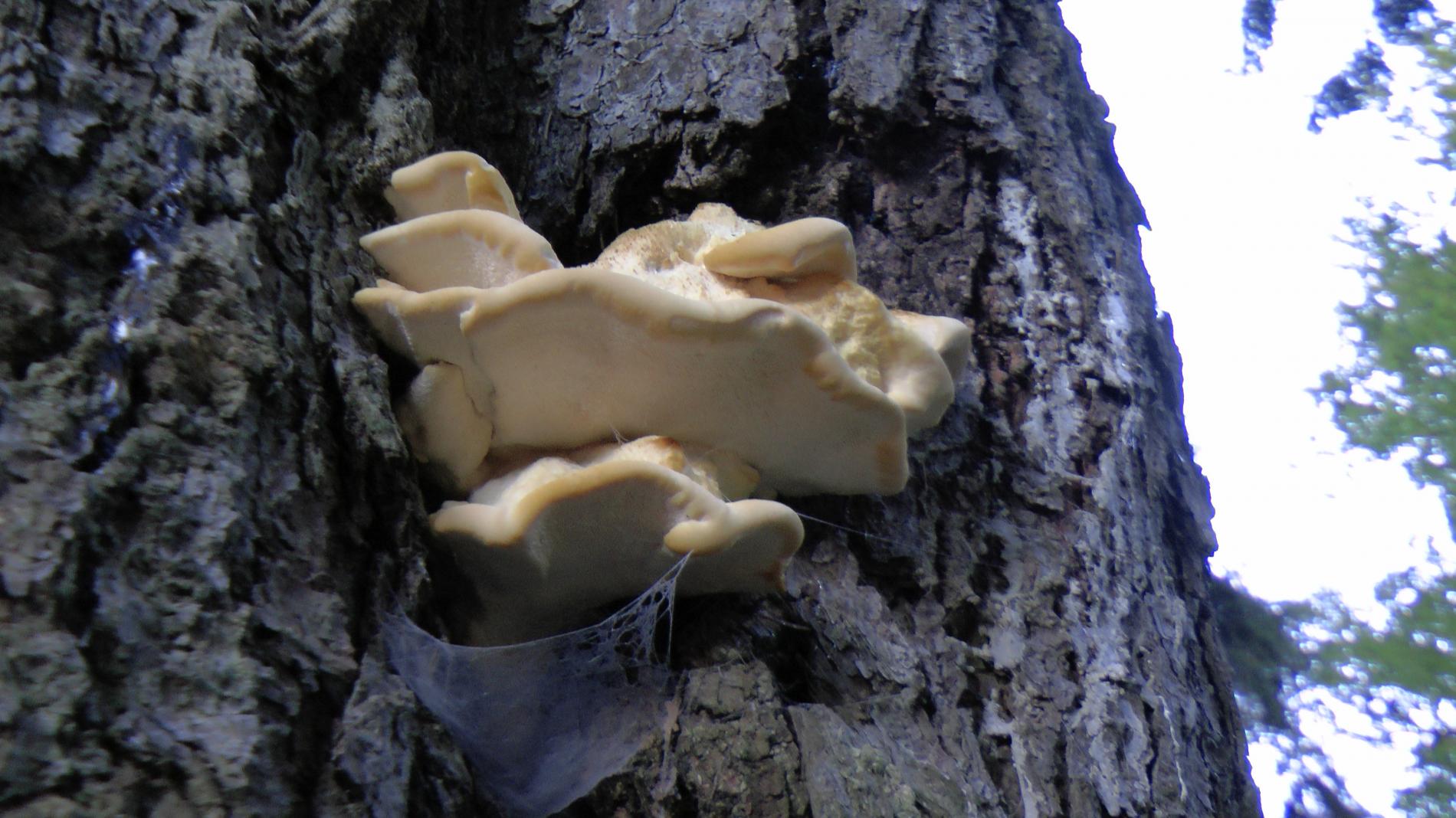
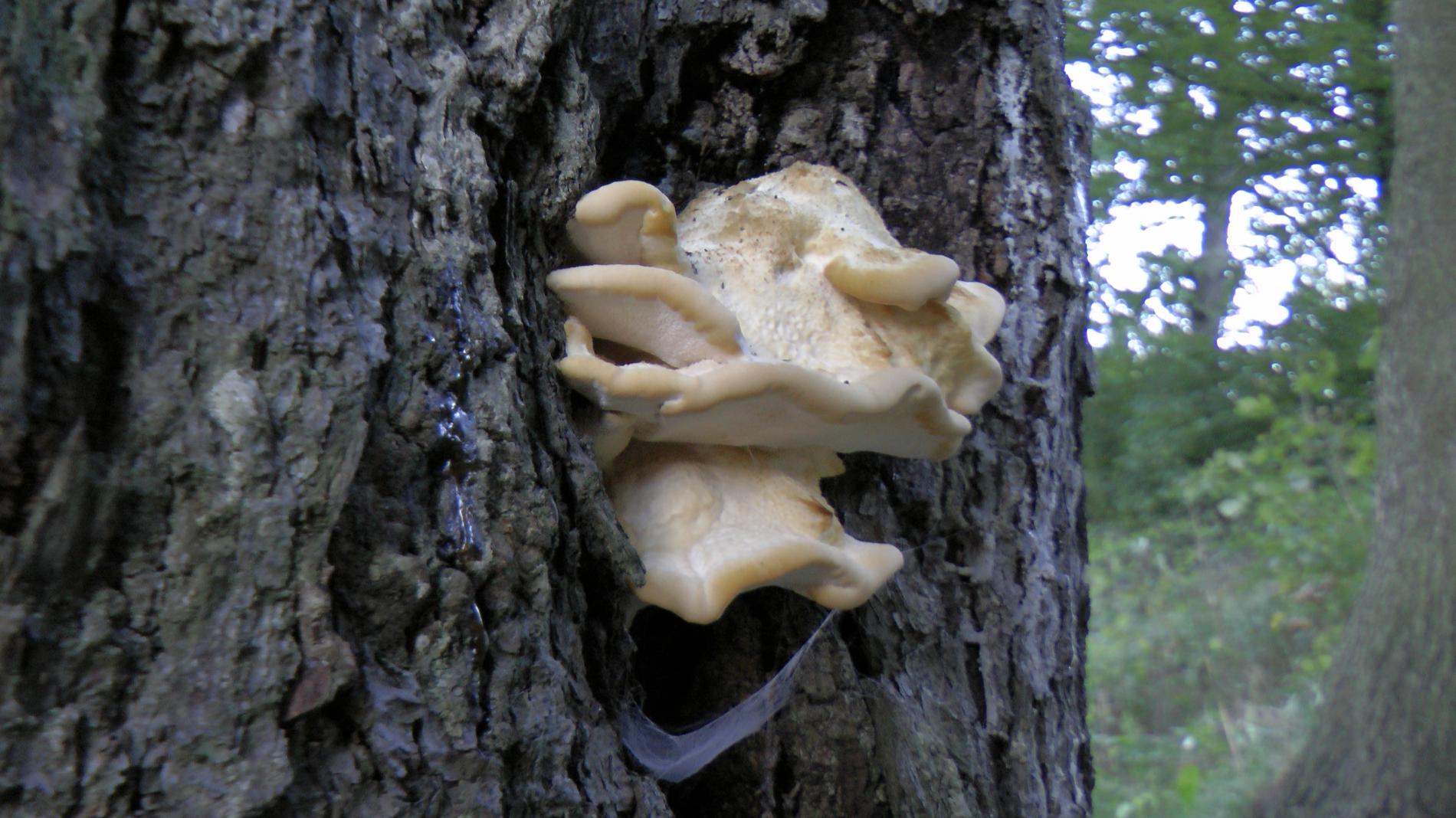
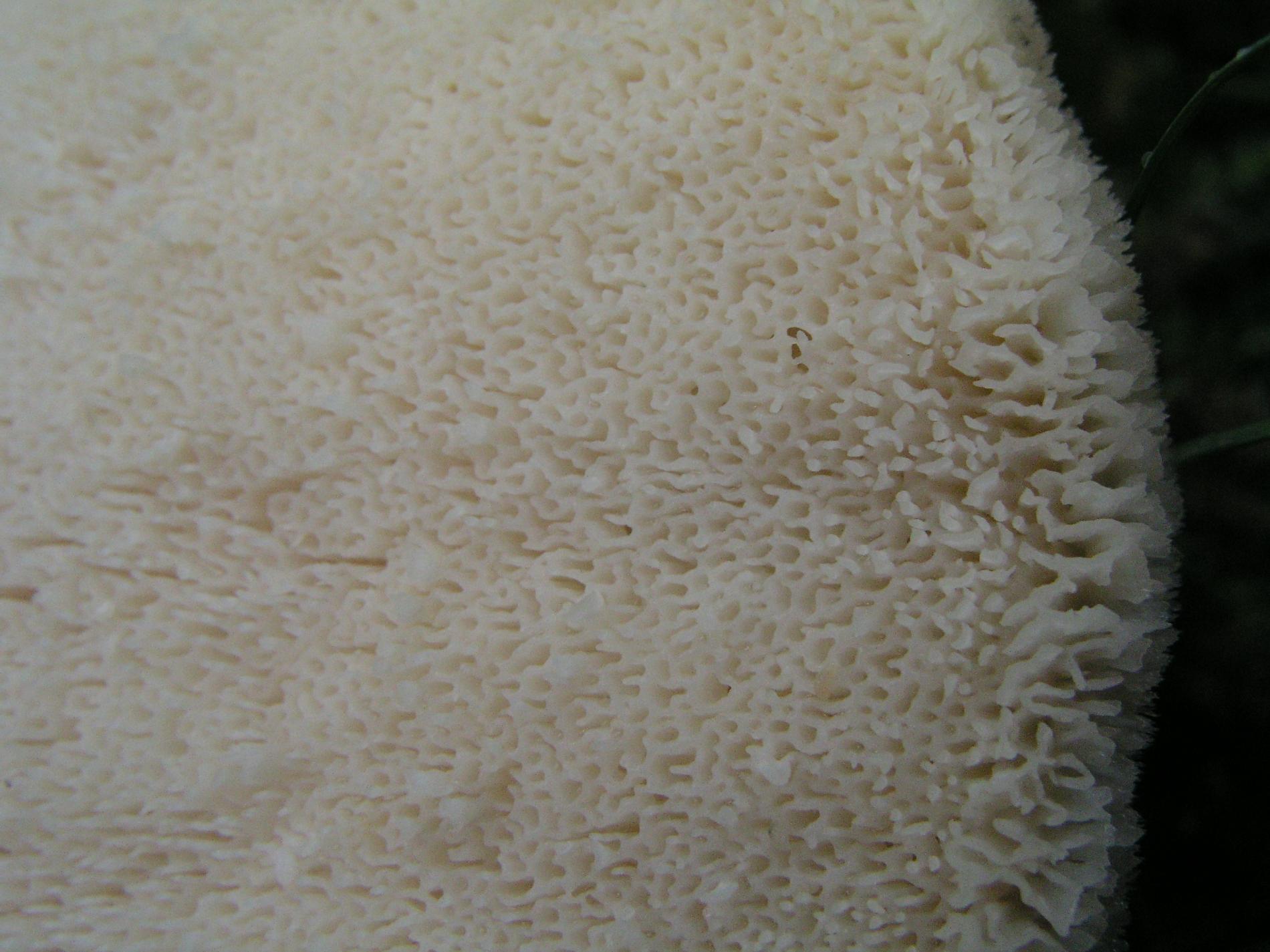
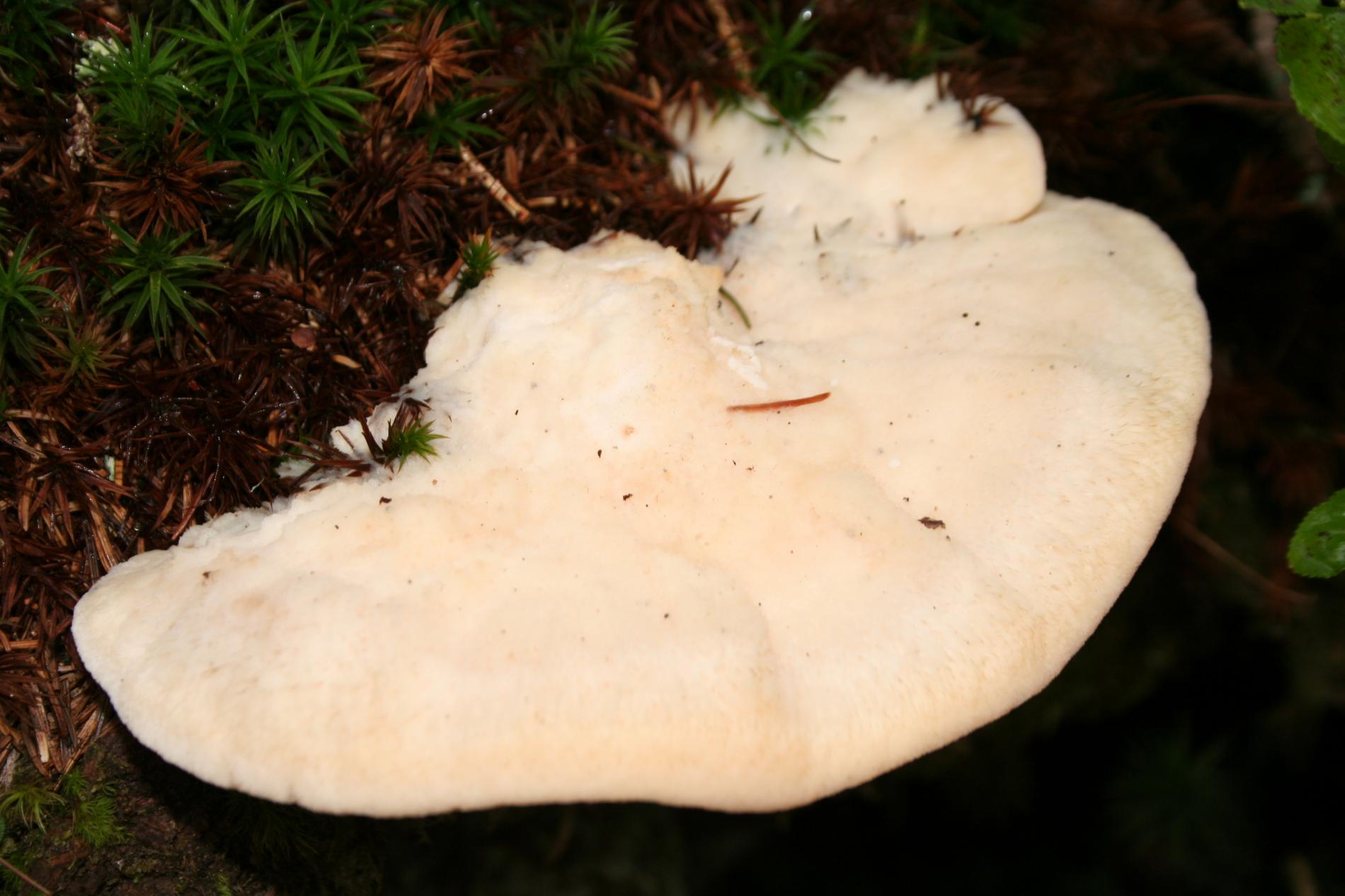
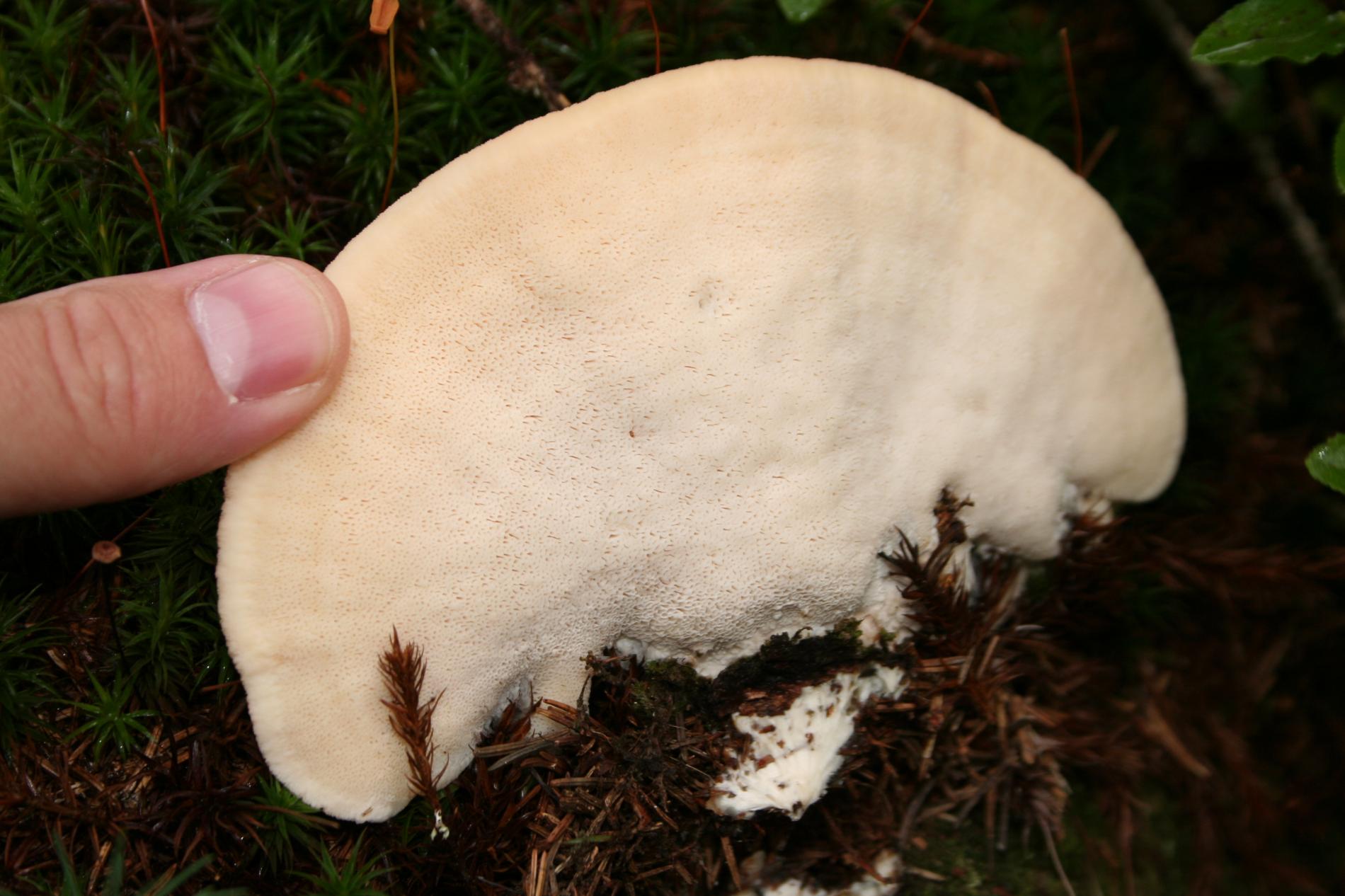
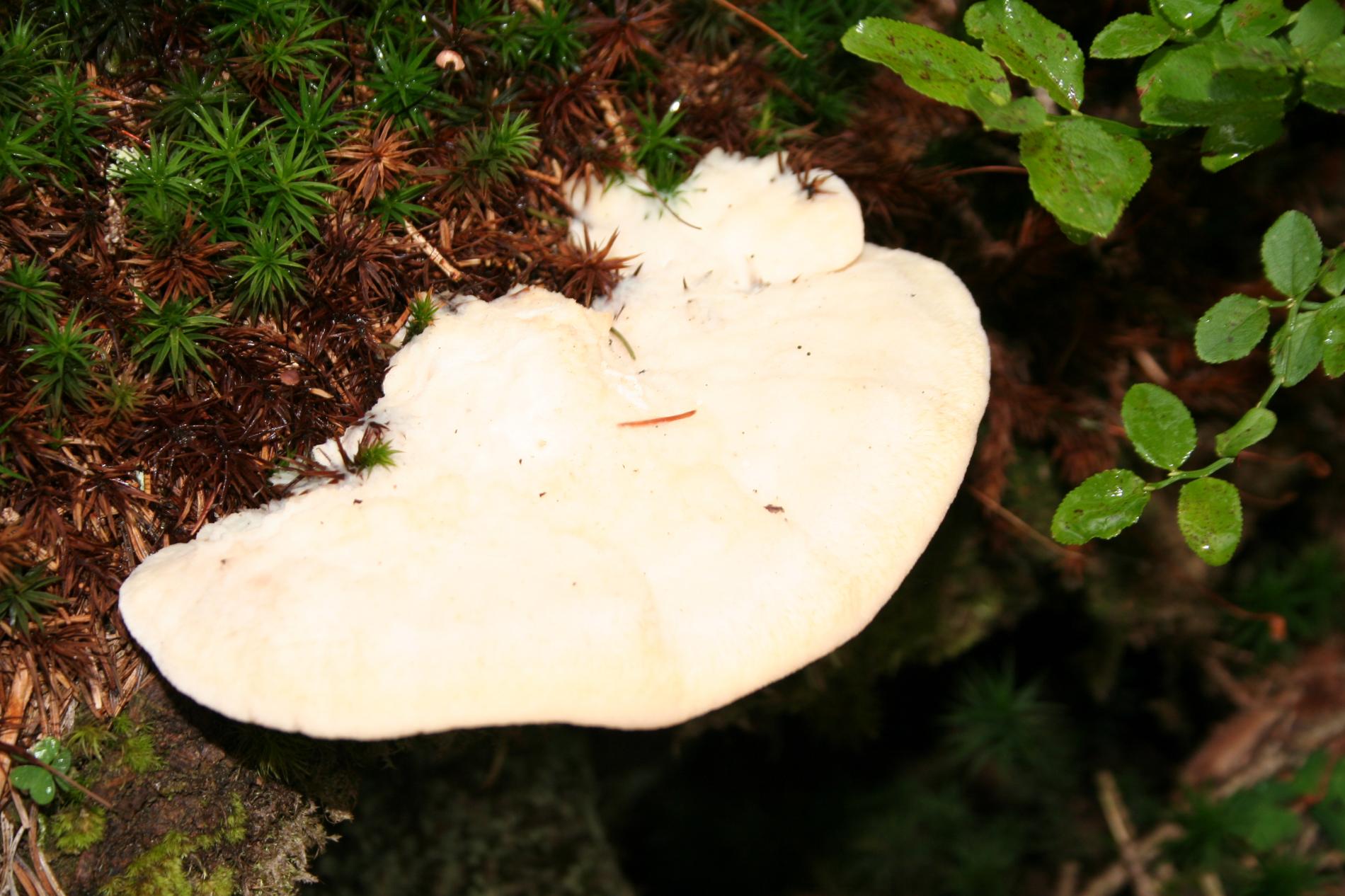
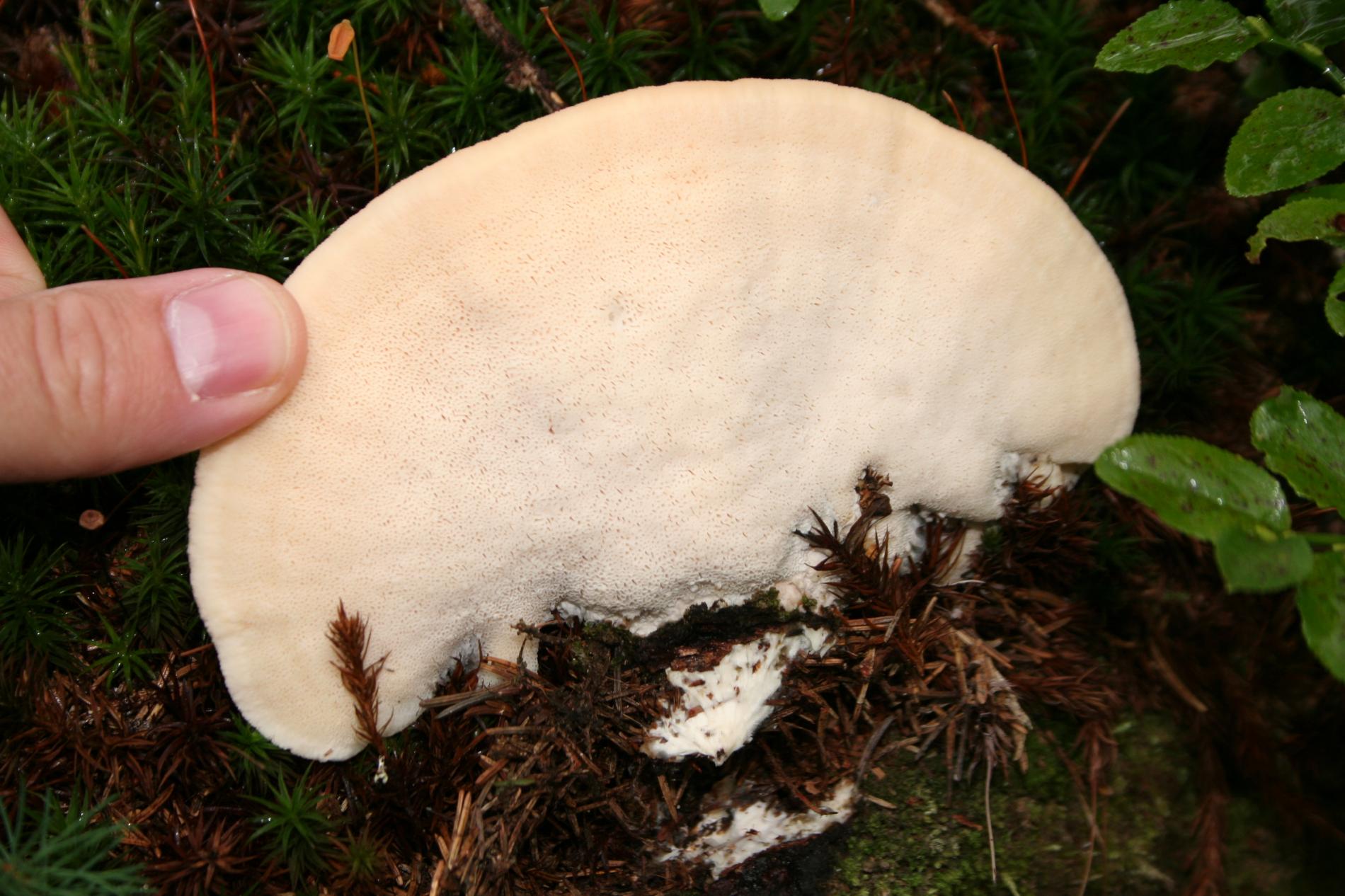
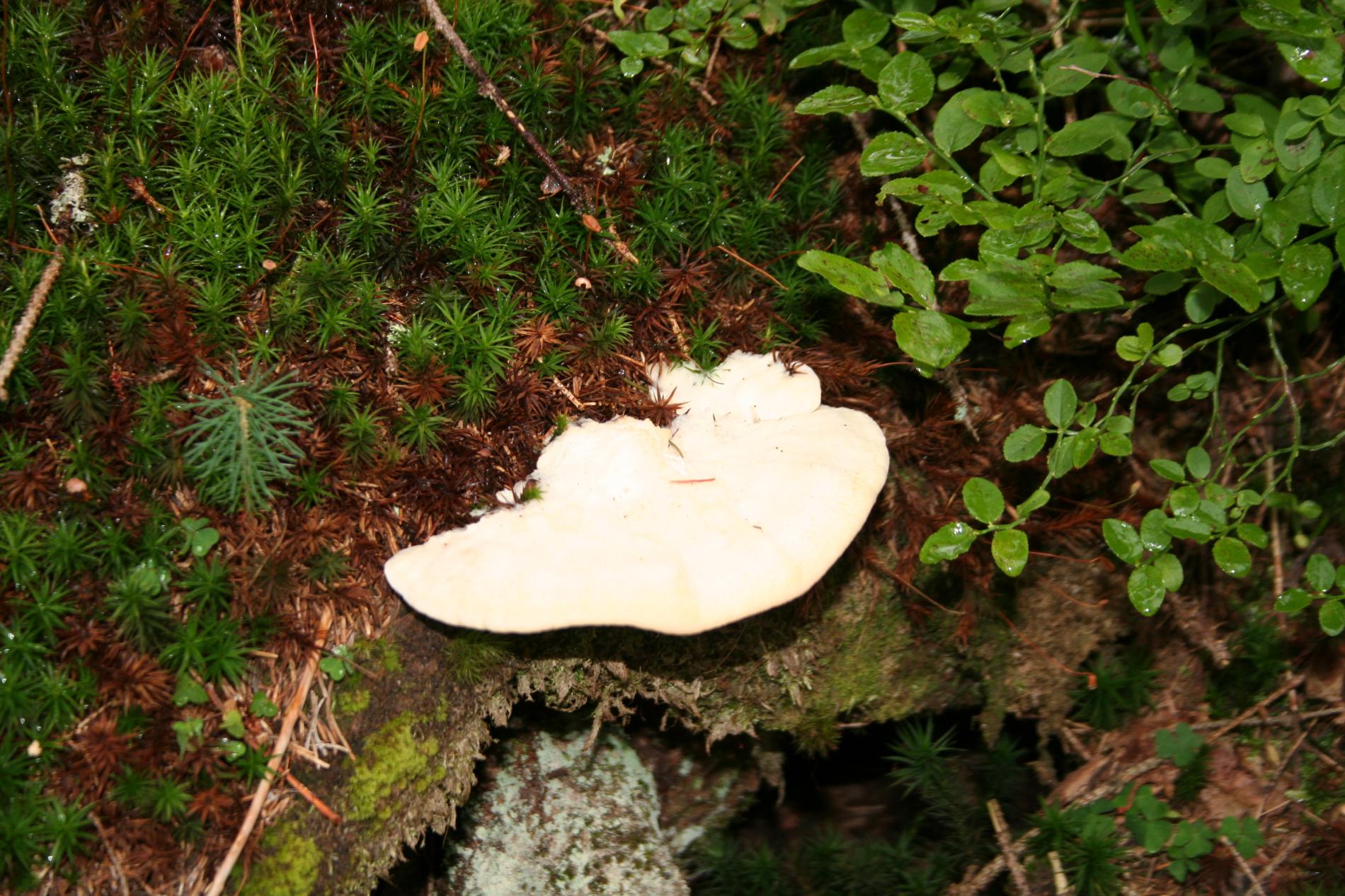
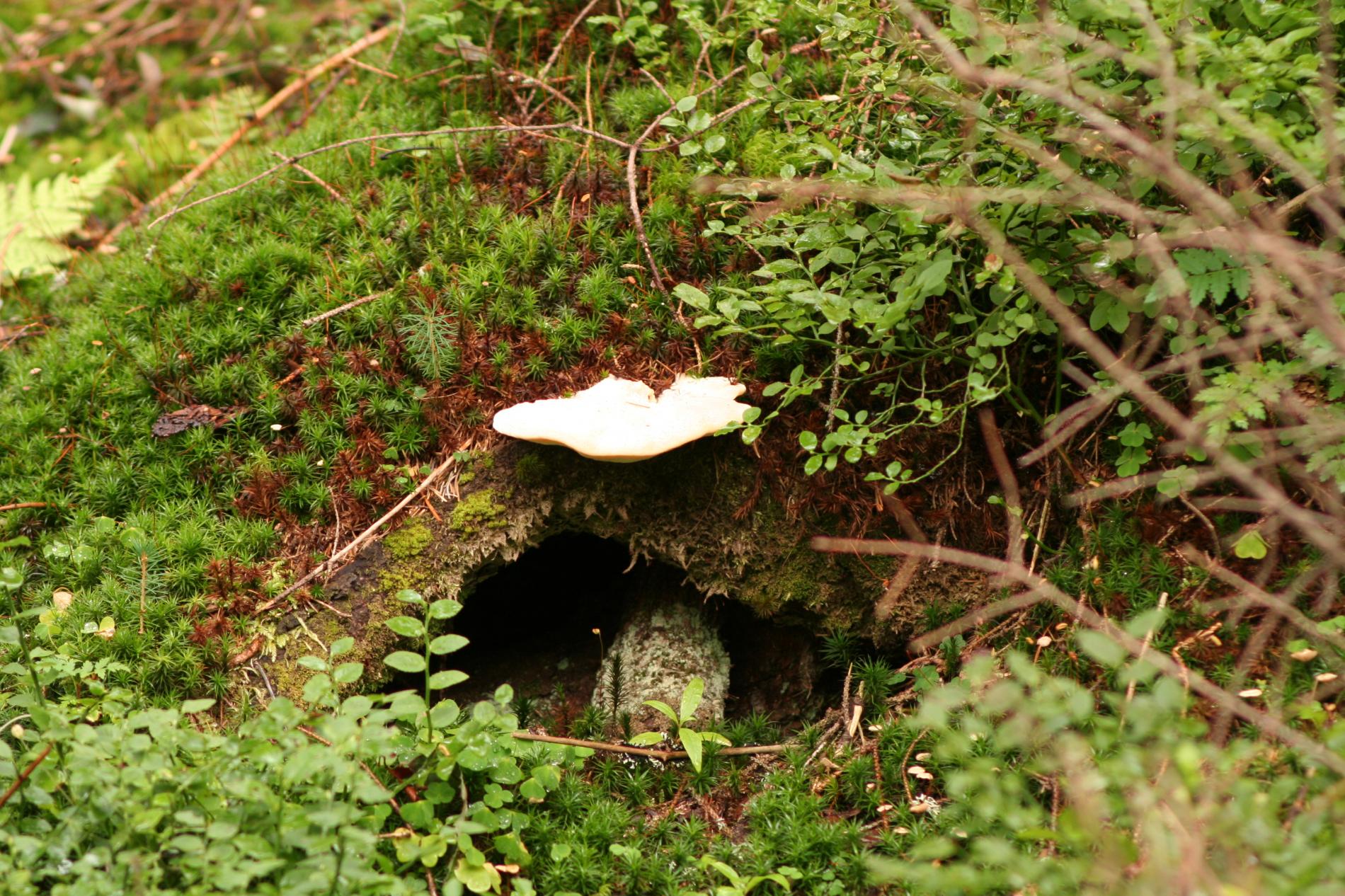
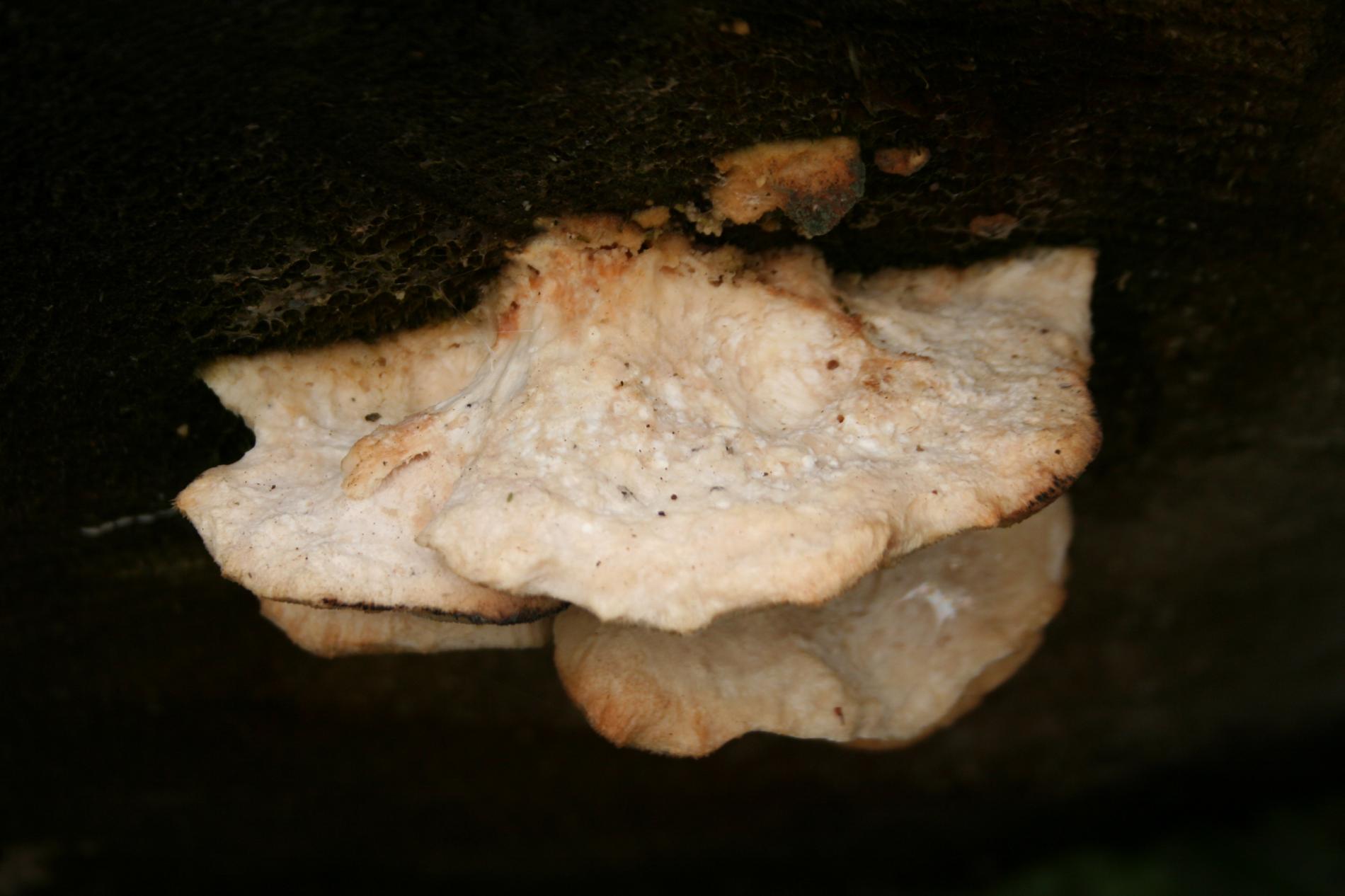
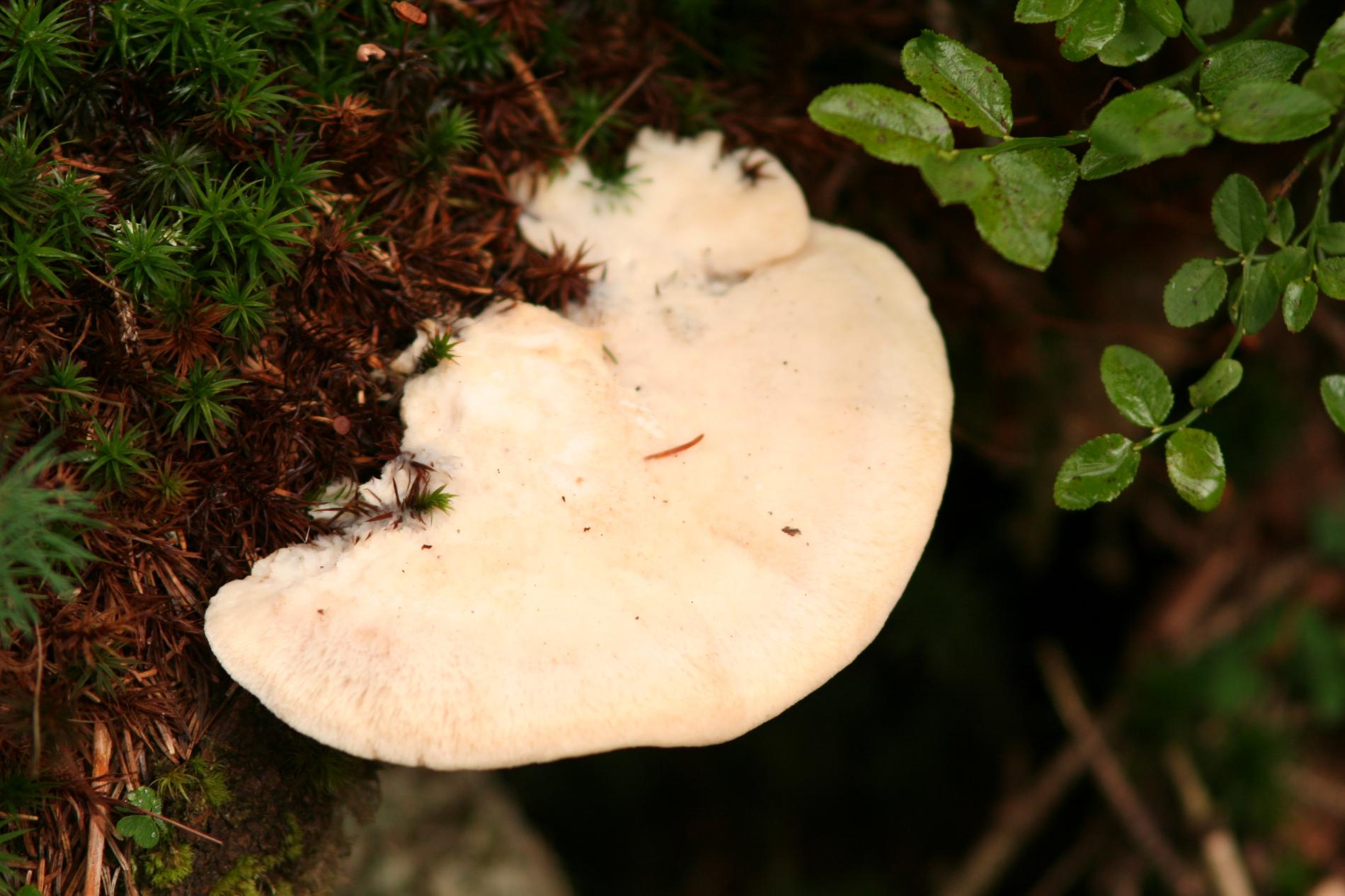
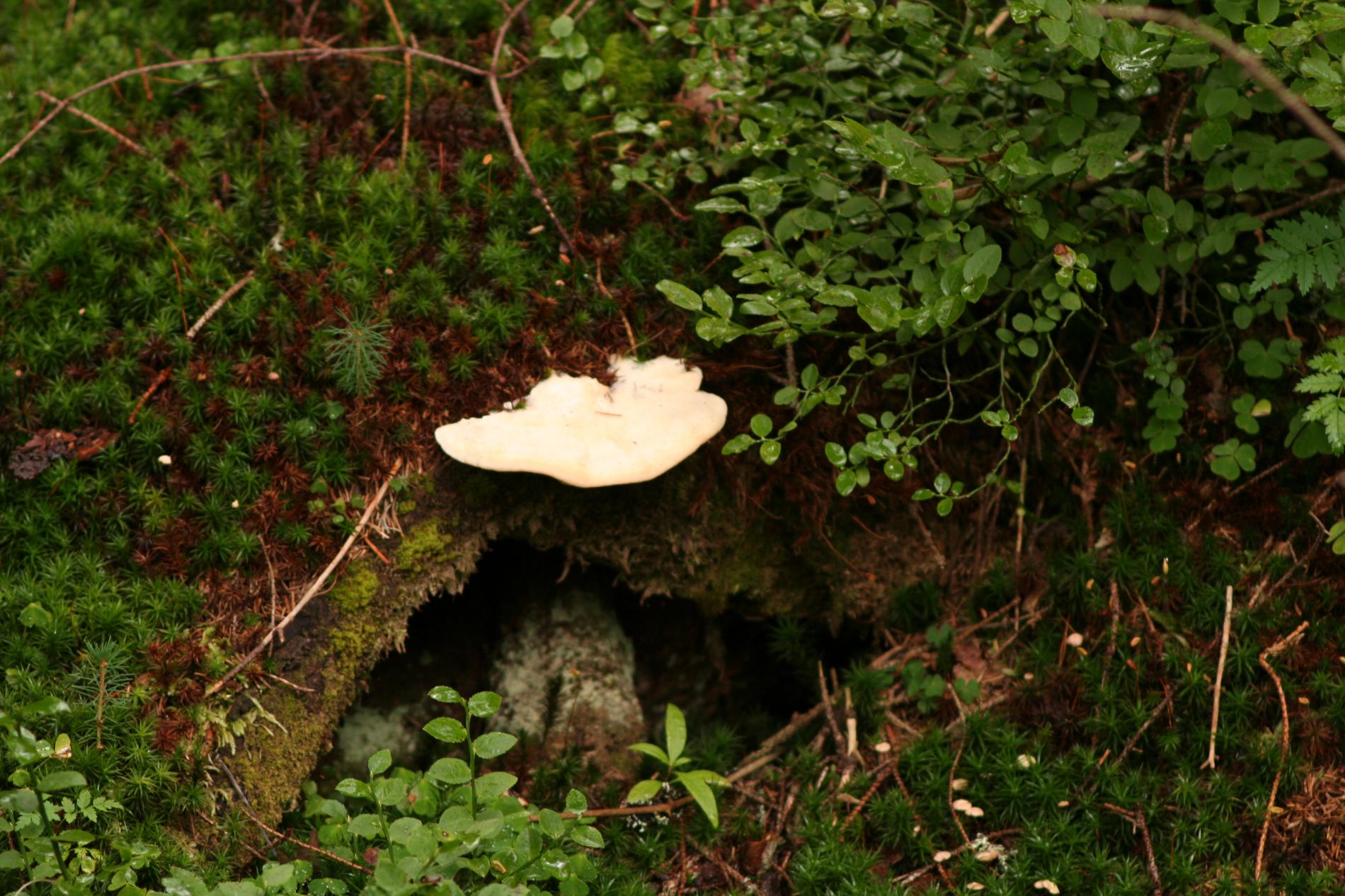
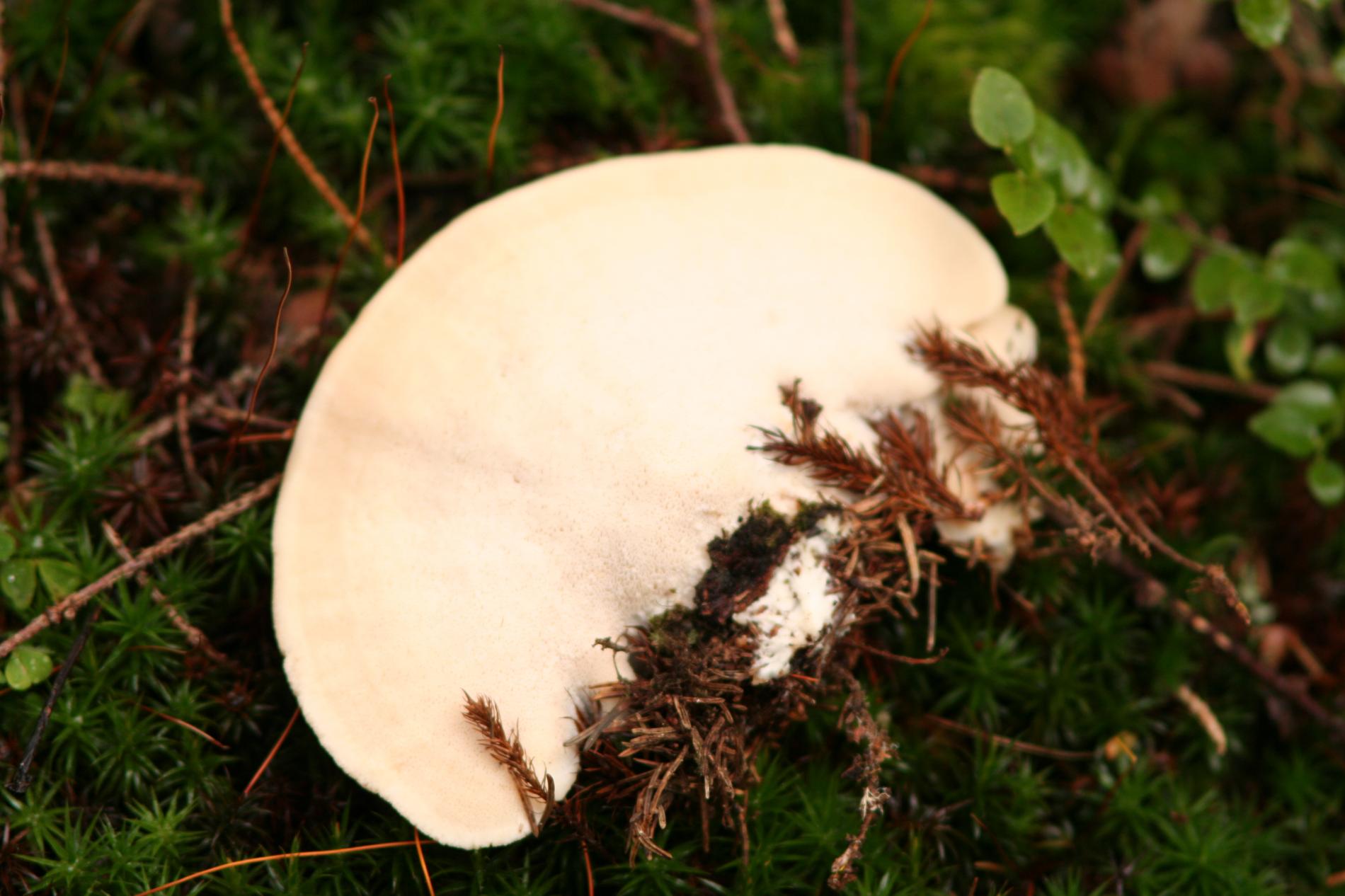
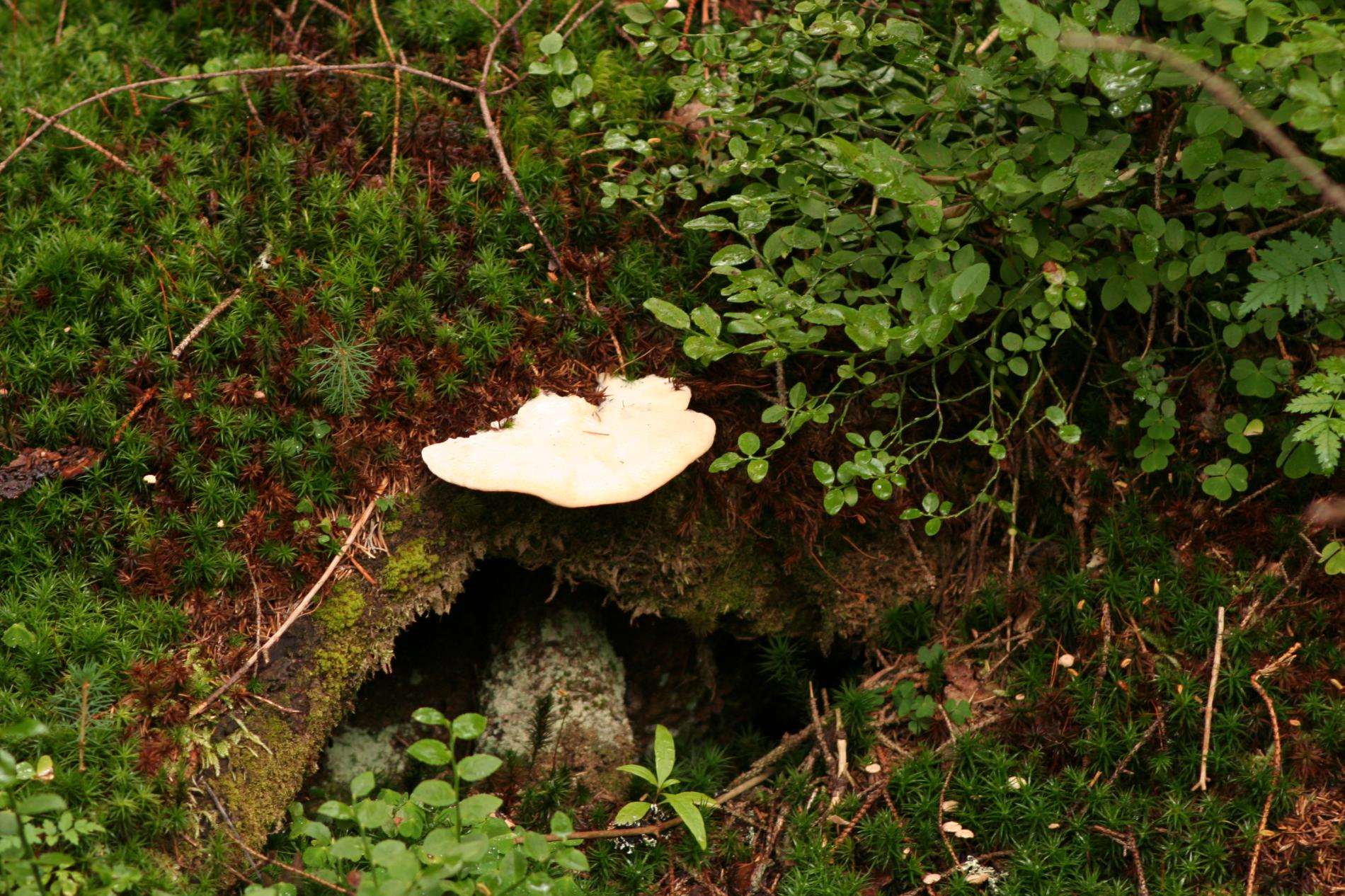
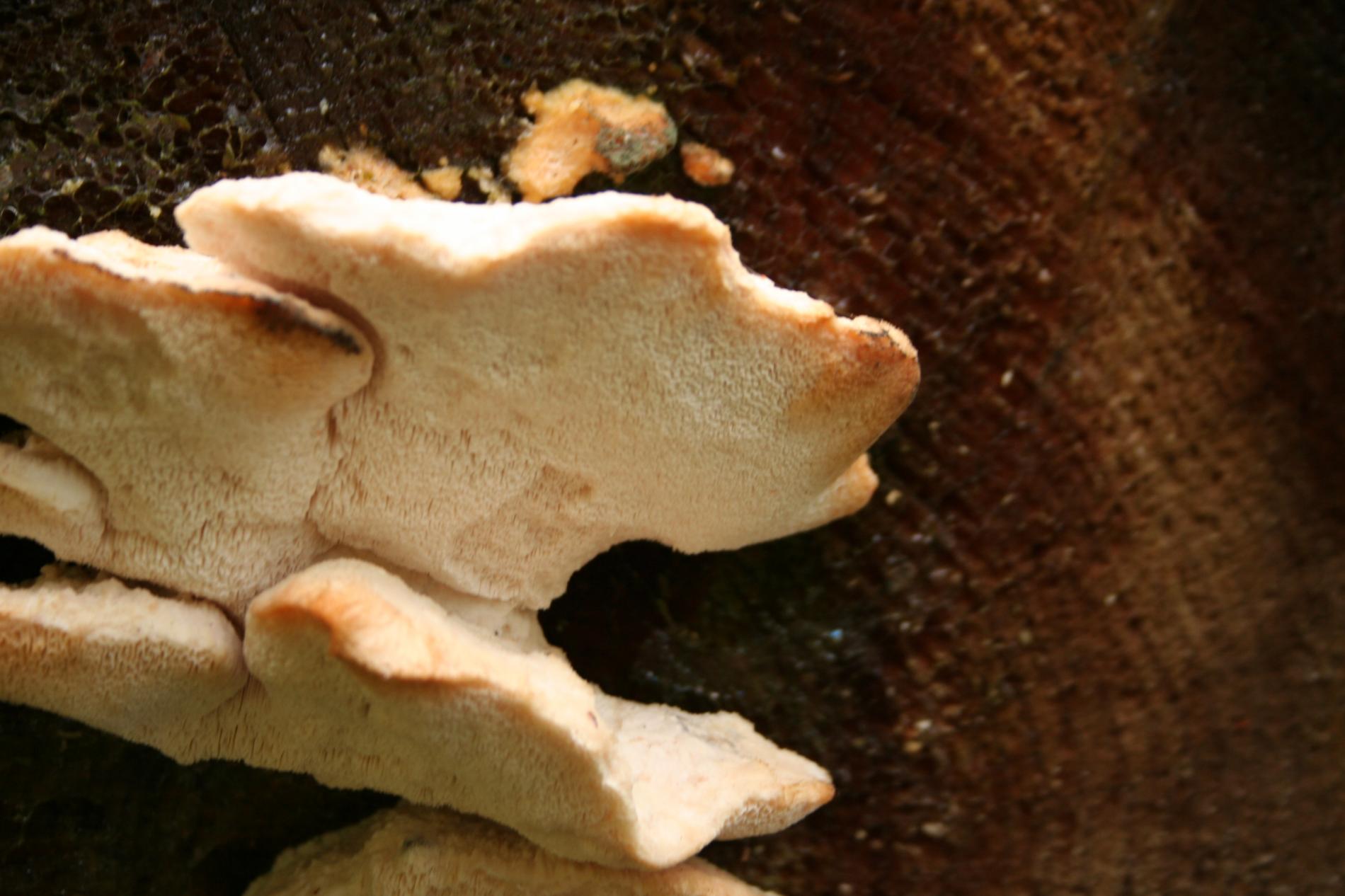
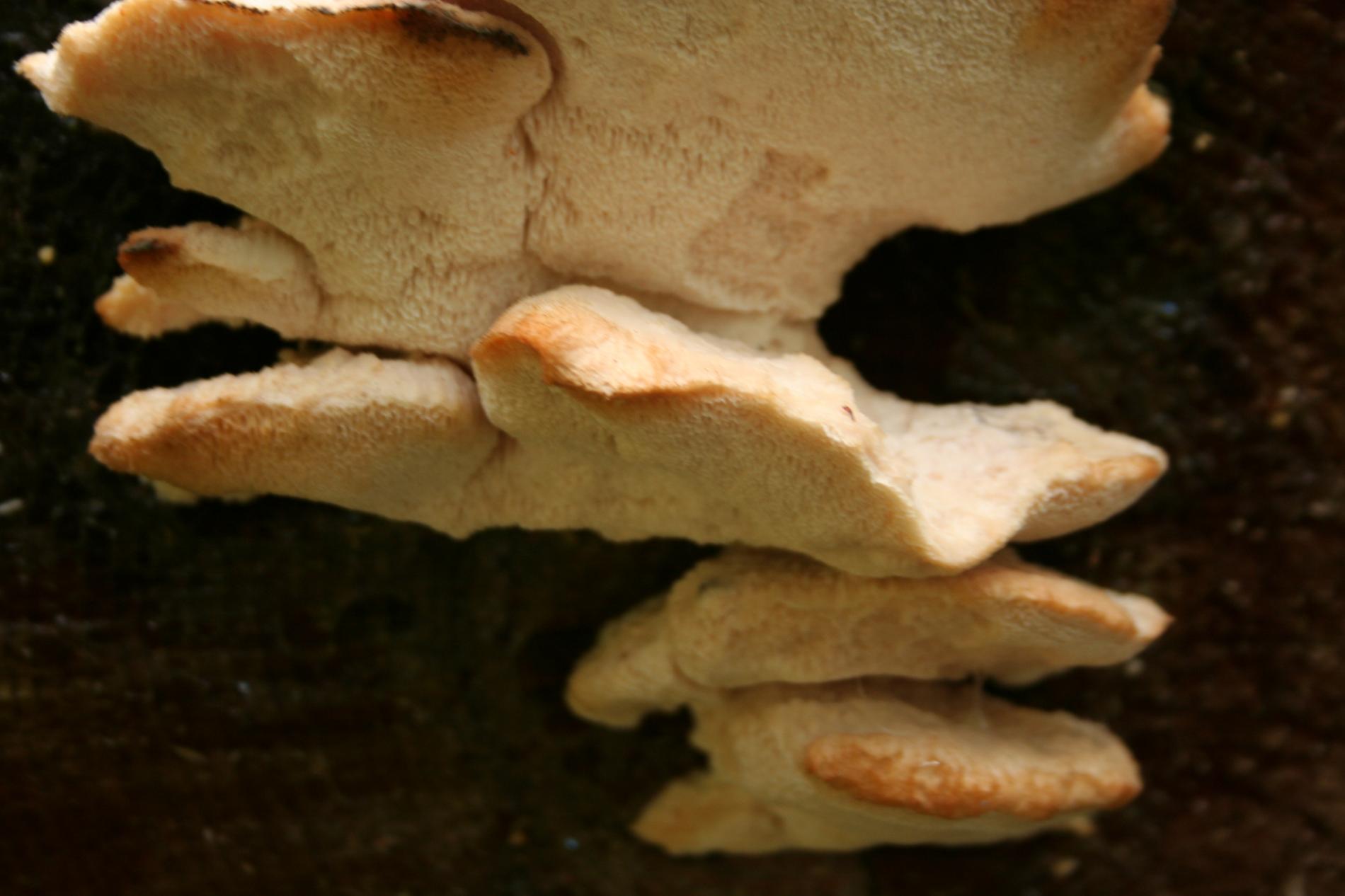
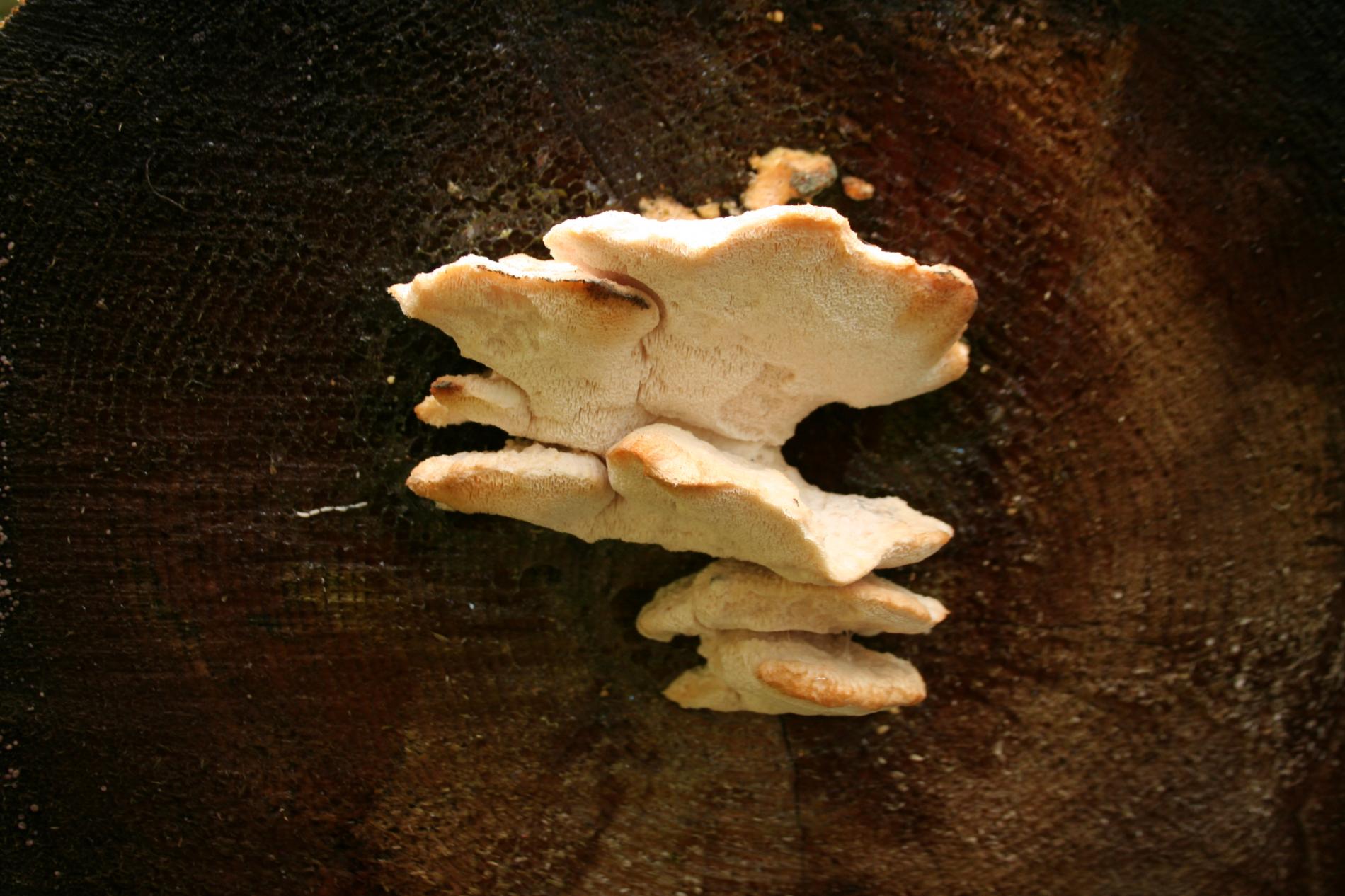
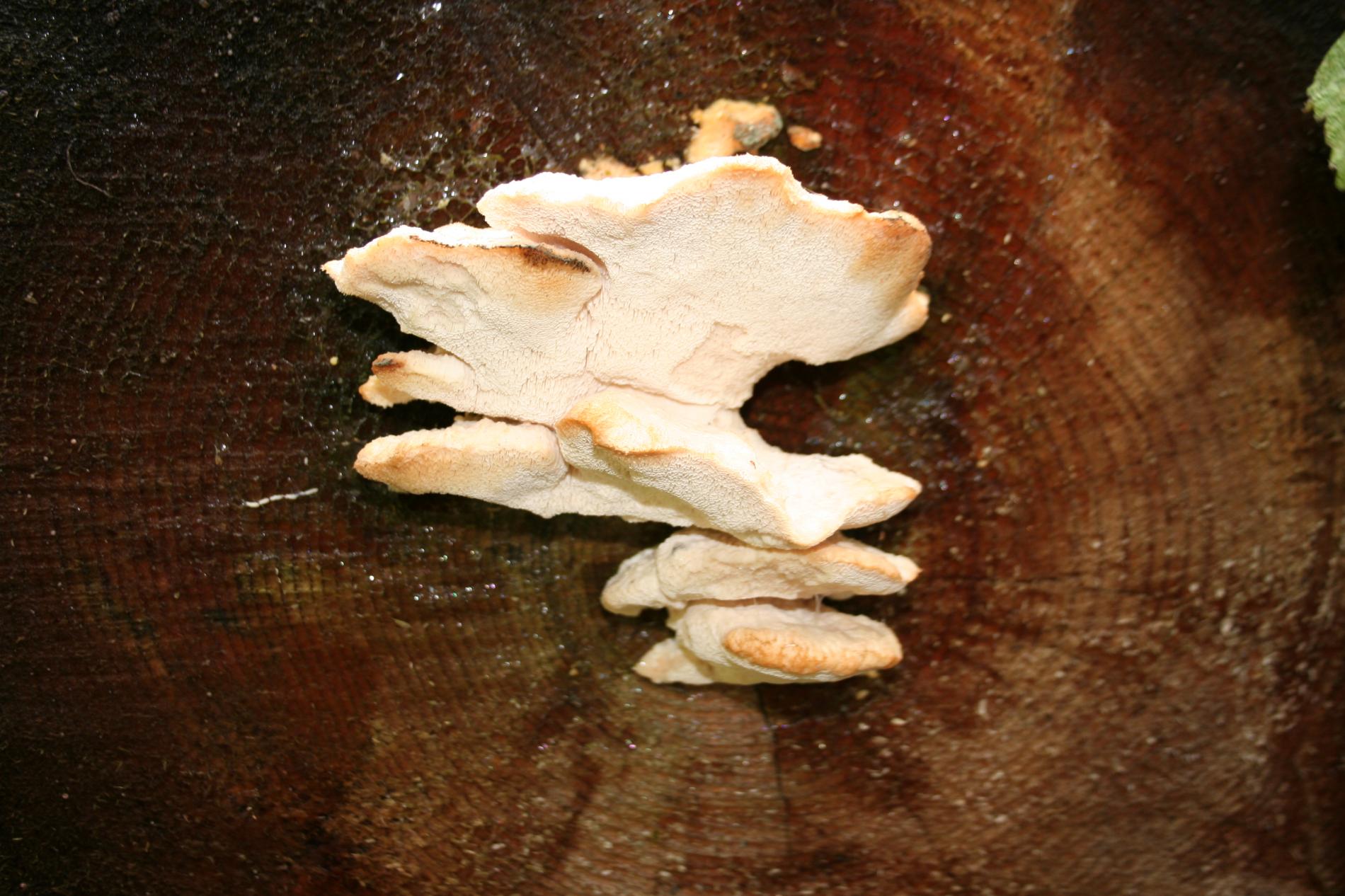
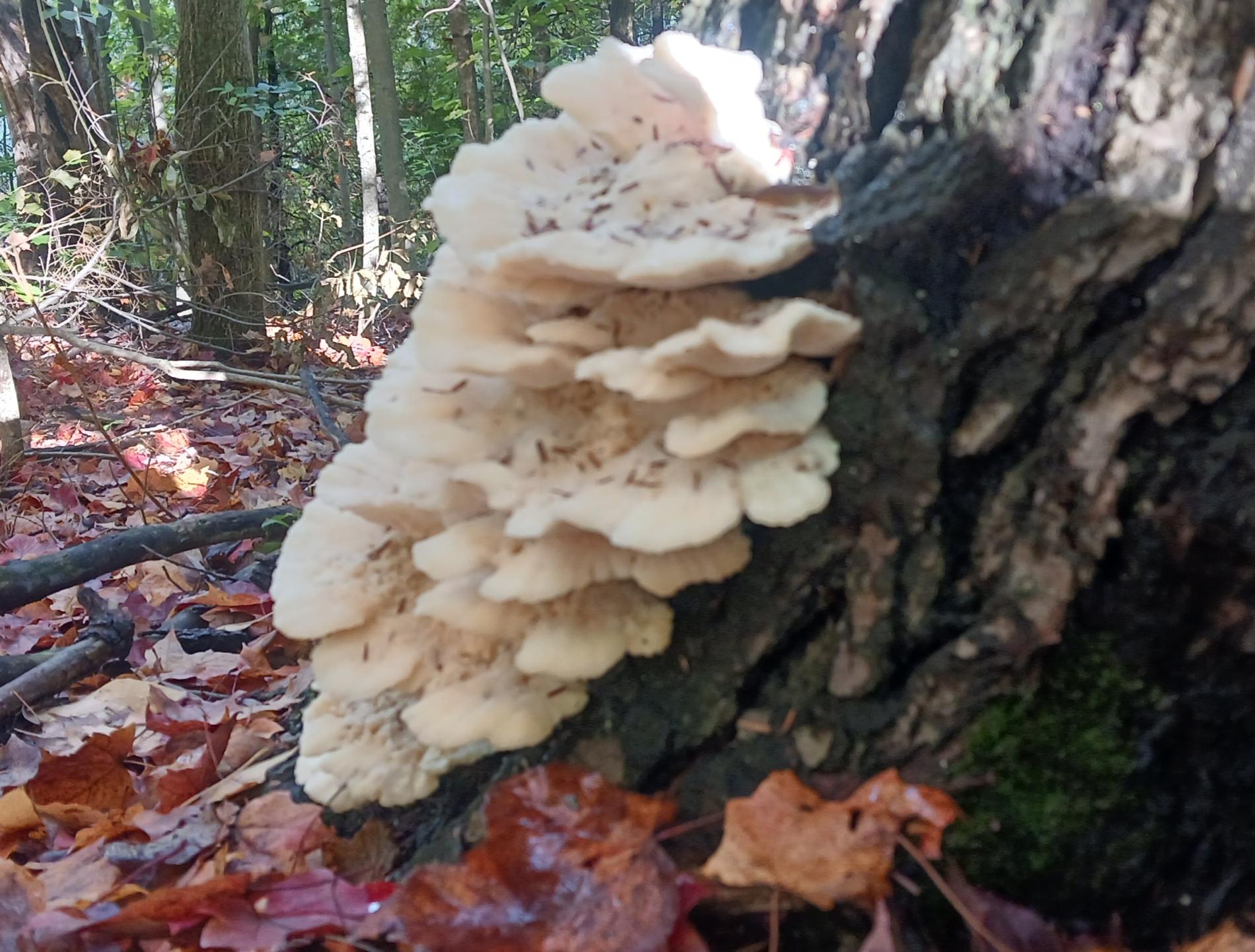
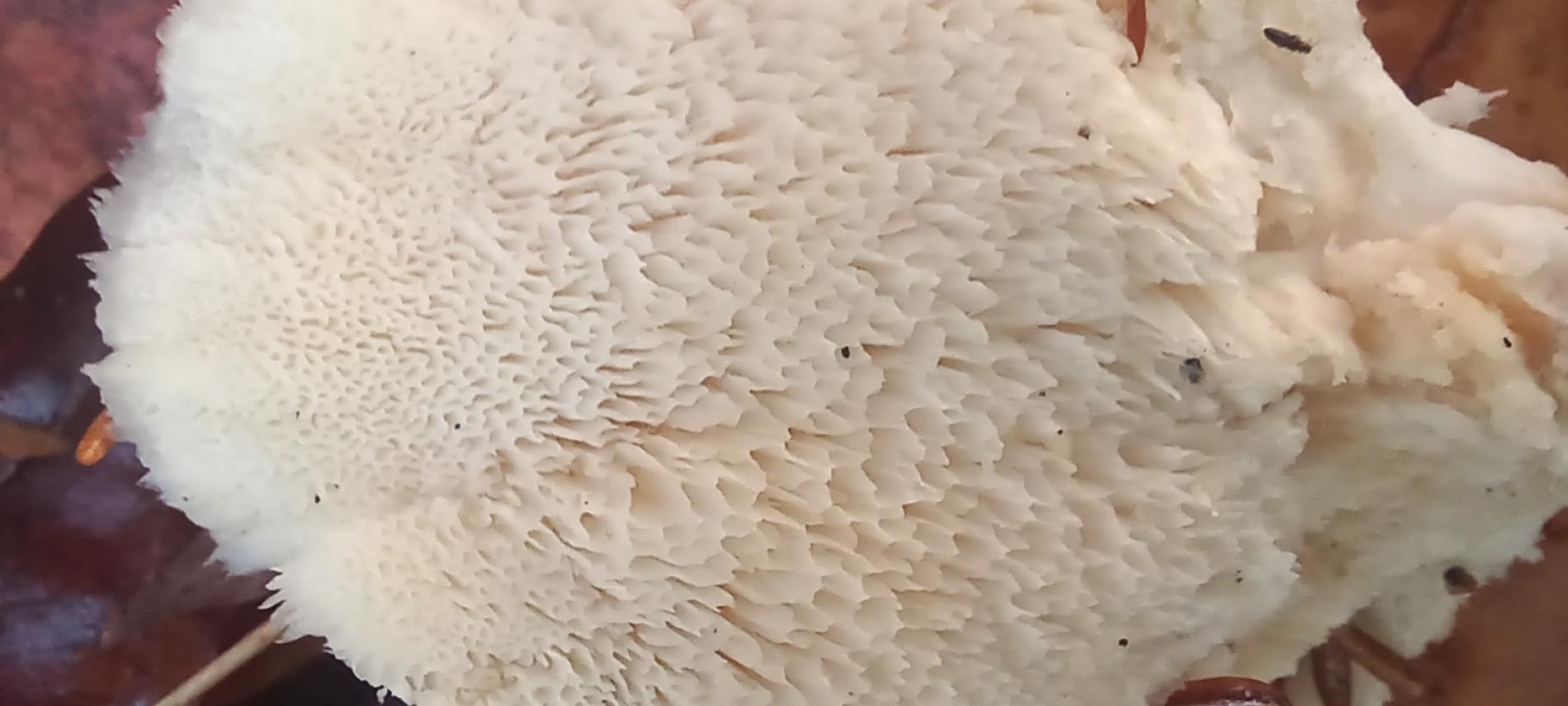
The prominent fruiting bodies are the key sign of tree infection. Of yellowish to white, bracket-shaped and tapering at the base into a stem, they usually grow in large colonies (10 to 50 pieces) in overlapping shelves. The upper surface is velvety, while the underside consists of tubes. The pores are white and round, later labyrinth-twisted and fragmented. The fruiting bodies are annual, growing in; summer on root butts and stumps, in autumn they decompose. The mycelium causes a severe white wood rot, breaking the wood in angular detritus. Brown-yellow mycelium stripes separate the healthy and the infested wood. White mycelium residue is found in the decaying detritus (marble rot).
The main symptoms are fruiting bodies, from yellowish to white, cantilevered and tapering from base to stem, they usually grow in large colonies.
Tree Species: Fir, Spruce
Part of a plant- attacked: Tree trunk
Pest significance: Harmful
Pest Category: Fungi
Invasive Species: No
Present in EU: Yes
Pest group: Fungi
Affected part of wood: Heartwood
Depth of damages: More than 5 cm depth, Under bark only, Up to 0,5 cm depth, Up to 2 cm depth, Up to 5 cm depth
The extent of damage: Lokally
Prevalence in Europe: Common
Damaged products: Firewood, Fresh timber logs (water still in the sapwood), Furniture, Lumber, boards and prisms, Wooden house constructions
Roundwood size: Diameter from 10 up to 50 cm
Wood discoloration: Yes
Pest subcategory: Brown-rot
Similar pests

Trametes hirsuta

Trametes gibbosa
