


Chlorophorus varius
Grape wood borer
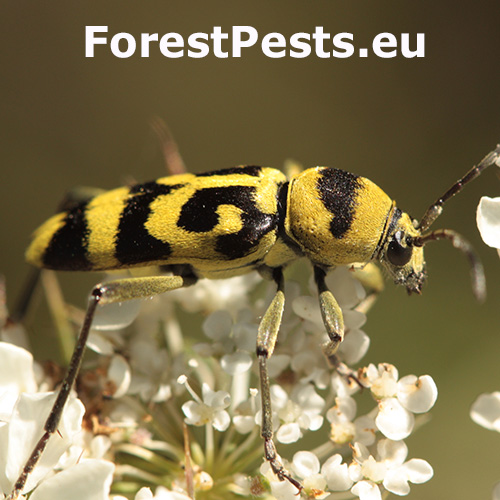
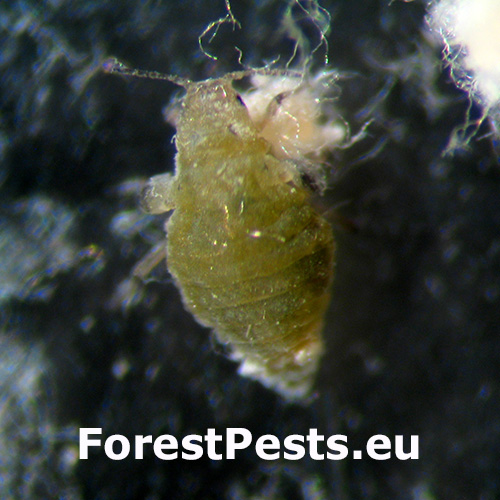
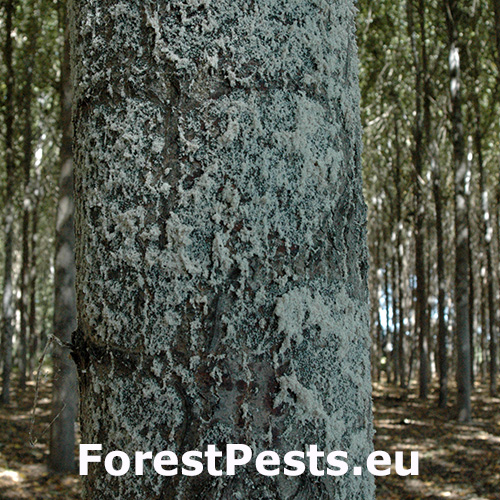
Chlorophorus varius is a thermophilous longhorn beetle developing mainly in weakened, dying or freshly cut deciduous trees and shrubs of various diameters. It is polyphagous, recorded on hosts such as Quercus, Prunus, Ficus and other broadleaves, as well as fruit trees including citrus and grapevine. Larvae initially feed under the bark, later penetrate into sapwood where they create irregular galleries and pupate in hook-shaped pupal chambers. Development lasts 2–3 years, and adults are diurnal, anthophilous and active from May to September. The species occurs in southern Europe, the Middle East and North Africa. A subspecies The species is considered a secondary pest; intensity of infestation is usually not strong, but it may contribute to wood degradation and worsen the overall health condition of trees. It is mainly considered a pest by owners of citrus plantations and other southern fruit crops.
Irregular galleries in wood and under bark, small oval exit holes, fine frass on bark surface and around entry points.
Tree Species: Cherry, Citrus, Fig tree, Pomegranate , Grape
Part of a plant- attacked: Tree trunk
Pest significance: Less harmful
Pest Category: Insects
Invasive Species: No
Present in EU: Yes
Pest group: Insect
Depth of damages: More than 5 cm depth, Under bark only, Up to 2 cm depth, Up to 5 cm depth
The extent of damage: Individually - one place, Lokally
Prevalence in Europe: Common
Damaged products: Firewood, Fresh timber logs (water still in the sapwood)
Roundwood size: Branches and twigs, Diameter from 10 up to 50 cm, Diameter up to 10 cm
Wood discoloration: No
Exit holes: Oval
Pest subcategory: Bark and underbark insect, Wood-boring insect
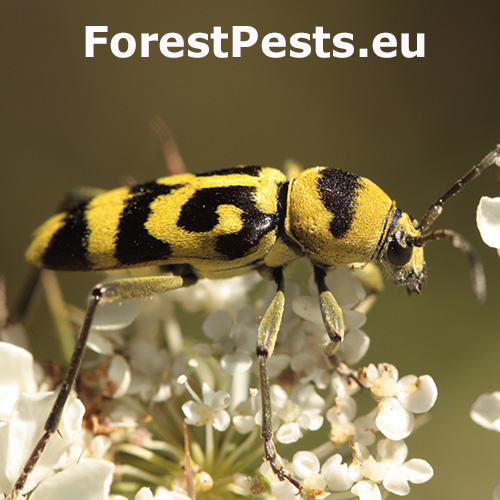
Similar pests

Plagionotus detritus

Pyrrhidium sanguineum
