


Chalara fraxinea (tel. Hymenoscyphus fraxineus)
Ash dieback
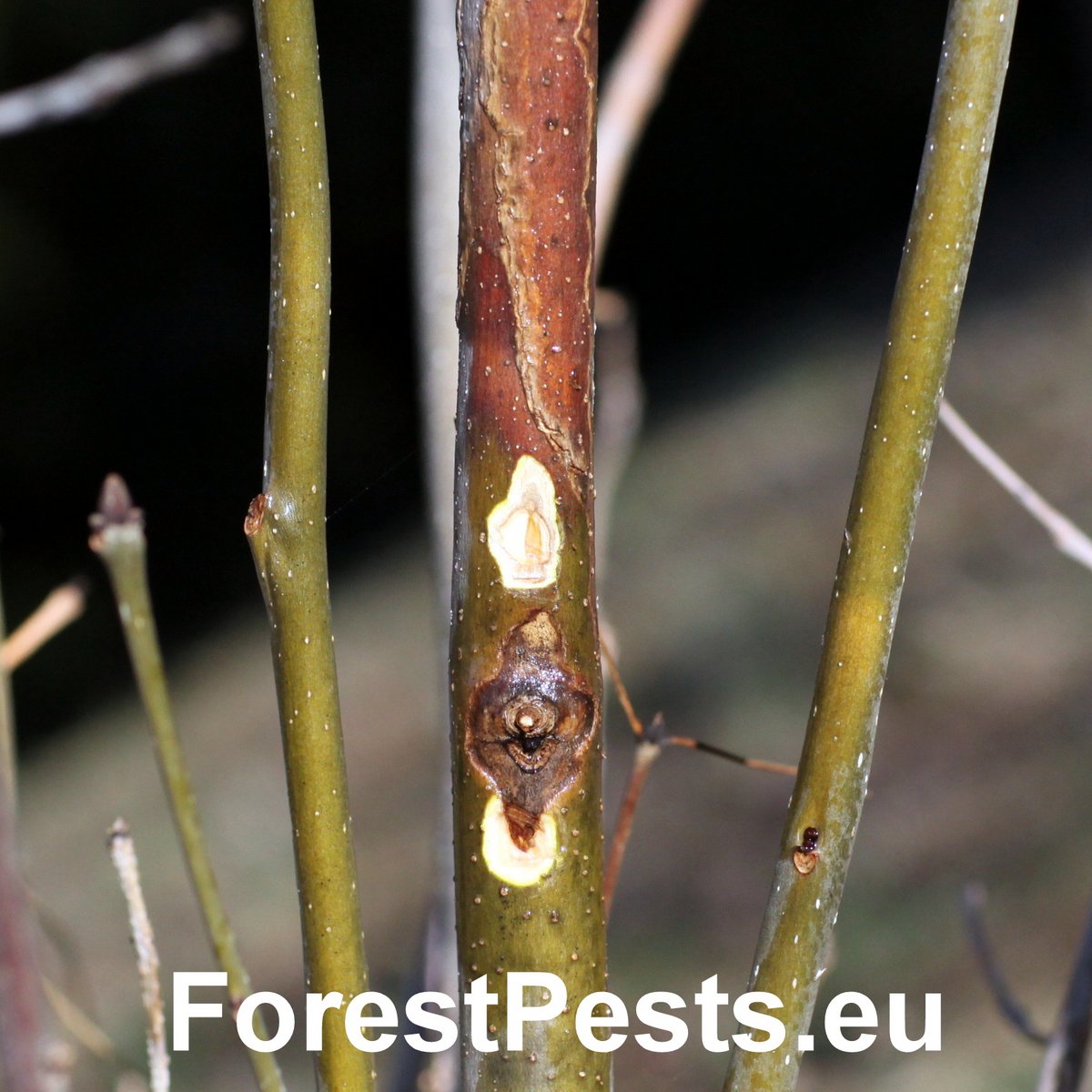
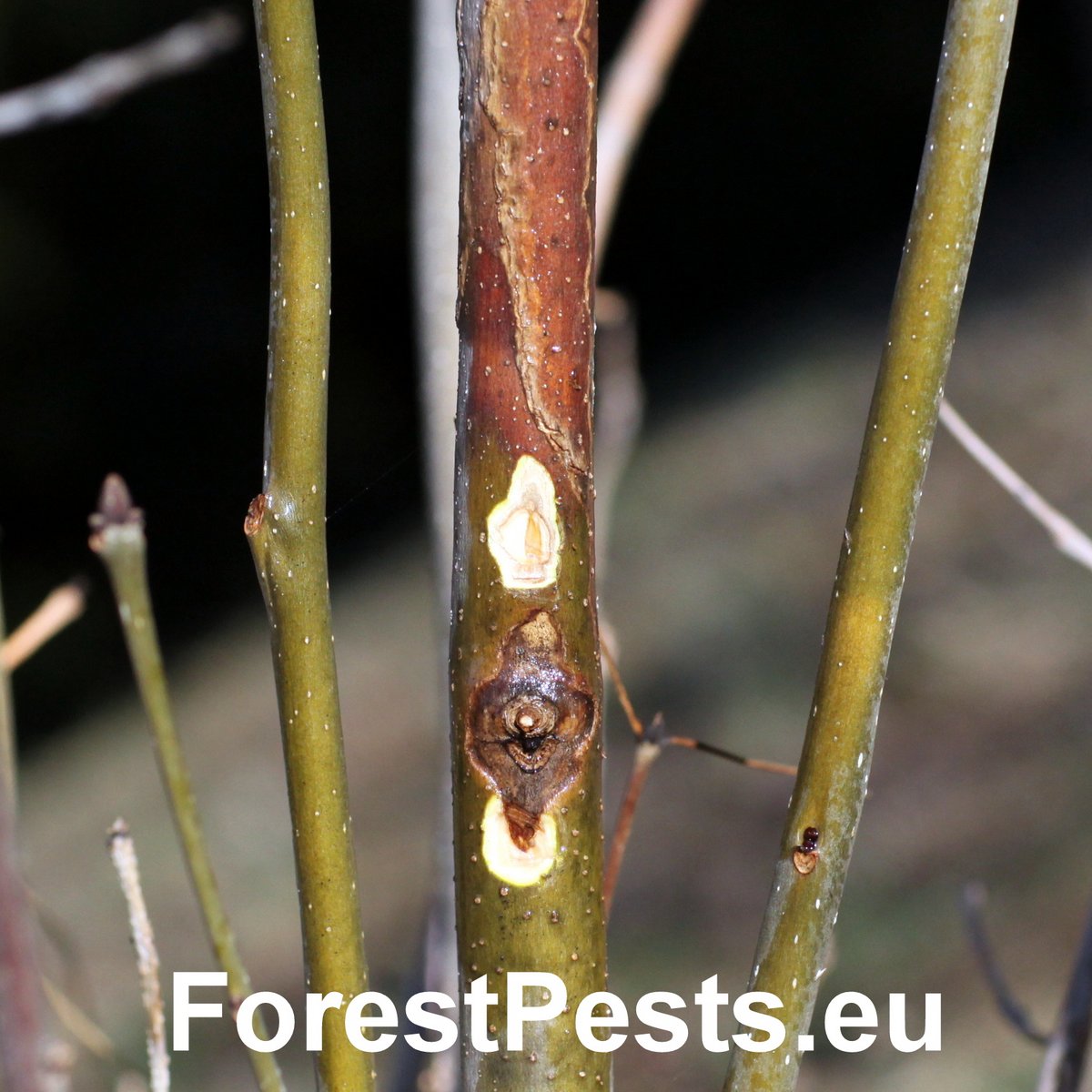
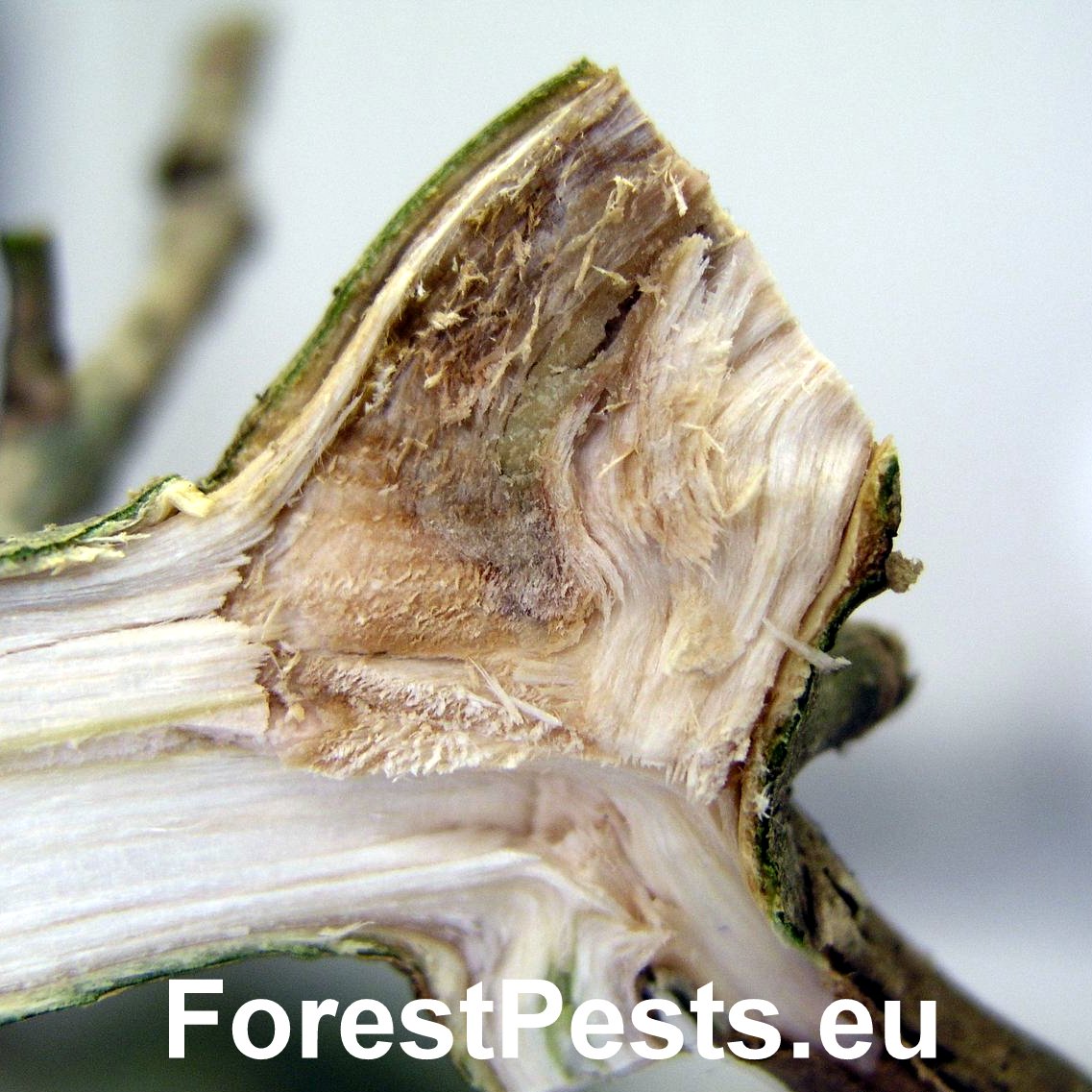
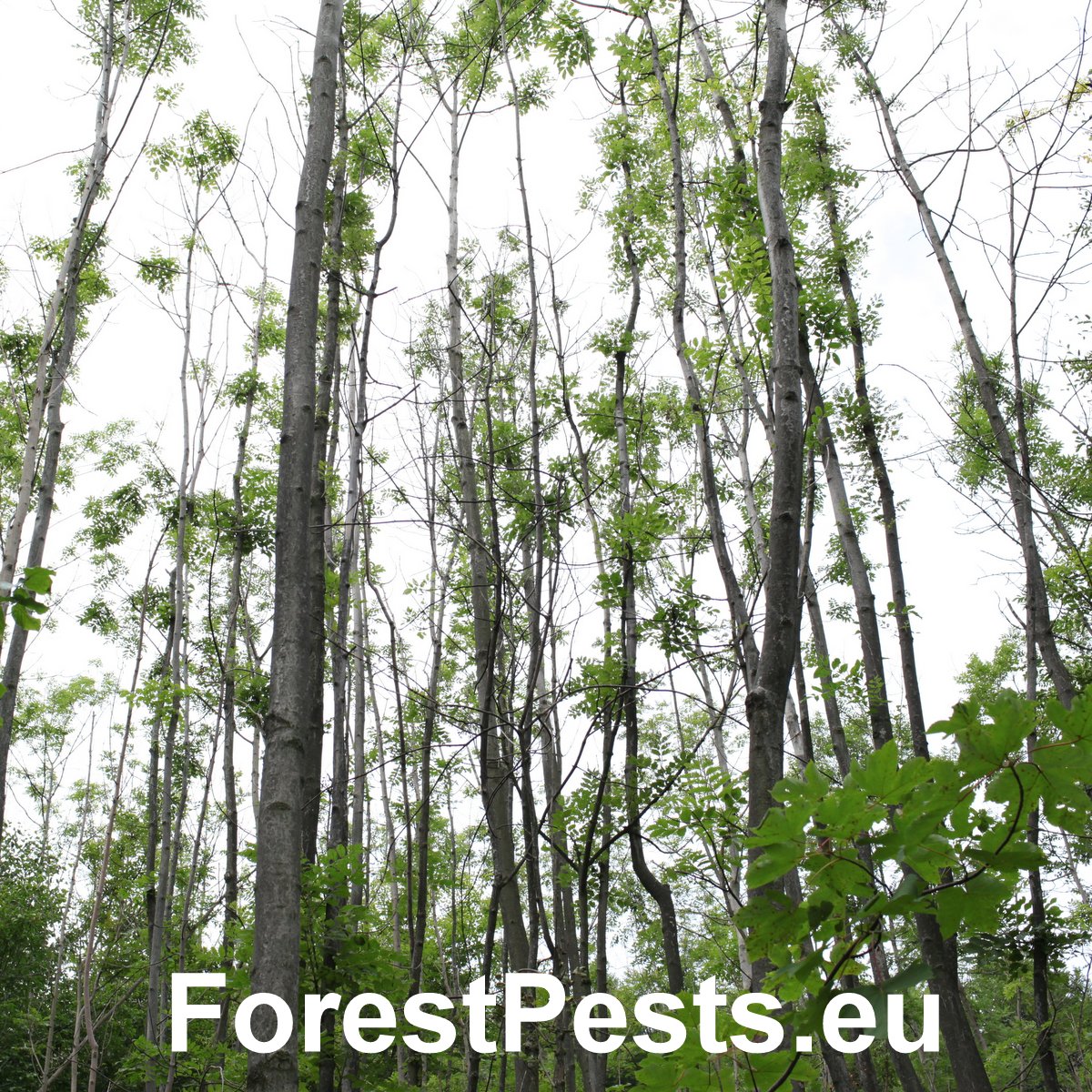
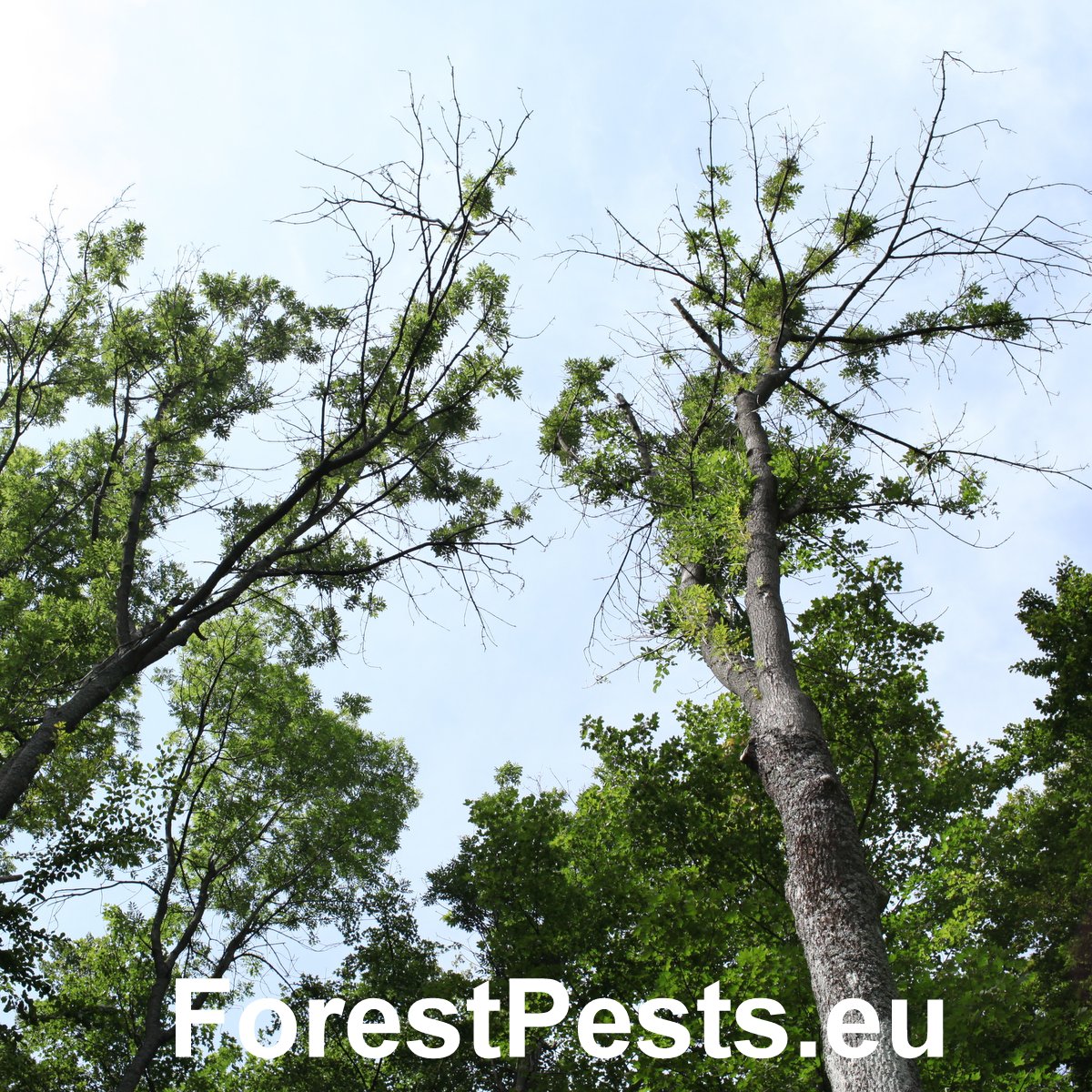
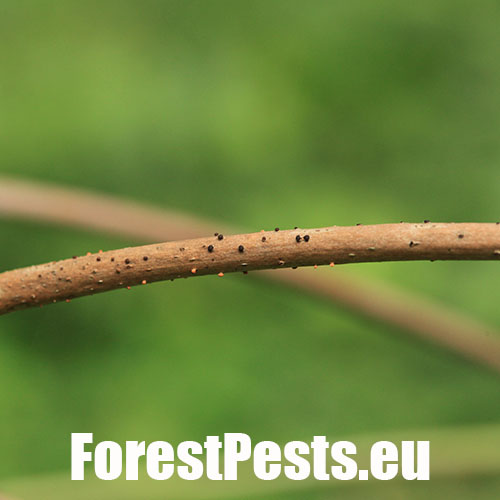
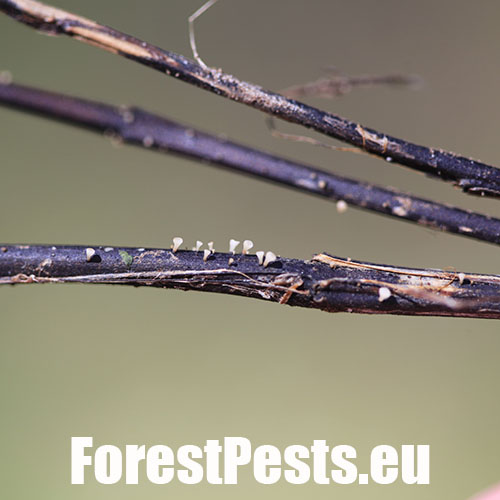
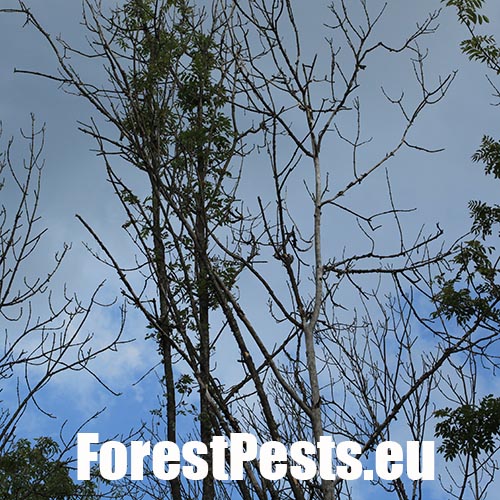
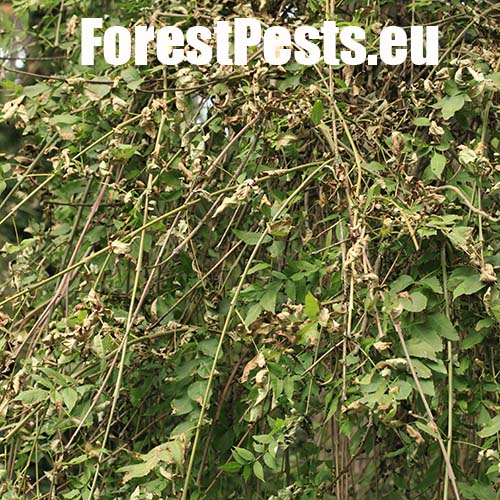
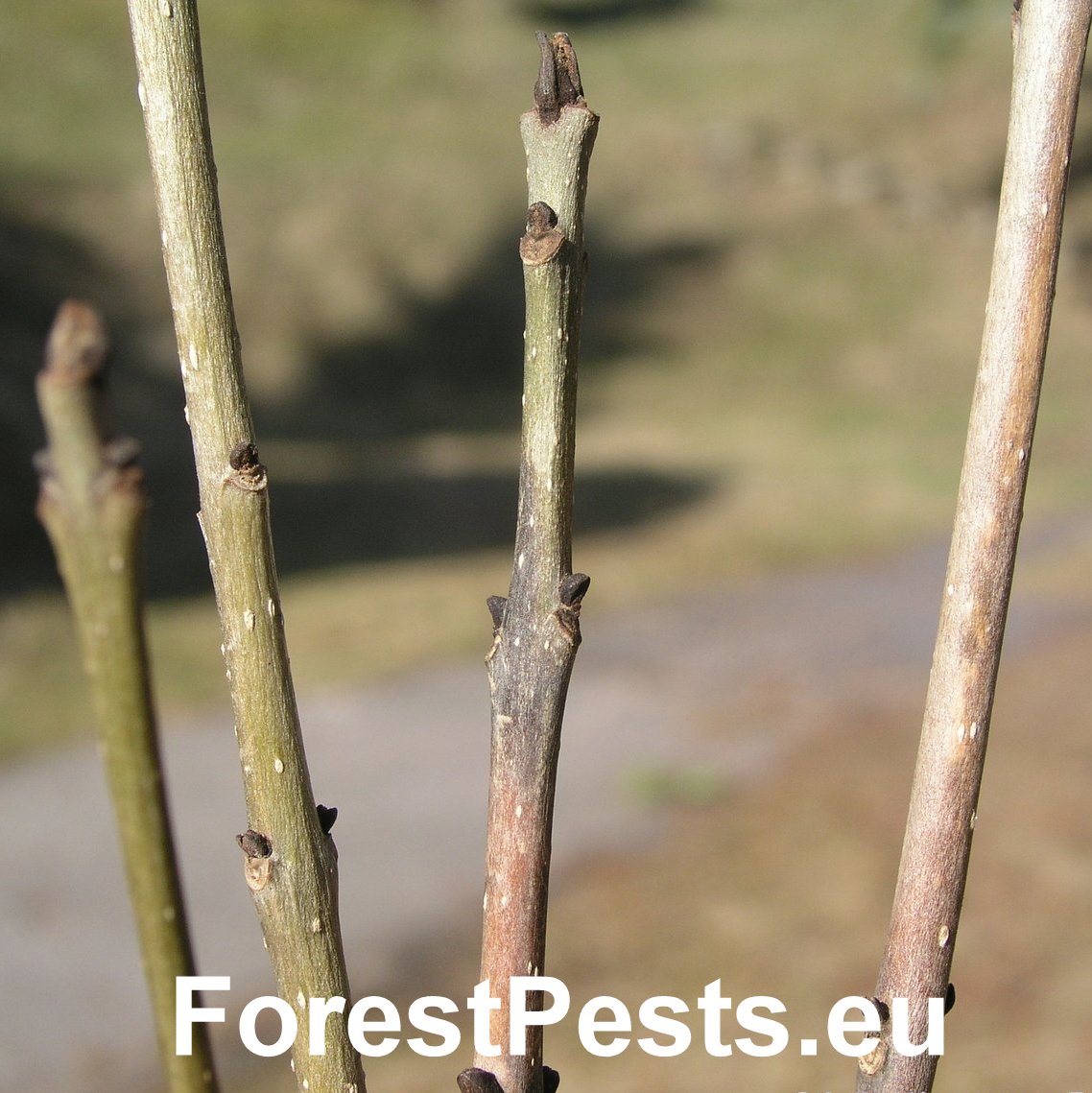
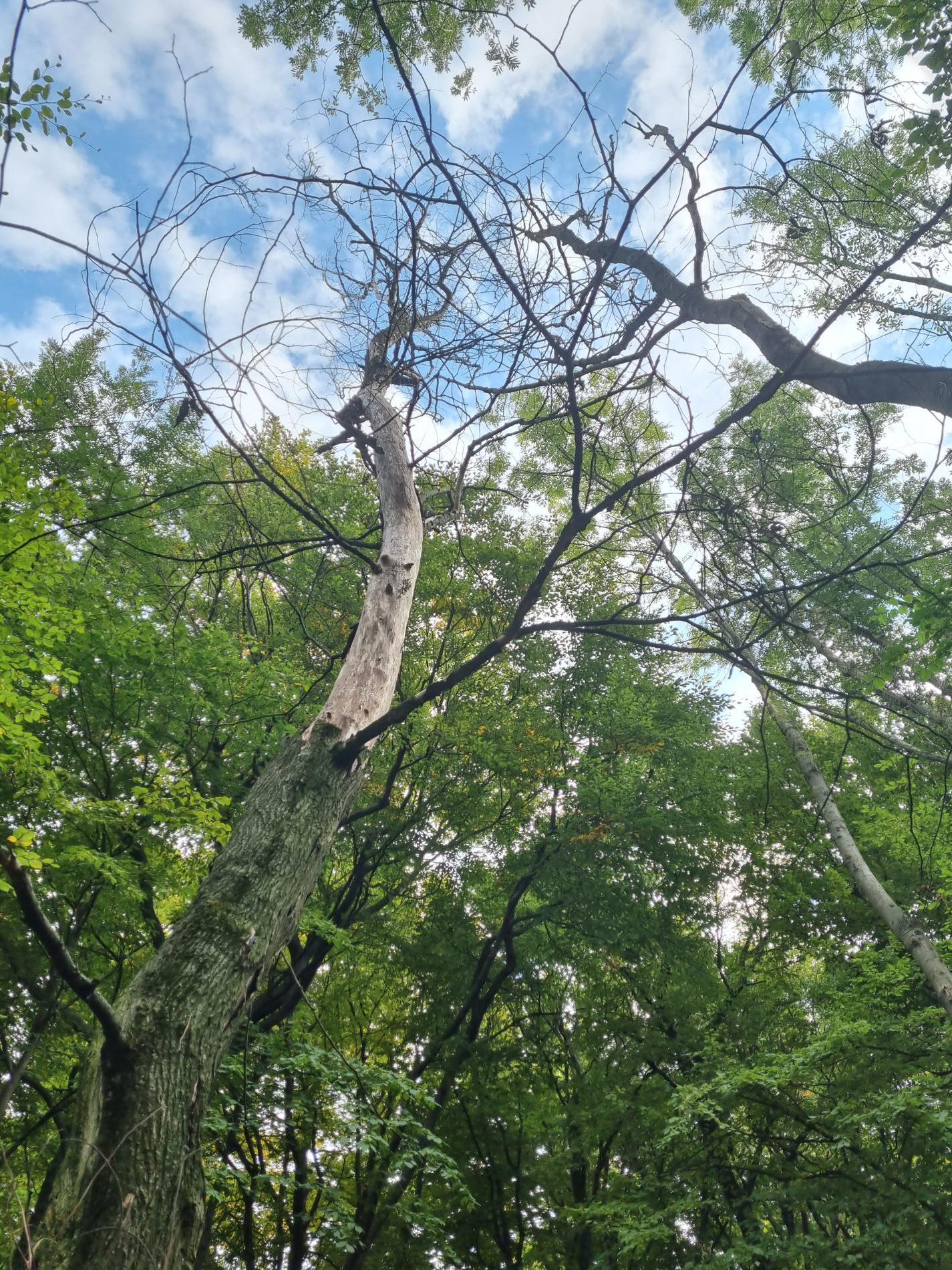
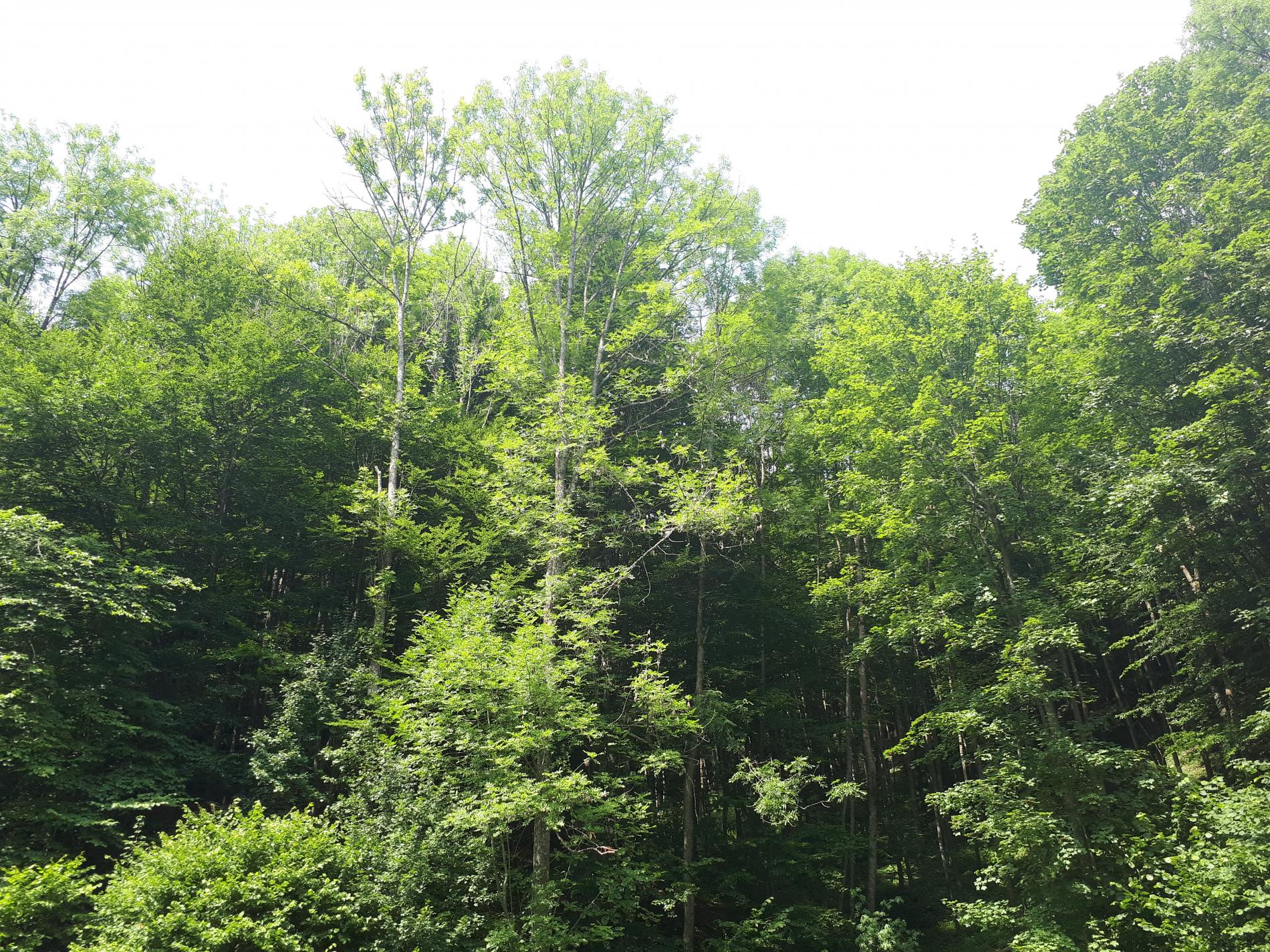
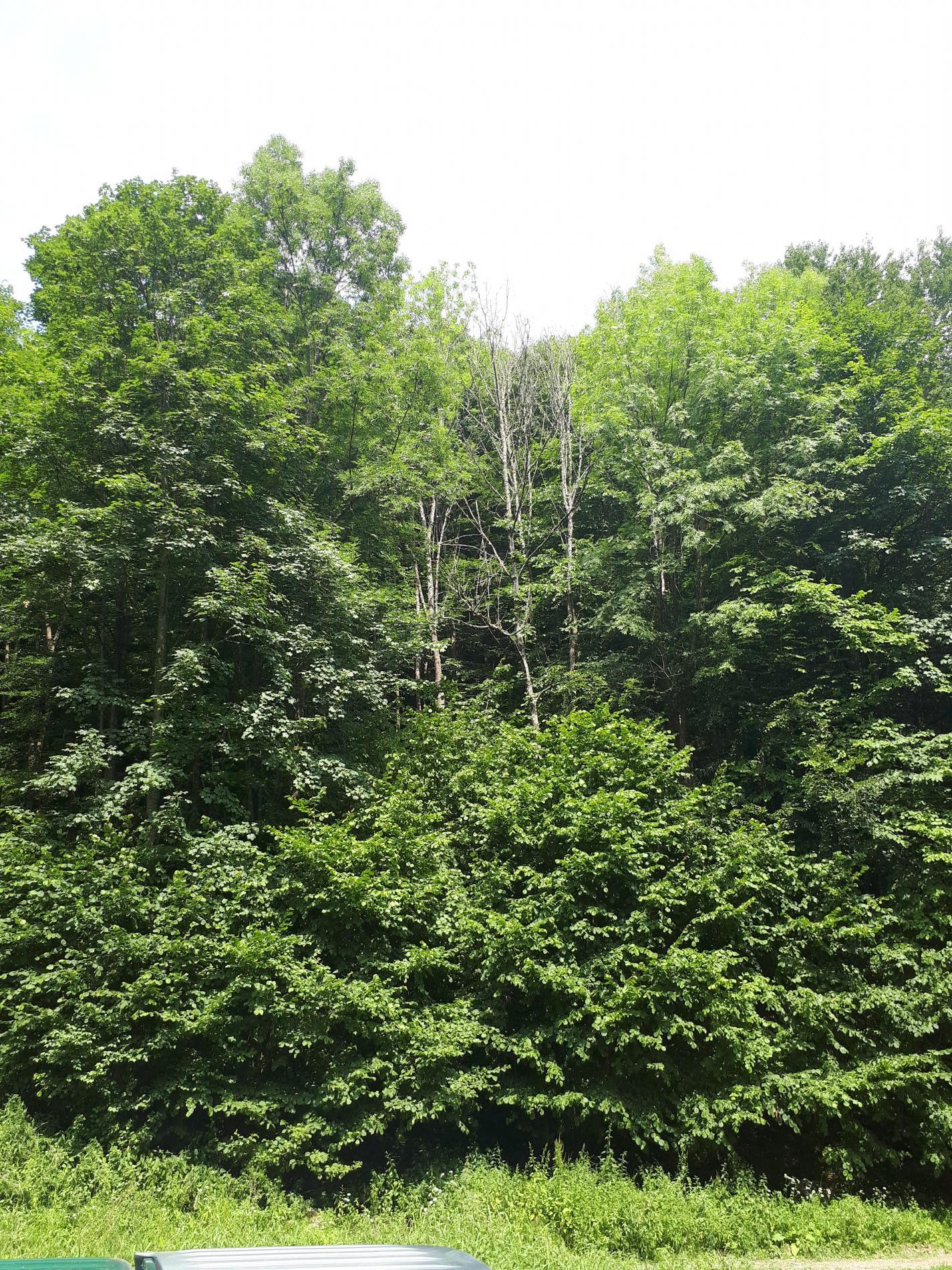
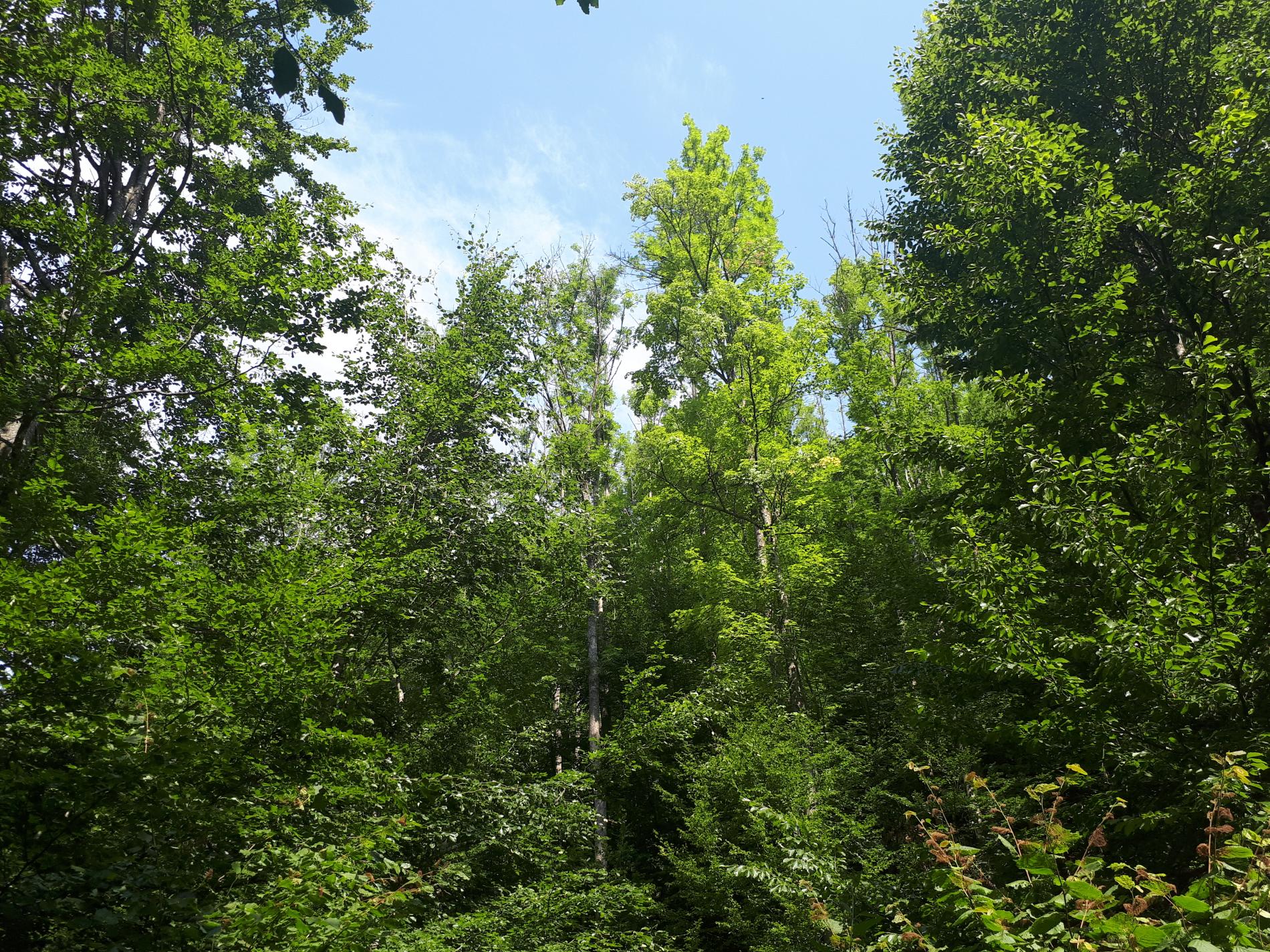
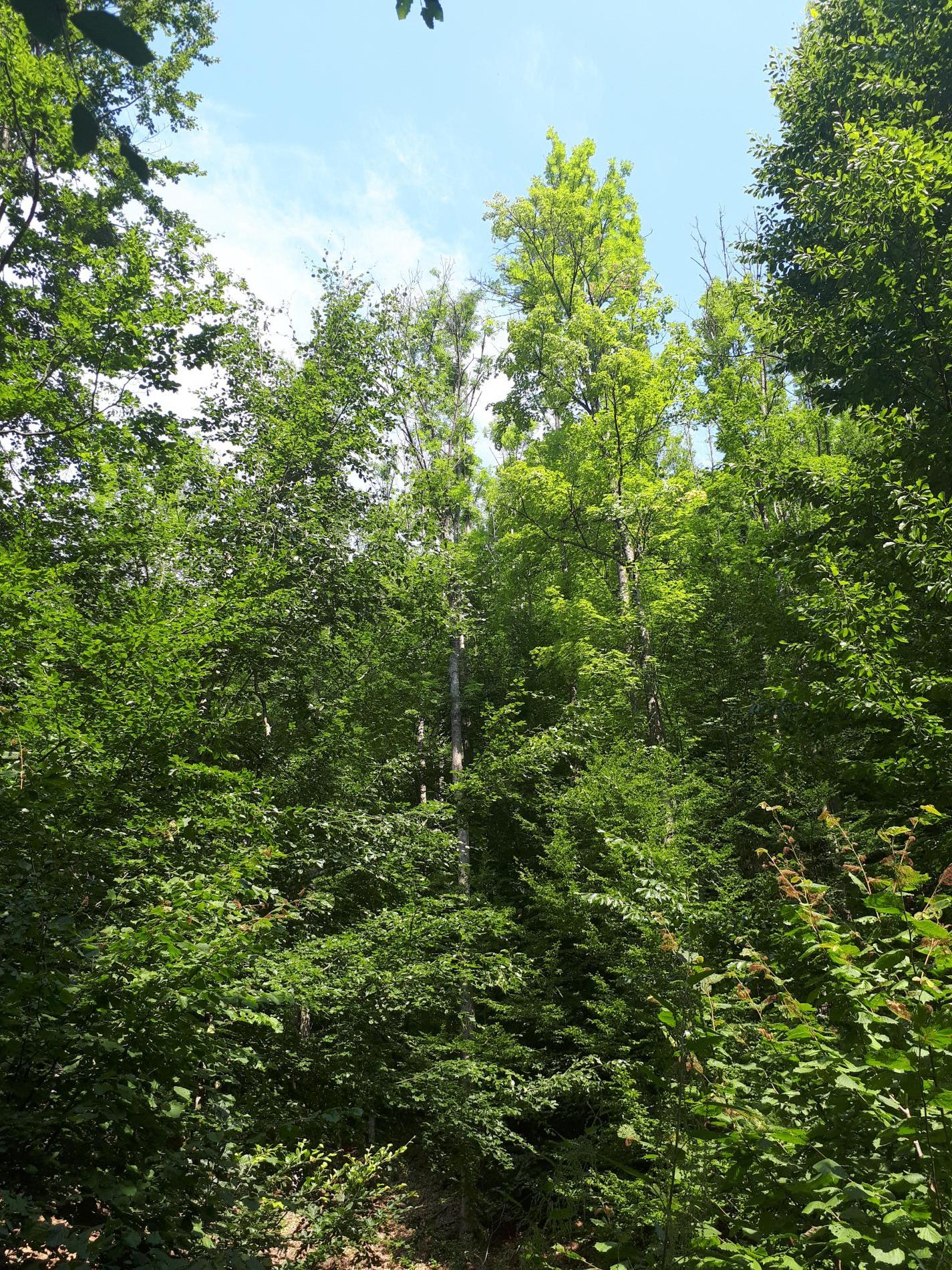
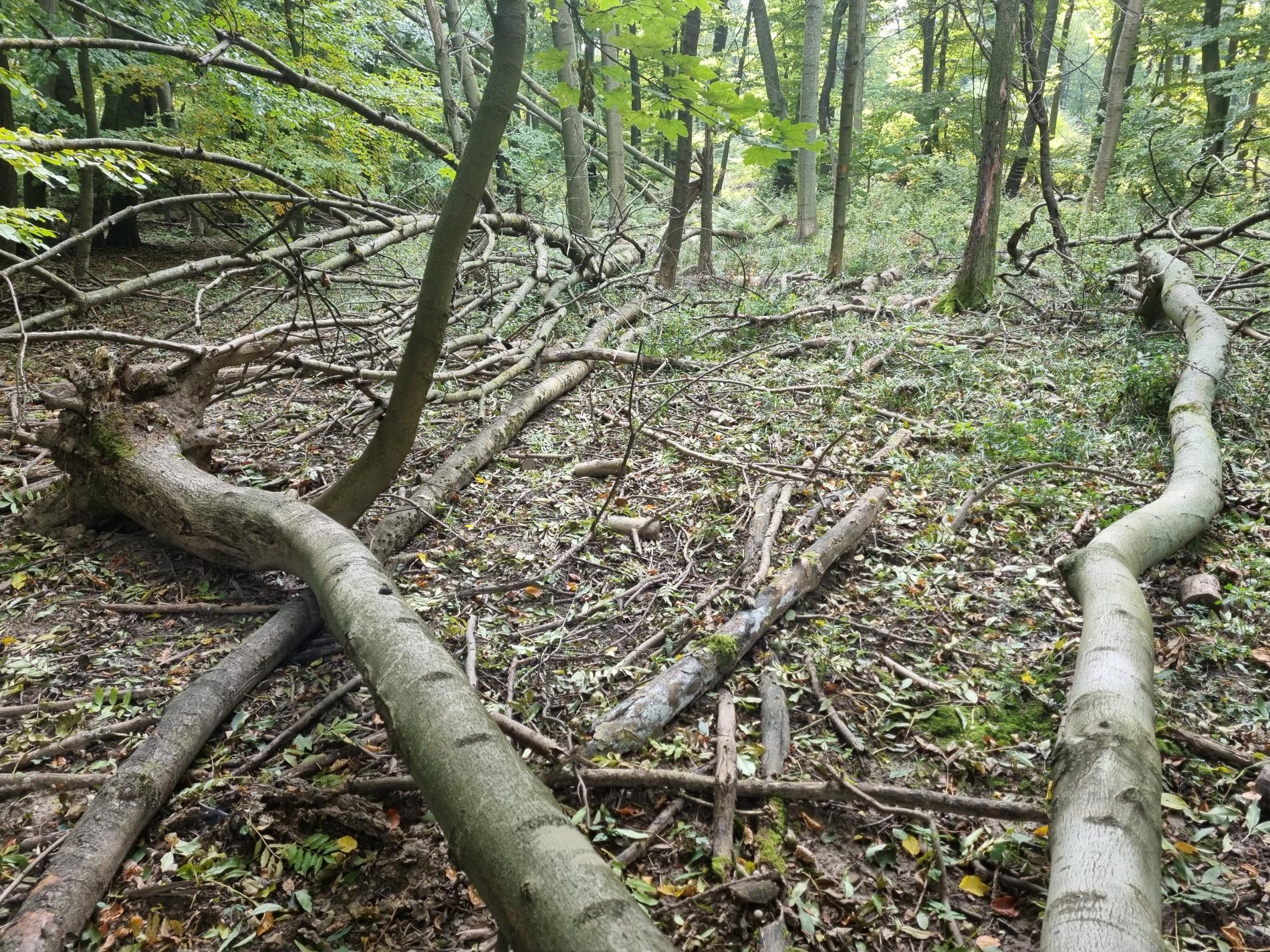
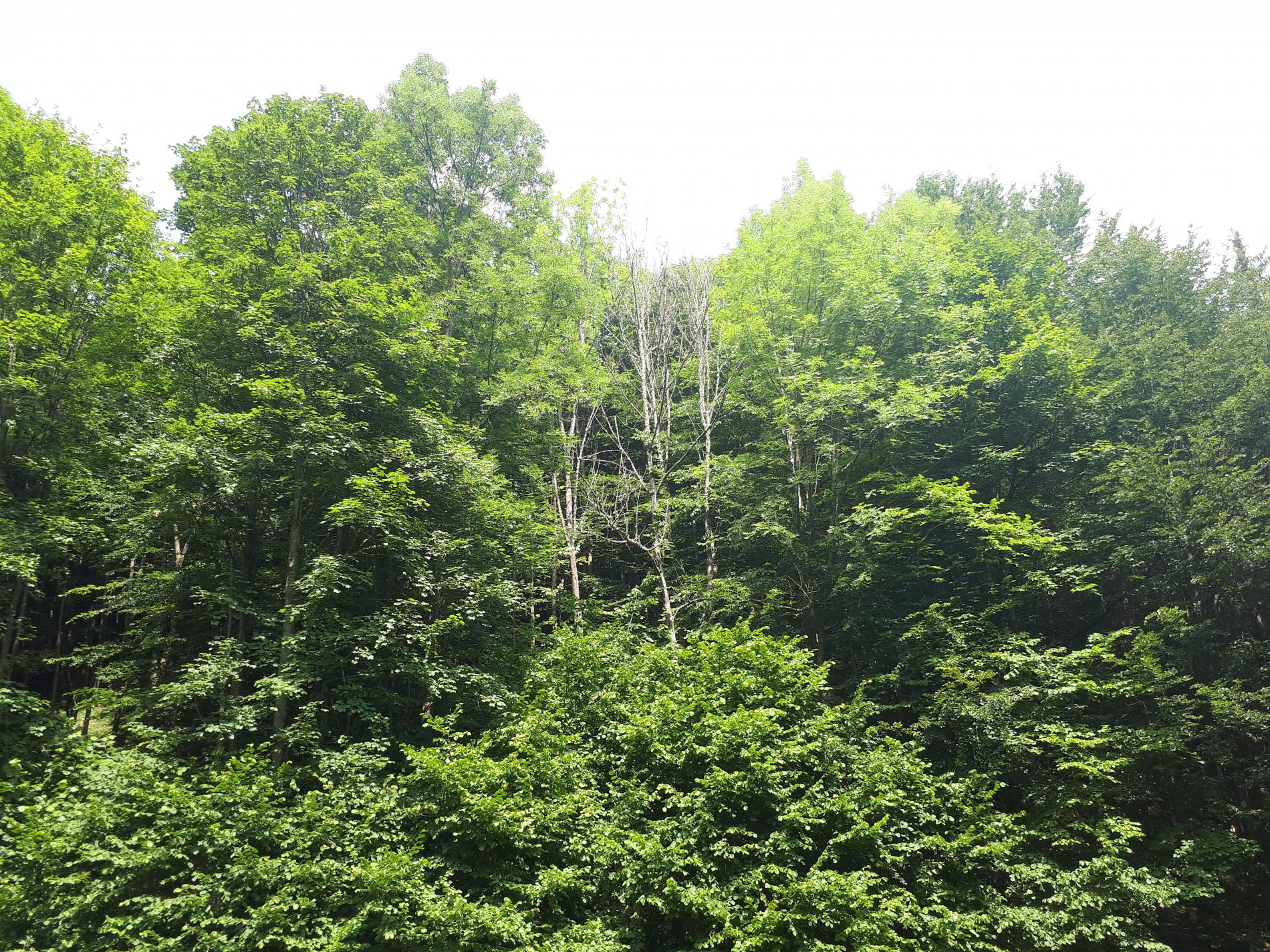
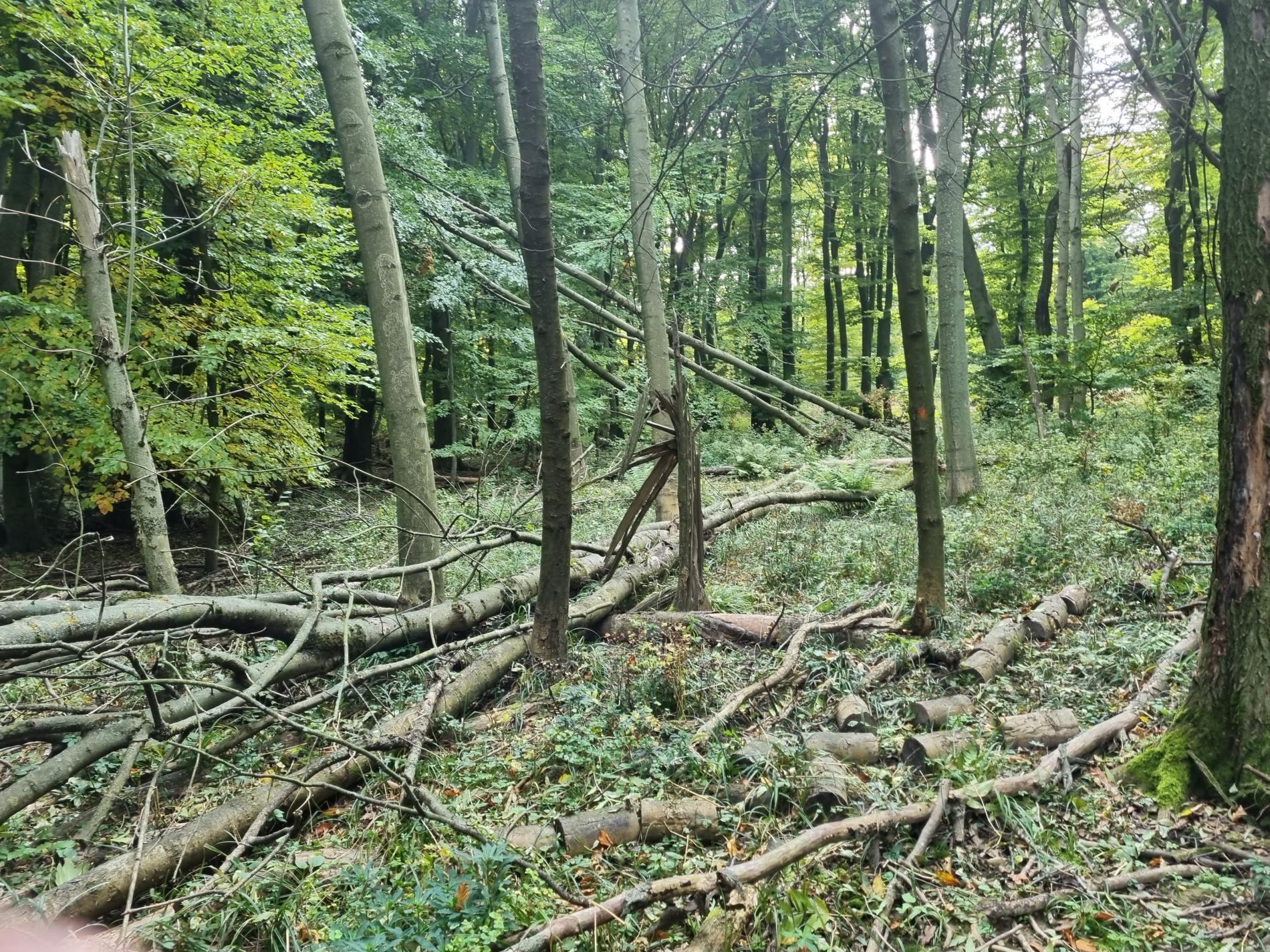
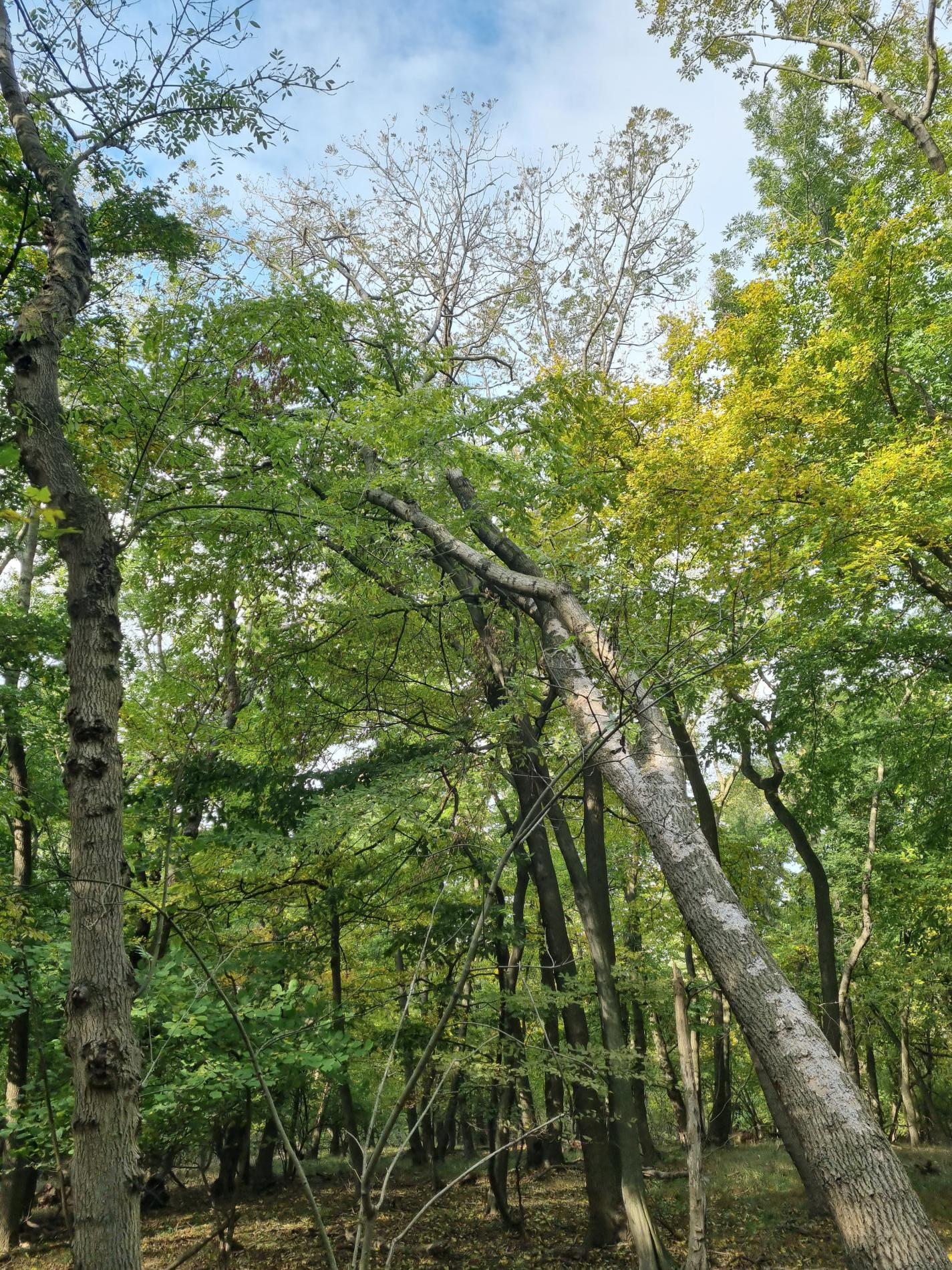
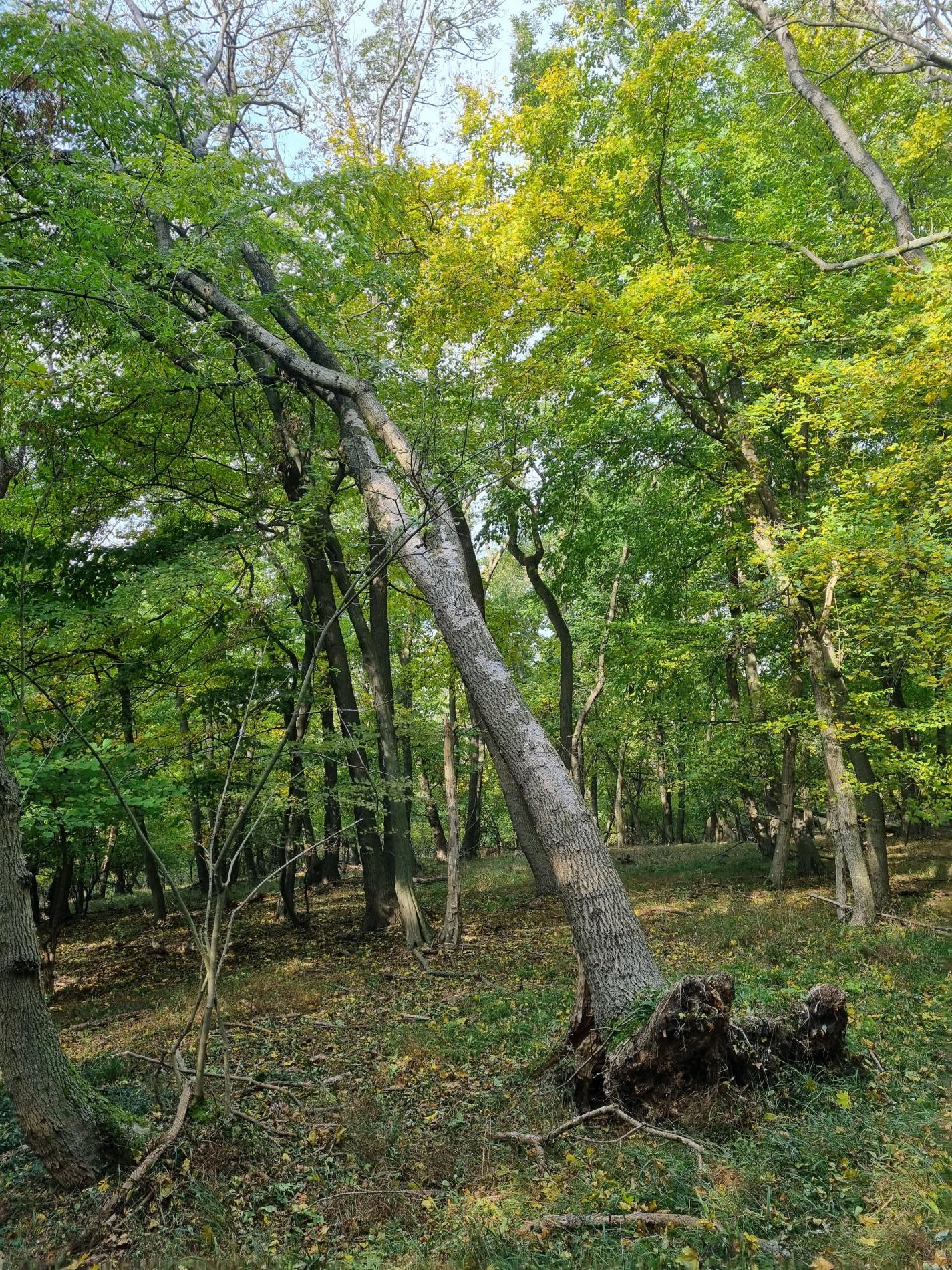
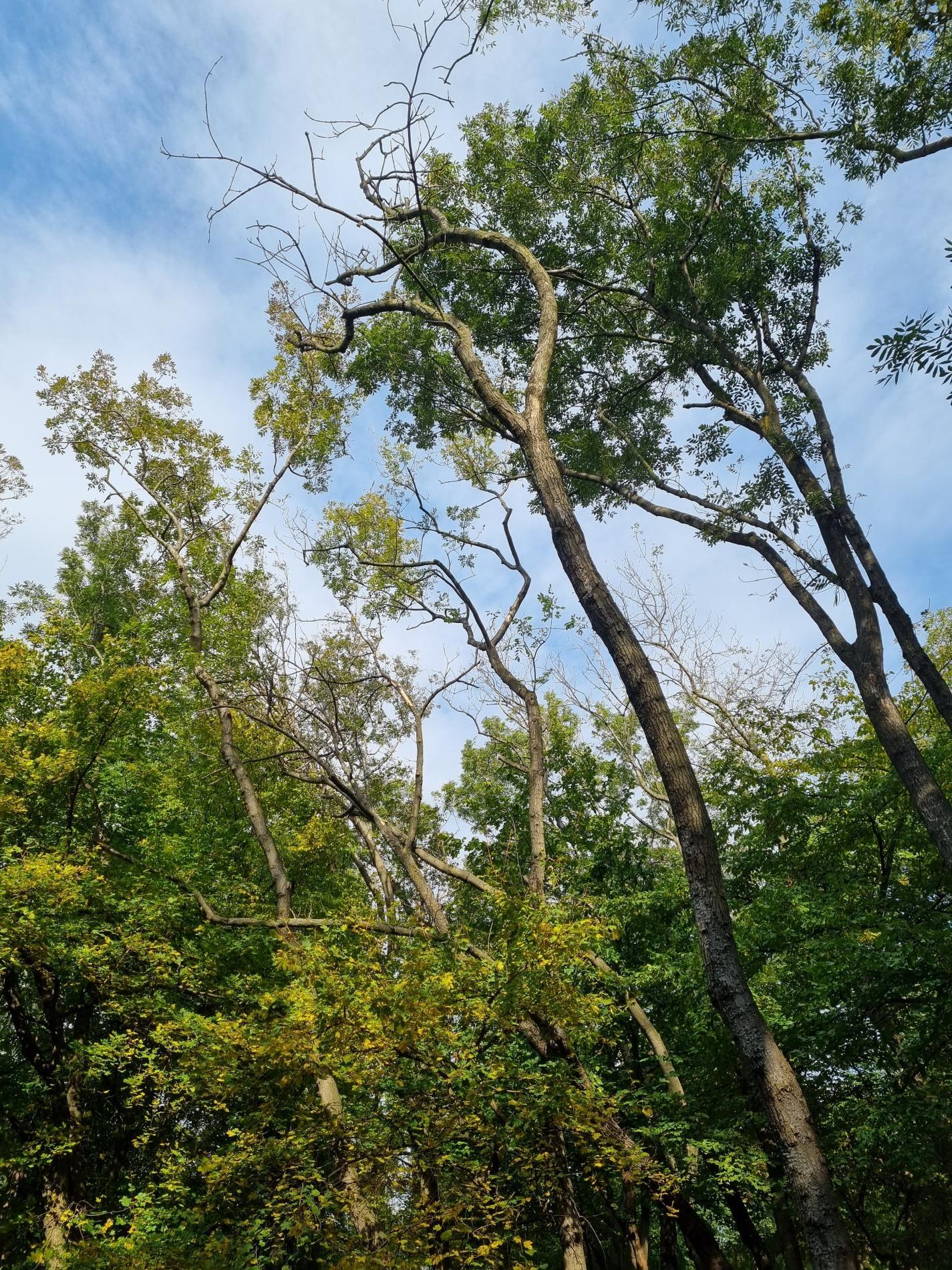
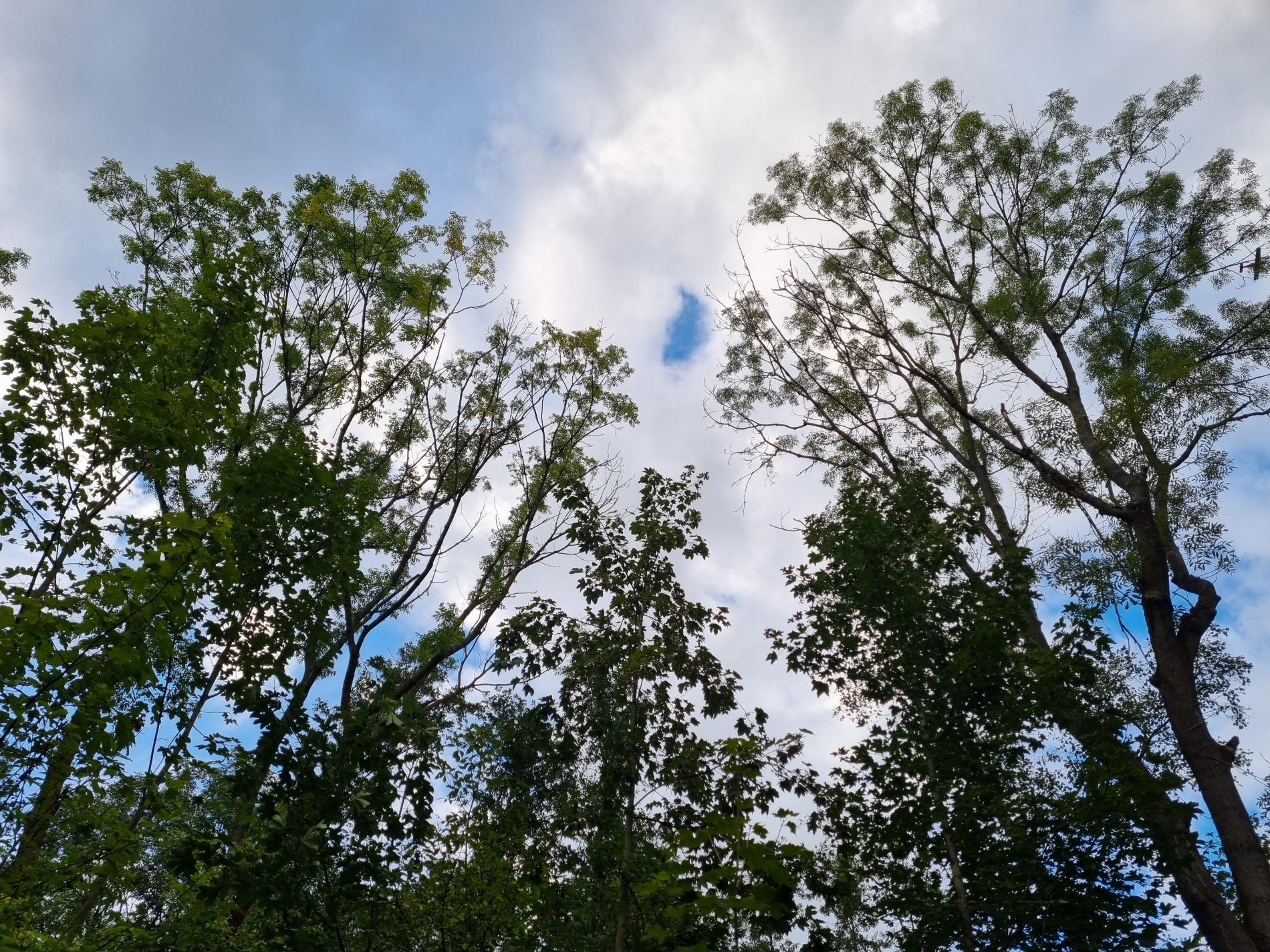
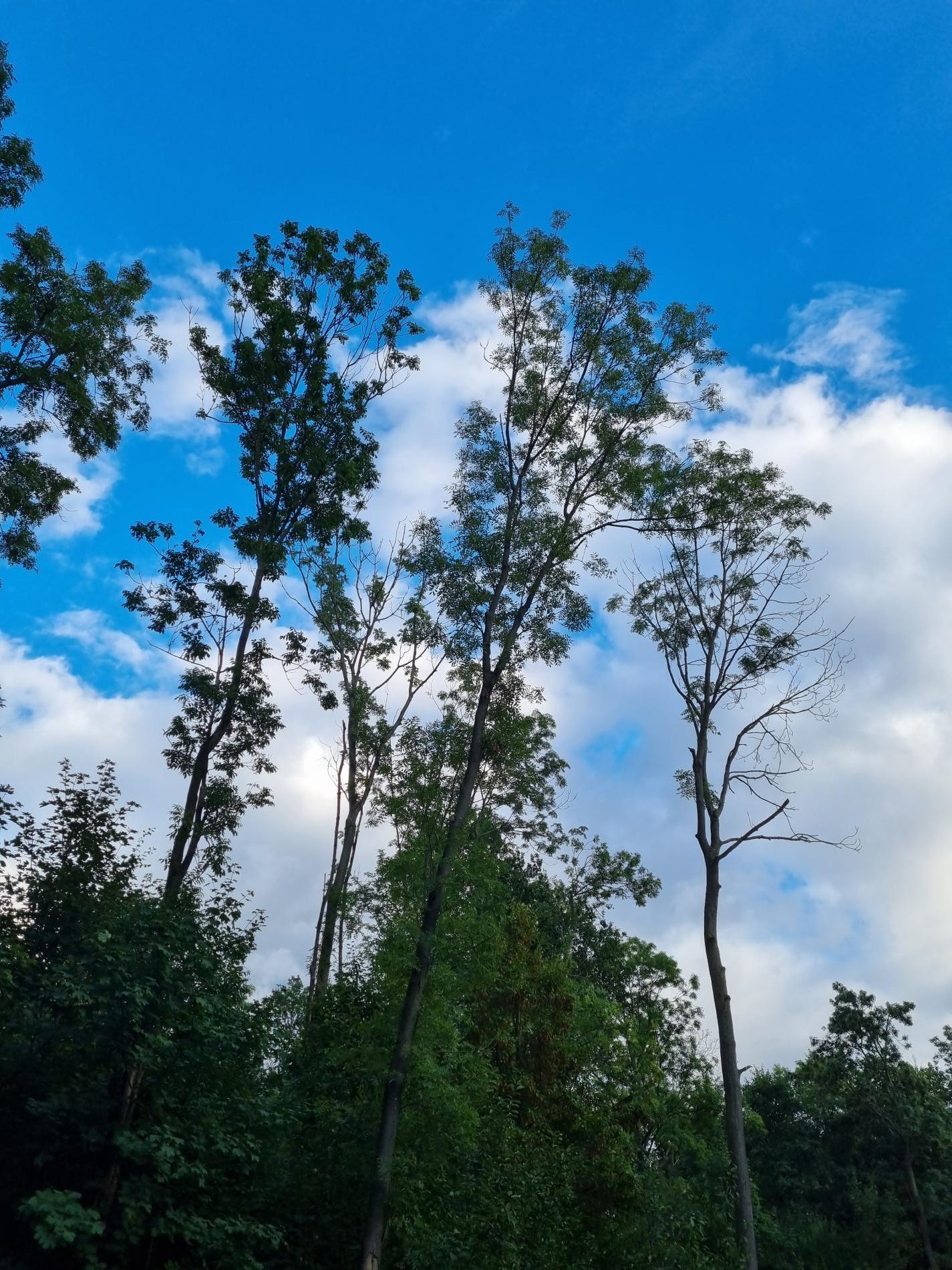
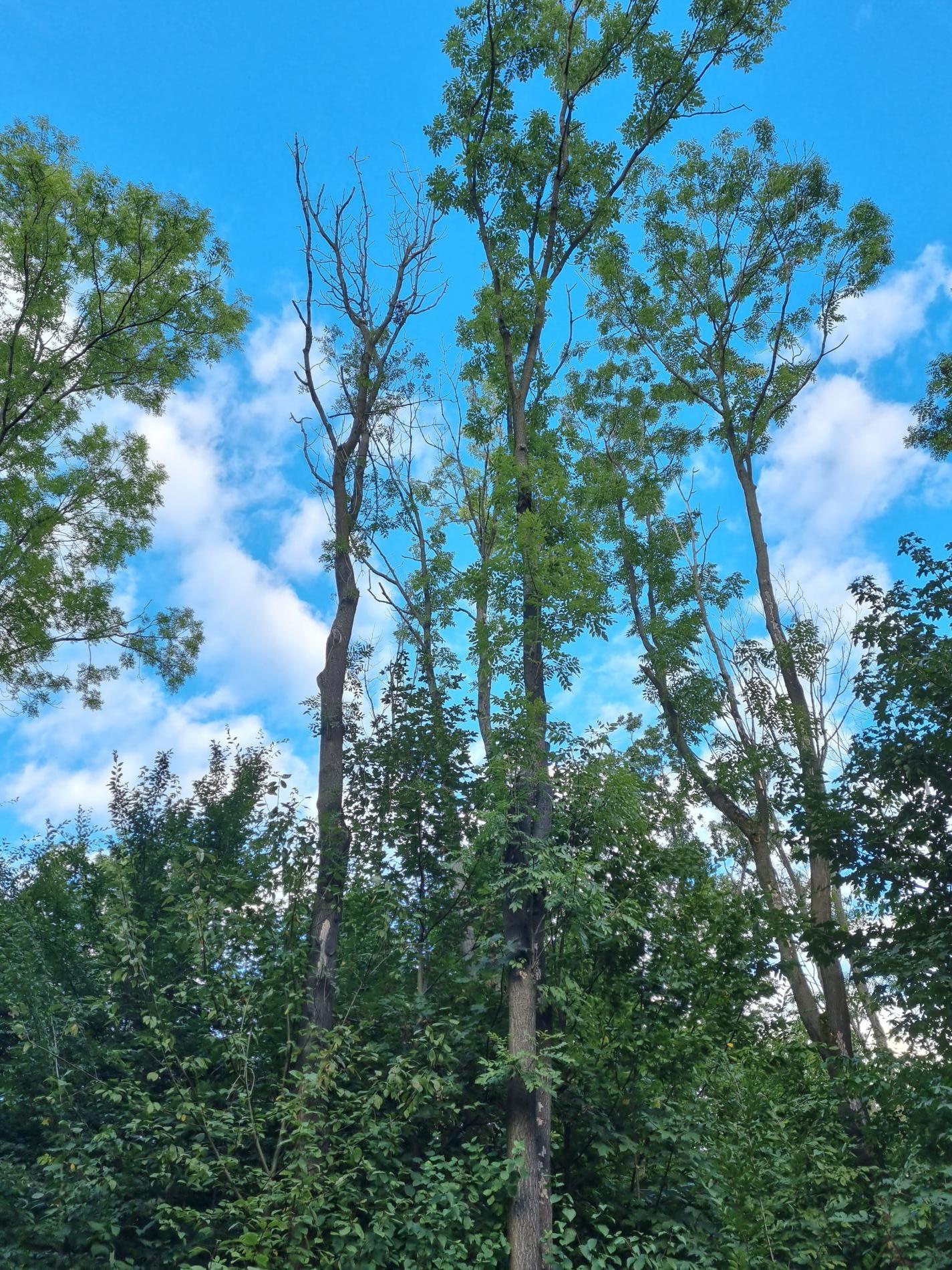
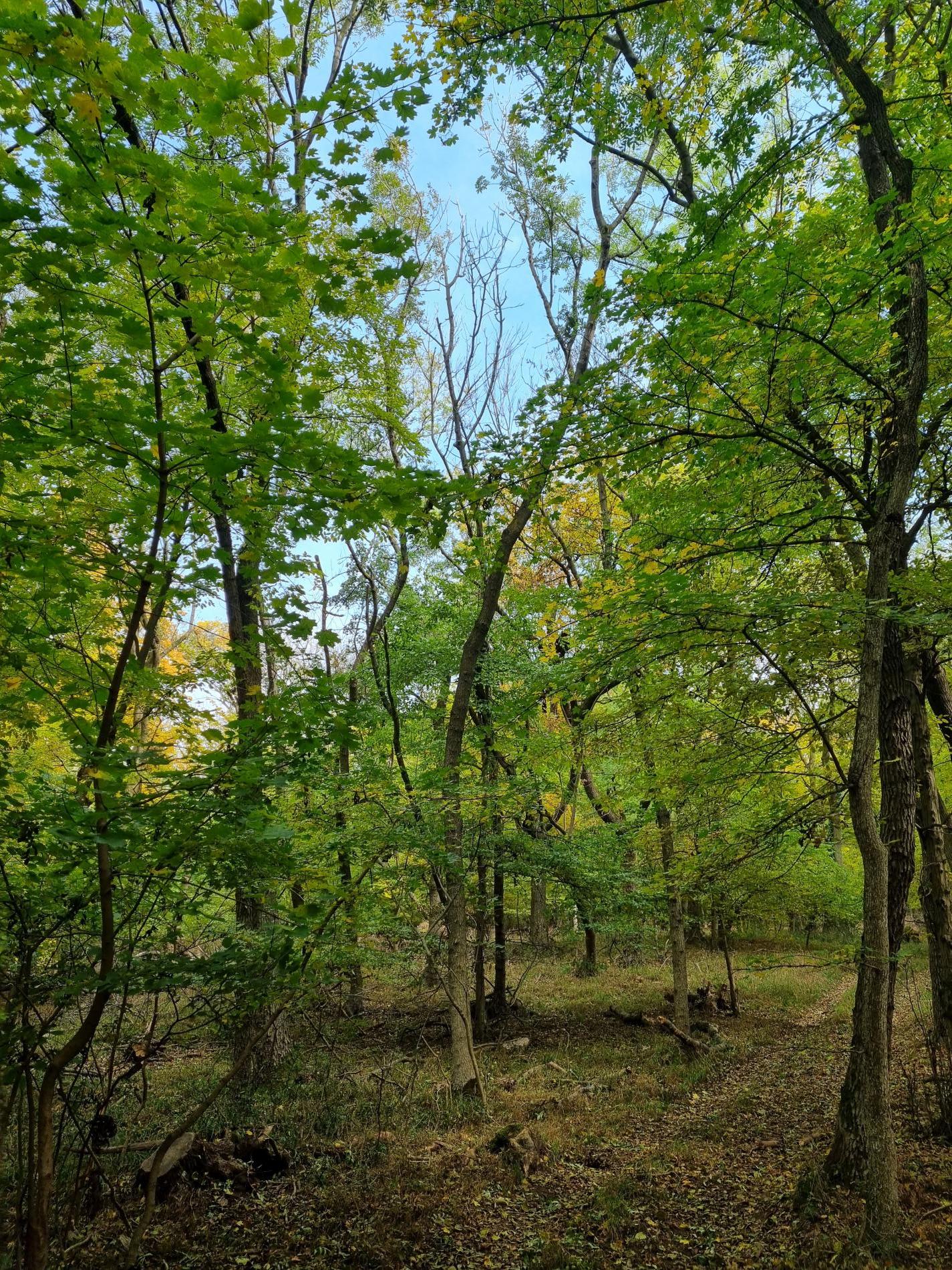
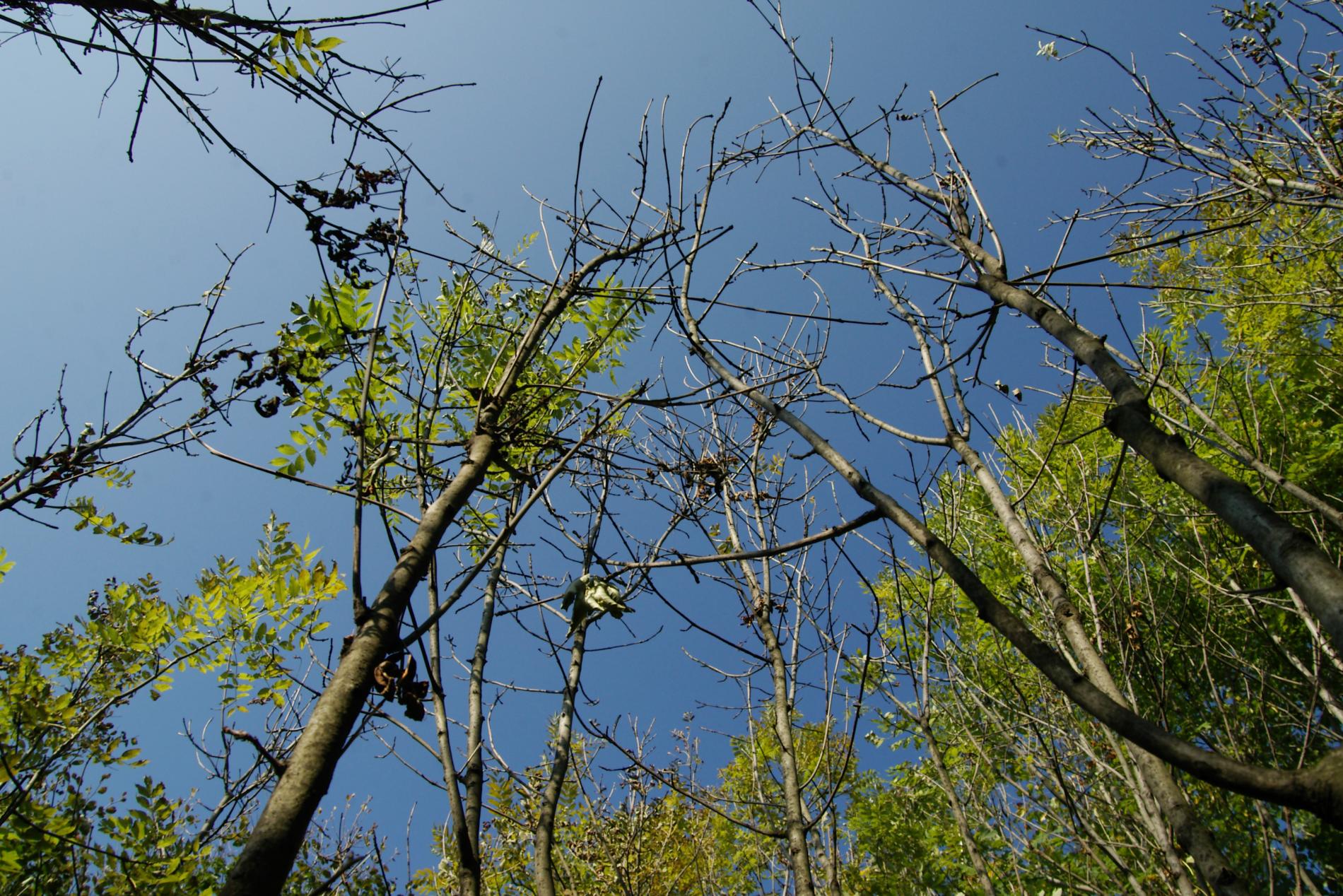
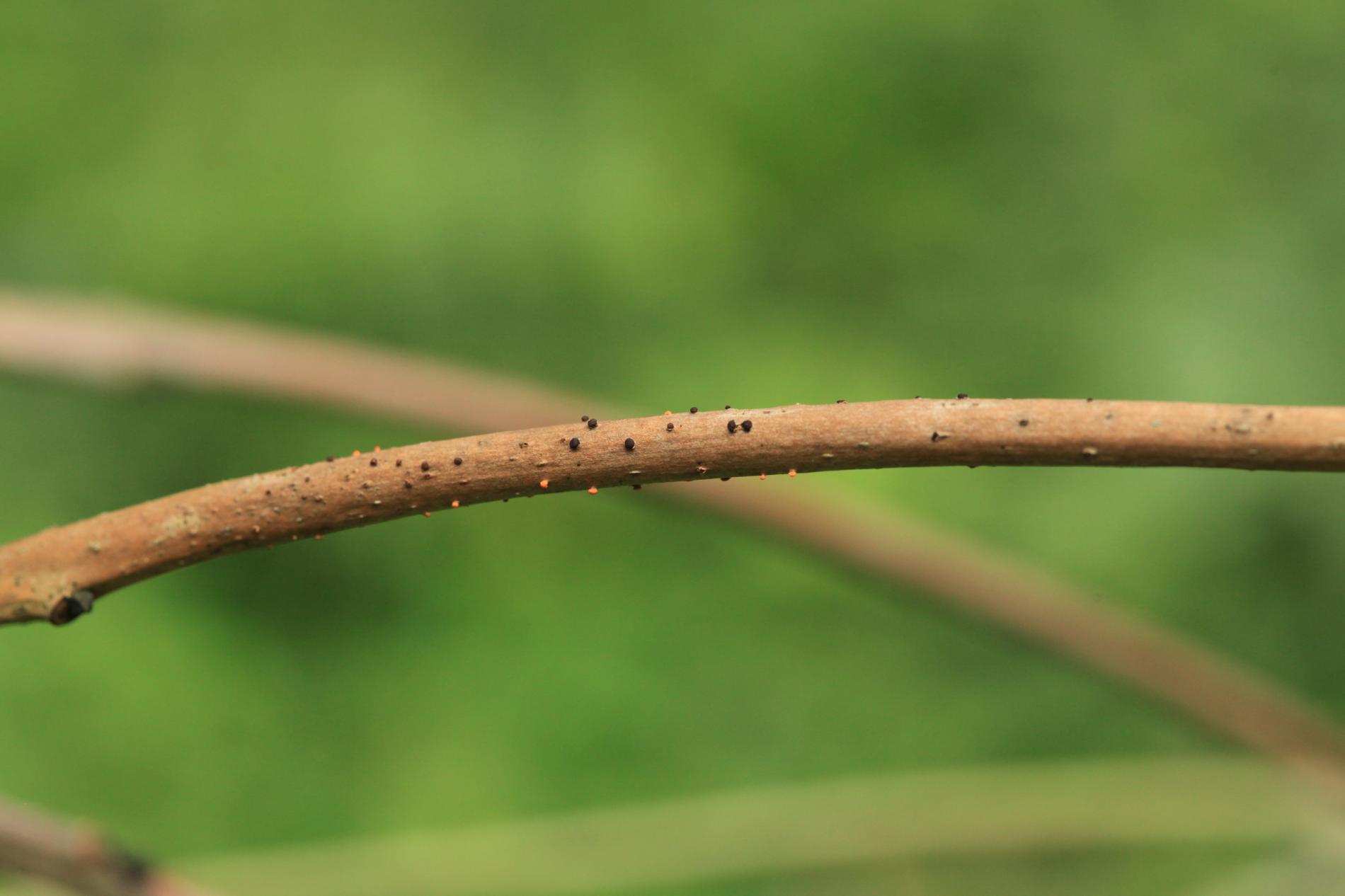
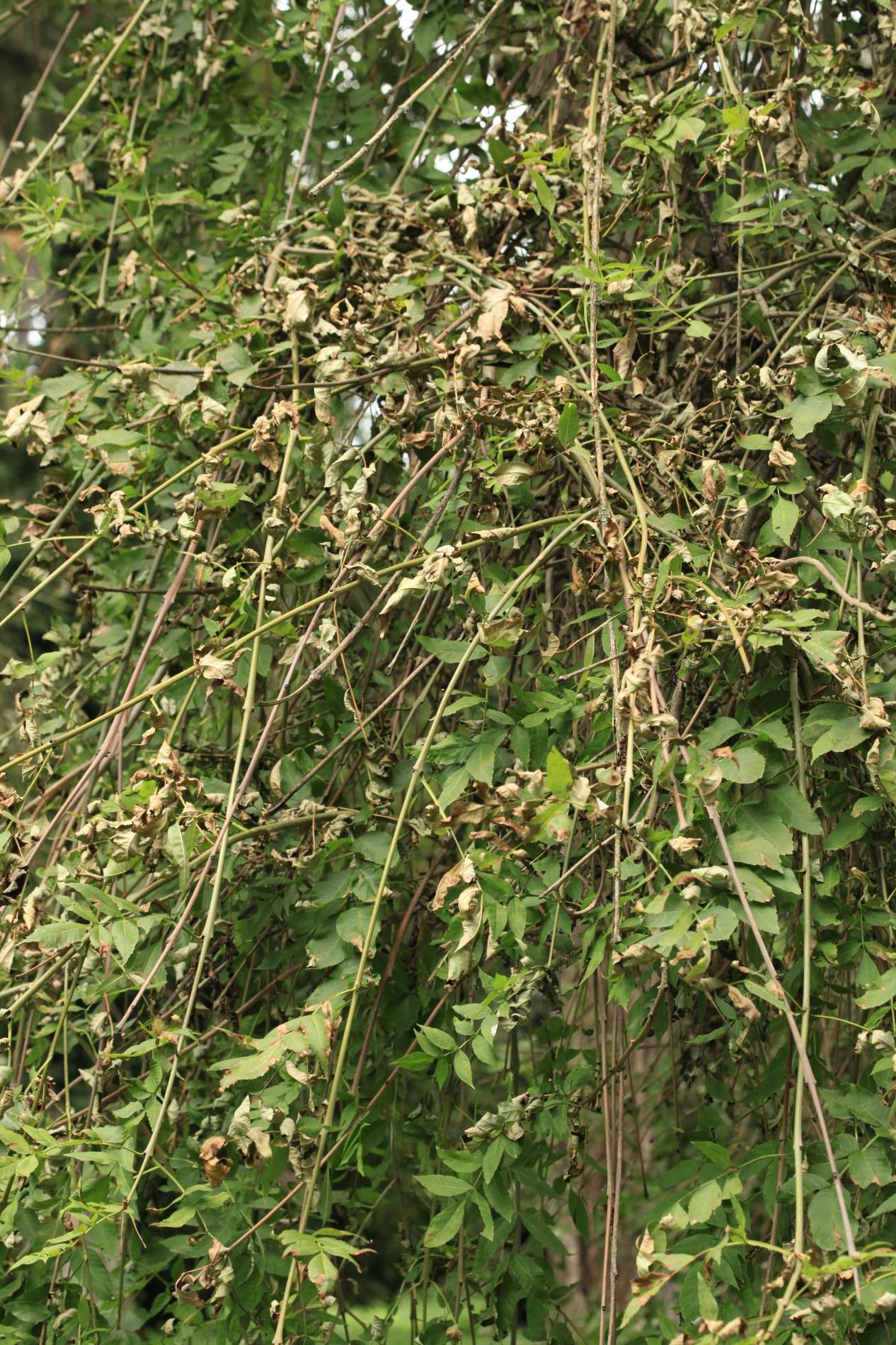
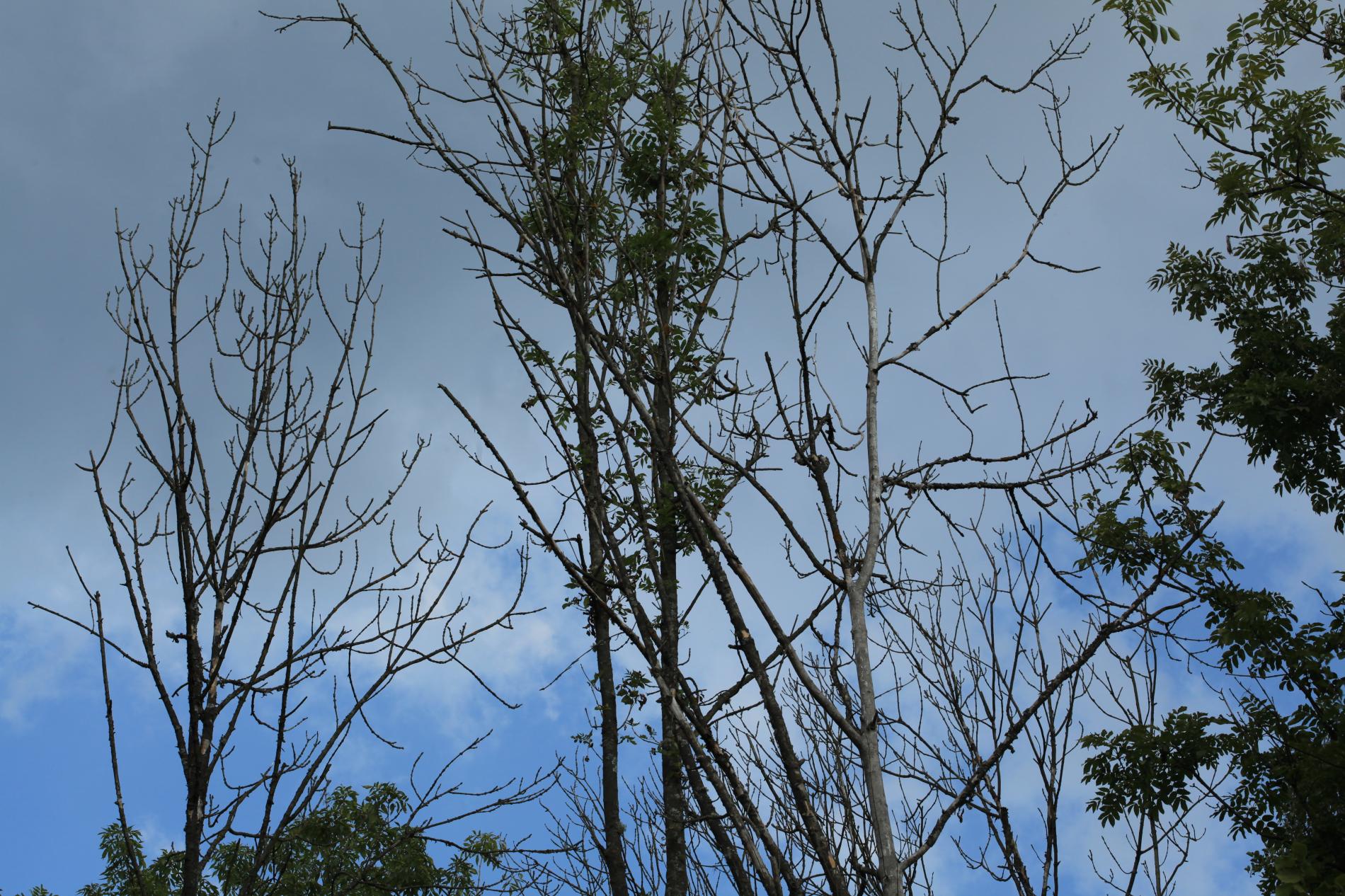
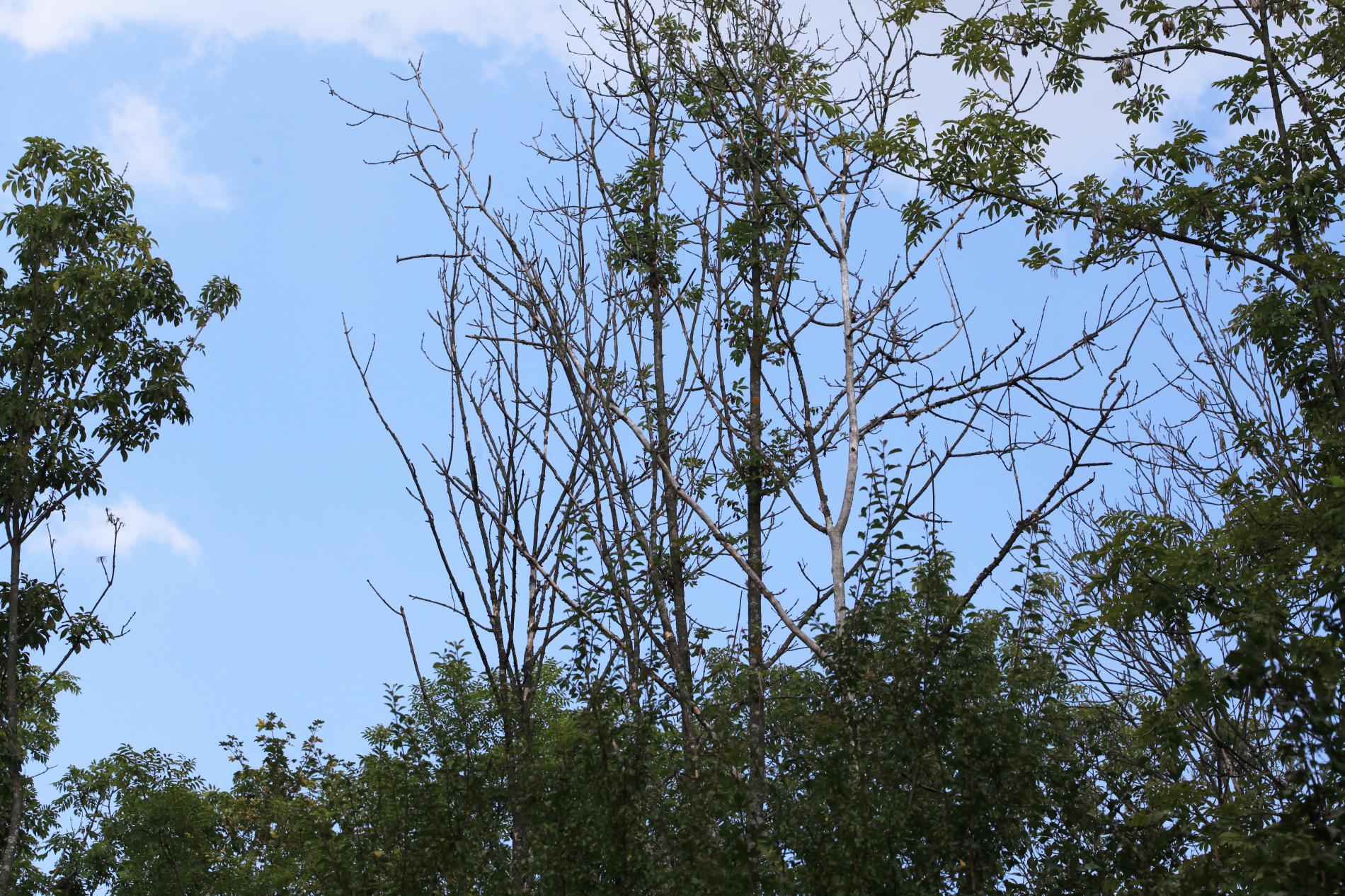
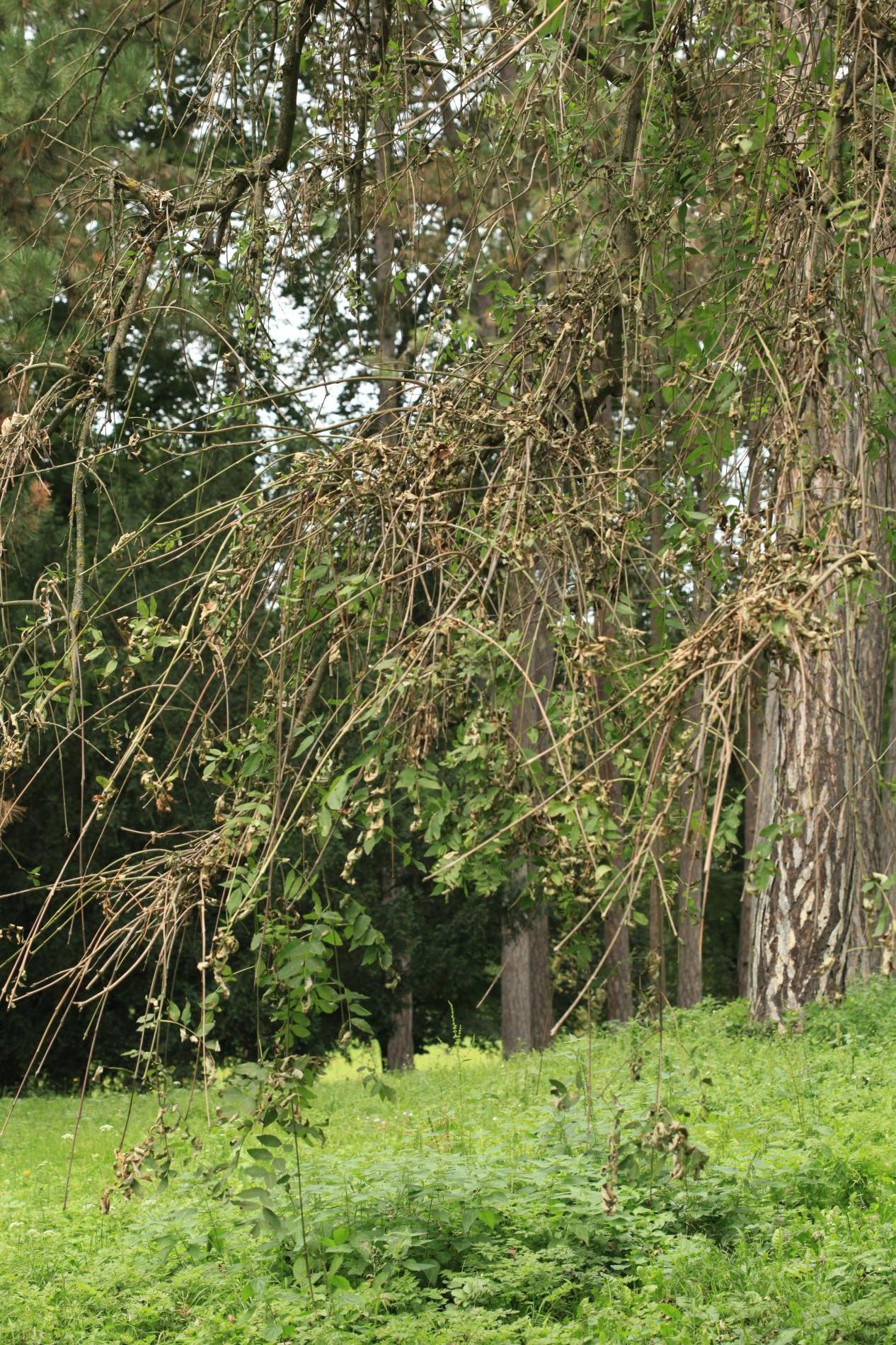
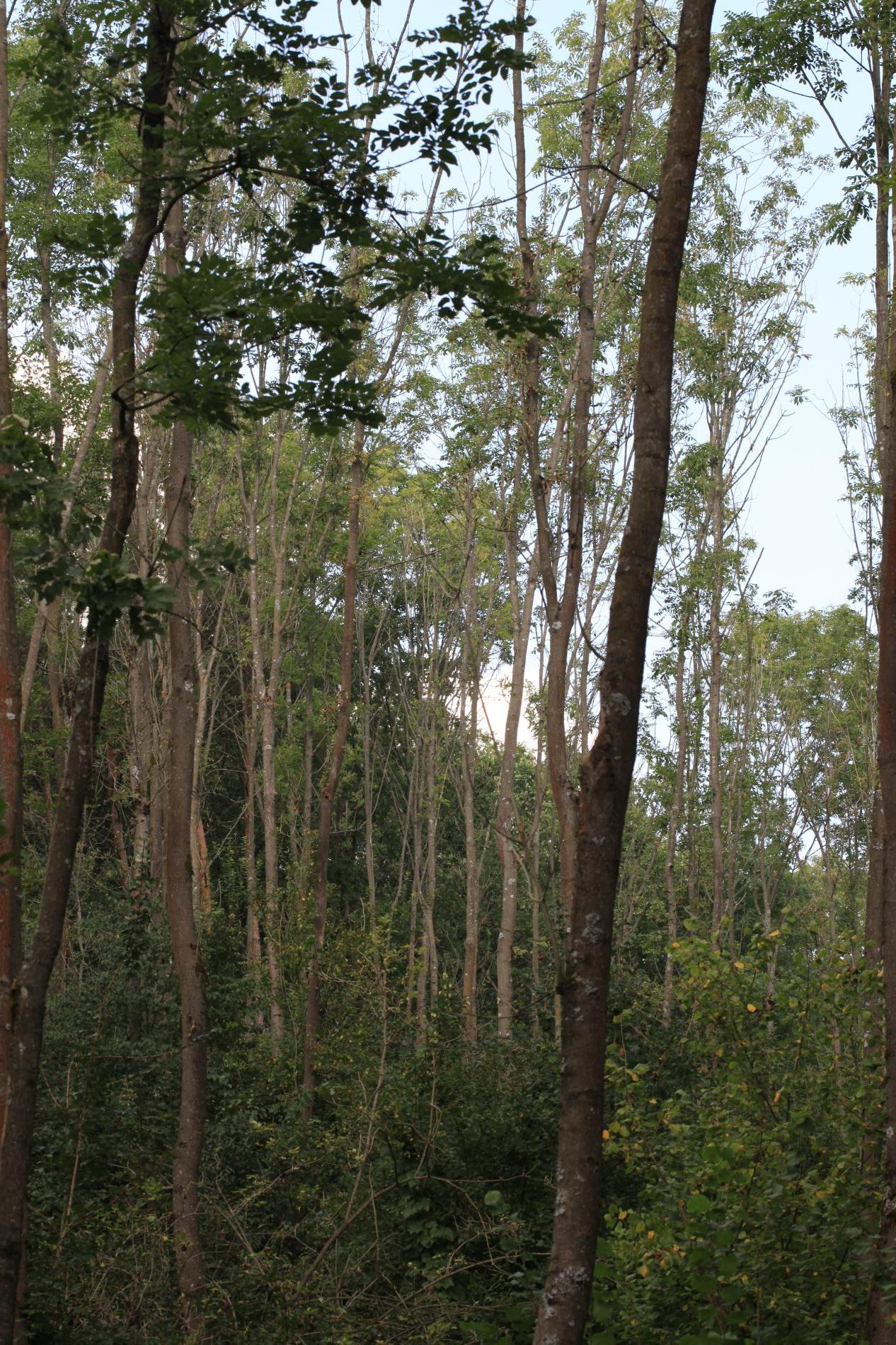
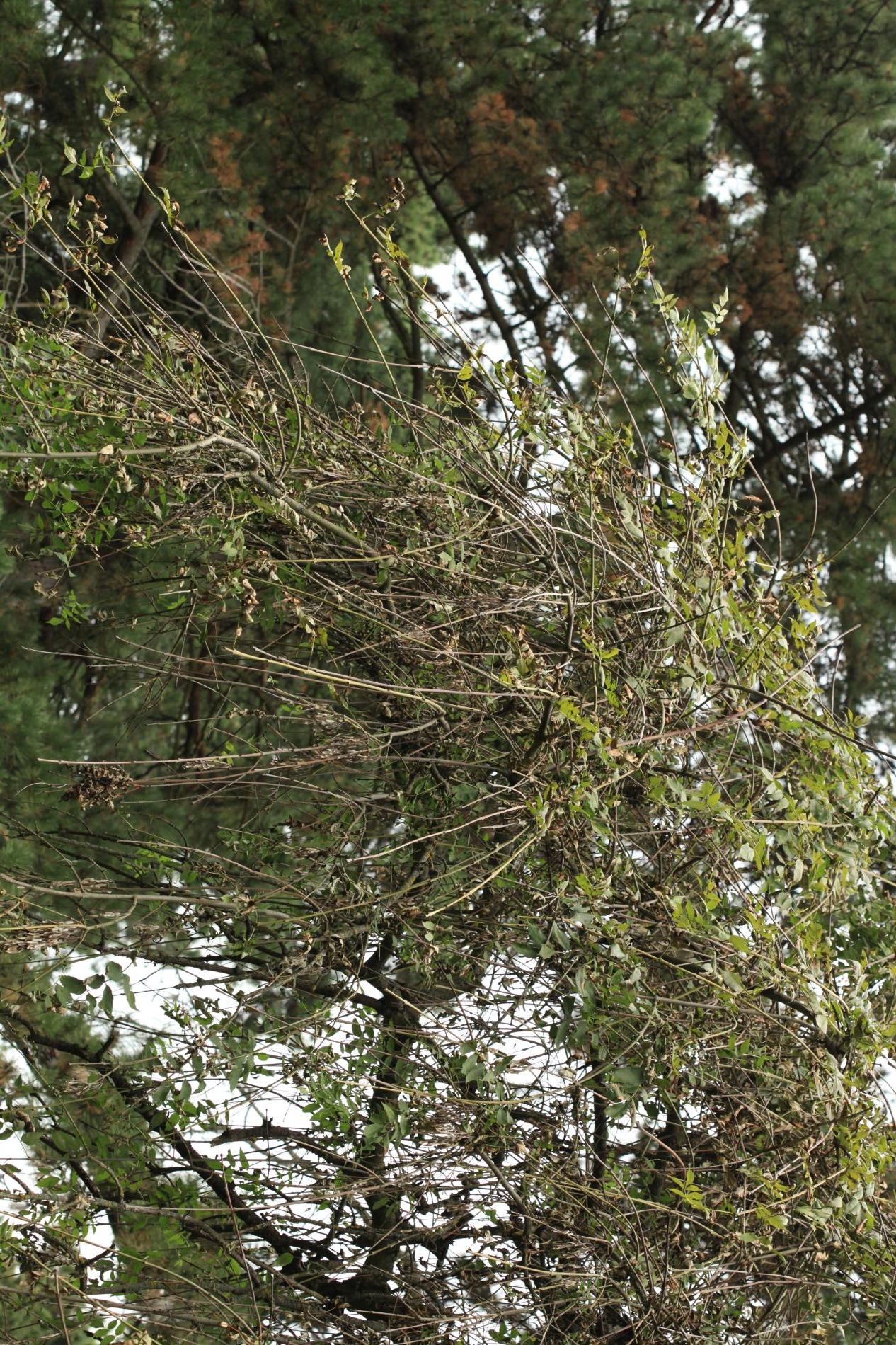
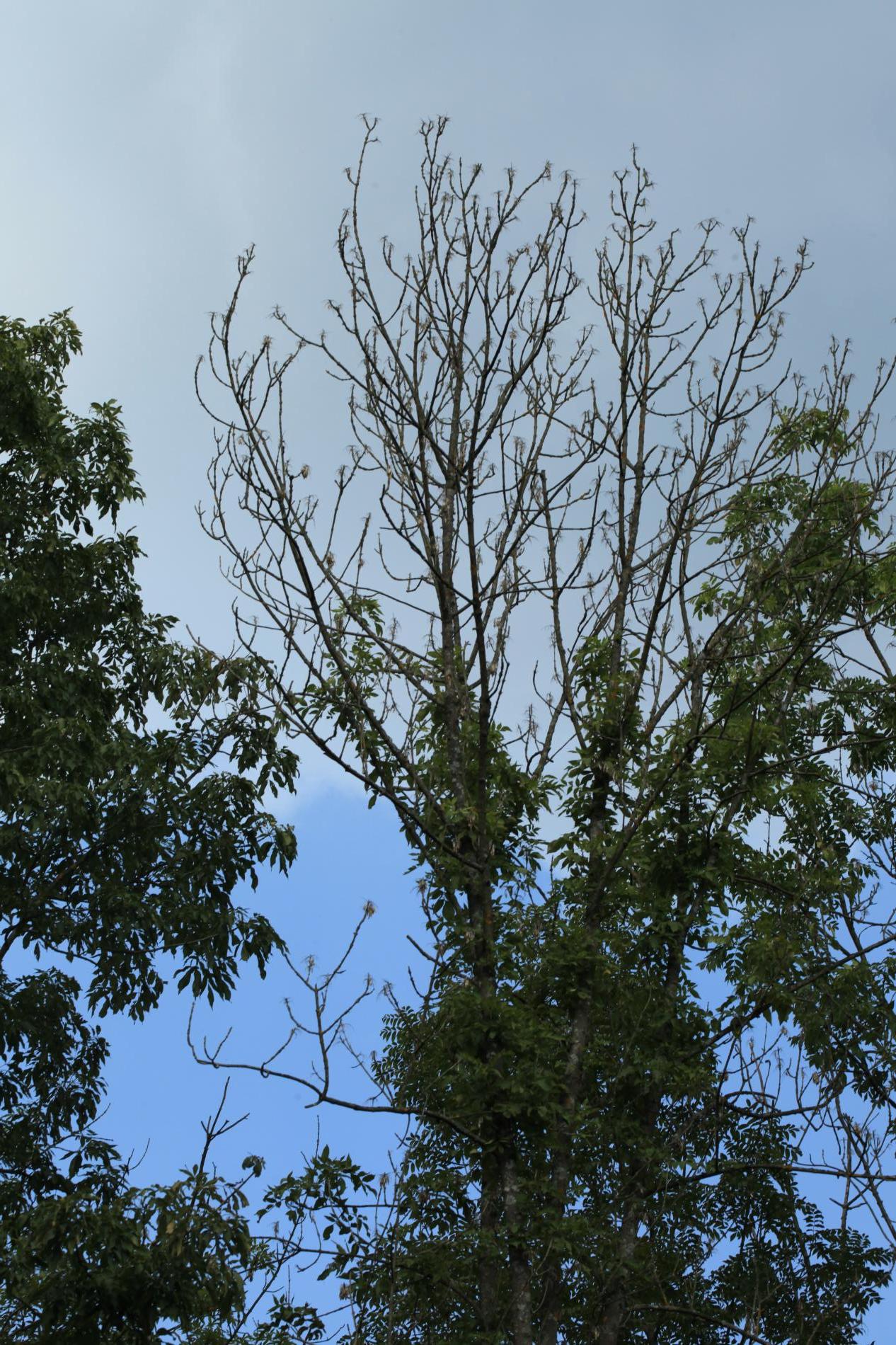
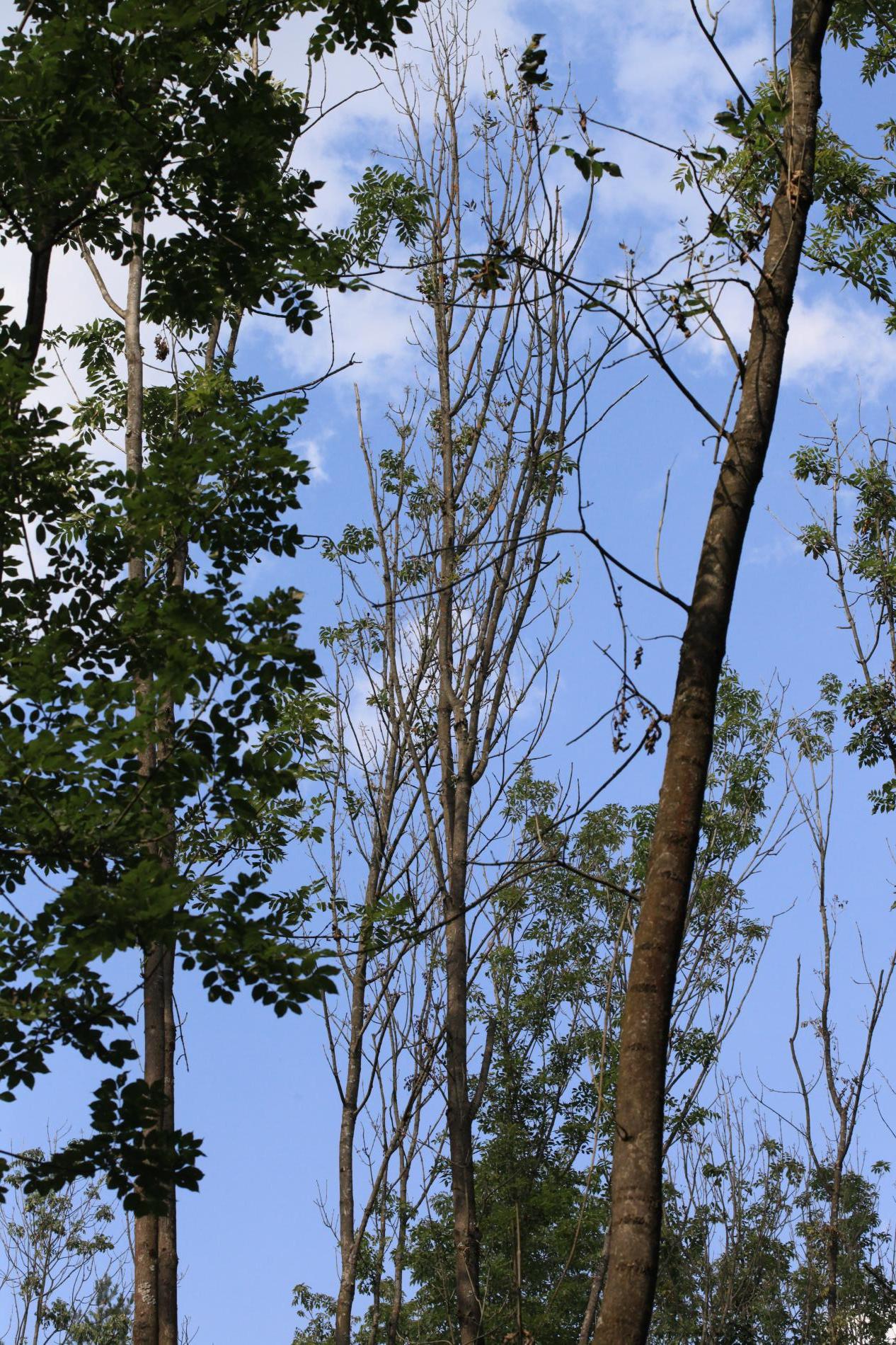
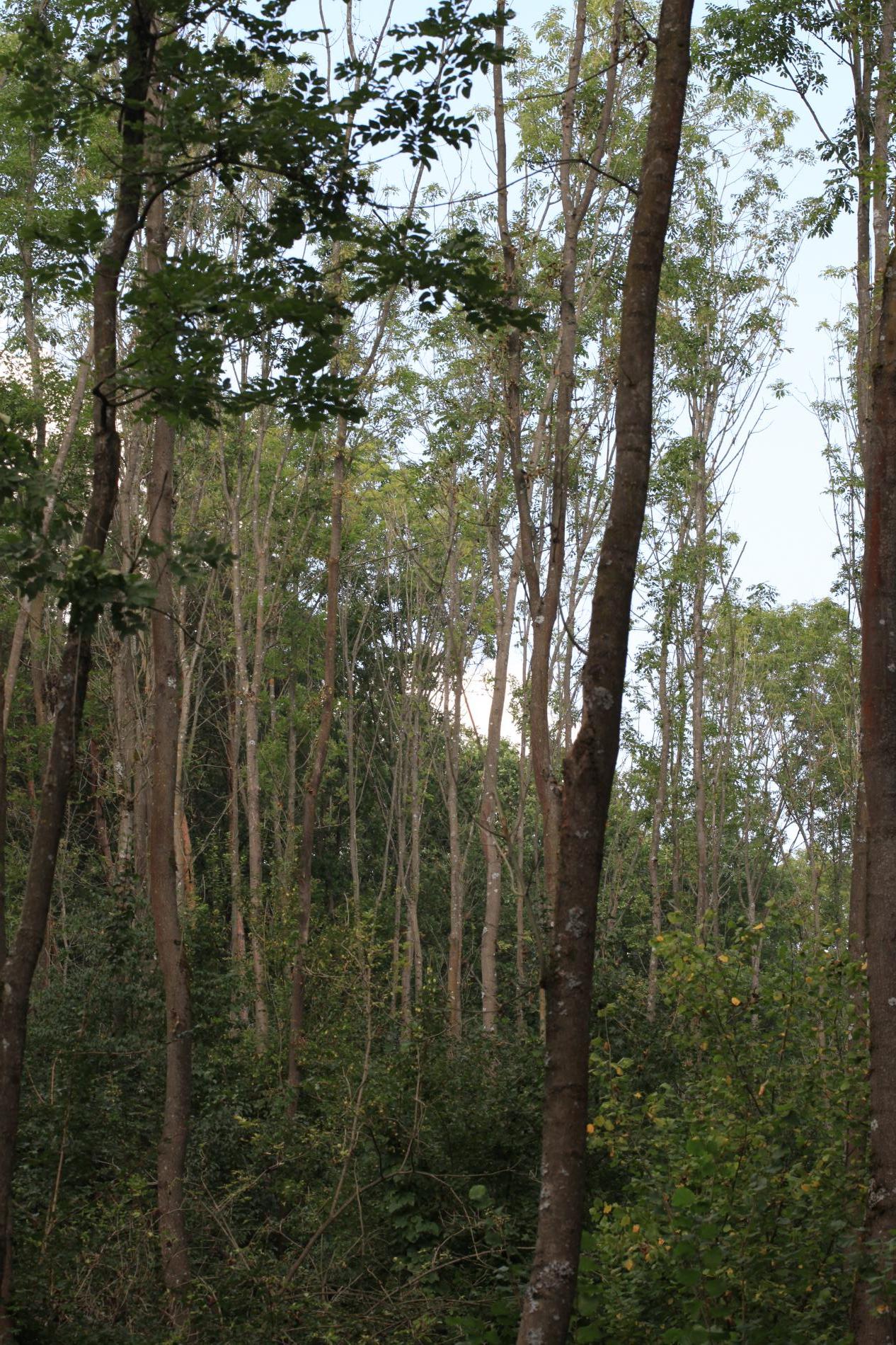
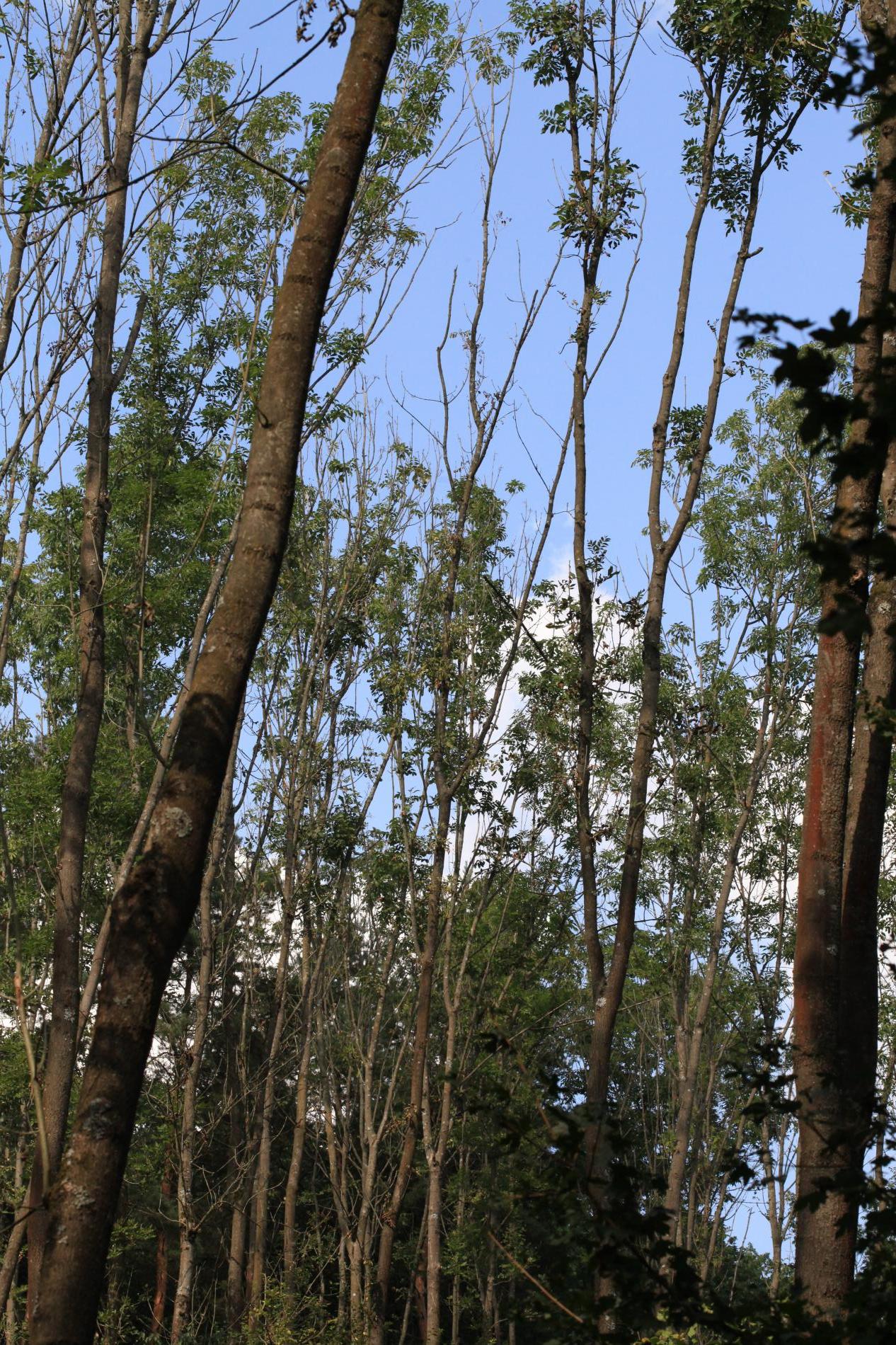
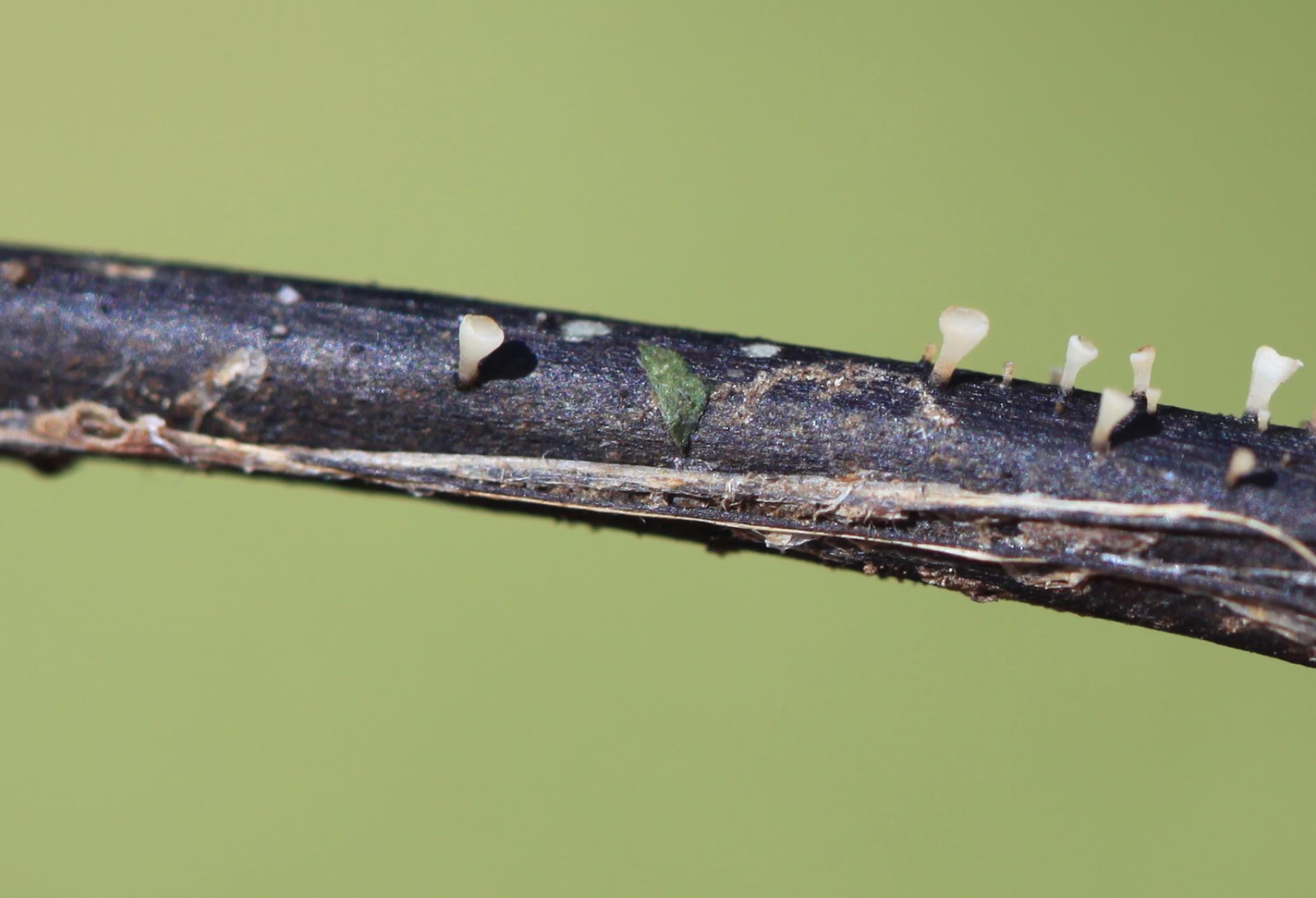
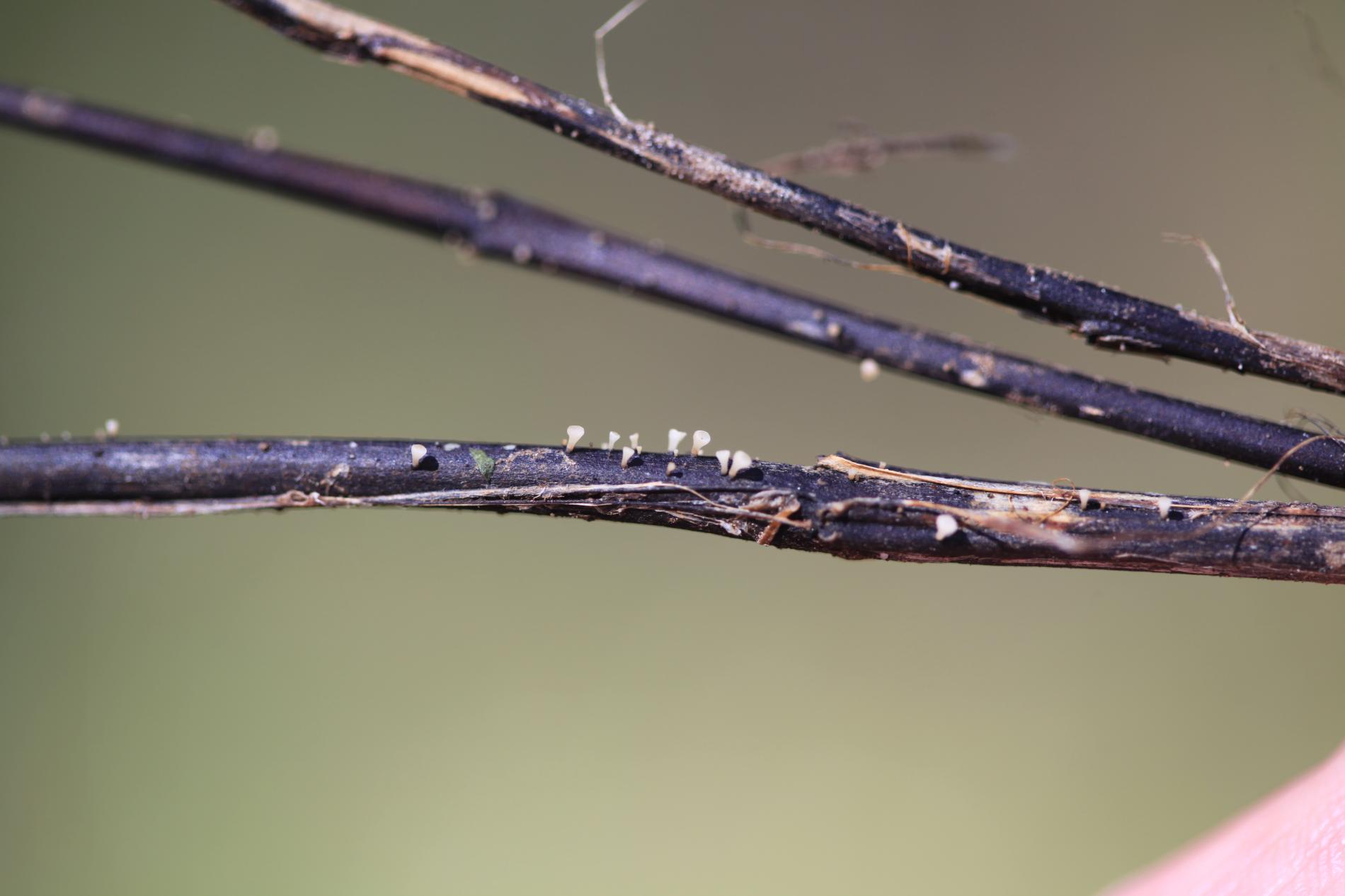
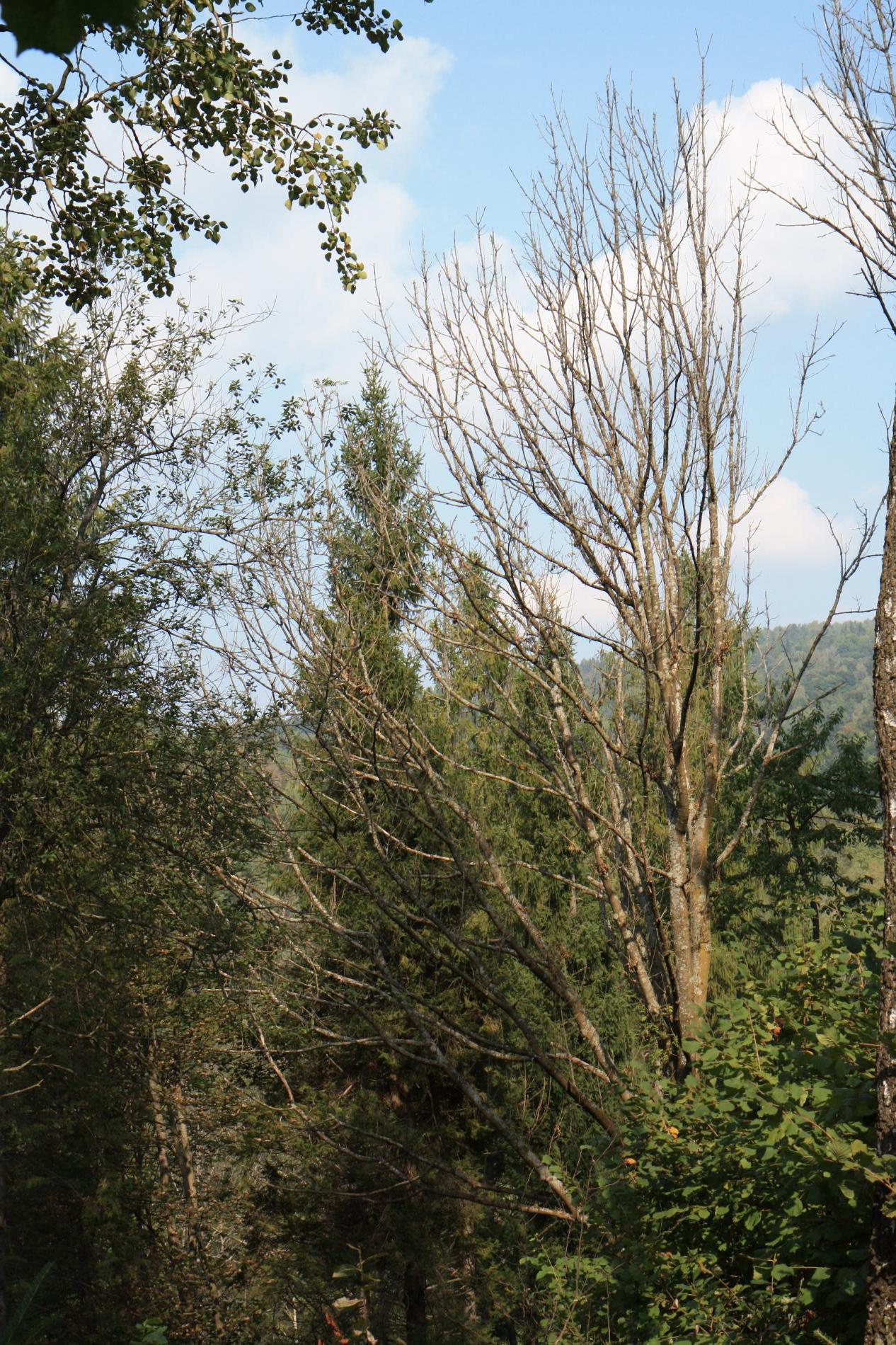
This disease causing tree mortality has increasingly been observed in Central European countries on ash trees since 1990s. The first studies revealed the presence of a pathogenic fungus which was described as a new species, Chalara fraxinea, in 2006. Initially, small necrotic spots (without exudate) appear on stems and branches some necrotic lesions are sunken. These necrotic lesions then enlarge resulting in wilting, dieback of branches and particularly in the death of the top of the crown. The disease is often chronic but can be lethal. Ash dieback has been observed not only on forest trees but also in urban areas (parks and gardens) and in nurseries. Sexual stage of the fungus is Hymenoscyphus pseudoalbidus.
Small necrotic spots (without exudate) appear on stems and branches some necrotic lesions are sunken. These necrotic lesions then enlarge resulting in wilting, dieback of branches and particularly in the death of the top of the crown.
Tree Species: Ash
Part of a plant- attacked: Tree trunk, Leaf / Needle, Branch
Pest significance: Very harmful
Pest Category: Fungi
Invasive Species: Yes
Present in EU: Yes
Pest group: Fungi
Affected part of wood: Heartwood, Sapwood
Depth of damages: Under bark only, Up to 0,5 cm depth, Up to 2 cm depth, Up to 5 cm depth
The extent of damage: Lokally
Prevalence in Europe: Common
Damaged products: Firewood, Fresh timber logs (water still in the sapwood), Furniture, Lumber, boards and prisms, Wooden house constructions
Roundwood size: Branches and twigs, Diameter 50+, Diameter from 10 up to 50 cm, Diameter up to 10 cm
Wood discoloration: Yes
Exit holes: Oval
Similar pests

Phytophthora alni

Phytophthora cambivora
