


Cerrena unicolor
Mossy maze polypore
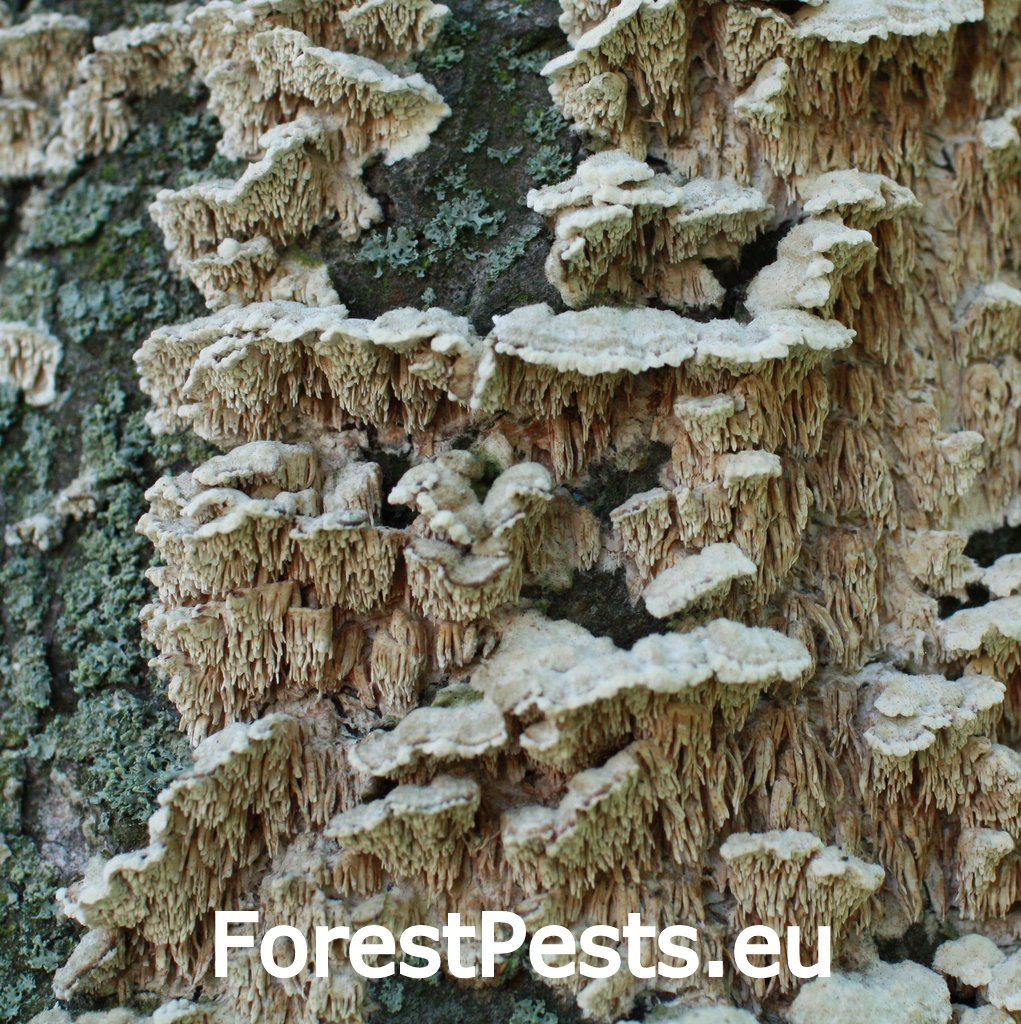
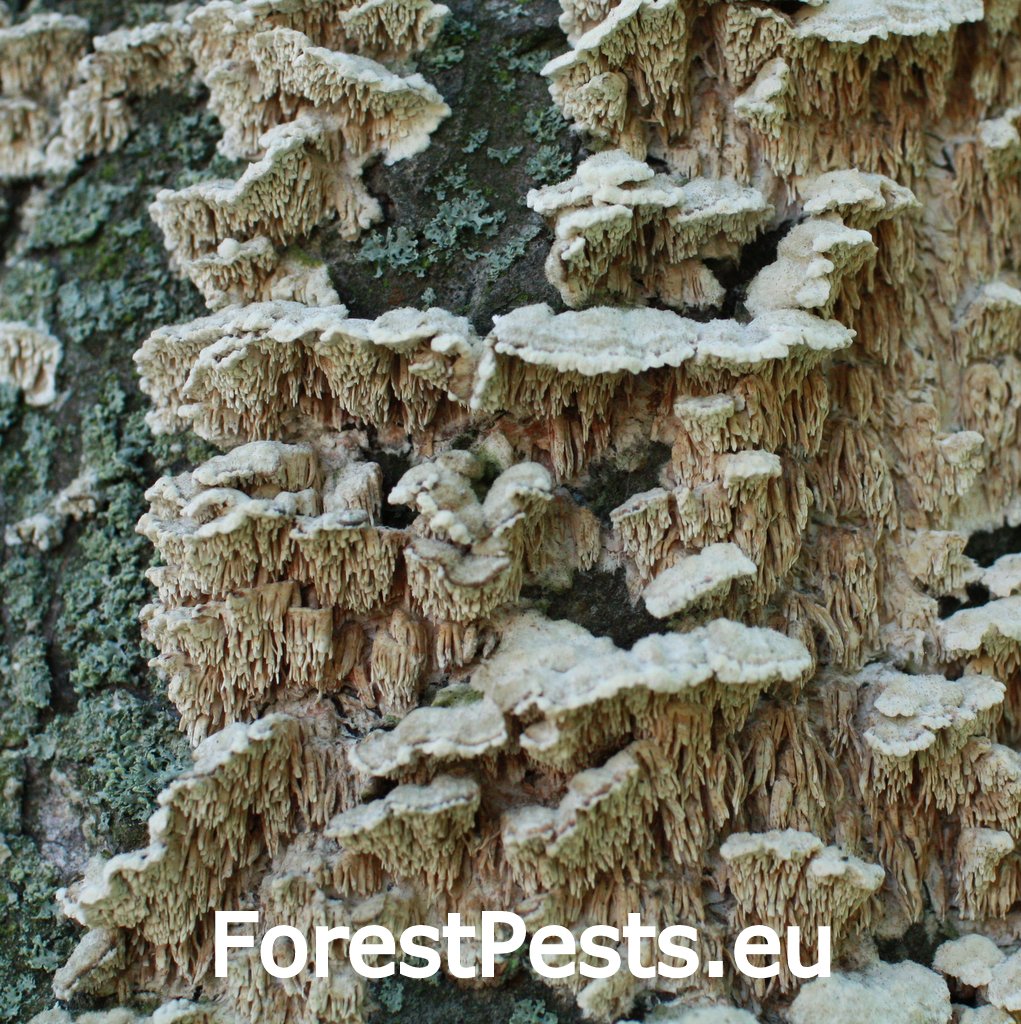
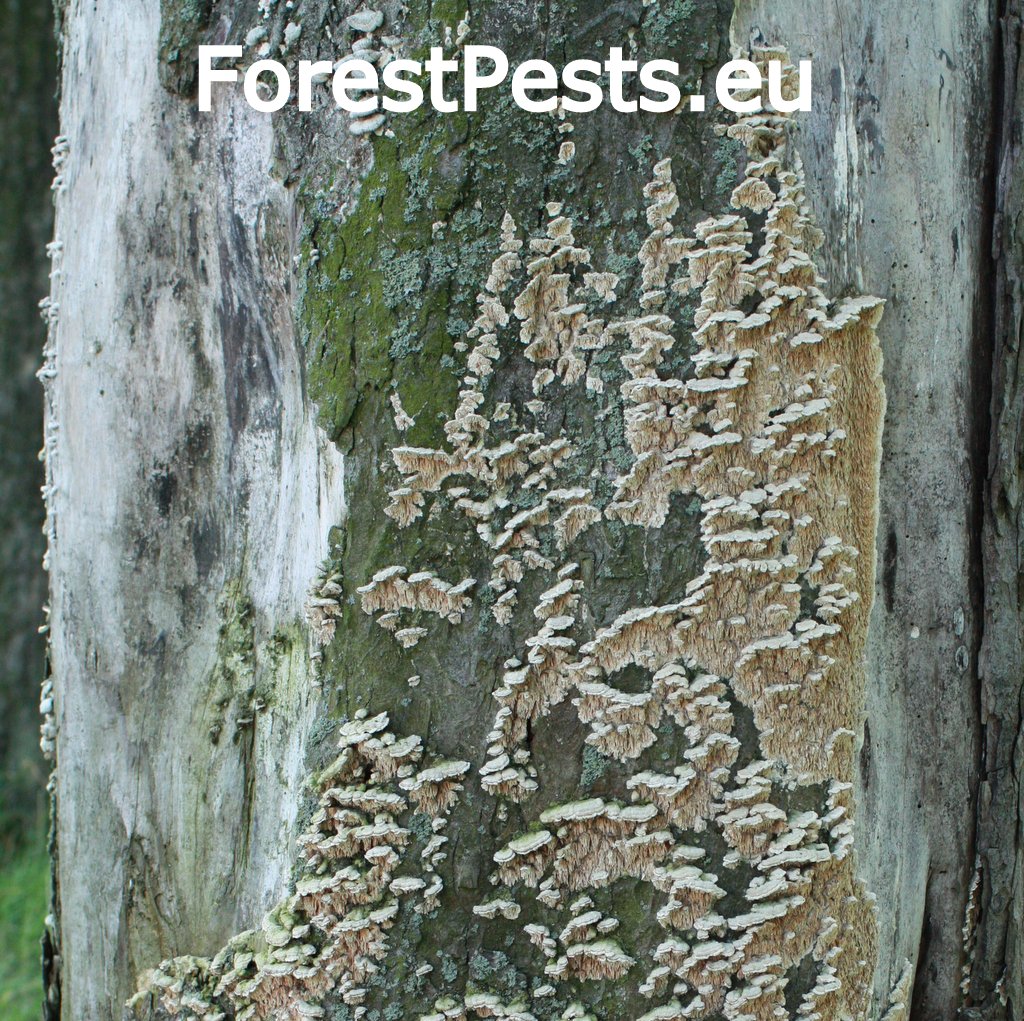
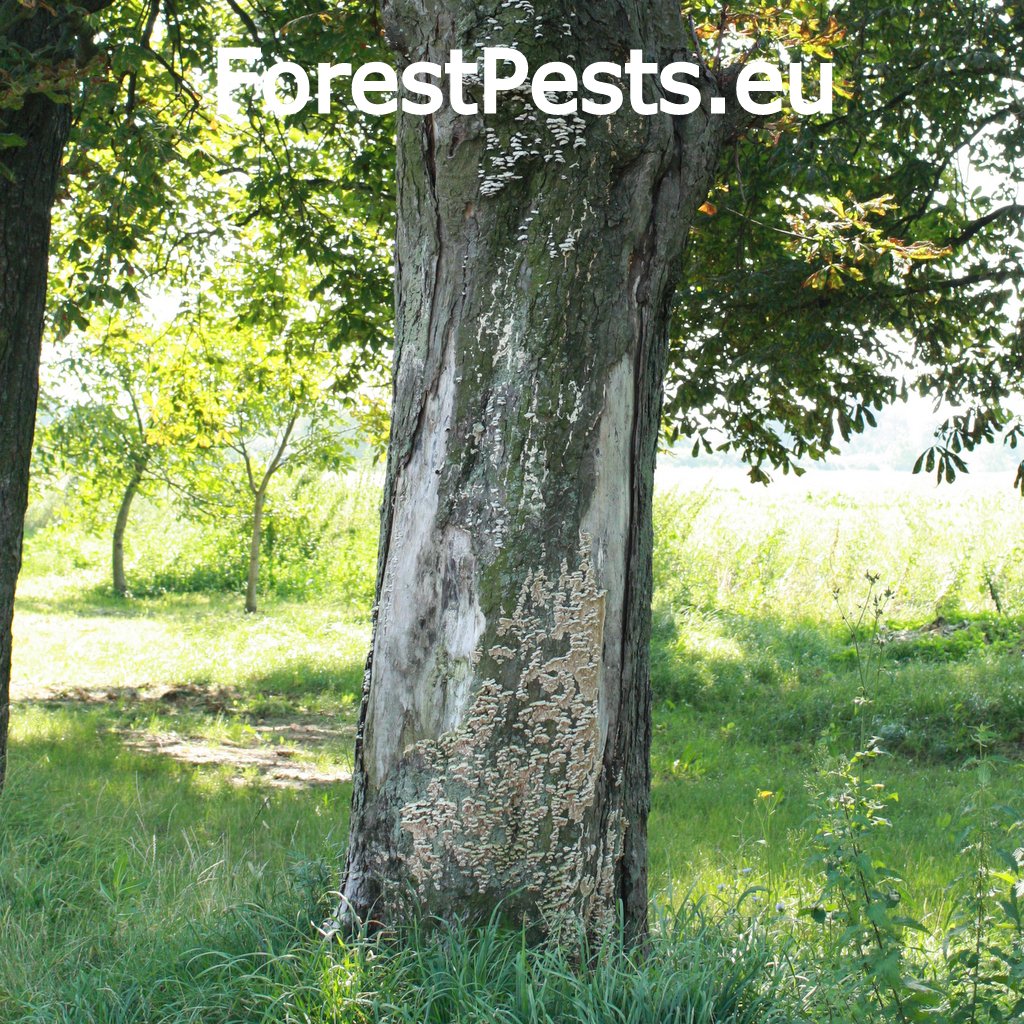
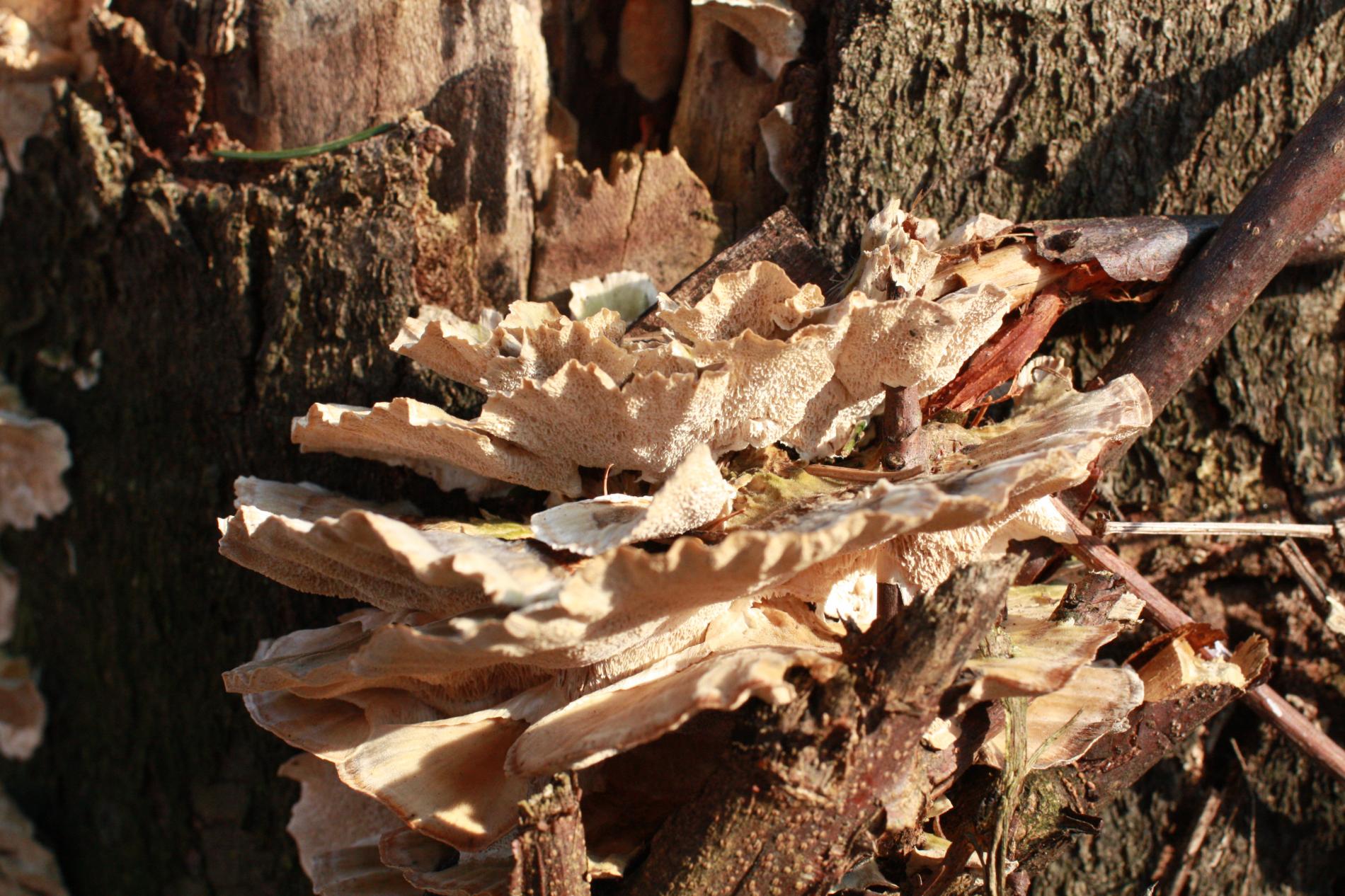
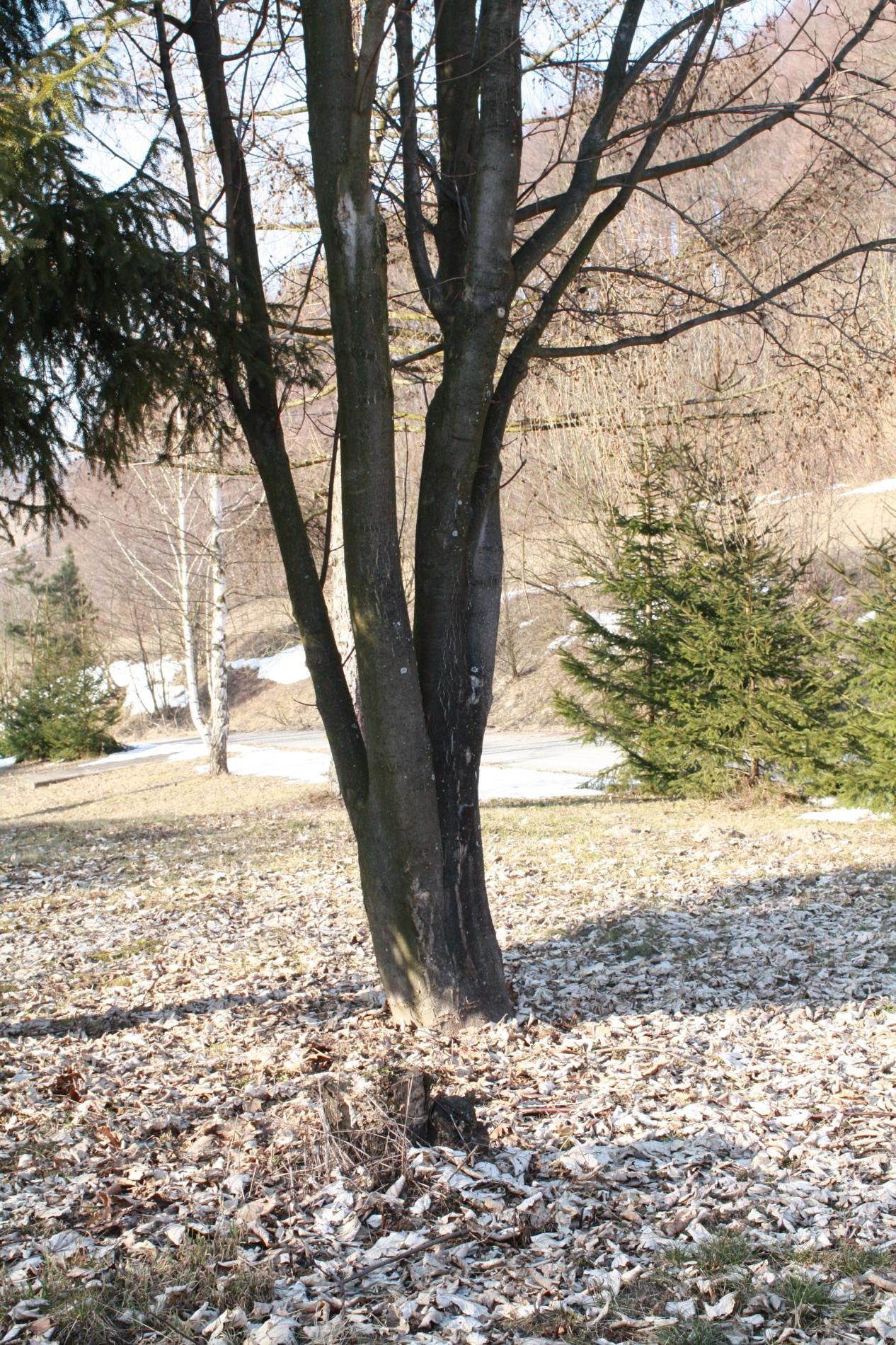
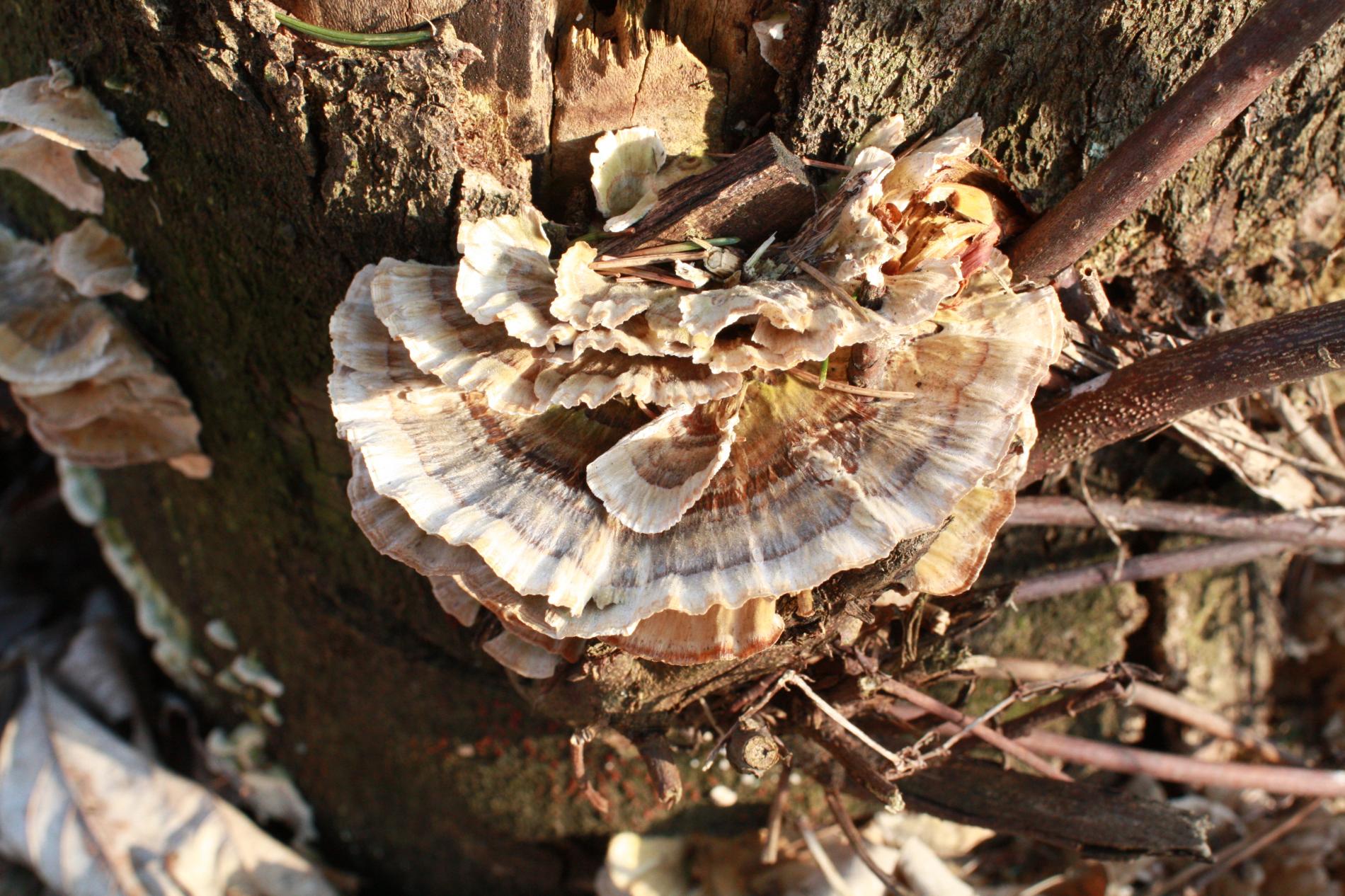
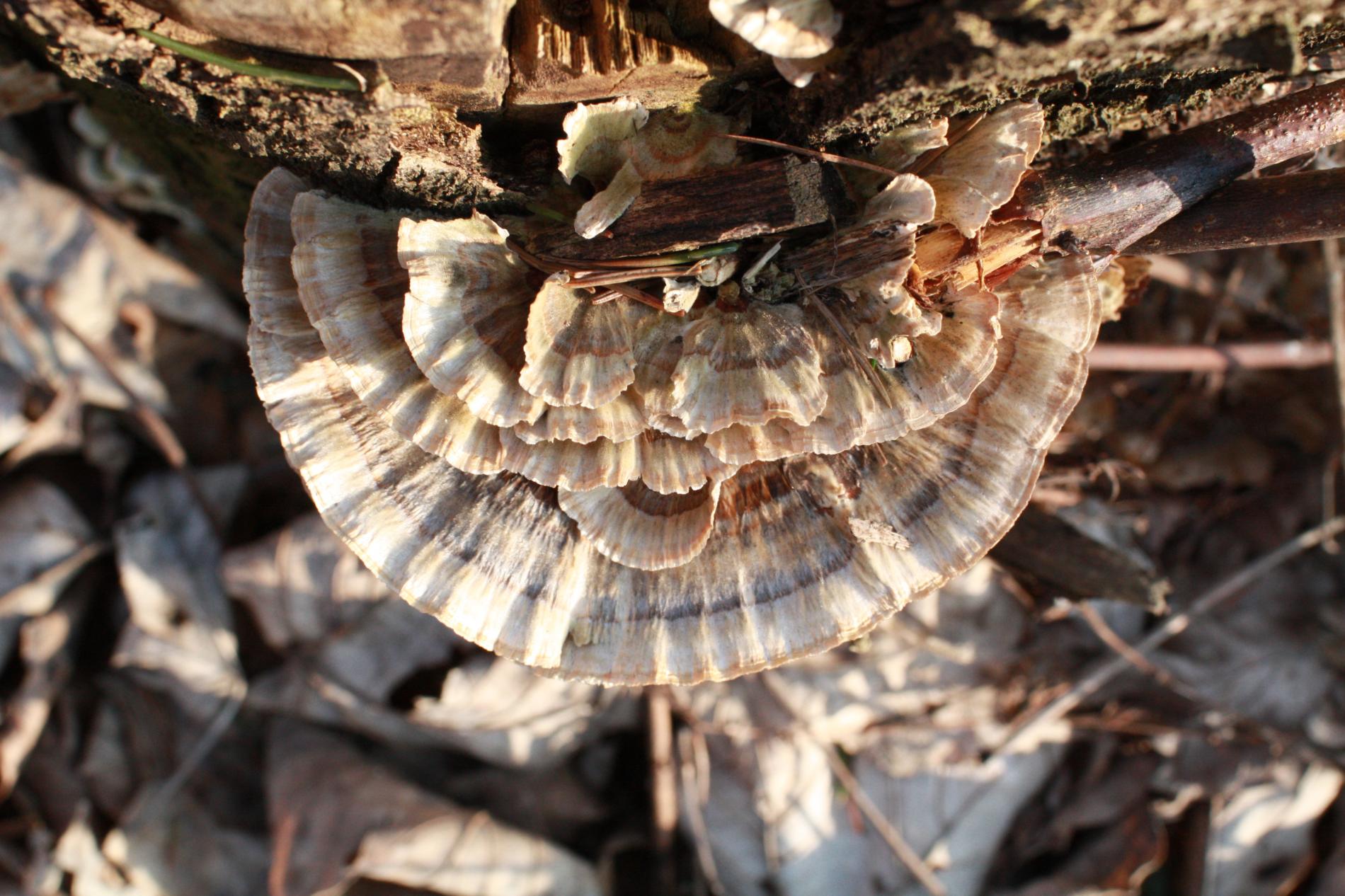
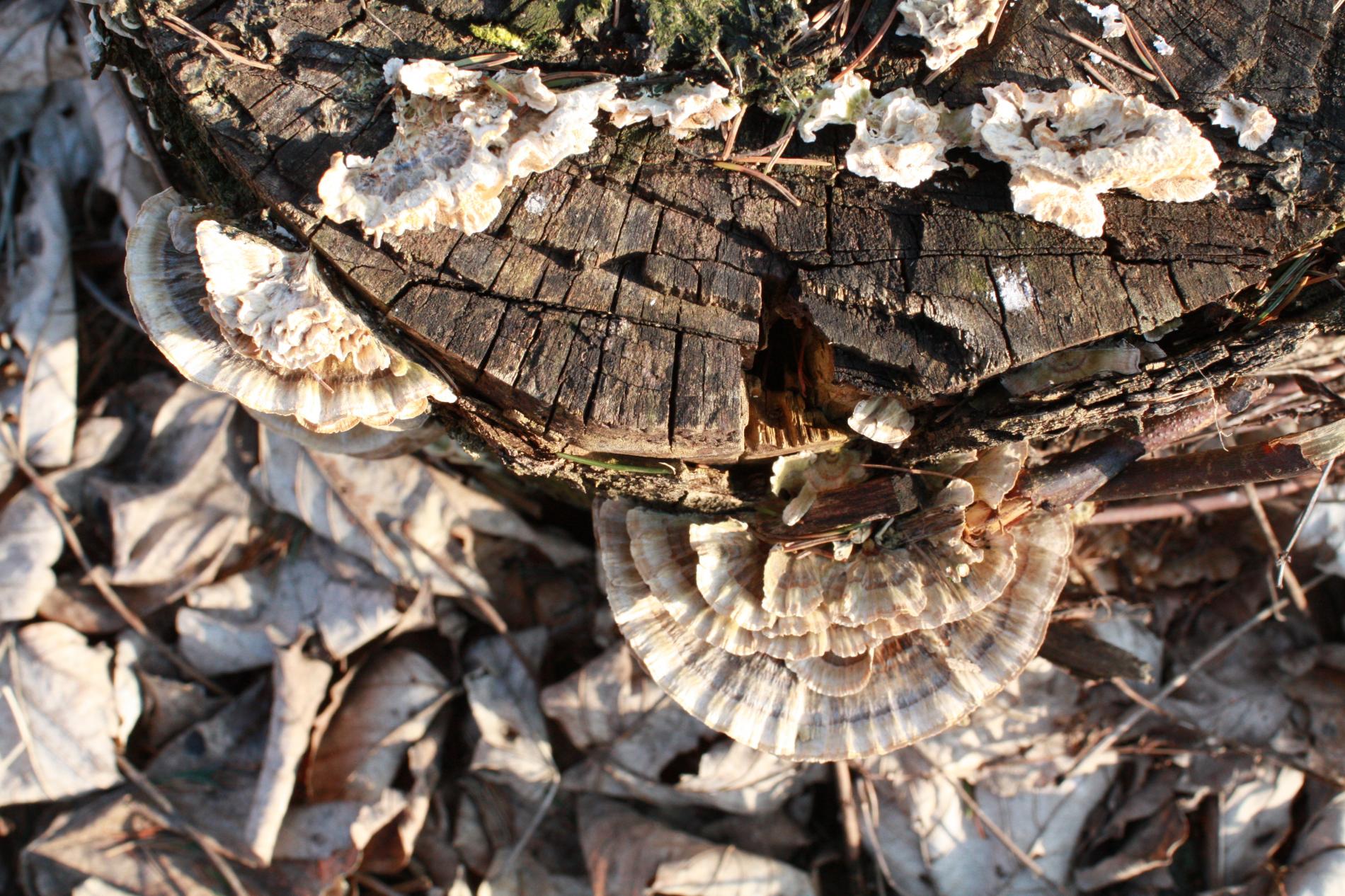
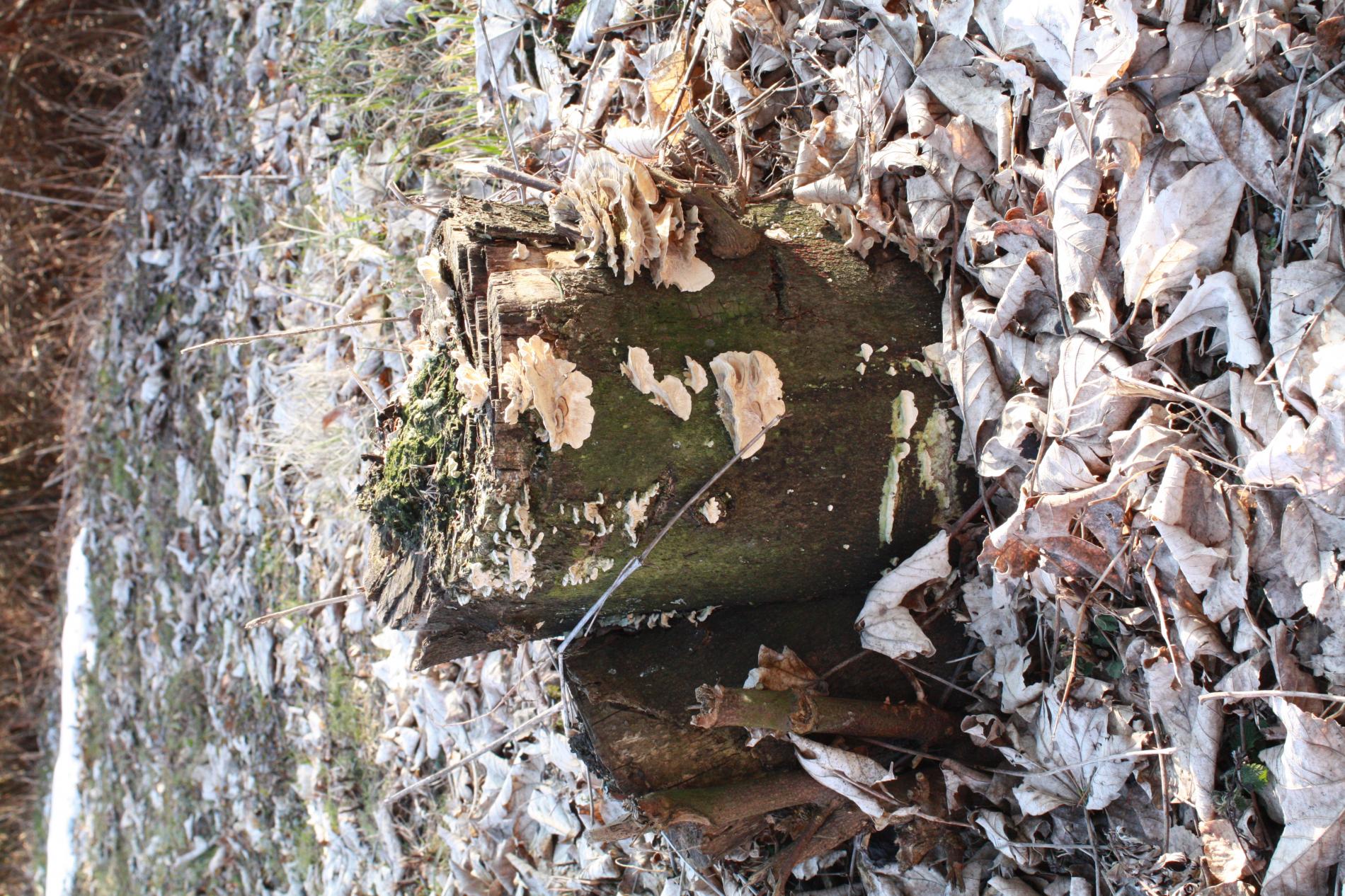
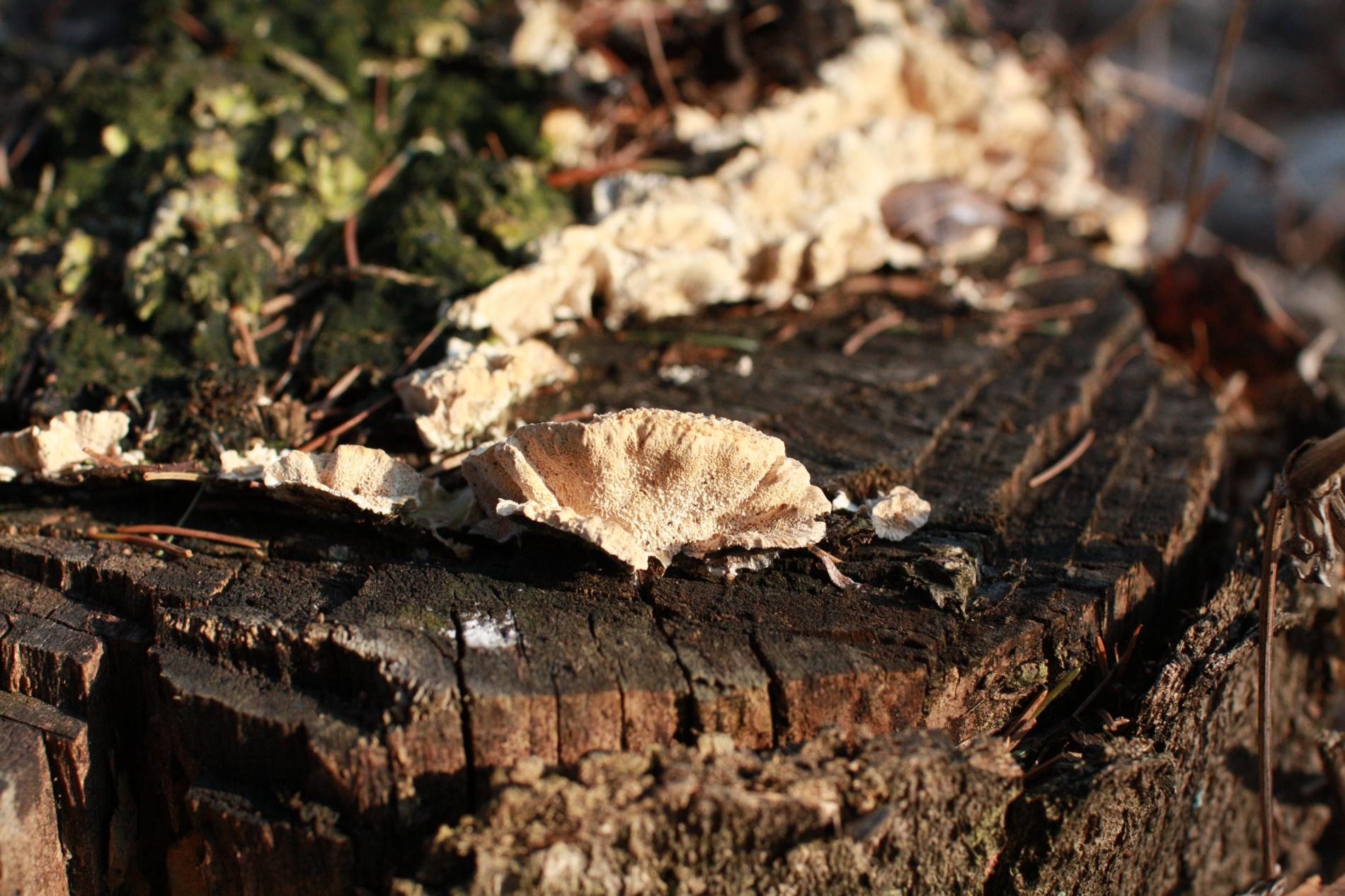
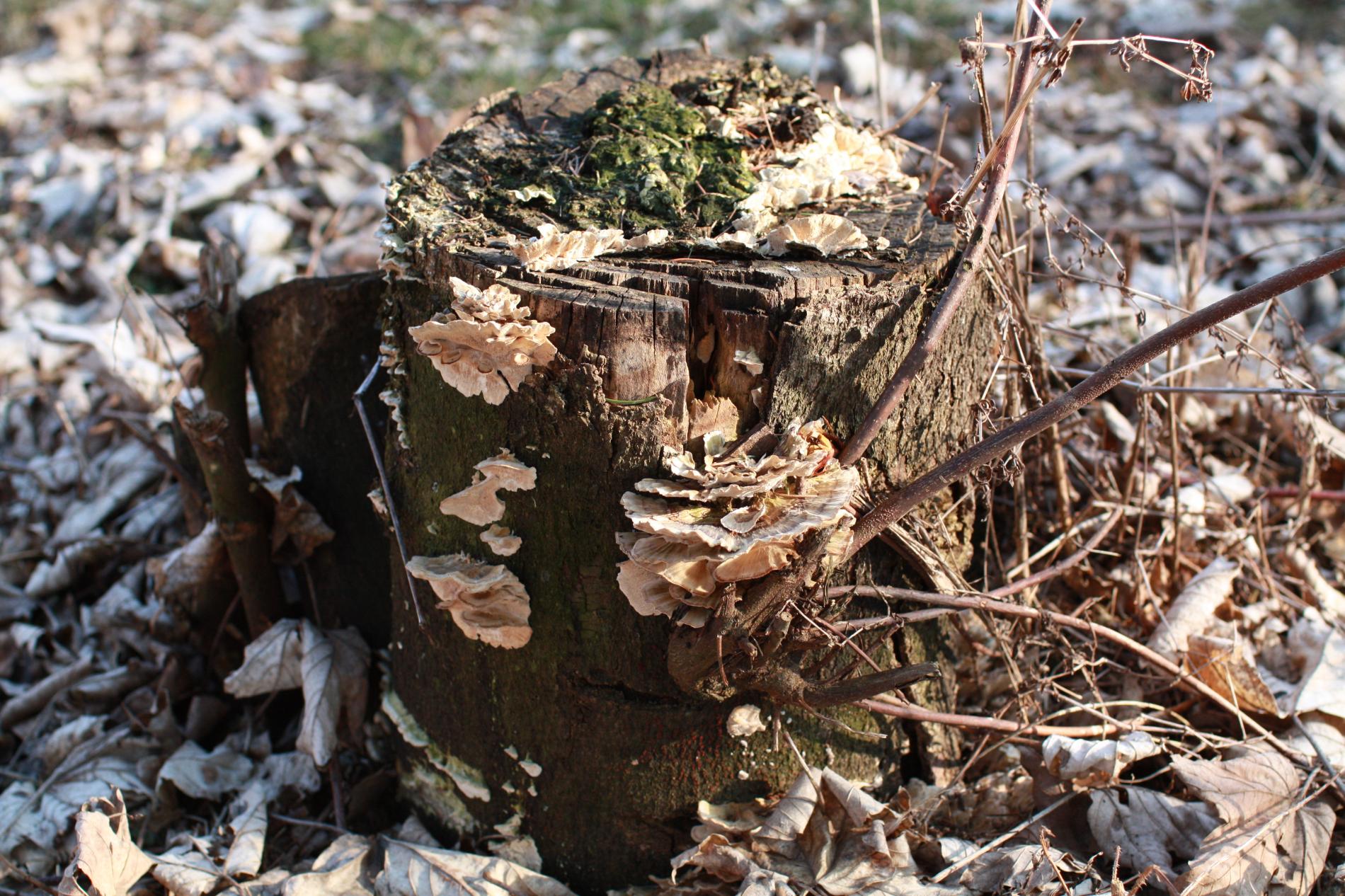
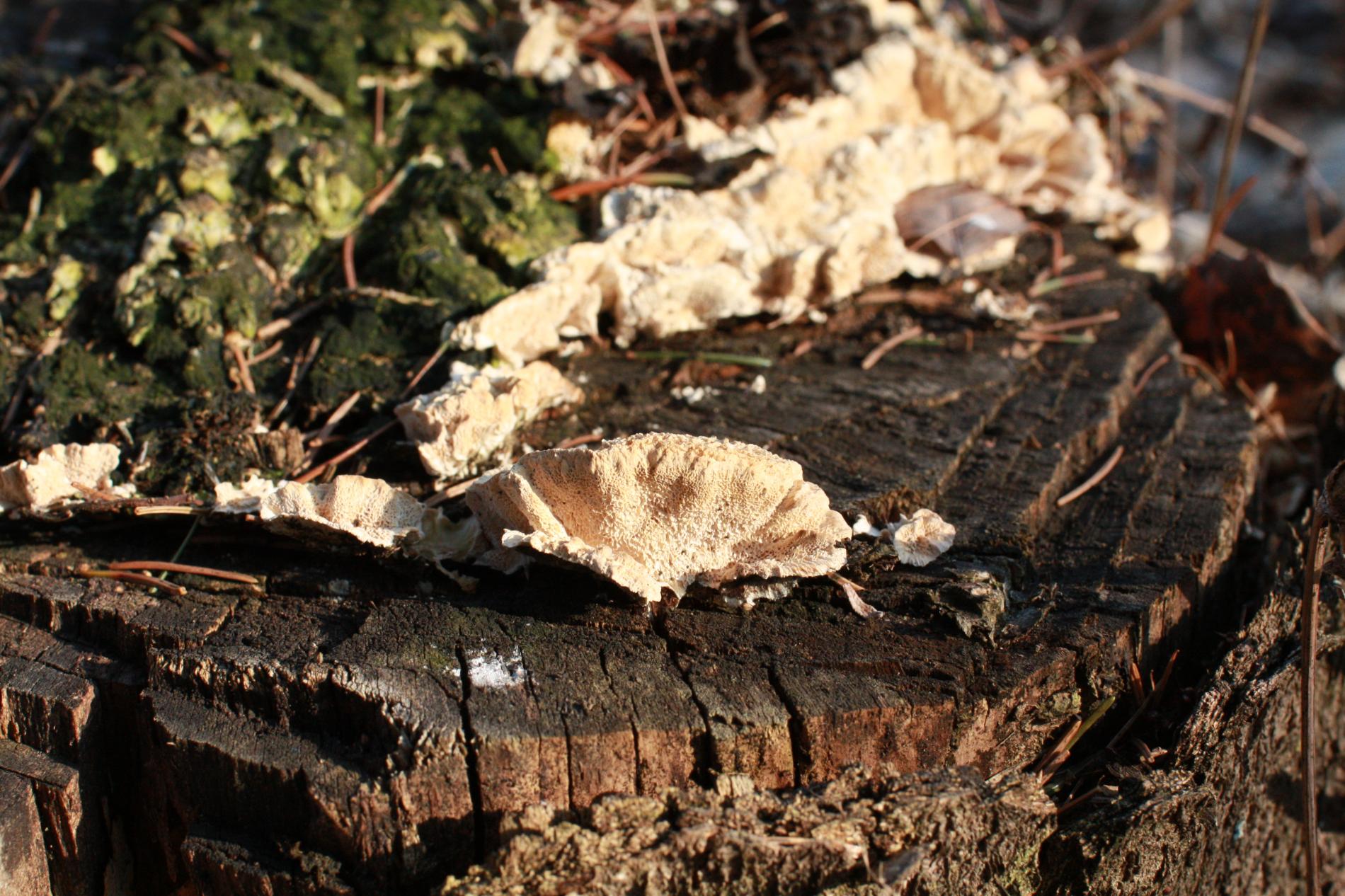
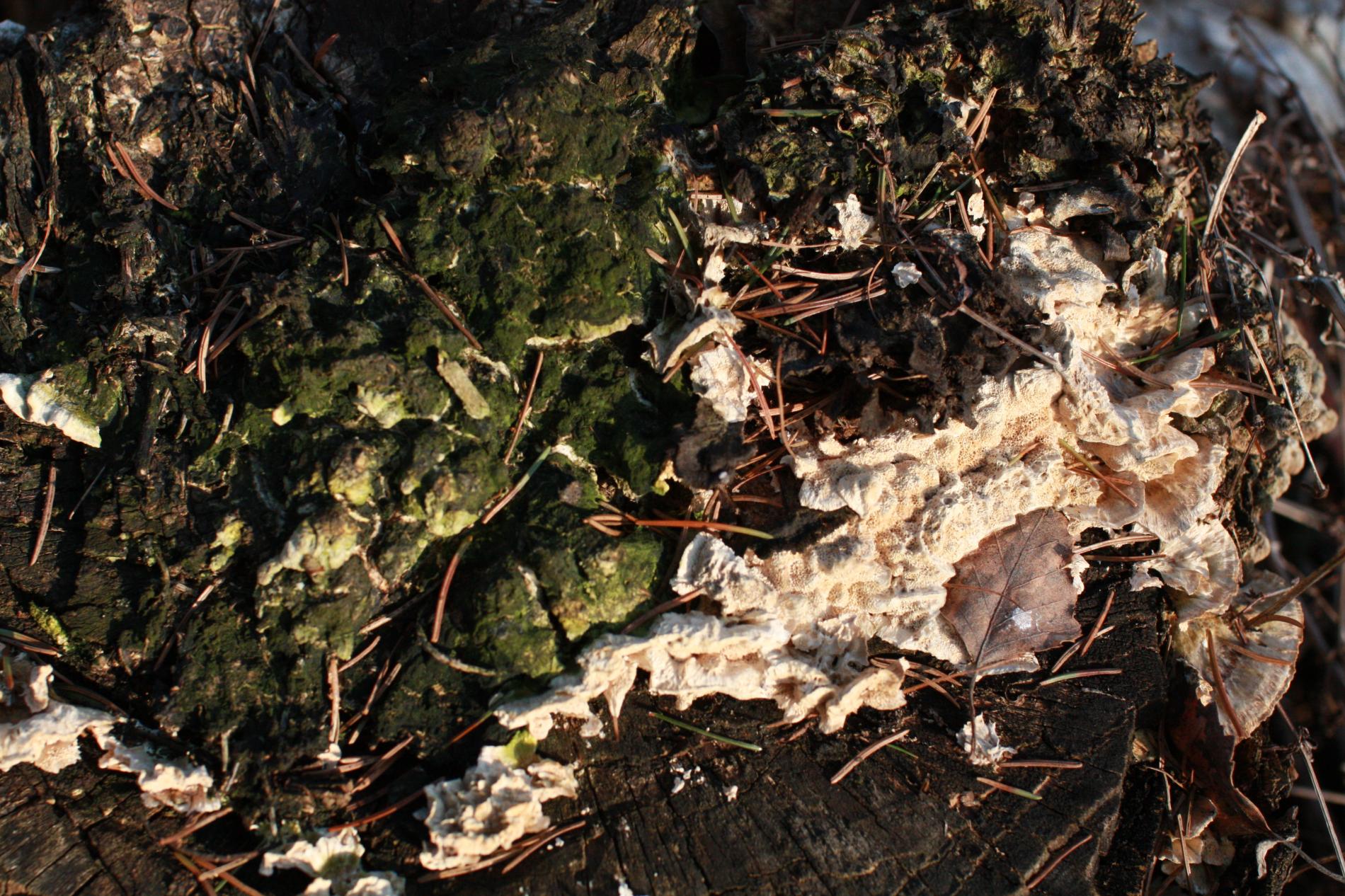
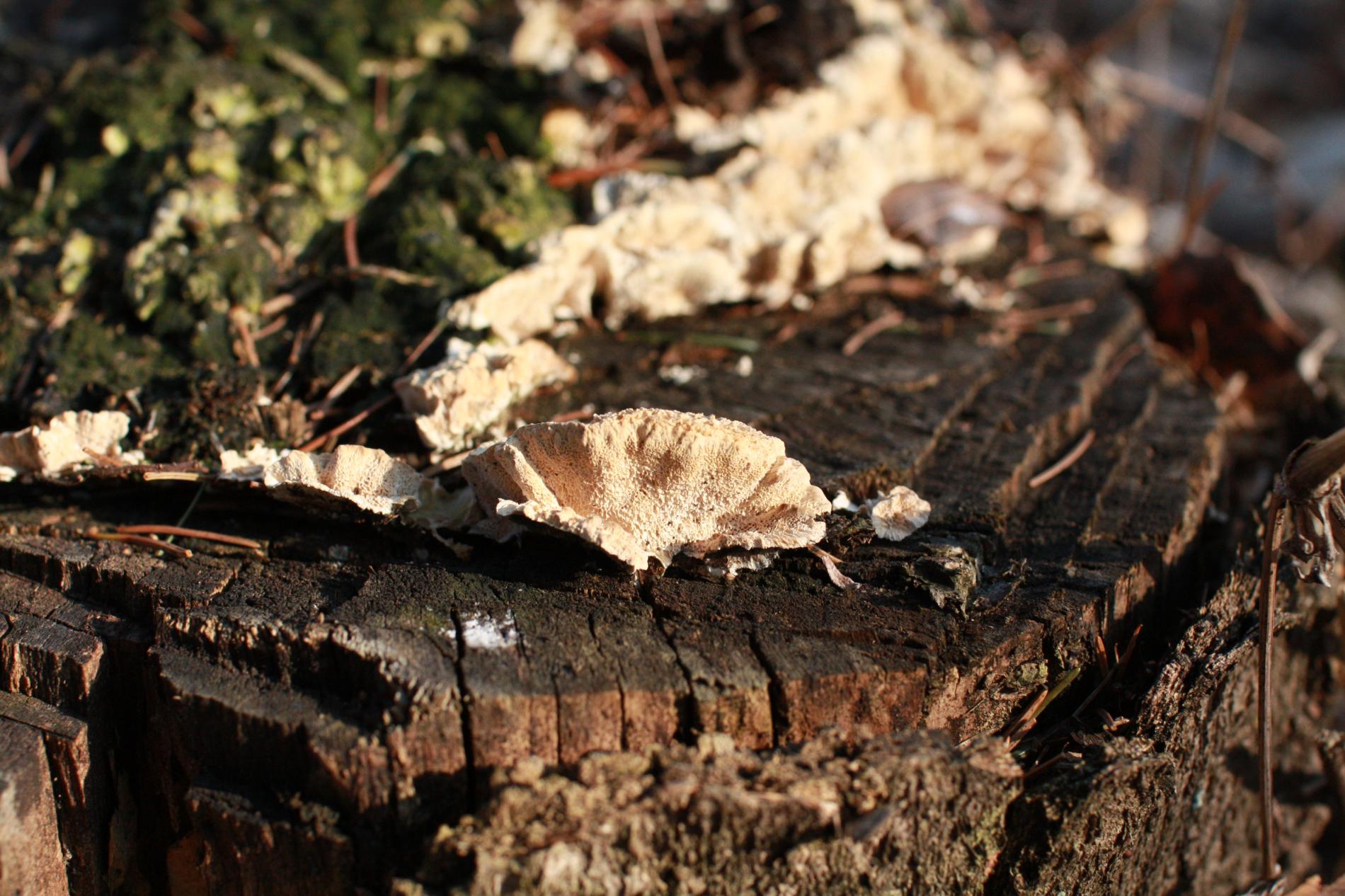
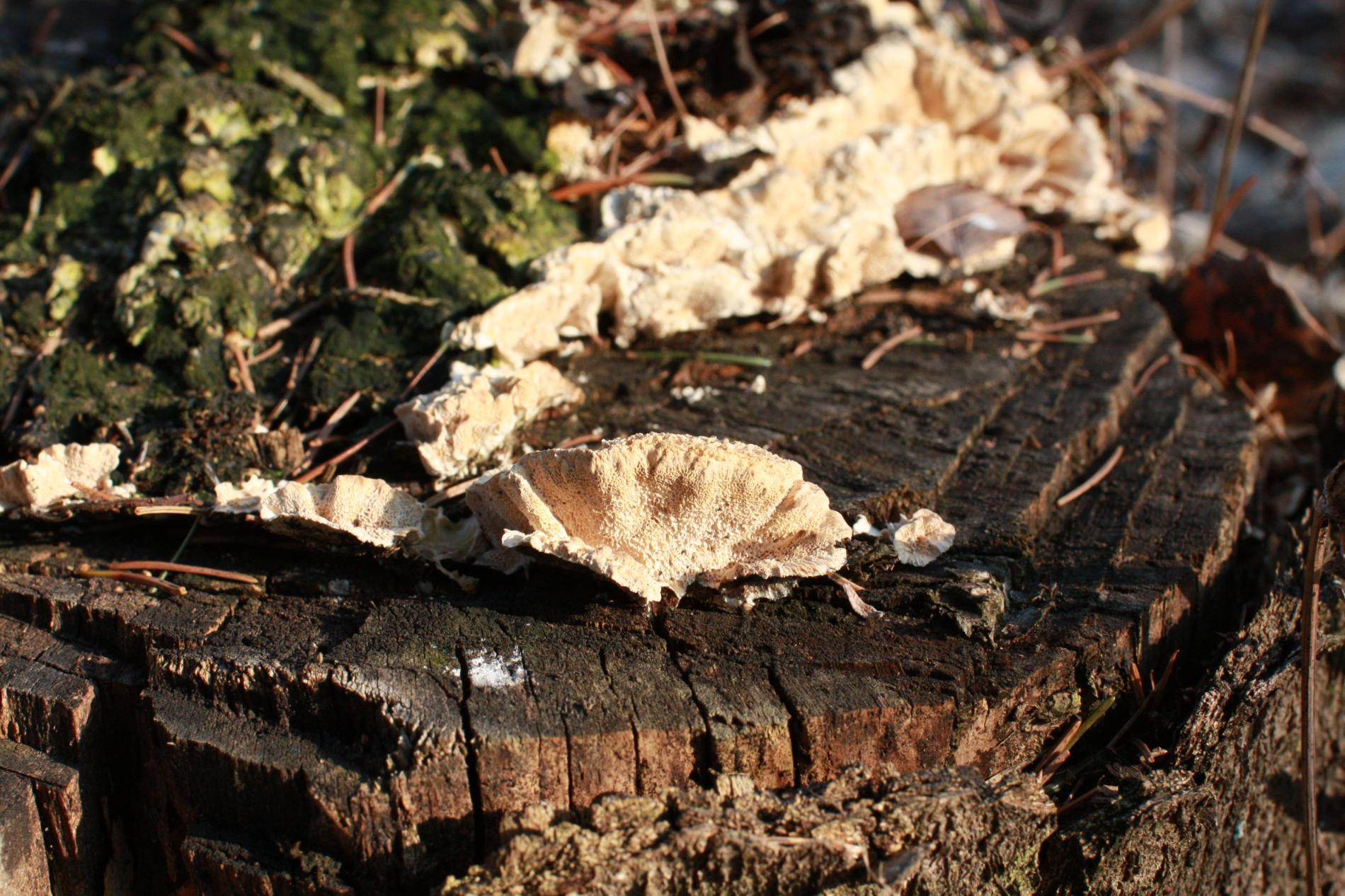
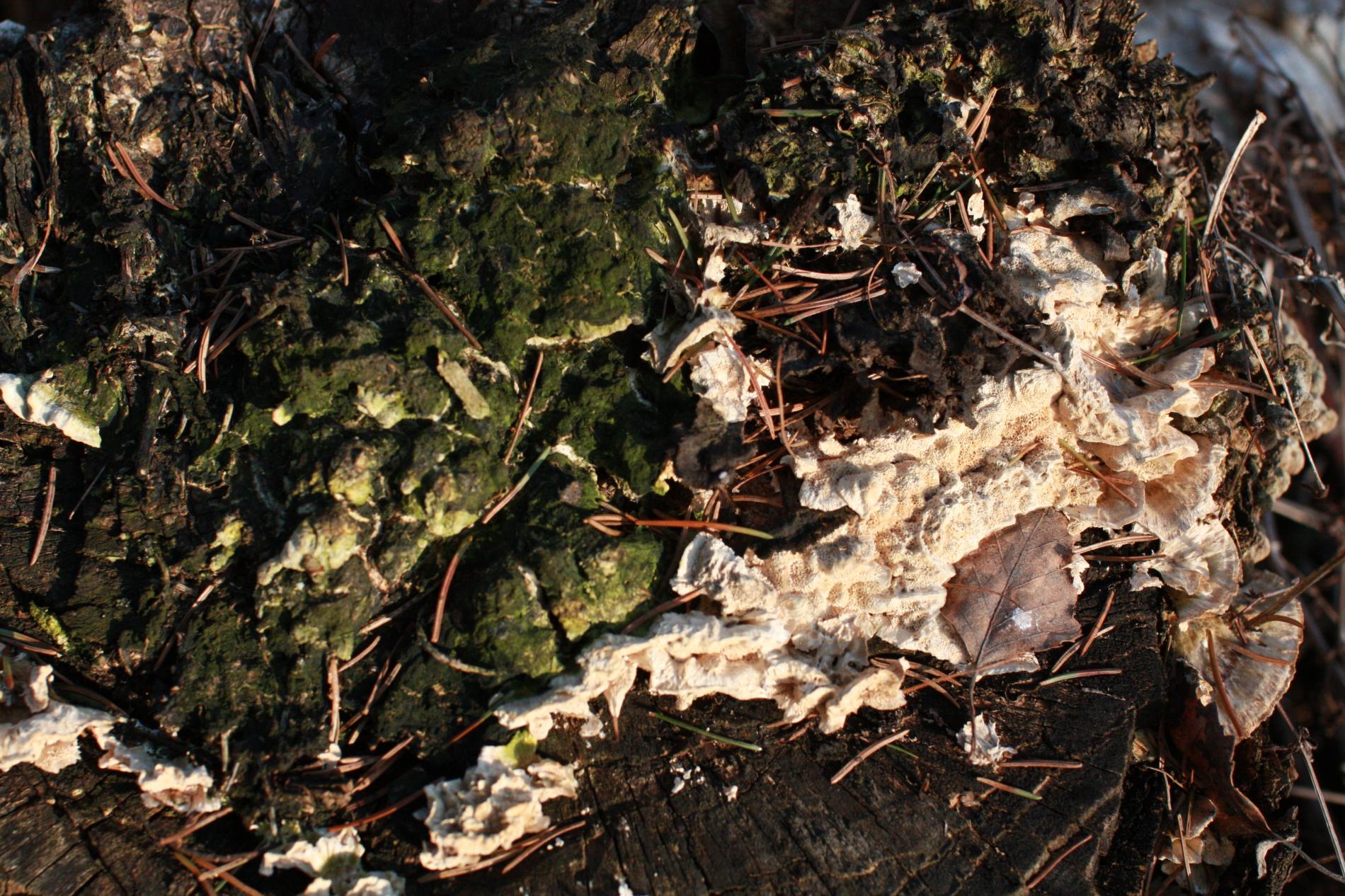
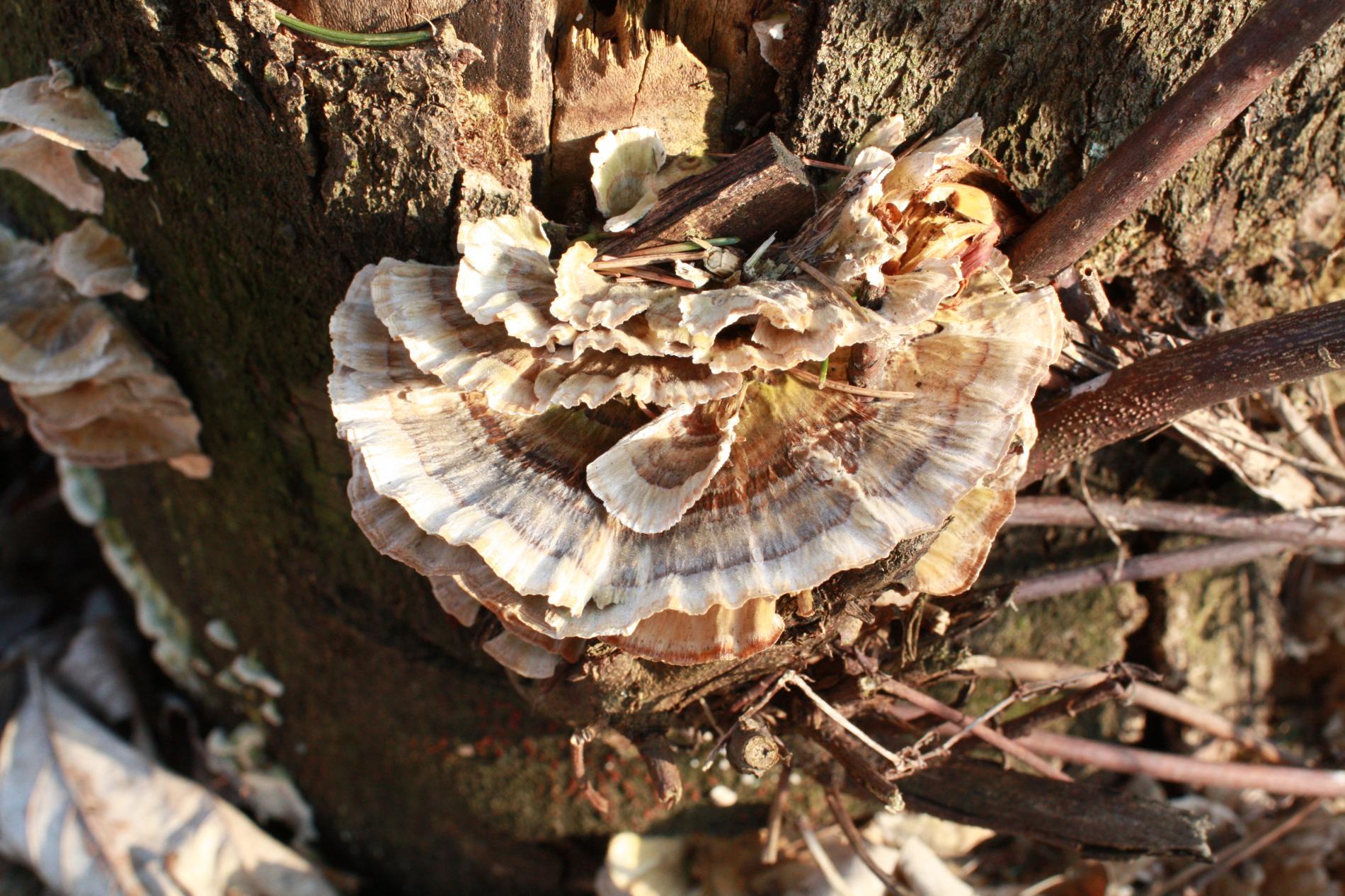
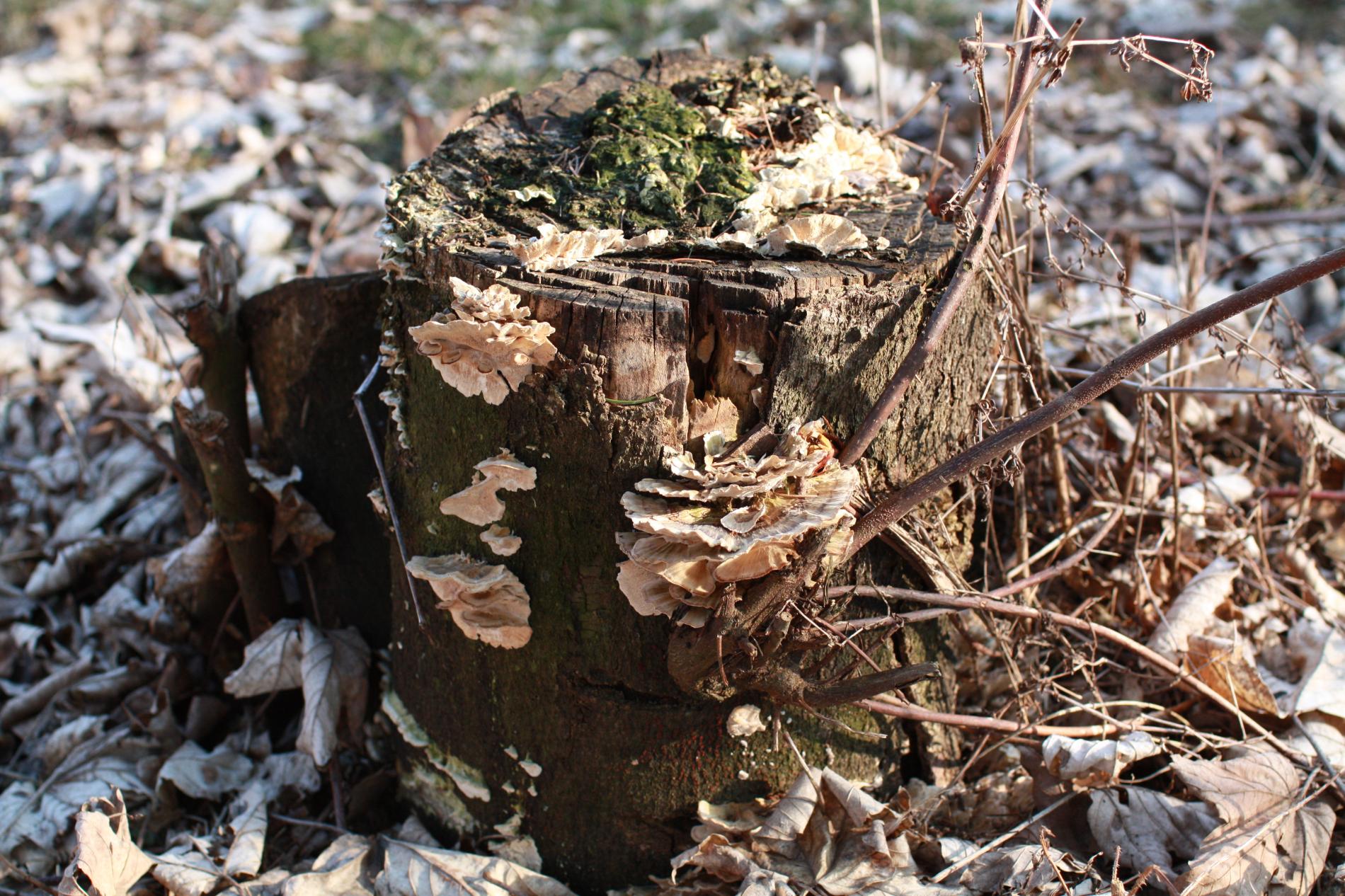
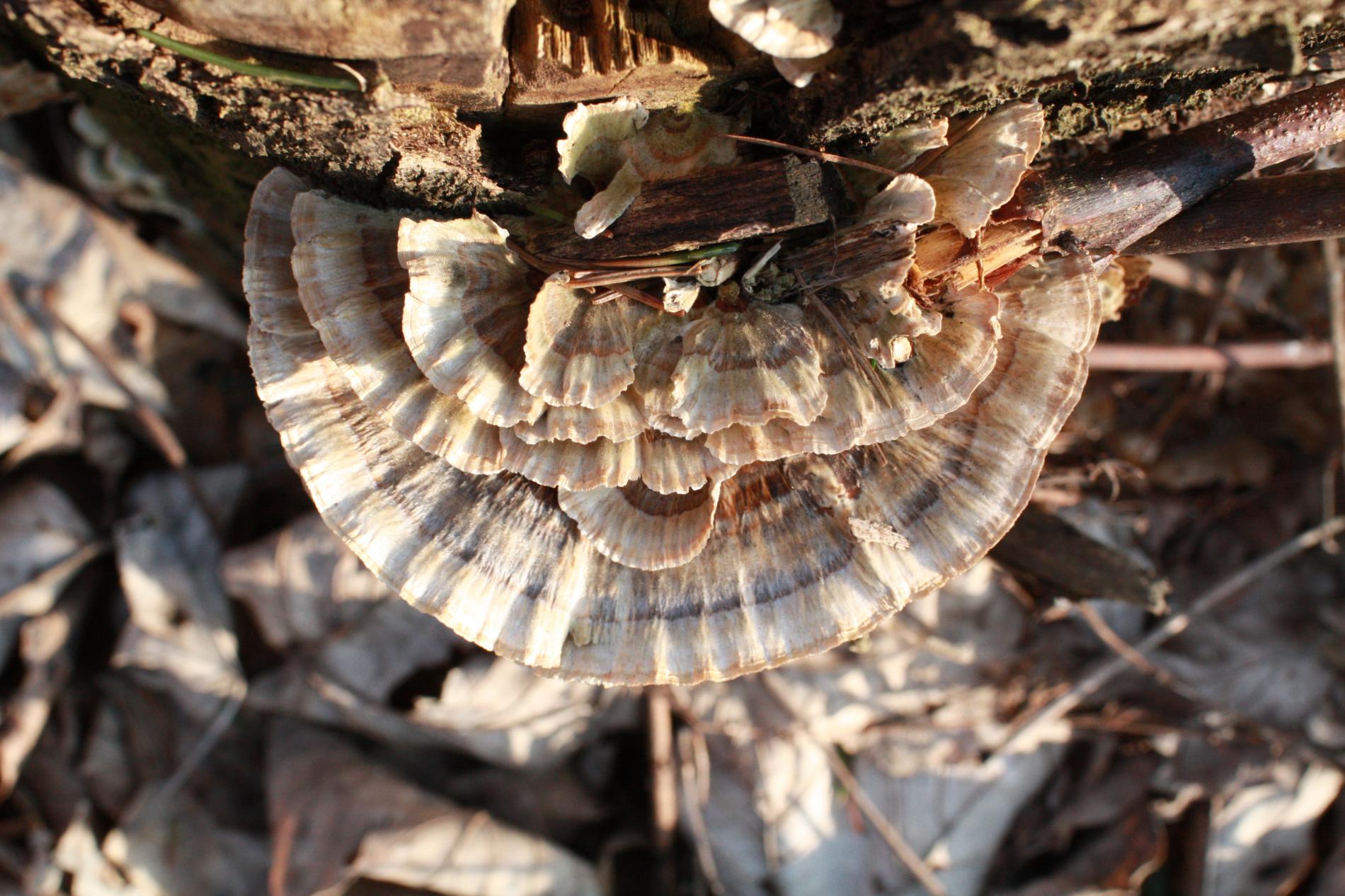
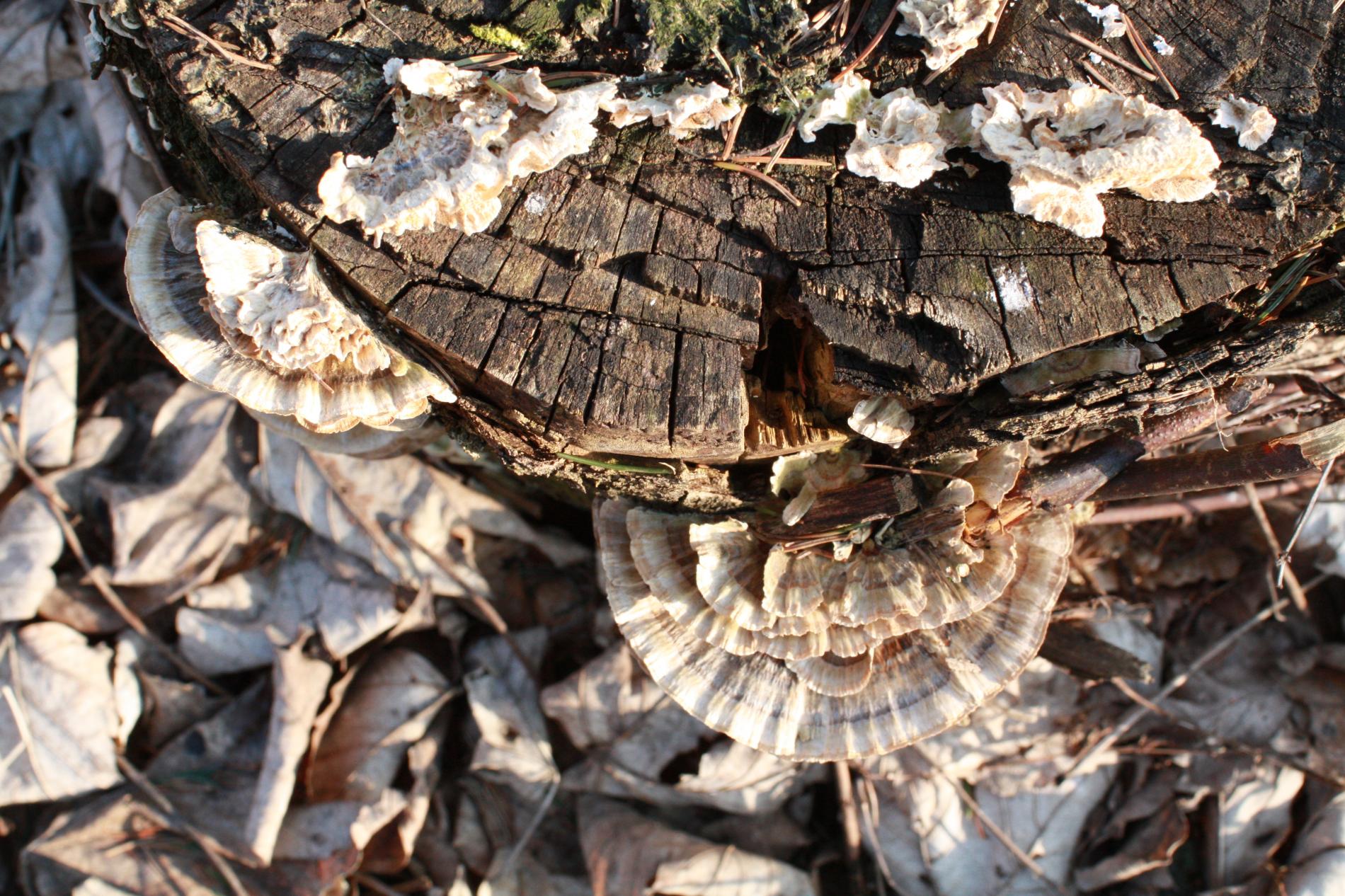
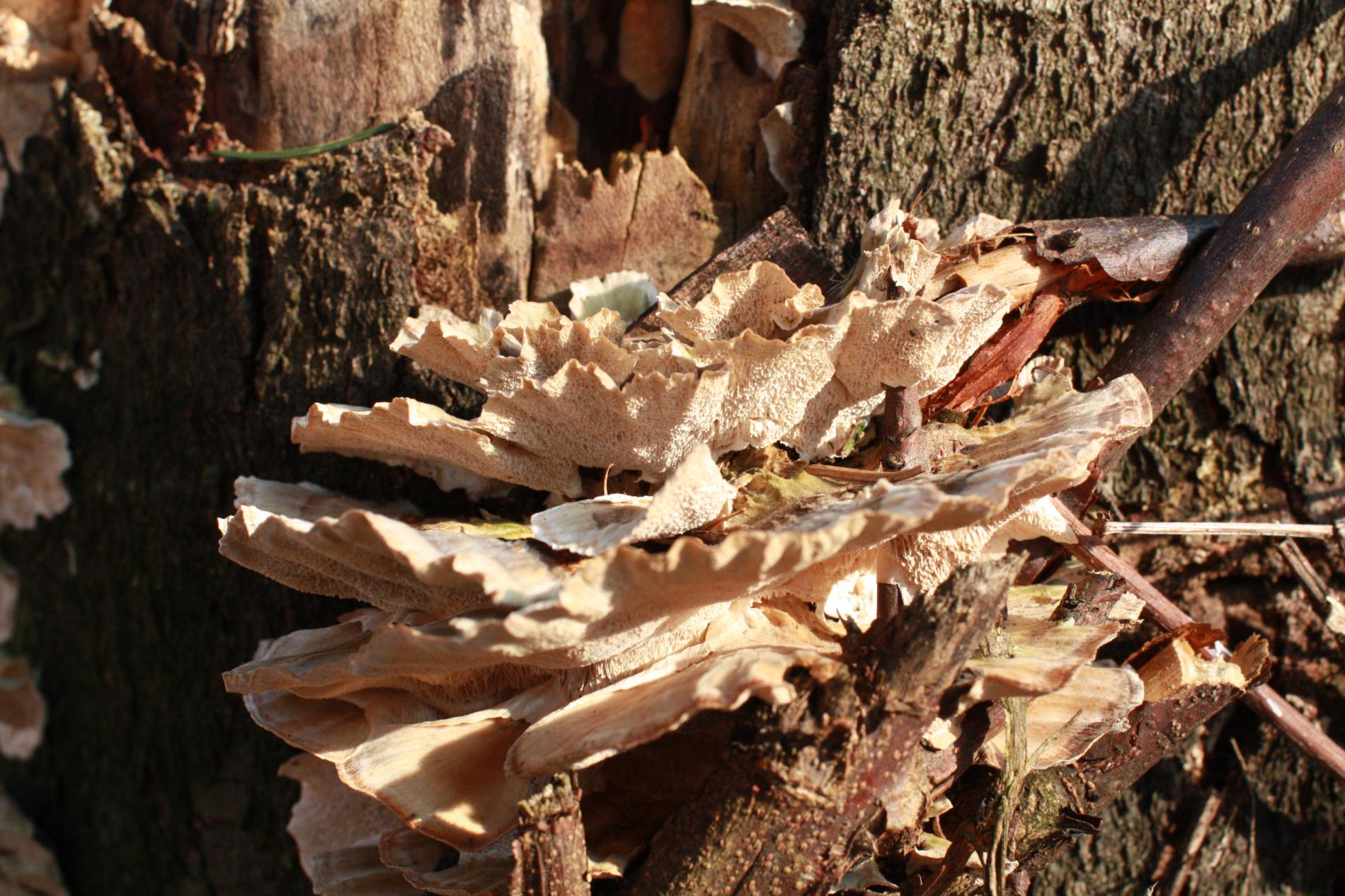
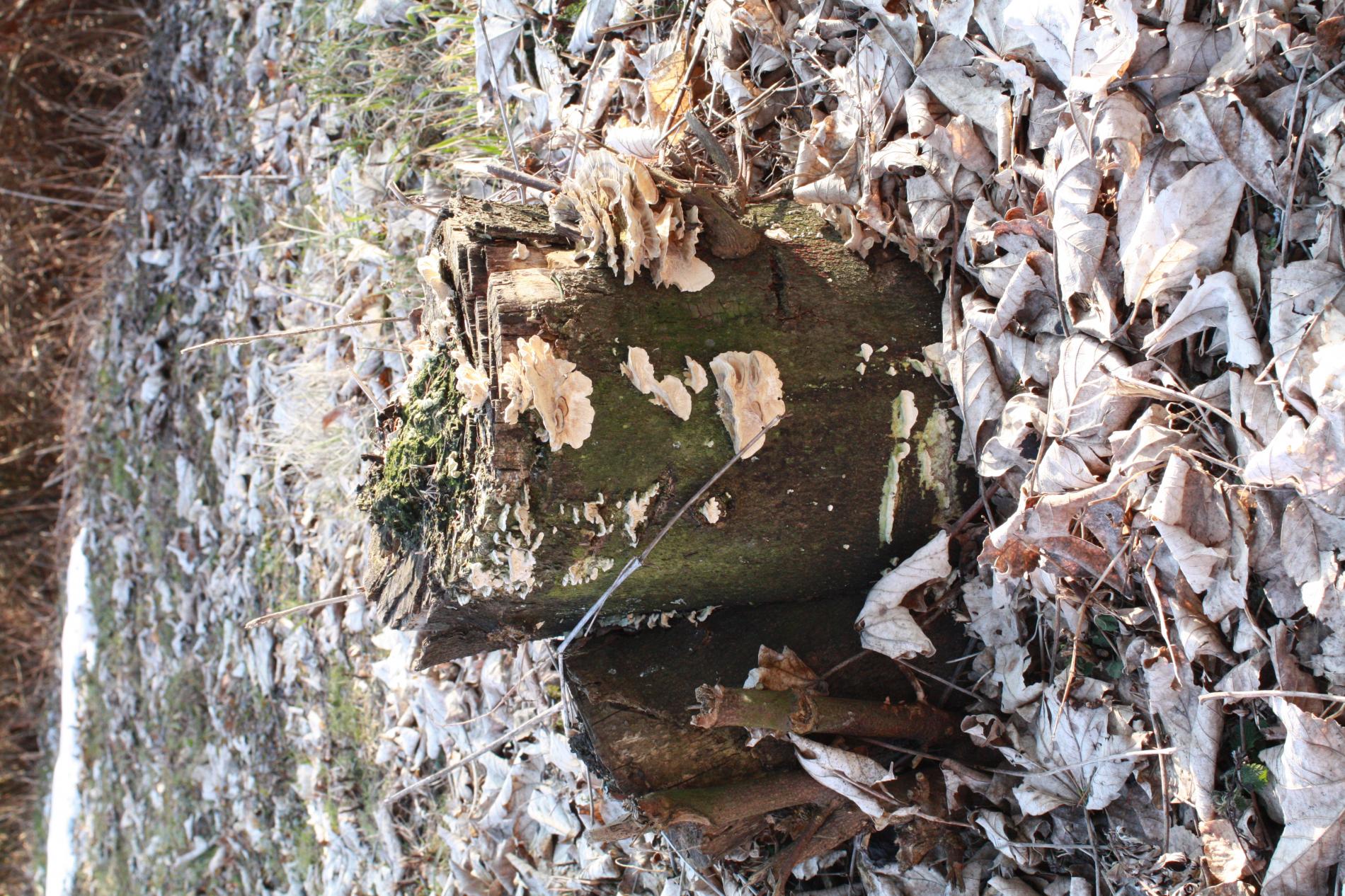
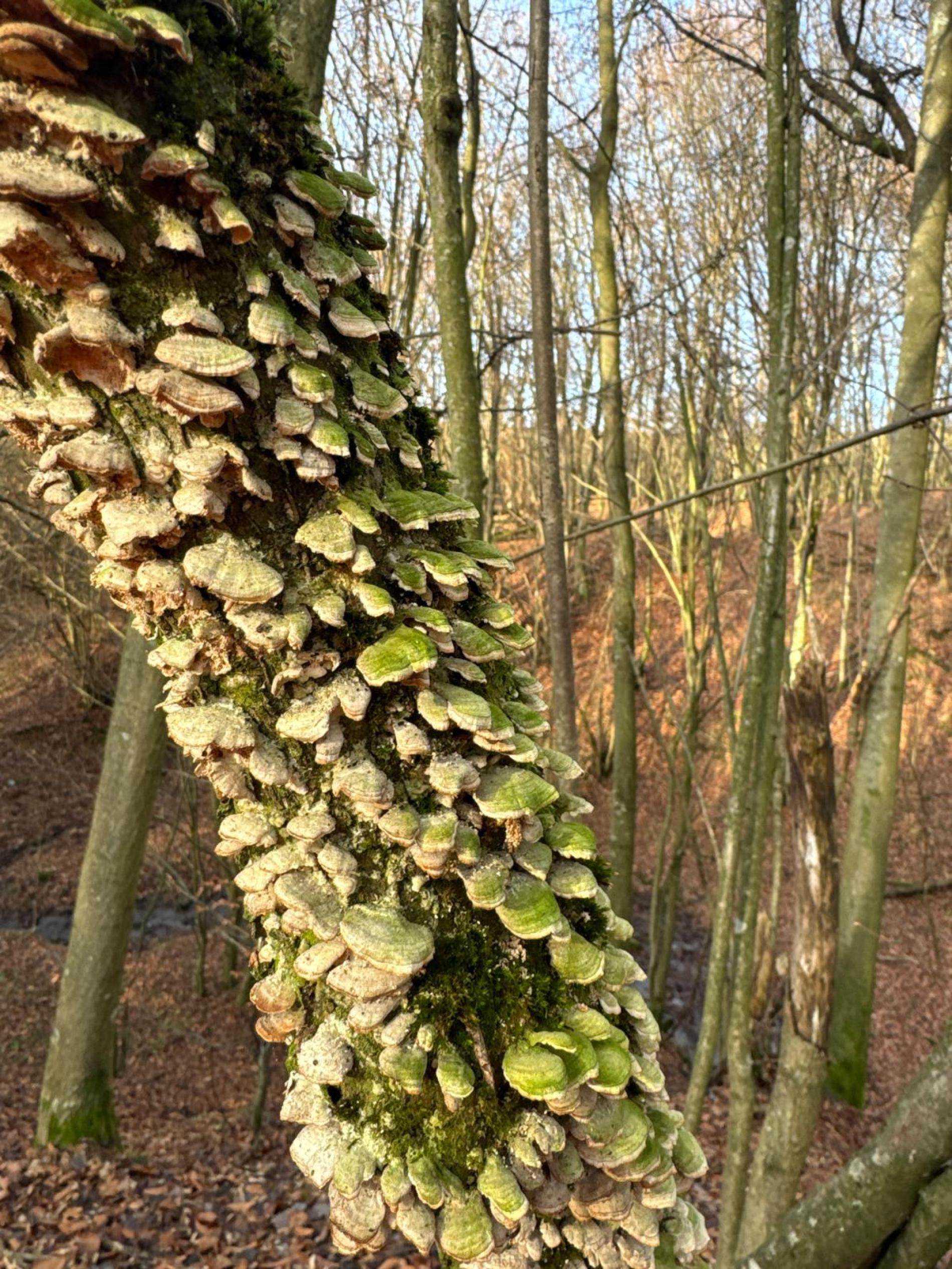
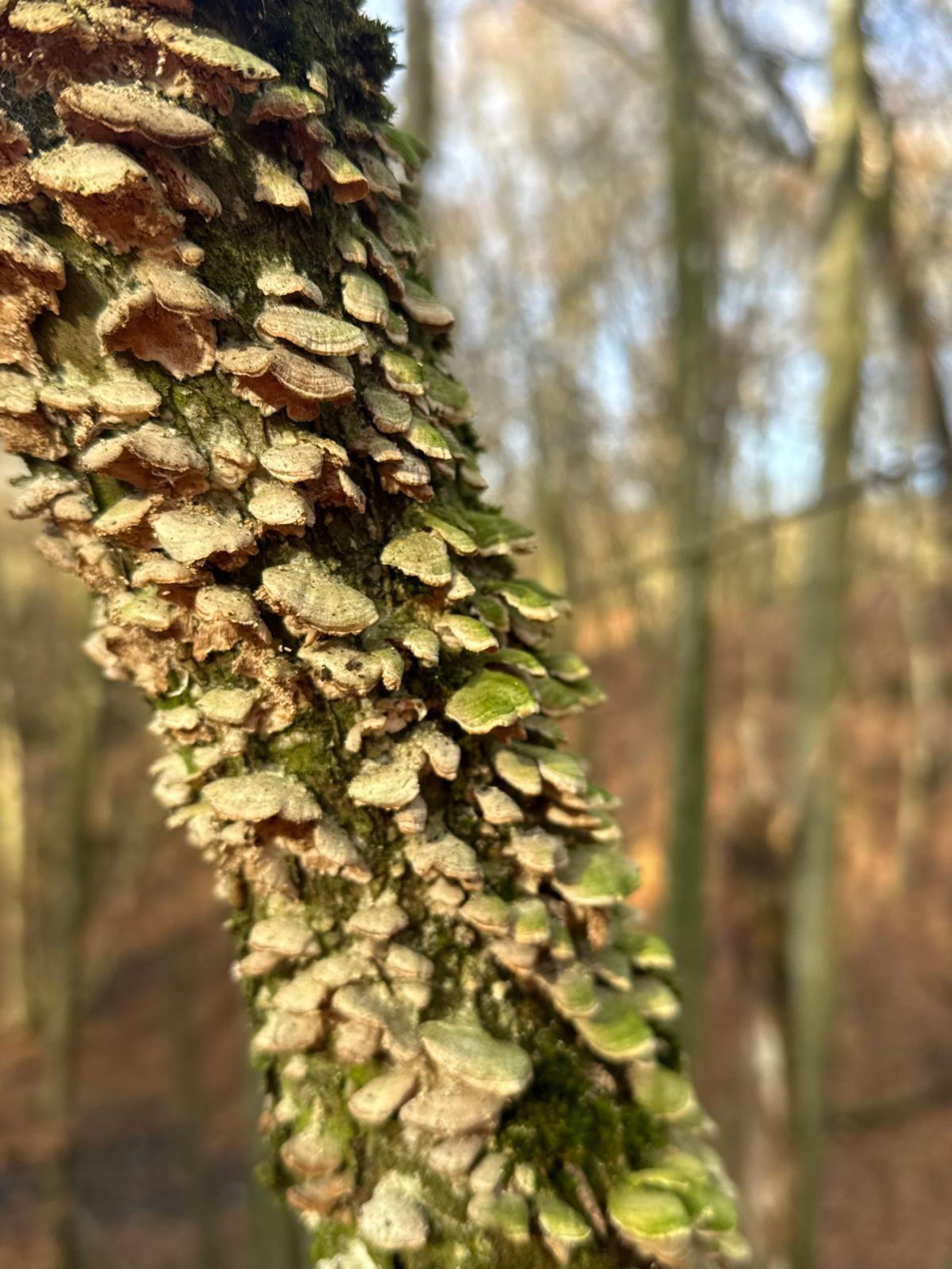
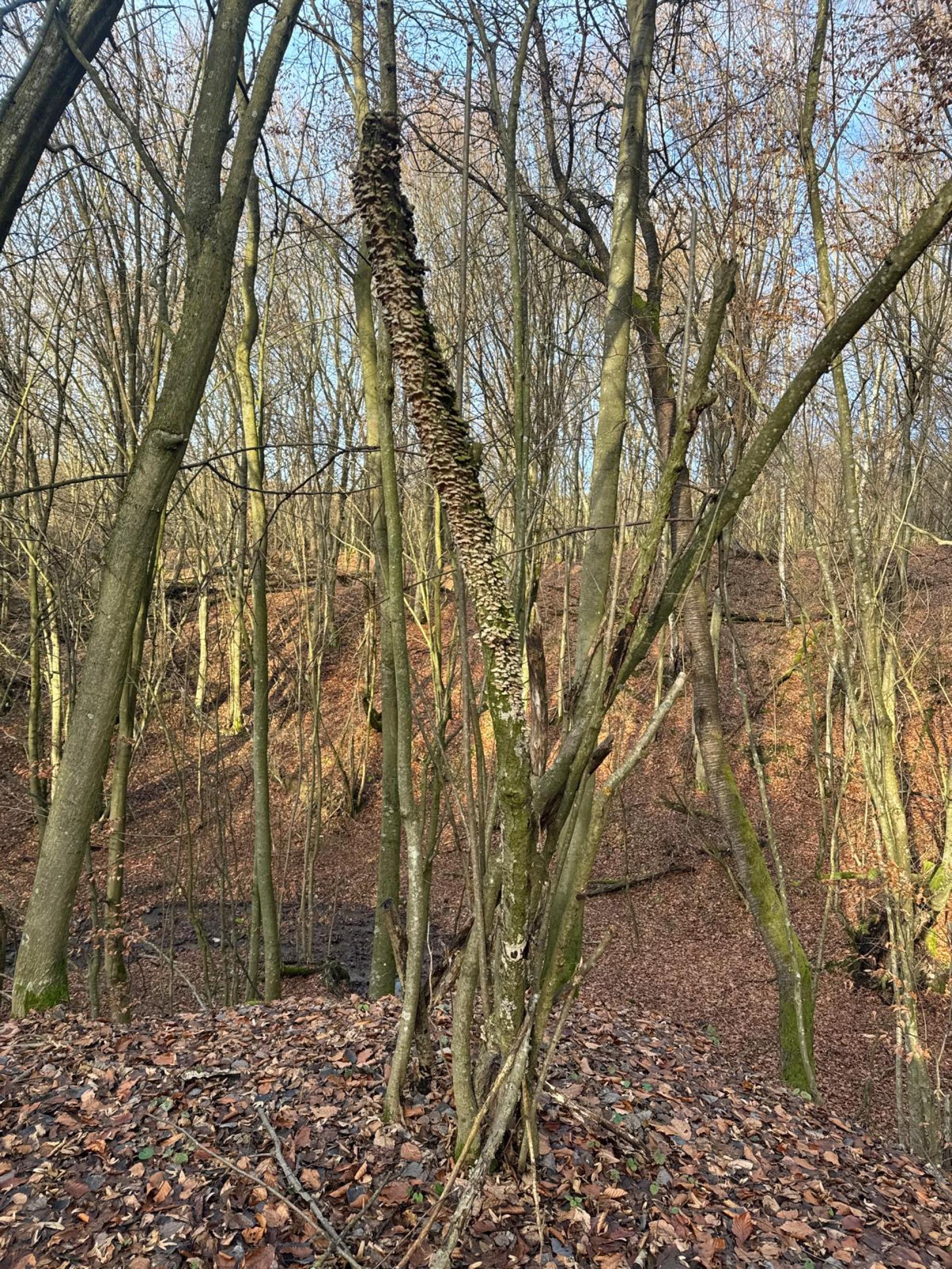
Fruiting bodies are perennial, semi effused with semicircular, fan-shaped caps that are wave-folded and sometimes lobed on the edge. They occur mostly in greater numbers, arranged one above the other, they are downy on the surface, grooved and round, unicoloured, greyish ochre. Older fruiting bodies are bare, brownish to blackish brown. They grow on dead stumps, trunks, and branches, but also on living trunks. The fungus occurs in more hygric sites especially along watercourses. The infection penetrates into the trunk through various wounds, mainly through frost cracks. Attacked trees die off quite quickly and the whole parts of trees, especially the trunk, are usually covered with hundreds of fruiting bodies. The mycelium causes very intensely spreading fibrous rot of wood of white or yellowish colour. It is a very dangerous species from the economic point of view.
The presence of gray fruiting bodies, usually in large numbers densely above each other.
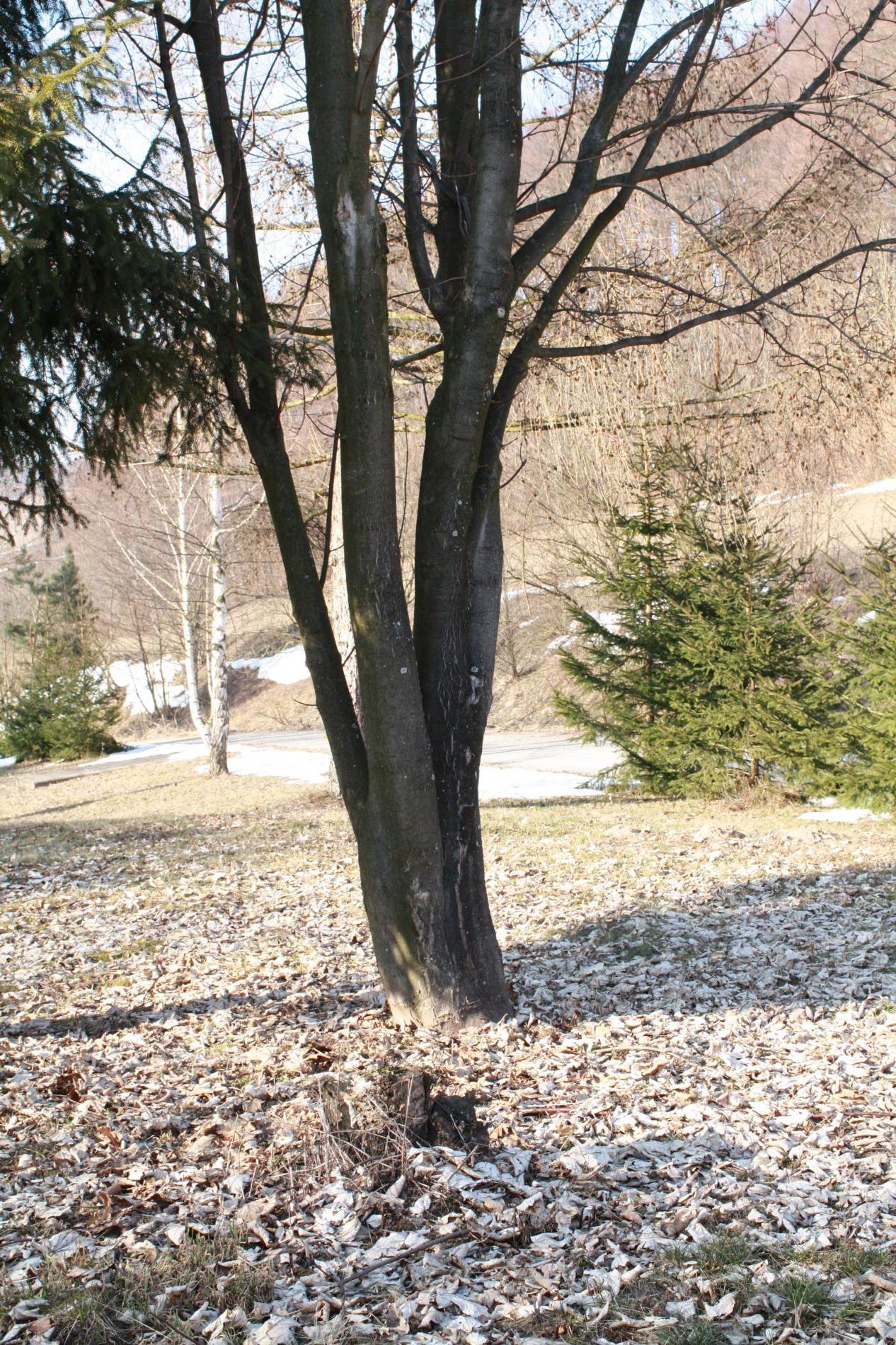
Tree Species: Maple, Horse Chestnut
Part of a plant- attacked: Tree trunk, Branch
Pest significance: Harmful
Pest Category: Fungi
Invasive Species: No
Present in EU: Yes
Pest group: Fungi
Affected part of wood: Heartwood, Sapwood
Depth of damages: More than 5 cm depth, Under bark only, Up to 0,5 cm depth, Up to 2 cm depth, Up to 5 cm depth
The extent of damage: Whole trunk
Prevalence in Europe: Common
Damaged products: Firewood, Fresh timber logs (water still in the sapwood), Furniture, Lumber, boards and prisms, Wooden house constructions
Roundwood size: Diameter 50+
Wood discoloration: Yes
Pest subcategory: White-rot
Similar pests

Polyporus badius

Trametes gibbosa
