


Castor fiber
European beaver
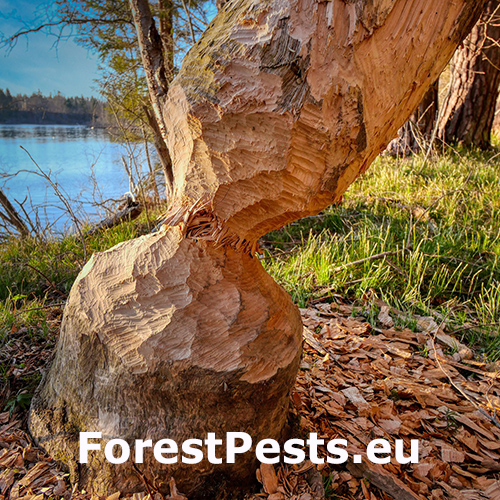
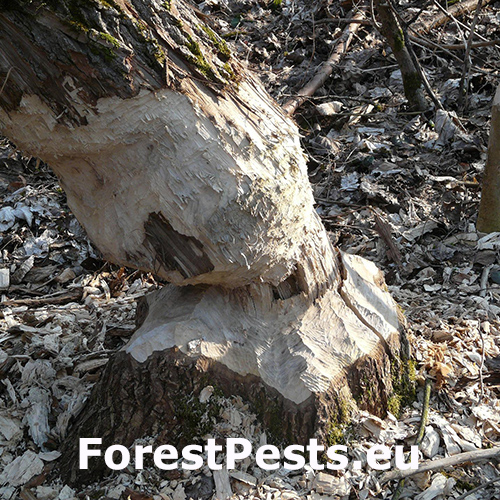
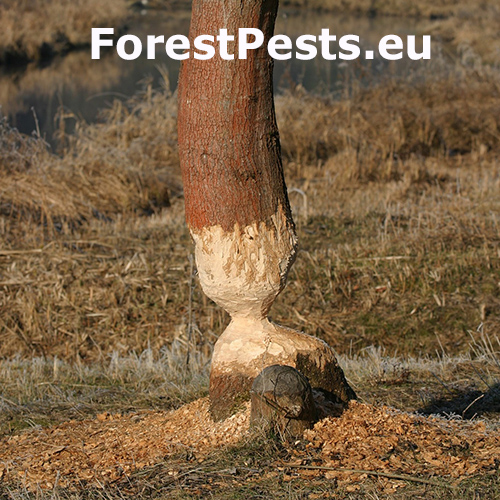
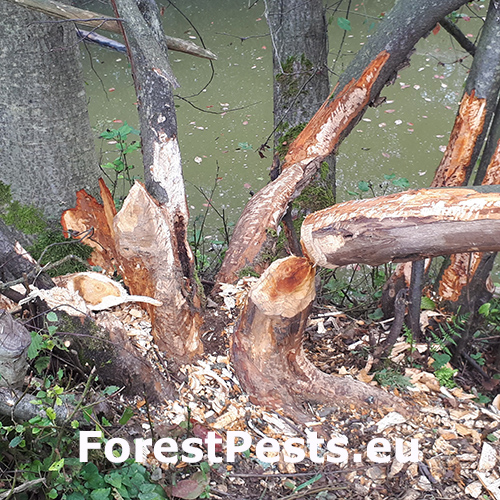
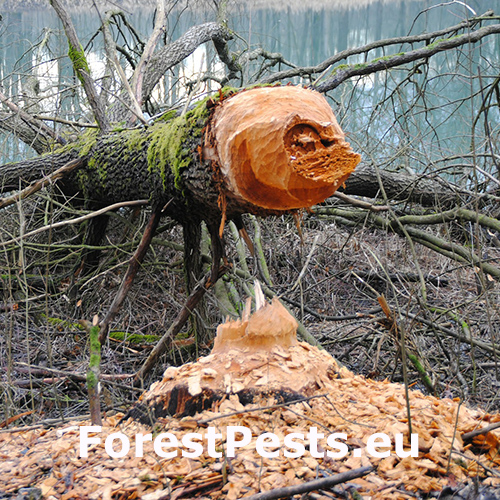
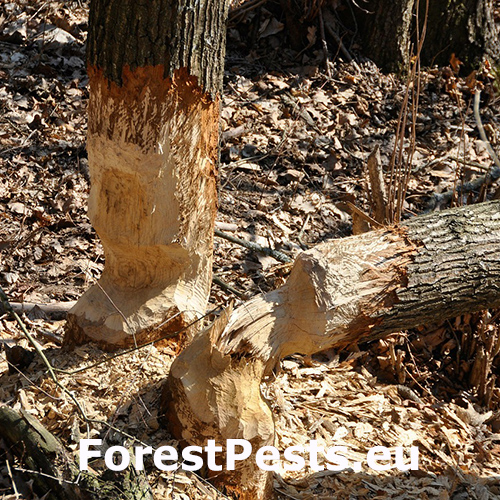
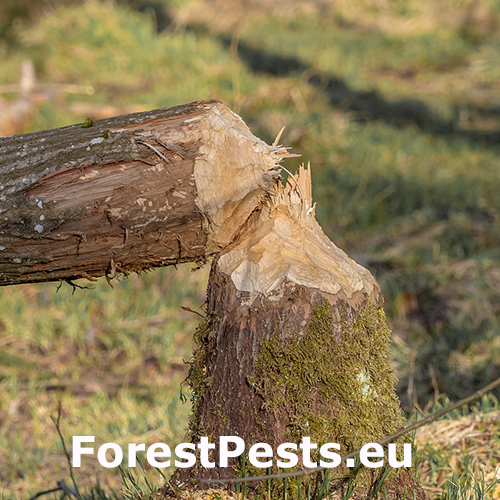
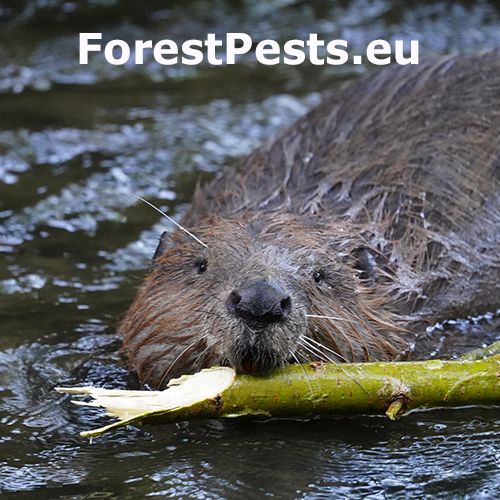

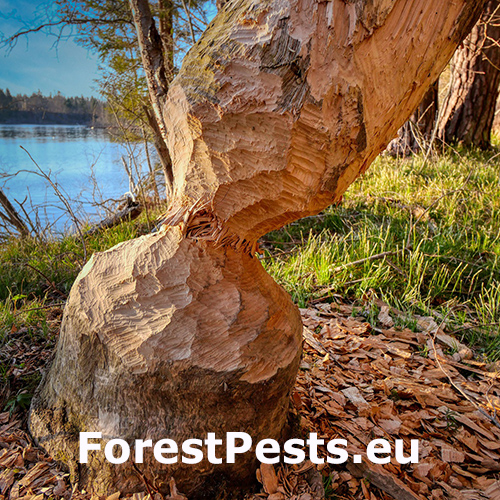
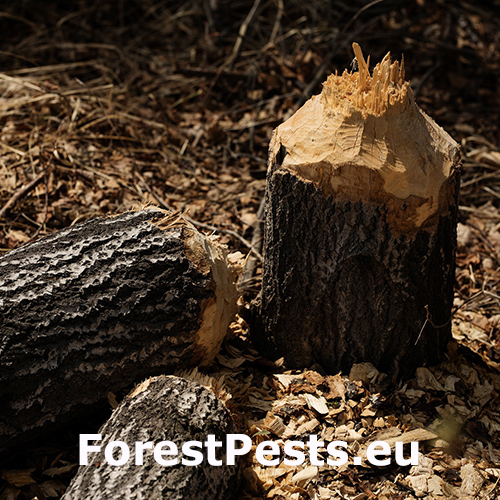
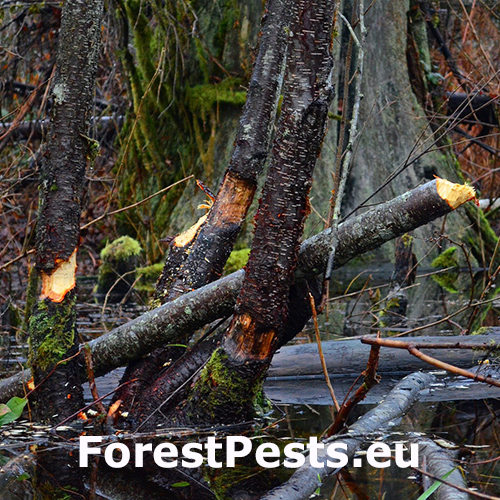
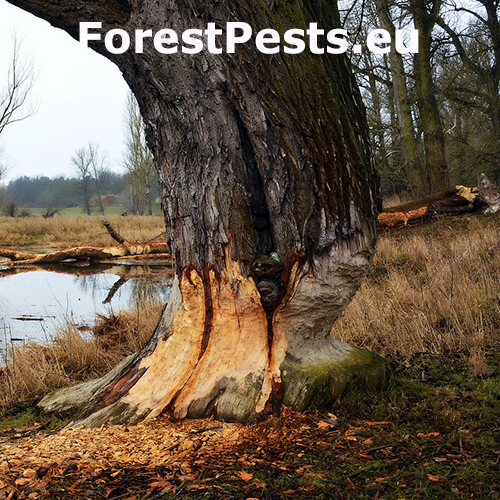
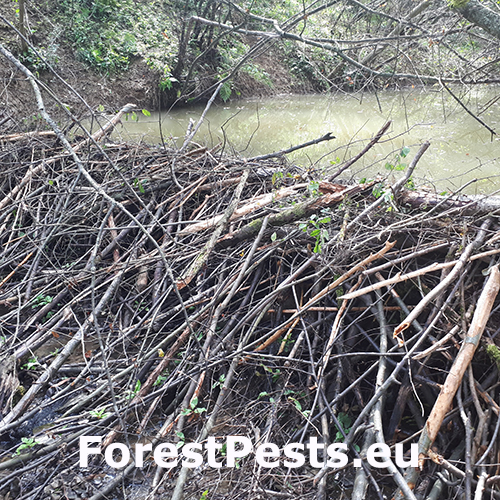
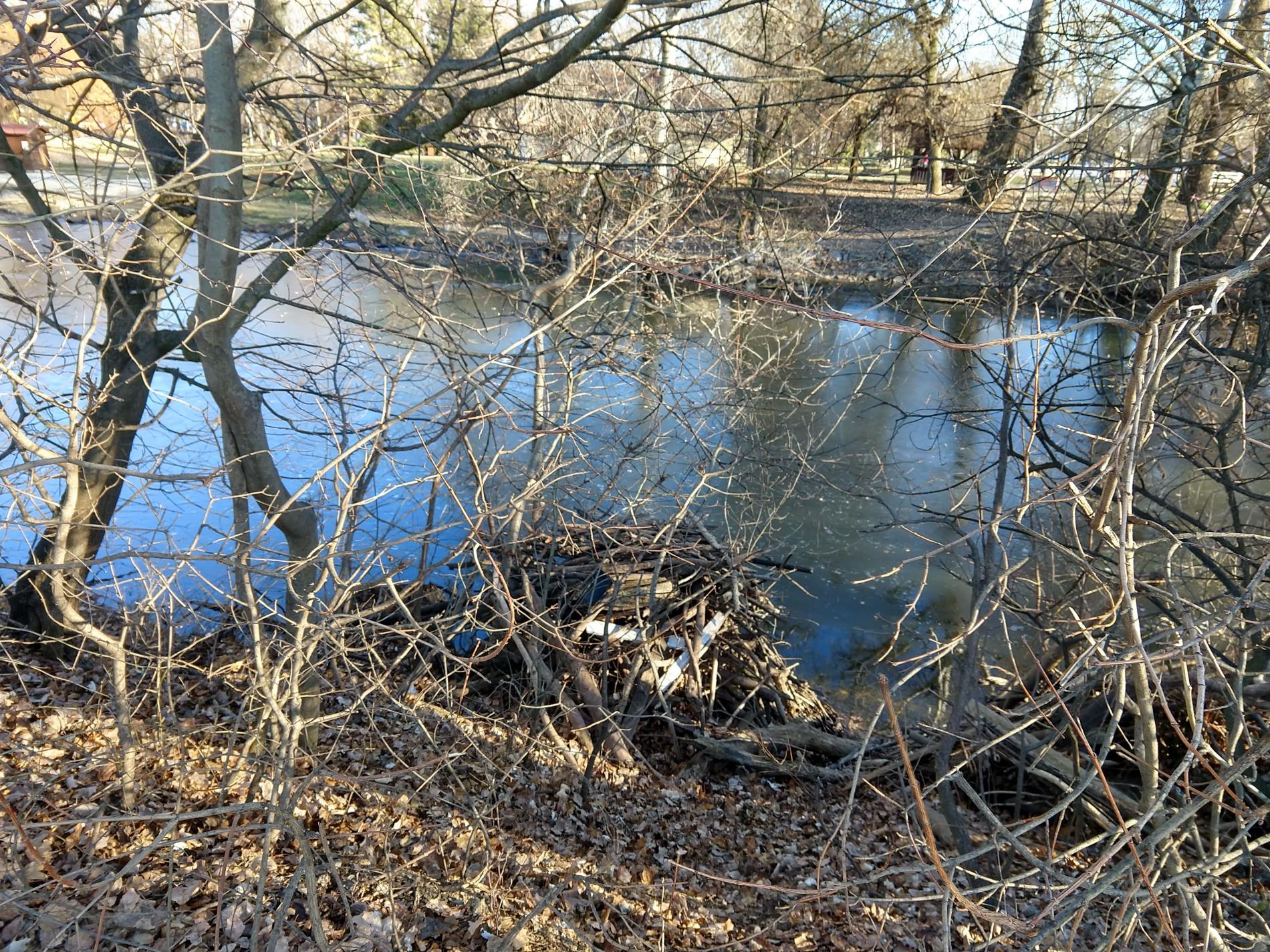
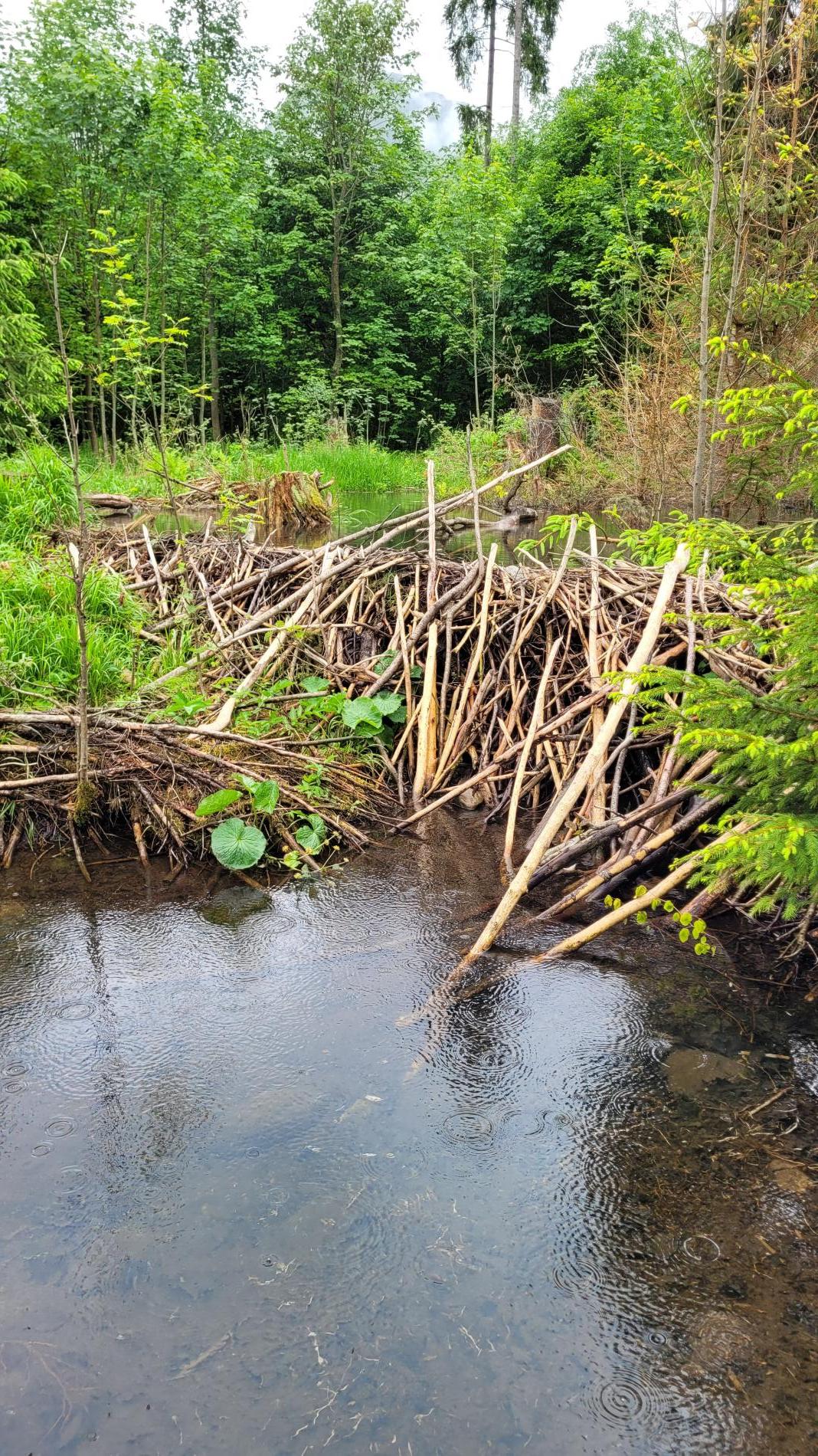
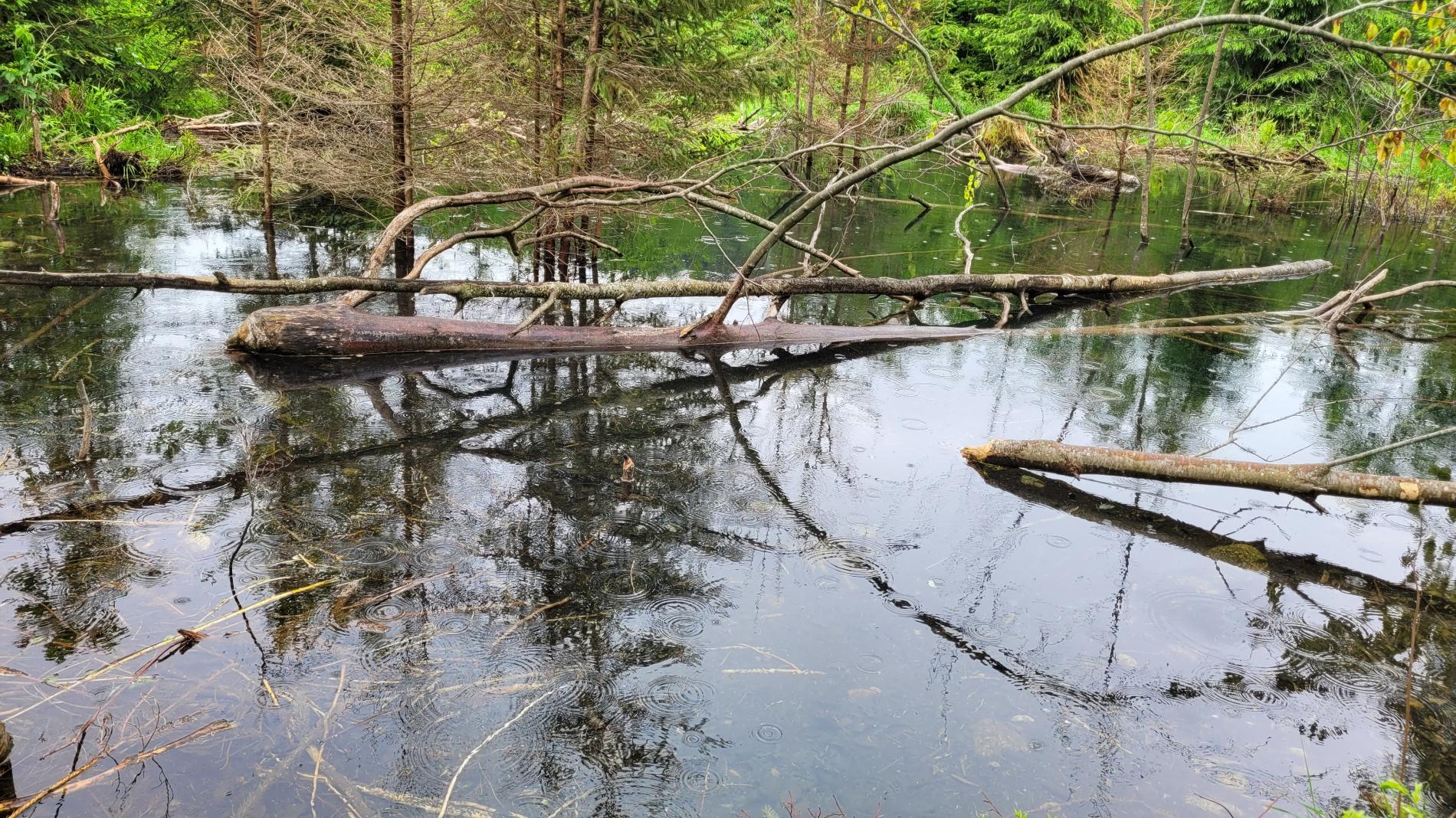
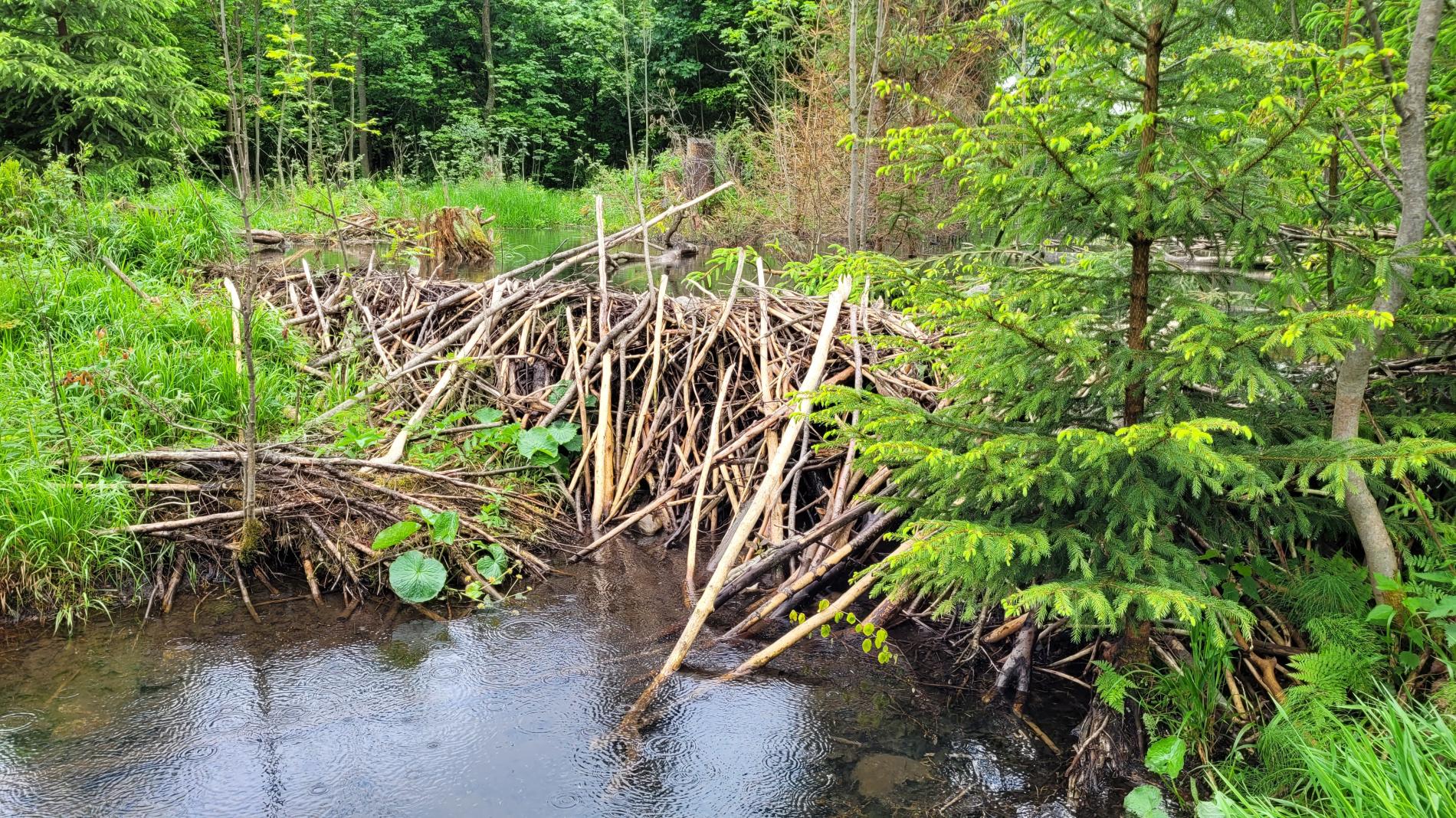
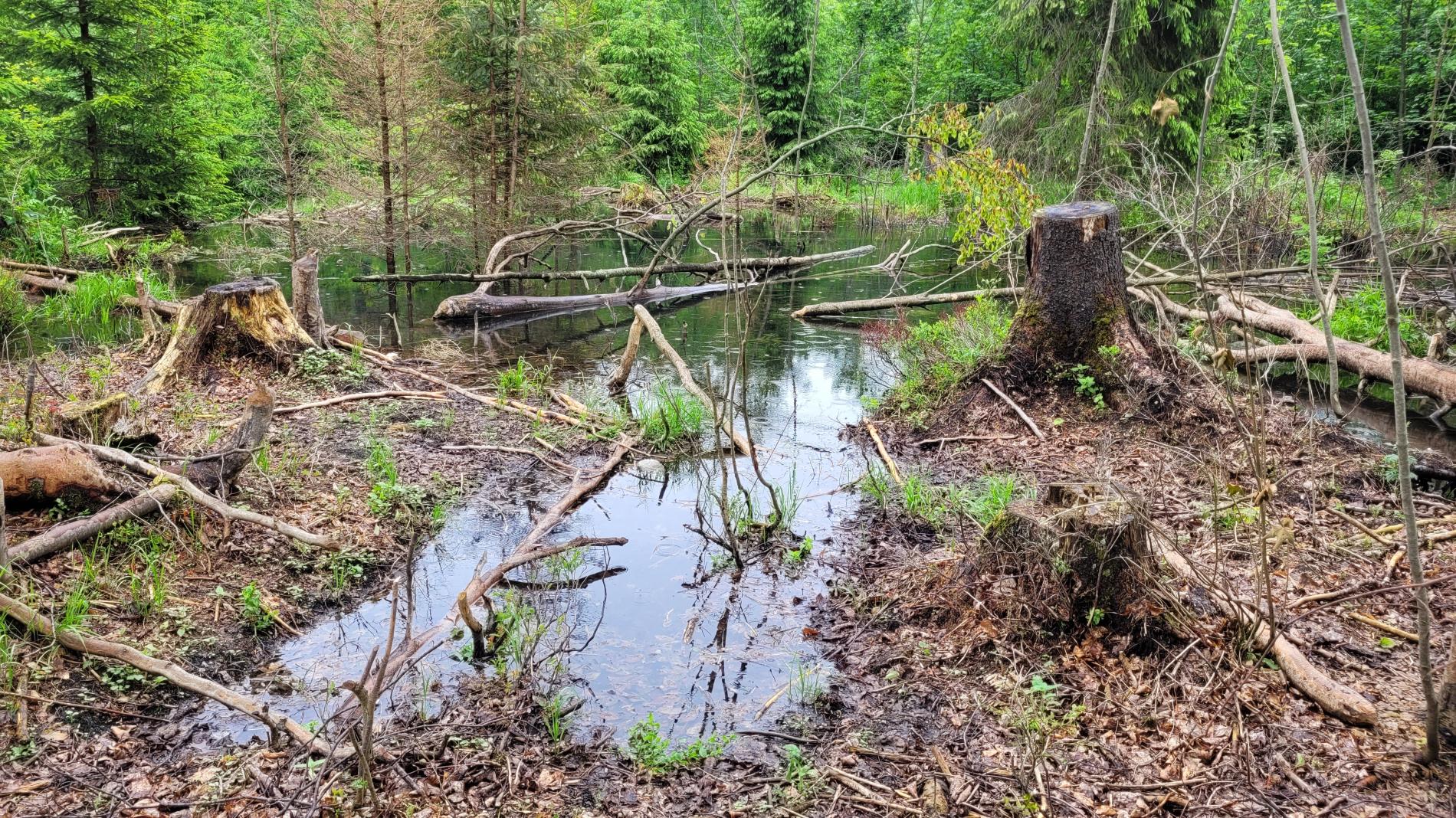
Beaver is the largest rodent in Europe. It reaches a length of up to 1 meter and weighs up to 25-30 kg. It has a wide, flat tail, which distinguishes it from similar rodent species. The coat color is brown. It prefers habitats with lot of water sources, lakes and streams and with plenty of vegetation and trees in coastal vegetation (alder, willow, poplar, birch, etc.). It lives in small groups. Beavers build dams made from wood and clay. In the banks there is a deep den, the exit of which is always below the water surface. At the turn of the 20th century, only a few hundred individuals lived in Europe. It is still a protected animal. In recent years, however, its population has been recovering very intensively. It is becoming a common species in the lowland and reach midland areas spreading through the riverbeds. In some places, it becomes a major pest of coastal tree vegetation.
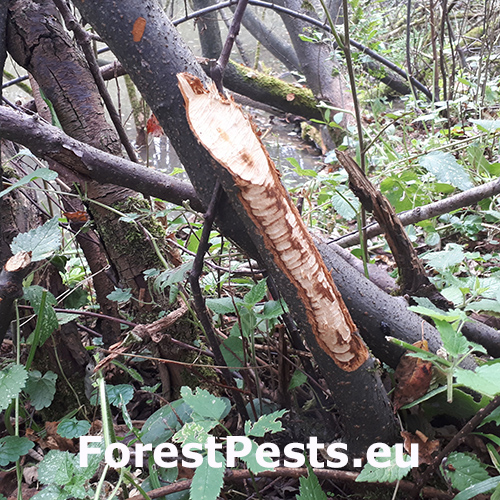
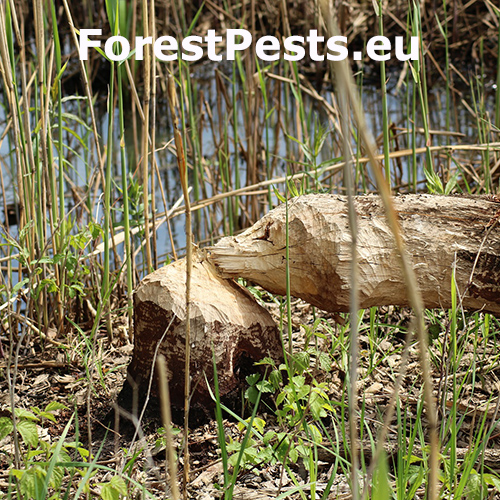
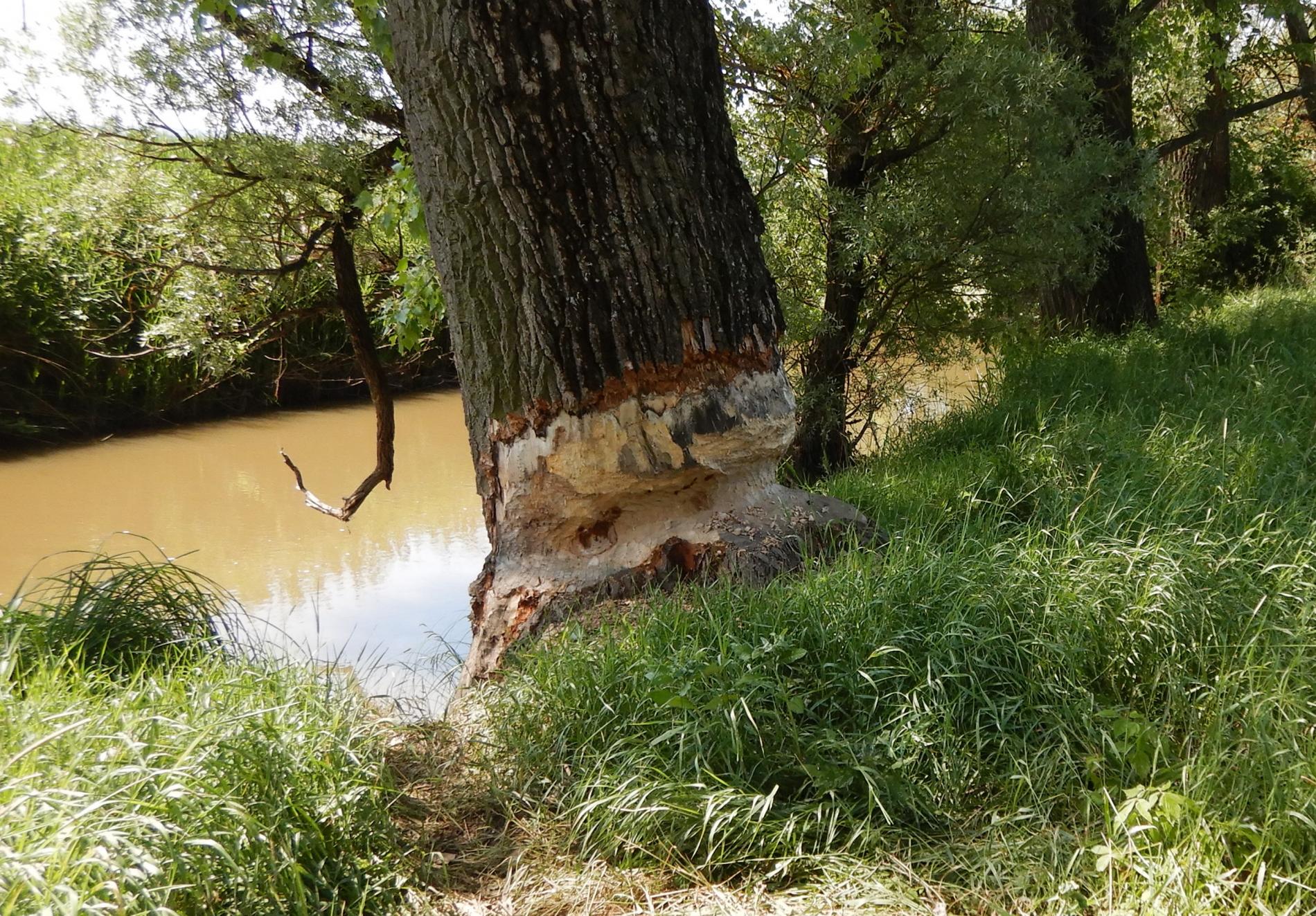
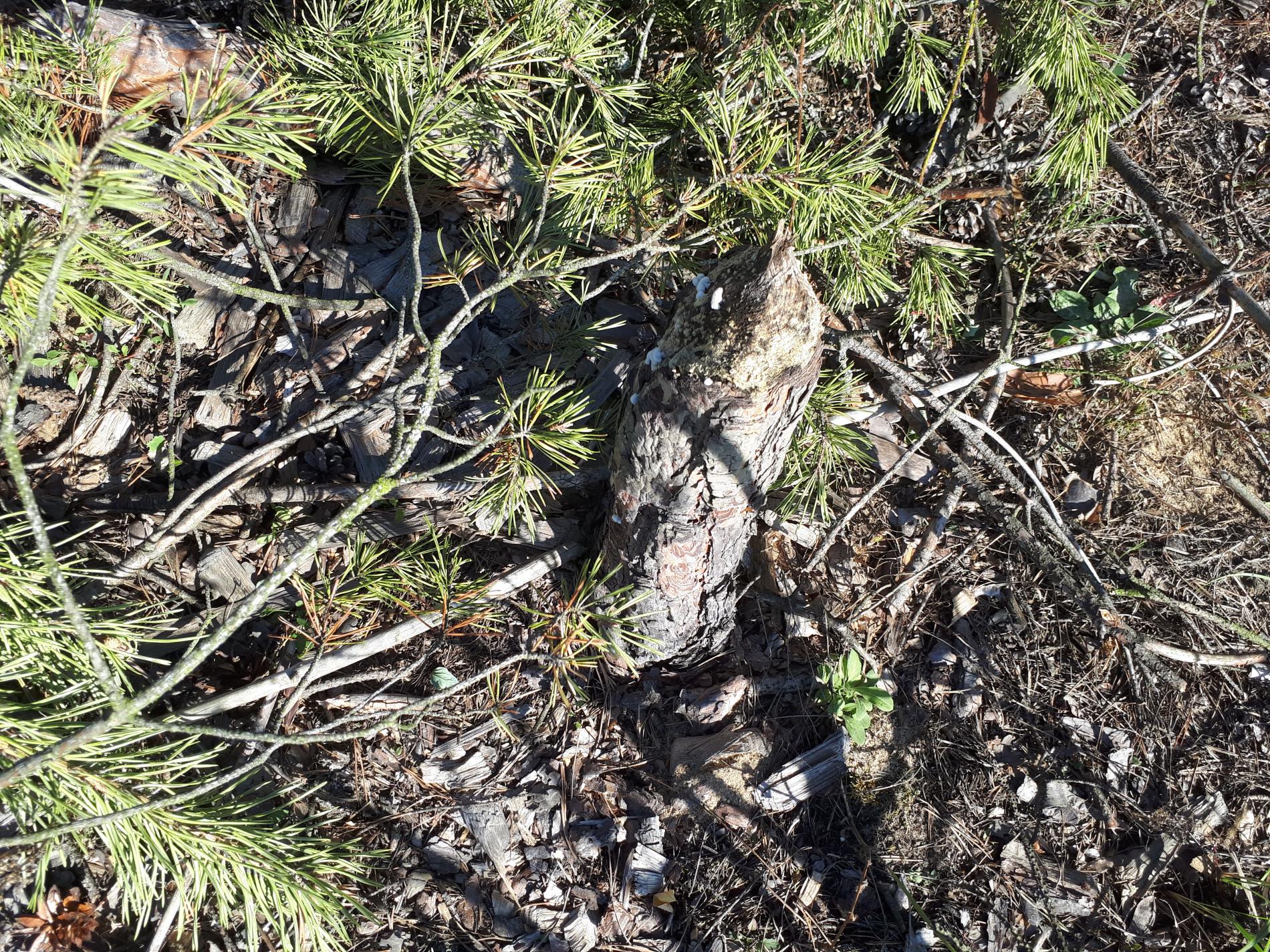
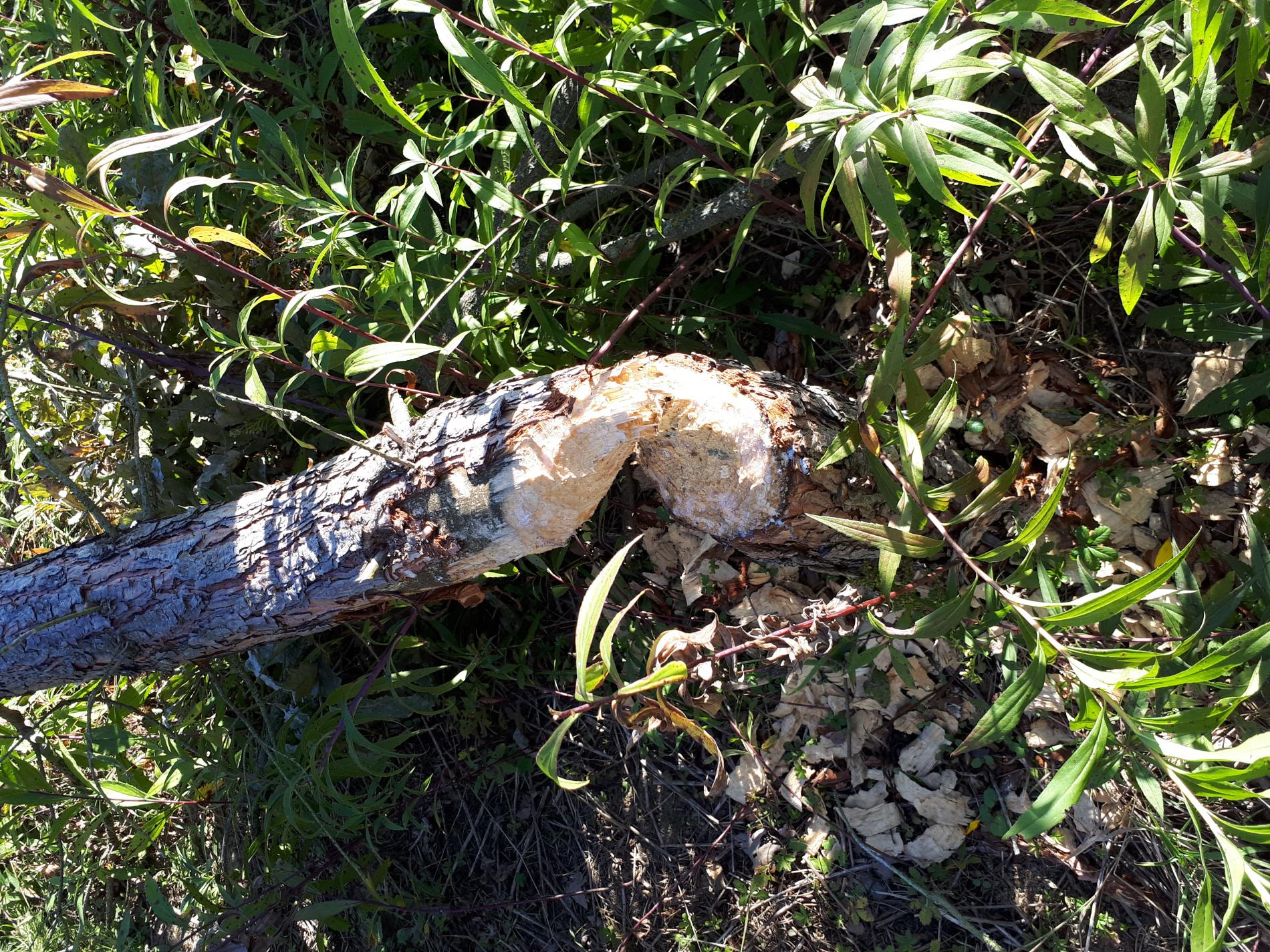
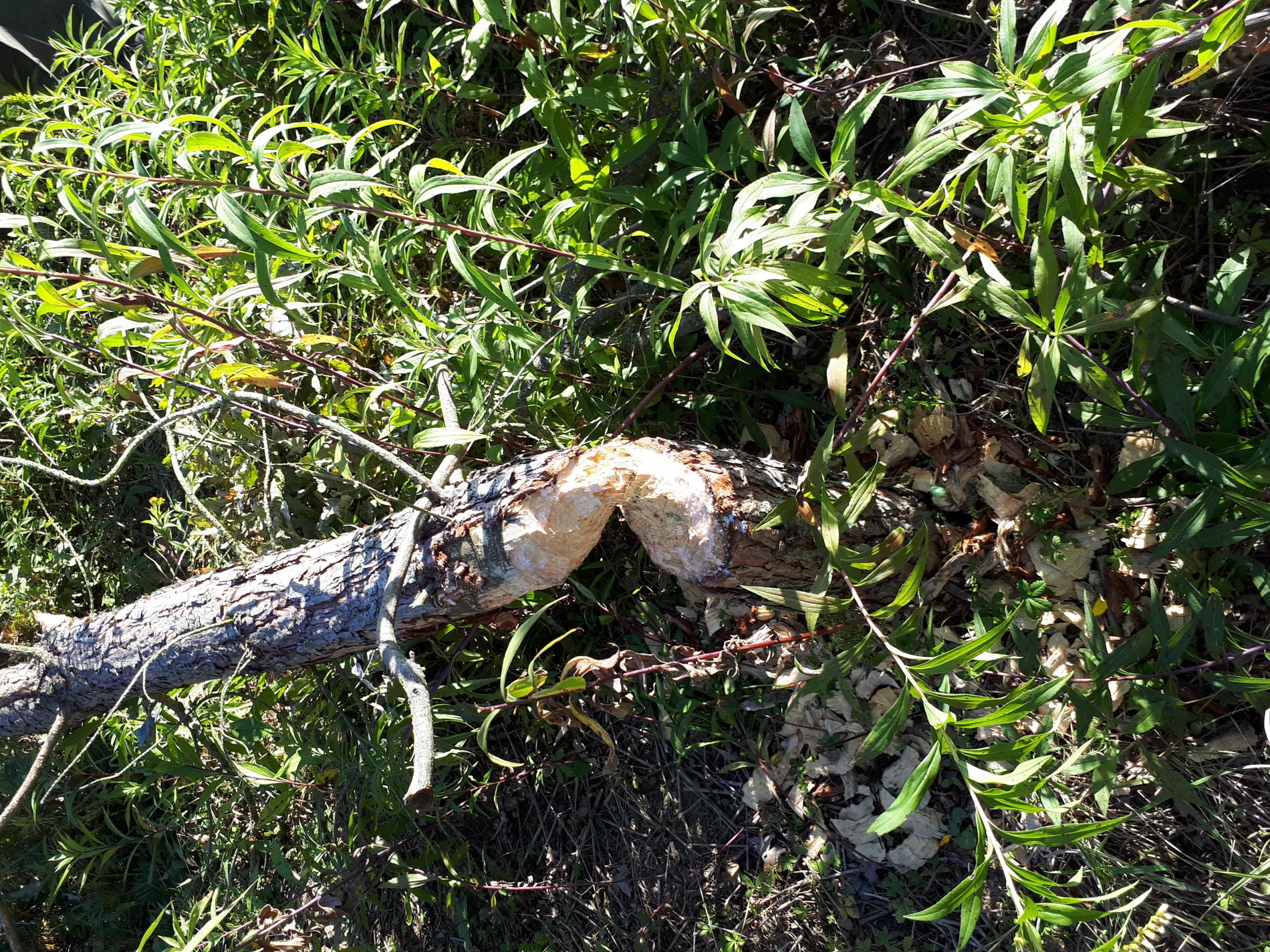
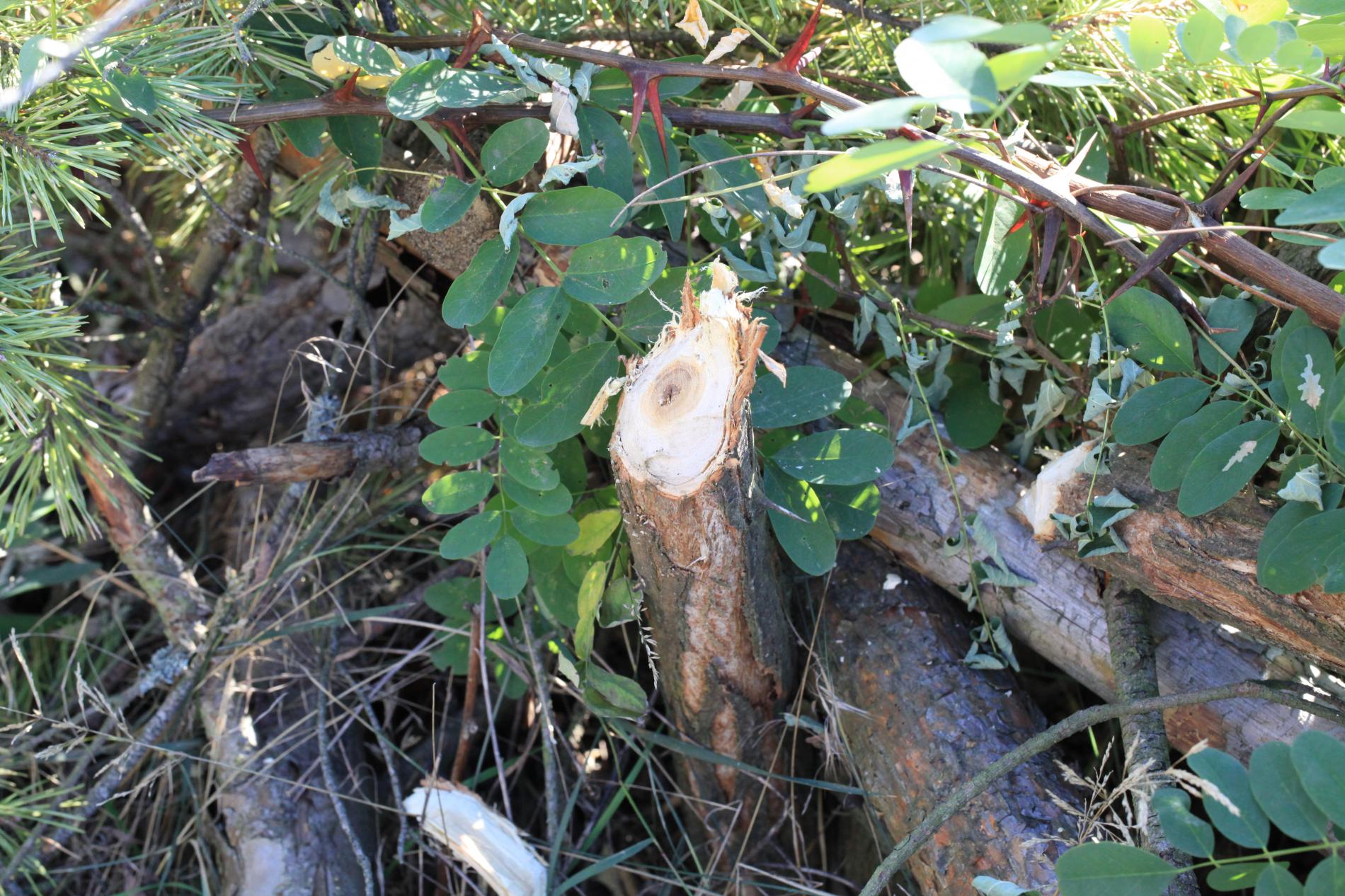
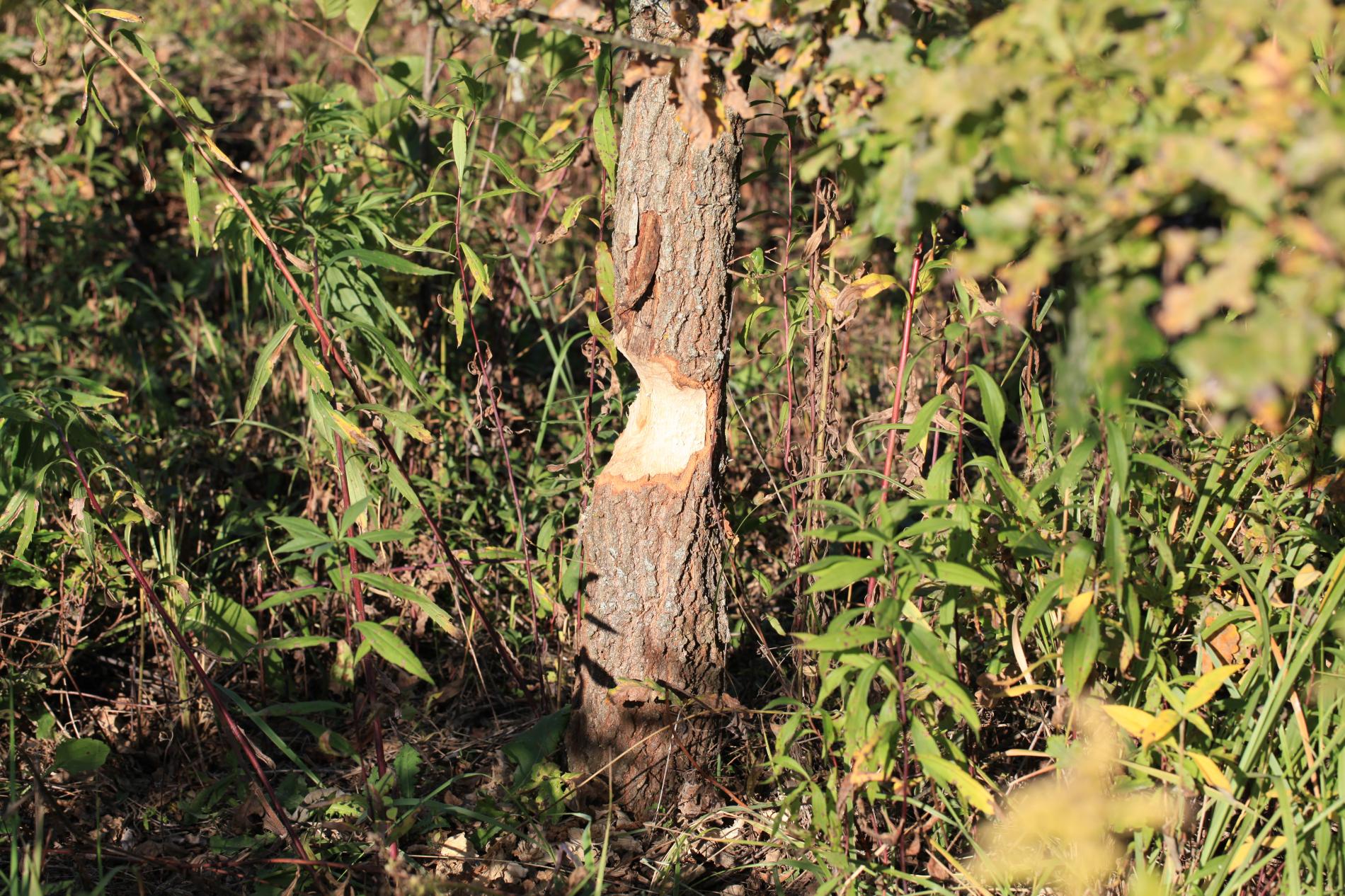
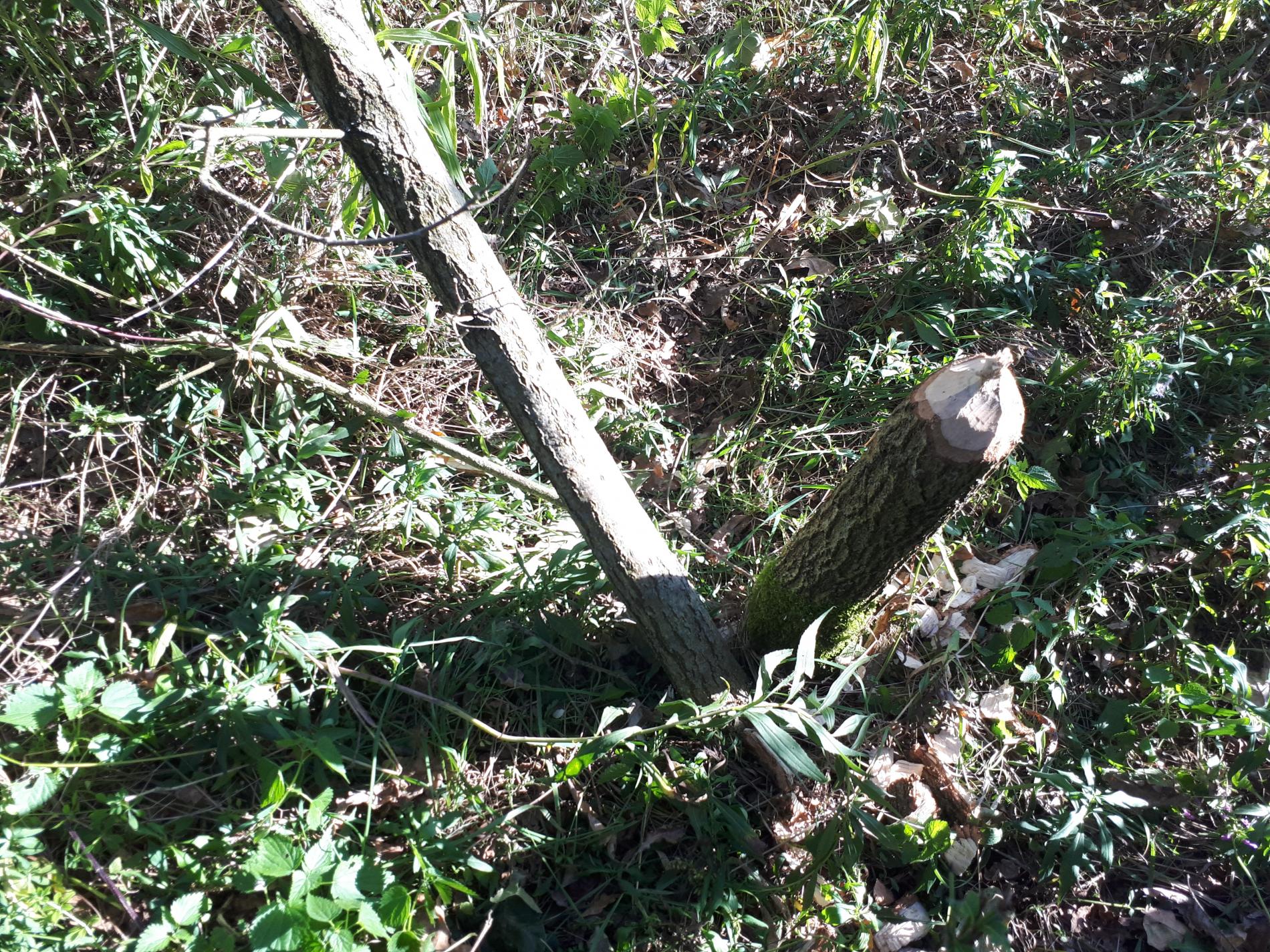
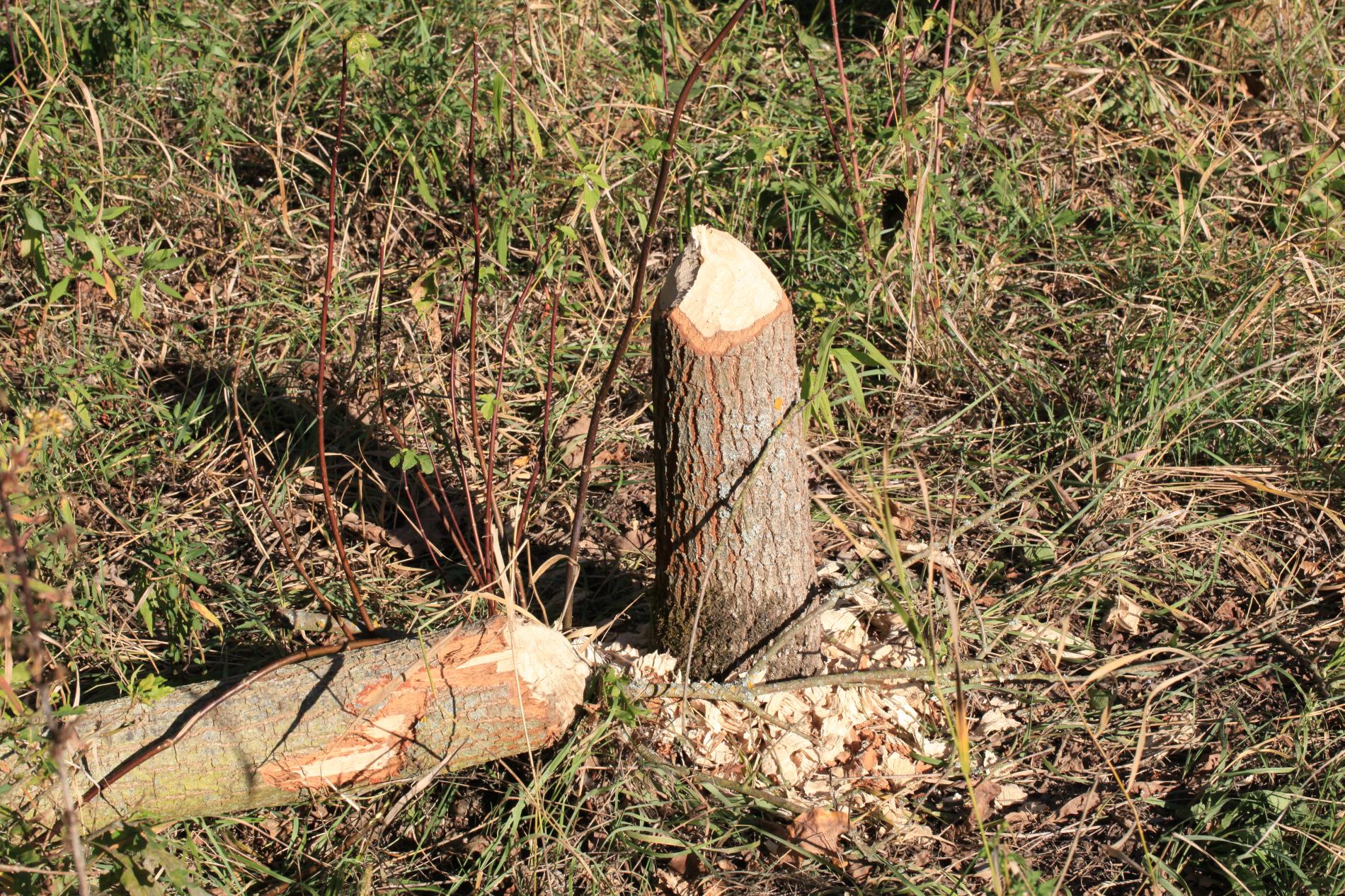
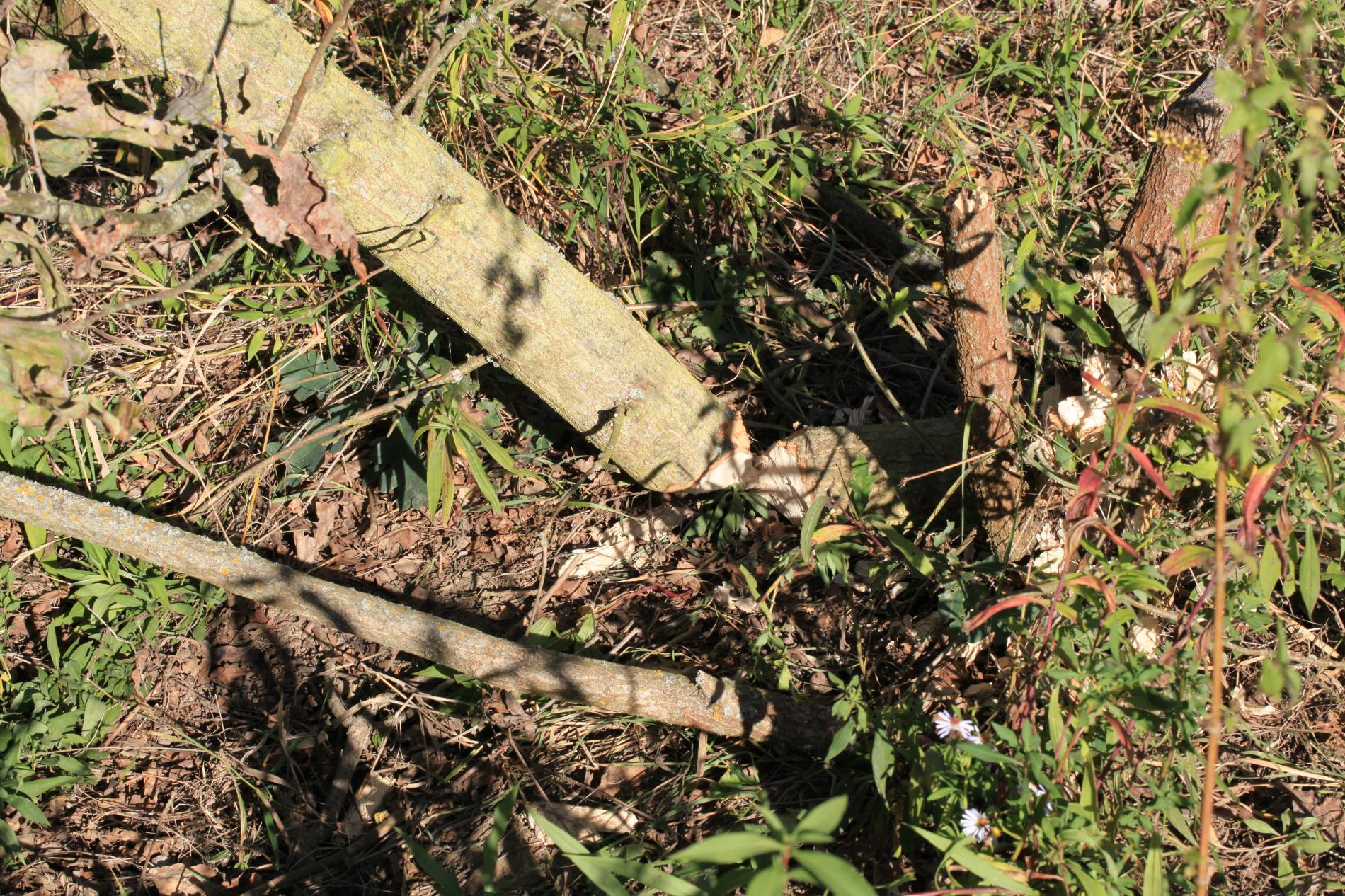
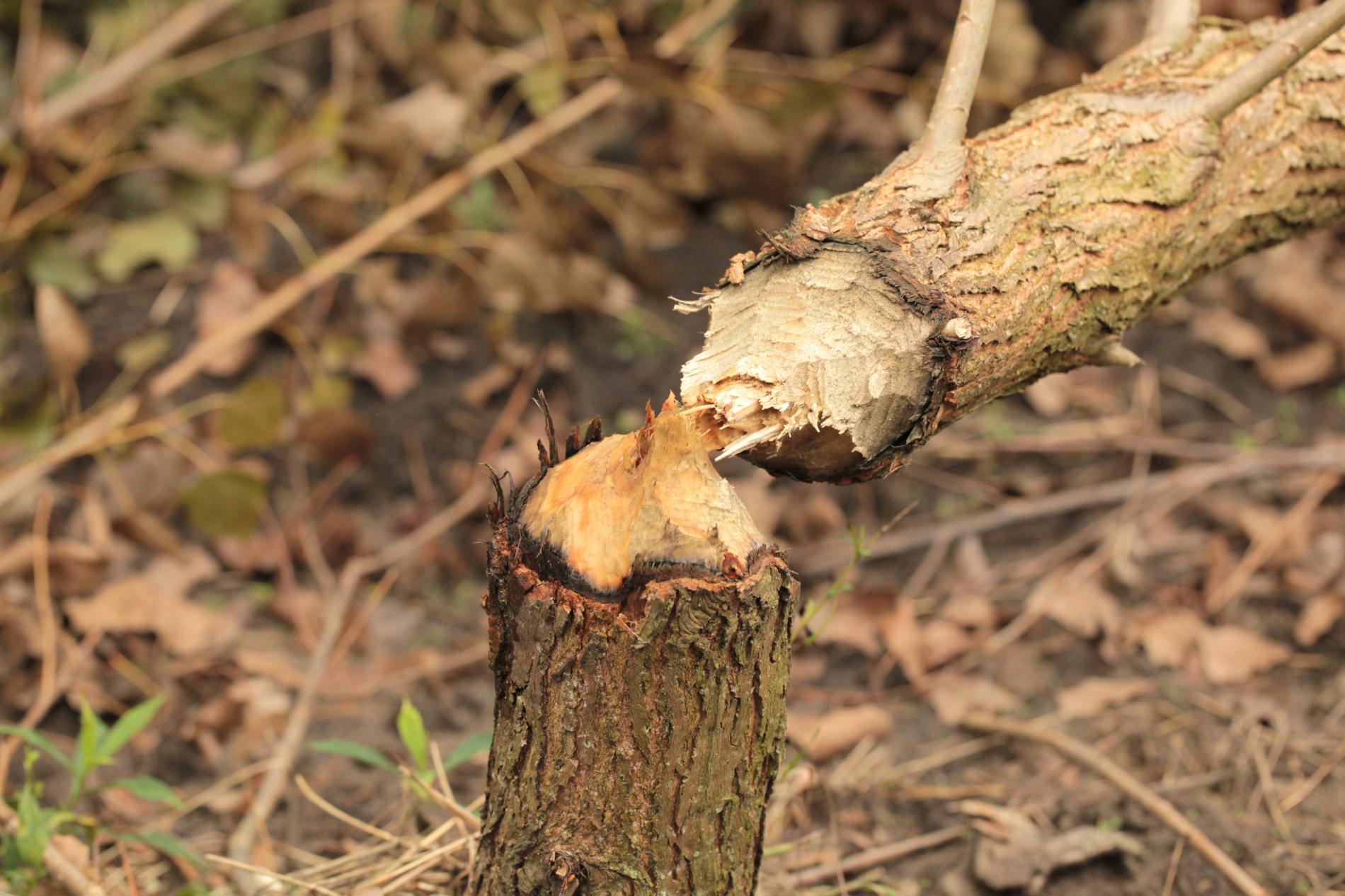
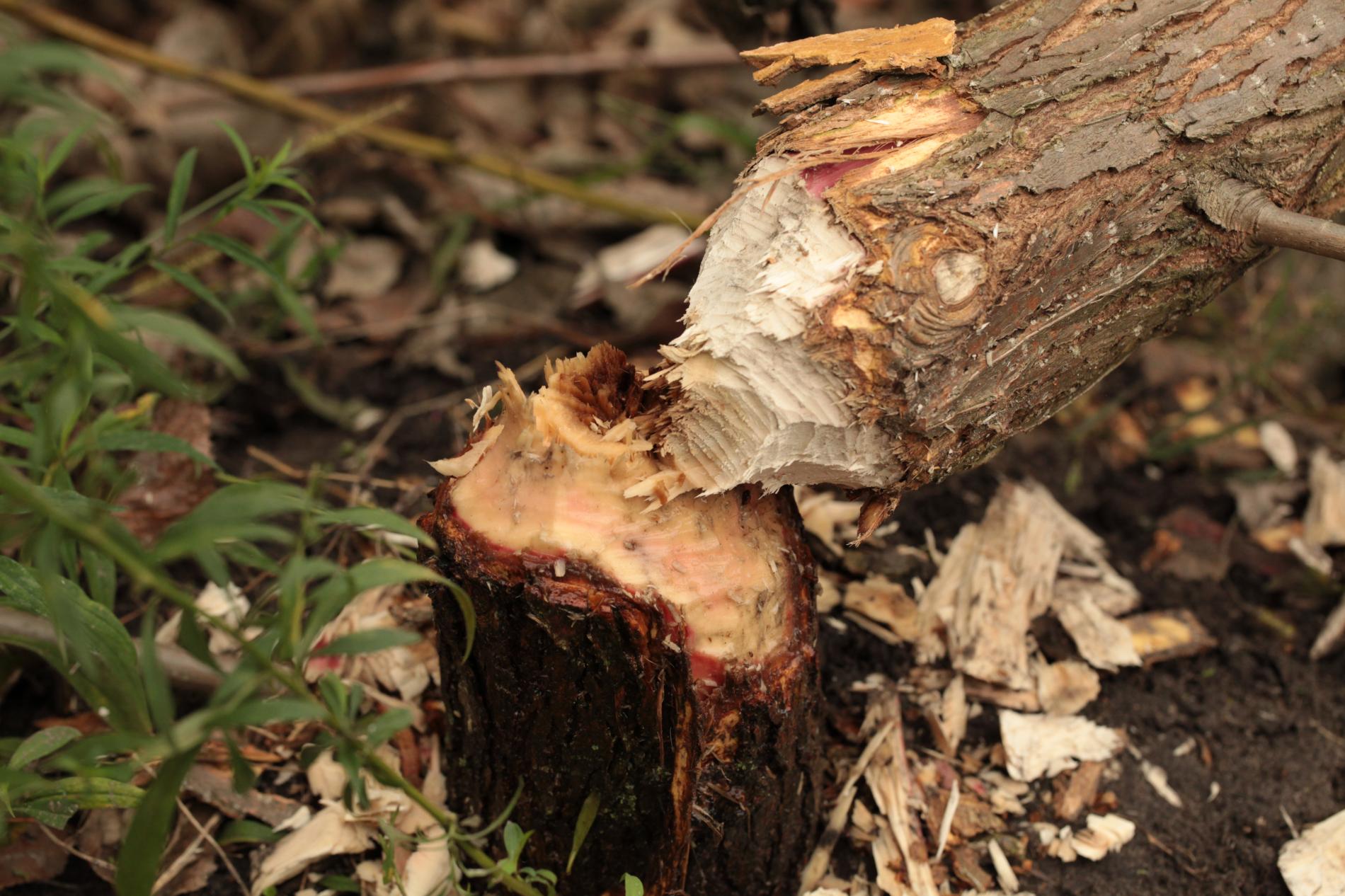
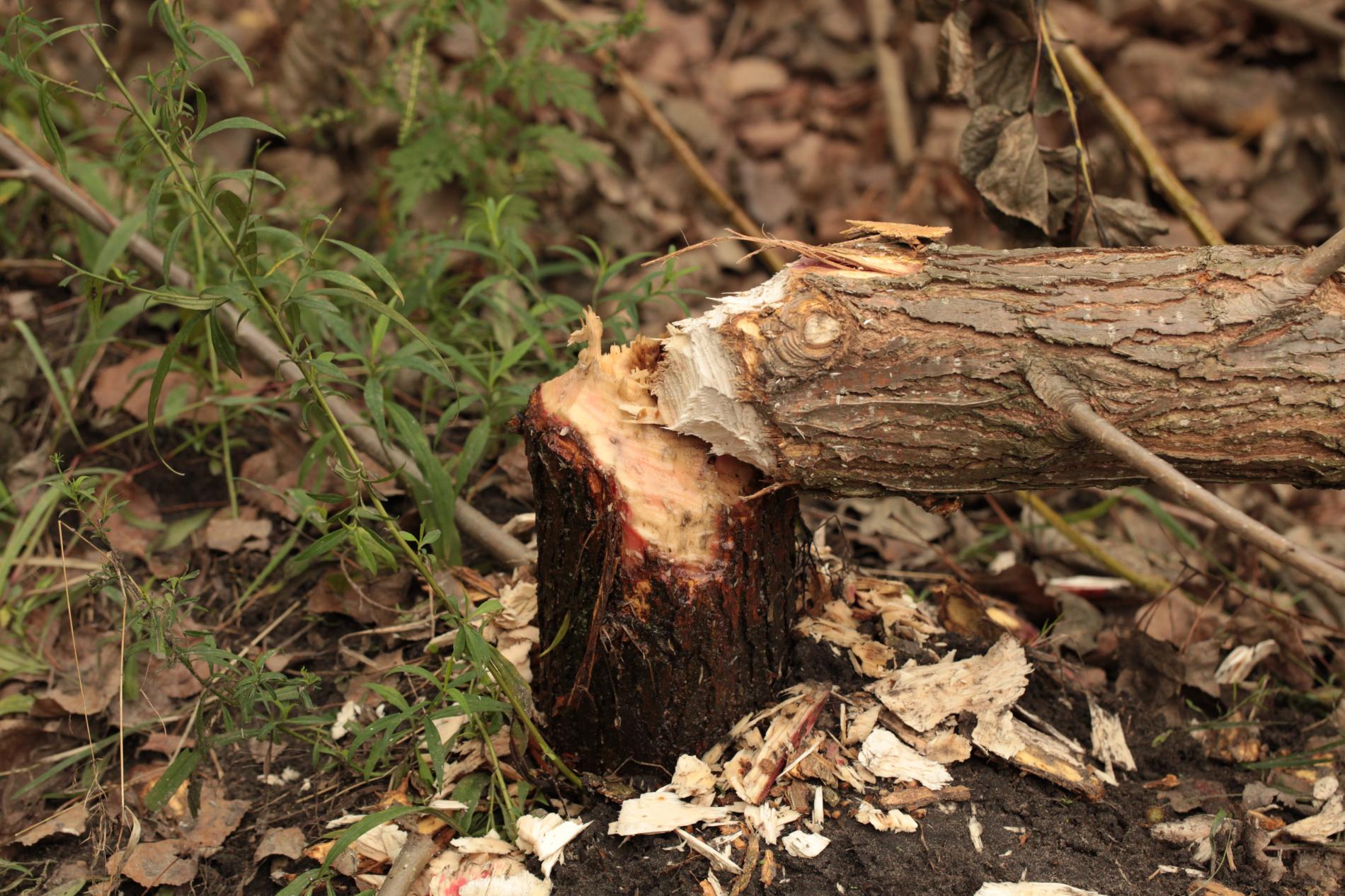
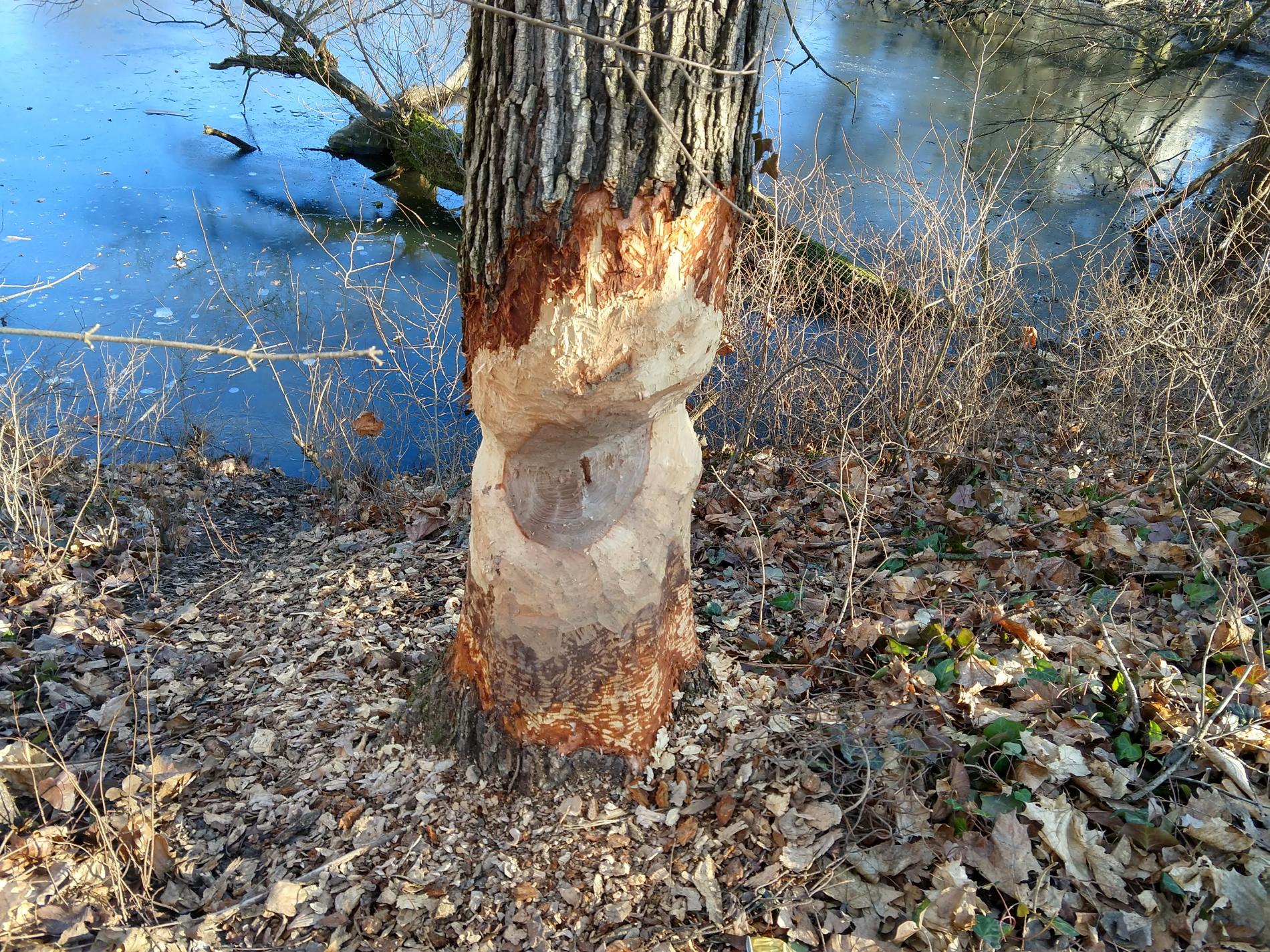
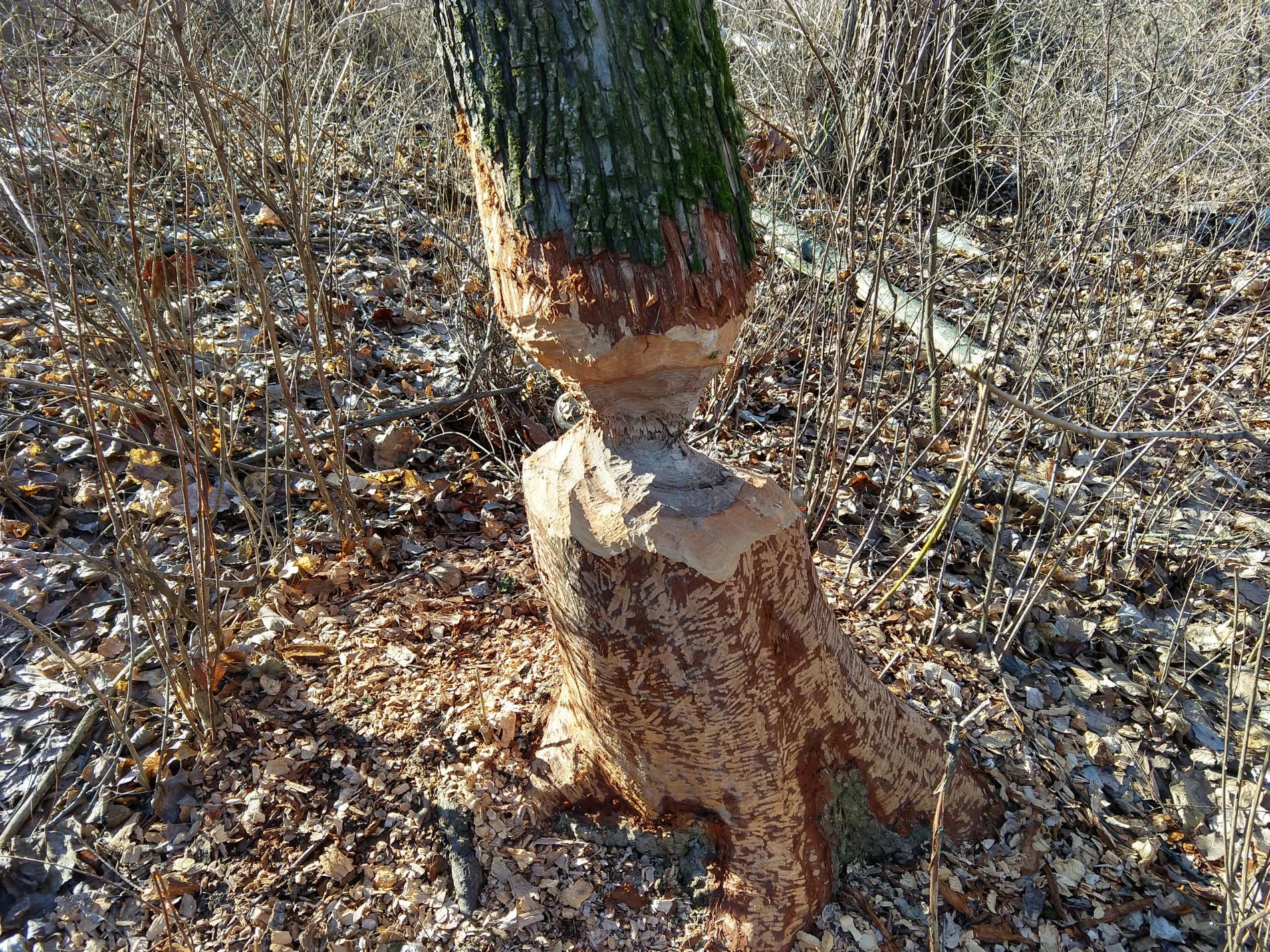
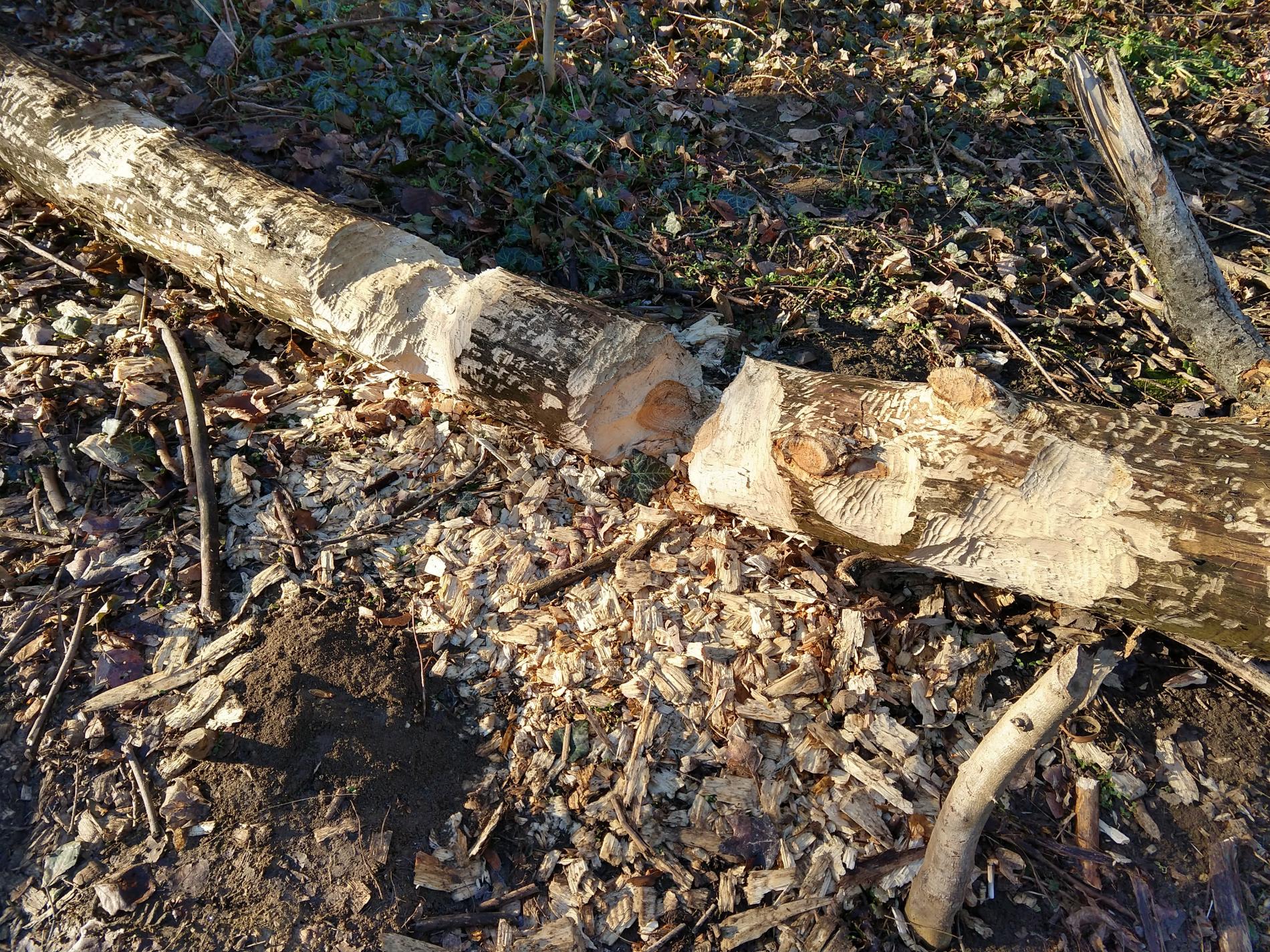
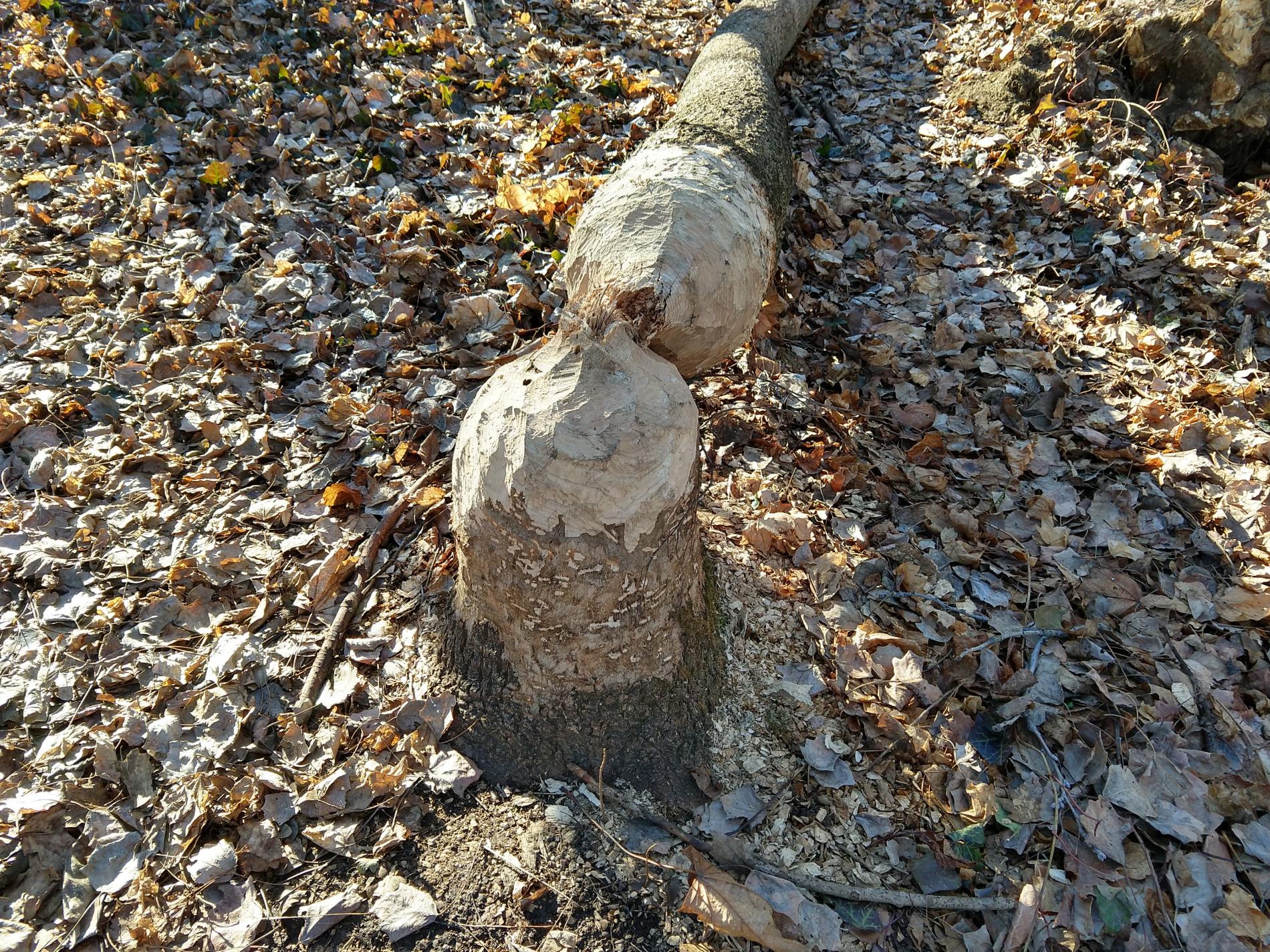
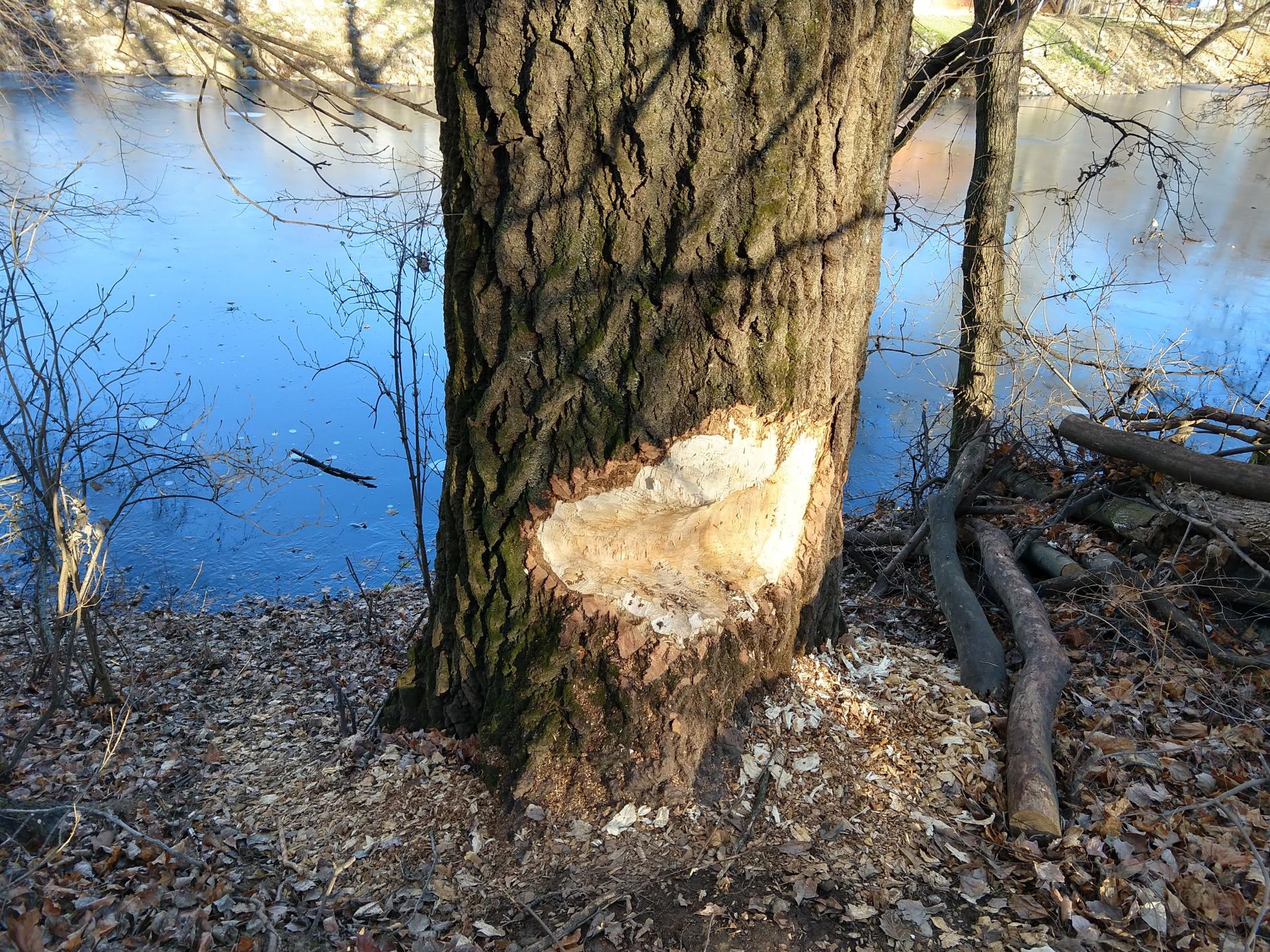
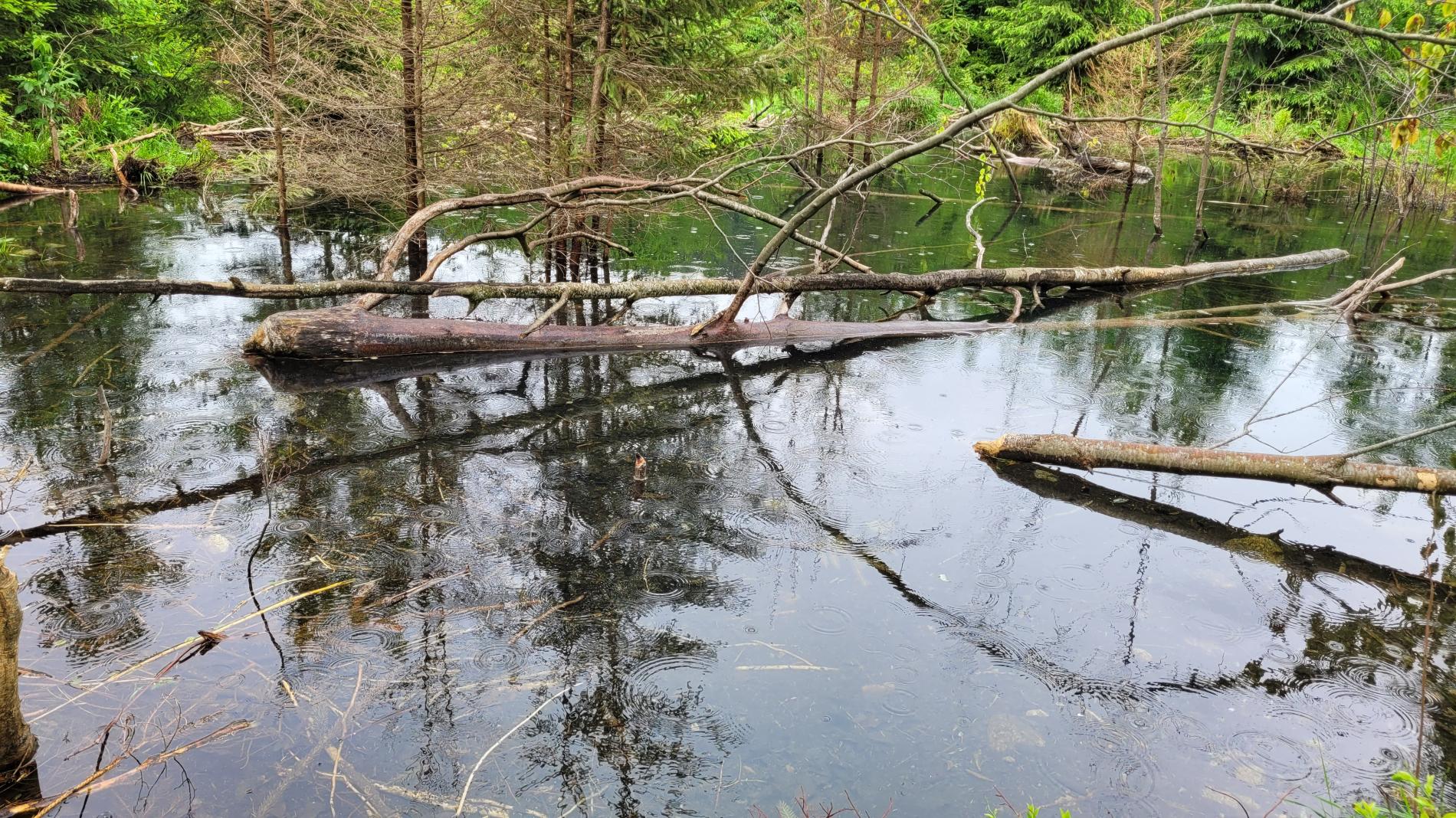
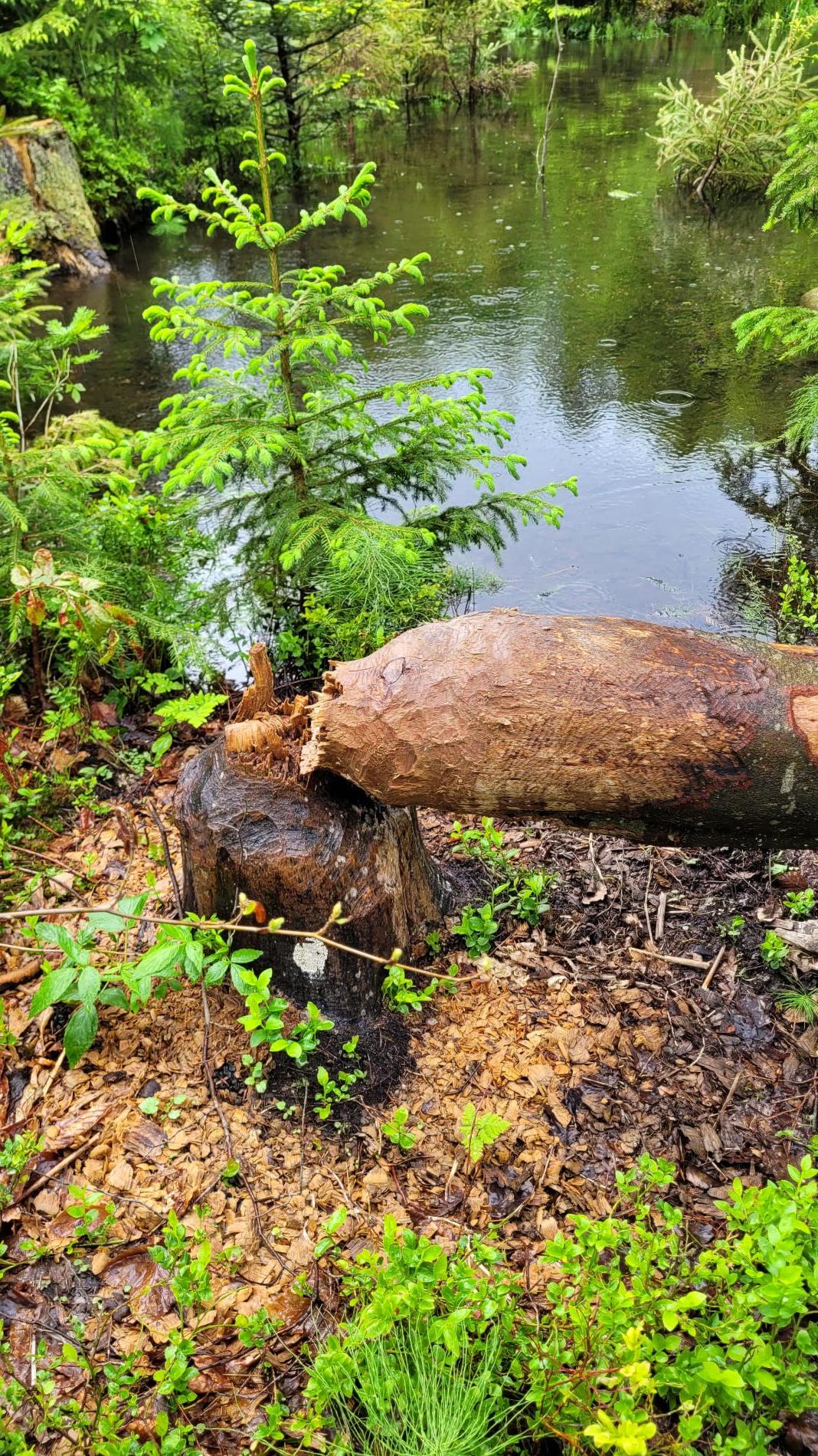
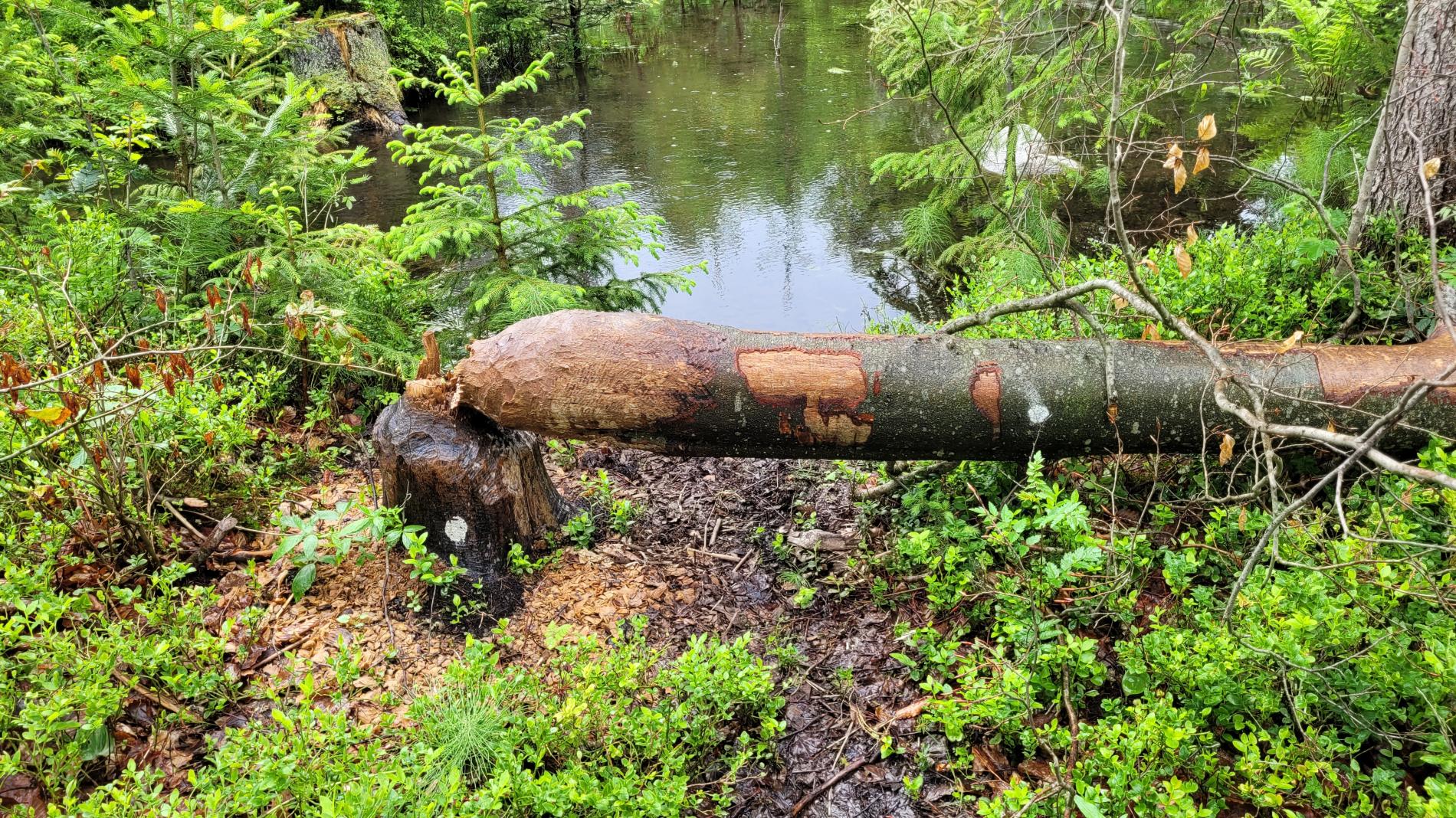
Beaver can totaly damage the tree. The trees are gnawed at a height of about 20 - 50 cm above the ground. Thinner trees, up to 7-8 cm thick, are then used to build dams. It can pull them overland even a few tens of meters. Bigger trees growing close to the water can also be gradually completely cut down and used as a material for dam. Trees with diameter 30 or more cm are no problem either.
Tree Species: Black Locust, Birch, Oak, Alder, Poplar, Willow
Part of a plant- attacked: Tree trunk
Pest significance: Harmful
Pest Category: Animals
Invasive Species: No
Present in EU: Yes
Pest group: Game
Affected part of wood: Bark, Heartwood, Sapwood, Underbark area
Depth of damages: Bark, More than 5 cm depth, Under bark only, Up to 0,5 cm depth, Up to 2 cm depth, Up to 5 cm depth
The extent of damage: Individually - one place
Prevalence in Europe: Very rare
Damaged products: Fresh timber logs (water still in the sapwood)
Roundwood size: Branches and twigs, Diameter 50+, Diameter from 10 up to 50 cm, Diameter up to 10 cm
Wood discoloration: No
Similar pests

Cervus elaphus

Capreolus capreolus
