


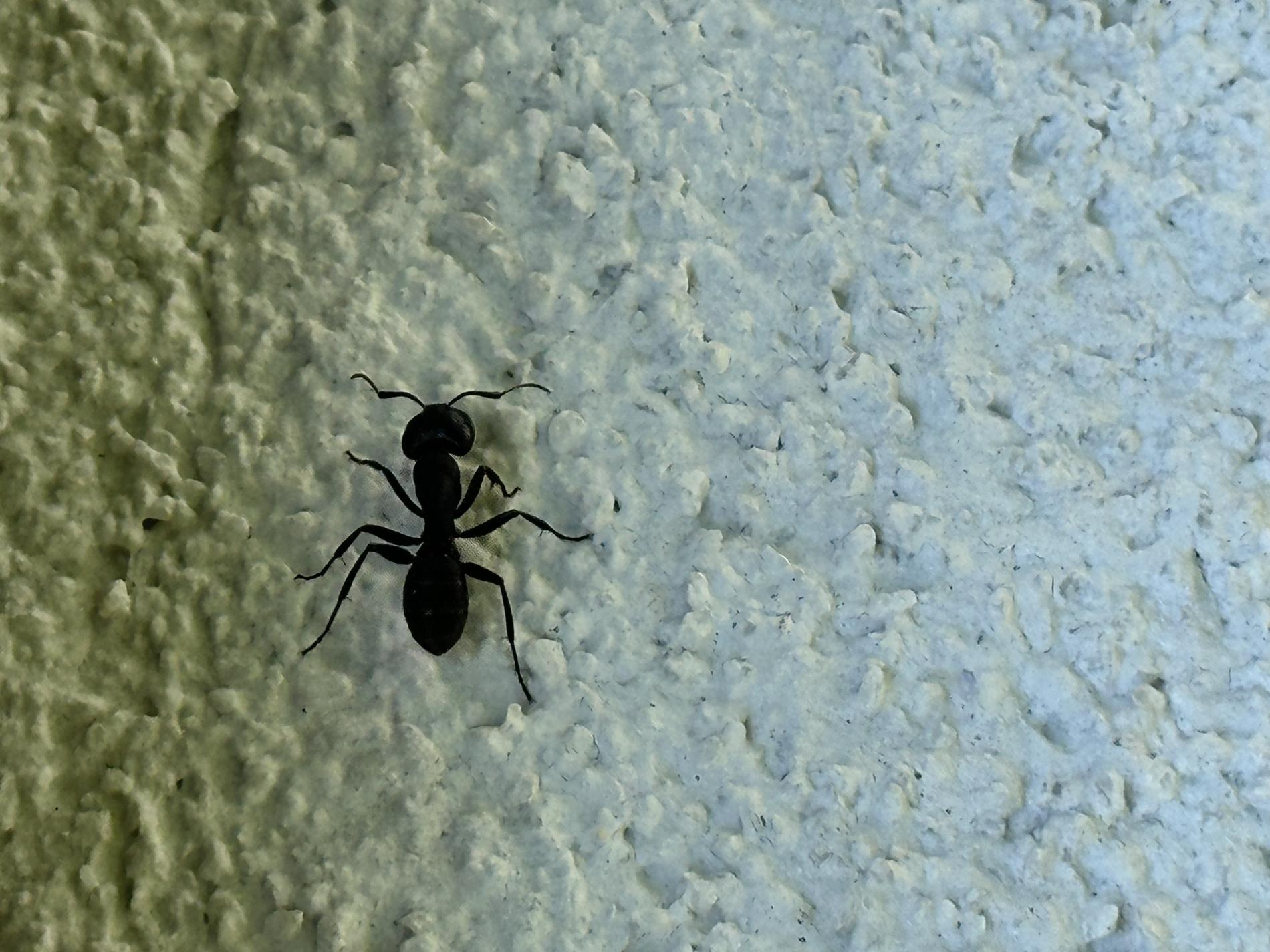
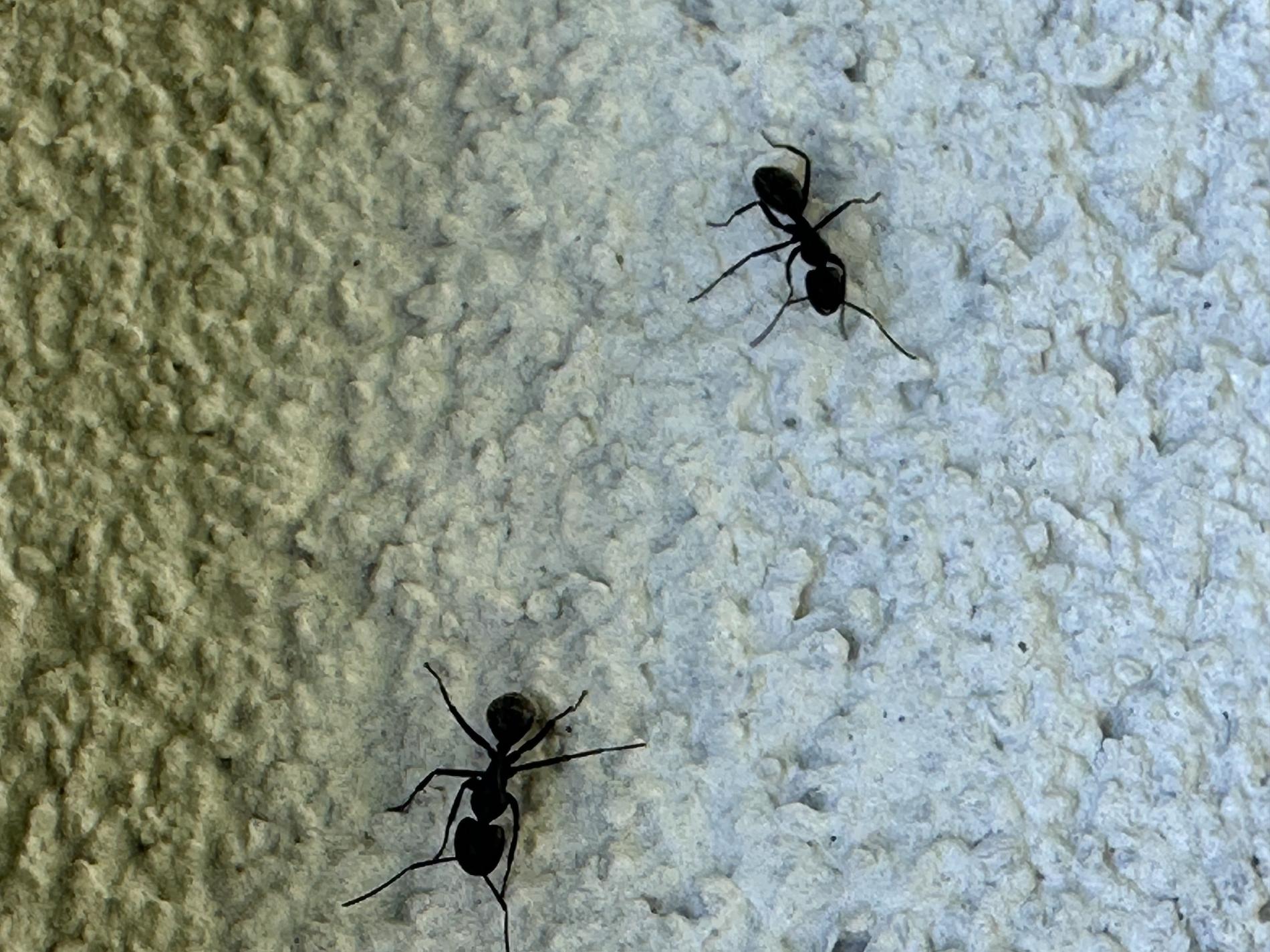
Camponotus spp.
Carpenter ants
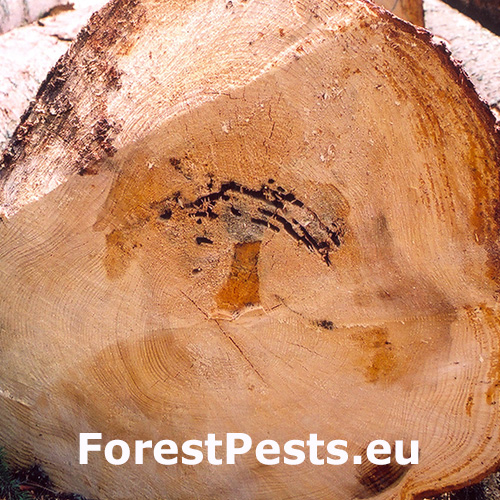
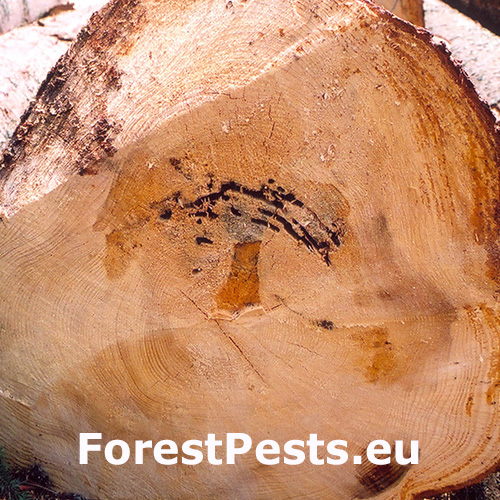
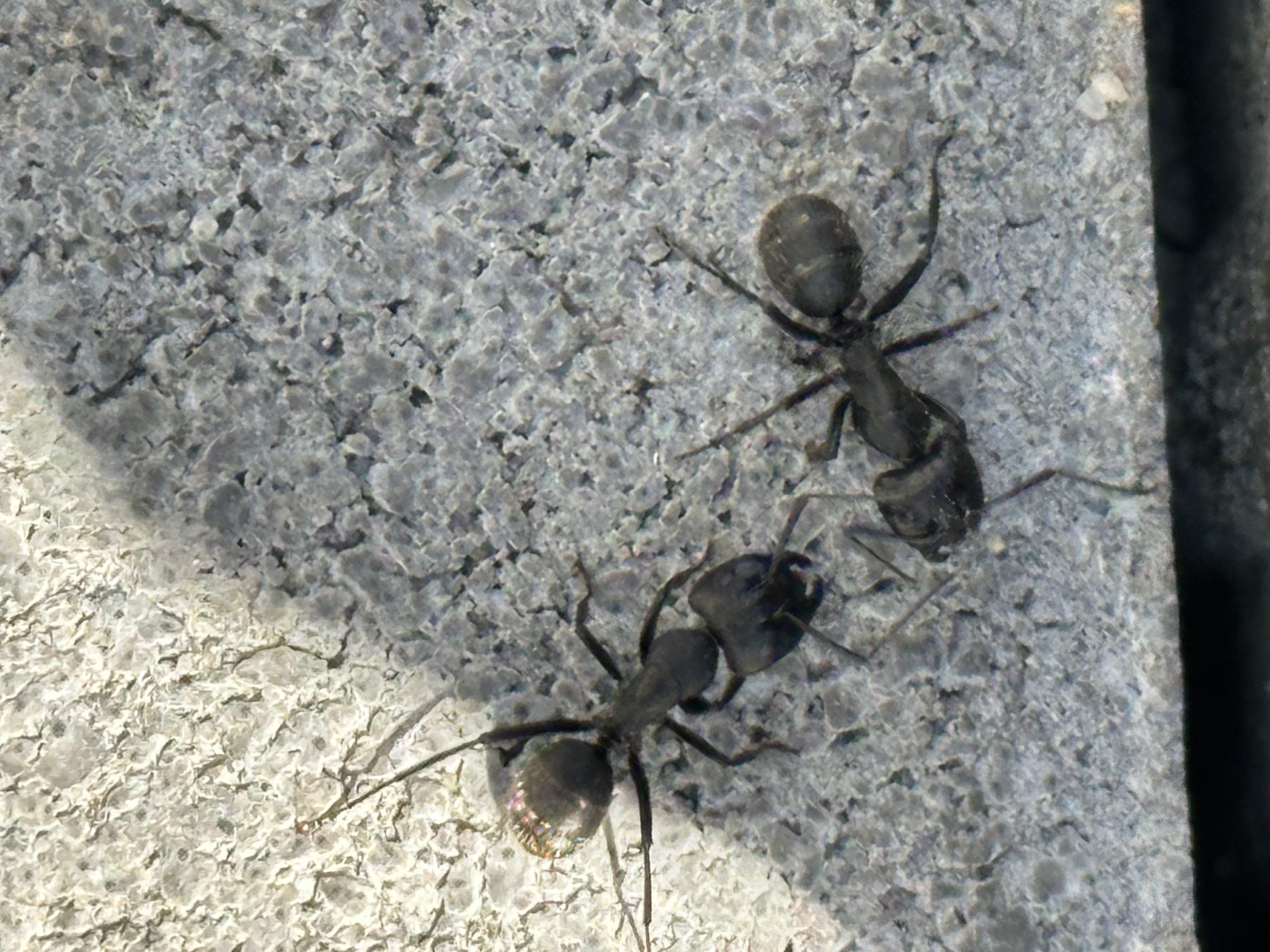
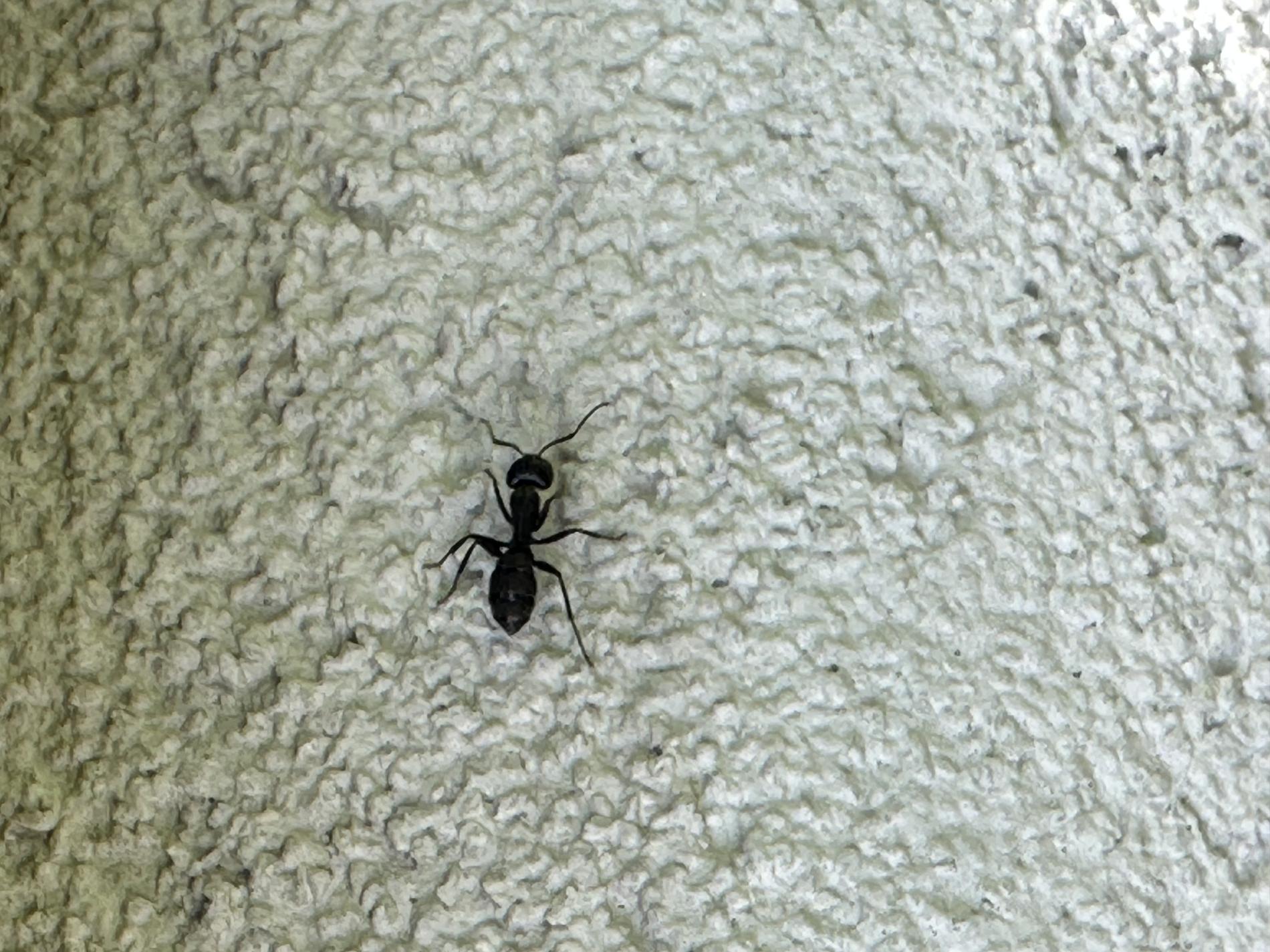
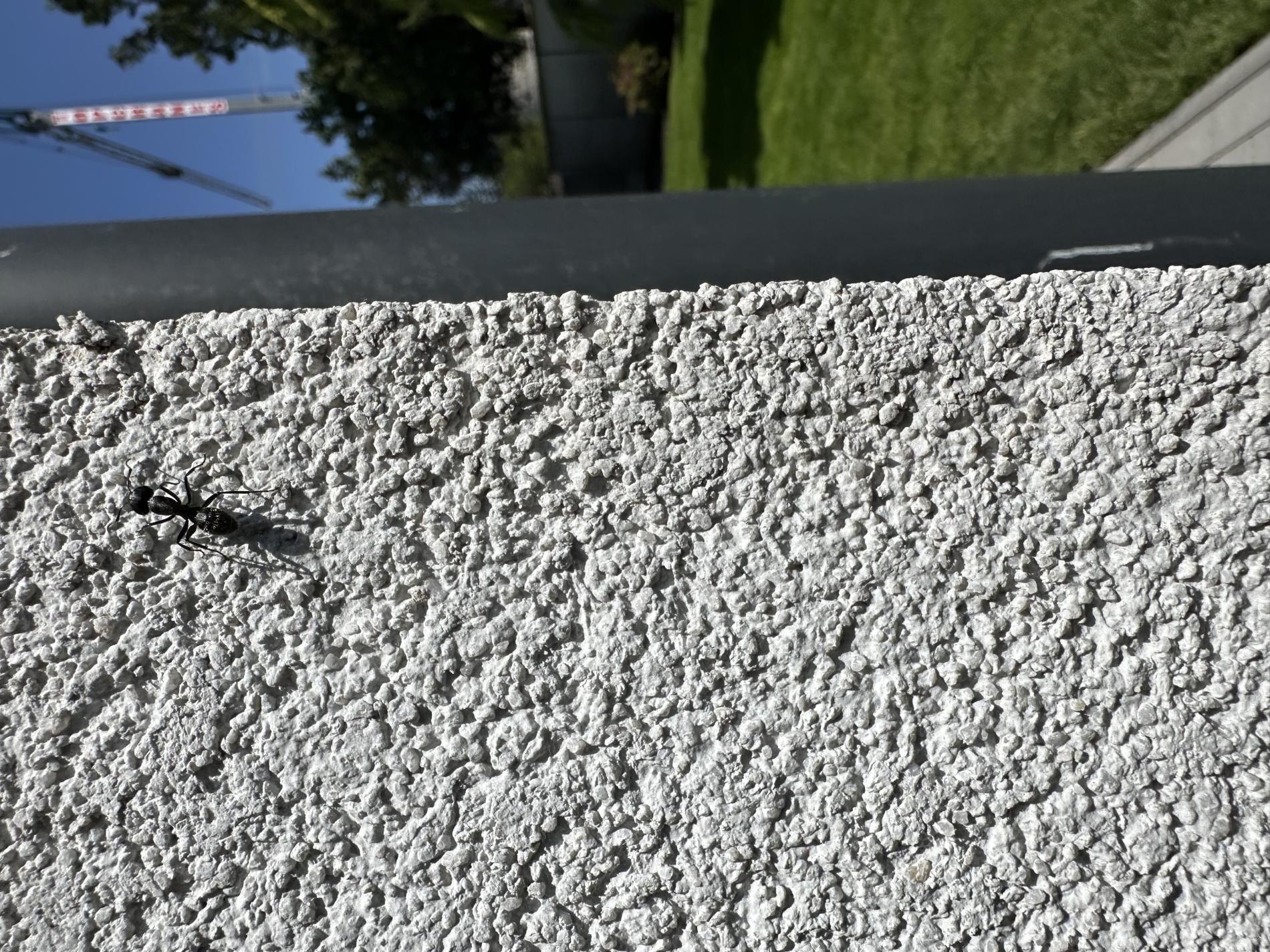
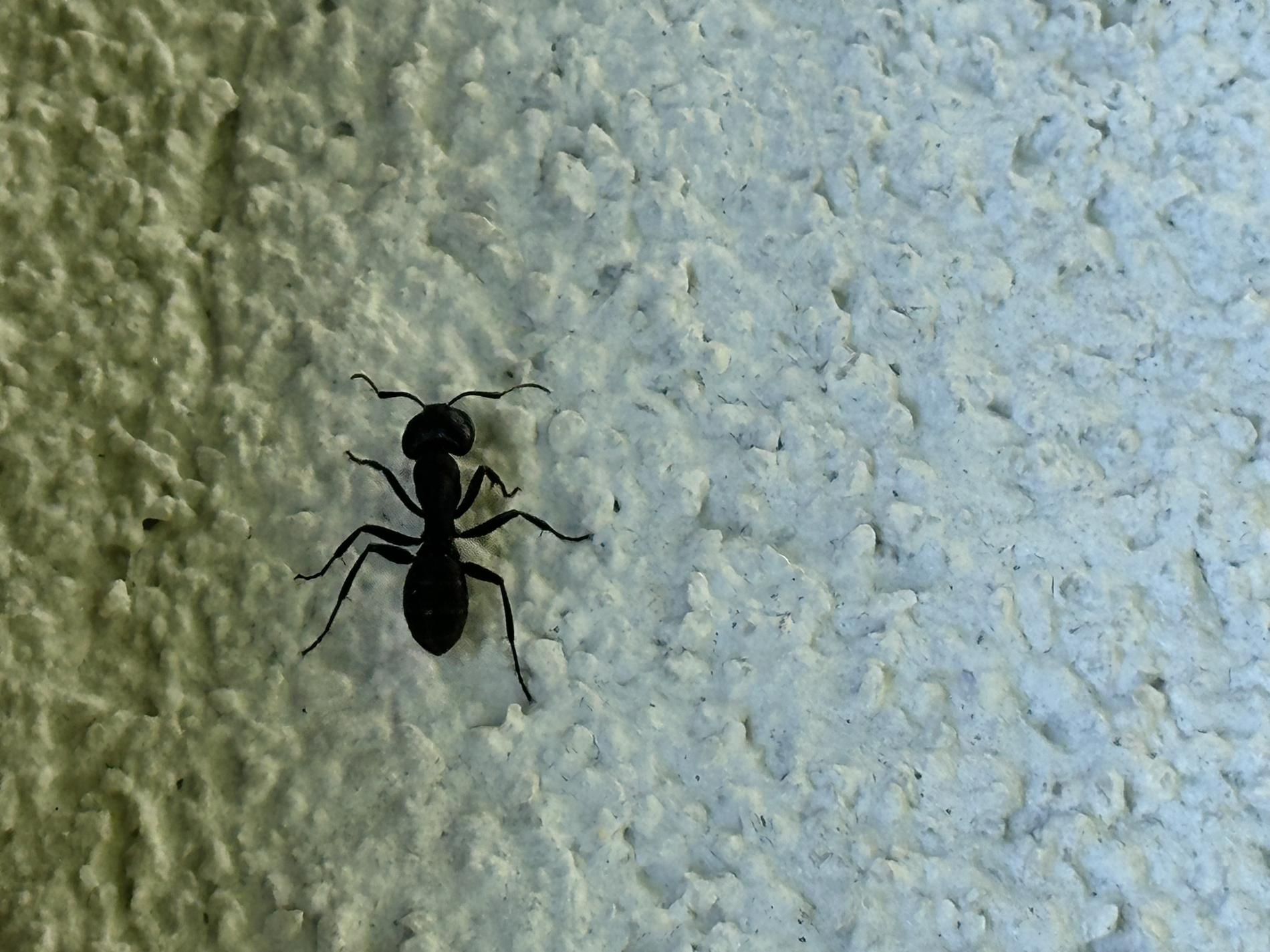
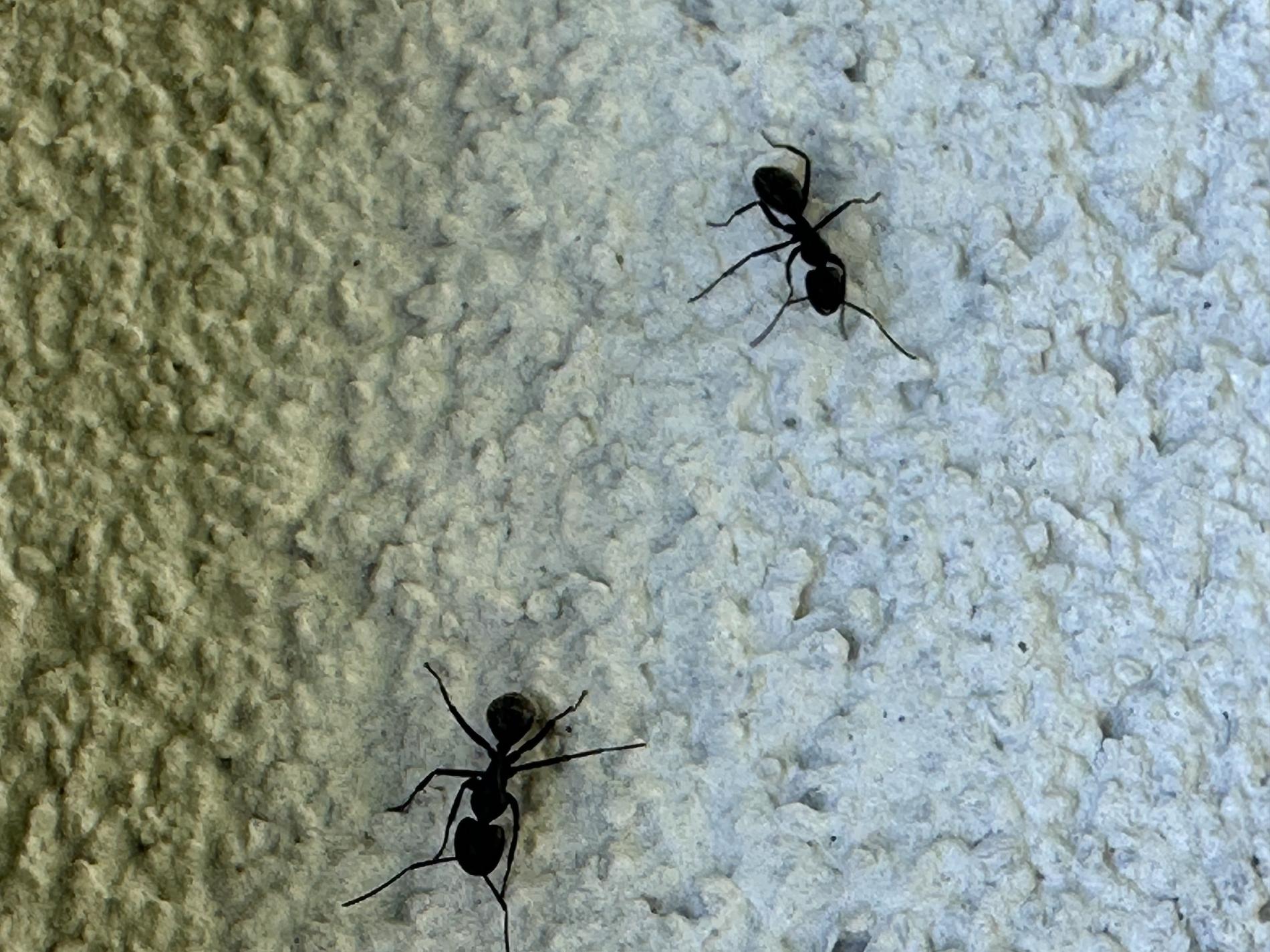
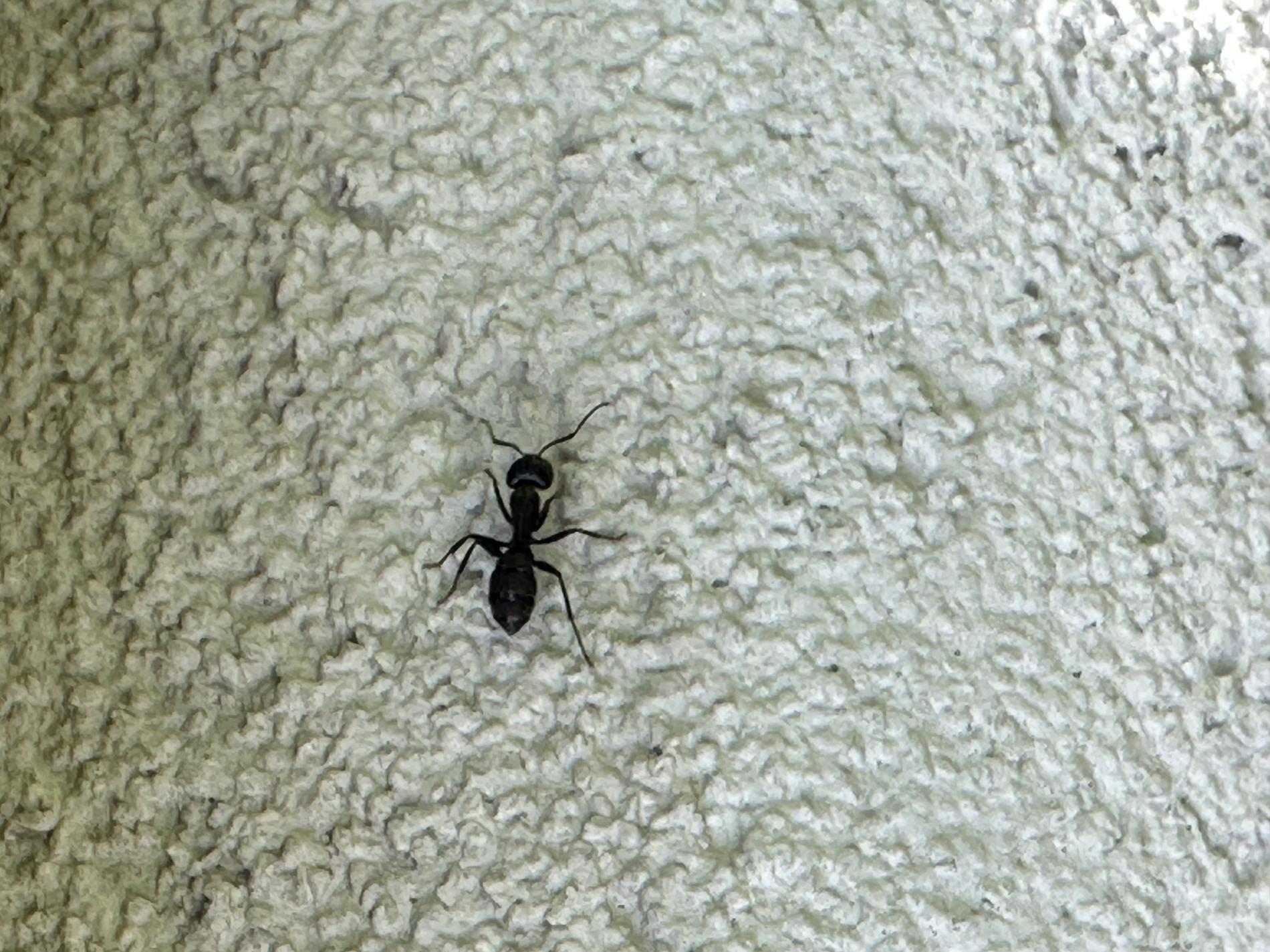
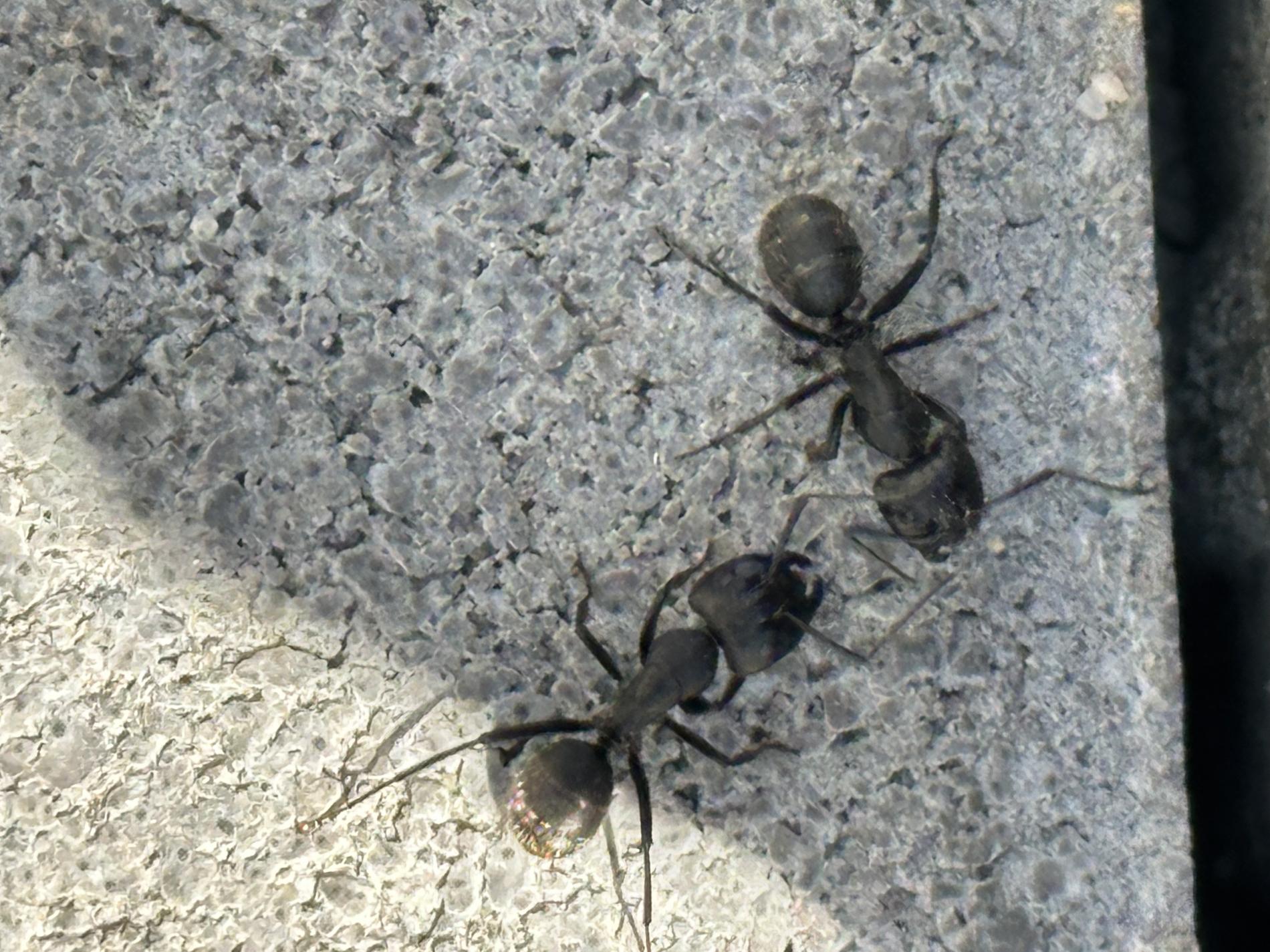
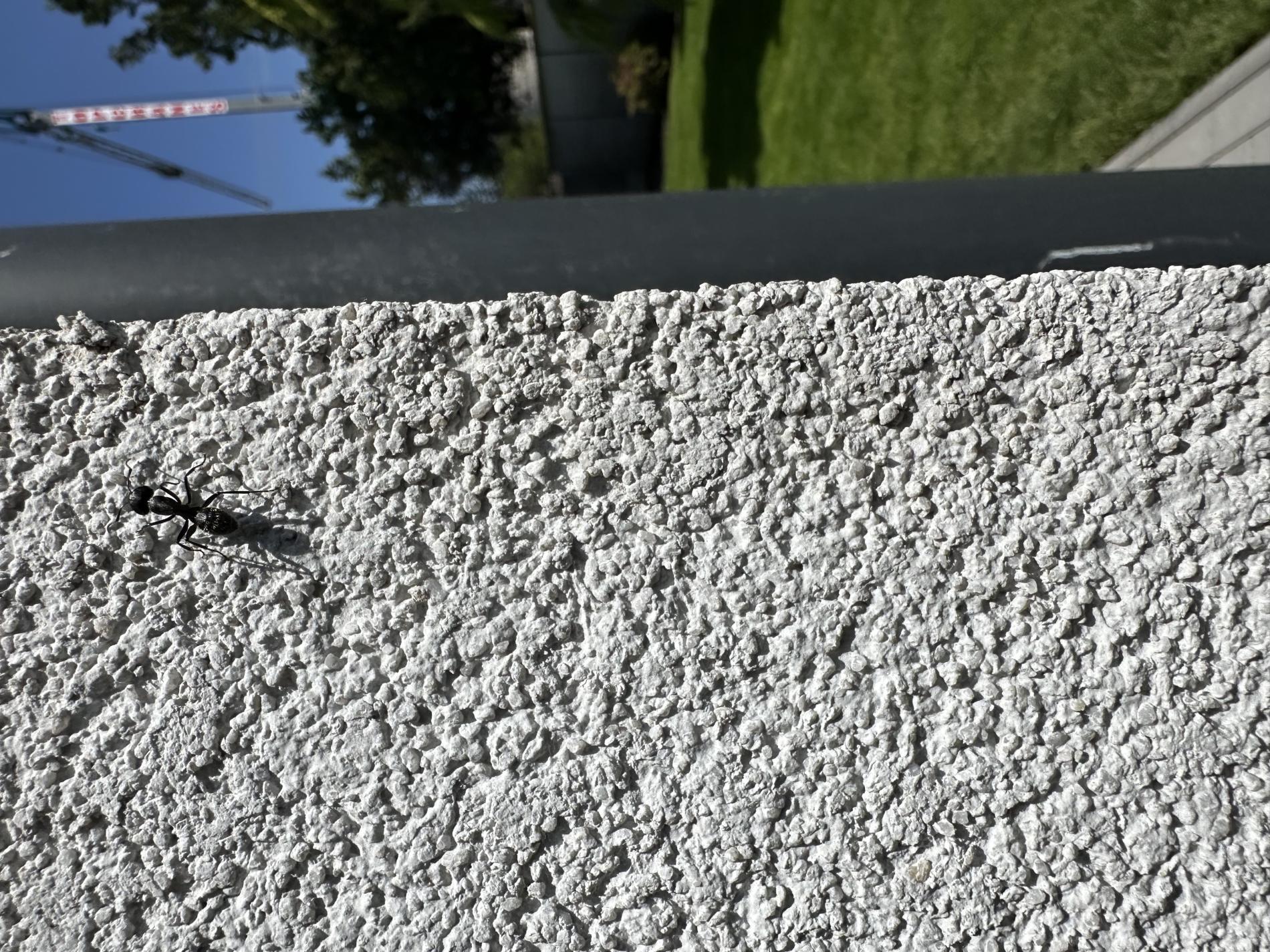
Ants of the genus Camponotus, commonly known as carpenter ants, are known for their ability to damage wood structures. These ants do not eat wood like termites do, but they excavate galleries within it to build their nests. As they tunnel through the wood, they create smooth, clean galleries that are often mistaken for termite damage.The damage caused by Camponotus ants can be significant. They can weaken the structural integrity of wooden beams, furniture, and other wooden objects.The presence of carpenter ants may also attract other wood-destroying organisms, such as fungi, that further accelerate the deterioration process. These ants prefer damp and decaying wood, so areas with moisture problems are especially vulnerable to infestation.Similar damage can be done by species - Lasius fuliginosus.
Chambers in wood. The presence of ants in wood.
Tree Species: Pine, Fir, Spruce, Willow
Part of a plant- attacked: Tree trunk
Pest significance: Harmful
Pest Category: Insects
Invasive Species: No
Present in EU: Yes
Pest group: Ants and termites
Affected part of wood: Heartwood, Sapwood
Depth of damages: Bark, More than 5 cm depth, Under bark only, Up to 0,5 cm depth, Up to 2 cm depth, Up to 5 cm depth
The extent of damage: Lokally
Prevalence in Europe: Common
Damaged products: Firewood, Fresh timber logs (water still in the sapwood), Lumber, boards and prisms
Roundwood size: Branches and twigs, Diameter from 10 up to 50 cm, Diameter up to 10 cm
Wood discoloration: No
Exit holes: Other
Pest subcategory: Wood-boring insect
Similar pests

Trypodendron lineatum

Acanthocinus aedilis
