


Bison bonasus
European bison
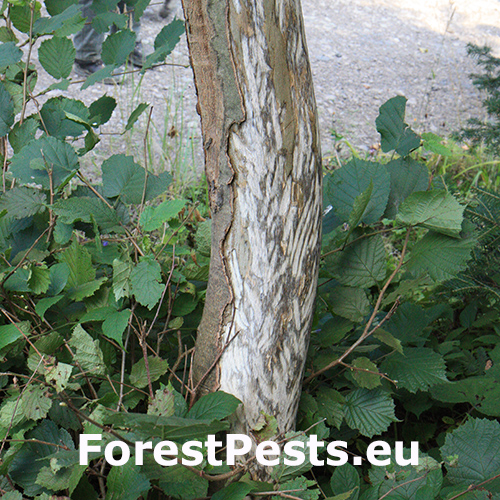
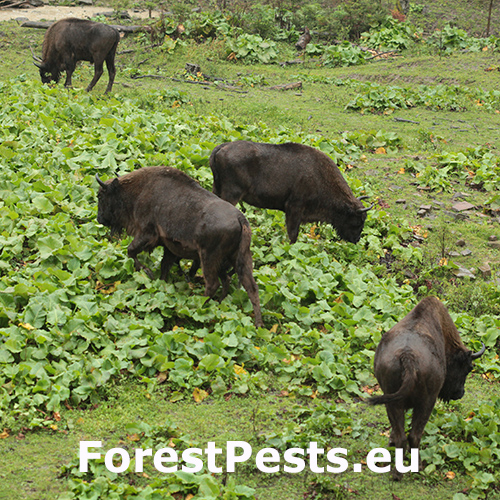
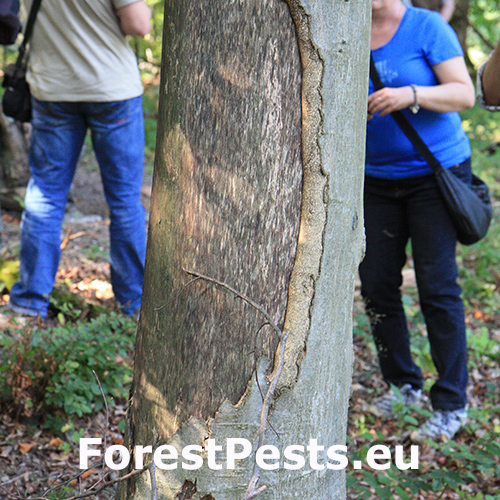
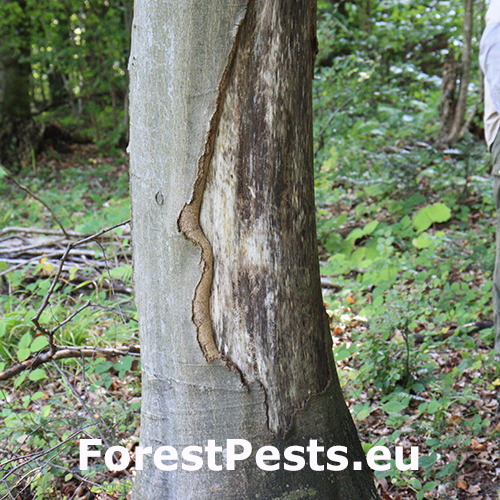
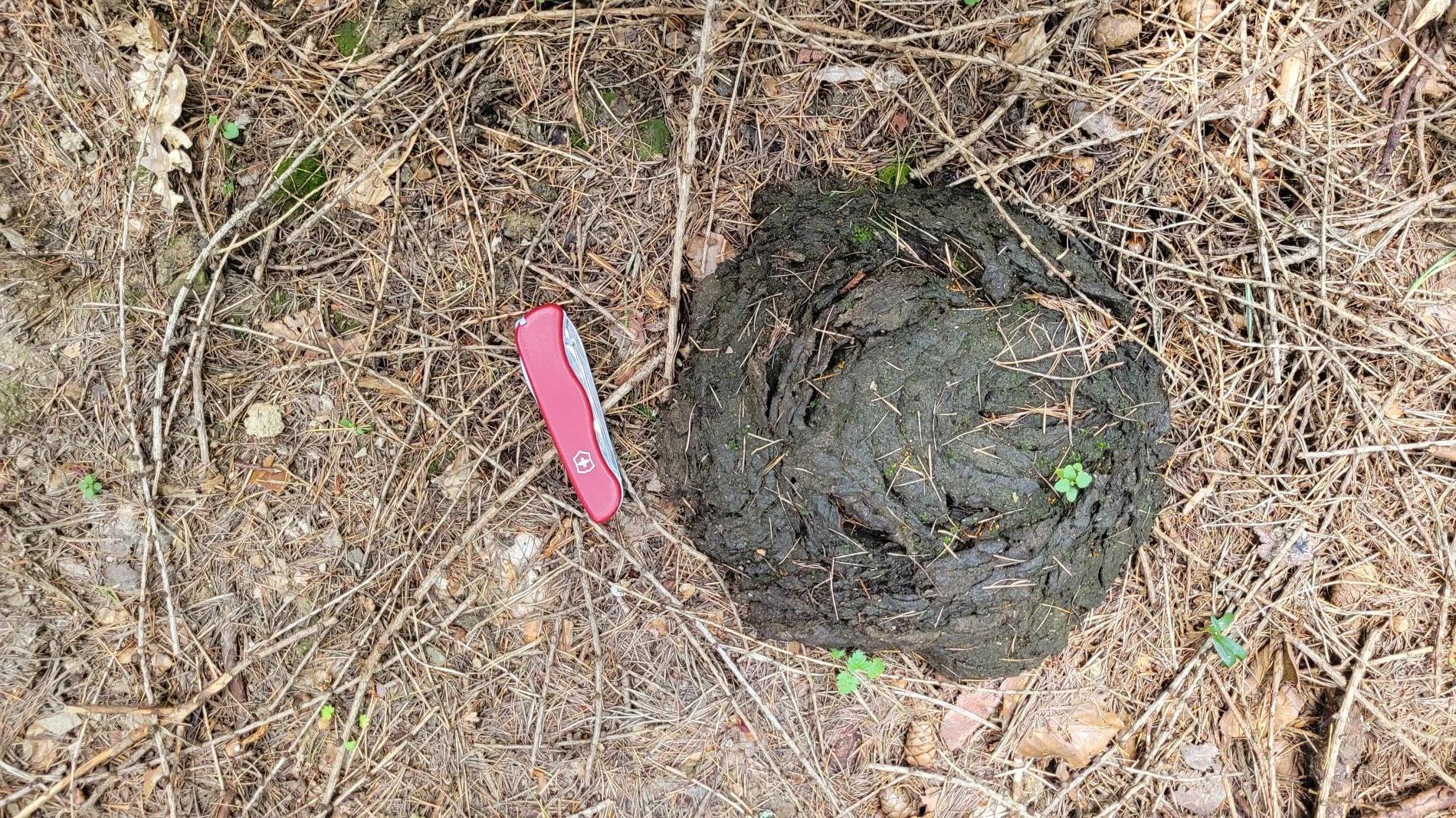
European bison is one of Europe's largest mammals. Adult males can weigh up to 1000 kg. It prefers mixed forests with plenty of humid localities. It feeds on grass, lichens, leaves, tree bark and shrubs. He lives in smaller groups. Adult males live solitary.
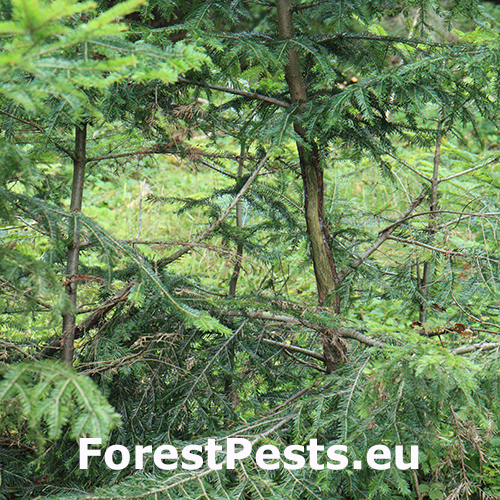
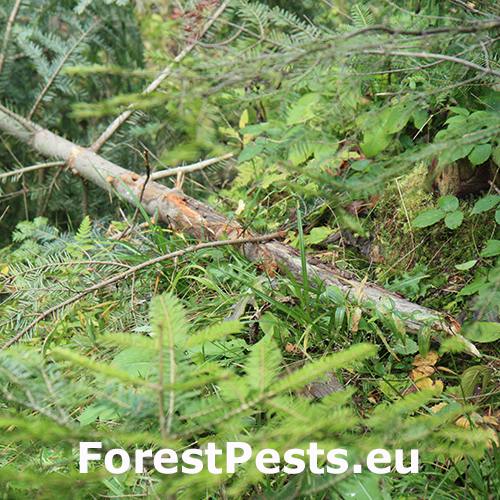
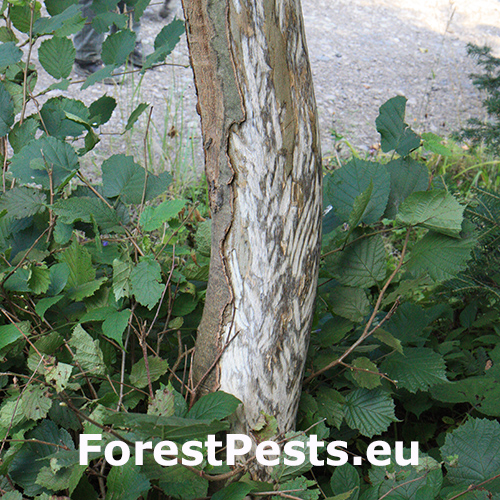
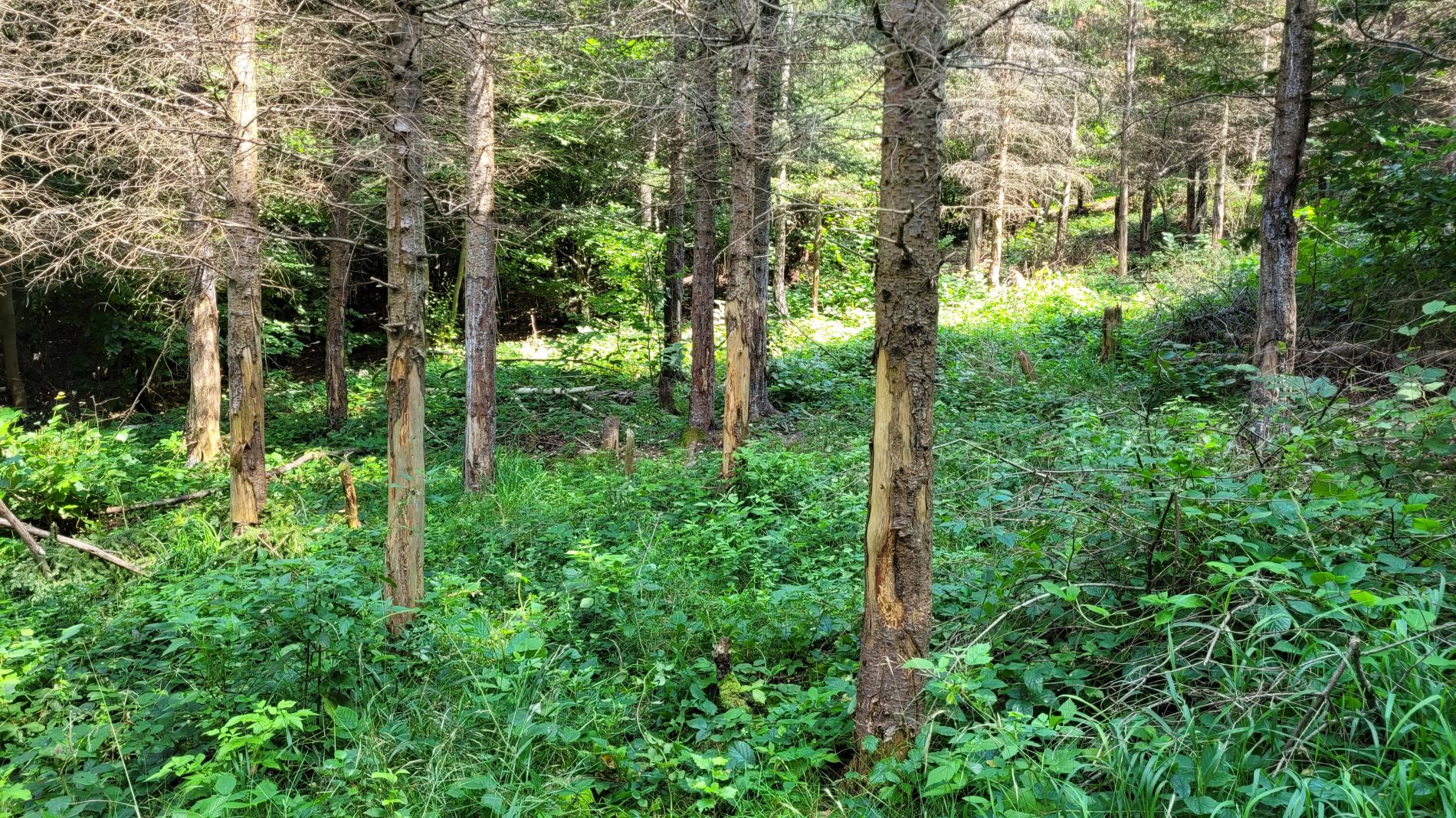
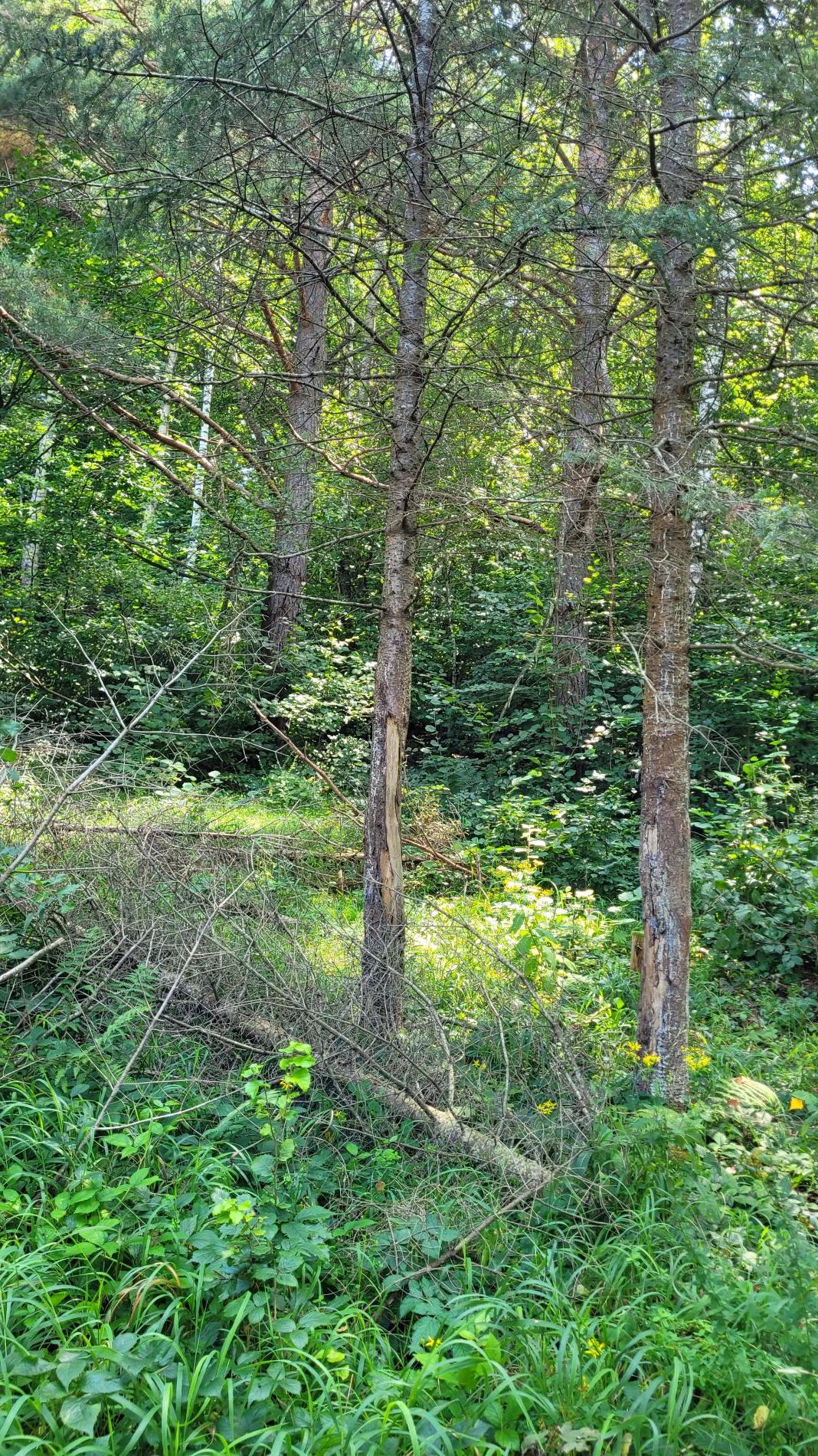
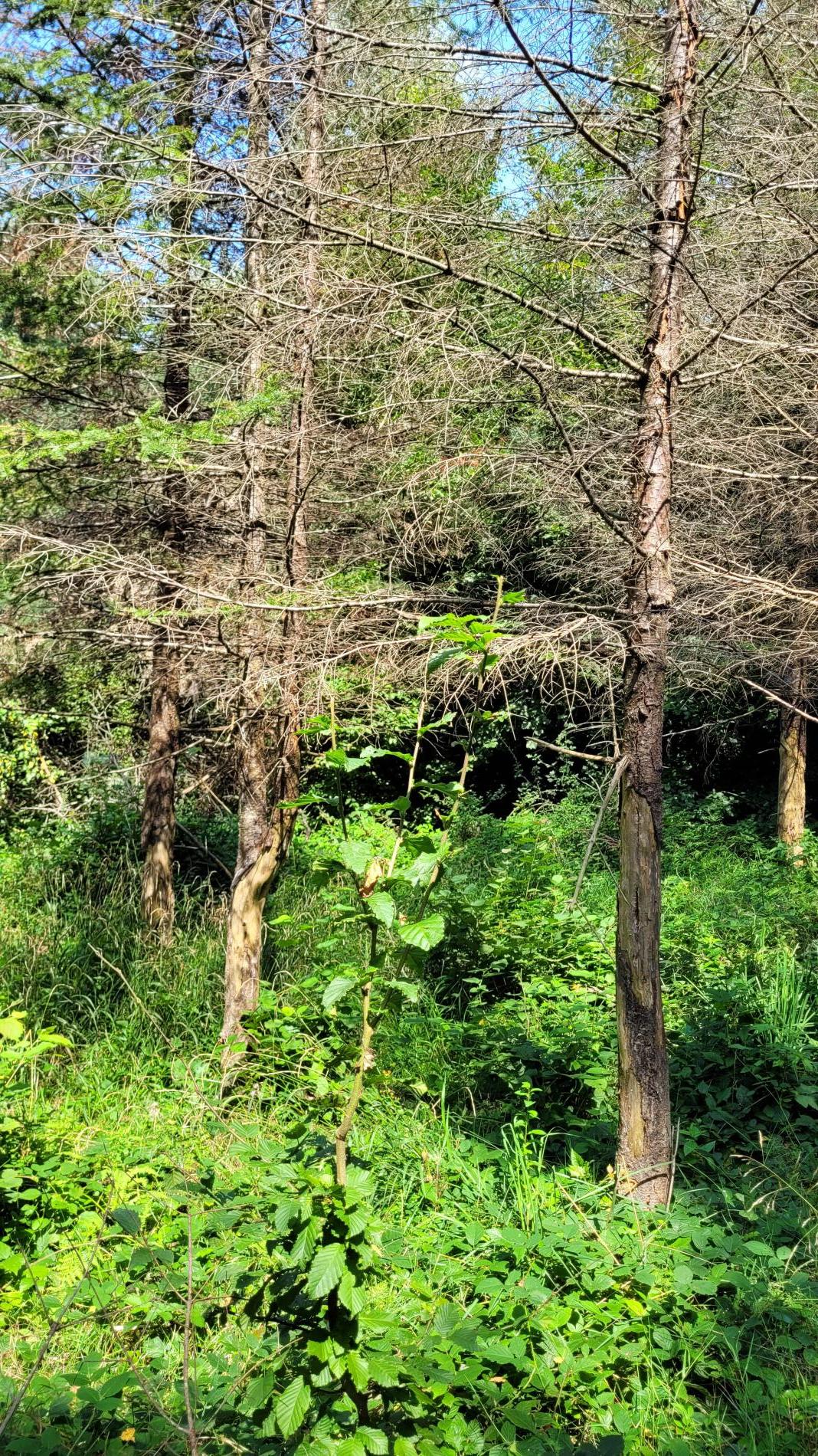
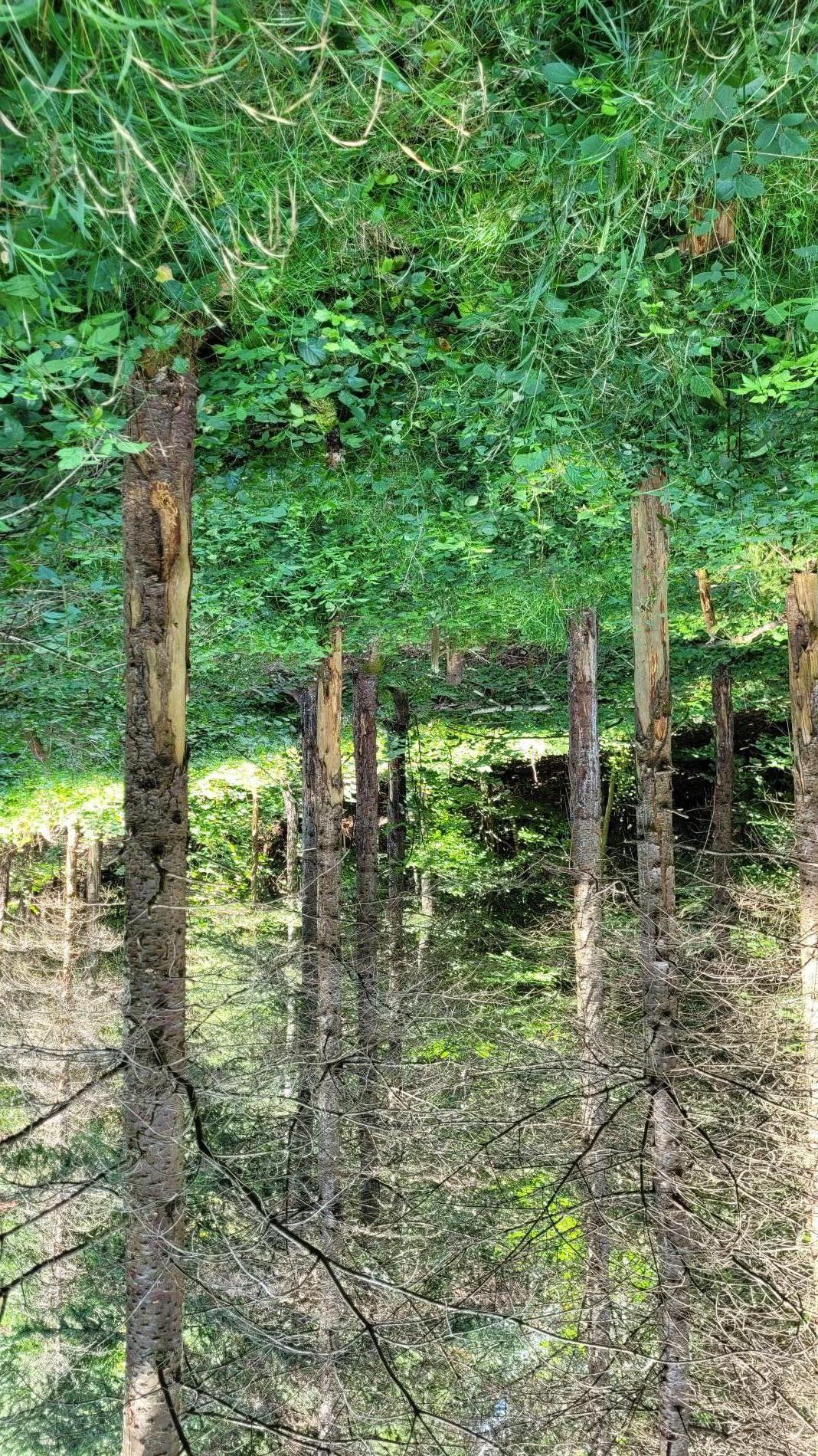
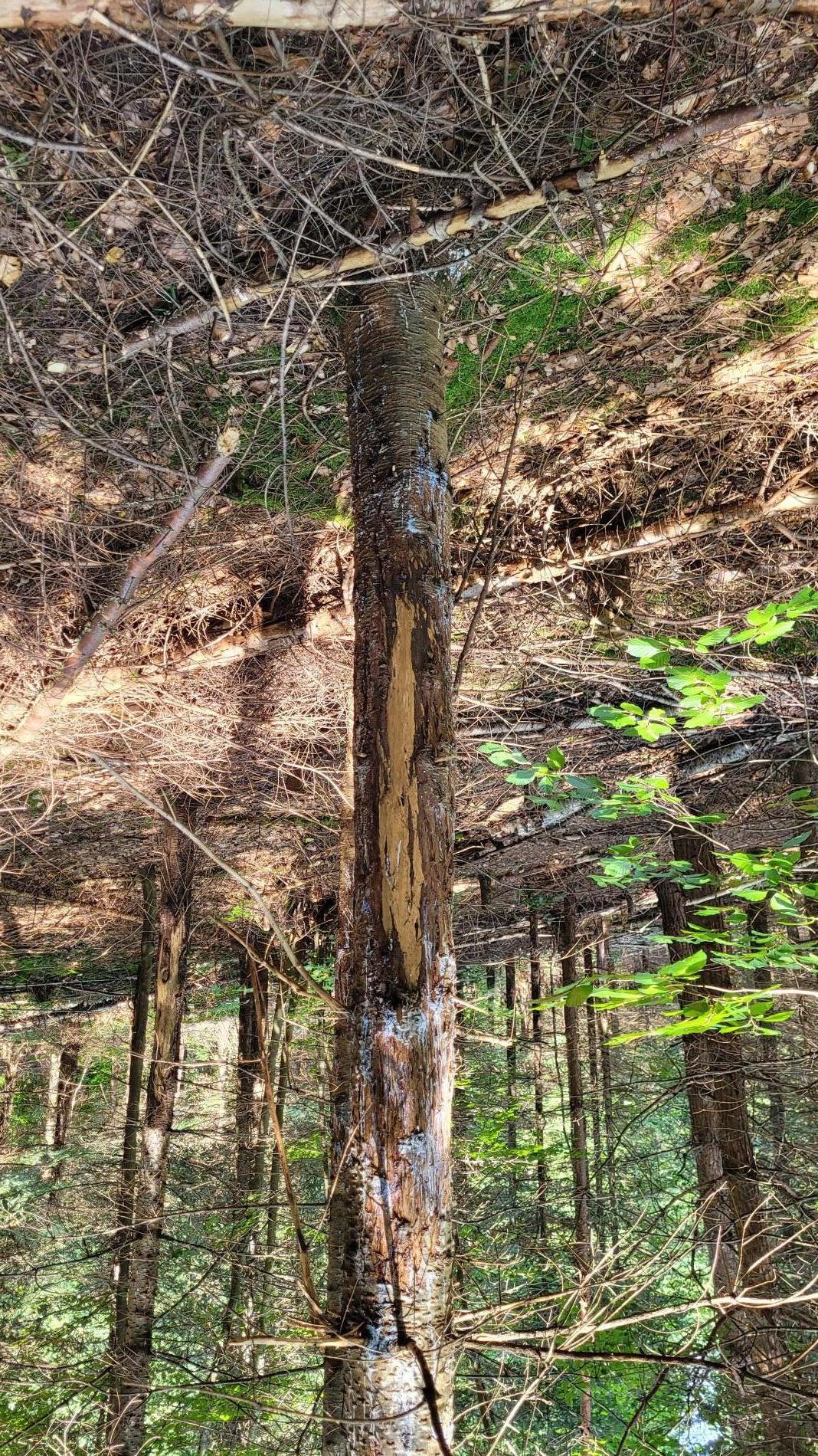
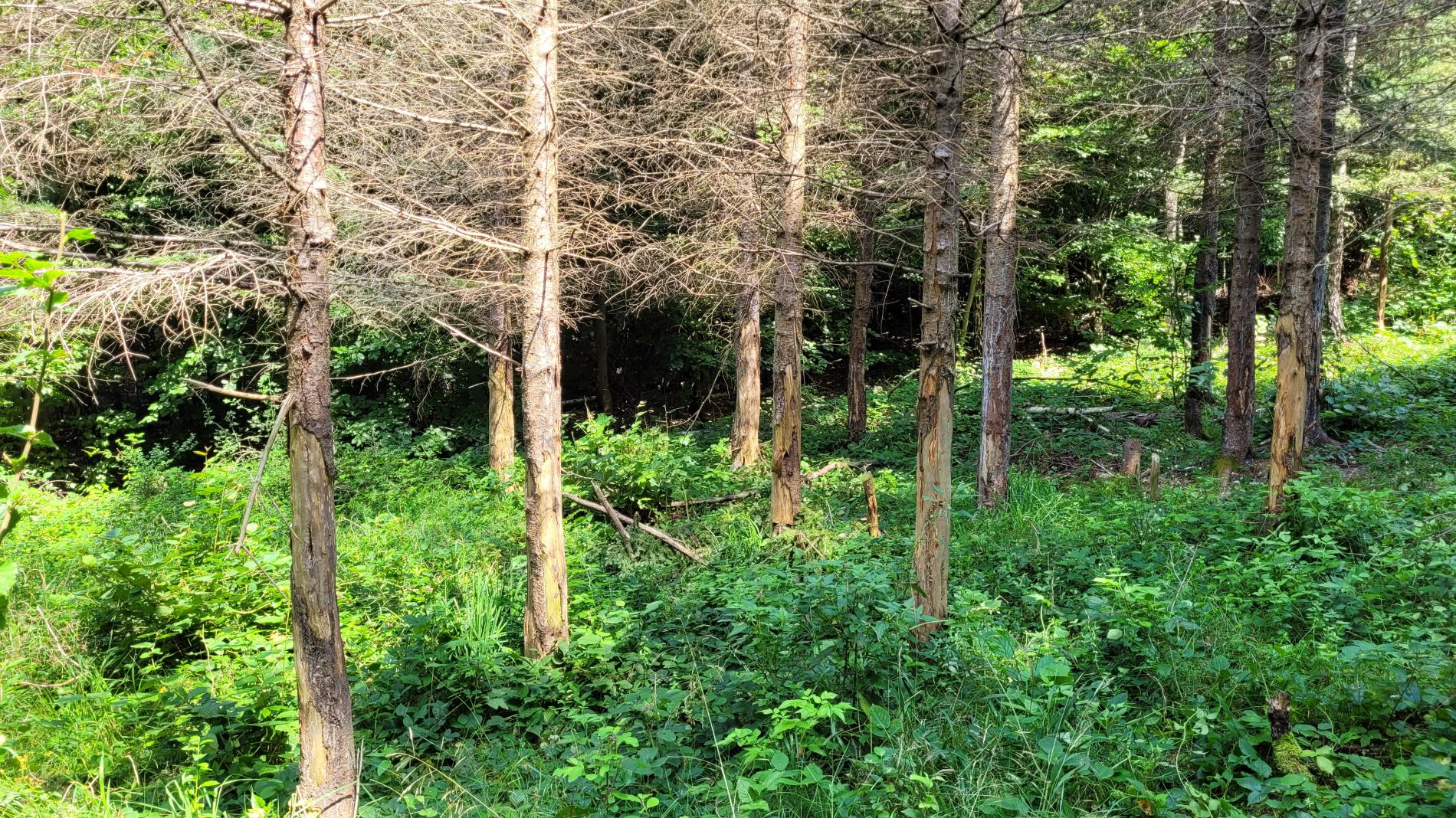
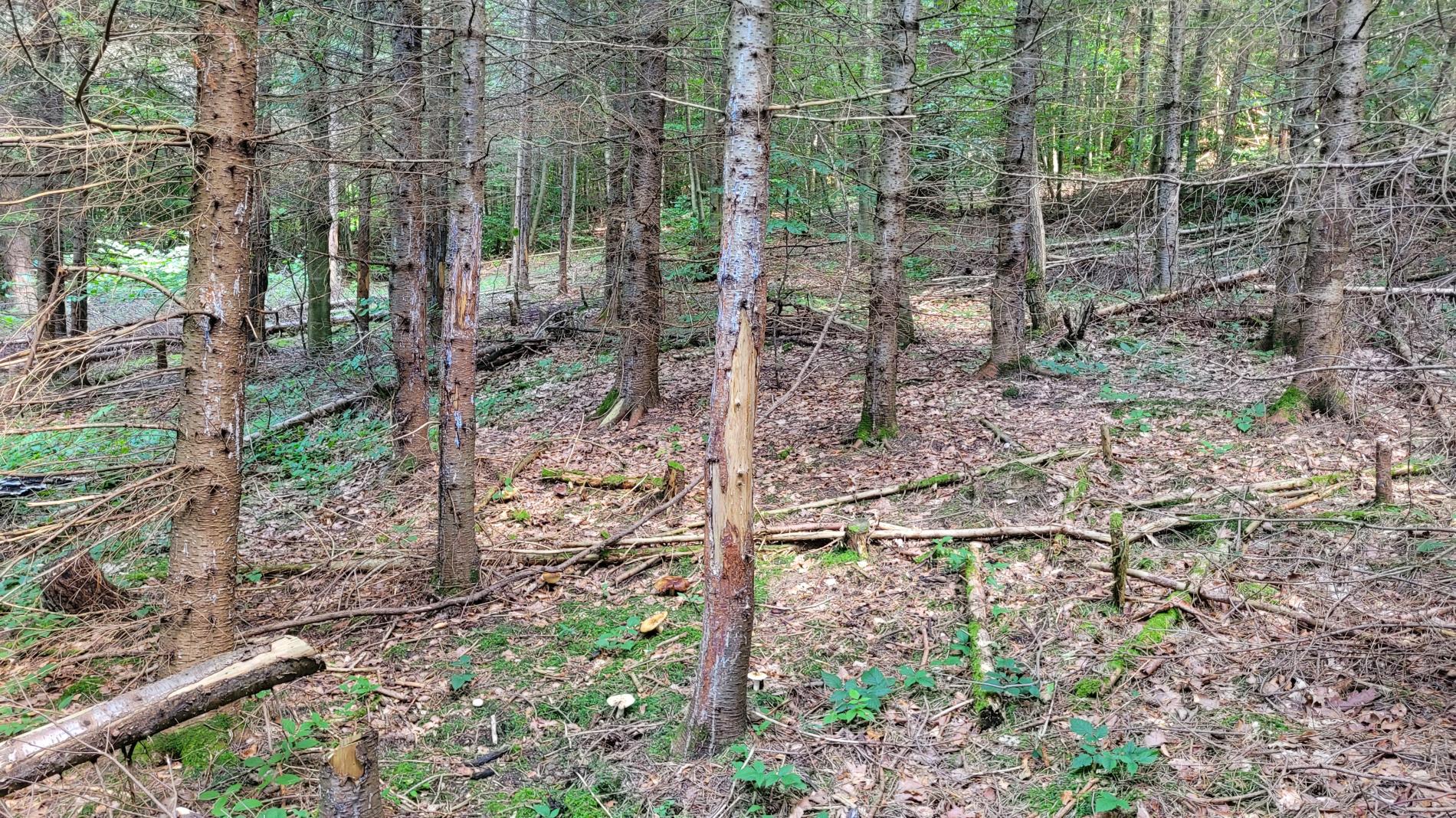
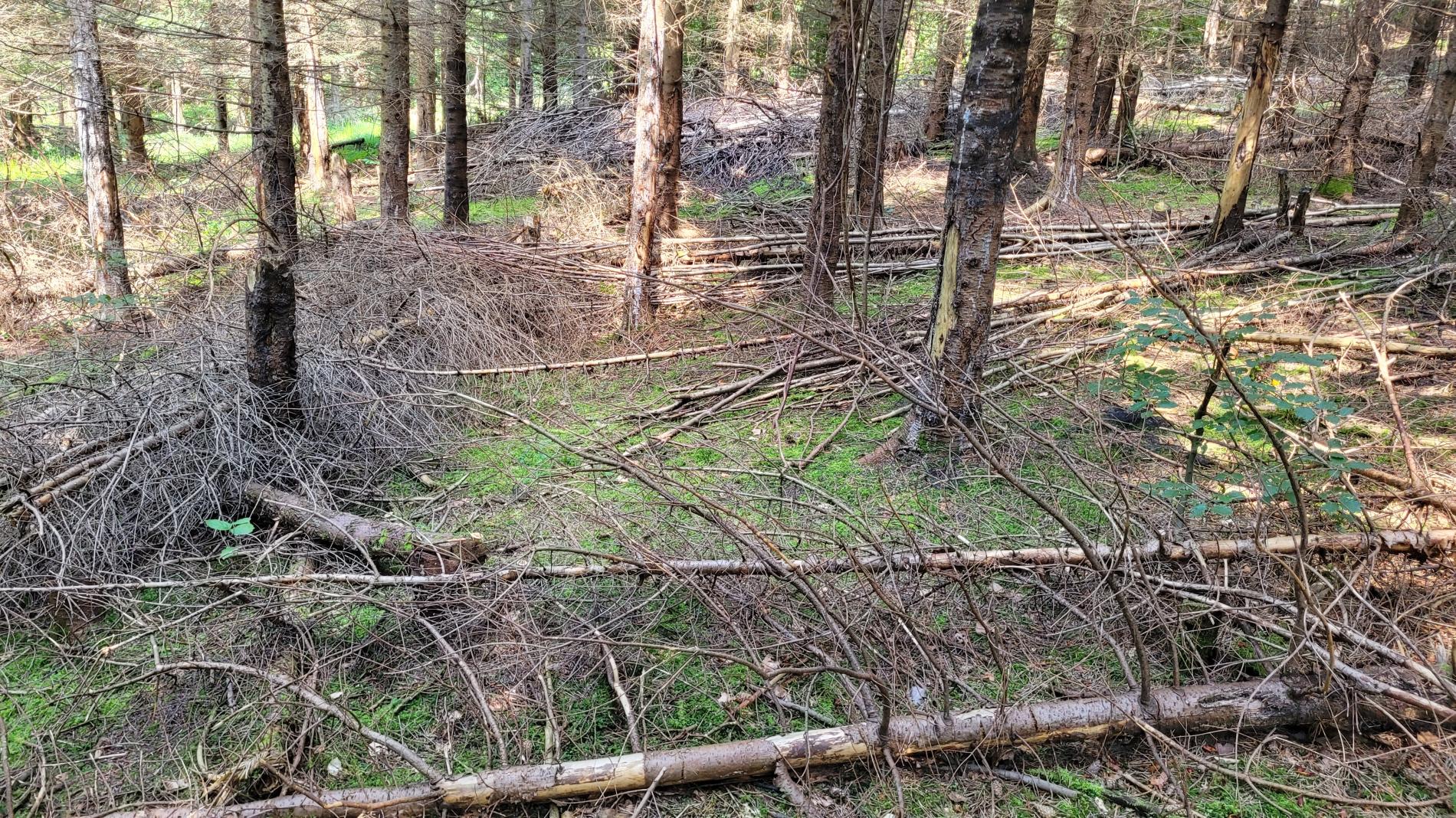
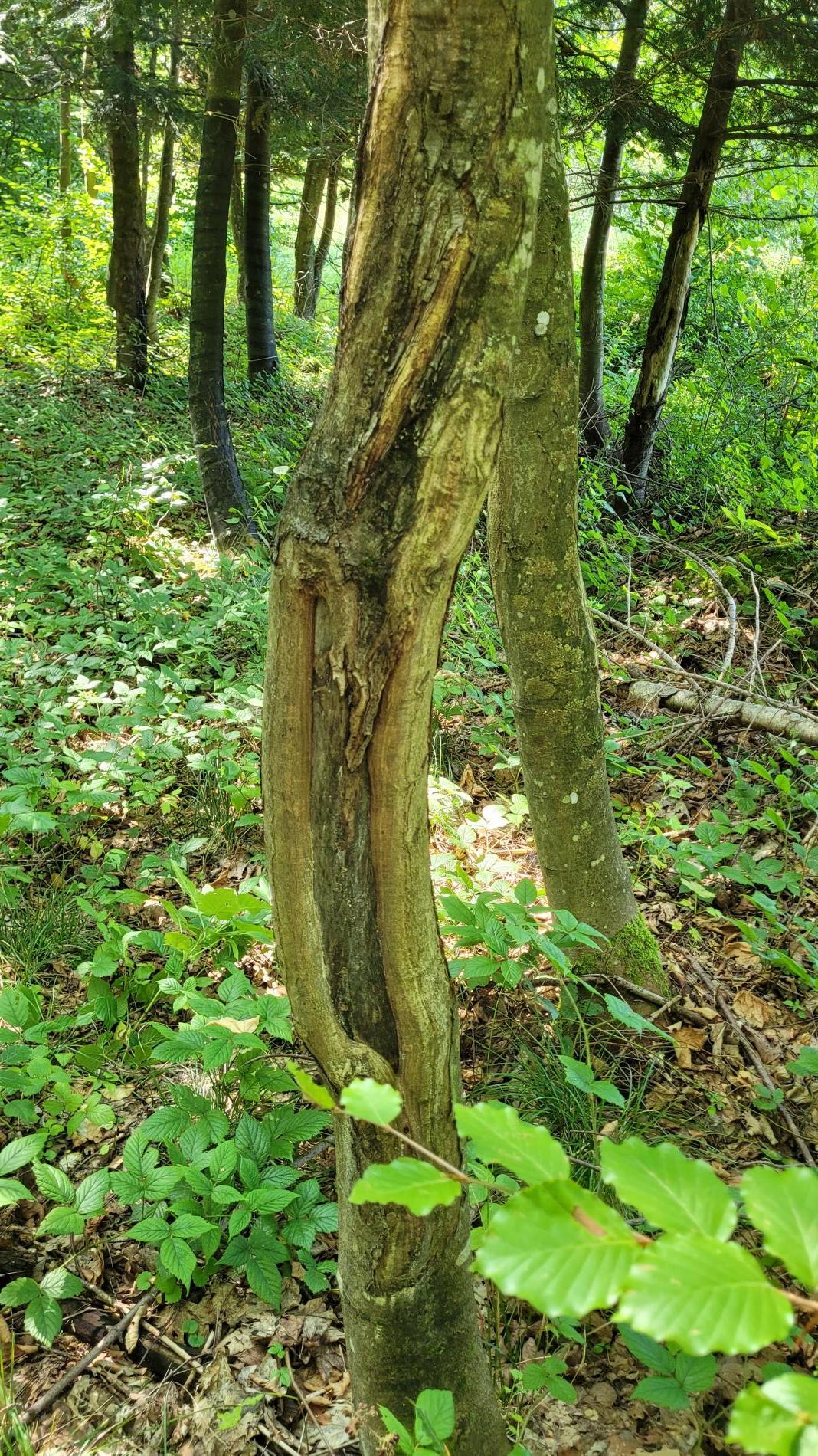
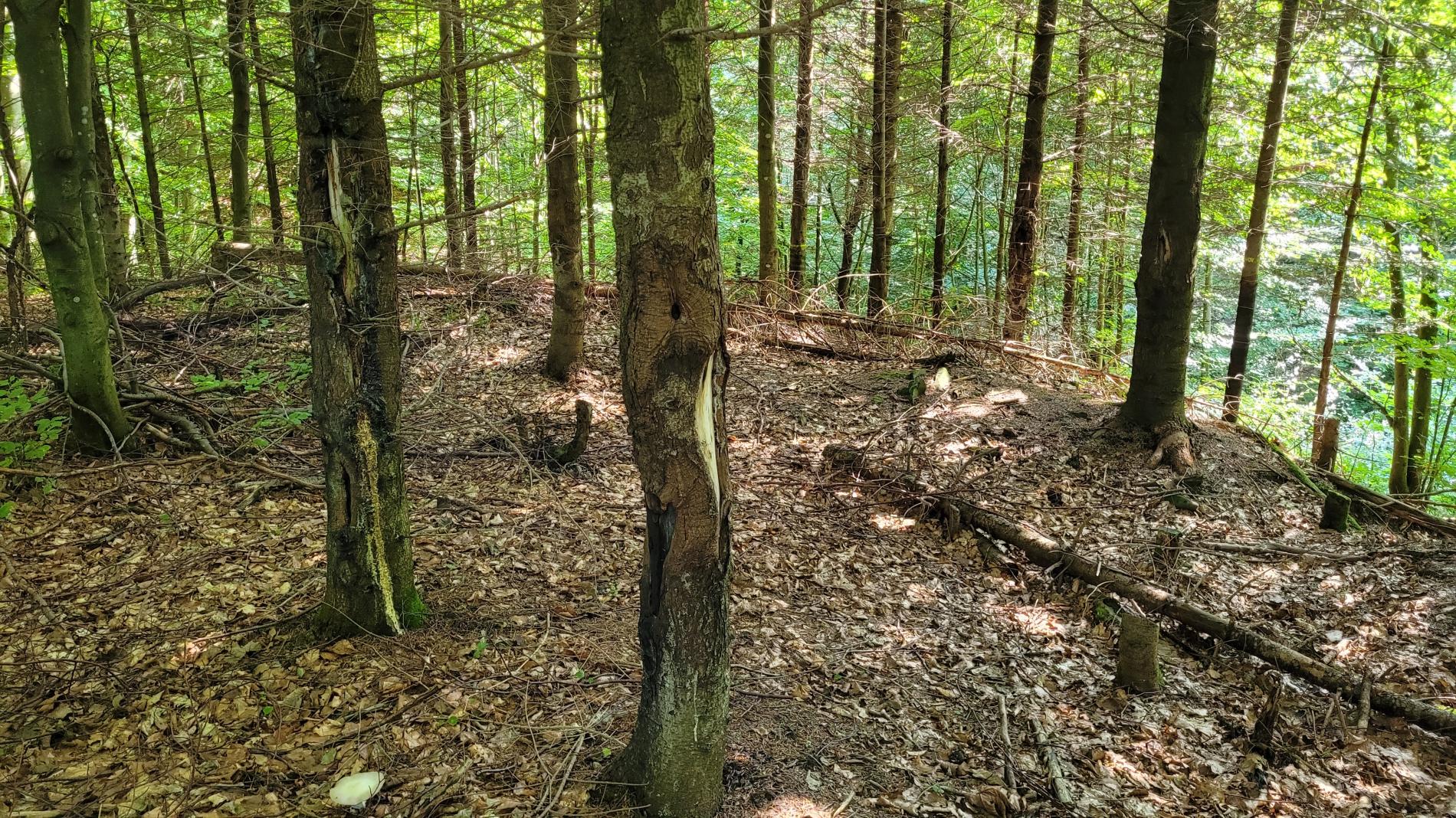
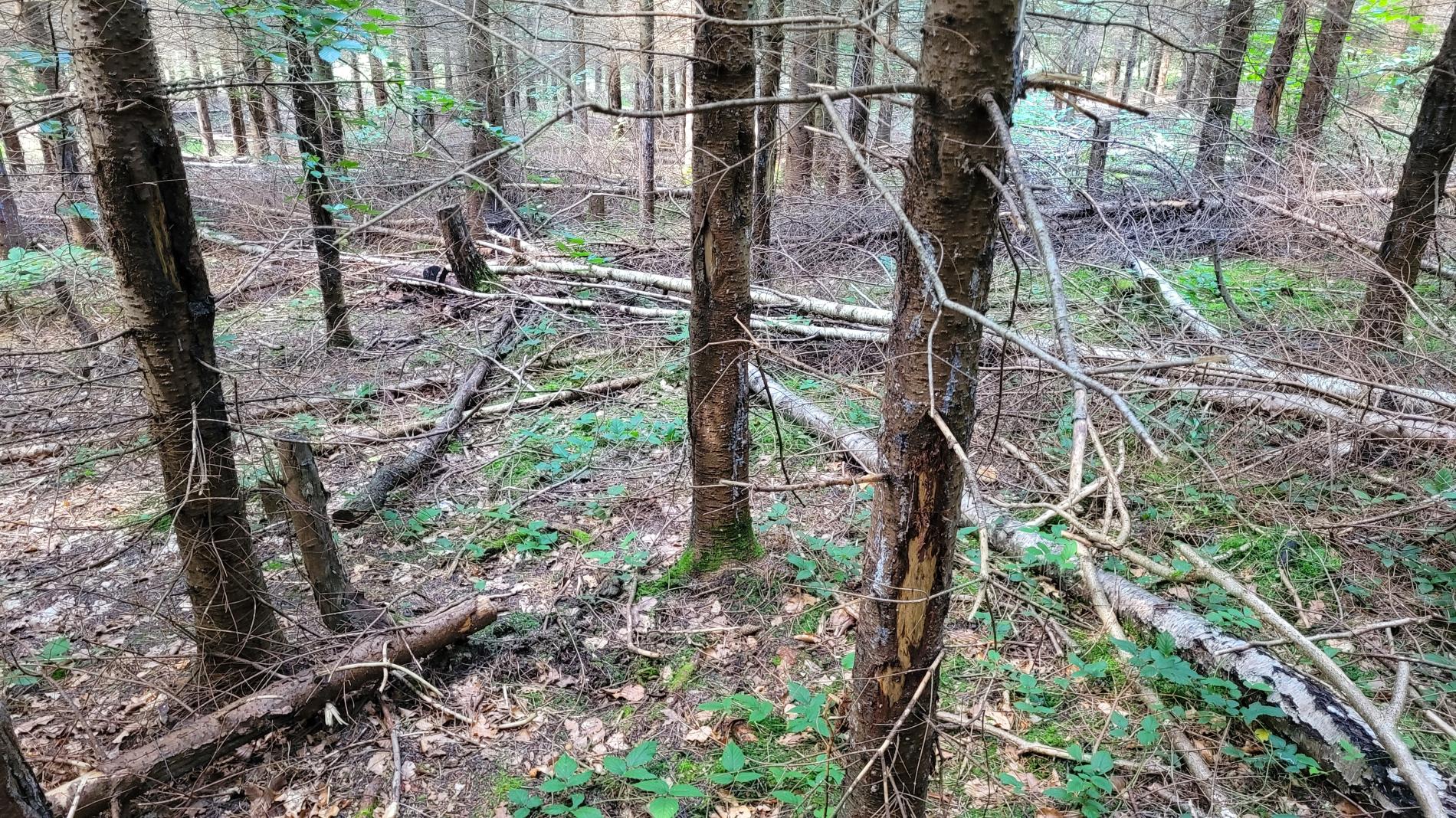
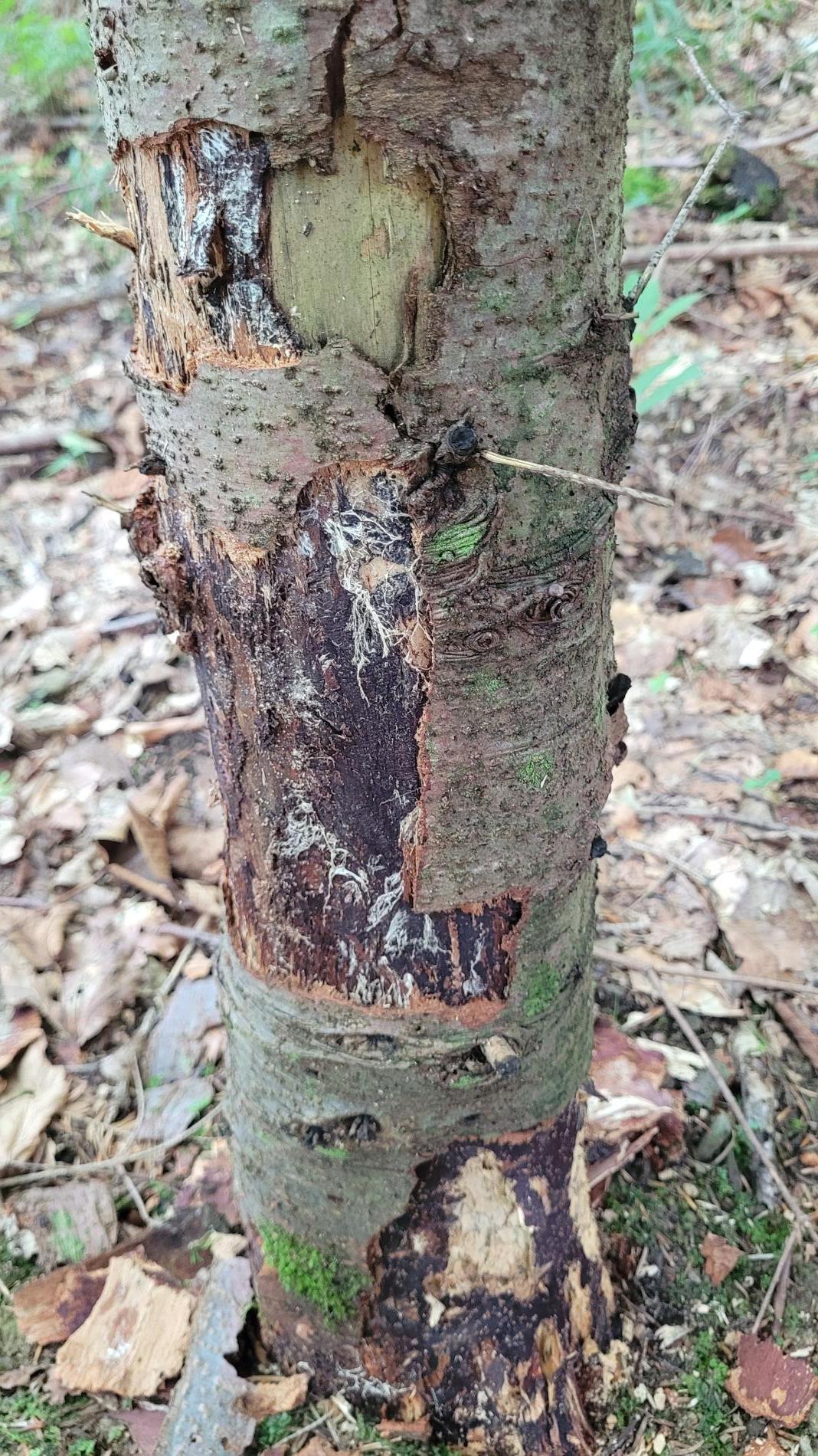
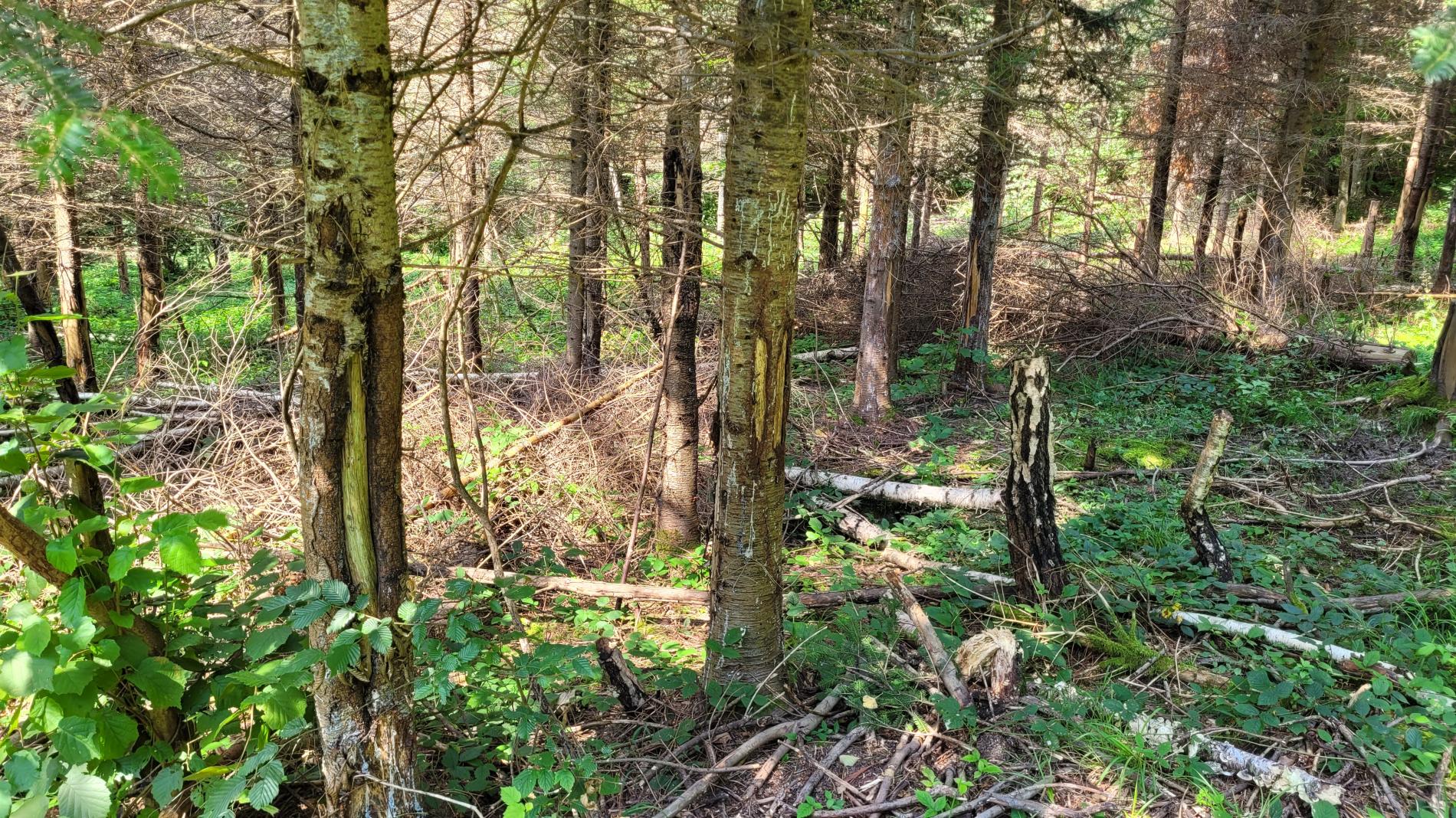
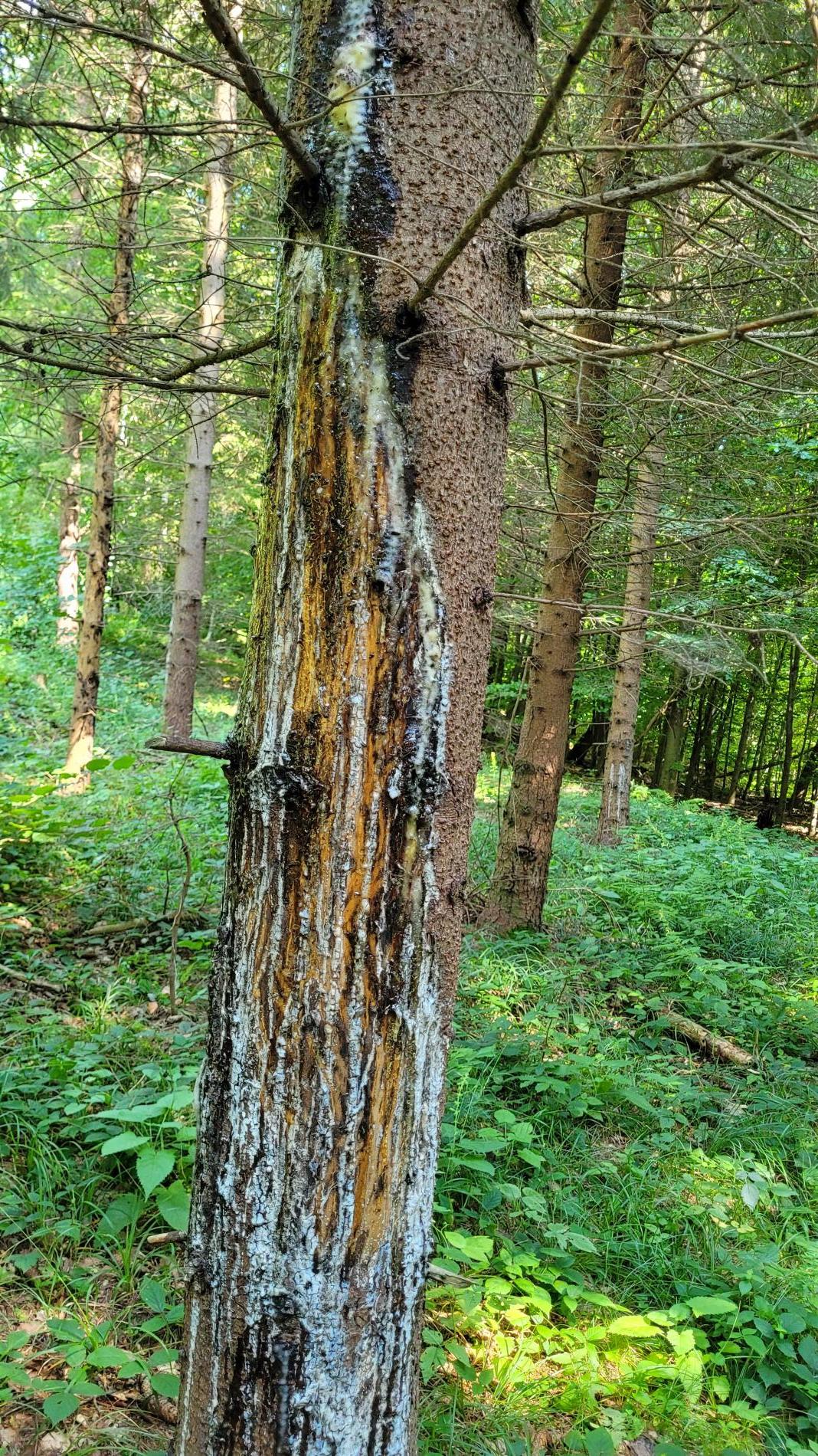
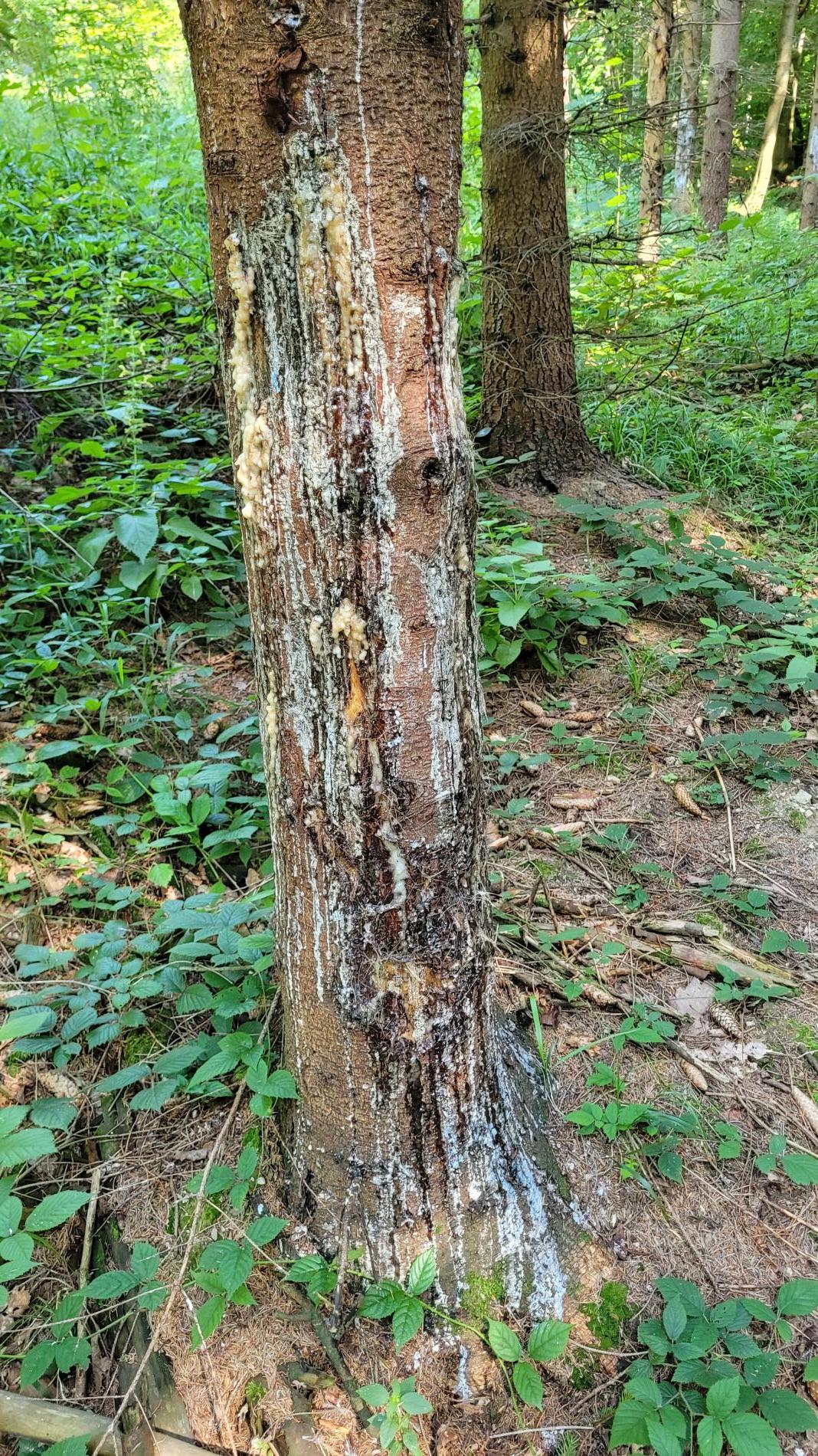
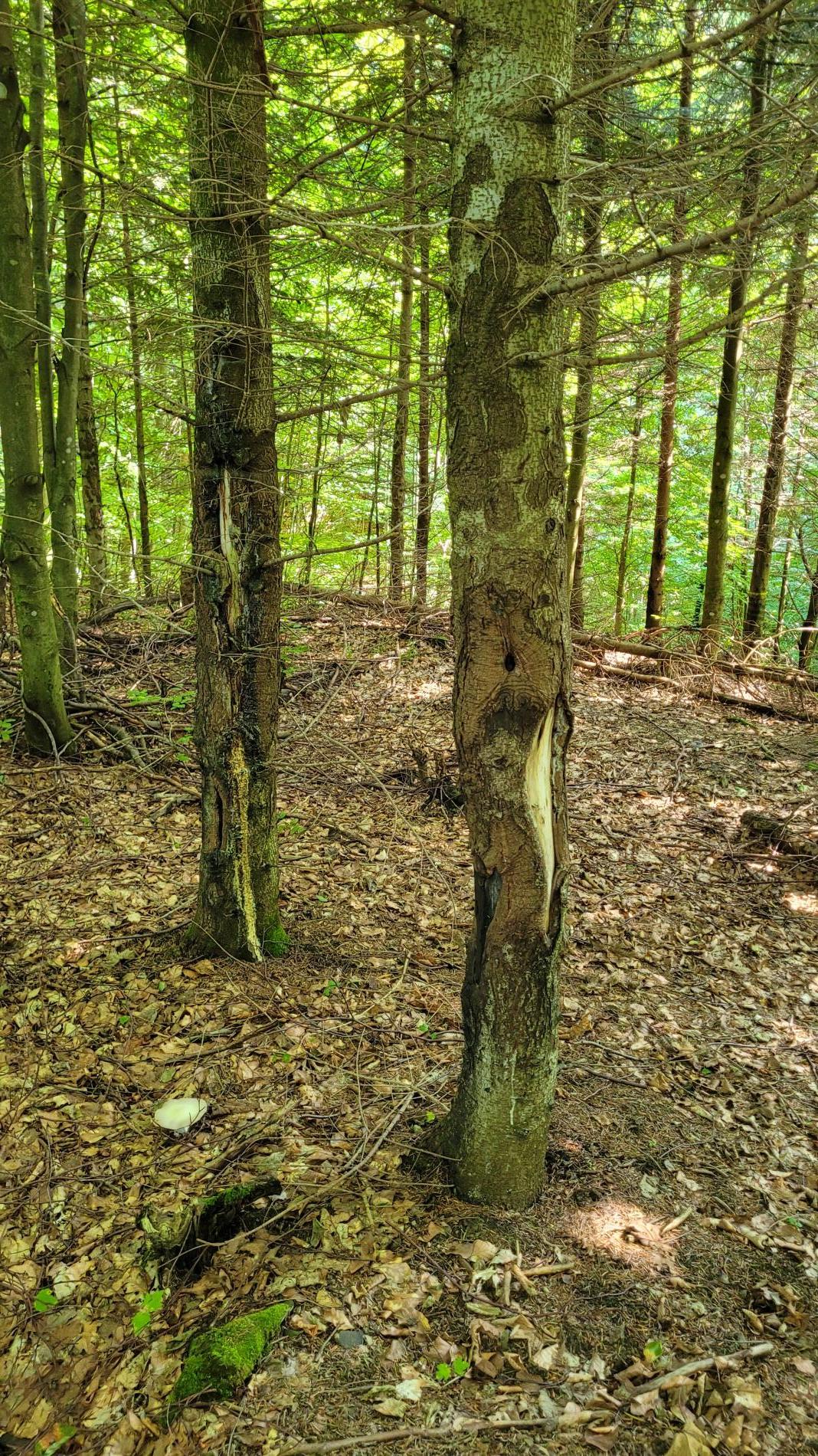
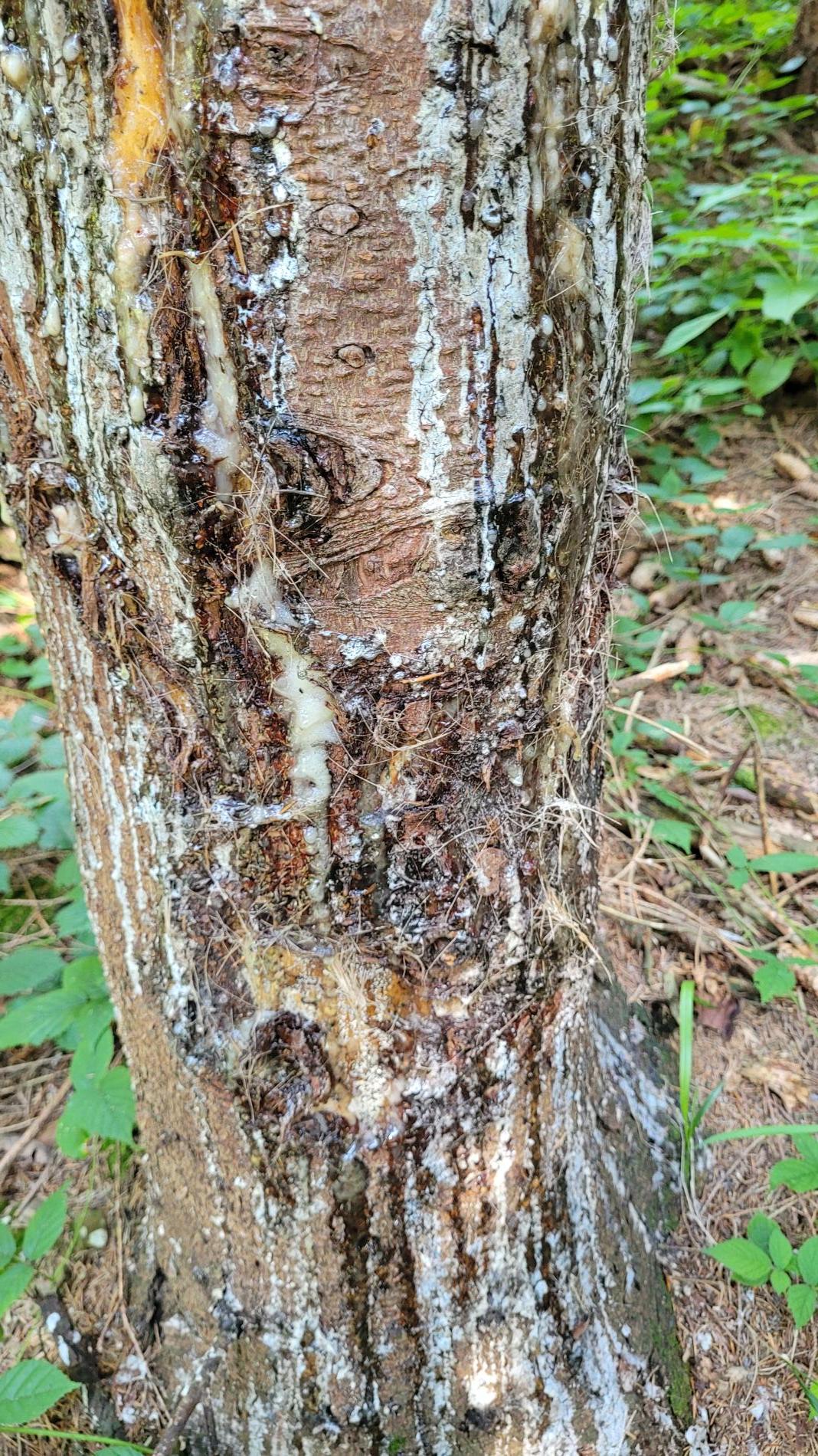
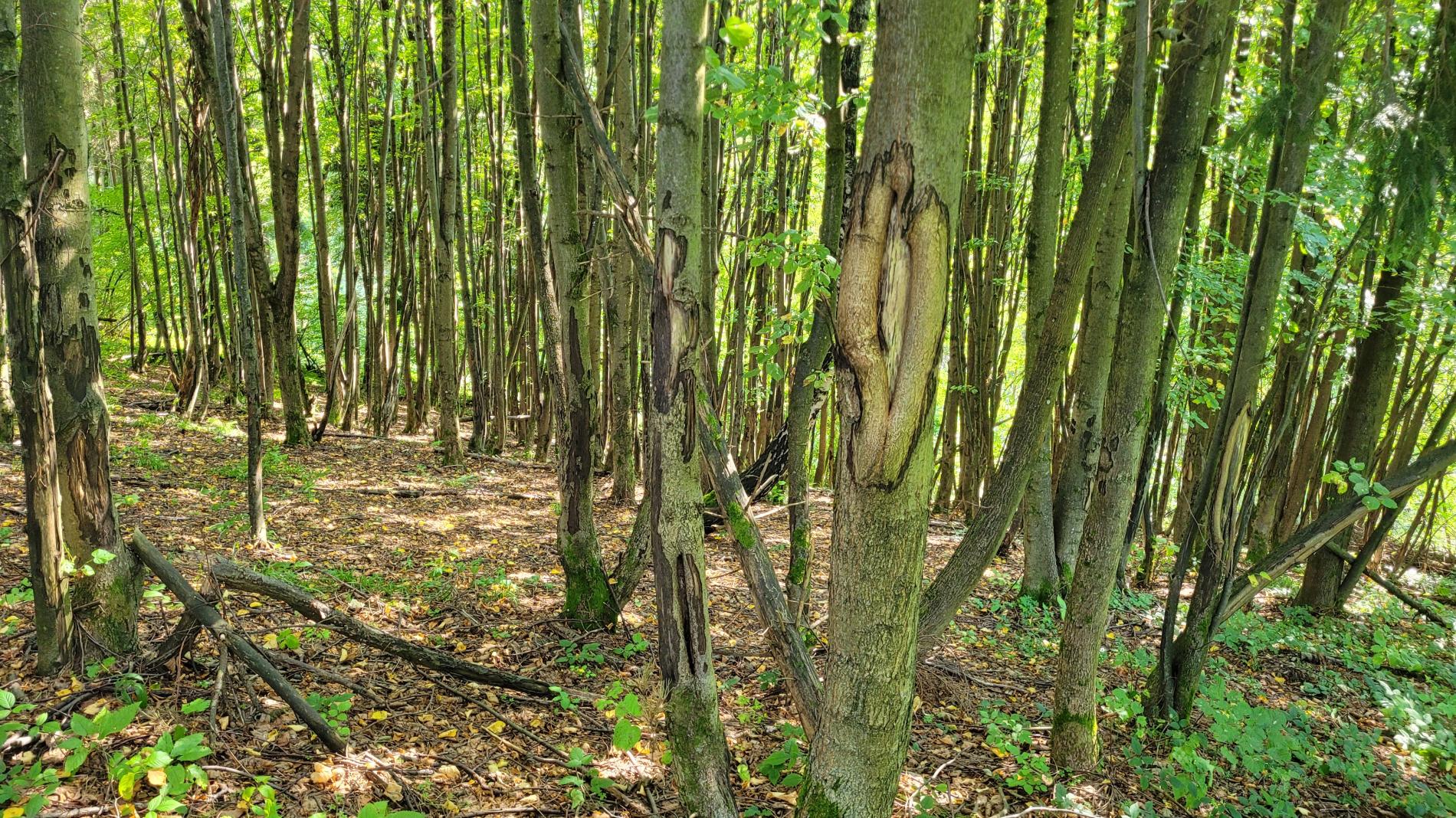
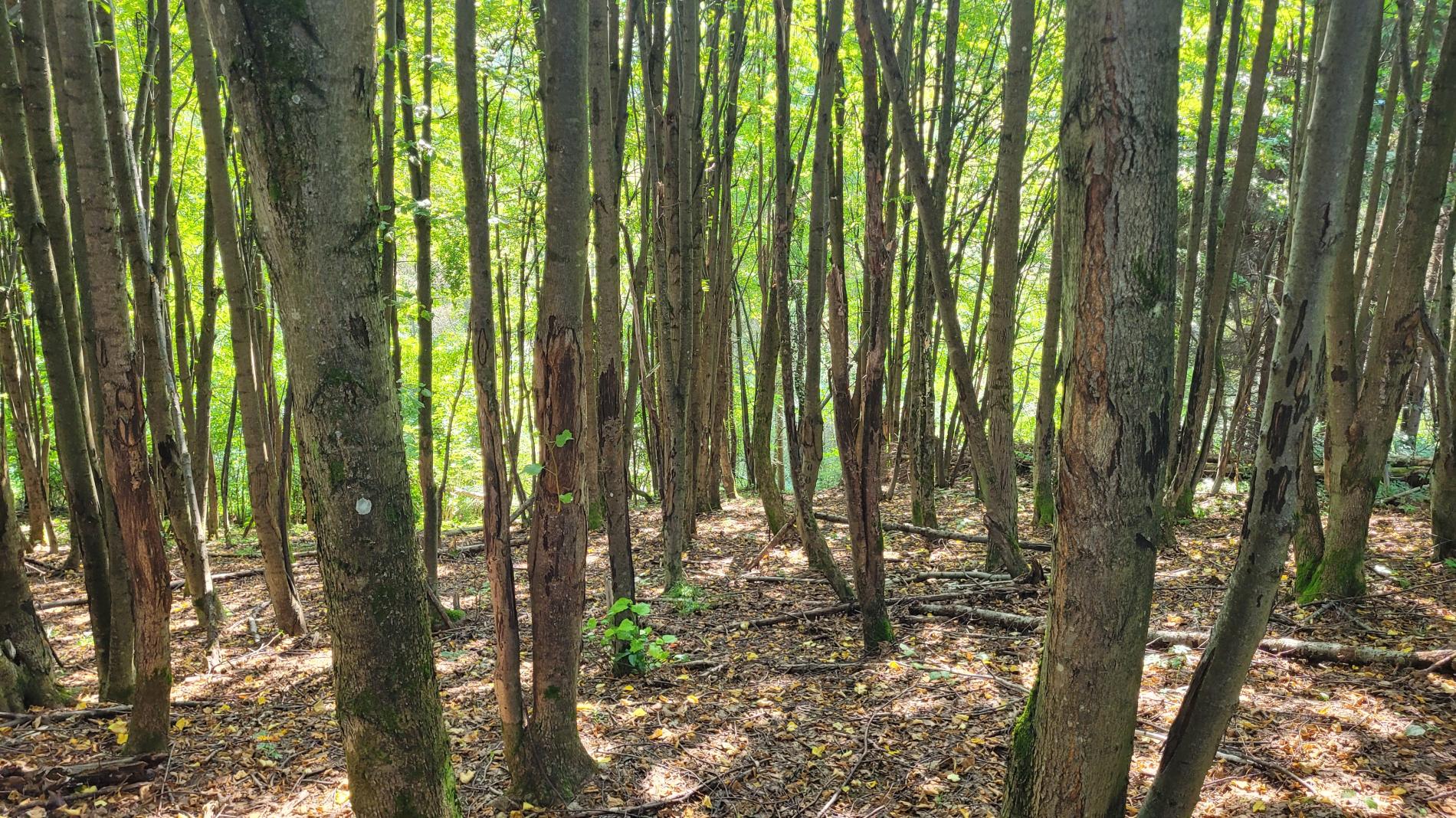
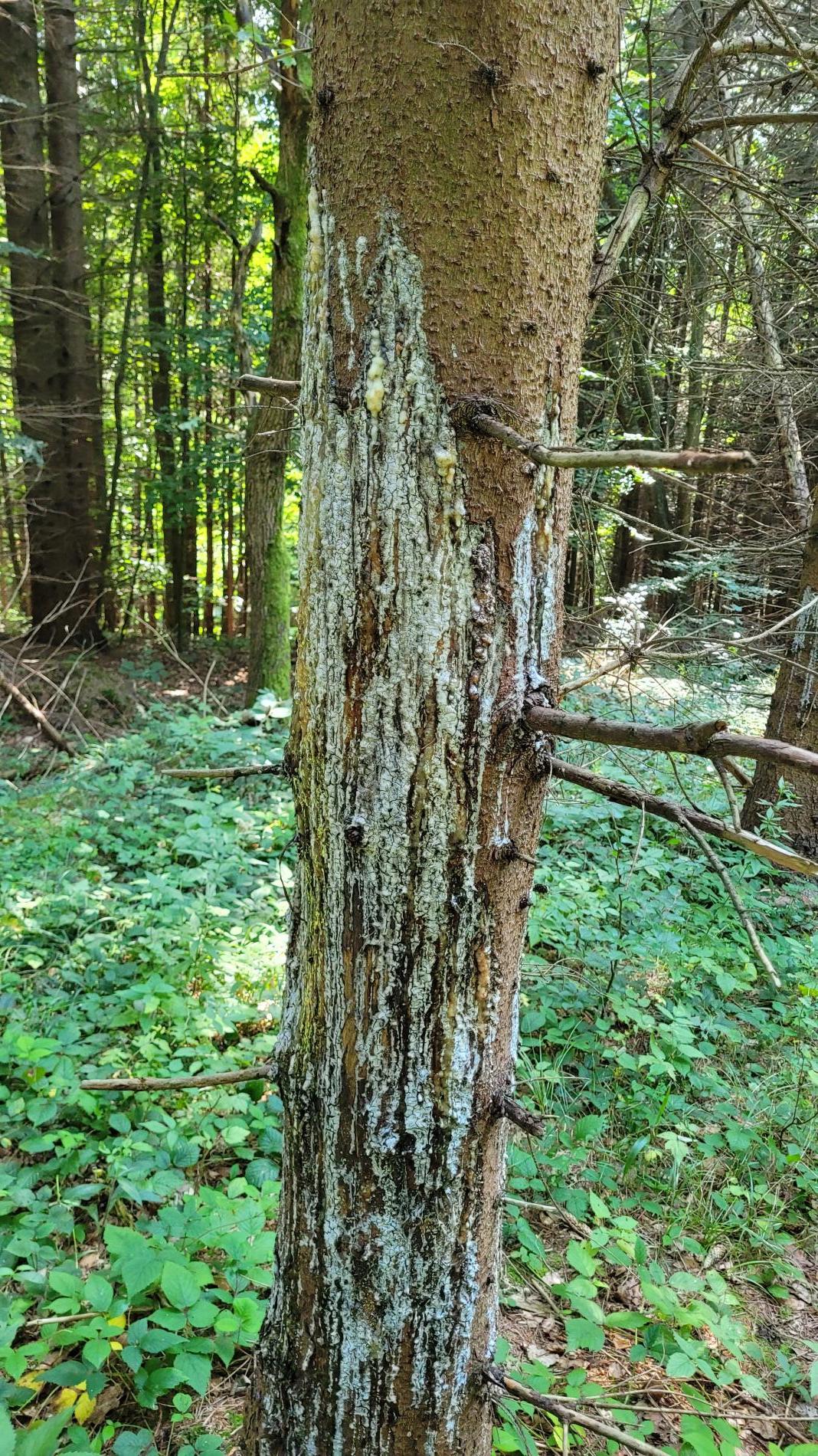
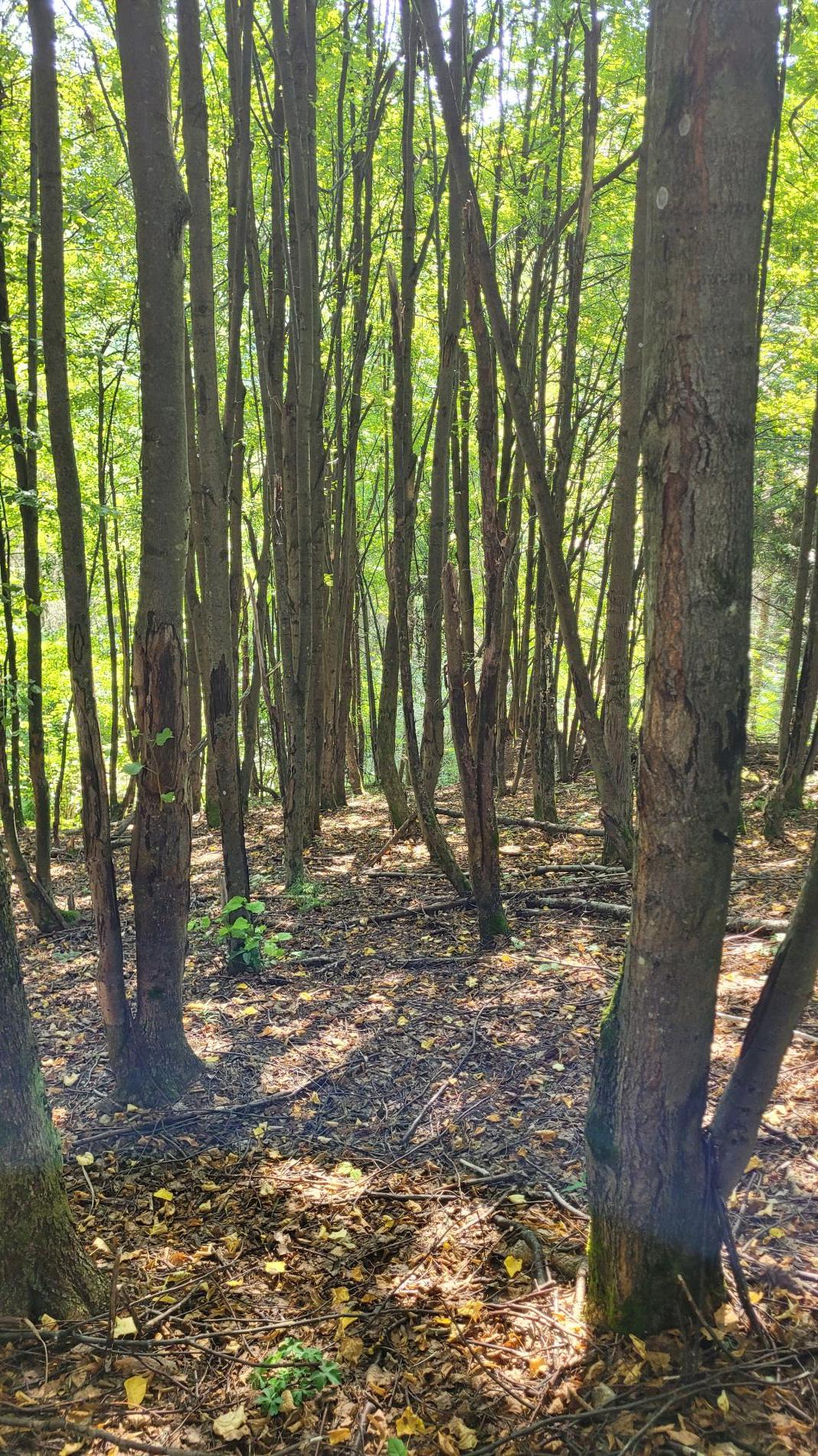
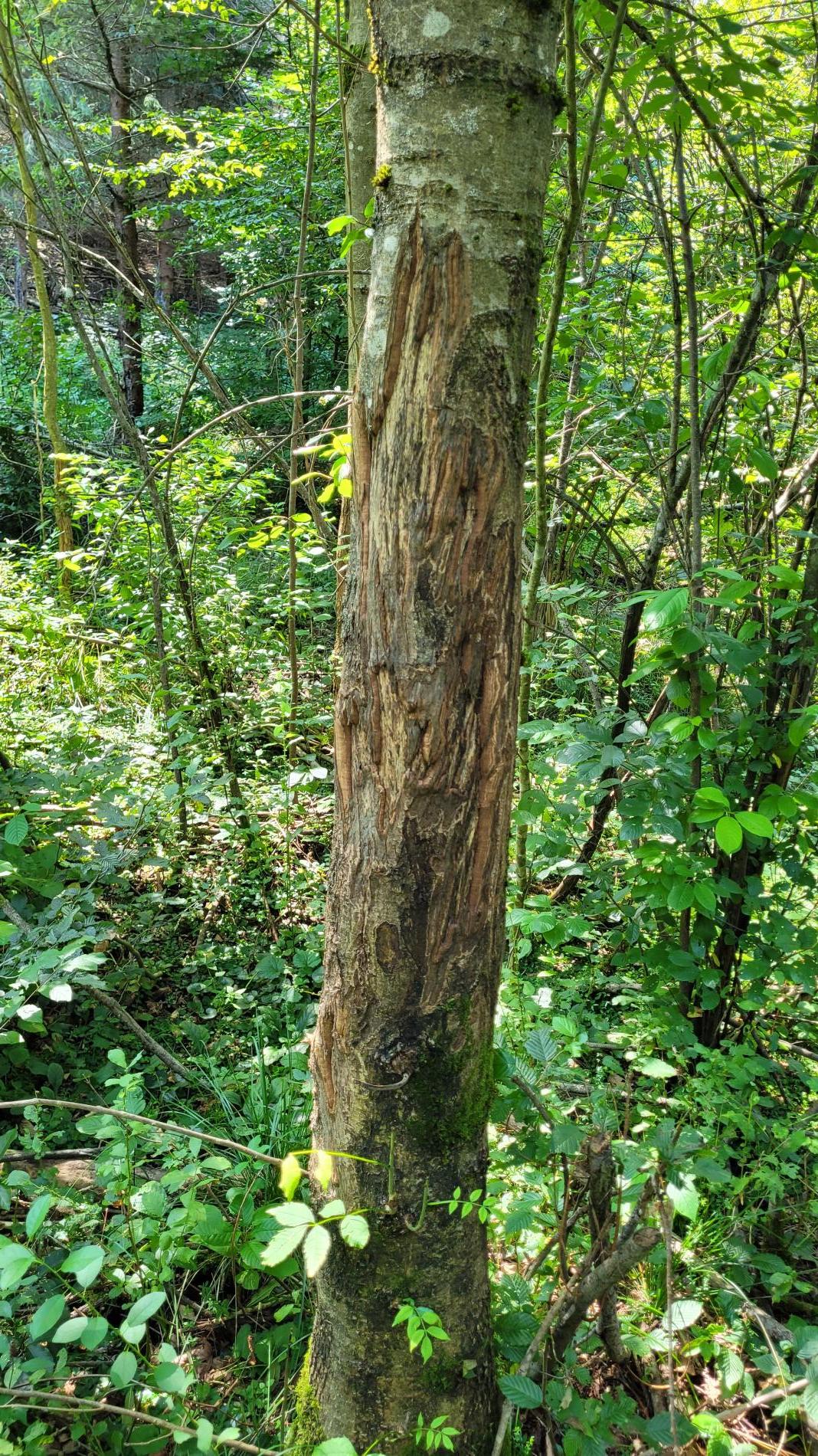
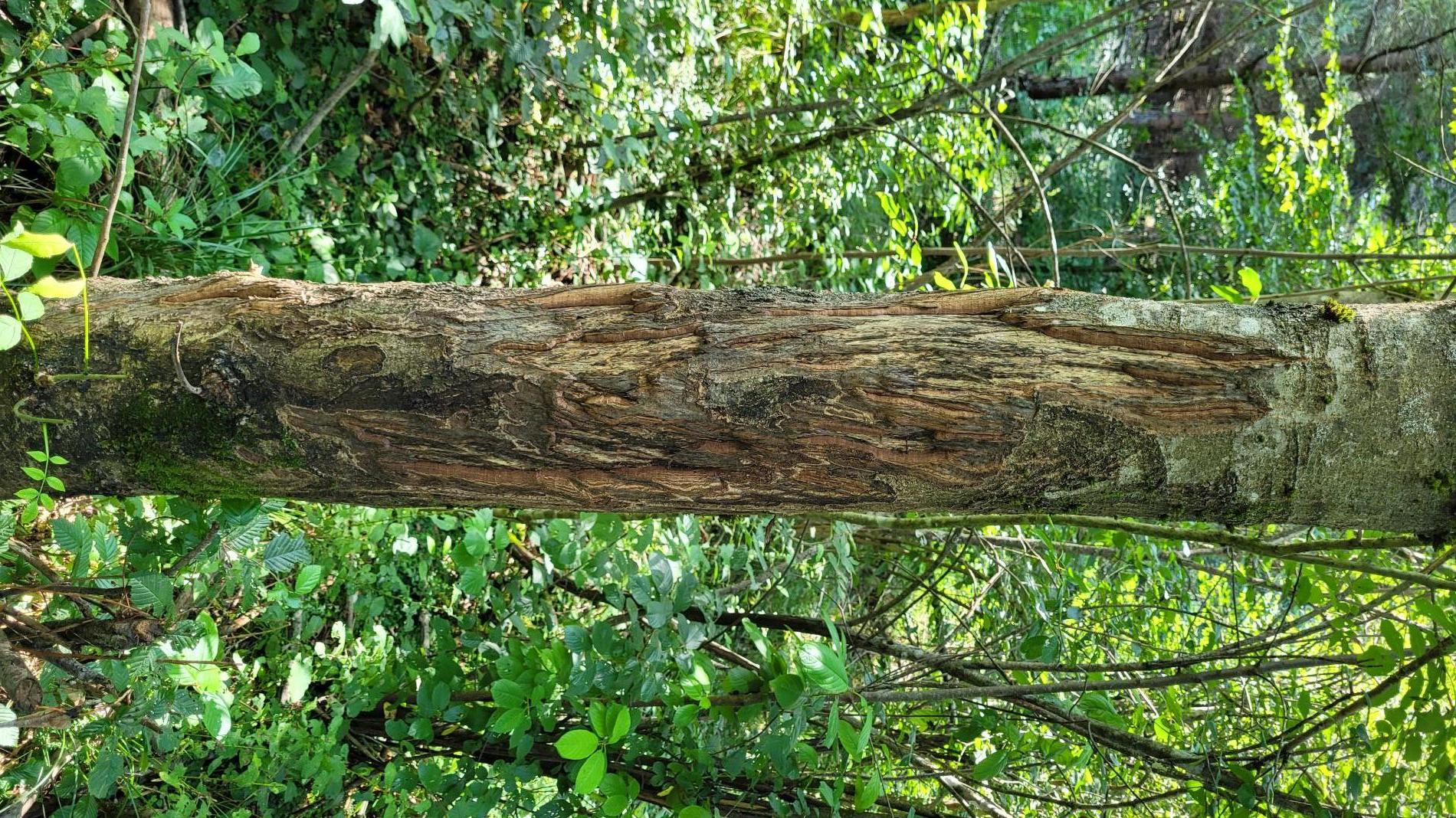
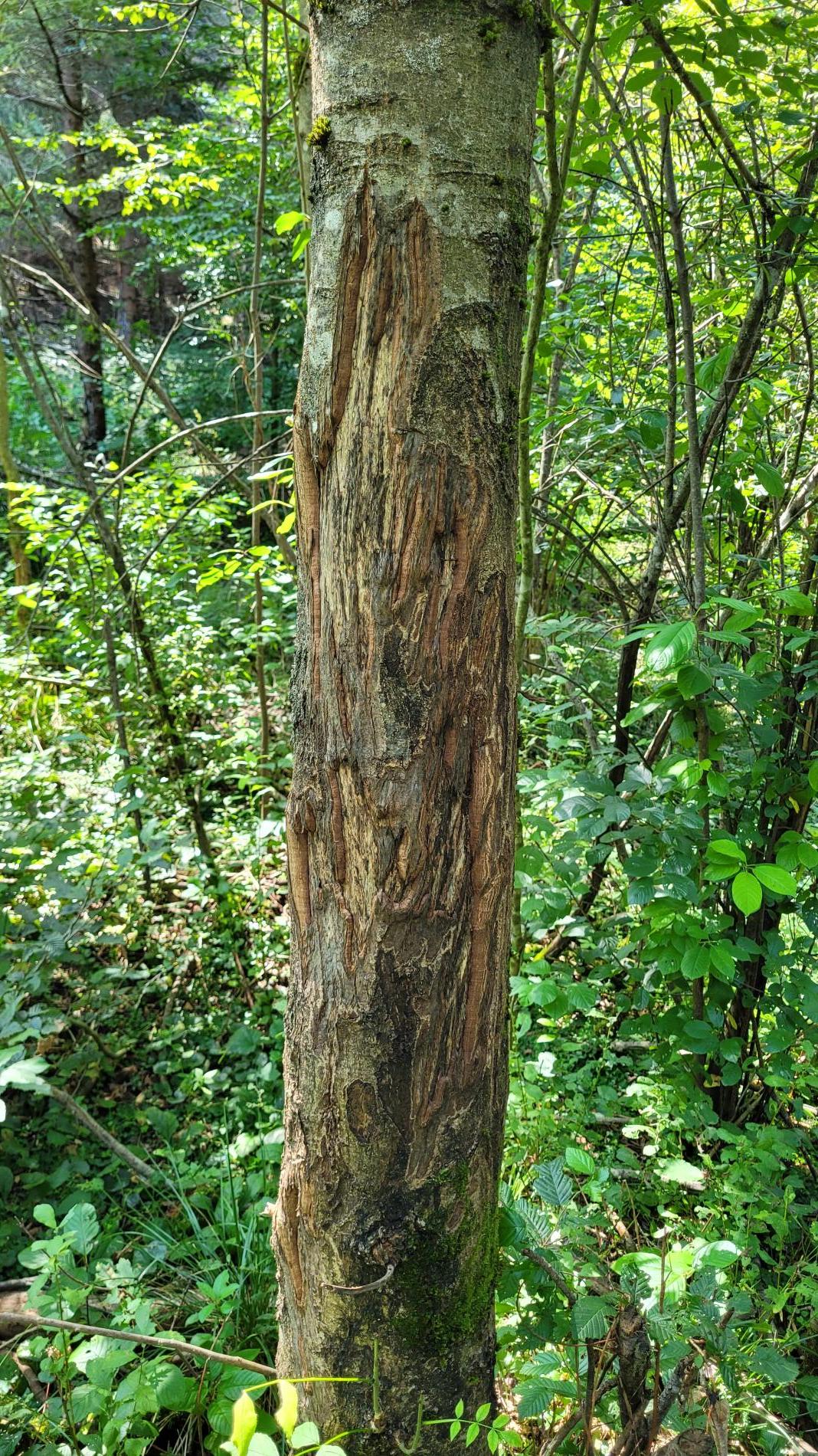
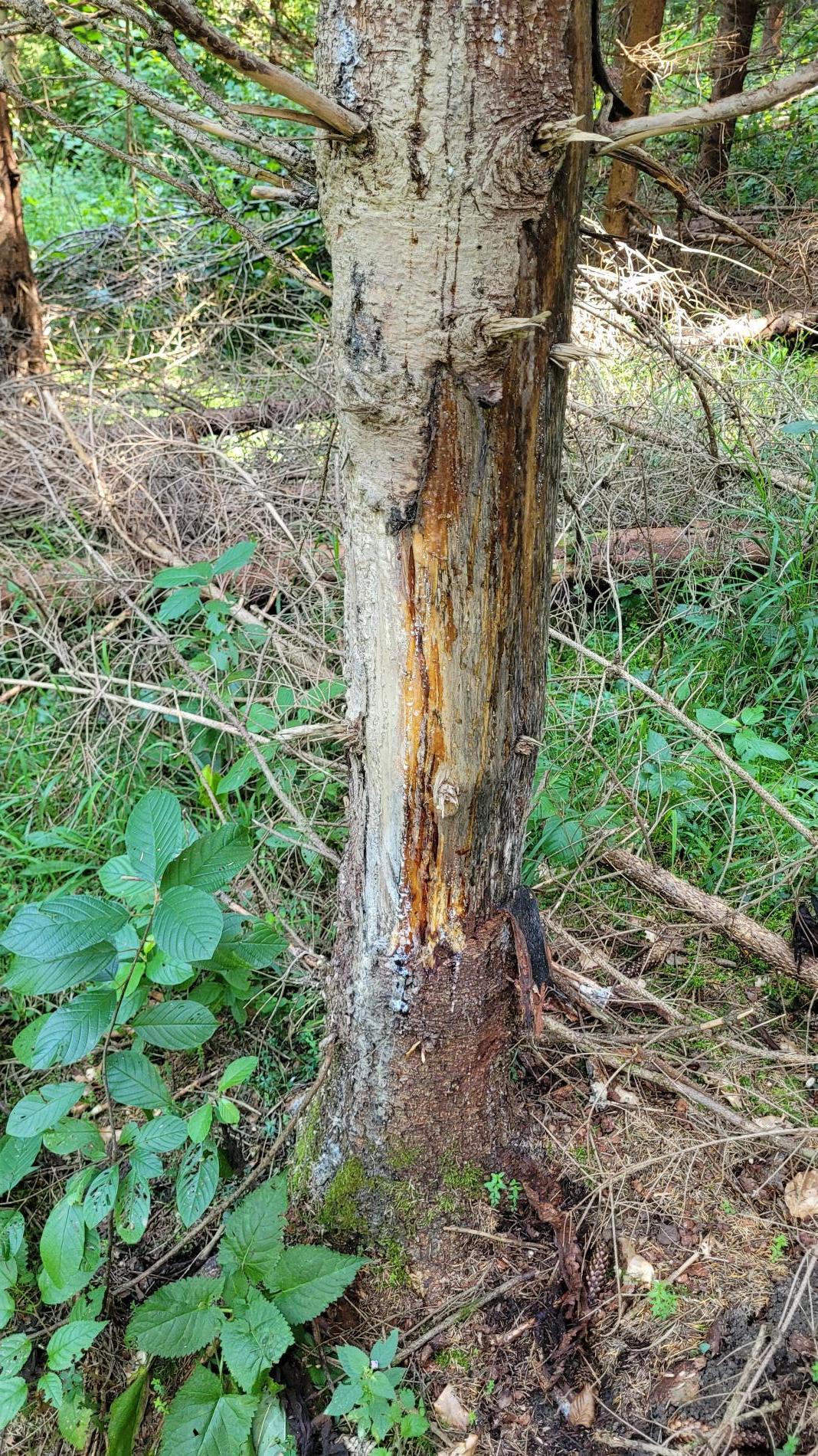
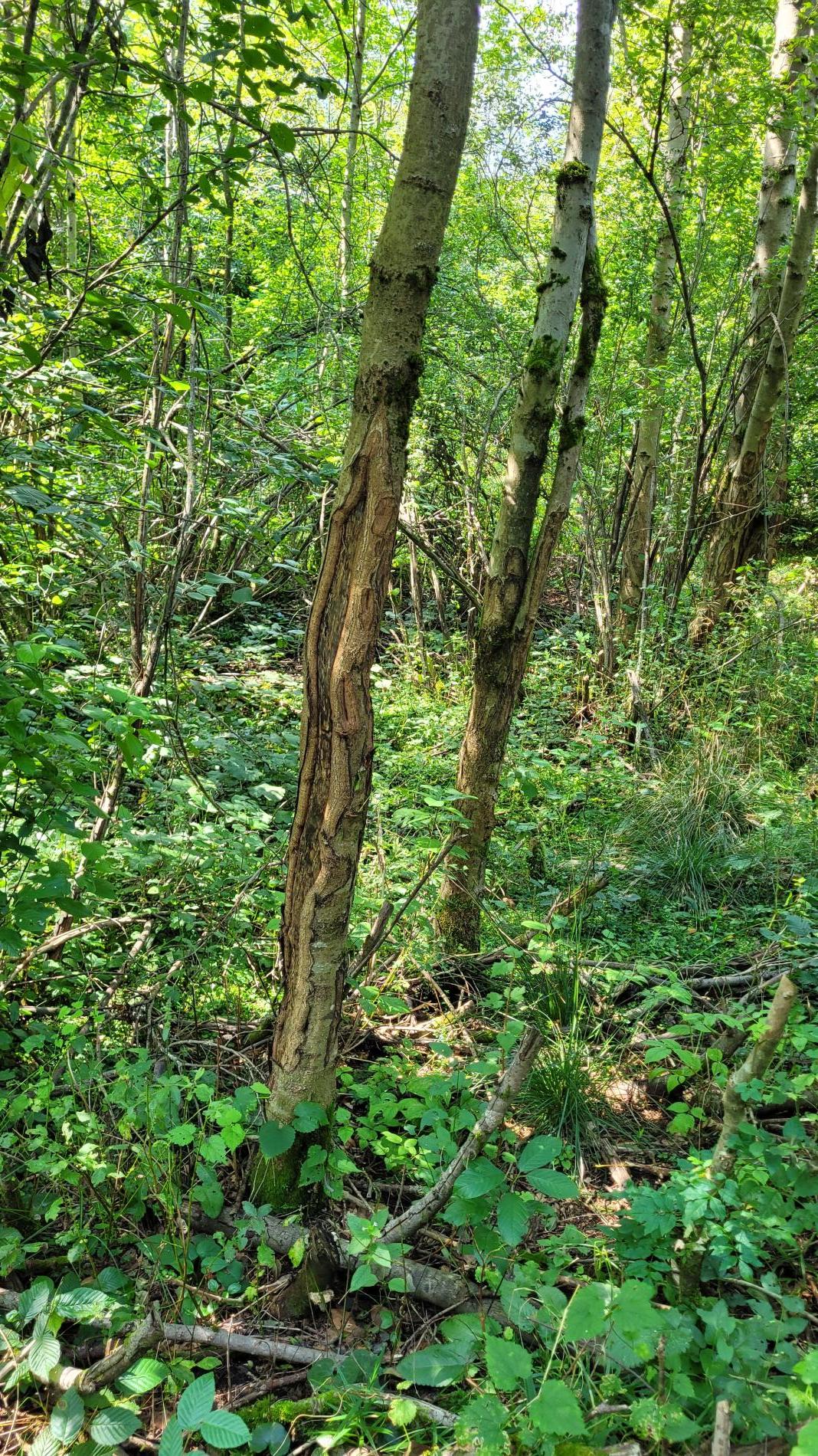
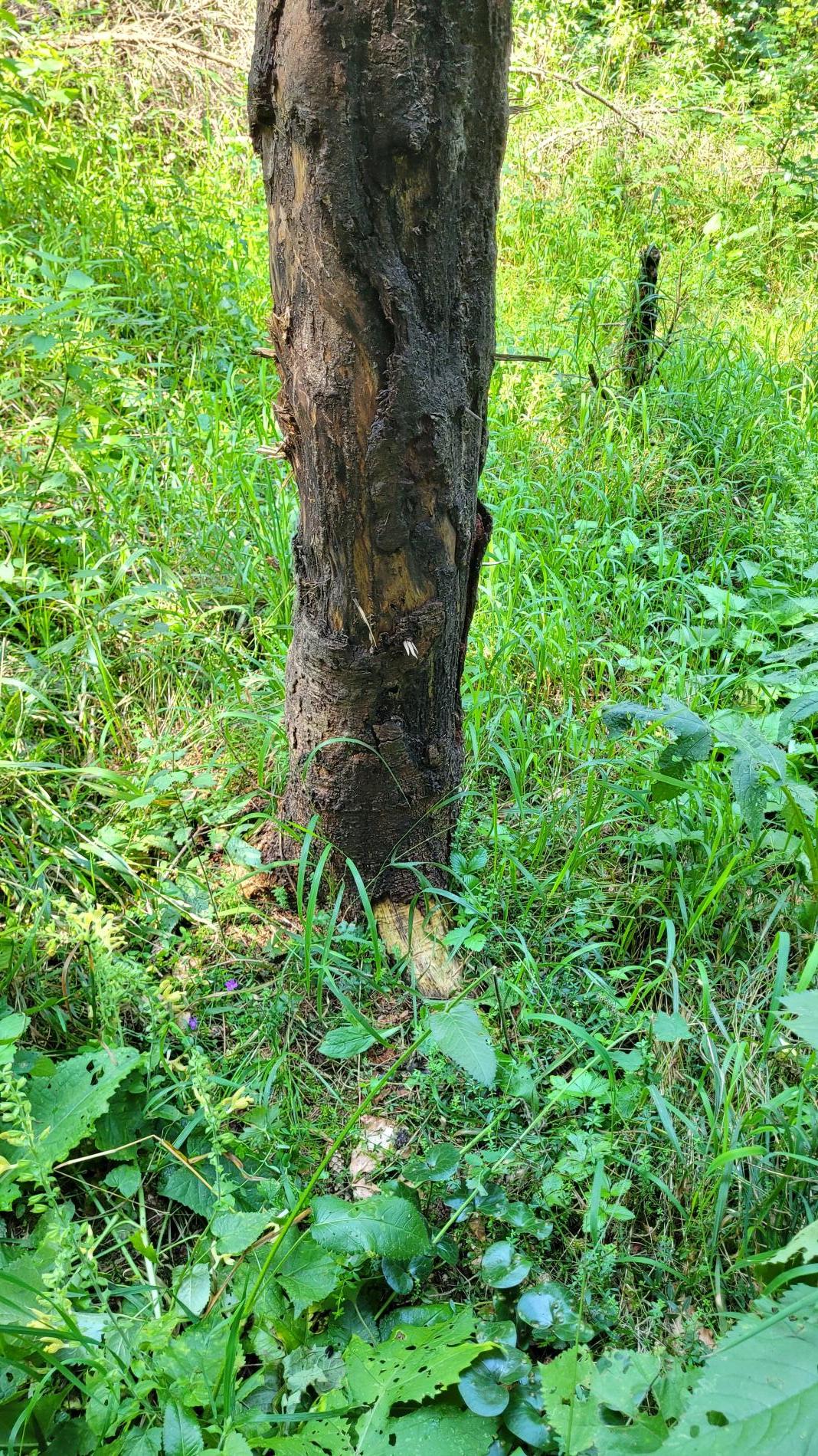
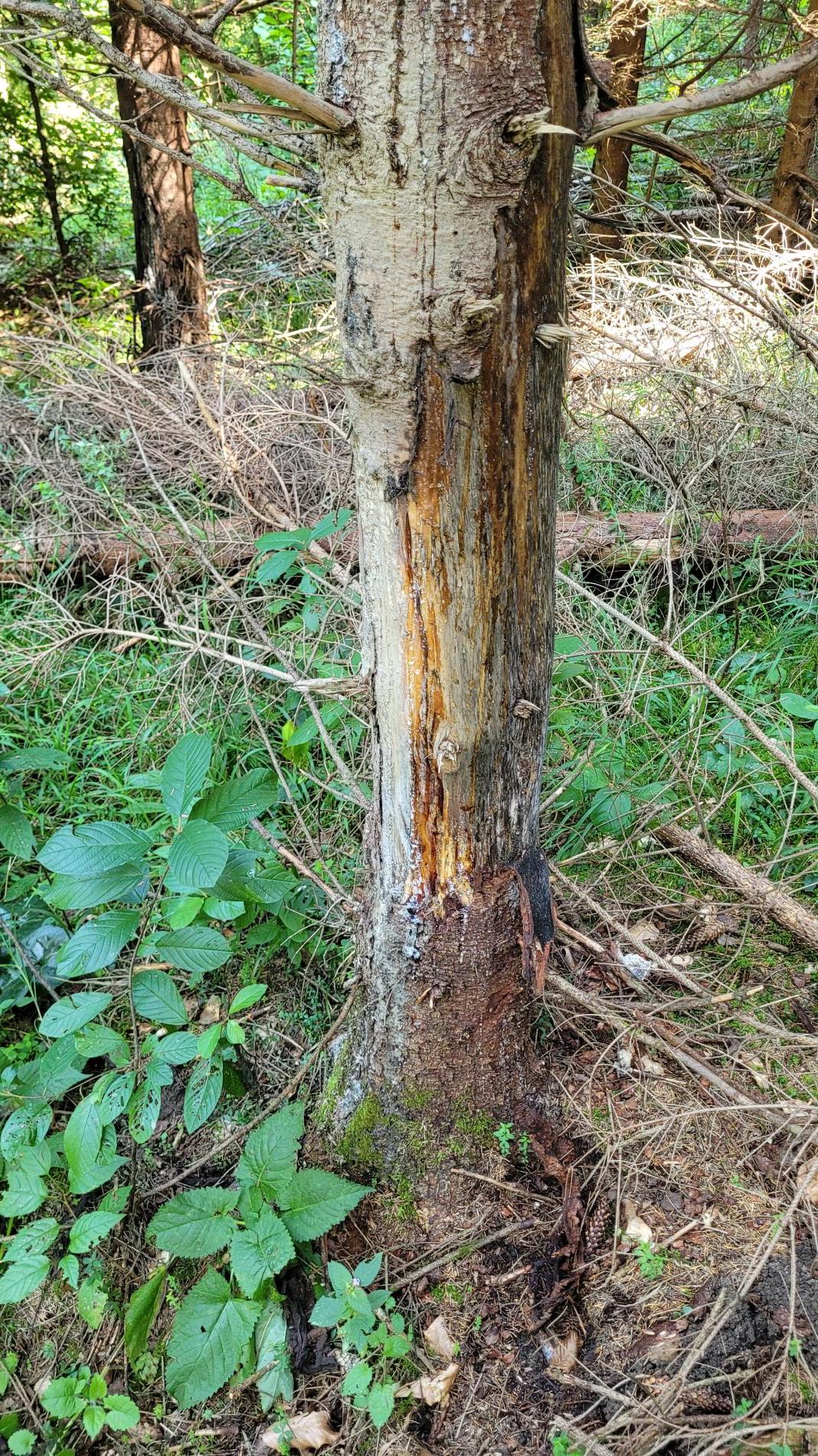
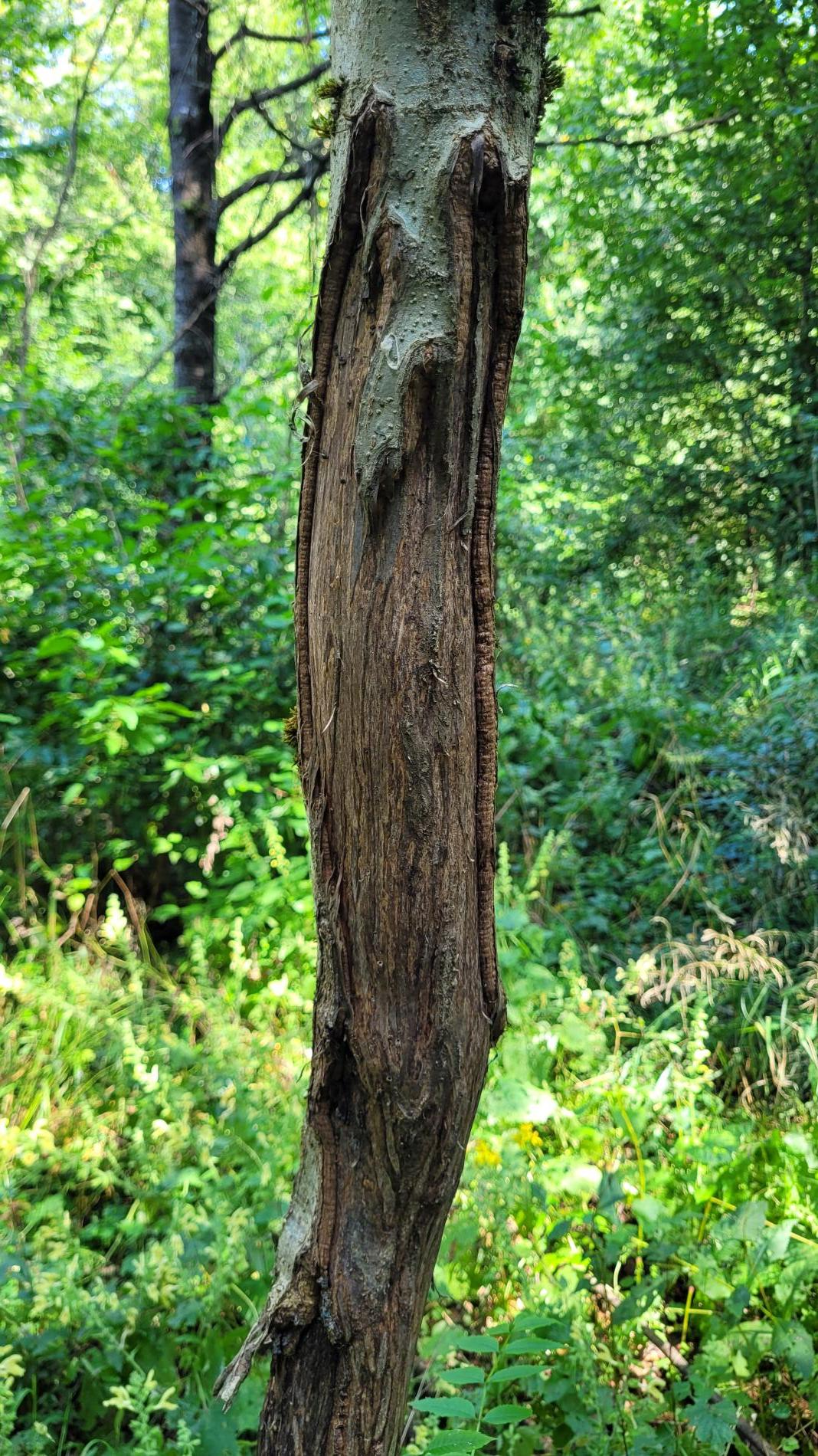
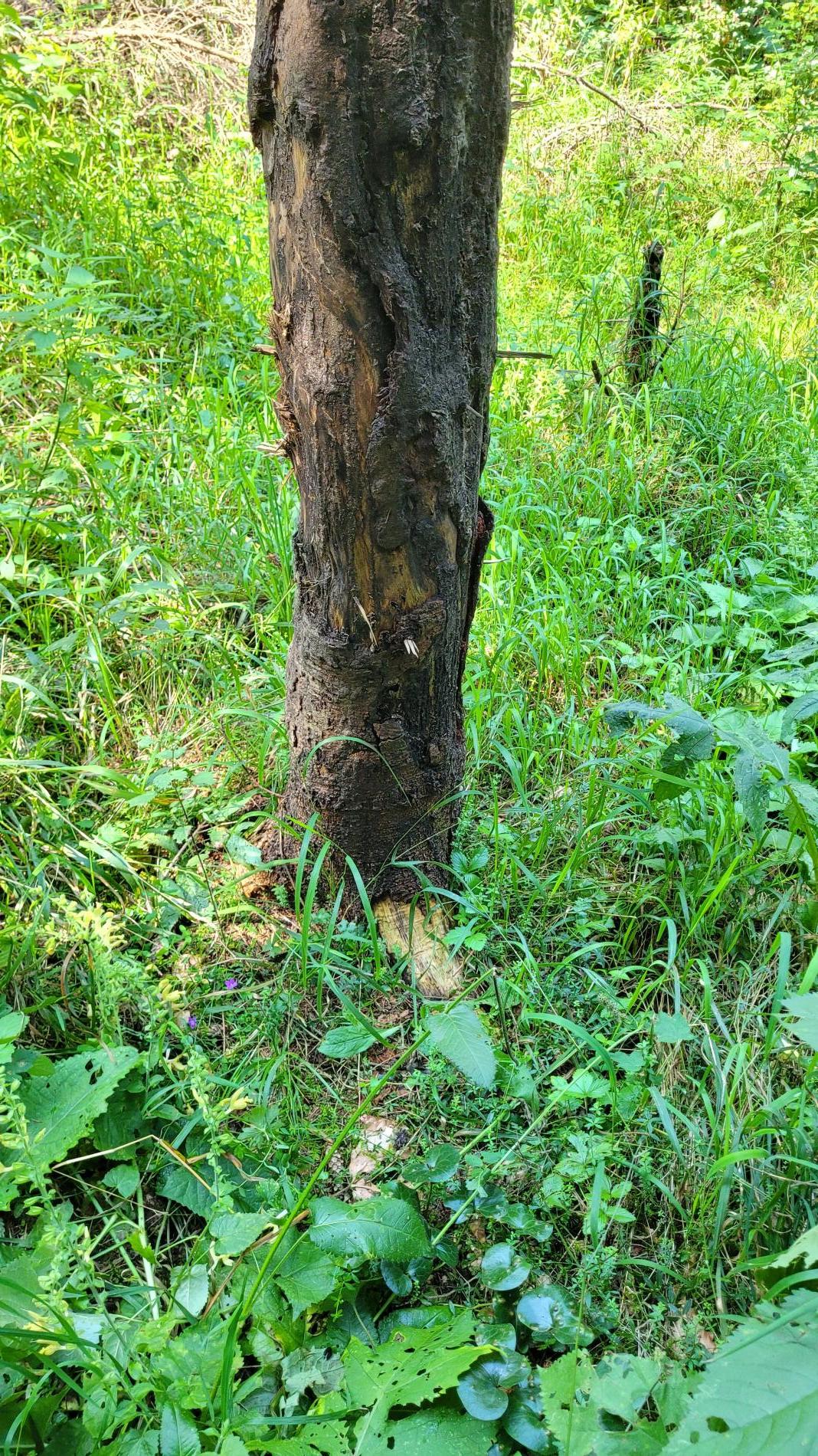
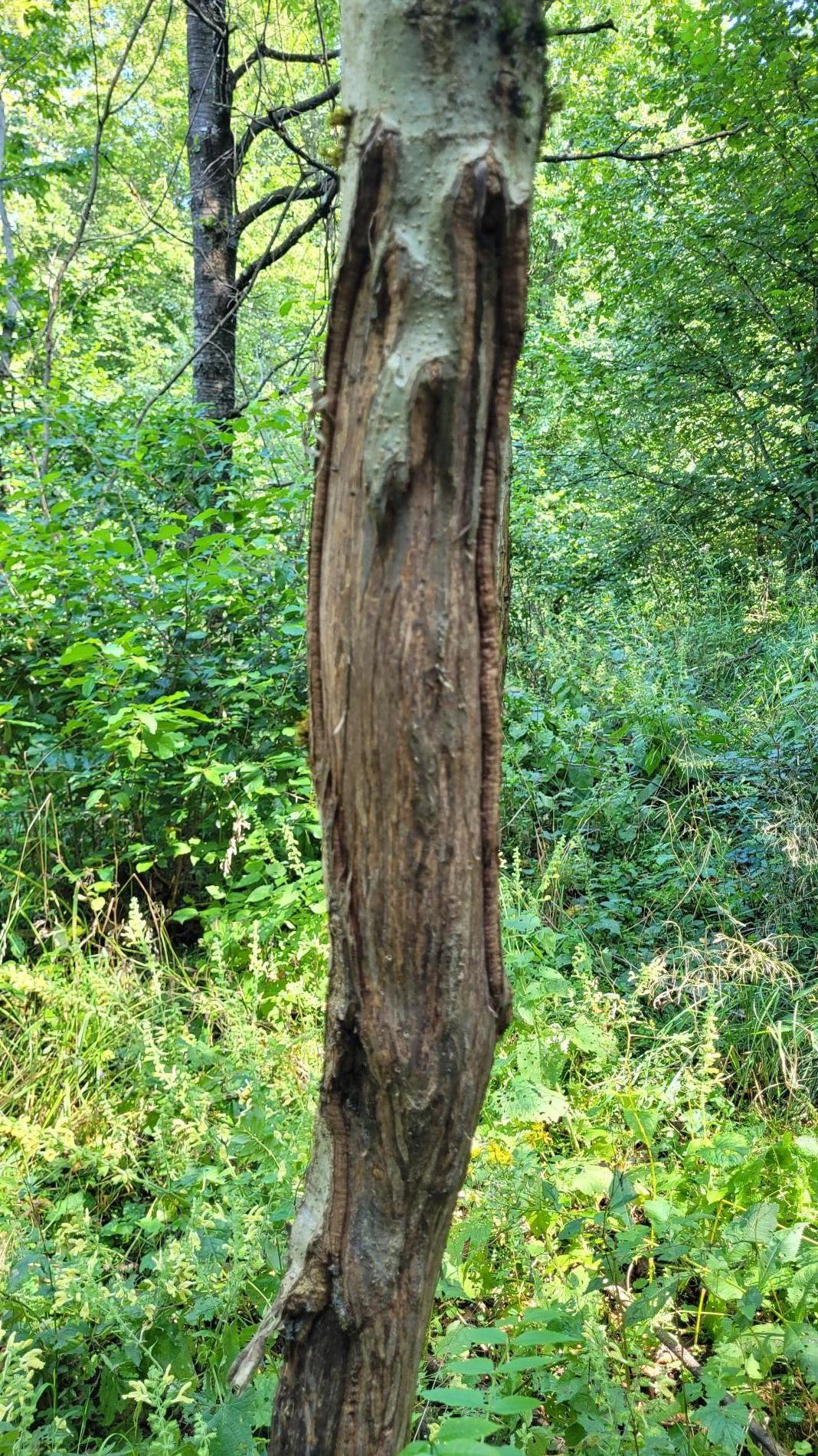
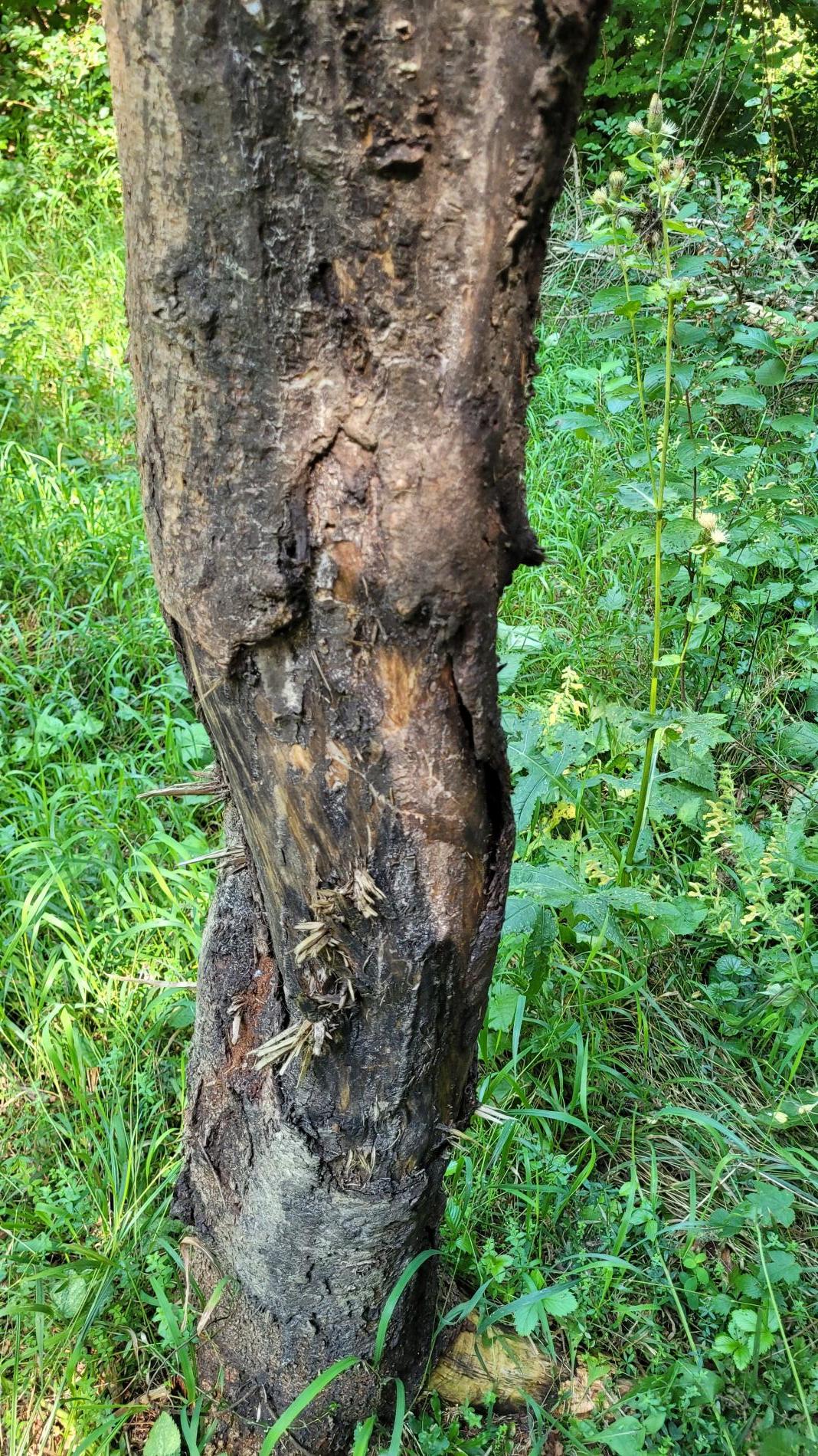
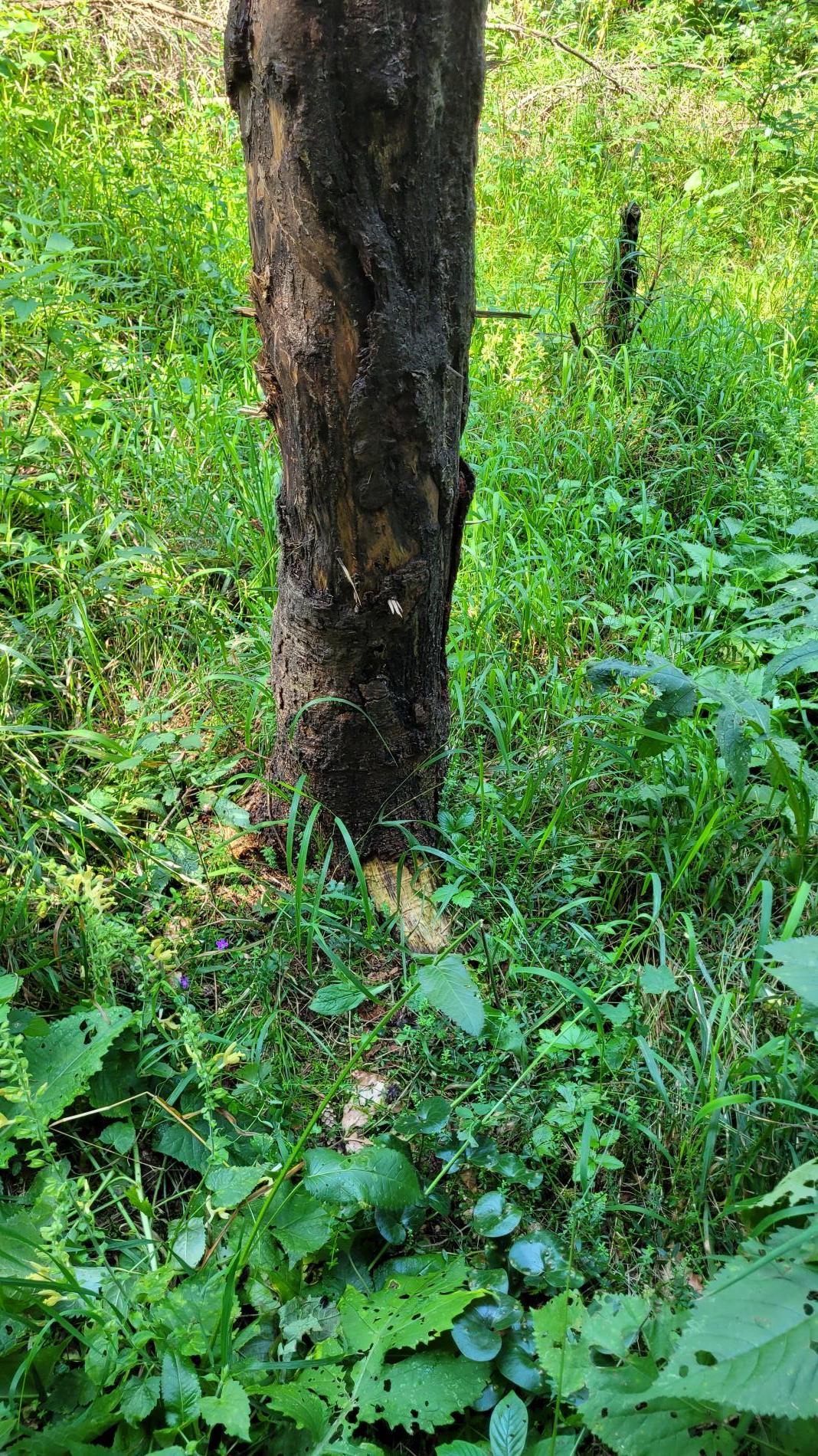
European bison consumes the bark, bast, and sapwood of trees by stripping. On the tree's trunk at the height of approximately 0.5 - 2 meter, there are clear traces of gnaws in the bast or sapwood part. A stripping can damage a part of the trunk girth, resulting in the physiological weakening of the damaged tree. In addition, fungal diseases can attack the tree as a secondary pest in the wound place. The availability of further secondary damages increases, and if the tree survives, the trunk quality is permanently reduced. If a bark stripping damages the entire circumference of the trunk, the conductive tissues are interrupted, and the damaged tree dies. Damaged trees are more susceptible to the attack by bark beetles. In the case of European bison bites, the width of the gnawing tracks is 2 cm and more.
European bison damages woody plants by biting the bark or cutting off branches, stems and buds. Large trees can be gnawed around the perimeter; thinner trees can be totally destroyed and rolled out.
Tree Species: Pine, Beech, Oak, Rowan, Whitebeam, Ash, Maple, Fir, Alder, Hazel, Lime, Spruce
Part of a plant- attacked: Tree trunk
Pest significance: Very harmful
Pest Category: Animals
Invasive Species: No
Present in EU: Yes
Pest group: Game
Depth of damages: Bark, Under bark only
The extent of damage: Individually - one place
Prevalence in Europe: Very rare
Damaged products: Fresh timber logs (water still in the sapwood)
Roundwood size: Branches and twigs, Diameter 50+
Wood discoloration: No
Similar pests

Cervus elaphus

Sus scrofa
