


Auricularia mesenterica
Tripe fungus
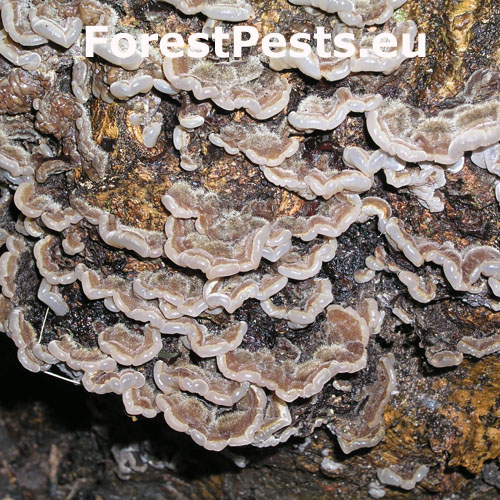
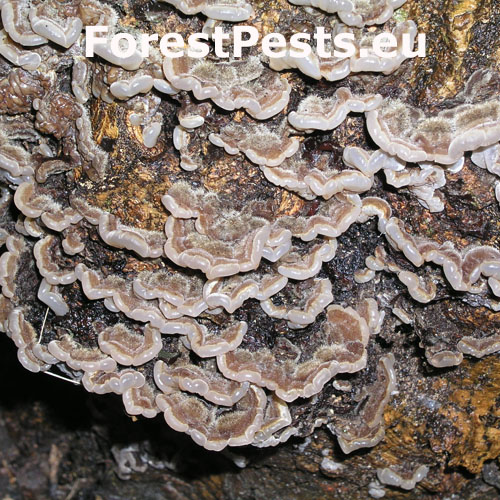
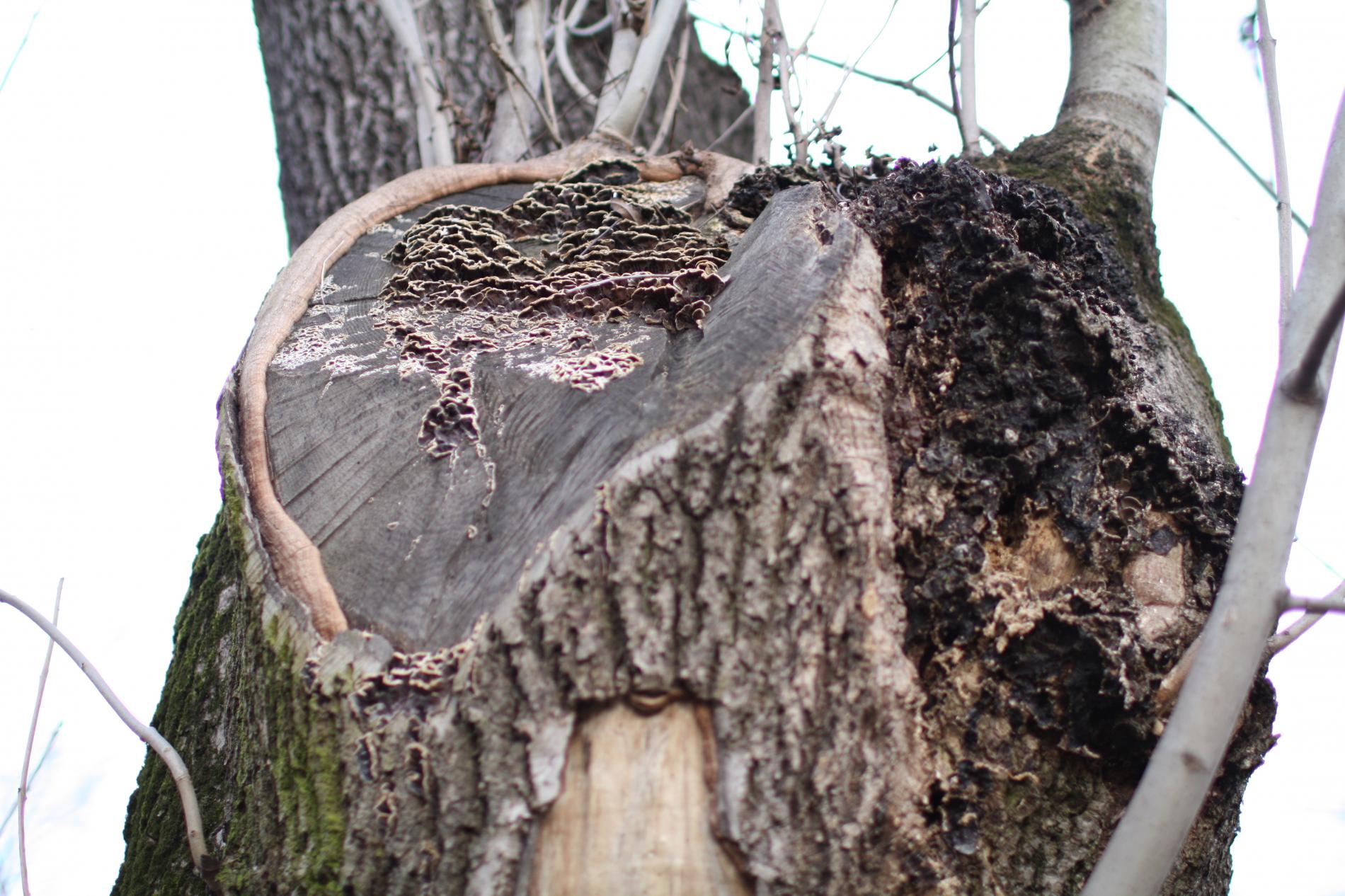
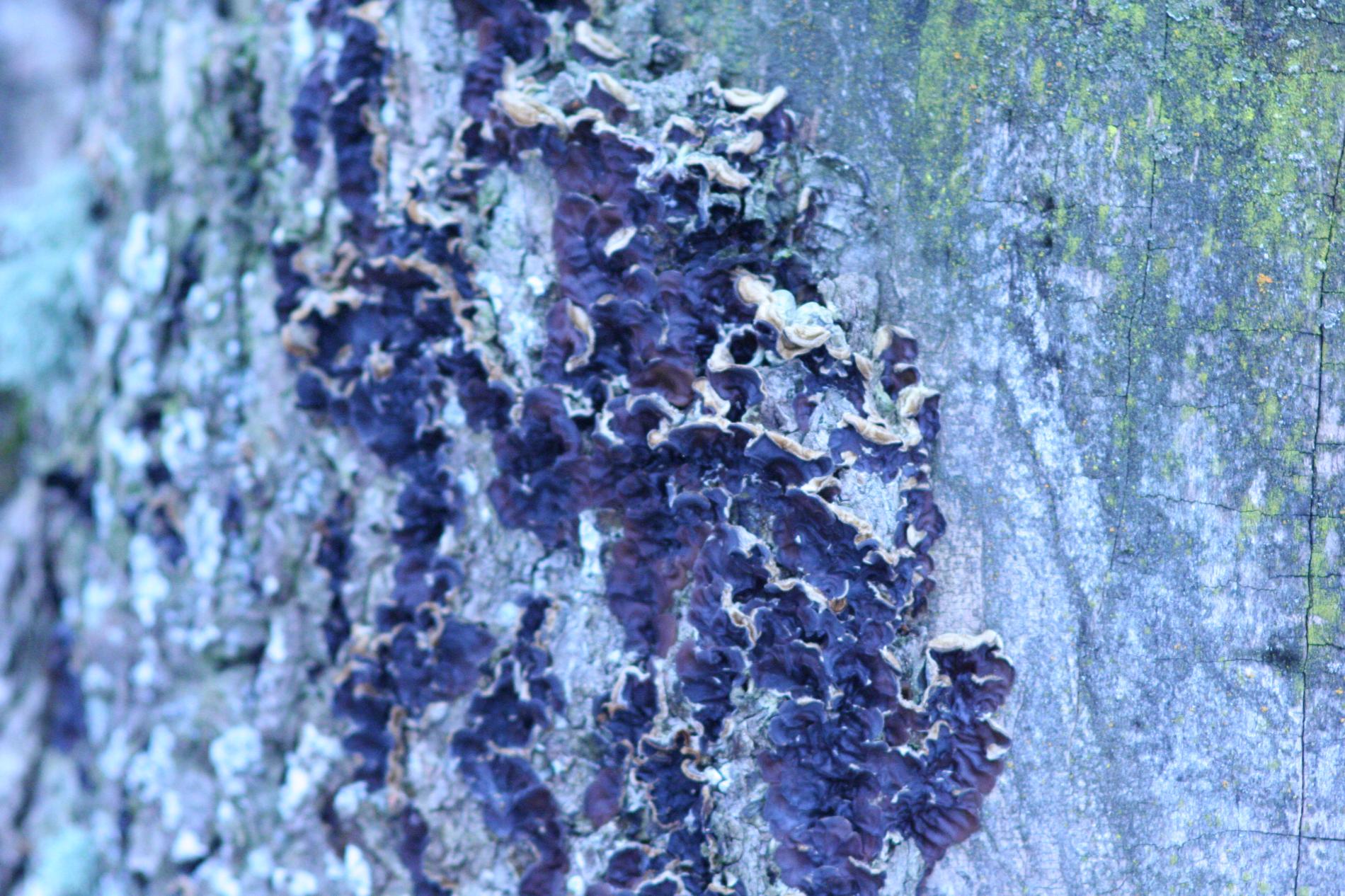
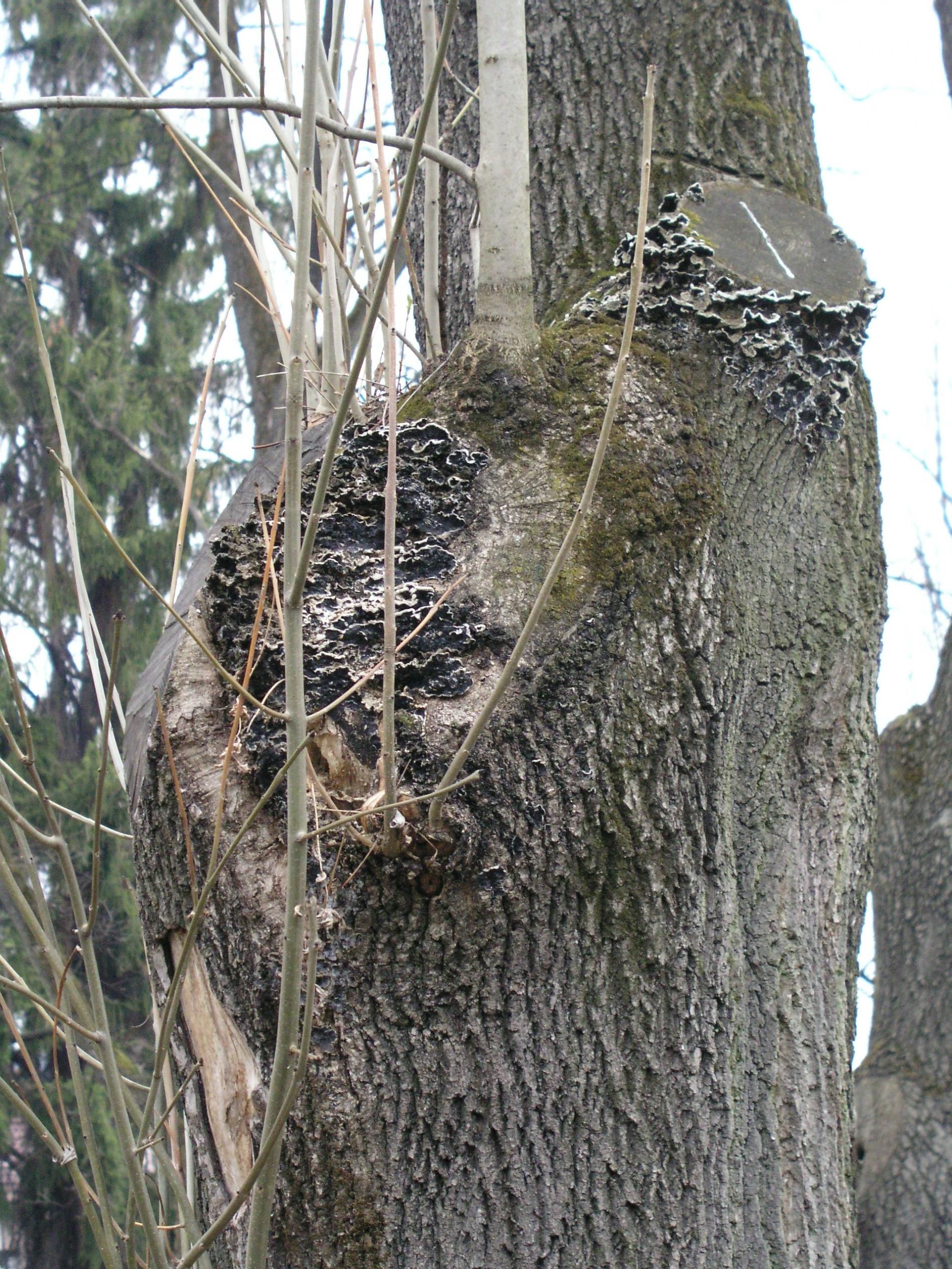
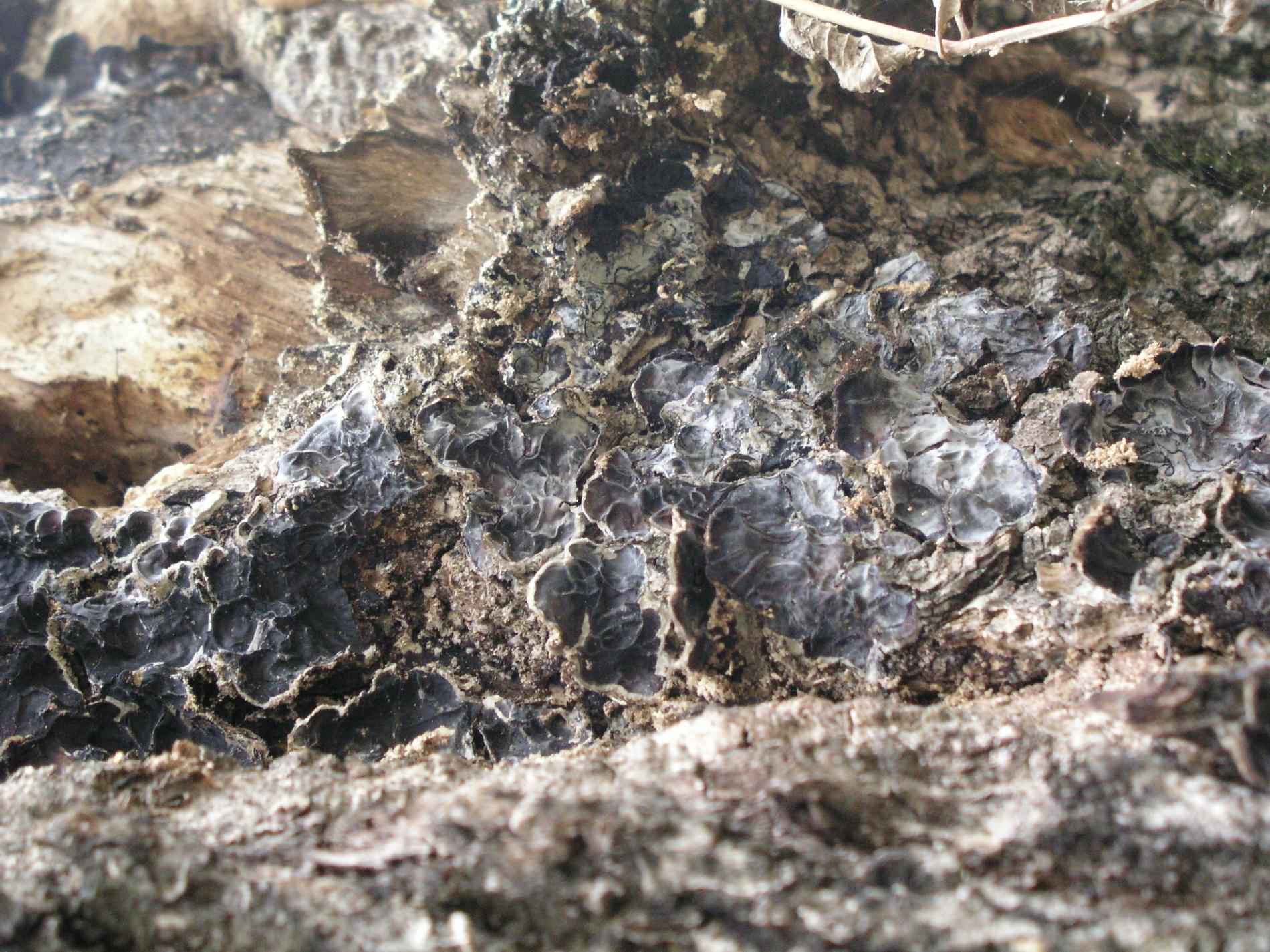
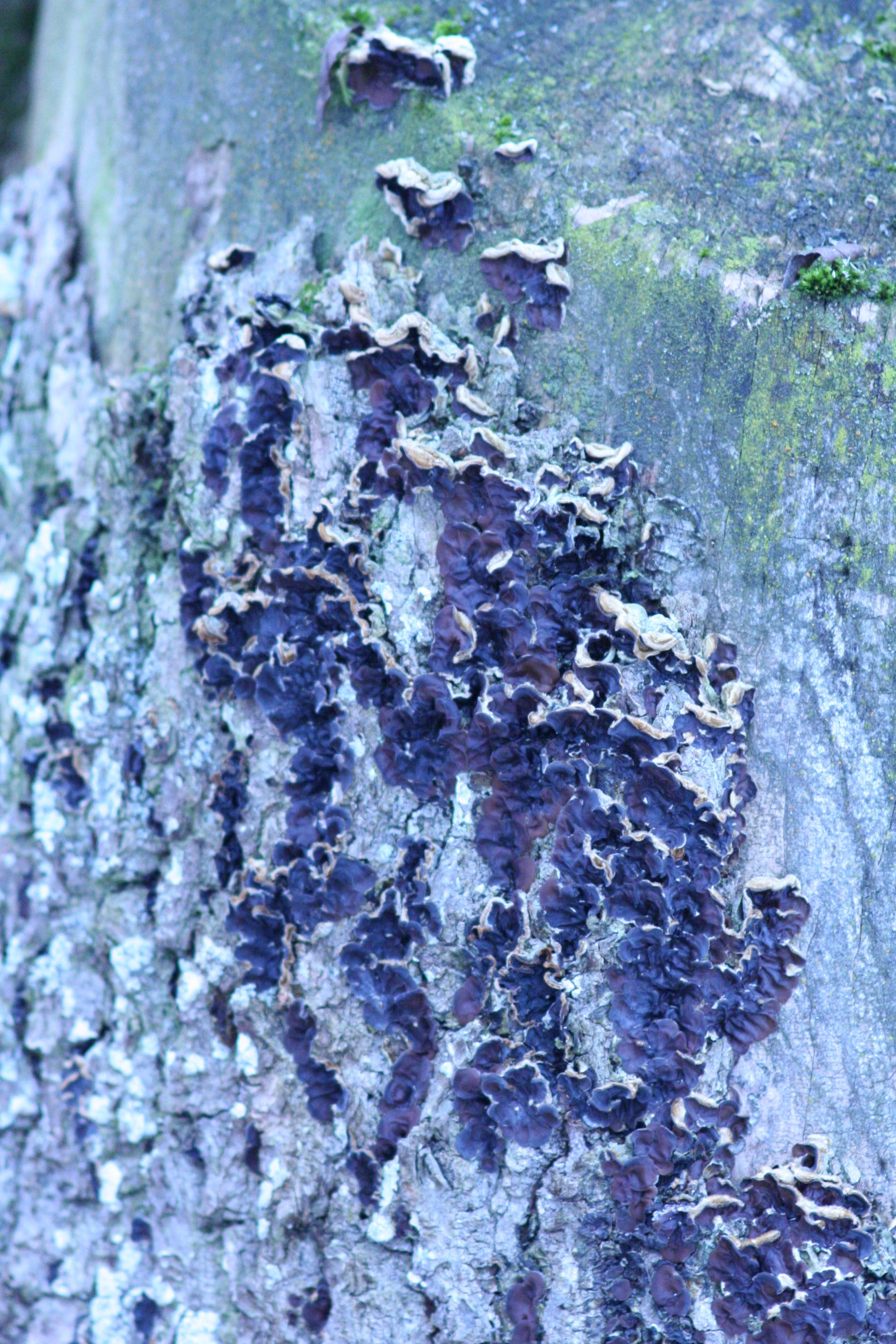
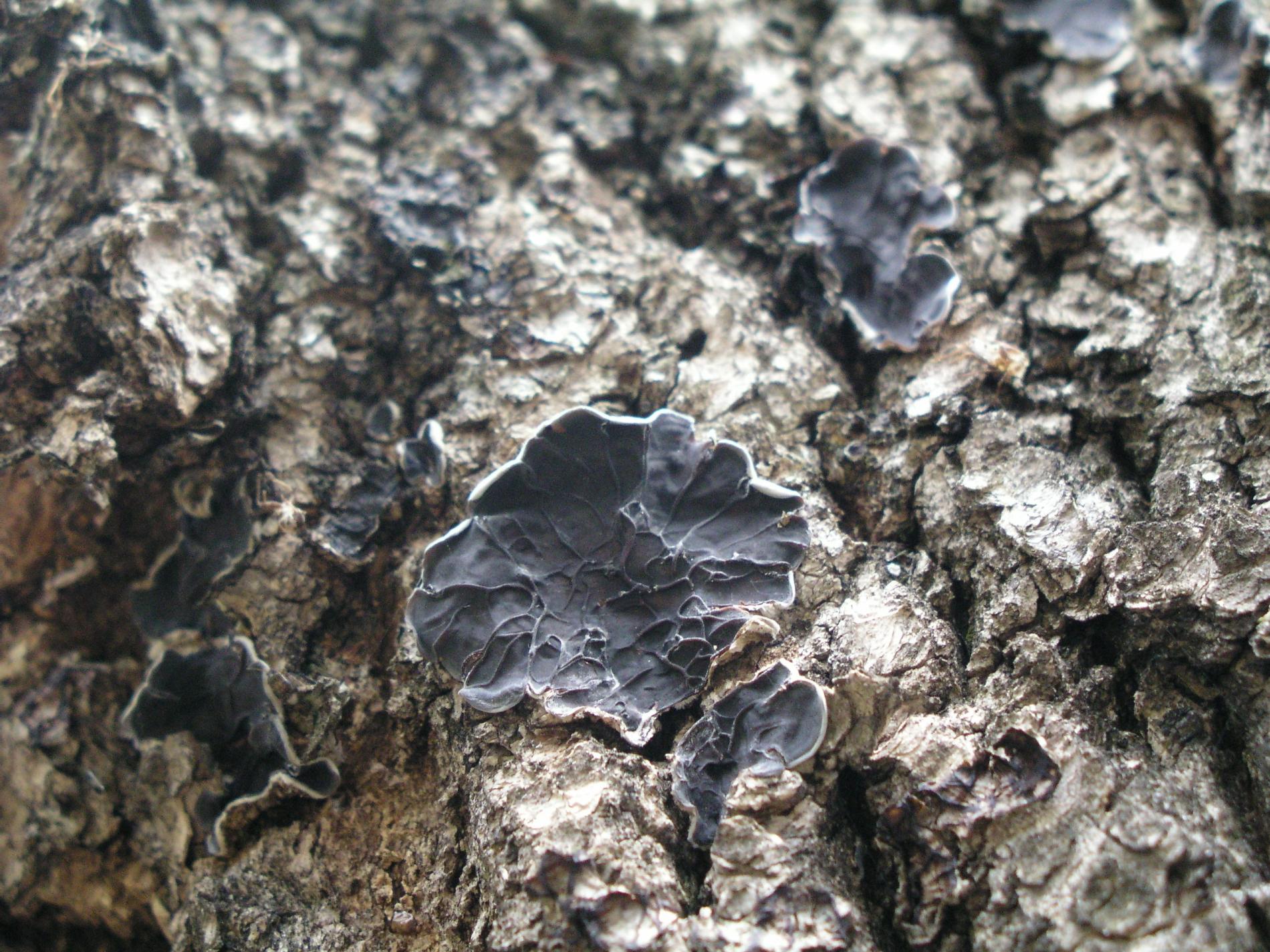
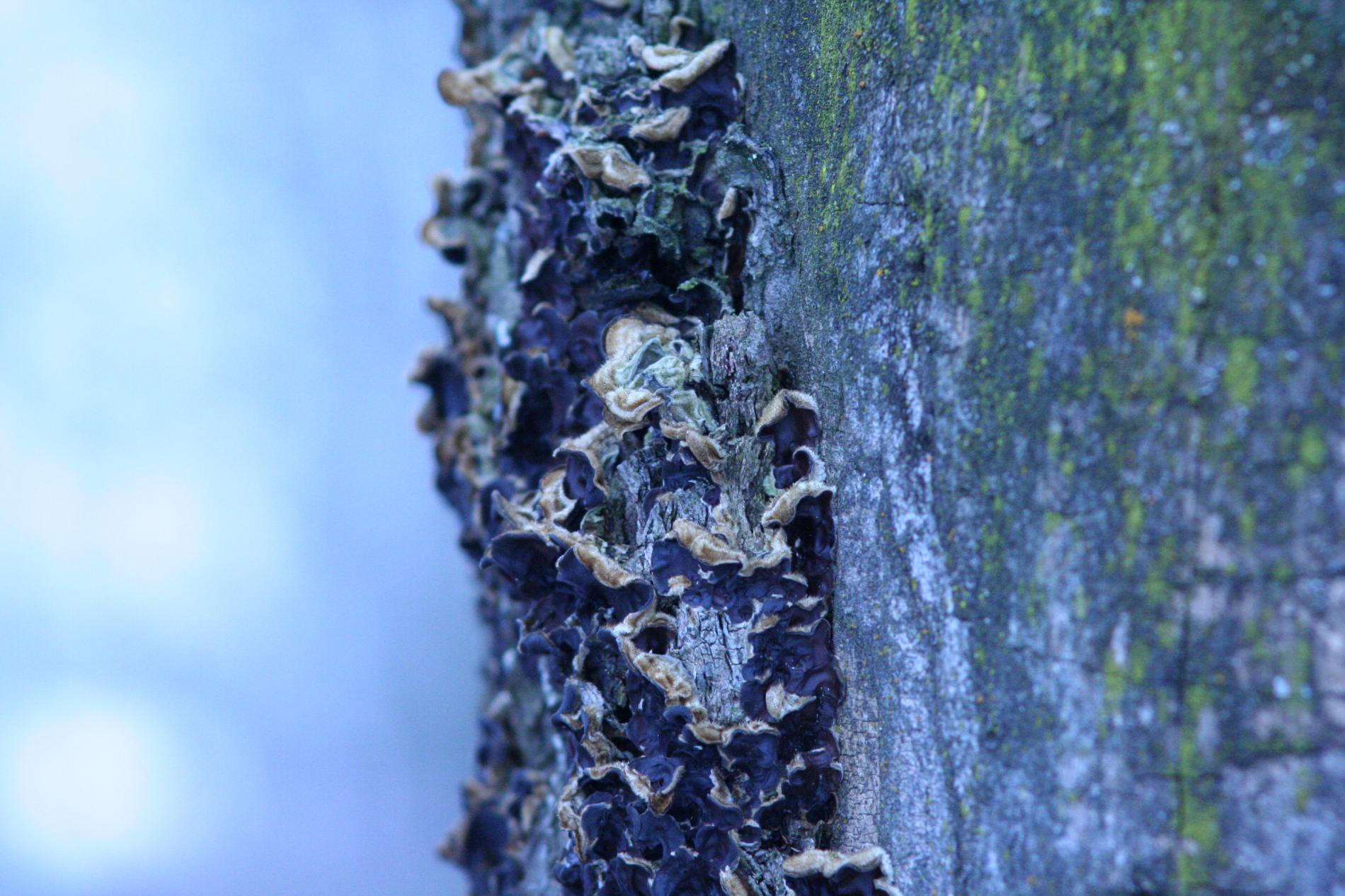
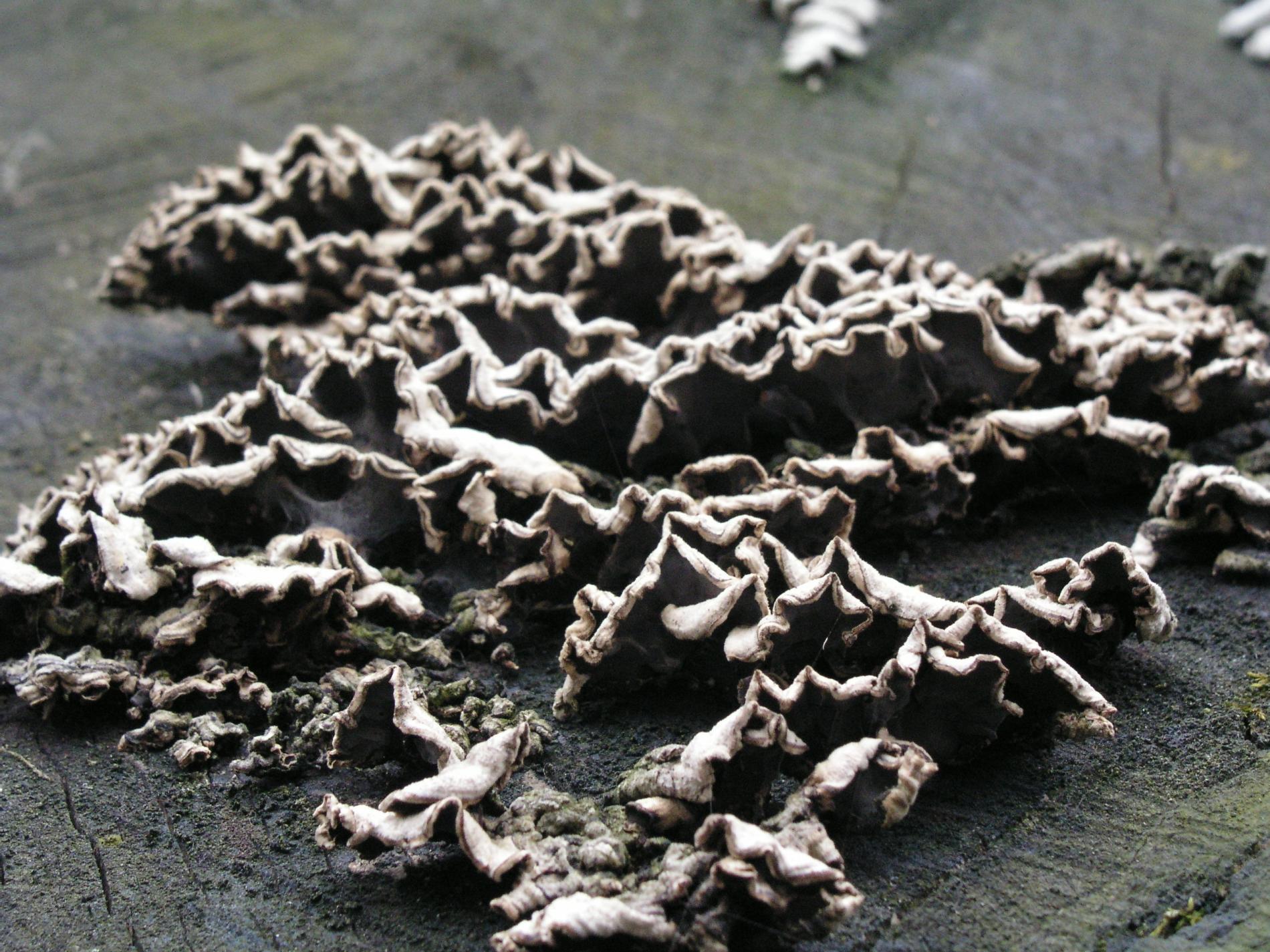
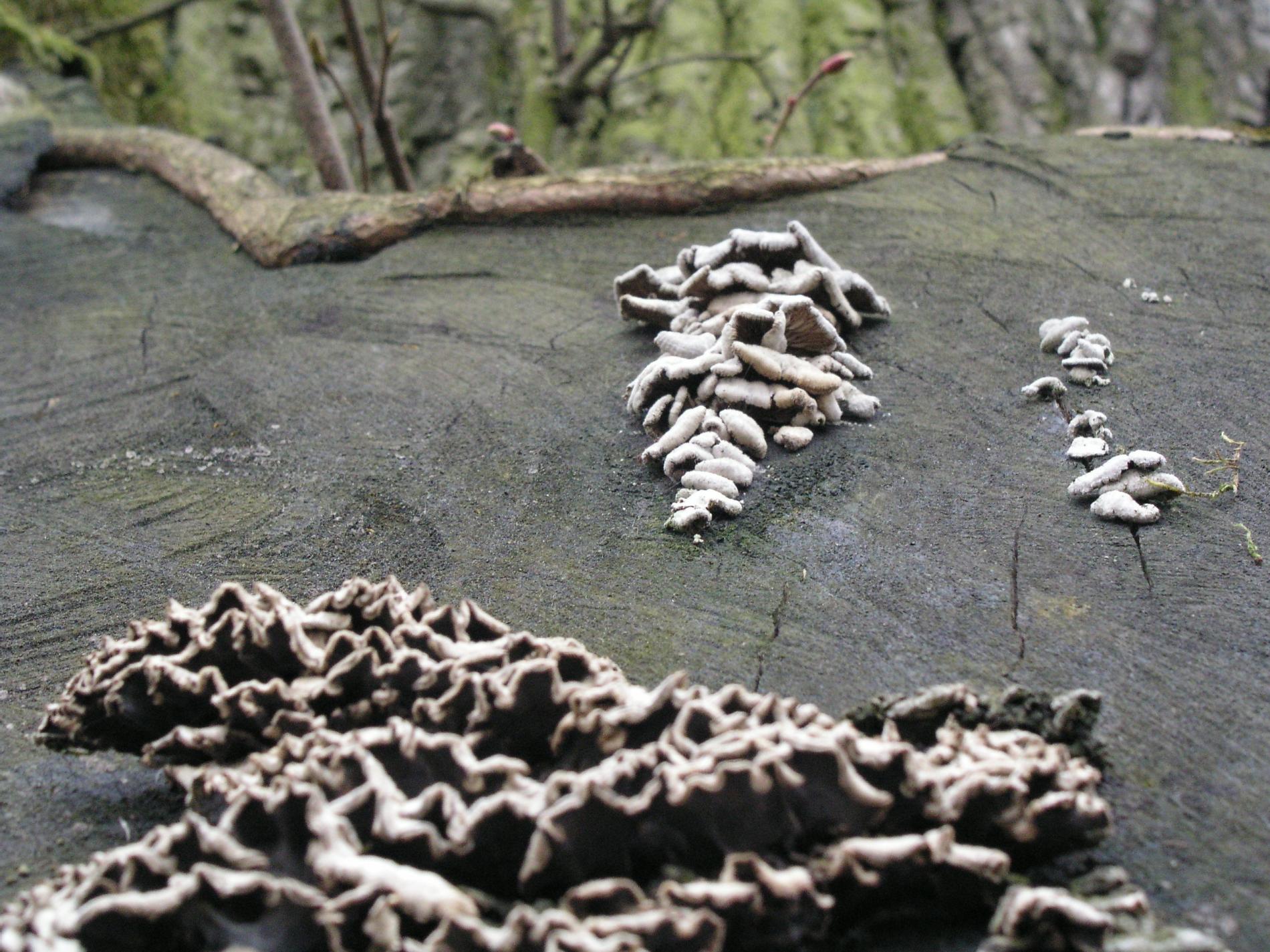
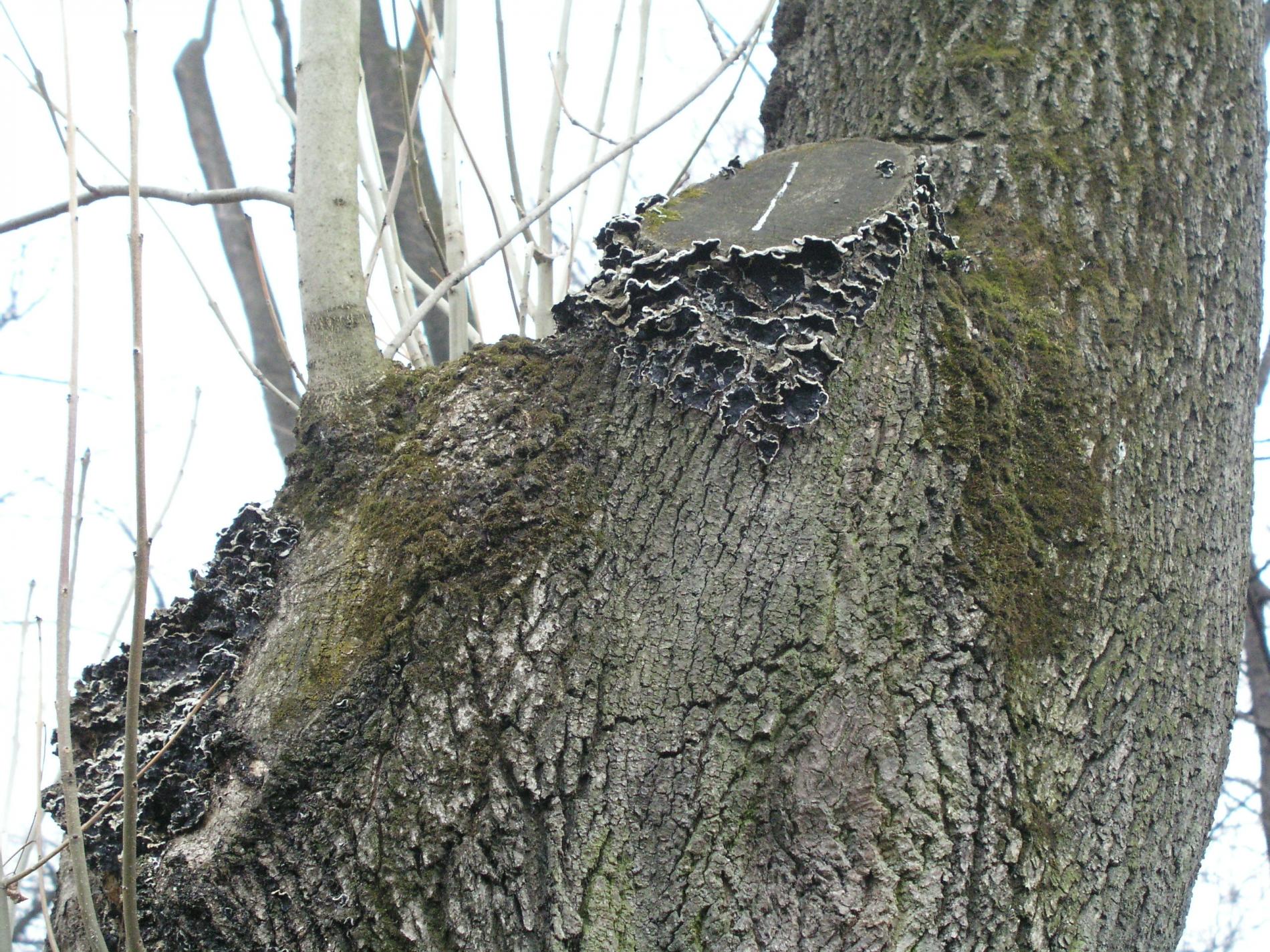
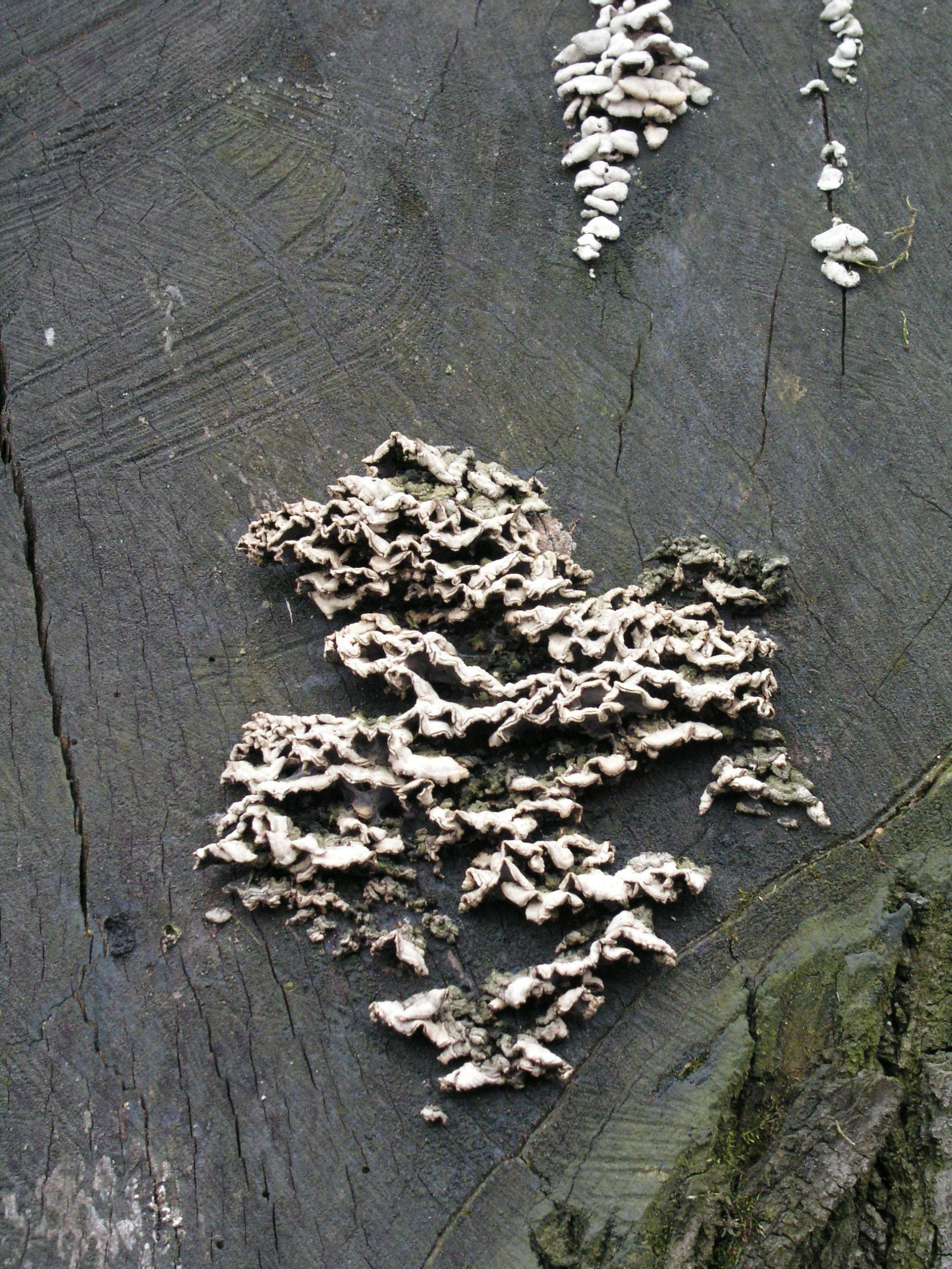
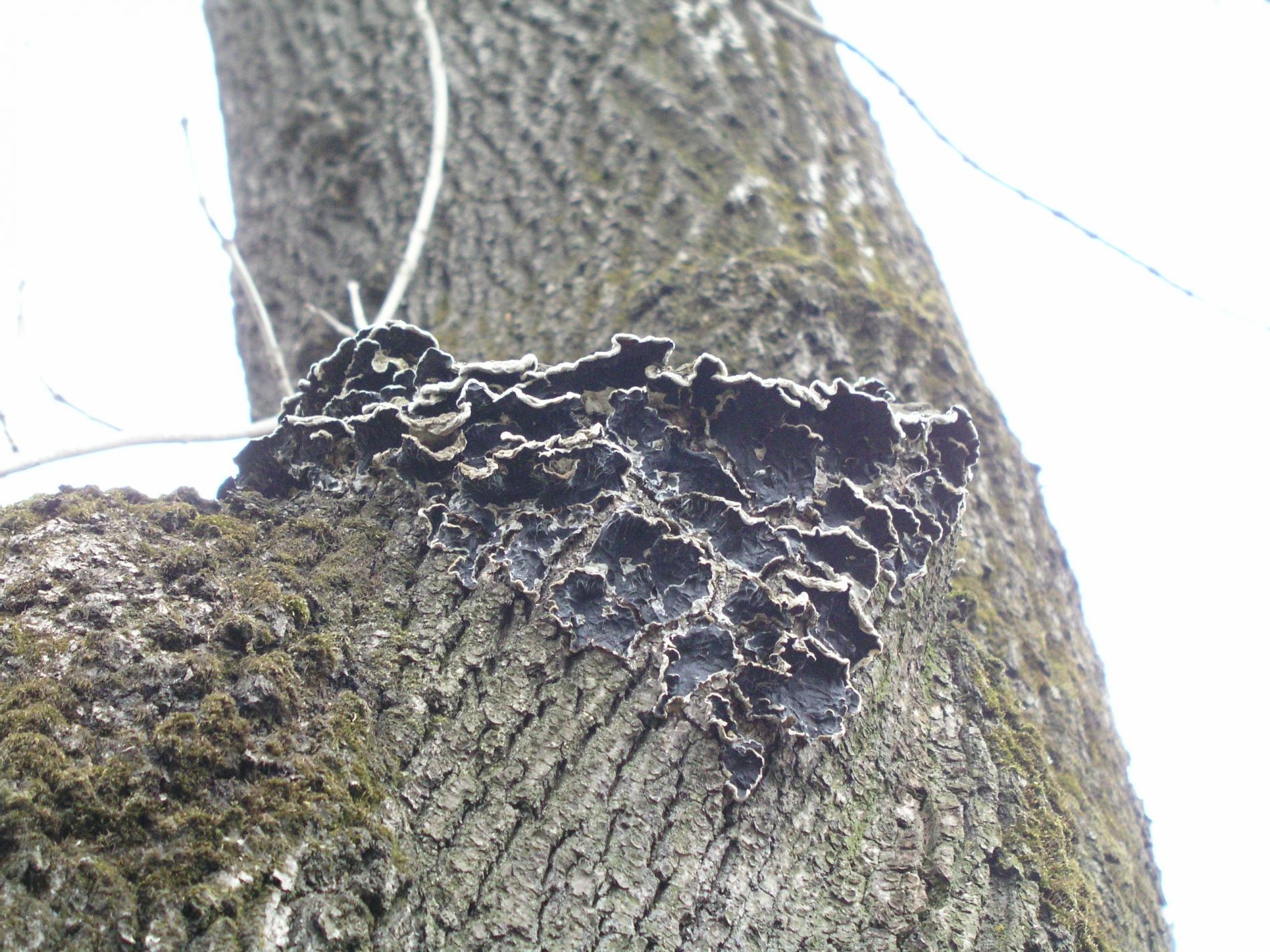
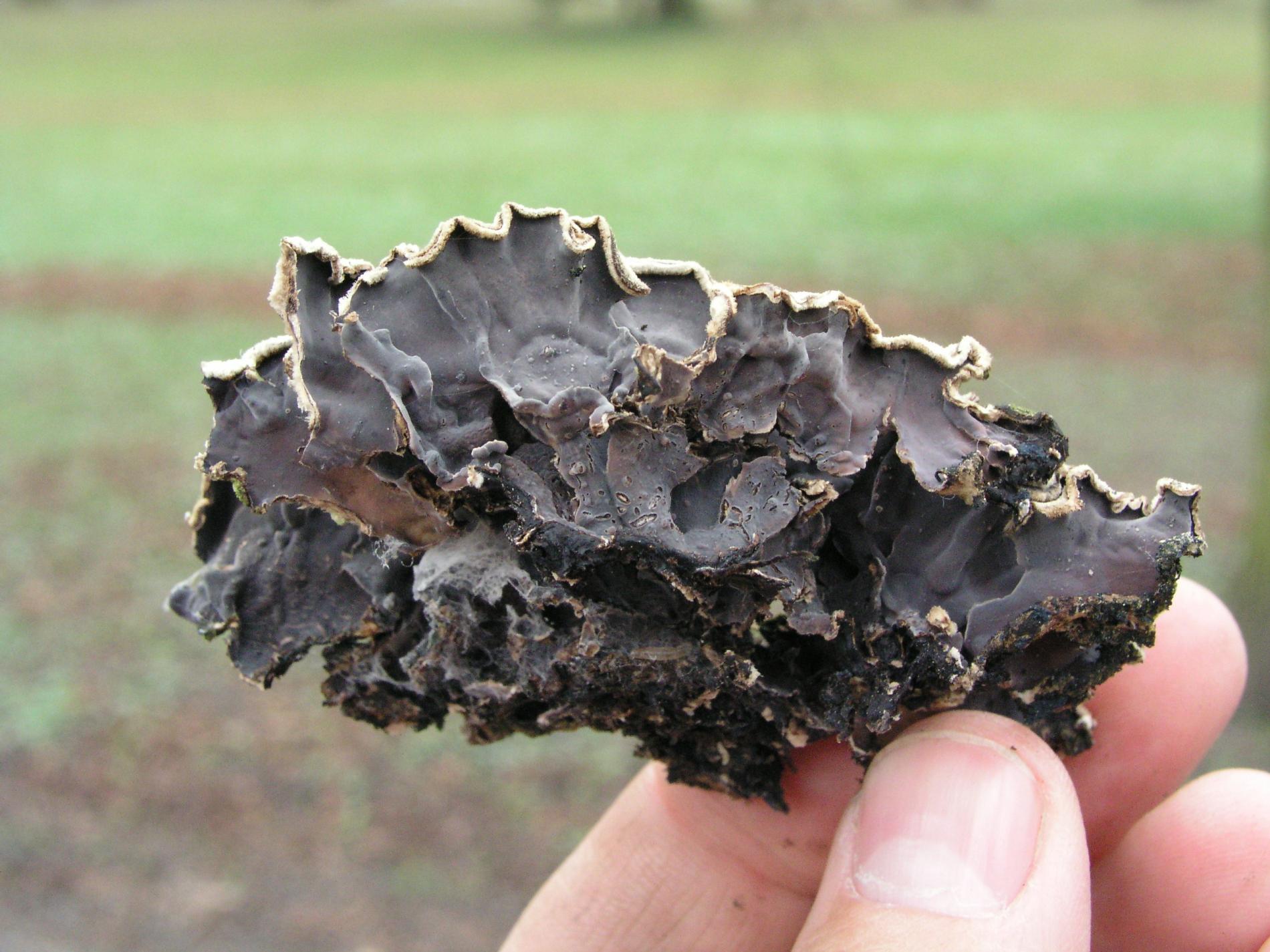
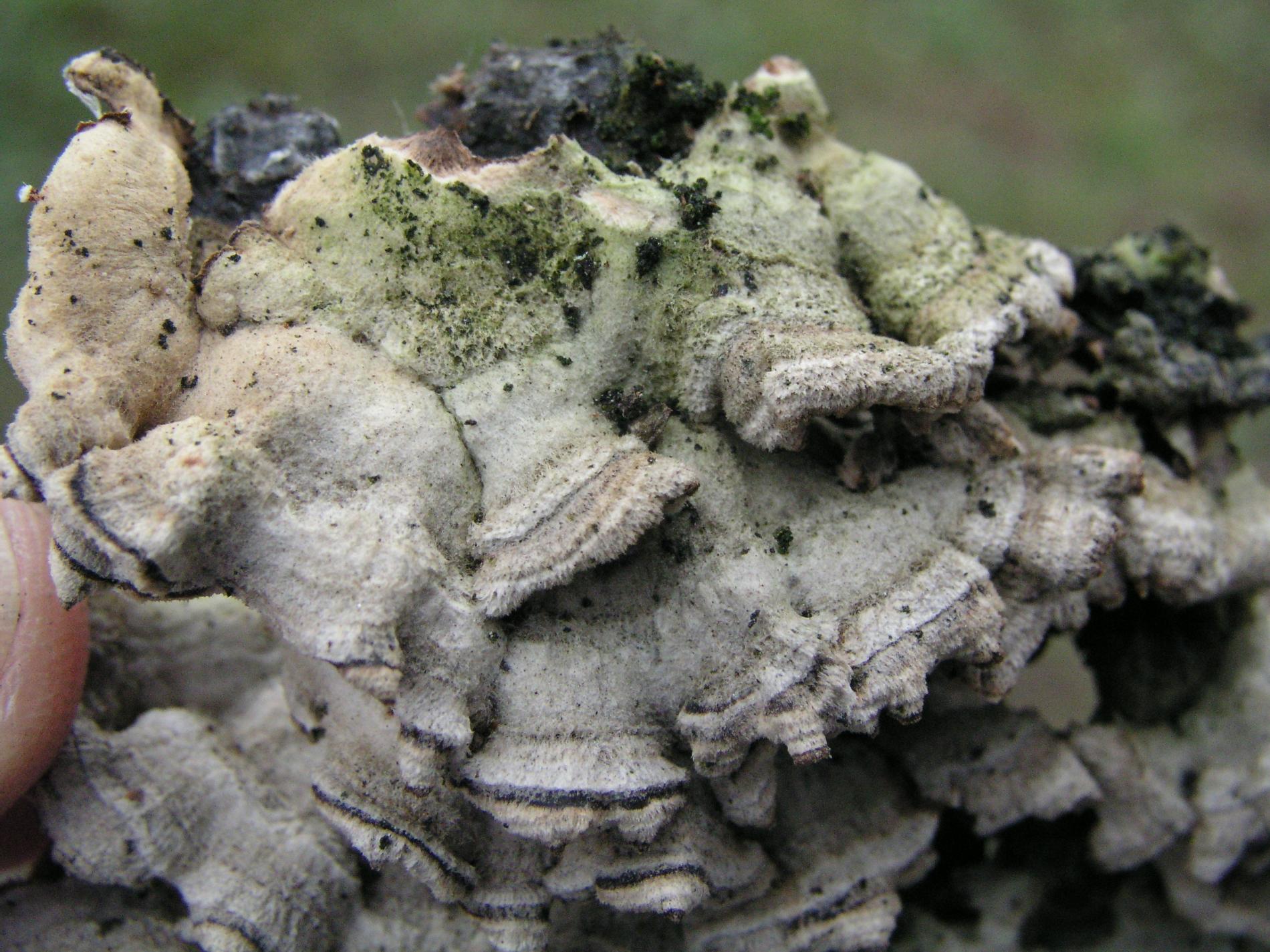
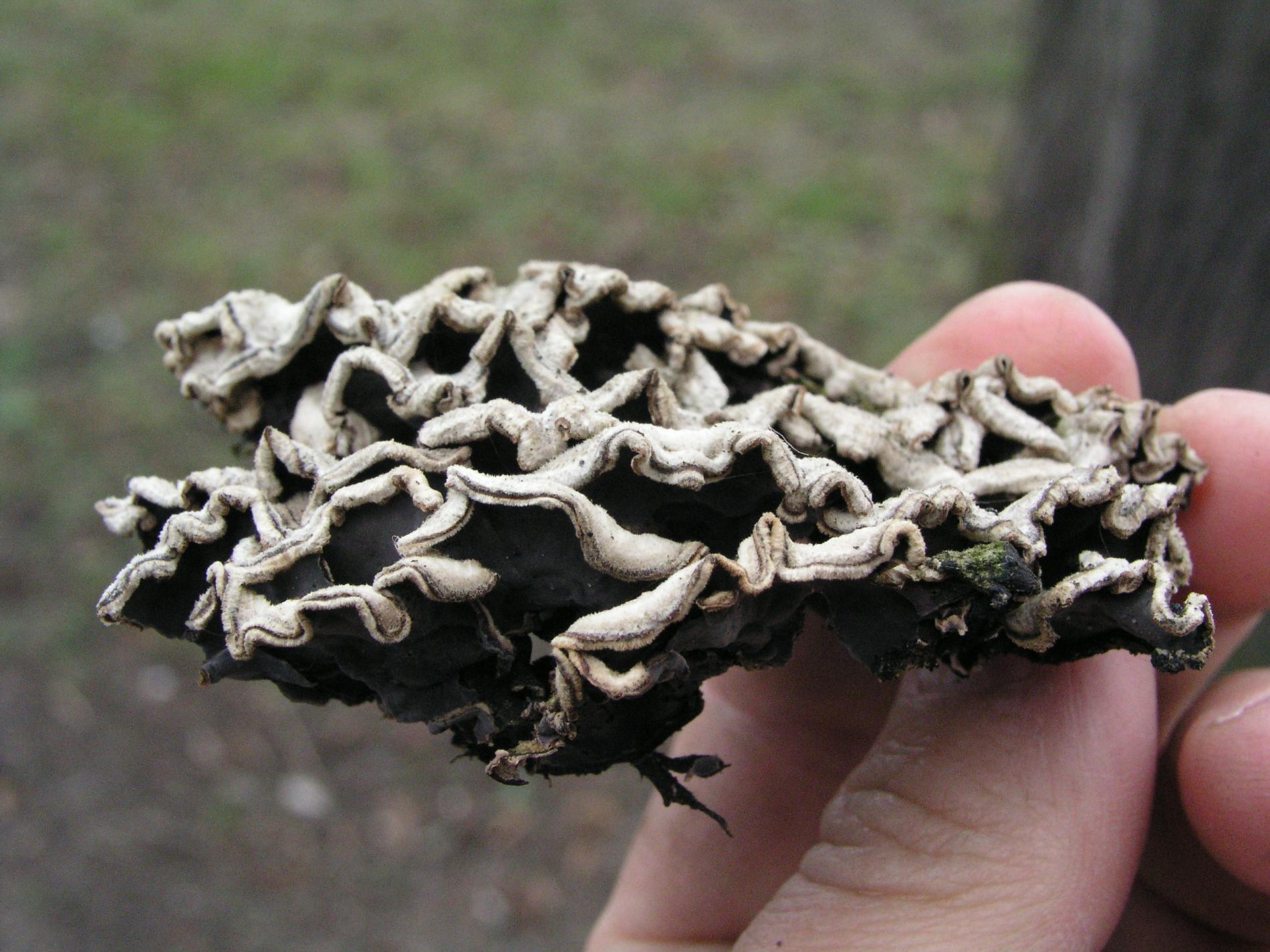
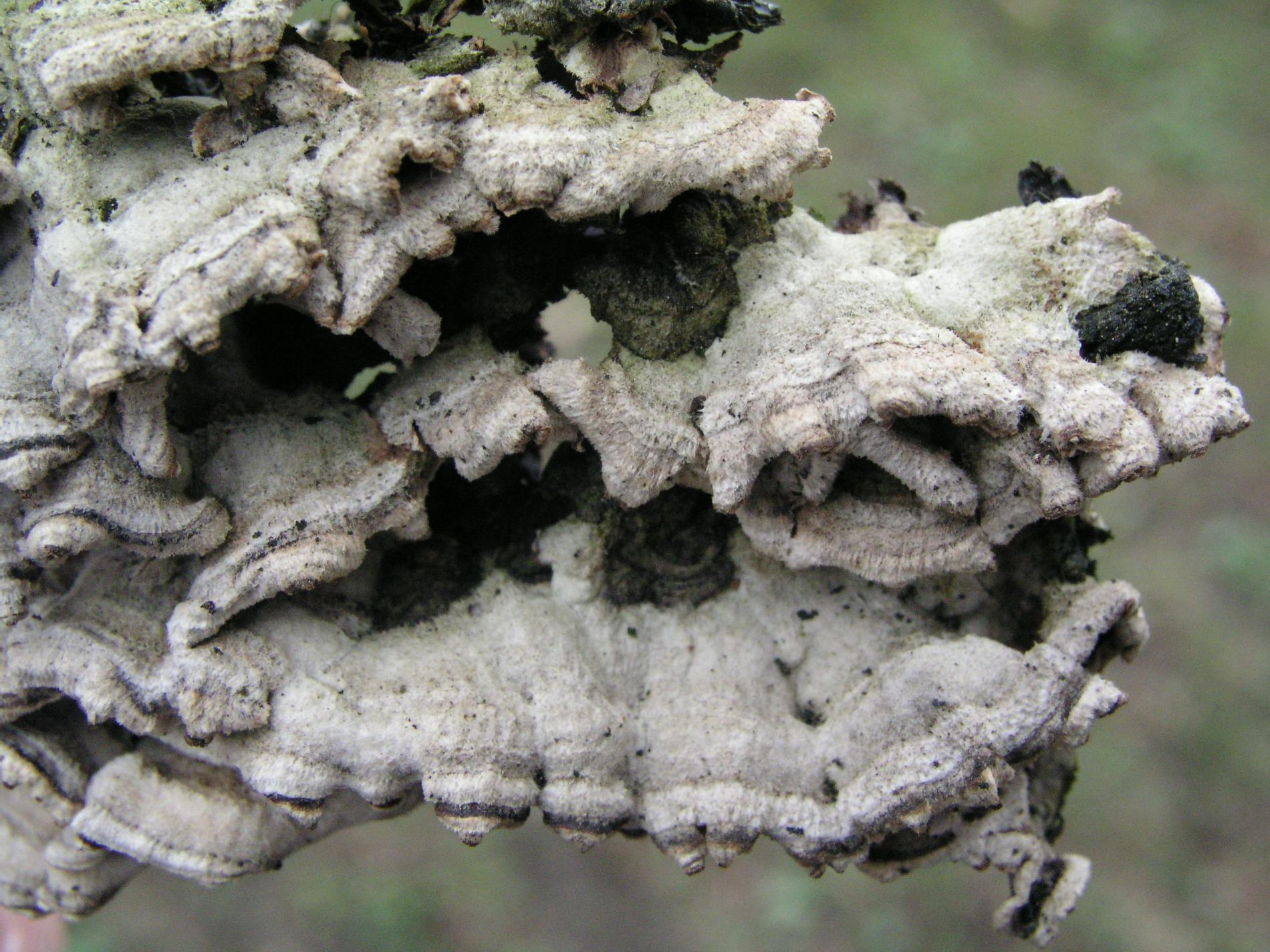
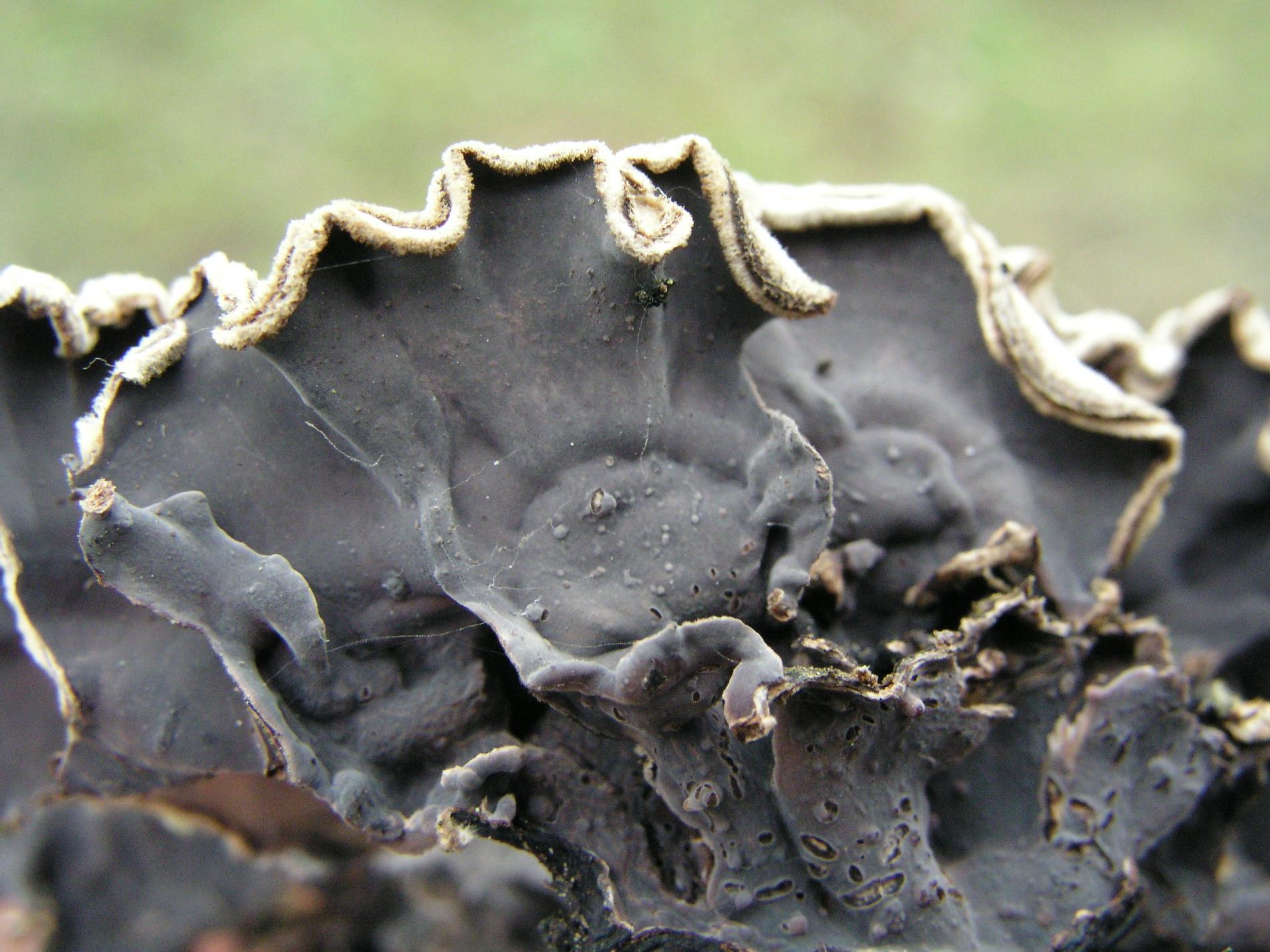
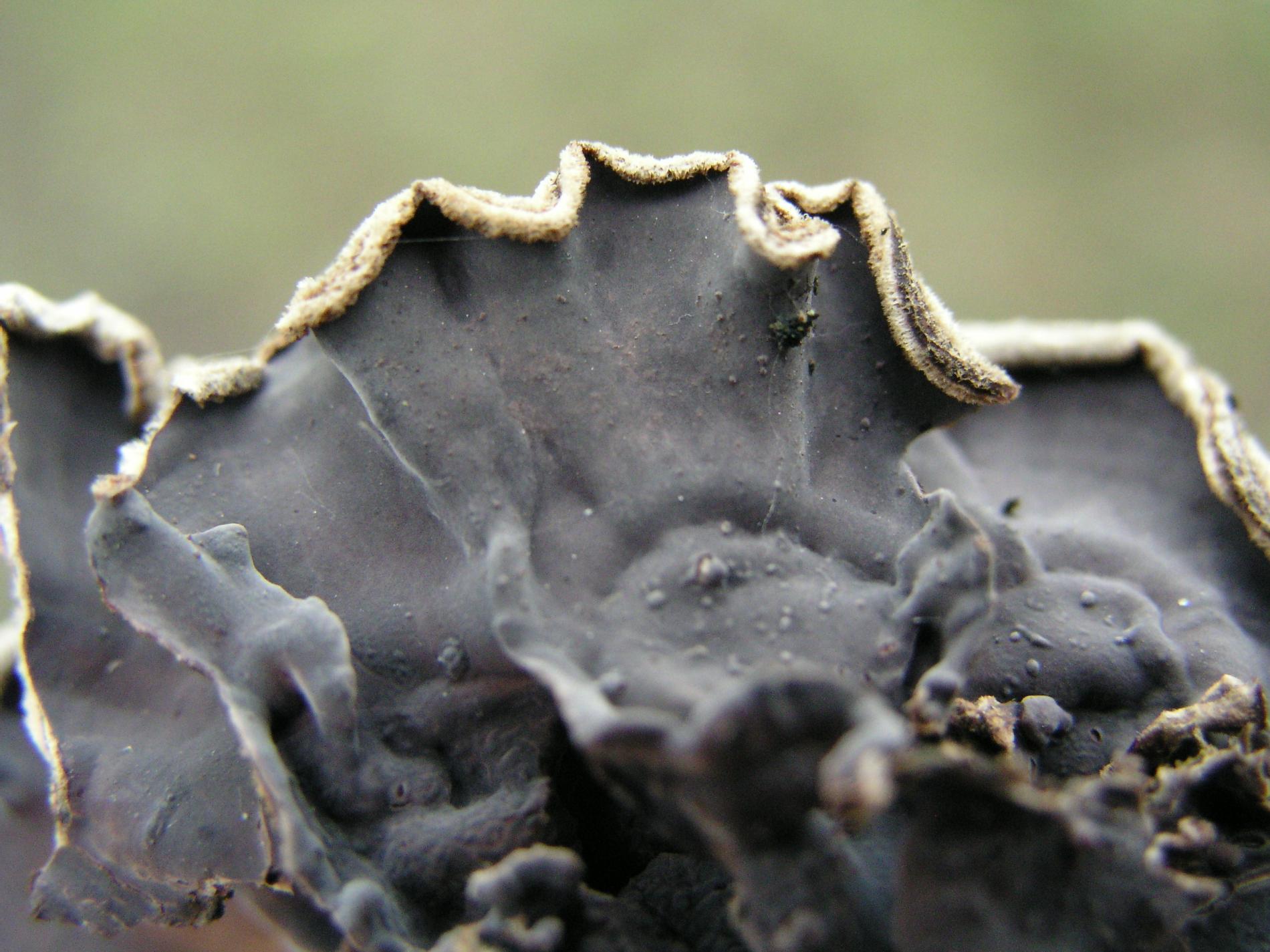
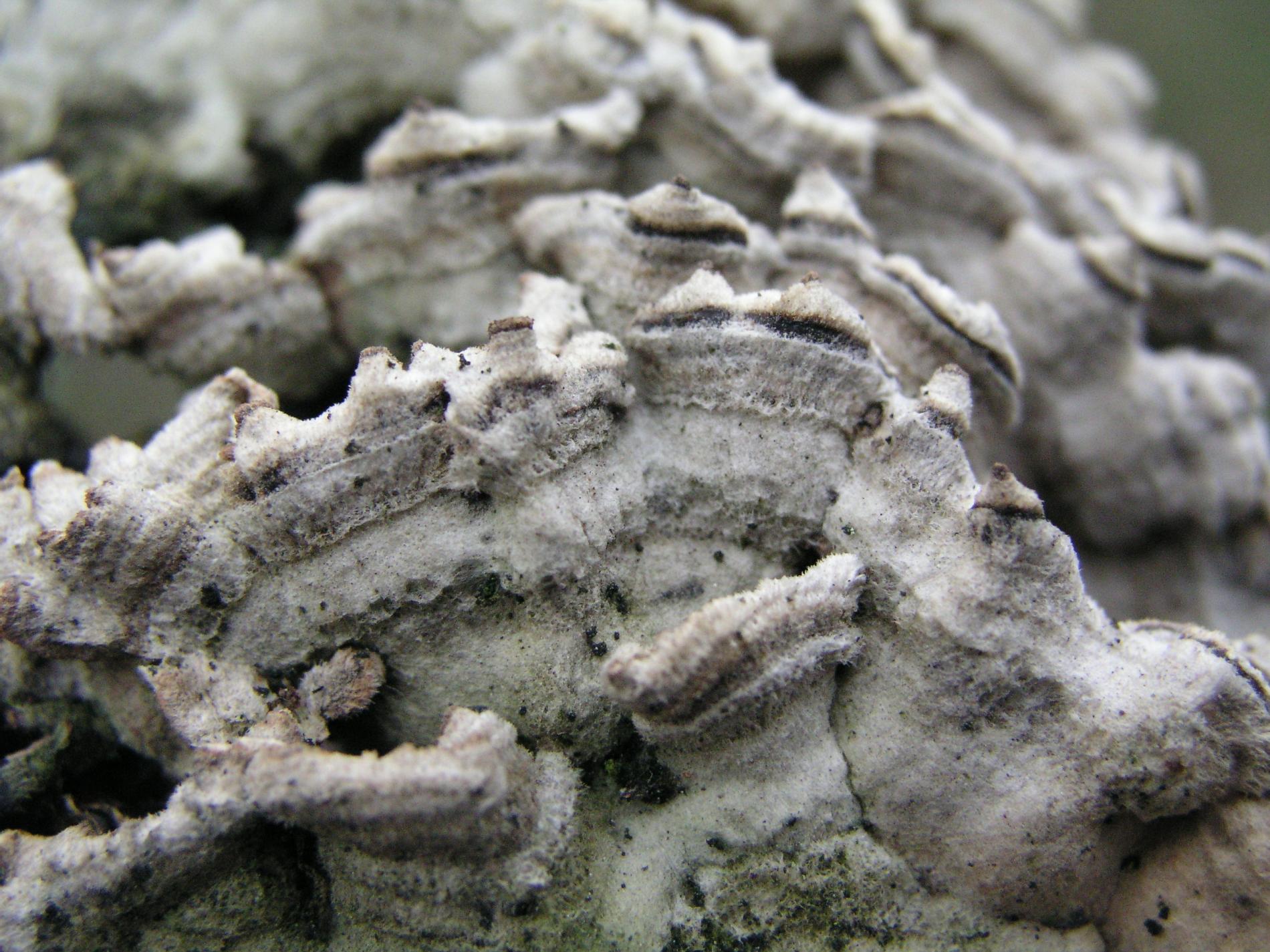
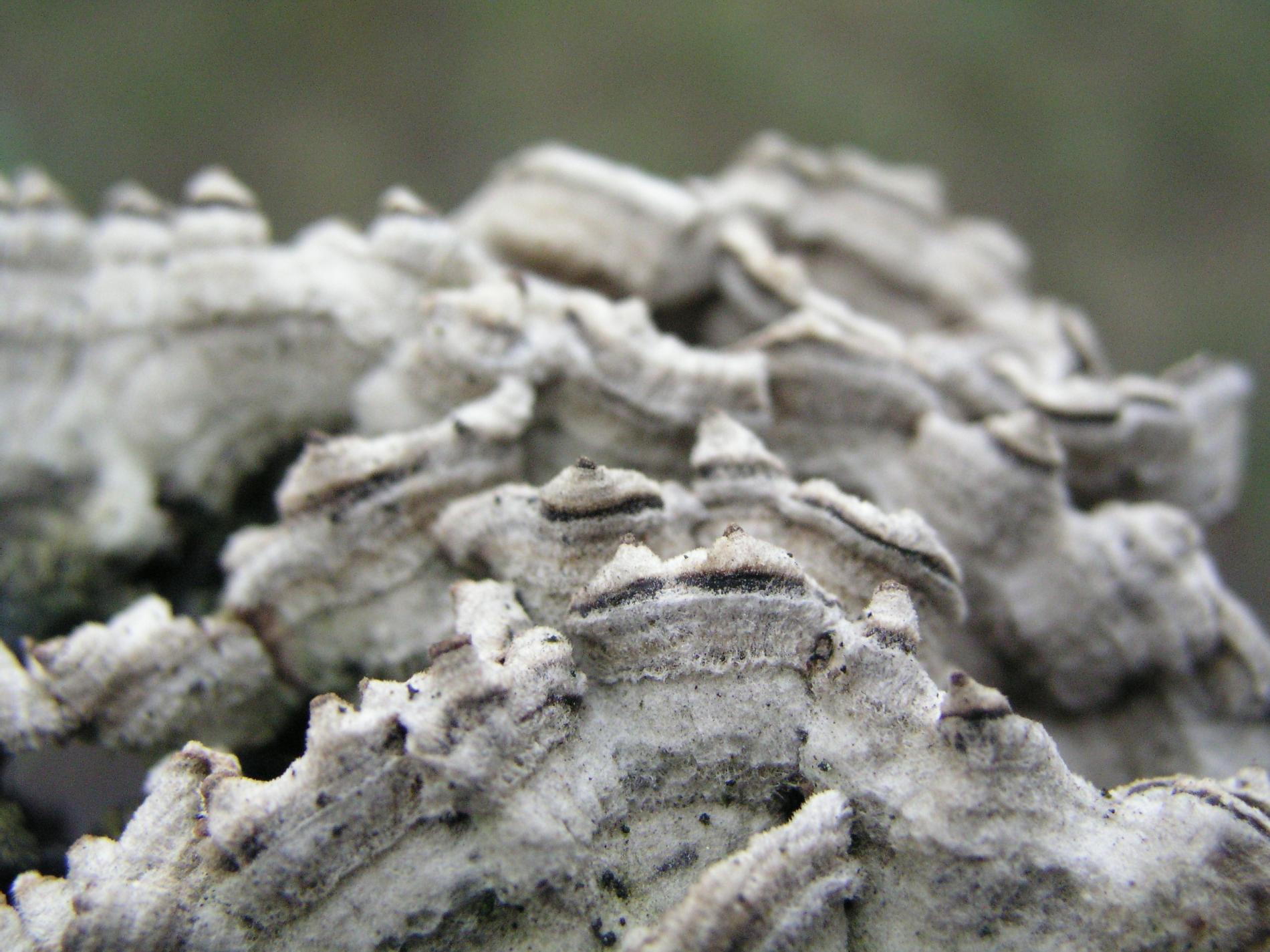
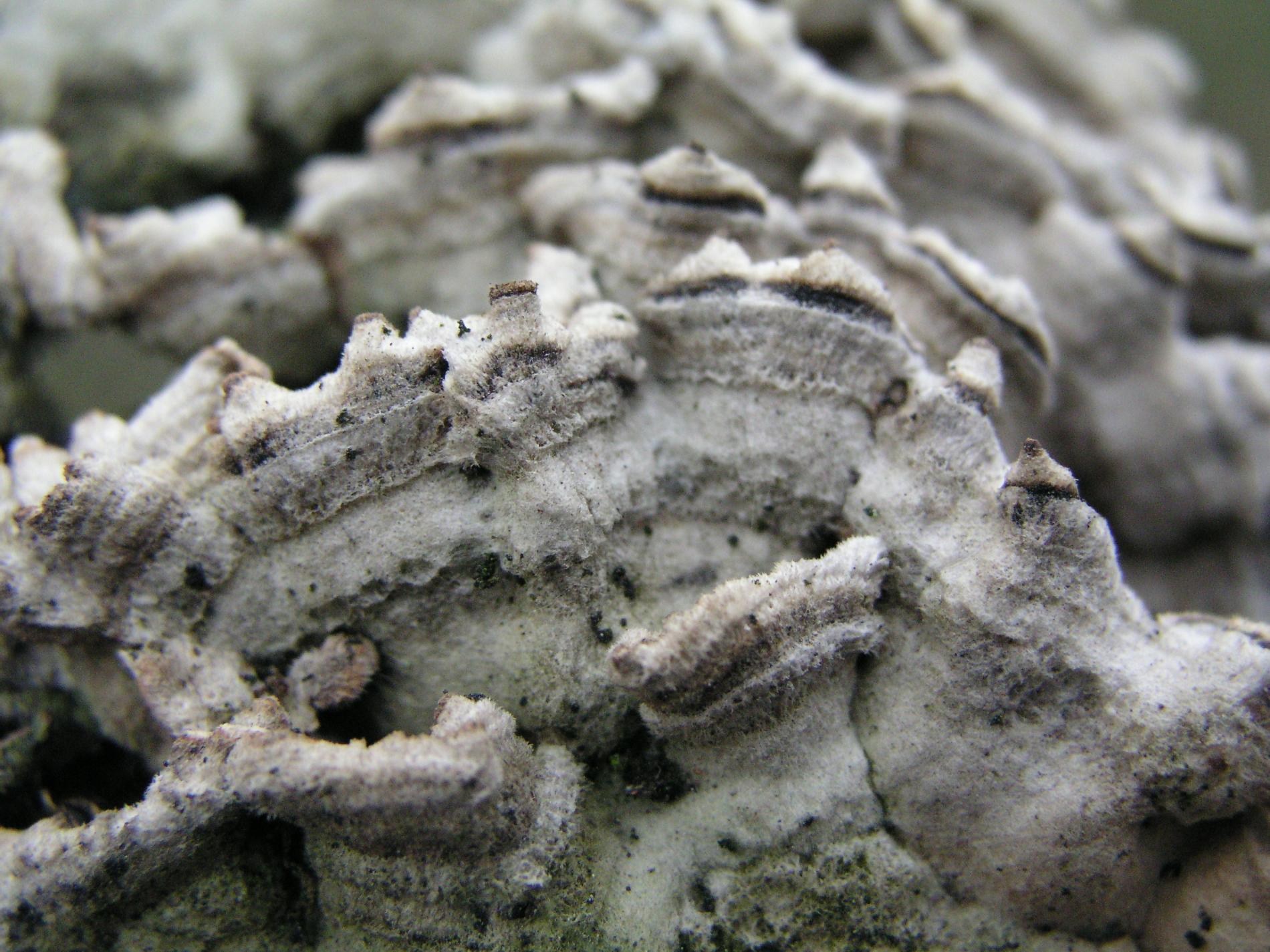
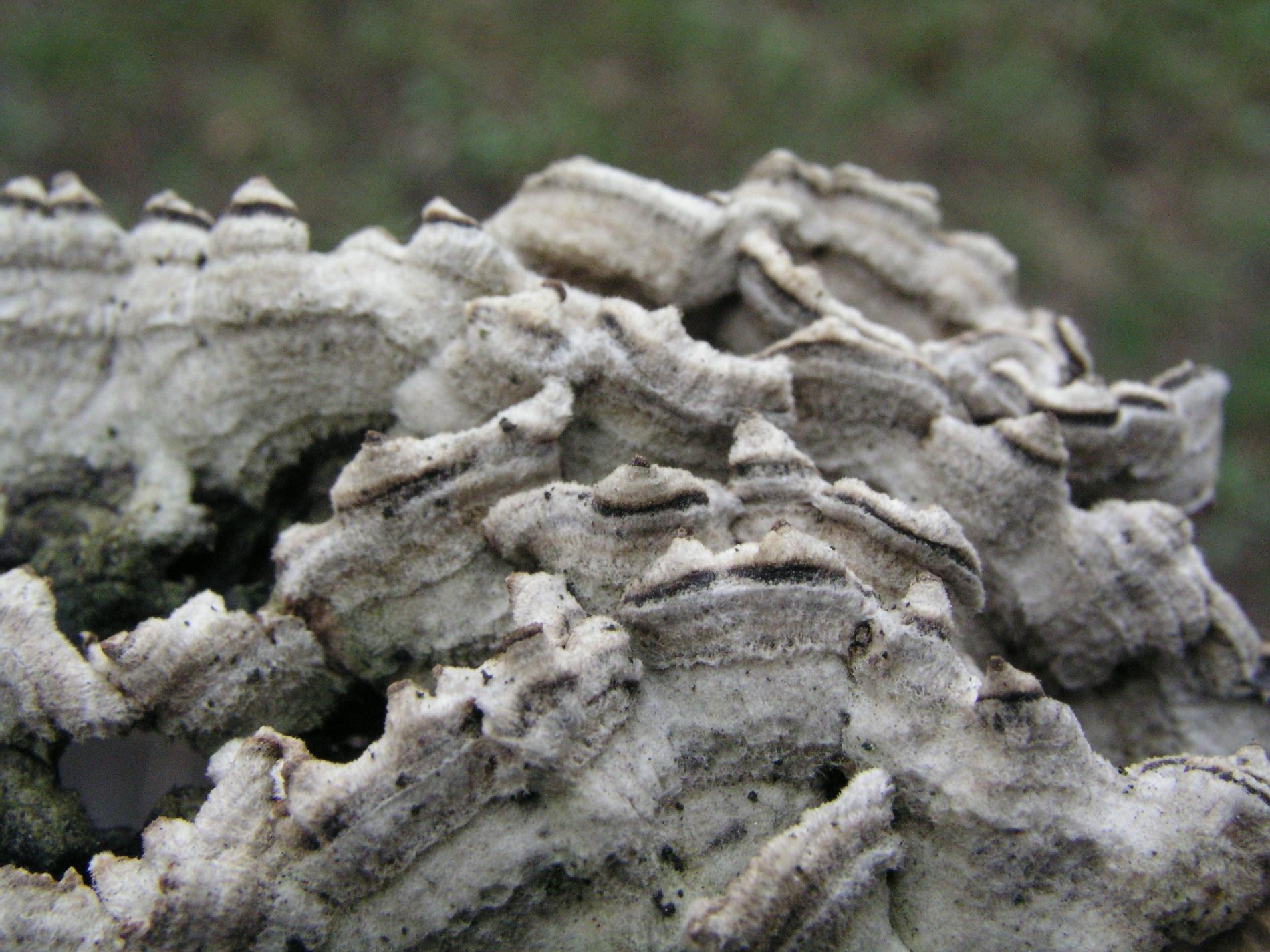
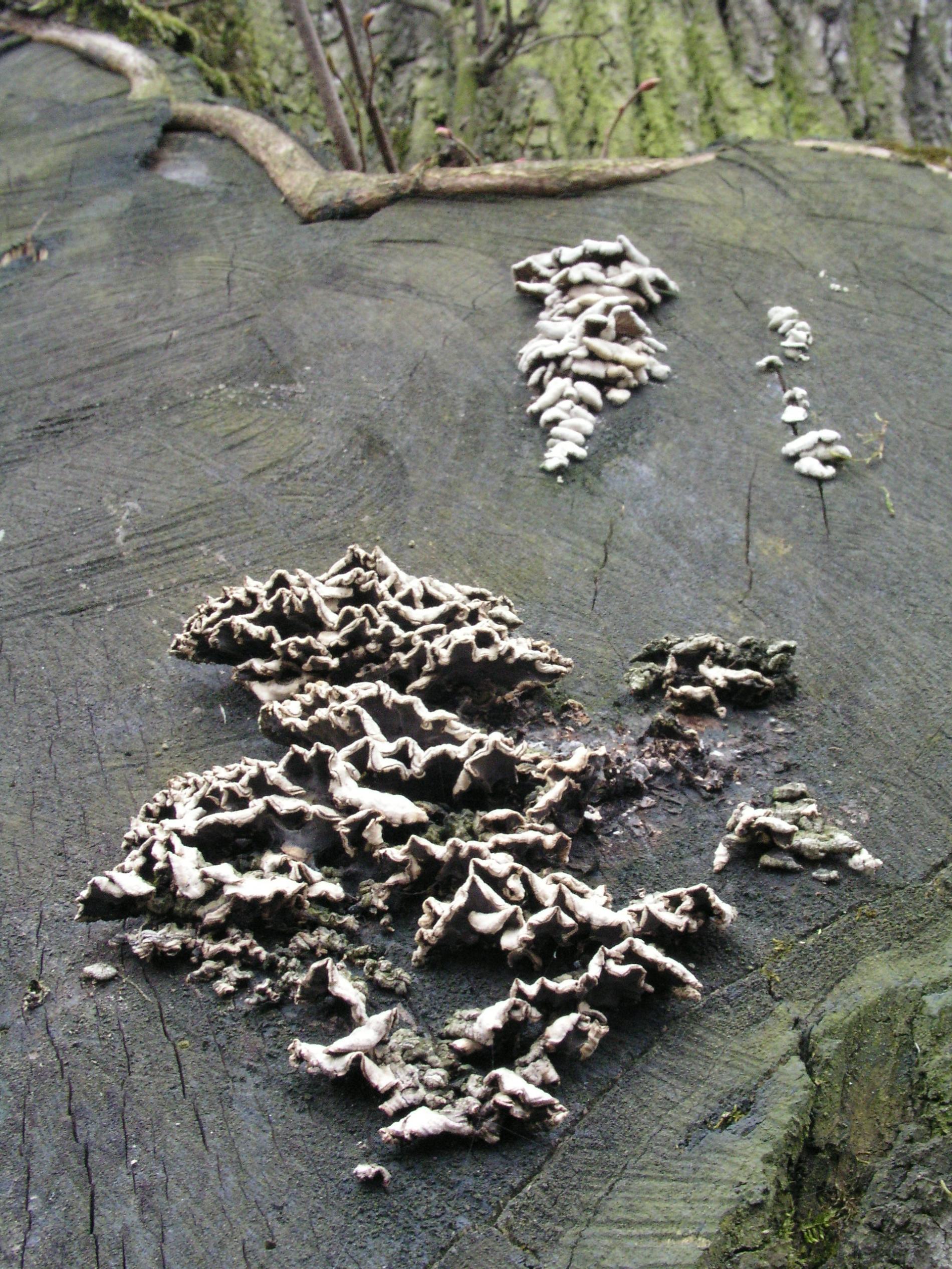
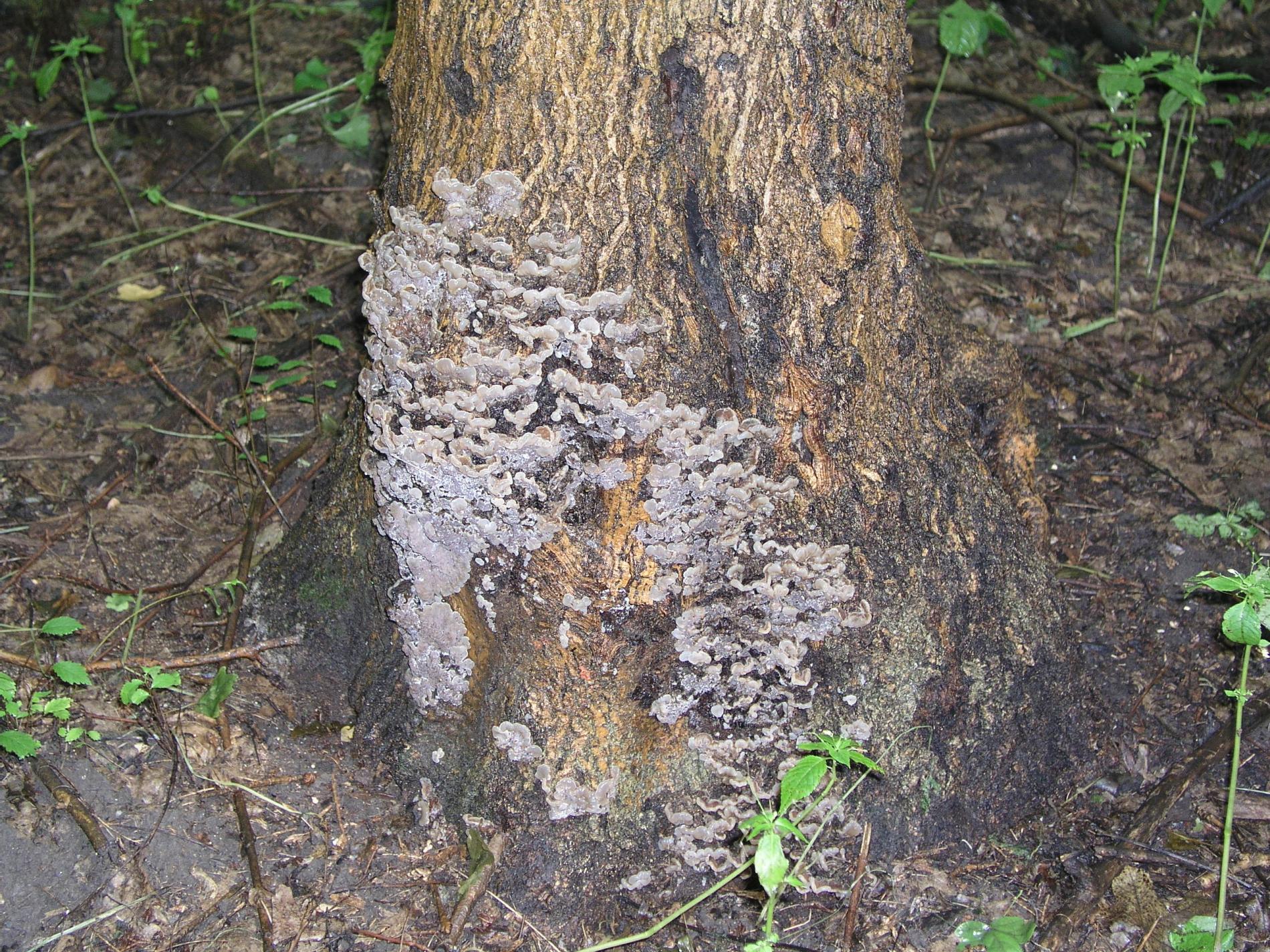
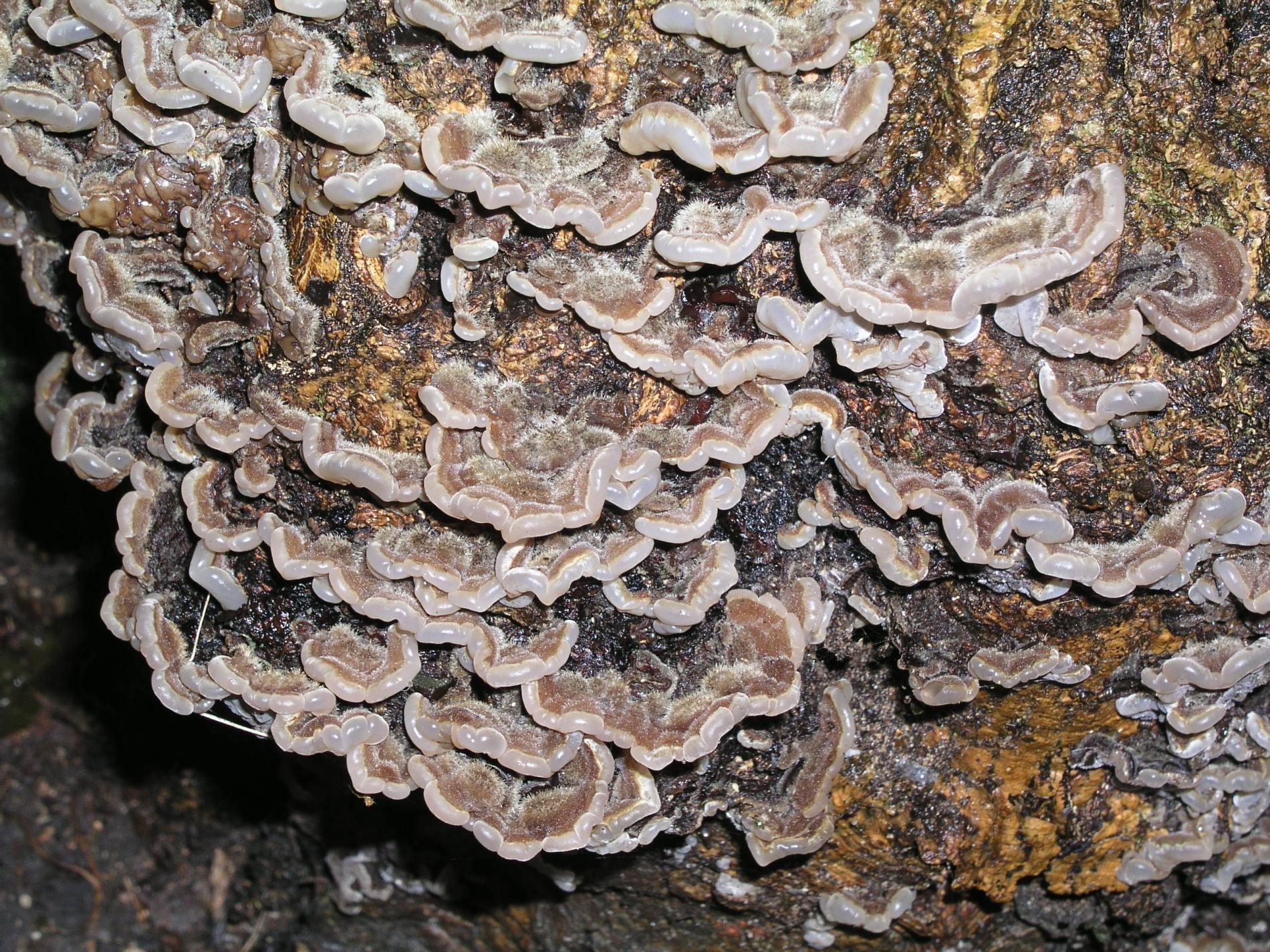
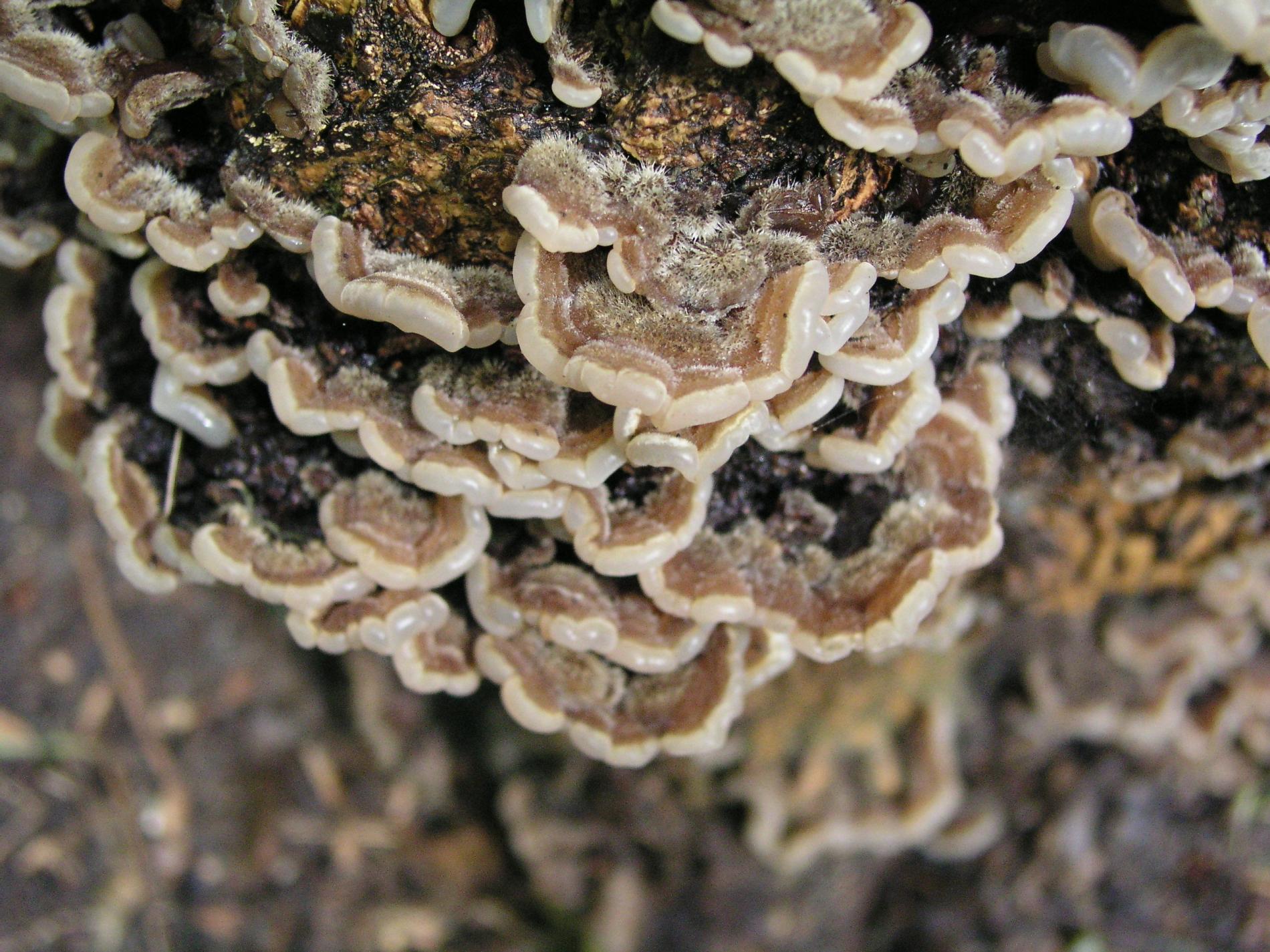
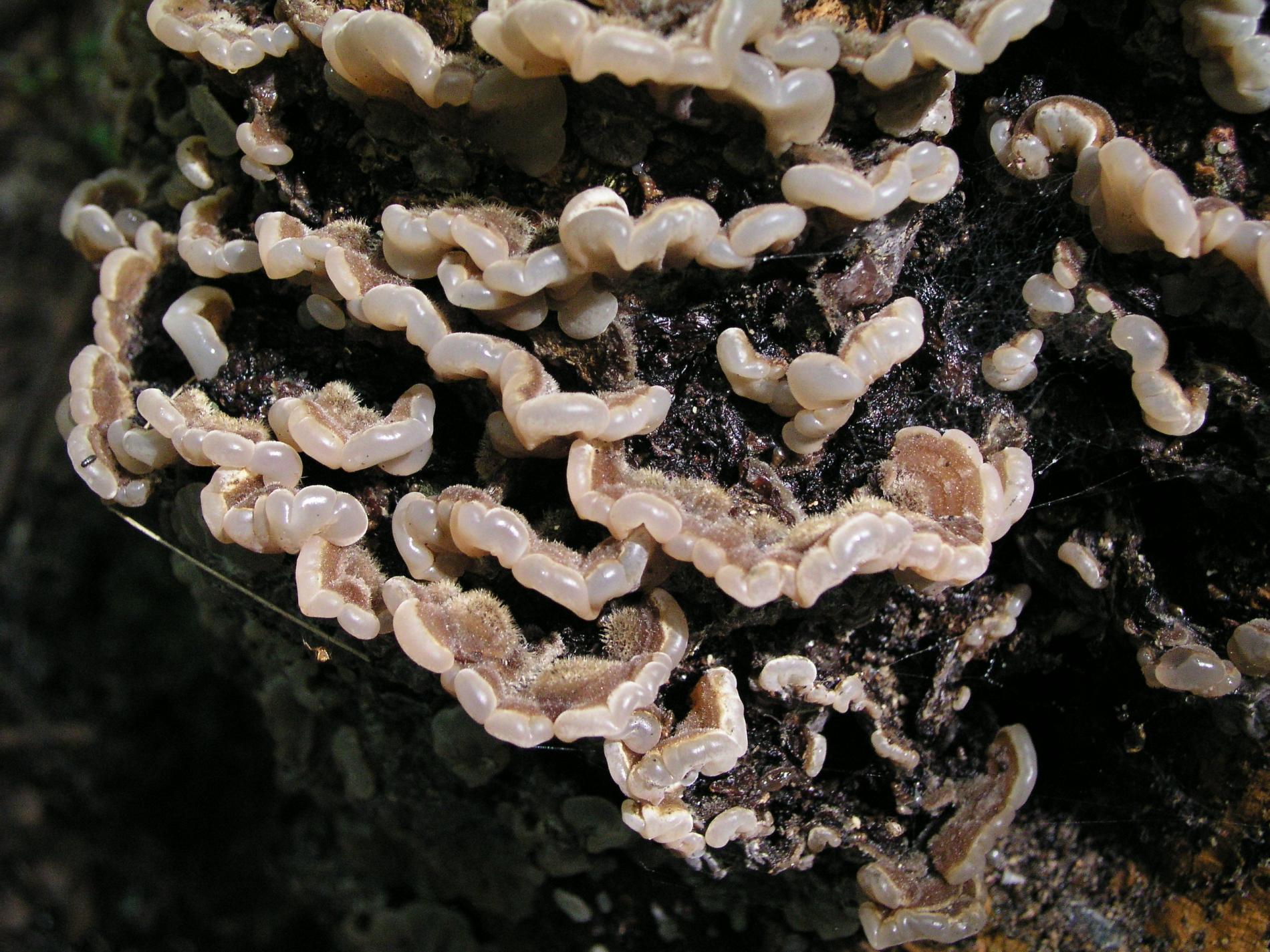
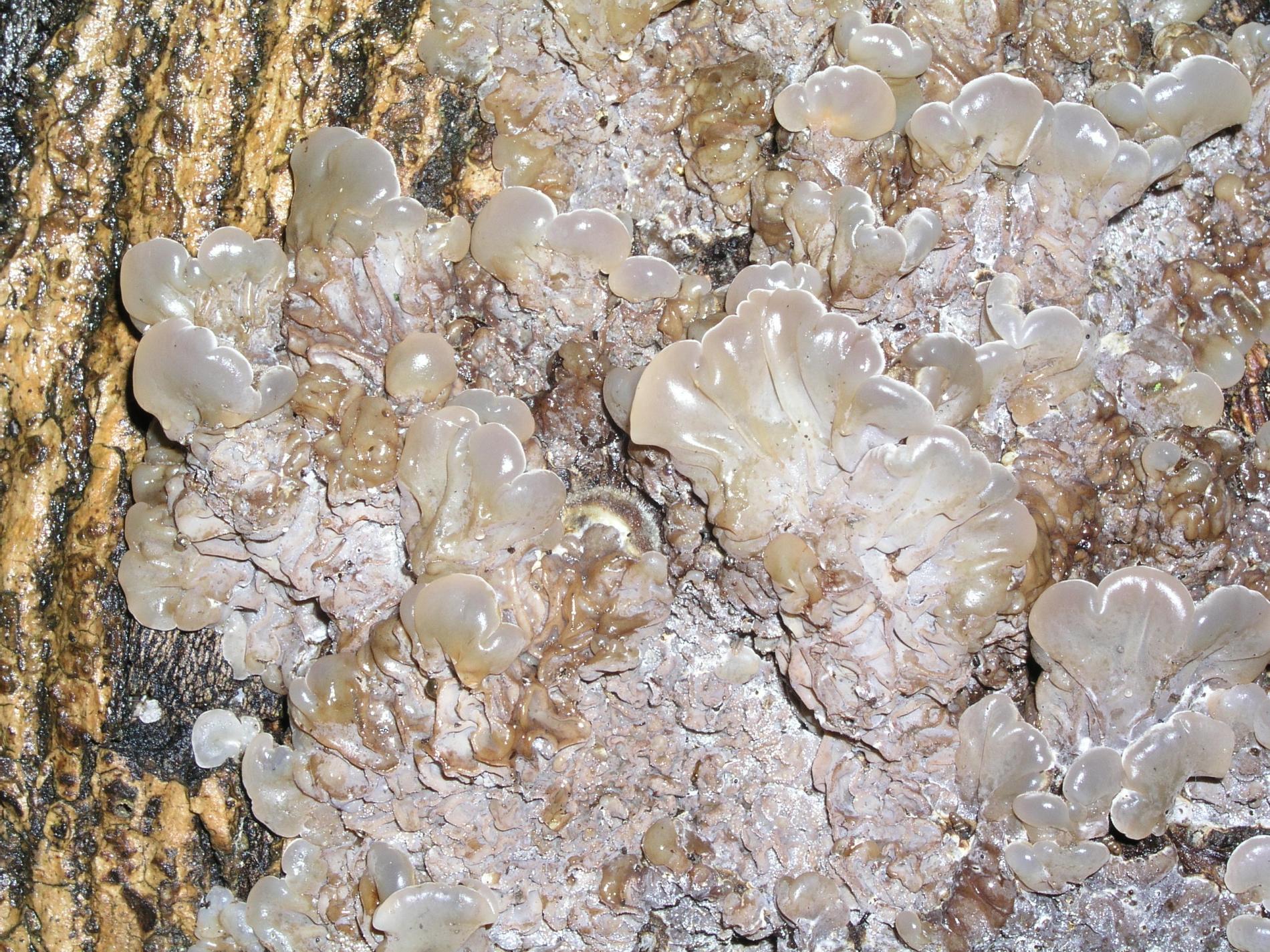
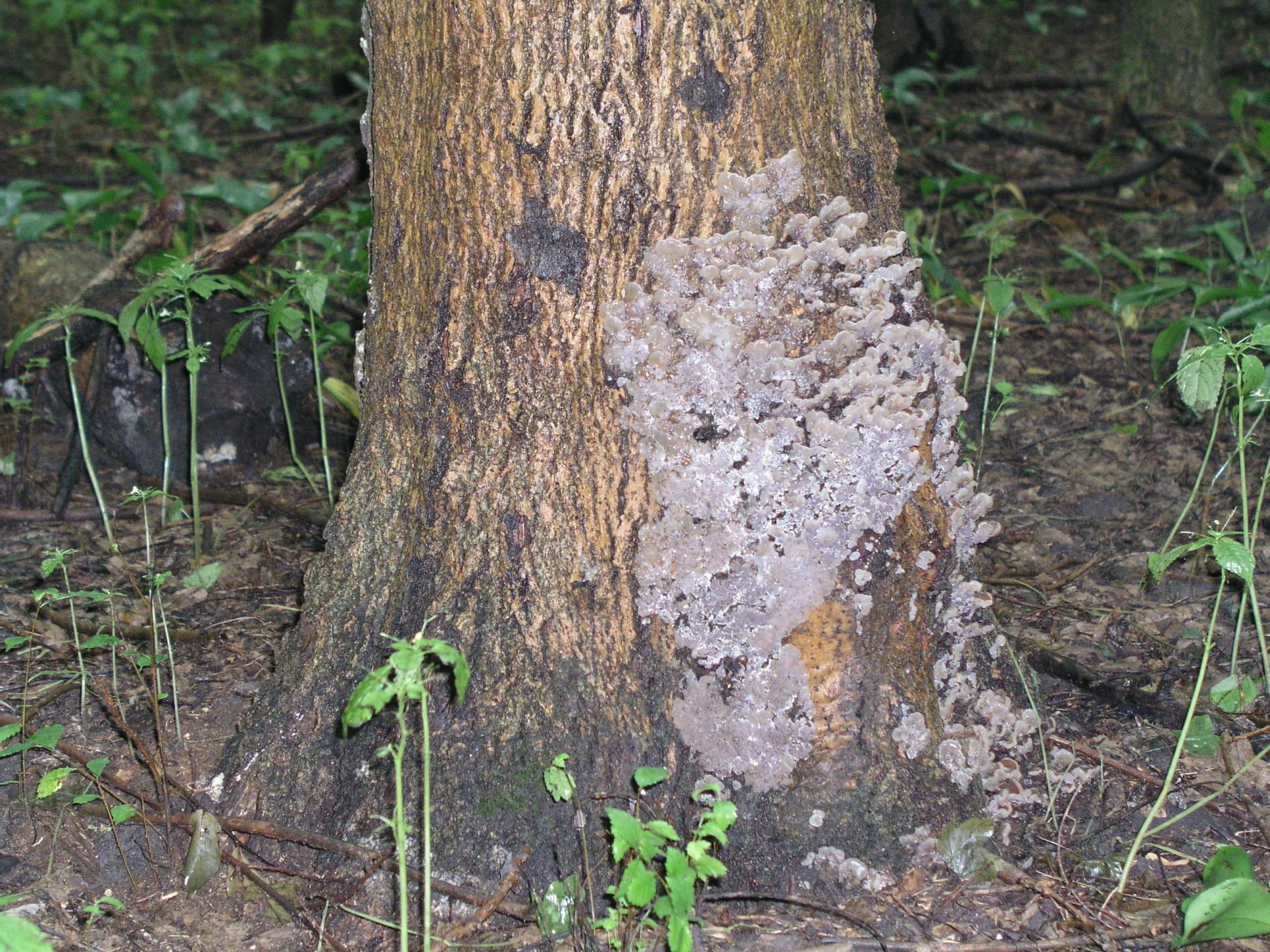
The fruiting bodies are cap-shaped with undulate edges, 4–15 cm across, 1–5 cm deep and 0.2–0.5 cm thick. They are laterally attached to the substrate and usually form dense tiers of overlapping brackets. The upper surface of the caps is coarse, hairy, ochre-yellow, zoned in rusty brown or olive green centered stripes, with the lobed edges coloured pale or whitish grey. The hymenium has a shape of tangled gelatinous veins, most often of greyish purple colour. When fresh, the flesh is gelatinous, but gets very hard in dry specimens; the upper side of the cap is leathery. The mycelium causes white rot of wood.
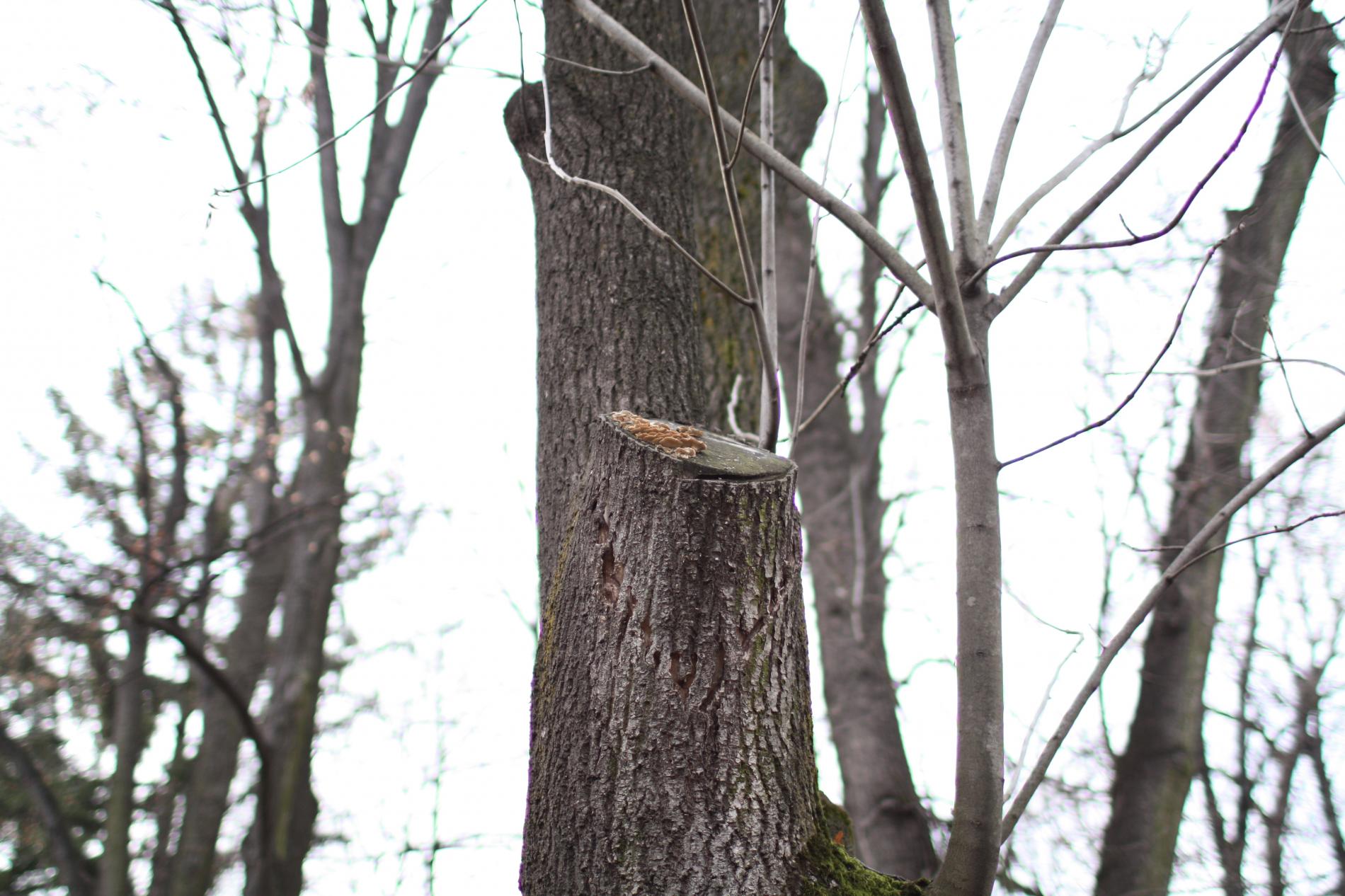
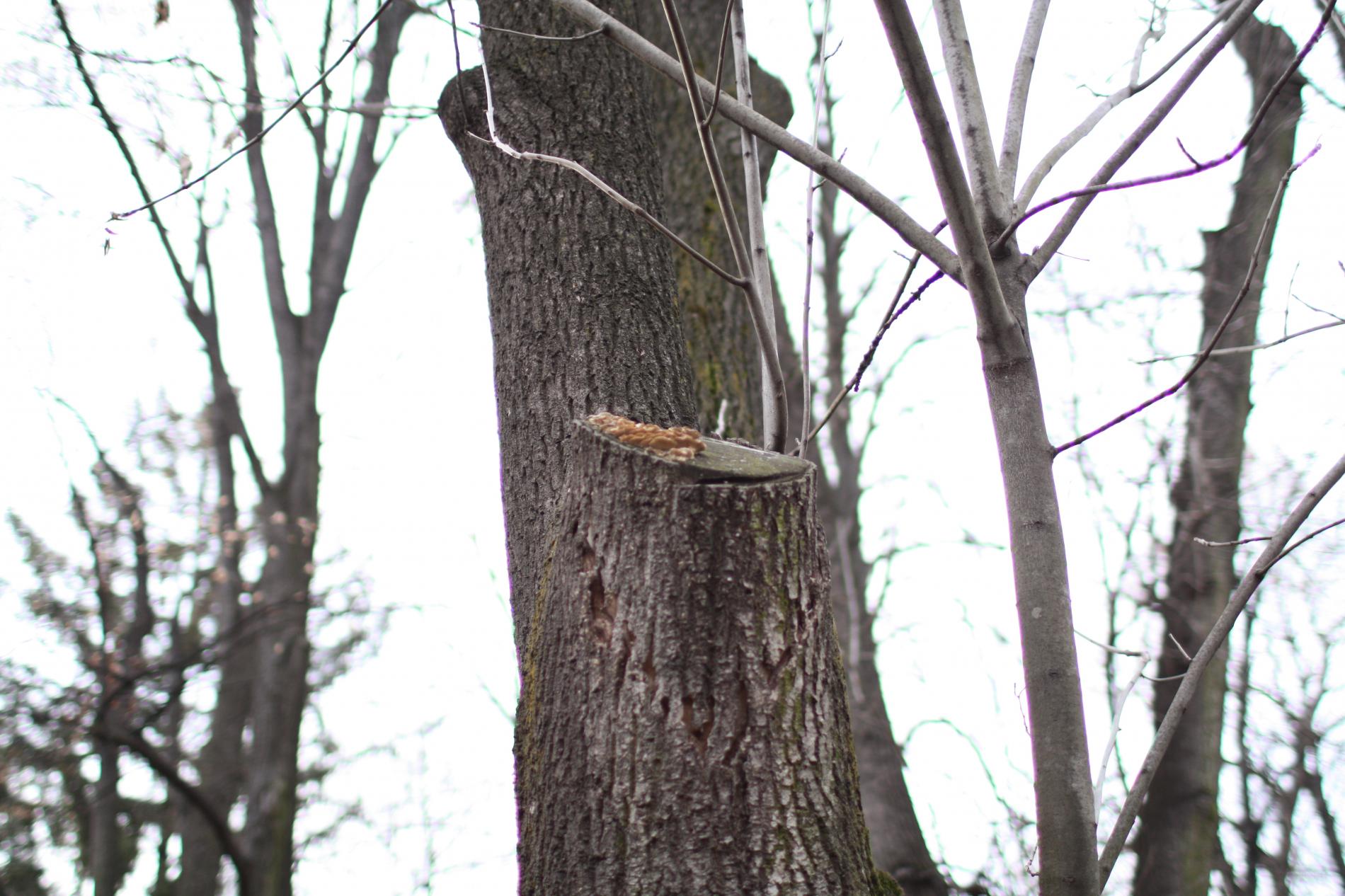
Presence of ocher-yellow to whitish folded capped fruiting bodies, with a wavy edge.
Tree Species: Elm, Ash
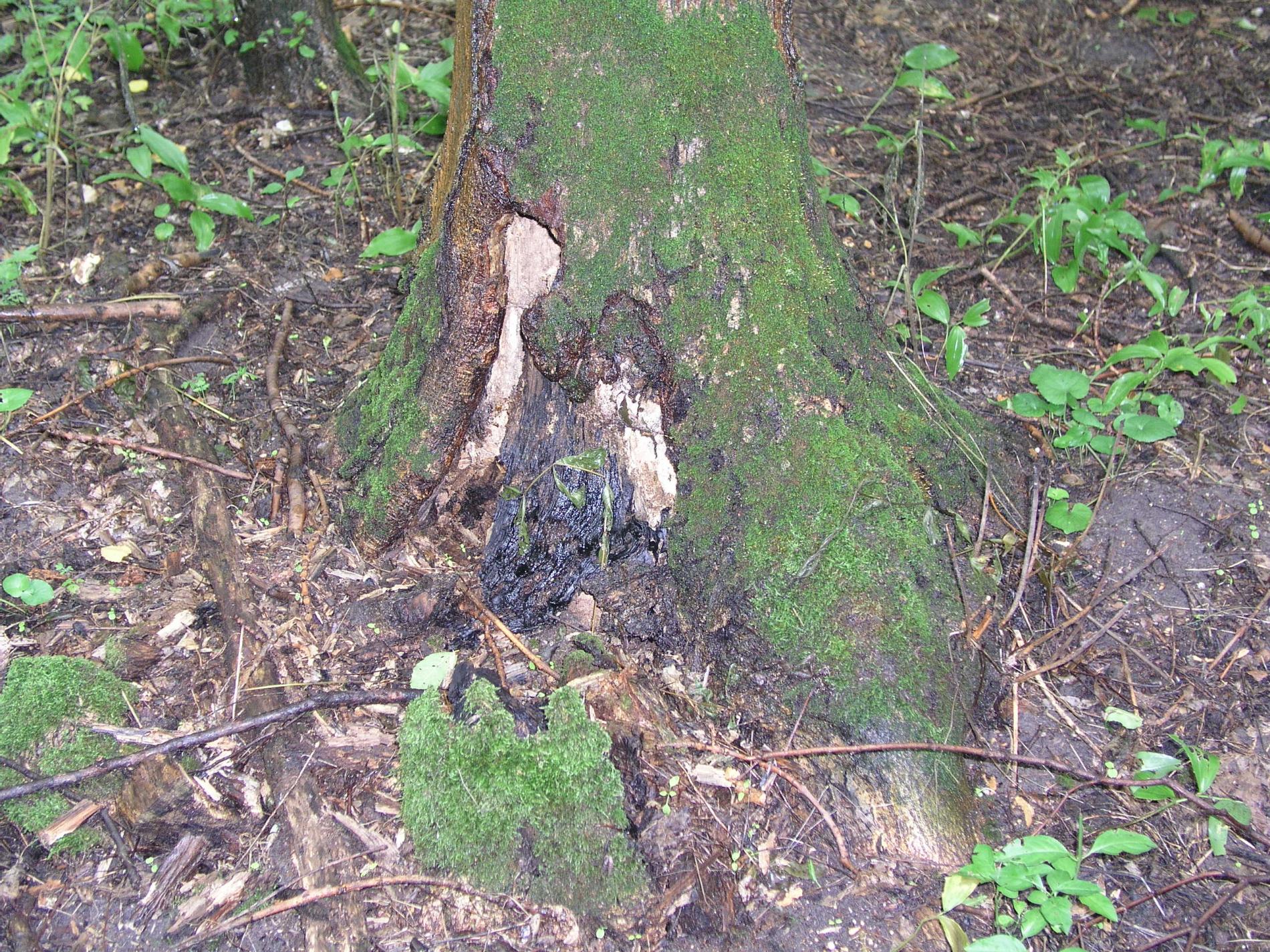
Part of a plant- attacked: Tree trunk
Pest significance: Less harmful
Pest Category: Fungi
Invasive Species: No
Present in EU: Yes
Pest group: Fungi
Affected part of wood: Heartwood, Sapwood
Depth of damages: More than 5 cm depth, Under bark only, Up to 0,5 cm depth, Up to 2 cm depth, Up to 5 cm depth
The extent of damage: Whole trunk
Prevalence in Europe: Very common
Damaged products: Firewood, Fresh timber logs (water still in the sapwood), Furniture, Lumber, boards and prisms, Wood chips, Wooden house constructions
Roundwood size: Diameter from 10 up to 50 cm
Wood discoloration: Yes
Pest subcategory: White-rot
Similar pests

Trametes pubescens

Trametes versicolor
